Search Result
Results for "
ER breast cancer cells
" in MedChemExpress (MCE) Product Catalog:
6
Isotope-Labeled Compounds
| Cat. No. |
Product Name |
Target |
Research Areas |
Chemical Structure |
-
- HY-50767
-
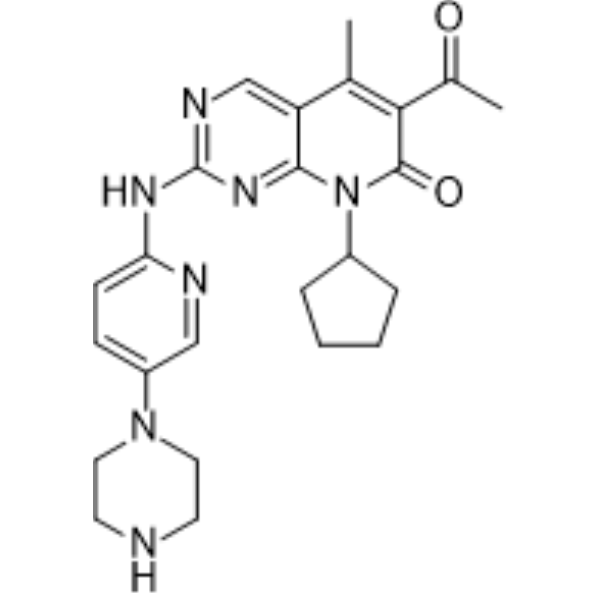
Palbociclib
Maximum Cited Publications
239 Publications Verification
PD 0332991
|
CDK
|
Cancer
|
|
Palbociclib (PD 0332991) is an orally active selective CDK4 and CDK6 inhibitor with IC50 values of 11 and 16 nM, respectively. Palbociclib has potent anti-proliferative activity and induces cell cycle arrest in cancer cells, which can be used in the research of HR-positive and HER2-negative breast cancer and hepatocellular carcinoma .
|
-
-
- HY-138642
-
|
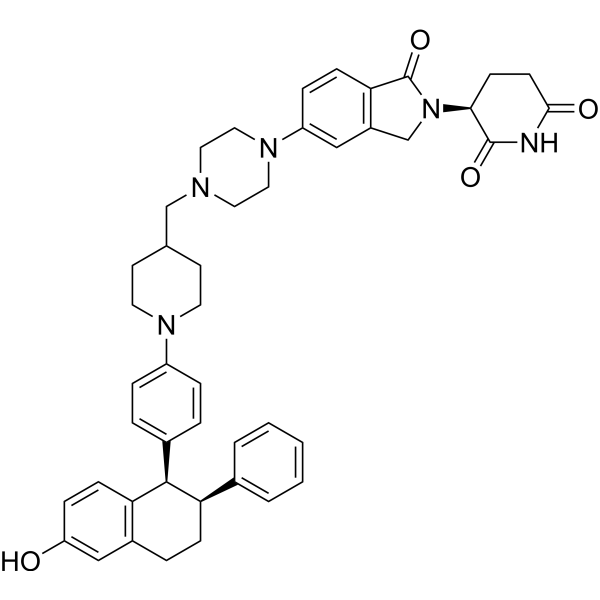
ARV-471
|
PROTACs
Estrogen Receptor/ERR
|
Cancer
|
|
Vepdegestrant (ARV-471) is an orally active PROTAC estrogen receptor degrader against breast cancer. Vepdegestrant is a hetero-bifunctional molecule that facilitates the interactions between estrogen receptor alpha and an intracellular E3 ligase complex. Vepdegestrant leads to the ubiquitylation and subsequent degradation of estrogen receptors via the proteasome. Vepdegestrant robustly degrades ER in ER-positive breast cancer cell lines with a half-maximal degradation concentration (DC50) of about 2 nM .
|
-
-
- HY-19822
-
|
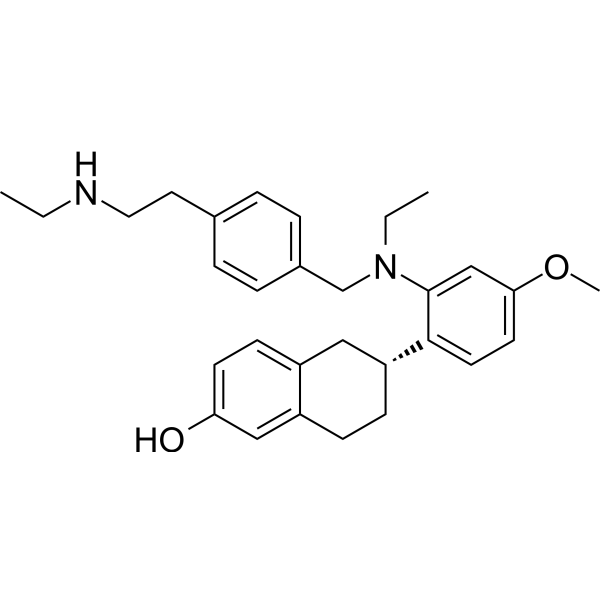
RAD1901
|
Estrogen Receptor/ERR
|
Cancer
|
|
Elacestrant (RAD1901) is an orally available and selective estrogen receptor degrader (SERD) with IC50s of 48 and 870 nM for ERα and ERβ, respectively. Elacestrant also can inhibit growth of ER + breast cancer cell lines in vitro and in vivo .
|
-
-
- HY-50767A
-
|
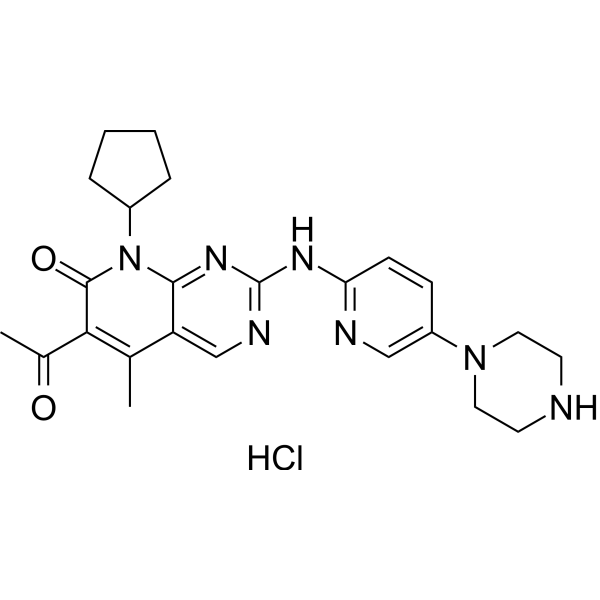
PD 0332991 monohydrochloride
|
CDK
|
Cancer
|
|
Palbociclib (PD 0332991) monohydrochloride is an orally active selective CDK4 and CDK6 inhibitor with IC50 values of 11 and 16 nM, respectively. Palbociclib monohydrochloride has potent anti-proliferative activity and induces cell cycle arrest in cancer cells, which can be used in the research of HR-positive and HER2-negative breast cancer and hepatocellular carcinoma .
|
-
-
- HY-A0065
-
|
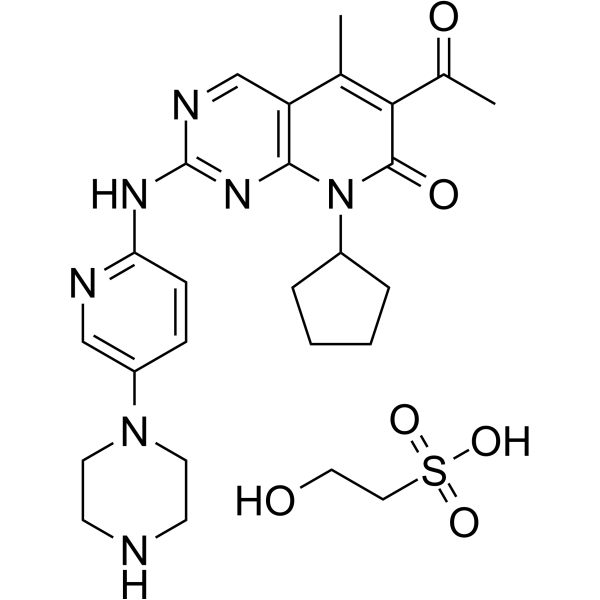
PD 0332991 isethionate
|
CDK
|
Infection
Neurological Disease
Cancer
|
|
Palbociclib (PD 0332991) isethionate is an orally active selective CDK4 and CDK6 inhibitor with IC50 values of 11 and 16 nM, respectively. Palbociclib isethionate has potent anti-proliferative activity and induces cell cycle arrest in cancer cells, which can be used in the research of HR-positive and HER2-negative breast cancer and hepatocellular carcinoma .
|
-
-
- HY-50767C
-
|
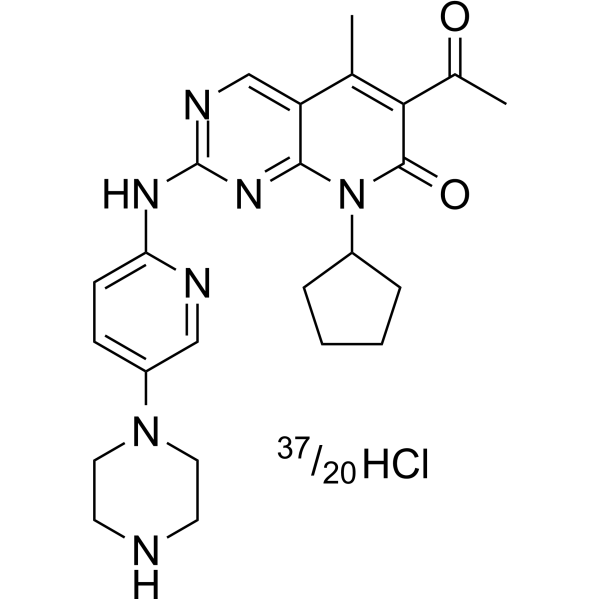
PD-0332991 hydrochloride
|
CDK
|
Cancer
|
|
Palbociclib (PD 0332991) hydrochloride is an orally active selective CDK4 and CDK6 inhibitor with IC50 values of 11 and 16 nM, respectively. Palbociclib hydrochloride has potent anti-proliferative activity and induces cell cycle arrest in cancer cells. Palbociclib hydrochloride can be used in the research of HR-positive and HER2-negative breast cancer and hepatocellular carcinoma .
|
-
-
- HY-145572
-
|
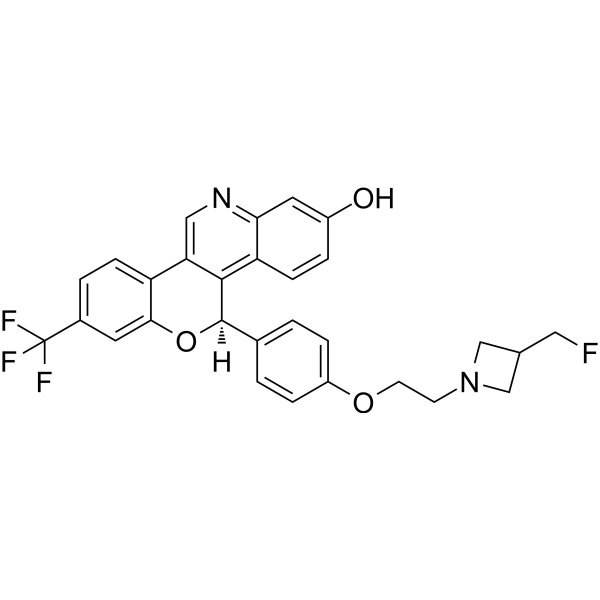
LY-3484356
|
Estrogen Receptor/ERR
|
Cancer
|
|
Imlunestrant (LY-3484356) is an orally active, potent and selective estrogen receptor degrader (SERD) with pure antagonistic properties. Imlunestrant results in sustained inhibition of ER-dependent gene transcription and cell growth. Imlunestrant can be used for the research of ER-positive (ER+) advanced breast cancer (aBC) and endometrial endometrioid cancer (EEC) .
|
-
-
- HY-W142080
-
|
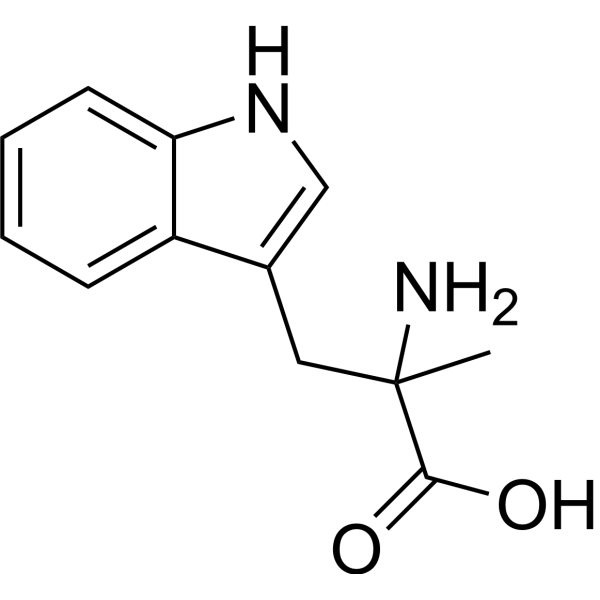
α-Methyltryptophan
|
mTOR
Autophagy
Apoptosis
Amino Acid Derivatives
|
Metabolic Disease
Cancer
|
|
α-Methyl-DL-tryptophan (α-Methyltryptophan), a tryptophan derivative, is a selective SLC6A14 blocker. In estrogen receptor (ER)-positive breast cancer cells, α-Methyl-DL-tryptophan inhibits mTOR and activates autophagy and apoptosis. α-Methyl-DL-tryptophan also has the effect of reducing weight .
|
-
-
- HY-145572A
-
|
LY-3484356 tosylate
|
Estrogen Receptor/ERR
|
Cancer
|
|
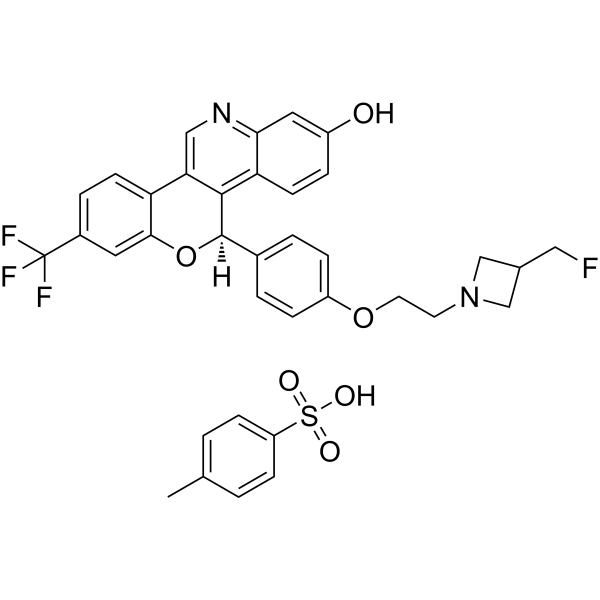
Imlunestrant (LY-3484356) tosylate is an orally active, potent and selective estrogen receptor degrader (SERD) with pure antagonistic properties. Imlunestrant tosylate results in sustained inhibition of ER-dependent gene transcription and cell growth. Imlunestrant tosylate can be used for the research of ER-positive (ER+) advanced breast cancer (aBC) and endometrial endometrioid cancer (EEC) .
|
-
-
- HY-B0412
-
Estriol
5 Publications Verification
Oestriol
|
Estrogen Receptor/ERR
Endogenous Metabolite
|
Cancer
|
|
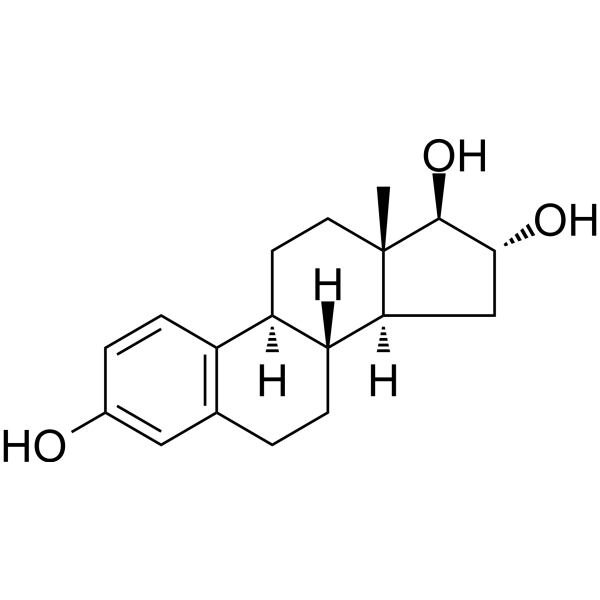
Estriol (Oestriol), an orally active estrogen, is a ERα and ERβ agonist. Estriol is a potent GPR30 antagonist in estrogen receptor-negative breast cancer cells. Estriol can ameliorate disease severity through immunomodulatory mechanisms that decrease tissue inflammation. Estriol has powerful proconvulsant effects .
|
-
-
- HY-19822A
-
|
RAD1901 dihydrochloride
|
Estrogen Receptor/ERR
|
Cancer
|
|
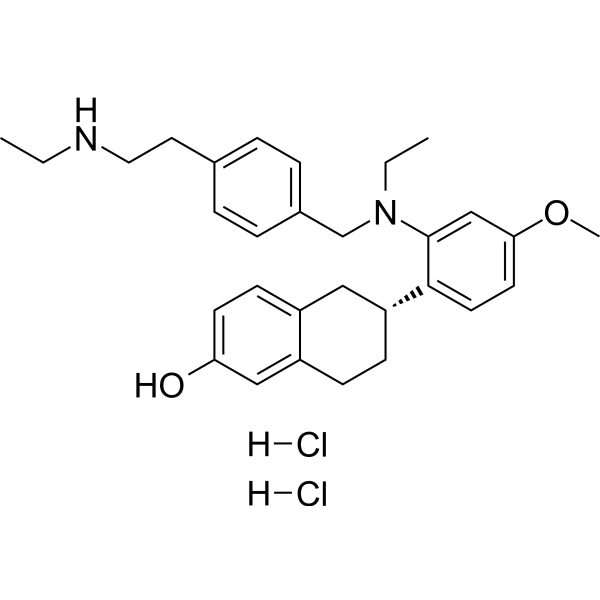
Elacestrant (RAD1901) dihydrochloride is an orally available and selective estrogen receptor degrader (SERD) with IC50s of 48 and 870 nM for ERα and ERβ, respectively. Elacestrant dihydrochloride also can inhibit growth of ER + breast cancer cell lines in vitro and in vivo .
|
-
-
- HY-147165
-
VT02956
1 Publications Verification
|
Ser/Thr Kinase
Large Tumor Suppressor (LATS)
|
Cancer
|
|
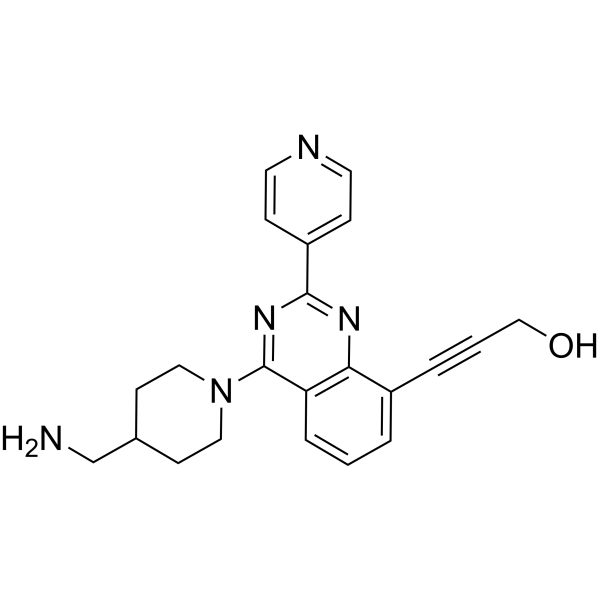
VT02956 is a LATS inhibitor (IC50: 0.76 nM for LATS1, 0.52 nM for LATS2). VT02956 targets the Hippo pathway. VT02956 inhibits ESR1 expression and growth of ER+ breast cancer cell lines and patient-derived tumor organoids . VT02956 is a click chemistry reagent, it contains an Alkyne group and can undergo copper-catalyzed azide-alkyne cycloaddition (CuAAc) with molecules containing Azide groups.
|
-
-
- HY-153468
-
|
TEQ103; SERa2
|
Sodium Channel
TRP Channel
|
Cancer
|
|
ErSO-TFPy (TEQ103) is an ERα+ tumor cell inhibitor with low nanomolar cytotoxic activity against ERα+ breast cancer cells. ErSO-TFPy activates the sodium channel TRPM4, causes an imbalance of intracellular calcium and sodium ions. ErSO-TFPy dysregulates calcium homeostasis in ERα+ tumor cells, triggers the anticipatory unfolded protein response, and induces rapid immune cell-independent necrotic cell death. ErSO-TFPy can be used for the research of estrogen receptor alpha positive breast cancer .
|
-

-
- HY-B0515
-
|
BM-210955; RPR-102289A
|
Apoptosis
|
Metabolic Disease
Cancer
|
|
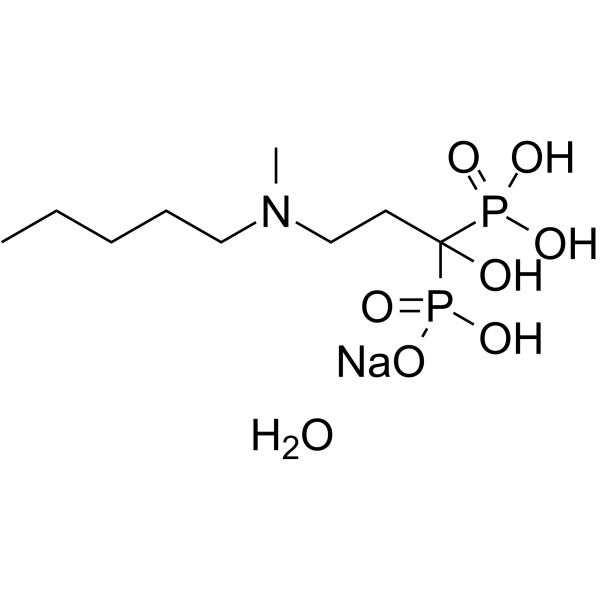
Ibandronate Sodium Monohydrate (BM-210955; RPR-102289A) is an orally active, selective inhibitor of farnesyl pyrophosphate synthase (FPP synthase). Ibandronate Sodium Monohydrate can block the mevalonate pathway to inhibit the isoprenylation modification of small GTPases (such as RAS, RHO family proteins), induce tumor cell apoptosis and inhibit bone resorption. Ibandronate Sodium Monohydrate inhibits tumor cell proliferation (such as ER + breast cancer cells), promotes the expression of the pro-apoptotic gene FAS, and can produce synergistic anti-tumor effects with anti-estrogen compounds. Ibandronate Sodium Monohydrate is used in the study of osteoporosis and bone metastatic tumors (such as breast cancer bone metastasis) .
|
-
-
- HY-50767R
-
|
PD 0332991 (Standard)
|
Reference Standards
CDK
|
Cancer
|
|
Palbociclib (Standard) is the analytical standard of Palbociclib. This product is intended for research and analytical applications. Palbociclib (PD 0332991) is an orally active selective CDK4 and CDK6 inhibitor with IC50 values of 11 and 16 nM, respectively. Palbociclib has potent anti-proliferative activity and induces cell cycle arrest in cancer cells, which can be used in the research of HR-positive and HER2-negative breast cancer and hepatocellular carcinoma .
|
-

-
- HY-121410
-
Narasin
2 Publications Verification
|
Bacterial
Apoptosis
Parasite
NF-κB
Antibiotic
|
Infection
Cancer
|
|
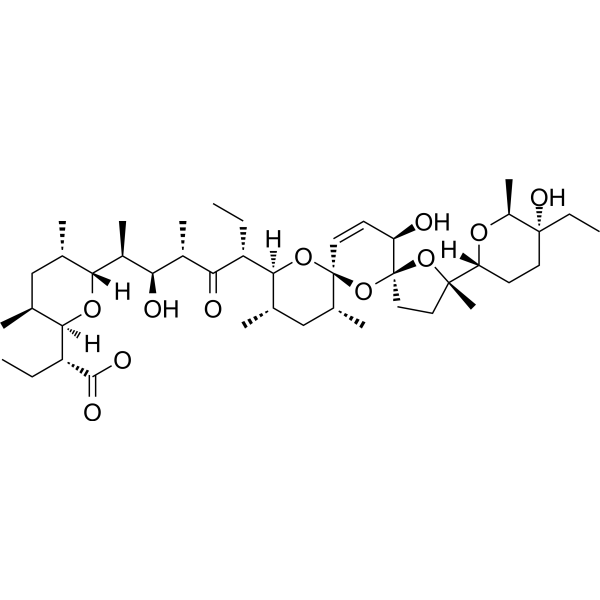
Narasin is a cationic ionophore antibiotic and coccidiostat agent. Narasin inhibits NF-κB signaling and induces tumor cells apoptosis. Narasin has antimicrobial, antiviral anticancer activity. Narasin inhibits tumor metastasis and growth of ERα‑positive breast cancer cells by inactivation of the TGF-β/SMAD3 and IL‑6/STAT3 signaling pathways .
|
-
-
- HY-162312
-
|
|
Deubiquitinase
Apoptosis
|
Cancer
|
|
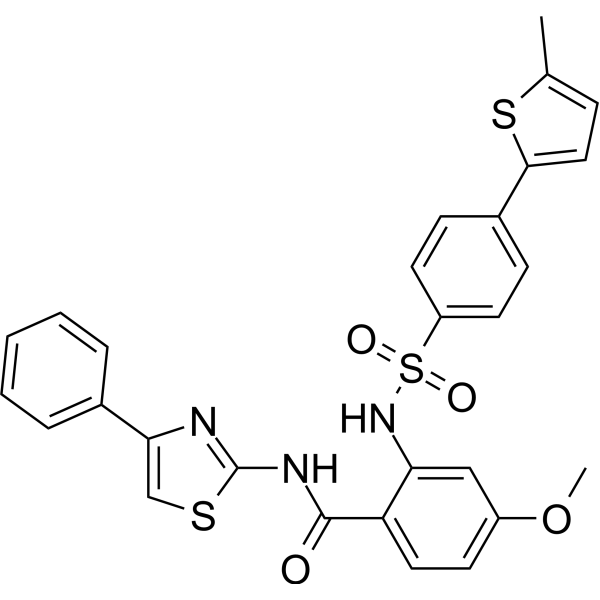
LLK203 is a potent USP2/USP8 dual-target inhibitor with IC50s of 0.89 μM and 0.52 μM, respectively. LLK203 leads a degradation of ERα and induces apoptosis of breast cancer MCF-7 cells. LLK203 demonstrates antitumor activities against the 4T1 tumor mice model .
|
-
-
- HY-128600
-
ERD-308
1 Publications Verification
|
PROTACs
Estrogen Receptor/ERR
|
Cancer
|
|
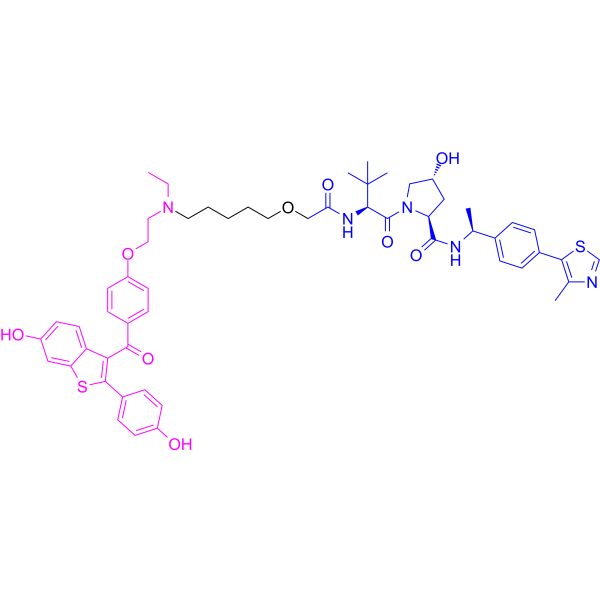
ERD-308 is a potent estrogen receptor (ER) PROTAC degrader. ERD-308 has DC50 values of 0.17 nM and 0.43 nM in MCF-7 and T47D ER+ cells. ERD-308 can inhibit the proliferation of breast cancer cells and exhibits anti-tumor activity. (Pink: Target Protein Ligand (HY-48027); Black: Linker (HY-172643); Blue: VHL Ligand (HY-112078); VHL Ligand+Linker:(HY-172645))
|
-
-
- HY-N1180
-
|
|
SARS-CoV
Keap1-Nrf2
|
Infection
|
|
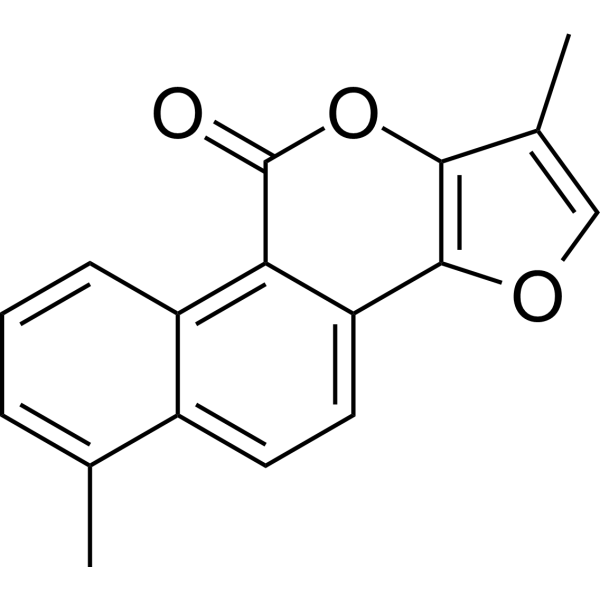
Tanshinlactone is a compound found in Salvia miltiorrhiza with anti-coronavirus (CoV) and anti-tumor activities. Tanshinlactone induces methuocytic cell death (methuosis) by activating the NRF2 pathway, and selectively kills ER +, HER2 +/EGFR + breast cancer cells. Tanshinlactone is applicable to research related to breast cancer and coronavirus infections .
|
-
-
- HY-103457
-
|
|
Estrogen Receptor/ERR
|
Cancer
|
|
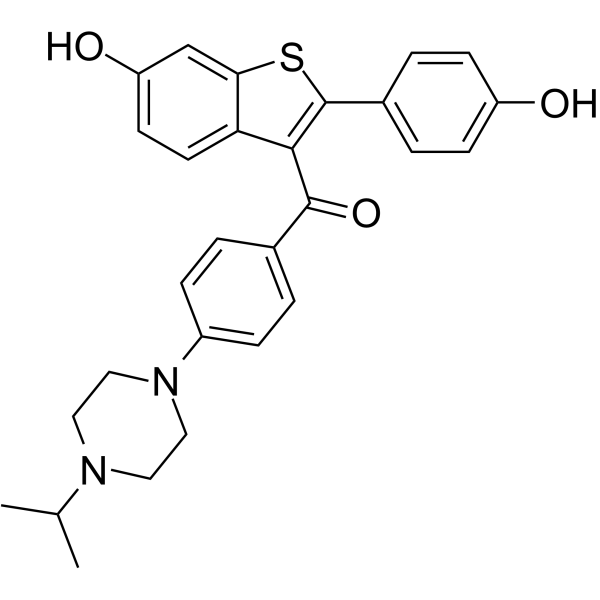
Y134 is a selective and orally active oestrogen receptor (ER) modulator (SERM), exhibits potent antagonist activity at ERα and ERβ. Y134 shows 121.1-fold selectivity for ERα (Ki=0.09 nM) over ERβ (Ki=11.31 nM). Y134 inhibits oestrogen-stimulated proliferation of ER-positive human breast cancer cells .
|
-
-
- HY-P10446
-
|
|
Epigenetic Reader Domain
PROTACs
|
Cancer
|
|
TAT-PiET-PROTAC is a proteolysis-targeting chimera (PROTAC)-modified TAT-PiET (HY-P10445), which is a cell-penetrating peptide targeting the extra-terminal (ET) domain of BRD4. TAT-PiET-PROTAC can reduce BRD4 and JMJD6 levels and inhibit cell proliferation. TAT-PiET-PROTAC also resists the endocrine resistance of ERα-positive breast cancer cells. TAT-PiET-PROTAC can be used for the research of cancer, such as breast cancer .
|
-

-
- HY-B0515B
-
|
|
Apoptosis
|
Metabolic Disease
Cancer
|
|
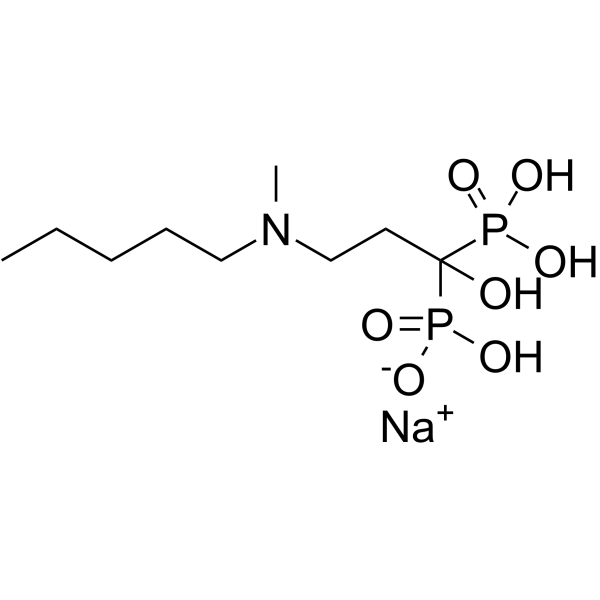
Ibandronate Sodium is an orally active, selective inhibitor of farnesyl pyrophosphate synthase (FPP synthase). Ibandronate Sodium can block the mevalonate pathway to inhibit the isoprenylation modification of small GTPases (such as RAS, RHO family proteins), induce tumor cell apoptosis and inhibit bone resorption. Ibandronate Sodium inhibits tumor cell proliferation (such as ER+ breast cancer cells), promotes the expression of the pro-apoptotic gene FAS, and can produce synergistic anti-tumor effects with anti-estrogen compounds. Ibandronate Sodium is used in the study of osteoporosis and bone metastatic tumors (such as breast cancer bone metastasis) .
|
-
-
- HY-137144
-
|
ZB716
|
Estrogen Receptor/ERR
|
Cancer
|
|
Fulvestrant-3-boronic acid is an orally active ERα inhibitor, which binds to ERα competitively (IC50 = 4.1 nM) and effectively degrades ERα in breast cancer cells .
|
-

-
- HY-169903
-
|
|
Apoptosis
|
Cancer
|
|
SMIP34 is a PELP1 inhibitor. SMIP34 binds to PELP1 with a Kd of 37.4 μM. SMIP34 inhibits cancer cell proliferation and tumor progression. SMIP34 can be used for breast cancer research, and is active against wild-type (WT), mutant (MT) ER+ and therapy-resistant (TR)-ER+ breast cancer .
|
-

-
- HY-149295
-
|
|
PROTACs
Estrogen Receptor/ERR
Apoptosis
|
Cancer
|
|
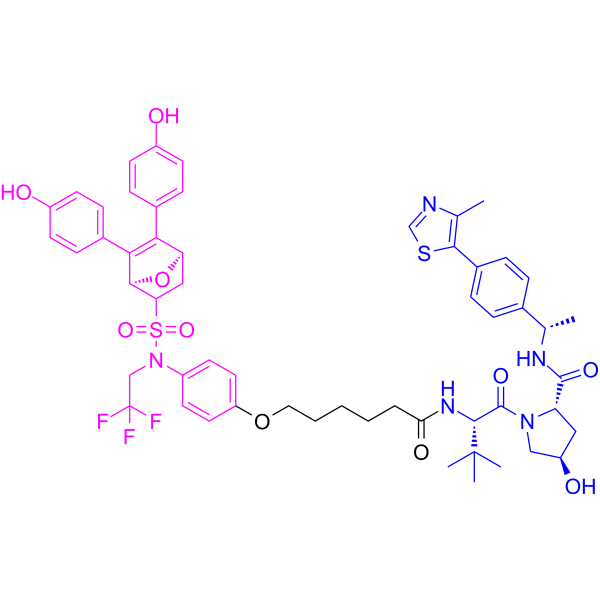
PROTAC ERα Degrader-4 (Compound ZD12) is a highly potent and selectivePROTAC ERα degrader (Ki: 5.08 μM). PROTAC ERα Degrader-4 contains OBHSAs, linker and E3 ligase ligands. PROTAC ERα Degrader-4 shows excellent cell inhibitory and ERα degradation activity against Tamoxifen-sensitive and -resistant ER + breast cancer (BC) cells and ERα-mutated BC cells. PROTAC ERα Degrader-4 can induce apoptosis and can be used for cancer research.
|
-
-
- HY-175785
-
|
|
Estrogen Receptor/ERR
Aryl Hydrocarbon Receptor
Apoptosis
MDM-2/p53
|
Cancer
|
|
X15695 is selective and orally active estrogen receptor (ERα) degrader. X15695 is an aryl hydrocarbon receptor (AHR) ligand. X15695 enables AHR to form a complex with the ERα, promoting its proteasomal degradation. X15695 inhibits the breast cancer cells proliferation, promotes cell cycle block and induces apoptosis. X15695 can be used for the study of breast cancer .
|
-

-
- HY-147402A
-
|
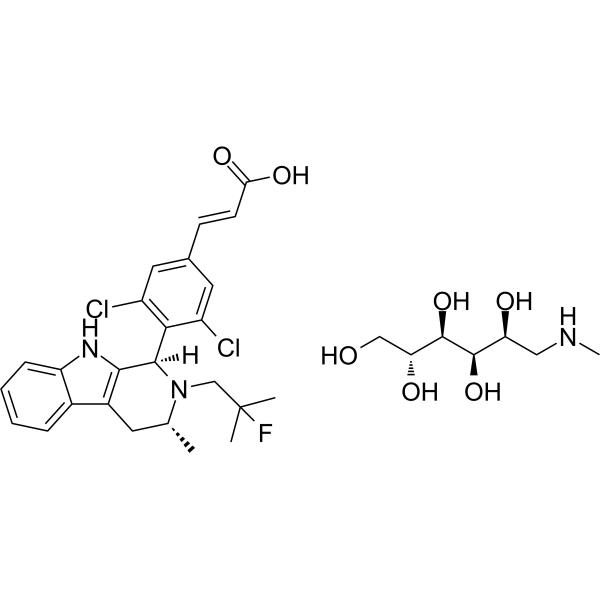
D-0502 meglumine
|
Estrogen Receptor/ERR
|
Cancer
|
|
Taragarestrant (D-0502) meglumine is a potent, orally active and selective estrogen receptor degrader (SERD). Taragarestrant meglumine shows potent activity in various ER+ breast cancer cell lines and xenograft models .
|
-
-
- HY-159613
-
|
|
Apoptosis
Estrogen Receptor/ERR
|
Inflammation/Immunology
Cancer
|
|
PELP1-IN-1 is a PELP1 inhibitor and an apoptosis inducer with no cytotoxic activity against non-cancer cell lines. PELP1-IN-1 targets wild-type, mutant and drug-resistant ER + breast cancer, and promotes PELP1 degradation through the proteasome pathway. As an analog of SMIP34 (HY-169903), PELP1-IN-1 is applicable to the research of estrogen receptor α-positive breast cancer .
|
-

-
- HY-107835
-
|
FCR 2769
|
Environmental Pollutants
Apoptosis
Bcl-2 Family
Parasite
Insecticide
|
Infection
Cancer
|
|
Flumethrin (FCR 2769) is a pyrethroid insecticide and acaricide . Flumethrin targets voltage-gated sodium channels and estrogen receptor α (ERα). Flumethrin induces cytotoxicity, apoptosis, genotoxicity and DNA damage in breast cancer cells by regulating the expression of BCL2, BAX, TP53 and P21 genes. Flumethrin is applicable to relevant studies on ectoparasite infections (tick and flea burdens) in dogs and cats, as well as breast cancer .
|
-

-
- HY-163561
-
|
|
Histone Methyltransferase
Estrogen Receptor/ERR
IFNAR
|
Cancer
|
|
CARM1-IN-6 is a potent CARM1 inhibitor that inhibits CARM1 enzymatic activity with an IC50 of 12.3 μM and a Kd of 0.6785 μM. CARM1-IN-6 suppresses oncogenic estrogen/ERα-target gene expression, activates type I interferon (IFN) and IFN-induced genes (ISGs), induces cell cycle arrest, and inhibits breast cancer cell proliferation both in vitro and in vivo. CARM1-IN-6 can be used for the research of breast cancer .
|
-

-
- HY-110329
-
|
|
Nuclear Hormone Receptor 4A/NR4A
|
Cancer
|
|
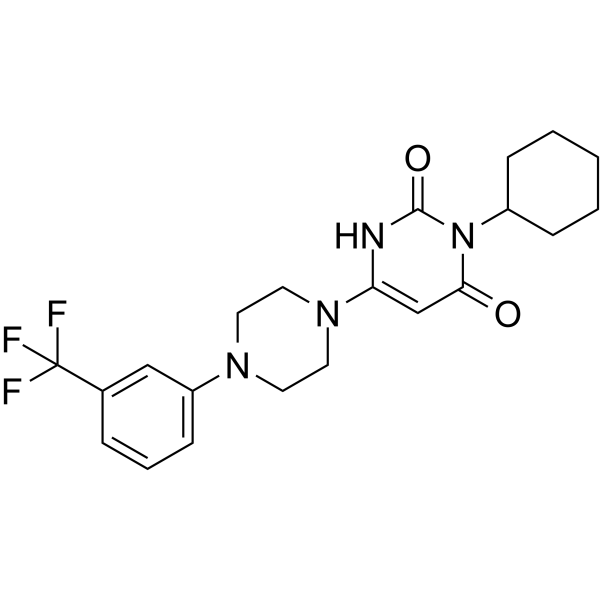
ML179 (SR-1309) is a inverse LRH1/NR5A2 (Liver receptor homologue-1) agonist with IC50 of 320 nM. ML179 shows anti-proliferation activity in MDA-MB-231 cells. ML179 has the potential for the research of ER-negative breast cancer .
|
-
-
- HY-13636A
-
|
ICI 182780 (S enantiomER); ZD 9238 (S enantiomER); ZM 182780 (S enantiomER)
|
Drug Isomer
Estrogen Receptor/ERR
p38 MAPK
Apoptosis
|
Cancer
|
|
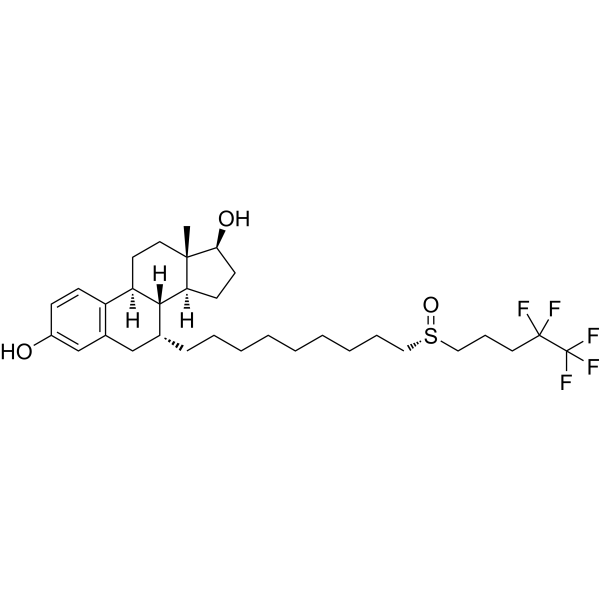
Fulvestrant (ICI 182780; ZD 9238) S enantiomer is the S-enantiomer of Fulvestrant (HY-13636), a potent estrogen receptor inhibitor. Fulvestrant binds to and blocks the estrogen receptor, promotes its degradation, and thereby inhibits receptor dimerization, nucleocytoplasmic shuttling and transcriptional activity. Fulvestrant effectively blocks estrogen signaling, MAPK pathway activation and ER-regulated protein expression. Fulvestrant induces apoptosis, inhibits the proliferation of breast cancer and prolactinoma cells, and reduces the mineralization level, alkaline phosphatase activity and osteocalcin expression of preosteoblasts. Prenatal exposure to Fulvestrant impairs ovarian follicular development and causes ovarian structural damage. Fulvestrant has been widely used in studies related to breast cancer, prolactinoma and other conditions .
|
-
-
- HY-50767AR
-
|
PD 0332991 monohydrochloride (Standard)
|
CDK
Reference Standards
|
Cancer
|
|
Palbociclib (monohydrochloride) (Standard) is the analytical standard of Palbociclib (monohydrochloride). This product is intended for research and analytical applications. Palbociclib (PD 0332991) monohydrochloride is an orally active selective CDK4 and CDK6 inhibitor with IC50 values of 11 and 16 nM, respectively. Palbociclib monohydrochloride has potent anti-proliferative activity and induces cell cycle arrest in cancer cells, which can be used in the research of HR-positive and HER2-negative breast cancer and hepatocellular carcinoma .
|
-

-
- HY-148368
-
|
|
Bcl-2 Family
Apoptosis
|
Cancer
|
|
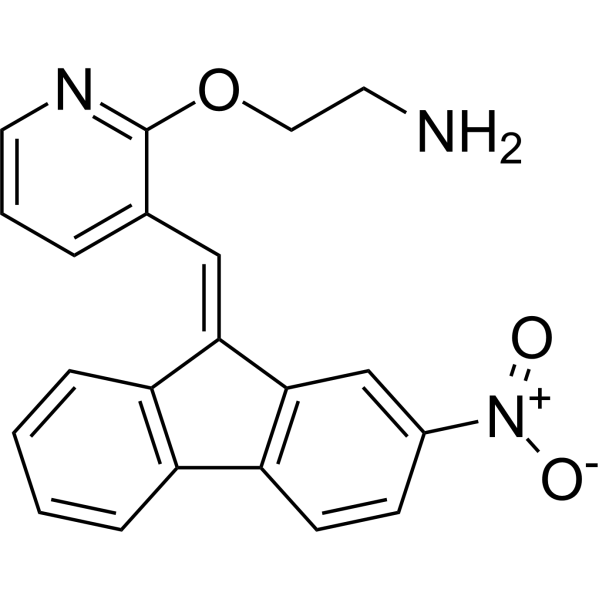
CYD-4-61 is a novel Bax activator used for breast cancer research. CYD-4-61 inhibits triple-negative breast cancer MDA-MB-231 and ER-positive breast cancer MCF-7 cell lines proliferation. CYD-4-61 activates Bax protein to induce cytochrome c release and regulate apoptotic biomarkers, leading to cancer cell apoptosis .
|
-
-
- HY-161740
-
|
|
AUTOTACs
Estrogen Receptor/ERR
Autophagy
|
Cancer
|
|
PHTPP-1304 is a PHTPP-based autophagy targeting chimera (AUTOTAC). PHTPP-1304 induces the degradation of estrogen receptor ERβ through the autophagy pathway, rather than ubiquitination (DC50 ≈ 2 nM, in HEK293T cells; < 100 nM in ACHN renal carcinoma and MCF-7 breast cancer cells). PHTPP-1304 can induce the self-oligomerization of p62. PHTPP-1304 can be used to study various cancers mediated by ERβ .
|
-

-
- HY-144699
-
|
|
Estrogen Receptor/ERR
|
Cancer
|
|
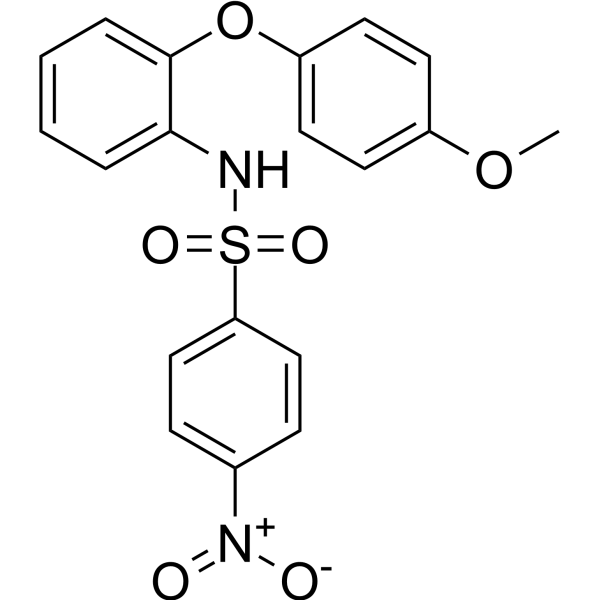
ERRα antagonist-2 (Compound 11) is a potential ERRα (estrogen related receptor α) inverse agonist with an IC50 of 0.80 μM. ERRα antagonist-2 suppresses the migration and invasion of the ER-negative MDA-MB-231 cell line. ERRα antagonist-2 inhibits breast cancer growth in vivo .
|
-
-
- HY-18719S
-
-

-
- HY-13559
-
|
Azaspirane ; SKF 106615-12; SKF 106615A12
|
STAT
Apoptosis
Autophagy
Reactive Oxygen Species (ROS)
Caspase
Bcl-2 Family
p62
Atg8/LC3
PARP
NF-κB
PERK
JAK
|
Cardiovascular Disease
Inflammation/Immunology
Cancer
|
|
Atiprimod (Azaspirane) is a STAT3 inhibitor with antitumor, anti-inflammatory, and anti-angiogenic activities. Atiprimod blocks the signaling pathways of IL-6 and VEGF by inhibiting the phosphorylation of signal transducer and activator of STAT3. Atiprimod blocks the JAK-STAT signaling pathway by inhibiting the phosphorylation of JAK2 and JAK3. Atiprimod also inhibits cell proliferation, induces cell cycle arrest, and induces autophagy and apoptosis. Atiprimod triggers persistent ER stress-mediated apoptosis in breast cancer cells by activating the PERK/eIF2α/ATF4/CHOP axis and inhibiting the nuclear translocation of STAT3/NF-κB. Atiprimod shows great anti-tumor activities in tumor xenograft mouse models. Atiprimod can be used for the study of pituitary adenoma, breast cancer, multiple myeloma and acute myeloid leukemia (AML) .
|
-

-
- HY-125209A
-
|
|
Apoptosis
PARP
DNA/RNA Synthesis
|
Cancer
|
|
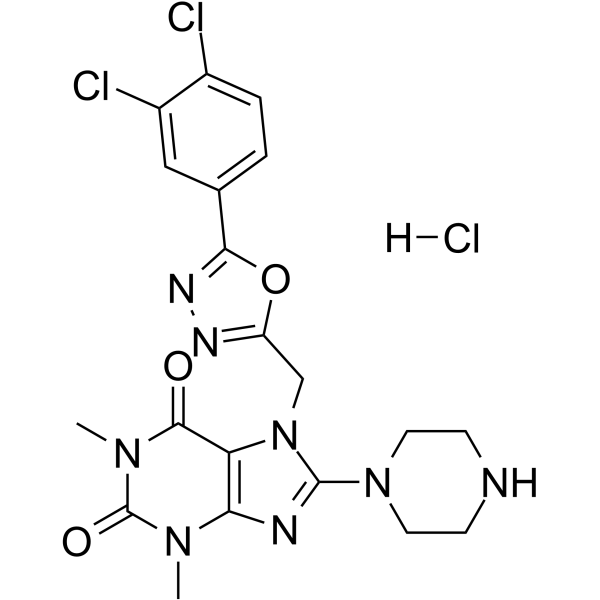
TH5427 hydrochloride is a NUDT5 inhibitor with a human target IC50 of 29 nM, ~690-fold selectivity over MTH1 in vitro, and selective functional inhibition over other NUDIX hydrolases including NUDT9 .TH5427 hydrochloride binds to the active site of NUDT5, blocking enzymatic activity related to ADP-ribose metabolism and PAR-derived ATP synthesis .TH5427 hydrochloride blocks progestin-dependent nuclear ATP synthesis, impairs progestin-induced chromatin remodeling, inhibits histone H1 displacement, disrupts progestin-dependent gene regulation, and abrogates progestin-dependent proliferation in breast cancer cells .TH5427 hydrochloride functions as a versatile probe to study nuclear ATP dynamics and ADP-ribose-related metabolism in cells .TH5427 hydrochloride engages NUDT5 at physiological temperatures, as demonstrated by Drug Affinity Responsive Target Stability (DARTS) assay .TH5427 hydrochloride stabilizes NUDT5 against thermal denaturation in cell lysates and intact cells, as shown by cellular thermal shift assay (CETSA) .TH5427 hydrochloride functionally inhibits NUDT5 activity, leading to downstream effects on oxidative DNA damage and DNA replication in triple-negative breast cancer (TNBC) cells .TH5427 hydrochloride suppresses proliferation of TNBC cells without inducing cell death or apoptosis, slows DNA replication in TNBC cells, promotes accumulation of oxidative DNA lesions, and triggers DNA damage response in TNBC cells .TH5427 hydrochloride suppresses growth of TNBC cells in vitro, inhibits growth of TNBC xenograft tumors in nude mice in vivo, and shows greater potency against TNBC cell lines compared to ER-positive and normal-like breast cell lines .TH5427 hydrochloride can be used for the research of breast cancer and triple-negative breast cancer .
|
-
-
- HY-179433
-
|
|
PROTACs
Androgen Receptor
Estrogen Receptor/ERR
Src
|
Cancer
|
|
PROTAC AR Degrader-12 is a highly efficient PROTAC targeting AR coactivator binding site (AR-CBS). PROTAC AR Degrader-12 induces AR degradation in a ubiquitin proteasome system (UPS) pathway-dependent manner. PROTAC AR Degrader-12 inhibits tumor cell growth by affecting DNA replication and cell division PROTAC AR Degrader-12 could not only effectively degrade AR, but also potently inhibit the proliferation of MCF-7 and multiple mutant or resistant BC cells. PROTAC AR Degrader-12 effectively blocked estrogen receptor α (ERα) signaling through a dual mechanism involving ERα protein downregulation and suppression of its transcriptional activity. PROTAC AR Degrader-12 significantly inhibits the mRNA expression of FOXA1, GREB1, SRC, and PELP1. PROTAC AR Degrader-12 can be used for the study of breast cancer .
|
-

-
- HY-147402
-
|
D-0502
|
Estrogen Receptor/ERR
|
Cancer
|
|
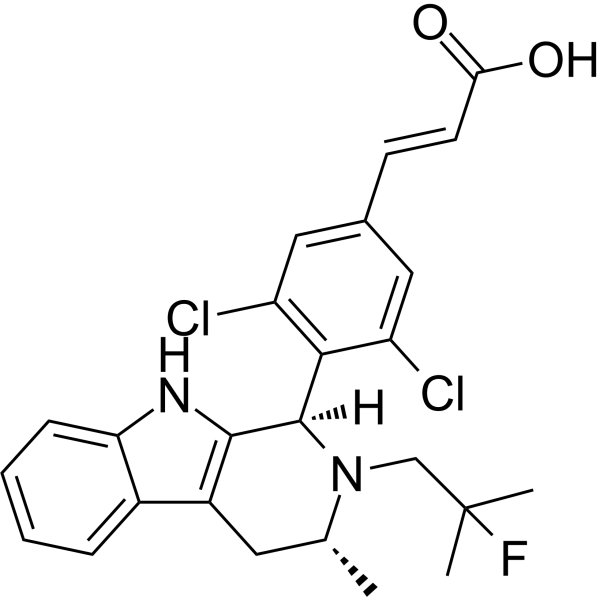
Taragarestrant (D-0502) is a potent, orally active and selective estrogen receptor degrader (SERD). Taragarestrant shows potent activity in various ER+ breast cancer cell lines and xenograft models .
|
-
-
- HY-138642S
-
|
ARV-471-d5
|
Isotope-Labeled Compounds
|
Cancer
|
|
Vepdegestrant-d5 (ARV-471-d5) is the deuterium labeled Vepdegestrant (HY-138642). Vepdegestrant (ARV-471) is an orally active PROTAC estrogen receptor degrader against breast cancer. Vepdegestrant is a hetero-bifunctional molecule that facilitates the interactions between estrogen receptor alpha and an intracellular E3 ligase complex. Vepdegestrant leads to the ubiquitylation and subsequent degradation of estrogen receptors via the proteasome. Vepdegestrant robustly degrades ER in ER-positive breast cancer cell lines with a DC50 of about 2 nM .
|
-

-
- HY-110144
-
|
|
Isocitrate Dehydrogenase (IDH)
|
Cancer
|
|
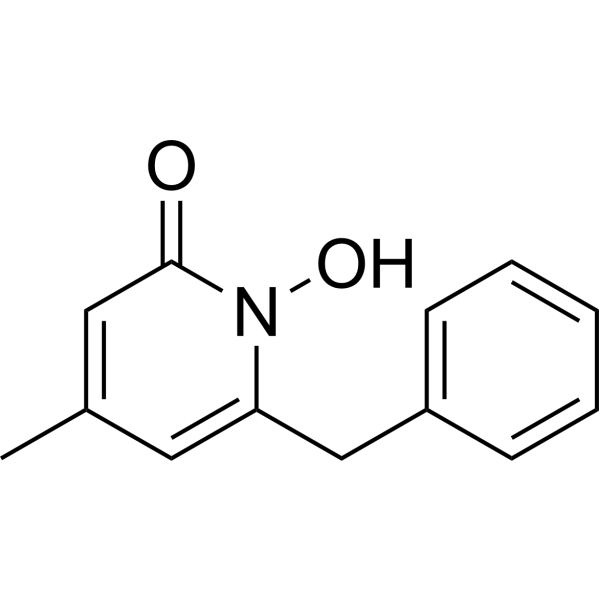
TC-E 5008 is a potent mutant IDH1 inhibitor with Ki values of 190 nM and 120 nM for R132H and R132C IDH1 mutants, respectively. TC-E 5008 exhibits very weak activity against WT-IDH1 with a Ki value of 12.3 μM. TC-E 5008 has anti-proliferative activity on multiple ER positive breast cancer cell lines .
|
-
-
- HY-121605
-
|
|
Apoptosis
|
Cancer
|
|
RL71 is a curcuminoid anticancer agent that exhibits potent cytotoxicity against a variety of ER-negative breast cancer cells. RL71 (1 μM) induces cell cycle arrest in the G2/M phase and induces apoptosis in SKBr3 cells. RL7 also decreases HER2/neu phosphorylation and increases p27. RL71 also significantly reduced the phosphorylation of Akt and transiently increased the stress kinases JNK1/2 and p38 MAPK. Furthermore, RL71 exhibited anti-angiogenic potential in vitro, inhibiting the migration of HUVEC cells and the ability of these cells to form tubular networks .
|
-

-
- HY-50767B
-
|
PD-0332991 dihydrochloride
|
CDK
|
Cancer
|
|
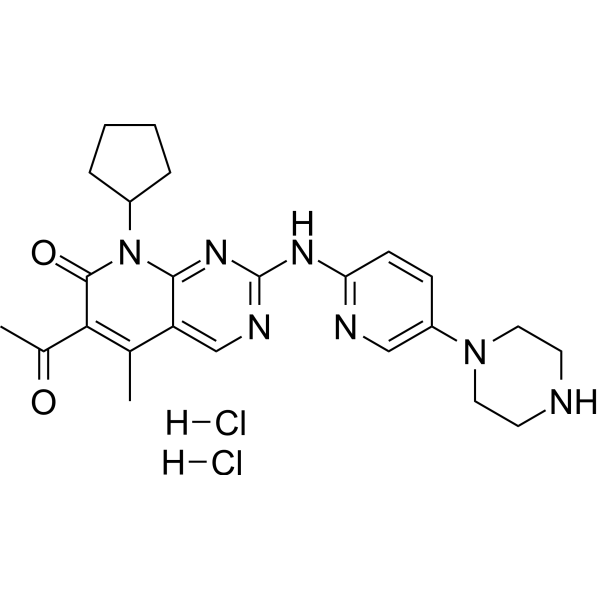
Palbociclib (PD 0332991) dihydrochloride is an orally active selective CDK4 and CDK6 inhibitor with IC50 values of 11 and 16 nM, respectively. Palbociclib dihydrochloride has potent anti-proliferative activity and induces cell cycle arrest in cancer cells, which can be used in the research of HR-positive and HER2-negative breast cancer and hepatocellular carcinoma .
|
-
-
- HY-126932
-
|
|
Estrogen Receptor/ERR
|
Cancer
|
|
TTC-352 is an orally bioavailable selective human estrogen receptor (ER) α partial agonist (ShERPA). TTC-352 inhibits the growth of three ER+ breast cancer cells. TTC-352 induces tumor regression accompanied by exit of ERα from the nucleus to extranuclear sites .
|
-

-
- HY-174453
-
|
|
PROTACs
Estrogen Receptor/ERR
Apoptosis
|
Cancer
|
|
PROTAC ERα Degrader-12 is a potent and selective Erα PROTAC degrader. PROTAC ERα Degrader-12 has antiproliferative effects in multiple breast cancer cell lines with wild-type or mutant ERα. PROTAC ERα Degrader-12 can halt the cell cycle and induce cell apoptosis. PROTAC ERα Degrader-12 exhibits excellent antitumor and ERα degradation activity. PROTAC ERα Degrader-12 can be used for research on breast cancer. (Pink: ER ligand-11 (HY-174475); Blue: VHL ligand (HY-112078); Black: Linker (HY-W088749); VHL ligand + Linker ( HY-W998310)) .
|
-

-
- HY-176955
-
|
|
Estrogen Receptor/ERR
|
Cancer
|
|
ER degrader 12 (Example 1) is an estrogen receptor (ER) degrader with IC50 values for ERα and ERβ of 2.3 and 80.2 nM respectively (TR-FRET experiment). ER degrader 12 inhibits the proliferation of MCF-7 cells, with an IC50 of 1.53 nM. ER degrader 12 can be used for research on breast cancer .
|
-

-
- HY-174870
-
|
|
PROTACs
Estrogen Receptor/ERR
Apoptosis
Fluorescent Dye
|
Cancer
|
|
PROTAC ERα Degrader-11 is a selective and intrinsically fluorescent (Ex: 366 nm, Em: 440 nm) ERα PROTAC degrader. PROTAC ERα Degrader-11 shows good antiproliferative activity, selective ERα degradation and imaging capabilities in MCF-7 breast cancer cell lines. PROTAC ERα Degrader-11 induces G2/M phase arrest and induces apoptosis in MCF-7 cells. PROTAC ERα Degrader-11 is well-tolerated up to a dose of 500 mg/ kg with no acute toxicity in athymic nude mice. PROTAC ERα Degrader-11 can be used for the study of breast cancer.(Pink: ERα ligand (HY-167701), Blue: CRBN Ligand (HY-150831), Black: Linker, E3 ligase ligand-linker conjugate (HY-174880)) .
|
-

-
- HY-19822S
-
|
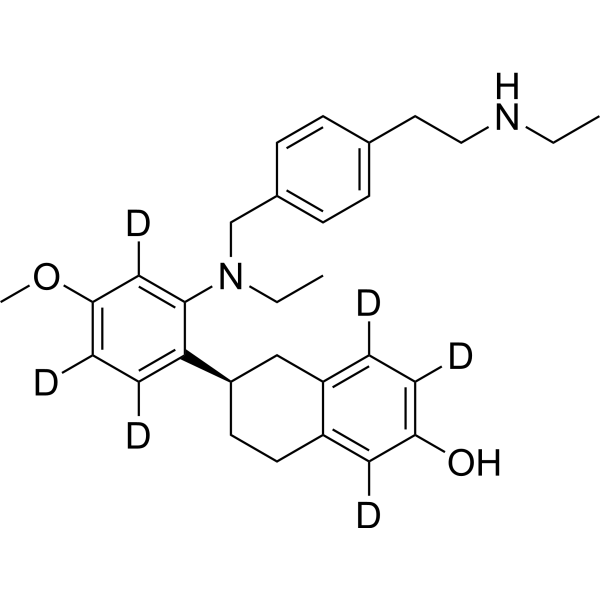
RAD1901-d4
|
Isotope-Labeled Compounds
Estrogen Receptor/ERR
|
Cancer
|
|
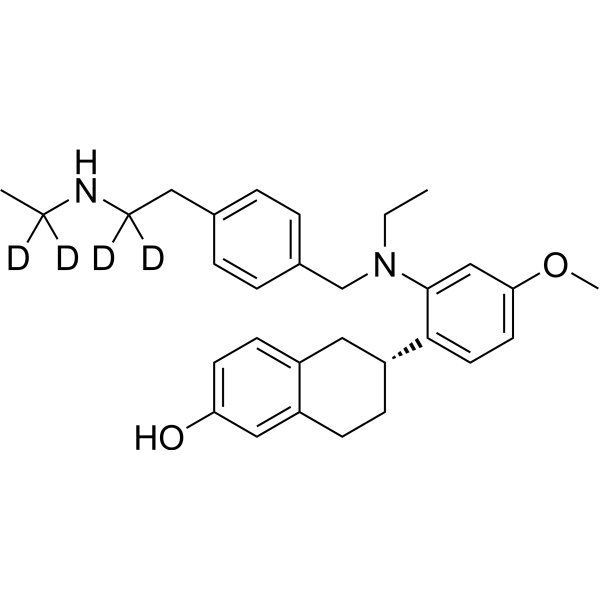
Elacestrant-d4 (RAD1901-d4) is a deuterated labeled Elacestrant (HY-19822). Elacestrant (RAD1901) is a selective estrogen receptor (estrogen receptor, ER) degrader (SERD) with oral activity, with IC50 values of 48 and 870 nM for ERα and ERβ, respectively. Elacestrant can also effectively inhibit the growth of ER + breast cancer cell lines both in vitro and in vivo.
|
-
- HY-138642A
-
|
(Rac)-ARV-471
|
Estrogen Receptor/ERR
PROTACs
|
Cancer
|
|
(Rac)-Vepdegestrant is the isomer of Vepdegestrant (HY-138642). Vepdegestrant ((R)-Lavandulol) is an orally active PROTAC estrogen receptor degrader against breast cancer. Vepdegestrant is a hetero-bifunctional molecule that facilitates the interactions between estrogen receptor alpha and an intracellular E3 ligase complex. Vepdegestrant leads to the ubiquitylation and subsequent degradation of estrogen receptors via the proteasome. Vepdegestrant robustly degrades ER in ER-positive breast cancer cell lines with a half-maximal degradation concentration (DC50) of about 2 nM .
|
-

- HY-W288480
-
|
|
Apoptosis
|
Cancer
|
|
Trihexyl phosphate is an organophosphate flame retardant. Trihexyl phosphate causes mitochondrial impairment and induces cell apoptosis in CHO cells. Trihexyl phosphate promotes the proliferation of human breast cancer cells (MCF-7) in a dose-dependent manner and exerts estrogenicity via ERα-independent pathways .
|
-

- HY-123024
-
|
BL-S-640; SK&F 60771
|
Apoptosis
Bacterial
Antibiotic
|
Infection
Cancer
|
|
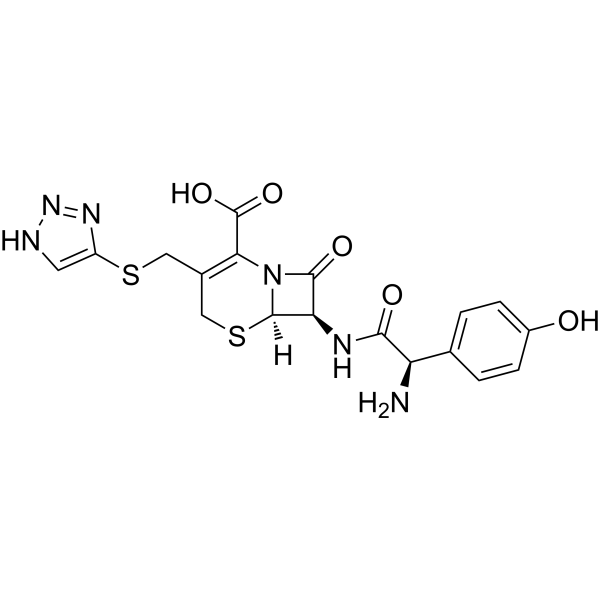
Cefatrizine (BL-S-640) is an orally active and broad-spectrum cephalosporin antibiotic. Cefatrizine is also a eEF2K inhibitor, with anti-proliferative activity in human breast cancer cells, which could induce ER stress, leading to cell death. Cefatrizine can be used in studies of cancer and bacterial infection .
|
-
- HY-174231
-
|
|
EGFR
Apoptosis
|
Cancer
|
|
EGFR-IN-163 (Compound 13) is a competitive epidermal growth factor receptor (EGFR) inhibitor (IC50=0.079 μM, selective for HER-2 inhibition). EGFR-IN-163 induces tumor cell apoptosis and cell cycle arrest at G₂/M phase. EGFR-IN-163 is promising for research of estrogen receptor-positive (ER+) breast cancer .
|
-

- HY-176225
-
|
|
PROTACs
Src
Estrogen Receptor/ERR
Apoptosis
|
Cancer
|
|
BY13 is a SRC-3 PROTAC degrader with a DC50 of 0.031 μM. BY13 selectively blocks the ER signaling pathway over that of androgen receptor (AR)) through down-regulating ERα level. BY13 potently overcomes endocrine resistance in breast cancer by inducing cell cycle arrest in G1 phase and apoptosis, with superior effect over Fulvestrant (HY-13636). BY13 significantly inhibits the growth of drug-resistant breast tumors without obvious toxicity in LCC2 xenograft mice model . Pink: SRC-3 ligand (SI-2) (HY-101447); Blue: CRBN ligase ligand (HY-41547); Black: linker (HY-176226)
|
-

- HY-175446
-
|
|
IAP
Apoptosis
|
Cancer
|
|
GDC-0152-acetamide is a pan-inhibitor of apoptosis protein (IAP) antagonist. GDC-0152-acetamide induces cIAP1/2 autoubiquitination and degradation, activating the non-canonical NF-κB pathway to promote TNF-α secretion and tumor cell apoptosis. GDC-0152-acetamide is promising for research of ERα-positive breast cancer .
|
-

- HY-13559A
-
|
Azaspirane dimaleate; SKF 106615-12 dimaleate; SKF 106615A12 dimaleate
|
STAT
Apoptosis
Caspase
Interleukin Related
Autophagy
Reactive Oxygen Species (ROS)
Atg8/LC3
p62
JAK
|
Cardiovascular Disease
Inflammation/Immunology
Cancer
|
|
Atiprimod (Azaspirane) (dimaleate) is a STAT3 inhibitor with antitumor, anti-inflammatory, and anti-angiogenic activities. Atiprimod blocks the signaling pathways of IL-6 and VEGF by inhibiting the phosphorylation of signal transducer and activator of STAT3. Atiprimod blocks the JAK-STAT signaling pathway by inhibiting the phosphorylation of JAK2 and JAK3. Atiprimod also inhibits cell proliferation, induces cell cycle arrest, and induces autophagy and apoptosis. Atiprimod triggers persistent ER stress-mediated apoptosis in breast cancer cells by activating the PERK/eIF2α/ATF4/CHOP axis and inhibiting the nuclear translocation of STAT3/NF-κB. Atiprimod shows great anti-tumor activities in tumor xenograft mouse models. Atiprimod can be used for the study of pituitary adenoma, breast cancer, multiple myeloma and acute myeloid leukemia (AML) .
|
-

- HY-110102
-
|
Azaspirane hydrochloride; SKF 106615-12 hydrochloride; SKF 106615
|
JAK
STAT
Apoptosis
Autophagy
Reactive Oxygen Species (ROS)
Caspase
Atg8/LC3
p62
|
Cardiovascular Disease
Inflammation/Immunology
Cancer
|
|
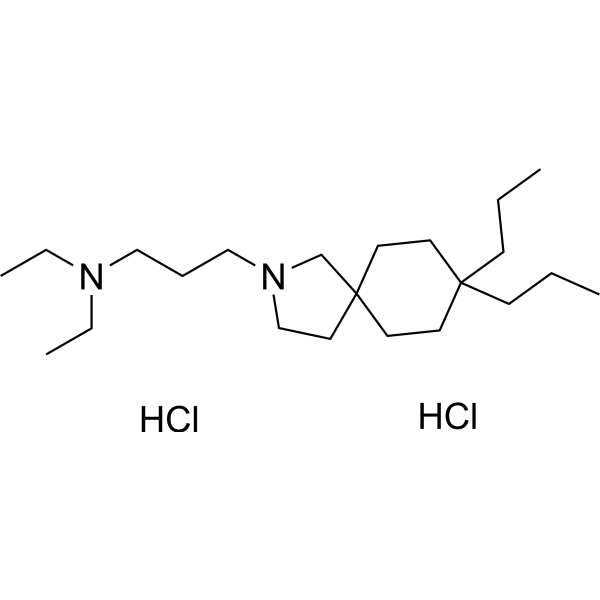
Atiprimod (Azaspirane) hydrochloride is a STAT3 inhibitor with antitumor, anti-inflammatory, and anti-angiogenic activities. Atiprimod blocks the signaling pathways of IL-6 and VEGF by inhibiting the phosphorylation of signal transducer and activator of STAT3. Atiprimod blocks the JAK-STAT signaling pathway by inhibiting the phosphorylation of JAK2 and JAK3. Atiprimod also inhibits cell proliferation, induces cell cycle arrest, and induces autophagy and apoptosis. Atiprimod triggers persistent ER stress-mediated apoptosis in breast cancer cells by activating the PERK/eIF2α/ATF4/CHOP axis and inhibiting the nuclear translocation of STAT3/NF-κB. Atiprimod shows great anti-tumor activities in tumor xenograft mouse models. Atiprimod can be used for the study of pituitary adenoma, breast cancer, multiple myeloma and acute myeloid leukemia (AML) .
|
-
- HY-50767D
-
|
PD 0332991 orotate
|
CDK
|
Cancer
|
|
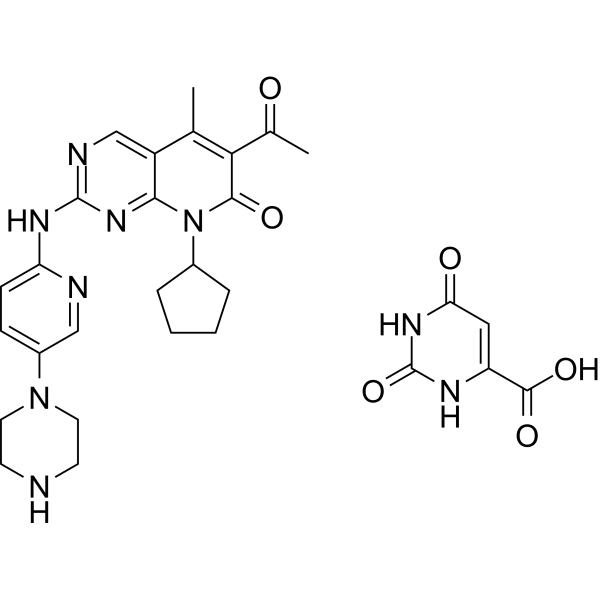
Palbociclib (PD 0332991) orotate is an orally active selective CDK4 and CDK6 inhibitor with IC50 values of 11 and 16 nM, respectively. Palbociclib orotate has potent anti-proliferative activity and induces cell cycle arrest in cancer cells. Palbociclib orotate can be used in the research of HR-positive and HER2-negative breast cancer and hepatocellular carcinoma .
|
-
- HY-19822S2
-
|
RAD1901-d10
|
Estrogen Receptor/ERR
Isotope-Labeled Compounds
|
Cancer
|
|
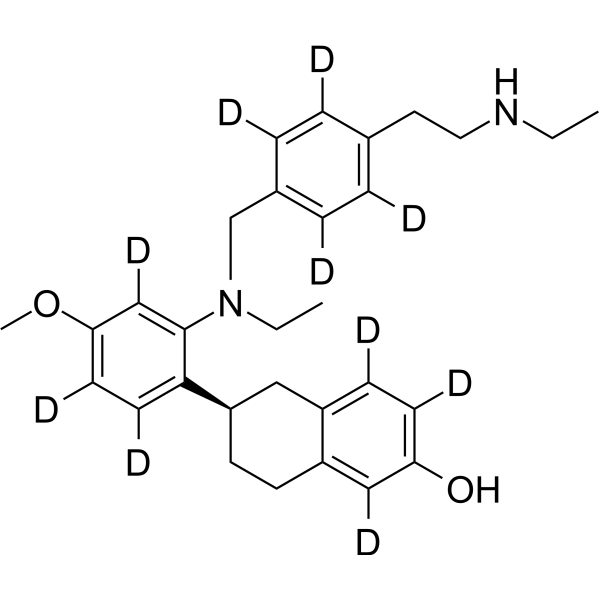
Elacestrant-d10 is the deuterium labeled of Elacestrant (HY-19822). Elacestrant is an orally available and selective estrogen receptor degrader (SERD) with IC50s of 48 and 870 nM for ERα and ERβ, respectively. Elacestrant also inhibits growth of ER + breast cancer cell lines in vitro and in vivo .
|
-
- HY-179232
-
|
|
Estrogen Receptor/ERR
|
Cancer
|
|
ERα antagonist 2 (Compound 5b) is an ER-α antagonist with an IC50 value of 1729 nM. ERα antagonist 2 exhibits significant inhibitory activity against breast cancer cell lines, and is still effective against ER-negative cells (MDA-MB-231), suggesting the existence of ER-independent pathways. ERα antagonist 2 can be used for the study of breast cancer .
|
-

- HY-179045
-
|
|
Estrogen Receptor/ERR
Apoptosis
|
Cancer
|
ERα degrader 14 (Compound B7) is a potent ERα degrader. ERα degrader 14 exhibits significantly potent and selective anti-proliferative activity on two ERα-positive breast cancer cell lines (MCF-7 and T47D). ERα degrader 14 induces cell cycle arrest, inhibits cell migration, and induces cell apoptosis. ERα degrader 14 effectively inhibits tumor growth in mouse models. ERα degrader 14 can be used for the study of breast cancer .
|
-

- HY-163812
-
|
|
Molecular Glues
Estrogen Receptor/ERR
|
Cancer
|
|
ER degrader 9 (compound 1), a bifunctional molecular glue, is a potent estrogen receptor (ER) degrader with a DC50 of ≤10 nM in MCF-7 cells. ER degrader 9 can be used for the research of breast cancer .
|
-

- HY-141551
-
|
|
Estrogen Receptor/ERR
|
Cancer
|
|
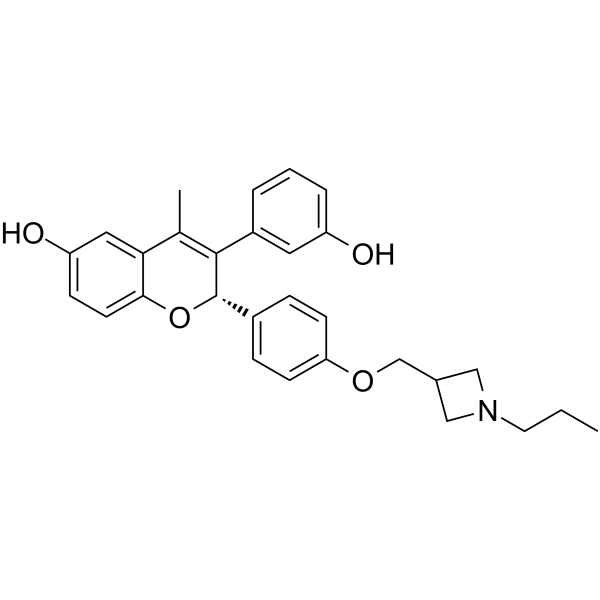
GNE-274 is a structural analog of the ER degrader GDC-0927 and is a non-degrader. GNE-274 does not induce conversion of ER in breast cancer cell lines and functions as a partial ER agonist (partial ER agonist). GNE-274 increases the chromatin accessibility of ER-DNA binding sites, whereas GDC-0927 does not. GNE-274 is an effective ER ligand binding domain (LBD) inhibitor. GNE-274 can be used in cancer research.
|
-
- HY-P10445
-
|
|
Epigenetic Reader Domain
|
Cancer
|
|
TAT-PiET is a cell-penetrating peptide targeting the extra-terminal (ET) domain of BRD4. TAT-PiET can reduce BRD4 and JMJD6 levels and inhibit cell proliferation. TAT-PiET also resists the endocrine resistance of ERα-positive breast cancer cells. TAT-PiET can be used for the research of cancer, such as breast cancer .
|
-

- HY-144306
-
|
|
Estrogen Receptor/ERR
Apoptosis
|
Cancer
|
|
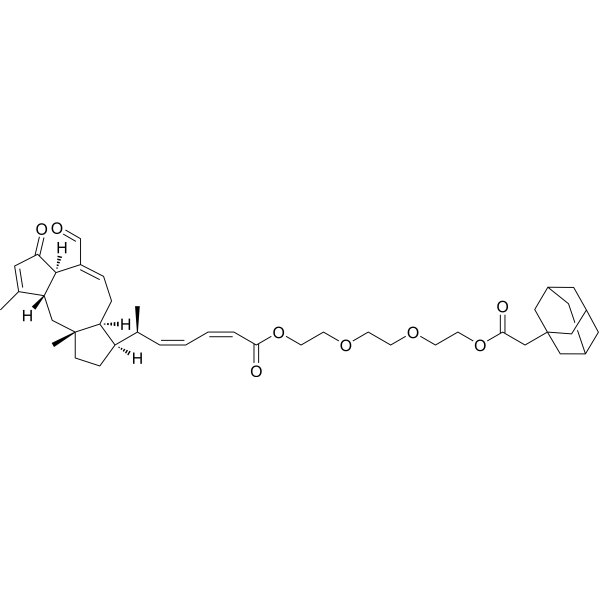
ERα degrader 4 is an excellent and selective estrogen receptor α (ERα) degrader (IC50 of 0.31, 0.41 and 0.48 μM in MDA-MB-231, MCF-7 and MCF-7/ADR cells, respectively). ERα degrader 4 has potent inhibitory activity against MCF-7 cell lines. ERα degrader 4 is a potential SERDs candidate for the research of breast cancer .
|
-
- HY-19822S3
-
|
RAD1901-d6
|
Isotope-Labeled Compounds
Estrogen Receptor/ERR
|
Cancer
|
|
Elacestrant-d6 (RAD1901-d6) is a deuterated labeled Elacestrant (HY-19822). Elacestrant is a selective estrogen receptor (estrogen receptor, ER) degrader (SERD) with oral activity, with IC50 values of 48 and 870 nM for ERα and ERβ, respectively. Elacestrant can also effectively inhibit the growth of ER + breast cancer cell lines both in vitro and in vivo.
|
-
- HY-155197
-
|
|
Microtubule/Tubulin
Estrogen Receptor/ERR
|
Cancer
|
|
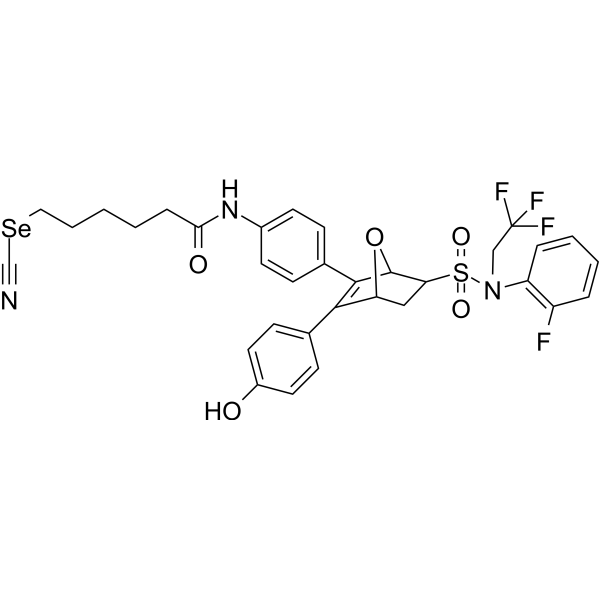
ER degrader 7 (Compound 35t) is an ERα and ERβ degrader. ER degrader 7 inhibits tubulin polymerization. ER degrader 7 inhibits cell viability with IC50s of 0.06, 2.56, 15.84, 1.59, 1.67, 1.37 μM for MCF-7, T47D, MCF-10A, LCC2, T47D D538G, and T47D Y537S cells respectively. ER degrader 7 also inhibits breast cancer tumor growth .
|
-
- HY-123773
-
|
NSC 732011; HLX-801
|
Steroid Sulfatase
Estrogen Receptor/ERR
|
Cancer
|
|
SR-16157 (NSC 732011; HLX-801) is a dual-action steroid sulfatase (STS) inhibitor (IC50 = 0.1 uM) and selective ERα modulator. SR-16157 exhibits STS inhibitory and anti-estrogenic effects in breast cancer cells. SR-16157 may be used in breast cancer research .
|
-

- HY-174131
-
|
|
Estrogen Receptor/ERR
|
Cancer
|
|
PVTX-321 (Compound 16a) is an orally active estrogen receptor α (ERα) degrader. PVTX-321 can potently degrade ERα (DC50=0.15 nM in MCF-7 cells) and also has inhibitory activity against mutant ERα (IC50=59 nM). PVTX-321 is promising for research of ER+/HER2- breast cancer .
|
-

- HY-P10393
-
|
ERα (295-311)
|
Apoptosis
|
Cancer
|
|
ERα17p (ERα 295-311) is the epitope of the CaM binding site on the estrogen receptor α (ER), which interacts with calmodulin (CaM) in a calcium-dependent manner. ERα17p regulates the migration of cancer cells MCF-7, SK-BR-3, T47D, and MDA-MB-231 through Rho/ROCK and PI3K/Akt signaling pathways. ERα17p inhibits proliferations of breast cancer cells, induces apoptosis, and inhibits tumor growth in mouse models .
|
-

- HY-143253
-
|
|
Estrogen Receptor/ERR
|
Cancer
|
|
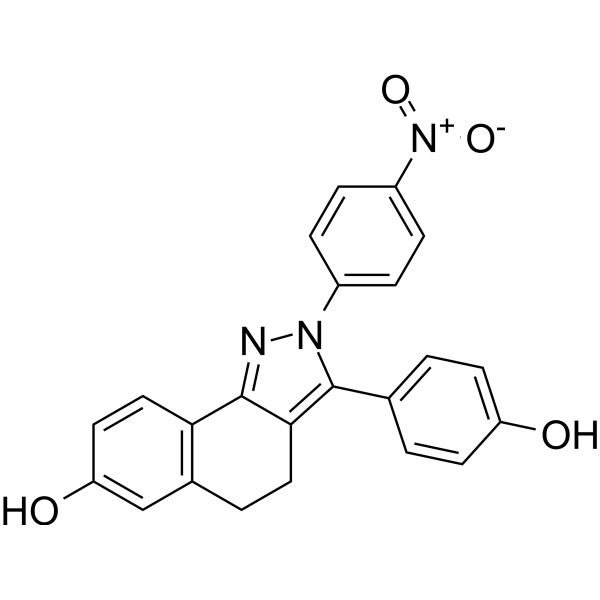
Estrogen receptor antagonist 7 (compound 13) is a potent estrogen receptors (ER) antagonist. Estrogen receptor antagonist 7 has antiproliferative activity against breast and ovarian cancer cells. Anticancer and anti-uterotrophic activities .
|
-
- HY-178463
-
|
|
Estrogen Receptor/ERR
|
Cancer
|
|
F0840-0093 is a highly selective estrogen receptor α (ERα) degrader. F0840-0093 exhibits potent antiproliferative activity against T47D cells with an IC50 value of 4.65 μM. F0840-0093 is promising for research of estrogen receptor-positive (ER+) breast cancer .
|
-

- HY-146440
-
|
|
Histone Demethylase
Estrogen Receptor/ERR
Apoptosis
|
Cancer
|
|
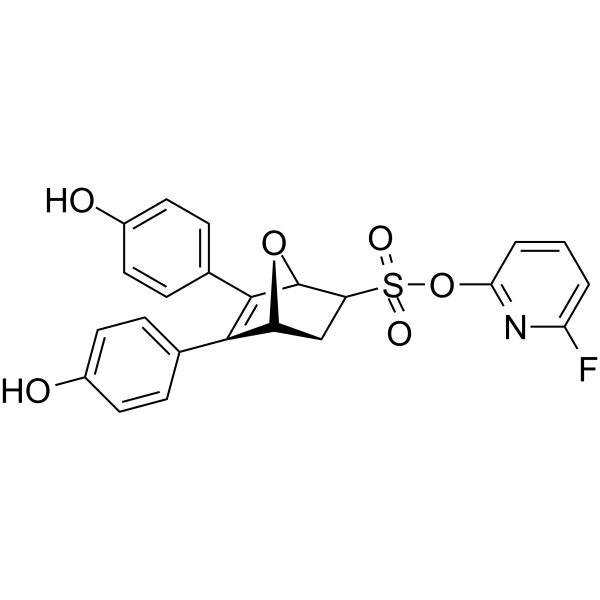
LSD1/ER-IN-1 (compound 11g) is a potent ER and LSD1 inhibitor, with an IC50 of 1.55 μM (LSD1). LSD1/ER-IN-1 has high affinity selectivity for ERα protein, with α/β ratio of 7.11. LSD1/ER-IN-1 shows good antiproliferative activity against MCF-7 breast cancer cells, with an IC50 of 8.79 μM .
|
-
- HY-P10843
-
|
|
Estrogen Receptor/ERR
|
Cancer
|
|
R4K1 is a cell-permeable stapled peptide. R4K1 binds to the estrogen receptor (ER) α with high affinity and inhibits its interaction with coactivators. R4K1 can enter breast cancer cells to regulate gene transcription and inhibit cell proliferation. R4K1 can be used in the study of cancer .
|
-

- HY-162105
-
|
|
Cytochrome P450
|
Endocrinology
Cancer
|
|
Aromatase-IN-3 (compound 7d) is an aromatase inhibitor with an IC50 of 54 nM. Through suppressing the conversion of androstenedione to oestrogen caused by aromatase, Aromatase-IN-3 exerts an appreciable tumor growth inhibitory activities against breast cancer cell lines, suggesting its usage for ER+ cancer research .
|
-
- HY-121372
-
|
|
Estrogen Receptor/ERR
|
Cancer
|
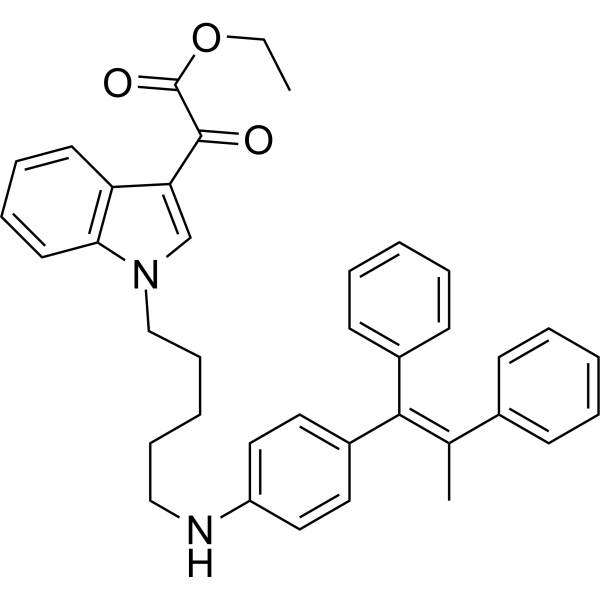
Lactandrate is a D-high nitrogen steroid alkylating agent. It can interact with the ligand-binding domain (LBD) of estrogen receptor-alpha (ERα). Lactandrate has a growth inhibitory effect on breast cancer cells, with a GI50 value ranging from 5 to 65 μM. It shows anti-tumor activity in mouse breast tumors (MXT and CD8F1) as well as in human xenograft MX-1 .
|
-

- HY-107835R
-
|
FCR 2769 (Standard)
|
Reference Standards
Insecticide
Parasite
Apoptosis
Bcl-2 Family
|
Infection
Cancer
|
|
Flumethrin (Standard) (FCR 2769 (Standard)) is the analytical standard of Flumethrin (HY-107835). This product is intended for research and analytical applications. Flumethrin (FCR 2769) is a pyrethroid insecticide and acaricide. Flumethrin targets voltage-gated sodium channels and estrogen receptor α (ERα). Flumethrin induces cytotoxicity, apoptosis, genotoxicity and DNA damage in breast cancer cells by regulating the expression of BCL2, BAX, TP53 and P21 genes. Flumethrin is applicable to relevant studies on ectoparasite infections (tick and flea burdens) in dogs and cats, as well as breast cancer.
|
-

- HY-114770
-
|
|
Estrogen Receptor/ERR
|
Cancer
|
|
(E,E)-GLL398 is a selective estrogen receptor degrader with potent binding activity to ERα (IC50 = 1.14 nM). (E,E)-GLL398 can effectively degrade ERα in MCF-7 breast cancer cells (IC50 = 0.21 μM). The introduced boronic acid group of (E,E)-GLL398 gives it superior oral bioavailability, with an AUC of 36.9 μg·h/mL in rats, which is significantly higher than that of GW7604 .
|
-

- HY-D2620
-
|
|
Photosensitizer
Reactive Oxygen Species (ROS)
Ferroptosis
|
Cancer
|
|
CAR-2 is a BODIPY-based photosensitizer that induces ferroptosis in photodynamic therapy (PDT) by targeting the endoplasmic reticulum (ER) and lipid droplets (LDs). CAR-2 exhibits phototoxicity in breast cancer cells with IC50 of 0.01-0.02 μM. CAR-2 exhibits antitumor efficacy in 4T1 xenograft mouse models .
|
-

- HY-B0515R
-
|
BM-210955 (Standard); RPR-102289A (Standard)
|
Reference Standards
Apoptosis
|
Cancer
|
|
Ibandronate Sodium Monohydrate (BM-210955; RPR-102289A) (Standard) is the analytical standard of Ibandronate Sodium Monohydrate (HY-B0515). This product is intended for research and analytical applications. Ibandronate Sodium Monohydrate (BM-210955; RPR-102289A) is an orally active, selective inhibitor of farnesyl pyrophosphate synthase (FPP synthase). Ibandronate Sodium Monohydrate can block the mevalonate pathway to inhibit the isoprenylation modification of small GTPases (such as RAS, RHO family proteins), induce tumor cell apoptosis and inhibit bone resorption. Ibandronate Sodium Monohydrate inhibits tumor cell proliferation (such as ER + breast cancer cells), promotes the expression of the pro-apoptotic gene FAS, and can produce synergistic anti-tumor effects with anti-estrogen compounds. Ibandronate Sodium Monohydrate is used in the study of osteoporosis and bone metastatic tumors (such as breast cancer bone metastasis) .
|
-

- HY-147165A
-
|
|
YAP
Large Tumor Suppressor (LATS)
|
Cancer
|
|
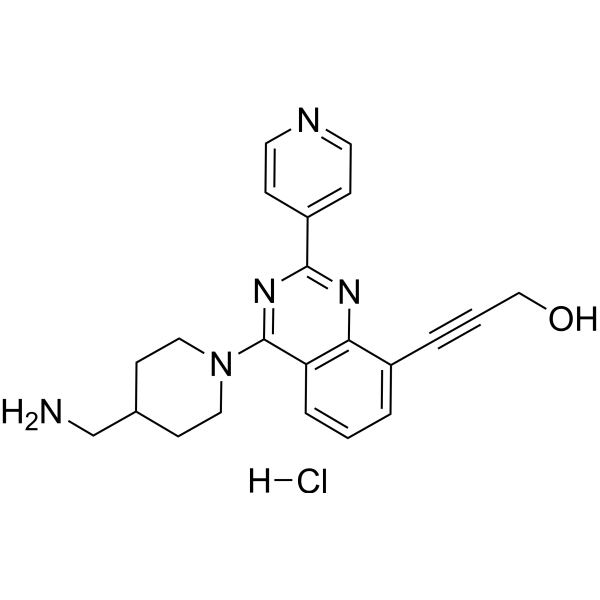
VT02956 is a LATS inhibitor (IC50: 0.76 nM for LATS1, 0.52 nM for LATS2). VT02956 targets the Hippo pathway. VT02956 inhibits ESR1 expression and growth of ER+ breast cancer cell lines and patient-derived tumor organoids . VT02956 is a click chemistry reagent, it contains an Alkyne group and can undergo copper-catalyzed azide-alkyne cycloaddition (CuAAc) with molecules containing Azide groups.
|
-
- HY-121149B
-
|
(E/Z)-3-Hydroxytamoxifen
|
Estrogen Receptor/ERR
Apoptosis
|
Cancer
|
|
(E/Z)-Droloxifene is a mixture of (E)-droloxifene (a selective estrogen receptor modulator) and (Z)-droloxifene. (E)-Droloxifene binds to the estrogen receptor (ER) with an IC50 value of 24 nM in rabbit uterine homogenates. (E)-Droloxifene increases uterine weight in immature rats, and reduces estradiol-induced increases in uterine weight in juvenile rats. (E)-Droloxifene also inhibits 17β-estradiol-stimulated growth of MCF-7, ZR-75-1, and T47D human breast cancer cells. (Z)-Droloxifene binds weakly to ER and has no estrogenic or antiestrogenic activity .
|
-

- HY-138089
-
|
|
Androgen Receptor
Estrogen Receptor/ERR
LDLR
|
Metabolic Disease
Cancer
|
|
17β-Hydroxy exemestane (17-H-EXE) is the primary active metabolite of Exemestane (HY-13632). 17β-Hydroxy exemestane is an aromatase inhibitor (IC50 = 69 nM) and an androgen receptor (AR) agonist (IC50 = 39.6 nM) that is selective for AR over estrogen receptor α (ERα; IC50 = 21.2 μM). 17β-Hydroxy exemestane stimulates growth of AR- and ERα-positive MCF-7 (EC50= 2.7 μM) and T47D breast cancer cells (EC50s = 0.43 and 1500 nM for AR- and ER-mediated growth, respectively) and inhibits proliferation of testosterone-treated aromatase-overexpressing MCF-7 cells. 17β-Hydroxy exemestane inhibits increases in serum cholesterol and LDL levels and prevents decreases in bone mineral density in the lumbar vertebrae and femur, as well as femoral bending strength and compressive strength of the fifth lumbar vertebrae in ovariectomized rats .
|
-

- HY-N9174
-
|
|
Others
|
Cancer
|
|
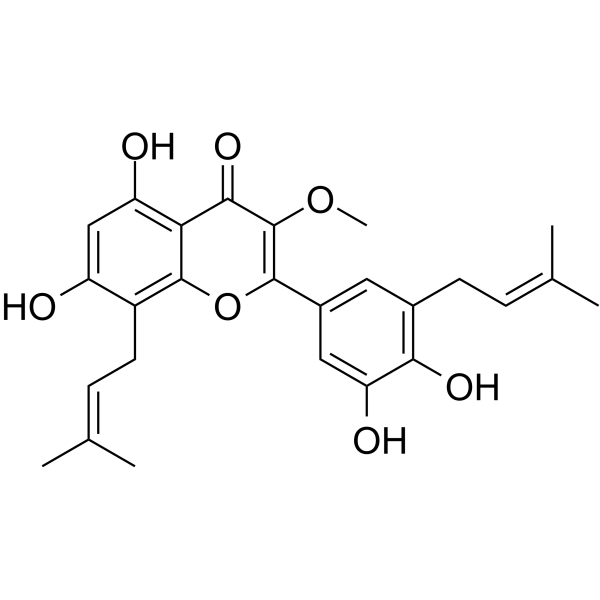
5,7,3',4'-Tetrahydroxy-3-methoxy-8,5'-diprenylflavone is a natural product that can be extracted from B. papyrifera. 5,7,3',4'-Tetrahydroxy-3-methoxy-8,5'-diprenylflavone has potent anti-proliferation effects on ER-positive breast cancer cells, with an IC50 value of 4.41 μM for MCF-7 cells. 5,7,3',4'-Tetrahydroxy-3-methoxy-8,5'-diprenylflavone also reduces the tumor growth in the BCAP-37 xenograft .
|
-
- HY-182468
-
|
|
Histone Acetyltransferase
Estrogen Receptor/ERR
CDK
|
Cancer
|
|
OP-3136 is a selective KAT6 inhibitor. OP-3136 reduces the proliferative capacity of cancer cells and inhibits cell growth in ER + breast cancer cell models with overexpressed KAT6. When combined with ER antagonists/degraders or CDK4/6 inhibitors, OP-3136 exhibits synergistic anti-tumor activity in mouse xenograft models. OP-3136 can be used in studies related to HR +/HER2 - breast cancer .
|
-

- HY-179510
-
|
|
Estrogen Receptor/ERR
|
Cancer
|
|
CDD-1274 is an ERα (Estrogen receptor α) variant inhibitor. CDD-1274 induces proteasomal degradation of ERα variants in breast cancer cell lines and causes Y537S ERα degradation. CDD-1274 potently blocks ligand-dependent and ligand-independent ER signaling in endocrine-resistant breast cancer cells. CDD-1274 can be used for the study of breast cancer .
|
-

- HY-183804
-
|
|
PROTACs
Estrogen Receptor/ERR
|
Cancer
|
|
PROTAC ER Degrader-16 is an orally active ERα PROTAC degrader with a DC50 of 1.4 nM and an IC50 of 1.9 nM. PROTAC ER Degrader-16 inhibits ER-dependent breast cancer cell proliferation and exerts anti-tumor effects in mouse models. PROTAC ER Degrader-16 can be used for breast cancer research .
|
-

- HY-168101
-
|
|
Estrogen Receptor/ERR
|
Cancer
|
|
ERα degrader 11 (compound B16) is a selective ERα degrader that can be used as an estrogen receptor probe to investigate ER status in ER-positive breast cancer cells .
|
-

- HY-176956
-
|
|
Estrogen Receptor/ERR
|
Cancer
|
|
ER degrader 13 (Compound 37) is an estrogen receptor (ER) degrader. ER degrader 13 has a significant inhibitory effect on the proliferation of ER-positive breast cancer MCF-7 cells .
|
-

- HY-182002
-
|
|
Apoptosis
IAP
|
Cancer
|
|
Apoptosis inducer 61 (Compound 4E) is an Apoptosis inducer. Apoptosis inducer 61 significantly downregulates the expression of BIRC3 and activates Apoptosis. Anticancer agent 313 exhibits anticancer activity against ER + breast cancer cells, triple-negative breast cancer cells, and gastric cancer cells .
|
-

- HY-125675
-
|
|
Estrogen Receptor/ERR
|
Cancer
|
|
VPC-16606 is a selective inhibitor targeting the activation function 2 (AF2) domain of estrogen receptor α (ERα). VPC-16606 blocks the interaction between ERα and coactivators, inhibits the activity of both wild-type and clinically drug-resistant mutant ERα, and exerts inhibitory effects on hormone-resistant breast cancer cells. VPC-16606 can be used in breast cancer research .
|
-

- HY-182674
-
|
|
Sec61
HIV
Flavivirus
Neurotensin Receptor
|
Infection
Cancer
|
|
VGD020 is a highly potent and selective Sec61 translocon inhibitor . VGD020 suppresses the expression of cell surface CD4 by inhibiting signal peptide-dependent co-translational ER translocation, interferes with the initiation of ER translocation of dengue virus polyprotein, and reduces the expression of Sortilin in breast cancer cells. VGD020 exhibits broad anti-flavivirus and anti-HIV activities. VGD020 can be used in research related to dengue virus infection, Zika virus infection, yellow fever virus infection, human immunodeficiency virus infection, and breast cancer .
|
-

- HY-175445
-
|
|
PROTACs
Estrogen Receptor/ERR
IAP
NF-κB
TNF Receptor
Apoptosis
|
Cancer
|
|
GNE-5472 is a potent bifunctional ERα PRRTAC degrader, with its E3 ligand being a pan-IAP antagonist. GNE-5472 antagonizes cIAP1/2, activating the non-classical NF-κB pathway, resulting in a significant upregulation of TNFα expression. GNE-5472 inhibits the proliferation of breast cancer cells and induces cell apoptosis. GNE-5472 can be used for the study of breast cancer .
|
-

- HY-181130
-
|
|
CDK
Apoptosis
|
Cancer
|
|
Anticancer agent 299 (compound P12) is a cell-cycle inhibitor, senescence inducer, apoptosis inducer, and antiproliferative agent. Anticancer agent 299 exhibits selective activity against cancer cells with minimal effects on non-tumoral chondrocyte cells at relevant concentrations. Anticancer agent 299 can be used for the research of ER+/HER2− breast cancer and BRAF-mutant melanoma .
|
-

- HY-183140
-
|
|
Acyltransferase
Caspase
|
Cancer
|
|
DH20931 is a ceramide synthase 2 (CerS2) activator. DH20931 inhibits growth of cancer cells by inducing lipotoxic endoplasmic reticulum (ER) stress. DH20931 shows synergistic anti-tumor efficacy with Doxorubicin (HY-15142A). DH20931 can be used for the research of breast cancer .
|
-

- HY-181131
-
|
|
CDK
Apoptosis
|
Cancer
|
|
Anticancer agent 300 (compound P14) is a CCND1, CDK4, CDK6, and CCNE1 modulator, with anti-proliferative, cell-cycle modulatory, senescence-inducing, and apoptosis-inducing activity. Anticancer agent 300 can be used for the research of ER+/HER2− breast cancer and BRAF-mutant melanoma .
|
-

- HY-185559
-
|
|
Akt
Bcl-2 Family
Drug Derivative
|
Cancer
|
|
Mito-fisetin mF7 is a lipophilic derivative of Fisetin (HY-N0182). Mito-fisetin mF7 interacts with AKT and Bcl-2, limiting their stability and functionality. Mito-fisetin mF7 stimulates impairs mitochondrial function and reduces metabolic activity of cancer cells. Mito-fisetin mF7 can be used for the research of ER-positive breast cancer .
|
-

- HY-103455
-
|
|
Estrogen Receptor/ERR
|
Others
|
|
ZK164015 is an estrogen-glucocorticoid receptor chimera that can be used as a compound screening tool to evaluate tissue-selective estrogen activity. ZK164015 was used to evaluate its effects on ER function in osteoblasts in studies based on green fluorescent protein (GFP)-receptor chimeras. In osteoblast-like (ROS and U2OS) and breast cancer (MCF7) cells, ZK164015 showed different effects in response to ER agonists, including modulation of ERE-luc activity and effects on nuclear mobility.
|
-

- HY-179526
-
|
|
Apoptosis
PARP
|
Cancer
|
|
Sino-C is a Sinomenine (HY-15122) derivative with anticancer activity. Sino-C broadly disrupts cholesterol homeostasis by upregulating key genes such as SREBF2 and HMGCS1, leading to intracellular cholesterol accumulation and lipid droplet formation. Sino-C-induced metabolic dysregulation further triggers lipid peroxidation and endoplasmic reticulum (ER) stress, initiating a unique form of hybrid cell death including apoptotic (cleaved PARP) and necrotic-like features. Sino-C thus serves as a useful compound for research in colorectal cancer, lung cancer and breast cancer .
|
-

- HY-121605S
-
|
|
Isotope-Labeled Compounds
Apoptosis
|
Cancer
|
|
RL71-d6 is a deuterium labeled RL71 (HY-121605). RL71 is a curcuminoid anticancer agent that exhibits potent cytotoxicity against a variety of ER-negative breast cancer cells. RL71 (1 μM) induces cell cycle arrest in the G2/M phase and induces apoptosis in SKBr3 cells. RL7 also decreases HER2/neu phosphorylation and increases p27. RL71 also significantly reduced the phosphorylation of Akt and transiently increased the stress kinases JNK1/2 and p38 MAPK. Furthermore, RL71 exhibited anti-angiogenic potential in vitro, inhibiting the migration of HUVEC cells and the ability of these cells to form tubular networks .
|
-

- HY-122664
-
|
|
BRK
Apoptosis
STAT
ERK
Akt
|
Cancer
|
|
XMU-MP-2 is a selective BRK/PTK6 inhibitor with an IC50 of 5.4 nM. XMU-MP-2 inhibits the proliferation of BRK-positive breast cancer cells and induces apoptosis. XMU-MP-2 is applicable to breast cancer-related research .
|
-

- HY-112056
-
|
|
Nuclear Hormone Receptor 4A/NR4A
Apoptosis
DAPK
Isocitrate Dehydrogenase (IDH)
PERK
|
Cancer
|
|
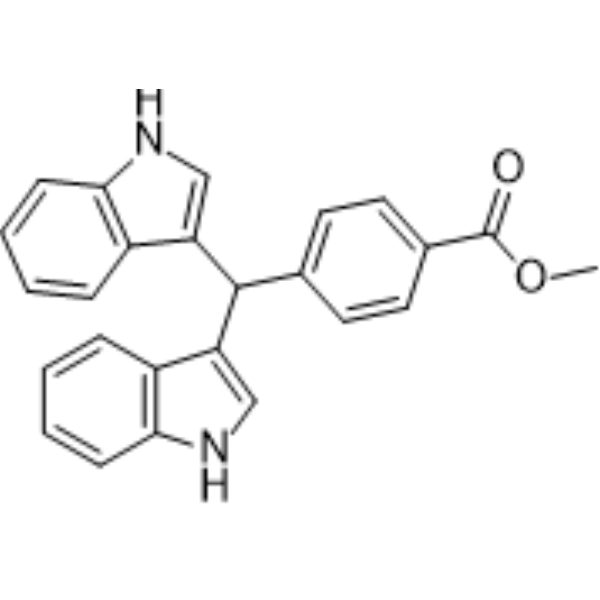
DIM-C-pPhCO2Me is a nuclear receptor 4A1 (NR4A1) antagonist. DIM-C-pPhCO2Me induces Apoptosis. DIM-C-pPhCO2Me decreases PAX3-FOXO1A, N-Myc, Rassf4, MyoD1, Grem1, and DAPK1 proteins. DIM-C-pPhCO2Me decreases expression of TXNDC5 and IDH1, induces markers of ER stress (CHOP, ATF4 and p-PERK). DIM-C-pPhCO2Me inhibits renal cell carcinoma, breast cancer. DIM-C-pPhCO2Me can also be used in rhabdomyosarcoma research .
|
-
- HY-130133
-
|
|
PI3K
mTOR
Akt
Apoptosis
Paraptosis
p38 MAPK
Mitochondrial Metabolism
P-glycoprotein
CDK
MMP
HIF/HIF Prolyl-Hydroxylase
VEGFR
|
Cancer
|
|
DHW-221 is a potent orally active dual PI3K/mTOR inhibitor, exhibiting low nanomolar potency against all four Class I PI3K isoforms and mTOR (PI3Kα, IC50 = 0.50 nM; PI3Kβ, IC50 = 1.9 nM; PI3Kγ, IC50 = 1.8 nM; PI3Kδ, IC50 = 0.74 nM; mTOR, IC50 = 3.9 nM). DHW-221 exerts antitumor effects by blocking the PI3K/Akt/mTOR pathway and inducing mitochondrial apoptosis and paraptosis (via Endoplasmic Reticulum (ER) stress and MAPK signaling) and arrests cell cycle, thereby inhibiting cell migration, invasion and angiogenesis. DHW-221 inhibits tumor growth in both the A549/Taxol (HY-B0015) and the HCC827 xenograft mouse models. DHW-221 can be used for non-small cell lung cancer (NSCLC), colon and breast cancer research .
|
-

| Cat. No. |
Product Name |
Type |
-
- HY-D2620
-
|
|
Fluorescent Dyes
|
|
CAR-2 is a BODIPY-based photosensitizer that induces ferroptosis in photodynamic therapy (PDT) by targeting the endoplasmic reticulum (ER) and lipid droplets (LDs). CAR-2 exhibits phototoxicity in breast cancer cells with IC50 of 0.01-0.02 μM. CAR-2 exhibits antitumor efficacy in 4T1 xenograft mouse models .
|
| Cat. No. |
Product Name |
Target |
Research Area |
-
- HY-W142080
-
|
α-Methyltryptophan
|
mTOR
Autophagy
Apoptosis
Amino Acid Derivatives
|
Metabolic Disease
Cancer
|
|
α-Methyl-DL-tryptophan (α-Methyltryptophan), a tryptophan derivative, is a selective SLC6A14 blocker. In estrogen receptor (ER)-positive breast cancer cells, α-Methyl-DL-tryptophan inhibits mTOR and activates autophagy and apoptosis. α-Methyl-DL-tryptophan also has the effect of reducing weight .
|
-
- HY-P10446
-
|
|
Epigenetic Reader Domain
PROTACs
|
Cancer
|
|
TAT-PiET-PROTAC is a proteolysis-targeting chimera (PROTAC)-modified TAT-PiET (HY-P10445), which is a cell-penetrating peptide targeting the extra-terminal (ET) domain of BRD4. TAT-PiET-PROTAC can reduce BRD4 and JMJD6 levels and inhibit cell proliferation. TAT-PiET-PROTAC also resists the endocrine resistance of ERα-positive breast cancer cells. TAT-PiET-PROTAC can be used for the research of cancer, such as breast cancer .
|
-
- HY-P10445
-
|
|
Epigenetic Reader Domain
|
Cancer
|
|
TAT-PiET is a cell-penetrating peptide targeting the extra-terminal (ET) domain of BRD4. TAT-PiET can reduce BRD4 and JMJD6 levels and inhibit cell proliferation. TAT-PiET also resists the endocrine resistance of ERα-positive breast cancer cells. TAT-PiET can be used for the research of cancer, such as breast cancer .
|
-
- HY-P10393
-
|
ERα (295-311)
|
Apoptosis
|
Cancer
|
|
ERα17p (ERα 295-311) is the epitope of the CaM binding site on the estrogen receptor α (ER), which interacts with calmodulin (CaM) in a calcium-dependent manner. ERα17p regulates the migration of cancer cells MCF-7, SK-BR-3, T47D, and MDA-MB-231 through Rho/ROCK and PI3K/Akt signaling pathways. ERα17p inhibits proliferations of breast cancer cells, induces apoptosis, and inhibits tumor growth in mouse models .
|
-
- HY-P10843
-
|
|
Estrogen Receptor/ERR
|
Cancer
|
|
R4K1 is a cell-permeable stapled peptide. R4K1 binds to the estrogen receptor (ER) α with high affinity and inhibits its interaction with coactivators. R4K1 can enter breast cancer cells to regulate gene transcription and inhibit cell proliferation. R4K1 can be used in the study of cancer .
|
| Cat. No. |
Product Name |
Category |
Target |
Chemical Structure |
-
- HY-B0412
-
-
-
- HY-N1180
-
-
-
- HY-N9174
-
|
|
Flavonoids
Flavones
Plants
Moraceae
Broussonetia papyrifera (Linnaeus) L'Heritier ex Ventenat
Source Classification
|
Others
|
|
5,7,3',4'-Tetrahydroxy-3-methoxy-8,5'-diprenylflavone is a natural product that can be extracted from B. papyrifera. 5,7,3',4'-Tetrahydroxy-3-methoxy-8,5'-diprenylflavone has potent anti-proliferation effects on ER-positive breast cancer cells, with an IC50 value of 4.41 μM for MCF-7 cells. 5,7,3',4'-Tetrahydroxy-3-methoxy-8,5'-diprenylflavone also reduces the tumor growth in the BCAP-37 xenograft .
|
-
| Cat. No. |
Product Name |
Chemical Structure |
-
- HY-18719S
-
|
|
|
Endoxifen-d5 (Z-isomer) is the deuterium labeled Endoxifen (Z-isomer) (HY-18719). Endoxifen (Z-isomer) is an oral active Tamoxifen (HY-13757A) metabolite, inducing an anti-estrogenic effect in breast cancer cells expressing ERα. Endoxifen (Z-isomer) inhibits hERG. This effect is concentration-dependent, with an IC50 value of 1.6 μM .
|
-
-
- HY-138642S
-
|
|
|
Vepdegestrant-d5 (ARV-471-d5) is the deuterium labeled Vepdegestrant (HY-138642). Vepdegestrant (ARV-471) is an orally active PROTAC estrogen receptor degrader against breast cancer. Vepdegestrant is a hetero-bifunctional molecule that facilitates the interactions between estrogen receptor alpha and an intracellular E3 ligase complex. Vepdegestrant leads to the ubiquitylation and subsequent degradation of estrogen receptors via the proteasome. Vepdegestrant robustly degrades ER in ER-positive breast cancer cell lines with a DC50 of about 2 nM .
|
-
-
- HY-19822S
-
|
|
|
Elacestrant-d4 (RAD1901-d4) is a deuterated labeled Elacestrant (HY-19822). Elacestrant (RAD1901) is a selective estrogen receptor (estrogen receptor, ER) degrader (SERD) with oral activity, with IC50 values of 48 and 870 nM for ERα and ERβ, respectively. Elacestrant can also effectively inhibit the growth of ER + breast cancer cell lines both in vitro and in vivo.
|
-
-
- HY-19822S2
-
|
|
|
Elacestrant-d10 is the deuterium labeled of Elacestrant (HY-19822). Elacestrant is an orally available and selective estrogen receptor degrader (SERD) with IC50s of 48 and 870 nM for ERα and ERβ, respectively. Elacestrant also inhibits growth of ER + breast cancer cell lines in vitro and in vivo .
|
-
-
- HY-19822S3
-
|
|
|
Elacestrant-d6 (RAD1901-d6) is a deuterated labeled Elacestrant (HY-19822). Elacestrant is a selective estrogen receptor (estrogen receptor, ER) degrader (SERD) with oral activity, with IC50 values of 48 and 870 nM for ERα and ERβ, respectively. Elacestrant can also effectively inhibit the growth of ER + breast cancer cell lines both in vitro and in vivo.
|
-
-
- HY-121605S
-
|
|
|
RL71-d6 is a deuterium labeled RL71 (HY-121605). RL71 is a curcuminoid anticancer agent that exhibits potent cytotoxicity against a variety of ER-negative breast cancer cells. RL71 (1 μM) induces cell cycle arrest in the G2/M phase and induces apoptosis in SKBr3 cells. RL7 also decreases HER2/neu phosphorylation and increases p27. RL71 also significantly reduced the phosphorylation of Akt and transiently increased the stress kinases JNK1/2 and p38 MAPK. Furthermore, RL71 exhibited anti-angiogenic potential in vitro, inhibiting the migration of HUVEC cells and the ability of these cells to form tubular networks .
|
-
| Cat. No. |
Product Name |
|
Classification |
-
- HY-179232
-
|
|
|
Tetrazine
|
|
ERα antagonist 2 (Compound 5b) is an ER-α antagonist with an IC50 value of 1729 nM. ERα antagonist 2 exhibits significant inhibitory activity against breast cancer cell lines, and is still effective against ER-negative cells (MDA-MB-231), suggesting the existence of ER-independent pathways. ERα antagonist 2 can be used for the study of breast cancer .
|
Your information is safe with us. * Required Fields.
Inquiry Information
- Product Name:
- Cat. No.:
- Quantity:
- MCE Japan Authorized Agent:








