1. Search Result
Search Result
Results for "

Fas inhibitor

" in MedChemExpress (MCE) Product Catalog:

53

Inhibitors & Agonists

9

Peptides

2

Inhibitory Antibodies

15

Natural
Products

1

Isotope-Labeled Compounds

Targets Recommended:
Cat. No. Product Name Target Research Areas Chemical Structure
  • HY-N0704
    Agrimol B
    1 Publications Verification

    Sirtuin PPAR Fatty Acid Synthase (FASN) c-Myc Bacterial Infection Metabolic Disease Cancer
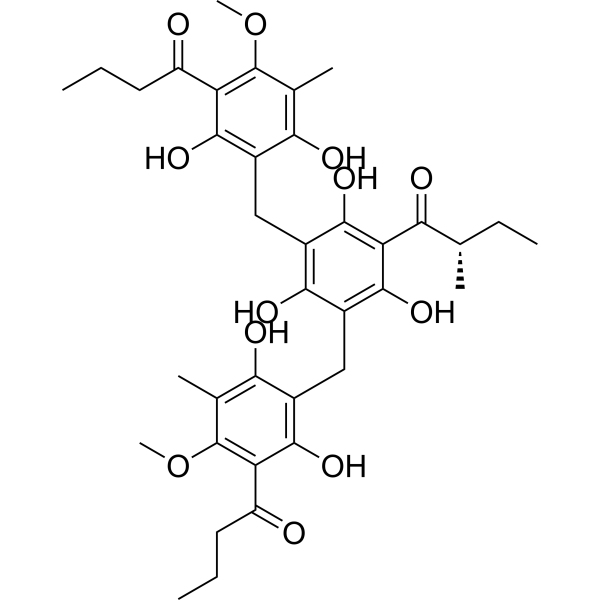
    Agrimol B, a polyphenol, is an orally active and potent SIRT1 activator. Agrimol B shows anti-adipogenic and anticancer activity. Agrimol B shows antibacterial activity against plant pathogens. Agrimol B dramatically inhibits 3T3-L1 adipocyte differentiation by reducing PPARγ, C/EBPα, FAS, UCP-1, and apoE expression. The action of Agrimol B on the cancer cells is likely derived from its effect on c-MYC, SKP2 and p27 .
    Agrimol B
  • HY-150190
    F5446
    1 Publications Verification

    Histone Methyltransferase Apoptosis Cancer
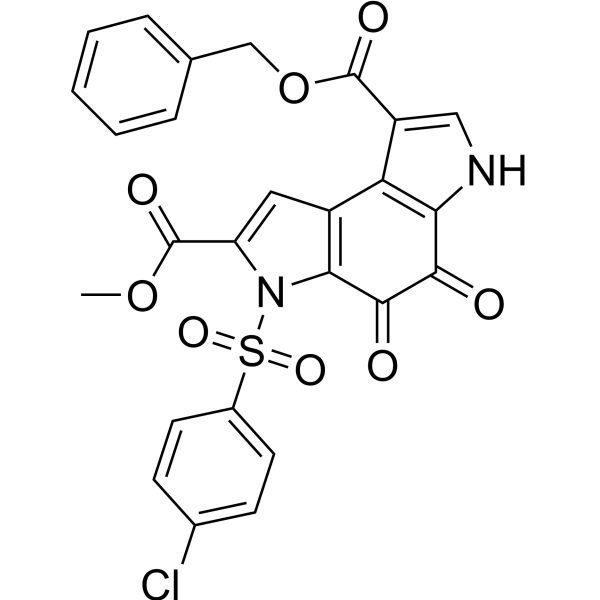
    F5446 (Compound 1) is a selective small molecule inhibitor of SUV39H1 methyltransferase. F5446 decreases H3K9me3 deposition at the FAS promoter, increases Fas expression and increases colorectal carcinoma cell sensitivity to FasL-induced apoptosis in vitro. F5446 suppresses human colon tumor xenograft growth in vivo .
    F5446
  • HY-112716

    Amino Acid Derivatives Cancer
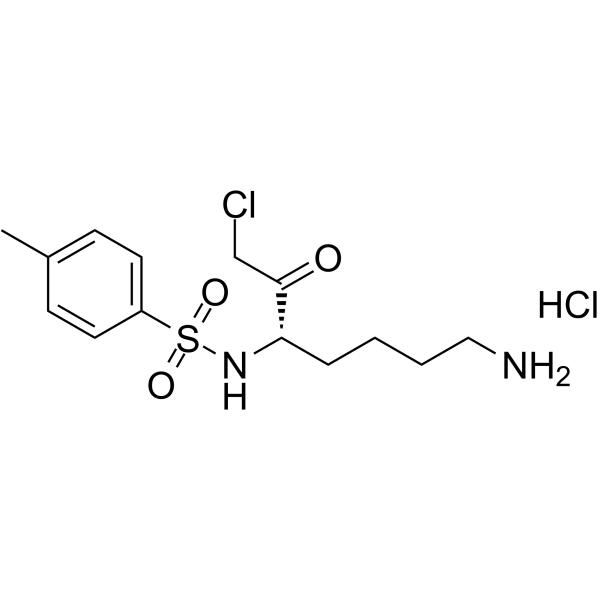
    N-alpha-Tosyl-L-lysine chloromethyl ketone (TLCK), a trypsin like protease inhibitor, sensitizes HeLa cells to Fas-mediated cell death.
    N-alpha-Tosyl-L-lysine chloromethyl ketone hydrochloride
  • HY-12325
    GSK2194069
    5 Publications Verification

    Fatty Acid Synthase (FASN) Cancer
    GSK2194069 is a potent inhibitor of β-ketoyl reductase (KR) of fatty acid synthase (FASN), with an IC50 value of 7.7 nM. GSK2194069 shows specifically inhibitory effect on FAS expressing cancer cells, by acting potent efficacy on acetoacetyl-CoA, NADPH with IC50 or Ki values of 4.8 nM and 5.6 nM, respectively .
    GSK2194069
  • HY-13721
    Phenoxodiol
    3 Publications Verification

    Idronoxil; Dehydroequol; Haginin E

    Caspase Apoptosis Topoisomerase Cancer
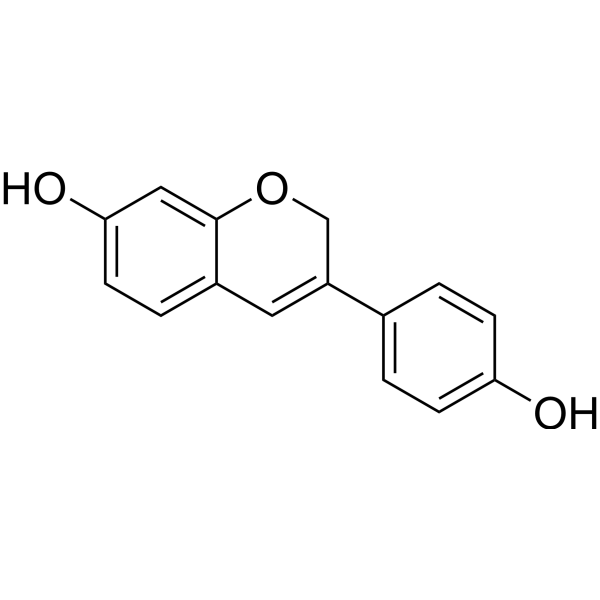
    Phenoxodiol (Idronoxil), a synthetic analog of Genestein, activates the mitochondrial caspase system, inhibits XIAP (an apoptosis inhibitor), and sensitizes the cancer cells to Fas-mediated apoptosis. Phenoxodiol also inhibits DNA topoisomerase II by stabilizing the cleavable complex. Phenoxodiol induces cell cycle arrest in the G1/S phase of the cell cycle and upregulates p21 WAF1 via a p53 independent manner .
    Phenoxodiol
  • HY-P10102
    Kp7-6
    2 Publications Verification

    Apoptosis PERK NF-κB Caspase JNK Inflammation/Immunology Cancer
    Kp7-6 is a Fas mimetic peptide and also a Fas/FasL antagonist. Kp7-6 specifically binds to Fas and FasL, disrupts receptor complexes, and blocks downstream apoptosis signaling pathways. Kp7-6 inhibits the phosphorylation of ERK1-2, induces the phosphorylation of IκBα, and activates NF-κB. Kp7-6 inhibits the activation of caspase-8, caspase-3 and JNK, and suppresses human amylin-induced β-cell apoptosis. Kp7-6 inhibits FasL-induced lymphoid cytotoxicity and apoptosis. Kp7-6 reduces local tumor FasL expression, increases CD8 +Fas + T cell infiltration, and decreases tumor volume in pancreatic neuroendocrine tumor models. Kp7-6 prevents concanavalin A-induced liver injury in mice. Kp7-6 is applicable to research related to type 2 diabetes, concanavalin A-induced hepatitis and pancreatic neuroendocrine tumors .
    Kp7-6
  • HY-133897
    (Rac)-Indoximod
    1 Publications Verification

    1-Methyl-DL-tryptophan; (Rac)-NLG-8189

    Indoleamine 2,3-Dioxygenase (IDO) Apoptosis Inflammation/Immunology Cancer
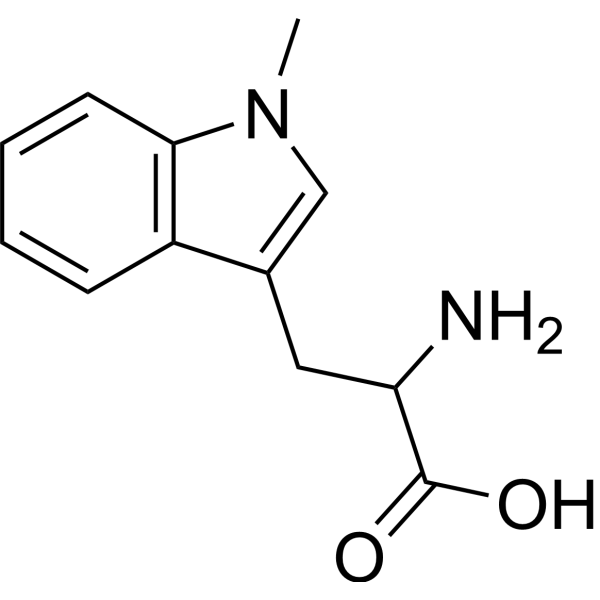
    (Rac)-Indoximod (1-Methyl-DL-tryptophan) is an indoleamine 2,3-dioxygenase (IDO) inhibitor. Co-treatment with IFN-γ and (Rac)-Indoximod markedly reduces the activity of human cardiac myofibroblasts (hCMs) expressing α-SMA and induces apoptosis through up-regulating the IRF-1, Fas, and FasL genes .
    (Rac)-Indoximod
  • HY-N2116
    Ginkgolic acid C17:1
    1 Publications Verification

    PTEN Fatty Acid Synthase (FASN) STAT Apoptosis SARS-CoV Infection Cancer
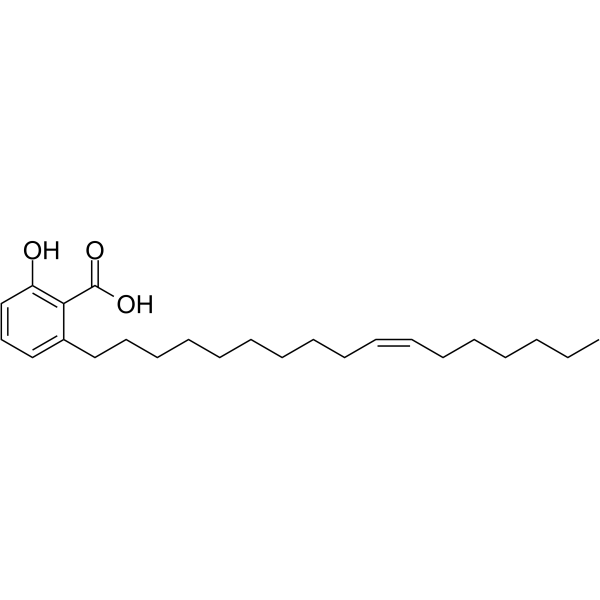
    Ginkgolic acid C17:1 is a fatty acid synthase (FAS) inhibitor with an IC50 of 10.5 µM. Ginkgolic acid C17:1 shows anti-tumor activity by inhibiting the phosphorylation of STAT3 and inducing apoptosis. Ginkgolic acid C17:1 can block the interaction between S-RBD and ACE2, and has anti-SARS-CoV-2-S pseudovirus activity. Ginkgolic acid C17:1 inhibits the biofilm formation of enterohemorrhagic Escherichia coli and Staphylococcus aureus .
    Ginkgolic acid C17:1
  • HY-B0515
    Ibandronate Sodium Monohydrate
    1 Publications Verification

    BM-210955; RPR-102289A

    Apoptosis Metabolic Disease Cancer
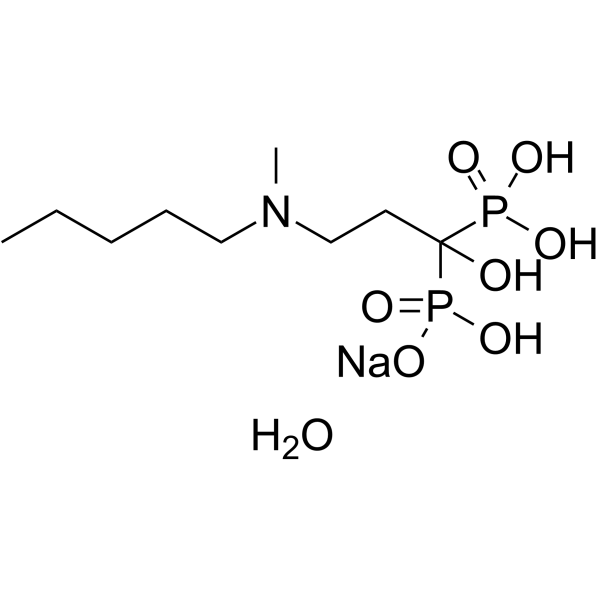
    Ibandronate Sodium Monohydrate (BM-210955; RPR-102289A) is an orally active, selective inhibitor of farnesyl pyrophosphate synthase (FPP synthase). Ibandronate Sodium Monohydrate can block the mevalonate pathway to inhibit the isoprenylation modification of small GTPases (such as RAS, RHO family proteins), induce tumor cell apoptosis and inhibit bone resorption. Ibandronate Sodium Monohydrate inhibits tumor cell proliferation (such as ER + breast cancer cells), promotes the expression of the pro-apoptotic gene FAS, and can produce synergistic anti-tumor effects with anti-estrogen compounds. Ibandronate Sodium Monohydrate is used in the study of osteoporosis and bone metastatic tumors (such as breast cancer bone metastasis) .
    Ibandronate Sodium Monohydrate
  • HY-100755

    TNF Receptor Neurological Disease
    KR-33493 is a potent inhibitor of Fas-mediated cell death (FAF1).
    KR-33493
  • HY-16100
    BI 99179
    3 Publications Verification

    Fatty Acid Synthase (FASN) Metabolic Disease Cancer
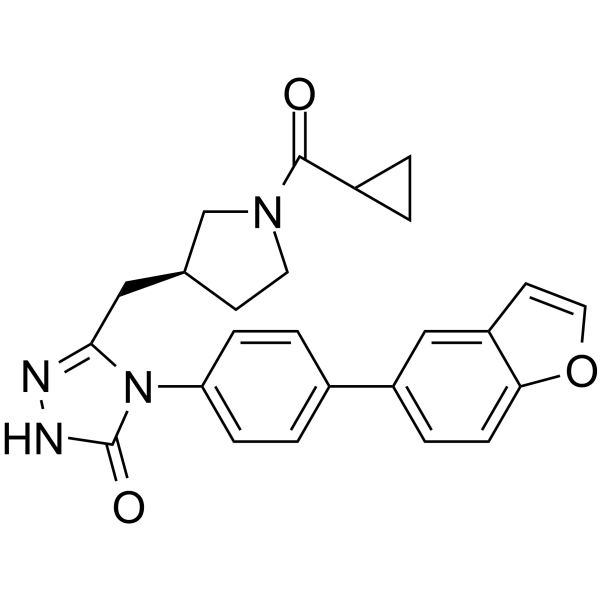
    BI 99179, a chemical probe, is a potent and selective type I fatty acid synthase (FAS) inhibitor with an IC50 of 79 nM. BI 99179 is a tool compound suitable for the in vivo validation of FAS as a target for lipid metabolism related diseases. BI 99179 exhibits significant exposure (both peripheral and central) upon oral administration in rats .
    BI 99179
  • HY-101849
    Fasentin
    4 Publications Verification

    GLUT TNF Receptor Apoptosis Cardiovascular Disease Cancer
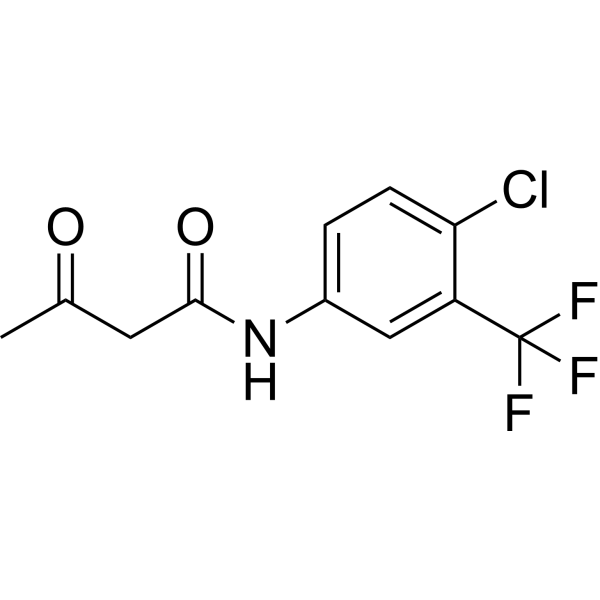
    Fasentin, a potent glucose uptake inhibitor, inhibits GLUT-1/GLUT-4 transporters. Fasentin preferentially inhibits GLUT4 (IC50=68 μM) over GLUT1. Fasentin is a death receptor stimuli (FAS) sensitizer and sensitizes cells to FAS-induced cell death. Fasentin is also a tumor necrosis factor (TNF) apoptosis-inducing ligand sensitizer. Fasentin blocks glucose uptake in cancer cell lines and has anti-angiogenic activity .
    Fasentin
  • HY-21088

    Cyclo-ornithine

    Drug Intermediate Others
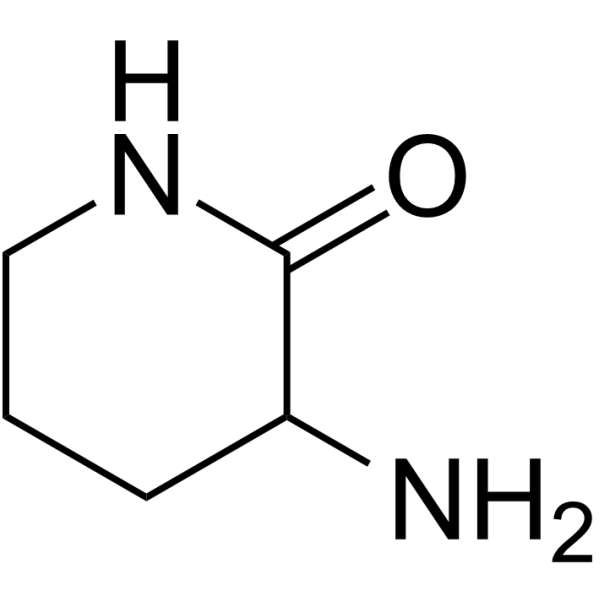
    3-Amino-2-piperidinone (Cyclo-ornithine) is a cyclic ornithine analogue and can be used as drug intermediate .
    3-Amino-2-piperidinone
  • HY-N6777
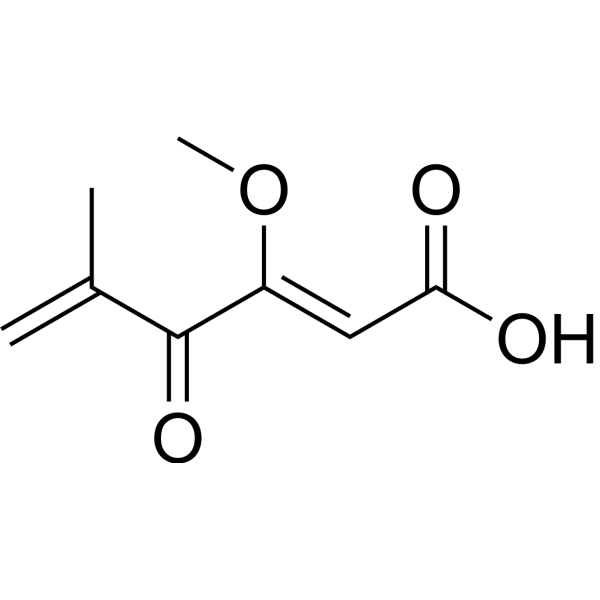
    Penicillic acid
    1 Publications Verification

    Caspase Bacterial Apoptosis Antibiotic Infection Inflammation/Immunology Cancer
    Penicillic acid is a polyketide mycotoxin produced by several species of Aspergillus and Penicillium. Penicillic acid exhibits cytotoxicity in rat alveolar macrophages (AM) in vitro. Penicillic acid inhibits Fas ligand-induced apoptosis by blocking self-processing of caspase-8 .
    Penicillic acid
  • HY-Y0598
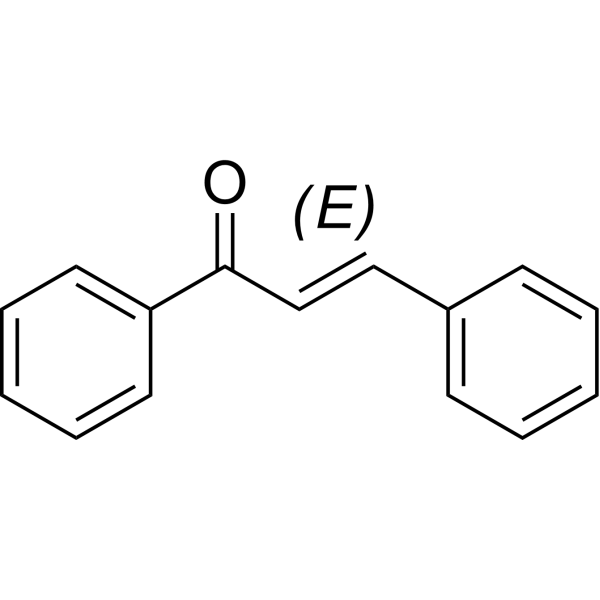
    trans-Chalcone
    2 Publications Verification

    Benzylideneacetophenone

    Fatty Acid Synthase (FASN) Apoptosis Fungal Inflammation/Immunology Cancer
    trans-Chalcone, isolated from Aronia melanocarpa skin, is a biphenolic core structure of flavonoids precursor. trans-Chalcone is a potent fatty acid synthase (FAS) and α-amylase inhibitor. trans-Chalcone causes cellcycle arrest and induces apoptosis in the breastcancer cell line MCF-7. trans-Chalcone has antifungal and anticancer activity .
    trans-Chalcone
  • HY-N3011

    PI3K Akt Pyruvate Kinase JAK STAT NF-κB Apoptosis Reactive Oxygen Species (ROS) Metabolic Disease Inflammation/Immunology Cancer
    Iridin is an orally active natural isoflavone. Iridin inhibits the PI3K/AKT and PKM2 signaling pathways, and downregulates the JAK/STAT and NF-κB pathways. Iridin induces Fas-mediated extrinsic apoptosis, G2/M cell cycle arrest, and inhibits cell proliferation. Iridin reduces inflammation, inhibits ROS production, suppresses glycolysis, and also exhibits antioxidant and antidiabetic activities. Iridin can be used in research related to gastric cancer and acute lung injury .
    Iridin
  • HY-P6440

    Apoptosis Caspase Others
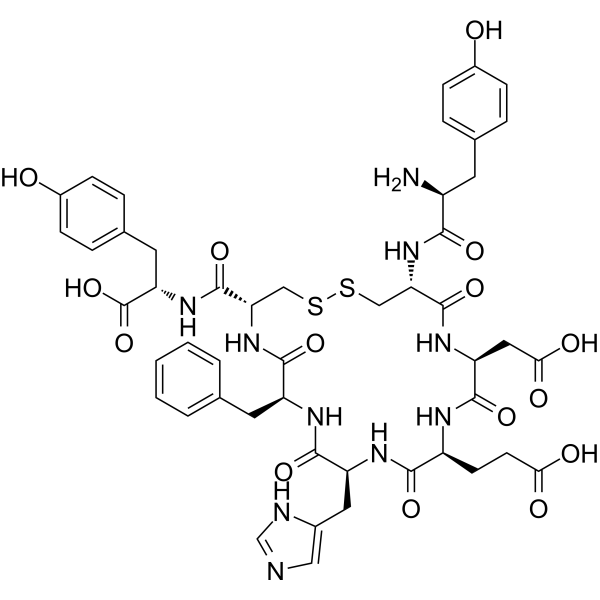
    Met-12 is a small peptide inhibitor of the Fas receptor. Met-12 can inhibit Fas receptor-mediated photoreceptor cell apoptosis, reduce Caspase activation. Met-12 can be used in the research of photoreceptor .
    Met-12
  • HY-P10227

    ONL-1204

    Fatty Acid Synthase (FASN) Apoptosis Interleukin Related Toll-like Receptor (TLR) NOD-like Receptor (NLR) Caspase Neurological Disease
    Xelafaslatide (ONL-1204) is a Fas receptor antagonist. Xelafaslatide blocks the Fas receptor signaling pathway and inhibits downstream apoptosis and inflammatory pathways. Xelafaslatide suppresses neuroinflammation and microglial activation in glaucoma models, protects retinal ganglion cells and prevents axonal degeneration. Xelafaslatide is applicable to relevant research on glaucoma .
    Xelafaslatide
  • HY-103348

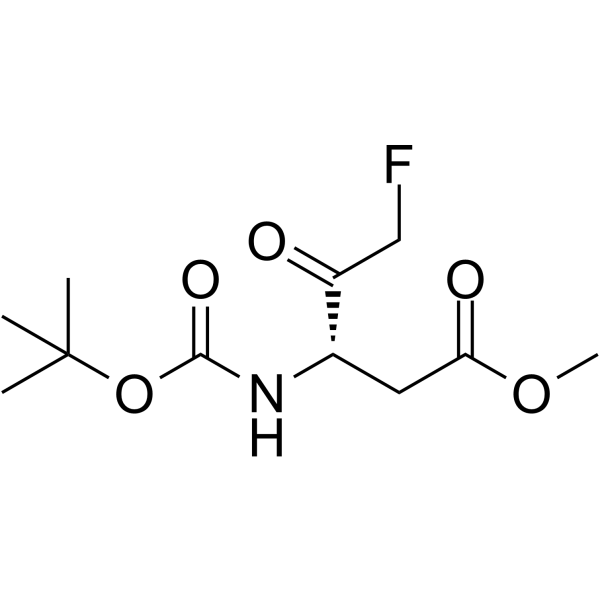
    Boc-Asp(OMe)-FMK

    Caspase Inflammation/Immunology
    Boc-Asp(OME)-Fluoromethyl Ketone is a broad range caspase inhibitor that inhibits Fas-mediated phagocytosis and oxidative rupture inhibition, but does not affect the chemotactic activity of IL-8 .
    Boc-Asp(OMe)-fluoromethyl ketone
  • HY-129624A
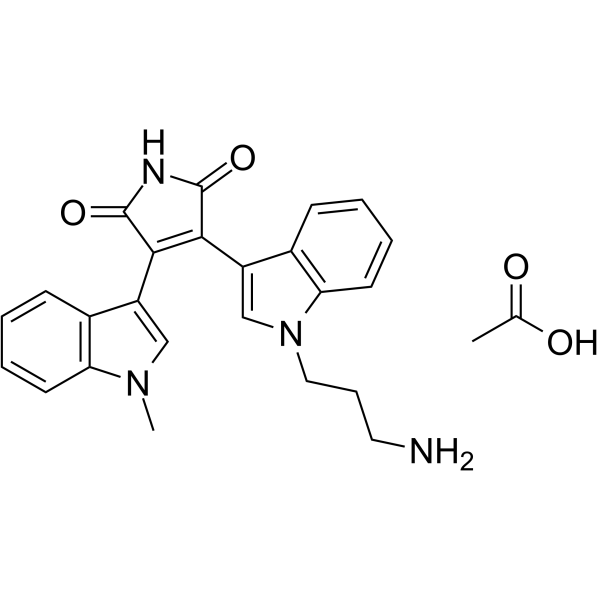
    Bisindolylmaleimide VIII acetate
    1 Publications Verification

    Ro 31-7549 acetate; Bis VIII acetate

    PKC Apoptosis Inflammation/Immunology Cancer
    Bisindolylmaleimide VIII acetate (Ro 31-7549 acetate) is a potent and selective protein kinase C (PKC) inhibitor with an IC50 of 158 nM for rat brain PKC. Bisindolylmaleimide VIII acetate has IC50s of 53, 195, 163, 213, and 175 nM for PKC-α, PKC-βI, PKC-βII, PKC-γ, PKC-ε, respectively . Bisindolylmaleimide VIII acetate facilitates Fas-mediated apoptosis and inhibits T cell-mediated autoimmune diseases .
    Bisindolylmaleimide VIII acetate
  • HY-122394

    Antibiotic Bacterial Fatty Acid Synthase (FASN) Infection
    Thiolactomycin is an orally active bacterial type II fatty acid synthase (FAS-II) inhibitor with antibacterial and antimalarial activities. Thiolactomycin specifically targets KasA/KasB in mycobacteria and FabB/FabF in bacteria, thereby inhibiting the biosynthesis of fatty acids and mycolic acids. Thiolactomycin can be used in studies related to tuberculosis, systemic bacterial infections, and experimental pyelonephritis .
    Thiolactomycin
  • HY-B0515B
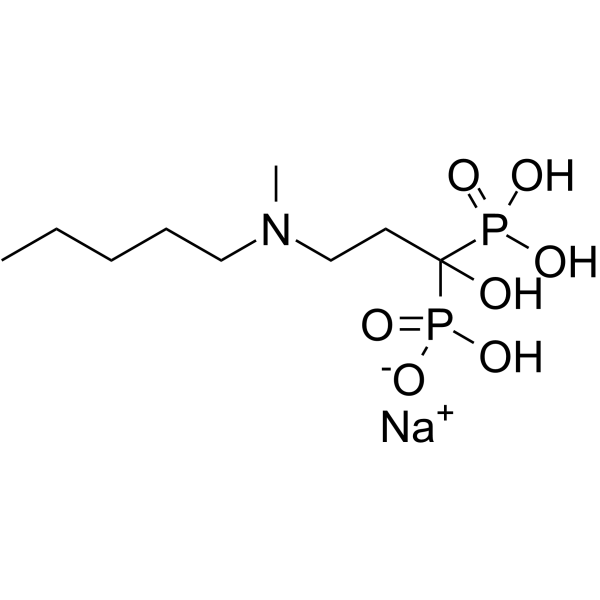
    Ibandronate Sodium
    1 Publications Verification

    Apoptosis Metabolic Disease Cancer
    Ibandronate Sodium is an orally active, selective inhibitor of farnesyl pyrophosphate synthase (FPP synthase). Ibandronate Sodium can block the mevalonate pathway to inhibit the isoprenylation modification of small GTPases (such as RAS, RHO family proteins), induce tumor cell apoptosis and inhibit bone resorption. Ibandronate Sodium inhibits tumor cell proliferation (such as ER+ breast cancer cells), promotes the expression of the pro-apoptotic gene FAS, and can produce synergistic anti-tumor effects with anti-estrogen compounds. Ibandronate Sodium is used in the study of osteoporosis and bone metastatic tumors (such as breast cancer bone metastasis) .
    Ibandronate Sodium
  • HY-N12717

    PAK FASTK HSP p38 MAPK NF-κB NO Synthase COX HSV Caspase TNF Receptor Fungal Apoptosis Infection Inflammation/Immunology Cancer
    Casuarinin is an orally active antiproliferative, anti-inflammatory, antifungal, virucidal and gastroprotective agent. Casuarinin upregulates the expression of p21/WAF1, Fas/APO‑1, mFasL, sFasL and HSP‑70, arrests cell cycle, induces apoptosis and inhibits cancer cell proliferation. Casuarinin inhibits TNF‑α-induced phosphorylation of MAPK and activation of NF‑κB, downregulates the expression of iNOS, NF‑κB, COX‑2 and ICAM‑1, and reduces the production of proinflammatory mediators. Casuarinin attenuates ethanol-induced activation of caspase‑3 and elevation of TNF‑α, inhibits the growth of Candida albicans, and inhibits HSV‑2. Casuarinin can be used in research related to mammary adenocarcinoma, inflammatory skin diseases, gastric ulcers, candidiasis and herpes simplex virus infections .
    Casuarinin
  • HY-N0853A
    Alisol A 24-acetate
    1 Publications Verification

    Alisol A 24-monoacetate; Alisol A monoacetate

    AMPK Carnitine Palmitoyltransferase (CPT) Acyltransferase Fatty Acid Synthase (FASN) Acetyl-CoA Carboxylase Bcl-2 Family PPAR Nuclear Factor of activated T Cells (NFAT) PI3K Akt PKA ERK Apoptosis Autophagy Cardiovascular Disease Infection Neurological Disease Metabolic Disease Endocrinology
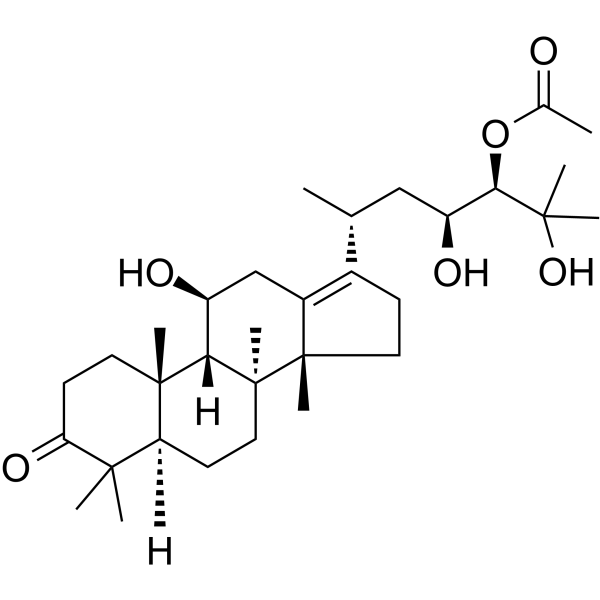
    Alisol A 24-acetate (Alisol A monoacetate) is an orally active derivative of protostane-type tetracyclic triterpenoid. Alisol A 24-acetate upregulates the expression of adiponectin, AMPKα, CPT1, and ACOX1; downregulates the expression of SREBP-1c, ACC, FAS, Bcl-2, Bcl-xl, PPAR-γ, perilipin A, and NFATc1; inhibits the activity of PI3K/Akt/mTOR and HMGR; and activates the PKA and ERK signaling pathways. Alisol A 24-acetate regulates cell apoptosis (apoptosis), autophagy (Autophagy, hepatic lipid accumulation, inflammatory response, neuroprotection, MRSA membrane integrity, and osteoclast differentiation. Alisol A 24-acetate can be used in research related to non-alcoholic fatty liver disease, nephrotoxicity, obesity, global cerebral ischemia-reperfusion injury, bacterial infection, and osteoporosis .
    Alisol A 24-acetate
  • HY-113963

    Apoptosis Cancer
    Ac- IETD- CHO is a potent, reversible inhibitor of granzyme B and caspase-8. Ac- IETD- CHO inhibits Fas-mediated apoptotic cell death, hemorrhage, and liver failure. Ac- IETD- CHO also inhibits cytotoxic T lymphocytes induced cell death .
    Ac-​IETD-​CHO
  • HY-103347

    Apoptosis Inflammation/Immunology
    M50054 is a potent inhibitor of apoptosis. M50054 inhibits Etoposide-induced caspase-3 activation of U937 cells with an IC50 of 79 μg/mL. M50054 does not directly inhibit the enzymatic activity of caspase-3. M50054 can be used for the research anti-Fas-antibody-induced hepatitis and chemotherapy-induced alopecia .
    M50054
  • HY-N12378

    NF-κB Toll-like Receptor (TLR) PKA Epigenetic Reader Domain Keap1-Nrf2 Sirtuin AMPK Caspase FASTK ERK ROCK Apoptosis Metabolic Disease Inflammation/Immunology Cancer
    β-Patchoulene is an orally active anti-inflammatory, antioxidant, and anti-apoptotic agent. β-Patchoulene inhibits the NF-κB, TLR4, and cAMP/PKA/CREB signaling pathways; activates the Sirt1/Nrf2 and AMPK signaling pathways; and targets Fas/FasL, Caspase-3, ERK1/2, ROCK1/MLC2 for inhibition. β-Patchoulene regulates cytokine secretion, inflammatory cell infiltration, lipid peroxidation, cell polarization, gut microbiota, and lipid metabolism, restores barrier function, mitochondrial function, and cell viability, and exhibits repellent activity against Spodoptera exigua larvae. β-Patchoulene can be used in research related to various inflammatory, ischemic, fibrosis-associated diseases, as well as hepatocellular carcinoma .
    β-Patchoulene
  • HY-P10815

    Apoptosis Calcium Channel Others
    IP3RCYT is an IP3R inhibitory peptide, which can inhibit the binding of cytochrome C to IP3R with an IC50 about 100 nM. IP3RCYT regulates calcium signaling within cells. P3RCYT inhibits apoptosis in HeLa and Jurkat cells treated with Staurosporine (HY-15141) or Membrane-bound Fas ligand (FasL) .
    IP3RCYT
  • HY-N10612

    AMPK PPAR TRP Channel Mitochondrial Metabolism Metabolic Disease Cancer
    Petasin inhibits adipogenesis in cell 3T3-F442A with an IC50 of 0.95 μM. Petasin inhibits the expression of lipid synthesis factors ACC1, FAS and SCD1 by inhibiting transcription factors PPARγ and C/EBPα, as well as targeting TRPA1 and TRPV1 channels . Petasin inhibits mitochondrial complex I, thereby inhibiting tumor growth and metastasis. Petasin activates AMPK signaling pathway, participating in regulation of glucose and lipid metabolism. Petasin is orally active .
    Petasin
  • HY-P5797

    Fas-2

    Cholinesterase (ChE) Neurological Disease
    Fasciculin-II (Fas-2) is a potential inhibitor of acetylcholinesterase (AChE) .
    Fasciculin-II
  • HY-P99133

    TNF Receptor Inflammation/Immunology Cancer
    Anti-Mouse Fas Ligand Antibody (MFL3) is an anti-mouse Fas Ligand IgG antibody inhibitor derived from host Armenian Hamster. Anti-Mouse Fas Ligand Antibody (MFL3) can block Fas Ligand (FasL). Anti-Mouse Fas Ligand Antibody (MFL3) can be used for the researches of cancer and immunology .
    Anti-Mouse Fas Ligand Antibody (MFL3)
  • HY-118147

    Fatty Acid Synthase (FASN) Cancer
    ML356 (Compound 16) is an inhibitor for fatty acid synthase (FAS), that inhibits the thioesterase domain of FAS (FAS TE) with an IC50 of 0.334 μM, and blocks the de novo palmitate synthesis in PC-3 cell with an IC50 of 20 μM. ML356 exhibits good membrane permeability, and good stability in human and mouse plasma .
    ML356
  • HY-N7521

    Procyanidine C2

    Acetyl-CoA Carboxylase Fatty Acid Synthase (FASN) Stearoyl-CoA Desaturase (SCD) PPAR AMPK mTOR JNK Inflammation/Immunology
    Procyanidin C2 (Procyanidine C2) is a lipid metabolism regulator and antioxidant with free radical scavenging activity. Procyanidin C2 down-regulates ACC, SREBP-1c, FAS, SCD-1 and PPARγ. Procyanidin C2 increases the level of phosphorylated AMPKα and inhibits the level of phosphorylated mTOR. Procyanidin C2 reduces lipid accumulation, alleviates oxidative stress, enhances fatty acid oxidation and improves mitochondrial function. Procyanidin C2 can be used in the research of non-alcoholic fatty liver disease .
    Procyanidin C2
  • HY-101849R

    Reference Standards GLUT TNF Receptor Apoptosis Cardiovascular Disease Cancer
    Fasentin (Standard) is the analytical standard of Fasentin. This product is intended for research and analytical applications. Fasentin, a potent glucose uptake inhibitor, inhibits GLUT-1/GLUT-4 transporters. Fasentin preferentially inhibits GLUT4 (IC50=68 μM) over GLUT1. Fasentin is a death receptor stimuli (FAS) sensitizer and sensitizes cells to FAS-induced cell death. Fasentin is also a tumor necrosis factor (TNF) apoptosis-inducing ligand sensitizer. Fasentin blocks glucose uptake in cancer cell lines and has anti-angiogenic activity .
    Fasentin (Standard)
  • HY-167879A

    Fungal Fatty Acid Synthase (FASN) Infection Inflammation/Immunology
    NPD6433 is a triazenyl indole with broad-spectrum activity against all screening fungal strains. NPD6433 targets the enoyl reductase domain of fatty acid synthase 1 (Fas1), covalently inhibiting its flavin mononucleotide-dependent NADPH-oxidation activity and arresting essential fatty acid biosynthesis .
    NPD6433
  • HY-167879

    Fungal Fatty Acid Synthase (FASN) Infection Inflammation/Immunology
    (Rac)-NPD6433 is a racemate of NPD6433. NPD6433 is a triazenyl indole with broad-spectrum activity against all screening fungal strains. NPD6433 targets the enoyl reductase domain of fatty acid synthase 1 (Fas1), covalently inhibiting its flavin mononucleotide-dependent NADPH-oxidation activity and arresting essential fatty acid biosynthesis .
    (Rac)-NPD6433
  • HY-103347R

    Reference Standards Apoptosis Inflammation/Immunology
    M50054 (Standard) is the analytical standard of M50054. This product is intended for research and analytical applications. M50054 is a potent inhibitor of apoptosis. M50054 inhibits Etoposide-induced caspase-3 activation of U937 cells with an IC50 of 79 μg/mL. M50054 does not directly inhibit the enzymatic activity of caspase-3. M50054 can be used for the research anti-Fas-antibody-induced hepatitis and chemotherapy-induced alopecia .
    M50054 (Standard)
  • HY-129624

    Ro 31-7549; Bis VIII

    PKC Apoptosis Inflammation/Immunology Cancer
    Bisindolylmaleimide VIII (Ro 31-7549) is a potent and selective protein kinase C (PKC) inhibitor with an IC50 of 158 nM for rat brain PKC. Bisindolylmaleimide VIII has IC50s of 53, 195, 163, 213, and 175 nM for PKC-α, PKC-βI, PKC-βII, PKC-γ, PKC-ε, respectively . Bisindolylmaleimide VIII facilitates Fas-mediated apoptosis and inhibits T cell-mediated autoimmune diseases .
    Bisindolylmaleimide VIII
  • HY-13721R

    Idronoxil (Standard); Dehydroequol (Standard); Haginin E (Standard)

    Caspase Apoptosis Topoisomerase Reference Standards Cancer
    Phenoxodiol (Standard) is the analytical standard of Phenoxodiol. This product is intended for research and analytical applications. Phenoxodiol (Idronoxil), a synthetic analog of Genestein, activates the mitochondrial caspase system, inhibits XIAP (an apoptosis inhibitor), and sensitizes the cancer cells to Fas-mediated apoptosis. Phenoxodiol also inhibits DNA topoisomerase II by stabilizing the cleavable complex. Phenoxodiol induces cell cycle arrest in the G1/S phase of the cell cycle and upregulates p21WAF1 via a p53 independent manner .
    Phenoxodiol (Standard)
  • HY-P10401

    Apoptosis iGluR Cardiovascular Disease Neurological Disease
    TAT-GluR6-9c is a GluR6-PSD95 interaction blocker. By regulating the GluR6 mediated signaling pathway, TAT-GluR6-9c inhibits the activation of JNK and phosphorylation of c-Jun, reduces the expression of Fas L and thus reduces the occurrence of apoptosis. TAT-GluR6-9c can be used to study cerebral ischemia and neuroprotective strategies .
    TAT-GluR6-9c
  • HY-168770

    RIP kinase TNF Receptor Apoptosis Cardiovascular Disease
    Cl-Necrostatin-1 is a RIPK1 inhibitor. Cl-Necrostatin-1 can also inhibit TNF-α-induced necroptosis in Jurkat cells deficient in Fas-associated death domain protein (FADD; EC50 = 180 nM), a modification that prevents caspase activation in response to death-domain receptor signaling. Cl-Necrostatin-1 can also reduce infarct size in a mouse model of middle cerebral artery occlusion (MCAO). Cl-Necrostatin-1 is used for research in cardiovascular and cerebrovascular diseases .
    Cl-Necrostatin-1
  • HY-N3011R

    Reference Standards Apoptosis PI3K Pyruvate Kinase Reactive Oxygen Species (ROS) JAK Akt NF-κB STAT Metabolic Disease Inflammation/Immunology Cancer
    Iridin (Standard) is the analytical standard of Iridin. This product is intended for research and analytical applications. Iridin is an orally active natural isoflavone. Iridin inhibits the PI3K/AKT and PKM2 signaling pathways, and downregulates the JAK/STAT and NF-κB pathways. Iridin induces Fas-mediated extrinsic apoptosis, G2/M cell cycle arrest, and inhibits cell proliferation. Iridin reduces inflammation, inhibits ROS production, suppresses glycolysis, and also exhibits antioxidant and antidiabetic activities. Iridin can be used in research related to gastric cancer and acute lung injury .
    Iridin (Standard)
  • HY-N2116R

    Reference Standards PTEN Fatty Acid Synthase (FASN) STAT Apoptosis SARS-CoV Infection Cancer
    Ginkgolic acid C17:1 (Standard) is the analytical standard of Ginkgolic acid C17:1. This product is intended for research and analytical applications. Ginkgolic acid C17:1 is a fatty acid synthase (FAS) inhibitor with an IC50 of 10.5 µM. Ginkgolic acid C17:1 shows anti-tumor activity by inhibiting the phosphorylation of STAT3 and inducing apoptosis. Ginkgolic acid C17:1 can block the interaction between S-RBD and ACE2, and has anti-SARS-CoV-2-S pseudovirus activity. Ginkgolic acid C17:1 inhibits the biofilm formation of enterohemorrhagic Escherichia coli and Staphylococcus aureus .
    Ginkgolic acid C17:1 (Standard)
  • HY-174133

    17β-HSD Metabolic Disease Inflammation/Immunology
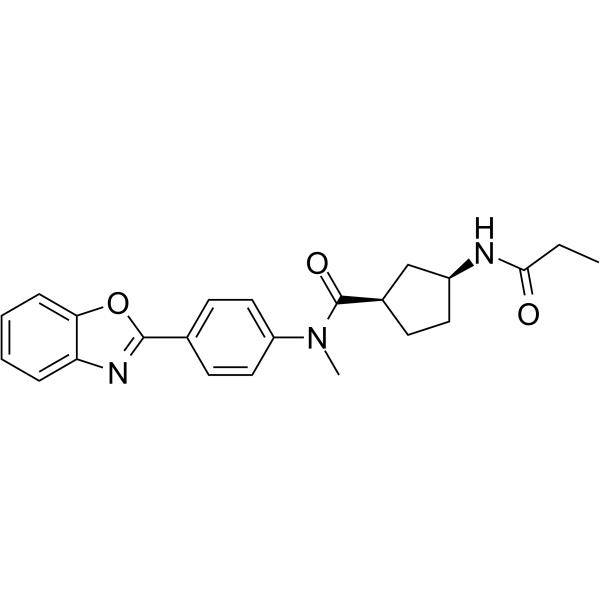
    HSD17B13-IN-104 (Compound 32) is an orally active, highly potent and selective HSD17B13 inhibitor (IC50=2.5 nM). HSD17B13-IN-104 regulates hepatic lipid metabolism by inhibiting the SREBP-1c/FAS pathway. HSD17B13-IN-104 blocks HSD17B13 enzymatic activity to improve hepatic lipid accumulation. HSD17B13-IN-104 is promising for research of metabolic dysfunction-associated steatohepatitis .
    HSD17B13-IN-104
  • HY-B0515R

    BM-210955 (Standard); RPR-102289A (Standard)

    Reference Standards Apoptosis Cancer
    Ibandronate Sodium Monohydrate (BM-210955; RPR-102289A) (Standard) is the analytical standard of Ibandronate Sodium Monohydrate (HY-B0515). This product is intended for research and analytical applications. Ibandronate Sodium Monohydrate (BM-210955; RPR-102289A) is an orally active, selective inhibitor of farnesyl pyrophosphate synthase (FPP synthase). Ibandronate Sodium Monohydrate can block the mevalonate pathway to inhibit the isoprenylation modification of small GTPases (such as RAS, RHO family proteins), induce tumor cell apoptosis and inhibit bone resorption. Ibandronate Sodium Monohydrate inhibits tumor cell proliferation (such as ER + breast cancer cells), promotes the expression of the pro-apoptotic gene FAS, and can produce synergistic anti-tumor effects with anti-estrogen compounds. Ibandronate Sodium Monohydrate is used in the study of osteoporosis and bone metastatic tumors (such as breast cancer bone metastasis) .
    Ibandronate Sodium Monohydrate (Standard)
  • HY-100755R

    TNF Receptor Reference Standards Neurological Disease
    KR-33493 (Standard) is the analytical standard of KR-33493 (HY-100755). This product is intended for research and analytical applications. KR-33493 is a potent inhibitor of Fas-mediated cell death (FAF1).
    KR-33493 (Standard)
  • HY-175057

    Apoptosis Inflammation/Immunology Cancer
    Ac-IETD-CHO TFA is a potent, reversible inhibitor of granzyme B and caspase-8. Ac-IETD-CHO TFA inhibits Fas-mediated apoptotic cell death, hemorrhage, and liver failure. Ac-IETD-CHO TFA also inhibits cytotoxic T lymphocytes induced cell death .
    Ac-IETD-CHO TFA
  • HY-P992072

    Apoptosis Caspase Metabolic Disease
    Anti-Human/Mouse CD95 Antibody (HFE7A) is an antibody targeting human/mouse Fas (CD95), with a Kd of 1.6 nM in mice. Anti-Human/Mouse CD95 Antibody (HFE7A) modulates the Fas-mediated apoptotic signaling pathway without blocking the binding of Jo2 to Fas. Anti-Human/Mouse CD95 Antibody (HFE7A) inhibits Jo2-induced caspase activation, mitochondrial depolarization, hepatocyte death and apoptosis. Anti-Human/Mouse CD95 Antibody (HFE7A) protects BALB/c mice against Jo2-induced acute liver injury and reduces Jo2-associated elevation of serum transaminase levels. Anti-Human/Mouse CD95 Antibody (HFE7A) can be used in studies related to liver injury. For isotype control, refer to Mouse IgG1 kappa, Isotype Control (HY-P99977) .
    Anti-Human/Mouse CD95 Antibody (HFE7A)
  • HY-103348R

    Boc-Asp(OMe)-FMK (Standard)

    Reference Standards Caspase Inflammation/Immunology
    Boc-Asp(OMe)-fluoromethyl ketone (Standard) is the analytical standard of Boc-Asp(OMe)-fluoromethyl ketone (HY-103348). This product is intended for research and analytical applications. Boc-Asp(OME)-Fluoromethyl Ketone is a broad range caspase inhibitor that inhibits Fas-mediated phagocytosis and oxidative rupture inhibition, but does not affect the chemotactic activity of IL-8 .
    Boc-Asp(OMe)-fluoromethyl ketone (Standard)
  • HY-N6777S

    Isotope-Labeled Compounds Cancer
    Penicillic acid- 13C8 is the 13C-labeled Penicillic acid (HY-N6777). Penicillic acid is a polyketide mycotoxin produced by several species of Aspergillus and Penicillium. Penicillic acid exhibits cytotoxicity in rat alveolar macrophages (AM) in vitro. Penicillic acid inhibits Fas ligand-induced apoptosis by blocking self-processing of caspase-8 .
    Penicillic acid-13C8

Inquiry Online

Your information is safe with us. * Required Fields.

Salutation


Country or Region *

Applicant Name *


Organization Name *

Department *


Email Address *


Product Name *

Cat. No.


Requested quantity *

Phone Number *


Remarks

Inquiry Online

Inquiry Information

Product Name:
Cat. No.:
Quantity:
MCE Japan Authorized Agent:

