Search Result
Results for "
Her2 breast cancer cells
" in MedChemExpress (MCE) Product Catalog:
3
Isotope-Labeled Compounds
| Cat. No. |
Product Name |
Target |
Research Areas |
Chemical Structure |
-
- HY-50767
-
Palbociclib
Maximum Cited Publications
239 Publications Verification
PD 0332991
|
CDK
|
Cancer
|
|
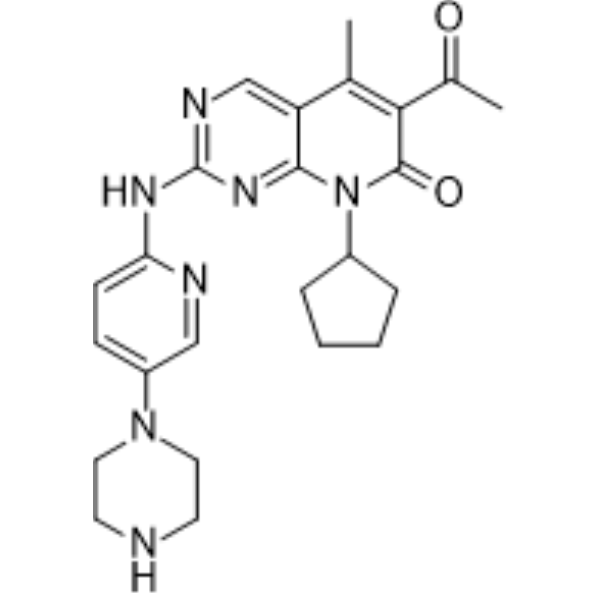
Palbociclib (PD 0332991) is an orally active selective CDK4 and CDK6 inhibitor with IC50 values of 11 and 16 nM, respectively. Palbociclib has potent anti-proliferative activity and induces cell cycle arrest in cancer cells, which can be used in the research of HR-positive and HER2-negative breast cancer and hepatocellular carcinoma .
|
-
-
- HY-50767C
-
|
PD-0332991 hydrochloride
|
CDK
|
Cancer
|
|
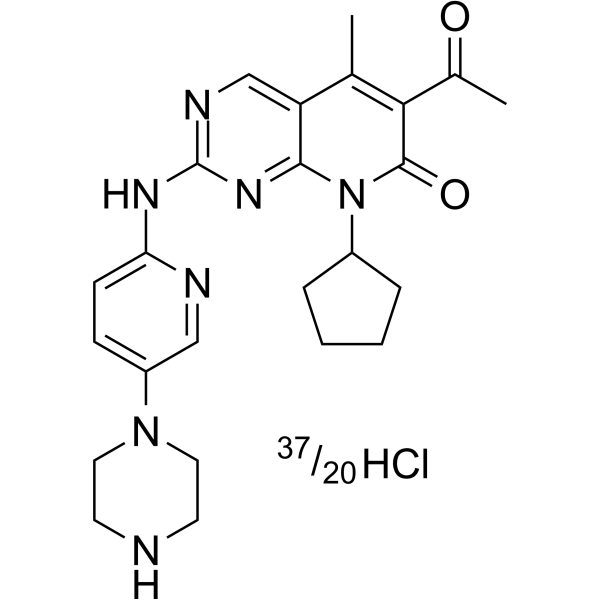
Palbociclib (PD 0332991) hydrochloride is an orally active selective CDK4 and CDK6 inhibitor with IC50 values of 11 and 16 nM, respectively. Palbociclib hydrochloride has potent anti-proliferative activity and induces cell cycle arrest in cancer cells. Palbociclib hydrochloride can be used in the research of HR-positive and HER2-negative breast cancer and hepatocellular carcinoma .
|
-
-
- HY-50767A
-
|
PD 0332991 monohydrochloride
|
CDK
|
Cancer
|
|
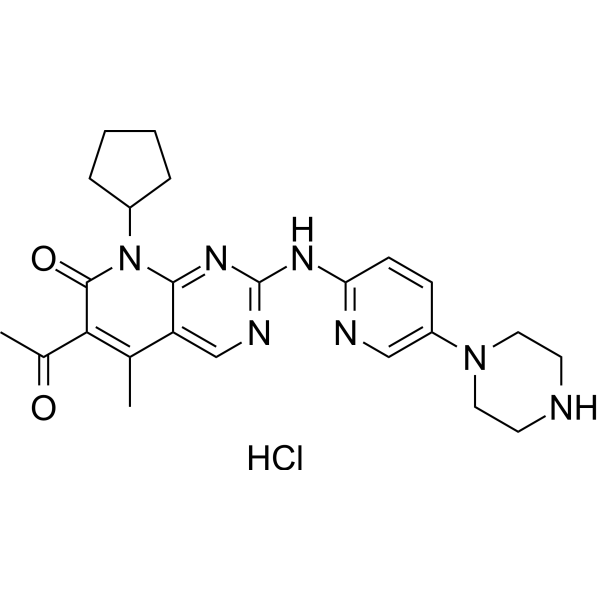
Palbociclib (PD 0332991) monohydrochloride is an orally active selective CDK4 and CDK6 inhibitor with IC50 values of 11 and 16 nM, respectively. Palbociclib monohydrochloride has potent anti-proliferative activity and induces cell cycle arrest in cancer cells, which can be used in the research of HR-positive and HER2-negative breast cancer and hepatocellular carcinoma .
|
-
-
- HY-A0065
-
|
PD 0332991 isethionate
|
CDK
|
Infection
Neurological Disease
Cancer
|
|
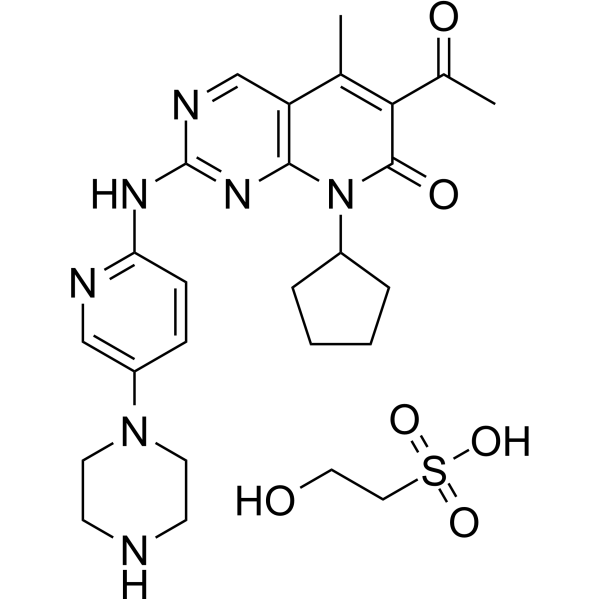
Palbociclib (PD 0332991) isethionate is an orally active selective CDK4 and CDK6 inhibitor with IC50 values of 11 and 16 nM, respectively. Palbociclib isethionate has potent anti-proliferative activity and induces cell cycle arrest in cancer cells, which can be used in the research of HR-positive and HER2-negative breast cancer and hepatocellular carcinoma .
|
-
-
- HY-164992
-
|
MRG002; Trastuzumab MMAE
|
Antibody-Drug Conjugates (ADCs)
EGFR
Microtubule/Tubulin
|
Cancer
|
|
Trastuzumab vedotin (MRG002; Trastuzumab MMAE) is an antibody-drug conjugate and cytotoxin targeting HER2, with a Kd of 7.50E-11 M for human HER2. After binding to HER2, Trastuzumab vedotin undergoes internalization and lysosomal trafficking, delivering a cytotoxic payload to HER2-expressing cells and inducing tumor regression in in vivo xenograft models with HER2-expressing tumors. The anti-tumor activity of Trastuzumab vedotin is enhanced when used in combination with anti-PD-1 antibodies, and it exhibits preclinical anti-tumor activity in drug-resistant breast cancer, gastric cancer, and urothelial carcinoma PDX models. Trastuzumab vedotin has low antibody-dependent cellular cytotoxicity activity and can be used in studies related to HER2-positive breast cancer, HER2-positive gastric cancer, and unresectable locally advanced or metastatic HER2-positive urothelial carcinoma .
|
-

-
- HY-164202
-
|
|
Antibody-Drug Conjugates (ADCs)
|
Cancer
|
|
ORM-5029 is a first-in-class human epidermal growth factor receptor 2 (HER2)-targeted antibody-drug conjugate (ADC) comprised of SMol006, a highly potent GSPT1 degrader, conjugated to Pertuzumab (HY-P9912). ORM-5029 exhibits robust efficacy across 14 HER2-positive breast cancer cell lines, with IC50 values ranging from 0.3 to 14.4 nM.ORM-5029 demonstrates anti-tumor activity in the BT474 xenograft model. ORM-5029 can be used for study of breast cancer .
|
-

-
- HY-P991097
-
|
PM-8002; BNT-327
|
VEGFR
PD-1/PD-L1
|
Cancer
|
|
Pumitamig (PM-8002, BNT-327) is a bispecific antibody targeting PD-L1 and VEGF-A, with immune activation and anti-angiogenic activities. By binding to PD-L1, Pumitamig restores the function of effector T cells, while neutralizing VEGF-A in the tumor microenvironment to reverse its inhibition on the infiltration and activation of immune cells and normalize tumor blood vessels. Pumitamig can also be combined with various ADCs targeting TROP2, B7H3, HER2, HER3 for the research of advanced/metastatic solid tumors, including non-small cell lung cancer, ovarian cancer, triple-negative breast cancer, cervical cancer, etc. Pumitamig also exhibits potential efficacy in "cold" tumors with low PD-L1 expression that are insensitive to immunotherapy .
|
-

-
- HY-156617A
-
|
SHR169265
|
ADC Payload
Topoisomerase
|
Cancer
|
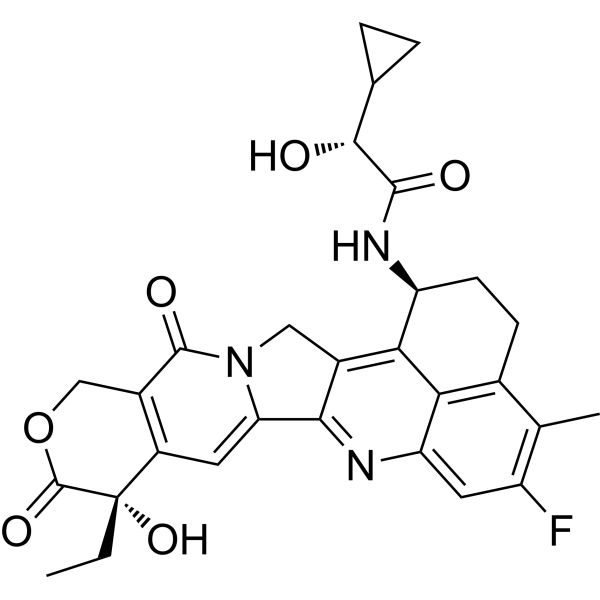
(αR)-Cyclopropaneacetamide-Exatecan (SHR169265) is a DNA Topoisomerase I inhibitor with enhanced membrane permeability (with an IC50 of 1.34 μM against the human DNA Topoisomerase I). (αR)-Cyclopropaneacetamide-Exatecan exerts cytotoxic effects by inhibiting the enzymatic activity of Topoisomerase I, and this anticancer effect is independent of the expression level of HER2. (αR)-Cyclopropaneacetamide-Exatecan is an ADC Cytotoxin derived from Exatecan (HY-13631), which can be used in research related to advanced cancers such as breast cancer, gastric cancer, colorectal cancer and non-small cell lung cancer .
|
-
-
- HY-10293
-
|
INCB007839; INCB7839
|
MMP
|
Cancer
|
|
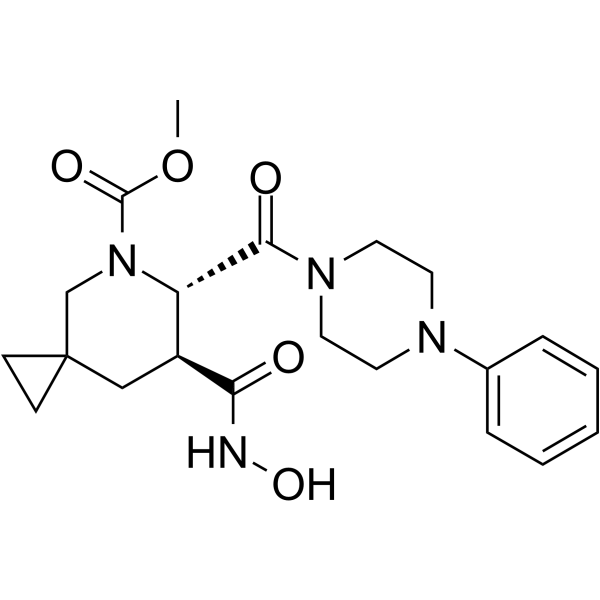
Aderbasib (INCB007839) is a potent, orally active and target specific low nanomolar hydroxamate-based inhibitor of ADAM10 and ADAM17. Aderbasib exhibits robust antineoplastic activity and can be used for cancer research, including diffuse large B-cell non-Hodgkin lymphoma, HER2 + breast cancer, gliomas, et al .
|
-
-
- HY-N1073
-
|
6-Isopentenylgenistein; Erythrinin B
|
Apoptosis
EGFR
HSP
ERK
Akt
|
Infection
Cancer
|
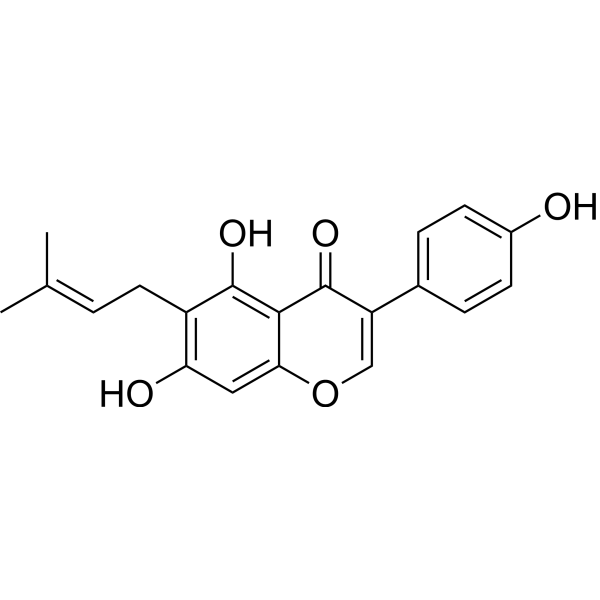
Wighteone (6-Isopentenylgenistein; Erythrinin B) is a prenylated isoflavone that acts as a HSP90/EGFR L858R/T790M inhibitor and antifungal agent. Wighteone reduces the expression level of HSP90, blocks EGF-induced phosphorylation of EGFR, and thereby inhibits the downstream ERK and AKT signaling pathways. Wighteone induces cell cycle redistribution, inhibits proliferation and triggers apoptosis in cancer cells. Wighteone can be isolated from Erythrina suberosa, and can also be induced to synthesize in Lotus japonicus under specific conditions. Wighteone can be used to study HER2-positive breast cancer, leukemia, non-small cell lung cancer with EGFR L858R/T790M mutation, and fungal infections .
|
-
-
- HY-50767R
-
|
PD 0332991 (Standard)
|
Reference Standards
CDK
|
Cancer
|
|
Palbociclib (Standard) is the analytical standard of Palbociclib. This product is intended for research and analytical applications. Palbociclib (PD 0332991) is an orally active selective CDK4 and CDK6 inhibitor with IC50 values of 11 and 16 nM, respectively. Palbociclib has potent anti-proliferative activity and induces cell cycle arrest in cancer cells, which can be used in the research of HR-positive and HER2-negative breast cancer and hepatocellular carcinoma .
|
-

-
- HY-145102
-
|
|
HSP
Apoptosis
|
Cancer
|
|
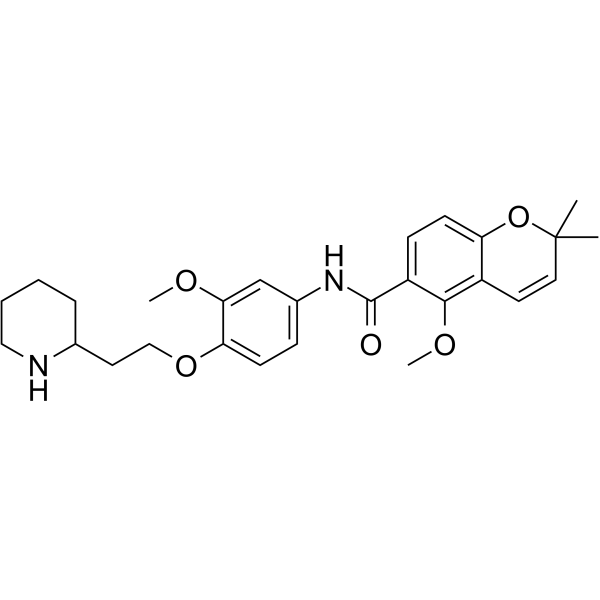
NCT-58 is a potent inhibitor of C-terminal HSP90. NCT-58 does not induce the heat shock response (HSR) due to its targeting of the C-terminal region and elicits anti-tumor activity via the simultaneous downregulation of HER family members as well as inhibition of Akt phosphorylation. NCT-58 kills Trastuzumab-resistant breast cancer stem-like cells. NCT-58 induces apoptosis in HER2-positive breast cancer cells .
|
-
-
- HY-P9974
-
|
OMP-18R5
|
Wnt
|
Cancer
|
|
Vantictumab (OMP-18R5) is a fully human IgG2 monoclonal antibody. Vantictumab inhibits Wnt pathway signaling by binding to FZD1/2/5/7/8 receptors. Vantictumab can be studied against cancers through direct actions on tumor cells, including CSCs, and effects on the stroma, such as metastatic HER2-negative breast cancer and metastatic pancreatic adenocarcinoma .
|
-

-
- HY-131864
-
|
|
PROTACs
EGFR
|
Cancer
|
|
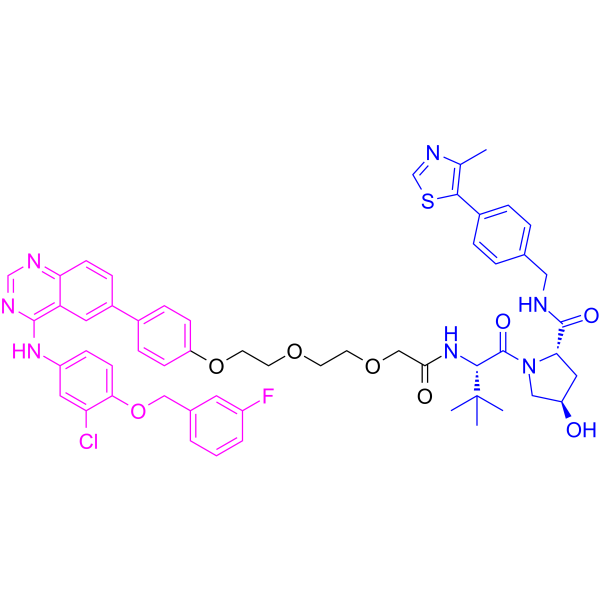
SJF-1528 (PROTAC 1) is a potent EGFR PROTAC degrader with DC50 values of 39.2 nM and 736.2 nM for wild-type EGFR in OVCAR8 cells and Exon 20 Ins mutant EGFR in HeLa cells. SJF-1528 also degrades HER2. SJF-1528 promotes ubiquitination and degradation of EGFR and can be used in breast cancer research (Pink: ligand for target protein (HY-159047); Black: linker Tos-PEG2-CH2-Boc (HY-130532); Blue: ligand for E3 ligase (S,R,S)-AHPC (HY-125845)) .
|
-
-
- HY-D2309
-
|
|
Fluorescent Dye
Photosensitizer
|
Cancer
|
|
IRDye700Dx Maleimide is a Photosensitizer. When conjugated with HER2 Affibody and activated by near-infrared light, IRDye700Dx Maleimide induces death in HER2-positive breast cancer cells without causing damage to HER2-negative breast cancer cells .
|
-

-
- HY-121250
-
|
|
Fatty Acid Synthase (FASN)
Apoptosis
|
Cancer
|
|
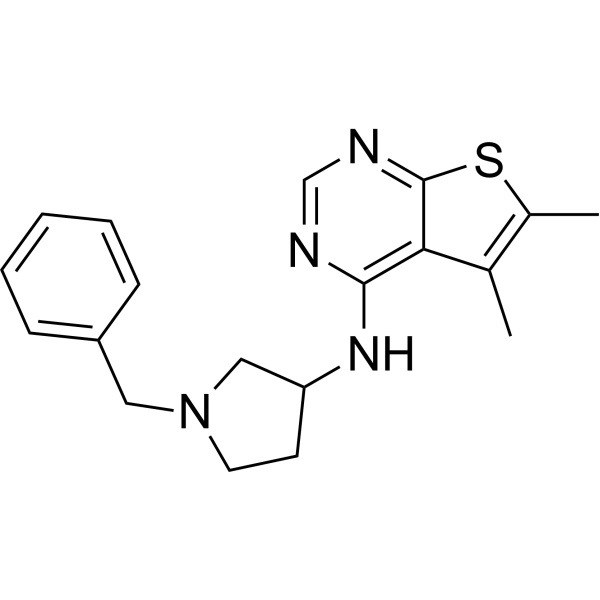
Fasnall is a selective fatty acid synthase (FASN) inhibitor with an IC50 of 3.71 μM. Fasnall induces apoptosis in HER2 + breast cancer cell lines. Fasnall shows potent anti-tumor activities .
|
-
-
- HY-45661
-
|
NUV-422
|
CDK
|
Neurological Disease
Cancer
|
|
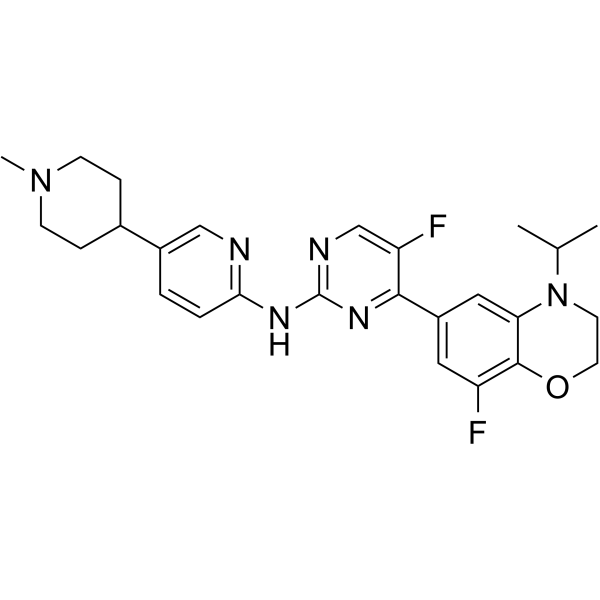
Inixaciclib (NUV-422) is a blood-brain barrier-penetrant inhibitor of CDK2, CDK4 and CDK6. Inixaciclib inhibits cancer cell growth. Inixaciclib induces anti-tumor activity in xenograft models of glioblastoma, CDK4/CDK6 inhibitor-resistant HR + HER2 - metastatic breast cancer, and anti-androgen-resistant prostate cancer. Inixaciclib can be used for the research of relapsed or metastatic castration-resistant prostate cancer .
|
-
-
- HY-P99304
-
|
Anti-Human ERBB3 Recombinant Antibody
|
EGFR
PI3K
Akt
p38 MAPK
|
Cancer
|
|
Lumretuzumab (Anti-Human ERBB3 Recombinant Antibody) is a humanized anti-HER3 (ERBB3) monoclonal antibody. Lumretuzumab effectively inhibits the activity of key oncogenic signaling pathways such as PI3K/AKT and MAPK. Lumretuzumab has been optimized through glycosyl engineering to enhance antibody-dependent cell-mediated cytotoxicity (ADCC). Lumretuzumab can be used to study HER3-positive, HER2-low-expressing solid tumors, especially breast cancer .
|
-

-
- HY-P991588
-
|
AC101
|
EGFR
Apoptosis
|
Cancer
|
|
HLX-22 is a humanized monoclonal antibody targeting HER2. HLX-22 induces apoptosis in HER2-overexpressing breast and gastric cancer cells combined with Trastuzumab (HY-P9907). HLX-22 has potent antitumor activity against advanced solid tumors .
|
-

-
- HY-112749
-
|
|
Heme Oxygenase (HO)
Reactive Oxygen Species (ROS)
Mitochondrial Metabolism
Microtubule/Tubulin
Caspase
Apoptosis
|
Cancer
|
|
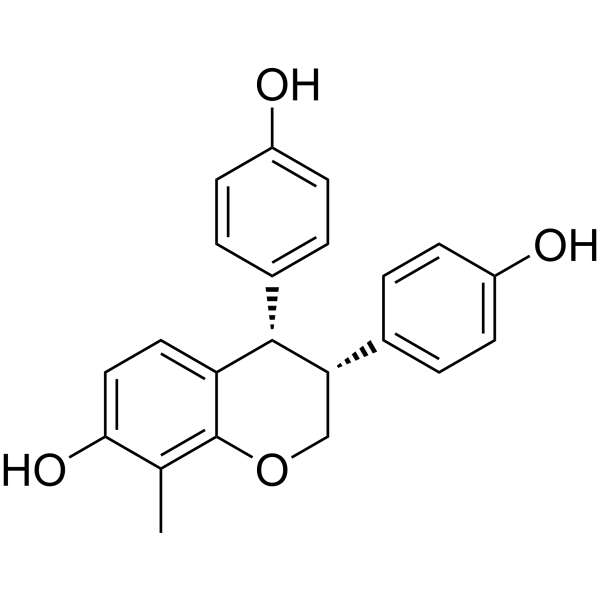
ME-344 is an Isoflavone. ME-344 increases mitochondrial ROS generation. ME-344 inhibits tubulin polymerization. ME-344 inhibits HO-1 and impacts its mitochondrial translocation. ME-344 induces Apoptosis through Caspase 3 activation. ME-344 synergizes with Vinblastine in leukemia cells. ME-344 displays anti-tumor activity against leukemia and lung tumor. ME-344 can be used in the research of lung cancer, acute myeloid leukemia, and HER2-negative breast cancer .
|
-
-
- HY-133737
-
|
PROTAC BRD4 Degrader-5
|
PROTACs
Epigenetic Reader Domain
|
Cancer
|
|
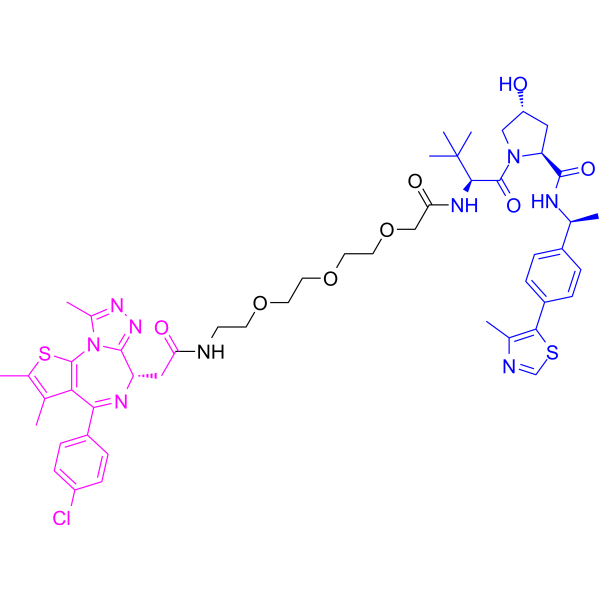
GAL-02-221 is a PROTAC connected by ligands for von Hippel-Lindau and BRD4. GAL-02-221 can potent degrade BRD4 in HER2 positive and negative breast cancer cell lines .
|
-
-
- HY-161781
-
-

-
- HY-N1180
-
|
|
SARS-CoV
Keap1-Nrf2
|
Infection
|
|
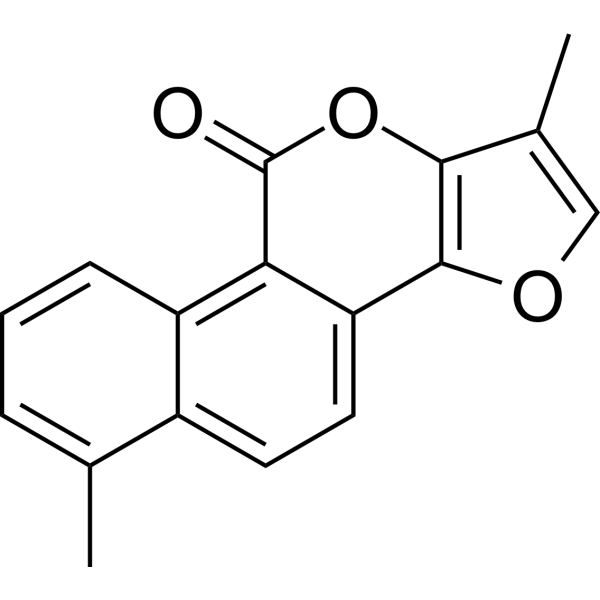
Tanshinlactone is a compound found in Salvia miltiorrhiza with anti-coronavirus (CoV) and anti-tumor activities. Tanshinlactone induces methuocytic cell death (methuosis) by activating the NRF2 pathway, and selectively kills ER +, HER2 +/EGFR + breast cancer cells. Tanshinlactone is applicable to research related to breast cancer and coronavirus infections .
|
-
-
- HY-50767AR
-
|
PD 0332991 monohydrochloride (Standard)
|
CDK
Reference Standards
|
Cancer
|
|
Palbociclib (monohydrochloride) (Standard) is the analytical standard of Palbociclib (monohydrochloride). This product is intended for research and analytical applications. Palbociclib (PD 0332991) monohydrochloride is an orally active selective CDK4 and CDK6 inhibitor with IC50 values of 11 and 16 nM, respectively. Palbociclib monohydrochloride has potent anti-proliferative activity and induces cell cycle arrest in cancer cells, which can be used in the research of HR-positive and HER2-negative breast cancer and hepatocellular carcinoma .
|
-

-
- HY-P990238
-
|
|
EGFR
|
Inflammation/Immunology
Cancer
|
|
Anti-Human/Rat HER2 (neu) Antibody (7.16.4) is an anti-human and anti-rat HER2 IgG2a monoclonal antibody. Anti-Human/Rat HER2 (neu) Antibody (7.16.4) reduces tumor cell proliferation by inhibiting the HER2 signaling pathway. Anti-Human/Rat HER2 (neu) Antibody (7.16.4) can activate CD8 + T cells. Anti-Human/Rat HER2 (neu) Antibody (7.16.4) can be used for research on cancer such as breast cancer .
|
-

-
- HY-P10792
-
|
|
EGFR
|
Cancer
|
|
HER2-targeted peptide H6F is a HER2 targeting peptide that binds to HER2 to target breast cancer cells, with the amino acid sequence YLFFVFER. The HER2-targeted peptide H6F can be conjugated with the bifunctional chelating agent hydrazinonicotinamide (HYNIC) for radiolabeling with 99mTc. Single-photon emission computed tomography (SPECT) imaging shows that the labeled HER2-targeted peptide H6F specifically accumulates in HER2-positive MDA-MBA-453 tumor-bearing mice models. The HER2-targeted peptide H6F can be used for tumor molecular imaging studies .
|
-

-
- HY-154790
-
|
Neu5Aca2-6GalNAc-a-Ser/Thr
|
Ser/Thr Protease
|
Cancer
|
|
STn/sialyl-Tn is a sialic acid associated with breast cancer and its expression is closely related to HER2-pos. STn/sialyl-Tn can be used as a marker to count cells in malignant nipple discharge (PND) .
|
-

-
- HY-151335
-
|
|
HSP
|
Cancer
|
|
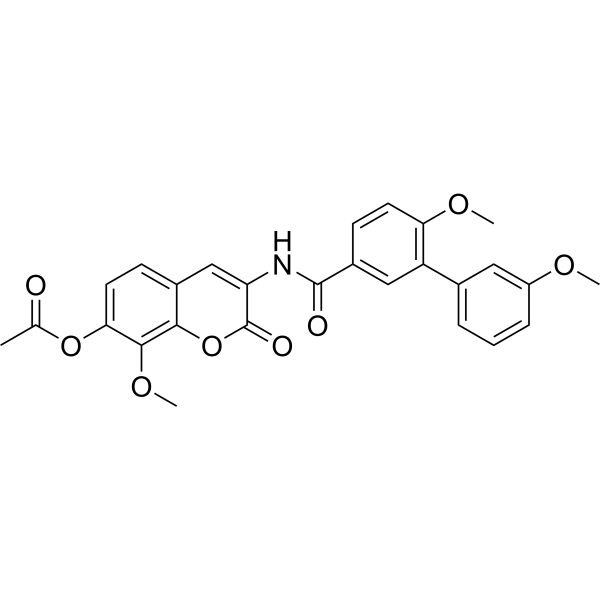
KU-177 is a potent inhibitor of Hsp90 ATPase homologue 1 (Aha1), ablates Aha1-driven enhancement of Hsp90-dependent tau aggregation. KU-177 also disrupts Aha1/Hsp90 interactions (IC50=4.08 μM) without inhibition of Hsp90’s ATPase activity. KU-177 can be used for tauopathies research .
|
-
-
- HY-160694
-
|
cBu-Cit-PROTAC BRD4 Degrader-5
|
PROTAC-Linker Conjugates for PAC
Epigenetic Reader Domain
|
Cancer
|
|
cBu-Cit-GAL-02-221 is a PROTAC that degrades BRD4 by association with cBu-Cit. cBu-Cit-GAL-02-221 can effectively inhibit BRD4 in HER2 positive and negative breast cancer cell lines. cBu-Cit-GAL-02-221 has a single bond and can be conjugated to an ADC antibody to form a PAC .
|
-

-
- HY-201330
-
|
RGT-419B
|
CDK
|
Cancer
|
|
GDC-4198 (RGT-419B) is an orally active CDK4/2 inhibitor with desired degrees of selectivity against kinases such as CDK6, CDK9 and GSK3β. GDC-4198 inhibits the activity of cyclin-CDK complexes, blocks phosphorylation of the retinoblastoma protein (pRb), arresting the cell cycle transition from G1 to S phase. GDC-4198 is promising for research of cancers, such as breast cancer (especially hormone receptor-positive, HER2-negative type), lung cancer, and colorectal cancer .
|
-

-
- HY-50767B
-
|
PD-0332991 dihydrochloride
|
CDK
|
Cancer
|
|
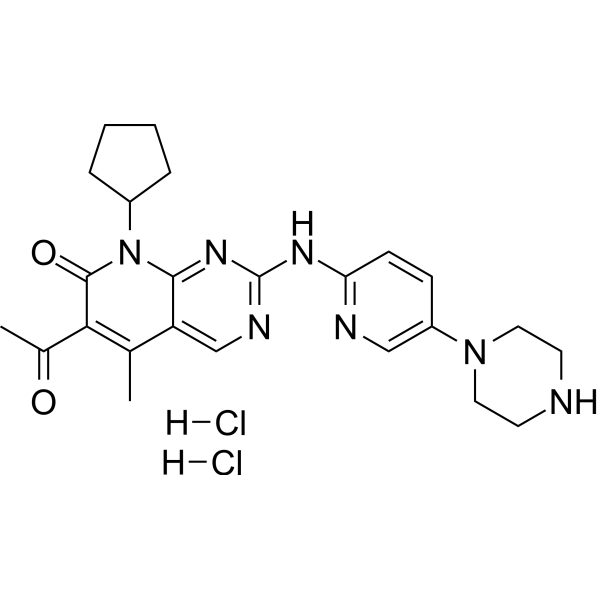
Palbociclib (PD 0332991) dihydrochloride is an orally active selective CDK4 and CDK6 inhibitor with IC50 values of 11 and 16 nM, respectively. Palbociclib dihydrochloride has potent anti-proliferative activity and induces cell cycle arrest in cancer cells, which can be used in the research of HR-positive and HER2-negative breast cancer and hepatocellular carcinoma .
|
-
-
- HY-157297
-
|
|
CDK
|
Cancer
|
|
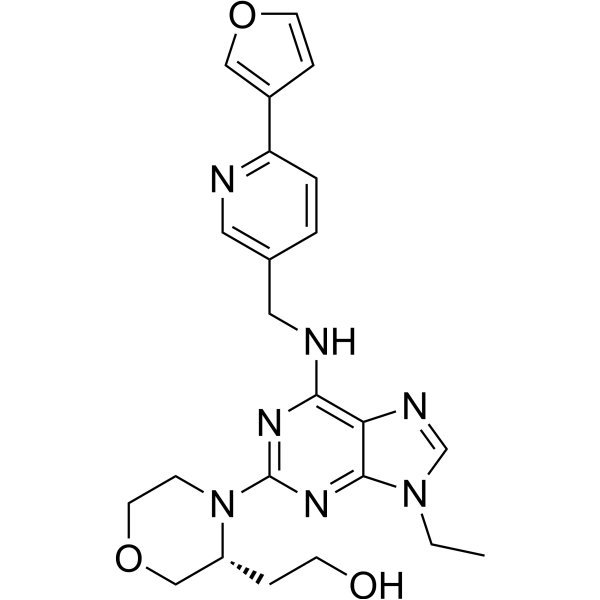
CDK-IN-13 (compound 32E) is a potent and selective inhibitor of CDK12/cyclinK with an IC50 of 3 nM. CDK-IN-13 inhibits the growth of the HER2-positive breast cancer cell lines .
|
-
-
- HY-122664
-
|
|
BRK
Apoptosis
STAT
ERK
Akt
|
Cancer
|
|
XMU-MP-2 is a selective BRK/PTK6 inhibitor with an IC50 of 5.4 nM. XMU-MP-2 inhibits the proliferation of BRK-positive breast cancer cells and induces apoptosis. XMU-MP-2 is applicable to breast cancer-related research .
|
-

-
- HY-121605
-
|
|
Apoptosis
|
Cancer
|
|
RL71 is a curcuminoid anticancer agent that exhibits potent cytotoxicity against a variety of ER-negative breast cancer cells. RL71 (1 μM) induces cell cycle arrest in the G2/M phase and induces apoptosis in SKBr3 cells. RL7 also decreases HER2/neu phosphorylation and increases p27. RL71 also significantly reduced the phosphorylation of Akt and transiently increased the stress kinases JNK1/2 and p38 MAPK. Furthermore, RL71 exhibited anti-angiogenic potential in vitro, inhibiting the migration of HUVEC cells and the ability of these cells to form tubular networks .
|
-

-
- HY-50767D
-
|
PD 0332991 orotate
|
CDK
|
Cancer
|
|
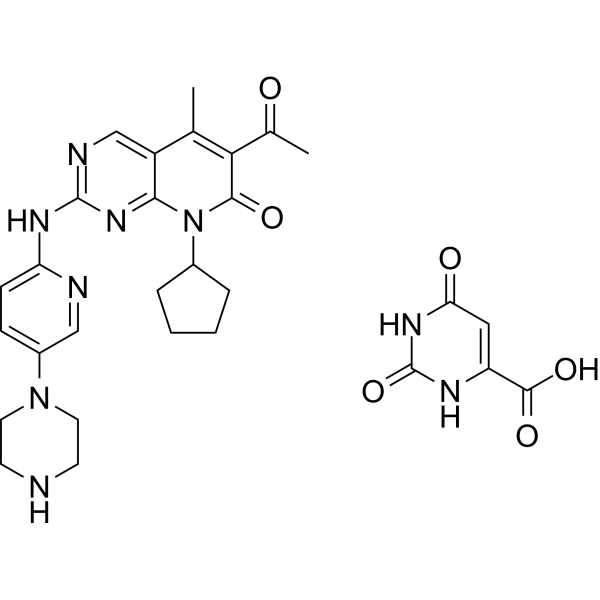
Palbociclib (PD 0332991) orotate is an orally active selective CDK4 and CDK6 inhibitor with IC50 values of 11 and 16 nM, respectively. Palbociclib orotate has potent anti-proliferative activity and induces cell cycle arrest in cancer cells. Palbociclib orotate can be used in the research of HR-positive and HER2-negative breast cancer and hepatocellular carcinoma .
|
-
-
- HY-176744
-
|
|
EGFR
Apoptosis
|
Cancer
|
|
HER2-IN-22 is a potent and selective HER2 inhibitor with an IC50 of 215 μM. HER2-IN-22 possesses killing activity against various tumor cells and can induce cell apoptosis. HER2-IN-22 significantly inhibits tumor growth. HER2-IN-22 can be used in the study for tumors such as HER2+ breast cancer .
|
-

-
- HY-174414
-
|
|
EGFR
|
Cancer
|
EGFR/HER2-IN-18 is a stable EGFR/HER2 dual inhibitor with IC50 values of 0.09 (EGFR) and 0.08 μM (HER2) respectively. EGFR/HER2-IN-18 exhibits broad-spectrum anti-cancer activity. EGFR/HER2-IN-18 induces MCF-7 cells apoptosis and inhibits the cell cycle. EGFR/HER2-IN-18 can be used for the study of breast cancer .
|
-

-
- HY-P10793
-
|
|
EGFR
Apoptosis
|
Cancer
|
|
Cyclic(YCDGFYACYMDV) is a HER2 signaling pathway inhibitor with anti-cancer activity. This compound self-assembles into nanoparticles in aqueous solution and transforms into nanofibers upon specific binding to HER2 on cancer cells. This transformation disrupts HER2 dimerization and subsequent downstream signaling events, leading to cancer cell apoptosis (Apoptosis). The inhibitory effects on HER2 positive breast cancer have been demonstrated to be effective in a murine xenograft model .
|
-

-
- HY-P991234
-
|
|
EGFR
p38 MAPK
PI3K
Akt
|
Cancer
|
|
COVA208 is a bispecific FynomAb (a fusion protein of an antibody and a Fyn SH3-derived binding protein) that targets HER2. COVA208 induces the degradation of HER2, reduces the levels of HER2, HER3, and EGFR, thereby effectively blocking the downstream signaling pathways of HER2, including the HER3-PI3K-AKT and MAPK pathways, and simultaneously inducing apoptosis of tumor cells. COVA208 is promising for research of cancers, such as HER2-positive breast cancer, gastric cancer, and colorectal cancer .
|
-

-
- HY-W654305
-
|
PD 0332991-d4
|
Isotope-Labeled Compounds
CDK
|
Cancer
|
|
Palbociclib-d4 is deuterium labeled Palbociclib. Palbociclib (PD 0332991) is an orally active selective CDK4 and CDK6 inhibitor with IC50 values of 11 and 16 nM, respectively. Palbociclib has potent anti-proliferative activity and induces cell cycle arrest in cancer cells, which can be used in the research of HR-positive and HER2-negative breast cancer and hepatocellular carcinoma .
|
-

-
- HY-103043
-
|
|
Others
|
Cancer
|
|
Pz 285 is an anti-cancer agent. Pz 285 shows significant inhibitory effect on the viability of MDA-MB-231 breast cancer cells, with an IC50 of 15.0 μM. Pz 285 exhibits remarkable antitumor effects in the mouse tumor xenograft model constructed with highly lung-metastatic MDA-MB-231 LM24 Her2+ breast cancer cells. Pz 285 can be used for the study of breast cancer, especially metastatic breast cancer .
|
-

-
- HY-174231
-
|
|
EGFR
Apoptosis
|
Cancer
|
|
EGFR-IN-163 (Compound 13) is a competitive epidermal growth factor receptor (EGFR) inhibitor (IC50=0.079 μM, selective for HER-2 inhibition). EGFR-IN-163 induces tumor cell apoptosis and cell cycle arrest at G₂/M phase. EGFR-IN-163 is promising for research of estrogen receptor-positive (ER+) breast cancer .
|
-

-
- HY-121881
-
|
|
HSP
|
Cancer
|
|
PU3 is an Hsp90 inhibitor that competes with geldanamycin (GM) and others for the conserved ATP/ADP pocket of Hsp90. PU3 also induces degradation of proteins such as Her2 and inhibits breast cancer cell growth by causing retinoblastoma protein hypophosphorylation, G1 arrest, and cell differentiation. PU3 has the potential to be a cancer inhibitor. .
|
-

-
- HY-143323
-
|
|
EGFR
|
Cancer
|
|
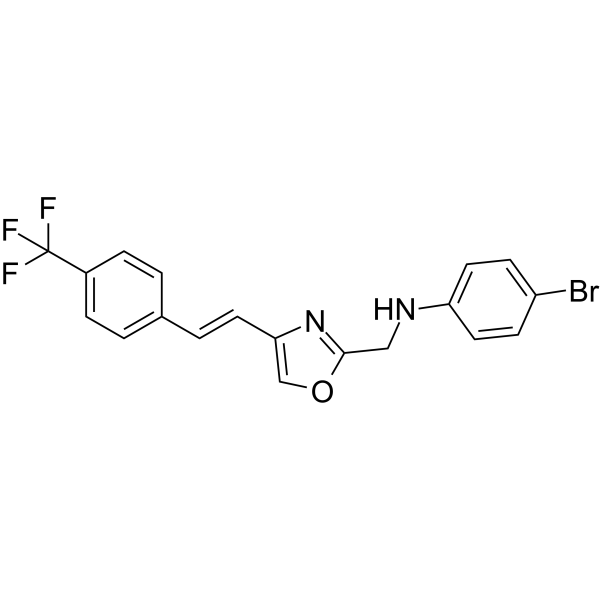
HER2-IN-9 is an orally active HER2 inhibitor, with an IC50 value of 0.03 μM. HER2-IN-9 inhibits HER-2 positive breast cancer cells proliferation and migration. HER2-IN-9 can be used in the research of breast cancers .
|
-
-
- HY-131864A
-
|
|
PROTACs
EGFR
|
Cancer
|
|
SJF-1528 (PROTAC 1) hemihydrate is a potent EGFR PROTAC degrader with DC50 values of 39.2 nM and 736.2 nM for wild-type EGFR in OVCAR8 cells and Exon 20 Ins mutant EGFR in HeLa cells. SJF-1528 hemihydrate also degrades HER2. SJF-1528 hemihydrate promotes ubiquitination and degradation of EGFR and can be used in breast cancer research (Pink: ligand for target protein (HY-159047); Black: linker Tos-PEG2-CH2-Boc (HY-130532); Blue: ligand for E3 ligase (S,R,S)-AHPC (HY-125845)) .
|
-

-
- HY-151158
-
|
|
EGFR
|
Cancer
|
|
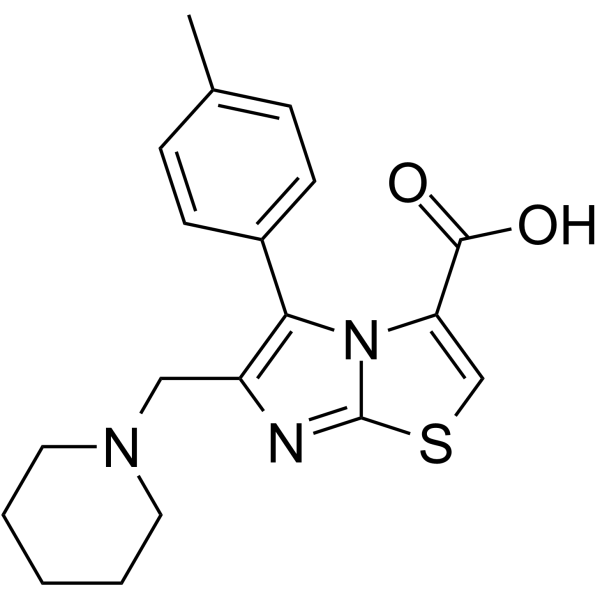
EGFR/HER2-IN-7 is a potent anticancer agent with high selectivity against MCF-7 breast cancer cells. EGFR/HER2-IN-7 is a EGFR/HER2 kinase and DHFR inhibitor, with IC50s of 0.18 μM (EGFR), 0.146 μM (HER2), respectively. EGFR/HER2-IN-7 shows moderate inhibition on DHFR (IC50=0.907 μM) .
|
-
-
- HY-P991235
-
|
BMS-986186
|
EGFR
Caspase
|
Cancer
|
|
FS102 is a selective Fc fragment with antigen binding (Fcab) that targets HER2 with a KD value of 0.8 nM. FS102 induces the degradation of HER2, activates Caspase 3/7 and disrupts the integrity of the cell membrane, triggering apoptosis of tumor cells. FS102 is promising for research of cancers such as breast cancer, gastric cancer, and colorectal cancer .
|
-

-
- HY-149633
-
|
|
EGFR
Dihydrofolate reductase (DHFR)
Apoptosis
|
Cancer
|
|
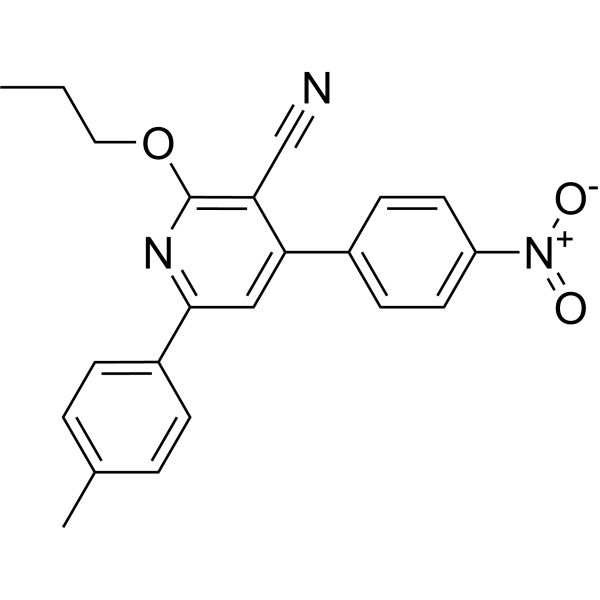
EGFR/HER2/DHFR-IN-3 (compound 4c) is a potent dual inhibitor of EGFR/HER2, with IC50s of 0.138 and 0.092 μM, respectively. EGFR/HER2/DHFR-IN-3 also inhibits DHFR, with an IC50 of 0.193 M. EGFR/HER2/DHFR-IN-3 causes arrest at the S phase of the cell cycle and induces apoptosis in MCF7 breast cancer cells .
|
-
-
- HY-151154
-
|
|
EGFR
|
Cancer
|
|
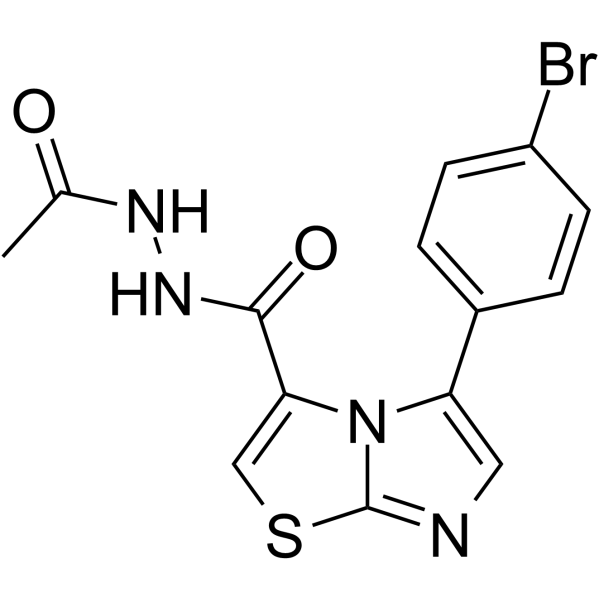
EGFR/HER2/DHFR-IN-1 is a potent anticancer agent with high selectivity against MCF-7 breast cancer cells. EGFR/HER2/DHFR-IN-1 is a multiple inhibitor of EGFR/HER2 kinase and DHFR, with IC50s of 0.153 μM, 0.108 μM, 0.291 μM, respectively. EGFR/HER2/DHFR-IN-1 arrests cell cycle at G1/S and induces cells apoptosis .
|
-
-
- HY-159519
-
|
|
Apoptosis
EGFR
|
Cancer
|
|
EGFR/HER2-IN-16 (compound 12K) is an effective dual-target inhibitor of EGFR (IC50=6.15 nM) and HER-2 (IC50=9.78 nM) with anti-tumor activity. EGFR/HER2-IN-16 can inhibit the migration of SK-BR-3 cells, arrest the cell cycle in the G0/G1 phase, and induce apoptosis. EGFR/HER2-IN-16 exhibits good anti-proliferative activity against tumor cell models and has little damage to healthy cells. EGFR/HER2-IN-16 can be used in breast cancer research .
|
-

- HY-P991236
-
|
DHES0815A antibody; RG-6148 antibody
|
EGFR
DNA Alkylator/Crosslinker
|
Cancer
|
|
MHES0488A is a selective humanized antibody that targets HER2 with a KD value of 0.8 nM. MHES0488A is an antibody part of DHES0815A. MHES0488A is internalized by cells and transported to lysosomes, and then releases PBD-monoamide that enters the nucleus, alkylates DNA and induces DNA damage and apoptosis. MHES0488A is promising for research of cancers, such as HER2-positive breast cancer and gastric cancer .
|
-

- HY-149632
-
|
|
EGFR
Dihydrofolate reductase (DHFR)
|
Cancer
|
|
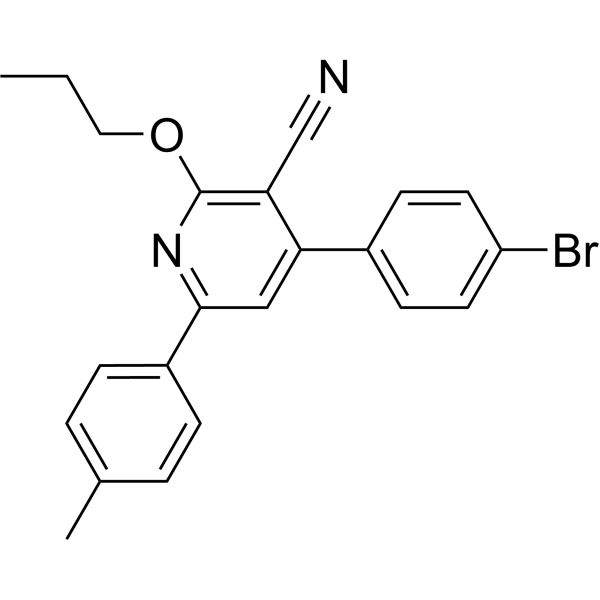
EGFR/HER2/DHFR-IN-2 (Compound 4b) is an inhibitor of EGFR, HER2, and DHFR (IC50: 0.248, 0.156, 0.138 μM respectively). EGFR/HER2/DHFR-IN-2 has anticancer activities against a panel of cancer cells (IC50: 9.14, 7.33, 14.18, 24.87, 20.07, 6.16 μM for Hep G2, HeLa, HEp-2, HCT 116, PC-3, MCF7 cells). EGFR/HER2/DHFR-IN-2 reduce breast cancer tumor growth .
|
-
- HY-164489
-
|
|
EGFR
Akt
ERK
Apoptosis
|
Cancer
|
|
KU004 is a potent dual EGFR/HER2 inhibitor with anticancer effects. KU004 inhibits the proliferation of human breast cancer SKBR3 cells by inducing G1 phase arrest. KU004 blocks the activation of HER2, EGFR and downstream Akt and Erk pathways and induces cell Apoptosis mainly via the extrinsic pathway. KU004 is a quinazoline derivative .
|
-

- HY-124454
-
|
|
Drug Derivative
|
Cancer
|
|
JCC76 is the derivative of Nimesulide (HY-B0363). JCC76 inhibits the proliferation of Her2 positive breast cancer cell SKBR-3 with IC50 of 3.43 μM .
|
-

- HY-P11590
-
|
|
EGFR
|
Cancer
|
|
WGYRGFYC (WC8) is a selective HER2-targeting peptide that binds specifically to HER2 by mimicking the antigen-binding site of trastuzumab. The DOTA precursor of WGYRGFYC has a KD of 61.20 nM for HER2. WGYRGFYC enables specific and highly sensitive detection of HER2 expression in HER2-positive breast cancer cells and tumor tissues, and monitors the dynamic downregulation of HER2 expression. WGYRGFYC rapidly distributes to target tissues and is efficiently cleared from non-target tissues via the kidneys, generating an ideal tumor-to-background ratio in imaging; it is a component of the PET radiotracer Ga-DOTA-WC8. WGYRGFYC exhibits no significant cytotoxicity in breast cancer cells, and can be used for non-invasive imaging diagnosis and therapeutic efficacy evaluation of HER2-positive breast cancer .
|
-

- HY-147794
-
|
|
CDK
COX
EGFR
|
Cancer
|
|
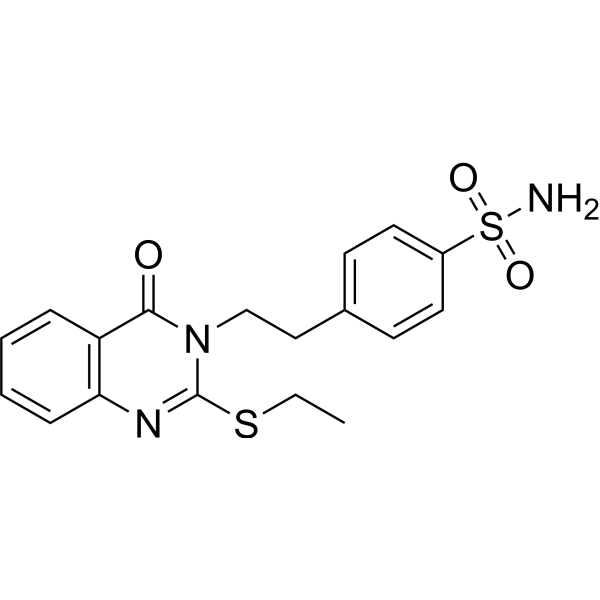
CDK9-IN-41 is a potent CDK9, EGFR, HER2, and COX-2 kinases inhibitor with IC50s of 192.81 nM, 254.03 nM, 238.81 nM, and 775 nM. COX-2-IN-18 exhibits remarkable antitumor activity against leukemia cancer cells, colon cancer cells, melanoma cells, ovarian cells and breast cells .
|
-
- HY-120625
-
|
|
HSP
|
Cancer
|
|
PU3 is a small molecule inhibitor of Hsp90 that competes with geldanamycin for Hsp90. PU3 induces degradation of proteins, including Her2, similar to geldanamycin. PU3 inhibits the growth of breast cancer cells, causing retinoblastoma protein hypophosphorylation, G1 arrest, and differentiation. PU3 represents a novel class of synthetic compounds that bind to Hsp90 and inhibit the proliferation of cancer cells. PU3 could provide a new strategy for the treatment of cancers .
|
-

- HY-W703549
-
|
INCB007839-d3; INCB7839-d3
|
Isotope-Labeled Compounds
MMP
|
Cancer
|
|
Aderbasib-d3 (INCB007839-d3) is deuterium labeled Aderbasib. Aderbasib (INCB007839) is a potent, orally active and target specific low nanomolar hydroxamate-based inhibitor of ADAM10 and ADAM17. Aderbasib exhibits robust antineoplastic activity and can be used for cancer research, including diffuse large B-cell non-Hodgkin lymphoma, HER2 +?breast cancer, gliomas, et al .
|
-

- HY-172621
-
|
|
EGFR
|
Cancer
|
|
EGFR-IN-159 (compound 12), a dihydropyrimidine, is a potent EGFR inhibitor with an IC50 value of 29.00 nM. EGFR-IN-159 exhibits dose-dependent inhibition against EGFR and HER2. EGFR-IN-159 shows cytotoxicity against MCF-7 breast cancer cells and Vero cells with IC50 values of 16.07 μg/mL and 35.98 μg/mL, respectively. EGFR-IN-159 has no BBB permeation. EGFR-IN-159 shows appreciable anti-cancer activity .
|
-

- HY-174131
-
|
|
Estrogen Receptor/ERR
|
Cancer
|
|
PVTX-321 (Compound 16a) is an orally active estrogen receptor α (ERα) degrader. PVTX-321 can potently degrade ERα (DC50=0.15 nM in MCF-7 cells) and also has inhibitory activity against mutant ERα (IC50=59 nM). PVTX-321 is promising for research of ER+/HER2- breast cancer .
|
-

- HY-P992401
-
|
|
EGFR
CD3
PI3K
Akt
p38 MAPK
Caspase
Apoptosis
IFNAR
TNF Receptor
Interleukin Related
|
Cancer
|
|
M802 is an anti-HER2/CD3 bispecific antibody, with a Kd of 0.578 nM for human HER2 and a Kd of 71.2 nM for human CD3. M802 inhibits the PI3K/AKT and MAPK signaling pathways, suppresses tumor cell proliferation, activates caspase-3, and promotes tumor cell apoptosis (apoptosis). M802 recruits and activates CD3-positive immune cells, mediates cytotoxicity against HER2-positive tumor cells, and induces immune cells to secrete IFN-γ, TNF-α, IL-2 and IL-6. M802 exhibits anti-tumor efficacy in mice with gastric cancer xenografts. M802 can be used in research related to HER2-positive breast cancer, HER2-positive gastric cancer and other cancers. The recommended isotype control is human IgG1 kappa (HY-P99001) .
|
-

- HY-169216
-
|
|
EGFR
VEGFR
CDK
|
Cancer
|
|
Multi-target kinase inhibitor 3 (compund 6i) is a multi-kinase target inhibitor with anticancer activity. Multi-target kinase inhibitor 3 inhibits EGFR, HER2, VEGFR-2, and CDK2 with IC50s of 0.063 μM, 0.054 μM, 0.119 μM, and 0.448 μM, respectively. Multi-target kinase inhibitor 3 has a good inhibitory effect on breast cancer cells MCF-7, with an IC50 of 6.10 μM .
|
-

- HY-121605S
-
|
|
Isotope-Labeled Compounds
Apoptosis
|
Cancer
|
|
RL71-d6 is a deuterium labeled RL71 (HY-121605). RL71 is a curcuminoid anticancer agent that exhibits potent cytotoxicity against a variety of ER-negative breast cancer cells. RL71 (1 μM) induces cell cycle arrest in the G2/M phase and induces apoptosis in SKBr3 cells. RL7 also decreases HER2/neu phosphorylation and increases p27. RL71 also significantly reduced the phosphorylation of Akt and transiently increased the stress kinases JNK1/2 and p38 MAPK. Furthermore, RL71 exhibited anti-angiogenic potential in vitro, inhibiting the migration of HUVEC cells and the ability of these cells to form tubular networks .
|
-

- HY-178119
-
|
|
EGFR
CDK
PARP
|
Cancer
|
|
HER4/HER2-IN-1 (Compound 4b) is a HER4/HER2 inhibitor. HER4/HER2-IN-1 inhibits the proliferation of HER2-positive cells. HER4/HER2-IN-1 reduces the total expression level of HER2 in A431 cells, while the phosphorylated HER2 (p-HER2) does not decrease. HER4/HER2-IN-1 lowers the level of cell cycle protein D1 (cyclin D1) and stimulates the cleavage of PARP. HER4/HER2-IN-1 can be used for the study of cancer, such as breast cancer .
|
-

- HY-P991977
-
|
5G9
|
EGFR
Apoptosis
PARP
Akt
ERK
|
Cancer
|
|
BSI-001 (5G9) is a HER2-targeting antibody. BSI-001 inhibits cell proliferation and migration, induces apoptosis and PARP cleavage, and suppresses HER2-mediated downstream signaling pathways (including the phosphorylation of EGFR, HER3, AKT and ERK) when combined with Trastuzumab (HY-P9907) in HER2-positive cancer cells. BSI-001 exhibits synergistic anti-tumor efficacy in animal models of gastric cancer and breast cancer when combined with Trastuzumab. BSI-001 can be used for the research of HER2-positive breast cancer and HER2-overexpressing gastric cancer .
|
-

- HY-121706
-
|
|
HSP
|
Cancer
|
|
PU-20F is a Hsp90 inhibitor with an EC50 of 6.8 μM. PU-20F competes with Geldanamycin (HY-15230) for binding to Hsp90 and regulates the function of this molecular chaperone. PU-20F induces the degradation of oncogenic Her2 tyrosine kinase. PU-20F blocks the growth of breast cancer cells. PU-20F can be used in breast cancer-related research .
|
-

- HY-P991980
-
|
H2Mab-141, H2Mab-19
|
EGFR
|
Cancer
|
|
H2Mab-139 (H2Mab-141;H2Mab-19) is an anti-HER2 monoclonal antibody. H2Mab-139 specifically binds to HER2 on various cancer cells. H2Mab-139 can detect HER2 overexpression in colorectal cancer via flow cytometry and immunohistochemical analysis. H2Mab-139 exhibits anti-tumor activity in mouse oral cancer and breast cancer xenografts. H2Mab-139 is applicable to research related to multiple cancers including colon cancer, oral cancer, and breast cancer .
|
-

- HY-10293R
-
|
INCB007839 (Standard); INCB7839 (Standard)
|
Reference Standards
MMP
|
Cancer
|
|
Aderbasib (Standard) is the analytical standard of Aderbasib (HY-10293). This product is intended for research and analytical applications. Aderbasib (INCB007839) is a potent, orally active and target specific low nanomolar hydroxamate-based inhibitor of ADAM10 and ADAM17. Aderbasib exhibits robust antineoplastic activity and can be used for cancer research, including diffuse large B-cell non-Hodgkin lymphoma, HER2+ breast cancer, gliomas, et al .
|
-

- HY-181130
-
|
|
CDK
Apoptosis
|
Cancer
|
|
Anticancer agent 299 (compound P12) is a cell-cycle inhibitor, senescence inducer, apoptosis inducer, and antiproliferative agent. Anticancer agent 299 exhibits selective activity against cancer cells with minimal effects on non-tumoral chondrocyte cells at relevant concentrations. Anticancer agent 299 can be used for the research of ER+/HER2− breast cancer and BRAF-mutant melanoma .
|
-

- HY-181131
-
|
|
CDK
Apoptosis
|
Cancer
|
|
Anticancer agent 300 (compound P14) is a CCND1, CDK4, CDK6, and CCNE1 modulator, with anti-proliferative, cell-cycle modulatory, senescence-inducing, and apoptosis-inducing activity. Anticancer agent 300 can be used for the research of ER+/HER2− breast cancer and BRAF-mutant melanoma .
|
-

- HY-P992441
-
|
|
Transmembrane Glycoprotein
|
Cancer
|
|
PHST001 is a humanized anti-CD24 antibody. PHST001 binds cell-surface CD24, blocks CD24-Siglec10 interaction, and engages Fc receptors to promote macrophage-mediated tumor cell phagocytosis. PHST001 inhibits growth of breast cancer and ovarian cancer, and reduces metastatic lesions in mouse xenograft models. PHST001 can be used for the research of triple negative breast cancer, HER2+ breast cancer, metastatic tumors, and ovarian cancer .
|
-

- HY-182468
-
|
|
Histone Acetyltransferase
Estrogen Receptor/ERR
CDK
|
Cancer
|
|
OP-3136 is a selective KAT6 inhibitor. OP-3136 reduces the proliferative capacity of cancer cells and inhibits cell growth in ER + breast cancer cell models with overexpressed KAT6. When combined with ER antagonists/degraders or CDK4/6 inhibitors, OP-3136 exhibits synergistic anti-tumor activity in mouse xenograft models. OP-3136 can be used in studies related to HR +/HER2 - breast cancer .
|
-

- HY-181687
-
|
|
HSP
CDK
|
Cancer
|
|
Hsp90-IN-46 is a Hsp90 inhibitor. Hsp90-IN-46 exhibits broad-spectrum antiproliferative activity against tumor cell lines. Hsp90-IN-46 inhibits breast cancer cell proliferation by reducing colony formation and downregulating the proliferation marker Ki-67. Hsp90-IN-46 inhibits Hsp90 and its ATPase activity, downregulates the downstream substrate oncoproteins HER2 and CDK4, and moderately induces the heat shock response. Hsp90-IN-46 shows significant antitumor activity in a mouse model of triple-negative breast cancer tumor xenografts. Hsp90-IN-46 can be used for research on various cancers including triple-negative breast cancer, leukemia, non-small cell lung cancer, colon cancer, ovarian cancer, renal cancer, prostate cancer .
|
-

- HY-183246
-
|
|
PAK
Cdc42-binding kinase
|
Cancer
|
|
Rac/Cdc42-IN-1, the major phase I metabolite of the oral Rac/Cdc42 inhibitor MBQ-167 (HY-112842) in vivo, is a selective Rac inhibitor. Rac/Cdc42-IN-1 functions by blocking the GTP-binding activation of Rac1, targeting the autophosphorylation of Thr 423/Thr 402/Thr 436 and Ser 141/Ser 144/Ser 154 in downstream PAK1/2/3, with an inhibitory effect superior to that of MBQ-167. Rac/Cdc42-IN-1 significantly inhibits cell migration, and suppresses tumor growth and distant metastasis to the lung, liver and kidney in HER2+ breast cancer mouse models. Rac/Cdc42-IN-1 can be used for targeted research on metastatic breast cancer .
|
-

- HY-183118
-
|
|
CDK
Apoptosis
|
Neurological Disease
Cancer
|
|
CID-078 is an orally active macrocyclic cyclin A and cyclin B inhibitor. CID-078 binds cyclin hydrophobic patches, disrupting interactions of cyclin A-Cdk2 with E2F1 and cyclin B-Cdk1 with Myt1, and selectively targets RxL binding motifs to block complex-substrate interactions. CID-078 induces DNA damage, G2/M cell cycle arrest, apoptosis, mitotic catastrophe, spindle assembly checkpoint activation, and neomorphic cyclin B-CDK2 complex formation, driving synthetic lethality in E2F-driven cancer cells. CID-078 can be used for the research of small cell lung cancer, non-small cell lung cancer, triple negative breast cancer, advanced solid tumors, luminal HR +/HER 2- breast cancer, RB1-altered solid tumors, and neuroblastoma .
|
-

- HY-P11760
-
|
|
EGFR
|
Cancer
|
|
HER2-targeted peptide H10 is a HER2-targeting peptide with a Kd value of 30.4 nM. HER2-targeted peptide H10 specifically accumulates in HER2-positive tumor tissues of xenograft mice, when conjugated with nanoparticles. HER2-targeted peptide H10 can be used for studies related to HER2-positive breast cancer .
|
-

- HY-P10792A
-
|
|
EGFR
|
Cancer
|
|
HYNIC-H6F is a SPECT imaging probe with binding specificity for human epidermal growth factor receptor 2 (HER2) domain II (IC50 = 11 nM). HYNIC-H6F accumulates in HER2-positive breast cancer xenografts via receptor-mediated uptake, while shows low uptake in HER2-negative breast cancer xenografts. HYNIC-H6F enables non-invasive detection of HER2-positive breast cancer in mouse models and allows evaluation of HER2 expression levels without blocking interference. HYNIC-H6F can be used in breast cancer-related research .
|
-

| Cat. No. |
Product Name |
Type |
-
- HY-164992
-
|
MRG002; Trastuzumab MMAE
|
Fluorescent Dyes
|
|
Trastuzumab vedotin (MRG002; Trastuzumab MMAE) is an antibody-drug conjugate and cytotoxin targeting HER2, with a Kd of 7.50E-11 M for human HER2. After binding to HER2, Trastuzumab vedotin undergoes internalization and lysosomal trafficking, delivering a cytotoxic payload to HER2-expressing cells and inducing tumor regression in in vivo xenograft models with HER2-expressing tumors. The anti-tumor activity of Trastuzumab vedotin is enhanced when used in combination with anti-PD-1 antibodies, and it exhibits preclinical anti-tumor activity in drug-resistant breast cancer, gastric cancer, and urothelial carcinoma PDX models. Trastuzumab vedotin has low antibody-dependent cellular cytotoxicity activity and can be used in studies related to HER2-positive breast cancer, HER2-positive gastric cancer, and unresectable locally advanced or metastatic HER2-positive urothelial carcinoma .
|
-
- HY-D2309
-
|
|
Fluorescent Dyes
|
|
IRDye700Dx Maleimide is a Photosensitizer. When conjugated with HER2 Affibody and activated by near-infrared light, IRDye700Dx Maleimide induces death in HER2-positive breast cancer cells without causing damage to HER2-negative breast cancer cells .
|
| Cat. No. |
Product Name |
Target |
Research Area |
-
- HY-P10792
-
|
|
EGFR
|
Cancer
|
|
HER2-targeted peptide H6F is a HER2 targeting peptide that binds to HER2 to target breast cancer cells, with the amino acid sequence YLFFVFER. The HER2-targeted peptide H6F can be conjugated with the bifunctional chelating agent hydrazinonicotinamide (HYNIC) for radiolabeling with 99mTc. Single-photon emission computed tomography (SPECT) imaging shows that the labeled HER2-targeted peptide H6F specifically accumulates in HER2-positive MDA-MBA-453 tumor-bearing mice models. The HER2-targeted peptide H6F can be used for tumor molecular imaging studies .
|
-
- HY-P10793
-
|
|
EGFR
Apoptosis
|
Cancer
|
|
Cyclic(YCDGFYACYMDV) is a HER2 signaling pathway inhibitor with anti-cancer activity. This compound self-assembles into nanoparticles in aqueous solution and transforms into nanofibers upon specific binding to HER2 on cancer cells. This transformation disrupts HER2 dimerization and subsequent downstream signaling events, leading to cancer cell apoptosis (Apoptosis). The inhibitory effects on HER2 positive breast cancer have been demonstrated to be effective in a murine xenograft model .
|
-
- HY-P11590
-
|
|
EGFR
|
Cancer
|
|
WGYRGFYC (WC8) is a selective HER2-targeting peptide that binds specifically to HER2 by mimicking the antigen-binding site of trastuzumab. The DOTA precursor of WGYRGFYC has a KD of 61.20 nM for HER2. WGYRGFYC enables specific and highly sensitive detection of HER2 expression in HER2-positive breast cancer cells and tumor tissues, and monitors the dynamic downregulation of HER2 expression. WGYRGFYC rapidly distributes to target tissues and is efficiently cleared from non-target tissues via the kidneys, generating an ideal tumor-to-background ratio in imaging; it is a component of the PET radiotracer Ga-DOTA-WC8. WGYRGFYC exhibits no significant cytotoxicity in breast cancer cells, and can be used for non-invasive imaging diagnosis and therapeutic efficacy evaluation of HER2-positive breast cancer .
|
-
- HY-P11760
-
|
|
EGFR
|
Cancer
|
|
HER2-targeted peptide H10 is a HER2-targeting peptide with a Kd value of 30.4 nM. HER2-targeted peptide H10 specifically accumulates in HER2-positive tumor tissues of xenograft mice, when conjugated with nanoparticles. HER2-targeted peptide H10 can be used for studies related to HER2-positive breast cancer .
|
-
- HY-P10792A
-
|
|
EGFR
|
Cancer
|
|
HYNIC-H6F is a SPECT imaging probe with binding specificity for human epidermal growth factor receptor 2 (HER2) domain II (IC50 = 11 nM). HYNIC-H6F accumulates in HER2-positive breast cancer xenografts via receptor-mediated uptake, while shows low uptake in HER2-negative breast cancer xenografts. HYNIC-H6F enables non-invasive detection of HER2-positive breast cancer in mouse models and allows evaluation of HER2 expression levels without blocking interference. HYNIC-H6F can be used in breast cancer-related research .
|
| Cat. No. |
Product Name |
Target |
Research Area |
Image |
-
- HY-P991097
-
|
PM-8002; BNT-327
|
VEGFR
PD-1/PD-L1
|
Cancer
|
|
Pumitamig (PM-8002, BNT-327) is a bispecific antibody targeting PD-L1 and VEGF-A, with immune activation and anti-angiogenic activities. By binding to PD-L1, Pumitamig restores the function of effector T cells, while neutralizing VEGF-A in the tumor microenvironment to reverse its inhibition on the infiltration and activation of immune cells and normalize tumor blood vessels. Pumitamig can also be combined with various ADCs targeting TROP2, B7H3, HER2, HER3 for the research of advanced/metastatic solid tumors, including non-small cell lung cancer, ovarian cancer, triple-negative breast cancer, cervical cancer, etc. Pumitamig also exhibits potential efficacy in "cold" tumors with low PD-L1 expression that are insensitive to immunotherapy .
|
-

(5)
-
- HY-P9974
-
|
OMP-18R5
|
Wnt
|
Cancer
|
|
Vantictumab (OMP-18R5) is a fully human IgG2 monoclonal antibody. Vantictumab inhibits Wnt pathway signaling by binding to FZD1/2/5/7/8 receptors. Vantictumab can be studied against cancers through direct actions on tumor cells, including CSCs, and effects on the stroma, such as metastatic HER2-negative breast cancer and metastatic pancreatic adenocarcinoma .
|
-
(5)
-
- HY-P99304
-
|
Anti-Human ERBB3 Recombinant Antibody
|
EGFR
PI3K
Akt
p38 MAPK
|
Cancer
|
|
Lumretuzumab (Anti-Human ERBB3 Recombinant Antibody) is a humanized anti-HER3 (ERBB3) monoclonal antibody. Lumretuzumab effectively inhibits the activity of key oncogenic signaling pathways such as PI3K/AKT and MAPK. Lumretuzumab has been optimized through glycosyl engineering to enhance antibody-dependent cell-mediated cytotoxicity (ADCC). Lumretuzumab can be used to study HER3-positive, HER2-low-expressing solid tumors, especially breast cancer .
|
-
(5)
-
- HY-P991588
-
|
AC101
|
EGFR
Apoptosis
|
Cancer
|
|
HLX-22 is a humanized monoclonal antibody targeting HER2. HLX-22 induces apoptosis in HER2-overexpressing breast and gastric cancer cells combined with Trastuzumab (HY-P9907). HLX-22 has potent antitumor activity against advanced solid tumors .
|
-
(5)
-
- HY-P990238
-
|
|
EGFR
|
Inflammation/Immunology
Cancer
|
|
Anti-Human/Rat HER2 (neu) Antibody (7.16.4) is an anti-human and anti-rat HER2 IgG2a monoclonal antibody. Anti-Human/Rat HER2 (neu) Antibody (7.16.4) reduces tumor cell proliferation by inhibiting the HER2 signaling pathway. Anti-Human/Rat HER2 (neu) Antibody (7.16.4) can activate CD8 + T cells. Anti-Human/Rat HER2 (neu) Antibody (7.16.4) can be used for research on cancer such as breast cancer .
|
-
(5)
-
- HY-P991234
-
|
|
EGFR
p38 MAPK
PI3K
Akt
|
Cancer
|
|
COVA208 is a bispecific FynomAb (a fusion protein of an antibody and a Fyn SH3-derived binding protein) that targets HER2. COVA208 induces the degradation of HER2, reduces the levels of HER2, HER3, and EGFR, thereby effectively blocking the downstream signaling pathways of HER2, including the HER3-PI3K-AKT and MAPK pathways, and simultaneously inducing apoptosis of tumor cells. COVA208 is promising for research of cancers, such as HER2-positive breast cancer, gastric cancer, and colorectal cancer .
|
-
(5)
-
- HY-P991235
-
|
BMS-986186
|
EGFR
Caspase
|
Cancer
|
|
FS102 is a selective Fc fragment with antigen binding (Fcab) that targets HER2 with a KD value of 0.8 nM. FS102 induces the degradation of HER2, activates Caspase 3/7 and disrupts the integrity of the cell membrane, triggering apoptosis of tumor cells. FS102 is promising for research of cancers such as breast cancer, gastric cancer, and colorectal cancer .
|
-
(5)
-
- HY-P991236
-
|
DHES0815A antibody; RG-6148 antibody
|
EGFR
DNA Alkylator/Crosslinker
|
Cancer
|
|
MHES0488A is a selective humanized antibody that targets HER2 with a KD value of 0.8 nM. MHES0488A is an antibody part of DHES0815A. MHES0488A is internalized by cells and transported to lysosomes, and then releases PBD-monoamide that enters the nucleus, alkylates DNA and induces DNA damage and apoptosis. MHES0488A is promising for research of cancers, such as HER2-positive breast cancer and gastric cancer .
|
-
(5)
-
- HY-P992401
-
|
|
EGFR
CD3
PI3K
Akt
p38 MAPK
Caspase
Apoptosis
IFNAR
TNF Receptor
Interleukin Related
|
Cancer
|
|
M802 is an anti-HER2/CD3 bispecific antibody, with a Kd of 0.578 nM for human HER2 and a Kd of 71.2 nM for human CD3. M802 inhibits the PI3K/AKT and MAPK signaling pathways, suppresses tumor cell proliferation, activates caspase-3, and promotes tumor cell apoptosis (apoptosis). M802 recruits and activates CD3-positive immune cells, mediates cytotoxicity against HER2-positive tumor cells, and induces immune cells to secrete IFN-γ, TNF-α, IL-2 and IL-6. M802 exhibits anti-tumor efficacy in mice with gastric cancer xenografts. M802 can be used in research related to HER2-positive breast cancer, HER2-positive gastric cancer and other cancers. The recommended isotype control is human IgG1 kappa (HY-P99001) .
|
-
(5)
-
- HY-P991977
-
|
5G9
|
EGFR
Apoptosis
PARP
Akt
ERK
|
Cancer
|
|
BSI-001 (5G9) is a HER2-targeting antibody. BSI-001 inhibits cell proliferation and migration, induces apoptosis and PARP cleavage, and suppresses HER2-mediated downstream signaling pathways (including the phosphorylation of EGFR, HER3, AKT and ERK) when combined with Trastuzumab (HY-P9907) in HER2-positive cancer cells. BSI-001 exhibits synergistic anti-tumor efficacy in animal models of gastric cancer and breast cancer when combined with Trastuzumab. BSI-001 can be used for the research of HER2-positive breast cancer and HER2-overexpressing gastric cancer .
|
-
(5)
-
- HY-P991980
-
|
H2Mab-141, H2Mab-19
|
EGFR
|
Cancer
|
|
H2Mab-139 (H2Mab-141;H2Mab-19) is an anti-HER2 monoclonal antibody. H2Mab-139 specifically binds to HER2 on various cancer cells. H2Mab-139 can detect HER2 overexpression in colorectal cancer via flow cytometry and immunohistochemical analysis. H2Mab-139 exhibits anti-tumor activity in mouse oral cancer and breast cancer xenografts. H2Mab-139 is applicable to research related to multiple cancers including colon cancer, oral cancer, and breast cancer .
|
-
(5)
-
- HY-P992441
-
|
|
Transmembrane Glycoprotein
|
Cancer
|
|
PHST001 is a humanized anti-CD24 antibody. PHST001 binds cell-surface CD24, blocks CD24-Siglec10 interaction, and engages Fc receptors to promote macrophage-mediated tumor cell phagocytosis. PHST001 inhibits growth of breast cancer and ovarian cancer, and reduces metastatic lesions in mouse xenograft models. PHST001 can be used for the research of triple negative breast cancer, HER2+ breast cancer, metastatic tumors, and ovarian cancer .
|
-
(5)
| Cat. No. |
Product Name |
Category |
Target |
Chemical Structure |
-
- HY-N1073
-
|
6-Isopentenylgenistein; Erythrinin B
|
Leguminosae
Genista ephedroides DC.
Plants
Isoflavones
Source Classification
|
Apoptosis
EGFR
HSP
ERK
Akt
|
Wighteone (6-Isopentenylgenistein; Erythrinin B) is a prenylated isoflavone that acts as a HSP90/EGFR L858R/T790M inhibitor and antifungal agent. Wighteone reduces the expression level of HSP90, blocks EGF-induced phosphorylation of EGFR, and thereby inhibits the downstream ERK and AKT signaling pathways. Wighteone induces cell cycle redistribution, inhibits proliferation and triggers apoptosis in cancer cells. Wighteone can be isolated from Erythrina suberosa, and can also be induced to synthesize in Lotus japonicus under specific conditions. Wighteone can be used to study HER2-positive breast cancer, leukemia, non-small cell lung cancer with EGFR L858R/T790M mutation, and fungal infections .
|
-
-
- HY-N1180
-
-
| Cat. No. |
Product Name |
Chemical Structure |
-
- HY-W654305
-
|
|
|
Palbociclib-d4 is deuterium labeled Palbociclib. Palbociclib (PD 0332991) is an orally active selective CDK4 and CDK6 inhibitor with IC50 values of 11 and 16 nM, respectively. Palbociclib has potent anti-proliferative activity and induces cell cycle arrest in cancer cells, which can be used in the research of HR-positive and HER2-negative breast cancer and hepatocellular carcinoma .
|
-
-
- HY-W703549
-
|
|
|
Aderbasib-d3 (INCB007839-d3) is deuterium labeled Aderbasib. Aderbasib (INCB007839) is a potent, orally active and target specific low nanomolar hydroxamate-based inhibitor of ADAM10 and ADAM17. Aderbasib exhibits robust antineoplastic activity and can be used for cancer research, including diffuse large B-cell non-Hodgkin lymphoma, HER2 +?breast cancer, gliomas, et al .
|
-
-
- HY-121605S
-
|
|
|
RL71-d6 is a deuterium labeled RL71 (HY-121605). RL71 is a curcuminoid anticancer agent that exhibits potent cytotoxicity against a variety of ER-negative breast cancer cells. RL71 (1 μM) induces cell cycle arrest in the G2/M phase and induces apoptosis in SKBr3 cells. RL7 also decreases HER2/neu phosphorylation and increases p27. RL71 also significantly reduced the phosphorylation of Akt and transiently increased the stress kinases JNK1/2 and p38 MAPK. Furthermore, RL71 exhibited anti-angiogenic potential in vitro, inhibiting the migration of HUVEC cells and the ability of these cells to form tubular networks .
|
-
| Cat. No. |
Product Name |
|
Classification |
-
- HY-159519
-
|
|
|
Azide
|
|
EGFR/HER2-IN-16 (compound 12K) is an effective dual-target inhibitor of EGFR (IC50=6.15 nM) and HER-2 (IC50=9.78 nM) with anti-tumor activity. EGFR/HER2-IN-16 can inhibit the migration of SK-BR-3 cells, arrest the cell cycle in the G0/G1 phase, and induce apoptosis. EGFR/HER2-IN-16 exhibits good anti-proliferative activity against tumor cell models and has little damage to healthy cells. EGFR/HER2-IN-16 can be used in breast cancer research .
|
Your information is safe with us. * Required Fields.
Inquiry Information
- Product Name:
- Cat. No.:
- Quantity:
- MCE Japan Authorized Agent:








