

1. Search Result
Search Result
Pathways Recommended: Neuronal Signaling JAK/STAT Signaling
Results for "

PKC signaling

" in MedChemExpress (MCE) Product Catalog:

37

Inhibitors & Agonists

1

Screening Libraries

1

Fluorescent Dyes

3

Biochemical Assay Reagents

4

Peptides

14

Natural
Products

1

Click Chemistry

1

Oligonucleotides

1

GMP Molecules

Targets Recommended:
Cat. No. Product Name Target Research Areas Chemical Structure
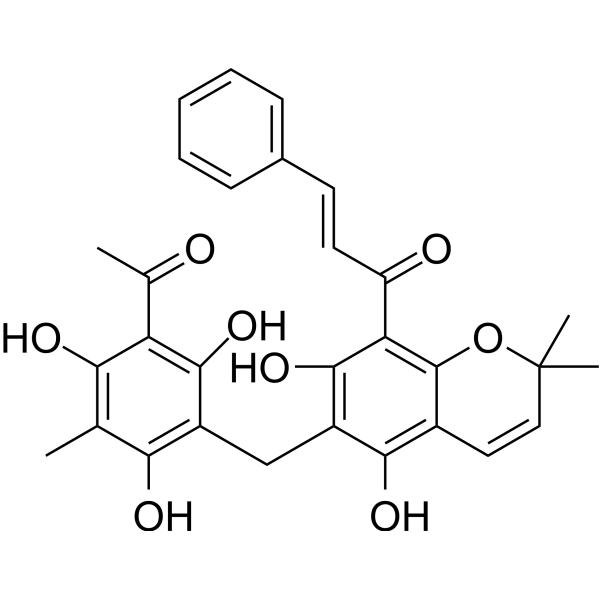
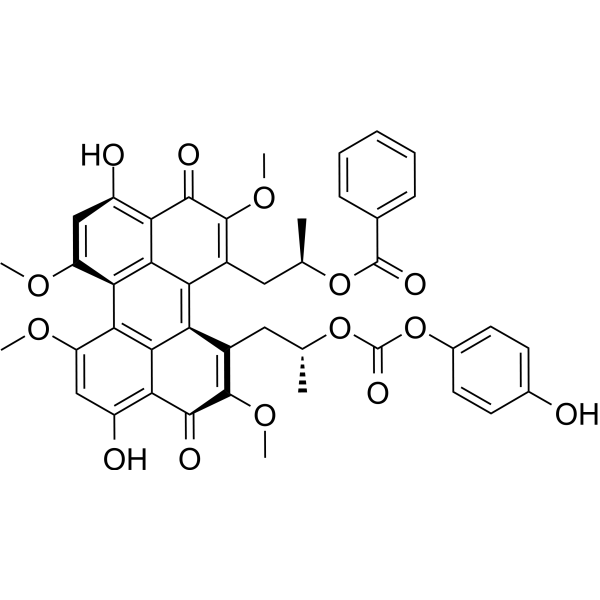
  • HY-18980
    Rottlerin
    Maximum Cited Publications
    22 Publications Verification

    Mallotoxin; NSC 56346; NSC 94525

    PKC Autophagy Apoptosis HIV RABV Infection Cancer
    Rottlerin, a natural product purified from Mallotus Philippinensis, is a specific PKC inhibitor, with IC50 values for PKCδ of 3-6 μM, PKCα,β,γ of 30-42 μM, PKCε,η,ζ of 80-100 μM. Rottlerin acts as a direct mitochondrial uncoupler, and stimulates autophagy by targeting a signaling cascade upstream of mTORC1. Rottlerin induces apoptosis via caspase 3 activation . Rottlerin inhibits HIV-1 integration and Rabies virus (RABV) infection .
    Rottlerin
  • HY-W013242

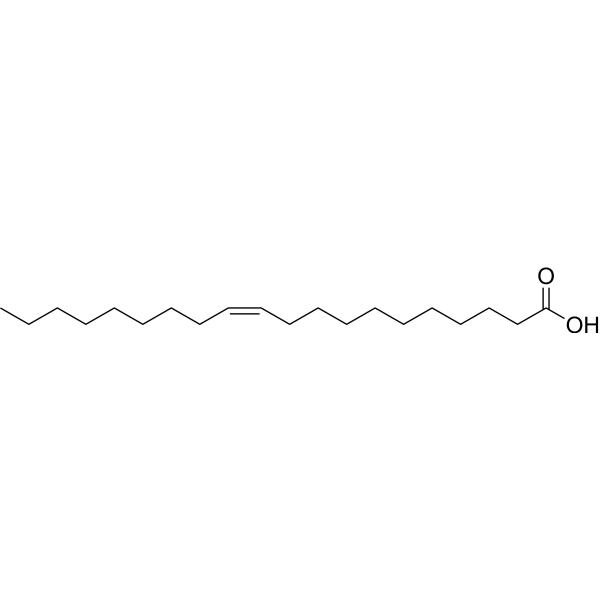
    cis-11-Eicosenoic acid

    Endogenous Metabolite Reactive Oxygen Species (ROS) PKC ERK STAT Inflammation/Immunology
    Gondoic acid (cis-11-Eicosenoic acid), a monounsaturated long-chain fatty acid, is contained in a variety of plant oils and nuts. Gondoic acid can exert anti-inflammatory activity by inhibiting the production of ROS and the PKCθ/ERK/STAT3 signaling pathway. Gondoic acid can be used as a raw material for medical supplies and a moisturizing ingredient in cosmetic creams .
    Gondoic acid
  • HY-B1029
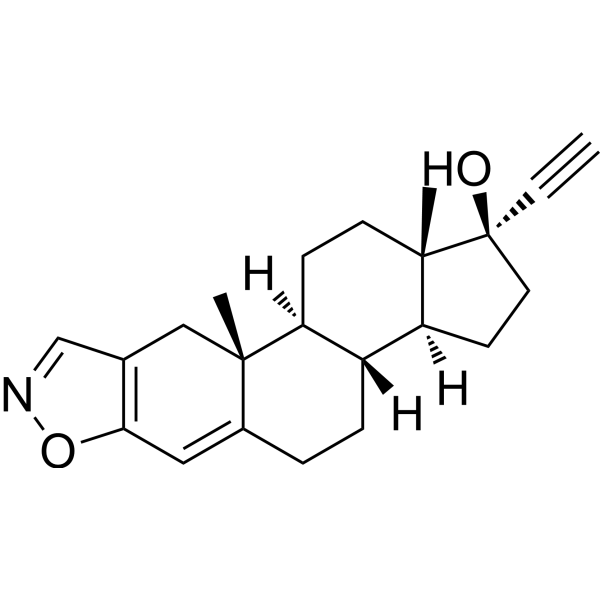
    Danazol
    4 Publications Verification

    PKC Apoptosis Tyrosinase Endocrinology Cancer
    Danazol inhibits the proliferation of cancer cell MDA-MB-231 and MCF-7 with IC50 of 65 µg/mL and 31 µg/mL. Danazol arrests the cell cycle at G1 phase, induces apoptosis in MDA-MB-231 through PKCα signaling pathway .
    Danazol
  • HY-N0735
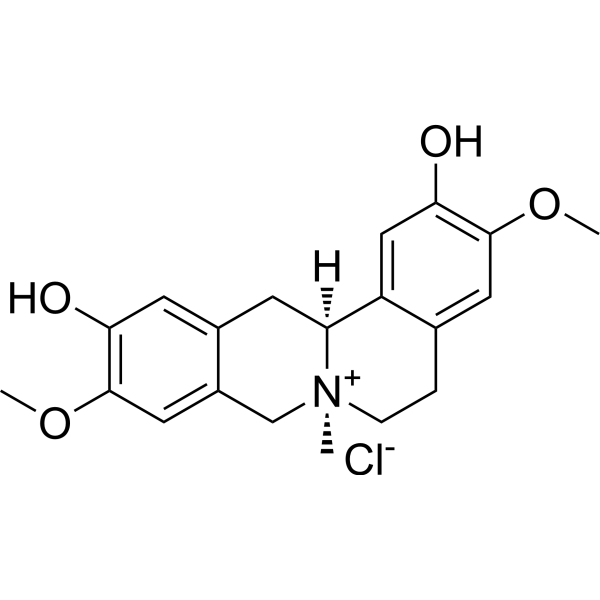
    Phellodendrine chloride
    2 Publications Verification

    Autophagy Apoptosis AMPK mTOR STAT Interleukin Related PKC p38 MAPK NF-κB COX Reactive Oxygen Species (ROS) PI3K Akt MMP Neurological Disease Inflammation/Immunology Cancer
    Phellodendrine chloride is an orally active plant alkaloid. Phellodendrine chloride inhibits the proliferation of KRAS-mutated pancreatic cancer cells by suppressing macropinocytosis and glutamine metabolism, inducing ROS accumulation and mitochondrial apoptosis. Phellodendrine chloride promotes autophagy by activating the AMPK/mTOR pathway, alleviating intestinal damage in ulcerative colitis. Phellodendrine chloride can alleviate gouty arthritis by inhibiting the IL-6/STAT3 signaling pathway. Phellodendrine chloride suppresses allergic reactions by altering the conformation of MRGPRB3/MRGPRX2 protein, thereby inhibiting the activation of PKC and subsequent downstream MAPK and NF-κB signaling. Phellodendrine chloride inhibits the AKT/NF-κB pathway and down-regulates the expression of COX-2, thereby protecting zebrafish embryos from oxidative stress. Phellodendrine chloride has an anti-major depressive disorder (MDD) effect by down-regulating CHRM1, HTR1A, and the PI3K/Akt signaling pathway .
    Phellodendrine chloride
  • HY-N0699
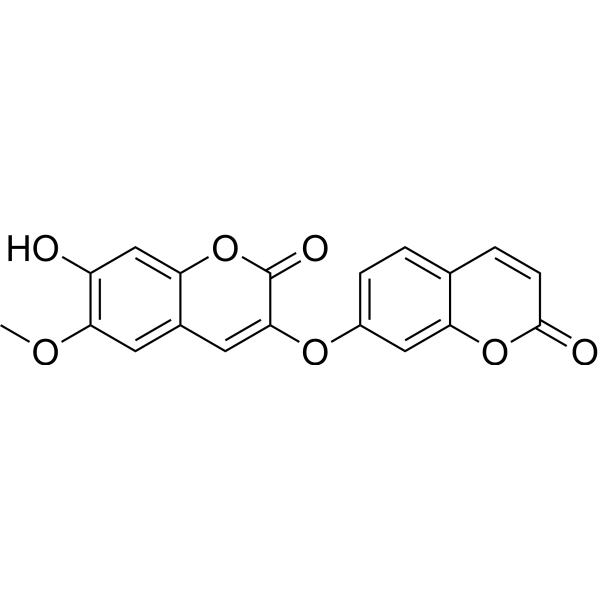
    Daphnoretin
    3 Publications Verification

    Dephnoretin; Thymelol

    PKC Influenza Virus NOD-like Receptor (NLR) Apoptosis HBV JNK PI3K Akt CDK Caspase Bcl-2 Family Infection Inflammation/Immunology Cancer
    Daphnoretin (Dephnoretin; Thymelol) is a protein kinase C (PKC) activator that inhibits the expression of hepatitis B virus (HBV) surface antigen (HBsAg) and exhibits antiviral activity. Daphnoretin exerts its antitumor effects by inhibiting the activation of the PI3K/AKT signaling pathway and triggers the mitochondrial apoptosis pathway. Daphnoretin alleviates chondrocyte apoptosis and inflammatory responses by inhibiting endoplasmic reticulum stress and activation of the NLRP3 inflammasome. Daphnoretin regulates the differentiation and maturation of dendritic cells, inhibits their immunostimulatory function by downregulating the phosphorylation level of JNK, and thus exerts a protective effect in skin graft rejection .
    Daphnoretin
  • HY-131686

    Akt mTOR EGFR ERK Infection Neurological Disease Metabolic Disease Inflammation/Immunology Cancer
    Ganglioside GT1b (bovine) ammonium is a member of the ganglioside family. Ganglioside GT1b (bovine) ammonium acts as a protective signal against nerve injury-induced spinal synapse elimination. Ganglioside GT1b (bovine) ammonium induces HA synthesis and the phosphorylation of Akt/mTOR in orbital fibroblasts. Ganglioside GT1b (bovine) ammonium enhances porcine oocyte maturation and induce activation of EGFR and ERK1/2 signaling. Ganglioside GT1b (bovine) ammonium is a putative host cell receptor for the Merkel cell polyomavirus. Ganglioside GT1b (bovine) ammonium can be used for the researches of cancer, infection, immunology, endocrinology and neurological disease, such as Thyroid eye disease .
    Ganglioside GT1b (bovine) ammonium
  • HY-N5063
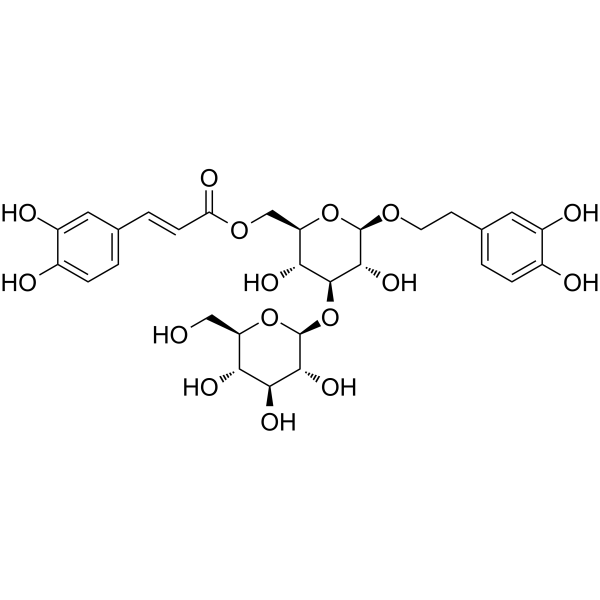
    Plantainoside D
    2 Publications Verification

    Angiotensin-converting Enzyme (ACE) IKK Calcium Channel PKC Reactive Oxygen Species (ROS) NF-κB Apoptosis Sirtuin NOD-like Receptor (NLR) Cardiovascular Disease Neurological Disease Inflammation/Immunology
    Plantainoside D, a phenylethanoid glycosides, is a IKK-β inhibitor with diverse biological activities. Plantainoside D shows inhibitory activity of angiotensin-converting enzyme (ACE) with an IC50 of 2.17 mM. Plantainoside D significantly reduces the release of glutamate from nerve terminals in the cerebral cortex of rats by inhibiting the voltage-dependent calcium channel (VDCCs) and protein kinase C (PKC) signaling cascade. Plantainoside D significantly alleviates cell apoptosis by inhibiting the generation of ROS and the activation of NF-κB. Plantainoside D significantly improves acute lung injury (ALI) induced by sepsis by regulating the Sirt3/NLRP3 signaling pathway. Plantainoside D can be used for the study of neuroprotection, antioxidant, anti-inflammation, antihypertension .
    Plantainoside D
  • HY-143212

    1-Stearoyl-2-docosahexaenoyl-sn-glycerol

    Ras p38 MAPK ERK PKC Metabolic Disease Inflammation/Immunology Cancer
    18:0-22:6 DG (1-Stearoyl-2-docosahexaenoyl-sn-glycerol) is a diacylglycerol (DG) that can interact with RasGRP (Ras guanine nucleotide-releasing protein) (Ki = 8.37 μM) and modulate the activation of MAP kinases (such as ERK1/ERK2), which play a crucial role in cellular signaling processes. 18:0-22:6 DG can also activate protein kinase C (PKC) isozyme. 18:0-22:6 DG can be used for research of cancer, immunology and metabolic disease .
    18:0-22:6 DG
  • HY-N5072
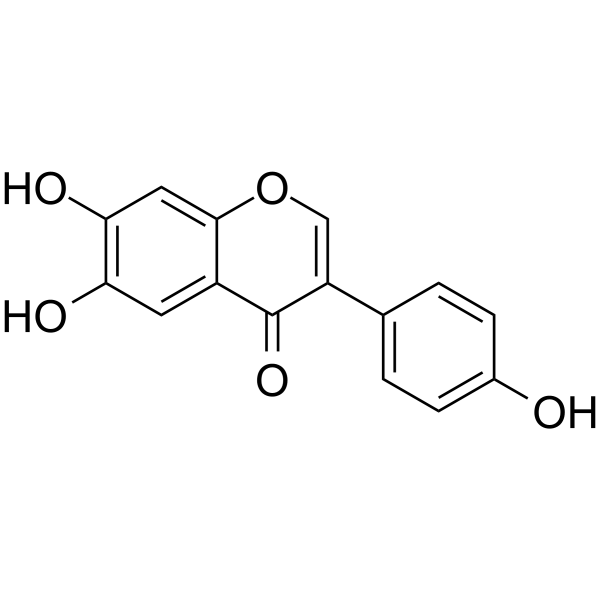
    Desmethylglycitein
    3 Publications Verification

    4',6,7-Trihydroxyisoflavone

    CDK PI3K PKC Cancer
    Desmethylglycitein (4',6,7-Trihydroxyisoflavone), a metabolite of daidzein, sourced from Glycine max with antioxidant, and anti-cancer activities. Desmethylglycitein binds directly to CDK1 and CDK2 in vivo, resulting in the suppresses CDK1 and CDK2 activity . Desmethylglycitein is a direct inhibitor of protein kinase C (PKC)α, against solar UV (sUV)-induced matrix matrix metalloproteinase 1 (MMP1) . Desmethylglycitein binds to PI3K in an ATP competitive manner in the cytosol, where it inhibits the activity of PI3K and downstream signaling cascades, leading to the suppression of adipogenesis in 3T3-L1 preadipocytes .
    Desmethylglycitein
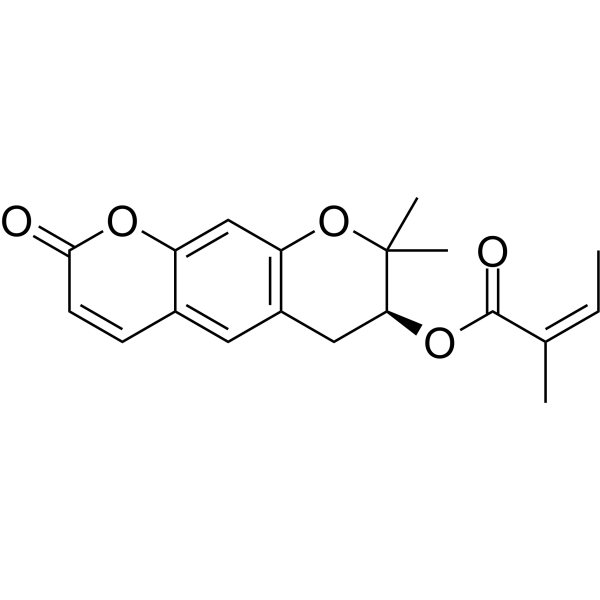
  • HY-N4322
    Decursinol angelate
    1 Publications Verification

    PKC Inflammation/Immunology Cancer
    Decursinol angelate acts as a PKC activator and GDH inhibitor, with an IC50 of 1.432 μM against human GDH. Decursinol angelate activates PKC, downregulates PKCα and PKCβII isoforms, and exerts cytotoxic activity against cancer cells. Decursinol angelate binds to GDH and inhibits its enzymatic activity. Decursinol angelate inhibits VEGF-induced autophosphorylation of VEGFR2, downstream p42/44 ERK and JNK-MAPK signaling pathways, as well as the angiogenesis process. Decursinol angelate is applicable to research related to cancer and leukemia .
    Decursinol angelate
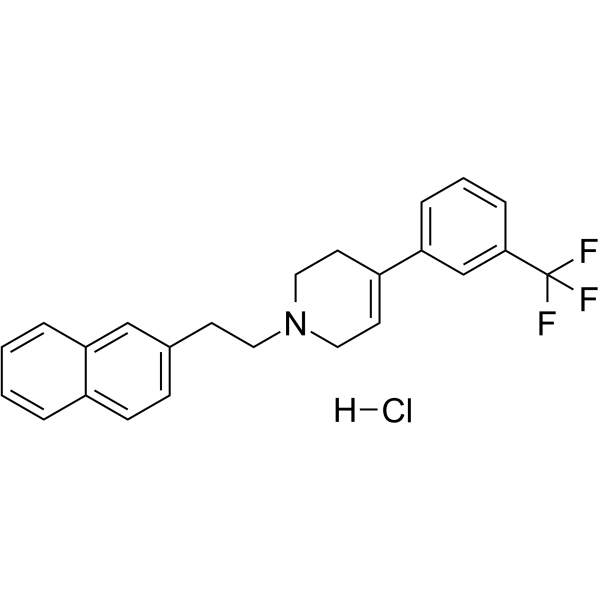
  • HY-14604
    Xaliproden hydrochloride
    1 Publications Verification

    SR57746A; SR57746 hydrochloride

    5-HT Receptor Dopamine Receptor Trk Receptor PKC ERK Akt JNK Neurological Disease Metabolic Disease
    Xaliproden (SR57746) hydrochloride (SR57746A) is an orally active, highly selective 5-HT1A receptor agonist. Xaliproden hydrochloride activates pertussis toxin-sensitive G protein-coupled signaling cascades, as well as the PKC, ERK1/ERK2, Akt and p21 Ras/MEK-1 pathways. Xaliproden hydrochloride also downregulates the JNK/p66/c-Jun signaling pathway, induces phosphorylation of the shc adaptor protein, regulates extracellular dopamine and 5-HT levels, and induces [ 35S]GTPγS labeling in rat brain structures rich in 5-HT1A receptors. Xaliproden hydrochloride exerts neurotrophic, neuroprotective, renoprotective, anti-inflammatory, anti-apoptotic, anti-fibrotic and analgesic effects. Xaliproden hydrochloride also enhances NGF-induced neurite outgrowth, promotes motor neuron survival, attenuates renal tubular injury and inhibits chemotherapy-induced mechanical allodynia, without activating or altering NGF-induced TrkA receptor activation. Xaliproden hydrochloride can be used in the research of motor neuron disease, diabetic nephropathy, chemotherapy-induced peripheral neuropathy, amyotrophic lateral sclerosis, Alzheimer's disease, acute tonic nociceptive pain, inflammatory pain, depression and anxiety .
    Xaliproden hydrochloride
  • HY-105416
    Calphostin C
    2 Publications Verification

    UCN-1028C

    Antibiotic PKC Apoptosis Metabolic Disease Cancer
    Calphostin C is a highly selective PKC inhibitor (IC50=0.05 μM) and tumor apoptosis inducer. Calphostin C competitively binds to PKC and inhibits PKC-mediated phosphorylation signal transduction. Calphostin C restores Na+/K+ ATPase activity in the sciatic nerve of diabetic mice and improves neuropathy. Calphostin C can be used in the study of anti-tumor and diabetic complications .
    Calphostin C
  • HY-111083

    CID23612552

    GPR55 Others
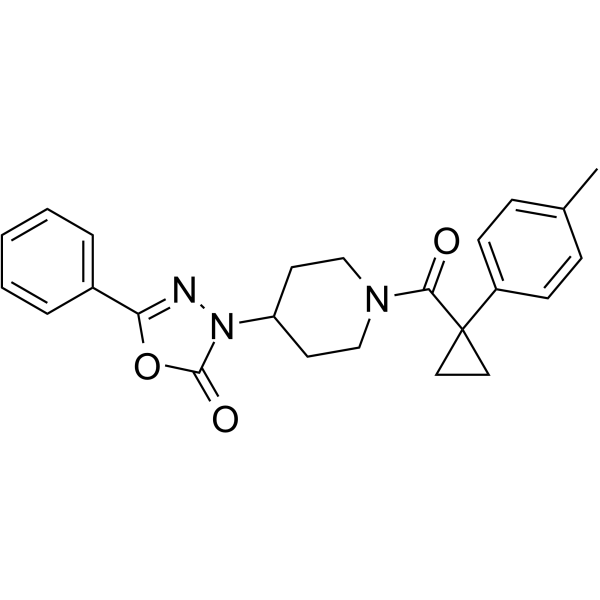
    ML-191 is an antagonist of GPR55. It inhibits GPR55 signaling induced by lysophosphatidylinositol (EC50=1.076 µM in U2OS cells overexpressing GPR55). ML-191 inhibits LPI-induced phosphorylation of ERK1/2 (IC50=328 nM) and receptor-dependent translocation of PKCβII when used at a concentration of 30 µM .
    ML191
  • HY-N0427

    Akt NF-κB AMPK mTOR PKC STAT Interleukin Related p38 MAPK COX Reactive Oxygen Species (ROS) Apoptosis Autophagy PI3K MMP Neurological Disease Inflammation/Immunology Cancer
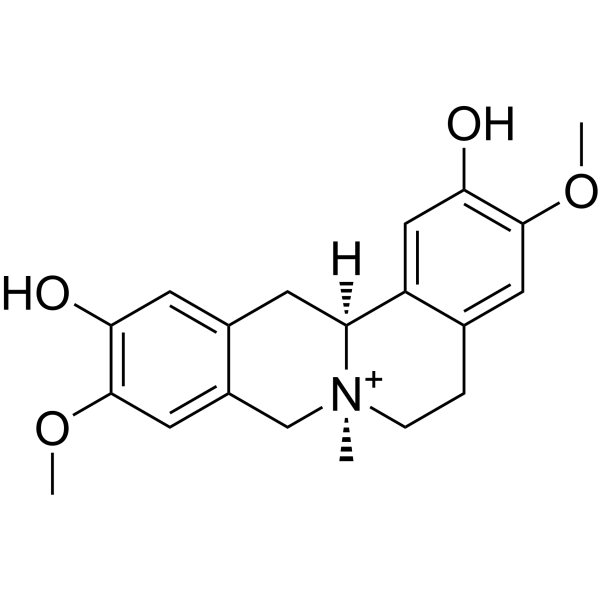
    Phellodendrine is an orally active plant alkaloid. Phellodendrine inhibits the proliferation of KRAS-mutated pancreatic cancer cells by suppressing macropinocytosis and glutamine metabolism, inducing ROS accumulation and mitochondrial apoptosis. Phellodendrine promotes autophagy by activating the AMPK/mTOR pathway, alleviating intestinal damage in ulcerative colitis. Phellodendrine can alleviate gouty arthritis by inhibiting the IL-6/STAT3 signaling pathway. Phellodendrine suppresses allergic reactions by altering the conformation of MRGPRB3/MRGPRX2 protein, thereby inhibiting the activation of PKC and subsequent downstream MAPK and NF-κB signaling. Phellodendrine inhibits the AKT/NF-κB pathway and down-regulates the expression of COX-2, thereby protecting zebrafish embryos from oxidative stress. Phellodendrine has an anti-major depressive disorder (MDD) effect by down-regulating CHRM1, HTR1A, and the PI3K/Akt signaling pathway .
    Phellodendrine
  • HY-N8303

    ERK PAK Neurological Disease Inflammation/Immunology
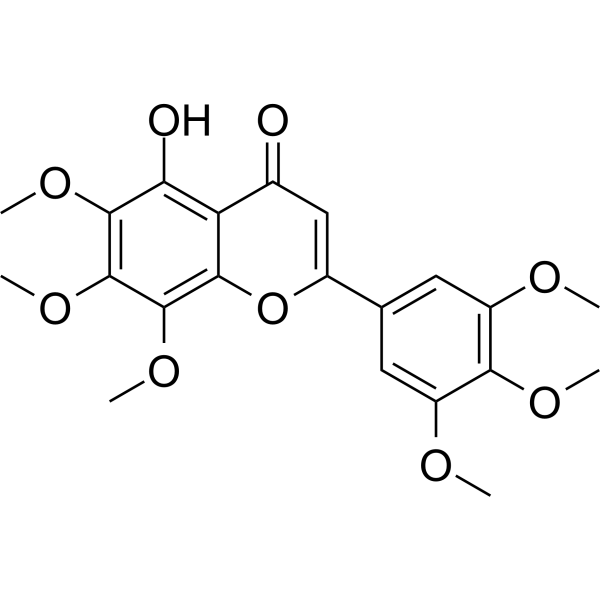
    Gardenin A is an orally active and synthetic PMF analogue with the neurotrophic effect for neurite outgrowth and neuronal differentiation. Gardenin A promotes neuritogenesis via activating MAPK/ERK, PKC, and PKA, but not TrkA, CREB signaling pathways. Gardenin A also has sedative, anxiolytic, antidepressant, and anticonvulsant effects .
    Gardenin A
  • HY-131900

    PKC PKA PKG Arp2/3 Complex Others
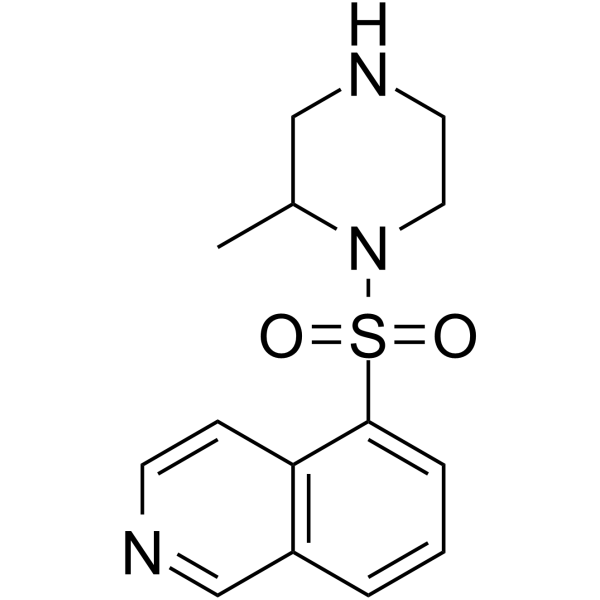
    Protein kinase inhibitor H-7 is a selective inhibitor of PKC and cyclic nucleotide-dependent protein kinases, with a Ki value of 6.0 μM for rabbit protein kinase C, a Ki value of 3.0 μM for rabbit cAMP-dependent protein kinase, and a Ki value of 5.8 μM for porcine cGMP-dependent protein kinase. Protein kinase inhibitor H-7 has no effect on Ca 2+-calmodulin-dependent enzymes. Protein kinase inhibitor H-7 regulates the Actin cytoskeleton, inhibits contractility, disrupts stress fibers, induces protrusive activity, stabilizes intercellular junctions, and triggers rapid and reversible cytoskeletal reorganization. Protein kinase inhibitor H-7 serves as a research tool for elucidating the functions of protein kinase C-mediated signaling systems .
    Protein kinase inhibitor H-7
  • HY-P3012

    Cathepsin ERK p38 MAPK PKC Protease Activated Receptor (PAR) MMP Inflammation/Immunology
    Cathepsin G is a pH-dependent serine protease. Cathepsin G hydrolyzes diverse synthetic and protein substrates and remodels extracellular matrix. Cathepsin G exerts immunomodulatory effects via recruiting phagocytes, enhancing T cell motility, activating ERK1/2 and p38 MAPK signaling, and mediating PKCζ membrane translocation. Cathepsin G regulates inflammatory responses by cleaving inflammatory mediators. Cathepsin G participates in vascular regulation by converting angiotensin I to angiotensin II. Cathepsin G induces PAR4-dependent platelet activation, facilitates platelet-neutrophil aggregation, and mediates VITT-related NETosis, thrombus formation. Cathepsin G can be used for the research of immune thrombotic thrombocytopenia, cardiovascular disease, and select autoimmune and inflammatory diseases .
    Cathepsin G
  • HY-167548

    PKC Potassium Channel Others
    L-α-Phosphatidylinositol-4,5-bisphosphate ammonium is a key signaling lipid. L-α-Phosphatidylinositol-4,5-bisphosphate ammonium is an activator of PKC in the presence of calcium ions and phospholipid serine. L-α-Phosphatidylinositol-4,5-bisphosphate ammonium is also an antagonist of the KIR3.4 (ATP-sensitive potassium, KATP) channel. L-α-Phosphatidylinositol-4,5-bisphosphate ammonium can be used in research related to signal transduction, ion channel regulation, and membrane transport.
    L-α-Phosphatidylinositol-4,5-bisphosphate ammonium
  • HY-160187A

    Cadherin MMP Akt FAK ERK NF-κB Cancer
    (Rac)-AAA is a regulator and inhibitor targeting GPR75. By blocking the 20-HETE-induced downregulation of GPR75 expression, (Rac)-AAA effectively inhibits the activation of key downstream signaling pathways including EGFR, AKT, NF-κB and FAK. (Rac)-AAA reverses 20-HETE-mediated epithelial-mesenchymal transition, which is specifically characterized by downregulating vimentin (vimentin), upregulating E-Cadherin, as well as reducing MMP-2 activity and cancer cell migration ability. (Rac)-AAA also abolishes the 20-HETE-induced upregulation of HIC-5 expression and anchorage-independent growth, and modulates the subcellular localization of PKC-α and phosphorylated AKT. (Rac)-AAA is investigated in androgen-independent prostate cancer (castration-resistant prostate cancer) .
    (Rac)-AAA
  • HY-125953

    Ceramide (Egg, Chicken)

    JNK p38 MAPK Phosphatase Akt Survivin CDK mTOR Apoptosis Autophagy Reactive Oxygen Species (ROS) Neurological Disease Cancer
    Ceramide (Egg) (Ceramide (Egg, Chicken)) is a ceramide from chicken. Ceramide (Egg) is a sphingomyelin signaling pathway second messenger. Ceramide (Egg) activates PP2A, JNK, p38 MAPK, CAPK, ceramide-activated protein phosphatase, Vav, PKCζ, and SAPK/JNK cascade. Ceramide (Egg) downregulates or inhibits AKT, survivin, CDK2, mTOR, and FLIP. Ceramide (Egg) mediates apoptosis, autophagy, cell cycle arrest, mitochondrial dysfunction, redox state shifts, and ROS generation. Ceramide (Egg) can be used for the research of cancer and neurological disease .
    Ceramide (Egg)
  • HY-P10256A

    Kisspeptin Receptor PKA PKC Endocrinology
    Kiss2 peptide acetate is the acetate form of Kiss2 pepride (HY-P10256). Kiss2 peptide acetate is a positive regulator of reproduction. Kiss2 peptide acetate binds with its cognate receptor Kiss2R (GPR54) in COS-7 cells, activates PKA and PKC signaling pathways through Gas and Gaq proteins, and thus enhances the activity of cAMP response element-dependent luciferase (CRE-luc) and serum response element-dependent luciferase (SRE-luc) .
    Kiss2 peptide acetate
  • HY-P4856

    PTHR PKC Endocrinology
    pTH-Related Protein (1-40) (human, mouse, rat) stimulates calcium uptake in rat intestinal cells through PTHR1 receptor and PKCα/β signaling pathways. pTH-Related Protein (1-40) up-regulates parathyroid hormone 1 receptor (PTHR1) protein, four transcellular calcium transporters, potential vanillin member 6 (TRPV6), calcium-binding protein-D9K (CaBP-D9k), sodium-calcium Exchanger 1 (NCX1) and plasma membrane calcium ATPase 1 (PMCA1) .
    pTH-Related Protein (1-40) (human, mouse, rat)
  • HY-N0735R

    Reference Standards Autophagy mTOR AMPK Apoptosis STAT Interleukin Related PKC p38 MAPK NF-κB COX Reactive Oxygen Species (ROS) PI3K Akt MMP Neurological Disease Inflammation/Immunology Cancer
    Phellodendrine chloride (Standard) is the analytical standard of Phellodendrine chloride (HY-N0735). Phellodendrine chloride is an orally active plant alkaloid. Phellodendrine chloride inhibits the proliferation of KRAS-mutated pancreatic cancer cells by suppressing macropinocytosis and glutamine metabolism, inducing ROS accumulation and mitochondrial apoptosis. Phellodendrine chloride promotes autophagy by activating the AMPK/mTOR pathway, alleviating intestinal damage in ulcerative colitis. Phellodendrine chloride can alleviate gouty arthritis by inhibiting the IL-6/STAT3 signaling pathway. Phellodendrine chloride suppresses allergic reactions by altering the conformation of MRGPRB3/MRGPRX2 protein, thereby inhibiting the activation of PKC and subsequent downstream MAPK and NF-κB signaling. Phellodendrine chloride inhibits the AKT/NF-κB pathway and down-regulates the expression of COX-2, thereby protecting zebrafish embryos from oxidative stress. Phellodendrine chloride has an anti-major depressive disorder (MDD) effect by down-regulating CHRM1, HTR1A, and the PI3K/Akt signaling pathway.
    Phellodendrine chloride (Standard)
  • HY-N5072R

    4',6,7-Trihydroxyisoflavone (Standard)

    Reference Standards CDK PI3K PKC Cancer
    Desmethylglycitein (4',6,7-Trihydroxyisoflavone), a metabolite of daidzein, sourced from Glycine max with antioxidant, and anti-cancer activities. Desmethylglycitein binds directly to CDK1 and CDK2 in vivo, resulting in the suppresses CDK1 and CDK2 activity . Desmethylglycitein is a direct inhibitor of protein kinase C (PKC)α, against solar UV (sUV)-induced matrix matrix metalloproteinase 1 (MMP1) . Desmethylglycitein binds to PI3K in an ATP competitive manner in the cytosol, where it inhibits the activity of PI3K and downstream signaling cascades, leading to the suppression of adipogenesis in 3T3-L1 preadipocytes .
    Desmethylglycitein (Standard)
  • HY-164428

    PKC Cancer
    AE 51310 is an OPN4 inhibitor. AE 51310 inhibits the activation of PKC and the downstream BRAF/MEK/ERKs signaling pathway. AE 51310 can be used for cancer research, such as NSCLC .
    AE 51310
  • HY-B1029R

    Reference Standards Tyrosinase PKC Apoptosis Endocrinology Cancer
    Danazol standard inhibits the proliferation of cancer cell MDA-MB-231 and MCF-7 with IC50 of 65 µg/mL and 31 µg/mL. Danazol arrests the cell cycle at G1 phase, induces apoptosis in MDA-MB-231 through PKCα signaling pathway .
    Danazol (Standard)
  • HY-164462

    PKC NF-κB Apoptosis Cancer
    BHA536 is an orally active selective inhibitor for PKCα/β and NF-kB signaling pathway. BHA536 inhibits the proliferation of CD79-mutated ABC DLBCL cell, arrests cell cycle at G1 phase, and induces apoptosis in TMD8 cell. BHA536 exhibits antitumor efficacy in mice .
    BHA536
  • HY-P10256

    Kisspeptin Receptor PKA PKC Endocrinology
    Kiss2 peptide is a positive regulator of reproduction. Kiss2 peptide binds with its cognate receptor Kiss2R (GPR54) in COS-7 cells, activates PKA and PKC signaling pathways through Gas and Gaq proteins, and thus enhances the activity of cAMP response element-dependent luciferase (CRE-luc) and serum response element-dependent luciferase (SRE-luc) .
    Kiss2 peptide
  • HY-N15340

    PKC Cancer
    1-Oleoyl-2-linoleoyl-sn-glycerol is a diacylglycerol (DG). 1-Oleoyl-2-linoleoyl-sn-glycerol can activate protein kinase C (PKC), thus triggering downstream signaling cascades and promoting tumor growth. 1-Oleoyl-2-linoleoyl-sn-glycerol is promising for research of breast cancer .
    1-Oleoyl-2-linoleoyl-sn-glycerol
  • HY-164041

    PKC Others
    Staurosporine-Boc, a natural product isolated from the actinomyces Streptomyces staurosporeus, is a potent non-selective inhibitor of protein kinase. Staurosporine-Boc inhibits a variety of protein kinases, including protein kinase C (PKC), tyrosine kinase, and serine/threonine kinase. Because of its broad inhibition profile, Staurosporine-Boc is widely used as a tool compound in biological research, especially when studying cell signaling pathways .
    Staurosporine-Boc
  • HY-W013242R

    cis-11-Eicosenoic acid (Standard)

    Reference Standards Endogenous Metabolite Reactive Oxygen Species (ROS) PKC ERK STAT Inflammation/Immunology
    Gondoic acid (Standard) is an analytical standard for Gondoic acid. This product is used for research and analytical applications. Gondoic acid (cis-11-Eicosenoic acid), a monounsaturated long-chain fatty acid, is contained in a variety of plant oils and nuts. Gondoic acid can exert anti-inflammatory activity by inhibiting the production of ROS and the PKCθ/ERK/STAT3 signaling pathway. Gondoic acid can be used as a raw material for medical supplies and a moisturizing ingredient in cosmetic creams .
    Gondoic acid (Standard)
  • HY-N0699R

    Dephnoretin (Standard); Thymelol (Standard)

    Reference Standards PKC NOD-like Receptor (NLR) Apoptosis HBV Caspase Akt JNK PI3K CDK Influenza Virus Bcl-2 Family Infection Inflammation/Immunology Cancer
    Daphnoretin (Dephnoretin; Thymelol) (Standard) is the analytical standard of Daphnoretin (HY-N0699). This product is used for research and analytical applications. Daphnoretin is a protein kinase C (PKC) activator that can inhibit the expression of hepatitis B virus (HBV) surface antigen (HBsAg) and has antiviral activity. Daphnoretin exerts its anti-tumor effect by inhibiting the activation of the PI3K/AKT signaling pathway, triggering the mitochondrial apoptosis pathway. Daphnoretin alleviates chondrocyte apoptosis and inflammatory responses by inhibiting endoplasmic reticulum stress and the activation of the NLRP3 inflammasome. Daphnoretin can regulate the differentiation and maturation of dendritic cells, by down-regulating the phosphorylation level of JNK, inhibiting its immune stimulating function, thereby playing a protective role in skin transplant rejection reactions.
    Daphnoretin (Standard)
  • HY-119820

    SR57746A free base

    Akt Dopamine Receptor Trk Receptor 5-HT Receptor PKC JNK ERK Neurological Disease
    Xaliproden (SR57746) free base is an orally active, highly selective 5-HT1A receptor agonist. Xaliproden free base activates pertussis toxin-sensitive G protein-coupled signaling cascades, as well as the PKC, ERK1/ERK2, Akt and p21 Ras/MEK-1 pathways. Xaliproden free base also downregulates the JNK/p66/c-Jun signaling pathway, induces phosphorylation of the shc adaptor protein, regulates extracellular dopamine and 5-HT levels, and induces [ 35S]GTPγS labeling in rat brain structures rich in 5-HT1A receptors. Xaliproden free base exerts neurotrophic, neuroprotective, renoprotective, anti-inflammatory, anti-apoptotic, anti-fibrotic and analgesic effects. Xaliproden free base also enhances NGF-induced neurite outgrowth, promotes motor neuron survival, attenuates renal tubular injury and inhibits chemotherapy-induced mechanical allodynia, without activating or altering NGF-induced TrkA receptor activation. Xaliproden free base can be used in the research of motor neuron disease, diabetic nephropathy, chemotherapy-induced peripheral neuropathy, amyotrophic lateral sclerosis, Alzheimer's disease, acute tonic nociceptive pain, inflammatory pain, depression and anxiety .
    Xaliproden free base
  • HY-P11847

    Angiotensin Receptor Arrestin Cardiovascular Disease
    AT1R-agonist-1 is an angiotensin II type 1 receptor (AT1R) agonist with a Ki value of 1.4 nM. AT1R-agonist-1 exhibits low Gαq activity, retains β-arrestin recruitment function, and accesses the deep allosteric pocket inside AT1R via its flexible side chain. AT1R-agonist-1 possesses positive inotropic effects (enhancing cardiac contractile function) and causes almost no increase in blood pressure. AT1R-agonist-1 can be used for research on conditions such as refractory cardiogenic shock .
    AT1R-agonist-1
  • HY-183252

    PKC Apoptosis Caspase PARP p38 MAPK JNK Cancer
    ICA-1S is a specific PKC-ι inhibitor. ICA-1S can inhibit MAPK/JNK signaling pathway and downregulate the levels of c-Jun and TNF-α. ICA-1S inhibits the proliferation of breast cancer cells. ICA-1S induces apoptosis of breast cancer cells. ICA-1S can be used in breast cancer-related research .
    ICA-1S
  • HY-13689G

    PKC Histone Methyltransferase DNA Methyltransferase DNA/RNA Synthesis Inflammation/Immunology
    Go 6983 GMP is Go 6983 (HY-13689) produced by using GMP guidelines. GMP small molecules works appropriately as an auxiliary reagent for cell therapy manufacture. Go 6983 is a dual inhibitor targeting Suv39h1/2 (KMT1A/KMT1B) and PKC, as well as a transcriptional activator capable of inducing DNA hypomethylation. Go 6983 stimulates the transcription of Prdm14 by reducing Suv39h1/2 protein levels, decreasing histone modifications in the Prdm14 promoter region, and increasing the recruitment of RNA polymerase II. Go 6983 induces genome-wide DNA hypomethylation by inhibiting de novo methyltransferase expression and increasing Tet1/Tet2 levels, thereby promoting self-renewal and pluripotency maintenance of stem cells. Meanwhile, Go 6983 can block PKC-mediated signaling pathways to reduce the expression of EMT-related genes and eliminate the upregulation of antioxidant genes downstream of NRF2. Go 6983 is mainly used in mechanism studies related to myocardial ischemia/reperfusion injury .
    Go 6983
  • HY-14604R

    SR57746A (Standard); SR57746 hydrochloride (Standard)

    Reference Standards Akt Dopamine Receptor Trk Receptor 5-HT Receptor PKC JNK ERK Neurological Disease Cancer
    Xaliproden (hydrochloride) (Standard) is the analytical standard of Xaliproden (hydrochloride). This product is intended for research and analytical applications. Xaliproden (SR57746) hydrochloride (SR57746A) is an orally active, highly selective 5-HT1A receptor agonist. Xaliproden hydrochloride activates pertussis toxin-sensitive G protein-coupled signaling cascades, as well as the PKC, ERK1/ERK2, Akt and p21 Ras/MEK-1 pathways. Xaliproden hydrochloride also downregulates the JNK/p66/c-Jun signaling pathway, induces phosphorylation of the shc adaptor protein, regulates extracellular dopamine and 5-HT levels, and induces [ 35S]GTPγS labeling in rat brain structures rich in 5-HT1A receptors. Xaliproden hydrochloride exerts neurotrophic, neuroprotective, renoprotective, anti-inflammatory, anti-apoptotic, anti-fibrotic and analgesic effects. Xaliproden hydrochloride also enhances NGF-induced neurite outgrowth, promotes motor neuron survival, attenuates renal tubular injury and inhibits chemotherapy-induced mechanical allodynia, without activating or altering NGF-induced TrkA receptor activation. Xaliproden hydrochloride can be used in the research of motor neuron disease, diabetic nephropathy, chemotherapy-induced peripheral neuropathy, amyotrophic lateral sclerosis, Alzheimer's disease, acute tonic nociceptive pain, inflammatory pain, depression and anxiety .
    Xaliproden hydrochloride (Standard)

Inquiry Online

Your information is safe with us. * Required Fields.

Salutation


Country or Region *

Applicant Name *


Organization Name *

Department *


Email Address *


Product Name *

Cat. No.


Requested quantity *

Phone Number *


Remarks

Inquiry Online

Inquiry Information

Product Name:
Cat. No.:
Quantity:
MCE Japan Authorized Agent:

