


Delivery of temperature sensitive items including proteins and kits will be paused on 6/19 for the Juneteenth holiday. For urgent orders please contact customer service.
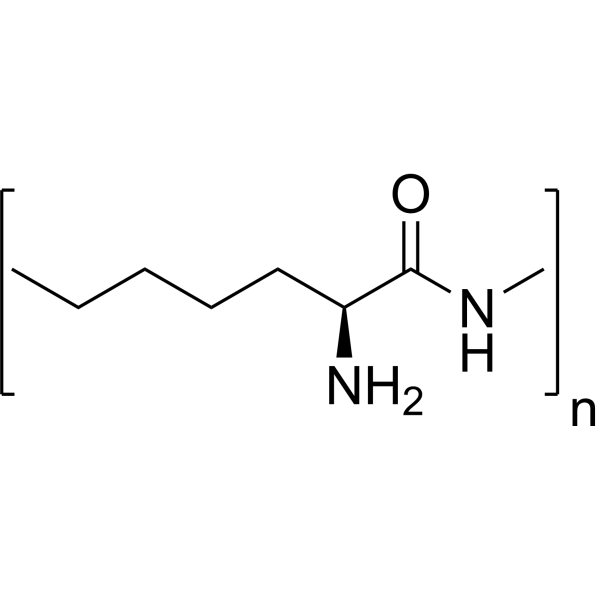
Epsilon-polylysine is an antimicrobial peptide that can be produced by bacteria such as Streptomyces. Epsilon-polylysine inhibits the growth of microorganisms such as bacteria, yeasts and molds and is therefore often used as a green food additive and preservative in various food and beverage products. Epsilon-polylysine has a variety of properties, including thermal stability, resistance to acidic conditions, and broad-spectrum antimicrobial activity. Epsilon-polylysine can be loaded on other materials to form nanoparticles or form nanofiber membranes for targeted delivery to exert sustained antibacterial efficacy. Epsilon-polylysine is also used as a liposome stabilizer .
Sintilimab (IBI308) is a safe and effectivel humanized IgG4 monoclonal antibody that binds to PD-1 with a KD value of 74 pM. Sintilimab blocks the interaction of PD-1 with its ligands (PD-L1 and PL-L2), consequently helping to restore the endogenous antitumour T-cell response. Sintilimab combined with prebiotics inhibits tumor volume and regulates immune cell subpopulation balance in lung adenocarcinoma mice. Sintilimab can be used for the research of classical Hodgkin's lymphoma, non-small cell lung cancer and oesophageal cancer .
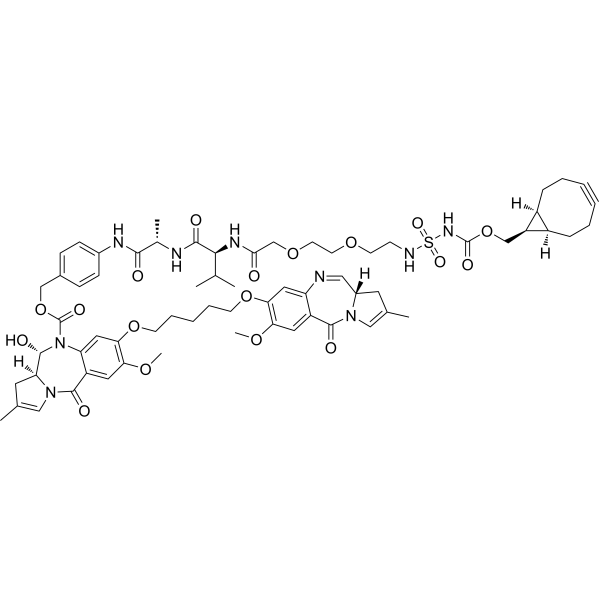
PL1601 (BCN-HS-PEG2-VA-PABC-SG3199) is a pyrrolobenzodiazepine that can be used as a agent linker of antibody-drug conjugates (ADC) . PL1601 is a click chemistry reagent, it contains a BCN group that can undergo strain-promoted alkyne-azide cycloaddition (SPAAC) with molecules containing Azide groups.
(Z)-Zolucatetide (I-67) is a β-catenin inhibitor with IC50 ≤50 nM. (Z)-Zolucatetide's sequence is Ac-PL3-Asp-Npg-B5-Asp-3COOHF-Aib-Ala-Phe-Lys3-PyrS2-3Thi-BztA-GlnR3-Ala-NH2. (Z)-Zolucatetide can be used for cancer research .
Lecithins, egg (Lecithins, egg yolk; Belovo PL 85) is an orally active natural phospholipid mixture extracted from egg yolks . Lecithins, egg inhibits the activities of acetylcholinesterase (AChE) and angiotensin-converting enzyme (ACE). Lecithins, egg exhibits antibacterial, antioxidant and anti-inflammatory activities, and helps delay cellular senescence. Lecithins, egg enhances nerve conduction, improves memory and cognitive function, and exerts positive effects on delaying neurodegenerative diseases. Lecithins, egg promotes lipid absorption and alleviates diarrhea. Lecithins, egg acts as a high-efficiency drug carrier for the preparation of targeted drug delivery systems such as liposomes .
ε-Poly-L-lysine (Epsilon-polylysine; ε-Polylysine) hydrochloride (MV 2000-5000) is a polycationic antibacterial agent with broad-spectrum activity against Gram-positive bacteria, Gram-negative bacteria, fungi, yeasts and specific bacteriophages. ε-Poly-L-lysine hydrochloride (MV 2000-5000) exerts bactericidal effects through mechanisms such as disrupting microbial membranes, inducing ROS production, inhibiting metabolism and spore germination. ε-Poly-L-lysine hydrochloride (MV 2000-5000) also regulates the expression of multiple key genes including sodA, oxyR and recA. ε-Poly-L-lysine hydrochloride (MV 2000-5000) exhibits properties such as low eukaryotic cytotoxicity, thermal stability and pH stability, and supports tissue regeneration and anti-tumor applications. ε-Poly-L-lysine hydrochloride (MV 2000-5000) can be applied in research fields including bacterial and fungal infections, diabetic ulcers, and methicillin-resistant Staphylococcus aureus infections .
XR8-89 is a potent papain-like protease (PLpro) inhibitor with an IC50 value of 0.1 μM. XR8-89 induces conformational changes in SARS-COV-2 papain-like protease, inhibiting SARS-CoV-2 replication. XR8-89 can be used for SARS-CoV-2 research .
Jun12682 is an orally active SARS-CoV-2 papain-like protease (PLpro) inhibitor, with a Ki value of 37.7 nM and an EC50 value of 1.1 μM in the FlipGFP PLpro assay. Jun12682 has efficacy in hindering PLpro both deubiquitination and deISGylation, with Ki values of 63.5 and 38.5 nM, respectively. Jun12682 exhibits resistance in multiple PLpro mutant strains, and its enzymatic activity is comparable to that of the wild-type. Jun12682 can be used for the study of the SARS-CoV-2 .
LY1 is a potent, selective and covalent inhibitor against both SARS-CoV-2 PLpro and M pro with Kd values of 1.5 μM and 2.3 μM for M pro C145A protein and PLpro C111A protein, respectively. LY1 potent against the viral proteases, with IC50s of 0.12 μM and 0.99 μM against M pro and PLpro. LY1 shows high selectivity over other kinases, human proteases and metalloenzyme .
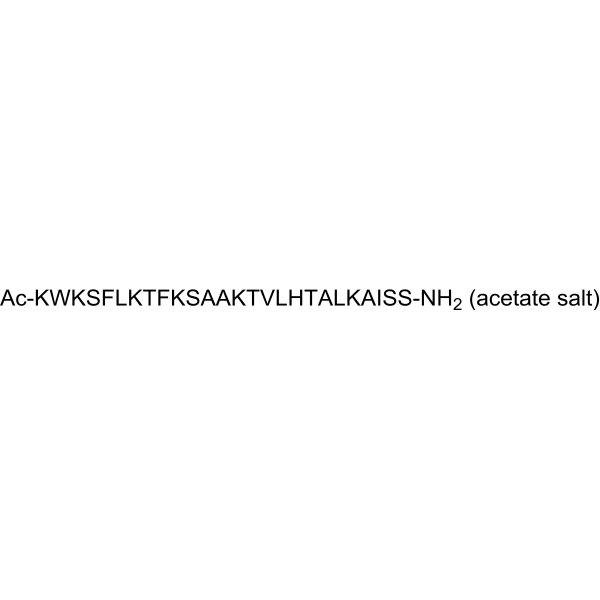
OXA (17-33) (Orexin A (17-33) (human, mouse, rat, bovine)) is the shortest active orexin peptide that selectively targets OX1 (EC50=8.29 nM), with 23-fold selectivity for the OX1 receptor over the OX2 receptor. The activity of OXA (17-33) depends on the Tyr17, Leu20, Asn25, His26 residues and the spatial conformation of the α-helix. OXA (17-33) activates signaling pathways involving inositol-1,4,5-trisphosphate receptor (IP3R), phospholipase D (PL-D) and choline-Sigma-1R, thereby increasing the cytoplasmic Ca 2+ level in nucleus accumbens neurons, an effect that is blocked by Sigma-1R antagonists. OXA (17-33) serves as an important biological probe for investigating the function of the OX1 receptor. OXA (17-33) can be modified via incorporation of mixed disulfide bonds of homocysteine and cysteamine, and is widely used in studies related to insomnia and narcolepsy .
LX2931 is an inhibitor of Sphingosine 1-Phosphate Lyase (S1PL). LX2931 works by increasing levels of S1P inside and outside the cell. The decrease in S1PL activity leads to a significant increase in S1P content in tissues, especially in lymphoid tissues which may lead to a restricted exodus of lymphocytes from secondary immune tissues, resulting in lymphocytopenic and immunosuppressive effects in the peripheral circulation. LX2931 can be used in research for the study of autoimmune diseases, especially rheumatoid arthritis .
PL37 (Debio-0827) is an orally active Enkephalinase dual inhibitor (dual inhibition refers to the simultaneous inhibition of Neutral Endopeptidase and Aminopeptidase N activities). PL37 exerts its anti-hyperalgesic effects by activating μ-opioid receptors (µ-opioid receptors), with an ED50 value of 13.4 mg/kg for analgesic effects in mice. PL37 can be used to study diabetic neuropathic pain .
S1PL-IN-31 (compound ) is an oral active sphingosine-1-phosphate (S1P) lyase inhibitor with the IC50 of 210 nM. S1PL-IN-31 is Smoothened receptor antagonist with the IC50 of 440 nM. S1PL-IN-31 can be used for study of experimental autoimmune encephalomyelitis .
Trabectedin derivative 2 (compound PL-12) is a trabectedin derivative that can be used in research on ovarian cancer, gastric cancer, and breast cancer .
A6770 is an orally active, potent sphingosine 1-phosphate (S1P) lyase (S1PL) inhibitor. A6770 is phosphorylated and the phosphorylated form directly inhibits S1P lyased.A6770, a potential key metabolite of THI, induces a [ 3H]dhS1P increase .
PL-13 (Compound P11) is the derivative of Trabectedin. PL-13 can disrupt the function of DNA and induces apoptosis in cancer cells. PL-13 be can be used for the research of cancer .
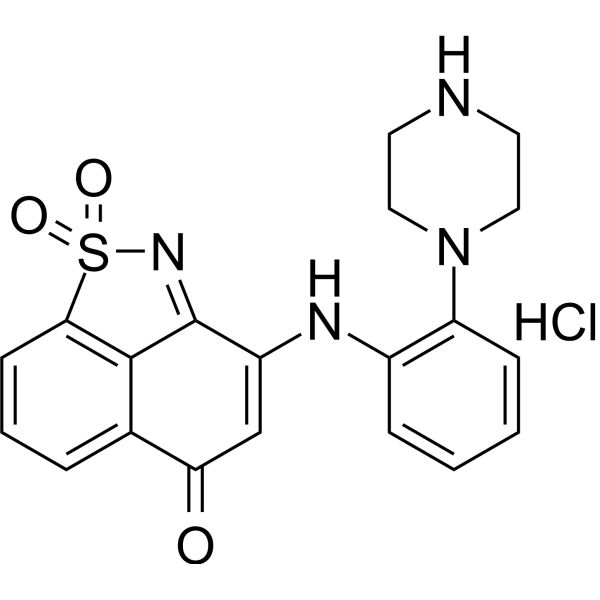
GZNL-P36 is an orally active inhibitor for SARS-CoV-2 papain-like protease (PLpro), with an IC50 of 6.45 nM. GZNL-P36 inhibits SARS-CoV and its variants with EC50 range from 58.2 nM to 2.66 μM. GZNL-P36 exhibits a peak plasma concentration Cmax of 549 ng/mL, a half-life T1/2 of 1.45 h and a bioavailability of 74.7% in CD-1 mouse. GZNL-P36 exhibits antiviral activity in SARS-CoV-2 XXB.1 infection in mouse .
Pancreatic lipase/Carboxylesterase 1-IN-1 (Compound 39) is a potent dual inhibitor of pancreatic lipase (PL) and human carboxylesterase 1A (hCES1A) with IC50 values of 2.13 µM and 0.055 µM against PL and hCES1A .
Anti-aging agent 1 (compound 24) is a derivative of piperlongumine (HY-N2329) (PL). Anti-aging agent 1 exhibits a 50-fold enhancement in senolytic activity against senescent WI-38 fibroblasts compared to PL .
PL53 is a kind of cycloalkylamine lipid nanoparticles. PL53 exhibits outstanding transfection efficiency both in vitro and in vivo, especially showing strong protein expression ability and potential tissue targeting after intramuscular injection. PL53 can be used for the study of nucleic acid delivery .
PL265 is an orally active dual enkephalinase inhibitor. PL265 is a prodrug of PL254, which can simultaneously and efficiently inhibit neutral endopeptidase (Neprilysin) and Aminopeptidase N. PL265 can effectively protect and significantly increase the local concentration of enkephalins (such as Met-Enkephalin and Leu-Enkephalin) released by cells at the pain or inflammation sites, thereby activating μ and δ opioid receptors to produce a potent analgesic effect. PL254 can also inhibit leukotriene A4 hydrolase (LTA4H), which may contribute to its additional anti-inflammatory effect by reducing the production of pro-inflammatory mediator leukotriene B4 (LTB4). PL265 can be used in non-addictive chronic pain research .
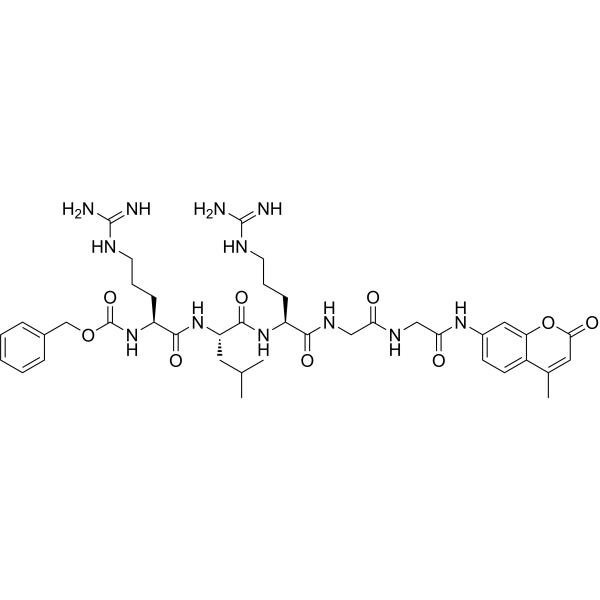
Chromozym PL is a chromogenic substrate for plasmin, and the enzymatic reaction can be carried out in 0.1mL Tris-HCl buffer (50 mM, pH 7.8). 100 μM Chromozym PL was dissolved and prepared. After adding the hydrolase, the generation of p-nitroaniline (pNA) at 405 nm was continuously observed, and the hydrolysis products were calculated .
Phospholipid PL1 is a phospholipid-derived nanoparticle, can deliver costimulatory receptor mRNA (CD137 or OX40) to T cells. Phospholipid PL1 could induce the activation of various immune cells, including T cells and dendritic cells (DCs) in order to boost antitumor immunity .
(+)-Camphor-10-sulfonic acid ((+)-10-Camphorsulfonic acid) is an effective pancreatic lipase (PL) inhibitor. (+)-Camphor-10-sulfonic acid is promising for research of obesity .
Violamine R (Acid Violet 9) is a potent fluorophore. Violamine R shows environment and temperature-dependent photoluminescence (PL) intermittency in poly(vinyl alcohol) (PVOH) and potassium acid phthalate (KAP). Violamine R can be used to measure the temperatures spanning the glass-transition temperature (Tg) of the polymer host by the fluorescence intermittency or blinking in poly(vinyl alcohol) (PVA) .
INSCoV-614(1B) is a potent inhibitor of M pro (3CL pro). Proteases (PLpro and 3CL pro) are involved with transcription and replication of the virus. INSCoV-614(1B) has the potential for the research of SARS-CoV-2 infection (extracted from patent WO2021219089A1) .
SP inhibitor 1 (compound 34) is a selective SARS-CoV-2 spike protein (SP) inhibitor with an IC50 of 3.26 μM, >25 μM, >25 μM for SP, M pro and PLpro protein, respectively. SP inhibitor 1 is a vitro SARS-CoV-2 replication inhibitor at non-toxic concentrations (0.3250<5.98 μM). SP inhibitor 1 shows cellular antiviral activity .
Sintilimab (Anti-PD-1) (IBI308 (Anti-PD-1)) is a safe and effectivel humanized IgG4 monoclonal antibody that binds to PD-1 with a KD value of 74 pM. Sintilimab (Anti-PD-1) blocks the interaction of PD-1 with its ligands (PD-L1 and PL-L2), consequently helping to restore the endogenous antitumour T-cell response. Sintilimab (Anti-PD-1) combined with prebiotics inhibits tumor volume and regulates immune cell subpopulation balance in lung adenocarcinoma mice. Sintilimab (Anti-PD-1) can be used for the research of classical Hodgkin's lymphoma, non-small cell lung cancer and oesophageal cancer .
PL-100 is a potent HIV-1 protease inhibitor with a Ki of 36 pM and an EC50 of 16 nM. PL-100 inhibits viral replication by suppressing HIV-1 protease activity and demonstrates excellent antiviral efficacy against drug-resistant HIV strains. PL-100 can be used in research on drug-resistant HIV disease .
PL-017 is a potent and selective μ opioid receptor agonist with an IC50 of 5.5 nM for 125I-FK 33,824 binding to μ site. PL-017 produces long-lasting, reversible analgesia in rats .
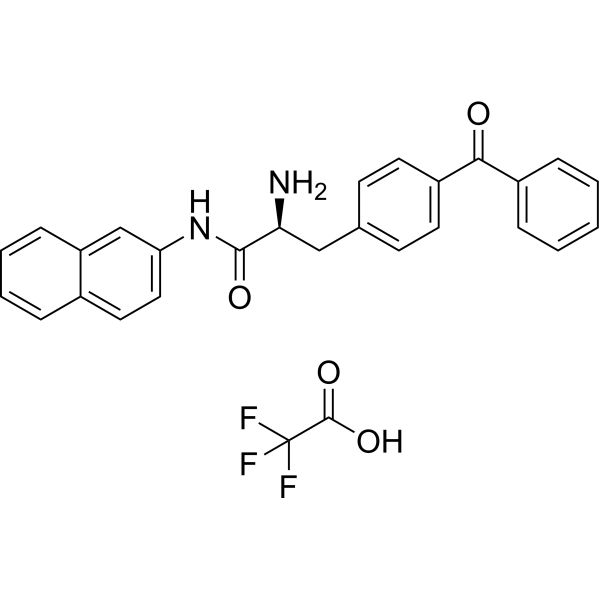
PL-017 TFA is a potent and selective μ opioid receptor agonist with an IC50 of 5.5 nM for 125I-FK 33,824 binding to μ site. PL-017 TFA produces long-lasting, reversible analgesia in rats .
PL120131 is a PD-1 antagonist, can specifically blocking the interaction between PD-1 and PD-L1, thereby effectively inhibiting the PD-1-mediated apoptosis signaling pathway. PL120131 rescues lymphocytes from apoptosis, maintains the survival and activity of T cells, and induces cytotoxic T lymphocytes to exert killing effects and recognize macrophages and dendritic cells. PL120131 can be used in research related to breast cancer and various malignant tumors .
PNLIP Human Pre-designed siRNA Set A contains three designed siRNAs for PNLIP gene (Human), as well as a negative control, a positive control, and a FAM-labeled negative control.
HOXA10 Human Pre-designed siRNA Set A contains three designed siRNAs for HOXA10 gene (Human), as well as a negative control, a positive control, and a FAM-labeled negative control.
Mpro/PLpro-IN-1 (Compound 29) is a potent inhibitor of M pro/PL pro. Mpro/PLpro-IN-1 is a dual acting SARS-CoV-2 proteases inhibitor featuring micromolar inhibitory potency versus M pro (IC50 = 1.72 μM) and submicromolar potency versus PLpro (IC50 = 0.67 μM) .
CSH2 Human Pre-designed siRNA Set A contains three designed siRNAs for CSH2 gene (Human), as well as a negative control, a positive control, and a FAM-labeled negative control.
CSH1 Human Pre-designed siRNA Set A contains three designed siRNAs for CSH1 gene (Human), as well as a negative control, a positive control, and a FAM-labeled negative control.
Torapsel (42-89-glycoprotein; WAY164339) is a fusion protein with immunoglobiln. Torapsel can be used to research the prevention of ischemia reperfusion injury.
mCP-BP-SFAC is a luminogenic molecule. mCP-BP-SFAC exhibits strong sky-blue delayed fluorescence in neat films, with photoluminescence (PL) peaks at ~483 nm and delayed fluorescence lifetimes of 5.4 to 5.7 μs .
TCP-BP-SFAC is a luminogenic molecule. TCP-BP-SFAC exhibits strong sky-blue delayed fluorescence in neat films, with photoluminescence (PL) peaks at ~483 nm and delayed fluorescence lifetimes of 5.4 to 5.7 μs .
Jun11165 is a SARS-CoV-2 PLpro inhibitor (IC50 ≤ 0.6 μM), which inhibits SARS-CoV-2 with an EC50 value of ≤ 6 μM. Jun11165 can be used in the research of viral infections .
RBM10-8 is irreversible inhibitor of recombinant human sphingosine-1-phosphate lyase (hS1PL) . Sphingosine-1-phosphate (S1P) is a sphingolipid (SL) that acts as a signaling molecule regulating diverse cellular processes such as cell proliferation and differentiation, angiogenesis, immune function, inflammation, and development .
SARS-CoV-2-IN-69 (Compound 7E) is a non-covalent SARS-CoV-2 inhibitor with an EC50 value of 7.4 μM. SARS-CoV-2-IN-69 is a potent inhibitor of SARS-CoV-2 main protease (M pro) and a non-covalent inhibitor of papain (PLpro) .
INSCoV-600K(1) is a potent inhibitor of M pro (3CL pro). Proteases (PLpro and 3CL pro) are involved with transcription and replication of the virus. INSCoV-600K(1) has the potential for the research of SARS-CoV-2 infection (extracted from patent WO2021219089A1) .
INSCoV-601I(1) is a potent inhibitor of M pro (3CL pro). Proteases (PLpro and 3CL pro) are involved with transcription and replication of the virus. INSCoV-601I(1) has the potential for the research of SARS-CoV-2 infection (extracted from patent WO2021219089A1) .
PLP_Snyder530 is a potent papain-like protease (PLpro) inhibitor with an IC50 value of 6.4 μM. PLP_Snyder530 induces conformational changes in SARS-COV-2 papain-like protease, inhibiting SARS-CoV-2 replication. PLP_Snyder530 can be used for SARS-CoV-2 research .
SARS-CoV-2-IN-24 (compound 7) is a potent papain-like protease (PLpro) inhibitor. SARS-CoV-2-IN-24 induces conformational changes in SARS-COV-2 papain-like protease, inhibiting SARS-CoV-2 replication. SARS-CoV-2-IN-24 can be used for SARS-CoV-2 research .
Antiviral agent 25 (compound 6g) is a new non-peptide analog covalent inhibitor of SARS-CoV-2 3CL pro. Antiviral agent 25 has a strong inhibitory effect on SARS-CoV-2 3CL pro and SARS-CoV-2 PLpro with IC50 values of 0.118 µM, 0.448 µM, respectively. Antiviral agent 25 has antiviral effect on SARS-CoV-2 with an EC50 value of 7.249 µM .
AZD0011-PL is a human arginase 1/ 2 inhibitor with IC50 values of 0.01 μM and 0.02 μM. AZD0011-PL can be used for the researches of cancer, respiratory inflammatory disease .
S1PL-IN-2 (Compound 28) is a potent sphingosine-1-phosphate lyase(S1PL) inhibitor with an IC50 of 120 nM. S1PL-IN-2 shows an IC50 of 230 nM on HEK293 cells. S1PL-IN-2 block the conversion of Vitamin B6 into the active pyridoxal-4-phosphate cofactor required for S1P lyase activity. S1PL-IN-2 can be used for the researches of inflammation and immunology, such as rheumatoid arthritis .
Anti-PL2L60 Antibody (KAO3) is a PL2L60-targeting antibody. Anti-PL2L60 Antibody (KAO3) binds to PL2L60 expressed on tumor cell surfaces, blocking its tumor-promoting functions. Anti-PL2L60 Antibody (KAO3) arrests tumor cell cycle and induces cancer cell apoptosis. Anti-PL2L60 Antibody (KAO3) activates complement to mediate tumor cell lysis. Anti-PL2L60 Antibody (KAO3) can be used for the research of lymphoma, breast cancer, lung cancer, cervical cancer, colon cancer, and melanoma[1].
PL120131 acetate is a PD-1 antagonist, can specifically blocking the interaction between PD-1 and PD-L1, thereby effectively inhibiting the PD-1-mediated apoptosis signaling pathway. PL120131 acetate rescues lymphocytes from apoptosis, maintains the survival and activity of T cells, and induces cytotoxic T lymphocytes to exert killing effects and recognize macrophages and dendritic cells. PL120131 acetate can be used in research related to breast cancer and various malignant tumors .
Pnlip Mouse Pre-designed siRNA Set A contains three designed siRNAs for Pnlip gene (Mouse), as well as a negative control, a positive control, and a FAM-labeled negative control.
AZD0011, a prodrug of AZD0011-PL (HY-182718), is an orally active arginase 1 inhibitor with an IC50 of 328 nM. AZD0011 undergoes in vivo hydrolysis to release an arginase inhibitor payload, inhibiting arginine hydrolysis, increases arginine levels in plasma and the tumor microenvironment. AZD0011 restores innate immune function and inhibits tumor growth. AZD0011 can be used for the research of cancer, such as fibrosarcoma .
YL1004 is a potent, selective and orally active noncovalent inhibitor of SARS-CoV-2 papain-like protease (PLpro). YL1004 shows an IC50 of 17.5 nM and a Ki of 2.3 nM against PLpro, with an in vitro anti-SARS-CoV-2 EC50 of 0.08 μM-1.37 μM. YL1004 suppresses the proteolytic activity of PLpro and blocks its deubiquitinating and deISGylating effects to restore host innate antiviral immune signaling. YL1004 inhibits the replication of wild-type, Delta, Omicron variants and nirmatrelvir-resistant strains of SARS-CoV-2. YL1004 can be used for the research of COVID-19 (SARS-CoV-2 infection) .
SARS-CoV-2 PLpro-IN-4 is a SARS-CoV-2 papain-like protease (PLPro) inhibitor with an IC50 of 0.4 μM. SARS-CoV-2 PLpro-IN-4 binds to the S3 and S4 pockets of SARS-CoV-2 PLPro, thereby functionally inhibiting its activity. SARS-CoV-2 PLpro-IN-4 exhibits antiviral activity and can be used in research on COVID-19 .
JNJ-27548547, Mitomycin C (HY-13316) prodrug, is a Mitomycin C and lipophilic group conjugate. JNJ-27548547 undergoes thiolytic cleavage of its dithiobenzyl linker in the presence of reducing agents to release active substance Mitomycin C. JNJ-27548547 is formulated into pegylated liposomes (PL-MLP) with high antitumor activity in mice models .
VVD-844 is an orally active covalent inhibitor of PI3Kα, which inhibits Pl3Kα/p110α interaction with an IC50 of 4 nM. VVD-844 covalently binds to Cys 242 in the RAS binding domain of p110α, blocking RAS-p110α interaction and inhibiting PI3Kα activity. VVD-844 inhibits PI3Kα signaling activation in HER2-overexpressing cells via a RAS-independent mechanism. VVD-844 suppresses tumor growth in mouse. VVD-844 can be used for the research of cancers .
Violamine R (Acid Violet 9) is a potent fluorophore. Violamine R shows environment and temperature-dependent photoluminescence (PL) intermittency in poly(vinyl alcohol) (PVOH) and potassium acid phthalate (KAP). Violamine R can be used to measure the temperatures spanning the glass-transition temperature (Tg) of the polymer host by the fluorescence intermittency or blinking in poly(vinyl alcohol) (PVA) .
Epsilon-polylysine is an antimicrobial peptide that can be produced by bacteria such as Streptomyces. Epsilon-polylysine inhibits the growth of microorganisms such as bacteria, yeasts and molds and is therefore often used as a green food additive and preservative in various food and beverage products. Epsilon-polylysine has a variety of properties, including thermal stability, resistance to acidic conditions, and broad-spectrum antimicrobial activity. Epsilon-polylysine can be loaded on other materials to form nanoparticles or form nanofiber membranes for targeted delivery to exert sustained antibacterial efficacy. Epsilon-polylysine is also used as a liposome stabilizer .
ε-Poly-L-lysine (Epsilon-polylysine; ε-Polylysine) hydrochloride (MV 2000-5000) is a polycationic antibacterial agent with broad-spectrum activity against Gram-positive bacteria, Gram-negative bacteria, fungi, yeasts and specific bacteriophages. ε-Poly-L-lysine hydrochloride (MV 2000-5000) exerts bactericidal effects through mechanisms such as disrupting microbial membranes, inducing ROS production, inhibiting metabolism and spore germination. ε-Poly-L-lysine hydrochloride (MV 2000-5000) also regulates the expression of multiple key genes including sodA, oxyR and recA. ε-Poly-L-lysine hydrochloride (MV 2000-5000) exhibits properties such as low eukaryotic cytotoxicity, thermal stability and pH stability, and supports tissue regeneration and anti-tumor applications. ε-Poly-L-lysine hydrochloride (MV 2000-5000) can be applied in research fields including bacterial and fungal infections, diabetic ulcers, and methicillin-resistant Staphylococcus aureus infections .
Phospholipid PL1 is a phospholipid-derived nanoparticle, can deliver costimulatory receptor mRNA (CD137 or OX40) to T cells. Phospholipid PL1 could induce the activation of various immune cells, including T cells and dendritic cells (DCs) in order to boost antitumor immunity .
(Z)-Zolucatetide (I-67) is a β-catenin inhibitor with IC50 ≤50 nM. (Z)-Zolucatetide's sequence is Ac-PL3-Asp-Npg-B5-Asp-3COOHF-Aib-Ala-Phe-Lys3-PyrS2-3Thi-BztA-GlnR3-Ala-NH2. (Z)-Zolucatetide can be used for cancer research .
OXA (17-33) (Orexin A (17-33) (human, mouse, rat, bovine)) is the shortest active orexin peptide that selectively targets OX1 (EC50=8.29 nM), with 23-fold selectivity for the OX1 receptor over the OX2 receptor. The activity of OXA (17-33) depends on the Tyr17, Leu20, Asn25, His26 residues and the spatial conformation of the α-helix. OXA (17-33) activates signaling pathways involving inositol-1,4,5-trisphosphate receptor (IP3R), phospholipase D (PL-D) and choline-Sigma-1R, thereby increasing the cytoplasmic Ca 2+ level in nucleus accumbens neurons, an effect that is blocked by Sigma-1R antagonists. OXA (17-33) serves as an important biological probe for investigating the function of the OX1 receptor. OXA (17-33) can be modified via incorporation of mixed disulfide bonds of homocysteine and cysteamine, and is widely used in studies related to insomnia and narcolepsy .
Chromozym PL is a chromogenic substrate for plasmin, and the enzymatic reaction can be carried out in 0.1mL Tris-HCl buffer (50 mM, pH 7.8). 100 μM Chromozym PL was dissolved and prepared. After adding the hydrolase, the generation of p-nitroaniline (pNA) at 405 nm was continuously observed, and the hydrolysis products were calculated .
PL-3994 is a natriuretic peptide receptor-A (NPR-A) agonist that is resistant to neutral endopeptidase and acts as a bronchodilator. PL-3994 produces concentration-dependent relaxation of pre-contracted guinea-pig trachea with an IC50 value of 42.7 nM .
PL-017 is a potent and selective μ opioid receptor agonist with an IC50 of 5.5 nM for 125I-FK 33,824 binding to μ site. PL-017 produces long-lasting, reversible analgesia in rats .
PL-017 TFA is a potent and selective μ opioid receptor agonist with an IC50 of 5.5 nM for 125I-FK 33,824 binding to μ site. PL-017 TFA produces long-lasting, reversible analgesia in rats .
PL120131 is a PD-1 antagonist, can specifically blocking the interaction between PD-1 and PD-L1, thereby effectively inhibiting the PD-1-mediated apoptosis signaling pathway. PL120131 rescues lymphocytes from apoptosis, maintains the survival and activity of T cells, and induces cytotoxic T lymphocytes to exert killing effects and recognize macrophages and dendritic cells. PL120131 can be used in research related to breast cancer and various malignant tumors .
PL120131 acetate is a PD-1 antagonist, can specifically blocking the interaction between PD-1 and PD-L1, thereby effectively inhibiting the PD-1-mediated apoptosis signaling pathway. PL120131 acetate rescues lymphocytes from apoptosis, maintains the survival and activity of T cells, and induces cytotoxic T lymphocytes to exert killing effects and recognize macrophages and dendritic cells. PL120131 acetate can be used in research related to breast cancer and various malignant tumors .
Sintilimab (IBI308) is a safe and effectivel humanized IgG4 monoclonal antibody that binds to PD-1 with a KD value of 74 pM. Sintilimab blocks the interaction of PD-1 with its ligands (PD-L1 and PL-L2), consequently helping to restore the endogenous antitumour T-cell response. Sintilimab combined with prebiotics inhibits tumor volume and regulates immune cell subpopulation balance in lung adenocarcinoma mice. Sintilimab can be used for the research of classical Hodgkin's lymphoma, non-small cell lung cancer and oesophageal cancer .
Sintilimab (Anti-PD-1) (IBI308 (Anti-PD-1)) is a safe and effectivel humanized IgG4 monoclonal antibody that binds to PD-1 with a KD value of 74 pM. Sintilimab (Anti-PD-1) blocks the interaction of PD-1 with its ligands (PD-L1 and PL-L2), consequently helping to restore the endogenous antitumour T-cell response. Sintilimab (Anti-PD-1) combined with prebiotics inhibits tumor volume and regulates immune cell subpopulation balance in lung adenocarcinoma mice. Sintilimab (Anti-PD-1) can be used for the research of classical Hodgkin's lymphoma, non-small cell lung cancer and oesophageal cancer .
Torapsel (42-89-glycoprotein; WAY164339) is a fusion protein with immunoglobiln. Torapsel can be used to research the prevention of ischemia reperfusion injury.
Anti-PL2L60 Antibody (KAO3) is a PL2L60-targeting antibody. Anti-PL2L60 Antibody (KAO3) binds to PL2L60 expressed on tumor cell surfaces, blocking its tumor-promoting functions. Anti-PL2L60 Antibody (KAO3) arrests tumor cell cycle and induces cancer cell apoptosis. Anti-PL2L60 Antibody (KAO3) activates complement to mediate tumor cell lysis. Anti-PL2L60 Antibody (KAO3) can be used for the research of lymphoma, breast cancer, lung cancer, cervical cancer, colon cancer, and melanoma[1].
PNLIP/Pancreatic lipase Protein is pivotal in fat metabolism, preferentially cleaving esters of long-chain fatty acids at positions 1 and 3, yielding 2-monoacylglycerol and free fatty acids. It displays increased activity with insoluble emulsified substrates over soluble ones. PNLIP/Pancreatic lipase Protein, Human (HEK293, His) is the recombinant human-derived PNLIP/Pancreatic lipase protein, expressed by HEK293 , with C-His, C-8*His labeled tag.
Pancreatic lipase (PNLIP) plays a crucial role in fat metabolism by enzymatically breaking down dietary lipids and preferentially selecting long-chain fatty acid esters at positions 1 and 3. This results in the production of mainly 2-monoacylglycerol and free fatty acids. PNLIP/Pancreatic lipase Protein, Mouse (His-SUMO) is the recombinant mouse-derived PNLIP/Pancreatic lipase protein, expressed by E. coli , with N-His, N-SUMO labeled tag.
Placental Lactogen/CSH1 Protein, exclusive to pregnancy, orchestrates lactation, fetal growth, and metabolism. Its unique mode of action involves zinc-induced dimerization of the Prolactin Receptor (PRLR), distinct from the Growth Hormone Receptor (GHR). This specificity and structural versatility underline its pivotal role in intricate pregnancy-related processes and maternal physiology. Placental Lactogen/CSH1 Protein, Human (Biotinylated, HEK293, His) is the recombinant human-derived Placental Lactogen/CSH1 protein, expressed by HEK293 , with C-His labeled tag.
Placental Lactogen/CSH1 Protein, exclusive to pregnancy, orchestrates lactation, fetal growth, and metabolism. Its unique mode of action involves zinc-induced dimerization of the Prolactin Receptor (PRLR), distinct from the Growth Hormone Receptor (GHR). This specificity and structural versatility underline its pivotal role in intricate pregnancy-related processes and maternal physiology. Placental Lactogen/CSH1 Protein, Human (HEK293, His) is the recombinant human-derived Placental Lactogen/CSH1 protein, expressed by HEK293 , with C-6*His labeled tag.
The multifunctional SARS Plpro/papain-like protease protein utilizes essential proteases for multi-protein cleavage to strategically coordinate viral RNA transcription and replication. It blocks host translation by interacting with the 40S ribosomal subunit, causing endonucleolytic cleavage near the 5'UTR of host mRNAs, thereby targeting them for degradation. SARS Plpro/papain-like protease Protein (His-Avi) is the recombinant Virus-derived SARS Plpro/papain-like protease protein, expressed by E. coli , with N-His, N-Avi labeled tag.
The multifunctional PL-PRO protein plays a critical role in viral RNA transcription and replication, providing the necessary proteases for multiprotein cleavage. It strategically blocks host translation by binding to the open head conformation of the 40S subunit, impeding ribosomal mRNA entry into the tunnel. SARS-CoV-2 PL-PRO Protein (His) is the recombinant Virus-derived PL-PRO protein, expressed by E. coli , with N-6*His labeled tag.
The RNASET2 protein is a ribonuclease that makes a crucial contribution to the innate immune response by degrading microbial RNA sensed by TLR8. It preferentially cleaves single-stranded RNA, generating products that promote RNA-dependent TLR8 activation. RNASET2 Protein, Human (sf9, His) is the recombinant human-derived RNASET2 protein, expressed by Sf9 insect cells , with C-His labeled tag.
The RNASET2 protein is a ribonuclease that makes a crucial contribution to the innate immune response by degrading microbial RNA sensed by TLR8. It preferentially cleaves single-stranded RNA, generating products that promote RNA-dependent TLR8 activation. RNASET2 Protein, Human (HEK293, His) is the recombinant human-derived RNASET2 protein, expressed by HEK293 , with C-6*His labeled tag.
The PLRP2 protein is a multifunctional lipase that hydrolyzes triglycerides and galactosylglycerides with broad substrate specificity. It is essential for newborns and plays an important role in the pancreas' digestion of dietary fats, especially milk fat globules, which are rich in long-chain triglycerides. PNLIPRP2 Protein, Human (sf9, His) is the recombinant human-derived PLRP2 protein, expressed by Sf9 insect cells , with C-His labeled tag.
PLRP1 Protein is a protein that encoded by PNLIPRP1 genne. PLRP1 is produced by pancreatic acinar cells and expressed in the pancreas. PLRP1 is involved in lipid catabolic process, acting as a negative regulator of pancreatic lipase activity by competing with pancreatic lipase for colipase occupancy. And it may function as inhibitor of dietary triglyceride digestion. PLRP1 Protein, Human (HEK293, His) is the recombinant human-derived PLRP1 protein, expressed by HEK293 , with C-6*His labeled tag.
PNLIPRP1 Protein, a potential inhibitor of dietary triglyceride digestion, likely modulates lipid metabolism. In vitro analyses reveal its lack of detectable lipase activity, suggesting a unique role as an enzyme inhibitor rather than an active participant in triglyceride hydrolysis. This characteristic underscores PNLIPRP1's potential regulatory impact on lipid digestion processes. PNLIPRP1 Protein, Rat (HEK293, His) is the recombinant rat-derived PNLIPRP1 protein, expressed by HEK293 , with C-His labeled tag.
The PNLIPRP1 protein acts as an inhibitor of dietary triglyceride digestion and lacks lipase activity on various substrates. This regulatory effect suggests an effect on the breakdown of dietary triglycerides. PNLIPRP1 Protein, Dog (P.pastoris, His) is the recombinant dog-derived PNLIPRP1 protein, expressed by P. pastoris , with N-His labeled tag.
FOLR2 Protein binds folate, enabling the transport of 5-methyltetrahydrofolate into cells with high affinity under neutral pH. Upon endocytosis, exposure to slightly acidic pH induces a conformational change, substantially reducing FOLR2's folate affinity and releasing it from the receptor. FOLR2 Protein, Human (Biotinylated, HEK293, His-Avi) is the recombinant human-derived FOLR2 protein, expressed by HEK293 , with C-Avi, C-His labeled tag. The total length of FOLR2 Protein, Human (Biotinylated, HEK293, His-Avi) is 212 a.a., with molecular weight of 30-40 kDa.
The multifunctional SARS-CoV-2 PP1ab protein is essential for viral RNA transcription and replication, utilizing proteases for multi-protein cleavage. It inhibits host translation by binding to the 40S subunit and blocks ribosomal mRNA entry channels, thereby hindering the antiviral response. SARS-CoV-2 PLpro Protein is the recombinant Virus-derived SARS-CoV-2 PLpro protein, expressed by E. coli , with tag free.
PL1601 (BCN-HS-PEG2-VA-PABC-SG3199) is a pyrrolobenzodiazepine that can be used as a agent linker of antibody-drug conjugates (ADC) . PL1601 is a click chemistry reagent, it contains a BCN group that can undergo strain-promoted alkyne-azide cycloaddition (SPAAC) with molecules containing Azide groups.
Lecithins, egg (Lecithins, egg yolk; Belovo PL 85) is an orally active natural phospholipid mixture extracted from egg yolks . Lecithins, egg inhibits the activities of acetylcholinesterase (AChE) and angiotensin-converting enzyme (ACE). Lecithins, egg exhibits antibacterial, antioxidant and anti-inflammatory activities, and helps delay cellular senescence. Lecithins, egg enhances nerve conduction, improves memory and cognitive function, and exerts positive effects on delaying neurodegenerative diseases. Lecithins, egg promotes lipid absorption and alleviates diarrhea. Lecithins, egg acts as a high-efficiency drug carrier for the preparation of targeted drug delivery systems such as liposomes .
PL53 is a kind of cycloalkylamine lipid nanoparticles. PL53 exhibits outstanding transfection efficiency both in vitro and in vivo, especially showing strong protein expression ability and potential tissue targeting after intramuscular injection. PL53 can be used for the study of nucleic acid delivery .
Phospholipid PL1 is a phospholipid-derived nanoparticle, can deliver costimulatory receptor mRNA (CD137 or OX40) to T cells. Phospholipid PL1 could induce the activation of various immune cells, including T cells and dendritic cells (DCs) in order to boost antitumor immunity .
PNLIP Human Pre-designed siRNA Set A contains three designed siRNAs for PNLIP gene (Human), as well as a negative control, a positive control, and a FAM-labeled negative control.
HOXA10 Human Pre-designed siRNA Set A contains three designed siRNAs for HOXA10 gene (Human), as well as a negative control, a positive control, and a FAM-labeled negative control.
CSH2 Human Pre-designed siRNA Set A contains three designed siRNAs for CSH2 gene (Human), as well as a negative control, a positive control, and a FAM-labeled negative control.
CSH1 Human Pre-designed siRNA Set A contains three designed siRNAs for CSH1 gene (Human), as well as a negative control, a positive control, and a FAM-labeled negative control.
Pnlip Mouse Pre-designed siRNA Set A contains three designed siRNAs for Pnlip gene (Mouse), as well as a negative control, a positive control, and a FAM-labeled negative control.
Inquiry Online
Your information is safe with us. * Required Fields.
Western blot analysis of extracts from THP-1(lane 2(20μg), Jurkat (lane 3(20μg) and NIH3T3(lane 4(20μg) using FOXO1A (HY-P80132) Rabbit mAb. Proteins were transferred
to a PVDF membrane and blocked with 5% non-fat milk in TBST for 2 hour at room temperature. The primary antibody (1/1000) and Loading control antibody (Beta Actin, HY-P80438, 1/10000) was
used in 5% non-fat milk in TBST at 4°C overnight. Goat Anti-Mouse/Rabbit IgG-HRP Secondary Antibody (1/10000) was used for 1 hour at room temperature.
Western blot analysis of extracts from THP-1(lane 2(20μg), Jurkat (lane 3(20μg) and NIH3T3(lane 4(20μg) using FOXO1A (HY-P80132) Rabbit mAb. Proteins were transferred
to a PVDF membrane and blocked with 5% non-fat milk in TBST for 2 hour at room temperature. The primary antibody (1/1000) and Loading control antibody (Beta Actin, HY-P80438, 1/10000) was
used in 5% non-fat milk in TBST at 4°C overnight. Goat Anti-Mouse/Rabbit IgG-HRP Secondary Antibody (1/10000) was used for 1 hour at room temperature.
Western blot analysis of extracts from THP-1(lane 2(20μg), Jurkat (lane 3(20μg) and NIH3T3(lane 4(20μg) using FOXO1A (HY-P80132) Rabbit mAb. Proteins were transferred
to a PVDF membrane and blocked with 5% non-fat milk in TBST for 2 hour at room temperature. The primary antibody (1/1000) and Loading control antibody (Beta Actin, HY-P80438, 1/10000) was
used in 5% non-fat milk in TBST at 4°C overnight. Goat Anti-Mouse/Rabbit IgG-HRP Secondary Antibody (1/10000) was used for 1 hour at room temperature.
Western blot analysis of extracts from THP-1(lane 2(20μg), Jurkat (lane 3(20μg) and NIH3T3(lane 4(20μg) using FOXO1A (HY-P80132) Rabbit mAb. Proteins were transferred
to a PVDF membrane and blocked with 5% non-fat milk in TBST for 2 hour at room temperature. The primary antibody (1/1000) and Loading control antibody (Beta Actin, HY-P80438, 1/10000) was
MedchemExpress Validation 03
Western blot analysis of extracts from THP-1(lane 2(20μg), Jurkat (lane 3(20μg) and NIH3T3(lane 4(20μg) using FOXO1A (HY-P80132) Rabbit mAb. Proteins were transferred
MedchemExpress Validation 04
Western blot analysis of extracts from THP-1(lane 2(20μg), Jurkat (lane 3(20μg) and NIH3T3(lane 4(20μg) using FOXO1A (HY-P80132) Rabbit mAb. Proteins were transferred
to a PVDF membrane and blocked with 5% non-fat milk in TBST for 2 hour at room temperature. The primary antibody (1/1000) and Loading control antibody (Beta Actin, HY-P80438, 1/10000) was
used in 5% non-fat milk in TBST at 4°C overnight. Goat Anti-Mouse/Rabbit IgG-HRP Secondary Antibody (1/10000) was used for 1 hour at room temperature.
MedchemExpress Validation
Western blot analysis of extracts from THP-1(lane 2(20μg), Jurkat (lane 3(20μg) and NIH3T3(lane 4(20μg) using FOXO1A (HY-P80132) Rabbit mAb. Proteins were transferred
to a PVDF membrane and blocked with 5% non-fat milk in TBST for 2 hour at room temperature. The primary antibody (1/1000) and Loading control antibody (Beta Actin, HY-P80438, 1/10000) was
used in 5% non-fat milk in TBST at 4°C overnight. Goat Anti-Mouse/Rabbit IgG-HRP Secondary Antibody (1/10000) was used for 1 hour at room temperature.
Western blot analysis of extracts from THP-1(lane 2(20μg), Jurkat (lane 3(20μg) and NIH3T3(lane 4(20μg) using FOXO1A (HY-P80132) Rabbit mAb. Proteins were transferred
to a PVDF membrane and blocked with 5% non-fat milk in TBST for 2 hour at room temperature. The primary antibody (1/1000) and Loading control antibody (Beta Actin, HY-P80438, 1/10000) was
used in 5% non-fat milk in TBST at 4°C overnight. Goat Anti-Mouse/Rabbit IgG-HRP Secondary Antibody (1/10000) was used for 1 hour at room temperature.
MedchemExpress Validation
Western blot analysis of extracts from THP-1(lane 2(20μg), Jurkat (lane 3(20μg) and NIH3T3(lane 4(20μg) using FOXO1A (HY-P80132) Rabbit mAb. Proteins were transferred
to a PVDF membrane and blocked with 5% non-fat milk in TBST for 2 hour at room temperature. The primary antibody (1/1000) and Loading control antibody (Beta Actin, HY-P80438, 1/10000) was
used in 5% non-fat milk in TBST at 4°C overnight. Goat Anti-Mouse/Rabbit IgG-HRP Secondary Antibody (1/10000) was used for 1 hour at room temperature.
MedchemExpress Validation
Western blot analysis of extracts from THP-1(lane 2(20μg), Jurkat (lane 3(20μg) and NIH3T3(lane 4(20μg) using FOXO1A (HY-P80132) Rabbit mAb. Proteins were transferred
to a PVDF membrane and blocked with 5% non-fat milk in TBST for 2 hour at room temperature. The primary antibody (1/1000) and Loading control antibody (Beta Actin, HY-P80438, 1/10000) was
used in 5% non-fat milk in TBST at 4°C overnight. Goat Anti-Mouse/Rabbit IgG-HRP Secondary Antibody (1/10000) was used for 1 hour at room temperature.
MedchemExpress Validation
Western blot analysis of extracts from THP-1(lane 2(20μg), Jurkat (lane 3(20μg) and NIH3T3(lane 4(20μg) using FOXO1A (HY-P80132) Rabbit mAb. Proteins were transferred
to a PVDF membrane and blocked with 5% non-fat milk in TBST for 2 hour at room temperature. The primary antibody (1/1000) and Loading control antibody (Beta Actin, HY-P80438, 1/10000) was
used in 5% non-fat milk in TBST at 4°C overnight. Goat Anti-Mouse/Rabbit IgG-HRP Secondary Antibody (1/10000) was used for 1 hour at room temperature.
MedchemExpress Validation
Western blot analysis of extracts from THP-1(lane 2(20μg), Jurkat (lane 3(20μg) and NIH3T3(lane 4(20μg) using FOXO1A (HY-P80132) Rabbit mAb. Proteins were transferred
to a PVDF membrane and blocked with 5% non-fat milk in TBST for 2 hour at room temperature. The primary antibody (1/1000) and Loading control antibody (Beta Actin, HY-P80438, 1/10000) was
used in 5% non-fat milk in TBST at 4°C overnight. Goat Anti-Mouse/Rabbit IgG-HRP Secondary Antibody (1/10000) was used for 1 hour at room temperature.
MedchemExpress Validation
Western blot analysis of extracts from THP-1(lane 2(20μg), Jurkat (lane 3(20μg) and NIH3T3(lane 4(20μg) using FOXO1A (HY-P80132) Rabbit mAb. Proteins were transferred
to a PVDF membrane and blocked with 5% non-fat milk in TBST for 2 hour at room temperature. The primary antibody (1/1000) and Loading control antibody (Beta Actin, HY-P80438, 1/10000) was
used in 5% non-fat milk in TBST at 4°C overnight. Goat Anti-Mouse/Rabbit IgG-HRP Secondary Antibody (1/10000) was used for 1 hour at room temperature.
MedchemExpress Validation
Western blot analysis of extracts from THP-1(lane 2(20μg), Jurkat (lane 3(20μg) and NIH3T3(lane 4(20μg) using FOXO1A (HY-P80132) Rabbit mAb. Proteins were transferred
to a PVDF membrane and blocked with 5% non-fat milk in TBST for 2 hour at room temperature. The primary antibody (1/1000) and Loading control antibody (Beta Actin, HY-P80438, 1/10000) was
used in 5% non-fat milk in TBST at 4°C overnight. Goat Anti-Mouse/Rabbit IgG-HRP Secondary Antibody (1/10000) was used for 1 hour at room temperature.
MedChemExpress values your privacy and your trust is important to us. We use cookies to enhance your website experience. Some cookies are necessary to run the website.
Privacy and Cookie Policy

