1. Search Result
Search Result
Results for "

SEA

" in MedChemExpress (MCE) Product Catalog:

93

Inhibitors & Agonists

1

Screening Libraries

1

Fluorescent Dye

2

Biochemical Assay Reagents

20

Peptides

4

Inhibitory Antibodies

45

Natural
Products

3

Recombinant Proteins

4

Isotope-Labeled Compounds

2

Antibodies

1

Click Chemistry

7

Oligonucleotides

Cat. No. Product Name Target Research Areas Chemical Structure
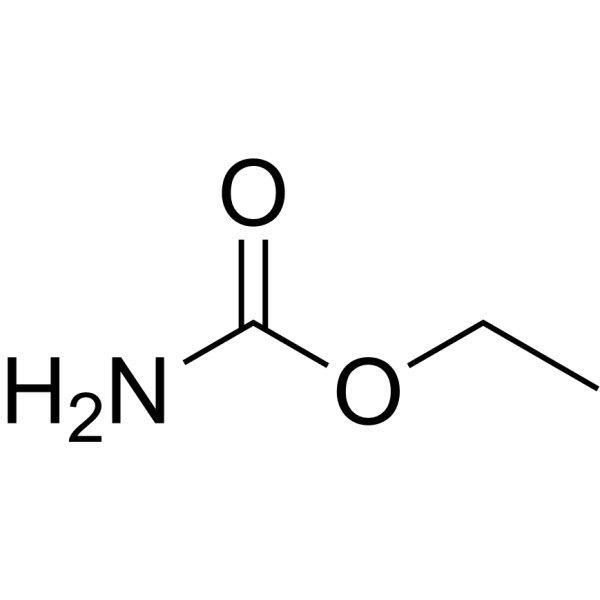
  • HY-B1207
    Urethane
    4 Publications Verification

    Ethyl carbamate; Carbamic acid ethyl ester; Ethylurethane

    Environmental Pollutants Bacterial Parasite Infection Neurological Disease Cancer
    Urethane (Ethyl carbamate), the ethyl ester of carbamic acid, is a byproduct of fermentation found in various food products. Urethane has the ability to suppress bacterial, protozoal, sea urchin egg, and plant tissue growth in vitro .
    Urethane
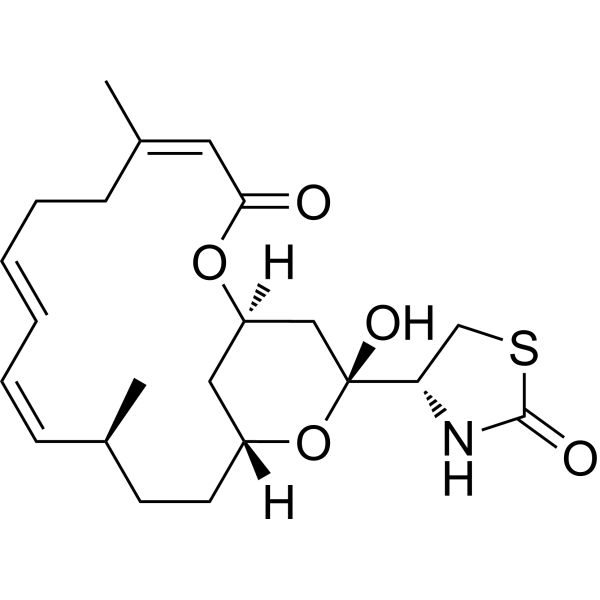
  • HY-16929
    Latrunculin A
    10+ Cited Publications

    LAT-A

    Arp2/3 Complex Cancer
    Latrunculin A (LAT-A), found in the red sea sponge Latrunculia magnifica, is a G-actin polymerization inhibitor. Latrunculin A binds to actin monomers and inhibits polymerization of actin with Kds of 0.1, 0.4, 4.7 μM and 0.19 μM for ATP-actin, ADP-Pi-actin, ADP-actin and G-actin, respectively. Latrunculin A has effective anti-metastatic properties for cancer research. Latrunculin A blocks cell migration .
    Latrunculin A
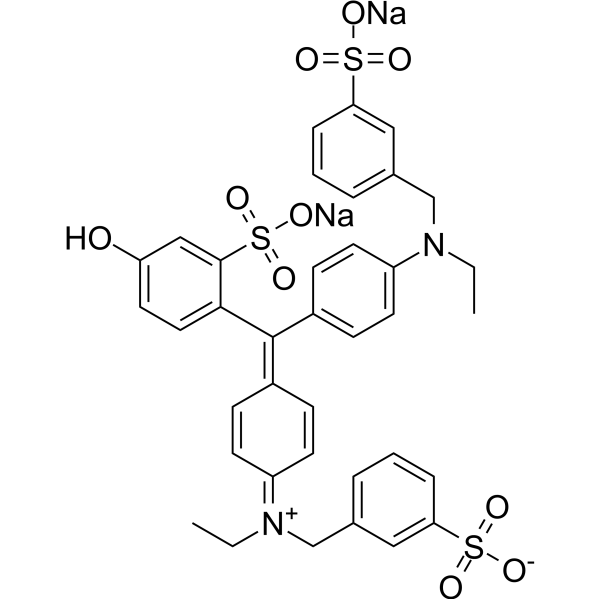
  • HY-D0914

    FD&C Green No. 3; Food green 3; C.I. 42053

    Environmental Pollutants α-synuclein Neurological Disease
    Fast Green FCF is a sea green triarylmethane food dye, with absorption maximum ranging from 622 to 626 nm. Fast Green FCF inhibits α-synuclein aggregation, as well as and P2X4 receptor, and TLR4/Myd88/NF-κB. Fast Green FCF is widely used as a staining agent like quantitative stain for histones at alkaline pH after acid extraction of DNA, and as a protein stain in electrophoresis. Fast Green FCF improves cognitive impairment, depression, relieves pain allergies, and promotes reproductive function .
    Fast Green FCF
  • HY-15515
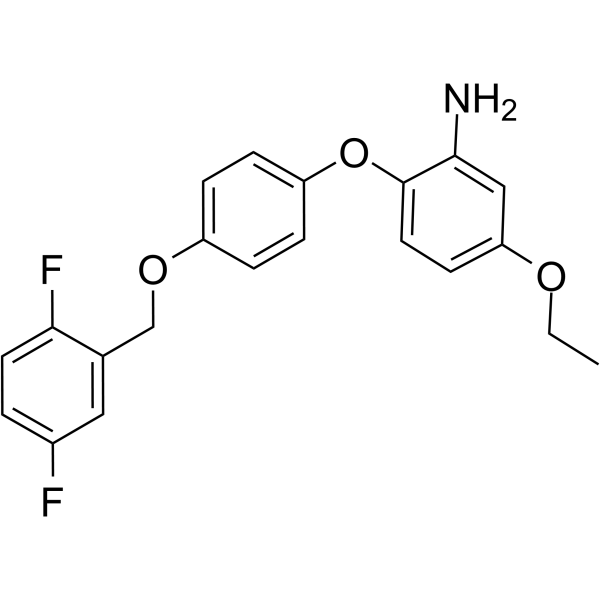
    SEA0400
    Maximum Cited Publications
    19 Publications Verification

    Na+/Ca2+ Exchanger Cardiovascular Disease
    SEA0400 is a novel and selective inhibitor of the Na +-Ca 2+ exchanger (NCX), inhibiting Na +-dependent Ca 2+ uptake in cultured neurons, astrocytes, and microglia with IC50s of from 5 to 33 nM.
    SEA0400
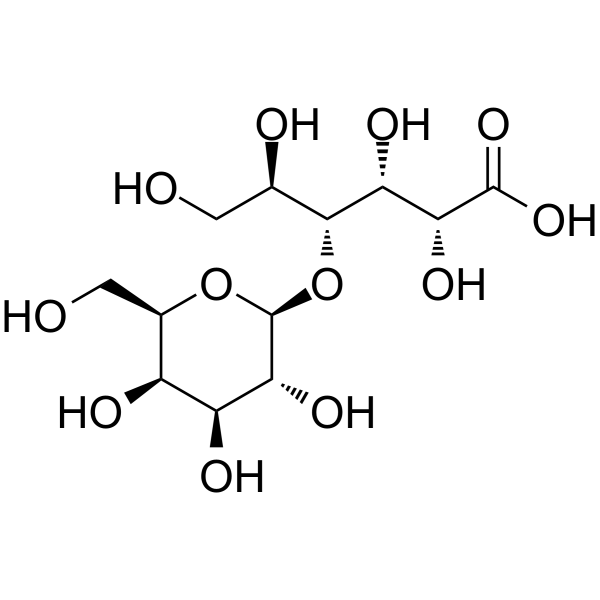
  • HY-N7059

    Bacterial Reactive Oxygen Species (ROS) Infection
    Lactobionic acid is a bionic acid that can be naturally found in the Caspian Sea yogurt and chemically constituted of a gluconic acid bonded to a galactose. Lactobionic acid has antioxidant, antimicrobial, chelating, stabilizer, acidulant, and moisturizing properties. Lactobionic acid can be obtained by electrolytic methods, microbial fermentation or biocatalytic approaches. Lactobionic acid can be used in foodstuffs, to produce new functional products and against food-borne pathogens. Lactobionic acid inhibits DNA repair and protein synthesis, induction of oxidative stress and inhibition of metabolic pathways against MRSA .
    Lactobionic acid
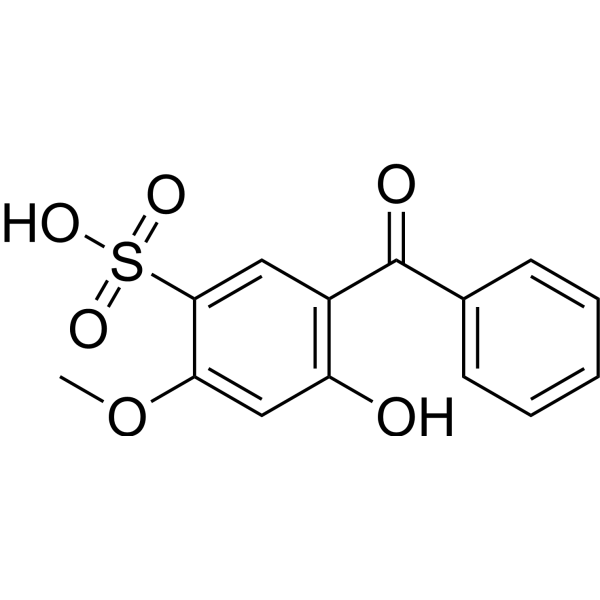
  • HY-B1162
    Sulisobenzone
    1 Publications Verification

    Benzophenone-4

    Environmental Pollutants Biochemical Assay Reagents Metabolic Disease
    Sulisobenzone (Benzophenone-4) is a benzophenone-type UV filter. Sulisobenzone can act as a endocrine disrupting compound. Sulisobenzone disrupts energy metabolism, nucleotide synthesis, oxidative stress response, and endocrine function. Sulisobenzone thyroid hormone biosynthesis and induces oxidative stress .
    Sulisobenzone
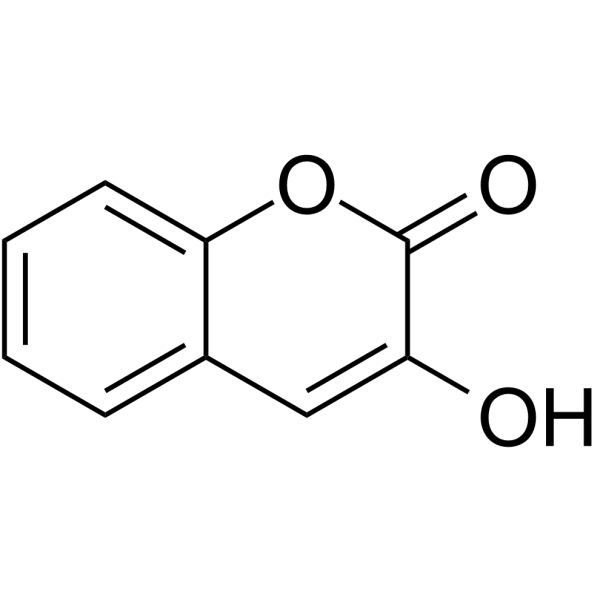
  • HY-127170

    Lipoxygenase Tyrosinase Metabolic Disease Inflammation/Immunology
    3-Hydroxycoumarin is an inhibitor of tyrosinase and lipoxygenase with an IC50 for recombinant human tyrosinase (rHT) of 26 μM, and a Ki of 3.39 μM; its IC50 for LOX is 9.5 μM. 3-Hydroxycoumarin has DPPH free radical scavenging activity (IC50 = 31.2 μM). 3-Hydroxycoumarin has photoprotective effects on sea urchin zygotes and embryos .
    3-Hydroxycoumarin
  • HY-W034344

    Biochemical Assay Reagents Others
    Sodium methanesulfonate is a hygroscopic atmospheric aerosol, which typically forms from the reaction of methanesulfonic acid with sodium chloride or sea salt particles. Sodium methanesulfonate can serve as a substrate for oxidation reactions, undergoing heterogeneous oxidation by hydroxyl radicals at the air-aerosol interface, thereby initiating subsequent aerosol-phase chain reactions. Sodium methanesulfonate exhibits significant temperature-dependent deliquescence and efflorescence properties; particularly at lower temperatures relevant to the troposphere, its deliquescence and efflorescence relative humidity increase accordingly .
    Sodium methanesulfonate
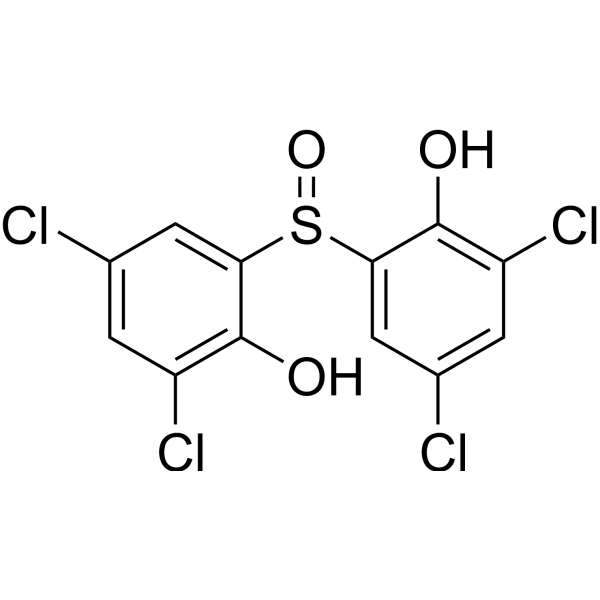
  • HY-17592A
    Bithionol (sulfoxide)
    2 Publications Verification

    Parasite Infection
    Bithionol sulfoxide is an anti-infection agent for parasites. Bithionol sulfoxide has mutagenic activity. Bithionol sulfoxide can be used in the research of parasite infection, such as paragonimiasis, flukes andcestodes infection .
    Bithionol (sulfoxide)
  • HY-113000

    Endogenous Metabolite Cardiovascular Disease
    Cetoleic acid is a long-chain monounsaturated fatty acid found in deep-sea fish. Cetoleic acid can promote the synthesis of ALA in human HepG2 cells and EPA in vitro in salmon liver cells, affecting cholesterol levels in rodents. Cetoleic acid has potential applications in cardiovascular disease research .
    Cetoleic acid
  • HY-B1207S

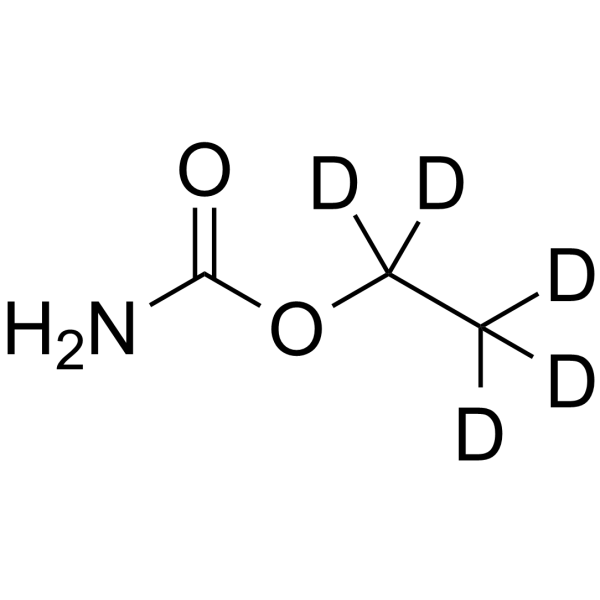
    Ethyl carbamate-d5; Carbamic acid ethyl ester-d5; Ethylurethane-d5

    Bacterial Parasite Infection Neurological Disease Cancer
    Urethane-d5 is the deuterium labeled Urethane. Urethane (Ethyl carbamate), the ethyl ester of carbamic acid, is a byproduct of fermentation found in various food products. Urethane has the ability to suppress bacterial, protozoal, sea urchin egg, and plant tissue growth in vitro .
    Urethane-d5
  • HY-P1346

    Sodium Channel Neurological Disease Inflammation/Immunology
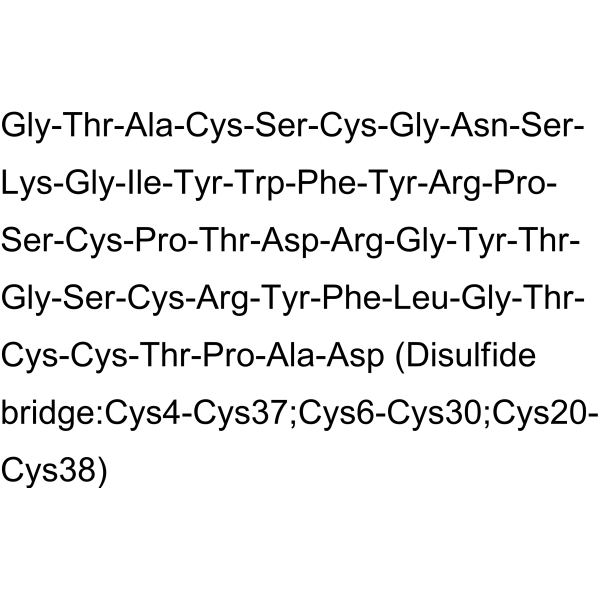
    APETx2, a sea anemone peptide from Anthopleura elegantissima, is a selective and reversible ASIC3 inhibitor, with an IC50 of 63 nM. APETx2 directly inhibits the ASIC3 channel by acting at its external side. APETx2 could reverses acid‐induced and inflammatory pain .
    APETx2
  • HY-P1346A

    Sodium Channel Neurological Disease Inflammation/Immunology
    APETx2 TFA, a sea anemone peptide from Anthopleura elegantissima, is a selective and reversible ASIC3 inhibitor, with an IC50 of 63 nM. APETx2 directly inhibits the ASIC3 channel by acting at its external side. APETx2 could reverses acid‐induced and inflammatory pain .
    APETx2 TFA
  • HY-108960

    P2X Receptor Interleukin Related Neurological Disease
    PPADS is a P2X receptor (P2X Receptor) antagonist and a reversible competitive antagonist of NAADP receptors, with IC50 values of 68 nM (P2X1) and 214 nM (P2X3), respectively. PPADS alleviates pain-related behaviors in the central and peripheral nervous systems of mice after peripheral neuropathy, inhibits the overproduction of IL-1β, IL-6, iNOS and nNOS, and suppresses the hydrolytic activity of extracellular ATPase. PPADS blocks ATP-mediated inward currents on recombinant rat P2X1 and P2X3 receptors, and inhibits purinergic nerve stimulation-induced contraction of rabbit bladder detrusor muscle. PPADS is applicable to research related to neuropathic pain .
    PPADS
  • HY-P3071

    Stichodactyla helianthus neurotoxin

    Potassium Channel Neurological Disease Inflammation/Immunology
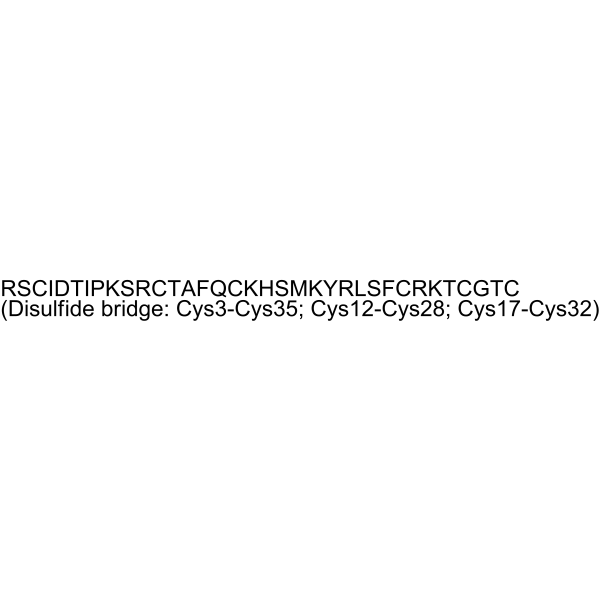
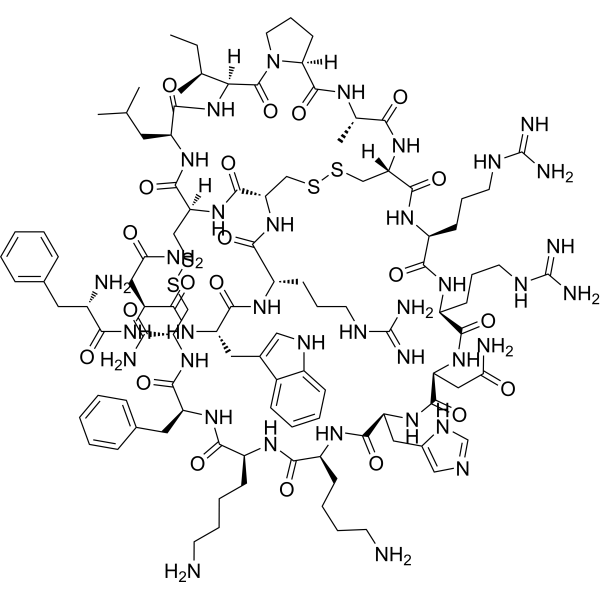
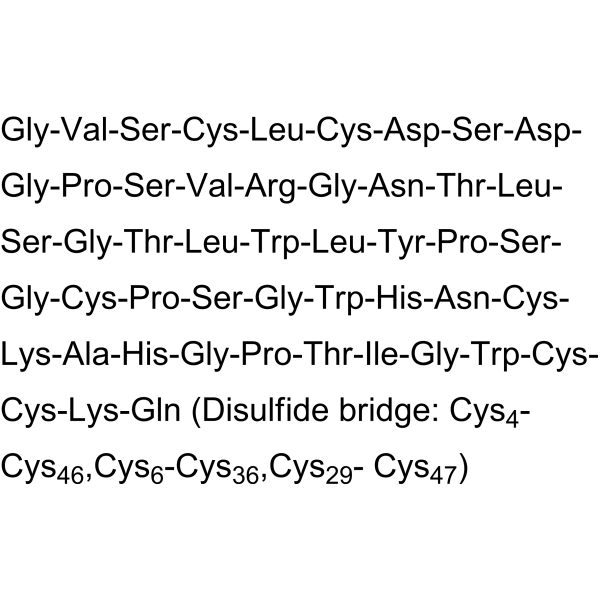
    ShK toxin blocks voltage-dependent potassium channel (Kv1.3 channel). ShK toxin can be isolated from the whole body extract of the Caribbean sea anemone (Stichodactylu helianthus). ShK toxin competes with dendrotoxin I and α-dendrotoxin for binding to synaptosomal membranes of rat brain, facilitates acetylcholine release. ShK toxin suppresses K+ currents in cultured rat dorsal root ganglion neurons. ShK toxin also inhibits T lymphocyte proliferation .
    ShK toxin
  • HY-123063

    5α-Petromyzonol; 5α-PZ

    Others Others
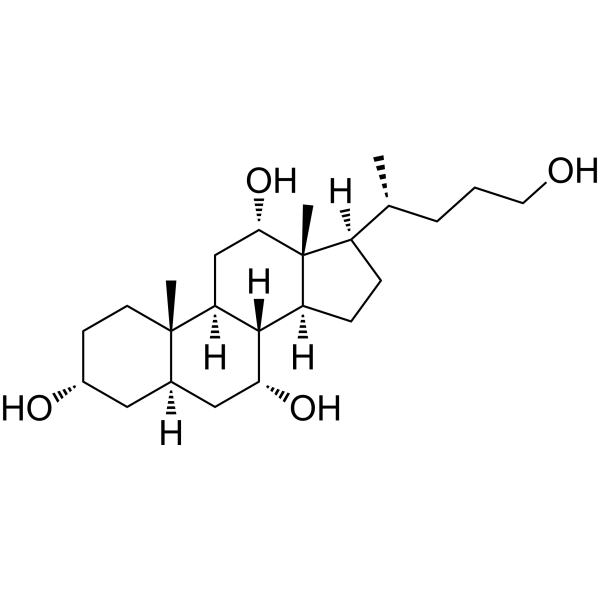
    Petromyzonol (5α-Petromyzonol) is a tetrahydroxy stearol produced by the bile of sea lamprey larvae from the bile acid precursor acetylcholic acid. Petromyzonol sulfate acts as a pheromone and oviposition chemical attractant .
    Petromyzonol
  • HY-B1207R

    Ethyl carbamate (Standard); Carbamic acid ethyl ester (Standard); Ethylurethane (Standard)

    Reference Standards Bacterial Parasite Infection Neurological Disease Cancer
    Urethane (Standard) is the analytical standard of Urethane. This product is intended for research and analytical applications. Urethane (Ethyl carbamate), the ethyl ester of carbamic acid, is a byproduct of fermentation found in various food products. Urethane has the ability to suppress bacterial, protozoal, sea urchin egg, and plant tissue growth in vitro .
    Urethane (Standard)
  • HY-P99436

    ABR-214936

    Transmembrane Glycoprotein Cardiovascular Disease Inflammation/Immunology Cancer
    Anatumomab mafenatox (ABR-214936) is a 73 KDa recombinant protein to recognize the tumor-associated antigen 5T4, which is widely expressing in malignancy. Anatumomab mafenatox is between a modified form of SEA and a murine Fab. The main side effects of Anatumomab mafenatox are reported to include fever, low blood pressure, pain, nausea and drowsiness .
    Anatumomab mafenatox
  • HY-15515R

    Na+/Ca2+ Exchanger Reference Standards Cardiovascular Disease
    SEA0400 (Standard) is the analytical standard of SEA0400. This product is intended for research and analytical applications. SEA0400 is a novel and selective inhibitor of the Na+-Ca2+ exchanger (NCX), inhibiting Na+-dependent Ca2+ uptake in cultured neurons, astrocytes, and microglia with IC50s of from 5 to 33 nM.
    SEA0400 (Standard)
  • HY-127170R

    Lipoxygenase Reference Standards Others
    3-Hydroxycoumarin (Standard) is the analytical standard of 3-Hydroxycoumarin. This product is intended for research and analytical applications. 3-hydroxycoumarin is a potent and redox inhibitor of human 15-LOX-1. 3-hydroxycoumarin is recently demonstrated to protect sea urchin reproductive cells against ultraviolet B damage .
    3-Hydroxycoumarin (Standard)
  • HY-114899

    Environmental Pollutants Cholinesterase (ChE) Insecticide Infection Neurological Disease
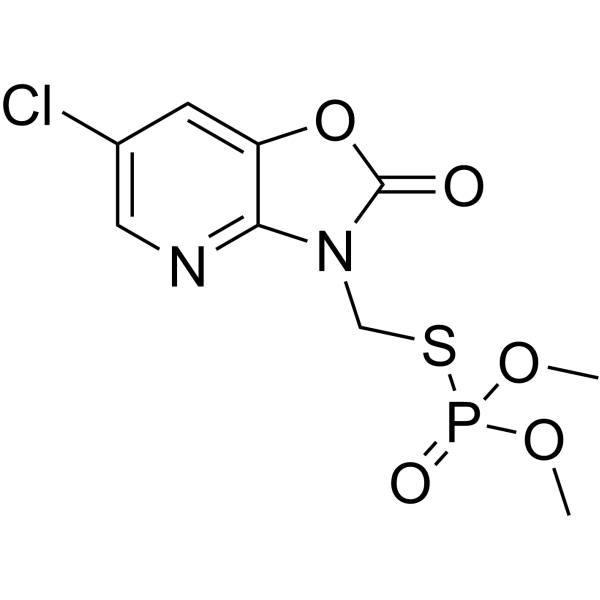
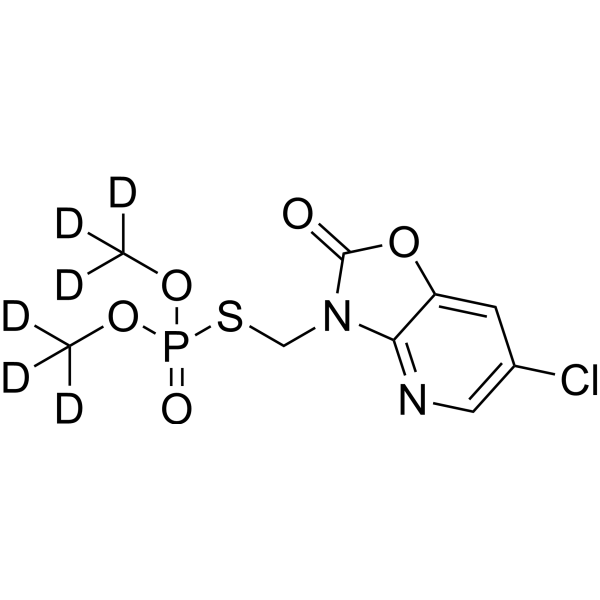
    Azamethiphos is an acetylcholinesterase inhibitor and insecticide. Azamethiphos covalently binds to acetylcholinesterase via phosphorylation, inhibits its activity, causes acetylcholine to accumulate in cholinergic synapses, triggers uncontrolled excitation of cholinergic sites, induces paralysis and leads to death. Azamethiphos can be used as a bath insecticide in salmonid aquaculture to control sea lice infestations, and it exerts acute toxicity to European lobster larvae, including mortality and movement disorders .
    Azamethiphos
  • HY-RS13089

    Small Interfering RNA (siRNA) Others

    SLC25A1 Human Pre-designed siRNA Set A contains three designed siRNAs for SLC25A1 gene (Human), as well as a negative control, a positive control, and a FAM-labeled negative control.

    SLC25A1 Human Pre-designed siRNA Set A
    SLC25A1 Human Pre-designed siRNA Set A
  • HY-N2225

    Others Infection
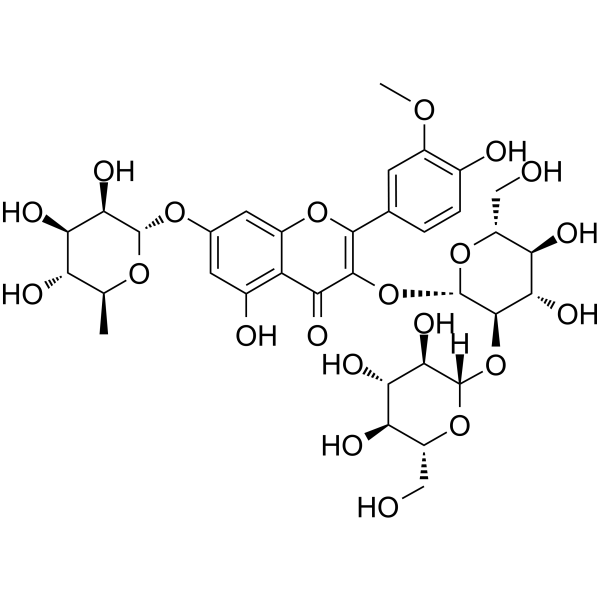
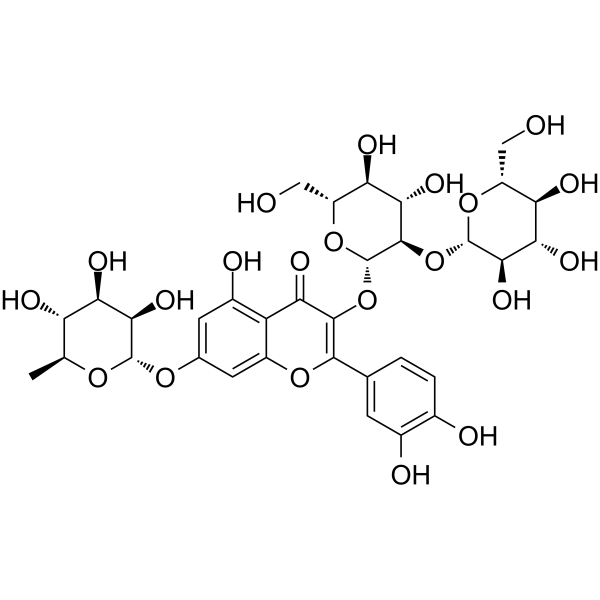
    Isorhamnetin-3-O-sophoroside-7-O-rhamnoside, the major flavonol glycoside, is isolated from sea buckthorn (Hippopha rhamnoides). Isorhamnetin-3-O-sophoroside-7-O-rhamnoside has the algicidal activity against the growth of the harmful microalgae .
    Isorhamnetin-3-O-sophoroside-7-O-rhamnoside
  • HY-P3071A

    Stichodactyla helianthus neurotoxin TFA

    Potassium Channel Neurological Disease Inflammation/Immunology
    ShK toxin TFA (Stichodactyla helianthus neurotoxin TFA) is a neurotoxin. ShK toxin TFA blocks voltage-dependent potassium channel (Kv1.3 channel). ShK toxin TFA can be isolated from the whole body extract of the Caribbean sea anemone (Stichodactylu helianthus). ShK toxin TFA competes with dendrotoxin I and α-dendrotoxin for binding to synaptosomal membranes of rat brain, facilitates acetylcholine release. ShK toxin TFA suppresses K + currents in cultured rat dorsal root ganglion neurons. ShK toxin TFA also inhibits T lymphocyte proliferation .
    ShK toxin TFA
  • HY-P0245

    Mitochondrial Metabolism Metabolic Disease
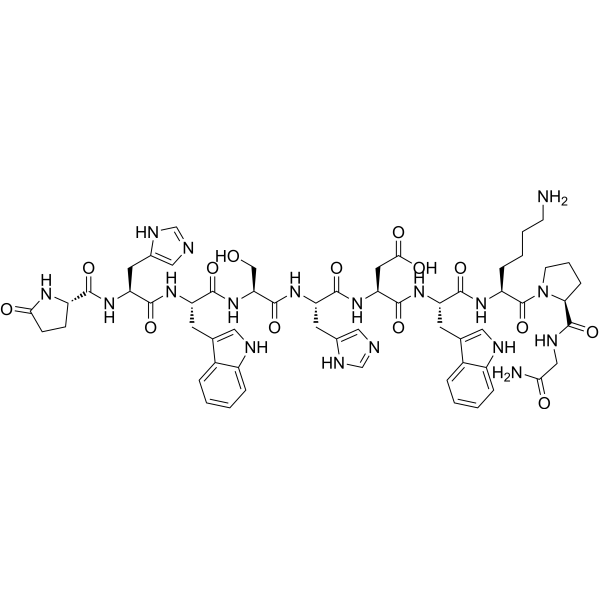
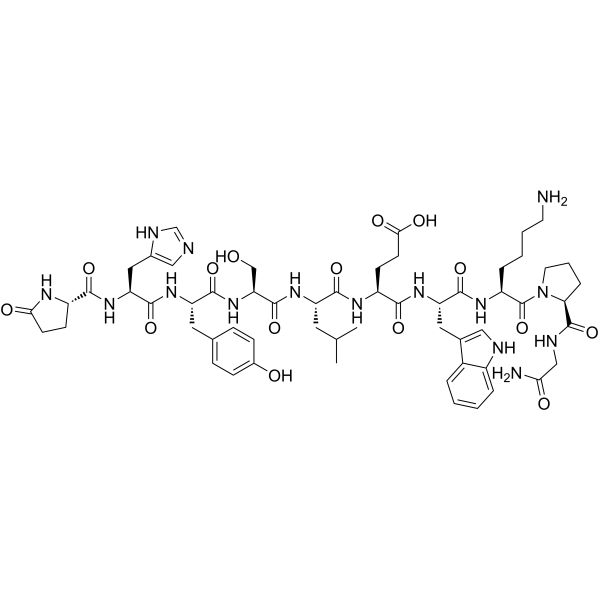
    Speract, a sea urchin egg peptide that regulates sperm motility, also stimulates sperm mitochondrial metabolism.
    Speract
  • HY-41314

    Endogenous Metabolite Others
    Ethyl 3-methyl-2-butenoate is a volatile compound that can be isolated from sea buckthorn .
    Ethyl 3-methyl-2-butenoate
  • HY-P10564

    Bacterial Infection
    Pardaxin P 4 is an antimicrobial peptide found in the secretions of Red Sea Moses sole. Pardaxin P 4 acts as a biomembrane perforator that can interact with phospholipid bilayers of different compositions and induce cytotoxicity and pore formation. Pardaxin P 4 can be used in the research of antimicrobial drugs .
    Pardaxin P 4
  • HY-P11214

    H-TL1

    TNF Receptor Integrin NF-κB ERK p38 MAPK JNK Interleukin Related Inflammation/Immunology
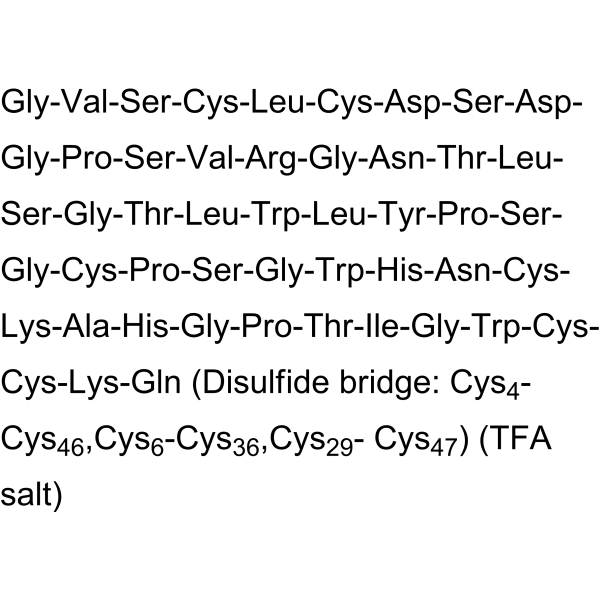
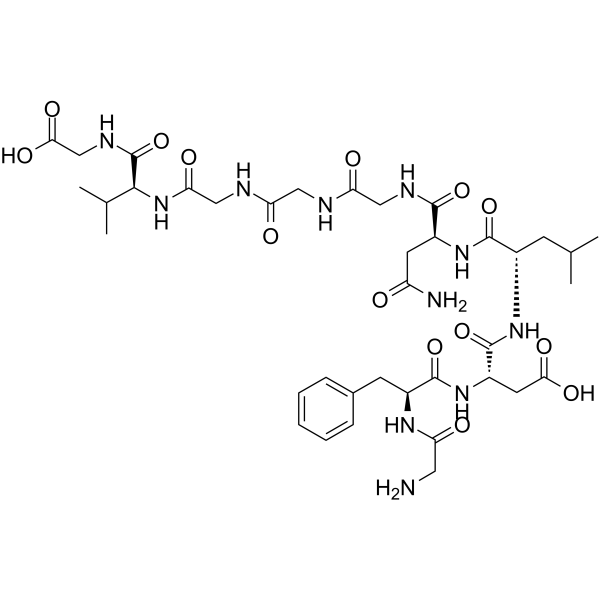
    Hydrostatin-TL1 (H-TL1), a nine-amino-acid peptide, is a TNF-α antagonist. Hydrostatin-TL1 can be isolated from the venom gland of sea snake Hydrophis cyanocinctus. H-TL1 competitively inhibits the interaction between TNF-α/TNFR1 and attenuates the cytotoxicity and inflammation of TNF-α. Hydrostatin-TL1 can be used for TNF-α-associated inflammatory diseases, such as rheumatoid arthritis, osteoporosis and inflammatory bowel disease (IBD) research .
    Hydrostatin-TL1
  • HY-N7059R

    Reference Standards Bacterial Reactive Oxygen Species (ROS) Infection
    Lactobionic acid (Standard) is an analytical standard for lactobionic acid. This product is intended for use in research and analytical applications. Lactobionic acid is a bionic acid that can be naturally found in the Caspian Sea yogurt and chemically constituted of a gluconic acid bonded to a galactose. Lactobionic acid has antioxidant, antimicrobial, chelating, stabilizer, acidulant, and moisturizing properties. Lactobionic acid can be obtained by electrolytic methods, microbial fermentation or biocatalytic approaches. Lactobionic acid can be used in foodstuffs, to produce new functional products and against food-borne pathogens. Lactobionic acid inhibits DNA repair and protein synthesis, induction of oxidative stress and inhibition of metabolic pathways against MRSA .
    Lactobionic acid (Standard)
  • HY-P5158

    Adrenergic Receptor Others
    Conopeptide rho-TIA is a peptide derived from the venom contained in the predatory sea snail Conus tulipa, has highly selective and noncompetitive inhibitor at human α1B-Adrenergic Receptor. Conopeptide rho-TIA acts a competitive inhibitor at human α1A-Adrenergic Receptor and α1D-Adrenergic Receptor. Conopeptide rho-TIA binds to each subtype and may provide useful information for the development of novel α1-Adrenergic Receptor subtype-selective drugs .
    Conopeptide rho-TIA
  • HY-P991394

    Transmembrane Glycoprotein Cancer
    SEA-TGT is a human monoclonal antibody (mAb) targeting TIGIT. SEA-TGT enhances binding to the activating FcγRIIIA while reducing binding to the inhibitory FcγRIIb. SEA-TGT can be used in advanced solid tumors and Lymphoma research .
    SEA-TGT
  • HY-RS17528

    Small Interfering RNA (siRNA) Others

    sea Mouse Pre-designed siRNA Set A contains three designed siRNAs for sea gene (Mouse), as well as a negative control, a positive control, and a FAM-labeled negative control.

    sea Mouse Pre-designed siRNA Set A
    sea Mouse Pre-designed siRNA Set A
  • HY-RS12601

    Small Interfering RNA (siRNA) Others

    SEA Human Pre-designed siRNA Set A contains three designed siRNAs for SEA gene (Human), as well as a negative control, a positive control, and a FAM-labeled negative control.

    SEA Human Pre-designed siRNA Set A
    SEA Human Pre-designed siRNA Set A
  • HY-N12705A

    Others Others
    Thermohexamine hydrochloride is a polyamine that can be isolated from sea urchin .
    Thermohexamine hydrochloride
  • HY-P10431

    SEA snake cathelicidin

    Bacterial Infection Inflammation/Immunology
    Hc-CATH (Sea snake cathelicidin) is an antibacterial peptide with broad-spectrum. Hc-CATH inhibits Shigella dysenteriae and Klebsiella pneumoniae with MIC of 0.16 mM-20.67 mM. Hc-CATH exhibits anti-inflammatory efficacy .
    Hc-CATH
  • HY-N8195

    Others Others
    Quercetin 3-O-sophoroside-7-O-rhamnoside is a flavonoid found in sea buckthorn berries .
    Quercetin 3-O-sophoroside-7-O-rhamnoside
  • HY-P10595

    Sodium Channel Neurological Disease
    Antho-Rwamide II is a neuropeptide that can be isolated from the sea anemone Anthopleura elegantissima. Antho-Rwamide II can induce contraction of the endothelial muscles of the sea anemone and participate in neurotransmission. Antho-Rwamide II can be used to explore the function of the nervous system in invertebrates .
    Antho-Rwamide II
  • HY-P4898

    Sodium Channel Cardiovascular Disease
    Anthopleurin-A is a soidum channel toxin. Anthopleurin-A is selective for cardiac channels and has cardiotonic effect. Anthopleurin-A can be isolated from the sea anemone .
    Anthopleurin-A
  • HY-115431

    Aminopeptidase Neurological Disease
    Antho-rwamide I is a neuropeptide that can be isolated from the sea anemone Anthopleura elegantissima. Antho-rwamide I is resistant to nonspecific aminopeptidases, which increases the stability of the peptide after neuronal release .
    Antho-rwamide I
  • HY-P4898A

    Sodium Channel Cardiovascular Disease
    Anthopleurin-A TFA is a soidum channel toxin. Anthopleurin-A TFA is selective for cardiac channels and has cardiotonic effect. Anthopleurin-A TFA can be isolated from the sea anemone .
    Anthopleurin-A TFA
  • HY-114899S

    Isotope-Labeled Compounds Cholinesterase (ChE) Insecticide Neurological Disease
    Azamethiphos-d6 is deuterated labeled Azamethiphos (HY-114899). Azamethiphos is an organophosphate insecticide that inhibits AChE. Azamethiphos inhibits sea lice .
    Azamethiphos-d6
  • HY-114899R

    Reference Standards Cholinesterase (ChE) Insecticide Neurological Disease
    Azamethiphos (Standard) is the analytical standard of Azamethiphos (HY-114899). This product is intended for research and analytical applications. Azamethiphos is an organophosphate insecticide that inhibits AChE. Azamethiphos inhibits sea lice .
    Azamethiphos (Standard)
  • HY-P10549

    Endogenous Metabolite Neurological Disease
    NGFFFamide is a muscle-active neuropeptide found in sea urchins. NGFFFamide regulates muscle activity by directly interacting with receptor proteins on muscle cells, or indirectly by stimulating nerves or other cell types to release muscle-active factors. NGFFFamide can be used to study muscle contraction and relaxation .
    NGFFFamide
  • HY-124550

    (+)-Sarcophine

    Endogenous Metabolite Neurological Disease
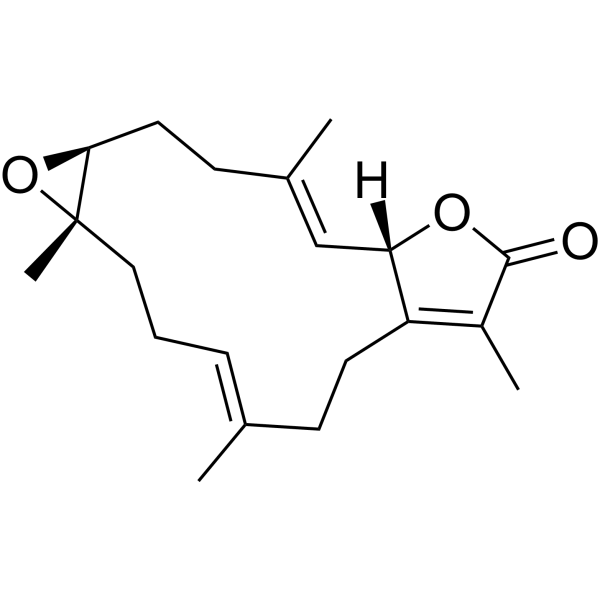
    Sarcophine ((+)-Sarcophine) is a potent glycine receptor (GlyR) inhibitor with an IC50 value of 3.9 μM. Sarcophine is a nature product that could be isolated form the Red Sea soft coral Sarcophyton glaucum .
    Sarcophine
  • HY-119332

    Endogenous Metabolite Endocrinology
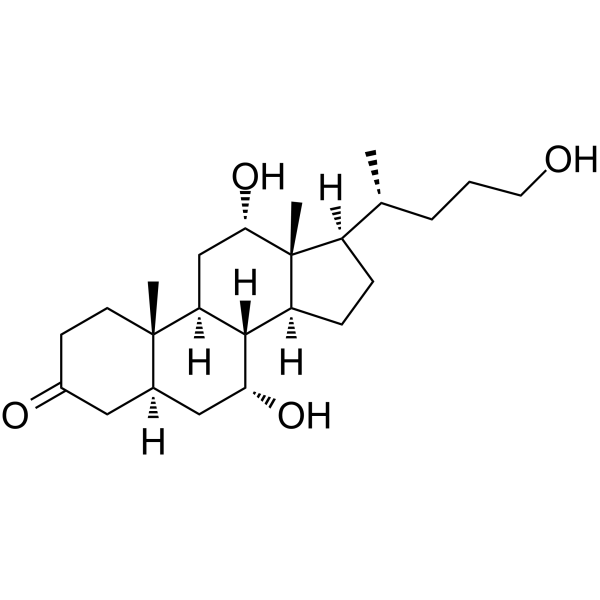
    3-Keto petromyzonol, a main component of Sea lamprey male sex pheromones, modulates both synthesis and release of gonadotropin releasing hormone (GnRH), and subsequently, hypothalamic-pituitary-gonadal (HPG) output in immature sea lamprey .
    3-Keto petromyzonol
  • HY-N15051

    Others Others
    Harveynone can inhibit the formation of Sea urchin eggs Spindle .
    Harveynone
  • HY-RS08730

    Small Interfering RNA (siRNA) Others

    MST1R Human Pre-designed siRNA Set A contains three designed siRNAs for MST1R gene (Human), as well as a negative control, a positive control, and a FAM-labeled negative control.

    MST1R Human Pre-designed siRNA Set A
    MST1R Human Pre-designed siRNA Set A
  • HY-N7747

    Others Infection
    Sceptrin dihydrochloride is a compound isolated from the sea sponge Agelas sceptrum that is an antimicrobial agent .
    Sceptrin dihydrochloride
  • HY-N13989

    Others Cancer
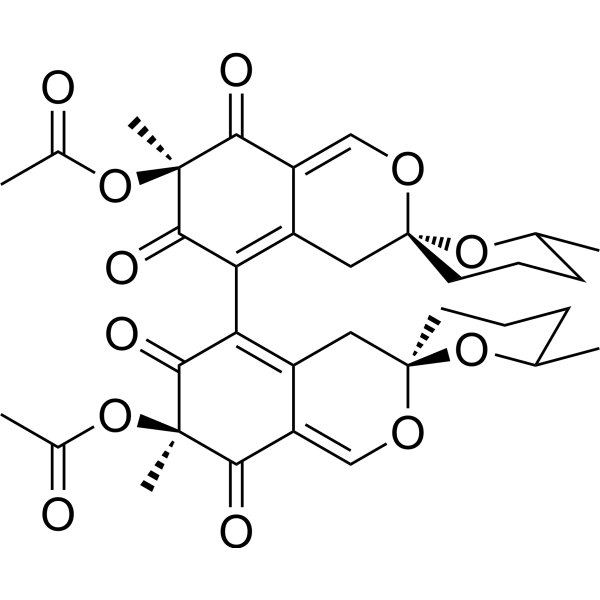
    Acetophthalidin is an inhibitor of mammalian cell cycle found in a fungus isolated from a sea sediment .
    Acetophthalidin
  • HY-N7237

    Fungal Infection
    Stichloroside B1 is a class of antifungal triterpenoid oligosaccharide isolated from the sea cucumber Stichopus chloronotus (BRANDT) .
    Stichloroside B1

Inquiry Online

Your information is safe with us. * Required Fields.

Salutation


Country or Region *

Applicant Name *


Organization Name *

Department *


Email Address *


Product Name *

Cat. No.


Requested quantity *

Phone Number *


Remarks

Inquiry Online

Inquiry Information

Product Name:
Cat. No.:
Quantity:
MCE Japan Authorized Agent: