Search Result
Results for "
Staphylococcus aureus biofilms
" in MedChemExpress (MCE) Product Catalog:
1
Biochemical Assay Reagents
| Cat. No. |
Product Name |
Target |
Research Areas |
Chemical Structure |
-
- HY-N4117
-
|
|
Bacterial
|
Infection
|
|
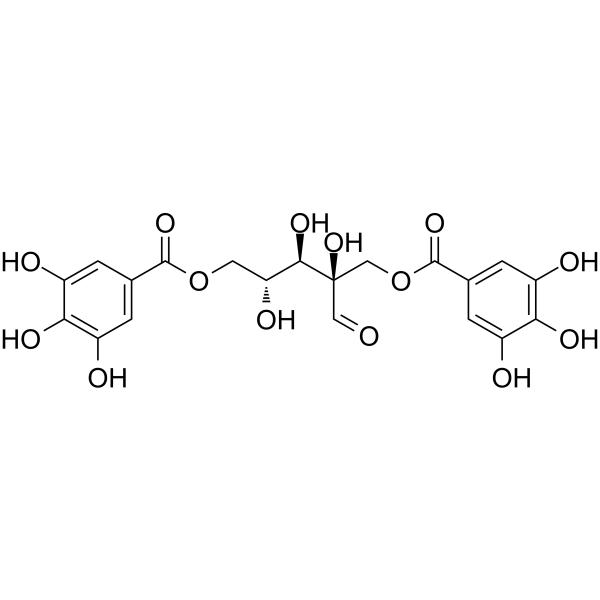
Hamamelitannin, a polyphenol extracted from the bark of Hamamelis virginiana, is a quorum-sensing (QS) inhibitor. Hamamelitannin increases antibiotic susceptibility of staphylococcus aureus biofilms by affecting peptidoglycan biosynthesis and eDNA release .
|
-
-
- HY-I1070
-
|
(R)-Isoleucine
|
ASCT
|
Neurological Disease
|
|
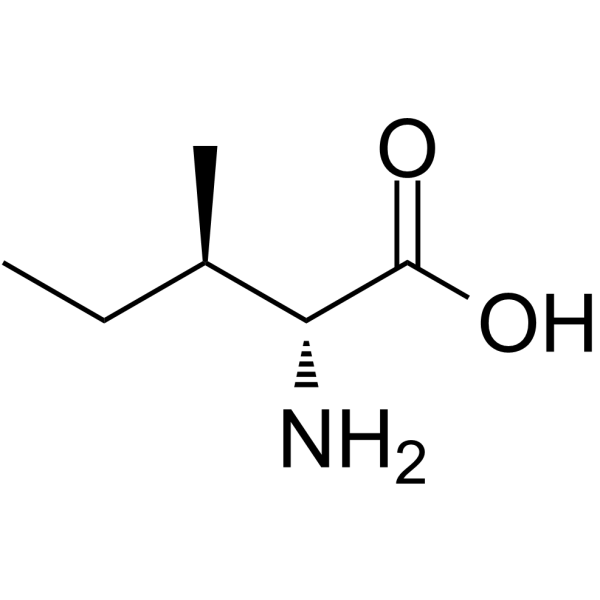
D-Isoleucine is a selective competitive activator of the Asc-1 antiporter (Ki=0.98 mM). D-Isoleucine promotes the release of D-serine and glycine by binding to the Asc-1 protein on the neuronal cell membrane, and enhances NMDA receptor-dependent synaptic plasticity. D-Isoleucine can be used in the study of neurodegenerative diseases (such as Alzheimer's disease and schizophrenia). D-Isoleucine also acts as a non-classical D-amino acid, interferes with bacterial peptidoglycan synthesis, and inhibits the formation of Staphylococcus aureus biofilm, and has potential antibacterial application value[1][2].
|
-
-
- HY-N7368
-
|
|
Adenosine Deaminase
Bacterial
Caspase
|
Infection
Neurological Disease
Inflammation/Immunology
Cancer
|
|
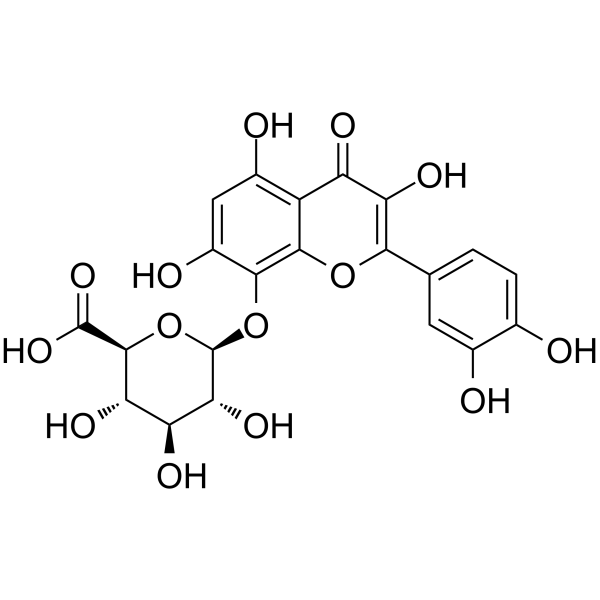
Hibifolin is a flavonol glycoside that can be isolated from Helicteres isora. Hibifolin is an inhibitor of adenosine deaminase (ADA) (Ki = 49.92 μM). Hibifolin protects neurons against β-amyloid-induced neurotoxicity. Hibifolin possesses a potent protective activity against cell death induced by aggregated Aβ. Hibifolin can abolish Aβ-induced caspase-3 and caspase-7 activation. Hibifolin induces Akt phosphorylation in cortical neurons. Hibifolin is also a natural sortase A (SrtA) inhibitor (IC50 = 31.2 μM) through direct binding to SrtA protein. Hibifolin attenuates the pathogenic behavior of Staphylococcus aureus including adhesion, invasion, and biofilm formation. Hibifolin improves the survival of pneumonia induced by Staphylococcus aureus in mouse model and alleviates pathological damage. Hibifolin shows a synergistic antibacterial effect with Cefotaxime (HY-A0088A) .
|
-
-
- HY-N2116
-
|
|
PTEN
Fatty Acid Synthase (FASN)
STAT
Apoptosis
SARS-CoV
|
Infection
Cancer
|
|
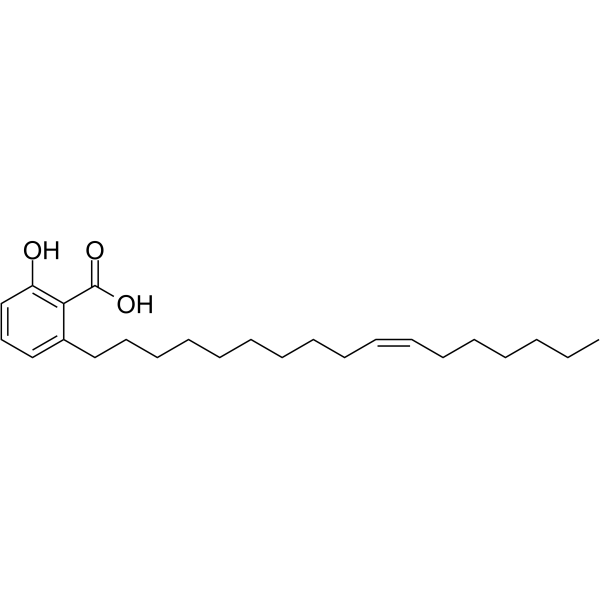
Ginkgolic acid C17:1 is a fatty acid synthase (FAS) inhibitor with an IC50 of 10.5 µM. Ginkgolic acid C17:1 shows anti-tumor activity by inhibiting the phosphorylation of STAT3 and inducing apoptosis. Ginkgolic acid C17:1 can block the interaction between S-RBD and ACE2, and has anti-SARS-CoV-2-S pseudovirus activity. Ginkgolic acid C17:1 inhibits the biofilm formation of enterohemorrhagic Escherichia coli and Staphylococcus aureus .
|
-
-
- HY-121362
-
|
|
Bacterial
Endogenous Metabolite
TrxR
|
Infection
Neurological Disease
Inflammation/Immunology
Cancer
|
|
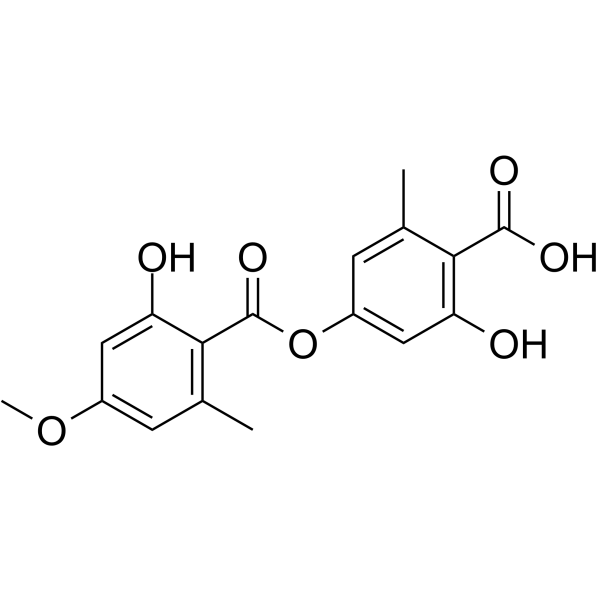
Evernic Acid is an orally active thioredoxin reductase 1 (TrxR1) inhibitor and antiproliferative agent. Evernic Acid inhibits the proliferation and migration of human breast cancer cells. Evernic Acid blocks the NF-κB pathway by inhibiting p65 nuclear translocation and IκBα phosphorylation, thereby suppressing downstream inflammatory mediators. Evernic Acid acts as an antioxidant, anti-inflammatory agent and neuroprotective agent, protects neurons from cell death, mitochondrial dysfunction and oxidative stress damage, reduces astrocyte activation, and ameliorates dopaminergic neuron loss and neuroinflammation. Evernic Acid inhibits enoyl reductases FabI and FabZ of Plasmodium falciparum. Evernic Acid downregulates the expression of lasB and rhlA genes in Pseudomonas aeruginosa, inhibits quorum sensing and biofilm formation, and exerts antibacterial activity against Gram-positive bacteria, Gram-negative bacteria and fungi. Evernic Acid is applicable to research related to breast cancer, Parkinson's disease, bacterial infections and fungal infections .
|
-
-
- HY-N2947
-
|
|
P-glycoprotein
|
Infection
Inflammation/Immunology
|
|
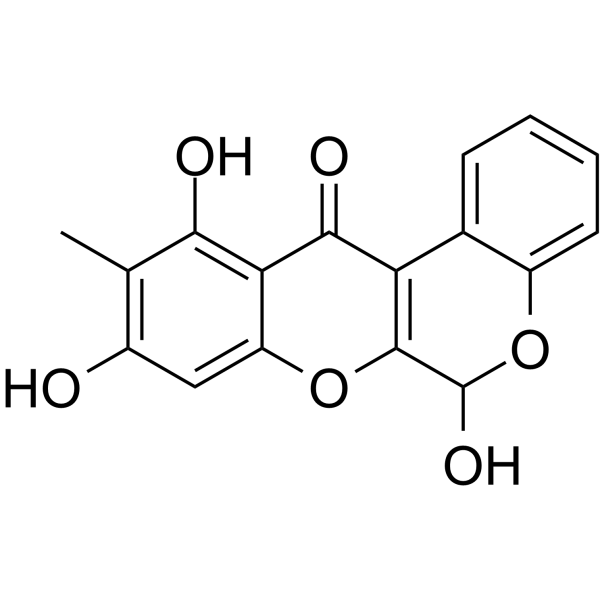
Boeravinone B, a dual inhibitor of NorA bacterial efflux pump of Staphylococcus aureus and human P-Glycoprotein, reduces the biofilm formation and intracellular invasion of bacteria. Boeravinone B act as anti-aging and anti-apoptosis phyto-molecules during oxidative stress .
|
-
-
- HY-103249
-
|
Reutericycline
|
Bacterial
|
Infection
Metabolic Disease
|
|
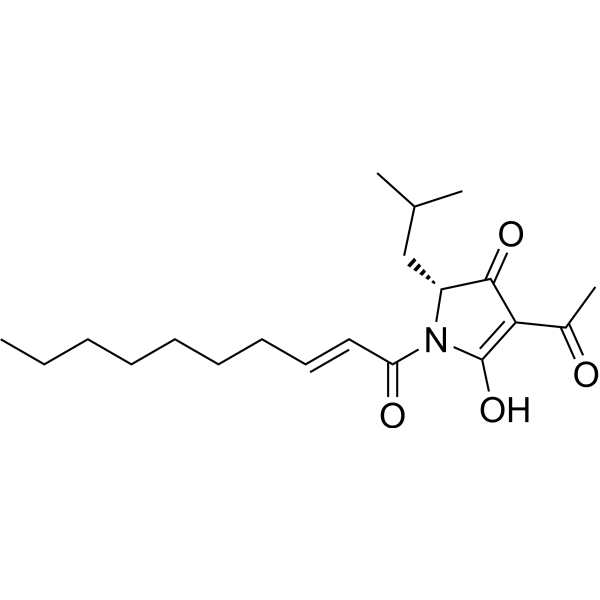
Reutericyclin (Reutericycline) is an orally active antibacterial and anti-obesity agent that selectively inhibits Gram-positive bacteria. By selectively dissipating transmembrane potential, Reutericyclin exerts non-lytic bactericidal or bacteriostatic activity against pathogens such as Clostridium difficile and Staphylococcus aureus, and rapidly kills vegetative cells and spores of Clostridium difficile. Reutericyclin possesses favorable properties including resistance to enzymatic hydrolysis, iron-chelating function, and poor absorption by colonic epithelium. Reutericyclin not only eradicates staphylococcal biofilms and inhibits drug-resistant strains, but also counteracts Risperidone (HY-11018)-induced weight gain by inducing changes in gut microbiota composition and restoring energy utilization efficiency. Reutericyclin can be used in research related to Clostridium difficile infection, Risperidone-induced weight gain, and staphylococcal superficial skin infections .
|
-
-
- HY-W412175
-
|
Zincphyrin dihydrochloride
|
Bacterial
|
Infection
|
|
Coproporphyrin III dihydrochloride is a bioactive molecule excreted by nostril- and skin-associated Propionibacterium species that induces aggregation of Staphylococcus aureus (conditions: during early stationary phase growth, low pH: 4-6). Coproporphyrin III dihydrochloride also induces plasma-independent biofilm formation on abiotic surfaces by Staphylococcus aureus. Coproporphyrin III dihydrochloride may be an important mediator of S. aureus accumulation and/or biofilm formation in the nostrils or other sites where Propionibacterium and S. aureus inhabit .
|
-

-
- HY-77785
-
|
5-Chloro-2-aminobenzophenone
|
Drug Intermediate
|
Infection
Neurological Disease
|
|
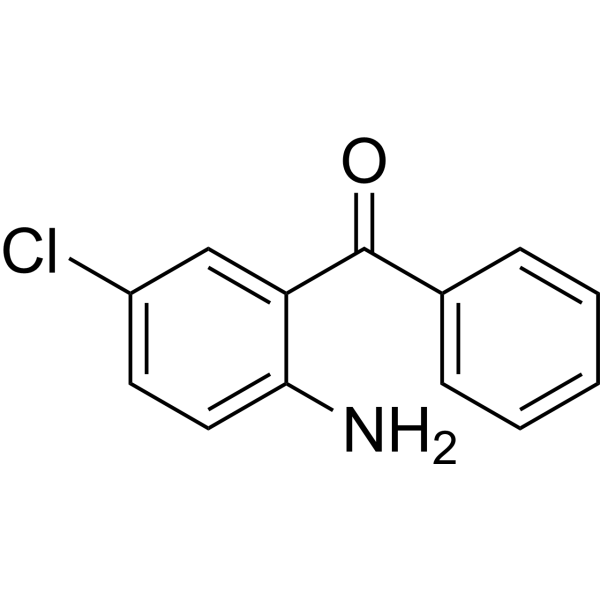
2-Amino-5-chlorobenzophenone (5-Chloro-2-aminobenzophenone) is a chemical intermediate. Derivatives of 2-Amino-5-chlorobenzophenone serve as skeletal muscle relaxants. 2-Amino-5-chlorobenzophenone acts as a starting material for the synthesis of anti-biofilm 2-amino-5-chlorobenzophenone Schiff bases. 2-Amino-5-chlorobenzophenone is applicable to research related to bacterial infections .\n
|
-
-
- HY-149734
-
|
|
Bacterial
|
Infection
|
|
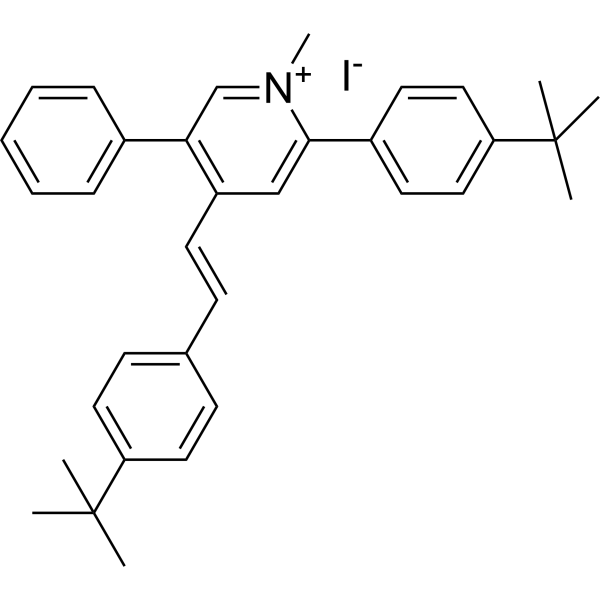
MA220607 is a FtsZ protein inhibitor with activity against both Gram-positive and Gram-negative bacteria. MA220607 inhibits bacterial growth and shows low bacterial resistance frequency. MA220607 increases bacterial membrane permeability and alters proton gradients. MA220607 blocks the formation of bacterial biofilms. MA220607 can be used in studies of bacterial infections .
|
-
-
- HY-N0241
-
|
|
Cholinesterase (ChE)
Lipase
Bacterial
Cytochrome P450
|
Infection
Metabolic Disease
|
|
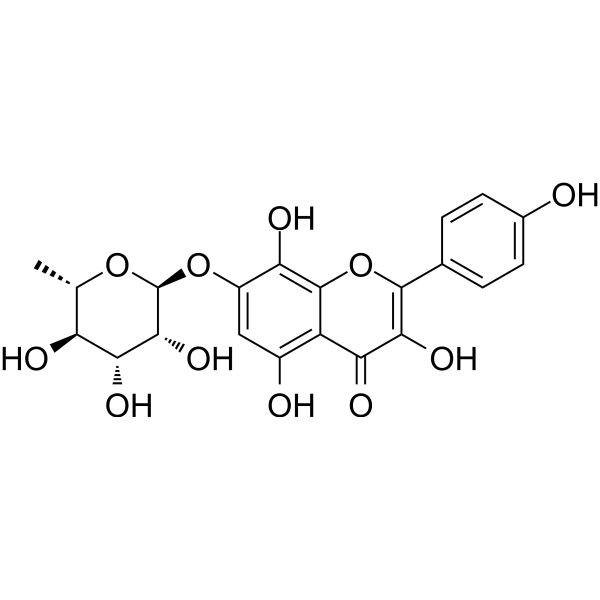
Rhodionin is an orally active, multifunctional antivirulence and cytoprotective agent that targets and inhibits Lipase, sortase A (SrtA), CYP2D6 (IC50=0.761 μM), AChE (IC50=2.43-57.5 μM), and DPPH free radicals (IC50=19.49 μM). Rhodionin is isolable from the roots of Rhodiola crenulata. Rhodionin reduces postprandial serum triglyceride levels in mice by inhibiting lipase activity. Rhodionin also binds directly to SrtA to inhibit its transpeptidase activity, thereby reducing the fibrinogen adhesion and surface protein A levels of MRSA, effectively inhibiting biofilm formation and protecting against MRSA-induced cell damage. Rhodionin improves the survival rate of infected mice without affecting MRSA growth, and finds wide application in studies related to hyperlipidemia, exogenous obesity, and pneumonia induced by methicillin-resistant Staphylococcus aureus (MRSA) .
|
-
-
- HY-P11165
-
|
|
Bacterial
|
Infection
|
|
DRGN-1 is an antimicrobial peptide. DRGN-1 exhibits potent antimicrobial and anti-biofilm activities, inhibiting both Gram-negative and Gram-positive bacteria, with an EC50 range of 0.50-4.62 μM. DRGN-1 exerts its antimicrobial effect by disrupting bacterial membrane permeability and slightly depolarizing the membrane potential. DRGN-1 inhibits the formation of biofilms of single bacterial species and mixed species of Pseudomonas aeruginosa and Staphylococcus aureus. DRGN-1 can significantly promote the healing of uninfected and mixed biofilm-infected mouse wounds. DRGN-1 can be used for the study of infections .
|
-

-
- HY-122735
-
|
|
Ser/Thr Kinase
Bacterial
|
Infection
|
|
Inh2-B1 is a Ser/Thr protein kinase (STK1) inhibitor. Inh2-B1 specifically inhibits STK1 activity by directly binding to its ATP-binding catalytic domain. Inh2-B1 down-regulates cell wall hydrolase genes and disrupts the biofilm formation of Methicillin-resistant Staphylococcus aureus (MRSA) clearly .
|
-

-
- HY-161797
-
|
|
Aminoacyl-tRNA Synthetase
|
Infection
|
|
Antibacterial agent 227 (Compd 29) is a SerRS (Seryl-tRNA synthetase) inhibitor. Antibacterial agent 227 has a significant inhibitory effect on the growth of planktonic and biofilm culture of Staphylococcus aureus 25923 with MIC (minimum inhibitory concentration) value of 32 µg/ml. Antibacterial agent 227 can be proposed as effective antiseptic toward multidrug-resistant biofilm-forming S. aureus isolates .
|
-

-
- HY-N12723
-
|
|
Fungal
|
Infection
|
|
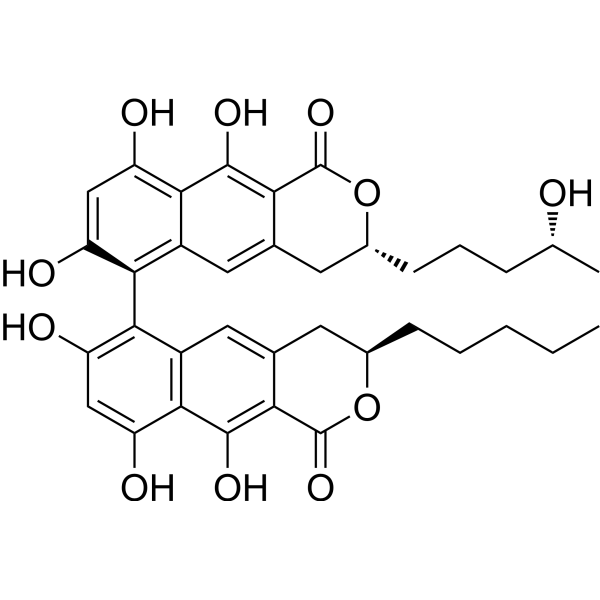
Talaroderxine D (compound 4) has biofilm inhibitory effect. Talaroderxine D shows antimicrobial activities against Bacillus subtilis and Staphylococcus aureus with MIC values of 2.1 and 8.3 μg/mL .
|
-
-
- HY-143326
-
|
|
Bacterial
|
Infection
|
|
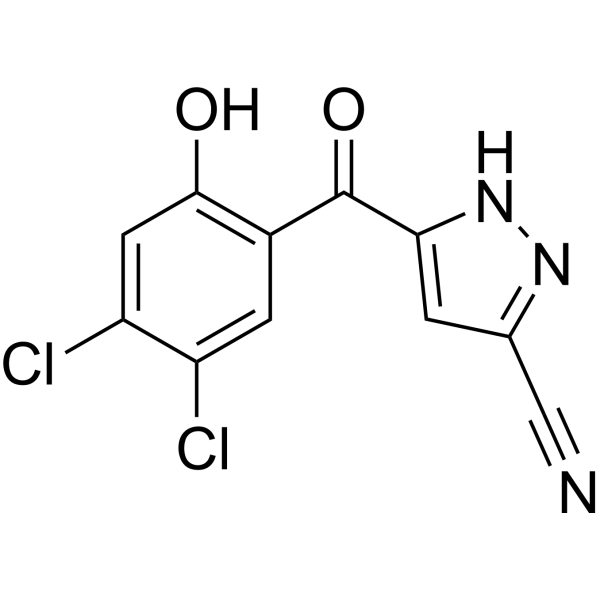
Antibacterial agent 83 (compound 17h) displays potent antibacterial activity against various vancomycin-resistant Enterococcus faecalis (VRE) and methicillin-resistant Staphylococcus aureus (MRSA). Antibacterial agent 83 can significantly reduce the biofilm formation of MRSA and exhibited promising selectivity. Antibacterial agent 83 is metabolically stable in human liver microsomes .
|
-
-
- HY-N12606
-
|
|
Fungal
|
Infection
|
|
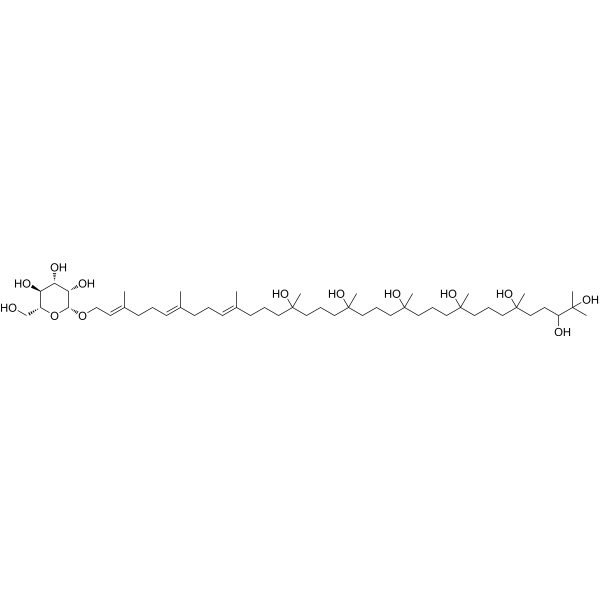
Neodidymelliosides A (compound 1)It is a secondary metabolite of fungi and has a significant inhibitory effect on Staphylococcus aureus and Candida albicans biofilms. Neodidymelliosides AIt also has anti-cancer activity and can inhibit KB3.1 (cervix),PC-3 (prostate),MCF-7(breast),SKOV-3 (ovary),A431 (skin )and A549 (lung )Cell viability of cell lines .
|
-
-
- HY-178952
-
|
|
Bacterial
|
Infection
|
|
Anti-infective agent 12 (Compound A09) is a competitive inhibitor of type I signal peptidease (SPase I), with an IC50 of 4.475 μM and a Kd of 16.3 μM. Anti-infective agent 12 has the ability to disrupt bacterial membranes and remove biofilms. Anti-infective agent 12 exhibits potent bactericidal activity against Gram-positive bacteria, with MIC values of 4, 4, 8, and 8 μg/mL for Staphylococcus aureus, Enterococcus faecalis, Enterococcus faecium, and Streptococcus suis, respectively. Anti-infective agent 12 remains effective against multi-drug resistant strains, but has weaker activity against Gram-negative bacteria (such as Escherichia coli and Salmonella), with MIC values > 64 μg/mL. Anti-infective agent 12 has low hemolytic activity and shows significant efficacy in mouse skin infection models .
|
-

-
- HY-161069
-
|
|
Bacterial
|
Infection
|
|
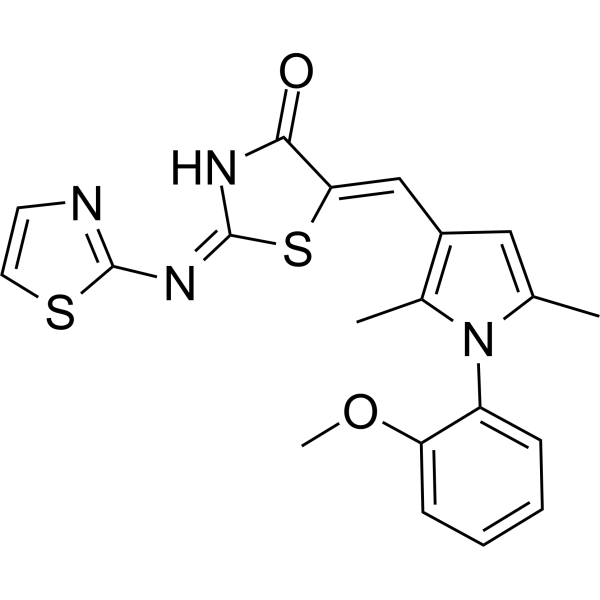
Anti-infective agent 8 (compound 9d) is an antibacterial agent with an MIC of 0.5 μg/mL against Staphylococcus aureus and Mycobacterium tuberculosis H37Rv. Anti-infective agent 8 has anti-biofilm activity and significantly reduces Staphylococcus aureus biofilm formation .
|
-
-
- HY-W399439
-
|
|
Antibiotic
Bacterial
|
Infection
|
|
Aurantiogliocladin is a weak antibiotic which was active against Staphylococcus epidermidis but not S. aureus. Aurantiogliocladin could inhibit biofilm formation .
|
-

-
- HY-161124
-
|
|
Bacterial
|
Infection
|
|
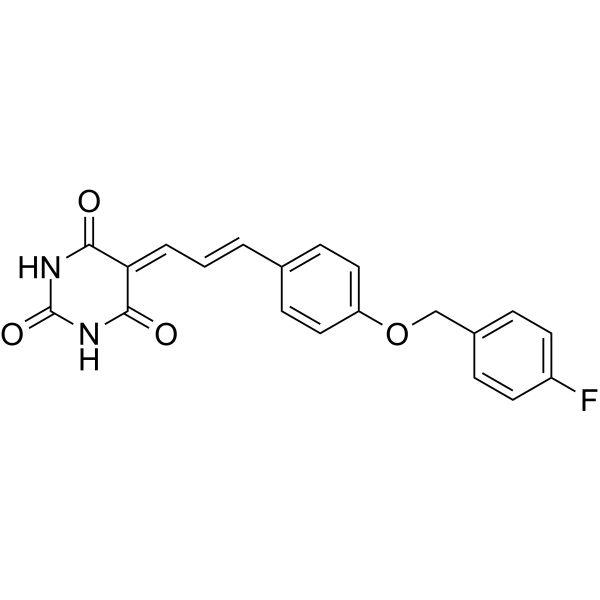
SrtA-IN-2 (compound Y40), a ML346 (HY-18669) analog, is a Sortase A (SrtA) inhibitor. SrtA-IN-2 shows inhibitory activity on Staphylococcus aureus SrtA and shows inhibitory effects on biofilm formation. SrtA-IN-2 is an antivirulence agent against S. aureus infections .
|
-
-
- HY-172912
-
|
|
Bacterial
|
Infection
|
|
Anti-MRSA agent 27 (compound 4a) is a potent anti-methicillin-resistant Staphylococcus aureus agent with a MIC of 0.0975 μmol/L. Anti-MRSA agent 27 disrupts MRSA biofilms and suppresses hemolytic toxin production .
|
-

-
- HY-161803
-
|
|
Antibiotic
Bacterial
|
Infection
|
|
Anti-MRSA agent 12 (Compound SM-5) is an antibiotic, which exhibits antibacterial activity against Staphylococcus aureus, S. epidermidis and Escherichia coli with MIC of 7.81, 7.81 and 62.5 μM. Anti-MRSA agent 12 inhibits the methicillin-resistant S. aureus (MRSA) through inhibition of biofilm formation .
|
-

-
- HY-P10200
-
|
|
Bacterial
|
Infection
|
|
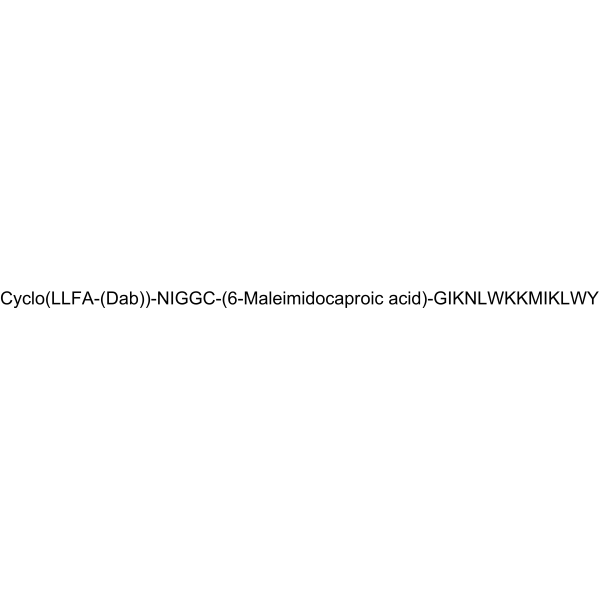
CP7-FP13-2 is a peptide with antivirulence factor and antibacterial activity. CP7-FP13-2 inhibits the formation of Staphylococcus aureus biofilm and has good antibacterial efficacy in mice .
|
-
-
- HY-N15595
-
|
|
Bacterial
Fungal
|
Infection
|
|
Curvulol is an antimicrobial agent with a polyketide structure. Curvulol can be isolated from Taxus baccata ( Chaetosphaeronema achilleae). Curvulol has a significant cytotoxicity against L929 and KB-3-1 cells, and strongly inhibits Staphylococcus aureus biofilm formation with a MIC of 64 μg/mL .
|
-

-
- HY-161263
-
|
|
Bacterial
|
Infection
|
|
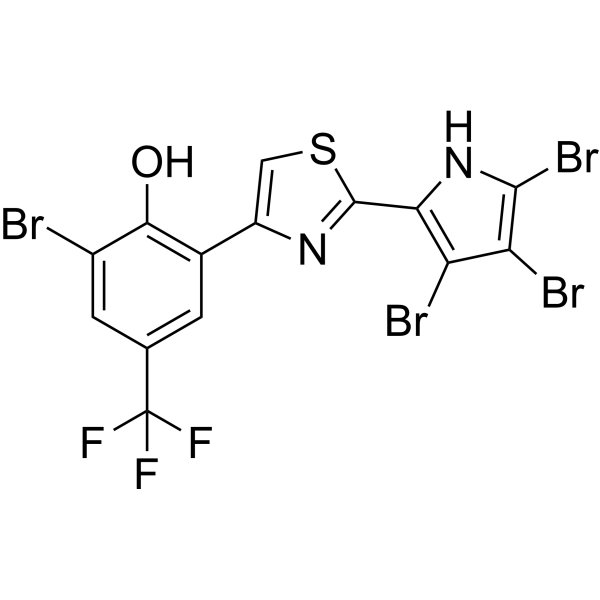
Antibacterial agent 182 (compound 8c) is an antibacterial agent that shows antibacterial activity against various Gram-positive bacteria, particularly against Vancomycin-resistant Enterococcus faecalis (MIC ≤0.125 μg/mL). Antibacterial agent 182 inhibits biofilm formation of Staphylococcus aureus and Pseudomonas aeruginosa at sub-MIC doses .
|
-
-
- HY-N2947R
-
|
|
Reference Standards
P-glycoprotein
|
Infection
Inflammation/Immunology
|
|
Boeravinone B (Standard) is the analytical standard of Boeravinone B. This product is intended for research and analytical applications. Boeravinone B, a dual inhibitor of NorA bacterial efflux pump of Staphylococcus aureus and human P-Glycoprotein, reduces the biofilm formation and intracellular invasion of bacteria. Boeravinone B act as anti-aging and anti-apoptosis phyto-molecules during oxidative stress .
|
-

-
- HY-178493
-
|
|
Bacterial
|
Infection
|
|
Anti-MRSA agent 37 (Compound 5B) is an antibacterial agent against methicillin-resistant Staphylococcus aureus (MRSA) (MIC=0.25-0.5 μg/mL). Anti-MRSA agent 37 inhibits biofilm formation, disrupts cell wall integrit, attacks cell membrane and induces oxidative stress. Anti-MRSA agent 37 is promising for research of MRSA-related diseases such as skin infections .
|
-

-
- HY-158402
-
|
|
Bacterial
Fungal
|
Infection
Inflammation/Immunology
|
|
Anti-inflammatory agent 84 (Compound 4D) is a derivative of Coumarin (HY-N0709) with antimicrobial and anti-inflammatory activities. Anti-inflammatory agent 84 inhibits E. coli, Candida albicans, Staphylococcus aureus and methicillin-resistant S. aureus (MRSA), with MIC of 312, 156, 19 and 316 μg/mL, respectively. Anti-inflammatory agent 84 inhibits biofilm formation of S. aureus, E. coli and MRSA, with IC50 of 185, 321 and 99 μM, respectively. Anti-inflammatory agent 84 inhibits nitric oxide production in Lipopolysaccharide (HY-D1056)-stimulated RAW264.7 macrophage cell .
|
-

-
- HY-155060
-
|
|
Bacterial
DNA/RNA Synthesis
|
Infection
|
|
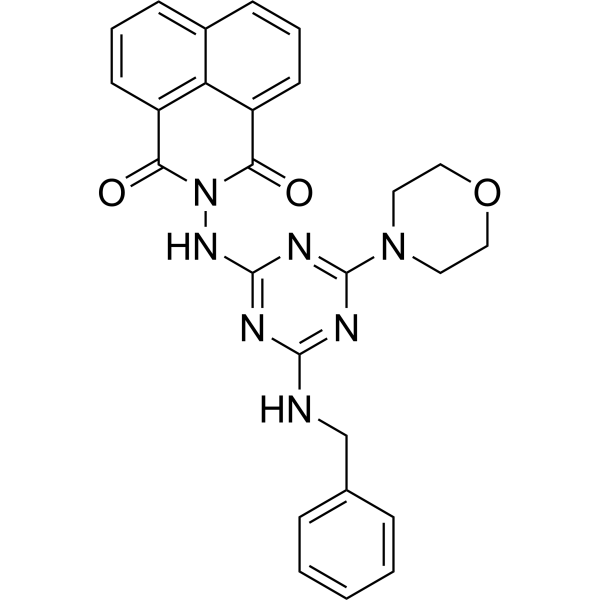
Antibacterial agent 144 (compound 8e) is an antibacterial agent,with better effect against multi-resistant Staphylococcus aureus than Chloromycin and Amoxicillin (HY-B0467A). Antibacterial agent 144 destroys the cytoplasmic membrane of bacteria,and inhibits the biofilms formation. Antibacterial agent 144 binds to HSA (Kd=13.2 μM),and exerts bactericidal efficacy. Antibacterial agent 144 also binds with DNA to for supramolecular complex to obstruct DNA replications .
|
-
-
- HY-N13196
-
|
|
Bacterial
|
Infection
|
|
Arcopilin A (compound Arcopilin A(1))is an antibacterial agent. Arcopilin A has weak inhibitory effects on fungal pathogens and Gram-positive bacteria, with IC50 values of 8.9 μg/mL and 14 μg/mL for cells KB-3-1 and L929, but it can effectively destroy preformed biofilms of Staphylococcus aureus. Arcopilin A can enhance the activities of gentamicin (GM; HY-K1050) and vancomycin (Vac; HY-B0671) by 115 and 31 times, respectively .
|
-

-
- HY-173318
-
|
|
Bacterial
|
Infection
|
|
Anti-MRSA agent 25 (Compound 10c) is an antibacterial agent with a MIC of 0.25 μg/mL against methicillin-resistant Staphylococcus aureus (MRSA). Anti-MRSA agent 25 exerts its antibacterial activity by inhibiting biofilm formation, disrupting the cell wall (interacting with peptidoglycan and lipoteichoic acids), acting on the cell membrane (causing depolarization, increasing permeability, and disrupting integrity), reducing metabolic activity, interfering with cellular redox homeostasis, and binding to DNA. Anti-MRSA agent 25 is expected to be used in the research of the anti-infection field .
|
-

-
- HY-N7368R
-
|
|
Reference Standards
Adenosine Deaminase
Bacterial
Caspase
|
Neurological Disease
Inflammation/Immunology
Cancer
|
|
Hibifolin (Standard) is the analytical standard of Hibifolin. This product is intended for research and analytical applications. Hibifolin is a flavonol glycoside that can be isolated from Helicteres isora. Hibifolin is an inhibitor of adenosine deaminase (ADA) (Ki = 49.92 μM). Hibifolin protects neurons against β-amyloid-induced neurotoxicity. Hibifolin possesses a potent protective activity against cell death induced by aggregated Aβ. Hibifolin can abolish Aβ-induced caspase-3 and caspase-7 activation. Hibifolin induces Akt phosphorylation in cortical neurons. Hibifolin is also a natural sortase A (SrtA) inhibitor (IC50 = 31.2 μM) through direct binding to SrtA protein. Hibifolin attenuates the pathogenic behavior of Staphylococcus aureus including adhesion, invasion, and biofilm formation. Hibifolin improves the survival of pneumonia induced by Staphylococcus aureus in mouse model and alleviates pathological damage. Hibifolin shows a synergistic antibacterial effect with Cefotaxime (HY-A0088A) .
|
-

-
- HY-175295A
-
|
|
Bacterial
Reactive Oxygen Species (ROS)
|
Infection
|
|
Anti-MRSA agent 33 iodide is an anti-Methicillin (HY-121544)-resistant Staphylococcus aureus (MRSA) agent, with MIC values of 2-4 μg/mL. Anti-MRSA agent 33 iodide demonstrates effective biofilm eradication and minimal cytotoxicity toward mammalian cells. Anti-MRSA agent 33 iodide specifically binds to phosphatidylglycerol (PG) on bacterial membranes, leading to membrane disruption, excessive production of ROS, and metabolic collapse, ultimately resulting in bacterial cell death. Anti-MRSA agent 33 iodide reduces bacterial load in a murine skin infection model .
|
-

-
- HY-N2116R
-
|
|
Reference Standards
PTEN
Fatty Acid Synthase (FASN)
STAT
Apoptosis
SARS-CoV
|
Infection
Cancer
|
|
Ginkgolic acid C17:1 (Standard) is the analytical standard of Ginkgolic acid C17:1. This product is intended for research and analytical applications. Ginkgolic acid C17:1 is a fatty acid synthase (FAS) inhibitor with an IC50 of 10.5 µM. Ginkgolic acid C17:1 shows anti-tumor activity by inhibiting the phosphorylation of STAT3 and inducing apoptosis. Ginkgolic acid C17:1 can block the interaction between S-RBD and ACE2, and has anti-SARS-CoV-2-S pseudovirus activity. Ginkgolic acid C17:1 inhibits the biofilm formation of enterohemorrhagic Escherichia coli and Staphylococcus aureus .
|
-

-
- HY-P11242
-
|
|
Bacterial
NF-κB
p38 MAPK
JNK
ERK
TNF Receptor
Interleukin Related
|
Infection
|
Cm-CATH2 is an antimicrobial peptide discovered from Chelonia mydas. Cm-CATH2 has a potent, broad-spectrum and rapid bactericidal ability by rapidly destroying the integrity of bacterial cell membranes. It shows strong activity against Gram-positive bacteria (such as VREF, Staphylococcus aureus), Gram-negative bacteria (such as Escherichia coli, Klebsiella pneumoniae), and fungi (such as Candida albicans) with MICs ranges from 1.17 to 18.75 μg/mL. Cm-CATH2 is also effective against various aquatic pathogenic bacteria. Cm-CATH2 not only inhibits biofilm formation but can also remove the formed biofilms. Cm-CATH2 has immunomodulatory functions and chemotactic effects on immune cells, and can inhibit the production of pro-inflammatory cytokines by macrophages stimulated by LPS (HY-D1056). Cm-CATH2 prevents the activation of NF-κB by inhibiting the degradation of IκBα, and also inhibits the phosphorylation of MAPK signaling pathways (p38, JNK, ERK). Cm-CATH2 demonstrates strong anti-infective ability in mouse peritonitis models and pneumonia models .
|
-

-
- HY-182074
-
|
|
Bacterial
Topoisomerase
|
Infection
|
|
DNA Gyrase-IN-18 (Compound 6B) is a DNA Gyrase inhibitor and Antibacterial agent. DNA Gyrase-IN-18 significantly inhibits the supercoiling activity of DNA Gyrase. DNA Gyrase-IN-18 inhibits biofilm formation by *Staphylococcus aureus*. DNA Gyrase-IN-18 exhibits excellent antibacterial activity, with a MIC of 0.125 μg/mL against Staphylococcus aureus and a MIC of 0.5 μg/mL against Mycobacterium tuberculosis .
|
-

-
- HY-182798
-
|
|
Bacterial
Reactive Oxygen Species (ROS)
|
Infection
|
|
Antibacterial agent 337 is an antibacterial agent. Antibacterial agent 337 specifically interacts with PG in bacterial cell membranes, triggering membrane disruption, membrane depolarization, increased permeability, cytoplasmic leakage, ROS accumulation and rapid bacterial death. Antibacterial agent 337 inhibits biofilm formation and disrupts mature biofilms. Antibacterial agent 337 exhibits potent in vivo antibacterial efficacy in a mouse model of Staphylococcus aureus skin abscess. Antibacterial agent 337 can be used in studies of Gram-positive bacterial infections, including methicillin-resistant Staphylococcus aureus infections, vancomycin-resistant Enterococcus faecalis infections and bacterial biofilm infections .
|
-

-
- HY-135223
-
|
|
Bacterial
|
Infection
|
|
Chondrillasterol is a sterol that can be isolated from Vernonia adoensis. Chondrillasterol exhibits antibacterial activity. Chondrillasterol inhibits growth of Staphylococcus aureus, Klebsiella pneumoniae, and Pseudomonas aeruginosa. Chondrillasterol inhibits formation of bacterial biofilms. Chondrillasterol can be used for the research of bacterial infections .
|
-

-
- HY-D3192
-
|
|
Fluorescent Dye
Bacterial
Amyloid-β
|
Infection
|
|
CDy11 is a fluorescent probe and amyloid-binding dye (λex=590 nm; λem=612 nm), with a Ka of 29 μM for Pseudomonas aeruginosa Fap. CDy11 specifically recognizes amyloid fibrils in bacterial biofilms and exhibits significantly enhanced fluorescence upon binding to the target. CDy11 shows no staining effect on amyloid-deficient mutant strains, planktonic cells or protein monomers. CDy11 supports in vivo imaging of Pseudomonas aeruginosa biofilms in mouse implant and corneal infection models. CDy11 is widely used in studies of Staphylococcus aureus biofilm infections, dental caries, and Pseudomonas aeruginosa-associated implant and corneal infections .
|
-

-
- HY-183305
-
|
|
Bacterial
|
Infection
|
|
Antibiofilm-IN-1 (Compound 10) is a biofilm inhibitor and Antibacterial agent. Antibiofilm-IN-1 potently inhibits biofilm formation by Staphylococcus aureus, Bacillus subtilis, Escherichia coli and Pseudomonas aeruginosa .
|
-

-
- HY-N16526
-
|
|
Bacterial
|
Infection
|
|
Juncatrin B is a type of dihydrophenanthrene compound. Juncatrin B exhibits inhibitory activity against both Methicillin (HY-121544)-sensitive Staphylococcus aureus (MSSA) and Methicillin-resistant Staphylococcus aureus (MRSA). Juncatrin B can inhibit the formation of biofilms in MSSA and MRSA. Juncatrin B has no significant activity against Gram-negative bacteria. Juncatrin B can be used in the research of anti-Staphylococcus aureus .
|
-

-
- HY-182315
-
|
|
Bacterial
|
Infection
|
|
Antibacterial agent 334 is an antimicrobial peptide with in vitro activity against both Gram-negative and Gram-positive bacteria. Antibacterial agent 334 disrupts bacterial membrane integrity, induces membrane depolarization, impairs bacterial physiological processes without causing immediate bacterial lysis, and reduces the formation of Staphylococcus aureus biofilms. Antibacterial agent 334 can be used in studies related to Staphylococcus aureus infections .
|
-

-
- HY-182942
-
|
|
Bacterial
Elastase
|
Infection
|
|
PV-DPD-19 is an autoinducer-2 (AI-2) quorum sensing inhibitor. PV-DPD-19 reduces AI-2 production and inhibits the expression of multiple MSCRAMMs. In co-culture systems with Staphylococcus aureus, PV-DPD-19 decreases the production of pyocyanin and Elastase in Pseudomonas aeruginosa. PV-DPD-19 impairs the adhesion ability of Staphylococcus aureus to lung epithelial cells. PV-DPD-19 inhibits biofilm formation of Pseudomonas aeruginosa (MBIC50 = 27 μg/mL) and Staphylococcus aureus (MBIC50 = 35 μg/mL). PV-DPD-19 shows no cytotoxicity in both in vitro lung epithelial cell models and in vivo Galleria mellonella larva models .
|
-

-
- HY-179611
-
|
|
Bacterial
|
Infection
|
|
LP-03 is an antibacterial agent with selective activity against Methicillin-resistant Staphylococcus aureus (MRSA). Its minimum inhibitory concentration (MIC) is 6.2 μM. LP-03 has an inhibitory effect on biofilm formation, but it is unable to effectively remove the formed biofilms. LP-03 can enhance membrane permeability, disrupt the membrane structure of MRSA cells, and does not cause significant membrane depolarization. LP-03 has no hemolytic toxicity and shows low mammalian cell toxicity. It can be used for research on MRSA infections .
|
-

-
- HY-179405
-
|
|
Bacterial
|
Infection
|
|
Antibacterial agent 301 (compound 14c) is a pyridine-amide pleuromutilin derivative with broad-spectrum antibacterial and pronounced antimycoplasmal activity. Antibacterial agent 301 inhibits peptidyl transferase center (PTC), breaks down biofilms, and disrupts cell membranes in multidrug-resistant (MDR) bacteria. Antibacterial agent 301 exhibits activity in a systemic methicillin-resistant Staphylococcus aureus (MRSA) infection mouse model. Antibacterial agent 301 can be used for MDR bacterial infection research .
|
-

-
- HY-181686
-
|
|
Bacterial
Reactive Oxygen Species (ROS)
|
Infection
|
|
Antibacterial agent 326 is a bactericide that inhibits the growth of various bacterial strains. Antibacterial agent 326 inhibits biofilm formation in Escherichia coli, disrupts bacterial cell membranes, induces oxidative stress and lipid peroxidation in Escherichia coli, increases ROS levels, and reduces GSH activity. Antibacterial agent 326 can be used in studies of bacterial infections, including those caused by Escherichia coli, Staphylococcus aureus, Enterococcus faecalis, Listeria spp., Bacillus subtilis, Serratia marcescens, Salmonella enteritidis and Acinetobacter calcoaceticus .
|
-

-
- HY-P11607
-
|
|
Bacterial
|
Infection
|
|
CyLip-10 is a microbial-derived cyclic-lipid antimicrobial peptide. CyLip-10 has broad-spectrum antimicrobial efficacy, low hemolytic activity, and excellent stability. CyLip-10 can disrupt membrane integrity, inhibit biofilm formation and induce membrane permeabilization and bacterial cell death. CyLip-10 reduces bacterial load, promotes wound healing, and alleviates inflammatory responses in a mouse Methicillin (HY-121544)-resistant Staphylococcus aureus skin wound infection model. CyLip-10 can be used for the bacterial infection .
|
-

-
- HY-181100
-
|
|
Dihydrofolate reductase (DHFR)
Bacterial
|
Infection
|
|
DHFR-IN-26 is an Escherichia coli dihydrofolate reductase (ecDHFR) inhibitor with an IC50 of 0.75 nM. DHFR-IN-26 exerts broad-spectrum antibacterial activity. DHFR-IN-26 disrupts folate metabolism, nucleotide synthesis, and bacterial amino acid metabolic pathways. DHFR-IN-26 disrupts bacterial inner membranes, inhibited biofilm formation, and attenuated phage-related processes. DHFR-IN-26 shows lower toxicity to non-cancerous cells. DHFR-IN-26 can be used for the research of bacterial infections (including infections caused by methicillin-resistant Staphylococcus aureus, multidrug-resistant Escherichia coli, multidrug-resistant Pseudomonas aeruginosa, and lysogenic bacteria) .
|
-

-
- HY-183751
-
|
|
Bacterial
Reactive Oxygen Species (ROS)
|
Infection
|
|
Antibacterial agent 346 (Compound H14d) is a broad-spectrum Antibacterial agent and BsFtsZ inhibitor, with an IC50 of 69.67 μg/mL against BsFtsZ. Antibacterial agent 346 selectively binds to phosphatidylglycerol, disrupts membrane integrity, increases permeability, triggers depolarization and causes intracellular protein leakage. Antibacterial agent 346 induces intracellular ROS accumulation, which in turn triggers oxidative stress and cell death. Antibacterial agent 346 eradicates mature biofilms formed by Gram-positive and Gram-negative bacteria. Antibacterial agent 346 exhibits antibacterial activity against methicillin-resistant Staphylococcus aureus and Acinetobacter baumannii. Antibacterial agent 346 can be used in the research of bacterial infections .
|
-

- HY-180191
-
|
|
Bacterial
Reactive Oxygen Species (ROS)
DNA/RNA Synthesis
|
Infection
|
|
Anti-MRSA agent 42 (Compound 6d) is an anti-methicillin-resistant Staphylococcus aureus (MRSA) agent. Anti-MRSA agent 42 shows strong inhibitory effects on MRSA standard strains and 11 clinical isolates with MIC values of 0.25-0.5 μg/mL. Anti-MRSA agent 42 has low hemolytic activity and minimal cytotoxicity toward mammalian cells. Anti-MRSA agent 42 can suppress biofilm formation, compromise the cell wall, and disrupt the cytoplasmic membrane, which are accompanied by membrane depolarization, enhanced permeability, and loss of membrane integrity. Anti-MRSA agent 42 can induce ROS production and bind to DNA grooves, interfering with nucleic acid function. Anti-MRSA agent 42 can be used for the research of MRSA infection .
|
-

- HY-P11471
-
|
|
Bacterial
Reactive Oxygen Species (ROS)
|
Infection
|
|
(K(C10)GGGRrRPC)2 (Compound (C-C10)C-C) is a dimeric lipopeptide and antibacterial agent. (K(C10)GGGRrRPC)2 enhances the accumulation of ROS, inhibits the bacterial respiratory chain dehydrogenase activity. (K(C10)GGGRrRPC)2 exhibits significant inhibition of bacterial biofilm formation. (K(C10)GGGRrRPC)2 exhibits antimicrobial activity against Acinetobacter baumannii AB1901, A. baumannii AB1902, Pseudomonas aeruginosa 25349, Staphylococcus aureus 11011, with MICs of 4 μM, 8 μM, 4 μM, and 8 μM, respectively. (K(C10)GGGRrRPC)2 shows antimicrobial efficacy against E. coli ATCC 25922 .
|
-

- HY-P11615
-
|
|
Bacterial
|
Infection
|
|
FuK is a WK2-analog antimicrobial peptide modified with fluorinated unnatural amino acids. FuK has an LD50 of 72.34 mg/kg in mice, shows no hemolytic activity, with high stability against trypsin, chymotrypsin, and saline environments. FuK exerts bactericidal effects by enhancing the permeability of bacterial outer membranes, inducing depolarization of cytoplasmic membranes, and disrupting membrane potential balance against bacterias such as Staphylococcus aureus, Escherichia coli, Klebsiella pneumoniae, and MRSA. FuK exhibits synergistic antimicrobial activity with polymyxin B (HY-149179), vancomycin (HY-B0671), and ciprofloxacin (HY-B0356), and also inhibits Ciprofloxacin-induced bacterial drug resistance. FuK has in vivo safety, effectively reduces bacterial load and inflammatory cell infiltration in a mouse MRSA model, and promotes collagen fiber formation in skin wounds .
|
-

- HY-183291
-
|
|
Bacterial
DNA/RNA Synthesis
DNA Alkylator/Crosslinker
Reactive Oxygen Species (ROS)
Penicillin-binding protein (PBP)
|
Infection
|
|
Antibacterial agent 343 (Compound 47) is an Antibacterial agent. Antibacterial agent 343 binds to the allosteric site of PBP2a to open its active site. Antibacterial agent 343 disrupts bacterial cell membranes, leading to protein leakage. Antibacterial agent 343 interacts with DNA and inhibits replication and transcription. Antibacterial agent 343 induces ROS accumulation. Antibacterial agent 343 exhibits antibacterial activity against MRSA, Staphylococcus aureus, and Enterococcus faecalis. Antibacterial agent 343 can be used for the research of methicillin-resistant Staphylococcus aureus infections .
|
-

- HY-183712
-
|
|
Bacterial
DNA/RNA Synthesis
Drug Derivative
|
Infection
|
|
Antibacterial agent 345 is a Ciprofloxacin (HY-B0356)-lipophilic derivative and is an antibacterial agent. Antibacterial agent 345 inhibits DNA gyrase and inhibits bacterial DNA replication and transcription. Antibacterial agent 345 inhibits bacterial biofilm formation. Antibacterial agent 345 can be used for the research of bacterial infections, such as Pseudomonas aeruginosa infection .
|
-

| Cat. No. |
Product Name |
Type |
-
- HY-D3192
-
|
|
Fluorescent Dyes
|
|
CDy11 is a fluorescent probe and amyloid-binding dye (λex=590 nm; λem=612 nm), with a Ka of 29 μM for Pseudomonas aeruginosa Fap. CDy11 specifically recognizes amyloid fibrils in bacterial biofilms and exhibits significantly enhanced fluorescence upon binding to the target. CDy11 shows no staining effect on amyloid-deficient mutant strains, planktonic cells or protein monomers. CDy11 supports in vivo imaging of Pseudomonas aeruginosa biofilms in mouse implant and corneal infection models. CDy11 is widely used in studies of Staphylococcus aureus biofilm infections, dental caries, and Pseudomonas aeruginosa-associated implant and corneal infections .
|
| Cat. No. |
Product Name |
Type |
-
- HY-77785
-
|
5-Chloro-2-aminobenzophenone
|
Biochemical Assay Reagents
|
|
2-Amino-5-chlorobenzophenone (5-Chloro-2-aminobenzophenone) is a chemical intermediate. Derivatives of 2-Amino-5-chlorobenzophenone serve as skeletal muscle relaxants. 2-Amino-5-chlorobenzophenone acts as a starting material for the synthesis of anti-biofilm 2-amino-5-chlorobenzophenone Schiff bases. 2-Amino-5-chlorobenzophenone is applicable to research related to bacterial infections .\n
|
| Cat. No. |
Product Name |
Target |
Research Area |
-
- HY-P11165
-
|
|
Bacterial
|
Infection
|
|
DRGN-1 is an antimicrobial peptide. DRGN-1 exhibits potent antimicrobial and anti-biofilm activities, inhibiting both Gram-negative and Gram-positive bacteria, with an EC50 range of 0.50-4.62 μM. DRGN-1 exerts its antimicrobial effect by disrupting bacterial membrane permeability and slightly depolarizing the membrane potential. DRGN-1 inhibits the formation of biofilms of single bacterial species and mixed species of Pseudomonas aeruginosa and Staphylococcus aureus. DRGN-1 can significantly promote the healing of uninfected and mixed biofilm-infected mouse wounds. DRGN-1 can be used for the study of infections .
|
-
- HY-116486
-
|
Phevalin
|
Peptides
|
Infection
|
|
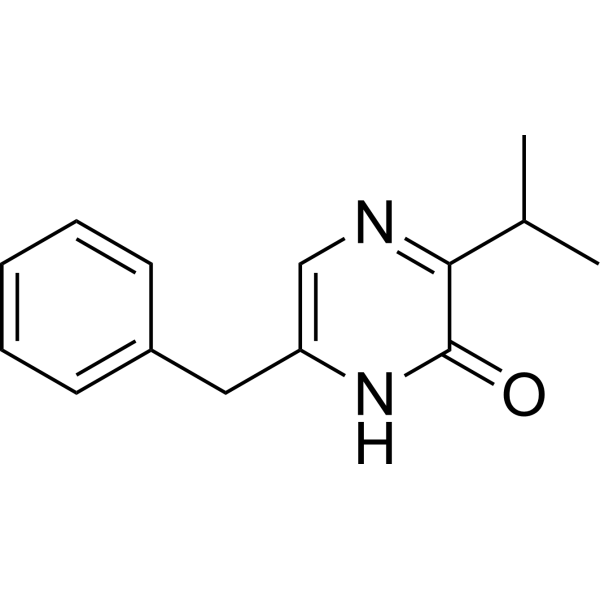
Aureusimine B (Phevalin) is a cyclic dipeptide. Aureusimine B can be produced by Staphylococcus aureus biofilms. Aureusimine B may be exploited as potential biomarker for chronic, S. aureus biofilm-based infections .
|
-
- HY-P10200
-
|
|
Bacterial
|
Infection
|
|
CP7-FP13-2 is a peptide with antivirulence factor and antibacterial activity. CP7-FP13-2 inhibits the formation of Staphylococcus aureus biofilm and has good antibacterial efficacy in mice .
|
-
- HY-P11242
-
|
|
Bacterial
NF-κB
p38 MAPK
JNK
ERK
TNF Receptor
Interleukin Related
|
Infection
|
Cm-CATH2 is an antimicrobial peptide discovered from Chelonia mydas. Cm-CATH2 has a potent, broad-spectrum and rapid bactericidal ability by rapidly destroying the integrity of bacterial cell membranes. It shows strong activity against Gram-positive bacteria (such as VREF, Staphylococcus aureus), Gram-negative bacteria (such as Escherichia coli, Klebsiella pneumoniae), and fungi (such as Candida albicans) with MICs ranges from 1.17 to 18.75 μg/mL. Cm-CATH2 is also effective against various aquatic pathogenic bacteria. Cm-CATH2 not only inhibits biofilm formation but can also remove the formed biofilms. Cm-CATH2 has immunomodulatory functions and chemotactic effects on immune cells, and can inhibit the production of pro-inflammatory cytokines by macrophages stimulated by LPS (HY-D1056). Cm-CATH2 prevents the activation of NF-κB by inhibiting the degradation of IκBα, and also inhibits the phosphorylation of MAPK signaling pathways (p38, JNK, ERK). Cm-CATH2 demonstrates strong anti-infective ability in mouse peritonitis models and pneumonia models .
|
-
- HY-P11607
-
|
|
Bacterial
|
Infection
|
|
CyLip-10 is a microbial-derived cyclic-lipid antimicrobial peptide. CyLip-10 has broad-spectrum antimicrobial efficacy, low hemolytic activity, and excellent stability. CyLip-10 can disrupt membrane integrity, inhibit biofilm formation and induce membrane permeabilization and bacterial cell death. CyLip-10 reduces bacterial load, promotes wound healing, and alleviates inflammatory responses in a mouse Methicillin (HY-121544)-resistant Staphylococcus aureus skin wound infection model. CyLip-10 can be used for the bacterial infection .
|
-
- HY-P11471
-
|
|
Bacterial
Reactive Oxygen Species (ROS)
|
Infection
|
|
(K(C10)GGGRrRPC)2 (Compound (C-C10)C-C) is a dimeric lipopeptide and antibacterial agent. (K(C10)GGGRrRPC)2 enhances the accumulation of ROS, inhibits the bacterial respiratory chain dehydrogenase activity. (K(C10)GGGRrRPC)2 exhibits significant inhibition of bacterial biofilm formation. (K(C10)GGGRrRPC)2 exhibits antimicrobial activity against Acinetobacter baumannii AB1901, A. baumannii AB1902, Pseudomonas aeruginosa 25349, Staphylococcus aureus 11011, with MICs of 4 μM, 8 μM, 4 μM, and 8 μM, respectively. (K(C10)GGGRrRPC)2 shows antimicrobial efficacy against E. coli ATCC 25922 .
|
-
- HY-P11615
-
|
|
Bacterial
|
Infection
|
|
FuK is a WK2-analog antimicrobial peptide modified with fluorinated unnatural amino acids. FuK has an LD50 of 72.34 mg/kg in mice, shows no hemolytic activity, with high stability against trypsin, chymotrypsin, and saline environments. FuK exerts bactericidal effects by enhancing the permeability of bacterial outer membranes, inducing depolarization of cytoplasmic membranes, and disrupting membrane potential balance against bacterias such as Staphylococcus aureus, Escherichia coli, Klebsiella pneumoniae, and MRSA. FuK exhibits synergistic antimicrobial activity with polymyxin B (HY-149179), vancomycin (HY-B0671), and ciprofloxacin (HY-B0356), and also inhibits Ciprofloxacin-induced bacterial drug resistance. FuK has in vivo safety, effectively reduces bacterial load and inflammatory cell infiltration in a mouse MRSA model, and promotes collagen fiber formation in skin wounds .
|
| Cat. No. |
Product Name |
Category |
Target |
Chemical Structure |
-
- HY-N4117
-
-
-
- HY-I1070
-
|
(R)-Isoleucine
|
Microorganisms
Source Classification
|
ASCT
|
|
D-Isoleucine is a selective competitive activator of the Asc-1 antiporter (Ki=0.98 mM). D-Isoleucine promotes the release of D-serine and glycine by binding to the Asc-1 protein on the neuronal cell membrane, and enhances NMDA receptor-dependent synaptic plasticity. D-Isoleucine can be used in the study of neurodegenerative diseases (such as Alzheimer's disease and schizophrenia). D-Isoleucine also acts as a non-classical D-amino acid, interferes with bacterial peptidoglycan synthesis, and inhibits the formation of Staphylococcus aureus biofilm, and has potential antibacterial application value[1][2].
|
-
-
- HY-N7368
-
|
|
Flavonols
Flavonoids
other families
Neurological Disease
Classification of Application Fields
Phenols
Polyphenols
Plants
Inflammation/Immunology
Disease Research Fields
Source Classification
|
Adenosine Deaminase
Bacterial
Caspase
|
|
Hibifolin is a flavonol glycoside that can be isolated from Helicteres isora. Hibifolin is an inhibitor of adenosine deaminase (ADA) (Ki = 49.92 μM). Hibifolin protects neurons against β-amyloid-induced neurotoxicity. Hibifolin possesses a potent protective activity against cell death induced by aggregated Aβ. Hibifolin can abolish Aβ-induced caspase-3 and caspase-7 activation. Hibifolin induces Akt phosphorylation in cortical neurons. Hibifolin is also a natural sortase A (SrtA) inhibitor (IC50 = 31.2 μM) through direct binding to SrtA protein. Hibifolin attenuates the pathogenic behavior of Staphylococcus aureus including adhesion, invasion, and biofilm formation. Hibifolin improves the survival of pneumonia induced by Staphylococcus aureus in mouse model and alleviates pathological damage. Hibifolin shows a synergistic antibacterial effect with Cefotaxime (HY-A0088A) .
|
-
-
- HY-N2116
-
-
-
- HY-121362
-
|
|
Structural Classification
other families
Classification of Application Fields
Ketones, Aldehydes, Acids
Plants
Inflammation/Immunology
Disease Research Fields
Source Classification
|
Bacterial
Endogenous Metabolite
TrxR
|
|
Evernic Acid is an orally active thioredoxin reductase 1 (TrxR1) inhibitor and antiproliferative agent. Evernic Acid inhibits the proliferation and migration of human breast cancer cells. Evernic Acid blocks the NF-κB pathway by inhibiting p65 nuclear translocation and IκBα phosphorylation, thereby suppressing downstream inflammatory mediators. Evernic Acid acts as an antioxidant, anti-inflammatory agent and neuroprotective agent, protects neurons from cell death, mitochondrial dysfunction and oxidative stress damage, reduces astrocyte activation, and ameliorates dopaminergic neuron loss and neuroinflammation. Evernic Acid inhibits enoyl reductases FabI and FabZ of Plasmodium falciparum. Evernic Acid downregulates the expression of lasB and rhlA genes in Pseudomonas aeruginosa, inhibits quorum sensing and biofilm formation, and exerts antibacterial activity against Gram-positive bacteria, Gram-negative bacteria and fungi. Evernic Acid is applicable to research related to breast cancer, Parkinson's disease, bacterial infections and fungal infections .
|
-
-
- HY-N2947
-
-
-
- HY-103249
-
|
Reutericycline
|
Infection
Structural Classification
Microorganisms
Classification of Application Fields
Antibiotics
Antibacterial
Disease Research
Disease Research Fields
Other Antibiotics
Source Classification
|
Bacterial
|
|
Reutericyclin (Reutericycline) is an orally active antibacterial and anti-obesity agent that selectively inhibits Gram-positive bacteria. By selectively dissipating transmembrane potential, Reutericyclin exerts non-lytic bactericidal or bacteriostatic activity against pathogens such as Clostridium difficile and Staphylococcus aureus, and rapidly kills vegetative cells and spores of Clostridium difficile. Reutericyclin possesses favorable properties including resistance to enzymatic hydrolysis, iron-chelating function, and poor absorption by colonic epithelium. Reutericyclin not only eradicates staphylococcal biofilms and inhibits drug-resistant strains, but also counteracts Risperidone (HY-11018)-induced weight gain by inducing changes in gut microbiota composition and restoring energy utilization efficiency. Reutericyclin can be used in research related to Clostridium difficile infection, Risperidone-induced weight gain, and staphylococcal superficial skin infections .
|
-
-
- HY-N0241
-
|
|
Flavonols
Structural Classification
Classification of Application Fields
Crassulaceae
Metabolic Disease
Plants
Rhodiola crenulata (HK. f. et.Thoms) H. Ohba
Flavonoids
Rhodiola rosea Linn.
Phenols
Polyphenols
Disease Research Fields
Source Classification
|
Cholinesterase (ChE)
Lipase
Bacterial
Cytochrome P450
|
|
Rhodionin is an orally active, multifunctional antivirulence and cytoprotective agent that targets and inhibits Lipase, sortase A (SrtA), CYP2D6 (IC50=0.761 μM), AChE (IC50=2.43-57.5 μM), and DPPH free radicals (IC50=19.49 μM). Rhodionin is isolable from the roots of Rhodiola crenulata. Rhodionin reduces postprandial serum triglyceride levels in mice by inhibiting lipase activity. Rhodionin also binds directly to SrtA to inhibit its transpeptidase activity, thereby reducing the fibrinogen adhesion and surface protein A levels of MRSA, effectively inhibiting biofilm formation and protecting against MRSA-induced cell damage. Rhodionin improves the survival rate of infected mice without affecting MRSA growth, and finds wide application in studies related to hyperlipidemia, exogenous obesity, and pneumonia induced by methicillin-resistant Staphylococcus aureus (MRSA) .
|
-
-
- HY-116486
-
-
-
- HY-N12723
-
-
-
- HY-N12606
-
|
|
Microorganisms
Saccharides
Monosaccharides
Source Classification
|
Fungal
|
|
Neodidymelliosides A (compound 1)It is a secondary metabolite of fungi and has a significant inhibitory effect on Staphylococcus aureus and Candida albicans biofilms. Neodidymelliosides AIt also has anti-cancer activity and can inhibit KB3.1 (cervix),PC-3 (prostate),MCF-7(breast),SKOV-3 (ovary),A431 (skin )and A549 (lung )Cell viability of cell lines .
|
-
-
- HY-N15595
-
|
|
Natural Products
Microorganisms
Source Classification
|
Bacterial
Fungal
|
|
Curvulol is an antimicrobial agent with a polyketide structure. Curvulol can be isolated from Taxus baccata ( Chaetosphaeronema achilleae). Curvulol has a significant cytotoxicity against L929 and KB-3-1 cells, and strongly inhibits Staphylococcus aureus biofilm formation with a MIC of 64 μg/mL .
|
-
-
- HY-N2947R
-
-
-
- HY-N13196
-
|
|
Microorganisms
Antibiotics
Source Classification
|
Bacterial
|
|
Arcopilin A (compound Arcopilin A(1))is an antibacterial agent. Arcopilin A has weak inhibitory effects on fungal pathogens and Gram-positive bacteria, with IC50 values of 8.9 μg/mL and 14 μg/mL for cells KB-3-1 and L929, but it can effectively destroy preformed biofilms of Staphylococcus aureus. Arcopilin A can enhance the activities of gentamicin (GM; HY-K1050) and vancomycin (Vac; HY-B0671) by 115 and 31 times, respectively .
|
-
-
- HY-N7368R
-
|
|
Flavonols
Structural Classification
Flavonoids
other families
Phenols
Polyphenols
Plants
Source Classification
|
Reference Standards
Adenosine Deaminase
Bacterial
Caspase
|
|
Hibifolin (Standard) is the analytical standard of Hibifolin. This product is intended for research and analytical applications. Hibifolin is a flavonol glycoside that can be isolated from Helicteres isora. Hibifolin is an inhibitor of adenosine deaminase (ADA) (Ki = 49.92 μM). Hibifolin protects neurons against β-amyloid-induced neurotoxicity. Hibifolin possesses a potent protective activity against cell death induced by aggregated Aβ. Hibifolin can abolish Aβ-induced caspase-3 and caspase-7 activation. Hibifolin induces Akt phosphorylation in cortical neurons. Hibifolin is also a natural sortase A (SrtA) inhibitor (IC50 = 31.2 μM) through direct binding to SrtA protein. Hibifolin attenuates the pathogenic behavior of Staphylococcus aureus including adhesion, invasion, and biofilm formation. Hibifolin improves the survival of pneumonia induced by Staphylococcus aureus in mouse model and alleviates pathological damage. Hibifolin shows a synergistic antibacterial effect with Cefotaxime (HY-A0088A) .
|
-
-
- HY-N2116R
-
-
-
- HY-135223
-
-
-
- HY-N16526
-
-
| Cat. No. |
Product Name |
|
Classification |
-
- HY-N16526
-
|
|
|
Alkynes
|
|
Juncatrin B is a type of dihydrophenanthrene compound. Juncatrin B exhibits inhibitory activity against both Methicillin (HY-121544)-sensitive Staphylococcus aureus (MSSA) and Methicillin-resistant Staphylococcus aureus (MRSA). Juncatrin B can inhibit the formation of biofilms in MSSA and MRSA. Juncatrin B has no significant activity against Gram-negative bacteria. Juncatrin B can be used in the research of anti-Staphylococcus aureus .
|
Your information is safe with us. * Required Fields.
Inquiry Information
- Product Name:
- Cat. No.:
- Quantity:
- MCE Japan Authorized Agent:








