Search Result
Results for "
Stereoisomer
" in MedChemExpress (MCE) Product Catalog:
4
Biochemical Assay Reagents
9
Isotope-Labeled Compounds
| Cat. No. |
Product Name |
Target |
Research Areas |
Chemical Structure |
-
- HY-I1060
-
-
-
- HY-13030A
-
|
|
Epigenetic Reader Domain
|
Cancer
|
|
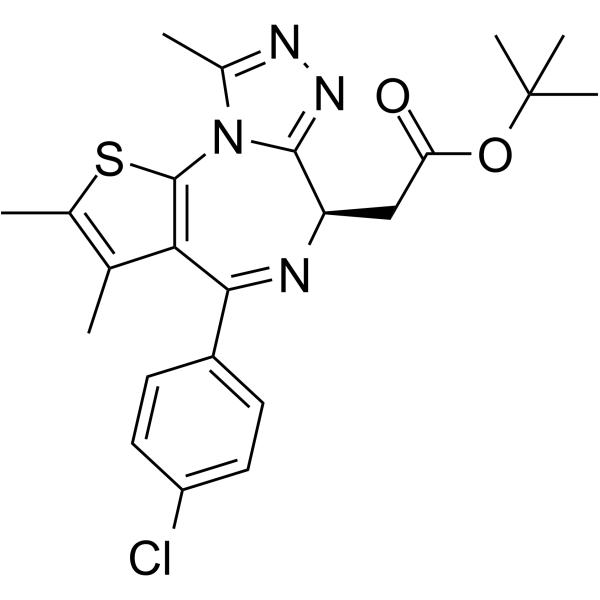
(R)-(-)-JQ1 Enantiomer is the stereoisomer of (+)-JQ1. (+)-JQ1 potently decreases expression of both BRD4 target genes, whereas (R)-(-)-JQ1 Enantiomer has no effect.
|
-
-
- HY-W010042
-
|
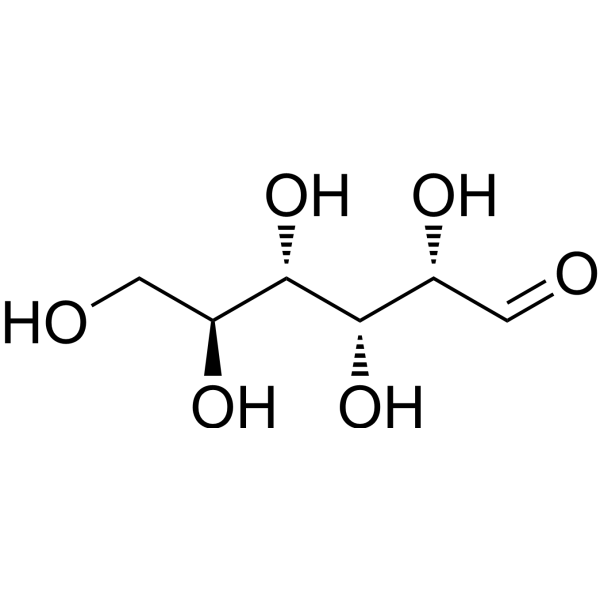
L-(-)-Glucose
|
Fluorescent Dye
|
Metabolic Disease
Cancer
|
|
L-Glucose (L-(-)-Glucose) is a stereoisomer of D-Glucose (HY-B0389), which does not readily enter the brain. L-Glucose can promote food intake. L-glucose is combined with a fluorescence detector to produce a fluorescent probe that can be used to visualize and characterize cancer cells. L-Glucose also can be used in the research to enhance memory in mice .
|
-
-
- HY-100587
-
-
-
- HY-N7142S
-
|
|
Adrenergic Receptor
|
Neurological Disease
Metabolic Disease
|
|
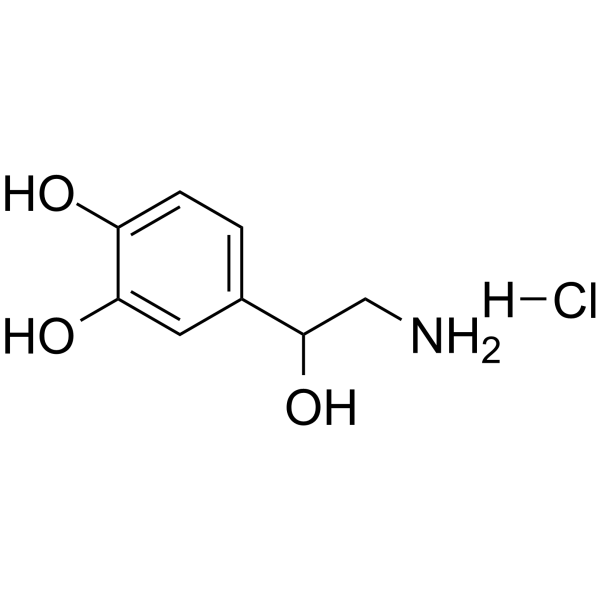
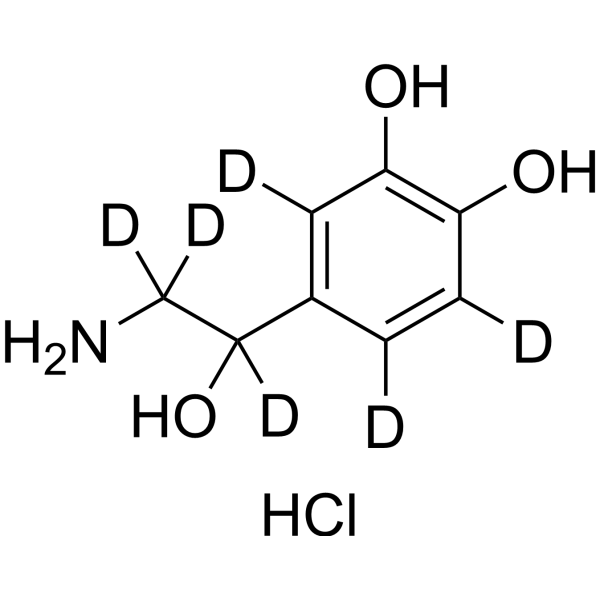
DL-Norepinephrine-d6 hydrochloride is the deuterium labeled DL-Norepinephrine hydrochloride. DL-Norepinephrine hydrochloride is an external racemic catecholamine neurotransmitter, which is an equal mixture of the left-handed (L-, with activity) and right-handed (D-, with very low or no activity) stereoisomers. DL-Norepinephrine hydrochloride after being labeled with tritium can be used as a tracer for the research on Parkinson's disease .
|
-
-
- HY-P10925A
-
|
(Z)-FOG-001; I-67
|
β-catenin
|
Cancer
|
|
(Z)-Zolucatetide (I-67) is a β-catenin inhibitor with IC50 ≤50 nM. (Z)-Zolucatetide's sequence is Ac-PL3-Asp-Npg-B5-Asp-3COOHF-Aib-Ala-Phe-Lys3-PyrS2-3Thi-BztA-GlnR3-Ala-NH2. (Z)-Zolucatetide can be used for cancer research .
|
-
-
- HY-N2436
-
|
Tartaric acid
|
Biochemical Assay Reagents
|
Others
|
|
2,3-Dihydroxysuccinic acid (Tartaric acid) is an organic acid containing two hydroxyl groups and two carboxyl groups. 2,3-Dihydroxysuccinic acid exists in various stereoisomers and is widely used in food, pharmaceutical, chemical, and other fields .
|
-
-
- HY-W016733
-
|
H-D-Cit-OH
|
Endogenous Metabolite
|
Cardiovascular Disease
|
|
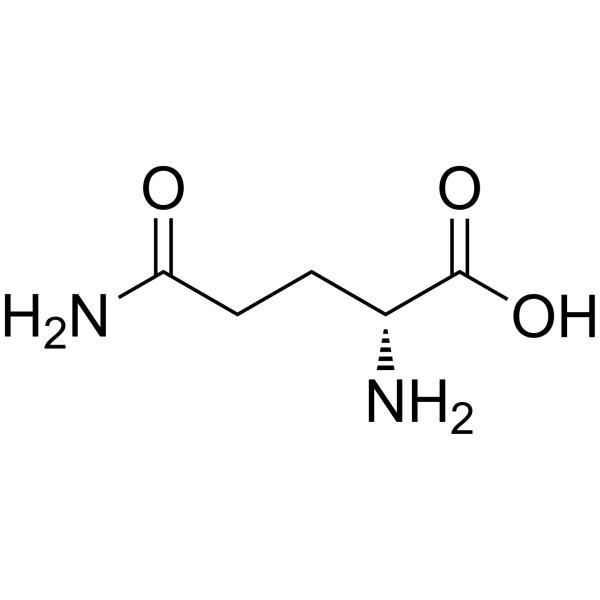
D-Citrulline (H-D-Cit-OH) is a stereoisomer of L-citrulline (HY-N0391). D-Citrulline significantly attenuates polymorphonuclear leukocyte (PMN)-induced cardiac contractile dysfunction in the isolated perfused rat heart subjected to ischemia/reperfusion via a non-NO-mediated mechanism .
|
-
-
- HY-N7142
-
|
|
Adrenergic Receptor
|
Neurological Disease
|
|
DL-Norepinephrine hydrochloride is an external racemic catecholamine neurotransmitter, which is an equal mixture of the left-handed (L-, with activity) and right-handed (D-, with very low or no activity) stereoisomers. DL-Norepinephrine hydrochloride after being labeled with tritium can be used as a tracer for the research on Parkinson's disease .
|
-
-
- HY-135026
-
|
|
Adrenergic Receptor
|
Neurological Disease
|
|
DL-Norepinephrine tartrate is an external racemic catecholamine neurotransmitter, which is an equal mixture of the left-handed (L-, with activity) and right-handed (D-, with very low or no activity) stereoisomers. DL-Norepinephrine tartrate after being labeled with tritium can be used as a tracer for the research on Parkinson's disease .
|
-
-
- HY-132182
-
HPA-12
1 Publications Verification
|
Ceramidase
Autophagy
Apoptosis
ATF6
|
Neurological Disease
Cancer
|
|
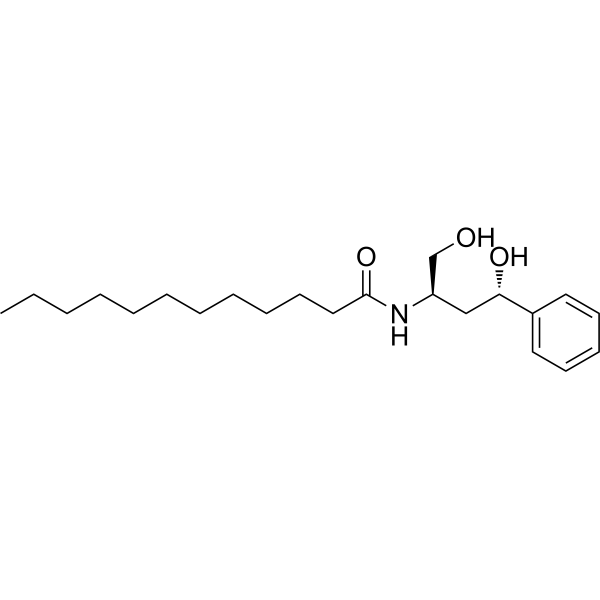
HPA-12 is a blood-brain barrier-permeable small-molecule inhibitor of ceramide transfer protein (CERT) with four stereoisomers (the (1R,3R)-stereoisomer exhibits the highest activity). HPA-12 blocks the transport of ceramide from the endoplasmic reticulum to the Golgi apparatus by binding to the START domain of CERT, leading to intracellular ceramide accumulation and inhibition of sphingomyelin (SM) synthesis. HPA-12 induces endoplasmic reticulum stress via the GRP78/ATF6/CHOP axis and activates mitochondrial autophagy, thereby inhibiting cell growth and inducing apoptosis. In in vivo experiments, HPA-12 significantly reduces the leukemia burden and splenomegaly in mouse models of acute myeloid leukemia (AML) and prolongs survival. HPA-12 is applicable for the research of lipid metabolism in acute myeloid leukemia and Alzheimer's disease .
|
-
-
- HY-N1401
-
|
|
MMP
Apoptosis
HSV
DNA/RNA Synthesis
NO Synthase
Prostaglandin Receptor
Reactive Oxygen Species (ROS)
Akt
|
Infection
Inflammation/Immunology
Cancer
|
|
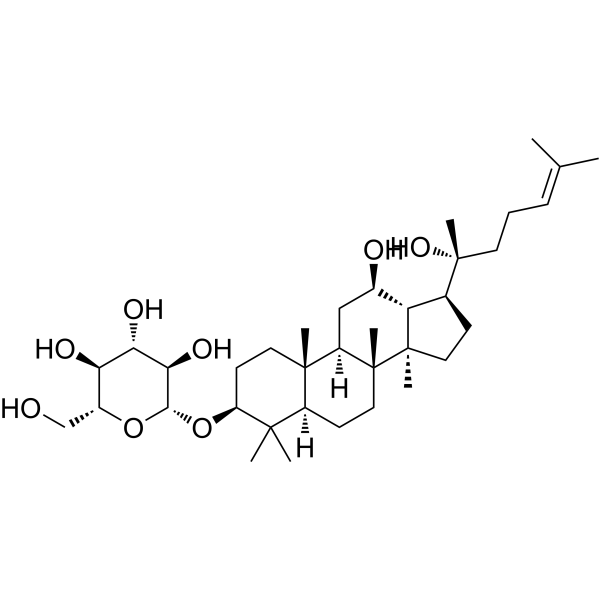
20(R)-Ginsenoside Rh2 is an orally active protopanaxadiol-type saponin with multiple biological activities. 20(R)-Ginsenoside Rh2 exerts a significant inhibitory effect on non-small cell lung cancer and liver cancer by inducing cell cycle arrest and promoting apoptosis. 20(R)-Ginsenoside Rh2 exerts anti-γ-herpesvirus effects by inhibiting viral DNA replication. 20(R)-Ginsenoside Rh2 inhibits inflammatory mediators by reducing the levels of NO, PGE2, and ROS; it can delay skin photoaging by reducing ROS and inhibiting MMP-9/2 activity. 20(R)-Ginsenoside Rh2 accelerates the recovery after muscle injury by activating the Akt1/PKB signaling pathway. 20(R)-Ginsenoside Rh2 can inhibit osteoclast formation and exert an anti-osteoporosis effect .
|
-
-
- HY-Y1804
-
-
-
- HY-137261
-
-
-
- HY-177546
-
-
-
- HY-137428
-
-
-
- HY-B1871S
-
|
|
Isotope-Labeled Compounds
|
Others
|
|
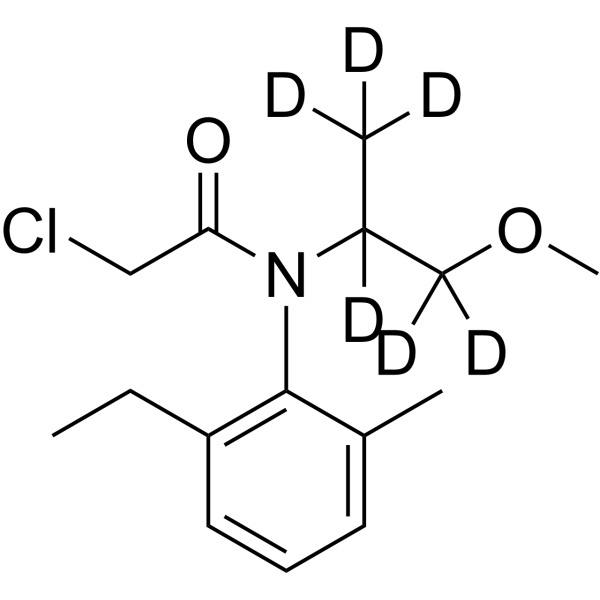
Metolachlor-d6 is the deuterium labeled Metolachlor . Metolachlor is a pre-emergent selective, chloroacetanilide herbicide for the control of a variety of annual grass and broad leaf weeds in corn and other crops. Metolachlor is a chiral herbicide consisting of four stereoisomers .
|
-
-
- HY-131130
-
|
|
Bacterial
Drug Isomer
|
Infection
|
|
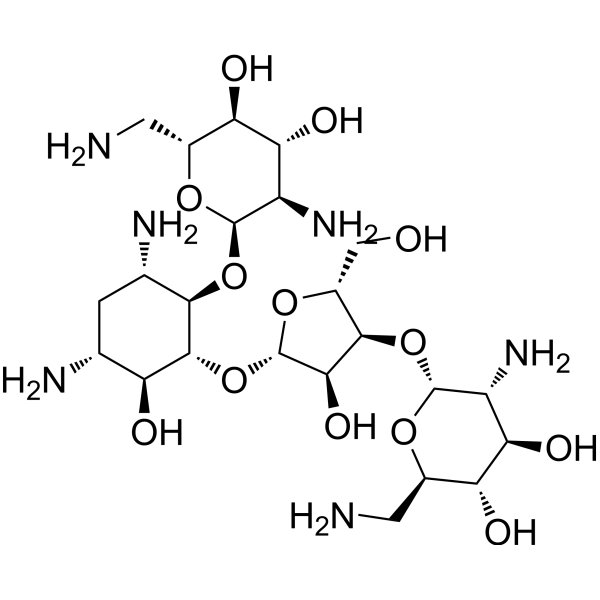
Neomycin C is an impurity of Neomycin (HY-150520) and a stereoisomer of Neomycin B (HY-17624). Neomycin C exerts in vitro antimicrobial activity against Staphylococcus epidermidis and Staphylococcus aureus. Neomycin C can be used for the research of bacterial infection .
|
-
-
- HY-111827
-
-
-
- HY-139601
-
|
|
Histone Demethylase
|
Cancer
|
|
KDM2B-IN-4 (Compound 182b) is a histone demethylase KDM2B inhibitor with an IC50 of 1.12 nM. KDM2B-IN-4 can be used for the research of hyperproliferative diseases such as cancers .
|
-
-
- HY-N9487
-
-
-
- HY-N6935
-
|
|
DNA/RNA Synthesis
HCV
Akt
GLUT
|
Infection
Metabolic Disease
|
|
Sennidin B, a stereoisomer isolated from the leaves of Cassia angustifolia, has lower activity than Sennidin A. Sennidin A inhibits HCV NS3 helicase, with an IC50 of 0.8 μM. Sennidin A induces phosphorylation of Akt and glucose transporter 4 (GLUT4) translocation. Sennidin A stimulates the glucose incorporation .
|
-
-
- HY-B1871
-
|
|
Environmental Pollutants
Herbicide
|
Others
|
|
Metolachlor is a pre-emergent selective, chloroacetanilide herbicide for the control of a variety of annual grass and broad leaf weeds in corn and other crops. Metolachlor is a chiral herbicide consisting of four stereoisomers .
|
-
-
- HY-W001959
-
|
|
Endogenous Metabolite
|
Metabolic Disease
|
|
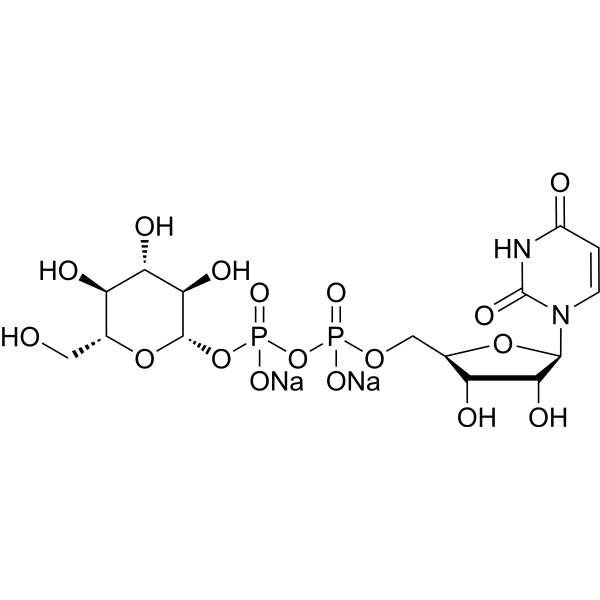
D-Allothreonine is the D stereoisomer of Allothreonine. D-Allallreonine is a peptide lipid derived from bacteria. D-Allothreonine can be specifically oxidized by D-amino acid oxidase, while the L configuration has no reaction. D-Allallreonine is also a component of bacterial polysaccharides. D-Allallreonine can be used for researching bacterial pathogenicity, antigenic diversity and drug resistance .
|
-
-
- HY-N0181A
-
|
9β,10α-Ergosterol
|
Endogenous Metabolite
|
Metabolic Disease
|
|
Lumisterol (9β,10α-Ergosterol), a steroid compound, is the (9β,10α)-stereoisomer of Ergosterol (HY-N0181). Lumisterol is a photoprotective agent against UVB-induced DNA damage and anti-proliferative activities .
|
-
-
- HY-112319
-
-
-
- HY-115429
-
|
(6R)-Leucovorin calcium; (6R)-Folinic acid calcium
|
Drug Derivative
|
Metabolic Disease
|
|
Calcium dextrofolinate is a stereoisomer of Calcium folinate. Calcium folinate (Folinic acid calcium) is a biological folic acid and is generally administered along with methotrexate (MTX) as a rescue agent to decrease MTX-induced toxicity .
|
-
-
- HY-108437
-
|
|
Wnt
|
Infection
Cancer
|
|
exo-IWR-1, an inactive stereoisomer of Endo-IWR-1, is a negative control of IWR-1 (HY-12238). IWR-1 is a tankyrase inhibitor which inhibits Wnt/β-catenin signaling pathway .
|
-
-
- HY-N7142S3
-
|
|
Isotope-Labeled Compounds
Adrenergic Receptor
|
Cardiovascular Disease
Neurological Disease
|
|
DL-Norepinephrine-d6 is the deuterium labeled DL-Norepinephrine. DL-Norepinephrine is an external racemic catecholamine neurotransmitter, which is an equal mixture of the left-handed (L-, with activity) and right-handed (D-, with very low or no activity) stereoisomers. DL-Norepinephrine after being labeled with tritium can be used as a tracer for the research on Parkinson's disease .
|
-
-
- HY-121962
-
-
-
- HY-W012479S
-
-
-
- HY-W012885
-
|
|
Biochemical Assay Reagents
|
Others
|
|
(S)-Methyl 3-hydroxybutanoate consists of a chiral center, resulting in two enantiomers, where (S)-Methyl 3-hydroxybutanoate means that the hydroxyl group is located on the third carbon atom of the S-configuration carboxylic acid group stereoisomers. This compound is often used as a building block for the synthesis of various pharmaceuticals and natural products. Due to its fruity taste, it is also used as a flavor and fragrance ingredient.
|
-
-
- HY-116096
-
|
15(R)-Prostaglandin E1; 15-Epiprostaglandin E1
|
15-PGDH
|
Others
|
|
15-epi-PGE1 (15R-Prostaglandin E1; 15-Epiprostaglandin E1) is a stereoisomer of PGE1 (HY-B0131) but with less biological activity . 15-epi-PGE1 is a non-competitive inhibitor for human placental 15-Hydroxyprostaglandin dehydrogenase (15-PGDH) with an IC50 of 170 μM .
|
-
-
- HY-13631T
-
|
(1R,9S)-DX8951f
|
Drug Derivative
ADC Payload
Topoisomerase
|
Cancer
|
|
(1R,9S)-Exatecan (DX8951f) is the (1R,9S) stereoisomer of Exatecan (HY-13631). Exatecan (DX-8951) is a DNA topoisomerase I inhibitor, with an IC50 of 2.2 μM (0.975 μg/mL), and can be used in cancer research .
|
-
-
- HY-158554
-
-
-
- HY-W062274A
-
|
4-epi-DU-176b
|
Drug Derivative
|
Others
|
|
4-epi-Edoxaban tosylate (4-epi-DU-176b) is a stereoisomer impurity of Edoxaban (HY-10264).
|
-
-
- HY-142162A
-
|
|
GCGR
|
Metabolic Disease
|
|
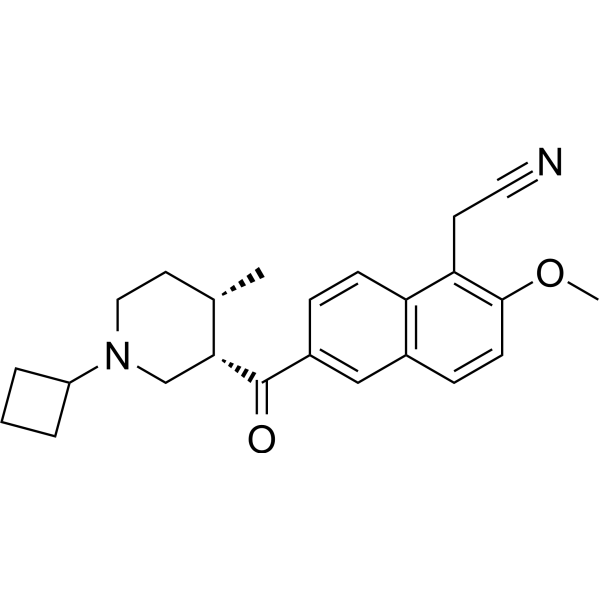
(S,R)-LSN3318839 is the stereoisomer of LSN3318839 (HY-142162). LSN3318839 is an orally active positive modulator of the glucagon-like peptide-1 receptor (GLP-1R). LSN3318839 can increase the secretion of insulin and has the effect of lowering blood sugar .
|
-
-
- HY-N7142S1
-
|
|
Adrenergic Receptor
|
Neurological Disease
|
|
DL-Norepinephrine-d3 hydrochloride is the deuterium labeled DL-Norepinephrine hydrochloride. DL-Norepinephrine hydrochloride is an external racemic catecholamine neurotransmitter, which is an equal mixture of the left-handed (L-, with activity) and right-handed (D-, with very low or no activity) stereoisomers. DL-Norepinephrine hydrochloride after being labeled with tritium can be used as a tracer for the research on Parkinson's disease.
|
-
-
- HY-N2436R
-
|
Tartaric acid (Standard)
|
Biochemical Assay Reagents
Reference Standards
|
Others
|
|
2,3-Dihydroxysuccinic acid (Standard) (Tartaric acid (Standard)) is the analytical standard of 2,3-Dihydroxysuccinic acid (HY-N2436). This product is intended for research and analytical applications. 2,3-Dihydroxysuccinic acid (Tartaric acid) is an organic acid containing two hydroxyl groups and two carboxyl groups. 2,3-Dihydroxysuccinic acid exists in various stereoisomers and is widely used in food, pharmaceutical, chemical, and other fields.
|
-
-
- HY-147105A
-
|
|
Orphan Nuclear Receptor
Interleukin Related
|
Inflammation/Immunology
|
|
(+)-LRH-1 modulator-1 is a stereoisomer of LRH-1 modulator-1. LRH-1 modulator-1 (compound 6N) is a potent LRH-1 (liver receptor homolog-1) modulator/agonist. LRH-1 modulator-1 has anti-inflammatory effects in intestinal organoids. LRH-1 modulator-1 induces the anti-inflammatory cytokine IL-10 and reduces the inflammatory cytokines IL-1b and TNFa .
|
-
-
- HY-13631N
-
|
(9R)-DX8951f
|
Drug Derivative
ADC Payload
Topoisomerase
|
Cancer
|
|
(9R)-Exatecan (DX8951f) is the (1R,9S) stereoisomer of Exatecan (HY-13631). Exatecan (DX-8951) is a DNA topoisomerase I inhibitor, with an IC50 of 2.2 μM (0.975 μg/mL), and can be used in cancer research.
|
-
-
- HY-117682
-
|
(+)-Chloramphenicol; Dextramycine; Dextromycetin
|
Antibiotic
|
Infection
|
|
L-(+)-threo-Chloramphenicol ((+)-Chloramphenicol) is the S,S-stereoisomer of Chloramphenicol (HY-B0239). L-(+)-Threo-chloramphenicol inhibits protein synthesis in reticulocytes. L-(+)-threo-Chloramphenicol also inhibits the oxidative activity of isolated mitochondria .
|
-
-
- HY-W048718
-
|
Fmoc-D-α-t-butylglycine
|
Amino Acid Derivatives
|
Others
|
|
Fmoc-D-Tle-OH (Fmoc-D-α-t-butylglycine) is an amino acid derivative with an Fmoc protecting group, which can be used to synthesize chelating agents that can form a single stereoisomer-enriched form after coordination with metal centers .
|
-
-
- HY-W012670
-
|
|
Apoptosis
|
Cancer
|
|
2-Deoxy-L-ribose is a stereoisomer of 2-Deoxy-d-ribose that inhibits 2-Deoxy-d-ribose anti-apoptotic effects. 2-Deoxy-L-ribose suppresses metastasis of tumor cells overexpressing thymidine phosphorylase .
|
-
-
- HY-15954A
-
|
CGM097 Stereoisomer
|
Drug Isomer
|
Others
|
|
NVP-CGM097 (stereoisomer) is a stereoisomer of NVP-CGM097, with no special bioactivity. NVP-CGM097 is a potent and selective MDM2 inhibitor.
|
-
-
- HY-170859A
-
|
|
PROTACs
Casein Kinase
|
Cancer
|
|
AH081 (Compound 38) is a CK1δ/ε PROTAC degrader. AH081 is the negative control compound of AH078 (HY-170859). AH081 has inhibitory but no degradation activity for CK1δ/ε by using an inactive stereoisomer of the VHL ligand . Pink: CK1δ/ε ligand (HY-148251); Blue: VHL ligase ligand (HY-125845B); Black: linker
|
-
-
- HY-10013B
-
|
MK0364 (1R,2R)Stereoisomer
|
Cannabinoid Receptor
|
Others
|
|
Taranabant (1R,2R)stereoisomer is the R-enantiomer of Taranabant. Taranabant is a highly potent and selective cannabinoid 1 (CB1) receptor inverse agonist.
|
-
-
- HY-112382
-
|
|
Drug Isomer
|
Others
|
|
Iso-olomoucine is an inactive stereoisomer of the CDK5 inhibitor olomoucine with IC50 >1 mM .
|
-
-
- HY-I1060R
-
|
(3R)-LS-Isoleucine (Standard)
|
Endogenous Metabolite
Reference Standards
|
Metabolic Disease
|
|
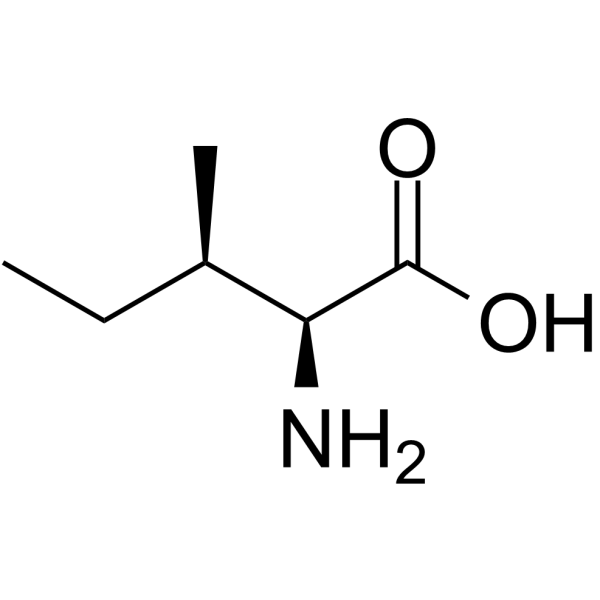
L-Alloisoleucine (Standard) is the analytical standard of L-Alloisoleucine. This product is intended for research and analytical applications. L-Alloisoleucine is a stereoisomer of L-isoleucine. L-Alloisoleucine can be used in skeletal muscle research .
|
-
-
- HY-118670A
-
-
- HY-113887A
-
|
11β-PGF1β
|
Drug Isomer
|
Endocrinology
|
|
11β-Prostaglandin F1β (11β-PGF1β) is a stereoisomer of PGF1α with inverted C-9 and C-11 hydroxyl groups .
|
-
- HY-118670
-
|
|
Prostaglandin Receptor
|
Cardiovascular Disease
|
|
16(S)-Iloprost is a stereoisomer of Iloprost. 16(S)-Iloprost inhibited platelet aggregation with IC50 value of 3.5 nM, and balanced binding with platelet membrane receptors Kd value of 13.4 nM .
|
-
- HY-W742809
-
|
|
Drug Derivative
|
Others
|
|
(S)-7-Hydroxywarfarin is the S stereoisomer of 7-Hydroxywarfarin (HY-139167). (S)-7-Hydroxywarfarin is the inactive, major metabolite of racemic Warfarin (HY-B0687) .
|
-
- HY-114029
-
|
3-Epiquinine; Epivinylquinidine
|
Parasite
|
Infection
Cardiovascular Disease
|
|
Ep vinyl quinidine (3-Epiquinine) is an epi-vinyl stereoisomer of Quinidine. Quinidine is an antiarrhythmic agent. Quinidine is a potent, orally active, selective cytochrome P450db inhibitor. Quinidine is also a K+ channel blocker with an IC50 of 19.9 μM. Quinidine can be used for malaria research .
|
-
- HY-B1871R
-
|
|
Herbicide
Reference Standards
|
Others
|
|
Metolachlor (Standard) is the analytical standard of Metolachlor. This product is intended for research and analytical applications. Metolachlor is a pre-emergent selective, chloroacetanilide herbicide for the control of a variety of annual grass and broad leaf weeds in corn and other crops. Metolachlor is a chiral herbicide consisting of four stereoisomers .
|
-
- HY-W001959R
-
|
|
Reference Standards
Endogenous Metabolite
|
Metabolic Disease
|
|
D-Allothreonine (Standard) is an analytical standard for D-Allothreonine (HY-001959). This product is intended for research and analytical applications. D-Allothreonine is the D-stereoisomer of allothreonine. D-Allothreonine is a bacterial peptide lipid. D-Allothreonine is specifically oxidized by D-amino acid oxidase, while the L-form is unresponsive. D-Allothreonine is also a component of bacterial polysaccharides. D-Allothreonine can be used to study bacterial pathogenicity, antigenic diversity, and drug resistance.
|
-
- HY-17626C
-
|
(R)-WCK-2349
|
Antibiotic
|
Others
|
|
(R)-Alalevonadifloxacin mesylate is an isomer of Alalevonadifloxacin mesylate (HY-17626B). Alalevonadifloxacin mesylate is a oraly active anti-methicillin-resistant Staphylococcus aureus (MRSA) antibiotic .
|
-
- HY-18500
-
|
|
Drug Isomer
|
Others
|
|
(βS)-β-Hydroxy-L-histidine hydrochloride is a stereoisomer of β-hydroxyhistidine .
|
-
- HY-117881
-
|
|
Opioid Receptor
|
Neurological Disease
|
|
CJ-15208 is a potent and selective κ-opioid receptor antagonist with significant opioid activity. CJ-15208 exhibited strong analgesic effects in the warm water tail withdrawal test in mice and was mediated through multiple opioid receptors. The stereoisomers of CJ-15208 exhibited different opioid activity characteristics, for example, one stereoisomer exhibited κ-opioid receptor antagonism, while the other exhibited δ-opioid receptor antagonism. All stereoisomers of CJ-15208 had no significant effects on respiration. The stereoisomers of CJ-15208 did not lead to the development of drug tolerance, which makes it potential in the further development of safe opioid analgesics .
|
-
- HY-N12868
-
|
|
Others
|
Endocrinology
|
|
25-Epi-28-epi-cyasterone (3) is a stereoisomer of cyasterone that can be isolated from Cyathula officinalis .
|
-
- HY-100587R
-
-
- HY-122294
-
|
|
Endogenous Metabolite
|
Neurological Disease
|
|
Rociverine is an anticholinergic compound with smooth muscle relaxant activity. Rociverine showed different binding modes in five cloned muscarinic receptors. The cis stereoisomer of Rociverine showed a higher affinity change compared to the trans stereoisomer. The (1R,2R) configuration of Rociverine showed significantly higher affinity, even up to 240 times. The (1S,2S) configuration of Rociverine is very important for binding selectivity .
|
-
- HY-B0395D
-
|
(1R,2S,7R)-DU-6859a; DU-6857
|
Topoisomerase
Bacterial
|
Inflammation/Immunology
|
(R)-Sitafloxacin (DU-6857), a stereoisomer of Sitafloxacin (DU-6859a), is also an inhibitor of topoisomerases, with an IC50 of 0.18 μg/mL of DNA gyrase .
|
-
- HY-14856A
-
|
iso-PD 0200390 hydrochloride
|
GABA Receptor
|
Others
|
|
iso-Atagabalin (iso-PD 0200390) hydrochloride is a stereoisomer of Atagabalin (HY-14856). Atagabalin is a selective GABA (gamma-aminobutyric acid) receptor agonist with antianxiety effect .
|
-
- HY-Y1804S
-
-
- HY-12772A
-
|
rel-R-63373
|
Drug Isomer
|
Infection
|
|
rel-Hydroxy Itraconazole (rel-R-63373) is a relative stereoisomer of Hydroxy Itraconazole. Hydroxy Itraconazole is the major active metabolite of the antifungal compound Itraconazole (HY-17514) .
|
-
- HY-177548
-
-
- HY-W747129
-
|
15(R)-PGI2 sodium
|
Drug Isomer
|
Others
|
|
15(R)-Prostaglandin I2 (15(R)-PGI2) sodium is a 15(R)-stereoisomer of Epoprostenol (Prostaglandin I2) sodium (HY-A0126A) .
|
-
- HY-CE00226
-
|
(2R)-2,6-Dimethylheptanoyl-coenzyme A
|
Biochemical Assay Reagents
|
Others
|
|
(2R)-2,6-Dimethylheptanoyl-CoA ((2R)-2,6-Dimethylheptanoyl-coenzyme A) is the 2R stereoisomer of 2,6-dimethylheptanoyl-CoA.
|
-
- HY-I1060S
-
|
|
Isotope-Labeled Compounds
Endogenous Metabolite
|
Others
|
|
L-Alloisoleucine-d10 is the deuterium labeled L-Alloisoleucine. L-Alloisoleucine is a branched chain amino acid and is a stereo-isomer of L-isoleucine. L-Alloisoleucine is a common constituent of human plasma (albeit at low levels).
|
-
- HY-W012479R
-
|
D-Tryptophan (Standard)
|
Reference Standards
Endogenous Metabolite
|
Metabolic Disease
|
|
H-D-Trp-OH (Standard) is the analytical standard of H-D-Trp-OH. This product is intended for research and analytical applications. H-D-Trp-OH is a D-stereoisomer of tryptophan and occasionally found in naturally produced peptides such as the marine venom peptide.
|
-
- HY-114961
-
|
15-epi PGA1
|
Prostaglandin Receptor
|
Cardiovascular Disease
|
|
15-epi Prostaglandin A1 (15-epi PGA1) is the 15(R) stereoisomer of PGA1. PGA1 causes renal vasodilation, increased urine sodium excretion, and decreased arterial pressure in hypertensive models .
|
-
- HY-131130A
-
|
|
Bacterial
Drug Isomer
|
Infection
|
|
Neomycin C hexaacetate is an impurity of Neomycin (HY-150520) and a stereoisomer of Neomycin B (HY-17624). Neomycin C hexaacetate exerts in vitro antimicrobial activity against Staphylococcus epidermidis and Staphylococcus aureus. Neomycin C hexaacetate can be used for the research of bacterial infection .
|
-
- HY-W713975
-
|
|
Isotope-Labeled Compounds
Herbicide
|
Others
|
|
Metolachlor-d11 is the deuterium labeled Metolachlor (HY-B1871). Metolachlor is a pre-emergent selective, chloroacetanilide herbicide for the control of a variety of annual grass and broad leaf weeds in corn and other crops. Metolachlor is a chiral herbicide consisting of four stereoisomers .
|
-
- HY-N15714
-
|
|
Drug Derivative
|
Cancer
|
|
Acoraminol A is one of the stereoisomers of phenylpropanoids, the other of which is Acoraminol B (HY-N15715), which can be isolated from the methanol extract of the rhizome of Acorus tatarinowii. Acoraminol A has weak cytotoxic effects on several human tumor cell lines (IC50>30 μM) .
|
-
- HY-130190
-
|
LY131126
|
Adrenergic Receptor
|
Metabolic Disease
|
|
Butopamine is the active R/R stereoisomer butapamine of ractopamine hydrochloride. Butopamine exerts its physiological effects by stimulating β1-adrenergic receptor (β1AR) and β2-adrenergic receptor (β2AR) expressed in skeletal muscle and adipose tissue .
|
-
- HY-117239
-
|
|
Adrenergic Receptor
|
Cardiovascular Disease
|
|
SB-206606, a stereoisomer of BRL 37344, is a potentially specific, beta 3-adrenergic receptor (β3-AR) ligand. The affinity of [3H]SB 206606 is 76 times higher for the β3-AR than for the beta 1/beta 2-adrenergic receptors .
|
-
- HY-N6935R
-
|
|
Reference Standards
HCV
Akt
GLUT
|
Infection
Metabolic Disease
|
|
Sennidin B (Standard) is the analytical standard of Sennidin B. This product is intended for research and analytical applications. Sennidin B, a stereoisomer isolated from the leaves of Cassia angustifolia, has lower activity than Sennidin A. Sennidin A inhibits HCV NS3 helicase, with an IC50 of 0.8 μM. Sennidin A induces phosphorylation of Akt and glucose transporter 4 (GLUT4) translocation. Sennidin A stimulates the glucose incorporation .
|
-
- HY-B0368C
-
|
epi-D-SQ 14225
|
Beta-lactamase
|
Infection
|
|
epi-D-Captopril (epi-D-SQ 14225) is a stereoisomer of Captopril (HY-B0368) and an inhibitor of metallo-β-lactamases (MBLs). The IC50 values of epi-D-Captopril against NDM-1, IMP-1, and VIM-2 are 64 μM, 173 μM, and 5.5 μM, respectively. epi-D-Captopril is expected to be used in the research of diseases caused by MBLs-related drug-resistant bacterial infections .
|
-
- HY-B0395DS
-
|
(1R,2S,7R)-DU6859a-d4 hydrochloride
|
Antibiotic
Bacterial
Isotope-Labeled Compounds
|
Others
|
(1R,2S,7R)-Sitafloxacin-d4 hydrochloride is deuterium labeled (1R,2S,7R)-Sitafloxacin hydrochloride (HY-B0395D). (R)-Sitafloxacin (DU-6857), a stereoisomer of Sitafloxacin (DU-6859a), is also an inhibitor of topoisomerases, with an IC50 of 0.18 μg/mL of DNA gyrase .
|
-
- HY-117542
-
|
|
Histone Methyltransferase
|
Neurological Disease
|
|
D595 is a phenylethylamine calcium channel blocker with potent negative inotropic activity. D595 has shown significant efficacy in its corresponding pharmacological studies, especially in inhibiting the uptake of monoamine neurotransmitters. D595 has high affinity in binding to the dopamine transporter (DAT), serotonin transporter (SERT), and norepinephrine transporter (NET). Structural adjustments of D595, especially changes in the hydroxyl stereochemistry, significantly affect its interaction with the transporters, showing a specific preference for stereoisomers .
|
-
- HY-111827R
-
|
|
Histamine Receptor
|
Cardiovascular Disease
Others
Metabolic Disease
Inflammation/Immunology
|
|
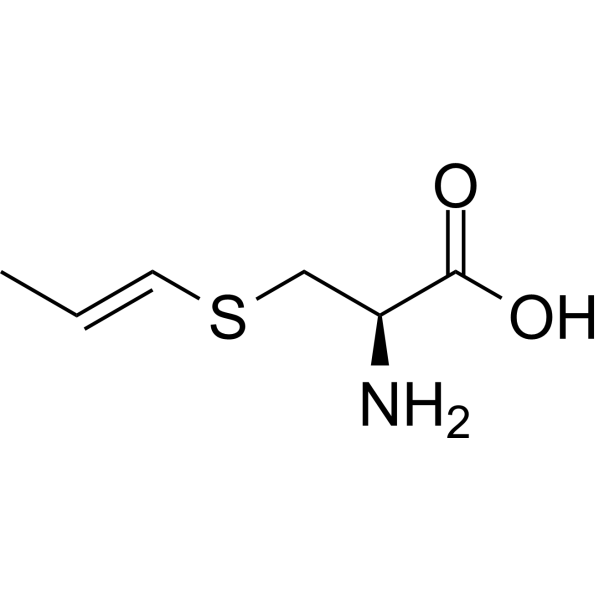
S-1-Propenyl-L-cysteine (Standard) is the analytical standard of S-1-Propenyl-L-cysteine. This product is intended for research and analytical applications. S-1-Propenyl-L-cysteine is a stereoisomer of S-allyl-l-cysteine, extracted from garlic, with immunomodulatory effects and reduces blood pressure in a hypertensive animal model . S-1-Propenyl-L-cysteine exhibits antioxidative efficacy through a NO-dependent BACH1 signaling pathway . S-1-Propenyl-L-cysteine is orally active.
|
-
- HY-10013BR
-
|
MK0364 (1R,2R)Stereoisomer (Standard)
|
Cannabinoid Receptor
Reference Standards
|
Others
|
|
Taranabant ((1R,2R)stereoisomer) (Standard) is the analytical standard of Taranabant ((1R,2R)stereoisomer) (HY-10013B). This product is intended for research and analytical applications. Taranabant (1R,2R)stereoisomer is the R-enantiomer of Taranabant. Taranabant is a highly potent and selective cannabinoid 1 (CB1) receptor inverse agonist.
|
-
- HY-W739246
-
|
|
Drug Derivative
|
Others
|
|
(5RS)-Pyridinoline is one of the stereoisomers of pyridinoline-type collagen crosslinkers.
|
-
- HY-N11730
-
|
|
Drug Derivative
|
Others
|
|
6',7'-Epoxyrotenone is a derivative and photodegradation product of Rotenone (HY-B1756), with an acute intraperitoneal LD50 of 7.2 mg/kg in mice .
|
-
- HY-N0287A
-
|
|
Drug Isomer
|
Others
|
|
Prolycopene is a stereoisomer of Lycopene (HY-N0287) and pigment. Prolycopene can be isolated from tomatoes .
|
-
- HY-158626
-
|
|
Endogenous Metabolite
|
Others
|
|
10(S)-PAHSA is a stereoisomer of 10-PAHSA, an endogenous lipid that belongs to a collection of branched fatty acid esters of hydroxy fatty acids (FAHFAs).
|
-
- HY-158625
-
|
|
Endogenous Metabolite
|
Others
|
|
10(R)-PAHSA is a stereoisomer of 10-PAHSA, an endogenous lipid that belongs to a collection of branched fatty acid esters of hydroxy fatty acids (FAHFAs).
|
-
- HY-W842297
-
|
|
Parasite
|
Infection
|
|
Epiquinine is a stereoisomer of Quinine (HY-D0143). Epiquinine exhibits activity against chloroquine-sensitive and chloroquine-resistant Plasmodium falciparum parasites. Epiquinine can be used for the research of malaria .
|
-
- HY-CE00140
-
|
(2S)-2,6-Dimethylheptanoyl-coenzyme A
|
Biochemical Assay Reagents
|
Others
|
|
(2S)-2,6-Dimethylheptanoyl-CoA ((2S)-2,6-Dimethylheptanoyl-coenzyme A) is the 2S-stereoisomer of 2,6-dimethylheptanoyl-CoA.
|
-
- HY-Y1804R
-
|
|
Reference Standards
Endogenous Metabolite
|
Others
|
|
D-Lysine (monohydrochloride) (Standard) is the analytical standard of D-Lysine (monohydrochloride) (HY-Y1804). This product is intended for research and analytical applications. D-Lysine monohydrochloride is an Lysine stereoisomer which can be used as a component of surfactants .
|
-
- HY-122715
-
|
|
ADC Payload
DNA/RNA Synthesis
|
Cancer
|
|
(S,S)-D211 is a stereoisomer of D211. (S,S)-D211 belongs to PBD dimer family with DNA damage activity. (S,S)-D211 can be used as a cytotoxic payload for synthesis of antibody-drug conjugates (ADCs) .
|
-
- HY-N15715
-
|
|
Drug Derivative
|
Cancer
|
|
Acoraminol B is one of the stereoisomers of phenylpropanoids, the other of which is Acoraminol A (HY-N15714), which can be isolated from the methanol extract of the rhizome of Acorus tatarinowii. Acoraminol B has weak cytotoxic effects on several human tumor cell lines (IC50>30 μM) .
|
-
- HY-172572
-
|
15(R),19(R)-Hydroxy PGE1
|
Drug Isomer
|
Others
|
|
15(R),19(R)-Hydroxy prostaglandin E1 is a dihydroxy metabolite/stereoisomer of Prostaglandin E1 (HY-B0131). 15(R),19(R)-Hydroxy prostaglandin E1 is found in the semen of some mammals, especially primates .
|
-
- HY-160757
-
-
- HY-108437R
-
|
|
Reference Standards
Wnt
|
Infection
Cancer
|
|
exo-IWR-1 (Standard) is the analytical standard of exo-IWR-1 (HY-108437). This product is intended for research and analytical applications. exo-IWR-1, an inactive stereoisomer of Endo-IWR-1, is a negative control of IWR-1 (HY-12238). IWR-1 is a tankyrase inhibitor which inhibits Wnt/β-catenin signaling pathway .
|
-
- HY-W413619
-
|
NITD609 enantiomer; KAE609 enantiomer
|
Parasite
|
Infection
|
|
Cipargamin enantiomer (NITD609 enantiomer) is a Plasmodium falciparum inhibitor that can be characterized as a spirotetrahydro β-carboline (1S,3R stereoisomer). Cipargamin enantiomer exerts antiplasmodial activity against Plasmodium falciparum strains NF54 (IC50 of 77 nM) and K1. Cipargamin enantiomer displays low liver microsomal intrinsic clearance in mouse and human systems. Cipargamin enantiomer does not inhibit CYP2C9. Cipargamin enantiomer can be used for the research of malaria .
|
-
- HY-N13470
-
|
|
Drug Isomer
|
Inflammation/Immunology
|
|
meso-Astaxanthin is a natural stereoisomer of Astaxanthin (HY-B2163) with antioxidant activity and is found in a variety of aquatic animals. meso-Astaxanthin binds to human serum albumin in a monomeric form at a stoichiometric ratio; at low ligand-to-protein ratios, human serum albumin acts as a chiral template for supramolecular assembly at higher ratios. meso-Astaxanthin directly scavenges superoxide anions. meso-Astaxanthin can be used in the research of myocardial ischemia-reperfusion injury .
|
-
- HY-W714853
-
|
|
Akt
Src
STAT
EGFR
Drug Isomer
|
Neurological Disease
Inflammation/Immunology
|
|
(+)-Theta-cypermethrin is a stereoisomer of Cypermethrin (HY-B0829) that possesses blood-brain barrier penetration ability and binds to AKT1, SRC, STAT3 and EGFR with high affinity. (+)-Theta-cypermethrin reduces the amplitude of delayed rectifier potassium channel currents, shifts the steady-state activation curve to negative potentials, and shifts the steady-state inactivation curve to negative potentials at higher concentrations. (+)-Theta-cypermethrin induces abnormal electrical activity in rat hippocampal neurons. (+)-Theta-cypermethrin causes chronic respiratory system damage and exhibits neurotoxicity .
|
-
- HY-120493
-
|
|
Free Fatty Acid Receptor
|
Metabolic Disease
|
|
(rel)-AM-6226 is the relative stereoisomer of AM-6226 (HY-120493A). AM-6226 is a potent, orally active full agonist of G protein-coupled receptor 40 (GPR40) with an EC50 value of 0.12 μM. AM-6226 activates GPR40 receptors on pancreatic β-cells and enteroendocrine L-cells, promotes insulin secretion in a glucose-dependent manner, and increases the release of incretin hormones (GLP-1, GIP), thus avoiding the risk of hypoglycemia. AM-6226 can be used in the research of metabolic diseases such as diabetes .
|
-
- HY-N7781
-
-
- HY-N6787
-
|
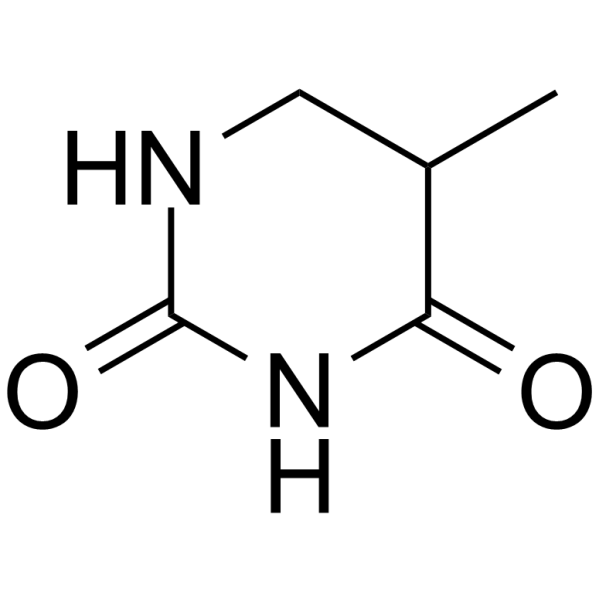
Dihydrothymine
|
Endogenous Metabolite
|
Infection
|
|
5,6-Dihydro-5-methyluracil (Dihydrothymine) is an intermediate breakdown product of Thymine (HY-W010450). 5,6-Dihydro-5-methyluracil can be used as a marker of DNA damage. 5,6-Dihydro-5-methyluracil can be used for the research of COVID-19 .
|
-
- HY-N7781R
-
-
- HY-N3021R
-
|
|
Reference Standards
Endogenous Metabolite
NF-κB
TNF Receptor
FOXO
Microtubule/Tubulin
|
Metabolic Disease
|
|
D-chiro-Inositol is a stereoisomer of inositol that exhibits activities such as improving glucose metabolism, anti-tumor effects, anti-inflammatory properties, and antioxidant activity. D-chiro-Inositol effectively alleviates cholestasis by enhancing bile acid secretion and reducing oxidative stress. D-chiro-Inositol improves insulin resistance, lowers hyperglycemia and circulating insulin levels, reduces serum androgen levels, and ameliorates some metabolic abnormalities associated with X syndrome by mimicking the action of insulin. Additionally, D-chiro-Inositol can induce a reduction in pro-inflammatory factors (such as Nf-κB) and cytokines (such as TNF-α), thereby exerting anti-inflammatory effects. D-chiro-Inositol may be used in the study of liver cirrhosis, breast cancer, type 2 diabetes, and polycystic ovary syndrome .
|
-
- HY-N3021
-
|
|
Endogenous Metabolite
NF-κB
TNF Receptor
FOXO
Microtubule/Tubulin
|
Metabolic Disease
|
|
D-chiro-Inositol is a stereoisomer of inositol that exhibits activities such as improving glucose metabolism, anti-tumor effects, anti-inflammatory properties, and antioxidant activity. D-chiro-Inositol effectively alleviates cholestasis by enhancing bile acid secretion and reducing oxidative stress. D-chiro-Inositol improves insulin resistance, lowers hyperglycemia and circulating insulin levels, reduces serum androgen levels, and ameliorates some metabolic abnormalities associated with X syndrome by mimicking the action of insulin. Additionally, D-chiro-Inositol can induce a reduction in pro-inflammatory factors (such as Nf-κB) and cytokines (such as TNF-α), thereby exerting anti-inflammatory effects. D-chiro-Inositol may be used in the study of liver cirrhosis, breast cancer, type 2 diabetes, and polycystic ovary syndrome .
|
-
- HY-130046
-
|
16-epi-Estriol; 16β,17β-Estriol
|
UGT
Bacterial
|
Infection
Inflammation/Immunology
|
|
16-Epiestriol (16-epi-Estriol; 16β,17β-Estriol) is a natural stereoisomer of estriol and an anti-inflammatory agent that targets UGT. The Ki values of 16-Epiestriol against human UGT1A10 and UGT2B7 are 98.1 μM and 162 μM, respectively. As a glucuronidation substrate, 16-Epiestriol can be modified at the 3-OH, 16-OH and 17-OH sites by various UGT enzymes; in liver microsomes, the modification mainly occurs at the 16-OH and 17-OH sites, while reactions take place at all three sites in intestinal microsomes. 16-Epiestriol acts on the phase II inflammatory process by blocking edema mediated by prostaglandins and leukocyte infiltration. It lacks glycogenic activity or any effect on blood glucose levels, and serves as an important candidate molecule in the research of inflammatory diseases .
|
-
- HY-130046R
-
|
16-epi-Estriol (Standard); 16β,17β-Estriol (Standard)
|
Endogenous Metabolite
Reference Standards
Bacterial
|
Infection
Inflammation/Immunology
|
|
16-Epiestriol (Standard) is the analytical standard of 16-Epiestriol (HY-130046). This product is intended for research and analytical applications. 16-Epiestriol (16-epi-Estriol; 16β,17β-Estriol) is a natural stereoisomer of estriol and an anti-inflammatory agent that targets UGT. The Ki values of 16-Epiestriol against human UGT1A10 and UGT2B7 are 98.1 μM and 162 μM, respectively. As a glucuronidation substrate, 16-Epiestriol can be modified at the 3-OH, 16-OH and 17-OH sites by various UGT enzymes; in liver microsomes, the modification mainly occurs at the 16-OH and 17-OH sites, while reactions take place at all three sites in intestinal microsomes. 16-Epiestriol acts on the phase II inflammatory process by blocking edema mediated by prostaglandins and leukocyte infiltration. It lacks glycogenic activity or any effect on blood glucose levels, and serves as an important candidate molecule in the research of inflammatory diseases .
|
-
| Cat. No. |
Product Name |
Type |
-
- HY-N2436
-
|
Tartaric acid
|
Biochemical Assay Reagents
|
|
2,3-Dihydroxysuccinic acid (Tartaric acid) is an organic acid containing two hydroxyl groups and two carboxyl groups. 2,3-Dihydroxysuccinic acid exists in various stereoisomers and is widely used in food, pharmaceutical, chemical, and other fields .
|
-
- HY-W012885
-
|
|
Biochemical Assay Reagents
|
|
(S)-Methyl 3-hydroxybutanoate consists of a chiral center, resulting in two enantiomers, where (S)-Methyl 3-hydroxybutanoate means that the hydroxyl group is located on the third carbon atom of the S-configuration carboxylic acid group stereoisomers. This compound is often used as a building block for the synthesis of various pharmaceuticals and natural products. Due to its fruity taste, it is also used as a flavor and fragrance ingredient.
|
-
- HY-N2436R
-
|
Tartaric acid (Standard)
|
Biochemical Assay Reagents
|
|
2,3-Dihydroxysuccinic acid (Standard) (Tartaric acid (Standard)) is the analytical standard of 2,3-Dihydroxysuccinic acid (HY-N2436). This product is intended for research and analytical applications. 2,3-Dihydroxysuccinic acid (Tartaric acid) is an organic acid containing two hydroxyl groups and two carboxyl groups. 2,3-Dihydroxysuccinic acid exists in various stereoisomers and is widely used in food, pharmaceutical, chemical, and other fields.
|
-
- HY-W012670
-
|
|
Biochemical Assay Reagents
|
|
2-Deoxy-L-ribose is a stereoisomer of 2-Deoxy-d-ribose that inhibits 2-Deoxy-d-ribose anti-apoptotic effects. 2-Deoxy-L-ribose suppresses metastasis of tumor cells overexpressing thymidine phosphorylase .
|
| Cat. No. |
Product Name |
Target |
Research Area |
-
- HY-P10925A
-
|
(Z)-FOG-001; I-67
|
β-catenin
|
Cancer
|
|
(Z)-Zolucatetide (I-67) is a β-catenin inhibitor with IC50 ≤50 nM. (Z)-Zolucatetide's sequence is Ac-PL3-Asp-Npg-B5-Asp-3COOHF-Aib-Ala-Phe-Lys3-PyrS2-3Thi-BztA-GlnR3-Ala-NH2. (Z)-Zolucatetide can be used for cancer research .
|
-
- HY-W016733
-
|
H-D-Cit-OH
|
Endogenous Metabolite
|
Cardiovascular Disease
|
|
D-Citrulline (H-D-Cit-OH) is a stereoisomer of L-citrulline (HY-N0391). D-Citrulline significantly attenuates polymorphonuclear leukocyte (PMN)-induced cardiac contractile dysfunction in the isolated perfused rat heart subjected to ischemia/reperfusion via a non-NO-mediated mechanism .
|
-
- HY-W048718
-
|
Fmoc-D-α-t-butylglycine
|
Amino Acid Derivatives
|
Others
|
|
Fmoc-D-Tle-OH (Fmoc-D-α-t-butylglycine) is an amino acid derivative with an Fmoc protecting group, which can be used to synthesize chelating agents that can form a single stereoisomer-enriched form after coordination with metal centers .
|
| Cat. No. |
Product Name |
Category |
Target |
Chemical Structure |
-
- HY-I1060
-
-
-
- HY-N3021
-
|
|
Natural Products
Classification of Application Fields
Metabolic Disease
Endogenous metabolite
Disease Research Fields
Source Classification
|
Endogenous Metabolite
NF-κB
TNF Receptor
FOXO
Microtubule/Tubulin
|
|
D-chiro-Inositol is a stereoisomer of inositol that exhibits activities such as improving glucose metabolism, anti-tumor effects, anti-inflammatory properties, and antioxidant activity. D-chiro-Inositol effectively alleviates cholestasis by enhancing bile acid secretion and reducing oxidative stress. D-chiro-Inositol improves insulin resistance, lowers hyperglycemia and circulating insulin levels, reduces serum androgen levels, and ameliorates some metabolic abnormalities associated with X syndrome by mimicking the action of insulin. Additionally, D-chiro-Inositol can induce a reduction in pro-inflammatory factors (such as Nf-κB) and cytokines (such as TNF-α), thereby exerting anti-inflammatory effects. D-chiro-Inositol may be used in the study of liver cirrhosis, breast cancer, type 2 diabetes, and polycystic ovary syndrome .
|
-
-
- HY-100587
-
-
-
- HY-N2436
-
-
-
- HY-N7142
-
-
-
- HY-N1401
-
-
-
- HY-N6787
-
-
-
- HY-Y1804
-
-
-
- HY-111827
-
-
-
- HY-N7781
-
-
-
- HY-N9487
-
-
-
- HY-N6935
-
-
-
- HY-W001959
-
-
-
- HY-N0181A
-
-
-
- HY-121962
-
-
-
- HY-N2436R
-
-
-
- HY-N3021R
-
|
|
Structural Classification
Natural Products
Endogenous metabolite
Source Classification
|
Reference Standards
Endogenous Metabolite
NF-κB
TNF Receptor
FOXO
Microtubule/Tubulin
|
|
D-chiro-Inositol is a stereoisomer of inositol that exhibits activities such as improving glucose metabolism, anti-tumor effects, anti-inflammatory properties, and antioxidant activity. D-chiro-Inositol effectively alleviates cholestasis by enhancing bile acid secretion and reducing oxidative stress. D-chiro-Inositol improves insulin resistance, lowers hyperglycemia and circulating insulin levels, reduces serum androgen levels, and ameliorates some metabolic abnormalities associated with X syndrome by mimicking the action of insulin. Additionally, D-chiro-Inositol can induce a reduction in pro-inflammatory factors (such as Nf-κB) and cytokines (such as TNF-α), thereby exerting anti-inflammatory effects. D-chiro-Inositol may be used in the study of liver cirrhosis, breast cancer, type 2 diabetes, and polycystic ovary syndrome .
|
-
-
- HY-I1060R
-
-
-
- HY-W001959R
-
-
-
- HY-N12868
-
-
-
- HY-100587R
-
-
-
- HY-W012479R
-
-
-
- HY-N15714
-
-
-
- HY-N6935R
-
-
-
- HY-111827R
-
|
|
Liliaceae
Ketones, Aldehydes, Acids
Allium sativum Linn.
Plants
Source Classification
|
Histamine Receptor
|
|
S-1-Propenyl-L-cysteine (Standard) is the analytical standard of S-1-Propenyl-L-cysteine. This product is intended for research and analytical applications. S-1-Propenyl-L-cysteine is a stereoisomer of S-allyl-l-cysteine, extracted from garlic, with immunomodulatory effects and reduces blood pressure in a hypertensive animal model . S-1-Propenyl-L-cysteine exhibits antioxidative efficacy through a NO-dependent BACH1 signaling pathway . S-1-Propenyl-L-cysteine is orally active.
|
-
-
- HY-N7781R
-
-
-
- HY-N11730
-
-
-
- HY-N0287A
-
-
-
- HY-W842297
-
-
-
- HY-Y1804R
-
-
-
- HY-N15715
-
-
-
- HY-N13470
-
|
|
Other Terpenoids
Structural Classification
Natural Products
Animals
Terpenoids
Source Classification
|
Drug Isomer
|
|
meso-Astaxanthin is a natural stereoisomer of Astaxanthin (HY-B2163) with antioxidant activity and is found in a variety of aquatic animals. meso-Astaxanthin binds to human serum albumin in a monomeric form at a stoichiometric ratio; at low ligand-to-protein ratios, human serum albumin acts as a chiral template for supramolecular assembly at higher ratios. meso-Astaxanthin directly scavenges superoxide anions. meso-Astaxanthin can be used in the research of myocardial ischemia-reperfusion injury .
|
-
| Cat. No. |
Product Name |
Chemical Structure |
-
- HY-N7142S
-
|
|
|
DL-Norepinephrine-d6 hydrochloride is the deuterium labeled DL-Norepinephrine hydrochloride. DL-Norepinephrine hydrochloride is an external racemic catecholamine neurotransmitter, which is an equal mixture of the left-handed (L-, with activity) and right-handed (D-, with very low or no activity) stereoisomers. DL-Norepinephrine hydrochloride after being labeled with tritium can be used as a tracer for the research on Parkinson's disease .
|
-
-
- HY-B1871S
-
|
|
|
Metolachlor-d6 is the deuterium labeled Metolachlor . Metolachlor is a pre-emergent selective, chloroacetanilide herbicide for the control of a variety of annual grass and broad leaf weeds in corn and other crops. Metolachlor is a chiral herbicide consisting of four stereoisomers .
|
-
-
- HY-N7142S3
-
|
|
|
DL-Norepinephrine-d6 is the deuterium labeled DL-Norepinephrine. DL-Norepinephrine is an external racemic catecholamine neurotransmitter, which is an equal mixture of the left-handed (L-, with activity) and right-handed (D-, with very low or no activity) stereoisomers. DL-Norepinephrine after being labeled with tritium can be used as a tracer for the research on Parkinson's disease .
|
-
-
- HY-W012479S
-
|
|
|
H-D-Trp-OH-d5 (D-Tryptophan-d5) is the deuterium labeled H-D-Trp-OH. H-D-Trp-OH is a D-stereoisomer of tryptophan and occasionally found in naturally produced peptides such as the marine venom peptide.
|
-
-
- HY-N7142S1
-
|
|
|
DL-Norepinephrine-d3 hydrochloride is the deuterium labeled DL-Norepinephrine hydrochloride. DL-Norepinephrine hydrochloride is an external racemic catecholamine neurotransmitter, which is an equal mixture of the left-handed (L-, with activity) and right-handed (D-, with very low or no activity) stereoisomers. DL-Norepinephrine hydrochloride after being labeled with tritium can be used as a tracer for the research on Parkinson's disease.
|
-
-
- HY-Y1804S
-
|
|
|
D-Lysine-d4 (monohydrochloride) is the deuterium labeled D-Lysine. D-Lysine monohydrochloride is an Lysine stereoisomer which can be used as a component of surfactants .
|
-
-
- HY-I1060S
-
|
|
|
L-Alloisoleucine-d10 is the deuterium labeled L-Alloisoleucine. L-Alloisoleucine is a branched chain amino acid and is a stereo-isomer of L-isoleucine. L-Alloisoleucine is a common constituent of human plasma (albeit at low levels).
|
-
-
- HY-W713975
-
|
|
|
Metolachlor-d11 is the deuterium labeled Metolachlor (HY-B1871). Metolachlor is a pre-emergent selective, chloroacetanilide herbicide for the control of a variety of annual grass and broad leaf weeds in corn and other crops. Metolachlor is a chiral herbicide consisting of four stereoisomers .
|
-
-
- HY-B0395DS
-
|
|
(1R,2S,7R)-Sitafloxacin-d4 hydrochloride is deuterium labeled (1R,2S,7R)-Sitafloxacin hydrochloride (HY-B0395D). (R)-Sitafloxacin (DU-6857), a stereoisomer of Sitafloxacin (DU-6859a), is also an inhibitor of topoisomerases, with an IC50 of 0.18 μg/mL of DNA gyrase .
|
-
Your information is safe with us. * Required Fields.
Inquiry Information
- Product Name:
- Cat. No.:
- Quantity:
- MCE Japan Authorized Agent:

