
1. Search Result
Search Result
Pathways Recommended: Stem Cell/Wnt Cell Cycle/DNA Damage
Results for "

eukaryotic cells

" in MedChemExpress (MCE) Product Catalog:

79

Inhibitors & Agonists

1

Screening Libraries

3

Fluorescent Dyes

2

Biochemical Assay Reagents

6

Peptides

3

MCE Kits

16

Natural
Products

4

Oligonucleotides

Cat. No. Product Name Target Research Areas Chemical Structure
  • HY-17561
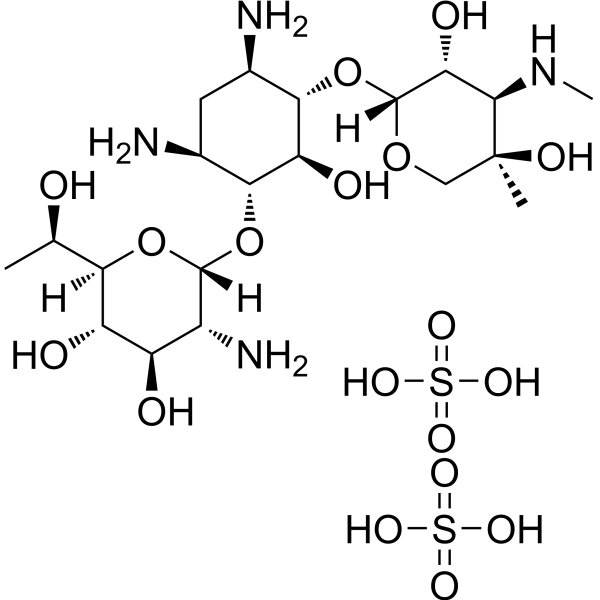
    G-418 disulfate
    Maximum Cited Publications
    61 Publications Verification

    Geneticin sulfate; Antibiotic G-418 sulfate

    Bacterial Antibiotic Infection
    G-418 disulfate (Geneticin sulfate), is an aminoglycoside antibiotic, inhibits protein synthesis in eukaryotes and prokaryotes. G-418 disulfate is commonly used as a selective agent for eukaryotic cells .
    G-418 disulfate
  • HY-B0490
    Hygromycin B
    35+ Cited Publications

    Hygrovetine

    Bacterial Fungal Antibiotic Parasite Infection
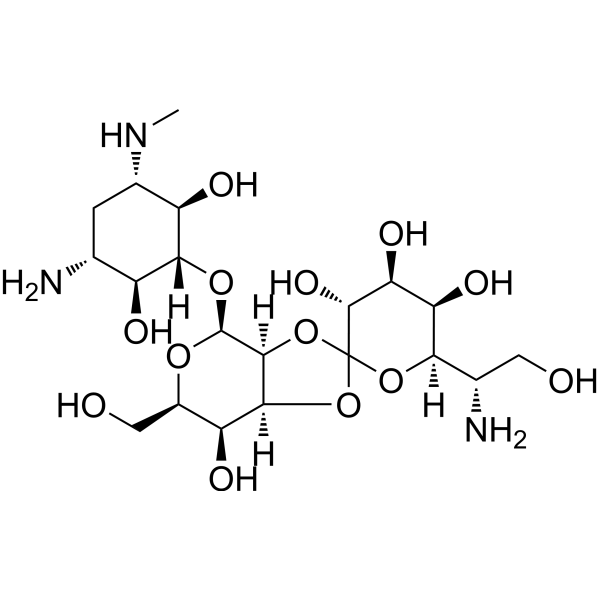
    Hygromycin B is an aminoglycoside antibiotic active against prokaryotic and eukaryotic cells.
    Hygromycin B
  • HY-113498
    Sphingomyelin
    1 Publications Verification

    Endogenous Metabolite Neurological Disease Metabolic Disease Inflammation/Immunology
    Sphingomyelin is a eukaryotic sphingolipid and one of the major constituents of cell membranes and particularly abundant in the myelin sheath that surrounds neuronal axons. Sphingomyelin plays an important role in cell processes, the regulation of inflammatory responses, and signal transduction. Sphingomyelin metabolism is associated with various central nervous system diseases and Niemann–Pick disease .
    Sphingomyelin
  • HY-16909
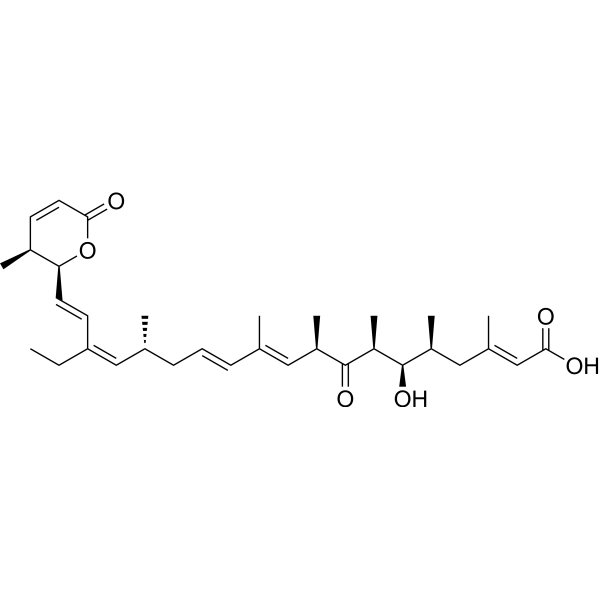
    Leptomycin B
    20+ Cited Publications

    CI 940; LMB

    CRM1 Fungal Antibiotic Infection Cancer
    Leptomycin B (CI 940; LMB) is a potent inhibitor of the nuclear export of proteins. Leptomycin B inactivates CRM1/exportin 1 by covalent modification at a cysteine residue. Leptomycin B is a potent antifungal antibiotic blocking the eukaryotic cell cycle .
    Leptomycin B
  • HY-108718
    G-418
    Maximum Cited Publications
    61 Publications Verification

    Geneticin; Antibiotic G-418

    Bacterial Parasite Antibiotic Infection
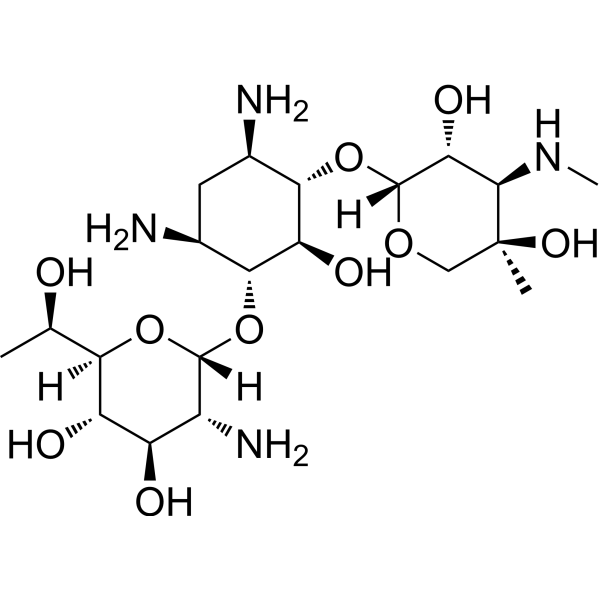
    G-418 (Geneticin) is an aminoglycoside antibiotic with a structure similar to gentamicin. It is toxic to both eukaryotic and prokaryotic cells and works by interfering with protein synthesis .
    G-418
  • HY-118660
    Anhydrotetracycline hydrochloride
    2 Publications Verification

    Antibiotic Bacterial Infection
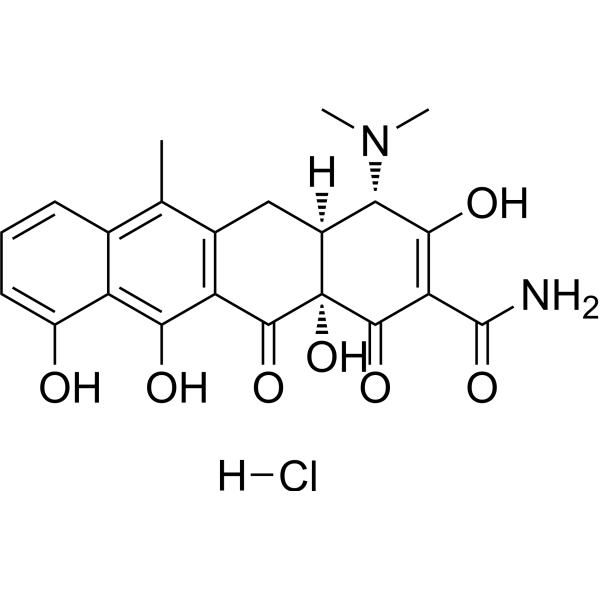
    Anhydrotetracycline hydrochloride, a tetracycline biosynthetic precursor, is a potent competitive broad-spectrum tetracycline destructase enzymes inhibitor. Anhydrotetracycline hydrochloride is an effector for tetracycline controlled gene expression systems in eukaryotic cells .
    Anhydrotetracycline hydrochloride
  • HY-125854
    Phosphatidylcholines, egg
    2 Publications Verification

    Liposome Cholinesterase (ChE) Monoamine Oxidase Apoptosis Neurological Disease Metabolic Disease Inflammation/Immunology
    Phosphatidylcholines, egg are a type of phosphatidylcholine that can be isolated and extracted from eggs, primarily present in egg yolks. As a major phospholipid component of cell membranes, Phosphatidylcholines, egg play a key role in providing nutrition and protection to the body. Phosphatidylcholines, egg can inhibit oxidative stress and neurotoxicity, exerting neuroprotective effects. Additionally, Phosphatidylcholines, egg can suppress the lymphatic absorption of cholesterol in the intestine and are also used in research on intestinal lipid absorption .
    Phosphatidylcholines, egg
  • HY-N10574
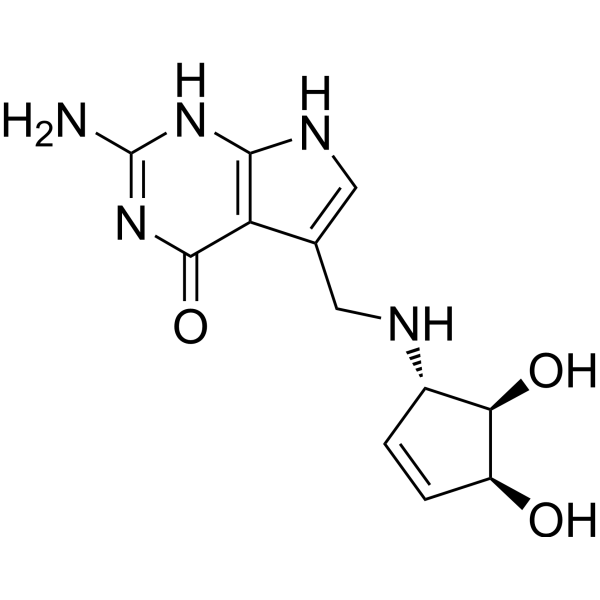
    Queuine
    1 Publications Verification

    Bacterial Metabolic Disease Cancer
    Queuine is a selective substrate for tRNA guanine transglycosylase (TGT) and can be incorporated into eukaryotic tRNA. Queuine promotes tRNA modification, affecting mitochondrial function and Warburg metabolic phenotype. If Queuine is deficient, aerobic glycolysis can be enhanced, oxidative phosphorylation can be inhibited, and Warburg metabolism can be promoted, accompanied by increased ammonia and lactate production and increased lactate dehydrogenase activity. Queuine can be used for autoimmune diseases (such as experimental models of multiple sclerosis) and cancer metabolic regulation, and its deficiency is associated with low tRNA modification in tumor cells .
    Queuine
  • HY-129589
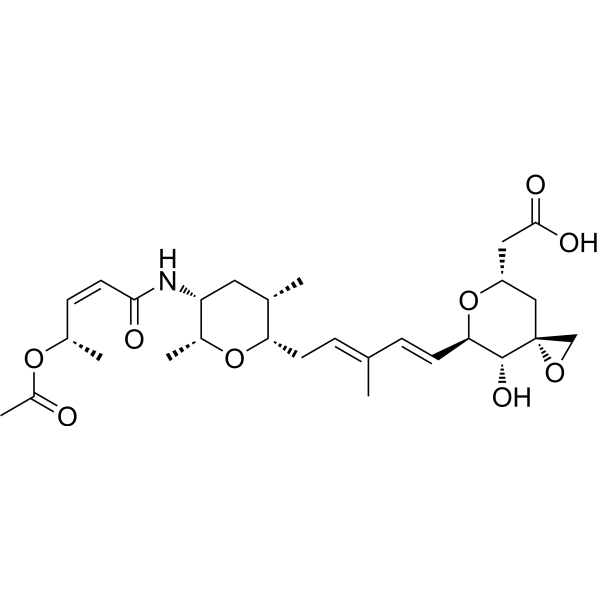
    Thailanstatin A
    2 Publications Verification

    ADC Payload Cancer
    Thailanstatin A is an ultra-potent inhibitor of eukaryotic RNA splicing (IC50=650 nM). Thailanstatin A exerts effects via non-covalent binding to the SF3b subunit of the U2 snRNA subcomplex of the spliceosome and shows low-nM to sub-nM IC50s against multiple cancer cell lines. Thailanstatin A, a payload for ADCs, is conjugated to the lysines on trastuzumab yielding “linker-less” ADC .
    Thailanstatin A
  • HY-D0098
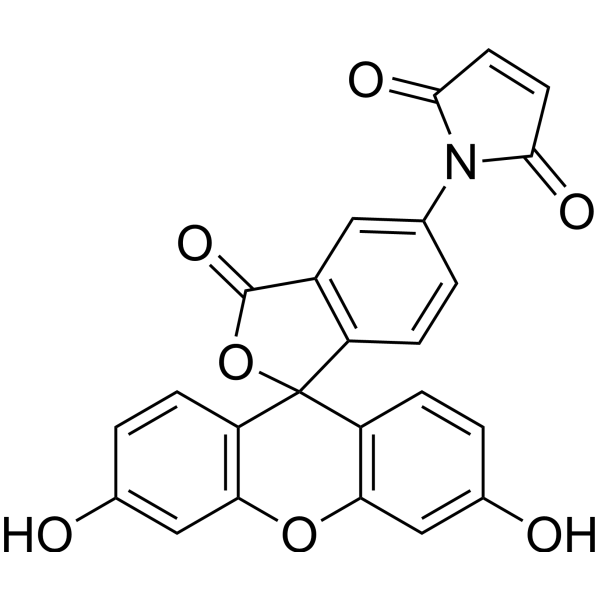
    Fluorescein-5-maleimide
    5 Publications Verification

    N-(5-Fluoresceinyl)maleimide

    Fluorescent Dye Others
    Fluorescein-5-maleimide (N-(5-Fluoresceinyl)maleimide) is a fluorescent dye. Fluorescein-5-maleimide can be used to detect the redox state of thiols in eukaryotic cells. Fluorescein-5-maleimide can label peptides and is used to detect negatively charged nanoparticles. Fluorescein-5-maleimide can also label actin to explore its interaction with cardiac myosin-binding protein C (cMyBP-C), which helps in developing small molecule modulators for heart failure. Fluorescein-5-maleimide can screen mutant proteins that contain cysteine residues. The excitation wavelength of Fluorescein-5-maleimide is 494 nm, and the emission wavelength is 519 nm .
    Fluorescein-5-maleimide
  • HY-18930

    CDK Cancer
    NU6300 is a covalent, irreversible and ATP-competitive CDK2 inhibitor with an IC50 value of 0.16 μM. NU6300 can be used for the research of eukaryotic cell cycle- and transcription-related .
    NU6300
  • HY-15969
    Sal003
    4 Publications Verification

    Phosphatase Apoptosis Cancer
    Sal003 is a potent, specific and cell-permeable inhibitor of the eukaryotic translation initiation factor 2α (eIF2α) phosphatase. Sal003 is a derivative of salubrinal .
    Sal003
  • HY-12801
    DiZPK
    3 Publications Verification

    Biochemical Assay Reagents Others
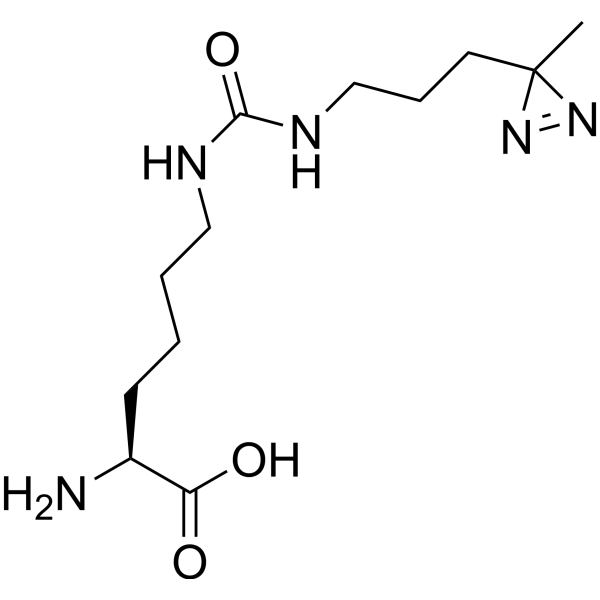
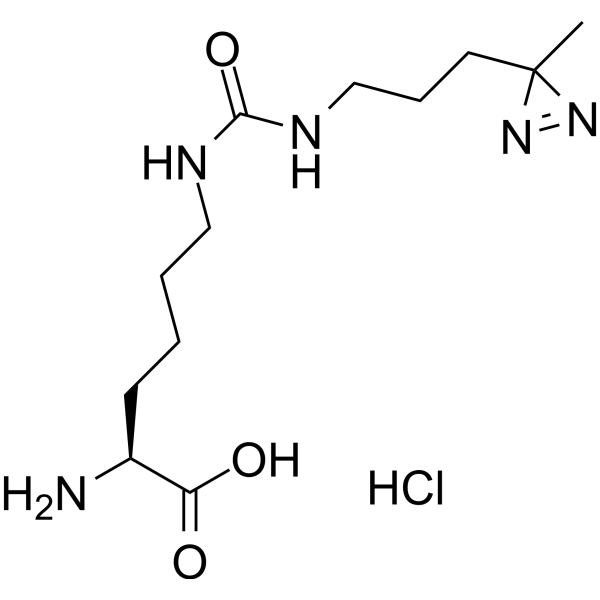
    DiZPK is a photocrosslinker for identifying direct protein-protein interactions in living prokaryotic and eukaryotic cells.
    DiZPK
  • HY-P2739

    Endogenous Metabolite Others
    Citrate synthase is responsible for catalyzing the first reaction of the citric acid cycle: the condensation of acetyl-CoA and oxaloacetate to form citrate. Citrate synthase is localized within eukaryotic cells in the mitochondrial matrix .
    Citrate synthase
  • HY-19356A

    Eukaryotic Initiation Factor (eIF) Apoptosis Cancer
    Didesmethylrocaglamide, a derivative of Rocaglamide, is a potent eukaryotic initiation factor 4A (eIF4A) inhibitor. Didesmethylrocaglamide has potent growth-inhibitory activity with an IC50 of 5 nM. Didesmethylrocaglamide suppresses multiple growth-promoting signaling pathways and induces apoptosis in tumor cells. Antitumor activity .
    Didesmethylrocaglamide
  • HY-E70529

    DNA/RNA Synthesis Bacterial Infection
    Ribonucleoside vanadyl complexes are a class of potent RNase and Taq polymerase inhibitors. Ribonucleoside vanadyl complexes protect RNA during RNA isolation by inhibiting ribonucleases, and also reduce the viability of bacteria and eukaryotic cells by interfering with ribosomal subunit assembly. Ribonucleoside vanadyl complexes block PCR and reverse transcription reactions templated by viral nucleic acids and enhance the effects of antibiotics against Staphylococcus aureus, but do not directly inhibit protein synthesis. Ribonucleoside vanadyl complexes can be effectively removed by phenol-chloroform extraction, thus enabling subsequent PCR analysis. Ribonucleoside vanadyl complexes can be applied in research related to chronic hepatitis C (HCV) and Staphylococcus aureus infection .
    Ribonucleoside vanadyl complexes
  • HY-17561R

    Geneticin sulfate (Standard); Antibiotic G-418 sulfate (Standard)

    Reference Standards Bacterial Antibiotic Infection
    G-418 (disulfate) (Standard) is the analytical standard of G-418 (disulfate). This product is intended for research and analytical applications. G-418 disulfate (Geneticin sulfate), is an aminoglycoside antibiotic, inhibits protein synthesis in eukaryotes and prokaryotes. G-418 disulfate is commonly used as a selective agent for eukaryotic cells[1].
    G-418 disulfate (Standard)
  • HY-B0490R

    Hygrovetine (Standard)

    Reference Standards Bacterial Fungal Antibiotic Parasite Infection
    Hygromycin B (Standard) is the analytical standard of Hygromycin B. This product is intended for research and analytical applications. Hygromycin B is an aminoglycoside antibiotic active against prokaryotic and eukaryotic cells.
    Hygromycin B (Standard)
  • HY-139533

    Biochemical Assay Reagents Others
    Phosphatidylinositols, soya, sodium salts is a mixture of phosphatidylinositols. Phosphoinositides are lipids involved in the vesicular transport of proteins and lipids between the different compartments of eukaryotic cells. They act by recruiting and/or activating effector proteins and thus are involved in regulating various cellular functions, such as vesicular budding, membrane fusion and cytoskeleton dynamics .
    Phosphatidylinositols, soya, sodium salts
  • HY-16366

    ON 014185

    Eukaryotic Initiation Factor (eIF) CDK c-Myc MDM-2/p53 Caspase Apoptosis Cancer
    Briciclib (ON 014185) is a eukaryotic translation initiation factor 4E (eIF4E) inhibitor. Briciclib exhibits broad-spectrum anti-cancer activity, including in mantle cell leukemia, breast cancer, gastric cancer, and esophageal cancer cells. Briciclib reduces the expression of cyclin D1 and c-Myc, and enhances the expression of P53 and Cleaved Caspase 3 pro-apoptotic proteins. Briciclib can be used for the study of hematological system tumors and solid tumors .
    Briciclib
  • HY-W416291

    Poly(A)

    Biochemical Assay Reagents Cancer
    Polyadenylic acid potassium, also known as Poly(A), is enzymatically added to messenger RNA (mRNA) in eukaryotic cells to stabilize mRNAs. Poly(A) is used to evaluate binding on cationic liposomes doped with non-ionic nucleolipids. Poly(A) is used in small molecule mRNA targeted drug development to evaluate the binding of potential therapeutic agents such as the Isoquinoline group of alkaloids. Small molecules that could bind to this poly(A) tail could influence and possibly inhibit mRNA function and subsequent protein production in the cell leading to the development of new type of therapeutic agents.
    Polyadenylic acid potassium
  • HY-18979
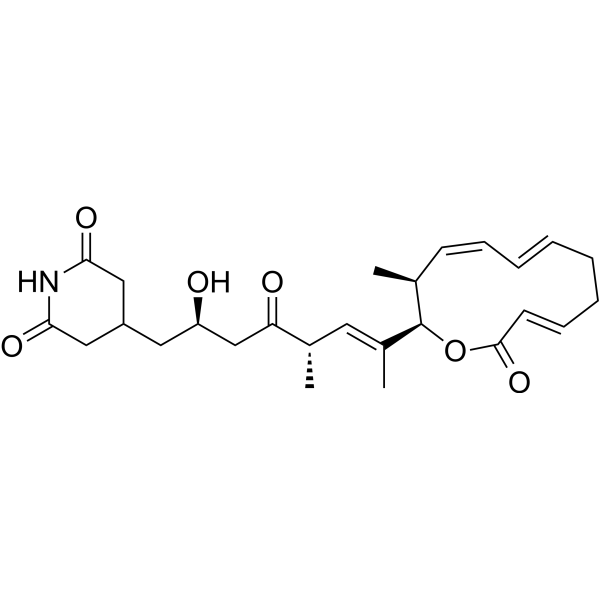
    Lactimidomycin
    1 Publications Verification

    Flavivirus Dengue Virus Infection Cancer
    Lactimidomycin is a glutarimide-containing compound isolated from Streptomyces. Lactimidomycin is a potent inhibitor of eukaryotic translation elongation. Lactimidomycin has a potent antiproliferative effect on tumor cell lines and selectively inhibit protein translation. Lactimidomycin inhibits protein synthesis with an IC50 value of 37.82 nM. Lactimidomycin is also a potent and non-toxic inhibitor of dengue virus 2 and other RNA viruses. Anticancer and antiviral activities .
    Lactimidomycin
  • HY-114231
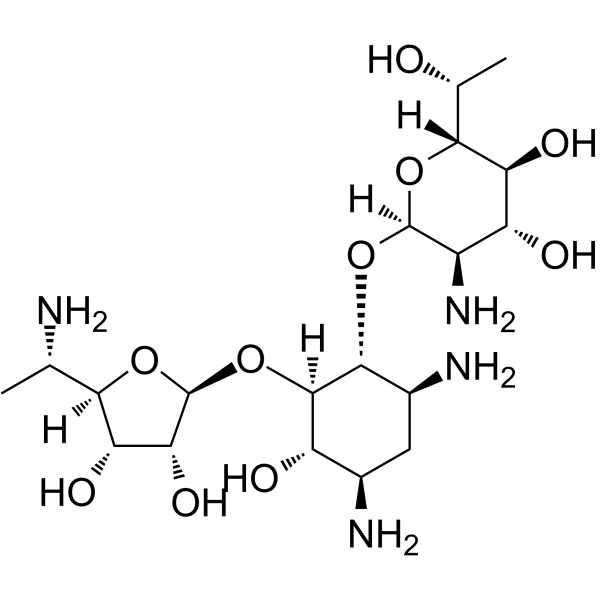
    Exaluren
    2 Publications Verification

    ELX-02; NB-124

    Drug Derivative Inflammation/Immunology
    Exaluren (ELX-02; NB-124) is an synthetic eukaryotic ribosome-selective glycoside that induces read-through of nonsense mutations, resulting in normally localized full-length functional proteins. Exaluren is used for the research of cystic fibrosis caused by nonsense mutations .
    Exaluren
  • HY-113137
    N2,N2-Dimethylguanosine
    4 Publications Verification

    Endogenous Metabolite Cancer
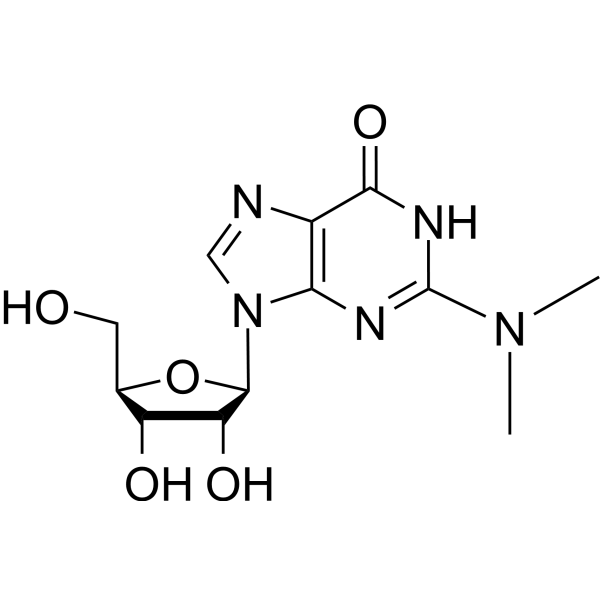
    N2,N2-Dimethylguanosine is a methylated modified nucleoside present in RNA and serves as a structural modification component of tRNA. N2,N2-Dimethylguanosine inhibits reverse transcriptase-mediated cDNA synthesis and is one of the key modifications affecting sequencing efficiency in high-throughput RNA sequencing. N2,N2-Dimethylguanosine can be selectively demethylated at one methyl group by AlkB mutant enzymes (such as D135S/L118V) and converted to N2-methylguanosine, thereby reducing the inhibition of reverse transcription .
    N2,N2-Dimethylguanosine
  • HY-P10285

    D-(KLAKLAK)2

    Apoptosis Mitochondrial Metabolism Caspase Cancer
    d-KLA Peptide (D-(KLAKLAK)2), KLA peptide (HY-P5345) isomer, is a pro-apoptosis peptide. d-KLA Peptide can specifically target mitochondria and induce apoptosis by destroying the mitochondrial membrane. d-KLA Peptide increases caspase 3/7 activity, exerts proapoptotic activity and enhances antitumor efficacy in mouse melanoma models .
    d-KLA Peptide
  • HY-151629

    Bacterial Cancer
    MRV03-069 (Compound 3) is a selective colibactin-activated peptidase (ClbP) inhibitor that blocks the genotoxic effect of Colibactin (HY-145930) on eukaryotic cells. MRV03-069 can be used in colorectal cancer research .
    MRV03-069
  • HY-147832

    Eukaryotic Initiation Factor (eIF) Cancer
    EIF2α activator 2 (Compound 1) is an activator of eukaryotic initiation factor 2 alpha (eIF2α) phosphorylation. EIF2α activator 2 exhibits high potency in SRB cell proliferation assays (IC50=0.46 μM). EIF2α activator 2 exhibits antiproliferative activity againist K562 and PBMC cells with IC50s of 4.79 and 10.52 μM, respectively .
    EIF2α activator 2
  • HY-145262

    Eukaryotic Initiation Factor (eIF) Cancer
    eIF4E-IN-2 is a potent inhibitor of eukaryotic initiation factor 4e (eIF4e) with an IC50 of 13 nM. eIF4E-IN-2 inhibits MDA-MB-361 cells proliferation. eIF4E-IN-2 can be used for the study of breast cancer .
    eIF4E-IN-2
  • HY-143210

    Liposome Metabolic Disease
    Transfectam is a cationic lipid able to interact with DNA to form complexes that mediate efficient gene transfer into various eukaryotic cells .
    Transfectam
  • HY-W012311

    2′,3′-Dideoxythymidine; ddThd

    Nucleoside Antimetabolite/Analog DNA/RNA Synthesis Infection
    3′-Deoxythymidine (2′,3′-Dideoxythymidine), a nucleoside analog, inhibits eukaryotic cellular and viral DNA polymerases, and inhibits retrovirus infection in some cells .
    3′-Deoxythymidine
  • HY-N10574A
    Queuine dihydrochloride
    1 Publications Verification

    Others Metabolic Disease Cancer
    Queuine dihydrochloride is a selective substrate for tRNA guanine transglycosylase (TGT) and can be incorporated into eukaryotic tRNA. Queuine dihydrochloride promotes tRNA modification, affecting mitochondrial function and Warburg metabolic phenotype. If Queuine dihydrochloride is deficient, aerobic glycolysis can be enhanced, oxidative phosphorylation can be inhibited, and Warburg metabolism can be promoted, accompanied by increased ammonia and lactate production and increased lactate dehydrogenase activity. Queuine dihydrochloride can be used for autoimmune diseases (such as experimental models of multiple sclerosis) and cancer metabolic regulation, and its deficiency is associated with low tRNA modification in tumor cells .
    Queuine dihydrochloride
  • HY-146324

    PROTACs Apoptosis CaMK Cancer
    PROTAC eEF2K degrader-1 (Compound 11l) is an eEF2K-Targeting PROTAC small molecule that induces apoptosis in MDA-MB-231 cells. PROTAC eEF2K degrader-1 mediates eEF2K degradation .
    PROTAC eEF2K degrader-1
  • HY-111391R

    Diazoresorcinol sodium (Standard)

    Reference Standards Bacterial Others
    Resazurin (sodium) (Standard) is the analytical standard of Resazurin (sodium). This product is intended for research and analytical applications. Resazurin sodium (Diazoresorcinol sodium) is commonly used to measure bacterial and eukaryotic cell viability through its reduction to the fluorescent product resorufin.
    Resazurin sodium (Standard)
  • HY-P2465A

    DNA/RNA Synthesis Cancer
    Histone H3 (1-35) TFA is a 35-residue peptide of histone H3. Histone H3 is one of the five main histones involved in the structure of chromatin in eukaryotic cells .
    Histone H3 (1-35) TFA
  • HY-159604

    METTL3 Cancer
    METTL3-IN-9 (compound C3) is an inhibitor of methyltransferase-like METTL3, an RNA methyltransferase that catalyzes the N6-methyladenosine (m6A) modification of mRNA in eukaryotic cells .
    METTL3-IN-9
  • HY-146696

    Epoxide Hydrolase Cardiovascular Disease Neurological Disease Cancer
    mEH-IN-1 (Compound 62) is a potent microsomal epoxide hydrolase (mEH) inhibitor with the IC50 of 2.2 nM. The mEH is a mammalian α/β-fold hydrolase enzyme, expressed in almost all tissues, hydrolyzes a wide range of epoxide containing molecules. The mEH is mainly localized in the endoplasmic reticulum (ER) of eukaryotic cells. mEH-IN-1 can be used for the research of preeclampsia, hypercholanemia and cancer .
    mEH-IN-1
  • HY-P3182

    Endogenous Metabolite Cancer
    NADH oxidase is a cyanide-resistant oxidase located on the plasma membrane of animals and plants, which is regulated by growth factors and hormones. NADH oxidase catalyzes the electron transfer from NADH to oxygen, and its activity is closely related to cell growth. The hormone response of NADH oxidase is attenuated in tumor-transformed cells, and it can serve as an anti-tumor target .
    NADH oxidase
  • HY-W348485

    mTOR Cancer
    WRX606 is an orally active nonrapalog inhibitor for mTOR complex 1 (mTORC1M). WRX606 inhibits the phosphorylation of mTORC1 substrate S6 kinase 1 (S6K1) (IC50 = 10 nM) and eukaryotic translation initiation factor 4E binding protein (p-4E-BP1) (IC50 = 0.27 μM) in MCF-7 cells. WRX606 suppresses tumor growth in mice without promotion of metastasis. WRX606 can be studied in research as an antitumor agent .
    WRX606
  • HY-W142596

    Liposome Others
    1,2-DImyristoyl-rac-glycero-3-phosphocholine (DMPC), a zwitterionic phospholipid, is chosen as a simple eukaryotic cell membrane, mimicking the neutral charge of the surface membrane of eukaryotic plasma membranes .
    1,2-DImyristoyl-rac-glycero-3-phosphocholine
  • HY-P5486

    Bacterial Others
    Tet-20 is a biological active peptide. (Tet-20, is a synthetic cathelicidin-derived peptide. It was tested as infection-resistant coating for medical devices. When tethered on an implant surface Tet-20 exhibited broad antimicrobial activities both in vivo and in vitro. It can stop biofilm formation and appears to be non-toxic to eukaryotic cells)
    Tet-20
  • HY-111522

    Sirtuin c-Myc Cancer
    RK-9123016 is a potent inhibitor of SIRT2. RK-9123016 inhibits the enzymatic activity of SIRT2 with an IC50 value of 0.18 µM but not other human sirtuin members including SIRT1 and SIRT3 at 100 µM. RK-9123016 increases the acetylation level of eukaryotic translation initiation factor 5A (eIF5A), a physiological substrate of SIRT2, and reduces cell viability of human breast cancer cells accompanied with a decrease in c-Myc expression .
    RK-9123016
  • HY-100513

    DNA/RNA Synthesis Apoptosis Antibiotic Cancer
    (±)-Dehydroaltenusin, an antibiotic, is a selective eukaryotic DNA polymerase α (pol α) inhibitor with an IC50 of 0.68 μM. (±)-Dehydroaltenusin can be isolated from fungus Alternaria tenuis. (±)-Dehydroaltenusin competitively inhibits the DNA template primer (Ki: 0.23 μM) and non-competitively suppresses the 2'-deoxyribonucleoside 5'-triphosphate substrate (Ki: 0.18 μM). (±)-Dehydroaltenusin induces the cancer cell S-phase cycle arrest and apoptosis. (±)-Dehydroaltenusin can be used for cancers like human adenocarcinoma research .
    (±)-Dehydroaltenusin
  • HY-127072

    Antibiotic Bacterial Infection Inflammation/Immunology Cancer
    Amicoumacin A is an orally active antibiotic. Amicoumacin A targets bacterial ribosomes and inhibits bacterial translation by stabilizing the interaction between mRNA and ribosomes. Amicoumacin A induces cancer cell death by targeting eukaryotic ribosomes. Amicoumacin A exhibits anti-inflammatory and anti-ulcer activities, inhibits carrageenan-induced paw edema, and prevents stress-induced gastric ulcers. Amicoumacin A inhibits the growth of Gram-positive bacteria, Salmonella spp., Shigella spp., Helicobacter pylori, and methicillin-resistant Staphylococcus aureus. Amicoumacin A can be used in the research of lung cancer, breast cancer, bacterial infections, inflammatory edema and gastric ulcers [2] .
    Amicoumacin A
  • HY-126171

    Endogenous Metabolite Others
    Hypusine is a natural amino acid. The post-translational synthesis of hypusine is mainly catalyzed by deoxyhypusine synthase (DHPS) and deoxyhypusine hydroxylase (DOHH) .
    Hypusine
  • HY-148596

    UDP-N-Acetyl-D-glucosamine; Uridine diphospho-N-acetylglucosamine; UDP-N-acetylglucosamine

    Endogenous Metabolite P2Y Receptor Drug Intermediate Glycosyltransferase Infection
    UDP-GlcNAc (UDP-N-Acetyl-D-glucosamine) is an important component and precursor of bacterial peptidoglycan. UDP-GlcNAc is a nucleotide sugar used by Glycosyltransferases to synthesize glycoproteins, glycosaminoglycans, glycolipids, and glycoRNA. UDP-GlcNAc also serves as the donor substrate for forming O-GlcNAc, a dynamic intracellular protein modification involved in diverse signaling and disease processes. UDP-GlcNAc is the sugar nucleotide donor for the synthesis of O-GlcNAc modified proteins. UDP-GlcNAc also acts as a full agonist of the P2Y14 receptor and inhibits the formation of cAMP. UDP-GlcNAc can be used in studies related to bacterial infections .
    UDP-GlcNAc
  • HY-129337

    Antibiotic Fungal Apoptosis Infection Cancer
    Reveromycin A, a benzoquinoid antibiotic isolated from the genus Streptomyces, is a selective inhibitor of protein synthesis in eukaryotic cells. Reveromycin A inhibits bone resorption by inducing apoptosis specifically in osteoclasts. Reveromycin A has antiproliferative activity against tumor cell lines and antifungal activity .
    Reveromycin A
  • HY-151626

    Bacterial Infection
    MRV03-037 is a selective colibactin-activated peptidase (ClbP) inhibitor that blocks the genotoxic effect of Colibactin (HY-145930) on eukaryotic cells. MRV03-037 prevents gut bacterial genotoxin production .
    MRV03-037
  • HY-178497

    PROTACs Ras p38 MAPK TNF Receptor Inflammation/Immunology Cancer
    ZJK-807 is a highly effective and selective PROTAC degrader targeting KRASG12D (DC50 = 79.5 nM in AsPC-1 cells). ZJK-807 shows minimal impact on wild-type KRAS or other mutants (G12C/S/V, G13D), inducing mutant-specific cytotoxicity. ZJK-807 suppresses RAS/MAPK signaling and uniquely modulates TNF signaling and eukaryotic ribosome biogenesis. ZJK-807 can be used for the study of KRAS-driven pancreatic cancer. Yellow: KRASG12D ligand (HY-W087383); Green: E3 ligase CRBN ligand (HY-178507); Black: Linker (HY-178506) .
    ZJK-807
  • HY-129767

    Eukaryotic Initiation Factor (eIF) Cancer
    CMLD012612 is an amidino-rocaglate containing a hydroxamate group and is a potent eukaryotic initiation factor 4A (eIF4A) inhibitor. CMLD012612 inhibits cell translation and is cytotoxic to NIH/3T3 cells with an IC50 value of 2 nM. CMLD012612 inhibits eukaryotic translation initiation by modifying the behavior of the RNA helicase (eIF4A) and possesses potent anti-neoplastic activity .
    CMLD012612
  • HY-137911

    Bacterial Infection Cancer
    Sparsomycin is a metabolite of the bacterium Streptomyces sparsogenes. Sparsomycin inhibits protein synthesis in both eukaryotic cells and bacteria. Sparsomycin inhibits the translation extension of ribosome PTC .
    Sparsomycin

Inquiry Online

Your information is safe with us. * Required Fields.

Salutation


Country or Region *

Applicant Name *


Organization Name *

Department *


Email Address *


Product Name *

Cat. No.


Requested quantity *

Phone Number *


Remarks

Inquiry Online

Inquiry Information

Product Name:
Cat. No.:
Quantity:
MCE Japan Authorized Agent:

