Search Result
Results for "
hematological+Malignancy
" in MedChemExpress (MCE) Product Catalog:
4
Isotope-Labeled Compounds
| Cat. No. |
Product Name |
Target |
Research Areas |
Chemical Structure |
-
- HY-112088
-
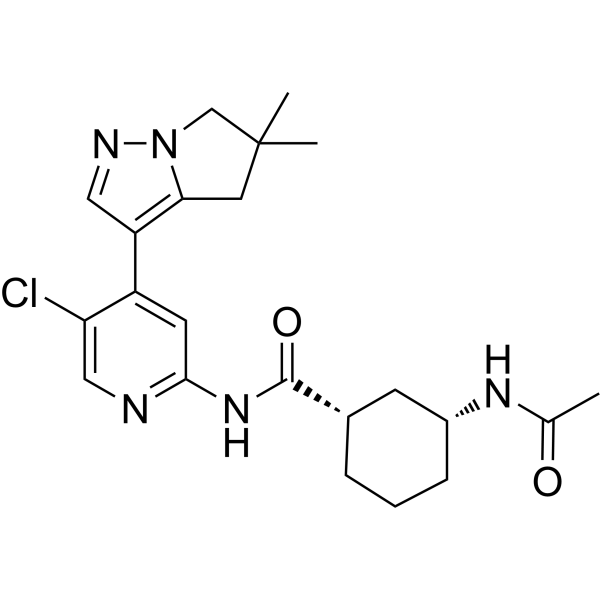
AZD4573
Maximum Cited Publications
14 Publications Verification
|
CDK
|
Cancer
|
|
AZD4573 is a potent and highly selective CDK9 inhibitor (IC50 of <4 nM) that enables transient target engagement for the treatment of hematologic malignancies .
|
-
-
- HY-156730
-
|
|
Molecular Glues
STAT
|
Cancer
|
|
KT-333 is a molecular glues that degrades STAT3 protein. KT-333 mediates the selective degradation of STAT3 through the ubiquitin-proteasome system by binding to STAT3 protein and E3 ubiquitin ligase von Hippel-Lindau protein (VHL). KT-333 has strong selectivity for STAT3 protein degradation and good antitumor activity. KT-333 can be used in the study of hematologic malignancies such as large granular lymphocytic leukemia (LGL-L), peripheral T-cell lymphoma (PTCL), and cutaneous T-cell lymphoma (CTCL) .
|
-

-
- HY-15771
-
|
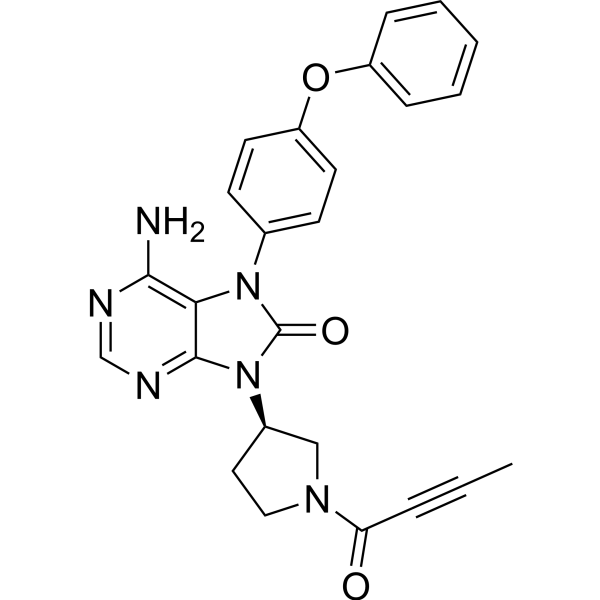
ONO-4059; GS-4059
|
Btk
Apoptosis
|
Inflammation/Immunology
Cancer
|
|
Tirabrutinib (ONO-4059) is an orally active Bruton’s Tyrosine Kinase (BTK) inhibitor (can cross the blood-brain barrier (BBB)), with an IC50 of 6.8 nM. Tirabrutinib irreversibly and covalently binds to BTK and inhibits aberrant B cell receptor signaling. Tirabrutinib can be used in studies of autoimmune diseases and hematological malignancies .
|
-
-
- HY-136241
-
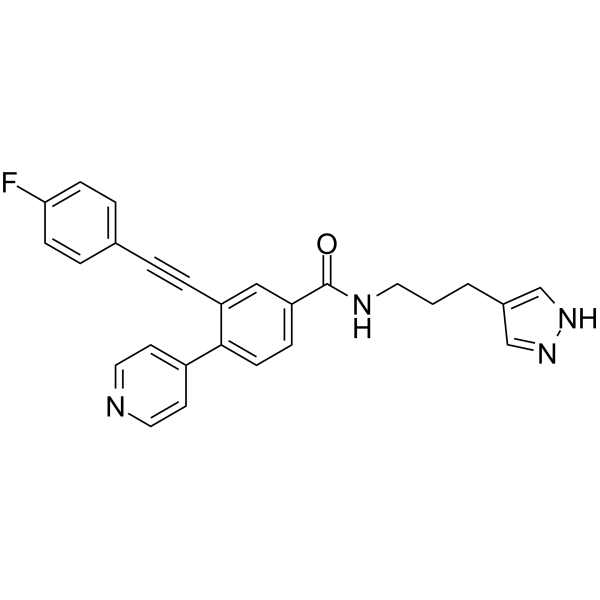
OT-82
1 Publications Verification
|
NAMPT
Caspase
|
Cancer
|
|
OT-82 is a potent, selective and orally active inhibitor of NAMPT. OT-82 is selectively toxic to cells of hematopoietic origin and?induces cell death in a NAD + dependent manner. OT-82 is a promising antineoplastic agent for the study of hematological malignancies .
|
-
-
- HY-13599
-
|
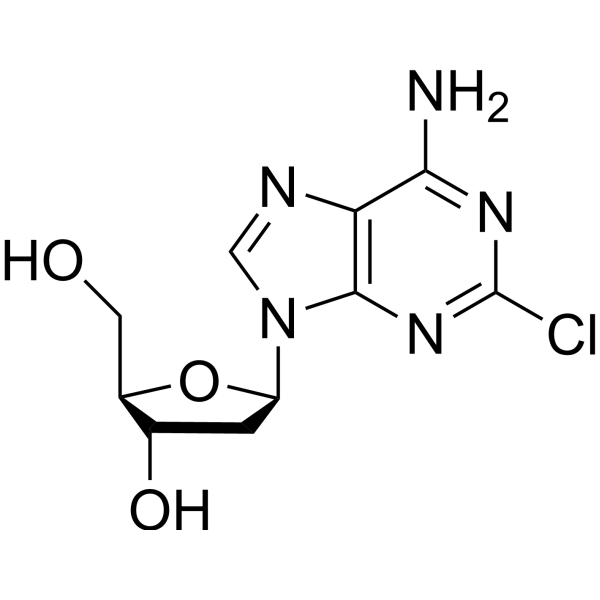
2-Chloro-2′-deoxyadenosine; CldAdo; 2CdA
|
Adenosine Deaminase
Apoptosis
|
Cardiovascular Disease
Cancer
|
|
Cladribine (2-Chloro-2′-deoxyadenosine), a purine nucleoside analog, is an orally active adenosine deaminase inhibitor. Cladribine functions as an inhibitor of DNA synthesis to block the repair of the damaged DNA. Cladribine can inhibit DNA methylation. Cladribine has anti-lymphoma activity. Cladribine can be used for the research of several hematologic malignancies and multiple sclerosis .
|
-
-
- HY-150105
-
|
BMF-219; Menin-MLL inhibitor 21
|
Epigenetic Reader Domain
|
Metabolic Disease
Inflammation/Immunology
Cancer
|
|
Icovamenib (BMF-219) is a selective, orally active, irreversible Menin inhibitor. Icovamenib forms a stable and irreversible covalent bond with Menin. Icovamenib promotes selective and controlled proliferation of beta cells and improvement of beta cell function in ex vivo human islet cultures. Icovamenib enhances glycemic control in animal diabetic models. Icovamenib induces a dose-dependent enhancement in insulin secretion potentiated by the GLP-1 RA. Icovamenib can be used for the study of multiple hematologic malignancies, solid tumors, and diabetes mellitus, such as diffuse large B-cell lymphoma (DLBCL), multiple myeloma (MM) and chronic lymphocytic leukemia and type 2 diabetes .
|
-

-
- HY-149672
-
|
|
Bcl-2 Family
Apoptosis
|
Cancer
|
|
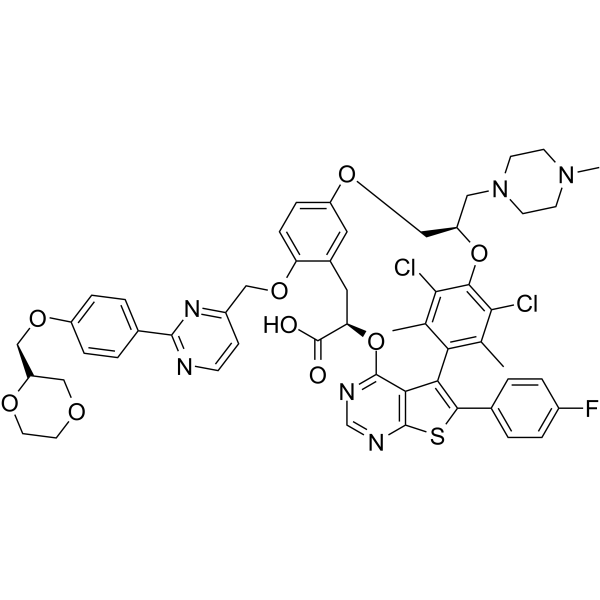
ABBV-467 is a selective MCL-1 inhibitor (Ki: <0.01 nM). ABBV-467 induces apoptosis. ABBV-467 induces cancer cell death and inhibits tumor growth in models of hematological malignancies, such as multiple myeloma .
|
-
-
- HY-124593
-
PTC299
5 Publications Verification
Emvododstat
|
VEGFR
Dihydroorotate Dehydrogenase
DNA/RNA Synthesis
|
Cancer
|
|
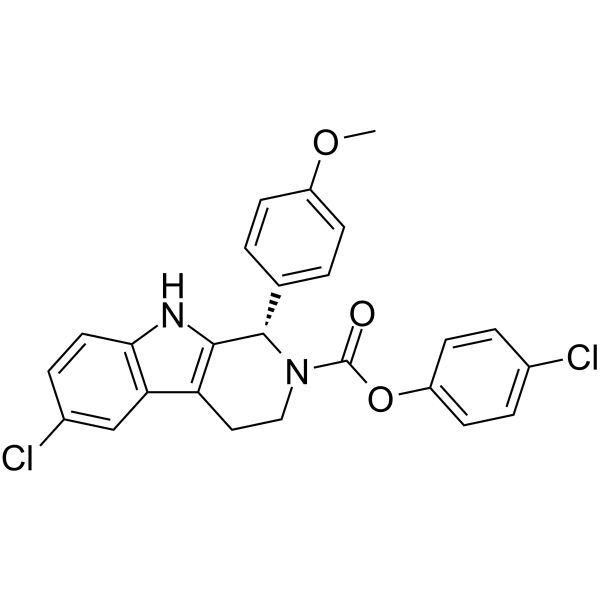
PTC299 is an orally active inhibitor of VEGFA mRNA translation that selectively inhibits VEGF protein synthesis at the post-transcriptional level. PTC299 is also a potent inhibitor of dihydroorotate dehydrogenase (DHODH). PTC299 shows good oral bioavailability and lack of off-target kinase inhibition and myelosuppression. PTC299 can be useful for the research of hematologic malignancies .
|
-
-
- HY-103688
-
|
|
ADC Payload
|
Cancer
|
|
AcBut-N-Ac-γ-Calicheamicin is an ADC cytotoxic payload that induces cell cycle arrest and apoptosis by causing DNA double-strand breaks. AcBut-N-Ac-γ-Calicheamicin is primarily used in the synthesis of antibody-drug conjugates (ADC) and holds promise for research in the field of cancer, including acute lymphoblastic leukemia (ALL) and other hematological malignancies .
|
-

-
- HY-103019A
-
|
(±)-BAY-1251152; (±)-VIP152
|
CDK
Apoptosis
DNA/RNA Synthesis
|
Cancer
|
|
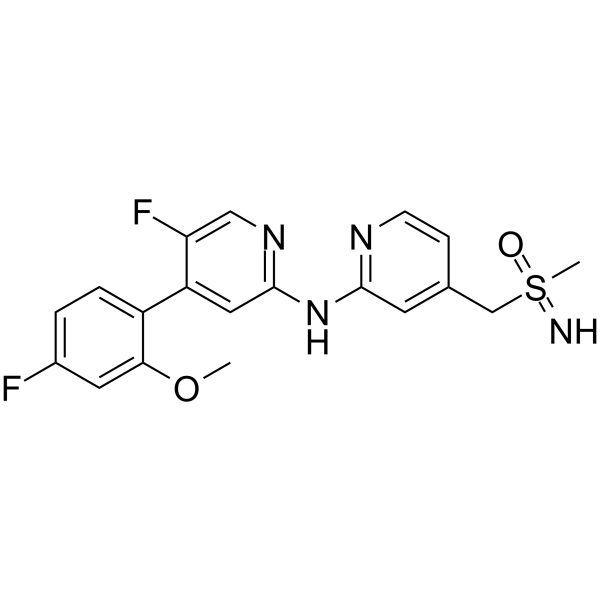
(±)-Enitociclib ((±)-BAY-1251152) is the racemic mixture of Enitociclib (HY-103019E). Enitociclib is a selective CDK9 inhibitor and apoptosis inducer. Enitociclib inhibits CDK9 activity and reduces the phosphorylation of Ser2 in the carboxyl-terminal domain (CTD) of RNA polymerase Pol II, thereby downregulating the transcription of key oncogenes such as MYC and MCL1. Enitociclib has anti-proliferative activity targeting MYC + lymphoma and multiple myeloma (MM) cells, and has synergistic effects with Bortezomib (HY-10227) and Lenalidomide (HY-A0003), and can be used in the research of hematological malignancies .
|
-
-
- HY-19763
-
-
-
- HY-10943
-
GNF-7
2 Publications Verification
|
Bcr-Abl
Ack1
|
Cancer
|
|
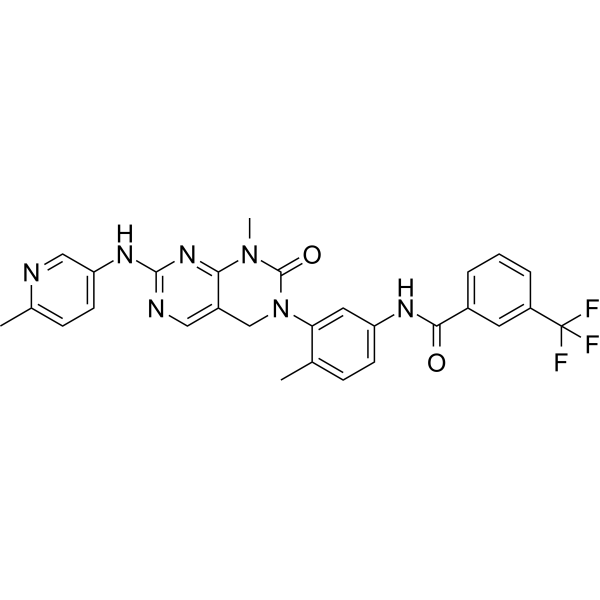
GNF-7 is a multikinase inhibitor. GNF-7 is a Bcr-Abl inhibitor, with IC50s of 133 nM and 61 nM for Bcr-Abl WT and Bcr-Abl T315I, respectively. GNF-7 also possesses inhibitory activity against both ACK1 (activated CDC42 kinase 1) and GCK (germinal center kinase) with IC50s of 25 nM and 8 nM, respectively. GNF-7 can be used for the research of hematologic malignancies .
|
-
-
- HY-176083
-
|
|
MDM-2/p53
Caspase
Apoptosis
|
Cancer
|
|
ASTX295 is an orally active and selective MDM2 antagonist with an IC50 of <1 nM. ASTX295 inhibits the MDM2-p53 interaction, activates wild-type TP53, and thereby induces the expression of relevant transcriptional targets, leading to cell death. ASTX295 drives the transition of pancreatic cancer cells from senescence to apoptosis and regulates p53 and DNA damage biomarkers. ASTX295 can be used for the research of hematologic malignancies and pancreatic cancer .
|
-

-
- HY-10406
-
|
SCIO-469
|
p38 MAPK
TNF Receptor
Interleukin Related
VEGFR
Apoptosis
|
Neurological Disease
Metabolic Disease
Inflammation/Immunology
Cancer
|
|
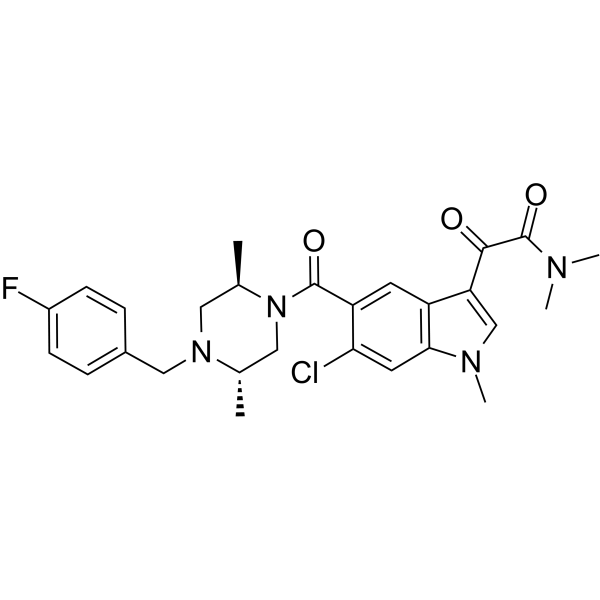
Talmapimod (SCIO-469) is an orally active and selective inhibitor of p38α MAPK with an IC50 of 9 nM. Talmapimod inhibits the secretion of inflammatory factors (such as TNFα, IL-1β, IL-6, and VEGF) by suppressing the p38α MAPK pathway, and it also inhibits angiogenesis and osteoclast activation. Talmapimod inhibits the growth of multiple myeloma cells and induces apoptosis. Talmapimod can be used to study various hematological malignancies (such as multiple myeloma, myelodysplastic syndrome) .
|
-
-
- HY-176244
-
|
|
Histone Acetyltransferase
|
Cancer
|
|
KI-TOX-A3 is a TOX protein-protein interaction inhibitor that blocks the TOX-KAT7 protein-protein interaction with an IC50 of 0.51 μM. KI-TOX-A3 induces proteasomal degradation of TOX, restores KAT7-mediated H3K14 acetylation, reverses exhaustion of CD8 + T cells, and inhibits the proliferation of T cell acute lymphoblastic leukemia (T-ALL) cells. KI-TOX-A3 shows promise for use in studies of hematological malignancies such as T-ALL .
|
-

-
- HY-160487
-
|
|
IRAK
Apoptosis
|
Cancer
|
|
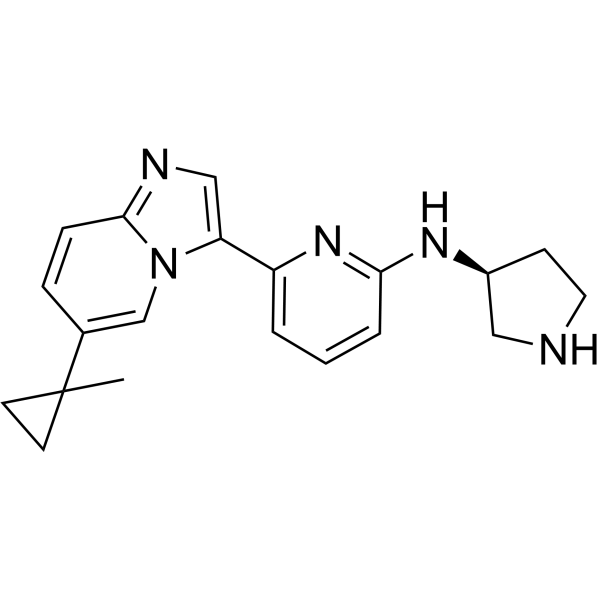
KME-2780 is the orally active inhibitor for IRAK1 and IRAK4 with IC50s of 19 nM and 0.5 nM. KME-2780 can be used for research of dysregulation of innate immune signaling and hematologic malignancies .
|
-
-
- HY-147831
-
|
|
Eukaryotic Initiation Factor (eIF)
Epigenetic Reader Domain
|
Cancer
|
|
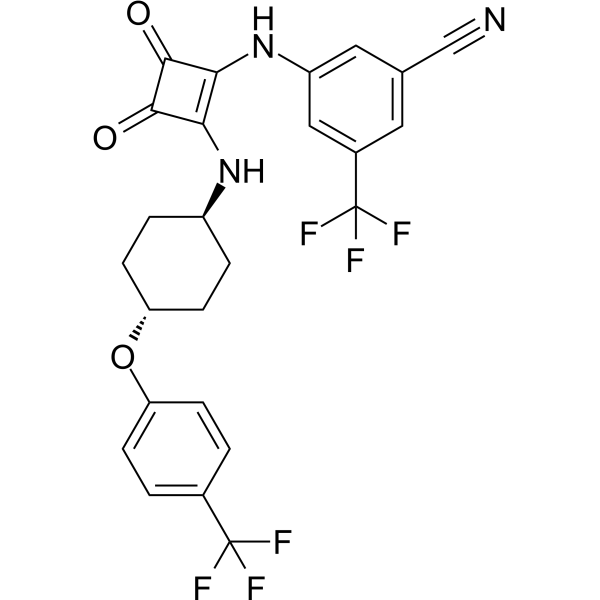
HR-19011 is an eIF2α phosphorylation activator targeting heme-regulated inhibitor HRI (EIF2AK1). HR-19011 exhibits growth inhibitory activity against K562 cells with an IC50 value of 3.91 µM. HR-19011 inhibits the growth of hematologic malignancies by targeting HRI to activate the integrated stress response via the HRI-eIF2α-ATF4 axis. HR-19011 shows good safety in vivo. HR-19011 can be used for research on hematologic malignancies (leukemia) .
|
-
-
- HY-143584
-
|
|
CDK
Apoptosis
|
Cancer
|
|
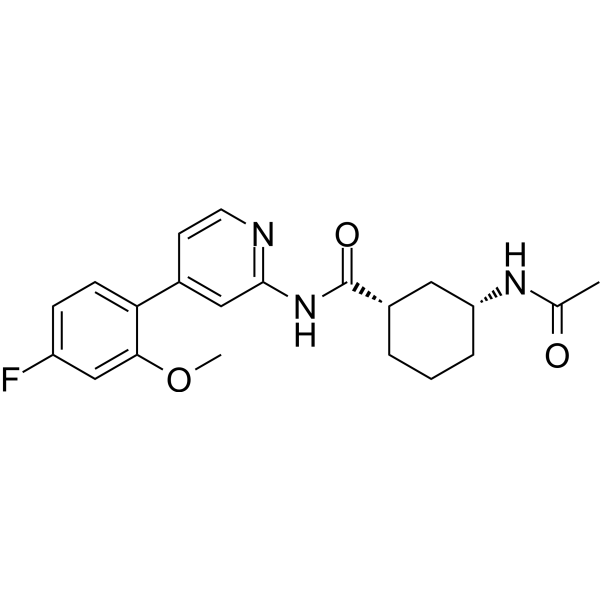
AZ5576 is a potent and highly selective CDK9 inhibitor (IC50: <5 nM). AZ5576 inhibits the phosphorylation of RNA polymerase II at Ser2, thereby inhibiting transcriptional elongation. AZ5576 can be used for hematological Malignancy research .
|
-
-
- HY-15771A
-
|
ONO-4059 hydrochloride; GS-4059 hydrochloride
|
Btk
Apoptosis
|
Inflammation/Immunology
Cancer
|
|
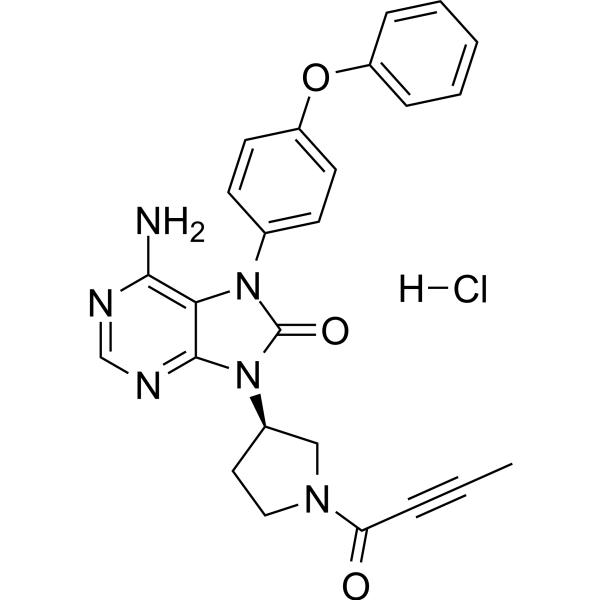
Tirabrutinib (ONO-4059) hydrochloride is an orally active Bruton’s Tyrosine Kinase (BTK) inhibitor (can cross the blood-brain barrier (BBB)), with an IC50 of 6.8 nM. Tirabrutinib hydrochloride irreversibly and covalently binds to BTK and inhibits aberrant B cell receptor signaling. Tirabrutinib hydrochloride can be used in studies of autoimmune diseases and hematological malignancies .
|
-
-
- HY-P9976A
-
|
|
CD38
Apoptosis
|
Cancer
|
|
Isatuximab (anti-CD38) is a monoclonal antibody that targets the transmembrane receptor and extracellular enzyme CD38, a protein highly expressed in hematological malignancies, including multiple myeloma. Isatuximab (anti-CD38) exhibits anti-tumor activity through multiple biological mechanisms, including antibody-dependent cell-mediated cytotoxicity, complement-dependent cytotoxicity, antibody-dependent cell phagocytosis, and non-crosslinking direct induction of apoptosis. Isatuximab (anti-CD38) also directly inhibits the extracellular enzyme activity of CD38, which is related to many cellular functions .
|
-
-
- HY-P99172
-
|
|
CD47
Interleukin Related
|
Cancer
|
|
CC-90002 is a humanized anti-CD47 monoclonal antibody (mAb). CC-90002 has a high affinity for binding to CD47 with a subnanomolar Kd value. CC-90002 can be used for the research of hematologic malignancies and solid tumors .
|
-

-
- HY-P99057
-
|
CDX-1127
|
TNF Receptor
Transmembrane Glycoprotein
|
Inflammation/Immunology
Cancer
|
|
Varlilumab (CDX-1127) is an agonist anti-CD27 monoclonal antibody. Varlilumab can promote T cell expansion and activate the immune response. Varlilumab has anti-tumor activity and can be used in the research of hematological malignancies and solid tumors .
|
-

-
- HY-P991228
-
|
|
Galectin
|
Cancer
|
|
LYT-200 is a humanized monoclonal antibody against galectin-9 (Galectin-9). LYT-200 binds to galectin-9 expressed on the surface of hematologic malignant cells, inhibits pro-leukemic functions and induces cell death. LYT-200 can be used in research related to hematologic malignancies .
|
-

-
- HY-114414
-
|
|
HDAC
mTOR
Apoptosis
|
Cancer
|
|
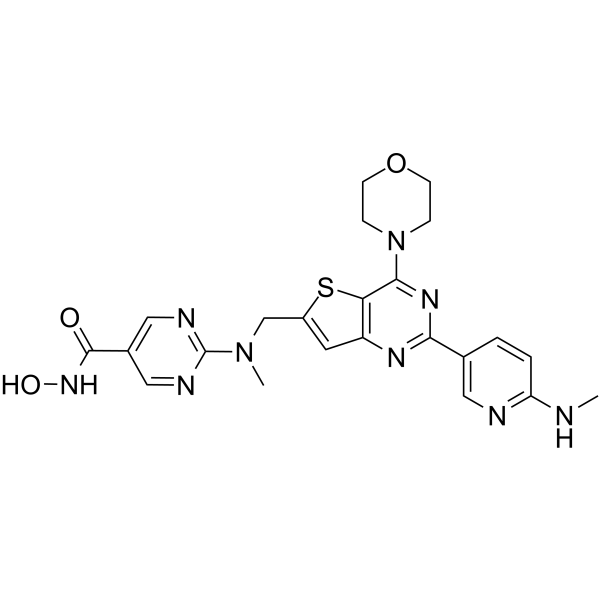
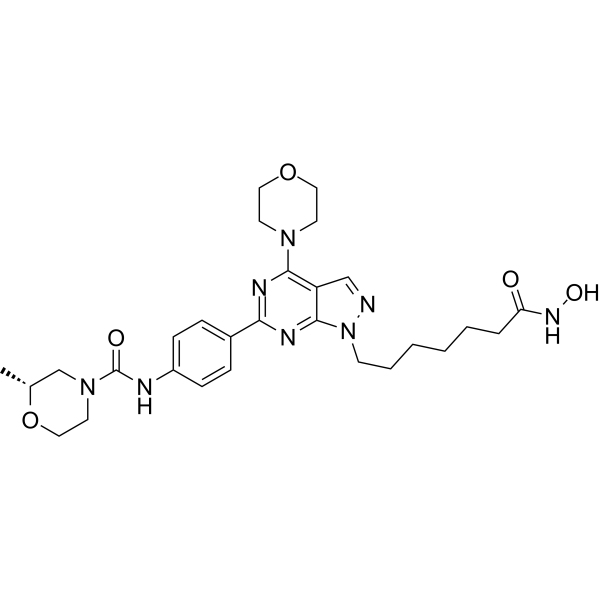
HDACs/mTOR Inhibitor 1 is a dual HDACs and mTOR inhibitor, with IC50s of 0.19 nM, 1.8 nM, 1.2 nM for HDAC1, HDAC6, mTOR, respectively. HDACs/mTOR Inhibitor 1 stimulates cell cycle arrest in G0/G1 phase and induces tumor cell apoptosis with low toxicity in vivo. HDACs/mTOR Inhibitor 1 can be used in the research of hematologic malignancies .
|
-
-
- HY-172615
-
|
|
Molecular Glues
Epigenetic Reader Domain
|
Cancer
|
|
AMPTX-1 is a selective, orally active, covalent reversible BRD9 molecular glue degrader with a DC50 of 0.05 nM. AMPTX-1 selectively recruits BRD9 to the E3 ligase DCAF16. AMPTX-1 forms a ternary complex with BRD9 and a reversible covalent adduct with Cys58 on the surface of DCAF16. AMPTX-1 mediates BRD9 degradation via the proteasome and Cullin RING E3 ligase pathways. AMPTX-1 can be used in the research of solid tumors and hematological malignancies .
|
-

-
- HY-145696
-
|
|
PROTACs
JAK
|
Inflammation/Immunology
Cancer
|
|
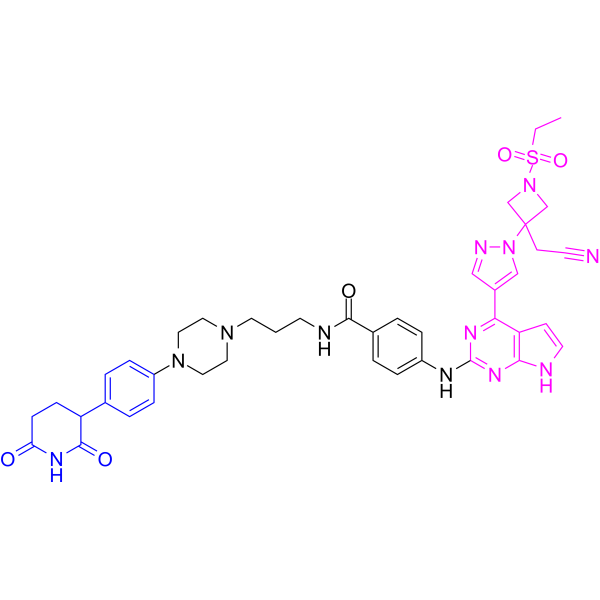
SJ10542 is a potent and selective JAK2/3 PROTAC degrader. In PDX cells lSJBALL020589, SJ10542 has DC50 values of 14 and 11 nM for JAK2 and JAK3, respectively. SJ10542 exhibits antitumor activity and can be used for the research of hematological malignancies and autoimmune diseases . (Pink: Target protein ligand (HY-47073); Black: Linker (HY-W251248); Blue: E3 ligase ligand (HY-W890189); E3 ligase ligand+Linker (HY-176425))
|
-
-
- HY-103019B
-
|
(R)-Enitociclib; (-)-BAY-1251152; (-)-VIP152
|
Drug Isomer
CDK
Apoptosis
DNA/RNA Synthesis
|
Cancer
|
|
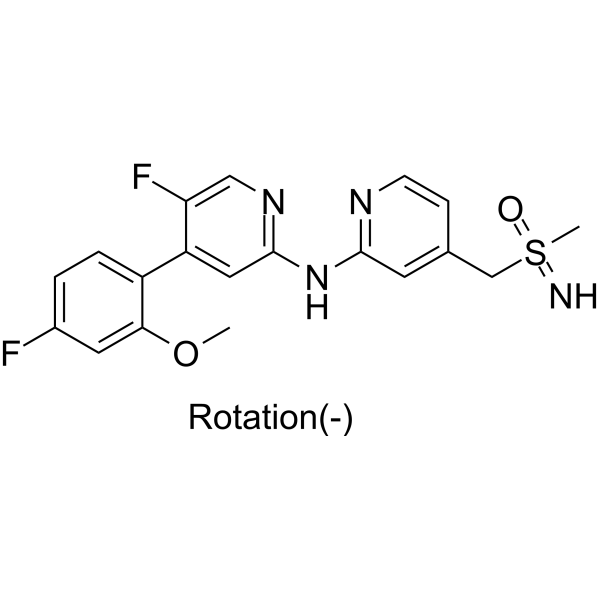
(-)-Enitociclib ((R)-Enitociclib) is an enantiomer of Enitociclib (HY-103019E) with an optical rotation of (-). Enitociclib is a selective CDK9 inhibitor and apoptosis inducer. Enitociclib inhibits CDK9 activity and reduces the phosphorylation of Ser2 in the carboxyl-terminal domain (CTD) of RNA polymerase Pol II, thereby downregulating the transcription of key oncogenes such as MYC and MCL1. Enitociclib has anti-proliferative activity targeting MYC + lymphoma and multiple myeloma (MM) cells, and has synergistic effects with Bortezomib (HY-10227) and Lenalidomide (HY-A0003), and can be used in the research of hematological malignancies .
|
-
-
- HY-173266A
-
|
|
PROTACs
HDAC
|
Neurological Disease
Cancer
|
|
TO-1187 TFA is a selective HDAC6 PROTAC degrader (DC50: 5.81 nM). TO-1187 TFA promotes the ubiquitination and degradation of HDAC6 and can be used in the study of hematological malignancies and solid tumors (Pink: HDAC6 ligand (HY-173386); Blue: CRBN ligase ligand (HY-41547); Black: linker (HY-140212)) .
|
-

-
- HY-128601
-
|
|
Checkpoint Kinase (Chk)
|
Cardiovascular Disease
Cancer
|
|
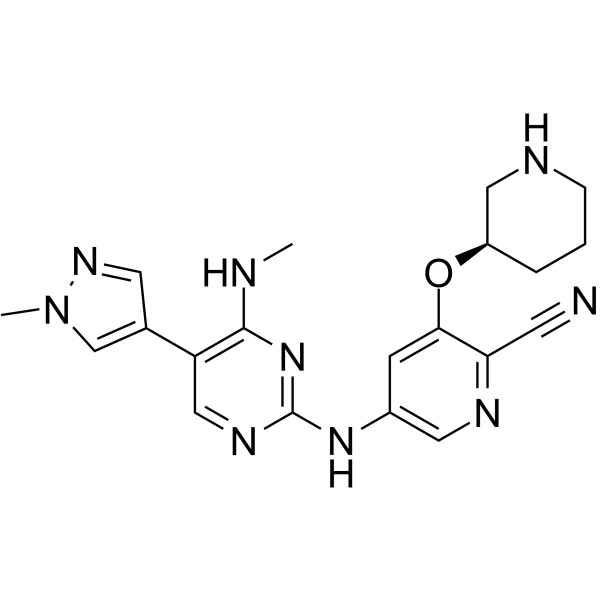
CHK1-IN-3 is a potent and selective CHK1 inhibitor with an IC50 of 0.4 nM. CHK1-IN-3 effectively inhibits the growth of malignant hematopathy cell lines and displays low affinity for hERG (IC50 > 40 μM). CHK1-IN-3 significantly suppresses the tumor growth in vivo. CHK1-IN-3 can be used for the study of hematologic malignancies .
|
-
-
- HY-168878
-
|
|
METTL3
|
Cancer
|
|
EP652 is a METTL3 inhibitor and antitumor agent with IC50 values of 2 nM, <10 nM, and 37 nM in SPA, intracellular, and ATPlite assays, respectively. EP652 exhibits high selectivity against 40 other methyltransferases and FTO, and possesses favorable pharmacokinetic parameters. EP652 reduces intracellular N 6-methyladenosine (m 6A) levels in mRNA. EP652 inhibits tumor growth and progression of both hematologic malignancies and solid tumors. EP652 can be used for the research of acute myeloid leukemia, ovarian cancer, non-small cell lung cancer, and hypopharyngeal squamous cell carcinoma .
|
-

-
- HY-170669
-
|
|
PROTACs
CRM1
Apoptosis
NF-κB
|
Cancer
|
|
PROTAC XPO1 degrader-1 (Compound 2c) is an XPO1 degrader. PROTAC XPO1 degrader-1 exhibits anti-proliferative effects, can induce cell apoptosis, inhibit NF-κB activity, and cause cell cycle arrest in the G1 phase. PROTAC XPO1 degrader-1 can be used in research on hematological malignancies (Pink: Target Protein Ligand (HY-170672); Black: Linker (HY-W010525); Blue: E3 Ligase Ligand (HY-170671); E3 Ligase Ligand-Linker Conjugate (HY-170673)) .
|
-

-
- HY-156602
-
|
OKI-179
|
HDAC
|
Cancer
|
|
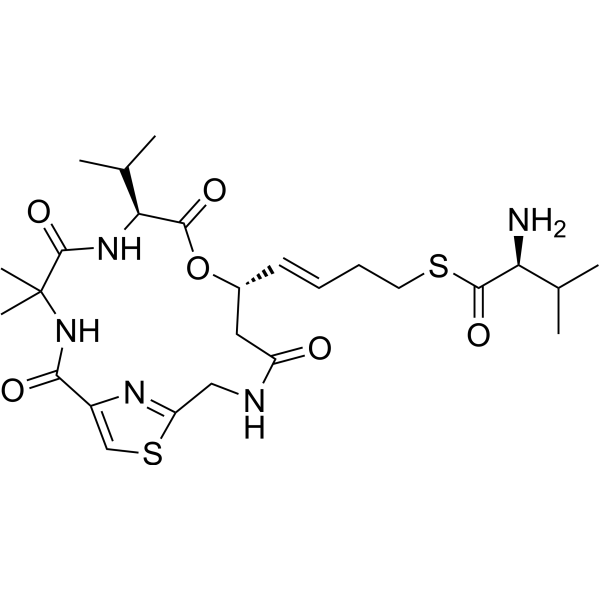
Bocodepsin (OKI-179) is an orally active and selective HDAC inhibitor, with antitumor activity. Bocodepsin can be used for suppression on solid tumor and hematologic malignancies .
|
-
-
- HY-P99475
-
|
MSB-2311
|
PD-1/PD-L1
|
Cancer
|
|
Betifisolimab (MSB-2311) is a humanized monoclonal antibody directed against the immunosuppressive ligand PD-L1. Betifisolimab has the potential for advanced solid tumors and hematological malignancies research .
|
-

-
- HY-P990077
-
|
CT-011; MDV9300
|
PD-1/PD-L1
|
Cancer
|
|
Pidilizumab (CT-011) is a humanized IgG1k anti-PD-1 monoclonal antibody. Pidilizumab acts as a DLL1 antagonist. Pidilizumab has the potential for hematologic malignancies research .
|
-

-
- HY-P99952
-
|
SCT400
|
CD20
|
Cancer
|
|
Ripertamab (SCT400) is a recombinant, human-mouse chimeric anti-CD20 IgG1κ mAb. Ripertamab can be used for the research of hematological malignancies, including non-Hodgkin’s lymphoma (NHL) .
|
-

-
- HY-10984A
-
|
(S)-CC-4047
|
Endogenous Metabolite
|
Cancer
|
|
(S)-Pomalidomide ((S)-CC-4047) is an angiogenesis-inhibiting drug with growth-inhibitory activity against B-cell tumors. (S)-Pomalidomide can induce complete tumor regression in BurKitt lymphoma cells. (S)-Pomalidomide serves as an immunomodulator with potential applications in inhibiting hematological malignancies .
|
-

-
- HY-P991665
-
|
OBT357NF; OBT357
|
Transmembrane Glycoprotein
|
Cancer
|
|
MEN1112 (OBT357NF) is a selective humanized monoclonal antibody targeting the Bst1/CD157 antigen (EC50=1 nM). MEN1112 exerts potent antitumor activity against acute myeloid leukemia (AML) cells. MEN1112 is promising for research of hematological malignancies such as AML .
|
-

-
- HY-156730A
-
|
|
Molecular Glues
STAT
|
Cancer
|
|
KT-333 ammonium (Compound A) is a molecular glues that degrades STAT3 protein. KT-333 ammonium mediates the selective degradation of STAT3 through the ubiquitin-proteasome system by binding to STAT3 protein and E3 ubiquitin ligase von Hippel-Lindau protein (VHL). KT-333 ammonium has strong selectivity for STAT3 protein degradation and good antitumor activity. KT-333 ammonium can be used in the study of hematologic malignancies such as large granular lymphocytic leukemia (LGL-L), peripheral T-cell lymphoma (PTCL), and cutaneous T-cell lymphoma (CTCL) .
|
-

-
- HY-179105
-
|
|
TAM Receptor
|
Cancer
|
|
Axl-IN-20 (Compound w11) is a selective, orally active AXL inhibitor, with an IC50 of 5 nM. Axl-IN-20 has antitumor activity against hematological malignancies .
|
-

-
- HY-109174
-
|
CPX-POM
|
γ-secretase
|
Metabolic Disease
Cancer
|
|
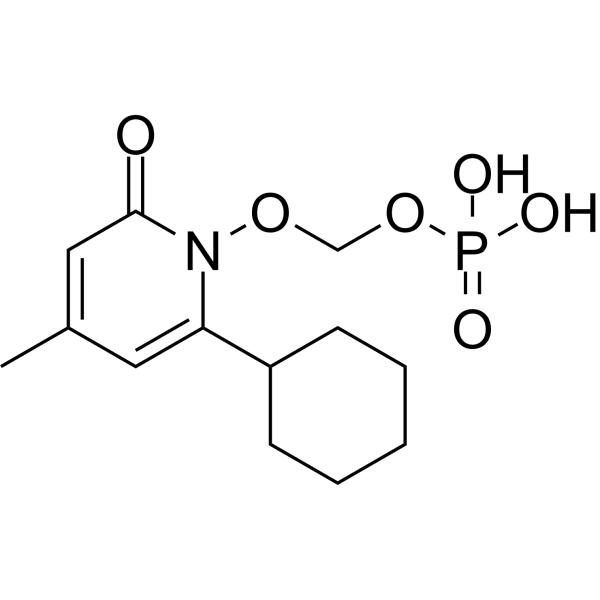
Fosciclopirox (CPX-POM) suppresses growth of urothelial cancer by targeting the γ-secretase complex. Fosciclopirox selectively delivers the active metabolite, Ciclopirox (CPX), to the entire urinary tract. Ciclopirox has anticancer activity in a number of solid and hematologic malignancies .
|
-
-
- HY-173266
-
|
|
PROTACs
HDAC
|
Neurological Disease
Cancer
|
|
TO-1187 is a selective HDAC6 PROTAC degrader (DC50: 5.81 nM). TO-1187 promotes the ubiquitination and degradation of HDAC6 and can be used in the study of hematological malignancies and solid tumors (Pink: HDAC6 ligand (HY-173386); Blue: CRBN ligase ligand (HY-41547); Black: linker (HY-140212)) .
|
-

-
- HY-15901A
-
|
|
Pim
mTOR
|
Cancer
|
|
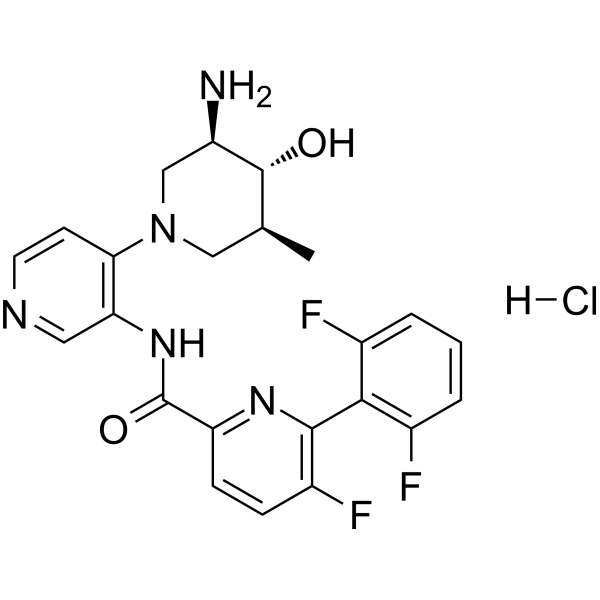
LGB321 monohydrochloride is a potent, selective, orally active and ATP competitive inhibitor of all three PIM kinases. LGB321 monohydrochloride inhibits proliferation, mTOR-C1 signaling and phosphorylation of BAD in a number of cell lines derived from diverse hematologic malignancies. LGB321 monohydrochloride can be used for the research of hematologic malignancies .
|
-
-
- HY-114255
-
|
alpha-TEA
|
Apoptosis
|
Cancer
|
|
Alpha-tocopheryloxyacetic acid (alpha-TEA) is an inducer of cancer cell apoptosis pathway. Alpha-tocopheryloxyacetic acid is promising for research of solid and hematological malignancies .
|
-

-
- HY-P991135
-
|
RO-7502175; RG-6411
|
CCR
|
Cancer
|
|
Enzelkitug is a humanized immunoglobulin G1-κ monoclonal antibody targeting the human C-C motif chemokine receptor 8 (CCR8). Enzelkitug is promising for research of various solid tumors and hematological malignancies .
|
-

-
- HY-159707
-
|
|
Checkpoint Kinase (Chk)
|
Cardiovascular Disease
Cancer
|
|
MCL1020 is a CHK1 inhibitor with an IC50 of 1.61 μM. MCL1020 properly occupies the ATP pocket by interacting with a diverse range of the sites of CHK1 kinase. MCL1020 can be used for the study of hematologic malignancies .
|
-

-
- HY-100885A
-
|
(S)-NUC-1031; Fosgemcitabine palabenamide
|
Others
|
Cancer
|
|
(S)-Acelarin ((S)-NUC-1031) is an anti-cancer agent. (S)-Acelarin inhibits the growth of various cancer cells. (S)-Acelarin can be used for the study of solid tumors (e.g., pancreatic cancer, BTC, ovarian cancer) and hematological malignancies .
|
-

-
- HY-178468
-
|
|
PARP
|
Cancer
|
|
PARP1-IN-47 (Compound 35) is a highly selective PARP1 inhibitor (IC50 <100 nM). PARP1-IN-47 blocks poly(ADP-ribosyl)ation and disrupts DNA damage repair pathways to induce tumor cell apoptosis. PARP1-IN-47 is promising for research of solid tumors and hematological malignancies .
|
-

-
- HY-P991151
-
|
|
PD-1/PD-L1
TNF Receptor
|
Cancer
|
|
Opamtistomig is a humanized immunoglobulin (H-γ1-scFv-L-κ) dimer monoclonal antibody targeting human programmed death ligand 1 (PD-L1), CD274 and tumor necrosis factor receptor superfamily member 9 (TNFRSF9). Opamtistomig is promising for research of various solid tumors and hematological malignancies .
|
-

-
- HY-P991638
-
|
|
TNF Receptor
|
Cancer
|
|
XmAb-2513 is a humanized monoclonal antibody inhibitor targeting CD30. XmAb-2513 has significant anti-proliferative activity and superior antibody-dependent cell-mediated cytotoxicity (ADCC) as well as antibody-dependent cell-mediated phagocytosis (ADCP). XmAb-2513 can be used for hematologic malignancies like Hodgkin Lymphoma (HL) and Anaplastic Large Cell Lymphoma (ALCL) research .
|
-

-
- HY-159808
-
|
|
Proteasome
|
Cancer
|
|
TCL1 is a selective non-covalent inhibitor targeting the Pru domain of the Rpn-13 subunit in the 19S regulatory particle (19S RP) of the proteasome with an IC50 value of approximately 26 μM. TCL1 interferes with the recognition and transport of ubiquitinated proteins by Rpn-13, inhibits the degradation of proteins by the proteasome, and thus affects the balance of intracellular protein metabolism. TCL1 is promising for research of hematological malignancies .
|
-

- HY-178683
-
|
|
Others
|
Cancer
|
|
ALV-05-077-01 is a BLC6/BLC6B degrader. ALV-05-077-01 depletes endogenous BCL6 levels in SuDHL4 cells (high BCL6 expression) and BCL6B levels in KYO1 cells (high BCL6B expression). ALV-05-077-01 can be used for the study of hematological malignancies .
|
-

- HY-178700
-
|
|
Others
|
Cancer
|
|
ALV-05-151-02 is a BLC6/BLC6B degrader. ALV-05-151-02 depletes endogenous BCL6 levels in SuDHL4 cells (high BCL6 expression) and BCL6B levels in KYO1 cells (high BCL6B expression). ALV-05-151-02 can be used for the study of hematological malignancies .
|
-

- HY-13599R
-
|
2-Chloro-2′-deoxyadenosine (Standard); CldAdo (Standard); 2CdA (Standard)
|
Reference Standards
Adenosine Deaminase
Apoptosis
|
Cardiovascular Disease
Cancer
|
|
Cladribine (Standard) is the analytical standard of Cladribine. This product is intended for research and analytical applications. Cladribine (2-Chloro-2′-deoxyadenosine), a purine nucleoside analog, is an orally active adenosine deaminase inhibitor. Cladribine functions as an inhibitor of DNA synthesis to block the repair of the damaged DNA. Cladribine can inhibit DNA methylation. Cladribine has anti-lymphoma activity. Cladribine can be used for the research of several hematologic malignancies and multiple sclerosis .
|
-

- HY-158618
-
|
|
Aurora Kinase
Apoptosis
|
Cancer
|
|
Aurora kinase inhibitor-14 (Compound 79) is an orally active and highly selective inhibitor of Aurora kinases with IC50 values of 0.5 nM and 1.2 nM for Aurora A and Aurora B, respectively. Aurora kinase inhibitor-14 binds to the ATP-binding site of Aurora kinases to block chromosome segregation during mitosis and induce apoptosis in tumor cells. Aurora kinase inhibitor-14 is promising for research of various solid tumors and hematological malignancies, such as non-small cell lung cancer, breast cancer, and acute myeloid leukemia .
|
-

- HY-156730B
-
|
|
Molecular Glues
STAT
|
Cancer
|
|
KT-333 diammonium is a molecular glues that degrades STAT3 protein. KT-333 diammonium mediates the selective degradation of STAT3 through the ubiquitin-proteasome system by binding to STAT3 protein and E3 ubiquitin ligase von Hippel-Lindau protein (VHL). KT-333 diammonium has strong selectivity for STAT3 protein degradation and good antitumor activity. KT-333 diammonium can be used in the study of hematologic malignancies such as large granular lymphocytic leukemia (LGL-L), peripheral T-cell lymphoma (PTCL), and cutaneous T-cell lymphoma (CTCL) .
|
-

- HY-173499
-
|
|
Aurora Kinase
Apoptosis
|
Cancer
|
|
HLDA-212 (Compound 43) is a bifunctional small molecule targeting HaloTag-tagged protein (Target Protein, TP) and Aurora kinase A/B (AURKA/B, Effector Protein, EP). HLDA-212 binds to TP and EP to form a stable ternary complex (TP:RIPTAC:EP), inhibiting the cell-survival function of EP and inducing apoptosis in TP-expressing cancer cells. HLDA-212 shows antiproliferative activity (GI50 of 0.011 μM) in 293_HFL cells. HLDA-212 is promising for research of cancers with high TP expression (such as prostate cancer and hematological malignancies) .
|
-

- HY-P991656
-
|
|
CXCR
Apoptosis
p38 MAPK
Akt
|
Cancer
|
|
LY-2624587 is a humanized IgG4 monoclonal antibody antagonist targeting CXCR4. LY-2624587 blocks SDF-1/CXCR4 interaction and SDF-1-induced GTP binding. LY-2624587 significantly inhibits cell migration and induces apoptosis in human lymphoma and leukemia cells. LY-2624587 also inhibits CXCR4 and SDF-1 mediated cell signaling including activation of MAPK and AKT. LY-2624587 can be used for human hematological malignancies like acute myeloid leukemia (AML) research .
|
-

- HY-E70842
-
|
|
MEK
|
Cancer
|
|
MAP2K1 (also known as MEK1) is downstream of the RAF family and activation results in ERK1/2 activation. Activating mutations in MAP2K1 have been reported almost exclusively in exons 1 and 2 in both hematologic malignancies. MAP2K1 L115P is a mutant of MAP2K1. MAP2K1 L115P Recombinant Human Active Protein Kinase is a recombinant MAP2K1 L115P protein that can be used to study MAP2K1 L115P-related functions .
|
-

- HY-176449
-
|
|
PROTACs
Epigenetic Reader Domain
|
Cancer
|
|
PROTAC BRD4 Degrader-32 (Compound 22) is a BRD4 PROTAC degrader (DC50: 0.20 nM). PROTAC BRD4 Degrader-32 connects the BRD4-binding domain and CRBN-binding domain through a unique carbon-carbon linked linker to form a ternary complex, inducing ubiquitination of BRD4 for proteasomal degradation. PROTAC BRD4 Degrader-32 is promising for research of BRD4-related cancers (such as hematological malignancies). (Pink: GSK1324726A (HY-13960); Black: linker (HY-176450); Blue: Lenalidomide-5-Br (HY-W072954)) .
|
-

- HY-176701
-
|
|
Histone Methyltransferase
|
Cancer
|
|
PRMT5-MTA-IN-4 (Compound 30) is a potent irreversible protein arginine methyltransferase 5 (PRMT5) inhibitor (IC50=8 nM). PRMT5-MTA-IN-4 blocks arginine methylation, inhibiting ribosomal RNA processing and cell cycle-related protein expression. PRMT5-MTA-IN-4 exhibits antiproliferative activity in multiple tumor cell lines (e.g., IC50=0.3 μM in DLD-1 cells). PRMT5-MTA-IN-4 is promising for research of hematological malignancies, such as acute myeloid leukemia, diffuse large B-cell lymphoma .
|
-

- HY-129179B
-
|
(Rac)-APG-2575
|
Bcl-2 Family
|
Cancer
|
|
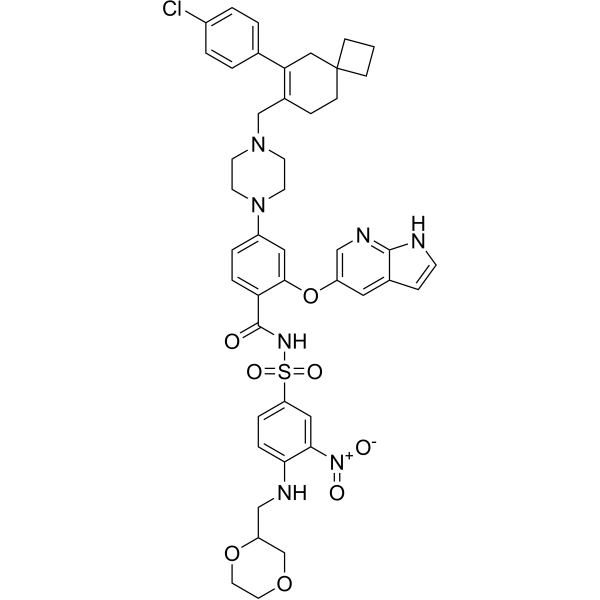
(Rac)-Lisaftoclax ((Rac)-APG-2575) is a Bcl-2 inhibitor that can be uesd for hematologic malignancy research (CN112898295A) .
|
-
- HY-156602A
-
|
OKI-179 hydrochloride
|
HDAC
|
Cancer
|
|
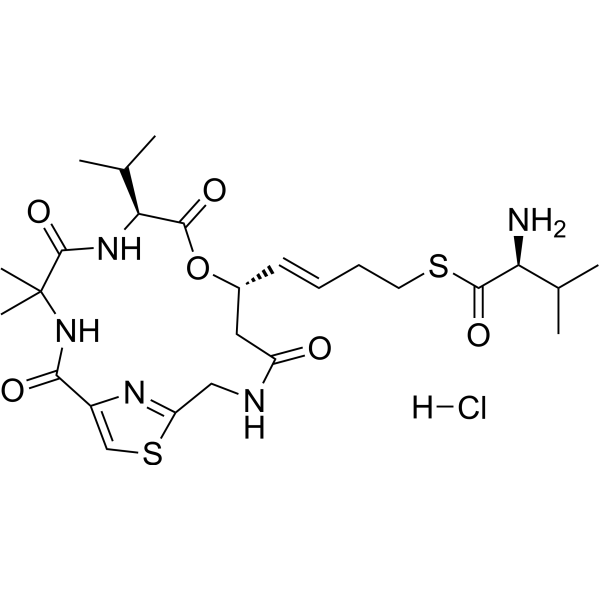
Bocodepsin hydrochloride (OKI-179) is an orally active and selective HDAC inhibitor, with antitumor activity. Bocodepsin hydrochloride can be used for suppression on solid tumor and hematologic malignancies .
|
-
- HY-145813
-
|
|
Histone Methyltransferase
|
Cancer
|
|
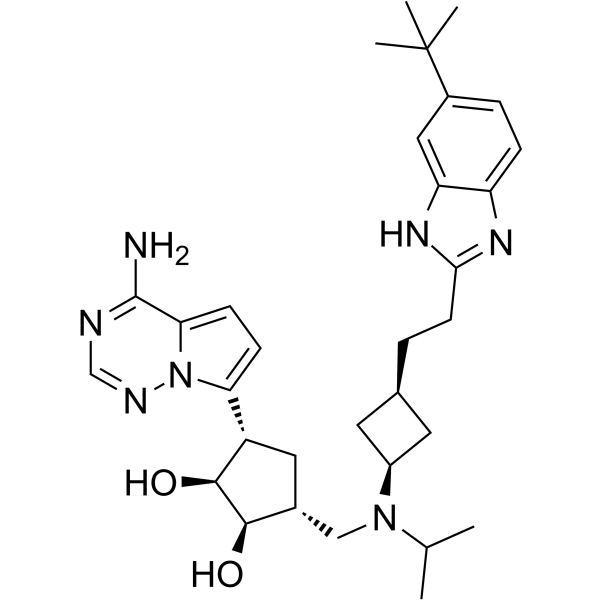
MU1656 is a potent and selective inhibitor of histone methyltransferase DOT1L, with an IC50 of 2 nM. MU1656 can be used for the research of hematological malignancies .
|
-
- HY-144993
-
|
|
PI3K
|
Cancer
|
|
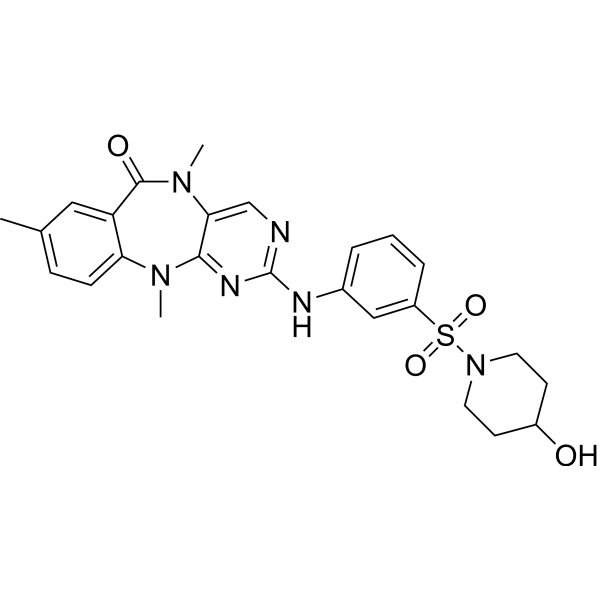
PI3Kδ/γ-IN-1 is a potent, selective PI3K-δ/γ inhibitor for research of hematological malignancies.
|
-
- HY-169678
-
-

- HY-128231
-
-

- HY-109174A
-
|
CPX-POM disodium
|
γ-secretase
|
Metabolic Disease
Cancer
|
|
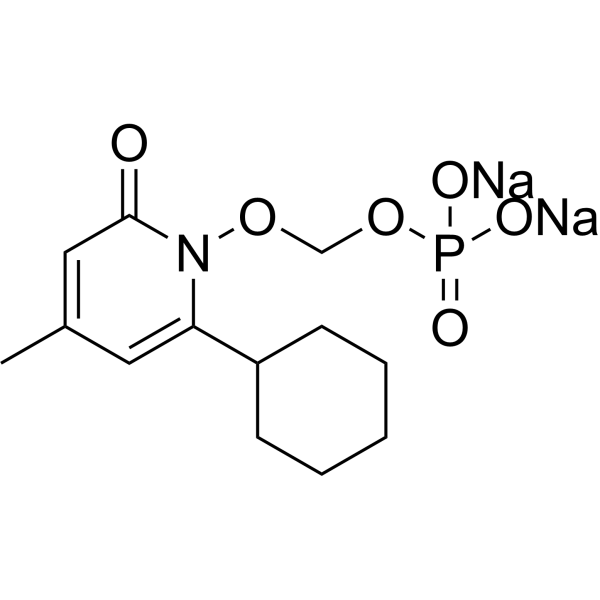
Fosciclopirox disodium suppresses growth of urothelial cancer by targeting the γ-secretase complex. Fosciclopirox disodium selectively delivers the active metabolite, Ciclopirox (HY-B0450), to the entire urinary tract. Ciclopirox has anticancer activity in a number of solid and hematologic malignancies .
|
-
- HY-124657
-
|
|
JAK
Apoptosis
|
Cancer
|
|
PRN-371 is a potent and selective JAK3 inhibitor. PRN371 effectively suppresses natural killer/T-cell lymphoma cell proliferation and induces apoptosis through abrogation of the JAK3-STAT signaling. PRN-371 exhibits antitumor activity and can be used for the research of cancer, such as hematological malignancies .
|
-

- HY-P99057A
-
|
CDX-1127 (anti-CD27)
|
TNF Receptor
Transmembrane Glycoprotein
|
Inflammation/Immunology
Cancer
|
|
Varlilumab (CDX-1127) (anti-CD27) is an agonist anti-CD27 monoclonal antibody. Varlilumab (anti-CD27) can promote T cell expansion and activate the immune response. Varlilumab (anti-CD27) has anti-tumor activity and can be used in the research of hematological malignancies and solid tumors .
|
-

- HY-P5472
-
|
|
Transmembrane Glycoprotein
|
Others
|
|
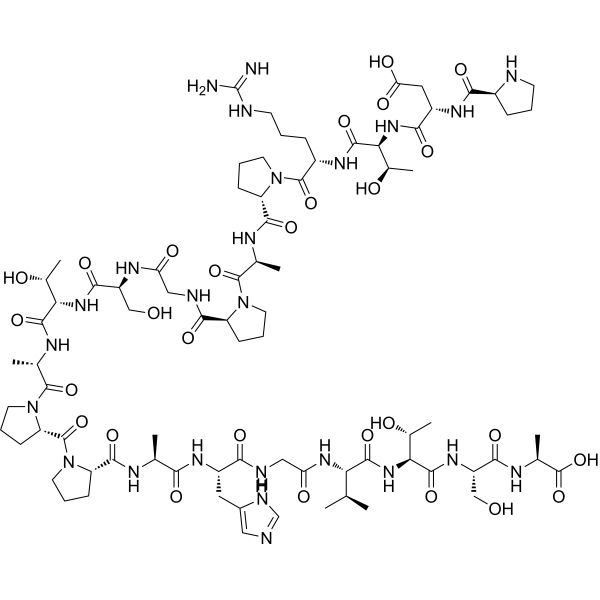
Tumour-associated MUC1 epitope is a biological active peptide. (This sequence is the hallmark of MUC1 mucin. MUC1 is a highly glycosylated type I transmembrane glycoprotein with a unique extracellular domain consisting of a variable number of tandem repeats (VNTR) of this 20 amino acid peptide. It is overexpressed on the cell surface of many human adenocarcinomas and hematological malignancies, including multiple myeloma and B-cell lymphoma, making MUC1 broadly applicable target for immunotherapeutic strategies.)
|
-
- HY-170226
-
|
|
Epigenetic Reader Domain
|
Cancer
|
|
BET-IN-28 (Compound 44) is a highly potent inhibitor of bromodomain and extra-terminal domain (BET), with an IC50 value of 4.47 nM against BRD4-BD1. BET-IN-28 blocks the interaction between BET proteins and N-acetylated lysine residues on histone tails, down-regulates certain genes. BET-IN-28 can be used for hematological malignancies and solid tumors study .
|
-

- HY-13599S
-
|
2-Chloro-2′-deoxyadenosine-d4; CldAdo-d4; 2CdA-d4
|
Isotope-Labeled Compounds
|
Cardiovascular Disease
Cancer
|
|
Cladribine-d4 (2-Chloro-2′-deoxyadenosine-d4) is deuterium labeled Cladribine. Cladribine (2-Chloro-2′-deoxyadenosine), a purine nucleoside analog, is an orally active adenosine deaminase inhibitor. Cladribine functions as an inhibitor of DNA synthesis to block the repair of the damaged DNA. Cladribine can inhibit DNA methylation. Cladribine has anti-lymphoma activity. Cladribine can be used for the research of several hematologic malignancies and multiple sclerosis .
|
-

- HY-149283
-
|
|
JAK
HDAC
Apoptosis
|
Cancer
|
|
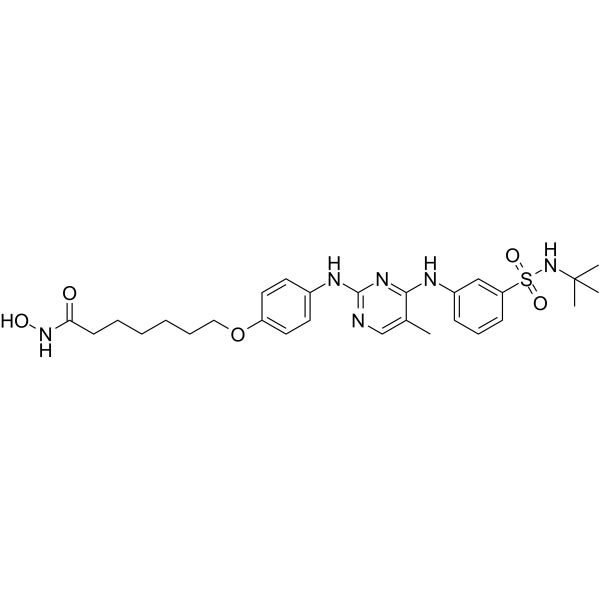
JAK/HDAC-IN-2 is a potent 2-amino-4-phenylaminopyrimidine JAK/HDAC dual-target inhibitor. JAK/HDAC-IN-2 potently inhibits HDAC3/6 and JAK1/2 at nanomolar levels. JAK/HDAC-IN-2 has proapoptotic activity and inhibits histone deacetylation and STAT3 phosphorylation. JAK/HDAC-IN-2 presents remarkable antiproliferative activity in both hematological malignancies and solid cancers .
|
-
- HY-13599S2
-
|
2-Chloro-2′-deoxyadenosine-15N; Cldado-15N; 2Cda-15N
|
Isotope-Labeled Compounds
Apoptosis
Adenosine Deaminase
|
Cardiovascular Disease
Cancer
|
|
Cladribine- 15N (2-Chloro-2′-deoxyadenosine- 15N) is 15N labeled Cladribine. Cladribine (2-Chloro-2′-deoxyadenosine), a purine nucleoside analog, is an orally active adenosine deaminase inhibitor. Cladribine functions as an inhibitor of DNA synthesis to block the repair of the damaged DNA. Cladribine can inhibit DNA methylation. Cladribine has anti-lymphoma activity. Cladribine can be used for the research of several hematologic malignancies and multiple sclerosis .
|
-

- HY-10406A
-
|
SCIO-469 hydrochloride
|
p38 MAPK
TNF Receptor
Interleukin Related
VEGFR
Apoptosis
|
Cancer
|
|
Talmapimod (SCIO-469) hydrochloride is an orally active and selective inhibitor of p38α MAPK with an IC50 of 9 nM. Talmapimod hydrochloride inhibits the secretion of inflammatory factors (such as TNFα, IL-1β, IL-6, and VEGF) by suppressing the p38α MAPK pathway, and it also inhibits angiogenesis and osteoclast activation. Talmapimod hydrochloride inhibits the growth of multiple myeloma cells and induces apoptosis. Talmapimod hydrochloride can be used to study various hematological malignancies (such as multiple myeloma, myelodysplastic syndrome) .
|
-
- HY-169076
-
|
|
FLT3
HDAC
Apoptosis
|
Cancer
|
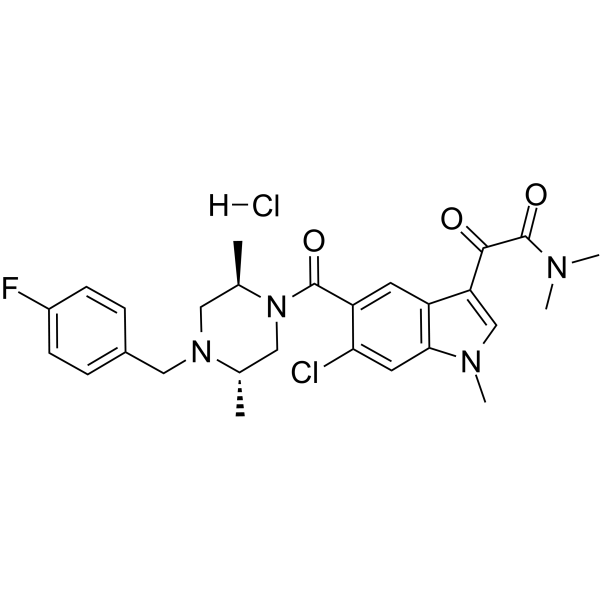
FLT3/HDAC-IN-1 is a dual inhibitor of FLT3/HDAC, with IC50 values of 30.4, 52.4, and 14.7 nM for FLT3, HDAC1, and HDAC3, respectively. FLT3/HDAC-IN-1 can induce apoptosis in MV-4-11 cells and has anti-proliferative effects on FLT3 mutant-transformed BaF3 cells. FLT3/HDAC-IN-1 is being researched for its potential in treating hard-to-treat solid tumors and hematological malignancies .
|
-

- HY-13599S1
-
|
2-Chloro-2′-deoxyadenosine-13C5,15N2; CldAdo-13C5,15N2; 2CdA-13C5,15N2
|
Isotope-Labeled Compounds
|
Cardiovascular Disease
Cancer
|
|
Cladribine- 13C5, 15N2 (2-Chloro-2′-deoxyadenosine- 13C5, 15N2) is 13C and 15N labeled Cladribine. Cladribine (2-Chloro-2′-deoxyadenosine), a purine nucleoside analog, is an orally active adenosine deaminase inhibitor. Cladribine functions as an inhibitor of DNA synthesis to block the repair of the damaged DNA. Cladribine can inhibit DNA methylation. Cladribine has anti-lymphoma activity. Cladribine can be used for the research of several hematologic malignancies and multiple sclerosis .
|
-

- HY-118084
-
|
Tyrene CR-4
|
JAK
Bcr-Abl
FLT3
Apoptosis
|
Cardiovascular Disease
Inflammation/Immunology
Cancer
|
|
LS-104 (Tyrene CR-4) is a non-ATP-competitive kinase inhibitor against JAK2, Bcr-Abl and FLT3. LS-104 potently induces apoptosis in JAK2V617F-positive cells and inhibits JAK2 autophosphorylation and downstream signal transduction. LS-104 also inhibits proliferation and induces potent cytotoxic effects in FLT3 expressing leukemic cells. LS-104 is a hydroxystyryl-acrylonitrile compound, which is promising for research of myeloproliferative disorders and refractory/relapsed hematologic malignancies .
|
-

- HY-P992439
-
|
|
CXCR
|
Cancer
|
|
PF-06747143 is recombinant anti-human antibody targeting CXCR4. PF-06747143 blocks CXCL12-induced calcium flux, F-actin polymerization, chemotaxis, cell migration, and leukemic cell bone marrow homing. PF-06747143 reduces tumor burden and improves survival in mouse models of hematologic malignancies. PF-06747143 can be used for the research of chronic lymphocytic leukemia, acute myeloid leukemia, and hematologic malignancies .
|
-

- HY-133488
-
|
|
Acyltransferase
|
Cancer
|
|
ST1072 is a dual inhibitor of CerS4 and CerS6. ST1072 significantly reduces the ability of murine T cells to proliferate and produce IFN-γ. ST1072 can be used for hematologic malignancies research .
|
-

- HY-117222
-
|
|
NF-κB
|
Inflammation/Immunology
Cancer
|
|
AM-0216 is a highly selective NF-κB-inducing kinase (NIK) inhibitor with a Ki value of 2 nM. AM-0216 is promising for research of NF-κB-dependent hematologic malignancies (e.g., multiple myeloma) and autoimmune diseases .
|
-

- HY-183774
-
|
|
TAM Receptor
|
Cancer
|
|
NTQ2494 is a potent and orallty active AXL kinase inhibitor with an IC50 of 4.89 nM. NTQ2494 inhibits AXL kinase catalytic activity. NTQ2494 suppresses tumor growth in mouse xenograft models. NTQ2494 can be used for the research of advanced hematological malignancies, solid tumors .
|
-

- HY-180416
-
|
|
Antibiotic
|
Cancer
|
|
TMC-169 is a potent antibiotic of the Aspochalasin group that can be isolated from Aspergillus flavipes. TMC-169 exhibits anti-tumor activity against multiple cancer cells. TMC-169 can be used for the research of cancer, such as hematologic malignancies, non-small cell lung cancer, breast cancer, and glioma .
|
-

- HY-181620
-
|
|
Molecular Glues
CDK
|
Cancer
|
|
CDK2 degrader 9 (compound 1) is a CDK2-targeting Molecular Glue with selectivity for GSPT1 and CDK1. CDK2 degrader 9 promotes the ubiquitination and degradation of CDK2 via the ubiquitin ligase pathway. CDK2 degrader 9 is applicable to research related to cancer, solid tumors and hematologic malignancies .
|
-

- HY-183251
-
|
|
PROTACs
Epigenetic Reader Domain
|
Cancer
|
|
PROTAC p300 degrader-1 is a paralog-selective, PROTAC-based degrader targeting the p300/CBP protein. It exhibits potent antiproliferative, cell cycle arrest and pro-apoptotic activities, and can be used in the research and development of antitumor drugs and related mechanism studies for hematological malignancies (AML, MM, NHL) .
|
-

- HY-180224
-
|
|
HDAC
Microtubule/Tubulin
Apoptosis
|
Cardiovascular Disease
Cancer
|
|
HDAC6-IN-70 (Compound 9q) is a selective HDAC6 inhibitor with an IC50 of 29 nM. HDAC6-IN-70 effectively inhibits tubulin polymerization and HDAC6. HDAC6-IN-70 causes Apoptosis. HDAC6-IN-70 shows anticancer effects on hematological malignancies and colorectal cancers .
|
-

- HY-P991924
-
-

- HY-181577
-
|
|
Apoptosis
HDAC
Microtubule/Tubulin
|
Cancer
|
|
HDAC6-IN-73 is a highly potent and selective HDAC6 inhibitor with an IC50 of 0.007 μM ± 0.001, ~1771-fold selectivity over HDAC1, ~131-fold selectivity over HDAC8, and antiproliferative activity in hematological cancer cell lines.HDAC6-IN-73 can be used for the research of hematological malignancies .
|
-

- HY-181086
-
|
|
FLT3
HDAC
Apoptosis
Reactive Oxygen Species (ROS)
|
Cancer
|
|
FLT3/HDAC-IN-3 is a dual inhibitor of FLT3 and HDAC. FLT3/HDAC-IN-3 potently inhibits FLT3 (IC50 = 14 nM), HDAC1 (IC50 = 27 nM), HDAC6 (IC50 = 20 nM), and FLT3 D853Y (IC50 = 55 nM), exhibits weak activity against HDAC8, and shows no activity against HDAC4. FLT3/HDAC-IN-3 possesses kinase selectivity, plasma stability, and stability in human liver microsomes. FLT3/HDAC-IN-3 demonstrates anti-proliferative effects in a variety of hematological malignancy cell lines. FLT3/HDAC-IN-3 shows efficacy in the Jeko-1 xenograft model without observed significant toxicity. FLT3/HDAC-IN-3 can be used in the study of hematological malignancies .
|
-

- HY-181555
-
|
|
Ras
|
Endocrinology
Cancer
|
|
IACS-56676 is a selective NRAS G12D inhibitor with a target Kd of 0.031 μM. IACS-56676 stabilizes the p-loop, maintains key interactions with Asp12, Gly60 and Asp69, and achieves selectivity over wild-type KRAS through substitution targeting Leu95. IACS-56676 can be used for research on melanoma, hematologic malignancies and thyroid cancer .
|
-

- HY-P991135A
-
|
RO-7502175 (FUT8-KO); RG-6411 (FUT8-KO)
|
CCR
|
Cancer
|
|
Enzelkitug (RO-7502175; RG-6411) (FUT8-KO) is an anti-CCR8 monoclonal antibody expressed by CHO cells with the fucosyltransferase 8 gene (FUT8) knocked out. Fucose deficiency enhances the antibody-dependent cellular cytotoxicity (ADCC) effect of the antibody. Enzelkitug (FUT8-KO) can be used for the research of various solid tumors and hematological malignancies .
|
-

- HY-177208
-
|
|
Drug Derivative
MDM-2/p53
Apoptosis
Bcl-2 Family
Caspase
|
Cancer
|
|
BW-AQ-113 is an Anthraquinone (HY-N0354) derivative. BW-AQ-113 can specifically degrade MDM2 and activate the p53 pathway. BW-AQ-113 can induce apoptosis by downregulating anti-apoptotic gene Bcl-2 and regulating pro-apoptotic gene Bax and CASP3. BW-AQ-113 can be used for research of p53 wild-type hematological malignancies .
|
-

- HY-181805
-
|
|
HDAC
Autophagy
Apoptosis
|
Cancer
|
|
HDAC6-IN-76 (Compound G25) is a selective HDAC6 inhibitor with an IC50 of 12 nM. HDAC6-IN-76 induces Autophagy in a p53-dependent manner. HDAC6-IN-76 induces Apoptosis in a p53-dependent manner. HDAC6-IN-76 exhibits anticancer activity against hematologic malignancies, including acute myeloid leukemia .
|
-

- HY-10406B
-
|
rel-SCIO-469 hydrochloride
|
p38 MAPK
TNF Receptor
Interleukin Related
VEGFR
Apoptosis
|
Cancer
|
|
rel-Talmapimod (rel-SCIO-469) hydrochloride is an orally active and selective inhibitor of p38α MAPK with an IC50 of 9 nM. rel-Talmapimod hydrochloride inhibits the secretion of inflammatory factors (such as TNFα, IL-1β, IL-6, and VEGF) by suppressing the p38α MAPK pathway, and it also inhibits angiogenesis and osteoclast activation. rel-Talmapimod hydrochloride inhibits the growth of multiple myeloma cells and induces apoptosis. rel-Talmapimod hydrochloride can be used to study various hematological malignancies (such as multiple myeloma, myelodysplastic syndrome) .
|
-

- HY-183802
-
|
|
PROTACs
Histone Acetyltransferase
|
Cancer
|
|
PROTAC CBP/P300 Degrader-4 is a p300/CBP PROTAC degrader with DC50 of 17.4 nM and 10.2 nM against p300 and CBP in U2OS cells, respectively. PROTAC CBP/P300 Degrader-4 forms ternary complexes with p300 or CBP and an E3 ligase, drives ubiquitination, and mediates proteasomal degradation. PROTAC CBP/P300 Degrader-4 can be used for the research of hematological malignancies .
|
-

- HY-10406R
-
|
SCIO-469 (Standard)
|
Reference Standards
p38 MAPK
TNF Receptor
Interleukin Related
VEGFR
Apoptosis
|
Neurological Disease
Metabolic Disease
Inflammation/Immunology
Cancer
|
|
Talmapimod (Standard) is the analytical standard of Talmapimod (HY-10406). This product is intended for research and analytical applications. Talmapimod (SCIO-469) is an orally active and selective inhibitor of p38α MAPK with an IC50 of 9 nM. Talmapimod inhibits the secretion of inflammatory factors (such as TNFα, IL-1β, IL-6, and VEGF) by suppressing the p38α MAPK pathway, and it also inhibits angiogenesis and osteoclast activation. Talmapimod inhibits the growth of multiple myeloma cells and induces apoptosis. Talmapimod can be used to study various hematological malignancies (such as multiple myeloma, myelodysplastic syndrome) .
|
-

- HY-183683
-
|
|
Proteasome
Apoptosis
|
Cancer
|
|
DQ-9 is a selective immunoproteasome β5i inhibitor (IC50=0.0019 μM). DQ-9 generates additional inhibitory substances via iron-mediated intracellular activation, and induces oxidative stress, carbon-centered free radicals and macromolecular damage through its artemisinin domain. DQ-9 induces apoptosis in leukemia and multiple myeloma cells. DQ-9 exhibits selective cytotoxicity against leukemia and multiple myeloma cells by elevating the labile iron pool. DQ-9 can be used in the research of hematological malignancies (leukemia, multiple myeloma, mantle cell lymphoma, acute myeloid leukemia) .
|
-

- HY-181729
-
|
|
PROTACs
Epigenetic Reader Domain
Apoptosis
c-Myc
CDK
PARP
|
Cancer
|
|
PROTAC BET Degrader-15 is a BET PROTAC degrader with DC50 values of <0.10 nM, <0.01 nM, and <0.01 nM against BRD2, BRD3, and BRD4, respectively. PROTAC BET Degrader-15 induces significant G2/M phase cell cycle arrest and triggers apoptosis. PROTAC BET Degrader-15 causes marked downregulation of c-Myc, accompanied by upregulation of the cell cycle inhibitory protein p21, downregulation of CDK6, and an increase in the apoptosis marker cleaved PARP. PROTAC BET Degrader-15 is applicable to the research of hematologic malignancies and lung cancer .
|
-

- HY-103019AR
-
|
(±)-BAY-1251152 (Standard); (±)-VIP152 (Standard)
|
Reference Standards
CDK
Apoptosis
DNA/RNA Synthesis
|
Cancer
|
|
(±)-Enitociclib (Standard) is the analytical standard of (±)-Enitociclib (HY-103019A). This product is intended for research and analytical applications. (±)-Enitociclib ((±)-BAY-1251152) is the racemic mixture of Enitociclib (HY-103019E). Enitociclib is a selective CDK9 inhibitor and apoptosis inducer. Enitociclib inhibits CDK9 activity and reduces the phosphorylation of Ser2 in the carboxyl-terminal domain (CTD) of RNA polymerase Pol II, thereby downregulating the transcription of key oncogenes such as MYC and MCL1. Enitociclib has anti-proliferative activity targeting MYC+ lymphoma and multiple myeloma (MM) cells, and has synergistic effects with Bortezomib (HY-10227) and Lenalidomide (HY-A0003), and can be used in the research of hematological malignancies .
|
-

- HY-181996
-
|
|
Btk
Caspase
Apoptosis
PARP
|
Cancer
|
|
BTK-IN-47 (Compound 9e) is a covalent, selective BTK inhibitor with an IC50 of 5.15 nM against BTK. BTK-IN-47 inhibits the BTK signaling pathway, induces cell cycle arrest, and activates the canonical Caspase-dependent Apoptotic pathway (promoting the cleavage of Caspase-3, Caspase-7 and PARP), without inducing necroptosis, pyroptosis or ferroptosis. BTK-IN-47 exerts dose-dependent antiproliferative activity against hematologic tumor cell lines. BTK-IN-47 exhibits dose-dependent in vivo antitumor activity in a Ramos cell xenograft model in BALB/c nude mice. BTK-IN-47 can be used for the research of hematologic malignancies .
|
-

- HY-156794
-
|
DSP-5336
|
Epigenetic Reader Domain
FLT3
|
Cancer
|
Enzomenib (DSP-5336) is an orally active Menin inhibitor (IC50=1.4 nM, Kd=6.0 nM). Enzomenib disrupts the interaction between Menin and KMT2A/MLL fusion proteins, specifically inhibits the expression of leukemia driver genes such as HOX/MEIS1, and upregulates ITGAM. Enzomenib effectively induces cell differentiation, inhibits tumor cell proliferation, and suppresses primitive cell colony formation. Enzomenib reduces disease burden and prolongs survival, but causes adverse reactions including differentiation syndrome and QTc interval prolongation. Enzomenib is used for research on relapsed/refractory acute myeloid leukemia, acute lymphoblastic leukemia, and other hematologic malignancies with mixed lineage leukemia (MLL) rearrangements or NPM1 mutations .
|
-

- HY-103019BR
-
|
(R)-Enitociclib (Standard); (-)-BAY-1251152 (Standard); (-)-VIP152 (Standard)
|
Reference Standards
Drug Isomer
CDK
Apoptosis
DNA/RNA Synthesis
|
Cancer
|
|
(-)-Enitociclib (Standard) is the analytical standard of (-)-Enitociclib (HY-103019B). This product is intended for research and analytical applications. (-)-Enitociclib ((R)-Enitociclib) is an enantiomer of Enitociclib (HY-103019E) with an optical rotation of (-). Enitociclib is a selective CDK9 inhibitor and apoptosis inducer. Enitociclib inhibits CDK9 activity and reduces the phosphorylation of Ser2 in the carboxyl-terminal domain (CTD) of RNA polymerase Pol II, thereby downregulating the transcription of key oncogenes such as MYC and MCL1. Enitociclib has anti-proliferative activity targeting MYC+ lymphoma and multiple myeloma (MM) cells, and has synergistic effects with Bortezomib (HY-10227) and Lenalidomide (HY-A0003), and can be used in the research of hematological malignancies .
|
-

- HY-175261
-
|
|
CDK
Wee1
Checkpoint Kinase (Chk)
|
Cancer
|
|
DHI1 is an anti-leukemia agent with high selectivity for Jurkat (IC50 = 21.83 μM) and HL-60 (IC50 = 19.14 μM) leukemia cells and has low toxicity to non-cancerous cells. DHI1 can induce G2/M phase cell arrest in Jurkat and HL-60 leukemia cells, as well as S phase arrest in HL-60 cells, and has significant effects on cell cycle signaling molecules Wee1, cyclin B1, cdc2 on Tyr15, and Chk1. DHI1 inhibits the migration and invasion of Jurkat and HL-60 cells by disrupting cytoskeletal actin filaments. DHI1 can be used to study hematological malignancies .
|
-

- HY-W018324
-
|
5hmC
|
Endogenous Metabolite
|
Neurological Disease
Metabolic Disease
Cancer
|
|
5-Hydroxymethylcytosine (5hmC) is an oxidized forms of 5-methylcytosine (5mC) in mammalian DNA. 5-Hydroxymethylcytosine is produced from 5mC in an enzymatic pathway involving three 5mC oxidases, Ten-eleven translocation (TET)1, TET2, and TET3. The conversion of 5mC into 5hmC can be the first step in a pathway leading towards DNA demethylation. 5-Hydroxymethylcytosine is associated with gene transcription and frequently used as a mark to investigate dynamic DNA methylation conversion during mammalian development. 5-Hydroxymethylcytosine can be used for the study of non-small cell lung cancer (NSCLC), neurodegenerative diseases (Alzheimer’s, Parkinson’s) and hematological malignancies (acute myeloid leukemia, myelodysplastic syndromes) .
|
-

- HY-P990033
-
|
CC-95251; BMS-986351
|
CD47
|
Cancer
|
|
Anzurstobart is a CD47/SIRPα inhibitor with human SIRPα Kd of 0.0541 nM and human SIRPα IC50 of 100 nM. Anzurstobart binds SIRPα at a CD47-overlapping site, blocks CD47-SIRPα interactions, inhibits CD47-SIRPα axis signaling, and binds across 6 prevalent human SIRPα haplotypes. Anzurstobart binds SIRPγ and inhibits CD47-SIRPγ interactions. Anzurstobart can be used for the research of non-Hodgkin's lymphoma, colorectal cancer, squamous cell carcinoma of the head and neck, diffuse large B-cell lymphoma, and advanced solid and hematologic malignancies .
|
-

- HY-156794A
-
|
DSP-5336 enantiomer
|
Drug Isomer
FLT3
Epigenetic Reader Domain
|
Cardiovascular Disease
Cancer
|
Enzomenib enantiomer (DSP-5336 enantiomer) is an enantiomer of Enzomenib (HY-156794). Enzomenib (DSP-5336) is an orally active Menin inhibitor (IC50=1.4 nM, Kd=6.0 nM). Enzomenib disrupts the interaction between Menin and KMT2A/MLL fusion proteins, specifically inhibits the expression of leukemia driver genes such as HOX/MEIS1, and upregulates ITGAM. Enzomenib effectively induces cell differentiation, inhibits tumor cell proliferation, and suppresses primitive cell colony formation. Enzomenib reduces disease burden and prolongs survival, but causes adverse reactions including differentiation syndrome and QTc interval prolongation. Enzomenib is used for research on relapsed/refractory acute myeloid leukemia, acute lymphoblastic leukemia, and other hematologic malignancies with mixed lineage leukemia (MLL) rearrangements or NPM1 mutations .
|
-

- HY-W018324S
-
|
5hmC-13C,d2
|
Isotope-Labeled Compounds
|
Neurological Disease
|
|
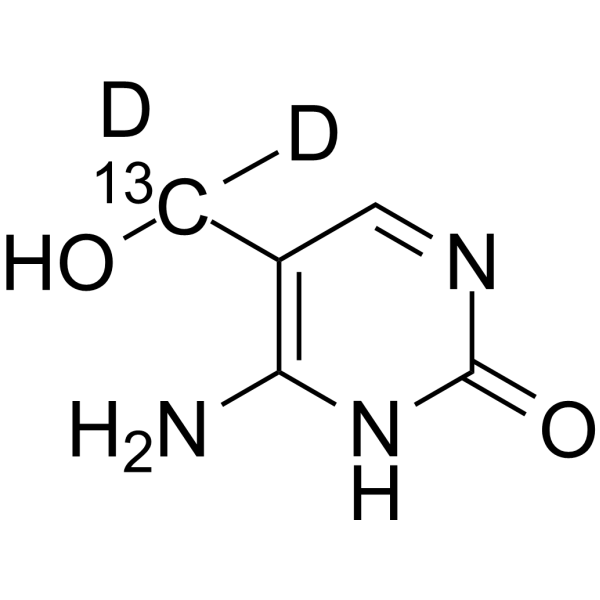
5-Hydroxymethylcytosine- 13C,d2 is the 13C and deuterium labeled 5-Hydroxymethylcytosine (HY-W018324). 5-Hydroxymethylcytosine (5hmC) is an oxidized forms of 5-methylcytosine (5mC) in mammalian DNA. 5-Hydroxymethylcytosine is produced from 5mC in an enzymatic pathway involving three 5mC oxidases, Ten-eleven translocation (TET)1, TET2, and TET3. The conversion of 5mC into 5hmC can be the first step in a pathway leading towards DNA demethylation. 5-Hydroxymethylcytosine is associated with gene transcription and frequently used as a mark to investigate dynamic DNA methylation conversion during mammalian development. 5-Hydroxymethylcytosine can be used for the study of non-small cell lung cancer (NSCLC), neurodegenerative diseases (Alzheimer’s, Parkinson’s) and hematological malignancies (acute myeloid leukemia, myelodysplastic syndromes) .
|
-
- HY-155232
-
|
|
PI3K
Apoptosis
|
Cancer
|
|
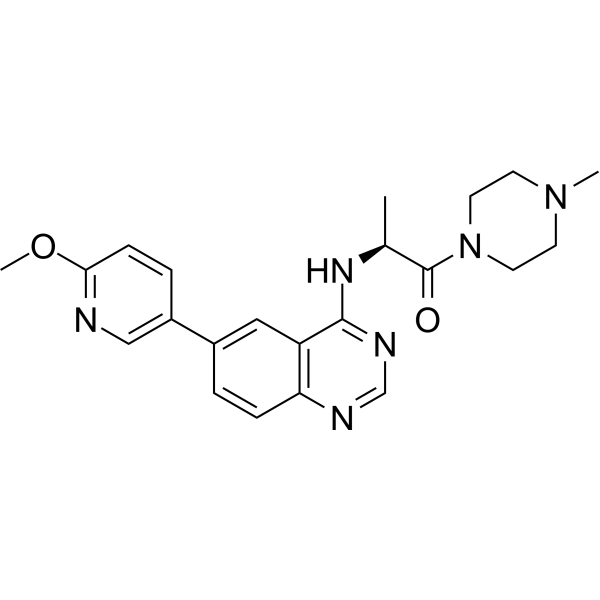
PI3Kδ-IN-16 is a potent and selective PI3Kδ inhibitor with an IC50 value of 0.9 nM. PI3Kδ-IN-16 has a strong anti-proliferative effect on SU-DHL-6 cells, causing cell cycle arrest and inducing apoptosis. PI3Kδ-IN-16 tightly bins to PI3Kδ protein with a planar-shaped conformation. The kinase activity of PI3Kδ-IN-16 which is ~378-fold over PI3Kα, 412-fold over PI3Kβ, and 10-fold over PI3Kγ. PI3Kδ-IN-16 can be used for the study of hematologic malignancies .
|
-
- HY-128586
-
|
|
Apoptosis
Carbonic Anhydrase
NEDD8-activating Enzyme
|
Cancer
|
|
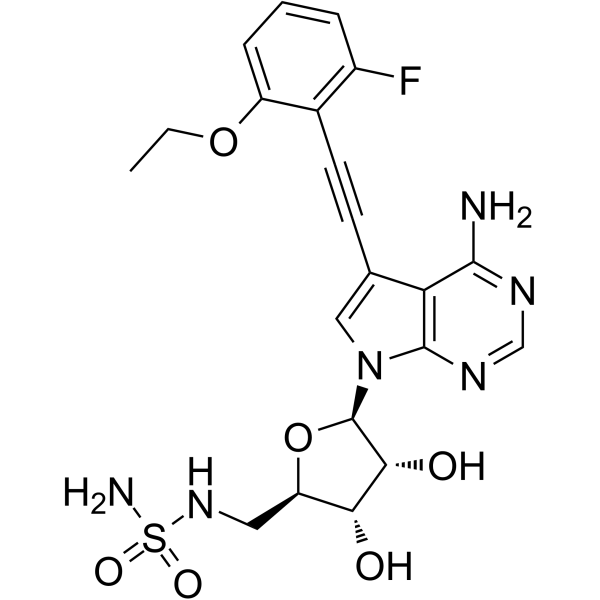
TAS4464 is a long-acting, highly selective covalent inhibitor targeting NEDD8-activating enzyme (NAE) (IC50=0.955 nM), and also inhibits CAII with an IC50 of 0.73 μM, which is less potent than MLN4924 (HY-70062). The IC50 values of TAS4464 against other E1 enzymes UAE and SAE are 449 nM and 1280 nM, respectively. TAS4464 targets NEDD8 in an ATP-dependent manner to inhibit NAE, blocks the neddylation pathway, causes accumulation of CRL ubiquitin ligase substrates (such as CDT1, p27, phosphorylated IκBα), and further induces tumor cell apoptosis. TAS4464 exhibits antiproliferative and cytotoxic effects, and has broad-spectrum antitumor activity against various hematologic and solid tumor cell lines as well as patient-derived tumor cells. TAS4464 has a wide selcetive window, without obvious toxicity. TAS4464 can be used in the research of hematologic malignancies (leukemia, lymphoma, multiple myeloma, etc.) and solid tumors (small cell lung cancer, colorectal cancer, sarcoma, endometrial cancer, ovarian cancer, etc.) .
|
-
- HY-128586A
-
|
|
NEDD8-activating Enzyme
Carbonic Anhydrase
Apoptosis
|
Cancer
|
|
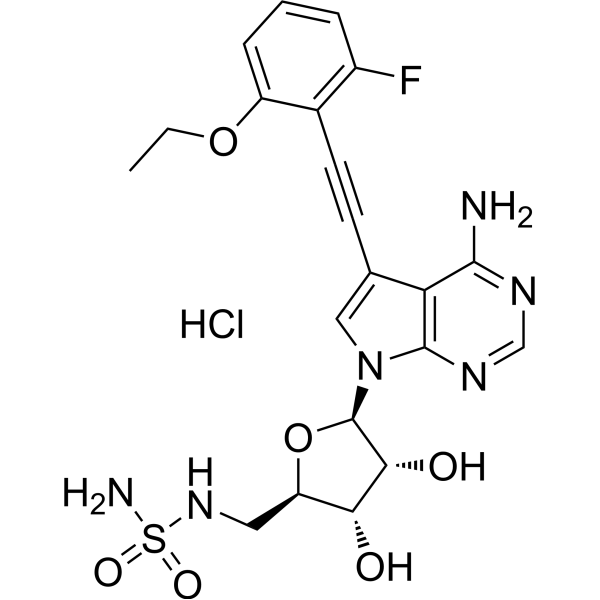
TAS4464 hydrochloride is a long-acting, highly selective covalent inhibitor targeting NEDD8-activating enzyme (NAE) (IC50=0.955 nM), and also inhibits CAII with an IC50 of 0.73 μM, which is less potent than MLN4924 (HY-70062). The IC50 values of TAS4464 hydrochloride against other E1 enzymes UAE and SAE are 449 nM and 1280 nM, respectively. TAS4464 hydrochloride targets NEDD8 in an ATP-dependent manner to inhibit NAE, blocks the neddylation pathway, causes accumulation of CRL ubiquitin ligase substrates (such as CDT1, p27, phosphorylated IκBα), and further induces tumor cell apoptosis. TAS4464 hydrochloride exhibits antiproliferative and cytotoxic effects, and has broad-spectrum antitumor activity against various hematologic and solid tumor cell lines as well as patient-derived tumor cells. TAS4464 hydrochloride has a wide therapeutic window, without obvious toxicity. TAS4464 hydrochloride can be used in the research of hematologic malignancies (leukemia, lymphoma, multiple myeloma, etc.) and solid tumors (small cell lung cancer, colorectal cancer, sarcoma, endometrial cancer, ovarian cancer, etc.) .
|
-
| Cat. No. |
Product Name |
Target |
Research Area |
-
- HY-P5472
-
|
|
Transmembrane Glycoprotein
|
Others
|
|
Tumour-associated MUC1 epitope is a biological active peptide. (This sequence is the hallmark of MUC1 mucin. MUC1 is a highly glycosylated type I transmembrane glycoprotein with a unique extracellular domain consisting of a variable number of tandem repeats (VNTR) of this 20 amino acid peptide. It is overexpressed on the cell surface of many human adenocarcinomas and hematological malignancies, including multiple myeloma and B-cell lymphoma, making MUC1 broadly applicable target for immunotherapeutic strategies.)
|
| Cat. No. |
Product Name |
Target |
Research Area |
Image |
-
- HY-P99654
-
|
INT-001
|
Inhibitory Antibodies
|
Cancer
|
|
Idactamab (INT-001) is an IgG1-κ antibody with in vivo activity across a spectrum of hematological malignancies. Idactamab can be used for prepare MEDI7247, a potent and specific ADC, targeting ASCT2 (SLC1A5) .
|
-


(5)
-
- HY-P9976A
-
|
|
CD38
Apoptosis
|
Cancer
|
|
Isatuximab (anti-CD38) is a monoclonal antibody that targets the transmembrane receptor and extracellular enzyme CD38, a protein highly expressed in hematological malignancies, including multiple myeloma. Isatuximab (anti-CD38) exhibits anti-tumor activity through multiple biological mechanisms, including antibody-dependent cell-mediated cytotoxicity, complement-dependent cytotoxicity, antibody-dependent cell phagocytosis, and non-crosslinking direct induction of apoptosis. Isatuximab (anti-CD38) also directly inhibits the extracellular enzyme activity of CD38, which is related to many cellular functions .
|
-
(5)
-
- HY-P990033
-
|
CC-95251; BMS-986351
|
CD47
|
Cancer
|
|
Anzurstobart is a CD47/SIRPα inhibitor with human SIRPα Kd of 0.0541 nM and human SIRPα IC50 of 100 nM. Anzurstobart binds SIRPα at a CD47-overlapping site, blocks CD47-SIRPα interactions, inhibits CD47-SIRPα axis signaling, and binds across 6 prevalent human SIRPα haplotypes. Anzurstobart binds SIRPγ and inhibits CD47-SIRPγ interactions. Anzurstobart can be used for the research of non-Hodgkin's lymphoma, colorectal cancer, squamous cell carcinoma of the head and neck, diffuse large B-cell lymphoma, and advanced solid and hematologic malignancies .
|
-
(5)
-
- HY-P99172
-
|
|
CD47
Interleukin Related
|
Cancer
|
|
CC-90002 is a humanized anti-CD47 monoclonal antibody (mAb). CC-90002 has a high affinity for binding to CD47 with a subnanomolar Kd value. CC-90002 can be used for the research of hematologic malignancies and solid tumors .
|
-
(5)
-
- HY-P99057
-
|
CDX-1127
|
TNF Receptor
Transmembrane Glycoprotein
|
Inflammation/Immunology
Cancer
|
|
Varlilumab (CDX-1127) is an agonist anti-CD27 monoclonal antibody. Varlilumab can promote T cell expansion and activate the immune response. Varlilumab has anti-tumor activity and can be used in the research of hematological malignancies and solid tumors .
|
-
(5)
-
- HY-P991228
-
|
|
Galectin
|
Cancer
|
|
LYT-200 is a humanized monoclonal antibody against galectin-9 (Galectin-9). LYT-200 binds to galectin-9 expressed on the surface of hematologic malignant cells, inhibits pro-leukemic functions and induces cell death. LYT-200 can be used in research related to hematologic malignancies .
|
-
(5)
-
- HY-P99475
-
|
MSB-2311
|
PD-1/PD-L1
|
Cancer
|
|
Betifisolimab (MSB-2311) is a humanized monoclonal antibody directed against the immunosuppressive ligand PD-L1. Betifisolimab has the potential for advanced solid tumors and hematological malignancies research .
|
-
(5)
-
- HY-P990077
-
|
CT-011; MDV9300
|
PD-1/PD-L1
|
Cancer
|
|
Pidilizumab (CT-011) is a humanized IgG1k anti-PD-1 monoclonal antibody. Pidilizumab acts as a DLL1 antagonist. Pidilizumab has the potential for hematologic malignancies research .
|
-
(5)
-
- HY-P99952
-
|
SCT400
|
CD20
|
Cancer
|
|
Ripertamab (SCT400) is a recombinant, human-mouse chimeric anti-CD20 IgG1κ mAb. Ripertamab can be used for the research of hematological malignancies, including non-Hodgkin’s lymphoma (NHL) .
|
-
(5)
-
- HY-P991665
-
|
OBT357NF; OBT357
|
Transmembrane Glycoprotein
|
Cancer
|
|
MEN1112 (OBT357NF) is a selective humanized monoclonal antibody targeting the Bst1/CD157 antigen (EC50=1 nM). MEN1112 exerts potent antitumor activity against acute myeloid leukemia (AML) cells. MEN1112 is promising for research of hematological malignancies such as AML .
|
-
(5)
-
- HY-P991135
-
|
RO-7502175; RG-6411
|
CCR
|
Cancer
|
|
Enzelkitug is a humanized immunoglobulin G1-κ monoclonal antibody targeting the human C-C motif chemokine receptor 8 (CCR8). Enzelkitug is promising for research of various solid tumors and hematological malignancies .
|
-
(5)
-
- HY-P991151
-
|
|
PD-1/PD-L1
TNF Receptor
|
Cancer
|
|
Opamtistomig is a humanized immunoglobulin (H-γ1-scFv-L-κ) dimer monoclonal antibody targeting human programmed death ligand 1 (PD-L1), CD274 and tumor necrosis factor receptor superfamily member 9 (TNFRSF9). Opamtistomig is promising for research of various solid tumors and hematological malignancies .
|
-
(5)
-
- HY-P991638
-
|
|
TNF Receptor
|
Cancer
|
|
XmAb-2513 is a humanized monoclonal antibody inhibitor targeting CD30. XmAb-2513 has significant anti-proliferative activity and superior antibody-dependent cell-mediated cytotoxicity (ADCC) as well as antibody-dependent cell-mediated phagocytosis (ADCP). XmAb-2513 can be used for hematologic malignancies like Hodgkin Lymphoma (HL) and Anaplastic Large Cell Lymphoma (ALCL) research .
|
-
(5)
-
- HY-P991656
-
|
|
CXCR
Apoptosis
p38 MAPK
Akt
|
Cancer
|
|
LY-2624587 is a humanized IgG4 monoclonal antibody antagonist targeting CXCR4. LY-2624587 blocks SDF-1/CXCR4 interaction and SDF-1-induced GTP binding. LY-2624587 significantly inhibits cell migration and induces apoptosis in human lymphoma and leukemia cells. LY-2624587 also inhibits CXCR4 and SDF-1 mediated cell signaling including activation of MAPK and AKT. LY-2624587 can be used for human hematological malignancies like acute myeloid leukemia (AML) research .
|
-
(5)
-
- HY-P99057A
-
|
CDX-1127 (anti-CD27)
|
TNF Receptor
Transmembrane Glycoprotein
|
Inflammation/Immunology
Cancer
|
|
Varlilumab (CDX-1127) (anti-CD27) is an agonist anti-CD27 monoclonal antibody. Varlilumab (anti-CD27) can promote T cell expansion and activate the immune response. Varlilumab (anti-CD27) has anti-tumor activity and can be used in the research of hematological malignancies and solid tumors .
|
-
(5)
-
- HY-P992439
-
|
|
CXCR
|
Cancer
|
|
PF-06747143 is recombinant anti-human antibody targeting CXCR4. PF-06747143 blocks CXCL12-induced calcium flux, F-actin polymerization, chemotaxis, cell migration, and leukemic cell bone marrow homing. PF-06747143 reduces tumor burden and improves survival in mouse models of hematologic malignancies. PF-06747143 can be used for the research of chronic lymphocytic leukemia, acute myeloid leukemia, and hematologic malignancies .
|
-
(5)
-
- HY-P991924
-
-
(5)
-
- HY-P991135A
-
|
RO-7502175 (FUT8-KO); RG-6411 (FUT8-KO)
|
CCR
|
Cancer
|
|
Enzelkitug (RO-7502175; RG-6411) (FUT8-KO) is an anti-CCR8 monoclonal antibody expressed by CHO cells with the fucosyltransferase 8 gene (FUT8) knocked out. Fucose deficiency enhances the antibody-dependent cellular cytotoxicity (ADCC) effect of the antibody. Enzelkitug (FUT8-KO) can be used for the research of various solid tumors and hematological malignancies .
|
-
(5)
| Cat. No. |
Product Name |
Category |
Target |
Chemical Structure |
-
- HY-W018324
-
|
5hmC
|
Natural Products
Classification of Application Fields
Metabolic Disease
Endogenous metabolite
Disease Research Fields
Source Classification
Cancer
|
Endogenous Metabolite
|
|
5-Hydroxymethylcytosine (5hmC) is an oxidized forms of 5-methylcytosine (5mC) in mammalian DNA. 5-Hydroxymethylcytosine is produced from 5mC in an enzymatic pathway involving three 5mC oxidases, Ten-eleven translocation (TET)1, TET2, and TET3. The conversion of 5mC into 5hmC can be the first step in a pathway leading towards DNA demethylation. 5-Hydroxymethylcytosine is associated with gene transcription and frequently used as a mark to investigate dynamic DNA methylation conversion during mammalian development. 5-Hydroxymethylcytosine can be used for the study of non-small cell lung cancer (NSCLC), neurodegenerative diseases (Alzheimer’s, Parkinson’s) and hematological malignancies (acute myeloid leukemia, myelodysplastic syndromes) .
|
-
| Cat. No. |
Product Name |
Chemical Structure |
-
- HY-13599S
-
|
|
|
Cladribine-d4 (2-Chloro-2′-deoxyadenosine-d4) is deuterium labeled Cladribine. Cladribine (2-Chloro-2′-deoxyadenosine), a purine nucleoside analog, is an orally active adenosine deaminase inhibitor. Cladribine functions as an inhibitor of DNA synthesis to block the repair of the damaged DNA. Cladribine can inhibit DNA methylation. Cladribine has anti-lymphoma activity. Cladribine can be used for the research of several hematologic malignancies and multiple sclerosis .
|
-
-
- HY-13599S2
-
|
|
|
Cladribine- 15N (2-Chloro-2′-deoxyadenosine- 15N) is 15N labeled Cladribine. Cladribine (2-Chloro-2′-deoxyadenosine), a purine nucleoside analog, is an orally active adenosine deaminase inhibitor. Cladribine functions as an inhibitor of DNA synthesis to block the repair of the damaged DNA. Cladribine can inhibit DNA methylation. Cladribine has anti-lymphoma activity. Cladribine can be used for the research of several hematologic malignancies and multiple sclerosis .
|
-
-
- HY-13599S1
-
|
|
|
Cladribine- 13C5, 15N2 (2-Chloro-2′-deoxyadenosine- 13C5, 15N2) is 13C and 15N labeled Cladribine. Cladribine (2-Chloro-2′-deoxyadenosine), a purine nucleoside analog, is an orally active adenosine deaminase inhibitor. Cladribine functions as an inhibitor of DNA synthesis to block the repair of the damaged DNA. Cladribine can inhibit DNA methylation. Cladribine has anti-lymphoma activity. Cladribine can be used for the research of several hematologic malignancies and multiple sclerosis .
|
-
-
- HY-W018324S
-
|
|
|
5-Hydroxymethylcytosine- 13C,d2 is the 13C and deuterium labeled 5-Hydroxymethylcytosine (HY-W018324). 5-Hydroxymethylcytosine (5hmC) is an oxidized forms of 5-methylcytosine (5mC) in mammalian DNA. 5-Hydroxymethylcytosine is produced from 5mC in an enzymatic pathway involving three 5mC oxidases, Ten-eleven translocation (TET)1, TET2, and TET3. The conversion of 5mC into 5hmC can be the first step in a pathway leading towards DNA demethylation. 5-Hydroxymethylcytosine is associated with gene transcription and frequently used as a mark to investigate dynamic DNA methylation conversion during mammalian development. 5-Hydroxymethylcytosine can be used for the study of non-small cell lung cancer (NSCLC), neurodegenerative diseases (Alzheimer’s, Parkinson’s) and hematological malignancies (acute myeloid leukemia, myelodysplastic syndromes) .
|
-
Your information is safe with us. * Required Fields.
Inquiry Information
- Product Name:
- Cat. No.:
- Quantity:
- MCE Japan Authorized Agent:








