Search Result
Results for "
hepatoprotective+activity
" in MedChemExpress (MCE) Product Catalog:
| Cat. No. |
Product Name |
Target |
Research Areas |
Chemical Structure |
-
- HY-N0823
-
-
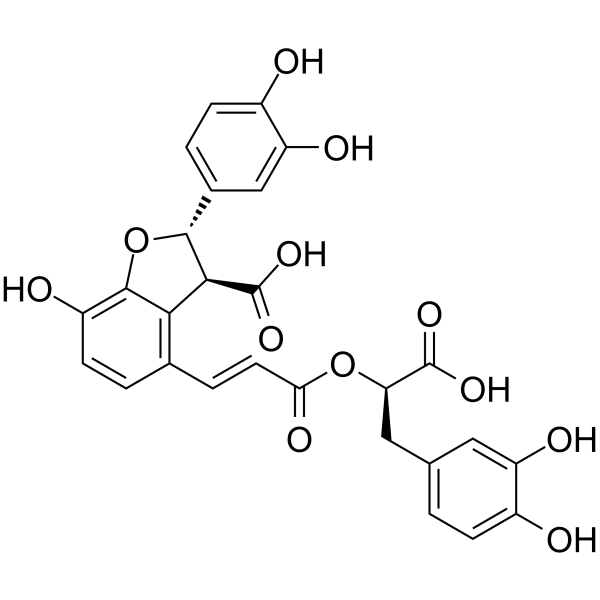
-
- HY-N0462
-
-
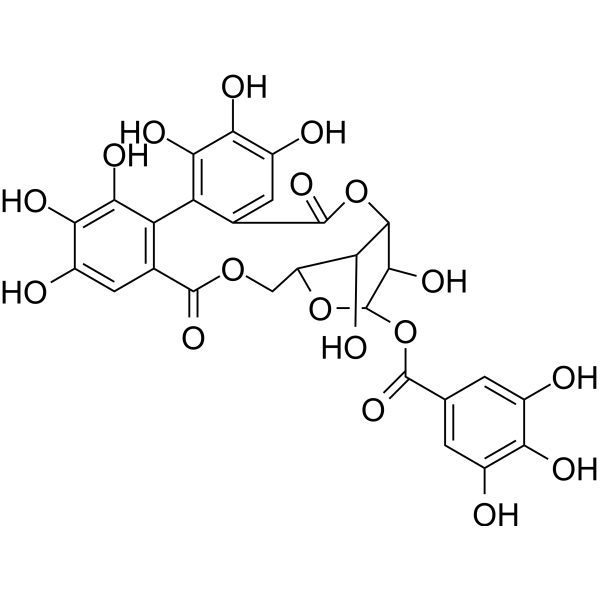
-
- HY-N2481
-
|
Oroxyloside; Oroxylin A-7-O-β-D-glucuronide
|
Prolyl Endopeptidase (PREP)
Drug Metabolite
JNK
PPAR
NF-κB
Interleukin Related
|
Cardiovascular Disease
Metabolic Disease
Inflammation/Immunology
Cancer
|
|
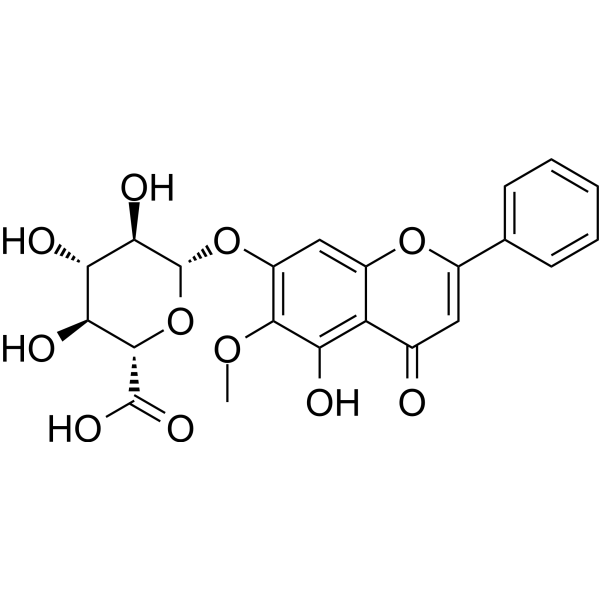
Oroxylin A-7-O-glucuronide (oroxyloside) is an orally active flavonoid glucuronide and metabolite of Oroxylin A (HY-N0560). Oroxylin A-7-O-glucuronide can be extracted from the dried root of Scutellaria baicalensis. Oroxylin A-7-O-glucuronide exhibits prolyl oligopeptidase inhibitory activity. Oroxylin A-7-O-glucuronide inhibits the JNK pathway, upregulates PPARγ, and inhibits NF-κB p65 nuclear translocation. Oroxylin A-7-O-glucuronide reduces cytokine (IL-1β, IL-6) production. Oroxylin A-7-O-glucuronide exhibits anti-angiogenic, anti-tumor (glioma, liver cancer), anti-inflammatory, and hepatoprotective activities .
|
-
-
- HY-N7056
-
|
|
Oxidative Phosphorylation
Proteasome
|
Inflammation/Immunology
Cancer
|
|
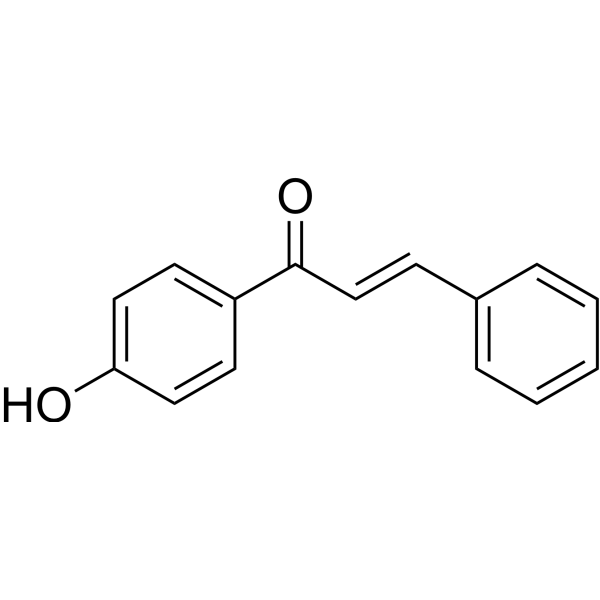
4'-Hydroxychalcone is a chalcone isolated from licorice root, with hepatoprotective activity. 4'-Hydroxychalcone inhibits TNFα-induced NF-κB activation via proteasome inhibition. 4'-Hydroxychalcone induces a rapid potassium release from mitochondrial vesicles and causes deterioration of respiratory control and oxidative phosphorylation of isolated rat liver mitochondria .
|
-
-
- HY-126052
-
|
|
COX
Tyrosinase
HDAC
|
Metabolic Disease
Cancer
|
|
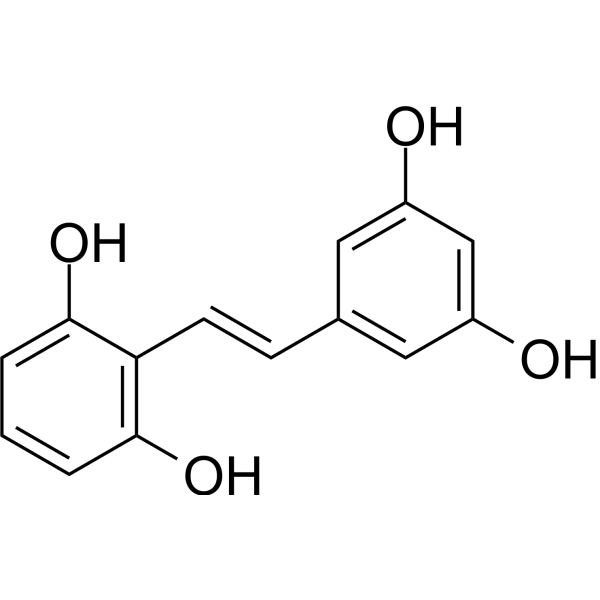
Gnetol is a phenolic compound isolated from the root of Gnetum montanum . Gnetol potently inhibits COX-1 (IC50 of 0.78 μM) and HDAC. Gnetol is a potent tyrosinase inhibitor with an IC50 of 4.5 μM for murine tyrosinase and suppresses melanin biosynthesis. Gnetol has antioxidant, antiproliferative, anticancer and hepatoprotective activity. Gnetol also possesses concentration-dependent α-Amylase, α-glucosidase, and adipogenesis activities .
|
-
-
- HY-N2155
-
|
|
Others
|
Metabolic Disease
|
|
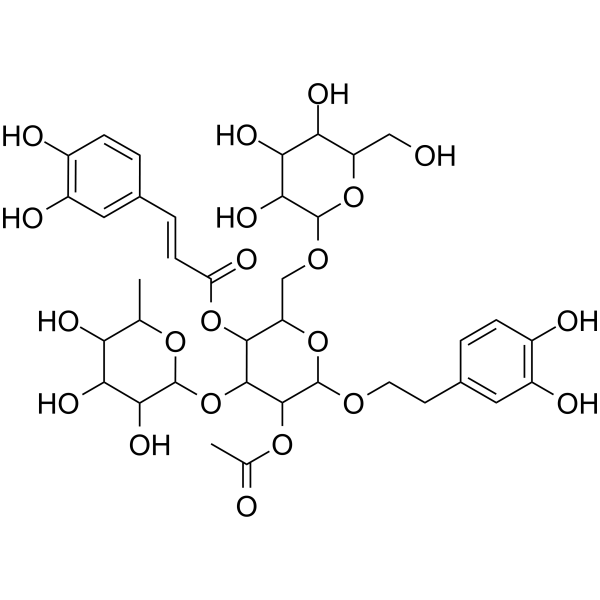
Tubuloside A is a phenylethanoid glycoside with antioxidative effect and hepatoprotective activity.
|
-
-
- HY-N0805
-
|
23-Acetylalismol B; 23-O-Acetylalisol B; Alisol B monoacetate
|
Apoptosis
Reactive Oxygen Species (ROS)
CDK
MMP
PARP
FXR
Syk
|
Cardiovascular Disease
Metabolic Disease
Inflammation/Immunology
Cancer
|
|
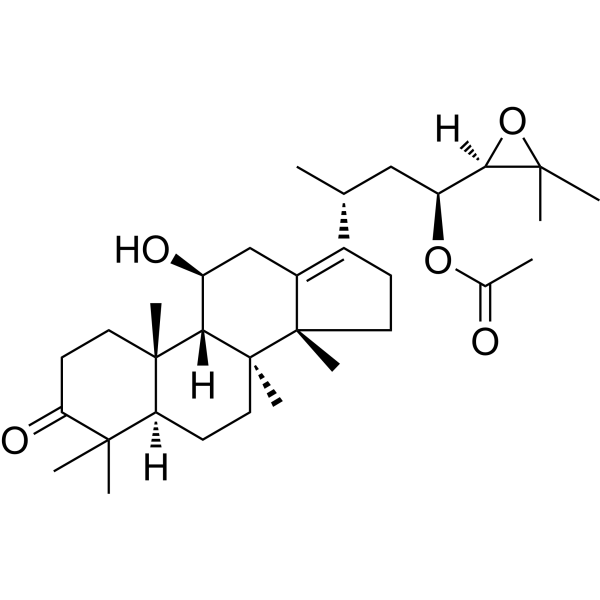
Alisol B 23-acetate is an orally active prototerpane-type triterpenoid. Alisol B 23-acetate can be isolated from Alisma orientalis. Alisol B 23-acetate induces Apoptosis, promotes ROS generation, downregulates CDK4/6, MMP-2/9, upregulates cleaved PARP, activates FXR and inhibits Syk. Alisol B 23-acetate has anti-inflammatory and hepatoprotective activities. Alisol B 23-acetate protects the kidney from ischemia-reperfusion injury. Alisol B 23-acetate has anticancer activity against ovarian cancer, colon cancer, lung cancer, and gastric cancer. Alisol B 23-acetate can be used in the study of atherosclerosis and allergic asthma .
|
-
-
- HY-125911
-
-
-
- HY-N2259
-
|
(+)-Curcumenol
|
Cytochrome P450
|
Neurological Disease
Inflammation/Immunology
Cancer
|
|
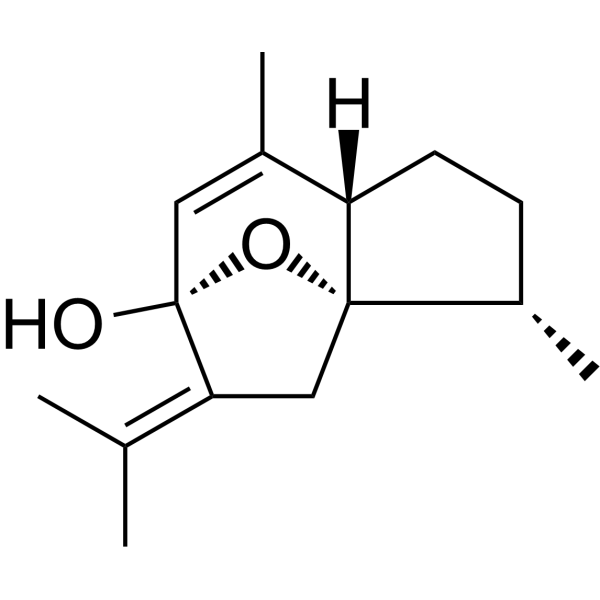
Curcumenol ((+)-Curcumenol) is a potent CYP3A4 inhibitor with an IC50 of 12.6 μM, which is one of constituents in the plants of medicinally important genus of Curcuma zedoaria, with neuroprotection, anti-inflammatory, anti-tumor and hepatoprotective activities. Curcumenol ((+)-Curcumenol) suppresses Akt-mediated NF-κB activation and p38 MAPK signaling pathway in LPS-stimulated BV-2 microglial cells .
|
-
-
- HY-N7697B
-
|
|
Others
|
Others
|
|
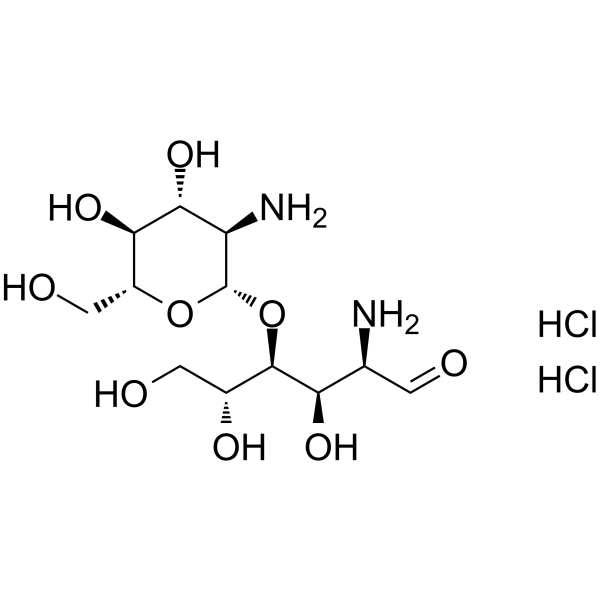
Chitobiose dihydrochloride is an orally active chitosan oligosaccharide (degree of polymerization 2). Chitobiose dihydrochloride shows hepatoprotective activity and counteracts CCl4-induced elevation of plasma aspartate transaminase and alanine transaminase activities in rats. Chitobiose dihydrochloride can be used for the research of carbon tetrachloride-induced acute hepatotoxicity .
|
-
-
- HY-75625
-
|
4-Methoxysalicylic Acid
|
Monocarboxylate Transporter
Apoptosis
Mitochondrial Metabolism
|
Cardiovascular Disease
Metabolic Disease
Cancer
|
|
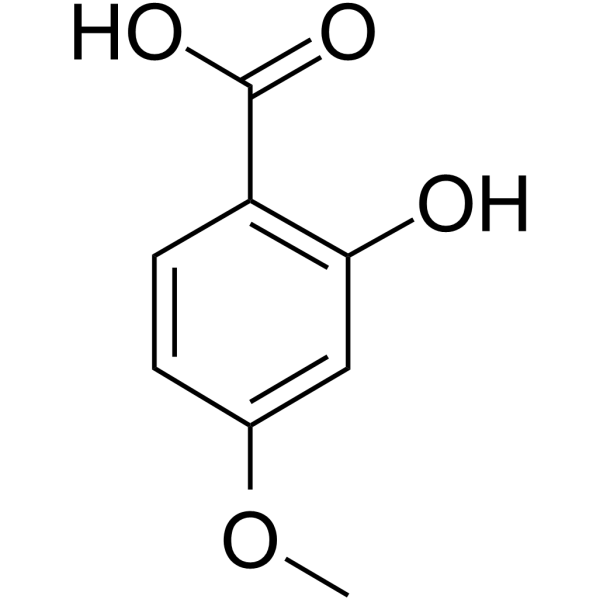
2-Hydroxy-4-methoxybenzoic acid is an orally active inhibitor of MCT-1 and MCT-4, as well as a plant biomarker. 2-Hydroxy-4-methoxybenzoic acid can be isolated from roots. 2-Hydroxy-4-methoxybenzoic acid induces Apoptosis and loss of mitochondrial membrane potential. 2-Hydroxy-4-methoxybenzoic acid exhibits anticancer activity against breast cancer. 2-Hydroxy-4-methoxybenzoic acid normalizes lactic acid levels. 2-Hydroxy-4-methoxybenzoic acid neutralizes viper venom and attenuates its lethal, hemorrhagic, coagulant and anticoagulant activities in male albino mice. 2-Hydroxy-4-methoxybenzoic acid possesses antihyperlipidemic, antidiabetic and hepatoprotective activities .
|
-
-
- HY-N7697F
-
|
|
Others
|
Metabolic Disease
|
|
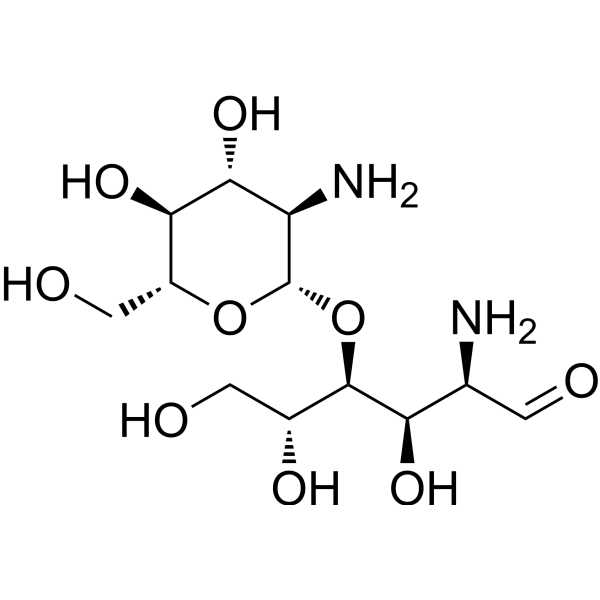
Chitobiose is an orally active chitosan oligosaccharide (degree of polymerization 2). Chitobiose shows hepatoprotective activity and counteracts CCl4-induced elevation of plasma aspartate transaminase and alanine transaminase activities in rats. Chitobiose can be used for the research of carbon tetrachloride-induced acute hepatotoxicity .
|
-
-
- HY-N1506
-
|
|
Epigenetic Reader Domain
p38 MAPK
|
Cancer
|
|
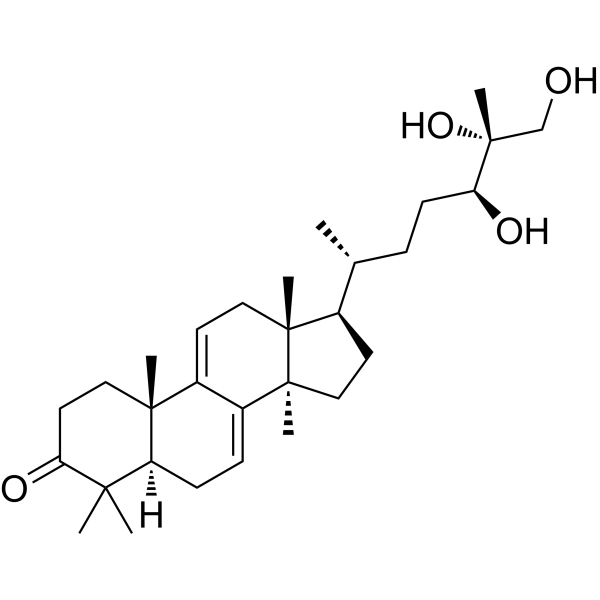
Ganodermanontriol, a sterol isolated from Ganoderma lucidum, induces anti-inflammatory activity in tert-butyl hydroperoxide (t-BHP)-damaged hepatic cells through the expression of HO-1. Ganodermanontriol exhibits hepatoprotective activity .
|
-
-
- HY-N2412
-
|
|
Chloride Channel
|
Neurological Disease
Cancer
|
|
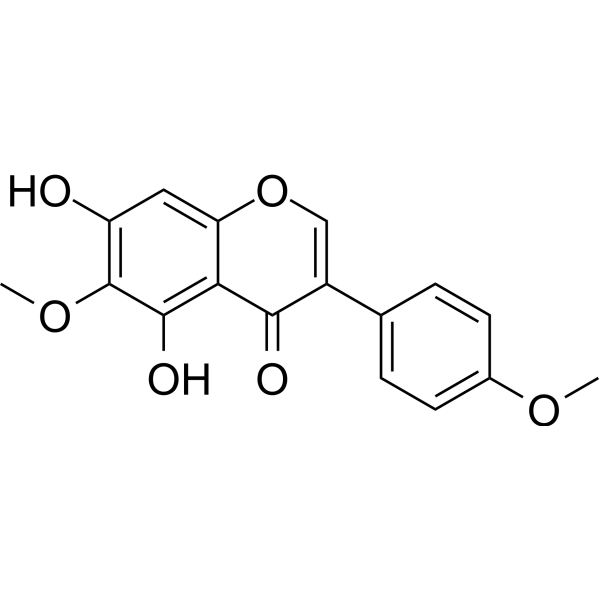
Irisolidone is a major isoflavone found in Pueraria lobata flowers. Irisolidone exhibits potent hepatoprotective activity. Irisolidone shows the high efficacy for volume-regulated anion channels (VRAC) blockade (IC50=9.8 μM) .
|
-
-
- HY-W068771
-
|
|
Endogenous Metabolite
|
Neurological Disease
Metabolic Disease
|
|
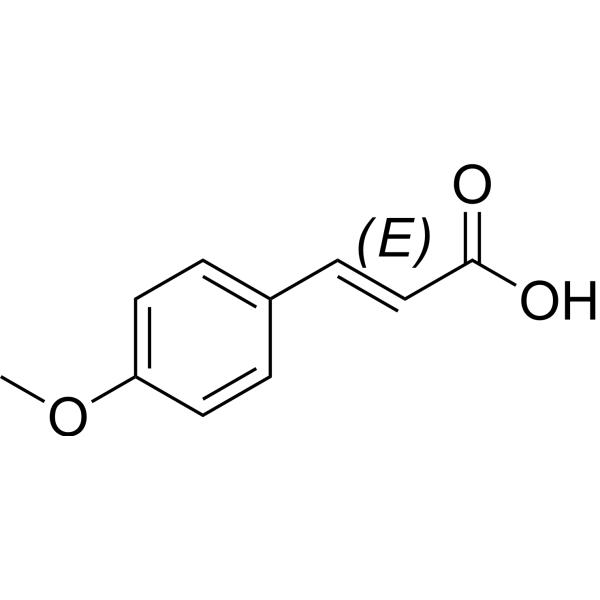
(E)-3-(4-Methoxyphenyl)acrylic acid (compound 3) is isolated from Arachis hypogaea, Scrophularia buergeriana Miquel, Aquilegia vulgaris, Anigozanthos preissii and so on. (E)-3-(4-Methoxyphenyl)acrylic acid shows significant hepatoprotective activity, anti-amnesic, cognition-enhancing activity, antihyperglycemic, and neuroprotective activities .
|
-
-
- HY-N0462R
-
|
NP-004255 (Standard)
|
Toll-like Receptor (TLR)
Reference Standards
Reverse Transcriptase
Bacterial
Apoptosis
Autophagy
|
Infection
Inflammation/Immunology
Cancer
|
|
Corilagin (Standard) is the analytical standard of Corilagin. This product is intended for research and analytical applications. Corilagin, a gallotannin, has anti-tumor, anti-inflammatory and hepatoprotective activities. Corilagin inhibits activity of reverse transcriptase of RNA tumor viruses. Corilagin also inhibits the growth of Staphylococcus aureus with a MIC of 25 μg/mL. Corilagin shows anti-tumor activity on hepatocellular carcinoma and ovarian cancer model. Corilagin shows low toxicity to normal cells and tissues .
|
-

-
- HY-118383
-
-
-
- HY-N11546
-
|
|
Cytochrome P450
Bacterial
Fungal
|
Infection
Cancer
|
|
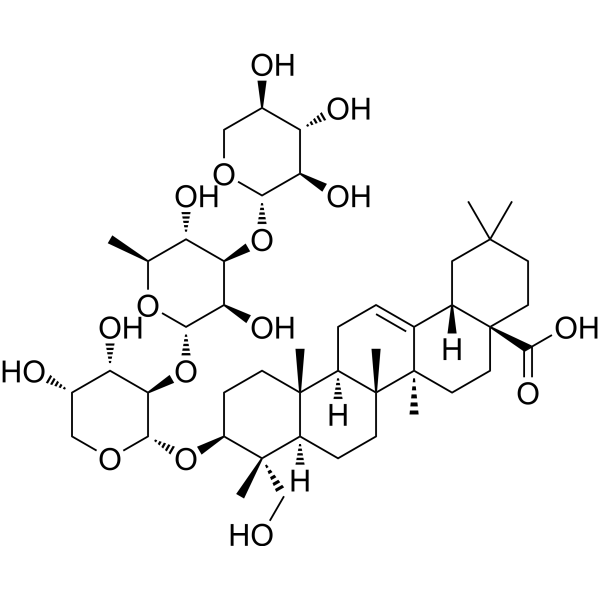
Sapindoside B is a substance with hepatoprotective activity, and also acts as a cytochrome P-450 (cytochrome P-450) inhibitor, antibacterial agent and membrane-disrupting agent. Sapindoside B reversibly inhibits the content of cytochrome P-450 in liver microsomes, suppresses the phenobarbital-induced increase in enzyme content, reduces the production of active metabolites mediated by cytochrome P-450, and alleviates hepatotoxic injury. Sapindoside B binds to Cutibacterium acnes lipase, reduces lipase activity, inhibits biofilm formation, and decreases bacterial adhesion. Sapindoside B exhibits cytotoxicity against human cancer, liver cancer, leukemia and glioblastoma cells. Sapindoside B inhibits mycelial growth of phytopathogenic fungal strains, possesses antibacterial activity against dermatophytes, and also has hemolytic/membrane-lytic activity. Sapindoside B can be used in research related to liver injury, Cutibacterium acnes biofilm-associated infections, gastric cancer, carcinoma, promyelocytic leukemia, glioblastoma, apple scab and grape gray mold .
|
-
-
- HY-146058
-
-
-
- HY-112575
-
|
|
NO Synthase
|
Infection
Cardiovascular Disease
Inflammation/Immunology
|
|
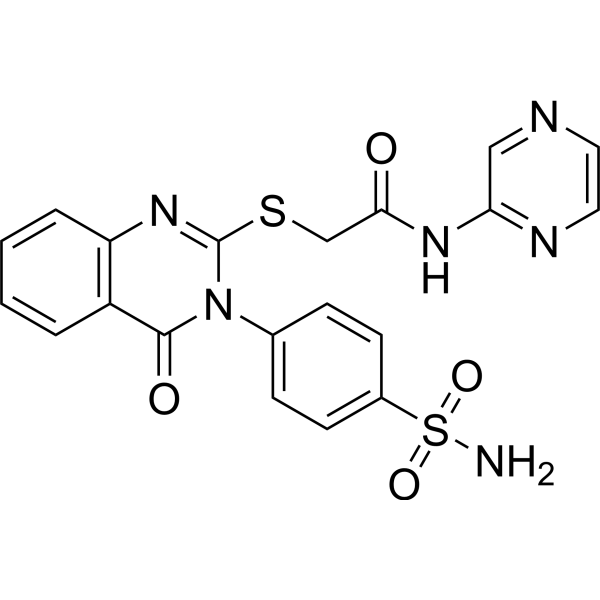
Tiazotic acid is a metabolic agent that has immunomodulatory, anti-inflammatory, antioxidant, anti-ischemic, cardio- and endothelioprotective, antiplatelet, hepatoprotective activities. Tiazotic acid increases the levels of eNOS. Tiazotic acid also reduces the level of D-dimer in the blood, which reduces the risks of heart attacks and strokes in post-COVID syndrome .
|
-

-
- HY-N2259R
-
|
(+)-Curcumenol (Standard)
|
Reference Standards
Cytochrome P450
|
Neurological Disease
Inflammation/Immunology
Cancer
|
|
Curcumenol ((+)-Curcumenol) is a potent CYP3A4 inhibitor with an IC50 of 12.6 μM, which is one of constituents in the plants of medicinally important genus of Curcuma zedoaria, with neuroprotection, anti-inflammatory, anti-tumor and hepatoprotective activities. Curcumenol ((+)-Curcumenol) suppresses Akt-mediated NF-κB activation and p38 MAPK signaling pathway in LPS-stimulated BV-2 microglial cells .
|
-

-
- HY-125911R
-
-

-
- HY-N2481R
-
|
Oroxyloside (Standard); Oroxylin A-7-O-β-D-glucuronide (Standard)
|
Reference Standards
Prolyl Endopeptidase (PREP)
Drug Metabolite
JNK
PPAR
NF-κB
Interleukin Related
|
Cardiovascular Disease
Metabolic Disease
Inflammation/Immunology
Cancer
|
|
Oroxylin A-7-O-glucuronide (Standard) is the analytical standard of Oroxylin A-7-O-glucuronide (HY-N2481). This product is intended for research and analytical applications. Oroxylin A-7-O-glucuronide (oroxyloside) is an orally active flavonoid glucuronide and metabolite of Oroxylin A (HY-N0560). Oroxylin A-7-O-glucuronide can be extracted from the dried root of Scutellaria baicalensis. Oroxylin A-7-O-glucuronide exhibits prolyl oligopeptidase inhibitory activity. Oroxylin A-7-O-glucuronide inhibits the JNK pathway, upregulates PPARγ, and inhibits NF-κB p65 nuclear translocation. Oroxylin A-7-O-glucuronide reduces cytokine (IL-1β, IL-6) production. Oroxylin A-7-O-glucuronide exhibits anti-angiogenic, anti-tumor (glioma, liver cancer), anti-inflammatory, and hepatoprotective activities .
|
-

-
- HY-N12442
-
|
|
Others
|
Metabolic Disease
|
|
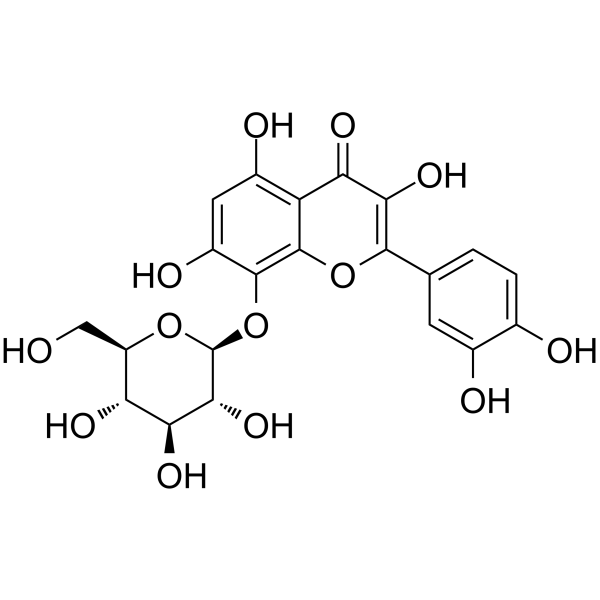
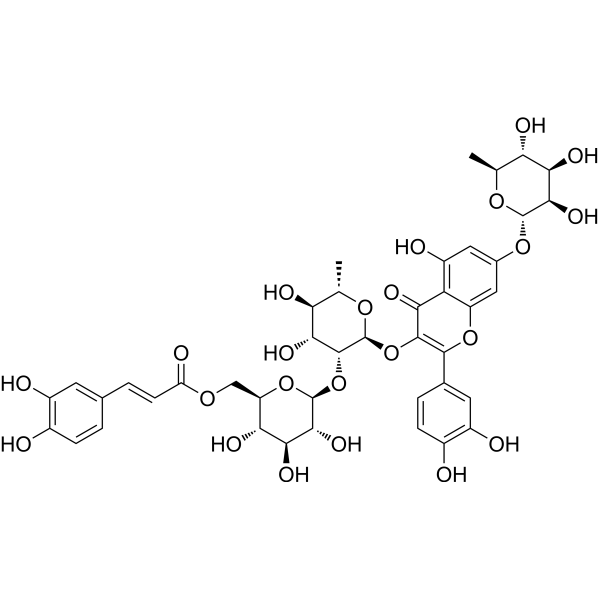
Sarmenoside III is a flavonol glycoside with hepatoprotective activity isolated from Sedum sarmentosum.
|
-
-
- HY-N10436
-
-
-
- HY-N2155R
-
|
|
Reference Standards
Others
|
Metabolic Disease
|
|
Tubuloside A (Standard) is the analytical standard of Tubuloside A. This product is intended for research and analytical applications. Tubuloside A is a phenylethanoid glycoside with antioxidative effect and hepatoprotective activity.
|
-

-
- HY-N1616
-
|
|
Apoptosis
|
Others
|
|
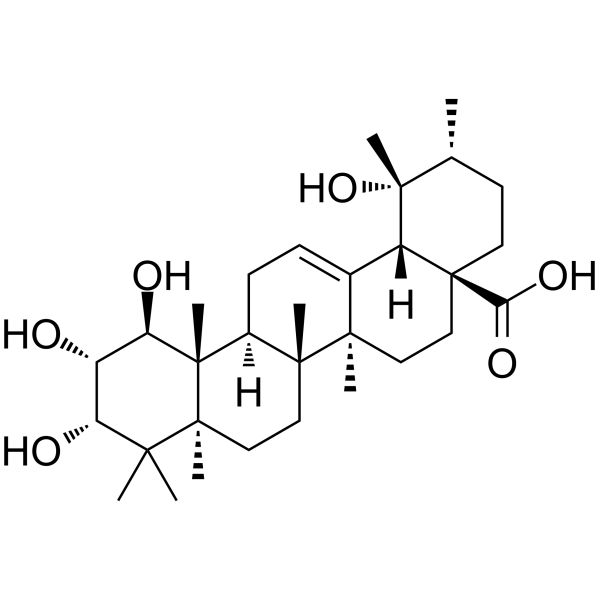
1β-Hydroxyeuscaphic acid has significant hepatoprotective activity by lowering the leakage of intracellular enzymes, reducing the oxidation of proteins and decreasing the incidence of apoptosis .
|
-
-
- HY-121174
-
|
Catharticin
|
NO Synthase
CDK
Tyrosinase
Reactive Oxygen Species (ROS)
|
Metabolic Disease
|
|
Alaternin (Catharticin) is an anthraquinone compound with antioxidant and hepatoprotective activities. Alaternin has an inhibitory activity against hydroxyl radicals generated in a cell-free chemical system (FeSO4/H2O2) with an IC50 value of 3.05 μM. Alaternin exhibits hepatoprotective activity against Tacrine (HY-111338)-induced toxicity in human hepatic HepG2 cells with an EC50 value of 4.02 μM .
|
-

-
- HY-171857
-
-

-
- HY-N12706
-
|
|
Endogenous Metabolite
|
Endocrinology
|
|
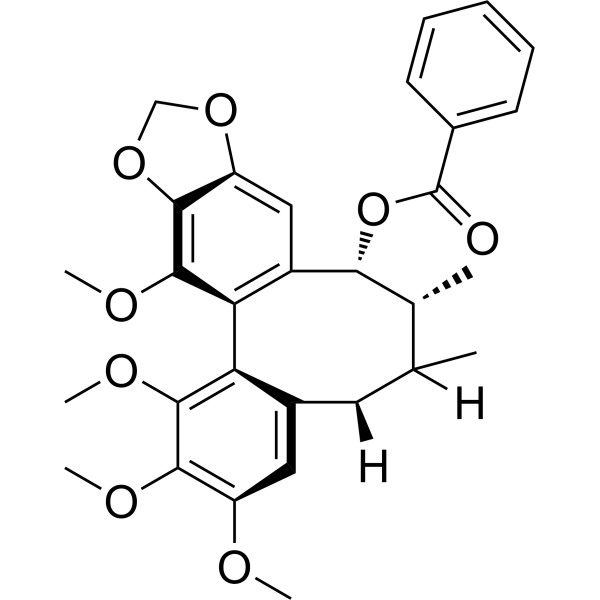
Heilaohuguosu G (compound 7) is a cyclolignan with hepatoprotective activity. Heilaohuguosu G against APAP toxicity with cell survival rates at 10 μM of 45.7% in HepG-2 cells .
|
-
-
- HY-N13159
-
|
|
Others
|
Inflammation/Immunology
|
|
Goodyeroside A is a glycoside compound derived from the plant Goodyera that exhibits significant hepatoprotective activity. It can inhibit liver damage induced by carbon tetrachloride (HY-Y0298) in primary cultured rat hepatocytes .
|
-

-
- HY-N11660
-
|
|
Others
|
Metabolic Disease
|
|
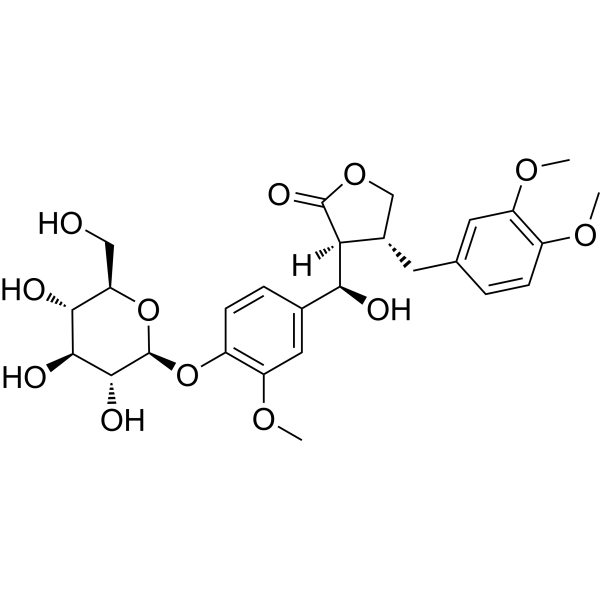
weak Hepatoprotective agent-1 (Compound 11) is a natural product that can be isolated from the fruits of Arctium lappa L.. weak Hepatoprotective agent-1 exhibits weak hepatoprotective activities at a concentration of 10 μM .
|
-
-
- HY-N1324
-
|
|
Others
|
Others
|
|
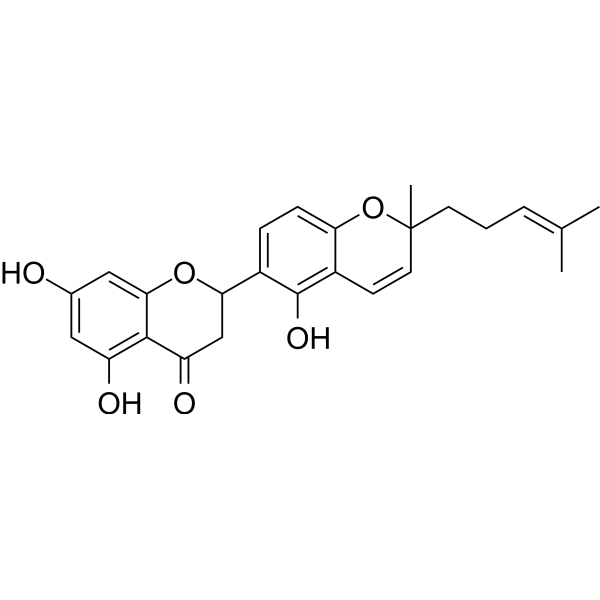
Sanggenon N is an isoprenylated flavonoid that can be isolated from the root bark of Morus alba.Sanggenon N has hepatoprotective activities on t-BHP-induced cell cytotoxicity in HepG2 cells with an EC50 of 23.45 μM .
|
-
-
- HY-N15535
-
|
|
Others
|
Cancer
|
|
Cuneataside E is a phenylpropanoid glycoside compound found in Lespedeza cuneata. Cuneataside E exhibits hepatoprotective activity against the toxicity induced by N-acetyl-p-aminophenol (APAP) in the human hepatocellular carcinoma cell line HepG2. Cuneataside E is promising for research of liver diseases .
|
-

-
- HY-N12072
-
|
|
Others
|
Others
|
|
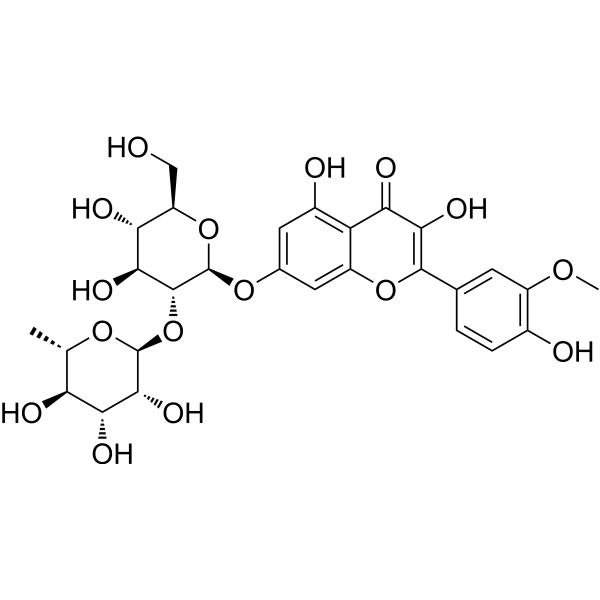
3'-Methoxy-3,5,4'-trihydroxyflavone-7-neohesperidoside is a flavonoid that can be isolated from Cleome droserifolia. 3'-Methoxy-3,5,4'-trihydroxyflavone-7-neohesperidoside has moderate hepatoprotective activity ..
|
-
-
- HY-N0823R
-
-

-
- HY-W068771R
-
|
|
Reference Standards
Endogenous Metabolite
|
Neurological Disease
Metabolic Disease
|
|
(E)-3-(4-Methoxyphenyl)acrylic acid (compound 3) is isolated from Arachis hypogaea, Scrophularia buergeriana Miquel, Aquilegia vulgaris, Anigozanthos preissii and so on. (E)-3-(4-Methoxyphenyl)acrylic acid shows significant hepatoprotective activity, anti-amnesic, cognition-enhancing activity, antihyperglycemic, and neuroprotective activities .
|
-

-
- HY-N15155
-
|
Vitexin 7-glucoside
|
Others
|
Metabolic Disease
|
|
Vitexin 7-O-β-D-glucopyranoside (Vitexin 7-glucoside) is a flavone glycoside found in Beta vulgaris var. cicla. Vitexin 7-O-β-D-glucopyranoside shows a hepatoprotective activity in primary cultured rat hepatocytes with Carbon tetrachloride (CCl4) (HY-Y0298)-induced cell toxicity .
|
-

-
- HY-121989
-
|
(Z)-3,5,4'-Trimethoxystilbene
|
Microtubule/Tubulin
HCV
CDK
Akt
PAK
|
Infection
Metabolic Disease
Cancer
|
|
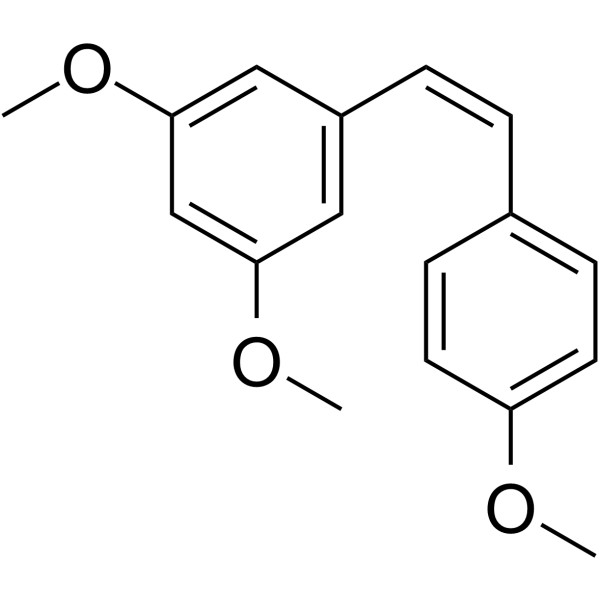
cis-Trismethoxy resveratrol ((Z)-3,5,4'-Trimethoxystilbene) is an anti-HCV agent and Tubulin inhibitor, with an IC50 of 4 μM against Tubulin. cis-Trismethoxy resveratrol induces G2/M phase cell cycle arrest, reduces DCLK1, decreases CDK1 levels, blocks phosphorylation of Akt Ser 473, and induces the expression of p21 Cip1/Waf1. cis-Trismethoxy resveratrol exhibits anti-tumor and hepatoprotective activities. cis-Trismethoxy resveratrol can be used in studies related to colon adenocarcinoma, hepatocellular carcinoma, hepatitis C, and liver injury .
|
-
-
- HY-N0805R
-
|
23-Acetylalismol B (Standard); 23-O-Acetylalisol B (Standard); Alisol B monoacetate (Standard)
|
Reference Standards
Apoptosis
Reactive Oxygen Species (ROS)
CDK
MMP
PARP
FXR
Syk
|
Cardiovascular Disease
Metabolic Disease
Inflammation/Immunology
Cancer
|
|
Alisol B 23-acetate (Standard) is the analytical standard of Alisol B 23-acetate (HY-N0805). This product is intended for research and analytical applications. Alisol B 23-acetate is an orally active prototerpane-type triterpenoid. Alisol B 23-acetate can be isolated from Alisma orientalis. Alisol B 23-acetate induces Apoptosis, promotes ROS generation, downregulates CDK4/6, MMP-2/9, upregulates cleaved PARP, activates FXR and inhibits Syk. Alisol B 23-acetate has anti-inflammatory and hepatoprotective activities. Alisol B 23-acetate protects the kidney from ischemia-reperfusion injury. Alisol B 23-acetate has anticancer activity against ovarian cancer, colon cancer, lung cancer, and gastric cancer. Alisol B 23-acetate can be used in the study of atherosclerosis and allergic asthma .
|
-

-
- HY-N10435
-
-
-
- HY-N10434
-
-
-
- HY-N17412
-
|
|
Others
|
Metabolic Disease
|
|
Chrysandroside A is a flavanonol glycoside found in Gordonia chrysandra Cowan. Chrysandroside A shows hepatoprotective activity .
|
-

-
- HY-N17630
-
|
|
Others
|
Metabolic Disease
|
|
Schekwangsienin is a triterpenoid compound isolated from the aerial parts of Schefflera kwangsiensis. Schekwangsienin exhibits hepatoprotective activity and can be used in studies on liver injury .
|
-

-
- HY-N17467
-
|
|
Drug Derivative
|
Metabolic Disease
|
|
Forsydoitriside A is an iridoid glycoside trimer found in the fruits of Forsythia suspensa. Forsydoitriside A shows no significant hepatoprotective activity against Acetaminophen (HY-66005)-induced damage in liver cells at 10 μM .
|
-

-
- HY-N18019
-
|
|
Drug Metabolite
|
Metabolic Disease
|
|
Tetrahydro bellidifolin (Compound 1a) is the aglycone obtained from the hydrolysis of Tetrahydroswertianolin (HY-N18018) by β-glucosidase. Tetrahydro bellidifolin exhibits significant hepatoprotective activity and reduce serum ALT levels. Tetrahydro bellidifolin can be used for the research of liver injury .
|
-

-
- HY-N17767
-
|
|
Others
|
Inflammation/Immunology
|
|
Leonoside F is a phenylethanoid glycoside compound isolated from the aerial parts of Leonurus japonicus Houtt., which protects liver cells from chemically induced damage. At a concentration of 1×10 -5 M, Leonoside F shows significant hepatoprotective activity against D-galactosamine-induced damage in HL-7702 liver cells, with an inhibition rate of 30.9% .
|
-

-
- HY-181761
-
|
|
FXR
|
Metabolic Disease
|
|
FXR agonist 16 is a FXR agonist with an EC50 of 2.2 μM. FXR agonist 16 activates FXR transcriptional activity, upregulates SHP and BSEP, and downregulates Cyp7a1. FXR agonist 16 exhibits hepatoprotective activity and reduces AST and ALT levels in free fatty acid-induced hepatocellular injury models. FXR agonist 16 can be used for the research of liver injury .
|
-

-
- HY-N6998A
-
|
|
Others
|
Infection
Cancer
|
|
6-epi-Paederosidic acid is a cyclopentanoid monoterpene glycoside found in the aerial parts of Paederia foetida L. 6-epi-Paederosidic acid does not exhibit cytotoxic activity against human tumor cells, hepatoprotective activity against APAP (HY-66005)-induced cellular toxicity, or inhibitory activity against LPS (HY-D1056)-induced nitric oxide production in murine microglia .
|
-

-
- HY-N7056R
-
|
|
Reference Standards
Proteasome
Oxidative Phosphorylation
|
Inflammation/Immunology
Cancer
|
|
4'-Hydroxychalcone (Standard) is the analytical standard of 4'-Hydroxychalcone (HY-N7056). This product is intended for research and analytical applications. 4'-Hydroxychalcone is a chalcone isolated from licorice root, with hepatoprotective activity. 4'-Hydroxychalcone inhibits TNFα-induced NF-κB activation via proteasome inhibition. 4'-Hydroxychalcone induces a rapid potassium release from mitochondrial vesicles and causes deterioration of respiratory control and oxidative phosphorylation of isolated rat liver mitochondria .
|
-

- HY-N13285
-
|
(-)-EGC-4'-O-ME
|
Drug Derivative
|
Metabolic Disease
Inflammation/Immunology
|
|
(-)-Epigallocatechin-4'-O-methylether ((-)-EGC-4'-O-ME) is an orally active natural phenolic catechin with antioxidant, free radical-scavenging and hepatoprotective activities. (-)-Epigallocatechin-4'-O-methylether interferes with radiation-induced free radical formation, scavenges DPPH free radicals, inhibits carbon tetrachloride-induced increases in serum GOT and GPT, suppresses carbon tetrachloride-induced TBA-RS formation, and counteracts carbon tetrachloride-induced hepatocyte toxicity. (-)-Epigallocatechin-4'-O-methylether binds specifically to human serum albumin. (-)-Epigallocatechin-4'-O-methylether can be used in studies related to liver injury .
|
-

| Cat. No. |
Product Name |
Category |
Target |
Chemical Structure |
-
- HY-N0823
-
-
-
- HY-N0462
-
-
-
- HY-N2481
-
-
-
- HY-N7056
-
-
-
- HY-126052
-
-
-
- HY-N2155
-
-
-
- HY-N0805
-
-
-
- HY-125911
-
-
-
- HY-N2259
-
-
-
- HY-N7697B
-
-
-
- HY-75625
-
-
-
- HY-N7697F
-
-
-
- HY-N1506
-
-
-
- HY-N2412
-
-
-
- HY-W068771
-
-
-
- HY-N0462R
-
-
-
- HY-118383
-
-
-
- HY-N11546
-
|
|
Structural Classification
Eleutherococcus sieboldianus Makino
Terpenoids
Diterpenoids
Plants
Araliaceae
Source Classification
|
Cytochrome P450
Bacterial
Fungal
|
|
Sapindoside B is a substance with hepatoprotective activity, and also acts as a cytochrome P-450 (cytochrome P-450) inhibitor, antibacterial agent and membrane-disrupting agent. Sapindoside B reversibly inhibits the content of cytochrome P-450 in liver microsomes, suppresses the phenobarbital-induced increase in enzyme content, reduces the production of active metabolites mediated by cytochrome P-450, and alleviates hepatotoxic injury. Sapindoside B binds to Cutibacterium acnes lipase, reduces lipase activity, inhibits biofilm formation, and decreases bacterial adhesion. Sapindoside B exhibits cytotoxicity against human cancer, liver cancer, leukemia and glioblastoma cells. Sapindoside B inhibits mycelial growth of phytopathogenic fungal strains, possesses antibacterial activity against dermatophytes, and also has hemolytic/membrane-lytic activity. Sapindoside B can be used in research related to liver injury, Cutibacterium acnes biofilm-associated infections, gastric cancer, carcinoma, promyelocytic leukemia, glioblastoma, apple scab and grape gray mold .
|
-
-
- HY-N2259R
-
-
-
- HY-125911R
-
-
-
- HY-N2481R
-
|
Oroxyloside (Standard); Oroxylin A-7-O-β-D-glucuronide (Standard)
|
Monophenols
Flavonoids
Flavones
Labiatae
Phenols
Plants
Medicago truncatula Gaertn.
Source Classification
|
Reference Standards
Prolyl Endopeptidase (PREP)
Drug Metabolite
JNK
PPAR
NF-κB
Interleukin Related
|
|
Oroxylin A-7-O-glucuronide (Standard) is the analytical standard of Oroxylin A-7-O-glucuronide (HY-N2481). This product is intended for research and analytical applications. Oroxylin A-7-O-glucuronide (oroxyloside) is an orally active flavonoid glucuronide and metabolite of Oroxylin A (HY-N0560). Oroxylin A-7-O-glucuronide can be extracted from the dried root of Scutellaria baicalensis. Oroxylin A-7-O-glucuronide exhibits prolyl oligopeptidase inhibitory activity. Oroxylin A-7-O-glucuronide inhibits the JNK pathway, upregulates PPARγ, and inhibits NF-κB p65 nuclear translocation. Oroxylin A-7-O-glucuronide reduces cytokine (IL-1β, IL-6) production. Oroxylin A-7-O-glucuronide exhibits anti-angiogenic, anti-tumor (glioma, liver cancer), anti-inflammatory, and hepatoprotective activities .
|
-
-
- HY-N12442
-
-
-
- HY-N10436
-
-
-
- HY-N2155R
-
-
-
- HY-N1616
-
-
-
- HY-121174
-
-
-
- HY-N12706
-
-
-
- HY-N13159
-
-
-
- HY-N11660
-
-
-
- HY-N1324
-
-
-
- HY-N15535
-
-
-
- HY-N12072
-
-
-
- HY-N0823R
-
-
-
- HY-W068771R
-
-
-
- HY-N15155
-
-
-
- HY-N0805R
-
|
23-Acetylalismol B (Standard); 23-O-Acetylalisol B (Standard); Alisol B monoacetate (Standard)
|
Triterpenes
Structural Classification
Alisma plantago-aquatica Linn.
Terpenoids
Alismataceae
Plants
Source Classification
|
Reference Standards
Apoptosis
Reactive Oxygen Species (ROS)
CDK
MMP
PARP
FXR
Syk
|
|
Alisol B 23-acetate (Standard) is the analytical standard of Alisol B 23-acetate (HY-N0805). This product is intended for research and analytical applications. Alisol B 23-acetate is an orally active prototerpane-type triterpenoid. Alisol B 23-acetate can be isolated from Alisma orientalis. Alisol B 23-acetate induces Apoptosis, promotes ROS generation, downregulates CDK4/6, MMP-2/9, upregulates cleaved PARP, activates FXR and inhibits Syk. Alisol B 23-acetate has anti-inflammatory and hepatoprotective activities. Alisol B 23-acetate protects the kidney from ischemia-reperfusion injury. Alisol B 23-acetate has anticancer activity against ovarian cancer, colon cancer, lung cancer, and gastric cancer. Alisol B 23-acetate can be used in the study of atherosclerosis and allergic asthma .
|
-
-
- HY-N10435
-
-
-
- HY-N10434
-
-
-
- HY-N17412
-
-
-
- HY-N17630
-
-
-
- HY-N17467
-
-
-
- HY-N18019
-
-
-
- HY-N17767
-
-
-
- HY-N6998A
-
-
-
- HY-N7056R
-
-
-
- HY-N13285
-
|
(-)-EGC-4'-O-ME
|
Structural Classification
Ouratea Aubl.
Phenols
Polyphenols
Plants
Source Classification
|
Drug Derivative
|
|
(-)-Epigallocatechin-4'-O-methylether ((-)-EGC-4'-O-ME) is an orally active natural phenolic catechin with antioxidant, free radical-scavenging and hepatoprotective activities. (-)-Epigallocatechin-4'-O-methylether interferes with radiation-induced free radical formation, scavenges DPPH free radicals, inhibits carbon tetrachloride-induced increases in serum GOT and GPT, suppresses carbon tetrachloride-induced TBA-RS formation, and counteracts carbon tetrachloride-induced hepatocyte toxicity. (-)-Epigallocatechin-4'-O-methylether binds specifically to human serum albumin. (-)-Epigallocatechin-4'-O-methylether can be used in studies related to liver injury .
|
-
Your information is safe with us. * Required Fields.
Inquiry Information
- Product Name:
- Cat. No.:
- Quantity:
- MCE Japan Authorized Agent:








