

Search Result
Results for "
heterodimers
" in MedChemExpress (MCE) Product Catalog:
4
Isotope-Labeled Compounds
| Cat. No. |
Product Name |
Target |
Research Areas |
Chemical Structure |
-
- HY-D0844
-
|
L-Glutathione oxidized; GSSG; Oxiglutatione
|
Endogenous Metabolite
Reactive Oxygen Species (ROS)
|
Metabolic Disease
|
|
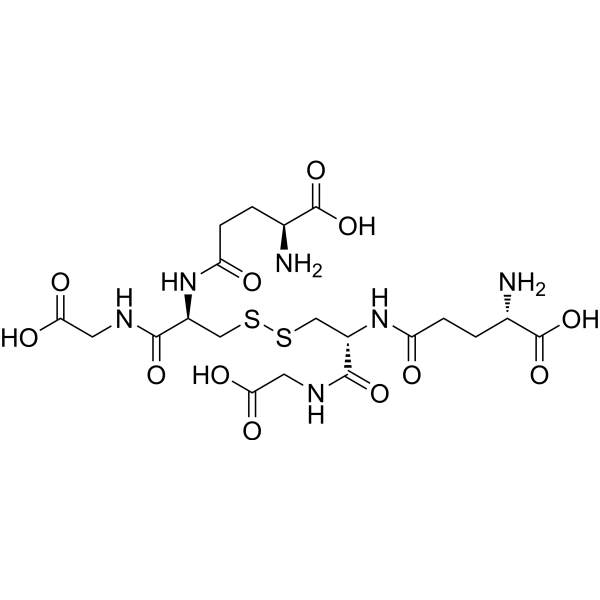
Glutathione oxidized (L-Glutathione oxidized) is produced by the oxidation of glutathione. Detoxification of reactive oxygen species is accompanied by production of glutathione oxidized. Glutathione oxidized can be used for the research of sickle cells and erythrocytes .
|
-
-
- HY-19528
-
|
SAH (S-Adenosylhomocysteine)
|
Endogenous Metabolite
|
Metabolic Disease
|
|
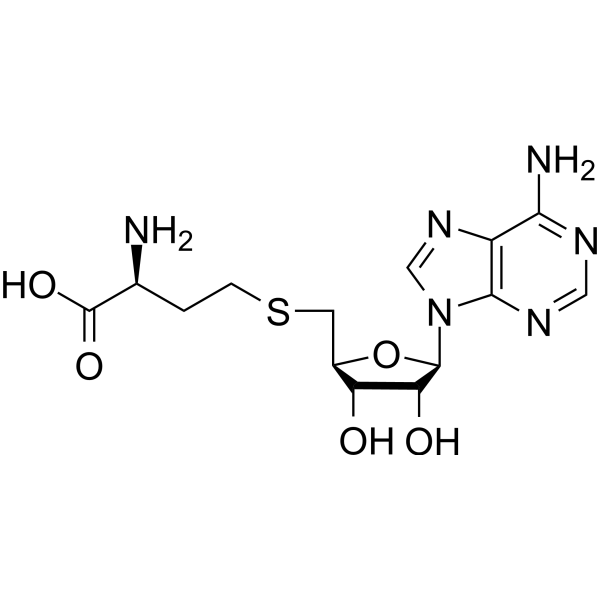
SAH (S-Adenosylhomocysteine) is an amino acid derivative and a modulartor in several metabolic pathways. It is an intermediate in the synthesis of cysteine and adenosine . SAH is an inhibitor for METTL3-METTL14 heterodimer complex (METTL3-14) with an IC50 of 0.9 µM .
|
-
-
- HY-15128
-
-
-
- HY-17029
-
-
-
- HY-150096
-
|
NDI-034858; TAK-279
|
JAK
|
Inflammation/Immunology
|
|
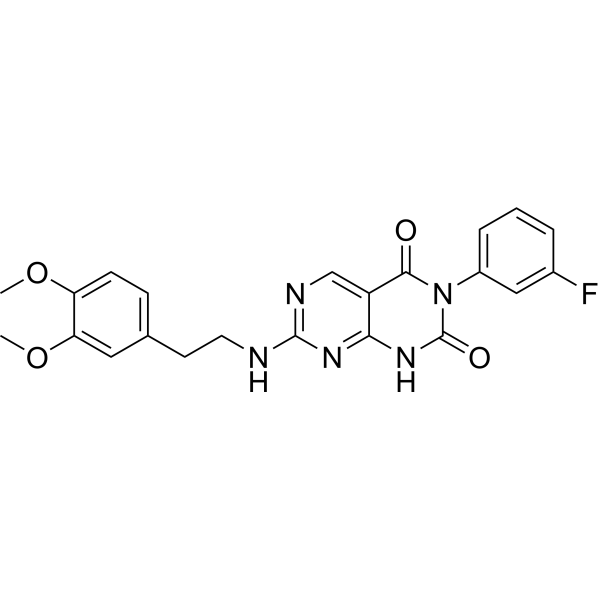
Zasocitinib (NDI-034858) is a TYK2 inhibitor, target TYK2 JH2 domain with binding constant Kd of <200 pM .
|
-
-
- HY-158115
-
|
|
Molecular Glues
Raf
MEK
|
Cancer
|
|
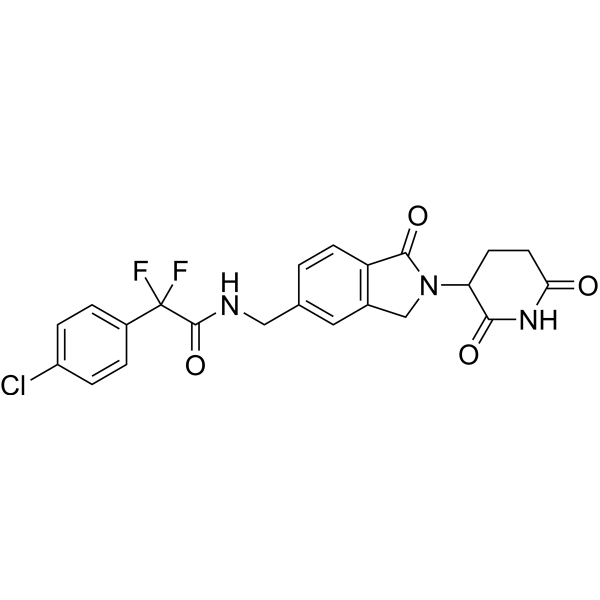
NST-628 is a brain-permeable MAPK pathway molecule glue that inhibits RAF phosphorylation and MEK activation. NST-628 also binds RAF and prevents the formation of BRAF-CRAF and BRAF-ARAF heterodimers, effectively inhibiting the RAS-MAPK pathway. NST-628 inhibits RAS- and RAF-driven cancers and demonstrated potent inhibition in mutant KRAS, NRAS, BRAF class II/III, and NF1-mutant tumors .
|
-
-
- HY-P99676
-
|
SI-B001; BL-B01D1 Antibody
|
EGFR
|
Cancer
|
|
Izalontamab (SI-B001) is a bispecific anti-EGFR/HER3 monoclonal antibody with high selectivity for EGFR/HER3 heterodimer. Izalontamab can be used for the research of cancer .
|
-
-
- HY-Y1666
-
|
|
Biochemical Assay Reagents
|
Others
|
|
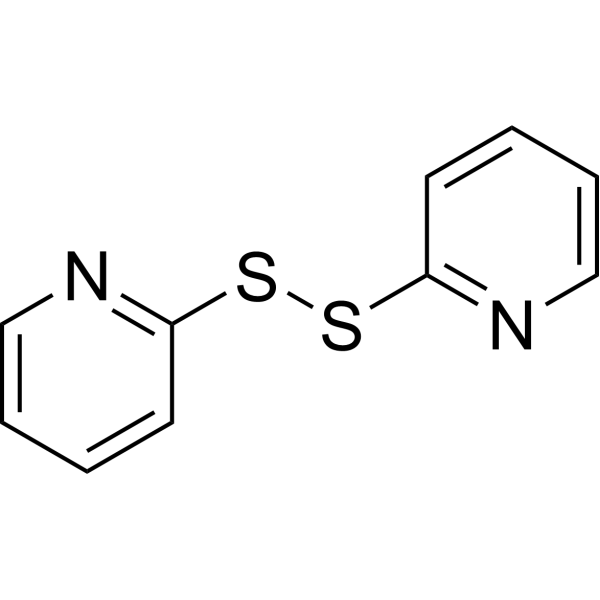
2,2′-Dipyridyl disulfide is a useful reagent for the determination of sulfhydryl groups. 2,2′-Dipyridyl disulfide is a common reagent in peptide chemistry, often used in oxidation–reduction condensations to form peptide bonds or in coupling reactions to form disulfide-linked heterodimers .
|
-
-
- HY-122727
-
|
|
DNA-PK
Apoptosis
|
Cancer
|
|
STL127705 (Compound L) is a potent Ku 70/80 heterodimer protein inhibitor with an IC50 of 3.5 μM. STL127705 interferes the binding of Ku70/80 to DNA and by inhibits the activation of the DNA-PKCS kinase. STL127705 shows antiproliferative and anticancer activity. STL127705 induces apoptosis .
|
-
-
- HY-P3229
-
SN52
2 Publications Verification
|
NF-κB
|
Cancer
|
|
SN52 is a potent, competitive, and cell-permeable inhibitor of NF-κB2. SN52 is a variant of the SN50 peptide and inhibits the nuclear translocation of p52-RelB heterodimers. SN52 has a strong radiosensitization effect on prostate cancer cells. SN52 can be used for cancer research .
|
-
-
- HY-19621
-
|
|
HIF/HIF Prolyl-Hydroxylase
|
Cancer
|
|
THS-044 is a modulator of the formation of the HIF2α/ARNT heterodimer. THS-044 binding stabilizes the HIF2α PAS-B folded state (KD = 2 μM), for regulating HIF2 activity in endogenous and pathological settings, and does not bind to HIF1α or ARNT PAS-B. THS-044 can be used for the study of diseases related to hypoxia .
|
-
-
- HY-P1275
-
-
-
- HY-115672
-
KS15
3 Publications Verification
|
Cryptochrome
|
Cancer
|
|
KS15 is an inhibitor of the interactions between cryptochromes (CRYs: CRY1 and CRY2) and the CLOCK:BMAL1 heterodimer. KS15 impairs the feedback actions of CRYs on E-box-dependent transcription (EC50=4.9 μM) by CLOCK:BMAL1 heterodimer, an indispensable transcriptional regulator of the mammalian circadian clock. Anti-proliferative activity .
|
-
-
- HY-D0932
-
|
Solvent Red 24; C.I. 26105
|
Environmental Pollutants
Biochemical Assay Reagents
Cytochrome P450
Aryl Hydrocarbon Receptor
|
Metabolic Disease
|
|
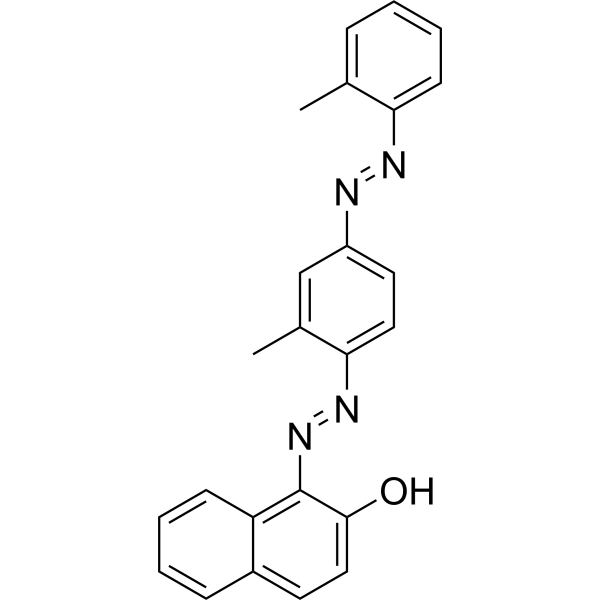
Sudan IV is an agonist of the aryl hydrocarbon receptor (AhR) that activates downstream signaling pathways and induces CYP1A1 expression. Sudan IV promotes CYP1A1 gene transcription by activating AhR-ARNT heterodimers and binding to exogenous response elements (XREs) on DNA, thereby enhancing drug metabolizing enzyme activity. Sudan IV can be used to study the toxicity mechanisms of industrial dyes and the effects of interactions with serum proteins (such as bovine serum albumin (BSA)) on their distribution in vivo. Sudan IV is a fat-soluble diazo dye that can be used to stain lipids, triglycerides, and lipoproteins on frozen sections .
|
-
-
- HY-P990203
-
|
|
Integrin
|
Inflammation/Immunology
|
|
Anti-Mouse LPAM-1/Integrin α4β7 Antibody (DATK32) is a rat-derived anti-LPAM-1/Integrin α4β7 IgG2a, κ type antibody inhibitor. Anti-Mouse LPAM-1/Integrin α4β7 Antibody (DATK32) specifically reacts with both chains of the α4β7 heterodimer and blocks the adhesion to immobilized mucosal addressin cell adhesion molecule-1 (MAdCAM-1). Anti-Mouse LPAM-1/Integrin α4β7 Antibody (DATK32) suppresses the proliferation and cytokine secretion of CD8+ T cells. Anti-Mouse LPAM-1/Integrin α4β7 Antibody (DATK32) decreases Peyer’s patches and follicular B cells in mice. Anti-Mouse LPAM-1/Integrin α4β7 Antibody (DATK32) can be used for the researches of inflammation, such as ulcerative colitis .
|
-
-
- HY-110353
-
|
|
Toll-like Receptor (TLR)
|
Inflammation/Immunology
Cancer
|
|
CU-T12-9 is a specific TLR1/2 agonist with EC50 of 52.9 nM in HEK-Blue hTLR2 SEAP assay. CU-T12-9 activates both the innate and the adaptive immune systems. CU-T12-9 selectively activates the TLR1/2 heterodimer, not TLR2/6. CU-T12-9 signals through NF-κB and invokes an elevation of the downstream effectors TNF-α, IL-10, and iNOS .
|
-
-
- HY-W004864
-
|
|
Amino Acid Derivatives
|
Others
|
|
Fmoc-(S)-2-(4-pentenyl) Ala-OH is an Fmoc-protected unnatural amino acid. Fmoc-(S)-2-(4-pentenyl) Ala-OH can be used for polypeptide synthesis, such as NYAD-13 (HY-P10834) .
|
-
-
- HY-122683
-
sAJM589
2 Publications Verification
|
c-Myc
|
Cancer
|
|
sAJM589 is a Myc inhibitor which potently disrupts the Myc-Max heterodimer with an IC50 of 1.8 μM .
|
-
-
- HY-19528S
-
|
SAH (S-Adenosylhomocysteine)-d4
|
Endogenous Metabolite
|
Metabolic Disease
|
|
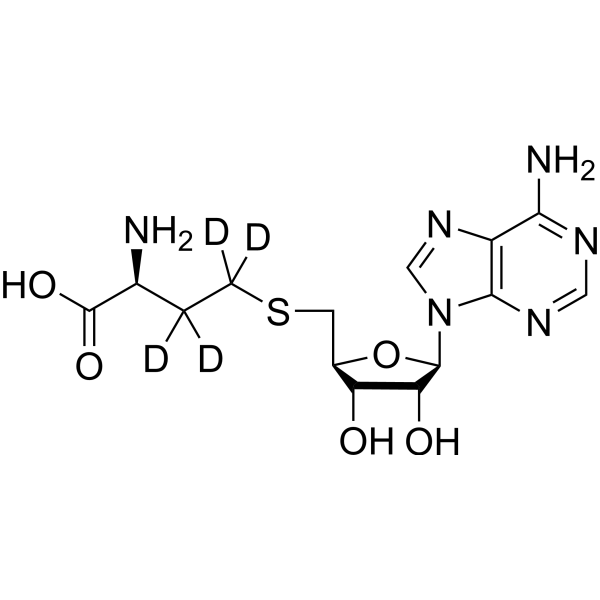
SAH-d4 is the deuterium labeled SAH. SAH (S-Adenosylhomocysteine) is an amino acid derivative and a modulartor in several metabolic pathways. It is an intermediate in the synthesis of cysteine and adenosine . SAH is an inhibitor for METTL3-METTL14 heterodimer complex (METTL3-14) with an IC50 of 0.9 μM .
|
-
-
- HY-N15936
-
|
|
Toll-like Receptor (TLR)
Interleukin Related
|
Inflammation/Immunology
|
|
a15:0-i15:0 PE is a diacyl phosphatidylethanolamine with two branched chains. a15:0-i15:0 PE is a non-canonical TLR2-TLR1 heterodimer agonist and has immunogenic activity. a15:0-i15:0 PE activates T cells and DC signaling and shows anti-inflammatory activity. a15:0-i15:0 PE induces TNFα and IL-6 production. a15:0-i15:0 PE is a the major component (approximately 50%) of A. muciniphila’s lipid membrane .
|
-
-
- HY-104006
-
|
|
Opioid Receptor
|
Neurological Disease
|
|
CYM51010 is a biased ligand of μ-opioid receptor – δ-opioid receptor heterodimers with an EC50 of 403 nM. CYM51010 exhibits anti-nociceptive activity similar to morphine but with a decreased levels of tolerance development and withdrawal symptoms .
|
-
-
- HY-108523
-
|
UVI 2112
|
RAR/RXR
|
Metabolic Disease
|
|
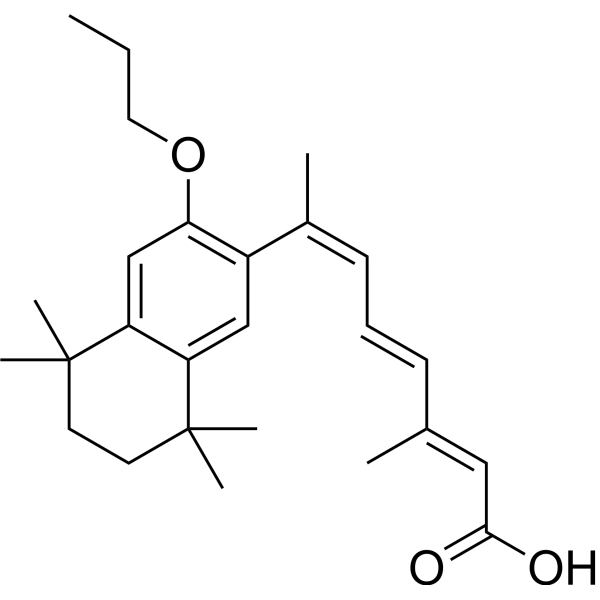
LG100754 (UVI 2112) is a RXR dimers modulater. LG100754 acts as a RXR:RXR homodimer antagonist, but functions as a agonist towards RXR:PPARα and RXR:PPARγ heterodimers. LG100754 is an insulin sensitizer that functions through RXR .
|
-
-
- HY-125978
-
|
|
c-Myc
|
Cancer
|
|
JY-3-094 is a Myc inhibitor that inhibits Myc-Max heterodimer formation (IC50: 33 μM) .
|
-
-
- HY-P99184
-
|
|
Integrin
|
Infection
Inflammation/Immunology
Cancer
|
|
Abrilumab is a fully human monoclonal antibody directed against α4β7. Abrilumab selectively binds the α4β7 integrin heterodimer. Abrilumab can be used for the research of inflammatory bowel disease (IBD) .
|
-
-
- HY-120875
-
|
|
RAR/RXR
|
Neurological Disease
|
|
HX600 is a synthetic agonist for RXR (Retinoid X Receptor) heterodimer complex. HX600 prevents ischemia-induced neuronal damage. HX600 has orally bioactivity .
|
-
-
- HY-P1949A
-
|
|
CXCR
|
Cardiovascular Disease
Cancer
|
|
Cyclic MKEY TFA is a synthetic cyclic peptide inhibitor of CXCL4-CCL5 heterodimer formation, which protects against atherosclerosis and aortic aneurysm formation by mediating inflammation. Cyclic MKEY TFA also protects against stroke-induced brain injury in mice .
|
-
-
- HY-19528R
-
|
SAH (S-Adenosylhomocysteine) (Standard)
|
Reference Standards
Endogenous Metabolite
|
Metabolic Disease
|
|
SAH (Standard) is the analytical standard of SAH. This product is intended for research and analytical applications. SAH (S-Adenosylhomocysteine) is an amino acid derivative and a modulartor in several metabolic pathways. It is an intermediate in the synthesis of cysteine and adenosine . SAH is an inhibitor for METTL3-METTL14 heterodimer complex (METTL3-14) with an IC50 of 0.9 μM .
|
-
-
- HY-E70715
-
|
|
EGFR
|
Cancer
|
|
The erbB family comprises 4 structurally related receptors: ErbB1 (EGFR), ErbB2 (HER2-neu), ErbB3 and ErbB4. On ligand stimulation, the receptor forms either homodimers or heterodimers, which activate their cytoplasmic domain. ERBB2 775YVMA776 Recombinant Human Active Protein Kinase is a recombinant ERBB2 775YVMA776 protein that can be used to study ERBB2 775YVMA776-related functions .
|
-
-
- HY-P990818
-
|
|
Fc Receptor (FcR)
|
Inflammation/Immunology
|
|
Anti-Rat FcRn heavy chain heterodimers Antibody (1G3) is an anti-rat FcRn heavy chain heterodimers IgG1 monoclonal antibody. Anti-Rat FcRn heavy chain heterodimers Antibody (1G3) can effectively bind to FcRn and competitively inhibit the binding of IgG to FcRn. Anti-Rat FcRn heavy chain heterodimers Antibody (1G3) can reduce the total serum IgG level. Anti-Rat FcRn heavy chain heterodimers Antibody (1G3) can be used for researches on autoimmune conditions such as experimental autoimmune myasthenia gravis (EAMG). The recommend isotype control of Anti-Rat FcRn heavy chain heterodimers Antibody (1G3): Mouse IgG1 kappa, Isotype Control (HY-P99977) .
|
-
-
- HY-112374
-
-
-
- HY-D0932R
-
|
Solvent Red 24 (Standard); C.I. 26105 (Standard)
|
Biochemical Assay Reagents
Aryl Hydrocarbon Receptor
Cytochrome P450
Reference Standards
|
Metabolic Disease
|
|
Sudan IV (Standard) (Solvent Red 24 (Standard)) is the analytical standard of Sudan IV (HY-D0932). This product is intended for research and analytical applications. Sudan IV is an agonist of the aryl hydrocarbon receptor (AhR) that activates downstream signaling pathways and induces CYP1A1 expression. Sudan IV promotes CYP1A1 gene transcription by activating AhR-ARNT heterodimers and binding to exogenous response elements (XREs) on DNA, thereby enhancing drug metabolizing enzyme activity. Sudan IV can be used to study the toxicity mechanisms of industrial dyes and the effects of interactions with serum proteins (such as bovine serum albumin (BSA)) on their distribution in vivo. Sudan IV is a fat-soluble diazo dye that can be used to stain lipids, triglycerides, and lipoproteins on frozen sections.
|
-
-
- HY-P10405A
-
|
|
Dopamine Receptor
|
Neurological Disease
|
|
TAT-D1 peptide acetate is a dopamine D1-D2 receptor heterodimer inhibitor. TAT-D1 peptide acetate disrupts the function of dopamine D1-D2 receptor heteromers, enhances subchronic amphetamine-induced locomotor activity, and exacerbates the expression of amphetamine-induced locomotor sensitization. TAT-D1 peptide acetate produces rapid anxiolytic and antidepressant-like effects in rat models of depression and anxiety, and inhibits c-fos expression in the nucleus accumbens of rats. TAT-D1 peptide acetate can be used in the research of psychostimulant addiction, depression and anxiety disorders .
|
-
-
- HY-121896
-
|
|
SHP2
|
Cancer
|
|
DSHN is a potent small heterodimer partner (SHP) activator. DSHN inhibits Ccl2 expression and secretion by inhibiting p65 activation of Ccl2 promoter activity. DSHN can be used in research of cancer .
|
-
-
- HY-163829
-
|
|
Toll-like Receptor (TLR)
NF-κB
|
Cancer
|
|
TLR2 agonist 1 (Compound R-7d) is an agonist for human toll-like receptor 2 (TLR 2) with an EC50 of 116 pM. TLR2 agonist 1 enhances NF-κB promoter activation through TLR2/TLR1 heterodimers .
|
-
-
- HY-P10405
-
|
|
Dopamine Receptor
|
Neurological Disease
|
|
TAT-D1 peptide is a dopamine D1-D2 receptor heterodimer inhibitor. TAT-D1 peptide disrupts the function of dopamine D1-D2 receptor heteromers, enhances subchronic amphetamine-induced locomotor activity, and exacerbates the expression of amphetamine-induced locomotor sensitization. TAT-D1 peptide produces rapid anxiolytic and antidepressant-like effects in rat models of depression and anxiety, and inhibits c-fos expression in the nucleus accumbens of rats. TAT-D1 peptide can be used in the research of psychostimulant addiction, depression and anxiety disorders .
|
-
-
- HY-P3223A
-
|
|
Opioid Receptor
|
Neurological Disease
|
|
Biphalin acetate, a BBB-penetrable opioid peptide analog, contains two active enkephalin pharmacophores.Biphalin acetate has high affinity for opioid receptors. Biphalin acetate shows analgesic effect in acute, neuropathic, and chronic animal pain models. Biphalin acetate is also an antiviral, antiproliferative, anti-inflammatory, and neuroprotective agent .
|
-
-
- HY-19528S2
-
|
|
Endogenous Metabolite
|
Metabolic Disease
|
|
SAH- 13C10 is the 13C labeled SAH . SAH (S-Adenosylhomocysteine) is an amino acid derivative and a modulartor in several metabolic pathways. It is an intermediate in the synthesis of cysteine and adenosine . SAH is an inhibitor for METTL3-METTL14 heterodimer complex (METTL3-14) with an IC50 of 0.9 μM .
|
-
-
- HY-175293
-
|
|
Toll-like Receptor (TLR)
NF-κB
p38 MAPK
|
Cancer
|
|
SMU-C68 is a highly selective small-molecule TLR1/2 heterodimer agonist (EC50=0.009 μM). SMU-C68 activates NF-κB and MAPK pathways to promote pro-inflammatory cytokine release (e.g., TNF-α, IL-1β). SMU-C68 is promising for research of cancers .
|
-
-
- HY-138967
-
|
|
Nuclear Hormone Receptor 4A/NR4A
RAR/RXR
|
Neurological Disease
|
|
BRF110 is the selective, orally active rexinoid for Nurr1-RXRα, that selectively activates the Nurr1-RXRα heterodimer with an EC50 of 0.9 μM in SH-SY5Y. BRF110 upregulates the expression of BDNF, exhibits neuroprotective activity against MPP+ induced toxicity. BRF110 can cross blood-brain barrier .
|
-
-
- HY-163801
-
|
|
Nuclear Hormone Receptor 4A/NR4A
|
Neurological Disease
|
|
Nurr1 agonist 9 (Compound 36) is an agonist for Nurr1 with an EC50 of 0.090 µM and a Kd of 0.17 µM. Nurr1 agonist 9 activates the Nurr1 homodimer (NurRE, EC50=0.094 µM) and the Nurr1-RXR heterodimer (DR5, EC50=0.165 µM). Nurr1 agonist 9 induces the expression of Nurr1-regulated tyrosine hydroxylase (TH) in organoid Parkinson's Disease model. Nurr1 agonist 9 is human brain endothelial cell barrier prmeable .
|
-
-
- HY-P990244
-
|
|
Fc Receptor (FcR)
|
Inflammation/Immunology
|
|
Anti-Rat FcRn heavy chain heterodimers Antibody (2G3) is an anti-rat FcRn heavy chain heterodimers IgG1 monoclonal antibody. Anti-Rat FcRn heavy chain heterodimers Antibody (2G3) effectively inhibits the binding of FcRn to IgG. Anti-Rat FcRn heavy chain heterodimers Antibody (2G3) is used in studies of the MHC class I heavy chain FcRn heterodimers and their interaction with IgG .
|
-
-
- HY-149536
-
|
|
Potassium Channel
|
Neurological Disease
|
|
TWIK-1/TREK-1-IN-1 (compound 2a) is an inhibitor of the TWIK-related potassium channel (Potassium Channel) TREK-1. TREK-1 contains a two-pore domain potassium (K2p) channel that dimerizes into TREK-1 homodimer and TWIK-1/TREK-1 heterodimer, and is an important antidepressant target. TWIK-1/TREK-1-IN-3 targets TREK-1 homodimer and TWIK-1/TREK-1 heterodimer with IC50s of 9.36 μM and 14.6 μM, respectively, and has antidepressant-like effects .
|
-
-
- HY-142944
-
|
|
DNA-PK
|
Cancer
|
|
DNA-PK-IN-2 is a potent inhibitor of DNA-PK. DNA-dependent protein kinase (DNA-PK) is a DNA-PK enzyme complex composed of Ku70/Ku80 heterodimer and DNA-dependent protein kinase catalytic subunit (DNA-PKcs). DNA-PK-IN-2 has the potential for the research of cancer diseases (extracted from patent WO2021136462A1, compound 1) .
|
-
-
- HY-142943
-
|
|
DNA-PK
|
Cancer
|
|
DNA-PK-IN-1 is a potent inhibitor of DNA-PK. DNA-dependent protein kinase (DNA-PK) is a DNA-PK enzyme complex composed of Ku70/Ku80 heterodimer and DNA-dependent protein kinase catalytic subunit (DNA-PKcs). DNA-PK-IN-1 has the potential for the research of cancer diseases (extracted from patent WO2021136463A1, compound 1) .
|
-
-
- HY-110333
-
|
|
EGFR
|
Cancer
|
|
BMS-599626 dihydrochloride is a small molecule pan-HER (human epidermal growth factor receptor) kinase inhibitor. BMS-599626 dihydrochloride primarily targets HER1 (IC50=20 nmol/L) and HER2 (IC50=30 nmol/L) kinase activity in the HER family. BMS-599626 inhibits the kinase activity of HER1 and HER2 by competing with their ATP-binding sites, and can inhibit the downstream signaling pathway by blocking the heterodimer formation of HER1 and HER2. BMS-599626 dihydrochloride can be used to study the antitumor effects of multiple HER1 or HER2 overexpressed tumor models .
|
-
-
- HY-P10702
-
|
|
Biochemical Assay Reagents
|
Others
|
|
SAF-p1 is a self-assembling fiber peptide that can form sticky-ended heterodimers by assembling with SAF-p2 (HY-P10703) through complementary amino acid sequences. These heterodimers further self-assemble into long-chain fiber structures. SAF-p1 is promising for the development of nanomaterials in the biomedical field .
|
-
-
- HY-P10703
-
|
|
Biochemical Assay Reagents
|
Others
|
|
SAF-p2 is a self-assembling fiber peptide that can form sticky-ended heterodimers by assembling with SAF-p2 (HY-P10702) through complementary amino acid sequences. These heterodimers further self-assemble into long-chain fiber structures. SAF-p2 is promising for the development of nanomaterials in the biomedical field .
|
-
-
- HY-167290
-
-
-
- HY-168633
-
|
|
Bombesin Receptor
PSMA
|
Cancer
|
|
PSMA/GRPR ligand 1 (compound 3 ) is a bispecific PSMA/GRPR ligand that shows dual targeting for PSMA(+) and GRPR(+) tumors .
|
-
-
- HY-P3223
-
|
|
Opioid Receptor
|
Neurological Disease
|
|
Biphalin TFA, a BBB-penetrable opioid peptide analog, contains two active enkephalin pharmacophores. Biphalin TFA has high affinity for opioid receptors. Biphalin TFA shows analgesic effect in acute, neuropathic, and chronic animal pain models. Biphalin TFA is also an antiviral, antiproliferative, anti-inflammatory, and neuroprotective agent .
|
-
- HY-17029R
-
|
EPO 906 (Standard); Patupilone (Standard)
|
Reference Standards
Microtubule/Tubulin
Fungal
Apoptosis
Antibiotic
Bacterial
|
Infection
Cancer
|
|
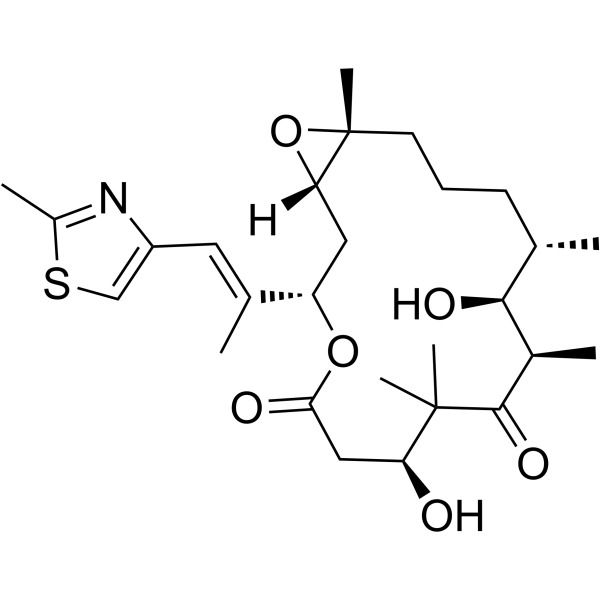
Epothilone B (Standard) is the analytical standard of Epothilone B. This product is intended for research and analytical applications. Epothilone B is a microtubule stabilizer with a Ki of 0.71μM. It acts by binding to the αβ-tubulin heterodimer subunit which causes decreasing of αβ-tubulin dissociation.
|
-
- HY-W754654
-
-
- HY-149538
-
|
|
Potassium Channel
|
Neurological Disease
|
|
TWIK-1/TREK-1-IN-3 (compound 2h) is an inhibitor of TWIK-related potassium channel (Potassium Channel) TREK-1. TREK-1 contains a two-pore domain potassium (K2p) channel that dimerizes into TREK-1 homodimer and TWIK-1/TREK-1 heterodimer, and is an important antidepressant target. TWIK-1/TREK-1-IN-3 targets TREK-1 homodimer and TWIK-1/TREK-1 heterodimer with IC50s of 9.74 μM and 16.5 μM, respectively, and has antidepressant-like effects .
|
-
- HY-P1949
-
|
|
CXCR
|
Cardiovascular Disease
Cancer
|
|
Cyclic MKEY is a synthetic cyclic peptide inhibitor of CXCL4-CCL5 heterodimer formation, which protects against atherosclerosis and aortic aneurysm formation by mediating inflammation. Cyclic MKEY also protects against stroke-induced brain injury in mice .
|
-
- HY-105232
-
|
IVX-E-59
|
HIV
|
Infection
|
|
AZT-P-ddI is an antiviral heterodimer composed of Zidovudine (AZT) (HY-17413) and Didanosine (ddI) (HY-B0249). AZT-P-ddI shows inhibitory effect against HIV-1 with an EC50 of 0.14 nM. AZT-P-ddI can be used for the research of infection .
|
-
- HY-155161
-
|
|
Lipoxygenase
COX
|
Inflammation/Immunology
|
|
COX-2/15-LOX-IN-4 (compound 5i) is a dual inhibitor of COX-2/15-LOX with IC50s of 0.075 μM and 1.97 μM, respectively. COX-2/15-LOX-IN-4 can inhibit LPS-induced cell production of promoting cytokines (IL-6, ROS) with specific anti-inflammatory activity .
|
-
- HY-155160
-
|
|
Lipoxygenase
COX
|
Inflammation/Immunology
|
|
COX-2/15-LOX-IN-3 (compound 5k) is a dual inhibitor of COX-2/15-LOX with IC50s of 0.075 μM and 1.97 μM, respectively. COX-2/15-LOX-IN-3 can inhibit LPS-induced cell production of promoting cytokines (IL-6, ROS, and NO), with specific anti-inflammatory activity .
|
-
- HY-174573
-
|
|
mRNA
|
Neurological Disease
|
|
Human NEUROD1 mRNA encodes the human neuronal differentiation 1 (NEUROD1)protein, a member of the NeuroD family of basic helix-loop-helix (bHLH) transcription factors. NEUROD1 forms heterodimers with other bHLH proteins and activates transcription of genes that contain a specific DNA sequence known as the E-box.
|
-
- HY-E70080
-
|
|
Biochemical Assay Reagents
|
Others
|
|
Vaccinia virus capping enzyme is a transcription initiation factor. Vaccinia virus capping enzyme is a heterodimer of D1 (844 aa) and D12 (287 aa) polypeptides that executes all three steps in m7GpppRNA synthesis. Vaccinia virus capping enzyme has been used widely as a reagent for capping and cap-labeling RNAs in vitro .
|
-
- HY-P991594
-
|
|
Interleukin Related
|
Inflammation/Immunology
|
|
Anti-IL-13 Antibody (C836) is a neutralizing monoclonal antibody targeting human IL-13. The Fab fragment of Anti-IL-13 Antibody (C836) is a heterodimer composed of heavy chains and light chains, each folded into variable and constant domains. Anti-IL-13 Antibody (C836) can be used for chronic inflammatory diseases, such as asthma .
|
-
- HY-150511
-
|
|
Microtubule/Tubulin
Apoptosis
|
Cancer
|
|
3-(3-Phenoxybenzyl)amino-β-carboline is a potent tubulin inhibitor. 3-(3-Phenoxybenzyl)amino-β-carboline promotes selective degradation of αβ-tubulin heterodimers. 3-(3-Phenoxybenzyl)amino-β-carboline induces G2/M phase cell cycle arrest and apoptosis. 3-(3-Phenoxybenzyl)amino-β-carboline exhibits anticancer activity .
|
-
- HY-117182
-
|
|
Apoptosis
VD/VDR
RAR/RXR
|
Metabolic Disease
Inflammation/Immunology
Cancer
|
|
LG190178 is a non-steroidal vitamin D receptor (VDR) ligand that can induce the formation of heterodimer complexes between VDR and retinoid X receptor (RXR), stabilizing the agonistic conformation of the VDR ligand-binding domain and promoting its interaction with co-activators. LG190178 has functions in regulating calcium homeostasis, bone mineralization, as well as cell proliferation, differentiation, and apoptosis, making it useful for research in psoriasis, osteoporosis, and cancer .
|
-
- HY-149537
-
|
|
Potassium Channel
|
Neurological Disease
|
|
TWIK-1/TREK-1-IN-2 (Compound 2g) is a TWIK-1/TREK-1 inhibitor. TWIK-1/TREK-1-IN-2 inhibits TREK-1 homodimer and TWIK-1/TREK-1 heterodimer with IC50s of 10.13 μM and 15.5 μM. TWIK-1/TREK-1-IN-2 is an antidepressant .
|
-
- HY-15128R
-
-
- HY-122566
-
|
ZINC666243
|
Toll-like Receptor (TLR)
TNF Receptor
|
Cancer
|
|
SMU127 is an agonist of the toll-like receptor 1/2 (TLR1/2) heterodimer. It induces NF-κB signaling in cells expressing human TLR2 (EC50=0.55 μM) but not cells expressing human TLR3, -4, -5, -7, or -8 when used at concentrations ranging from 0.1 to 100 μM. SMU127 induces the production of TNF-α in isolated human peripheral blood mononuclear cells (PBMCs) when used at concentrations ranging from 0.01 to 1 μM. In vivo, SMU127 (0.1 mg/animal) reduces tumor volume in a 4T1 murine mammary carcinoma model.
|
-
- HY-D0932S
-
|
Solvent Red 24-d6; C.I. 26105-d6
|
Isotope-Labeled Compounds
Biochemical Assay Reagents
Aryl Hydrocarbon Receptor
Cytochrome P450
|
Metabolic Disease
|
|
Sudan IV-d6 (Solvent Red 24-d6) is the deuterium labeled Sudan IV(HY-D0932). Sudan IV is an agonist of the aryl hydrocarbon receptor (AhR) that activates downstream signaling pathways and induces CYP1A1 expression. Sudan IV promotes CYP1A1 gene transcription by activating AhR-ARNT heterodimers and binding to exogenous response elements (XREs) on DNA, thereby enhancing drug metabolizing enzyme activity. Sudan IV can be used to study the toxicity mechanisms of industrial dyes and the effects of interactions with serum proteins (such as bovine serum albumin (BSA)) on their distribution in vivo. Sudan IV is a fat-soluble diazo dye that can be used to stain lipids, triglycerides, and lipoproteins on frozen sections .
|
-
- HY-180576
-
|
|
Nuclear Hormone Receptor 4A/NR4A
RAR/RXR
|
Neurological Disease
|
|
Nurr1/RXR dual agonist 1 is a dual activator of Nurr1 (EC50 = 2.6 µM) and RXR with K s of 0.6 and 1.1 µM, respectively. Nurr1/RXR dual agonist 1 exclusively activates the heterodimer response element DR5 by selectively destabilizing the Nurr1 homodimer and stabilizing the Nurr1:RXR heterodimer. Nurr1/RXR dual agonist 1 enhances expression of a specific subset of neuroprotective Nurr1 target genes while avoiding induction of genes associated with potential off-target effects in neuronal cells. Nurr1/RXR dual agonist 1 can be used for neurodegenerative diseases research .
|
-
- HY-182050
-
|
|
AP-1
DNA Alkylator/Crosslinker
|
Neurological Disease
|
|
YL0441 is an inhibitor of ΔFOSB/JUND heterodimers and ΔFOSB homomultimers, with IC50 values of 13.7 μM and 12.3 μM, respectively. YL0441 blocks the binding of ΔFOSB to DNA. YL0441 reduces ΔFOSB bound to genomic DNA in the hippocampal tissues of APP mice. YL0441 is applicable to the research of Alzheimer's disease .
|
-
- HY-182039
-
|
|
Microtubule/Tubulin
Caspase
Apoptosis
|
Cancer
|
|
Tubulin polymerization-IN-89 is a tubulin polymerization inhibitor. Tubulin polymerization-IN-89 binds to the colchicine-binding site on tubulin heterodimers, disrupting tubulin polymerization and microtubule formation. Tubulin polymerization-IN-89 induces apoptosis in melanoma cells and arrests the cell cycle at the G2/M phase. Tubulin polymerization-IN-89 can be used in studies related to metastatic melanoma .
|
-
- HY-P992034
-
|
PR001
|
Interleukin Related
|
Inflammation/Immunology
|
|
APG808 (PR001) is an anti-human IL-4Rα monoclonal antibody. APG808 binds to IL-4Rα, prevents IL-13Rα1/IL-4Rα heterodimer formation, and disrupts IL-13 and IL-4 mediated signaling. APG808 ablates Fc and complement effector functions. APG808 can be used for the research of chronic obstructive pulmonary disease, asthma, atopic dermatitis .
|
-
- HY-182478
-
|
|
Microtubule/Tubulin
|
Cancer
|
|
MDL-27048, a tubulin inhibitor, binds competitively, reversibly to the Colchicine (HY-16569)-binding site on tubulin heterodimers. MDL-27048 inhibits microtubule assembly, induces slow depolymerization of preassembled microtubules, disrupts microtubule polymerization-depolymerization dynamics, and disrupts cytoplasmic microtubule networks. MDL-27048 exerts growth inhibitory effects on human cancer cells, induces mitotic arrest, and does not disrupt actin filaments at microtubule-depolymerizing concentrations. MDL-27048 can be used for the research of malignant tumors .
|
-
- HY-183301
-
|
|
Toll-like Receptor (TLR)
|
Cardiovascular Disease
|
|
TLR2/1 agonist-1 is a selective agonist of the TLR2/1 heterodimer. TLR2/1 agonist-1 acts as a hematopoietic recovery inducer to accelerate the recovery of peripheral blood cells. TLR2/1 agonist-1 serves as a G-CSF production inducer to increase serum G-CSF levels. TLR2/1 agonist-1 exhibits radioprotective effects in mice exposed to radiation. TLR2/1 agonist-1 can be used in studies related to acute radiation syndrome .
|
-
- HY-119612
-
|
XCT
|
Nuclear Hormone Receptor 4A/NR4A
RAR/RXR
|
Neurological Disease
|
|
XCT0135908 (XCT) is a selective Nurr1-RXRα activator with an EC50 value of 0.3 μM in human dopaminergic SH-SY5Y cells. XCT0135908 protects dopaminergic cells against the Parkinson’s disease-related toxin MPP +. XCT0135908 can be used for the research of Parkinson’s disease .
|
-
- HY-182644
-
|
|
Toll-like Receptor (TLR)
NF-κB
TNF Receptor
Interleukin Related
|
Cancer
|
|
SMU-Z1 is a TLR1/2 heterodimer agonist with an EC50 of 4.88 nM. SMU-Z1 activates the NF-κB pathway, triggers pro-inflammatory cytokine production, and induces the generation of TNF-α, IL-1β, IL-6 and NO. SMU-Z1 promotes splenocyte proliferation and upregulates the expression of CD8 +T cells, NK cells and dendritic cells. SMU-Z1 exhibits significant anti-tumor effects in mouse leukemia models. SMU-Z1 can be used for leukemia-related research .
|
-
- HY-174776
-
|
|
mRNA
|
Cancer
|
|
Human BAX mRNA encodes the human BCL2 associated X, apoptosis regulator (BAX) protein, a member of the BCL2 protein family. BAX forms a heterodimer with BCL2, and functions as an apoptotic activator. It also plays a role in the mitochondrial apoptotic process.
|
-
- HY-181772
-
|
|
E1/E2/E3 Enzyme
|
Cancer
|
|
MCULE-3064932370 is a covalent and allosteric SUMO E1 (heterodimer of Aos1 and Uba2) inhibitor with IC50 values ranging from 16.66 μM to 2.96 μM. MCULE-3064932370 inhibits SUMOylation of Uba2. MCULE-3064932370 has anti-cancer activity against breast cancer .
|
-
- HY-104006R
-
|
|
Reference Standards
Opioid Receptor
|
Neurological Disease
|
|
CYM51010 (Standard) is the analytical standard of CYM51010 (HY-104006). This product is intended for research and analytical applications. CYM51010 is a biased ligand of μ-opioid receptor – δ-opioid receptor heterodimers with an EC50 of 403 nM. CYM51010 exhibits anti-nociceptive activity similar to morphine but with a decreased levels of tolerance development and withdrawal symptoms .
|
-
- HY-108523R
-
|
UVI 2112 (Standard)
|
Reference Standards
RAR/RXR
|
Metabolic Disease
|
|
LG100754 (Standard) is the analytical standard of LG100754 (HY-108523). This product is intended for research and analytical applications. LG100754 (UVI 2112) is a RXR dimers modulater. LG100754 acts as a RXR:RXR homodimer antagonist, but functions as a agonist towards RXR:PPARα and RXR:PPARγ heterodimers. LG100754 is an insulin sensitizer that functions through RXR .
|
-
- HY-171718
-
|
|
DNA Alkylator/Crosslinker
ADC Payload
|
Cancer
|
|
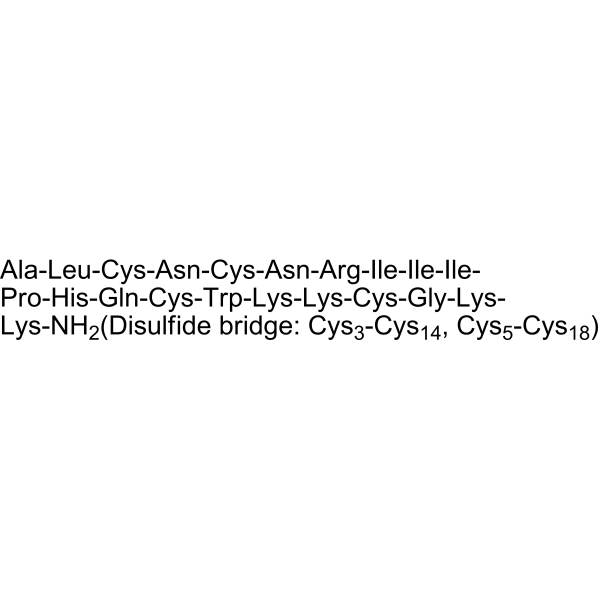
seco-CBI-PBD dimer is a CBI-PBD heterodimer and a minor groove DNA crosslinker. seco-CBI-PBD dimer exhibits cytotoxicity against human tumor cells at sub-pM to low nM levels, shows low sensitivity to P-glycoprotein-mediated drug resistance, and can serve as an ADC payload. seco-CBI-PBD dimer can be used in studies of uterine cancer, breast cancer, non-small cell lung cancer, etc.
|
-
- HY-P991799
-
|
|
MHC
|
Inflammation/Immunology
|
|
Anti-Mouse MHC Class I Antibody (A4C8.1-Do9) reacts with the mouse H-2Kb MHC class I alloantigen. MHC class I antigens are heterodimers consisting of one alpha chain (44 kDa) associated with β2 microglobulin (11.5 kDa). Recommend Isotype Controls: Rat IgG2a kappa, Isotype Control (HY-P990679) .
|
-
- HY-183022
-
|
|
Biochemical Assay Reagents
|
Others
|
|
1-(3-Azidopropyl)-1H-pyrrole-2,5-dione is a maleimide derivative with a 3-azidopropyl substituent, used to introduce an azide functional group to bovine serum albumin (BSA). 1-(3-Azidopropyl)-1H-pyrrole-2,5-dione reacts with the free, solvent-accessible thiol group of BSA to produce azide-functionalized BSA, which is used in click chemistry to form a TLL-BSA hetero-dimer .
|
-
- HY-179647
-
|
|
HIF/HIF Prolyl-Hydroxylase
|
Metabolic Disease
Endocrinology
|
|
ZG-2686 is a potent and selective HIF-2α agonist with an EC50 of 0.25 µM. ZG-2686 exhibits selectivity over PHD2. ZG-2686 binds to a specific internal cavity of HIF-2α, forming hydrogen bonds via structural water molecules, which stabilizes the HIF-2α/β heterodimer and enhances transcriptional activity. ZG-2686 synergizes with Vadadustat (HY-101277) to upregulate HIF-2α-dependent EPO gene expression both in vitro and in vivo. ZG-2686 can be used for the research of renal anemia .
|
-
- HY-183583
-
|
|
HIF/HIF Prolyl-Hydroxylase
|
Cancer
|
|
HIF-2α-IN-18 is a selective HIF-2α inhibitor with a human IC50 of 8.1 nM. HIF-2α-IN-18 binds to the HIF-2α PAS-B domain, induces conformational perturbations at the HIF-2α/ARNT dimerization interface, destabilizes the HIF-2α/ARNT heterodimer, and blocks HIF-2α-mediated transcriptional activity. HIF-2α-IN-18 inhibits hypoxia-induced expression of HIF-2α target genes EPO and SERPINE1, without inhibiting HIF-1α target genes PGK1 and PDK1. HIF-2α-IN-18 can be used for the research of clear cell renal cell carcinoma, hepatocellular carcinoma[1].
|
-
| Cat. No. |
Product Name |
Type |
-
- HY-D0932
-
|
Solvent Red 24; C.I. 26105
|
Fluorescent Dyes
|
|
Sudan IV is an agonist of the aryl hydrocarbon receptor (AhR) that activates downstream signaling pathways and induces CYP1A1 expression. Sudan IV promotes CYP1A1 gene transcription by activating AhR-ARNT heterodimers and binding to exogenous response elements (XREs) on DNA, thereby enhancing drug metabolizing enzyme activity. Sudan IV can be used to study the toxicity mechanisms of industrial dyes and the effects of interactions with serum proteins (such as bovine serum albumin (BSA)) on their distribution in vivo. Sudan IV is a fat-soluble diazo dye that can be used to stain lipids, triglycerides, and lipoproteins on frozen sections .
|
-
- HY-D0932R
-
|
Solvent Red 24 (Standard); C.I. 26105 (Standard)
|
Fluorescent Dyes
|
|
Sudan IV (Standard) (Solvent Red 24 (Standard)) is the analytical standard of Sudan IV (HY-D0932). This product is intended for research and analytical applications. Sudan IV is an agonist of the aryl hydrocarbon receptor (AhR) that activates downstream signaling pathways and induces CYP1A1 expression. Sudan IV promotes CYP1A1 gene transcription by activating AhR-ARNT heterodimers and binding to exogenous response elements (XREs) on DNA, thereby enhancing drug metabolizing enzyme activity. Sudan IV can be used to study the toxicity mechanisms of industrial dyes and the effects of interactions with serum proteins (such as bovine serum albumin (BSA)) on their distribution in vivo. Sudan IV is a fat-soluble diazo dye that can be used to stain lipids, triglycerides, and lipoproteins on frozen sections.
|
| Cat. No. |
Product Name |
Target |
Research Area |
-
- HY-D0844
-
|
L-Glutathione oxidized; GSSG; Oxiglutatione
|
Endogenous Metabolite
Reactive Oxygen Species (ROS)
|
Metabolic Disease
|
|
Glutathione oxidized (L-Glutathione oxidized) is produced by the oxidation of glutathione. Detoxification of reactive oxygen species is accompanied by production of glutathione oxidized. Glutathione oxidized can be used for the research of sickle cells and erythrocytes .
|
-
- HY-P3229
-
SN52
2 Publications Verification
|
NF-κB
|
Cancer
|
|
SN52 is a potent, competitive, and cell-permeable inhibitor of NF-κB2. SN52 is a variant of the SN50 peptide and inhibits the nuclear translocation of p52-RelB heterodimers. SN52 has a strong radiosensitization effect on prostate cancer cells. SN52 can be used for cancer research .
|
-
- HY-P1275
-
-
- HY-W004864
-
|
|
Amino Acid Derivatives
|
Others
|
|
Fmoc-(S)-2-(4-pentenyl) Ala-OH is an Fmoc-protected unnatural amino acid. Fmoc-(S)-2-(4-pentenyl) Ala-OH can be used for polypeptide synthesis, such as NYAD-13 (HY-P10834) .
|
-
- HY-P1949A
-
|
|
CXCR
|
Cardiovascular Disease
Cancer
|
|
Cyclic MKEY TFA is a synthetic cyclic peptide inhibitor of CXCL4-CCL5 heterodimer formation, which protects against atherosclerosis and aortic aneurysm formation by mediating inflammation. Cyclic MKEY TFA also protects against stroke-induced brain injury in mice .
|
-
- HY-P10405A
-
|
|
Dopamine Receptor
|
Neurological Disease
|
|
TAT-D1 peptide acetate is a dopamine D1-D2 receptor heterodimer inhibitor. TAT-D1 peptide acetate disrupts the function of dopamine D1-D2 receptor heteromers, enhances subchronic amphetamine-induced locomotor activity, and exacerbates the expression of amphetamine-induced locomotor sensitization. TAT-D1 peptide acetate produces rapid anxiolytic and antidepressant-like effects in rat models of depression and anxiety, and inhibits c-fos expression in the nucleus accumbens of rats. TAT-D1 peptide acetate can be used in the research of psychostimulant addiction, depression and anxiety disorders .
|
-
- HY-P10405
-
|
|
Dopamine Receptor
|
Neurological Disease
|
|
TAT-D1 peptide is a dopamine D1-D2 receptor heterodimer inhibitor. TAT-D1 peptide disrupts the function of dopamine D1-D2 receptor heteromers, enhances subchronic amphetamine-induced locomotor activity, and exacerbates the expression of amphetamine-induced locomotor sensitization. TAT-D1 peptide produces rapid anxiolytic and antidepressant-like effects in rat models of depression and anxiety, and inhibits c-fos expression in the nucleus accumbens of rats. TAT-D1 peptide can be used in the research of psychostimulant addiction, depression and anxiety disorders .
|
-
- HY-P3223A
-
|
|
Opioid Receptor
|
Neurological Disease
|
|
Biphalin acetate, a BBB-penetrable opioid peptide analog, contains two active enkephalin pharmacophores.Biphalin acetate has high affinity for opioid receptors. Biphalin acetate shows analgesic effect in acute, neuropathic, and chronic animal pain models. Biphalin acetate is also an antiviral, antiproliferative, anti-inflammatory, and neuroprotective agent .
|
-
- HY-P10702
-
|
|
Biochemical Assay Reagents
|
Others
|
|
SAF-p1 is a self-assembling fiber peptide that can form sticky-ended heterodimers by assembling with SAF-p2 (HY-P10703) through complementary amino acid sequences. These heterodimers further self-assemble into long-chain fiber structures. SAF-p1 is promising for the development of nanomaterials in the biomedical field .
|
-
- HY-P10703
-
|
|
Biochemical Assay Reagents
|
Others
|
|
SAF-p2 is a self-assembling fiber peptide that can form sticky-ended heterodimers by assembling with SAF-p2 (HY-P10702) through complementary amino acid sequences. These heterodimers further self-assemble into long-chain fiber structures. SAF-p2 is promising for the development of nanomaterials in the biomedical field .
|
-
- HY-P3223
-
|
|
Opioid Receptor
|
Neurological Disease
|
|
Biphalin TFA, a BBB-penetrable opioid peptide analog, contains two active enkephalin pharmacophores. Biphalin TFA has high affinity for opioid receptors. Biphalin TFA shows analgesic effect in acute, neuropathic, and chronic animal pain models. Biphalin TFA is also an antiviral, antiproliferative, anti-inflammatory, and neuroprotective agent .
|
-
- HY-P1949
-
|
|
CXCR
|
Cardiovascular Disease
Cancer
|
|
Cyclic MKEY is a synthetic cyclic peptide inhibitor of CXCL4-CCL5 heterodimer formation, which protects against atherosclerosis and aortic aneurysm formation by mediating inflammation. Cyclic MKEY also protects against stroke-induced brain injury in mice .
|
| Cat. No. |
Product Name |
Target |
Research Area |
Image |
-
- HY-P99676
-
|
SI-B001; BL-B01D1 Antibody
|
EGFR
|
Cancer
|
|
Izalontamab (SI-B001) is a bispecific anti-EGFR/HER3 monoclonal antibody with high selectivity for EGFR/HER3 heterodimer. Izalontamab can be used for the research of cancer .
|
-
(5)
-
- HY-P990203
-
|
|
Integrin
|
Inflammation/Immunology
|
|
Anti-Mouse LPAM-1/Integrin α4β7 Antibody (DATK32) is a rat-derived anti-LPAM-1/Integrin α4β7 IgG2a, κ type antibody inhibitor. Anti-Mouse LPAM-1/Integrin α4β7 Antibody (DATK32) specifically reacts with both chains of the α4β7 heterodimer and blocks the adhesion to immobilized mucosal addressin cell adhesion molecule-1 (MAdCAM-1). Anti-Mouse LPAM-1/Integrin α4β7 Antibody (DATK32) suppresses the proliferation and cytokine secretion of CD8+ T cells. Anti-Mouse LPAM-1/Integrin α4β7 Antibody (DATK32) decreases Peyer’s patches and follicular B cells in mice. Anti-Mouse LPAM-1/Integrin α4β7 Antibody (DATK32) can be used for the researches of inflammation, such as ulcerative colitis .
|
-
(5)
-
- HY-P99184
-
|
|
Integrin
|
Infection
Inflammation/Immunology
Cancer
|
|
Abrilumab is a fully human monoclonal antibody directed against α4β7. Abrilumab selectively binds the α4β7 integrin heterodimer. Abrilumab can be used for the research of inflammatory bowel disease (IBD) .
|
-
(5)
-
- HY-P990818
-
|
|
Fc Receptor (FcR)
|
Inflammation/Immunology
|
|
Anti-Rat FcRn heavy chain heterodimers Antibody (1G3) is an anti-rat FcRn heavy chain heterodimers IgG1 monoclonal antibody. Anti-Rat FcRn heavy chain heterodimers Antibody (1G3) can effectively bind to FcRn and competitively inhibit the binding of IgG to FcRn. Anti-Rat FcRn heavy chain heterodimers Antibody (1G3) can reduce the total serum IgG level. Anti-Rat FcRn heavy chain heterodimers Antibody (1G3) can be used for researches on autoimmune conditions such as experimental autoimmune myasthenia gravis (EAMG). The recommend isotype control of Anti-Rat FcRn heavy chain heterodimers Antibody (1G3): Mouse IgG1 kappa, Isotype Control (HY-P99977) .
|
-
(5)
-
- HY-P990244
-
|
|
Fc Receptor (FcR)
|
Inflammation/Immunology
|
|
Anti-Rat FcRn heavy chain heterodimers Antibody (2G3) is an anti-rat FcRn heavy chain heterodimers IgG1 monoclonal antibody. Anti-Rat FcRn heavy chain heterodimers Antibody (2G3) effectively inhibits the binding of FcRn to IgG. Anti-Rat FcRn heavy chain heterodimers Antibody (2G3) is used in studies of the MHC class I heavy chain FcRn heterodimers and their interaction with IgG .
|
-
(5)
-
- HY-P991594
-
|
|
Interleukin Related
|
Inflammation/Immunology
|
|
Anti-IL-13 Antibody (C836) is a neutralizing monoclonal antibody targeting human IL-13. The Fab fragment of Anti-IL-13 Antibody (C836) is a heterodimer composed of heavy chains and light chains, each folded into variable and constant domains. Anti-IL-13 Antibody (C836) can be used for chronic inflammatory diseases, such as asthma .
|
-
(5)
-
- HY-P990162
-
|
AB1-2
|
Inhibitory Antibodies
|
Others
|
|
Anti-Mouse T15 VH and T15 VL regions of IgM Antibody (HB33) is an anti-mouse T15 VH and T15 VL regions of IgM IgG1 monoclonal antibody. Anti-Mouse T15 VH and T15 VL regions of IgM Antibody (HB33) is used in studies of the MHC class I heavy chain FcRn heterodimers and their interaction with IgG .
|
-
(5)
-
- HY-P992034
-
|
PR001
|
Interleukin Related
|
Inflammation/Immunology
|
|
APG808 (PR001) is an anti-human IL-4Rα monoclonal antibody. APG808 binds to IL-4Rα, prevents IL-13Rα1/IL-4Rα heterodimer formation, and disrupts IL-13 and IL-4 mediated signaling. APG808 ablates Fc and complement effector functions. APG808 can be used for the research of chronic obstructive pulmonary disease, asthma, atopic dermatitis .
|
-
(5)
-
- HY-P991799
-
|
|
MHC
|
Inflammation/Immunology
|
|
Anti-Mouse MHC Class I Antibody (A4C8.1-Do9) reacts with the mouse H-2Kb MHC class I alloantigen. MHC class I antigens are heterodimers consisting of one alpha chain (44 kDa) associated with β2 microglobulin (11.5 kDa). Recommend Isotype Controls: Rat IgG2a kappa, Isotype Control (HY-P990679) .
|
-
(5)
| Cat. No. |
Product Name |
Category |
Target |
Chemical Structure |
| Cat. No. |
Product Name |
Chemical Structure |
-
- HY-19528S
-
|
|
|
SAH-d4 is the deuterium labeled SAH. SAH (S-Adenosylhomocysteine) is an amino acid derivative and a modulartor in several metabolic pathways. It is an intermediate in the synthesis of cysteine and adenosine . SAH is an inhibitor for METTL3-METTL14 heterodimer complex (METTL3-14) with an IC50 of 0.9 μM .
|
-
-
- HY-19528S2
-
|
|
|
SAH- 13C10 is the 13C labeled SAH . SAH (S-Adenosylhomocysteine) is an amino acid derivative and a modulartor in several metabolic pathways. It is an intermediate in the synthesis of cysteine and adenosine . SAH is an inhibitor for METTL3-METTL14 heterodimer complex (METTL3-14) with an IC50 of 0.9 μM .
|
-
-
- HY-W754654
-
|
|
|
Epothilone B-d3 (synthetic) is the deuterium labeled Epothilone B (HY-17029). Epothilone B is a microtubule stabilizer with a Ki of 0.71μM. It acts by binding to the αβ-tubulin heterodimer subunit which causes decreasing of αβ-tubulin dissociation.
|
-
-
- HY-D0932S
-
|
|
|
Sudan IV-d6 (Solvent Red 24-d6) is the deuterium labeled Sudan IV(HY-D0932). Sudan IV is an agonist of the aryl hydrocarbon receptor (AhR) that activates downstream signaling pathways and induces CYP1A1 expression. Sudan IV promotes CYP1A1 gene transcription by activating AhR-ARNT heterodimers and binding to exogenous response elements (XREs) on DNA, thereby enhancing drug metabolizing enzyme activity. Sudan IV can be used to study the toxicity mechanisms of industrial dyes and the effects of interactions with serum proteins (such as bovine serum albumin (BSA)) on their distribution in vivo. Sudan IV is a fat-soluble diazo dye that can be used to stain lipids, triglycerides, and lipoproteins on frozen sections .
|
-
| Cat. No. |
Product Name |
|
Classification |
-
- HY-167290
-
|
|
|
Azide
|
|
N-(Azido-PEG3)-N-bis(PEG3-NHS ester) is a trifunctional linker that can be used for synthesis of a bispecific heterodimer .
|
-
- HY-183022
-
|
|
|
Azide
|
|
1-(3-Azidopropyl)-1H-pyrrole-2,5-dione is a maleimide derivative with a 3-azidopropyl substituent, used to introduce an azide functional group to bovine serum albumin (BSA). 1-(3-Azidopropyl)-1H-pyrrole-2,5-dione reacts with the free, solvent-accessible thiol group of BSA to produce azide-functionalized BSA, which is used in click chemistry to form a TLL-BSA hetero-dimer .
|
| Cat. No. |
Product Name |
|
Classification |
-
- HY-19528
-
|
SAH (S-Adenosylhomocysteine)
|
|
Nucleoside Analogs
Adenosine
|
|
SAH (S-Adenosylhomocysteine) is an amino acid derivative and a modulartor in several metabolic pathways. It is an intermediate in the synthesis of cysteine and adenosine . SAH is an inhibitor for METTL3-METTL14 heterodimer complex (METTL3-14) with an IC50 of 0.9 µM .
|
-
- HY-N15936
-
|
|
|
Phospholipids
|
|
a15:0-i15:0 PE is a diacyl phosphatidylethanolamine with two branched chains. a15:0-i15:0 PE is a non-canonical TLR2-TLR1 heterodimer agonist and has immunogenic activity. a15:0-i15:0 PE activates T cells and DC signaling and shows anti-inflammatory activity. a15:0-i15:0 PE induces TNFα and IL-6 production. a15:0-i15:0 PE is a the major component (approximately 50%) of A. muciniphila’s lipid membrane .
|
-
- HY-174573
-
|
|
|
mRNA
Transcription Factors
|
|
Human NEUROD1 mRNA encodes the human neuronal differentiation 1 (NEUROD1)protein, a member of the NeuroD family of basic helix-loop-helix (bHLH) transcription factors. NEUROD1 forms heterodimers with other bHLH proteins and activates transcription of genes that contain a specific DNA sequence known as the E-box.
|
-
- HY-174776
-
|
|
|
mRNA
|
|
Human BAX mRNA encodes the human BCL2 associated X, apoptosis regulator (BAX) protein, a member of the BCL2 protein family. BAX forms a heterodimer with BCL2, and functions as an apoptotic activator. It also plays a role in the mitochondrial apoptotic process.
|
Your information is safe with us. * Required Fields.
Inquiry Information
- Product Name:
- Cat. No.:
- Quantity:
- MCE Japan Authorized Agent:

