Search Result
Results for "
human leukemia cell lines
" in MedChemExpress (MCE) Product Catalog:
| Cat. No. |
Product Name |
Target |
Research Areas |
Chemical Structure |
-
- HY-13518
-
|
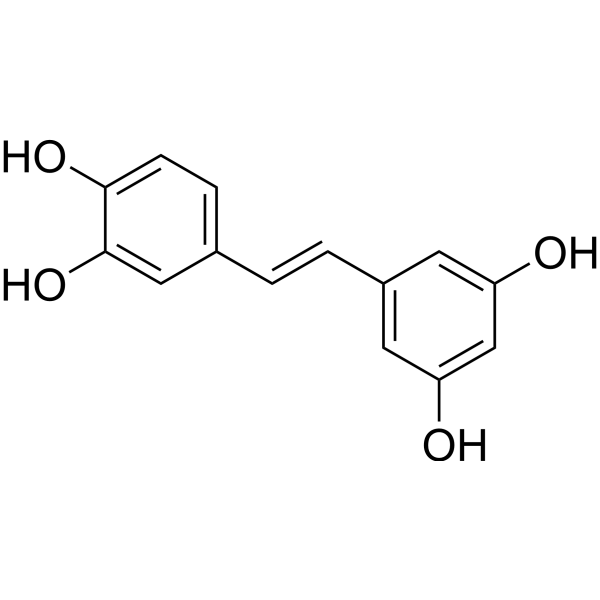
Astringenin; trans-Piceatannol
|
Syk
Autophagy
Apoptosis
Endogenous Metabolite
|
Cancer
|
|
Piceatannol is a well-known Syk inhibitor and reduces the expression of iNOS induced by TNF. Piceatannol is an effective agent for research of acute lung injury (ALI) . Piceatannol is a naturally occurring polyphenolic stilbene found in various fruits and vegetables and exhibits anticancer and anti-inflammatory properties . Piceatannol induces apoptosis in DLBCL cell lines . Piceatannol induces autophagy and apoptosis in MOLT-4 human leukemia cells .
|
-
-
- HY-19619
-
|
|
Phospholipase
Apoptosis
|
Cancer
|
|
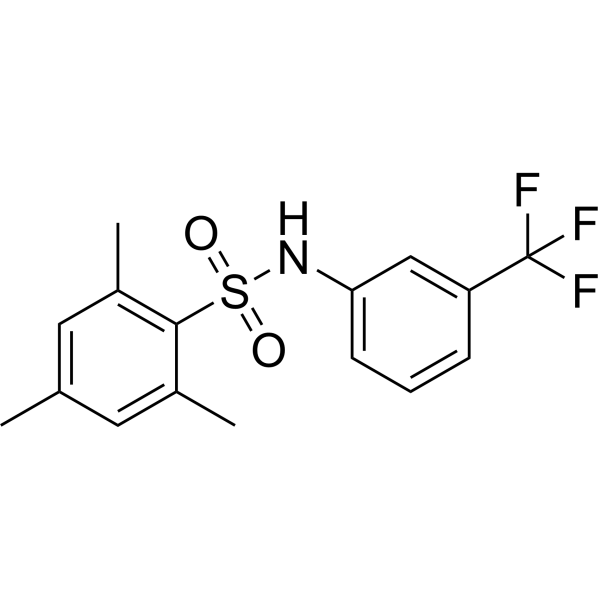
m-3M3FBS is a potent phospholipase C (PLC) activator. m-3M3FBS stimulates superoxide generation in human neutrophils, upregulates intracellular calcium concentration, and stimulates inositol phosphate generation in various cell lines. m-3M3FBS induces monocytic leukemia cell apoptosis .
|
-
-
- HY-129983
-
|
|
HSV
|
Infection
Cancer
|
|
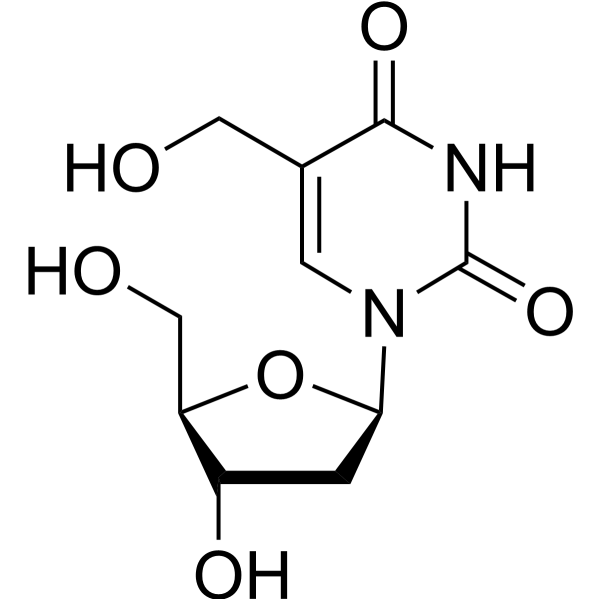
5-Hydroxymethyl-2'-deoxyuridine is a nucleoside analog. 5-Hydroxymethyl-2'-deoxyuridine inhibits the replication of multiple human leukemia cell lines with IC50 values of 1.7-5.8 μM. 5-Hydroxymethyl-2'-deoxyuridine prolongs the survival of mice carrying L1210 leukemia. 5-Hydroxymethyl-2'-deoxyuridine can be used for the research of cell replication and leukemia .
|
-
-
- HY-N0128
-
|
|
Environmental Pollutants
Apoptosis
|
Cancer
|
|
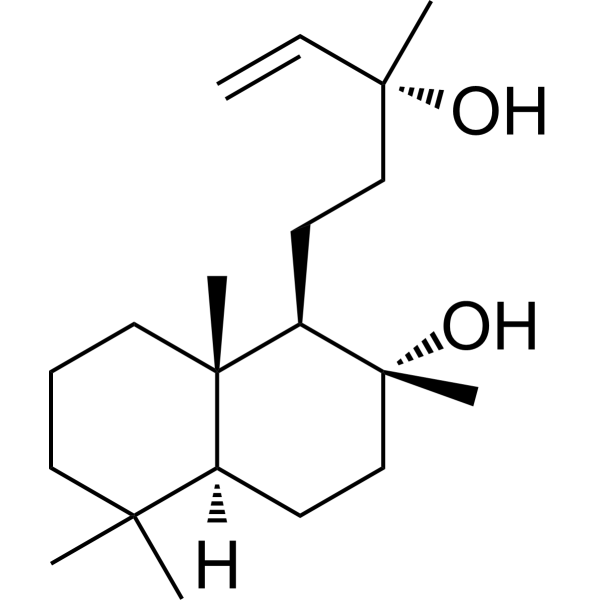
Sclareol is isolated from Salvia sclarea with anticarcinogenic activity. Sclareol shows strong cytotoxic activity against mouse leukemia (P-388), human epidermal carcinoma (KB) cells and human leukemia cell lines. Sclareol induces cell apoptosis .
|
-
-
- HY-12892
-
SKI-178
1 Publications Verification
|
SphK
Apoptosis
|
Cancer
|
|
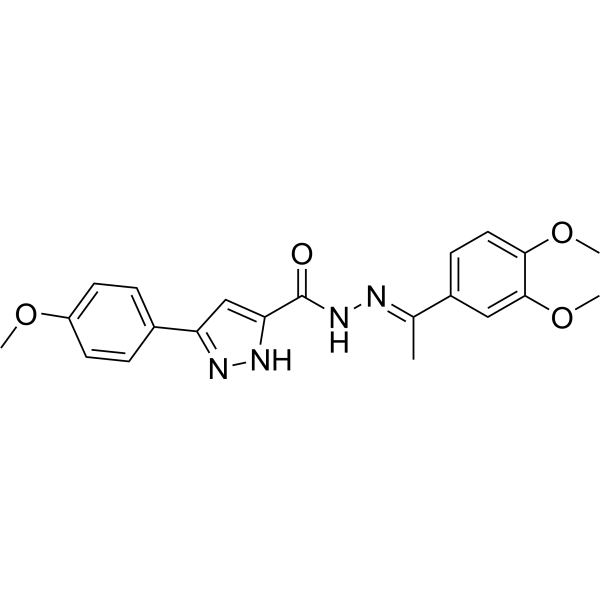
SKI-178 is a potent sphingosine kinase-1 (SphK1) and SphK2 inhibitor. SKI-178 is cytotoxic at IC50 concentrations ranging from 1.8 to 0.1 μM in both agent sensitive and multi-agent resistant cancer cell lines (i.e., MTR3, NCI-ADR and HL60/VCR cells). SKI-178 induces apoptosis in a CDK1-dependent manner in human acute myeloid leukemia cell lines .
|
-
-
- HY-103275
-
|
NSC 680410
|
Bcr-Abl
Apoptosis
|
Cancer
|
|
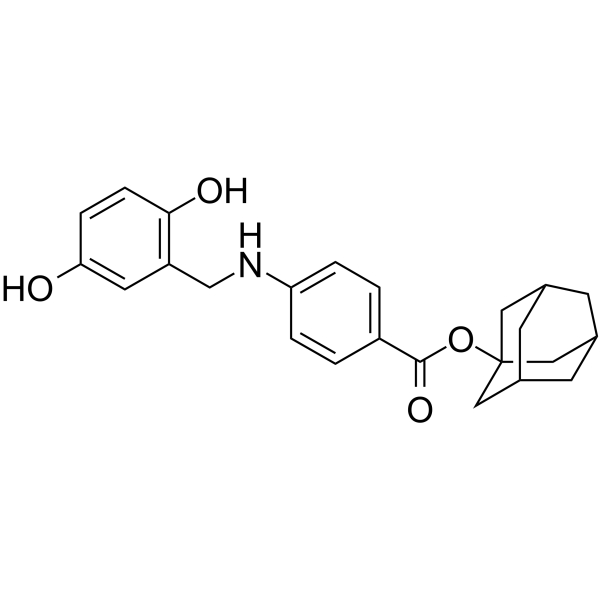
Adaphostin (NSC 680410), the adamantyl ester of AG957, is a potent p210 bcr/abl inhibitor (IC50=14 μM). Adaphostin induces apoptosis in T-lymphoblastic human leukemia cell lines (IC50 ranging from 17 to 216 nM). Adaphostin has significant and selective activity against chronic and acute myeloid leukemia cells. Adaphostin increased the level of reactive oxygen species (ROS) within CLL B cells .
|
-
-
- HY-121382
-
|
|
Cholinesterase (ChE)
Apoptosis
Necroptosis
|
Neurological Disease
Cancer
|
|
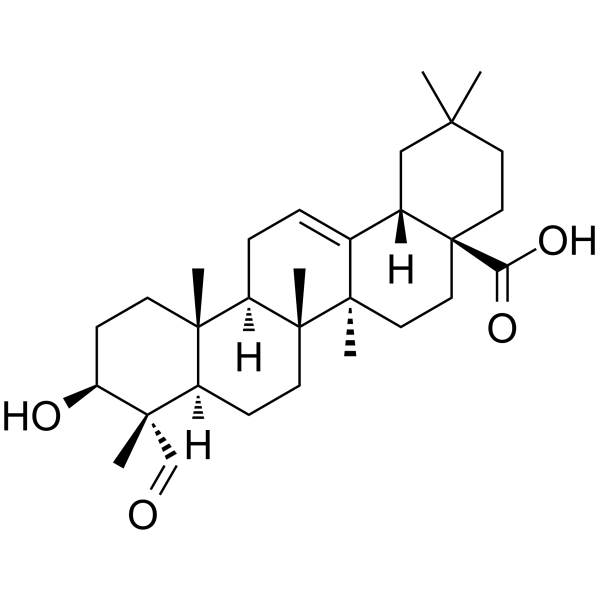
Gypsogenin is a selective mixed-type BChE inhibitor (Ki=19.99 μM) that also exhibits significant cytotoxicity against various human cancer cell lines. Gypsogenin inhibits tumor growth by inducing cell cycle arrest and triggering apoptosis. Gypsogenin displays antibacterial activity against bacteria such as Bacillus subtilis and Bacillus thuringiensis, and often serves as a key parent nucleus for the synthesis of anticancer compounds. Gypsogenin is widely used in research on Alzheimer's disease and various cancers including colon cancer, melanoma, and leukemia .
|
-
-
- HY-115406A
-
|
|
Apoptosis
|
Cancer
|
|
CPTH6 hydrobromide is a thiazole derivative which activates apoptotic program and increases autophagic features in human acute myeloid leukemia cell lines. CPTH6 can be used for cancer research .
|
-

-
- HY-138623
-
|
|
Epigenetic Reader Domain
TNF Receptor
Interleukin Related
|
Inflammation/Immunology
Cancer
|
|
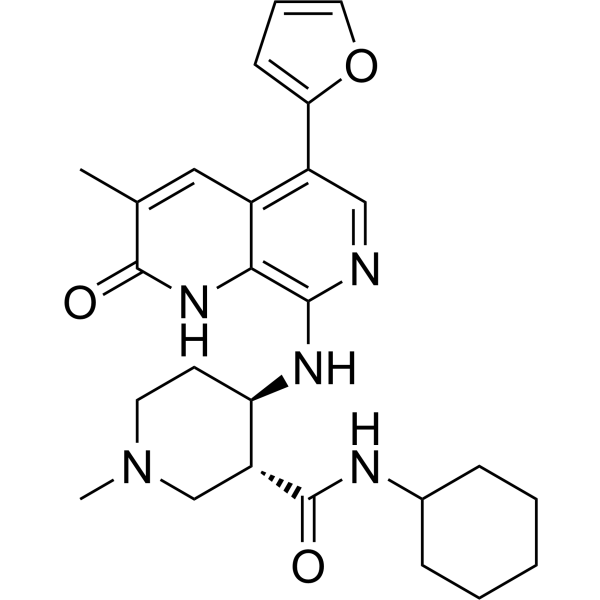
GSK789 is a selective inhibitor of BET BD1. GSK789 inhibits the growth of leukemia cell lines. GSK789 inhibits LPS-stimulated production of MCP-1, TNFα and IL-6 in human whole blood. GSK789 exhibits antiproliferative, anti-inflammatory and immunomodulatory activities. GSK789 can be used in research related to cancers such as leukemia, as well as inflammatory and immune diseases .
|
-
-
- HY-W784565
-
|
|
DNA/RNA Synthesis
|
Cancer
|
|
5-Fluorouridine 5'-phosphate is an ODCase (orotidine-5′-monophosphate decarboxylase) inhibitor, with a Ki value of 98 µM for human ODCase and a Ki value of 645 µM for Methanobacterium ODCase. 5-Fluorouridine 5'-phosphate exhibits inhibitory activity against leukemia and lymphoma cell lines and can be used in cancer research .
|
-

-
- HY-N10678
-
|
|
Others
|
Cancer
|
|
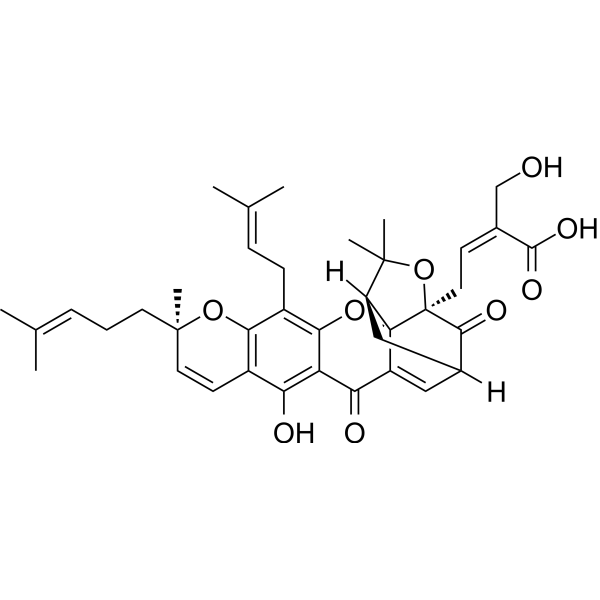
R-30-Hydroxygambogic acid is polyprenylated xanthone epimer that can be isolated from gamboges of Garcinia hanburyi. R-30-Hydroxygambogic acid shows cytotoxicities to Human Leukemia K562 cell lines of IC50 values of 2.89 and 1.27 μM for K562/R and K562/S, respectively. R-30-Hydroxygambogic acid can be used for the research of cancer .
|
-
-
- HY-N7634
-
|
|
Farnesyl Transferase
Parasite
|
Infection
Cancer
|
|
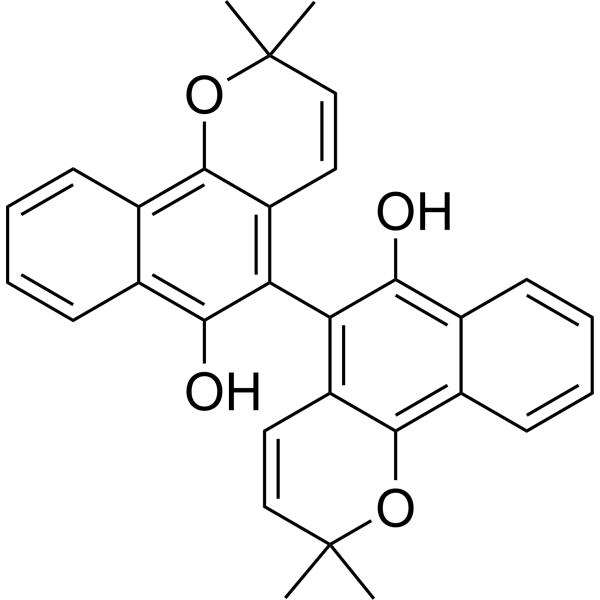
Tectol, isolated from Lippia sidoides, exhibits significant activity against human leukemia cell lines HL60 and CEM . Tectol is a farnesyltransferase (FTase) inhibitor with IC50s of 2.09 and 1.73 μM for human and T. brucei FTase, respectively. Tectol inhibits drug-resistant strain of P. falciparum (FcB1) with an IC50 of 3.44 μM .
|
-
-
- HY-117085
-
|
|
Phosphatase
TMV
Lipoxygenase
|
Cancer
|
|
Lobaric acid is a depsipeptide metabolite isolated from Stereocaulon lichen with antioxidant, antiproliferative, antiviral and enzyme inhibitory activities. Lobaric acid scavenges superoxide free radicals (IC50=97.9 μM) and inhibits cancer cell proliferation (EC50 of 15.2-63.9 μg/mL against leukemia, colorectal, gastric, breast, ovarian, prostate, pancreatic and lung cancer cell lines). Lobaric acid inhibits protein tyrosine phosphatase 1B (PTP1B; IC50=0.87 μM for human recombinant enzyme) and 12(S)-HETE produced by 12(S)-lipoxygenase (IC50=28.5 μM). Lobaric acid (250 μM) also reduced pathological changes in tobacco leaves infected with tobacco mosaic virus (TMV).
|
-

-
- HY-W854385
-
|
SLeA
|
Biochemical Assay Reagents
E-Selectin
|
Cancer
|
|
Sialyl Lewis A (SLeA) is a tumor-associated carbohydrate antigen, also known as carbohydrate antigen 19-9 (CA19-9), that binds to E-selectin (ELAM-1) and selectins to mediate cell-endothelium adhesion. Sialyl Lewis A promotes cancer cell-vascular endothelium adhesion, and its surface presence correlates with increased tumorigenicity and invasiveness in cancer cells. Sialyl Lewis A shows elevated expression in human adenocarcinomas of the colon, pancreas, and stomach, with expression levels linked to tumor progression and poor prognosis in colorectal and gastric carcinomas. Sialyl Lewis A can be used for the research of cancers, such as colon, pancreas, stomach, and squamous lung cancer .
|
-

-
- HY-155727
-
|
|
Sirtuin
Apoptosis
|
Cancer
|
|
Sirt1/2-IN-2 (compound hsa55) is a dual inhibitor of SIRT1/2 with IC50s of 1.8 μM (SIRT1) and 2.4 μM (SIRT2), respsectivley. Sirt1/2-IN-2 completely blocks p53 deacetylation, and increase of p53 and α-tubulin acetylation. Sirt1/2-IN-2 induces apoptosis and shows anti-proliferation activity against human leukemia cell lines .
|
-
-
- HY-121352
-
|
|
Drug Derivative
|
Cancer
|
|
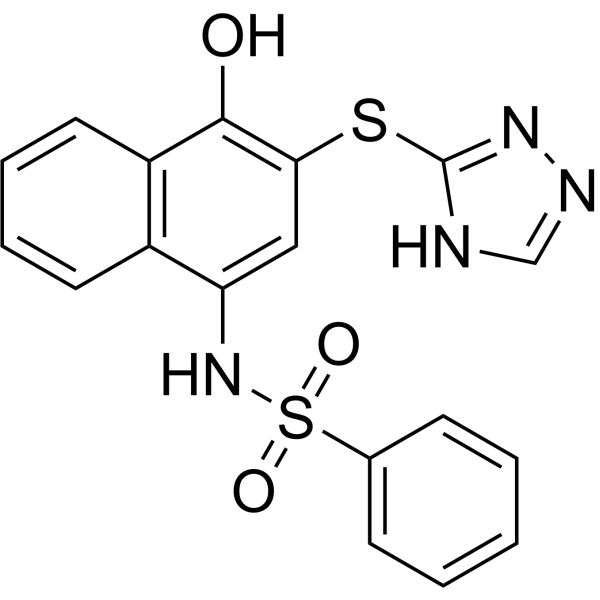
Kibdelone C is a hexacyclic tetrahydroxanthone natural product and anticancer agent with sub-nanomolar GI50 activity against human SR leukemia and SN12C renal carcinoma cell lines. Kibdelone C disrupts the actin cytoskeleton in human cancer cells, leading to cell contraction and actin stress fiber formation, without direct actin binding, actin polymerization effects, topoisomerase I/II inhibition, or DNA binding. Kibdelone C can be used for the research of leukemia, and renal cell carcinoma .
|
-

-
- HY-N10777
-
|
|
Others
|
Cancer
|
|
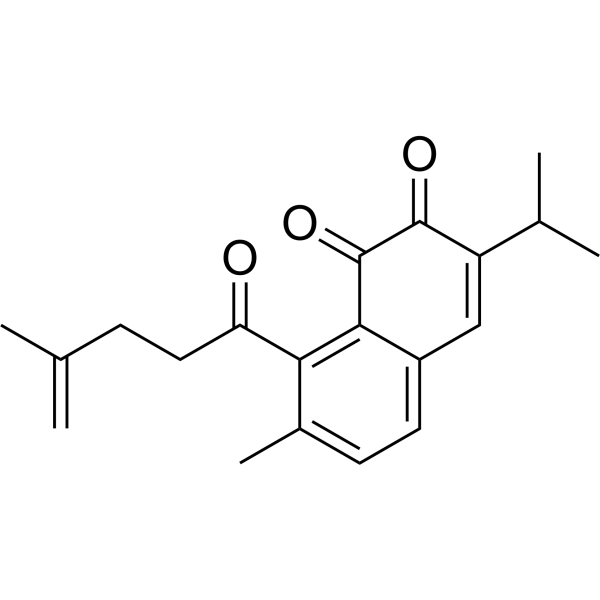
1-Ketoaethiopinone is an abietane-diterpenoid. 1-Ketoaethiopinone has an α, β-unsaturated carbonyl function. 1-Ketoaethiopinone shows cytotoxic activity against human cancer cell lines MOLT-4 (human lymphoblastic leukemia) and MCF-7 (human breast adenocarcinoma) .
|
-
-
- HY-12458
-
|
|
DNA/RNA Synthesis
|
Infection
Cancer
|
|
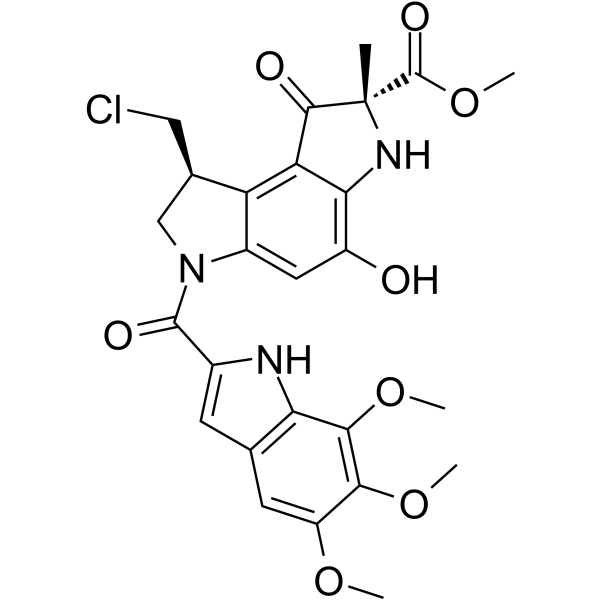
Pyrindamycin A is an antibiotic that inhibits DNA synthesis. Pyrindamycin A shows antitumor activities against murine leukemia, exhibits stronger cytotoxic activities towards murine and human tumor cell lines and especially towards doxorubicin-resistant cells, inhibits P388 and P388/ADR cells with the same IC50 of 3.9 μg/ml .
|
-
-
- HY-161123
-
|
|
WDR5
|
Cancer
|
|
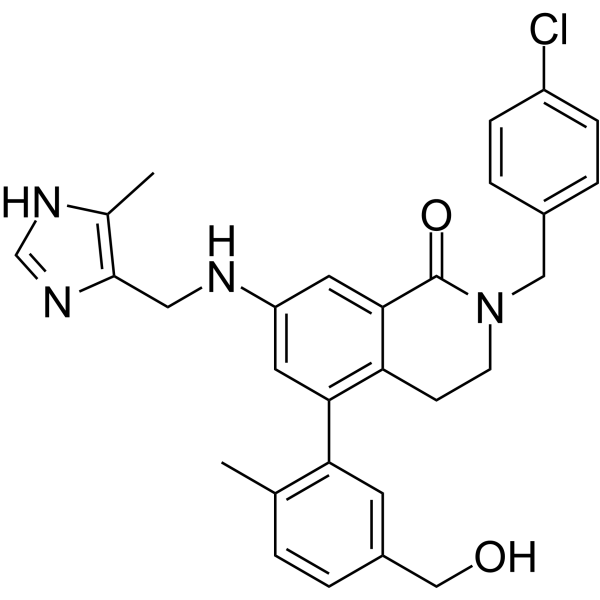
WDR5-IN-8 is a WDR5 inhibitor with IC50 value of 15.5 nM. WDR5-IN-8 shows good anti-proliferative activity in two human acute leukemia cell lines. WDR5-IN-8 has antitumor activity .
|
-
-
- HY-13518R
-
|
Astringenin (Standard); trans-Piceatannol (Standard)
|
Reference Standards
Syk
Autophagy
Apoptosis
Endogenous Metabolite
|
Cancer
|
|
Piceatannol (Standard) is the analytical standard of Piceatannol. This product is intended for research and analytical applications. Piceatannol is a well-known Syk inhibitor and reduces the expression of iNOS induced by TNF. Piceatannol is an effective agent for research of acute lung injury (ALI) . Piceatannol is a naturally occurring polyphenolic stilbene found in various fruits and vegetables and exhibits anticancer and anti-inflammatory properties . Piceatannol induces apoptosis in DLBCL cell lines . Piceatannol induces autophagy and apoptosis in MOLT-4 human leukemia cells .
|
-

-
- HY-178133
-
|
|
Pim
Apoptosis
Caspase
|
Cancer
|
|
Pim-1 kinase-IN-14 is a PIM-1 kinase inhibitor with an IC50 value of 94 nM. Pim-1 kinase-IN-14 shows broad-spectrum and high-efficiency anticancer activity against multiple human cancer cell lines, including liver cancer (HepG-2), colon cancer (Caco-2), myeloid leukemia (NFS-60), and prostate cancer (PC-3) cells. Pim-1 kinase-IN-14exerts its anticancer effects by inducing apoptosis and activating caspase 3/7. Pim-1 kinase-IN-14 can be used for the study of cancers associated with PIM-1 kinase overexpression .
|
-

-
- HY-113700
-
|
|
Antibiotic
|
Cancer
|
|
PD 116779 is an Antibiotic with anticancer activity. PD 116779 demonstrates moderate cytotoxicity against L1210 lymphocytic leukemia and HCT-8 human colon adenocarcinoma cell lines with IC50 values of 3.55x10 -7 and 4.08x10 -7 M, respectively .
|
-

-
- HY-N0128R
-
|
|
Reference Standards
Apoptosis
|
Cancer
|
|
Sclareol (Standard) is the analytical standard of Sclareol. This product is intended for research and analytical applications. Sclareol is isolated from Salvia sclarea with anticarcinogenic activity. Sclareol shows strong cytotoxic activity against mouse leukemia (P-388), human epidermal carcinoma (KB) cells and human leukemia cell lines. Sclareol induces cell apoptosis .
|
-

-
- HY-149896
-
|
|
Biochemical Assay Reagents
|
Cancer
|
|
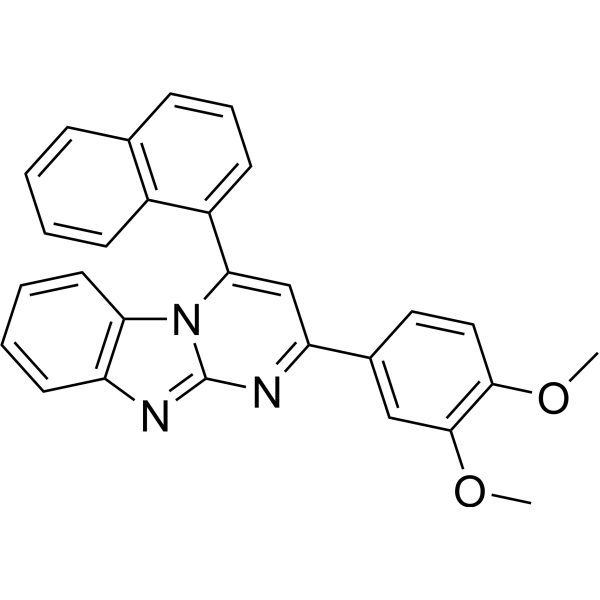
Antitumor agent-107 (compound 5h) is an anticancer agent that shows excellent inhibitory activity against leukemia cell lines (GI50=0.32-1.34 μM). Antitumor agent-107 also shows antitumor activity against various other human cancer cell lines (GI50 range 0.35-9.43 μM) .
|
-
-
- HY-N8617
-
|
|
DNA/RNA Synthesis
Caspase
PARP
Bcl-2 Family
Mitochondrial Metabolism
Apoptosis
|
Cancer
|
|
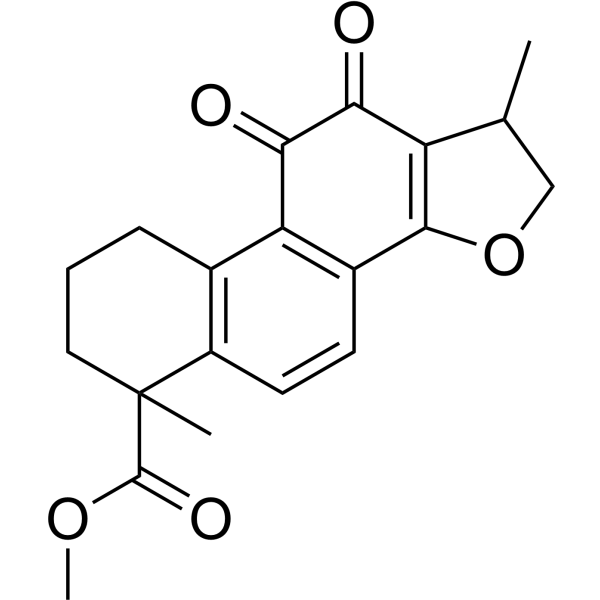
Trijuganone C is a tanshinone-type diterpenoid compound. Trijuganone C can be isolated from the roots of Salvia miltiorrhiza Bunge. Trijuganone C induces chromatin condensation, DNA fragmentation, activation of Caspase-3, -8 and -9, as well as cleavage of PARP. Trijuganone C activates Bid and Bax, leading to loss of mitochondrial membrane potential and inducing the release of cytochrome c from mitochondria into the cytosol. Trijuganone C exerts antiproliferative effects through Apoptosis induction mediated by Mitochondrial dysfunction and Caspase activation. Trijuganone C exhibits significant antiproliferative activity against leukemia cells and colon cancer cells .
|
-
-
- HY-N3210
-
|
|
Others
|
Cancer
|
|
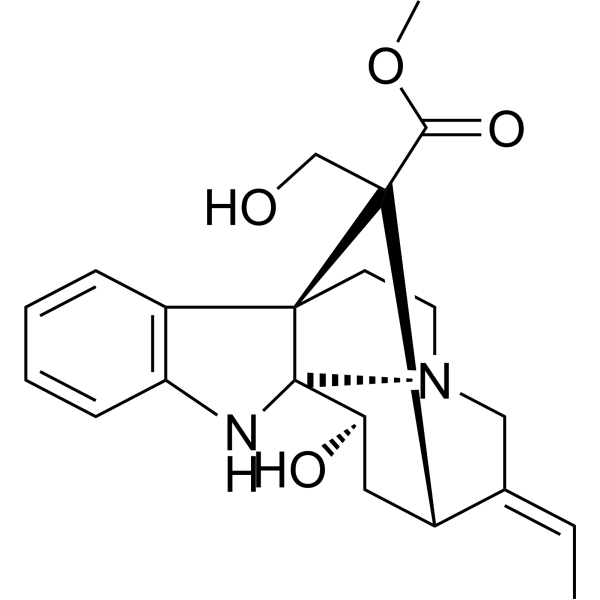
Nb-Demethylechitamine is an alkaloid isolated from the methanol extract of Alstonia rostrata twigs. Nb-Demethylechitamine has in vitro cytotoxic activity against several human cancer cell lines, including human myeloid leukemia HL-60, liver cancer SMMC-7721, lung cancer A-549, breast cancer MCF-7, and colon cancer SW480 cells .
|
-
-
- HY-103275R
-
|
NSC 680410 (Standard)
|
Reference Standards
Bcr-Abl
Apoptosis
|
Cancer
|
|
Adaphostin (Standard) is the analytical standard of Adaphostin. This product is intended for research and analytical applications. Adaphostin (NSC 680410), the adamantyl ester of AG957, is a potent p210bcr/abl inhibitor (IC50=14 μM). Adaphostin induces apoptosis in T-lymphoblastic human leukemia cell lines (IC50 ranging from 17 to 216 nM). Adaphostin has significant and selective activity against chronic and acute myeloid leukemia cells. Adaphostin increased the level of reactive oxygen species (ROS) within CLL B cells .
|
-

-
- HY-117285
-
|
Lactoquinomycin A; LQM-A
|
Antibiotic
Bacterial
|
Infection
Cancer
|
|
Lactoquinomycin A is a quinone antibiotic. Lactoquinomycin A has the activity of anti-Gram-positive bacteria and some Gram-negative bacteria, but the effect of anti-Gram-negative bacteria is weak and has no effect on fungi. Lactoquinomycin A inhibits a variety of cell lines including lymphoma L5178Y progenitor, Adriamycin resistant, Bleomycin-resistant, human leukemia K562, mouse leukemia L-1210 and mouse leukemia P 388 with ID50 (μg/mL) of 0.02, 0.006, 0.008, 0.033, 0.013 and 0.03, respectively .
|
-

-
- HY-N14774
-
|
|
Antibiotic
Bacterial
|
Infection
|
|
Lactoquinomycin B is a quinone antibiotic. Lactoquinomycin B has the activity of anti-Gram-positive bacteria and some Gram-negative bacteria, but the effect of anti-Gram-negative bacteria is weak and has no effect on fungi. Lactoquinomycin B inhibits a variety of cell lines including lymphoma L5178Y progenitor, Adriamycin resistant, Bleomycin-resistant, human leukemia K562, mouse leukemia L-1210 and mouse leukemia P 388 with ID50 (μg/mL) of 0.43, 0.21, 0.19, 0.16, 0.2 and 0.12, respectively .
|
-

-
- HY-129983R
-
|
|
HSV
|
Infection
Cancer
|
|
5-Hydroxymethyl-2'-deoxyuridine (Standard) is the analytical standard of 5-Hydroxymethyl-2'-deoxyuridine. This product is intended for research and analytical applications. 5-Hydroxymethyl-2'-deoxyuridine is a nucleoside analog. 5-Hydroxymethyl-2'-deoxyuridine inhibits the replication of multiple human leukemia cell lines with IC50 values of 1.7-5.8 μM. 5-Hydroxymethyl-2'-deoxyuridine prolongs the survival of mice carrying L1210 leukemia. 5-Hydroxymethyl-2'-deoxyuridine can be used for the research of cell replication and leukemia .
|
-

-
- HY-P991425
-
|
|
Transmembrane Glycoprotein
|
Cancer
|
|
AT-1413 is a human monoclonal antibody (mAb) targeting CD43. AT-1413 induces antibody-dependent cell-mediated cytotoxicity (ADCC) in melanoma cell lines and acute myeloid leukemia (AML) cells. AT-1413 has antitumor activity in AML mouse models. AT-1413 can be used in Acute myeloid leukaemia, Breast cancer, Malignant melanoma and Myelodysplastic syndromes research. Recommended isotype control: Human IgG1 kappa, Isotype Control (HY-P99001) .
|
-

-
- HY-W854934
-
|
|
Microtubule/Tubulin
|
Cancer
|
|
IKP-104 is a microtubule/tubulin inhibitor (IC50 = 1.31 μM). IKP-104 arrests cells in mitosis and the M phase by inhibiting microtubule polymerization and inducing cytoskeletal microtubule depolymerization. IKP-104 inhibits the growth of mouse and human tumor cell lines. IKP-104 exhibits anti-tumor effects in mouse ascites tumors and lung cancer models. IKP-104 is useful in the research of cancers such as leukemia, lung cancer and melanoma .
|
-

-
- HY-N10677
-
|
|
Others
|
Cancer
|
|
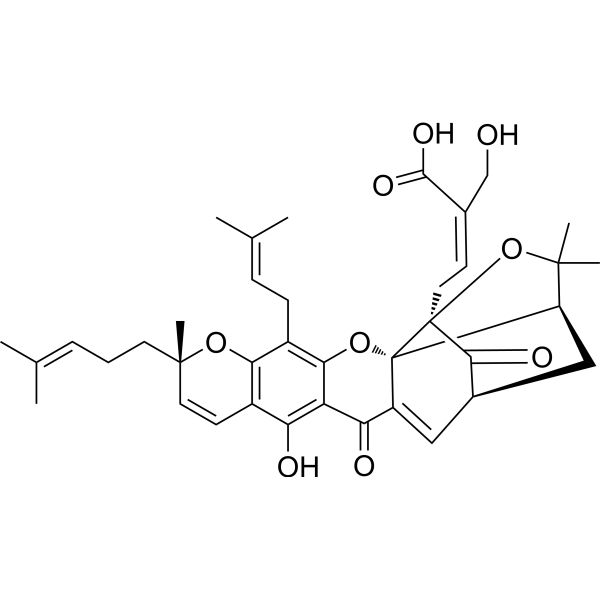
S-30-Hydroxygambogic acid is polyprenylated xanthone epimer that can be isolated from gamboges of Garcinia hanburyi. S-30-Hydroxygambogic acid shows cytotoxicities to Human Leukemia K562 cell lines of IC50 values of 4.49 and 3.61 μM for K562/R and K562/S, respectively. S-30-Hydroxygambogic acid can be used for the research of cancer .
|
-
-
- HY-155728
-
|
|
Sirtuin
Apoptosis
|
Cancer
|
|
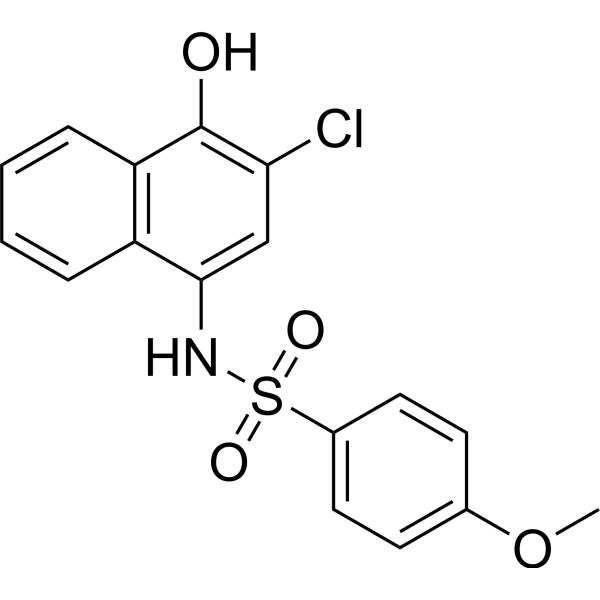
Sirt1/2-IN-3 (compound PS9) is a dual inhibitor of SIRT1/2 with IC50s of 1.4 μM (SIRT1) and 2.0 μM (SIRT2), respsectivley. Sirt1/2-IN-3 completely blocks p53 deacetylation, and increase of p53 and α-tubulin acetylation. Sirt1/2-IN-3 induces apoptosis and shows anti-proliferation activity against human leukemia cell lines .
|
-
-
- HY-121382R
-
|
|
Reference Standards
Apoptosis
Cholinesterase (ChE)
Necroptosis
|
Cardiovascular Disease
|
|
Cinosulfuron (Standard) is the analytical standard of Cinosulfuron. This product is intended for research and analytical applications. Gypsogenin is a selective mixed-type BChE inhibitor (Ki=19.99 μM) that also exhibits significant cytotoxicity against various human cancer cell lines. Gypsogenin inhibits tumor growth by inducing cell cycle arrest and triggering apoptosis. Gypsogenin displays antibacterial activity against bacteria such as Bacillus subtilis and Bacillus thuringiensis, and often serves as a key parent nucleus for the synthesis of anticancer compounds. Gypsogenin is widely used in research on Alzheimer's disease and various cancers including colon cancer, melanoma, and leukemia .
|
-

-
- HY-P5327
-
|
|
Bcl-2 Family
|
Others
|
|
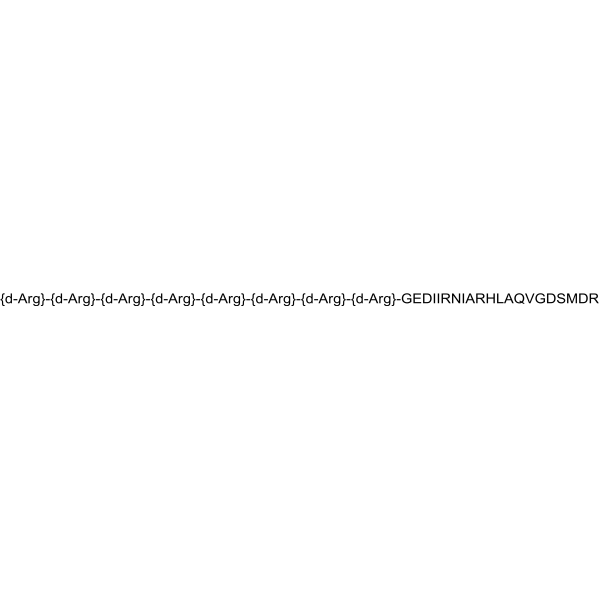
r8 Bid BH3 is a biological active peptide. (The Bid BH3 is a pro-apoptotic member of the 'BH3-only' subset of BCL-2 family proteins that constitute a critical control point in apoptosis. r8BIDBH3 is lethal to human leukemia cell lines that expresse Bcl-2. The Bcl-2 antagonists may have the potential to be efficacious in cancer therapy. Poly-D-arginine (d-isomer as denoted by rrrrrrrr) is fused to the Bid BH3 peptide to facilitate cellular uptake of the peptide.)
|
-
-
- HY-19619R
-
|
|
Phospholipase
Apoptosis
|
Cancer
|
|
m-3M3FBS (Standard) is the analytical standard of m-3M3FBS. This product is intended for research and analytical applications. m-3M3FBS is a potent phospholipase C (PLC) activator. m-3M3FBS stimulates superoxide generation in human neutrophils, upregulates intracellular calcium concentration, and stimulates inositol phosphate generation in various cell lines. m-3M3FBS induces monocytic leukemia cell apoptosis .
|
-

-
- HY-15191B
-
|
(S)-BI-97C1
|
Bcl-2 Family
|
Cancer
|
|
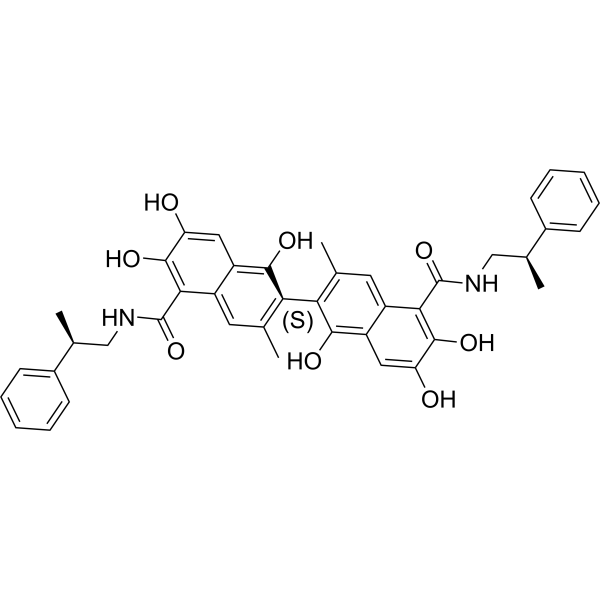
(S)-Sabutoclax ((S)-BI-97C1), an optically pure apogossypol derivative, is pan-active inhibitor of antiapoptotic B-cell lymphoma/leukemia-2 (Bcl-2) family proteins. (S)-Sabutoclax (Compound II) inhibits the binding of BH3 peptides to Bcl-XL, Bcl-2, Mcl-1, and Bfl-1 with IC50 values of 0.31, 0.32, 0.20, and 0.62 μM, respectively. (S)-Sabutoclax also potently inhibits cell growth of human prostate cancer, lung cancer, and lymphoma cell lines with EC50 values of 0.13, 0.56, and 0.049 μM, respectively. (S)-Sabutoclax can be used for the research of apoptosis-based therapies against cancer .
|
-
-
- HY-N17588
-
|
|
Others
|
Cancer
|
|
9-O-Angeloyl-8-methoxythymol is a thymol derivative and cytotoxin, with a IC50 value of 13.1 μg/mL against human myeloid leukemia cells, a IC50 value of 31.8 μg/mL against human lymphoblastic leukemia cells, and a IC50 >40 μg/mL against colon cancer and lymphoma cells. 9-O-Angeloyl-8-methoxythymol is applicable to leukemia-related research .
|
-

-
- HY-181565
-
|
|
CDK
|
Metabolic Disease
Inflammation/Immunology
Cancer
|
|
CDK7-IN-33 (formula Ⅰ) is a pyrimidine derivative and also a CDK7 kinase inhibitor. CDK7-IN-33 is applicable to the research of cancer, inflammation, cardiovascular diseases, infectious diseases, immune diseases and metabolic diseases .
|
-

-
- HY-181166
-
|
|
EGFR
Apoptosis
|
Cancer
|
|
EGFR-IN-194 is a potent EGFR tyrosine kinase inhibitor with an IC50 of 54.3 nM against human EGFR. EGFR-IN-194 induces apoptosis, inhibits migration in cancer cells, selectively promotes invasion in cancer cells, and exhibits antiproliferative effects across multiple cancer cell lines. EGFR-IN-194 can be used for the research of prostate adenocarcinoma, non-small cell lung carcinoma, breast carcinoma, chronic myeloid leukemia .
|
-

-
- HY-182349
-
|
|
Bcl-2 Family
|
Cancer
|
|
Bax activator-2 (compound 27c) is a pro-apoptotic agent targeting BAX, with an IC50 of 0.30 μmol/L against human BAX. Bax activator-2 binds to the trigger site of BAX and induces its conformational change. Bax activator-2 induces mitochondrial depolarization, cytochrome c release, caspase-3/9 cleavage and PARP cleavage, thereby initiating apoptosis. Bax activator-2 exhibits cytotoxicity against various cancer cell lines, shows reduced cytotoxicity in BAX-knockout A549 cells, and has low cytotoxicity against non-cancerous cell lines. Bax activator-2 can be used in studies related to acute myeloid leukemia and solid tumors .
|
-

-
- HY-N17369
-
|
|
Others
|
Others
|
|
Neogenkwanine H is a daphnane-type diterpene that can be found in Daphne genkwa .
|
-

-
- HY-N17074
-
|
|
Others
|
Cancer
|
|
Ethyl (10E,12E)-9-oxooctadeca-10,12-dienoate is a conjugated ketonic fatty acid that can be found in the leaves of Vernicia fordii. Ethyl (10E,12E)-9-oxooctadeca-10,12-dienoate shows no significant cytotoxic activity against cancer cells .
|
-

-
- HY-P992333
-
|
|
C-type Lectin-like Receptors (CTLRs)
|
Cancer
|
|
CLT030 Antibody is a human monoclonal antibody targeting CLL1/CLEC12A/CD371, with a Kd value of 7.32 nM against human targets. CLT030 Antibody can be used to synthesize the ADC CLT030. It is applicable to research related to acute myeloid leukemia .
|
-

-
- HY-180416
-
|
|
Antibiotic
|
Cancer
|
|
TMC-169 is a potent antibiotic of the Aspochalasin group that can be isolated from Aspergillus flavipes. TMC-169 exhibits anti-tumor activity against multiple cancer cells. TMC-169 can be used for the research of cancer, such as hematologic malignancies, non-small cell lung cancer, breast cancer, and glioma .
|
-

| Cat. No. |
Product Name |
Target |
Research Area |
-
- HY-P5327
-
|
|
Bcl-2 Family
|
Others
|
|
r8 Bid BH3 is a biological active peptide. (The Bid BH3 is a pro-apoptotic member of the 'BH3-only' subset of BCL-2 family proteins that constitute a critical control point in apoptosis. r8BIDBH3 is lethal to human leukemia cell lines that expresse Bcl-2. The Bcl-2 antagonists may have the potential to be efficacious in cancer therapy. Poly-D-arginine (d-isomer as denoted by rrrrrrrr) is fused to the Bid BH3 peptide to facilitate cellular uptake of the peptide.)
|
| Cat. No. |
Product Name |
Target |
Research Area |
Image |
-
- HY-P991425
-
|
|
Transmembrane Glycoprotein
|
Cancer
|
|
AT-1413 is a human monoclonal antibody (mAb) targeting CD43. AT-1413 induces antibody-dependent cell-mediated cytotoxicity (ADCC) in melanoma cell lines and acute myeloid leukemia (AML) cells. AT-1413 has antitumor activity in AML mouse models. AT-1413 can be used in Acute myeloid leukaemia, Breast cancer, Malignant melanoma and Myelodysplastic syndromes research. Recommended isotype control: Human IgG1 kappa, Isotype Control (HY-P99001) .
|
-

(5)
-
- HY-P992333
-
|
|
C-type Lectin-like Receptors (CTLRs)
|
Cancer
|
|
CLT030 Antibody is a human monoclonal antibody targeting CLL1/CLEC12A/CD371, with a Kd value of 7.32 nM against human targets. CLT030 Antibody can be used to synthesize the ADC CLT030. It is applicable to research related to acute myeloid leukemia .
|
-
(5)
| Cat. No. |
Product Name |
Category |
Target |
Chemical Structure |
-
- HY-13518
-
-
-
- HY-N0128
-
-
-
- HY-121382
-
-
-
- HY-N10678
-
-
-
- HY-N7634
-
-
-
- HY-N10777
-
-
-
- HY-13518R
-
-
-
- HY-N0128R
-
-
-
- HY-N8617
-
-
-
- HY-N3210
-
-
-
- HY-117285
-
|
Lactoquinomycin A; LQM-A
|
Microorganisms
Antibiotics
Other Antibiotics
Source Classification
|
Antibiotic
Bacterial
|
|
Lactoquinomycin A is a quinone antibiotic. Lactoquinomycin A has the activity of anti-Gram-positive bacteria and some Gram-negative bacteria, but the effect of anti-Gram-negative bacteria is weak and has no effect on fungi. Lactoquinomycin A inhibits a variety of cell lines including lymphoma L5178Y progenitor, Adriamycin resistant, Bleomycin-resistant, human leukemia K562, mouse leukemia L-1210 and mouse leukemia P 388 with ID50 (μg/mL) of 0.02, 0.006, 0.008, 0.033, 0.013 and 0.03, respectively .
|
-
-
- HY-N14774
-
|
|
Microorganisms
Antibiotics
Other Antibiotics
Source Classification
|
Antibiotic
Bacterial
|
|
Lactoquinomycin B is a quinone antibiotic. Lactoquinomycin B has the activity of anti-Gram-positive bacteria and some Gram-negative bacteria, but the effect of anti-Gram-negative bacteria is weak and has no effect on fungi. Lactoquinomycin B inhibits a variety of cell lines including lymphoma L5178Y progenitor, Adriamycin resistant, Bleomycin-resistant, human leukemia K562, mouse leukemia L-1210 and mouse leukemia P 388 with ID50 (μg/mL) of 0.43, 0.21, 0.19, 0.16, 0.2 and 0.12, respectively .
|
-
-
- HY-N10677
-
-
-
- HY-121382R
-
|
|
Triterpenes
Structural Classification
Terpenoids
Plants
Caryophyllaceae
Source Classification
Gypsophila perfoliata Linn.
|
Reference Standards
Apoptosis
Cholinesterase (ChE)
Necroptosis
|
|
Cinosulfuron (Standard) is the analytical standard of Cinosulfuron. This product is intended for research and analytical applications. Gypsogenin is a selective mixed-type BChE inhibitor (Ki=19.99 μM) that also exhibits significant cytotoxicity against various human cancer cell lines. Gypsogenin inhibits tumor growth by inducing cell cycle arrest and triggering apoptosis. Gypsogenin displays antibacterial activity against bacteria such as Bacillus subtilis and Bacillus thuringiensis, and often serves as a key parent nucleus for the synthesis of anticancer compounds. Gypsogenin is widely used in research on Alzheimer's disease and various cancers including colon cancer, melanoma, and leukemia .
|
-
-
- HY-N17588
-
-
-
- HY-N17369
-
-
-
- HY-N17074
-
-
| Cat. No. |
Product Name |
|
Classification |
-
- HY-W784565
-
|
|
|
Nucleotide Analogs
Uracil Nucleotide
|
|
5-Fluorouridine 5'-phosphate is an ODCase (orotidine-5′-monophosphate decarboxylase) inhibitor, with a Ki value of 98 µM for human ODCase and a Ki value of 645 µM for Methanobacterium ODCase. 5-Fluorouridine 5'-phosphate exhibits inhibitory activity against leukemia and lymphoma cell lines and can be used in cancer research .
|
Your information is safe with us. * Required Fields.
Inquiry Information
- Product Name:
- Cat. No.:
- Quantity:
- MCE Japan Authorized Agent:








