1. Search Result
Search Result
Results for "

hydrogen+bonding

" in MedChemExpress (MCE) Product Catalog:

67

Inhibitors & Agonists

20

Screening Libraries

2

Fluorescent Dyes

4

Biochemical Assay Reagents

6

Peptides

12

Natural
Products

1

Isotope-Labeled Compounds

2

Oligonucleotides

Cat. No. Product Name Target Research Areas Chemical Structure
  • HY-N7922
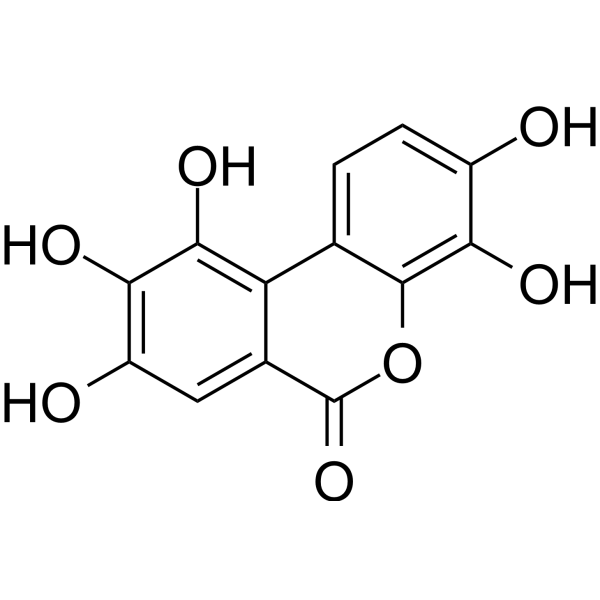
    Urolithin M5
    1 Publications Verification

    Decarboxyellagic acid

    Influenza Virus p38 MAPK EGFR Akt Reactive Oxygen Species (ROS) Apoptosis Infection Neurological Disease
    Urolithin M5 (Decarboxyellagic acid) is an orally active influenza virus neuraminidase inhibitor and neuroprotective agent, with IC50 values of 174.8 μM (HK68), 191.5 μM (pdm09), 243.2 μM (WSN) and 257.1 μM (PR8) against four influenza virus neuraminidases, respectively. Urolithin M5 inhibits viral neuraminidase activity, thereby blocking influenza virus replication (including oseltamivir (HY-13317)-resistant strains), protecting infected mammals from death and improving pulmonary edema. Urolithin M5 forms a hydrogen-bond stabilized complex with IGF1R, and binds to MAPK14, AKT1, NFKB1 and EGFR. Urolithin M5 reduces reactive oxygen species production, inhibits neuronal apoptosis, restores mitochondrial transmembrane potential, and promotes neurite outgrowth of damaged neuronal cells. Urolithin M5 can be used in research related to influenza virus infection and Alzheimer's disease .
    Urolithin M5
  • HY-N2414
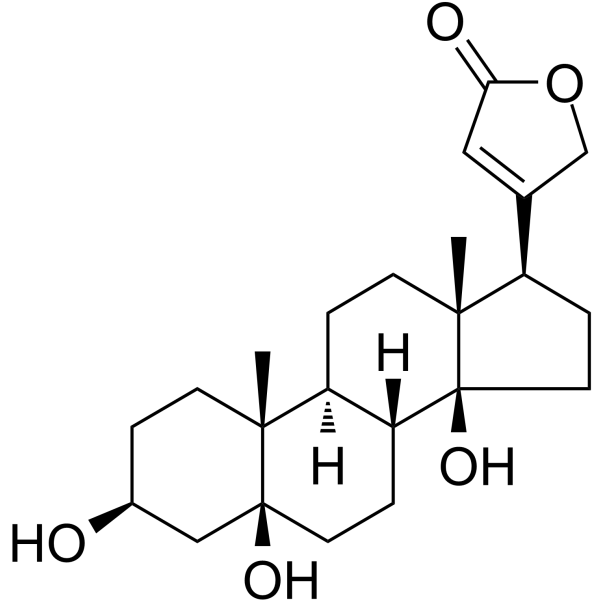
    Periplogenin
    1 Publications Verification

    Reactive Oxygen Species (ROS) Necroptosis Pyroptosis Interleukin Related Caspase NOD-like Receptor (NLR) Neurological Disease Inflammation/Immunology Cancer
    Periplogenin is an orally active cardiac glycoside found in Cortex periplocae. Periplogenin can induce ROS production and necroptosis and cause G0/G1 phase arrest. Periplogenin can inhibit pyroptosis by regulating the NLRP3/Caspase-1/GSDMD signaling. Periplogenin suppresses growth of prostate carcinoma cells by docking to an ATP1A1 protein pocket and forming a hydrogen bond with T804. Periplogenin can be used for the researches of cancer, inflammation and immunology, such as prostate carcinoma, rheumatoid arthritis and psoriasis .
    Periplogenin
  • HY-112624J

    Dextran 4; Dextran D4; Dextran T4(MW 3200-4800)

    Bacterial Others
    Dextran 4,000 is a mucus rheology modifier. The dextran molecules in Dextran 4,000 can reduce the cross-link density of mucus through osmotic effects and hydrogen bond substitution, and reduce viscoelasticity and improve the mucociliary/cough clearance index by destroying the DNA-mucin network structure in mucus. Dextran 4,000 has the ability to improve the rheological properties and clearance ability of cystic fibrosis (CF) sputum, and can be used in the study of inhalation therapy or aerosol delivery of mucostatic respiratory diseases. The Dextran series of compounds are also natural polysaccharide drug carriers that can be connected to drugs through covalent bonding methods such as ester bonds, amide bonds or click chemistry, or self-assembled to form carriers such as nanoparticles and hydrogels. Dextran is biodegradable and biocompatible, and can achieve targeted delivery and controlled release of drugs. Dextran derivatives can prolong the half-life of drugs, increase local concentrations, and reduce the activity of immune clearance .
    Dextran T4 (MW 4,000)
  • HY-154659

    Biochemical Assay Reagents Others
    Polycarbophil is an orally active hydrophilic polymer. Polycarbophil achieves bioadhesion through hydrogen bonding between carboxyl groups and mucosal surfaces, and prolongs compound retention time and regulates compound release through swelling properties. Polycarbophil relieves constipation and diarrhea .
    Polycarbophil
  • HY-151108
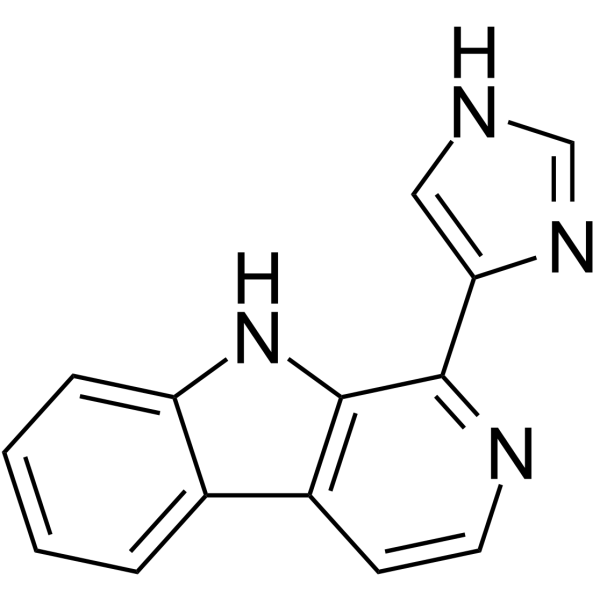
    IDO1/TDO-IN-4
    1 Publications Verification

    Indoleamine 2,3-Dioxygenase (IDO) Neurological Disease Inflammation/Immunology
    IDO1/TDO-IN-4 is a potent IDO1/TDO dual inhibitor, with IC50 values of 3.53 μM (IDO1) and 1.15 μM (TDO). IDO1/TDO-IN-4 forms hydrogen bond with IDO1, and π−π stacking interaction with TDO. IDO1/TDO-IN-4 can be used in the research of depression, and depression-induced infectious, metabolic, and autoimmune disorders .
    IDO1/TDO-IN-4
  • HY-W127776

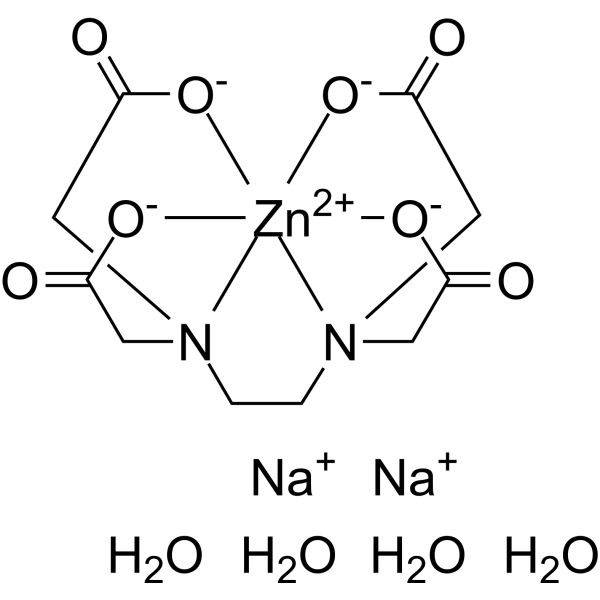
    Ethylenediaminetetraacetic acid zinc disodium tetrahydrate

    Biochemical Assay Reagents Others
    Zn(II)-EDTA (Ethylenediaminetetraacetic acid zinc) disodium tetrahydrate is a coordinating agent. Zn(II)-EDTA disodium tetrahydrate coordinates with Zn 2+ to modify its solvated structure, provides pre-synthesized EDTA-Zn complexes that release Zn 2+ to repair zinc anode defects under interfacial electric field, adsorbs onto zinc anode surface to block oxygen and water molecules, inhibits corrosion and hydrogen evolution reactions, promotes uniform Zn 2+ deposition, suppresses zinc dendrite formation, and modulates the hydrogen bonding network within the electrolyte. Zn(II)-EDTA disodium tetrahydrate acts as an electrolyte additive to enhance reversibility and stability of zinc anodes in aqueous zinc-ion batteries .
    Zn(Ⅱ)-EDTA disodium tetrahydrate
  • HY-76440

    Oxetan-3-one

    Biochemical Assay Reagents Others
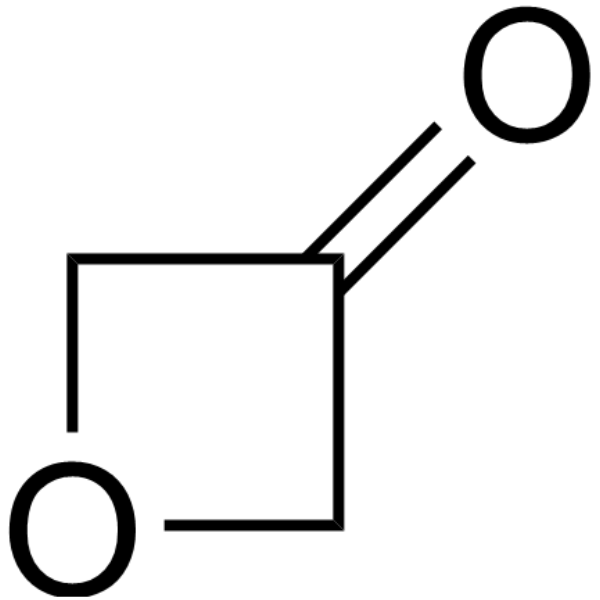
    3-Oxetanone (Oxetan-3-one) is a four-membered cyclic ketone and strained cyclic ether derivative with measurable molecular g-value, magnetic susceptibility anisotropy and molecular quadrupole moment. 3-Oxetanone acts not only as a hydrogen bond acceptor, a tetrel donor and a weak hydrogen bond acceptor, but also forms a classic O-H···O hydrogen bond with H2O via the ether oxygen atom. Alternatively, it forms a C···O tetrel bond with formaldehyde using its carbonyl group as a tetrel donor, while acting as a proton acceptor to form a C-H···O weak hydrogen bond with formaldehyde. 3-Oxetanone can be used to prepare various oxetanes .
    3-Oxetanone
  • HY-N0913
    Manninotriose
    1 Publications Verification

    Antifolate Thymidylate Synthase Cancer
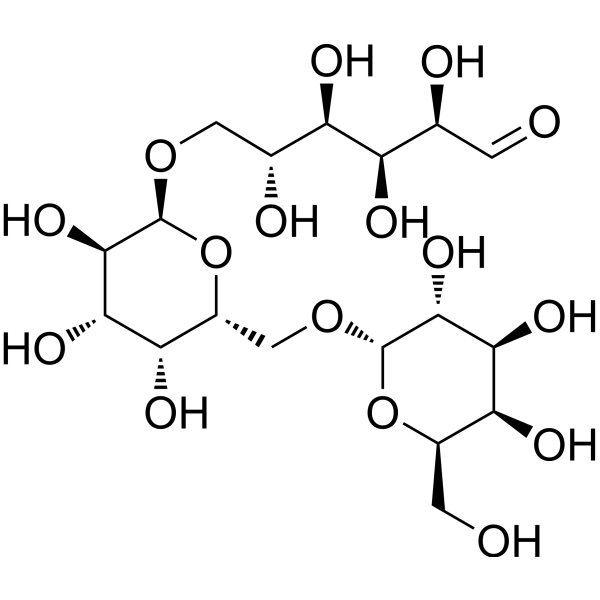
    Manninotriose is a binder of dihydrofolate reductase and thymidylate synthase. Manninotriose binds to dihydrofolate reductase via hydrogen bond formation with Arg28. Manninotriose binds to thymidylate synthase via hydrogen bond formation with Arg50. Manninotriose acts as a membrane protectant and helps improve stress tolerance. Manninotriose can be used in research related to acute lymphoblastic leukemia .
    Manninotriose
  • HY-121930

    Fluorescent Dye Inflammation/Immunology
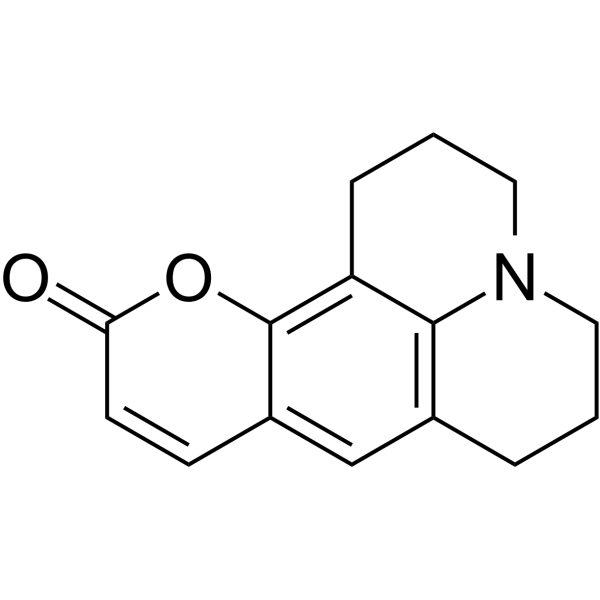
    Coumarin 6H, a Coumarin (HY-N0709) derivative, is a laser dye. The fluorescence emission of Coumarin 6H can be enhanced by hydrogen bonding interactions .
    Coumarin 6H
  • HY-107207
    Kaempferol 3-neohesperidoside
    3 Publications Verification

    Kaempferol 3-O-neohesperidoside

    Insulin Receptor PI3K PKC Metabolic Disease
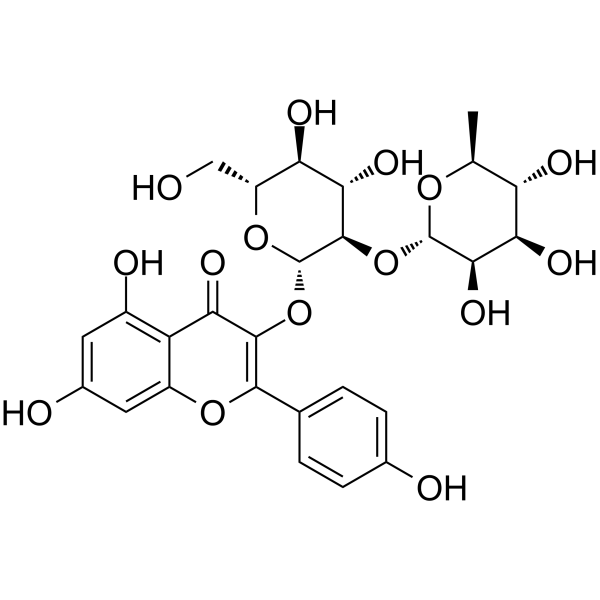
    Kaempferol 3-neohesperidoside (Kaempferol 3-O-neohesperidoside) is a flavonoid. Kaempferol 3-neohesperidoside mimics insulin action via the PI3K/PKC pathway, significantly promoting glucose uptake and increasing muscle glycogen content in rat soleus muscles. Kaempferol 3-neohesperidoside also exhibits anti-glycation activity. Kaempferol 3-neohesperidoside binds to albumin through hydrogen bonding and hydrophobic interactions, and inhibits the formation of advanced glycation end products. Kaempferol 3-neohesperidoside can be used in studies of diabetes and its related complications .
    Kaempferol 3-neohesperidoside
  • HY-177063

    Interleukin Related Infection Inflammation/Immunology
    IL-6-IN-2 is an interleukin-6 (IL-6) inhibitor. IL-6-IN-2 binds to IL-6 at Lys66, Phe74, Gln175, Ser176, and Arg179 via π-π, π-alkyl, hydrogen bond, and hydrophobic interactions to block IL-6/IL-6R heterocomplex formation. IL-6-IN-2 exhibits low gastrointestinal absorption rate. IL-6-IN-2 can be used for the research of cytokine release syndrome, covid-19 .
    IL-6-IN-2
  • HY-172997

    iGluR Neurological Disease
    GluN1/3A-IN-1 (Compound GM-10) is a GluN1/GluN3A NMDA receptor inhibitor. GluN1/3A-IN-1 exhibits potent inhibitory activity against GluN1/GluN3A (IC50: 0.98 µM). GluN1/3A-IN-1 exerts its inhibitory effect by targeting the pre-M1 region and forming hydrogen bond interactions with key residues. GluN1/3A-IN-1 can be used to study GluN1/GluN3A-related neurological diseases .
    GluN1/3A-IN-1
  • HY-136276

    Amino Acid Derivatives Others
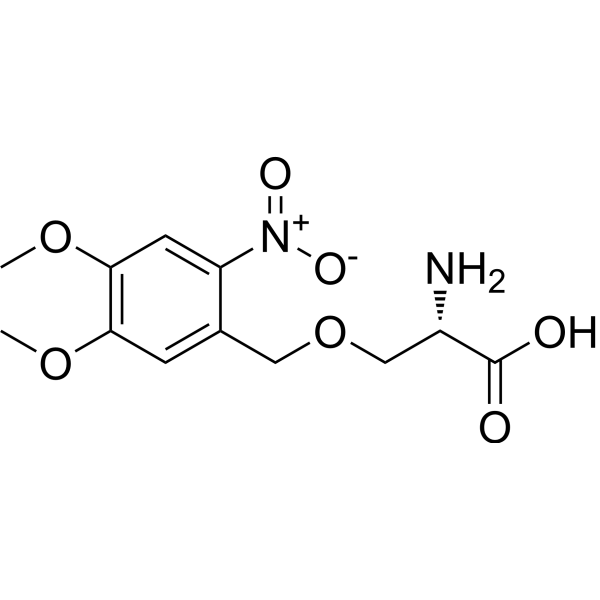
    DMNB-caged-Serine is a photocaged amino acid. DMNB-caged-Serine can be used as a catalytic residue, hydrogen bonding partner or site of post-translational modification. DMNB-caged-Serine can be used for the control of protein phosphorylation .
    DMNB-caged-Serine
  • HY-W013330

    Guanosine, 3'-deoxy-

    Nucleoside Antimetabolite/Analog Drug Derivative Metabolic Disease
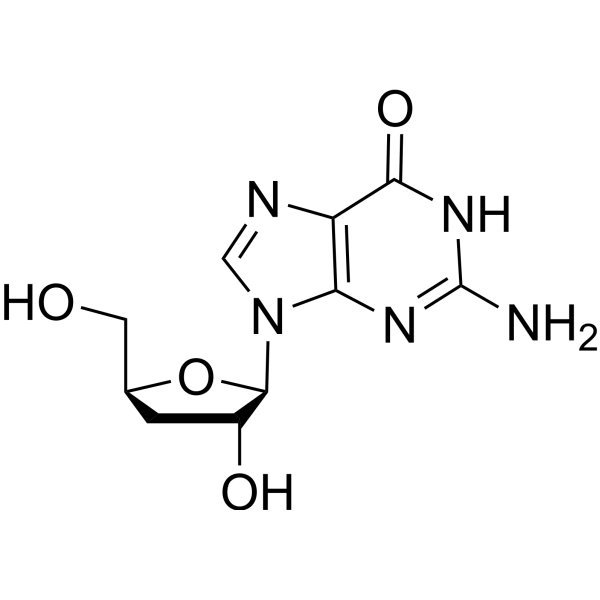
    3′-Deoxyguanosine (Guanosine, 3'-deoxy-) is a derivative of Guanosine (HY-N0097). 3′-Deoxyguanosine interacts with human purine nucleoside phosphorylase via hydrogen bonding with residues such as Glu201 and Asn243. 3′-Deoxyguanosine exhibits moderate displacement activity for [ 3H]-guanosine in rat meninges. 3′-Deoxyguanosine is useful for studying the mechanism of guanosine receptors and purine metabolism .
    3′-Deoxyguanosine
  • HY-N4031

    Anaplastic lymphoma kinase (ALK) METTL3 Inflammation/Immunology
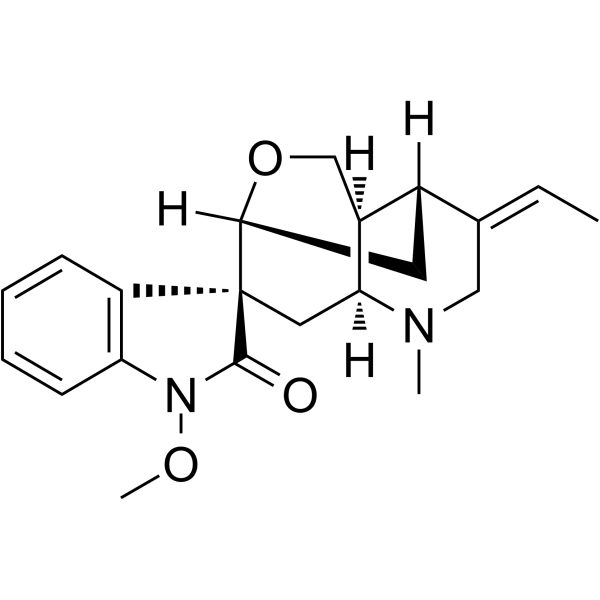
    Humantenine is a highly toxic indole alkaloid from Gelsemium elegans (Gardn. & Champ.) Benth. that binds to RNA m6A modification regulatory proteins (ALKBH5, METTL). Humantenine stably binds via hydrogen bonding and hydrophobic interactions and disrupts the m6A methylation level of target genes, thereby impairing the expression of intestinal epithelial cell tight junction and cytoskeleton-related genes, causing intestinal barrier dysfunction and significant intestinal cytotoxicity. The intraperitoneal injection LD50 values of Humantenine are <1 mg/kg in mice, 1.2 mg/kg in male rats and 1.5 mg/kg in female rats, respectively. Species differences exist in the metabolism of Humantenine in human, porcine, goat and rat liver microsomes, and demethylation, dehydrogenation and oxidation occur in liver microsomes .
    Humantenine
  • HY-176892

    Src Neurological Disease
    Papaveroline is an orally active Fyn tyrosine kinase inhibitor. Papaveroline stably binds to the active site of Fyn tyrosine kinase via hydrogen bonding and hydrophobic interactions, thereby inhibiting kinase activity associated with the pathogenesis of Alzheimer's disease. Papaveroline can be used for the research of Alzheimer's disease .
    Papaveroline
  • HY-150682

    Factor Xa Cardiovascular Disease
    FXIa-IN-9 (compound 3f) is a potent and selective FXIa inhibitor. FXIa-IN-9 can bind with FXIa and form hydrogen bond (human FXIa Ki: 0.17 nM, rabbit FXIa Ki: 0.5 nM). FXIa-IN-9 also has anticoagulant activity, and can be used in the research of thromboembolic diseases such as atrial fibrillation, stroke, myocardial infarction, deep vein thrombosis, and pulmonary embolism .
    FXIa-IN-9
  • HY-167920

    S-Sulfoglutathione

    Endogenous Metabolite Cancer
    Glutathione sulfonate (S-Sulfoglutathione) is a multifunctional bioactive compound that inhibits angiogenesis and tumor growth. Glutathione sulfonate is a competitive inhibitor of glutathione S-transferase and is involved in the detoxification process and the binding of a variety of exogenous and endogenous compounds. Glutathione sulfonate acts in the substrate binding site of Escherichia coli glutathione S-transferase, affecting the catalytic mechanism. The structural characteristics of Glutathione sulfonate contribute to its inhibitory effect by hydrogen bonding in the active center of the enzyme .
    Glutathione sulfonate
  • HY-W016568

    Endogenous Metabolite Others
    Isoxanthopterin is a heterocyclic compound belonging to the pteridine family and its activity is mainly reflected in its optical properties. Isoxanthopterin can form a reflective layer in the eyes of animals, enhancing visual function. The main regulatory mechanism of isoxanthopterin involves its ability to form a crystalline structure within organisms, which achieves a high refractive index through specific hydrogen bonding patterns and molecular arrangements. Isoxanthopterin can be used for research in materials science and optical engineering .
    Isoxanthopterin
  • HY-P5963

    Interleukin Related Inflammation/Immunology
    Lib2-1, a macrocyclic peptide, is an IL-17C/IL-17RE interaction inhibitor. Lib2-1 can be used for autoimmune and inflammatory diseases research .
    Lib2-1
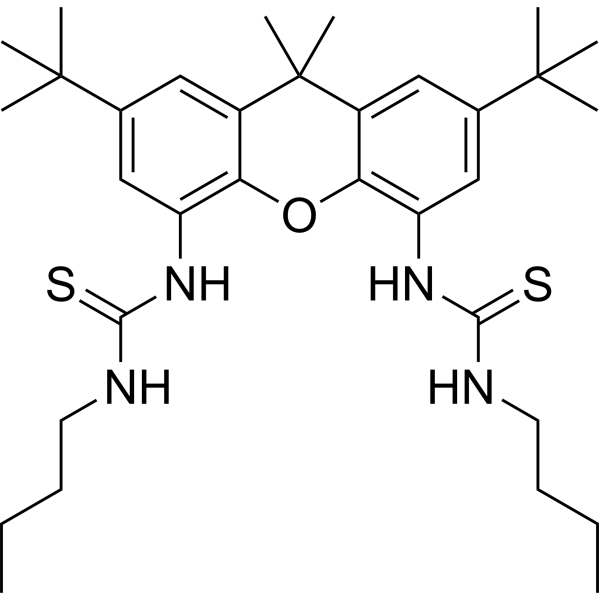
  • HY-D1896

    Fluorescent Dye Others
    Chloride Ionophore IV is a thiourea type hydrogen bonding-based receptor. Chloride Ionophore IV is a chloride ionophore .
    Chloride Ionophore IV
  • HY-162470

    Aurora Kinase Cancer
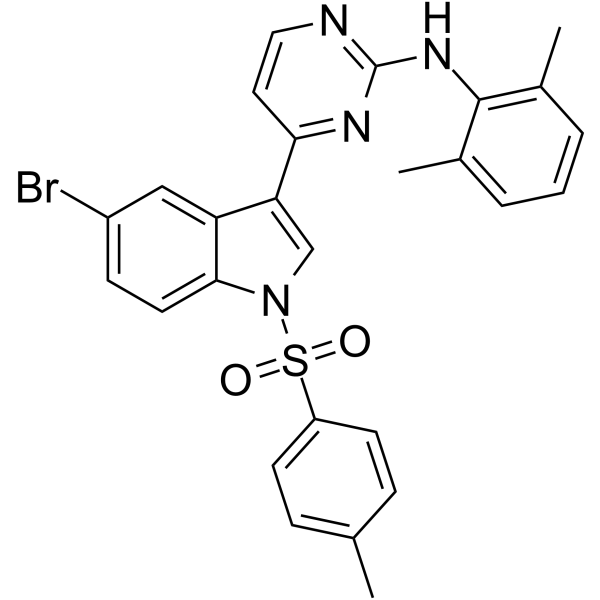
    DBPR728 is an acyl prodrug of 6K465 that carries fewer hydrogen bond donors. 6K465 acts as an Aurora kinase inhibitor that destabilizes MYC family cancer proteins and has antitumor efficacy. DBPR728 has the potential to inhibit cancers that overexpress C-MYC and N-MYC, with a 10-fold increase in oral bioavailability compared to 6K465 .
    DBPR728
  • HY-W021016

    (S,S)-Ph-BPE

    Biochemical Assay Reagents Others
    (+)-1,2-Bis ((2S,5S)-2,5-diphenylphospholano)ethane ((S,S)-Ph-BPE) is a chiral bisphosphine ligand and catalyst. (+)-1,2-Bis ((2S,5S)-2,5-diphenylphospholano)ethane acts as a chiral ligand in rhodium-catalyzed reductive hydroformylation of alkenyl boronic esters, enabling enantiodivergent synthesis of chiral γ-boryl alcohols. (+)-1,2-Bis ((2S,5S)-2,5-diphenylphospholano)ethane forms chiral nickel-phosphine complexes to mediate asymmetric hydrogenation of aliphatic γ- and δ-keto acids; protons promote substrate C=O bond activation and stereoselectivity control via hydrogen bonding. (+)-1,2-Bis ((2S,5S)-2,5-diphenylphospholano)ethane forms a monodentate nickel complex, which serves as the active species for asymmetric hydrogenation of aliphatic keto acids .
    (+)-1,2-Bis((2S,5S)-2,5-diphenylphospholano)ethane
  • HY-P10563

    BHV-1100

    CD38 Cancer
    Noraramtide (BHV-1100) is an antibody recruitment molecule. Noraramtide can specifically bind to CD38 molecules to recruit natural killer (NK) cells. Noraramtide enhances the ability of NK cells to kill tumor cells through antibody-dependent cellular cytotoxicity (ADCC). This mechanism allows NK cells to more effectively recognize and eliminate tumor cells while avoiding mutual killing between NK cells. Noraramtide can be used for the study of autologous cancer immunity .
    Noraramtide
  • HY-77826

    Epigenetic Reader Domain Cancer
    4-Chloro-N-methylpicolinamide (Compound 3) is a BAZ2A bromodomain inhibitor with a Kd of >500 μM. 4-Chloro-N-methylpicolinamide forms a weak hydrogen bond with the carbonyl oxygen of Pro1817. 4-Chloro-N-methylpicolinamide can be used in the research of invasive prostate cancer .
    4-Chloro-N-methylpicolinamide
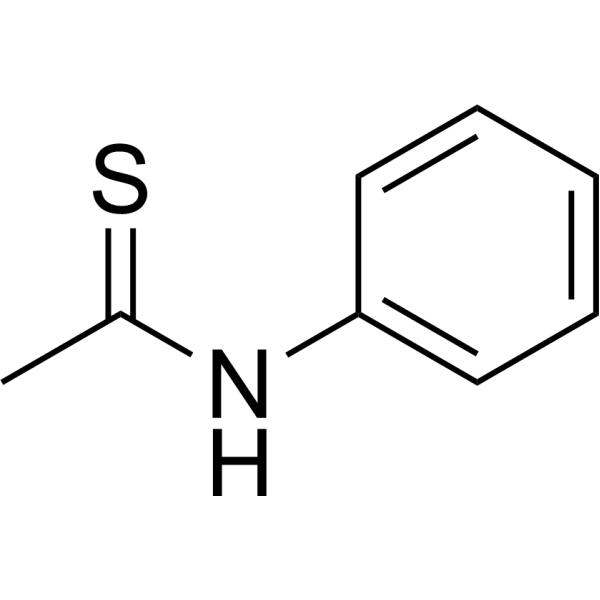
  • HY-129756

    N-Phenylthioacetamide

    Biochemical Assay Reagents Metabolic Disease
    Thioacetanilide (N-Phenylthioacetamide) is a sulfur-containing thioamide derivative of acetanilide. Thioacetanilide displays a solvent‑dependent Z/E isomeric distribution, preferring the E conformation in polar hydrogen‑bonding solvents and the Z conformation in halogenated solvents. Thioacetanilide serves as a substrate for metabolic desulfurization and aromatic hydroxylation. Thioacetanilide is mainly metabolized via desulfurization and 4‑hydroxylation of the aromatic ring in Rattus norvegicus, and the released sulfur integrates into the total body sulfur pool. Thioacetanilide is well absorbed in rats, and more than 90% of the dose is excreted in urine as conjugated metabolites after oral administration .
    Thioacetanilide
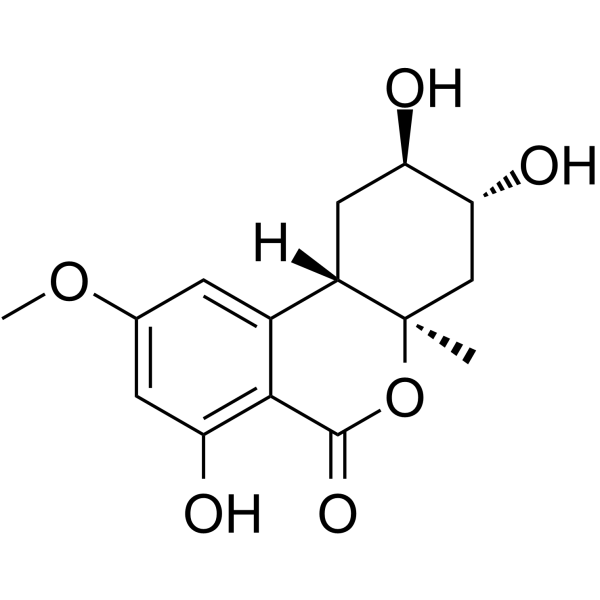
  • HY-N10219

    Tyrosinase Fungal Infection
    Dihydroaltenuene B is a potent mushroom tyrosinase inhibitor with an IC50 of 38.33 µM. Dihydroaltenuene B shows the hydrogen bonding interactions between the 3-OH and 4’-OH and the His244, Met280 and Gly281 residues of tyrosinase .
    Dihydroaltenuene B
  • HY-150577

    HDAC Cancer
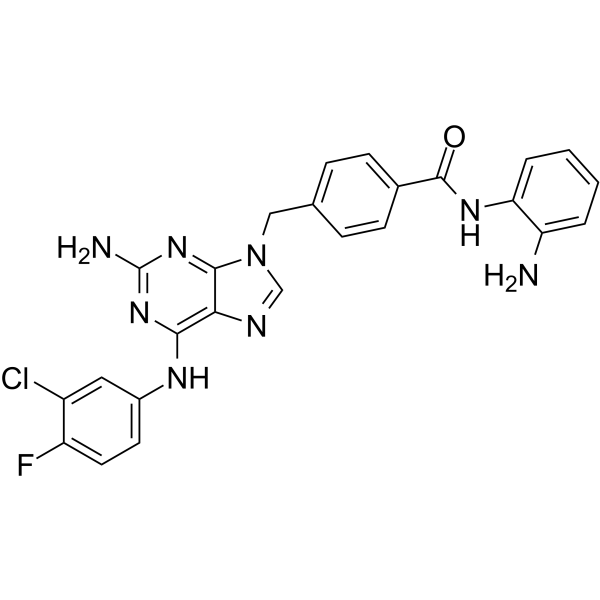
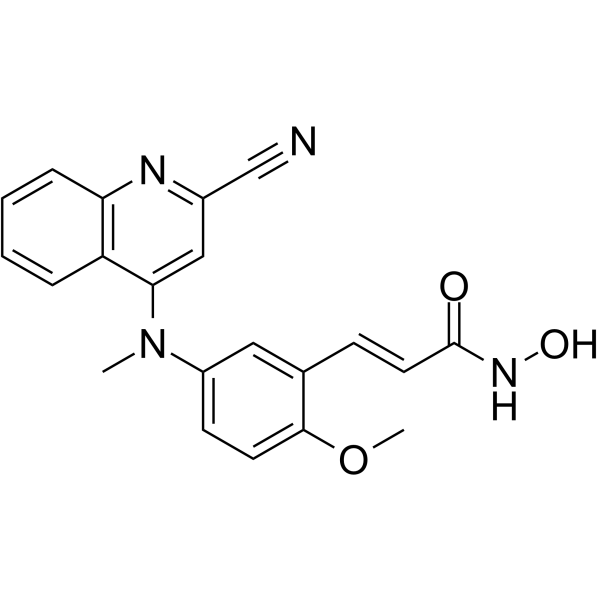
    HDAC-IN-45 (Compound 14) is a small molecule HDAC inhibitor and has anticancer activity, also can forms a hydrogen bond with residue Y303. HDAC-IN-45 (Compound 14) has substantial inhibitory effects towards HDAC1, 2 and 3 isoforms with IC50 values of 0.108, 0.585 and 0.563 μM respectively .
    HDAC-IN-45
  • HY-121125

    Others Others
    Aucubigenin, the aglycone of the iridoid glycoside aucubin, has been characterized through X-ray diffraction analysis. Its crystal structure reveals monoclinic symmetry with specific conformations adopted by its cyclopentane and pyran rings. The study also determined the absolute configurations of both aucubin and aucubigenin. Significant O-H O hydrogen bonding interactions were observed in the crystal lattices of both compounds, highlighting their structural stability and potential for intermolecular interactions .
    Aucubigenin
  • HY-150579

    Keap1-Nrf2 Inflammation/Immunology Cancer
    Keap1-Nrf2-IN-13 is a Keap1-Nrf2 protein–protein interaction (PPI) inhibitor with an IC50 value of 0.15 μM. Keap1-Nrf2-IN-13 has strong binding affinities to the Keap1 protein by forming hydrogen bond with the key polar residues (Asn414, Arg415, Arg483, Gln530). Keap1-Nrf2-IN-13 can be used in the research of oxidative stress-related and inflammatory diseases, including pulmonary fibrosis, chronic obstructive pulmonary disorder (COPD) and cancers .
    Keap1-Nrf2-IN-13
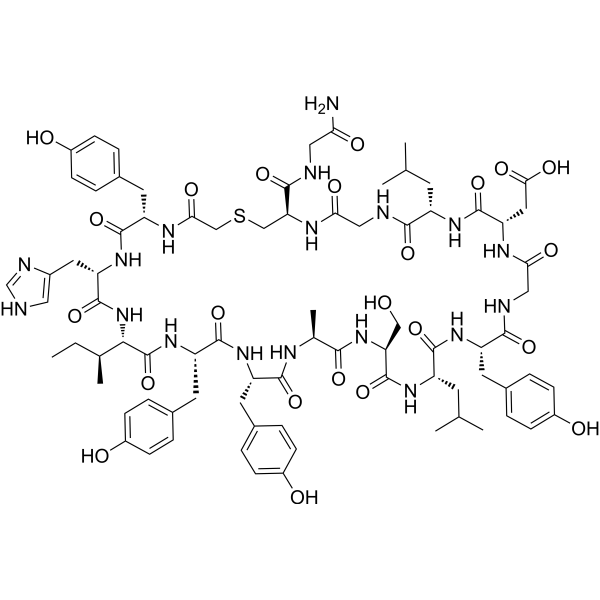
  • HY-P5984

    mTOR Others
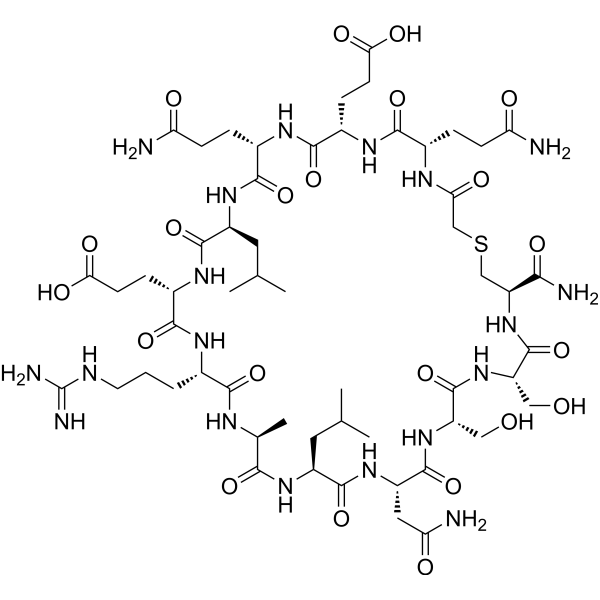
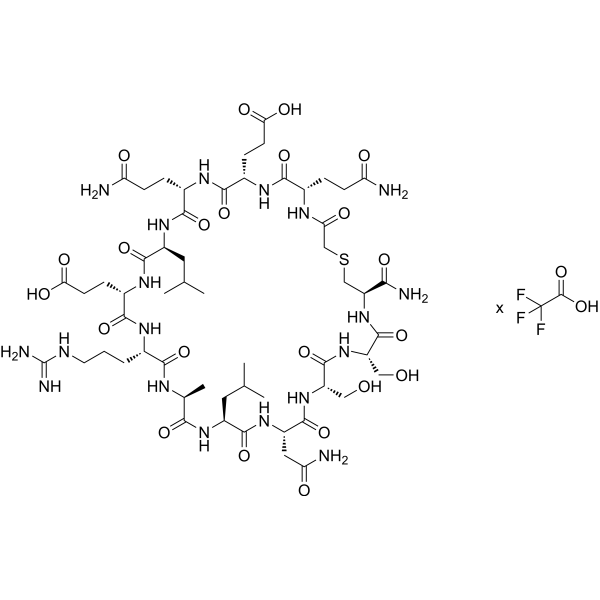
    Thioether-cyclized helix B peptide, CHBP can improve metabolic stability and renoprotective effect through inducing autophagy via inhibition of mTORC1 and activation of mTORC2 .
    Thioether-cyclized helix B peptide, CHBP
  • HY-143261

    GSK-3 Metabolic Disease Inflammation/Immunology Cancer
    GSK-3β inhibitor 7 is a GSK-3β inhibitor with an IC50 value of 5.25 μM. GSK-3β inhibitor 7 is inserted into the ATP-binding binding pocket of GSK-3β and forms hydrogen-bond. GSK-3β inhibitor 7 shows high hepatocyte glucose uptake (83.5%), and can be used in the research of numerous diseases like diabetes, inflammation, cancer, Alzheimer's disease, and bipolar disorder .
    GSK-3β inhibitor 7
  • HY-126056

    Resorcinol monoethyl ether

    Biochemical Assay Reagents Others
    3-Ethoxyphenol (Resorcinol monoethyl ether) is a phosphine ligand that can be used to evaluate the hydrogen bond acceptor ability of solutes .
    3-Ethoxyphenol
  • HY-163346

    Biochemical Assay Reagents Metabolic Disease
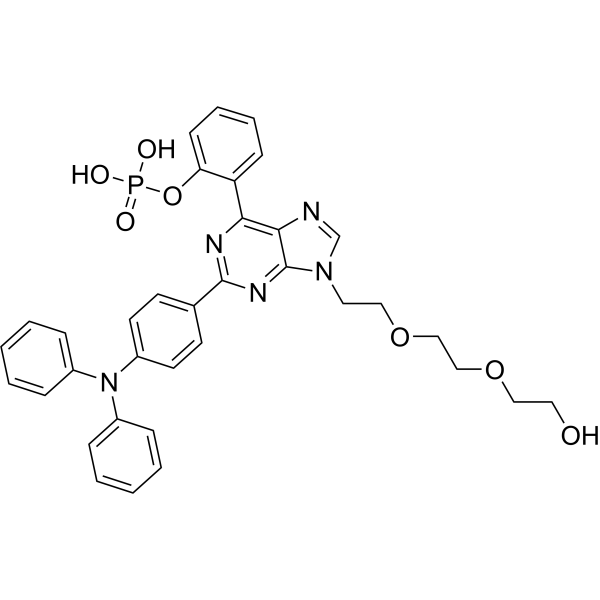
    TPEG-P is an enzyme-activated intramolecular hydrogen bond (IMHB) enhanced probe, developed for ALP detection in cells and mice models of DILI .
    TPEG-P
  • HY-161912

    JAK Others
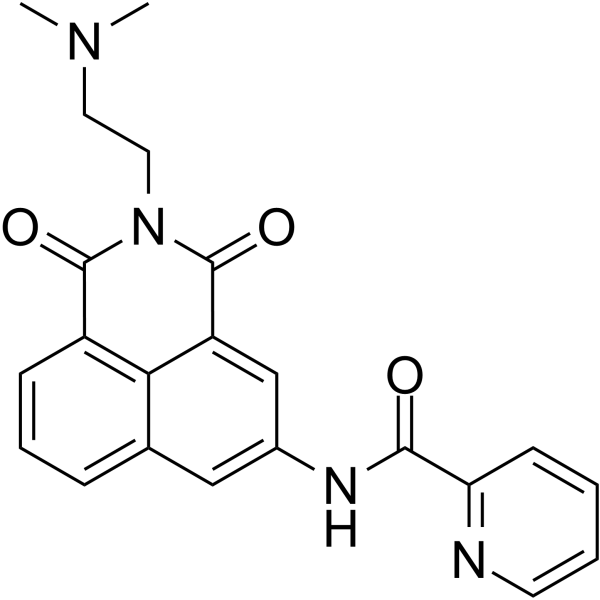
    5TTU is a covalent JAK3 inhibitor. 5TTU not only forms a covalent bond with CYS909 but also establishes a hydrogen bond with the NH group of CYS909 .
    5TTU
  • HY-156405

    Fat Mass and Obesity-associated Protein (FTO) Autophagy Metabolic Disease
    FTO-IN-10 (compound 7) is a potent human demethylase FTO (the fat mass and obesity-associated protein) inhibitor with an IC50 of 4.5 μM. FTO-IN-10 enters the FTO’s structural domain II binding pocket through hydrophobic and hydrogen bonding interactions. FTO-IN-10 induces DNA damage and autophagic cell death in A549 cells .
    FTO-IN-10
  • HY-146218

    MMP Akt Apoptosis Cancer
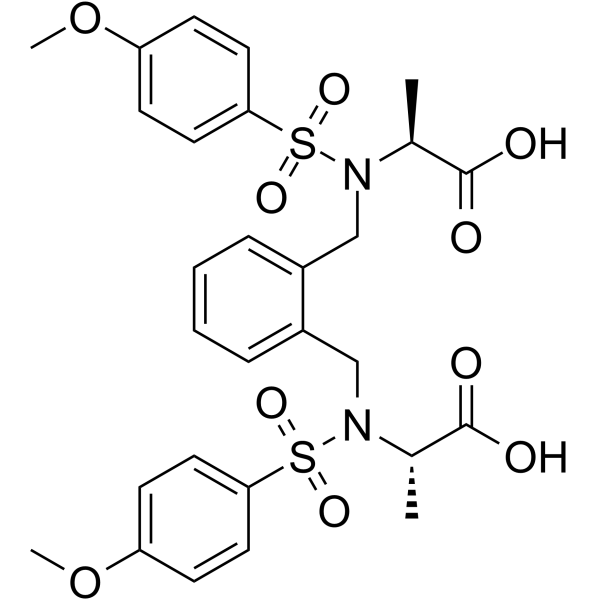
    MMP-9-IN-5 is a MMP-9 inhibitor (IC50: 4.49 nM) that forms hydrogen bond with MMP-9. MMP-9-IN-5 also inhibits AKT activity (IC50: 1.34 nM). MMP-9-IN-5 shows cell cytotoxicity and induces cell apoptosis. MMP-9-IN-5 can be used in the research of cancers .
    MMP-9-IN-5
  • HY-146216

    MMP Akt Apoptosis Cancer
    MMP-9-IN-3 is a MMP-9 inhibitor (IC50: 5.56 nM) that forms hydrogen bond with MMP-9. MMP-9-IN-3 also inhibits AKT activity (IC50: 2.11 nM). MMP-9-IN-3 shows cell cytotoxicity and induces cell apoptosis. MMP-9-IN-3 can be used in the research of cancers .
    MMP-9-IN-3
  • HY-150772

    Microtubule/Tubulin HDAC Apoptosis Mitochondrial Metabolism Cancer
    Tubulin/HDAC-IN-1 is a dual tubulin and HDAC-IN-1 inhibitor through CH/π interaction with tubulin and hydrogen bond interaction with HDAC8. Tubulin/HDAC-IN-1 inhibits tubulin polymerization and selectively inhibits HDAC8 (IC50: 150 nM). Tubulin/HDAC-IN-1 has cytotoxicity against various human cancer cells, also arrests cell cycle in the G2/M phase and induces cell apoptosis. Tubulin/HDAC-IN-1 can be used in the research of hematologic and solid tumors such as neuroblastoma, leukemia .
    Tubulin/HDAC-IN-1
  • HY-136679

    GSK-3 Neurological Disease Metabolic Disease
    TD114-2 (cmpound 29) is a potent and highly selective inhibitor of glycogen synthase kinase-3β (GSK-3β) (IC50=48 nM). TD114-2 is associated with the hydrogen bond formation of arginine 141 (ARG141) specific to GSK-3β, an amino acid that is often a negatively charged residue in other kinases, which determines the high selectivity of GSK-3β. TD114-2 can be used in the study of diabetes, neurodegenerative diseases and other diseases associated with GSK-3β .
    TD114-2
  • HY-N2414R

    Reference Standards Reactive Oxygen Species (ROS) Necroptosis Pyroptosis Interleukin Related Caspase NOD-like Receptor (NLR) Inflammation/Immunology Cancer
    Periplogenin (Standard) is the analytical standard of Periplogenin (HY-N2414). Periplogenin is an orally active cardiac glycoside found in Cortex periplocae. Periplogenin can induce ROS production and necroptosis and cause G0/G1 phase arrest. Periplogenin can inhibit pyroptosis by regulating the NLRP3/Caspase-1/GSDMD signaling. Periplogenin suppresses growth of prostate carcinoma cells by docking to an ATP1A1 protein pocket and forming a hydrogen bond with T804. Periplogenin can be used for the researches of cancer, inflammation and immunology, such as prostate carcinoma, rheumatoid arthritis and psoriasis .
    Periplogenin (Standard)
  • HY-107207R

    Kaempferol 3-O-neohesperidoside (Standard)

    Reference Standards Others Metabolic Disease
    Kaempferol 3-neohesperidoside (Kaempferol 3-O-neohesperidoside) Standard is the analytical standard of Kaempferol 3-neohesperidoside (HY-107207). This product is intended for research and analytical applications. Kaempferol 3-neohesperidoside (Kaempferol 3-O-neohesperidoside) is a flavonoid. Kaempferol 3-neohesperidoside mimics insulin action via the PI3K/PKC pathway, significantly promoting glucose uptake and increasing muscle glycogen content in rat soleus muscles. Kaempferol 3-neohesperidoside also exhibits anti-glycation activity. Kaempferol 3-neohesperidoside binds to albumin through hydrogen bonding and hydrophobic interactions, and inhibits the formation of advanced glycation end products. Kaempferol 3-neohesperidoside can be used in studies of diabetes and its related complications .
    Kaempferol 3-neohesperidoside (Standard)
  • HY-P5984A

    mTOR Others
    Thioether-cyclized helix B peptide, CHBP (TFA) is the TFA form of Thioether-cyclized helix B peptide, CHBP (HY-P5984). Thioether-cyclized helix B peptide, CHBP (TFA) can improve metabolic stability and renoprotective effect through inducing autophagy via inhibition of mTORC1 and activation of mTORC2 .
    Thioether-cyclized helix B peptide, CHBP TFA
  • HY-182346

    FBPase Metabolic Disease
    FBPase-IN-7 is a fructose-1,6-bisphosphatase (FBPase) inhibitor with an IC50 of 0.75 μM. FBPase-IN-7 binds to a cryptic allosteric pocket of FBPase, induces conformational rearrangement of key residues, forms a hydrogen-bond network, and disrupts substrate catalysis. FBPase-IN-7 confirms cellular stabilizes HuFBPase in hepatic cells. FBPase-IN-7 has hypoglycemic activity. FBPase-IN-7 can be used for the research of type 2 diabetes .
    FBPase-IN-7
  • HY-W020018

    Biochemical Assay Reagents Others
    N-Methylacetamide is a hydrogen bond-forming agent that mimics the intermolecular interactions of intrinsically disordered proteins. N-Methylacetamide is used to investigate the hydration properties of peptide bonds, peptide bond-water interactions, and the aggregation of intrinsically disordered proteins .
    N-Methylacetamide
  • HY-W699809

    Resorcinol monoethyl ether-d5

    Isotope-Labeled Compounds Biochemical Assay Reagents Others
    3-Ethoxyphenol-d5 (Resorcinol monoethyl ether-d5) is the deuterium labeled 3-Ethoxyphenol. 3-Ethoxyphenol (Resorcinol monoethyl ether) is a phosphine ligand that can be used to evaluate the hydrogen bond acceptor ability of solutes .
    3-Ethoxyphenol-d5
  • HY-176892A

    Src Neurological Disease
    Papaveroline hydrochloride is an orally active Fyn tyrosine kinase inhibitor. Papaveroline hydrochloride stably binds to the active site of Fyn tyrosine kinase via hydrogen bonding and hydrophobic interactions, thereby inhibiting kinase activity associated with the pathogenesis of Alzheimer's disease. Papaveroline hydrochloride can be used for the research of Alzheimer's disease .
    Papaveroline hydrochloride
  • HY-181705

    PROTACs Glycosidase Metabolic Disease
    PROTAC RTA Degrader-1 (Compound 3A) is a ricin toxin A chain (RTA) PROTAC degrader. PROTAC RTA Degrader-1 forms stable ternary complexes, maintains sustained hydrogen bonding interactions, and exhibits distinct interaction energy. PROTAC RTA Degrader-1 is applicable to research related to ricin toxin poisoning .
    PROTAC RTA Degrader-1
  • HY-181779

    Bacterial Infection
    Pyridomycin-4-F, Pyridomycin (HY-111402) derivative, is an antimycobacterial agent targeting fatty acid synthesis enzyme InhA (enoyl ACP reductase). Pyridomycin-4-F binds to the pyridomycin binding pocket of InhA, forms hydrogen bond interactions with Lys-165. Pyridomycin-4-F can be used for the research of tuberculosis .
    Pyridomycin-4-F
  • HY-N11721

    SOD Lipase Metabolic Disease
    5-Hydroxyaloin A is a polyphenolic antioxidant agent. 5-Hydroxyaloin A forms hydrogen bonding interactions at lipase’s active site and SOD’s active site with low binding energy. 5-Hydroxyaloin A inhibits microsomal lipid peroxidation induced by ferrous-cysteine, reducing malondialdehyde production. 5-Hydroxyaloin A can be used for the research of obesity .
    5-Hydroxyaloin A

Inquiry Online

Your information is safe with us. * Required Fields.

Salutation


Country or Region *

Applicant Name *


Organization Name *

Department *


Email Address *


Product Name *

Cat. No.


Requested quantity *

Phone Number *


Remarks

Inquiry Online

Inquiry Information

Product Name:
Cat. No.:
Quantity:
MCE Japan Authorized Agent: