



1. Search Result
Search Result
Pathways Recommended: Stem Cell/Wnt Cell Cycle/DNA Damage
Results for "

innate immune cell

" in MedChemExpress (MCE) Product Catalog:

75

Inhibitors & Agonists

6

Screening Libraries

2

Fluorescent Dyes

9

Biochemical Assay Reagents

10

Peptides

4

Inhibitory Antibodies

6

Natural
Products

4

Isotope-Labeled Compounds

15

Oligonucleotides

1

GMP Molecules

Cat. No. Product Name Target Research Areas Chemical Structure
  • HY-107202
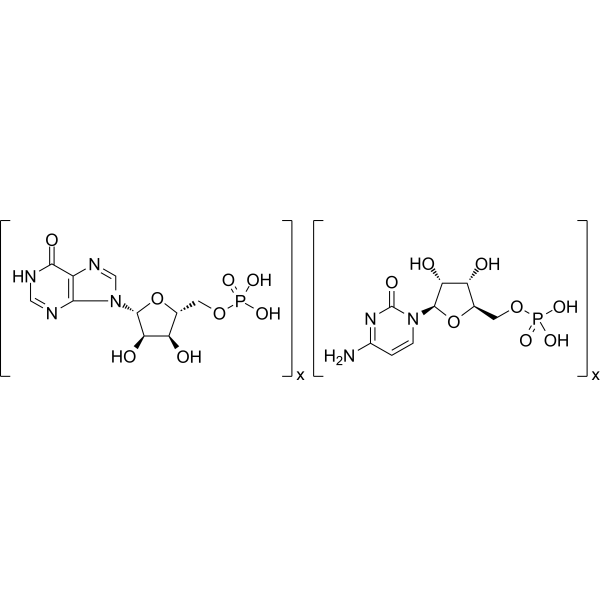
    Polyinosinic-polycytidylic acid
    60+ Cited Publications

    Poly(I:C)

    RIG-I-like receptor (RLR) Toll-like Receptor (TLR) PKD HSP Bcl-2 Family Interleukin Related Apoptosis Infection Inflammation/Immunology Cancer
    Polyinosinic-polycytidylic acid (Poly(I:C)) is a synthetic analog of double-stranded RNA and an agonist of toll-like receptor 3 (TLR3) and retinoic acid inducible gene I (RIG-I)-like receptors (RIG-I and MDA5). Polyinosinic-polycytidylic acid can be used as a vaccine adjuvant to enhance innate and adaptive immune responses, and to alter the tumor microenvironment. Polyinosinic-polycytidylic acid can directly trigger cancer cells to undergo apoptosis .
    Polyinosinic-polycytidylic acid
  • HY-135748
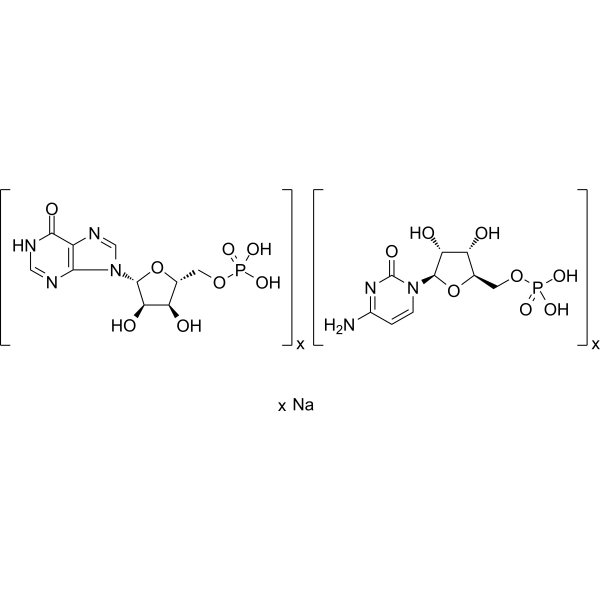
    Polyinosinic-polycytidylic acid sodium
    Maximum Cited Publications
    62 Publications Verification

    Poly(I:C) sodium

    RIG-I-like receptor (RLR) Toll-like Receptor (TLR) Apoptosis Inflammation/Immunology Cancer
    Polyinosinic-polycytidylic acid (Poly(I:C)) sodium is a synthetic analog of double-stranded RNA and an agonist of toll-like receptor 3 (TLR3) and retinoic acid inducible gene I (RIG-I)-like receptors (RIG-I and MDA5). Polyinosinic-polycytidylic acid sodium can be used as a vaccine adjuvant to enhance innate and adaptive immune responses, and to alter the tumor microenvironment. Polyinosinic-polycytidylic acid sodium can directly trigger cancer cells to undergo apoptosis .
    Polyinosinic-polycytidylic acid sodium
  • HY-N0305
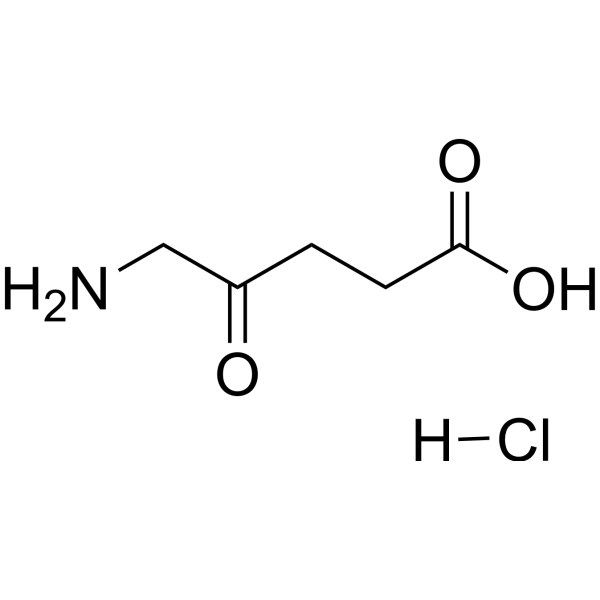
    5-Aminolevulinic acid hydrochloride
    Maximum Cited Publications
    20 Publications Verification

    5-ALA hydrochloride; δ-Aminolevulinic acid hydrochloride; 5-Amino-4-oxopentanoic acid hydrochloride

    Reactive Oxygen Species (ROS) Neurological Disease Metabolic Disease Inflammation/Immunology Cancer
    5-Aminolevulinic acid (5-ALA; δ-Aminolevulinic acid; 5-Amino-4-oxopentanoic acid) hydrochloride is an orally active heme precursor. 5-Aminolevulinic acid hydrochloride promotes aerobic energy metabolism and increases ATP levels by enhancing the activity of cytochrome c oxidase. 5-Aminolevulinic acid hydrochloride enhances LPS-induced proinflammatory cytokine production and gene activation, and restores the phagocytic activity and ROS generation capacity of neutrophils. 5-Aminolevulinic acid hydrochloride selectively accumulates protoporphyrin IX in tumor cells; as a photosensitizer and radiosensitizer, it induces ROS burst upon light or X-ray irradiation to inhibit tumor growth. 5-Aminolevulinic acid hydrochloride can be applied to the research of septic shock, melanoma, and cancer radiotherapy .
    5-Aminolevulinic acid hydrochloride
  • HY-146244
    Agatolimod
    1 Publications Verification

    ODN 2006; PF-3512676; CpG 7909; ODN 7909

    Toll-like Receptor (TLR) Bacterial NO Synthase Apoptosis Infection Cancer
    Agatolimod ((ODN 2006; PF-3512676; CpG 7909)) is a TLR9 agonist and immunomodulator with an EC50 of 180 nM against human TLR9. Agatolimod activates and upregulates the expression of both TLR9 and TLR6, and mediates downstream signaling pathways via IRAK4, IRF5, IRF7. Agatolimod induces Th1-type innate and adaptive immune responses, activates various immune cells and promotes antigen presentation, regulates antibody levels and immune cell infiltration, upregulates the secretion of multiple cytokines, induces apoptosis and cell cycle arrest, enhances cytotoxicity, and clears intracellular Salmonella. Agatolimod is applicable to research on COVID-19, breast cancer, lung adenocarcinoma, HPV-related tumors, melanoma, and salmonellosis .
    Agatolimod
  • HY-P10136
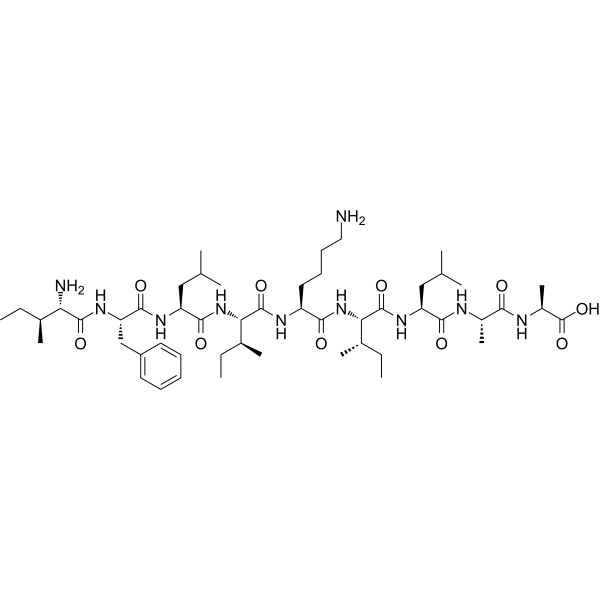
    IA9
    2 Publications Verification

    human TREM-2 182-190

    TREM receptor Inflammation/Immunology
    IA9 (human TREM-2 182-190) is a potent, CNS-penetrant TREM-2 inhibitor. IA9 can diminish the release of proinflammatory cytokines and suppress joint inflammation and damage in a Collagen (HY-P5003)-induced arthritis (CIA) mouse model. IA9 can be used for neuroinflammation PET imaging. IA9 can be used for Rheumatoid arthritis (RA) and neuroinflammation research .
    IA9
  • HY-153079

    mRNA Others
    eGFP mRNA (N1-Me-Pseudo UTP) will express green fluorescent protein, originally isolated from the jellyfish, Aequorea victoria. The eGFP is a commonly used direct detection reporter in mammalian cell culture, yielding bright green fluorescence. The substitution with N1-Me-Pseudo UTP (m1Ψ) improves protein expression and reduces innate immune response.
    eGFP mRNA (N1-Me-Pseudo UTP)
  • HY-P99044
    Sabatolimab
    1 Publications Verification

    MBG453

    Tim3 Inflammation/Immunology
    Sabatolimab (MBG453) is a high-affinity, humanized, IgG4 (S228P) antibody targeting TIM-3, an inhibitory receptor that regulates adaptive and innate immune responses. Sabatolimab is a potential immunosuppression agent that can target TIM-3 on immune and myeloid cells .
    Sabatolimab
  • HY-147295

    BTH 1677; Imprime PGG

    Toll-like Receptor (TLR) Inflammation/Immunology Cancer
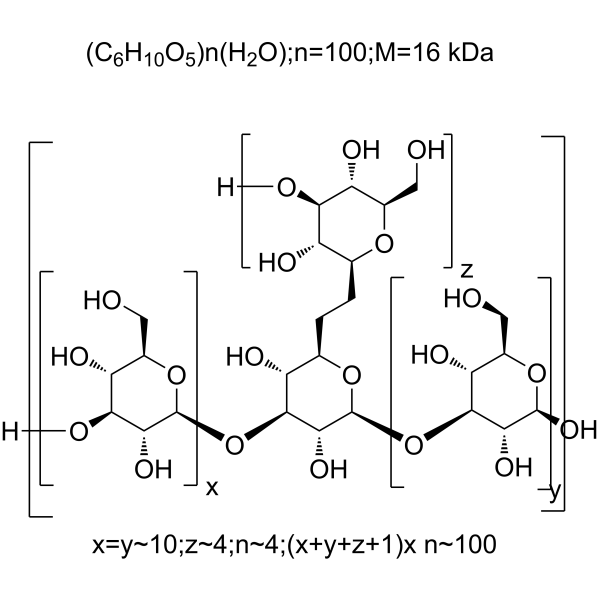
    Odetiglucan is a novel β-glucan that is a potent immunostimulant and a Dectin-1 (CLEC7A) agonist. Odetiglucan activates innate immune effector cells and triggers a coordinated anti-cancer immune response .
    Odetiglucan
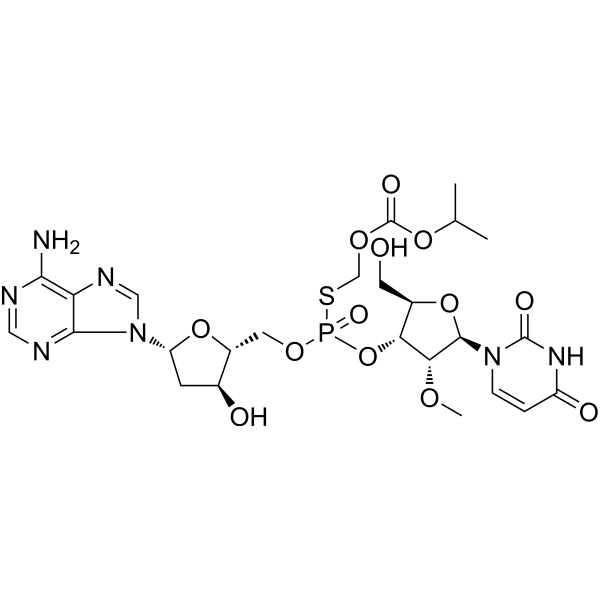
  • HY-109035
    Inarigivir soproxil
    1 Publications Verification

    SB9200; GS-9992

    HCV HBV Infection
    Inarigivir soproxil (SB9200) is an agonist of innate immunity and shows potent antiviral activity against resistant HCV variants, with EC50s of 2.2 and 1.0 μM for HCV 1a/1b in cells of genotype 1 HCV replicon systems. Inarigivir soproxil, an orally bioavailable proagent of SB 9000, has broad-spectrum antiviral activity against RNA viruses including HCV, norovirus, respiratory syncytial virus and influenza and HBV .
    Inarigivir soproxil
  • HY-32350
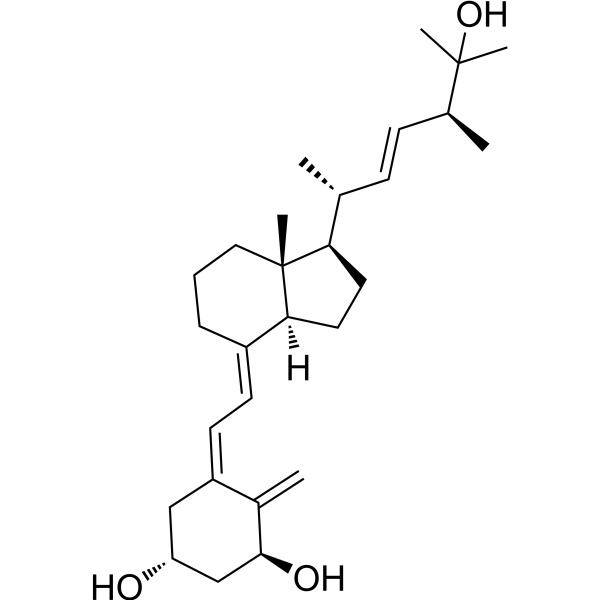
    Ercalcitriol
    3 Publications Verification

    1α,25-Dihydroxy Vitamin D2

    VD/VDR Drug Metabolite Endogenous Metabolite Metabolic Disease
    Ercalcitriol (1α,25-Dihydroxy Vitamin D2) is a vitamin D receptor (VDR) agonist with high binding affinity. After binding to VDR, Ercalcitriol forms a complex with retinoid X receptor (RXR) to regulate target gene transcription. For example, Ercalcitriol induces human gingival/oral epithelial cells to produce human cat antimicrobial peptide (hCAP-18/LL-37), which has antimicrobial activity against periodontal pathogens such as Porphyromonas gingivalis. Ercalcitriol enhances the innate immune defense of the oral mucosa by promoting the expression of antimicrobial peptides, and is mainly used in the study of periodontal diseases and immune-related oral diseases .
    Ercalcitriol
  • HY-124700
    LYPLAL1-IN-1
    1 Publications Verification

    Cyclic GMP-AMP Synthase STING PD-1/PD-L1 Epoxide Hydrolase Metabolic Disease
    LYPLAL1-IN-1 (compound 11) is a selective, covalent, and irreversible inhibitor of the lysophospholipase-like enzyme LYPLAL1 (IC50 = 6 nM). LYPLAL1-IN-1 shows selectivity against other serine hydrolases such as carboxylesterase CES1 (IC50 > 50 μM for CES1). LYPLAL1-IN-1 inhibits the depalmitoylation function of LYPLAL1, blocking its depalmitoylation modification of cyclic GMP-AMP synthase (cGAS), thereby promoting cGAS dimerization and activation, and initiating the cGAS-STING pathway-mediated innate immune response. LYPLAL1-IN-1 can enhance DNA-induced type I interferon production, upregulate PD-L1 expression in tumor cells, and promote the accumulation of tumor-infiltrating CD8 + T cells, with the core function of strengthening the anti-tumor immune response. LYPLAL1-IN-1 is primarily used in tumor immunology research, especially in combination with PD-1/PD-L1 inhibitors .
    LYPLAL1-IN-1
  • HY-173189

    2′,5′-ApApA; 2′,5′-trioligoadenylate; 5'-O-Triphosphoryladenylyl-(2'→5')-adenylyl-(2'→5')-adenosine

    DNA/RNA Synthesis RSV Infection Cancer
    2-5A is a RNase L activator, signal mediator and innate immune second messenger. 2-5A induces the expression of interferons and interferon-stimulated genes in recipient cells in a RNase L-dependent manner. 2-5A inhibits tumor growth in mouse models via paracrine RNase L activation derived from cancer cells. 2-5A can be used in studies related to viral infection and cancer .
    2-5A
  • HY-150217
    CpG ODN 10101
    2 Publications Verification

    ODN 10101

    Toll-like Receptor (TLR) Infection Inflammation/Immunology
    CpG ODN 10101 (ODN 10101; CPG 10101) is a selective agonist targeting TLR9, a synthetic oligodeoxynucleotide modified with phosphate thioester. CpG ODN 10101 activates B cells and plasmacytoid dendritic cells (pDCs), inducing the production of cytokines and chemokines such as interferon-IFN-α, interferon-inducible protein IP-10, and 2'5'-oligoadenylate synthase (2'5'-OAS), regulating innate immunity and promoting Th1 adaptive immune responses. CpG ODN 10101 also possesses antiviral properties and enhances vaccine immunogenicity, making it suitable as an immunomodulator and vaccine adjuvant for vaccine development in chronic hepatitis C and infectious diseases such as melioidosis, pertussis, and respiratory syncytial virus (RSV) .
    CpG ODN 10101
  • HY-126389B

    Endogenous Metabolite NF-κB Fungal Infection Inflammation/Immunology
    Chitin, from shrimp shells (chitinase substrate) serves as a substrate for chitinase. Chitin, from shrimp shells (chitinase substrate) is a long-chain polymer of N-acetylglucosamine with β-(1-4) linkages. Chitin, from shrimp shells (chitinase substrate) is found in the exoskeleton of crabs. Chitin, from shrimp shells (chitinase substrate) inhibits the activation of NF-κB p65, alters the translocation of NF-κB p65 to the nucleus, and interacts with the cell wall of Candida species. Chitin, from shrimp shells (chitinase substrate) exerts antifungal and anti-inflammatory effects. Chitin, from shrimp shells (chitinase substrate) can be used in the research of gastric ulcer and candidiasis .
    Chitin, from shrimp shells (chitinase substrate)
  • HY-165613

    Dipalmitoyl-S-glyceryl-cysteine; S-[2,3-Bis(palmitoyloxy)propyl]cysteine

    Toll-like Receptor (TLR) Influenza Virus NF-κB Infection Inflammation/Immunology
    Pam2Cys (Dipalmitoyl-S-glyceryl-cysteine; S-[2,3-Bis(palmitoyloxy)propyl]cysteine) is a TLR2 agonist and immunostimulant. Pam2Cys binds to TLR2 to activate dendritic cells and trigger the TLR2-dependent NF-κB signaling pathway. Pam2Cys also induces dendritic cell maturation by upregulating the expression of cell surface MHC II molecules. Pam2Cys activates innate immune signaling pathways, drives pro-inflammatory and antimicrobial responses, enhances the expression of macrophage activation markers, increases phagocytic activity, induces the release of IL-12 and pro-inflammatory cytokines, and polarizes macrophages into a pro-inflammatory, antimicrobial phenotype without interfering with IL-10-induced macrophage polarization. Pam2Cys also serves as the lipid moiety in synthetic lipopeptide vaccines and possesses self-adjuvant properties. Pam2Cys enhances the immunogenicity of conjugated peptide segments and induces cellular and humoral immune responses. However, it does not activate CD4 T cells in mouse splenocyte cultures when used alone. Pam2Cys activates pulmonary TLR2 signaling pathways, triggers innate immune responses, recruits neutrophils and macrophages, induces the secretion of various cytokines, alleviates symptoms and damages associated with influenza A virus infection in mice without impairing adaptive immunity. Pam2Cys can be used in studies related to tuberculosis and influenza A virus infection .
    Pam2Cys
  • HY-N6714

    Topoisomerase Androgen Receptor Estrogen Receptor/ERR Apoptosis Infection Cancer
    Alternariol is an orally ingested mycotoxin produced by Alternaria, capable of inhibiting the activity of topoisomerase I and II (topoisomerase I, topoisomerase II). Alternariol has weak estrogenic (Estrogen Receptor/ERR) and androgen/antiandrogen (Androgen Receptor) effects. Alternariol can induce apoptosis, trigger cell cycle arrest, suppress innate immune responses, and exhibit anti-tumor activity. Alternariol has genotoxic, mutagenic, and endocrine-disrupting effects .
    Alternariol
  • HY-177338

    STING Cyclic GMP-AMP Synthase IFNAR TNF Receptor Interleukin Related Inflammation/Immunology Cancer
    STING agonist-45 is a selective STING agonist (EC50 = 0.28 μM). STING agonist-45 activates the innate immune response through the cGAS-STING pathway, upregulating key markers such as p-TBK1 and IRF3. STING agonist-45 exhibits robust STING activation in human peripheral blood mononuclear cells (PBMCs), inducing the production of type I interferons (such as IFN-β) and downstream cytokines (such as TNF-α and IL-6). STING agonist-45 enhances anti-tumor immunity, inhibits tumor growth, and increases CD8 + T cell infiltration in mouse models. STING agonist-45 is promising for the study of STING-related diseases .
    STING agonist-45
  • HY-107202A
    Poly (I:C):Kanamycin (1:1)
    5+ Cited Publications

    Toll-like Receptor (TLR) RIG-I-like receptor (RLR) PKD HSP Bcl-2 Family Interleukin Related Apoptosis Infection Inflammation/Immunology Cancer
    Poly(I:C):Kanamycin (1:1) is a mixture of Poly(I:C) (HY-107202) and Kanamycin (HY-16566). Poly(I:C) is a synthetic analog of double-stranded RNA and an agonist of toll-like receptor 3 (TLR3) and retinoic acid inducible gene I (RIG-I)-like receptors (RIG-I and MDA5). Poly(I:C) can be used as a vaccine adjuvant to enhance innate and adaptive immune responses, and to alter the tumor microenvironment. Poly(I:C) can directly trigger cancer cells to undergo apoptosis. Kanamycin stabilizes Poly(I:C) .
    Poly (I:C):Kanamycin (1:1)
  • HY-P5255

    Bacterial Infection Inflammation/Immunology
    Oligopeptide-10 is a bioactive peptide with antimicrobial activity. Oligopeptide-10 exhibits broad-spectrum bactericidal effects against Gram-positive bacteria including Propionibacterium acnes and Staphylococcus aureus. Oligopeptide-10 targets lipoteichoic acid (LTA) on the surface of bacterial cell membranes, induces bacterial osmotic imbalance by disrupting the integrity of bacterial membranes, and reduces the release of pro-inflammatory cytokines induced by bacteria. Oligopeptide-10 possesses skin-protective activity. Oligopeptide-10 can be applied in research related to acne vulgaris, dandruff, seborrheic dermatitis, and tinea pedis .
    Oligopeptide-10
  • HY-139410

    c-Fms Inflammation/Immunology
    Sodium caseinates is a kind of sodium salts of major milk proteins, which act as protein-based biopolymers and innate immune system activators. Sodium caseinates induce granulopoiesis, activation and differentiation, promote the production of M-CSF, and increase serum levels of G-CSF and GM-CSF. Sodium caseinates inhibit the proliferation and reduce the viability of leukemia macrophage-like cells, thereby significantly improving the survival rate of mice inoculated with leukemia cells. Sodium caseinates can serve as carriers for probiotics in edible films and exhibit anti-Listeria activity. Sodium caseinates effectively protect vitamin A from degradation, enhance its stability, bioaccessibility and bioavailability, and regulate protein digestibility when complexed with vitamin A. Sodium caseinates can be applied to research related to acute monocytic leukemia and vitamin A deficiency .
    Sodium caseinates
  • HY-141567A

    Pseudo-UTP trisodium solution (100 mM)

    DNA/RNA Synthesis Infection
    Pseudouridine 5'-triphosphate (Pseudo-UTP) trisodium solution (100 mM) is a modified ribonucleoside triphosphate and uracil base-modified UTP derivative. Pseudouridine 5'-triphosphate trisodium solution (100 mM) enhances translational properties and stability of mRNA, reduces innate immune responses in mammalian cells, and inhibits signal-dependent transcription termination of vaccinia virus early gene transcription while supporting transcription elongation. Pseudouridine 5'-triphosphate trisodium solution (100 mM) can be used for the research of vaccinia virus infection .
    Pseudouridine 5'-triphosphate trisodium solution (100 mM)
  • HY-147338A

    5-Methyl-CTP trisodium

    DNA/RNA Synthesis Others
    5-Methylcytidine 5′-triphosphate (5-Methyl-CTP) trisodium is a modified nucleoside triphosphate. 5-Methylcytidine 5′-triphosphate trisodium can apply in replacing unmodified mRNA, resulting in the increase of translational properties and stability, as well as the reduction of innate immune responses in human and other mammalian cells .
    5-Methylcytidine 5′-triphosphate trisodium
  • HY-150750A

    Toll-like Receptor (TLR) Apoptosis Interleukin Related TNF Receptor IFNAR Inflammation/Immunology Cancer
    ODN M362 sodium is a TLR9 agonist that acts as a vaccine adjuvant. ODN M362 sodium activates mouse splenocytes, induces apoptosis in human hepatocellular carcinoma cells, upregulates proinflammatory cytokines in human hepatocellular carcinoma cells, and inhibits the proliferation of human hepatocellular carcinoma cells. ODN M362 sodium upregulates the expression of TLR9/TLR6, activates downstream signaling pathways via IRAK4 and IRF7, and strongly amplifies antigen-specific cellular immune responses to participate in innate immune activation. ODN M362 sodium can be used in research related to hepatocellular carcinoma and breast cancer .
    ODN M362 sodium
  • HY-153775

    E1/E2/E3 Enzyme Apoptosis Cancer
    UC-764864 is a selective UBE2N inhibitor. UC-764864 covalently binds UBE2N catalytic Cys87, blocks ubiquitin-UBE2N thioester formation and polyubiquitin chain synthesis. UC-764864 blocks ubiquitination of innate immune- and inflammatory-related substrates, and induces cell apoptosis. UC-764864 can be used for the research of acute myeloid leukemia .
    UC-764864
  • HY-134958

    Poly(I:C) potassium

    Toll-like Receptor (TLR) Apoptosis Inflammation/Immunology Cancer
    Polyinosinic-polycytidylic acid potassium (Poly(I:C) potassium) is a synthetic analog of double-stranded RNA and an agonist of toll-like receptor 3 (TLR3) and retinoic acid inducible gene I (RIG-I)-like receptors (RIG-I and MDA5). Polyinosinic-polycytidylic acid sodium can be used as a vaccine adjuvant to enhance innate and adaptive immune responses, and to alter the tumor microenvironment. Polyinosinic-polycytidylic acid potassium can directly trigger cancer cells to undergoApoptosis .
    Polyinosinic-polycytidylic acid potassium
  • HY-158226

    ElaMA

    Biochemical Assay Reagents Others
    Elastin Methacrylated (ElaMA) elastin recruits and modulates innate immune cells and accelerates angiogenesis at the wound site, thereby improving wound regeneration. Elastin Methacrylated attracts large numbers of neutrophils and primarily M2 macrophages to the wound and induces their penetration into the hydrogel. Elastin Methacrylated has excellent immunomodulatory effects, leading to superior angiogenesis, collagen deposition and dermal regeneration . Elastin Methacrylated needs to self-assemble into fibrous hydrogel under the action of photoinitiator LAP (HY-44076), and target bioactive adhesion sites, play an inherent supporting role for tissue cells and biodegradable activity.
    Application: cell culture, biological 3D printing, tissue engineering, etc.
    Elastin Methacrylated
  • HY-D1056H
    Lipopolysaccharides, from S. marcescens
    1 Publications Verification

    LPS, from Serratia marcescens

    Toll-like Receptor (TLR) Inflammation/Immunology
    Lipopolysaccharides, from S. marcescens (Serratia marcescens) are lipopolysaccharide endotoxins and TLR-4 activators derived from Serratia marcescens, classified as S-type LPS, which can activate pathogen-associated molecular patterns (PAMP) of the immune system and induce cellular secretion of migrasomes. Lipopolysaccharides, from S. marcescens exhibit a typical three-part structure: O-antigen (O-antigen), core oligosaccharide (core oligosaccharide), and lipid A (Lipid A). Lipopolysaccharides, from S. marcescens induce NF-κB activation in mouse cells via Toll-like receptor (TLR4)/MD-2. The lipopolysaccharides of S. marcescens can induce apoptosis in host immune cells, thereby suppressing the host's innate immunity .
    It is recommended to prepare a solution with concentration ≥2 mg/mL. Vortex thoroughly for more than 10 minutes. Due to the adsorption characteristics of LPS, silanized container or low adsorption centrifuge tubes should be used for aliquoting and storage, and mix thoroughly before use.
    Lipopolysaccharides, from S. marcescens
  • HY-P10136A
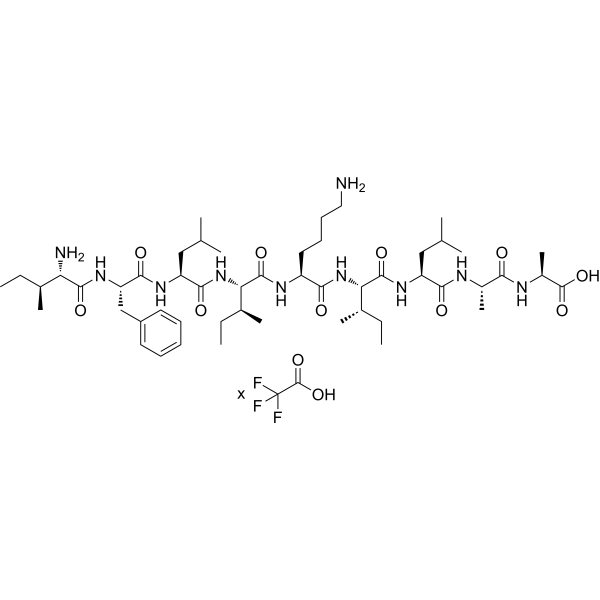
    IA9 TFA
    2 Publications Verification

    human TREM-2 182-190 TFA

    TREM receptor Inflammation/Immunology
    IA9 TFA (human TREM-2 182-190 TFA) is a potent, CNS-penetrant TREM-2 inhibitor. IA9 TFA can diminish the release of proinflammatory cytokines and suppress joint inflammation and damage in a Collagen (HY-P5003)-induced arthritis (CIA) mouse model. IA9 TFA can be used for neuroinflammation PET imaging. IA9 TFA can be used for Rheumatoid arthritis (RA) and neuroinflammation research .
    IA9 TFA
  • HY-P5557

    Bacterial Necroptosis Infection Inflammation/Immunology
    TP4 (Nile tilapia piscidin) is an orally active amphipathic α-helical cationic antimicrobial peptide. TP4 (Nile tilapia piscidin) exerts broad-spectrum bactericidal activity against Gram-positive and Gram-negative bacteria by disrupting cell membrane structures, and also exhibits certain hemolytic activity. TP4 (Nile tilapia piscidin) regulates the innate immune system and enhances the expression of lysozymes, cytokines and antioxidant enzymes to resist bacterial infection. TP4 (Nile tilapia piscidin) also stimulates the proliferation of keratinocytes and fibroblasts, and significantly promotes the healing of wounds infected with MRSA. TP4 (Nile tilapia piscidin) can be used in research related to bacterial infection, peritonitis, wound healing and other fields .
    TP4 (Nile tilapia piscidin)
  • HY-158045

    PROTACs PARP Cancer
    PROTAC PARP1 degrader-1 is a PARP1 PROTAC degrader with a DC50 value of 252.5 nM. PROTAC PARP1 degrader-1, combined with Daunorubicin (HY-13062A), induces the accumulation of cytoplasmic DNA fragments, activates the cGAS/STING innate immune pathway, and remodels the tumor microenvironment. PROTAC PARP1 degrader-1 can be used in research related to breast cancer .
    PROTAC PARP1 degrader-1
  • HY-102049

    Interleukin Related Inflammation/Immunology
    IL-15-IN-1 (compound 76) is a potent and selective Interleukin 15 (IL-15) inhibitor, inhibiting the proliferation of IL-15-dependent cells with an IC50 of 0.8 μM .
    IL-15-IN-1
  • HY-P99928

    MK 7110; CD24 Fc

    Transmembrane Glycoprotein Cancer
    Efprezimod alfa (MK 7110; CD24 Fc) is a humanized CD24-Fc fusion protein. Efprezimod alfa enhances the interaction between CD24 and Siglec-10, thereby regulating the response of innate immune cells to damage-associated molecular patterns, inhibiting the activation of antigen-presenting cells and subsequent inflammatory responses. Efprezimod alfa is applicable to the research of acute graft-versus-host disease and acquired immunodeficiency syndrome .
    Efprezimod alfa
  • HY-Y0683A

    Biochemical Assay Reagents Infection Inflammation/Immunology
    Petrolatum (white) is mainly composed of hydrocarbons, possesses strong water resistance and moisturizing properties, and is commonly used as a pharmaceutical excipient. Petrolatum (white) penetrates into stratum corneum cells, improves skin barrier function, repairs epidermal structure, and reduces transepidermal water loss and the risk of skin damage. Petrolatum (white) induces the expression of antimicrobial peptides, innate immune genes, filaggrin and loricrin. Petrolatum (white) is used in research on atopic dermatitis and post-operative skin infections .
    Petrolatum (white)
  • HY-107202GL

    Poly(I:C) (GMP Like)

    Toll-like Receptor (TLR) PKD HSP Bcl-2 Family Interleukin Related Apoptosis Infection Inflammation/Immunology Cancer
    Polyinosinic-polycytidylic acid (Poly(I:C)) (GMP Like) is the GMP Like class Polyinosinic-polycytidylic acid (HY-107202), and can be used as pharmaceutical excipients. Polyinosinic-polycytidylic acid (Poly(I:C)) is a synthetic analog of double-stranded RNA and an agonist of toll-like receptor 3 (TLR3) and retinoic acid inducible gene I (RIG-I)-like receptors (RIG-I and MDA5). Polyinosinic-polycytidylic acid can be used as a vaccine adjuvant to enhance innate and adaptive immune responses, and to alter the tumor microenvironment. Polyinosinic-polycytidylic acid can directly trigger cancer cells to undergo apoptosis .
    Polyinosinic-polycytidylic acid (GMP Like)
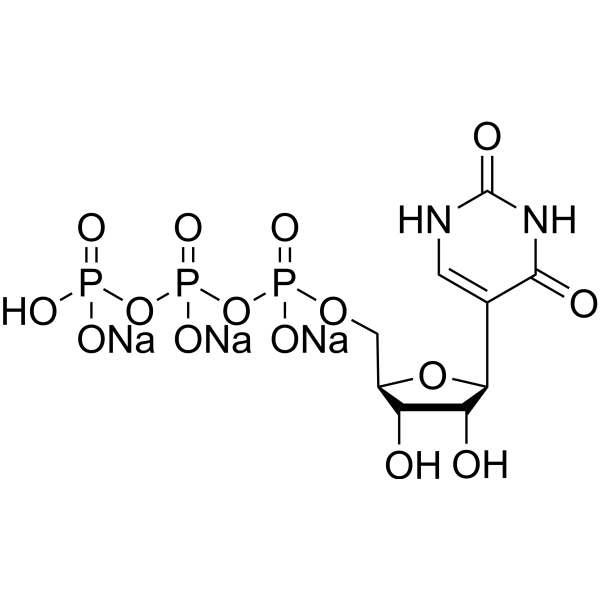
  • HY-141567

    Pseudo-UTP

    DNA/RNA Synthesis Infection
    Pseudouridine 5'-triphosphate (Pseudo-UTP) is a modified ribonucleoside triphosphate and uracil base-modified UTP derivative. Pseudouridine 5'-triphosphate enhances translational properties and stability of mRNA, reduces innate immune responses in mammalian cells, and inhibits signal-dependent transcription termination of vaccinia virus early gene transcription while supporting transcription elongation. Pseudouridine 5'-triphosphate can be used for the research of vaccinia virus infection .
    Pseudouridine 5'-triphosphate
  • HY-159114

    Biochemical Assay Reagents Inflammation/Immunology
    Whole Glucan Particles is a Dectin-1a agonist. Whole Glucan Particles activates the innate immune system to improve the function of macrophages, monocytes and other immune cells .
    Whole Glucan Particles
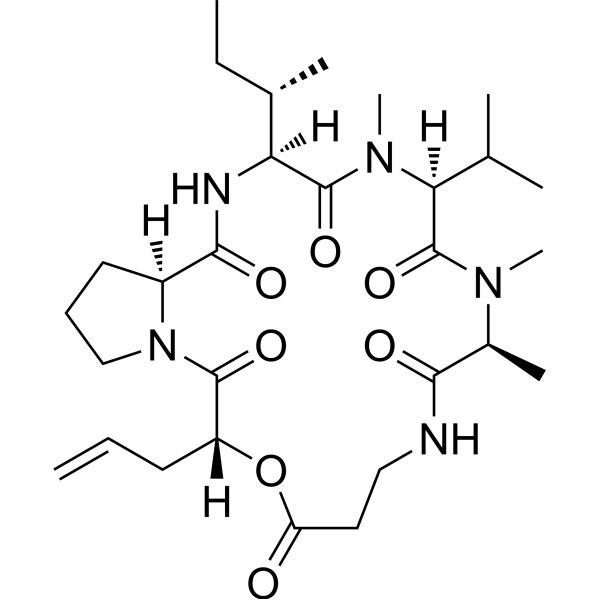
  • HY-N6689
    Destruxin A
    1 Publications Verification

    Insecticide Bacterial Infection Inflammation/Immunology Cancer
    Destruxin A is a fungal cyclopeptide with insecticidal and antiviral activities. Destruxin A has a certain inhibitory effect on leukemia cells in vitro. Destruxin A can also specifically inhibit the innate immune response of Drosophila melanogaster, making the flies more susceptible to bacterial infections .
    Destruxin A
  • HY-163398

    Toll-like Receptor (TLR) Cancer
    TLR7-IN-1 (Compound 16-A) is a TLR7 agonist with an EC50 of 0.001 μM. TLR7-IN-1 is applicable to cancer-related research .
    TLR7-IN-1
  • HY-P5407

    SARS-CoV Angiotensin-converting Enzyme (ACE) Infection Cancer
    HD5 is an innate immune effector peptide and SARS-CoV Inhibitor. HD5 binds to the ligand-binding domain of angiotensin-converting enzyme-2 (ACE2) via multiple hydrogen bonds to competitively block the receptor, shielding it from viral recognition. HD5 can be used for the research of COVID-19, HPV16 infection, epithelial ovarian cancer, small-cell lung cancer, and colon cancer .
    HD5
  • HY-135748A

    RIG-I-like receptor (RLR) Toll-like Receptor (TLR) Apoptosis Infection Cancer
    Poly (I:C):Kanamycin (1:1) sodium is an isometric complex of Poly (I:C) (HY-135748) and Kanamycin (HY-16566). Poly(I:C) sodium, a synthetic analog of double-stranded RNA, is a TLR3 and retinoic acid-inducible gene I receptor (RIG-I and b>MDA5) agonist. Poly(I:C) sodium can be used as a vaccine adjuvant to enhance innate and adaptive immune responses and induce apoptosis in cancer cells . Kanamycin is an orally active antibacterial agent (Gram-negative/positive bacteria) that inhibits translocation and causes miscoding by binding to the 70S ribosomal subunit. Kanamycin shows good inhibitory activity against Mycobacterium tuberculosis (susceptible and drug-resistant) and Klebsiella pneumoniae, and can be used in the research of tuberculosis and pneumonia .
    Poly (I:C):Kanamycin (1:1) sodium
  • HY-P5522A
    TriDAP dihydrochloride
    1 Publications Verification

    L-Ala-γ-D-Glu-meso-diaminopimelic acid dihydrochloride

    NOD-like Receptor (NLR) NF-κB MAP3K MEK ERK p38 MAPK Interleukin Related SARS-CoV Infection Inflammation/Immunology
    TriDAP dihydrochloride (L-Ala-γ-D-Glu-meso-diaminopimelic acid dihydrochloride) is a NOD1 agonist with a Kd value of 34.5 μM. TriDAP dihydrochloride enhances the binding of NOD1-RICK, promotes RICK phosphorylation, and activates the NF-κB, TAK1, MEK/ERK, p38 and interferon response pathways. TriDAP dihydrochloride downregulates Runx2 via increasing ubiquitination and reduces trabecular bone parameters. TriDAP dihydrochloride decreases IκBα levels and increases p65 levels. TriDAP dihydrochloride induces the secretion of proinflammatory mediators IL-8 and prostaglandins, triggers tissue inflammation and innate immune activation, and inhibits SARS-CoV-2 replication in lung epithelial cells. TriDAP dihydrochloride increases the RANKL/OPG ratio in mice, reduces bone mass and enhances osteoclast activity, and inhibits new bone formation by decreasing the mineralization deposition rate in mice. TriDAP dihydrochloride can be used in research related to pulpitis, chronic ulcerative colitis, Crohn's disease and SARS-CoV-2 infection .
    TriDAP dihydrochloride
  • HY-147338

    5-Methyl-CTP

    DNA/RNA Synthesis Others
    5-Methylcytidine 5′-triphosphate (5-Methyl-CTP) is a modified nucleoside triphosphates. 5-Methylcytidine 5′-triphosphate can apply in replacing unmodified mRNA, resulting in the increase of translational properties and stability, as well as the reduction of innate immune responses in human and other mammalian cells .
    5-Methylcytidine 5′-triphosphate
  • HY-174496

    mRNA Others
    eGFP mRNA (5moU) expresses a green fluorescent protein, originally isolated from the jellyfish, Aequorea victoria. EGFP is a commonly used direct detection reporter in mammalian cell culture, yielding bright green fluorescence. The substitution with 5’-Methoxyuridine (5moU) improves protein expression and reduces innate immune response.
    eGFP mRNA (5moU)
  • HY-155801

    Toll-like Receptor (TLR) NF-κB TNF Receptor MyD88 Apoptosis DNA/RNA Synthesis Cardiovascular Disease Infection Neurological Disease Inflammation/Immunology Cancer
    CRX 527 is a TLR4 agonist. CRX 527 activates the MyD88-dependent, TRIF-dependent, and TRAF6/NF-κB signaling pathways downstream of TLR4, mimics lipid A, and regulates antigen processing and presentation by dendritic cells. CRX 527 stimulates innate immune responses and enhances vaccine efficacy. CRX 527 maintains the structural integrity of hematopoietic tissues, spleen and intestine, alleviates radiation-induced damage, preserves intestinal homeostasis, and inhibits apoptosis, inflammatory responses, oxidative stress and DNA damage. CRX 527 can be used in the research of acute radiation syndrome, melanoma, HPV-related tumors and intracerebral hemorrhage .
    CRX 527
  • HY-N14780

    (+)-Pochonin D

    HSP Interleukin Related Enterovirus Infection Inflammation/Immunology Cancer
    Pochonin D ((+)-Pochonin D) is an inhibitor of heat shock protein 90 (Hsp90) with antiviral and anti-inflammatory activities. Pochonin D inhibits Hsp90, affects the homeostasis, folding and assembly processes of viral proteins, and reduces the replication capacity of viruses. Pochonin D reduces the infiltration of inflammatory cells, decreases the secretion of inflammatory cytokines such as TNF-α and IL-1β, and alleviates inflammatory responses. Pochonin D is a promising candidate for research on human rhinovirus (HRV) infection and cancer .
    Pochonin D
  • HY-162966

    Cyclic GMP-AMP Synthase PROTACs STING Cancer
    MS7829 is a deubiquitinase-targeting chimera (DUBTAC) that targets cGAS. MS7829 recruits OTUB1 to cGAS, binds covalently to OTUB1, stabilizes the protein abundance of cGAS, and activates the cGAS-STING-IRF3 innate immune signaling pathway in an OTUB1-dependent manner. MS7829 is applicable to cancer-related research .
    MS7829
  • HY-P5522

    L-Ala-γ-D-Glu-meso-diaminopimelic acid

    NOD-like Receptor (NLR) NF-κB MAP3K MEK ERK p38 MAPK Interleukin Related SARS-CoV Infection Inflammation/Immunology
    TriDAP (L-Ala-γ-D-Glu-meso-diaminopimelic acid) is a NOD1 agonist with a Kd value of 34.5 μM. TriDAP enhances the binding of NOD1-RICK, promotes RICK phosphorylation, and activates the NF-κB, TAK1, MEK/ERK, p38 and interferon response pathways. TriDAP downregulates Runx2 via increasing ubiquitination and reduces trabecular bone parameters. TriDAP decreases IκBα levels and increases p65 levels. TriDAP induces the secretion of proinflammatory mediators IL-8 and prostaglandins, triggers tissue inflammation and innate immune activation, and inhibits SARS-CoV-2 replication in lung epithelial cells. TriDAP increases the RANKL/OPG ratio in mice, reduces bone mass and enhances osteoclast activity, and inhibits new bone formation by decreasing the mineralization deposition rate in mice. TriDAP can be used in research related to pulpitis, chronic ulcerative colitis, Crohn's disease and SARS-CoV-2 infection .
    TriDAP
  • HY-P10400A

    Phytohormone Infection
    AtPep1 TFA is an endogenous inducer of innate immune responses. AtPep1 TFA can be isolated from Arabidopsis thaliana leaves. AtPep1 TFA activates the transcription of defensin (PDF1.2), the expression of PROPEP1, the synthesis of hydrogen peroxide (H2O2) near leaf veins, and the alkalization of Arabidopsis suspension cell culture medium. AtPep1 TFA induces the expression of genes encoding defensins and PR-1. AtPep1 TFA is applicable to studies related to Pythium irregulare infection and pathogen infection .
    AtPep1 TFA
  • HY-163535

    HDAC DNA Methyltransferase Apoptosis Inflammation/Immunology Cancer
    J208 is a dual inhibitor for histone deacetylase (HDAC) and DNA methyltransferase (DNMT). J208 inhibits proliferation of cancer cells, as well as the migration/invasion of triple-negative breast cancer (TNBC) cells. J208 induces apoptosis, arrests the cell cycle at G0/G1 phase. J2008 activates the innate immune signalling pathway in TNBC, by inducing the expression of endogenous retroviruses (ERVs) .
    J208
  • HY-169225A

    PDIC-NS

    STING Apoptosis Reactive Oxygen Species (ROS) Inflammation/Immunology Cancer
    PDIC-NN dimethanesulfonate (PDIC-NS) is a STING activator with anticancer activity. PDIC-NN dimethanesulfonate promotes the content and biostability of endogenous cyclic dinucleotides (CDNs). PDIC-NN dimethanesulfonate triggers ROS burst and causes serious damage to mitochondria. PDIC-NN dimethanesulfonate induces cell apoptosis and inhibits DNA replication. PDIC-NN dimethanesulfonate activates cGAS-STING signaling pathway, enhances the immunogenicity of tumor cells and activates a robust innate immune response .
    PDIC-NN dimethanesulfonate

Inquiry Online

Your information is safe with us. * Required Fields.

Salutation


Country or Region *

Applicant Name *


Organization Name *

Department *


Email Address *


Product Name *

Cat. No.


Requested quantity *

Phone Number *


Remarks

Inquiry Online

Inquiry Information

Product Name:
Cat. No.:
Quantity:
MCE Japan Authorized Agent:

