1. Search Result
Search Result
Results for "

muscarinic M2 receptors

" in MedChemExpress (MCE) Product Catalog:

116

Inhibitors & Agonists

2

Peptides

3

Natural
Products

15

Isotope-Labeled Compounds

3

Click Chemistry

Targets Recommended:
Cat. No. Product Name Target Research Areas Chemical Structure
  • HY-17360
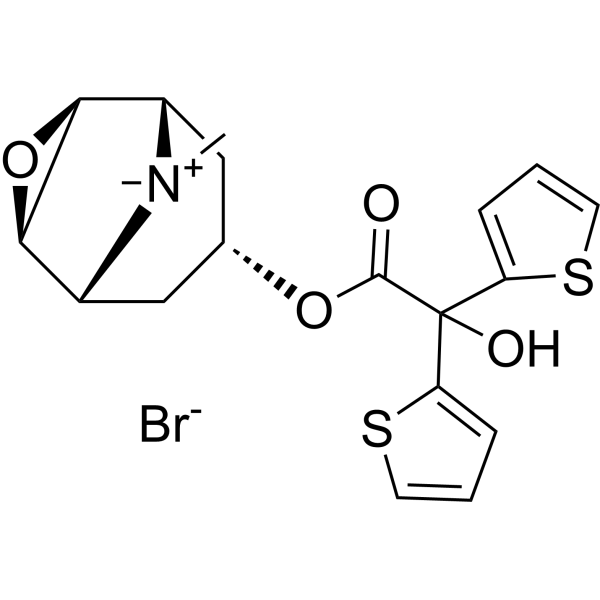
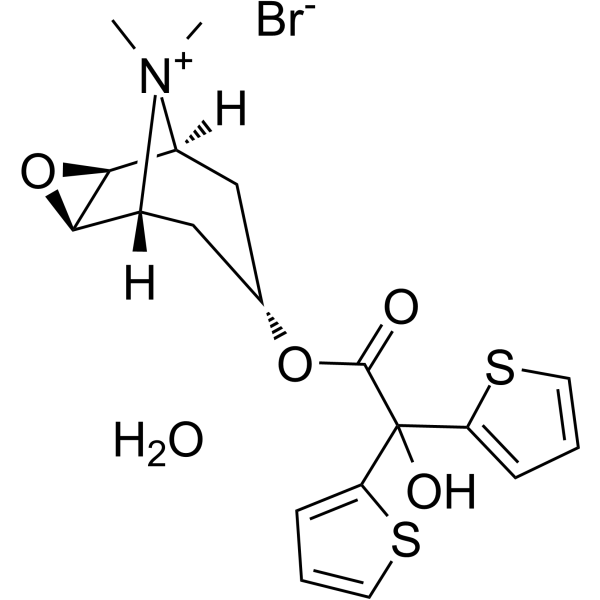
    Tiotropium Bromide
    2 Publications Verification

    BA679 BR

    mAChR Inflammation/Immunology
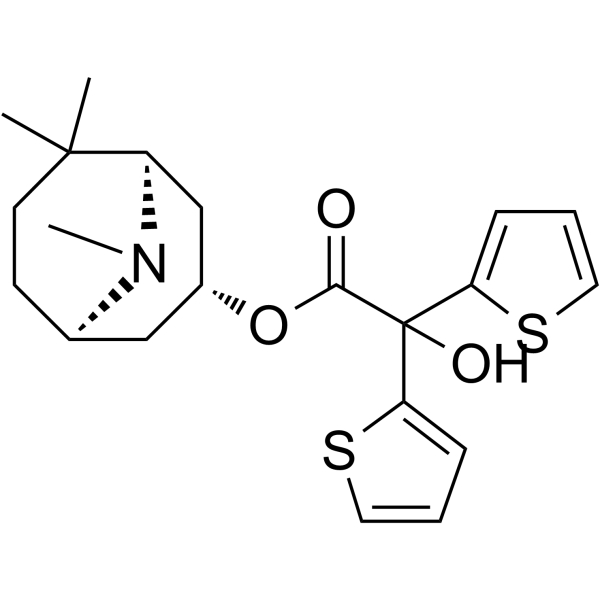
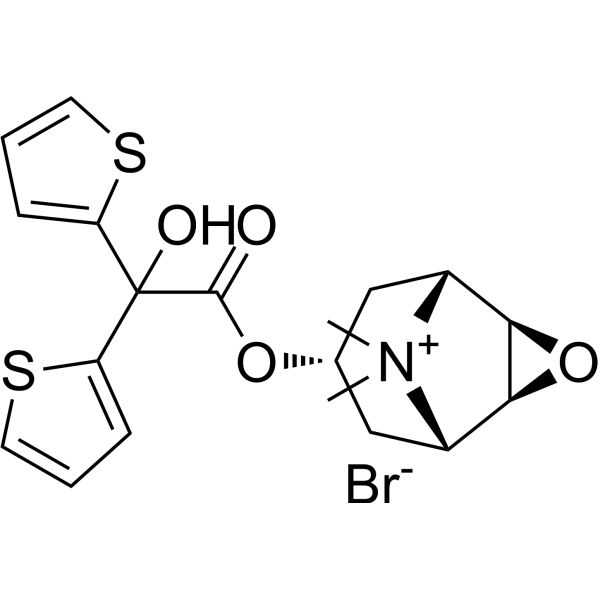
    Tiotropium bromide (BA-679 BR) is a long-acting anticholinergic bronchodilator. Tiotropium bromide blocks the action of acetylcholine at muscarinic M1, M2, and M3 receptors, prevents bronchoconstriction, and dilates bronchial airways. Tiotropium bromide is applicable to research related to chronic obstructive pulmonary disease and asthma .
    Tiotropium Bromide
  • HY-A0030

    mAChR Neurological Disease Metabolic Disease Cancer
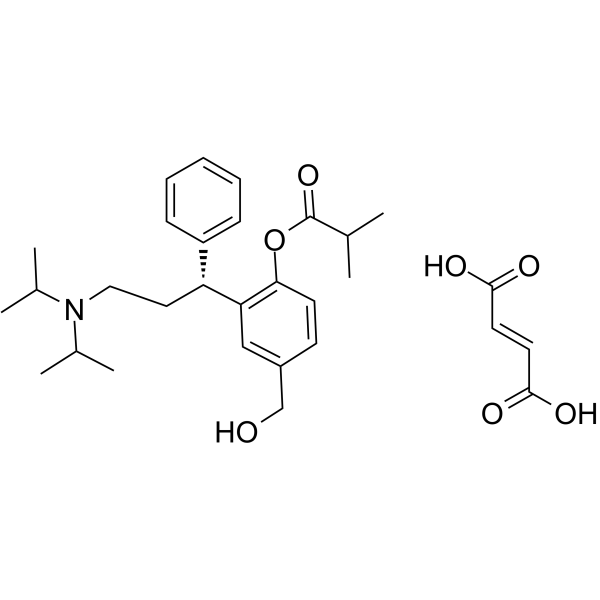
    Fesoterodine Fumarate is an orally active, nonsubtype selective, competitive muscarinic receptor (mAChR) antagonist with pKi values of 8.0, 7.7, 7.4, 7.3, 7.5 for M1, M2, M3, M4, M5 receptors, respectively. Fesoterodine Fumarate is used for the overactive bladder (OAB) .
    Fesoterodine fumarate
  • HY-N0340
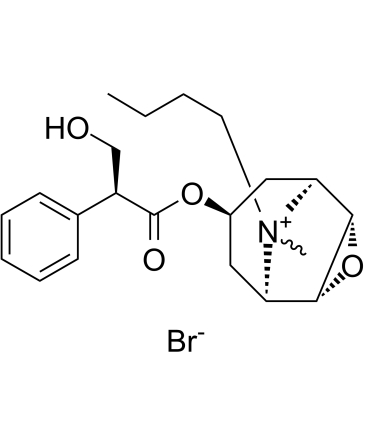
    Scopolamine butylbromide
    1 Publications Verification

    Hyoscine butylbromide; (-)-Scopolamine butylbromide; Butylscopolamine bromide

    mAChR Neurological Disease Inflammation/Immunology
    Scopolamine butylbromide (Hyoscine butylbromide) is an orally active anticholinergic agent and spasmolytic. Scopolamine butylbromide binds with high affinity to rat cardiac M2 (Ki 83 nmol/L), hM2 (Ki 233 nmol/L), rat intestinal M3 (Ki 290 nmol/L) and hM3 (Ki 643 nmol/L) muscarinic receptors. Scopolamine butylbromide exerts a dose-dependent antagonistic effect on Carbachol-induced gastrointestinal smooth muscle spasm. Scopolamine butylbromide can be used for the research of abdominal colic and pain associated with gastrointestinal spasm, functional abdominal pain, chronic gastropathy and gastric ulcer .
    Scopolamine butylbromide
  • HY-B0461

    mAChR Neurological Disease
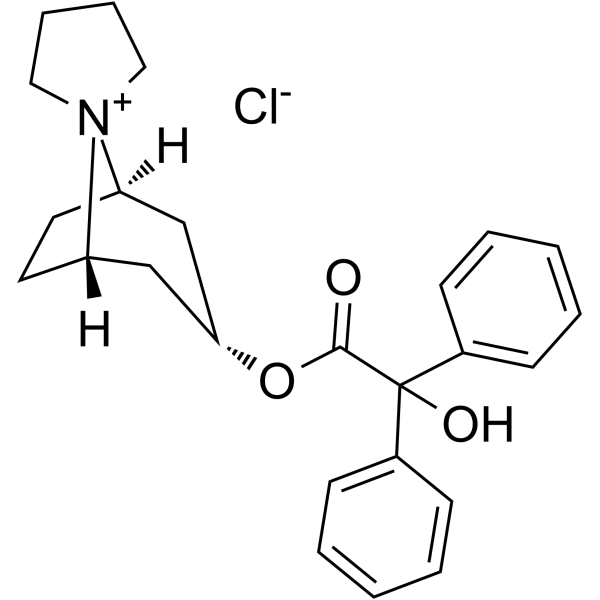
    Trospium chloride is an orally active, specific and competitive antagonist of muscarinic cholinergic receptors (mAChRs), with antimuscarinic activity. Trospium chloride binds to muscarinic receptors M1, M2 and M3 with high affinity, but not nicotinic, cholinergic receptors .
    Trospium chloride
  • HY-A0034
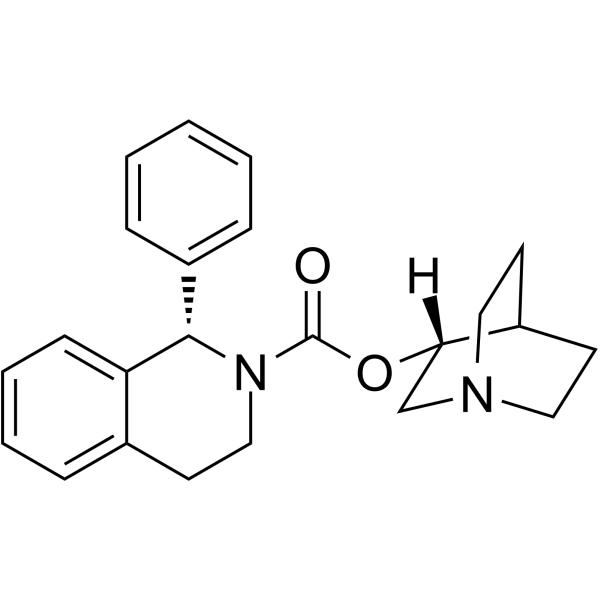
    Solifenacin
    3 Publications Verification

    YM905 free base

    mAChR Neurological Disease Cancer
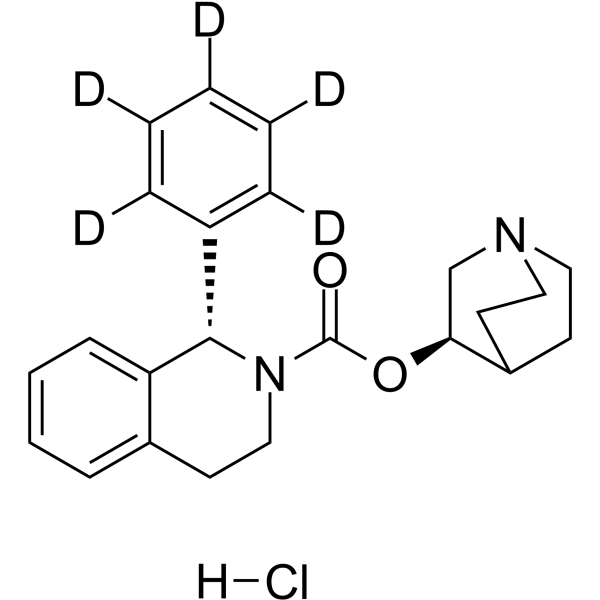
    Solifenacin (YM905 free base) is a novel muscarinic receptor antagonist with pKis of 7.6, 6.9 and 8.0 for M1, M2 and M3 receptors, respectively.
    Solifenacin
  • HY-A0002
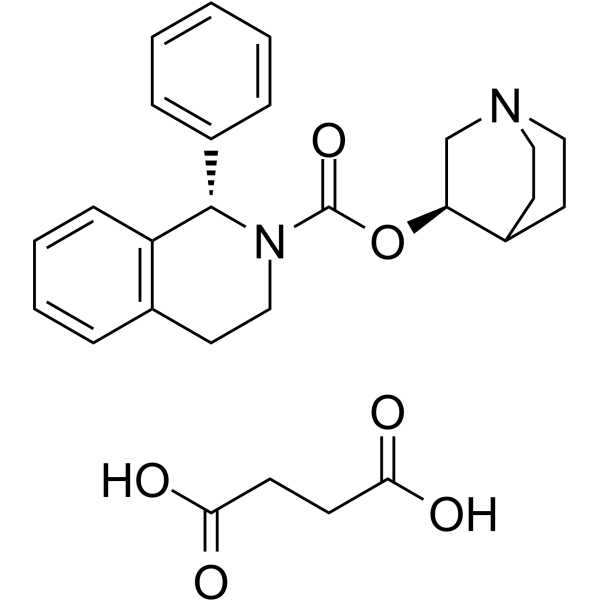
    Solifenacin Succinate
    3 Publications Verification

    YM905

    mAChR Neurological Disease Cancer
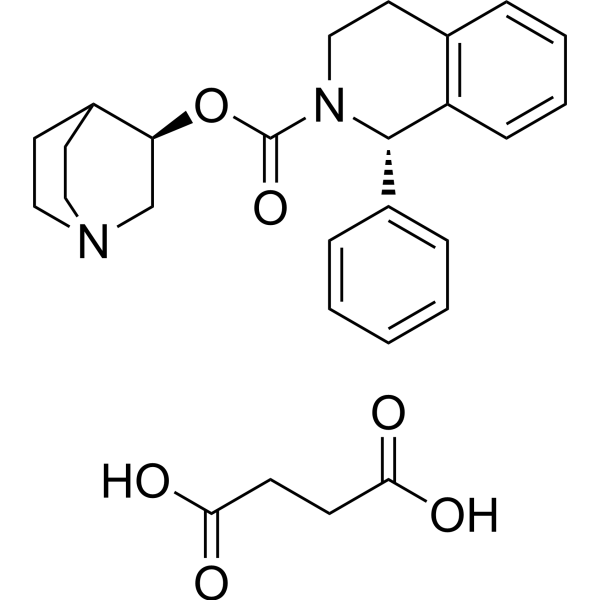
    Solifenacin Succinate (YM905) is a novel muscarinic receptor antagonist with pKis of 7.6, 6.9 and 8.0 for M1, M2 and M3 receptors, respectively.
    Solifenacin Succinate
  • HY-101381
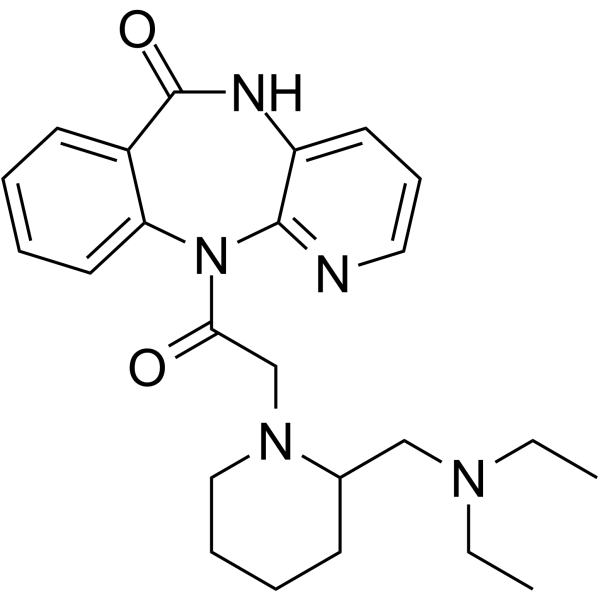
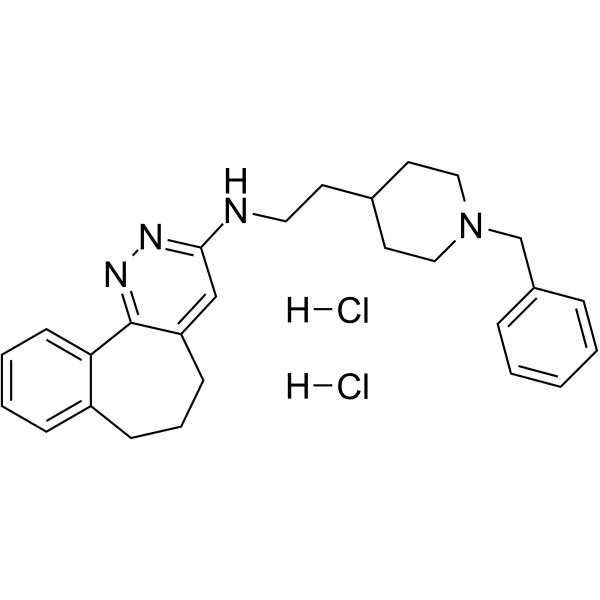
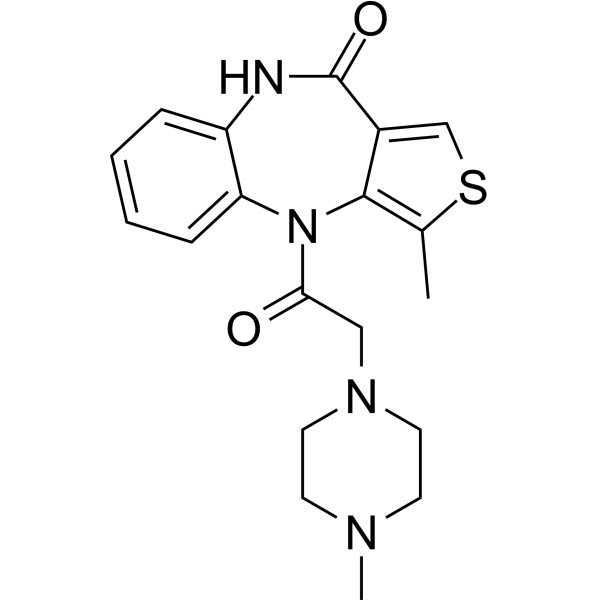
    Otenzepad
    2 Publications Verification

    AF-DX 116

    mAChR Neurological Disease Metabolic Disease
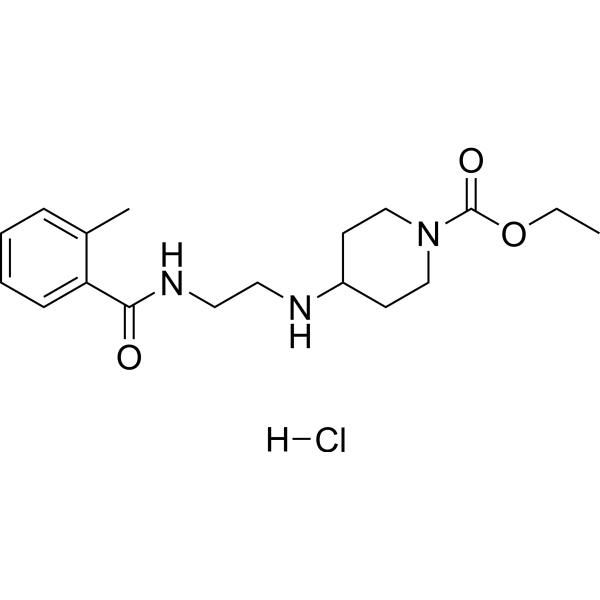
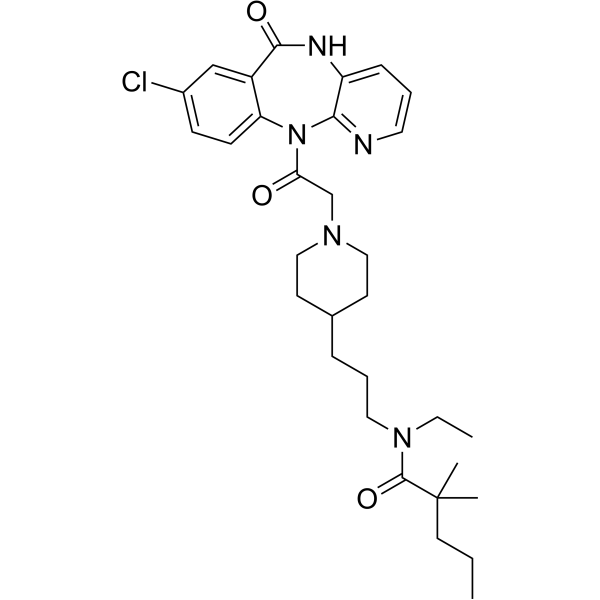
    Otenzepad (AF-DX 116) is a selective and competitive M2 muscarinic acetylcholine receptor antagonist, with IC50 values of 640 nM and 386 nM for rabbit peripheral lung and rat heart, respectively .
    Otenzepad
  • HY-B1339

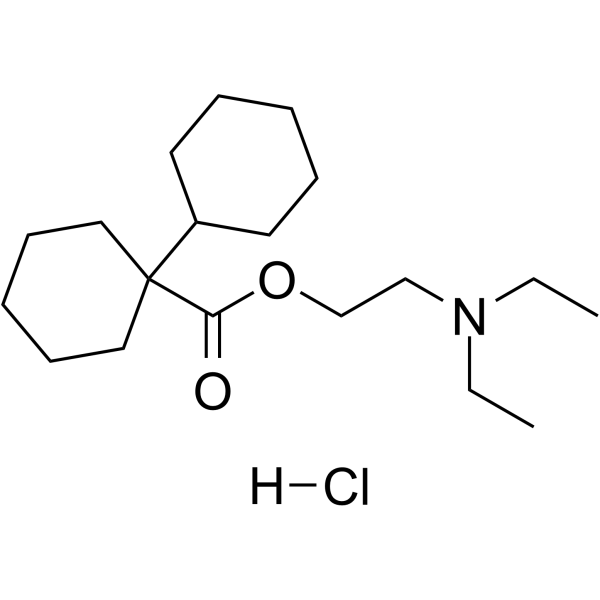
    Dicycloverine hydrochloride

    mAChR Neurological Disease
    Dicyclomine hydrochloride is a potent and orally active muscarinic cholinergic receptors antagonist. Dicyclomine hydrochloride shows high affinity for muscarinic M1 receptor subtype (Ki=5.1 nM) and M2 receptor subtype (Ki=54.6 nM) in brush-border membrane and basal plasma membranes, respectively . Dicyclomine is an antispasmodic agent and relieves smooth muscle spasm of the gastrointestinal tract in vivo .
    Dicyclomine hydrochloride
  • HY-107646

    mAChR Neurological Disease
    PD 102807 is a M4 muscarinic receptor antagonist with an IC50 of 90.7 nM. PD 102807 inhibits M1, M2, M3, M5 muscarinic receptor with IC50s of 6558.7, 3440.7, 950.0, and 7411.7 nM, respectively . Antidyskinetic effect.
    PD 102807
  • HY-107647
    (S)-(+)-Dimethindene maleate
    1 Publications Verification

    mAChR Histamine Receptor Inflammation/Immunology
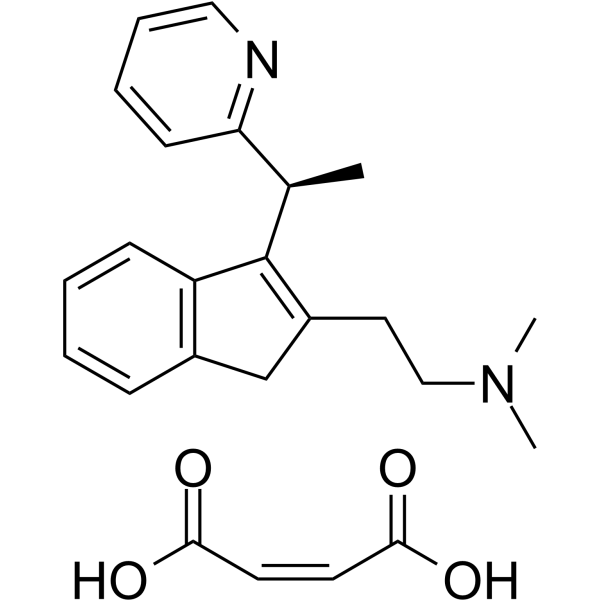
    (S)-(+)-Dimethindene maleate, an enantiomer, is a potent M2-selective muscarinic receptor antagonist (pA2 = 7.86/7.74; pKi = 7.78). (S)-(+)-Dimethindene maleate shows lower affinities for the muscarinic M1 (pA2 = 6.83/6.36; pKi = 7.08), the M3 (pA2 = 6.92/6.96; pKi = 6.70) and the M4 receptors (pKi = 7.00), respectively. (S)-(+)-Dimethindene maleate also is a histamine H1 receptor antagonist (pA2 = 7.48) .
    (S)-(+)-Dimethindene maleate
  • HY-70053

    mAChR Neurological Disease Metabolic Disease
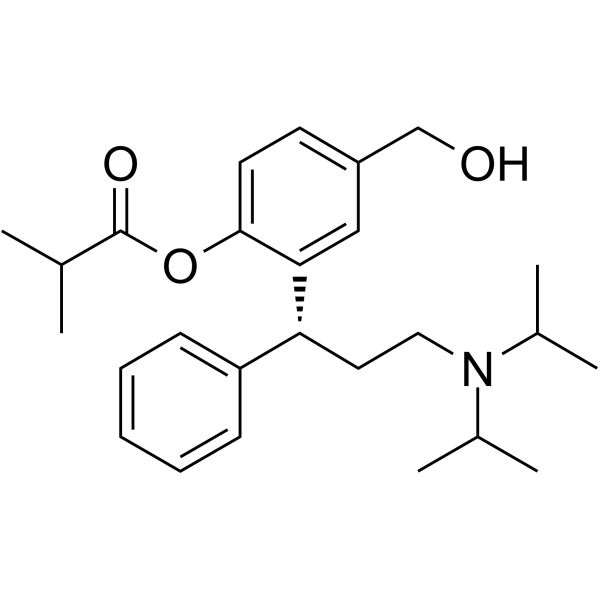
    Fesoterodine is an orally active, nonsubtype selective, competitive muscarinic receptor (mAChR) antagonist with pKi values of 8.0, 7.7, 7.4, 7.3, 7.5 for M1, M2, M3, M4, M5 receptors, respectively. Fesoterodine is used for the overactive bladder (OAB) .
    Fesoterodine
  • HY-15885

    mAChR Neurological Disease
    LY2119620 is a high-affinity muscarinic M2/M4 receptor agonist.
    LY2119620
  • HY-122743
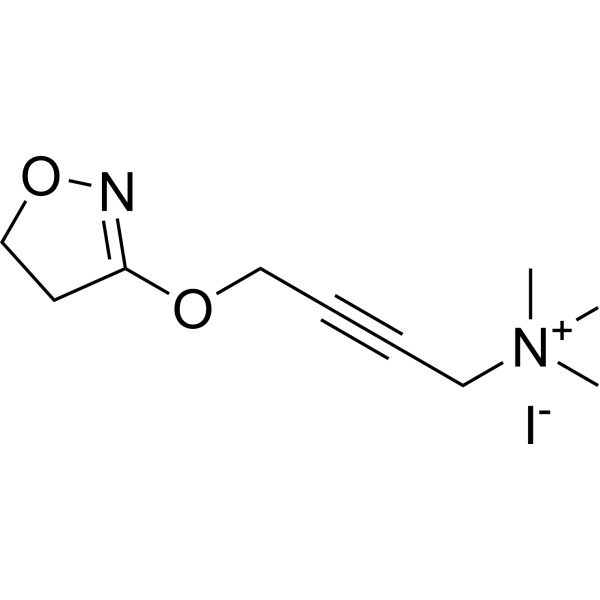
    Iperoxo
    2 Publications Verification

    mAChR Neurological Disease
    Iperoxo is a potent superagonist of muscarinic acetylcholine receptor (mAChR) that activates M1, M2 and M3 receptors with pEC50 of 9.87, 10.1 and 9.78. Iperoxo can be used for direct probing activation-related conformational transitions of muscarinic receptors when labeled with tritium .
    Iperoxo
  • HY-B0241
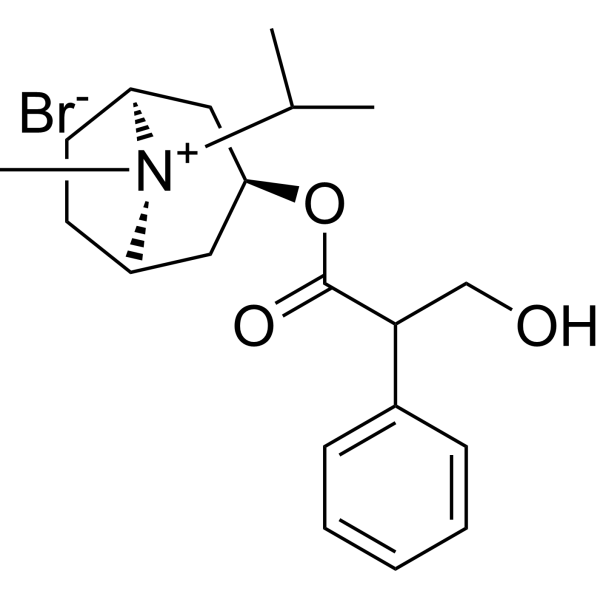
    Ipratropium bromide
    1 Publications Verification

    Sch 1000

    mAChR Neurological Disease Inflammation/Immunology
    Ipratropium bromide (Sch 1000) is a muscarinic receptor antagonist, with IC50s of 2.9 nM, 2 nM, and 1.7 nM for M1, M2, and M3 receptors, respectively. Ipratropium bromide relaxes smooth muscle, can be used in the research for COPD (chronic obstructive pulmonary disease) and asthma .
    Ipratropium bromide
  • HY-109013

    BBI 4000

    mAChR Neurological Disease
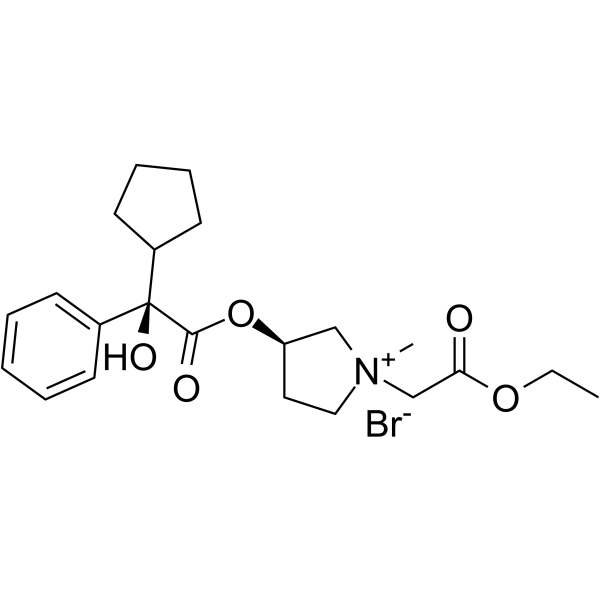
    Sofpironium bromide (BBI 4000) is an anticholinergic agent used in the study of primary axillary hyperhidrosis (PAH). Sofpironium bromide reduces sweating by inhibiting M3 muscarinic receptors in eccrine glands at the application site. Sofpironium bromide also has a high afnity for the M1, M2, M4 and M5 subtypes .
    Sofpironium bromide
  • HY-19752A

    CID-25010775

    mAChR Neurological Disease
    VU0357017 hydrochloride (CID-25010775) is a potent, selective and brain-penetrant allosteric agonist of M1 muscarinic acetylcholine receptor, with an EC50 of 477 nM. VU0357017 hydrochloride is highly selective for M1 and has no activity at M2-M5 up to the highest concentrations tested (30 μM). VU0357017 hydrochloride can be used for the research of Alzheimer’s disease and schizophrenia .
    VU0357017 hydrochloride
  • HY-B0460
    Tiotropium bromide monohydrate
    2 Publications Verification

    BA-679 BR monohydrate

    mAChR Inflammation/Immunology
    Tiotropium bromide monohydrate (BA-679 BR monohydrate) is a long-acting anticholinergic bronchodilator. Tiotropium bromide monohydrate blocks the action of acetylcholine at muscarinic M1, M2, and M3 receptors, prevents bronchoconstriction, and dilates bronchial airways. Tiotropium bromide monohydrate is applicable to research related to chronic obstructive pulmonary disease and asthma .
    Tiotropium bromide monohydrate
  • HY-116294A
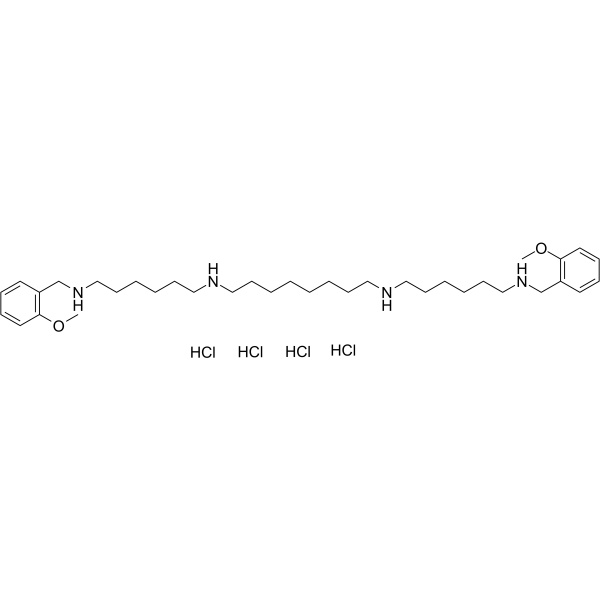
    Methoctramine tetrahydrochloride
    1 Publications Verification

    mAChR Cardiovascular Disease
    Methoctramine tetrahydrochloride is a potent and cardioselectivity antagonist of M2 muscarinic receptor. Methoctramine tetrahydrochloride can inhibit Muscarine (HY-121404)-induced bradycardia in vivo. Methoctramine tetrahydrochloride can be used in the study of cardiovascular diseases .
    Methoctramine tetrahydrochloride
  • HY-B1332
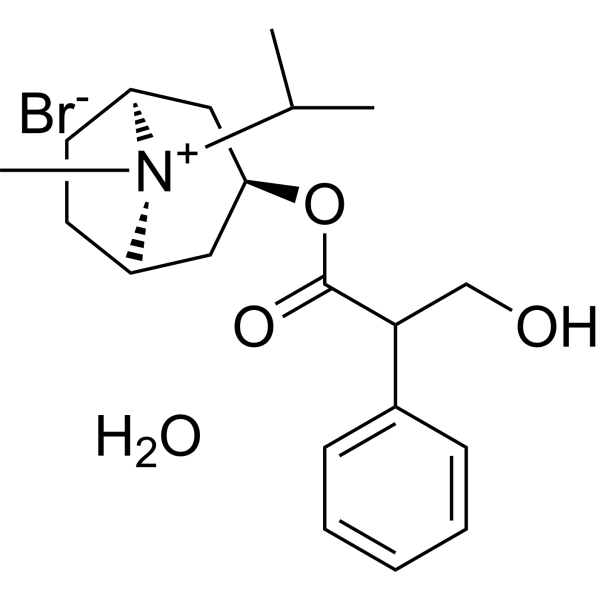
    Ipratropium bromide hydrate
    1 Publications Verification

    Sch 1000 bromide hydrate

    mAChR Neurological Disease Inflammation/Immunology
    Ipratropium bromide (Sch 1000) hydrate is a muscarinic receptor antagonist, with IC50s of 2.9 nM, 2 nM, and 1.7 nM for M1, M2, and M3 receptors, respectively. Ipratropium bromide hydrate relaxes smooth muscle, can be used in the research for COPD (chronic obstructive pulmonary disease) and asthma .
    Ipratropium bromide hydrate
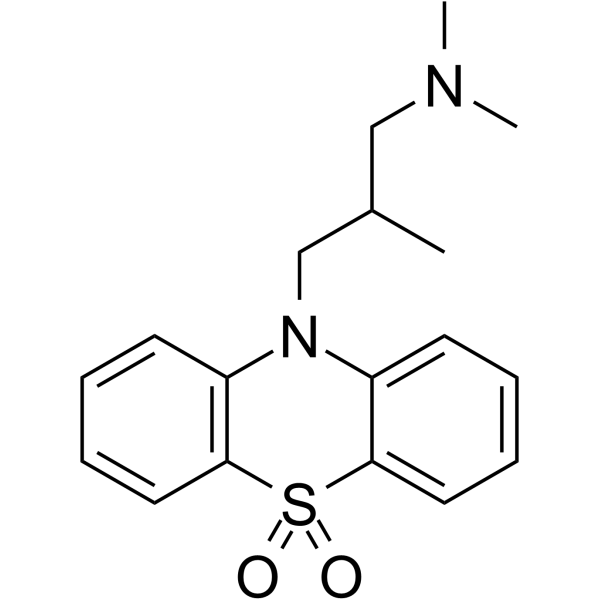
  • HY-136587

    Histamine Receptor mGluR Inflammation/Immunology
    Oxomemazine is a phenothiazine-based histamine H1-receptor blocker. Oxomemazine is a selective antagonist for muscarinic M1 receptor, displays about 20-fold difference in the affinity for high (Ki = 84 nM, M1 receptor) and low (Ki = 1.65 μM, M2 receptor) affinity sites. Oxomemazine is an antihistamine and anticholinergic agent used for the study of cough treatment. Oxomemazine is protective against anaphylactic microshock in guinea pigs .
    Oxomemazine
  • HY-17360S1

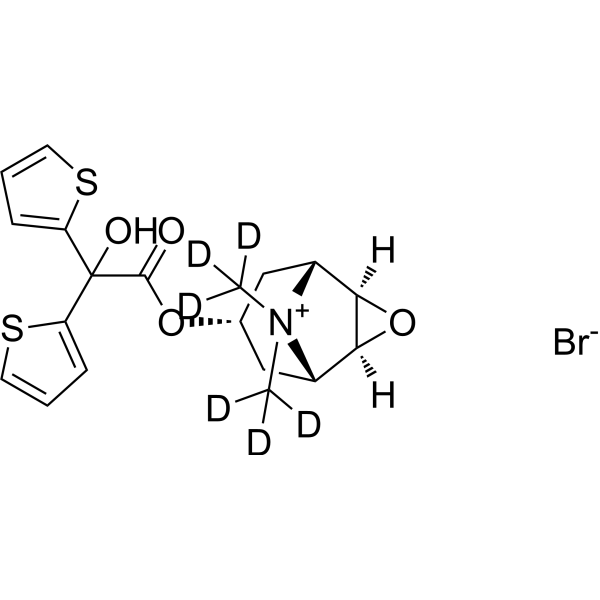
    BA679 BR-d6

    Isotope-Labeled Compounds mAChR Neurological Disease
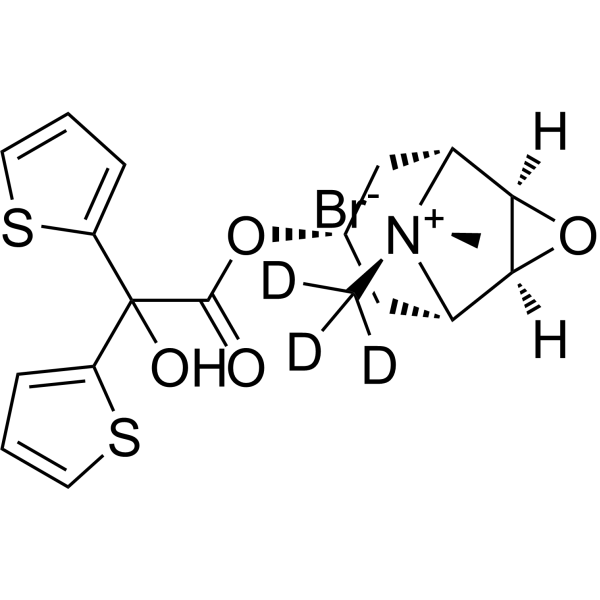
    Tiotropium-d6 (bromide) is deuterium labeled Tiotropium (Bromide). Tiotropium bromide (BA-679 BR) is a long-acting anticholinergic bronchodilator. Tiotropium bromide blocks the action of acetylcholine at muscarinic M1, M2, and M3 receptors, prevents bronchoconstriction, and dilates bronchial airways. Tiotropium bromide is applicable to research related to chronic obstructive pulmonary disease and asthma .
    Tiotropium-d6 bromide
  • HY-I0230
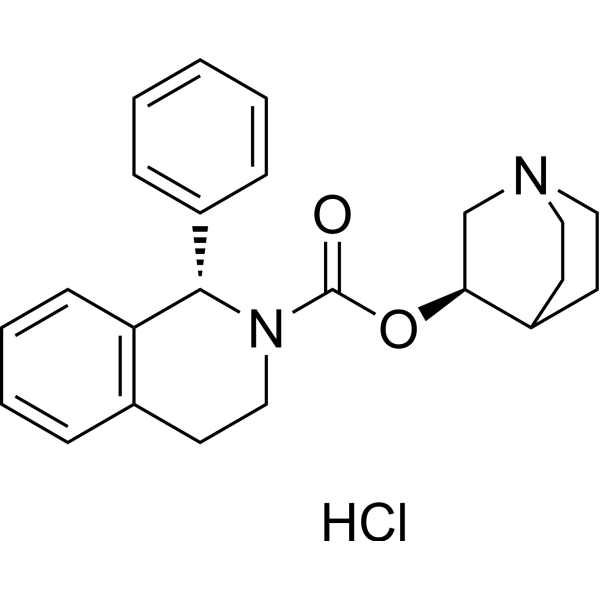
    Solifenacin hydrochloride
    3 Publications Verification

    YM905 hydrochloride

    mAChR Neurological Disease Cancer
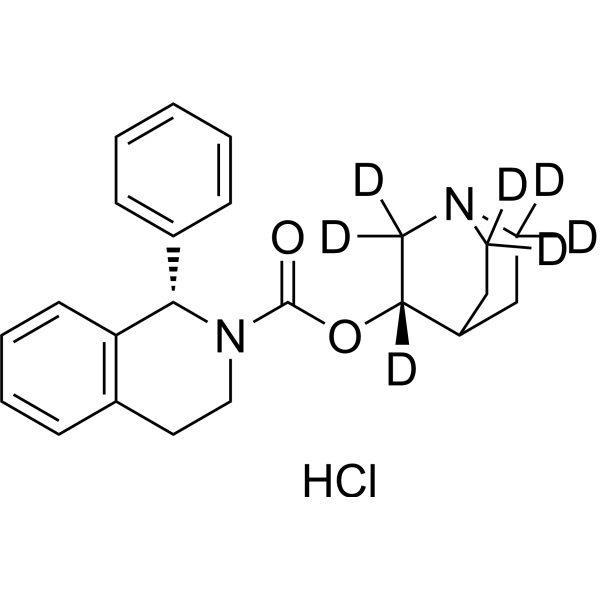
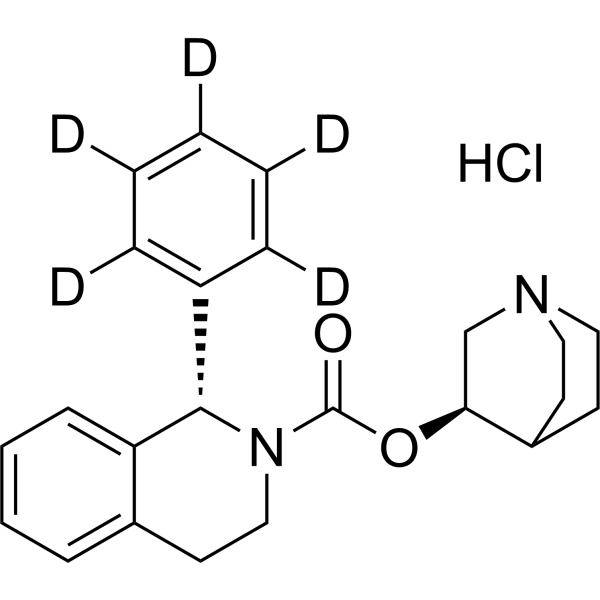
    Solifenacin hydrochloride (YM905 hydrochloride) is a muscarinic receptor antagonist, with pKis of 7.6, 6.9 and 8.0 for M1, M2 and M3 receptors, respectively.
    Solifenacin hydrochloride
  • HY-122203
    PCS1055 dihydrochloride
    2 Publications Verification

    mAChR Cholinesterase (ChE) Neurological Disease
    PCS1055 dihydrochloride is a potent, selective and competitive muscarinic M4 receptor antagonist with an IC50 of 18.1 nM and a Kd of 5.72 nM. PCS1055 dihydrochloride inhibits radioligand [ 3H]-NMS binding to the M4 receptor with a Ki of 6.5 nM. PCS1055 dihydrochloride exhibits >100-fold selectivity over M1-, M3-, and M5-receptors and 30-fold selectivity at the M2 receptor. PCS1055 dihydrochloride is also a potent AChE inhibitor with IC50 s of 22 nM and 120 nM for electric eel and human AChE, respectively .
    PCS1055 dihydrochloride
  • HY-14825A

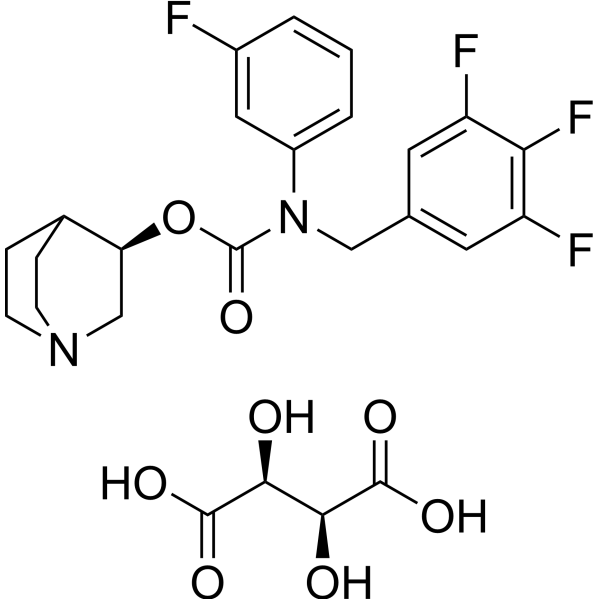
    SVT-40776 D-tartrate

    mAChR Inflammation/Immunology
    Tarafenacin (SVT-40776) D-tartrate is an orally active, selective M3 muscarinic receptor (M3 muscarinic receptor) antagonist with 203-fold selectivity over the M2 muscarinic receptor. Tarafenacin D-tartrate does not affect atrial contraction, arterial blood pressure or arterial pressure at high doses. Tarafenacin D-tartrate can be used in the research of overactive bladder .
    Tarafenacin D-tartrate
  • HY-B0461R

    mAChR Reference Standards Neurological Disease
    Trospium (chloride) (Standard) is the analytical standard of Trospium (chloride). This product is intended for research and analytical applications. Trospium chloride is an orally active, specific and competitive antagonist of muscarinic cholinergic receptors (mAChRs), with antimuscarinic activity. Trospium chloride binds to muscarinic receptors M1, M2 and M3 with high affinity, but not nicotinic, cholinergic receptors .
    Trospium chloride (Standard)
  • HY-134061

    Apoptosis Mitosis Cancer
    Arecaidine propargyl ester hydrobromide is an agonist of M2 muscarinic acetylcholine receptors and has the activity of inhibiting tumor cell proliferation. The application of arecaidine propargyl ester hydrobromide has shown that it can reduce the number of ovarian cancer cells in vitro and induce apoptosis and the production of reactive oxygen species (ROS) at specific concentrations. Arecaidine propargyl ester hydrobromide can also arrest cells at the G2/M phase of the cell cycle and increase the percentage of abnormal mitosis. Arecaidine propargyl ester hydrobromide is more sensitizing to ovarian surface epithelial cells with higher M2 receptor levels than to cancer cells. Arecaidine propargyl ester hydrobromide exhibits the effect of lowering arterial blood pressure when interacting with the cardiovascular system in a natural physiological state, indicating its potential pharmacological application .
    Arecaidine propargyl ester hydrobromide
  • HY-118363

    mAChR Neurological Disease
    Lu AE51090 is selective muscarinic M1 receptor agonist with blood-brain barrier penetration. Lu AE51090 activates human M1 receptor with EC50 of 61 nM, while showing no significant agonism at M2-M5 receptors. Lu AE51090 exerts procognitive effects in mice. Lu AE51090 can be used for the study of Alzheimer’s disease (AD) and cognitive impairment associated with schizophrenia (CIAS) .
    Lu AE51090
  • HY-162897

    mAChR Cardiovascular Disease
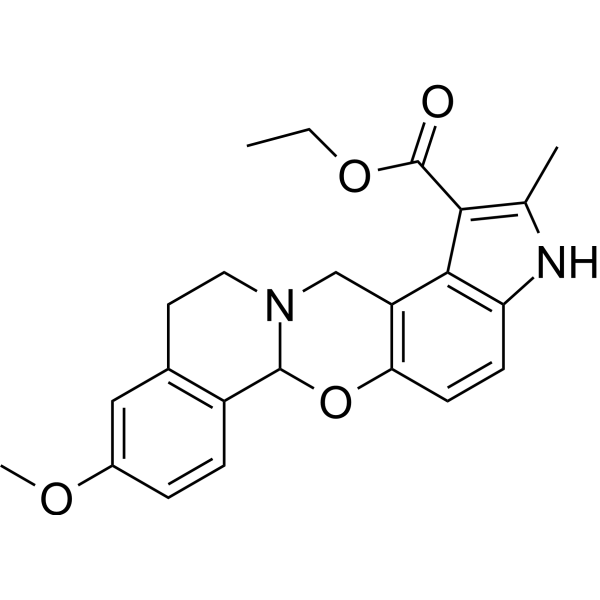
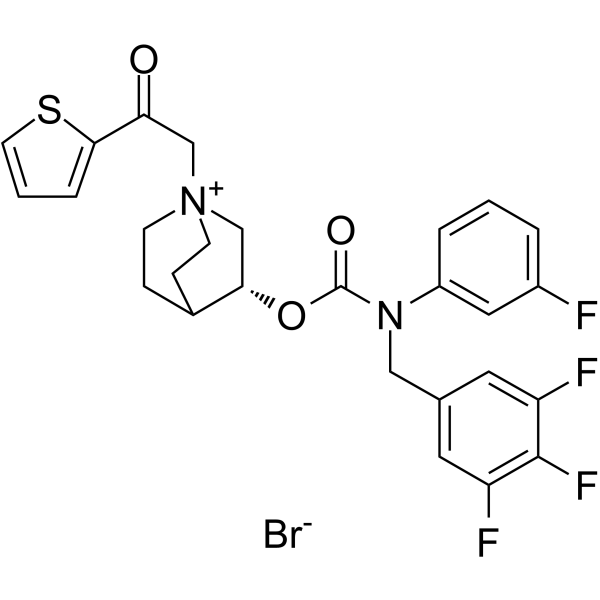
    BAY-2413555 is an orally active muscarinic acetylcholine receptor M2 modulator that protects the heart and improve cardiac function. BAY-2413555 is promising for research of heart failure .
    BAY-2413555
  • HY-173396

    VU319

    mAChR Neurological Disease
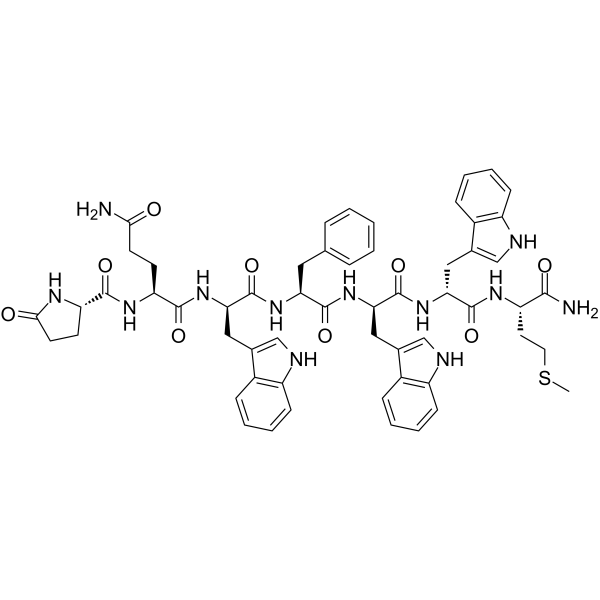
    VU0467319 (Compound VU319) is a highly selective and blood-brain-permeable, orally active M1 positive allosteric modulator (PAM) (EC50: 492 nM). VU0467319 is selective (EC50 > 30 μM) versus M2-5 for both human and rat. VU0467319 improves cognitive impairment in Alzheimer's disease (AD) through central M1 muscarinic receptors. VU0467319 does not induce cholinergic adverse reactions and has potential in AD research .
    VU0467319
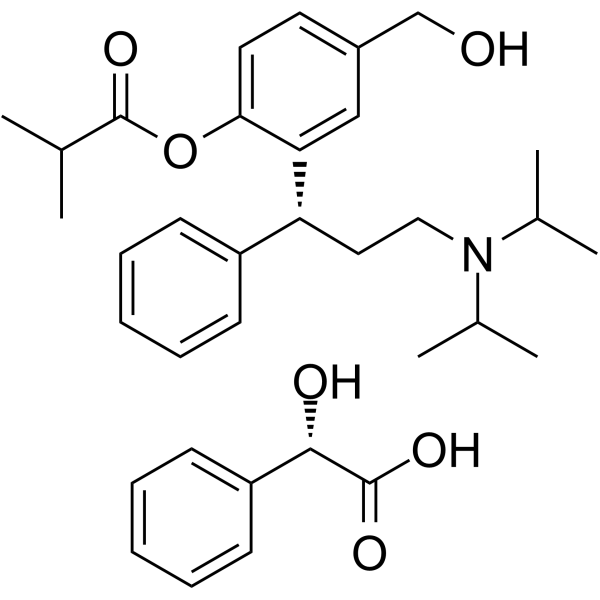
  • HY-70053A

    mAChR Neurological Disease Metabolic Disease Cancer
    Fesoterodine L-mandelate is an orally active, nonsubtype selective, competitive muscarinic receptor (mAChR) antagonist with pKi values of 8.0, 7.7, 7.4, 7.3, 7.5 for M1, M2, M3, M4, M5 receptors, respectively. Fesoterodine L-mandelate is used for the overactive bladder (OAB) .
    Fesoterodine L-mandelate
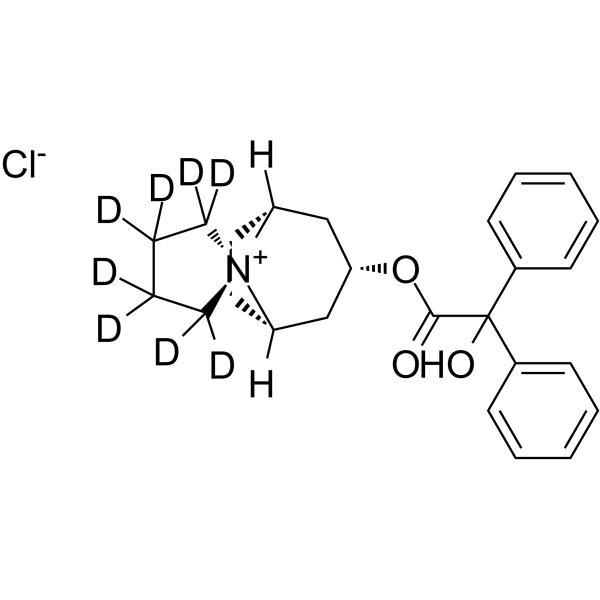
  • HY-B0461S

    Isotope-Labeled Compounds mAChR Neurological Disease
    Trospium-d8 (chloride) is the deuterium labeled Trospium chloride. Trospium chloride is an orally active, specific and competitive antagonist of muscarinic cholinergic receptors (mAChRs), with antimuscarinic activity. Trospium chloride binds to muscarinic receptors M1, M2 and M3 with high affinity, but not nicotinic, cholinergic receptors .
    Trospium-d8 chloride
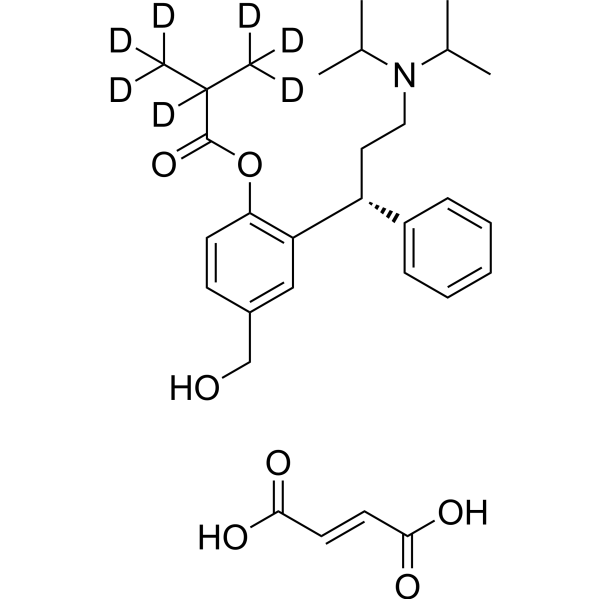
  • HY-A0030S

    mAChR Metabolic Disease
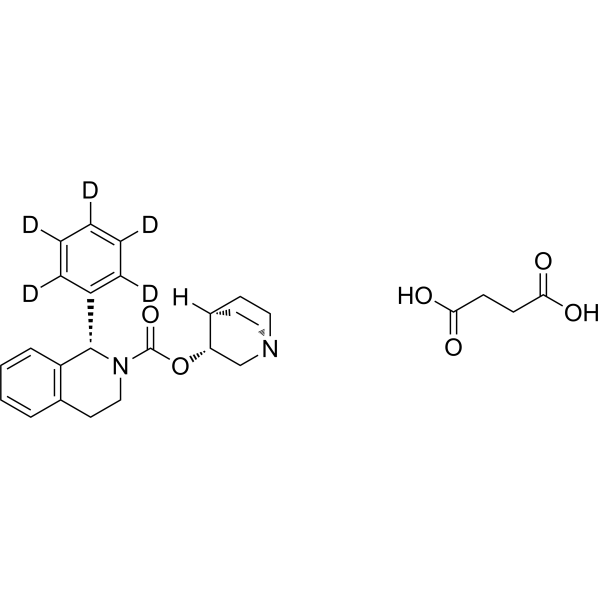
    Fesoterodine-d7 (fumarate) is the deuterium labeled Fesoterodine fumarate . Fesoterodine Fumarate is an orally active, nonsubtype selective, competitive muscarinic receptor (mAChR) antagonist with pKi values of 8.0, 7.7, 7.4, 7.3, 7.5 for M1, M2, M3, M4, M5 receptors, respectively. Fesoterodine Fumarate is used for the overactive bladder (OAB) .
    Fesoterodine-d7 fumarate
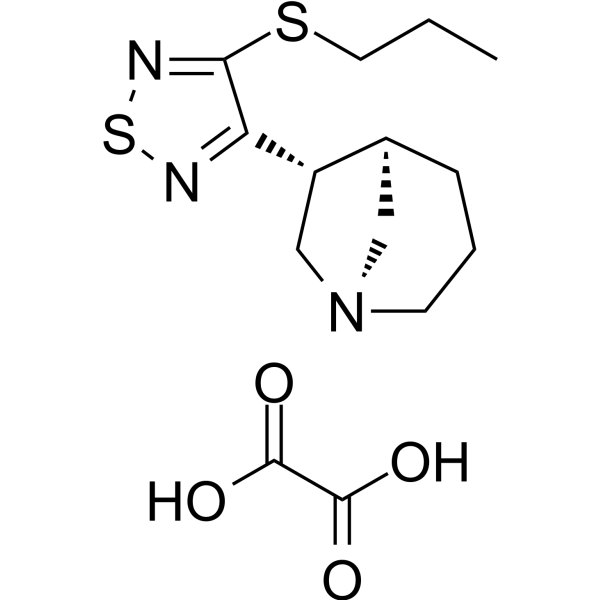
  • HY-107656

    mAChR Neurological Disease
    PTAC oxalate is a selective muscarinic receptor ligand. PTAC oxalate is an partial agonist of M2 and M4 but antagonist of M1, M3, and M5 (Ki values of 0.2-2.8 nM for hM1-5 in CHO cells). PTAC oxalate alleviates the mechanical allodynia on the neuropathic pain and has antidepression effects .
    PTAC oxalate
  • HY-U00302

    mAChR Inflammation/Immunology
    CHF5407 is a selective, long-acting and competitive muscarinic M3 receptor antagonist. CHF5407 shows subnanomolar affinities for human muscarinic M1 (hM1), M2 (hM2) and M3 (hM3) receptors. CHF5407 shows a prolonged antibronchospastic activity .
    CHF5407
  • HY-P1376

    mAChR Adrenergic Receptor Endocrinology
    G-Protein antagonist peptide is the substance P-related peptide that inhibits binding of G proteins to their receptors. G-Protein antagonist peptide competitively and reversibly inhibits M2 muscarinic receptor activation of Gi or Go and inhibits Gs activation by β-adrenoceptors.
    G-Protein antagonist peptide
  • HY-B1339A

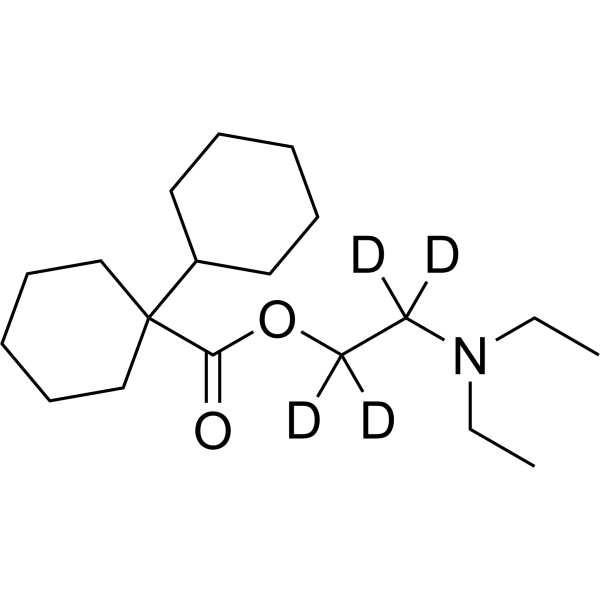
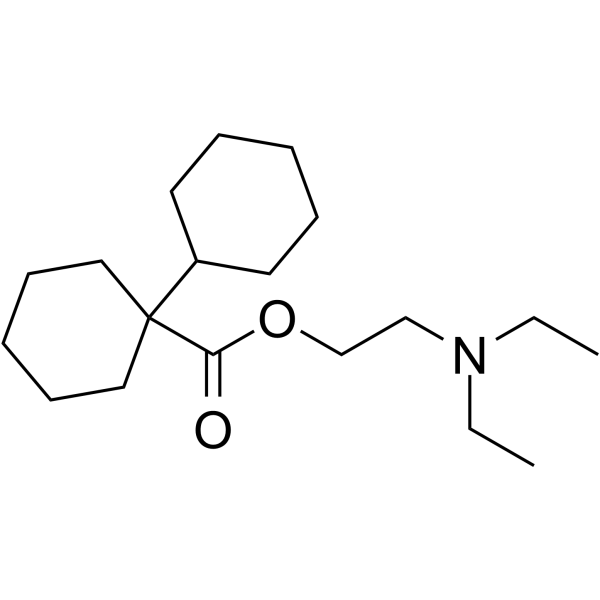
    Dicycloverine

    mAChR Neurological Disease
    Dicyclomine (Dicycloverine) is a potent and orally active muscarinic cholinergic receptors antagonist. Dicyclomine (Dicycloverine) shows high affinity for muscarinic M1 receptor subtype (Ki=5.1 nM) and M2 receptor subtype (Ki=54.6 nM) in brush-border membrane and basal plasma membranes, respectively . Dicyclomine is an antispasmodic agent and relieves smooth muscle spasm of the gastrointestinal tract in vivo .
    Dicyclomine
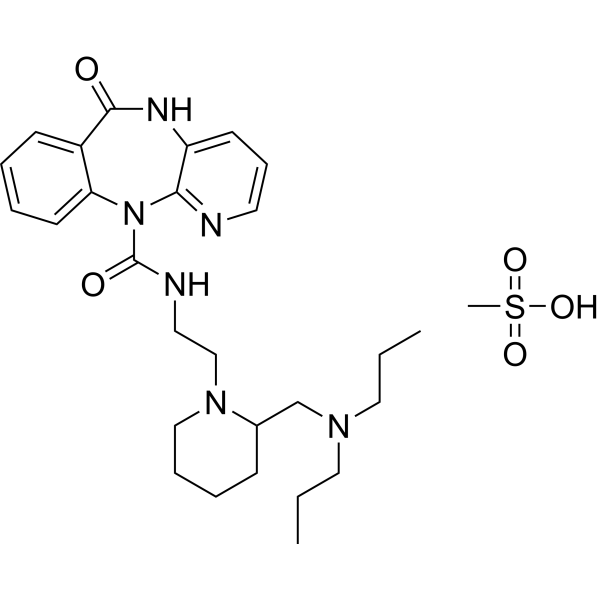
  • HY-107652

    mAChR Neurological Disease
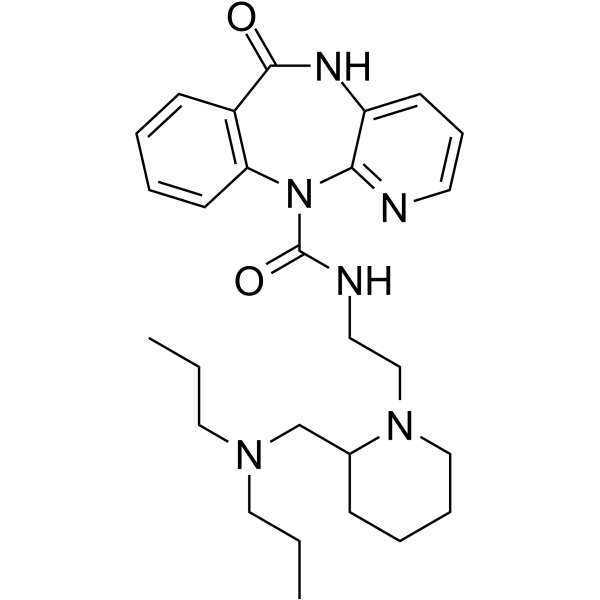
    AF-DX 384 is a selective antagonist of M2 and M4 muscarinic acetylcholine receptors (Kis=6.03 and 10 nM, respectively) . AF-DX 384 reverses deficits in novel object recognition and passive avoidance in aged rats, as well as in young rats with impairments induced by scopolamine .
    AF-DX 384
  • HY-12158

    mAChR Neurological Disease
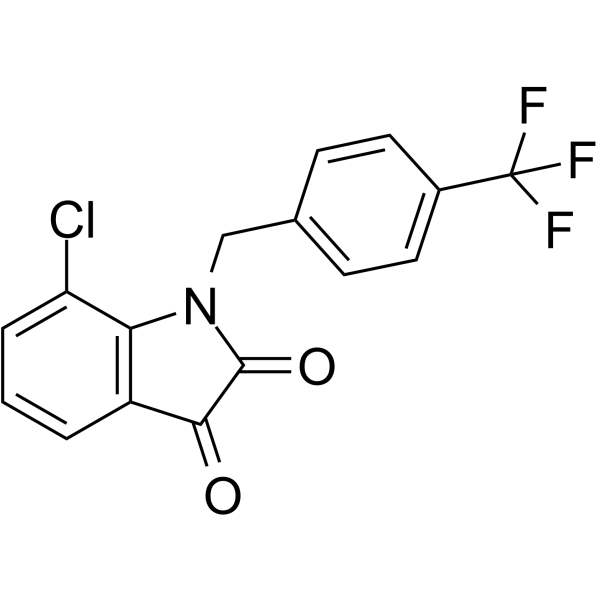
    VU0238441 is a pan muscarinic acetylcholine receptor (mAChR) positive allosteric modulator (PAM) with EC50s of 3.2 μM, 2.8 μM, 2.2 μM, 2.1 μM, >10 μM for M1, M2, M3, M5 and M4, respectively .
    VU0238441
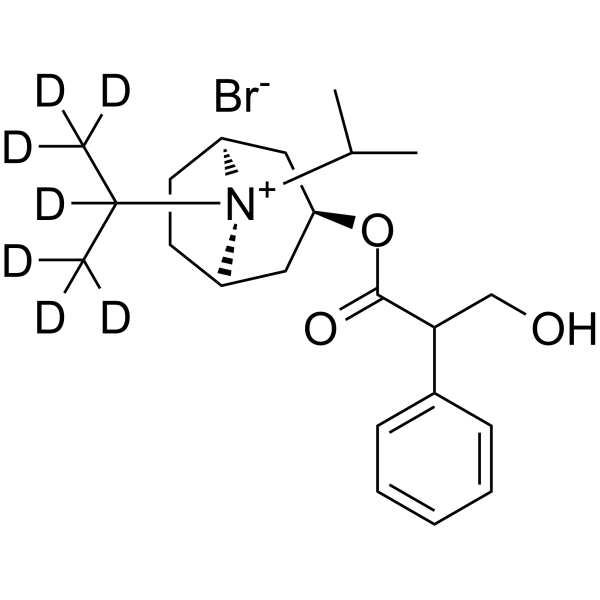
  • HY-B0241S

    Sch 1000-d3

    mAChR Neurological Disease Inflammation/Immunology
    Ipratropium-d3 (bromide) is the deuterium labeled Ipratropium bromide. Ipratropium bromide (Sch 1000) is a muscarinic receptor antagonist, with binding IC50 values of 2.9 nM, 2 nM, and 1.7 nM for M1, M2, and M3 receptors, respectively. Ipratropium bromide can be used in the research for COPD (chronic obstructive pulmonary disease) and asthma .
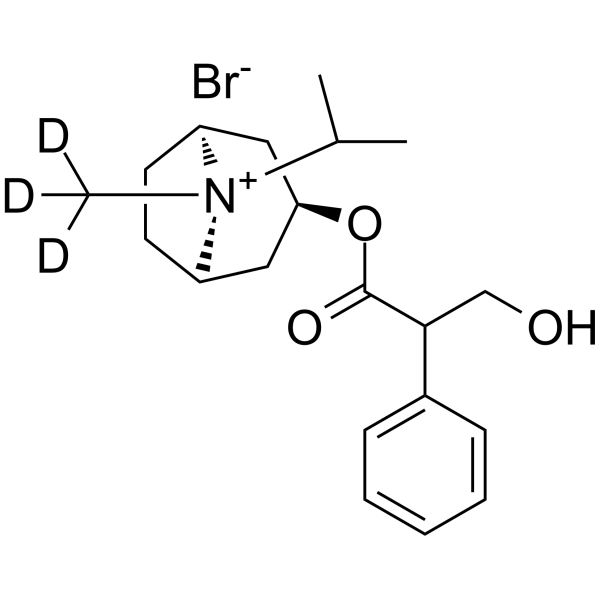
    Ipratropium-d3 bromide
  • HY-100979

    HDMPPA

    mAChR Others
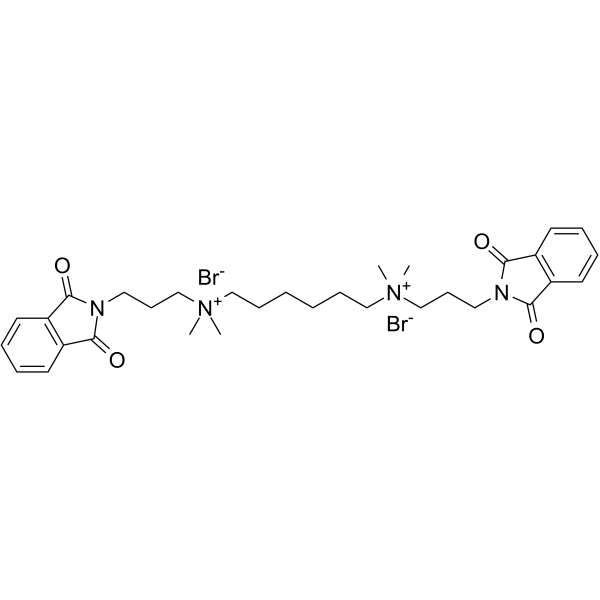
    W-84 (dibromide) is a potent allosteric modulator of M2-cholinoceptors, which retards [ 3H]N-methylscopolamine dissociation. W-84 dibromide can stabilize cholinergic antagonist-receptor complexes. W-84 (dibromide) is a non-competitive muscarinic acetylcholine receptors antagonist with allosteric effects. W-84 (dibromide) protects over additively against an organophosphate-intoxication when applied in combination with atropine .
    W-84 dibromide
  • HY-17360S

    BA679 BR-d3

    Isotope-Labeled Compounds mAChR Neurological Disease
    Tiotropium-d3 (bromide) is the deuterium labeled Tiotropium (Bromide). Tiotropium bromide (BA-679 BR) is a long-acting anticholinergic bronchodilator. Tiotropium bromide blocks the action of acetylcholine at muscarinic M1, M2, and M3 receptors, prevents bronchoconstriction, and dilates bronchial airways. Tiotropium bromide is applicable to research related to chronic obstructive pulmonary disease and asthma .
    Tiotropium-d3 bromide
  • HY-14825

    SVT-40776

    mAChR Inflammation/Immunology
    Tarafenacin (SVT-40776) is an orally active, selective M3 muscarinic receptor (M3 muscarinic receptor) antagonist with 203-fold selectivity over the M2 muscarinic receptor. Tarafenacin does not affect atrial contraction, arterial blood pressure or arterial pressure at high doses. Tarafenacin can be used in the research of overactive bladder .
    Tarafenacin
  • HY-A0030R

    Reference Standards mAChR Neurological Disease Metabolic Disease Cancer
    Fesoterodine (fumarate) (Standard) is the analytical standard of Fesoterodine (fumarate). This product is intended for research and analytical applications. Fesoterodine Fumarate is an orally active, nonsubtype selective, competitive muscarinic receptor (mAChR) antagonist with pKi values of 8.0, 7.7, 7.4, 7.3, 7.5 for M1, M2, M3, M4, M5 receptors, respectively. Fesoterodine Fumarate is used for the overactive bladder (OAB) .
    Fesoterodine fumarate (Standard)
  • HY-171843

    mAChR Endocrinology
    TD-6301 is a bladder-selective M2/4 muscarinic receptor antagonist. TD-6301 binds to and blocks M2/4 muscarinic receptors with high selectivity, especially human M2 receptors with strong affinity (Ki = 0.36 nM). TD-6301 inhibits volume-induced bladder contractions (ID50 = 0.075 mg/kg). TD-6301 can be used in the research of overactive bladder .
    TD-6301
  • HY-134971

    mAChR Neurological Disease
    AE9C90CB, muscarinic receptor antagonist, has greater affinity for M3 muscarinic receptors with pKi of 9.90 and was 20-fold more selective for M3 than for M2 muscarinic receptors .
    AE9C90CB
  • HY-171449

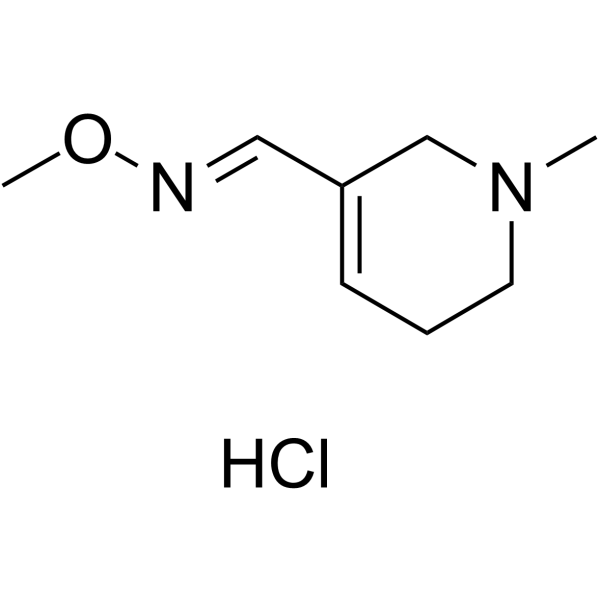
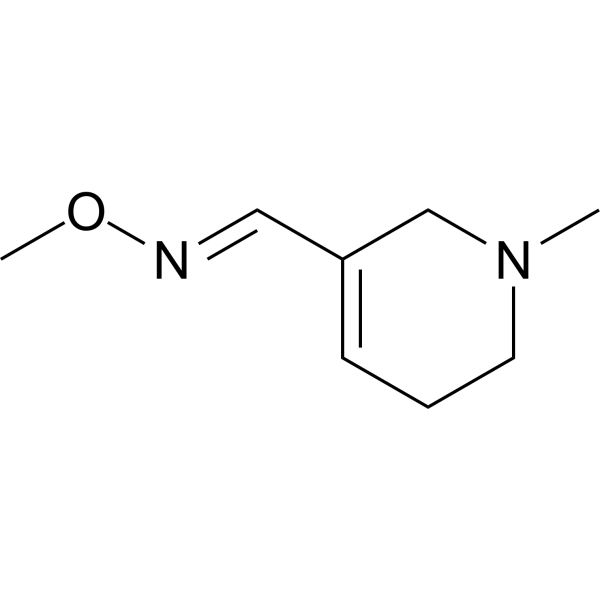
    mAChR Cardiovascular Disease Neurological Disease
    SCH 211803 is a selective antagonist of the M2 muscarinic receptor. SCH 211803 is promising for research of cardiovascular and nervous system diseases .
    SCH 211803
  • HY-P1376A
    G-Protein antagonist peptide TFA
    1 Publications Verification

    mAChR Adrenergic Receptor Endocrinology
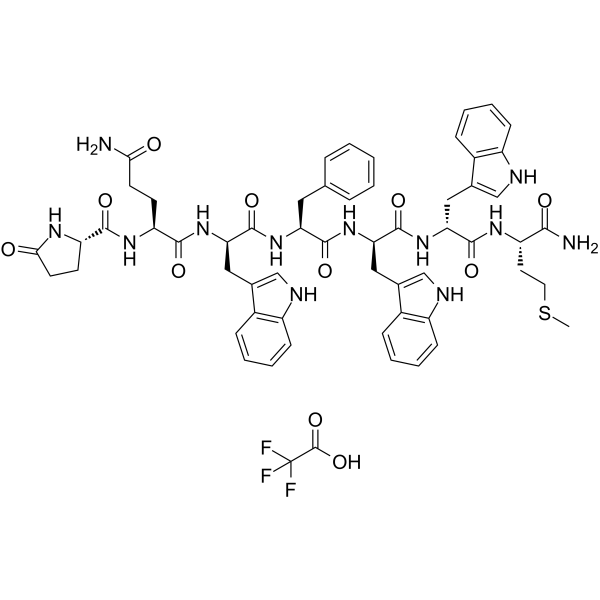
    G-Protein antagonist peptide TFA is a truncated substance P-related peptide, competes with receptor for G protein binding. G-Protein antagonist peptide TFA inhibits the activation of Gi or Go by M2 muscarinic cholinergic receptor (M2 mAChR) or of Gs by beta-adrenergic receptor in the reconstituted phospholipid vesicles, assayed by receptor-promoted GTP hydrolysis .
    G-Protein antagonist peptide TFA
  • HY-120418

    mAChR Others
    L-687306 is a high affinity muscarinic M1 receptor partial agonist with activity as a partial agonist of M1 receptors in rat ganglia and as a high affinity competitive antagonist at guinea pig cardiac M2 and ileal M3 muscarinic receptors, useful for studying the receptor reserve of muscarinic receptors.
    L-687306
  • HY-120792

    mAChR Others
    DAU 5884 is a muscarinic receptor antagonist with activity that discriminates between different muscarinic receptor subtypes. DAU 5884 discriminates between M4 and M2 receptor sites and is a highly potent M1-selective antagonist with specific activity at different muscarinic receptors characterized by radioligand binding studies and functional assays.
    DAU 5884
  • HY-122491

    mAChR Neurological Disease
    Dimethyl-W84 (dibromide) modulates M2 muscarinic acetylcholine receptors. Dimethyl-W84 (dibromide) can be used in nervous system related research .
    Dimethyl-W84 dibromide

Inquiry Online

Your information is safe with us. * Required Fields.

Salutation


Country or Region *

Applicant Name *


Organization Name *

Department *


Email Address *


Product Name *

Cat. No.


Requested quantity *

Phone Number *


Remarks

Inquiry Online

Inquiry Information

Product Name:
Cat. No.:
Quantity:
MCE Japan Authorized Agent: