Search Result
Results for "
oral analgesic agent
" in MedChemExpress (MCE) Product Catalog:
11
Isotope-Labeled Compounds
| Cat. No. |
Product Name |
Target |
Research Areas |
Chemical Structure |
-
- HY-12708
-
Chlorpromazine
Maximum Cited Publications
128 Publications Verification
|
Dopamine Receptor
Cytochrome P450
Autophagy
5-HT Receptor
|
Cardiovascular Disease
Neurological Disease
Cancer
|
|
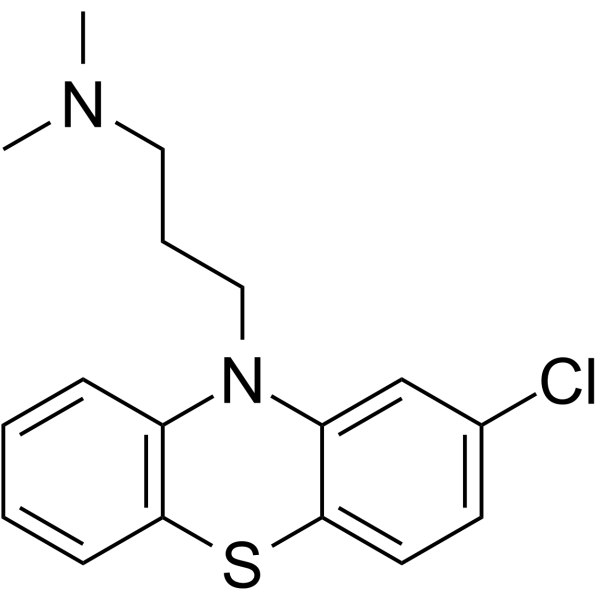
Chlorpromazine is an orally active, blood-brain barrier-transparent antipsychotic agent that effectively antagonises D2 dopamine receptors and 5-HT2A, which is widely used in schizophrenia and other psychiatric disorders. Chlorpromazine exerts anti-cancer activity through a variety of pathways, including anti-proliferation, induction of autophagy and cycle arrest (G2-M phase), inhibition of cytochrome c oxidase (CcO), inhibition of tumour growth and metastasis, and inhibition of tumour immune escape. Chlorpromazine also blocks hNav1.7 channels (IC50=25.9 μM; concentration-dependent) and HERG potassium channels (IC50=21.6 μM), which has potential for analgesic and cardiac arrhythmic studies. Chlorpromazine also can inhibit clathrin-mediated endocytosis .
|
-
-
- HY-B0407A
-
|
|
Dopamine Receptor
Autophagy
Cytochrome P450
5-HT Receptor
|
Cardiovascular Disease
Neurological Disease
Cancer
|
|
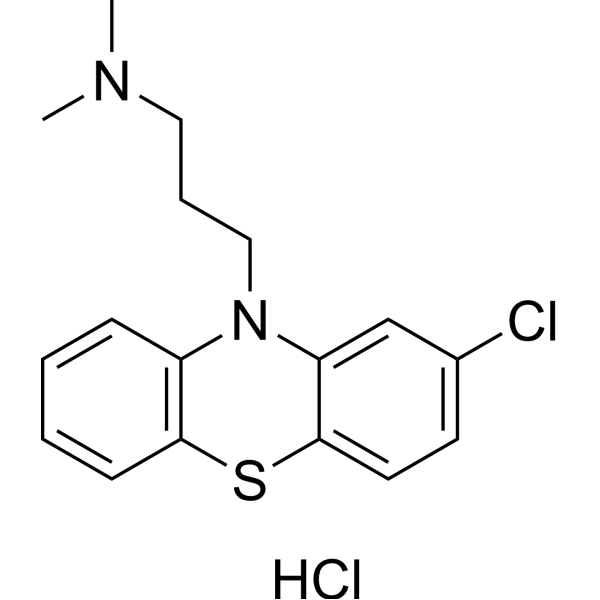
Chlorpromazine hydrochloride is an orally active, blood-brain barrier-transparent antipsychotic agent that effectively antagonises D2 dopamine receptors and 5-HT2A, which is widely used in schizophrenia and other psychiatric disorders. Chlorpromazine hydrochloride exerts anti-cancer activity through a variety of pathways, including anti-proliferation, induction of autophagy and cycle arrest (G2-M phase), inhibition of cytochrome c oxidase (CcO), inhibition of tumour growth and metastasis, and inhibition of tumour immune escape. Chlorpromazine hydrochloride also blocks hNav1.7 channels (IC50=25.9 μM; concentration-dependent) and HERG potassium channels (IC50=21.6 μM), which has potential for analgesic and cardiac arrhythmic studies. Chlorpromazine hydrochloride also can inhibit clathrin-mediated endocytosis .
|
-
-
- HY-B0171
-
-
-
- HY-B0339
-
-
-
- HY-10582
-
|
dl-Flurbiprofen
|
COX
Apoptosis
|
Infection
Neurological Disease
Inflammation/Immunology
Cancer
|
|
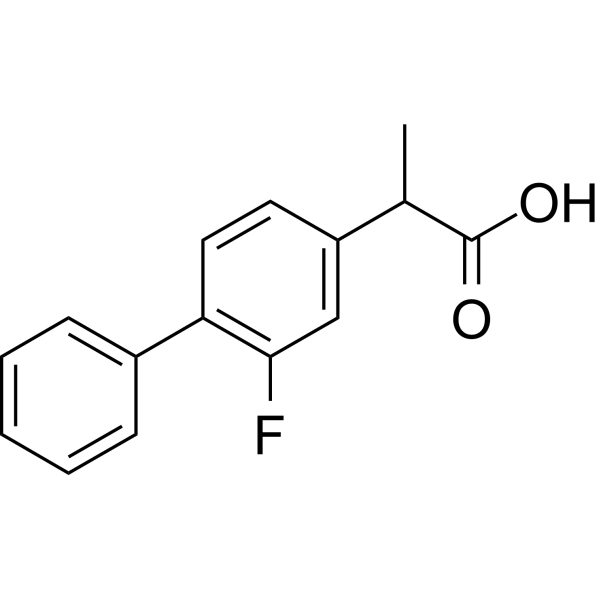
Flurbiprofen (dl-Flurbiprofen) is a potent, orally active nonsteroidal anti-inflammatory agent (NSAIA/NSAID), with antipyretic and analgesic activities. Flurbiprofen is commonly used for the research of inflammatory diseases, including osteoarthritis and rheumatoid arthritis. Flurbiprofen is a non-selective cyclooxygenase (COX) inhibitor that can be used for the research of colorectal cancer .
|
-
-
- HY-B0955
-
|
Oxetacaine
|
HBV
|
Neurological Disease
|
|
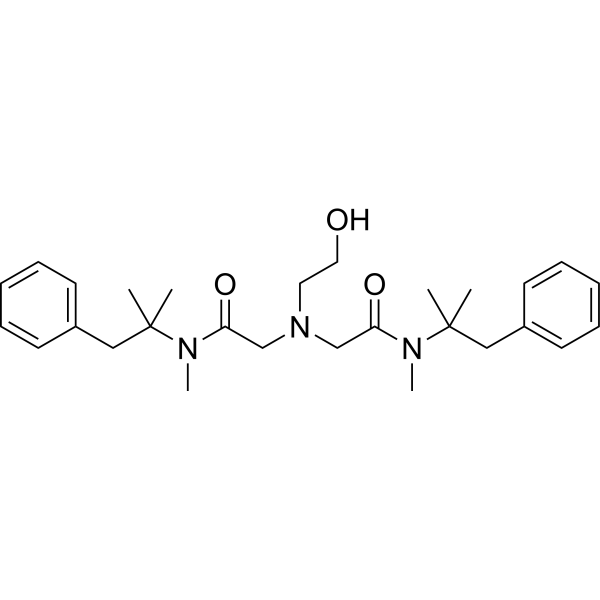
Oxethazaine (Oxetacaine), a precursor of phentermine?acidic, is an acid-resistent and orally active analgesic agent. Oxethazaine (Oxetacaine) has the potential for the relief of pain associated with?peptic ulcer disease?or?esophagitis .
|
-
-
- HY-17001A
-
|
D 9998
|
Potassium Channel
iGluR
GABA Receptor
|
Neurological Disease
Inflammation/Immunology
|
|
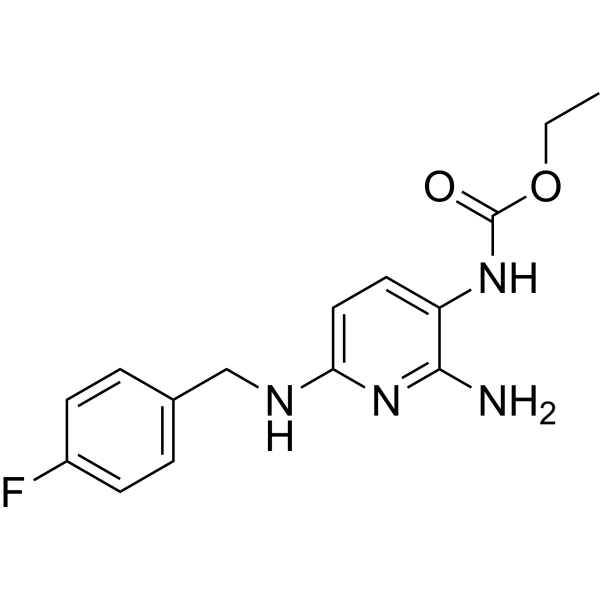
Flupirtine (D 9998) is an orally active, blood-brain barrier-crossing non-opioid analgesic and neuroprotective agent. Flupirtine is a neuronal potassium channel opener (Kv7 activator), a NMDA receptor antagonist and a GABA receptor activator. Flupirtine stabilizes blood-brain-barrier integrity, reduces oxidative stress and brain leukocyte infiltration, enhances angioneurogenesis, suppresses calcium influx, stabilizes neuronal resting membrane potential, and counteracts focal cerebral ischemia. Flupirtine exhibits analgesic, muscle relaxant properties, protects neurons from excitotoxic, ischemic, or cytokine-mediated death. Flupirtine functions as a non-opioid analgesic without antipyretic or antiphlogistic properties, shows no relevant affinity to opiate receptor. Flupirtine can be used for the research of focal cerebral ischemia, pain, Alzheimer’s disease, or multiple sclerosis .
|
-
-
- HY-12383
-
-
-
- HY-B0578
-
|
|
COX
|
Cardiovascular Disease
Inflammation/Immunology
Cancer
|
|
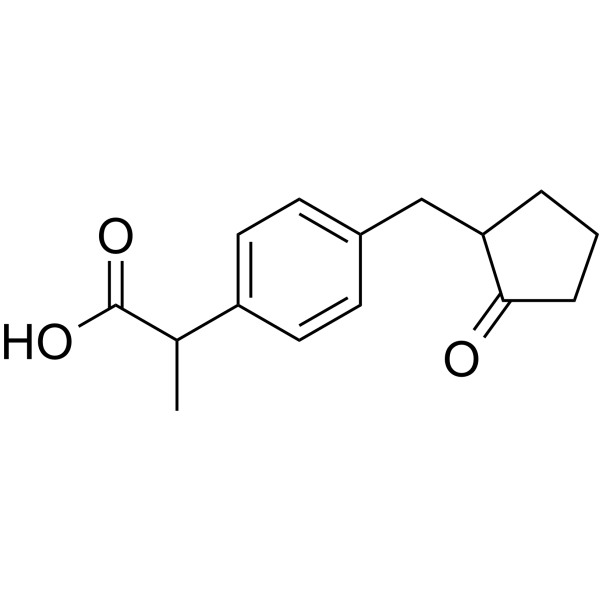
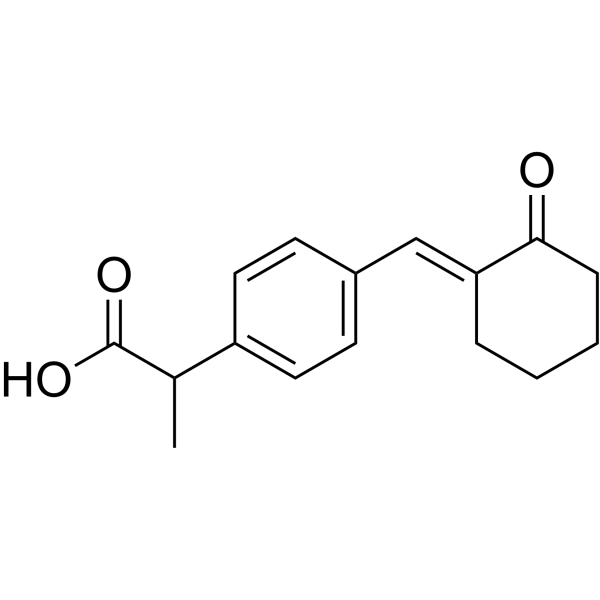
Loxoprofen is a non-steroidal, orally active anti-inflammatory agent with analgesic and anti-pyretic properties. Loxoprofen is a nonselective COX inhibitor with IC50s of 6.5 and 13.5 μM for COX-1 and COX-2, respectively. Loxoprofen can reduce atherosclerosis and shows antitumor activity .
|
-
-
- HY-17001
-
|
D 9998 Maleate
|
Potassium Channel
iGluR
GABA Receptor
|
Neurological Disease
Inflammation/Immunology
|
|
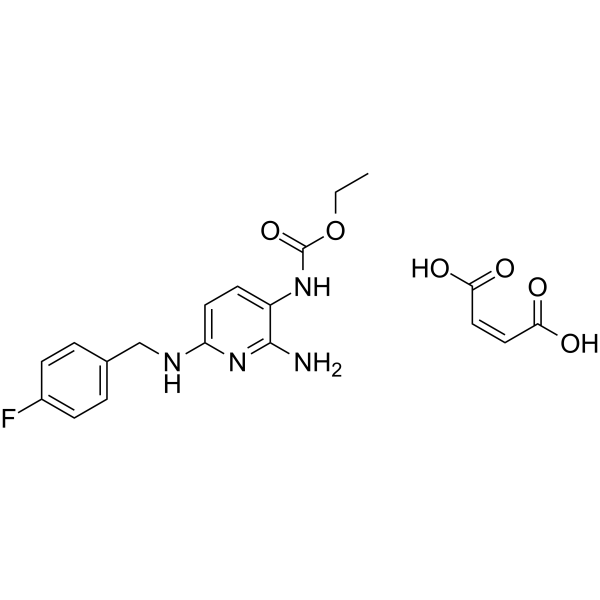
Flupirtine (D 9998) Maleate is an orally active, blood-brain barrier-crossing non-opioid analgesic and neuroprotective agent. Flupirtine Maleate is a neuronal potassium channel opener (Kv7 activator), a NMDA receptor antagonist and a GABA receptor activator. Flupirtine Maleate stabilizes blood-brain-barrier integrity, reduces oxidative stress and brain leukocyte infiltration, enhances angioneurogenesis, suppresses calcium influx, stabilizes neuronal resting membrane potential, and counteracts focal cerebral ischemia. Flupirtine Maleate exhibits analgesic, muscle relaxant properties, protects neurons from excitotoxic, ischemic, or cytokine-mediated death. Flupirtine Maleate functions as a non-opioid analgesic without antipyretic or antiphlogistic properties, shows no relevant affinity to opiate receptor. Flupirtine Maleate can be used for the research of focal cerebral ischemia, pain, Alzheimer’s disease, or multiple sclerosis .
|
-
-
- HY-B0972
-
|
|
Bacterial
|
Inflammation/Immunology
|
|
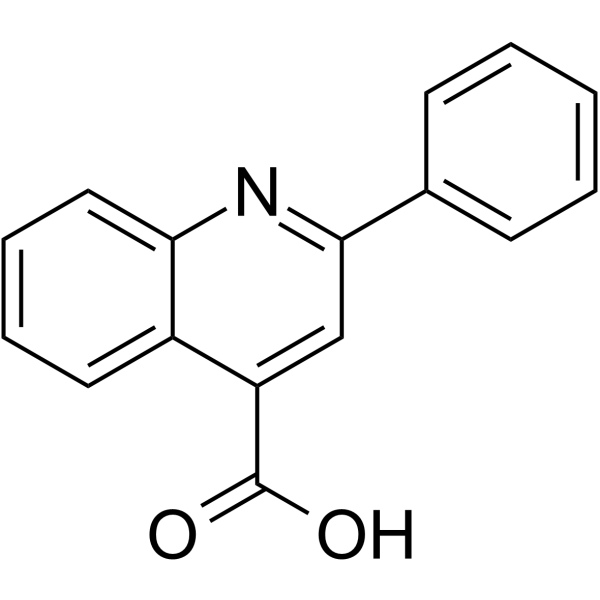
Cinchophen is a potent and orally active non-steroidal anti-inflammatory agent, has analgesic and antimicrobial effects. Cinchophen can be used for the research of arthritis and some liver diseases .
|
-
-
- HY-B1279
-
|
Dipyrone hydrate; Methamizole sodium hydrate
|
COX
Apoptosis
|
Inflammation/Immunology
|
|
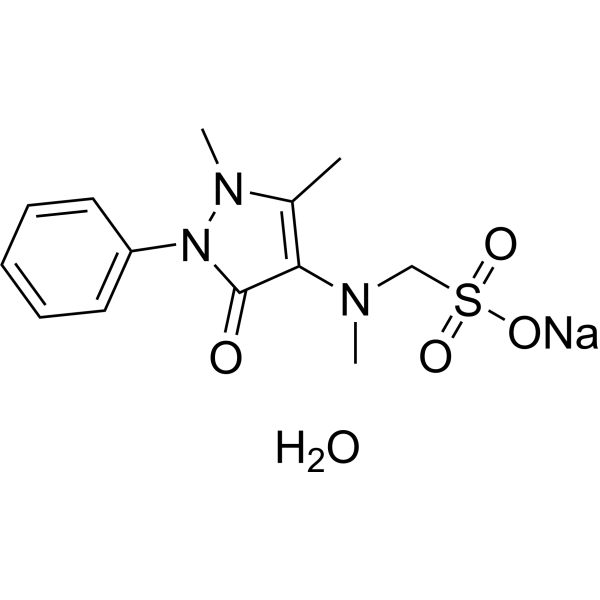
Metamizole sodium hydrate (Dipyrone) is an orally active cyclooxygenase (COX) inhibitor.. Metamizole sodium hydrate can inhibit cell proliferation and promote cell apoptosis. Metamizole sodium hydrate has anti-inflammatory and antioxidant activities. Metamizole sodium hydrate is an antipyretic, analgesic and spasmolytic agent. Metamizole sodium hydrate can be used in research to relieve a variety of pain .
|
-
-
- HY-13106
-
|
EMA401; PD-126055; (S)-EMA400
|
Angiotensin Receptor
|
Cardiovascular Disease
Neurological Disease
Endocrinology
|
|
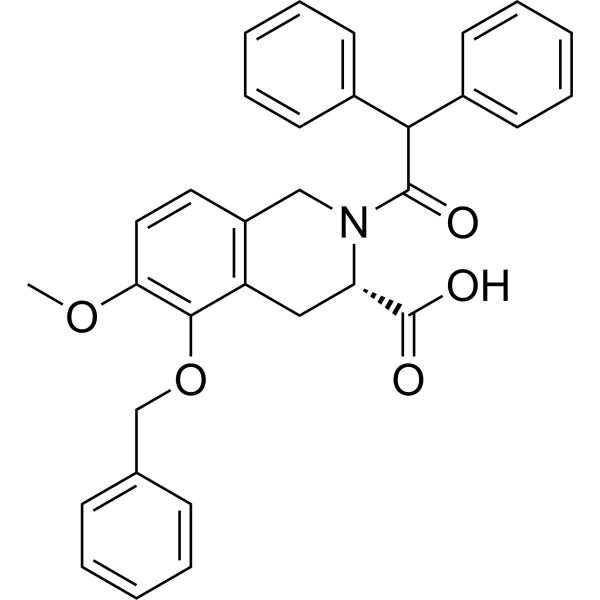
Olodanrigan (EMA401) is a highly selective, orally active, peripherally restricted angiotensin II type 2 receptor (AT2R) antagonist. It is under development as a neuropathic pain therapeutic agent. Olodanrigan (EMA401) analgesic action appears to involve inhibition of augmented AngII/AT2R induced p38 and p42/p44 MAPK activation, and hence inhibition of DRG neuron hyperexcitability and sprouting of DRG neurons .
|
-
-
- HY-W040672
-
|
Dytransin
|
COX
|
Inflammation/Immunology
|
|
Ibufenac (Dytransin) is an orally active nonsteroidal anti-inflammatory agent. Ibufenac exerts anti-inflammatory, analgesic and antipyretic effects. Ibufenac is being studied for the treatment of rheumatic diseases such as rheumatoid arthritis .
|
-
-
- HY-118752
-
|
|
COX
|
Inflammation/Immunology
|
|
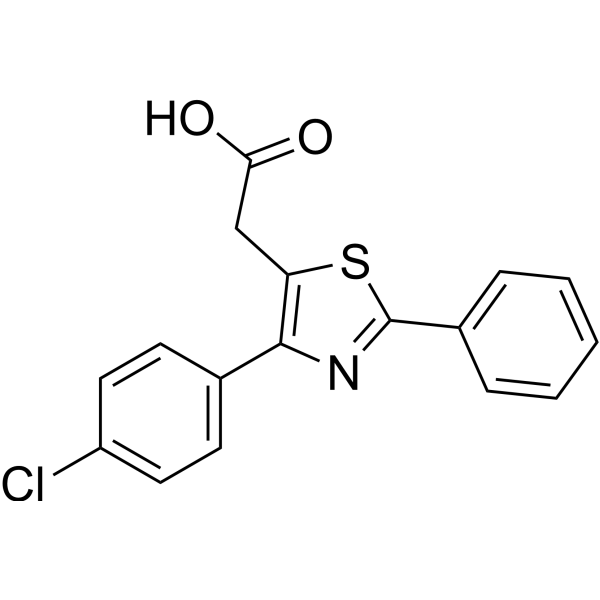
Fentiazac, alkanoic acid derivative, is an orally active non-steroidal anti-inflammatory agent, with analgesic, antipyretic and platelet anti-aggregation activity. Fentiazac can be used to research inflammatory diseases such as rheumatoid arthritis, osteoarthritis and tendinitis .
|
-
-
- HY-B1279A
-
|
Dipyrone; Methamizole sodium
|
COX
Apoptosis
|
Inflammation/Immunology
Cancer
|
|
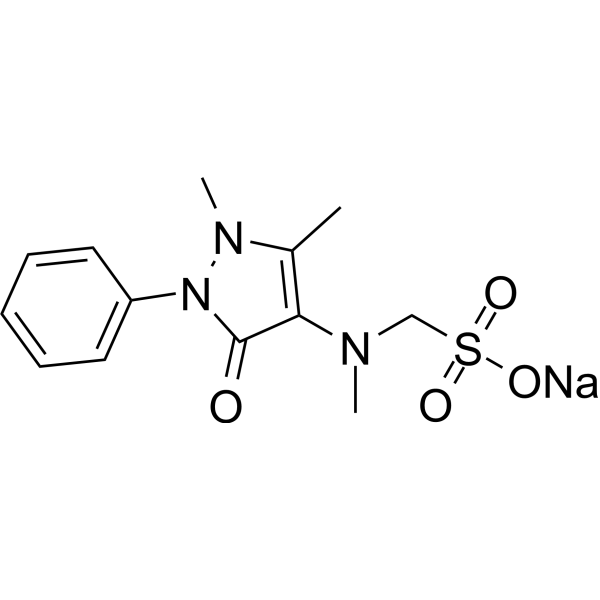
Metamizole sodium (Dipyrone) is an orally active cyclooxygenase (COX) inhibitor. Metamizole sodium can inhibit cell proliferation and promote cell apoptosis. Metamizole sodium has anti-inflammatory and antioxidant activities. Metamizole sodium is an antipyretic, analgesic and spasmolytic agent. .Metamizole sodium can be used in research to relieve a variety of pain .
|
-
-
- HY-B0578A
-
|
|
COX
|
Cardiovascular Disease
Inflammation/Immunology
Cancer
|
|
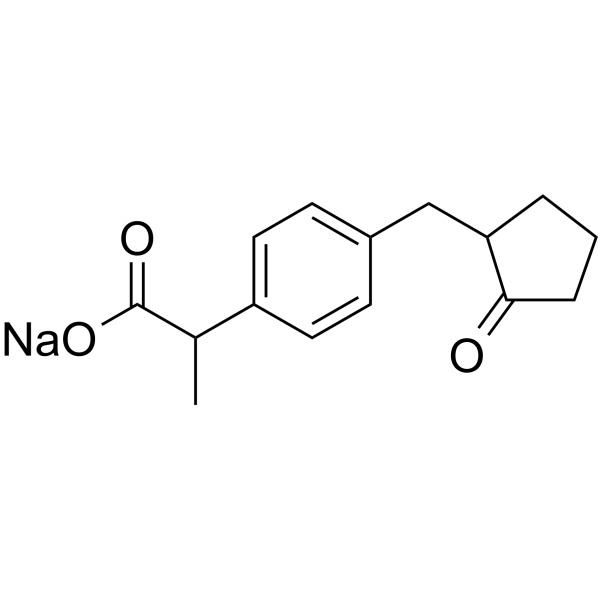
Loxoprofen sodium is a non-steroidal, orally active anti-inflammatory agent with analgesic and anti-pyretic properties. Loxoprofen sodium is a nonselective COX inhibitor with IC50s of 6.5 and 13.5 μM for COX-1 and COX-2, respectively. Loxoprofen sodium can reduce atherosclerosis and shows antitumor activity .
|
-
-
- HY-B0634
-
|
|
COX
|
Inflammation/Immunology
|
|
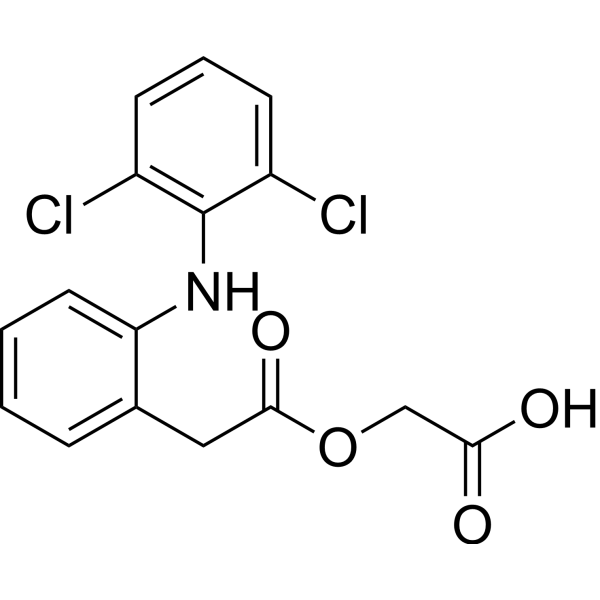
Aceclofenac is an orally active nonsteroidal anti-inflammatory agent (NSAID), with analgesic and anti-inflammatory properties. Aceclofenac is used for the research of osteoarthritis, ankylosing spondylitis, rheumatoid arthritis .
|
-
-
- HY-101432
-
|
ICI-54450; Acidum fenclozicum; Mialex
|
COX
|
Inflammation/Immunology
|
|
Fenclozic acid (ICI-54450) is an orally active anti-inflammatory, analgesic, and antipyretic agent. Fenclozic acid exhibits anti-inflammatory activity in Edadjuvant-induced arthritis and Carrageenin-induced oedema in rats. Fenclozic acid can be used for the research of arthritis .
|
-
-
- HY-W013331
-
|
2-Deoxyartemisinin
|
TNF Receptor
|
Neurological Disease
Inflammation/Immunology
|
|
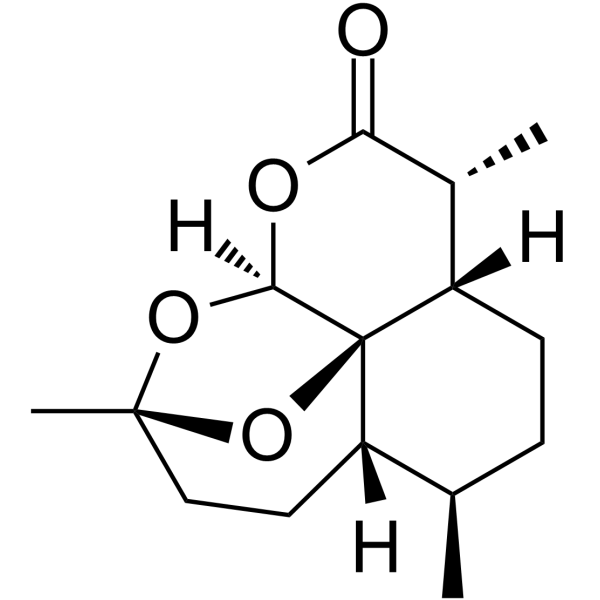
Deoxyartemisinin (2-Deoxyartemisinin) is an orally active anti-inflammatory and analgesic agent. Deoxyartemisinin selectively reduces the level of the pro-inflammatory cytokine TNF-α. Deoxyartemisinin alleviates neuropathic pain, inflammatory pain, and croton oil-induced ear edema.\nDeoxyartemisinin exerts an analgesic effect against thermal stimulation. Deoxyartemisinin has anti-ulcer activity. Deoxyartemisinin can be used in research related to inflammatory diseases, pain, and gastric ulcers .
|
-
-
- HY-103370
-
|
BA 7602-06
|
Chloride Channel
|
Inflammation/Immunology
|
|
Talniflumate (BA 7602-06) is the proagent of Niflumic acid (HY-B0493), exerting its activity in the body through conversion to niflumic acid by esterase . Talniflumate is an orally active Ca 2+-activated Cl - channel (CaCC) blocker. Talniflumate can be used as an analgesic and anti-inflammatory agent in cystic fibrosis mouse model of distal intestinal obstructive syndrome .
|
-
-
- HY-N0412
-
|
|
PERK
JNK
TNF Receptor
Interleukin Related
|
Neurological Disease
Inflammation/Immunology
|
|
Sesamoside is an orally active anti-inflammatory, anti-hypoxic and analgesic agent. Sesamoside inhibits the phosphorylation of ERK and JNK, downregulates NLRP3 expression, restricts the nuclear localization of P65, regulates AKR1B1 expression, and reduces the expression of TRPV1 gene in the spinal cord. Sesamoside reduces the production of TNF-α, IL-6, IL-1β, iNOS and NO, restores cellular metabolism and organ function, and alleviates cold and mechanical hyperalgesia. Sesamoside can be used in research related to septic shock, high-altitude pulmonary edema and neuropathic pain .
|
-
-
- HY-W040265
-
|
N-Phenylanthranilic acid
|
Chloride Channel
|
Inflammation/Immunology
|
|
Fenamic acid (N-Phenylanthranilic acid, NPAA) is an orally active chloride channel blocker. Fenamic acid is the basic constituent of non-steroidal anti-inflammatory agents (NSAIA), and derives into mefenamic, tofenacin, flufenac acid and melofenac acid. Fenamic acid also acts as antibacterial and analgesic agent - .
|
-
-
- HY-106579
-
|
|
COX
|
Inflammation/Immunology
|
|
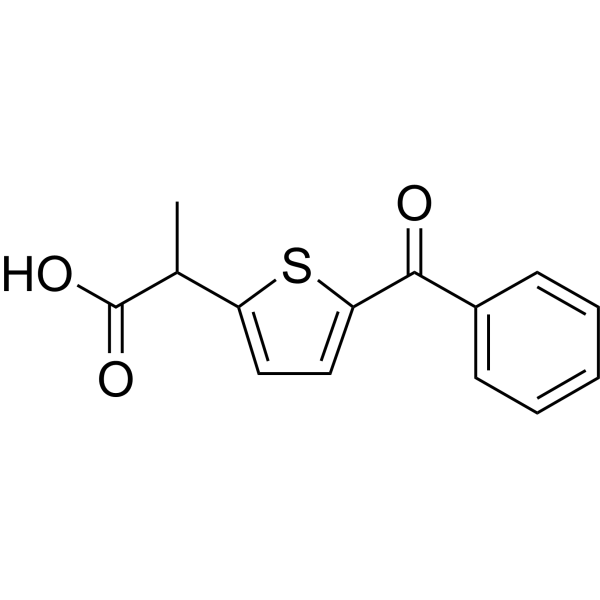
Tiaprofenic acid is an orally active nonsteroidal anti-inflammatory agent (NSAID) with anti-inflammatory and analgesic potency. Tiaprofenic acid inhibits prostaglandin synthesis by suppressing cyclo-oxygenase (COX). Tiaprofenic acid can be used in the treatment of rheumatic diseases .
|
-
-
- HY-W050088
-
|
HP 549
|
Drug Derivative
|
Neurological Disease
Inflammation/Immunology
|
|
Isoxepac (HP 549) is an orally active non-steroidal anti-inflammatory agent. Isoxepac can inhibit Carrageenan (HY-125474) paw oedema, adjuvant-induced polyarthritis, and prostaglandin synthesis. Isoxepac (200 mg) has an analgesic effect after meniscectomy with a low incidence of side effects. Isoxepac can be used in the research of inflammatory (rheumatoid arthritis) and pain-related diseases .
|
-
-
- HY-W031757
-
|
|
Influenza Virus
Bacterial
Dipeptidyl Peptidase
COX
NF-κB
AP-1
RIG-I-like receptor (RLR)
STAT
|
Infection
Neurological Disease
Inflammation/Immunology
|
|
Anthraquinone-2-carboxylic acid is an orally active anthraquinone compound and Antibacterial agent. Anthraquinone-2-carboxylic acid can be isolated from Bajitian. Anthraquinone-2-carboxylic acid inhibits the activation of DPP-IV, COX-2, NF-κB and AP-1. Anthraquinone-2-carboxylic acid blocks IAV-induced activation of the RIG-I/STAT1 pathway, alleviates IAV-mediated weight loss, and protects against lethal IAV infection. Anthraquinone-2-carboxylic acid inhibits the growth of various Staphylococcus strains. It possesses potent anti-inflammatory, immunomodulatory, analgesic and antibacterial activities .\n
|
-
-
- HY-114806
-
|
Flenac; R 67408
|
Thyroid Hormone Receptor
|
Inflammation/Immunology
|
|
Fenclofenac is an orally active anti-inflammatory agent with a low ulcerogenic effect. Fenclofenac also exhibits antipyretic and analgesic activities, with an oral LD50 of 2280 mg/kg in rats. Fenclofenac can be utilized in inflammation research .
|
-
-
- HY-B0339R
-
-
-
- HY-10582S
-
|
dl-Flurbiprofen-d3
|
COX
Apoptosis
|
Inflammation/Immunology
Cancer
|
|
Flurbiprofen-d3 is the deuterium labeled Flurbiprofen. Flurbiprofen (dl-Flurbiprofen) is a potent, orally active nonsteroidal anti-inflammatory agent (NSAIA/NSAID), with antipyretic and analgesic activities. Flurbiprofen is commonly used for the research of inflammatory diseases, including osteoarthritis and rheumatoid arthritis. Flurbiprofen is a non-selective cyclooxygenase (COX) inhibitor that can be used for the research of colorectal cancer .
|
-
-
- HY-10582S1
-
|
dl-Flurbiprofen-d5
|
COX
Apoptosis
|
Inflammation/Immunology
Cancer
|
|
Flurbiprofen-d5 is the deuterium labeled Flurbiprofen. Flurbiprofen (dl-Flurbiprofen) is a potent, orally active nonsteroidal anti-inflammatory agent (NSAIA/NSAID), with antipyretic and analgesic activities. Flurbiprofen is commonly used for the research of inflammatory diseases, including osteoarthritis and rheumatoid arthritis. Flurbiprofen is a non-selective cyclooxygenase (COX) inhibitor that can be used for the research of colorectal cancer .
|
-
-
- HY-A0235
-
|
Stakane
|
Drug Derivative
Influenza Virus
|
Infection
Neurological Disease
Metabolic Disease
Inflammation/Immunology
|
|
Antrafenine (Stakane) is a derivative of 2-(quinolin-4-ylamino) benzoate, and is an orally active anti-inflammatory and analgesic agent. Antrafenine protects mammalian epithelial cells from cell death upon exposure to influenza A virus A/WSN/33 (H1N1). Antrafenine inhibits carrageenan-induced paw swelling in rats, and reduces exudate volume and total leukocyte infiltration in carrageenan- and calcium pyrophosphate dihydrate crystal-induced pleurisy in rats. Antrafenine can be used in studies related to influenza and pseudogout .
|
-
-
- HY-137394
-
|
Tryptamide
|
Drug Derivative
|
Inflammation/Immunology
|
|
Nicotredole (Tryptamide) is an orally active anti-inflammatory and analgesic agent. Nicotredole exhibits evident antiinflammatory effects of potency comparable with Phenylbutazone. Nicotredole has only weak ulcerogenic activity .
|
-
-
- HY-N2573
-
|
L-Corydalmine; TLZ-16
|
Fungal
CXCR
|
Infection
Neurological Disease
|
|
Corydalmine (L-Corydalmine) inhibits spore germination of some plant pathogenic as well as saprophytic fungi . Corydalmine acts as an oral analgesic agent, exhibiting potent analgesic activity . Corydalmine alleviates Vincristine-induced neuropathic pain in mice by inhibiting an NF-κB-dependent CXCL1/CXCR2 signaling pathway .
|
-
-
- HY-16723A
-
|
(R)-TV 45070; (R)-XEN402
|
Sodium Channel
|
Neurological Disease
Inflammation/Immunology
|
|
(R)-Funapide ((R)-TV 45070) is the less active R-enantiomer of Funapide. Funapide is a potent inhibitor of the sodium channel Nav1.7, Nav1.8 and other Nav channels expressed in the peripheral nervous system. Fornabil is an orally effective analgesic agent .
|
-
-
- HY-B0578B
-
|
|
COX
|
Cardiovascular Disease
Inflammation/Immunology
Cancer
|
|
Loxoprofen sodium dihydrate is a non-steroidal, orally active anti-inflammatory agent with analgesic and anti-pyretic properties. Loxoprofen sodium dihydrate is a nonselective COX inhibitor with IC50s of 6.5 and 13.5 μM for COX-1 and COX-2, respectively. Loxoprofen sodium dihydrate can reduce atherosclerosis and shows antitumor activity .
|
-
-
- HY-116005
-
|
|
Adenosine Kinase
|
Neurological Disease
Inflammation/Immunology
|
|
A-286501 is an orally active and potent carbocyclic nucleoside adenosine kinase inhibitor with an IC50 value of 0.47 nM, which shows analgesic and anti-inflammatory effects. A-286501 reduces nociception in animal models of acute (thermal), inflammatory (formalin and carrageenan) and neuropathic (L5/L6 nerve ligation and streptozotocin-induced diabetic) pain. A-286501 also reduces Carrageenan (HY-125474)-induced paw edema and myeloperoxidase activity in the injured paw. A-286501 is promising for research of analgesic and anti-inflammatory agents .
|
-
-
- HY-N1965
-
-
-
- HY-110230
-
|
D 9998-d4 hydrochloride
|
Isotope-Labeled Compounds
Potassium Channel
iGluR
GABA Receptor
|
Neurological Disease
Inflammation/Immunology
|
|
Flupirtine-d4 (D 9998-d4) hydrochloride is the deuterium labeled Flupirtine hydrochloride (HY-W709349). Flupirtine hydrochloride is an orally active, blood-brain barrier-crossing non-opioid analgesic and neuroprotective agent. Flupirtine hydrochloride is a neuronal potassium channel opener (Kv7 activator), a NMDA receptor antagonist and a GABA receptor activator. Flupirtine hydrochloride stabilizes blood-brain-barrier integrity, reduces oxidative stress and brain leukocyte infiltration, enhances angioneurogenesis, suppresses calcium influx, stabilizes neuronal resting membrane potential, and counteracts focal cerebral ischemia. Flupirtine hydrochloride exhibits analgesic, muscle relaxant properties, protects neurons from excitotoxic, ischemic, or cytokine-mediated death. Flupirtine hydrochloride functions as a non-opioid analgesic without antipyretic or antiphlogistic properties, shows no relevant affinity to opiate receptor. Flupirtine hydrochloride can be used for the research of focal cerebral ischemia, pain, Alzheimer’s disease, or multiple sclerosis .
|
-
-
- HY-13106A
-
|
EMA401 sodium; PD-126055 sodium
|
Angiotensin Receptor
|
Neurological Disease
Endocrinology
|
|
Olodanrigan (EMA401) sodium is a highly selective, orally active, peripherally restricted angiotensin II type 2 receptor (AT2R) antagonist. Olodanrigan sodium is under development as a neuropathic pain therapeutic agent. Olodanrigan sodium analgesic action appears to involve inhibition of augmented AngII/AT2R induced p38 and p42/p44 MAPK activation, and hence inhibition of DRG neuron hyperexcitability and sprouting of DRG neurons .
|
-
-
- HY-19699
-
|
NAAM; 1-Naphthaleneacetamide; α-Naphthylacetamide
|
Environmental Pollutants
Phytohormone
|
Neurological Disease
Endocrinology
|
|
1-Naphthylacetamide is an orally active nonsteroidal anti-inflammatory agent (NAIA) and also an indole-type auxin plant growth regulator. 1-Naphthylacetamide inhibits inflammatory response-related pathways and modulates plant hormone signaling, exhibiting anti-inflammatory, local anesthetic, antispasmodic, analgesic, and diuretic activities. 1-Naphthylacetamide promotes plant cell expansion, differentiation, and fruit enlargement. Additionally, 1-Naphthylacetamide induces central nervous system (CNS) depression in mice, characterized by reduced spontaneous activity, decreased irritability, decreased muscle tone, and attenuated ear-cuff reflex, ipsilateral flexor reflex, and corneal reflex [1][2].
|
-
-
- HY-136653
-
|
WY 15705
|
UGT
|
Neurological Disease
|
|
Ciramadol (WY 15705) is a potent and orally active analgesic agent with both narcotic agonist and UDP-glucuronyltransferase modulator properties . Ciramadol (WY 15705) can be used for postoperative pain research research.
|
-
-
- HY-128624
-
|
|
Opioid Receptor
|
Neurological Disease
|
|
DS39201083, a Conolidine derivative, is a potent and orally active analgesic agent. DS39201083 shows no agonist activity at the mu opioid receptor. DS39201083 can be used for the study of neurological diseases .
|
-
-
- HY-107796
-
|
Dipyrone magnesium; Methamizole magnesium
|
COX
Apoptosis
|
Inflammation/Immunology
|
|
Metamizole magnesium is an orally active cyclooxygenase (COX) inhibitor. Metamizole magnesium can inhibit cell proliferation and promote cell apoptosis. Metamizole magnesium has anti-inflammatory and antioxidant activities. Metamizole magnesium is an antipyretic, analgesic and spasmolytic agent .
|
-
-
- HY-B0955R
-
|
Oxetacaine (Standard)
|
Reference Standards
HBV
|
Neurological Disease
|
|
Oxethazaine (Standard) is the analytical standard of Oxethazaine. This product is intended for research and analytical applications. Oxethazaine (Oxetacaine), a precursor of phentermine acidic, is an acid-resistent and orally active analgesic agent. Oxethazaine (Oxetacaine) has the potential for the relief of pain associated with peptic ulcer disease or esophagitis .
|
-
-
- HY-133195
-
|
Fenazoxine
|
Sodium Channel
|
Neurological Disease
|
|
Nefopam (Fenazoxine) is an orally active, non-opioid and non-steroidal centrally acting analgesic agent. Nefopam blocks voltage-sensitive sodium channels (IC50=27 μM) and modulates glutamatergic transmission in rodents. Nefopam can be used in studies of neuropathic pain, anticonvulsant, as well as the prevention of postoperative shivering and hiccups .
|
-
-
- HY-12383R
-
|
|
COX
NF-κB
NO Synthase
IKK
MAP3K
Reference Standards
|
Neurological Disease
Inflammation/Immunology
|
|
Pelubiprofen (Standard) is the analytical standard of Pelubiprofen. This product is intended for research and analytical applications. Pelubiprofen is an orally active anti-inflammatory agent that inhibits COX enzyme activity (with IC50 values of 10.66 and 2.88 μM for COX-1 and COX-2, respectively). Pelubiprofen has significant anti-inflammatory and analgesic effects .
|
-
-
- HY-W050088S
-
|
HP 549-d6
|
Isotope-Labeled Compounds
Drug Derivative
|
Neurological Disease
Inflammation/Immunology
|
|
Isoxepac-d6 (HP 549-d6) is the deuterium labeled Isoxepac (HY-W050088). Isoxepac (HP 549) is an orally active non-steroidal anti-inflammatory agent. Isoxepac can inhibit Carrageenan (HY-125474) paw oedema, adjuvant-induced polyarthritis, and prostaglandin synthesis. Isoxepac (200 mg) has an analgesic effect after meniscectomy with a low incidence of side effects. Isoxepac can be used in the research of inflammatory (rheumatoid arthritis) and pain-related diseases .
|
-
-
- HY-117891
-
-
-
- HY-B0407AR
-
|
|
Reference Standards
Dopamine Receptor
Autophagy
Cytochrome P450
5-HT Receptor
|
Cardiovascular Disease
Neurological Disease
Cancer
|
|
Chlorpromazine (hydrochloride) (Standard) is the analytical standard of Chlorpromazine (hydrochloride). This product is intended for research and analytical applications. Chlorpromazine hydrochloride is an orally active, blood-brain barrier-transparent antipsychotic agent that effectively antagonises D2 dopamine receptors and 5-HT2A, which is widely used in schizophrenia and other psychiatric disorders. Chlorpromazine hydrochloride exerts anti-cancer activity through a variety of pathways, including anti-proliferation, induction of autophagy and cycle arrest (G2-M phase), inhibition of cytochrome c oxidase (CcO), inhibition of tumour growth and metastasis, and inhibition of tumour immune escape. Chlorpromazine hydrochloride also blocks hNav1.7 channels (IC50=25.9 μM; concentration-dependent) and HERG potassium channels (IC50=21.6 μM), which has potential for analgesic and cardiac arrhythmic studies. Chlorpromazine hydrochloride also can inhibit clathrin-mediated endocytosis .
|
-
-
- HY-119844
-
|
|
Drug Derivative
|
Neurological Disease
|
|
Anidoxime is an Amidoxime derivative, and an orally active analgesic agent. Anidoxime can be used for the research of post-surgical pain .
|
-
- HY-N2573A
-
|
L-Corydalmine hydrochloride; TLZ-16-CL
|
Fungal
CXCR
|
Infection
Neurological Disease
|
|
Corydalmine hydrochloride inhibits spore germination of some plant pathogenic as well as saprophytic fungi . Corydalmine hydrochloride acts as an oral analgesic agent, exhibiting potent analgesic activity . Corydalmine hydrochloride alleviates Vincristine-induced neuropathic pain in mice by inhibiting an NF-κB-dependent CXCL1/CXCR2 signaling pathway .
|
-
- HY-W040265R
-
|
N-Phenylanthranilic acid (Standard)
|
Reference Standards
Chloride Channel
|
Inflammation/Immunology
|
|
Fenamic acid (N-Phenylanthranilic acid, NPAA) is an orally active chloride channel blocker. Fenamic acid is the basic constituent of non-steroidal anti-inflammatory agents (NSAIA), and derives into mefenamic, tofenacin, flufenac acid and melofenac acid. Fenamic acid also acts as antibacterial and analgesic agent - .
|
-
- HY-113826
-
|
|
Lipoxygenase
|
Others
|
|
L-656224 is an orally active, potent and selective inhibitor of leukotriene biosynthesis in intact rat and human leukocytes and CXBG mastocytoma cells (IC50 values, 18-240 nM) and of human leukocyte and porcine leukocyte 5-lipoxygenase (IC50, 4 x 10 -7 M). L-656224 is promising for research of asthma and peripheral analgesic agents .
|
-
- HY-149944
-
|
|
Sodium Channel
|
Inflammation/Immunology
|
|
Analgesic agent-2 is a selective and orally active NaV1.8 Channel inhibitor, with an IC50 of 50.18 nM in HEK293 cells stably expressing human NaV1.8 channel. Analgesic agent-2 has analgesic activity .
|
-
- HY-148456
-
-
- HY-123452
-
|
|
Others
|
Neurological Disease
|
|
SCH 30497 is a potent and orally active analgesic agent. SCH 30497 exhibits analgesic activity in the rat yeast-induced paw pain model, the mouse acetic acid-induced writhing test, and the squirrel monkey electric shock titration test. SCH 30497 can be used in pain research .
|
-
- HY-W087207
-
|
|
Drug Derivative
|
Inflammation/Immunology
|
|
Loxoprofen L-menthol ester is a degradation product Loxoprofen sodium (HY-B0578A). Loxoprofen sodium is a non-steroidal, orally active anti-inflammatory agent with analgesic and anti-pyretic properties .
|
-
- HY-133976
-
-
- HY-W040672R
-
|
Dytransin (Standard)
|
Reference Standards
COX
|
Inflammation/Immunology
|
|
Ibufenac (Dytransin) is an orally active nonsteroidal anti-inflammatory agent. Ibufenac exerts anti-inflammatory, analgesic and antipyretic effects. Ibufenac is being studied for the treatment of rheumatic diseases such as rheumatoid arthritis .
|
-
- HY-B0634S
-
|
|
Isotope-Labeled Compounds
COX
|
Inflammation/Immunology
|
|
Aceclofenac-d4 is the deuterium labeled Aceclofenac. Aceclofenac is an orally active nonsteroidal anti-inflammatory agent (NSAID), with analgesic and anti-inflammatory properties. Aceclofenac is used for the research of osteoarthritis, ankylosing spondylitis, rheumatoid arthritis .
|
-
- HY-114806R
-
|
Flenac (Standard); R 67408 (Standard)
|
Thyroid Hormone Receptor
Reference Standards
|
Inflammation/Immunology
|
|
Fenclofenac (Standard) is the analytical standard of Fenclofenac. This product is intended for research and analytical applications. Fenclofenac is an orally active anti-inflammatory agent with a low ulcerogenic effect. Fenclofenac also exhibits antipyretic and analgesic activities, with an oral LD50 of 2280 mg/kg in rats. Fenclofenac can be utilized in inflammation research .
|
-
- HY-17491
-
|
RU 43-715; Sandoz-43-715
|
Others
|
Inflammation/Immunology
|
|
Proquazone (RU 43-715) is a chemically distinctive non-steroidal anti-inflammatory agent (NSAID). unlike most other NSAIDs, Proquazone does not have a free acid group in its structure. Proquazone may inhibit or arrest progression of bone erosions. Proquazone is an orally active anti-inflammatory, analgesic and anti-pyretic agent .
|
-
- HY-105410
-
-
- HY-B0634R
-
|
|
Reference Standards
COX
|
Inflammation/Immunology
|
|
Aceclofenac (Standard) is the analytical standard of Aceclofenac. This product is intended for research and analytical applications. Aceclofenac is an orally active nonsteroidal anti-inflammatory agent (NSAID), with analgesic and anti-inflammatory properties. Aceclofenac is used for the research of osteoarthritis, ankylosing spondylitis, rheumatoid arthritis .
|
-
- HY-B0972R
-
|
|
Reference Standards
Bacterial
|
Inflammation/Immunology
|
|
Cinchophen (Standard) is the analytical standard of Cinchophen. This product is intended for research and analytical applications. Cinchophen is a potent and orally active non-steroidal anti-inflammatory agent, has analgesic and antimicrobial effects. Cinchophen can be used for the research of arthritis and some liver diseases .
|
-
- HY-B0339S
-
-
- HY-106579R
-
|
|
Reference Standards
COX
|
Inflammation/Immunology
|
|
Tiaprofenic acid (Standard) is the analytical standard of Tiaprofenic acid. This product is intended for research and analytical applications. Tiaprofenic acid is an orally active nonsteroidal anti-inflammatory agent (NSAID) with anti-inflammatory and analgesic potency. Tiaprofenic acid inhibits prostaglandin synthesis by suppressing cyclo-oxygenase (COX). Tiaprofenic acid can be used in the treatment of rheumatic diseases .
|
-
- HY-170527
-
|
|
Reactive Oxygen Species (ROS)
|
Neurological Disease
Inflammation/Immunology
Cancer
|
|
Anticancer agent 260 (Compound 3g/4d) is an orally active anticancer agent, that inhibits the proliferation of cancer cell HCT-116, MIA-PaCa2 and MDA-MB231 with IC50s of 98.7, 81.0, and 77.2 µg/mL, respectively. Anticancer agent 260 exhibits promotes ulcer formation and lipid peroxidation, anti-inflammatory and analgesic efficacy .
|
-
- HY-118752R
-
|
|
COX
Reference Standards
|
Inflammation/Immunology
|
|
Fentiazac (Standard) is the analytical standard of Fentiazac. This product is intended for research and analytical applications. Fentiazac, alkanoic acid derivative, is an orally active non-steroidal anti-inflammatory agent, with analgesic, antipyretic and platelet anti-aggregation activity. Fentiazac can be used to research inflammatory diseases such as rheumatoid arthritis, osteoarthritis and tendinitis .
|
-
- HY-106935A
-
|
|
Drug Derivative
|
Neurological Disease
|
|
CGP 29030A is an orally effective and specific analgesic agent. CGP 29030A inhibits nociceptive spinal cord neurons without affecting normal sensory functions. CGP 29030A also inhibits gamma motor neurons, which may be beneficial for studying pain disorders that occur concurrently due to increased motor activity (such as cramp, spasm) .
|
-
- HY-B1279R
-
|
Dipyrone hydrate (Standard); Methamizole sodium hydrate (Standard)
|
Reference Standards
COX
Apoptosis
|
Inflammation/Immunology
|
|
Metamizole (sodium hydrate) (Standard) is the analytical standard of Metamizole (sodium hydrate). This product is intended for research and analytical applications. Metamizole sodium hydrate (Dipyrone) is an orally active cyclooxygenase (COX) inhibitor.. Metamizole sodium hydrate can inhibit cell proliferation and promote cell apoptosis. Metamizole sodium hydrate has anti-inflammatory and antioxidant activities. Metamizole sodium hydrate is an antipyretic, analgesic and spasmolytic agent. Metamizole sodium hydrate can be used in research to relieve a variety of pain .
|
-
- HY-W756637
-
|
Dytransin-13C6
|
Isotope-Labeled Compounds
COX
|
Inflammation/Immunology
|
|
Ibufenac-13C6 (Dytransin-13C6) is the 13C-labeled Ibufenac (HY-W040672). Ibufenac (Dytransin) is an orally active nonsteroidal anti-inflammatory agent. Ibufenac exerts anti-inflammatory, analgesic and antipyretic effects. Ibufenac is being studied for the treatment of rheumatic diseases such as rheumatoid arthritis .
|
-
- HY-10582R
-
|
dl-Flurbiprofen (Standard)
|
Reference Standards
COX
Apoptosis
|
Inflammation/Immunology
Cancer
|
|
Flurbiprofen (Standard) is the analytical standard of Flurbiprofen. This product is intended for research and analytical applications. Flurbiprofen (dl-Flurbiprofen) is a potent, orally active nonsteroidal anti-inflammatory agent (NSAIA/NSAID), with antipyretic and analgesic activities. Flurbiprofen is commonly used for the research of inflammatory diseases, including osteoarthritis and rheumatoid arthritis. Flurbiprofen is a non-selective cyclooxygenase (COX) inhibitor that can be used for the research of colorectal cancer .
|
-
- HY-10582S3
-
|
dl-Flurbiprofen-d4
|
COX
Apoptosis
Isotope-Labeled Compounds
|
Inflammation/Immunology
Cancer
|
|
Flurbiprofen-d4 is deuterated labeled Flurbiprofen (HY-10582). Flurbiprofen (dl-Flurbiprofen) is a potent, orally active nonsteroidal anti-inflammatory agent (NSAIA/NSAID), with antipyretic and analgesic activities. Flurbiprofen is commonly used for the research of inflammatory diseases, including osteoarthritis and rheumatoid arthritis. Flurbiprofen is a non-selective cyclooxygenase (COX) inhibitor that can be used for the research of colorectal cancer .
|
-
- HY-W709349
-
|
D 9998 hydrochloride
|
Potassium Channel
iGluR
GABA Receptor
|
Neurological Disease
Inflammation/Immunology
|
|
Flupirtine (D 9998) hydrochloride is an orally active, blood-brain barrier-crossing non-opioid analgesic and neuroprotective agent. Flupirtine hydrochloride is a neuronal potassium channel opener (Kv7 activator), a NMDA receptor antagonist and a GABA receptor activator. Flupirtine hydrochloride stabilizes blood-brain-barrier integrity, reduces oxidative stress and brain leukocyte infiltration, enhances angioneurogenesis, suppresses calcium influx, stabilizes neuronal resting membrane potential, and counteracts focal cerebral ischemia. Flupirtine hydrochloride exhibits analgesic, muscle relaxant properties, protects neurons from excitotoxic, ischemic, or cytokine-mediated death. Flupirtine hydrochloride functions as a non-opioid analgesic without antipyretic or antiphlogistic properties, shows no relevant affinity to opiate receptor. Flupirtine hydrochloride can be used for the research of focal cerebral ischemia, pain, Alzheimer’s disease, or multiple sclerosis .
|
-
- HY-10582S2
-
|
dl-Flurbiprofen-13C,d3
|
Isotope-Labeled Compounds
COX
Apoptosis
|
Inflammation/Immunology
Cancer
|
|
Flurbiprofen- 13C,d3 is the 13C- and deuterium labeled Flurbiprofen. Flurbiprofen (dl-Flurbiprofen) is a potent, orally active nonsteroidal anti-inflammatory agent (NSAIA/NSAID), with antipyretic and analgesic activities. Flurbiprofen is commonly used for the research of inflammatory diseases, including osteoarthritis and rheumatoid arthritis. Flurbiprofen is a non-selective cyclooxygenase (COX) inhibitor that can be used for the research of colorectal cancer .
|
-
- HY-W654009
-
|
|
Isotope-Labeled Compounds
COX
|
Inflammation/Immunology
|
|
Loxoprofen-d3 is deuterium labeled Loxoprofen. Loxoprofen is a non-steroidal, orally active anti-inflammatory agent with analgesic and anti-pyretic properties. Loxoprofen is a nonselective COX inhibitor with IC50s of 6.5 and 13.5 μM for COX-1 and COX-2, respectively. Loxoprofen can reduce atherosclerosis and shows antitumor activity .
|
-
- HY-B0578AR
-
|
|
Reference Standards
COX
|
Cardiovascular Disease
Inflammation/Immunology
Cancer
|
|
Loxoprofen (sodium) (Standard) is the analytical standard of Loxoprofen (sodium). This product is intended for research and analytical applications. Loxoprofen sodium is a non-steroidal, orally active anti-inflammatory agent with analgesic and anti-pyretic properties. Loxoprofen sodium is a nonselective COX inhibitor with IC50s of 6.5 and 13.5 μM for COX-1 and COX-2, respectively. Loxoprofen sodium can reduce atherosclerosis and shows antitumor activity .
|
-
- HY-B0578R
-
|
|
Reference Standards
COX
|
Cardiovascular Disease
Inflammation/Immunology
Cancer
|
|
Loxoprofen (Standard) is the analytical standard of Loxoprofen. This product is intended for research and analytical applications. Loxoprofen is a non-steroidal, orally active anti-inflammatory agent with analgesic and anti-pyretic properties. Loxoprofen is a nonselective COX inhibitor with IC50s of 6.5 and 13.5 μM for COX-1 and COX-2, respectively. Loxoprofen can reduce atherosclerosis and shows antitumor activity .
|
-
- HY-B1888AS
-
|
|
Isotope-Labeled Compounds
COX
|
Inflammation/Immunology
|
|
Bromfenac-d4 (sodium) is deuterium labeled Bromfenac (sodium). Bromfenac sodium is a potent and orally active inhibitor of COX, with IC50s of 5.56 and 7.45 nM for COX-1 and COX-2, respectively. Bromfenac sodium is a brominated non-steroidal anti-inflammatory/analgesic agent (NSAID), and it is commonly used for the research of postoperative inflammation and pain following cataract surgery, and pseudophakic cystoid macular edema (CME) .
|
-
- HY-119413R
-
|
|
Reference Standards
Endogenous Metabolite
|
Neurological Disease
|
|
Loxoprofen (sodium) (Standard) is the analytical standard of Loxoprofen (sodium). This product is intended for research and analytical applications. Loxoprofen sodium is a non-steroidal, orally active anti-inflammatory agent with analgesic and anti-pyretic properties. Loxoprofen sodium is a nonselective COX inhibitor with IC50s of 6.5 and 13.5 μM for COX-1 and COX-2, respectively. Loxoprofen sodium can reduce atherosclerosis and shows antitumor activity .
|
-
- HY-17001R
-
|
D 9998 Maleate (Standard)
|
Reference Standards
Potassium Channel
iGluR
GABA Receptor
|
Neurological Disease
Inflammation/Immunology
|
|
Flupirtine Maleate (Standard) is the analytical standard of Flupirtine Maleate (HY-17001). This product is intended for research and analytical applications. Flupirtine Maleate is an orally active, blood-brain barrier-crossing non-opioid analgesic and neuroprotective agent. Flupirtine Maleate is a neuronal potassium channel opener (Kv7 activator), a NMDA receptor antagonist and a GABA receptor activator. Flupirtine Maleate stabilizes blood-brain-barrier integrity, reduces oxidative stress and brain leukocyte infiltration, enhances angioneurogenesis, suppresses calcium influx, stabilizes neuronal resting membrane potential, and counteracts focal cerebral ischemia. Flupirtine Maleate exhibits analgesic, muscle relaxant properties, protects neurons from excitotoxic, ischemic, or cytokine-mediated death. Flupirtine Maleate functions as a non-opioid analgesic without antipyretic or antiphlogistic properties, shows no relevant affinity to opiate receptor. Flupirtine Maleate can be used for the research of focal cerebral ischemia, pain, Alzheimer’s disease, or multiple sclerosis .
|
-
- HY-105142
-
|
|
COX
|
Inflammation/Immunology
|
|
M-5011 is a potent and orally active anti-inflammatory agent. M-5011 shows potent antinociceptive effects and inhibits kaolin (HY-W115786)-induced writhing. M-5011 decreases peritoneal 6-keto-PGF1 alpha levels with low ulcerogenic activities. M-5011 shows anti-inflammatory and anti-pyretic effects and analgesic effect .
|
-
- HY-103370R
-
|
BA 7602-06 (Standard)
|
Reference Standards
Chloride Channel
|
Inflammation/Immunology
|
|
Talniflumate (Standard) is the analytical standard of Talniflumate. This product is intended for research and analytical applications. Talniflumate (BA 7602-06) is the proagent of Niflumic acid (HY-B0493), exerting its activity in the body through conversion to niflumic acid by esterase . Talniflumate is an orally active Ca2+-activated Cl- channel (CaCC) blocker. Talniflumate can be used as an analgesic and anti-inflammatory agent in cystic fibrosis mouse model of distal intestinal obstructive syndrome .
|
-
- HY-17001AR
-
|
D 9998 (Standard)
|
Reference Standards
Potassium Channel
iGluR
GABA Receptor
|
Neurological Disease
Inflammation/Immunology
|
|
Flupirtine (Standard) (D 9998 (Standard)) is the analytical standard of Flupirtine (HY-17001A). This product is intended for research and analytical applications. Flupirtine is an orally active, blood-brain barrier-crossing non-opioid analgesic and neuroprotective agent. Flupirtine is a neuronal potassium channel opener (Kv7 activator), a NMDA receptor antagonist and a GABA receptor activator. Flupirtine stabilizes blood-brain-barrier integrity, reduces oxidative stress and brain leukocyte infiltration, enhances angioneurogenesis, suppresses calcium influx, stabilizes neuronal resting membrane potential, and counteracts focal cerebral ischemia. Flupirtine exhibits analgesic, muscle relaxant properties, protects neurons from excitotoxic, ischemic, or cytokine-mediated death. Flupirtine functions as a non-opioid analgesic without antipyretic or antiphlogistic properties, shows no relevant affinity to opiate receptor. Flupirtine can be used for the research of focal cerebral ischemia, pain, Alzheimer’s disease, or multiple sclerosis .
|
-
- HY-N1965R
-
-
- HY-W041470R
-
|
|
Reference Standards
Endogenous Metabolite
|
Metabolic Disease
|
|
Chlorpromazine (hydrochloride) (Standard) is the analytical standard of Chlorpromazine (hydrochloride). This product is intended for research and analytical applications. Chlorpromazine hydrochloride is an orally active, blood-brain barrier-transparent antipsychotic agent that effectively antagonises D2 dopamine receptors and 5-HT2A, which is widely used in schizophrenia and other psychiatric disorders. Chlorpromazine hydrochloride exerts anti-cancer activity through a variety of pathways, including anti-proliferation, induction of autophagy and cycle arrest (G2-M phase), inhibition of cytochrome c oxidase (CcO), inhibition of tumour growth and metastasis, and inhibition of tumour immune escape. Chlorpromazine hydrochloride also blocks hNav1.7 channels (IC50=25.9 μM; concentration-dependent) and HERG potassium channels (IC50=21.6 μM), which has potential for analgesic and cardiac arrhythmic studies. Chlorpromazine hydrochloride also can inhibit clathrin-mediated endocytosis .
|
-
- HY-119844A
-
|
|
Drug Derivative
|
Neurological Disease
|
|
Anidoxime hydrochloride is an Amidoxime derivative, and an orally active analgesic agent. Anidoxime hydrochloride can be used for the research of post-surgical pain .
|
-
- HY-105698
-
|
ANP 246; Amichlophene; Chlofexamide
|
Others
|
Neurological Disease
Inflammation/Immunology
|
|
Clofexamide (ANP 246) is an orally active antidepressant agent, exhibiting analgesic and anti-inflammatory activity. Clofexamide can be used for the research of depression, inflammatory disorders, peptic ulcer .
|
-
- HY-N19281
-
|
|
Drug Derivative
|
Neurological Disease
|
|
Puberulin is a coumarin compound and an orally effective analgesic. Puberulin is present in Choisya ternata var. Sundance. Puberulin exerts analgesic activity against chemical and heat-induced pain agents in mouse models, and this activity does not involve opioid receptors or muscarinic receptors. Puberulin can be used in the research of neuropathic pain .
|
-
- HY-182589
-
|
|
FAAH
Potassium Channel
|
Neurological Disease
Metabolic Disease
|
|
SRP-001 is an orally active, blood-brain barrier-permeable analgesic and antipyretic agent. SRP-001 reduces the expression level of FAAH, mildly inhibits hERG currents, generates AM404 (HY-101388), and maintains the integrity of hepatic tight junctions. SRP-001 exerts analgesic, antipyretic, and antinociceptive effects .
|
-
- HY-W870794
-
|
SU 21524
|
PGE synthase
|
Cardiovascular Disease
Neurological Disease
Inflammation/Immunology
|
|
Pirprofen (SU 21524) is an orally active non-steroidal anti-inflammatory agent. pirprofen is a reversible prostaglandin synthetase inhibitor. Pirprofen inhibits leucocyte chemotaxis. Pirprofen shows anti-inflammatory, analgesic, antipyretic, ulcerogenic activities. Pirprofen inhibits the secondary phase of platelet aggregation induced by Collagen and Arachidonic acid (HY-109590). Pirprofen induces hepatitis .
|
-
- HY-W709349S
-
|
D 9998-d6 hydrochloride
|
Isotope-Labeled Compounds
Potassium Channel
iGluR
GABA Receptor
|
Neurological Disease
|
|
Flupirtine-d6 (D 9998-d6) hydrochloride is the deuterium labeled Flupirtine hydrochloride (HY-W709349). Flupirtine hydrochloride is an orally active, blood-brain barrier-crossing non-opioid analgesic and neuroprotective agent. Flupirtine hydrochloride is a neuronal potassium channel opener (Kv7 activator), a NMDA receptor antagonist and a GABA receptor activator. Flupirtine hydrochloride stabilizes blood-brain-barrier integrity, reduces oxidative stress and brain leukocyte infiltration, enhances angioneurogenesis, suppresses calcium influx, stabilizes neuronal resting membrane potential, and counteracts focal cerebral ischemia. Flupirtine hydrochloride exhibits analgesic, muscle relaxant properties, protects neurons from excitotoxic, ischemic, or cytokine-mediated death. Flupirtine hydrochloride functions as a non-opioid analgesic without antipyretic or antiphlogistic properties, shows no relevant affinity to opiate receptor. Flupirtine hydrochloride can be used for the research of focal cerebral ischemia, pain, Alzheimer’s disease, or multiple sclerosis .
|
-
- HY-W050088R
-
|
HP 549 (Standard)
|
Reference Standards
Drug Derivative
|
Neurological Disease
Inflammation/Immunology
|
|
Isoxepac (Standard) (HP 549 (Standard)) is the analytical standard of Isoxepac (HY-W050088). This product is intended for research and analytical applications. Isoxepac (HP 549) is an orally active non-steroidal anti-inflammatory agent. Isoxepac can inhibit Carrageenan (HY-125474) paw oedema, adjuvant-induced polyarthritis, and prostaglandin synthesis. Isoxepac (200 mg) has an analgesic effect after meniscectomy with a low incidence of side effects. Isoxepac can be used in the research of inflammatory (rheumatoid arthritis) and pain-related diseases .
|
-
- HY-N18124
-
|
|
Others
|
Neurological Disease
|
|
1-O-Tigloyl-1-O-debenzoylohchinal is an orally active limonoid-type triterpenoid anti-inflammatory and peripheral analgesic agent isolated from the fruits of Melia toosendan. 1-O-Tigloyl-1-O-debenzoylohchinal significantly inhibits acetic acid (HY-Y0319)-induced increase in vascular permeability, λ-Carrageenan (HY-N9470)-induced paw edema, and acetic acid-induced writhing response in mice. 1-O-Tigloyl-1-O-debenzoylohchinal shows no significant analgesic effect in the hot-plate test, and acts mainly on the peripheral rather than the central nervous system. 1-O-Tigloyl-1-O-debenzoylohchinal can be widely used in the research of acute or chronic inflammation, stomachache and other related diseases .
|
-
- HY-105628
-
|
CI-427
|
Others
|
Neurological Disease
Inflammation/Immunology
|
|
Prodilidine (CI-427) is an orally active, pyrrolidine-derived non-narcotic pain inhibitor. Prodilidine exerts analgesic activity against various nociceptive stimuli, and shows no antipyretic, anti-inflammatory or respiratory depressive effects. Prodilidine fails to inhibit withdrawal symptoms of addictive agents in monkeys, but exhibits excitatory effects and enhances the crossed extensor reflex at toxic doses. Prodilidine is well absorbed from the gastrointestinal tract and metabolized via hepatic microsomal N-demethylation, displaying isomer-specific activity, toxicity and metabolic characteristics. Prodilidine can be used in research related to chronic pain (e.g., cancer-, musculoskeletal/arthritis-derived), traumatic pain and arthritic pain .
|
-
| Cat. No. |
Product Name |
Category |
Target |
Chemical Structure |
-
- HY-N0412
-
|
|
Structural Classification
Iridoids
Classification of Application Fields
Terpenoids
Labiatae
Phaseolus lunatus L.
Plants
Inflammation/Immunology
Disease Research Fields
Source Classification
|
PERK
JNK
TNF Receptor
Interleukin Related
|
|
Sesamoside is an orally active anti-inflammatory, anti-hypoxic and analgesic agent. Sesamoside inhibits the phosphorylation of ERK and JNK, downregulates NLRP3 expression, restricts the nuclear localization of P65, regulates AKR1B1 expression, and reduces the expression of TRPV1 gene in the spinal cord. Sesamoside reduces the production of TNF-α, IL-6, IL-1β, iNOS and NO, restores cellular metabolism and organ function, and alleviates cold and mechanical hyperalgesia. Sesamoside can be used in research related to septic shock, high-altitude pulmonary edema and neuropathic pain .
|
-
-
- HY-W031757
-
-
-
- HY-N2573
-
-
-
- HY-N1965
-
-
-
- HY-119413R
-
|
|
Natural Products
Microorganisms
Source Classification
|
Reference Standards
Endogenous Metabolite
|
|
Loxoprofen (sodium) (Standard) is the analytical standard of Loxoprofen (sodium). This product is intended for research and analytical applications. Loxoprofen sodium is a non-steroidal, orally active anti-inflammatory agent with analgesic and anti-pyretic properties. Loxoprofen sodium is a nonselective COX inhibitor with IC50s of 6.5 and 13.5 μM for COX-1 and COX-2, respectively. Loxoprofen sodium can reduce atherosclerosis and shows antitumor activity .
|
-
-
- HY-N1965R
-
-
-
- HY-W041470R
-
|
|
Ketones, Aldehydes, Acids
Endogenous metabolite
Source Classification
|
Reference Standards
Endogenous Metabolite
|
|
Chlorpromazine (hydrochloride) (Standard) is the analytical standard of Chlorpromazine (hydrochloride). This product is intended for research and analytical applications. Chlorpromazine hydrochloride is an orally active, blood-brain barrier-transparent antipsychotic agent that effectively antagonises D2 dopamine receptors and 5-HT2A, which is widely used in schizophrenia and other psychiatric disorders. Chlorpromazine hydrochloride exerts anti-cancer activity through a variety of pathways, including anti-proliferation, induction of autophagy and cycle arrest (G2-M phase), inhibition of cytochrome c oxidase (CcO), inhibition of tumour growth and metastasis, and inhibition of tumour immune escape. Chlorpromazine hydrochloride also blocks hNav1.7 channels (IC50=25.9 μM; concentration-dependent) and HERG potassium channels (IC50=21.6 μM), which has potential for analgesic and cardiac arrhythmic studies. Chlorpromazine hydrochloride also can inhibit clathrin-mediated endocytosis .
|
-
-
- HY-N19281
-
-
-
- HY-N18124
-
|
|
Structural Classification
Melia azedarach Linn.
Ketones, Aldehydes, Acids
Plants
Meliaceae
Source Classification
|
Others
|
|
1-O-Tigloyl-1-O-debenzoylohchinal is an orally active limonoid-type triterpenoid anti-inflammatory and peripheral analgesic agent isolated from the fruits of Melia toosendan. 1-O-Tigloyl-1-O-debenzoylohchinal significantly inhibits acetic acid (HY-Y0319)-induced increase in vascular permeability, λ-Carrageenan (HY-N9470)-induced paw edema, and acetic acid-induced writhing response in mice. 1-O-Tigloyl-1-O-debenzoylohchinal shows no significant analgesic effect in the hot-plate test, and acts mainly on the peripheral rather than the central nervous system. 1-O-Tigloyl-1-O-debenzoylohchinal can be widely used in the research of acute or chronic inflammation, stomachache and other related diseases .
|
-
| Cat. No. |
Product Name |
Chemical Structure |
-
- HY-10582S
-
|
|
|
Flurbiprofen-d3 is the deuterium labeled Flurbiprofen. Flurbiprofen (dl-Flurbiprofen) is a potent, orally active nonsteroidal anti-inflammatory agent (NSAIA/NSAID), with antipyretic and analgesic activities. Flurbiprofen is commonly used for the research of inflammatory diseases, including osteoarthritis and rheumatoid arthritis. Flurbiprofen is a non-selective cyclooxygenase (COX) inhibitor that can be used for the research of colorectal cancer .
|
-
-
- HY-10582S1
-
|
|
|
Flurbiprofen-d5 is the deuterium labeled Flurbiprofen. Flurbiprofen (dl-Flurbiprofen) is a potent, orally active nonsteroidal anti-inflammatory agent (NSAIA/NSAID), with antipyretic and analgesic activities. Flurbiprofen is commonly used for the research of inflammatory diseases, including osteoarthritis and rheumatoid arthritis. Flurbiprofen is a non-selective cyclooxygenase (COX) inhibitor that can be used for the research of colorectal cancer .
|
-
-
- HY-W050088S
-
|
|
|
Isoxepac-d6 (HP 549-d6) is the deuterium labeled Isoxepac (HY-W050088). Isoxepac (HP 549) is an orally active non-steroidal anti-inflammatory agent. Isoxepac can inhibit Carrageenan (HY-125474) paw oedema, adjuvant-induced polyarthritis, and prostaglandin synthesis. Isoxepac (200 mg) has an analgesic effect after meniscectomy with a low incidence of side effects. Isoxepac can be used in the research of inflammatory (rheumatoid arthritis) and pain-related diseases .
|
-
-
- HY-B0634S
-
|
|
|
Aceclofenac-d4 is the deuterium labeled Aceclofenac. Aceclofenac is an orally active nonsteroidal anti-inflammatory agent (NSAID), with analgesic and anti-inflammatory properties. Aceclofenac is used for the research of osteoarthritis, ankylosing spondylitis, rheumatoid arthritis .
|
-
-
- HY-B0339S
-
|
|
|
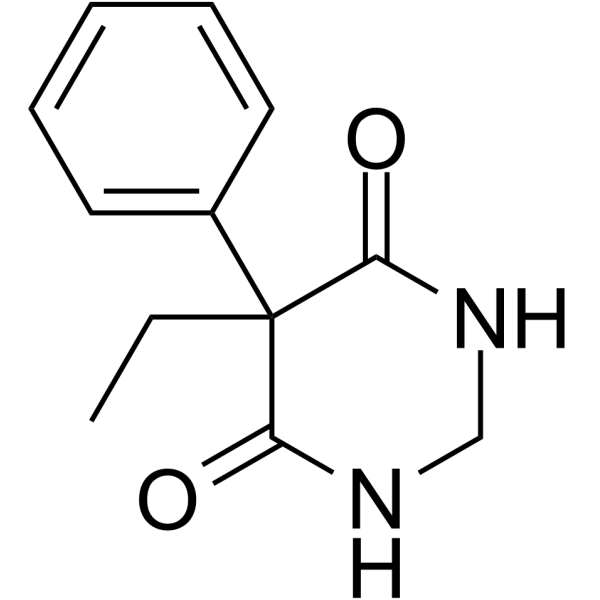
Primidone-d5 is the deuterium labeled Primidone. Primidone is the orally active inhibitor for TRPM3 (IC50 = 0.6 μM), RIP kinase and voltage-gated sodium channel, and the antagonist for GABA receptor. Primidone can be used as the analgesic and anticonvulsant agent .
|
-
-
- HY-W756637
-
|
|
|
Ibufenac-13C6 (Dytransin-13C6) is the 13C-labeled Ibufenac (HY-W040672). Ibufenac (Dytransin) is an orally active nonsteroidal anti-inflammatory agent. Ibufenac exerts anti-inflammatory, analgesic and antipyretic effects. Ibufenac is being studied for the treatment of rheumatic diseases such as rheumatoid arthritis .
|
-
-
- HY-10582S3
-
|
|
|
Flurbiprofen-d4 is deuterated labeled Flurbiprofen (HY-10582). Flurbiprofen (dl-Flurbiprofen) is a potent, orally active nonsteroidal anti-inflammatory agent (NSAIA/NSAID), with antipyretic and analgesic activities. Flurbiprofen is commonly used for the research of inflammatory diseases, including osteoarthritis and rheumatoid arthritis. Flurbiprofen is a non-selective cyclooxygenase (COX) inhibitor that can be used for the research of colorectal cancer .
|
-
-
- HY-10582S2
-
|
|
|
Flurbiprofen- 13C,d3 is the 13C- and deuterium labeled Flurbiprofen. Flurbiprofen (dl-Flurbiprofen) is a potent, orally active nonsteroidal anti-inflammatory agent (NSAIA/NSAID), with antipyretic and analgesic activities. Flurbiprofen is commonly used for the research of inflammatory diseases, including osteoarthritis and rheumatoid arthritis. Flurbiprofen is a non-selective cyclooxygenase (COX) inhibitor that can be used for the research of colorectal cancer .
|
-
-
- HY-W654009
-
|
|
|
Loxoprofen-d3 is deuterium labeled Loxoprofen. Loxoprofen is a non-steroidal, orally active anti-inflammatory agent with analgesic and anti-pyretic properties. Loxoprofen is a nonselective COX inhibitor with IC50s of 6.5 and 13.5 μM for COX-1 and COX-2, respectively. Loxoprofen can reduce atherosclerosis and shows antitumor activity .
|
-
-
- HY-B1888AS
-
|
|
|
Bromfenac-d4 (sodium) is deuterium labeled Bromfenac (sodium). Bromfenac sodium is a potent and orally active inhibitor of COX, with IC50s of 5.56 and 7.45 nM for COX-1 and COX-2, respectively. Bromfenac sodium is a brominated non-steroidal anti-inflammatory/analgesic agent (NSAID), and it is commonly used for the research of postoperative inflammation and pain following cataract surgery, and pseudophakic cystoid macular edema (CME) .
|
-
-
- HY-W709349S
-
|
|
|
Flupirtine-d6 (D 9998-d6) hydrochloride is the deuterium labeled Flupirtine hydrochloride (HY-W709349). Flupirtine hydrochloride is an orally active, blood-brain barrier-crossing non-opioid analgesic and neuroprotective agent. Flupirtine hydrochloride is a neuronal potassium channel opener (Kv7 activator), a NMDA receptor antagonist and a GABA receptor activator. Flupirtine hydrochloride stabilizes blood-brain-barrier integrity, reduces oxidative stress and brain leukocyte infiltration, enhances angioneurogenesis, suppresses calcium influx, stabilizes neuronal resting membrane potential, and counteracts focal cerebral ischemia. Flupirtine hydrochloride exhibits analgesic, muscle relaxant properties, protects neurons from excitotoxic, ischemic, or cytokine-mediated death. Flupirtine hydrochloride functions as a non-opioid analgesic without antipyretic or antiphlogistic properties, shows no relevant affinity to opiate receptor. Flupirtine hydrochloride can be used for the research of focal cerebral ischemia, pain, Alzheimer’s disease, or multiple sclerosis .
|
-
Your information is safe with us. * Required Fields.
Inquiry Information
- Product Name:
- Cat. No.:
- Quantity:
- MCE Japan Authorized Agent:

