Search Result
Results for "
plant roots
" in MedChemExpress (MCE) Product Catalog:
5
Biochemical Assay Reagents
2
Isotope-Labeled Compounds
| Cat. No. |
Product Name |
Target |
Research Areas |
Chemical Structure |
-
- HY-N1964
-
|
Gibberellin A3
|
Environmental Pollutants
Drug Derivative
|
Metabolic Disease
|
|
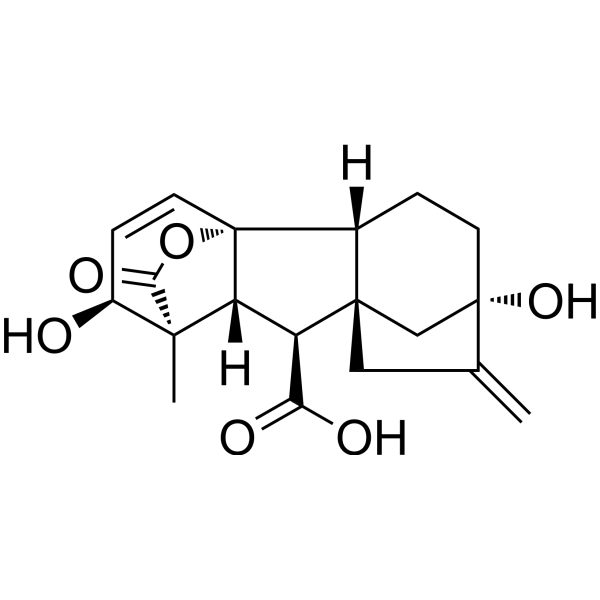
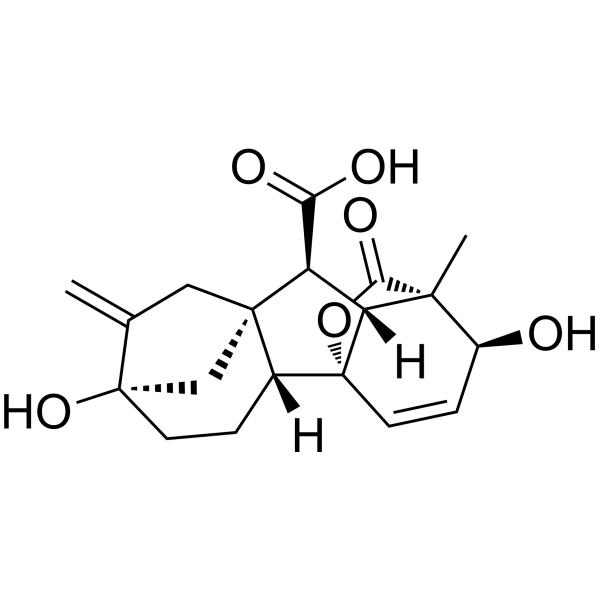
Gibberellic acid (GA3) is a natural plant growth regulator with oral bioactivity. Gibberellic acid governs multiple plant developmental events, including seed germination, cell elongation, floral organ formation, and rice spikelet fertility. Gibberellic acid optimizes root morphology and secondary metabolite production in Echinacea purpurea hairy roots, and serves as a bioactive seed priming agent to improve chilling stress tolerance in chickpea. Gibberellic acid mediates modulation of enzyme activity and secondary metabolism in plants and exerts tissue-specific regulatory effects on antioxidant systems and lipid peroxidation in rats. Gibberellic acid can be used in studies of plant growth, metabolism, and abiotic stress responses .
|
-
-
- HY-N0706
-
|
|
Apoptosis
Autophagy
|
Cancer
|
|
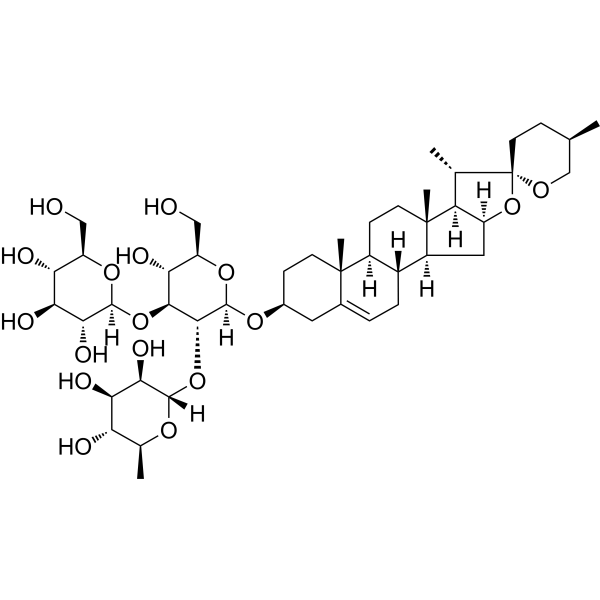
Gracillin is a steroidal saponin that can be extracted from the roots of the plant and has anti-tumor properties. Gracillin can induce cancer cell apoptosis and autophagy .
|
-
-
- HY-D0955
-
|
Thionine acetate
|
Biochemical Assay Reagents
Bacterial
|
Infection
|
|
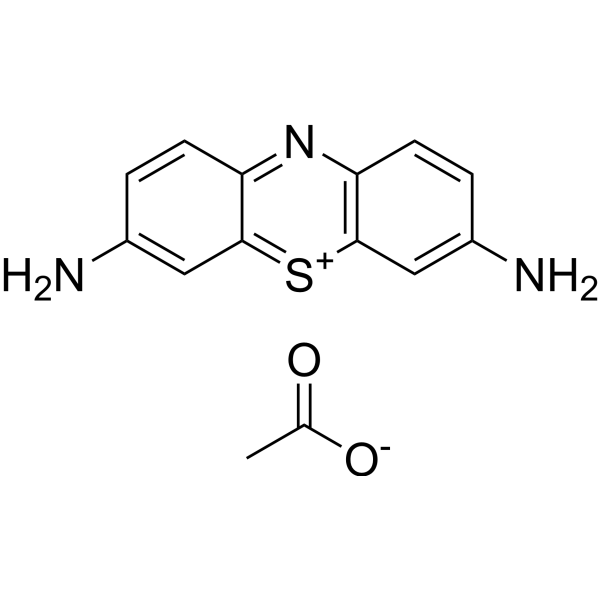
Thionin acetate (Thionine acetate) is a compound present in the seeds, stems, roots, and leaves of many plant species with antibacterial activity. Thionin acetate is a metachromatic cationic histological dye widely used in biological staining .
|
-
-
- HY-N0563
-
|
|
AMPK
VEGFR
PI3K
Akt
NF-κB
Cytochrome P450
|
Cardiovascular Disease
Cancer
|
|
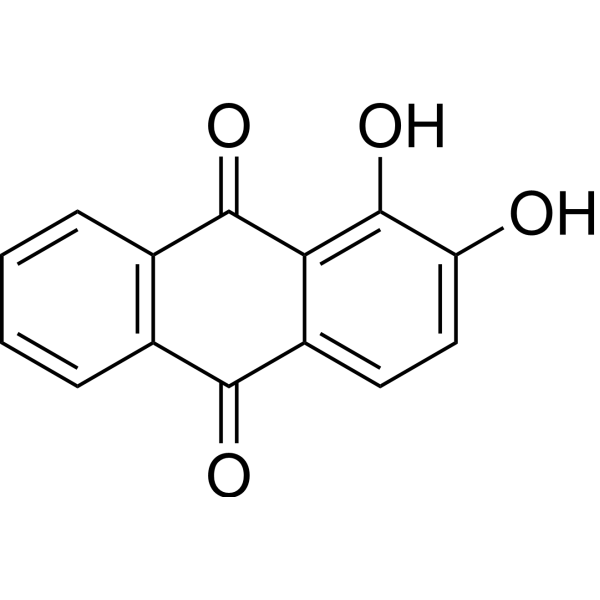
Alizarin is a natural dye. Alizarin can be extracted from the roots of madder plant. Alizarin activates AMPK and VEGFR2/eNOS pathway. Alizarin regulates PI3K/Akt and inhibits NF-κB pathway. Alizarin enhances CYP1A1 enzyme activity. Alizarin has protective effects on hypertension and vascular endothelial dysfunction. Alizarin has anti-tumor activity against multiple cancers including pancreatic cancer, breast cancer, osteosarcoma and liver cancer. Alizarin has been widely used as a pigment in textile fabrics and paintings .
|
-
-
- HY-W923189
-
|
|
Interleukin Related
COX
TNF Receptor
NOD-like Receptor (NLR)
NO Synthase
PERK
p38 MAPK
Reactive Oxygen Species (ROS)
Caspase
Autophagy
Herbicide
|
Inflammation/Immunology
Cancer
|
|
Neral is a plant-derived anti-inflammatory, antioxidant and anticancer agent. Neral inhibits the phosphorylation of ERK1/2, p38 MAPK and IκB in macrophages induced by LPS (HY-D1056), suppresses the secretion of TNF-α and IL-6, as well as the expression of pro-IL-1β, iNOS and COX-2 in cells, and reduces the production of ROS in cells. Neral inhibits the activation of the NLRP3 inflammasome, and decreases the activation of caspase-1 and the secretion of IL-1β in mouse macrophages. Neral induces autophagy, and exhibits antiproliferative activity both in in vitro breast cancer cell models and mouse xenograft models. Neral regulates brassinosteroid, jasmonic acid and ethylene signaling pathways, and induces the expression of AP2/ERF-ERF and bHLH family genes in rice roots. Neral acts as a herbicide safener, alleviates the damage induced by Fenoxaprop-P-ethyl (HY-B2013), and promotes the elongation of rice roots. Neral can be used in research related to breast cancer, inflammatory and immune system diseases, and herbicide safeners .
|
-

-
- HY-N10455
-
|
24-epi-Castasterone
|
Drug Derivative
|
Others
|
|
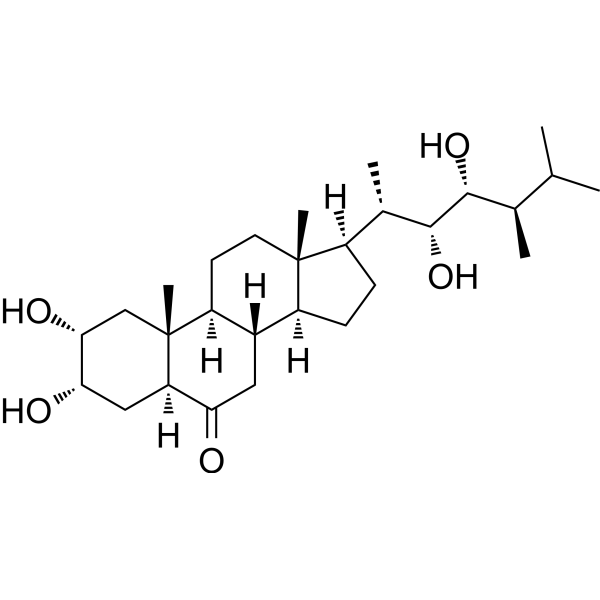
24-Epicastasterone (24-epi-Castasterone) is a bioactive brassinosteroid and a ligand of ABCB1 and ABCB19 in Arabidopsis thaliana. 24-Epicastasterone stimulates the ATPase activity of ABCB19 and the ATP hydrolysis activity of ABCB1, which drive the efflux of substances from plant cells. 24-Epicastasterone increases the activities of catalase and guaiacol peroxidase in the roots of wheat seedlings. 24-Epicastasterone alleviates heat-induced lipid peroxidation through a ROS-dependent mechanism and enhances the heat tolerance of common wheat seedlings .
|
-
-
- HY-N0248
-
|
|
HCV
P-glycoprotein
|
Infection
Cancer
|
|
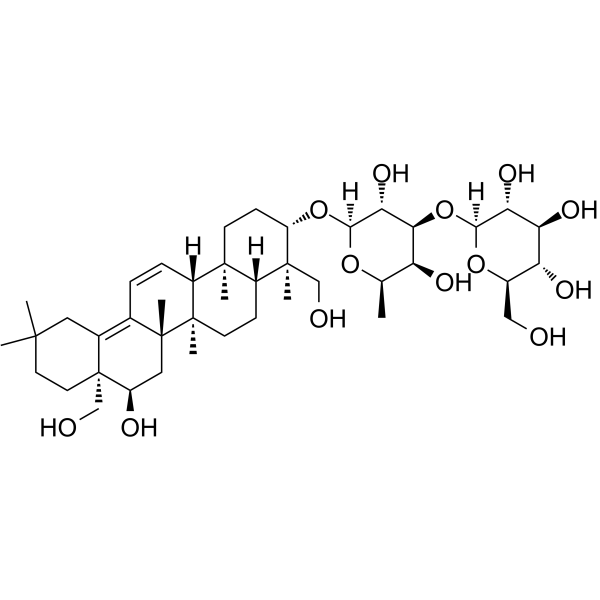
Saikosaponin B2 is an antiviral and anticancer agent that regulates multiple transporters (such as various solute carriers and ATP-binding cassette transporters including MRP1, MRP2, and OCT2). Saikosaponin B2 is isolated from the plant glycoside component of the roots of Bupleurum scorzonerifolium. Saikosaponin B2 enhances the liver targeting of anticancer drugs via vinegar-baked Radix Bupleuri. Saikosaponin B2 inhibits HCV entry, replication, and translation, is effective against Daclatasvir (HY-10466)-resistant strains, and exerts a synergistic effect when used in combination with Daclatasvir. Saikosaponin B2 is commonly used in studies related to hepatocellular carcinoma and HCV infection .
|
-
-
- HY-N2472
-
|
Castanogenin
|
Bacterial
Xanthine Oxidase
|
Infection
|
|
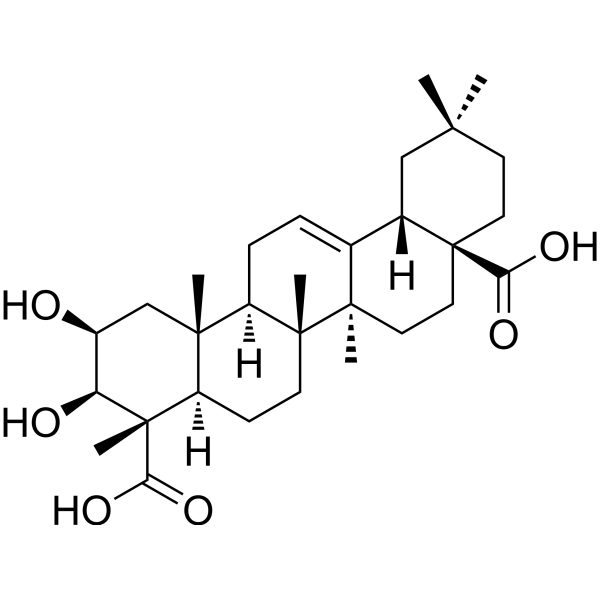
Medicagenic acid (Castanogenin) is isolated from the roots of Herniaria glabra, exhibits potent fungistatic effects against several plant pathogens and human dermatophytes . Medicagenic acid (Castanogenin) has low enzyme inhibitory activities, the target enzymes are xanthine oxidase, collagenase, elastase, tyrosinase, ChE .
|
-
-
- HY-75625
-
|
4-Methoxysalicylic Acid
|
Monocarboxylate Transporter
Apoptosis
Mitochondrial Metabolism
|
Cardiovascular Disease
Metabolic Disease
Cancer
|
|
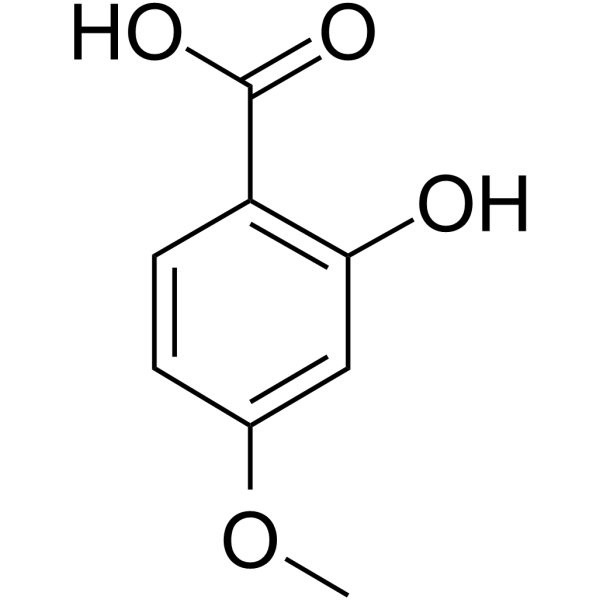
2-Hydroxy-4-methoxybenzoic acid is an orally active inhibitor of MCT-1 and MCT-4, as well as a plant biomarker. 2-Hydroxy-4-methoxybenzoic acid can be isolated from roots. 2-Hydroxy-4-methoxybenzoic acid induces Apoptosis and loss of mitochondrial membrane potential. 2-Hydroxy-4-methoxybenzoic acid exhibits anticancer activity against breast cancer. 2-Hydroxy-4-methoxybenzoic acid normalizes lactic acid levels. 2-Hydroxy-4-methoxybenzoic acid neutralizes viper venom and attenuates its lethal, hemorrhagic, coagulant and anticoagulant activities in male albino mice. 2-Hydroxy-4-methoxybenzoic acid possesses antihyperlipidemic, antidiabetic and hepatoprotective activities .
|
-
-
- HY-W013863
-
|
Alternariol monomethyl ether
|
Antibiotic
Bacterial
|
Others
|
|
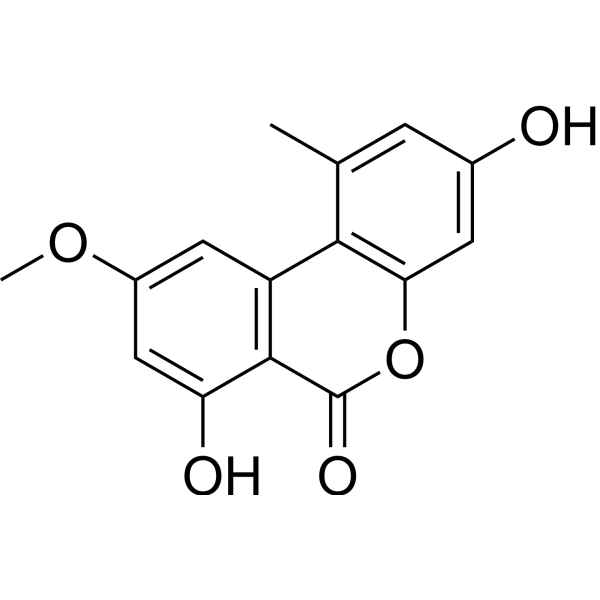
Djalonensone, isolated from the roots of Anthocleista djalonensis (Loganiaceae), is an important taxonomic marker of the plant species .
|
-
-
- HY-N6911
-
|
(18β,20α)-Glycyrrhizic acid
|
Others
|
Metabolic Disease
|
|
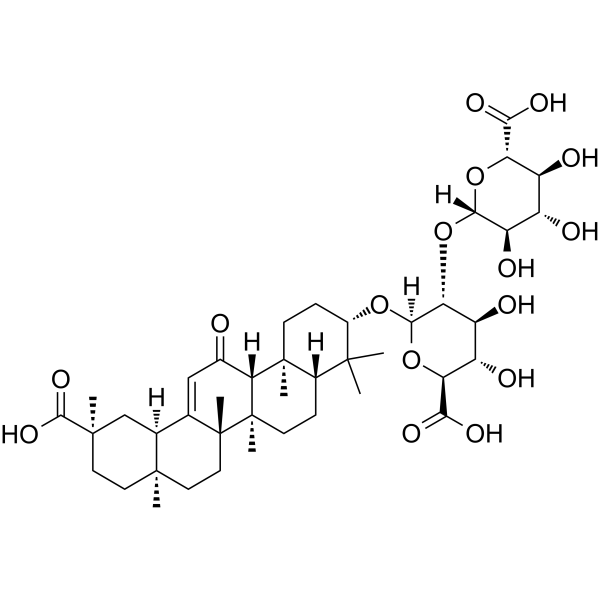
Liquorice-saponin H2 ((18β,20α)-Glycyrrhizic acid) is a type of triterpenoid oligosaccharide glycoside found in the Glycyrrhiza genus. Liquorice-saponin H2 accumulates more in the roots of licorice plants under salt stress conditions, suggesting that it may play a role in plant stress resistance .
|
-
-
- HY-N0563R
-
|
|
Fluorescent Dye
Reference Standards
|
Others
|
|
Alizarin (Standard) is the analytical standard of Alizarin. This product is intended for research and analytical applications. Alizarin is a natural dye extracted from the roots of madder plant and has been widely used as a pigment in textile fabrics and paintings .
|
-

-
- HY-N1964A
-
|
|
Drug Derivative
|
Metabolic Disease
|
|
Gibberellic acid, suitable for plant cell culture (GA3, suitable for plant cell culture) is a natural plant growth regulator with oral bioactivity. Gibberellic acid, suitable for plant cell culture governs multiple plant developmental events, including seed germination, cell elongation, floral organ formation, and rice spikelet fertility. Gibberellic acid, suitable for plant cell culture optimizes root morphology and secondary metabolite production in Echinacea purpurea hairy roots, and serves as a bioactive seed priming agent to improve chilling stress tolerance in chickpea. Gibberellic acid, suitable for plant cell culture mediates modulation of enzyme activity and secondary metabolism in plants and exerts tissue-specific regulatory effects on antioxidant systems and lipid peroxidation in rats. Gibberellic acid, suitable for plant cell culture can be used in studies of plant growth, metabolism, and abiotic stress responses .
|
-

-
- HY-N6996S
-
|
|
Isotope-Labeled Compounds
|
Others
|
|
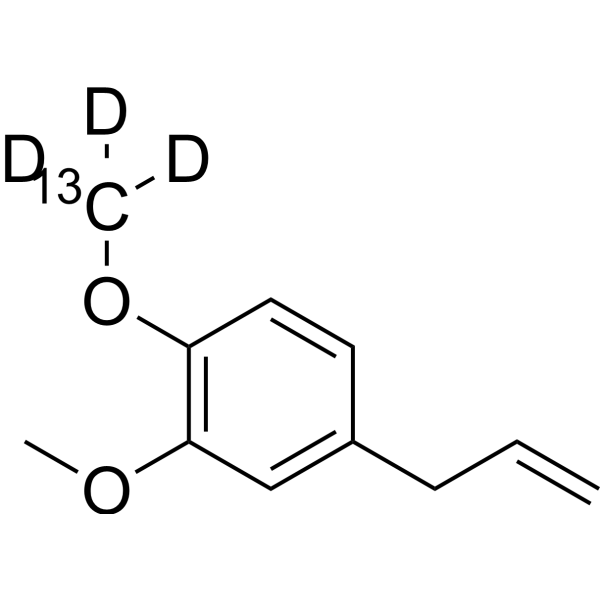
Methyl Eugenol- 13C,d3 is the 13C- and deuterium labeled Methyl Eugenol. Methyl Eugenol, a phenylpropanoid chemical in leaves, fruits, stems, and/or roots, may be released when that corresponding part of a plant is damaged as a result of feeding by an herbivore. Methyl Eugenol is used for male annihilation of the oriental fruit fly .
|
-
-
- HY-121330
-
|
|
Others
|
Others
|
|
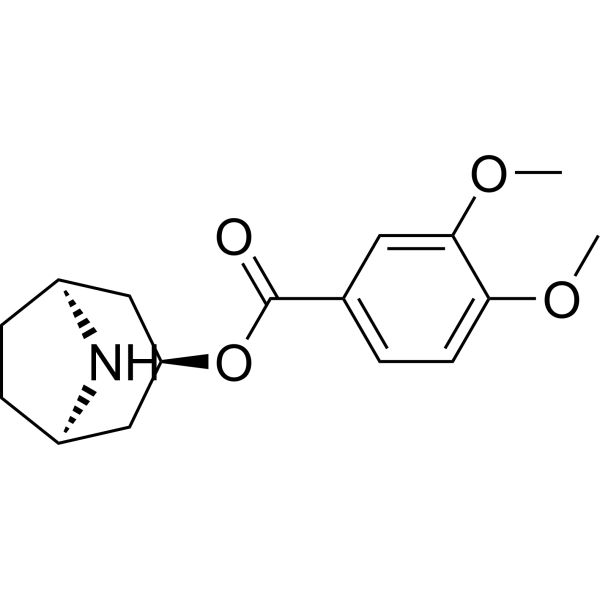
Convolvine is a nature product. Convolvine can be isolated from the roots of the Tunisian plant Convolvulus dorycnium L .
|
-
-
- HY-N10766
-
|
|
Others
|
Others
|
|
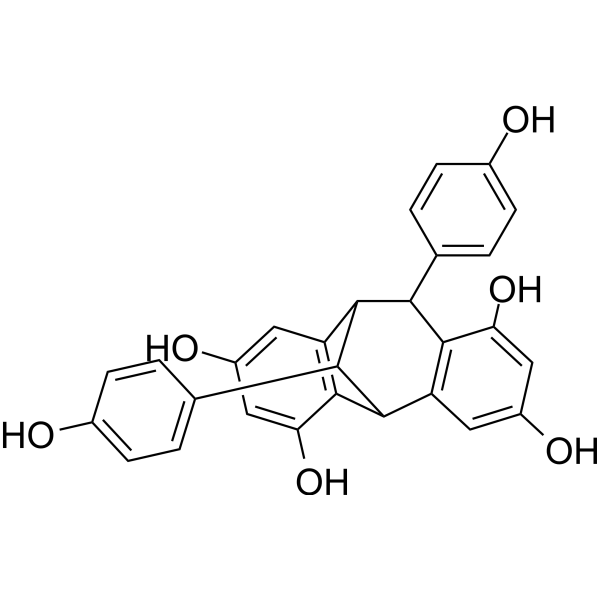
Ampelopsins F is a bridged plant oligostilbene that can be isolated from Ampelopsis brevipedunculata var. hancei roots. Ampelopsins F is a resveratrol dimer .
|
-
-
- HY-136374
-
|
|
Herbicide
|
Others
|
|
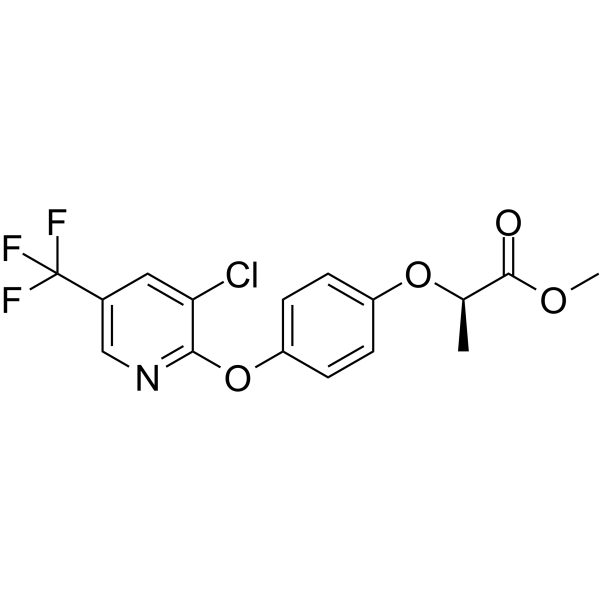
Haloxyfop-P-methyl is an aryloxyphenoxypropionate herbicide. Haloxyfop-P-methyl can be absorbed by roots or foliage and hampers lipogenesis and increases oxidative stress in target plants .
|
-
-
- HY-N9376
-
|
|
NO Synthase
|
Inflammation/Immunology
|
|
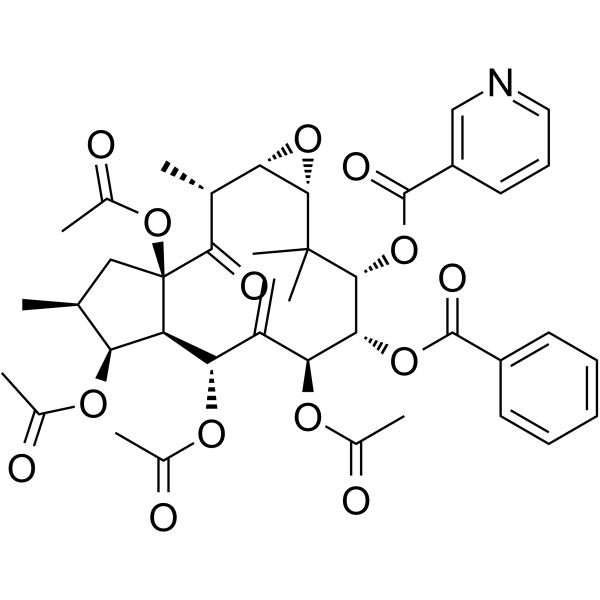
Kansuinine E is a plant-derived nitric oxide inhibitor (IC50=6.3 μM). Kansuinine E belongs to jatrophane-type diterpenoids and is isolated from the roots of E. kansui .
|
-
-
- HY-119994
-
|
|
Protein Arginine Deiminase
|
Others
|
|
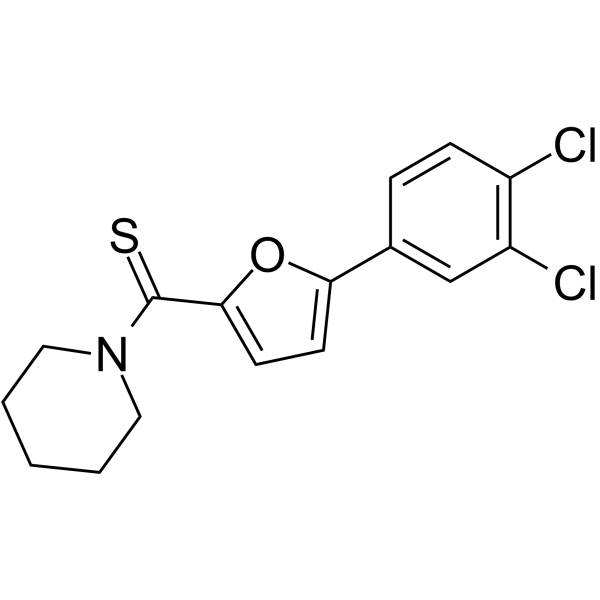
DFPM activates plant resistance protein signaling in roots, and triggers root growth arrest. DFPM decreases root cell viability in accession Col-0. DFPM is light sensitive in aqueous solutions. DFPM becomes bioactive during light and oxygen-dependent modification .
|
-
-
- HY-N1964R
-
|
Gibberellin A3 (Standard)
|
Reference Standards
Drug Derivative
|
Metabolic Disease
|
|
Gibberellic acid (Standard) is the analytical standard of Gibberellic acid (GA3) (HY-N1964). This product is intended for research and analytical applications. Gibberellic acidis a natural plant growth regulator with oral bioactivity. Gibberellic acid governs multiple plant developmental events, including seed germination, cell elongation, floral organ formation, and rice spikelet fertility. Gibberellic acid optimizes root morphology and secondary metabolite production in Echinacea purpurea hairy roots, and serves as a bioactive seed priming agent to improve chilling stress tolerance in chickpea. Gibberellic acid mediates modulation of enzyme activity and secondary metabolism in plants and exerts tissue-specific regulatory effects on antioxidant systems and lipid peroxidation in rats. Gibberellic acid can be used in studies of plant growth, metabolism, and abiotic stress responses .
|
-
-
- HY-N2472R
-
|
Castanogenin (Standard)
|
Xanthine Oxidase
Reference Standards
Bacterial
|
Infection
|
|
Medicagenic acid (Standard) is the analytical standard of Medicagenic acid. This product is intended for research and analytical applications. Medicagenic acid (Castanogenin) is isolated from the roots of Herniaria glabra, exhibits potent fungistatic effects against several plant pathogens and human dermatophytes . Medicagenic acid (Castanogenin) has low enzyme inhibitory activities, the target enzymes are xanthine oxidase, collagenase, elastase, tyrosinase, ChE .
|
-

-
- HY-136633R
-
|
|
Herbicide
Reference Standards
|
Others
|
|
Pyroxasulfone (Standard) is the analytical standard of Pyroxasulfone. This product is intended for research and analytical applications. Pyroxasulfone is a broad-spectrum pyrazole herbicide used primarily for all-season residual weed control in corn and soybeans. Pyroxasulfone is active against a variety of annual grasses and some broad-leaved weeds, and can be absorbed through roots and stems to inhibit early seedling growth of sensitive plants. Pyroxasulfone can be used to study herbicide effects and weed resistance .
|
-

-
- HY-W923644
-
|
Aegelinol; (-)-Smyrinol
|
Bacterial
|
Infection
|
|
(-)-Decursinol (Aegelinol; (-)-Smyrinol) is a natural pyranocoumarin compound tant can be isolated from the roots of Apiaceae plants such as Ferulago campestris. (-)-Decursinol inhibits both Gram-positive bacteria (Staphylococcus aureus ATCC 13709, Enterococcus faecalis ATCC 14428) and Gram-negative bacteria (Salmonella typhii ATCC 19430, Enterobacter cloacae ATCC 10699, Enterobacter aerogenes ATCC 13048) with minimum inhibitory concentrations (MIC) ranging from 16 to 64 μg/mL. (-)-Decursinol possesses antioxidant activity. (-)-Decursinol can be used for the study of bacterial infections .
|
-

-
- HY-N14742
-
|
|
Others
|
Others
|
|
Pteridic acid A is a plant growth promoter. Pteridic acid A has Auxin-like plant growth hormone activity, and 1 nM can promote the growth of legumes and other plant roots .
|
-

-
- HY-N7631
-
|
|
Others
|
Others
|
|
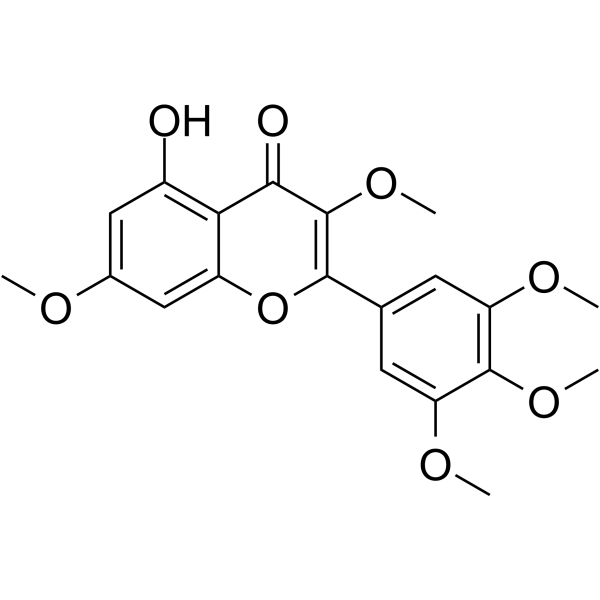
Combretol is a natural compound isolated from the roots and leaves of the plant Cassipourea madagascariensis .
|
-
-
- HY-165255
-
|
|
Biochemical Assay Reagents
NO Synthase
|
Others
|
|
N-Isobutyl decanamide is a plant growth regulator. N-Isobutyl decanamide promotes the development of adventitious roots in hypocotyl explants of A. thaliana and lateral roots in taproot explants. N-Isobutyl decanamide induces the accumulation of NO in the proliferative sites of adventitious roots .
|
-

-
- HY-N13302
-
|
|
Others
|
Others
|
|
Cedrene regulates auxin transport and signal transduction in Arabidopsis, and thus stimulates the plants root development. Cedrene affects the Arabidopsis roots morphology by increasing the lateral roots, promoting the elongation of primary roots, affecting the expression of the auxin response gene DR5 and auxin transporters such as PIN2 and PIN3 .
|
-

-
- HY-N3854
-
|
|
Others
|
Others
|
|
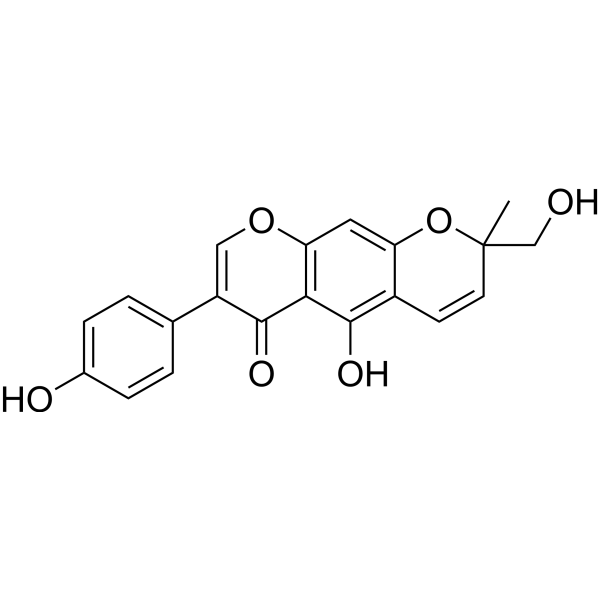
Erysubin B is a prenylated isoflavonoid, which can be isolated from the whole plant (roots and aerial parts) of Erinacea anthyllis .
|
-
-
- HY-N15372
-
|
(-)-Heritonin
|
Others
|
Others
|
|
Heritonin ((-)-Heritonin) is a piscicide that can be isolated from the roots of the mangrove plant Heritiera littoralis and belongs to the sesquiterpenoid class of compounds .
|
-

-
- HY-122945
-
|
|
Others
|
Others
|
|
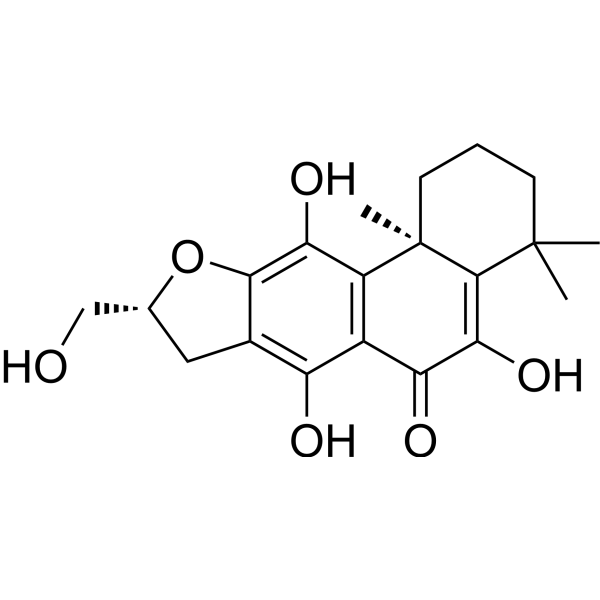
Villosin C (Compound 7) is a nature product. Villosin C can be isolated from the roots of the medicinal ornamental plant Clerodendrum trichotomum .
|
-
-
- HY-148937
-
|
|
PI3K
Akt
|
Others
|
|
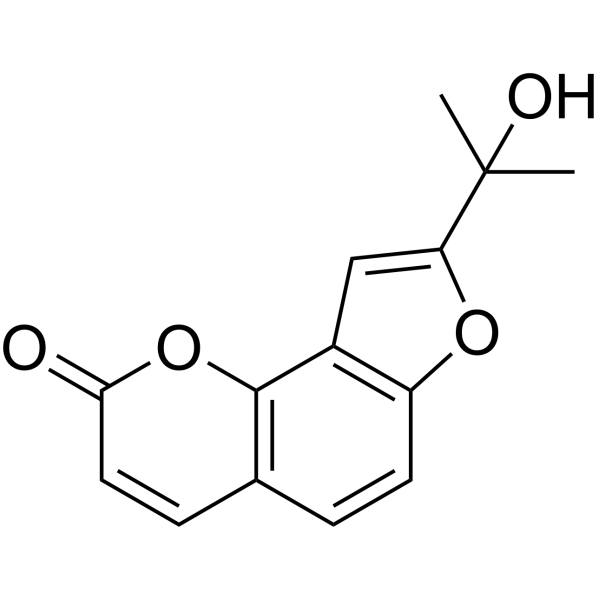
Oroselol is a coumarin commonly found in a variety of plants, especially in the roots of angelica plants and the bark of cinnamon trees. Oroselol has potential medicinal properties, including anti-inflammatory, antioxidant and anti-tumor effects. Oroselol can be used in the production of fragrances, flavors and medicines
|
-
-
- HY-N10387
-
|
|
Others
|
Cancer
|
|
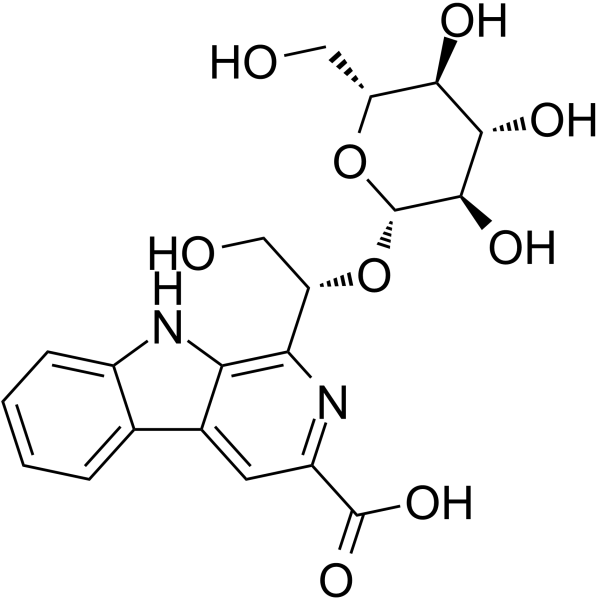
Glucodichotomine B (Compound 13) is a natural product which can be isolated from the roots of Chinese medicinal plant Stellaria dichotoma L. var. lanceolata. Glucodichotomine B shows antitumor activity .
|
-
-
- HY-W013863S
-
|
Alternariol monomethyl ether-d3
|
Isotope-Labeled Compounds
Antibiotic
Bacterial
|
Others
|
|
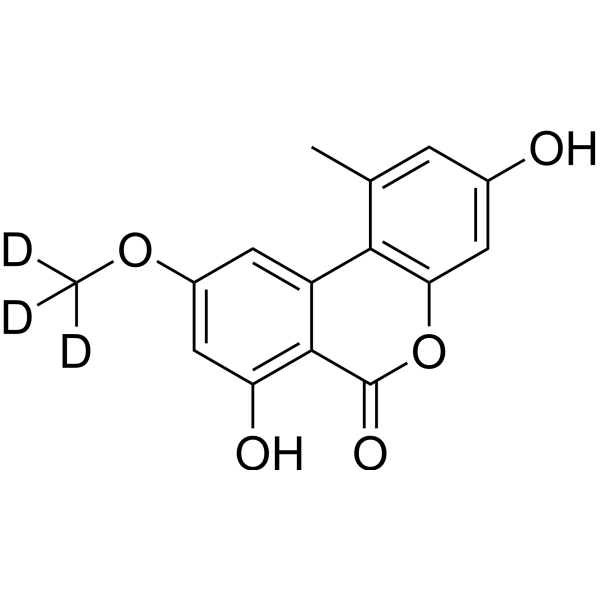
Djalonensone-d3 is a deuterium labeled Djalonensone (HY-W013863). Djalonensone, isolated from the roots of Anthocleista djalonensis (Loganiaceae), is an important taxonomic marker of the plant species .
|
-
-
- HY-N6911B
-
|
(18β,20α)-Glycyrrhizic acid ammonium
|
Others
|
Metabolic Disease
|
|
Liquorice-saponin H2 ((18β,20α)-Glycyrrhizic acid) ammonium is a type of triterpenoid oligosaccharide glycoside found in the Glycyrrhiza genus. Liquorice-saponin H2 ammonium accumulates more in the roots of licorice plants under salt stress conditions, suggesting that it may play a role in plant stress resistance .
|
-

-
- HY-N0706R
-
|
|
Reference Standards
Apoptosis
Autophagy
|
Cancer
|
|
Gracillin (Standard) is the analytical standard of Gracillin. This product is intended for research and analytical applications. Gracillin is a steroidal saponin that can be extracted from the roots of the plant and has anti-tumor properties. Gracillin can induce cancer cell apoptosis and autophagy .
|
-

-
- HY-169485
-
|
|
Endogenous Metabolite
|
Others
|
|
Aspinolide B is a pentaketide and a 10-membered lactone with plant growth regulatory activity, which can be extracted from Aspergillus ochraceus. Aspinolide B promotes the growth of lateral roots in S. lycopersicum and can be utilized in related research .
|
-

-
- HY-N15353
-
|
|
Bacterial
|
Infection
|
|
1-Palmitoyl-2-linoleoyl-sn-glycerol is a diacylglycerol (DAG)-type lipid signaling molecule found in the coralloid roots of Cycas revoluta, and serves as a major active component of the plant-secreted hormogonium-inducing factor (HIF). At a concentration of 1 nmol/disc (approximately 0.6 µg), 1-palmitoyl-2-linoleoyl-sn-glycerol can significantly induce the differentiation of filamentous aggregates of Nostoc into motile hormogonia, thereby promoting chemotaxis toward host roots and the establishment of symbiosis. This compound holds significant research and application potential in areas such as plant–microbe interactions, rhizosphere signaling pathways, and nitrogen-fixing symbiosis .
|
-

-
- HY-136374R
-
|
|
Herbicide
Reference Standards
|
Others
|
|
Haloxyfop-P-methyl (Standard) is the analytical standard of Haloxyfop-P-methyl. This product is intended for research and analytical applications. Haloxyfop-P-methyl is an aryloxyphenoxypropionate herbicide. Haloxyfop-P-methyl can be absorbed by roots or foliage and hampers lipogenesis and increases oxidative stress in target plants .
|
-

-
- HY-133109
-
|
|
Others
|
Others
|
|
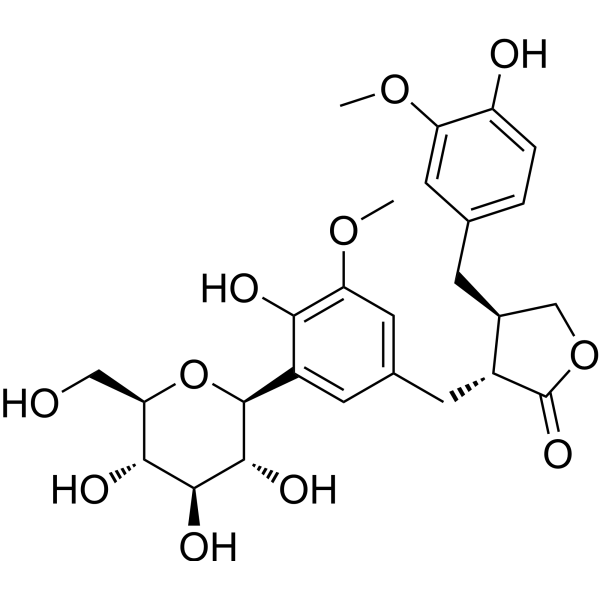
Trachelosiaside is a natural organic compound belonging to the class of iridoid glycosides. Trachelosiaside is found in various plant species, especially in the roots of Trachelospermum jasminoides. Trachelosiaside has potential medicinal properties, such as anti-inflammatory, antioxidant, and anti-tumor effects. Trachelosiaside has industrial applications in the production of food supplements, cosmetics and pharmaceuticals.
|
-
-
- HY-125048
-
|
229-B; Streptothricin D
|
Bacterial
|
Infection
|
|
Racemomycin B (229-B; Streptothricin D), the main component from Streptomyces lavendulae OP-2, is a streptothricin antibiotic containing three β-lysine groups. RM-B exhibits antimicrobial activity against plant pathogenic microorganisms and effectively inhibits the growth of Brassica rapa L. roots at 50 ppm. RM-B showed a minimum inhibitory concentration (MIC) of 0.4 μg/ml against Pseudomonas syringae pv. tabaci IFO-3508 and a MIC range of 0.1-2.0 μg/ml against six strains of Fusarium oxysporum, showing stronger antimicrobial activity than RM-A and RM-C. The biological activity of racemomycin compounds increases with the increase in the number of β-lysine groups.
|
-

-
- HY-N0248R
-
|
|
Reference Standards
P-glycoprotein
HCV
|
Infection
Cancer
|
|
Saikosaponin B2 (Standard) is the analytical standard of Saikosaponin B2. This product is intended for research and analytical applications. Saikosaponin B2 is an antiviral and anticancer agent that regulates multiple transporters (such as various solute carriers and ATP-binding cassette transporters including MRP1, MRP2, and OCT2). Saikosaponin B2 is isolated from the plant glycoside component of the roots of Bupleurum scorzonerifolium. Saikosaponin B2 enhances the liver targeting of anticancer drugs via vinegar-baked Radix Bupleuri. Saikosaponin B2 inhibits HCV entry, replication, and translation, is effective against Daclatasvir (HY-10466)-resistant strains, and exerts a synergistic effect when used in combination with Daclatasvir. Saikosaponin B2 is commonly used in studies related to hepatocellular carcinoma and HCV infection .
|
-

-
- HY-N12475
-
|
|
Fungal
Cytochrome P450
|
Infection
|
|
Solavetivone is a Sesquiterpenoid phytoalexin and Antifungal agent. Solavetivone is isolated from stress-challenged potato plants. Solavetivone is hydroxylated by sesquiterpenoid phytoalexin hydroxylase (SPH/CYP76A2L). Solavetivone helps solanaceous plants defend against pathogens, damages plant cells after pathogen threat, and inhibits mycelial growth of Rhizoctonia solani. Solavetivone is applicable to studies related to Rhizoctonia solani infection .
|
-

-
- HY-N20618
-
|
|
Endogenous Metabolite
|
Infection
|
|
Spicifernin is a plant growth regulator produced by the fermentation of Cochliobolus sativus. Spicifernin promotes the elongation of roots, stems and the second leaf sheath of rice seedlings at low concentrations; while it inhibits the elongation of roots and stems of rice seedlings at high concentrations .
|
-

-
- HY-W052988
-
|
|
Herbicide
|
Others
|
|
Aminocyclopyrachlor-methyl is a herbicide that acts as an indole-3-acetic acid (IAA) mimic. Aminocyclopyrachlor-methyl targets the IAA signaling pathway and is readily absorbed through both the leaves and roots of susceptible plants. Aminocyclopyrachlor-methyl markedly inhibits the growth and biomass of trumpetcreeper (Campsis radicans) and the growth and regrowth of mugwort (Artemisia vulgaris), thereby effectively controlling both weeds .
|
-

-
- HY-182733L
-
|
|
Biochemical Assay Reagents
|
Others
|
|
Plant Alkaline Salt Solution is an alkaline salt solution for plants, which can be used to study the selective absorption of ions by plant roots.
|
-

-
- HY-182733K
-
|
|
Biochemical Assay Reagents
|
Others
|
|
Plant Acidic Salt Solution is an acidic salt solution used for plant physiology and can be used to study the selective absorption of ions by plant roots.
|
-

-
- HY-N14751
-
|
|
Others
|
Others
|
|
Pteridic acid B is a plant growth promoter. Pteridic acid B has Auxin-like plant growth hormone activity, and 1 nM can promote the growth of legumes and other plant roots .
|
-

-
- HY-N19939
-
|
|
Others
|
Others
|
|
Saponarioside D is a triterpenoid saponin found in whole plants and roots of Saponaria officinalis L. .
|
-

-
- HY-W714215
-
|
|
Herbicide
|
Others
|
|
Sebuthylazine is a herbicide. Sebuthylazine is selectively and systematically absorbed and migrated through plant roots. Sebuthylazine inhibits photosynthesis in photosystem II .
|
-

-
- HY-E71015
-
|
|
Biochemical Assay Reagents
|
Metabolic Disease
|
|
Polyperoxidase, Horseradish, is a heme-containing glycoprotein extracted from the roots of the horseradish plant and can be used in enzyme-linked immunosorbent assays (ELISAs).
|
-

- HY-N18675
-
|
|
Others
|
Metabolic Disease
|
|
Convolvulus scammonia extract, derived from the roots of the Convolvulus scammonia plant, has laxative and detoxifying properties. It contains active ingredients such as resins and alkaloids.
|
-

- HY-N19043
-
|
|
Bacterial
|
Infection
Inflammation/Immunology
|
|
Arctium Seed Extract is obtained from the roots of the burdock plant of the compositae family. It has the effects of antibacterial and anti-inflammatory, detoxification. It can be used in cosmetics material.
|
-

- HY-N11597
-
|
|
Drug Intermediate
|
Infection
|
|
Daphneolone is a phenolic compound. Daphneolone can be isolated from the roots of Daphneodora. Some Daphneolone analogues show anti-plant pathogenic fungi activities .
|
-

- HY-W714199
-
|
Potablan
|
Herbicide
|
Others
|
|
Monalide (Potablan) is a soil-applied and contact herbicide that acts both via absorption by plant roots from the soil and through contact with the aboveground parts of plants. Monalide inhibits weed growth. Monalide decomposes within several weeks in soil and leaves no residues on crops .
|
-

- HY-E71354
-
|
|
Biochemical Assay Reagents
|
Others
|
|
p-Coumaroyl-CoA and sinapoyl-CoA are substrates of ω-hydroxypalmitate O-feruloyl transferase (EC 2.3.1.188). This enzyme is widely distributed in the roots of higher plants.
|
-

- HY-158986
-
|
|
Phytohormone
|
Others
|
|
(E,E)-2,4-Undecadien-8,10-diynoic acid isobutylamide is a natural compound found in Acmella oleracea and is a plant growth inhibitor. (E,E)-2,4-Undecadien-8,10-diynoic acid isobutylamide inhibits the growth of cress roots and shoots and barnyard grass roots .
|
-

- HY-N19045
-
|
|
Others
|
Others
|
|
Ophiopogon Japonicus Extract is obtained from the dried roots of the Liliaceae plant Ophiopogon japonicus. Its main active ingredient is Ophiopogon japonicus polysaccharides. It can be used in functional cosmetics, such as creams, lotions, lotions, essences, and masks.
|
-

- HY-N16818
-
|
|
Herbicide
|
Others
|
|
9-epi-Blumenol C is a C13-norisoprenoid (carotenoid derivative) compound with allelopathic and antifungal activities, and can regulate plant growth. The IC50 values ??of 9-epi-Blumenol C for watercress roots and hypocotyls are 2780 μM and 2240 μM, respectively, and for perennial ryegrass roots and coleoptiles are 3290 μM and 2950 μM, respectively. 9-epi-Blumenol C exhibits allelopathic activity through a mechanism involving direct inhibition of plant growth and degradation of arbuscular mycorrhizal fungi (AMF) colonization, thereby weakening nutrient uptake and stress resistance in neighboring plants. 9-epi-Blumenol C can be used in herbicide development and research related to plant competition mechanisms. 9-epi-Blumenol C can be obtained from the dried fallen leaves of Metasequoia glyptostroboides (a plant of the cypress family, genus Metasequoia) through extraction with 70% methanol and purification by ethyl acetate extraction .
|
-

- HY-N18677
-
|
|
Bacterial
|
Infection
Inflammation/Immunology
|
|
Rubia cordifolia extract, derived from the roots of the madder plant, is valued for its anti-inflammatory, antioxidant, antibacterial, and blood-purifying properties. Active ingredients in Rubia cordifolia extract include anthraquinone compounds (such as alizarin and alizarin red), flavonoids, and tannins.
|
-

- HY-N9835
-
|
|
Drug Derivative
|
Infection
Cancer
|
|
Thymol isobutyrate is a thymol derivative that can be naturally extracted from the essential oil of the roots and aerial parts (leaves, stems, and flowers) of Carpesium cernuum L. This plant's essential oil has antibacterial and cytotoxic activity and can be used in antibacterial and antitumor research .
|
-

- HY-N16889
-
|
|
Others
|
Infection
Inflammation/Immunology
Cancer
|
|
N-Acetylnornuciferine is an aporphine alkaloid, whose family members possess potential antibacterial, antiviral, antioxidant, or anticancer activities. N-Acetylnornuciferine can be extracted from the dried roots of Liriodendron tulipifera (American tulip tree, a plant of the Magnoliaceae family) using ethanol .
|
-

- HY-182738B
-
|
|
Biochemical Assay Reagents
|
Others
|
|
White Medium (With Sucrose) is mainly composed of potassium nitrate, calcium chloride, magnesium sulfate, and phosphate, with potassium nitrate concentration of 80 mg/L and magnesium sulfate concentration of 720 mg/L. White Medium (With Sucrose) has a low concentration of inorganic salts and is primarily used for culturing plant roots, embryos, and general tissues; it is a sterile solution.
|
-

- HY-N18824
-
|
|
Bacterial
|
Infection
Inflammation/Immunology
|
|
Licorice oils, derived from the roots and rhizomes of the licorice plant (Glycyrrhiza glabra), are rich in bioactive compounds like glycyrrhizin, flavonoids, and triterpenoid. Licorice oil has anti-inflammatory and antibacterial properties, which can effectively soothe irritated skin, reduce redness, control eczema, and fight acne.
|
-

- HY-N9819
-
|
|
Bacterial
|
Infection
|
|
Jinflexin D is a potential antibacterial agent, without inhibitory activity against methicillin-resistant Staphylococcus aureus (MRSA). Jinflexin D is a dimeric phenanthrene natural product with a unique seven-membered ring system, naturally extracted from the methanol extract of the roots of Juncus inflexus (a plant of the Juncaceae family) .
|
-

- HY-N9741
-
|
|
Others
|
Inflammation/Immunology
|
|
(+)-Nyasol is a stilbene-type organic compound that can be naturally extracted from the dried roots of Asparagus filicinus Ham. ex D. Don (an Asparagus species) from Fenna, Tibet, China. This plant is traditionally used in the study of bronchitis, cough, and pneumonia, and can be used in research related to respiratory diseases .
|
-

- HY-N1964B
-
|
GA3 Sterile Solution (1 mg/ml)
|
Drug Derivative
|
Metabolic Disease
|
|
Gibberellic acid Sterile Solution (1 mg/mL) (GA3 Sterile Solution (1 mg/mL)) is a natural plant growth regulator with oral bioactivity. Gibberellic acid Sterile Solution (1 mg/mL) governs multiple plant developmental events, including seed germination, cell elongation, floral organ formation, and rice spikelet fertility. Gibberellic acid Sterile Solution (1 mg/mL) optimizes root morphology and secondary metabolite production in Echinacea purpurea hairy roots, and serves as a bioactive seed priming agent to improve chilling stress tolerance in chickpea. Gibberellic acid Sterile Solution (1 mg/mL) mediates modulation of enzyme activity and secondary metabolism in plants and exerts tissue-specific regulatory effects on antioxidant systems and lipid peroxidation in rats. Gibberellic acid Sterile Solution (1 mg/mL) can be used in studies of plant growth, metabolism, and abiotic stress responses .
|
-

- HY-N9808
-
|
|
Others
|
Others
|
|
Creoside III is a glycoside compound, mainly used as a component of natural product libraries for potential activity screening studies in the field of natural product chemistry. Creoside III can be naturally extracted from the dried roots of Rhodiola crenulata (a plant of the genus Rhodiola in the Crassulaceae family) through methanol reflux extraction, column chromatography separation, and high-performance liquid chromatography purification .
|
-

- HY-N12990
-
|
MyA
|
Herbicide
Fungal
|
Others
|
|
Myrigalone A (MyA) is a plant ethylene biosynthesis inhibitor and natural herbicide . Myrigalone A possesses antioxidant, antifungal, and antimicrobial activities. Myrigalone A interferes with auxin homeostasis during seed germination. Myrigalone A delays seed germination, inhibits the formation of roots, hypocotyls, and root hairs, and causes developmental delay in specific organisms. Myrigalone A triggers the induction of detoxification programs, alters the metabolism of gibberellins, cis-(+)-12-oxophytodienoic acid, and jasmonic acid, disrupts the antioxidant system and oxidative signaling, and impairs the function of aquaporins and water uptake in imbibed seeds. Myrigalone A can be used in studies related to herbicides and plant growth regulators .
|
-

- HY-N17574
-
|
|
|
Others
|
|
3-(1,1-Dimethylallyl) xanthyletin (compound 2) is a pyranocoumarin present in the roots of Stauranthus perforatus. 3-(1,1-Dimethylallyl) xanthyletin inhibits the uncoupled electron transport from water to ferricyanide in spinach thylakoids. 3-(1,1-Dimethylallyl) xanthyletin act as a Hill reaction inhibitor. 3-(1,1-Dimethylallyl) xanthyletin interferes with plant energy metabolism at the photosynthetic level .
|
-

- HY-N19724
-
|
|
Fungal
Lipoxygenase
COX
|
Infection
|
|
Buddledin A is a 5-LOX inhibitor (IC50 = 50.4 μM) and a COX inhibitor (IC50 = 13.7 μM). Buddedin A inhibits arachidonic acid metabolism via the 5-LOX and COX pathways, suppresses fungal growth, and exerts toxic effects on fish. Buddedin A may play an ecological role in protecting plant roots and stem barks from fungal infection. Buddedin A can be used in studies related to fungal infections .
|
-

- HY-N16977
-
|
|
Others
|
Others
|
|
6β,8-Dihydroxyeremophil-7(11)-en-12,8-olide is an eremophilane-type sesquiterpene lactone compound, and eremophilane-type sesquiterpenes are the main secondary metabolites of Ligularia genus plants. 6β,8-Dihydroxyeremophil-7(11)-en-12,8-olide can be naturally extracted from the dried roots of Ligularia virgaurea (Maxim.) Mattf .
|
-

- HY-N9846
-
|
|
Cholinesterase (ChE)
Glycosidase
|
Neurological Disease
Metabolic Disease
|
|
Luteolin 5,3'-dimethyl ether is a flavonoid compound that exhibits strong binding to enzymes such as acetylcholinesterase (AChE), butyrylcholinesterase (BChE), and α-Glycosidase. Luteolin 5,3'-dimethyl ether can be naturally extracted from the dried roots of Alhagi maurorum (camel thorn). The methanol extract of this plant has significant free radical scavenging ability and enzyme inhibitory potential. Luteolin 5,3'-dimethyl ether can be used in research related to neurodegenerative diseases, diabetes, and skin pigmentation-related diseases .
|
-

- HY-167959
-
|
|
Herbicide
|
Infection
|
|
MCPA-isooctyl is a selective conductive phenoxycarboxylate herbicide and an alternative to 2,4-D Butyl ester (HY-B0867). MCPA-isooctyl effectively controls broadleaf weeds in various crop fields via post-emergence foliar or soil treatment. MCPA-isooctyl is absorbed by the roots, stems and leaves of plants; it is easily metabolized and detoxified in gramineous crops, but difficult to metabolize in dicotyledonous weeds, causing stem and leaf distortion, root deformation, and eventually weed death. When formulated into chitosan nanoparticles, MCPA-isooctyl still significantly inhibits the growth of weeds in wheat fields, and reduces their chlorophyll content and biomass at low doses .
|
-

| Cat. No. |
Product Name |
Type |
-
- HY-D0955
-
|
Thionine acetate
|
Fluorescent Dyes
|
|
Thionin acetate (Thionine acetate) is a compound present in the seeds, stems, roots, and leaves of many plant species with antibacterial activity. Thionin acetate is a metachromatic cationic histological dye widely used in biological staining .
|
| Cat. No. |
Product Name |
Type |
-
- HY-N1964A
-
|
|
Biochemical Assay Reagents
|
|
Gibberellic acid, suitable for plant cell culture (GA3, suitable for plant cell culture) is a natural plant growth regulator with oral bioactivity. Gibberellic acid, suitable for plant cell culture governs multiple plant developmental events, including seed germination, cell elongation, floral organ formation, and rice spikelet fertility. Gibberellic acid, suitable for plant cell culture optimizes root morphology and secondary metabolite production in Echinacea purpurea hairy roots, and serves as a bioactive seed priming agent to improve chilling stress tolerance in chickpea. Gibberellic acid, suitable for plant cell culture mediates modulation of enzyme activity and secondary metabolism in plants and exerts tissue-specific regulatory effects on antioxidant systems and lipid peroxidation in rats. Gibberellic acid, suitable for plant cell culture can be used in studies of plant growth, metabolism, and abiotic stress responses .
|
-
- HY-182733L
-
|
|
Biochemical Assay Reagents
|
|
Plant Alkaline Salt Solution is an alkaline salt solution for plants, which can be used to study the selective absorption of ions by plant roots.
|
-
- HY-182733K
-
|
|
Biochemical Assay Reagents
|
|
Plant Acidic Salt Solution is an acidic salt solution used for plant physiology and can be used to study the selective absorption of ions by plant roots.
|
-
- HY-182738B
-
|
|
Biochemical Assay Reagents
|
|
White Medium (With Sucrose) is mainly composed of potassium nitrate, calcium chloride, magnesium sulfate, and phosphate, with potassium nitrate concentration of 80 mg/L and magnesium sulfate concentration of 720 mg/L. White Medium (With Sucrose) has a low concentration of inorganic salts and is primarily used for culturing plant roots, embryos, and general tissues; it is a sterile solution.
|
-
- HY-N1964B
-
|
GA3 Sterile Solution (1 mg/ml)
|
Biochemical Assay Reagents
|
|
Gibberellic acid Sterile Solution (1 mg/mL) (GA3 Sterile Solution (1 mg/mL)) is a natural plant growth regulator with oral bioactivity. Gibberellic acid Sterile Solution (1 mg/mL) governs multiple plant developmental events, including seed germination, cell elongation, floral organ formation, and rice spikelet fertility. Gibberellic acid Sterile Solution (1 mg/mL) optimizes root morphology and secondary metabolite production in Echinacea purpurea hairy roots, and serves as a bioactive seed priming agent to improve chilling stress tolerance in chickpea. Gibberellic acid Sterile Solution (1 mg/mL) mediates modulation of enzyme activity and secondary metabolism in plants and exerts tissue-specific regulatory effects on antioxidant systems and lipid peroxidation in rats. Gibberellic acid Sterile Solution (1 mg/mL) can be used in studies of plant growth, metabolism, and abiotic stress responses .
|
| Cat. No. |
Product Name |
Category |
Target |
Chemical Structure |
-
- HY-N1964
-
-
-
- HY-N0706
-
-
-
- HY-N0563
-
-
-
- HY-N10455
-
-
-
- HY-N0248
-
-
-
- HY-N2472
-
-
-
- HY-75625
-
-
-
- HY-W013863
-
-
-
- HY-N6911
-
-
-
- HY-N0563R
-
-
-
- HY-121330
-
-
-
- HY-N10766
-
-
-
- HY-N9376
-
-
-
- HY-N1964R
-
-
-
- HY-N2472R
-
-
-
- HY-W923644
-
|
Aegelinol; (-)-Smyrinol
|
Structural Classification
Wyethia glabra A.Gray
Coumarins
Phenylpropanoids
Umbelliferae
Plants
Source Classification
|
Bacterial
|
|
(-)-Decursinol (Aegelinol; (-)-Smyrinol) is a natural pyranocoumarin compound tant can be isolated from the roots of Apiaceae plants such as Ferulago campestris. (-)-Decursinol inhibits both Gram-positive bacteria (Staphylococcus aureus ATCC 13709, Enterococcus faecalis ATCC 14428) and Gram-negative bacteria (Salmonella typhii ATCC 19430, Enterobacter cloacae ATCC 10699, Enterobacter aerogenes ATCC 13048) with minimum inhibitory concentrations (MIC) ranging from 16 to 64 μg/mL. (-)-Decursinol possesses antioxidant activity. (-)-Decursinol can be used for the study of bacterial infections .
|
-
-
- HY-N14742
-
-
-
- HY-N7631
-
-
-
- HY-N13302
-
|
|
Structural Classification
Natural Products
Microorganisms
Source Classification
|
Others
|
|
Cedrene regulates auxin transport and signal transduction in Arabidopsis, and thus stimulates the plants root development. Cedrene affects the Arabidopsis roots morphology by increasing the lateral roots, promoting the elongation of primary roots, affecting the expression of the auxin response gene DR5 and auxin transporters such as PIN2 and PIN3 .
|
-
-
- HY-N3854
-
-
-
- HY-N15372
-
-
-
- HY-122945
-
-
-
- HY-148937
-
-
-
- HY-N6911B
-
-
-
- HY-N0706R
-
-
-
- HY-N15353
-
|
|
Structural Classification
Plants
Cycadaceae
Cycas revoluta Thunb.
Lipid
Source Classification
|
Bacterial
|
|
1-Palmitoyl-2-linoleoyl-sn-glycerol is a diacylglycerol (DAG)-type lipid signaling molecule found in the coralloid roots of Cycas revoluta, and serves as a major active component of the plant-secreted hormogonium-inducing factor (HIF). At a concentration of 1 nmol/disc (approximately 0.6 µg), 1-palmitoyl-2-linoleoyl-sn-glycerol can significantly induce the differentiation of filamentous aggregates of Nostoc into motile hormogonia, thereby promoting chemotaxis toward host roots and the establishment of symbiosis. This compound holds significant research and application potential in areas such as plant–microbe interactions, rhizosphere signaling pathways, and nitrogen-fixing symbiosis .
|
-
-
- HY-133109
-
-
-
- HY-125048
-
|
229-B; Streptothricin D
|
Natural Products
Microorganisms
Source Classification
|
Bacterial
|
|
Racemomycin B (229-B; Streptothricin D), the main component from Streptomyces lavendulae OP-2, is a streptothricin antibiotic containing three β-lysine groups. RM-B exhibits antimicrobial activity against plant pathogenic microorganisms and effectively inhibits the growth of Brassica rapa L. roots at 50 ppm. RM-B showed a minimum inhibitory concentration (MIC) of 0.4 μg/ml against Pseudomonas syringae pv. tabaci IFO-3508 and a MIC range of 0.1-2.0 μg/ml against six strains of Fusarium oxysporum, showing stronger antimicrobial activity than RM-A and RM-C. The biological activity of racemomycin compounds increases with the increase in the number of β-lysine groups.
|
-
-
- HY-N0248R
-
|
|
Triterpenes
Structural Classification
Terpenoids
Umbelliferae
Plants
Carphephorus corymbosus (Nutt.) Torr. & A.Gray
Source Classification
|
Reference Standards
P-glycoprotein
HCV
|
|
Saikosaponin B2 (Standard) is the analytical standard of Saikosaponin B2. This product is intended for research and analytical applications. Saikosaponin B2 is an antiviral and anticancer agent that regulates multiple transporters (such as various solute carriers and ATP-binding cassette transporters including MRP1, MRP2, and OCT2). Saikosaponin B2 is isolated from the plant glycoside component of the roots of Bupleurum scorzonerifolium. Saikosaponin B2 enhances the liver targeting of anticancer drugs via vinegar-baked Radix Bupleuri. Saikosaponin B2 inhibits HCV entry, replication, and translation, is effective against Daclatasvir (HY-10466)-resistant strains, and exerts a synergistic effect when used in combination with Daclatasvir. Saikosaponin B2 is commonly used in studies related to hepatocellular carcinoma and HCV infection .
|
-
-
- HY-N12475
-
-
-
- HY-N20618
-
-
-
- HY-N14751
-
-
-
- HY-N19939
-
-
-
- HY-N18675
-
|
|
Structural Classification
Extract
|
Others
|
|
Convolvulus scammonia extract, derived from the roots of the Convolvulus scammonia plant, has laxative and detoxifying properties. It contains active ingredients such as resins and alkaloids.
|
-
-
- HY-N19043
-
|
|
Structural Classification
Extract
|
Bacterial
|
|
Arctium Seed Extract is obtained from the roots of the burdock plant of the compositae family. It has the effects of antibacterial and anti-inflammatory, detoxification. It can be used in cosmetics material.
|
-
-
- HY-N11597
-
-
-
- HY-N19045
-
|
|
Structural Classification
Extract
|
Others
|
|
Ophiopogon Japonicus Extract is obtained from the dried roots of the Liliaceae plant Ophiopogon japonicus. Its main active ingredient is Ophiopogon japonicus polysaccharides. It can be used in functional cosmetics, such as creams, lotions, lotions, essences, and masks.
|
-
-
- HY-N16818
-
|
|
Structural Classification
Terpenoids
Sesquiterpenes
Plants
Anacardiaceae
Source Classification
|
Herbicide
|
|
9-epi-Blumenol C is a C13-norisoprenoid (carotenoid derivative) compound with allelopathic and antifungal activities, and can regulate plant growth. The IC50 values ??of 9-epi-Blumenol C for watercress roots and hypocotyls are 2780 μM and 2240 μM, respectively, and for perennial ryegrass roots and coleoptiles are 3290 μM and 2950 μM, respectively. 9-epi-Blumenol C exhibits allelopathic activity through a mechanism involving direct inhibition of plant growth and degradation of arbuscular mycorrhizal fungi (AMF) colonization, thereby weakening nutrient uptake and stress resistance in neighboring plants. 9-epi-Blumenol C can be used in herbicide development and research related to plant competition mechanisms. 9-epi-Blumenol C can be obtained from the dried fallen leaves of Metasequoia glyptostroboides (a plant of the cypress family, genus Metasequoia) through extraction with 70% methanol and purification by ethyl acetate extraction .
|
-
-
- HY-N18677
-
|
|
Structural Classification
Extract
|
Bacterial
|
|
Rubia cordifolia extract, derived from the roots of the madder plant, is valued for its anti-inflammatory, antioxidant, antibacterial, and blood-purifying properties. Active ingredients in Rubia cordifolia extract include anthraquinone compounds (such as alizarin and alizarin red), flavonoids, and tannins.
|
-
-
- HY-N9835
-
-
-
- HY-N16889
-
-
-
- HY-N18824
-
|
|
Structural Classification
Extract
|
Bacterial
|
|
Licorice oils, derived from the roots and rhizomes of the licorice plant (Glycyrrhiza glabra), are rich in bioactive compounds like glycyrrhizin, flavonoids, and triterpenoid. Licorice oil has anti-inflammatory and antibacterial properties, which can effectively soothe irritated skin, reduce redness, control eczema, and fight acne.
|
-
-
- HY-N9819
-
-
-
- HY-N9741
-
-
-
- HY-N9808
-
|
|
Structural Classification
Monophenols
Rhodiola rosea Linn.
Crassulaceae
Phenols
Plants
Source Classification
|
Others
|
|
Creoside III is a glycoside compound, mainly used as a component of natural product libraries for potential activity screening studies in the field of natural product chemistry. Creoside III can be naturally extracted from the dried roots of Rhodiola crenulata (a plant of the genus Rhodiola in the Crassulaceae family) through methanol reflux extraction, column chromatography separation, and high-performance liquid chromatography purification .
|
-
-
- HY-N12990
-
|
MyA
|
Structural Classification
Flavonoids
Ketones, Aldehydes, Acids
Plants
Dihydrochalcones
Myrica gale L.
Source Classification
Myricaceae
|
Herbicide
Fungal
|
|
Myrigalone A (MyA) is a plant ethylene biosynthesis inhibitor and natural herbicide . Myrigalone A possesses antioxidant, antifungal, and antimicrobial activities. Myrigalone A interferes with auxin homeostasis during seed germination. Myrigalone A delays seed germination, inhibits the formation of roots, hypocotyls, and root hairs, and causes developmental delay in specific organisms. Myrigalone A triggers the induction of detoxification programs, alters the metabolism of gibberellins, cis-(+)-12-oxophytodienoic acid, and jasmonic acid, disrupts the antioxidant system and oxidative signaling, and impairs the function of aquaporins and water uptake in imbibed seeds. Myrigalone A can be used in studies related to herbicides and plant growth regulators .
|
-
-
- HY-N17574
-
-
-
- HY-N19724
-
-
-
- HY-N16977
-
-
-
- HY-N9846
-
-
| Cat. No. |
Product Name |
Chemical Structure |
-
- HY-N6996S
-
|
|
|
Methyl Eugenol- 13C,d3 is the 13C- and deuterium labeled Methyl Eugenol. Methyl Eugenol, a phenylpropanoid chemical in leaves, fruits, stems, and/or roots, may be released when that corresponding part of a plant is damaged as a result of feeding by an herbivore. Methyl Eugenol is used for male annihilation of the oriental fruit fly .
|
-
-
- HY-W013863S
-
|
|
|
Djalonensone-d3 is a deuterium labeled Djalonensone (HY-W013863). Djalonensone, isolated from the roots of Anthocleista djalonensis (Loganiaceae), is an important taxonomic marker of the plant species .
|
-
| Cat. No. |
Product Name |
|
Classification |
-
- HY-158986
-
|
|
|
Alkynes
|
|
(E,E)-2,4-Undecadien-8,10-diynoic acid isobutylamide is a natural compound found in Acmella oleracea and is a plant growth inhibitor. (E,E)-2,4-Undecadien-8,10-diynoic acid isobutylamide inhibits the growth of cress roots and shoots and barnyard grass roots .
|
Your information is safe with us. * Required Fields.
Inquiry Information
- Product Name:
- Cat. No.:
- Quantity:
- MCE Japan Authorized Agent:








