Search Result
Results for "
prostatic carcinoma cells
" in MedChemExpress (MCE) Product Catalog:
1
Biochemical Assay Reagents
2
Isotope-Labeled Compounds
| Cat. No. |
Product Name |
Target |
Research Areas |
Chemical Structure |
-
- HY-16706A
-
|
|
Histone Acetyltransferase
|
Cancer
|
|
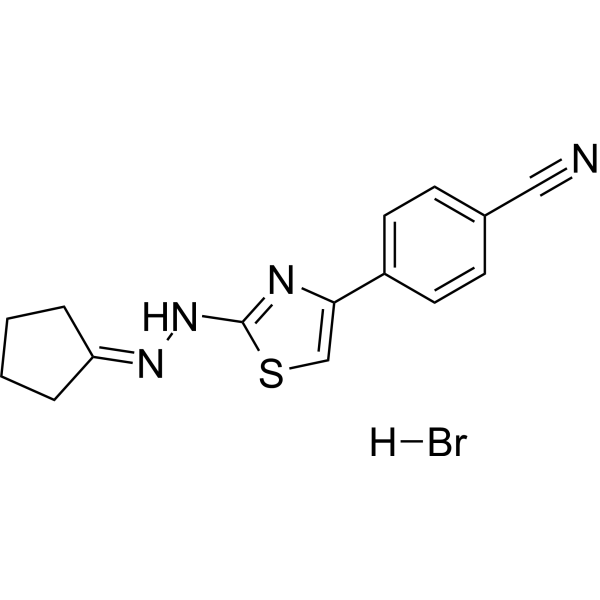
Remodelin hydrobromide is an orally active and selective inhibitor of acetyltransferase NAT10. Remodelin hydrobromide inhibits NAT10 activitity and slows DNA replication and suppresses growth of prostate cancer cells. Remodelin hydrobromide inhibits the growth of prostate cancer and hepatocellular carcinoma in xenograft model. Remodelin hydrobromide enhances the healthspan in hutchinson-gilford progeria syndrome (HGPS) mouse model .
|
-
-
- HY-N0610A
-
-
-
- HY-16706
-
Remodelin
Maximum Cited Publications
17 Publications Verification
|
Histone Acetyltransferase
|
Cancer
|
|
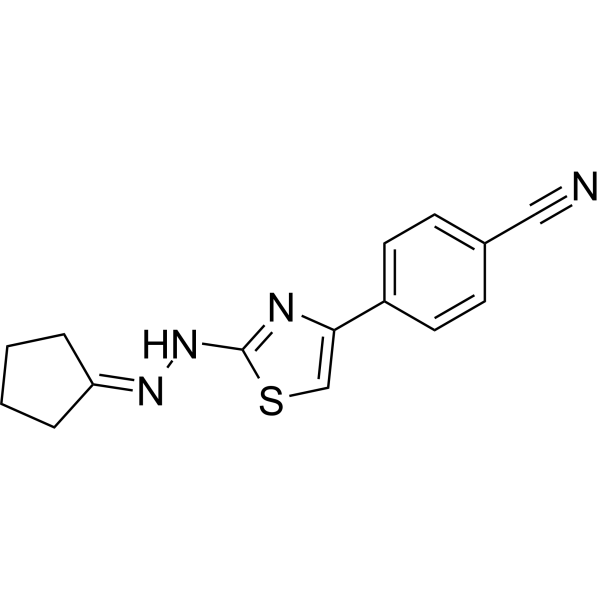
Remodelin is an orally active and selective inhibitor of acetyltransferase NAT10. Remodelin inhibits NAT10 activitity and slows DNA replication and suppresses growth of prostate cancer cells. Remodelin inhibits the growth of prostate cancer and hepatocellular carcinoma in xenograft model. Remodelin enhances the healthspan in hutchinson-gilford progeria syndrome (HGPS) mouse model .
|
-
-
- HY-17473
-
Embelin
Maximum Cited Publications
6 Publications Verification
Embelic acid; Emberine; NSC 91874
|
IAP
NF-κB
Apoptosis
Autophagy
|
Cancer
|
|
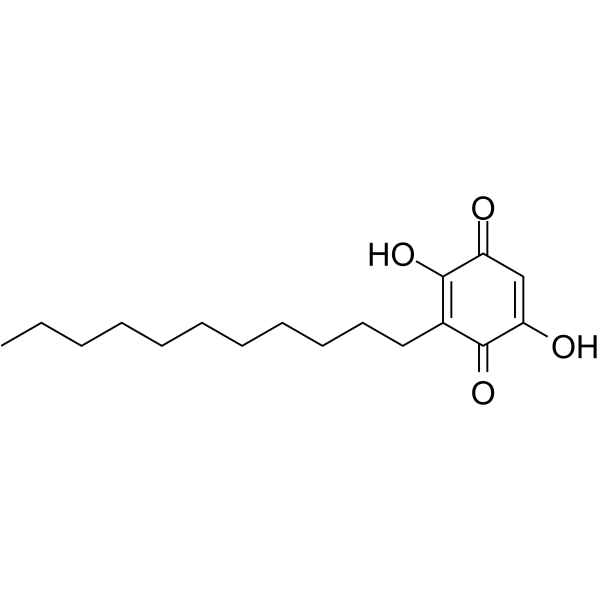
Embelin (Embelic acid), a potent, nonpeptidic XIAP inhibitor (IC50=4.1 μM), inhibits cell growth, induces apoptosis, and activates caspase-9 in prostate cancer cells with high levels of XIAP. Embelin blocks NF-kappaB signaling pathway leading to suppression of NF-kappaB-regulated antiapoptotic and metastatic gene products. Embelin also induces autophagic and apoptotic cell death in human oral squamous cell carcinoma cells .
|
-
-
- HY-119272
-
EF24
2 Publications Verification
|
ERK
Caspase
NF-κB
Apoptosis
p38 MAPK
Reactive Oxygen Species (ROS)
|
Inflammation/Immunology
Cancer
|
|
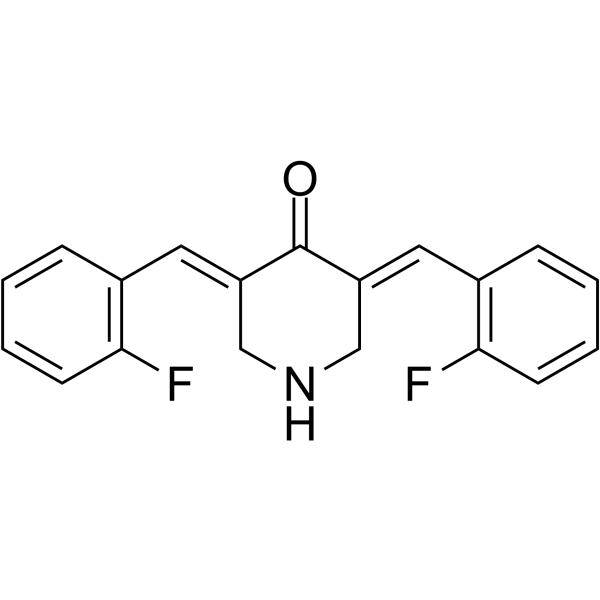
EF24, a curcumin analogue, is an NF-kB inhibitor with great anti-tumor efficacy and oral bioavailability via deactivation of the MAPK/ERK signaling pathway in oral squamous cell carcinoma (OSCC). EF24 is active against melanoma and breast cancer cell lines with GI50 values of 0.7 μM and 0.8 μM, respectively. EF24 induces cell cycle arrest and apoptosis in MDA-MB-231 human breast cancer cells and DU-145 human prostate cancer cells. EF24 increases the levels of activated caspase 3 and 9, and decreases the phosphorylated forms of MEK1 and ERK .
|
-
-
- HY-N2414
-
-
-
- HY-134434
-
|
|
Cathepsin
Fluorescent Dye
|
Others
|
|
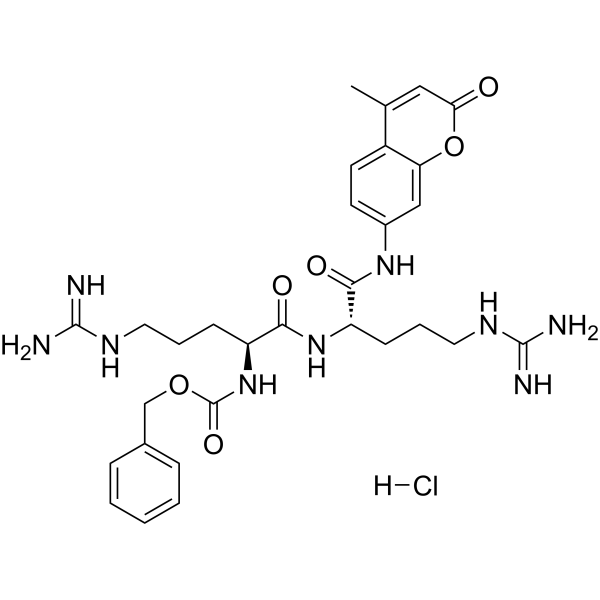
Z-Arg-Arg-AMC hydrochloride is a highly selective fluorescent Cathepsin B substrate. Z-Arg-Arg-AMC hydrochloride can be hydrolyzed by Cathepsin B to produce a fluorescent product for enzyme activity detection .
|
-
-
- HY-P991577
-
|
DS-8895A
|
Ephrin Receptor
|
Cancer
|
|
DS-8895(DS-8895A) is an anti-EphA2 monoclonal antibody with specific binding to EphA2 receptors and EphA2-expressing cells. DS-8895, when conjugated with 89Zr, 111In, or 125I, supports molecular imaging of EphA2 expression in xenograft models. DS-8895 allows noninvasive measurement of EphA2 expresssion in tumors in vivo. .
|
-

-
- HY-B0237
-
|
DL-Aminoglutethimide
|
Cytochrome P450
|
Neurological Disease
Endocrinology
Cancer
|
|
Aminoglutethimide (DL-Aminoglutethimide) is an orally active anticonvulsant with various endocrine-related side effects. Aminoglutethimide blocks multiple steroid hormone synthesis pathways by inhibiting several cytochrome P-450-dependent hydroxylases, such as aromatase, cholesterol side-chain cleavage enzyme, 11-hydroxylase, and 18-hydroxylase, with IC50 values of 0.3, 3.5, 120, and 20 μM, respectively. Aminoglutethimide reduces cortisol levels. Aminoglutethimide can be used in research on Cushing's syndrome, breast cancer, and other conditions .
|
-

-
- HY-139434
-
|
|
Histone Demethylase
|
Cancer
|
|
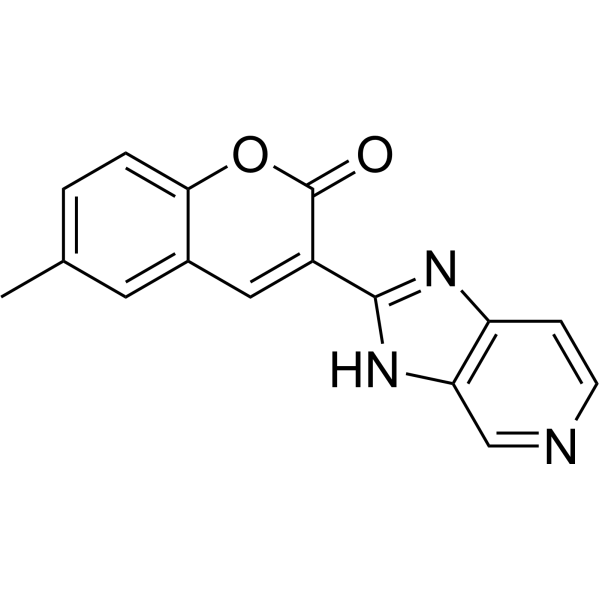
JMJD6-IN-1 is a JMJD6 inhibitor, with an inhibition rate of 82% at 10 μM. JMJD6-IN-1 inhibits MCF-7 and HCC4006 cell proliferation with IC50 values of 19.2 μM and 25.2 μM. JMJD6-IN-1 inhibits JMJD6 demethylase activity. JMJD6-IN-1 can be used for the research of lung adenocarcinoma, prostate cancer, breast cancer, pancreatic cancer, colon cancer, oral squamous cell carcinoma, and glioblastoma .
|
-
-
- HY-B1817A
-
|
Zinc(II) acetate, 99.99% trace metals basis
|
CDK
Heme Oxygenase (HO)
Apoptosis
|
Others
|
|
Zinc (Zinc (II)) acetate, 99.99% trace metals basis is a heme oxygenase 1 (HO-1) activator and apoptosis inducer with cytotoxic and anticancer activities. Zinc acetate, 99.99% trace metals basis enhances HO-1 expression, alters the microRNA profile, and increases the level of caspase-cleaved cytokeratin 18. Zinc acetate, 99.99% trace metals basis also regulates the expression of Cdk2/cyclin E and interferes with cell cycle progression. Zinc acetate, 99.99% trace metals basis effectively inhibits cancer cell proliferation and induces their rapid death, with no significant cytotoxicity to non-tumor tissues. Zinc acetate, 99.99% trace metals basis has been widely used in studies related to hepatocellular carcinoma, prostate cancer, and other conditions .
|
-

-
- HY-108693
-
|
|
Leukotriene Receptor
Apoptosis
|
Inflammation/Immunology
|
|
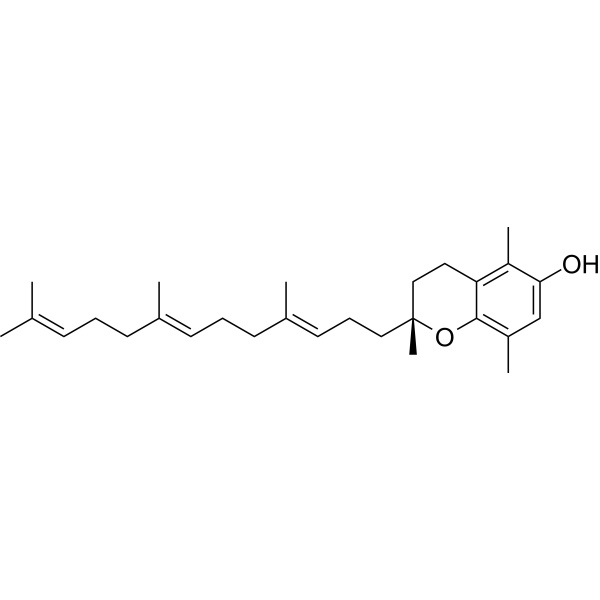
β-Tocotrienol is an isomer of vitamin E. β-Tocotrienol is a less potent antioxidant than α-tocotrienol. β-Tocotrienol can be found in the tocotrienol-rich fraction (TRF) of palm oil, which possesses anti-carcinogenic effects in vitro on human colon carcinoma and prostate cancer cells. β-Tocotrienol inhibits the growth of A549 (GI50 = 1.38 μM) and U87MG (GI50 = 2.53 μM) cells. β-Tocotrienol also induces apoptosis in cancer cells. β-Tocotrienol can inhibit PD-L1 expression and mitigates PD-L1-mediated immune suppression in vitro and in vivo .
|
-
-
- HY-168555
-
|
|
PROTACs
CDK
Apoptosis
Akt
mTOR
|
Cancer
|
|
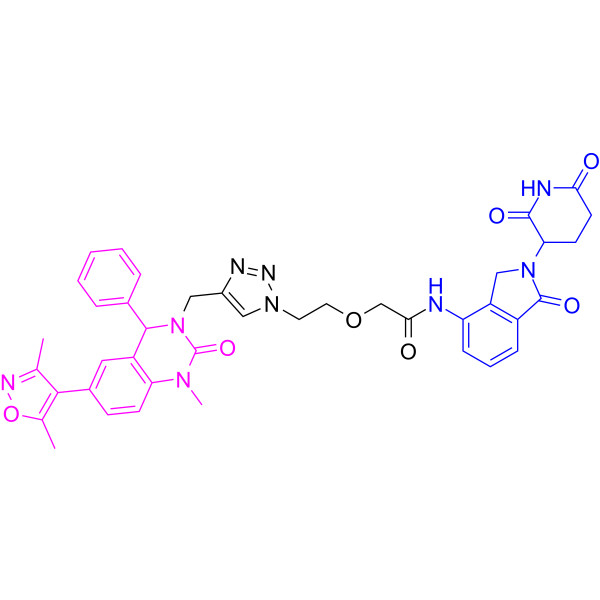
YJ1206 is an orally active selective CDK12/CDK13 PROTAC degrader. YJ1206 induces DNA damage and genomic instability, activates the AKT pathway, and triggers apoptosis. YJ1206 reduces tumor cell viability, inhibits tumor growth, and attenuates tumor cell dissemination. YJ1206 is applicable to research related to prostate cancer and high-grade serous tubo-ovarian cancer .
|
-

-
- HY-117756
-
|
DCFPYL
|
PSMA
|
Cancer
|
|
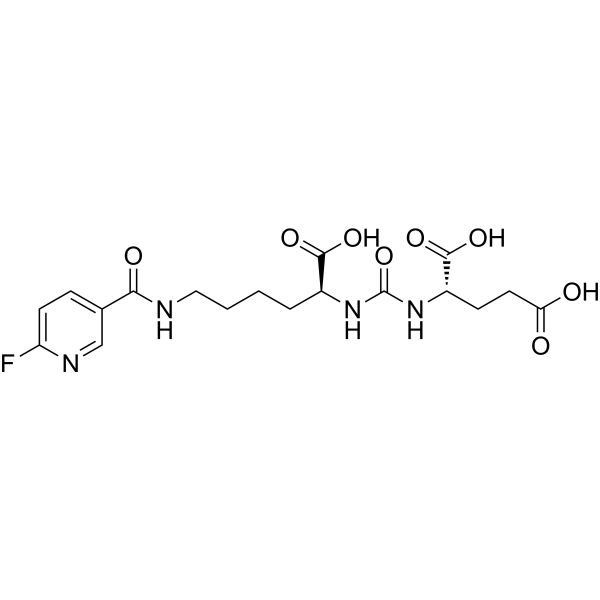
Piflufolastat (DCFPYL) can be used for the preparation of piflufolastat F 18 (DCFPyL F-18). Piflufolastat F-18 (DCFPyL F-18) is an 18F-labeled imaging agent. Piflufolastat F-18 can be used for positron emission tomography (PET) targeting prostate-specific membrane antigen (PSMA). Piflufolastat can be used for imaging of prostate cancer .
|
-
-
- HY-147785
-
|
|
Pim
Caspase
Bcl-2 Family
Apoptosis
|
Cancer
|
|
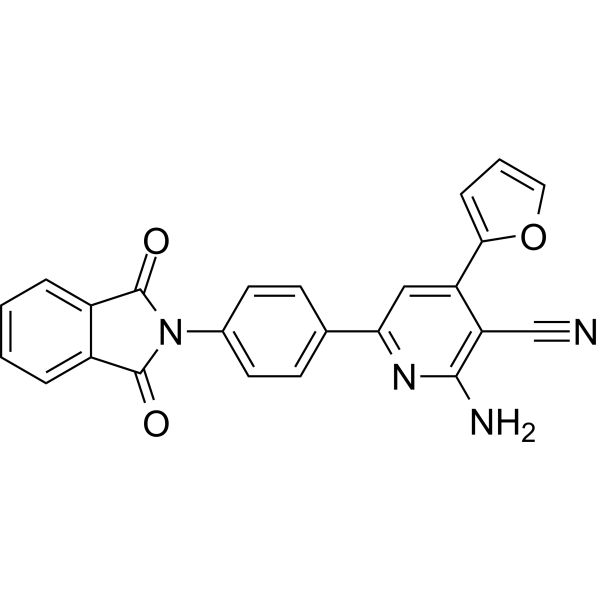
Pim-1 kinase inhibitor 2 is a PIM-1 kinase inhibitor with a human IC50 of 0.63 μM. Pim-1 kinase inhibitor 2 exhibits high selectivity for cancer cells over normal cells. Pim-1 kinase inhibitor 2 induces apoptosis, increases active caspase-3 levels, upregulates BAX, downregulates Bcl-2, and elevates the Bax/Bcl-2 ratio. Pim-1 kinase inhibitor 2 suppresses cancer cell proliferation and induces cell cycle arrest. Pim-1 kinase inhibitor 2 can be used for the research of prostate carcinoma, hepatocellular carcinoma, and breast adenocarcinoma .
|
-
-
- HY-N2512
-
|
|
Environmental Pollutants
Endogenous Metabolite
FAAH
Autophagy
Bacterial
Fungal
|
Infection
Cancer
|
|
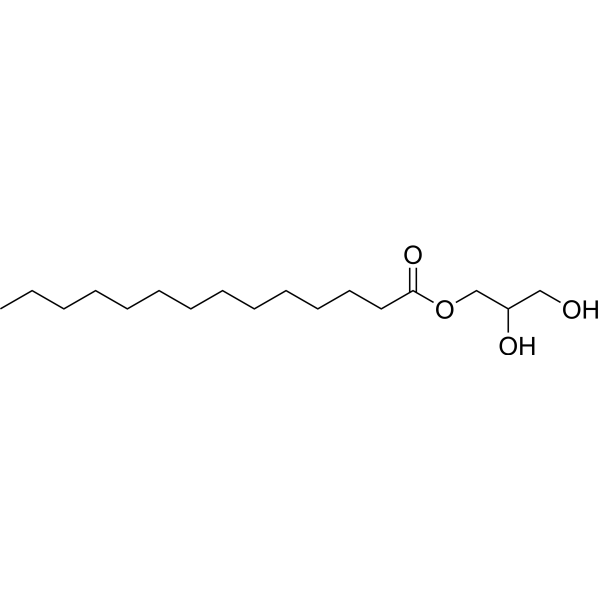
1-Monomyristin acts as an insecticide, enzyme inhibitor, antibacterial and antifungal agent, with an IC50 of 18 μM against rat FAAH and an IC50 of 32 μM against rat MAGL. 1-Monomyristin inhibits 2-oleoylglycerol hydrolysis via MAGL. 1-Monomyristin suppresses the growth of Staphylococcus aureus, Aggregatibacter actinomycetemcomitans and Candida albicans. 1-Monomyristin is lethal to brine shrimp . 1-Monomyristin exhibits marginal cytotoxicity against prostate cancer cells. 1-Monomyristin is applicable to research related to bacterial infections, fungal infections, renal cancer, prostate adenocarcinoma and pancreatic cancer .
|
-
-
- HY-P1654
-
|
|
Integrin
|
Cancer
|
|
A20FMDV2 is a highly selective αvβ6 integrin inhibitor with human IC50 values of 3 nM and binds with at least 1000-fold selectivity over other RGD-binding integrins. A20FMDV2 binds to the integrin’s RGD-binding site, induces rapid integrin internalization, and delays post-internalization integrin recycling to the cell surface. A20FMDV2 can be used for the research of pancreatic cancer, breast cancer, colorectal cancer, ovarian cancer, oral squamous cell carcinoma .
|
-

-
- HY-133136
-
-
-
- HY-18102
-
|
|
Androgen Receptor
|
Neurological Disease
|
|
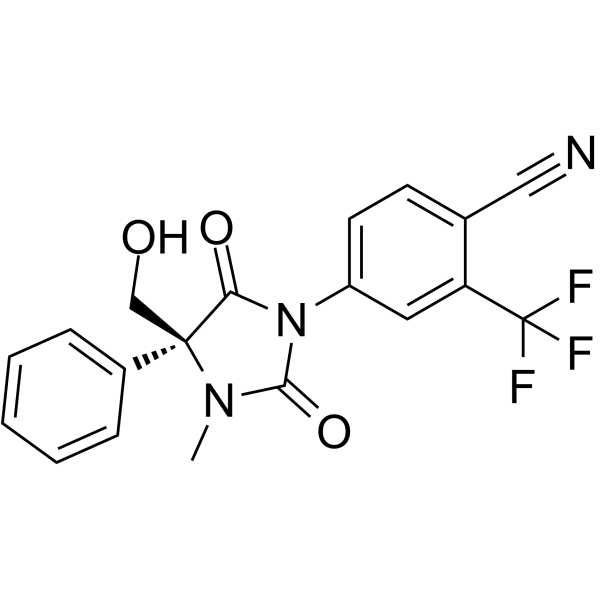
GLPG0492 is an orally active, non-steroidal selective androgen receptor modulator. GLPG0492 exerts functional transactivation by binding to the ligand-binding domain of the receptor, exhibiting preferential partial agonist activity in muscle and bone tissues with low activity in reproductive tissues. GLPG0492 effectively counteracts muscle atrophy-related pathways, significantly enhances muscle strength, maintains motor ability, reduces fibrosis and improves electrophysiological parameters. GLPG0492 prevents immobilization-induced muscle atrophy and regulates muscle mass homeostasis, serving as a valuable tool compound for studies on Duchenne muscular dystrophy, muscle loss and various types of disuse musculoskeletal atrophy .
|
-
-
- HY-118762
-
|
|
Cathepsin
|
Cancer
|
|
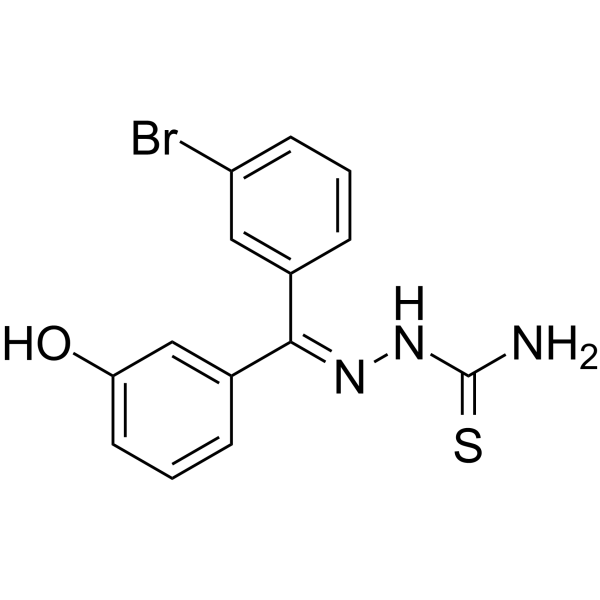
KGP94 is a selective inhibitor of cathepsin L with an IC50 of 189 nM . KGP94 inhibits migration and invasion of metastatic carcinoma and shows low cytotoxicity (GI50=26.9 µM) against various human cell lines .
|
-
-
- HY-N0610AS
-
|
3-Phenylacrylic acid-d6; β-Phenylacrylic acid-d6
|
Endogenous Metabolite
|
Cancer
|
|
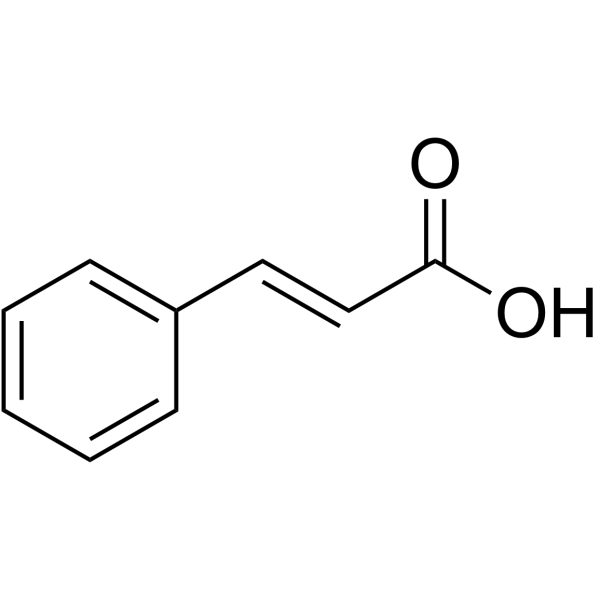
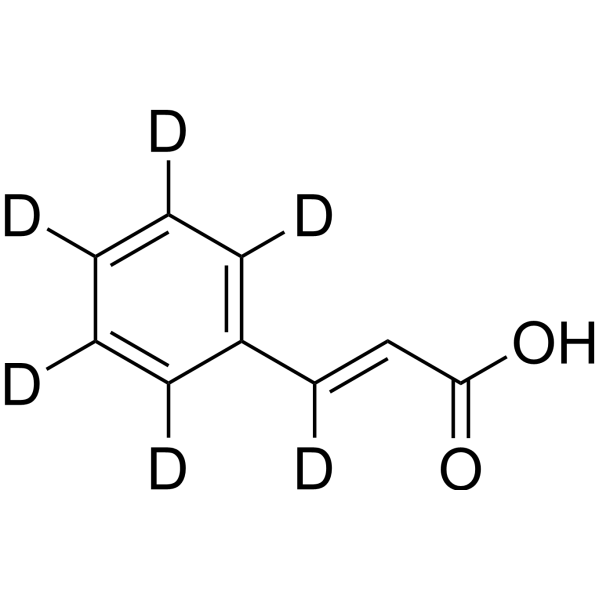
Cinnamic acid-d6 is the deuterium labeled Cinnamic acid. Cinnamic acid has potential use in cancer intervention, with IC50s of 1-4.5 mM in glioblastoma, melanoma, prostate and lung carcinoma cells.
|
-
-
- HY-16232
-
|
D 19575; Glucosylifosfamide mustard
|
Apoptosis
Caspase
Bcl-2 Family
|
Cancer
|
|
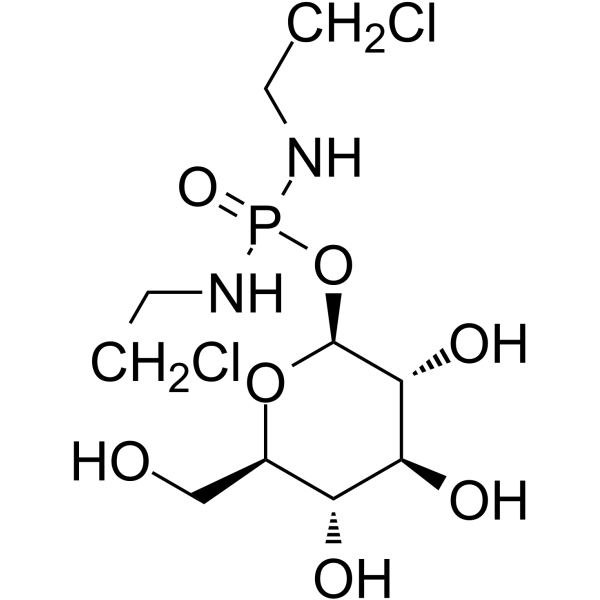
Glufosfamide is a glucose-conjugated alkylating cytotoxic agent and a derivative of Ifosfamide (HY-17419). Glufosfamide induces apoptosis frequency and increase the expression of caspase-9 and caspase-3 in cancer cells. Glufosfamide shows great anti-tumor activity in MiaPaCa-2-RFP mouse model. Glufosfamide can be used for the study of hepatocellular carcinoma, prostate cancer and pancreatic carcinoma .
|
-
-
- HY-N0610AS2
-
|
3-Phenylacrylic acid-13C3; β-Phenylacrylic acid-13C3
|
Isotope-Labeled Compounds
Endogenous Metabolite
|
Cancer
|
|
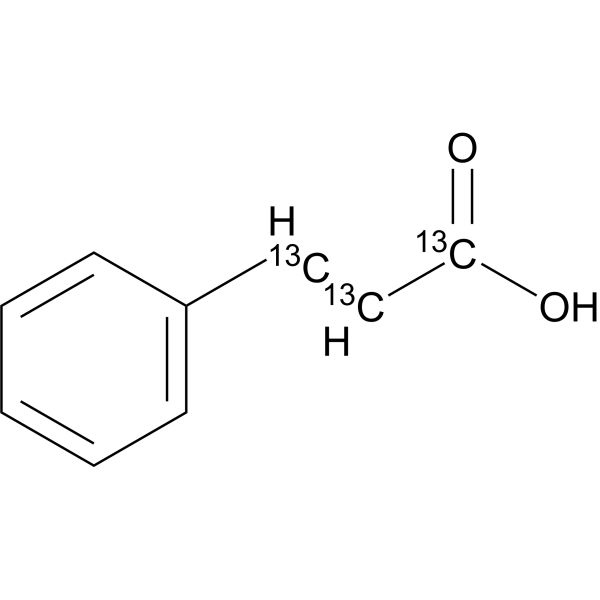
Cinnamic acid- 13C3 (3-Phenylacrylic acid- 13C3) is the 13C labeled Cinnamic acid (HY-N0610A). Cinnamic acid has potential use in cancer intervention, with IC50s of 1-4.5 mM in glioblastoma, melanoma, prostate and lung carcinoma cells .
|
-
-
- HY-P5413
-
|
|
Cholecystokinin Receptor
|
Others
|
|
[Lys3]-Bombesin is a biological active peptide. (PET (Positron Emission Tomography) imaging of [Lys3]-bombesin is able to detect gastrin-releasing peptide receptor (GRPR) positive prostate cancer. An immunoconjugate of [Lys3]-bombesin and corresponding monoclonal antibody can specifically induce (CD64)-dependent monocyte and neutrophil-mediated lysis of small cell carcinoma.)
|
-
![[Lys3]-Bombesin](//file.medchemexpress.com/product_pic/hy-p5413.gif)
-
- HY-N16483
-
|
|
Apoptosis
Caspase
Bcl-2 Family
PARP
Androgen Receptor
|
Cancer
|
|
Procyanidin B2-3'-O-gallate is a mono-gallate ester that can be isolated from grape seed extract. Procyanidin B2-3'-O-gallate has anti-cancer efficacy and reduces the viability of prostate carcinoma LNCaP cells. Furthermore, Procyanidin B2-3'-O-gallate induces apoptosis, and causes caspases-9 and -3 and PARP cleavage, and down-regulates Bcl-2, Bcl-Xl and androgen receptor levels .
|
-

-
- HY-161597
-
|
|
PROTACs
DYRK
|
Cancer
|
|
PROTAC DYRK2 degrader 1 is a DYRK2 PROTAC degrader with DC50 values of 1.607 μM (MDA-MB-231 cells) and 3.265 μM (HeLa cells), respectively. PROTAC DYRK2 degrader 1 induces DYRK2 degradation via the ubiquitin-proteasome system. It is applicable to the research of triple-negative breast cancer and cervical cancer .
|
-

-
- HY-106219
-
|
|
Microtubule/Tubulin
P-glycoprotein
|
Cancer
|
|
BMS 275183 is a potent, orally active analogue of Paclitaxel (HY-B0015). BMS 275183 can stabilize microtubules and exhibits antitumor activity in in vivo tumor models. BMS 275183 is active in vitro against Paclitaxel-resistant tumors including those harboring tubulin mutations or overexpressing P-glycoprotein. BMS 275183 can be used for cancer research, such as non-small cell lung cancer (NSCLC) and prostate carcinoma .
|
-

-
- HY-171450
-
|
|
Trk Receptor
|
Cancer
|
|
VMD-928 is an orally active, allosteric, irreversible and selective tropomyosin receptor kinase A (TrkA) inhibitor. VMD-928 blocks the downstream signaling pathways triggered by the binding of nerve growth factor (NGF) to TrkA, thereby inhibiting cell proliferation, invasion, and promoting cancer cell death. VMD-928 is promising for research of various cancers, including prostate cancer, thymic carcinoma, mesothelioma, squamous cell carcinoma of the head and neck, squamous cell carcinoma of the lung, ovarian cancer, hepatocellular carcinoma .
|
-

-
- HY-N13772
-
|
(+)-Dihydroisorhamnetin
|
Apoptosis
|
Cancer
|
|
3'-O-Methyltaxifolin ((+)-Dihydroisorhamnetin) is a dihydroflavanol found in Pulicaria jaubertii. A mixture of these alcohol compounds including 3'-O-Methyltaxifolin found in Pulicaria jaubertii exhibits antitumor activity with IC50 values of 19.1 μg, 20.0 μg, and 24.1 μg against prostate cancer (PC-3), breast cancer (MCF-7), and hepatocellular carcinoma (HepG-2) cell lines, respectively. Furthermore, 3'-O-Methyltaxifolin can induce cell apoptosis, making it a promising candidate for anticancer research. .
|
-

-
- HY-119833
-
|
|
MicroRNA
|
Cancer
|
|
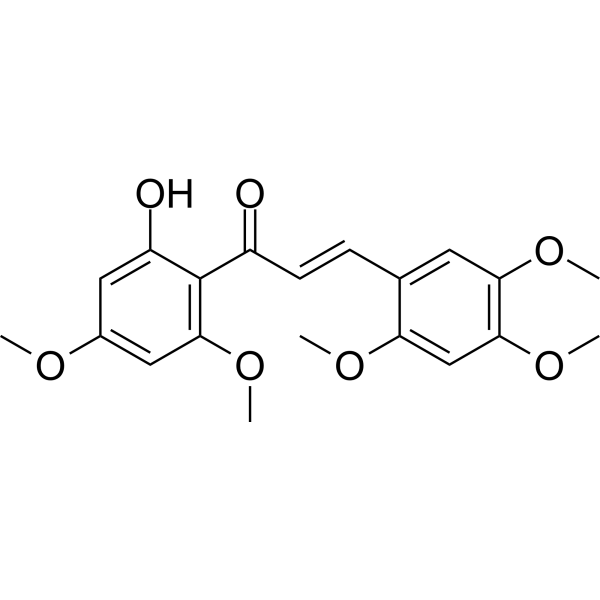
Rubone, a chalcone analog, is a modulator of miR-34a. Rubone upregulates miR-34a expression in a p53 dependent manner, downregulates the downstream target Bcl-2 and Cyclin D1 expression, and suppresses hepatocellular carcinoma (HCC) growth in vivo. Rubone enhances the anticancer effect of Paclitaxel (PTX; HY-B0015) in PTX-resistant prostate cancer cell lines by reversing the expression of miR-34a downstream targets .
|
-
-
- HY-17473R
-
|
Embelic acid (Standard); Emberine (Standard); NSC 91874 (Standard)
|
Reference Standards
IAP
NF-κB
Apoptosis
Autophagy
|
Cancer
|
|
Embelin (Standard) is the analytical standard of Embelin. This product is intended for research and analytical applications. Embelin (Embelic acid), a potent, nonpeptidic XIAP inhibitor (IC50=4.1 μM), inhibits cell growth, induces apoptosis, and activates caspase-9 in prostate cancer cells with high levels of XIAP. Embelin blocks NF-kappaB signaling pathway leading to suppression of NF-kappaB-regulated antiapoptotic and metastatic gene products. Embelin also induces autophagic and apoptotic cell death in human oral squamous cell carcinoma cells .
|
-

-
- HY-107408
-
|
|
Hedgehog
Gli
|
Metabolic Disease
Cancer
|
|
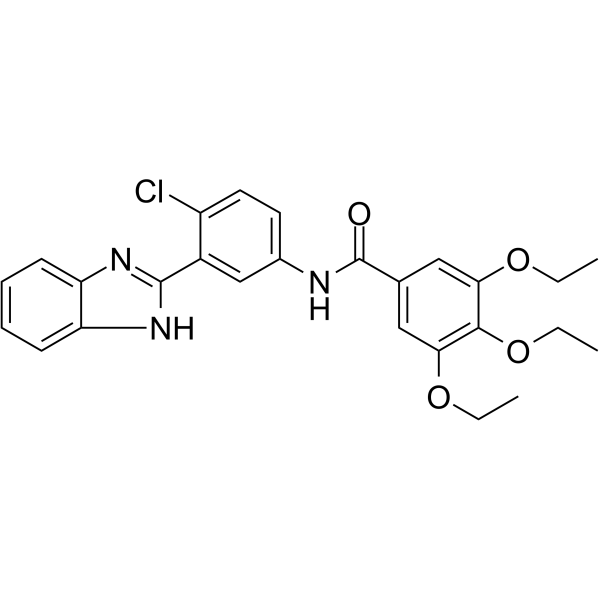
SANT 2 is a potent Hh-signaling pathway antagonist. SANT 2 interferes with the expression of Gli1. SANT 2 causes developmental delay in medaka embryos. SANT 2 has the potential for the research of several malignancies including Gorlin syndrome (a disorder predisposing to basal cell carcinoma, medulloblastoma and rhabdomyosarcoma), prostate, pancreatic and breast cancers .
|
-
-
- HY-131438
-
|
|
Topoisomerase
|
Cancer
|
|
GI-149893 is a selective topoisomerase I (TopoI) inhibitor. GI-149893 prevents DNA religation and induces irreversible DNA damage in tumor cells. GI-149893 is promising for research of cancers (e.g., colon carcinoma HT-29/SW-48, breast MX-1, prostate PC-3 xenografts) .
|
-

-
- HY-122844B
-
|
BI-853520 tosylate; IN-10018 tosylate
|
FAK
|
Cancer
|
|
Ifebemtinib (tosylate) (BI-853520 (tosylate); IN-10018 (tosylate)) is a highly selective PTK2 kinase inhibitor. Ifebemtinib (tosylate) demonstrates anti-tumor activity. Ifebemtinib (tosylate) inhibits FAK autophosphorylation in prostate carcinoma cells. Ifebemtinib (tosylate) can inhibit spheroid formation and orthotopic tumor growth in vivo. Ifebemtinib (tosylate) can be studied in anticancer research such as solid tumors, breast cancer, and malignant pleural mesothelioma .
|
-

-
- HY-W778423
-
|
Dihydroxy Oxaliplatin-Pt(IV)
|
Drug Intermediate
|
Cancer
|
|
[Pt(DACH)(OH)2(ox)] is a Pt(IV) derivative of Oxaliplatin (HY-17371) with two axial hydroxido ligands, used as a precursor for synthesizing Pt(IV)-HDAC inhibitor prodrugs. [Pt(DACH)(OH)2(ox)] exerts cytotoxic activity against human cancer cells and accumulates in cancer cells for nuclear internalization and nuclear DNA platination. [Pt(DACH)(OH)2(ox)] can be used for the research of lung carcinoma, breast carcinoma, pancreatic carcinoma, colon carcinoma .
|
-
![[Pt(DACH)(OH)2(ox)]](//file.medchemexpress.com/product_pic/hy-w778423.gif)
-
- HY-P99881
-
|
ABBV 176
|
Antibody-Drug Conjugates (ADCs)
|
Cancer
|
|
Rolinsatamab talirine (ABBV 176) is a prolactin receptor (PRLR)-targeting antibody-drug conjugate (ADC), compoused of Rolinsatamab (HY-P99238) and SGD-1882 (HY-101127). Rolinsatamab talirine binds to PRLR to deliver a cytotoxin to tumor cells. Rolinsatamab talirine induces DNA damage, and exhibits cytotoxicity against multiple breast tumor models, including triple negative and low PRLR-expressing models. Rolinsatamab talirine demonstrates enhanced anti-tumor activity in several breast cancer models. Rolinsatamab talirine can be used for the research of breast cancer, hepatocellular carcinoma, ovarian cancer, endometrial cancer, prostate cancer, colorectal cancer, adrenocortical carcinoma, and solid tumors .
|
-

-
- HY-161618
-
|
|
JAK
EGFR
PI3K
IGF-1R
GSK-3
|
Inflammation/Immunology
Endocrinology
|
|
MJ04 is a selective inhibitor for Janus Kinase 3 (JAK 3) with an IC50 of 2.03 nM. MJ04 inhibits T cell differentation and inhibits the proinfammatory cytokines in Lipopolysaccharides (HY-D1056)‑induced macrophages. MJ04 exhibits good pharmacokinetic characters in mice, promotes hair growth in DHT-induced androgenetic alopecia (AGA) in athymic mice model, without significant toxicity (LD50 >2 g/kg) .
|
-

-
- HY-N0610AR
-
|
3-Phenylacrylic acid (Standard); β-Phenylacrylic acid (Standard)
|
Reference Standards
Endogenous Metabolite
|
Cancer
|
|
Cinnamic acid (Standard) is the analytical standard of Cinnamic acid. This product is intended for research and analytical applications. Cinnamic acid has potential use in cancer intervention, with IC50s of 1-4.5 mM in glioblastoma, melanoma, prostate and lung carcinoma cells.
|
-

-
- HY-147852
-
|
|
Raf
|
Cancer
|
|
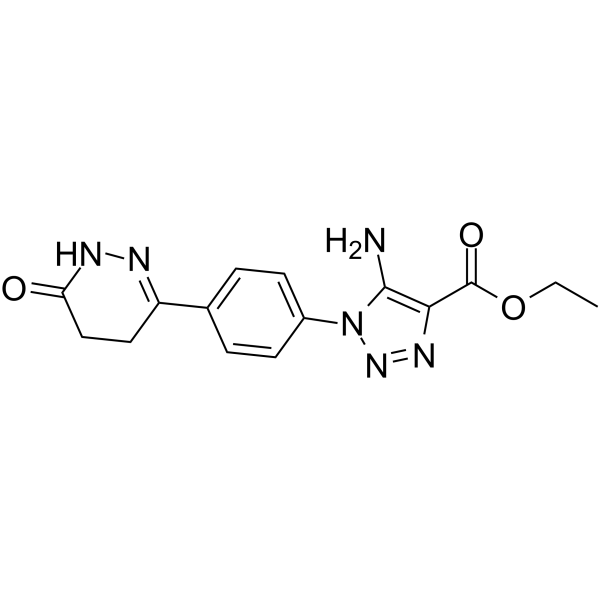
B-Raf IN 7 (compound 6a) is a potent B-Raf inhibitor, with an IC50 of 110.23 nM. B-Raf IN 7 exhibits antitumor activity against colon carcinoma (HCT-116), mammary gland (MCF-7), hepatocellular carcinoma (HEPG-2), human cervical carcinoma (Hela) and human prostate cancer (PC-3) cells, with IC50 values of 7.50, 9.87, 10.57, 11.63 and 12.83 µM .
|
-
-
- HY-147853
-
|
|
Raf
|
Cancer
|
|
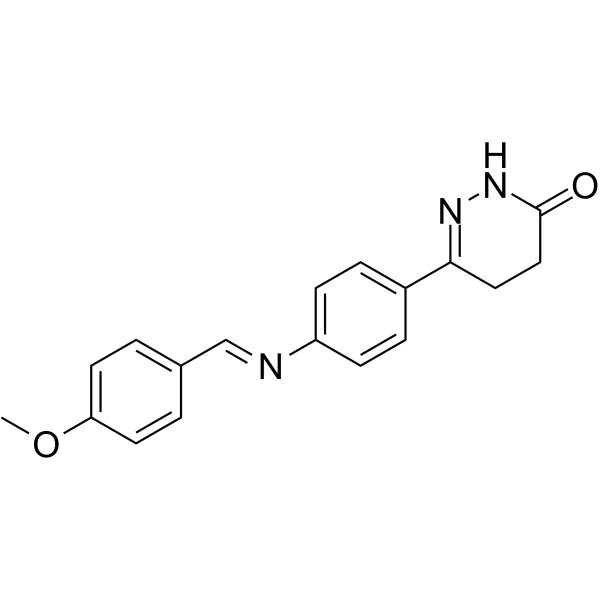
B-Raf IN 8 (compound 7g) is a potent B-Raf inhibitor, with an IC50 of 70.65 nM. B-Raf IN 8 exhibits antitumor activity against hepatocellular carcinoma (HEPG-2), colon carcinoma (HCT-116), mammary gland (MCF-7) and human prostate cancer (PC-3) cells, with IC50 values of 9.78, 13.78, 18.52 and 29.85 µM .
|
-
-
- HY-148944
-
|
|
Reactive Oxygen Species (ROS)
Apoptosis
|
Cancer
|
|
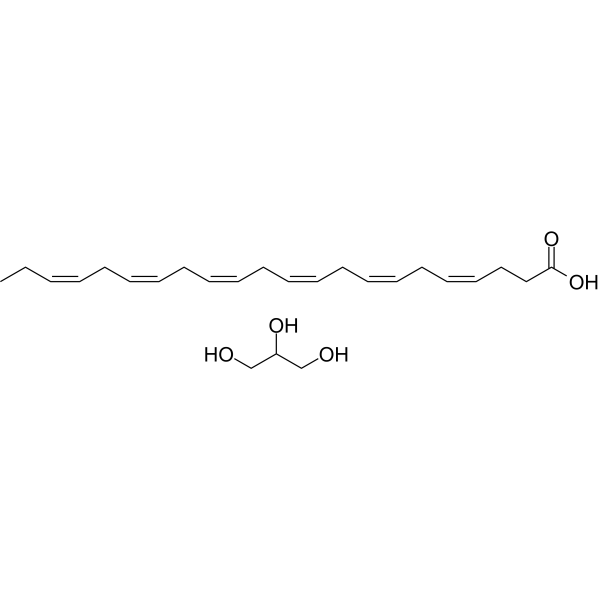
Didocosahexaenoin, an omega-3 derivative, is a diglyceride of DHA and can be synthesised from DHA triglycerides. Didocosahexaenoin causes significant loss of mitochondrial membrane potential and induces ROS production. Didocosahexaenoin induces apoptosis. Didocosahexaenoin induces stronger cytotoxicity than DHA in human prostate carcinoma cells .
|
-
-
- HY-N2414R
-
|
|
Reference Standards
Reactive Oxygen Species (ROS)
Necroptosis
Pyroptosis
Interleukin Related
Caspase
NOD-like Receptor (NLR)
|
Inflammation/Immunology
Cancer
|
|
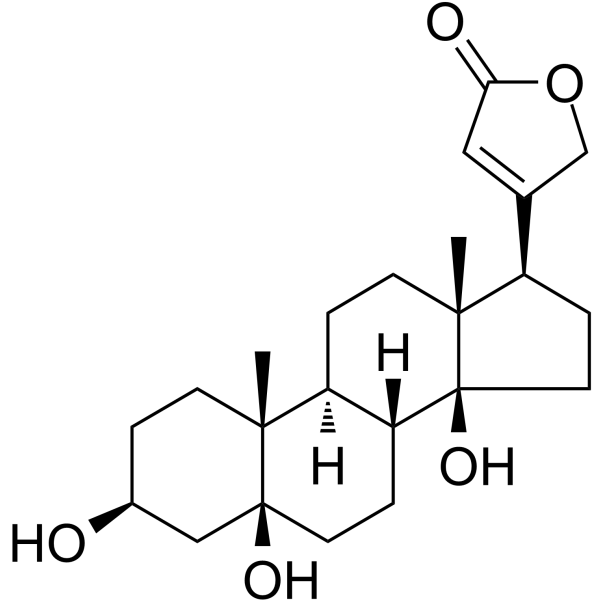
Periplogenin (Standard) is the analytical standard of Periplogenin (HY-N2414). Periplogenin is an orally active cardiac glycoside found in Cortex periplocae. Periplogenin can induce ROS production and necroptosis and cause G0/G1 phase arrest. Periplogenin can inhibit pyroptosis by regulating the NLRP3/Caspase-1/GSDMD signaling. Periplogenin suppresses growth of prostate carcinoma cells by docking to an ATP1A1 protein pocket and forming a hydrogen bond with T804. Periplogenin can be used for the researches of cancer, inflammation and immunology, such as prostate carcinoma, rheumatoid arthritis and psoriasis .
|
-

-
- HY-117803
-
|
OSI-461 free base
|
Apoptosis
|
Cancer
|
|
CP 461 free base (OSI-461 free base) is a novel pro-apoptotic compound with the activity of inhibiting cyclic guanosine monophosphate phosphodiesterase. CP 461 free base exhibits growth inhibitory activity against a variety of human tumor cell lines in vitro. CP 461 free base selectively induces apoptosis in cancer cell lines but has no effect on normal cells. CP 461 free base can be used in the study of renal cell carcinoma, prostate cancer and Crohn's disease .
|
-

-
- HY-174450
-
|
|
Epigenetic Reader Domain
|
Cancer
|
|
KMT9-IN-1 (Compound 8) is a KMT9 inhibitor and the ethyl ester prodrug of compound 7b. KMT9-IN-1 releases the active form 7b via esterases in cells. KMT9-IN-1 targets KMT9 in cells and reduces H4K12me1 levels. KMT9-IN-1 has antitumor activity against colon cancer. KMT9-IN-1 can be used in the research of prostate cancer and hepatocellular carcinoma .
|
-

-
- HY-108693R
-
|
|
Leukotriene Receptor
Reference Standards
Apoptosis
|
Inflammation/Immunology
|
|
β-Tocotrienol (Standard) is the analytical standard of β-Tocotrienol. This product is intended for research and analytical applications. β-Tocotrienol is an isomer of vitamin E. β-Tocotrienol is a less potent antioxidant than α-tocotrienol. β-Tocotrienol can be found in the tocotrienol-rich fraction (TRF) of palm oil, which possesses anti-carcinogenic effects in vitro on human colon carcinoma and prostate cancer cells. β-Tocotrienol inhibits the growth of A549 (GI50 = 1.38 μM) and U87MG (GI50 = 2.53 μM) cells. β-Tocotrienol also induces apoptosis in cancer cells. β-Tocotrienol can inhibit PD-L1 expression and mitigates PD-L1-mediated immune suppression in vitro and in vivo .
|
-

-
- HY-123664
-
|
LY133314
|
Estrogen Receptor/ERR
|
Cancer
|
|
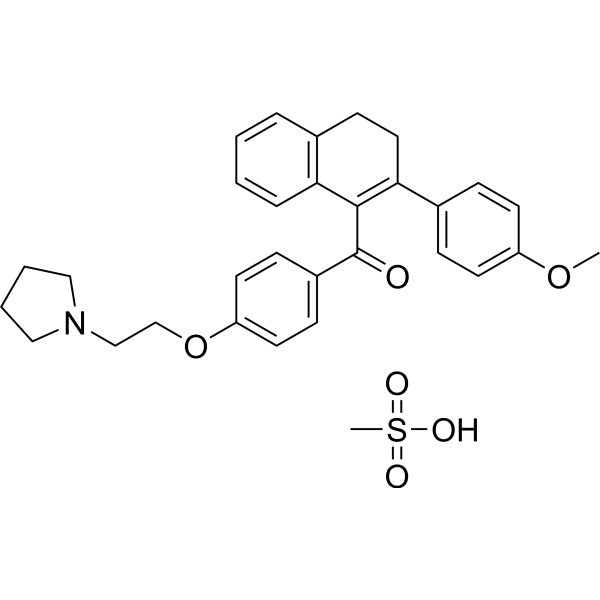
Trioxifene mesylate (LY133314) is an orally active and selective estrogen receptor (ER) modulator with human ERα IC50 of 203.49 nM and Ki of 20.84 nM. Trioxifene mesylate binds estradiol receptors, inhibits ERα-mediated gene expression, reduces circulating gonadotrophin levels. Trioxifene mesylate can be used for the research of advanced breast cancer and androgen-independent, metastatic prostatic adenocarcinoma .
|
-
-
- HY-183922
-
|
|
PI3K
Epigenetic Reader Domain
|
Cancer
|
|
SRX3212 is a potent PI3Kα/BRD4 inhibitor with human IC50 values of 22 nM, 3.7 nM, and 32 nM for PI3Kα, BRD4BD1, and BRD4BD2, respectively. SRX3212 inhibits PI3K kinase activity and blocks acetyllysine binding function of BRD4BD1 and BRD4BD2. SRX3212 can be used for the research of mantle cell lymphoma, colon carcinoma, neuroblastoma, prostate cancer[1].
|
-

-
- HY-P992322
-
|
|
ADC Antibody
Carbonic Anhydrase
|
Cancer
|
|
BAY-79-4620 Antibody is a potent and selective CAIX antibody with a human CAIX Kd of 3.6 nM. BAY-79-4620 Antibody yields antibody-drug conjugate (ADC) through conjugating with Monomethyl auristatin E (HY-15162) via a self-immolative enzyme-cleavable linker. BAY-79-4620 Antibody can be used for the research of cervical carcinoma, non-small cell lung carcinoma, breast carcinoma, pancreatic carcinoma, gastric carcinoma, prostate carcinoma .
|
-

-
- HY-181166
-
|
|
EGFR
Apoptosis
|
Cancer
|
|
EGFR-IN-194 is a potent EGFR tyrosine kinase inhibitor with an IC50 of 54.3 nM against human EGFR. EGFR-IN-194 induces apoptosis, inhibits migration in cancer cells, selectively promotes invasion in cancer cells, and exhibits antiproliferative effects across multiple cancer cell lines. EGFR-IN-194 can be used for the research of prostate adenocarcinoma, non-small cell lung carcinoma, breast carcinoma, chronic myeloid leukemia .
|
-

-
- HY-16232R
-
|
D 19575 (Standard); Glucosylifosfamide mustard (Standard)
|
Reference Standards
Apoptosis
Bcl-2 Family
Caspase
|
Cancer
|
|
Glufosfamide (Standard) is the analytical standard of Glufosfamide. This product is intended for research and analytical applications. Glufosfamide is a glucose-conjugated alkylating cytotoxic agent and a derivative of Ifosfamide (HY-17419). Glufosfamide induces apoptosis frequency and increase the expression of caspase-9 and caspase-3 in cancer cells. Glufosfamide shows great anti-tumor activity in MiaPaCa-2-RFP mouse model. Glufosfamide can be used for the study of hepatocellular carcinoma, prostate cancer and pancreatic carcinoma .
|
-

- HY-181285
-
|
|
Methionine Adenosyltransferase (MAT)
|
Cancer
|
|
MAT2A ligand 1 is a MAT2A ligand inhibitor (IC50=29.5 nM) and PET tracer that crosses the blood-brain barrier. MAT2A ligand 1 enables non-invasive imaging of MAT2A-expressing tumors, with rapid tumor uptake equilibrium, a high tumor-to-muscle ratio, and specific tumor-binding properties. MAT2A ligand 1 is applicable to research related to non-small cell lung cancer, hepatocellular carcinoma, colorectal cancer, gastric cancer, glioblastoma, pancreatic adenocarcinoma, urothelial carcinoma, breast cancer, and prostate cancer .
|
-

- HY-182003
-
|
|
Akt
Apoptosis
Reactive Oxygen Species (ROS)
|
Cancer
|
|
Anticancer agent 308 is an AKT inhibitor with antitumor activity. Anticancer agent 308 reduces total AKT protein levels, thereby inhibiting the pro-survival PI3K/AKT signaling pathway. Anticancer agent 308 induces apoptosis, disrupts mitochondrial membrane potential, promotes ROS accumulation in mitochondria, and induces cell cycle arrest. Anticancer agent 308 inhibits cancer cell migration. Anticancer agent 308 is applicable to research related to breast cancer, lung adenocarcinoma, cervical cancer, prostate cancer, and hepatocellular carcinoma .
|
-

- HY-P992395
-
|
JNJ-711
|
TNF Receptor
NF-κB
|
Cancer
|
|
JNJ-64164711 (JNJ-711) is a bifunctional antibody that simultaneously targets human GITR/TNFRSF18 and FcγRIIIa. JNJ-64164711 binds to the GITR domain to activate the NF-κB signaling pathway, while binding to FcγRIIIa to support antibody-dependent cellular cytotoxicity (ADCC). JNJ-64164711 can specifically eliminate GITR-positive hematological tumor cells, activated T cells and intratumoral regulatory T cells through the ADCC mechanism, thereby significantly enhancing the body's anti-tumor immune response. JNJ-64164711 can be used in research related to non-small cell lung cancer, colorectal cancer, prostate cancer, renal cell carcinoma and hematological tumors .
|
-

- HY-N13800
-
|
|
Phytohormone
|
Infection
Cancer
|
|
3-O-Debenzoylzeylenone is a polyoxygenated cyclohexene plant growth hormone that exists in the leaves of Uvaria purpurea and the aerial parts of Uvaria grandiflora. 3-O-Debenzoylzeylenone is an auxin analog that inhibits root growth and promotes shoot growth of Lactuca sativa seedlings. 3-O-Debenzoylzeylenone exhibits cytotoxicity against various cancer cells and can be used in studies related to lung cancer, melanoma, epidermoid carcinoma, liver cancer, gastric cancer, colon adenocarcinoma, acute leukemia, breast cancer, and prostate cancer .
|
-

- HY-123303
-
|
NZ-28
|
HSP
|
Cancer
|
|
NSC-134754 (NZ-28) is a dehydroemetine derivative and heat shock protein (HSP) induction inhibitor. NSC-134754 acts at the post-transcriptional level, targets Hsp72 and Hsp27, and does not alter general protein synthesis, HSF-1 transcriptional activity, or Hsp mRNA levels. NSC-134754 can be used for the research of multiple myeloma, prostate carcinoma, colon carcinoma .
|
-

- HY-183369
-
|
|
VEGFR
PD-1/PD-L1
Apoptosis
Bcl-2 Family
Caspase
|
Cancer
|
|
VEGFR/PD-L1-IN-1 is a VEGFR2 and PD-L1 inhibitor, with IC50 values of 0.383 μM and 134.407 pg/mL against VEGFR2 and PD-L1, respectively. VEGFR/PD-L1-IN-1 enhances the secretion of INF-γ, induces G0/G1 cell cycle arrest in cancer cells, and triggers cancer cell apoptosis. VEGFR/PD-L1-IN-1 upregulates the expression of BAX and Caspase-3, and downregulates the expression of Bcl-2. VEGFR/PD-L1-IN-1 can be used in research related to hepatocellular carcinoma, prostate cancer, and colorectal cancer .
|
-

- HY-186120A
-
|
|
Amino Acid Derivatives
|
Cancer
|
|
N-(Aminoiminomethyl)-N-methyl-L-alanine is an Amino acid analog. N-(Aminoiminomethyl)-N-methyl-L-alanine can be used in cancer-related research .
|
-

- HY-P11716
-
|
|
ERK
|
Cancer
|
|
HYD-1 is a D-amino acid tumor cell adhesion peptide. HYD-1 contains overlapping linear peptide elements required for adhesion, migration blocking, and ERK signaling activation. HYD-1 supports adhesion of breast, prostate, ovarian, and pancreatic tumor cells, and shows no effect on tumor cell cycle distribution. HYD-1 can be used for the research of prostate cancer .
|
-

- HY-181125
-
|
|
Pim
Apoptosis
|
Cancer
|
|
Pim-1 kinase-IN-16 is a potent PIM-1 kinase inhibitor. Pim-1 kinase-IN-16 can inhibit cancer cells proliferation, induce necrosis and late apoptosis. Pim-1 kinase-IN-16 can be used for the research of cancer, such as prostate cancer, colon cancer, lung cancer .
|
-

- HY-182546
-
|
|
DNA/RNA Synthesis
|
Cancer
|
|
Anticancer agent 312 is a heterogeneous nuclear ribonucleoprotein A18 (hnRNP A18) inhibitor with an IC50 of 2.9 μM. Anticancer agent 312 binds to the RNA recognition motif of hnRNP A18 and blocks its binding to homologous RNA transcripts. Anticancer agent 312 acts as a protein synthesis inhibitor by blocking hnRNP A18-mediated mRNA translation. Anticancer agent 312 is applicable to research on cancers such as melanoma .
|
-

- HY-182397
-
|
|
Cyclophilin
|
Cancer
|
|
ZX-J-19L is a CyPJ inhibitor with inhibitory activity against a variety of tumor cell lines. ZX-J-19L inhibits the growth of human liver cancer cells, human breast cancer cells, ovarian cancer cells and prostate cancer cells in vitro. ZX-J-19L can be used for tumor research .
|
-

- HY-183912
-
|
|
Topoisomerase
ADC Payload
|
Cancer
|
|
PY-4Car2 is a Camptothecin (HY-16560) derivative and a topoisomerase I inhibitor. PY-4Car2 functions as a warhead conjugated via a cleavable linker to the bispecific ADC TJ101. PY-4Car2 can be used as an ADC payload for the research of cancers .
|
-

- HY-N17074
-
|
|
Others
|
Cancer
|
|
Ethyl (10E,12E)-9-oxooctadeca-10,12-dienoate is a conjugated ketonic fatty acid that can be found in the leaves of Vernicia fordii. Ethyl (10E,12E)-9-oxooctadeca-10,12-dienoate shows no significant cytotoxic activity against cancer cells .
|
-

- HY-135529
-
|
LY133314 free base
|
Estrogen Receptor/ERR
|
Cancer
|
|
Trioxifene (LY133314 free base) is an orally active and selective estrogen receptor (ER) modulator with human ERα IC50 of 203.49 nM and Ki of 20.84 nM. Trioxifene binds estradiol receptors, inhibits ERα-mediated gene expression, reduces circulating gonadotrophin levels. Trioxifene can be used for the research of advanced breast cancer and androgen-independent, metastatic prostatic adenocarcinoma .
|
-

| Cat. No. |
Product Name |
Type |
-
- HY-B1817A
-
|
Zinc(II) acetate, 99.99% trace metals basis
|
Biochemical Assay Reagents
|
|
Zinc (Zinc (II)) acetate, 99.99% trace metals basis is a heme oxygenase 1 (HO-1) activator and apoptosis inducer with cytotoxic and anticancer activities. Zinc acetate, 99.99% trace metals basis enhances HO-1 expression, alters the microRNA profile, and increases the level of caspase-cleaved cytokeratin 18. Zinc acetate, 99.99% trace metals basis also regulates the expression of Cdk2/cyclin E and interferes with cell cycle progression. Zinc acetate, 99.99% trace metals basis effectively inhibits cancer cell proliferation and induces their rapid death, with no significant cytotoxicity to non-tumor tissues. Zinc acetate, 99.99% trace metals basis has been widely used in studies related to hepatocellular carcinoma, prostate cancer, and other conditions .
|
| Cat. No. |
Product Name |
Target |
Research Area |
-
- HY-134434
-
|
|
Cathepsin
Fluorescent Dye
|
Others
|
|
Z-Arg-Arg-AMC hydrochloride is a highly selective fluorescent Cathepsin B substrate. Z-Arg-Arg-AMC hydrochloride can be hydrolyzed by Cathepsin B to produce a fluorescent product for enzyme activity detection .
|
-
- HY-P1654
-
|
|
Integrin
|
Cancer
|
|
A20FMDV2 is a highly selective αvβ6 integrin inhibitor with human IC50 values of 3 nM and binds with at least 1000-fold selectivity over other RGD-binding integrins. A20FMDV2 binds to the integrin’s RGD-binding site, induces rapid integrin internalization, and delays post-internalization integrin recycling to the cell surface. A20FMDV2 can be used for the research of pancreatic cancer, breast cancer, colorectal cancer, ovarian cancer, oral squamous cell carcinoma .
|
-
- HY-P5413
-
|
|
Cholecystokinin Receptor
|
Others
|
|
[Lys3]-Bombesin is a biological active peptide. (PET (Positron Emission Tomography) imaging of [Lys3]-bombesin is able to detect gastrin-releasing peptide receptor (GRPR) positive prostate cancer. An immunoconjugate of [Lys3]-bombesin and corresponding monoclonal antibody can specifically induce (CD64)-dependent monocyte and neutrophil-mediated lysis of small cell carcinoma.)
|
-
- HY-P11716
-
|
|
ERK
|
Cancer
|
|
HYD-1 is a D-amino acid tumor cell adhesion peptide. HYD-1 contains overlapping linear peptide elements required for adhesion, migration blocking, and ERK signaling activation. HYD-1 supports adhesion of breast, prostate, ovarian, and pancreatic tumor cells, and shows no effect on tumor cell cycle distribution. HYD-1 can be used for the research of prostate cancer .
|
| Cat. No. |
Product Name |
Target |
Research Area |
Image |
-
- HY-P991577
-
|
DS-8895A
|
Ephrin Receptor
|
Cancer
|
|
DS-8895(DS-8895A) is an anti-EphA2 monoclonal antibody with specific binding to EphA2 receptors and EphA2-expressing cells. DS-8895, when conjugated with 89Zr, 111In, or 125I, supports molecular imaging of EphA2 expression in xenograft models. DS-8895 allows noninvasive measurement of EphA2 expresssion in tumors in vivo. .
|
-

(5)
-
- HY-P99881
-
|
ABBV 176
|
Antibody-Drug Conjugates (ADCs)
|
Cancer
|
|
Rolinsatamab talirine (ABBV 176) is a prolactin receptor (PRLR)-targeting antibody-drug conjugate (ADC), compoused of Rolinsatamab (HY-P99238) and SGD-1882 (HY-101127). Rolinsatamab talirine binds to PRLR to deliver a cytotoxin to tumor cells. Rolinsatamab talirine induces DNA damage, and exhibits cytotoxicity against multiple breast tumor models, including triple negative and low PRLR-expressing models. Rolinsatamab talirine demonstrates enhanced anti-tumor activity in several breast cancer models. Rolinsatamab talirine can be used for the research of breast cancer, hepatocellular carcinoma, ovarian cancer, endometrial cancer, prostate cancer, colorectal cancer, adrenocortical carcinoma, and solid tumors .
|
-
(5)
-
- HY-P992322
-
|
|
ADC Antibody
Carbonic Anhydrase
|
Cancer
|
|
BAY-79-4620 Antibody is a potent and selective CAIX antibody with a human CAIX Kd of 3.6 nM. BAY-79-4620 Antibody yields antibody-drug conjugate (ADC) through conjugating with Monomethyl auristatin E (HY-15162) via a self-immolative enzyme-cleavable linker. BAY-79-4620 Antibody can be used for the research of cervical carcinoma, non-small cell lung carcinoma, breast carcinoma, pancreatic carcinoma, gastric carcinoma, prostate carcinoma .
|
-
(5)
-
- HY-P992395
-
|
JNJ-711
|
TNF Receptor
NF-κB
|
Cancer
|
|
JNJ-64164711 (JNJ-711) is a bifunctional antibody that simultaneously targets human GITR/TNFRSF18 and FcγRIIIa. JNJ-64164711 binds to the GITR domain to activate the NF-κB signaling pathway, while binding to FcγRIIIa to support antibody-dependent cellular cytotoxicity (ADCC). JNJ-64164711 can specifically eliminate GITR-positive hematological tumor cells, activated T cells and intratumoral regulatory T cells through the ADCC mechanism, thereby significantly enhancing the body's anti-tumor immune response. JNJ-64164711 can be used in research related to non-small cell lung cancer, colorectal cancer, prostate cancer, renal cell carcinoma and hematological tumors .
|
-
(5)
| Cat. No. |
Product Name |
Category |
Target |
Chemical Structure |
-
- HY-N0610A
-
-
-
- HY-17473
-
-
-
- HY-N2414
-
-
-
- HY-N2512
-
-
-
- HY-N16483
-
-
-
- HY-N13772
-
|
(+)-Dihydroisorhamnetin
|
Flavanonols
Flavonoids
Pulicaria jaubertii E.Gamal-Eldin
Asteraceae
Plants
Source Classification
|
Apoptosis
|
|
3'-O-Methyltaxifolin ((+)-Dihydroisorhamnetin) is a dihydroflavanol found in Pulicaria jaubertii. A mixture of these alcohol compounds including 3'-O-Methyltaxifolin found in Pulicaria jaubertii exhibits antitumor activity with IC50 values of 19.1 μg, 20.0 μg, and 24.1 μg against prostate cancer (PC-3), breast cancer (MCF-7), and hepatocellular carcinoma (HepG-2) cell lines, respectively. Furthermore, 3'-O-Methyltaxifolin can induce cell apoptosis, making it a promising candidate for anticancer research. .
|
-
-
- HY-119833
-
-
-
- HY-17473R
-
|
Embelic acid (Standard); Emberine (Standard); NSC 91874 (Standard)
|
Quinones
Structural Classification
Benzene Quinones
Embelia laeta (Linn.) Mez
Plants
Myrsinaceae
Source Classification
|
Reference Standards
IAP
NF-κB
Apoptosis
Autophagy
|
|
Embelin (Standard) is the analytical standard of Embelin. This product is intended for research and analytical applications. Embelin (Embelic acid), a potent, nonpeptidic XIAP inhibitor (IC50=4.1 μM), inhibits cell growth, induces apoptosis, and activates caspase-9 in prostate cancer cells with high levels of XIAP. Embelin blocks NF-kappaB signaling pathway leading to suppression of NF-kappaB-regulated antiapoptotic and metastatic gene products. Embelin also induces autophagic and apoptotic cell death in human oral squamous cell carcinoma cells .
|
-
-
- HY-N0610AR
-
-
-
- HY-N2414R
-
-
-
- HY-N13800
-
|
|
Structural Classification
Uvaria grandiflora Roxb.
Other Phenylpropanoids
Phenylpropanoids
Plants
Annonaceae
Source Classification
|
Phytohormone
|
|
3-O-Debenzoylzeylenone is a polyoxygenated cyclohexene plant growth hormone that exists in the leaves of Uvaria purpurea and the aerial parts of Uvaria grandiflora. 3-O-Debenzoylzeylenone is an auxin analog that inhibits root growth and promotes shoot growth of Lactuca sativa seedlings. 3-O-Debenzoylzeylenone exhibits cytotoxicity against various cancer cells and can be used in studies related to lung cancer, melanoma, epidermoid carcinoma, liver cancer, gastric cancer, colon adenocarcinoma, acute leukemia, breast cancer, and prostate cancer .
|
-
-
- HY-N17074
-
-
| Cat. No. |
Product Name |
Chemical Structure |
-
- HY-N0610AS
-
|
|
|
Cinnamic acid-d6 is the deuterium labeled Cinnamic acid. Cinnamic acid has potential use in cancer intervention, with IC50s of 1-4.5 mM in glioblastoma, melanoma, prostate and lung carcinoma cells.
|
-
-
- HY-N0610AS2
-
|
|
|
Cinnamic acid- 13C3 (3-Phenylacrylic acid- 13C3) is the 13C labeled Cinnamic acid (HY-N0610A). Cinnamic acid has potential use in cancer intervention, with IC50s of 1-4.5 mM in glioblastoma, melanoma, prostate and lung carcinoma cells .
|
-
Your information is safe with us. * Required Fields.
Inquiry Information
- Product Name:
- Cat. No.:
- Quantity:
- MCE Japan Authorized Agent:





![[Lys3]-Bombesin](http://file.medchemexpress.com/product_pic/hy-p5413.gif)


![[Pt(DACH)(OH)2(ox)]](http://file.medchemexpress.com/product_pic/hy-w778423.gif)





