Search Result
Results for "
synthetic analogs
" in MedChemExpress (MCE) Product Catalog:
6
Biochemical Assay Reagents
8
Isotope-Labeled Compounds
| Cat. No. |
Product Name |
Target |
Research Areas |
Chemical Structure |
-
- HY-107202
-
-
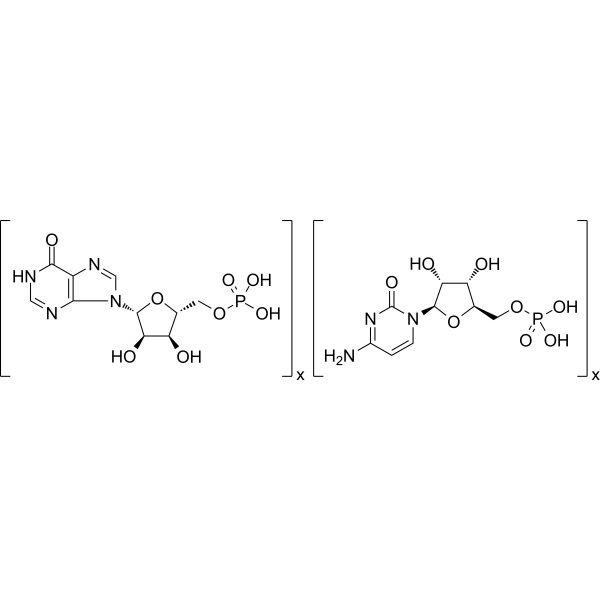
-
- HY-B0717
-
|
TPGS; D-α-Tocopherol polyethylene glycol 1000 succinate; Vitamin E-TPGS
|
Drug Derivative
|
Neurological Disease
Metabolic Disease
|
|
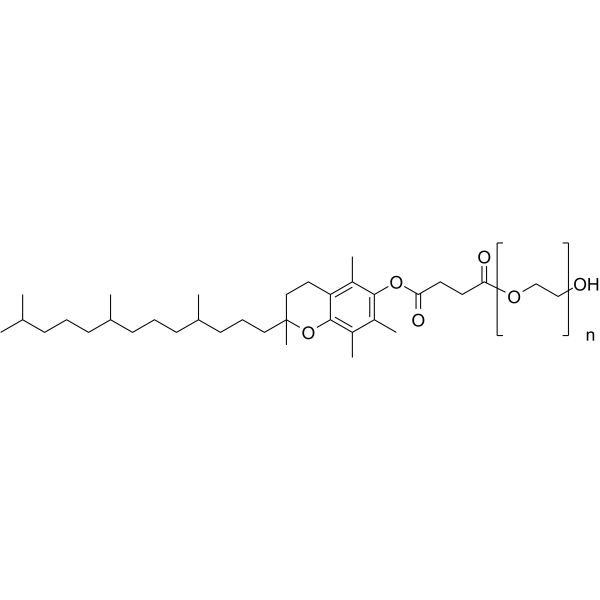
Tocofersolan is synthetic polyethylene glycol derivative of α-tocopherol. Tocofersolan is an orally active and water-soluble analog of vitamin E. Tocofersolan can reduce neurobehavioral deficits in zebrafish embryos exposed to moderate and high concentrations of BaP during early development. Tocofersolan shows antioxidant activity. Tocofersolan can be used to provide an orally bioavailable source of vitamin E .
|
-
-
- HY-135748
-
|
Poly(I:C) sodium
|
RIG-I-like receptor (RLR)
Toll-like Receptor (TLR)
Apoptosis
|
Inflammation/Immunology
Cancer
|
|
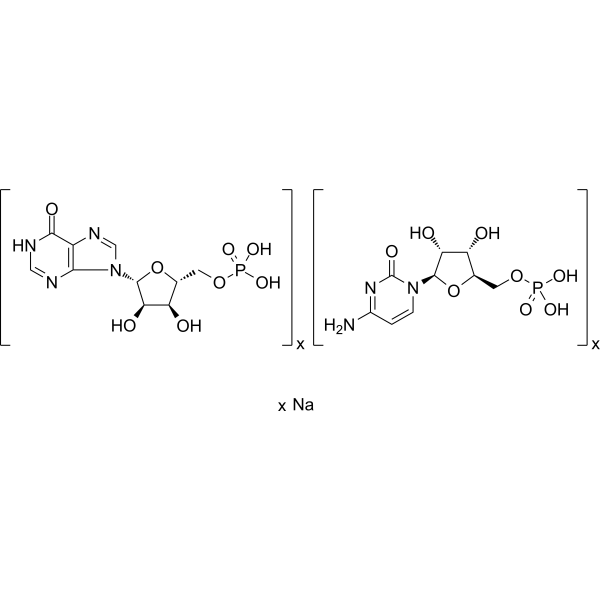
Polyinosinic-polycytidylic acid (Poly(I:C)) sodium is a synthetic analog of double-stranded RNA and an agonist of toll-like receptor 3 (TLR3) and retinoic acid inducible gene I (RIG-I)-like receptors (RIG-I and MDA5). Polyinosinic-polycytidylic acid sodium can be used as a vaccine adjuvant to enhance innate and adaptive immune responses, and to alter the tumor microenvironment. Polyinosinic-polycytidylic acid sodium can directly trigger cancer cells to undergo apoptosis .
|
-
-
- HY-17365
-
-
-
- HY-P3375
-
|
IBI-362; LY-3305677; OXM-3
|
GCGR
GLP Receptor
|
Metabolic Disease
|
|
Mazdutide (IBI-362; LY-3305677) is a long-acting synthetic oxyntomodulin analog. Mazdutide is also a co-agonist of glucagon-like peptide (GLP-1R) and glucagon receptor (GCGR). Mazdutide binds human and mouse GCGR (Ki: 17.7 nM and 15.9 nM, respectively) and GLP-1R (Ki: 28.6 nM and 25.1 nM, respectively) and stimulates insulin secretion from mouse islets (EC50: 5.2 nM). Mazdutide is used in studies of obesity and type 2 diabetes (T2D) .
|
-

-
- HY-N7137
-
|
|
Reactive Oxygen Species (ROS)
|
Neurological Disease
Cancer
|
|
Norgestrel is a synthetic analog of progesterone, a compound commonly found in oral contraceptive pill, and a powerful neuroprotective antioxidant, preventing light-induced ROS in photoreceptor cells, and cell death . Norgestrel is a click chemistry reagent, it contains an Alkyne group and can undergo copper-catalyzed azide-alkyne cycloaddition (CuAAc) with molecules containing Azide groups.
|
-

-
- HY-P1146
-
Semax
1 Publications Verification
|
Amyloid-β
|
Cardiovascular Disease
Neurological Disease
Inflammation/Immunology
|
|
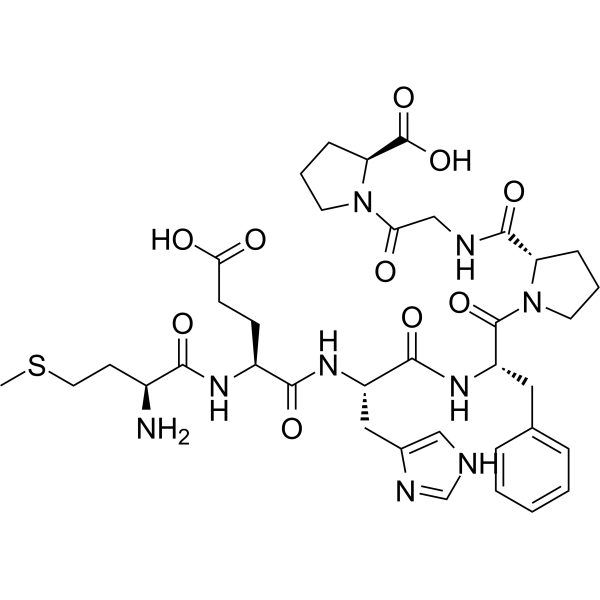
Semax is a BBB-penetrable adrenocorticotropic hormone-like peptide and can form stable complexes with Cu 2+. Semax is a synthetic peptide analog of Adrenocorticotropic hormone (ACTH) (4-10). Semax has immunomodulatory, nootropic and neuroprotective activities. Semax can be used in the research of central nervous system diseases such as Alzheimer's disease and cerebral ischemia .
|
-
-
- HY-13721
-
|
Idronoxil; Dehydroequol; Haginin E
|
Caspase
Apoptosis
Topoisomerase
|
Cancer
|
|
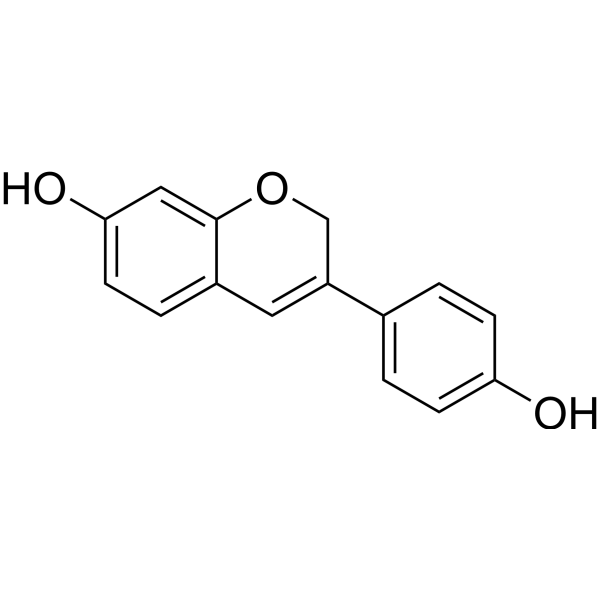
Phenoxodiol (Idronoxil), a synthetic analog of Genestein, activates the mitochondrial caspase system, inhibits XIAP (an apoptosis inhibitor), and sensitizes the cancer cells to Fas-mediated apoptosis. Phenoxodiol also inhibits DNA topoisomerase II by stabilizing the cleavable complex. Phenoxodiol induces cell cycle arrest in the G1/S phase of the cell cycle and upregulates p21 WAF1 via a p53 independent manner .
|
-
-
- HY-P3375A
-
|
IBI-362 TFA; LY-3305677 TFA; OXM-3 TFA
|
GCGR
GLP Receptor
|
Metabolic Disease
|
|
Mazdutide (IBI-362; LY-3305677) TFA is a long-acting synthetic oxyntomodulin analog. Mazdutide is also a co-agonist of glucagon-like peptide (GLP-1R) and glucagon receptor (GCGR). Mazdutide TFA binds human and mouse GCGR (Ki: 17.7 nM and 15.9 nM, respectively) and GLP-1R (Ki: 28.6 nM and 25.1 nM, respectively) and stimulates insulin secretion from mouse islets (EC50: 5.2 nM). Mazdutide TFA is used in studies of obesity and type 2 diabetes (T2D) .
|
-

-
- HY-A0245
-
|
|
VD/VDR
|
Metabolic Disease
|
|
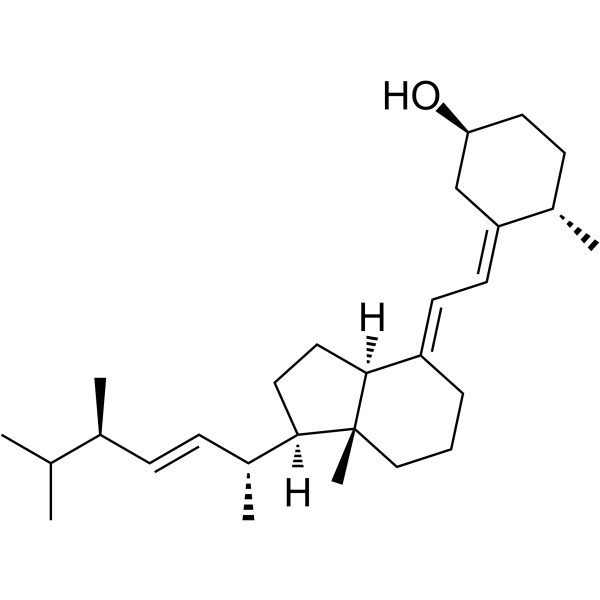
Dihydrotachysterol is a synthetic analog of vitamin D. Dihydrotachysterol can be used to for the research of hypocalcemia (lack of calcium in the blood) and hypoparathyroidism (lack of parathyroid hormone in the body) .
|
-
-
- HY-105155
-
|
RMP 7
|
Bradykinin Receptor
|
Cancer
|
|
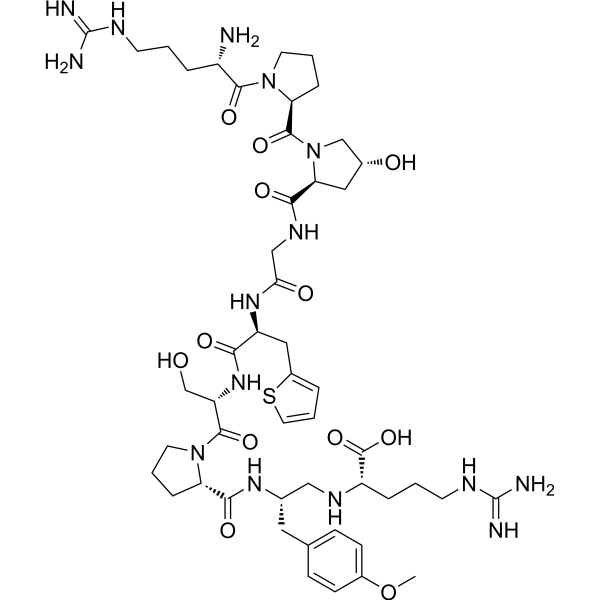
Lobradimil (RMP 7), a synthetic bradykinin analog, is a potent and selective bradykinin B2 receptor agonist (Ki: 0.54 nM). Lobradimil increases the permeability of the BBB. Lobradimil can be used in the research of brain tumors .
|
-
-
- HY-16772
-
|
α-Tocotrienol quinone; PTC-743; Vatiquinone; NCT04378075
|
Mitochondrial Metabolism
Ferroptosis
|
Neurological Disease
|
|
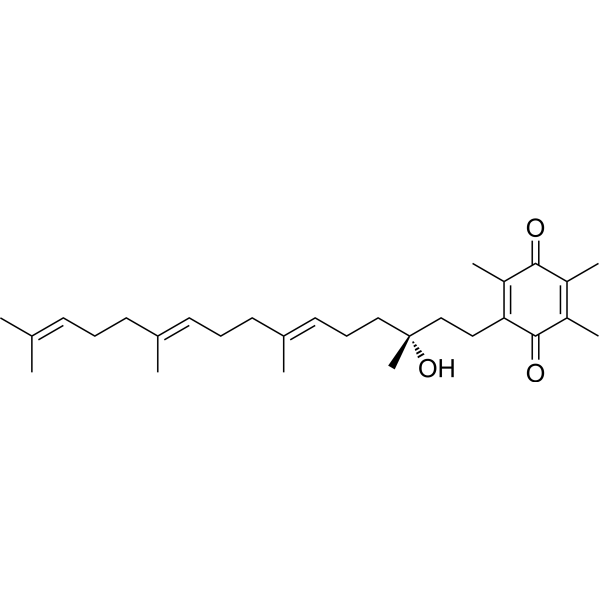
EPI-743 (Vatiquinone; α-Tocotrienol quinone; PTC-743; NCT04378075) is a potent cellular oxidative stress protectant, inhibits ferroptosis in cells, which could be used for the study for mitochondrial diseases. EPI-743 is a synthetic analog of vitamin E with oral activity, targets repletion of reduced intracellular glutathione .
|
-
-
- HY-100544
-
|
|
STAT
JAK
Apoptosis
|
Cancer
|
|
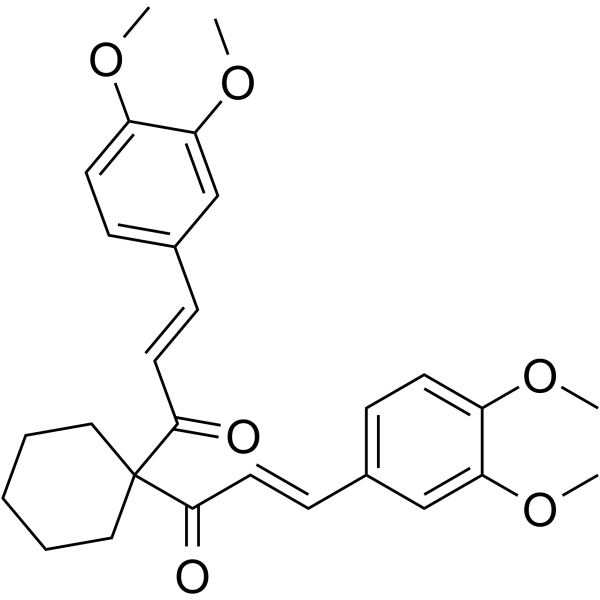
FLLL32, a synthetic analog of curcumina, is a JAK2/STAT3 dual inhibitor with anti-tumor activity. FLLL32 can inhibit the induction of STAT3 phosphorylation by IFNα and IL-6 in breast cancer cells .
|
-
-
- HY-W013172
-
|
|
Progesterone Receptor
|
Endocrinology
|
|
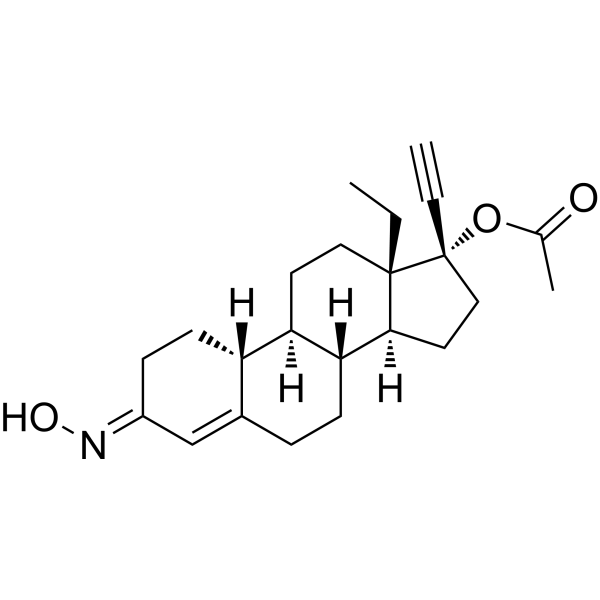
Norgestimate, a synthetic progesterone analog, is an orally active progestin with highly selective progestational activity and minimal androgenicity. Norgestimate is used for an oral contraceptive . Norgestimate is a click chemistry reagent, it contains an Alkyne group and can undergo copper-catalyzed azide-alkyne cycloaddition (CuAAc) with molecules containing Azide groups.
|
-
-
- HY-W243303J
-
|
|
Biochemical Assay Reagents
|
Cancer
|
|
Poly(acrylic acid) (MW 250000) is a synthetic cationic electrolyte containing abundant carboxyl groups (-COOH), which exhibits excellent water absorption and retention properties and is often cross-linked to form hydrogels. Poly(acrylic acid) (with a molecular weight of 250,000). Poly(acrylic acid) (MW 250000) can be used as a non-collagenous analog in the biomimetic mineralization research of type I collagen. Poly(acrylic acid) (MW 250000) has pH responsiveness and biocompatibility and is often used as a drug carrier, surface modifier and functional material .
|
-

-
- HY-107202A
-
-

-
- HY-128753
-
|
|
Endogenous Metabolite
Drug Intermediate
|
Metabolic Disease
|
|
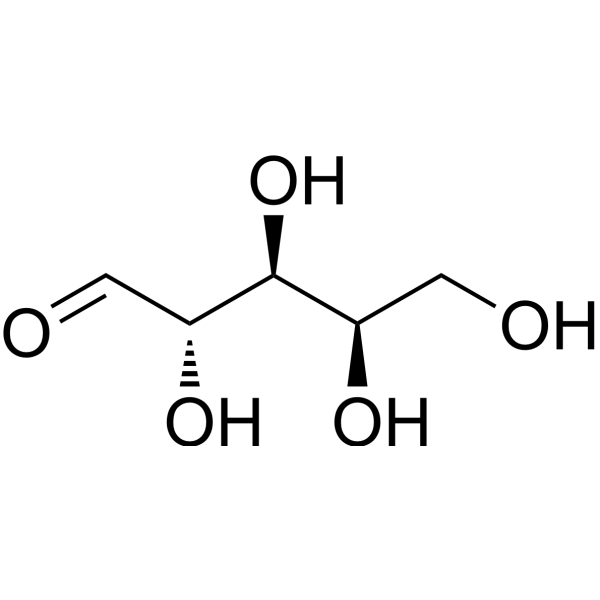
D-Lyxose is an endogenous metabolite. D-Lyxose is a rare pentose with significant potential for pharmaceutical synthesis. D-Lyxose serves as a starting material for antitumor agents (such as α-galactosylceramide-based immunostimulants). D-Lyxose acts as a precursor for L-nucleoside analogs used in the development of antiviral drugs. D-Lyxose can be used as a synthetic intermediate for other rare sugars (such as L-ribose) .
|
-
-
- HY-175067
-
|
DHPI-4,5-P2 sodium salt; PI(4,5)P2 (6:0/6:0) sodium salt; PIP2[4',5'](6:0/6:0) sodium salt
|
Biochemical Assay Reagents
|
Others
|
|
PtdIns-(4,5)-P2 (1,2-dihexanoyl) (sodium salt) is a synthetic analog of natural Ptdlns with C6:0 fatty acids at the sn-1 and sn-2 positions.
|
-

-
- HY-128428
-
|
15(S)-15-Methyl Prostaglandin F2α; 15-Methyl-PGF2α
|
Prostaglandin Receptor
|
Endocrinology
|
|
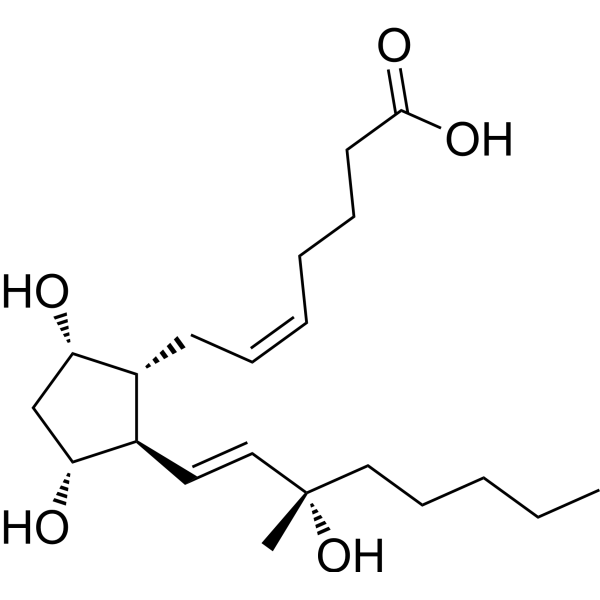
Carboprost (15(S)-15-Methyl Prostaglandin F2α) is a metabolically stable synthetic analog of prostaglandin F2α. Carboprost stimulates uterine contractions and induces abortion. Carboprost is used for postpartum hemorrhage due to uterine atony and for the termination of pregnancy in the second trimester .
|
-
-
- HY-P1146A
-
|
|
Amyloid-β
|
Cardiovascular Disease
Neurological Disease
Inflammation/Immunology
|
|
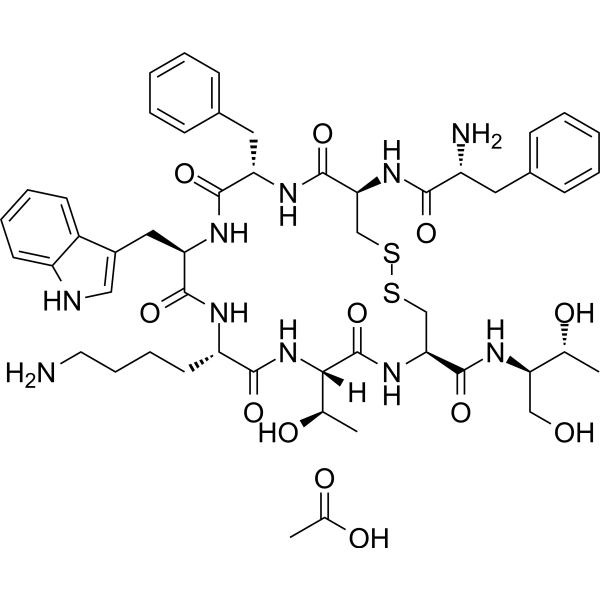
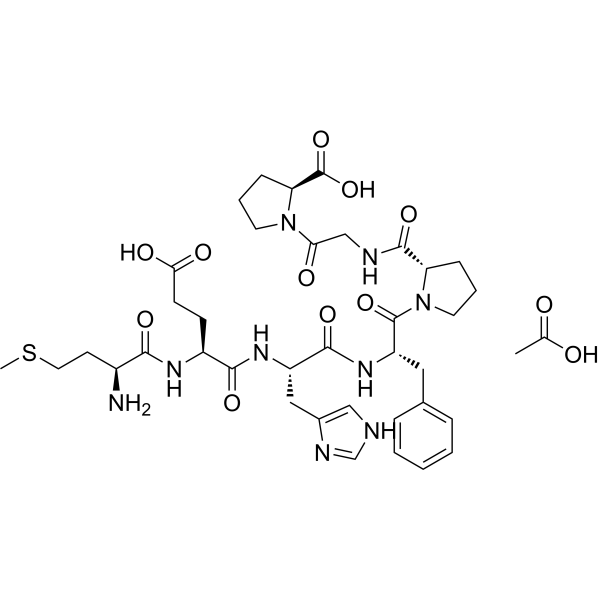
Semax acetate is a BBB-penetrable adrenocorticotropic hormone-like peptide and can form stable complexes with Cu 2+. Semax acetate is a synthetic peptide analog of Adrenocorticotropic hormone (ACTH) (4-10). Semax acetate has immunomodulatory, nootropic and neuroprotective activities. Semax acetate can be used in the research of central nervous system diseases such as Alzheimer's disease and cerebral ischemia .
|
-
-
- HY-16785
-
|
INXN-1001; RG-115932
|
Interleukin Related
|
Inflammation/Immunology
Cancer
|
|
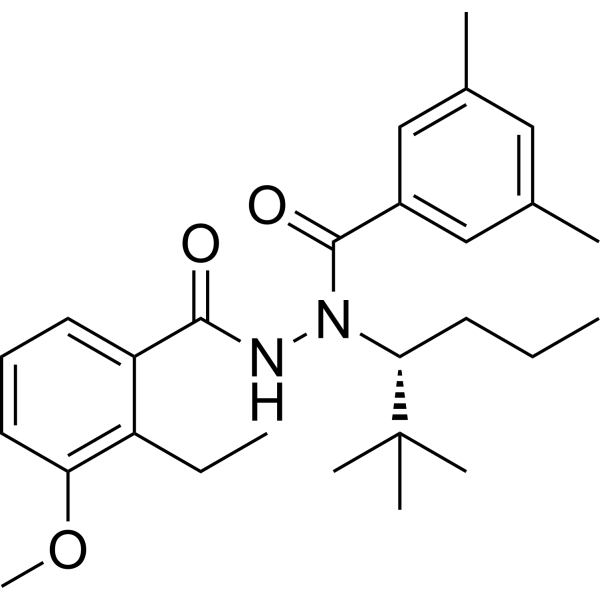
Veledimex (INXN-1001), a synthetic analog of the insect molting hormone ecdysone, is an orally active activator ligand for a proprietary gene therapy promoter system. Veledimex can be used to activate certain genes using the ecdysone receptor (EcR)-based inducible gene regulation system, the RheoSwitch Therapeutic System (RTS). Veledimex can cross blood-brain barrier (BBB) in both orthotopic GL-261 mice and cynomolgus monkeys .
|
-
-
- HY-134958
-
|
Poly(I:C) potassium
|
Toll-like Receptor (TLR)
Apoptosis
|
Inflammation/Immunology
Cancer
|
|
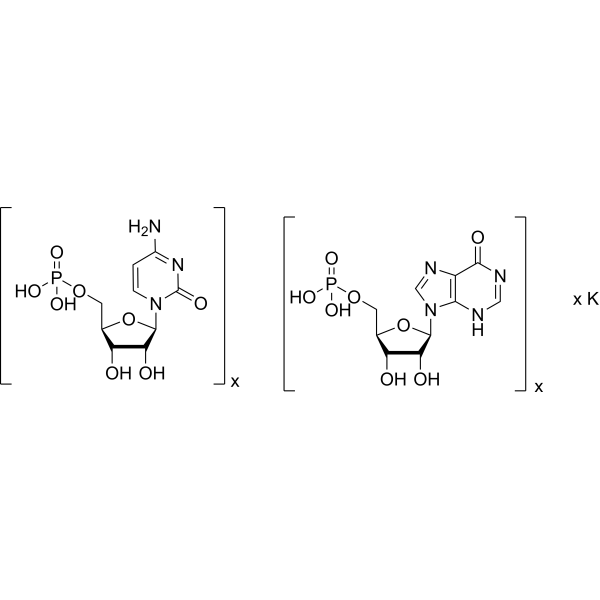
Polyinosinic-polycytidylic acid potassium (Poly(I:C) potassium) is a synthetic analog of double-stranded RNA and an agonist of toll-like receptor 3 (TLR3) and retinoic acid inducible gene I (RIG-I)-like receptors (RIG-I and MDA5). Polyinosinic-polycytidylic acid sodium can be used as a vaccine adjuvant to enhance innate and adaptive immune responses, and to alter the tumor microenvironment. Polyinosinic-polycytidylic acid potassium can directly trigger cancer cells to undergoApoptosis .
|
-
-
- HY-105077A
-
|
INN 00835 diTFA
|
5-HT Receptor
|
Neurological Disease
|
|
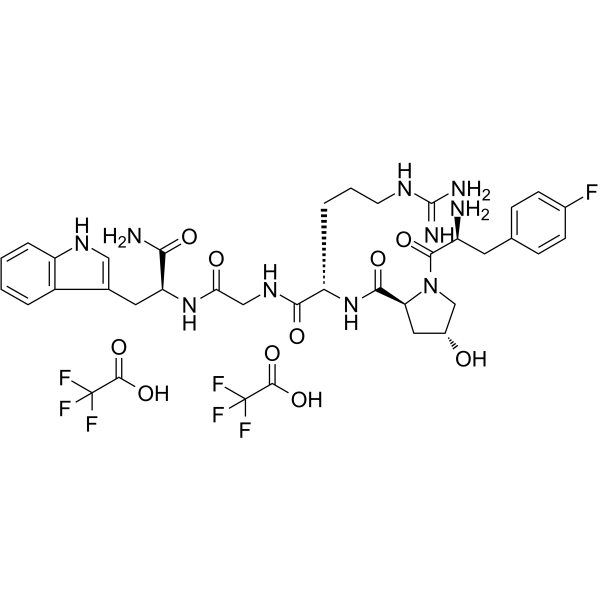
Nemifitide diTFA (INN 00835 diTFA) is a synthetic pentapeptide antidepressant with a potential for rapid onset of action . Nemifitide diTFA is a peptide analog of melanocyte-inhibiting factor (MIF) . Nemifitide diTFA can cross the blood-brain barrier .
|
-
-
- HY-W017463
-
|
|
Drug Intermediate
TMV
Isocitrate Dehydrogenase (IDH)
|
Infection
|
|
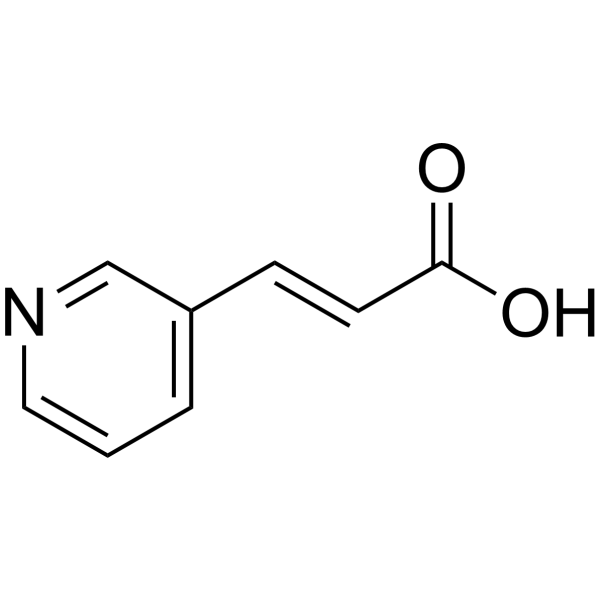
trans-3-(3-Pyridyl) acrylic acid is an unsaturated carboxylic acid and synthetic building block, which serves as a synthetic precursor of 3-(3-pyridyl) propanoic acid. trans-3-(3-Pyridyl) acrylic acid can be used to prepare dual mutant IDH1/NAMPT inhibitors and PGE2 antagonist analogs. In addition, trans-3-(3-Pyridyl) acrylic acid exhibits antiviral activity against tobacco mosaic virus (TMV) .
|
-
-
- HY-107202GL
-
|
Poly(I:C) (GMP Like)
|
Toll-like Receptor (TLR)
PKD
HSP
Bcl-2 Family
Interleukin Related
Apoptosis
|
Infection
Inflammation/Immunology
Cancer
|
|
Polyinosinic-polycytidylic acid (Poly(I:C)) (GMP Like) is the GMP Like class Polyinosinic-polycytidylic acid (HY-107202), and can be used as pharmaceutical excipients. Polyinosinic-polycytidylic acid (Poly(I:C)) is a synthetic analog of double-stranded RNA and an agonist of toll-like receptor 3 (TLR3) and retinoic acid inducible gene I (RIG-I)-like receptors (RIG-I and MDA5). Polyinosinic-polycytidylic acid can be used as a vaccine adjuvant to enhance innate and adaptive immune responses, and to alter the tumor microenvironment. Polyinosinic-polycytidylic acid can directly trigger cancer cells to undergo apoptosis .
|
-

-
- HY-69055
-
|
|
Drug Intermediate
|
Cardiovascular Disease
|
|
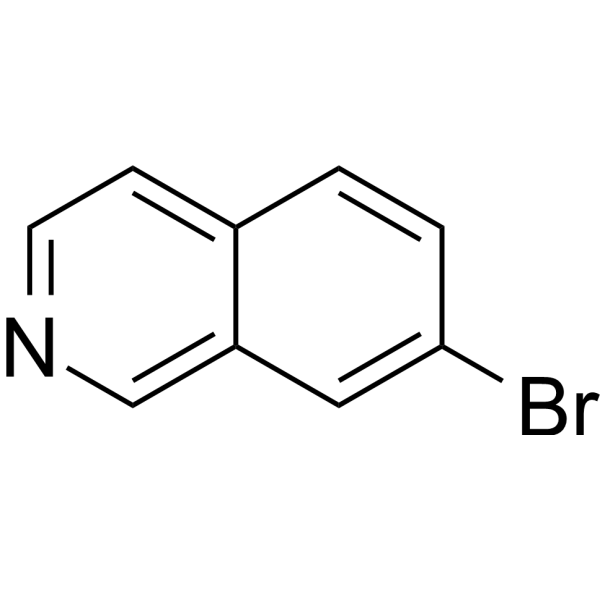
7-Bromoisoquinoline is a brominated isoquinoline and synthetic precursor that constructs the isoquinoline functional group at the C17 position of target molecules. 7-Bromoisoquinoline serves as a key synthetic intermediate for the synthesis of cortistatin A-derived anti-angiogenic steroidal analogs (e.g., 7-tributylstannyl isoquinoline). 7-Bromoisoquinoline .
|
-
-
- HY-108678
-
|
|
Oxytocin Receptor
Vasopressin Receptor
|
Neurological Disease
|
|
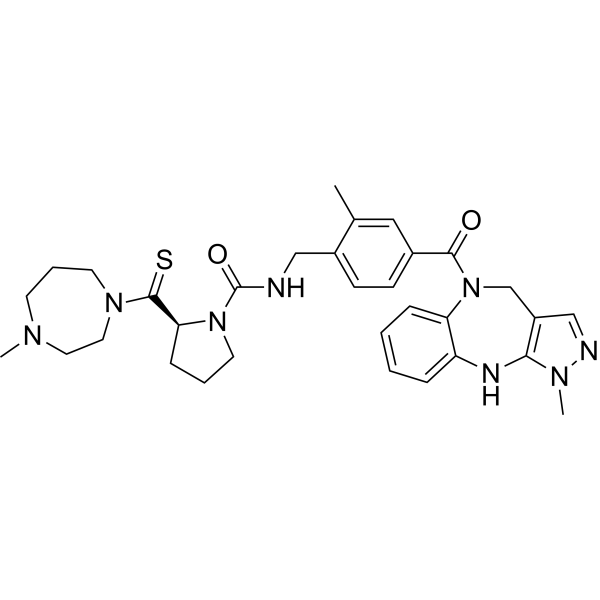
TC OT 39 is a synthetic oxytocin analog, as well as a selective agonist of oxytocin receptor (OXTR, EC50=180 nM). TC OT 39 is also an Avprla vasopressin receptor antagonist with an Ki value of 330 nM. TC OT 39 exhibits sedative effects in mouse models .
|
-
-
- HY-W800805
-
|
|
Liposome
|
Cancer
|
|
DOPE-Mal is a synthetic analog of naturally-occurring PE containing 18:1 fatty acids at the sn-1 and sn-2 positions with a terminal maliemide group. The maleimide group will react with a thiol group to form a covalent bond. The hydrophilic PEG spacer increases solubility in aqueous media.
|
-

-
- HY-172741
-
|
|
Drug Derivative
|
Metabolic Disease
|
|
Dioctanoyl PI(3,5)P2 sodium is a synthetic analog of PI(3,5)P2 (a natural phosphatidylinositol). Phosphatidylinositol phosphates (PIPs) are intracellular
amphiphilic molecules implicated in numerous cellular responses including growth, division, movement, differentiation, neuro-exocytosis, and survival .
|
-

-
- HY-131605B
-
|
GCV-TP disodium
|
CMV
DNA/RNA Synthesis
|
Infection
Cancer
|
|
Ganciclovir triphosphate (GCV-TP) disodium is a synthetic 2'-deoxyguanosine analog with activity in inhibiting human cytomegalovirus (CMV) replication. Ganciclovir triphosphate disodium is effective against CMV infection by binding to viral DNA polymerase and interfering with viral DNA synthesis. Ganciclovir triphosphate disodium has an IC50 of 0.01 μM against CMV strains from humans, monkeys, mice, and guinea pigs. Ganciclovir triphosphate disodium has also been used in gene-directed enzyme prodrug inhibition for cancer inhibition .
|
-

-
- HY-139098
-
|
m7Gp3G
|
DNA/RNA Synthesis
|
Others
|
|
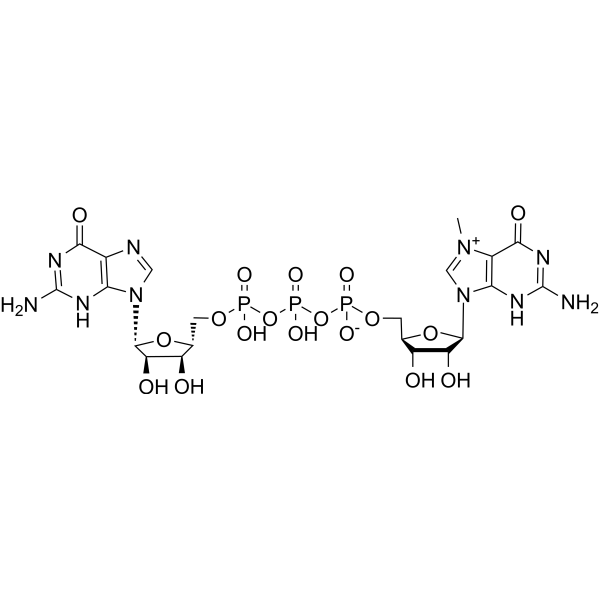
7-Methyl-diguanosine triphosphate (m7Gp3G) is an mRNA cap structure analog that inhibits in vitro protein synthesis by binding to the translation initiation complex. 7-Methyl-diguanosine triphosphate binds to eIF4E, promotes cap-dependent translation initiation, stabilizes mRNA, and acts as a translation enhancer. 7-Methyl-diguanosine triphosphate can be used to prepare synthetic capped RNA transcripts for studies related to mRNA translation, splicing, turnover, and intracellular transport .
|
-
-
- HY-15266
-
|
PRI 2202; Impurity D of Calcipotriol
|
Drug Derivative
VD/VDR
|
Cancer
|
|
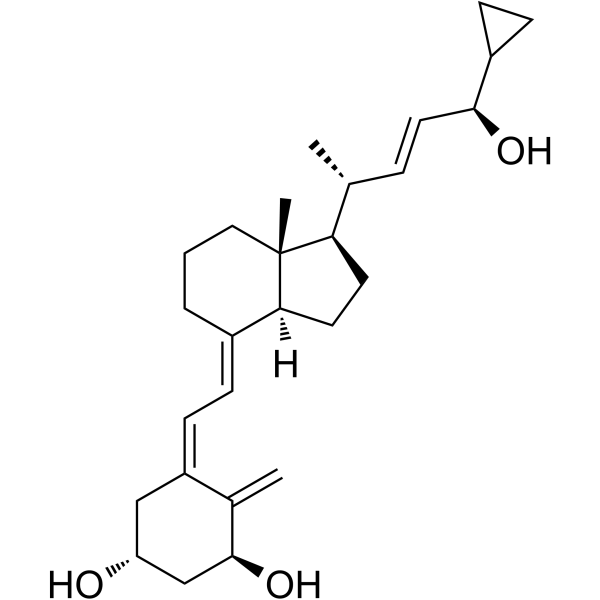
24R-Calcipotriol (PRI 2202; Impurity D of Calcipotriol), an isomer of Calcipotriol (HY-10001), is a synthetic vitamin D analog. 24R-Calcipotriol exhibits synergistic antiproliferative effects with low-dose cytostatics in in vitro. 24R-Calcipotriol produces tumor growth inhibition when combined with Cyclophosphamide (HY-17420) and Cisplatin (HY-17394) in mice models. 24R-Calcipotriol can increase serum calcium levels and reduce blood leukocyte counts . 24R-Calcipotriol can be used for the research of mammary cancer and Lewis lung cancer .
|
-
-
- HY-16632
-
|
|
γ-secretase
Amyloid-β
|
Metabolic Disease
|
|
ELND 006 (Compound 30) is a metabolically stable γ-secretase inhibitor designed to selectively inhibit amyloid beta (Aβ) generation while sparing Notch signaling. It was developed through a synthetic strategy emphasizing diversity and chirality. ELND 006, along with its analog ELND007 (Compound 34), progressed into human clinical trials. In preclinical studies, both compounds demonstrated effective reduction of Aβ levels in vitro and in vivo. Comparisons with other γ-secretase inhibitors like Semagacestat, Begacestat, and Avagacestat underscored their potency and specificity in lowering Aβ levels in cerebrospinal fluid (CSF) of healthy human volunteers, suggesting potential therapeutic efficacy in Alzheimer's disease .
|
-

-
- HY-135748A
-
|
|
RIG-I-like receptor (RLR)
Toll-like Receptor (TLR)
Apoptosis
|
Infection
Cancer
|
|
Poly (I:C):Kanamycin (1:1) sodium is an isometric complex of Poly (I:C) (HY-135748) and Kanamycin (HY-16566). Poly(I:C) sodium, a synthetic analog of double-stranded RNA, is a TLR3 and retinoic acid-inducible gene I receptor (RIG-I and b>MDA5) agonist. Poly(I:C) sodium can be used as a vaccine adjuvant to enhance innate and adaptive immune responses and induce apoptosis in cancer cells . Kanamycin is an orally active antibacterial agent (Gram-negative/positive bacteria) that inhibits translocation and causes miscoding by binding to the 70S ribosomal subunit. Kanamycin shows good inhibitory activity against Mycobacterium tuberculosis (susceptible and drug-resistant) and Klebsiella pneumoniae, and can be used in the research of tuberculosis and pneumonia .
|
-
-
- HY-B0111S
-
-
-
- HY-157833
-
|
|
Cannabinoid Receptor
|
Metabolic Disease
|
|
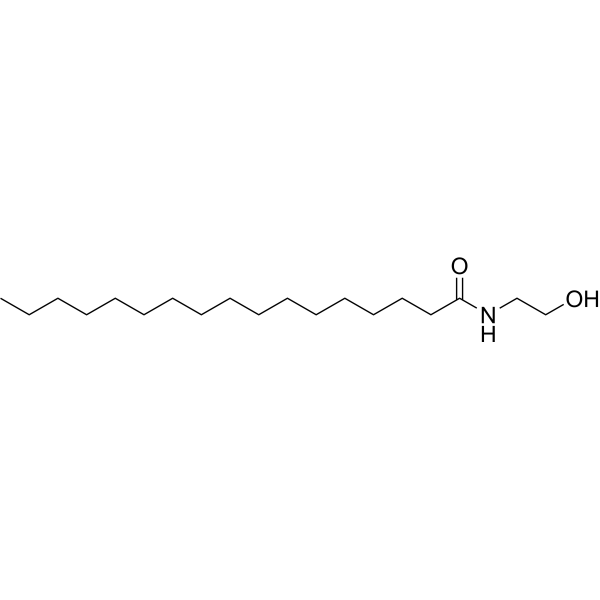
Heptadecanoyl ethanolamide is an endogenous cannabinoid. Heptadecanoyl ethanolamide is a synthetic analog of PEA which incorporates an odd-numbered (17-carbon) fatty acid chain .
|
-
-
- HY-131605
-
|
GCV-TP
|
Endogenous Metabolite
CMV
DNA/RNA Synthesis
|
Infection
Cancer
|
|
Ganciclovir triphosphate (GCV-TP) is a synthetic 2'-deoxyguanosine analog with activity in inhibiting human cytomegalovirus (CMV) replication. Ganciclovir triphosphate is effective against CMV infection by binding to viral DNA polymerase and interfering with viral DNA synthesis. Ganciclovir triphosphate has an IC50 of 0.01 μM against CMV strains from humans, monkeys, mice, and guinea pigs. Ganciclovir triphosphate has also been used in gene-directed enzyme prodrug inhibition for cancer inhibition .
|
-

-
- HY-120623
-
|
|
Na+/H+ Exchanger (NHE)
|
Neurological Disease
|
|
BMS-284640 is a synthetic sodium hydrogen exchange isomer-1 (NHE-1) inhibitor. BMS-284640 has a more than 380-fold higher NHE-1 inhibitory activity (IC50: 9 nM) compared to cariporide (HY-19693) and is more selective for NHE-1 over NHE-2 (IC50: 1.8 μM) and NHE-5 (IC50: 3.36 μM). BMS-284640 and its analogs also exhibit enhanced oral bioavailability and prolonged plasma half-life in rats. .
|
-

-
- HY-125782
-
|
15(R)-15-Methyl PGD2
|
Prostaglandin Receptor
|
Metabolic Disease
|
|
15(R)-15-Methyl prostaglandin D2 (15(R)-15-methyl PGD2) is a metabolically stable synthetic analog of PGD2. The physiological actions of PGD2 include regulation of sleep, lowering of body temperature, inhibition of platelet aggregation and relaxation of vascular smooth muscle. PGD2 mediates its effects by 2 distinct G-protein-coupled receptors, DP1and CRTH2/DP2. 15(R)-15-Methyl prostaglandin D2 is a potent, selective agonist for the CRTH2/DP2 receptor. The EC50 values for eosinophil CD11b expression, actin polymerization, and chemotaxis are 1.4, 3.8, and 1.7 nM, respectively, each of which is approximately 3-5 fold lower than those for PGD2. In contrast the EC50 for the DP1-mediated increase in platelet cAMP by 15(R)-15-methyl PGD2 is >10 μM.
|
-

-
- HY-13952
-
|
|
Drug Intermediate
Bacterial
|
Others
|
|
TP-808 is a key enone intermediate for the discovery and manufacture of Tetracycline (HY-A0107) analogs and synthetic tetracyclines including eravacycline .
|
-

-
- HY-148091
-
|
|
DNA Alkylator/Crosslinker
|
Cancer
|
|
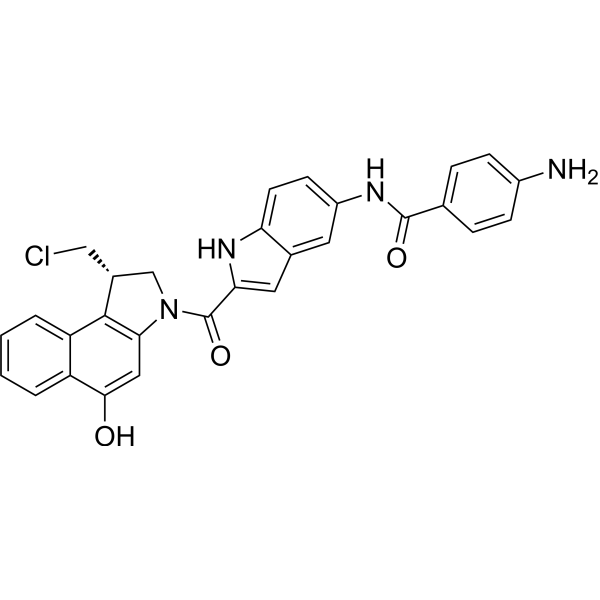
Duocarmycin analog-2 is a potent DNA alkylating agent. Duocarmycin analog-2 can be used of synthetic immunoconjugate. Duocarmycin analog-2 has antitumor activity .
|
-
-
- HY-101263
-
-
-
- HY-148663
-
|
Tripalmitoyl pentapeptide
|
MAPKAPK2 (MK2)
|
Inflammation/Immunology
|
|
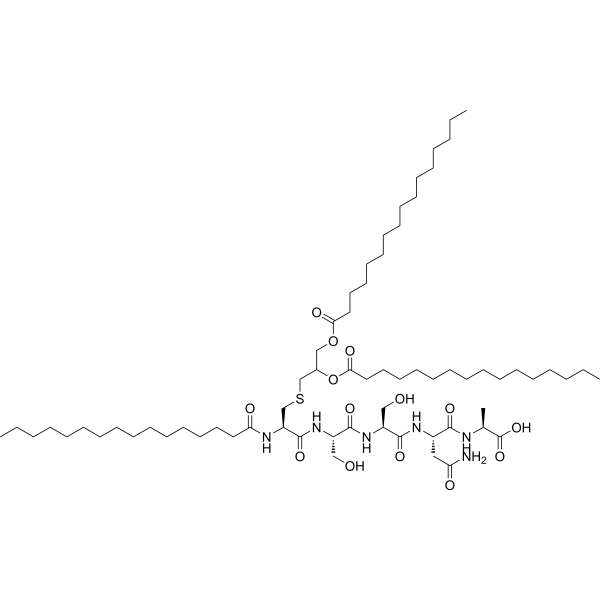
Mitogenic Pentapeptide (Tripalmitoyl pentapeptide) is an effective activator of B lymphocyte mitogen and polyclonal. Mitogen Pentapeptide is a synthetic N-terminal analog of E. coli outer membrane lipoproteins. Mitogenic Pentapeptide can be used for the study of immune adjuvants .
|
-
-
- HY-P4010
-
|
|
Vasopressin Receptor
|
Others
|
|
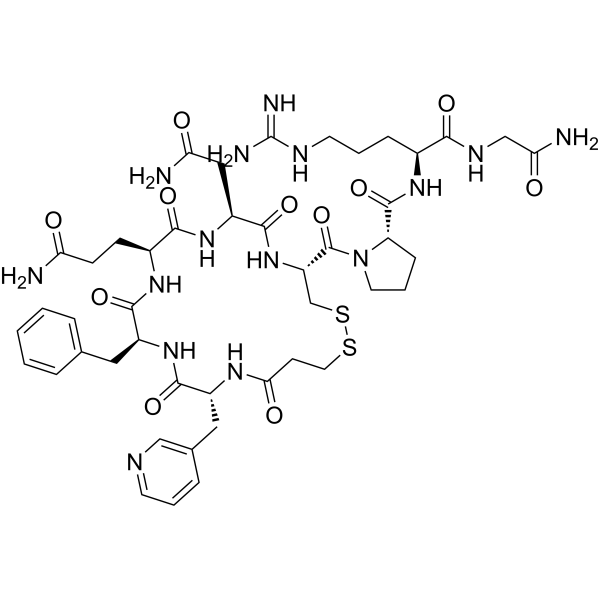
Desamino(D-3-(3′-pyridyl)-Ala2,Arg8)-Vasopressin, a synthetic analog of vasopressin (AVP), is a weak agonist at antidiuretic receptor. However, Desamino(D-3-(3′-pyridyl)-Ala2,Arg8)-Vasopressin is a potent agonist at pituitary corticotrope receptor .
|
-
-
- HY-128753S6
-
|
|
Isotope-Labeled Compounds
Endogenous Metabolite
Drug Intermediate
|
Metabolic Disease
|
|
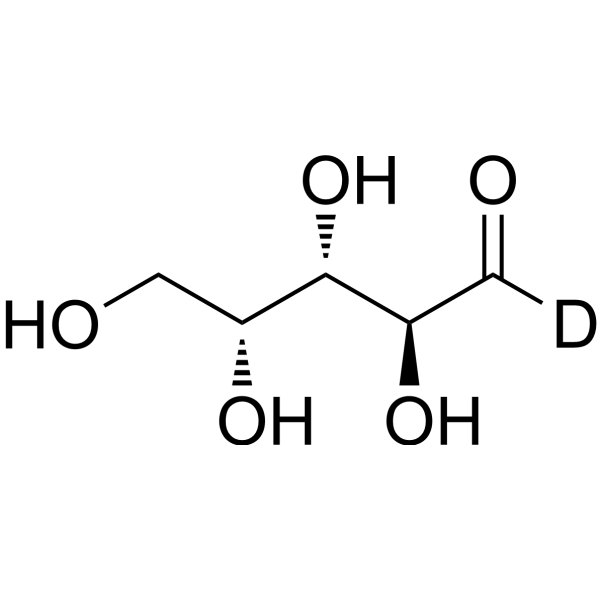
D-Lyxose-d is the deuterium labeled D-Lyxose. D-Lyxose is an endogenous metabolite. D-Lyxose is a rare pentose sugar with significant potential for drug synthesis. D-Lyxose can be used as a starting material for anti-tumor drugs such as alpha galactose ceramide immunostimulants. D-Lyxose can be used as a precursor for L-nucleoside analogs for the development of antiviral drugs. D-Lyxose can be used as a synthetic intermediate for other rare sugars such as L-ribose .
|
-
-
- HY-P0007
-
|
Carbocalcitonin
|
Drug Intermediate
|
Metabolic Disease
|
|
Elcatonin (Carbocalcitonin) is a synthetic analog of eel calcitonin. Elcatonin increases bone mineral density, inhibits bone resorption and processes a central analgesic effect .
|
-

-
- HY-N7137R
-
|
|
Reference Standards
Reactive Oxygen Species (ROS)
|
Neurological Disease
Cancer
|
|
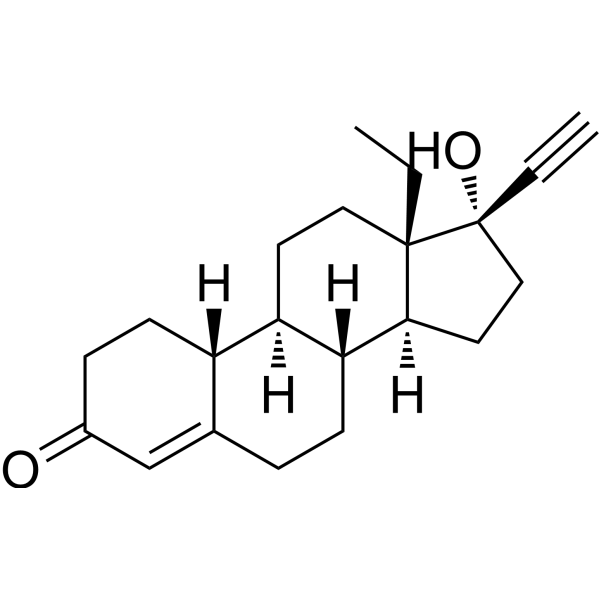
Norgestrel (Standard) is the analytical standard of Norgestrel. This product is intended for research and analytical applications. Norgestrel is a synthetic analog of progesterone, a compound commonly found in oral contraceptive pill, and a powerful neuroprotective antioxidant, preventing light-induced ROS in photoreceptor cells, and cell death .
|
-
-
- HY-119505
-
|
|
HDAC
|
Others
|
|
Curcuphenol is a compound with histone deacetylase enhancing activity and has the activity of reversing immune escape. Curcuphenol can reverse the immune escape of tumors by restoring the expression of antigen presentation machinery. Its two synthetic analogs have histone deacetylase enhancing activity and play an important role in the immune recognition of metastatic tumors.
|
-

-
- HY-W016689
-
|
|
Drug Intermediate
|
Cancer
|
|
2-Amino-4-phenylthiazole is a synthetic intermediate useful for pharmaceutical synthesis. 2-Amino-4-phenylthiazole can be used to synthesize suberoylanilide hydroxamic acid (SAHA) analogs with cancer cell growth inhibitory activities. 2-Amino-4-phenylthiazole also can be used to synthesize ketone histone deacetylase inhibitors with antitumor activity in vivo .
|
-

-
- HY-P2434
-
|
|
Somatostatin Receptor
|
Neurological Disease
Metabolic Disease
Cancer
|
|
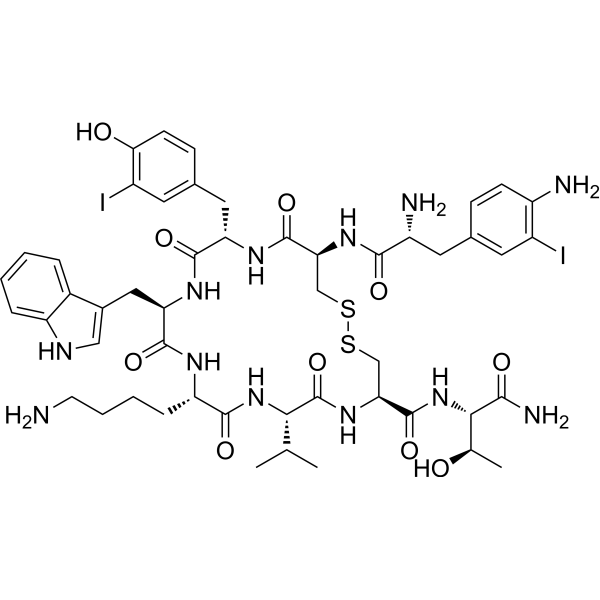
AP102 is a dual SSTR2/SSTR5-specific somatostatin analog (SSA). AP102 is a disulfide-bridged octapeptide SSA containing synthetic iodinated amino acids. AP102 binds with subnanomolar affinity to SSTR2 and SSTR5 (IC50: 0.63 and 0.65 nM, respectively). AP102 does not bind to SSTR1 or SSTR3. AP102 can be used for acromegaly and neuroendocrine tumors research .
|
-
- HY-13610
-
|
Diethylnorspermine; BENSPM; DENSPM; BE-333
|
Caspase
mTOR
|
Cancer
|
|
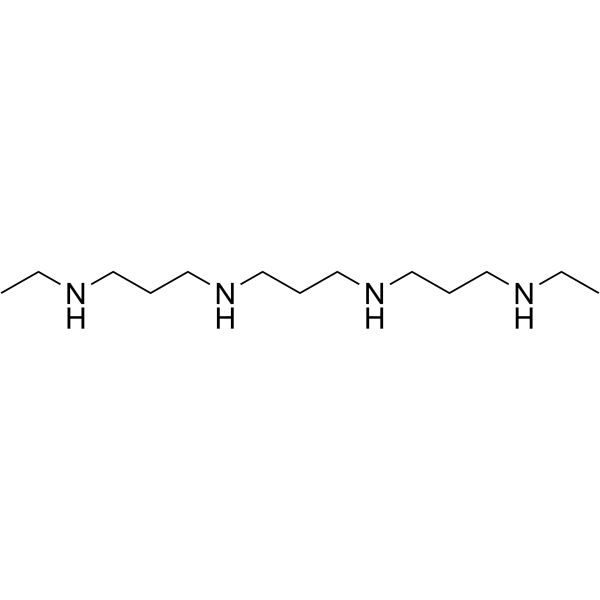
N1,N11-Diethylnorspermine is a synthetic analog of the naturally occurring polyamine spermine, can induce polyamine depletion and inhibit tumor cell growth. N1,N11-Diethylnorspermine activates polyamine catabolism and downregulates mTOR protein. N1,N11-Diethylnorspermine induces the release of cytochrome c from mitochondria, resulting in activation of caspase 3. N1,N11-Diethylnorspermine tetrahydrochloride kills glioblastoma multiforme (GBM) through induction of SSAT (spermidine/spermine N1-acetyltransferase) coupled with H2O2 production .
|
-
- HY-117087
-
|
|
Phosphatase
PANoptosis
|
Cancer
|
|
K103 is an inhibitor discovered from the screen that is an analog of the serotonin antagonist benzazocine. K103 exhibited inhibition of SHIP homologues, labelling it a pan-SHIP1/2 inhibitor, but the molecule had no effect on another 5' inositol phosphatase, OCRL. In line with the "two PIPs hypothesis", the molecule exhibited significant anti-tumour effects against a variety of cell lines, particularly breast cancer cells. Additional studies with K103 revealed that inhibition of SHIP1/2 in multiple myeloma cells resulted in G2/M cell cycle arrest followed by extensive apoptosis via activation of the caspase cascade. K103 fits the commonly used small molecule agent property profile, but while this work was being conducted, it was discovered that K103 caused psychoactive effects in mice, which limited the utility of the molecule in vivo. Therefore, certain synthetic studies were conducted on this tryptamine to identify the features that needed to be present in the molecule to maintain pan-SHIP1/2 inhibition in order to design an inhibitor with favourable pharmacodynamic properties and an improved side effect profile.
|
-

- HY-139625
-
|
|
Microtubule/Tubulin
|
Cancer
|
|
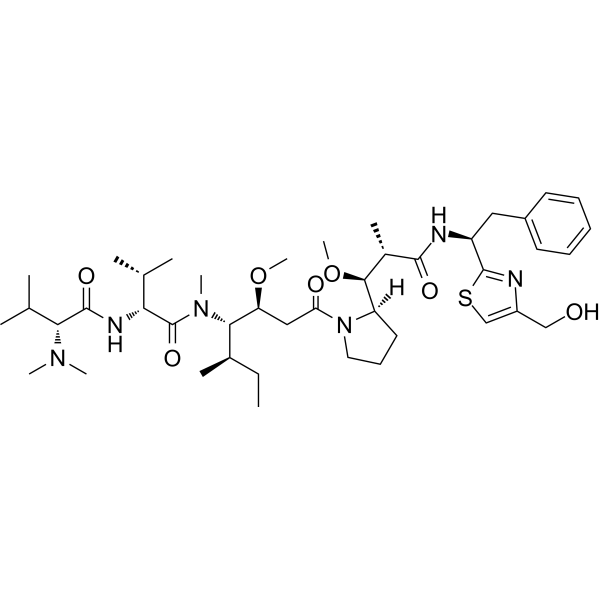
Dolastatinol is a synthetic analog of dolastatin 10 and low nanomolar inhibitor of tubulin polymerization.
|
-
- HY-118772
-
-
- HY-B0111RS
-
|
Dihydrospirorenone-13C3
|
Isotope-Labeled Compounds
|
Endocrinology
|
|
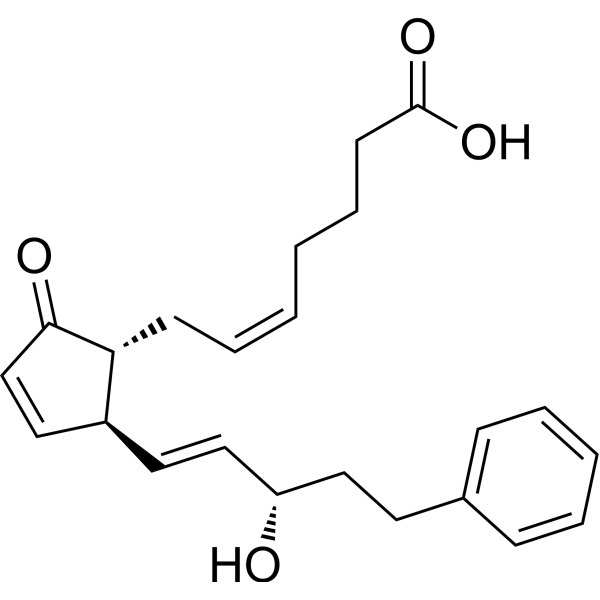
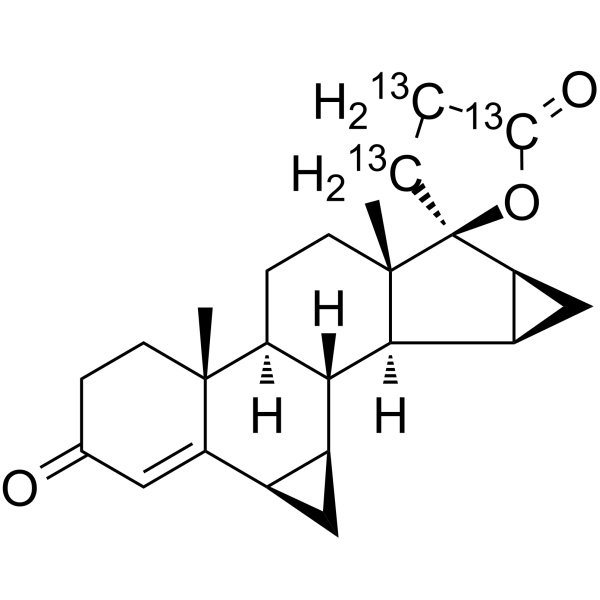
Drospirenone- 13C3 is 13C labeled Drospirenone. Drospirenone (Dihydrospirorenone) is a synthetic progesterone that is an analog of Spironolactone .
|
-
- HY-126722
-
-
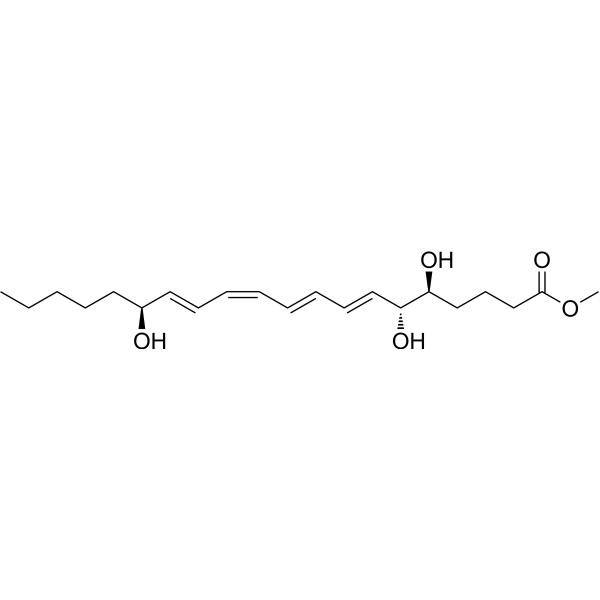
- HY-P3943
-
|
|
CaMK
|
Neurological Disease
|
|
Calmodulin Dependent Protein Kinase Substrate Analog is a Ca 2+- and calmodulin (CaM)-dependent protein kinase (CaMK) substrate peptide. Calmodulin Dependent Protein Kinase Substrate Analog is a synthetic peptide substrate for protein kinases .
|
-
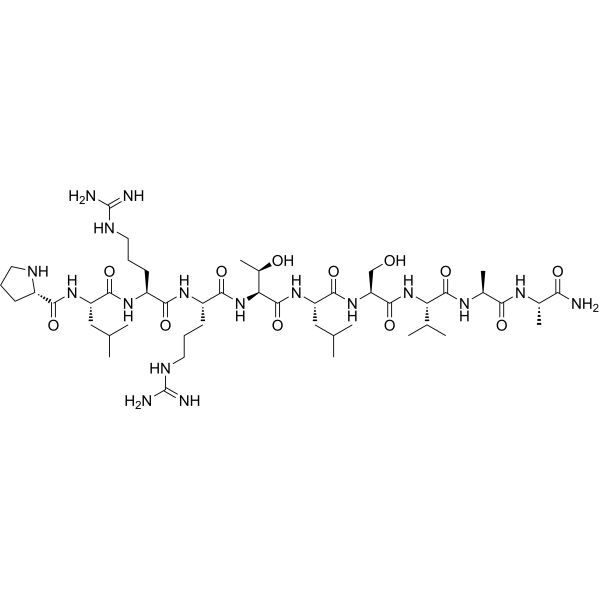
- HY-118055
-
-
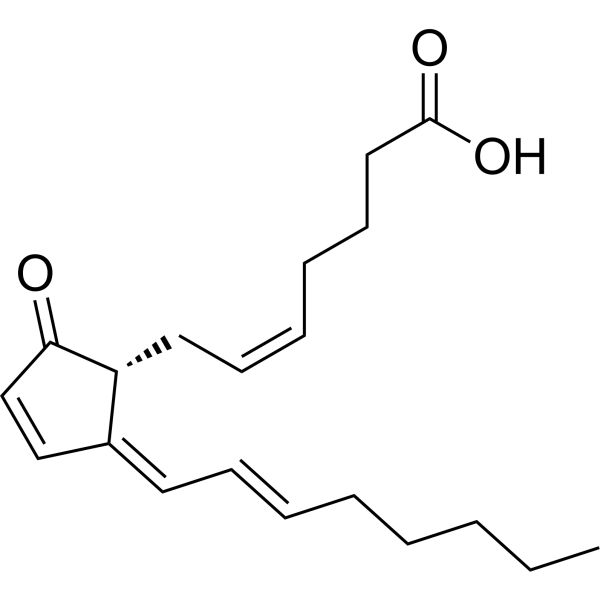
- HY-134860
-
-
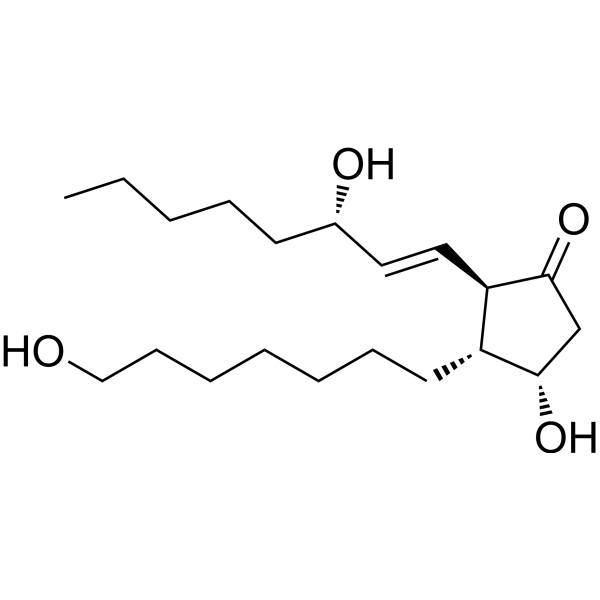
- HY-W814315
-
|
CH5424802 analog; RO5424802 analog; RG7853 analog
|
Anaplastic lymphoma kinase (ALK)
|
Cancer
|
|
Alectinib analog (CH5424802 analog) is a selective ALK inhibitor with activity in blocking resistance gating mutations. The synthetic optimization of alectinib analog allows it to be combined with specific peptides to improve the ability to target cancer cells. Alectinib analog exhibits low micromolar IC50 values in antiproliferation and shows good cytotoxic effects. The inhibitory activity of alectinib analog is closely related to its stability and release of active ingredients. Alectinib analog demonstrated the ability to inhibit vascular septal length or width in an in vivo zebrafish model .
|
-

- HY-172001
-
|
|
Drug Derivative
|
Cancer
|
|
α-GalCer analog 8 is a triazole derivative of α-Galactosylceramide (HY-102022). α-Galactosylceramide is a synthetic glycolipid with antitumorial and immunostimulatory .
|
-

- HY-76937
-
|
|
VD/VDR
|
Endocrinology
|
|
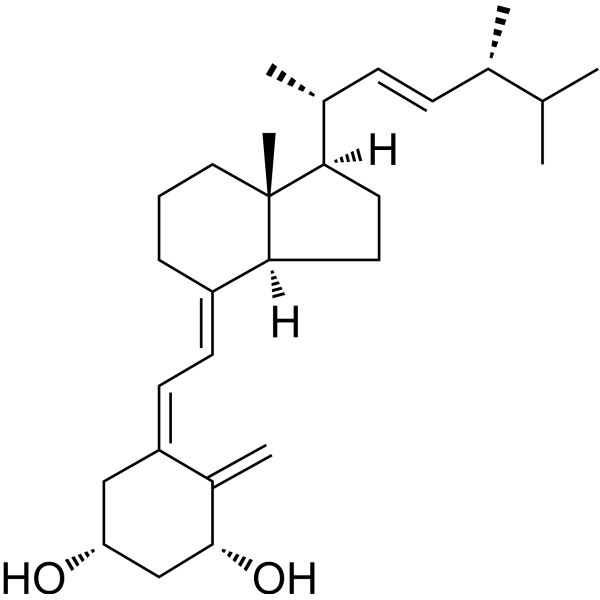
Impurity of Doxercalciferol is an impurity of doxercalciferol, which is a synthetic analog of ergocalciferol (vitamin D2), used as a agent for secondary hyperparathyroidism and metabolic bone disease, and it suppresses parathyroid synthesis and secretion.
|
-
- HY-147964
-
|
|
Glycosidase
|
Metabolic Disease
|
|
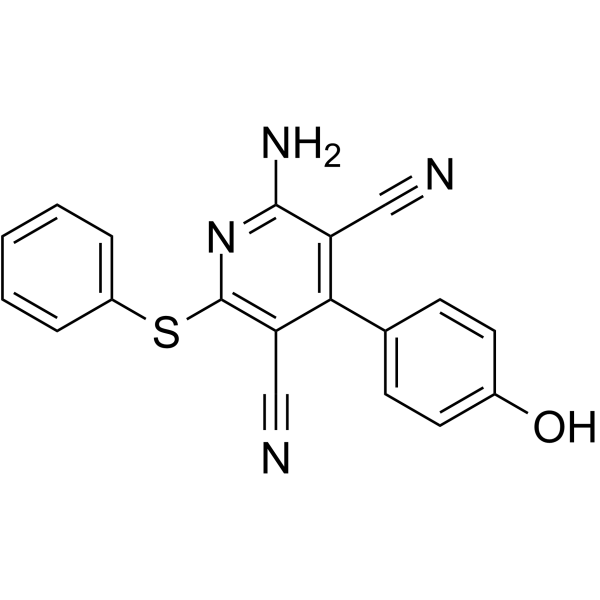
α-Glucosidase-IN-9 (compound 7) is a potent α-glucosidase inhibitor, with an IC50 of 55.6 μM. α-Glucosidase-IN-9 can be used for type II diabetes research .
|
-
- HY-147965
-
|
|
Glycosidase
|
Metabolic Disease
|
|
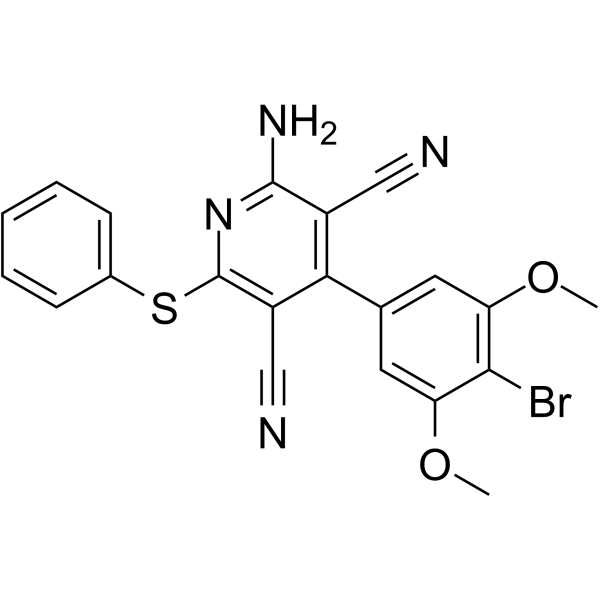
α-Glucosidase-IN-10 (compound 13) is a potent α-glucosidase inhibitor, with an IC50 of 92.7 μM. α-Glucosidase-IN-10 can be used for type II diabetes research .
|
-
- HY-N12937
-
|
|
Others
|
Endocrinology
|
|
(Z)-7-Decenyl acetate is a synthetic insect sex pheromone used for attracting turnip moths (Agrotis segetum), which can be isolated from analogs with lower activity than natural pheromones .
|
-

- HY-N10356
-
|
|
Others
|
Neurological Disease
|
|
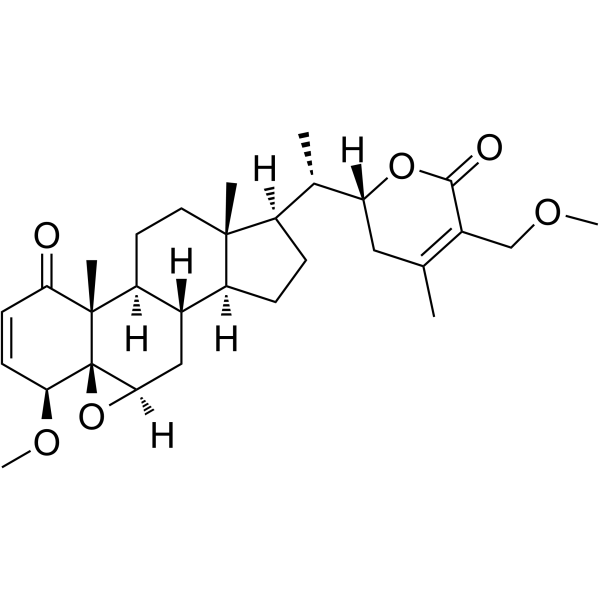
4,27-Dimethyl withaferin A is a synthetic analog of withanolide natural products. 4,27-Dimethyl withaferin A has the potential for the research of neurodegenerative diseases (extracted from patent WO2015077780A1) .
|
-
- HY-W013172R
-
|
|
Reference Standards
Progesterone Receptor
|
Endocrinology
|
|
Norgestimate (Standard) is the analytical standard of Norgestimate. This product is intended for research and analytical applications. Norgestimate, a synthetic progesterone analog, is an orally active progestin with highly selective progestational activity and minimal androgenicity. Norgestimate is used for an oral contraceptive .
|
-
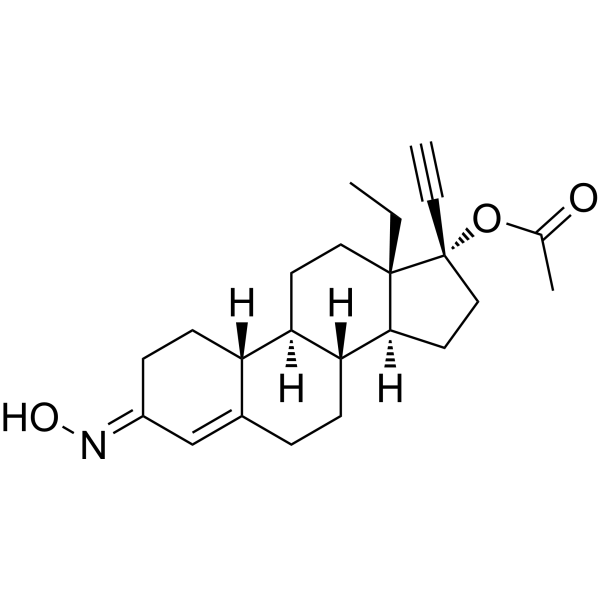
- HY-177567
-
|
|
Bacterial
|
Infection
|
|
Cephalosporin C analog-1 is an analogue of Cephalosporin C (HY-B1299). Cephalosporin C has weak resistance to Gram-positive and negative bacteria, is stable to penicillinase, and can be broken down by cephalosporin enzyme. Hydrolysis and removal of side chains to obtain 7-amino-cefenoic acid (7-ACA) is an important raw material for the preparation of semi-synthetic cephalosporin .
|
-

- HY-76633R
-
|
|
Reference Standards
Drug Intermediate
|
Others
|
|
Dimethyl 4-hydroxyisophthalate (Standard) is the analytical standard of Dimethyl 4-hydroxyisophthalate. This product is intended for research and analytical applications. Dimethyl 4-hydroxyisophthalate is a methyl salicylate analog. Dimethyl 4-hydroxyisophthalate serves as a synthetic marker for detecting adulteration of wintergreen essential oil with synthetic methyl salicylate, and is also a by-product of Kolbe-Schmitt reaction impurities, which is not detected in authentic wintergreen essential oil .
|
-

- HY-W791727
-
|
|
Adenosine Receptor
Biochemical Assay Reagents
|
|
|
7-Methyladenosine perchlorate is a synthetic analog of adenosine with agonist activity at adenosine receptors. 7-Methyladenosine perchlorate is able to modulate cell signaling and is useful for studying adenosine-related biological processes. 7-Methyladenosine perchlorate can be used as a potential inhibitor in compound development.
|
-

- HY-P4042
-
|
hepatitis B peptide 4980
|
HBV
|
Infection
Inflammation/Immunology
|
|
Hepatitis B Virus Receptor Binding Fragment (hepatitis B peptide 4980) is a synthetic peptide analog which specifically binds to Hep G2 cells. Hepatitis B Virus Receptor Binding Fragment is a promising immunogen expected to elicit protective antibodies based on the concept of the attachment blockade pathway of virus neutralization .
|
-

- HY-118990
-
|
|
Histone Methyltransferase
|
Neurological Disease
|
|
Lobelane hydrochloride is a biologically active compound that has the activity of inhibiting vesicular monoamine transporter-2 (VMAT2). Lobelane hydrochloride has a low affinity for nicotinic acetylcholine receptors (nAChR), thereby enhancing its selectivity for VMAT2. Synthetic structural changes of lobelane hydrochloride have led to some related analogs that show mild changes in affinity for VMAT2. The most potent synthetic lobelane hydrochloride obtained after structural modification has a K(i) value of 630 nM, showing significant VMAT2 selectivity. The biological activity of lobelane hydrochloride suggests that it has the potential to be used in the development of compounds to inhibit methamphetamine abuse .
|
-

- HY-120982
-
|
|
Prostaglandin Receptor
|
Endocrinology
|
|
Cloprostenol is a synthetic prostaglandin F2α (PGF2α) analog and a potent FP receptor agonist. (+)-15-epi Cloprostenol is the 15(S), or 15β-hydroxy enantiomer of (+)-cloprostenol. This epimer is less active by several orders of magnitude as an FP receptor ligand when compared to 15(R)-cloprostenol. However, the specific activity of this isomer has not been well studied.
|
-

- HY-128428R
-
|
15(S)-15-Methyl Prostaglandin F2α (Standard); 15-Methyl-PGF2α (Standard)
|
Reference Standards
Prostaglandin Receptor
|
Endocrinology
|
|
Carboprost (Standard) is the analytical standard of Carboprost. This product is intended for research and analytical applications. Carboprost (15(S)-15-Methyl Prostaglandin F2α) is a metabolically stable synthetic analog of prostaglandin F2α. Carboprost stimulates uterine contractions and induces abortion. Carboprost is used for postpartum hemorrhage due to uterine atony and for the termination of pregnancy in the second trimester .
|
-

- HY-139244S
-
|
|
Isotope-Labeled Compounds
Progesterone Receptor
|
Endocrinology
|
|
Norgestimate-d6 is the deuterium labeled Norgestimate. Norgestimate, a synthetic progesterone analog, is an orally active progestin with highly selective progestational activity and minimal androgenicity. Norgestimate is used for an oral contraceptive . Norgestimate-d6 is a click chemistry reagent, it contains an Alkyne group and can undergo copper-catalyzed azide-alkyne cycloaddition (CuAAc) with molecules containing Azide groups.
|
-
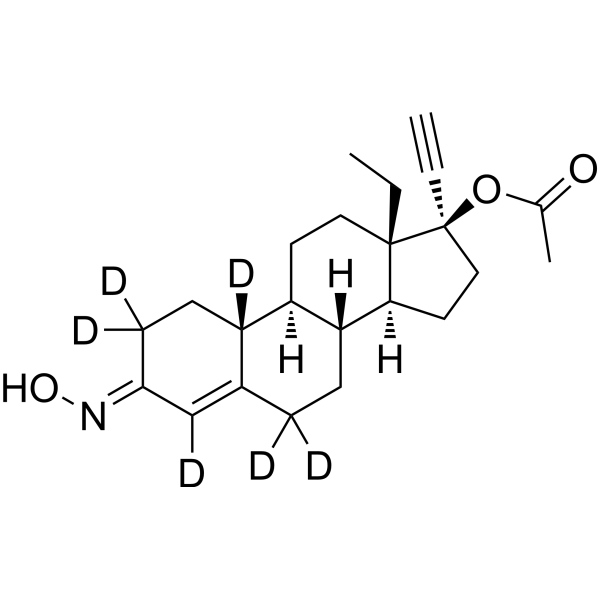
- HY-130439
-
|
|
SOD
|
Metabolic Disease
|
|
EUK 8 and EUK 134 are synthetic catalytic scavengers of reactive oxygen species with superoxide dismutase (SOD) and catalase mimetic activity.1 EUK 124 is a structural analog of EUK 8 and EUK 134 with significantly reduced activity. EUK 124 and EUK 8 inhibit superoxide-mediated reduction of an electron acceptor (i.e., SOD mimetic activity), with IC50 values of 5 μM and 0.7 μM, respectively.
|
-

- HY-P10329
-
|
|
Fungal
|
Infection
|
|
KK14(R) is an analog of the de novo synthetic peptide KK14, which exhibits antifungal activity against Fusarium culmorum, Penicillium expansum and Aspergillus niger , with MICs of 6.25, 12.5 and 12.5 μg/mL, respecitvely. KK14(R) exhibits good heat- and pH-stability. KK14(R) exhibits cytotoxicity against cells Caco-2 and RAW264.7 .
|
-

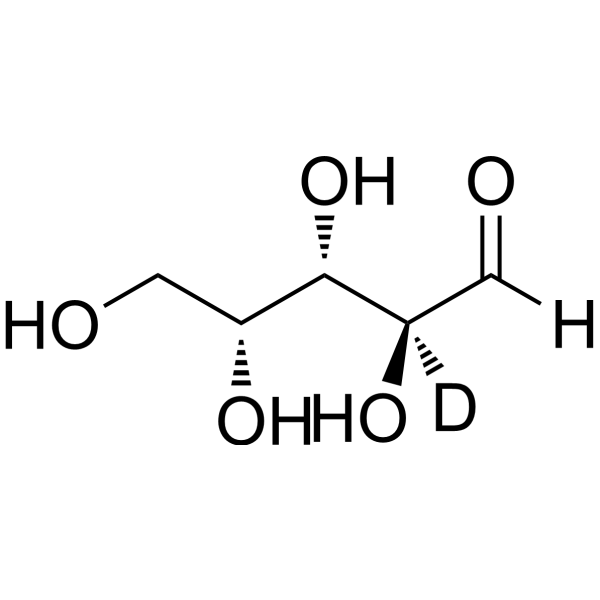
- HY-128753S7
-
|
|
Isotope-Labeled Compounds
Endogenous Metabolite
Drug Intermediate
|
Metabolic Disease
|
|
D-Lyxose-d-1 is the deuterium labeled D-Lyxose. D-Lyxose is an endogenous metabolite. D-Lyxose is a rare pentose sugar with significant potential for drug synthesis. D-Lyxose can be used as a starting material for anti-tumor drugs such as alpha galactose ceramide immunostimulants. D-Lyxose can be used as a precursor for L-nucleoside analogs for the development of antiviral drugs. D-Lyxose can be used as a synthetic intermediate for other rare sugars such as L-ribose .
|
-
- HY-13721R
-
|
Idronoxil (Standard); Dehydroequol (Standard); Haginin E (Standard)
|
Caspase
Apoptosis
Topoisomerase
Reference Standards
|
Cancer
|
|
Phenoxodiol (Standard) is the analytical standard of Phenoxodiol. This product is intended for research and analytical applications. Phenoxodiol (Idronoxil), a synthetic analog of Genestein, activates the mitochondrial caspase system, inhibits XIAP (an apoptosis inhibitor), and sensitizes the cancer cells to Fas-mediated apoptosis. Phenoxodiol also inhibits DNA topoisomerase II by stabilizing the cleavable complex. Phenoxodiol induces cell cycle arrest in the G1/S phase of the cell cycle and upregulates p21WAF1 via a p53 independent manner .
|
-

- HY-128753S3
-
|
|
Isotope-Labeled Compounds
Endogenous Metabolite
Drug Intermediate
|
Others
|
|
D-Lyxose- 13C-2 is the 13C labeled D-Lyxose. D-Lyxose is an endogenous metabolite. D-Lyxose is a rare pentose sugar with significant potential for drug synthesis. D-Lyxose can be used as a starting material for anti-tumor drugs such as alpha galactose ceramide immunostimulants. D-Lyxose can be used as a precursor for L-nucleoside analogs for the development of antiviral drugs. D-Lyxose can be used as a synthetic intermediate for other rare sugars such as L-ribose .
|
-
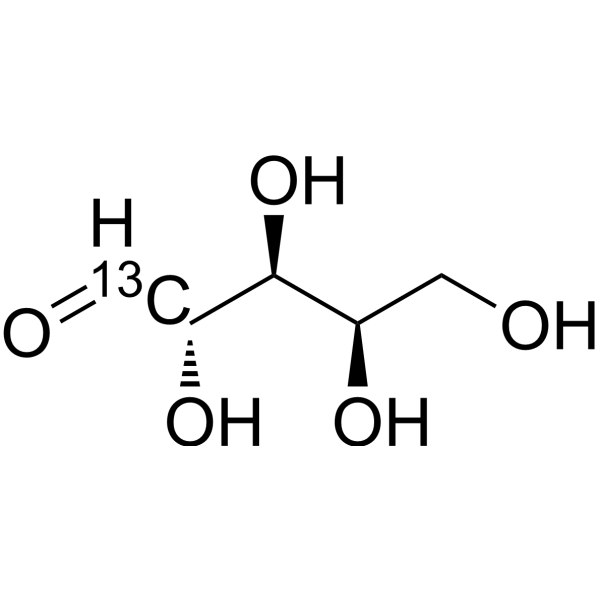
- HY-128753S5
-
|
|
Isotope-Labeled Compounds
Endogenous Metabolite
Drug Intermediate
|
Others
|
|
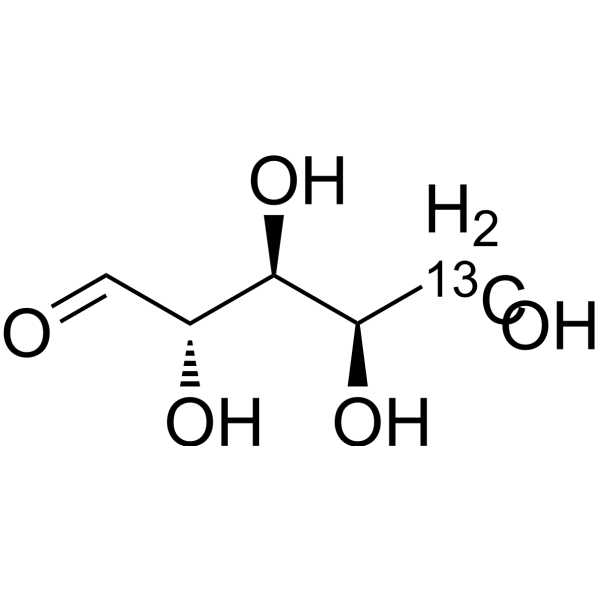
D-Lyxose- 13C-4 is the 13C labeled D-Lyxose. D-Lyxose is an endogenous metabolite. D-Lyxose is a rare pentose sugar with significant potential for drug synthesis. D-Lyxose can be used as a starting material for anti-tumor drugs such as alpha galactose ceramide immunostimulants. D-Lyxose can be used as a precursor for L-nucleoside analogs for the development of antiviral drugs. D-Lyxose can be used as a synthetic intermediate for other rare sugars such as L-ribose .
|
-
- HY-128753R
-
|
|
Reference Standards
Endogenous Metabolite
Drug Intermediate
|
Metabolic Disease
|
|
D-Lyxose (Standard) is the analytical standard of D-Lyxose. This product is intended for research and analytical applications. D-Lyxose is an endogenous metabolite. D-Lyxose is a rare pentose sugar with significant potential for drug synthesis. D-Lyxose can be used as a starting material for anti-tumor drugs such as alpha galactose ceramide immunostimulants. D-Lyxose can be used as a precursor for L-nucleoside analogs for the development of antiviral drugs. D-Lyxose can be used as a synthetic intermediate for other rare sugars such as L-ribose .
|
-

- HY-128753S4
-
|
|
Isotope-Labeled Compounds
Endogenous Metabolite
Drug Intermediate
|
Others
|
|
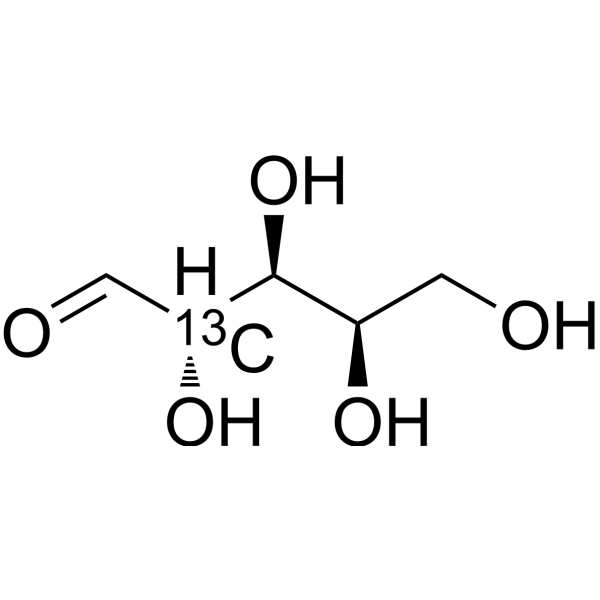
D-Lyxose- 13C-3 is the 13C labeled D-Lyxose. D-Lyxose is an endogenous metabolite. D-Lyxose is a rare pentose sugar with significant potential for drug synthesis. D-Lyxose can be used as a starting material for anti-tumor drugs such as alpha galactose ceramide immunostimulants. D-Lyxose can be used as a precursor for L-nucleoside analogs for the development of antiviral drugs. D-Lyxose can be used as a synthetic intermediate for other rare sugars such as L-ribose .
|
-
- HY-137355
-
|
15(S)-15-Methyl PGD2
|
Prostaglandin Receptor
|
Cardiovascular Disease
Metabolic Disease
|
|
15(S)-15-methyl Prostaglandin D2 (15(S)-15-methyl PGD2) is a metabolically stable synthetic analog of PGD2. In contrast to PGD2, 15(S)-15-methyl PGD2 induces vasoconstriction and increases systemic blood pressure with much reduced inhibitory activity on ADP-induced platelet aggregation. It also exhibits strong antifertility activity in hamsters (200-fold more potent than PGD2).
|
-

- HY-169472
-
|
|
Drug Derivative
|
Cardiovascular Disease
|
|
11-Deoxy prostaglandin F1β is a synthetic analog of PGF1β. 11-Deoxy prostaglandin F1β exhibits vasodepressor and bronchodilator activities in guinea pigs .
|
-

- HY-158873
-
-

- HY-177567A
-
|
|
Bacterial
|
Infection
|
|
Cephalosporin C analog-1 sodium is an analogue of Cephalosporin C (HY-B1299). Cephalosporin C has weak resistance to Gram-positive and negative bacteria, is stable to penicillinase, and can be broken down by cephalosporin enzyme. Hydrolysis and removal of side chains to obtain 7-amino-cefenoic acid (7-ACA) is an important raw material for the preparation of semi-synthetic cephalosporin .
|
-

- HY-105077AR
-
|
INN 00835 diTFA (Standard)
|
Reference Standards
5-HT Receptor
|
Neurological Disease
|
|
Nemifitide diTFA (Standard) is the analytical standard of Nemifitide diTFA (HY-105077A). This product is intended for research and analytical applications. Nemifitide diTFA (INN 00835 diTFA) is a synthetic pentapeptide antidepressant with a potential for rapid onset of action . Nemifitide diTFA is a peptide analog of melanocyte-inhibiting factor (MIF) . Nemifitide diTFA can cross the blood-brain barrier .
|
-

- HY-172742
-
|
|
Biochemical Assay Reagents
|
Others
|
|
Dioctanoyl PI(3,4)P2 (sodium) is a synthetic analog of natural Ptdlns featuring C8:0 fatty acids at the sn-1 and sn-2 positions. Dioctanoyl PI(3,4)P2 (sodium) contains the same inositol and diacylglycerol (DAG) stereochemistry as the natural Ptdlns .
|
-

- HY-P11684
-
|
|
DNA/RNA Synthesis
|
Others
|
|
Fmoc-PNA-C(Boc)-OH is a protected peptide nucleic acid (PNA) monomer for solid-phase synthesis. Fmoc-PNA-C(Boc)-OH possesses Fmoc-protected skeletal amino groups and Boc-protected cytosine bases, designed to construct stable synthetic DNA analogs. Fmoc-PNA-C(Boc)-OH can be used to prepare highly specific, enzyme-stable antisense probes and diagnostic probes.
|
-

- HY-180122
-
-

- HY-139098A
-
|
m7Gp3G ammonium
|
DNA/RNA Synthesis
|
Others
|
|
7-Methyl-diguanosine triphosphate (m7Gp3G) ammonium is an mRNA cap structure analog that inhibits in vitro protein synthesis by binding to the translation initiation complex. 7-Methyl-diguanosine triphosphate ammonium binds to eIF4E, promotes cap-dependent translation initiation, stabilizes mRNA, and acts as a translation enhancer. 7-Methyl-diguanosine triphosphate ammonium can be used to prepare synthetic capped RNA transcripts for studies related to mRNA translation, splicing, turnover, and intracellular transport .
|
-

- HY-119781
-
|
PF1191
|
iGluR
|
Neurological Disease
|
|
Kaitocephalin (PF1191) is an ionotropic glutamate receptor (NMDAR) antagonist with Ki values of 7.8, 590, and 14000 nM for NMDAR, AMPAR, and KAR, respectively. Kaitocephalin protects neurons by inhibiting excitotoxicity, exhibiting neuroprotective effects. Kaitocephalin can be used in research on neurological diseases such as Alzheimer's disease .
|
-

- HY-137527
-
|
|
Bacterial
|
Infection
|
|
Ac-Lys (Ac)-D-Ala-D-Ala-OH is a synthetic dipeptide analog that mimics the terminal structure of bacterial peptidoglycan chains. Ac-Lys (Ac)-D-Ala-D-Ala-OH serves as a molecular decoy to investigate the mechanism of action of Vancomycin-class antibiotics, and also acts as an affinity chromatography ligand for purifying proteins that bind to Vancomycin. Ac-Lys (Ac)-D-Ala-D-Ala-OH reduces the activity of Vancomycin against susceptible enterococci. Ac-Lys (Ac)-D-Ala-D-Ala-OH is applicable to the research of Vancomycin-resistant enterococcal infections .
|
-

| Cat. No. |
Product Name |
Type |
-
- HY-107202GL
-
|
Poly(I:C) (GMP Like)
|
Fluorescent Dyes
|
|
Polyinosinic-polycytidylic acid (Poly(I:C)) (GMP Like) is the GMP Like class Polyinosinic-polycytidylic acid (HY-107202), and can be used as pharmaceutical excipients. Polyinosinic-polycytidylic acid (Poly(I:C)) is a synthetic analog of double-stranded RNA and an agonist of toll-like receptor 3 (TLR3) and retinoic acid inducible gene I (RIG-I)-like receptors (RIG-I and MDA5). Polyinosinic-polycytidylic acid can be used as a vaccine adjuvant to enhance innate and adaptive immune responses, and to alter the tumor microenvironment. Polyinosinic-polycytidylic acid can directly trigger cancer cells to undergo apoptosis .
|
| Cat. No. |
Product Name |
Type |
-
- HY-W243303J
-
|
|
Biochemical Assay Reagents
|
|
Poly(acrylic acid) (MW 250000) is a synthetic cationic electrolyte containing abundant carboxyl groups (-COOH), which exhibits excellent water absorption and retention properties and is often cross-linked to form hydrogels. Poly(acrylic acid) (with a molecular weight of 250,000). Poly(acrylic acid) (MW 250000) can be used as a non-collagenous analog in the biomimetic mineralization research of type I collagen. Poly(acrylic acid) (MW 250000) has pH responsiveness and biocompatibility and is often used as a drug carrier, surface modifier and functional material .
|
-
- HY-107202GL
-
|
Poly(I:C) (GMP Like)
|
Biochemical Assay Reagents
|
|
Polyinosinic-polycytidylic acid (Poly(I:C)) (GMP Like) is the GMP Like class Polyinosinic-polycytidylic acid (HY-107202), and can be used as pharmaceutical excipients. Polyinosinic-polycytidylic acid (Poly(I:C)) is a synthetic analog of double-stranded RNA and an agonist of toll-like receptor 3 (TLR3) and retinoic acid inducible gene I (RIG-I)-like receptors (RIG-I and MDA5). Polyinosinic-polycytidylic acid can be used as a vaccine adjuvant to enhance innate and adaptive immune responses, and to alter the tumor microenvironment. Polyinosinic-polycytidylic acid can directly trigger cancer cells to undergo apoptosis .
|
-
- HY-69055
-
|
|
Biochemical Assay Reagents
|
|
7-Bromoisoquinoline is a brominated isoquinoline and synthetic precursor that constructs the isoquinoline functional group at the C17 position of target molecules. 7-Bromoisoquinoline serves as a key synthetic intermediate for the synthesis of cortistatin A-derived anti-angiogenic steroidal analogs (e.g., 7-tributylstannyl isoquinoline). 7-Bromoisoquinoline .
|
-
- HY-139098
-
|
m7Gp3G
|
Biochemical Assay Reagents
|
|
7-Methyl-diguanosine triphosphate (m7Gp3G) is an mRNA cap structure analog that inhibits in vitro protein synthesis by binding to the translation initiation complex. 7-Methyl-diguanosine triphosphate binds to eIF4E, promotes cap-dependent translation initiation, stabilizes mRNA, and acts as a translation enhancer. 7-Methyl-diguanosine triphosphate can be used to prepare synthetic capped RNA transcripts for studies related to mRNA translation, splicing, turnover, and intracellular transport .
|
-
- HY-W791727
-
|
|
Biochemical Assay Reagents
|
|
7-Methyladenosine perchlorate is a synthetic analog of adenosine with agonist activity at adenosine receptors. 7-Methyladenosine perchlorate is able to modulate cell signaling and is useful for studying adenosine-related biological processes. 7-Methyladenosine perchlorate can be used as a potential inhibitor in compound development.
|
-
- HY-139098A
-
|
m7Gp3G ammonium
|
Biochemical Assay Reagents
|
|
7-Methyl-diguanosine triphosphate (m7Gp3G) ammonium is an mRNA cap structure analog that inhibits in vitro protein synthesis by binding to the translation initiation complex. 7-Methyl-diguanosine triphosphate ammonium binds to eIF4E, promotes cap-dependent translation initiation, stabilizes mRNA, and acts as a translation enhancer. 7-Methyl-diguanosine triphosphate ammonium can be used to prepare synthetic capped RNA transcripts for studies related to mRNA translation, splicing, turnover, and intracellular transport .
|
| Cat. No. |
Product Name |
Target |
Research Area |
-
- HY-17365
-
-
- HY-P3375
-
|
IBI-362; LY-3305677; OXM-3
|
GCGR
GLP Receptor
|
Metabolic Disease
|
|
Mazdutide (IBI-362; LY-3305677) is a long-acting synthetic oxyntomodulin analog. Mazdutide is also a co-agonist of glucagon-like peptide (GLP-1R) and glucagon receptor (GCGR). Mazdutide binds human and mouse GCGR (Ki: 17.7 nM and 15.9 nM, respectively) and GLP-1R (Ki: 28.6 nM and 25.1 nM, respectively) and stimulates insulin secretion from mouse islets (EC50: 5.2 nM). Mazdutide is used in studies of obesity and type 2 diabetes (T2D) .
|
-
- HY-P1146
-
Semax
1 Publications Verification
|
Amyloid-β
|
Cardiovascular Disease
Neurological Disease
Inflammation/Immunology
|
|
Semax is a BBB-penetrable adrenocorticotropic hormone-like peptide and can form stable complexes with Cu 2+. Semax is a synthetic peptide analog of Adrenocorticotropic hormone (ACTH) (4-10). Semax has immunomodulatory, nootropic and neuroprotective activities. Semax can be used in the research of central nervous system diseases such as Alzheimer's disease and cerebral ischemia .
|
-
- HY-P3375A
-
|
IBI-362 TFA; LY-3305677 TFA; OXM-3 TFA
|
GCGR
GLP Receptor
|
Metabolic Disease
|
|
Mazdutide (IBI-362; LY-3305677) TFA is a long-acting synthetic oxyntomodulin analog. Mazdutide is also a co-agonist of glucagon-like peptide (GLP-1R) and glucagon receptor (GCGR). Mazdutide TFA binds human and mouse GCGR (Ki: 17.7 nM and 15.9 nM, respectively) and GLP-1R (Ki: 28.6 nM and 25.1 nM, respectively) and stimulates insulin secretion from mouse islets (EC50: 5.2 nM). Mazdutide TFA is used in studies of obesity and type 2 diabetes (T2D) .
|
-
- HY-105155
-
|
RMP 7
|
Bradykinin Receptor
|
Cancer
|
|
Lobradimil (RMP 7), a synthetic bradykinin analog, is a potent and selective bradykinin B2 receptor agonist (Ki: 0.54 nM). Lobradimil increases the permeability of the BBB. Lobradimil can be used in the research of brain tumors .
|
-
- HY-P1146A
-
|
|
Amyloid-β
|
Cardiovascular Disease
Neurological Disease
Inflammation/Immunology
|
|
Semax acetate is a BBB-penetrable adrenocorticotropic hormone-like peptide and can form stable complexes with Cu 2+. Semax acetate is a synthetic peptide analog of Adrenocorticotropic hormone (ACTH) (4-10). Semax acetate has immunomodulatory, nootropic and neuroprotective activities. Semax acetate can be used in the research of central nervous system diseases such as Alzheimer's disease and cerebral ischemia .
|
-
- HY-105077A
-
|
INN 00835 diTFA
|
5-HT Receptor
|
Neurological Disease
|
|
Nemifitide diTFA (INN 00835 diTFA) is a synthetic pentapeptide antidepressant with a potential for rapid onset of action . Nemifitide diTFA is a peptide analog of melanocyte-inhibiting factor (MIF) . Nemifitide diTFA can cross the blood-brain barrier .
|
-
- HY-148663
-
|
Tripalmitoyl pentapeptide
|
MAPKAPK2 (MK2)
|
Inflammation/Immunology
|
|
Mitogenic Pentapeptide (Tripalmitoyl pentapeptide) is an effective activator of B lymphocyte mitogen and polyclonal. Mitogen Pentapeptide is a synthetic N-terminal analog of E. coli outer membrane lipoproteins. Mitogenic Pentapeptide can be used for the study of immune adjuvants .
|
-
- HY-P4010
-
|
|
Vasopressin Receptor
|
Others
|
|
Desamino(D-3-(3′-pyridyl)-Ala2,Arg8)-Vasopressin, a synthetic analog of vasopressin (AVP), is a weak agonist at antidiuretic receptor. However, Desamino(D-3-(3′-pyridyl)-Ala2,Arg8)-Vasopressin is a potent agonist at pituitary corticotrope receptor .
|
-
- HY-P0007
-
|
Carbocalcitonin
|
Drug Intermediate
|
Metabolic Disease
|
|
Elcatonin (Carbocalcitonin) is a synthetic analog of eel calcitonin. Elcatonin increases bone mineral density, inhibits bone resorption and processes a central analgesic effect .
|
-
- HY-P2434
-
|
|
Somatostatin Receptor
|
Neurological Disease
Metabolic Disease
Cancer
|
|
AP102 is a dual SSTR2/SSTR5-specific somatostatin analog (SSA). AP102 is a disulfide-bridged octapeptide SSA containing synthetic iodinated amino acids. AP102 binds with subnanomolar affinity to SSTR2 and SSTR5 (IC50: 0.63 and 0.65 nM, respectively). AP102 does not bind to SSTR1 or SSTR3. AP102 can be used for acromegaly and neuroendocrine tumors research .
|
-
- HY-P3943
-
|
|
CaMK
|
Neurological Disease
|
|
Calmodulin Dependent Protein Kinase Substrate Analog is a Ca 2+- and calmodulin (CaM)-dependent protein kinase (CaMK) substrate peptide. Calmodulin Dependent Protein Kinase Substrate Analog is a synthetic peptide substrate for protein kinases .
|
-
- HY-P4042
-
|
hepatitis B peptide 4980
|
HBV
|
Infection
Inflammation/Immunology
|
|
Hepatitis B Virus Receptor Binding Fragment (hepatitis B peptide 4980) is a synthetic peptide analog which specifically binds to Hep G2 cells. Hepatitis B Virus Receptor Binding Fragment is a promising immunogen expected to elicit protective antibodies based on the concept of the attachment blockade pathway of virus neutralization .
|
-
- HY-P10329
-
|
|
Fungal
|
Infection
|
|
KK14(R) is an analog of the de novo synthetic peptide KK14, which exhibits antifungal activity against Fusarium culmorum, Penicillium expansum and Aspergillus niger , with MICs of 6.25, 12.5 and 12.5 μg/mL, respecitvely. KK14(R) exhibits good heat- and pH-stability. KK14(R) exhibits cytotoxicity against cells Caco-2 and RAW264.7 .
|
-
- HY-105077AR
-
|
INN 00835 diTFA (Standard)
|
Reference Standards
5-HT Receptor
|
Neurological Disease
|
|
Nemifitide diTFA (Standard) is the analytical standard of Nemifitide diTFA (HY-105077A). This product is intended for research and analytical applications. Nemifitide diTFA (INN 00835 diTFA) is a synthetic pentapeptide antidepressant with a potential for rapid onset of action . Nemifitide diTFA is a peptide analog of melanocyte-inhibiting factor (MIF) . Nemifitide diTFA can cross the blood-brain barrier .
|
-
- HY-P11684
-
|
|
DNA/RNA Synthesis
|
Others
|
|
Fmoc-PNA-C(Boc)-OH is a protected peptide nucleic acid (PNA) monomer for solid-phase synthesis. Fmoc-PNA-C(Boc)-OH possesses Fmoc-protected skeletal amino groups and Boc-protected cytosine bases, designed to construct stable synthetic DNA analogs. Fmoc-PNA-C(Boc)-OH can be used to prepare highly specific, enzyme-stable antisense probes and diagnostic probes.
|
-
- HY-137527
-
|
|
Bacterial
|
Infection
|
|
Ac-Lys (Ac)-D-Ala-D-Ala-OH is a synthetic dipeptide analog that mimics the terminal structure of bacterial peptidoglycan chains. Ac-Lys (Ac)-D-Ala-D-Ala-OH serves as a molecular decoy to investigate the mechanism of action of Vancomycin-class antibiotics, and also acts as an affinity chromatography ligand for purifying proteins that bind to Vancomycin. Ac-Lys (Ac)-D-Ala-D-Ala-OH reduces the activity of Vancomycin against susceptible enterococci. Ac-Lys (Ac)-D-Ala-D-Ala-OH is applicable to the research of Vancomycin-resistant enterococcal infections .
|
| Cat. No. |
Product Name |
Category |
Target |
Chemical Structure |
| Cat. No. |
Product Name |
Chemical Structure |
-
- HY-B0111S
-
|
|
|
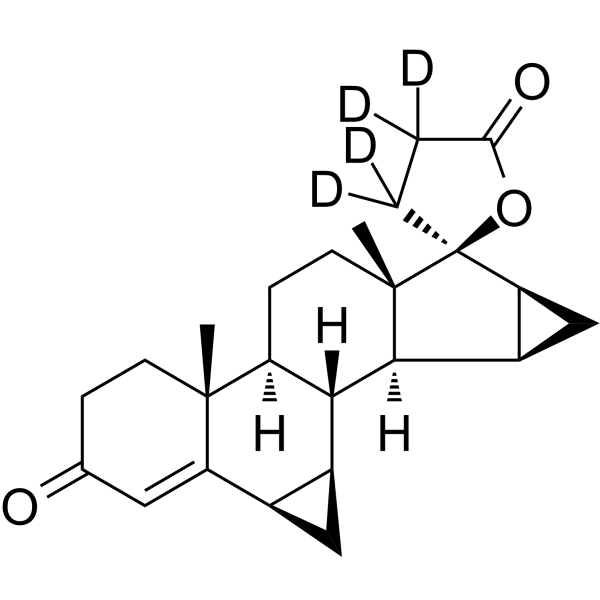
Drospirenone-d4 is the deuterium labeled Drospirenone. Drospirenone (Dihydrospirorenone) is a synthetic progestin that is an analog to spironolactone .
|
-
-
- HY-128753S6
-
|
|
|
D-Lyxose-d is the deuterium labeled D-Lyxose. D-Lyxose is an endogenous metabolite. D-Lyxose is a rare pentose sugar with significant potential for drug synthesis. D-Lyxose can be used as a starting material for anti-tumor drugs such as alpha galactose ceramide immunostimulants. D-Lyxose can be used as a precursor for L-nucleoside analogs for the development of antiviral drugs. D-Lyxose can be used as a synthetic intermediate for other rare sugars such as L-ribose .
|
-
-
- HY-B0111RS
-
|
|
|
Drospirenone- 13C3 is 13C labeled Drospirenone. Drospirenone (Dihydrospirorenone) is a synthetic progesterone that is an analog of Spironolactone .
|
-
-
- HY-139244S
-
|
|
|
Norgestimate-d6 is the deuterium labeled Norgestimate. Norgestimate, a synthetic progesterone analog, is an orally active progestin with highly selective progestational activity and minimal androgenicity. Norgestimate is used for an oral contraceptive . Norgestimate-d6 is a click chemistry reagent, it contains an Alkyne group and can undergo copper-catalyzed azide-alkyne cycloaddition (CuAAc) with molecules containing Azide groups.
|
-
-
- HY-128753S7
-
|
|
|
D-Lyxose-d-1 is the deuterium labeled D-Lyxose. D-Lyxose is an endogenous metabolite. D-Lyxose is a rare pentose sugar with significant potential for drug synthesis. D-Lyxose can be used as a starting material for anti-tumor drugs such as alpha galactose ceramide immunostimulants. D-Lyxose can be used as a precursor for L-nucleoside analogs for the development of antiviral drugs. D-Lyxose can be used as a synthetic intermediate for other rare sugars such as L-ribose .
|
-
-
- HY-128753S3
-
|
|
|
D-Lyxose- 13C-2 is the 13C labeled D-Lyxose. D-Lyxose is an endogenous metabolite. D-Lyxose is a rare pentose sugar with significant potential for drug synthesis. D-Lyxose can be used as a starting material for anti-tumor drugs such as alpha galactose ceramide immunostimulants. D-Lyxose can be used as a precursor for L-nucleoside analogs for the development of antiviral drugs. D-Lyxose can be used as a synthetic intermediate for other rare sugars such as L-ribose .
|
-
-
- HY-128753S5
-
|
|
|
D-Lyxose- 13C-4 is the 13C labeled D-Lyxose. D-Lyxose is an endogenous metabolite. D-Lyxose is a rare pentose sugar with significant potential for drug synthesis. D-Lyxose can be used as a starting material for anti-tumor drugs such as alpha galactose ceramide immunostimulants. D-Lyxose can be used as a precursor for L-nucleoside analogs for the development of antiviral drugs. D-Lyxose can be used as a synthetic intermediate for other rare sugars such as L-ribose .
|
-
-
- HY-128753S4
-
|
|
|
D-Lyxose- 13C-3 is the 13C labeled D-Lyxose. D-Lyxose is an endogenous metabolite. D-Lyxose is a rare pentose sugar with significant potential for drug synthesis. D-Lyxose can be used as a starting material for anti-tumor drugs such as alpha galactose ceramide immunostimulants. D-Lyxose can be used as a precursor for L-nucleoside analogs for the development of antiviral drugs. D-Lyxose can be used as a synthetic intermediate for other rare sugars such as L-ribose .
|
-
| Cat. No. |
Product Name |
|
Classification |
-
- HY-N7137
-
|
|
|
Alkynes
|
|
Norgestrel is a synthetic analog of progesterone, a compound commonly found in oral contraceptive pill, and a powerful neuroprotective antioxidant, preventing light-induced ROS in photoreceptor cells, and cell death . Norgestrel is a click chemistry reagent, it contains an Alkyne group and can undergo copper-catalyzed azide-alkyne cycloaddition (CuAAc) with molecules containing Azide groups.
|
-
- HY-W013172
-
|
|
|
Alkynes
|
|
Norgestimate, a synthetic progesterone analog, is an orally active progestin with highly selective progestational activity and minimal androgenicity. Norgestimate is used for an oral contraceptive . Norgestimate is a click chemistry reagent, it contains an Alkyne group and can undergo copper-catalyzed azide-alkyne cycloaddition (CuAAc) with molecules containing Azide groups.
|
-
- HY-139244S
-
|
|
|
Alkynes
|
|
Norgestimate-d6 is the deuterium labeled Norgestimate. Norgestimate, a synthetic progesterone analog, is an orally active progestin with highly selective progestational activity and minimal androgenicity. Norgestimate is used for an oral contraceptive . Norgestimate-d6 is a click chemistry reagent, it contains an Alkyne group and can undergo copper-catalyzed azide-alkyne cycloaddition (CuAAc) with molecules containing Azide groups.
|
-
- HY-180122
-
|
|
|
Azide
|
|
(Rac)-Azide-deoxy-ascomycin-O-ethylene, a nitrogen-containing compound, is a derivative of a macrolide-type immunosuppressant.
|
| Cat. No. |
Product Name |
|
Classification |
-
- HY-139098
-
|
m7Gp3G
|
|
Cap Analogs
|
|
7-Methyl-diguanosine triphosphate (m7Gp3G) is an mRNA cap structure analog that inhibits in vitro protein synthesis by binding to the translation initiation complex. 7-Methyl-diguanosine triphosphate binds to eIF4E, promotes cap-dependent translation initiation, stabilizes mRNA, and acts as a translation enhancer. 7-Methyl-diguanosine triphosphate can be used to prepare synthetic capped RNA transcripts for studies related to mRNA translation, splicing, turnover, and intracellular transport .
|
| Cat. No. |
Product Name |
Target |
Research Areas |
Chemical Structure |
-
- HY-107202GL
-
|
Poly(I:C) (GMP Like)
|
Toll-like Receptor (TLR)
PKD
HSP
Bcl-2 Family
Interleukin Related
Apoptosis
|
Infection
Inflammation/Immunology
Cancer
|
|
Polyinosinic-polycytidylic acid (Poly(I:C)) (GMP Like) is the GMP Like class Polyinosinic-polycytidylic acid (HY-107202), and can be used as pharmaceutical excipients. Polyinosinic-polycytidylic acid (Poly(I:C)) is a synthetic analog of double-stranded RNA and an agonist of toll-like receptor 3 (TLR3) and retinoic acid inducible gene I (RIG-I)-like receptors (RIG-I and MDA5). Polyinosinic-polycytidylic acid can be used as a vaccine adjuvant to enhance innate and adaptive immune responses, and to alter the tumor microenvironment. Polyinosinic-polycytidylic acid can directly trigger cancer cells to undergo apoptosis .
|
-
Your information is safe with us. * Required Fields.
Inquiry Information
- Product Name:
- Cat. No.:
- Quantity:
- MCE Japan Authorized Agent:








