Search Result
Results for "
α-amylase activity
" in MedChemExpress (MCE) Product Catalog:
3
Biochemical Assay Reagents
| Cat. No. |
Product Name |
Target |
Research Areas |
Chemical Structure |
-
- HY-132179
-
-

-
- HY-113159
-
|
Clupanodonic acid
|
Amylases
Glycosidase
|
Metabolic Disease
Inflammation/Immunology
|
|
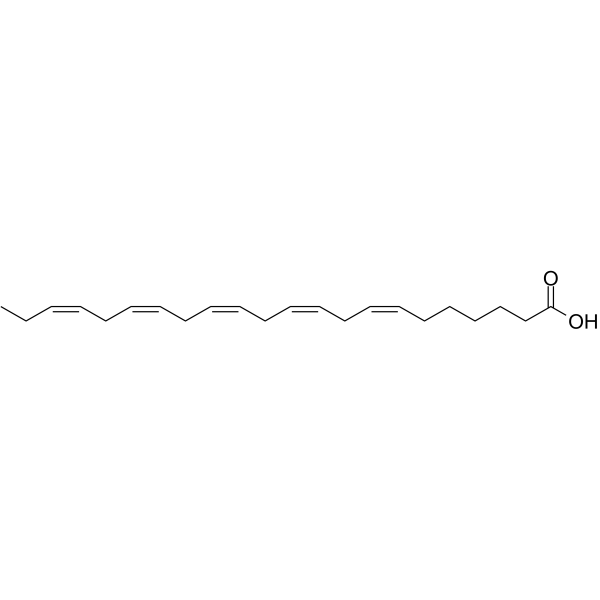
Docosapentaenoic acid (22n-3) is a component of phospholipids. Docosapentaenoic acid 22n-3 has inhibitory activity against α-amylase and α-glucosidase, with IC50s value of 17 μg/mL and 22 μg/mL, respectively. Docosapentaenoic acid 22n-3 increases cell vitality. Docosapentaenoic acid 22n-3 has a weak anti-inflammatory effect .
|
-
-
- HY-N1425
-
|
|
Others
|
Metabolic Disease
|
|
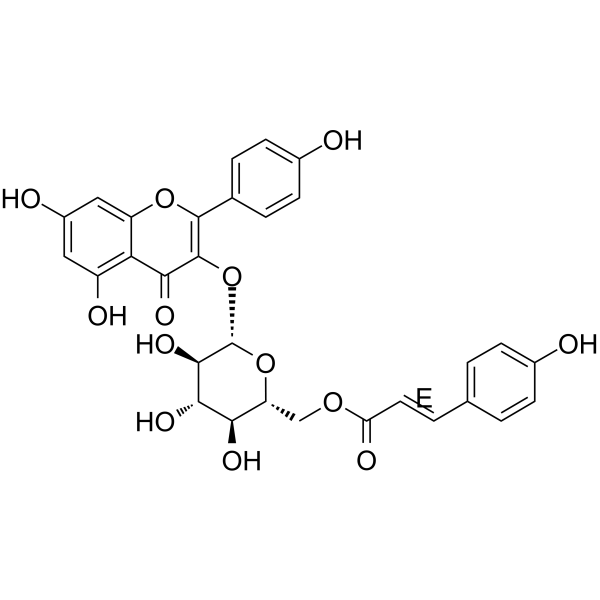
Tiliroside, a glycosidic flavonoid, possesses anti-diabetic activities. Tiliroside is a noncompetitive inhibitor of α-amylase with a Ki value of 84.2 μM. Tiliroside inhibits carbohydrate digestion and glucose absorption in the gastrointestinal tract .
|
-
-
- HY-153102
-
|
|
Biochemical Assay Reagents
|
Others
|
|
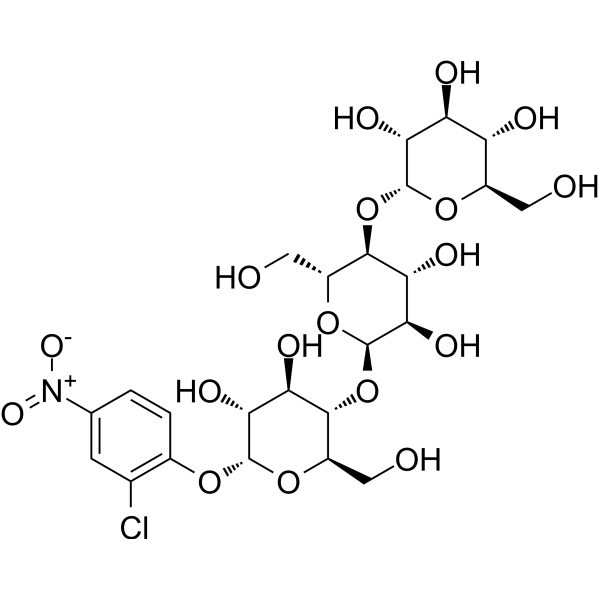
G3-CNP is an α-amylase substrate. The absorbance of G3-CNP cleavage product 2-chloro-4-nitrophenol is measured at 405 nm, which can be used to detect enzyme activity .
|
-
-
- HY-126052
-
|
|
COX
Tyrosinase
HDAC
|
Metabolic Disease
Cancer
|
|
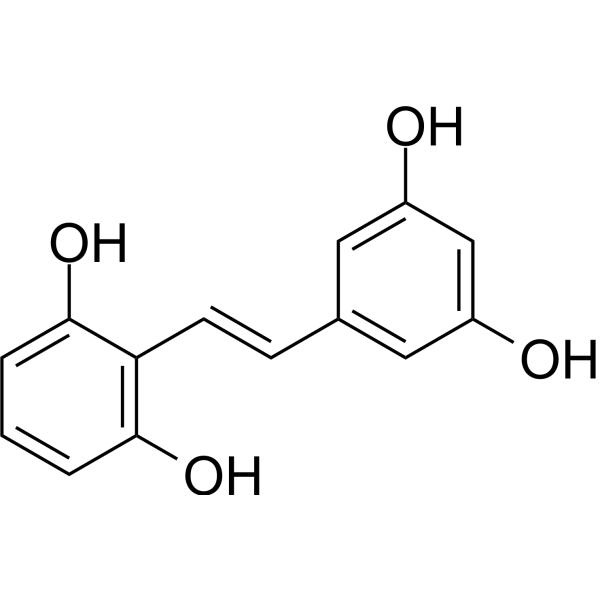
Gnetol is a phenolic compound isolated from the root of Gnetum montanum . Gnetol potently inhibits COX-1 (IC50 of 0.78 μM) and HDAC. Gnetol is a potent tyrosinase inhibitor with an IC50 of 4.5 μM for murine tyrosinase and suppresses melanin biosynthesis. Gnetol has antioxidant, antiproliferative, anticancer and hepatoprotective activity. Gnetol also possesses concentration-dependent α-Amylase, α-glucosidase, and adipogenesis activities .
|
-
-
- HY-N2376
-
|
|
Glycosidase
Amylases
NF-κB
|
Metabolic Disease
Inflammation/Immunology
|
|
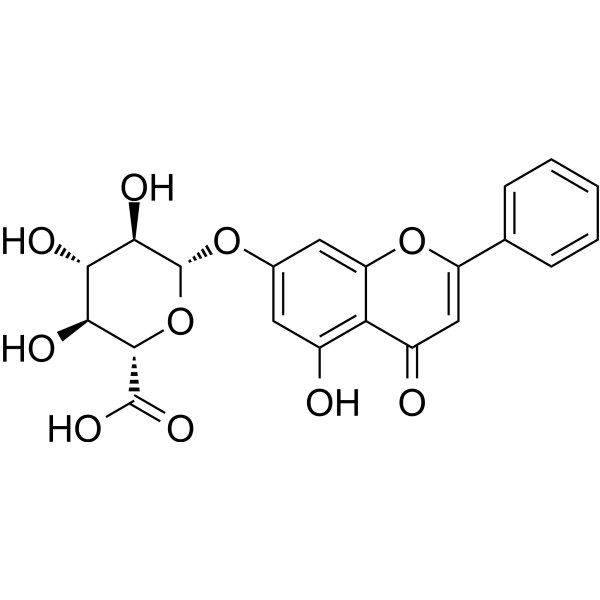
Chrysin-7-O-glucuronide is a flavonoid found in Scutellaria baicalensis. Chrysin-7-O-glucuronide inhibits α-glucosidase and α-amylase with IC50 values of 612.13 and 980.73 μg/mL. Chrysin-7-O-glucuronide suppresses NF-κB signaling activity. Chrysin-7-O-glucuronide scavenges free radicals, acts as a tight junction protector, and mitigates intestinal mucosal barrier injury. Chrysin-7-O-glucuronide can be used for the research of type 2 diabetes and severe acute pancreatitis-induced intestinal mucosal barrier injury .
|
-
-
- HY-112835
-
|
pNP-G7
|
Amylases
Glycosidase
|
Inflammation/Immunology
|
|
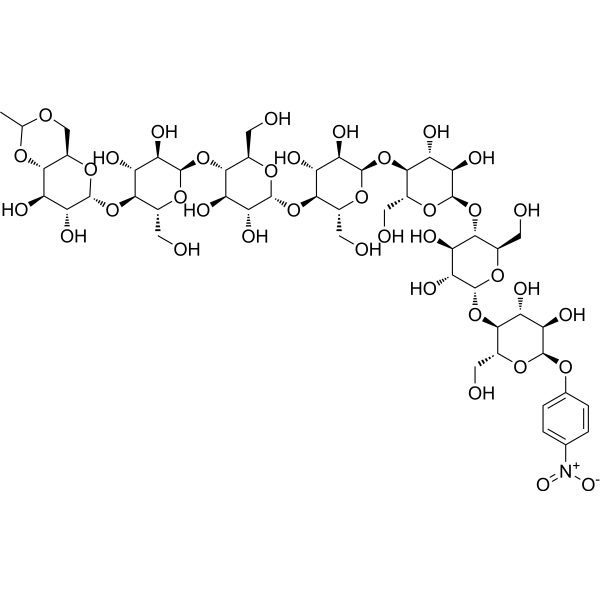
Ethylidene-4-nitrophenyl-α-D-Maltoheptaoside (EPS; pNP-G7) serves as a substrate for α-amylase. In the presence of an auxiliary enzyme such as α-glucosidase (α-glucosidase), Ethylidene-4-nitrophenyl-α-D-Maltoheptaoside is degraded by amylase (Amylase) to release a chromophore, enabling the measurement of amylase activity. Ethylidene-4-nitrophenyl-α-D-Maltoheptaoside is applicable for the diagnosis of pancreatitis [2].
|
-
-
- HY-160113
-
|
|
Biochemical Assay Reagents
|
Others
|
|
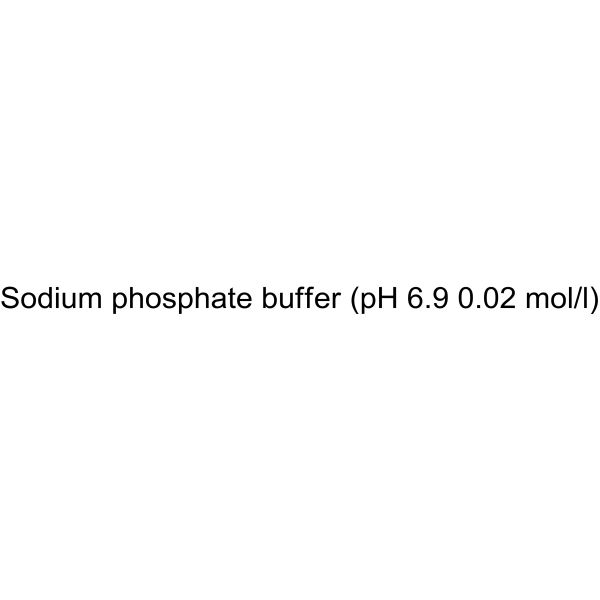
Sodium phosphate buffer 0.02 M, pH 6.9 is a commonly used aqueous biological buffer that maintains a stable pH value. Sodium phosphate buffer 0.02 M, pH 6.9 is often used in enzyme activity assays, such as α-amylase assays. Sodium phosphate buffer 0.02 M, pH 6.9 is prepared by mixing disodium hydrogen phosphate (Na2HPO4) (HY-B2243) and sodium dihydrogen phosphate (NaH2PO4) (HY-Y0308) to a total concentration of 0.02 M .
|
-
-
- HY-Y0598
-
|
Benzylideneacetophenone
|
Fatty Acid Synthase (FASN)
Apoptosis
Fungal
|
Inflammation/Immunology
Cancer
|
|
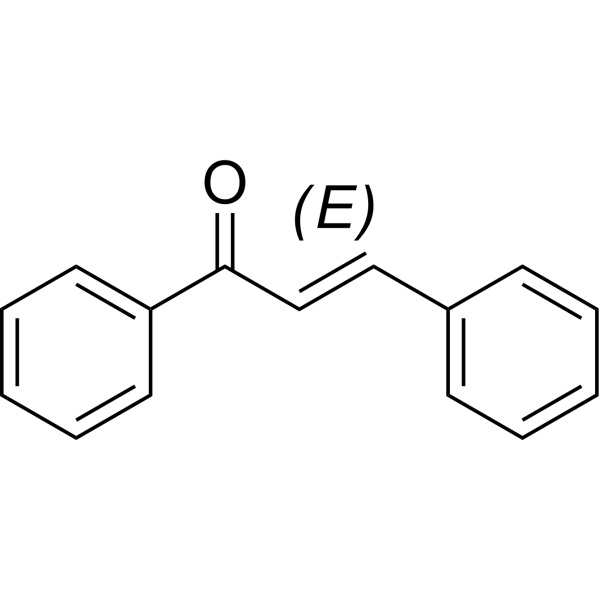
trans-Chalcone, isolated from Aronia melanocarpa skin, is a biphenolic core structure of flavonoids precursor. trans-Chalcone is a potent fatty acid synthase (FAS) and α-amylase inhibitor. trans-Chalcone causes cellcycle arrest and induces apoptosis in the breastcancer cell line MCF-7. trans-Chalcone has antifungal and anticancer activity .
|
-
-
- HY-N8599
-
-
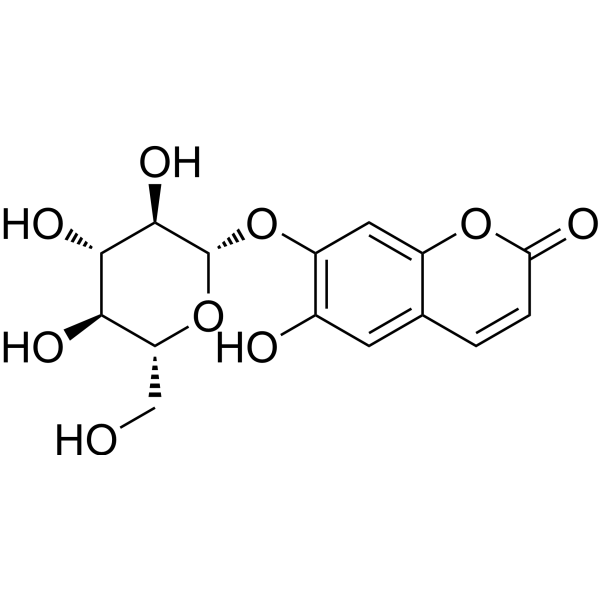
-
- HY-W068682
-
|
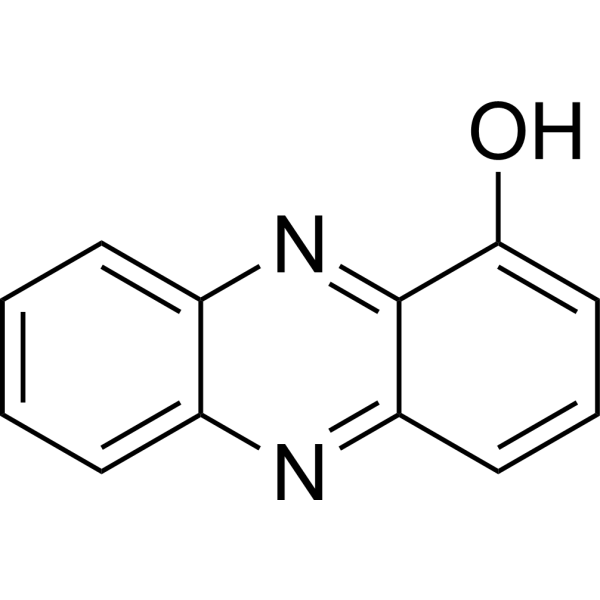
Hemipyocyanine; 1-Phenazinol; Hemi-pyocyanin
|
Amylases
Bacterial
|
Infection
Neurological Disease
Metabolic Disease
Inflammation/Immunology
Cancer
|
|
1-Hydroxyphenazine (Hemipyocyanine; 1-Phenazinol; Hemi-pyocyanin) is an inhibitor for α-Amylase with an IC50 of 3.1 μg/mL . 1-Hydroxyphenazine exhibits anticancer and anti-inflammatory activity against cells A549, 1321N1 and RAW264.7, antifungal and antibacterial activity against strains Candida albicans, Aspergillus fumigatus, Escherichia coli and Xanthomonas campestris .
|
-
-
- HY-N4309
-
|
|
Amylases
Glycosidase
|
Neurological Disease
Metabolic Disease
Cancer
|
|
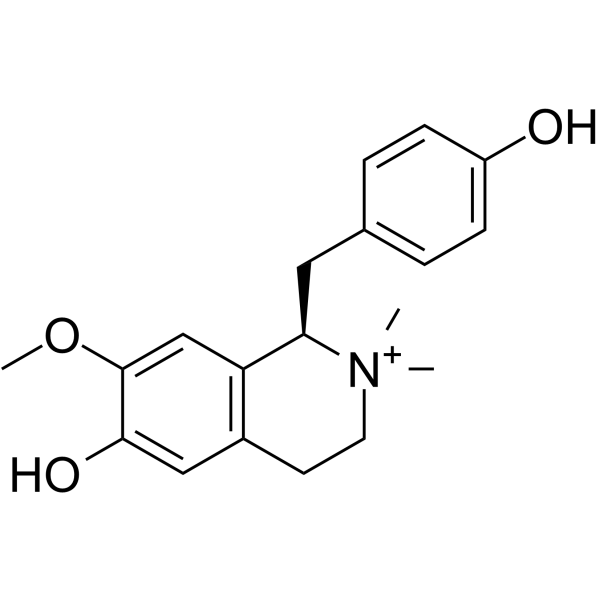
Lotusine is an orally active signaling pathway modulator and enzyme inhibitor, with an IC50 of 30.60 μg/mL against α-amylase and an IC50 of 36.15 μg/mL against α-glucosidase. Lotusine inhibits the EGFR-Akt-ERK signaling pathway by reducing the levels of phosphorylated EGFR, Akt and ERK. Lotusine induces apoptosis, triggers G0/G1 cell cycle arrest and inhibits cancer cell proliferation. Lotusine reduces lipid peroxidation and increases the activities of SOD, CAT and GPx. Lotusine is applicable to researches related to non-small cell lung cancer, type 2 diabetes and autism spectrum disorder .
|
-
-
- HY-200541
-
|
|
Others
|
Metabolic Disease
|
|
Dihydro-α-ionone is a volatile compound found in the essential oil of Persicaria hydropiper L. leaves. The essential oil can inhibit α-glucosidase and α-amylase activities .
|
-

-
- HY-N1731
-
|
|
NF-κB
COX
TNF Receptor
NO Synthase
Reactive Oxygen Species (ROS)
Parasite
|
Infection
Metabolic Disease
Inflammation/Immunology
Cancer
|
|
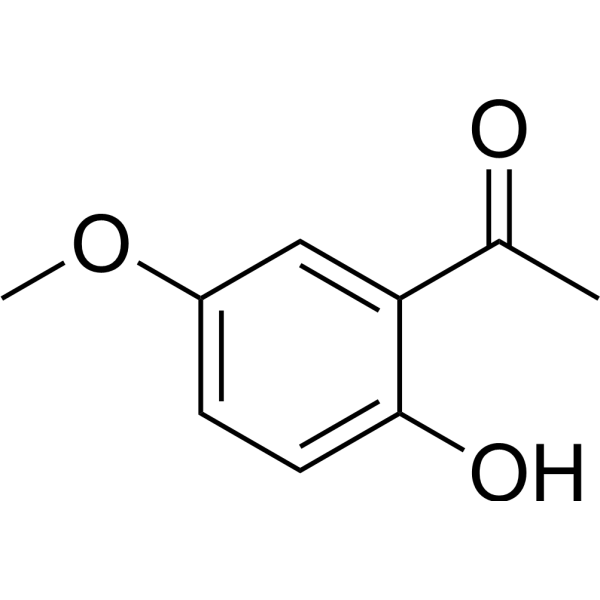
2'-Hydroxy-5'-methoxyacetophenone is an acetophenone derivative with acaricidal activities. 2'-Hydroxy-5'-methoxyacetophenone attenuates the inflammatory response via NF-κB signaling pathway. 2'-Hydroxy-5'-methoxyacetophenone exhibits significant inhibitory activity against α-amylase, collagenase and aldose reductase (AR) with IC50s of 0.928, 3.264 and 20.046 μM, highlighting its potential in combating diabetes. 2'-Hydroxy-5'-methoxyacetophenone exhibits anti-ovarian cancer activity .
|
-
-
- HY-N12999
-
|
|
Apoptosis
Bcl-2 Family
Caspase
MDM-2/p53
PARP
Amylases
|
Metabolic Disease
Endocrinology
Cancer
|
|
Stigmast-5-en-3-ol induces cancer cell apoptosis and inhibits proliferation by increasing the production of Bax, Caspase-9, p53, and PARP cleavage and reducing Bcl-xl expression. Stigmast-5-en-3-ol exhibits potent inhibitory activity against glucoamylase and α-amylase and possesses high antioxidant activity. Stigmast-5-en-3-ol can be used in the research of diseases such as leukemia, breast cancer, type 2 diabetes, and obesity .
|
-

-
- HY-N10413
-
|
|
Glycosidase
|
Metabolic Disease
|
|
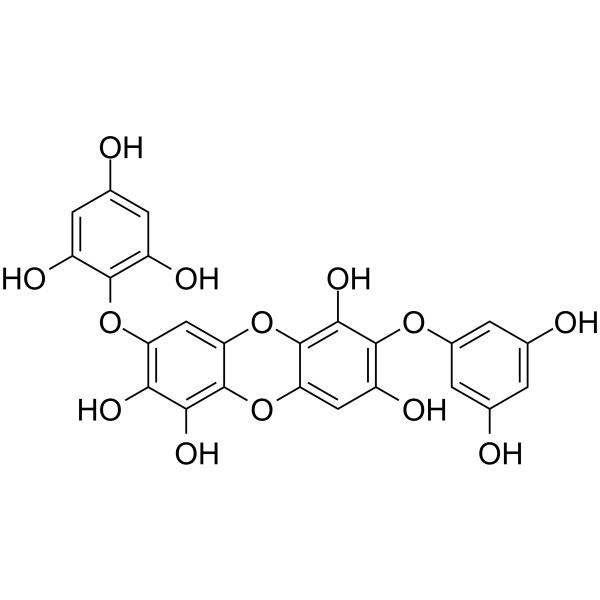
Diphlorethohydroxycarmalol, a kind of phlorotannin, is an orally active α-glucosidase and α-amylase inhibitor with IC50s of 0.16 mM and 0.53 mM, respectively. Diphlorethohydroxycarmalol has anti-diabetic activities .
|
-
-
- HY-N9454
-
|
|
Pregnane X Receptor (PXR)
COX
NF-κB
Amylases
β-glucuronidase
DNA/RNA Synthesis
Amyloid-β
NOD-like Receptor (NLR)
Pyroptosis
|
Cancer
|
|
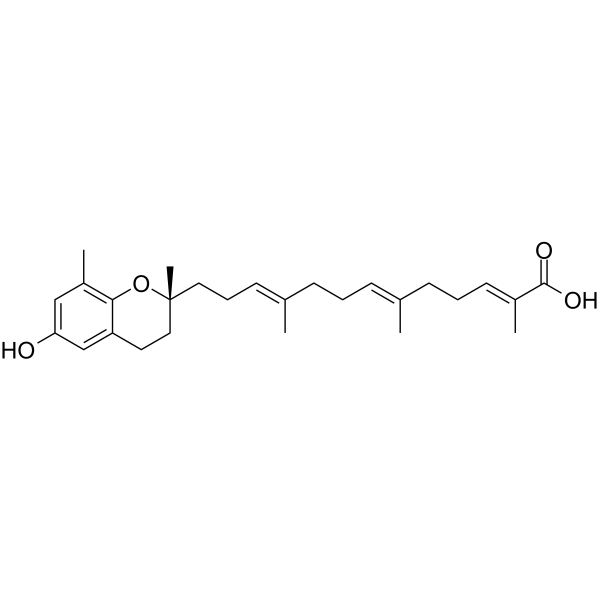
Garcinoic acid is an orally active anti-inflammatory agent that crosses the blood-brain barrier. Garcinoic acid also enhances efferocytosis and enzyme/receptor regulation, and selectively inhibits human COX-2, porcine α-amylase, Saccharomyces cerevisiae α-glucosidase and human DNA polymerase β (IC50=11 μM), as well as activates human PXR. Garcinoic acid enhances macrophage efferocytosis via receptors such as MerTK and LRP-1, and promotes the production of pro-resolving lipid mediators. Garcinoic acid inhibits NF-κB activation and pro-inflammatory cytokine secretion, interferes with Aβ aggregation, downregulates NLRP3 inflammasome activity, and binds to targets including CD44 and EGFR to inhibit leukemia cell proliferation. The pharmacological activities of Garcinoic acid, such as antioxidant, anti-inflammatory and lipid metabolism-regulating effects, are widely used in studies related to various diseases including atherosclerosis, Alzheimer's disease, type 2 diabetes, inflammatory bowel disease and viral pneumonia .
|
-
-
- HY-149008
-
|
|
Amylases
Cholinesterase (ChE)
|
Inflammation/Immunology
|
|
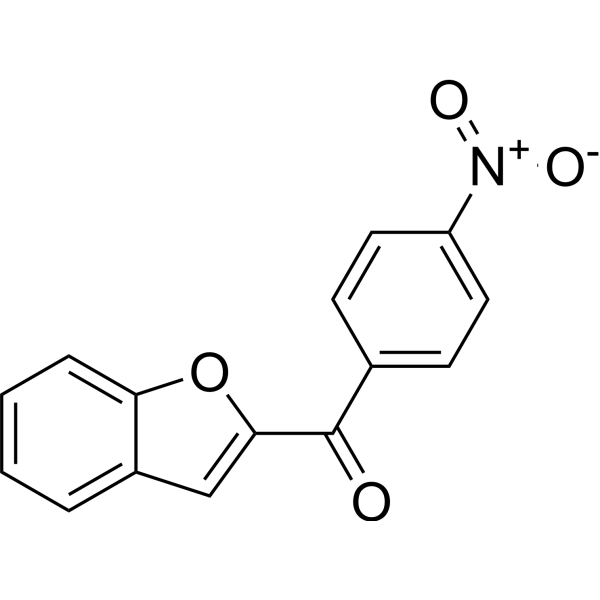
α-Amylase-IN-3 (Compound 4) is the inhibitor for α-Amylase, AChE and AChE with IC50s of 18.04 μM, 21.04 μM and 22.2 μM, respectively. α-Amylase-IN-3 exhibits antioxidant activity. α-Amylase-IN-3 can be used in research of diabetes and oxidative stress associated disease .
|
-
-
- HY-155241
-
|
|
Glycosidase
Amylases
|
Metabolic Disease
|
|
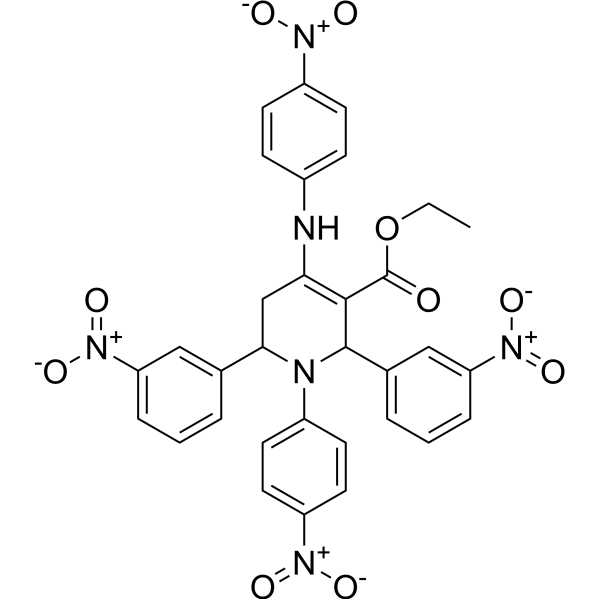
α-Amylase/α-Glucosidase-IN-4 (compound 5) is a dual inhibitor of α-glucosidase (Glucosidase) and α-amylase (Amylases) with IC50s of 0.15 μM and 1.10 μM, respectively. α-Amylase/α-Glucosidase-IN-4 has potential antidiabetic activity .
|
-
-
- HY-175605
-
|
|
Glycosidase
Amylases
|
Metabolic Disease
|
|
α-Amylase/α-Glucosidase-IN-21 (Compound 4) is a dual-functional inhibitor of α-Glucosidase and α-Amylase with IC50s of 0.27 and 0.19 µg/mL for α-Glucosidase and α-Amylase, respectively. α-Amylase/α-Glucosidase-IN-21 has an antidiabetic activity.α-Amylase/α-Glucosidase-IN-21 can be used for diabetes mellitus research .
|
-

-
- HY-W112651
-
|
|
Glycosidase
Amylases
|
Metabolic Disease
|
|
2,4,6-Triphenylaniline has anti-diabetic activity and can be encapsulated in nano-emulsions (NE) to enhance stability and permeability. The NE loaded with 2,4,6-Triphenylaniline inhibits α-glucosidase and α-amylase .
|
-

-
- HY-169737
-
|
|
Glycosidase
Amylases
|
Metabolic Disease
|
|
Inulobiose is a difructan disaccharide that can be isolated from Pistacia vera L.. Inulobiose inhibits α-glycosidase and α-amylase activities with IC50s of 1.87 and 40.72 mg/mL, respectively. Inulobiose can be used for the research of diabetes and glomerular filtration rate testing .
|
-

-
- HY-149313
-
|
|
Amylases
|
Metabolic Disease
|
|
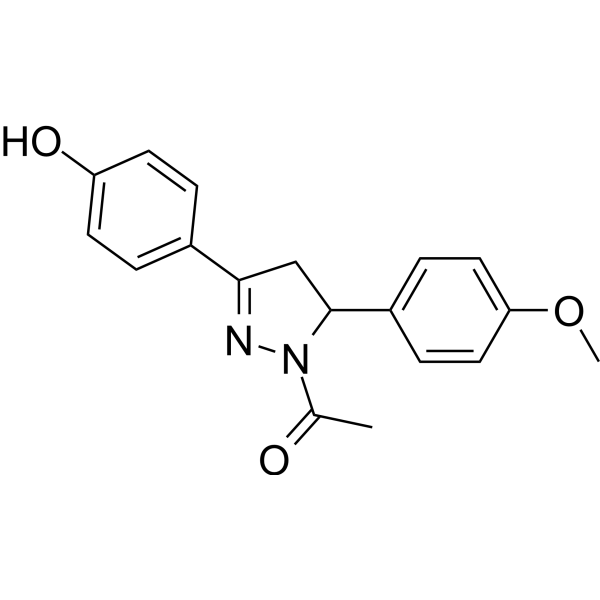
α Amylase-IN-1 (Compound 11) is an α-Amylase inhibitor with an IC50 value of 0.5509 μM. α Amylase-IN-1 has antioxidant activity with an IC50 value of 53.49 μM for scavenging DPPH free radicals. IC50 can be used in the study of diabetes and oxidative stress-related diseases.
|
-
-
- HY-149973
-
|
|
Amylases
|
Metabolic Disease
|
|
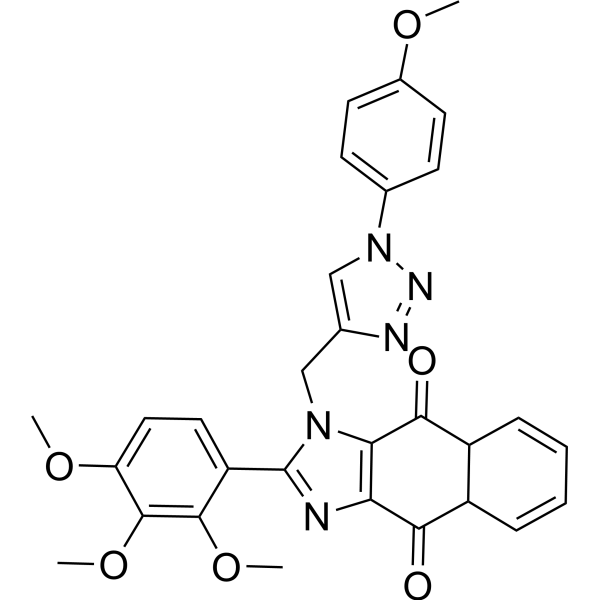
α-Amylase-IN-4 (Compd 10y) show maximum inhibition of amylase activity with IC50 value 17.83 ± 0.14 μg/mL .
|
-
-
- HY-N8134
-
|
|
Dipeptidyl Peptidase
|
Metabolic Disease
|
|
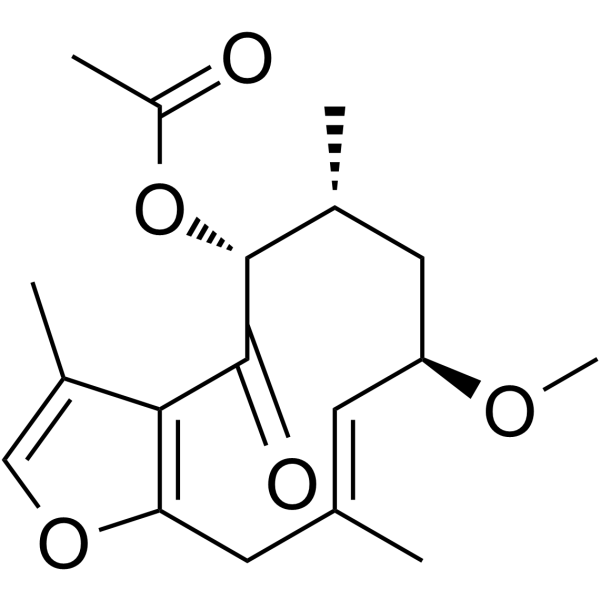
2-Methoxy-5-acetoxy-fruranogermacr-1(10)-en-6-one is a natural product found in the leaves and stem bark of M. glabra. 2-Methoxy-5-acetoxy-fruranogermacr-1(10)-en-6-one displays binding affinities with dipeptidyl peptidase-4 (DPP-4) and α-Amylase. 2-Methoxy-5-acetoxy-fruranogermacr-1(10)-en-6-one has potential antidiabetic activities .
|
-
-
- HY-W207699
-
|
|
Monoamine Oxidase
Amylases
|
Neurological Disease
Metabolic Disease
Inflammation/Immunology
|
|
MAO-B-IN-46 (Compound 16) is a selective hMAO-B inhibitor (IC50: 26.8 nM), with weak activity against hMAO-A (IC50: 7.2054 μM). MAO-B-IN-46 (Compound 8) also acts as an α-amylase inhibitor (IC50: 19.46 μM). MAO-B-IN-46 exhibits certain neuroprotective effects and shows no significant toxicity to human gingival fibroblasts and SH-SY5Y cells. Additionally, MAO-B-IN-46 can scavenge DPPH and ABTS free radicals, with IC50 values of 17.86 μM and 17.71 μM, respectively. MAO-B-IN-46 can be used in the research of neurodegenerative diseases such as Parkinson's disease, diabetes, and diseases related to oxidative stress resistance .
|
-

-
- HY-178935
-
|
|
Amylases
Reactive Oxygen Species (ROS)
|
Metabolic Disease
Inflammation/Immunology
|
|
α-Amylase-IN-14, a derivative of Nicotinic (HY-B0143), is an α-amylase inhibitor and has good interactions with α-amylase protein (-5.55 kcal/mol). α-Amylase-IN-14 is a dual anti-inflammatory and anti-hyperglycemic agent. α-Amylase-IN-14 exhibits good results against DPPH and ABTS radicals. α-Amylase-IN-14 can be used for the study of diabetes .
|
-

-
- HY-174319
-
|
|
Amylases
Glycosidase
|
Metabolic Disease
|
|
α-Amylase/α-Glucosidase-IN-20 (Compound 6b) is a dual inhibitor of α-Amylase and α-Glucosidase with IC50s of 414.57 and 924.15 μM for α-Amylase and α-Glucosidase, respectively. α-Amylase/α-Glucosidase-IN-20 shows a potent anti-diabetic activity, promising for diabetes research .
|
-

-
- HY-149557
-
|
|
Glycosidase
Amylases
|
Metabolic Disease
|
|
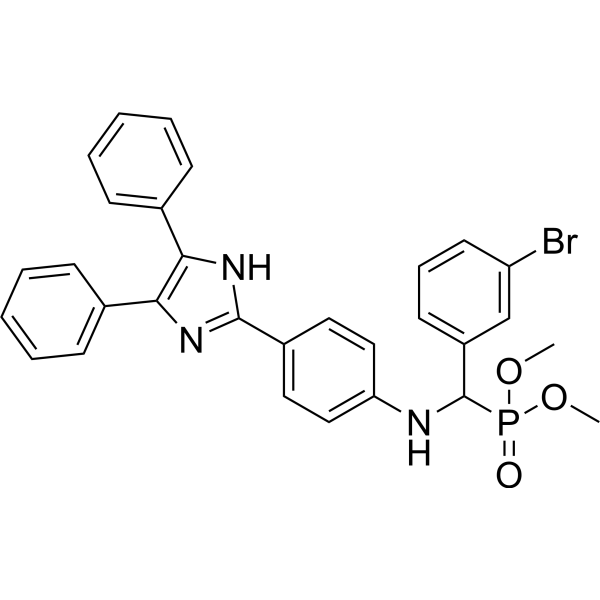
α-Amylase/α-Glucosidase-IN-5 (compound 4l) is a dual inhibitor of α-glucosidase (Glucosidase) and α-amylase (Amylases) with IC50s of 5.96 μM and 1.62 μM, respectively. α-Amylase/α-Glucosidase-IN-4 has potential antidiabetic activity .
|
-
-
- HY-156380
-
|
|
Amylases
Glycosidase
|
Metabolic Disease
|
|
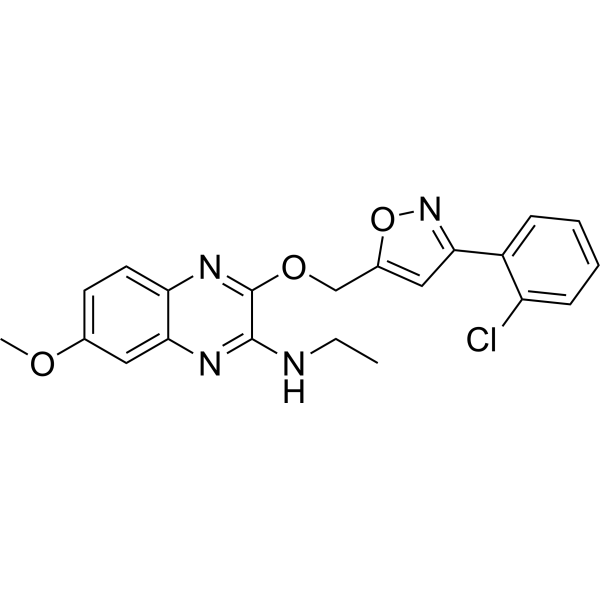
α-Amylase/α-Glucosidase-IN-6 (compound 5j) is a potent dual inhibitor of α-amylase and α-glucosidase, with IC50s of 17.0 and 40.1 µM, respectively. α-Amylase/α-Glucosidase-IN-6 exhibits anti-hyperglycemic activities .
|
-
-
- HY-168495
-
|
|
Amylases
Glycosidase
|
Metabolic Disease
|
|
α-Amylase-IN-12 (Compound 5e) is an α-amylase inhibitor (IC50: 0.15 mM) with a mixed inhibition. α-Amylase-IN-12 has an IC50 of 9.40 mM against α-glucosidase. α-Amylase-IN-12 promotes glucose uptake in yeast cells and exhibits significant antiglycation activity at high concentrations. α-Amylase-IN-12 can be used for the research of diabetes .
|
-

-
- HY-162169
-
|
|
Amylases
Glycosidase
|
Metabolic Disease
|
|
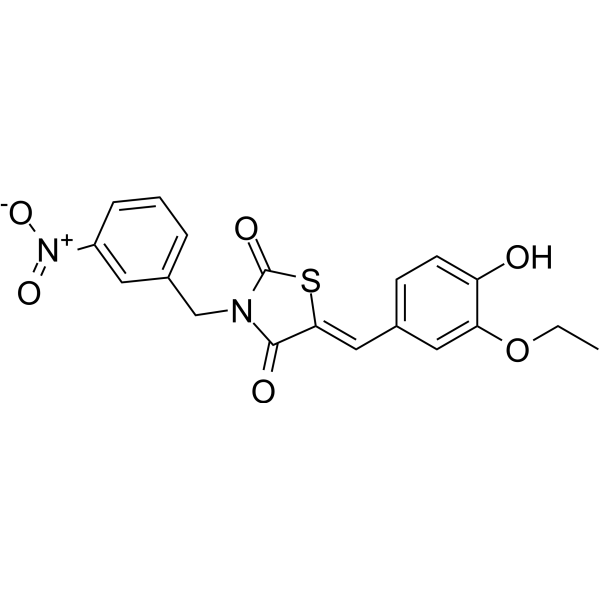
α-Amylase/α-Glucosidase-IN-8 (Compound 7p) is a potent dual inhibitor of α-amylase and α-glucosidase, with IC50s of 10.19 and 10.33 μM, respectively. α-Amylase/α-Glucosidase-IN-8 has good anti-oxidant activity(IC50 = 14.93 μM). α-Amylase/α-Glucosidase-IN-8 can be used for the research of diabetes .
|
-
-
- HY-N12263
-
|
|
Amylases
|
Metabolic Disease
|
|
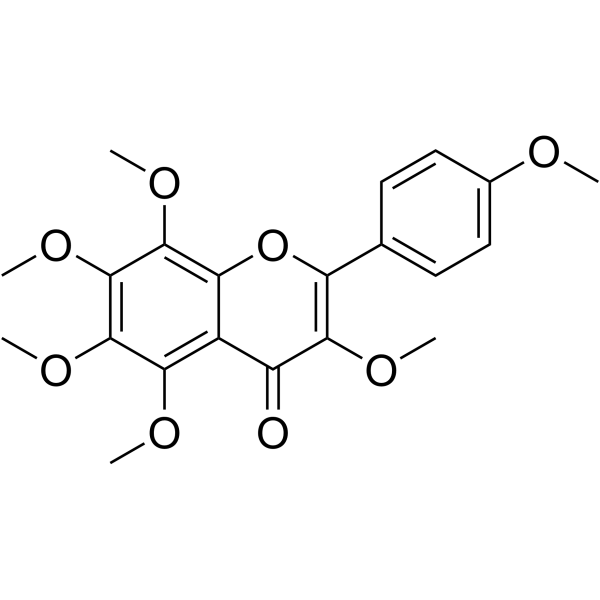
3,5,6,7,8,4'-Hexamethoxyflavone is a inhibitor of α-Amylase with the inhibitory activity of 28.3% at 500 μM .
|
-
-
- HY-172211
-
|
|
Amylases
Glycosidase
|
Metabolic Disease
Cancer
|
|
α-Amylase/α-Glucosidase-IN-17 (Compound 3) is an inhibitor of α-amylase and α-glucosidase, with IC50 values of 14.61 μM and 25.38 μM, respectively. α-Amylase/α-Glucosidase-IN-17 has certain inhibitory activity against A549 cancer cells. α-Amylase/α-Glucosidase-IN-17 has anti-tumor and anti-diabetic effects .
|
-

-
- HY-162390
-
|
|
Amylases
Glycosidase
|
Endocrinology
|
|
α-Amylase/α-Glucosidase-IN-11 (Compound 5d) is a isoxazolidine-isatin hybrid with significant antidiabetic activity. α-Amylase/α-Glucosidase-IN-11 competitively inhibits α-amylase (IC50 = 30.39 μM) and α-glucosidase (IC50 = 65.1 μM), two key digestive enzymes. α-Amylase/α-Glucosidase-IN-11 does not cross the blood-brain barrier .
|
-

-
- HY-N11844
-
|
|
Amylases
|
Metabolic Disease
|
|
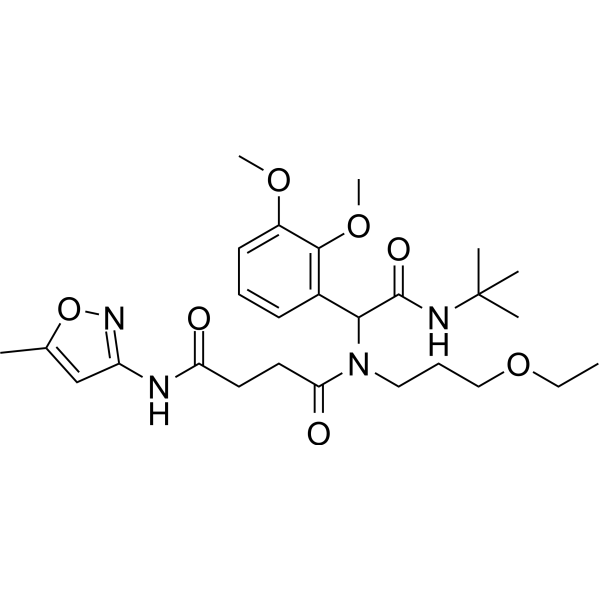
Quercetin 3-(6″-caffeoylsophoroside) is an orally active α-amylase inhibitor, with an IC50 of 73.66 μg/mL. Quercetin 3-(6″-caffeoylsophoroside) presents in thehydro-methanolic extract of Cardamine hirsuta Linn. Quercetin 3-(6″-caffeoylsophoroside) shows the antidiabetic activities by oxidative stress reduction and α-amylase inhibition. Quercetin 3-(6″-caffeoylsophoroside) can be used for diabetes mellitus research .
|
-
-
- HY-N10064
-
|
|
Others
|
Metabolic Disease
|
|
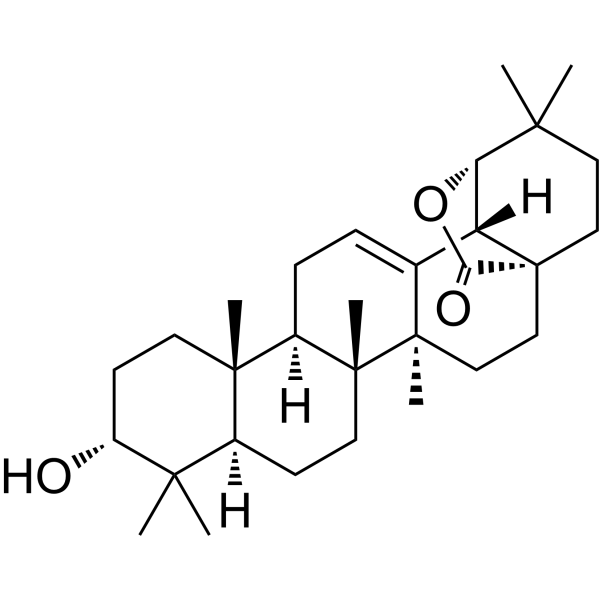
Ficusonolide has significant antidiabetic activity with a possible mechanism of interaction with dipeptidyl peptidase-IV (DPP-IV), protein tyrosine phosphatase 1B (PTP-1B), α-glucosidase, and α-amylase.
|
-
-
- HY-N7729
-
|
|
Amylases
Glycosidase
|
Metabolic Disease
|
|
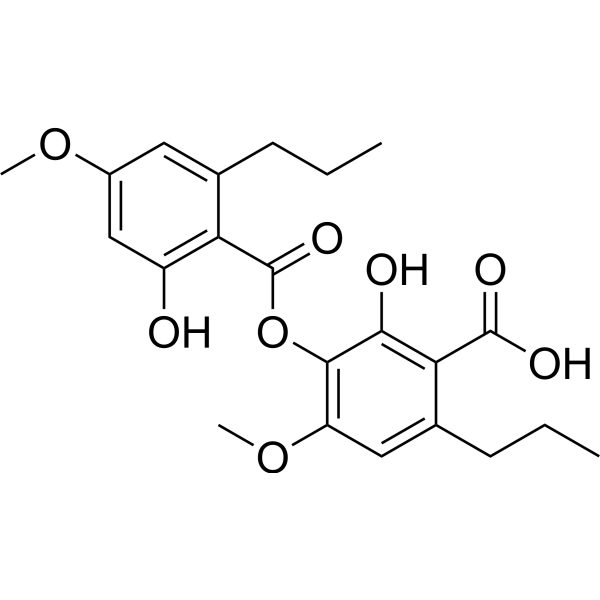
Sekikaic acid is an α-glucosidase (Glucosidase) and α-amylase (Amylases) inhibitor with hypolipidemic, antioxidant and antidiabetic activities. Sekikaic acid significantly reduces LDL, total cholesterol, and total glyceride levels and causes pancreatic beta cell regeneration .
|
-
-
- HY-N1425R
-
|
|
Reference Standards
Others
|
Metabolic Disease
|
|
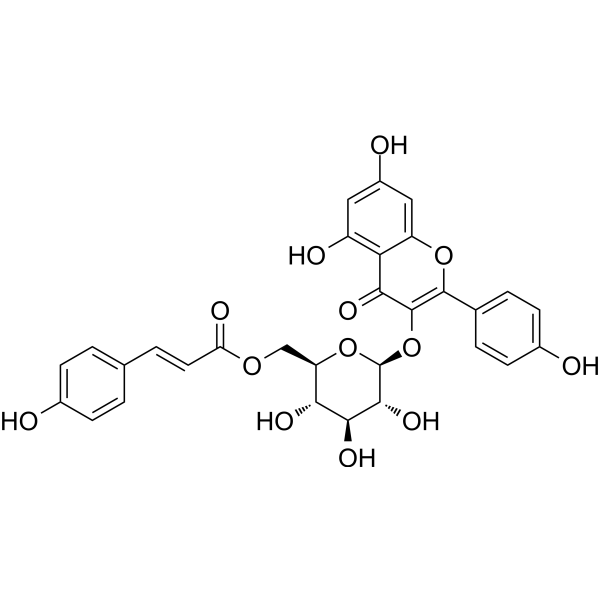
Tiliroside (Standard) is the analytical standard of Tiliroside. This product is intended for research and analytical applications. Tiliroside, a glycosidic flavonoid, possesses anti-diabetic activities. Tiliroside is a noncompetitive inhibitor of α-amylase with a Ki value of 84.2 μM. Tiliroside inhibits carbohydrate digestion and glucose absorption in the gastrointestinal tract .
|
-
-
- HY-N16656
-
|
|
Amylases
Glycosidase
|
Metabolic Disease
Inflammation/Immunology
|
|
Ladyginoside A is a triterpenoid saponin found in the leaves of Polyscias fruticosa (L.) Harms. Ladyginoside A has inhibitory activities against α-amylase and α-glucosidase, and can regulate carbohydrate metabolism. Ladyginoside A also exhibits potential anti-inflammatory and mast cell stabilizing effects. Ladyginoside A can be used for the researches of inflammation and metabolic disease, such as diabetes .
|
-

-
- HY-161429
-
|
|
Amylases
Glycosidase
|
Metabolic Disease
|
|
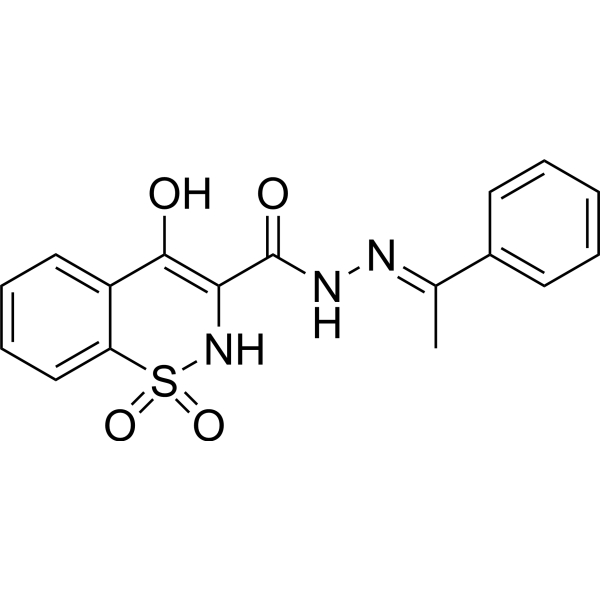
Antidiabetic agent 5 (compound S1) is a antidiabetic agent. Antidiabetic agent 5 inhibits the activity of α-glucosidase and α-amylase with IC50 values of 3.91,8.89 μM,respectively. Antidiabetic agent 5 decreases sugar levels. Antidiabetic agent 5 has the potential for the research of type-II diabetes .
|
-
-
- HY-159491
-
|
|
Dipeptidyl Peptidase
Glycosidase
Amylases
|
Metabolic Disease
|
|
DPP-4-IN-11 (compound 10) is an orally active DPP-4 inhibitor (IC50=2.75 μM) with anti-type 2 diabetes activity. DPP-4-IN-11 exerts its glucose-lowering effect by inhibiting the activities of α-glucosidase (IC50=3.02 μM) and α-amylase (IC50=3.3 μM) .
|
-

-
- HY-113159A
-
|
Clupanodonic acid sodium
|
Amylases
Glycosidase
|
Metabolic Disease
Inflammation/Immunology
|
|
Docosapentaenoic acid (22n-3) sodium is a component of phospholipids. Docosapentaenoic acid 22n-3 sodium has inhibitory activity against α-amylase and α-glucosidase, with IC50s value of 17 μg/mL and 22 μg/mL, respectively. Docosapentaenoic acid 22n-3 sodium increases cell vitality. Docosapentaenoic acid 22n-3 sodium has a weak anti-inflammatory effect .
|
-

-
- HY-168074
-
|
|
Amylases
Glycosidase
|
Metabolic Disease
Inflammation/Immunology
|
|
4″-C18 EGCG is a potent inhibitor of α-amylase and α-glucosidase with IC50 values of 3.74 and 0.81 μM, respectively. 4″-C18 EGCG inhibits carbohydrate hydrolases, reduces oxidative stress and inflammation, and exhibits antidiabetic activity. 4″-C18 EGCG also downregulates proinflammatory cytokines and is cytotoxic to primary human peripheral blood mononuclear cells (PBMCs), non-cancer cell lines 3T3-L1, and HEK 293 at 50 μM .
|
-

-
- HY-N4309A
-
|
|
Amylases
Glycosidase
|
Cardiovascular Disease
|
|
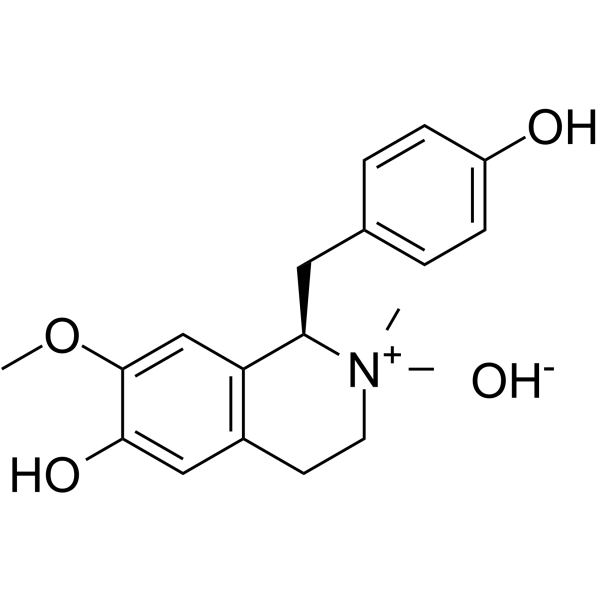
Lotusine hydroxide is an orally active signaling pathway modulator and enzyme inhibitor, with an IC50 of 30.60 μg/mL against α-amylase and an IC50 of 36.15 μg/mL against α-glucosidase. Lotusine hydroxide inhibits the EGFR-Akt-ERK signaling pathway by reducing the levels of phosphorylated EGFR, Akt and ERK. Lotusine hydroxide induces apoptosis, triggers G0/G1 cell cycle arrest and inhibits cancer cell proliferation. Lotusine hydroxide reduces lipid peroxidation and increases the activities of SOD, CAT and GPx. Lotusine hydroxide is applicable to researches related to non-small cell lung cancer, type 2 diabetes and autism spectrum disorder .
|
-
-
- HY-168185
-
|
|
Glycosidase
Phosphatase
Amylases
|
Metabolic Disease
|
|
α-glucosidase/PTP1B-IN-1 (compound 8a) is a potent α-glucosidase and PTP1B inhibitor with an IC50 value of 66.3 μM and 47.0 μM, respectively. α-glucosidase/PTP1B-IN-1 exhibits excellent activities against α-amylase with an IC50 of 30.62 μM. α-glucosidase/PTP1B-IN-1 can dock into the active pockets of α-glucosidase and PTP1B. α-glucosidase/PTP1B-IN-1 has potential to reduce the postprandial blood glucose and is used for Type 2 diabetes mellitus .
|
-

-
- HY-N2376R
-
|
|
Reference Standards
Glycosidase
Amylases
NF-κB
|
Metabolic Disease
Inflammation/Immunology
|
|
Chrysin-7-O-glucuronide (Standard) is the analytical standard of Chrysin-7-O-glucuronide (Hy-N2376). This product is intended for research and analytical applications. Chrysin-7-O-glucuronide is a flavonoid found in Scutellaria baicalensis. Chrysin-7-O-glucuronide inhibits α-glucosidase and α-amylase with IC50 values of 612.13 and 980.73 μg/mL. Chrysin-7-O-glucuronide suppresses NF-κB signaling activity. Chrysin-7-O-glucuronide scavenges free radicals, acts as a tight junction protector, and mitigates intestinal mucosal barrier injury. Chrysin-7-O-glucuronide can be used for the research of type 2 diabetes and severe acute pancreatitis-induced intestinal mucosal barrier injury .
|
-

-
- HY-N17215
-
|
3,4,6-Trigalloylglucose
|
Amylases
Glycosidase
|
Metabolic Disease
Inflammation/Immunology
|
|
3,4,6-Tri-O-galloyl-D-glucose (3,4,6-Trigalloylglucose) is an α-amylase (porcine α-amylase IC50 = 334.6 μM; Ki = 307.5 μM) and α-glucosidase (yeast α-glucosidase IC50 = 46.5 μM; Ki = 39.9 μM) mixed type inhibitor. 3,4,6-Tri-O-galloyl-D-glucose exhibits free radical scavenging ability, ferric-reducing power, and antioxidant activity. 3,4,6-Tri-O-galloyl-D-glucose can be used for the research of diabetes .
|
-

-
- HY-P2055
-
|
|
Endogenous Metabolite
|
Endocrinology
|
|
A-57696 is a cholecystokinin antagonist with selective activity at cortical CCK-B receptors (IC50 = 25 nM). A-57696 behaves as a competitive antagonist in reversing CCK8-stimulated pancreatic alpha-amylase secretion and phosphatidylinositol degradation. A-57696 fails to induce gallbladder contraction and inhibits CCK8-induced contraction. A-57696 behaves as a partial agonist at CCK-B/gastrin receptors on NCI-H345 cells, achieving 80% of the maximal CCK8 response. A-57696 and CCK8 inhibit each other in a calcium mobilization assay .
|
-

-
- HY-N17674
-
|
|
Amylases
|
Metabolic Disease
|
|
Luteolin 4'-O-β-D-glucuronopyranoside is a flavonoid glycoside. Luteolin 4'-O-β-D-glucuronopyranoside can be isolated from the aerial parts of C. rotundus L.. Luteolin 4'-O-β-D-glucuronopyranoside inhibits α-amylase. Luteolin 4'-O-β-D-glucuronopyranoside shows antioxidant activity. Luteolin 4'-O-β-D-glucuronopyranoside can be used in research on diabetes .
|
-

- HY-Y0598R
-
|
|
Fatty Acid Synthase (FASN)
Reference Standards
Apoptosis
Fungal
|
Inflammation/Immunology
Cancer
|
|
trans-Chalcone (Standard) is the analytical standard of trans-Chalcone (HY-Y0598). This product is intended for research and analytical applications. trans-Chalcone, isolated from Aronia melanocarpa skin, is a biphenolic core structure of flavonoids precursor. trans-Chalcone is a potent fatty acid synthase (FAS) and α-amylase inhibitor. trans-Chalcone causes cellcycle arrest and induces apoptosis in the breastcancer cell line MCF-7. trans-Chalcone has antifungal and anticancer activity .
|
-

- HY-172832
-
|
|
Drug Metabolite
Amylases
Glycosidase
|
Metabolic Disease
Inflammation/Immunology
|
|
(±)7(8)-DiHDTE is a metabolite of Docosapentaenoic acid (22n-3) (HY-113159). Docosapentaenoic acid (22n-3) is a component of phospholipids. Docosapentaenoic acid 22n-3 has inhibitory activity against α-amylase and α-glucosidase with IC50s of 17 and 22 μg/mL, respectively. Docosapentaenoic acid 22n-3 increases cell vitality. Docosapentaenoic acid 22n-3 has a weak anti-inflammatory effect .
|
-

- HY-N18049
-
|
|
Amylases
|
Metabolic Disease
|
|
Decussatin is an α-Amylases inhibitor isolated from the Tibetan medicinal plant Swertia mussotii. By inhibiting the catalytic activity of α-Amylases, Decussatin reduces the hydrolysis of complex carbohydrates such as starch and the intestinal absorption of glucose, thereby lowering blood glucose levels in the body. Decussatin shows no significant in vitro antibacterial or antifungal activity. Decussatin can be used for the research of type 2 diabetes .
|
-

- HY-N11721
-
|
|
SOD
Lipase
|
Metabolic Disease
|
|
5-Hydroxyaloin A is a polyphenolic antioxidant agent. 5-Hydroxyaloin A forms hydrogen bonding interactions at lipase’s active site and SOD’s active site with low binding energy. 5-Hydroxyaloin A inhibits microsomal lipid peroxidation induced by ferrous-cysteine, reducing malondialdehyde production. 5-Hydroxyaloin A can be used for the research of obesity .
|
-

| Cat. No. |
Product Name |
Type |
-
- HY-153102
-
|
|
Biochemical Assay Reagents
|
|
G3-CNP is an α-amylase substrate. The absorbance of G3-CNP cleavage product 2-chloro-4-nitrophenol is measured at 405 nm, which can be used to detect enzyme activity .
|
-
- HY-160113
-
|
|
Biochemical Assay Reagents
|
|
Sodium phosphate buffer 0.02 M, pH 6.9 is a commonly used aqueous biological buffer that maintains a stable pH value. Sodium phosphate buffer 0.02 M, pH 6.9 is often used in enzyme activity assays, such as α-amylase assays. Sodium phosphate buffer 0.02 M, pH 6.9 is prepared by mixing disodium hydrogen phosphate (Na2HPO4) (HY-B2243) and sodium dihydrogen phosphate (NaH2PO4) (HY-Y0308) to a total concentration of 0.02 M .
|
-
- HY-N1731
-
|
|
Biochemical Assay Reagents
|
|
2'-Hydroxy-5'-methoxyacetophenone is an acetophenone derivative with acaricidal activities. 2'-Hydroxy-5'-methoxyacetophenone attenuates the inflammatory response via NF-κB signaling pathway. 2'-Hydroxy-5'-methoxyacetophenone exhibits significant inhibitory activity against α-amylase, collagenase and aldose reductase (AR) with IC50s of 0.928, 3.264 and 20.046 μM, highlighting its potential in combating diabetes. 2'-Hydroxy-5'-methoxyacetophenone exhibits anti-ovarian cancer activity .
|
| Cat. No. |
Product Name |
Target |
Research Area |
-
- HY-P2055
-
|
|
Endogenous Metabolite
|
Endocrinology
|
|
A-57696 is a cholecystokinin antagonist with selective activity at cortical CCK-B receptors (IC50 = 25 nM). A-57696 behaves as a competitive antagonist in reversing CCK8-stimulated pancreatic alpha-amylase secretion and phosphatidylinositol degradation. A-57696 fails to induce gallbladder contraction and inhibits CCK8-induced contraction. A-57696 behaves as a partial agonist at CCK-B/gastrin receptors on NCI-H345 cells, achieving 80% of the maximal CCK8 response. A-57696 and CCK8 inhibit each other in a calcium mobilization assay .
|
| Cat. No. |
Product Name |
Category |
Target |
Chemical Structure |
-
- HY-132179
-
-
-
- HY-113159
-
-
-
- HY-N1425
-
-
-
- HY-126052
-
-
-
- HY-N2376
-
-
-
- HY-Y0598
-
-
-
- HY-N8599
-
-
-
- HY-N4309
-
-
-
- HY-200541
-
-
-
- HY-N12999
-
-
-
- HY-N10413
-
-
-
- HY-N9454
-
|
|
Structural Classification
Monophenols
other families
Classification of Application Fields
Ketones, Aldehydes, Acids
Phenols
Plants
Disease Research Fields
Source Classification
Cancer
|
Pregnane X Receptor (PXR)
COX
NF-κB
Amylases
β-glucuronidase
DNA/RNA Synthesis
Amyloid-β
NOD-like Receptor (NLR)
Pyroptosis
|
|
Garcinoic acid is an orally active anti-inflammatory agent that crosses the blood-brain barrier. Garcinoic acid also enhances efferocytosis and enzyme/receptor regulation, and selectively inhibits human COX-2, porcine α-amylase, Saccharomyces cerevisiae α-glucosidase and human DNA polymerase β (IC50=11 μM), as well as activates human PXR. Garcinoic acid enhances macrophage efferocytosis via receptors such as MerTK and LRP-1, and promotes the production of pro-resolving lipid mediators. Garcinoic acid inhibits NF-κB activation and pro-inflammatory cytokine secretion, interferes with Aβ aggregation, downregulates NLRP3 inflammasome activity, and binds to targets including CD44 and EGFR to inhibit leukemia cell proliferation. The pharmacological activities of Garcinoic acid, such as antioxidant, anti-inflammatory and lipid metabolism-regulating effects, are widely used in studies related to various diseases including atherosclerosis, Alzheimer's disease, type 2 diabetes, inflammatory bowel disease and viral pneumonia .
|
-
-
- HY-N8134
-
-
-
- HY-N12263
-
-
-
- HY-N11844
-
|
|
Natural Products
Cardamine hirsuta L.
Plants
Brassicaceae
Source Classification
|
Amylases
|
|
Quercetin 3-(6″-caffeoylsophoroside) is an orally active α-amylase inhibitor, with an IC50 of 73.66 μg/mL. Quercetin 3-(6″-caffeoylsophoroside) presents in thehydro-methanolic extract of Cardamine hirsuta Linn. Quercetin 3-(6″-caffeoylsophoroside) shows the antidiabetic activities by oxidative stress reduction and α-amylase inhibition. Quercetin 3-(6″-caffeoylsophoroside) can be used for diabetes mellitus research .
|
-
-
- HY-N10064
-
-
-
- HY-N7729
-
-
-
- HY-N1425R
-
-
-
- HY-N16656
-
-
-
- HY-N4309A
-
-
-
- HY-N2376R
-
-
-
- HY-N17215
-
|
3,4,6-Trigalloylglucose
|
Structural Classification
Natural Products
Euphorbia fischeriana Steud.
Euphorbiaceae
Plants
Source Classification
|
Amylases
Glycosidase
|
|
3,4,6-Tri-O-galloyl-D-glucose (3,4,6-Trigalloylglucose) is an α-amylase (porcine α-amylase IC50 = 334.6 μM; Ki = 307.5 μM) and α-glucosidase (yeast α-glucosidase IC50 = 46.5 μM; Ki = 39.9 μM) mixed type inhibitor. 3,4,6-Tri-O-galloyl-D-glucose exhibits free radical scavenging ability, ferric-reducing power, and antioxidant activity. 3,4,6-Tri-O-galloyl-D-glucose can be used for the research of diabetes .
|
-
-
- HY-N17674
-
-
-
- HY-Y0598R
-
-
-
- HY-N18049
-
|
|
Structural Classification
Monophenols
Gentianaceae
Phenols
Swertia mussotii Franch.
Plants
Source Classification
|
Amylases
|
|
Decussatin is an α-Amylases inhibitor isolated from the Tibetan medicinal plant Swertia mussotii. By inhibiting the catalytic activity of α-Amylases, Decussatin reduces the hydrolysis of complex carbohydrates such as starch and the intestinal absorption of glucose, thereby lowering blood glucose levels in the body. Decussatin shows no significant in vitro antibacterial or antifungal activity. Decussatin can be used for the research of type 2 diabetes .
|
-
-
- HY-N11721
-
-
Your information is safe with us. * Required Fields.
Inquiry Information
- Product Name:
- Cat. No.:
- Quantity:
- MCE Japan Authorized Agent:








