Search Result
Results for "
4,7-dihydroxy-1-(p-hydroxybenzyl)-2-methoxy-9,10-dihydrophenanthrene
" in MedChemExpress (MCE) Product Catalog:
6
Isotope-Labeled Compounds
| Cat. No. |
Product Name |
Target |
Research Areas |
Chemical Structure |
-
- HY-Y0892
-
-
-
- HY-B1419
-
|
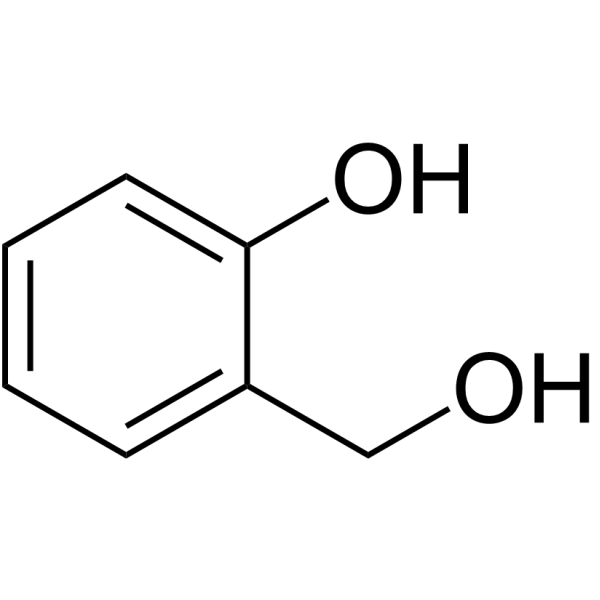
2-hydroxybenzyl alcohol; Saligenin
|
Drug Intermediate
Bacterial
|
Others
|
|
Salicyl alcohol (2-Hydroxybenzyl alcohol; Saligenin) is a phenolic alcohol-type topical anesthetic and strong sensitizer with antiseptic, antibacterial and antipyretic activities. Salicyl alcohol serves as a precursor for salicin synthesis. Salicyl alcohol induces contact dermatitis and eczematous skin reactions, and is a well-known allergen identified in phenolic resins. Salicyl alcohol is isolated from the barks of European aspen (Populus tremula), rowan (Sorbus aucuparia) and willow (Salix spp.). Salicyl alcohol is used in studies related to allergic contact dermatitis .
|
-
-
- HY-N4102
-
|
|
Apoptosis
JNK
FOXO
Reactive Oxygen Species (ROS)
Caspase
|
Neurological Disease
|
|
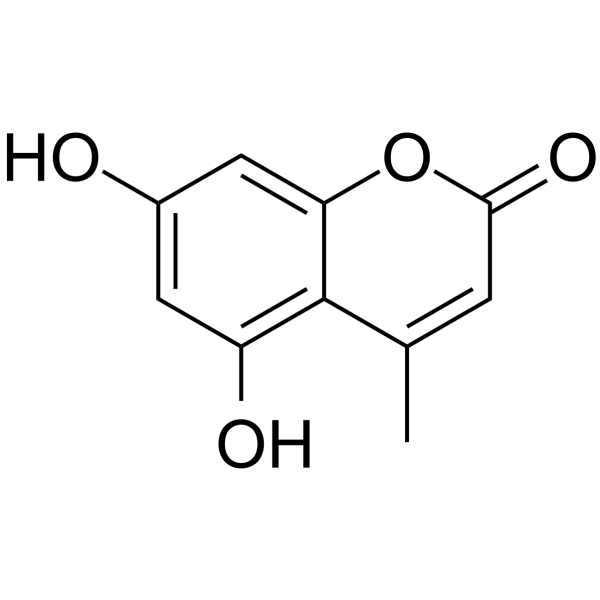
5,7-Dihydroxy-4-methylcoumarin is an antioxidant. 5,7-Dihydroxy-4-methylcoumarin protects mouse cochlear hair cells from Cisplatin-induced damage, enhances cell viability and inhibits apoptosis. 5,7-Dihydroxy-4-methylcoumarin downregulates phosphorylated JNK levels, increases the ratio of phosphorylated FoxO1 to total FoxO1, scavenges free radicals, reduces ROS accumulation, maintains mitochondrial membrane potential and alleviates mitochondrial dysfunction. 5,7-Dihydroxy-4-methylcoumarin downregulates the expression of caspase-3 and improves cell viability. 5,7-Dihydroxy-4-methylcoumarin can be used in studies related to ototoxicity .
|
-
-
- HY-W007416
-
-

-
- HY-18775
-
|
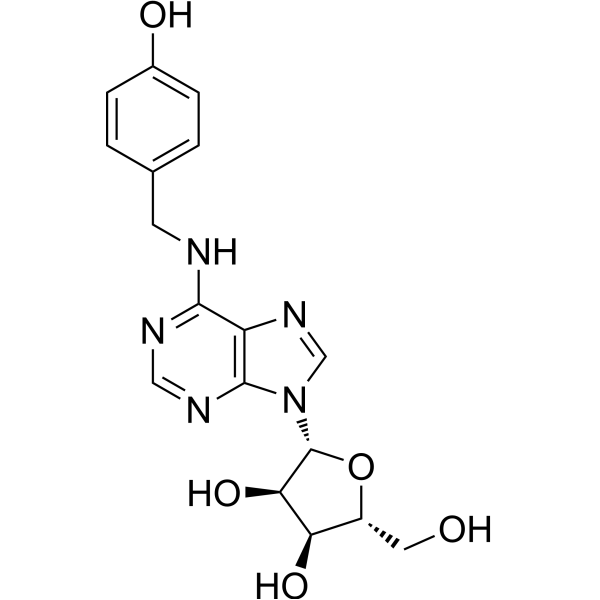
Para-topolin riboside
|
P2Y Receptor
|
Cardiovascular Disease
|
|
N6-(4-Hydroxybenzyl)adenosine is a inhibitor of platelet aggregation induced in vitro by collagen and their activity range was demonstrated (IC50: 6.77-141 μM).
|
-
-
- HY-76801
-
-
-
- HY-W015823
-
|
|
Endogenous Metabolite
|
Others
|
|
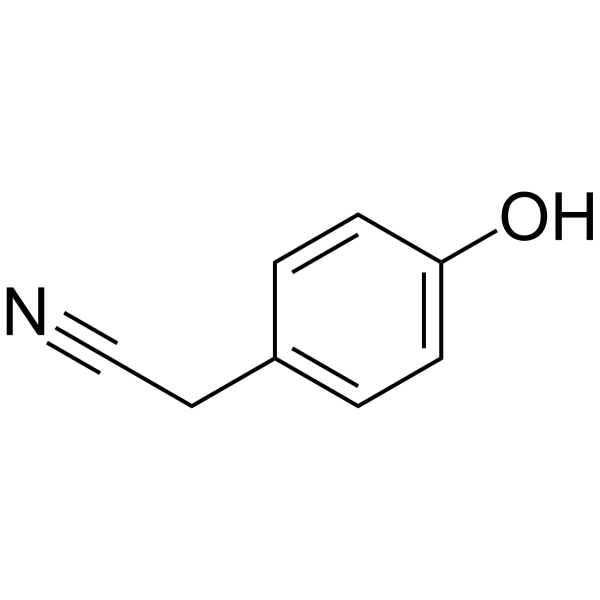
4-Hydroxybenzyl cyanide is an aromatic nitrile compound and also a precursor for tyramine synthesis. 4-Hydroxybenzyl cyanide exhibits strong antioxidant activity .
|
-
-
- HY-W014701
-
-

-
- HY-N8796
-
|
|
Endogenous Metabolite
|
Cancer
|
|
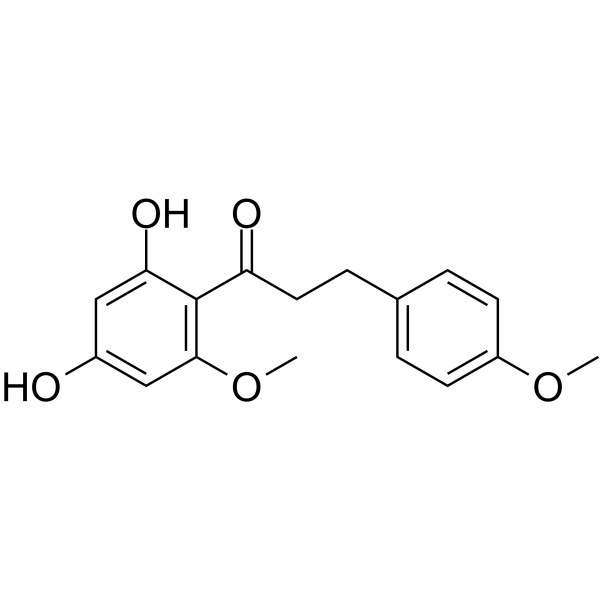
2',4'-Dihydroxy-4,6'-diMethoxydihydrochalcone is a dihydrochalcone compound isolated from Iryanthera juruensis Warb. 2',4'-Dihydroxy-4,6'-diMethoxydihydrochalcone is a major cytotoxic metabolite when tested against a panel of cancer cell lines .
|
-
-
- HY-N8115
-
|
|
Others
|
Neurological Disease
|
|
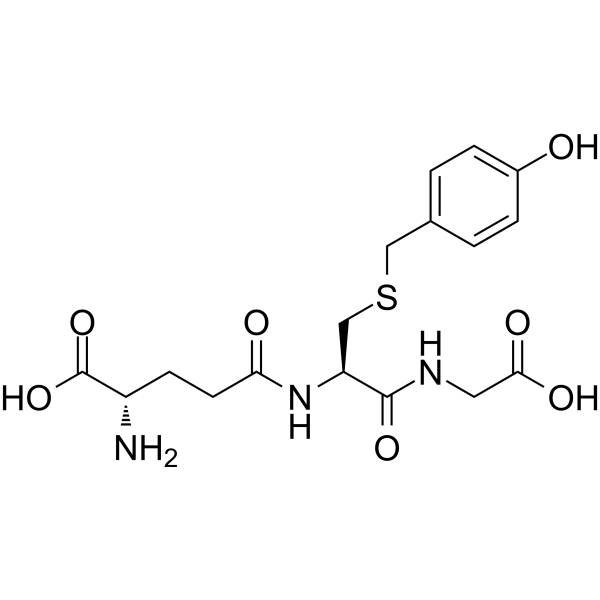
S-(4-Hydroxybenzyl)glutathione is a glutathione derivative. S-(4-Hydroxybenzyl)glutathione inhibits the in vitro binding of kainic acid to brain glutamate receptors, with an IC50 of 2 μM .
|
-
-
- HY-Y0892R
-
-

-
- HY-N10885
-
|
|
Others
|
Others
|
|
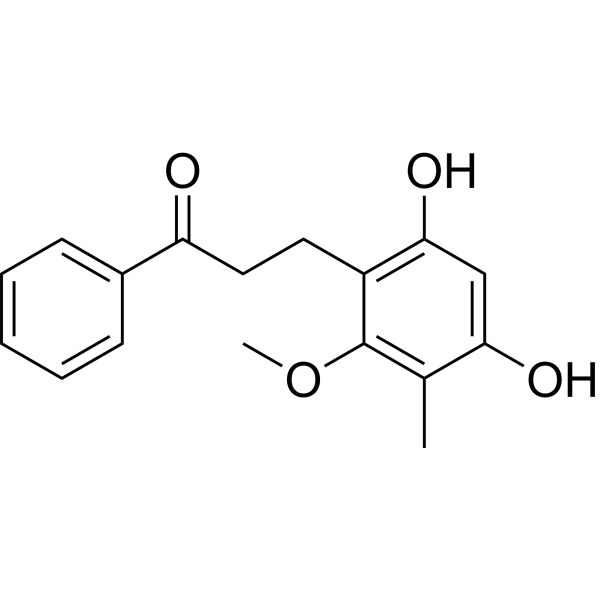
α,β-Dihydro-4,6-dihydroxy-2-methoxy-3-methylchalcone (compound 7) is a nature product that could be isolated from dragons blood of Daemonorops draco .
|
-
-
- HY-N12792
-
|
|
Others
|
Cancer
|
|
5,8-Dihydroxy-3',4',6,7-tetramethoxyflavone (Compound 8) is a flavonoid with anticancer activity. 5,8-Dihydroxy-3',4',6,7-tetramethoxyflavone can be isolated from Euryops arabicus .
|
-

-
- HY-N10853
-
|
|
Others
|
Cancer
|
|
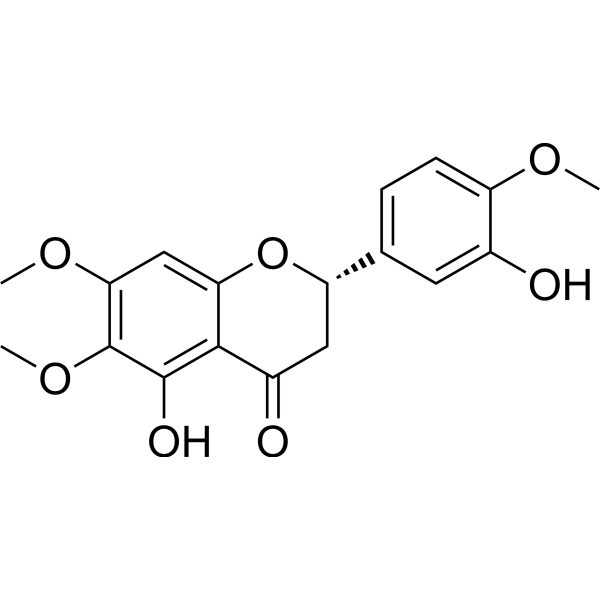
3′,5-Dihydroxy-4′,6,7-trimethoxyflavanone is a nature product that could be isolated from the fruits of Vitex rotundifolia. 3′,5-Dihydroxy-4′,6,7-trimethoxyflavanone has potent cytotoxic activity against A549 and HepG-2 cell lines .
|
-
-
- HY-N16606
-
|
|
Drug Derivative
NO Synthase
|
Inflammation/Immunology
|
|
2,4-Dihydroxy-6-methoxy-3,5-diprenylacetophenone (Compound 8) is an Acetophenone (HY-Y0989) derivative found in Acronychia oligophlebia. 2,4-Dihydroxy-6-methoxy-3,5-diprenylacetophenone exhibits anti-inflammatory and antioxidant activities. 2,4-Dihydroxy-6-methoxy-3,5-diprenylacetophenone can inhibit LPS (HY-D1056)-induced NO production (IC50 = 34.5 μM) and scavenge DPPH free radical (SC50 = 0.15 mM). 2,4-Dihydroxy-6-methoxy-3,5-diprenylacetophenone can be used for the research of inflammation .
|
-

-
- HY-N10882
-
|
|
Others
|
Others
|
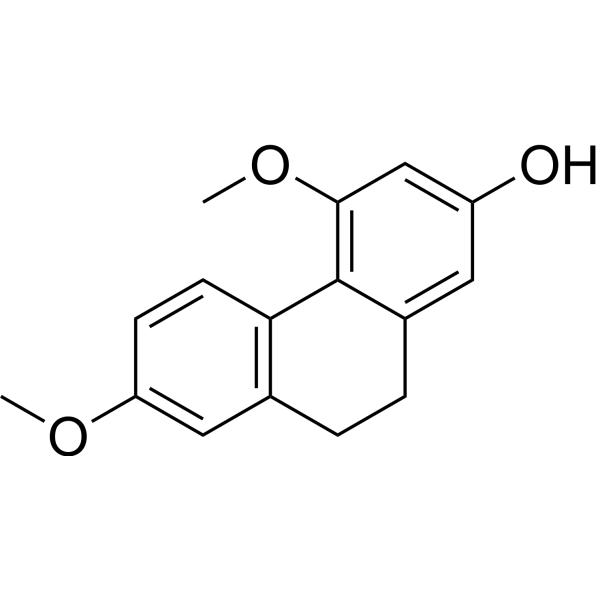
2-Hydroxy4,7-dimethoxy-9,10-dihydrophenanthrene is a natural product, isolated from the stem of Dendrobium nobile .
|
-
-
- HY-N1875
-
|
p-hydroxybenzyl Et ether
|
Estrogen Receptor/ERR
|
Inflammation/Immunology
|
|
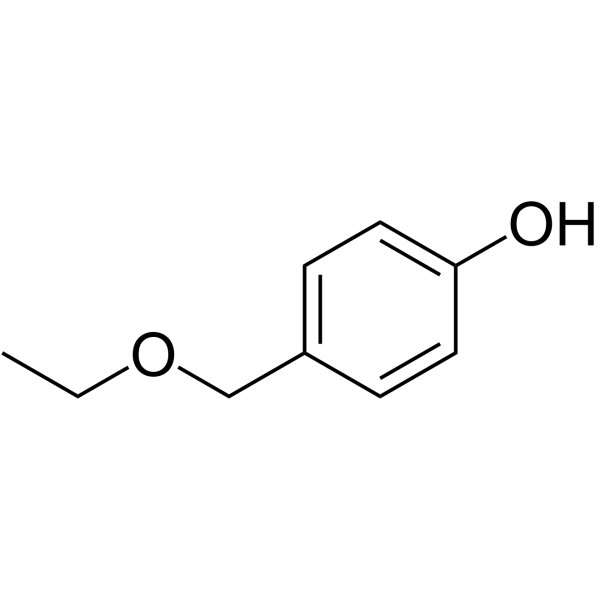
4-(Ethoxymethyl)phenol (p-Hydroxybenzyl Et ether) is a potent antioxidant from Amburana cearensis leaf extract, with in vitro cytogenotoxic properties. Amburana cearensis leaves can be used foe the research of respiratory diseases and inflammations .
|
-
-
- HY-N10692
-
|
|
Others
|
Cancer
|
|
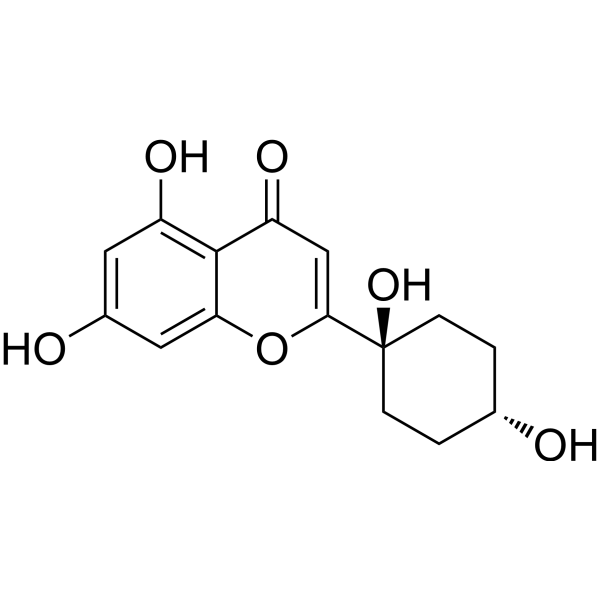
2-(trans-1,4-Dihydroxy-cyclohexyl)-5,7-dihydroxy-chromone is a flavone derivative that can be found in macrothelypteris torresiana. 2-(trans-1,4-Dihydroxy-cyclohexyl)-5,7-dihydroxy-chromone shows cytotoxic .
|
-
-
- HY-N9736
-
|
|
Calcineurin
|
Infection
Neurological Disease
Inflammation/Immunology
|
|
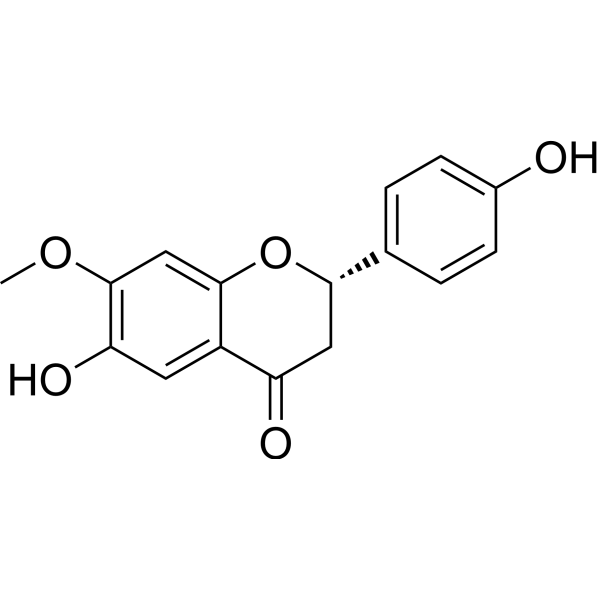
6,4'-Dihydroxy-7-methoxyflavanone, a flavonoid, is a nature product that could be isolated from Heartwood Dalbergia odorifera. 6,4'-Dihydroxy-7-methoxyflavanone inhibits receptor activators of nuclear factor kappa-B ligand (RANKL) induced osteoclastogenesis. 6,4'-Dihydroxy-7-methoxyflavanone has antioxidant, anti-inflammatory and neuroprotective effects. 6,4'-Dihydroxy-7-methoxyflavanone can be used in research of osteoporosis .
|
-
-
- HY-W036197
-
|
2,5-dihydroxy-p-benzenediacetic acid
|
MOFs
|
Others
|
|
2,2'-(2,5-Dihydroxy-1,4-phenylene)diacetic acid (2,5-Dihydroxy-p-benzenediacetic acid) is a metal-organic framework (MOF).
|
-

-
- HY-W102837
-
|
|
Biochemical Assay Reagents
|
Others
|
|
2,3-Dihydroxy-6,7-Difluoroquinoxaline (Compound 2) is an intermediate in organic synthesis. 2,3-Dihydroxy-6,7-Difluoroquinoxaline can be used in research on polymer solar cells .
|
-

-
- HY-N7181
-
|
Pterosonin E
|
Others
|
Cancer
|
|
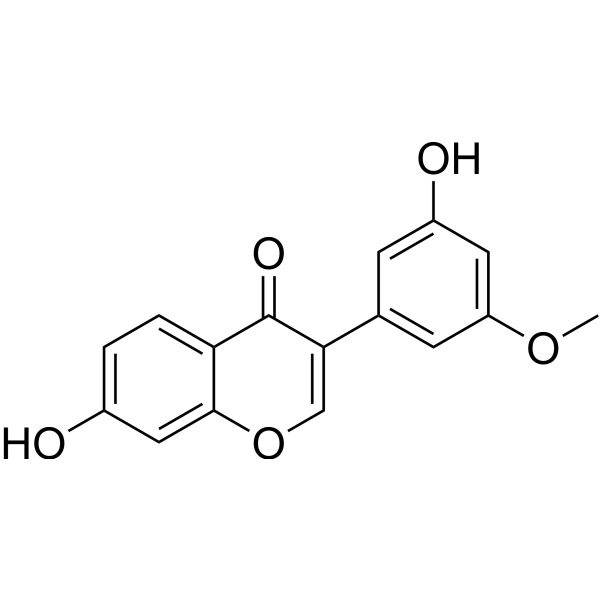
7,3'-Dihydroxy-5'-methoxyisoflavone (Pterosonin E) is an arylcoumarin. 7,3'-Dihydroxy-5'-methoxyisoflavone can be used for various biochemical studies .
|
-
-
- HY-166316
-
-

-
- HY-N1000
-
|
|
Others
|
Others
|
|
1,7-Dihydroxy-3-methoxy-2-prenylxanthone is a Xanthones product that can be isolated from the fruits of Garcinia mangostana .
|
-

-
- HY-N11999
-
|
|
Glycosidase
|
Others
|
|
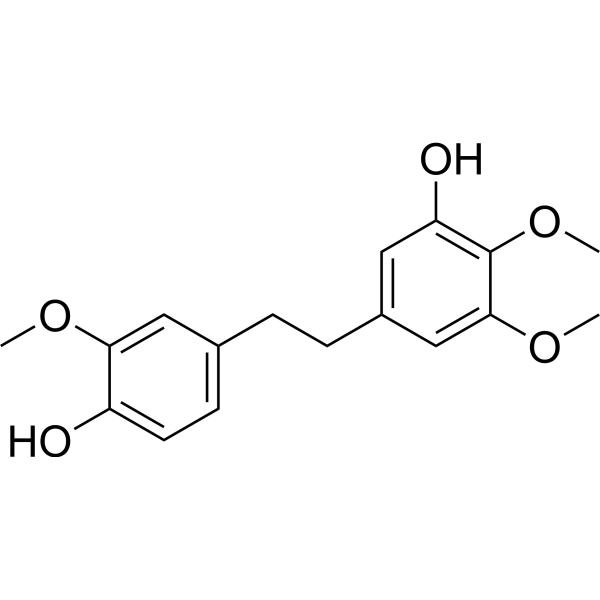
5,4'-Dihydroxy-3,4,3'-trimethoxybibenzyl (compound 8) can be isolated from Dendrobium infundibulum (D. infundibulum). 5,4'-Dihydroxy-3,4,3'-trimethoxybibenzyl has no inhibitory activity against α-glucosidase and pancreatic lipase .
|
-
-
- HY-N10896
-
|
|
Others
|
Others
|
|
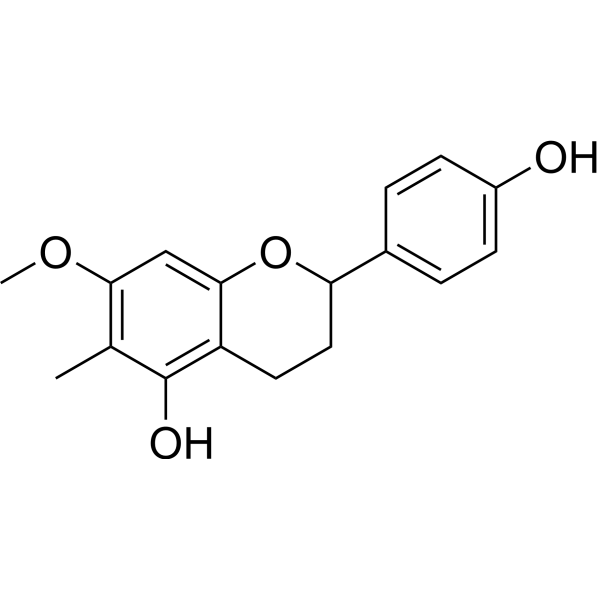
5,4'-Dihydroxy-7-methoxy-6-methylflavane (compound 15) is a natural product that can be found in Chinese Dragon’s Blood .
|
-
-
- HY-N9294
-
|
|
Biochemical Assay Reagents
|
Others
|
|
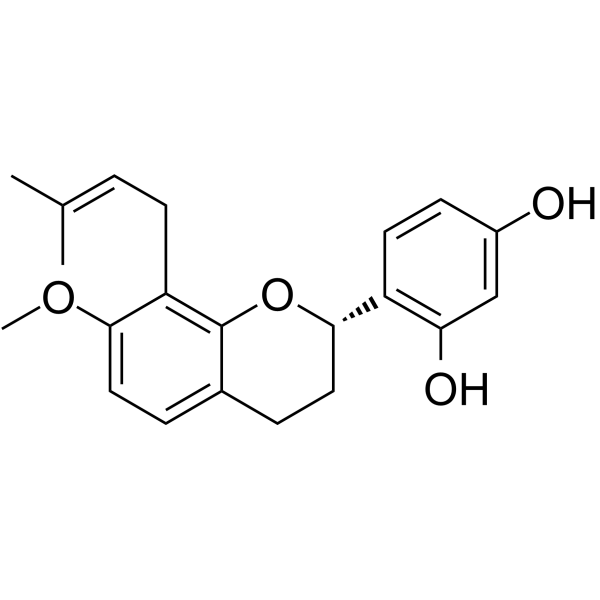
2',4'-Dihydroxy-7-methoxy-8-prenylflavan (compound 6) is a compound isolated from a chloroform-soluble extract of dried Morus alba fruits .
|
-
-
- HY-N7155
-
|
|
Reactive Oxygen Species (ROS)
|
Inflammation/Immunology
|
|
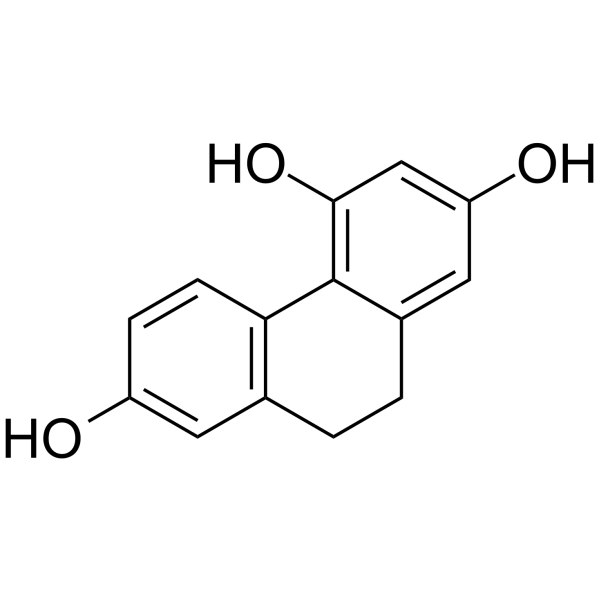
2,4,7-Trihydroxy-9,10-dihydrophenanthrene is a dihydrophenanthrene derivative that can be isolated from the air-dried whole plant of Pholidota chinensis Lindl.. 2,4,7-Trihydroxy-9,10-dihydrophenanthrene shows potent activities of IC50 at 16.2 μM in DPPH radical-scavenging assay .
|
-
-
- HY-128913
-
|
|
Bacterial
|
Infection
|
|
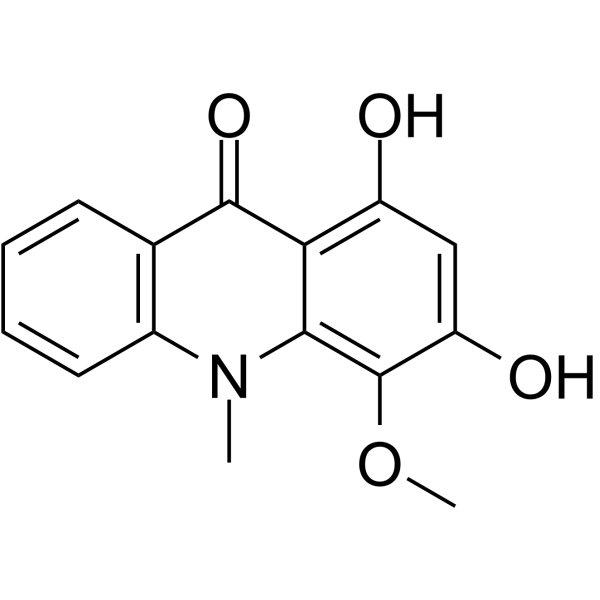
1,3-Dihydroxy-4-methoxy-10-methylacridin-9(10H)-one is an acridone alkaloid compound isolated from the fruits of Z. leprieurii and Z. zanthoxyloides. 1,3-Dihydroxy-4-methoxy-10-methylacridin-9(10H)-one has antibacterial activity .
|
-
-
- HY-N10856
-
|
|
Others
|
Others
|
|
6-[(1R,2S)-2,3-dihydroxy-1-methoxy-3-methylbutyl]-7-methoxy- can be isolated from Angelica dahurica stem, for the first time from a plant source .
|
-
![2H-1-Benzopyran-2-one, 6-[(1R,2S)-2,3-dihydroxy-1-methoxy-3-methylbutyl]-7-methoxy-](//file.medchemexpress.com/product_pic/hy-n10856.gif)
-
- HY-N8192
-
|
|
Others
|
Others
|
|
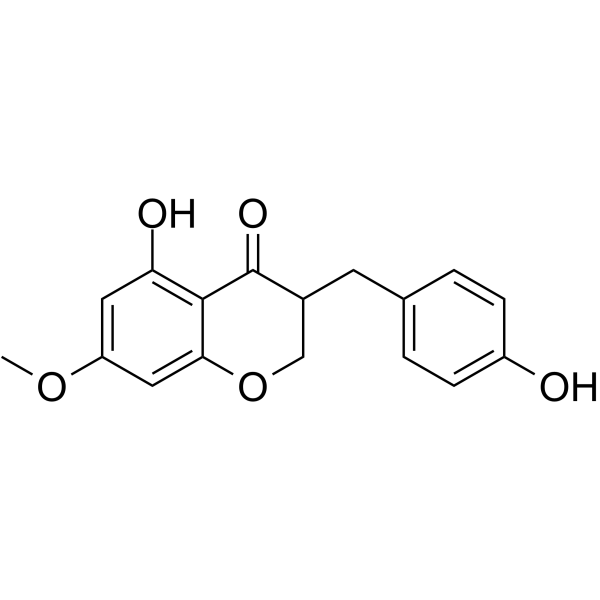
5-Hydroxy-3-(4-hydroxybenzyl)-7-methoxychroman-4-one (4a) is a natural compound .
|
-
-
- HY-W564704
-
|
|
Drug Derivative
|
Metabolic Disease
|
|
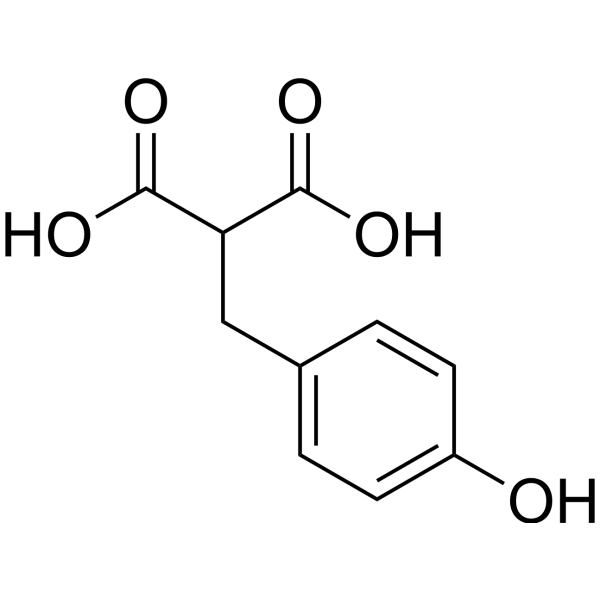
(p-Hydroxybenzyl)malonic acid is a hydroxyphenyl derivative capable of inhibiting insulin-induced lipogenesis in rat adipocytes with an IC50 value of 3.8 μM .
|
-
-
- HY-N8917
-
|
|
Phosphatase
|
Metabolic Disease
|
|
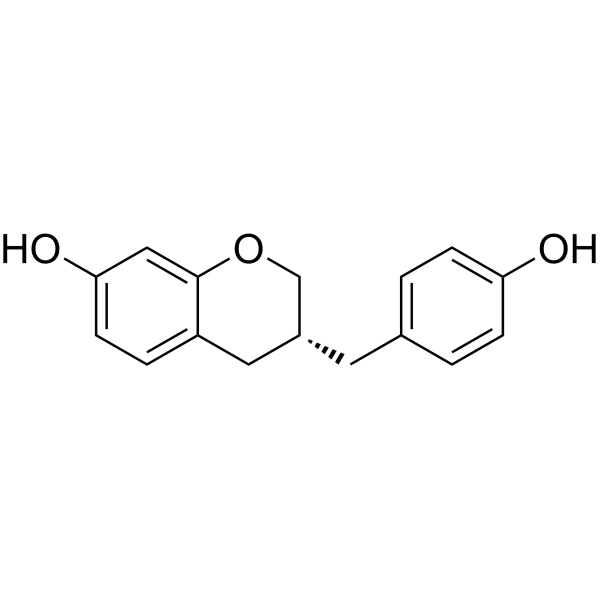
(3R)-7-hydroxy-3-(4-hydroxybenzyl)chromane is a homoisoflavonoid. (3R)-7-hydroxy-3-(4-hydroxybenzyl)chromane increases the level of alkaline phosphatase (ALP) activity. (3R)-7-hydroxy-3-(4-hydroxybenzyl)chromane promotes mesenchymal stem cells (MSCs) osteogenesis, but cannot enhance MSCs proliferation. (3R)-7-hydroxy-3-(4-hydroxybenzyl)chromane can be used for osteoporosis research .
|
-
-
- HY-W010677R
-
|
Tris-(3,5-di-tert-butyl-4-hydroxybenzyl)-isocyanurate (Standard)
|
Reference Standards
|
|
|
1,3,5-Tris(3,5-di-tert-butyl-4-hydroxybenzyl)-1,3,5-triazinane-2,4,6-trione (Standard) is the analytical standard of 1,3,5-Tris(3,5-di-tert-butyl-4-hydroxybenzyl)-1,3,5-triazinane-2,4,6-trione. This product is intended for research and analytical applications.
|
-

-
- HY-N17845
-
|
|
Microtubule/Tubulin
|
Cancer
|
|
3,3'-Dihydroxy-2,6-bis(4-hydroxybenzyl)-5-methoxybibenzyl, a stilbenoid compound, is a tubulin inhibitor with an IC50 of 10 μM. 3,3'-Dihydroxy-2,6-bis(4-hydroxybenzyl)-5-methoxybibenzyl inhibits tubulin polymerization. 3,3'-Dihydroxy-2,6-bis(4-hydroxybenzyl)-5-methoxybibenzyl functions as a potentiator that potentiates SN-38 (HY-13704) cytotoxicity in BCRP-transduced cancer cells. 3,3'-Dihydroxy-2,6-bis(4-hydroxybenzyl)-5-methoxybibenzyl can be used for the study of breast cancer .
|
-

-
- HY-CE00465
-
|
1,4-dihydroxy-2-naphthoyl-coenzyme A
|
Biochemical Assay Reagents
|
Metabolic Disease
|
|
1,4-Dihydroxy-2-naphthoyl-CoA (1,4-Dihydroxy-2-naphthoyl-coenzyme A) is an acyl-CoA that results from the formal condensation of the thiol group of coenzyme A with the carboxy group of 1,4-dihydroxy-2-naphthoic acid.
|
-

-
- HY-CE00632
-
-

-
- HY-N9695
-
|
|
Fungal
|
Infection
|
|
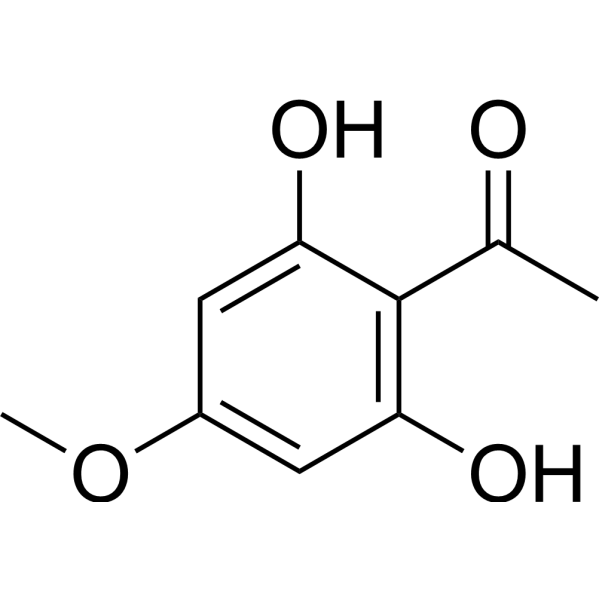
2,6-Dihydroxy-4-methoxyacetophenone is a phytoalexin, that can be isolated from the root tissue of Sanguisorba minor. 2,6-Dihydroxy-4-methoxyacetophenone exhibits antifungal activity. 2,6-Dihydroxy-4-methoxyacetophenone is a strong germination inhibitor on B. cinerea .
|
-
-
- HY-170041
-
-

-
- HY-CE00290
-
|
(2S)-2-((R)-hydroxybenzyl)succinyl-coenzyme A
|
Biochemical Assay Reagents
|
Metabolic Disease
|
|
(R,S)-(Hydroxy(phenyl)methyl)succinyl-CoA ((2S)-2-((R)-Hydroxybenzyl)succinyl-coenzyme A) is a [hydroxy(phenyl)methyl]succinyl-CoA.
|
-

-
- HY-N4102R
-
|
|
Reference Standards
Fungal
Bacterial
|
Infection
|
|
5,7-Dihydroxy-4-methylcoumarin (Standard) is the analytical standard of 5,7-Dihydroxy-4-methylcoumarin. This product is intended for research and analytical applications. 5,7-Dihydroxy-4-methylcoumarin is a coumarin derivative from Mexican tarragon. 5,7-Dihydroxy-4-methylcoumarin possesses antifungal and antibacterial activities .
|
-

-
- HY-154723
-
|
|
Nucleoside Antimetabolite/Analog
|
Cancer
|
|
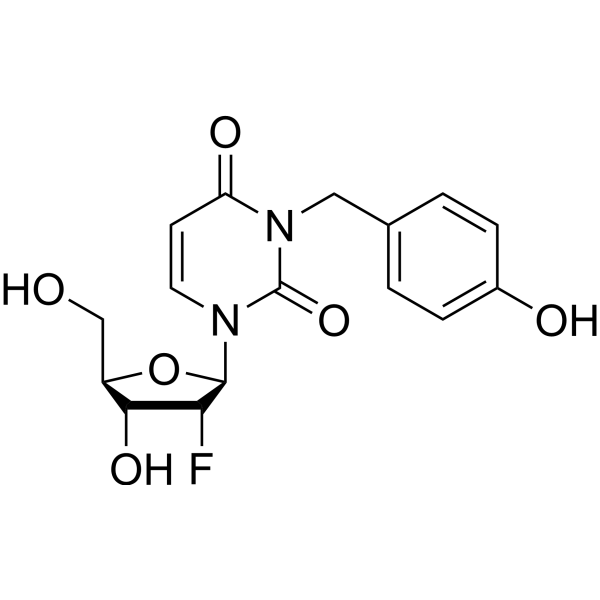
2’-Deoxy-2’-fluoro-N3-(4-hydroxybenzyl)uridine is a purine nucleoside analog. Purine nucleoside analogs have broad antitumor activity targeting indolent lymphoid malignancies. Anticancer mechanisms in this process rely on inhibition of DNA synthesis, induction of apoptosis, etc .
|
-
-
- HY-143930S
-
-
-
- HY-D0064
-
|
|
Aldose Reductase
|
Metabolic Disease
|
|
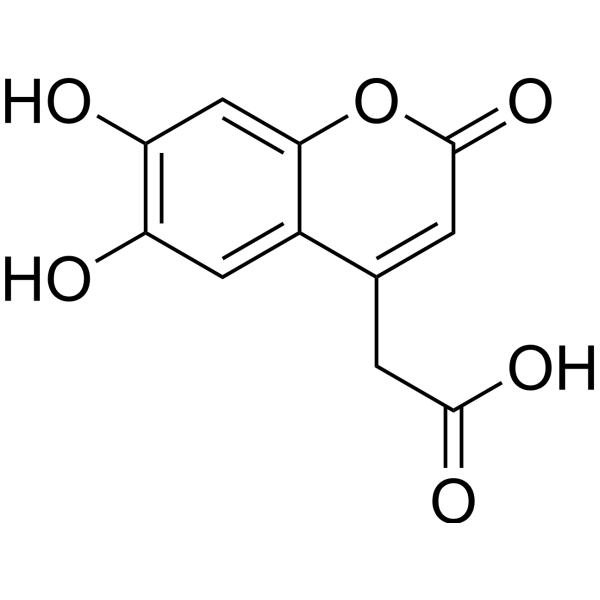
6,7-Dihydroxy-4-coumarinylacetic acid is a potent and selective inhibitor of ALR2. 6,7-Dihydroxy-4-coumarinylacetic acid inhibits ALR2, SDH andALR1 with IC50s of 9.6, 288 and 66.3 μM, respectively. 6,7-Dihydroxy-4-coumarinylacetic acid clearly suppresses galactitol accumulation .
|
-
-
- HY-134628S
-
-
-
- HY-166025
-
-

-
- HY-N13837
-
|
|
Drug Derivative
HSV
|
Infection
Cancer
|
|
2-Methoxy-1,6-dimethyl-5-vinyl-9,10-dihydrophenanthren-7-ol (Compound 1) is a 9,10-dihydrophenanthrene derivative. 2-Methoxy-1,6-dimethyl-5-vinyl-9,10-dihydrophenanthren-7-ol can be isolated from Juncus compressus. 2-Methoxy-1,6-dimethyl-5-vinyl-9,10-dihydrophenanthren-7-ol exhibits anticancer activity against cervical and ovarian cancers. 2-Methoxy-1,6-dimethyl-5-vinyl-9,10-dihydrophenanthren-7-ol can be used for HSV-2 virus research .
|
-

-
- HY-W014701R
-
|
|
Reference Standards
Aryl Hydrocarbon Receptor
Cytochrome P450
Apoptosis
Interleukin Related
|
Neurological Disease
Inflammation/Immunology
Endocrinology
|
|
1,4-Dihydroxy-2-naphthoic acid (Standard) is the analytical standard for 1,4-Dihydroxy-2-naphthoic acid (HY-W014701). 1,4-Dihydroxy-2-naphthoic acid is an orally active aryl hydrocarbon receptor (AhR) agonist and a bifidogenic growth stimulator. 1,4-Dihydroxy-2-naphthoic acid can improve the motor dysfunction in parkinson's disease (PD) model through AhR-dependent and -independent pathways. 1,4-Dihydroxy-2-naphthoic acid exerts anti-inflammatory effects by regulating the gut microbiota (such as promoting the proliferation of Bifidobacterium) and directly regulating the host immune system. 1,4-Dihydroxy-2-naphthoic acid induces apoptosis through G0/G1 cell cycle arrest in human keratinocyte to inhibit psoriasis .
|
-

-
- HY-W670700
-
|
|
MMP
|
Others
|
|
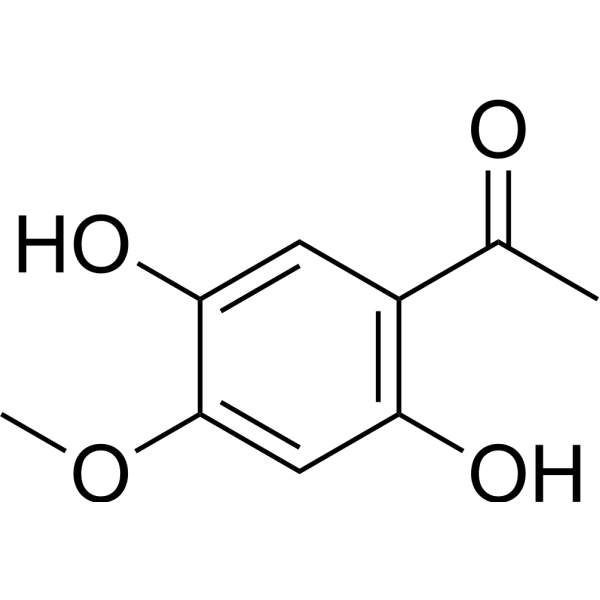
2,5-Dihydroxy-4-methoxyacetophenone (compounds 3) can be isolated from the 80% methanol extract of roots of Cynanchum paniculatum Kitagawa. 2,5-Dihydroxy-4-methoxyacetophenone inhibits glutamate-induced cytotoxicity in hippocampal HT22 cell line . 2,5-Dihydroxy-4-methoxyacetophenone significantly inhibites MMP-13 expression in SW1353 cells, and have the potential for alleviating cartilage degradation .
|
-
-
- HY-N8691
-
|
|
Parasite
|
Infection
Inflammation/Immunology
|
|
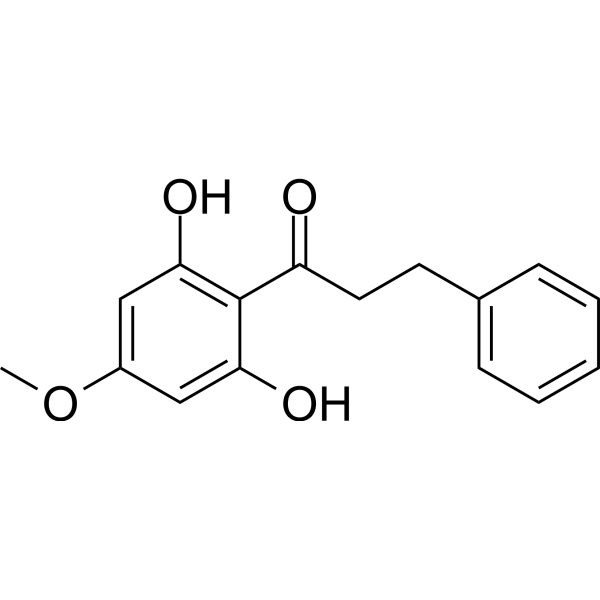
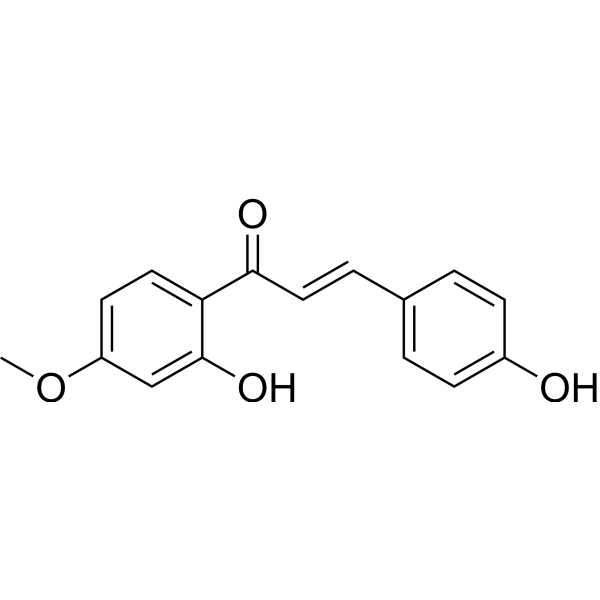
2',6'-Dihydroxy-4'-methoxydihydrochalcone is an orally active dihydrochalcone compound with antiplasmodial and anti-inflammatory activities. 2',6'-Dihydroxy-4'-methoxydihydrochalcone reduces the IL-1β, TNF, and nitrite levels in vitro .
|
-
- HY-N8577
-
-
- HY-132383S
-
-
- HY-N9311
-
|
|
Drug Intermediate
Drug Derivative
|
Others
|
|
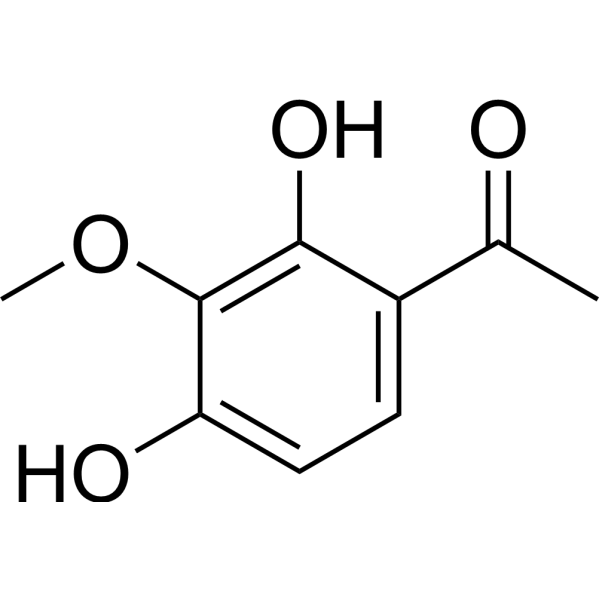
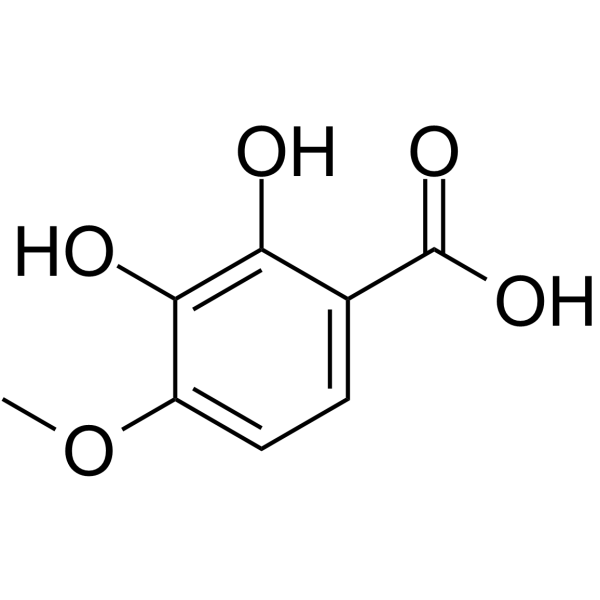
2,3-Dihydroxy-4-methoxybenzoic acid is a Benzoic acid (HY-N0216) derivative that can be isolated from extracted from sweet cherry fruits (Prunus avium). 2,3-Dihydroxy-4-methoxybenzoic acid can be used as an organic synthesis intermediate used for the synthesis of active molecules .
|
-
- HY-148677S
-
-
- HY-N8690
-
-
- HY-N12786
-
|
|
Others
|
Others
|
|
1,3-Dihydroxy-2-methoxyxanthone is a xanthone and can be isolated from Polygala caudata .
|
-

- HY-W752433
-
|
|
Others
|
Others
|
|
7,4'-Dihydroxy-3'-methoxyflavanone is a flavonoid isolated from the seeds of A. nanus and A. mongolicus .
|
-

- HY-N12321
-
|
|
Others
|
Metabolic Disease
|
|
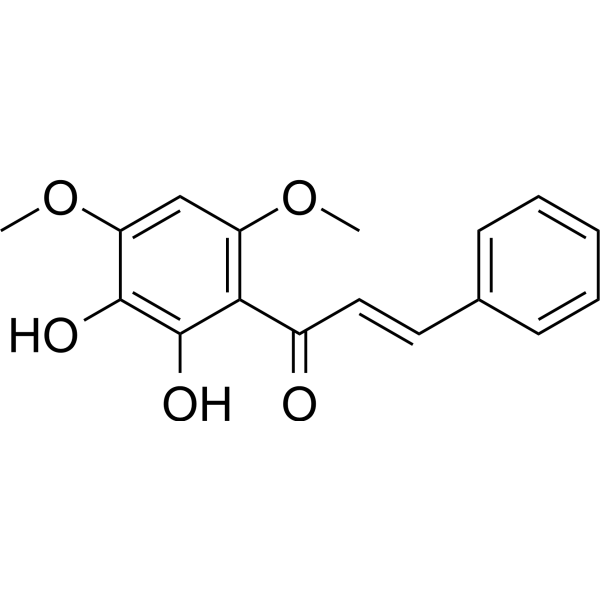
2',3'-Dihydroxy-4',6'-dimethoxychalcone (compound 1) can inhibit Amyloid β-protein (Aβ42) fibrillization and aggregation. 2',3'-Dihydroxy-4',6'-dimethoxychalcone has oral activity and can be detected in the brain .
|
-
- HY-N14557
-
|
|
Fungal
|
Infection
|
|
1,6-Dihydroxy-2-chlorophenazine has weak anti-fungal and anti-yeast activity .
|
-

- HY-21297
-
|
|
iGluR
|
Neurological Disease
|
|
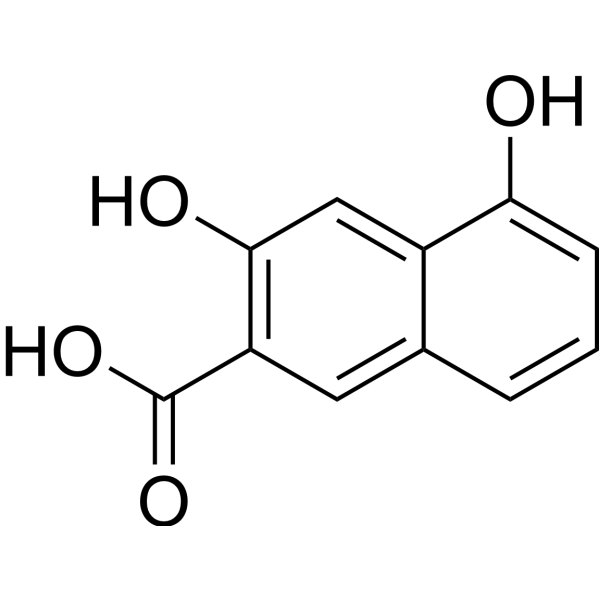
3,5-Dihydroxy-2-naphthoic acid is a Naphthoic acid derivative. Naphthoic acid is a NMDA receptor allosteric modulator .
|
-
- HY-108416
-
|
|
Drug Intermediate
|
Others
|
|
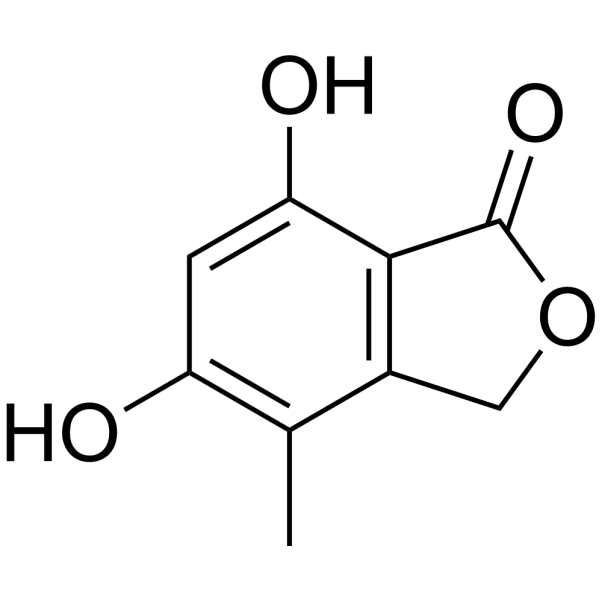
5,7-Dihydroxy-4-methylphthalide is a key intermediate in the synthesis of Mycophenolic acid and a secondary metabolite of Aspergillus flavus .
|
-
- HY-N8665
-
|
|
Others
|
Others
|
|
1,7-Dihydroxy-4-methoxyxanthone is a Xanthones product that can be isolated from the woods of Cratoxylum maingayi. .
|
-

- HY-N9732
-
|
|
Others
|
Others
|
|
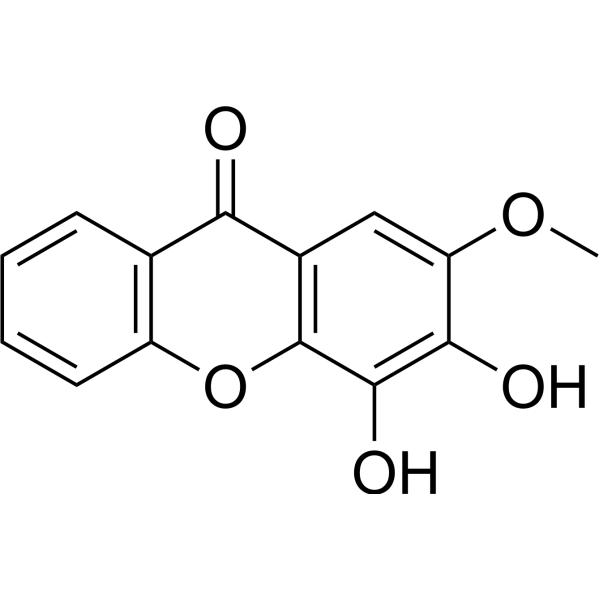
3,4-Dihydroxy-2-methoxyxanthone is a natural product, that can be isolated from the roots of Hypericum oblongifolium .
|
-
- HY-Z9082
-
-

- HY-N12803
-
|
|
Others
|
Others
|
|
2,5-Dihydroxy-7-methoxyflavanone is a flavonoid compound that can be isolated from the stem bark of F. enghiana .
|
-

- HY-N9269
-
|
|
Others
|
Others
|
|
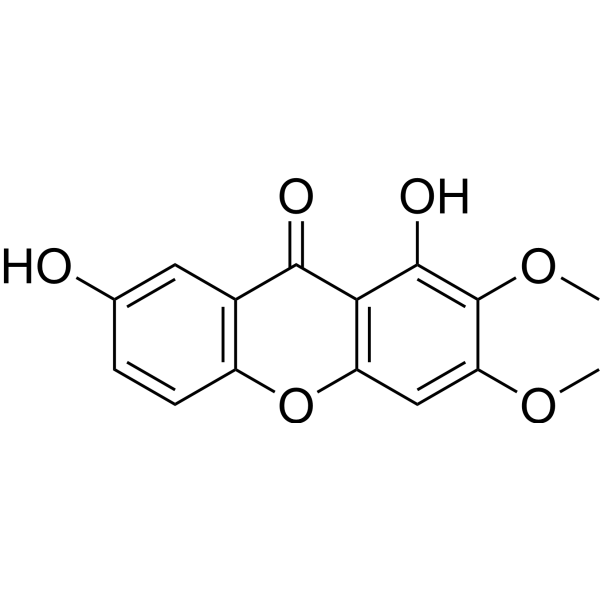
1,7-Dihydroxy-2,3-dimethoxyxanthone is a xanthone that can be found in Polygala cyparissias .
|
-
- HY-166321
-
-

- HY-N1665
-
|
|
Others
|
Cancer
|
|
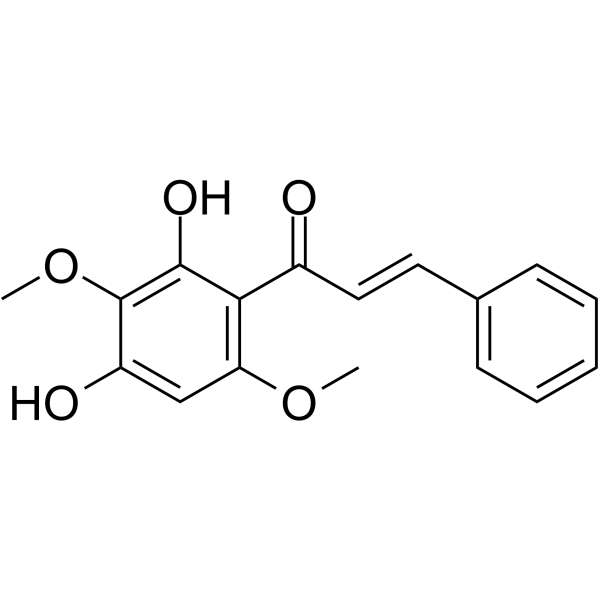
2',4'-Dihydroxy-3',6'-dimethoxychalcone is a natural product that can be isolated from Polygonum Lapathifolium. 2',4'-Dihydroxy-3',6'-dimethoxychalcone inhibits the growth of CCRF-CEM leukaemia cells and CEM/ADR5000 cells, with IC50 values of 10.67 and 18.60 μM, respectively .
|
-
- HY-N3291
-
|
|
Others
|
Others
|
|
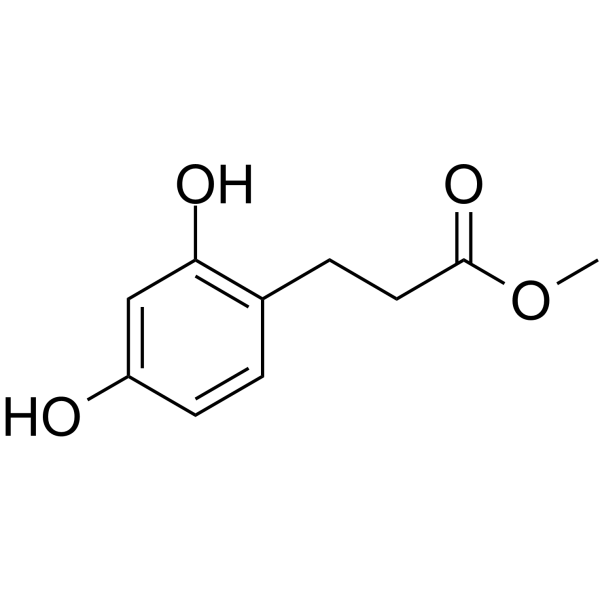
Methyl-3-(2,4-dihydroxy phenyl) propanoate is a phenylpropanoic ester with antifeedant activity .
|
-
- HY-W016470
-
|
|
Drug Derivative
|
Cancer
|
|
9,10-Dihydrophenanthrene is an analogue of 9,10-Phenanthrenequinone (HY-W014507). 9,10-Dihydrophenanthrene loses its anti-tumor activity that induces apoptosis in HCT-116 and HL-60 tumor cells .
|
-

- HY-W1049916
-
|
|
MOFs
|
Others
|
|
9,10-dihydrophenanthrene-2,7-dicarboxylic acid is a metal-organic framework (MOF).
|
-

- HY-W015823R
-
-

- HY-N10966
-
|
|
Others
|
Others
|
|
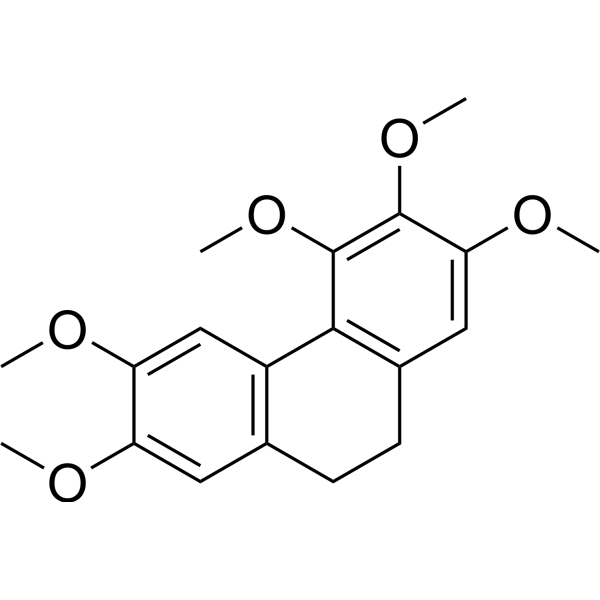
2,3,4,6,7-Pentamethoxy-9,10-dihydrophenanthrene is an active compound. 2,3,4,6,7-Pentamethoxy-9,10-dihydrophenanthrene can be isolated from Bulbophyllum vaginatum .
|
-
- HY-W106835S1
-
-

- HY-N17716
-
|
4'-O-β-D-Glucosyl-7-methoxy-eriodictiol
|
Others
|
Infection
|
|
4'-O-β-D-Glucosyl-5,3'-dihydroxy-7-methoxyflavanone (Compound 3) (4'-O-β-D-Glucosyl-7-methoxy-eriodictiol) is a flavonoid. 4'-O-β-D-Glucosyl-5,3'-dihydroxy-7-methoxyflavanone can be isolated from the plant Aerva persica.
|
-

- HY-132699S
-
-

- HY-N2660
-
|
|
Others
|
Others
|
|
5,7-Dihydroxy-2-isopropylchromone (Compound 9) is a chromone derivative. 5,7-Dihydroxy-2-isopropylchromone can be isolated from the leaves of Hypericum ascyron .
|
-

- HY-N17885
-
|
|
Others
|
Others
|
|
16a,17-Dihydroxy lepenine (compound 1) is a C20 diterpenoid alkaloid with an atisine-denudatine skeleton. 16a,17-Dihydroxy lepenine can be isolated from the lateral roots of Aconitum carmichaelii .
|
-

- HY-N9907
-
|
|
Bacterial
|
Infection
|
|
7,3′-Dihydroxy-8,4′-dimethoxyisoflavone is an isoflavone Antibacterial agent. 7,3′-Dihydroxy-8,4′-dimethoxyisoflavone is isolated from the stems of S. parviflorus. 7,3′-Dihydroxy-8,4′-dimethoxyisoflavone exhibits weak antibacterial activity against Gram-positive and Gram-negative bacterial strains. 7,3′-Dihydroxy-8,4′-dimethoxyisoflavone can be used in the research of bacterial infections .
|
-

- HY-E71156
-
|
|
Biochemical Assay Reagents
|
Others
|
|
1,4-Dihydroxy-2-naphthoate polyprenyltransferase (EC 2.5.1.74) catalyses a step in the synthesis of menaquinone, in which the prenyl chain synthesized by polyprenyl diphosphate synthase is transferred to 1,4-Dihydroxy-2-naphthoate (DHNA) . 1,4-Dihydroxy-2-naphthoate polyprenyltransferase (EC 2.5.1.74) is an inner membrane protein, with the C-terminus located in the periplasm. 1,4-Dihydroxy-2-naphthoate polyprenyltransferase (EC 2.5.1.74) is highly specific for DHNA but not for a specific length of the prenyl chain.
|
-

- HY-CE00132
-
|
(3R)-3,5-dihydroxy-3-methylpentanoyl-coenzyme A
|
Biochemical Assay Reagents
|
Others
|
|
(3R)-3,5-Dihydroxy-3-methylpentanoyl-CoA ((3R)-3,5-Dihydroxy-3-methylpentanoyl-coenzyme A) is a derivative of Coenzyme A (HY-128851).
|
-

- HY-N9034
-
-

- HY-N9822
-
-

- HY-N8949
-
-

- HY-N17843
-
|
|
Others
|
Inflammation/Immunology
|
|
3,8-Dihydroxy-1,2-dimethoxyanthraquinone is an anthraquinone found in the roots of Morinda officinalis How. 3,8-Dihydroxy-1,2-dimethoxyanthraquinone does not inhibit LPS (HY-D1056)-stimulated NO production with an IC50 >50 μM .
|
-

- HY-N13654
-
|
|
Others
|
Others
|
|
1,3-Dihydroxy-2,4-diprenylacridone is a natural product .
|
-

- HY-N13815
-
-

- HY-N13640
-
|
|
Others
|
Others
|
|
7,4'-Dihydroxy-6,8-diprenylflavanone is a natural product .
|
-

- HY-N13674
-
|
|
Others
|
Others
|
|
1,5-Dihydroxy-6,7-dimethoxyxanthone is a natural product .
|
-

- HY-N14558
-
|
|
Others
|
Neurological Disease
|
|
3',8-Dihydroxy-4',6,7-trimethoxyisoflavone is found in the strain of Streptomyces sp. 3',8-Dihydroxy-4',6,7-trimethoxyisoflavone is a catechole-O-methyltransferase inhibitor (IC50 is 0.2 g/mL) .
|
-

- HY-N2737
-
|
|
Others
|
Others
|
|
7,3'-Dihydroxy-4'-methoxyflavan is a Flavonoids product that can be isolated from the branches of Broussonetia papyrifera .
|
-

- HY-N8702
-
|
|
Others
|
Others
|
|
2,5-Dihydroxy-1-methoxyxanthone is a Xanthones product that can be isolated from the twigs of Mammea siamensis. .
|
-

- HY-30229R
-
|
5-methoxyuracil (Standard)
|
Reference Standards
|
|
|
2,4-Dihydroxy-5-methoxypyrimidine (Standard) is the analytical standard of 2,4-Dihydroxy-5-methoxypyrimidine. This product is intended for research and analytical applications.
|
-

- HY-E71158
-
|
|
Biochemical Assay Reagents
|
Others
|
|
1,4-Dihydroxy-2-naphthoyl-CoA synthase (EC 4.1.3.36) is involved in the synthesis of 1,4-Dihydroxy-2-naphthoate, a branch point metabolite leading to the biosynthesis of menaquinone (vitamin K2, in bacteria) , phylloquinone (vitamin K1 in plants) , and many plant pigments.The coenzyme A group is subsequently removed from the product by EC 3.1.2.28, 1,4-Dihydroxy-2-naphthoyl-CoA hydrolase.
|
-

- HY-N9498
-
|
|
Others
|
Others
|
|
3,5-Dihydroxy-4-methoxybenzoic acid is a Phenols product that can be isolated from From Rhus chinensis Mill. .
|
-

- HY-N9286
-
|
|
Others
|
Others
|
|
7,4'-Dihydroxy-8-methylflavan is a Flavonoids product that can be isolated from the red resin of Dracaena cochinchinensis. .
|
-

- HY-W754698
-
-

- HY-N13737
-
-

- HY-N17366
-
|
|
Others
|
Others
|
|
2,5-Dihydroxy-4-methylacetophenone (compound 39) is a phenolic compound that can be found in the essential oil of Flos Sophorae Immaturus .
|
-

- HY-N10982
-
|
|
Others
|
Others
|
|
3,8-Dihydroxy-1,2-dimethoxyxanthone is a xanthone compound found in the leaves and stems of Hypericum geminiflorum .
|
-

| Cat. No. |
Product Name |
Type |
-
- HY-D0064
-
|
|
Fluorescent Dyes
|
|
6,7-Dihydroxy-4-coumarinylacetic acid is a potent and selective inhibitor of ALR2. 6,7-Dihydroxy-4-coumarinylacetic acid inhibits ALR2, SDH andALR1 with IC50s of 9.6, 288 and 66.3 μM, respectively. 6,7-Dihydroxy-4-coumarinylacetic acid clearly suppresses galactitol accumulation .
|
| Cat. No. |
Product Name |
Category |
Target |
Chemical Structure |
-
- HY-Y0892
-
-
-
- HY-B1419
-
-
-
- HY-N4102
-
|
|
Infection
Structural Classification
other families
Classification of Application Fields
Coumarins
Phenols
Polyphenols
Phenylpropanoids
Plants
Disease Research Fields
Source Classification
|
Apoptosis
JNK
FOXO
Reactive Oxygen Species (ROS)
Caspase
|
|
5,7-Dihydroxy-4-methylcoumarin is an antioxidant. 5,7-Dihydroxy-4-methylcoumarin protects mouse cochlear hair cells from Cisplatin-induced damage, enhances cell viability and inhibits apoptosis. 5,7-Dihydroxy-4-methylcoumarin downregulates phosphorylated JNK levels, increases the ratio of phosphorylated FoxO1 to total FoxO1, scavenges free radicals, reduces ROS accumulation, maintains mitochondrial membrane potential and alleviates mitochondrial dysfunction. 5,7-Dihydroxy-4-methylcoumarin downregulates the expression of caspase-3 and improves cell viability. 5,7-Dihydroxy-4-methylcoumarin can be used in studies related to ototoxicity .
|
-
-
- HY-W015823
-
-
-
- HY-W014701
-
-
-
- HY-N8115
-
-
-
- HY-Y0892R
-
-
-
- HY-N10885
-
-
-
- HY-N12792
-
-
-
- HY-N10853
-
-
-
- HY-N16606
-
-
-
- HY-N10882
-
-
-
- HY-N10692
-
-
-
- HY-N9736
-
|
|
Flavonoids
Dalbergia odorifera T. Chen
Flavones
Leguminosae
Plants
Source Classification
|
Calcineurin
|
|
6,4'-Dihydroxy-7-methoxyflavanone, a flavonoid, is a nature product that could be isolated from Heartwood Dalbergia odorifera. 6,4'-Dihydroxy-7-methoxyflavanone inhibits receptor activators of nuclear factor kappa-B ligand (RANKL) induced osteoclastogenesis. 6,4'-Dihydroxy-7-methoxyflavanone has antioxidant, anti-inflammatory and neuroprotective effects. 6,4'-Dihydroxy-7-methoxyflavanone can be used in research of osteoporosis .
|
-
-
- HY-N7181
-
-
-
- HY-N1000
-
-
-
- HY-N11999
-
-
-
- HY-N10896
-
-
-
- HY-N7155
-
-
-
- HY-N10856
-
-
-
- HY-N8192
-
-
-
- HY-N8917
-
-
-
- HY-N17845
-
|
|
Bletilla striata (Thunb. ex Murray) Rchb. f.
Structural Classification
Simple Phenylpropanols
Orchidaceae
Phenylpropanoids
Plants
Source Classification
|
Microtubule/Tubulin
|
|
3,3'-Dihydroxy-2,6-bis(4-hydroxybenzyl)-5-methoxybibenzyl, a stilbenoid compound, is a tubulin inhibitor with an IC50 of 10 μM. 3,3'-Dihydroxy-2,6-bis(4-hydroxybenzyl)-5-methoxybibenzyl inhibits tubulin polymerization. 3,3'-Dihydroxy-2,6-bis(4-hydroxybenzyl)-5-methoxybibenzyl functions as a potentiator that potentiates SN-38 (HY-13704) cytotoxicity in BCRP-transduced cancer cells. 3,3'-Dihydroxy-2,6-bis(4-hydroxybenzyl)-5-methoxybibenzyl can be used for the study of breast cancer .
|
-
-
- HY-N4102R
-
-
-
- HY-N13837
-
|
|
Natural Products
Juncus effusus Linn.
Juncaceae
Phenols
Plants
Source Classification
|
Drug Derivative
HSV
|
|
2-Methoxy-1,6-dimethyl-5-vinyl-9,10-dihydrophenanthren-7-ol (Compound 1) is a 9,10-dihydrophenanthrene derivative. 2-Methoxy-1,6-dimethyl-5-vinyl-9,10-dihydrophenanthren-7-ol can be isolated from Juncus compressus. 2-Methoxy-1,6-dimethyl-5-vinyl-9,10-dihydrophenanthren-7-ol exhibits anticancer activity against cervical and ovarian cancers. 2-Methoxy-1,6-dimethyl-5-vinyl-9,10-dihydrophenanthren-7-ol can be used for HSV-2 virus research .
|
-
-
- HY-W014701R
-
|
|
Structural Classification
Microorganisms
Ketones, Aldehydes, Acids
Source Classification
|
Reference Standards
Aryl Hydrocarbon Receptor
Cytochrome P450
Apoptosis
Interleukin Related
|
|
1,4-Dihydroxy-2-naphthoic acid (Standard) is the analytical standard for 1,4-Dihydroxy-2-naphthoic acid (HY-W014701). 1,4-Dihydroxy-2-naphthoic acid is an orally active aryl hydrocarbon receptor (AhR) agonist and a bifidogenic growth stimulator. 1,4-Dihydroxy-2-naphthoic acid can improve the motor dysfunction in parkinson's disease (PD) model through AhR-dependent and -independent pathways. 1,4-Dihydroxy-2-naphthoic acid exerts anti-inflammatory effects by regulating the gut microbiota (such as promoting the proliferation of Bifidobacterium) and directly regulating the host immune system. 1,4-Dihydroxy-2-naphthoic acid induces apoptosis through G0/G1 cell cycle arrest in human keratinocyte to inhibit psoriasis .
|
-
-
- HY-W670700
-
-
-
- HY-N8691
-
-
-
- HY-N8690
-
-
-
- HY-N12786
-
-
-
- HY-W752433
-
-
-
- HY-N12321
-
-
-
- HY-N14557
-
-
-
- HY-N8665
-
-
-
- HY-N9732
-
-
-
- HY-N12803
-
-
-
- HY-N9269
-
-
-
- HY-N1665
-
-
-
- HY-N3291
-
-
-
- HY-W016470
-
-
-
- HY-W015823R
-
-
-
- HY-N10966
-
|
|
Natural Products
Microorganisms
Source Classification
|
Others
|
|
2,3,4,6,7-Pentamethoxy-9,10-dihydrophenanthrene is an active compound. 2,3,4,6,7-Pentamethoxy-9,10-dihydrophenanthrene can be isolated from Bulbophyllum vaginatum .
|
-
-
- HY-N17716
-
-
-
- HY-N2660
-
-
-
- HY-N17885
-
-
-
- HY-N9907
-
-
-
- HY-N9034
-
-
-
- HY-N9822
-
-
-
- HY-N8949
-
-
-
- HY-N17843
-
-
- HY-N13654
-
-
- HY-N13815
-
-
- HY-N13640
-
-
- HY-N13674
-
-
- HY-N14558
-
-
- HY-N2737
-
-
- HY-N8702
-
-
- HY-N9498
-
-
- HY-N9286
-
-
- HY-W754698
-
-
- HY-N13737
-
-
- HY-N17366
-
-
- HY-N10982
-
-
| Cat. No. |
Product Name |
Chemical Structure |
-
- HY-143930S
-
|
|
|
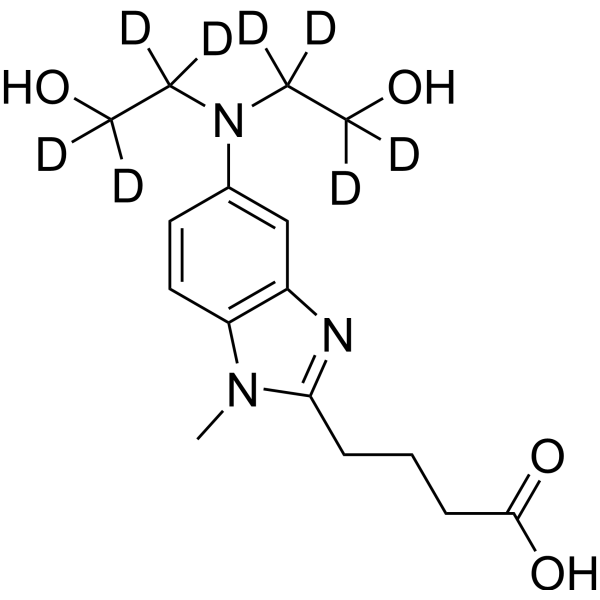
Dihydroxy Bendamustine-d8 is the deuterium labeled Dihydroxy Bendamustine .
|
-
-
- HY-134628S
-
|
|
|
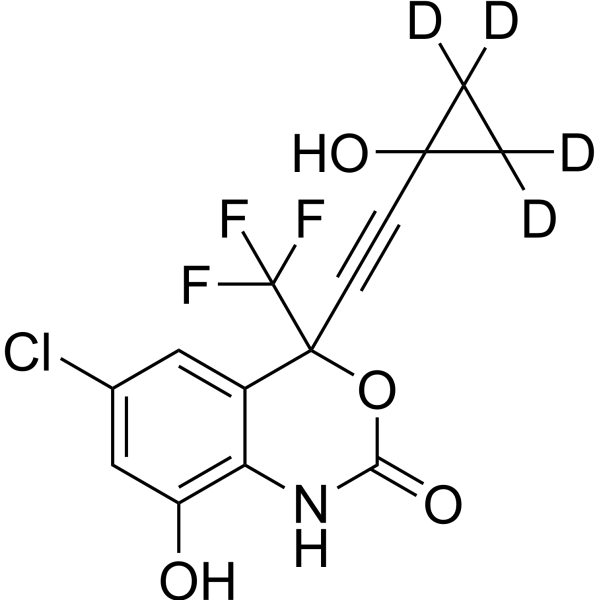
(Rac)-8,14-Dihydroxy Efavirenz-d4 is the deuterium labeled (Rac)-8,14-Dihydroxy Efavirenz .
|
-
-
- HY-132383S
-
|
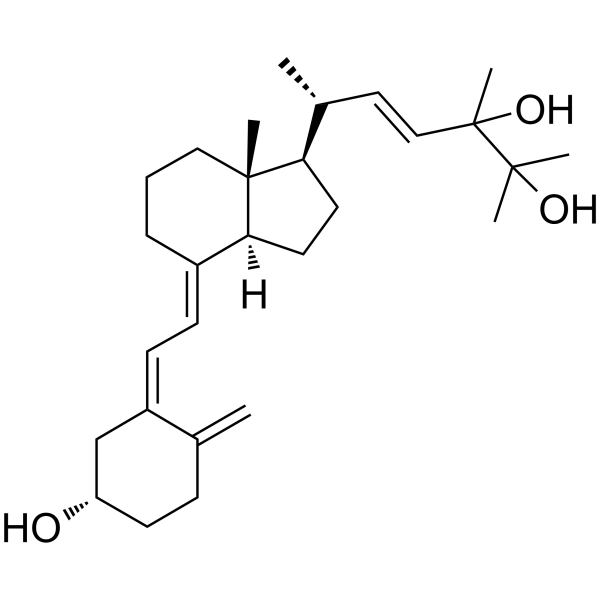
|
|
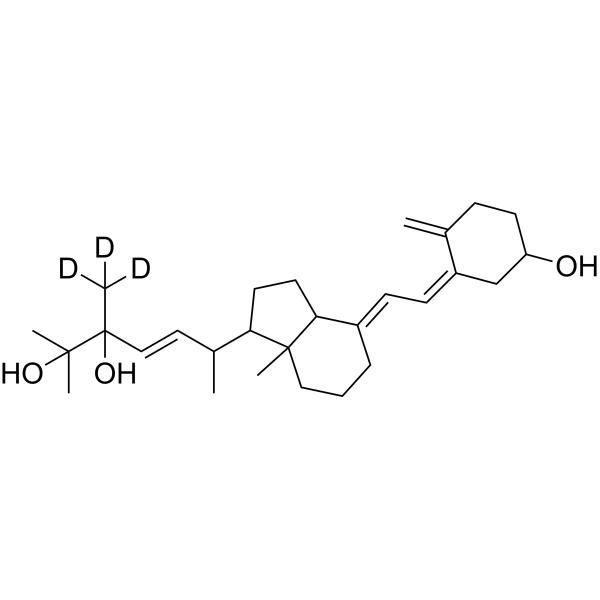
24,25-Dihydroxy Vitamin D2-d3 is the deuterium labeled 24,25-Dihydroxy Vitamin D2 .
|
-
-
- HY-148677S
-
|
|
|
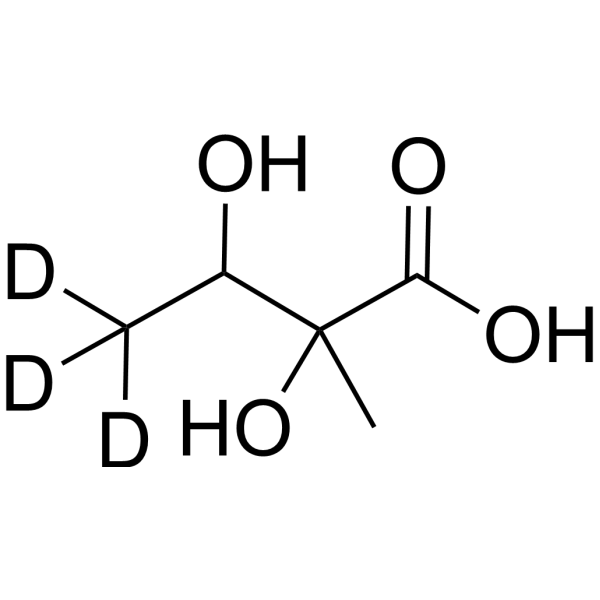
2,3-Dihydroxy-2-methylbutanoic acid-d3 is the deuterium labeled 2,3-Dihydroxy-2-methylbutanoic acid .
|
-
-
- HY-W106835S1
-
|
|
|
N-(3-Hydroxybenzyl)adenosine- 15N,d2 is 15N and deuterium labeled N-(3-Hydroxybenzyl)adenosine .
|
-
-
- HY-132699S
-
|
|
|
6,10-Dihydroxy Buspirone-d8 is the deuterium labeled 6,10-Dihydroxy Buspirone .
|
-
| Cat. No. |
Product Name |
|
Classification |
-
- HY-154723
-
|
|
|
Nucleoside Analogs
Uridine
|
|
2’-Deoxy-2’-fluoro-N3-(4-hydroxybenzyl)uridine is a purine nucleoside analog. Purine nucleoside analogs have broad antitumor activity targeting indolent lymphoid malignancies. Anticancer mechanisms in this process rely on inhibition of DNA synthesis, induction of apoptosis, etc .
|
Your information is safe with us. * Required Fields.
Inquiry Information
- Product Name:
- Cat. No.:
- Quantity:
- MCE Japan Authorized Agent:





![2H-1-Benzopyran-2-one, 6-[(1R,2S)-2,3-dihydroxy-1-methoxy-3-methylbutyl]-7-methoxy-](http://file.medchemexpress.com/product_pic/hy-n10856.gif)





