
Search Result
Results for "
Anti-HBV
" in MedChemExpress (MCE) Product Catalog:
1
Biochemical Assay Reagents
2
Isotope-Labeled Compounds
| Cat. No. |
Product Name |
Target |
Research Areas |
Chemical Structure |
-
- HY-B0150
-
Nicotinamide
Maximum Cited Publications
89 Publications Verification
Niacinamide; Nicotinic acid amide
|
Environmental Pollutants
Endogenous Metabolite
Sirtuin
HBV
Organoid
|
Cancer
|
|
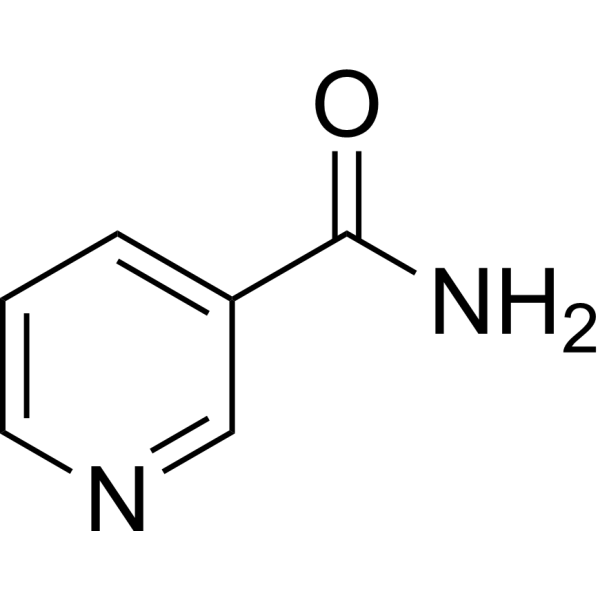
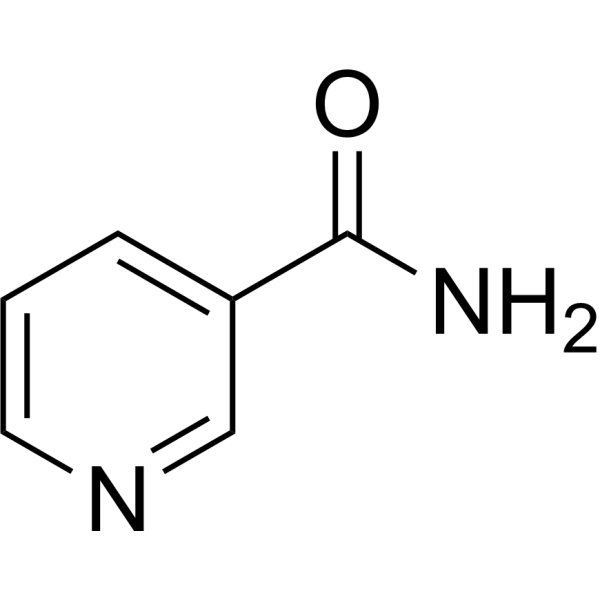
Nicotinamide is a form of vitamin B3 or niacin. Nicotinamide Hydrochloride inhibits SIRT2 activity (IC50: 2 μM). Nicotinamide also inhibits SIRT1. Nicotinamide increases cellular NAD+, ATP, ROS levels. Nicotinamide inhibits tumor growth and improves survival. Nicotinamide also has anti-HBV activity .
|
-
-
- HY-N0056
-
-
-
- HY-N0820
-
-
-
- HY-B1464
-
|
|
Environmental Pollutants
Bacterial
HBV
|
Infection
Inflammation/Immunology
|
|
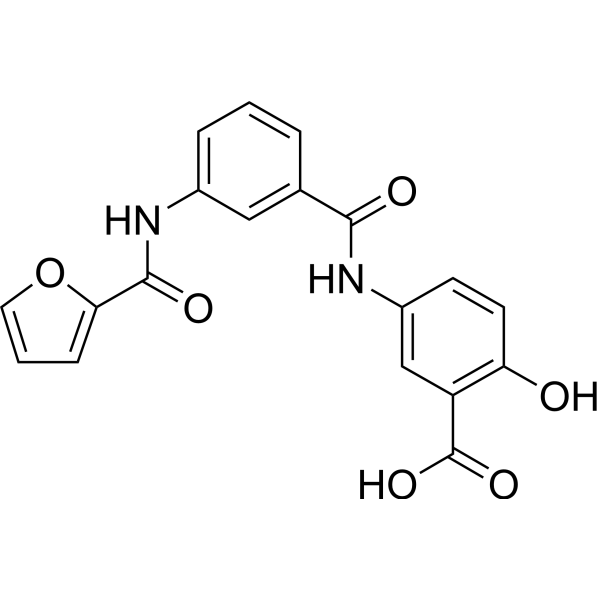
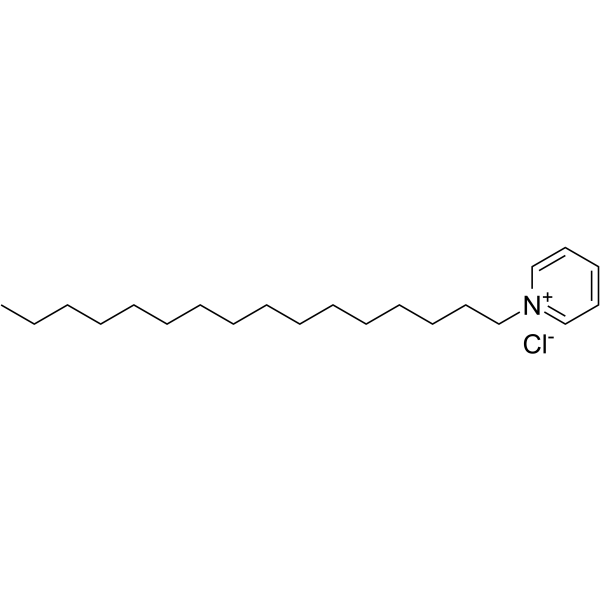
Cetylpyridinium chloride, a cationic quaternary ammonium compound, is an anti-bacterial agent with broad-spectrum activity. Cetylpyridinium chloride is an effective anti-HBV capsid assembly inhibitor with an IC50 of 2.5 μM. Cetylpyridinium chloride is used in pesticides and various types of mouthwashes, and other personal care products .
|
-
-
- HY-107454
-
|
|
Sirtuin
HBV
|
Infection
Metabolic Disease
Inflammation/Immunology
Cancer
|
|
OSS_128167 is a potent selective sirtuin 6 (SIRT6) inhibitor with IC50s of 89 μM, 1578 μM and 751 μM for SIRT6, SIRT1 and SIRT2, respectively. OSS_128167 has anti-HBV activity that inhibits HBV transcription and replication. OSS_128167 has anti-cancer, anti-inflammation and anti-viral effects .
|
-
-
- HY-W063968
-
|
CDM-3008; RO4948191
|
IFNAR
JAK
STAT
HCV
HBV
|
Infection
|
|
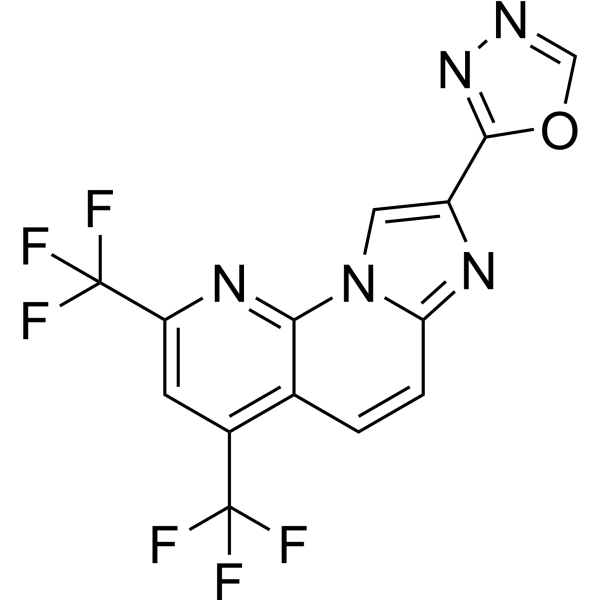
RO8191 (CDM-3008), an imidazonaphthyridine compound, is an orally active and potent interferon (IFN) receptor agonist. RO8191 directly binds to IFNα/β receptor 2 (IFNAR2) and activates IFN-stimulated genes (ISGs) expression and JAK/STAT phosphorylation. RO8191 shows antiviral activity against both HCV and EMCV with an IC50 of 200 nM for HCV replicon . RO8191 is a cccDNA modulator (CDM) through interferon-like activity and has anti-HBV activity .
|
-
-
- HY-109197
-
|
EYP001
|
FXR
HBV
|
Infection
|
|
Vonafexor (EYP001) is an orally active, non-steroidal and selective FXR agonist. Vonafexor shows significant HBsAg reduction when combined with Peg-IFNα. Vonafexor can be used for anti-HBV research .
|
-
-
- HY-B0150R
-
|
Niacinamide(Standard); Nicotinic acid amide (Standard)
|
Reference Standards
Endogenous Metabolite
Sirtuin
|
Cancer
|
|
Nicotinamide (Standard) is the analytical standard of Nicotinamide. This product is intended for research and analytical applications. Nicotinamide is a form of vitamin B3 or niacin. Nicotinamide Hydrochloride inhibits SIRT2 activity (IC50: 2 μM). Nicotinamide also inhibits SIRT1. Nicotinamide increases cellular NAD+, ATP, ROS levels. Nicotinamide inhibits tumor growth and improves survival. Nicotinamide also has anti-HBV activity .
|
-
-
- HY-W018791
-
|
DDB
|
HBV
Autophagy
Cytochrome P450
Atg8/LC3
p62
P-glycoprotein
|
Infection
Cardiovascular Disease
Cancer
|
|
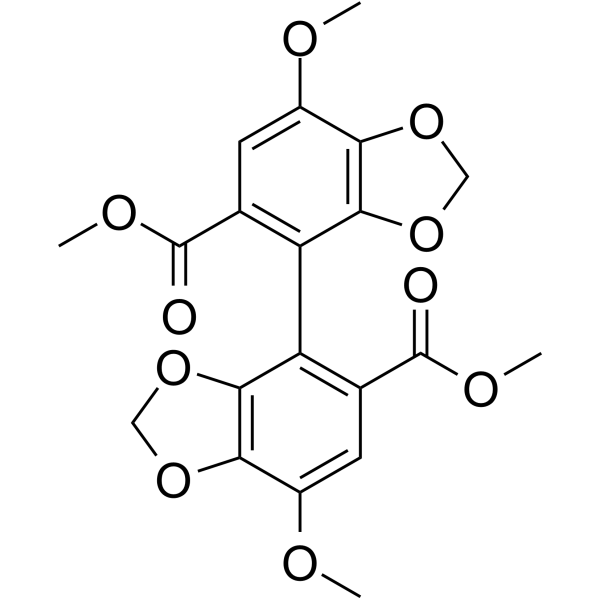
Bifendate (DDB), extracted from Schisandrae chinensis, is an orally active anti-HBV agent against chronic hepatitis B. Bifendate inhibits ATG5-dependent autophagy and attenuates oleic acid-induced lipid accumulation with anti-oxidant properties in vitro. Bifendate can decrease alanine transaminase (ALT) level in mice. Bifendate attenuates hepatic steatosis in cholesterol/bile salt- and high-fat diet-induced hypercholesterolemia in mice. Bifendate potently increases the activity of cytochrome proteins (CYPs) and reverse P-gp-mediated multi-drug resistance (MDR) .
|
-
-
- HY-124600
-
|
|
HBV
|
Infection
|
|
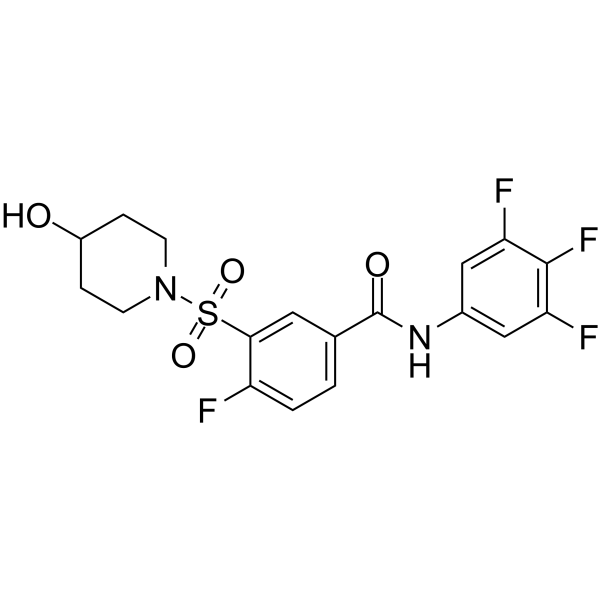
NVR 3-778 is a first-in-Class and oral bioavailable HBV CAM (capsid assembly modulator) belonging to the SBA (sulfamoylbenzamide) class, with anti-HBV activity .
|
-
-
- HY-13859
-
|
L-FMAU
|
HBV
DNA/RNA Synthesis
Orthopoxvirus
|
Infection
|
|
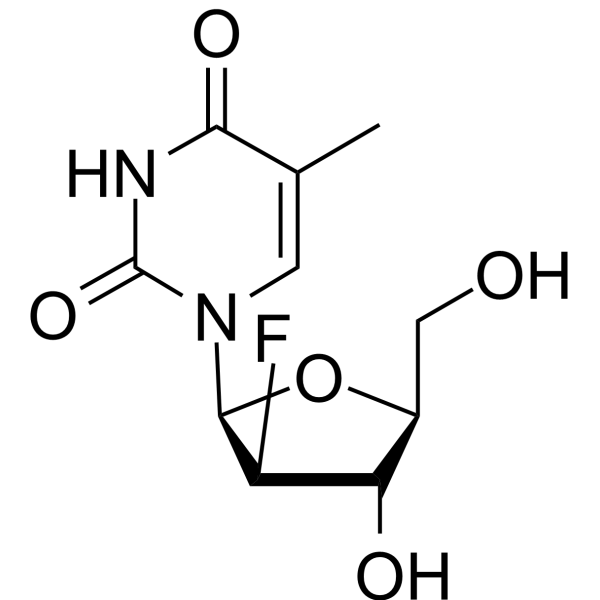
Clevudine (L-FMAU), a nucleoside analog of the unnatural L-configuration, has potent anti-HBV activity with long half-life, low toxicity. Clevudine is a non-competitive inhibitor that is not incorporated into the viral DNA but rather binds to the polymerase. Clevudine is active against cowpox virus respiratory infection in mice .
|
-
-
- HY-148560A
-
|
|
HBV
DNA/RNA Synthesis
|
Infection
|
|
trans-ccc_R08 (Compound 1-B) is a cccDNA inhibitor with anti-HBV activity, with an IC50 of 0.14 μM for HBeAg and an IC50 of 0.08 μM for HBsAg in in vitro assays. trans-ccc_R08 inhibits covalently closed circular DNA (cccDNA). trans-ccc_R08 is applicable to research related to hepatitis B virus infection .
|
-
-
- HY-P3601
-
|
FGF basic (1-24)
|
Bacterial
HBV
|
Infection
Inflammation/Immunology
|
|
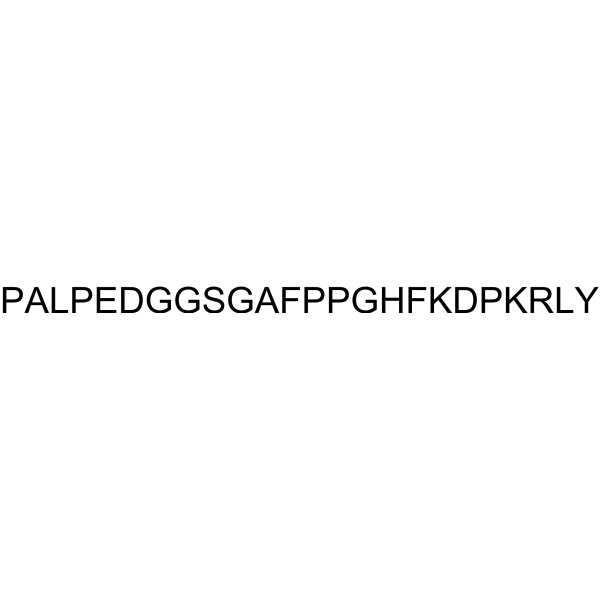
Brain Derived Basic Fibroblast Growth Factor (1-24) (FGF basic 1-24) is a synthetic peptide, shows anti-bacterial and anti-HBV activities. Brain Derived Basic Fibroblast Growth Factor (1-24) can be used in infection disease and immune disease research .
|
-
-
- HY-P99703
-
|
17.1.41
|
HBV
|
Infection
|
|
Libivirumab (17.1.41) is a human anti-HBV monoclonal antibody. Libivirumab shows neutralization activity with IC50s of 35, 130 ng/mL for HBsAg, HBeAg, respectively .
|
-
-
- HY-133721
-
|
|
HBV
|
Infection
Inflammation/Immunology
|
|
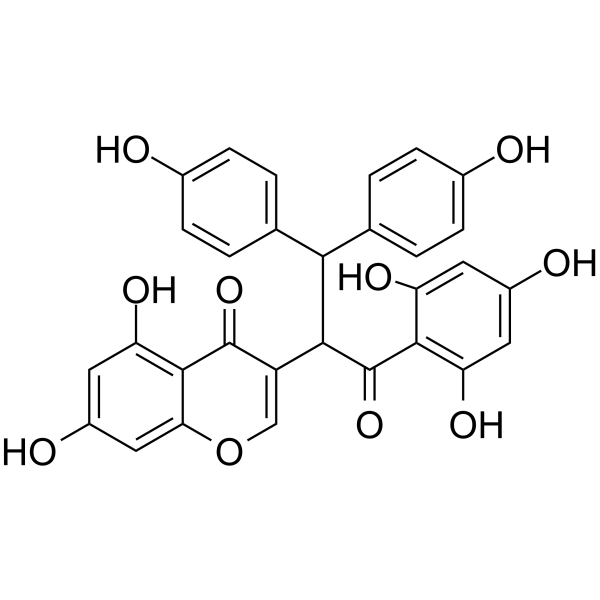
Chamaechromone is a biflavonoid ingredient isolated from the roots of Stellera chamaejasme L. (Thymelaeaceae). Chamaechromone possesses anti-hepatitis B virus (HBV) effects against the surface antigen of HBV (HBsAg) secretion and has insecticidal activities .
|
-
-
- HY-123336
-
|
|
HBV
|
Infection
|
|
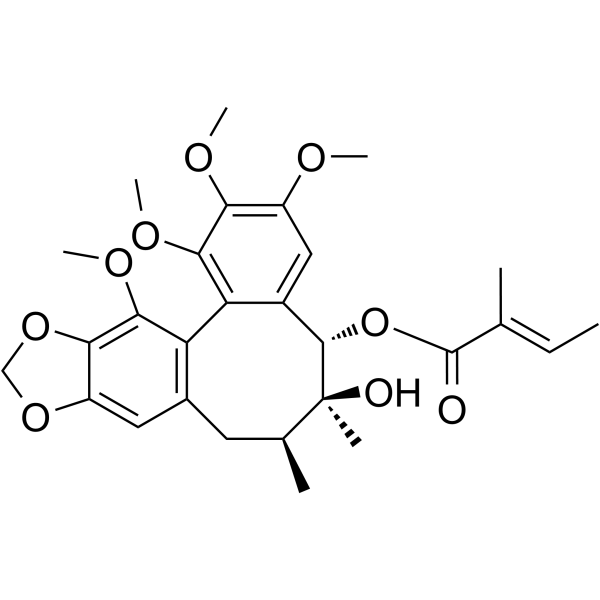
Schisantherin C exhibits anti-HBV activity with potency against HBsAg and HBeAg secretion by 59.7% and 34.7% at 50μg/mL .
|
-
-
- HY-16680
-
|
Helioxanthin analogue 8-1
|
HBV
|
Infection
|
|
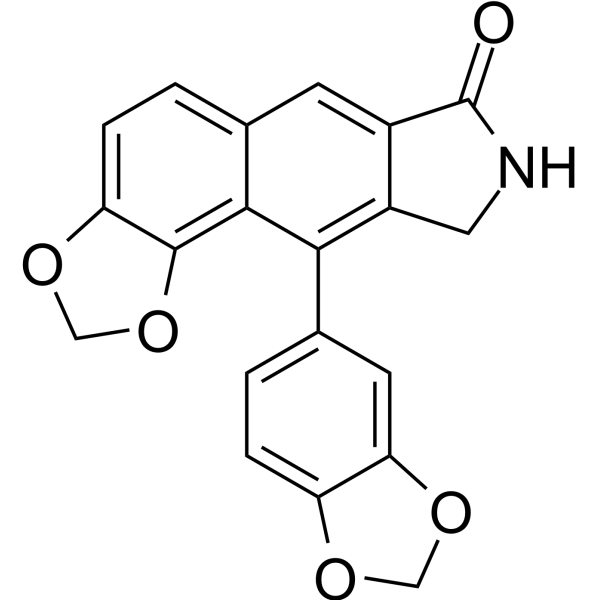
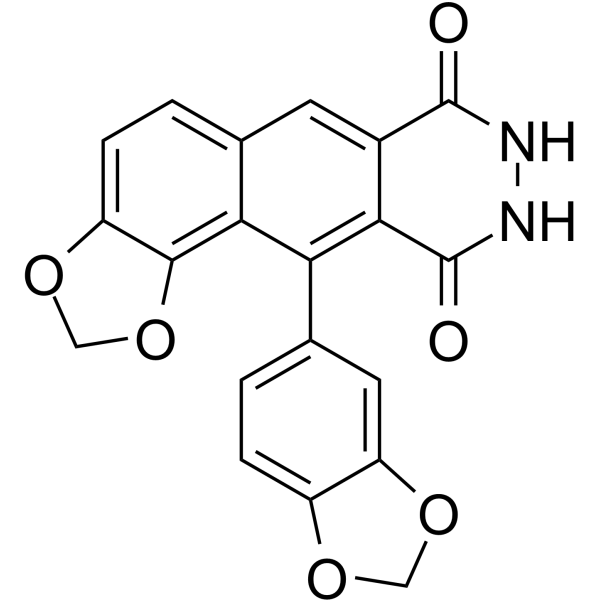
Helioxanthin 8-1(Helioxanthin analogue 8-1) is an anti-HBV agent. Helioxanthin 8-1 exhibits anti-hepatitis B virus activity in both in vitro human hepatitis B virus models and animal models. Helioxanthin 8-1 inhibits the synthesis of duck hepatitis B virus (DHBV) DNA, covalently closed circular DNA, RNA and proteins, thereby blocking DHBV replication. Helioxanthin 8-1 shows higher cytotoxicity in virus-induced cells than in non-induced cells. Helioxanthin 8-1 can be used in studies related to hepatitis B virus infection .
|
-
-
- HY-116999
-
|
|
HBV
|
Infection
|
|
IR415 is a potent anti-HBV agent and inhibits HBV replication by blocking the HBx activity. IR415 selectively interacts with HBx (Kd=2 nM) and blocks HBV-mediated RNAi suppression, reverses the inhibitory effect of HBx protein on the activity of the dicer endoribonuclease . HBx: hepatitis B virus X protein.
|
-
-
- HY-100028
-
AT-130
2 Publications Verification
|
HBV
DNA/RNA Synthesis
|
Infection
Cancer
|
|
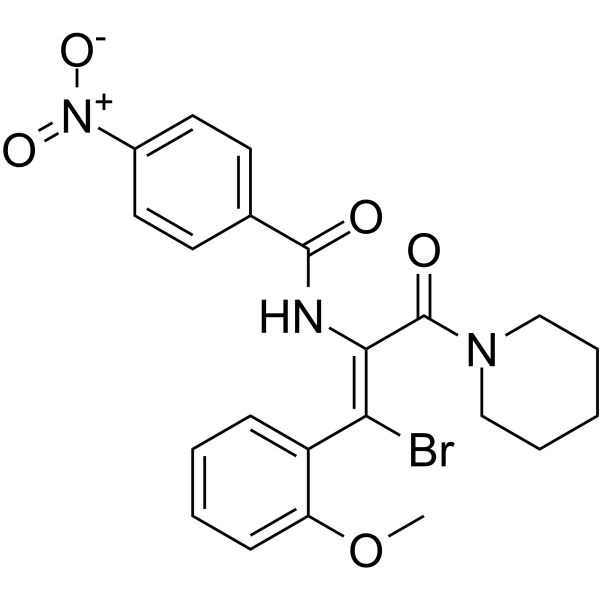
AT-130, a phenylpropenamide derivative, is a potent hepatitis B virus (HBV) replication non-nucleoside inhibitor. AT-130 inhibits the viral DNA synthesis with an EC50 of 0.13 μM. AT-130 inhibits both wt and mutant HBVs. AT-130 has anti-HBV activity in hepatoma cells .
|
-
-
- HY-N5086
-
-
-
- HY-148783
-
|
|
HBV
|
Infection
|
|
HBV-IN-32 is a potent cccDNA (covalently closed circular DNA) inhibitor. HBV-IN-32 shows anti-HBV activity with an IC50 value of 0.14 µM for HBsAg. HBV-IN-32 inhibits cell growth .
|
-
-
- HY-N8153
-
-
-
- HY-111003
-
|
NZ-4
|
HBV
|
Infection
|
|
Isothiafludine is an orally active non-nucleosidic anti-HBV compound. Isothiafludine inhibits hepatitis B virus replication by blocking pregenomic RNA encapsidation .
|
-
-
- HY-B0150A
-
|
Niacinamide hydrochloride; Nicotinic acid amide hydrochloride
|
Sirtuin
Endogenous Metabolite
HBV
|
Infection
Cancer
|
|
Nicotinamide hydrochloride is a form of vitamin B3 or niacin. Nicotinamide hydrochloride inhibits SIRT2 activity (IC50: 2 μM). Nicotinamide hydrochloride also inhibits SIRT1. Nicotinamide hydrochloride increases cellular NAD+, ATP, ROS levels. Nicotinamide hydrochloride inhibits tumor growth and improves survival. Nicotinamide hydrochloride also has anti-HBV activity .
|
-
-
- HY-146394
-
|
|
HBV
DNA/RNA Synthesis
|
Infection
|
|
HBV-IN-22 (Compound LC5f) is an inhibitor of HBV DNA replication with IC50 values of 0.71 μM and 0.84 μM against wild-type and agent resistant HBV strains, respectively .
|
-
-
- HY-N0056R
-
-
-
- HY-N1323
-
|
|
HBV
|
Infection
|
|
Sanggenol P, a flavonoid, shows anti-HBV activity on HepG2.2.15 cell line in vitro .
|
-
-
- HY-16679
-
|
Helioxanthin 5-4-2
|
HBV
|
Infection
|
|
Helioxanthin derivative 5-4-2 is an analogue of helioxanthin, exhibites significant in vitro anti-HBV activity with EC50 of 0.08 uM in HepG2.2.15 cells.
|
-
-
- HY-W018791R
-
|
DDB (Standard)
|
Reference Standards
HBV
Autophagy
Cytochrome P450
Atg8/LC3
p62
P-glycoprotein
|
Infection
Cardiovascular Disease
Cancer
|
|
Bifendate (DDB), extracted from Schisandrae chinensis, is an orally active anti-HBV agent against chronic hepatitis B. Bifendate inhibits ATG5-dependent autophagy and attenuates oleic acid-induced lipid accumulation with anti-oxidant properties in vitro. Bifendate can decrease alanine transaminase (ALT) level in mice. Bifendate attenuates hepatic steatosis in cholesterol/bile salt- and high-fat diet-induced hypercholesterolemia in mice. Bifendate potently increases the activity of cytochrome proteins (CYPs) and reverse P-gp-mediated multi-drug resistance (MDR) .
|
-
-
- HY-126033
-
|
|
HBV
RSV
|
Infection
|
|
Sophoranol is an alkaloid that can be isolated from S. flavescens, with antiviral activity. Sophoranol has anti-HBV (hepatitis B virus) activity. Sophoranol shows potent antiviral activities against respiratory syncytial virus (RSV) with an IC50 of 10.4 μg/mL .
|
-
-
- HY-N0820R
-
|
Catalpinoside (Standard)
|
Reference Standards
HBV
|
Infection
Neurological Disease
Inflammation/Immunology
Cancer
|
|
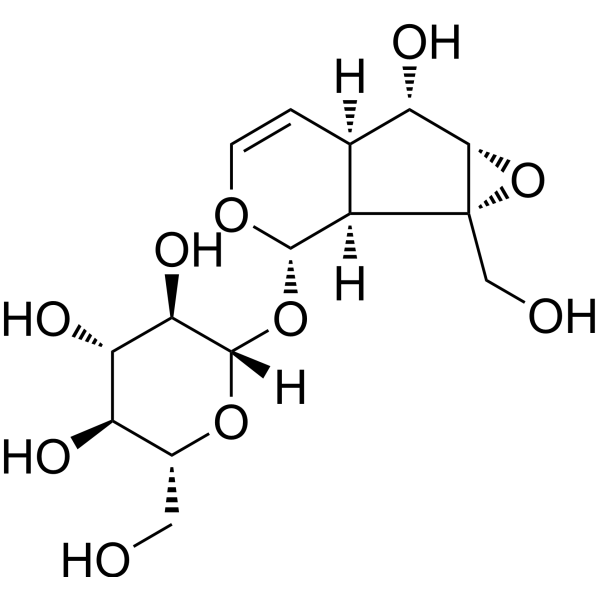
Catalpol (Standard) is the analytical standard of Catalpol. This product is intended for research and analytical applications. Catalpol (Catalpinoside), an iridoid glycoside found in Rehmannia glutinosa. Catalpol has neuroprotective, hypoglycemic, anti-inflammatory, anti-cancer, anti-spasmodic, anti-oxidant effects and anti-HBV effects .
|
-
-
- HY-136111
-
|
|
HBV
|
Infection
|
|
KR-26556 is a sulfonamide type hepatitis B virus (HBV) capsid assembly regulator. KR-26556 exhibits anti-HBV activity with an EC50 of 0.04 μM. KR-26556 has favorable safety characteristics. KR-26556 can be used for research on chronic hepatitis B .
|
-
-
- HY-B0150S3
-
|
Niacinamide-d3; Nicotinic acid amide-d3
|
Isotope-Labeled Compounds
Endogenous Metabolite
Organoid
Sirtuin
HBV
|
Cancer
|
|
Nicotinamide-d3 (Niacinamide-d3) is deuterium labeled Nicotinamide. Nicotinamide is a form of vitamin B3 or niacin. Nicotinamide Hydrochloride inhibits SIRT2 activity (IC50: 2 μM). Nicotinamide also inhibits SIRT1. Nicotinamide increases cellular NAD+, ATP, ROS levels. Nicotinamide inhibits tumor growth and improves survival. Nicotinamide also has anti-HBV activity .
|
-
-
- HY-149392
-
|
|
HBV
|
Infection
|
|
HBV-IN-35 (Compound 88) is a HBV inhibitor. HBV-IN-35 has anti-HBV activities in mouse and human hepatocytes (EC50: 100 nM and 400 nM respectively) .
|
-
-
- HY-N15262
-
|
Angeloylgomisin P
|
HIV
HBV
|
Infection
Metabolic Disease
|
|
Schinlignan B (Angeloylgomisin P) is a lignan with antioxidant, anti-HIV, anti-HBV activities, which is found in plants of the Schisandra genus. Schinlignan B is promising for research of antioxidant-associated diseases .
|
-
-
- HY-148782
-
|
|
HBV
|
Infection
|
|
HBV-IN-31 is a potent cccDNA (covalently closed circular DNA) inhibitor. HBV-IN-31 shows anti-HBV activity with an IC50 value of 0.13 µM for HBsAg. HBV-IN-31 inhibits cell growth .
|
-
-
- HY-N8168
-
|
|
HBV
|
Infection
|
|
LPRP-Et-97543 is a potent anti-HBV agent. LPRP-Et-97543 reduces Core, S, and preS but not X promoter activities. LPRP-Et-97543 can be used for acute and chronic HBV infections research .
|
-
-
- HY-N10404
-
|
|
HBV
|
Inflammation/Immunology
|
|
Junceellolide C is a transcription inhibitor of cccDNA. Junceellolide C inhibits HBV DNA replication and significantly decreases the level of supernatant HBV RNA with EC50 values of 5.19, 3.52 μM respectively in HepAD38 cells. Junceellolide C is a potent anti-HBV agent .
|
-
-
- HY-131343
-
|
|
HBV
DNA/RNA Synthesis
|
Infection
|
|
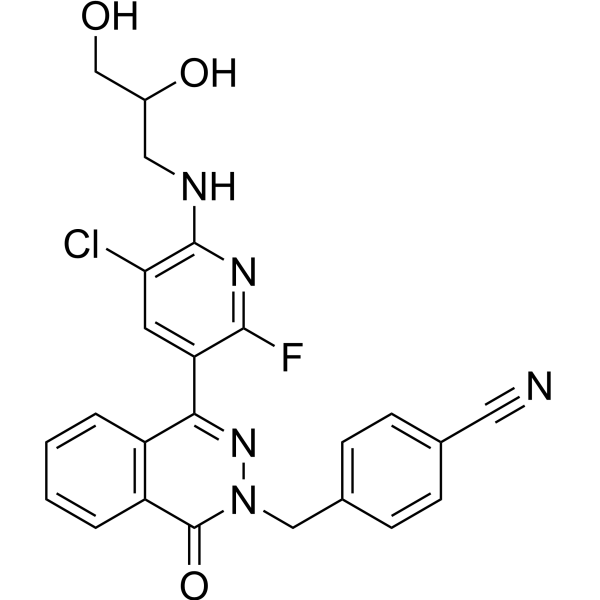
HBV-IN-4, a phthalazinone derivative, is a potent and orally active HBV DNA replication inhibitor with an IC50 of 14 nM. HBV-IN-4 induces the formation of genome-free capsids and has potent anti-HBV potencies .
|
-
-
- HY-145059
-
|
|
HBV
|
Infection
|
|
HBV-IN-12 is a potent hepatitis B surface antigen (HBsAg) inhibitor (0.001 μM< EC50 ≤0.05 μM). HBV-IN-12 shows anti-HBV DNA activity (0.001 μM<EC50 ≤0.02 μM). From patent WO2021204252A1, compound 15 .
|
-
-
- HY-N2988
-
-
-
- HY-106205
-
|
|
HBV
|
Infection
|
|
Di-Val-L-dC, a prodrug of L-deoxycytidine, is a selective and specific anti-HBV agent .
|
-
-
- HY-107026
-
|
|
HBV
|
Infection
|
|
Lagociclovir valactate is a prodrug of Lagociclovir (HY-14844). Lagociclovir valactate is an orally active anti-HBV agent .
|
-
-
- HY-151134
-
|
|
HBV
|
Infection
|
|
HBV-IN-25 is a good potency, orally active novel HBV cccDNA reducer. HBV-IN-25 has anti-HBeAg potency and anti-HBV activity with IC50 values of 0.58 μM and 1.15 μM, respectively. HBV-IN-25 has good aqueous solubility (LYSA>452 μg/mL) and good PK property with no cellular toxicity .
|
-
-
- HY-139574
-
-
-
- HY-109969
-
|
|
HBV
|
Infection
|
|
Z060228 is a capsid-targeting anti-HBV agent that inhibits HBV DNA replication in the supernatant of the HepG2.2.15 cell .
|
-
-
- HY-149435
-
|
|
HBV
|
Infection
|
|
HBV-IN-36 (compound 42) is a HBV inhibior (IC50=2 μM), showing anti-HBV activity with EC50 of 0.58 μM .
|
-
-
- HY-163516
-
|
|
HBV
|
Infection
|
|
HBV-IN-45 is a selective and orally active HBV capsid assembly modulator with an IC50 of 0.51 μM for HBcAg in HBC cells. HBV-IN-45 shows potent anti-HBV activities .
|
-
-
- HY-112142A
-
|
DVR-23
|
HBV
|
Inflammation/Immunology
|
|
(Rac)-AB-423 (DVR-23) is an anti-HBV candidate compound with promising anti-HBV activity. (Rac)-AB-423 showed no induction of CYP1A2, CYP3A4, or CYP2B6 enzyme activity at high concentrations. (Rac)-AB-423 exhibited desirable pharmacokinetic properties, enabling good systemic exposure and high oral bioavailability. (Rac)-AB-423 achieved more than 2 log viral load reduction in the hydrodynamic injection (HDI) HBV mouse model .
|
-
-
- HY-155547
-
|
|
HBV
|
Infection
|
|
HBV-IN-34 (compound 17i) is a potent HBsAg production inhibitor. HBV-IN-34 exhibits excellent in vitro anti-HBV potency, with an EC50 of 0.018 μM and 0.044 μM for HBV DNA and HBsAg, respectively .
|
-
- HY-N15419
-
|
|
HBV
|
Infection
|
|
Acutumidine (compound 4) is an alkaloid with anti-HBV activity that can be isolated from Hypserpa nitida Miers. Acutumidine inhibits the production of HBsAg in Hep G2.2.15 cells stably transfected with HBV genome with an IC50 value of 2.023 mM .
|
-
- HY-124600R
-
|
|
HBV
|
Infection
|
|
NVR 3-778 (Standard) is the analytical standard of NVR 3-778. This product is intended for research and analytical applications. NVR 3-778 is a first-in-Class and oral bioavailable HBV CAM (capsid assembly modulator) belonging to the SBA (sulfamoylbenzamide) class, with anti-HBV activity .
|
-
- HY-149357
-
|
|
HBV
|
Infection
|
|
Yhhu6669 is an anti-HBV agent. Yhhu6669 inhibits HBV DNA. Yhhu6669 inhibits HBV replication by inducing the formation of DNA-free capsids. Yhhu6669 decreases HBV DNA and HBcAg in AAV/HBV-infected mice. Yhhu6669 has favorable PK properties .
|
-
- HY-173120
-
|
|
HBV
|
Infection
|
|
HBV-IN-51 (Compound 17e) is a potent HBV capsid assembly modulator. HBV-IN-51 exhibits remarkable anti-HBV activity with an EC50 of 0.033 μM in HepAD38 cells. HBV-IN-51 exhibits robust metabolic stability in plasma, and can be rapidly metabolized in human liver microsomes .
|
-
- HY-B1464R
-
|
|
Reference Standards
Bacterial
HBV
|
Infection
Inflammation/Immunology
|
|
Cetylpyridinium (chloride) (Standard) is the analytical standard of Cetylpyridinium (chloride). This product is intended for research and analytical applications. Cetylpyridinium chloride, a cationic quaternary ammonium compound, is an anti-bacterial agent with broad-spectrum activity. Cetylpyridinium chloride is an effective anti-HBV capsid assembly inhibitor with an IC50 of 2.5 μM. Cetylpyridinium chloride is used in pesticides and various types of mouthwashes, and other personal care products .
|
-
- HY-162795
-
|
|
HBV
|
Infection
|
|
HBV-IN-47 (compound 4a) is a capsid assembly regulator with inhibitory activity against hepatitis B virus (HBV). HBV-IN-47 exhibits strong anti-HBV activity in HepAD38 cells with low toxicity (EC50=0.24 μM). HBV-IN-47 can be used for the study of chronic hepatitis B (CHB) .
|
-
- HY-N11792
-
|
|
HBV
|
Others
|
|
Pedunculosumoside F is a homoflavonoid glucoside. Pedunculosumoside F can be isolated from Ophioglossum pedunculosum. Pedunculosumoside F has cytotoxicity against HepG2 22.15 cells with CC50 value of 56.7 μM without anti-HBV activity. While its analogs block HBsAg secretion in HBV-infected HepG2 2.2.15 cells .
|
-
- HY-N12105
-
|
|
HBV
|
Infection
|
|
Dihydrodehydrodiconiferyl alcohol 9-O-β-D-xylopyranoside is an anti-hepatitis B virus (anti-HBV) agent. Dihydrodehydrodiconiferyl alcohol 9-O-β-D-xylopyranoside inhibits HBV surface antigen (HBsAg) and HBV e antigen (HBeAg) secretion on Hep G2.2.15 cell line, with IC50 values of 1.67 and >2.15 mM, respectively .
|
-
- HY-162579
-
|
|
Toll-like Receptor (TLR)
|
Inflammation/Immunology
|
|
TLR7 agonist 22 (Compound 11a) emerges as a selective TLR7 agonist with an IC50 value of 25.86 μM. TLR7 agonist 22 inhibits the cellular HBsAg secretion and effectively activates TLR7, thereby inducing the secretion of TLR7-regulated cytokines IL-12, TNF-αand IFN-αin human PBMC cells. TLR7 agonist 22 is a promising for research in the field of developing novel immunomodulatory anti-HBV agents .
|
-
- HY-179265
-
|
|
HBV
|
Infection
|
|
D-CAM-14 is a potent HBV capsid assembly modulator with potent anti-HBV activity (EC50 = 0.1 nM, EC90 = 9 nM in HepAD38 cells). D-CAM-14 suppresses HBeAg, and HBcAg in HBV-infected HepG2-NTCP cells, with EC50 values of 98 and 67 nM, respectively. D-CAM-14 has distinct impacts on capsid radii and the morphology of preassembled capsids. D-CAM-14 can be used for HBV infection disease research .
|
-
- HY-156665
-
|
|
HBV
|
Infection
|
|
HBV-IN-37 is an inhibitor of HBV with an EC50 value of 10 μM .
|
-
- HY-N3861
-
|
|
HBV
|
Infection
|
|
Erythrocentaurin, a natural compound, is a new class of hepatitis B virus inhibitor .
|
-
- HY-145053
-
|
|
HBV
|
Infection
|
|
HBV-IN-10 is an enantiomer of compound 6 (WO2021204258A1). Compound 6 is a hepatitis B surface antigen (HBsAg) inhibitor (0.001 μM< EC50 ≤0.05 μM). From patent WO2021204258A1, compound 6 .
|
-
- HY-145060
-
|
|
HBV
|
Infection
|
|
HBV-IN-12 is a potent hepatitis B surface antigen (HBsAg) inhibitor. From patent WO2021204252A1, compound 1_B .
|
-
- HY-147863
-
|
|
HBV
|
Infection
Neurological Disease
|
|
HBV-IN-24 (compound (2ʹS, 6S)-1a) is a potent HBV inhibitor. HBV-IN-24 exhibits potent inhibition activity against HBV DNA, HBsAg, and HBeAg, with EC50 values of 0.6, 0.6, and 4.6 nM, respectively. HBV-IN-24 shows excellent antiviral activity, could have improved neurotoxicity .
|
-
- HY-145053A
-
|
|
HBV
|
Infection
|
|
(5S,8R)-HBV-IN-10 is an enantiomer of compound 6 (WO2021204258A1). Compound 6 is a hepatitis B surface antigen (HBsAg) inhibitor (0.001 μM< EC50 ≤0.05 μM). From patent WO2021204258A1, compound 6 .
|
-
- HY-146395
-
|
|
HBV
DNA/RNA Synthesis
Apoptosis
|
Infection
Cancer
|
|
HBV-IN-23 (Compound 5k) is an inhibitor of HBV DNA replication with an IC50 of 0.58 μM. HBV-IN-23 inhibits HBV DNA replication in both agent sensitive and resistant HBV strains. HBV-IN-23 shows anti-hepatocellular carcinoma cell (HCC) activities. HBV-IN-23 induces HepG2 cells apoptosis .
|
-
- HY-179393
-
|
|
HBV
|
Cancer
|
|
HBV-IN-54 is a selective and orally active HBV inhibitor. HBV-IN-54 exhibits anti-HBV activity in both HepAD38 cells (EC50 = 0.020 μM, CC50 > 100 μM) and HLCZ01 cells (EC50 = 0.024 μM, CC50 > 100 μM). HBV-IN-54 inhibits viral replication in vivo. HBV-IN-54 displays favorable physicochemical properties and high plasma stability. HBV-IN-54 can be used for research on Hepatitis B (HBV) .
|
-
- HY-N19941
-
|
|
HBV
|
Infection
|
|
Schisanwilsonin K is a dibenzocyclooctane lignan found in the stems of Schisandra wilsoniana with weak anti-HBV activity.Schisanwilsonin K can be used for the research of hepatitis B virus infection .
|
-
- HY-W744757
-
|
Niacinamide-15N; Nicotinic acid amide-15N
|
Isotope-Labeled Compounds
|
Others
|
|
Nicotinamide- 15N (Niacinamide- 15N) is the deuterium labeled Nicotinamide (HY-B0150). Nicotinamide is a form of vitamin B3 or niacin. Nicotinamide Hydrochloride inhibits SIRT2 activity (IC50: 2 μM). Nicotinamide also inhibits SIRT1. Nicotinamide increases cellular NAD+, ATP, ROS levels. Nicotinamide inhibits tumor growth and improves survival. Nicotinamide also has anti-HBV activity.
|
-
- HY-P992458
-
|
|
Toll-like Receptor (TLR)
HBV
|
Infection
|
|
SBT8230 is an ASGR1-targeted TLR8 agonist and an ASGR1-TLR8 immune TAC conjugate. SBT8230 achieves liver enrichment via conjugation with an anti-ASGR1 antibody, activates myeloid cells and induces anti-HBV immune responses. SBT8230 is applicable to research on chronic hepatitis B infection. Isotype comparison: HY-P99001 .
|
-
- HY-100028R
-
|
|
HBV
Reference Standards
DNA/RNA Synthesis
|
Infection
Cancer
|
|
AT-130 (Standard) is the analytical standard of AT-130 (HY-100028). This product is intended for research and analytical applications. AT-130, a phenylpropenamide derivative, is a potent hepatitis B virus (HBV) replication non-nucleoside inhibitor. AT-130 inhibits the viral DNA synthesis with an EC50 of 0.13 μM. AT-130 inhibits both wt and mutant HBVs. AT-130 has anti-HBV activity in hepatoma cells .
|
-
- HY-107454R
-
|
|
Reference Standards
Sirtuin
HBV
|
Infection
Metabolic Disease
Inflammation/Immunology
Cancer
|
|
OSS_128167 (Standard) is the analytical standard of OSS_128167 (HY-107454). This product is intended for research and analytical applications. OSS_128167 is a potent selective sirtuin 6 (SIRT6) inhibitor with IC50s of 89 μM, 1578 μM and 751 μM for SIRT6, SIRT1 and SIRT2, respectively. OSS_128167 has anti-HBV activity that inhibits HBV transcription and replication. OSS_128167 has anti-cancer, anti-inflammation and anti-viral effects .
|
-
- HY-B0150G
-
|
Niacinamide; Nicotinic acid amide
|
Endogenous Metabolite
Sirtuin
HBV
|
Infection
Cancer
|
|
Nicotinamide (GMP) (Niacinamide (GMP)) is the GMP level of Nicotinamide (HY-B0150). GMP guidelines are used to produce Nicotinamide (GMP). GMP small molecules works appropriately as an auxiliary reagent for cell research manufacture. Nicotinamide is a form of vitamin B3 or niacin. Nicotinamide Hydrochloride inhibits SIRT2 activity (IC50: 2 μM). Nicotinamide also inhibits SIRT1. Nicotinamide increases cellular NAD+, ATP, ROS levels. Nicotinamide inhibits tumor growth and improves survival. Nicotinamide also has anti-HBV activity .
|
-
- HY-180524
-
|
|
HBV
|
Infection
|
|
CAB7-3 is an orally active HBV capsid assembly modulator (CAM). CAB7-3 exhibits an exceptional antiviral efficacy reducing HBV DNA with an EC50 = 70 nM, CC50 = 32.3 μM in HepDES19 cells. CAB7-3 exhibits significant anti-HBV activity in HBV-integrated HepDES19 (EC50 = 70 nM), HepAD38 (EC50 = 1 nM) and HBV-infected HLCZ01 cells (EC50 = 2 nM), respectively. CAB7-3 effectively reduces Hepatic HBV core protein levels and suppresses viral replication in vivo. CAB7-3 demonstrates a favorable drug-like and safety profile. CAB7-3 can be used for Hepatitis B Virus (HBV) research .
|
-
| Cat. No. |
Product Name |
Type |
-
- HY-B0150G
-
|
Niacinamide; Nicotinic acid amide
|
Fluorescent Dye
|
|
Nicotinamide (GMP) (Niacinamide (GMP)) is the GMP level of Nicotinamide (HY-B0150). GMP guidelines are used to produce Nicotinamide (GMP). GMP small molecules works appropriately as an auxiliary reagent for cell research manufacture. Nicotinamide is a form of vitamin B3 or niacin. Nicotinamide Hydrochloride inhibits SIRT2 activity (IC50: 2 μM). Nicotinamide also inhibits SIRT1. Nicotinamide increases cellular NAD+, ATP, ROS levels. Nicotinamide inhibits tumor growth and improves survival. Nicotinamide also has anti-HBV activity .
|
| Cat. No. |
Product Name |
Type |
-
- HY-B0150G
-
|
Niacinamide; Nicotinic acid amide
|
Biochemical Assay Reagents
|
|
Nicotinamide (GMP) (Niacinamide (GMP)) is the GMP level of Nicotinamide (HY-B0150). GMP guidelines are used to produce Nicotinamide (GMP). GMP small molecules works appropriately as an auxiliary reagent for cell research manufacture. Nicotinamide is a form of vitamin B3 or niacin. Nicotinamide Hydrochloride inhibits SIRT2 activity (IC50: 2 μM). Nicotinamide also inhibits SIRT1. Nicotinamide increases cellular NAD+, ATP, ROS levels. Nicotinamide inhibits tumor growth and improves survival. Nicotinamide also has anti-HBV activity .
|
| Cat. No. |
Product Name |
Target |
Research Area |
-
- HY-P3601
-
|
FGF basic (1-24)
|
Bacterial
HBV
|
Infection
Inflammation/Immunology
|
|
Brain Derived Basic Fibroblast Growth Factor (1-24) (FGF basic 1-24) is a synthetic peptide, shows anti-bacterial and anti-HBV activities. Brain Derived Basic Fibroblast Growth Factor (1-24) can be used in infection disease and immune disease research .
|
| Cat. No. |
Product Name |
Target |
Research Area |
Image |
-
- HY-P99703
-
|
17.1.41
|
HBV
|
Infection
|
|
Libivirumab (17.1.41) is a human anti-HBV monoclonal antibody. Libivirumab shows neutralization activity with IC50s of 35, 130 ng/mL for HBsAg, HBeAg, respectively .
|
-
(5)
-
- HY-P992458
-
|
|
Toll-like Receptor (TLR)
HBV
|
Infection
|
|
SBT8230 is an ASGR1-targeted TLR8 agonist and an ASGR1-TLR8 immune TAC conjugate. SBT8230 achieves liver enrichment via conjugation with an anti-ASGR1 antibody, activates myeloid cells and induces anti-HBV immune responses. SBT8230 is applicable to research on chronic hepatitis B infection. Isotype comparison: HY-P99001 .
|
-
(5)
| Cat. No. |
Product Name |
Category |
Target |
Chemical Structure |
-
- HY-B0150
-
-
-
- HY-N0056
-
|
3,5-Dicaffeoylquinic acid; 3,5-CQA
|
Caprifoliaceae
Classification of Application Fields
Lonicera japonica Thunb.
Ketones, Aldehydes, Acids
Phenols
Polyphenols
Plants
Endogenous metabolite
Inflammation/Immunology
Disease Research Fields
Source Classification
|
Reactive Oxygen Species (ROS)
HBV
Endogenous Metabolite
HIV
Bacterial
|
|
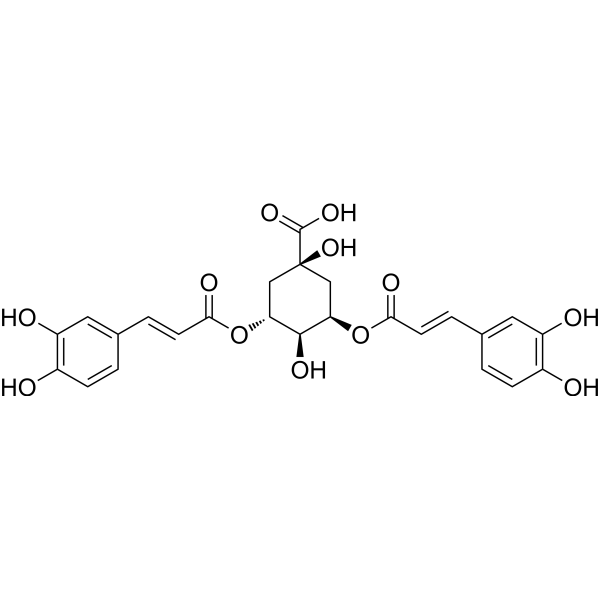
Isochlorogenic acid A (3,5-Dicaffeoylquinic acid) is a natural phenolic acid with anti-mutagenicity, anti-HBV, anti-HIV, anti-oxidant, anti-bacterial, and anti-inflammatoryy activities .
|
-
-
- HY-N0820
-
-
-
- HY-133721
-
-
-
- HY-123336
-
-
-
- HY-N5086
-
-
-
- HY-N8153
-
-
-
- HY-B0150A
-
-
-
- HY-N0056R
-
|
3,5-Dicaffeoylquinic acid (Standard); 3,5-CQA (Standard)
|
Structural Classification
Caprifoliaceae
Lonicera japonica Thunb.
Ketones, Aldehydes, Acids
Phenols
Polyphenols
Plants
Endogenous metabolite
Source Classification
|
Reference Standards
Reactive Oxygen Species (ROS)
HBV
Endogenous Metabolite
HIV
Bacterial
|
|
Isochlorogenic acid A (Standard) is the analytical standard of Isochlorogenic acid A. This product is intended for research and analytical applications. Isochlorogenic acid A (3,5-Dicaffeoylquinic acid) is a natural phenolic acid with anti-mutagenicity, anti-HBV, anti-HIV, anti-oxidant, anti-bacterial, and anti-inflammatoryy activities .
|
-
-
- HY-N1323
-
-
-
- HY-126033
-
-
-
- HY-N0820R
-
-
-
- HY-N15262
-
-
-
- HY-N8168
-
-
-
- HY-N10404
-
-
-
- HY-N2988
-
-
-
- HY-N15419
-
-
-
- HY-N11792
-
-
-
- HY-N12105
-
-
-
- HY-N3861
-
-
-
- HY-N19941
-
-
| Cat. No. |
Product Name |
Chemical Structure |
-
- HY-B0150S3
-
|
|
|
Nicotinamide-d3 (Niacinamide-d3) is deuterium labeled Nicotinamide. Nicotinamide is a form of vitamin B3 or niacin. Nicotinamide Hydrochloride inhibits SIRT2 activity (IC50: 2 μM). Nicotinamide also inhibits SIRT1. Nicotinamide increases cellular NAD+, ATP, ROS levels. Nicotinamide inhibits tumor growth and improves survival. Nicotinamide also has anti-HBV activity .
|
-
-
- HY-W744757
-
|
|
|
Nicotinamide- 15N (Niacinamide- 15N) is the deuterium labeled Nicotinamide (HY-B0150). Nicotinamide is a form of vitamin B3 or niacin. Nicotinamide Hydrochloride inhibits SIRT2 activity (IC50: 2 μM). Nicotinamide also inhibits SIRT1. Nicotinamide increases cellular NAD+, ATP, ROS levels. Nicotinamide inhibits tumor growth and improves survival. Nicotinamide also has anti-HBV activity.
|
-
| Cat. No. |
Product Name |
|
Classification |
-
- HY-13859
-
|
L-FMAU
|
|
Nucleoside Analogs
Thymidine
|
|
Clevudine (L-FMAU), a nucleoside analog of the unnatural L-configuration, has potent anti-HBV activity with long half-life, low toxicity. Clevudine is a non-competitive inhibitor that is not incorporated into the viral DNA but rather binds to the polymerase. Clevudine is active against cowpox virus respiratory infection in mice .
|
| Cat. No. |
Product Name |
Target |
Research Areas |
Chemical Structure |
-
- HY-B0150G
-
|
Niacinamide; Nicotinic acid amide
|
Endogenous Metabolite
Sirtuin
HBV
|
Infection
Cancer
|
|
Nicotinamide (GMP) (Niacinamide (GMP)) is the GMP level of Nicotinamide (HY-B0150). GMP guidelines are used to produce Nicotinamide (GMP). GMP small molecules works appropriately as an auxiliary reagent for cell research manufacture. Nicotinamide is a form of vitamin B3 or niacin. Nicotinamide Hydrochloride inhibits SIRT2 activity (IC50: 2 μM). Nicotinamide also inhibits SIRT1. Nicotinamide increases cellular NAD+, ATP, ROS levels. Nicotinamide inhibits tumor growth and improves survival. Nicotinamide also has anti-HBV activity .
|
-
Your information is safe with us. * Required Fields.
Inquiry Information
- Product Name:
- Cat. No.:
- Quantity:
- MCE Japan Authorized Agent:

