From 11:00 pm to 12:00 pm EST ( 8:00 pm to 9:00 pm PST ) on January 6th, the website will be under maintenance. We are sorry for the inconvenience. Please arrange your schedule properly.
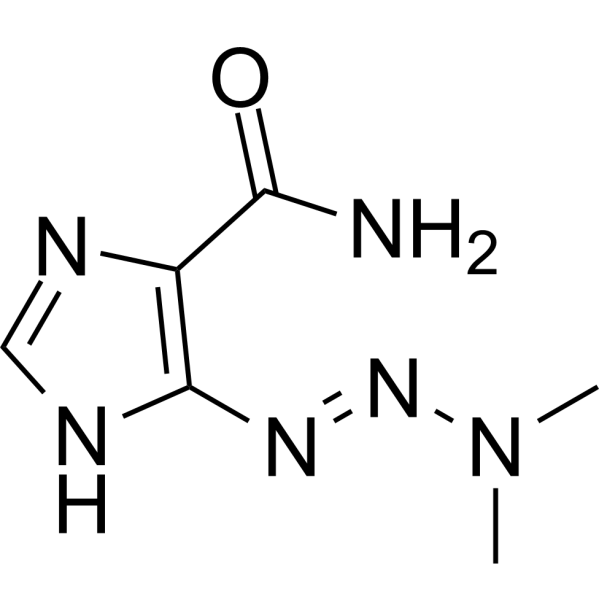
Dacarbazine is a nonspecific antineoplastic (antineoplastic) alkylating agent. Dacarbazine inhibits T and B lymphocyte responses with IC50 of 50 and 10 μg/mL, respectively. Dacarbazine can be used in the study of metastatic malignant melanoma .
Belimumab (LymphoStat B) is a humanized IgG1λ monoclonal antibody against B-lymphocyte stimulator (BLyS) protein. Belimumab antagonizes BLyS activity in autoimmune diseases and B-lymphocyte malignancies. Belimumab can be used for systemic lupus erythematosus (SLE) research . The component ratio of this product is Active ingredient: Excipients = 1:1.0-1:1.2.
Telitacicept (RC18) is a fully human TACI-Fc fusion protein. Telitacicept is a dual B lymphocyte stimulator (BLyS)/APRIL (a proliferation-inducing ligand) inhibitor that effectively blocks proliferation of B lymphocytes. Telitacicept can be used in research of B-cell autoimmune disease . The component ratio of this product is Active ingredient : Excipients = 1: 0.5-1: 0.8.
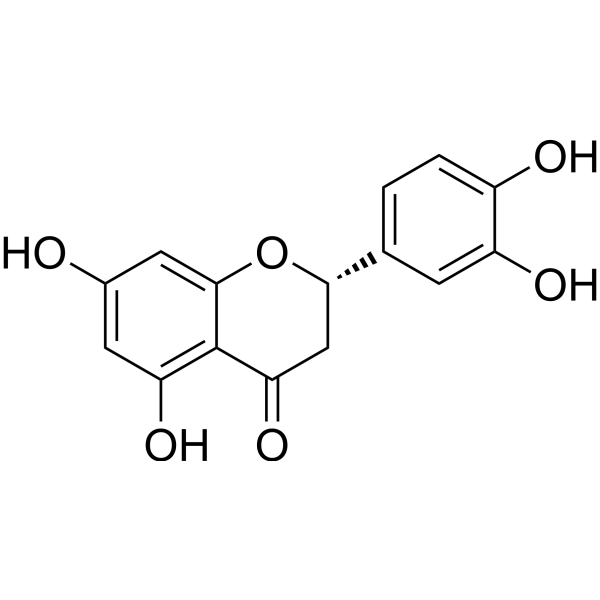
Eriodictyol ((±)-Huazhongilexone; Dihydroluteolin) is an orally active TRPV1 receptor antagonist (IC50=44-47 nM, rTRPV1) with antioxidant and anti-inflammatory activities. Eriodictyol effectively inhibits lipid peroxidation and the release of proinflammatory cytokines by specifically antagonizing the TRPV1 receptor and activating the Nrf2 signaling pathway. Eriodictyol reduces the levels of ICAM-1, VEGF, eNOS and TNF-α in the retina and maintains the integrity of the blood-retinal barrier. Eriodictyol alleviates oxidative stress-induced apoptosis and hyperalgesia, enhances the activity and cytotoxicity of immune cells (such as B lymphocytes, NK cells and macrophages), and increases the levels of antioxidant enzymes simultaneously. Eriodictyol can be used in the research of diabetic retinopathy, acute lung injury and various pain-related diseases .
Ofatumumab is a fully human anti-CD20 monoclonal antibody that induces antibody-dependent cell-mediated cytotoxicity (ADCC) and complement-dependent cytotoxicity (CDC) in CD20-expressing B lymphocytes. Ofatumumab has strong lytic activity against CD20-positive B lymphocytes and eliminates CD20-positive tumor cells through ADCC and CDC. Ofatumumab is particularly effective against drug-resistant cells with low CD20 expression and can be applied to the research of chronic lymphocytic leukemia (CLL) .
CD19 CAR mRNA (Human) expresses CAR protein that specifically targets human CD19. CD19 CAR mRNA can trigger transitory expression of CAR, allowing T cells to be targeted without permanent genetic modification. CD19 CAR mRNA targets CD19 which is a transmembrane glycoprotein primarily expressed on B lymphocytes and is important in B cell activation. CD19 CAR mRNA can be studied in cancer research such as lymphoma and leukemia .
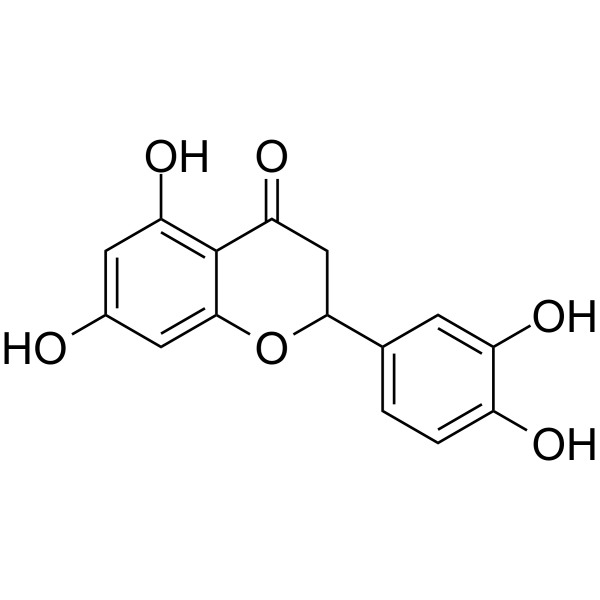
(±)-Eriodictyol ((±)-Huazhongilexone; Dihydroluteolin) is an orally active TRPV1 receptor antagonist (IC50=44-47 nM, rTRPV1) with antioxidant and anti-inflammatory activities. (±)-Eriodictyol effectively inhibits lipid peroxidation and the release of proinflammatory cytokines by specifically antagonizing the TRPV1 receptor and activating the Nrf2 signaling pathway. (±)-Eriodictyol reduces the levels of ICAM-1, VEGF, eNOS and TNF-α in the retina and maintains the integrity of the blood-retinal barrier. (±)-Eriodictyol alleviates oxidative stress-induced apoptosis and hyperalgesia, enhances the activity and cytotoxicity of immune cells (such as B lymphocytes, NK cells and macrophages), and increases the levels of antioxidant enzymes simultaneously. (±)-Eriodictyol can be used in the research of diabetic retinopathy, acute lung injury and various pain-related diseases .
Atacicept (TACI-Ig) is a is a recombinant fusion protein containing the extracellular, ligand-binding portion of the TACI receptor and the Fc portion of human IgG. Atacicept inhibits B cell stimulation by binding to B lymphocyte stimulator and a proliferation-inducing ligand. Atacicept can be used in research of B-cell autoimmune disease .
Quetmolimab (E6011) is a humanized anti-Fractalkine (CX3CL1) monoclonal antibody. Quetmolimab binds to membrane-bound and soluble Fractalkine, neutralizes Fractalkine-induced migration of CX3CR1-expressing cells, mediates target-bound complex elimination from serum. Quetmolimab suppresses free soluble Fractalkine levels in cynomolgus monkeys, with target engagement linked to increased serum total Fractalkine concentration. Quetmolimab can be used for the research of Crohn’s disease, rheumatoid arthritis, and primary biliary cholangitis .
Panobacumab (KBPA101) is a fully human IgM/κ monoclonal antibody generated by immortalizing human B lymphocytes against the LPS O polysaccharide of serotype O11 of P. aeruginosa .
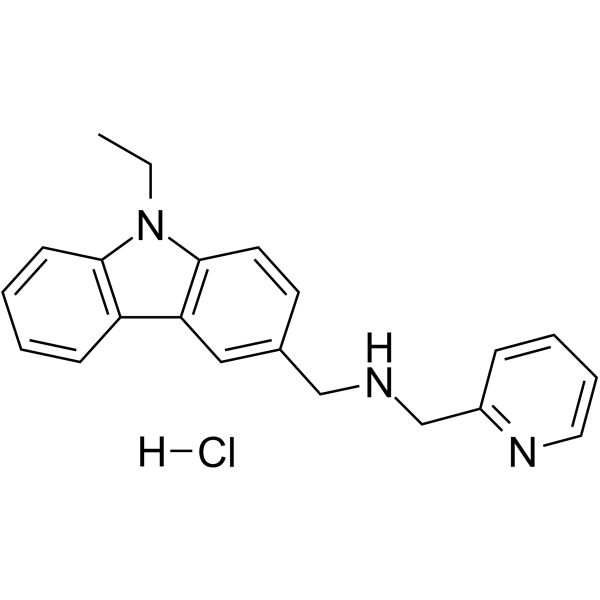
CMP-5 is a potent, specific, and selective PRMT5 inhibitor, while displays no activity against PRMT1, PRMT4, and PRMT7 enzymes. CMP-5 selectively blocks S2Me-H4R3 by inhibiting PRMT5 methyltransferase activity on histone preparations. CMP-5 prevents Epstein-Barr virus (EBV)-driven B-lymphocyte transformation but leaving normal B cells unaffected .
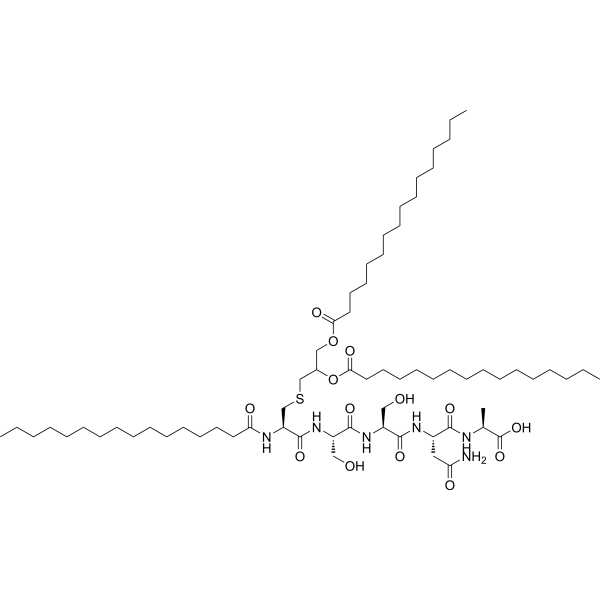
Mitogenic Pentapeptide (Tripalmitoyl pentapeptide) is an effective activator of B lymphocyte mitogen and polyclonal. Mitogen Pentapeptide is a synthetic N-terminal analog of E. coli outer membrane lipoproteins. Mitogenic Pentapeptide can be used for the study of immune adjuvants .
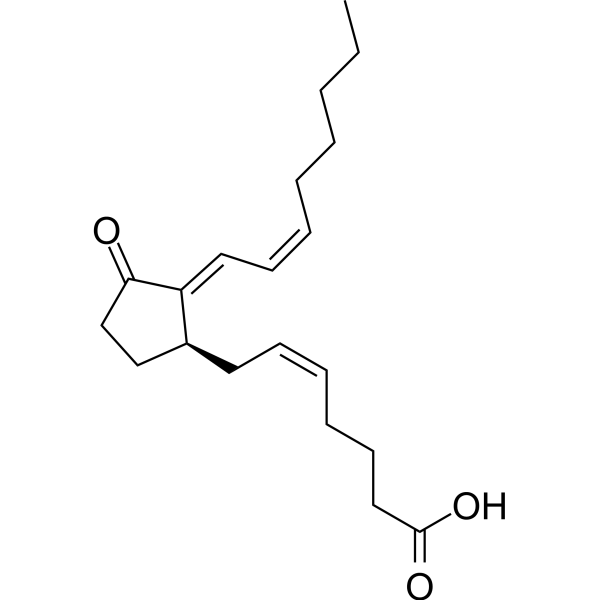
CAY10410 (11-Oxo-prosta-5Z), a 15d-PGJ2 analog, is a potent PPARγ agonist. CAY10410 has the ability to activate PPARγ in human B cells without killing B lymphocytes .
Dacarbazine (Standard) is the analytical standard of Dacarbazine. This product is intended for research and analytical applications. Dacarbazine is a nonspecific antineoplastic (antineoplastic) alkylating agent. Dacarbazine inhibits T and B lymphocyte responses with IC50 of 50 and 10 μg/mL, respectively. Dacarbazine can be used in the study of metastatic malignant melanoma .
TIC10g is a dual inhibitor for toll-like receptor 7 and 9 (TLR7 and TLR9), which inhibits TLR7 and TLR9 mediated TNF-α release in mouse macrophages (IC50 is 14.5 μM and 6.5 μM) and human B lymphocytes (IC50 is 7.69 μM and 11.5 μM). TIC10g inhibits the activation of NF-κB and MAPK, and exhibits anti-inflammatory activity against systemic lupus erythematosus and rheumatoid arthritis .
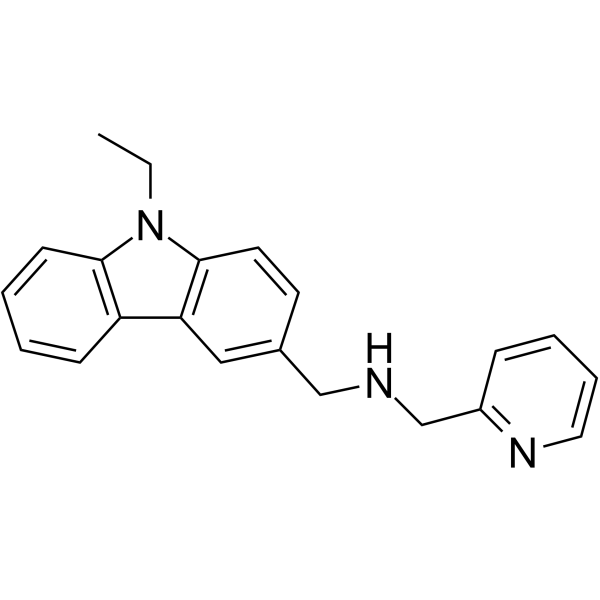
D228 is an orally active antiinflammatory agent. D228 reduces ConA induced T lymphocyte cell proliferation (IC50: 42.85 μM) and LPS induced B lymphocyte cell proliferation (IC50: 3.15 μM). D228 is effective against inflammatory bowel disease (IBD). D228 alleviates the DSS (HY-116282C)-induced inflammation response in the IBD model by downregulating the MyD88/TRAF6/p38 signaling .
CMP-5 dihydrochloride is a potent, specific, and selective PRMT5 inhibitor, while displays no activity against PRMT1, PRMT4, and PRMT7 enzymes. CMP-5 dihydrochloride selectively blocks S2Me-H4R3 by inhibiting PRMT5 methyltransferase activity on histone preparations. CMP-5 dihydrochloride prevents EBV-driven B-lymphocyte transformation but leaving normal B cells unaffected .
CMP-5 hydrochloride is a potent, specific, and selective PRMT5 inhibitor, while displays no activity against PRMT1, PRMT4, and PRMT7 enzymes. CMP-5 hydrochloride selectively blocks S2Me-H4R3 by inhibiting PRMT5 methyltransferase activity on histone preparations. CMP-5 hydrochloride prevents EBV-driven B-lymphocyte transformation but leaving normal B cells unaffected .
3-Chlorobenzoic acid (Standard) is the analytical standard of 3-Chlorobenzoic acid. This product is intended for research and analytical applications. (±)-Eriodictyol ((±)-Huazhongilexone; Dihydroluteolin) is an orally active TRPV1 receptor antagonist (IC50=44-47 nM, rTRPV1) with antioxidant and anti-inflammatory activities. (±)-Eriodictyol effectively inhibits lipid peroxidation and the release of proinflammatory cytokines by specifically antagonizing the TRPV1 receptor and activating the Nrf2 signaling pathway. (±)-Eriodictyol reduces the levels of ICAM-1, VEGF, eNOS and TNF-α in the retina and maintains the integrity of the blood-retinal barrier. (±)-Eriodictyol alleviates oxidative stress-induced apoptosis and hyperalgesia, enhances the activity and cytotoxicity of immune cells (such as B lymphocytes, NK cells and macrophages), and increases the levels of antioxidant enzymes simultaneously. (±)-Eriodictyol can be used in the research of diabetic retinopathy, acute lung injury and various pain-related diseases .
Human IL2 mRNA encodes the human interleukin 2 (IL2) protein, a member of the interleukin 2 (IL2) cytokine subfamily. IL2 is produced by activated CD4+ and CD8+ T lymphocytes. It is important for the proliferation of T and B lymphocytes.
DXL625 is an autophilic CD20-targeting agent. DXL625 triggers downstream apoptosis signaling pathways dependent on intact lipid rafts and extracellular Ca 2+. DXL625 induces caspase-mediated apoptosis in cancer cells and selectively targets cells in the actively proliferative S phase. DXL625 mediates complement-dependent cytotoxicity in cancer cells and primary B lymphocytes. DXL625 can be used in research related to Burkitt's lymphoma and B-cell lymphoma .
Sotrastaurin (AEB071) acetate is a selective, orally active PKC inhibitor. Sotrastaurin acetate inactivates NF-κB by inhibiting PKC α, β, θ, γ subtypes, thereby reducing the transcription levels of immune response-related genes. Sotrastaurin acetate effectively inhibits alloreactive T cell proliferation, conventional T cell activation, as well as the production of pro-inflammatory cytokines and B lymphocytes. Sotrastaurin acetate also maintains the functional and phenotypic stability of regulatory T cells, enhances Foxp3 expression and restores the balance of helper T lymphocytes. Sotrastaurin acetate can prolong the survival time of allografts, and alleviate inflammatory responses and myasthenic symptoms by reducing anti-AChR antibody levels. Sotrastaurin acetate is widely used in studies related to kidney transplantation, psoriasis and myasthenia gravis .
Mitogenic Pentapeptide (Tripalmitoyl pentapeptide) is an effective activator of B lymphocyte mitogen and polyclonal. Mitogen Pentapeptide is a synthetic N-terminal analog of E. coli outer membrane lipoproteins. Mitogenic Pentapeptide can be used for the study of immune adjuvants .
Belimumab (LymphoStat B) is a humanized IgG1λ monoclonal antibody against B-lymphocyte stimulator (BLyS) protein. Belimumab antagonizes BLyS activity in autoimmune diseases and B-lymphocyte malignancies. Belimumab can be used for systemic lupus erythematosus (SLE) research . The component ratio of this product is Active ingredient: Excipients = 1:1.0-1:1.2.
Telitacicept (RC18) is a fully human TACI-Fc fusion protein. Telitacicept is a dual B lymphocyte stimulator (BLyS)/APRIL (a proliferation-inducing ligand) inhibitor that effectively blocks proliferation of B lymphocytes. Telitacicept can be used in research of B-cell autoimmune disease . The component ratio of this product is Active ingredient : Excipients = 1: 0.5-1: 0.8.
Ofatumumab is a fully human anti-CD20 monoclonal antibody that induces antibody-dependent cell-mediated cytotoxicity (ADCC) and complement-dependent cytotoxicity (CDC) in CD20-expressing B lymphocytes. Ofatumumab has strong lytic activity against CD20-positive B lymphocytes and eliminates CD20-positive tumor cells through ADCC and CDC. Ofatumumab is particularly effective against drug-resistant cells with low CD20 expression and can be applied to the research of chronic lymphocytic leukemia (CLL) .
Atacicept (TACI-Ig) is a is a recombinant fusion protein containing the extracellular, ligand-binding portion of the TACI receptor and the Fc portion of human IgG. Atacicept inhibits B cell stimulation by binding to B lymphocyte stimulator and a proliferation-inducing ligand. Atacicept can be used in research of B-cell autoimmune disease .
Quetmolimab (E6011) is a humanized anti-Fractalkine (CX3CL1) monoclonal antibody. Quetmolimab binds to membrane-bound and soluble Fractalkine, neutralizes Fractalkine-induced migration of CX3CR1-expressing cells, mediates target-bound complex elimination from serum. Quetmolimab suppresses free soluble Fractalkine levels in cynomolgus monkeys, with target engagement linked to increased serum total Fractalkine concentration. Quetmolimab can be used for the research of Crohn’s disease, rheumatoid arthritis, and primary biliary cholangitis .
Panobacumab (KBPA101) is a fully human IgM/κ monoclonal antibody generated by immortalizing human B lymphocytes against the LPS O polysaccharide of serotype O11 of P. aeruginosa .
UB-221 is a humanized IgG1 monoclonal antibody inhibitor targeting IgE. UB-221 significantly decreases IgE synthesis by stabilization of membrane-bound CD23 on B lymphocytes and inhibits FcԑRI-mediated basophil activation and degranulation. UB-221 reduces IgE level in cynomolgus macaques and human IgE (ε, κ)-transgenic (hIGHE-knockin) mice. UB-221 can be used for asthma and chronic spontaneous urticaria (CSU) research .
DXL625 is an autophilic CD20-targeting agent. DXL625 triggers downstream apoptosis signaling pathways dependent on intact lipid rafts and extracellular Ca 2+. DXL625 induces caspase-mediated apoptosis in cancer cells and selectively targets cells in the actively proliferative S phase. DXL625 mediates complement-dependent cytotoxicity in cancer cells and primary B lymphocytes. DXL625 can be used in research related to Burkitt's lymphoma and B-cell lymphoma .
Eriodictyol ((±)-Huazhongilexone; Dihydroluteolin) is an orally active TRPV1 receptor antagonist (IC50=44-47 nM, rTRPV1) with antioxidant and anti-inflammatory activities. Eriodictyol effectively inhibits lipid peroxidation and the release of proinflammatory cytokines by specifically antagonizing the TRPV1 receptor and activating the Nrf2 signaling pathway. Eriodictyol reduces the levels of ICAM-1, VEGF, eNOS and TNF-α in the retina and maintains the integrity of the blood-retinal barrier. Eriodictyol alleviates oxidative stress-induced apoptosis and hyperalgesia, enhances the activity and cytotoxicity of immune cells (such as B lymphocytes, NK cells and macrophages), and increases the levels of antioxidant enzymes simultaneously. Eriodictyol can be used in the research of diabetic retinopathy, acute lung injury and various pain-related diseases .
(±)-Eriodictyol ((±)-Huazhongilexone; Dihydroluteolin) is an orally active TRPV1 receptor antagonist (IC50=44-47 nM, rTRPV1) with antioxidant and anti-inflammatory activities. (±)-Eriodictyol effectively inhibits lipid peroxidation and the release of proinflammatory cytokines by specifically antagonizing the TRPV1 receptor and activating the Nrf2 signaling pathway. (±)-Eriodictyol reduces the levels of ICAM-1, VEGF, eNOS and TNF-α in the retina and maintains the integrity of the blood-retinal barrier. (±)-Eriodictyol alleviates oxidative stress-induced apoptosis and hyperalgesia, enhances the activity and cytotoxicity of immune cells (such as B lymphocytes, NK cells and macrophages), and increases the levels of antioxidant enzymes simultaneously. (±)-Eriodictyol can be used in the research of diabetic retinopathy, acute lung injury and various pain-related diseases .
3-Chlorobenzoic acid (Standard) is the analytical standard of 3-Chlorobenzoic acid. This product is intended for research and analytical applications. (±)-Eriodictyol ((±)-Huazhongilexone; Dihydroluteolin) is an orally active TRPV1 receptor antagonist (IC50=44-47 nM, rTRPV1) with antioxidant and anti-inflammatory activities. (±)-Eriodictyol effectively inhibits lipid peroxidation and the release of proinflammatory cytokines by specifically antagonizing the TRPV1 receptor and activating the Nrf2 signaling pathway. (±)-Eriodictyol reduces the levels of ICAM-1, VEGF, eNOS and TNF-α in the retina and maintains the integrity of the blood-retinal barrier. (±)-Eriodictyol alleviates oxidative stress-induced apoptosis and hyperalgesia, enhances the activity and cytotoxicity of immune cells (such as B lymphocytes, NK cells and macrophages), and increases the levels of antioxidant enzymes simultaneously. (±)-Eriodictyol can be used in the research of diabetic retinopathy, acute lung injury and various pain-related diseases .
The CD19 protein is a B cell antigen receptor coreceptor that enhances downstream signaling pathways, lowers the activation threshold, and helps B cells respond to antigens. It activates phosphatidylinositol 3-kinase and mobilizes intracellular Ca(2+). CD19 Protein, Human (CHO, His) is the recombinant human-derived CD19 protein, expressed by CHO, with C-His labeled tag.
The CD19 protein is a B cell antigen receptor coreceptor that enhances downstream signaling pathways, lowers the activation threshold, and helps B cells respond to antigens. It activates phosphatidylinositol 3-kinase and mobilizes intracellular Ca(2+). CD19 Protein, Human (HEK293, His) is the recombinant human-derived CD19 protein, expressed by HEK293 , with C-His labeled tag.
The CD19 protein acts as a coreceptor for B cell antigen receptors, lowering the signaling threshold and initiating B cell responses to antigens. It activates a cascade leading to PI3K activation and Ca(2+) mobilization. CD19 Protein, Mouse (HEK293, His) is the recombinant mouse-derived CD19 protein, expressed by HEK293 , with C-His labeled tag.
The CD19 protein acts as a coreceptor for B cell antigen receptors, lowering the signaling threshold and initiating B cell responses to antigens. It activates a cascade leading to PI3K activation and Ca(2+) mobilization. CD19 Protein, Mouse (Biotinylated, HEK293, His) is the recombinant mouse-derived CD19 protein, expressed by HEK293 , with C-His labeled tag.
CD19 is a signaling component of the B-cell receptor complex that lowers the threshold for antigen-driven activation. CD19 Protein, Cynomolgus/Rhesus Macaque (CHO, hFc) is the recombinant rhesus macaque/cynomolgus-derived CD19 protein, expressed by CHO, with C-hFc labeled tag.
CD19 is a signaling component of the B-cell receptor complex that lowers the threshold for antigen-driven activation. CD19 Protein, Cynomolgus/Rhesus Macaque (HEK293, His) is the recombinant Rhesus Macaque, cynomolgus-derived CD19 protein, expressed by HEK293 , with C-His labeled tag.
The CD19 protein is a B cell antigen receptor coreceptor that enhances downstream signaling pathways, lowers the activation threshold, and helps B cells respond to antigens. It activates phosphatidylinositol 3-kinase and mobilizes intracellular Ca(2+). CD19 Protein, Human (FITC, HEK293, His) is the recombinant human-derived CD19 protein, expressed by HEK293 , with C-His labeled tag.
The CD19 protein is a B cell antigen receptor coreceptor that enhances downstream signaling pathways, lowers the activation threshold, and helps B cells respond to antigens. It activates phosphatidylinositol 3-kinase and mobilizes intracellular Ca(2+). FITC-Labeled CD19 Protein, Human (HEK293, hFc) is the recombinant human-derived FITC-Labeled CD19 protein, expressed by HEK293, with C-hFc labeled tag.
CD19 is a signaling component of the B-cell receptor complex that lowers the threshold for antigen-driven activation. CD19 Protein, Cynomolgus/Rhesus Macaque (Biotinylated, HEK293, His) is the recombinant Rhesus Macaque-derived CD19 protein, expressed by HEK293 , with C-His labeled tag.
The CD19 protein is a B cell antigen receptor coreceptor that enhances downstream signaling pathways, lowers the activation threshold, and helps B cells respond to antigens. It activates phosphatidylinositol 3-kinase and mobilizes intracellular Ca(2+). CD19 Protein, Human (HEK293, Fc) is the recombinant human-derived CD19 protein, expressed by HEK293 , with C-hFc labeled tag.
CD19 is a signaling component of the B-cell receptor complex that lowers the threshold for antigen-driven activation. CD19 Protein, Cynomolgus/Rhesus Macaque (HEK293, Fc) is the recombinant Rhesus Macaque-derived CD19 protein, expressed by HEK293 , with C-hFc labeled tag.
CD19 Protein, Human (CHO, Fc) is a polypeptide chain with the C-terminal human IgG1 Fc fragment produced in CHO cells. CD19 is a biomarker for normal and neoplastic B cells.
SLAMF8 protein may contribute to B-lineage commitment and modulation of B-cell receptor signaling, playing a crucial role in B-cell development and immune responses. Exploring its molecular mechanisms and downstream effects could provide insights into its significance in B-cell biology. SLAMF8 Protein, Mouse (HEK293, His) is the recombinant mouse-derived SLAMF8 protein, expressed by HEK293 , with C-6*His labeled tag.
SLAMF8 Protein potentially plays a role in B-lineage commitment and/or modulation of B-cell receptor signaling, suggesting involvement in critical processes of B-cell development and function. The precise mechanisms by which SLAMF8 influences these aspects remain areas of interest, emphasizing its potential significance in regulating immune responses and the intricate signaling network governing B-cell activities. SLAMF8 Protein, Human (HEK293, His) is the recombinant human-derived SLAMF8 protein, expressed by HEK293 , with C-6*His labeled tag.
SLAMF2/CD48 protein is a GPI-anchored glycoprotein that regulates immune cell function by interacting with CD2 and CD244. SLAMF2/CD48 Protein, Human (HEK293, mFc) is the recombinant human-derived SLAMF2/CD48 protein, expressed by HEK293 , with C-mFc labeled tag.
The Siglec-2/CD22 protein mediates B cell interactions and may direct B cell localization within lymphoid tissues. It recognizes sialylated glycoproteins, especially α-2,6-linked sialic acid, and participates in cis-interactions at the cell surface. Siglec-2/CD22 Protein, Human (Biotinylated, HEK293, His-Avi) is the recombinant human-derived Siglec-2/CD22 protein, expressed by HEK293 , with C-Avi, C-6*His labeled tag.
CD20/MS4A1 protein regulates cellular calcium influx, essential for B-lymphocyte development, differentiation, and activation. It activates store-operated calcium channels, allowing calcium influx through B-cell receptor/BCR activation. CD20/MS4A1 protein forms homotetramers and interacts with cell surface IgM chains, the antigen-binding parts of the BCR. CD20/MS4A1 Protein, Mouse (P.pastoris, His) is the recombinant mouse-derived CD20/MS4A1 protein, expressed by P. pastoris , with N-6*His labeled tag.
CD20/MS4A1-VLP Protein, Mouse (HEK293) is recommended for animal immunization, ELISA. It is not recommended for receptor-ligand interaction detection and SPR/BLI assay since there are other irrelevant membrane proteins of the host on the VLP envelope, and the receptor-ligand interaction will have strong background interference. High requirements for chips and experimental protocols are needed for SPR/BLI assays. If VLP control is required, it is recommended HY-P705433.
CD20/MS4A1 protein is a B lymphocyte membrane protein that plays a crucial regulatory role in cellular calcium influx, which is essential for the development, differentiation and activation of B lymphocytes. As part of a store-operated calcium (SOC) channel, it promotes calcium influx upon B cell receptor/BCR activation. CD20/MS4A1 Protein, Human (His-Avi) is the recombinant human-derived CD20/MS4A1 protein, expressed by E. coli , with C-Avi, C-His labeled tag.
CD20/MS4A1 Protein-VLP, Dog (HEK293, His) is recommended for animal immunization, ELISA. It is not recommended for receptor-ligand interaction detection and SPR/BLI assay since there are other irrelevant membrane proteins of the host on the VLP envelope, and the receptor-ligand interaction will have strong background interference. High requirements for chips and experimental protocols are needed for SPR/BLI assays. If VLP control is required, it is recommended HY-P701236. Tags can only be detected under denaturing conditions.
CD20/MS4A1 protein-VLP, Dog, a B lymphocyte membrane protein critical for calcium influx and essential for B lymphocyte development, differentiation, and activation. As a component of store-operated calcium (SOC) channels, it promotes calcium influx upon B cell receptor/BCR activation. CD20/MS4A1 Protein, Dog (HEK293, His, Nanodisc) is the recombinant dog-derived CD20/MS4A1 protein, expressed by HEK293, with C-His labeled tag.
CD20/MS4A1 protein is a B lymphocyte membrane protein that plays a crucial regulatory role in cellular calcium influx, which is essential for the development, differentiation and activation of B lymphocytes. As part of a store-operated calcium (SOC) channel, it promotes calcium influx upon B cell receptor/BCR activation. CD20/MS4A1 Protein, Cynomolgus (85a.a, HEK293, His) is the recombinant cynomolgus-derived CD20/MS4A1 protein, expressed by HEK293 , with C-His labeled tag.
SLAMF2/CD48 protein is a GPI-anchored glycoprotein that regulates immune cell function by interacting with CD2 and CD244. SLAMF2/CD48 Protein, Human (HEK293, hFc) is the recombinant human-derived SLAMF2/CD48 protein, expressed by HEK293 , with C-hFc labeled tag.
The BLK protein is a key non-receptor tyrosine kinase that is essential for B lymphocyte development and signal transduction. It regulates pro-B to pre-B transition, growth arrest, and apoptosis downstream of B cell receptors by binding and phosphorylating CD79A and CD79B. BLK Protein, Human (sf9, GST) is the recombinant human-derived BLK protein, expressed by Sf9 insect cells , with N-GST labeled tag.
The BLK protein is a key non-receptor tyrosine kinase that is essential for B lymphocyte development and signal transduction. It regulates pro-B to pre-B transition, growth arrest, and apoptosis downstream of B cell receptors by binding and phosphorylating CD79A and CD79B. BLK Protein, Human (Active, Sf9) is the recombinant human-derived BLK protein, expressed by Sf9.
BAFF/TNFSF13B protein binds to TNFRSF13B and TNFRSF17, stimulates B-cell and T-cell function and regulates humoral immunity. BAFF/TNFSF13B also interacts with TNFSF13 to promote the survival and response of mature B cells. BAFF/TNFSF13B Protein, Mouse (HEK293) is the recombinant mouse-derived BAFF/TNFSF13B protein, expressed by HEK293, with tag free.
BAFF/TNFSF13B, is the B cell-activating cytokine belonging to the tumor necrosis factor family. BAFF is involved in cancer immunity and is mainly expressed in myeloid cells. Its overexpression can lead to autoimmune diseases such as systemic lupus erythematosus (SLE). In addition, BAFF is also involved in adipogenesis, atherosclerosis, neuroinflammatory process and ischemia/reperfusion (I/R) injury . Mouse BAFF protein has two glycosylated domains and one transmembrane domain (48-68 a.a.), and can be cleaved into membrane-type peptide fragments and soluble peptide fragments. Animal-Free BAFF/TNFSF13B Protein, Mouse (His) is the extracullar part of BAFF protein (A127-L309), produced in HEK293 cells with C-terminal His-tag.This product is for cell culture use only.
BAFF/TNFSF13B, is the B cell-activating cytokine belonging to the tumor necrosis factor family. BAFF is involved in cancer immunity and is mainly expressed in myeloid cells. Its overexpression can lead to autoimmune diseases such as systemic lupus erythematosus (SLE). In addition, BAFF is also involved in adipogenesis, atherosclerosis, neuroinflammatory process and ischemia/reperfusion (I/R) injury. Human BAFF protein has two glycosylated domains and one transmembrane domain (48-68 a.a.), and can be cleaved into membrane-type peptide fragments and soluble peptide fragments. BAFF/TNFSF13B Protein, Human (HEK293, His) is the extracullar part of BAFF protein (A134-L285), produced in HEK293 cells with N-terminal 6*His-tag.
BAFF/TNFSF13B, is the B cell-activating cytokine belonging to the tumor necrosis factor family. BAFF is involved in cancer immunity and is mainly expressed in myeloid cells. Its overexpression can lead to autoimmune diseases such as systemic lupus erythematosus (SLE). In addition, BAFF is also involved in adipogenesis, atherosclerosis, neuroinflammatory process and ischemia/reperfusion (I/R) injury . Human BAFF protein has two glycosylated domains and one transmembrane domain (48-68 a.a.), and can be cleaved into membrane-type peptide fragments and soluble peptide fragments. BAFF/TNFSF13B Protein, Human (HEK293, Fc) is the extracullar part of BAFF protein (A134-L285), produced in HEK293 cells with N-terminal hFc-tag.
BAFF/TNFSF13B, is the B cell-activating cytokine belonging to the tumor necrosis factor family. BAFF is involved in cancer immunity and is mainly expressed in myeloid cells. Its overexpression can lead to autoimmune diseases such as systemic lupus erythematosus (SLE). In addition, BAFF is also involved in adipogenesis, atherosclerosis, neuroinflammatory process and ischemia/reperfusion (I/R) injury . Mouse BAFF protein has two glycosylated domains and one transmembrane domain (48-68 a.a.), and can be cleaved into membrane-type peptide fragments and soluble peptide fragments. BAFF/TNFSF13B Protein, Mouse (HEK293, Fc) is the extracullar part of BAFF protein (A127-L309), produced in HEK293 cells with N-terminal mFc-tag.
CD19 CAR mRNA (Human) expresses CAR protein that specifically targets human CD19. CD19 CAR mRNA can trigger transitory expression of CAR, allowing T cells to be targeted without permanent genetic modification. CD19 CAR mRNA targets CD19 which is a transmembrane glycoprotein primarily expressed on B lymphocytes and is important in B cell activation. CD19 CAR mRNA can be studied in cancer research such as lymphoma and leukemia .
Human IL2 mRNA encodes the human interleukin 2 (IL2) protein, a member of the interleukin 2 (IL2) cytokine subfamily. IL2 is produced by activated CD4+ and CD8+ T lymphocytes. It is important for the proliferation of T and B lymphocytes.
Inquiry Online
Your information is safe with us. * Required Fields.
Western blot analysis of extracts from THP-1(lane 2(20μg), Jurkat (lane 3(20μg) and NIH3T3(lane 4(20μg) using FOXO1A (HY-P80132) Rabbit mAb. Proteins were transferred
to a PVDF membrane and blocked with 5% non-fat milk in TBST for 2 hour at room temperature. The primary antibody (1/1000) and Loading control antibody (Beta Actin, HY-P80438, 1/10000) was
used in 5% non-fat milk in TBST at 4°C overnight. Goat Anti-Mouse/Rabbit IgG-HRP Secondary Antibody (1/10000) was used for 1 hour at room temperature.
Western blot analysis of extracts from THP-1(lane 2(20μg), Jurkat (lane 3(20μg) and NIH3T3(lane 4(20μg) using FOXO1A (HY-P80132) Rabbit mAb. Proteins were transferred
to a PVDF membrane and blocked with 5% non-fat milk in TBST for 2 hour at room temperature. The primary antibody (1/1000) and Loading control antibody (Beta Actin, HY-P80438, 1/10000) was
used in 5% non-fat milk in TBST at 4°C overnight. Goat Anti-Mouse/Rabbit IgG-HRP Secondary Antibody (1/10000) was used for 1 hour at room temperature.
Western blot analysis of extracts from THP-1(lane 2(20μg), Jurkat (lane 3(20μg) and NIH3T3(lane 4(20μg) using FOXO1A (HY-P80132) Rabbit mAb. Proteins were transferred
to a PVDF membrane and blocked with 5% non-fat milk in TBST for 2 hour at room temperature. The primary antibody (1/1000) and Loading control antibody (Beta Actin, HY-P80438, 1/10000) was
used in 5% non-fat milk in TBST at 4°C overnight. Goat Anti-Mouse/Rabbit IgG-HRP Secondary Antibody (1/10000) was used for 1 hour at room temperature.
Western blot analysis of extracts from THP-1(lane 2(20μg), Jurkat (lane 3(20μg) and NIH3T3(lane 4(20μg) using FOXO1A (HY-P80132) Rabbit mAb. Proteins were transferred
to a PVDF membrane and blocked with 5% non-fat milk in TBST for 2 hour at room temperature. The primary antibody (1/1000) and Loading control antibody (Beta Actin, HY-P80438, 1/10000) was
MedchemExpress Validation 03
Western blot analysis of extracts from THP-1(lane 2(20μg), Jurkat (lane 3(20μg) and NIH3T3(lane 4(20μg) using FOXO1A (HY-P80132) Rabbit mAb. Proteins were transferred
MedchemExpress Validation 04
Western blot analysis of extracts from THP-1(lane 2(20μg), Jurkat (lane 3(20μg) and NIH3T3(lane 4(20μg) using FOXO1A (HY-P80132) Rabbit mAb. Proteins were transferred
to a PVDF membrane and blocked with 5% non-fat milk in TBST for 2 hour at room temperature. The primary antibody (1/1000) and Loading control antibody (Beta Actin, HY-P80438, 1/10000) was
used in 5% non-fat milk in TBST at 4°C overnight. Goat Anti-Mouse/Rabbit IgG-HRP Secondary Antibody (1/10000) was used for 1 hour at room temperature.
MedchemExpress Validation
Western blot analysis of extracts from THP-1(lane 2(20μg), Jurkat (lane 3(20μg) and NIH3T3(lane 4(20μg) using FOXO1A (HY-P80132) Rabbit mAb. Proteins were transferred
to a PVDF membrane and blocked with 5% non-fat milk in TBST for 2 hour at room temperature. The primary antibody (1/1000) and Loading control antibody (Beta Actin, HY-P80438, 1/10000) was
used in 5% non-fat milk in TBST at 4°C overnight. Goat Anti-Mouse/Rabbit IgG-HRP Secondary Antibody (1/10000) was used for 1 hour at room temperature.
Western blot analysis of extracts from THP-1(lane 2(20μg), Jurkat (lane 3(20μg) and NIH3T3(lane 4(20μg) using FOXO1A (HY-P80132) Rabbit mAb. Proteins were transferred
to a PVDF membrane and blocked with 5% non-fat milk in TBST for 2 hour at room temperature. The primary antibody (1/1000) and Loading control antibody (Beta Actin, HY-P80438, 1/10000) was
used in 5% non-fat milk in TBST at 4°C overnight. Goat Anti-Mouse/Rabbit IgG-HRP Secondary Antibody (1/10000) was used for 1 hour at room temperature.
MedchemExpress Validation
Western blot analysis of extracts from THP-1(lane 2(20μg), Jurkat (lane 3(20μg) and NIH3T3(lane 4(20μg) using FOXO1A (HY-P80132) Rabbit mAb. Proteins were transferred
to a PVDF membrane and blocked with 5% non-fat milk in TBST for 2 hour at room temperature. The primary antibody (1/1000) and Loading control antibody (Beta Actin, HY-P80438, 1/10000) was
used in 5% non-fat milk in TBST at 4°C overnight. Goat Anti-Mouse/Rabbit IgG-HRP Secondary Antibody (1/10000) was used for 1 hour at room temperature.
MedchemExpress Validation
Western blot analysis of extracts from THP-1(lane 2(20μg), Jurkat (lane 3(20μg) and NIH3T3(lane 4(20μg) using FOXO1A (HY-P80132) Rabbit mAb. Proteins were transferred
to a PVDF membrane and blocked with 5% non-fat milk in TBST for 2 hour at room temperature. The primary antibody (1/1000) and Loading control antibody (Beta Actin, HY-P80438, 1/10000) was
used in 5% non-fat milk in TBST at 4°C overnight. Goat Anti-Mouse/Rabbit IgG-HRP Secondary Antibody (1/10000) was used for 1 hour at room temperature.
MedchemExpress Validation
Western blot analysis of extracts from THP-1(lane 2(20μg), Jurkat (lane 3(20μg) and NIH3T3(lane 4(20μg) using FOXO1A (HY-P80132) Rabbit mAb. Proteins were transferred
to a PVDF membrane and blocked with 5% non-fat milk in TBST for 2 hour at room temperature. The primary antibody (1/1000) and Loading control antibody (Beta Actin, HY-P80438, 1/10000) was
used in 5% non-fat milk in TBST at 4°C overnight. Goat Anti-Mouse/Rabbit IgG-HRP Secondary Antibody (1/10000) was used for 1 hour at room temperature.
MedchemExpress Validation
Western blot analysis of extracts from THP-1(lane 2(20μg), Jurkat (lane 3(20μg) and NIH3T3(lane 4(20μg) using FOXO1A (HY-P80132) Rabbit mAb. Proteins were transferred
to a PVDF membrane and blocked with 5% non-fat milk in TBST for 2 hour at room temperature. The primary antibody (1/1000) and Loading control antibody (Beta Actin, HY-P80438, 1/10000) was
used in 5% non-fat milk in TBST at 4°C overnight. Goat Anti-Mouse/Rabbit IgG-HRP Secondary Antibody (1/10000) was used for 1 hour at room temperature.
MedchemExpress Validation
Western blot analysis of extracts from THP-1(lane 2(20μg), Jurkat (lane 3(20μg) and NIH3T3(lane 4(20μg) using FOXO1A (HY-P80132) Rabbit mAb. Proteins were transferred
to a PVDF membrane and blocked with 5% non-fat milk in TBST for 2 hour at room temperature. The primary antibody (1/1000) and Loading control antibody (Beta Actin, HY-P80438, 1/10000) was
used in 5% non-fat milk in TBST at 4°C overnight. Goat Anti-Mouse/Rabbit IgG-HRP Secondary Antibody (1/10000) was used for 1 hour at room temperature.
MedchemExpress Validation
Western blot analysis of extracts from THP-1(lane 2(20μg), Jurkat (lane 3(20μg) and NIH3T3(lane 4(20μg) using FOXO1A (HY-P80132) Rabbit mAb. Proteins were transferred
to a PVDF membrane and blocked with 5% non-fat milk in TBST for 2 hour at room temperature. The primary antibody (1/1000) and Loading control antibody (Beta Actin, HY-P80438, 1/10000) was
used in 5% non-fat milk in TBST at 4°C overnight. Goat Anti-Mouse/Rabbit IgG-HRP Secondary Antibody (1/10000) was used for 1 hour at room temperature.
MedChemExpress values your privacy and your trust is important to us. We use cookies to enhance your website experience. Some cookies are necessary to run the website.
Privacy and Cookie Policy