1. Search Result
Search Result
Results for "

G4

" in MedChemExpress (MCE) Product Catalog:

123

Inhibitors & Agonists

3

Fluorescent Dyes

18

Biochemical Assay Reagents

5

Peptides

24

Inhibitory Antibodies

3

Recombinant Proteins

4

Antibodies

11

Oligonucleotides

Cat. No. Product Name Target Research Areas Chemical Structure
  • HY-P99029
    Magrolimab
    4 Publications Verification

    Hu5F9-G4

    CD47 Cancer
    Magrolimab (Hu5F9-G4) is a humanized anti-CD47 antibody. Magrolimab, an IgG4 isotype, lacks ADCC function and exhibits relatively weak ADCP effector function. Magrolimab can be used for the study of malignant bone tumors and breast cancer .
    Magrolimab
  • HY-15594A

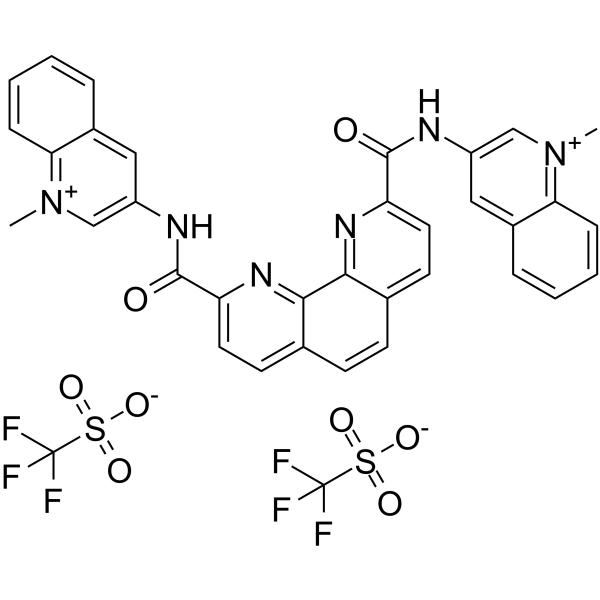
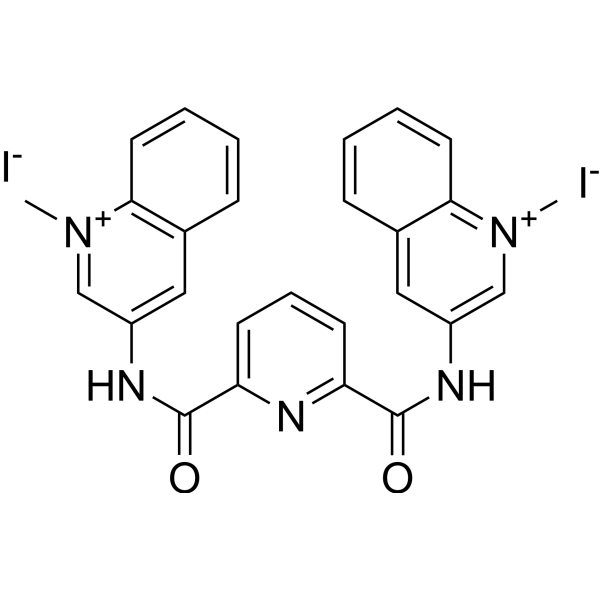
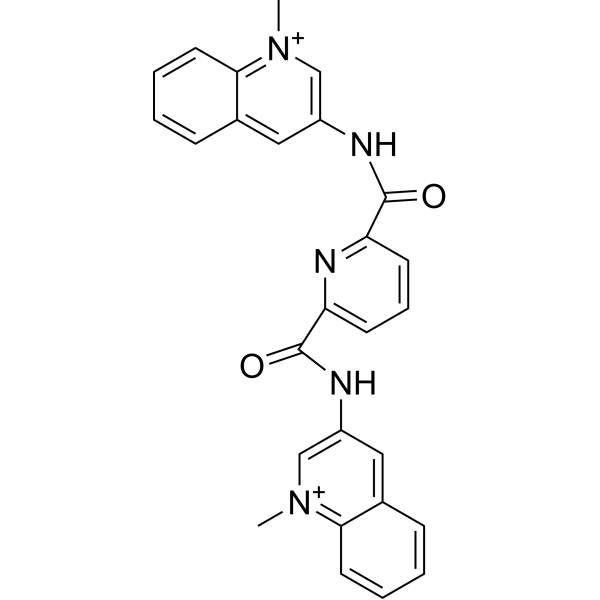
    Phen-DC3 Triflate

    G-quadruplex Cancer
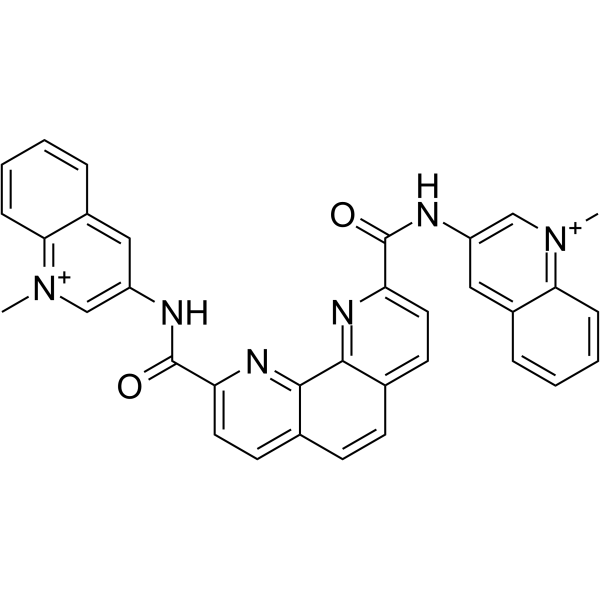
    Phen-DC3 Trifluoromethanesulfonate is a G-quadruplex (G4) specific ligand which can inhibit FANCJ and DinG helicases with IC50s of 65±6 and 50±10 nM, respectively.
    Phen-DC3 Trifluoromethanesulfonate
  • HY-164421

    G-quadruplex DNA/RNA Synthesis Cancer
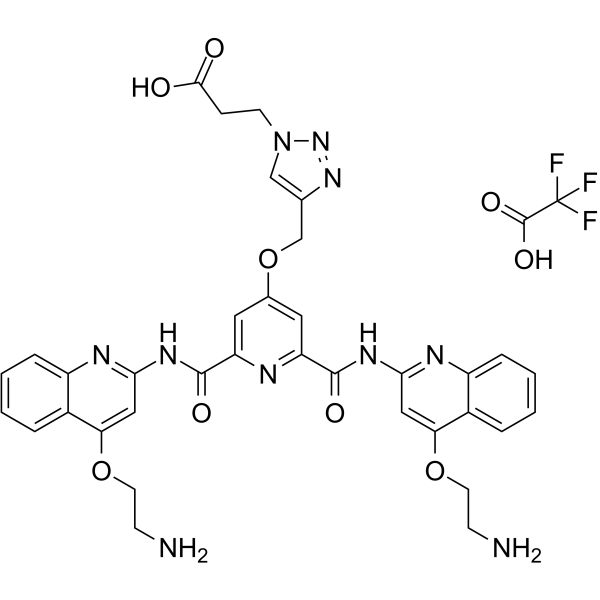
    PhpC is a G-quadruplex (G4)-DNA/RNA disruptor. PhpC disrupts DNA and RNA G4 structures and promotes G4 helicase activity. PhpC effectively enhancing the activity of Taq polymerase. PhpC modulates G-quadruplexs (G4s) both in vitro and in cells .
    PhpC
  • HY-15176B
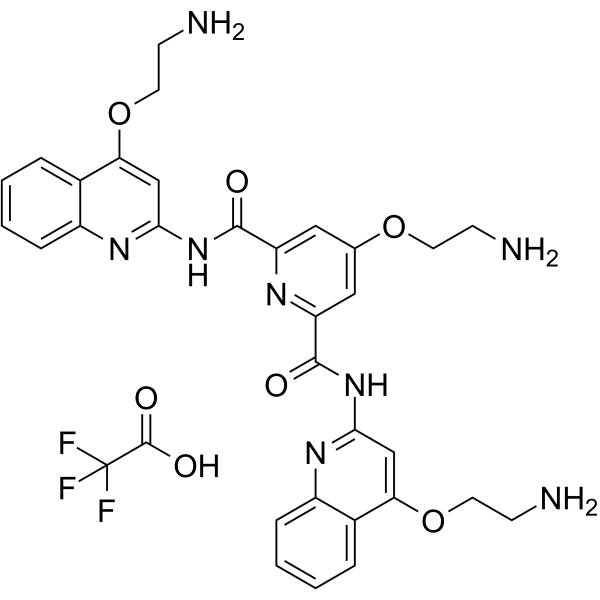
    Pyridostatin TFA
    Maximum Cited Publications
    34 Publications Verification

    RR82 TFA

    DNA/RNA Synthesis G-quadruplex Flavivirus Src Virus Protease Cancer
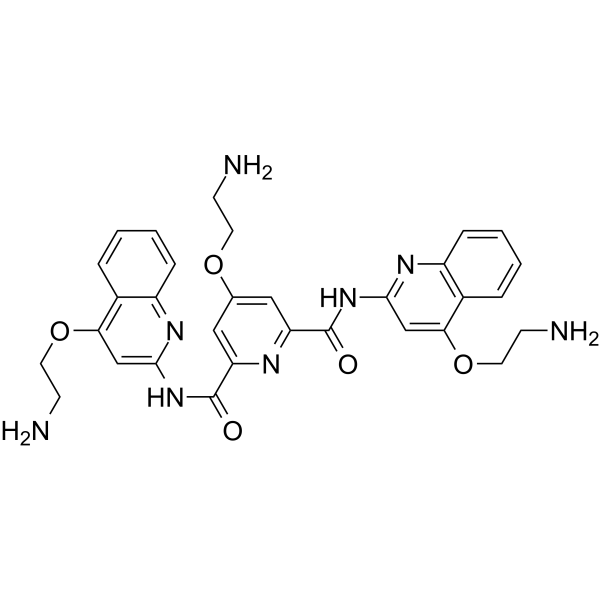
    Pyridostatin (RR82) TFA is a G-quadruplex (G4) inducer/stabilizer with a Kd of 490 nM. Pyridostatin TFA also acts as an inhibitor of Zika virus (ZIKV) NS2B-NS3 protease, with an IC50 of 11.0 μM. Pyridostatin TFA interacts with G-quadruplex structures, regulates the expression of SRC and SUB1, and induces replication- and transcription-dependent DNA damage, growth arrest, and genomic instability. Pyridostatin TFA exhibits antiproliferative and antiviral activities. Pyridostatin TFA can be used in studies related to breast cancer, cervical cancer, and Zika virus infection [4].
    Pyridostatin TFA
  • HY-148012

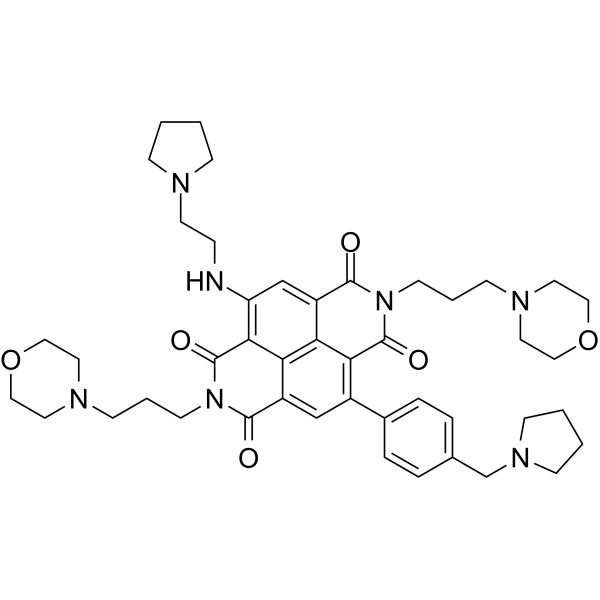
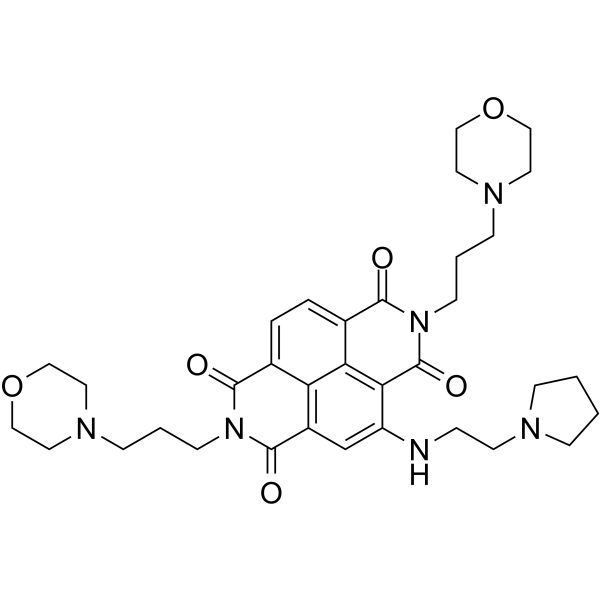
    QN-302

    G-quadruplex Cancer
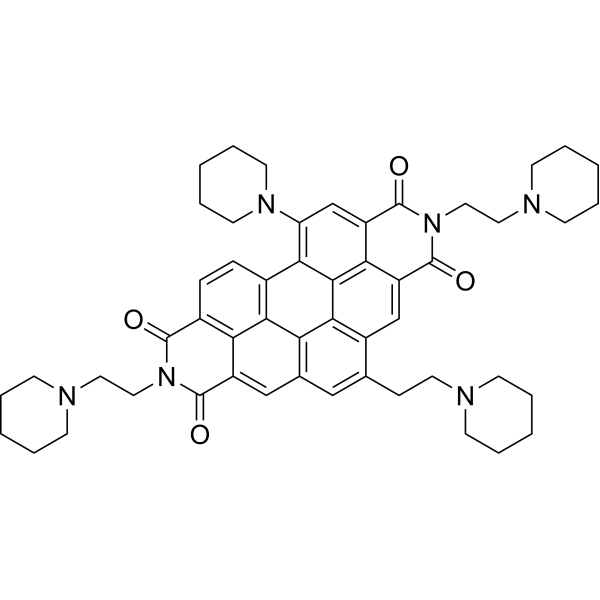
    SOP1812 (QN-302) is a naphthalene diimide (ND) derivative with anti-tumor activity. SOP1812 binds to quadruplex arrangements (G4s), and down-regulates several cancer gene pathways. SOP1812 shows great affinity to hTERT G4 and HuTel21 G4 with KD values of 4.9 and 28.4 nM, respectively. SOP1812 can be used for the research of cancer .
    SOP1812
  • HY-P990151

    TNF Receptor Inflammation/Immunology
    Anti-Mouse TL1A/TNFSF15 Antibody (5G4.6) is an anti-mouse TL1A/TNFSF15 IgG monoclonal antibody. Anti-Mouse TL1A/TNFSF15 Antibody (5G4.6) can reduce TL1A levels and block TL1A-DR3 interactions. Anti-Mouse TL1A/TNFSF15 Antibody (5G4.6) can be used for research on inflammation conditions such as colitis and collagen-induced arthritis (CIA) .
    Anti-Mouse TL1A/TNFSF15 Antibody (5G4.6)
  • HY-135009

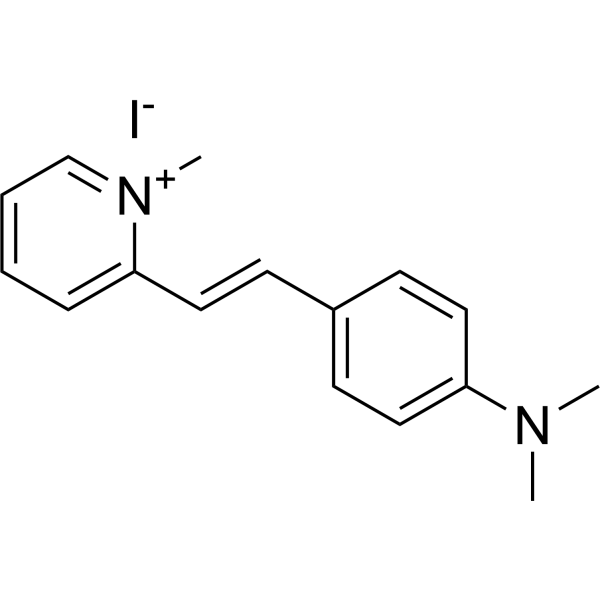
    DASPI

    G-quadruplex Others
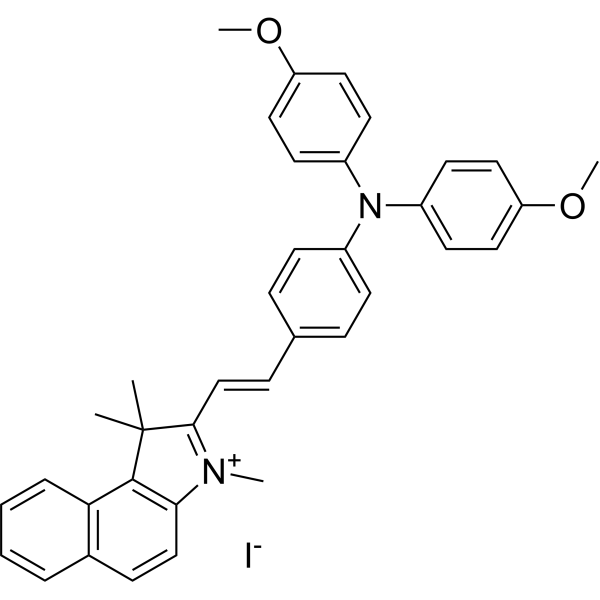
    2-Di-1-ASP (DASPI; Compound 18a) is a mono-stryryl dye, and widely used as mitochondrial stain and groove-binding fluorescent probes for double-stranded DNA. 2-Di-1-ASP is selective for G-quadruplex (G4) and double-stranded DNA .
    2-Di-1-ASP
  • HY-15595A
    360A iodide
    3 Publications Verification

    360 A iodide

    G-quadruplex Telomerase Cancer
    360A iodide is a selective stabilizer of G-quadruplex, and also inhibits telomerase activity with an IC50 of 300 nM for telomerase in TRAP-G4 assay.
    360A iodide
  • HY-P99114

    PD-1/PD-L1 Cancer
    Sugemalimab is a fully human, full length, anti-programmed death ligand 1 (PD-L1) immunoglobulin G4 (IgG4) monoclonal antibody (mAb). Sugemalimab shows anticancer activities and can be used for non-small cell lung cancer research .
    Sugemalimab
  • HY-15176C
    Pyridostatin trihydrochloride
    Maximum Cited Publications
    34 Publications Verification

    RR82 trihydrochloride

    DNA/RNA Synthesis G-quadruplex Flavivirus Src Virus Protease Cancer
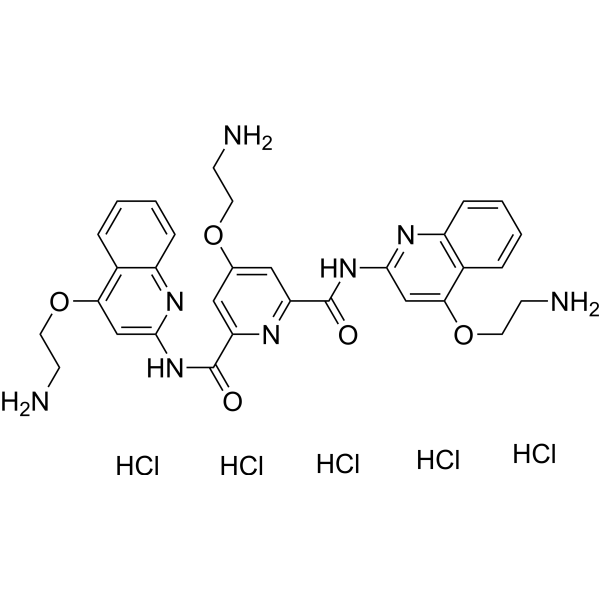
    Pyridostatin (RR82) trihydrochloride is a G-quadruplex (G4) inducer/stabilizer with a Kd of 490 nM. Pyridostatin trihydrochloride also acts as an inhibitor of Zika virus (ZIKV) NS2B-NS3 protease, with an IC50 of 11.0 μM. Pyridostatin trihydrochloride interacts with G-quadruplex structures, regulates the expression of SRC and SUB1, and induces replication- and transcription-dependent DNA damage, growth arrest, and genomic instability. Pyridostatin trihydrochloride exhibits antiproliferative and antiviral activities. Pyridostatin trihydrochloride can be used in studies related to breast cancer, cervical cancer, and Zika virus infection [4].
    Pyridostatin trihydrochloride
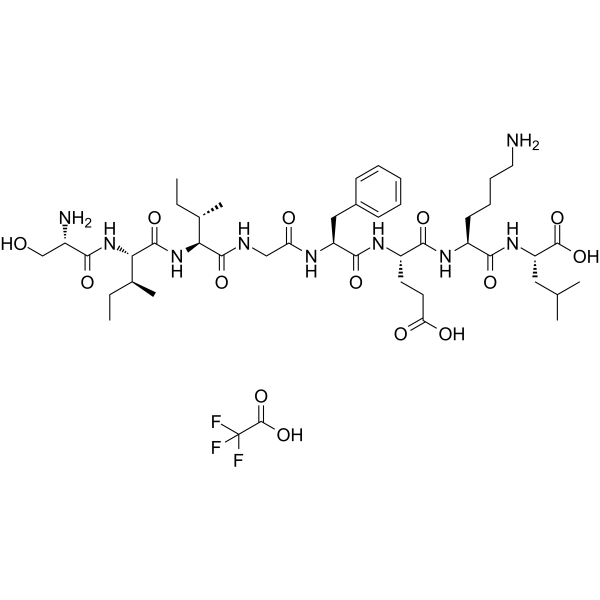
  • HY-P1771A

    Biochemical Assay Reagents Inflammation/Immunology
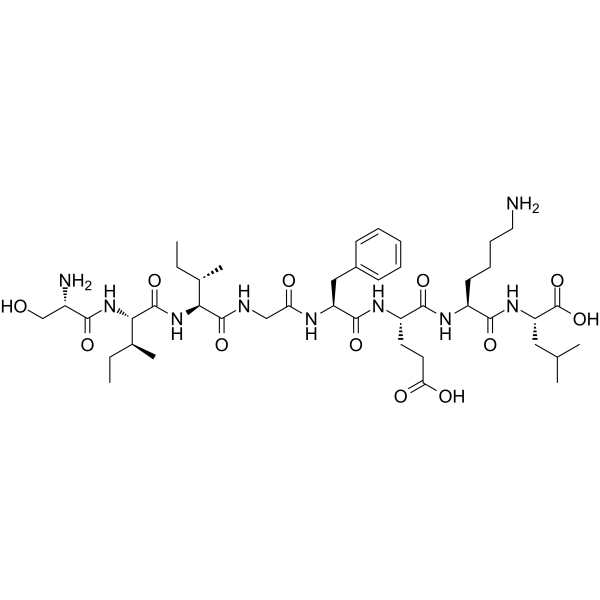
    OVA G4 peptide TFA is a variant of the agonist ovalbumin (OVA) peptide SIINFEKL (257-264). SIINFEKL is routinely used to stimulate ovalbumin-specific T cells and to test new vaccine adjuvants can form a stable hydrogel .
    OVA G4 peptide TFA
  • HY-121862

    DNA/RNA Synthesis Cancer
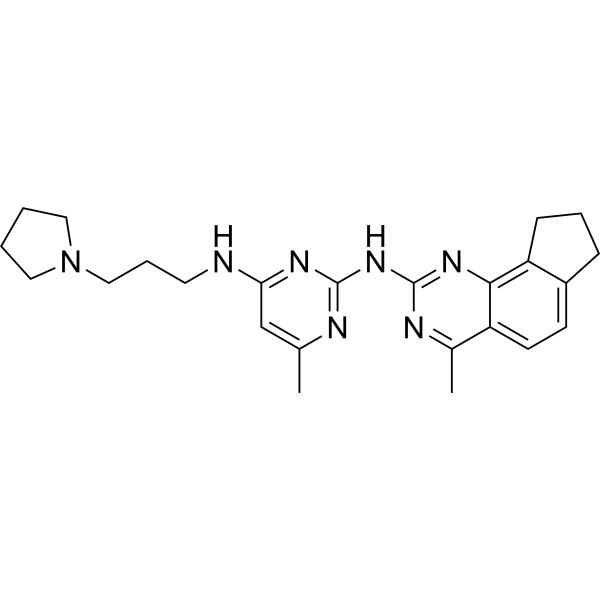
    CM03 is a potent DNA G-quadruplexes (G4s) ligand. CM03 can stabilise G4s, downregulating more G4-containing genes as well as increasing incidence of double-strand break events (DSBs) due to torsional strain on DNA and chromatin structure. CM03 has selective potency for pancreatic cancer cells .
    CM03
  • HY-135776

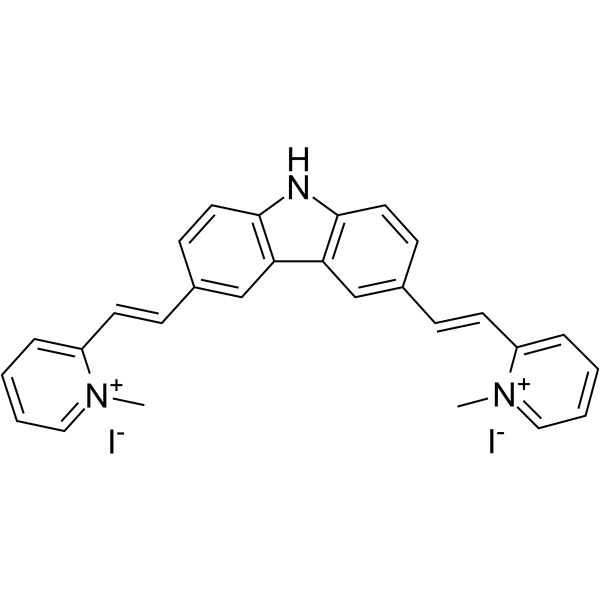
    o-BMVC

    G-quadruplex Cancer
    BMVC2 (o-BMVC) is a bisubstitute carbazole derivative of BMVC. BMVC2 is a G-quadruplex (G4) stabilizer .
    BMVC2
  • HY-P6022

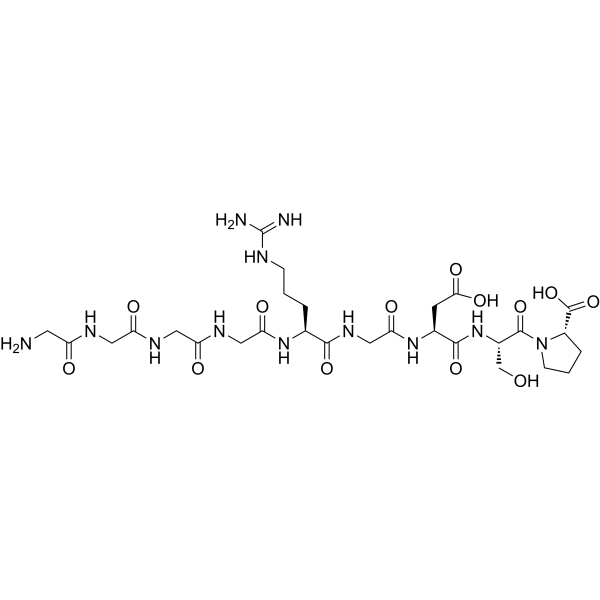
    Integrin Others
    G4RGDSP, Integrin-binding peptide is a cell integrin-binding peptide that targets integrin receptors. G4RGDSP, integrin-binding peptide is coupled to alginate to increase the viability of cells in the scaffold. G4RGDSP, integrin-binding peptide can be used as an extrudable carrier for chondrocyte delivery for the study of 3D printing technology
    G4RGDSP, integrin-binding peptide
  • HY-135775
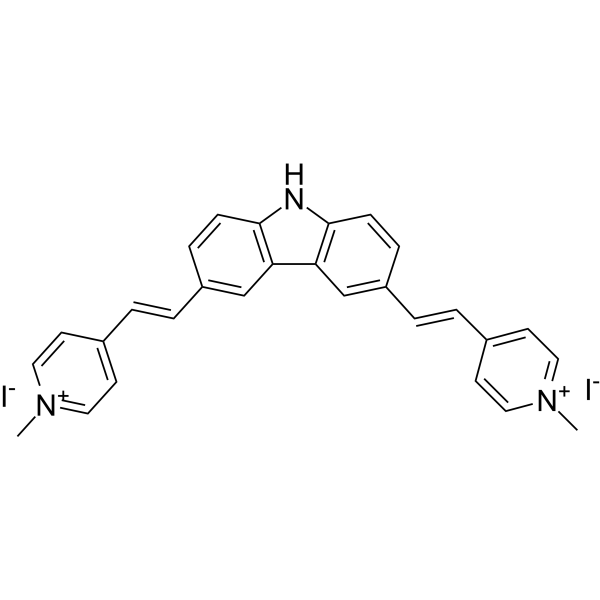
    BMVC
    1 Publications Verification

    G-quadruplex Telomerase DNA/RNA Synthesis Cancer
    BMVC is a potent G-quadruplex (G4) stabilizer and a selective telomerase inhibitor with an IC50 of ~0.2 μM. BMVC inhibits Taq DNA polymerase with an IC50 of ~2.5 μM. BMVC increases the melting temperature of G4 structure of telomere and accelerates telomere length shortening. Anticancer activities .
    BMVC
  • HY-170643

    G-quadruplex Cancer
    G4/hTERT-IN-4 (compound b4) is a potent inhibitor of G4/hTERT. G4/hTERT-IN-4 plays an important role in cancer research .
    G4/hTERT-IN-4
  • HY-P99938

    HX008

    PD-1/PD-L1 Cancer
    Pucotenlimab (HX008) is a humanized immunoglobulin G4 (IgG4) anti programmed cell death protein 1 (anti-PD-1) monoclonal antibody. Pucotenlimab can be used for the research of tumor .
    Pucotenlimab
  • HY-P990089

    Getagozumab; GMA-301

    Endothelin Receptor Cardiovascular Disease
    Patecibart is a humanized immunoglobulin G4-kappa, anti-EDNRA monoclonal antibody. Patecibart is an endothelin receptor antagonist .
    Patecibart
  • HY-15595

    G-quadruplex Telomerase Cancer
    360A is a selective stabilizer of G-quadruplex, and also inhibits telomerase activity with an IC50 of 300 nM for telomerase in TRAP-G4 assay.
    360A
  • HY-P990092

    LILRB Transmembrane Glycoprotein Cancer
    Rolistobart is a humanized immunoglobulin G4-kappa, anti-LILRB4/CD85k monoclonal antibody. Rolistobart is an immunostimulant and antineoplastic .
    Rolistobart
  • HY-P991138

    Genakumab; GenSci048; Kinnazumab

    Interleukin Related Inflammation/Immunology
    Firsekibart is an immunoglobulin G4-λ2 monoclonal antibody targeting human interleukin 1β (IL-1β). Firsekibart is promising for research of inflammation-related diseases, such as rheumatoid arthritis and inflammatory bowel disease .
    Firsekibart
  • HY-P1771

    Biochemical Assay Reagents Inflammation/Immunology
    OVA G4 peptide is a variant of the agonist ovalbumin (OVA) peptide SIINFEKL (257-264). SIINFEKL is routinely used to stimulate ovalbumin-specific T cells and to test new vaccine adjuvants can form a stable hydrogel .
    OVA G4 peptide
  • HY-15594

    DNA/RNA Synthesis Cancer
    Phen-DC3 is a G-quadruplex (G4) specific ligand which can inhibit FANCJ and DinG helicases with IC50s of 65±6 and 50±10 nM, respectively.
    Phen-DC3
  • HY-146812

    G-quadruplex Cancer
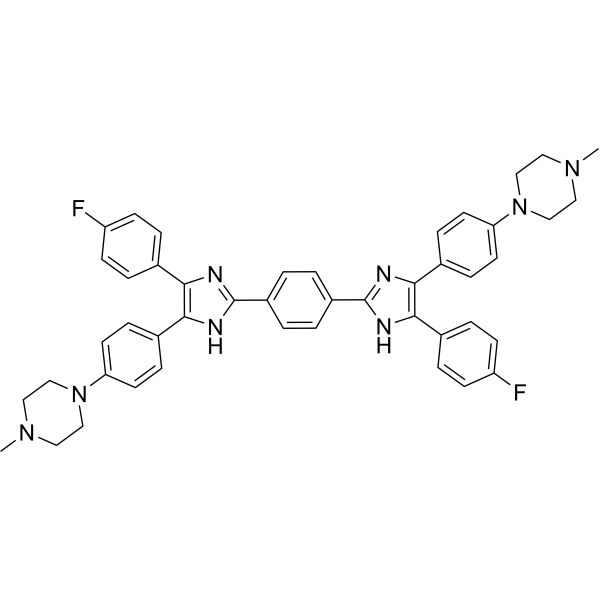
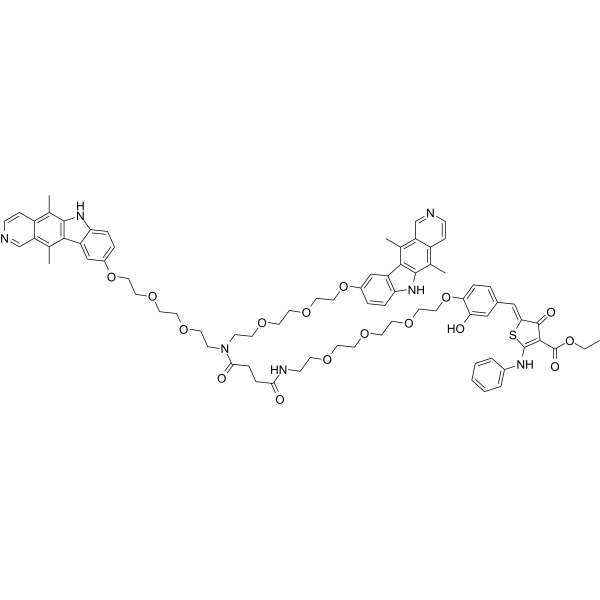
    DIZ-3 is a selective multimeric G4 ligand based on a G4-ligand-dimerizing strategy. DIZ-3 intercalates into the G4-G4 interface, stabilizing the higher-order structure. DIZ-3 induces cell cycle arrest and apoptosis, and thus inhibits cell proliferation in alternative lengthening of telomere (ALT) cancer cells .
    DIZ-3
  • HY-P99607

    IDEC-151

    HIV Inflammation/Immunology
    Clenoliximab (IDEC-151) is a macaque-human chimeric monoclonal antibody (immunoglobulin G4) specific for the CD4 molecule on the surface of T lymphocytes. Clenoliximab can be used for the research of rheumatoid arthritis .
    Clenoliximab
  • HY-144712

    G-quadruplex Apoptosis Cancer
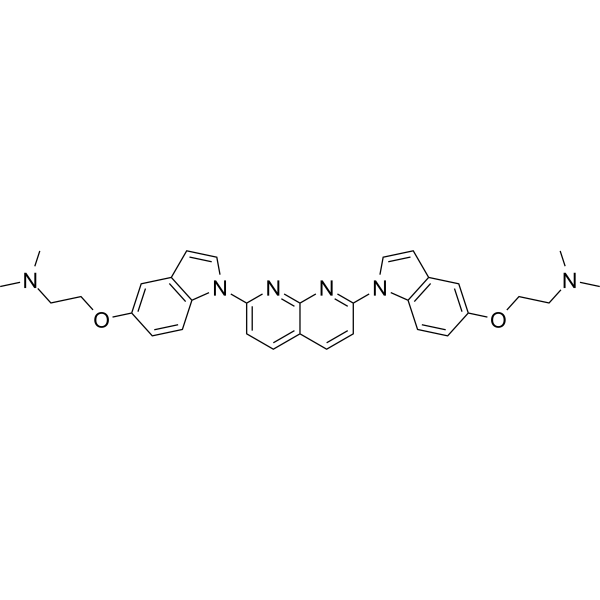
    L5-DA is a G-quadruplex (G4) ligand and selectively stabilized for G4s over ds26. L5-DA exhibits significant cytotoxicity against HeLa cells (IC50=4.3 μM). L5-DA stabilizes G4s in HeLa cells, induces apoptosis, and cell cycle arrest .
    L5-DA
  • HY-161693

    G-quadruplex DNA/RNA Synthesis Apoptosis Cancer
    Telomeric G4s ligand 1 is a telomeric G-quadruplex ligand that stabilizes telomeric G4 and induces R-loop formation, leading to DNA damage responses. Telomeric G4s ligand 1 induces apoptosis and evokes immunogenic cell death (ICD) in tumor cells .
    Telomeric G4s ligand 1
  • HY-P990181

    Glutathione Peroxidase STING Inflammation/Immunology
    Anti-Mouse myeloperoxidase/MPO Antibody (6G4) is an anti-mouse myeloperoxidase/MPO IgG2c monoclonal antibody. Anti-Mouse myeloperoxidase/MPO Antibody (6G4) can activate the cGAS/STING pathway. Anti-Mouse myeloperoxidase/MPO Antibody (6G4) induces acute and chronic kidney injury in mice. Anti-Mouse myeloperoxidase/MPO Antibody (6G4) is often used in the construction of inflammation conditions models such as anti-neutrophil cytoplasmic antibody (ANCA)-associated vasculitides (AAV) .
    Anti-Mouse myeloperoxidase/MPO Antibody (6G4)
  • HY-152538

    G-quadruplex Cancer
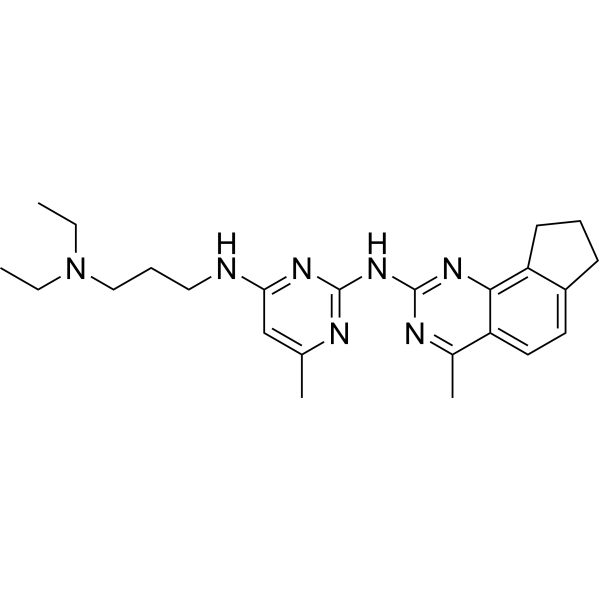
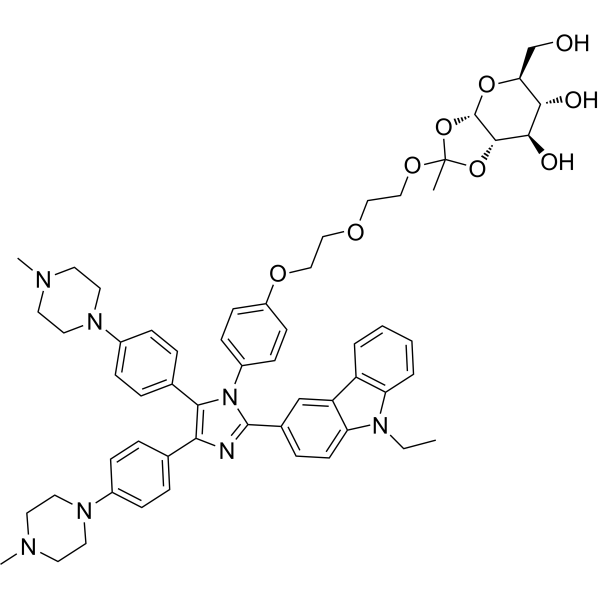
    Antitumor agent-85 is a G-quadruplex (G4)-ligand with the ability to stabilize different G4-DNA structures. Antitumor agent-85 has highly effective anti-tumor properties .
    Antitumor agent-85
  • HY-162294

    c-Myc Cancer
    c-Myc inhibitor 13 (compound A6) is a c-MYC transcription inhibitor. c-Myc inhibitor 13 selectively stabilizes c-MYC G4 and inhibits G4-associated c-MYC transcription .
    c-Myc inhibitor 13
  • HY-P990074

    SG-001

    PD-1/PD-L1 Inflammation/Immunology
    Enlonstobart is a human immunoglobulin G4-kappa, anti-PDCD1 monoclonal antibody. Enlonstobart is an immunostimulant and antineoplastic .
    Enlonstobart
  • HY-174403

    Bcl-2 Family c-Myc Apoptosis Caspase Cancer
    c-MYC/BCL2 ligand 1 iodide is a dual-targeting c-MYC/Bcl-2 G4 ligand with Kd values of 0.90 μM (c-MYC G4) and 0.56 μM (Bcl-2 G4). c-MYC/BCL2 ligand 1 iodide inhibits c-MYC and Bcl-2 gene transcription by binding to G4-forming sequences and downregulates their protein expression. c-MYC/BCL2 ligand 1 iodide inhibits suppresses migration, induces caspase-dependent apoptosis, and triggers cell cycle G1 arrest in MCF-7 cells. c-MYC/BCL2 ligand 1 iodide significantly suppresses tumor growth in a 4T1 syngeneic model with no observable toxicity. c-MYC/BCL2 ligand 1 iodide can be used for the research of breast cancer.
    c-MYC/BCL2 ligand 1 iodide
  • HY-147973

    c-Myc Apoptosis Cancer
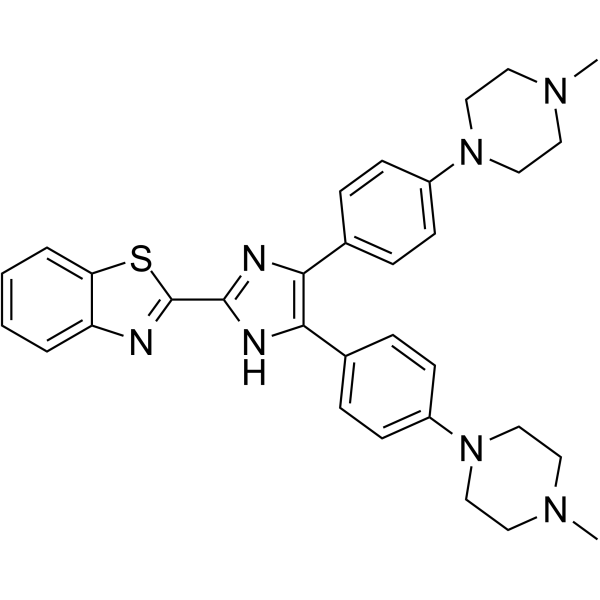
    IZTZ-1, an imidazole-benzothiazole conjugate, is a c-MYC G4 ligand. IZTZ-1 is able to downregulate the c-MYC expression by stabilizing c-MYC G4. IZTZ-1 induces cell cycle arrest, apoptosis, thereby inhibiting cell proliferation in B16 cells. IZTZ-1 shows antitumor activity, and can be used for melanoma research .
    IZTZ-1
  • HY-145843

    c-Myc Cancer
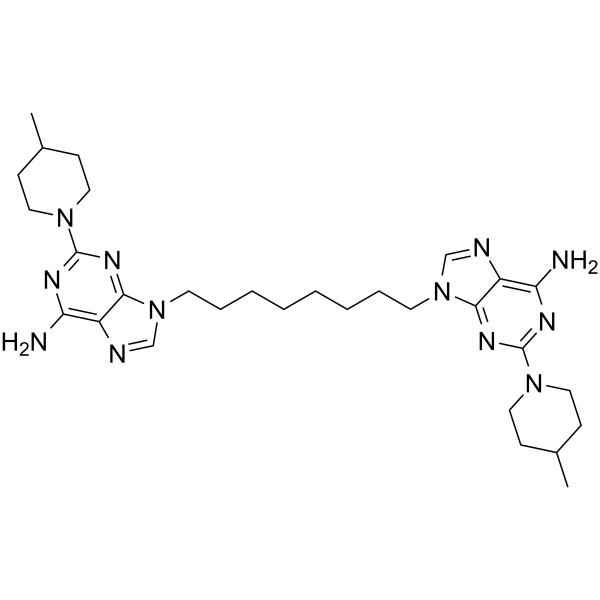
    c-Myc inhibitor 5 (DA3) is a fluorescent, long chain-bridged bispurine that selectively targets the c-MYC G-quadruplex (KD of 16 μM). c-Myc inhibitor 5 shows inhibition on c-MYC expression rather than other G4-driven oncogenes .
    c-Myc inhibitor 5
  • HY-P99767

    ALXN1007; Lendalizumab

    Complement System Infection
    Olendalizumab (ALXN1007) is a mouse-derived and humanized IgG2-G4-κ antibody, targeting to Complement protein C5a (Ki=60 pM). Olendalizumab targets the complement inflammatory pathway. Moreover, Olendalizumab can be used for research of complement mediated disorder caused by corona virus .
    Olendalizumab
  • HY-151263

    HDAC G-quadruplex Cancer
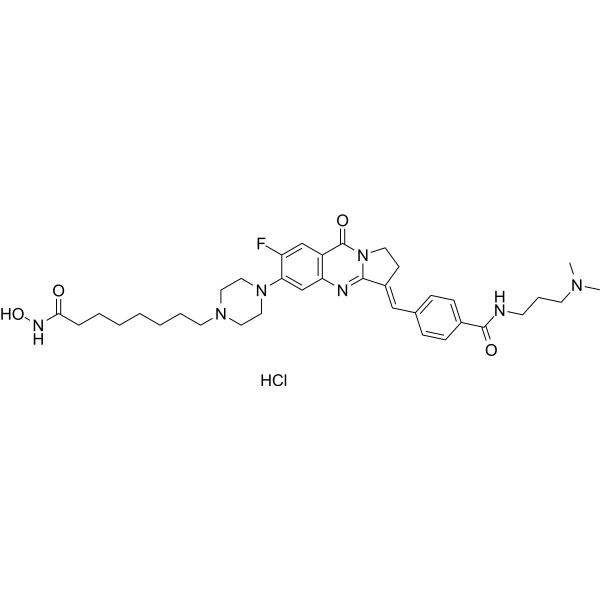
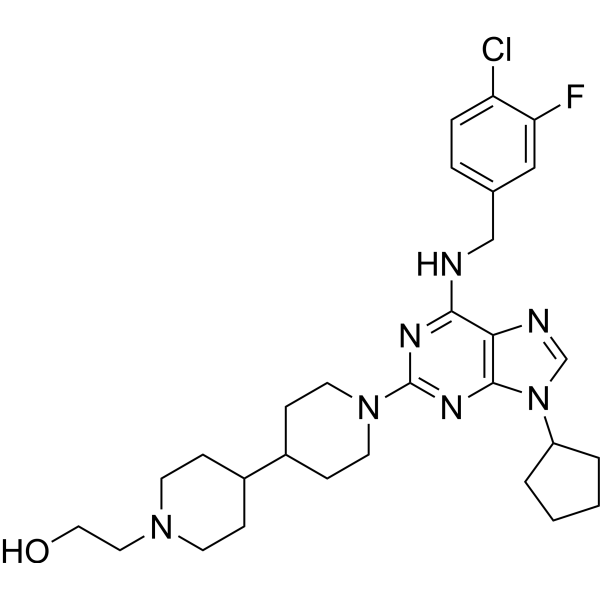
    G4/HDAC-IN-1 (compound a6) is a G4/HDAC dual-targeting compound. G4/HDAC-IN-1 inhibits intracellular HDAC activity with an IC50 value of 1.1 μM, and induces G4 formation. G4/HDAC-IN-1 inhibits TNBC proliferation and tumor growth in TNBC xenograft model. G4/HDAC-IN-1 can be used for the research of cancer .
    G4/HDAC-IN-1
  • HY-177872

    NSC 338258

    Drug Derivative c-Myc Apoptosis Cancer
    GQC-05 (NSC338258), Ellipticine (HY-15753) derivative, is potent and selective c-Myc G-quadruplex ( c-Myc G4) stabilizer with KD values of 0.1-1.43 μM. GQC-05 can reduce Myc expression and induce cancer cells apoptosis. GQC-05 can be used for the research of cancer, such as Burkitt lymphoma .
    GQC-05
  • HY-D3415

    Fluorescent Dye G-quadruplex Cancer
    TOR-G4 is a Fluorescent probe that binds to G-quadruplex (G4) nucleic acid structures. TOR-G4 exhibits a unique fluorescence lifetime when bound to G4 compared to other structures, enabling sensitive discrimination between G4-bound and non-G4-bound states. TOR-G4 mainly colocalizes with RNA in the cytoplasm and nucleolus. TOR-G4 can be used to investigate the roles of RNA G4 in cells. TOR-G4 shows cytotoxicity against osteosarcoma cells .
    TOR-G4
  • HY-120102

    G-quadruplex Cancer
    Emicoron is a new promising G4 ligand and bind G-rich oncogene promoters. Emicoron possesses a marked antitumoral activity? alone or in combination with chemotherapeutics in vivo. Emicoron can be used for cancer research .
    Emicoron
  • HY-152537

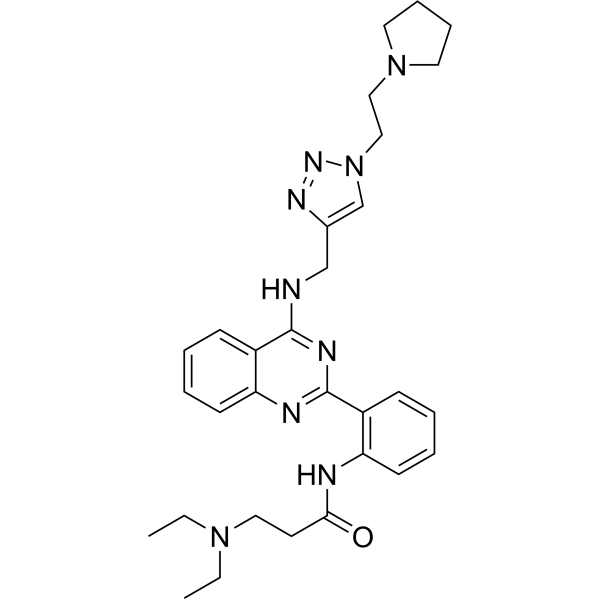
    G-quadruplex Cancer
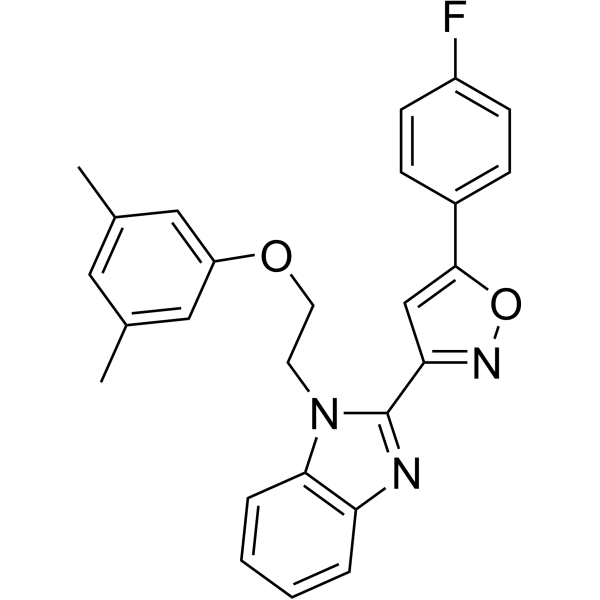
    Antitumor agent-84 (compound 21a) is a G-quadruplex (G4)-ligand with the ability to stabilize different G4-DNA structures. Antitumor agent-84 has highly effective anti-tumor properties .
    Antitumor agent-84
  • HY-111297

    Biochemical Assay Reagents Cancer
    BMVC4 is a G-quadruplex (G4) stabilizer of the human telomeric sequence d[AG3(T2AG3)3]. Screening by circular dichroism (CD) spectroscopy revealed that BMVC4 is more suitable as the core molecule of G4 stabilizers than BMVC. The results showed that BMVC4-12C and BMVC4-8C3O are better candidates for G4 stabilizers and are worthy of further study. A simple and rapid screening method based on Cu2+-induced G4 unfolding can be used to find better G4 stabilizers for potential anticancer applications. CD results showed that the trivalent cations of 9-substituted BMVC derivatives are more suitable as G4 stabilizers than the divalent cations of BMVC. In addition, by monitoring the disappearance of the 291 nm CD band of human telomeres after Cu2+ addition, it was found that the core molecule of G4 stabilizer BMVC4 has better stability.
    BMVC4
  • HY-162796

    Apoptosis G-quadruplex c-Myc Cancer
    TS-2 is a fluorescent ligand of c-Myc G4 with anticancer activity. TS-2 inhibits the growth of cancer cells and induces apoptosis of cancer cells by targeting the c-MYC oncogene promoter G4, causing transcriptional repression of the c-Myc oncogene .
    TS-2
  • HY-158442

    A2G2 N-linked oligosaccharide; A2G(4)2 glycan

    Biochemical Assay Reagents Others
    A2G2 glycan (G2) (A2G2 N-linked oligosaccharide; A2G(4)2 glycan) is a N-polysaccharide protein and a multifunctional fluorescent linker. The resulting conjugates exhibit high sensitivity and specificity by mimicking the antennal elements of N-glycans .
    A2G2 glycan (G2)
  • HY-158452

    A3G3 N-linked oligosaccharide; A3G(4)3 glycan

    Biochemical Assay Reagents Others
    A3G3 glycan (G3) (A3G3 N-linked oligosaccharide; A3G(4)3 glycan) is a N-polysaccharide protein and a multifunctional fluorescent linker. The resulting conjugates exhibit high sensitivity and specificity by mimicking the antennal elements of N-glycans .
    A3G3 glycan (G3)
  • HY-176066A

    c-Myc Apoptosis Cancer
    c-Myc inhibitor 16 iodide (Compound W11) is a selective c-Myc G-quadruplex (c-Myc G4) inhibitor. c-Myc inhibitor 16 iodide inhibits the transcription and translation of the c-Myc gene, disrupts the tumor cell cycle, arrests cell growth in the G0/G1 phase and activates the mitochondrial apoptosis pathway to induce early apoptosis of cancer cells. c-Myc inhibitor 16 iodide is promising for research of breast cancer .
    c-Myc inhibitor 16 iodide
  • HY-168150

    Topoisomerase Cancer
    Topoisomerase I/II inhibitor 5 (compund 1) simultaneously inhibits activities of TopoI and II by binding to and stabilizing the G4 structure .
    Topoisomerase I/II inhibitor 5
  • HY-P991152

    QX-005N

    Interleukin Related Inflammation/Immunology
    Oturkibart is a humanized immunoglobulin G4-κ monoclonal antibody targeting the human interleukin 4 receptor (IL4R). Oturkibart is promising for research of inflammatory diseases, such as asthma and atopic dermatitis .
    Oturkibart
  • HY-158506

    A2G2S2 N-linked oligosaccharide; A2G(4)2S(6)2 glycan

    Biochemical Assay Reagents Others
    A2G2S2 glycan (G2S2) (A2G2S2 N-linked oligosaccharide; A2G(4)2S(6)2 glycan) is a N-polysaccharide protein and a multifunctional fluorescent linker. The resulting conjugates exhibit high sensitivity and specificity by mimicking the antennal elements of N-glycans .
    A2G2S2 glycan (G2S2)
  • HY-P991137

    Ser/Thr Protease Metabolic Disease
    Exerenibart is an immunoglobulin G4-κ monoclonal antibody targeting human transmembrane serine protease 6 (TMPRSS6). Exerenibart is promising for research of diseases associated with iron metabolism disorders, such as iron overload or iron deficiency .
    Exerenibart
  • HY-158513

    FA2G2S2 N-linked oligosaccharide; F(6)A2G(4)2S(6)2 glycan

    Biochemical Assay Reagents Others
    FA2G2S2 glycan (G2FS2) (FA2G2S2 N-linked oligosaccharide; F(6)A2G(4)2S(6)2 glycan) is a N-polysaccharide protein and a multifunctional fluorescent linker. The resulting conjugates exhibit high sensitivity and specificity by mimicking the antennal elements of N-glycans .
    FA2G2S2 glycan (G2FS2)

Inquiry Online

Your information is safe with us. * Required Fields.

Salutation


Country or Region *

Applicant Name *


Organization Name *

Department *


Email Address *


Product Name *

Cat. No.


Requested quantity *

Phone Number *


Remarks

Inquiry Online

Inquiry Information

Product Name:
Cat. No.:
Quantity:
MCE Japan Authorized Agent: