Delivery of temperature sensitive items including proteins and kits will be paused on 6/19 for the Juneteenth holiday. For urgent orders please contact customer service.
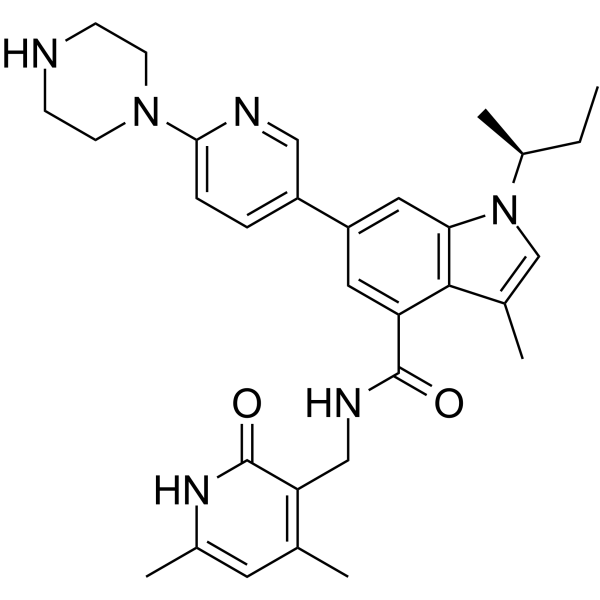
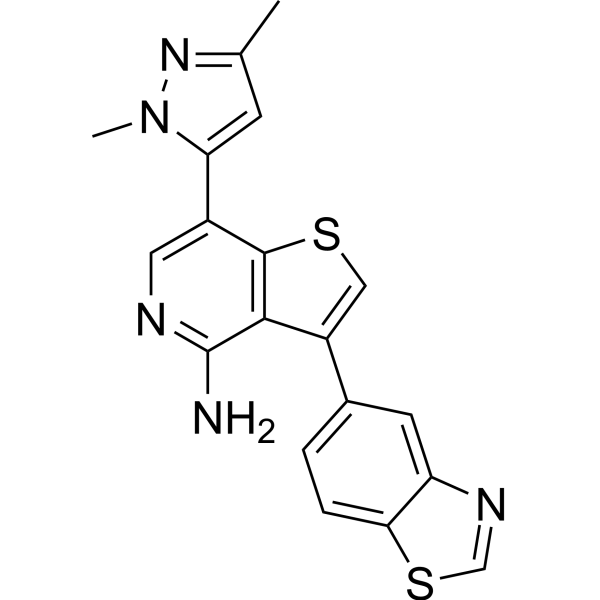
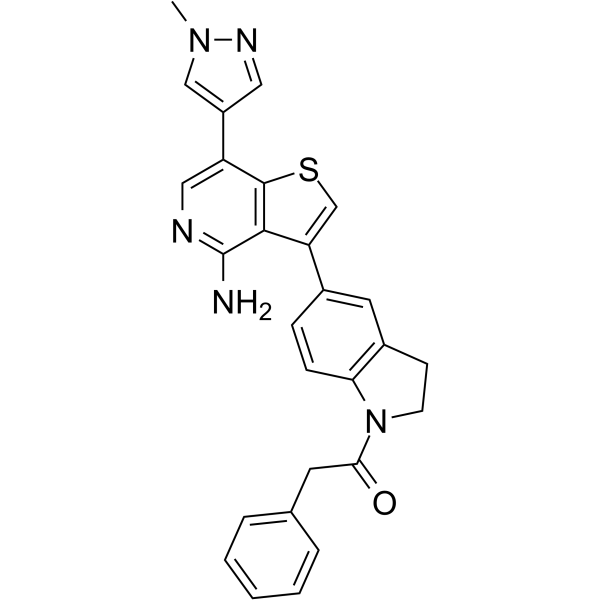
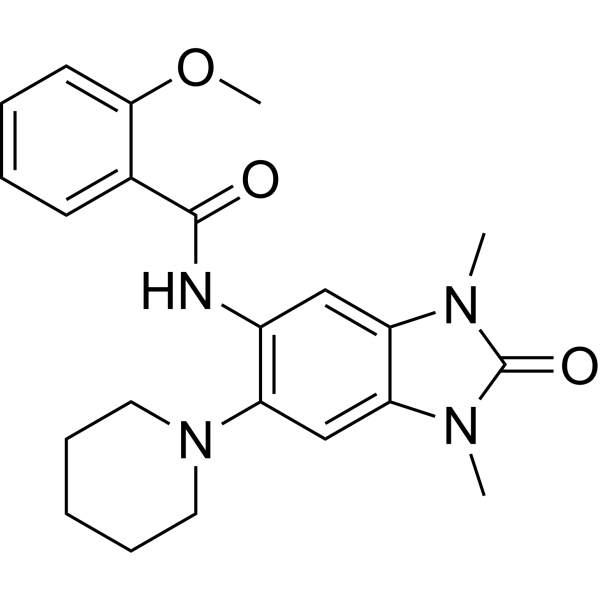
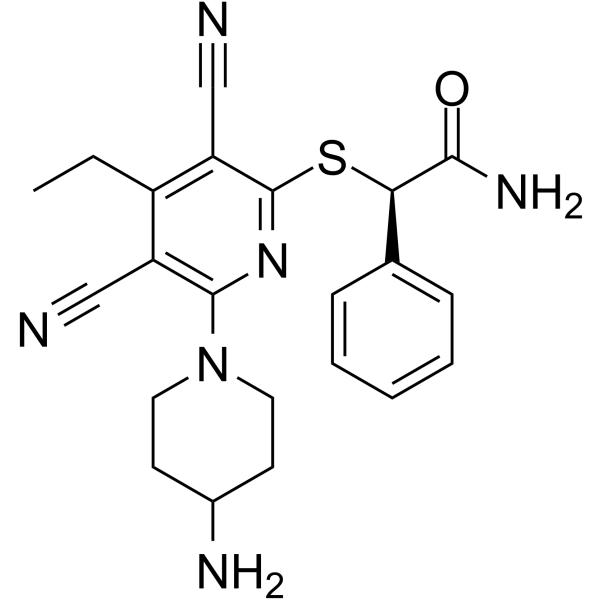
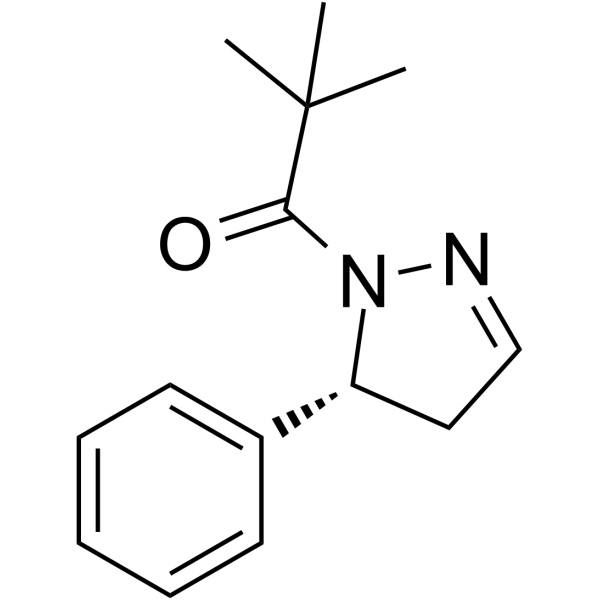
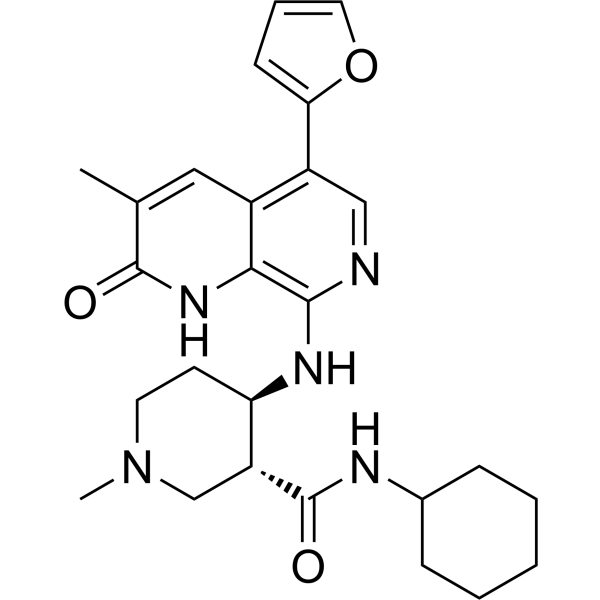
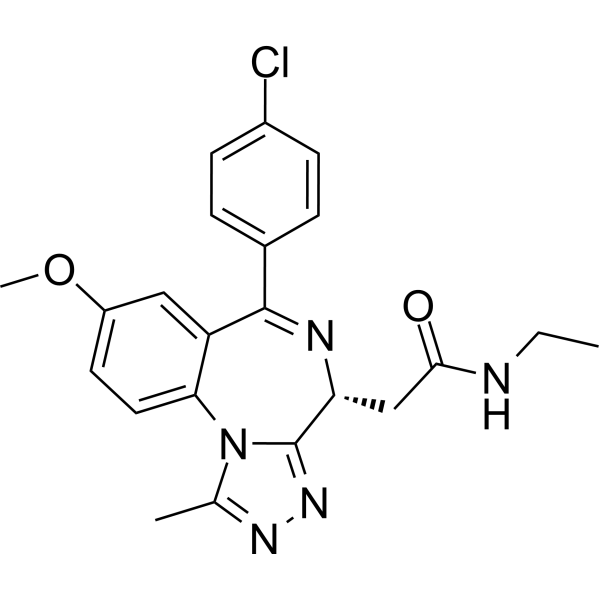
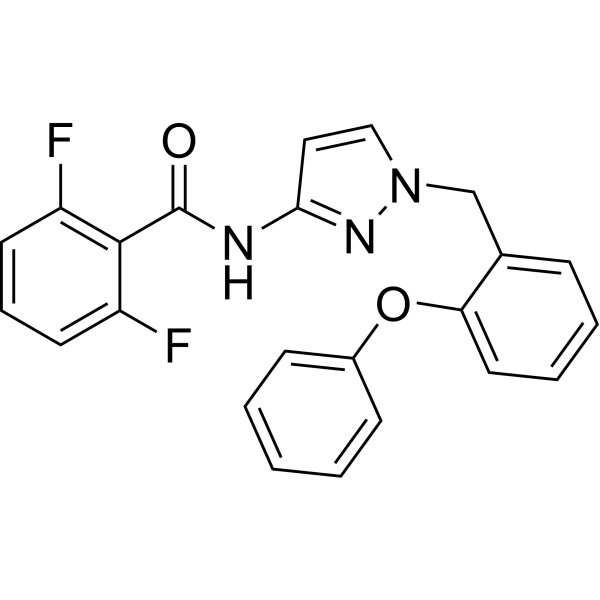
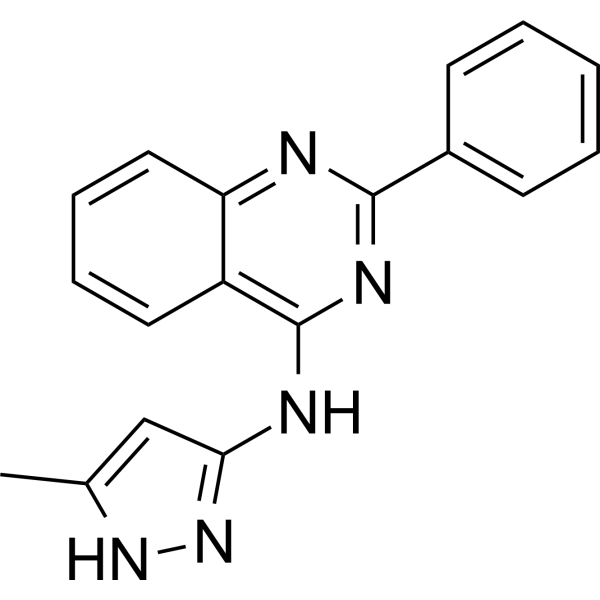
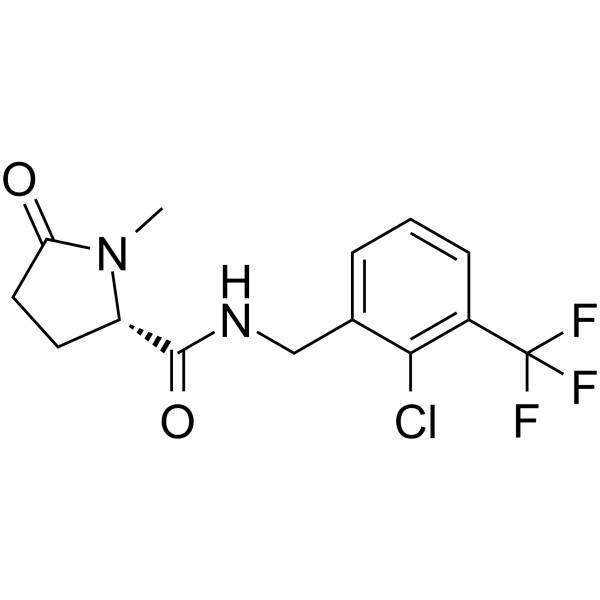
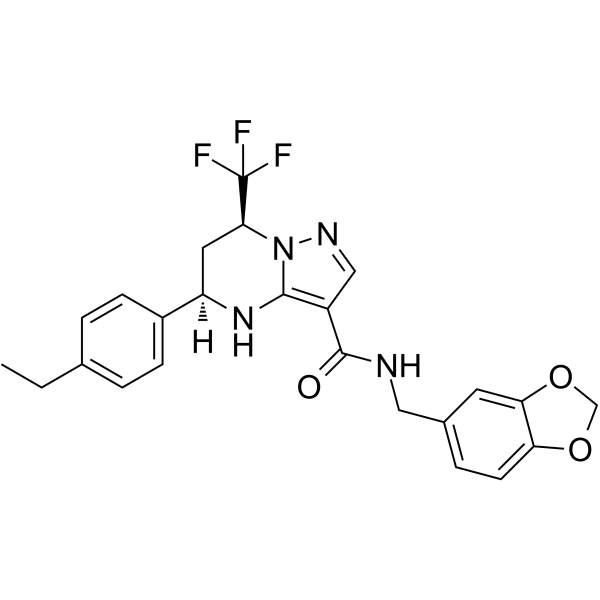
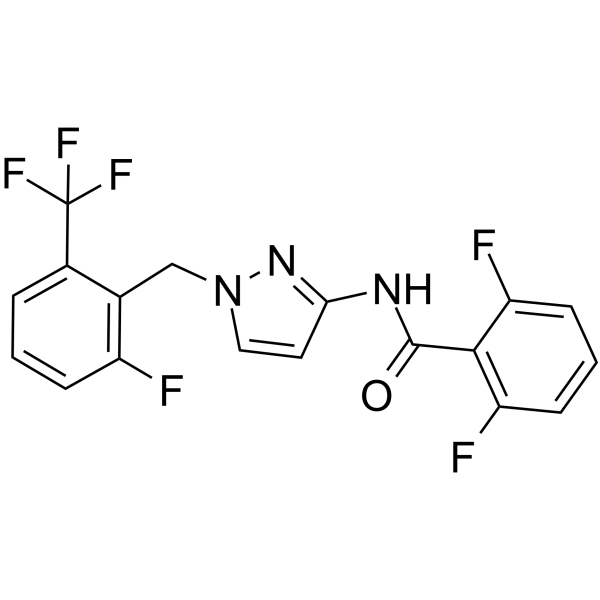
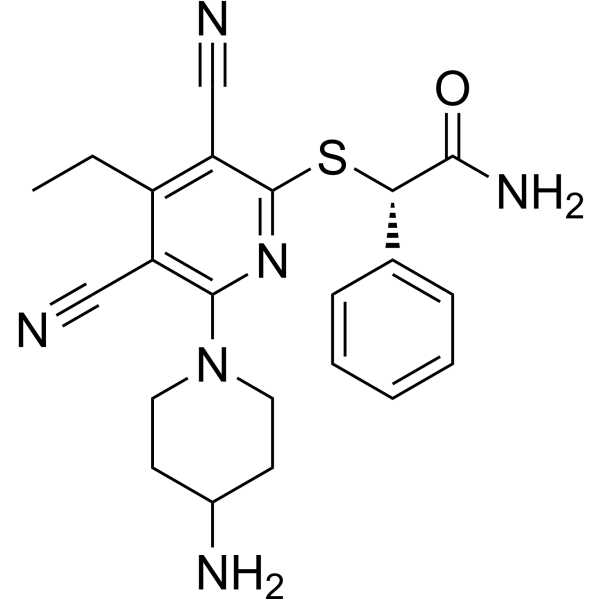
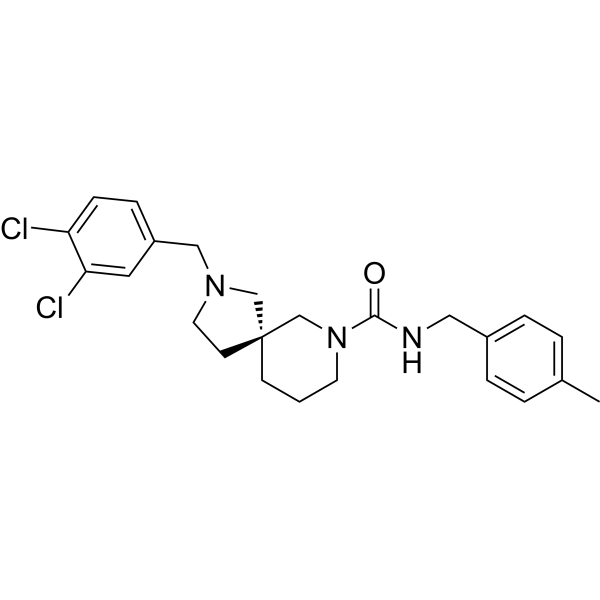
GSK-3484862 is a non-covalent inhibitor for DNA methyltransferase (Dnmt1). GSK-3484862 induces DNA hypomethylation to against cancer. GSK-3484862 mediates dramatic demethylation in murine embryonic stem cells with minimal non-specific toxicity .
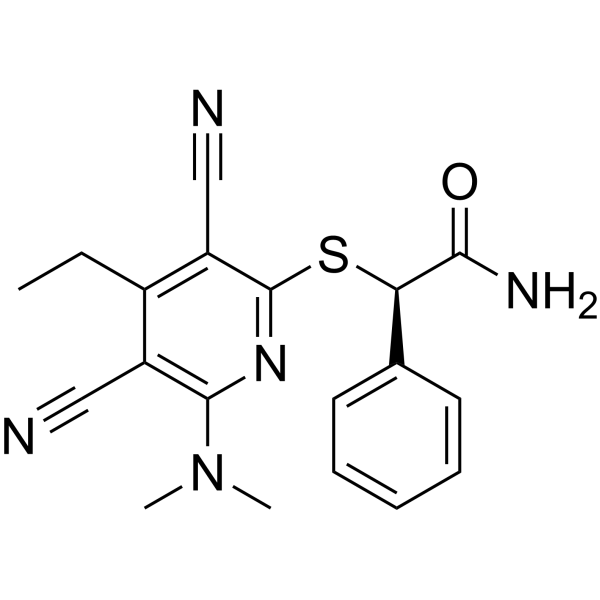
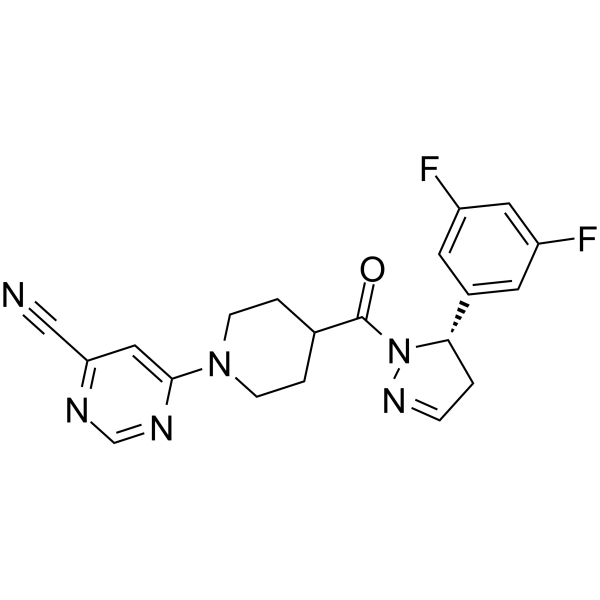
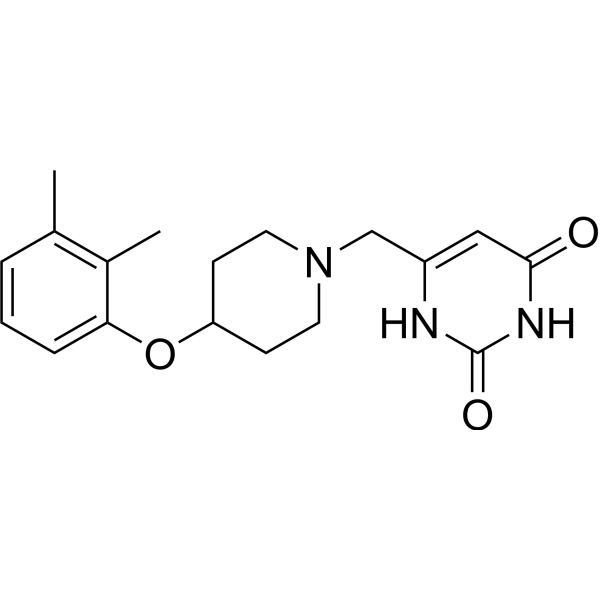
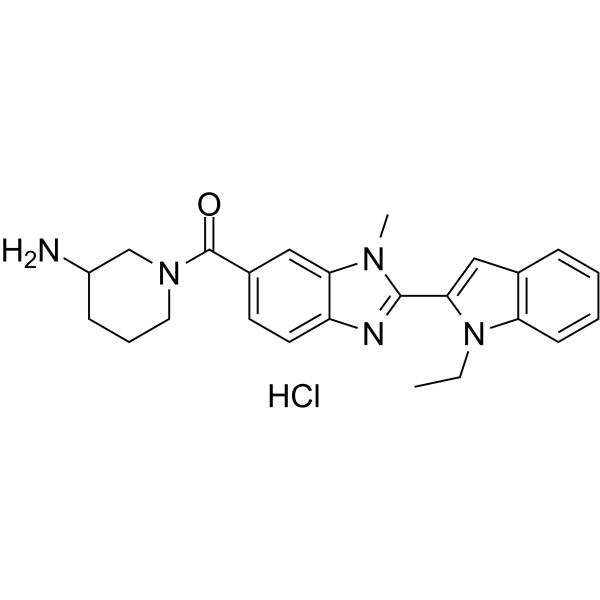
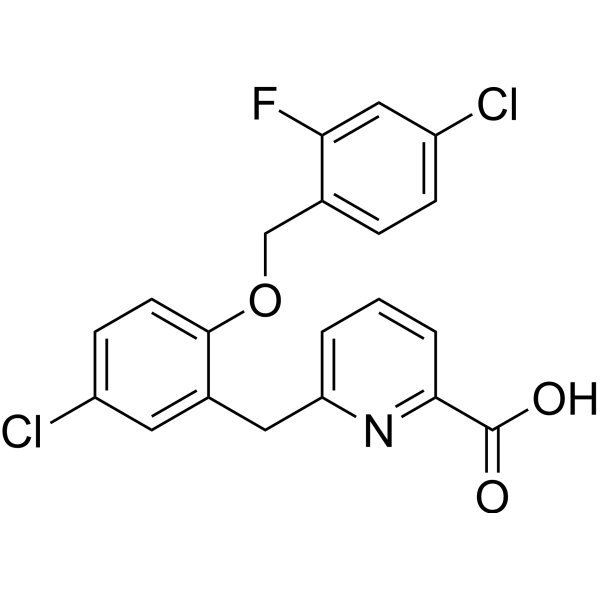
GSK-3685032 is a non-time-dependent, noncovalently, first-in-class reversible DNMT1-selective inhibitor, with an IC50 of 0.036 μM. GSK-3685032 induces robust loss of DNA methylation, transcriptional activation, and cancer cell growth inhibition .
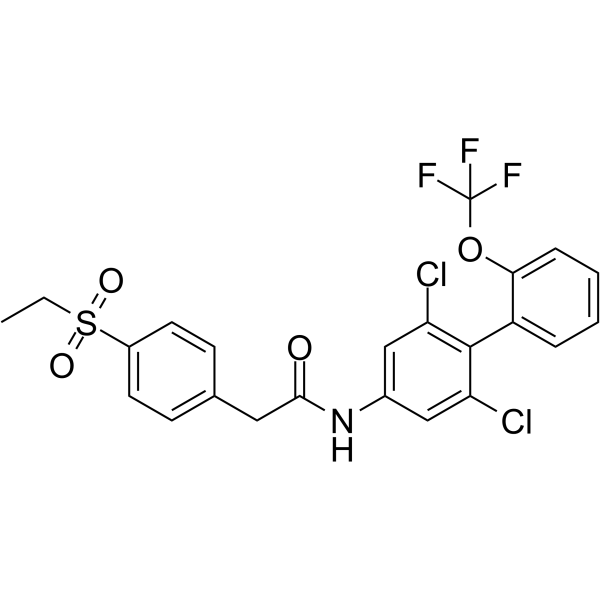
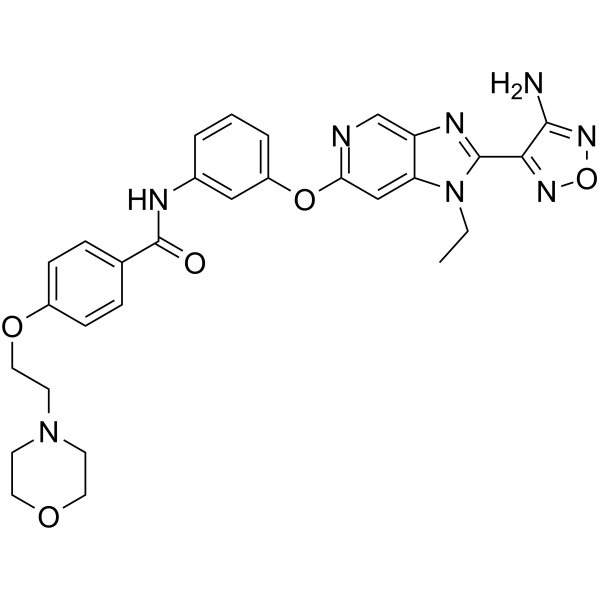
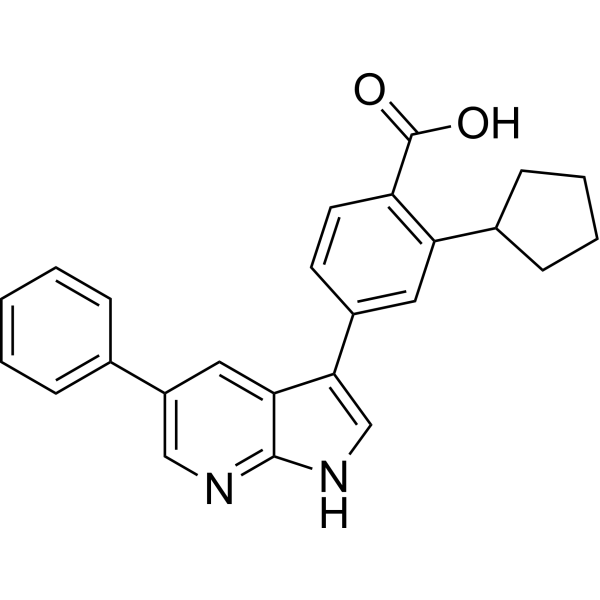
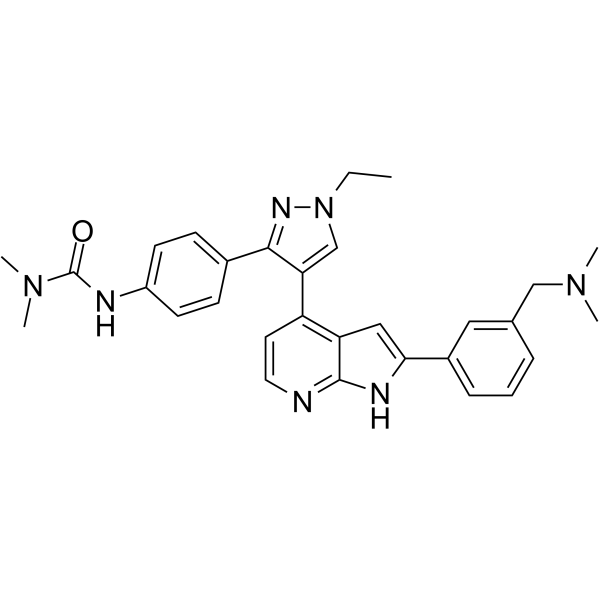
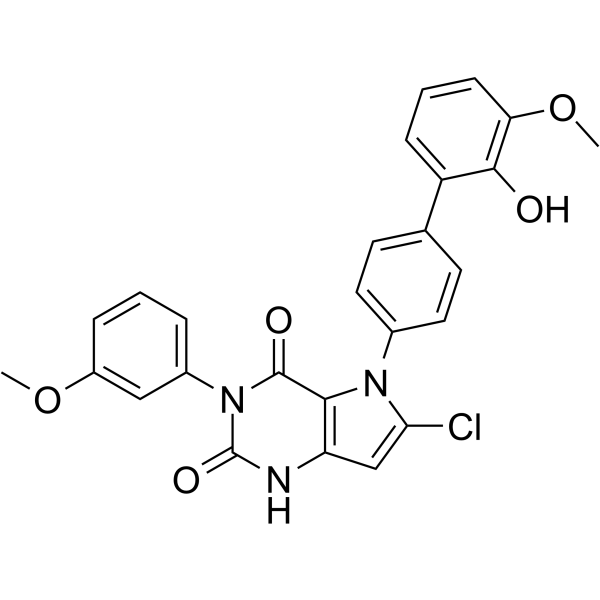
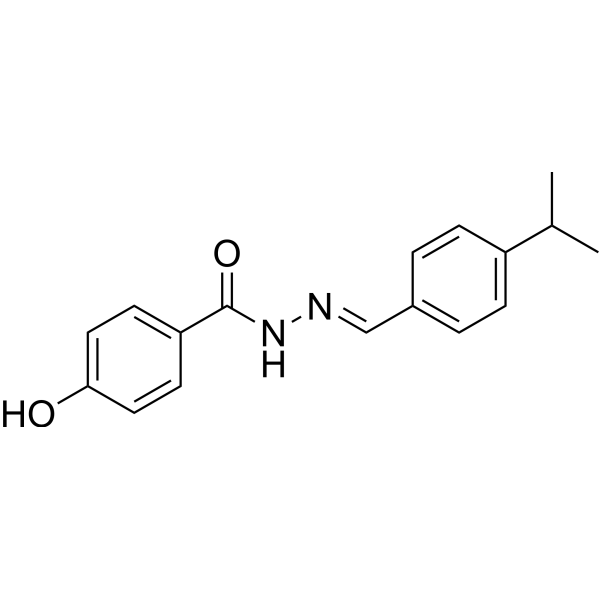
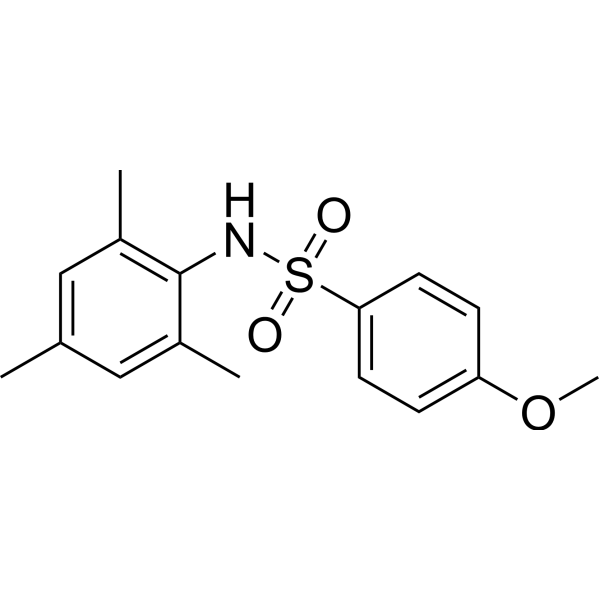
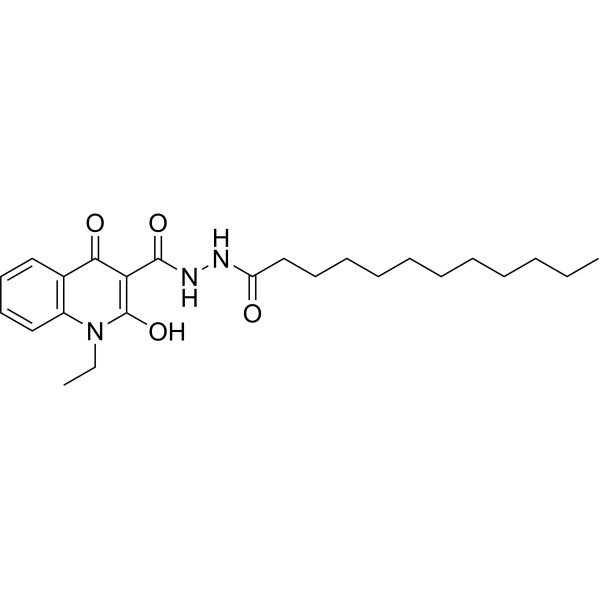
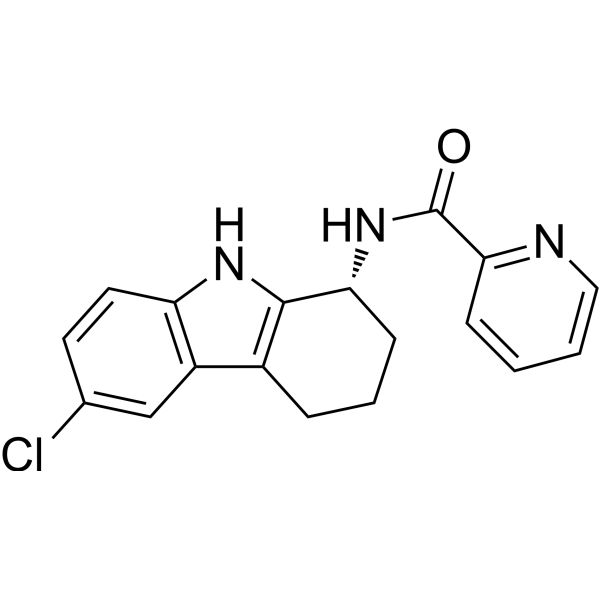
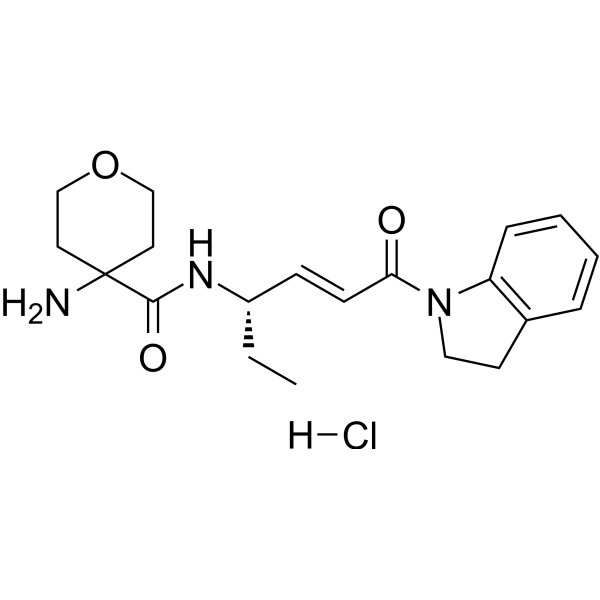
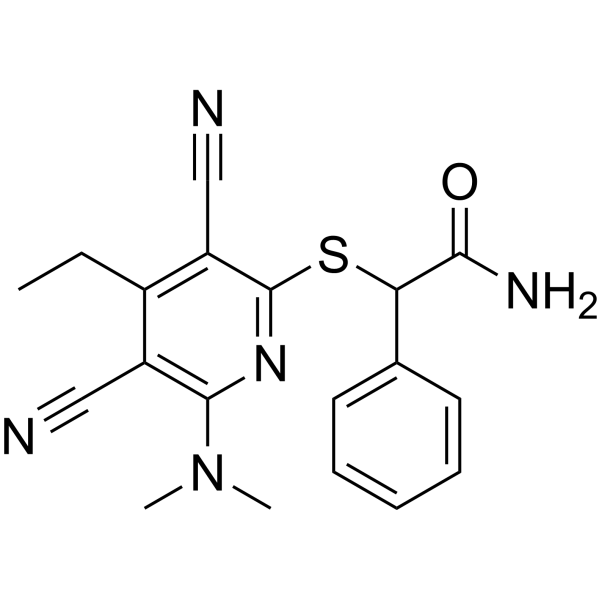
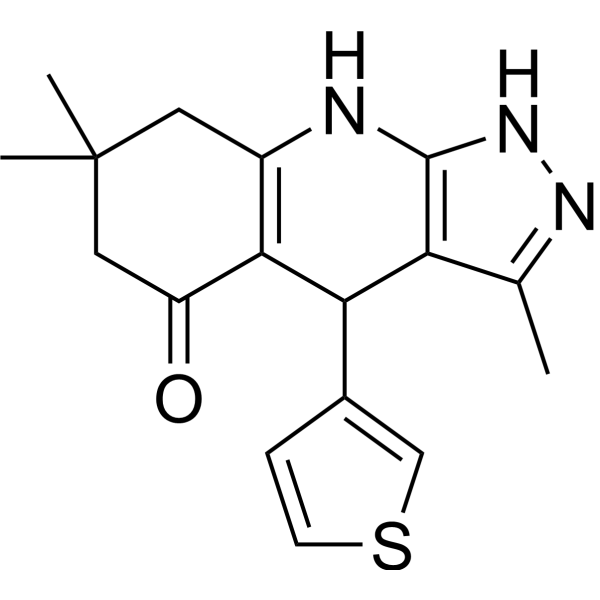
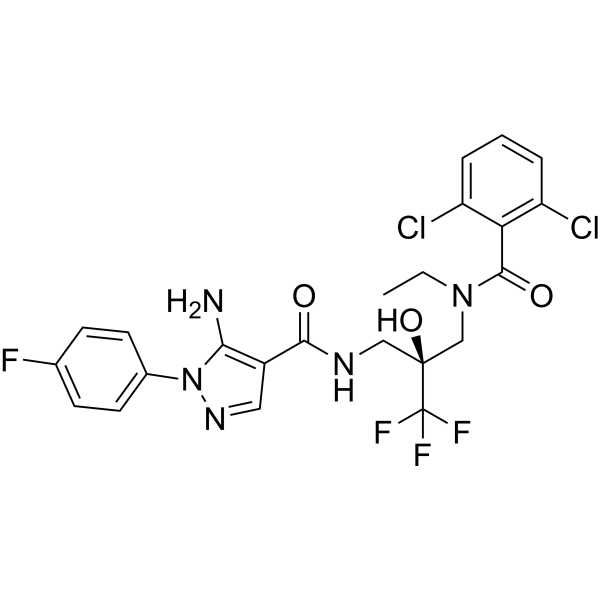
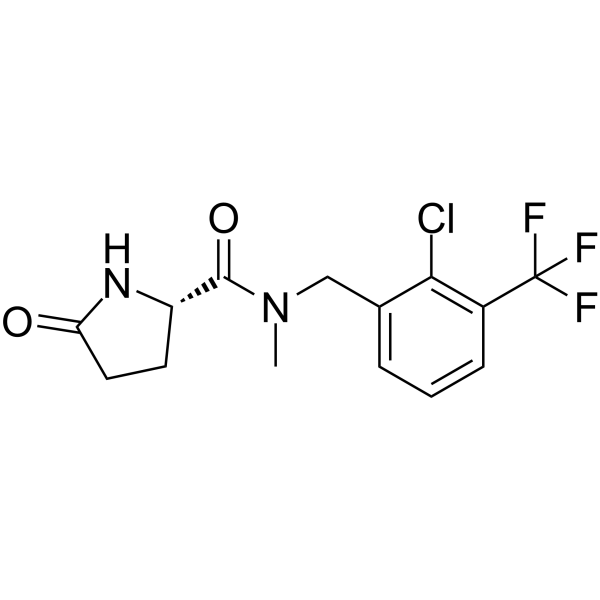
GSK805 is an orally active and CNS penetrant RORγt inhibitor. GSK805 inhibits RORγ and Th17 cells differentiation with pIC50 values of 8.4 and >8.2. GSK805 inhibits the function of Th17 cells. GSK805 can be used for the research of immunity .
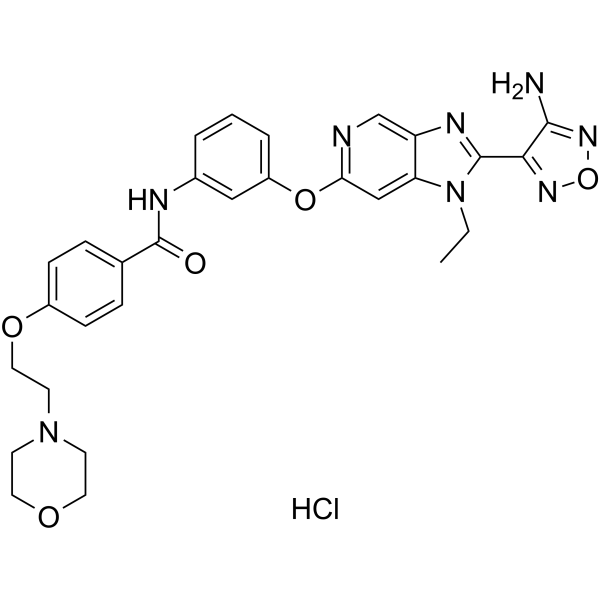
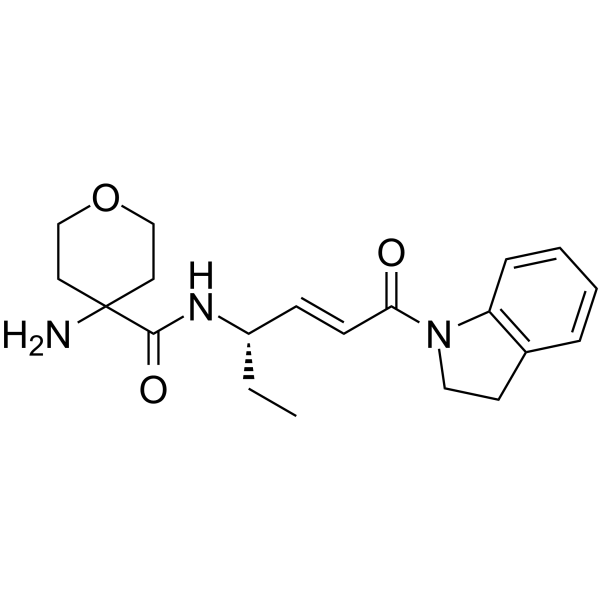
GSK269962A (GSK 269962) is a potent ROCK inhibitor with IC50s of 1.6 and 4 nM for recombinant human ROCK1 and ROCK2 respectively. GSK269962A has anti-inflammatory and vasodilatory activities .
GSK 650394 is a novel SGK inhibitor with IC50 of 62 nM and 103 nM for SGK1 and SGK2 in the SPA assay respectively. GSK 650394 also inhibits influenza virus replication.
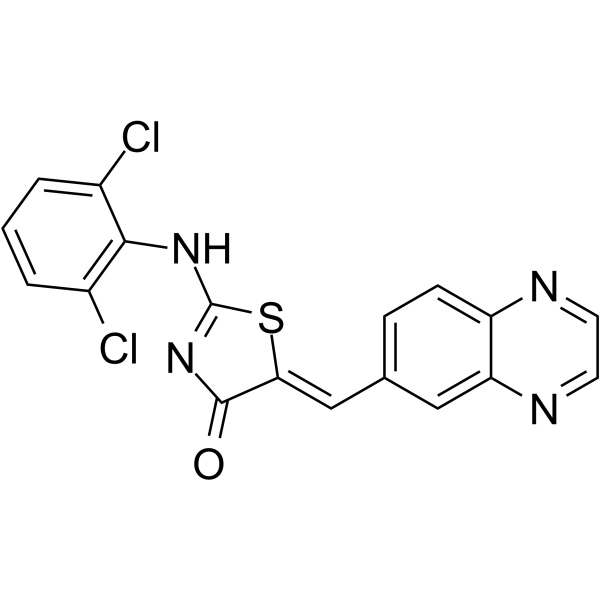
GSK-1070916 is a potent and selective ATP-competitive inhibitor of aurora B and aurora C with Kis of 0.38 and 1.5 nM, respectively, and is >250- fold selective over Aurora A.
GSK621 is a specific AMPK activator, with IC50 values of 13-30 μM for AML cells. GSK621 induces autophagy and apoptosis. GSK621 induces eiF2α phosphorylation-a hallmark of UPR activation .
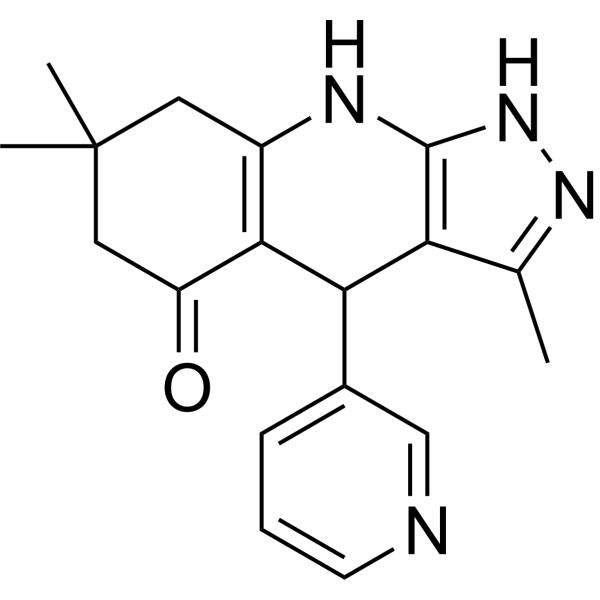
GSK-843 (GSK'843) is a receptor-interacting protein kinase 3 (RIP3 or RIPK3) inhibitor, which binds RIP3 kinase domain with an IC50 of 8.6 nM, and inhibits kinase activity with an IC50 of 6.5 nM. GSK-843 can be used for the research of inflammation .
GSK547 (GSK'547) is a highly selective and potent inhibitor of receptor-interacting serine/threonine protein kinase 1 (RIPK1), inhibits macrophage-mediated adaptive immune tolerance in pancreatic cancer .
GSK-1070806 (Aletekitug) is a humanized IgG1/κ monoclonal antibody targeting IL-18. GSK-1070806 neutralizes IL-18 activity.GSK-1070806 can be used for the research of inflammation. The isotype control for GSK-1070806 can be referenced as Human IgG1 kappa, Isotype Control (HY-P99001) .
GSK2256294A (GSK 2256294) is a selective and orally active inhibitor of soluble epoxide hydrolase (sEH). GSK2256294A inhibits recombinant human sEH, rat sEH orthologs and murine sEH orthologs with IC50s of 27, 61 and 189 pM, respectively. GSK2256294A can be used for the research of chronic obstructive pulmonary disease (COPD) and cardiovascular disease .
GSK840 (GSK'840) is a receptor-interacting protein kinase 3 (RIP3 or RIPK3) inhibitor, which binds RIP3 kinase domain with an IC50 of 0.9 nM, and inhibits kinase activity with an IC50 of 0.3 nM .
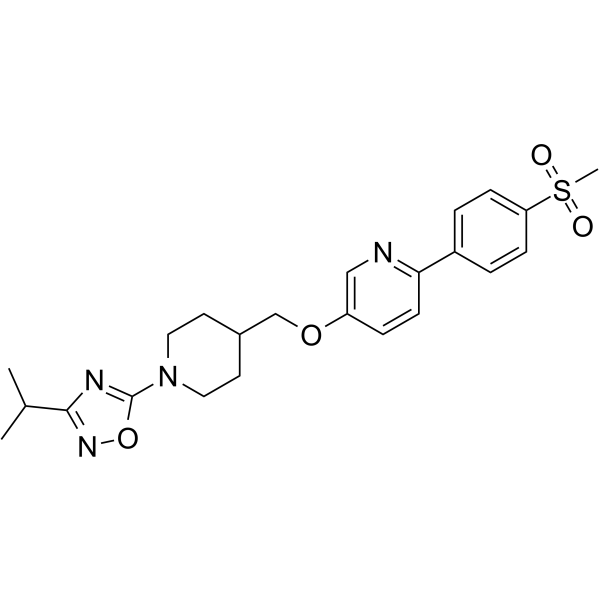
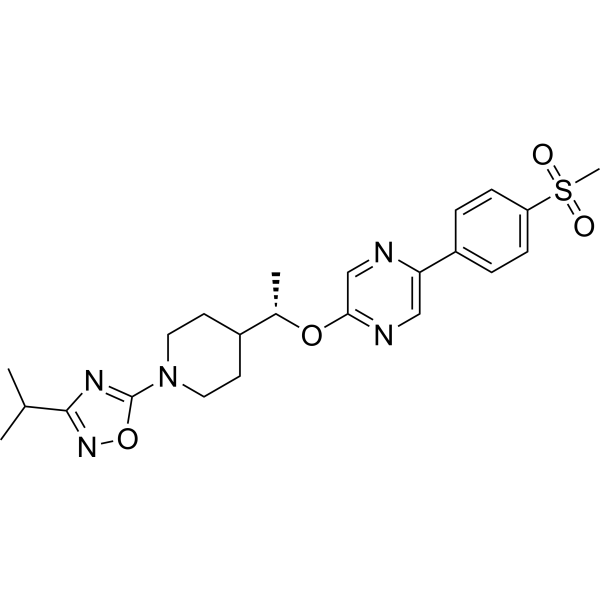
GSK-1292263 is an orally available GPR119 agonist with pEC50s of 6.9 and 6.7 for human and rat GPR119, respectively. GSK-1292263 can be used for the research of type 2 diabetes mellitus (T2DM) .
GSK-626616 is a potent, orally bioavailable inhibitor of DYRK3 (IC50=0.7 nM). GSK-626616 inhibits other members of the DYRK family (e.g., DYRK1A and DYRK2) with similar potency, which is a potential therapy for the treatment of anemia .
GSK137647A (GSK 137647) is a potent, selective free fatty acid receptor 4 (FFA4) agonist with pEC50 values of 6.3, 6.2, and 6.1 for human, mouse and rat FFA4, and pEC50 values < 4.5 for all three species for FFA1, FFA2, and FFA3, respectively. GSK137647A has anti-inflammatory activity. GSK137647A induces insulin secretion and inhibits epithelial ion transport, GSK137647A is related to regulation of glucose homeostasis and anti-inflammatory response .
GSK2556286 (GSK286) is an orally active and cholesterol-dependent Mycobacterium tuberculosis inhibitor. GSK2556286 inhibits Mycobacterium tuberculosis inside infected macrophages (IC50 = 0.07 μM in THP-1 cells), in the presence of cholesterol. GSK2556286 acts via Rv1625c, a membrane-bound adenylyl cyclase in Mycobacterium tuberculosis. GSK2556286 is an Rv1625 agonist leading to increased cAMP and reduced cholesterol metabolism. GSK2556286 can be studied in research for antitubercular purposes .
GSK269962A hydrochloride (GSK 269962 hydrochloride) is a potent ROCK inhibitor with IC50s of 1.6 and 4 nM for recombinant human ROCK1 and ROCK2 respectively. GSK269962A hydrochloride has anti-inflammatory and vasodilatory activities .
GSK3-IN-3 is a mitophagy inducer, inducing Parkin-dependent mitophagy. GSK3-IN-3 is also a GSK-3 inhibitor with an IC50 value of 3.01 μM. GSK3-IN-3 is non-ATP nor substrate competitive and is neuroprotective against 6-OHDA .
GSK3β-peptide is a substrate mimetic peptide of glycogen synthase kinase 3-β (GSK3-β) that can bind to the active site of GSK3-β and mimic the behavior of a real substrate. GSK3β-peptide can be used to develop substrate mimetic inhibitors of Akt as potential anticancer drugs .
GSK983 is a broad-spectrum antiviral agent. GSK983 inhibits the replication of adenovirus-5 (Ad-5) and polyoma virus SV40. GSK983 inhibits the growth of cell lines immortalized by
EBV, HTLV1, HPV. GSK983 induces the expression of interferon-stimulated genes .
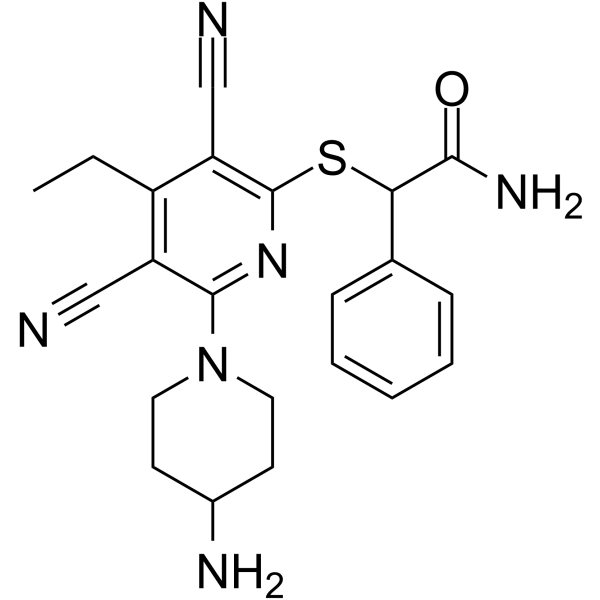
(Rac)-GSK-3484862 is the isomer of GSK-3484862 (HY-135146), and can be used as an experimental control. GSK-3484862 is a non-covalent inhibitor for DNA methyltransferase (Dnmt1). GSK-3484862 induces DNA hypomethylation to against cancer. GSK-3484862 mediates dramatic demethylation in murine embryonic stem cells with minimal non-specific toxicity .
(R)-GSK-3685032 is the R-enantiomer of GSK-3685032. GSK-3685032 is a non-time-dependent, noncovalently, first-in-class reversible DNMT1-selective inhibitor, with an IC50 of 0.036 μM. GSK-3685032 induces robust loss of DNA methylation, transcriptional activation, and cancer cell growth inhibition .
GSK-3174998 is a humanized IgG1 OX40/TNFRSF4 agonistic monoclonal antibody. GSK-3174998 has the potential for the study of advanced solid tumors. The isotype control for GSK-3174998 can refer to Human IgG1 kappa, Isotype Control (HY-P99001) .
GSK789 is a selective inhibitor of BETBD1. GSK789 inhibits the growth of leukemia cell lines. GSK789 inhibits LPS-stimulated production of MCP-1, TNFα and IL-6 in human whole blood. GSK789 exhibits antiproliferative, anti-inflammatory and immunomodulatory activities. GSK789 can be used in research related to cancers such as leukemia, as well as inflammatory and immune diseases .
GSK-2256098 hydrochloride is a focal adhesion kinase (FAK) inhibitor that exhibits potential antiangiogenic and antineoplastic activities. GSK-2256098 hydrochloride targets FAK to inhibit tumor cell growth by regulating cell adhesion, migration, proliferation, and survival.
GSK-5503A is a calcium-release activated calcium (CRAC) channel blocker. GSK-5503A effectively inhibits stromal interaction molecule 1 (STIM1) mediated Orai1 and Orai3 currents in vitro. GSK-5503A can be used for the research of asthma and allergic disorders .
GSK-315234 is a human IgG1 monoclonal antibody (mAb) targeting OSM . GSK-315234 can be used in the study of atherosclerosis Recommend Isotype Controls: Human IgG1 kappa, Isotype Control (HY-P99001) .
GSK-1482160 is an orally active and blood-brain barrier penetrant P2X7 receptor (P2X7R) negative allosteric modulator with pIC50s of 8.5 (human) and 6.5 (rat). GSK-1482160 reduces the efficacy of ATP at the P2X7 receptor without affecting its affinity, thereby inhibiting the release of IL-1β. GSK-1482160 is an effective radioligand and can be labeled with radioactive isotopes like 11C or 18F to image P2X7R. GSK-1482160 can be used for the studies of chronic joint pain and chronic constriction injury (CCI) .
GSK-2793660 (free base) is an oral, irreversible inhibitor of Cathepsin C (CTSC). GSK-2793660 (free base) can be used for the research of bronchiectasis .
GSK 650394 (Standard) is the analytical standard of GSK 650394. This product is intended for research and analytical applications. GSK 650394 is a novel SGK inhibitor with IC50 of 62 nM and 103 nM for SGK1 and SGK2 in the SPA assay respectively. GSK 650394 also inhibits influenza virus replication.
GSK-2330811 is a humanized IgG1 antibody that targets Oncostatin M (OSM). GSK-2330811 has the potential for the study of diffuse cutaneous systemic sclerosis (dcSSc). The isotype control for GSK-2330811 can refer to Human IgG1 kappa, Isotype Control (HY-P99001) .
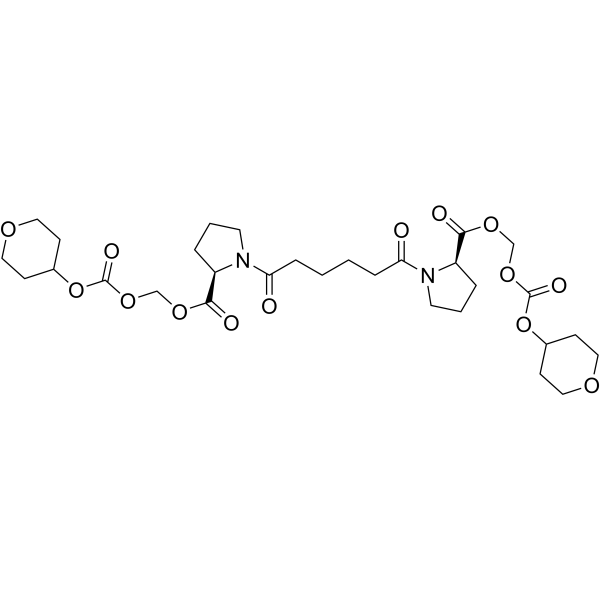
GSK3039294 is an orally active pro-drug of Miridesap (HY-101861), a circulating serum amyloid P component depleter. GSK3039294 undergoes hydrolysis to form miridesap via a monoester intermediate. GSK3039294 can be used for the research of systemic amyloidosis .
GSK951A is a THPP analogue. GSK951A inhibits mycolic acid biosynthesis. GSK951A combines potency in culture with in vivo activity and lack of cytotoxicity .
GSK-364735 is a potent antiretroviral agent against human immunodeficiency virus type 1 (HIV-1) and serves as an integrase inhibitor with an IC50 of 8 ± 2 nM. GSK-364735 can be utilized in antiviral research .
GSK5852 (GSK2485852) is an HCV NS5B polymerase inhibitor, with an IC50 value of 50 nM. GSK5852 displays antiviral activity and inhibits HCV with EC50s of 3.0 nM (genotype 1a, GT1a) and 1.7 nM (GT1b), respectively .
GSK-163090 dihydrochloride is a potent, selective and orally active 5-HT1A/1B/1D receptor antagonist with pKi values of 9.4, 8.5 and 9.7, respectively. GSK-163090 dihydrochloride inhibits the functional activity of serotonin reuptake transporter (SerT) with a pKi value of 6.1. GSK-163090 dihydrochloride has antidepressant and anxiolytic activities .
GSK-5498A is a selective CARC channel inhibitor (IC50: 1 μM). GSK-5498A inhibits mediators release from mast cells and pro-inflammatory cytokines release from T cells. GSK-5498A can be used in the research of inflammatory disorders .
GSK-7227 (compound 32) is a PPARδ partial agonist with the activity of regulating the expression of related genes. GSK-7227 has partial agonist effects on PPARδ target genes CPT1a and PDK4 in skeletal muscle cells.
(S)-GSK-3685032 is the isomer of GSK-3685032 (HY-139664), and can be used as an experimental control. GSK-3685032 is a non-time-dependent, noncovalently, first-in-class reversible DNMT1-selective inhibitor, with an IC50 of 0.036 μM. GSK-3685032 induces robust loss of DNA methylation, transcriptional activation, and cancer cell growth inhibition .
GSK1842799, an alkyl-substituted biaryl amino alcohol, is a selective S1P1 modulator developed for multiple sclerosis (MS). Upon phosphorylation, GSK1842799-P exhibited subnanomolar S1P1 agonist activity with over 1000-fold selectivity over S1P3. The compound showed good oral bioavailability, rapid in vivo conversion to GSK1842799-P, and significant lymphocyte count reduction at 0.1 mg/kg. It matched FTY720 efficacy at 3 mg/kg in the mouse EAE model and achieved comparable plasma levels to FTY-720 phosphate in cynomolgus monkeys. With favorable ADME, PK/PD properties, and toxicology, GSK1842799 advanced to further clinical development .
(Rac)-GSK866 (GSK47866A) is a non-steroidal glucocorticoid receptor (GR) ligand. The crystal structure of (Rac)-GSK866 bound to the GR LBD (3E7C) can be used as a model to study the mechanism of action of ligands of the same class .
GSK-364735 potassium (S/GSK-364735 potassium) is the potassium salt form of GSK-364735 (HY-16907). GSK-364735 potassium is an antiretroviral, that inhibits the integrase of human immunodeficiency virus type 1 (HIV-1) with an IC50 of 7.8 nM .
GSK-364735 sodium (S/GSK-364735 sodium) is the sodium salt form of GSK-364735 (HY-16907). GSK-364735 sodium is an antiretroviral, that inhibits the integrase of human immunodeficiency virus type 1 (HIV-1) with an IC50 of 7.8 nM .
(R)-GSK866 ((R)-GSK47866A) is the (R)-enantiomer of GSK866 (HY-157294). GSK866 is a selective agonist for glucocorticoid receptor with an IC50 of 4.6 nM .
GSK-1070916 (GMP) is GSK-1070916 (HY-70044) produced by using GMP guidelines. GMP small molecules works appropriately as an auxiliary reagent for cell therapy manufacture. GSK-1070916 is a potent and selective ATP-competitive inhibitor of aurora B and aurora C with Kis of 0.38 and 1.5 nM, respectively, and is >250- fold selective over Aurora A .
GSK-588045 is a potent 5-HT(1A/B/D) receptor antagonist. GSK-588045 shows high degree of selectivity over human ether-a-go-go related gene (hERG) potassium channels. GSK-588045 can be used for the research of neurological disease, such as depression and anxiety .
GSK-679586 is a CHO-expressed humanized antibody that targets IL-13. GSK-679586 is composed of a huIgG1 heavy chain and a huκ light chain, with a predicted molecular weight (MW) of 145 kDa. The isotype control for GSK-679586 can be referenced as Human IgG1 kappa, Isotype Control (HY-P99001).
GSK-340 is a BET inhibitor with high affinity and significant selectivity for BD2 from BRD4 with a pIC50 of 7.2. GSK-340 inhibits MCP-1 release in Lipopolysaccharide (HY-D1056) treated PBMCs and whole blood with the pIC50 of 7.4 and 6.0, respectively. GSK-340 has immunomodulatory activity .
GSK-1292263 (hydrochloride) is an orally active GPR119 agonist (pEC50 of approximately 6.9 and 6.7 nM for human and rat GPR119, respectively). GSK-1292263 is used in the research of type 2 diabetes and dyslipidemia .
GSK-1482160 isomer is the isomer of GSK-1482160 (HY-19888). GSK-1482160 is an orally active and blood-brain barrier penetrant P2X7 receptor (P2X7R) negative allosteric modulator with pIC50s of 8.5 (human) and 6.5 (rat). GSK-1482160 reduces the efficacy of ATP at the P2X7 receptor without affecting its affinity, thereby inhibiting the release of IL-1β. GSK-1482160 is an effective radioligand and can be labeled with radioactive isotopes like 11C or 18F to image P2X7R. GSK-1482160 can be used for the studies of chronic joint pain and chronic constriction injury (CCI).
GSK-9772 is a Liver X Receptor (LXR) modulator of the N-phenyl tertiary amine class (NPTAs) with high affinity for LXR β ligand (IC50=30 nM). GSK-9772 has anti-inflammatory activity by binding to LXR, specifically by interacting with the region associated with the transcriptional repression function of the receptor, thereby inhibiting the expression of pro-inflammatory genes. GSK-9772 can be used in the study of inflammatory and neurodegenerative diseases .
GSK484-Ph (compound 15d) is an analog of GSK484 (HY-100514) with potent anticancer effects. GSK484-Ph potently inhibits 4T1 cells and can be used for the study of breast cancer .
GSK1292263 (Standard) is the analytical standard of GSK1292263. This product is intended for research and analytical applications. GSK-1292263 is an orally available GPR119 agonist with pEC50s of 6.9 and 6.7 for human and rat GPR119, respectively. GSK-1292263 can be used for the research of type 2 diabetes mellitus (T2DM) .
GSK-1264 is an HIV-1 integrase inhibitor. GSK-1264 binds to a site spanning the HIV-1 integrase catalytic core domain and C-terminal domain, mediates formation of an open polymer of HIV-1 integrase dimers via inhibitor-bridged contacts between adjacent dimers. GSK-1264 disrupts late-stage HIV replication by interfering with viral particle assembly. GSK-1264 stimulates inappropriate polymerization of HIV-1 integrase. GSK-1264 can be used for the research of HIV infection .
GSK840 (Standard) is the analytical standard of GSK840 (HY-104021). This product is intended for research and analytical applications. GSK840 (GSK'840) is a receptor-interacting protein kinase 3 (RIP3 or RIPK3) inhibitor, which binds RIP3 kinase domain with an IC50 of 0.9 nM, and inhibits kinase activity with an IC50 of 0.3 nM .
GSK 1842799 hydrochloride is a selective S1P1 receptor agonist with potent agonist activity and exceptional selectivity over S1P3. GSK 1842799 hydrochloride demonstrates good oral bioavailability and rapid conversion to its active phosphorylated form. GSK 1842799 hydrochloride significantly reduces blood lymphocyte counts in vivo following oral administration. GSK 1842799 hydrochloride has shown efficacy comparable to FTY720 in the mouse EAE model of multiple sclerosis.
GSK-1004723 is a novel H1/H3 receptor antagonist with limited activity for the suppression of seasonal allergic rhinitis. GSK-1004723 is available as a suspension or solution for intranasal administration.
GSK-933776 is a humanized antibody expressed in CHO, targeting Amyloid Beta/Aβ. GSK-933776 has huIgG1 heavy chain and huκ light chain, with a predicted molecular weight (MW) of 145.34 kDa. The isotype control for GSK-933776 can be referenced as Human IgG1 kappa, Isotype Control (HY-P99001).
GSK-1562590 is a uropeptide-II receptor antagonist with high affinity and selectivity. GSK-1562590 exhibits significant antagonistic activity in multiple bioassays and, in contrast, displays relatively sustained receptor binding times. GSK-1562590 can inhibit human urinary peptide-II-induced aortic contraction in rats in experiments, and its effect can last for at least 24 hours .
GSK-626616 (Standard) is the analytical standard of GSK-626616 (HY-105309). This product is intended for research and analytical applications. GSK-626616 is a potent, orally bioavailable inhibitor of DYRK3 (IC50=0.7 nM). GSK-626616 inhibits other members of the DYRK family (e.g., DYRK1A and DYRK2) with similar potency, which is a potential therapy for the treatment of anemia .
GSK-3484862 GMP is GSK-3484862 (HY-135146) produced by using GMP guidelines. GMP small molecules works appropriately as an auxiliary reagent for cell therapy manufacture. GSK-3484862 is a highly potent non-covalent inhibitor and demethylating agent of DNMT1. GSK-3484862 induces genome-wide DNA demethylation, including the regulatory elements of DNMT3B and the promoter region of TERT, and significantly inhibits cell viability, growth, proliferation and self-renewal. GSK-3484862 blocks the transformation of young AT2 cells, induces apoptosis, and generates transcriptomic features similar to those of senescent cells. GSK-3484862 is widely used in studies related to lung cancer, oral squamous cell carcinoma and lung adenocarcinoma .
GSK-872 (Standard) is the analytical standard of GSK-872 (HY-101872). This product is intended for research and analytical applications. GSK-872 is a RIPK3 inhibitor, which binds RIP3 kinase domain with an IC50 of 1.8 nM, and inhibits kinase activity with an IC50 of 1.3 nM. GSK-872 decreases the RIPK3-mediated necroptosis and subsequent cytoplasmic translocation and expression of HMGB1, as well as ameliorates brain edema and neurological deficits in early brain injury .
GSK-690693 (Standard) is the analytical standard of GSK-690693 (HY-10249). This product is intended for research and analytical applications. GSK-690693 is an ATP-competitive pan-Akt inhibitor with IC50s of 2 nM, 13 nM, 9 nM for Akt1, Akt2 and Akt3, respectively. GSK-690693 is also an AMPK inhibitor, affects Unc-51-like autophagy activating kinase 1 (ULK1) activity and robustly inhibits STING-dependent IRF3 activation .
GSK-872 hydrochloride (Standard) is the analytical standard of GSK-872 hydrochloride (HY-101872A). This product is intended for research and analytical applications. GSK-872 hydrochloride is a RIPK3 inhibitor, which binds RIP3 kinase domain with an IC50 of 1.8 nM, and inhibits kinase activity with an IC50 of 1.3 nM. GSK-872 hydrochloride decreases the RIPK3-mediated necroptosis and subsequent cytoplasmic translocation and expression of HMGB1, as well as ameliorates brain edema and neurological deficits in early brain injury .
GSK 4027 (Standard) is the analytical standard of GSK 4027 (HY-101027). This product is intended for research and analytical applications. GSK 4027 is a chemical probe for the PCAF/GCN5 bromodomain with an pIC50 of 7.4±0.11 for PCAF in a time-resolved fluorescence resonance energy transfer (TR-FRET) assay.
GSK962 (Standard) is the analytical standard of GSK962 (HY-103028). This product is intended for research and analytical applications. GSK962 is an inactive enantiomer of GSK963 and can be used to confirm on-target effects .
GSK-3β-IN-29 is a selective GSK-3β inhibitor with an IC50 of 34.0 nM. GSK-3β-IN-29 shows selectivity for GSK-3β over 40 other kinases and for 5-HT1a receptor. GSK-3β-IN-29 exhibits neuroprotection in mice. GSK-3β-IN-29 can be used for the research of nervous system (CNS) disorders .
GSK702, a PROTAC, is a the less active cis-(S,S)-enantiomer of GSK983 (P300/CBP-associated factor (PCAF)/general control nonderepressible 5 (GCN5) PROTAC). GSK702 induces only a small decrease of PCAF protein levels. GSK702 binds to CRBN and causes a reduction of IL-1β in macrophages. GSK702 can be used for the study of inflammatory mediators .
The developmental proteins Hedgehog, Notch and Wnt are key regulators of cell fate, proliferation, migration and differentiation in several tissues. Their related signaling pathways are frequently activated in tumors, and particularly in the rare subpopulation of cancer stem cells.
The Wnt signaling pathway is a conserved pathway in animals. Deregulated Wnt signaling has catastrophic consequences for the developing embryo and it is now well appreciated that defective Wnt signaling is a causative factor for a number of pleiotropic human pathologies, including cancer. Hedgehog signaling pathway is linked to tumorigenesis and is aberrantly activated in a variety of cancers. The Notch signaling pathway is a highly conserved cell signaling system present in most animals. It plays an important role in cell-cell communication, and further regulates embryonic development.
MCE designs a unique collection of 616 Wnt/Hedgehog/Notch signaling pathway-related small molecules. Wnt/Hedgehog/Notch Compound Library serves as a useful tool for stem cell research and anti-cancer drug screening.
Adult stem cells are important for tissue homeostasis and regeneration due to their ability to self-renew and generate multiple types of differentiated daughters. Self-renewal is reflected by their capacity to undergo multiple/limitless divisions. Several signaling pathways are involved in self-renewal of stem cells, that is, Notch, Wnt, and Hedgehog pathways or Polycomb family proteins. Recent studies mainly focus on cancer stem cell (CSCs), induced pluripotent stem cell (iPSCs), neural stem cell and maintenance of embryonic stem cell pluripotency. Among them, CSCs have been believed to be responsible for tumor initiation, growth, and recurrence that have implications for cancer therapy.
MCE owns a unique collection of 2,773 compounds that can be used for stem cell regulatory and signaling pathway research.
GSK-1070916 (GMP) is GSK-1070916 (HY-70044) produced by using GMP guidelines. GMP small molecules works appropriately as an auxiliary reagent for cell therapy manufacture. GSK-1070916 is a potent and selective ATP-competitive inhibitor of aurora B and aurora C with Kis of 0.38 and 1.5 nM, respectively, and is >250- fold selective over Aurora A .
GSK-3484862 GMP is GSK-3484862 (HY-135146) produced by using GMP guidelines. GMP small molecules works appropriately as an auxiliary reagent for cell therapy manufacture. GSK-3484862 is a highly potent non-covalent inhibitor and demethylating agent of DNMT1. GSK-3484862 induces genome-wide DNA demethylation, including the regulatory elements of DNMT3B and the promoter region of TERT, and significantly inhibits cell viability, growth, proliferation and self-renewal. GSK-3484862 blocks the transformation of young AT2 cells, induces apoptosis, and generates transcriptomic features similar to those of senescent cells. GSK-3484862 is widely used in studies related to lung cancer, oral squamous cell carcinoma and lung adenocarcinoma .
GSK-1070916 (GMP) is GSK-1070916 (HY-70044) produced by using GMP guidelines. GMP small molecules works appropriately as an auxiliary reagent for cell therapy manufacture. GSK-1070916 is a potent and selective ATP-competitive inhibitor of aurora B and aurora C with Kis of 0.38 and 1.5 nM, respectively, and is >250- fold selective over Aurora A .
GSK-3484862 GMP is GSK-3484862 (HY-135146) produced by using GMP guidelines. GMP small molecules works appropriately as an auxiliary reagent for cell therapy manufacture. GSK-3484862 is a highly potent non-covalent inhibitor and demethylating agent of DNMT1. GSK-3484862 induces genome-wide DNA demethylation, including the regulatory elements of DNMT3B and the promoter region of TERT, and significantly inhibits cell viability, growth, proliferation and self-renewal. GSK-3484862 blocks the transformation of young AT2 cells, induces apoptosis, and generates transcriptomic features similar to those of senescent cells. GSK-3484862 is widely used in studies related to lung cancer, oral squamous cell carcinoma and lung adenocarcinoma .
GSK3β-peptide is a substrate mimetic peptide of glycogen synthase kinase 3-β (GSK3-β) that can bind to the active site of GSK3-β and mimic the behavior of a real substrate. GSK3β-peptide can be used to develop substrate mimetic inhibitors of Akt as potential anticancer drugs .
GSK-1070806 (Aletekitug) is a humanized IgG1/κ monoclonal antibody targeting IL-18. GSK-1070806 neutralizes IL-18 activity.GSK-1070806 can be used for the research of inflammation. The isotype control for GSK-1070806 can be referenced as Human IgG1 kappa, Isotype Control (HY-P99001) .
GSK-3174998 is a humanized IgG1 OX40/TNFRSF4 agonistic monoclonal antibody. GSK-3174998 has the potential for the study of advanced solid tumors. The isotype control for GSK-3174998 can refer to Human IgG1 kappa, Isotype Control (HY-P99001) .
GSK-4381562 is a CHO-expressed human antibody that targets PVRIG. GSK-4381562 carries a huIgG1 heavy chain, with a predicted molecular weight (MW) of 150 kDa. The isotype control for GSK-4381562 can refer to Human IgG1 kappa, Isotype Control (HY-P99001).
GSK-315234 is a human IgG1 monoclonal antibody (mAb) targeting OSM . GSK-315234 can be used in the study of atherosclerosis Recommend Isotype Controls: Human IgG1 kappa, Isotype Control (HY-P99001) .
GSK-2330811 is a humanized IgG1 antibody that targets Oncostatin M (OSM). GSK-2330811 has the potential for the study of diffuse cutaneous systemic sclerosis (dcSSc). The isotype control for GSK-2330811 can refer to Human IgG1 kappa, Isotype Control (HY-P99001) .
GSK-679586 is a CHO-expressed humanized antibody that targets IL-13. GSK-679586 is composed of a huIgG1 heavy chain and a huκ light chain, with a predicted molecular weight (MW) of 145 kDa. The isotype control for GSK-679586 can be referenced as Human IgG1 kappa, Isotype Control (HY-P99001).
GSK-933776 is a humanized antibody expressed in CHO, targeting Amyloid Beta/Aβ. GSK-933776 has huIgG1 heavy chain and huκ light chain, with a predicted molecular weight (MW) of 145.34 kDa. The isotype control for GSK-933776 can be referenced as Human IgG1 kappa, Isotype Control (HY-P99001).
GSK3B is a protein involved in various cellular processes. It regulates glycogen synthesis, Wnt signaling, apoptosis, autophagy, and neuronal functions. It phosphorylates and deactivates specific proteins, impacting their activity and function in the cell. GSK3α Protein, Human (sf9, GST) is the recombinant human-derived GSK3α protein, expressed by sf9 insect cells , with N-GST labeled tag.
GSK-3 beta is a protein kinase that regulates cellular circadian rhythm, autophagy, and apoptosis. GSK-3 beta Protein, Mouse (sf9, His) is the recombinant mouse-derived GSK-3 beta protein, expressed by Sf9 insect cells , with N-10*His labeled tag.
GSK-3β is a serine-threonine kinase and negative regulator of glucose homeostasis. GSK-3β has been implicated in neurodegenerative diseases such as Parkinson's disease and Alzheimer's disease. GSK-3β is widely expressed in multiple tissues, with particularly high levels in the brain and thyroid gland. GSK-3 beta Protein, Human (sf9, His) is the recombinant human-derived GSK-3 beta protein, expressed by Sf9 insect cells , with N-His labeled tag.
GSK-3 beta is an active protein kinase that regulates a variety of cellular processes. It negatively regulates glucose homeostasis, Wnt signaling, and transcription factors by phosphorylating substrates such as glycogen synthase, CTNNB1, and JUN. GSK-3 beta Protein, Human (sf9, GST) is the recombinant human-derived GSK3B, expressed by Sf9 insect cells, with GST labeled tag.
GSK-3 beta is an active protein kinase that regulates a variety of cellular processes. It negatively regulates glucose homeostasis, Wnt signaling, and transcription factors by phosphorylating substrates such as glycogen synthase, CTNNB1, and JUN. GSK-3 beta Protein, Human (P. pastoris, His) is the recombinant human-derived GSK-3 beta protein, expressed by P. pastoris , with N-6*His labeled tag.
Phospho-GSK3 alpha+beta(Tyr216/Tyr279) Antibody (YA5856) is a Rabbit-derived and non-conjugated IgG monoclonal antibody, targeting to Phospho-GSK3 alpha+beta(Tyr216/Tyr279).
Phospho-GSK3 (Tyr216/Tyr279) Antibody (YA194) is a Rabbit-derived and non-conjugated IgG monoclonal antibody, targeting to Phospho-GSK3 (Tyr216/Tyr279).
Phospho-GSK3 (Tyr216/Tyr279) Antibody (YA194) is a Rabbit-derived and non-conjugated IgG monoclonal antibody, targeting to Phospho-GSK3 (Tyr216/Tyr279).
Phospho-GSK3 alpha (Ser21) Antibody (YA9847) is a Rabbit-derived and non-conjugated IgG Recombinant, Monoclonal antibody, targeting to Phospho-GSK3 alpha (Ser21).
GSK-1070916 (GMP) is GSK-1070916 (HY-70044) produced by using GMP guidelines. GMP small molecules works appropriately as an auxiliary reagent for cell therapy manufacture. GSK-1070916 is a potent and selective ATP-competitive inhibitor of aurora B and aurora C with Kis of 0.38 and 1.5 nM, respectively, and is >250- fold selective over Aurora A .
GSK-3484862 GMP is GSK-3484862 (HY-135146) produced by using GMP guidelines. GMP small molecules works appropriately as an auxiliary reagent for cell therapy manufacture. GSK-3484862 is a highly potent non-covalent inhibitor and demethylating agent of DNMT1. GSK-3484862 induces genome-wide DNA demethylation, including the regulatory elements of DNMT3B and the promoter region of TERT, and significantly inhibits cell viability, growth, proliferation and self-renewal. GSK-3484862 blocks the transformation of young AT2 cells, induces apoptosis, and generates transcriptomic features similar to those of senescent cells. GSK-3484862 is widely used in studies related to lung cancer, oral squamous cell carcinoma and lung adenocarcinoma .
Inquiry Online
Your information is safe with us. * Required Fields.
Western blot analysis of extracts from THP-1(lane 2(20μg), Jurkat (lane 3(20μg) and NIH3T3(lane 4(20μg) using FOXO1A (HY-P80132) Rabbit mAb. Proteins were transferred
to a PVDF membrane and blocked with 5% non-fat milk in TBST for 2 hour at room temperature. The primary antibody (1/1000) and Loading control antibody (Beta Actin, HY-P80438, 1/10000) was
used in 5% non-fat milk in TBST at 4°C overnight. Goat Anti-Mouse/Rabbit IgG-HRP Secondary Antibody (1/10000) was used for 1 hour at room temperature.
Western blot analysis of extracts from THP-1(lane 2(20μg), Jurkat (lane 3(20μg) and NIH3T3(lane 4(20μg) using FOXO1A (HY-P80132) Rabbit mAb. Proteins were transferred
to a PVDF membrane and blocked with 5% non-fat milk in TBST for 2 hour at room temperature. The primary antibody (1/1000) and Loading control antibody (Beta Actin, HY-P80438, 1/10000) was
used in 5% non-fat milk in TBST at 4°C overnight. Goat Anti-Mouse/Rabbit IgG-HRP Secondary Antibody (1/10000) was used for 1 hour at room temperature.
Western blot analysis of extracts from THP-1(lane 2(20μg), Jurkat (lane 3(20μg) and NIH3T3(lane 4(20μg) using FOXO1A (HY-P80132) Rabbit mAb. Proteins were transferred
to a PVDF membrane and blocked with 5% non-fat milk in TBST for 2 hour at room temperature. The primary antibody (1/1000) and Loading control antibody (Beta Actin, HY-P80438, 1/10000) was
used in 5% non-fat milk in TBST at 4°C overnight. Goat Anti-Mouse/Rabbit IgG-HRP Secondary Antibody (1/10000) was used for 1 hour at room temperature.
Western blot analysis of extracts from THP-1(lane 2(20μg), Jurkat (lane 3(20μg) and NIH3T3(lane 4(20μg) using FOXO1A (HY-P80132) Rabbit mAb. Proteins were transferred
to a PVDF membrane and blocked with 5% non-fat milk in TBST for 2 hour at room temperature. The primary antibody (1/1000) and Loading control antibody (Beta Actin, HY-P80438, 1/10000) was
MedchemExpress Validation 03
Western blot analysis of extracts from THP-1(lane 2(20μg), Jurkat (lane 3(20μg) and NIH3T3(lane 4(20μg) using FOXO1A (HY-P80132) Rabbit mAb. Proteins were transferred
MedchemExpress Validation 04
Western blot analysis of extracts from THP-1(lane 2(20μg), Jurkat (lane 3(20μg) and NIH3T3(lane 4(20μg) using FOXO1A (HY-P80132) Rabbit mAb. Proteins were transferred
to a PVDF membrane and blocked with 5% non-fat milk in TBST for 2 hour at room temperature. The primary antibody (1/1000) and Loading control antibody (Beta Actin, HY-P80438, 1/10000) was
used in 5% non-fat milk in TBST at 4°C overnight. Goat Anti-Mouse/Rabbit IgG-HRP Secondary Antibody (1/10000) was used for 1 hour at room temperature.
MedchemExpress Validation
Western blot analysis of extracts from THP-1(lane 2(20μg), Jurkat (lane 3(20μg) and NIH3T3(lane 4(20μg) using FOXO1A (HY-P80132) Rabbit mAb. Proteins were transferred
to a PVDF membrane and blocked with 5% non-fat milk in TBST for 2 hour at room temperature. The primary antibody (1/1000) and Loading control antibody (Beta Actin, HY-P80438, 1/10000) was
used in 5% non-fat milk in TBST at 4°C overnight. Goat Anti-Mouse/Rabbit IgG-HRP Secondary Antibody (1/10000) was used for 1 hour at room temperature.
Western blot analysis of extracts from THP-1(lane 2(20μg), Jurkat (lane 3(20μg) and NIH3T3(lane 4(20μg) using FOXO1A (HY-P80132) Rabbit mAb. Proteins were transferred
to a PVDF membrane and blocked with 5% non-fat milk in TBST for 2 hour at room temperature. The primary antibody (1/1000) and Loading control antibody (Beta Actin, HY-P80438, 1/10000) was
used in 5% non-fat milk in TBST at 4°C overnight. Goat Anti-Mouse/Rabbit IgG-HRP Secondary Antibody (1/10000) was used for 1 hour at room temperature.
MedchemExpress Validation
Western blot analysis of extracts from THP-1(lane 2(20μg), Jurkat (lane 3(20μg) and NIH3T3(lane 4(20μg) using FOXO1A (HY-P80132) Rabbit mAb. Proteins were transferred
to a PVDF membrane and blocked with 5% non-fat milk in TBST for 2 hour at room temperature. The primary antibody (1/1000) and Loading control antibody (Beta Actin, HY-P80438, 1/10000) was
used in 5% non-fat milk in TBST at 4°C overnight. Goat Anti-Mouse/Rabbit IgG-HRP Secondary Antibody (1/10000) was used for 1 hour at room temperature.
MedchemExpress Validation
Western blot analysis of extracts from THP-1(lane 2(20μg), Jurkat (lane 3(20μg) and NIH3T3(lane 4(20μg) using FOXO1A (HY-P80132) Rabbit mAb. Proteins were transferred
to a PVDF membrane and blocked with 5% non-fat milk in TBST for 2 hour at room temperature. The primary antibody (1/1000) and Loading control antibody (Beta Actin, HY-P80438, 1/10000) was
used in 5% non-fat milk in TBST at 4°C overnight. Goat Anti-Mouse/Rabbit IgG-HRP Secondary Antibody (1/10000) was used for 1 hour at room temperature.
MedchemExpress Validation
Western blot analysis of extracts from THP-1(lane 2(20μg), Jurkat (lane 3(20μg) and NIH3T3(lane 4(20μg) using FOXO1A (HY-P80132) Rabbit mAb. Proteins were transferred
to a PVDF membrane and blocked with 5% non-fat milk in TBST for 2 hour at room temperature. The primary antibody (1/1000) and Loading control antibody (Beta Actin, HY-P80438, 1/10000) was
used in 5% non-fat milk in TBST at 4°C overnight. Goat Anti-Mouse/Rabbit IgG-HRP Secondary Antibody (1/10000) was used for 1 hour at room temperature.
MedchemExpress Validation
Western blot analysis of extracts from THP-1(lane 2(20μg), Jurkat (lane 3(20μg) and NIH3T3(lane 4(20μg) using FOXO1A (HY-P80132) Rabbit mAb. Proteins were transferred
to a PVDF membrane and blocked with 5% non-fat milk in TBST for 2 hour at room temperature. The primary antibody (1/1000) and Loading control antibody (Beta Actin, HY-P80438, 1/10000) was
used in 5% non-fat milk in TBST at 4°C overnight. Goat Anti-Mouse/Rabbit IgG-HRP Secondary Antibody (1/10000) was used for 1 hour at room temperature.
MedchemExpress Validation
Western blot analysis of extracts from THP-1(lane 2(20μg), Jurkat (lane 3(20μg) and NIH3T3(lane 4(20μg) using FOXO1A (HY-P80132) Rabbit mAb. Proteins were transferred
to a PVDF membrane and blocked with 5% non-fat milk in TBST for 2 hour at room temperature. The primary antibody (1/1000) and Loading control antibody (Beta Actin, HY-P80438, 1/10000) was
used in 5% non-fat milk in TBST at 4°C overnight. Goat Anti-Mouse/Rabbit IgG-HRP Secondary Antibody (1/10000) was used for 1 hour at room temperature.
MedchemExpress Validation
Western blot analysis of extracts from THP-1(lane 2(20μg), Jurkat (lane 3(20μg) and NIH3T3(lane 4(20μg) using FOXO1A (HY-P80132) Rabbit mAb. Proteins were transferred
to a PVDF membrane and blocked with 5% non-fat milk in TBST for 2 hour at room temperature. The primary antibody (1/1000) and Loading control antibody (Beta Actin, HY-P80438, 1/10000) was
used in 5% non-fat milk in TBST at 4°C overnight. Goat Anti-Mouse/Rabbit IgG-HRP Secondary Antibody (1/10000) was used for 1 hour at room temperature.
MedChemExpress values your privacy and your trust is important to us. We use cookies to enhance your website experience. Some cookies are necessary to run the website.
Privacy and Cookie Policy