Delivery of temperature sensitive items including proteins and kits will be paused on 6/19 for the Juneteenth holiday. For urgent orders please contact customer service.
Sacituzumab is a humanized IgG1 monoclonal antibody targeting Trophoblast cell surface antigen 2 (TROP2). Sacituzumab demonstrates a lack of antitumor effects alone and does not inhibit the function of TROP-2 during tumor metastasis, binding to the linear epitopes of TROP-2protein. Sacituzumab can be used for the synthesis of antibody-drug conjugates (ADC) drug Sacituzumab govitecan (HY-132254). Sacituzumab govitecan can be used in the field of triple-negative breast cancer .
Abatacept (CTLA4lg) is a soluble fusion protein consisting of the extra-cellular domain of human CTLA4 and a fragment of the Fc portion of human IgG1 (hinge and CH2 and 3 domains) . Abatacept is a selective T-cell co-stimulation modulator and a protein agent for the autoimmune diseases .
Efruxifermin is an Fc-FGF21 fusion protein (human IgG1 Fc domain linked to a modified human FGF21). Efruxifermin has prolonged half-life and enhanced receptor affinity compared with native human FGF21. Efruxifermin can be used for the research of non-alcoholic steatohepatitis .
Enfortumab vedotin-ejfv (solution) is an anti-Nectin-4 antibody-drug conjugate (ADC). Enfortumab vedotin-ejfv (solution) is a fully humanized IgG1 antibody conjugated to the microtubule disrupting agent MMAE (HY-15162) via a protease-cleavable Val-Cit linker. The antibody portion is Enfortumab (HY-P99016), and the drug-linker conjugate for ADC is VcMMAE (HY-15575). Nectin-4 is an adhesion protein involved in cellular processes and tumorigenesis, and Enfortumab vedotin-ejfv (solution) is indicated for the inhibition of locally advanced or metastatic urothelial carcinoma .
Enfortumab vedotin-ejfv is an anti-Nectin-4 antibody-drug conjugate. Enfortumab vedotin-ejfv is a fully humanized IgG1 antibody conjugated to the microtubule disrupting agent MMAE (HY-15162) via a protease-cleavable Val-Cit linker. The antibody portion is Enfortumab (HY-P99016), and the drug-linker conjugate for ADC is VcMMAE (HY-15575). Nectin-4 is an adhesion protein involved in cellular processes and tumorigenesis, and Enfortumab vedotin-ejfv is indicated for the inhibition of locally advanced or metastatic urothelial carcinoma .
Belimumab (LymphoStat B) is a humanized IgG1λ monoclonal antibody against B-lymphocyte stimulator (BLyS) protein. Belimumab antagonizes BLyS activity in autoimmune diseases and B-lymphocyte malignancies. Belimumab can be used for systemic lupus erythematosus (SLE) research . The component ratio of this product is Active ingredient: Excipients = 1:1.0-1:1.2.
Sibrotuzumab (BIBH 1) is a humanized IgG1 monoclonal antibody targets fibroblast activation protein (FAP). Sibrotuzumab can be used for the research of colorectal cancer and non-small cell lung cancer (NSCLC) .
Envafolimab (ASC 22; KN 035) is a recombinant protein of a humanized single-domain anti- PD-L1 antibody. Envafolimab is created by a fusion of the of anti-PD-L1 domain with Fc fragment of human IgG1 antibody. Envafolimab blocks interaction between PD-L1 and PD-1 with an IC50 value of 5.25 nM. Envafolimab has the potential for the research of solid tumors .
Anti-CD71/TfR1 Antibody (JR-141 antibody (uncoupled from iduronate 2-sulfatase)) is a humanized anti-human transferrin receptor (CD71/TfR1) antibody. Anti-CD71/TfR1 Antibody is the antibody part of the fusion protein Pabinafusp alfa (HY-P99797). The recommend isotype control of Anti-CD71/TfR1 Antibody: Human IgG1 kappa, Isotype Control (HY-P99001) .
Taldefgrobep alfa (BMS 986089; RG 6206; RO 7239361) is a protein that blocks myostatin. Taldefgrobep alfa is a fusion protein composed of a human IgG1-Fc domain and Adnectin domain. Taldefgrobep alfa can be used for spinal muscular atrophy (SMA) research .
Sacituzumab (powder) is a humanized IgG1 monoclonal antibody targeting Trophoblast cell surface antigen 2 (TROP2). Sacituzumab (powder) demonstrates a lack of antitumor effects alone and does not inhibit the function of TROP-2 during tumor metastasis, binding to the linear epitopes of TROP-2protein. Sacituzumab (powder) can be used for the synthesis of antibody-drug conjugates (ADC) drug Sacituzumab govitecan (HY-132254). Sacituzumab govitecan can be used in the field of triple-negative breast cancer .
Gremubamab (MEDI3902) is a humanized IgG1 kappa anti-PcrV/Psl monoclonal antibody. Gremubamab binds to the PA PcrV protein and Psl exopolysaccharide. Gremubamab has the potential for the research of pseudomonas aeruginosa infections .
Abatacept (CTLA4lg; BMS-188667) powder is a soluble fusion protein consisting of the extra-cellular domain of human CTLA4 and a fragment of the Fc portion of human IgG1 (hinge and CH2 and 3 domains). Abatacept powder is a selective T-cell co-stimulation modulator and a protein agent for the autoimmune diseases .
Bintrafusp alfa (M 7824) is a first-in-class bifunctional fusion protein composed of the extracellular domain of TGF-βRII fused to a human IgG1 mAb blocking programmed cell death ligand. Bintrafusp alfa can be used for the research of cancer .
Rilonacept (Arcalyst), a dimeric fusion protein, is a interleukin 1 inhibitor. Rilonacept consists of the ligand-binding domains of the extracellular portions of the IL-1R components linked to the Fc portion of human IgG1. Rilonacept can be used for the research of cryopyrin-associated periodic syndromes .
Ontorpacept (TTI-621) is a soluble fusion protein that consists of the human SIRPα N-terminal (1-118) linked to the Fc region of human IgG1. The N-terminal (1-118)-fragment of ontorpacept is a binding domain for CD47 which is an inhibitor of phagocytosis by macrophages. Ontorpacept is a CD47-blocking checkpoint inhibitor with antitumor activity .
Clesrovimab (MK1654) is a humanized IgG1 monoclonal antibody targeting the respiratory syncytial virus (RSV) protein F. Clesrovimab binds to pre-fusion and post-fusion forms of RSV-A fusion protein with high affinity, with corresponding KD values of 71 pM and 480 pM, respectively. Clesrovimab is applicable for the research of RSV infection .
Etalanetug (E2814) is a humanized high-affinity IgG1 antibody that targets tau protein and can cross the blood-brain barrier. Etalanetug inhibits the spread of pathological tau protein through high-affinity binding to the microtubule-binding region (MTBR). Etalanetug can be used in research related to Alzheimer's disease .
Bapineuzumab is an anti-β-amyloid protein (APP) monoclonal antibody. Bapineuzumab is a humanized IgG1 that recognizes the N terminus of Aβ cleared plaques from the brains. Bapineuzumab can be used for the research of Alzheimer’s disease (AD) .
Simlukafusp alfa (FAP-IL2v) is an immunocytokine comprising an antibody against fibroblast activation protein α (FAPα) and an IL-2 variant that only binds IL-2Rβγ. Isotype: human IgG1 .
Anti-Mouse FAP Antibody (73.3) is an anti-mouse FAPIgG1 monoclonal antibody. Anti-Mouse FAP Antibody (73.3) can be used to accurately detect the expression and localization of FAP protein in mice. Anti-Mouse FAP Antibody (73.3) can be used for research on cancer .
VRC-01 is a broadly neutralizing IgG1 monoclonal antibody that targets HIV-1 envelope glycoprotein gp120Protein. VRC-01 blocks HIV-1 viral entry by mimicking CD4 receptor interaction with HIV-1 gp120 and neutralizes broad HIV-1 clades. VRC-01 can be used for the research of HIV-1 infection .
Ipafricept (OMP-54F28; FZD8-Fc) is a first class recombinant fusion protein with the extracellular part of the human frizzled-8 receptor fused to a human IgG1 Fc fragment that binds Wnt ligands, which blocks Wnt signaling. Ipafricept reduces tumor growth and results in a decrease in both liver and lung metastases combined with Gemcitabine (HY-17026) in pancreatic cancer mouse models. Ipafricept shows solid tumor inhibition activity with well tolerance, such as desmoid tumor, germ cell cancer, ovarian cancer .
Inbakicept is a dimeric human IL-15 receptor alpha (IL-15 Ra) sushi domain/human IgG1 Fc fusion protein and is an IL-15 superagonist complex. Inbakicept is able to form complex N-803 (Nogapendekin alfa inbakicept) with the IL-15 antibody Nogapendekin alfa in a 1:2 ratio. N-803 mimics the function of IL-15 and amplifies anti-CD20 mAb-mediated NK cell responses and antibody-dependent cellular cytotoxicity (ADCC). N-803 also increases degranulation and IFNγ production in cells .
Cergutuzumab is a fully human IgG1 antibody that targets carcinoembryonic antigen (CEA, CEACAM5, CD66e). Cergutuzumab can be used to form the recombinant protein Cergutuzumab amunaleukin (HY-P99498) .
Posdinemab (JNJ-63733657) is a humanized IgG1/κ monoclonal antibody that selectively targets phosphorylated tau (pT217). Posdinemab specifically binds to the pT217+tau epitope rich in the proline domain, blocks tau protein aggregation and seed propagation, and promotes the clearance of extracellular tau species. Posdinemab reduces the levels of free and total p217+tau in cerebrospinal fluid, thereby inhibiting the pathological propagation of tau protein and the formation of neurofibrillary tangles. Posdinemab can be used for the study of progressive supranuclear palsy syndrome and Alzheimer's disease (AD), especially for prodromal or mild AD disease .
Alsevalimab is a humanized, afucosylated IgG1 monoclonal antibody against B7-H4. Alsevalimab blocks the binding of the B7-H4 protein to the receptors on the surface of T cells, reversing the immunosuppressive state in the tumor microenvironment, thereby activating the killing effect of T cells on cancer cells. Alsevalimab can be used in combination with Pembrolizumab (HY-P9902), and shows good safety profiles .
Conbercept (KH902) is a recombinant fusion protein composed of VEGFR-1 (second domain) and VEGFR-2 (third and fourth domains) regions fused to human IgG1 Fc. Conbercept is a VEGF inhibitor (IC50 = 8.8 pM) and is a soluble receptor decoy that blocks all isoforms of VEGF-A (Kd = 0.5 pM), VEGF-B (Kd = 8 pM), VEGF-C, and PlGF (Kd = 5 pM). Conbercept has anti-inflammatory effects, can lower the levels of VEGF, TNF-α and IL-6, and reduce the infiltration of inflammatory cells. Conbercept decreases tumor growth in several oncology studies. Conbercept can be used for various eye diseases such as polypoidal choroidal vasculopathy (PCV), diabetic macular edema (DME) and pathologic myopia choroidal neovascularization (pmCNV) .
Anti-CD71 Antibody (OKT-9) is a kind of mouse IgG1 κ chimeric antibody, targeting to human CD71. Anti-CD71 Antibody (OKT-9) can recognize CD71 also known as Transferrin receptor protein 1 (TfR1). Anti-CD71 Antibody (OKT-9) can be used for the detections of immunohistochemistry, immunofluorescence and flow cytometry in cancer, such as leukemia and lymphoma .
Amubarvimab (BRII-196) is a human IgG1 mAb that bind to non-competing epitopes on the receptor binding domain (RBD) of spike protein, with a KD of 5.88 nM. Amubarvimab can effectively neutralize SARS-CoV-2 variants .
BMS-986156 is a fully humanized IgG1 agonist monoclonal antibody agonist corticosteroid-induced tumor necrosis factor receptor-related protein (GITR). BMS-986156 binds to GITR and promotes activation of T effector cells and inactivates T regulatory cells. BMS-986156 is indicated for use in advanced solid tumor studies .
AT002 (CBAS-173, EJ212/007-Cl2-5) is a recombinant human IgG1 monoclonal antibody. AT002 targets the cell surface protein activated leukocyte adhesion molecule (ALCAM)/CD166. AT002 can be used in the research of cancer, autoimmune diseases and inflammatory diseases.
Sotiburafusp alfa is a bispecific fusion protein, which is a humanized VEGFR-1 extracellular domain fragment (129-228, 1-100 in the current sequence) fused via the peptide linker 101GGSGGSGGSGGSGGS 115 to the N-terminus of the heavy chain (116-564) of a humanized IgG1-kappa anti-human PD-L1 heavy chain variant L352>A, L353>A. Sotiburafusp alfa also functions as a PD-L1 inhibitor and a VEGF inhibitor .
WT1 126-134 peptide is a Wilms' tumor oncogene protein (WT1) peptide (RMFPNAPYL). WT1 126-134 peptide is presented by HLA-A0201 and induces cytotoxic CD8 T cells capable of killing WT1+ positive tumor cells. WT1 126-134 can form stable complexes with the H-2Db (mouse) or HLA-A0201 (human) molecules. WT1 126-134 peptide/HLA-A0201 complex has an extremely high affinity (Kd = 0.2 nM) with the humanized monoclonal antibody (IgG1). WT1 126-134 peptide can be used as a vaccine for T cells or as a target for antibodies .
Eflumenibep alfa is a Kallikrein 5 inhibitor with anti-inflammatory activity. Eflumenibep alfa is a fusion protein that combines human SPINK2 with the human IgG1 Fc fragment at the C-terminus .
Efpixileukin alfa is a fusion protein that combines human IL-2 variant fused at the C-terminus to human immunoglobulin G1 (IgG1) Fc fragment. Efpixileukin alfa is an immunomodulator .
Anti-Spike-RBD mAb is a CHO cell derived human monoclonal IgG1 antibody. Blocking the interaction of Spike protein and ACE2. Anti-Spike-RBD mAb is a potential therapeutic approach for SARS-CoV-2 treatment .
Elritercept (KER-050) is a recombinant fusion protein comprising a modified activin receptor type IIA extracellular domain fused to a human IgG1 Fc. Elritercept inhibits activin A and other select TGF-β superfamily ligands .
Glarivibart is a humanized IgG1κ monoclonal antibody inhibitor targeting Respiratory syncytial virus (RSV) fusion F protein (RSV-F). Glarivibart has significant antiviral activity. Glarivibart can be used for RSV infections research .
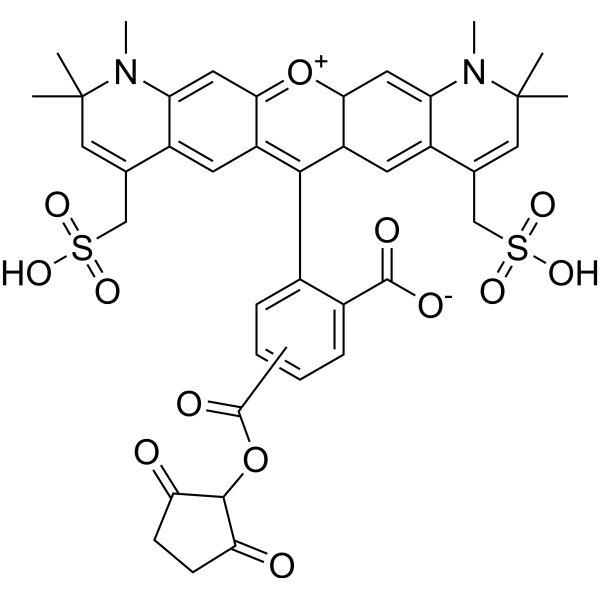
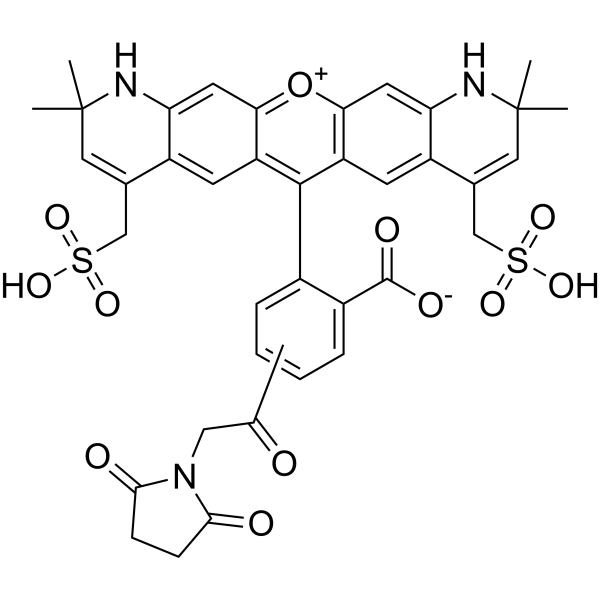
TFAX 594,SE is a red fluorescent dye and exhibits pH-insensitivity over a very broad range (pH in the 4-10). TFAX 594,SE yields exceptionally bright, photostable conjugates with proteins or antibodies (such as goat anti-mouse IgG) .
Lafuvitug (3BNC-117) is a fully human IgG1 antibody that targets envelope glycoprotein gp120 protein. The isotype control for Lafuvitug can refer to Human IgG1 kappa, Isotype Control (HY-P99001) .
Elipunercept is a fusion protein that combines human TNFRSF1B extracellular domain fragment (1-235) fused at the C-terminus to a human IgG1 Fc fragment. Elipunercept is an immunomodulator .
Romlusevimab (BRII-198) is a neutralizing recombinant human IgG1 monoclonal antibody against the spike protein of severe acute respiratory syndrome coronavirus 2 (SARS-CoV-2) .
Opinercept is a recombinant fusion protein comprising an TNFRSF1B fused to a human IgG1 Fc . Opinercept is a tumor necrosis factor-alpha (TNF-alpha) inhibitor. Opinercept can be used for the research of rheumatoid arthritis (RA) .
Anti-SARS-CoV-2 Spike mAb (CR3022) is a a CHO cell derived human monoclonal IgG1 antibody. It binds to both S1 domain of SARS-CoV/SARS-CoV-2 Spike protein .
Rinvatercept, a fusion protein, is a glycyl (1)-chimeric N-terminal (1-108)-peptide (2-109) combined from the sequences of the extracellular domains of the human ACVR2A/B, and is fused via a G3 peptide linker (110-112) to an immunoglobulin G1 (IgG1) Fc fragment. Rinvatercept can be used for research of neuromuscular disease .
Efmirenpase alfa is an Fc-ENPP1 fusion protein (human IgG1 Fc domain linked to a modified human ENPP1). Efmirenpase alfa has prolonged half-life and enhanced receptor affinity compared with native human ENPP1. Efmirenpase alfa can be used as an enzyme replacement therapy for ENPP1 deficiency such as arterial calcification and hypophosphatemic rickets research .
Zamubafusp alfa (AT-02) is an immunoglobulin-peptide fusion protein consisting of a humanized IgG1 and the pan-amyloid reactive peptide p5R. Zamubafusp alfa binds to two ubiquitous components of all amyloids, namely amyloid fibrils and highly sulfated heparan sulfate glycans. Zamubafusp alfa enhances macrophage phagocytosis for amyloid clearance and can be used in research related to systemic amyloidosis .
Modotuximab (DS 1024) is an IgG1κ-type chimeric antibody targeting human EGFRprotein. Modotuximab binds non-overlapping epitopes on domain III of EGFR, a domain that is intact in EGFRvIII. Modotuximab has antitumor activity in vivo .
Tuparstobart (Incagn-02385) is an IgG1κ antibody targeting LAG-3. LAG-3 is an immune checkpoint receptor protein mainly expressed on activated T cells, NK cells, B cells and plasmacytoid dendritic cells .
VIR-7229 is a human IgG1 monoclonal antibody (mAb) targeting Receptor-Binding Domain, RBD, Spike glycoprotein. VIR-7229 exerts antiviral activity by competing with ACE2 for binding and inducing S1 protein shedding. VIR-7229 can be used in SARS-CoV-2 infection research. Recommended isotype control: Human IgG1 kappa, Isotype Control (HY-P99001) .
Efercoleukin alfa is a recombinant fusion protein comprising an IL-2 fused to a human IgG1 Fc. Efercoleukin alfa binds the high-affinity IL-2 receptor alpha chain (CD25) .
Anti-SARS-80R mAb (SARS-80R) is a human monoclonal IgG1 antibody produced in CHO cells. Anti-SARS-80R mAb can specifically bind to Spike (S1)protein to prevent SARS virus infection of susceptible cells .
Anti-MERS-3A1 mAb (MERS-3A1) is a human monoclonal IgG1 antibody with the high binding affinity produced in CHO cells.
Anti-MERS-3A1 mAb bocks the binding of MERS-CoV spike protein to DPP4 receptor .
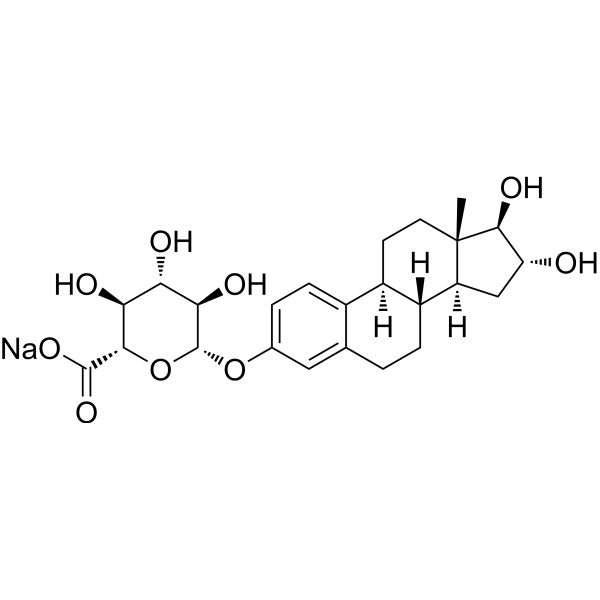
Estriol 3-glucuronide (Estriol 3-β-D-Glucuronide) sodium salt is a metabolite of Estriol. Estriol 3-glucuronide sodium salt competitively inhibits the hydrolysis of 4-methylumbelliferyl-β-D-glucuronide (4Mu-GlcU). Estriol 3-glucuronide sodium salt is a substrate for hydrolysis by Klotho-human IgG1 Fc protein (KLFc) .
Anti-MERS-2E6 mAb (MERS-2E6; MERS Antibody-2E6), a human neutralizing antibody IgG1 (CHO expressed) that can compete for the binding of the virus Spike protein to the receptor (CD26), thereby inhibiting virus invasion into host cells.
Anti-YB-1 Antibody (21A3) is a mouse-derived IgG1 chimeric antibody inhibitor, targeting to human YB-1. Anti-YB-1 Antibody (21A3) reacts with human Y-box binding protein 1 (YB-1). Anti-YB-1 Antibody (21A3) can be used for the detections of immunohistochemistry, western blot and flow cytometry .
Anti-SARS-CoV-2 S protein Antibody (NTD, SARS2-29) is a mouse-derived IgG1 κ type antibody inhibitor, targeting to SARS-CoV-2 S protein. Anti-SARS-CoV-2 S protein Antibody (NTD, SARS2-29) reacts with the N-terminal domain (NTD) in the spike (S) protein of SARS-CoV-2 (Severe Acute Respiratory Syndrome Coronavirus 2). Anti-SARS-CoV-2 S protein Antibody (NTD, SARS2-29) can be used for the detections of flow cytometry and ELISA in SARS-CoV-2 infection .
Masavibart (ZRC3308-A7) is an anti-SARS-CoV-2 monoclonal antibody (IgG1 type). Masavibart shows good binding affinity to a non-competing epitope on the RBD of the SARS-CoV-2 spike protein. Masavibart can be used in combination with ZRC3308-B10 (HY-145643) at a ratio of 1:1, which is effective for the prevention of COVID-19 and the early stage of COVID-19 before the development of severe disease .
Nepuvibart (ZRC3308-B10) is an anti-SARS-CoV-2 monoclonal antibody (IgG1 type). Nepuvibart shows good binding affinity to a non-competing epitope on the RBD of the SARS-CoV-2 spike protein. Nepuvibart can be used in combination with ZRC3308-A7 (HY-145642) at a ratio of 1:1, which is effective for the prevention of COVID-19 and the early stage of COVID-19 before the development of severe disease .
Anti-SARS-CoV-2 S protein Antibody (RBD epitope B, SARS2-34) is a mouse-derived IgG1 κ type antibody inhibitor, targeting to SARS-CoV-2 S protein. Anti-SARS-CoV-2 S protein Antibody (RBD epitope B, SARS2-34) reacts with the receptor binding domain (RBD) epitope B in the spike (S) protein of SARS-CoV-2 (Severe Acute Respiratory Syndrome Coronavirus 2). Anti-SARS-CoV-2 S protein Antibody (RBD epitope B, SARS2-34) can block the binding of the SARS-CoV-2 S protein to angiotensin-converting enzyme 2 (ACE2). Anti-SARS-CoV-2 S protein Antibody (RBD epitope B, SARS2-34) can be used for the research of SARS-CoV-2 infection .
Anti-SARS-CoV-2 S protein Antibody (RBD epitope A, SARS2-01) is a mouse-derived IgG1 κ type antibody inhibitor, targeting to SARS-CoV-2 S protein. Anti-SARS-CoV-2 S protein Antibody (RBD epitope A, SARS2-01) reacts with the receptor binding domain (RBD) epitope A in the spike (S) protein of SARS-CoV-2 (Severe Acute Respiratory Syndrome Coronavirus 2). Anti-SARS-CoV-2 S protein Antibody (RBD epitope A, SARS2-01) can block the binding of the SARS-CoV-2 S protein to angiotensin-converting enzyme 2 (ACE2). Anti-SARS-CoV-2 S protein Antibody (RBD epitope A, SARS2-01) can be used for the research of SARS-CoV-2 infection .
Firastotug is an IgG1κ antibody targeting CTLA4. CTLA4 is a cytotoxic T lymphocyte-associated protein and a key immune checkpoint in the fields of autoimmunity and cancer .
TFAX 568, SE is an orange fluorescent dye and exhibits pH-insensitivity over a very broad range (pH in the 4-10). TFAX 568, SE yields exceptionally bright, photostable conjugates with proteins or antibodies (such as goat anti-mouse IgG) .
Lu AF87908 is an IgG1 monoclonal antibody targeting the p-Ser396/404 epitope of tau protein, which mainly binds to the pSer396 region. Lu AF87908 can be used in the research of Alzheimer's disease. The recommended isotype control is human IgG1 kappa (HY-P99001) .
Anti-Mouse CD41 Antibody (S-R690) reacts with mouse CD41. CD41 is a crucial protein involved in platelet aggregation and hemostasis. Recommend Isotype Controls: Rat IgG1 kappa, Isotype Control (HY-P99979).
Anti-CD64 Antibody (10.1) recognizes an epitope on human CD64 (Fc_RI). Fc gamma receptors (Fc_Rs) are membrane-bound proteins which control and mediate communication of IgG antibodies within the immune system. Recommend Isotype Controls: Mouse IgG1 kappa, Isotype Control (HY-P99977) .
Anti-Mouse CD370 Antibody (1F6) reacts with the mouse CD370 (also known as CLEC9A or DNGR1). CD370 is a type II membrane protein with a single extracellular C-type lectin domain. Recommend Isotype Controls: Rat IgG1 kappa, Isotype Control (HY-P99979) .
Anti-PD-L2 Antibody (3.2) recognizes an epitope on mouse and human PD-L2. PD-L2 is a 25 kD type I transmembrane protein and a member of B7 family within the immunoglobulin receptor superfamily. Recommend Isotype Controls: Mouse IgG1 kappa, Isotype Control (HY-P99977) .
Anti-SARS-CoV-2 S protein (RBD) Antibody (SARS2-38) reacts with many variants of SARS-CoV-2 that binds a conserved epitope on the RBD (amino acids K444 and G446). Anti-SARS-CoV-2 S protein (RBD) Antibody (SARS2-38) does not cross-react with the SARS-CoV-1 spike protein. Recommend Isotype Controls: Mouse IgG1 kappa, Isotype Control (HY-P99977) .
OMTX005 (OMTX705 antibody) is a humanized anti-FAPIgG1 monoclonal antibody that specifically binds to human (EC50: 0.33 nM)/mouse (EC50: 0.14 nM) FAP proteins and FAP-positive cells. OMTX005 exhibits no cytotoxicity when used alone and fails to induce an increase in caspase 3/7 activity in relevant cells. OMTX005 can be used to synthesize the ADC molecule OMTX705 for tumor research .
Anti-Rat CTLA-4 Antibody (WKH203) reacts with rat CTLA-4. Anti-Rat CTLA-4 Antibody (WKH203) binds to the CTLA-4 protein disrupts the key signaling mechanisms linked to the suppression of T cell activity, triggering T cells readily and enhancing the immune system’s capacity to identify and eliminate cancer. Recommend Isotype Controls: Mouse IgG1 kappa, Isotype Control (HY-P99977) .
REGN6569 is a fully human IgG1 monoclonal antibody targeting glucocorticoid-induced tumor necrosis factor receptor-related protein (GITR) with high specificity for GITR. REGN6569 exerts stronger in vitro antibody-dependent cell-mediated cytotoxicity (ADCC) against regulatory T cells expressing GITR. REGN6569 selectively depletes regulatory T cells via antibody-dependent cell-mediated cytotoxicity and increases the proportion of proliferative natural killer (NK) cells in peripheral blood. REGN6569 is applicable for advanced solid malignancies. Isotype control: HY-P99001 .
23ME-00610 is a humanized effector-function-null IgG1 antibody targeting CD200R1, with a Kd of <0.1 nM for hCD200R1. 23ME-00610 blocks the binding of CD200 to CD200R1 and inhibits the recruitment of the downstream adaptor proteinDOK2 to CD200R1. 23ME-00610 restores IL-2 production suppressed by CD200. 23ME-00610 induces cytokine production in cells. 23ME-00610 enhances cell-mediated tumor cell killing in vitro. 23ME-00610 can be used for melanoma research .
WT1 126-134 peptide acetate is a Wilms' tumor oncogene protein (WT1) peptide (RMFPNAPYL). WT1 126-134 peptide acetate is presented by HLA-A0201 and induces cytotoxic CD8 T cells capable of killing WT1+ positive tumor cells. WT1 126-134 can form stable complexes with the H-2Db (mouse) or HLA-A0201 (human) molecules. WT1 126-134 peptide acetate/HLA-A0201 complex has an extremely high affinity (Kd = 0.2 nM) with the humanized monoclonal antibody (IgG1). WT1 126-134 peptide acetate can be used as a vaccine for T cells or as a target for antibodies .
Enfortumab vedotin-ejfv (solution) is an anti-Nectin-4 antibody-drug conjugate (ADC). Enfortumab vedotin-ejfv (solution) is a fully humanized IgG1 antibody conjugated to the microtubule disrupting agent MMAE (HY-15162) via a protease-cleavable Val-Cit linker. The antibody portion is Enfortumab (HY-P99016), and the drug-linker conjugate for ADC is VcMMAE (HY-15575). Nectin-4 is an adhesion protein involved in cellular processes and tumorigenesis, and Enfortumab vedotin-ejfv (solution) is indicated for the inhibition of locally advanced or metastatic urothelial carcinoma .
Enfortumab vedotin-ejfv is an anti-Nectin-4 antibody-drug conjugate. Enfortumab vedotin-ejfv is a fully humanized IgG1 antibody conjugated to the microtubule disrupting agent MMAE (HY-15162) via a protease-cleavable Val-Cit linker. The antibody portion is Enfortumab (HY-P99016), and the drug-linker conjugate for ADC is VcMMAE (HY-15575). Nectin-4 is an adhesion protein involved in cellular processes and tumorigenesis, and Enfortumab vedotin-ejfv is indicated for the inhibition of locally advanced or metastatic urothelial carcinoma .
TFAX 594,SE is a red fluorescent dye and exhibits pH-insensitivity over a very broad range (pH in the 4-10). TFAX 594,SE yields exceptionally bright, photostable conjugates with proteins or antibodies (such as goat anti-mouse IgG) .
TFAX 568, SE is an orange fluorescent dye and exhibits pH-insensitivity over a very broad range (pH in the 4-10). TFAX 568, SE yields exceptionally bright, photostable conjugates with proteins or antibodies (such as goat anti-mouse IgG) .
WT1 126-134 peptide is a Wilms' tumor oncogene protein (WT1) peptide (RMFPNAPYL). WT1 126-134 peptide is presented by HLA-A0201 and induces cytotoxic CD8 T cells capable of killing WT1+ positive tumor cells. WT1 126-134 can form stable complexes with the H-2Db (mouse) or HLA-A0201 (human) molecules. WT1 126-134 peptide/HLA-A0201 complex has an extremely high affinity (Kd = 0.2 nM) with the humanized monoclonal antibody (IgG1). WT1 126-134 peptide can be used as a vaccine for T cells or as a target for antibodies .
WT1 126-134 peptide acetate is a Wilms' tumor oncogene protein (WT1) peptide (RMFPNAPYL). WT1 126-134 peptide acetate is presented by HLA-A0201 and induces cytotoxic CD8 T cells capable of killing WT1+ positive tumor cells. WT1 126-134 can form stable complexes with the H-2Db (mouse) or HLA-A0201 (human) molecules. WT1 126-134 peptide acetate/HLA-A0201 complex has an extremely high affinity (Kd = 0.2 nM) with the humanized monoclonal antibody (IgG1). WT1 126-134 peptide acetate can be used as a vaccine for T cells or as a target for antibodies .
Sacituzumab is a humanized IgG1 monoclonal antibody targeting Trophoblast cell surface antigen 2 (TROP2). Sacituzumab demonstrates a lack of antitumor effects alone and does not inhibit the function of TROP-2 during tumor metastasis, binding to the linear epitopes of TROP-2protein. Sacituzumab can be used for the synthesis of antibody-drug conjugates (ADC) drug Sacituzumab govitecan (HY-132254). Sacituzumab govitecan can be used in the field of triple-negative breast cancer .
Abatacept (CTLA4lg) is a soluble fusion protein consisting of the extra-cellular domain of human CTLA4 and a fragment of the Fc portion of human IgG1 (hinge and CH2 and 3 domains) . Abatacept is a selective T-cell co-stimulation modulator and a protein agent for the autoimmune diseases .
Efruxifermin is an Fc-FGF21 fusion protein (human IgG1 Fc domain linked to a modified human FGF21). Efruxifermin has prolonged half-life and enhanced receptor affinity compared with native human FGF21. Efruxifermin can be used for the research of non-alcoholic steatohepatitis .
Enfortumab vedotin-ejfv (solution) is an anti-Nectin-4 antibody-drug conjugate (ADC). Enfortumab vedotin-ejfv (solution) is a fully humanized IgG1 antibody conjugated to the microtubule disrupting agent MMAE (HY-15162) via a protease-cleavable Val-Cit linker. The antibody portion is Enfortumab (HY-P99016), and the drug-linker conjugate for ADC is VcMMAE (HY-15575). Nectin-4 is an adhesion protein involved in cellular processes and tumorigenesis, and Enfortumab vedotin-ejfv (solution) is indicated for the inhibition of locally advanced or metastatic urothelial carcinoma .
Mouse IgG1 kappa, Isotype Control is a negative control reagent/isotype control for mouse-derived IgG1κ antibodies. Mouse IgG1 kappa, Isotype Control, by maintaining the same immunoglobulin structure (including isotype, light chain, etc.) as the specific mouse IgG1κ subtype primary antibody, eliminates false positive signals caused by non-specific binding in immunological experiments, thus playing a core role in verifying the specificity of the experiment. Mouse IgG1 kappa, Isotype Control can be applied to immunolocalization experiments in the field of cell biology, such as immunofluorescence staining and immunohistochemistry, assisting in research on protein subcellular localization and cell structure analysis, ensuring the reliability of experimental results .
Belimumab (LymphoStat B) is a humanized IgG1λ monoclonal antibody against B-lymphocyte stimulator (BLyS) protein. Belimumab antagonizes BLyS activity in autoimmune diseases and B-lymphocyte malignancies. Belimumab can be used for systemic lupus erythematosus (SLE) research . The component ratio of this product is Active ingredient: Excipients = 1:1.0-1:1.2.
Sibrotuzumab (BIBH 1) is a humanized IgG1 monoclonal antibody targets fibroblast activation protein (FAP). Sibrotuzumab can be used for the research of colorectal cancer and non-small cell lung cancer (NSCLC) .
Envafolimab (ASC 22; KN 035) is a recombinant protein of a humanized single-domain anti- PD-L1 antibody. Envafolimab is created by a fusion of the of anti-PD-L1 domain with Fc fragment of human IgG1 antibody. Envafolimab blocks interaction between PD-L1 and PD-1 with an IC50 value of 5.25 nM. Envafolimab has the potential for the research of solid tumors .
Anti-CD71/TfR1 Antibody (JR-141 antibody (uncoupled from iduronate 2-sulfatase)) is a humanized anti-human transferrin receptor (CD71/TfR1) antibody. Anti-CD71/TfR1 Antibody is the antibody part of the fusion protein Pabinafusp alfa (HY-P99797). The recommend isotype control of Anti-CD71/TfR1 Antibody: Human IgG1 kappa, Isotype Control (HY-P99001) .
Taldefgrobep alfa (BMS 986089; RG 6206; RO 7239361) is a protein that blocks myostatin. Taldefgrobep alfa is a fusion protein composed of a human IgG1-Fc domain and Adnectin domain. Taldefgrobep alfa can be used for spinal muscular atrophy (SMA) research .
Sacituzumab (powder) is a humanized IgG1 monoclonal antibody targeting Trophoblast cell surface antigen 2 (TROP2). Sacituzumab (powder) demonstrates a lack of antitumor effects alone and does not inhibit the function of TROP-2 during tumor metastasis, binding to the linear epitopes of TROP-2protein. Sacituzumab (powder) can be used for the synthesis of antibody-drug conjugates (ADC) drug Sacituzumab govitecan (HY-132254). Sacituzumab govitecan can be used in the field of triple-negative breast cancer .
Gremubamab (MEDI3902) is a humanized IgG1 kappa anti-PcrV/Psl monoclonal antibody. Gremubamab binds to the PA PcrV protein and Psl exopolysaccharide. Gremubamab has the potential for the research of pseudomonas aeruginosa infections .
Abatacept (CTLA4lg; BMS-188667) powder is a soluble fusion protein consisting of the extra-cellular domain of human CTLA4 and a fragment of the Fc portion of human IgG1 (hinge and CH2 and 3 domains). Abatacept powder is a selective T-cell co-stimulation modulator and a protein agent for the autoimmune diseases .
Bintrafusp alfa (M 7824) is a first-in-class bifunctional fusion protein composed of the extracellular domain of TGF-βRII fused to a human IgG1 mAb blocking programmed cell death ligand. Bintrafusp alfa can be used for the research of cancer .
Rilonacept (Arcalyst), a dimeric fusion protein, is a interleukin 1 inhibitor. Rilonacept consists of the ligand-binding domains of the extracellular portions of the IL-1R components linked to the Fc portion of human IgG1. Rilonacept can be used for the research of cryopyrin-associated periodic syndromes .
Ontorpacept (TTI-621) is a soluble fusion protein that consists of the human SIRPα N-terminal (1-118) linked to the Fc region of human IgG1. The N-terminal (1-118)-fragment of ontorpacept is a binding domain for CD47 which is an inhibitor of phagocytosis by macrophages. Ontorpacept is a CD47-blocking checkpoint inhibitor with antitumor activity .
Clesrovimab (MK1654) is a humanized IgG1 monoclonal antibody targeting the respiratory syncytial virus (RSV) protein F. Clesrovimab binds to pre-fusion and post-fusion forms of RSV-A fusion protein with high affinity, with corresponding KD values of 71 pM and 480 pM, respectively. Clesrovimab is applicable for the research of RSV infection .
Etalanetug (E2814) is a humanized high-affinity IgG1 antibody that targets tau protein and can cross the blood-brain barrier. Etalanetug inhibits the spread of pathological tau protein through high-affinity binding to the microtubule-binding region (MTBR). Etalanetug can be used in research related to Alzheimer's disease .
Human IgG1 (K214R) kappa, Isotype Control is a human IgG1 kappa monoclonal antibody mutant with a lysine-to-arginine substitution at position 214. Human IgG1 (K214R) kappa, Isotype Control is mainly used as an isotype control in experiments such as immunoprecipitation. Human IgG1 (K214R) kappa, Isotype Control binds to proteins non-specifically, thereby helping researchers verify the interactions of specific antibodies and ensure the accuracy of experimental results .
Bapineuzumab is an anti-β-amyloid protein (APP) monoclonal antibody. Bapineuzumab is a humanized IgG1 that recognizes the N terminus of Aβ cleared plaques from the brains. Bapineuzumab can be used for the research of Alzheimer’s disease (AD) .
Simlukafusp alfa (FAP-IL2v) is an immunocytokine comprising an antibody against fibroblast activation protein α (FAPα) and an IL-2 variant that only binds IL-2Rβγ. Isotype: human IgG1 .
Anti-Mouse FAP Antibody (73.3) is an anti-mouse FAPIgG1 monoclonal antibody. Anti-Mouse FAP Antibody (73.3) can be used to accurately detect the expression and localization of FAP protein in mice. Anti-Mouse FAP Antibody (73.3) can be used for research on cancer .
VRC-01 is a broadly neutralizing IgG1 monoclonal antibody that targets HIV-1 envelope glycoprotein gp120Protein. VRC-01 blocks HIV-1 viral entry by mimicking CD4 receptor interaction with HIV-1 gp120 and neutralizes broad HIV-1 clades. VRC-01 can be used for the research of HIV-1 infection .
Ipafricept (OMP-54F28; FZD8-Fc) is a first class recombinant fusion protein with the extracellular part of the human frizzled-8 receptor fused to a human IgG1 Fc fragment that binds Wnt ligands, which blocks Wnt signaling. Ipafricept reduces tumor growth and results in a decrease in both liver and lung metastases combined with Gemcitabine (HY-17026) in pancreatic cancer mouse models. Ipafricept shows solid tumor inhibition activity with well tolerance, such as desmoid tumor, germ cell cancer, ovarian cancer .
Inbakicept is a dimeric human IL-15 receptor alpha (IL-15 Ra) sushi domain/human IgG1 Fc fusion protein and is an IL-15 superagonist complex. Inbakicept is able to form complex N-803 (Nogapendekin alfa inbakicept) with the IL-15 antibody Nogapendekin alfa in a 1:2 ratio. N-803 mimics the function of IL-15 and amplifies anti-CD20 mAb-mediated NK cell responses and antibody-dependent cellular cytotoxicity (ADCC). N-803 also increases degranulation and IFNγ production in cells .
Cergutuzumab is a fully human IgG1 antibody that targets carcinoembryonic antigen (CEA, CEACAM5, CD66e). Cergutuzumab can be used to form the recombinant protein Cergutuzumab amunaleukin (HY-P99498) .
Posdinemab (JNJ-63733657) is a humanized IgG1/κ monoclonal antibody that selectively targets phosphorylated tau (pT217). Posdinemab specifically binds to the pT217+tau epitope rich in the proline domain, blocks tau protein aggregation and seed propagation, and promotes the clearance of extracellular tau species. Posdinemab reduces the levels of free and total p217+tau in cerebrospinal fluid, thereby inhibiting the pathological propagation of tau protein and the formation of neurofibrillary tangles. Posdinemab can be used for the study of progressive supranuclear palsy syndrome and Alzheimer's disease (AD), especially for prodromal or mild AD disease .
Alsevalimab is a humanized, afucosylated IgG1 monoclonal antibody against B7-H4. Alsevalimab blocks the binding of the B7-H4 protein to the receptors on the surface of T cells, reversing the immunosuppressive state in the tumor microenvironment, thereby activating the killing effect of T cells on cancer cells. Alsevalimab can be used in combination with Pembrolizumab (HY-P9902), and shows good safety profiles .
Conbercept (KH902) is a recombinant fusion protein composed of VEGFR-1 (second domain) and VEGFR-2 (third and fourth domains) regions fused to human IgG1 Fc. Conbercept is a VEGF inhibitor (IC50 = 8.8 pM) and is a soluble receptor decoy that blocks all isoforms of VEGF-A (Kd = 0.5 pM), VEGF-B (Kd = 8 pM), VEGF-C, and PlGF (Kd = 5 pM). Conbercept has anti-inflammatory effects, can lower the levels of VEGF, TNF-α and IL-6, and reduce the infiltration of inflammatory cells. Conbercept decreases tumor growth in several oncology studies. Conbercept can be used for various eye diseases such as polypoidal choroidal vasculopathy (PCV), diabetic macular edema (DME) and pathologic myopia choroidal neovascularization (pmCNV) .
Anti-CD71 Antibody (OKT-9) is a kind of mouse IgG1 κ chimeric antibody, targeting to human CD71. Anti-CD71 Antibody (OKT-9) can recognize CD71 also known as Transferrin receptor protein 1 (TfR1). Anti-CD71 Antibody (OKT-9) can be used for the detections of immunohistochemistry, immunofluorescence and flow cytometry in cancer, such as leukemia and lymphoma .
Amubarvimab (BRII-196) is a human IgG1 mAb that bind to non-competing epitopes on the receptor binding domain (RBD) of spike protein, with a KD of 5.88 nM. Amubarvimab can effectively neutralize SARS-CoV-2 variants .
BMS-986156 is a fully humanized IgG1 agonist monoclonal antibody agonist corticosteroid-induced tumor necrosis factor receptor-related protein (GITR). BMS-986156 binds to GITR and promotes activation of T effector cells and inactivates T regulatory cells. BMS-986156 is indicated for use in advanced solid tumor studies .
AT002 (CBAS-173, EJ212/007-Cl2-5) is a recombinant human IgG1 monoclonal antibody. AT002 targets the cell surface protein activated leukocyte adhesion molecule (ALCAM)/CD166. AT002 can be used in the research of cancer, autoimmune diseases and inflammatory diseases.
Sotiburafusp alfa is a bispecific fusion protein, which is a humanized VEGFR-1 extracellular domain fragment (129-228, 1-100 in the current sequence) fused via the peptide linker 101GGSGGSGGSGGSGGS 115 to the N-terminus of the heavy chain (116-564) of a humanized IgG1-kappa anti-human PD-L1 heavy chain variant L352>A, L353>A. Sotiburafusp alfa also functions as a PD-L1 inhibitor and a VEGF inhibitor .
Eflumenibep alfa is a Kallikrein 5 inhibitor with anti-inflammatory activity. Eflumenibep alfa is a fusion protein that combines human SPINK2 with the human IgG1 Fc fragment at the C-terminus .
Efpixileukin alfa is a fusion protein that combines human IL-2 variant fused at the C-terminus to human immunoglobulin G1 (IgG1) Fc fragment. Efpixileukin alfa is an immunomodulator .
Anti-Spike-RBD mAb is a CHO cell derived human monoclonal IgG1 antibody. Blocking the interaction of Spike protein and ACE2. Anti-Spike-RBD mAb is a potential therapeutic approach for SARS-CoV-2 treatment .
Elritercept (KER-050) is a recombinant fusion protein comprising a modified activin receptor type IIA extracellular domain fused to a human IgG1 Fc. Elritercept inhibits activin A and other select TGF-β superfamily ligands .
Glarivibart is a humanized IgG1κ monoclonal antibody inhibitor targeting Respiratory syncytial virus (RSV) fusion F protein (RSV-F). Glarivibart has significant antiviral activity. Glarivibart can be used for RSV infections research .
Lafuvitug (3BNC-117) is a fully human IgG1 antibody that targets envelope glycoprotein gp120 protein. The isotype control for Lafuvitug can refer to Human IgG1 kappa, Isotype Control (HY-P99001) .
Elipunercept is a fusion protein that combines human TNFRSF1B extracellular domain fragment (1-235) fused at the C-terminus to a human IgG1 Fc fragment. Elipunercept is an immunomodulator .
Romlusevimab (BRII-198) is a neutralizing recombinant human IgG1 monoclonal antibody against the spike protein of severe acute respiratory syndrome coronavirus 2 (SARS-CoV-2) .
Opinercept is a recombinant fusion protein comprising an TNFRSF1B fused to a human IgG1 Fc . Opinercept is a tumor necrosis factor-alpha (TNF-alpha) inhibitor. Opinercept can be used for the research of rheumatoid arthritis (RA) .
Anti-SARS-CoV-2 Spike mAb (CR3022) is a a CHO cell derived human monoclonal IgG1 antibody. It binds to both S1 domain of SARS-CoV/SARS-CoV-2 Spike protein .
Rinvatercept, a fusion protein, is a glycyl (1)-chimeric N-terminal (1-108)-peptide (2-109) combined from the sequences of the extracellular domains of the human ACVR2A/B, and is fused via a G3 peptide linker (110-112) to an immunoglobulin G1 (IgG1) Fc fragment. Rinvatercept can be used for research of neuromuscular disease .
Efmirenpase alfa is an Fc-ENPP1 fusion protein (human IgG1 Fc domain linked to a modified human ENPP1). Efmirenpase alfa has prolonged half-life and enhanced receptor affinity compared with native human ENPP1. Efmirenpase alfa can be used as an enzyme replacement therapy for ENPP1 deficiency such as arterial calcification and hypophosphatemic rickets research .
Zamubafusp alfa (AT-02) is an immunoglobulin-peptide fusion protein consisting of a humanized IgG1 and the pan-amyloid reactive peptide p5R. Zamubafusp alfa binds to two ubiquitous components of all amyloids, namely amyloid fibrils and highly sulfated heparan sulfate glycans. Zamubafusp alfa enhances macrophage phagocytosis for amyloid clearance and can be used in research related to systemic amyloidosis .
Modotuximab (DS 1024) is an IgG1κ-type chimeric antibody targeting human EGFRprotein. Modotuximab binds non-overlapping epitopes on domain III of EGFR, a domain that is intact in EGFRvIII. Modotuximab has antitumor activity in vivo .
Tuparstobart (Incagn-02385) is an IgG1κ antibody targeting LAG-3. LAG-3 is an immune checkpoint receptor protein mainly expressed on activated T cells, NK cells, B cells and plasmacytoid dendritic cells .
VIR-7229 is a human IgG1 monoclonal antibody (mAb) targeting Receptor-Binding Domain, RBD, Spike glycoprotein. VIR-7229 exerts antiviral activity by competing with ACE2 for binding and inducing S1 protein shedding. VIR-7229 can be used in SARS-CoV-2 infection research. Recommended isotype control: Human IgG1 kappa, Isotype Control (HY-P99001) .
Efercoleukin alfa is a recombinant fusion protein comprising an IL-2 fused to a human IgG1 Fc. Efercoleukin alfa binds the high-affinity IL-2 receptor alpha chain (CD25) .
Anti-SARS-80R mAb (SARS-80R) is a human monoclonal IgG1 antibody produced in CHO cells. Anti-SARS-80R mAb can specifically bind to Spike (S1)protein to prevent SARS virus infection of susceptible cells .
Anti-MERS-3A1 mAb (MERS-3A1) is a human monoclonal IgG1 antibody with the high binding affinity produced in CHO cells.
Anti-MERS-3A1 mAb bocks the binding of MERS-CoV spike protein to DPP4 receptor .
Anti-MERS-2E6 mAb (MERS-2E6; MERS Antibody-2E6), a human neutralizing antibody IgG1 (CHO expressed) that can compete for the binding of the virus Spike protein to the receptor (CD26), thereby inhibiting virus invasion into host cells.
Anti-YB-1 Antibody (21A3) is a mouse-derived IgG1 chimeric antibody inhibitor, targeting to human YB-1. Anti-YB-1 Antibody (21A3) reacts with human Y-box binding protein 1 (YB-1). Anti-YB-1 Antibody (21A3) can be used for the detections of immunohistochemistry, western blot and flow cytometry .
Anti-SARS-CoV-2 S protein Antibody (NTD, SARS2-29) is a mouse-derived IgG1 κ type antibody inhibitor, targeting to SARS-CoV-2 S protein. Anti-SARS-CoV-2 S protein Antibody (NTD, SARS2-29) reacts with the N-terminal domain (NTD) in the spike (S) protein of SARS-CoV-2 (Severe Acute Respiratory Syndrome Coronavirus 2). Anti-SARS-CoV-2 S protein Antibody (NTD, SARS2-29) can be used for the detections of flow cytometry and ELISA in SARS-CoV-2 infection .
Masavibart (ZRC3308-A7) is an anti-SARS-CoV-2 monoclonal antibody (IgG1 type). Masavibart shows good binding affinity to a non-competing epitope on the RBD of the SARS-CoV-2 spike protein. Masavibart can be used in combination with ZRC3308-B10 (HY-145643) at a ratio of 1:1, which is effective for the prevention of COVID-19 and the early stage of COVID-19 before the development of severe disease .
Nepuvibart (ZRC3308-B10) is an anti-SARS-CoV-2 monoclonal antibody (IgG1 type). Nepuvibart shows good binding affinity to a non-competing epitope on the RBD of the SARS-CoV-2 spike protein. Nepuvibart can be used in combination with ZRC3308-A7 (HY-145642) at a ratio of 1:1, which is effective for the prevention of COVID-19 and the early stage of COVID-19 before the development of severe disease .
Anti-SARS-CoV-2 S protein Antibody (RBD epitope B, SARS2-34) is a mouse-derived IgG1 κ type antibody inhibitor, targeting to SARS-CoV-2 S protein. Anti-SARS-CoV-2 S protein Antibody (RBD epitope B, SARS2-34) reacts with the receptor binding domain (RBD) epitope B in the spike (S) protein of SARS-CoV-2 (Severe Acute Respiratory Syndrome Coronavirus 2). Anti-SARS-CoV-2 S protein Antibody (RBD epitope B, SARS2-34) can block the binding of the SARS-CoV-2 S protein to angiotensin-converting enzyme 2 (ACE2). Anti-SARS-CoV-2 S protein Antibody (RBD epitope B, SARS2-34) can be used for the research of SARS-CoV-2 infection .
Anti-SARS-CoV-2 S protein Antibody (RBD epitope A, SARS2-01) is a mouse-derived IgG1 κ type antibody inhibitor, targeting to SARS-CoV-2 S protein. Anti-SARS-CoV-2 S protein Antibody (RBD epitope A, SARS2-01) reacts with the receptor binding domain (RBD) epitope A in the spike (S) protein of SARS-CoV-2 (Severe Acute Respiratory Syndrome Coronavirus 2). Anti-SARS-CoV-2 S protein Antibody (RBD epitope A, SARS2-01) can block the binding of the SARS-CoV-2 S protein to angiotensin-converting enzyme 2 (ACE2). Anti-SARS-CoV-2 S protein Antibody (RBD epitope A, SARS2-01) can be used for the research of SARS-CoV-2 infection .
Firastotug is an IgG1κ antibody targeting CTLA4. CTLA4 is a cytotoxic T lymphocyte-associated protein and a key immune checkpoint in the fields of autoimmunity and cancer .
Tefibazumab is a humanized IgG1κ monoclonal antibody that binds to the surface-expressed adhesion protein clumping factor A. Tefibazumab can be used for the research of serious Staphylococcus aureus infections .
Tacatuzumab is an anti-AFP (alpha-fetoprotein protein) human IgG1 κ monoclonal antibody . Recommend Isotype Controls: Human IgG1 kappa, Isotype Control (HY-P99001).
Lu AF87908 is an IgG1 monoclonal antibody targeting the p-Ser396/404 epitope of tau protein, which mainly binds to the pSer396 region. Lu AF87908 can be used in the research of Alzheimer's disease. The recommended isotype control is human IgG1 kappa (HY-P99001) .
Anti-Mouse CD41 Antibody (S-R690) reacts with mouse CD41. CD41 is a crucial protein involved in platelet aggregation and hemostasis. Recommend Isotype Controls: Rat IgG1 kappa, Isotype Control (HY-P99979).
Anti-CD64 Antibody (10.1) recognizes an epitope on human CD64 (Fc_RI). Fc gamma receptors (Fc_Rs) are membrane-bound proteins which control and mediate communication of IgG antibodies within the immune system. Recommend Isotype Controls: Mouse IgG1 kappa, Isotype Control (HY-P99977) .
Anti-Mouse CD370 Antibody (1F6) reacts with the mouse CD370 (also known as CLEC9A or DNGR1). CD370 is a type II membrane protein with a single extracellular C-type lectin domain. Recommend Isotype Controls: Rat IgG1 kappa, Isotype Control (HY-P99979) .
Anti-PD-L2 Antibody (3.2) recognizes an epitope on mouse and human PD-L2. PD-L2 is a 25 kD type I transmembrane protein and a member of B7 family within the immunoglobulin receptor superfamily. Recommend Isotype Controls: Mouse IgG1 kappa, Isotype Control (HY-P99977) .
Anti-SARS-CoV-2 S protein (RBD) Antibody (SARS2-38) reacts with many variants of SARS-CoV-2 that binds a conserved epitope on the RBD (amino acids K444 and G446). Anti-SARS-CoV-2 S protein (RBD) Antibody (SARS2-38) does not cross-react with the SARS-CoV-1 spike protein. Recommend Isotype Controls: Mouse IgG1 kappa, Isotype Control (HY-P99977) .
OMTX005 (OMTX705 antibody) is a humanized anti-FAPIgG1 monoclonal antibody that specifically binds to human (EC50: 0.33 nM)/mouse (EC50: 0.14 nM) FAP proteins and FAP-positive cells. OMTX005 exhibits no cytotoxicity when used alone and fails to induce an increase in caspase 3/7 activity in relevant cells. OMTX005 can be used to synthesize the ADC molecule OMTX705 for tumor research .
Anti-Rat CTLA-4 Antibody (WKH203) reacts with rat CTLA-4. Anti-Rat CTLA-4 Antibody (WKH203) binds to the CTLA-4 protein disrupts the key signaling mechanisms linked to the suppression of T cell activity, triggering T cells readily and enhancing the immune system’s capacity to identify and eliminate cancer. Recommend Isotype Controls: Mouse IgG1 kappa, Isotype Control (HY-P99977) .
REGN6569 is a fully human IgG1 monoclonal antibody targeting glucocorticoid-induced tumor necrosis factor receptor-related protein (GITR) with high specificity for GITR. REGN6569 exerts stronger in vitro antibody-dependent cell-mediated cytotoxicity (ADCC) against regulatory T cells expressing GITR. REGN6569 selectively depletes regulatory T cells via antibody-dependent cell-mediated cytotoxicity and increases the proportion of proliferative natural killer (NK) cells in peripheral blood. REGN6569 is applicable for advanced solid malignancies. Isotype control: HY-P99001 .
23ME-00610 is a humanized effector-function-null IgG1 antibody targeting CD200R1, with a Kd of <0.1 nM for hCD200R1. 23ME-00610 blocks the binding of CD200 to CD200R1 and inhibits the recruitment of the downstream adaptor proteinDOK2 to CD200R1. 23ME-00610 restores IL-2 production suppressed by CD200. 23ME-00610 induces cytokine production in cells. 23ME-00610 enhances cell-mediated tumor cell killing in vitro. 23ME-00610 can be used for melanoma research .
The IgG1 protein is the constant region of the immunoglobulin heavy chain and serves as a receptor during the recognition phase of humoral immunity. It triggers clonal expansion and differentiation of B lymphocytes into immunoglobulin-secreting plasma cells. IgG1 Protein, Human (HEK293, gD) is the recombinant human-derived IgG1 protein, expressed by HEK293 , with C-gD labeled tag.
The IgG1 protein is the constant region of the immunoglobulin heavy chain and serves as a receptor during the recognition phase of humoral immunity. It triggers clonal expansion and differentiation of B lymphocytes into immunoglobulin-secreting plasma cells. IgG1 Protein, Human (HEK293, Flag) is the recombinant human-derived IgG1 protein, expressed by HEK293 , with C-Flag labeled tag.
The immunoglobulin heavy chain constant region is the heavy chain constant region of immunoglobulin. Sequence differences between immunoglobulin heavy chains leads to the various isotypes with different characteristic. IgG1 Protein, Mouse (HEK293) is the recombinant mouse-derived IgG1 protein, expressed by HEK293 , with tag free.
The IgG1 protein is the constant region of the immunoglobulin heavy chain and serves as a receptor during the recognition phase of humoral immunity. It triggers clonal expansion and differentiation of B lymphocytes into immunoglobulin-secreting plasma cells. IgG1 Protein, Human (HEK293, His) is the recombinant human-derived IgG1 protein, expressed by HEK293, with C-His labeled tag.
The IgG1 protein is the constant region of the immunoglobulin heavy chain and serves as a receptor during the recognition phase of humoral immunity. It triggers clonal expansion and differentiation of B lymphocytes into immunoglobulin-secreting plasma cells. IgG1 Protein, Human (Biotinylated, HEK293, Avi) is the recombinant human-derived IgG1 protein, expressed by HEK293 , with C-Avi labeled tag.
The IgG1 protein is the constant region of the immunoglobulin heavy chain and serves as a receptor during the recognition phase of humoral immunity. It triggers clonal expansion and differentiation of B lymphocytes into immunoglobulin-secreting plasma cells. IgG1 Protein, Human (CHO, C103S) is the recombinant human-derived IgG1 protein, expressed by CHO , with tag free.
The IgG1 protein is the constant region of the immunoglobulin heavy chain and serves as a receptor during the recognition phase of humoral immunity. It triggers clonal expansion and differentiation of B lymphocytes into immunoglobulin-secreting plasma cells. IgG1 Protein, Human (232a.a, HEK293) is the recombinant human-derived IgG1 protein, expressed by HEK293, with tag free.
The IgG1 protein is the constant region of the immunoglobulin heavy chain and serves as a receptor during the recognition phase of humoral immunity. It triggers clonal expansion and differentiation of B lymphocytes into immunoglobulin-secreting plasma cells. IgG1 Protein, Human (C103S, HEK293) is the recombinant human-derived IgG1 protein, expressed by HEK293 , with tag free.
IgG1 Protein is the most abundant Immunoglobulin G (IgG) subclass in human sera and is important for mediating antibody responses against viral pathogens. IgG1 enables antigen binding activity and immunoglobulin receptor binding activity. It acts upstream of or within several processes, including antibody-dependent cellular cytotoxicity, phagocytosis, and positive regulation of immune response. IgG1 Protein, Mouse (HEK293, C102S) is the recombinant mouse-derived IgG1 protein, expressed by HEK293 , with tag free.
The IgG1 protein is the constant region of the immunoglobulin heavy chain and serves as a receptor during the recognition phase of humoral immunity. It triggers clonal expansion and differentiation of B lymphocytes into immunoglobulin-secreting plasma cells. IgG1 Protein, Human (Biotinylated, C103S, HEK293) is the recombinant human-derived IgG1 protein, expressed by HEK293 , with tag free.
The IgG1 protein is the constant region of the immunoglobulin heavy chain and serves as a receptor during the recognition phase of humoral immunity. It triggers clonal expansion and differentiation of B lymphocytes into immunoglobulin-secreting plasma cells. IgG1 Protein, Human (D239E, L241M, HEK293) is the recombinant human-derived IgG1 protein, expressed by HEK293 , with tag free.
The IgG1 protein is the constant region of the immunoglobulin heavy chain and serves as a receptor during the recognition phase of humoral immunity. It triggers clonal expansion and differentiation of B lymphocytes into immunoglobulin-secreting plasma cells. IgG1 Protein, Human (D239E, L241E, HEK293) is the recombinant human-derived IgG1 protein, expressed by HEK293 , with tag free.
The IgG1 protein is the constant region of the immunoglobulin heavy chain and serves as a receptor during the recognition phase of humoral immunity. It triggers clonal expansion and differentiation of B lymphocytes into immunoglobulin-secreting plasma cells. IgG1 Protein, Human (C103S, N180A, HEK293, His) is the recombinant human-derived IgG1 protein, expressed by HEK293, with C-His labeled tag.
The IgG1 protein is the constant region of the immunoglobulin heavy chain and serves as a receptor during the recognition phase of humoral immunity. It triggers clonal expansion and differentiation of B lymphocytes into immunoglobulin-secreting plasma cells. IgG1 Protein, Human (C103S, D239E, L241E, HEK293) is the recombinant human-derived IgG1 protein, expressed by HEK293, with tag free.
The IgG1 protein is the constant region of the immunoglobulin heavy chain and serves as a receptor during the recognition phase of humoral immunity. It triggers clonal expansion and differentiation of B lymphocytes into immunoglobulin-secreting plasma cells. IgG1 Protein, Human (C103S, L117A, L118A, HEK293, His) is the recombinant human-derived IgG1 protein, expressed by HEK293, with C-His labeled tag.
The IgG1 protein is the constant region of the immunoglobulin heavy chain and serves as a receptor during the recognition phase of humoral immunity. It triggers clonal expansion and differentiation of B lymphocytes into immunoglobulin-secreting plasma cells. IgG1 Protein, Human (C103S, L117F, L118E, P214S, HEK293, His) is the recombinant human-derived IgG1 protein, expressed by HEK293, with C-His labeled tag.
The IgG1 protein is the constant region of the immunoglobulin heavy chain and serves as a receptor during the recognition phase of humoral immunity. It triggers clonal expansion and differentiation of B lymphocytes into immunoglobulin-secreting plasma cells. IgG1 Protein, Human (C103S, M135Y, S137T, T139E, HEK293, His) is the recombinant human-derived IgG1 protein, expressed by HEK293, with C-His labeled tag.
The IgG1 protein is the constant region of the immunoglobulin heavy chain and serves as a receptor during the recognition phase of humoral immunity. It triggers clonal expansion and differentiation of B lymphocytes into immunoglobulin-secreting plasma cells. IgG1 Protein, Human (C103S, M135Y, S137T, T139E, H316K, N317F, HEK293, His) is the recombinant human-derived IgG1 protein, expressed by HEK293, with C-His labeled tag.
The IgG1 protein is the constant region of the immunoglobulin heavy chain and serves as a receptor during the recognition phase of humoral immunity. It triggers clonal expansion and differentiation of B lymphocytes into immunoglobulin-secreting plasma cells. FITC-Labeled IgG1 Protein, Human (C103S, M135Y, S137T, T139E, H316K, N317F, HEK293, His) is the recombinant human-derived FITC-Labeled IgG1 protein, expressed by HEK293, with C-His labeled tag.
IL-4 Protein is a pleiotropic cytokine secreted by immune cells such as Th2. IL-4 Protein is involved in various processes, including humoral immunity, Th cell differentiation, allergic reactions, and inflammatory responses. IL-4 Protein plays a key role in immune responses and inflammatory reactions. IL-4 Protein, Mouse is a recombinant IL-4 protein expressed by E. coli without a tag.
IL-4 Protein, Mouse (HEK293, His) is a pleiotropic cytokine that regulates diverse T and B cell responses including cell proliferation, survival and gene expression.IL-4 Protein, Mouse (HEK293, His) is a recombinant mouse interleukin-4 (rhIL-4) expressed in HEK 293 cells with a His tag.
(5)
Product Comparison
Compare
Clear All
Compare Products
Products
In-stock
-
+
Add to Cart
Cat. No.
Species
Source
Tag
Accession
Gene ID
Molecular Weight
Purity
Endotoxin Level
Biological Activity
Appearance
Formulation
Storage & Stability
Shipping
Free Sample
YesNo
Size
* This product has been "discontinued".
Optimized version of product available:
/
In-stock
-
+
Add to Cart
Get quote
Inquiry Online
Your information is safe with us. * Required Fields.
Western blot analysis of extracts from THP-1(lane 2(20μg), Jurkat (lane 3(20μg) and NIH3T3(lane 4(20μg) using FOXO1A (HY-P80132) Rabbit mAb. Proteins were transferred
to a PVDF membrane and blocked with 5% non-fat milk in TBST for 2 hour at room temperature. The primary antibody (1/1000) and Loading control antibody (Beta Actin, HY-P80438, 1/10000) was
used in 5% non-fat milk in TBST at 4°C overnight. Goat Anti-Mouse/Rabbit IgG-HRP Secondary Antibody (1/10000) was used for 1 hour at room temperature.
Western blot analysis of extracts from THP-1(lane 2(20μg), Jurkat (lane 3(20μg) and NIH3T3(lane 4(20μg) using FOXO1A (HY-P80132) Rabbit mAb. Proteins were transferred
to a PVDF membrane and blocked with 5% non-fat milk in TBST for 2 hour at room temperature. The primary antibody (1/1000) and Loading control antibody (Beta Actin, HY-P80438, 1/10000) was
used in 5% non-fat milk in TBST at 4°C overnight. Goat Anti-Mouse/Rabbit IgG-HRP Secondary Antibody (1/10000) was used for 1 hour at room temperature.
Western blot analysis of extracts from THP-1(lane 2(20μg), Jurkat (lane 3(20μg) and NIH3T3(lane 4(20μg) using FOXO1A (HY-P80132) Rabbit mAb. Proteins were transferred
to a PVDF membrane and blocked with 5% non-fat milk in TBST for 2 hour at room temperature. The primary antibody (1/1000) and Loading control antibody (Beta Actin, HY-P80438, 1/10000) was
used in 5% non-fat milk in TBST at 4°C overnight. Goat Anti-Mouse/Rabbit IgG-HRP Secondary Antibody (1/10000) was used for 1 hour at room temperature.
Western blot analysis of extracts from THP-1(lane 2(20μg), Jurkat (lane 3(20μg) and NIH3T3(lane 4(20μg) using FOXO1A (HY-P80132) Rabbit mAb. Proteins were transferred
to a PVDF membrane and blocked with 5% non-fat milk in TBST for 2 hour at room temperature. The primary antibody (1/1000) and Loading control antibody (Beta Actin, HY-P80438, 1/10000) was
MedchemExpress Validation 03
Western blot analysis of extracts from THP-1(lane 2(20μg), Jurkat (lane 3(20μg) and NIH3T3(lane 4(20μg) using FOXO1A (HY-P80132) Rabbit mAb. Proteins were transferred
MedchemExpress Validation 04
Western blot analysis of extracts from THP-1(lane 2(20μg), Jurkat (lane 3(20μg) and NIH3T3(lane 4(20μg) using FOXO1A (HY-P80132) Rabbit mAb. Proteins were transferred
to a PVDF membrane and blocked with 5% non-fat milk in TBST for 2 hour at room temperature. The primary antibody (1/1000) and Loading control antibody (Beta Actin, HY-P80438, 1/10000) was
used in 5% non-fat milk in TBST at 4°C overnight. Goat Anti-Mouse/Rabbit IgG-HRP Secondary Antibody (1/10000) was used for 1 hour at room temperature.
MedchemExpress Validation
Western blot analysis of extracts from THP-1(lane 2(20μg), Jurkat (lane 3(20μg) and NIH3T3(lane 4(20μg) using FOXO1A (HY-P80132) Rabbit mAb. Proteins were transferred
to a PVDF membrane and blocked with 5% non-fat milk in TBST for 2 hour at room temperature. The primary antibody (1/1000) and Loading control antibody (Beta Actin, HY-P80438, 1/10000) was
used in 5% non-fat milk in TBST at 4°C overnight. Goat Anti-Mouse/Rabbit IgG-HRP Secondary Antibody (1/10000) was used for 1 hour at room temperature.
Western blot analysis of extracts from THP-1(lane 2(20μg), Jurkat (lane 3(20μg) and NIH3T3(lane 4(20μg) using FOXO1A (HY-P80132) Rabbit mAb. Proteins were transferred
to a PVDF membrane and blocked with 5% non-fat milk in TBST for 2 hour at room temperature. The primary antibody (1/1000) and Loading control antibody (Beta Actin, HY-P80438, 1/10000) was
used in 5% non-fat milk in TBST at 4°C overnight. Goat Anti-Mouse/Rabbit IgG-HRP Secondary Antibody (1/10000) was used for 1 hour at room temperature.
MedchemExpress Validation
Western blot analysis of extracts from THP-1(lane 2(20μg), Jurkat (lane 3(20μg) and NIH3T3(lane 4(20μg) using FOXO1A (HY-P80132) Rabbit mAb. Proteins were transferred
to a PVDF membrane and blocked with 5% non-fat milk in TBST for 2 hour at room temperature. The primary antibody (1/1000) and Loading control antibody (Beta Actin, HY-P80438, 1/10000) was
used in 5% non-fat milk in TBST at 4°C overnight. Goat Anti-Mouse/Rabbit IgG-HRP Secondary Antibody (1/10000) was used for 1 hour at room temperature.
MedchemExpress Validation
Western blot analysis of extracts from THP-1(lane 2(20μg), Jurkat (lane 3(20μg) and NIH3T3(lane 4(20μg) using FOXO1A (HY-P80132) Rabbit mAb. Proteins were transferred
to a PVDF membrane and blocked with 5% non-fat milk in TBST for 2 hour at room temperature. The primary antibody (1/1000) and Loading control antibody (Beta Actin, HY-P80438, 1/10000) was
used in 5% non-fat milk in TBST at 4°C overnight. Goat Anti-Mouse/Rabbit IgG-HRP Secondary Antibody (1/10000) was used for 1 hour at room temperature.
MedchemExpress Validation
Western blot analysis of extracts from THP-1(lane 2(20μg), Jurkat (lane 3(20μg) and NIH3T3(lane 4(20μg) using FOXO1A (HY-P80132) Rabbit mAb. Proteins were transferred
to a PVDF membrane and blocked with 5% non-fat milk in TBST for 2 hour at room temperature. The primary antibody (1/1000) and Loading control antibody (Beta Actin, HY-P80438, 1/10000) was
used in 5% non-fat milk in TBST at 4°C overnight. Goat Anti-Mouse/Rabbit IgG-HRP Secondary Antibody (1/10000) was used for 1 hour at room temperature.
MedchemExpress Validation
Western blot analysis of extracts from THP-1(lane 2(20μg), Jurkat (lane 3(20μg) and NIH3T3(lane 4(20μg) using FOXO1A (HY-P80132) Rabbit mAb. Proteins were transferred
to a PVDF membrane and blocked with 5% non-fat milk in TBST for 2 hour at room temperature. The primary antibody (1/1000) and Loading control antibody (Beta Actin, HY-P80438, 1/10000) was
used in 5% non-fat milk in TBST at 4°C overnight. Goat Anti-Mouse/Rabbit IgG-HRP Secondary Antibody (1/10000) was used for 1 hour at room temperature.
MedchemExpress Validation
Western blot analysis of extracts from THP-1(lane 2(20μg), Jurkat (lane 3(20μg) and NIH3T3(lane 4(20μg) using FOXO1A (HY-P80132) Rabbit mAb. Proteins were transferred
to a PVDF membrane and blocked with 5% non-fat milk in TBST for 2 hour at room temperature. The primary antibody (1/1000) and Loading control antibody (Beta Actin, HY-P80438, 1/10000) was
used in 5% non-fat milk in TBST at 4°C overnight. Goat Anti-Mouse/Rabbit IgG-HRP Secondary Antibody (1/10000) was used for 1 hour at room temperature.
MedchemExpress Validation
Western blot analysis of extracts from THP-1(lane 2(20μg), Jurkat (lane 3(20μg) and NIH3T3(lane 4(20μg) using FOXO1A (HY-P80132) Rabbit mAb. Proteins were transferred
to a PVDF membrane and blocked with 5% non-fat milk in TBST for 2 hour at room temperature. The primary antibody (1/1000) and Loading control antibody (Beta Actin, HY-P80438, 1/10000) was
used in 5% non-fat milk in TBST at 4°C overnight. Goat Anti-Mouse/Rabbit IgG-HRP Secondary Antibody (1/10000) was used for 1 hour at room temperature.
MedChemExpress values your privacy and your trust is important to us. We use cookies to enhance your website experience. Some cookies are necessary to run the website.
Privacy and Cookie Policy