Search Result
Results for "
Pde4+Inhibitors
" in MedChemExpress (MCE) Product Catalog:
1
Biochemical Assay Reagents
4
Isotope-Labeled Compounds
| Cat. No. |
Product Name |
Target |
Research Areas |
Chemical Structure |
-
- HY-15455
-
|
APTA-2217; BYK 20869; B9302-107
|
Phosphodiesterase (PDE)
RSV
|
Inflammation/Immunology
|
|
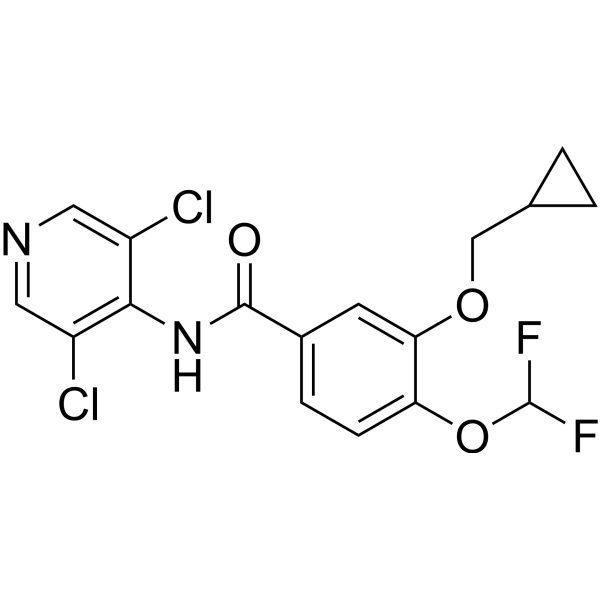
Roflumilast (APTA-2217) is a selective PDE4 inhibitor with IC50s of 0.7, 0.9, 0.7, and 0.2 nM for PDE4A1, PDE4A4, PDE4B1, and PDE4B2, respectively, without affecting PDE1, PDE2, PDE3 or PDE5 isoenzymes from various cells.
|
-
-
- HY-12887
-
-
-
- HY-10469
-
|
|
Phosphodiesterase (PDE)
|
Inflammation/Immunology
|
|
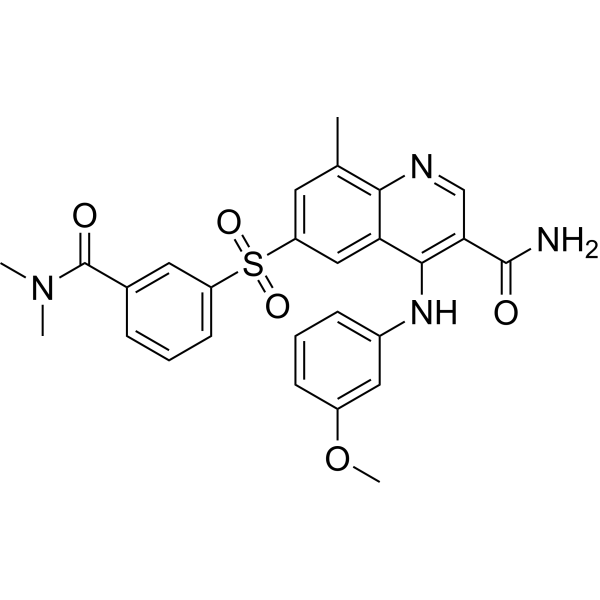
GSK256066 is a selective and high-affinity phosphodiesterase 4 (PDE4) inhibitor, with an IC50 of 3.2 pM for PDE4B. GSK256066 is developed for the research of chronic obstructive pulmonary disease .
|
-
-
- HY-122942
-
-
-
- HY-145583
-
|
Hemay005
|
Phosphodiesterase (PDE)
|
Others
Inflammation/Immunology
|
|
Mufemilast (Heymay005) is a selective and orally active phosphodiesterase 4 (PDE4) inhibitor (IC50 = 80-120 nM). Mufemilast modulates cytokines upregulated in Behςet’s syndrome (BS). Mufemilast displays a significant inhibitory effect on TNF-α, which is an important proinflammatory cytokine target in the disease process of psoriasis. Mufemilast can be studied in research for diseases such as rheumatoid arthritis, psoriasis and BS [4] .
|
-
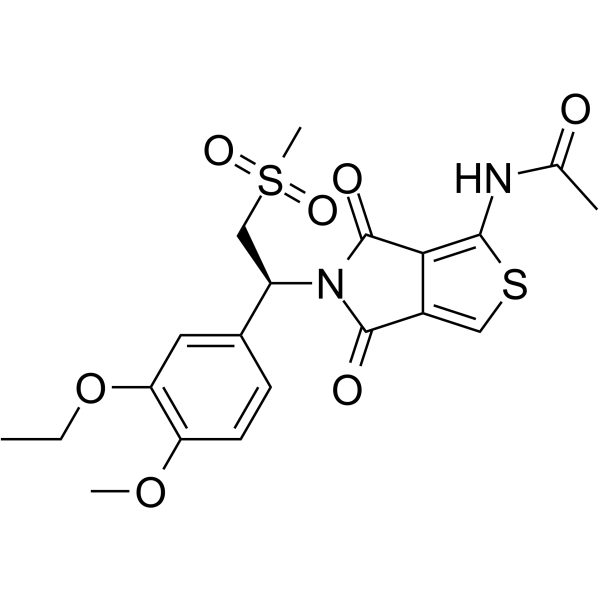
-
- HY-109085
-
-
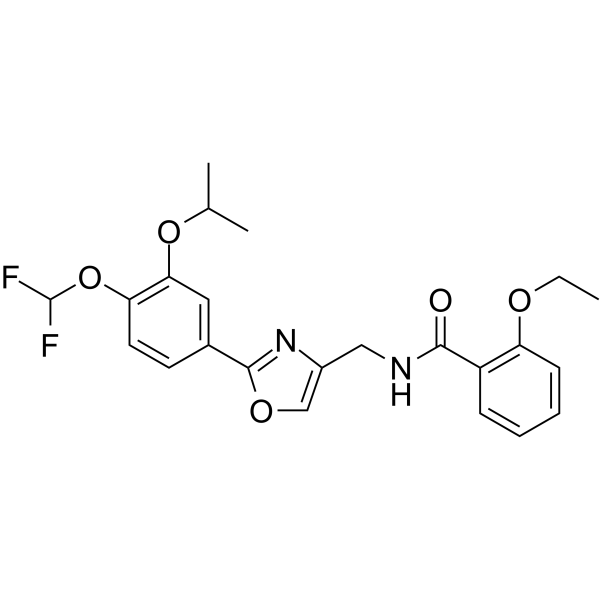
-
- HY-108974
-
|
|
Phosphodiesterase (PDE)
Calcium Channel
|
Neurological Disease
|
|
Drotaverine hydrochloride is a type 4 cyclic nucleotide phosphodiesterase (PDE4) inhibitor and an L-type voltage-dependent calcium channel (L-VDCC) blocker, blocks the degradation of 3',5'-cyclic adenosine monophosphate. Drotaverine (hydrochloride) exhibits in vivo antispasmodic efficacy without anticholinergic effects.
|
-
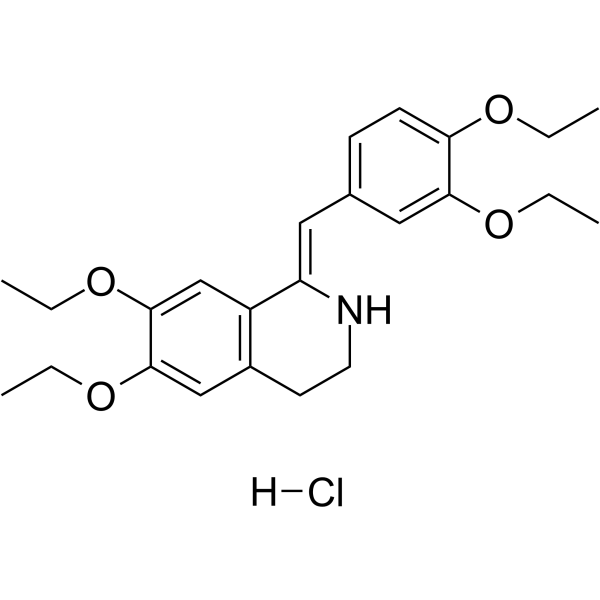
-
- HY-147263
-
|
CC-11050
|
Phosphodiesterase (PDE)
|
Infection
Inflammation/Immunology
|
|
Dovramilast (CC-11050) is an orally active phosphodiesterase 4 (PDE4) inhibitor and can reduce the inflammatory response and improves Isoniazid (HY-B0329)-mediated bacillary clearance from the lungs. Dovramilast, as an adjunct, is used for the research of tuberculosis (TB) .
|
-
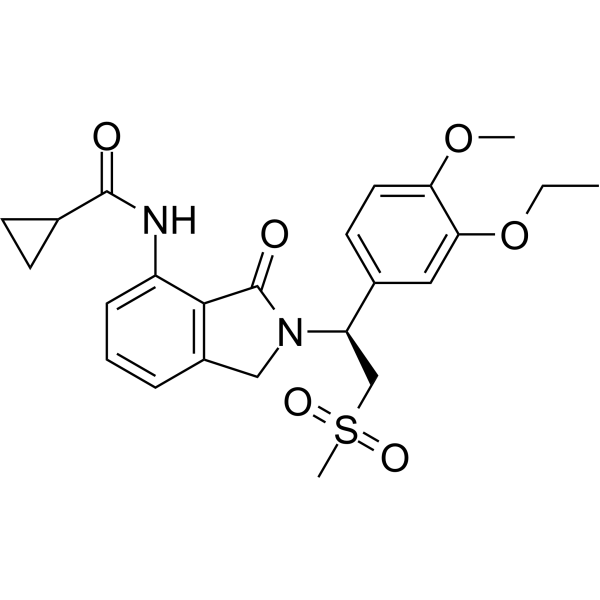
-
- HY-100246
-
-
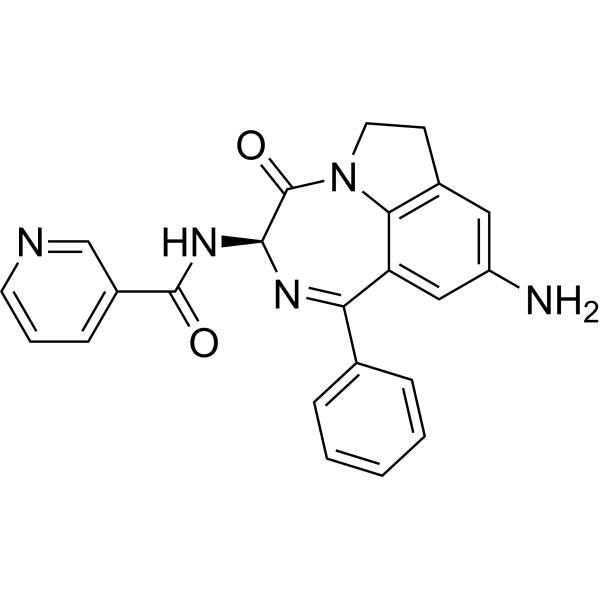
-
- HY-N2443
-
-
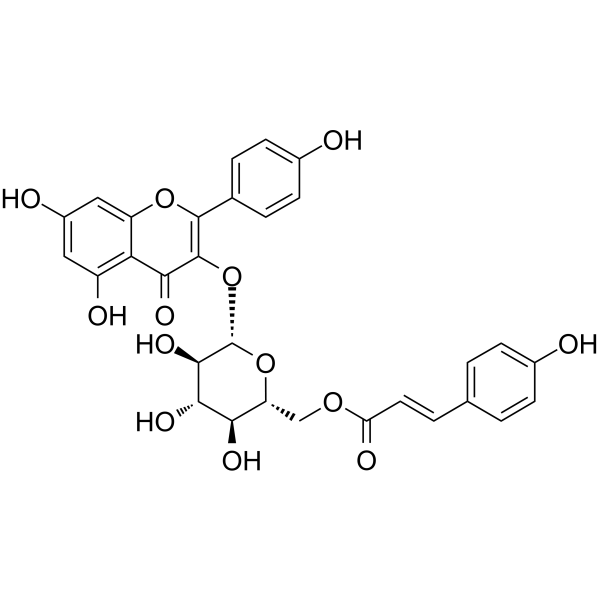
-
- HY-105092
-
-
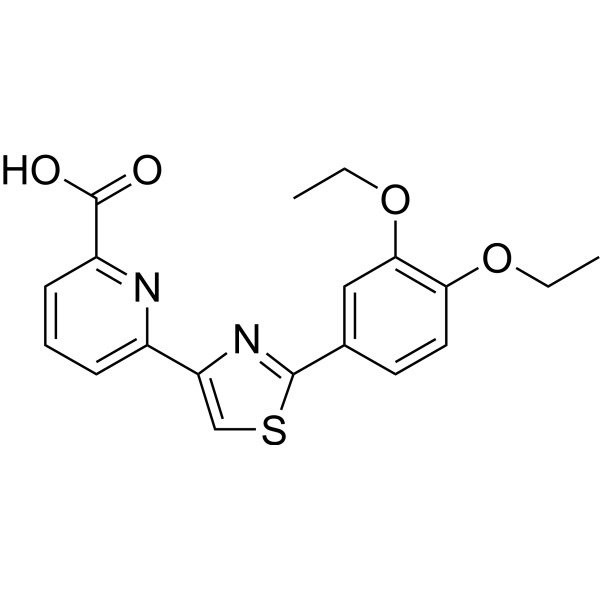
-
- HY-117960
-
|
LEO-32731
|
Phosphodiesterase (PDE)
|
Inflammation/Immunology
|
|
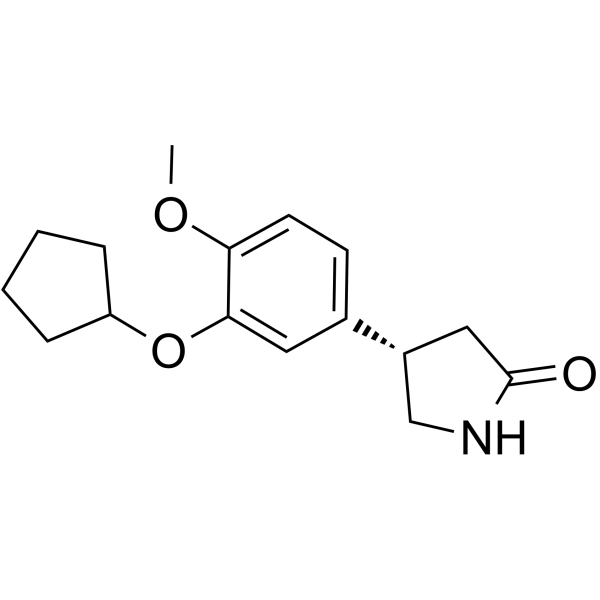
Orismilast (LEO-32731) is an orally active and selective PDE4 inhibitor used for the research of inflammatory diseases. Orismilast demonstrates potent inhibition of PDE4B and PDE4D subtype splice variants .
|
-
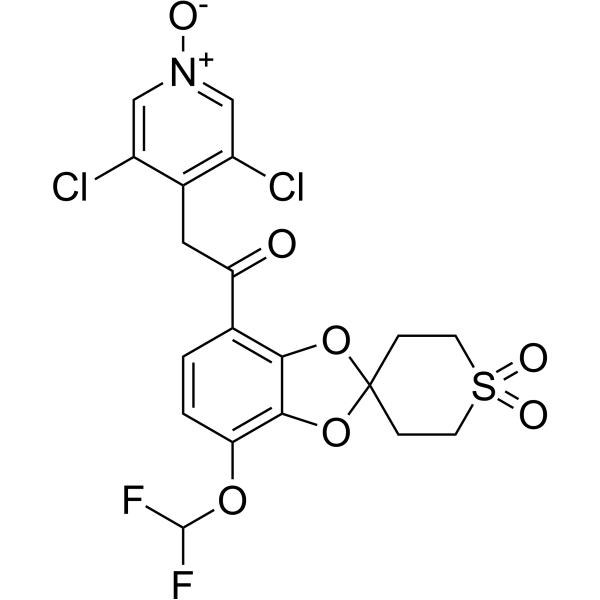
-
- HY-B0392
-
-
-
- HY-15178
-
|
GRC 3886
|
Phosphodiesterase (PDE)
|
Inflammation/Immunology
|
|
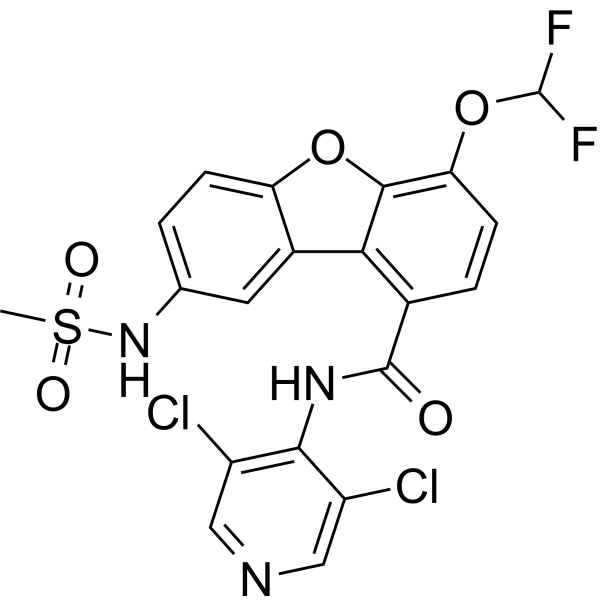
Oglemilast (GRC 3886) is a potent and orally active phosphodiesterase-4 (PDE4) inhibitor with an IC50 of 0.5 nM for PDE4D3. Oglemilast inhibits pulmonary cell infiltration, including eosinophilia and neutrophilia in vitro and in vivo. Oglemilast has the potential for inflammatory airway diseases .
|
-
-
- HY-103050
-
ML-030
1 Publications Verification
|
Phosphodiesterase (PDE)
|
Inflammation/Immunology
|
|
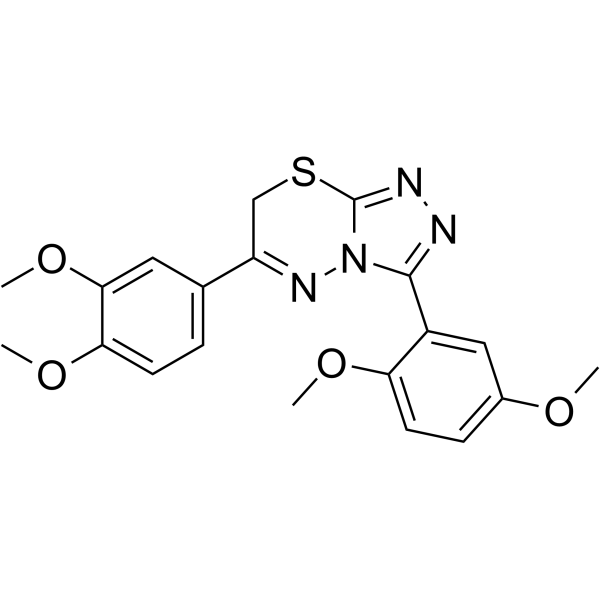
ML-030 is a potent PDE4 inhibitor, with IC50 of 6.7 nM, 12.9 nM, 48.2 nM, 37.2 nM, 452 nM and 49.2 nM for PDE4A, PDE4A1, PDE4B1, PDE4B2, PDE4C1,and PDE4D2, respectively.
|
-
-
- HY-108617
-
|
|
Phosphodiesterase (PDE)
|
Inflammation/Immunology
|
|
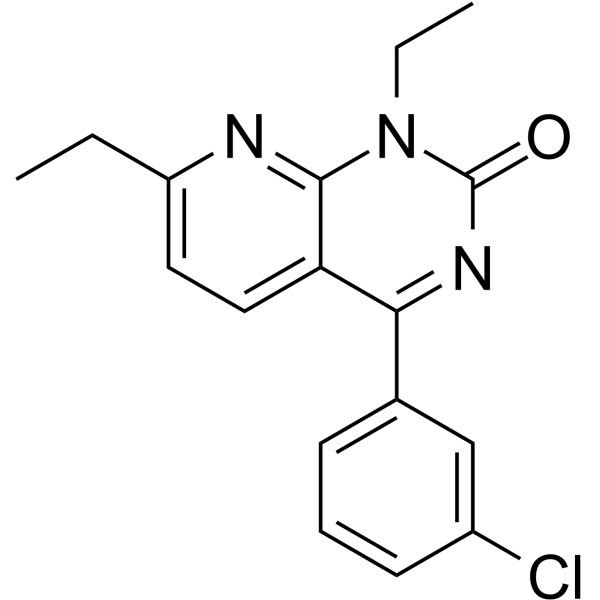
YM976 is a phosphodiesterase 4 (PDE4) inhibitor with an IC50 of 2.2 nM. YM976 shows the dissociation of anti-inflammatory activities from emetic effects and inhibits the antigen-induced airway responses .
|
-
-
- HY-108622
-
|
Daxalipram
|
Phosphodiesterase (PDE)
Interleukin Related
IFNAR
|
Inflammation/Immunology
|
|
Mesopram (Daxalipram) is an orally active phosphodiesterase (PDE) 4 inhibitor. Mesopram inhibits the synthesis of proinflammatory cytokines TNF-α and IFN-γ. Mesopram demonstrates efficacy in ameliorating Dextran sulfate sodium (DSS) (HY-116282C)-induced murine colitis. Mesopram can be used for the study of chronic inflammatory diseases .
|
-
-
- HY-139178
-
|
|
Phosphodiesterase (PDE)
|
Neurological Disease
|
|
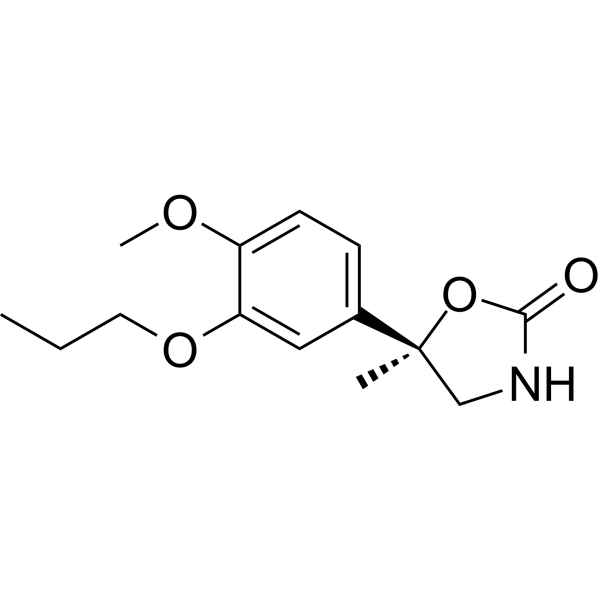
KVA-D-88 is a blood-brain barrier-permeable PDE4 inhibitor with IC50 values of 140 and 880 nM for PDE4B and PDE4D, respectively. KVA-D-88 induces cAMP accumulation and inhibits neuroactive substance-mediated hyperlocomotion, locomotor sensitization. KVA-D-88 can be used for the research of drug addiction .
|
-

-
- HY-144683A
-
|
|
Phosphodiesterase (PDE)
|
Inflammation/Immunology
|
|
PF-07038124 hydrochloride is a PDE4 inhibitor with an IC50 of 0.5 nM for PDE4B2. PF-07038124 hydrochloride shows inhibitory activities against IL-13, IL4, and IFNγ (IC50=125, 4.1, 1.06 nM, respectively). PF-07038124 hydrochloride can be used for research of atopic dermatitis and plaque psoriasis .
|
-

-
- HY-14826
-
|
AVE8112
|
Phosphodiesterase (PDE)
|
Neurological Disease
|
|
Tilivapram (AVE8112) is an orally active PDE4 inhibitor with procognitive effects. Tilivapram exhibits in vivo efficacy and improves processing speed and psychomotor speed. Oral administration of tilivapram may induce dose-related adverse reactions such as nausea and dizziness, but transdermal delivery enables slow, controlled elevation of plasma concentrations, thereby significantly reducing gastrointestinal discomfort and dizziness. Tilivapram is applicable to research related to neuropsychiatric disorders .
|
-

-
- HY-12740
-
-
-
- HY-108047
-
|
|
Phosphodiesterase (PDE)
|
Metabolic Disease
Inflammation/Immunology
|
|
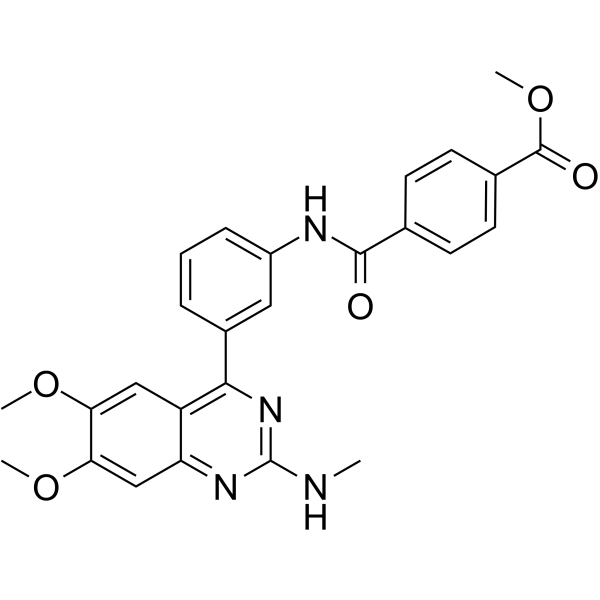
MK-0873 is a selective phosphodiesterase-4 (PDE4) inhibitor. MK-0873 increases intracellular levels of cyclic adenosine phosphate (cAMP) by inhibiting the activity of the PDE4 enzyme and subsequently activates protein kinase A (PKA). Activated PKA inhibits the activity of inflammatory cells and leads to direct relaxation of airway smooth muscle. MK-0873 can be used in studies of chronic obstructive pulmonary disease (COPD) .
|
-

-
- HY-15179
-
|
Elbimilast; ELB353
|
Phosphodiesterase (PDE)
|
Inflammation/Immunology
|
|
Ronomilast (Elbimilast; ELB353) is an orally active phosphodiesterase-4 (PDE4) inhibitor with an IC50 of 3 nM. Revamilast can be used for research to inflammation related diseases .
|
-

-
- HY-11070
-
-
-
- HY-19830
-
|
|
Phosphodiesterase (PDE)
|
Inflammation/Immunology
|
|
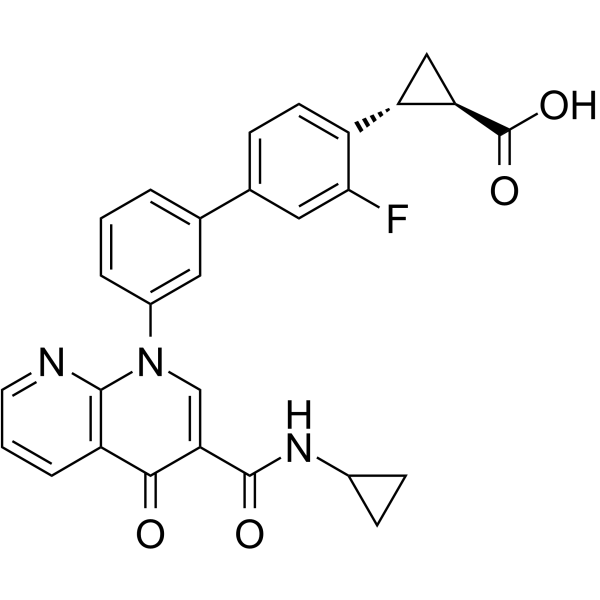
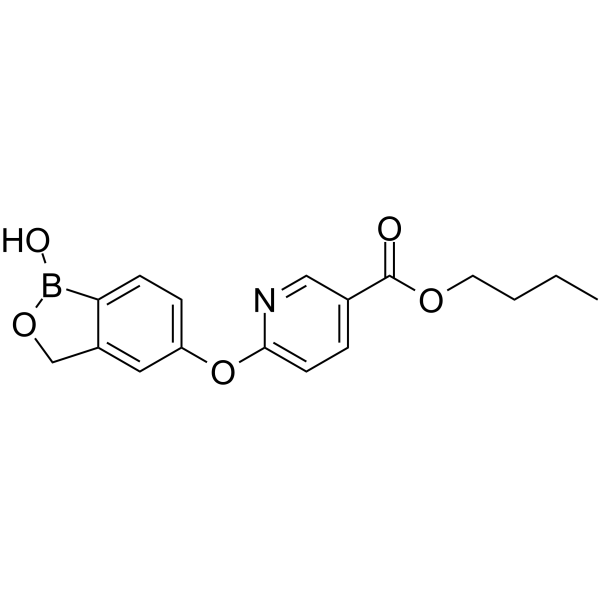
AN3199 is a PDE4 inhibitor with an IC50 of 94.5 nM. AN3199 can be used for the research of inflammation-associated diseases such as asthma and chronic obstructive pulmonary disease (COPD) .
|
-
-
- HY-161772
-
-

-
- HY-115383
-
-
-
- HY-144683
-
|
|
Phosphodiesterase (PDE)
|
Inflammation/Immunology
|
|
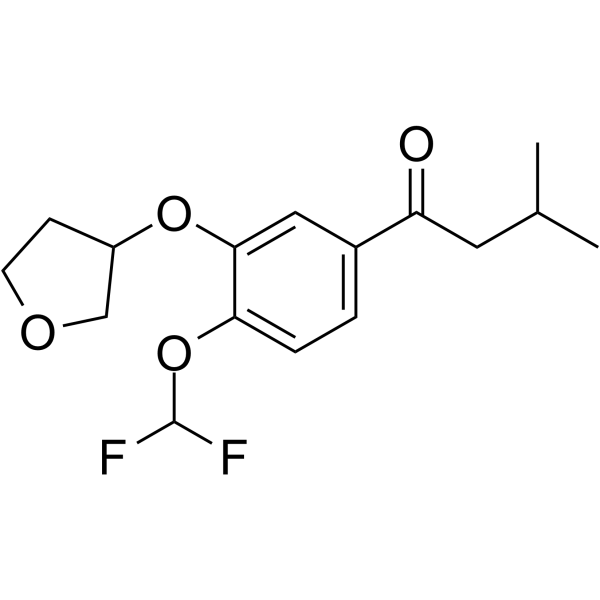
PF-07038124 is a PDE4 inhibitor with an IC50 of 0.5 nM for PDE4B2. PF-07038124 shows inhibitory activities against IL-13, IL4, and IFNγ (IC50=125, 4.1, 1.06 nM, respectively). PF-07038124 can be used for research of atopic dermatitis and plaque psoriasis .
|
-
-
- HY-117977
-
|
|
Phosphodiesterase (PDE)
|
Neurological Disease
Inflammation/Immunology
|
|
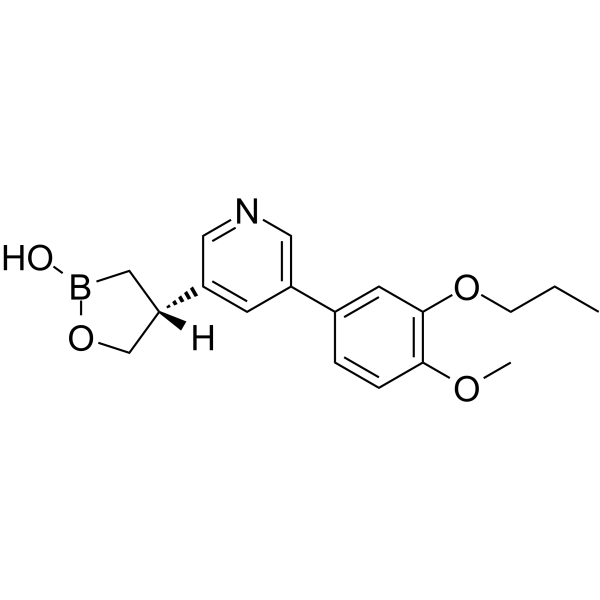
FCPR03 is a potent and selective phosphodiesterase 4 (PDE4) inhibitor with IC50 values of 60 nM, 31 nM and 47 nM for PDE4 catalytic domain, PDE4B1 and PDE4D7, respectively. FCPR03 displays at least 2100-fold selectivity over other PDEs (PDE1-3 and PDE5-11). FCPR03 has anti-inflammatory, neuroprotective and antidepressant-like effects .
|
-
-
- HY-105096
-
-
-
- HY-B0327A
-
-
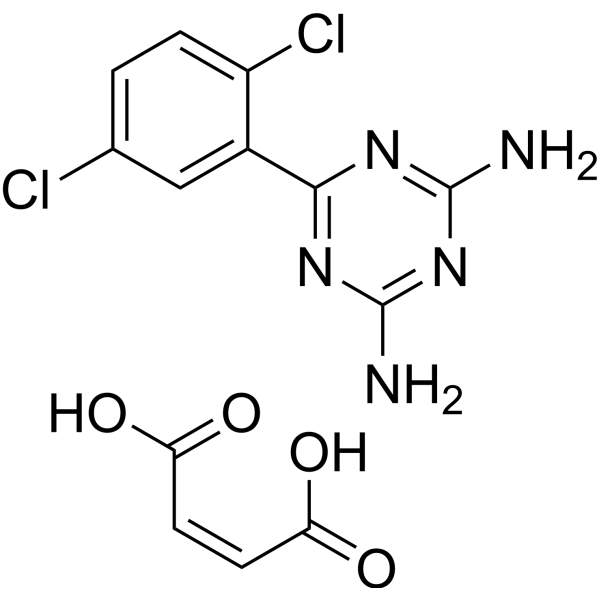
-
- HY-W700638A
-
-

-
- HY-125251
-
-

-
- HY-N2958
-
|
|
Phosphodiesterase (PDE)
|
Inflammation/Immunology
|
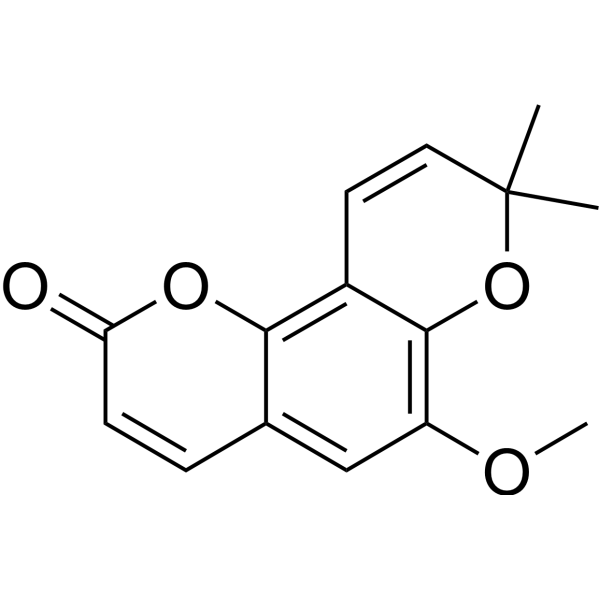
Braylin, a coumarin, is a potent phosphodiesterase-4 (PDE4) inhibitor and is involved in anti-inflammatory and immunomodulation, which may serve as a potential target for the study of immunoinflammatory diseases .
|
-
-
- HY-151174
-
|
|
Phosphodiesterase (PDE)
|
Inflammation/Immunology
|
|
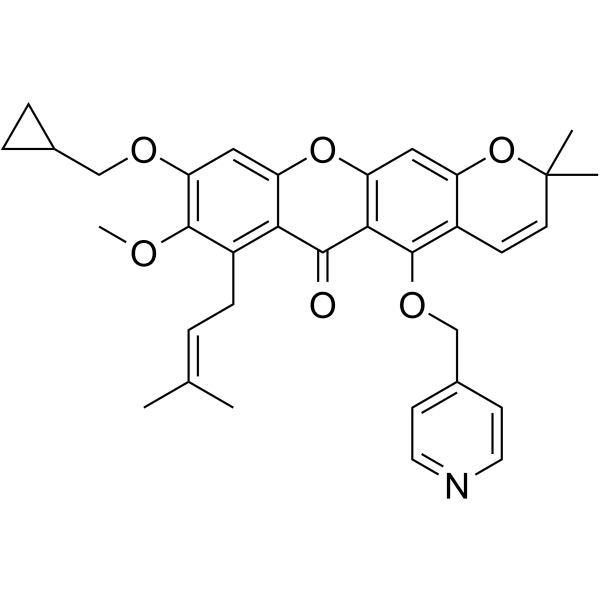
PDE4-IN-12 is a potent pan-PDE4 inhibitor, with IC50s of 3.5 and 15 nM for PDE4 and PDE7, respectively (SI=2.71 and 4.27, respectively). PDE4-IN-12 shows well tolerated, can be used in study of inflammatory bowel diseases (IBDs) .
|
-
-
- HY-15455S
-
|
APTA-2217-d4; BYK 20869-d4; B9302-107-d4
|
Isotope-Labeled Compounds
Phosphodiesterase (PDE)
RSV
|
Inflammation/Immunology
|
|
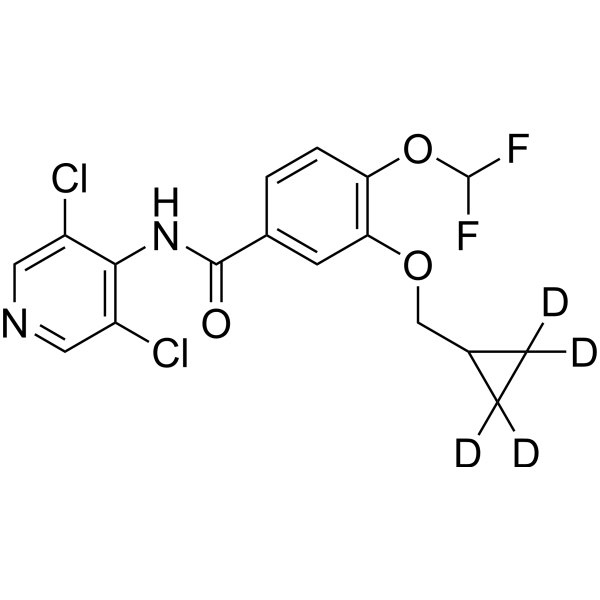
Roflumilast-d4 is the deuterium labeled Roflumilast. Roflumilast is a selective PDE4 inhibitor with IC50s of 0.7, 0.9, 0.7, and 0.2 nM for PDE4A1, PDEA4, PDEB1, and PDEB2, respectively, without affecting PDE1, PDE2, PDE3 or PDE5 isoenzymes from various cells .
|
-
-
- HY-131707
-
|
|
Phosphodiesterase (PDE)
|
Inflammation/Immunology
|
|
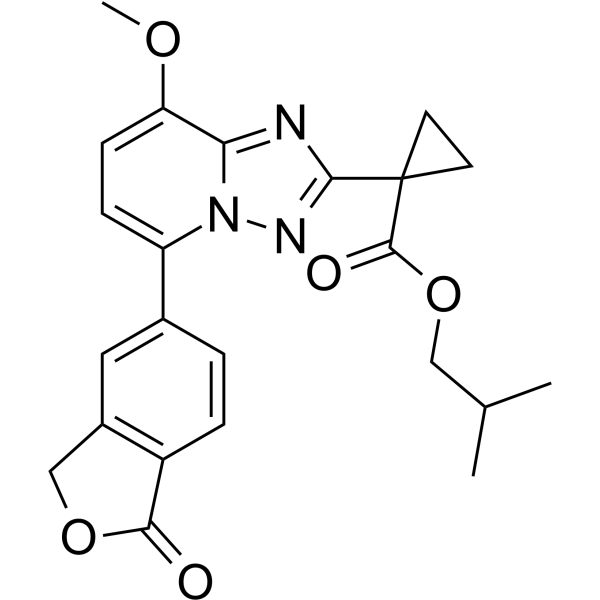
LEO 39652 is a dual-soft PDE4 inhibitor with IC50s of 1.2 nM, 1.2 nM, 3.0 nM and 3.8 nM for PDE4A, PDE4B, PDE4C and PDE4D, respectively. LEO 39652 also inhibits TNF-α with an IC50 value of 6.0 nM. LEO 39652 is used for topical research of Atopic dermatitis (AD) .
|
-
-
- HY-124582
-
NEO214
1 Publications Verification
|
Autophagy
mTOR
|
Cancer
|
|
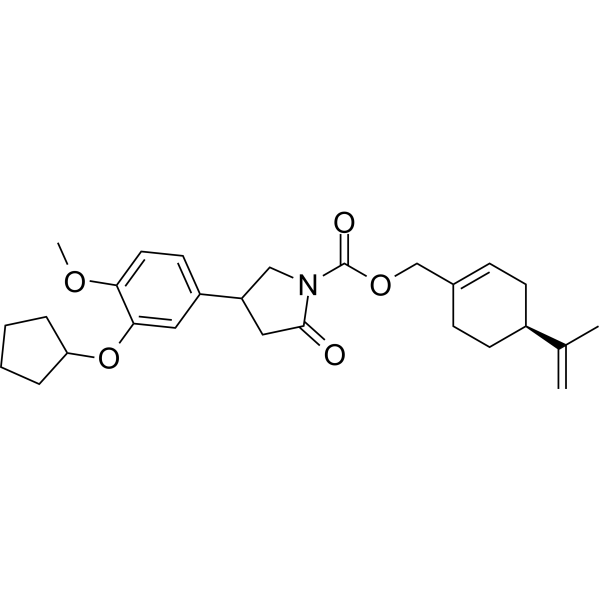
NEO214 is an autophagy inhibitor and a covalent conjugate of the PDE4 inhibitor Rolipram (HY-16900) and perillyl alcohol (HY-N7000). It has anti-cancer activity and blood-brain barrier (BBB) permeability. Over sex. NEO214 prevents autophagy-lysosome fusion, thereby blocking autophagic flux and triggering glioma cell death. The process involves mTOR activation, andTFEB(Transcription Factor EB) aggregation. NEO214 inhibitionMacroautophagy/autophagy in glioblastoma cells has the potential to overcome chemotherapy resistance in glioblastoma .
|
-
-
- HY-U00410
-
-
-
- HY-100118
-
-
-
- HY-177077
-
-

-
- HY-19390
-
-

-
- HY-106245
-
|
|
Phosphodiesterase (PDE)
|
Neurological Disease
|
|
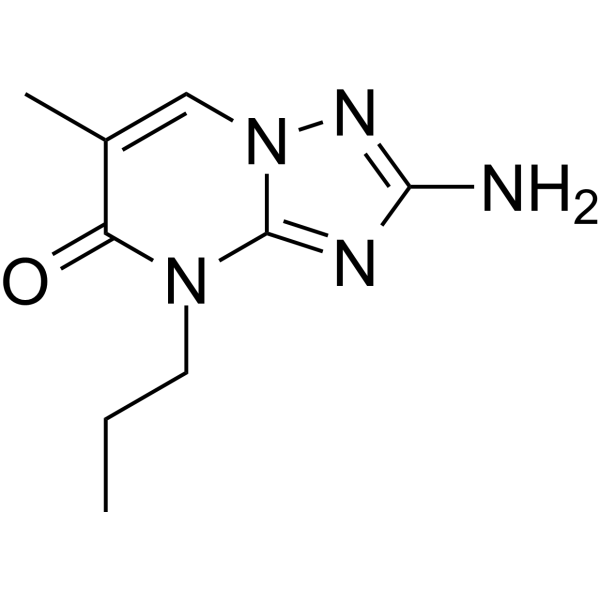
HT-0712 is a Phosphodiesterase Type 4 (PDE4) inhibitor. HT-0712 enhances rehabilitation-dependent motor recovery and cortical reorganization after focal cortical ischemia .
|
-

-
- HY-103024
-
-
-
- HY-19672
-
|
BAY 19-8004
|
Phosphodiesterase (PDE)
|
Inflammation/Immunology
|
|
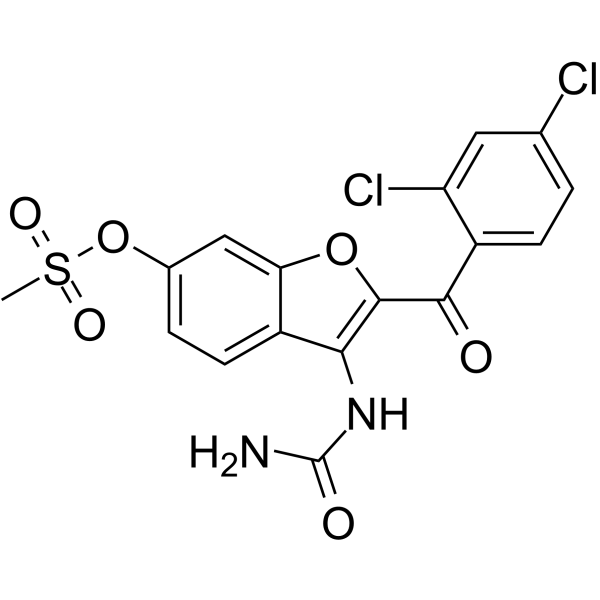
Lirimilast (BAY 19-8004) is a potent, selective and orally active phosphodiesterase-4 (PDE4) inhibitor with an IC50 value of 49 nM. Lirimilast can be used for the treatment of asthma or chronic obstructive pulmonary disease (COPD). Lirimilast has potently anti-inflammatory properties .
|
-
-
- HY-108623
-
|
CP-80,633
|
Phosphodiesterase (PDE)
|
Inflammation/Immunology
|
|
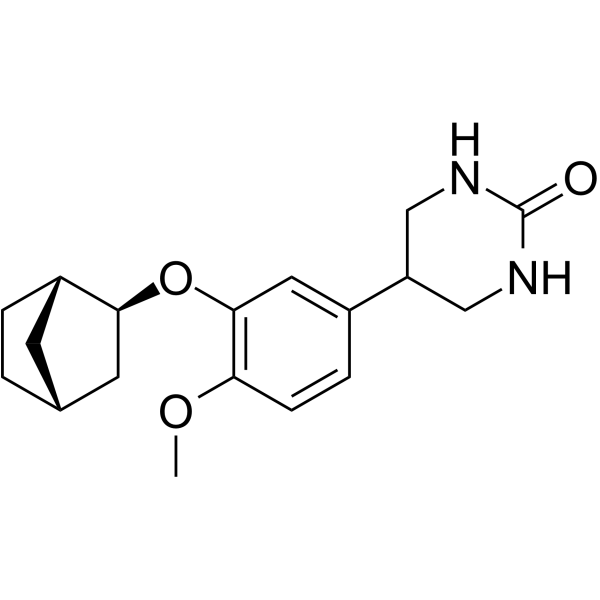
Atizoram (CP-80,633) is an orally active phosphodiesterase type 4 (PDE4) inhibitor. Atizoram blocks cAMP degradation, thereby increasing intracellular and plasma cAMP levels. Atizoram inhibits TNFα release. Atizoram can be used in research related to acute respiratory distress syndrome .
|
-
-
- HY-106044
-
-

-
- HY-109085R
-
|
OPA-15406 (Standard)
|
Reference Standards
Phosphodiesterase (PDE)
|
Inflammation/Immunology
|
|
Difamilast (Standard) is the analytical standard of Difamilast. This product is intended for research and analytical applications. Difamilast (OPA-15406) is a topical, selective and nonsteroidal phosphodiesterase-4 (PDE4) inhibitor with particularly efficient inhibition of subtype B (IC50=11.2 nM). Difamilast can be used for the research of mild to moderate atopic dermatitis (AD) .
|
-

-
- HY-15455R
-
|
APTA-2217 (Standard); BYK 20869 (Standard); B9302-107 (Standard)
|
Reference Standards
Phosphodiesterase (PDE)
RSV
|
Inflammation/Immunology
|
|
Roflumilast (Standard) is the analytical standard of Roflumilast. This product is intended for research and analytical applications. Roflumilast (APTA-2217) is a selective PDE4 inhibitor with IC50s of 0.7, 0.9, 0.7, and 0.2 nM for PDE4A1, PDEA4, PDEB1, and PDEB2, respectively, without affecting PDE1, PDE2, PDE3 or PDE5 isoenzymes from various cells.
|
-

-
- HY-W002463
-
|
|
Biochemical Assay Reagents
|
Others
|
|
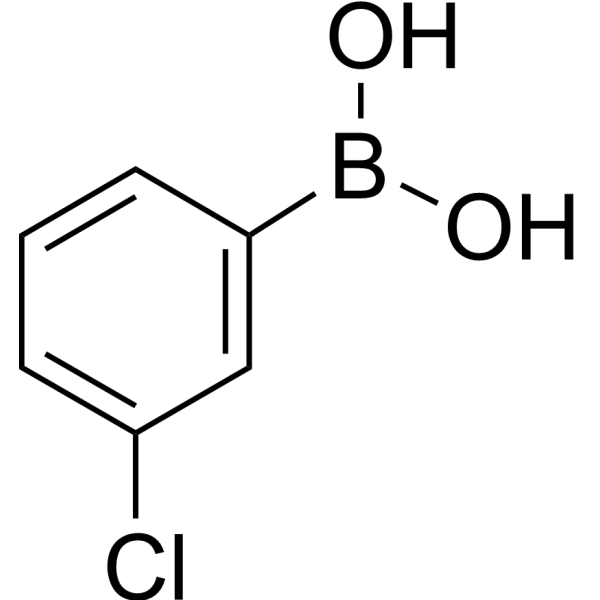
3-Chlorophenylboronic acid is employed as a reactant involved in 1,4-conjugate addition reactions with ethenesulfonamides to form arylethanesulfonamides, Suzuki-Miyaura reactions with dibromotrifluoromethylbenzene, cross-coupling reactions with diazoesters3 or potassium cyanate. 3-Chlorophenylboronic acid is involved in the synthesis of biarylketones and phthalides and synthesis of inhibitors including PDE4 inhibitors among others. 3-Chlorophenyl boronic acid can affect cell migration. 3-Chlorophenyl boronic acid can be used to study wound healing .
|
-
- HY-179407
-
|
|
Phosphodiesterase (PDE)
|
Inflammation/Immunology
|
|
LT-104A is a potent PDE4 inhibitor that elevates intracellular cAMP levels (EC50 = 1.9 μM) and inhibits PDE4D3 activity (IC50 = 9.3 μM). LT-104A activates the cAMP-PKA-CREB anti-inflammatory signaling pathway and suppresses NF-κB-related gene expression (Il1b and Nos2). LT-104A can be used for inflammation-related disease research .
|
-

- HY-U00254
-
-
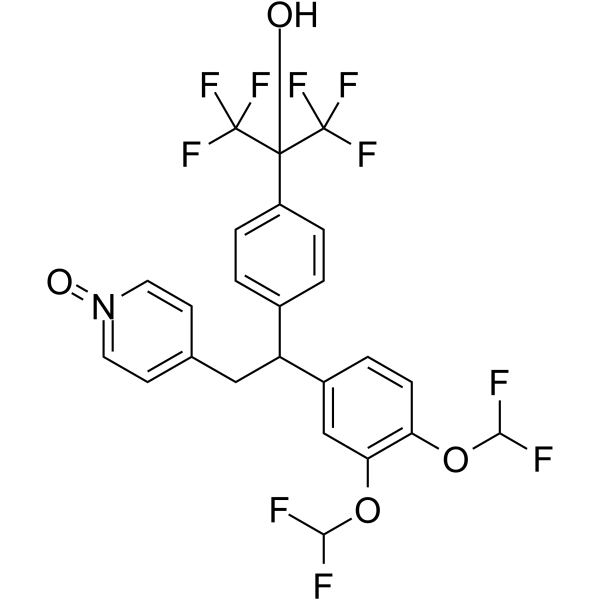
- HY-121491
-
-

- HY-132887
-
-
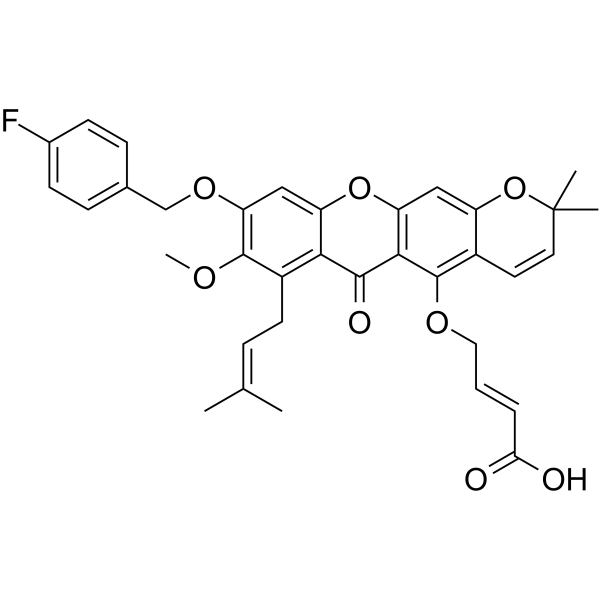
- HY-118408
-
-

- HY-11071
-
-

- HY-W716321
-
|
|
Drug Metabolite
|
Inflammation/Immunology
|
|
AN7602 is a metabolite of the anti-inflammatory agent/PDE4 inhibitor Crisaborole (HY-10978) and can be used for the study of mild to moderate atopic dermatitis (AD) .
|
-

- HY-11072
-
-

- HY-122167
-
-
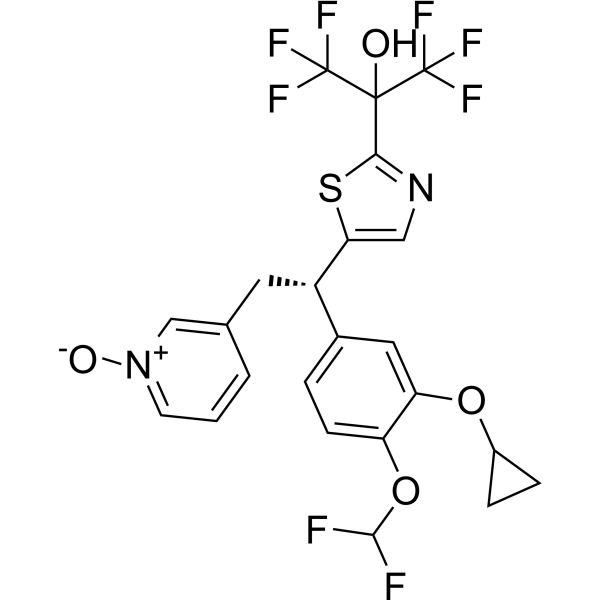
- HY-12348
-
|
|
Phosphodiesterase (PDE)
|
Inflammation/Immunology
|
|
LEO 29102 is a potent phosphodiesterase 4 (PDE4) inhibitor with an IC50 value of 5 nM. LEO 29102 inhibits TNFα release. LEO 29102 has the potential for the research of atopic dermatitis .
|
-

- HY-12740R
-
|
RVT-501 (Standard); E6005 (Standard)
|
Phosphodiesterase (PDE)
Reference Standards
|
Inflammation/Immunology
|
|
Lotamilast (Standard) is the analytical standard of Lotamilast. This product is intended for research and analytical applications. Lotamilast (RVT-501; E6005) is a selective phosphodiesterase 4 (PDE4) inhibitor with an IC50 of 2.8 nM.
|
-

- HY-159654
-
|
|
Phosphodiesterase (PDE)
|
Others
|
|
PDE4-IN-19 (compound 1) is a PDE4 inhibitor, with IC50 values of <10 nM and 10-100 nM for PDE4B1 and PDE4D3, respectively .
|
-

- HY-117954
-
|
|
Phosphodiesterase (PDE)
HIV
Apoptosis
|
Infection
|
|
CC-3052 is a phosphodiesterase 4 (PDE4) inhibitor with immunomodulatory activities. CC-3052 reduces neutrophil apoptosis in HIV⁺. CC-3052 is promising for research of HIV-related diseases .
|
-

- HY-162581
-
-

- HY-171780
-
-

- HY-162582
-
-

- HY-139095
-
|
|
Phosphodiesterase (PDE)
|
Inflammation/Immunology
|
|
Cipamfylline is a PDE4 inhibitor that can cause PDE4A4 to accumulate in specific areas of the cell through interaction with the ubiquitin scaffolding protein p62. Cipamfylline can be used in the research of atopic dermatitis .
|
-

- HY-12887R
-
|
RP 73401 (Standard); RPR 73401 (Standard)
|
Reference Standards
Phosphodiesterase (PDE)
|
Inflammation/Immunology
Cancer
|
|
Piclamilast (Standard) is the analytical standard of Piclamilast. This product is intended for research and analytical applications. Piclamilast (RP 73401) is a phosphodiesterase 4 (PDE4) inhibitor, with IC50 values of 16 nM and 2 nM in pig aorta and eosinophil soluble, respectively [4].
|
-

- HY-155692
-
|
|
Phosphodiesterase (PDE)
|
Inflammation/Immunology
|
|
PDE4-IN-13 is a PDE4 inhibitor with an IC50 of 1.56 μM. PDE4-IN-13 shows anti-inflammatory and antioxidant properties, and can be used for chronic obstructive pulmonary disease (COPD) research .
|
-
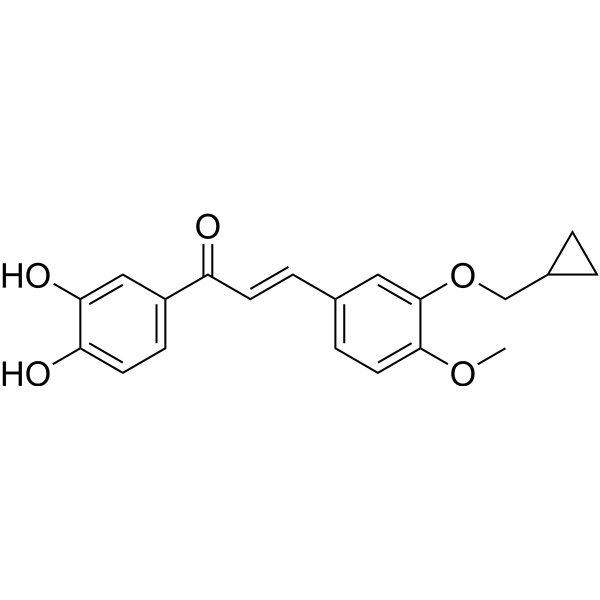
- HY-106996
-
|
GW 842470
|
Phosphodiesterase (PDE)
|
Inflammation/Immunology
|
|
AWD 12-281 is an orally active and highly selective phosphodiesterase 4 (PDE4) inhibitor (IC50 = 9.7 nM). AWD 12-281 is used in the study of allergic dermatitis, asthma, chronic obstructive pulmonary disease (COPD), and allergic rhinitis .
|
-

- HY-144265
-
|
|
Phosphodiesterase (PDE)
|
Inflammation/Immunology
|
|
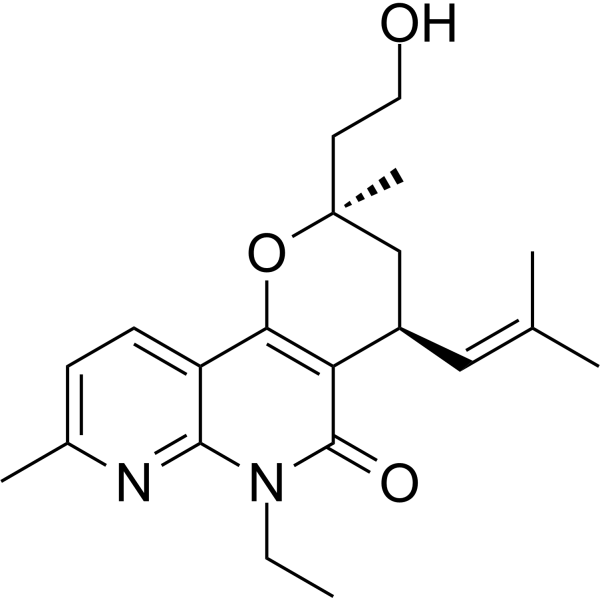
PDE4-IN-5 (compound 33a) is a potent and selective PDE4 inhibitor (IC50=3.1 nM). PDE4-IN-5 has favorable skin permeability and a well-characterized binding mechanism. Anti-psoriasis effect .
|
-
- HY-147950
-
-
- HY-W186242
-
-
- HY-114766
-
|
|
Phosphodiesterase (PDE)
|
Inflammation/Immunology
|
|
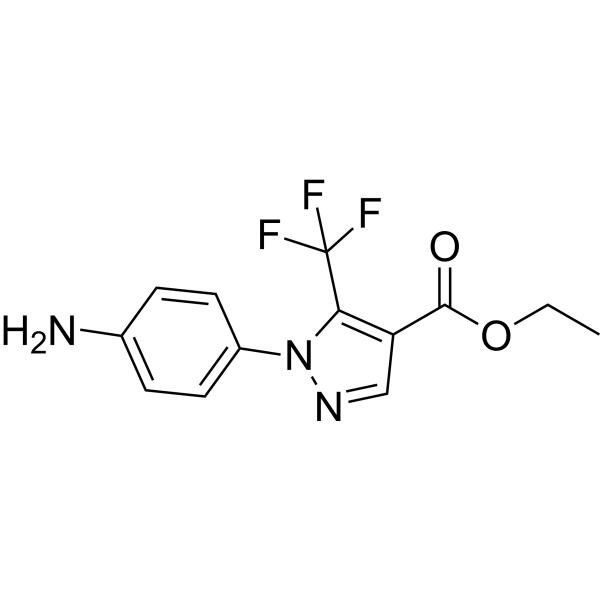
Pumafentrine is an orally active, potent dual PDE3/PDE4 inhibitor. Pumafentrine dose-dependently ameliorates the clinical score and colonic TNFα production in murine Dextran sulphate sodium (DSS; HY-116282C)-induced colitis in a preventive setting .
|
-

- HY-10469R
-
|
|
Reference Standards
Phosphodiesterase (PDE)
|
Inflammation/Immunology
|
|
GSK256066 (Standard) is the analytical standard of GSK256066. This product is intended for research and analytical applications. GSK256066 is a selective and high-affinity phosphodiesterase 4 (PDE4) inhibitor, with an IC50 of 3.2 pM for PDE4B. GSK256066 is developed for the research of chronic obstructive pulmonary disease .
|
-

- HY-168212
-
-

- HY-108974S
-
|
|
Isotope-Labeled Compounds
Phosphodiesterase (PDE)
Calcium Channel
|
Neurological Disease
|
|
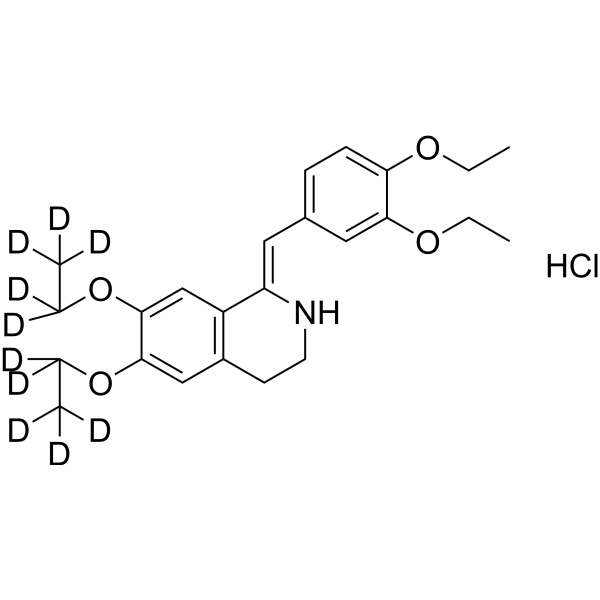
Drotaverine-d10 (hydrochloride) is the deuterium labeled Drotaverine hydrochloride. Drotaverine hydrochloride is a type 4 cyclic nucleotide phosphodiesterase (PDE4) inhibitor and an L-type voltage-dependent calcium channel (L-VDCC) blocker, blocks the degradation of 3',5'-cyclic adenosine monophosphate. Drotaverine hydrochloride exhibits in vivo antispasmodic efficacy without anticholinergic effects .
|
-
- HY-108974R
-
|
|
Phosphodiesterase (PDE)
Calcium Channel
Reference Standards
|
Neurological Disease
|
|
Drotaverine (hydrochloride) (Standard) is the analytical standard of Drotaverine (hydrochloride). This product is intended for research and analytical applications. Drotaverine hydrochloride is a type 4 cyclic nucleotide phosphodiesterase (PDE4) inhibitor and an L-type voltage-dependent calcium channel (L-VDCC) blocker, blocks the degradation of 3',5'-cyclic adenosine monophosphate. Drotaverine (hydrochloride) exhibits in vivo antispasmodic efficacy without anticholinergic effects.
|
-

- HY-155819
-
|
|
mAChR
Phosphodiesterase (PDE)
|
Inflammation/Immunology
|
|
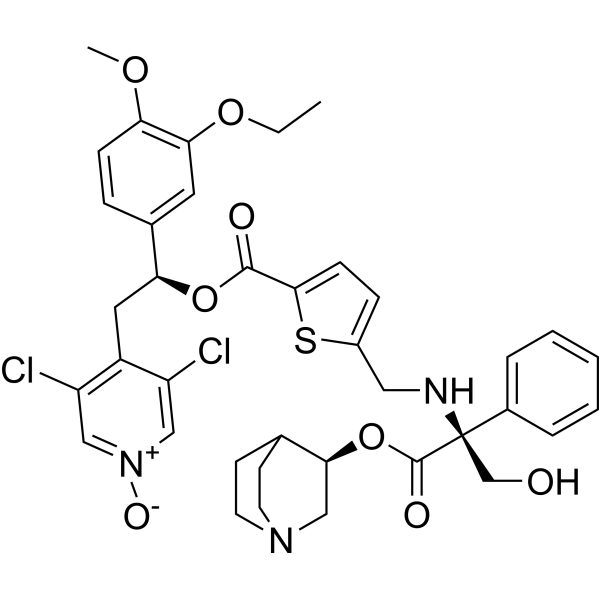
M3/PDE4 modulator-1 (compound 10f) is a bifunctional molecule that is an M3 mAChR antagonist and a PDE4 inhibitor. M3/PDE4 modulator-1 (10-1000 nM/kg; iv) reduces cysteine eosinophil influx in the OVA rat model .
|
-
- HY-15455S2
-
|
APTA-2217-d3; BYK 20869-d3; B9302-107-d3
|
Isotope-Labeled Compounds
Phosphodiesterase (PDE)
RSV
|
Inflammation/Immunology
|
|
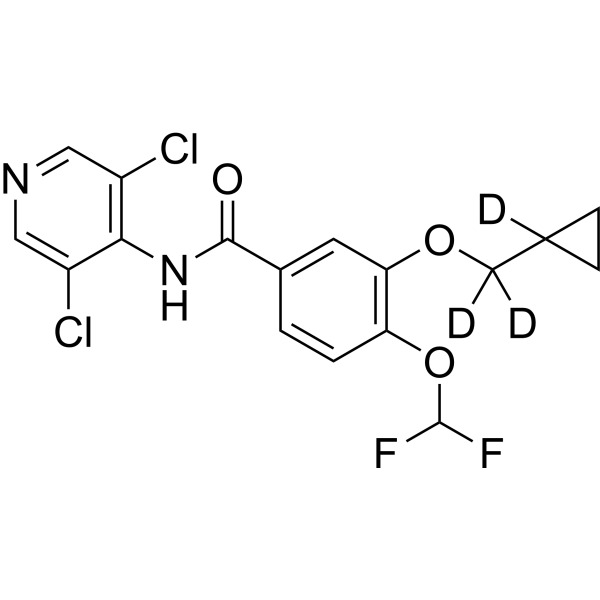
Roflumilast-d3 is deuterium labeled Roflumilast. Roflumilast is a selective PDE4 inhibitor with IC50s of 0.7, 0.9, 0.7, and 0.2 nM for PDE4A1, PDEA4, PDEB1, and PDEB2, respectively, without affecting PDE1, PDE2, PDE3 or PDE5 isoenzymes from various cells.
|
-
- HY-15455S1
-
|
|
Phosphodiesterase (PDE)
RSV
|
Inflammation/Immunology
|
|
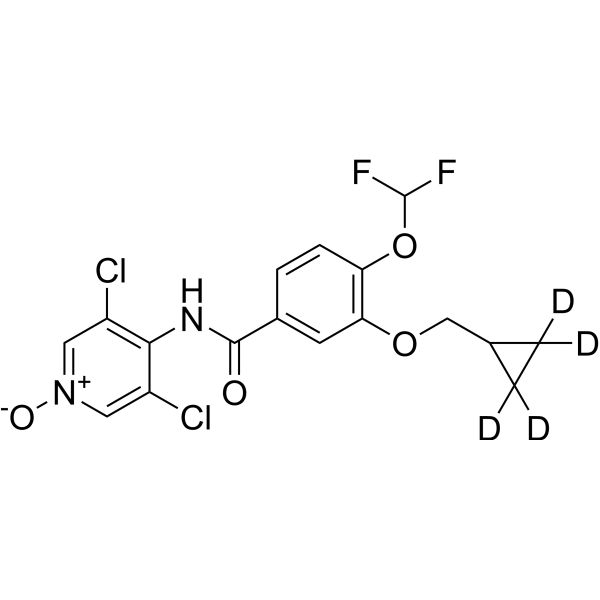
Roflumilast-d4 N-Oxide is the deuterium labeled Roflumilast. Roflumilast is a selective PDE4 inhibitor with IC50s of 0.7, 0.9, 0.7, and 0.2 nM for PDE4A1, PDEA4, PDEB1, and PDEB2, respectively, without affecting PDE1, PDE2, PDE3 or PDE5 isoenzymes from various cells .
|
-
- HY-144684
-
-
- HY-173290
-
|
|
Phosphodiesterase (PDE)
Interleukin Related
CXCR
TNF Receptor
|
Inflammation/Immunology
|
|
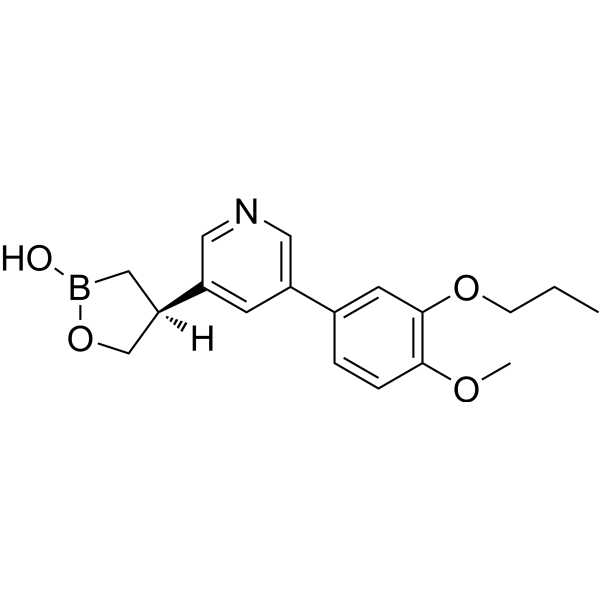
PDE4-IN-1 is a PDE4 inhibitor with high potency (IC50 : 8.6 nM) and selectivity over other PDE subtypes. PDE4-IN-1 inhibits the release of inflammatory cytokines and chemokines. PDE4-IN-1 greatly restores impaired cAMP-CREB signaling pathway. PDE4-IN-1 inhibits proliferation and promotes differentiation to reverse the formation of psoriasis .
|
-

- HY-162583
-
|
|
Phosphodiesterase (PDE)
|
Inflammation/Immunology
|
|
PDE4-IN-17 (compound 4e) is a potent PDE4 inhibitor. PDE4-IN-17 inhibits PDE4B and PDE4D with IC50s of 10.0 and 15.2 nM, respectively. PDE4-IN-17 has good oral bioavailability (F=66%) and longer half-life (t1/2=2.0 h) in SD rats .
|
-

- HY-115913
-
|
|
Phosphodiesterase (PDE)
|
Inflammation/Immunology
|
|
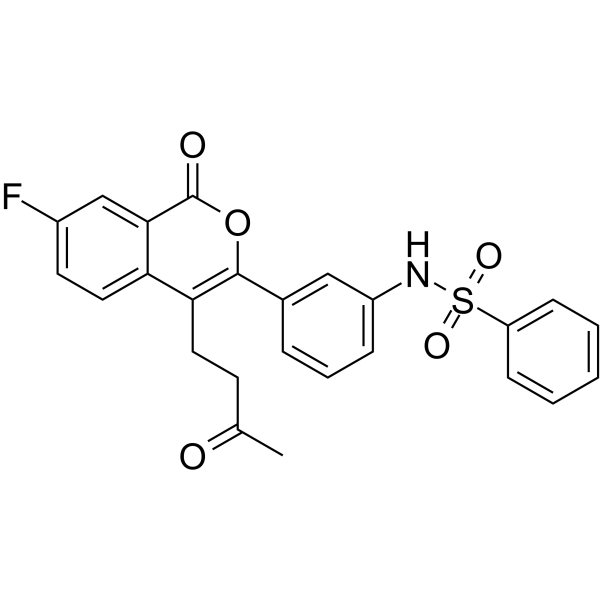
PDE4-IN-6 is a potent, safe and moderately selective PDE4 inhibitor with IC50s of 0.125 and 0.43 µM for PDE4B and PDE4D, respectively. PDE4-IN-6 can downregulate the expression level of TNF-α and IL-6. PDE4-IN-6 has potent immunomodulatory activity thereby its potential against rheumatoid arthritis. Anti-inflammatory and anti-arthritic effects .
|
-
- HY-162797
-
|
|
Phosphodiesterase (PDE)
TNF Receptor
Interleukin Related
|
Inflammation/Immunology
|
|
PDE4-IN-18 (compound 1l) is a PDE4 inhibitor (IC50=1.55 μM) with anti-inflammatory activity. PDE4-IN-18 exerts anti-inflammatory effects by reducing excessive immune cell infiltration and intestinal membrane formation, as well as reducing the mRNA expression of pro-inflammatory cytokines (such as TNF-α and IL-6) in synovial tissue. PDE4-IN-18 can be used in the study of rheumatoid arthritis and psoriasis .
|
-

- HY-122942R
-
|
|
Phosphodiesterase (PDE)
Endogenous Metabolite
NF-κB
Autophagy
Reference Standards
|
Inflammation/Immunology
|
|
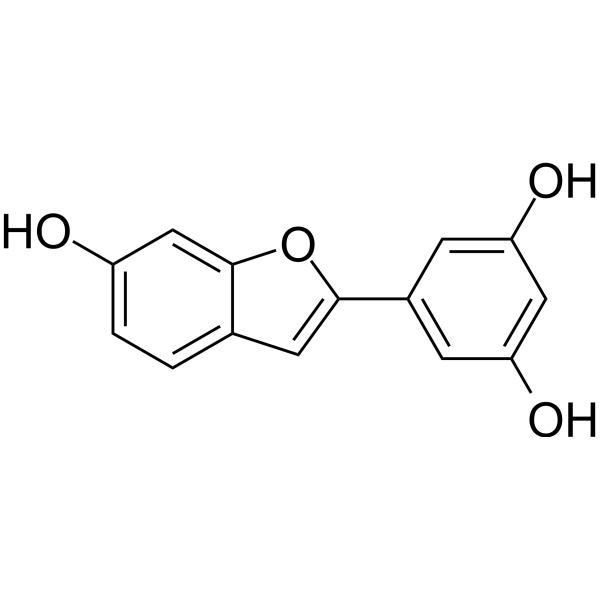
Moracin M (Standard) is the analytical standard of Moracin M. This product is intended for research and analytical applications. Moracin M is a phenolic component that can be isolated from Mori Cortex, is a potent phosphodiesterase-4 (PDE4) inhibitor with IC50 values of 2.9, 4.5, >40, and >100 μM for PDE4D2, PDE4B2, PDE5A1, and PDE9A2, respectively. Moracin M has anti-inflammatory activity .
|
-

- HY-172135
-
|
|
p38 MAPK
Phosphodiesterase (PDE)
|
Inflammation/Immunology
|
|
PDE4-IN-26 (Compound A5) is an orally active and highly selective PDE4 inhibitor. PDE4-IN-26 has anti-inflammatory activity and can inhibit the phosphorylation of p38 MAPK. In mouse models of acute lung injury and chronic obstructive pulmonary disease, PDE4-IN-26 can improve pulmonary inflammation, injury and fibrosis, promote sputum secretion and relieve cough in mice. PDE4-IN-26 can be used for the research of lung injury-related diseases .
|
-

- HY-16744
-
-

- HY-185172
-
|
|
Phosphodiesterase (PDE)
Drug Intermediate
|
Inflammation/Immunology
|
|
PDE4-IN precursor (Compound 10) is an orally active prodrug of phosphodiesterase 4 (PDE4) inhibitor. PDE4-IN precursor undergoes enzymatic hydrolysis in the colon to release the active PDE4 inhibitor, which exerts local anti-inflammatory effects on the colonic mucosa. PDE4-IN precursor is applicable to research related to ulcerative colitis, Crohn's disease, and other relevant conditions .
|
-

- HY-182451
-
-

- HY-124388
-
|
|
Phosphodiesterase (PDE)
|
Inflammation/Immunology
|
|
PDE4-IN-20 is a selective submicromolar phosphodiesterase-4 (PDE4) inhibitor with anti-TNF-α properties. PDE4-IN-20 exhibits significant biological activity in vitro and in vivo. The mechanism of action of PDE4-IN-20 is supported by molecular modeling studies, which reveal its binding mode with PDE4. PDE4-IN-20 was optimized in further conformational analysis and showed pharmacological characteristics similar to those of known PDE4 inhibitors .
|
-

- HY-14869
-
|
GRC 4039
|
Phosphodiesterase (PDE)
TNF Receptor
|
Inflammation/Immunology
|
|
Revamilast (GRC 4039) is an orally active phosphodiesterase-4 (PDE4) inhibitor with an IC50 of 3 nM. Revamilast inhibits the production of TNF-α. It can be used for research on rheumatoid arthritis, plaque psoriasis, asthma, and other inflammatory diseases .
|
-

- HY-105092R
-
|
OPC-6535 (Standard)
|
Reference Standards
Phosphodiesterase (PDE)
|
Inflammation/Immunology
|
|
Tetomilast (Standard) is the analytical standard of Tetomilast (HY-105092). This product is intended for research and analytical applications. Tetomilast (OPC-6535) is a PDE4 inhibitor with potential for the research of inflammatory bowel disease (IBD) and chronic obstructive pulmonary disease (COPD).
|
-

- HY-169258
-
|
|
Phosphodiesterase (PDE)
|
Metabolic Disease
|
|
PDE4-IN-21 (Compound L19) is a poetent PDE4 inhibitor, with an IC50 of 0.48 μM. PDE4-IN-21 exhibits good inhibitory activity and remarkable metabolic stability in rat liver microsomes .
|
-

- HY-181571
-
-

- HY-179639
-
|
|
Phosphodiesterase (PDE)
|
Inflammation/Immunology
|
|
PDE4-IN-30 is a selective PDE4 inhibitor with an IC50 of 2.7 nM for PED4D2, targeting PDE4 through halogen bonding and metal coordination. PDE4-IN-30 exhibits at least 67-fold selectivity for other PDE subfamilies. PDE4-IN-30 can be used for the research of idiopathic pulmonary fibrosis .
|
-

- HY-103024R
-
|
|
Reference Standards
Phosphodiesterase (PDE)
|
Neurological Disease
|
|
ICI-63197 (Standard) is the analytical standard of ICI-63197 (HY-103024). This product is intended for research and analytical applications. ICI-63197 is a phosphodiesterase 3 (PDE3) and PDE4 inhibitor with Ki values of 9 µM and 10 µM, respectively. ICI-63197 is selectivity against PDE1 and PDE2. ICI-63197 has antidepressant effects .
|
-

- HY-103050R
-
|
|
Reference Standards
Phosphodiesterase (PDE)
|
Inflammation/Immunology
|
|
ML-030 (Standard) is the analytical standard of ML-030 (HY-103050). This product is intended for research and analytical applications. ML-030 is a potent PDE4 inhibitor, with IC50 of 6.7 nM, 12.9 nM, 48.2 nM, 37.2 nM, 452 nM and 49.2 nM for PDE4A, PDE4A1, PDE4B1, PDE4B2, PDE4C1,and PDE4D2, respectively.
|
-

- HY-201403
-
|
|
Phosphodiesterase (PDE)
TNF Receptor
|
Inflammation/Immunology
|
|
LY2775240 is an orally active phosphodiesterase 4 (PDE4) inhibitor with potent inhibitory activity against PDE4A (IC50 = 0.09 nM), PDE4B (IC50 = 0.09 nM) and PDE4D (IC50 = 0.14 nM), and exhibits an IC50 of 2.4 nM against PDE4C. LY2775240 is a highly selective agent that reduces TNFα production upon immune activation. LY2775240 decreases TNFα production in rodent and rhesus monkey models. LY2775240 can be used in the research of psoriasis .
|
-

- HY-N3945R
-
|
O,O-Dimethylisoboldine (Standard); S-(+)-Glaucine (Standard); NSC 34396 (Standard)
|
Reference Standards
Phosphodiesterase (PDE)
Calcium Channel
Adrenergic Receptor
Dopamine Receptor
Influenza Virus
|
Infection
Inflammation/Immunology
|
|
Glaucine (Standard) is the analytical standard of Glaucine. This product is intended for research and analytical applications. Glaucine (O,O-Dimethylisoboldine) is an alkaloid isolated from Glaucium flavum with antitussive, bronchodilation and anti-inflammatory properties. Glaucine is a selective and orally active phosphodiesterase 4 (PDE4) inhibitor with Kis of 3.4 μM in human bronchus and polymorphonuclear leukocytes. Glaucine is also a non-selective α-adrenoceptor antagonist, a Ca2+ entry blocker, and a weak dopamine D1 and D2 receptor antagonist. Glaucine has antioxidative and antiviral activities .
|
-

- HY-19393
-
|
|
Phosphodiesterase (PDE)
|
Cardiovascular Disease
Inflammation/Immunology
Cancer
|
|
SCH 351591 is a highly selective, orally active PDE4 inhibitor, with IC50 values of 58 nM and 153 nM in humans and rats, respectively. SCH 351591 effectively inhibits pathological processes such as cytokine production, eosinophilia, airway hyperresponsiveness and bronchospasm. SCH 351591 also induces microvascular injury, activates mast cells and endothelial cells, and causes increases in serum histamine and various inflammatory factors, leading to early vascular damage. SCH 351591 has been widely used in studies related to asthma, chronic obstructive pulmonary disease and drug-induced vascular injury .
|
-

- HY-176520
-
|
|
Phosphodiesterase (PDE)
|
Inflammation/Immunology
|
|
PDE4-IN-29 (Compound 55) is an orally active and selective PDE4 inhibitor (including subtypes such as PDE4A1, PDE4B2, PDE4D3) with IC50s of <5 nM against PDE4D3. PDE4-IN-29 inhibits the degradation of cyclic adenosine monophosphate (cAMP), increases intracellular cAMP levels, suppressing the release of inflammatory factors such as TNF-α. PDE4-IN-29 is promising for research of inflammatory diseases including psoriasis, atopic dermatitis, and chronic obstructive pulmonary disease .
|
-

- HY-111167
-
|
|
Phosphodiesterase (PDE)
Interleukin Related
TNF Receptor
IFNAR
|
Inflammation/Immunology
|
|
AN-2898 is a selective PDE4 inhibitor with IC50 of 0.027 μM over other phosphodiesterase enzymes, such as PDE1A, PDE2A and PDE3A. AN-2898 also potently inhibits PDE4 subtypes (PDE4B1, PDE4A1A and PDE4D2). AN-2898 significantly inhibits the production of TNF-α, IL-2, IFN-γ, IL-5 and IL-10. AN-2898 can be used for mild to moderate atopic dermatitis (AD) and psoriasis research .
|
-

- HY-120246
-
|
|
Adrenergic Receptor
Phosphodiesterase (PDE)
|
Inflammation/Immunology
|
|
GS-5759 is both a β₂-adrenergic receptor agonist and a PDE4 inhibitor. GS-5759 increases intracellular cAMP levels by activating the β₂ receptor, promoting bronchial dilation. GS-5759 inhibits PDE4 activity, reduces cAMP degradation, and enhances anti-inflammatory effects. GS-5759 exhibits potent bronchial dilation and anti-inflammatory capabilities in animal models. GS-5759 can be used for research on respiratory diseases such as chronic obstructive pulmonary disease (COPD) .
|
-

- HY-114052
-
|
|
Phosphodiesterase (PDE)
|
Inflammation/Immunology
|
|
NVP-ABE171 is an efficient, long-lasting and orally active PDE4 inhibitor with IC50 values for PDE4D, PDE4B, PDE4A and PDE4C of 1.5, 34, 602 and 1230 nM respectively. NVP-ABE171 enhances the cAMP accumulation induced by isoproterenol, inhibits the oxidative burst of eosinophils and the release of inflammatory cytokines from T cells and monocytes. NVP-ABE171 exhibits potent anti-inflammatory activity in animal models of asthma and pulmonary inflammation. NVP-ABE171 can be used for research on asthma and chronic obstructive pulmonary disease .
|
-

- HY-181646
-
|
|
Phosphodiesterase (PDE)
TNF Receptor
|
Inflammation/Immunology
|
|
PDE4-IN-34 is a phosphodiesterase 4 (PDE4) inhibitor, with IC50 values of 19 pM and 14 pM against PDE4B1 and PDE4D2, respectively. PDE4-IN-34 shows weak inhibitory activity against PDE8A1, with an IC50 value of 4.092 μM, and exhibits significant selectivity over other subtypes (IC50 > 10 μM). PDE4-IN-34 improves pulmonary function, reduces inflammatory responses and alleviates lung tissue damage in a rat model induced by cigarette smoke combined with LPS (HY-D1056). PDE4-IN-34 can be used for research related to chronic obstructive pulmonary disease .
|
-

- HY-155830
-
|
ME3183; Pde4-IN-14
|
Phosphodiesterase (PDE)
Interleukin Related
|
Neurological Disease
Metabolic Disease
Inflammation/Immunology
Cancer
|
|
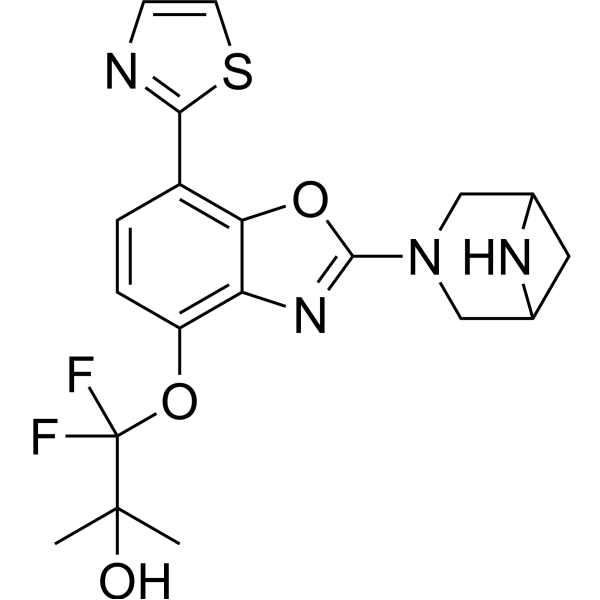
Morcamilast (ME3183) is a selective and orally active PDE4 inhibitor, with IC50s of 1.28 nM (PDE4A1A), 2.33 nM (PDE4B1), and 1.63 nM (PDE4D2) respectively. Morcamilast shows weak inhibition of PDEs other than PDE4s Morcamilast is an anti-inflammatory agent and inhibits LPS (HY-D1056)-induced release of TNF-α, IL-12/23p40, IL-23, and IL-17A in human PBMCs and T cells. Morcamilast has antipruritic effect and can be used in the study of psoriasis, atopic dermatitis, and other inflammatory diseases .
|
-
- HY-180803
-
|
|
Phosphodiesterase (PDE)
|
Inflammation/Immunology
|
|
LH17, a Kaempferol (HY-14590) derivative, is a potent and selective PDE4 inhibitor (PDE4D2 IC50 = 73 nM, PDE4B2 IC50 = 190 nM). LH17 exhibits remarkable selectivity (>136-fold) against other PDE isoforms (PDE1B/2A/3A/5A/8A/9A/10A) (IC50 > 10000 nM), with the exception of PDE7A1 (IC50 = 300 nM). LH17 distinctly interacts with PDE4 M-pocket. LH17 demonstrates remarkable anti-fibrotic efficacy in both in vitro and in vivo models. LH17 can be used for idiopathic pulmonary fibrosis (IPF) research .
|
-

- HY-16900
-
Rolipram
Maximum Cited Publications
19 Publications Verification
(R,S)-Rolipram; (±)-Rolipram; ZK 62711
|
Bacterial
HIV
Phosphodiesterase (PDE)
Epigenetic Reader Domain
Amyloid-β
|
Infection
Neurological Disease
Cancer
|
|
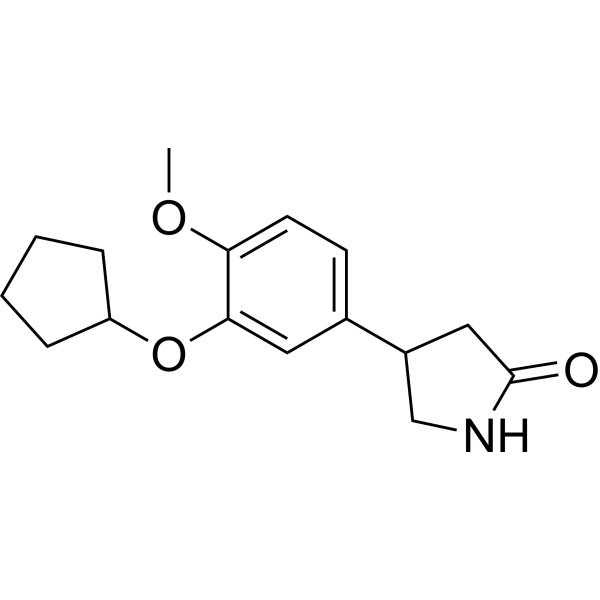
Rolipram is a PDE4 inhibitor, with blood-brain barrier permeability, that reverses β-amyloid-induced learning and memory impairment in rats. Rolipram elevates intracellular cAMP and clevels and regulates the cAMP/CREB signaling pathway, thereby alleviating neuroinflammation and apoptotic responses. Rolipram promotes neuronal differentiation of human bone marrow mesenchymal stem cells and inhibits Methamphetamine- and morphine-induced hyperlocomotion in mice. Rolipram also reduces the viability of glioblastoma stem-like cells and enhances Bevacizumab (HY-P9906)-induced cell death. Rolipram inhibits the expression of proinflammatory cytokines and enhances central noradrenergic transmission. Rolipram is mainly used in studies related to various central nervous system diseases including Alzheimer's disease, major depressive disorder, glioblastoma multiforme, and multiple sclerosis [4] .
|
-
- HY-16900R
-
|
(R,S)-Rolipram (Standard); (±)-Rolipram (Standard); ZK 62711 (Standard)
|
Reference Standards
Bacterial
HIV
Phosphodiesterase (PDE)
Epigenetic Reader Domain
Amyloid-β
|
Neurological Disease
Cancer
|
|
Rolipram (Standard) is the analytical standard of Rolipram (HY-16900). This product is intended for research and analytical applications. Rolipram is a PDE4 inhibitor, with blood-brain barrier permeability, that reverses β-amyloid-induced learning and memory impairment in rats. Rolipram elevates intracellular cAMP and clevels and regulates the cAMP/CREB signaling pathway, thereby alleviating neuroinflammation and apoptotic responses. Rolipram promotes neuronal differentiation of human bone marrow mesenchymal stem cells and inhibits Methamphetamine- and morphine-induced hyperlocomotion in mice. Rolipram also reduces the viability of glioblastoma stem-like cells and enhances Bevacizumab (HY-P9906)-induced cell death. Rolipram inhibits the expression of proinflammatory cytokines and enhances central noradrenergic transmission. Rolipram is mainly used in studies related to various central nervous system diseases including Alzheimer's disease, major depressive disorder, glioblastoma multiforme, and multiple sclerosis [4] .
|
-

| Cat. No. |
Product Name |
Type |
-
- HY-W002463
-
|
|
Biochemical Assay Reagents
|
|
3-Chlorophenylboronic acid is employed as a reactant involved in 1,4-conjugate addition reactions with ethenesulfonamides to form arylethanesulfonamides, Suzuki-Miyaura reactions with dibromotrifluoromethylbenzene, cross-coupling reactions with diazoesters3 or potassium cyanate. 3-Chlorophenylboronic acid is involved in the synthesis of biarylketones and phthalides and synthesis of inhibitors including PDE4 inhibitors among others. 3-Chlorophenyl boronic acid can affect cell migration. 3-Chlorophenyl boronic acid can be used to study wound healing .
|
| Cat. No. |
Product Name |
Category |
Target |
Chemical Structure |
| Cat. No. |
Product Name |
Chemical Structure |
-
- HY-15455S
-
1 Publications Verification
|
|
Roflumilast-d4 is the deuterium labeled Roflumilast. Roflumilast is a selective PDE4 inhibitor with IC50s of 0.7, 0.9, 0.7, and 0.2 nM for PDE4A1, PDEA4, PDEB1, and PDEB2, respectively, without affecting PDE1, PDE2, PDE3 or PDE5 isoenzymes from various cells .
|
-
-
- HY-108974S
-
|
|
|
Drotaverine-d10 (hydrochloride) is the deuterium labeled Drotaverine hydrochloride. Drotaverine hydrochloride is a type 4 cyclic nucleotide phosphodiesterase (PDE4) inhibitor and an L-type voltage-dependent calcium channel (L-VDCC) blocker, blocks the degradation of 3',5'-cyclic adenosine monophosphate. Drotaverine hydrochloride exhibits in vivo antispasmodic efficacy without anticholinergic effects .
|
-
-
- HY-15455S2
-
|
|
|
Roflumilast-d3 is deuterium labeled Roflumilast. Roflumilast is a selective PDE4 inhibitor with IC50s of 0.7, 0.9, 0.7, and 0.2 nM for PDE4A1, PDEA4, PDEB1, and PDEB2, respectively, without affecting PDE1, PDE2, PDE3 or PDE5 isoenzymes from various cells.
|
-
-
- HY-15455S1
-
|
|
|
Roflumilast-d4 N-Oxide is the deuterium labeled Roflumilast. Roflumilast is a selective PDE4 inhibitor with IC50s of 0.7, 0.9, 0.7, and 0.2 nM for PDE4A1, PDEA4, PDEB1, and PDEB2, respectively, without affecting PDE1, PDE2, PDE3 or PDE5 isoenzymes from various cells .
|
-
Your information is safe with us. * Required Fields.
Inquiry Information
- Product Name:
- Cat. No.:
- Quantity:
- MCE Japan Authorized Agent:








