
1. Search Result
Search Result
Results for "

arterial pressure

" in MedChemExpress (MCE) Product Catalog:

95

Inhibitors & Agonists

1

Screening Libraries

1

Biochemical Assay Reagents

8

Peptides

1

Inhibitory Antibodies

9

Natural
Products

3

Isotope-Labeled Compounds

2

Click Chemistry

Cat. No. Product Name Target Research Areas Chemical Structure
  • HY-D0227
    THAM
    1 Publications Verification

    Tris; Tris(hydroxymethyl)aminomethane

    Biochemical Assay Reagents Metabolic Disease
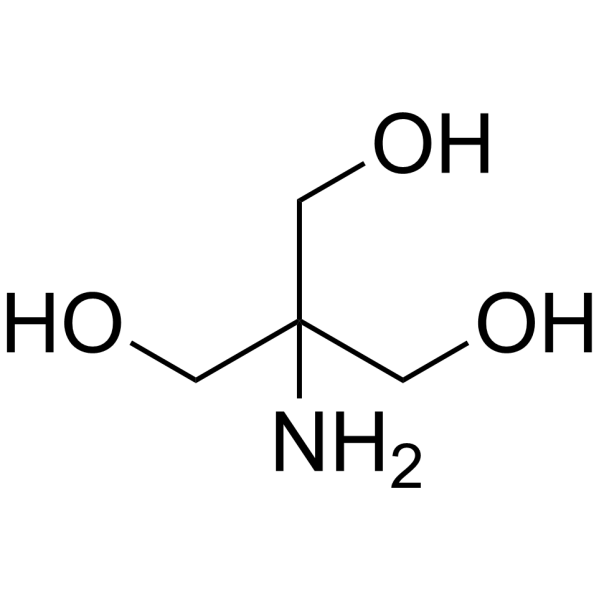
    THAM (Tris) is a low-toxicity amino alcohol buffer, a specific CO2-consuming proton acceptor that buffers carbon dioxide and acid both in vitro and in vivo. THAM binds protons to form bicarbonate, reduces PaCO2, and induces intracellular alkalization, thereby ameliorating hypercapnia-induced elevation of pulmonary blood vessels and pulmonary arterial pressure. THAM may cause PaCO2 rebound, hypoglycemia, and respiratory depression. THAM removes amniotic epithelium and preserves the basement membrane, but depletes extracellular matrix and reduces the adhesion rate of limbal epithelial cells. THAM can act as a CO2 carrier to enhance the productivity and carbon utilization rate of Scenedesmus obliquus. THAM is a key component of buffer solutions used in various biological, cell culture, biochemical, and molecular biology applications .
    THAM
  • HY-124489
    2-Hydroxyestradiol
    2 Publications Verification

    Endogenous Metabolite Metabolic Disease
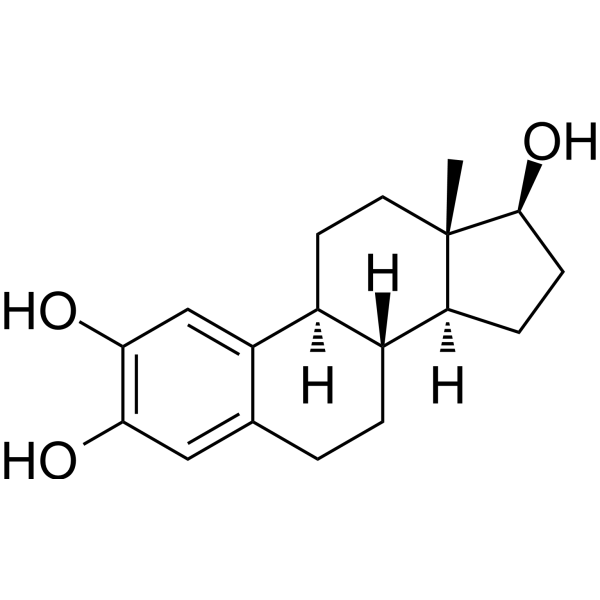
    2-Hydroxyestradiol, a metabolite of 17β-estradiol with minimal estrogenic activity, possesses antioxidant effects and reacts with DNA to form stable adducts and exerts genotoxicity .
    2-Hydroxyestradiol
  • HY-112868B
    ABH hydrochloride
    1 Publications Verification

    Arginase NO Synthase Integrin Cardiovascular Disease Metabolic Disease Inflammation/Immunology
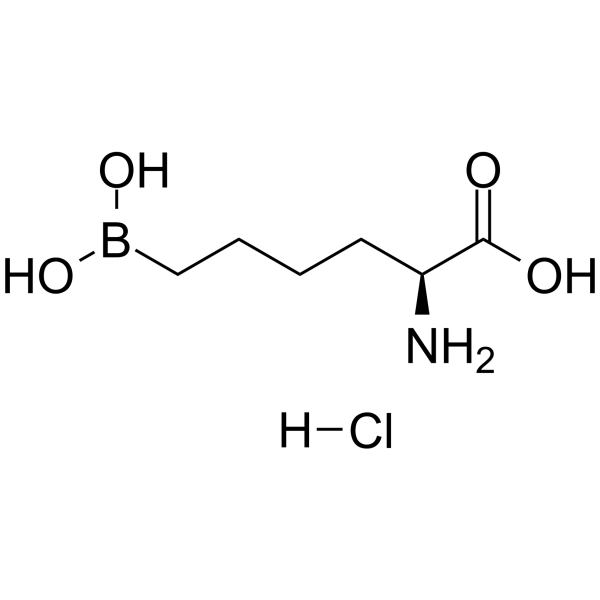
    ABH (hydrochloride) is an orally active arginase inhibitor (Ki = 8.5 nM). ABH hydrochloride promotes NO production and reduces the expression of inflammatory response-related molecules (ICAM-1, VCAM-1, MCP-1). ABH hydrochloride improves erectile function, reduces lung damage, promotes wound healing, reduces arterial blood pressure, and improves vascular fibrosis .
    ABH hydrochloride
  • HY-16693
    LDN-27219
    1 Publications Verification

    Glutaminase Cardiovascular Disease Others
    LDN-27219 is a reversible, slow-binding inhibitor of TGase. LDN-27219 inhibits human TGase with an IC50 value of 0.6 μM. LDN-27219 effectively decreases blood pressure and induces vasodilation, it can be used for the research of cardiovascular disease .
    LDN-27219
  • HY-12765

    E-3174; EXP-3174

    Drug Metabolite Angiotensin Receptor Cardiovascular Disease
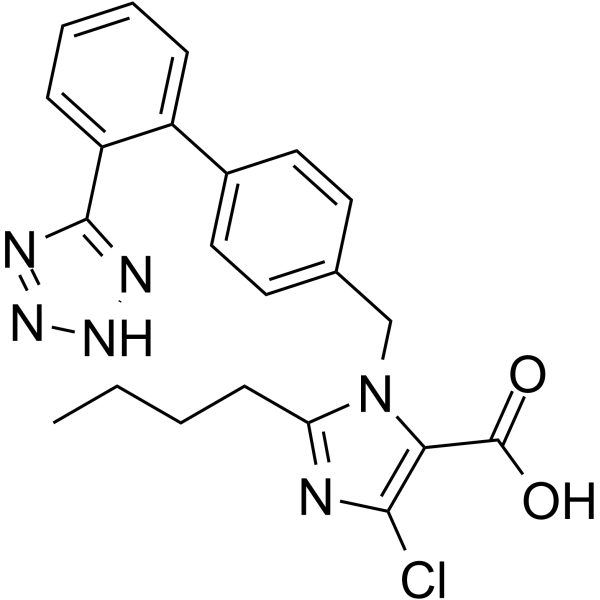
    Losartan Carboxylic Acid (E-3174), an active carboxylic acid metabolite of Losartan, is an angiotensin II receptor type 1 (AT1) antagonist. The Ki values are 0.97, 0.57, 0.67 nM for rat AT1B/AT1A and human AT1, respectively. Losartan Carboxylic Acid blocks the angiotensin II-induced responses in vascular smoothmuscle cells (VSMC). Losartan Carboxylic Acid elevates plasma renin activities and reduces mean arterial pressure .
    Losartan Carboxylic Acid
  • HY-B1470

    R-1929

    Dopamine Receptor Adrenergic Receptor Neurological Disease
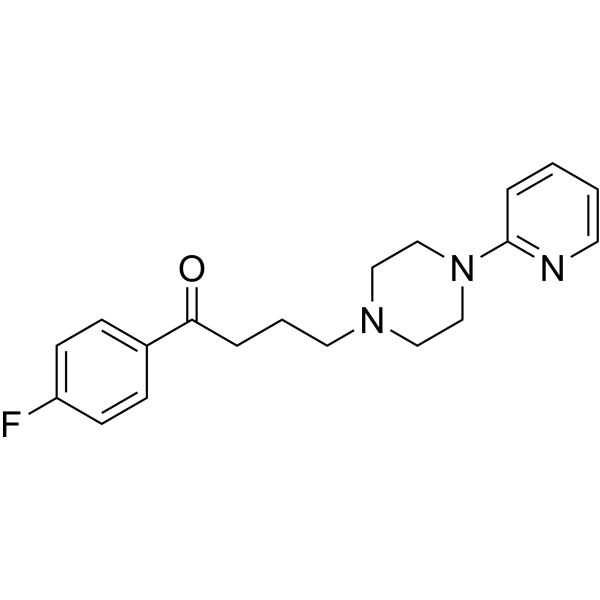
    Azaperone is an antagonist of dopamine D2 receptor (Dopamine D2 Receptor) and α-adrenergic receptor (AR). Azaperone reduces vasomotor tone, mean arterial pressure, hematocrit, hemoglobin concentration, and etorphine-induced duration; induces transient tachycardia followed by bradycardia, splenic uptake of red blood cells, and sedation; alters animal behaviors; and produces sedation with distinct onset and duration in foals. Azaperone is used for sedation and tranquilization in various animals to reduce stress and aggressive behaviors, and serves as a preanesthetic agent .
    Azaperone
  • HY-W003969

    Ascensil; 2-Amino-4-methylpyridine

    NO Synthase Inflammation/Immunology
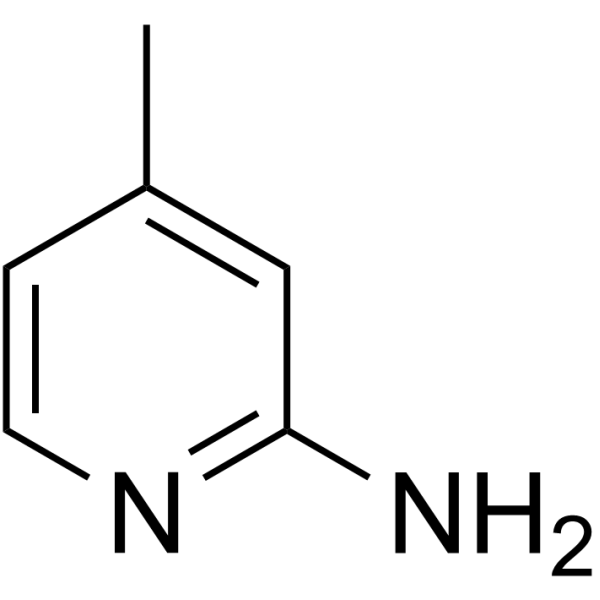
    Aminopicoline (Ascensil) is a potent and non-selective inhibitor of nitric oxide synthase (NOS) isoenzymes (iNOS, nNOS, eNOS). Aminopicoline competes with arginine at the substrate-binding site of nitric oxide synthase, reduces cellular nitric oxide production, inhibits the elevation of plasma nitrate, increases mean arterial pressure at high doses, and also serves as a basis for radiolabeled ligands to localize nitric oxide synthase binding sites. Aminopicoline can be used in the research of diseases associated with septic shock, joint inflammation, intestinal inflammation, and CNS inflammation .
    Aminopicoline
  • HY-A0066A

    Imidaline hydrochloride; NSC35110 hydrochloride

    Adrenergic Receptor Cardiovascular Disease Endocrinology
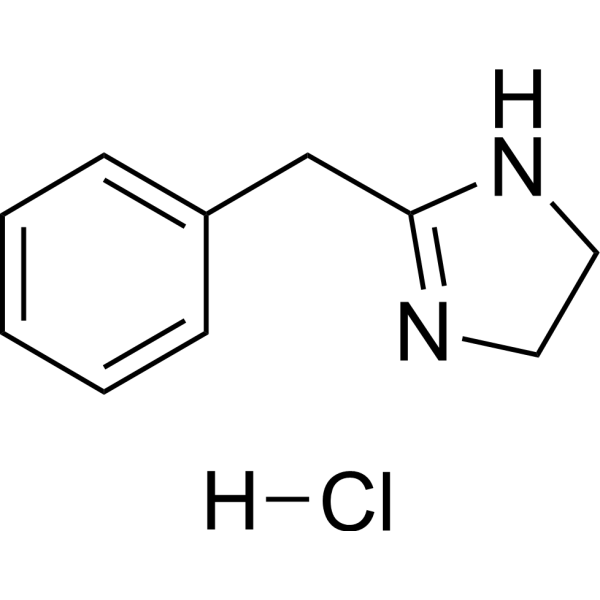
    Tolazoline hydrochloride (Imidaline hydrochloride) is an α-adrenergic receptor antagonist. Tolazoline hydrochloride inhibits Noradrenaline (HY-13715)-induced cell contraction, modulates vascular resistance, increases arterial pressure, and reverses bradycardia and tachypnea. Tolazoline hydrochloride can be used to study erectile dysfunction, α2-adrenergic receptor agonist-related poisoning, and skin vascular disease research .
    Tolazoline hydrochloride
  • HY-114794

    ST 1059

    Adrenergic Receptor Drug Metabolite Cardiovascular Disease
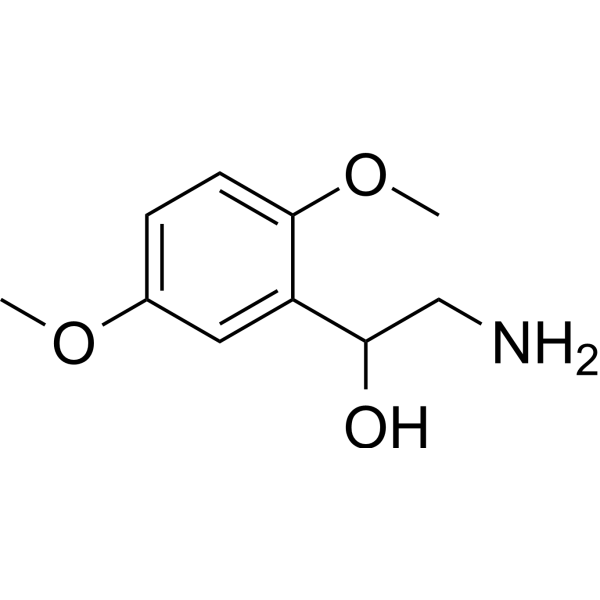
    Desglymidodrine (ST 1059), the active metabolite of Midodrine(HY-12749), is a selective α1-adrenoceptor agonist. Desglymidodrine is an effective arterial and venous vasoconstrictor and can be used to regulate blood pressure .
    Desglymidodrine
  • HY-P2106
    Elabela(19-32)
    5+ Cited Publications

    Arrestin Apelin Receptor (APJ) Cardiovascular Disease
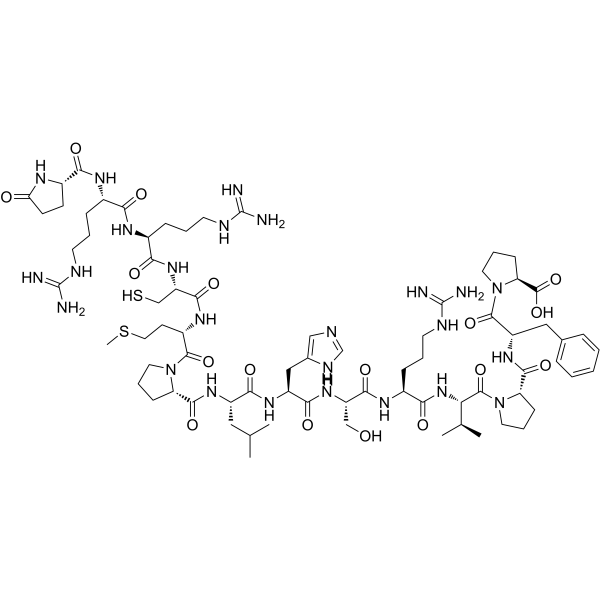
    Elabela(19-32) is an active fragment of ELABELA (ELA) that binds to apelin receptor (APJ). Elabela(19-32) activates the Gαi1 and β-arrestin-2 signaling pathways with EC50s of 8.6 nM and 166 nM. Elabela(19-32) induces receptor internalization and reduces arterial pressure, exerts positive inotropic effects on the heart .
    Elabela(19-32)
  • HY-107915

    (-)-Cobefrin; (-)-α-Methylnoradrenaline; (-)-Nordefrin

    Adrenergic Receptor Cardiovascular Disease
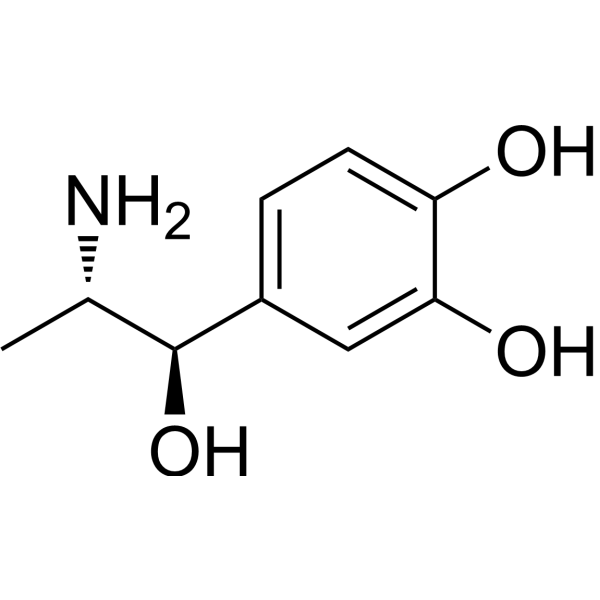
    Levonordefrin ((-)-Cobefrin; (-)-α-Methylnoradrenaline; (-)-Nordefrin) is an α-adrenergic receptor agonist with blood pressure regulatory properties. Levonordefrin is a key metabolite responsible for the hypotensive effect of α-methyldopa. By stimulating central α-adrenergic receptors in the nucleus tractus solitarius region of the medulla oblongata, Levonordefrin induces centrally mediated hypotension and bradycardia. When administered intravenously, Levonordefrin increases mean arterial blood pressure in a dose-dependent manner. Levonordefrin is applicable for research on the pathophysiology of hypertension and drug metabolism .
    Levonordefrin
  • HY-B2078A

    Neurokinin Receptor Inflammation/Immunology
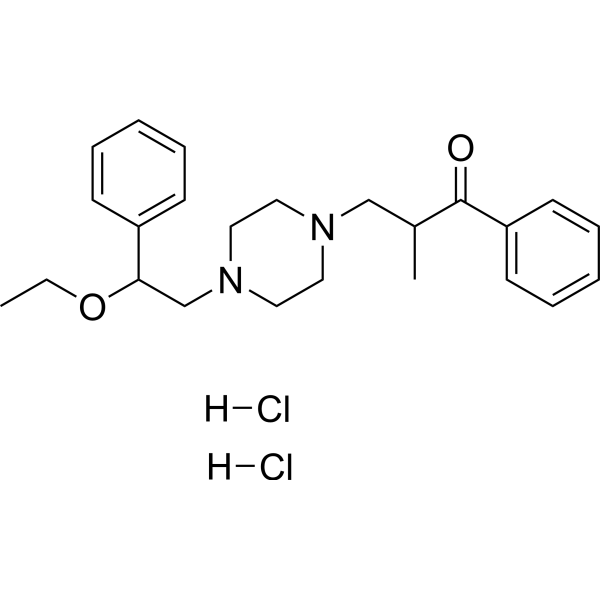
    Eprazinone dihydrochloride is a gent with mucolytic, secretolytic, antitussive, and bronchial antispasmodic properties. Eprazinone dihydrochloride is a neurokinin 1 receptor (NK1R) ligand. Eprazinone dihydrochloride has the potential for chronic bronchitis treatment that improved pulmonary function and arterial partial pressure of oxygen .
    Eprazinone dihydrochloride
  • HY-A0066

    Imidaline; NSC35110

    Adrenergic Receptor Cardiovascular Disease Endocrinology
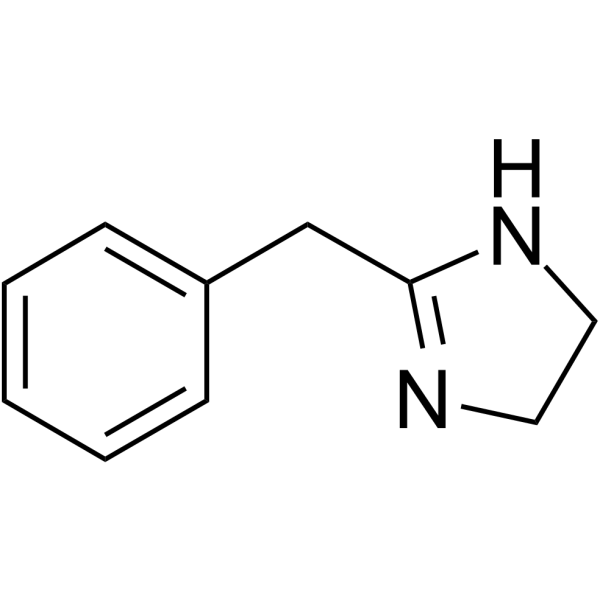
    Tolazoline (Imidaline) is an α-adrenergic receptor antagonist. Tolazoline inhibits Noradrenaline (HY-13715)-induced cell contraction, modulates vascular resistance, increases arterial pressure, and reverses bradycardia and tachypnea. Tolazoline can be used to study erectile dysfunction, α2-adrenergic receptor agonist-related poisoning, and skin vascular disease research .
    Tolazoline
  • HY-120295
    A-192621
    2 Publications Verification

    Endothelin Receptor Apoptosis Cardiovascular Disease Endocrinology
    A-192621, a chemical probe, is a potent, nonpeptide, orally active and selective endothelin B (ETB) receptor antagonist with an IC50 of 4.5 nM and a Ki of 8.8 nM. The selectivity of A-192621 is 636-fold higher than ETA (IC50 of 4280 nM and Ki of 5600 nM). A-192621 promotes apoptosis in PASMCs. A-192621 alos causes elevation of arterial blood pressure and an elevation in the plasma ET-1 level .
    A-192621
  • HY-17428

    Histamine Receptor Neurological Disease Inflammation/Immunology
    Tripelennamine hydrochloride is a histamine H1-receptor antagonist. Tripelennamine hydrochloride effectively reverses histamine-induced bronchoconstriction, increased transpulmonary pressure, elevated pulmonary vascular resistance and reduced dynamic compliance. Tripelennamine hydrochloride does not significantly affect arterial hypoxemia, hemoglobin desaturation and hypercapnia in horses undergoing short-term high-intensity exercise. Tripelennamine hydrochloride exhibits local and central analgesic activity. Tripelennamine hydrochloride can be used in studies related to emphysema, urticaria and acute laminitis .
    Tripelennamine hydrochloride
  • HY-D0227J

    Tris HCl (≥99%, for cell culture); Tris hydrochloride (≥99%, for cell culture)

    Biochemical Assay Reagents Metabolic Disease
    THAM hydrochloride (≥99%, for cell culture) is a low-toxicity amino alcohol buffer, a specific CO2-consuming proton acceptor that buffers carbon dioxide and acid both in vitro and in vivo. THAM hydrochloride (≥99%, for cell culture) binds protons to form bicarbonate, reduces PaCO2, and induces intracellular alkalization, thereby ameliorating hypercapnia-induced elevation of pulmonary blood vessels and pulmonary arterial pressure. THAM hydrochloride (≥99%, for cell culture) may cause PaCO2 rebound, hypoglycemia, and respiratory depression. THAM hydrochloride (≥99%, for cell culture) removes amniotic epithelium and preserves the basement membrane, but depletes extracellular matrix and reduces the adhesion rate of limbal epithelial cells. THAM hydrochloride (≥99%, for cell culture) can act as a CO2 carrier to enhance the productivity and carbon utilization rate of Scenedesmus obliquus. THAM hydrochloride (≥99%, for cell culture) is a key component of buffer solutions used in various biological, cell culture, biochemical, and molecular biology applications .
    THAM hydrochloride (≥99%, for cell culture)
  • HY-P2106A
    Elabela(19-32) TFA
    5+ Cited Publications

    Apelin Receptor (APJ) Arrestin Cardiovascular Disease
    Elabela(19-32) TFA is an active fragment of ELABELA (ELA) that binds to apelin receptor (APJ). Elabela(19-32) TFA activates the Gαi1 and β-arrestin-2 signaling pathways with EC50s of 8.6 nM and 166 nM. Elabela(19-32) TFA induces receptor internalization and reduces arterial pressure, exerts positive inotropic effects on the heart .
    Elabela(19-32) TFA
  • HY-12765S

    E-3174 d4; EXP-3174 d4

    Angiotensin Receptor Cardiovascular Disease Endocrinology Cancer
    Losartan-d4 carboxylic acid (E-3174-d4) is the deuterium labeled Losartan Carboxylic Acid (HY-12765). Losartan Carboxylic Acid (E-3174), an active carboxylic acid metabolite of Losartan, is an angiotensin II receptor type 1 (AT1) antagonist. The Ki values are 0.97, 0.57, 0.67 nM for rat AT1B/AT1A and human AT1, respectively. Losartan Carboxylic Acid blocks the angiotensin II-induced responses in vascular smoothmuscle cells (VSMC). Losartan Carboxylic Acid elevates plasma renin activities and reduces mean arterial pressure.
    Losartan-d4 (carboxylic acid)
  • HY-14825A

    SVT-40776 D-tartrate

    mAChR Inflammation/Immunology
    Tarafenacin (SVT-40776) D-tartrate is an orally active, selective M3 muscarinic receptor (M3 muscarinic receptor) antagonist with 203-fold selectivity over the M2 muscarinic receptor. Tarafenacin D-tartrate does not affect atrial contraction, arterial blood pressure or arterial pressure at high doses. Tarafenacin D-tartrate can be used in the research of overactive bladder .
    Tarafenacin D-tartrate
  • HY-151229

    DETC-Me; DDTC-Me; Diethyldithiocarbamic acid methyl ester

    Aldehyde Dehydrogenase (ALDH) Metabolic Disease
    S-Methyl-N,N-diethylthiolcarbamate (DETC-Me; DDTC-Me) is the active metabolite of the aldehyde dehydrogenase inhibitor disulfiram (HY-B0240). It is produced by the methylation of the disulfiram metabolite diethyldithiocarbamate in mouse liver microsomes. S-Methyl-N,N-diethylthiolcarbamate (DETC-Me; DDTC-Me) inhibits rat liver low Km aldehyde dehydrogenase (ALDH) (ID50=15.5 mg/kg). When administered at a dose of 20.6 mg/kg, it decreases mean arterial pressure (MAP) and increases heart rate in rats during ethanol stimulation.
    S-Methyl-N,N-diethylthiolcarbamate
  • HY-W414915

    CGP 48933 methyl ester

    Drug Derivative Angiotensin Receptor Cardiovascular Disease Cancer
    Valsartan (CGP 48933) methyl ester is the methyl ester derivative of Valsartan (HY-18204). Valsartan is a selective and orally active angiotensin II type 1 (AT1) receptor blocker (ARB) with potent antihypertensive and cardioprotective effects. Valsartan competitively binds to AT1 receptors, inhibiting the binding of angiotensin II to AT1 receptors, thereby blocking angiotensin II-mediated vasoconstriction, sodium retention, and myocardial hypertrophy signaling pathways. Valsartan reduces systolic blood pressure in L-NAME-induced hypertensive rats. Valsartan can be used for the study and treatment of arterial hypertension, hypertensive heart disease, and heart failure .
    Valsartan methyl ester
  • HY-134061

    Apoptosis Mitosis Cancer
    Arecaidine propargyl ester hydrobromide is an agonist of M2 muscarinic acetylcholine receptors and has the activity of inhibiting tumor cell proliferation. The application of arecaidine propargyl ester hydrobromide has shown that it can reduce the number of ovarian cancer cells in vitro and induce apoptosis and the production of reactive oxygen species (ROS) at specific concentrations. Arecaidine propargyl ester hydrobromide can also arrest cells at the G2/M phase of the cell cycle and increase the percentage of abnormal mitosis. Arecaidine propargyl ester hydrobromide is more sensitizing to ovarian surface epithelial cells with higher M2 receptor levels than to cancer cells. Arecaidine propargyl ester hydrobromide exhibits the effect of lowering arterial blood pressure when interacting with the cardiovascular system in a natural physiological state, indicating its potential pharmacological application .
    Arecaidine propargyl ester hydrobromide
  • HY-107655

    ABET

    mAChR Cardiovascular Disease
    Arecaidine but-2-ynyl ester tosylate (ABET) is a selective mAChR M2 agonist that dose-dependently decreases mean arterial pressure and heart rate in rats. Arecaidine but-2-ynyl ester tosylate can be used for cardiovascular disease research . Arecaidine but-2-ynyl ester (tosylate) is a click chemistry reagent, it contains an Alkyne group and can undergo copper-catalyzed azide-alkyne cycloaddition (CuAAc) with molecules containing Azide groups.
    Arecaidine but-2-ynyl ester tosylate
  • HY-W016704

    Gentisic acid sodium

    Drug Derivative Cardiovascular Disease
    2,5-Dihydroxybenzoic acid (sodium) (Gentisic acid (sodium)) is a phenolic compound. 2,5-Dihydroxybenzoic acid (sodium) restores mean arterial pressure and reduces blood lactate concentration in animal models of sepsis and septic shock. 2,5-Dihydroxybenzoic acid (sodium) can be used in the study of septic shock related diseases .
    2,5-Dihydroxybenzoic acid sodium
  • HY-D0227B
    THAM acetate
    1 Publications Verification

    Tris acetate; Tris(hydroxymethyl)aminomethane acetate

    Biochemical Assay Reagents Metabolic Disease
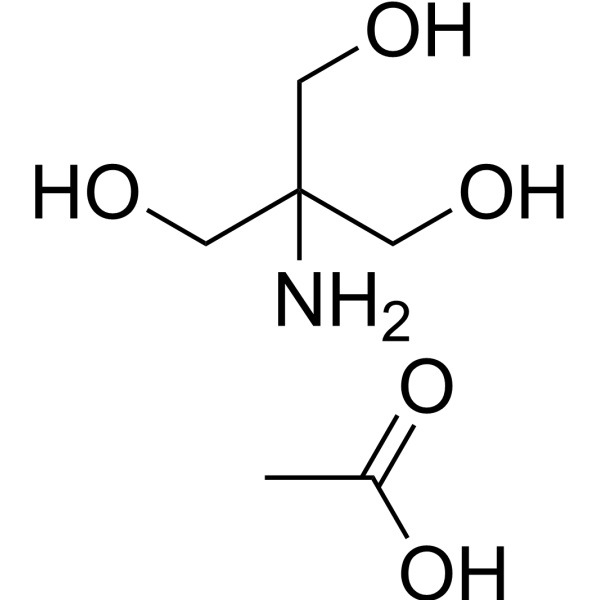
    THAM acetate is a low-toxicity amino alcohol buffer, a CO2-consuming proton acceptor that buffers carbon dioxide and acid both in vitro and in vivo. THAM acetate binds protons to form bicarbonate, reduces PaCO2, and induces intracellular alkalization, thereby ameliorating hypercapnia-induced elevation of pulmonary blood vessels and pulmonary arterial pressure. THAM acetate may cause PaCO2 rebound, hypoglycemia, and respiratory depression. THAM acetate removes amniotic epithelium and preserves the basement membrane, but depletes extracellular matrix and reduces the adhesion rate of limbal epithelial cells. THAM acetate can act as a CO2 carrier to enhance the productivity and carbon utilization rate of Scenedesmus obliquus. THAM acetate is a key component of buffer solutions used in various biological, cell culture, biochemical, and molecular biology applications .
    THAM acetate
  • HY-116457

    Sombrevin; Fabantol

    GABA Receptor Cardiovascular Disease Neurological Disease
    Propanidid (Sombrevin; Fabantol) is a γ-aminobutyric acid type A (GABAA) receptor agonist and a short-acting non-barbiturate general agent that can suppress or relieve pain. Propanidid can decrease the arterial pressure .
    Propanidid
  • HY-119081

    Guanylate Cyclase Cardiovascular Disease
    GSK2181236A is a NO-insensitive soluble guanylate cyclase (sGC) activator. GSK2181236A can dilate blood vessels, decrease mean arterial pressure and attenuate the development of cardiac hypertrophy. GSK2181236A can be used for the research of cardiovascular disease, such as hypertension .
    GSK2181236A
  • HY-118497

    Endothelin Receptor Cardiovascular Disease Metabolic Disease
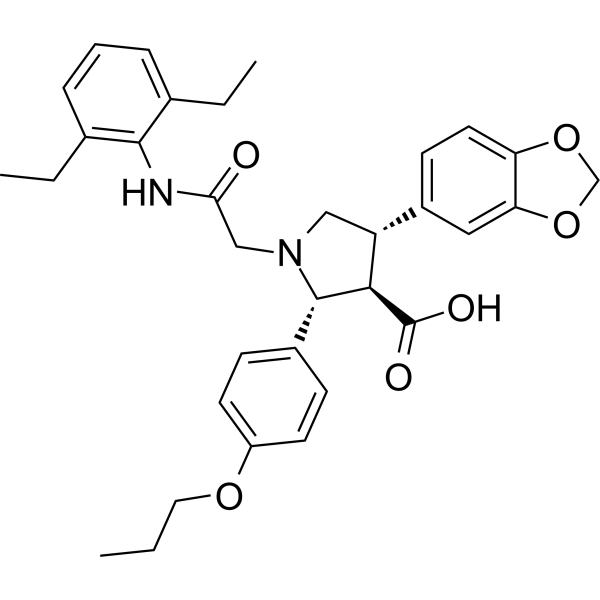
    BMS 182874 is an orallyactive, highly selective endothelin receptor (ETA receptor) antagonist, with IC50 value of 0.150 μM, Ki of 0.055 μM. BMS 182874 reduces the arterial pressure of Deoxycorticosterone acetate (HY-B1472) induced hypertension model in rats, and can be used for cardiovascular disease research .
    BMS 182874
  • HY-115269

    Phosphodiesterase (PDE) Cardiovascular Disease
    CK-2289 is an inhibitor of type III cyclic 3'5'-adenosine monophosphate phosphodiesterase (PDE). CK-2289 can inhibit platelet aggregation and decreases mean arterial blood pressure. CK-2289 can be used for the research of cardiovascular disease, such as congestive heart failure .
    CK-2289
  • HY-129427

    Adrenergic Receptor Cardiovascular Disease
    DC-015 is a selective and orally active alpha 1-adrenoceptor antagonist on plasma lipid and vascular reactivity in hyperlipidaemic rodent model. DC-015 is a synthesized quinazoline derivative. DC-015 decreases mean arterial pressure in rats. DC-015 has antihypertensive activity .
    DC-015
  • HY-A0184

    Ro 42-5892; Ro 42-5892/001

    Renin Cardiovascular Disease
    Remikiren (Ro 42-5892) is an orally active and highly specific renin inhibitor. Remikiren specifically inhibits human reninand human plasma renin with IC50 values of 0.7 and 0.8 nM, respectively. Remikiren also reduces mean arterial blood pressure in sodium-depleted marmosets and squirrel monkeys. Remikiren can be used in study of hypertension .
    Remikiren
  • HY-116680

    5-HT Receptor Cardiovascular Disease Neurological Disease
    LY53857 is a potent antagonist of vasoconstriction and serotonin-mediated 5-HT2 receptors. LY53857 did not reduce mean arterial blood pressure in spontaneously hypertensive rats (SHR) at doses that blocked the depressor response to serotonin and blocked central serotonin receptors. In addition, LY53857 was able to enhance neurotransmitter release in rat vas deferens and guinea pig ileal nerves .
    LY53857
  • HY-A0114

    RS 10029

    Angiotensin-converting Enzyme (ACE) Cardiovascular Disease
    Moexiprilat is an inhibitor of angiotensin-converting enzyme (ACE; IC50=2.1 nM) and an active metabolite of the prodrug Moexipril (HY-117281). It is formed from moexipril in vivo by side chain ester hydrolysis. Moexiprilat (10 nM) prevents the estrone- or angiotensin II-stimulated proliferation of primary neonatal rat cardiac fibroblasts. It reduces mean arterial blood pressure and increases the levels of atrial natriuretic peptide, a marker of hypertension, in ovariectomized mice when administered at a dose of 50 mg/kg per day.
    Moexiprilat
  • HY-B1470S

    R-1929-d4

    Isotope-Labeled Compounds Dopamine Receptor Adrenergic Receptor Neurological Disease
    Azaperone-d4 (R-1929-d4) is the deuterium labeled Azaperone (HY-B1470). Azaperone is an antagonist of dopamine D2 receptor (Dopamine D2 Receptor) and α-adrenergic receptor (AR). Azaperone reduces vasomotor tone, mean arterial pressure, hematocrit, hemoglobin concentration, and etorphine-induced duration; induces transient tachycardia followed by bradycardia, splenic uptake of red blood cells, and sedation; alters animal behaviors; and produces sedation with distinct onset and duration in foals. Azaperone is used for sedation and tranquilization in various animals to reduce stress and aggressive behaviors, and serves as a preanesthetic agent.
    Azaperone-d4
  • HY-129782

    SOD Cardiovascular Disease
    SC-55858 is an effective superoxide dismutase simulator. SC-55858 increased heart rate and decreased mean arterial pressure and left ventricular systolic and end-diastolic pressures in conscious dogs .
    SC-55858
  • HY-117928

    Potassium Channel Cardiovascular Disease
    BRL 55834 is an orally and potent potassium channel activator. BRL 55834 exhibits great bronchodilator potency but reduces tendency to lower arterial blood pressure. BRL 55834 has the potential to use as a bronchodilator .
    BRL 55834
  • HY-W752502

    Dopamine Receptor Vasopressin Receptor Adrenergic Receptor Cardiovascular Disease
    Docarpamine is an orally active dopamine prodrug that can be hydroxylated in the small intestine and liver to form active dopamine. Docarpamine mainly activates D1-like receptors in peripheral blood vessels to lower blood pressure and heart rate in a state of spontaneous hypertension. Docarpamine exerts a pressor and tachycardic effect by activating D1-like receptors, vasopressin V1 receptors, and α-adrenergic receptors in normal blood pressure conditions. Docarpamine can be used for research on renal vascular dilation and diuresis .
    Docarpamine
  • HY-121025

    TGF-β Receptor Others
    BUR1 is a BMP upregulator (EC50: 98 nM) and activates BMPRII signalling. BUR1 induces BMP2 and PTGS2 expression. BUR1 reversed pulmonary arterial pressure in Monocrotaline (HY-N0750) induced rats .
    BUR1
  • HY-N1115

    (+)-Tubotaiwine; NSC 306222; Tubotaiwin

    Others Cardiovascular Disease
    Tubotaiwine ((+)-Tubotaiwine), an alkaloid, has beneficial effect on cadmium (Cd) induced hypertension in rats. Tubotaiwine regulates systolic, diastolic and mean arterial blood pressure of the Cd exposed rats. Tubotaiwine reduces arterial stiffness, inhibits of oxidative stress and increases vascular remodeling .
    Tubotaiwine
  • HY-117805

    Angiotensin Receptor Cardiovascular Disease
    UR-7247 is a potent and orally active angiotensin II AT1 receptor antagonist. UR-7247 decreases arterial pressure and increases renal blood flow .
    UR-7247
  • HY-107354

    Drug Derivative Cardiovascular Disease
    Gepefrine is an orally active pressor agent and sympathomimetic agent. Gepefrine improves the early orthostatic disregulation of the arterial pressure .
    Gepefrine
  • HY-114961

    15-epi PGA1

    Prostaglandin Receptor Cardiovascular Disease
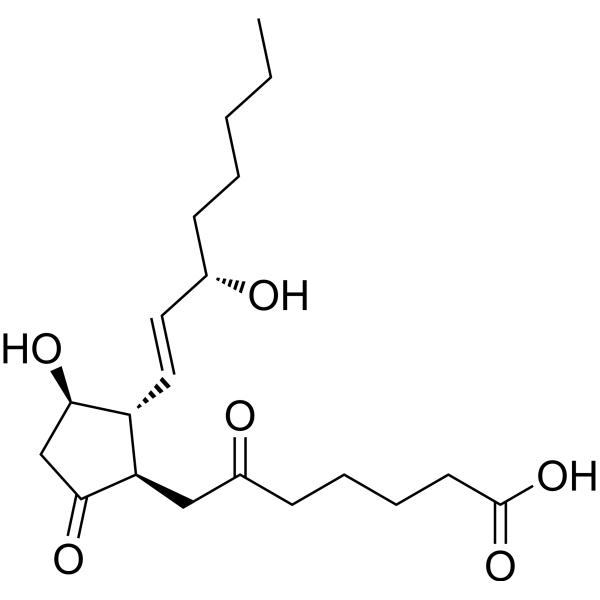
    15-epi Prostaglandin A1 (15-epi PGA1) is the 15(R) stereoisomer of PGA1. PGA1 causes renal vasodilation, increased urine sodium excretion, and decreased arterial pressure in hypertensive models .
    15-epi Prostaglandin A1
  • HY-118765

    Prostaglandin Receptor Cardiovascular Disease
    Ro 23-3423 is a thromboxane synthase inhibitor with an IC50 value of 0.33 μM for human platelet microsomal thromboxane synthase. Ro 23-3423 increases plasma levels of PGF and PGE2 in a dose-dependent manner, accompanied by a decrease in mean systemic arterial pressure and systemic vascular resistance. Ro 23-3423 can be used in the study of general anesthesia .
    Ro 23-3423
  • HY-A0066AR

    Imidaline hydrochloride (Standard); NSC35110 hydrochloride (Standard)

    Reference Standards Adrenergic Receptor Cardiovascular Disease Endocrinology
    Tolazoline (hydrochloride) (Standard) is the analytical standard of Tolazoline hydrochloride (HY-A0066A). This product is intended for research and analytical applications. Tolazoline hydrochloride (Imidaline hydrochloride) is an α-adrenergic receptor antagonist. Tolazoline hydrochloride inhibits Noradrenaline (HY-13715)-induced cell contraction, modulates vascular resistance, increases arterial pressure, and reverses bradycardia and tachypnea. Tolazoline hydrochloride can be used to study erectile dysfunction, α2-adrenergic receptor agonist-related poisoning, and skin vascular disease research .
    Tolazoline hydrochloride (Standard)
  • HY-16506

    Ro 2-2222; Thiophanium derivatives

    Adrenergic Receptor Cardiovascular Disease Others
    Trimethaphan camsylate is an arterial blood pressure lowering agent that has been shown to reduce pulmonary venous pressure in experimental pulmonary edema.
    Trimethaphan camsylate
  • HY-76652

    Renin Cardiovascular Disease Inflammation/Immunology
    VTP-27999 Hydrochloride is an orally active renin inhibitor. VTP-27999 Hydrochloride functionally inhibits renin and acid-activated prorenin, suppresses plasma renin activity and modulates plasma and urinary aldosterone levels. VTP-27999 Hydrochloride reduces mean arterial blood pressure, induces plasma renin concentration increases, decreases plasma angiotensin II levels and enhances renin immunoreactivity. VTP-27999 (Hydrochloride) can be used for the research of hypertension and chronic renal disease .
    VTP-27999 (Hydrochloride)
  • HY-14825

    SVT-40776

    mAChR Inflammation/Immunology
    Tarafenacin (SVT-40776) is an orally active, selective M3 muscarinic receptor (M3 muscarinic receptor) antagonist with 203-fold selectivity over the M2 muscarinic receptor. Tarafenacin does not affect atrial contraction, arterial blood pressure or arterial pressure at high doses. Tarafenacin can be used in the research of overactive bladder .
    Tarafenacin
  • HY-101733

    Angiotensin-converting Enzyme (ACE) Cardiovascular Disease
    Zabicipril hydrochloride is an orally active angiotensin-converting enzyme (ACE) inhibitor. Zabicipril hydrochloride can be used for the study of blood pressure and peripheral arterial insufficiency .
    Zabicipril hydrochloride
  • HY-105266

    Angiotensin-converting Enzyme (ACE) Cardiovascular Disease
    Zabicipril is an orally active angiotensin-converting enzyme (ACE) inhibitor. Zabicipril can be used for the study of blood pressure and peripheral arterial insufficiency .
    Zabicipril
  • HY-P3593

    Calcium Channel Cardiovascular Disease Neurological Disease
    LPLRF-NH2 is a member of RFamide peptide with anorexigenic effect. LPLRF-NH2 increases arterial blood pressure and modulates the electrical activity of brainstem neurons .
    LPLRF-NH2

Inquiry Online

Your information is safe with us. * Required Fields.

Salutation


Country or Region *

Applicant Name *


Organization Name *

Department *


Email Address *


Product Name *

Cat. No.


Requested quantity *

Phone Number *


Remarks

Inquiry Online

Inquiry Information

Product Name:
Cat. No.:
Quantity:
MCE Japan Authorized Agent:

