1. Search Result
Search Result
Results for "

cleaved+caspase3

" in MedChemExpress (MCE) Product Catalog:

52

Inhibitors & Agonists

2

Biochemical Assay Reagents

13

Natural
Products

1

Isotope-Labeled Compounds

4

Antibodies

Cat. No. Product Name Target Research Areas Chemical Structure
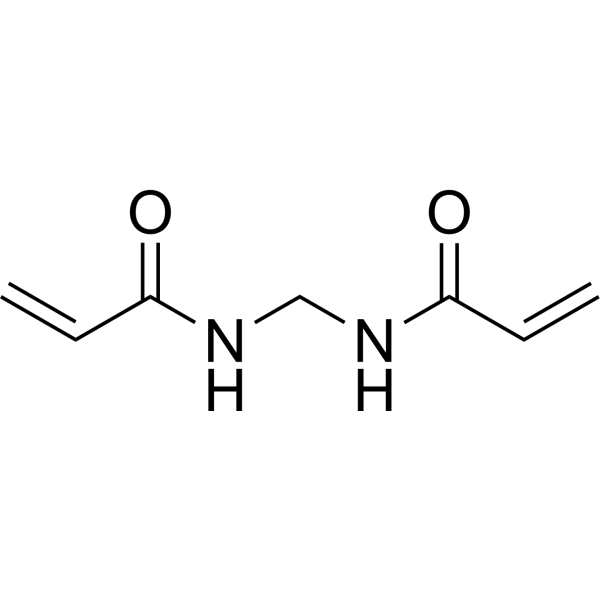
  • HY-D0848

    Bisacrylamide; MBA; Methylenebisacrylamide; N,N-Methylenebisacrylamide

    Biochemical Assay Reagents MDM-2/p53 Caspase Cardiovascular Disease Endocrinology Cancer
    N,N'-Methylenebisacrylamide (Bisacrylamide) is an orally active acrylamide dimer and crosslinker. N,N'-Methylenebisacrylamide increases CYP2E1, P53, cleaved caspase-3. N,N'-Methylenebisacrylamide promotes hepatic cancer. N,N'-Methylenebisacrylamide changes sperm abnormality rate and sperm count. N,N'-Methylenebisacrylamide decreases the number of various cells in the blood as well as induces liver and testicular damage. N,N'-Methylenebisacrylamide is used to prepare polyacrylamide gel [3] .
    N,N'-Methylenebisacrylamide
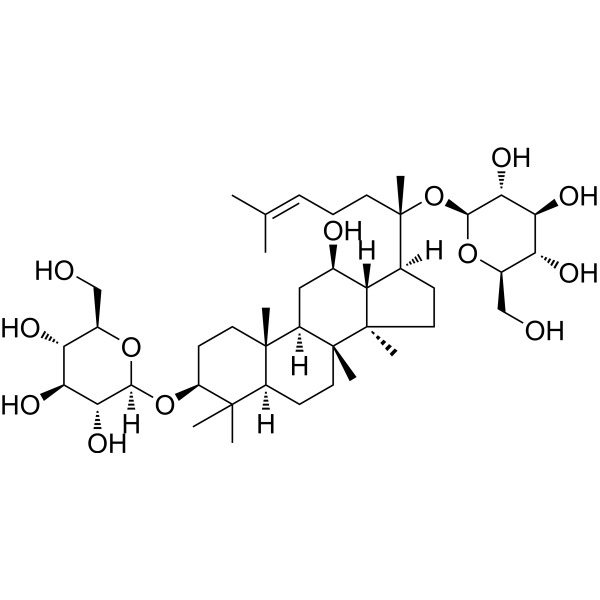
  • HY-125848

    Apoptosis AMPK PPAR p38 MAPK PI3K Akt GSK-3 Reactive Oxygen Species (ROS) SOD Caspase Neurological Disease Metabolic Disease Inflammation/Immunology Cancer
    Ginsenoside F2 is an orally active bioactive compound that participates in the regulation of metabolism and inflammation. Ginsenoside F2 promotes the phosphorylation of AMPK and ACC, binds to PPARγ, inhibits the phosphorylation of MAPK, activates the PI3K/AKT/GSK-3β pathway, reduces GLRX expression, and regulates lipid metabolism. Ginsenoside F2 reduces ROS production and MDA levels, restores SOD activity in cells, and alleviates oxidative stress. Ginsenoside F2 induces cell apoptosis (Apoptosis) and increases the number of cleaved caspase-3-positive cells. Ginsenoside F2 reduces body weight gain, adipose tissue weight and serum lipid levels in obese mice, and activates the hepatic AMPK signaling pathway and the expression of antioxidant enzymes. Ginsenoside F2 alleviates atopic dermatitis in mice by inhibiting inflammation and reshaping the gut microbiota . Ginsenoside F2 is applicable to research related to insulin resistance, obesity, atopic dermatitis, liver cancer, glioblastoma and glioma [3] .
    Ginsenoside F2
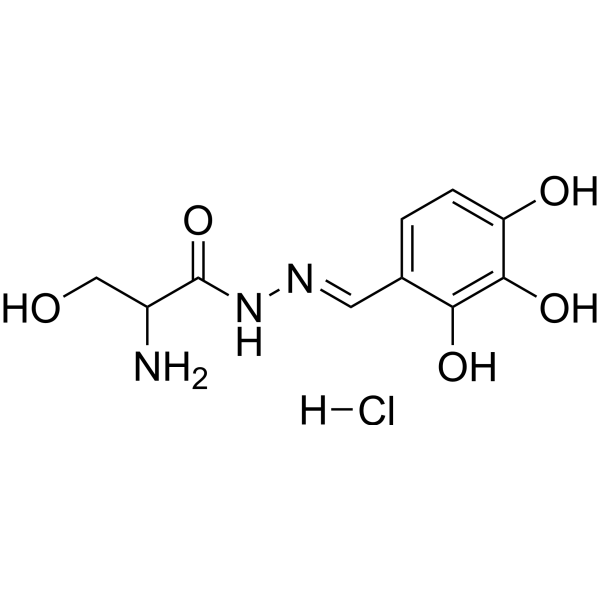
  • HY-122611A
    CSRM617 hydrochloride
    1 Publications Verification

    Androgen Receptor Apoptosis Cancer
    CSRM617 hydrochloride is a selective small-molecule inhibitor of the transcription factor ONECUT2 (OC2, a master regulator of androgen receptor) with a Kd of 7.43 uM in SPR assays, binding to OC2-HOX domain directly. CSRM617 hydrochloride induces apoptosis by appearance of cleaved Caspase-3 and PARP. CSRM617 hydrochloride is well tolerated in the prostate cancer mouse model
    CSRM617 hydrochloride
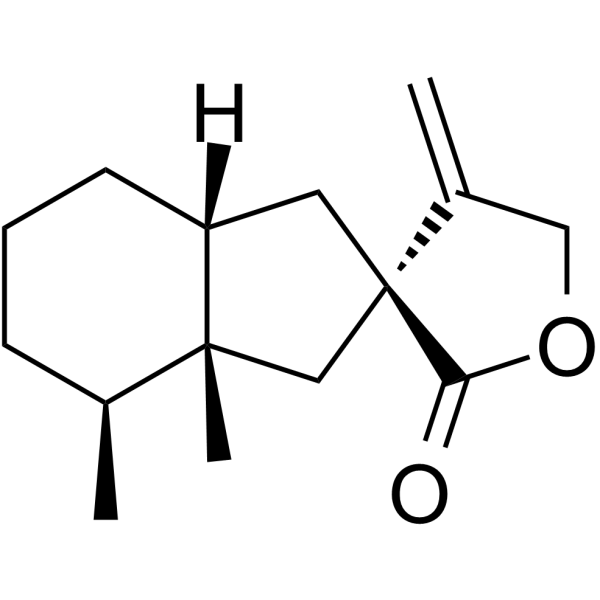
  • HY-N6017

    HDAC TNF Receptor Interleukin Related TGF-β Receptor IFNAR PI3K PKC Akt GSK-3 Caspase Apoptosis Cancer
    Bakkenolide A is an anticancer agent. Bakkenolide A reduces the viability of leukemia cells, inhibits cell colony formation and invasion, and downregulates the expression of HDAC3 in cells. Bakkenolide A downregulates the expression of pro-inflammatory cytokines including TNF-α, interleukins such as IL-1β, TGF-β1 and IFN-γ, as well as the expression of PI3K, PDK and PKC in leukemia cells. Bakkenolide A downregulates activated Akt, GSK and Bad, while upregulates Cyto-c, cleaved Caspase3 and cleaved Caspase7, induces apoptosis (apoptosis) in leukemia cells and thereby inhibits inflammatory responses in leukemia cells. Bakkenolide A significantly slows the growth of subcutaneous leukemia tumors in nude mice. Bakkenolide A is applicable to leukemia-related research .
    Bakkenolide A
  • HY-16366

    ON 014185

    Eukaryotic Initiation Factor (eIF) CDK c-Myc MDM-2/p53 Caspase Apoptosis Cancer
    Briciclib (ON 014185) is a eukaryotic translation initiation factor 4E (eIF4E) inhibitor. Briciclib exhibits broad-spectrum anti-cancer activity, including in mantle cell leukemia, breast cancer, gastric cancer, and esophageal cancer cells. Briciclib reduces the expression of cyclin D1 and c-Myc, and enhances the expression of P53 and Cleaved Caspase 3 pro-apoptotic proteins. Briciclib can be used for the study of hematological system tumors and solid tumors .
    Briciclib
  • HY-179078

    OLIG2 Apoptosis Caspase PARP Neurological Disease Cancer
    CT-179 is a brain-penetrant and orally active OLIG2 inhibitor with a human IC50 of 1250 nM. CT-179 disrupts OLIG2 dimerization, phosphorylation, and DNA binding, blocking OLIG2-driven transcription. CT-179 induces G2/M phase arrest and increases G0 population. CT-179 induces apoptosis by reducing anti-apoptotic proteins and increasing cleaved caspase-3 and cleaved PARP. CT-179 can be used for the research of subgroup medulloblastoma .
    CT-179
  • HY-119979

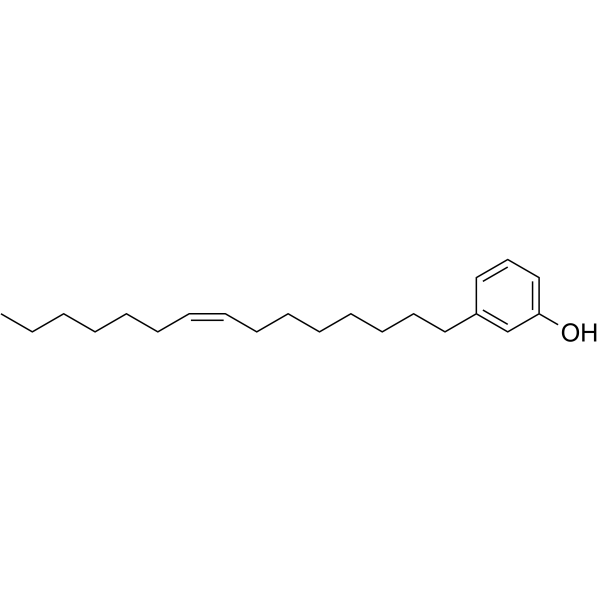
    Cardanol C15:1

    Apoptosis Reactive Oxygen Species (ROS) Mitochondrial Metabolism MMP CDK Caspase Bcl-2 Family PARP MDM-2/p53 Cholinesterase (ChE) Infection Inflammation/Immunology Cancer
    Cardanol monoene (Cardanol C15:1) is a phenolic compound which can be found in cashew nut shell liquid. Cardanol monoene can inhibit cancer cells proliferation, migration, cause S phase arrest, induce apoptosis, ROS production and mitochondrial depolarization. Cardanol monoene downregulates MMP-2, MMP-9, cyclinA1 expression, regulates CDK2, p53, Bax, cytochrome c, cleaved caspase-3, cleaved PARP, Apaf-1 expression and Bax/Bcl-2 ratio. Cardanol monoene shows weak DPPH radical scavenging activity and AChE inhibition activity. Cardanol monoene is lethal to Artemia salina nauplii. Cardanol monoene. Cardanol monoene can be used for the research of cancer, infection and inflamation .
    Cardanol monoene
  • HY-N6082
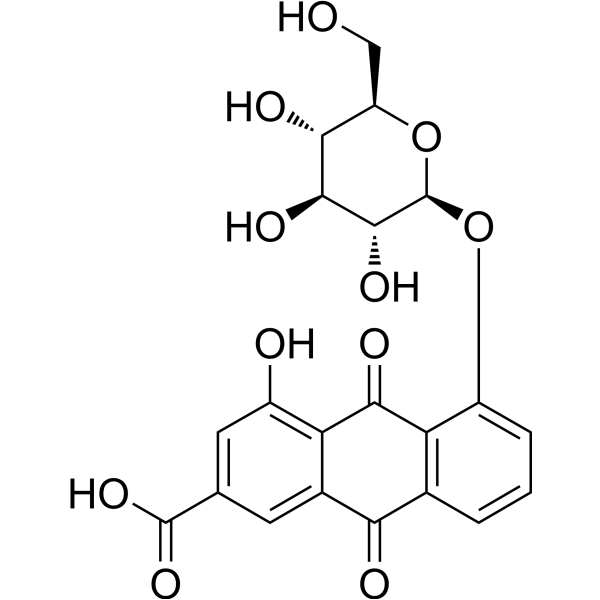
    Rhein 8-O-β-D-Glucopyranoside
    1 Publications Verification

    Apoptosis Bcl-2 Family Caspase TGF-beta/Smad Bacterial Infection Metabolic Disease Inflammation/Immunology
    Rhein 8-O-β-D-Glucopyranoside is an orally active glycoside found in Rhubarb. Rhein 8-O-β-D-Glucopyranoside attenuates high glucose-induced apoptosis, recovers altered lincRNA ANRIL and let-7a expression, reverses high glucose-altered Bcl-2 and cleaved caspase-3 protein expression, and inhibits TGF-β1/Smad signaling. Rhein 8-O-β-D-Glucopyranoside accelerates Sennoside A (HY-N0365) metabolism, stimulates sennoside A purgative activity. Rhein 8-O-β-D-Glucopyranoside inhibits bacterial biofilm formation, suppresses its virulence gene expression, and exerts antibacterial activity. Rhein 8-O-β-D-Glucopyranoside can be used for the research of diabetic nephropathy, constipation, and infection [3].
    Rhein 8-O-β-D-Glucopyranoside
  • HY-124344

    Interleukin Related Neurological Disease
    Avenanthramide C is an orally active avenanthramide that can be isolated from oat seeds. Avenanthramide C decreases the protein expression of cleaved caspase-3 and increases the expression of p-GSK3β(Ser9) and IL-10 levels. Avenanthramide C has the potential for the research of Alzheimer’s disease .
    Avenanthramide C
  • HY-128360

    PROTACs Bcl-2 Family Apoptosis Caspase Cancer
    dMCL1-2 is a potent, selective MCL1 PROTAC degrader based on a Cereblon ligand, with a KD value of 30 nM for binding to MCL1. dMCL1-2 induces ubiquitination and degradation of MCL1. dMCL1-2 degrades MCL1, cleaves Caspase-3, and induces Apoptosis. dMCL1-2 can be used in research related to multiple myeloma .
    dMCL1-2
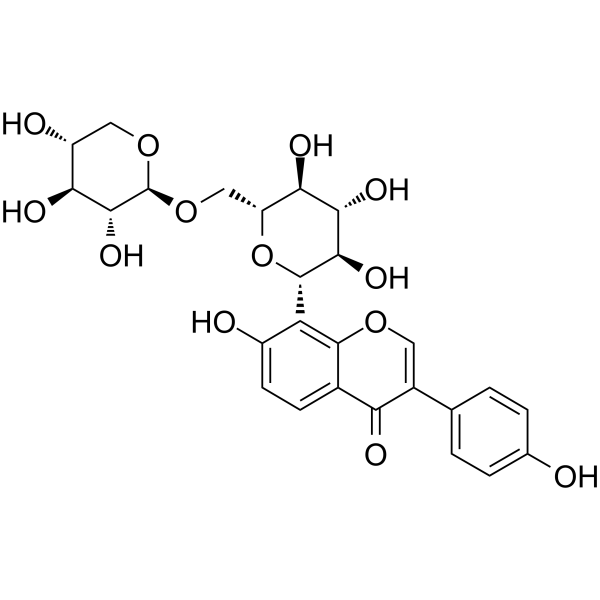
  • HY-N2135

    Apoptosis Caspase Bcl-2 Family Tyrosinase Metabolic Disease Cancer
    Puerarin 6''-O-Xyloside is one of the major iso-flavones found in P. lobata. Puerarin 6''-O-Xyloside inhibits cancer cells proliferation, induces apoptosis by upregulating cleaved caspase-3, 7, 9, Bax and downregulating Bcl-2 levles and inhibits tumor growth in mice. Puerarin 6''-O-Xyloside has anti-osteoporotic activity in ovariectomized mice. Puerarin 6''-O-Xyloside inhibits mushroom tyrosinase with an IC50 of 513.8 μM. Puerarin 6''-O-Xyloside can be used for the research of human lung carcinoma, osteoporosis, melanosis and melanomar [3].
    Puerarin 6''-O-Xyloside
  • HY-172158
    ALKBH5-IN-5
    1 Publications Verification

    Anaplastic lymphoma kinase (ALK) Caspase Cancer
    ALKBH5-IN-5 is a highly selective ALKBH5 (IC50 = 0.62 μM, Kd = 804 nM). ALKBH5-IN-5 disrupts ALKBH5 binding to m 6A-RNA and 6mA-DNA substrates. ALKBH5-IN-5 promotes differentiation, induces apoptosis, cause G2-M phase arrest and exerts strong antiproliferative effects in cancer cells. ALKBH5-IN-5 reduces TACC3 and MYC protein levels and increases cleaved caspase-3 levels. ALKBH5-IN-5 exerts antitumor activity in tumor xenograft mice models. ALKBH5-IN-5 can be used for the research of acute myeloid leukemia .
    ALKBH5-IN-5
  • HY-NP019

    Sirtuin Caspase Apoptosis Neurological Disease
    Agkistrodon halys batroxobin is a thrombin-like serine protease. Agkistrodon halys batroxobin reduces the expression of Sirt1 and extracellular signal-regulated kinase activation in brain tissue. Agkistrodon halys batroxobin reduces cleaved caspase-3 expression and inhibits neuronal apoptosis in rat .
    Agkistrodon halys batroxobin
  • HY-179055

    PROTACs DAPK Neurological Disease
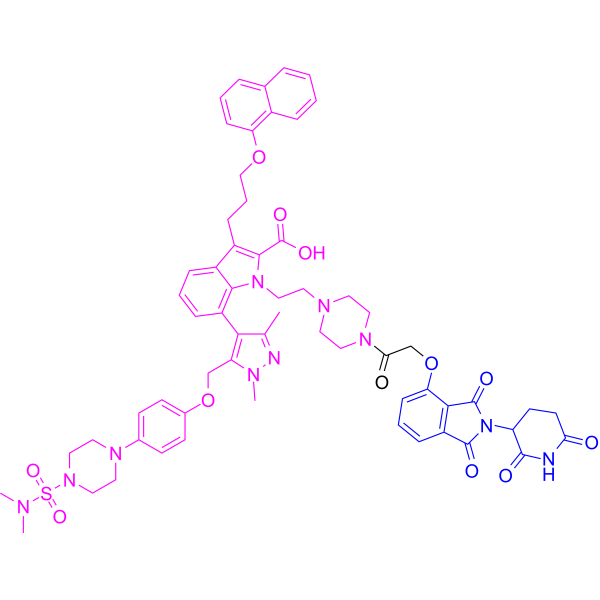
    PROTAC DAPK1 Degrader-1 (Compound CP1) is a DAPK1 PROTAC degrader with a DC50 of 119.6 nM. PROTAC DAPK1 Degrader-1 significantly increased the MDM2 protein level. PROTAC DAPK1 Degrader-1 significantly reduced the levels of cleaved caspase-3 and cleaved PARP in a cell apoptosis model induced by the neurotoxin ceramide, indicating that it effectively inhibits neuronal apoptosis by degrading DAPK1. PROTAC DAPK1 Degrader-1 can be used to study neurological diseases such as cerebral ischemia and traumatic brain injury (pink: DAPK1 ligand (HY-179071); blue: CRBN ligand (HY-10984); black: linker (HY-40171)) .
    PROTAC DAPK1 Degrader-1
  • HY-176128

    PROTACs Androgen Receptor Apoptosis PARP Caspase Cancer
    BWA-6047 is an oral active PROTAC degrader targeting AR/AR-V7 and GSPT1 with DC50 values of 3.7, 3.0 and 1.2 nM in 22Rv1 cells. BWA-6047 suppresses the expression of AR downstream target genes and and transcriptional activity. BWA-6047 inhibits cancer cells proliferation, causes G1 phase cell cycle arrest and induces apoptosis. BWA-6047 increases cleaved-PARP-1 and cleaved-caspase-3 levels. BWA-6047 reduces growth of LNCaP xenograft tumors in mice models without obvious toxicity. BWA-6047 can be used for the research of prostate cancer .
    BWA-6047
  • HY-122611

    Androgen Receptor Apoptosis Cancer
    CSRM617 is a selective small-molecule inhibitor of the transcription factor ONECUT2 (OC2, a master regulator of androgen receptor) with a Kd of 7.43 uM in SPR assays, binding to OC2-HOX domain directly. CSRM617 induces apoptosis by appearance of cleaved Caspase-3 and PARP. CSRM617 is well tolerated in the prostate cancer mouse model
    CSRM617
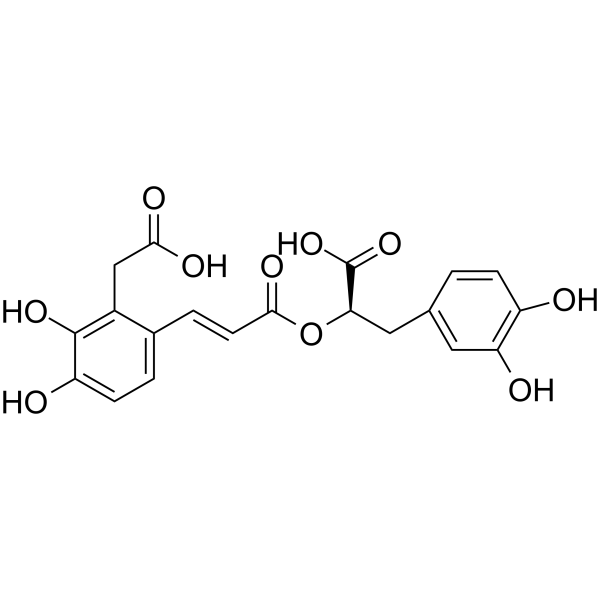
  • HY-N0320

    Bcl-2 Family Caspase Toll-like Receptor (TLR) MyD88 NF-κB Cardiovascular Disease Neurological Disease Inflammation/Immunology
    Salvianolic acid D is a depside. Salvianolic acid D can be isolated from Salvia miltiorrhiza (Danshen). Salvianolic acid D promotes the expression of Bcl-2, and inhibits the expressions of Bax, Cleaved caspase-3 and -9. Salvianolic acid D reduces the expression levels of TLR4, MyD88 and TRAF6 proteins both in vitro and in vivo, and significantly inhibits the nuclear translocation of NF-κB. Salvianolic acid D inhibits the cytoplasmic translocation of HMGB1. Salvianolic acid D suppresses inflammatory responses and alleviates cerebral ischemia-reperfusion injury. Salvianolic acid D serves as a potential antiplatelet active component [3].
    Salvianolic acid D
  • HY-170434

    Bcl-2 Family Caspase Cancer
    Bfl-1-IN-6 (Compound 20) is an orally active inhibitor for Bcl-2 related protein A1 (BFL1) with an IC50 of 19 nM. Bfl-1-IN-6 stabilizes BFL1 protein, activates cleaved caspase 3, and exhibits antitumor efficacy in mouse models .
    Bfl-1-IN-6
  • HY-136778

    PARP Reactive Oxygen Species (ROS) Bcl-2 Family Caspase ERK p38 MAPK Cardiovascular Disease
    INH2BP is a poly(ADP-ribose) polymerase (PARP) inhibitor with antioxidant and anti-apoptotic activities. INH2BP reduces the production of intracellular reactive oxygen species (ROS), modulates the expression of apoptosis-related proteins such as Bax, Bcl-2 and cleaved caspase-3 and enhances cell survival through the activation of the ERK1/2 and p38 MAPK signaling pathways. INH2BP is promising for research of cardiovascular diseases .
    INH2BP
  • HY-175700

    Topoisomerase Apoptosis Cancer
    YCJ-02 is a selective Topoisomerase I (Top I) inhibitor. YCJ-02 can inhibit cell proliferation and induce apoptosis and G2/M phase arrest. YCJ-02 can induce DNA damage and increaseγ-H2AX levels. YCJ-02 can promote Top I deqradation via a ubiquitin/26S proteasome pathway. YCJ-02 increases the expressions of pro-apoptotic proteins Bad, Bax, and cleaved caspase-3. YCJ-02 shows broad-spectrum antitumor activity. YCJ-02 can be used for the research of cancer, such as intrahepatic cholangiocarcinoma (ICC) .
    YCJ-02
  • HY-179112

    PROTACs IKK Nuclear Hormone Receptor 4A/NR4A Caspase Necroptosis Apoptosis Inflammation/Immunology Cancer
    PROTAC IKKβ/NR4A1 degrader-1 is a highly efficient and effective dual-PROTAC degrader targeting IKKβ and NR4A1. PROTAC IKKβ/NR4A1 degrader-1 can increase the levels of caspase 3 and cleaved caspase 3 proteins, while the necroptosis marker RIP kinase remained unchanged, indicating that it can induce apoptosis. PROTAC IKKβ/NR4A1 degrader-1 can be used for the study of Acute myeloid leukemia (AML). Red: IKKβ/NR4A1 ligand (HY-13067); Blue: E3 ligase CRBN ligand (HY-14658); Black: Linker (HY-79577) .
    PROTAC IKKβ/NR4A1 degrader-1
  • HY-174984

    p97 Caspase p62 Cancer
    VCP/p97 IN-3 is a VCP/p97 allosteric inhibitor. VCP/p97 IN-3 shows the inhibitory activity against the VCP proteins with an IC50 of 9 nM and the mutant VCP proteins with IC50 of 12 nM (N660K) and 19 nM (V474A/D649A). VCP/p97 IN-3 increases K48-linked ubiquitination and the level of cleaved caspase-3. VCP/p97 IN-3 activates ER-stress and the UPR. VCP/p97 IN-3 inhibits tumor growth in RPMI-8226 cell subcutaneous xenograft mouse models. VCP/p97 IN-3 can be used for the study of multiple myeloma .
    VCP/p97 IN-3
  • HY-161991

    Caspase Apoptosis Cancer
    Caspase-3 activator 4 (compound 4o) is a potent and cross the blood-brain barrier caspase-3 activator. Caspase-3 activator 4 shows antiproliferative activity. Caspase-3 activator 4 induces apoptosis. Caspase-3 activator 4 increases the gene expression of TNF-α. Caspase-3 activator 4 decreases the protein expression of cleaved caspases 3/caspases 3 .
    Caspase-3 activator 4
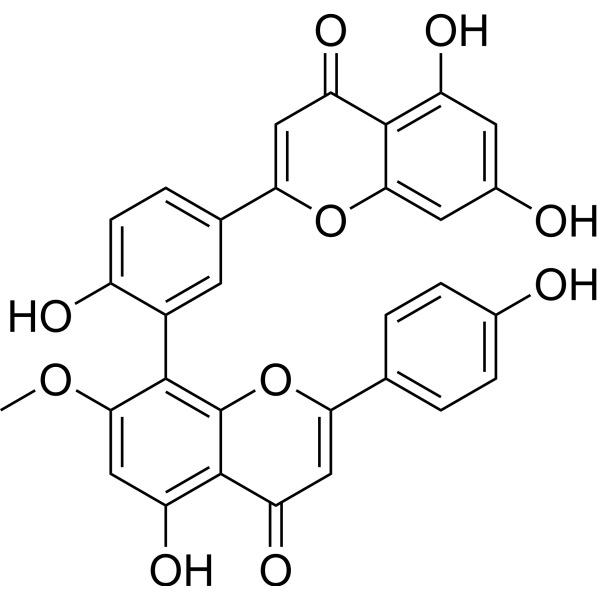
  • HY-N2199

    Apoptosis Autophagy PI3K JNK mTOR p38 MAPK CDK MMP TGF-beta/Smad STAT β-catenin Reactive Oxygen Species (ROS) Bcl-2 Family Caspase Inflammation/Immunology Cancer
    Sotetsuflavone is a flavonoid that can be isolated from Cycas revolute. Sotetsuflavone inhibits phosphorylation of PI3K, Akt, mTOR, JNK, and p38 MAPK; modulates expression of Cyclin D1, CDK4, Bcl-2, Bax, cleaved caspases 3/9, MMP-9, TGF-β, STAT3, and β-catenin. Sotetsuflavone induces G0/G1 cell cycle arrest, apoptosis, autophagy, and intracellular ROS elevation, inhibits cancer cell proliferation. Sotetsuflavone inhibits tumor growth in mouse tumor xenograft models. Sotetsuflavone can be used for the research of non-small cell lung cancer and Crohn’s disease [3] .
    Sotetsuflavone
  • HY-178380

    HDAC Reactive Oxygen Species (ROS) Apoptosis Necroptosis Biochemical Assay Reagents Caspase Bcl-2 Family Inflammation/Immunology Cancer
    HDAC8-IN-14, a curcuminoid derivative, is a selective HDAC8 inhibitor with a Ki of 9 nM. HDAC8-IN-14 induces the production of reactive oxygen species (ROS), disrupts mitochondrial membrane potential, and promotes apoptosis. HDAC8-IN-14 can significantly promote the accumulation of cells in the sub-G0/G1 phase, consistent with apoptotic or necrotic cell death. HDAC8-IN-14 induces upregulation of cytochrome c, cleaved caspase-3, and the pro-apoptotic protein Bak while leaving the anti-apoptotic Bcl-2 levels unaltered. HDAC8-IN-14 can be used for the study of leukemia .
    HDAC8-IN-14
  • HY-178938

    Molecular Glues Androgen Receptor Caspase Apoptosis Endocrinology Cancer
    AR Degrader-3 is an orally active molecular glue that targets AR/ARV7 and induces the degradation of AR and ARV7 through the ubiquitin-proteasome pathway (UPP). AR Degrader-3 directly interacts with the ligand-binding domain (LBD) and the N-terminal domain (NTD) of AR. AR Degrader-3 effectively suppresses the transcriptional activity of wild-type AR (AR-WT), AR mutants, and ARV7. AR Degrader-3 downregulates the mRNA and protein levels of downstream AR target genes, thereby overcoming antiandrogen resistance mediated by ARV7 and AR point mutations. AR Degrader-3 induces apoptosis in Enzalutamide (HY-70002) (ENZa)-resistant cells and increases cleaved caspase-3 protein levels. AR Degrader-3 can be used for the study of castration-resistant prostate cancer (CRPC) .
    AR Degrader-3
  • HY-178448

    EGFR JAK Ferroptosis Apoptosis Reactive Oxygen Species (ROS) Cannabinoid Receptor Glutathione Peroxidase Caspase Inflammation/Immunology Cancer
    EGFR-IN-178 is an orally active EGFR mutant inhibitor, exhibits highly selective inhibitory activity against mutants of the EGFR enzyme, including Del19 (IC50 = 3.4 nM), L858R/T790 M (IC50 = 2.9 nM), and Del19/T790 M (IC50 = 2.5 nM). EGFR-IN-178 has good activity against JAK2 (IC50 = 55.6 nM) and JAK3 (IC50 = 46.1 nM) kinases. EGFR-IN-178 can increase cellular lipid oxide MDA, meanwhile decrease GSH content, causing ferroptosis in cancer cells. EGFR-IN-178 promotes apoptosis by increasing cleaved caspase-3 expression. EGFR-IN-178 can inhibit the phosphorylation of EGFR protein and decrease the active form p-JAK2 for JAK2, induce an increase in intracellular ROS. EGFR-IN-178 can be used for the study of non-small cell lung cancer (NSCLC) .
    EGFR-IN-178
  • HY-175037

    NF-κB p38 MAPK Bcl-2 Family Caspase Apoptosis Cancer
    DNH28 is a potent NF-κB and MAPK inhibitor with an IC50 of 0.93 μM against HepG2 cells. DNH28 promotes apoptosis by down-regulating the expression of Bcl-2, up-regulating the expression of BAX and Cleaved-caspase-3. DNH28 blocks the cell cycle and inhibits migration. DNH28 can be used for the study of hepatocellular carcinoma (HCC) .
    DNH28
  • HY-174260

    NO Synthase COX Caspase MDM-2/p53 Neurological Disease
    Neuroprotective agent 11 (Compound 1a) is an orally active polyphenol compound with significant protective effects against cerebral ischemia. The main activities of Neuroprotective agent 11 include inhibiting neuronal inflammation and apoptosis, reducing cerebral infarction volume, and improving behavioral symptoms of cerebral ischemic mice. Neuroprotective agent 11 exerts its regulatory mechanism by downregulating the expression of inflammatory factors (iNOSCOX-2) and apoptotic proteins (cleaved-Caspase3, p53). Neuroprotective agent 11 can be used in the study of cerebral ischemia-related diseases (such as ischemic stroke) .
    Neuroprotective agent 11
  • HY-171031

    GSK-3 Apoptosis Caspase Bcl-2 Family Reactive Oxygen Species (ROS) Neurological Disease
    TFGF-18 is a GSK-3β inhibitor (IC50: 0.59 μM). TFGF-18 inhibits LPS-induced microglia activation and proinflammatory mediators release via inhibiting GSK-3β and downstream p65/NF-κB signaling. TFGF-18 inhibits neuronal apoptosis and oxidative stress, inhibits expressions of Bax, caspase3 and cleaved-caspase3 and increases the expression of Bcl-2. TFGF-18 has neuroprotection effect, inhibit neuroinflammation and attenuates cognitive impairment .
    TFGF-18
  • HY-12352

    STAT Apoptosis Cancer
    HJC0416 is a potent and orally active STAT3 inhibitor. HJC0416 shows antiprolifeative activity and induces Apoptosis. HJC0416 decreases the expression of p-STAT3 (Tyr-705), Cyclin D1 and increases the expression of cleaved caspase-3 protein. HJC0416 shows anti-tumor activity .
    HJC0416
  • HY-N1486R

    3-Ketoursolic acid (Standard)

    Reference Standards Apoptosis Endogenous Metabolite NF-κB Inflammation/Immunology Cancer
    CSRM617 (Standard) is the analytical standard of CSRM617. This product is intended for research and analytical applications. CSRM617 is a selective small-molecule inhibitor of the transcription factor ONECUT2 (OC2, a master regulator of androgen receptor) with a Kd of 7.43 uM in SPR assays, binding to OC2-HOX domain directly. CSRM617 induces apoptosis by appearance of cleaved Caspase-3 and PARP. CSRM617 is well tolerated in the prostate cancer mouse model
    Ursonic acid (Standard)
  • HY-N8508

    Apoptosis Cytochrome P450 PARP JNK Bcl-2 Family Caspase Cancer
    Myrothecine A is a trichothecene mycotoxin found in M. roridum. Myrothecine A induces apoptosis, promotes the cytochrome c release, PARP-cleavage and phosphorylation of JNK, increases Bax and cleaved caspase-3, -5, and -8 levels. Myrothecine A has anticancer activities and promotes the maturation of DC cells in the microenvironment. Myrothecine A inhibits proliferation of A549, MCF-7, HepG2, and SMMC-7721 cancer cells with IC50s of 95, 70, 60, and 25 µM, respectively [3].
    Myrothecine A
  • HY-122611R

    Reference Standards Androgen Receptor Apoptosis Cancer
    CSRM617 (Standard) is the analytical standard of CSRM617. This product is intended for research and analytical applications. CSRM617 is a selective small-molecule inhibitor of the transcription factor ONECUT2 (OC2, a master regulator of androgen receptor) with a Kd of 7.43 uM in SPR assays, binding to OC2-HOX domain directly. CSRM617 induces apoptosis by appearance of cleaved Caspase-3 and PARP. CSRM617 is well tolerated in the prostate cancer mouse model
    CSRM617 (Standard)
  • HY-161874

    Apoptosis MDM-2/p53 Bcl-2 Family Caspase PARP Autophagy Cancer
    RPS6-IN-1 (Compound 22o) inhibits cell metastasis, induces cell apoptosis (increases the expression of Bax, p53, cleaved-caspase 3, and cleaved-PARP). RPS6-IN-1 decreases mitochondrial membrane potential. RPS6-IN-1 activates autophagy through the PI3K-Akt-mTOR signaling pathway, damages intracellular mitochondria and lysosomes, and cause ER stress. RPS6-IN-1 inhibits RPS6 phosphorylation. RPS6-IN-1 is an anticancer agent with low systemic toxicity .
    RPS6-IN-1
  • HY-W710827

    Isotope-Labeled Compounds Caspase MDM-2/p53 Biochemical Assay Reagents Cardiovascular Disease Endocrinology Cancer
    N,N'-Methylenebisacrylamide-d6 is the deuterium labeled N,N'-Methylenebisacrylamide (HY-D0848). N,N'-Methylenebisacrylamide (Bisacrylamide) is an orally active acrylamide dimer and crosslinker. N,N'-Methylenebisacrylamide increases CYP2E1, P53, cleaved caspase-3. N,N'-Methylenebisacrylamide promotes hepatic cancer. N,N'-Methylenebisacrylamide changes sperm abnormality rate and sperm count. N,N'-Methylenebisacrylamide decreases the number of various cells in the blood as well as induces liver and testicular damage. N,N'-Methylenebisacrylamide is used to prepare polyacrylamide gel [3] .
    N,N'-Methylenebisacrylamide-d6
  • HY-N2135R

    Reference Standards Apoptosis Caspase Bcl-2 Family Tyrosinase Metabolic Disease Cancer
    Puerarin 6''-O-Xyloside (Standard) is the analytical standard of Puerarin 6''-O-Xyloside (HY-N2135). This product is intended for research and analytical applications. Puerarin 6''-O-Xyloside is one of the major iso-flavones found in P. lobata. Puerarin 6''-O-Xyloside inhibits cancer cells proliferation, induces apoptosis by upregulating cleaved caspase-3, 7, 9, Bax and downregulating Bcl-2 levles and inhibits tumor growth in mice. Puerarin 6''-O-Xyloside has anti-osteoporotic activity in ovariectomized mice. Puerarin 6''-O-Xyloside inhibits mushroom tyrosinase with an IC50 of 513.8 μM. Puerarin 6''-O-Xyloside can be used for the research of human lung carcinoma, osteoporosis, melanosis and melanomar [3].
    Puerarin 6''-O-Xyloside (Standard)
  • HY-N6082R

    Reference Standards Apoptosis Bacterial Bcl-2 Family Caspase TGF-beta/Smad Infection Metabolic Disease Inflammation/Immunology
    Rhein 8-O-β-D-Glucopyranoside (Standard) is the analytical standard of Rhein 8-O-β-D-Glucopyranoside (HY-N6083). This product is intended for research and analytical applications. Rhein 8-O-β-D-Glucopyranoside is an orally active glycoside found in Rhubarb. Rhein 8-O-β-D-Glucopyranoside attenuates high glucose-induced apoptosis, recovers altered lincRNA ANRIL and let-7a expression, reverses high glucose-altered Bcl-2 and cleaved caspase-3 protein expression, and inhibits TGF-β1/Smad signaling. Rhein 8-O-β-D-Glucopyranoside accelerates Sennoside A (HY-N0365) metabolism, stimulates sennoside A purgative activity. Rhein 8-O-β-D-Glucopyranoside inhibits bacterial biofilm formation, suppresses its virulence gene expression, and exerts antibacterial activity. Rhein 8-O-β-D-Glucopyranoside can be used for the research of diabetic nephropathy, constipation, and infection [3].
    Rhein 8-O-β-D-Glucopyranoside (Standard)
  • HY-178899

    NOD-like Receptor (NLR) Caspase Apoptosis Metabolic Disease
    C14-Tri-LAN-Gly is a highly selective and potent NOD1 agonist. C14-Tri-LAN-Gly activates NOD1. C14-Tri-LAN-Gly inhibits the expression of cleaved-caspase3. C14-Tri-LAN-Gly upregulates A20 expression. C14-Tri-LAN-Gly protects mice from lethal hepatitis by inhibiting hepatocyte Apoptosis. C14-Tri-LAN-Gly inhibits osteoblastogenesis and promots osteoclastogenesis .
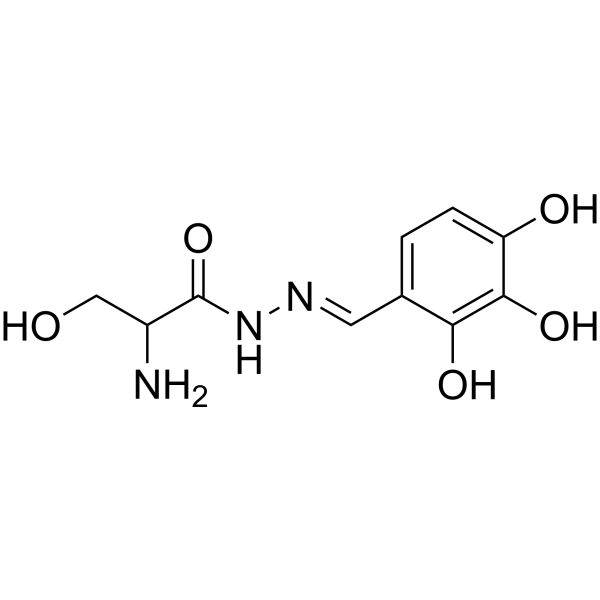
    C14-Tri-LAN-Gly
  • HY-183354

    Histone Methyltransferase WDR5 Apoptosis Caspase Cancer
    HLC40 is a MLL1 histone methyltransferase inhibitor with an IC50 of 0.82 μM by binding to WDR5. HLC40 inhibits proliferation of cancer cells, induces apoptosis and upregulates cleaved caspase-3 levels. HLC40 exhibits antitumor efficacy in a murine AML xenograft model .
    HLC40
  • HY-156898

    α-synuclein Caspase Reactive Oxygen Species (ROS) Neurological Disease
    NPT100-18A is an αSyn oligomerization inhibitor. NPT10018A rescues cleaved caspase-3 levels to control levels. NPT10018A attenuates mitochondrial oxidative stress probe levels in a compartment-specific manner and, at higher concentrations, increases ATP signals. NPT100-18A can be used for the study of Parkinson’s disease (PD) .
    NPT100-18A
  • HY-183790

    Microtubule/Tubulin Apoptosis Caspase Cancer
    SMU-G4 is a Tubulin polymerization inhibitor. SMU-G4 induces G2/M phase cell cycle arrest, triggers Apoptosis, and upregulates the expression of Cleaved-Caspase 3. SMU-G4 exhibits in vivo anti-tumor activity in melanoma xenograft models. SMU-G4 can be used for research related to melanoma .
    SMU-G4
  • HY-16366A

    ON 014185 sodium

    Eukaryotic Initiation Factor (eIF) CDK c-Myc MDM-2/p53 Caspase Apoptosis Cancer
    Briciclib (ON 014185) sodium is a eukaryotic translation initiation factor 4E (eIF4E) inhibitor. Briciclib sodium exhibits broad-spectrum anti-cancer activity, including in mantle cell leukemia, breast cancer, gastric cancer, and esophageal cancer cells. Briciclib sodium reduces the expression of cyclin D1 and c-Myc, and enhances the expression of P53 and Cleaved Caspase 3 pro-apoptotic proteins. Briciclib sodium can be used for the study of hematological system tumors and solid tumors .
    Briciclib sodium
  • HY-183714

    Apoptosis Autophagy Caspase Cancer
    Anticancer agent 325 is an apoptosis/autophagy inducer and anticancer agent. Anticancer agent 325 exhibits cytotoxic activity against gastric cancer cells, with no significant effect on healthy gastric epithelial cells. Anticancer agent 325 enhances the expression of activated/cleaved Caspase-3 to promote apoptosis. Anticancer agent 325 also enhances the cleavage of PARP, a downstream marker of apoptosis, promotes LC3B lipidation, and activates autophagy. Anticancer agent 325 can be used in the research of gastric cancer .
    Anticancer agent 325
  • HY-181795

    PD-1/PD-L1 Bcl-2 Family MDM-2/p53 Caspase Cancer
    CSN5-IN-3 (Compound 30) is a CSN5 inhibitor with an IC50 of 0.58 μM. CSN5-IN-3 inhibits the enzymatic activity of CSN5, leading to increased accumulation of NEDD8-Cul1 and promoting the degradation of PD-L1. CSN5-IN-3 downregulates Bcl-2, and upregulates P53 and Cleaved caspase-3. CSN5-IN-3 exhibits anticancer activity against triple-negative breast cancer .
    CSN5-IN-3
  • HY-179409

    DNA Methyltransferase Caspase MDM-2/p53 DNA/RNA Synthesis Apoptosis Cancer
    MC3817 is a selective DNMT1 inhibitor. MC3817 inhibits DNMT1 and DNMT3A/3L with IC50s of 0.044 μM and > 10μM, respectively. MC3817 inhibits P53-dependent cancer cell proliferation, induces apoptosis and DNA damage MC3817 elevates cleaved Caspase 3, P53, and γH2AX. MC3817 can be used in non-small cell lung cancer, colon cancer, cervical cancer, triple-negative breast cancer and histiocytic lymphoma research .
    MC3817
  • HY-179409A

    DNA Methyltransferase Caspase MDM-2/p53 DNA/RNA Synthesis Apoptosis Cancer
    MC3817 free base is a selective DNMT1 inhibitor. MC3817 free base inhibits DNMT1 and DNMT3A/3L with IC50s of 0.044 μM and > 10μM, respectively. MC3817 free base inhibits P53-dependent cancer cell proliferation, induces apoptosis and DNA damage. MC3817 free base elevates cleaved Caspase 3, P53, and γH2AX. MC3817 free base can be used in non-small cell lung cancer, colon cancer, cervical cancer, triple-negative breast cancer and histiocytic lymphoma research .
    MC3817 free base
  • HY-182382

    Apoptosis MDM-2/p53 Caspase Cancer
    Anticancer agent 311 is an apoptosis inducer and p53 modulator. Anticancer agent 311 increases p53 levels, activates cleaved caspase-3, reduces p-Cdc25C levels, and disrupts p-p44/42 MAPK phosphorylation. Anticancer agent 311 induces G2/M phase arrest, inhibits cancer cell viability in a concentration- and time-dependent manner, and exhibits low toxicity to non-cancer cells. Anticancer agent 311 prevents tumor growth and angiogenesis in mouse xenograft models without detectable toxicity. Anticancer agent 311 can be used for the research of lung cancer .
    Anticancer agent 311
  • HY-N17816

    Apoptosis Reactive Oxygen Species (ROS) α-synuclein Succinate Dehydrogenase Bcl-2 Family Caspase Cardiovascular Disease Neurological Disease Metabolic Disease Inflammation/Immunology Cancer
    Tambulin is an orally active flavonol compound found in Zanthoxylum armatum. Tambulin can inhibit cell proliferation, induce apoptosis and inhibit ROS production. Tambulin upregulates cleaved caspase-3, cleaved caspase-9, and Bax, downregulates Bcl-2 levels. Tambulin can stimulate glucose-dependent insulin secretion and induce endothelium-independent vasorelaxation. Tambulin binds to succinate dehydrogenase (SDH) (Ki = 11.02 μM) and shows significant ferric reducing power. Tambulin can enhances oxidative stress resistance, reduces, lipofuscin deposits, lipid levels, α-synuclein levels, improves locomotary behavior, and dopamine levels in in age-synchronized L1 hermaphrodite Caenorhabditis elegans models of ageing and Parkinson's disease. Tambulin can be used for the researches of Parkinson's disease, lung squamous cell carcinoma, and diabetes [3] .
    Tambulin
  • HY-182066

    PANoptosis Cancer
    Photosensitizer-9 is an iridium (III)-based photosensitizer with anti-melanoma activity. Photosensitizer-9 exhibits significant phototoxicity (IC50=0.98 μM) and an ideal phototoxicity index (PI=3.05). Under light irradiation, Photosensitizer-9 generates large amounts of intracellular •OH in an oxygen-independent manner. Photosensitizer-9 mediates photodynamic therapy under hypoxic conditions and synergistically activates PANoptosis (by upregulating cleaved Caspase-3, GSDMD-N, p-MLKL), ferroptosis (by disrupting the GSH-GPX4-LPO axis), apoptosis, pyroptosis and necroptosis in melanoma cells. Photosensitizer-9 induces immunogenic cell death by promoting the release of damage-associated molecular patterns under hypoxic conditions and increases the maturation rate of dendritic cells. Photosensitizer-9 reduces tumor volume in melanoma-bearing mice. Photosensitizer-9 is applicable to relevant studies on melanoma .
    Photosensitizer-9

Inquiry Online

Your information is safe with us. * Required Fields.

Salutation


Country or Region *

Applicant Name *


Organization Name *

Department *


Email Address *


Product Name *

Cat. No.


Requested quantity *

Phone Number *


Remarks

Inquiry Online

Inquiry Information

Product Name:
Cat. No.:
Quantity:
MCE Japan Authorized Agent: