
1. Search Result
Search Result
Results for "

collageninduced

" in MedChemExpress (MCE) Product Catalog:

75

Inhibitors & Agonists

5

Peptides

4

Inhibitory Antibodies

18

Natural
Products

Cat. No. Product Name Target Research Areas Chemical Structure
  • HY-10999
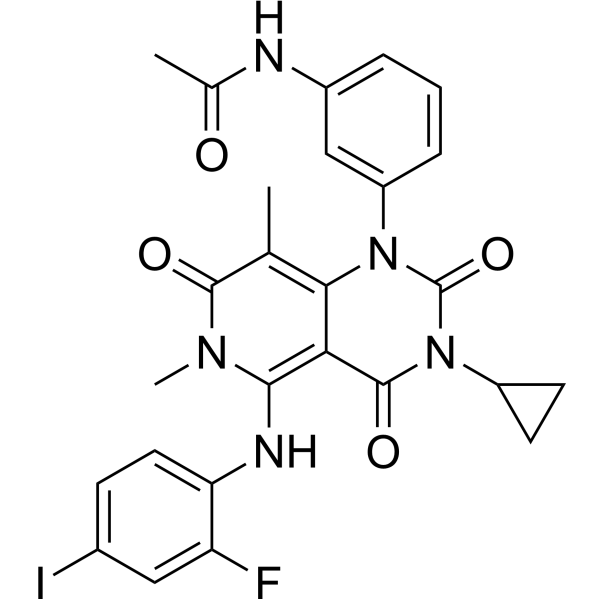
    Trametinib
    Maximum Cited Publications
    286 Publications Verification

    GSK1120212; JTP-74057

    MEK Autophagy Apoptosis Infection Neurological Disease Metabolic Disease Inflammation/Immunology Cancer
    Trametinib (GSK1120212; JTP-74057) is an orally active MEK inhibitor that inhibits MEK1 and MEK2 with IC50s of about 2 nM. Trametinib activates autophagy and induces apoptosis, cross the blood-brain barrier (BBB), used in research related to subarachnoid hemorrhage (SAH) .
    Trametinib
  • HY-153321
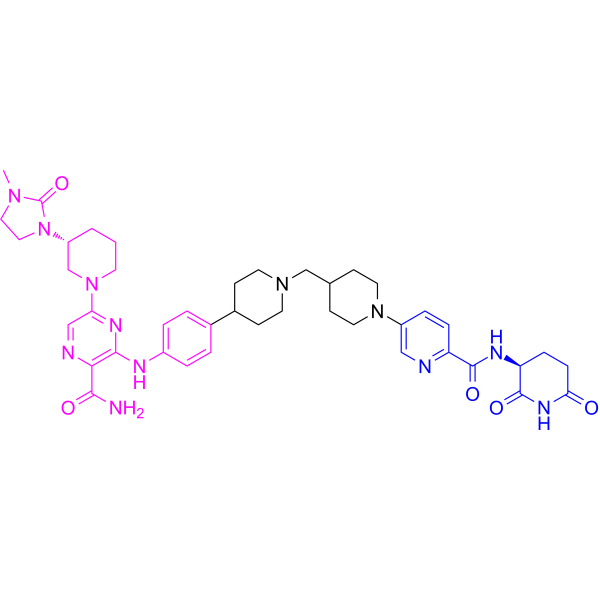
    Bexobrutideg
    1 Publications Verification

    NX-5948; BTK-IN-24

    PROTACs Btk Inflammation/Immunology
    Bexobrutideg (NX-5948) is an orally active chimeric targeting molecule (CTM) that induces specific BTK protein degradation by the cereblon E3 ligase (CRBN) complex without degradation of other cereblon neo-substrates. Bexobrutideg mediates potent anti-inflammatory activity via BTK degradation with resultant inhibition of B cell activation. Bexobrutideg exhibits potent tumor growth inhibition in TMD8 xenograft models that contain either wild-type BTK or BTKi-resistant mutations. Bexobrutideg is efficacious in a mouse collageninduced arthritis (CIA) model. Bexobrutideg can cross the blood brain barrier (BBB). Bexobrutideg is a PROTAC composed of the ligand for target protein, a linker, and a cereblon E3 ligase (CRBN) complex (Red: BTK ligand (HY-170324); Blue: CRBN ligand (HY-171893); Black: linker) .
    Bexobrutideg
  • HY-10999A
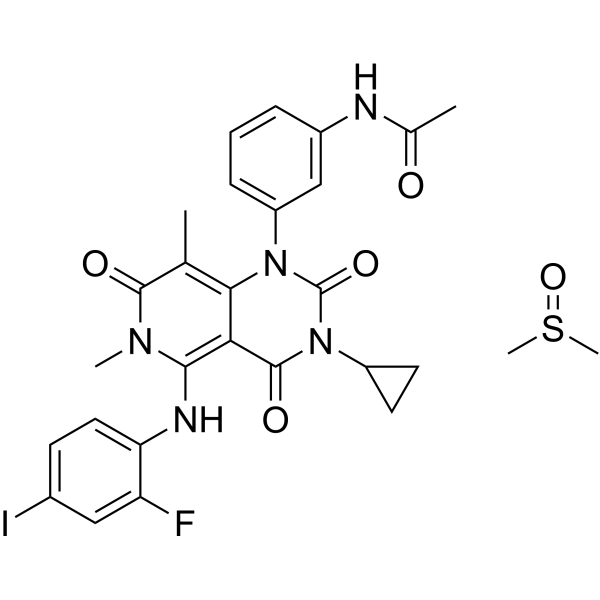
    Trametinib (DMSO solvate)
    Maximum Cited Publications
    286 Publications Verification

    GSK-1120212 (DMSO solvate); JTP-74057 (DMSO solvate)

    MEK Apoptosis Cancer
    Trametinib (DMSO solvate) (GSK-1120212 (DMSO solvate)) is an orally active MEK inhibitor that inhibits MEK1 and MEK2 with IC50s of about 2 nM. Trametinib (DMSO solvate) activates autophagy and induces apoptosis . This product is in solid form, a DMSO solvate, and a stable crystalline form.
    Trametinib (DMSO solvate)
  • HY-168625

    Molecular Glues Inflammation/Immunology
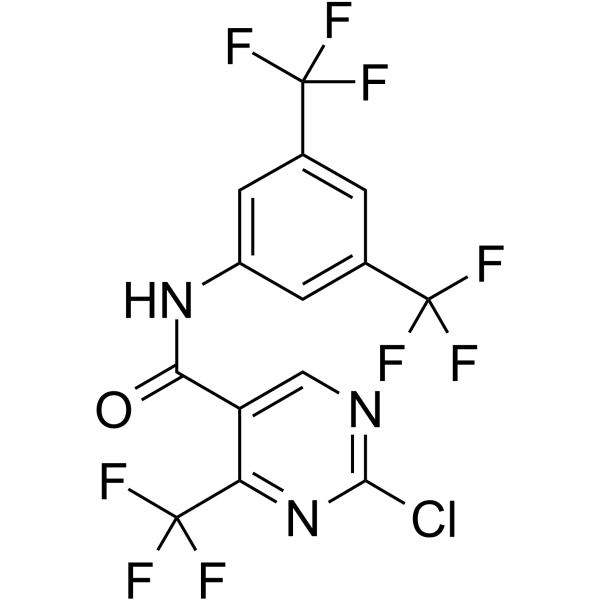
    VAV1 degrader-3 (Example 185) is an orally active VAV1 molecular glue degrader (DC50: 7 nM). VAV1 degrader-3 reduces immune cell activation, immune cell proliferation and the production of various cytokines. VAV1 degrader-3 can be used for research of inflammatory or autoimmune disorder. VAV1 degrader-3 inhibits disease progression in experimntal autoimmune encephalomyelitis (EAE) mouse model, Collagen-induced arthritis (CIA) mouse model, etc. .
    VAV1 degrader-3
  • HY-123606
    GSK484
    45+ Cited Publications

    Protein Arginine Deiminase MHC Cardiovascular Disease Inflammation/Immunology
    GSK484 is a PAD4 inhibitor that effectively inhibits protein citrullination and the formation of neutrophil extracellular traps (NETs) by blocking the catalytic activity of PAD4. GSK484 suppresses the production of histone H3, MHC-I expression, CD8 + T cell activation, proliferation and inflammatory cytokine release. GSK484 reduces inflammation and bone destruction in collagen-induced rheumatoid arthritis, alleviates pain and mast cell activation in sickle cell disease, and improves myocardial ischemia-reperfusion injury and experimental colitis. In addition, GSK484 restores intestinal microbial homeostasis by reversing ferroptosis-induced dysbiosis. GSK484 can be used to study the disease mechanisms of rheumatoid arthritis, sickle cell disease, thrombosis, myocardial injury, colitis and other conditions .
    GSK484
  • HY-135401
    VU6015929
    1 Publications Verification

    Discoidin Domain Receptor Inflammation/Immunology
    VU6015929 is a potent, selective and orally active dual discoidin domain receptor 1/2 (DDR1/2) inhibitor with IC50s of 4.67 nM and 7.39 nM, respectively. VU6015929 potently blocks collagen-induced DDR1 activation and collagen-IV production .
    VU6015929
  • HY-P990151

    TNF Receptor Inflammation/Immunology
    Anti-Mouse TL1A/TNFSF15 Antibody (5G4.6) is an anti-mouse TL1A/TNFSF15 IgG monoclonal antibody. Anti-Mouse TL1A/TNFSF15 Antibody (5G4.6) can reduce TL1A levels and block TL1A-DR3 interactions. Anti-Mouse TL1A/TNFSF15 Antibody (5G4.6) can be used for research on inflammation conditions such as colitis and collagen-induced arthritis (CIA) .
    Anti-Mouse TL1A/TNFSF15 Antibody (5G4.6)
  • HY-P99644
    ACT017
    1 Publications Verification

    Glycoprotein VI Cardiovascular Disease
    ACT017 is a Fab fragment of humanized anti-GPVI monoclonal antibody. ACT017 inhibits collagen-induced platelet aggregation. ACT017 has the potential for the research of acute ischemic stroke .
    ACT017
  • HY-108559
    L-161982
    1 Publications Verification

    Prostaglandin Receptor Inflammation/Immunology
    L-161982 is a selective EP4 receptor antagonist. L-161982 completely blocks PGE2-induced ERK phosphorylation and cell proliferation of HCA-7 cells. L-161982 alleviates collagen-induced arthritis in mice .
    L-161982
  • HY-N1887
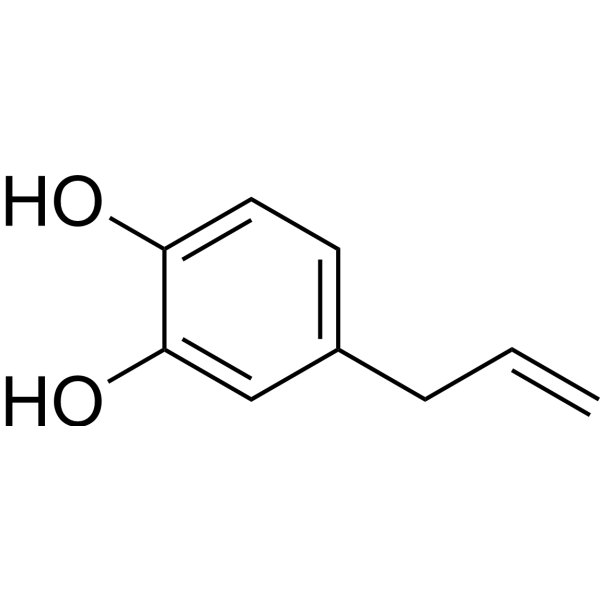
    4-Allylcatechol
    1 Publications Verification

    Hydroxychavicol; 4-Allylpyrocatechol

    Bacterial Antibiotic TNF Receptor Interleukin Related Infection Cardiovascular Disease Neurological Disease Cancer
    4-Allylcatechol (4-Allylpyrocatechol) is a xylan which has oral activity and can be isolated from the root of Piper taiwanense. 4-Allylcatechol has a strong inhibitory activity against collagen-induced platelet aggregation (IC50 = 5.3 μM). In addition, 4-Allylcatechol has anti-tuberculosis activity against Mycobacterium tuberculosis H37Rv (MIC = 27.6 μg/mL) .
    4-Allylcatechol
  • HY-110177
    SP-100030
    1 Publications Verification

    NF-κB Inflammation/Immunology
    SP-100030 is a potent NF-κB and activator protein-1 (AP-1) double inhibitor (IC50s=50 and 50 nM, respectively). SP-100030 inhibits IL-2, IL-8, and TNF-alpha production in Jurkat and other T cell lines. SP-100030 decreases murine collagen-induced arthritis (CIA) .
    SP-100030
  • HY-114495
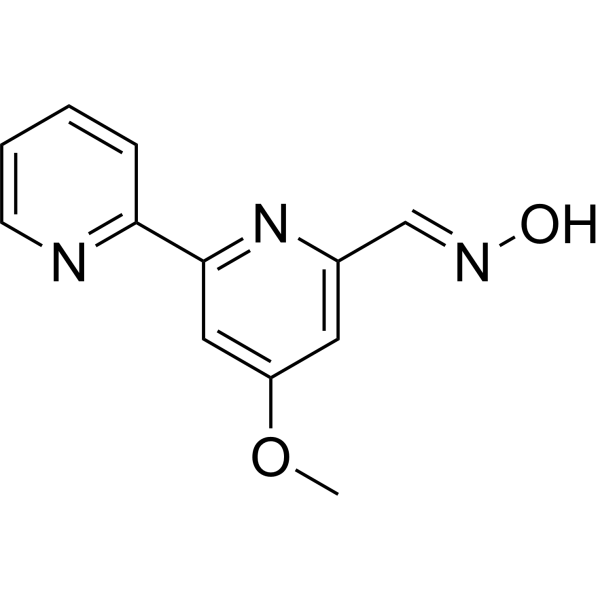
    Caerulomycin A
    3 Publications Verification

    Cerulomycin; Caerulomycin

    Fungal Antibiotic Infection Inflammation/Immunology
    Caerulomycin A is an orally active immunomodulator and antimicrobial agent. Caerulomycin A targets Smad3, STAT1 and GATA-3. Caerulomycin A downregulates GATA-3 expression, inhibits Th2 cell differentiation and Th2 cytokine production, reduces IgE levels, and alleviates pulmonary inflammatory responses and eosinophil infiltration. Caerulomycin A ameliorates collagen-induced arthritis symptoms, reduces joint inflammation and synovitis, and decreases the levels of proinflammatory cytokines in joints. Caerulomycin A inhibits the growth of some filamentous fungi, yeasts and specific bacteria. Caerulomycin A can be used in research related to arthritis and asthma .
    Caerulomycin A
  • HY-101448
    TMI-1
    1 Publications Verification

    WAY-171318

    MMP Apoptosis Interleukin Related TNF Receptor Caspase Infection Neurological Disease Inflammation/Immunology Cancer
    TMI-1 (WAY-171318) inhibits TNF converting enzyme (TACE) (IC50 of 8.4 nM), ADAM-TS-4, ADAM-17 and various MMPs with oral activity. TMI-1 significantly suppresses the secretion of TNF-α , alleviating collagen-induced arthritis in mice. TMI-1 inhibits cancer cell proliferation, induces apoptosis through a caspase-dependent pathway. TMI-1 also reverses TRPV1 upregulation and lowers the levels of inflammatory factors (TNF-αIL-1βIL-6) in nerve cells, protecting against paclitaxel-induced neurotoxicity. TMI-1 leads to changes in pro-atherogenic lipoprotein profiles, but does not affect the progression of early lesions .
    TMI-1
  • HY-N2163

    PDI Cardiovascular Disease
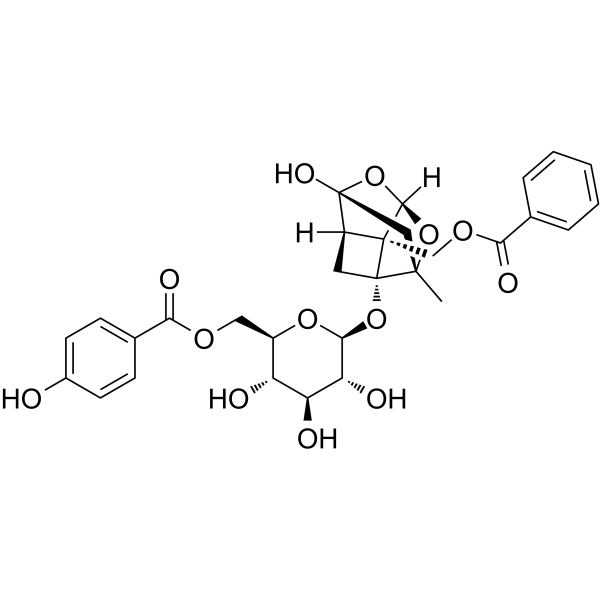
    Mudanpioside C is a protein disulfide isomerase (PDI) inhibitor with a human IC50 of 3.31 μM and human Kd of 3.9 μM. Mudanpioside C suppresses collagen-induced platelet aggregation, interferes with platelet activation, adhesion, and spreading. Mudanpioside C can be used for the research of cardiovascular diseases .
    Mudanpioside C
  • HY-15798

    VSV TAM Receptor Cardiovascular Disease
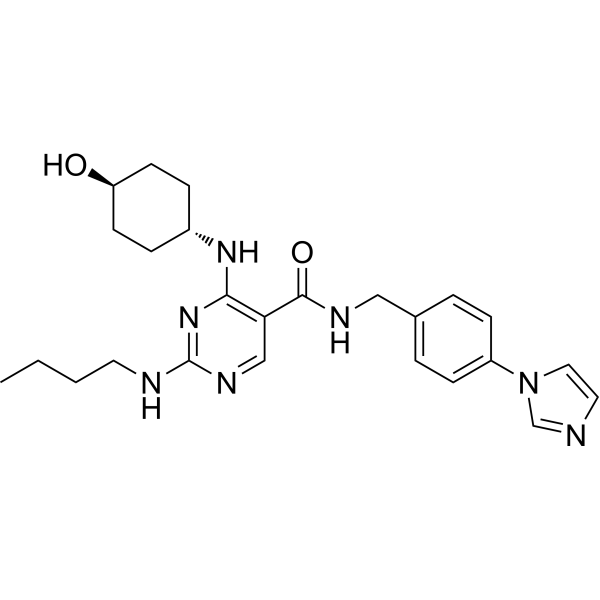
    UNC2881 is an orally active and specific Mer kinase inhibitor, inhibits steady-state Mer kinase phosphorylation with an IC50 value of 22 nM. UNC2881 shows additional inhibition against Axl and Tyro with IC50s of 360 nM and 250 nM, respectively. UNC2881 potently inhibits collagen-induced platelet aggregation, can be used for pathologic thrombosis research .
    UNC2881
  • HY-10999R

    GSK1120212 (Standard); JTP-74057 (Standard)

    Reference Standards MEK Autophagy Apoptosis Cancer
    Trametinib (Standard) is the analytical standard of Trametinib. This product is intended for research and analytical applications. Trametinib (GSK1120212; JTP-74057) is an orally active MEK inhibitor that inhibits MEK1 and MEK2 with IC50s of about 2 nM. Trametinib activates autophagy and induces apoptosis .
    Trametinib (Standard)
  • HY-N7619

    Purpuroxanthin

    HIV Infection Inflammation/Immunology Cancer
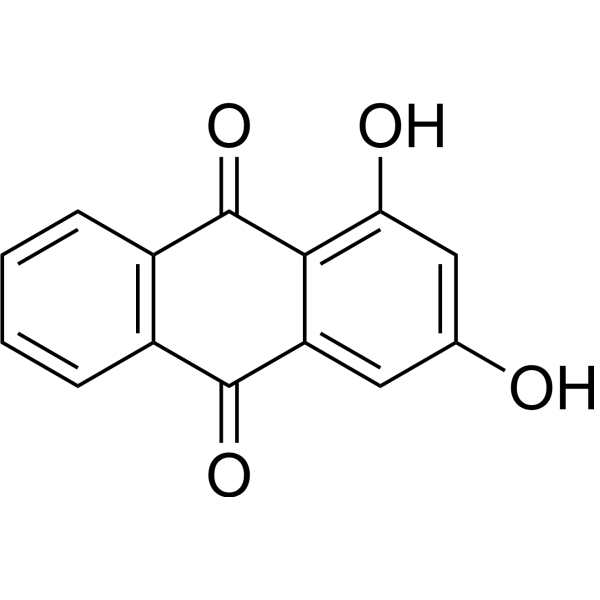
    Xanthopurpurin is an orally active anthraquinone glycoside. Xanthopurpurin can be isolated from the rhizome of Rubia akane. Xanthopurpurin has antiviral effects against rotavirus and HIV. Xanthopurpurin has a strong inhibitory effect on collagen-induced platelet aggregation. Xanthopurpurin prevents peanut allergy .
    Xanthopurpurin
  • HY-P10086
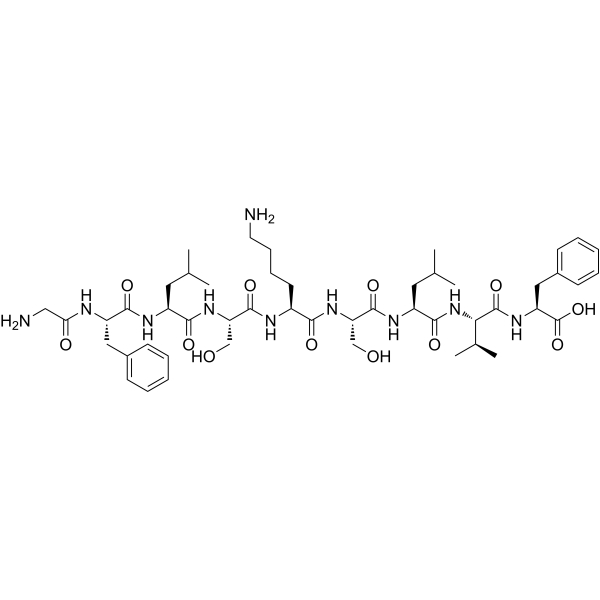
    TREM-1 inhibitory peptide GF9
    1 Publications Verification

    Human TREM-1(213-221)

    TREM receptor TNF Receptor Interleukin Related c-Fms Neurological Disease Inflammation/Immunology Cancer
    TREM-1 inhibitory peptide GF9 (Human TREM-1 (213-221)) is a TREM-1 inhibitor. TREM-1 inhibitory peptide GF9 blocks the TREM-1 signaling pathway via a ligand-independent mechanism, spontaneously inserts into the cell membrane to dissociate TREM-1 from DAP-12, and functions through the Signaling Chain Homooligomerization (SCHOOL) model. TREM-1 inhibitory peptide GF9 reduces the levels of TNFα, IL-1β, IL-6, and M-CSF. TREM-1 inhibitory peptide GF9 inhibits tumor growth, prolongs the survival of mice with pancreatic cancer models, ameliorates collagen-induced arthritis, and exerts protective effects on bone and cartilage simultaneously. TREM-1 inhibitory peptide GF9 can be used in research related to arthritis, pancreatic cancer, retinopathy, alcoholic liver disease, and liver cancer .
    TREM-1 inhibitory peptide GF9
  • HY-P5003

    MMP Inflammation/Immunology
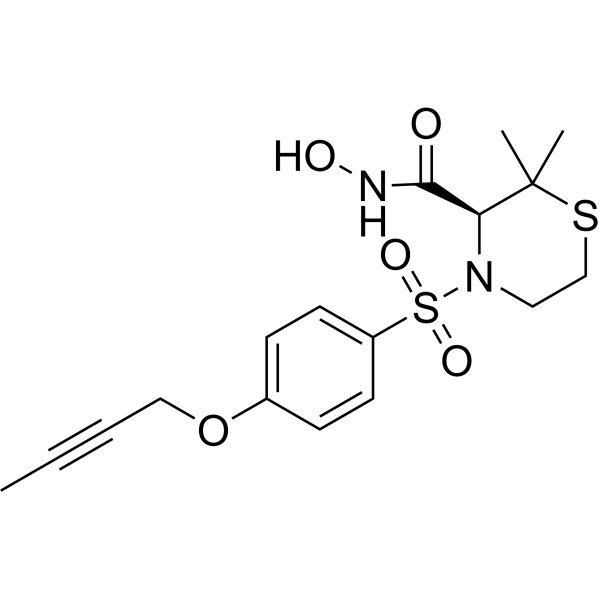
    Collagen Type II Fragment is an anti-inflammatory peptide that potently inhibits collagen-induced arthritis (CIA) in mice. Collagen Type II Fragment can be used for research on inflammation and immunity .
    Collagen Type II Fragment
  • HY-136990

    p38 MAPK Cancer
    GLPG0259 is a ATP-competitive inhibitor of MAPK-activated protein kinase 5 (MK5) with oral activity. GLPG0259 reduces inflammation and bone destruction in a mouse model of collagen-induced arthritis. GLPG0259 also inhibited the metastasis of prostate cancer (PCa) cells .
    GLPG0259
  • HY-147319

    Trace Amine-associated Receptor (TAAR) Neurological Disease Metabolic Disease
    RTI-7470-44 is an orally active and blood-brain barrier-permeable antagonist of trace amine-associated receptor 1 (hTAAR1) with a Ki of 0.3 nM. RTI-7470-44 inhibits hTAAR1-mediated cAMP production and signal transduction (IC50 = 8.4 nM), and blocks hTAAR1-mediated GIRK current responses. RTI-7470-44 increases the spontaneous firing frequency of dopaminergic neurons and reduces collagen-induced platelet aggregation. RTI-7470-44 can be used in studies related to Parkinson's disease and gastric emptying .
    RTI-7470-44
  • HY-N9794

    Others Inflammation/Immunology
    Isoboldine is a pyridine alkaloid. Isoboldine effectively alleviates inflammation and joint destruction in collagen-induced arthritis in mice .
    Isoboldine
  • HY-123133

    Kallikrein Inflammation/Immunology
    PKSI-527 is a new, highly selective plasma kallikrein inhibitor. PKSI-527 can suppress collagen-induced arthritis (CIA) by modifying the kallikrein-kinin system .
    PKSI-527
  • HY-144390
    (S)-S007-1558
    1 Publications Verification

    GPVI antagonist 1

    Glycoprotein VI Cardiovascular Disease
    (S)-S007-1558 (compound 5) is a glycoprotein VI (GPVI) platelet receptor antagonist. (S)-S007-1558 inhibits collagen-induced platelet aggregation with an IC50 of 25.3 μM .
    (S)-S007-1558
  • HY-122906

    c-Fms Inflammation/Immunology
    JTE-952 is a potent, oral active and selective Type II inhibitor of colony stimulating factor-1 receptor (CSF-1R or cFMS, type III receptor tyrosine kinase), with IC50 values of 13 nM and 261 nM for CSF1R and TrkA , respectively. Effective against a mouse collagen-induced model of arthritis .
    JTE-952
  • HY-177435

    FAP Inflammation/Immunology
    FAPI-800CW is a near-infrared (NIR) fluorescent-labeled fibroblast activation protein (FAP) inhibitor. FAPI-800CW shows specific uptake in inflamed paws in collagen-induced arthritis (CIA) model mice. FAPI-800CW can be used for in vivo molecular imaging of FAP expression in inflammatory diseases such as rheumatoid arthritis (RA) to monitor joint inflammation and disease activity .
    FAPI-800CW
  • HY-P991193

    TNF Receptor Cancer
    NGM-438 is a humanized monoclonal antibody antagonist of LAIR1, with a Ka of 0.26 nM for human LAIR1 and 4.28 nM for cynomolgus monkey LAIR1. NGM-438 blocks the binding of LAIR1 to its Collagen ligand and antagonizes the Collagen-induced LAIR1 signaling pathway. NGM-438 reverses FcγR signaling inhibition in myeloid cells, induces dendritic cells to secrete TNFα, promotes T cell proliferation, and triggers myeloid inflammation and allogeneic T cell responses. NGM-438 sensitizes refractory mouse lung cancer to PD-1 blockade, increases the content of intratumoral CD8 + T cells and the expression of inflammatory genes. NGM-438 is applicable to research related to solid tumors, refractory solid tumors and non-small cell lung cancer .
    NGM-438
  • HY-18164

    LPL Receptor Inflammation/Immunology
    TASP0277308 is a highly selective S1P1 antagonist. TASP0277308 possesses immunomodulatory activities, including lymphopenia, a block in T cell egress from the thymus, marginal zone B cell displacement, and the upregulation of CD69 expression on lymphocytes. TASP0277308 can be used for the research of collagen-induced arthritis in mice .
    TASP0277308
  • HY-167692

    STAT Others
    JI069 is a novel JAK-STAT inhibitor that demonstrates potent activity in suppressing Th1, Th2, and Th17 differentiation while promoting iTreg differentiation. JI069 effectively inhibits STAT3 activation as well as the activation of other STATs, including STAT1, STAT5, and STAT6. JI069 has shown significant therapeutic potential in alleviating symptoms of collagen-induced arthritis in mice while inhibiting cytokine production from T cells and the phosphorylation of STAT3 in synovial cells.
    JI069
  • HY-138007

    ROR PPAR LXR Metabolic Disease Inflammation/Immunology
    SR-1903 is an inverse agonist of RORγ and PPARγ (IC50 of ∼100 nM and 209 nM for RORγ and PPARγ, respectively) and a LXR agonist. SR-1903 exhibits anti-inflammatory and anti-diabetic efficacy in collagen-induced arthritis and diet-induced obesity mouse models .
    SR-1903
  • HY-178012

    IRAK TNF Receptor Inflammation/Immunology
    GLPG4471 is a selective and orally active IRAK4 inhibitor with an IC50 of 1.7 nM. GLPG4471 exhibits potent inhibition of cytokine (TNFα and IFNα) secretion in cellular and whole blood phenotypic assays. GLPG4471 displays significant activity in a mouse model of collagen-induced arthritis. GLPG4471 can be used for the study of arthritis .
    GLPG4471
  • HY-W004681

    6-Methyl-3-pyridinol

    Drug Intermediate Inflammation/Immunology
    6-Methyl-3-pyridinol (5-hydroxy-2-methylpyridine) is a starting compound for the synthesis of L-azatyrosine (HY-W048303). 6-Methyl-3-pyridinol can be isolated from cigarette smoke condensate. 6-Methyl-3-pyridinol aggravates Collagen-induced arthritis in mice .
    5-Hydroxy-2-methylpyridine
  • HY-Y1094

    Chloro(1,5-cyclooctadiene)rhodium(I) dimer

    Biochemical Assay Reagents Cardiovascular Disease
    [Rh(cod)Cl]2 (Chloro(1,5-cyclooctadiene)rhodium(I) dimer) is a rhodium (I) organometallic dimer complex. [Rh(cod)Cl]2 can inhibit platelet-activating factor-mediated platelet aggregation with IC50 values of 5.2 and 43.3 μM in washed rabbit platelets and human platelet-rich plasmas. [Rh(cod)Cl]2 also can inhibit thrombin-, ADP (HY-W010918)- and collagen-induced aggregation with IC50 values of 16.7, 162 and 69.8 μM. [Rh(cod)Cl]2 can be used for the research of cardiovascular disease, such as thrombosis .
    [Rh(cod)Cl]2
  • HY-119735

    Others Cardiovascular Disease
    Curcolone is a sesquiterpenoid that inhibits collagen-induced or arachidonic acid (AA)-induced platelet aggregation .
    Curcolone
  • HY-N3668

    Cyclomorusin A; Cyclomulberrochromene

    Others Cardiovascular Disease
    Cyclomorusin (Cyclomorusin A; Cyclomulberrochromene) is a prenylflavonoid with antiplatelet activity. Cyclomorusin also inhibits markedly collagen-induced platelet aggregation .
    Cyclomorusin
  • HY-N12514

    Others Cardiovascular Disease
    Cyclomulberrin is a extended flavonoid that shows inhibition of arachidonic acid (AA)- and collagen-induced platelet aggregation, with IC50 value of 128.2 μM .
    Cyclomulberrin
  • HY-P10184

    Transmembrane Glycoprotein Inflammation/Immunology
    CD36 Peptide P (93-110), Cys conjugated is a Cys labelled CD36 Peptide, and can block binding of CD36 to immobilized thrombospondin and partially inhibited collagen-induced platelet aggregation .
    CD36 Peptide P (93-110), Cys conjugated
  • HY-120041

    IRAK Cancer
    ND-2158 is a competitive IRAK4 inhibitor, with the Ki of 1.3 nM. ND-2158 suppresses LPS-induced TNF production in human white blood cells, alleviated collagen-induced arthritis, and blocked gout formation in mouse models. ND-2158 has antitumor activity in vivo .
    ND-2158
  • HY-117622

    IRAK Inflammation/Immunology Cancer
    ND-2110 is a selective IRAK4 inhibitor (Ki: 7.5 nM). ND-2110 binds to the ATP pocket of IRAK4. ND-2110 targets the subset of activated B cell-like (ABC) subtype of diffuse large B cell lymphoma (DLBCL) cell lines with MYD88 L265P mutations,. ND-2110 inhibits LPS-induced TNF production, alleviates collagen-induced arthritis, and blocks gout formation in mouse models .
    ND-2110
  • HY-120050

    Phospholipase Inflammation/Immunology
    GK470 (compound 28) is an inhibitor of group IVA cytosolic phospholipase A2 (GIVA cPLA2) with an IC50 of 300 nM in vesicle assays. GK470 has anti-inflammatory activity, inhibiting the release of arachidonic acid in SW982 fibroblast-like synoviocytes with an IC50 value of 0.6 μM. GK470 exhibits comparable anti-inflammatory effects to Methotrexate (HY-14519) in a preventive collagen-induced arthritis model and significantly reduces plasma PGE2 levels .
    GK470
  • HY-153321A

    (R,R)-NX-5948; (R,R)-BTK-IN-24

    Drug Isomer PROTACs Btk Inflammation/Immunology Cancer
    (R,R)-Bexobrutideg is the (R,R)-enantiomer of Bexobrutideg (HY-153321). Bexobrutideg (NX-5948) is an orally active PROTAC that induces specific BTK protein degradation via a cereblon E3 ligase (CRBN) complex without degrading other cereblon neo substrates. Bexobrutideg mediates potent anti-inflammatory activity through BTK degradation, thereby inhibiting B cell activation. Bexobrutideg exhibits potent tumor growth inhibition in TMD8 xenograft models containing wild-type BTK or BTKi resistance mutations. Bexobrutideg is effective in a mouse model of collagen-induced arthritis (CIA). Bexobrutideg can cross the blood-brain barrier. NX-5948 consists of a target protein ligand, a linker, and a VHL E3 ubiquitin ligase (Red: BTK ligand (HY-170324); Blue: CRBN ligand (HY-171893); Black: linker) .
    (R,R)-Bexobrutideg
  • HY-N7316

    Others Inflammation/Immunology
    Frangulin B, a natural compound that can be isolated from Rhamnus formosana, is an antagonist of collagen-induced platelet aggregation and adhesion .
    Frangulin B
  • HY-N14973

    Antibiotic Infection Inflammation/Immunology
    Epoxyquinomicin D is an antibiotic that can be isolated from Amycolatopsis sp. Epoxyquinomicin D exhibits anti-inflammatory effects against collagen-induced arthritis .
    Epoxyquinomicin D
  • HY-162375

    Drug Intermediate Cardiovascular Disease
    AF299 can reduce collagen-related peptide-induced platelet Ca 2+ rises and collagen-induced platelet aggregation. AF299 can be used for research of antiplatelet research .
    AF299
  • HY-N1861

    Quercetin 3-O-methyl ether peracetate

    P2Y Receptor Cardiovascular Disease Cancer
    3-O-Methylquercetin tetraacetate is an antiplatelet agent. 3-O-Methylquercetin tetraacetate has potent antiplatelet effect on arachidonic acid, collagen-induced and PAF-induced platelet aggregation .
    3-O-Methylquercetin tetraacetate
  • HY-N14977

    Antibiotic Infection Inflammation/Immunology
    Epoxyquinomicin C is an antibiotic that can be isolated from Amycolatopsis sp. Epoxyquinomicin C exhibits anti-inflammatory effects against collagen-induced arthritis. Epoxyquinomicin C can be designed for synthesis of the NF-κB Inhibitor DHMEQ .
    Epoxyquinomicin C
  • HY-105872

    COX Cardiovascular Disease
    Trifenagrel is an orally active platelet aggregation inhibitor that inhibits the inducing effects of arachidonic acid (AA) and collagen. The ED50s of trifenagrel for inhibiting AA- and collagen-induced platelet aggregation in guinea pigs were 1.4 mg/kg and 9.4 mg/kg, respectively .
    Trifenagrel
  • HY-U00235

    Integrin Inflammation/Immunology
    SR121566A is a novel non-peptide Glycoprotein IIb/IIIa (GP IIb-IIIa) antagonist, which can inhibit ADP-, arachidonic acid- and collagen-induced human platelet aggregation with IC50s of 46±7.5, 56±6 and 42±3 nM, respectively.
    SR121566A
  • HY-N12141

    Apoptosis Inflammation/Immunology
    Flaccidoside II inhibits proliferation and induces apoptosis in Malignant peripheral nerve sheath tumors (MPNSTs) cell lines. Flaccidoside II ameliorates collagen-induced arthritis in mice. Flaccidoside II is an active triterpenoid saponin constituent from Anemone flaccida rhizome .
    Flaccidoside II
  • HY-N7619R

    Purpuroxanthin (Standard)

    Reference Standards HIV Infection Inflammation/Immunology Cancer
    Xanthopurpurin is an orally active anthraquinone glycoside. Xanthopurpurin can be isolated from the rhizome of Rubia akane. Xanthopurpurin has antiviral effects against rotavirus and HIV. Xanthopurpurin has a strong inhibitory effect on collagen-induced platelet aggregation. Xanthopurpurin prevents peanut allergy .
    Xanthopurpurin (Standard)

Inquiry Online

Your information is safe with us. * Required Fields.

Salutation


Country or Region *

Applicant Name *


Organization Name *

Department *


Email Address *


Product Name *

Cat. No.


Requested quantity *

Phone Number *


Remarks

Inquiry Online

Inquiry Information

Product Name:
Cat. No.:
Quantity:
MCE Japan Authorized Agent:

