Search Result
Results for "
diabetic+mice
" in MedChemExpress (MCE) Product Catalog:
6
Isotope-Labeled Compounds
| Cat. No. |
Product Name |
Target |
Research Areas |
Chemical Structure |
-
- HY-B0561
-
|
SC9420
|
Mineralocorticoid Receptor
Androgen Receptor
Autophagy
Calcium Channel
|
Cardiovascular Disease
Metabolic Disease
Endocrinology
Cancer
|
|
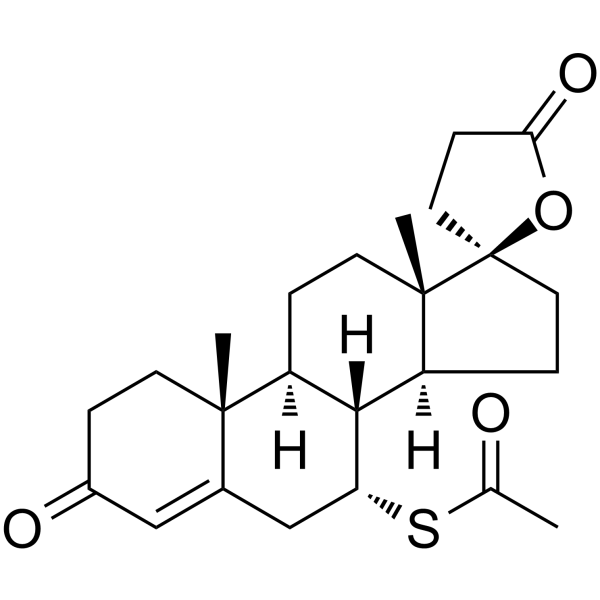
Spironolactone is an aldosterone antagonist that acts on the aldosterone mineralocorticoid receptor (IC50=24 nM) and androgen receptor (IC50=77 nM), promotes podocyte autophagy and regulates pain. Spironolactone improves hypertension-related vascular hypertrophy and remodeling by reducing angiotensin II (Ang II)-induced inflammation, reduces aldosterone-induced vascular and soft tissue calcification through PIT1-dependent signaling, and alleviates vascular dysfunction in type II diabetic mice by reducing oxidative stress and restoring NO/GC signaling; at low concentrations, it and its metabolites can interfere with aldosterone biosynthesis in the adrenal cortex and inhibit voltage-dependent Ca 2+ channels to exert antihypertensive effects .
|
-
-
- HY-N0058
-
|
Isochlorogenic acid C
|
HBV
Endogenous Metabolite
Apoptosis
Glycosidase
|
Infection
|
|
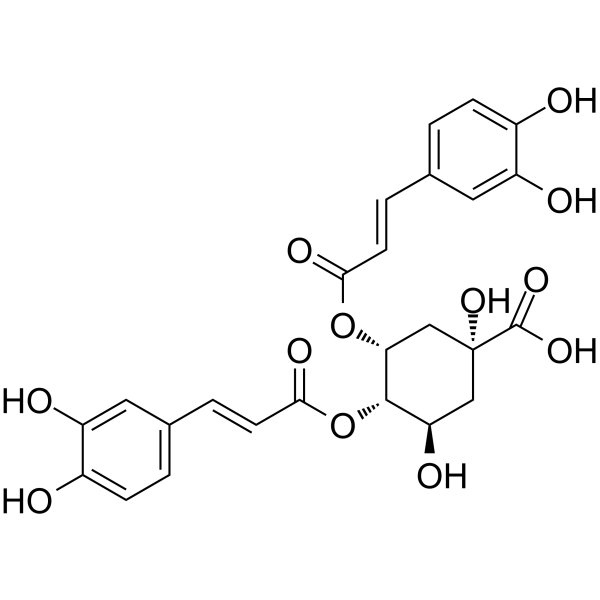
4,5-Dicaffeoylquinic acid (Isochlorogenic acid C) is an antioxidant, can be isolated from Gynura divaricata and Laggera alata. 4,5-Dicaffeoylquinic acid reduces islet cell apoptosis and improves pancreatic function in type 2 diabetic mice, and has obvious inhibitory activities against yeast α-glucosidase. 4,5-Dicaffeoylquinic acid inhibits prostate cancer cells through cell cycle arrest. 4,5-Dicaffeoylquinic acid also has anti-apoptotic, anti-injury and anti-hepatitis B virus effects .
|
-
-
- HY-128700
-
|
|
Endogenous Metabolite
Sirtuin
|
Neurological Disease
Inflammation/Immunology
Cancer
|
|
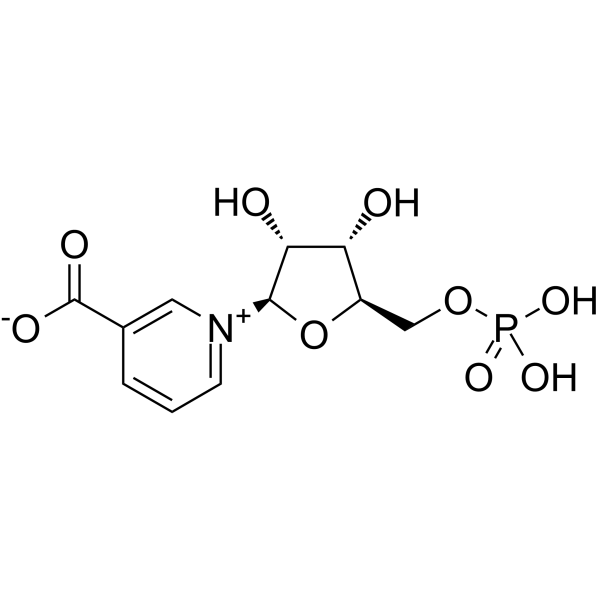
Nicotinic acid mononucleotide acts as a SARM1 inhibitor and a NAD + biosynthesis intermediate, with an IC50 value of 93.3 μM against SARM1. Nicotinic acid mononucleotide exerts axon-protective effects, delays axonal degeneration, elevates NAD + levels, enhances Sirt1 activity, improves myocardial capillary density and alleviates myocardial fibrosis. Nicotinic acid mononucleotide reverses diabetic cardiomyopathy in diabetic mice by increasing myocardial NAD + levels. Nicotinic acid mononucleotide is applicable to research related to cancer, multiple sclerosis, diabetic cardiomyopathy, neurodegenerative diseases and Huntington's disease .
|
-
-
- HY-N15721
-
|
Trp-CA
|
Orphan GPCR
GLP Receptor
|
Metabolic Disease
|
|
Tryptophan-cholic acid (Trp-CA) is a microbial amino acid-conjugated bile acid that acts as an endogenous ligand and agonist (EC50=9.6 μM) for the orphan G protein-coupled receptor (GPCR) MRGPRE (Mas-related G protein-coupled receptor family member E). Tryptophan-cholic acid is orally effective but has poor oral absorption and does not cross the blood-brain barrier. Tryptophan-cholic acid promotes the secretion of glucagon-like peptide GLP-1, thereby improving glucose tolerance in diabetic mice. Tryptophan-cholic acid improves glucose tolerance, promotes insulin secretion, and alleviates high-fat diet-induced hepatic steatosis without causing pruritus side effects. Tryptophan-cholic acid is primarily used in research on type 2 diabetes (T2D) .
|
-

-
- HY-103290
-
|
|
Bradykinin Receptor
|
Others
|
|
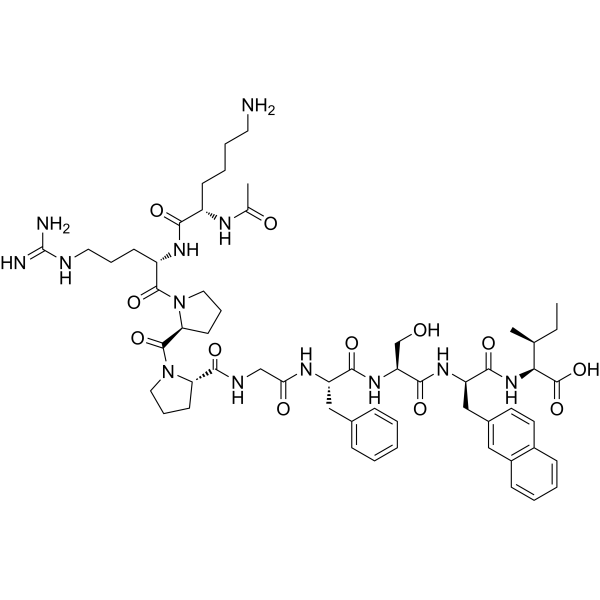
R715 is a selective bradykinin B1 receptor antagonist. R715 significantly attenuates the hyperalgesic effect developed in Streptozotocin(HY-13753)-diabetic mice .
|
-
-
- HY-111603
-
|
|
Apoptosis
|
Metabolic Disease
Inflammation/Immunology
|
|
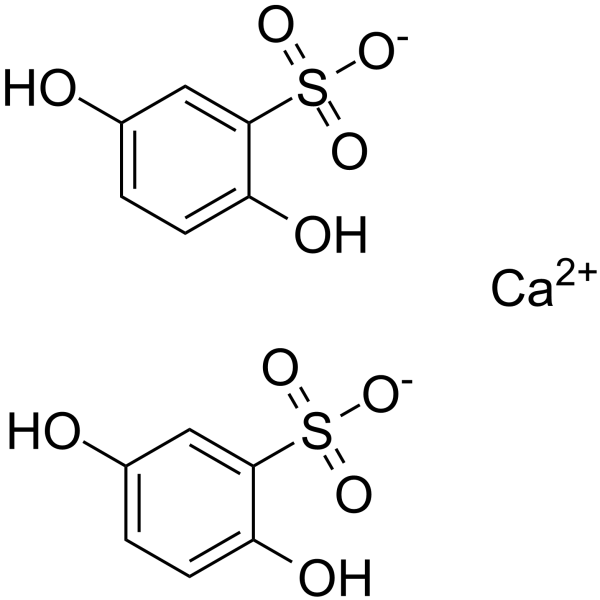
Calcium dobesilate is a vascular protector with oral activity that can clear hydroxyl free radicals, with an IC50 of 1.1 pM. Calcium dobesilate has antioxidant activity and helps to reduce oxidative stress and inflammation in the retinas of diabetic mice. Calcium dobesilate can be used to study chronic venous diseases, diabetic retinopathy, and the occurrence of hemorrhoids, among other conditions .
|
-
-
- HY-19696B
-
|
Tauroursodeoxycholic acid dihydrate; TUDCA dihydrate; UR 906 dihydrate
|
Caspase
Apoptosis
Endogenous Metabolite
IRE1
NF-κB
JNK
Reactive Oxygen Species (ROS)
Akt
|
Neurological Disease
Metabolic Disease
Inflammation/Immunology
|
|
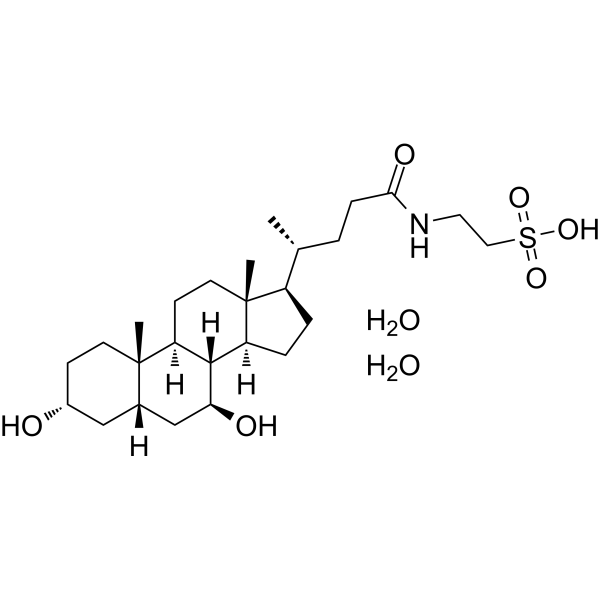
Tauroursodeoxycholate dehydrate is an orally active taurine conjugate of Ursodeoxycholic acid (HY-13771). Tauroursodeoxycholate dehydrate inhibits caspase-3/7, Apoptosis, IRE1α/TRAF2/NF-κB, prevents JNK phosphorylation, inhibits ROS generation, and activates Akt signaling. Tauroursodeoxycholate dehydrate prevents cataract formation, reduces renal tubular damage in type 2 diabetic mice, reduces I/R injury in liver, and inhibits intestinal inflammation and barrier disruption in nonalcoholic fatty liver disease .
|
-
-
- HY-N7515
-
|
2',4',6'-Trihydroxychalcone
|
Bacterial
AMPK
|
Infection
Metabolic Disease
Inflammation/Immunology
|
|
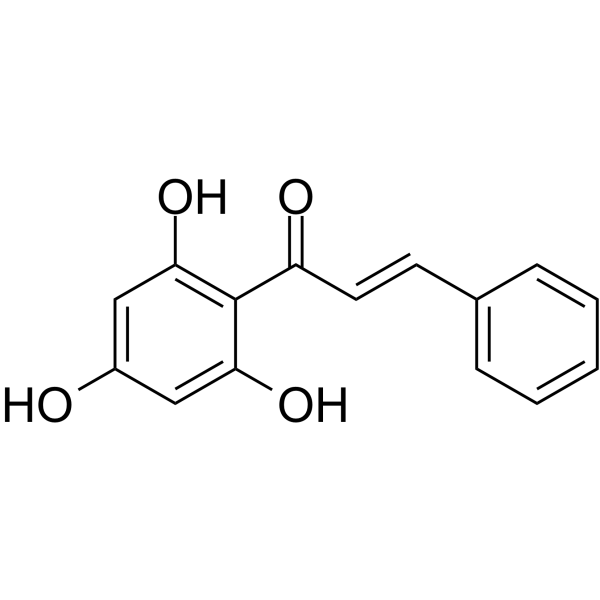
Pinocembrin chalcone (2',4',6'-Trihydroxychalcone) is an antibacterial compound from Helichrysum Trilineatum. Pinocembrin chalcone facilitates AMP-activated protein kinase (AMPK) activation, improves glucose tolerance, increases muscle FAO and reduces fat accumulation in the liver and skeletal muscles in high-fat diet-induced (HFD) diabetic mice. Pinocembrin chalcone is promising for research of gastric ulcers and diabetes .
|
-
-
- HY-123297
-
|
|
Free Fatty Acid Receptor
|
Metabolic Disease
|
|
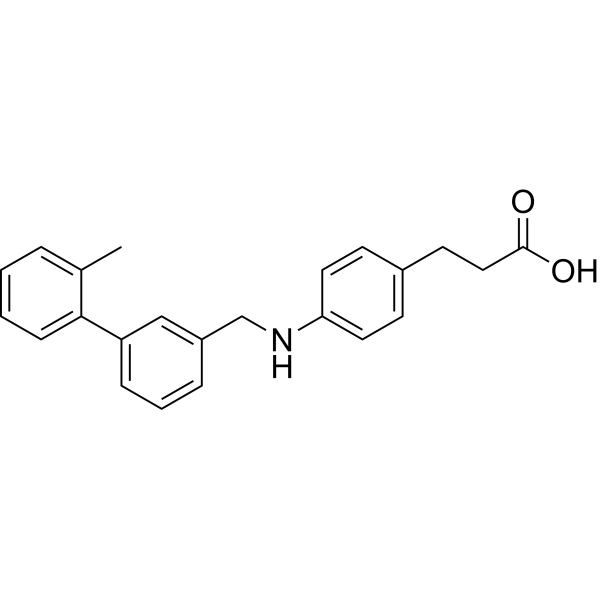
TUG-469 is a selective free fatty acid receptor 1 (FFA1/GPR40) agonist with an EC50 value of 19 nM. TUG-469 is >200-fold selective for FFA1 over FFA4. TUG-469 significantly improves glucose tolerance in pre-diabetic mice. TUG-469 can be used for the research of diabetes .
|
-
-
- HY-W012732
-
|
|
Environmental Pollutants
Parasite
Drug Isomer
TNF Receptor
HIV
NF-κB
Interleukin Related
|
Neurological Disease
Cancer
|
|
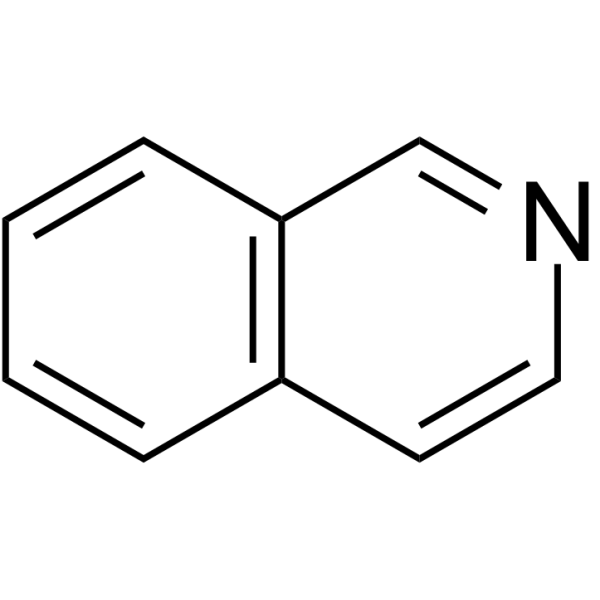
Isoquinoline is an analog of pyridine. Isoquinoline-based alkaloids, such as p-tolyl bisisoquinoline, phthaloyl isoquinoline, and naphthyl isoquinoline, exhibit anticancer activity.
Berberine, an isoquinoline alkaloid, exerts anti-inflammatory effects in diabetic mice by downregulating the gene expression ratios of pro-/anti-inflammatory and Th1/Th2 cytokines.
Additionally, some isoquinoline-based compounds also possess antidepressant, antibacterial, antimalarial, and anti-HIV activities .
|
-
-
- HY-43521
-
|
|
Target Protein Ligand-Linker Conjugates
Btk
STAT
|
Inflammation/Immunology
Cancer
|
|
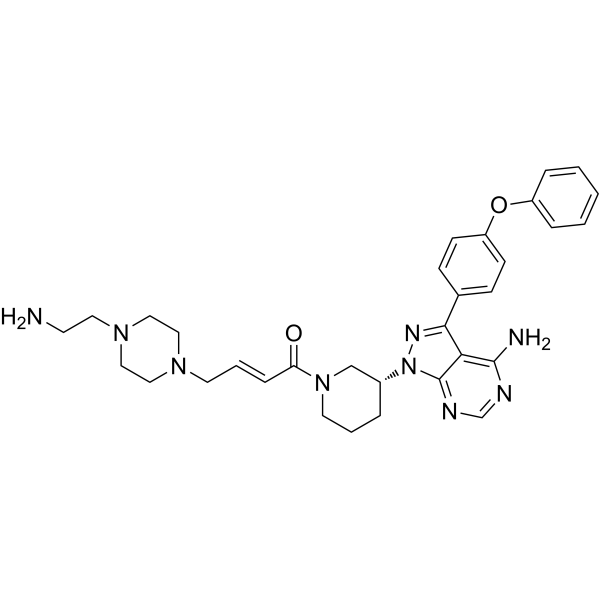
Ibrutinib-MPEA is an orally active, blood-brain barrier permeable inhibitor of BTK and STAT5. As a derivative of Ibrutinib (HY-10997) conjugated with a PROTAC linker, Ibrutinib-MPEA allows the synthesis of a series of PROTAC molecules. Ibrutinib-MPEA significantly reduces the proliferation of neoplastic mast cells and primary mastocytoma cells by inducing apoptosis and inhibiting IgE-dependent histamine release. Ibrutinib-MPEA is applicable to the research of canine mast cell tumors, cerebral ischemia/reperfusion injury in diabetic mice, and neuroinflammation-related diseases .
|
-
-
- HY-W010516
-
|
2-Methylpentanoic acid
|
Endogenous Metabolite
|
Metabolic Disease
|
|
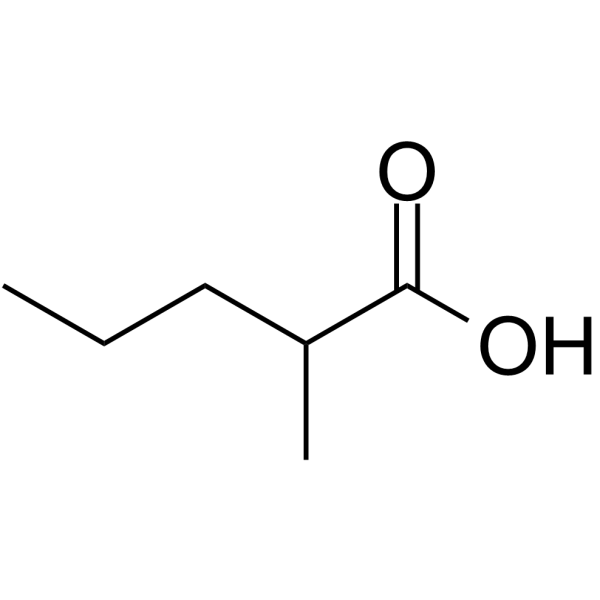
2-Methylvaleric acid is a branched short-chain fatty acid (SCFA) produced by the metabolism of branched-chain amino acids by gut microbes. 2-Methylvaleric acid can be used as a potential biomarker for metabolic diseases such as type 2 diabetes, and its content is significantly reduced in the feces of diabetic mice. 2-Methylvaleric acid may regulate host energy metabolism and inflammatory response through G protein-coupled receptors (GPCRs) or histone deacetylase (HDAC) inhibition. 2-Methylvaleric acid can be used to study gut microbe-host interactions and metabolic diseases as a fecal biomarker[1][2].
|
-
-
- HY-N0772
-
|
|
VEGFR
NOD-like Receptor (NLR)
NF-κB
Bacterial
AMPK
Acetyl-CoA Carboxylase
Apoptosis
Reactive Oxygen Species (ROS)
HSV
Drug Derivative
|
Infection
Metabolic Disease
Inflammation/Immunology
Cancer
|
|
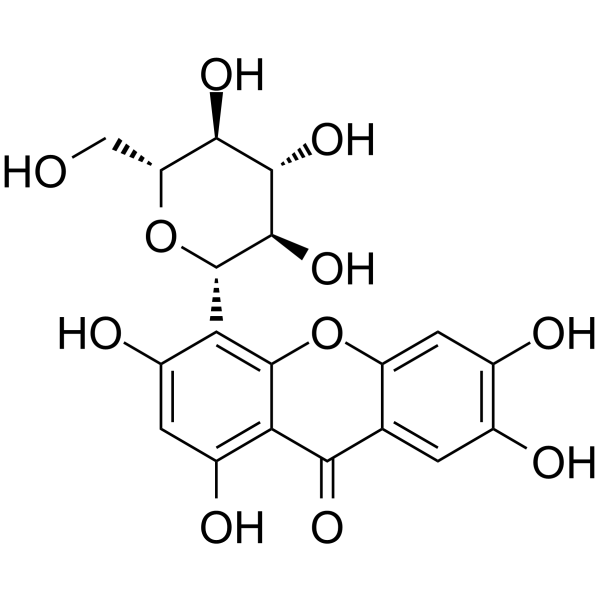
Isomangiferin is an orally active xanthone C-glucoside, and its chemical structure is similar to Mangiferin (HY-N0290). Isomangiferin is an effective VEGFR-2 kinase inhibitor, which can induces cell apoptosis, inhibit the growth, metastasis and angiogenesis of breast cancer. Isomangiferin exerts anti-inflammatory effects by inhibiting the HMGB1/NLRP3/NF-κB signaling pathway, thereby improving the renal function indicators of diabetic mice. Isomangiferin exhibits inhibitory effects on various bacteria and herpes simplex virus type 1 (HSV-1). Isomangiferin promotes the migration and osteogenic differentiation of bone marrow mesenchymal stem cells (BMSCs) and reduces cell apoptosis and the production of ROS by activating the AMPK/ACC pathway, thereby facilitating fracture healing .
|
-
-
- HY-105416
-
|
UCN-1028C
|
Antibiotic
PKC
Apoptosis
|
Metabolic Disease
Cancer
|
|
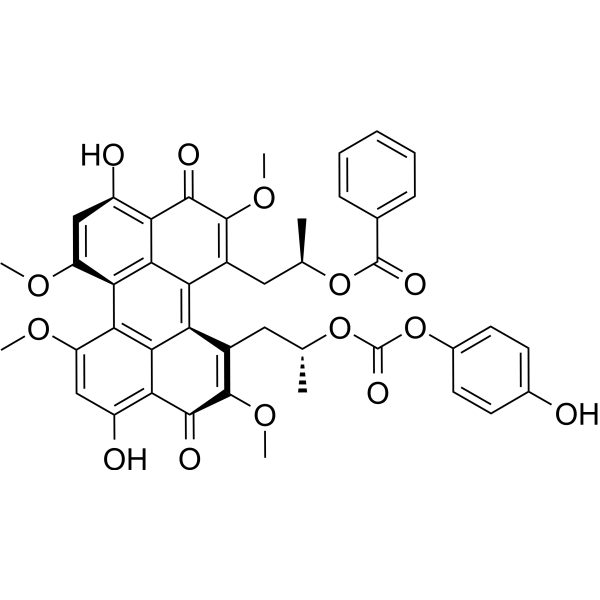
Calphostin C is a highly selective PKC inhibitor (IC50=0.05 μM) and tumor apoptosis inducer. Calphostin C competitively binds to PKC and inhibits PKC-mediated phosphorylation signal transduction. Calphostin C restores Na+/K+ ATPase activity in the sciatic nerve of diabetic mice and improves neuropathy. Calphostin C can be used in the study of anti-tumor and diabetic complications .
|
-
-
- HY-18555
-
TMPA
3 Publications Verification
|
Nuclear Hormone Receptor 4A/NR4A
AMPK
|
Metabolic Disease
Inflammation/Immunology
Cancer
|
|
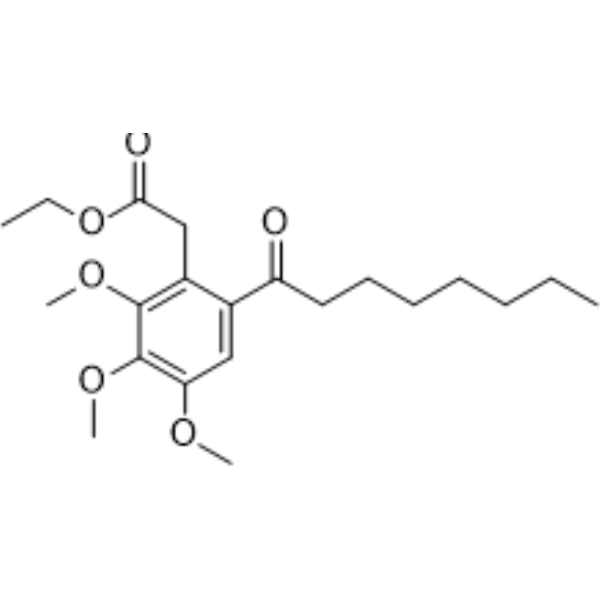
TMPA is a high-affinity Nur77 antagonist that binds to Nur77 leading to the release and shuttling of LKB1 in the cytoplasm to activate AMPKα. TMPA effectively lowers blood glucose and attenuates insulin resistance in type II db/db, high-fat diet and streptozotocin-induced diabetic mice. TMPA reduces RICD (restimulation-induced cell death) in human T cells, can also be used in studies of cancer and T-cell apoptosis dysregulation .
|
-
-
- HY-111254
-
|
|
PPAR
NF-κB
JNK
|
Inflammation/Immunology
|
|
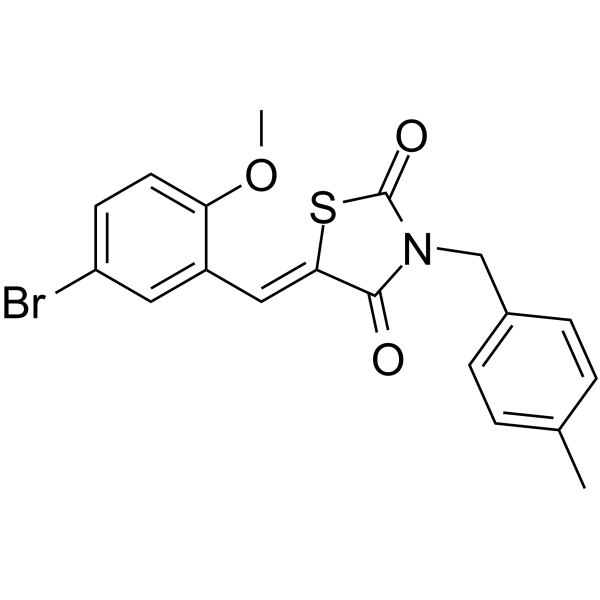
GQ-16 is an orally active PPARγ partial agonist with an IC50 of 1.84 μM and a Ki of 160 nM against human PPARγ. GQ-16 inhibits Cdk5-mediated Ser-273 phosphorylation. GQ-16 improves insulin sensitivity and glucose tolerance in obese and diabetic mice. GQ-16 also exhibits certain cytotoxicity against tumor cells. GQ-16 can be used in research related to obesity, diabetes and cancer .
|
-
-
- HY-120657
-
|
|
CGRP Receptor
NF-κB
|
Neurological Disease
Metabolic Disease
Inflammation/Immunology
|
|
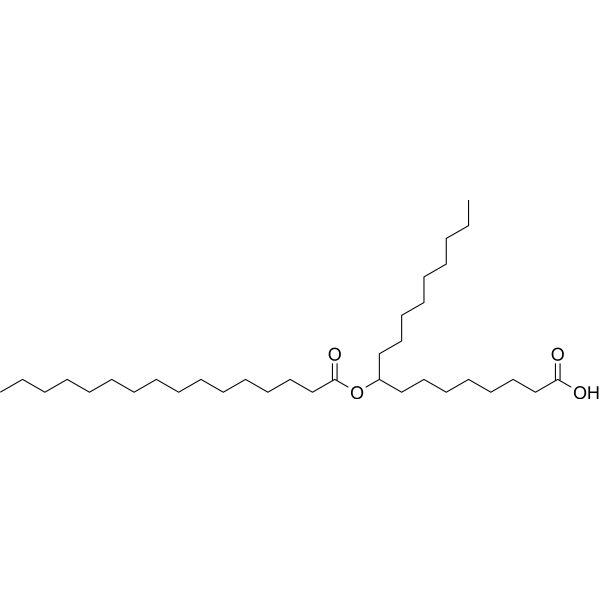
9-PAHSA is an orally active endogenous GPR120 agonist (EC50=18 μM). 9-PAHSA significantly inhibits LPS-induced inflammatory responses by blocking the NF-κB pathway. 9-PAHSA induces adipocyte browning, enhances glucose uptake and reduces lipid accumulation, while improving mitochondrial function and the survival rate of steatotic hepatocytes. In terms of neuroprotection, 9-PAHSA regulates the expression of REST and BDNF in the prefrontal cortex of diabetic mice, and effectively prevents spatial working memory deficits and abnormal social behaviors. 9-PAHSA does not directly regulate insulin secretion or improve systemic insulin sensitivity, and possesses specific anti-inflammatory, metabolic regulatory and neuroprotective properties. 9-PAHSA can be used in the research of diabetes-related cognitive impairment, obesity and non-alcoholic fatty liver disease .
|
-
-
- HY-N3960
-
|
|
PPAR
Bacterial
|
Infection
Metabolic Disease
|
|
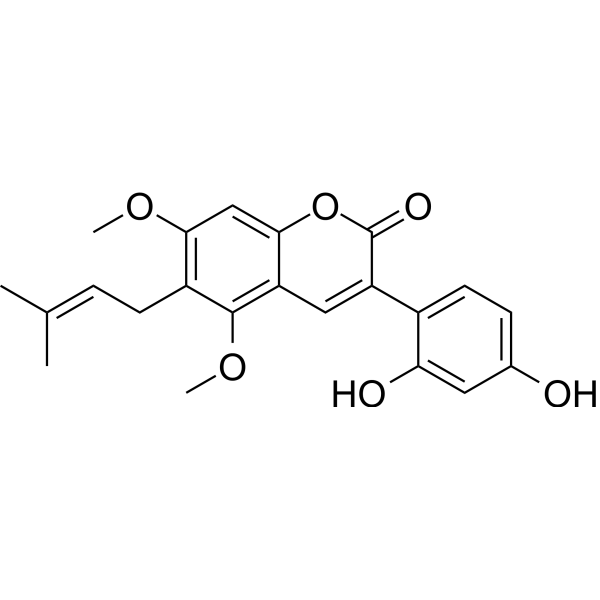
Glycyrin is a PPAR-γ ligand of licorice. Glycyrin can decrease the blood glucose levels of genetically diabetic mice. Glycyrin also shows antibacterial activity .
|
-
-
- HY-131334
-
|
|
AMPK
|
Metabolic Disease
|
|
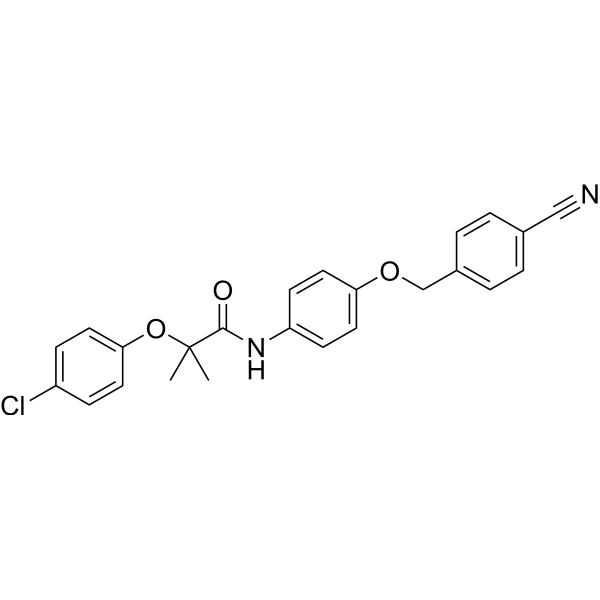
AMPK activator 4 is a potent AMPK activator without inhibition of mitochondrial complex I. AMPK activator 4 selectively activates AMPK in the muscle tissues. AMPK activator 4 dose-dependently improves glucose tolerance in normal mice, and significantly lowers fasting blood glucose level and ameliorates insulin resistance in db/db diabetic mice. Anti-hyperglycemic effect .
|
-
-
- HY-128700A
-
|
|
Endogenous Metabolite
Sirtuin
|
Metabolic Disease
|
|
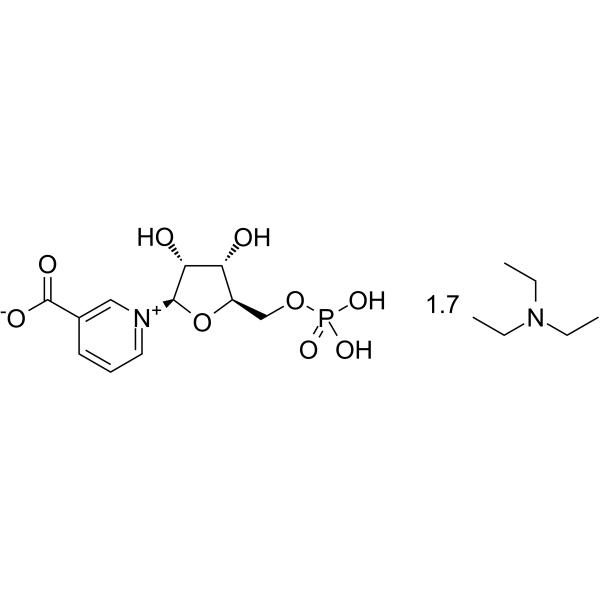
Nicotinic acid mononucleotide triethylamine acts as a SARM1 inhibitor and a NAD + biosynthesis intermediate, with an IC50 value of 93.3 μM against SARM1. Nicotinic acid mononucleotide triethylamine exerts axon-protective effects, delays axonal degeneration, elevates NAD + levels, enhances Sirt1 activity, improves myocardial capillary density and alleviates myocardial fibrosis. Nicotinic acid mononucleotide triethylamine reverses diabetic cardiomyopathy in diabetic mice by increasing myocardial NAD + levels. Nicotinic acid mononucleotide triethylamine is applicable to research related to cancer, multiple sclerosis, diabetic cardiomyopathy, neurodegenerative diseases and Huntington's disease .
|
-
-
- HY-N0058R
-
|
Isochlorogenic acid C (Standard)
|
Reference Standards
HBV
Endogenous Metabolite
Apoptosis
Glycosidase
|
Infection
|
|
4,5-Dicaffeoylquinic acid (Standard) is the analytical standard of 4,5-Dicaffeoylquinic acid. This product is intended for research and analytical applications. 4,5-Dicaffeoylquinic acid (Isochlorogenic acid C) is an antioxidant, can be isolated from Gynura divaricata and Laggera alata. 4,5-Dicaffeoylquinic acid reduces islet cell apoptosis and improves pancreatic function in type 2 diabetic mice, and has obvious inhibitory activities against yeast α-glucosidase. 4,5-Dicaffeoylquinic acid inhibits prostate cancer cells through cell cycle arrest. 4,5-Dicaffeoylquinic acid also has anti-apoptotic, anti-injury and anti-hepatitis B virus effects .
|
-

-
- HY-179041
-
|
|
PGE synthase
Prostaglandin Receptor
MDM-2/p53
Amino acid Transporter
Glutathione Peroxidase
Ferroptosis
|
Metabolic Disease
Endocrinology
|
|
SZ0232 is a selective mPGES-2 inhibitor. SZ0232 binds to the active site of mPGES-2 via hydrogen bonds and π-π stacking, reduces the production of prostaglandin E2 (PGE2) and blocks the PGE2-EP3 pathway. SZ0232 regulates Ferroptosis by activating the heme-dependent p53/SLC7A11/GPX4 axis, inhibits lipid peroxidation, and protects renal tubules. SZ0232 enhances glucose-stimulated insulin secretion, inhibits β-cell senescence, and improves glucose homeostasis. SZ0232 reduces renal lipid accumulation, alleviates fibrosis, and ameliorates renal dysfunction in diabetic mice. SZ0232 inhibits renal cyst growth in polycystic kidney disease models. SZ0232 exhibits an insulinotropic effect that strengthens with the increase of animal age. SZ0232 can be used in studies related to type 2 diabetes, acute kidney injury, diabetic kidney disease, and autosomal dominant polycystic kidney disease .
|
-

-
- HY-134191
-
|
|
Cryptochrome
|
Metabolic Disease
|
|
Cryptochrome modulator 1 (Compound 50) is a cryptochrome modulator. Cryptochrome modulator 1 reduces glucose intolerance in diabetic mice .
|
-

-
- HY-P3102
-
|
|
GCGR
|
Metabolic Disease
|
|
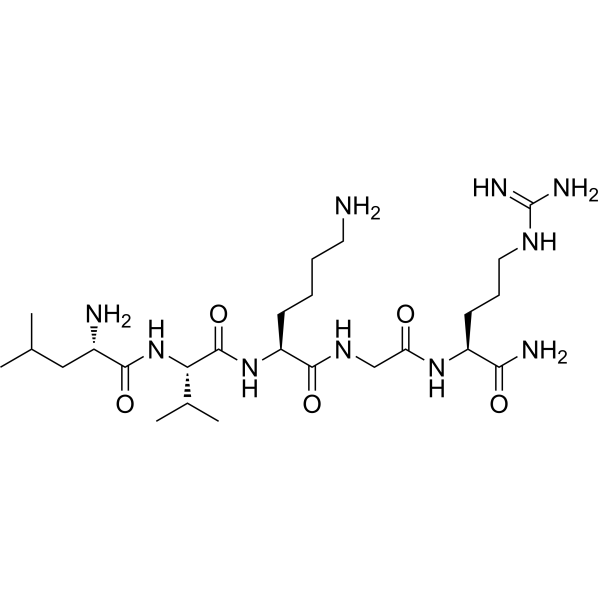
GLP-1(32-36)amide, a pentapeptide, derived from the C terminus of the glucoregulatory hormone GLP-1. GLP-1(32-36)amide could inhibit weight gain and modulate whole body glucose metabolism in diabetic mice .
|
-
-
- HY-12611
-
|
GW-869682X
|
SGLT
|
Metabolic Disease
|
|
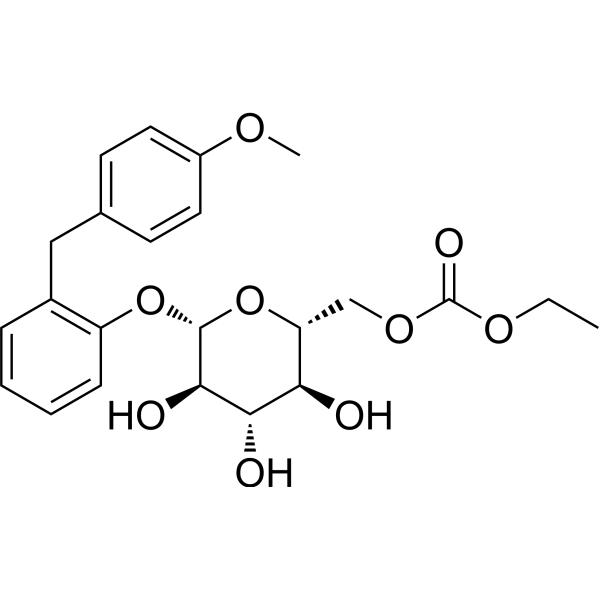
Sergliflozin etabonate (GW-869682X) is a potent and orally active sodium glucose cotransporter (SGLT2) inhibitor. Sergliflozin etabonate shows antidiabetic and antihyperglycemic effects. Sergliflozin etabonate significantly reduces non-fasting blood glucose levels in diabetic mice. Sergliflozin etabonate has the potential for the research of diabetes .
|
-
-
- HY-N5097
-
|
|
PPAR
|
Metabolic Disease
|
|
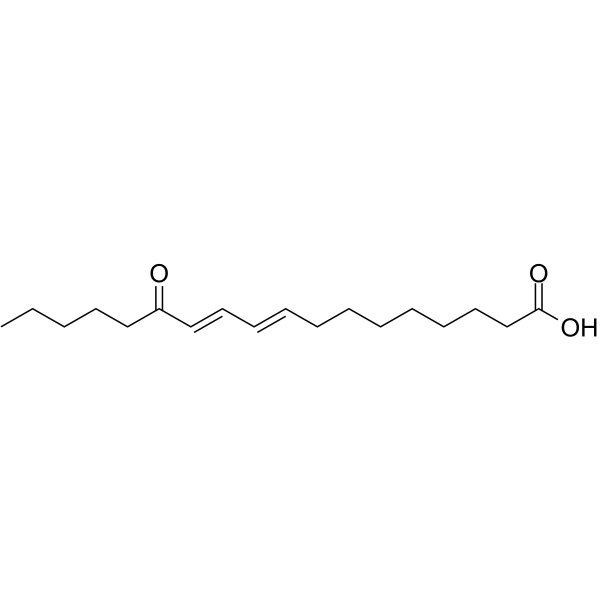
13-Oxo-9E,11E-octadecadienoic acid, an isomer of 9-oxo-ODA, is a potent PPARα activator derived from tomato juice. 13-Oxo-9E,11E-octadecadienoic acid decreases plasma and hepatic triglyceride in obese diabetic mice .
|
-
-
- HY-W201317
-
|
|
PPAR
|
Metabolic Disease
|
|
E17241 is an inducer of the expression of ABCA1 that increases the protein levels of ABCA1 in RAW 264.7 macrophages. E17241 is also an agonist of peroxisome proliferator-activated receptors (PPARs ). E17241 decreases plasma glucose levels and body weight in KKAy diabetic mice fed a high-fat and high-glucose (HFHG) diet .
|
-

-
- HY-W1113135
-
|
|
Biochemical Assay Reagents
|
Others
|
|
Carboxymethyl-β-cyclodextrin sodium salt is a negatively charged β-cyclodextrin derivative, as well as a metal ion chelator and solubilizing reagent. Carboxymethyl-β-cyclodextrin sodium salt forms stable aqueous complexes with Ba 2+, Ca 2+, Cd 2+, Ni 2+, Pb 2+, Sr 2+, and Zn 2+ ions. Carboxymethyl-β-cyclodextrin sodium salt derived hydrogel carriers support oral insulin delivery via paracellular permeation across Caco-2 monolayers and produce sustained hypoglycemic effects in diabetic mice. Carboxymethyl-β-cyclodextrin sodium salt can be conjugated onto folate-modified BSA nanoparticles to boost folate receptor-mediated endocytosis, elevate intracellular anticancer drug uptake and trigger cell apoptosis. Carboxymethyl-β-cyclodextrin sodium salt can be utilized for chiral separation in capillary electrophoresis, development of nanoscale drug carriers and nucleic acid transfection research .
|
-

-
- HY-W770410
-
|
|
Isotope-Labeled Compounds
CGRP Receptor
NF-κB
|
Others
|
|
9-PAHSA- 13C4 is 13C-labeled 9-PAHSA. 9-PAHSAis an orally active endogenous GPR120 agonist (EC50=18 μM). 9-PAHSAsignificantly inhibits LPS-induced inflammatory responses by blocking the NF-κB pathway. 9-PAHSAinduces adipocyte browning, enhances glucose uptake and reduces lipid accumulation, while improving mitochondrial function and the survival rate of steatotic hepatocytes. In terms of neuroprotection, 9-PAHSAregulates the expression of REST and BDNF in the prefrontal cortex of diabetic mice, and effectively prevents spatial working memory deficits and abnormal social behaviors. 9-PAHSAdoes not directly regulate insulin secretion or improve systemic insulin sensitivity, and possesses specific anti-inflammatory, metabolic regulatory and neuroprotective properties. 9-PAHSAcan be used in the research of diabetes-related cognitive impairment, obesity and non-alcoholic fatty liver disease .
|
-

-
- HY-174829
-
|
|
Protease Activated Receptor (PAR)
NF-κB
Reactive Oxygen Species (ROS)
Calcium Channel
Akt
ERK
p38 MAPK
PKC
|
Cardiovascular Disease
Metabolic Disease
|
|
7,4'-Dimethoxy-3-hydroxyflavone is an orally active PAR4 antagonist. 7,4'-Dimethoxy-3-hydroxyflavone inhibits PAR4-mediated human platelet aggregation with an IC50 of 1.4 μM. 7,4'-Dimethoxy-3-hydroxyflavone inhibits PAR4-mediated human platelet aggregation and PAR4 signaling pathways, including NF-κB, Ca 2+/protein kinase C, Akt, ERK and p38. 7,4'-Dimethoxy-3-hydroxyflavone prevents vascular PAR4 expression, endothelial dysfunction and ameliorates oxidative stress in Streptozotocin (STZ) (HY-13753)-induced diabetic mice.
7,4'-Dimethoxy-3-hydroxyflavone prevents thrombosis in mice without affecting bleeding time [1][2].
|
-

-
- HY-101317A
-
|
SB-205607
|
Opioid Receptor
|
Metabolic Disease
|
|
TAN-67 (SB-205607) is a non-peptidic delta-opioid receptor agonist that exhibits significant antinociceptive activity in both diabetic and non-diabetic mice. TAN-67 demonstrates a marked and dose-dependent reduction in acetic acid-induced abdominal constrictions, with a notably stronger effect in diabetic mice compared to their non-diabetic counterparts. TAN-67's antinociceptive properties are primarily mediated through the activation of delta 1-opioid receptors, as indicated by the pronounced antagonism observed upon administration of a selective delta 1-opioid receptor antagonist.
|
-

-
- HY-117172
-
|
|
Phosphorylase
|
Metabolic Disease
|
|
CP320626 is a potent inhibitor of human liver glycogen phosphorylase (IC50=205 nM). CP320626 reduces blood glucose in diabetic mice without changing plasma insulin levels. CP320626 can be used in the study of type 2 diabetes .
|
-

-
- HY-134314
-
-

-
- HY-N11728
-
|
|
Amylases
Glycosidase
|
Metabolic Disease
|
|
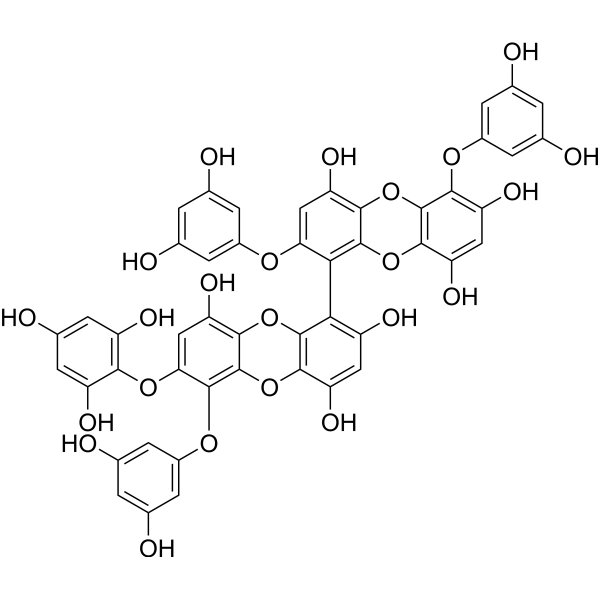
2,7"-Phloroglucinol-6,6'-bieckol is an orally active dual α-amylase/α-glucosidase inhibitor with IC50 values of 6.94 μM and 23.35 μM respectively. 2,7"-Phloroglucinol-6, 6'-bieckol alleviates postprandial hyperglycemia in diabetic mice. 2,7"-Phloroglucinol-6,6'-bieckol can be used in diabetes research .
|
-
-
- HY-B0561S4
-
|
|
Isotope-Labeled Compounds
Mineralocorticoid Receptor
Androgen Receptor
Autophagy
Calcium Channel
|
Cardiovascular Disease
Metabolic Disease
Cancer
|
|
Spironolactone-d6-1 is the deuterium labeled Spironolactone (HY-B0561). Spironolactone is an aldosterone antagonist that acts on the aldosterone mineralocorticoid receptor (IC50=24 nM) and androgen receptor (IC50=77 nM), promotes podocyte autophagy and regulates pain. Spironolactone improves hypertension-related vascular hypertrophy and remodeling by reducing angiotensin II (Ang II)-induced inflammation, reduces aldosterone-induced vascular and soft tissue calcification through PIT1-dependent signaling, and alleviates vascular dysfunction in type II diabetic mice by reducing oxidative stress and restoring NO/GC signaling; at low concentrations, it and its metabolites can interfere with aldosterone biosynthesis in the adrenal cortex and inhibit voltage-dependent Ca 2+ channels to exert antihypertensive effects .
|
-

-
- HY-120657S
-
|
|
Isotope-Labeled Compounds
CGRP Receptor
NF-κB
|
Others
|
|
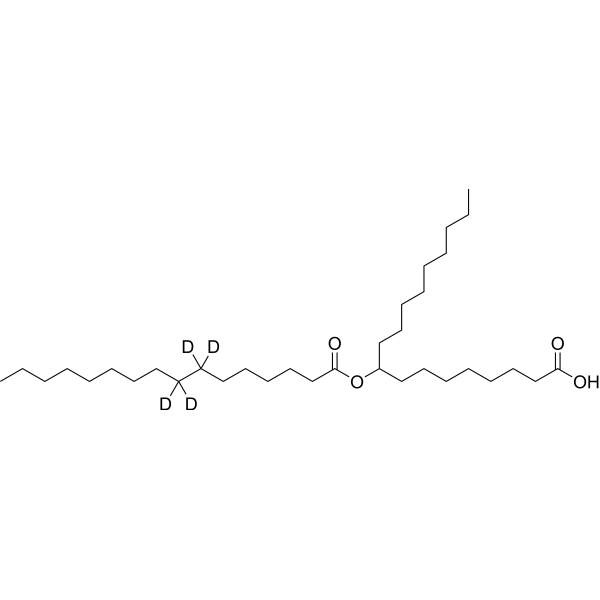
9-PAHSA-d4 is the deuterium labeled 9-PAHSA. 9-PAHSA is an orally active endogenous GPR120 agonist (EC50=18 μM). 9-PAHSA significantly inhibits LPS-induced inflammatory responses by blocking the NF-κB pathway. 9-PAHSA induces adipocyte browning, enhances glucose uptake and reduces lipid accumulation, while improving mitochondrial function and the survival rate of steatotic hepatocytes. In terms of neuroprotection, 9-PAHSA regulates the expression of REST and BDNF in the prefrontal cortex of diabetic mice, and effectively prevents spatial working memory deficits and abnormal social behaviors. 9-PAHSA does not directly regulate insulin secretion or improve systemic insulin sensitivity, and possesses specific anti-inflammatory, metabolic regulatory and neuroprotective properties. 9-PAHSA can be used in the research of diabetes-related cognitive impairment, obesity and non-alcoholic fatty liver disease .
|
-
-
- HY-162893
-
|
|
Glycosidase
|
Metabolic Disease
|
|
SX29 is an orally active non-competitive α-glucosidase inhibitor with an IC50 value of 2.12 μM. SX29 exhibits hypoglycemic activity, and oral administration of SX29 can reduce blood glucose levels and improve glucose tolerance in diabetic mice .
|
-

-
- HY-106893
-
|
SM 10902
|
Drug Derivative
Prostaglandin Receptor
|
Cardiovascular Disease
Metabolic Disease
|
|
Pimilprost (SM 10902) is a prostaglandin I1 analogue. Pimilprost exhibits antithrombotic and increases cAMP levels. Pimilprost can promote wound healing through the stimulation of angiogenesis and the improvement of blood flow in diabetic mice. Pimilprost can be used for the research of metabolic and cardiovascular disease, such as diabetes .
|
-

-
- HY-163066
-
|
|
Glycosidase
|
Metabolic Disease
|
|
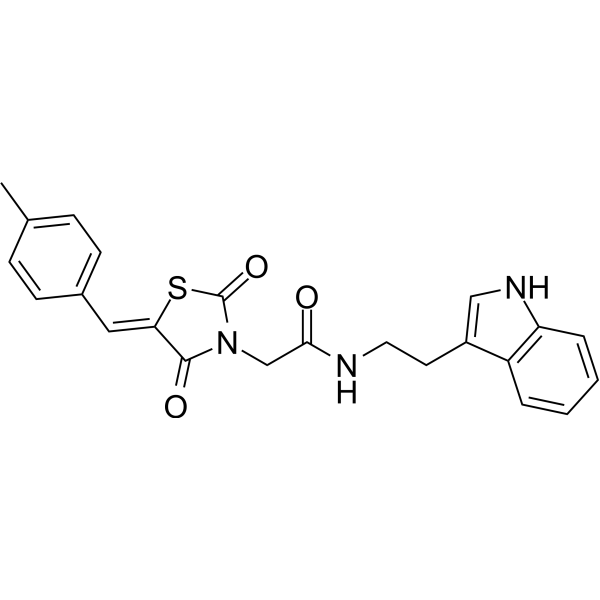
α-Glucosidase-IN-44 (compound IT4) is an inhibitor of α-glucosidase with IC50 value of 2.35 μM. α-Glucosidase-IN-44 has an oral activity. α-Glucosidase-IN-44 suppresses fasting blood glucose levels in diabetic mice .
|
-
-
- HY-P3102A
-
|
|
GCGR
|
Metabolic Disease
|
|
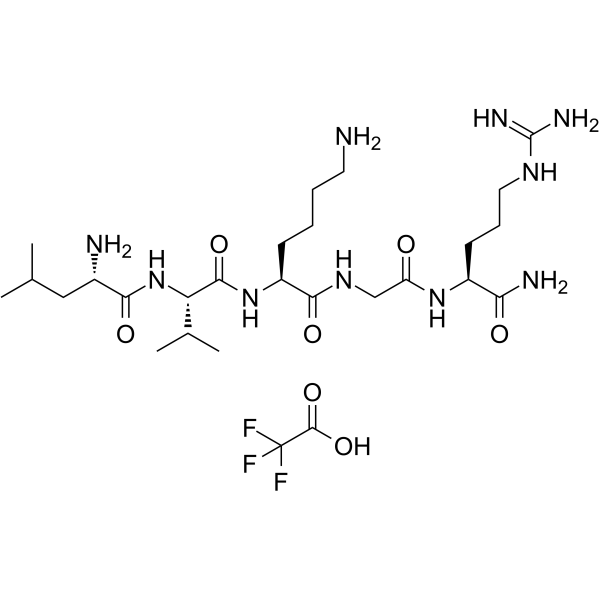
GLP-1(32-36)amide TFA, a pentapeptide, derived from the C terminus of the glucoregulatory hormone GLP-1. GLP-1(32-36)amide TFA could inhibit weight gain and modulate whole body glucose metabolism in diabetic mice .
|
-
-
- HY-118113
-
|
|
11β-HSD
|
Others
|
|
BVT-116429 is an 11βHSD1 inhibitor with the activity of increasing adiponectin concentration and improving glucose homeostasis in diabetic mice. BVT-116429 can increase plasma adiponectin levels in diabetic KKAy mice, reduce basal insulin levels, and reduce fasting blood glucose levels after 10 days of inhibition, similar to the effect of rosiglitazone.
|
-

-
- HY-121798
-
|
|
PPAR
|
Metabolic Disease
|
|
TZD18 is a potent and orally active PPARα and PPARγ dual agonist with IC50 values of 0.028, 0.057, >10 µM for PPARα, PPARγ, PPARδ, respectively. TZD18 reduces plasma levels of both glucose and triglycerides in diabetic mice. TZD18 has the potential for the research of type 2 diabetes .
|
-

-
- HY-170572
-
|
|
Dipeptidyl Peptidase
Reactive Oxygen Species (ROS)
|
Metabolic Disease
|
|
PB01 is a DPP-4 inhibitor with an IC50 of 15.66 nM. It effectively inhibits high glucose-induced ROS production and mitochondrial superoxide formation while significantly reducing cellular DPP-4 expression. PB01 can also significantly lower blood glucose levels in diabetic mice. Additionally, PB01 demonstrates good safety, exhibiting almost no cytotoxicity at a concentration of 100 μM. PB01 holds potential for research in the field of diabetes .
|
-

-
- HY-N11723
-
|
Katenarin
|
CCR
CXCR
p38 MAPK
JNK
Calcium Channel
|
Infection
Metabolic Disease
Inflammation/Immunology
|
|
Catenarin, an anthraquinone compound, inhibits CCR5- and CXCR4-mediated chemotaxis. Catenarin reduces the phosphorylation of mitogen-activated protein kinases (p38 and JNK) and their upstream kinases (MKK6 and MKK7), and calcium mobilization. Catenarin shows anti-inflammatory effect and suppresses leukocyte migration in the diabetes. Catenarin exhibits significant inhibitory effects against Gram-positive bacteria. Catenarin prevents type 1 diabetes (T1D) in nonobese diabetic mice [1][2].
|
-

-
- HY-147678
-
|
|
Free Fatty Acid Receptor
|
Metabolic Disease
|
|
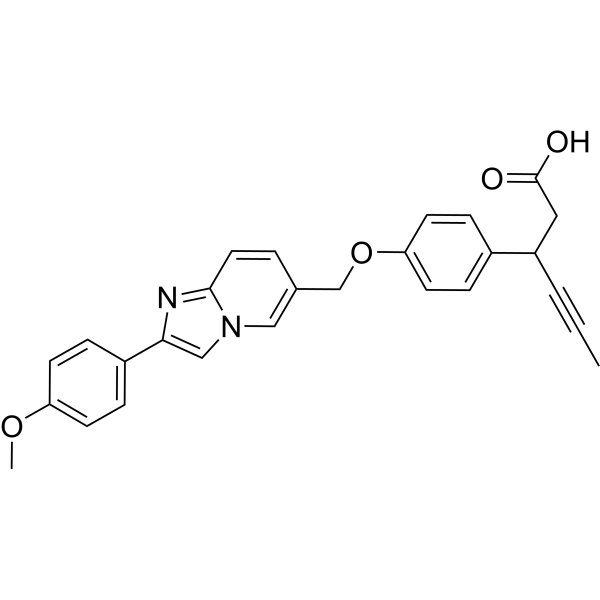
GPR40 agonist 5 (compound I-14) is an orally active and potent GPR40 (G protein coupled receptor 40) agonist, with an EC50 of 47 nM. GPR40 agonist 5 decreases the levels of blood glucose and improves the glucose tolerance. GPR40 agonist 5 has sufficient effectiveness for the control of hyperglycemia state in type 2 diabetic mice . GPR40 agonist 5 is a click chemistry reagent, it contains an Alkyne group and can undergo copper-catalyzed azide-alkyne cycloaddition (CuAAc) with molecules containing Azide groups.
|
-
-
- HY-125327
-
|
|
SGLT
|
Metabolic Disease
|
|
YM-543 is a selective SGLT2 inhibitor that effectively reduces hyperglycemia in type 2 diabetic mice through increased urinary glucose excretion. YM-543 demonstrates potent inhibition of both mouse and human SGLT2 activities at nanomolar concentrations. YM-543, when administered orally, significantly improves glucose tolerance in diabetic models and sustains its effects for over 12 hours. YM-543, in combination with other antidiabetic agents like rosiglitazone or metformin, enhances the therapeutic effects on diabetic symptoms. YM-543 does not affect blood glucose levels in normal mice, indicating its specificity for diabetic conditions.
|
-

-
- HY-W010516R
-
|
2-Methylpentanoic acid (Standard)
|
Reference Standards
Endogenous Metabolite
|
Metabolic Disease
|
|
2-Methylvaleric acid (Standard) is the analytical standard of 2-Methylvaleric acid. This product is intended for research and analytical applications. 2-Methylvaleric acid is a branched short-chain fatty acid (SCFA) produced by the metabolism of branched-chain amino acids by gut microbes. 2-Methylvaleric acid can be used as a potential biomarker for metabolic diseases such as type 2 diabetes, and its content is significantly reduced in the feces of diabetic mice. 2-Methylvaleric acid may regulate host energy metabolism and inflammatory response through G protein-coupled receptors (GPCRs) or histone deacetylase (HDAC) inhibition. 2-Methylvaleric acid can be used to study gut microbe-host interactions and metabolic diseases as a fecal biomarker[1][2].
|
-

-
- HY-N0772R
-
|
|
Reference Standards
VEGFR
NF-κB
NOD-like Receptor (NLR)
AMPK
Acetyl-CoA Carboxylase
Apoptosis
Reactive Oxygen Species (ROS)
HSV
Drug Derivative
|
Infection
Metabolic Disease
Inflammation/Immunology
Cancer
|
|
Isomangiferin (Standard) is the analytical standard of Isomangiferin (HY-N0772). This product is intended for research and analytical applications. Isomangiferin is an orally active xanthone C-glucoside, and its chemical structure is similar to Mangiferin (HY-N0290). Isomangiferin is an effective VEGFR-2 kinase inhibitor, which can induces cell apoptosis, inhibit the growth, metastasis and angiogenesis of breast cancer. Isomangiferin exerts anti-inflammatory effects by inhibiting the HMGB1/NLRP3/NF-κB signaling pathway, thereby improving the renal function indicators of diabetic mice. Isomangiferin exhibits inhibitory effects on various bacteria and herpes simplex virus type 1 (HSV-1). Isomangiferin promotes the migration and osteogenic differentiation of bone marrow mesenchymal stem cells (BMSCs) and reduces cell apoptosis and the production of ROS by activating the AMPK/ACC pathway, thereby facilitating fracture healing.
|
-

-
- HY-120657R
-
|
|
Reference Standards
CGRP Receptor
NF-κB
|
Cardiovascular Disease
Inflammation/Immunology
|
|
Flumethrin (Standard) is the analytical standard of Flumethrin. This product is intended for research and analytical applications. 9-PAHSA is an orally active endogenous GPR120 agonist (EC50=18 μM). 9-PAHSA significantly inhibits LPS-induced inflammatory responses by blocking the NF-κB pathway. 9-PAHSA induces adipocyte browning, enhances glucose uptake and reduces lipid accumulation, while improving mitochondrial function and the survival rate of steatotic hepatocytes. In terms of neuroprotection, 9-PAHSA regulates the expression of REST and BDNF in the prefrontal cortex of diabetic mice, and effectively prevents spatial working memory deficits and abnormal social behaviors. 9-PAHSA does not directly regulate insulin secretion or improve systemic insulin sensitivity, and possesses specific anti-inflammatory, metabolic regulatory and neuroprotective properties. 9-PAHSA can be used in the research of diabetes-related cognitive impairment, obesity and non-alcoholic fatty liver disease .
|
-

-
- HY-144026S
-
|
|
CGRP Receptor
NF-κB
|
Inflammation/Immunology
|
|
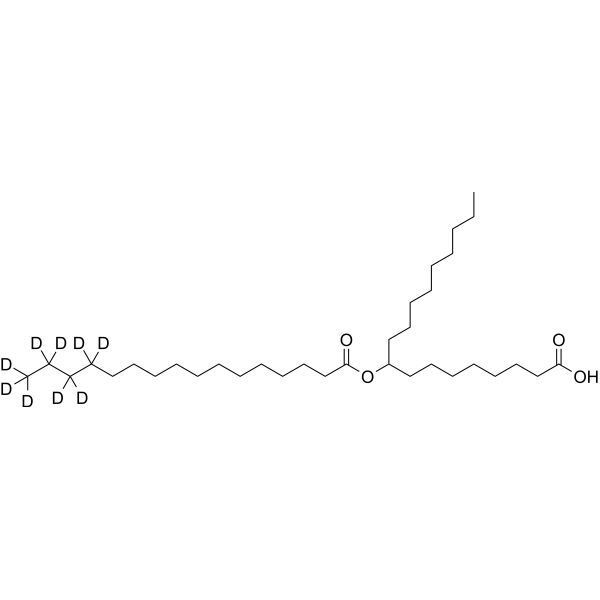
9-PAHSA-d9 is the deuterium labeled 9-PAHSA (HY-120657). 9-PAHSA is an orally active endogenous GPR120 agonist (EC50=18 μM). 9-PAHSA significantly inhibits LPS-induced inflammatory responses by blocking the NF-κB pathway. 9-PAHSA induces adipocyte browning, enhances glucose uptake and reduces lipid accumulation, while improving mitochondrial function and the survival rate of steatotic hepatocytes. In terms of neuroprotection, 9-PAHSA regulates the expression of REST and BDNF in the prefrontal cortex of diabetic mice, and effectively prevents spatial working memory deficits and abnormal social behaviors. 9-PAHSA does not directly regulate insulin secretion or improve systemic insulin sensitivity, and possesses specific anti-inflammatory, metabolic regulatory and neuroprotective properties. 9-PAHSA can be used in the research of diabetes-related cognitive impairment, obesity and non-alcoholic fatty liver disease .
|
-
- HY-120657S1
-
|
|
Isotope-Labeled Compounds
CGRP Receptor
NF-κB
|
Others
|
|
9-PAHSA-d31 is the deuterium labeled 9-PAHSA. 9-PAHSA is an orally active endogenous GPR120 agonist (EC50=18 μM). 9-PAHSA significantly inhibits LPS-induced inflammatory responses by blocking the NF-κB pathway. 9-PAHSA induces adipocyte browning, enhances glucose uptake and reduces lipid accumulation, while improving mitochondrial function and the survival rate of steatotic hepatocytes. In terms of neuroprotection, 9-PAHSA regulates the expression of REST and BDNF in the prefrontal cortex of diabetic mice, and effectively prevents spatial working memory deficits and abnormal social behaviors. 9-PAHSA does not directly regulate insulin secretion or improve systemic insulin sensitivity, and possesses specific anti-inflammatory, metabolic regulatory and neuroprotective properties. 9-PAHSA can be used in the research of diabetes-related cognitive impairment, obesity and non-alcoholic fatty liver disease .
|
-

- HY-180268
-
|
|
G protein-coupled Bile Acid Receptor 1
|
Metabolic Disease
|
|
TGR5 agonist 8 (Compound 7i) is a TGR5 agonist with an EC₅₀ of 571 nM. TGR5 agonist 8 significantly reduced blood glucose and food intake in acute diabetic mice and long-term inhibited the mice's appetite. TGR5 agonist 8 can be used for research on diabetes and obesity .
|
-

- HY-159796A
-
|
GR69153
|
Bacterial
Antibiotic
Glycosidase
|
Infection
Metabolic Disease
|
|
Ceftezole (GR69153) is a broad-spectrum cephalosporin antibiotic and an α-glucosidase inhibitor. Ceftezole inhibits bacterial cell lysis by inhibiting cell wall synthesis and binding to penicillin-binding proteins (PBPs). Ceftezole exhibits in vivo anti-diabetic activity in diabetic mice. Ceftezole can be used in antibacterial and anti-diabetic research .
|
-

- HY-180936
-
|
|
FBPase
AMPK
mTOR
Ribosomal S6 Kinase (RSK)
|
Metabolic Disease
|
|
FBPase-IN-6 (Compound 96) is an orally active FBPase inhibitor with an IC50 value of 1.769 μM. FBPase-IN-6 modulates AMPK/mTORC1/S6K signaling pathways. FBPase-IN-6 improves glucose tolerance, enhances insulin sensitivity, and promotes insulin secretion in type 2 diabetic mice .
|
-

- HY-N17761A
-
|
|
Others
|
Metabolic Disease
|
|
Tetrandrine 2'-N-β-oxide is an anti-hyperglycemic dibenzylisoquinoline alkaloid. At a dose of 1 mg/kg, Tetrandrine 2'-N-β-oxide can reduce hyperglycemia levels in streptozotocin (HY-13753)-induced diabetic mice to nearly 50% of their original levels. Tetrandrine 2'-N-β-oxide is primarily used in research related to the anti-hyperglycemic of type 2 diabetes.
|
-

- HY-179729
-
|
|
Glycosidase
|
Metabolic Disease
|
|
α-Glucosidase-IN-106 (Compound 17F) is an inhibitor of α-glucosidase with an IC50 of 14.9 μM. α-Glucosidase-IN-106 can effectively inhibit the peak of blood glucose after sucrose loading in normal mice, and shows a more significant anti-hyperglycemic effect in diabetic mice. α-Glucosidase-IN-106 can be used for research on diabetes .
|
-

- HY-183693
-
|
|
GLP Receptor
|
Metabolic Disease
|
|
GLP-1 receptor agonist 21 is an orally active glucagon-like peptide-1 receptor (GLP-1R) agonist with an EC50 of 0.64 nM. GLP-1 receptor agonist 21 reduces blood glucose levels and suppresses cumulative food consumption in diabetic mice. GLP-1 receptor agonist 21 can be used for the researches of type 2 diabetes and obesity .
|
-

- HY-173130
-
|
|
Glycosidase
|
Metabolic Disease
Inflammation/Immunology
|
|
α-Glucosidase-IN-86 (Compound A4) is an orally active α-glucosidase inhibitor with an IC50 of 2.72 μM. α-Glucosidase-IN-86 has high safety in mice. α-Glucosidase-IN-86 can reduce fasting blood glucose levels, improve glucose tolerance, regulate blood lipids, and has antioxidant effects in diabetic mice. α-Glucosidase-IN-86 can be used for the research of diabetes .
|
-

- HY-181700
-
|
|
Phosphatase
GLUT
|
Metabolic Disease
|
|
PTP1B-IN-34 is an orally active, selective, non-competitive PTP1B inhibitor, with an IC50 value of 0.64 μM and a Ki value of 1.15 μM against human PTP1B. PTP1B-IN-34 reduces blood glucose levels in diabetic mice. PTP1B-IN-34 can be used in research related to type 2 diabetes .
|
-

- HY-160475
-
|
|
Aldehyde Dehydrogenase (ALDH)
Apoptosis
Autophagy
|
Cardiovascular Disease
Metabolic Disease
|
|
AD-9308 is a highly selective and orally active ALDH2 activator. AD-9308 activates ALDH2 to promote the clearance of 4-HNE, inhibiting myocardial fibrosis, inflammation and cell apoptosis. AD-9308 improves mitochondrial function, sarcoplasmic reticulum/ endoplasmic reticulum calcium transport and regulates autophagy, restoring intracellular homeostasis. AD-9308 improves the diastolic and systolic function of the heart in diabetic mice and reverses ventricular mal-reconstruction. AD-9308 can be used for the study of diabetic cardiomyopathy .
|
-

- HY-W012732S2
-
|
|
Isotope-Labeled Compounds
Environmental Pollutants
Parasite
Drug Isomer
TNF Receptor
HIV
NF-κB
Interleukin Related
|
Neurological Disease
Cancer
|
|
Isoquinoline- 15N is the 15N-labeled Isoquinoline (HY-W012732). Isoquinoline is an analog of pyridine. Isoquinoline-based alkaloids, such as p-tolyl bisisoquinoline, phthaloyl isoquinoline, and naphthyl isoquinoline, exhibit anticancer activity. Berberine, an isoquinoline alkaloid, exerts anti-inflammatory effects in diabetic mice by downregulating the gene expression ratios of pro-/anti-inflammatory and Th1/Th2 cytokines. Additionally, some isoquinoline-based compounds also possess antidepressant, antibacterial, antimalarial, and anti-HIV activities.
|
-

- HY-181335
-
|
|
Arrestin
|
Metabolic Disease
Inflammation/Immunology
|
|
SKL1223 is an orally effective thioredoxin-interacting protein (TXNIP) inhibitor with an IC50 of 0.64 µM. SKL1223 interacts with the E-box region of the TXNIP promoter to inhibit TXNIP transcription and related signaling pathways. SKL1223 reduces hepatic glucose output. SKL1223 exerts hypoglycemic effects by regulating the action of glucagon, and modulates blood glucose levels in Streptozotocin (HY-13753)-induced and obesity-induced diabetic mice. SKL1223 can be used in the research of type 1 diabetes and type 2 diabetes .
|
-

- HY-P11604
-
|
|
Phosphatase
|
Inflammation/Immunology
|
|
C16 acid-I-{Lys (C10 diacid)}-KQELRRIGDEF is a cell-permeable and internalizable PTPN1/2 inhibitor, with IC50 values of 107.6 nM and 3375 nM, respectively. C16 acid-I-{Lys (C10 diacid)}-KQELRRIGDEF restores insulin signaling in HepG2 cells. C16 acid-I-{Lys (C10 diacid)}-KQELRRIGDEF achieves glycemic control in db/db diabetic mice. C16 acid-I-{Lys (C10 diacid)}-KQELRRIGDEF can be used in the research of type 2 diabetes .
|
-

- HY-182850
-
|
|
CXCR
|
Metabolic Disease
|
|
UCUF-965 is a CXCR4 positive allosteric modulator. UCUF-965 potentiates CXCL12-induced β-arrestin recruitment and cAMP signaling, activates lymphoblast migration, induces calcium flux, and does not bind CXCR4’s orthosteric CXCL12 site. UCUF-965 reduces miR-15b and miR-29a levels, increases miR-146a levels in fibroblasts. UCUF-965 enhances angiogenesis and reduces wound healing time in diabetic mice. UCUF-965 can be used for the research of diabetic wound healing impairment .
|
-

- HY-131453
-
|
|
Mitochondrial Metabolism
|
Cardiovascular Disease
Inflammation/Immunology
|
|
Mitochondrial respiration-IN-1 is a mitochondrial respiratory inhibitor. Mitochondrial respiration-IN-1 reduces platelet aggregation, adhesion, and platelet-induced coagulation responses. Mitochondrial respiration-IN-1 induces adaptive glycolysis, decreases mitochondrial membrane potential, selectively reduces ATP production derived from oxidative phosphorylation, and exerts bidirectional regulatory effects on cell proliferation. Mitochondrial respiration-IN-1 activates UPRmt and upregulates the expression of SDHA-1 and MT-CO1. Mitochondrial respiration-IN-1 restores metabolic homeostasis in type 2 diabetic mice. Mitochondrial respiration-IN-1 can be used to investigate diseases mediated by inappropriate platelet activation/aggregation and type 2 diabetes .
|
-

- HY-182469
-
|
|
Lactate Dehydrogenase
AMPK
FOXO
Interleukin Related
Reactive Oxygen Species (ROS)
TNF Receptor
Bcl-2 Family
Caspase
Apoptosis
|
Neurological Disease
|
|
FuBIG is an iminoguanidine derivative with neuroprotective effects. FuBIGL inhibits L-LDH activation and reduces lactate production. FuBIGL exerts protective effects on inflammatory nerve cells, upregulates the expressions of AMPK, pAMPK and FOXO3, and activates the AMPK pathway in cells. FuBIG exerts anti-inflammatory effects by reducing pro-inflammatory cytokines (IL-6, IL-1β, TNF-α) and increasing the anti-inflammatory cytokine IL-10. FuBIG maintains mitochondrial membrane potential, alleviates mitochondrial dysfunction, reduces ROS production, and relieves oxidative stress. FuBIG upregulates Bcl-2, downregulates Bax and Caspase-3, and inhibits cell apoptosis (apoptosis). FuBIG improves metabolic disorders in diabetic mice, decreases the levels of LDL-C, ALT and AST, and increases HDL-C level simultaneously. FuBIG can be used in the research of diabetic neuroinflammation .
|
-

- HY-P992410
-
|
|
PAI-1
TGF-beta/Smad
|
Inflammation/Immunology
|
|
MEDI-579 is a fully human monoclonal antibody against PAI-1, with a KD value of 6 pM for human PAI-1 and 105 pM for rat PAI-1. MEDI-579 restores renal plasmin activity and inhibits PAI-1-mediated intracellular signal transduction. MEDI-579 reduces albuminuria, glomerulosclerosis severity, TGF-β1 expression level, and phosphorylated Smad2 level induced in diabetic mice. MEDI-579 decreases the levels of active PAI-1 in plasma and kidneys, and increases plasma plasmin level in a mouse model of lupus nephritis. MEDI-579 can be used in research related to diabetic nephropathy and lupus nephritis. The recommended isotype control is human IgG1 kappa (HY-P99001) .
|
-

| Cat. No. |
Product Name |
Target |
Research Area |
-
- HY-103290
-
|
|
Bradykinin Receptor
|
Others
|
|
R715 is a selective bradykinin B1 receptor antagonist. R715 significantly attenuates the hyperalgesic effect developed in Streptozotocin(HY-13753)-diabetic mice .
|
-
- HY-P3102
-
|
|
GCGR
|
Metabolic Disease
|
|
GLP-1(32-36)amide, a pentapeptide, derived from the C terminus of the glucoregulatory hormone GLP-1. GLP-1(32-36)amide could inhibit weight gain and modulate whole body glucose metabolism in diabetic mice .
|
-
- HY-P1910
-
|
|
Peptides
|
Metabolic Disease
|
|
BDC2.5 mimotope 1040-51 is a mimotope peptide for diabetogenic T cell clone BDC2.5. isolated from non-obese diabetic mice .
|
-
- HY-P3102A
-
|
|
GCGR
|
Metabolic Disease
|
|
GLP-1(32-36)amide TFA, a pentapeptide, derived from the C terminus of the glucoregulatory hormone GLP-1. GLP-1(32-36)amide TFA could inhibit weight gain and modulate whole body glucose metabolism in diabetic mice .
|
-
- HY-P11604
-
|
|
Phosphatase
|
Inflammation/Immunology
|
|
C16 acid-I-{Lys (C10 diacid)}-KQELRRIGDEF is a cell-permeable and internalizable PTPN1/2 inhibitor, with IC50 values of 107.6 nM and 3375 nM, respectively. C16 acid-I-{Lys (C10 diacid)}-KQELRRIGDEF restores insulin signaling in HepG2 cells. C16 acid-I-{Lys (C10 diacid)}-KQELRRIGDEF achieves glycemic control in db/db diabetic mice. C16 acid-I-{Lys (C10 diacid)}-KQELRRIGDEF can be used in the research of type 2 diabetes .
|
| Cat. No. |
Product Name |
Target |
Research Area |
Image |
-
- HY-P992410
-
|
|
PAI-1
TGF-beta/Smad
|
Inflammation/Immunology
|
|
MEDI-579 is a fully human monoclonal antibody against PAI-1, with a KD value of 6 pM for human PAI-1 and 105 pM for rat PAI-1. MEDI-579 restores renal plasmin activity and inhibits PAI-1-mediated intracellular signal transduction. MEDI-579 reduces albuminuria, glomerulosclerosis severity, TGF-β1 expression level, and phosphorylated Smad2 level induced in diabetic mice. MEDI-579 decreases the levels of active PAI-1 in plasma and kidneys, and increases plasma plasmin level in a mouse model of lupus nephritis. MEDI-579 can be used in research related to diabetic nephropathy and lupus nephritis. The recommended isotype control is human IgG1 kappa (HY-P99001) .
|
-

(5)
| Cat. No. |
Product Name |
Category |
Target |
Chemical Structure |
-
- HY-N0058
-
-
-
- HY-128700
-
|
|
Structural Classification
Human Gut Microbiota Metabolites
Classification of Application Fields
Ketones, Aldehydes, Acids
Metabolic Disease
Endogenous metabolite
Disease Research Fields
Source Classification
|
Endogenous Metabolite
Sirtuin
|
|
Nicotinic acid mononucleotide acts as a SARM1 inhibitor and a NAD + biosynthesis intermediate, with an IC50 value of 93.3 μM against SARM1. Nicotinic acid mononucleotide exerts axon-protective effects, delays axonal degeneration, elevates NAD + levels, enhances Sirt1 activity, improves myocardial capillary density and alleviates myocardial fibrosis. Nicotinic acid mononucleotide reverses diabetic cardiomyopathy in diabetic mice by increasing myocardial NAD + levels. Nicotinic acid mononucleotide is applicable to research related to cancer, multiple sclerosis, diabetic cardiomyopathy, neurodegenerative diseases and Huntington's disease .
|
-
-
- HY-N15721
-
|
Trp-CA
|
Triterpenes
Structural Classification
Terpenoids
Endogenous metabolite
Source Classification
|
Orphan GPCR
GLP Receptor
|
|
Tryptophan-cholic acid (Trp-CA) is a microbial amino acid-conjugated bile acid that acts as an endogenous ligand and agonist (EC50=9.6 μM) for the orphan G protein-coupled receptor (GPCR) MRGPRE (Mas-related G protein-coupled receptor family member E). Tryptophan-cholic acid is orally effective but has poor oral absorption and does not cross the blood-brain barrier. Tryptophan-cholic acid promotes the secretion of glucagon-like peptide GLP-1, thereby improving glucose tolerance in diabetic mice. Tryptophan-cholic acid improves glucose tolerance, promotes insulin secretion, and alleviates high-fat diet-induced hepatic steatosis without causing pruritus side effects. Tryptophan-cholic acid is primarily used in research on type 2 diabetes (T2D) .
|
-
-
- HY-19696B
-
-
-
- HY-N7515
-
-
-
- HY-W012732
-
|
|
Marine natural products
Source Classification
|
Environmental Pollutants
Parasite
Drug Isomer
TNF Receptor
HIV
NF-κB
Interleukin Related
|
|
Isoquinoline is an analog of pyridine. Isoquinoline-based alkaloids, such as p-tolyl bisisoquinoline, phthaloyl isoquinoline, and naphthyl isoquinoline, exhibit anticancer activity.
Berberine, an isoquinoline alkaloid, exerts anti-inflammatory effects in diabetic mice by downregulating the gene expression ratios of pro-/anti-inflammatory and Th1/Th2 cytokines.
Additionally, some isoquinoline-based compounds also possess antidepressant, antibacterial, antimalarial, and anti-HIV activities .
|
-
-
- HY-W010516
-
-
-
- HY-N0772
-
-
-
- HY-120657
-
|
|
Structural Classification
Classification of Application Fields
Ketones, Aldehydes, Acids
Other Diseases
Endogenous metabolite
Disease Research Fields
Source Classification
|
CGRP Receptor
NF-κB
|
|
9-PAHSA is an orally active endogenous GPR120 agonist (EC50=18 μM). 9-PAHSA significantly inhibits LPS-induced inflammatory responses by blocking the NF-κB pathway. 9-PAHSA induces adipocyte browning, enhances glucose uptake and reduces lipid accumulation, while improving mitochondrial function and the survival rate of steatotic hepatocytes. In terms of neuroprotection, 9-PAHSA regulates the expression of REST and BDNF in the prefrontal cortex of diabetic mice, and effectively prevents spatial working memory deficits and abnormal social behaviors. 9-PAHSA does not directly regulate insulin secretion or improve systemic insulin sensitivity, and possesses specific anti-inflammatory, metabolic regulatory and neuroprotective properties. 9-PAHSA can be used in the research of diabetes-related cognitive impairment, obesity and non-alcoholic fatty liver disease .
|
-
-
- HY-N3960
-
-
-
- HY-N0058R
-
|
Isochlorogenic acid C (Standard)
|
Structural Classification
Ketones, Aldehydes, Acids
Phenols
Polyphenols
Bowdichia virgilioides
Plants
Compositae
Endogenous metabolite
Source Classification
|
Reference Standards
HBV
Endogenous Metabolite
Apoptosis
Glycosidase
|
|
4,5-Dicaffeoylquinic acid (Standard) is the analytical standard of 4,5-Dicaffeoylquinic acid. This product is intended for research and analytical applications. 4,5-Dicaffeoylquinic acid (Isochlorogenic acid C) is an antioxidant, can be isolated from Gynura divaricata and Laggera alata. 4,5-Dicaffeoylquinic acid reduces islet cell apoptosis and improves pancreatic function in type 2 diabetic mice, and has obvious inhibitory activities against yeast α-glucosidase. 4,5-Dicaffeoylquinic acid inhibits prostate cancer cells through cell cycle arrest. 4,5-Dicaffeoylquinic acid also has anti-apoptotic, anti-injury and anti-hepatitis B virus effects .
|
-
-
- HY-N5097
-
-
-
- HY-N11728
-
|
|
Microorganisms
Phenols
Polyphenols
Source Classification
|
Amylases
Glycosidase
|
|
2,7"-Phloroglucinol-6,6'-bieckol is an orally active dual α-amylase/α-glucosidase inhibitor with IC50 values of 6.94 μM and 23.35 μM respectively. 2,7"-Phloroglucinol-6, 6'-bieckol alleviates postprandial hyperglycemia in diabetic mice. 2,7"-Phloroglucinol-6,6'-bieckol can be used in diabetes research .
|
-
-
- HY-N11723
-
|
Katenarin
|
Quinones
Microorganisms
Anthraquinones
Source Classification
|
CCR
CXCR
p38 MAPK
JNK
Calcium Channel
|
|
Catenarin, an anthraquinone compound, inhibits CCR5- and CXCR4-mediated chemotaxis. Catenarin reduces the phosphorylation of mitogen-activated protein kinases (p38 and JNK) and their upstream kinases (MKK6 and MKK7), and calcium mobilization. Catenarin shows anti-inflammatory effect and suppresses leukocyte migration in the diabetes. Catenarin exhibits significant inhibitory effects against Gram-positive bacteria. Catenarin prevents type 1 diabetes (T1D) in nonobese diabetic mice [1][2].
|
-
-
- HY-W010516R
-
|
2-Methylpentanoic acid (Standard)
|
Structural Classification
other families
Ketones, Aldehydes, Acids
Plants
Endogenous metabolite
Source Classification
|
Reference Standards
Endogenous Metabolite
|
|
2-Methylvaleric acid (Standard) is the analytical standard of 2-Methylvaleric acid. This product is intended for research and analytical applications. 2-Methylvaleric acid is a branched short-chain fatty acid (SCFA) produced by the metabolism of branched-chain amino acids by gut microbes. 2-Methylvaleric acid can be used as a potential biomarker for metabolic diseases such as type 2 diabetes, and its content is significantly reduced in the feces of diabetic mice. 2-Methylvaleric acid may regulate host energy metabolism and inflammatory response through G protein-coupled receptors (GPCRs) or histone deacetylase (HDAC) inhibition. 2-Methylvaleric acid can be used to study gut microbe-host interactions and metabolic diseases as a fecal biomarker[1][2].
|
-
-
- HY-N0772R
-
-
-
- HY-120657R
-
|
|
Structural Classification
Ketones, Aldehydes, Acids
Endogenous metabolite
Source Classification
|
Reference Standards
CGRP Receptor
NF-κB
|
|
Flumethrin (Standard) is the analytical standard of Flumethrin. This product is intended for research and analytical applications. 9-PAHSA is an orally active endogenous GPR120 agonist (EC50=18 μM). 9-PAHSA significantly inhibits LPS-induced inflammatory responses by blocking the NF-κB pathway. 9-PAHSA induces adipocyte browning, enhances glucose uptake and reduces lipid accumulation, while improving mitochondrial function and the survival rate of steatotic hepatocytes. In terms of neuroprotection, 9-PAHSA regulates the expression of REST and BDNF in the prefrontal cortex of diabetic mice, and effectively prevents spatial working memory deficits and abnormal social behaviors. 9-PAHSA does not directly regulate insulin secretion or improve systemic insulin sensitivity, and possesses specific anti-inflammatory, metabolic regulatory and neuroprotective properties. 9-PAHSA can be used in the research of diabetes-related cognitive impairment, obesity and non-alcoholic fatty liver disease .
|
-
-
- HY-N17761A
-
-
| Cat. No. |
Product Name |
Chemical Structure |
-
- HY-W770410
-
|
|
|
9-PAHSA- 13C4 is 13C-labeled 9-PAHSA. 9-PAHSAis an orally active endogenous GPR120 agonist (EC50=18 μM). 9-PAHSAsignificantly inhibits LPS-induced inflammatory responses by blocking the NF-κB pathway. 9-PAHSAinduces adipocyte browning, enhances glucose uptake and reduces lipid accumulation, while improving mitochondrial function and the survival rate of steatotic hepatocytes. In terms of neuroprotection, 9-PAHSAregulates the expression of REST and BDNF in the prefrontal cortex of diabetic mice, and effectively prevents spatial working memory deficits and abnormal social behaviors. 9-PAHSAdoes not directly regulate insulin secretion or improve systemic insulin sensitivity, and possesses specific anti-inflammatory, metabolic regulatory and neuroprotective properties. 9-PAHSAcan be used in the research of diabetes-related cognitive impairment, obesity and non-alcoholic fatty liver disease .
|
-
-
- HY-B0561S4
-
|
|
|
Spironolactone-d6-1 is the deuterium labeled Spironolactone (HY-B0561). Spironolactone is an aldosterone antagonist that acts on the aldosterone mineralocorticoid receptor (IC50=24 nM) and androgen receptor (IC50=77 nM), promotes podocyte autophagy and regulates pain. Spironolactone improves hypertension-related vascular hypertrophy and remodeling by reducing angiotensin II (Ang II)-induced inflammation, reduces aldosterone-induced vascular and soft tissue calcification through PIT1-dependent signaling, and alleviates vascular dysfunction in type II diabetic mice by reducing oxidative stress and restoring NO/GC signaling; at low concentrations, it and its metabolites can interfere with aldosterone biosynthesis in the adrenal cortex and inhibit voltage-dependent Ca 2+ channels to exert antihypertensive effects .
|
-
-
- HY-120657S
-
|
|
|
9-PAHSA-d4 is the deuterium labeled 9-PAHSA. 9-PAHSA is an orally active endogenous GPR120 agonist (EC50=18 μM). 9-PAHSA significantly inhibits LPS-induced inflammatory responses by blocking the NF-κB pathway. 9-PAHSA induces adipocyte browning, enhances glucose uptake and reduces lipid accumulation, while improving mitochondrial function and the survival rate of steatotic hepatocytes. In terms of neuroprotection, 9-PAHSA regulates the expression of REST and BDNF in the prefrontal cortex of diabetic mice, and effectively prevents spatial working memory deficits and abnormal social behaviors. 9-PAHSA does not directly regulate insulin secretion or improve systemic insulin sensitivity, and possesses specific anti-inflammatory, metabolic regulatory and neuroprotective properties. 9-PAHSA can be used in the research of diabetes-related cognitive impairment, obesity and non-alcoholic fatty liver disease .
|
-
-
- HY-144026S
-
|
|
|
9-PAHSA-d9 is the deuterium labeled 9-PAHSA (HY-120657). 9-PAHSA is an orally active endogenous GPR120 agonist (EC50=18 μM). 9-PAHSA significantly inhibits LPS-induced inflammatory responses by blocking the NF-κB pathway. 9-PAHSA induces adipocyte browning, enhances glucose uptake and reduces lipid accumulation, while improving mitochondrial function and the survival rate of steatotic hepatocytes. In terms of neuroprotection, 9-PAHSA regulates the expression of REST and BDNF in the prefrontal cortex of diabetic mice, and effectively prevents spatial working memory deficits and abnormal social behaviors. 9-PAHSA does not directly regulate insulin secretion or improve systemic insulin sensitivity, and possesses specific anti-inflammatory, metabolic regulatory and neuroprotective properties. 9-PAHSA can be used in the research of diabetes-related cognitive impairment, obesity and non-alcoholic fatty liver disease .
|
-
-
- HY-120657S1
-
|
|
|
9-PAHSA-d31 is the deuterium labeled 9-PAHSA. 9-PAHSA is an orally active endogenous GPR120 agonist (EC50=18 μM). 9-PAHSA significantly inhibits LPS-induced inflammatory responses by blocking the NF-κB pathway. 9-PAHSA induces adipocyte browning, enhances glucose uptake and reduces lipid accumulation, while improving mitochondrial function and the survival rate of steatotic hepatocytes. In terms of neuroprotection, 9-PAHSA regulates the expression of REST and BDNF in the prefrontal cortex of diabetic mice, and effectively prevents spatial working memory deficits and abnormal social behaviors. 9-PAHSA does not directly regulate insulin secretion or improve systemic insulin sensitivity, and possesses specific anti-inflammatory, metabolic regulatory and neuroprotective properties. 9-PAHSA can be used in the research of diabetes-related cognitive impairment, obesity and non-alcoholic fatty liver disease .
|
-
-
- HY-W012732S2
-
|
|
|
Isoquinoline- 15N is the 15N-labeled Isoquinoline (HY-W012732). Isoquinoline is an analog of pyridine. Isoquinoline-based alkaloids, such as p-tolyl bisisoquinoline, phthaloyl isoquinoline, and naphthyl isoquinoline, exhibit anticancer activity. Berberine, an isoquinoline alkaloid, exerts anti-inflammatory effects in diabetic mice by downregulating the gene expression ratios of pro-/anti-inflammatory and Th1/Th2 cytokines. Additionally, some isoquinoline-based compounds also possess antidepressant, antibacterial, antimalarial, and anti-HIV activities.
|
-
Your information is safe with us. * Required Fields.
Inquiry Information
- Product Name:
- Cat. No.:
- Quantity:
- MCE Japan Authorized Agent:








