Search Result
Results for "
flt3+inhibitor
" in MedChemExpress (MCE) Product Catalog:
2
Isotope-Labeled Compounds
| Cat. No. |
Product Name |
Target |
Research Areas |
Chemical Structure |
-
- HY-13038A
-
|
R788
|
Syk
FLT3
|
Inflammation/Immunology
Cancer
|
|
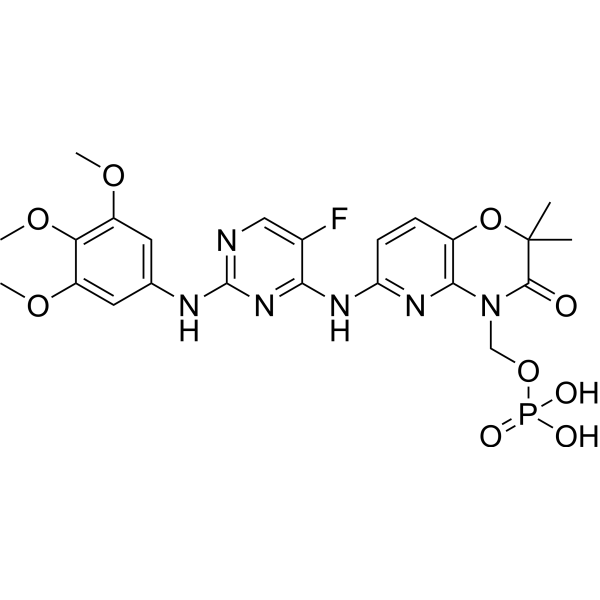
Fostamatinib (R788) is the oral proagent of the active compound R406 . R406 is an orally available and competitive Syk/FLT3 inhibitor with a Ki of 30 nM and an IC50 of 41 nM . R406 also inhibits Lyn (IC50=63 nM) and Lck (IC50=37 nM) [3].
|
-
-
- HY-13001
-
Quizartinib
Maximum Cited Publications
45 Publications Verification
AC220
|
FLT3
Apoptosis
PDGFR
c-Kit
|
Cancer
|
|
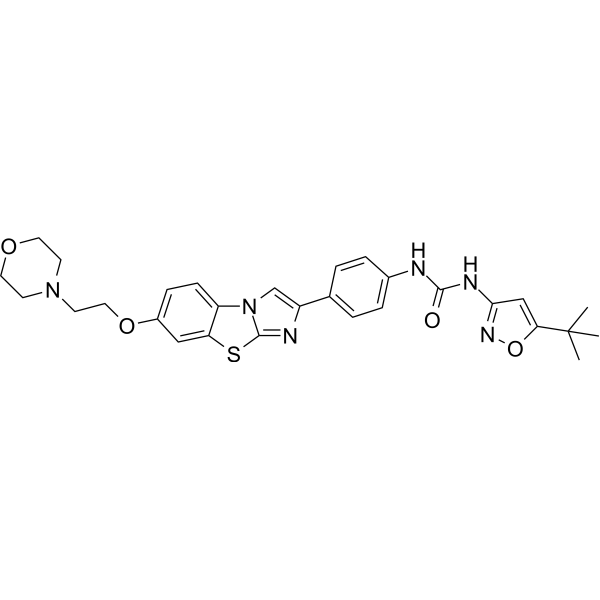
Quizartinib (AC220) is an orally active, potent and selective FLT3 inhibitor. Quizartinib inhibits kinase activity of mutant-FLT3, -PDGFRA and -KIT isoforms and inhibits autophosphorylation. Quizartinib inhibits cellular proliferation, induces apoptosis in cancer cells. Quizartinib can be used for the research of cancer .
|
-
-
- HY-12067
-
|
|
Syk
FLT3
Apoptosis
|
Inflammation/Immunology
Cancer
|
|
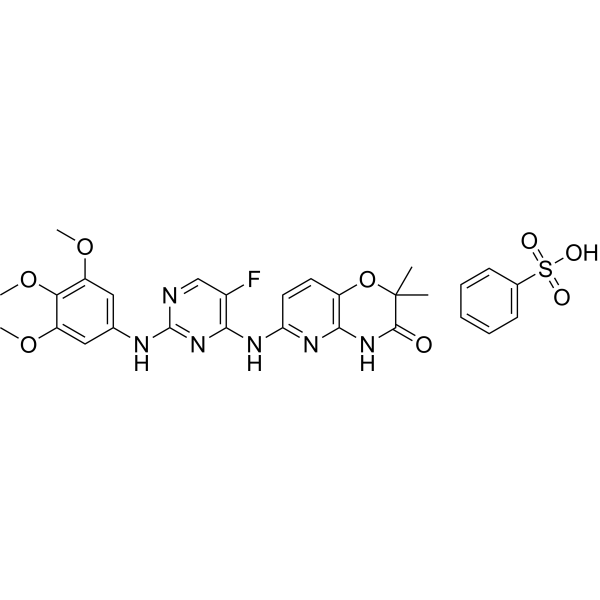
R406 is an orally available and competitive Syk/FLT3 inhibitor for ATP binding with a Ki of 30 nM, potently inhibits Syk kinase activity in vitro with an IC50 of 41 nM, measured at an ATP concentration corresponding to its Km value. R406 reduces immune complex-mediated inflammation . R406 also inhibits Lyn (IC50=63 nM) and Lck (IC50=37 nM) .
|
-
-
- HY-12344
-
|
|
FLT3
|
Neurological Disease
Cancer
|
|
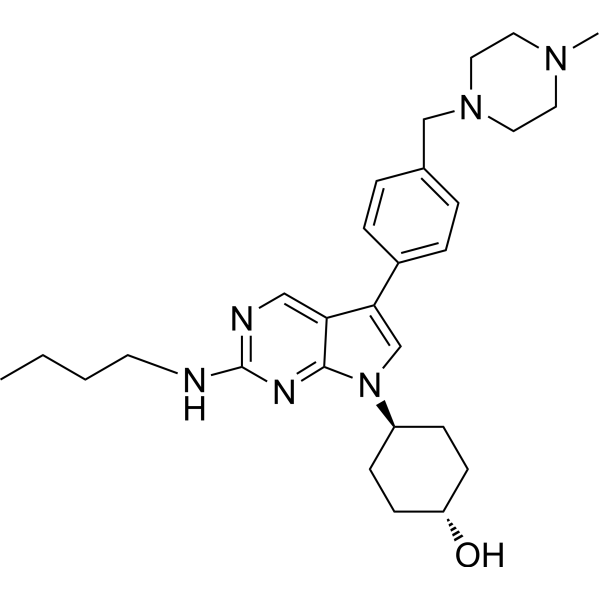
UNC2025 is a potent, ATP-competitive, highly orally active and BBB-permeable Mer/Flt3 inhibitor with IC50 values of 0.74 nM and 0.8 nM, respectively. UNC2025 is >45-fold selectivity for MERTK relative to Axl (IC50= 122 nM; Ki = 13.3 nM). UNC2025 exhibits an excellent PK properties, and can be used for the investigation of acute leukemia [3].
|
-
-
- HY-130247
-
|
JAK2/flt3-IN-1
|
JAK
FLT3
Apoptosis
|
Cancer
|
|
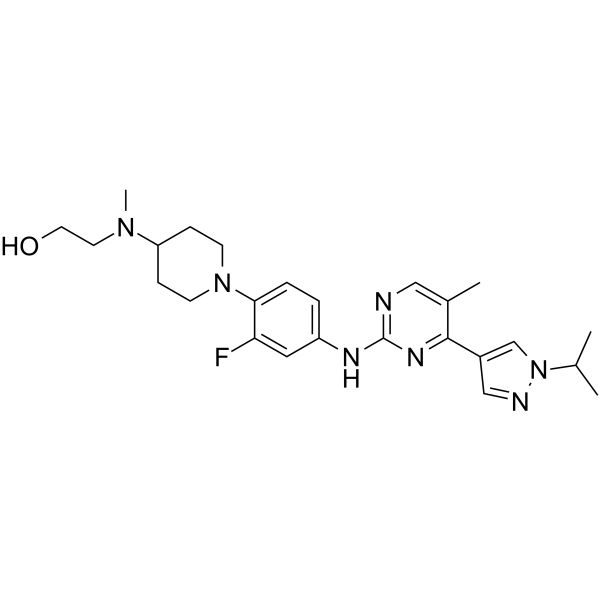
Flonoltinib is a potent and orally active dual JAK2/FLT3 inhibitor with IC50 values of 0.7 nM, 4 nM, 26 nM and 39 nM for JAK2, FLT3, JAK1 and JAK3, respectively. Flonoltinib has anti-cancer activity .
|
-
-
- HY-13038
-
|
R788Disodium
|
Syk
FLT3
|
Inflammation/Immunology
Cancer
|
|
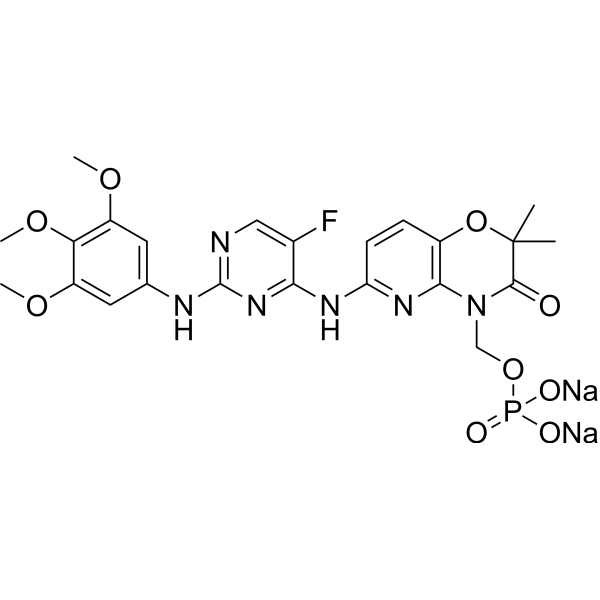
Fostamatinib Disodium (R788 Disodium) is the oral proagent of the active compound R406 . R406 is an orally available and competitive Syk/FLT3 inhibitor with a Ki of 30 nM and an IC50 of 41 nM . R406 also inhibits Lyn (IC50=63 nM) and Lck (IC50=37 nM) [3].
|
-
-
- HY-145015
-
|
HM43239
|
FLT3
Apoptosis
|
Cancer
|
|
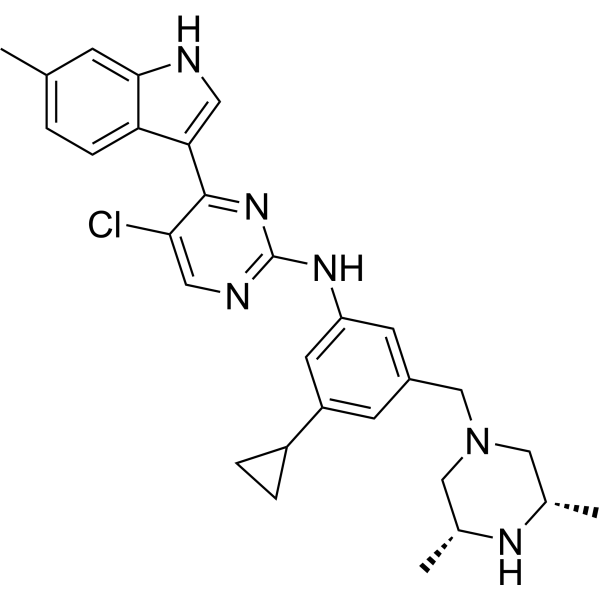
Tuspetinib (HM43239) is an orally active and selective FLT3 inhibitor with IC50s of 1.1 nM, 1.8 nM and 1.0 nM for FLT3 WT, FLT3 internal tandem duplication (ITD) and FLT3 D835Y kinases, respectively. Tuspetinib inhibits the kinase activity of FLT3 as a reversible type I inhibitor and modulates p-STAT5, p-ERK, SYK, JAK1/2, and TAK1. Tuspetinib inhibits the proliferation and induces the apoptosis of leukemic cells [3].
|
-
-
- HY-11108
-
|
|
Syk
FLT3
Apoptosis
|
Inflammation/Immunology
Cancer
|
|
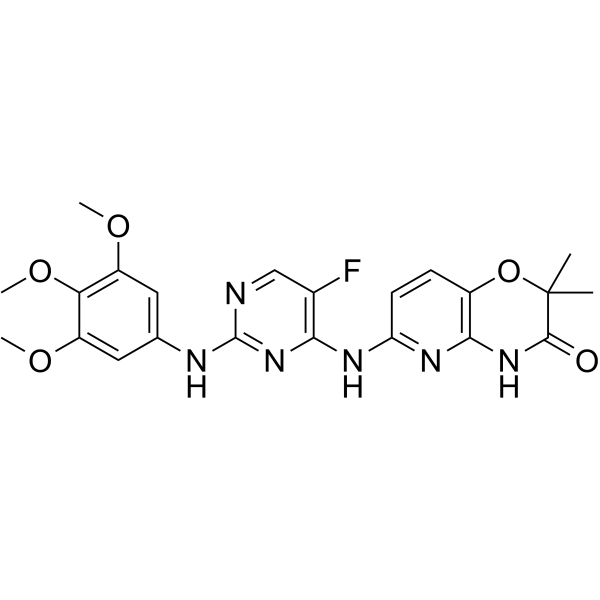
R406 free base is an orally available and competitive Syk/FLT3 inhibitor for ATP binding with a Ki of 30 nM, potently inhibits Syk kinase activity in vitro with an IC50 of 41 nM, measured at an ATP concentration corresponding to its Km value. R406 free base reduces immune complex-mediated inflammation . R406 free base also inhibits Lyn (IC50=63 nM) and Lck (IC50=37 nM) .
|
-
-
- HY-12494
-
|
|
TAM Receptor
FLT3
|
Neurological Disease
Cancer
|
|
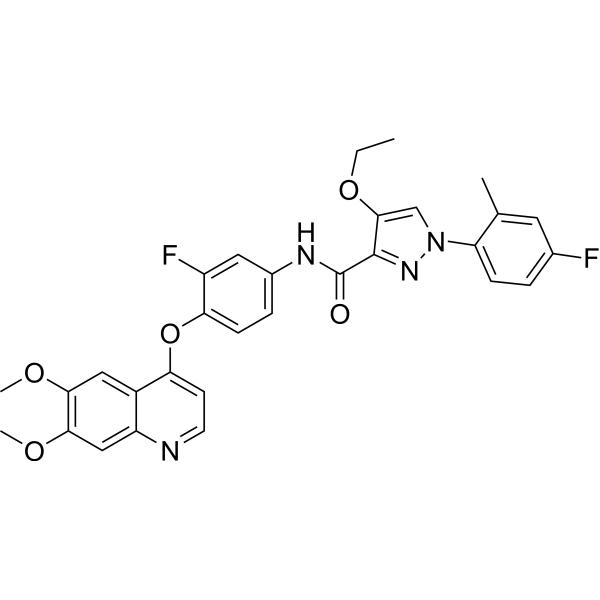
LDC1267 is a AXL/TAM/FLT3 inhibitor with IC50 values of 42 nM, 130 nM, and 63 nM against AXL, MERTK, and TYRO3, respectively. LDC1267 blocks GAS6-induced AXL phosphorylation and the downstream AKT/ERK1/2 signaling pathway. LDC1267 inhibits cancer cell proliferation, colony formation, and glioblastoma cell invasion, without causing obvious impairment of cytotoxic autophagic flux. LDC1267 exerts a synergistic effect when used in combination with Imatinib (HY-15463) in chronic myeloid leukemia models. LDC1267 can be widely applied in studies related to glioblastoma and chronic myeloid leukemia [3].
|
-
-
- HY-13038B
-
|
R788 disodium hexahydrate
|
Syk
FLT3
|
Inflammation/Immunology
Cancer
|
|
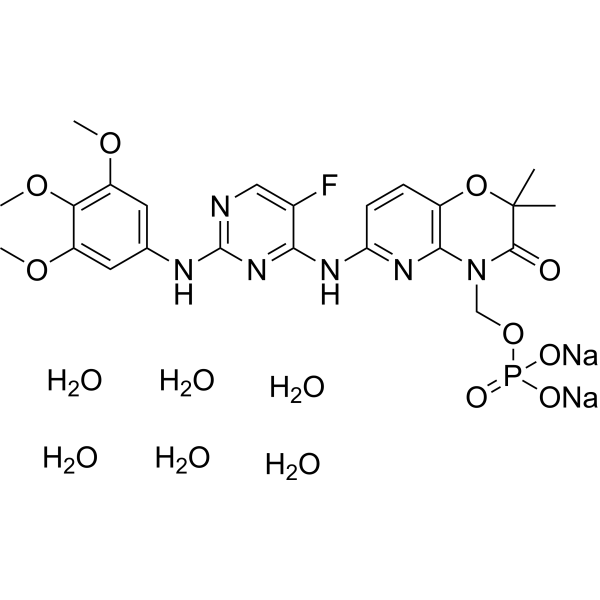
Fostamatinib (R788) disodium hexahydrate is the oral proagent of the active compound R406 . R406 is an orally available and competitive Syk/FLT3 inhibitor with a Ki of 30 nM and an IC50 of 41 nM . R406 also inhibits Lyn (IC50=63 nM) and Lck (IC50=37 nM) [3].
|
-
-
- HY-12960
-
|
flt3-IN-1
|
FLT3
c-Kit
Apoptosis
|
Cancer
|
|
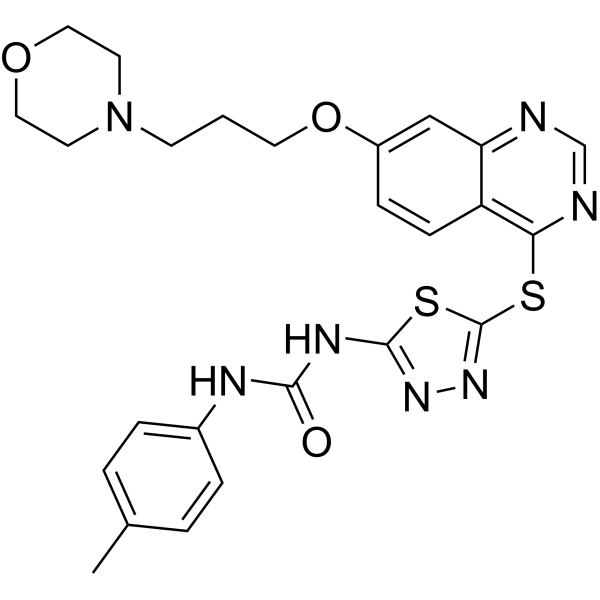
SKLB4771 is a potent and selective Flt3 inhibitor with an IC50 value of 10 nM. SKLB4771 downregulates the phosphorylation of FLT3/STAT5/ERK, blocks cell proliferation, and induces apoptosis in tumor tissue .
|
-
-
- HY-14217
-
|
AC220 dihydrochloride
|
FLT3
Apoptosis
PDGFR
c-Kit
|
Cancer
|
|
Quizartinib (AC220) dihydrochloride is an orally active, potent and selective FLT3 inhibitor. Quizartinib dihydrochloride inhibits kinase activity of mutant-FLT3, -PDGFRA and -KIT isoforms and inhibits autophosphorylation. Quizartinib dihydrochloride inhibits cellular proliferation, induces apoptosis in cancer cells. Quizartinib dihydrochloride can be used for the research of cancer .
|
-

-
- HY-12333
-
|
G-749
|
FLT3
Apoptosis
|
Cancer
|
|
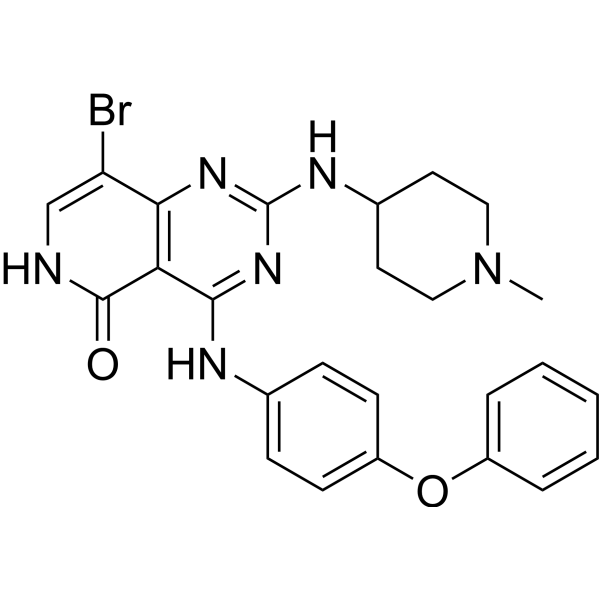
Denfivontinib (G-749) is a potent, oral active and ATP competitive FLT3 inhibitor, with IC50s of 0.4 nM and 0.6 nM for FLT3 wild type and FLT3-D835Y, respectively. Denfivontinib can be used for the research of agent resistance for acute myeloid leukemia (AML) .
|
-
-
- HY-15166B
-
|
(E/Z)-TG02 citrate; (E/Z)-SB1317 citrate
|
CDK
JAK
FLT3
|
Cancer
|
|
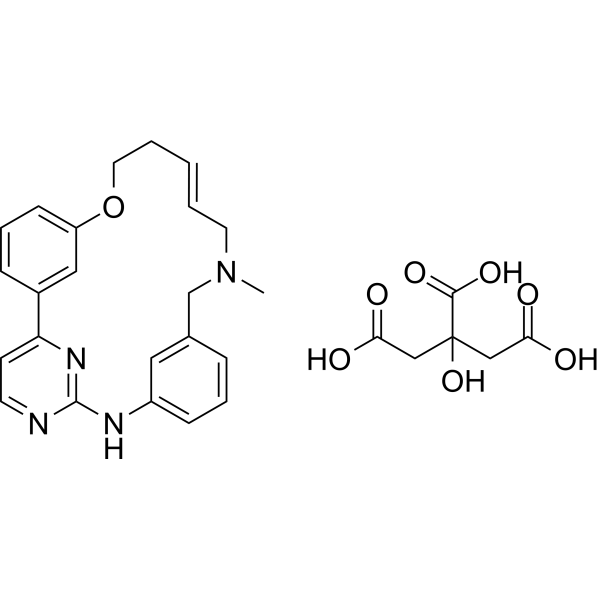
(E/Z)-Zotiraciclib citrate is a potent CDK2, JAK2, and FLT3 inhibitor .
|
-
-
- HY-112145
-
|
|
FLT3
|
Cancer
|
|
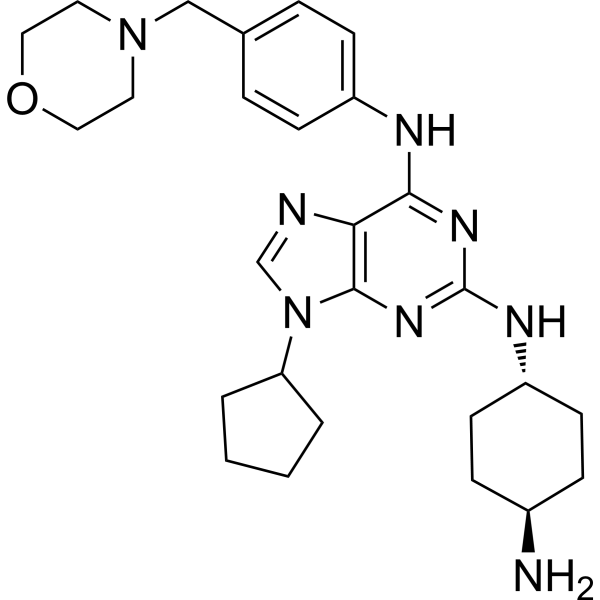
FLT3-IN-3 is a potent FLT3 inhibitor with IC50s of 13 and 8 nM for FLT3 WT and FLT3 D835Y, respectively.
|
-
-
- HY-13907
-
TCS 359
1 Publications Verification
|
FLT3
|
Cancer
|
|
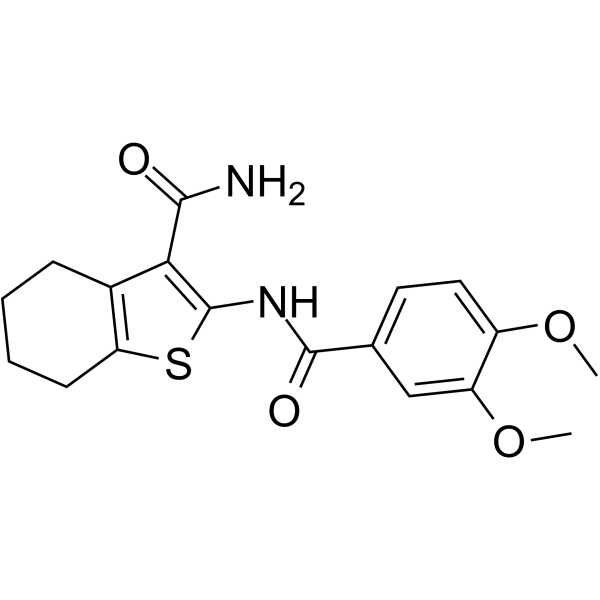
TCS 359, a 2-acylaminothiophene-3-carboxamide, is a potent and selective FLT3 inhibitor with an IC50 of 42 nM. TCS 359 inhibits MV4-11 cell proliferation with an IC50 of 340 nM .
|
-
-
- HY-15003
-
|
|
FLT3
Apoptosis
|
Cancer
|
|
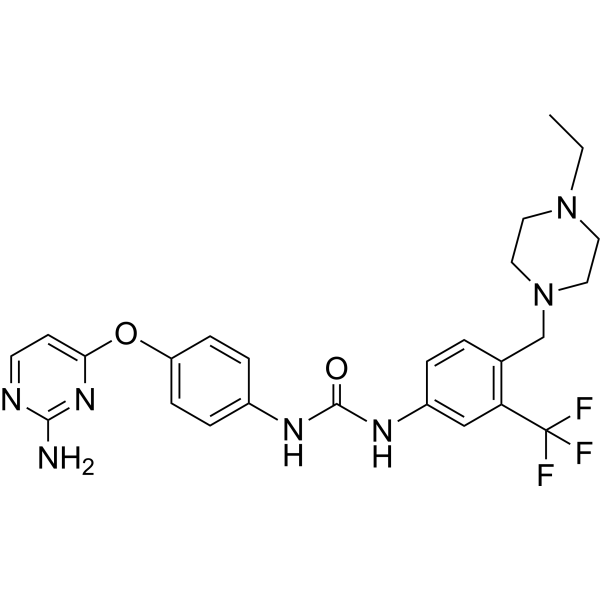
ATH686 is a potent, selective and ATP-competitive FLT3 inhibitor. ATH686 target mutant FLT3 protein kinase activity and inhibit the proliferation of cells harboring FLT3 mutants via induction of apoptosis and cell cycle inhibition. ATH686 has antileukemic effects .
|
-
-
- HY-12344A
-
|
|
FLT3
|
Cancer
|
|
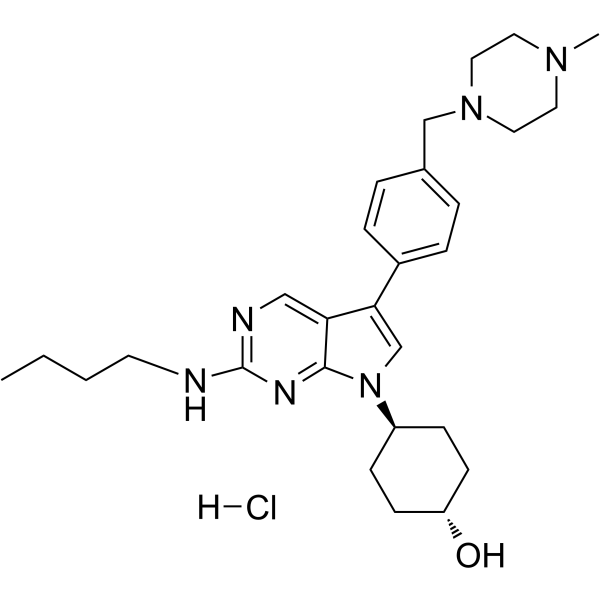
UNC2025 hydrochloride is a potent, ATP-competitive, highly orally active and BBB-permeable Mer/Flt3 inhibitor with IC50 values of 0.74 nM and 0.8 nM, respectively. UNC2025 hydrochloride is >45-fold selectivity for MERTK relative to Axl (IC50= 122 nM; Ki = 13.3 nM). UNC2025 hydrochloride exhibits an excellent PK properties, and can be used for the investigation of acute leukemia .
|
-
-
- HY-118304B
-
|
|
FLT3
Apoptosis
Caspase
|
Cancer
|
|
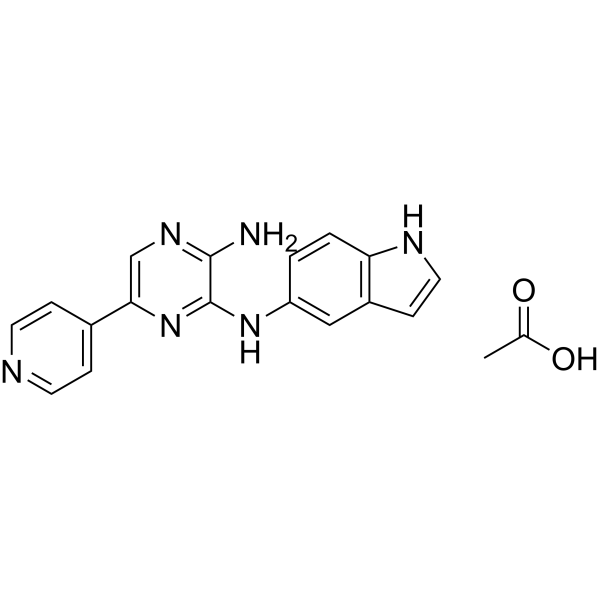
AKN-028 acetate, a novel tyrosine kinase (TK) inhibitor, is a potent, orally active FMS-like receptor tyrosine kinase 3 (FLT3) inhibitor with an IC50 value of 6 nM. AKN-028 acetate inhibits FLT3 autophosphorylation. AKN-028 acetate induces dose-dependent cytotoxic response (mean IC50=1 μM). AKN-028 acetate induces apoptosisby activation of caspase 3. AKN-028 acetate can be used in research of acute myeloid leukemia (AML).
|
-
-
- HY-13537
-
|
|
FLT3
|
Cancer
|
|
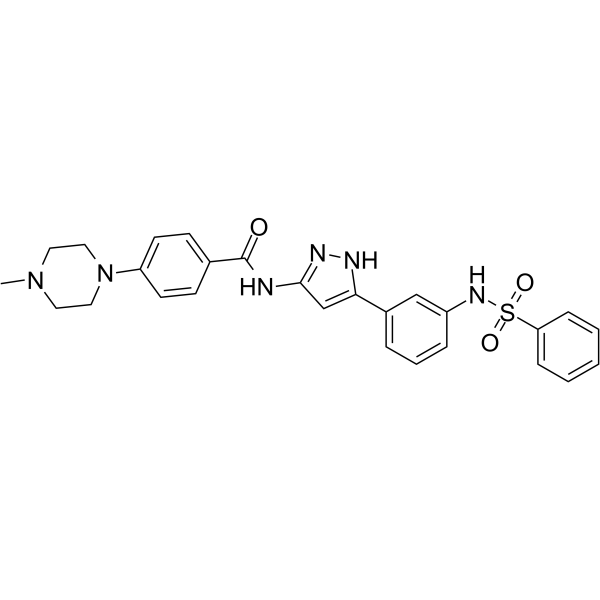
BPR1J-097 is a novel potent FLT3 inhibitor with an IC50 of 11 nM.
|
-
-
- HY-112475
-
|
|
Tie
FLT3
|
Cancer
|
|
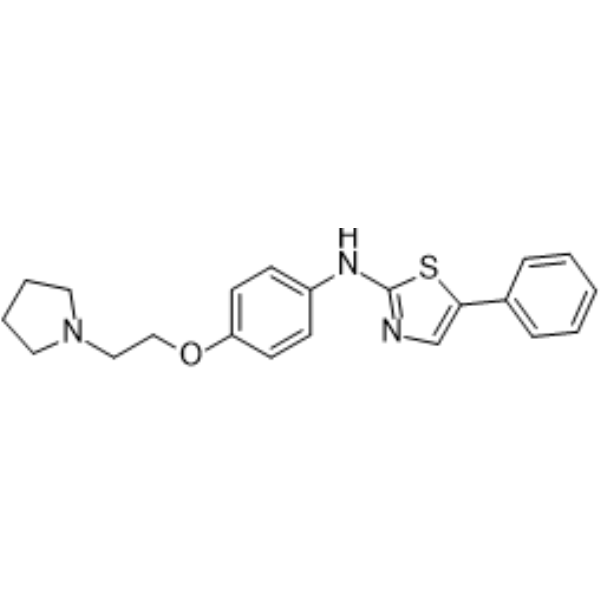
Flt-3 Inhibitor III is a potent and selective FLT3 kinase inhibitor with an 50 of 50 nM. Flt-3 Inhibitor III shows less active against other kinases. Flt-3 Inhibitor III has anticancer effects .
|
-
-
- HY-130247A
-
|
JAK2/flt3-IN-1 TFA
|
JAK
FLT3
Apoptosis
|
Cancer
|
|
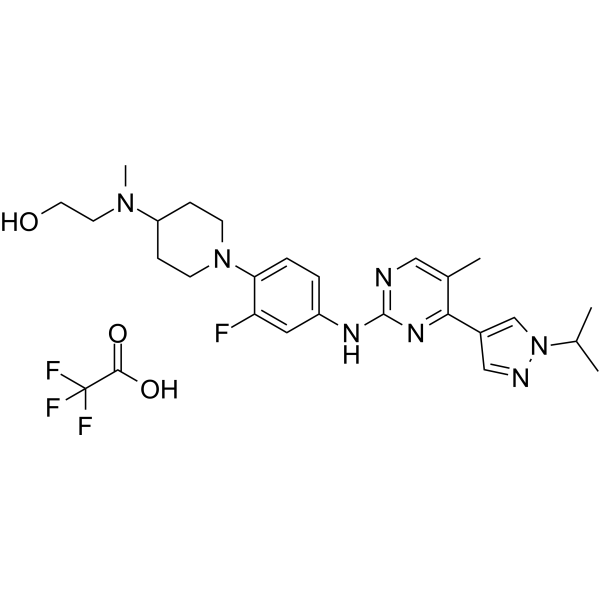
Flonoltinib TFA is a potent and orally active dual JAK2/FLT3 inhibitor with IC50 values of 0.7 nM, 4 nM, 26 nM and 39 nM for JAK2, FLT3, JAK1 and JAK3, respectively. Flonoltinib TFA has anti-cancer activity .
|
-
-
- HY-18949
-
|
|
FLT3
JAK
c-Kit
|
Cancer
|
|
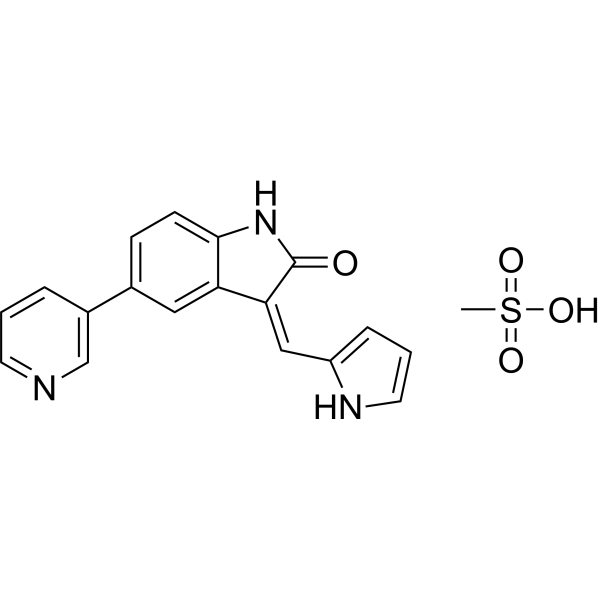
JI6 is a potent, selective and orally active FLT3 inhibitor, with IC50s of ~40, 8, and 4 nM for FLT3-WT, FLT3-D835Y, and FLT3-D835H, respectively. JI6 also inhibits JAK3 and c-Kit, with IC50s of ~250 and ~500 nM, respectively. JI6 can be used for the research of acute myeloid leukemia .
|
-
-
- HY-153473
-
|
|
FLT3
|
Cancer
|
|
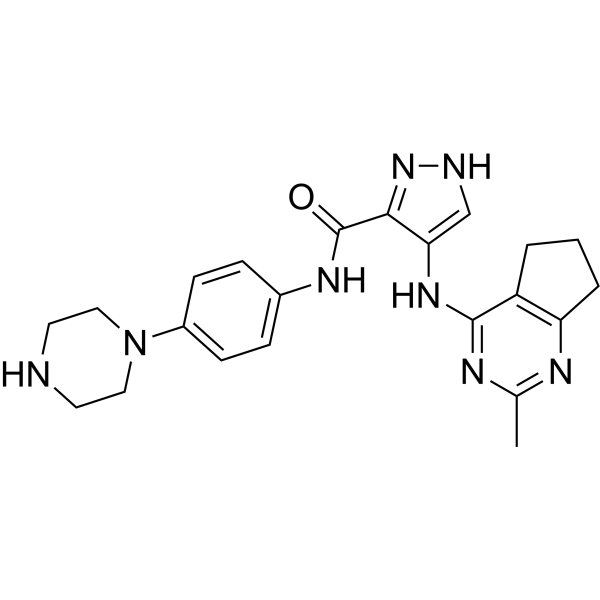
FLT3-IN-19 (Comp 50) is a potent and selective FLT3 inhibitor with IC50 of 0.213 nM. FLT3-IN-19 can be used in AML disease research .
|
-
-
- HY-18952A
-
|
|
FLT3
Apoptosis
|
Cancer
|
|
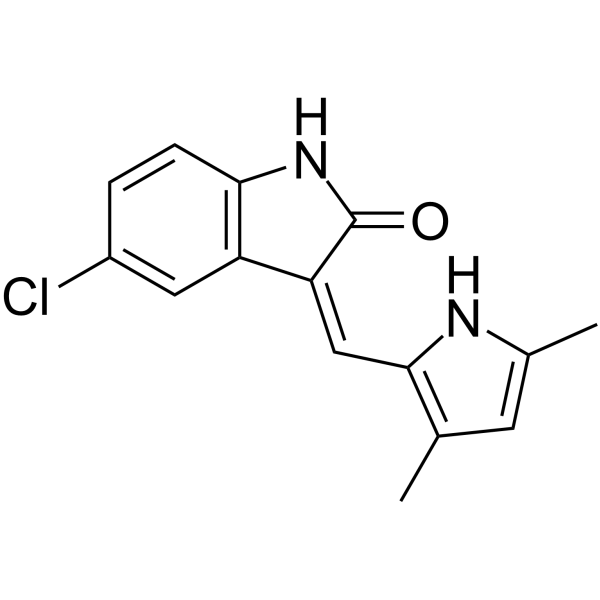
(Z)-SU5614 is a potent FLT3 inhibitor and selectively induces growth arrest, apoptosis, and cell cycle arrest in Ba/F3 and AML cell lines expressing a constitutively activated FLT3 .
|
-
-
- HY-16449
-
|
CT-1578
|
JAK
FLT3
|
Inflammation/Immunology
|
|
SB1578 (CT-1578) is a selective JAK2 and FLT3 inhibitor with an IC50 of 46 nM and 60 nM, respectively. SB1578 exhibits high selectivity for other kinase targets. SB1578 can be used for the study of non-oncology indication rheumatoid arthritis .
|
-

-
- HY-178908
-
|
|
FLT3
Apoptosis
|
Cancer
|
|
FLT3-IN-35 (Compound 4K) is an orally active, covalent, irreversible FLT3 inhibitor. FLT3-IN-35 inhibits the phosphorylation of FLT3 and its downstream signaling factors, as well as induces cell cycle arrest and apoptosis. FLT3-IN-35 inhibits the phosphorylation of FLT3 and its downstream signaling factors, as well as induced cell cycle arrest and apoptosis. FLT3-IN-35 can be used for the study of acute myeloid leukemia (AML) .
|
-

-
- HY-144869
-
|
|
FLT3
|
Cancer
|
|
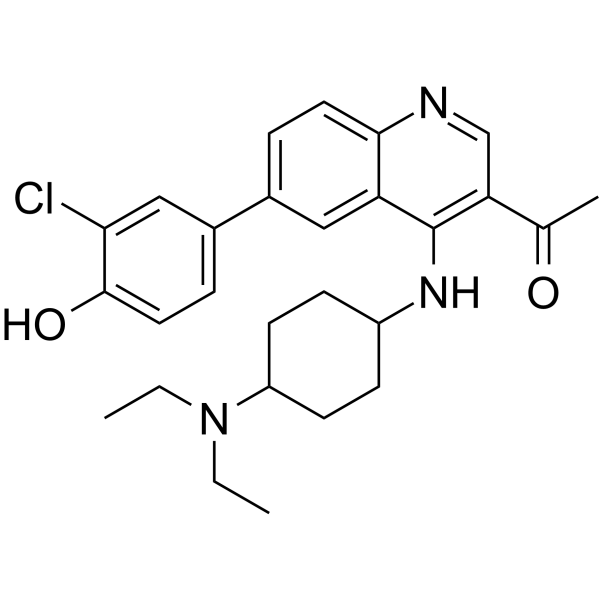
OTS447 is a potent FLT3 inhibitor with an IC50 of 21 nM (WO2012016082A1, compound 335) .
|
-
-
- HY-103464
-
|
5'-FIO
|
FLT3
|
Cancer
|
|
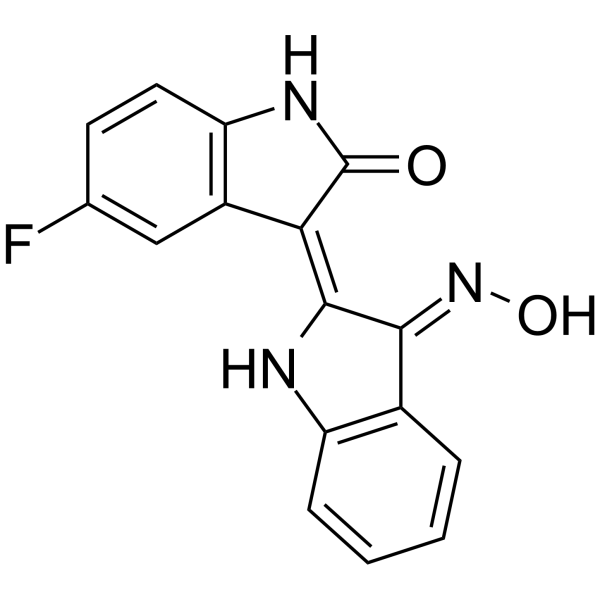
5'-Fluoroindirubinoxime (5’-FIO, compound 13), an Indirubin (HY-N0117) derivative, is a potent FLT3 inhibitor, with an IC50 of 15 nM .
|
-
-
- HY-18744
-
|
|
FLT3
|
Cardiovascular Disease
Cancer
|
|
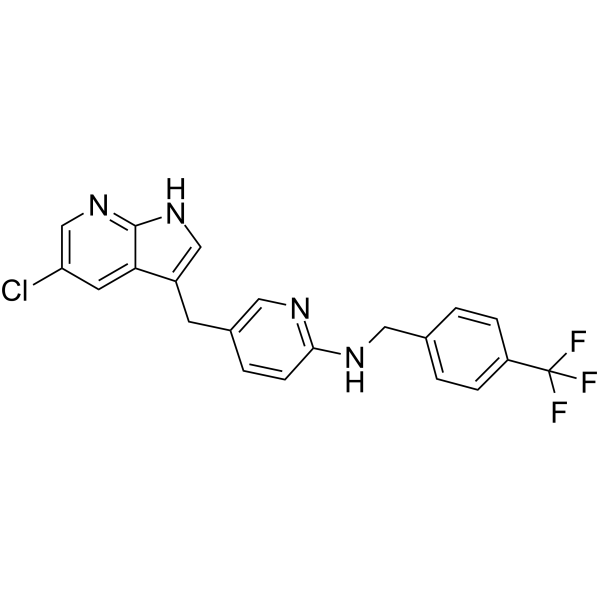
FLT3-IN-2 (Compound P-0266) is a FLT3 inhibitor with an IC50 of < 1 μM. FLT3-IN-2 can be used in acute myeloid leukemia research .
|
-
-
- HY-111249
-
|
|
FLT3
|
Cancer
|
|
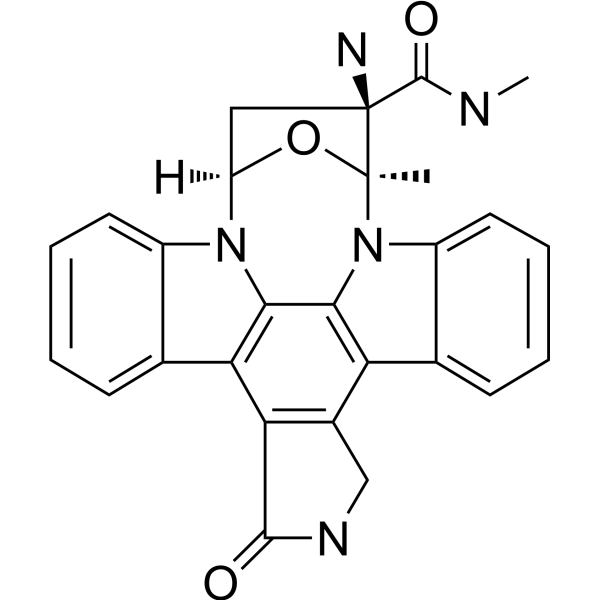
TTT 3002 is a potent and orally active FLT3 inhibitor. TTT 3002 potently inhibits FLT3 phosphorylation by activating mutations at residue D835, with an IC50 of 0.2 nM. TTT 3002 can be used for AML (acute myeloid leukemia) research .
|
-
-
- HY-160787
-
|
|
FLT3
IRAK
|
Cancer
|
|
NCGC1481 is an inhibitor of FLT3, IRAK1, and IRAK4, with IC50 values of <0.5 nM, 22.6 nM, and 0.8 nM, respectively. NCGC1481 can effectively overcome the adaptive resistance of leukemia cells to FLT3 inhibitors and has antileukemic activity .
|
-

-
- HY-151961
-
|
|
Btk
FLT3
|
Cancer
|
|
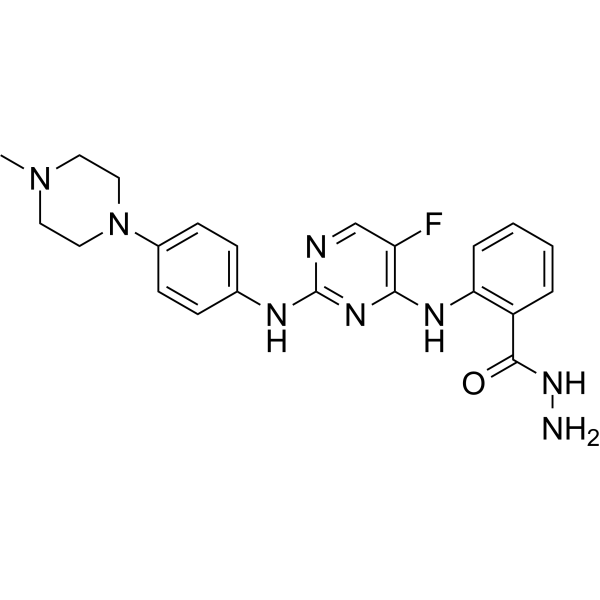
RSH-7 is a potent BTK and FLT3 inhibitor with IC50s of 47, 12 nM, respectively. RSH-7 induces apoptosis and shows antiproliferative activities. RSH-7 inhibits BTK and FLT3 signaling and shows anti-tumor activity .
|
-
-
- HY-115443
-
|
|
FLT3
|
Cancer
|
|
MZH29 is a potent and orally active FLT3 inhibitor. MZH29 shows inhibitory effects on wild-type and mutant FLT3, including the FLT3-ITD, FLT3-D835H/Y/V and FLT3-K663Q mutants. MZH29 retains its potent inhibitory effect against the FLT3-ITD/F691L mutation, a drug resistance mutation against the well-known FLT3 inhibitor, AC220 (HY-13001). MZH29 can be used for the research of cancer, such as acute myeloid leukemia (AML) .
|
-

-
- HY-178444
-
|
|
FLT3
Apoptosis
|
Cancer
|
|
Flt-3-IN-1 is a potent FLT-3 inhibitor with an IC50 of 0.91 μM. Flt-3-IN-1 can cause leukemia cells G1 phase arrest and induce apoptosis. Flt-3-IN-1 can be used for the research of cancer, such as leukemia .
|
-

-
- HY-130247B
-
|
JAK2/flt3-IN-1 monomaleate
|
JAK
FLT3
Apoptosis
|
Cancer
|
|
Flonoltinib maleate is a potent and orally active dual JAK2/FLT3 inhibitor with IC50 values of 0.7 nM, 4 nM, 26 nM and 39 nM for JAK2, FLT3, JAK1 and JAK3, respectively. JAK2/FLT3-IN-1 has anti-cancer activity .
|
-

-
- HY-125051
-
|
|
JAK
FLT3
|
Cancer
|
|
SG3-179 is a potent inhibitor against the BET bromodomain proteins. SG3-179 is also a JAK2 and FLT3 inhibitor. SG3-179 causes a rapid reduction in HOXB13 protein expression. SG3-179 is promising for research of multiple myeloma (MM1.S) .
|
-

-
- HY-13038AR
-
|
R788 (Standard)
|
Reference Standards
Syk
FLT3
|
Inflammation/Immunology
Cancer
|
|
Fostamatinib (Standard) is the analytical standard of Fostamatinib. This product is intended for research and analytical applications. Fostamatinib (R788) is the oral proagent of the active compound R406 . R406 is an orally available and competitive Syk/FLT3 inhibitor with a Ki of 30 nM and an IC50 of 41 nM . R406 also inhibits Lyn (IC50=63 nM) and Lck (IC50=37 nM) [3].
|
-

-
- HY-13001R
-
|
AC220 (Standard)
|
Reference Standards
FLT3
Apoptosis
PDGFR
c-Kit
|
Cancer
|
|
Quizartinib (AC220) (Standard) is the analytical standard of Quizartinib (HY-13001). This product is intended for research and analytical applications. Quizartinib is an orally active, potent and selective FLT3 inhibitor. Quizartinib inhibits kinase activity of mutant-FLT3, -PDGFRA and -KIT isoforms and inhibits autophosphorylation. Quizartinib inhibits cellular proliferation, induces apoptosis in cancer cells. Quizartinib can be used for the research of cancer .
|
-

-
- HY-175274
-
|
|
FLT3
|
Cancer
|
|
MolPort-002-705-878 is a highly selective FMS-like tyrosine kinase 3 (FLT3) inhibitor with a binding affinity of −11.33 kcal/mol. MolPort-002-705-878 inhibits the proliferation of FLT3-mutated acute myeloid leukemia (AML) cells. MolPort-002-705-878 is promising for research of FLT3-mutated AML .
|
-

-
- HY-125008
-
|
|
FLT3
Apoptosis
|
Cancer
|
|
JH-IX-179 is an FLT3 inhibitor (IC50 = 4 nM (FLT3-ITD), 10 nM (FLT3-D835Y)). JH-IX-179 inhibits G1 phase arrest and induces apoptosis in FLT3-ITD-expressing cells. JH-IX-179 can be used in acute myeloid leukemia (AML) research .
|
-

-
- HY-158325
-
|
|
PROTACs
FLT3
Apoptosis
|
Cancer
|
|
PROTAC FLT-3 degrader 4 is an orally active CRBN-based FLT3-PROTAC degrader that potently induces FLT3-ITD degradation through the ubiquitin-proteasome system. PROTAC FLT-3 degrader 4 shows highly selective to FLT3-ITD mutant acute myeloid leukemia (AML) cells. (Blue: CRBN ligand, Black: linker; Pink: FLT3 inhibitor) .
|
-

-
- HY-118304
-
|
|
FLT3
Apoptosis
Caspase
|
Cancer
|
|
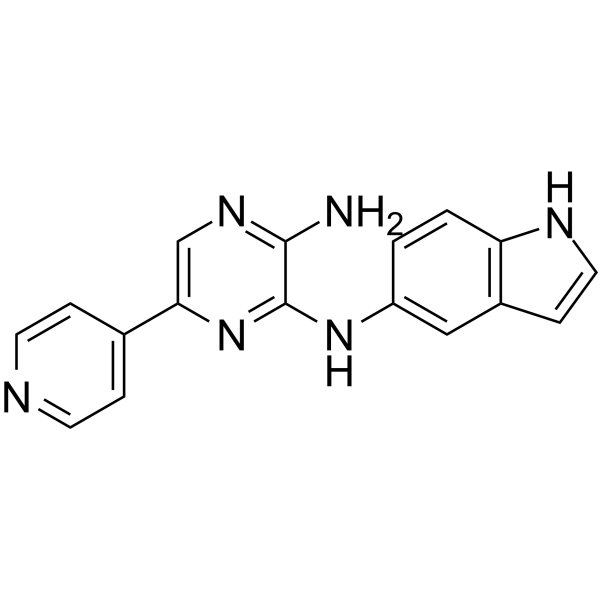
AKN-028, a novel tyrosine kinase (TK) inhibitor, is a potent, orally active FMS-like receptor tyrosine kinase 3 (FLT3) inhibitor with an IC50 value of 6 nM. AKN-028 inhibits FLT3 autophosphorylation. AKN-028 induces dose-dependent cytotoxic response (mean IC50=1 μM). AKN-028 induces apoptosisby activation of caspase 3. AKN-028 can be used in research of acute myeloid leukemia (AML) .
|
-
-
- HY-174911
-
|
|
FLT3
Apoptosis
|
Cancer
|
|
FLT3-IN-33 (Compound 7r) is a FLT3 inhibitor with an IC50 of 7.82 nM. FLT3-IN-33 has superior anticancer activities against acute myeloid leukemia (AML) cells, such as MV4-11 and MOLM-13 cells. FLT3-IN-33 significantly induces cell apoptosis and inhibits phosphorylation of FLT3 pathways. FLT3-IN-33 can be used for AML and other cancers research .
|
-

-
- HY-178996
-
|
|
FLT3
Apoptosis
Akt
ERK
PI3K
STAT
Mitochondrial Metabolism
|
Cancer
|
|
FLT3-IN-36 is a potent FLT3 inhibitor. FLT3-IN-36 exhibits antitumor activity against FLT3-mutated acute myeloid leukemia (AML) cells. FLT3-IN-36 induces cell cycle arrest, reduces mitochondrial membrane potential, and induces apoptosis, downregulating FLT3 and downstream protein expression (including AKT, ERK, PI3K, and STAT5). FLT3-IN-36 can be used for AML research .
|
-

-
- HY-145015A
-
|
HM43239 hydrate
|
FLT3
Apoptosis
|
Cancer
|
|
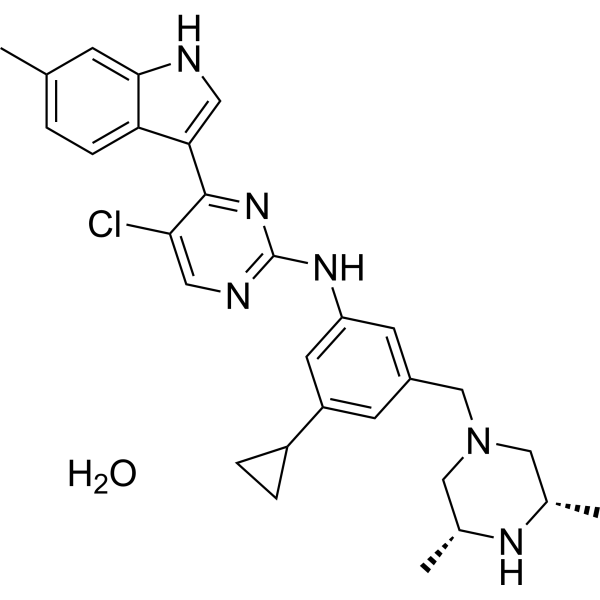
Tuspetinib (HM43239) hydrate is an orally active and selective FLT3 inhibitor with IC50s of 1.1 nM, 1.8 nM and 1.0 nM for FLT3 WT, FLT3 internal tandem duplication (ITD) and FLT3 D835Y kinases, respectively. Tuspetinib hydrate inhibits the kinase activity of FLT3 as a reversible type I inhibitor and modulates p-STAT5, p-ERK, SYK, JAK1/2, and TAK1. Tuspetinib hydrate inhibits the proliferation and induces the apoptosis of leukemic cells [3].
|
-
-
- HY-145015B
-
|
HM43239 dihydrochloride
|
FLT3
Apoptosis
|
Cancer
|
|
Tuspetinib (HM43239) dihydrochloride is an orally active and selective FLT3 inhibitor with IC50s of 1.1 nM, 1.8 nM and 1.0 nM for FLT3 WT, FLT3 internal tandem duplication (ITD) and FLT3 D835Y kinases, respectively. Tuspetinib dihydrochloride inhibits the kinase activity of FLT3 as a reversible type I inhibitor and modulates p-STAT5, p-ERK, SYK, JAK1/2, and TAK1. Tuspetinib dihydrochloride inhibits the proliferation and induces the apoptosis of leukemic cells [3].
|
-

-
- HY-174437
-
|
|
FLT3
Apoptosis
|
Cancer
|
|
FLT3-IN-32 is a potent and orally active FLT3 inhibitor. FLT3-IN-32 shows high selectivity for FLT3 and efficiently inhibits FLT3-activating mutations and induces apoptosis. FLT3-IN-32 shows good tolerability in non-tumor bearing mice. FLT3-IN-32 demonstrates outstanding anti-tumor efficacy in MV4-11 bearing NOD/SCID mice, prolonging the survival noticeably. FLT3-IN-32 can be used for the research of acute myeloid leukemia .
|
-

-
- HY-179382
-
|
|
FLT3
Apoptosis
|
Cancer
|
|
HSB401 is an orally active FLT3 inhibitor (IC50: 28, 5, 72, 51 nM for FLT3-WT, FLT3-D835Y, FLT3-ITD-F691L, FLT3-ITD, respectively). HSB401 downregulates FLT3 signaling and induces cell cycle arrest and apoptosis. HSB401 spares c-KIT inhibition, thereby reducing the risk of myelosuppression. HSB401 significantly suppresses tumor growth in the MV4-11 xenograft mouse model. HSB401 can be used for the research of acute myeloid leukemia .
|
-

-
- HY-175273
-
|
|
PROTACs
FLT3
HSP
ERK
STAT
Akt
Apoptosis
|
Cancer
|
|
MA191 is a FLT3 PROTAC degrader. MA191 abrogates FLT3 inhibitor resistance from rebound activation of mitogen-activated kinases. MA191 mediates rapid FLT3-ITD degradation through a mechanism requiring VHL, neddylation, and BIM. MA191 reduces FLT3-ITD levels before inducing apoptosis. MA191 halts AML cell proliferation in Danio rerio. MA191 can be used for the study of acute myeloid leukemia (AML) (Pink: FLT3 ligand: (HY-175311), Blue: E3 ligase CRBN Ligand (HY-112078), Black: Linker, E3 ligase ligand-linker conjugate (HY-175312)) .
|
-

- HY-112366
-
|
|
FLT3
Haspin Kinase
|
Cancer
|
|
FLT3-IN-38 (Flt-3 Inhibitor II) is a FLT3 inhibitor. FLT3-IN-38 has off-target effects and inhibits serine/threonine kinase haspin. Haspin is a mitotic signal coordinator. FLT3-IN-38 can be used for cancer research .
|
-

- HY-13537A
-
|
|
FLT3
|
Cancer
|
|
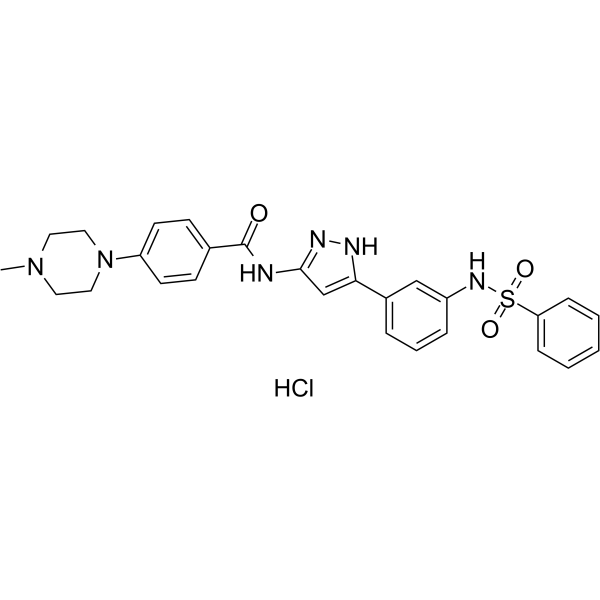
BPR1J-097 Hydrochloride is a novel and potent FLT3 inhibitor with an IC50 of 11 nM.
|
-
- HY-139619
-
|
|
FLT3
|
Cancer
|
|
LT-850-166 is a potent FLT3 inhibitor with the capacity of overcoming a variety of FLT3 mutations.
|
-
- HY-122240
-
|
|
FLT3
|
Cancer
|
|
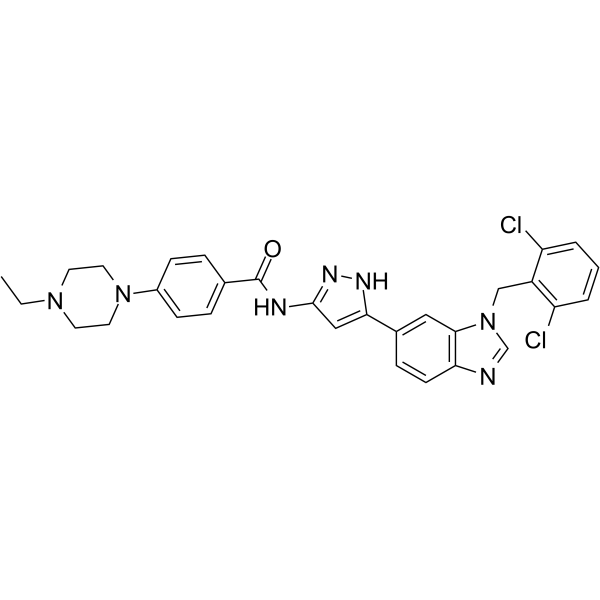
AAE871 is a potent type I FLT3 inhibitor with an IC50 value of 0.034 µM. AE871 has the potential for the research of acute myeloid leukemia (AML) .
|
-

- HY-148036
-
|
|
FLT3
|
Cancer
|
|
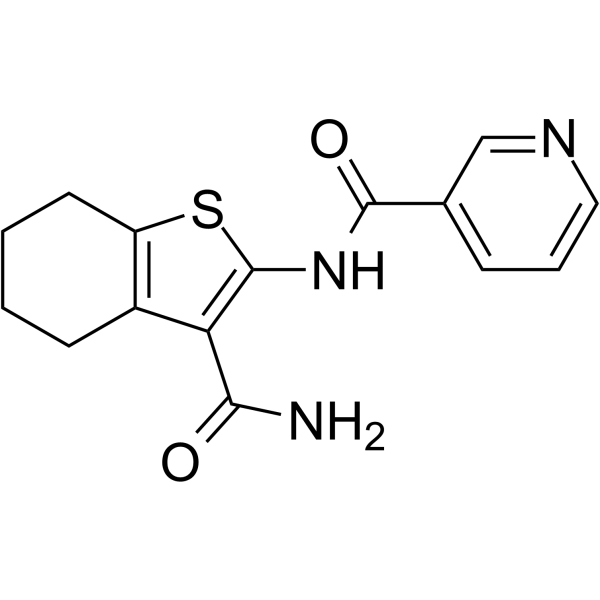
FLT3-IN-16 is a potent FLT3 inhibitor with an IC50 of 1.1 μM. FLT3-IN-16 can be used for researching acute myeloid leukemia .
|
-
- HY-130247C
-
|
JAK2/flt3-IN-1 sulfate
|
JAK
FLT3
Apoptosis
|
Cancer
|
|
Flonoltinib maleate is a potent and orally active dual JAK2/FLT3 inhibitor with IC50 values of 0.7 nM, 4 nM, 26 nM and 39 nM for JAK2, FLT3, JAK1 and JAK3, respectively. Flonoltinib maleate has anti-cancer activity .
|
-

- HY-146886
-
|
|
FLT3
|
Cancer
|
|
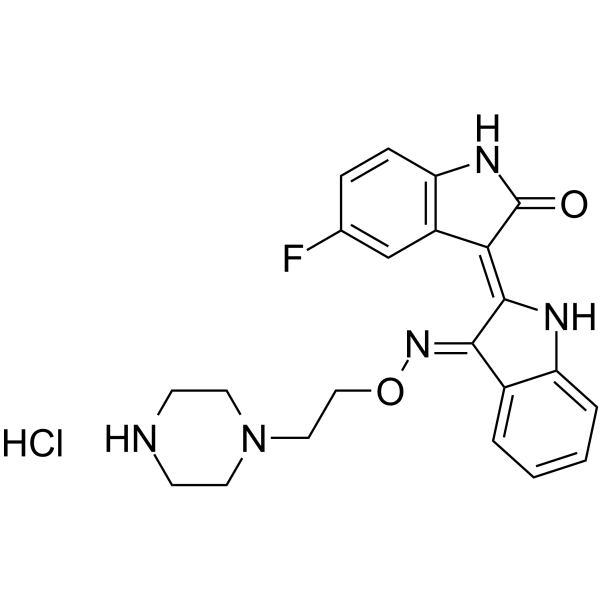
FLT3-IN-15 is a highly potent and orally active FLT3 inhibitor with IC50s of 0.87 nM and 0.32 nM for FLT3 and FLT3/D835Y, respectively. FLT3-IN-15 can be used for researching acute myeloid leukemia .
|
-
- HY-148036S
-
|
|
Isotope-Labeled Compounds
FLT3
|
Cancer
|
|
FLT3-IN-16-d1 is the deuterium labeled FLT3-IN-16 (HY-148036). FLT3-IN-16 is a potent FLT3 inhibitor with an IC50 of 1.1 μM. FLT3-IN-16 can be used for researching acute myeloid leukemia .
|
-

- HY-116129
-
|
|
FLT3
Apoptosis
|
Cancer
|
|
BPR1J-340 is a potent FLT3 inhibitor with an IC50 of ~25 nM. BPR1J-340 inhibits the phosphorylation of FLT3 and STAT5 and triggered apoptosis in FLT3-ITD + acute myeloid leukemia (AML) cells. BPR1J-340 exhibits significant anti-tumor activities .
|
-

- HY-13001S
-
|
AC220-d8
|
Isotope-Labeled Compounds
Apoptosis
FLT3
PDGFR
c-Kit
|
Cancer
|
|
Quizartinib (AC220)-d8 is deuterium labeled Quizartinib (HY-13001). Quizartinib is an orally active, potent and selective FLT3 inhibitor. Quizartinib inhibits kinase activity of mutant-FLT3, -PDGFRA and -KIT isoforms and inhibits autophosphorylation. Quizartinib inhibits cellular proliferation, induces apoptosis in cancer cells. Quizartinib can be used for the research of cancer .
|
-

- HY-13038R
-
|
R788Disodium (Standard)
|
Syk
FLT3
Reference Standards
|
Inflammation/Immunology
Cancer
|
|
Fostamatinib Disodium (Standard) is the analytical standard of Fostamatinib Disodium. This product is intended for research and analytical applications. Fostamatinib Disodium (R788 Disodium) is the oral proagent of the active compound R406 . R406 is an orally available and competitive Syk/FLT3 inhibitor with a Ki of 30 nM and an IC50 of 41 nM . R406 also inhibits Lyn (IC50=63 nM) and Lck (IC50=37 nM) [3].
|
-

- HY-148522
-
|
|
FLT3
|
Cancer
|
|
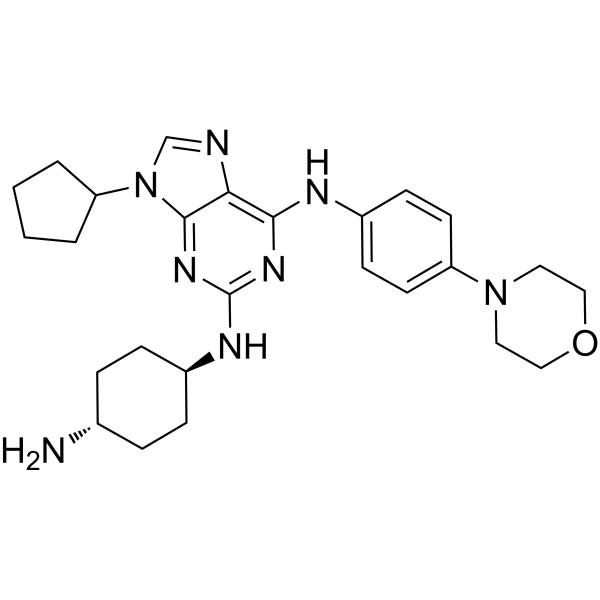
FLT3-IN-18 is a potent and selective FLT3 inhibitor with an IC50 value of 0.003 μM. FLT3-IN-18 induces apoptosis and cell cycle arrest at G1 phase. FLT3-IN-18 inhibits FLT3 and STAT5 phosphorylation. FLT3-IN-18 has the potential for the research of acute myeloid leukemia (AML) .
|
-
- HY-126920
-
|
|
FLT3
Apoptosis
|
Cancer
|
|
AFG206 is a first-generation ATP competitive “type II” FLT3 inhibitor. AFG206 potently inhibits cell proliferation (IC50 around 0.1 µM) via induction of Apoptosis in FLT3-ITD-Ba/F3 cells and D835Y-Ba/F3 cells. AFG206 is promising for research of acute myeloid leukemia .
|
-

- HY-13038BR
-
|
R788 disodium hexahydrate (Standard)
|
Syk
FLT3
Reference Standards
|
Inflammation/Immunology
Cancer
|
|
Fostamatinib (disodium hexahydrate) (Standard) is the analytical standard of Fostamatinib (disodium hexahydrate). This product is intended for research and analytical applications. Fostamatinib (R788) disodium hexahydrate is the oral proagent of the active compound R406 . R406 is an orally available and competitive Syk/FLT3 inhibitor with a Ki of 30 nM and an IC50 of 41 nM . R406 also inhibits Lyn (IC50=63 nM) and Lck (IC50=37 nM) [3].
|
-

- HY-155594
-
|
|
FLT3
|
Cancer
|
|
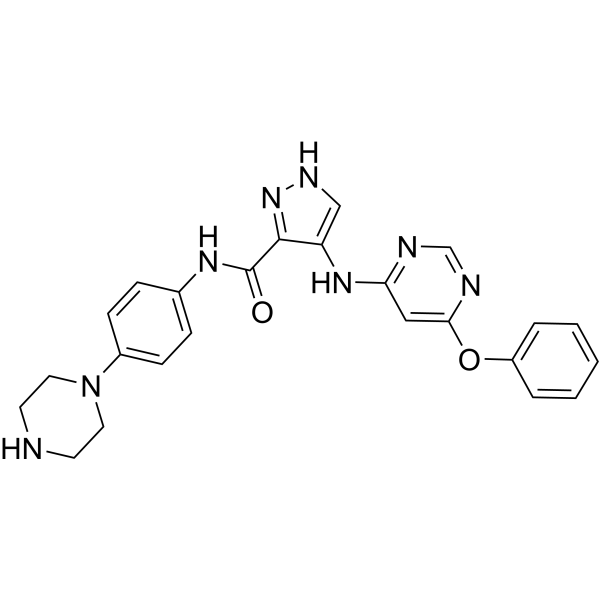
LT-540-717 (compound 32) is a potent FLT3 inhibitor (IC50=0.62 nM) with antiproliferative activity. LT-540-717 also inhibits several acquired FLT3 mutations, FLT3 (ITD, D835V), FLT3 (ITD, F691L), FLT3 (D835Y) and FLT3 (D835V). LT-540-717 has potential to be an anti-AML agent .
|
-
- HY-123201
-
|
|
FLT3
|
Cancer
|
|
KRN383 analog is an analog of KRN383. KRN383 is an orally active Flt3 inhibitor that inhibits the autophosphorylation of Flt3 bearing internal tandem duplications (ITDs) and the Asp835Tyr (D835Y) point mutation with IC50 values of < or =5.9 and 43 nM, respectively. KRN383 also inhibits the proliferation of the ITD-positive cell lines with IC50 values of < or =2.9 nM. KRN383 can be used for the research of acute myeloid leukemia .
|
-

- HY-162936
-
|
|
FLT3
Apoptosis
|
Cancer
|
|
SILA-123 is a FLT3 inhibitor (FLT3-WT: IC50=2.1 nM; FLT3-ITD: IC50=1.0 nM). SILA-123 inhibits FLT3 phosphorylation and downstream signaling pathways, leading to apoptosis by arresting cell cycle progression at the G0/G1 phase. SILA-123 can be used in the study of acute myeloid leukemia .
|
-

- HY-161709
-
|
|
Ligands for Target Protein for PROTAC
FLT3
CDK
|
Cancer
|
|
FLT3/CDKs ligand-1 (Compound 14) is a ligand for target protein, which promotes the degradation of cyclin-dependent kinase (CDK) and the FMS-like tyrosine kinase 3 (FLT3), inhibits FLT3/CDK related proliferations and survivals of leukemia cells. LT3/CDKs ligand-1 can be used for synthesis of PROTAC FLT3/CDKs degrader-1 (HY-161708) .
|
-

- HY-144777
-
|
|
FLT3
Apoptosis
|
Cancer
|
|
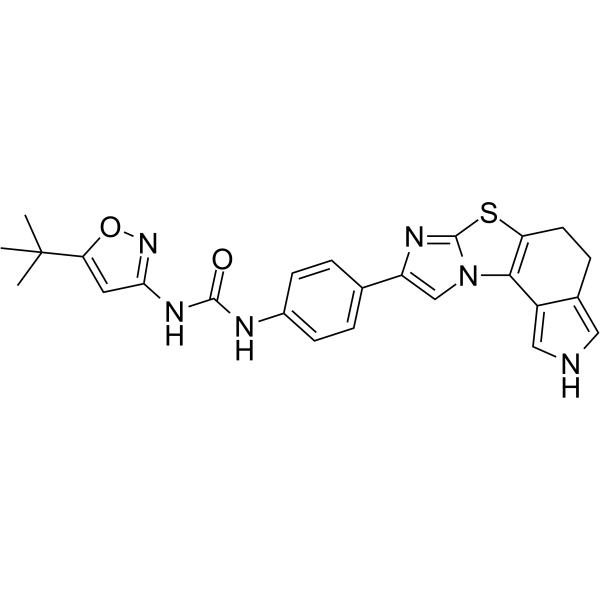
FLT3-IN-14 is a potent FLT3 inhibitor with IC50s of 5.6 nM and 1.4 nM for FLT3-WT and FLT3-ITD. FLT3-IN-14 reduces the phosphorylation of FLT3 (Y591), induces cell cycle arrest at G1 phase and apoptosis. FLT3-IN-14 significantly reduces the tumor growth in an MV4-11 xenograft mouse model .
|
-
- HY-174437A
-
|
|
FLT3
|
Cancer
|
|
FLT3-IN-32 TFA is a potent FLT3 inhibitor with an IC50s of 2.40 nM and 3.83 nM against FLT3-ITD and FLT3-D835Y. FLT3-IN-32 TFA inhibits proliferation/survival of human MV4-11 cells with an IC50 of 0.07 nM. FLT3-IN-32 TFA can be used for the study of acute myeloid leukemia (AML) .
|
-

- HY-111545
-
|
|
FLT3
|
Cancer
|
|
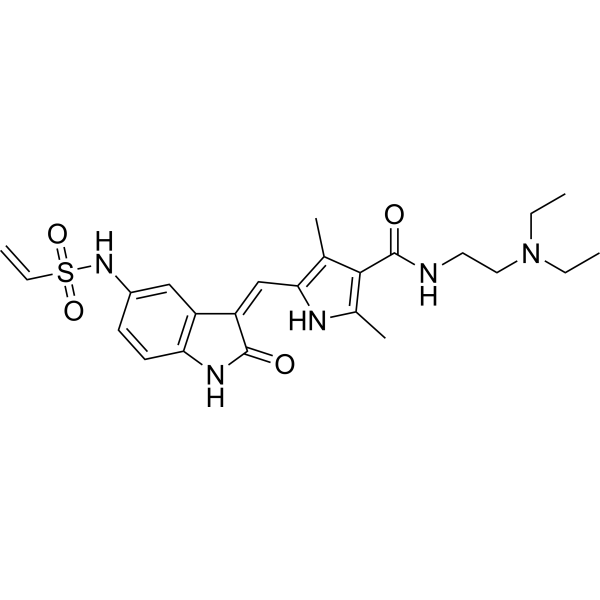
BSc5371 is a potent and irreversible FLT3 inhibitor, with Kds of 1.3, 0.83, 1.5, 5.8 and 2.3 nM for mutant FLT3(D835H), FLT3(ITD, D835V), FLT3(ITD, F691L), FLT3-ITD and wild type FLT3wt, respectively. BSc5371 is cytotoxic to FLT3-dependent cell lines .
|
-
- HY-155226
-
|
|
FLT3
Apoptosis
|
Cancer
|
|
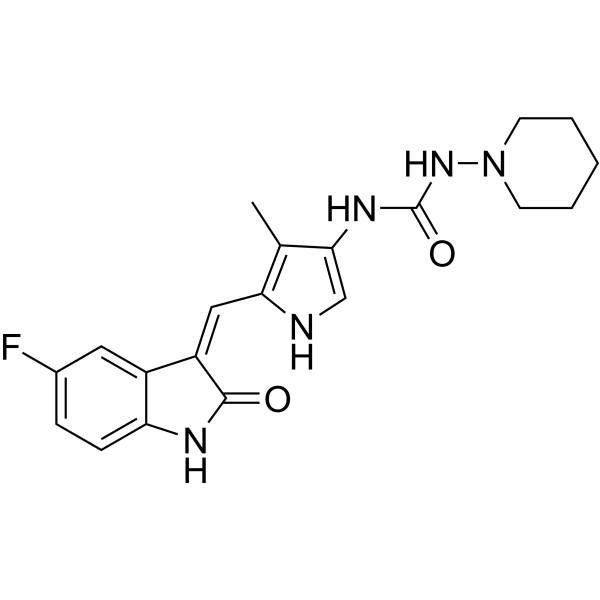
FLT3-IN-21 (compound LC-3) is a potent FLT3 inhibitor (IC50: 8.4 nM) and induces apoptosis. FLT3-IN-21 can arrest the cell cycle in the G1 phase and inhibit the proliferation of FLT3-ITD-positive AML cells MV-4-11 (IC50: 5.3 nM). In mice, FLT3-IN-21 (10 mg/kg/d) inhibited tumor growth in the MV-4-11 xenograft model (TGI=92.16%) .
|
-
- HY-118304A
-
|
|
FLT3
Apoptosis
Caspase
|
Cancer
|
|
AKN-028 TFA, a novel tyrosine kinase (TK) inhibitor, is a potent, orally active FMS-like receptor tyrosine kinase 3 (FLT3) inhibitor with an IC50 value of 6 nM. AKN-028 TFA inhibits FLT3 autophosphorylation. AKN-028 TFA induces dose-dependent cytotoxic response (mean IC50=1 μM). AKN-028 TFA induces apoptosisby activation of caspase 3. AKN-028 TFA can be used in research of acute myeloid leukemia (AML) .
|
-

- HY-155302
-
|
|
FLT3
|
Cancer
|
|
FLT3-IN-22 (compound 22f) is a potent FLT3 inhibitor with IC50 values of 0.941 nM and 0.199 nM for FLT3 and FLT3/D835Y, respectively. FLT3-IN-22 exhibits strong antiproliferative activity against MV4-11 cells and the mutant FLT kinase expressed Ba/F3 cell lines, including FLT-D835Y and FLT3-F691L .
|
-
- HY-170640
-
|
|
FLT3
Reactive Oxygen Species (ROS)
Apoptosis
|
Cancer
|
|
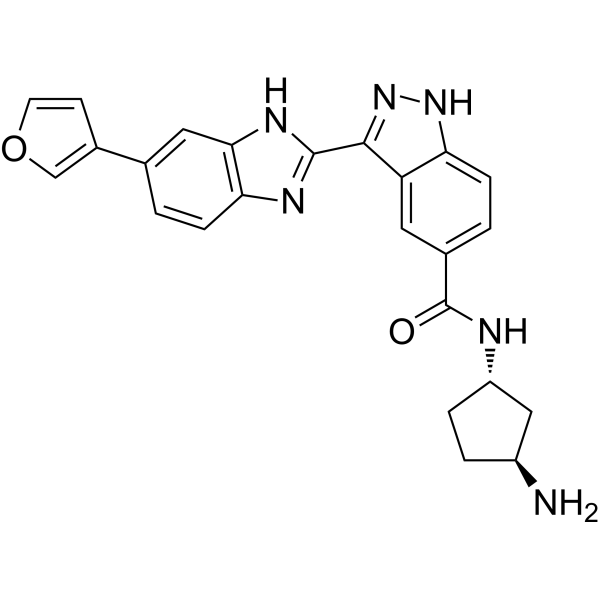
FLT3-IN-29 (Compound MY-10) is a FLT3 inhibitor (IC50s: 6.5 and 10.3 nM for FLT3-ITD and FLT3-D835Y mutants). FLT3-IN-29 arrests cell cycle at the G0/G1 phase and efficiently induces Apoptosis. FLT3-IN-29 also reduces reactive oxygen species (ROS) production and mitochondrial membrane potential (MMP). FLT3-IN-29 displays antileukemic activity .
|
-

- HY-174137
-
|
|
Apoptosis
FLT3
|
Cancer
|
|
FLT3-IN-31 (compound 10q) is a potent FLT3 inhibitor with IC50 values of 0.16, 2.4 nM for FLT3, FLT3-D835Y, resprctively. FLT3-IN-31 shows antiproliferation activity. FLT3-IN-31 decreases the protein expression of p-FLT3, P-STAT5, P-ERK. FLT3-IN-31 induces apoptosis and cell cycle arrest at G1 phase. FLT3-IN-31 shows antitumor activity .
|
-

- HY-175473
-
|
|
FLT3
Apoptosis
|
Cancer
|
|
HI042 is a FMS-like Tyrosine Kinase 3 (FLT3) inhibitor. HI042 shows IC50 values of 0.62 μM for MOLM-13, 0.33 μM for MV4-11, and 0.89 μM for OCI-AML3 cells. HI042 selectively reduces the viability of FLT3-internal tandem duplication
(FLT3-|TD) mutations-positive cell lines, induces apoptosis, disrupts cell cycle progression, and diminishes the clonogenic potential. HI042 can be used for the research of acute myeloid leukemia (AML) .
|
-

- HY-155770
-
|
|
FLT3
|
Cancer
|
|
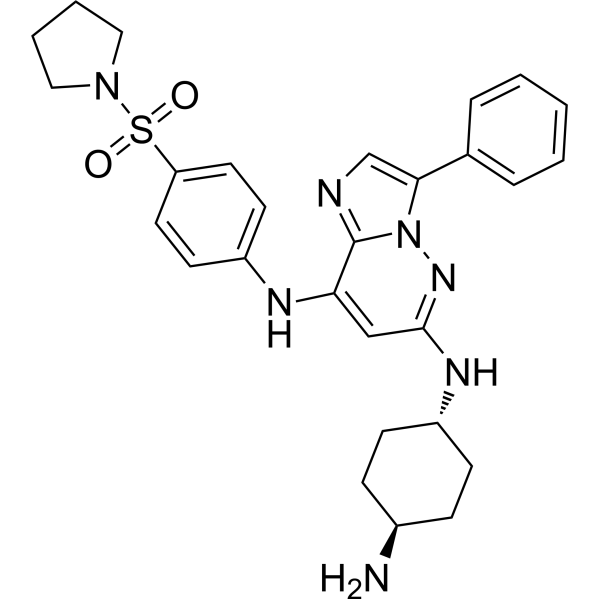
FLT3-IN-20 (compound 34f) is a potent FLT3 inhibitor with IC50 values of 1 and 4 nM for FLT3-D835Y and FLT3-ITD, respectively. FLT3-IN-20 has anti-proliferation efficacy in FLT3-ITD-positive AML cell lines MV4-11 and MOLM-13 (7 and 9 nM, respectively) and the MOLM-13 variant (4 nM) with the FLT3-ITD-D835Y mutation. FLT3-IN-20 can be used in research of cancer .
|
-
- HY-174437B
-
|
|
FLT3
Apoptosis
STAT
p38 MAPK
Akt
|
Cancer
|
|
FLT3-IN-32 hydrochloride is a potent and orally active FLT3 inhibitor with an IC50s of 0.29 nM, 0.77 nM and 2.07 nM against FLT3-ITD, FLT3-D835Y and FLT-N676K. FLT3-IN-32 hydrochloride reduces the phosphorylation of FLT3 and its downstream signaling molecules (STAT5, MAPK, AKT) to induce FLT3-mutated Ba/F3 cells apoptosis. FLT3-IN-32 hydrochloride shows significant anti-tumor efficacy in n the MV4-11 xenograft model. FLT3-IN-32 hydrochloride can be used for the study of acute myeloid leukemia (AML) .
|
-

- HY-178020
-
|
|
FLT3
ERK
Akt
Apoptosis
|
Cancer
|
|
FLT3-IN-34 is a FLT3 inhibitor, with an IC50 value of 1.4 nM. FLT3-IN-34 blocks the phosphorylation of FLT3 and its downstream signaling molecules AKT and ERK1/2. FLT3-IN-34 induces concentration-dependent G0/G1 phase arrest and mild apoptosis in FLT3-ITD-positive MV4-11 cells. FLT3-IN-34 shows potent anti-proliferative activity against FLT3-ITD-positive MV4-11 cells (IC50 = 14.95 nM) and MOLM-13 (IC50 = 18.5 nM). FLT3-IN-34 can be used for the study of FLT3-positive acute myeloid leukemia (AML) .
|
-

- HY-170576
-
|
|
FLT3
STAT
Apoptosis
|
Cancer
|
|
FLT3-IN-28 (Compound 12y) is an orally active FLT3 inhibitor with antitumor activity. FLT3-IN-28 selectively inhibits cancer cells harboring the FLT3 internal tandem duplication (ITD) mutation, with IC50 values of 85, 290, 130, 65, and 220 nM for BaF3-FLT3-ITD, BaF3-TEL-VEGFR2, MV4-11, MOLM-13, and MOLM-14 cell lines respectively (MV4-11 and MOLM-13/14 are acute myeloid leukemia (AML) cell lines carrying the FLT3-ITD mutation). Additionally, FLT3-IN-28 can downregulate the phosphorylation levels of FLT3 and STAT5 in MOLM-13 cells and induce cell cycle arrest and Apoptosis. FLT3-IN-28 has an oral bioavailability of 19.2% in SD rats and can prolong survival in a dose-dependent manner in NSG mice xenografted with MOLM-13 cells. FLT3-IN-28 holds promise for research in cancer fields related to FLT3-ITD .
|
-

- HY-112387
-
|
|
FLT3
|
Cancer
|
|
FLT3-IN-26 (Compound 1) is a FLT3 inhibitor with a pIC50 of 7.367. FLT3-IN-26 can be used in the research of acute myeloid leukemia .
|
-

- HY-182004
-
|
|
FLT3
ERK
|
Cancer
|
|
FLT3-IN-40 is a type I ATP-competitive FLT3 inhibitor with an IC50 of 16.26 nM. FLT3-IN-40 reduces the autophosphorylation level of FLT3 and the phosphorylation level of downstream ERK. FLT3-IN-40 exhibits antiproliferative, cell cycle regulatory and apoptosis-inducing activities. FLT3-IN-40 can be used in research related to acute myeloid leukemia .
|
-

- HY-182937
-
|
|
FLT3
STAT
Akt
ERK
Caspase
PARP
Bcl-2 Family
Apoptosis
|
Cancer
|
|
FLC-8 is an orally active FLT3 inhibitor with IC50 values of 10.2 nM, 11.6 nM and 24.10 nM against human FLT3-WT, FLT3-G697R and FLT3-N676D, respectively. FLC-8 inhibits FLT3 autophosphorylation and downstream STAT5, AKT and ERK signaling pathways, and induces apoptosis in acute myeloid leukemia (AML) cells. FLC-8 exhibits potent antitumor activity in the MV4-11 xenograft model. FLC-8 can be used for the research of acute myeloid leukemia .
|
-

- HY-181945
-
|
|
FLT3
Apoptosis
Reactive Oxygen Species (ROS)
|
Cancer
|
|
FLT3-IN-39 (Compound W4) is a selective FLT3 inhibitor, with an IC50 value of 16.0 nM against FLT3-ITD and an IC50 value of 20.4 nM against FLT3-D835Y. FLT3-IN-39 inhibits FLT3-ITD and FLT3-D835Y mutant kinases. FLT3-IN-39 induces G0/G1 cell cycle arrest and Apoptosis in cancer cells, and reduces intracellular ROS levels. FLT3-IN-39 exhibits anti-tumor activity against acute myeloid leukemia .
|
-

- HY-182281
-
|
|
FLT3
STAT
Akt
ERK
Apoptosis
|
Cancer
|
|
FLT3-IN-41 is a highly potent FLT3 inhibitor. The IC50 values of FLT3-IN-41 against human FLT3-ITD and FLT3-WT are 3.16 nM and 294.7 nM, respectively. By binding to the ATP-binding pockets of FLT3-ITD and FLT3-WT and forming hydrogen bonds with hinge region residues and Phe830, FLT3-IN-41 inhibits the STAT5, Akt and Erk signaling pathways. FLT3-IN-41 induces G2/M phase arrest and promotes apoptosis in FLT3-ITD-positive acute myeloid leukemia cells, exhibiting significant antiproliferative activity. FLT3-IN-41 serves as a valuable tool for the study of acute myeloid leukemia .
|
-

| Cat. No. |
Product Name |
Chemical Structure |
-
- HY-148036S
-
|
|
|
FLT3-IN-16-d1 is the deuterium labeled FLT3-IN-16 (HY-148036). FLT3-IN-16 is a potent FLT3 inhibitor with an IC50 of 1.1 μM. FLT3-IN-16 can be used for researching acute myeloid leukemia .
|
-
-
- HY-13001S
-
|
|
|
Quizartinib (AC220)-d8 is deuterium labeled Quizartinib (HY-13001). Quizartinib is an orally active, potent and selective FLT3 inhibitor. Quizartinib inhibits kinase activity of mutant-FLT3, -PDGFRA and -KIT isoforms and inhibits autophosphorylation. Quizartinib inhibits cellular proliferation, induces apoptosis in cancer cells. Quizartinib can be used for the research of cancer .
|
-
Your information is safe with us. * Required Fields.
Inquiry Information
- Product Name:
- Cat. No.:
- Quantity:
- MCE Japan Authorized Agent:








