Search Result
Results for "
ionophore
" in MedChemExpress (MCE) Product Catalog:
2
Biochemical Assay Reagents
5
Isotope-Labeled Compounds
| Cat. No. |
Product Name |
Target |
Research Areas |
Chemical Structure |
-
- HY-13434
-
|
SQ23377
|
Calcium Channel
PKC
Bacterial
Apoptosis
Antibiotic
|
Infection
Cancer
|
|
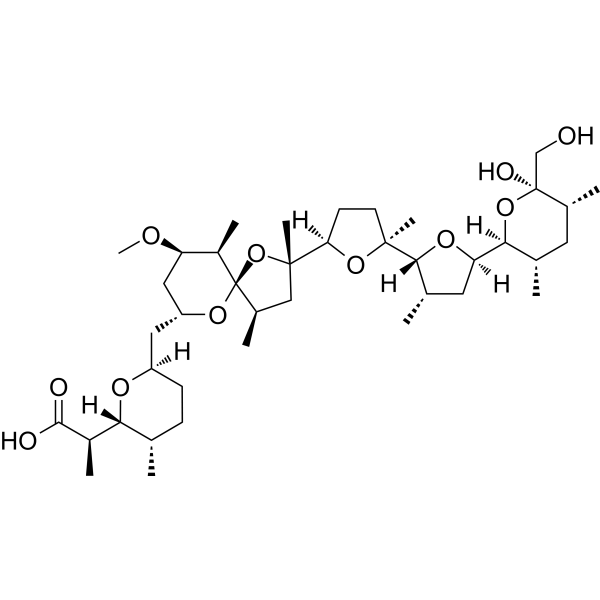
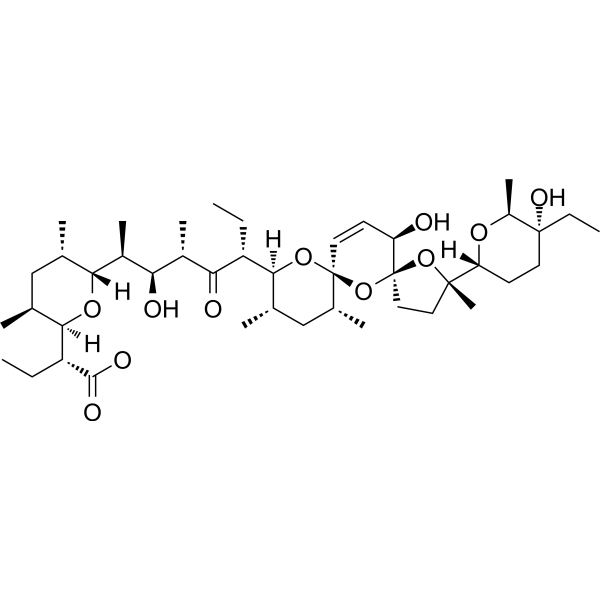
Ionomycin (SQ23377) is a potent, selective calcium ionophore and an antibiotic produced by Streptomyces conglobatus. Ionomycin (SQ23377) is highly specific for divalent cations (Ca>Mg>Sr=Ba). Ionomycin (SQ23377) promotes apoptosis. Ionomycin also induces the activation of protein kinase C (PKC) .
|
-
-
- HY-12040
-
|
STA-4783
|
Reactive Oxygen Species (ROS)
Apoptosis
Cuproptosis
|
Cancer
|
|
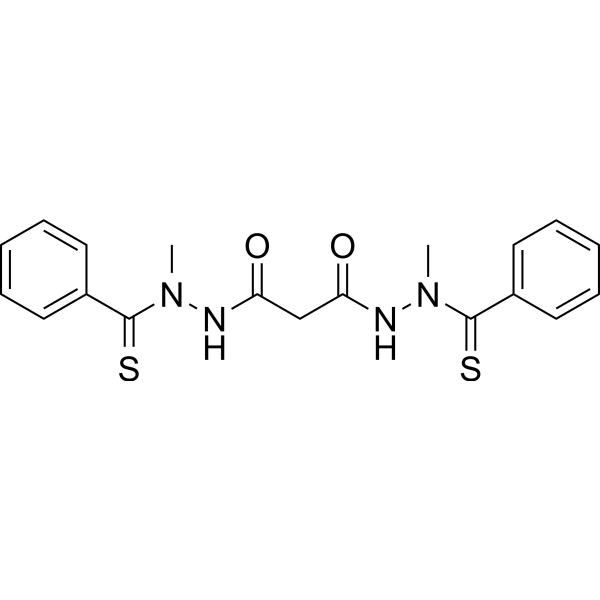
Elesclomol (STA-4783) is a potent copper ionophore and promotes copper-dependent cell death (cuproptosis). Elesclomol specifically binds ferredoxin 1 (FDX1) α2/α3 helices and β5 strand. Elesclomol inhibits FDX1-mediated Fe-S cluster biosynthesis. Elesclomol is an oxidative stress inducer that induces cancer cell apoptosis. Elesclomol is a reactive oxygen species (ROS) inducer. Elesclomol can be used for Menkes and associated disorders of hereditary copper deficiency research .
|
-
-
- HY-127019
-
Nigericin
Maximum Cited Publications
221 Publications Verification
|
Potassium Channel
NOD-like Receptor (NLR)
Bacterial
Antibiotic
Pyroptosis
Wnt
β-catenin
|
Infection
Cancer
|
|
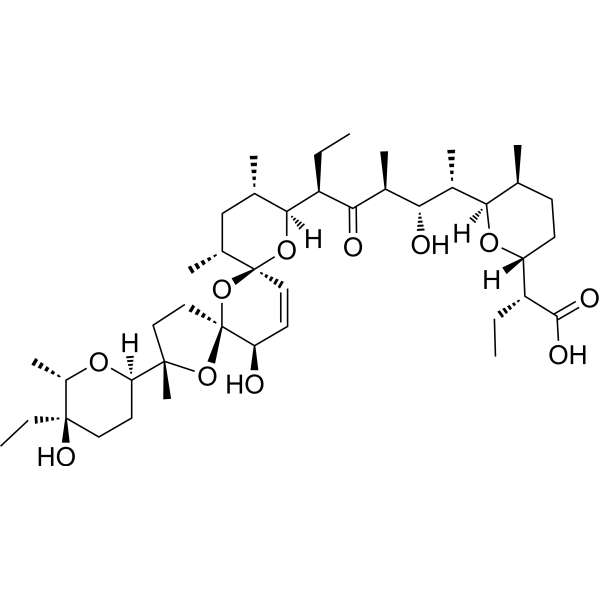
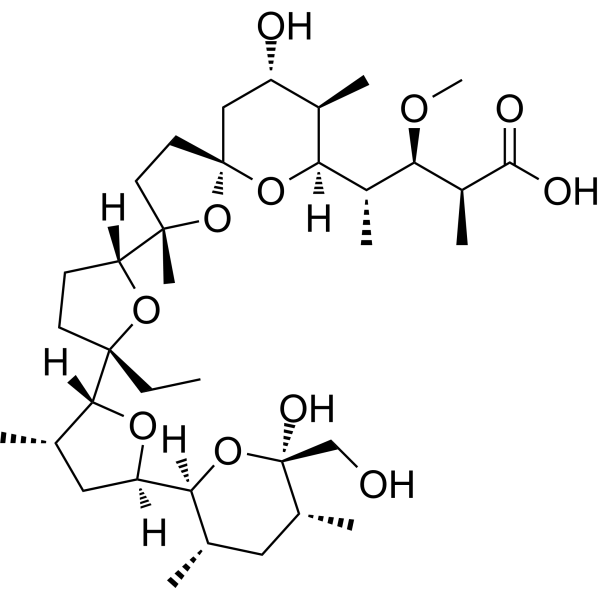
Nigericin is an antibiotic derived from Streptomyces hygroscopicus that act as a K +/H + ionophore, promoting K +/H + exchange across mitochondrial membranes. Nigericin is a NLRP3 activator. Nigericin shows promising anti-cancer activities through decreasing intracellular pH (pHi), and inactivation of Wnt/β-catenin signals. Nigericin induces pyroptosis through caspase 1/GSDMD in TNBC .
|
-
-
- HY-N6687
-
|
A-23187; Antibiotic A-23187
|
Oxidative Phosphorylation
Bacterial
Fungal
Apoptosis
Autophagy
Antibiotic
|
Infection
Inflammation/Immunology
Cancer
|
|
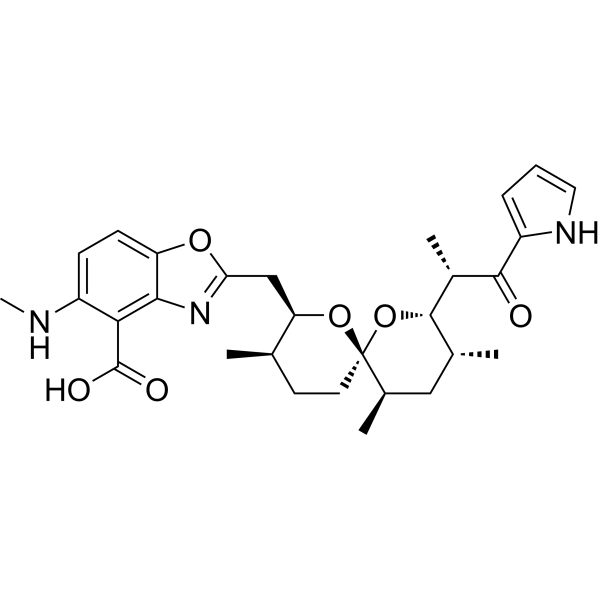
Calcimycin (A-23187) is an antibiotic and a unique divalent cation ionophore (like calcium and magnesium). Calcimycin induces Ca 2+-dependent cell death by increasing intracellular calcium concentration. Calcimycin inhibits the growth of Gram-positive bacteria and some fungi. Calcimycin also inhibits the activity of ATPase and uncouples oxidative phosphorylation (OXPHOS) of mammalian cells. Calcimycin induces apoptosis and autophagy .
|
-
-
- HY-100381
-
|
|
Potassium Channel
NOD-like Receptor (NLR)
Bacterial
Antibiotic
Pyroptosis
Wnt
β-catenin
|
Infection
Cancer
|
|
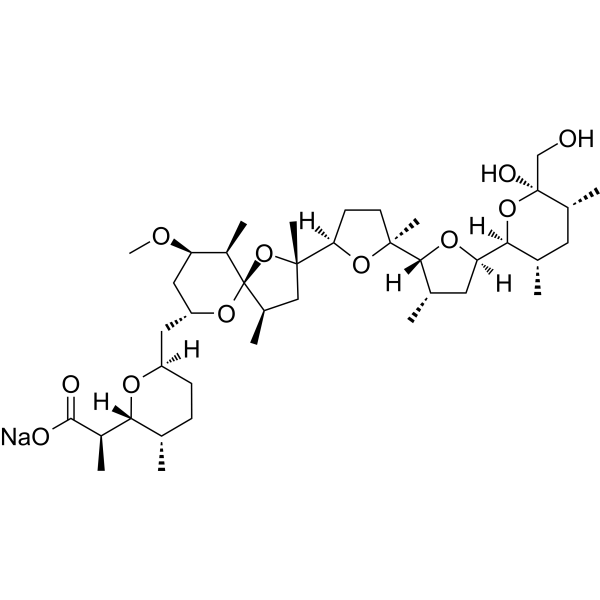
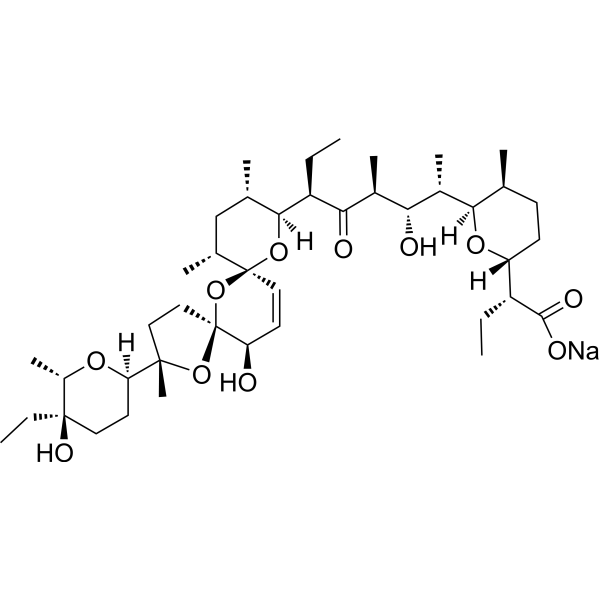
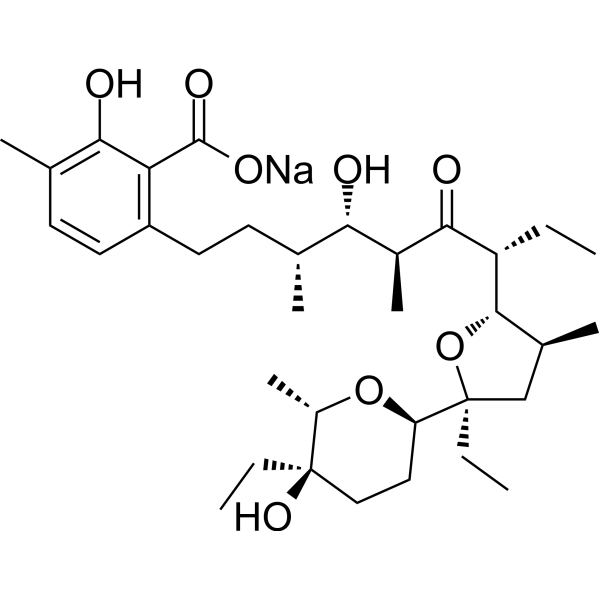
Nigericin sodium salt is an antibiotic derived from Streptomyces hygroscopicus that act as a K +/H + ionophore, promoting K +/H + exchange across mitochondrial membranes. Nigericin sodium salt is a NLRP3 activator. Nigericin sodium salt shows promising anti-cancer activities through decreasing intracellular pH (pHi), and inactivation of Wnt/β-catenin signals. Nigericin sodium salt induces pyroptosis through caspase 1/GSDMD in TNBC .
|
-
-
- HY-13434A
-
|
SQ23377 calcium
|
Calcium Channel
PKC
Bacterial
Apoptosis
Antibiotic
|
Infection
Cancer
|
|
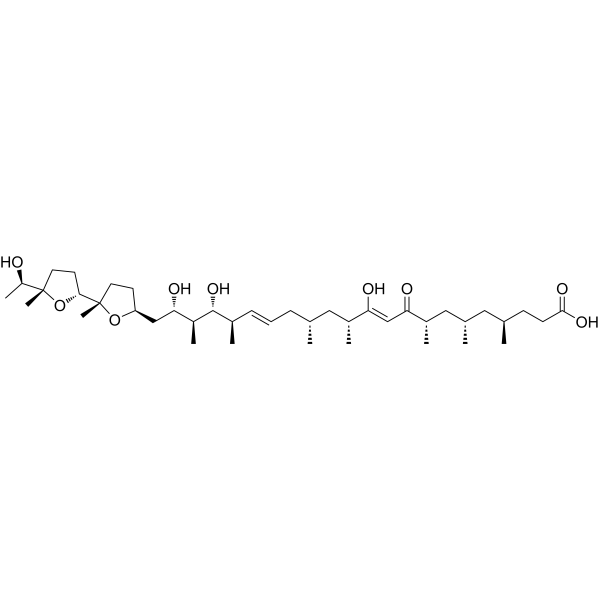
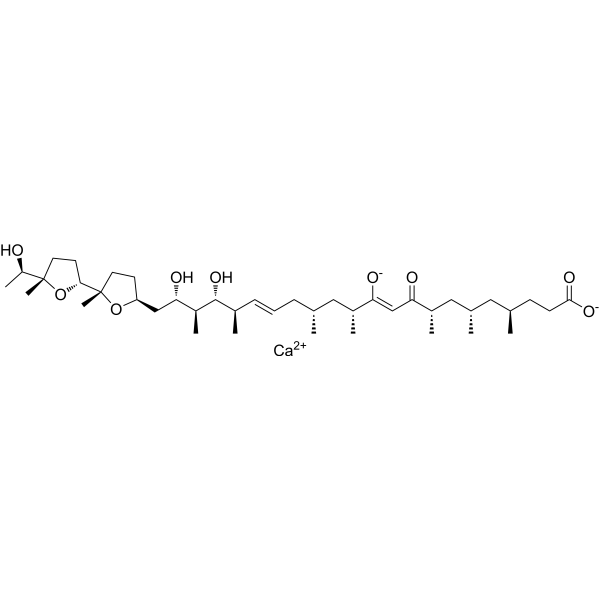
Ionomycin calcium (SQ23377 calcium) is a potent, selective calcium ionophore and an antibiotic produced by Streptomyces conglobatus. Ionomycin calcium (SQ23377 calcium) is highly specific for divalent cations (Ca>Mg>Sr=Ba). Ionomycin (SQ23377) promotes apoptosis. Ionomycin calcium (SQ23377 calcium) also induces the activation of protein kinase C (PKC) .
|
-
-
- HY-N0150
-
|
Monensin A sodium
|
Exosomes
Bacterial
Antibiotic
Na+/H+ Exchanger (NHE)
Parasite
Apoptosis
Fungal
Wnt
|
Infection
Cancer
|
|
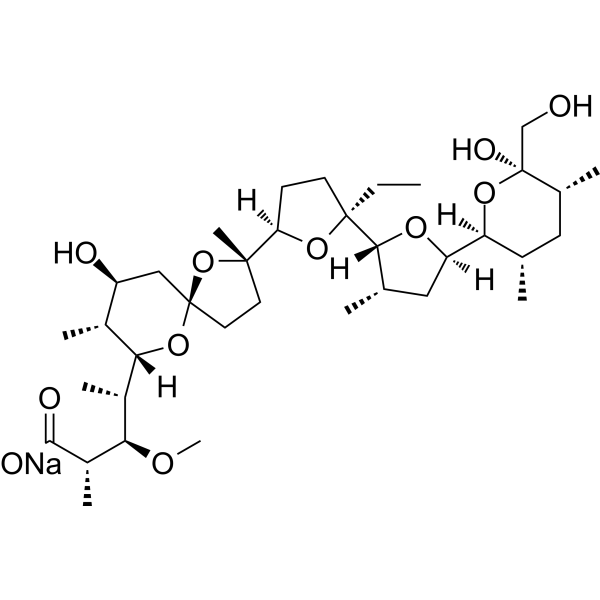
Monensin (Monensin A) sodium, an orally active antibiotic, is an ionophore that mediates Na +/H + exchange. Monensin sodium is a potent Wnt signaling inhibitor. Monensin sodium causes a marked enlargement of the multivesicular bodies (MVBs) and regulates exosome secretion. Monensin sodium can be used for bacterial, fungal, and parasitic infections research, and shows anticancer effects .
|
-
-
- HY-N6693
-
|
NSC 122023
|
Apoptosis
Antibiotic
Autophagy
Fungal
|
Infection
Others
Cancer
|
|
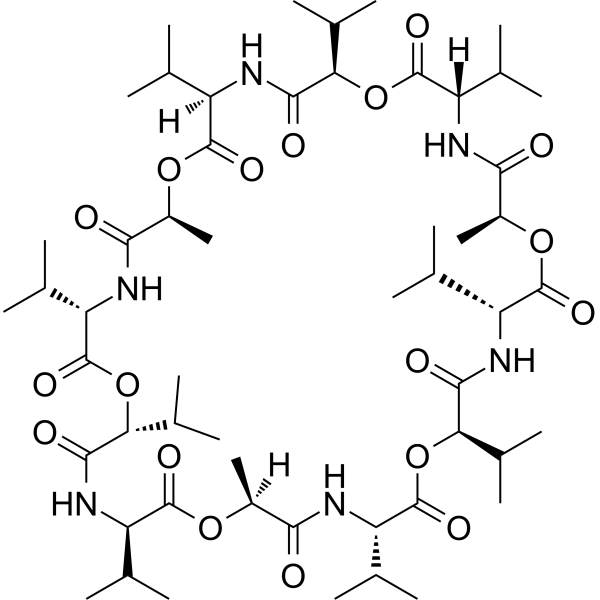
Valinomycin is a potassium-specific ionophore, the valinomycin-K + complex can be incorporated into biological bilayer membranes with the hydrophobic surface of valinomycin, destroys the normal K + gradient across the membrane, and as a result kills the cells, incorporating into liposomes can significantly reduces the cytotoxicity and enhances the targeting effect. Valinomycin exhibits antibiotic, antifungal, antiviral, antitumor and insecticidal efficacy, thus can be used for relevant research .
|
-
-
- HY-15597
-
|
Procoxacin
|
Bacterial
Wnt
β-catenin
Mitophagy
Autophagy
Apoptosis
Antibiotic
Parasite
|
Cancer
|
|
Salinomycin (Procoxacin), a polyether potassium ionophore antibiotic, selectively inhibits the growth of gram-positive bacteria. Salinomycin is a potent inhibitor of Wnt/β-catenin signaling, blocks Wnt-induced LRP6 phosphorylation. Salinomycin shows selective activity against human cancer stem cells .
|
-
-
- HY-17439
-
|
Salinomycin sodium; Sodium salinomycin
|
Wnt
β-catenin
Bacterial
Autophagy
Apoptosis
Antibiotic
Parasite
|
Cancer
|
|
Salinomycin sodium salt (Salinomycin sodium), an antibiotic potassium ionophore, is a potent inhibitor of Wnt/β-catenin signaling. Salinomycin sodium salt acts on the Wnt/Fzd/LRP complex, blocks Wnt-induced LRP6 phosphorylation, and causes degradation of the LRP6 protein. Salinomycin sodium salt shows selective activity against human cancer stem cells .
|
-
-
- HY-108611
-
AACOCF3
4 Publications Verification
Arachidonyl trifluoromethyl ketone
|
Phospholipase
|
Cardiovascular Disease
|
|
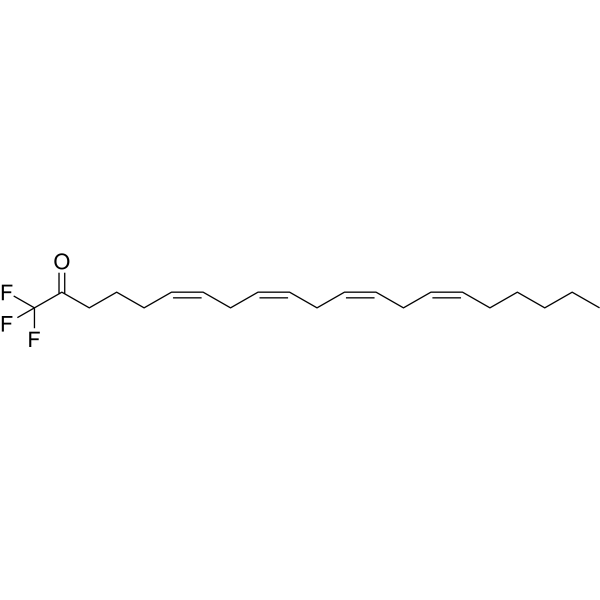
AACOCF3 (Arachidonyl trifluoromethyl ketone) is a cell-permeant trifluoromethyl ketone analog of arachidonic acid. AACOCF3 is a potent and selective slow binding inhibitor of the 85-kDa cytosolic phospholipase A2 (cPLA2). AACOCF3 blocks production of arachidonate and 12-hydroxyeicosatetraenoic acid by calcium ionophore-challenged platelets. AACOCF3 inhibits glucose-induced insulin secretion from isolated rat islets. AACOCF3 has the potential for the research of cardiovascular disease .
|
-
-
- HY-B0572
-
-
-
- HY-B1327
-
|
7-Chlorotetracycline hydrochloride
|
Bacterial
Antibiotic
Parasite
|
Infection
Inflammation/Immunology
|
|
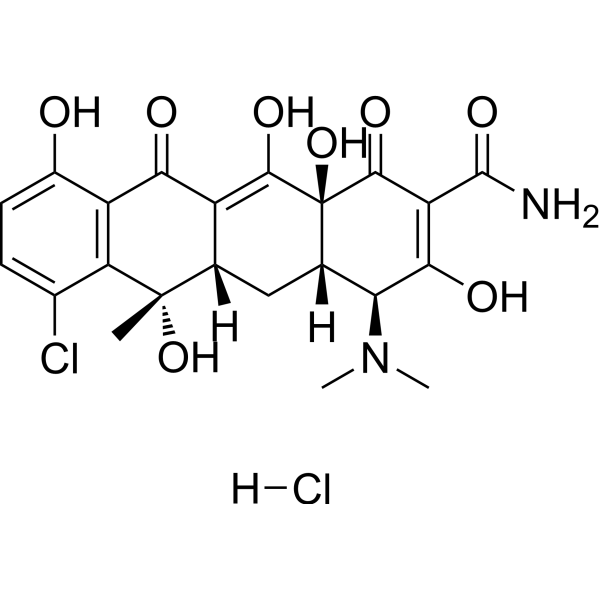
Chlortetracycline hydrochloride (7-Chlorotetracycline hydrochloride) is an orally active, effective and selectively methanogenic bacteria inhibitor with bactericidal effects. Chlortetracycline hydrochloride is also a antibiotic that acts by inhibiting bacterial protein synthesis. Additionally, Chlortetracycline hydrochloride is a specific and potent calcium ionophore antibiotic, inhibiting binding of aminoacyl-tRNA to ribosomes .
|
-
-
- HY-B1071
-
-
-
- HY-B1071A
-
|
Lasalocid-A sodium; ionophore X-537A sodium; Antibiotic X-537A sodium
|
Antibiotic
Bacterial
Autophagy
Parasite
Apoptosis
|
Infection
Cancer
|
|
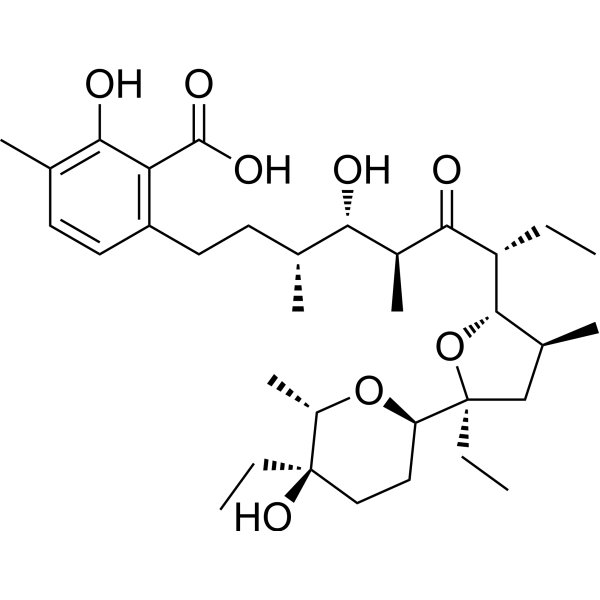
Lasalocid sodium (Lasalocid sodium-A) is an antibacterial and anticoccidial agent that can be used as feed additives. Lasalocid sodium exhibits antitumor activity. Lasalocid sodium is orally active .
|
-
-
- HY-N6790
-
-
-
- HY-105321
-
|
PBT 2
|
Bacterial
|
Neurological Disease
|
|
PBT 1033 (PBT 2) is an orally active copper/zinc ionophore. PBT 1033 restores cognition in mouse models of Alzheimer's disease (AD). PB 1033 also has antibacterial activity against Gram-positive bacteria .
|
-
-
- HY-101109
-
-
-
- HY-N4302
-
|
Monensin A
|
Exosomes
Bacterial
Apoptosis
Antibiotic
Parasite
Na+/H+ Exchanger (NHE)
Fungal
Wnt
|
Infection
Cancer
|
|
Monensin (Monensin A), an orally active antibiotic, is an ionophore that mediates Na +/H + exchange. Monensin is a potent Wnt signaling inhibitor. Monensin causes a marked enlargement of the multivesicular bodies (MVBs) and regulates exosome secretion. Monensin can be used for bacterial, fungal, and parasitic infections research, and shows anticancer effects .
|
-
-
- HY-136460
-
|
ETH 1001
|
Calcium Channel
|
Others
|
|
Calcium ionophore I (ETH 1001) is a selective Ca 2+ ionophore for biological membranes. Calcium ionophore I can be used in Ca2+-selective microelectrodes that can be used for quantitative intracellular measurements of resting Ca2+-activities and of slowly changing Ca2+-levels .
|
-
-
- HY-B1327A
-
|
7-Chlorotetracycline
|
Bacterial
Antibiotic
Parasite
|
Infection
Inflammation/Immunology
|
|
Chlortetracycline (7-Chlorotetracycline) is an orally active, effective and selectively methanogenic bacteria inhibitor with bactericidal effects. Chlortetracycline is also a antibiotic that acts by inhibiting bacterial protein synthesis. Additionally, Chlortetracycline is a specific and potent calcium ionophore antibiotic, inhibiting binding of aminoacyl-tRNA to ribosomes .
|
-
-
- HY-W020249
-
|
|
Biochemical Assay Reagents
|
Others
|
|
Sodium ionophore X is a neutral ionophore that binds highly selectively to sodium ions (Na +) to form stable complexes. Sodium ionophore X can be used to construct ion-selective chemical sensors (including optical sensors and electrochemical sensors) .
|
-
-
- HY-12361
-
|
|
Parasite
|
Infection
|
|
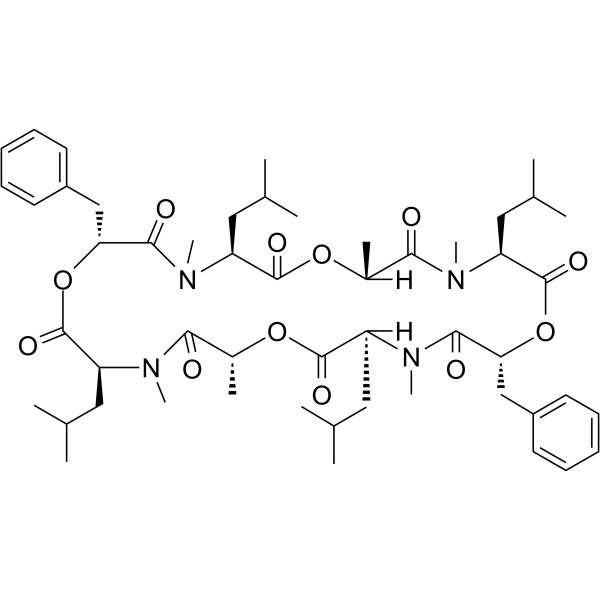
PF 1022A is a cyclooctadepsipeptide with broadspectrum anthelmintic properties produced by fermentation of the fungus Mycelia sterilia. PF 1022A is a channel-forming ionophore. PF 1022A showes strong anthelmintic activities against Ascaridia galli in chickens. PF 1022A also can be used for angiostrongyliasis research .
|
-
-
- HY-121410
-
Narasin
2 Publications Verification
|
Bacterial
Apoptosis
Parasite
NF-κB
Antibiotic
|
Infection
Cancer
|
|
Narasin is a cationic ionophore antibiotic and coccidiostat agent. Narasin inhibits NF-κB signaling and induces tumor cells apoptosis. Narasin has antimicrobial, antiviral anticancer activity. Narasin inhibits tumor metastasis and growth of ERα‑positive breast cancer cells by inactivation of the TGF-β/SMAD3 and IL‑6/STAT3 signaling pathways .
|
-
-
- HY-P2324
-
|
|
Bacterial
HIF/HIF Prolyl-Hydroxylase
Antibiotic
|
Infection
Cancer
|
|
Gramicidin A is a peptide component of gramicidin, an antibiotic mixture originally isolated from B. brevis. Gramicidin A is a highly hydrophobic channel-forming ionophore that forms channels in model membranes that are permeable to monovalent cations. Gramicidin A induces degradation of hypoxia inducible factor 1 α (HIF-1α) .
|
-
-
- HY-P3003
-
-
-
- HY-112825
-
|
|
Platelet-activating Factor Receptor (PAFR)
|
Inflammation/Immunology
|
|
TSI-01 is a pro-inflammatory phospholipid mediator that is rapidly synthesized by lyso-PAF acetyltransferase (lyso-PAFAT) in response to extracellular stimuli. Two types of lyso-PAFAT have been identified: lysophosphatidylcholine acyltransferase (LPCAT)1, which is mostly expressed in the lungs, and LPCAT2, which is expressed in inflammatory cells. TSI-01 is a selective inhibitor of LPCAT2 (IC50s=0.47 versus 3.02 μM for human LPCAT2 and LPCAT1, respectively). 60 μM it is shown to suppress PAF biosynthesis in mouse peritoneal macrophages stimulated with a calcium ionophore.
|
-
-
- HY-162386
-
|
|
Cuproptosis
Mitochondrial Metabolism
|
Cancer
|
|
UM4118 is a potent copper-selective non-genotoxic copper ionophore that induces cuproptosis in acute myeloid leukemia cells. UM4118 exhibits stronger activity against SF3B1G12C mutant acute myeloid leukemia cells. UM4118 transports extracellular copper into cells, elevates intracellular and mitochondrial copper levels, and triggers lipoylated DLAT aggregation, proteotoxic stress, iron-sulfur cluster protein depletion, reduced lipoylated protein levels, and maximal mitochondrial respiratory damage. UM4118 cytotoxicity can be enhanced by supplementation with extracellular copper, abolished by copper chelation, and shows synthetic lethal effects in the absence of iron-sulfur cluster biosynthesis/transport genes. UM4118 can be used for the study of acute myeloid leukemia .
|
-
-
- HY-125703
-
|
|
Estrogen Receptor/ERR
Apoptosis
|
Infection
Inflammation/Immunology
Endocrinology
Cancer
|
|
Ferutinin, a natural terpenoid compound, is an estrogen receptor ERα agonist and estrogen ERβ-receptor agonist/antagonist with IC50s of 33.1 nM and 180.5 nM, respectively. Ferutinin acts as an electrogenic Ca 2+-ionophore that increases calcium permeability of lipid bilayer membranes, mitochondria. Ferutinin possesses estrogenic, antitumor, antibacterial and antiinflammatory activities .
|
-
-
- HY-N6694
-
-
-
- HY-155254
-
-
-
- HY-139728
-
|
Calcium ionophore II
|
Biochemical Assay Reagents
|
Others
|
|
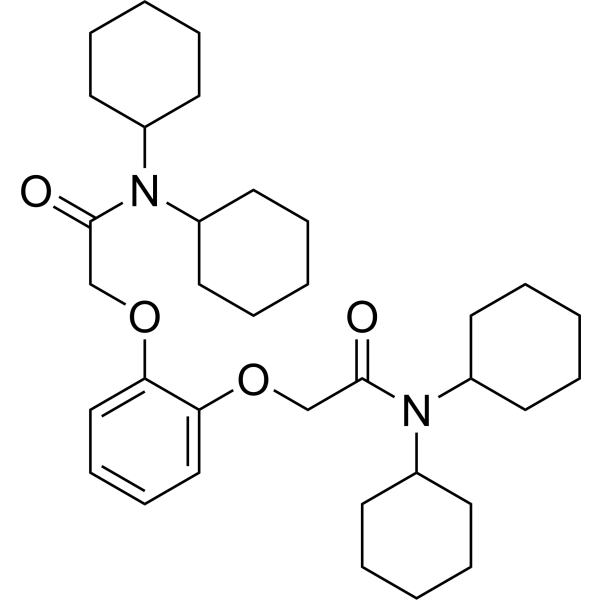
N,N,N′,N′-Tetracyclohexyl-3-oxapentanediamide (Calcium ionophore II) is a lipophilic ionophore that can be used in preparing calcium ion-selective electrode .
|
-
-
- HY-75200
-
|
|
Biochemical Assay Reagents
|
Others
|
|
N-(Benzyloxycarbonyloxy)succinimide is an efficient amino-protecting reagent in organic synthesis, playing an important role in the field of organic synthesis. N-(Benzyloxycarbonyloxy)succinimide is also a neutral ionophore, which significantly improves the performance of erbium ion (Er 3+) sensors and provides a practical tool for the rapid detection of erbium ions in the environment and water quality .
|
-
-
- HY-B1327S
-
|
7-Chlorotetracycline-d6 hydrochloride
|
Bacterial
Antibiotic
|
Infection
|
|
Chlortetracycline-d6 (hydrochloride) is the deuterium labeled Chlortetracycline hydrochloride. Chlortetracycline hydrochloride (7-Chlorotetracycline hydrochloride) is a specific and potent calcium ionophore antibiotic, inhibits binding of aminoacyl-tRNA to ribosomes.
|
-
-
- HY-10437
-
|
MK-0633
|
Lipoxygenase
|
Inflammation/Immunology
|
|
Setileuton (MK-0633) is an inhibitor for 5-lipoxygenase, that inhibits the oxidation of arachidonic acid by recombinant human 5-LO, and the production of LTB4 in calcium ionophore-stimulated human whole blood, with IC50 of 3.9 and 52 nM, respectively .
|
-
-
- HY-106200
-
|
|
Lipoxygenase
|
Inflammation/Immunology
|
|
CJ-13,610, a nonredox-type 5-LO inhibitor, dose dependently suppresses 5-LO product formation in ionophore A23187-stimulated PMNL in the absence of exogenous AA with an IC50 of about 70 nM . PMNL: polymorphonuclear leukocytes; AA: arachidonic acid
|
-
-
- HY-167843
-
|
|
Akt
Autophagy
PTEN
Amyloid-β
Antibiotic
Bacterial
Fungal
|
Infection
Neurological Disease
|
|
Alborixin is a polycyclic polyether ionophore Antibiotic. Alborixin is isolated from cultures of Streptomyces albus. Alborixin induces Autophagy via PTEN-mediated inhibition of the AKT pathway, thereby clearing Amyloid-β. Alborixin exhibits activity against Gram-positive bacteria and fungi. Alborixin can be used in the research of Alzheimer's disease .
|
-
-
- HY-N0150R
-
|
Monensin A sodium (Standard)
|
Reference Standards
Exosomes
Bacterial
Antibiotic
Na+/H+ Exchanger (NHE)
Parasite
Apoptosis
Fungal
Wnt
|
Infection
Cancer
|
|
Monensin (sodium) (Standard) is the analytical standard of Monensin (sodium). This product is intended for research and analytical applications. Monensin (Monensin A) sodium, an orally active antibiotic, is an ionophore that mediates Na+/H+ exchange. Monensin sodium is a potent Wnt signaling inhibitor. Monensin sodium causes a marked enlargement of the multivesicular bodies (MVBs) and regulates exosome secretion. Monensin sodium can be used for bacterial, fungal, and parasitic infections research, and shows anticancer effects .
|
-
-
- HY-D1896
-
|
|
Fluorescent Dye
|
Others
|
|
Chloride Ionophore IV is a thiourea type hydrogen bonding-based receptor. Chloride Ionophore IV is a chloride ionophore .
|
-
-
- HY-W653977
-
|
7-Chlorotetracycline-13C,d3 hydrochloride
|
Isotope-Labeled Compounds
Antibiotic
Bacterial
Parasite
|
Infection
|
|
Chlortetracycline-13C,d3 hydrochloride (7-Chlorotetracycline-13C,d3 hydrochloride) is the 13C- and deuterium labeled Chlortetracycline hydrochloride (HY-B1327). Chlortetracycline hydrochloride is an orally active, selective antibiotic, that inhibits methanogenic bacteria through inhibition of bacterial protein synthesis. Chlortetracycline hydrochloride is a specific and potent calcium ionophore antibiotic, that inhibits binding of aminoacyl-tRNA to ribosomes .
|
-
-
- HY-P3003S
-
-
-
- HY-W674112
-
|
ETH 1117
|
Endogenous Metabolite
|
Others
|
|
Magnesium ionophore I (ETH 1117) serves as the primary component for the development of calcium-magnesium selective electrodes.
|
-
-
- HY-17439R
-
|
Salinomycin sodium (Standard); Sodium salinomycin (Standard)
|
Reference Standards
Wnt
β-catenin
Bacterial
Autophagy
Apoptosis
Antibiotic
Parasite
|
Cancer
|
|
Salinomycin (sodium salt) (Standard) is the analytical standard of Salinomycin (sodium salt). This product is intended for research and analytical applications. Salinomycin sodium salt (Salinomycin sodium), an antibiotic potassium ionophore, is a potent inhibitor of Wnt/β-catenin signaling. Salinomycin sodium salt (Salinomycin sodium) acts on the Wnt/Fzd/LRP complex, blocks Wnt-induced LRP6 phosphorylation, and causes degradation of the LRP6 protein. Salinomycin sodium salt (Salinomycin sodium) shows selective activity against human cancer stem cells .
|
-
-
- HY-178914
-
|
|
Cuproptosis
Reactive Oxygen Species (ROS)
Mitochondrial Metabolism
|
Cancer
|
|
Copper ionophore I is an efficient copper ion carrier. Copper ionophore I can regulate various intracellular copper levels to induce cuproptosis, such as 4T1 (IC50 = 0.45 μM) and MDA-MB-231(IC50 = 1.21 μM) cells. Copper ionophore I can induce an increase in ROS and cause mitochondrial dysfunction. Copper ionophore I can reduce the expression of FDX1, DLAT, and LIAS proteins. Copper ionophore I can activate immune related pathways and promote T cell infiltration. Copper ionophore I can be used for cancer research .
|
-
-
- HY-112225
-
-
-
- HY-W783917
-
|
|
Biochemical Assay Reagents
Endogenous Metabolite
|
|
|
Lead Ionophore IV is an ionophore that has the activity of promoting metal ion transport. Lead Ionophore IV is often used in biological research to study the biological effects of lead ions and their effects on cell function. Lead Ionophore IV can also be used to develop drug delivery systems to improve the bioavailability of compounds.
|
-
-
- HY-W783680
-
|
|
Potassium Channel
|
Others
|
|
Potassium ionophore III (BME-44) is a specific potassium ion carrier with high selectivity for sodium and ammonium ions and high lipophilicity .
|
-
-
- HY-111525
-
|
|
Oxidative Phosphorylation
Bacterial
Antibiotic
|
Infection
|
|
Monactin is a mactrotetralide antibiotic and a non-selective ionophore for monovalent cations, including potassium, sodium, and lithium. Monactin is isolated from Streptomyces and has antiproliferative activity .
|
-
-
- HY-105321A
-
|
PBT 2 hydrochloride
|
Bacterial
|
Neurological Disease
|
|
PBT 1033 hydrochloride is an orally active copper/zinc ionophore. PBT 1033 hydrochloride restores cognition in mouse models of Alzheimer's disease (AD). PB 1033 also has antibacterial activity against Gram-positive bacteria .
|
-
-
- HY-N6687B
-
|
A-23187 hemimagnesium; Antibiotic A-23187 hemimagnesium
|
Oxidative Phosphorylation
Antibiotic
Bacterial
Fungal
Apoptosis
Autophagy
|
Infection
Cancer
|
|
Calcimycin (A-23187) hemimagnesium is an antibiotic and a unique divalent cation ionophore (like calcium and magnesium). Calcimycin hemimagnesium induces Ca 2+-dependent cell death by increasing intracellular calcium concentration. Calcimycin hemimagnesium inhibits the growth of Gram-positive bacteria and some fungi. Calcimycin hemimagnesium also inhibits the activity of ATPase and uncouples oxidative phosphorylation (OXPHOS) of mammalian cells. Calcimycin hemimagnesium induces apoptosis and autophagy .
|
-
- HY-121333
-
|
|
Antibiotic
Wnt
β-catenin
Bacterial
|
Infection
Neurological Disease
Cancer
|
|
Dinactin, an antibiotic ionophore produced by Streptomyces species, as an effective small molecule targeting Wnt/β-catenin signaling pathway in cancer cells. Dinactin shows marked inhibition of HCT-116 cell growth with an IC50 of 1.1 μM. Dinactin shows anti-proliferative activity against the cancer cells in apoptosis-independent manner. Dinactin is also an effective agent for the research of neuropathic pain .
|
-
- HY-B1071AR
-
|
Lasalocid-A sodium (Standard); ionophore X-537A sodium (Standard); Antibiotic X-537A sodium (Standard)
|
Reference Standards
Bacterial
Autophagy
Antibiotic
Parasite
Apoptosis
|
Infection
Cancer
|
|
Lasalocid (sodium) (Standard) is the analytical standard of Lasalocid (sodium). This product is intended for research and analytical applications. Lasalocid sodium (Lasalocid sodium-A) is an antibacterial and anticoccidial agent that can be used as feed additives. Lasalocid sodium exhibits antitumor activity. Lasalocid sodium is orally active.
|
-
- HY-13434AR
-
-
- HY-B0572R
-
|
|
Reference Standards
Cuproptosis
Proton Pump
Bacterial
Fungal
|
Infection
Metabolic Disease
|
|
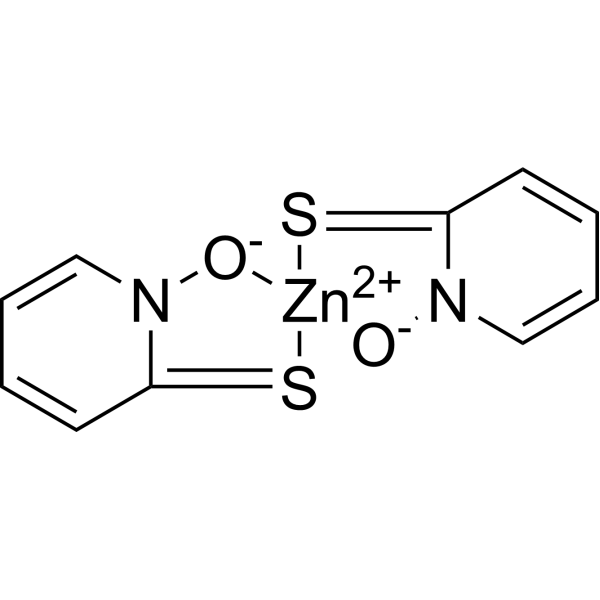
Zinc Pyrithione (Standard) is the analytical standard of Zinc Pyrithione. This product is intended for research and analytical applications. Zinc Pyrithione is an antifungal and antibacterial agent disrupting membrane transport by blocking the proton pump . Zinc Pyrithione is also a copper ionophore that delivers copper into cells and is a useful tool for studying cuproptosis .
|
-
- HY-49457
-
-
- HY-12040S
-
|
STA-4783-d2
|
Isotope-Labeled Compounds
Reactive Oxygen Species (ROS)
Apoptosis
Cuproptosis
|
Cancer
|
|
Elesclomol-d2 (STA-4783-d2) is a deuterium labeled Elesclomol (HY-12040). Elesclomol (STA-4783) is a potent copper ionophore and promotes copper-dependent cell death (cuproptosis). Elesclomol specifically binds ferredoxin 1 (FDX1) α2/α3 helices and β5 strand. Elesclomol inhibits FDX1-mediated Fe-S cluster biosynthesis. Elesclomol is an oxidative stress inducer that induces cancer cell apoptosis. Elesclomol is a reactive oxygen species (ROS) inducer. Elesclomol can be used for Menkes and associated disorders of hereditary copper deficiency research .
|
-
- HY-W923366
-
|
ETH 4030
|
Biochemical Assay Reagents
Endogenous Metabolite
|
|
|
Magnesium ionophore III (ETH 4030) is an ionophore that has the activity of regulating the intracellular magnesium concentration. Magnesium ionophore III can promote the permeability of cell membranes to magnesium ions and enhance cell functions and metabolic activities. Magnesium ionophore III is also used to study the importance of magnesium ions in biological processes and its effects on cell physiology.
|
-
- HY-139728R
-
|
Calcium ionophore II (Standard)
|
Biochemical Assay Reagents
Reference Standards
|
Others
|
|
N,N,N′,N′-Tetracyclohexyl-3-oxapentanediamide (Standard) is the analytical standard of N,N,N′,N′-Tetracyclohexyl-3-oxapentanediamide. This product is intended for research and analytical applications. N,N,N′,N′-Tetracyclohexyl-3-oxapentanediamide (Calcium ionophore II) is a lipophilic ionophore that can be used in preparing calcium ion-selective electrode .
|
-
- HY-120539
-
-
- HY-N6687R
-
|
A-23187 (Standard); Antibiotic A-23187 (Standard)
|
Oxidative Phosphorylation
Reference Standards
Bacterial
Fungal
Apoptosis
Autophagy
Antibiotic
|
Infection
Cancer
|
|
Calcimycin (Standard) is the analytical standard of Calcimycin. This product is used for research and analytical applications. Calcimycin is an antibiotic and a unique divalent cation ionophore, such as calcium ions and magnesium ions. Calcimycin induces Ca 2+ -dependent cell death by increasing the intracellular calcium concentration. Calcimycin inhibits the growth of Gram-positive bacteria and some fungi, and also inhibits the activity of ATPase and uncouples the oxidative phosphorylation (OXPHOS) of mammalian cells, inducing apoptosis and autophagy.
|
-
- HY-N6687A
-
|
A-23187 hemicalcium salt; Antibiotic A-23187 hemicalcium salt
|
Oxidative Phosphorylation
Bacterial
Fungal
Apoptosis
Autophagy
Antibiotic
|
Infection
Cancer
|
|
Calcimycin (A-23187) hemicalcium salt is an antibiotic and a unique divalent cation ionophore (like calcium and magnesium). Calcimycin hemicalcium salt induces Ca 2+-dependent cell death by increasing intracellular calcium concentration. Calcimycin hemicalcium salt inhibits the growth of Gram-positive bacteria and some fungi. Calcimycin hemicalcium salt also inhibits the activity of ATPase and uncouples oxidative phosphorylation (OXPHOS) of mammalian cells. Calcimycin hemicalcium salt induces apoptosis and autophagy .
|
-
- HY-105321R
-
|
PBT 2 (Standard)
|
Bacterial
Reference Standards
|
Neurological Disease
|
|
PBT 1033 (Standard) is the analytical standard of PBT 1033. This product is intended for research and analytical applications. PBT 1033 (PBT 2) is an orally active copper/zinc ionophore. PBT 1033 restores cognition in mouse models of Alzheimer's disease (AD). PB 1033 also has antibacterial activity against Gram-positive bacteria .
|
-
- HY-15597R
-
|
Procoxacin (Standard)
|
Reference Standards
Bacterial
Wnt
β-catenin
Mitophagy
Autophagy
Apoptosis
Antibiotic
Parasite
|
Cancer
|
|
Salinomycin (Standard) is the analytical standard of Salinomycin. This product is intended for research and analytical applications. Salinomycin (Procoxacin), a polyether potassium ionophore antibiotic, selectively inhibits the growth of gram-positive bacteria. Salinomycin is a potent inhibitor of Wnt/β-catenin signaling, blocks Wnt-induced LRP6 phosphorylation. Salinomycin shows selective activity against human cancer stem cells[1][2][3].
|
-
- HY-W127812
-
|
Sn(IV) octaethylporphine dichloride
|
Biochemical Assay Reagents
|
Others
|
|
Tin(IV) octaethylporphine dichloride is a biochemical reagent that can be used as a biological material or organic compound for life science related research.
|
-
- HY-N13988
-
|
|
Parasite
|
Infection
|
|
Abierixin has good anti-coccidial activity and weak antibacterial and ionophore activity .
|
-
- HY-N15230
-
-
- HY-B1071R
-
|
Lasalocid-A (Standard); ionophore X-537A (Standard); Antibiotic X-537A (Standard)
|
Reference Standards
Bacterial
Autophagy
Antibiotic
Parasite
Apoptosis
|
Infection
Cancer
|
|
Lasalocid (Standard) is the analytical standard of Lasalocid. This product is intended for research and analytical applications. Lasalocid (Lasalocid-A) is an antibacterial and anticoccidial agent that can be used as feed additives. Lasalocid exhibits antitumor activity. Lasalocid is orally active.
|
-
- HY-129623R
-
|
|
Reference Standards
Endogenous Metabolite
|
Metabolic Disease
|
|
Nigericin (sodium salt) (Standard) is the analytical standard of Nigericin (sodium salt). This product is intended for research and analytical applications. Nigericin sodium salt is an antibiotic from Streptomyces hygroscopicus that works by acting as an H+, K+, and Pb2+ ionophore, a NLRP3 activator .
|
-
- HY-10437A
-
|
MK-0633 tosylate
|
Lipoxygenase
|
Inflammation/Immunology
|
|
Setileuton tosylate is an inhibitor for 5-lipoxygenase, that inhibits the oxidation of arachidonic acid by recombinant human 5-LO, and the production of LTB4 in calcium ionophore-stimulated human whole blood, with IC50 of 3.9 and 52 nM, respectively .
|
-
- HY-N1204
-
|
|
Others
|
Others
|
|
Soyacerebroside II is a calcium ionophoretic sphingoglycolipid that can be isolated from Soybean .
|
-
- HY-123103
-
|
|
Lipoxygenase
Histamine Receptor
|
Inflammation/Immunology
|
|
Linetastine is an orally active and potent 5-Lipoxygenase inhibitor. Linetastine shows antihistamine activity. Linetastine inhibits leukotriene production and antagonizes the effect of histamine. Linetastine inhibits the release of leukotrienes B4 and C4 from calcium ionophore-stimulated human leukocytes .
|
-
- HY-P2324A
-
|
|
Antibiotic
Bacterial
|
Infection
|
|
Gramicidin A (TFA) is a peptide component of gramicidin, an antibiotic mixture originally isolated from B. brevis. Gramicidin A (TFA) is a highly hydrophobic channel-forming ionophore that forms channels in model membranes that are permeable to monovalent cations. Gramicidin A (TFA) induces degradation of hypoxia inducible factor 1 α (HIF-1α) .
|
-
- HY-100381R
-
|
|
Reference Standards
Potassium Channel
NOD-like Receptor (NLR)
Bacterial
Antibiotic
Pyroptosis
Wnt
β-catenin
|
Infection
Cancer
|
|
Nigericin (sodium salt) (Standard) is the analytical standard of Nigericin (sodium salt). This product is intended for research and analytical applications. Nigericin sodium salt is an antibiotic derived from Streptomyces hygroscopicus that act as a K +/H + ionophore, promoting K +/H + exchange across mitochondrial membranes. Nigericin sodium salt is a NLRP3 activator. Nigericin sodium salt shows promising anti-cancer activities through decreasing intracellular pH (pHi), and inactivation of Wnt/β-catenin signals. Nigericin sodium salt induces pyroptosis through caspase 1/GSDMD in TNBC .
|
-
- HY-145473
-
|
15(S)-HETE-SAPE; 15(S)-Hydroxyeicosatetraenoic acid-SAPE; 1-Stearoyl-2-15(S)-HETE-sn-glycero-3-Phosphatidylethanolamine
|
Endogenous Metabolite
|
Metabolic Disease
|
|
1-Stearoyl-2-15(S)-HETE-sn-glycero-3-PE (15(S)-HETE-SAPE) is a phospholipid containing stearic acid (HY-B2219) at the sn-1 position and 15(S)-HETE (HY-113336) at the sn-2 position. 1-Stearoyl-2-15(S)-HETE-sn-glycero-3-PE is formed by direct oxidation of 1-stearoyl-2-arachidonoyl-sn-glycero-3-PE (SAPE) by 15-LOX in human peripheral mononuclear cells activated with the calcium ionophore A23187 (HY-N6687).
|
-
- HY-101109R
-
|
ETH2120 (Standard)
|
Sodium Channel
Reference Standards
|
Cardiovascular Disease
|
|
Sodium ionophore III (Standard) is the analytical standard of Sodium ionophore III (HY-101109). This product is intended for research and analytical applications. Sodium ionophore III (ETH2120) is a Na+ ionophore suitable for the assay of sodium activity in blood, plasma, serum. etc.
|
-
- HY-137980
-
-
- HY-W158119
-
|
|
Bacterial
|
Infection
|
|
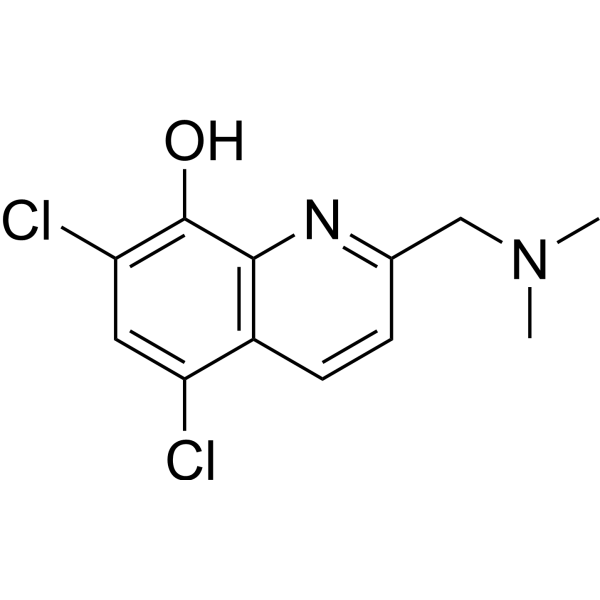
Broquinaldol, a brominated quinoline, is a potent antistaphylococcal agent. Broquinaldol is also a Mn(II) ionophore that can be used to synthesize metalloantibiotic .
|
-
- HY-12361R
-
|
|
Reference Standards
Parasite
|
Infection
|
|
PF 1022A (Standard) is the analytical standard of PF 1022A. This product is intended for research and analytical applications. PF 1022A is a cyclooctadepsipeptide with broadspectrum anthelmintic properties produced by fermentation of the fungus Mycelia sterilia. PF 1022A is a channel-forming ionophore. PF 1022A showes strong anthelmintic activities against Ascaridia galli in chickens. PF 1022A also can be used for angiostrongyliasis research[1][2][3].
|
-
- HY-N11725
-
|
|
Fc Receptor (FcR)
|
Inflammation/Immunology
|
|
Phlorofucofuroeckol A is a FcεRI inhibitor with low cytotoxicity toward basophilic leukemia cells. Phlorofucofuroeckol A suppresses binding activity between IgE and FcεRI receptor. Phlorofucofuroeckol A inhibits histamine release from basophilic leukemia cells stimulated by IgE/anti-IgE or calcium ionophore A23187 (HY-N6687). Phlorofucofuroeckol A inhibits β-hexosaminidase release from basophilic leukemia cells stimulated by IgE/DNP-BSA. Phlorofucofuroeckol A can be used for the research of allergy disease .
|
-
- HY-N13072
-
|
|
Others
|
Others
|
|
Arthrobactin is a ferric ionophore that can be produced by Arthrobacter pascens .
|
-
- HY-106200R
-
|
|
Reference Standards
Lipoxygenase
|
Inflammation/Immunology
|
|
CJ-13,610 (Standard) is the analytical standard of CJ-13,610 (HY-106200). This product is intended for research and analytical applications. CJ-13,610, a nonredox-type 5-LO inhibitor, dose dependently suppresses 5-LO product formation in ionophore A23187-stimulated PMNL in the absence of exogenous AA with an IC50 of about 70 nM . PMNL: polymorphonuclear leukocytes; AA: arachidonic acid
|
-
- HY-N6687C
-
|
A-23187 hemicalcium hemimagnesium; Antibiotic A-23187 hemicalcium hemimagnesium
|
Oxidative Phosphorylation
Bacterial
Fungal
Apoptosis
Autophagy
Antibiotic
|
Infection
Cancer
|
|
Calcimycin (A-23187) hemicalcium hemimagnesium is an antibiotic and a unique divalent cation ionophore (like calcium and magnesium). Calcimycin hemicalcium hemimagnesium induces Ca 2+-dependent cell death by increasing intracellular calcium concentration. Calcimycin hemicalcium hemimagnesium inhibits the growth of Gram-positive bacteria and some fungi. Calcimycin hemicalcium hemimagnesium also inhibits the activity of ATPase and uncouples oxidative phosphorylation (OXPHOS) of mammalian cells. Calcimycin hemicalcium hemimagnesium induces apoptosis and autophagy .
|
-
- HY-145473S
-
|
15(S)-HETE-SAPE; 15(S)-Hydroxyeicosatetraenoic acid-SAPE-d11; 1-Stearoyl-2-15(S)-HETE-sn-glycero-3-Phosphatidylethanolamine-d11
|
Isotope-Labeled Compounds
Others
|
Metabolic Disease
|
|
1-Stearoyl-2-15(S)-HETE-sn-glycero-3-PE-d11 (15(S)-HETE-SAPE-d11) is deuterium labeled 1-Stearoyl-2-15(S)-HETE-sn-glycero-3-PE. 1-Stearoyl-2-15(S)-HETE-sn-glycero-3-PE is a phospholipid that contains stearic acid (HY-B2219) at the sn-1 position and 15(S)-HETE at the sn-2 position. It is formed in human peripheral monocytes activated by the calcium ionophore A23187 (HY-N6687) by direct oxidation of 1-stearoyl-2-arachidonoyl-sn-glycero-3-PE (SAPE) by 15-LO. Phosphoethanolamine (PE) HETEs (PE-HETEs), including 1-stearoyl-2-15(S)-HETE-sn-glycero-3-PE, are the main source of esterified HETE in ionophore-activated monocytes .
|
-
- HY-165381
-
|
|
MDM-2/p53
|
Cancer
|
|
ZMC2 is a thiosemicarbazone-class metal ion chelator and zinc ionophore with a human mutant p53 R175H binding Ka of 27.4 nM.ZMC2 binds Fe, Cu, Mn, Zn, and other transition metals.ZMC2 facilitates zinc transport across membranes.ZMC2 restores zinc binding to zinc-deficient p53 mutants, restoring wild-type structure and function, including site-specific DNA binding.ZMC2 generates reactive oxygen species (ROS).ZMC2 can be used for the research of cancer .
|
-
- HY-149151
-
|
|
Endogenous Metabolite
PKC
Glycosidase
TNF Receptor
Reactive Oxygen Species (ROS)
|
Infection
Inflammation/Immunology
|
|
Variegatic acid is a secondary metabolite derived from basidiomycete fungi. Variegatic acid is a PKCβ1 inhibitor with an IC₅₀ of 36.2 μM. Variegatic acid inhibits antigen- or calcium ionophore-induced β-hexosaminidase release (IC₅₀ values of 10.4 μM and 22.2 μM, respectively) and TNF-α secretion (IC₅₀ values of 16.8 μM and 20.1 μM, respectively). Variegatic acid suppresses the enzymatic activity of calcium-activated PKCβ1 and reduces Fe(III) to Fe(II) in a pH-dependent manner, enabling the generation of hydroxyl radicals (·OH) through reaction with H₂O₂, which facilitates the degradation of lignocellulose. Variegatic acid is useful for studying biological degradation and allergic responses.
|
-
| Cat. No. |
Product Name |
Type |
-
- HY-D1896
-
|
|
Fluorescent Dyes
|
|
Chloride Ionophore IV is a thiourea type hydrogen bonding-based receptor. Chloride Ionophore IV is a chloride ionophore .
|
| Cat. No. |
Product Name |
Type |
-
- HY-75200
-
|
|
Biochemical Assay Reagents
|
|
N-(Benzyloxycarbonyloxy)succinimide is an efficient amino-protecting reagent in organic synthesis, playing an important role in the field of organic synthesis. N-(Benzyloxycarbonyloxy)succinimide is also a neutral ionophore, which significantly improves the performance of erbium ion (Er 3+) sensors and provides a practical tool for the rapid detection of erbium ions in the environment and water quality .
|
-
- HY-W127812
-
|
Sn(IV) octaethylporphine dichloride
|
Biochemical Assay Reagents
|
|
Tin(IV) octaethylporphine dichloride is a biochemical reagent that can be used as a biological material or organic compound for life science related research.
|
| Cat. No. |
Product Name |
Target |
Research Area |
-
- HY-N6693
-
|
NSC 122023
|
Apoptosis
Antibiotic
Autophagy
Fungal
|
Infection
Others
Cancer
|
|
Valinomycin is a potassium-specific ionophore, the valinomycin-K + complex can be incorporated into biological bilayer membranes with the hydrophobic surface of valinomycin, destroys the normal K + gradient across the membrane, and as a result kills the cells, incorporating into liposomes can significantly reduces the cytotoxicity and enhances the targeting effect. Valinomycin exhibits antibiotic, antifungal, antiviral, antitumor and insecticidal efficacy, thus can be used for relevant research .
|
-
- HY-P2324
-
|
|
Bacterial
HIF/HIF Prolyl-Hydroxylase
Antibiotic
|
Infection
Cancer
|
|
Gramicidin A is a peptide component of gramicidin, an antibiotic mixture originally isolated from B. brevis. Gramicidin A is a highly hydrophobic channel-forming ionophore that forms channels in model membranes that are permeable to monovalent cations. Gramicidin A induces degradation of hypoxia inducible factor 1 α (HIF-1α) .
|
-
- HY-P3003
-
-
- HY-P2324A
-
|
|
Antibiotic
Bacterial
|
Infection
|
|
Gramicidin A (TFA) is a peptide component of gramicidin, an antibiotic mixture originally isolated from B. brevis. Gramicidin A (TFA) is a highly hydrophobic channel-forming ionophore that forms channels in model membranes that are permeable to monovalent cations. Gramicidin A (TFA) induces degradation of hypoxia inducible factor 1 α (HIF-1α) .
|
| Cat. No. |
Product Name |
Category |
Target |
Chemical Structure |
-
- HY-13434
-
-
-
- HY-N6687
-
-
-
- HY-100381
-
-
-
- HY-13434A
-
-
-
- HY-N0150
-
-
-
- HY-N6693
-
-
-
- HY-B1327
-
-
-
- HY-B1071
-
-
-
- HY-B1071A
-
-
-
- HY-N6790
-
-
-
- HY-N4302
-
-
-
- HY-12361
-
-
-
- HY-P3003
-
|
|
Microorganisms
Source Classification
|
Potassium Channel
Apoptosis
Autophagy
Reactive Oxygen Species (ROS)
Mitochondrial Metabolism
|
|
Cereulide is an orally active, blood-brain barrier-permeable emetic toxin. Cereulide acts as a potassium ionophore that inserts into membranes, forms complexes with K +, and transports K + from the cytoplasm into the mitochondrial matrix. Cereulide disrupts the electrochemical gradient of the inner mitochondrial membrane, leading to mitochondrial swelling and dysfunction, uncoupling of oxidative phosphorylation, inhibition of ATP synthesis, ROS accumulation, and ultimately triggering apoptosis and autophagy. Cereulide exhibits multi-organ toxicity and can be used for research on emetic food poisoning .
|
-
-
- HY-125703
-
-
-
- HY-167843
-
-
-
- HY-N0150R
-
-
-
- HY-112225
-
-
-
- HY-111525
-
-
-
- HY-B1071AR
-
-
-
- HY-13434AR
-
-
-
- HY-N6687R
-
-
-
- HY-N6687A
-
-
-
- HY-N13988
-
-
-
- HY-N15230
-
-
-
- HY-B1071R
-
-
-
- HY-129623R
-
-
-
- HY-N1204
-
-
-
- HY-100381R
-
-
-
- HY-12361R
-
|
|
Natural Products
Microorganisms
Source Classification
|
Reference Standards
Parasite
|
|
PF 1022A (Standard) is the analytical standard of PF 1022A. This product is intended for research and analytical applications. PF 1022A is a cyclooctadepsipeptide with broadspectrum anthelmintic properties produced by fermentation of the fungus Mycelia sterilia. PF 1022A is a channel-forming ionophore. PF 1022A showes strong anthelmintic activities against Ascaridia galli in chickens. PF 1022A also can be used for angiostrongyliasis research[1][2][3].
|
-
-
- HY-N11725
-
|
|
Structural Classification
Microorganisms
Phenols
Polyphenols
Source Classification
|
Fc Receptor (FcR)
|
|
Phlorofucofuroeckol A is a FcεRI inhibitor with low cytotoxicity toward basophilic leukemia cells. Phlorofucofuroeckol A suppresses binding activity between IgE and FcεRI receptor. Phlorofucofuroeckol A inhibits histamine release from basophilic leukemia cells stimulated by IgE/anti-IgE or calcium ionophore A23187 (HY-N6687). Phlorofucofuroeckol A inhibits β-hexosaminidase release from basophilic leukemia cells stimulated by IgE/DNP-BSA. Phlorofucofuroeckol A can be used for the research of allergy disease .
|
-
-
- HY-N13072
-
-
-
- HY-149151
-
|
|
Structural Classification
Microorganisms
Ketones, Aldehydes, Acids
Source Classification
|
Endogenous Metabolite
PKC
Glycosidase
TNF Receptor
Reactive Oxygen Species (ROS)
|
|
Variegatic acid is a secondary metabolite derived from basidiomycete fungi. Variegatic acid is a PKCβ1 inhibitor with an IC₅₀ of 36.2 μM. Variegatic acid inhibits antigen- or calcium ionophore-induced β-hexosaminidase release (IC₅₀ values of 10.4 μM and 22.2 μM, respectively) and TNF-α secretion (IC₅₀ values of 16.8 μM and 20.1 μM, respectively). Variegatic acid suppresses the enzymatic activity of calcium-activated PKCβ1 and reduces Fe(III) to Fe(II) in a pH-dependent manner, enabling the generation of hydroxyl radicals (·OH) through reaction with H₂O₂, which facilitates the degradation of lignocellulose. Variegatic acid is useful for studying biological degradation and allergic responses.
|
-
| Cat. No. |
Product Name |
Chemical Structure |
-
- HY-B1327S
-
|
|
|
Chlortetracycline-d6 (hydrochloride) is the deuterium labeled Chlortetracycline hydrochloride. Chlortetracycline hydrochloride (7-Chlorotetracycline hydrochloride) is a specific and potent calcium ionophore antibiotic, inhibits binding of aminoacyl-tRNA to ribosomes.
|
-
-
- HY-W653977
-
|
|
|
Chlortetracycline-13C,d3 hydrochloride (7-Chlorotetracycline-13C,d3 hydrochloride) is the 13C- and deuterium labeled Chlortetracycline hydrochloride (HY-B1327). Chlortetracycline hydrochloride is an orally active, selective antibiotic, that inhibits methanogenic bacteria through inhibition of bacterial protein synthesis. Chlortetracycline hydrochloride is a specific and potent calcium ionophore antibiotic, that inhibits binding of aminoacyl-tRNA to ribosomes .
|
-
-
- HY-P3003S
-
|
|
|
Cereulide- 13C6 is a deuterated form of Cereulide. Cereulide is an orally active, blood-brain barrier-permeable emetic toxin. Cereulide acts as a potassium ionophore that inserts into membranes, forms complexes with K +, and transports K + from the cytoplasm into the mitochondrial matrix. Cereulide disrupts the electrochemical gradient of the inner mitochondrial membrane, leading to mitochondrial swelling and dysfunction, uncoupling of oxidative phosphorylation, inhibition of ATP synthesis, ROS accumulation, and ultimately triggering apoptosis and autophagy. Cereulide exhibits multi-organ toxicity and can be used for research on emetic food poisoning.
|
-
-
- HY-12040S
-
|
|
|
Elesclomol-d2 (STA-4783-d2) is a deuterium labeled Elesclomol (HY-12040). Elesclomol (STA-4783) is a potent copper ionophore and promotes copper-dependent cell death (cuproptosis). Elesclomol specifically binds ferredoxin 1 (FDX1) α2/α3 helices and β5 strand. Elesclomol inhibits FDX1-mediated Fe-S cluster biosynthesis. Elesclomol is an oxidative stress inducer that induces cancer cell apoptosis. Elesclomol is a reactive oxygen species (ROS) inducer. Elesclomol can be used for Menkes and associated disorders of hereditary copper deficiency research .
|
-
-
- HY-145473S
-
|
|
|
1-Stearoyl-2-15(S)-HETE-sn-glycero-3-PE-d11 (15(S)-HETE-SAPE-d11) is deuterium labeled 1-Stearoyl-2-15(S)-HETE-sn-glycero-3-PE. 1-Stearoyl-2-15(S)-HETE-sn-glycero-3-PE is a phospholipid that contains stearic acid (HY-B2219) at the sn-1 position and 15(S)-HETE at the sn-2 position. It is formed in human peripheral monocytes activated by the calcium ionophore A23187 (HY-N6687) by direct oxidation of 1-stearoyl-2-arachidonoyl-sn-glycero-3-PE (SAPE) by 15-LO. Phosphoethanolamine (PE) HETEs (PE-HETEs), including 1-stearoyl-2-15(S)-HETE-sn-glycero-3-PE, are the main source of esterified HETE in ionophore-activated monocytes .
|
-
Your information is safe with us. * Required Fields.
Inquiry Information
- Product Name:
- Cat. No.:
- Quantity:
- MCE Japan Authorized Agent:

