From 11:00 pm to 12:00 pm EST ( 8:00 pm to 9:00 pm PST ) on January 6th, the website will be under maintenance. We are sorry for the inconvenience. Please arrange your schedule properly.
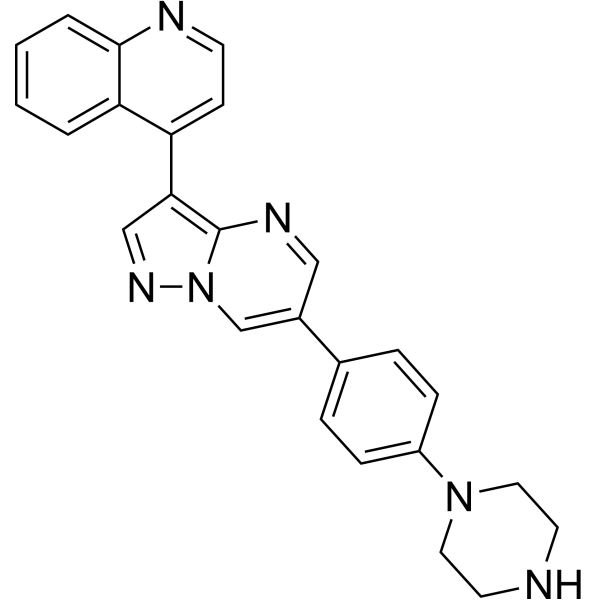
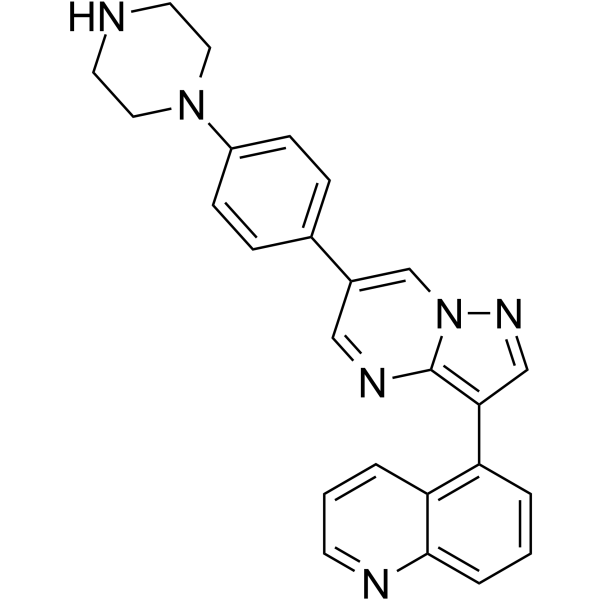
LDN193189 (DM-3189) is a potent selective BMP type I receptor (BMP I) inhibitor. LDN193189 efficiently inhibits transcriptional activity of the BMP type I receptors ALK2 and ALK3 with IC50 values of 5 nM and 30 nM, respectively. LDN193189 can be used for the research of bone morphogenetic protein signalling, such as fibrodysplasia ossificans progressiva .
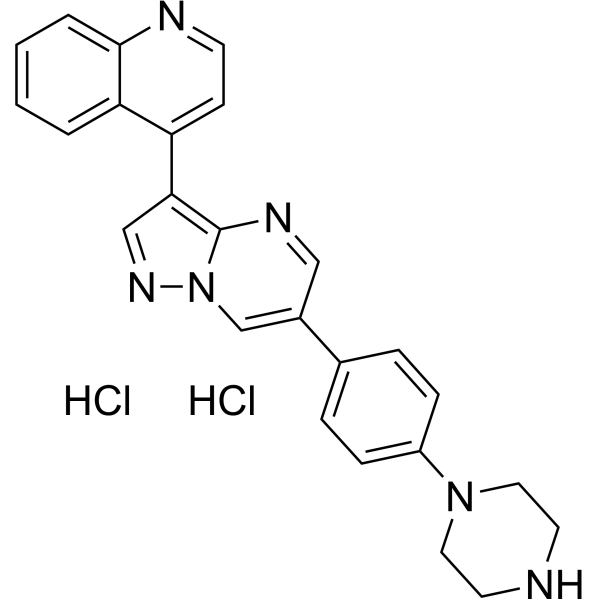
LDN193189 (DM-3189) dihydrochloride is a potent selective BMP type I receptor (BMP I) inhibitor. LDN193189 efficiently inhibits transcriptional activity of the BMP type I receptors ALK2 and ALK3 with IC50 values of 5 nM and 30 nM, respectively. LDN193189 can be used for the research of bone morphogenetic protein signalling, such as fibrodysplasia ossificans progressiva .
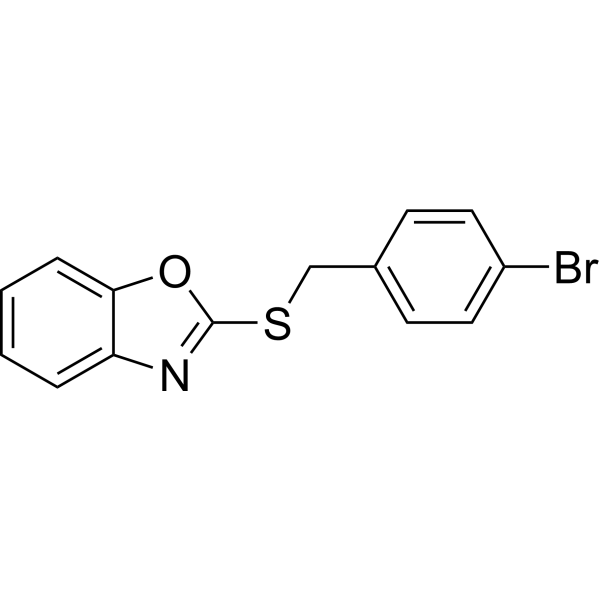
BMP signaling agonist sb4 is a potent benzoxazole bone morphogenetic protein 4 (BMP4) signaling agonist with a EC50 value of 74 nM, activates BMP signaling by stabilizing intracellular p-SMAD-1/5/9. BMP signaling agonist sb4 activates BMP4 target genes (inhibitors of DNA binding,?Id1?and?Id3) canonical BMP signaling .
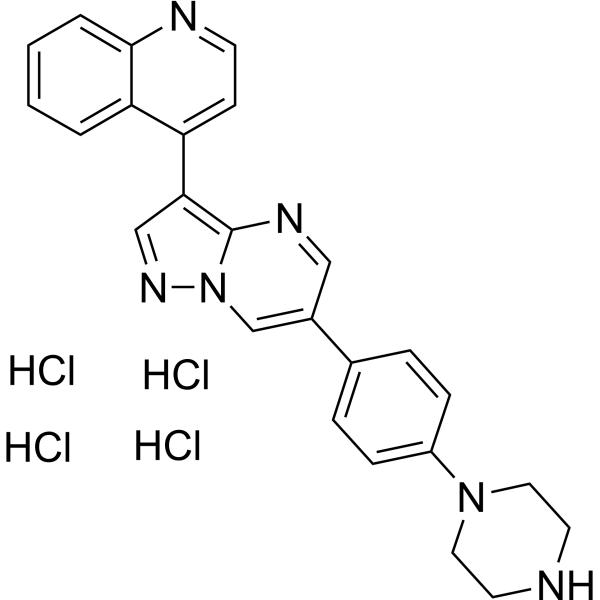
LDN193189 (DM-3189) Tetrahydrochloride is a potent selective BMP type I receptor (BMP I) inhibitor. LDN193189 efficiently inhibits transcriptional activity of the BMP type I receptors ALK2 and ALK3 with IC50 values of 5 nM and 30 nM, respectively. LDN193189 can be used for the research of bone morphogenetic protein signalling, such as fibrodysplasia ossificans progressiva .
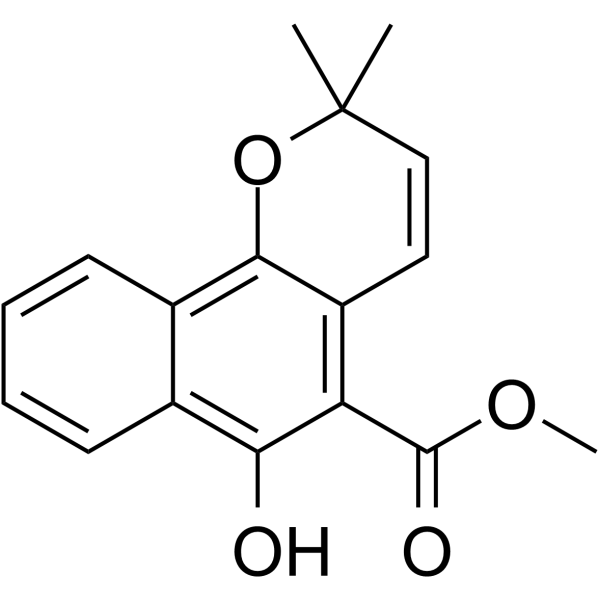
Mollugin is an orally active and potent NF-κB inhibitor. Mollugin induces S-phase arrest of HepG2 cells, and increased intracellular reactive oxygen species (ROS) levels. Mollugin induces DNA damage in HepG2 cells, as well as an increase in the expression of p-H2AX. Mollugin shows anti-cancer effect by inhibiting TNF-α-induced NF-κB activation. Mollugin enhances the osteogenic action of BMP-2 (bone morphogenetic protein 2) via the p38-Smad signaling pathway .
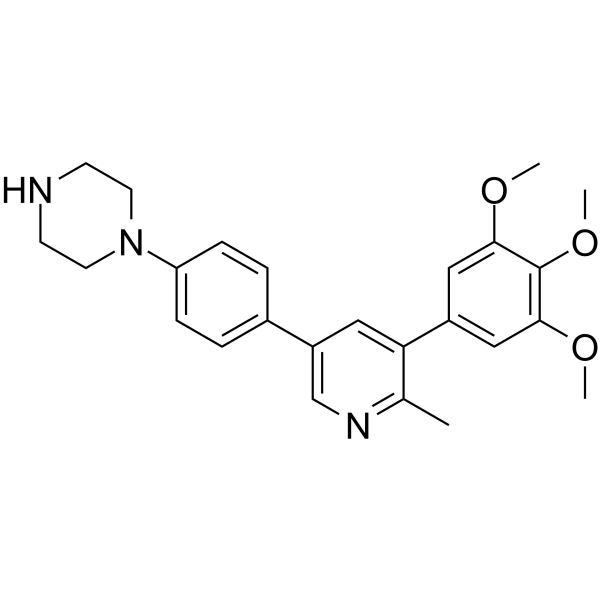
LDN-214117 is an orally active ALK2 inhibitor with well-tolerated and good brain penetration. LDN-214117 has a high selectivity and low cytotoxicity for ALK2 with an IC50 value of 24 nM. LDN-214117 also is a specific bone morphogenetic proteins (BMPs) signaling inhibitor and has relatively selective inhibition for BMP6 with an IC50 value of 100 nM. LDN-214117 can be used for the research of fibrodysplasia ossificans progressiva (FOP), diffuse intrinsic pontine glioma (DIPG) .
K02288 is a potent bone morphogenetic protein (BMP) type I receptor inhibitor with IC50s of 1.8, 1.1, 6.4 nM for ALK1, ALK2 and ALK6, respectively. K02288 shows slightly weaker inhibition against ALK3 and ALK6 with IC50s of of 5-34 nM.
LDN-212854 is a bone morphogenetic protein (BMP) inhibitor that potently inhibits ALK2 (IC50: 1.3 nM). LDN-212854 also inhibits ALK1 (IC50: 2.40 nM). LDN-212854 can be used in the research of fibrodysplasia ossificans progressive and cancers, such as hepatocellular carcinoma (HCC) .
LDN193189 GMP is LDN193189 (HY-12071) produced by using GMP guidelines. GMP small molecules works appropriately as an auxiliary reagent for cell therapy manufacture. LDN193189 (DM-3189) is a potent selective BMP type I receptor (BMP I) inhibitor. LDN193189 efficiently inhibits transcriptional activity of the BMP type I receptors ALK2 and ALK3 with IC50 values of 5 nM and 30 nM, respectively. LDN193189 can be used for the research of bone morphogenetic protein signalling, such as fibrodysplasia ossificans progressiva .
3,4,5-Tricaffeoylquinic acid (3,4,5-triCQA) inhibits tumor necrosis factor-α-stimulated production of inflammatory mediators in keratinocytes via suppression of Akt- and NF-κB-pathways. 3,4,5-Tricaffeoylquinic acid induces cell cycle arrest at G0/G1, actin cytoskeleton organization, chromatin remodeling, neuronal differentiation, and bone morphogenetic protein signaling in human neural stem cells. 3,4,5-Tricaffeoylquinic acid has the potential for the research of aging-associated diseases .
SJ000291942 is an activator of the canonical bone morphogenetic proteins (BMP) signaling pathway. BMPs are members of the transforming growth factor beta (TGFβ) family of secreted signaling molecules.
PD-161570 is a potent and ATP-competitive human FGF-1 receptor inhibitor with an IC50 of 39.9 nM and a Ki of 42 nM. PD-161570 also inhibits the PDGFR, EGFR and c-Src tyrosine kinases with IC50 values of 310 nM, 240 nM, and 44 nM, respectively. PD-161570 inhibits PDGF-stimulated autophosphorylation and FGF-1 receptor phosphorylation with IC50s of 450 nM and 622 nM, respectively . PD-161570 is also a bone morphogenetic proteins (BMPs) and TGF-β signaling inhibitor .
SY-LB-57 is a highly potent bone morphogenetic protein (BMP) receptor signaling agonist. SY-LB-57 can be used in studies of diseases such as fractures and pulmonary arterial hypertension .
SY-LB-35 is a potent bone morphogenetic protein (BMP) receptor agonist. SY-LB-35 can stimulate significant increases in cell number and cell viability in the C2C12 myoblast cell line, and causes shifts towards the S and G2/M phases of the cell cycle. SY-LB-35 stimulates canonical Smad and non-canonical PI3K/Akt, ERK, p38 and JNK intracellular signaling pathways .
LDN193189 (DM-3189) hydrochloride is a potent selective BMP type I receptor (BMP I) inhibitor. LDN193189 efficiently inhibits transcriptional activity of the BMP type I receptors ALK2 and ALK3 with IC50 values of 5 nM and 30 nM, respectively. LDN193189 can be used for the research of bone morphogenetic protein signalling, such as fibrodysplasia ossificans progressiva .
(Rac)-Juvenile hormone III is a cecropia juvenile hormone and juvenile hormone agonist. (Rac)-Juvenile hormone III induces test insects to retain larval characteristics after the final molt to the adult stage. (Rac)-Juvenile hormone III exhibits juvenile hormone activity in Tenebrio molitor pupae and last-instar nymphs of Oncopeltus fasciatus. (Rac)-Juvenile hormone III possesses morphogenetic activity in insect assays .
BMP-4 is a cell-penetrating heparin-binding peptide with the sequence RKKNPNCRRH. BMP-4 exhibits anti-inflammatory and anti-chondrogenic activities. BMP-4 can be used in the research of arthritis .
BMP-4 acetate is a cell-penetrating heparin-binding peptide with the sequence RKKNPNCRRH. BMP-4 acetate exhibits anti-inflammatory and anti-chondrogenic activities. BMP-4 acetate can be used in the research of arthritis .
Smurf1-IN-5 (Compound cpd-6) is an allosteric SMAD ubiquitin regulatory factor 1 (SMURF1) inhibitor. Smurf1-IN-5 leads to a reduction in the ubiquitylation of substrates such as BMPR2 (bone morphogenetic protein receptor 2) and SMAD1, enhancing the BMP (bone morphogenetic protein) signaling pathway. Smurf1-IN-5 is promising for research of pulmonary arterial hypertension (PAH) .
3-Hydroxy-4-carboxyalkylamidino-5-arylamino-isothiazoles is an inhibitor for bone morphogenetic protein 2 (BMP2) with an IC50 of 2.2 μM. 3-Hydroxy-4-carboxyalkylamidino-5-arylamino-isothiazoles is inhibitor for mitogen-activated protein kinase 1 (MEK1). 3-Hydroxy-4-carboxyalkylamidino-5-arylamino-isothiazoles exhibits anti-inflammatory and neuroprotective activity in EAE mouse model .
Amicoumacin B can be produced by actinomycete, strain 04-5195 T.. Amicoumacin B increases the expression of bone morphogenetic protein 2 (BMP-2). Amicoumacin B has inhibitory effect against C. violaceum (MIC = 250 µg/mL). Amicoumacin B has quorum sensing inhibitory activity, and reduces the expression of the C. violaceum operons vioA, vioB, vioD, and vioE, but increases the expression of vioC .
Juvenile Hormone III-d3 is the deuterium labeled Juvenile Hormone III. (Rac)-Juvenile Hormone III is a cecropia juvenile hormone and juvenile hormone agonist. (Rac)-Juvenile Hormone III induces test insects to retain larval characteristics after the final molt to the adult stage. (Rac)-Juvenile Hormone III exhibits juvenile hormone activity in Tenebrio molitor pupae and last-instar nymphs of Oncopeltus fasciatus. (Rac)-Juvenile Hormone III possesses morphogenetic activity in insect assays .
Sitaxsentan (IPI 1040 sodium; TBC11251 sodium) is a potent, selective and orally active endothelin A receptor (ETA) antagonist with an IC50 of 1.4 nM and a Ki of 0.43 nM. Sitaxsentan exhibits an IC50 for the ETB receptor of as high as 9800 nM. Sitaxsentan is metabolized by CYP2C9 and CYP3A4, normalizes shunt-induced endothelial abnormalities, restores BMPR signaling, and suppresses pulmonary vascular remodeling and hemodynamic deterioration. Sitaxsentan can be applied in the research of pulmonary arterial hypertension and portopulmonary hypertension .
Maohuoside A, a single compound isolated from the E. koreanum that potently promotes osteogenesis. Maohuoside A enhances the osteogenesis of bone marrow-derived mesenchymal stem cells via bone morphogenetic protein (BMP) and MAPK signaling pathways .
LDN193189 (DM-3189) dihydrochloride (Standard) is the analytical standard of LDN193189 dihydrochloride (HY-12071B). This product is intended for research and analytical applications. LDN193189 (DM-3189) dihydrochloride is a potent selective BMP type I receptor (BMP I) inhibitor. LDN193189 efficiently inhibits transcriptional activity of the BMP type I receptors ALK2 and ALK3 with IC50 values of 5 nM and 30 nM, respectively. LDN193189 can be used for the research of bone morphogenetic protein signalling, such as fibrodysplasia ossificans progressiva .
Mollugin (Standard) is the analytical standard of Mollugin. This product is intended for research and analytical applications. Mollugin is an orally active and potent NF-κB inhibitor. Mollugin induces S-phase arrest of HepG2 cells, and increased intracellular reactive oxygen species (ROS) levels. Mollugin induces DNA damage in HepG2 cells, as well as an increase in the expression of p-H2AX. Mollugin shows anti-cancer effect by inhibiting TNF-α-induced NF-κB activation. Mollugin enhances the osteogenic action of BMP-2 (bone morphogenetic protein 2) via the p38-Smad signaling pathway .
Chromenone 1 is a potent osteogenic bone morphogenetic protein (BMP) potentiator. Chromenone 1 exhibits a unique mode of action as it induces a pronounced, kinase-independent, negative TGFβ feedback that enhances nuclear BMP-Smad signaling outputs .
Depiperazine-DM3189 is a derivative of LDN193189 (HY-12071). LDN193189 is a potent selective BMP type I receptor (BMP I) inhibitor. LDN-193189 efficiently inhibits transcriptional activity of the BMP type I receptors ALK2 and ALK3 with IC50 values of 5 nM and 30 nM, respectively. LDN-193189 can be used for the research of bone morphogenetic protein signalling, such as fibrodysplasia ossificans progressiva .
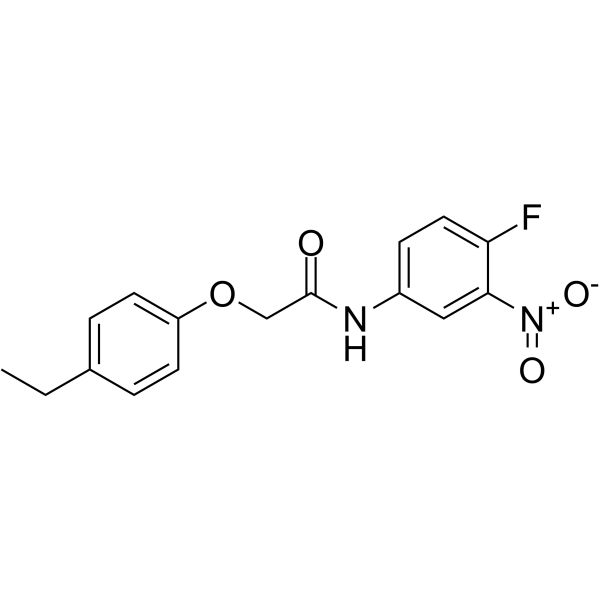
Compounds, as a new type of bone morphogenetic protein-2 up regulator, can not only correct the bone loss in patients, but also have a wide range of clinical applicability.
Phenamil is a compound that promotes bone repair and regulates stem cell differentiation. It can activate the bone morphogenetic protein signaling pathway to promote bone repair, but it also induces adipogenesis. A specific 3D scaffold strategy can improve its induced osteogenic differentiation and reduce adipogenesis.
Human BMPR1A mRNA encodes the human bone morphogenetic protein receptor type 1A (BMPR1A) protein, a family of transmembrane serine/threonine kinases. BMPR1A may play a role in positively regulating chondrocyte differentiation through GDF5 interaction and mediating induction of adipogenesis by GDF6.
CDD-1115 is a potent, selective inhibitor of BMPR2 with IC50 of 1.8 nM, Kiapp of 6.2 nM. CDD-1115 inhibits bone morphogenetic protein (BMP)-mediated gene expression. BMP controls cellular processes across many tissue types, including the kidney, skeletal muscle, heart, and reproductive organs. BMP induces ectopic bone formation .
LDN193189 (DM-3189) Tetrahydrochloride (Standard) is the analytical standard of LDN193189 Tetrahydrochloride (HY-12071A). This product is intended for research and analytical applications. LDN193189 (DM-3189) Tetrahydrochloride is a potent selective BMP type I receptor (BMP I) inhibitor. LDN193189 efficiently inhibits transcriptional activity of the BMP type I receptors ALK2 and ALK3 with IC50 values of 5 nM and 30 nM, respectively. LDN193189 can be used for the research of bone morphogenetic protein signalling, such as fibrodysplasia ossificans progressiva .
Human BMPR1B mRNA encodes the human bone morphogenetic protein receptor type 1B (BMPR1B) protein, a family of transmembrane serine/threonine kinases. The ligands of this receptor are BMPs, which are members of the TGF-beta superfamily. BMPs are involved in endochondral bone formation and embryogenesis.
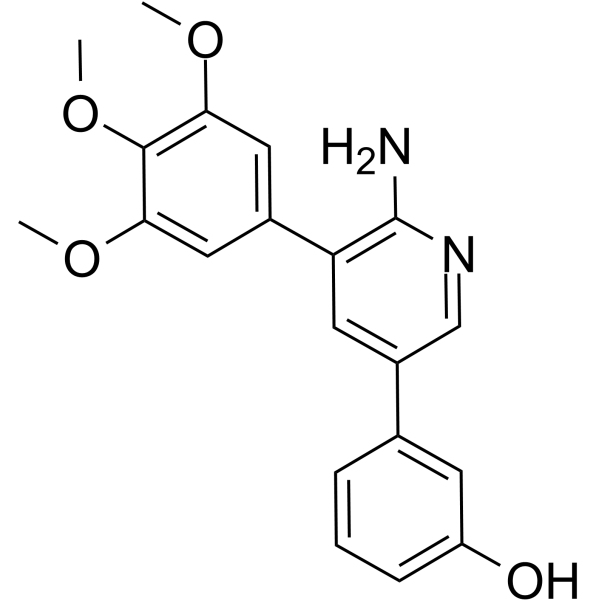
LDN-193688 (Compound 26) is a ALK2 inhibitor, with IC₅₀ values of 104, 18, 235, 1530, and 1080 nM against ALK1, ALK2, ALK3, ALK4, and ALK5, respectively. LDN-193688 inhibits bone morphogenetic protein 4 (BMP4)-induced phosphorylation of SMAD1/5/8, with an IC₅₀ of 2.6 μM .
K02288 (GMP) is K02288 (HY-12278) produced by using GMP guidelines. GMP small molecules works appropriately as an auxiliary reagent for cell therapy manufacture. K02288 is a potent bone morphogenetic protein (BMP) type I receptor inhibitor with IC50s of 1.8, 1.1, 6.4 nM for ALK1, ALK2 and ALK6, respectively. K02288 shows slightly weaker inhibition against ALK3 and ALK6 with IC50s of of 5-34 nM.
KY1070 is a fully human anti-BMP6 antibody with a Kd of 0.00014 μM against the human BMP6. It exhibits high specificity for BMP6, showing no cross-reactivity with other members of the BMP family, and effectively inhibits BMP6-induced BMP receptor heterodimerization and hepcidin expression. KY1070 modulates Ferroportin expression on erythroid progenitor cells and accelerates erythropoiesis. In rodent anemia models, KY1070 reduces the required dose of erythropoietin (EPO) when used in combination with EPO and enhances the responsiveness of mice with chronic kidney disease (CKD)-associated anemia to EPO treatment. KY1070 is applicable for research on anemia of chronic disease [1] [2].
The transforming growth factor beta (TGF-β) signaling pathway is involved in many cellular processes in both the adult organism and the developing embryo including cell growth, cell differentiation, apoptosis, cellular homeostasis and other cellular functions. The TGF-β superfamily comprises TGF-βs, bone morphogenetic proteins (BMPs), activins and related proteins. Signaling begins with the binding of a TGF beta superfamily ligand to a TGF beta type II receptor. The type II receptor is a serine/threonine receptor kinase, which catalyzes the phosphorylation of the Type I receptor. The type I receptor then phosphorylates receptor-regulated SMADs (R-SMADs) which can now bind the coSMAD (e.g. SMAD4). R-SMAD/coSMAD complexes accumulate in the nucleus where they act as transcription factors and participate in the regulation of target gene expression. Deregulation of TGF-β signaling contributes to developmental defects and human diseases, including cancers, some bone diseases, chronic kidney disease, etc.
MCE designs a unique collection of 413 TGF-beta/Smad signaling pathway compounds. TGF-beta/Smad Compound Library acts as a useful tool for TGF-beta/Smad-related drug screening and disease research.
Stem cells, which are found in all multi-cellular organisms, can divide and differentiate into diverse special cell types and can self-renew to produce more stem cells. To be useful in therapy, stem cells must be converted into desired cell types as necessary which is called induced differentiation or directed differentiation. Understanding and using signaling pathways for differentiation is an important method in successful regenerative medicine. Small molecules or growth factors induce the conversion of stem cells into appropriate progenitor cells, which will later give rise to the desired cell type. There is a variety of signal molecules and molecular families that may affect the establishment of germ layers in vivo, such as fibroblast growth factors (FGFs); the wnt family or superfamily of transforming growth factors β (TGFβ) and bone morphogenetic proteins (BMP). Unfortunately, for now, a high cost of recombinant factors is likely to limit their use on a larger scale in medicine. The more promising technique focuses on the use of small molecules. These small molecules can be used for either activating or deactivating specific signaling pathways. They enhance reprogramming efficiency by creating cells that are compatible with the desired type of tissue. It is a cheaper and non-immunogenic method.
MCE Differentiation Inducing Compound Library contains a unique collection of 2,405 compounds that act on signaling pathways for differentiation. These compounds are potential stimulators for induced differentiation. This library is a useful tool for researching directed differentiation and regenerative medicine.
LDN193189 GMP is LDN193189 (HY-12071) produced by using GMP guidelines. GMP small molecules works appropriately as an auxiliary reagent for cell therapy manufacture. LDN193189 (DM-3189) is a potent selective BMP type I receptor (BMP I) inhibitor. LDN193189 efficiently inhibits transcriptional activity of the BMP type I receptors ALK2 and ALK3 with IC50 values of 5 nM and 30 nM, respectively. LDN193189 can be used for the research of bone morphogenetic protein signalling, such as fibrodysplasia ossificans progressiva .
K02288 (GMP) is K02288 (HY-12278) produced by using GMP guidelines. GMP small molecules works appropriately as an auxiliary reagent for cell therapy manufacture. K02288 is a potent bone morphogenetic protein (BMP) type I receptor inhibitor with IC50s of 1.8, 1.1, 6.4 nM for ALK1, ALK2 and ALK6, respectively. K02288 shows slightly weaker inhibition against ALK3 and ALK6 with IC50s of of 5-34 nM.
LDN193189 GMP is LDN193189 (HY-12071) produced by using GMP guidelines. GMP small molecules works appropriately as an auxiliary reagent for cell therapy manufacture. LDN193189 (DM-3189) is a potent selective BMP type I receptor (BMP I) inhibitor. LDN193189 efficiently inhibits transcriptional activity of the BMP type I receptors ALK2 and ALK3 with IC50 values of 5 nM and 30 nM, respectively. LDN193189 can be used for the research of bone morphogenetic protein signalling, such as fibrodysplasia ossificans progressiva .
LDN193189 (DM-3189) hydrochloride is a potent selective BMP type I receptor (BMP I) inhibitor. LDN193189 efficiently inhibits transcriptional activity of the BMP type I receptors ALK2 and ALK3 with IC50 values of 5 nM and 30 nM, respectively. LDN193189 can be used for the research of bone morphogenetic protein signalling, such as fibrodysplasia ossificans progressiva .
K02288 (GMP) is K02288 (HY-12278) produced by using GMP guidelines. GMP small molecules works appropriately as an auxiliary reagent for cell therapy manufacture. K02288 is a potent bone morphogenetic protein (BMP) type I receptor inhibitor with IC50s of 1.8, 1.1, 6.4 nM for ALK1, ALK2 and ALK6, respectively. K02288 shows slightly weaker inhibition against ALK3 and ALK6 with IC50s of of 5-34 nM.
BMP-4 is a cell-penetrating heparin-binding peptide with the sequence RKKNPNCRRH. BMP-4 exhibits anti-inflammatory and anti-chondrogenic activities. BMP-4 can be used in the research of arthritis .
BMP-4 acetate is a cell-penetrating heparin-binding peptide with the sequence RKKNPNCRRH. BMP-4 acetate exhibits anti-inflammatory and anti-chondrogenic activities. BMP-4 acetate can be used in the research of arthritis .
BMP-2 Epitope (73-92) is a biological active peptide. (This is amino acids 73 to 92 fragment of bone morphogenetic protein (BMP) knuckle epitope. It is a member of transforming growth factor beta (TGF-b). This peptide fragment is able to raise alkaline phosphate activity in murine multipotent mesenchymal cells.)
KY1070 is a fully human anti-BMP6 antibody with a Kd of 0.00014 μM against the human BMP6. It exhibits high specificity for BMP6, showing no cross-reactivity with other members of the BMP family, and effectively inhibits BMP6-induced BMP receptor heterodimerization and hepcidin expression. KY1070 modulates Ferroportin expression on erythroid progenitor cells and accelerates erythropoiesis. In rodent anemia models, KY1070 reduces the required dose of erythropoietin (EPO) when used in combination with EPO and enhances the responsiveness of mice with chronic kidney disease (CKD)-associated anemia to EPO treatment. KY1070 is applicable for research on anemia of chronic disease [1] [2].
Mollugin is an orally active and potent NF-κB inhibitor. Mollugin induces S-phase arrest of HepG2 cells, and increased intracellular reactive oxygen species (ROS) levels. Mollugin induces DNA damage in HepG2 cells, as well as an increase in the expression of p-H2AX. Mollugin shows anti-cancer effect by inhibiting TNF-α-induced NF-κB activation. Mollugin enhances the osteogenic action of BMP-2 (bone morphogenetic protein 2) via the p38-Smad signaling pathway .
3,4,5-Tricaffeoylquinic acid (3,4,5-triCQA) inhibits tumor necrosis factor-α-stimulated production of inflammatory mediators in keratinocytes via suppression of Akt- and NF-κB-pathways. 3,4,5-Tricaffeoylquinic acid induces cell cycle arrest at G0/G1, actin cytoskeleton organization, chromatin remodeling, neuronal differentiation, and bone morphogenetic protein signaling in human neural stem cells. 3,4,5-Tricaffeoylquinic acid has the potential for the research of aging-associated diseases .
(Rac)-Juvenile hormone III is a cecropia juvenile hormone and juvenile hormone agonist. (Rac)-Juvenile hormone III induces test insects to retain larval characteristics after the final molt to the adult stage. (Rac)-Juvenile hormone III exhibits juvenile hormone activity in Tenebrio molitor pupae and last-instar nymphs of Oncopeltus fasciatus. (Rac)-Juvenile hormone III possesses morphogenetic activity in insect assays .
Amicoumacin B can be produced by actinomycete, strain 04-5195 T.. Amicoumacin B increases the expression of bone morphogenetic protein 2 (BMP-2). Amicoumacin B has inhibitory effect against C. violaceum (MIC = 250 µg/mL). Amicoumacin B has quorum sensing inhibitory activity, and reduces the expression of the C. violaceum operons vioA, vioB, vioD, and vioE, but increases the expression of vioC .
Maohuoside A, a single compound isolated from the E. koreanum that potently promotes osteogenesis. Maohuoside A enhances the osteogenesis of bone marrow-derived mesenchymal stem cells via bone morphogenetic protein (BMP) and MAPK signaling pathways .
Mollugin (Standard) is the analytical standard of Mollugin. This product is intended for research and analytical applications. Mollugin is an orally active and potent NF-κB inhibitor. Mollugin induces S-phase arrest of HepG2 cells, and increased intracellular reactive oxygen species (ROS) levels. Mollugin induces DNA damage in HepG2 cells, as well as an increase in the expression of p-H2AX. Mollugin shows anti-cancer effect by inhibiting TNF-α-induced NF-κB activation. Mollugin enhances the osteogenic action of BMP-2 (bone morphogenetic protein 2) via the p38-Smad signaling pathway .
BMP-3 Protein, a TGF-beta superfamily member, crucially influences early skeletal formation and acts as a bone density negative regulator. It counteracts osteogenic BMPs, hindering osteoprogenitor differentiation. BMP-3 initiates signaling via ACVR2B, activating SMAD2-dependent and SMAD-independent pathways, including TAK1 and JNK. Structurally, it forms homodimers with disulfide bonds, interacting with ACVR2B to regulate functions. BMP-3 Protein, Human is the recombinant human-derived BMP-3 protein, expressed by E. coli , with tag free.
Bone morphogenetic protein 5 (BMP-5) is a pleiotropic ligand protein belonging to the TGFβ family, which is mainly expressed in the lung and liver. After BMP-5 silencing, the activity of p38/ERK signaling pathway can be down-regulated to inhibit chondrocyte senescence and apoptosis and knee arthritis (OA). Bmp-5 initiates typical BMP signaling cascades by binding to type I receptor BMPR1A and type II receptor BMPR2, or triggers signals through atypical pathways such as MAPK p38 signaling cascades to promote chondrogenic differentiation.
BMP-10 is essential for embryonic cardiomyocyte proliferation, preventing premature activation of CDKN1C/p57KIP and ensuring optimal expression of MEF2C and NKX2-5.As a ligand for AVRL1/ALK1, BMPR1A/ALK3 and BMPR1B/ALK6, it activates SMAD1, SMAD5 and SMAD8, regulating key signaling pathways.Animal-Free BMP-10 Protein, Human (His) is the recombinant human-derived animal-FreeBMP-10 protein, expressed by E.coli , with C-His labeled tag.This product is for cell culture use only.
BMP-5 protein is an important member of the TGF-β superfamily and is essential for cartilage and bone formation as well as neurogenesis. It activates canonical BMP signaling through BMPR1A and BMPR2 and phosphorylates SMAD1/5/8 for gene transcription regulation. Animal-Free BMP-5 Protein, Human (His) is the recombinant human-derived animal-FreeBMP-5 protein, expressed by E. coli , with C-His labeled tag. This product is for cell culture use only.
Bone morphogenetic protein 2 (BMP-2) is a pleiotropic ligand protein belonging to TGFβ family, and is involved in key embryonic development of vascular and valvular homeostasis. BMP-2 binds to type I receptors (ALK-2/-3/-6) and type II receptors (BMPR2, ACVR2A) to regulate various types of calcification, including atherosclerosis, chronic kidney disease, diabetes, and valve calcification. BMP-2 is overexpressed by myofibroblast and preosteoblast in the calcified area of human calcified valve, which are densely infiltrated by B lymphocytes and T lymphocytes. BMP-2 is the junction between atherosclerotic vascular calcification and normal bone formation mechanism. Zebrafish BMP-2 Protein has a length of 386 a.a., BMP-2 Protein, Zebrafish is 105 a.a. (Q272-R386), expressed in E. coli cells with tag free.
Bone morphogenetic protein 4 (BMP-4) is a polymorphic ligand protein belonging to the TGF-β family, which is involved in the circulation of the vascular system and can activate receptors on vascular cells. BMP-4 binds to type I receptors (ALK-2/-3/-6) and type II receptors (BMPR2, ACVR2A) to increase plaque formation and promote oxidative stress, endothelial dysfunction, and osteogenic differentiation through its pro-inflammatory and pro-atherogenic effects. BMP-4 Protein, Mouse (HEK293, Fc) has a total length of 116 amino acids (S293-R408), is expressed in HEK293 cells with N-terminal rabbit Fc-tag.
BMP Type II Receptor (BMPR2) is a type II member of the bone morphogenetic protein (BMP) receptor family of transmembrane serine/threonine kinases. BMPR2 is highly expressed in the heart and liver, and involves in osteogenesis and cell differentiation, essential for embryogenesis, development, and adult tissue homeostasis. BMPR2 is associated with tubulin stability, the inhibition of BMPR2 destabilizes the microtubules promoting cell death of cancer cells that involves the activation of the lysosomes. Human BMPR2 protein contains 1038 amino acids and a transmembrane domain (151-171 a.a.). BMPR-II Protein, Human (HEK293, His-Fc) is the extracellular part of the complete BMPR2 protein, produced by HEK293 cells (M1-I151) with C-terminal hFc- and His-tag.
BMPR1B/ALK-6 protein is a type I member of the bone morphogenetic protein (BMP) receptor family of transmembrane serine/threonine kinases. BMPR1B/ALK-6 is the receptor for BMP-7/OP-1 and GDF-5, positively regulates chondrocyte differentiation through GDF-5 interaction. BMPR1B/ALK-6 also involves in SCUBE3/BMP-2/BMP-4 signals regulation, controlling growth, morphogenesis, and bone and teeth development. ALK-6/GDF-9/BMP-15 signals is essential in prolificacy of goat. The mouse BMPR1B/ALK-6 protein contains 502 amino acids and a transmembrane domain (127-148 a.a.). BMPRIB/ALK-6 Protein, Mouse (HEK293, Fc) is produced by HEK293 cells (K14-K126) with C-terminal hFc-tag.
The GDF-5 protein is critical in bone and cartilage formation, complexly regulating chondrogenic tissue differentiation through dual pathways. It positively affects cartilage formation by inducing SMAD protein signaling by binding to BMPR1B and BMPR1A. Animal-Free GDF-5 Protein, Human (His) is the recombinant human-derived animal-FreeGDF-5 protein, expressed by E. coli , with C-His labeled tag. This product is for cell culture use only.
Bone morphogenetic protein 4 (BMP-4) is a polymorphic ligand protein belonging to the TGF-β family, which is involved in the circulation of the vascular system and can activate receptors on vascular cells. BMP-4 binds to type I receptors (ALK-2/-3/-6) and type II receptors (BMPR2, ACVR2A) to increase plaque formation and promote oxidative stress, endothelial dysfunction, and osteogenic differentiation through its pro-inflammatory and pro-atherogenic effects. Animal-Free BMP-4 Protein, Pig (His) has a total length of 182 amino acids (R43-C224), is expressed in E. coli cells with C-terminal His-tag.This product is for cell culture use only.
BMPR1B/ALK-6 protein is a type I member of the bone morphogenetic protein (BMP) receptor family of transmembrane serine/threonine kinases. BMPR1B/ALK-6 is the receptor for BMP-7/OP-1 and GDF-5, positively regulates chondrocyte differentiation through GDF-5 interaction. BMPR1B/ALK-6 also involves in SCUBE3/BMP-2/BMP-4 signals regulation, controlling growth, morphogenesis, and bone and teeth development. ALK-6/GDF-9/BMP-15 signals is essential in prolificacy of goat. The human BMPR1B/ALK-6 protein contains 502 amino acids and a transmembrane domain (127-148 a.a.). BMPRIB/ALK-6 Protein, Human (HEK293, Fc) is produced by HEK293 cells (K14-R126) with a C-terminal hFc-tag.
BMPR1B/ALK-6 protein is a type I member of the bone morphogenetic protein (BMP) receptor family of transmembrane serine/threonine kinases. BMPR1B/ALK-6 is the receptor for BMP-7/OP-1 and GDF-5, positively regulates chondrocyte differentiation through GDF-5 interaction. BMPR1B/ALK-6 also involves in SCUBE3/BMP-2/BMP-4 signals regulation, controlling growth, morphogenesis, and bone and teeth development. ALK-6/GDF-9/BMP-15 signals is essential in prolificacy of goat. The human BMPR1B/ALK-6 protein contains 502 amino acids and a transmembrane domain (127-148 a.a.). BMPRIB/ALK-6 Protein, Human (sf9, His-GST) is produced by HEK293 cells (R149-L502) with N-terminal His- and GST-tag.
BMP-8 is a pleiotropic ligand protein act as a reproductive system regulator, enriched in the ovary. BMP-8 is encoded by a pair of genes BMP8A and BMP8B, belonging to TNF-β family. BMP-8B is secreted by brown/beige adipocytes and enhances energy dissipation, serves as a potential targets in obesity. BMP-8B also caspase-3 and -9 activation in pancreatic cancer cell, as well as decreasing mitochondrial membrane potential to induce apoptosis. BMP-8b Protein, Human is 402 a.a. with 2 glycosylation domains. Animal-Free BMP-8a Protein, Human (His) is a animal free recombinant human protein produced in E. coli cells, with 139 a.a. (A264-H402) and N-terminal His-tag.This product is for cell culture use only.
BMP-2 protein is an important member of the TGF-β superfamily and is critical in cardiogenesis, neurogenesis, and osteogenesis, inducing cartilage and bone formation. It initiates canonical BMP signaling by binding to BMPR1A and BMPR2, triggering BMPR2 phosphorylation and SMAD1/5/8 activation for gene transcription regulation. BMP-2 Protein, Human/Mouse/Rat (P. pastoris, His) is the recombinant human-derived BMP-2 protein, expressed by P. pastoris , with N-6*His labeled tag.
Bone morphogenetic protein 4 (BMP-4) is a polymorphic ligand protein belonging to the TGF-β family, which is involved in the circulation of the vascular system and can activate receptors on vascular cells. BMP-4 binds to type I receptors (ALK-2/-3/-6) and type II receptors (BMPR2, ACVR2A) to increase plaque formation and promote oxidative stress, endothelial dysfunction, and osteogenic differentiation through its pro-inflammatory and pro-atherogenic effects. Animal-Free BMP-4 Protein, Mouse (His) has a total length of 106 amino acids (K303-R408), is expressed in E. coli cells with C-terminal His-tag.This product is for cell culture use only.
BMP-6 protein is a member of the TGF-β superfamily and is critical in various developmental processes including skeletal development. It acts as a key regulator of HAMP/hepcidin expression and iron metabolism via hemojuvelin/HJV. Animal-Free BMP-6 Protein, Human (His) is the recombinant human-derived animal-FreeBMP-6 protein, expressed by E. coli , with C-His labeled tag. This product is for cell culture use only.
BMPR1A/ALK-3 protein (ACVRLK3) is the receptor bone morphogenetic protein (BMP) type I receptors, widely expressed in tissues. BMPR1A/ALK-3 protein mediates iron metabolism factor hepcidin expression, interacts with GDF5/6 to regulate chondrocyte differentiation and adipogenesis. BMPR1A-ID2/ZEB1-TGFBR2 signaling axis could serve as a potentia target for pulmonary arterial hypertension (PAH) and other endothelial-mesenchymal transition (EndoMT)-related vascular disorders. Human BMPR1A/ALK-3 has a full length of 532 a.a., with a motif (107-109 a.a.) mediating specificity for BMP ligand. BMPR1A/ALK-3 Protein, Human (HEK293, His) is produced in HEK293 cells, with a C-terminal His-tags.
Bone morphogenetic protein 3 (BMP-3; GDF10) is a polymorphic ligand protein belonging to the TGF-β family. BMP-3 is the main component of osteoblast and has osteogenic activity. BMP-3 plays an inhibitory role in the carcinogenic process, and inhibits the occurrence of colon tumors through ActRIIB/ SMad2-dependent and TAK1/JNK signaling pathways. BMP-3B/GDF10 Protein, Mouse (HEK293, Fc) has a total length of 110 amino acids (Q367-R476), is expressed in HEK293 cells.
BMPR1A/ALK-3 protein (ACVRLK3) is the receptor bone morphogenetic protein (BMP) type I receptors, widely expressed in tissues. BMPR1A/ALK-3 protein mediates iron metabolism factor hepcidin expression, interacts with GDF5/6 to regulate chondrocyte differentiation and adipogenesis. BMPR1A-ID2/ZEB1-TGFBR2 signaling axis could serve as a potentia target for pulmonary arterial hypertension (PAH) and other endothelial-mesenchymal transition (EndoMT)-related vascular disorders. BMPR1A/ALK-3 Protein, Canine (HEK293, Fc) is a recombinant protein produced in the HEK293 cells with C-terminal hFc-tag.
BMPR1A/ALK-3 protein (ACVRLK3) is the receptor bone morphogenetic protein (BMP) type I receptors, widely expressed in tissues. BMPR1A/ALK-3 protein mediates iron metabolism factor hepcidin expression, interacts with GDF5/6 to regulate chondrocyte differentiation and adipogenesis. BMPR1A-ID2/ZEB1-TGFBR2 signaling axis could serve as a potentia target for pulmonary arterial hypertension (PAH) and other endothelial-mesenchymal transition (EndoMT)-related vascular disorders. Mouse BMPR1A/ALK-3 has a full length of 532 a.a., with a motif (107-109 a.a.) mediating specificity for BMP ligand. BMPR1A/ALK-3 Protein, Mouse (HEK293, His-Fc) is produced in HEK293 cells and has 129 amino acids (Q24-R152), with C-terminal Fc and His-tags.
BMPR1A/ALK-3 protein (ACVRLK3) is the receptor bone morphogenetic protein (BMP) type I receptors, widely expressed in tissues. BMPR1A/ALK-3 protein mediates iron metabolism factor hepcidin expression, interacts with GDF5/6 to regulate chondrocyte differentiation and adipogenesis. BMPR1A-ID2/ZEB1-TGFBR2 signaling axis could serve as a potentia target for pulmonary arterial hypertension (PAH) and other endothelial-mesenchymal transition (EndoMT)-related vascular disorders. Human BMPR1A/ALK-3 has a full length of 532 a.a., with a motif (107-109 a.a.) mediating specificity for BMP ligand. BMPR1A/ALK-3 Protein, Human (HEK293, Fc-His) is produced in HEK293 cells and has 129 amino acids (Q24-R152), with C-terminal Fc and His-tags.
GDF-5 protein is critical in bone and cartilage formation and promotes chondrogenic differentiation through dual pathways. It activates SMAD protein signaling and actively regulates chondrogenesis through high-affinity binding to BMPR1B and low-affinity binding to BMPR1A. GDF-5 Protein, Mouse is the recombinant mouse-derived GDF-5 protein, expressed by E. coli , with tag free.
The GDF-11/BMP-11 protein is a secreted signaling protein that globally regulates anterior/posterior axis patterning during development and plays a key role in mesoderm and neural tissue patterning. GDF-11/BMP-11 is critical for vertebral and orofacial development and signals through type 2 activin receptors (ACVR2A and ACVR2B) and type 1 activin receptors (ACVR1B, ACVR1C and TGFBR1), leading to SMAD2 and SMAD3 phosphorylation. GDF-11/BMP-11 Protein, Human (HEK293, solution) is the recombinant human-derived GDF-11/BMP-11 protein, expressed by HEK293 , with tag free.
The BMP-13/GDF-6 protein is a multifunctional growth factor that plays a critical role in retinal development, control of apoptosis, and dorsoventral positional information. It is critical for bone and joint development in various anatomical regions, influencing species-specific skeletal changes and contributing to the evolution of unique anatomical features. BMP-13/GDF-6 Protein, Mouse is the recombinant mouse-derived BMP-13/GDF-6 protein, expressed by E. coli , with tag free.
Juvenile Hormone III-d3 is the deuterium labeled Juvenile Hormone III. (Rac)-Juvenile Hormone III is a cecropia juvenile hormone and juvenile hormone agonist. (Rac)-Juvenile Hormone III induces test insects to retain larval characteristics after the final molt to the adult stage. (Rac)-Juvenile Hormone III exhibits juvenile hormone activity in Tenebrio molitor pupae and last-instar nymphs of Oncopeltus fasciatus. (Rac)-Juvenile Hormone III possesses morphogenetic activity in insect assays .
BMPR2; PPH1; Bone morphogenetic protein receptor type-2; BMP type-2 receptor; BMPR-2; Bone morphogenetic protein receptor type II; BMP type II receptor; BMPR-II
WB, IHC-P, ICC/IF, ELISA
Human, Mouse, Rat, Monkey
BMPR2 Antibody (YA4754) is a Mouse-derived and non-conjugated monoclonal antibody, targeting to BMPR2.
Human BMPR1A mRNA encodes the human bone morphogenetic protein receptor type 1A (BMPR1A) protein, a family of transmembrane serine/threonine kinases. BMPR1A may play a role in positively regulating chondrocyte differentiation through GDF5 interaction and mediating induction of adipogenesis by GDF6.
Human BMPR1B mRNA encodes the human bone morphogenetic protein receptor type 1B (BMPR1B) protein, a family of transmembrane serine/threonine kinases. The ligands of this receptor are BMPs, which are members of the TGF-beta superfamily. BMPs are involved in endochondral bone formation and embryogenesis.
LDN193189 GMP is LDN193189 (HY-12071) produced by using GMP guidelines. GMP small molecules works appropriately as an auxiliary reagent for cell therapy manufacture. LDN193189 (DM-3189) is a potent selective BMP type I receptor (BMP I) inhibitor. LDN193189 efficiently inhibits transcriptional activity of the BMP type I receptors ALK2 and ALK3 with IC50 values of 5 nM and 30 nM, respectively. LDN193189 can be used for the research of bone morphogenetic protein signalling, such as fibrodysplasia ossificans progressiva .
K02288 (GMP) is K02288 (HY-12278) produced by using GMP guidelines. GMP small molecules works appropriately as an auxiliary reagent for cell therapy manufacture. K02288 is a potent bone morphogenetic protein (BMP) type I receptor inhibitor with IC50s of 1.8, 1.1, 6.4 nM for ALK1, ALK2 and ALK6, respectively. K02288 shows slightly weaker inhibition against ALK3 and ALK6 with IC50s of of 5-34 nM.
Inquiry Online
Your information is safe with us. * Required Fields.
Western blot analysis of extracts from THP-1(lane 2(20μg), Jurkat (lane 3(20μg) and NIH3T3(lane 4(20μg) using FOXO1A (HY-P80132) Rabbit mAb. Proteins were transferred
to a PVDF membrane and blocked with 5% non-fat milk in TBST for 2 hour at room temperature. The primary antibody (1/1000) and Loading control antibody (Beta Actin, HY-P80438, 1/10000) was
used in 5% non-fat milk in TBST at 4°C overnight. Goat Anti-Mouse/Rabbit IgG-HRP Secondary Antibody (1/10000) was used for 1 hour at room temperature.
Western blot analysis of extracts from THP-1(lane 2(20μg), Jurkat (lane 3(20μg) and NIH3T3(lane 4(20μg) using FOXO1A (HY-P80132) Rabbit mAb. Proteins were transferred
to a PVDF membrane and blocked with 5% non-fat milk in TBST for 2 hour at room temperature. The primary antibody (1/1000) and Loading control antibody (Beta Actin, HY-P80438, 1/10000) was
used in 5% non-fat milk in TBST at 4°C overnight. Goat Anti-Mouse/Rabbit IgG-HRP Secondary Antibody (1/10000) was used for 1 hour at room temperature.
Western blot analysis of extracts from THP-1(lane 2(20μg), Jurkat (lane 3(20μg) and NIH3T3(lane 4(20μg) using FOXO1A (HY-P80132) Rabbit mAb. Proteins were transferred
to a PVDF membrane and blocked with 5% non-fat milk in TBST for 2 hour at room temperature. The primary antibody (1/1000) and Loading control antibody (Beta Actin, HY-P80438, 1/10000) was
used in 5% non-fat milk in TBST at 4°C overnight. Goat Anti-Mouse/Rabbit IgG-HRP Secondary Antibody (1/10000) was used for 1 hour at room temperature.
Western blot analysis of extracts from THP-1(lane 2(20μg), Jurkat (lane 3(20μg) and NIH3T3(lane 4(20μg) using FOXO1A (HY-P80132) Rabbit mAb. Proteins were transferred
to a PVDF membrane and blocked with 5% non-fat milk in TBST for 2 hour at room temperature. The primary antibody (1/1000) and Loading control antibody (Beta Actin, HY-P80438, 1/10000) was
MedchemExpress Validation 03
Western blot analysis of extracts from THP-1(lane 2(20μg), Jurkat (lane 3(20μg) and NIH3T3(lane 4(20μg) using FOXO1A (HY-P80132) Rabbit mAb. Proteins were transferred
MedchemExpress Validation 04
Western blot analysis of extracts from THP-1(lane 2(20μg), Jurkat (lane 3(20μg) and NIH3T3(lane 4(20μg) using FOXO1A (HY-P80132) Rabbit mAb. Proteins were transferred
to a PVDF membrane and blocked with 5% non-fat milk in TBST for 2 hour at room temperature. The primary antibody (1/1000) and Loading control antibody (Beta Actin, HY-P80438, 1/10000) was
used in 5% non-fat milk in TBST at 4°C overnight. Goat Anti-Mouse/Rabbit IgG-HRP Secondary Antibody (1/10000) was used for 1 hour at room temperature.
MedchemExpress Validation
Western blot analysis of extracts from THP-1(lane 2(20μg), Jurkat (lane 3(20μg) and NIH3T3(lane 4(20μg) using FOXO1A (HY-P80132) Rabbit mAb. Proteins were transferred
to a PVDF membrane and blocked with 5% non-fat milk in TBST for 2 hour at room temperature. The primary antibody (1/1000) and Loading control antibody (Beta Actin, HY-P80438, 1/10000) was
used in 5% non-fat milk in TBST at 4°C overnight. Goat Anti-Mouse/Rabbit IgG-HRP Secondary Antibody (1/10000) was used for 1 hour at room temperature.
Western blot analysis of extracts from THP-1(lane 2(20μg), Jurkat (lane 3(20μg) and NIH3T3(lane 4(20μg) using FOXO1A (HY-P80132) Rabbit mAb. Proteins were transferred
to a PVDF membrane and blocked with 5% non-fat milk in TBST for 2 hour at room temperature. The primary antibody (1/1000) and Loading control antibody (Beta Actin, HY-P80438, 1/10000) was
used in 5% non-fat milk in TBST at 4°C overnight. Goat Anti-Mouse/Rabbit IgG-HRP Secondary Antibody (1/10000) was used for 1 hour at room temperature.
MedchemExpress Validation
Western blot analysis of extracts from THP-1(lane 2(20μg), Jurkat (lane 3(20μg) and NIH3T3(lane 4(20μg) using FOXO1A (HY-P80132) Rabbit mAb. Proteins were transferred
to a PVDF membrane and blocked with 5% non-fat milk in TBST for 2 hour at room temperature. The primary antibody (1/1000) and Loading control antibody (Beta Actin, HY-P80438, 1/10000) was
used in 5% non-fat milk in TBST at 4°C overnight. Goat Anti-Mouse/Rabbit IgG-HRP Secondary Antibody (1/10000) was used for 1 hour at room temperature.
MedchemExpress Validation
Western blot analysis of extracts from THP-1(lane 2(20μg), Jurkat (lane 3(20μg) and NIH3T3(lane 4(20μg) using FOXO1A (HY-P80132) Rabbit mAb. Proteins were transferred
to a PVDF membrane and blocked with 5% non-fat milk in TBST for 2 hour at room temperature. The primary antibody (1/1000) and Loading control antibody (Beta Actin, HY-P80438, 1/10000) was
used in 5% non-fat milk in TBST at 4°C overnight. Goat Anti-Mouse/Rabbit IgG-HRP Secondary Antibody (1/10000) was used for 1 hour at room temperature.
MedchemExpress Validation
Western blot analysis of extracts from THP-1(lane 2(20μg), Jurkat (lane 3(20μg) and NIH3T3(lane 4(20μg) using FOXO1A (HY-P80132) Rabbit mAb. Proteins were transferred
to a PVDF membrane and blocked with 5% non-fat milk in TBST for 2 hour at room temperature. The primary antibody (1/1000) and Loading control antibody (Beta Actin, HY-P80438, 1/10000) was
used in 5% non-fat milk in TBST at 4°C overnight. Goat Anti-Mouse/Rabbit IgG-HRP Secondary Antibody (1/10000) was used for 1 hour at room temperature.
MedchemExpress Validation
Western blot analysis of extracts from THP-1(lane 2(20μg), Jurkat (lane 3(20μg) and NIH3T3(lane 4(20μg) using FOXO1A (HY-P80132) Rabbit mAb. Proteins were transferred
to a PVDF membrane and blocked with 5% non-fat milk in TBST for 2 hour at room temperature. The primary antibody (1/1000) and Loading control antibody (Beta Actin, HY-P80438, 1/10000) was
used in 5% non-fat milk in TBST at 4°C overnight. Goat Anti-Mouse/Rabbit IgG-HRP Secondary Antibody (1/10000) was used for 1 hour at room temperature.
MedchemExpress Validation
Western blot analysis of extracts from THP-1(lane 2(20μg), Jurkat (lane 3(20μg) and NIH3T3(lane 4(20μg) using FOXO1A (HY-P80132) Rabbit mAb. Proteins were transferred
to a PVDF membrane and blocked with 5% non-fat milk in TBST for 2 hour at room temperature. The primary antibody (1/1000) and Loading control antibody (Beta Actin, HY-P80438, 1/10000) was
used in 5% non-fat milk in TBST at 4°C overnight. Goat Anti-Mouse/Rabbit IgG-HRP Secondary Antibody (1/10000) was used for 1 hour at room temperature.
MedchemExpress Validation
Western blot analysis of extracts from THP-1(lane 2(20μg), Jurkat (lane 3(20μg) and NIH3T3(lane 4(20μg) using FOXO1A (HY-P80132) Rabbit mAb. Proteins were transferred
to a PVDF membrane and blocked with 5% non-fat milk in TBST for 2 hour at room temperature. The primary antibody (1/1000) and Loading control antibody (Beta Actin, HY-P80438, 1/10000) was
used in 5% non-fat milk in TBST at 4°C overnight. Goat Anti-Mouse/Rabbit IgG-HRP Secondary Antibody (1/10000) was used for 1 hour at room temperature.
MedChemExpress values your privacy and your trust is important to us. We use cookies to enhance your website experience. Some cookies are necessary to run the website.
Privacy and Cookie Policy

