Search Result
Results for "
plasma metabolite
" in MedChemExpress (MCE) Product Catalog:
-
- HY-Y0202
-
|
Catecholcarboxylic acid; NSC 27435
|
Endogenous Metabolite
|
Others
|
|
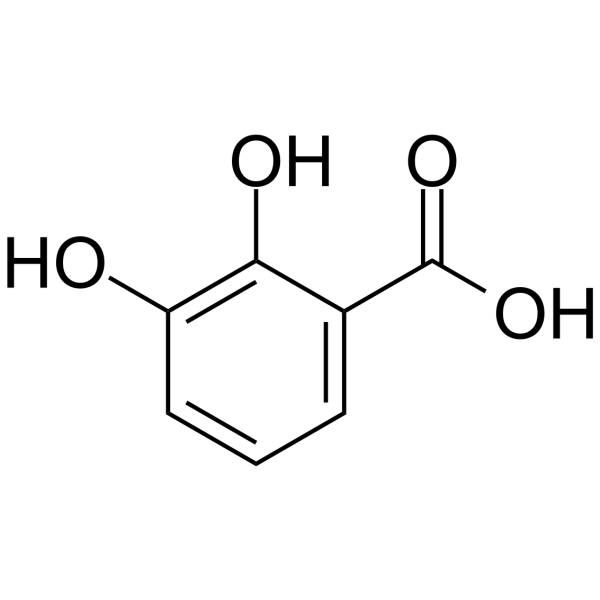
Pyrocatechuic acid is a normal human benzoic acid metabolite found in plasma, and has increased levels after aspirin ingestion.
|
-
-
- HY-113168
-
|
|
Endogenous Metabolite
|
Cardiovascular Disease
Metabolic Disease
Cancer
|
|
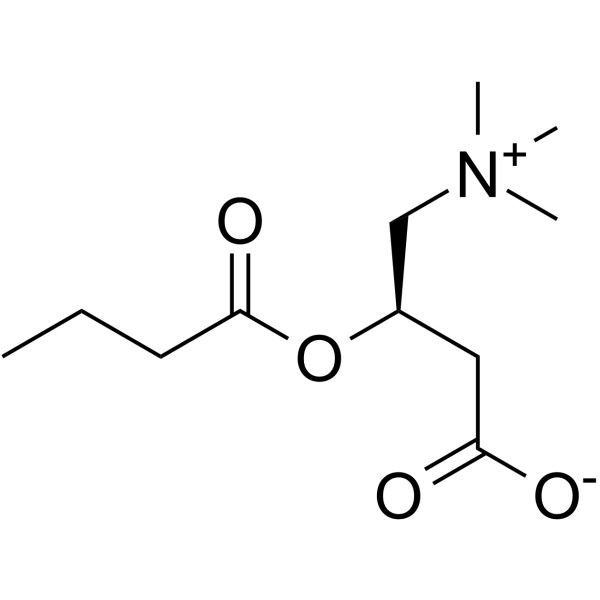
Butyrylcarnitine is an endogenous metabolite found in plasma. Elevated levels of Butyrylcarnitine are closely associated with abnormalities in lipid and energy metabolism. Butyrylcarnitine can serve as a diagnostic and prognostic indicator for certain diseases, such as heart failure and head and neck cancer .
|
-
-
- HY-113202
-
|
|
Endogenous Metabolite
PKC
GlyT
|
Neurological Disease
Metabolic Disease
|
|
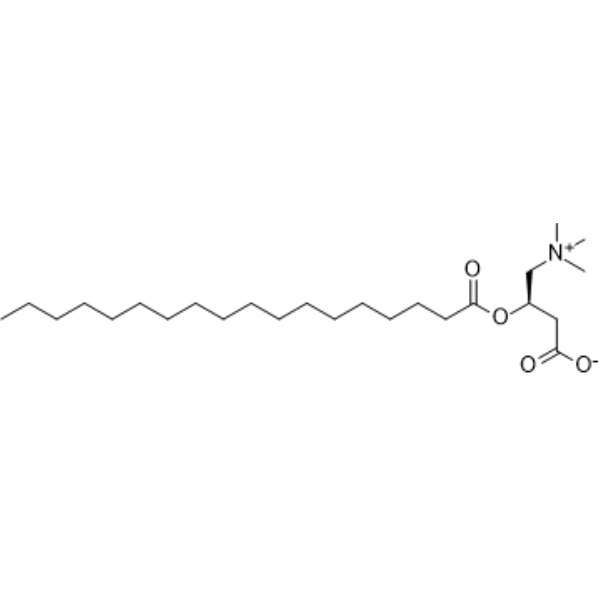
Stearoylcarnitine, a fatty ester lipid molecule, is an endogenous metabolite. Stearoylcarnitine can be used as PKC inhibitor. Stearoylcarnitine accumulates in β cells, leading to arrest of insulin synthesis and energy deficiency in type 2 diabetes mouse. Stearoylcarnitine inhibits lecithin cholesterol acyltransferase (LCAT) in rat and rabbits plasma. Stearoylcarnitine acts as a metabolomics biomarker for Parkinson’s disease. Stearoylcarnitine is a less potent inhibitor of GlyT2 .
|
-
-
- HY-113161
-
|
|
Endogenous Metabolite
|
Cancer
|
|
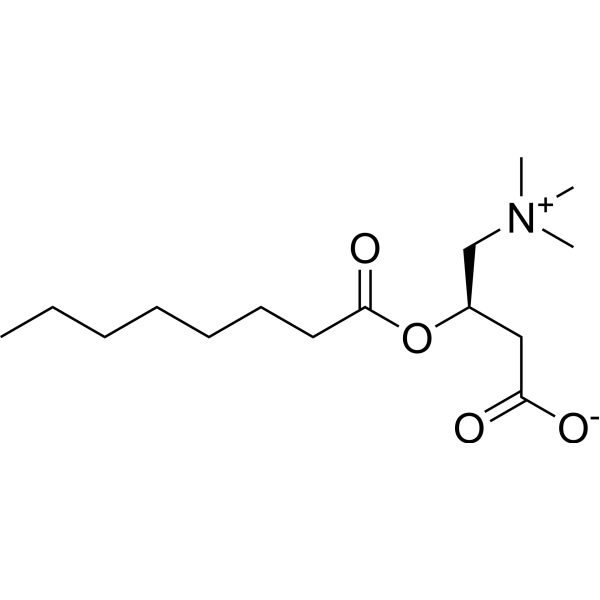
L-Octanoylcarnitine is a plasma metabolite and a physiologically active form of octanoylcarnitine. L-Octanoylcarnitine can be used for the research of breast cancer .
|
-
-
- HY-70002A
-
|
N-Desmethyl MDV 3100
|
Androgen Receptor
|
Cancer
|
|
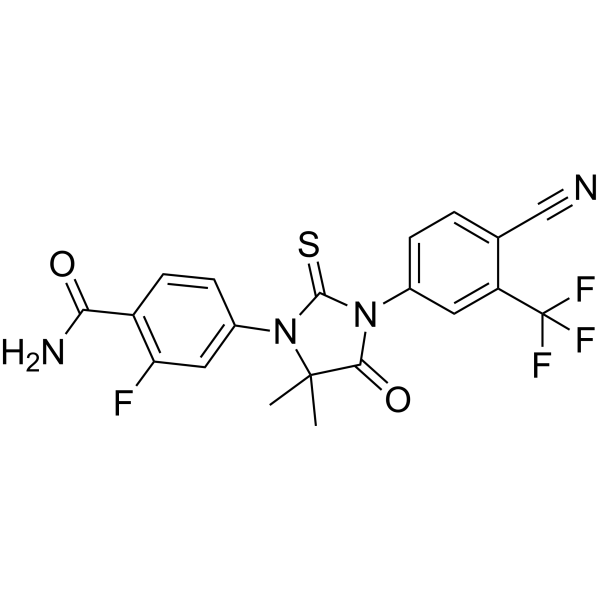
N-desmethyl Enzalutamide is the active metabolite of Enzalutamide.N-desmethyl Enzalutamide is the active metabolite of Enzalutamide. N-desmethyl Enzalutamide demonstrates primary and secondary pharmacodynamics of similar potency to Enzalutamide and circulates at approximately the same plasma concentrations as enzalutamide .
|
-
-
- HY-114297
-
|
|
Endogenous Metabolite
|
Others
|
|
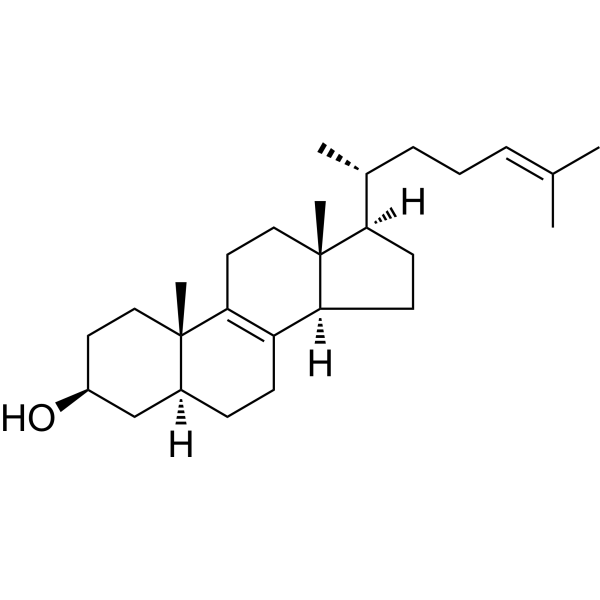
Zymosterol is a Cholesterol (HY-N0322) biosynthesis metabolite. Zymosterol, a precursor of Cholesterol, is found mostly in the plasma membrane. Zymosterol circulates within the cell .
|
-
-
- HY-B0989
-
|
4-Sulfamoylbenzoic acid
|
Drug Metabolite
Carbonic Anhydrase
|
Neurological Disease
Cancer
|
|
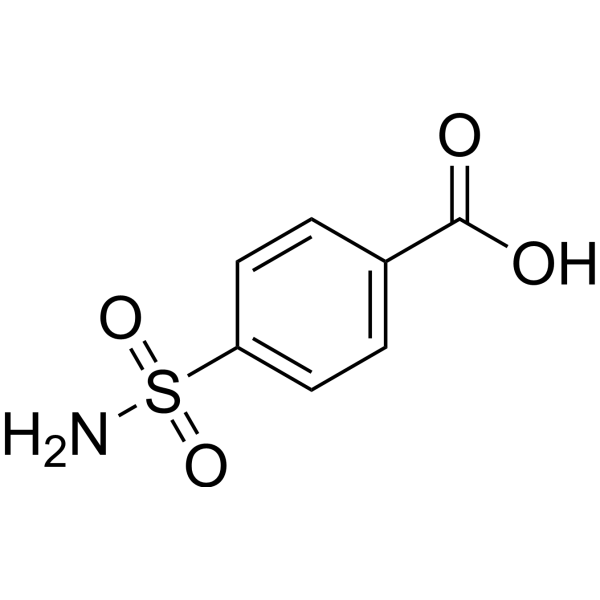
Carzenide (4-Sulfamoylbenzoic acid) is the major circulating metabolite of Mafenide (HY-B0614) in plasma. Carzenide is a strong CAII competitive inhibitor. Carzenide can be used in the research of epilepsy and cervical cancer .
|
-
-
- HY-B0815S
-
|
|
Cholinesterase (ChE)
|
Neurological Disease
|
|
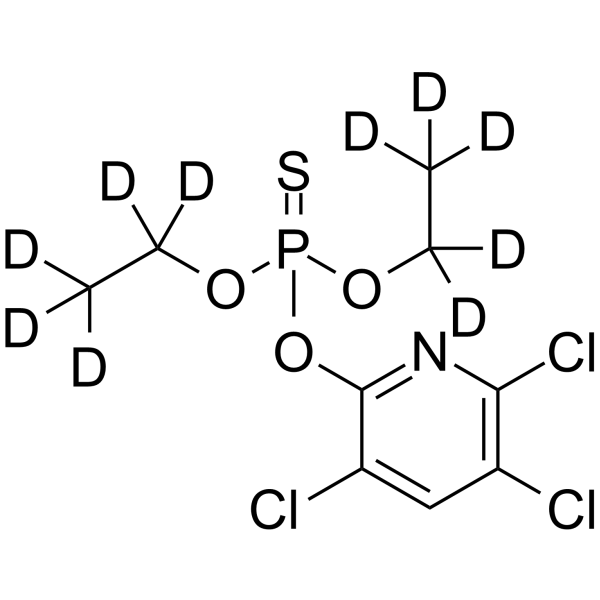
Chlorpyrifos-d10 is the deuterium labeled Chlorpyrifos. Chlorpyrifos is an organophosphate insecticide that is classified as a phosphorothionate. The oxon metabolite of Chlorpyrifos is an inhibitor of acetylcholinesterase (AChE), affecting neurological function in insects, humans, and other animals. The Chlorpyrifos oxon (CPO) metabolite is hydrolyzed by the plasma enzyme paraoxonase 1 (PON1), and susceptibility to neurotoxicity associated with CPO exposure is mitigated by PON1 overexpression.
|
-
-
- HY-NP002J
-
|
|
Biochemical Assay Reagents
|
Others
|
|
Horse Serum Albumin is an abundant, multifunctional mammalian plasma protein and transport molecule. Horse Serum Albumin acts as an allergen, exhibits high cross-reactivity with serum albumins from other mammals, and contains epitope regions recognizable by antibodies. Horse Serum Albumin binds a variety of metabolites, drugs, nutrients, metals and other molecules .
|
-
-
- HY-NP002L
-
|
|
Biochemical Assay Reagents
|
Others
|
|
Canine Serum Albumin is a plasma protein derived from dogs. Canine Serum Albumin exhibits greater flexibility than human serum albumin and bovine serum albumin. Serum albumin is a multifunctional protein with exceptional ligand-binding capacity, which enables it to act as a transport molecule for various metabolites, drugs, nutrients, metals and other molecules .
|
-
-
- HY-W004206
-
|
4-Methoxyphenylacetic acid
|
Endogenous Metabolite
|
Cancer
|
|
2-(4-Methoxyphenyl)acetic acid is a plasma metabolite, with high sensitivity and specificity value as a biomarker for discriminating between NSCLC and healthy controls.
|
-
-
- HY-113152
-
|
|
Endogenous Metabolite
|
Neurological Disease
Inflammation/Immunology
|
|
Hypogeic acid is a fatty acid and endogenous metabolite, with a concentration of 50 mg/mL in ethanol. The plasma level of Hypogeic acid is negatively correlated with the prevalence of interstitial lung disease in idiopathic inflammatory myopathy. Hypogeic acid can be used in studies related to idiopathic inflammatory myopathy .
|
-
-
- HY-W747072
-
|
3-Sulfocholyl Taurine; TCA3S
|
Drug Metabolite
|
Neurological Disease
Metabolic Disease
|
|
3-Sulfo-taurocholic Acid Disodium Salt (3-Sulfocholyl Taurine; TCA3S) is a metabolite of the conjugated bile acid taurocholic acid. Plasma levels of 3-Sulfo-taurocholic Acid Disodium Salt are elevated in wild-type and Sortilin 1 (Sort1) knockout mice at 6 hours following bile duct ligation (BDL) and are further elevated in Sort1 knockout mice at 24 hours post-BDL.
|
-
-
- HY-W354498
-
|
|
Endogenous Metabolite
|
Cancer
|
|
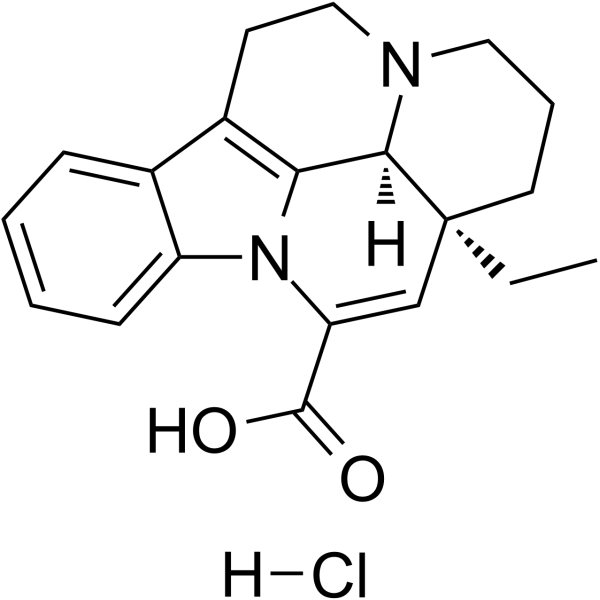
L-Octanoylcarnitine hydrochloride is a plasma metabolite and a physiologically active form of octanoylcarnitine. L-Octanoylcarnitine hydrochloride can be used for the research of breast cancer .
|
-
-
- HY-129554
-
|
cis-9,10-Epoxyoctadecanoic acid
|
Endogenous Metabolite
|
Others
|
|
cis-9,10-Epoxystearic acid (cis-9,10-Epoxyoctadecanoic acid) is an endogenous metabolite that can be found in plasma and urine .
|
-
-
- HY-135331
-
|
|
Androgen Receptor
Cytochrome P450
|
Cancer
|
|
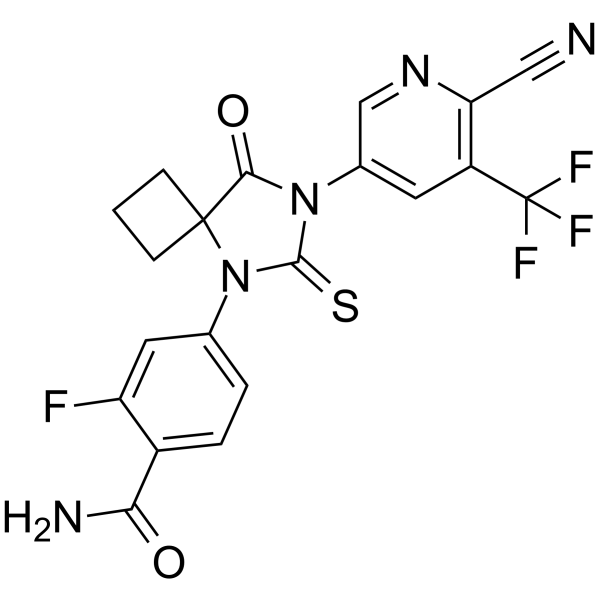
N-Desmethyl Apalutamide is an active metabolite of Apalutamide. N-Desmethyl Apalutamide is a less potent antagonist of the androgen receptor and is responsible for one-third of the activity of Apalutamide. The formation of N-Desmethyl Apalutamide mediated predominantly by CYP2C8 and CYP3A4. N-Desmethyl Apalutamide is moderate to strong CYP3A4 and CYP2B6 inducer and has an excellent plasma-proteins bound concentration .
|
-
-
- HY-12388A
-
|
Desmethylclomipramine hydrochloride; Norclomipramine hydrochloride
|
Drug Metabolite
|
Neurological Disease
|
|
N-Desmethyl Clomipramine hydrochloride (Desmethylclomipramine hydrochloride) is a primary plasma N-desmethyl metabolite of Clomipramine. Clomipramine is a tricyclic antidepressant .
|
-
-
- HY-100064
-
|
|
EGFR
|
Cancer
|
|
O-Desmethyl gefitinib is an active metabolite of Gefitinib in human plasma. The formation of O-desmethyl gefitinib is dependent on CYP2D6 activity. O-desmethyl gefitinib inhibits EGFR with an IC50 of 36 nM in subcellular assays .
|
-
-
- HY-118283
-
|
AG1908
|
Proton Pump
|
Metabolic Disease
|
|
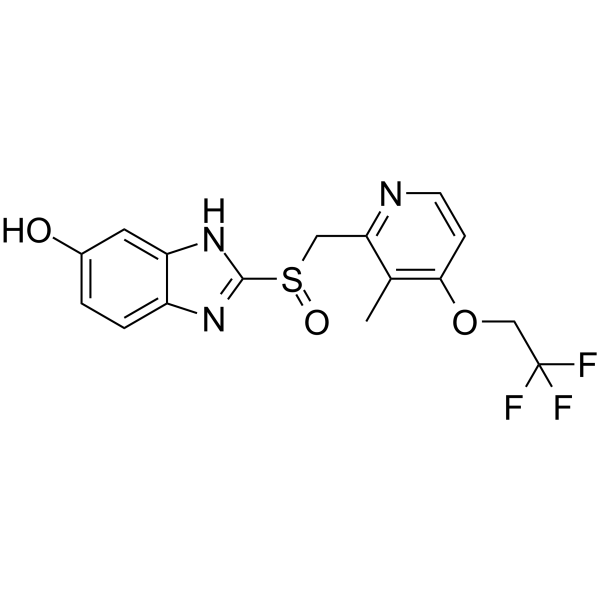
5-Hydroxylansoprazole (AG1908) is an active metabolite of Lansoprazole in plasma. Lansoprazole is metabolized by CYP2C19 forming 5-Hydroxylansoprazole. Lansoprazole is a gastric proton-pump inhibitor and is effective in the treatment of various peptic diseases .
|
-
-
- HY-112948
-
|
|
Endogenous Metabolite
|
Metabolic Disease
|
|
2-Methylbutyrylcarnitine is a fatty acid metabolite. 2-Methylbutyrylcarnitine is found mainly in the blood and urine of humans and animals and is produced through the pyruvate carboxylation pathway. 2-Methylbutyrylcarnitine exhibits high level in the plasma of subjects with steatohepatitis (NASH) and can be used as an indicator for the diagnosis of metabolic diseases .
|
-
-
- HY-108263
-
|
CGP52421
|
FLT3
|
Cancer
|
|
3-Hydroxy Midostaurin (CGP 52421), a metabolite of PKC412, effectively inhibits FMS-like tyrosine kinase-3 (FLT3) autophosphorylation with IC50s of approximately 132 nM and 9.8 μM in culture medium and plasma, respectively. 3-Hydroxy Midostaurin is less selective but more cytotoxic than PKC412 .
|
-
-
- HY-I0177
-
|
|
Drug Metabolite
|
Others
|
|
Vilazodone carboxylic acid is a vilazodone metabolite observed in both urine (major) and plasma (minor) .
|
-
-
- HY-135174
-
|
|
Endogenous Metabolite
|
Infection
|
|
L-Cysteine-glutathione disulfide is a metabolite in plasma that can be used in biomarker studies for tuberculosis cure .
|
-
-
- HY-NP002K
-
|
|
Biochemical Assay Reagents
|
Others
|
|
Rat Serum Albumin is a plasma protein derived from rat. Serum albumin is a multifunctional protein with extraordinary ligand binding capacity, making it a transporter molecule for a diverse range of metabolites, drugs, nutrients, metals and other molecules .
|
-
-
- HY-NP002O
-
|
|
Biochemical Assay Reagents
|
Others
|
|
Cynomolgus Monkey serum albumin is a plasma protein derived from cynomolgus monkey. Serum albumin is a multifunctional protein with extraordinary ligand binding capacity, making it a transporter molecule for a diverse range of metabolites, drugs, nutrients, metals and other molecules.
|
-
-
- HY-W052051
-
|
N-Acetylbenzylamine
|
Endogenous Metabolite
|
Others
|
|
N-Benzylacetamide (N-Acetylbenzylamine), as an endogenous metabolite, is the major component of the plasma metabolic profile of Benznidazole (HY-B1548) .
|
-
-
- HY-N0343A
-
|
p-Formylphenyl-β-D-glucopyranoside; p-Hydroxybenzaldehyde glucoside
|
Others
|
Others
|
|
4-Formylpyrnyl-β-D-glucopyranoside (p-Formylphenyl-β-D-glucopyranoside) is a metabolite of Gastrodin (HY-N0115) in rat plasma. 4-Formylpyrnyl-β-D-glucopyranoside can be used to study the effects of multiple doses and food on the pharmacokinetic behavior of oral Gastrodin and its metabolites .
|
-
-
- HY-122317
-
|
|
Drug Metabolite
|
Others
|
|
Menthol glucuronide, a metabolite of Menthol (HY-N1369), is a plasma and urine biomarker of acute Menthol inhalation .
|
-
-
- HY-N11429
-
|
|
Endogenous Metabolite
|
Metabolic Disease
Cancer
|
|
Glycochenodeoxycholic acid 3-glucuronide is a type of steroid glucuronide and a plasma metabolite that can be used in the research of biomarkers for diabetes and hepatocellular carcinoma (HCC) .
|
-
-
- HY-107494
-
|
4-Keto 13-cis-retinoic acid; 4-Oxoisotretinoin; Ro 22-6595
|
Endogenous Metabolite
|
Others
|
|
13-cis-4-Oxoretinoic acid (4-Keto 13-cis-retinoic acid) is a metabolite of vitamin A in human plasma .
|
-
-
- HY-145461
-
|
5-Hydroxy lenalidomide
|
Drug Metabolite
|
Others
|
|
Hydroxy lenalidomide (5-Hydroxy lenalidomide) is a metabolite of lenalidomide that is present as a minor component in plasma and excreta, accounting for less than 5% of the total radioactivity, following oral administration of lenalidomide in healthy male subjects.
|
-
-
- HY-70002AS
-
|
N-Desmethyl MDV 3100-d6
|
Androgen Receptor
|
Cancer
|
|
N-desmethyl Enzalutamide-d6 is a deuterium labeled N-desmethyl Enzalutamide. N-desmethyl Enzalutamide is an active metabolite of Enzalutamide. N-desmethyl Enzalutamide is the active metabolite of Enzalutamide. N-desmethyl Enzalutamide demonstrates primary and secondary pharmacodynamics of similar potency to Enzalutamide and circulates at approximately the same plasma concentrations as enzalutamide .
|
-
-
- HY-W011239
-
|
Oxfendazole sulfone; FBZ-SO2
|
Parasite
|
Infection
|
|
Fenbendazole sulfone (Oxfendazole sulfone;FBZ-SO2) is a minor metabolite of Fenbendazole in plasma and is a benzimidazole anthelmintic agent .
|
-
-
- HY-N4173
-
|
|
Drug Metabolite
|
Metabolic Disease
|
|
8-Oxoepiberberine is an alkaloid metabolite in the plasma after oral administration of Zuojin formula, a traditional chinese medicine used to treat gastrointestinal disease .
|
-
-
- HY-172744
-
|
|
Drug Metabolite
|
Metabolic Disease
|
|
α-Hydroxy bromazolam is a metabolite of Bromazolam catalyzed by CYP enzymes and can be found in plasma and urine. α-Hydroxy bromazolam is an important biomarker for Bromazolam intake .
|
-
-
- HY-126857A
-
|
|
Drug Metabolite
|
Others
|
|
5-Hydroxyomeprazole sodium is the major metabolite of Omeprazole (HY-B0113). Measuring 5-Hydroxyomeprazole levels in plasma can determine the extent of Omeprazole metabolism .
|
-
-
- HY-W704079
-
|
MG(18:0/0:0/0:0); L-(+)-1-Monostearin; 1-Octadecanoyl-sn-glycerol
|
Endogenous Metabolite
|
Cardiovascular Disease
|
|
1-Stearoyl-sn-glycerol is (MG(18:0/0:0/0:0); L-(+)-1-Monostearin; 1-Octadecanoyl-sn-glycerol) is a monoglyceride and also a metabolite found in plasma, which can be used in metabolomic analysis of plasma for coronary artery lesions (CAL) .
|
-
-
- HY-122813
-
|
|
Drug Metabolite
Thrombin
|
Cardiovascular Disease
|
|
Dabigatran acyl-β-D-glucuronide is an active metabolite of the thrombin inhibitor Dabigatran (HY-10163). Dabigatran acyl-β-D-glucuronide increases activated partial thromboplastin time (aPTT) in isolated human platelet-poor plasma.
|
-
-
- HY-107494R
-
|
4-Keto 13-cis-retinoic acid (Standard); 4-Oxoisotretinoin (Standard); Ro 22-6595 (Standard)
|
Reference Standards
Endogenous Metabolite
|
Others
|
|
13-cis-4-Oxoretinoic acid (Standard) is the analytical standard of 13-cis-4-Oxoretinoic acid (HY-107494). This product is intended for research and analytical applications. 13-cis-4-Oxoretinoic acid (4-Keto 13-cis-retinoic acid) is a metabolite of vitamin A in human plasma .
|
-
-
- HY-12388AS
-
|
Desmethylclomipramine-d3 hydrochloride; Norclomipramine-d3 hydrochloride
|
Drug Metabolite
|
Neurological Disease
|
|
N-Desmethyl Clomipramine-d3 (hydrochloride) is the deuterium labeled N-Desmethyl Clomipramine. N-Desmethyl Clomipramine hydrochloride (Desmethylclomipramine hydrochloride) is a primary plasma N-desmethyl metabolite of Clomipramine
|
-
-
- HY-W739812
-
|
Finasteride carboxylic acid
|
Aldose Reductase
|
Cancer
|
|
Carboxy finasteride is a metabolite of the 5α-reductase inhibitor Finasteride (HY-13635). Finasteride is biotransformed by cytochrome P450 (CYP3A4) and is successively oxidized to Hydroxy finasteride and Carboxy finasteride. Carboxy finasteride is the major metabolite in urine, while Hydroxy finasteride is the major metabolite in plasma .
|
-
-
- HY-W042039
-
|
|
Calcium Channel
|
Cardiovascular Disease
|
|
Methyl homoveratrate, a metabolite of RWJ-26240 in vivo, can be identified in plasma, urine and faecal extract. McN5691 (RWJ-26240) is a voltage-sensitive calcium channel blocker .
|
-
-
- HY-N17235
-
-
-
- HY-N6720
-
|
|
Endogenous Metabolite
|
Metabolic Disease
|
|
T-2 Triol is a trichothecene mycotoxin derived by the metabolism of T-2 toxin. It is less toxic than T-2 toxin . T-2 Triol major metabolites are evaluated in broiler chickens with Half-lives (t1/2λz), Peak plasma concentrations (Cmax) and Tmax values of 9.6 mins, 563 ng/ml , 2.5 mins, respectively .
|
-
-
- HY-164815
-
|
Tianeptine metabolite MC5
|
Drug Metabolite
|
Neurological Disease
|
|
S 8849-1 (free base) (Tianeptine metabolite MC5) is a Tianeptine (HY-90003) metabolite that is found in plasma. The mean elimination half-lives of S 8849-1 (free base) is 7.53 h in rats. S 8849-1 (free base) is promising for research of antidepressants .
|
-
-
- HY-113161R
-
|
|
Reference Standards
Endogenous Metabolite
|
Cancer
|
|
L-Octanoylcarnitine (Standard) is the analytical standard of L-Octanoylcarnitine. This product is intended for research and analytical applications. L-Octanoylcarnitine is a plasma metabolite and a physiologically active form of octanoylcarnitine. L-Octanoylcarnitine can be used for the research of breast cancer .
|
-
-
- HY-113161S
-
|
|
Isotope-Labeled Compounds
|
Others
|
|
L-Octanoylcarnitine-d3 is the deuterium-labeled L-Octanoylcarnitine (HY-113161). L-Octanoylcarnitine-d3 is a plasma metabolite and a physiologically active form of octanoylcarnitine. L-Octanoylcarnitine-d3 can be used for the research of breast cancer .
|
-
-
- HY-W588248
-
-
-
- HY-N0873A
-
|
|
Drug Metabolite
|
Others
|
|
Iso-Sagittatoside A is the metabolite of effective Erxian Decoction (EXD, a Chinese medicine prescription for menopausal syndromes) in rat plasma .
|
-
-
- HY-W712534
-
|
|
Drug Metabolite
|
Metabolic Disease
|
|
N-Acetyl lenalidomide is a metabolite of Lenalidomide (HY-A0003), which is formed by hydrolysis of Lenalidomide in plasma and urine .
|
-
- HY-W004206R
-
|
4-Methoxyphenylacetic acid (Standard)
|
Reference Standards
Endogenous Metabolite
|
Cancer
|
|
2-(4-Methoxyphenyl)acetic acid is a plasma metabolite, with high sensitivity and specificity value as a biomarker for discriminating between NSCLC and healthy controls.
|
-
- HY-135245
-
|
SCH 488128; Ezetimibe hydroxy β-D-Glucuronide
|
Drug Metabolite
|
Cardiovascular Disease
|
|
Ezetimibe hydroxy glucuronide (SCH 488128) is a trace metabolite detected in dog and human plasma samples after oral administration of Ezetimibe (HY-17376) .
|
-
- HY-Y0202R
-
|
Catecholcarboxylic acid (Standard); NSC 27435 (Standard)
|
Reference Standards
Endogenous Metabolite
|
Others
|
|
Pyrocatechuic acid (Standard) is the analytical standard of Pyrocatechuic acid. This product is intended for research and analytical applications. Pyrocatechuic acid is a normal human benzoic acid metabolite found in plasma, and has increased levels after aspirin ingestion.
|
-
- HY-131579R
-
|
|
Drug Metabolite
Reference Standards
|
Inflammation/Immunology
|
|
Pyrocatechuic acid (Standard) is the analytical standard of Pyrocatechuic acid. This product is intended for research and analytical applications. Pyrocatechuic acid is a normal human benzoic acid metabolite found in plasma, and has increased levels after aspirin ingestion.
|
-
- HY-N6910
-
|
|
Others
|
Metabolic Disease
|
|
Pseudolaric Acid C2, a diterpenoid isolated from Pseudolarix kaempferi, is identified as the specific metabolite of Pseudolaric acid B in plasma, urine, bile and feces after both oral and intravenous administration to rats .
|
-
- HY-124464
-
-
- HY-W401407
-
|
|
Drug Metabolite
Cytochrome P450
|
Metabolic Disease
|
|
Diosmetin-3-O-glucuronide is a major circulating metabolite of Diosmetin (HY-N0125) in plasma and in urine. Diosmetin is a natural flavonoid which inhibits human CYP1A enzyme activity .
|
-
- HY-113113
-
|
13,14-Dihydroprostaglandin E1
|
Endogenous Metabolite
|
Metabolic Disease
|
|
13,14-Dihydro PGE1 is a metabolite of PGE1 (Prostaglandin E1) which inhibits the ADP-induced platelet aggregation (ID50 = 10.8 ng/mL platelet rich plasma) .
|
-
- HY-W703869
-
|
N-Methylserotonin oxalate; 5-Hydroxy-N-methyl tryptamine oxalate
|
Drug Metabolite
|
Neurological Disease
|
|
5-Hydroxy NMT (N-Methylserotonin) oxalate is a metabolite of 5-HT and belongs to the tryptamine class of compounds. Elevated levels of 5-Hydroxy NMT oxalate in plasma are associated with cocaine addiction .
|
-
- HY-152010S
-
|
|
Isotope-Labeled Compounds
|
Cancer
|
|
L-Octanoylcarnitine-d3 (hydrochloride) is deuterium labeled L-Octanoylcarnitine. L-Octanoylcarnitine is a plasma metabolite and a physiologically active form of octanoylcarnitine. L-Octanoylcarnitine can be used for the research of breast cancer .
|
-
- HY-NP0215
-
|
|
Biochemical Assay Reagents
|
Others
|
|
Chicken Serum Albumin is a plasma protein derived from chicken. Serum albumin is a multifunctional protein with extraordinary ligand binding capacity, making it a transporter molecule for a diverse range of metabolites, drugs, nutrients, metals and other molecules .
|
-
- HY-NP002N
-
|
|
Biochemical Assay Reagents
|
Others
|
|
Pigeon Serum Albumin is a plasma protein derived from pigeon. Serum albumin is a multifunctional protein with extraordinary ligand binding capacity, making it a transporter molecule for a diverse range of metabolites, drugs, nutrients, metals and other molecules .
|
-
- HY-70002AR
-
|
N-Desmethyl MDV 3100 (Standard)
|
Androgen Receptor
Reference Standards
|
Cancer
|
|
N-desmethyl Enzalutamide (Standard) is the analytical standard of N-desmethyl Enzalutamide. This product is intended for research and analytical applications. N-desmethyl Enzalutamide is the active metabolite of Enzalutamide.N-desmethyl Enzalutamide is the active metabolite of Enzalutamide. N-desmethyl Enzalutamide demonstrates primary and secondary pharmacodynamics of similar potency to Enzalutamide and circulates at approximately the same plasma concentrations as enzalutamide .
|
-
- HY-12388AR
-
|
Desmethylclomipramine hydrochloride (Standard); Norclomipramine hydrochloride (Standard)
|
Reference Standards
Drug Metabolite
|
Neurological Disease
|
|
N-Desmethyl Clomipramine (hydrochloride) (Standard) is the analytical standard of N-Desmethyl Clomipramine (hydrochloride). This product is intended for research and analytical applications. N-Desmethyl Clomipramine hydrochloride (Desmethylclomipramine hydrochloride) is a primary plasma N-desmethyl metabolite of Clomipramine. Clomipramine is a tricyclic antidepressant .
|
-
- HY-W011239R
-
|
Oxfendazole sulfone (Standard); FBZ-SO2 (Standard)
|
Reference Standards
Parasite
|
Infection
|
|
Fenbendazole sulfone (Standard) is the analytical standard of Fenbendazole sulfone. This product is intended for research and analytical applications. Fenbendazole sulfone (Oxfendazole sulfone;FBZ-SO2) is a minor metabolite of Fenbendazole in plasma and is a benzimidazole anthelmintic agent .
|
-
- HY-137158
-
|
16-Phenoxy tetranor PGE2
|
Prostaglandin Receptor
|
Metabolic Disease
|
|
16-phenoxy tetranor PGE2 is the free acid form of sulprostone formed by the hydrolysis of the methylsulfonamide bond.1 16-phenoxy tetranor PGE2 is a minor metabolite of sulprostone found in human plasma after parenteral administration of the drug.
|
-
- HY-W710753
-
-
- HY-113161S1
-
|
|
Isotope-Labeled Compounds
Endogenous Metabolite
|
Cancer
|
|
L-Octanoylcarnitine-d9 is deuterium labeled L-Octanoylcarnitine. L-Octanoylcarnitine is a plasma metabolite and a physiologically active form of octanoylcarnitine. L-Octanoylcarnitine can be used for the research of breast cancer . .
|
-
- HY-141749AS
-
|
CLPM-d4; SR 26334-d4
|
Isotope-Labeled Compounds
|
Cardiovascular Disease
|
|
Clopidogrel carboxylic acid-d4 is a deuterated derivative of Clopidogrel carboxylic acid, which is an inactive metabolite of the antiplatelet agent Clopidogrel (HY-15283) in plasma. Clopidogrel carboxylic acid-d4 can be used to further explore the metabolic characteristics of Clopidogrel .
|
-
- HY-W699533
-
|
Valeryl-4-hydroxyvalsartan; CGP 71580
|
Drug Metabolite
|
Cardiovascular Disease
|
|
4-Hydroxy valsartan is a metabolite of Valsartan (HY-18204). 4-Hydroxy valsartan regulates the expression of platelet surface receptors and inhibits conventional plasma or whole blood collagen induced platelet aggregation. 4-Hydroxy valsartan has antiplatelet activity .
|
-
- HY-166341S
-
|
Tianeptine metabolite MC5-d4
|
Isotope-Labeled Compounds
Drug Metabolite
|
Neurological Disease
|
|
S 8849-1-d4 (free base) (Tianeptine metabolite MC5-d4) is deuterium labeled S 8849-1 (free base). S 8849-1 (free base) (Tianeptine metabolite MC5) is a Tianeptine (HY-90003) metabolite that is found in plasma. The mean elimination half-lives of S 8849-1 (free base) is 7.53 h in rats. S 8849-1 (free base) is promising for research of antidepressants .
|
-
- HY-116790B
-
|
(Rac)-Penbutolol; (±)-Isopenbutolol
|
Adrenergic Receptor
|
Cardiovascular Disease
|
|
(±)-Penbutolol ((Rac)-Penbutolol) is the racemic mixture of Penbutolol. (±)-Penbutolol is an orally active β-adrenergic receptor antagonist. (±)-Penbutolol antagonizes exercise-induced tachycardia, reduces the increase in peak expiratory flow rate (PEFR) caused by exercise, and decreases resting plasma renin activity (PRA). (±)-Penbutolol reaches peak plasma concentration 1 hour after oral administration, with a half-life of 4.5 hours, and is converted into an active metabolite in the body. (±)-Penbutolol can be used in cardiovascular-related disease research .
|
-
- HY-137263
-
|
|
Antibiotic
|
Infection
|
|
Propionylmaridomycin is a macrolide antibiotic with antibacterial activity. Propionylmaridomycin is rapidly absorbed from the gastrointestinal tract and rapidly distributed to tissues. Propionylmaridomycin radioactivity levels in the liver, kidneys, and lungs were significantly higher than in plasma, while distribution to the brain was less. Propionylmaridomycin is excreted primarily through the feces, and the high fecal recovery rate is due to unabsorbed compounds and biliary excretion of compounds and their metabolites. Propionylmaridomycin exhibits the highest antibacterial activity in the lungs. Propionylmaridomycin is completely converted to several metabolites in rats, of which 4''-depropionyl-9-propionylmaridomycin was identified as the major metabolite .
|
-
- HY-152007S
-
|
|
Isotope-Labeled Compounds
Endogenous Metabolite
|
Cardiovascular Disease
Metabolic Disease
Cancer
|
|
Butyrylcarnitine-d3 hydrochloride is deuterium labeled Butyrylcarnitine (HY-113168). Butyrylcarnitine is an endogenous metabolite found in plasma. Elevated levels of Butyrylcarnitine are closely associated with abnormalities in lipid and energy metabolism. Butyrylcarnitine can serve as a diagnostic and prognostic indicator for certain diseases, such as heart failure and head and neck cancer .
|
-
- HY-100064S
-
|
|
EGFR
|
Cancer
|
|
O-Desmethyl gefitinib-d8 is a deuterium labeled O-Desmethyl gefitinib. O-Desmethyl gefitinib is an active metabolite of Gefitinib in human plasma. The formation of O-desmethyl gefitinib is dependent on CYP2D6 activity. O-desmethyl gefitinib inhibits EGFR with an IC50 of 36 nM in subcellular assays .
|
-
- HY-100064S1
-
|
|
Isotope-Labeled Compounds
EGFR
|
Cancer
|
|
O-Desmethyl gefitinib-d6 is the deuterium labeled O-Desmethyl gefitinib. O-Desmethyl gefitinib is an active metabolite of Gefitinib in human plasma. The formation of O-desmethyl gefitinib is dependent on CYP2D6 activity. O-desmethyl gefitinib inhibits EGFR with an IC50 of 36 nM in subcellular assays .
|
-
- HY-113168R
-
|
|
Reference Standards
Endogenous Metabolite
|
Cardiovascular Disease
Metabolic Disease
Cancer
|
|
Butyrylcarnitine (Standard) is the analytical standard of Butyrylcarnitine (HY-113168). This product is intended for research and analytical applications. Butyrylcarnitine is an endogenous metabolite found in plasma. Elevated levels of Butyrylcarnitine are closely associated with abnormalities in lipid and energy metabolism. Butyrylcarnitine can serve as a diagnostic and prognostic indicator for certain diseases, such as heart failure and head and neck cancer .
|
-
- HY-137591
-
|
|
Drug Metabolite
|
Endocrinology
|
|
13,14-Dihydro-15-keto-PGE1 is an inactive metabolite of PGE1. 13, 14-Dihydro-15-Keto-pGE1 inhibited platelet aggregation in ADP-induced human isolated platelet-rich plasma with IC50 14.8 μg/mL .
|
-
- HY-100064R
-
|
|
Reference Standards
EGFR
|
Cancer
|
|
O-Desmethyl gefitinib (Standard) is the analytical standard of O-Desmethyl gefitinib. This product is intended for research and analytical applications. O-Desmethyl gefitinib is an active metabolite of Gefitinib in human plasma. The formation of O-desmethyl gefitinib is dependent on CYP2D6 activity. O-desmethyl gefitinib inhibits EGFR with an IC50 of 36 nM in subcellular assays .
|
-
- HY-76569B
-
|
PNU-200577 formic
|
mAChR
|
Neurological Disease
|
|
5-Hydroxymethyl tolterodine (formate) (PNU-200577 (formic)) is an active metabolite of the muscarinic acetylcholine receptor antagonists Tolterodine (HY-A0024) and Fesoterodine (HY-70053). 5-Hydroxymethyl tolterodine (formate) is formed from tolterodine by the cytochrome P450 (CYP) isoform CYP2D6 and from fesoterodine by plasma esterases.
|
-
- HY-108263S
-
|
CGP52421-d5
|
Isotope-Labeled Compounds
FLT3
|
Cancer
|
|
3-Hydroxy Midostaurin-d5 is a deuterium labeled 3-Hydroxy Midostaurin. 3-Hydroxy Midostaurin is a metabolite of PKC412, which effectively inhibits FMS-like tyrosine kinase-3 (FLT3) autophosphorylation with IC50s of approximately 132 nM and 9.8 μM in culture medium and plasma, respectively .
|
-
- HY-126182
-
|
|
Endogenous Metabolite
|
Cardiovascular Disease
|
|
Deacetyldiltiazem is a metabolite with coronary vasodilator activity. Deacetyldiltiazem is present in the plasma of individuals taking Diltiazem. The deacetylase activity of deacetyldiltiazem is mainly catalyzed by the rat Ces2a enzyme. In vitro experiments of deacetyldiltiazem showed that its Km value was similar to that of rat liver microsomes, showing efficient deacetylase activity. The study of deacetyldiltiazem helps to understand the differences in the metabolic kinetics of compounds between different species .
|
-
- HY-121029
-
|
KRP-104
|
Histone Methyltransferase
|
Metabolic Disease
|
|
Bisegliptin (KRP-104) is a small molecule compound with antidiabetic activity. Bisegliptin is metabolized mainly by converting the cyano group to the carboxylic acid form, and DPP-4 plays a partial role in its metabolism. The carboxylic acid metabolite of bisegliptin can be detected both in vivo and in vitro. In rat experiments, the plasma concentration of the carboxylic acid metabolite of bisegliptin was affected by other DPP inhibitors, showing the complexity of its metabolic process. The amide intermediate of bisegliptin was detected both in vivo and in vitro, and its conversion rate was significantly faster than that of the parent compound when incubated with DPP-4 .
|
-
- HY-129554R
-
|
cis-9,10-Epoxyoctadecanoic acid (Standard)
|
Reference Standards
Endogenous Metabolite
|
Others
|
|
cis-9,10-Epoxystearic acid (Standard) (cis-9,10-Epoxyoctadecanoic acid (Standard)) is the analytical standard of cis-9,10-Epoxystearic acid (HY-129554). This product is intended for research and analytical applications. cis-9,10-Epoxystearic acid (cis-9,10-Epoxyoctadecanoic acid) is an endogenous metabolite that can be found in plasma and urine .
|
-
- HY-153993
-
|
|
Endogenous Metabolite
|
Others
|
|
Pyrocatechol sulfate, a phenolic metabolite present in human plasma, is associated with the consumption of specific foods such as berries and the condition of gut microbiota. It serves as a potential urinary biomarker for kidney function, dialytic clearance, whole grain consumption, and regular coffee intake. Additionally, Pyrocatechol sulfate, along with other phenolic sulfates, plays a role in modulating various biological functions, including those related to brain health and the rhythmic beating of cardiomyocytes.
|
-
- HY-W052051R
-
|
N-Acetylbenzylamine (Standard)
|
Endogenous Metabolite
Reference Standards
|
Others
|
|
N-Benzylacetamide (Standard) is the analytical standard of N-Benzylacetamide (HY-W052051). This product is intended for research and analytical applications. N-Benzylacetamide (N-Acetylbenzylamine), as an endogenous metabolite, is the major component of the plasma metabolic profile of Benznidazole (HY-B1548) .
|
-
- HY-W354498R
-
|
|
Endogenous Metabolite
Reference Standards
|
Cancer
|
|
L-Octanoylcarnitine (hydrochloride) (Standard) is the analytical standard of L-Octanoylcarnitine (hydrochloride) (HY-W354498). This product is intended for research and analytical applications. L-Octanoylcarnitine hydrochloride is a plasma metabolite and a physiologically active form of octanoylcarnitine. L-Octanoylcarnitine hydrochloride can be used for the research of breast cancer .
|
-
- HY-12374
-
-
- HY-W740426
-
|
|
Drug Metabolite
|
Cancer
|
|
N-Desmethyltopotecan is a metabolite of Topotecan (HY-13768), and it can be detected in plasma, urine and feces .
|
-
- HY-164611
-
-
- HY-111211
-
|
|
Drug Metabolite
|
Others
|
|
CP-457493 is an Erlotinib (HY-50896) metabolite. CP-457493 can be detected in plasma .
|
-
- HY-180335
-
|
|
Drug Metabolite
|
Cardiovascular Disease
|
|
L 691121 (free base) is the major metabolite of L 691121 in plasma. L 691121 (free base) is a class IIIantiarrhythmic agent that blocks potassium currents .
|
-
- HY-W587561
-
|
|
Endogenous Metabolite
|
Metabolic Disease
|
|
Glycochenodeoxycholic acid 3-glucuronide disodium is a type of steroid glucuronide and a plasma metabolite that can be used in the research of biomarkers for diabetes and hepatocellular carcinoma (HCC) .
|
-
- HY-W412326
-
|
Guaietolin (INN); Guethral; Guethural
|
Drug Intermediate
|
Cardiovascular Disease
|
|
Guaietolin is an organic synthesis intermediate. Guaietolin is a marker of hypertension with significant reduced level in plasma metabolites. Guaietolin can be used for synthesis of sulfonamide esters with carbonic anhydrase inhibitory activity. Guaietolin can be used for glaucoma and hypertension research .
|
-
- HY-NP002M
-
|
|
Biochemical Assay Reagents
|
Others
|
|
Guinea Pig Serum Albumin is a plasma protein derived from guinea pig. Serum albumin is a multifunctional protein with extraordinary ligand binding capacity, making it a transporter molecule for a diverse range of metabolites, drugs, nutrients, metals and other molecules .
|
-
- HY-44667
-
|
|
Adrenergic Receptor
Drug Metabolite
|
Others
|
|
Deacetylmoxisylyte is an orally active metabolite in plasma of the prodrug Moxisylyte. Deacetylmoxisylyte exhibits similar affinity and selectivity for rabbit corpus cavernosum and urethra. Deacetylmoxisylyte has IC50 values of 400 and 1200 nM for alpha-1 and alpha-2 adrenoceptors .
|
-
- HY-177978
-
|
|
Endogenous Metabolite
|
Infection
|
|
LysoPE(P-16:0/0:0) is a lysophosphatidylethanolamine and metabolite. LysoPE(P-16:0/0:0) is significantly decreased in the plasma of spinal tuberculosis. LysoPE(P-16:0/0:0) can be screened as potential diagnostic biomarkers for spinal tuberculosis .
|
-
- HY-W097839
-
|
|
Drug Metabolite
Dopamine Transporter
|
Neurological Disease
|
|
2,4,5-Trimethoxycinnamic acid is a metabolite. 2,4,5-Trimethoxycinnamic acid is detectable in plasma and urine after administration of the aqueous extract of P. frutescens. 2,4,5-Trimethoxycinnamic acid induces a stress-like significant increase in basal Dopamine turnover in the hippocampus. 2,4,5-Trimethoxycinnamic acid is applicable to depression research .\n
|
-
- HY-N18029
-
|
|
Drug Derivative
|
Inflammation/Immunology
Cancer
|
|
(24S)-Ginsenoside V is a monooxygenated derivative of Ginsenoside Rb1 (HY-N0039). (24S)-Ginsenoside V is the major circulating metabolite of Ginsenoside Rb1 in rat plasma. (24S)-Ginsenoside V appears in rat urine after intravenous and oral administration of Ginsenoside Rb1 to rats .
|
-
- HY-123165
-
-
- HY-33914
-
|
|
Drug Metabolite
|
Metabolic Disease
|
|
4-Hydroxymethylpyrazole is the primary metabolite of Fomepizole (HY-B0876) produced through hepatic oxidative metabolism. 4-Hydroxymethylpyrazole exhibits a plasma concentration that is positively correlated with the administered dosage of Fomepizole, and it demonstrates a relatively short half-life. 4-Hydroxymethylpyrazole demonstrates inhibitory effects on alcohol dehydrogenase (ADH) in both humans and monkeys, but its inhibition constant is significantly higher than that of Fomepizole, rendering its in vivo impact negligible .
|
-
- HY-113113S
-
|
13,14-Dihydroprostaglandin E1-d4; PGE0-d4
|
Isotope-Labeled Compounds
Endogenous Metabolite
|
Metabolic Disease
|
|
13,14-Dihydro PGE1-d4 (13,14-Dihydroprostaglandin E1-d4) is deuterium labeled 13,14-Dihydro PGE1. 13,14-Dihydro PGE1 is a metabolite of PGE1 (Prostaglandin E1) which inhibits the ADP-induced platelet aggregation (ID50 = 10.8 ng/mL platelet rich plasma) .
|
-
- HY-182761
-
|
|
DNA/RNA Synthesis
Cytochrome P450
Flavivirus
Influenza Virus
|
Infection
|
|
Antiviral agent 81 is an orally bioavailable N-acylated remdesivir derivative and RdRp inhibitor with 45.3% oral bioavailability (based on active metabolite GS-441524 exposure), plasma half-life >8 h, and reduced CYP3A4 inhibition. Antiviral agent 81 exhibits activity against Coronaviridae, Flaviviridae, and Pneumoviridae, and shows no activity against Orthomyxoviridae, Herpesviridae, and Alphaviridae. Antiviral agent 81 can be used for the research of viral infections .
|
-
- HY-113202S
-
|
|
Isotope-Labeled Compounds
Endogenous Metabolite
PKC
GlyT
|
Neurological Disease
Metabolic Disease
|
|
Stearoyl-L-carnitine-d3 is the deuterium labeled Stearoylcarnitine. Stearoylcarnitine, a fatty ester lipid molecule, is an endogenous metabolite. Stearoylcarnitine can be used as PKC inhibitor. Stearoylcarnitine accumulates in β cells, leading to arrest of insulin synthesis and energy deficiency in type 2 diabetes mouse. Stearoylcarnitine inhibits lecithin cholesterol acyltransferase (LCAT) in rat and rabbits plasma. Stearoylcarnitine acts as a metabolomics biomarker for Parkinson’s disease. Stearoylcarnitine is a less potent inhibitor of GlyT2 .
|
-
- HY-12765
-
|
E-3174; EXP-3174
|
Drug Metabolite
Angiotensin Receptor
|
Cardiovascular Disease
|
|
Losartan Carboxylic Acid (E-3174), an active carboxylic acid metabolite of Losartan, is an angiotensin II receptor type 1 (AT1) antagonist. The Ki values are 0.97, 0.57, 0.67 nM for rat AT1B/AT1A and human AT1, respectively. Losartan Carboxylic Acid blocks the angiotensin II-induced responses in vascular smoothmuscle cells (VSMC). Losartan Carboxylic Acid elevates plasma renin activities and reduces mean arterial pressure .
|
-
- HY-W751180
-
|
CGP52421-13C6
|
Isotope-Labeled Compounds
FLT3
|
Cancer
|
|
3-Hydroxy Midostaurin- 13C6 (CGP52421- 13C6) is the 13C-labeled 3-Hydroxy Midostaurin (HY-108263). 3-Hydroxy Midostaurin (CGP 52421), a metabolite of PKC412, effectively inhibits FMS-like tyrosine kinase-3 (FLT3) autophosphorylation with IC50s of approximately 132 nM and 9.8 μM in culture medium and plasma, respectively. 3-Hydroxy Midostaurin is less selective but more cytotoxic than PKC412 .
|
-
- HY-33914R
-
|
|
Drug Metabolite
Reference Standards
|
Metabolic Disease
|
|
4-Hydroxymethylpyrazole (Standard) is an analytical standard for 4-Hydroxymethylpyrazole (HY-33914). This product is intended for research and analytical applications. 4-Hydroxymethylpyrazole is the primary metabolite of fomepizole (HY-B0876) via hepatic oxidative metabolism. 4-Hydroxymethylpyrazole exhibits a plasma concentration that is positively correlated with the administered dosage of Fomepizole, and it demonstrates a relatively short half-life. 4-Hydroxymethylpyrazole inhibits alcohol dehydrogenase (ADH) in humans and monkeys, but the inhibition constant is much higher than that of fomepizole and is therefore negligible in vivo
|
-
- HY-107494S3
-
|
4-Keto 13-cis-retinoic acid-d6; 4-Oxoisotretinoin-d6; Ro 22-6595-d6
|
Isotope-Labeled Compounds
Endogenous Metabolite
|
Others
|
|
13-cis-4-Oxoretinoic acid-d6 (4-Keto 13-cis-retinoic acid-d6; 4-Oxoisotretinoin-d6; Ro 22-6595-d6) is the deuterium labeled 13-cis-4-Oxoretinoic acid (HY-107494). 13-cis-4-Oxoretinoic acid (4-Keto 13-cis-retinoic acid) is a metabolite of vitamin A in human plasma .
|
-
- HY-W754151
-
|
|
Isotope-Labeled Compounds
|
Others
|
|
N-Desmethyl apalutamide-d4 is the deuterium-labeled N-Desmethyl-Apalutamide (HY-135331). N-Desmethyl Apalutamide is an active metabolite of Apalutamide. N-Desmethyl Apalutamide is a less potent antagonist of the androgen receptor and is responsible for one-third of the activity of Apalutamide. The formation of N-Desmethyl Apalutamide mediated predominantly by CYP2C8 and CYP3A4. N-Desmethyl Apalutamide is moderate to strong CYP3A4 and CYP2B6 inducer and has an excellent plasma-proteins bound concentration .
|
-
- HY-113202S1
-
|
|
Isotope-Labeled Compounds
GlyT
Endogenous Metabolite
PKC
|
Neurological Disease
Metabolic Disease
|
|
Stearoyl-L-carnitine-d9 chloride is the deuterium labeled Stearoyl-L-carnitine chloride. Stearoyl-L-carnitine chloride, a fatty ester lipid molecule, is an endogenous metabolite. Stearoyl-L-carnitine chloride can be used as PKC inhibitor. Stearoyl-L-carnitine chloride accumulates in β cells, leading to arrest of insulin synthesis and energy deficiency in type 2 diabetes mouse. Stearoyl-L-carnitine chloride inhibits lecithin cholesterol acyltransferase (LCAT) in rat and rabbits plasma. Stearoyl-L-carnitine chloride acts as a metabolomics biomarker for Parkinson’s disease. Stearoyl-L-carnitine chloride is a less potent inhibitor of GlyT2 .
|
-
- HY-12765S1
-
|
|
Isotope-Labeled Compounds
Angiotensin Receptor
|
Cardiovascular Disease
|
|
Losartan carboxylic acid-d4 (hydrochloride) is deuterium labeled Losartan Carboxylic Acid. Losartan Carboxylic Acid (E-3174), an active carboxylic acid metabolite of Losartan, is an angiotensin II receptor type 1 (AT1) antagonist. The Ki values are 0.97, 0.57, 0.67 nM for rat AT1B/AT1A and human AT1, respectively. Losartan Carboxylic Acid blocks the angiotensin II-induced responses in vascular smoothmuscle cells (VSMC). Losartan Carboxylic Acid elevates plasma renin activities and reduces mean arterial pressure .
|
-
- HY-12765R
-
|
E-3174 (Standard); EXP-3174 (Standard)
|
Drug Metabolite
Reference Standards
Angiotensin Receptor
|
Cardiovascular Disease
|
|
Losartan Carboxylic Acid (Standard) is the analytical standard of Losartan Carboxylic Acid. This product is intended for research and analytical applications. Losartan Carboxylic Acid (E-3174), an active carboxylic acid metabolite of Losartan, is an angiotensin II receptor type 1 (AT1) antagonist. The Ki values are 0.97, 0.57, 0.67 nM for rat AT1B/AT1A and human AT1, respectively. Losartan Carboxylic Acid blocks the angiotensin II-induced responses in vascular smoothmuscle cells (VSMC). Losartan Carboxylic Acid elevates plasma renin activities and reduces mean arterial pressure [4].
|
-
- HY-135331S
-
|
|
Isotope-Labeled Compounds
Androgen Receptor
Cytochrome P450
|
Cancer
|
|
N-Desmethyl-Apalutamide-15N,d4 is the 15N and deuterium labeled isotope of N-Desmethyl-Apalutamide (HY-135331). N-Desmethyl Apalutamide is an active metabolite of Apalutamide. N-Desmethyl Apalutamide is a less potent antagonist of the androgen receptor and is responsible for one-third of the activity of Apalutamide. The formation of N-Desmethyl Apalutamide mediated predominantly by CYP2C8 and CYP3A4. N-Desmethyl Apalutamide is moderate to strong CYP3A4 and CYP2B6 inducer and has an excellent plasma-proteins bound concentration .
|
-
- HY-G0017S
-
|
Norimatinib-d8; Imatinib metabolite N-Desmethyl imatinib-d8; CGP 74588-d8
|
Isotope-Labeled Compounds
Drug Metabolite
P-glycoprotein
Apoptosis
|
Neurological Disease
Cancer
|
|
N-Desmethyl imatinib-d8 is a deuterium labeled Imatinib metabolite N-Desmethyl Imatinib (HY-G0017). N‑Desmethyl imatinib (Norimatinib) is an active metabolite of Imatinib (HY-15463), a selective c‑Abl inhibitor, and a substrate of P‑glycoprotein. N-Desmethyl imatinib binds to the c-Abl catalytic domain to prevent substrate phosphorylation, inhibits c-Abl-mediated α-synuclein activation and downstream inflammatory signaling pathways. N-Desmethyl imatinib induces apoptosis in K562 human leukemia cells. N-Desmethyl imatinib exhibits significantly elevated plasma levels in gastrointestinal stromal tumor (GIST) settings following mild SARS CoV 2 infection. N-Desmethyl imatinib can be used for the research of Parkinson’s disease, gastrointestinal stromal tumor, and chronic myeloid leukemia .
|
-
- HY-137390A
-
|
|
HMG-CoA Reductase (HMGCR)
|
Cardiovascular Disease
Metabolic Disease
|
|
(3S,5R)-Fluvastatin (potassium) is a synthetic hypolipidemic drug that inhibits HMG-CoA reductase activity. (3S,5R)-Fluvastatin (potassium) has similar antioxidative effects on copper ion-induced LDL oxidation compared to its 3R,5S enantiomer. (3S,5R)-Fluvastatin (potassium) and its metabolites demonstrate a potential to exhibit anti-atherosclerotic effects through their antioxidative activities. (3S,5R)-Fluvastatin (potassium) is clinically utilized as part of a racemic mixture for reducing plasma cholesterol levels.
|
-
- HY-12765S
-
|
E-3174 d4; EXP-3174 d4
|
Angiotensin Receptor
|
Cardiovascular Disease
Endocrinology
Cancer
|
|
Losartan-d4 carboxylic acid (E-3174-d4) is the deuterium labeled Losartan Carboxylic Acid (HY-12765). Losartan Carboxylic Acid (E-3174), an active carboxylic acid metabolite of Losartan, is an angiotensin II receptor type 1 (AT1) antagonist. The Ki values are 0.97, 0.57, 0.67 nM for rat AT1B/AT1A and human AT1, respectively. Losartan Carboxylic Acid blocks the angiotensin II-induced responses in vascular smoothmuscle cells (VSMC). Losartan Carboxylic Acid elevates plasma renin activities and reduces mean arterial pressure.
|
-
- HY-138135
-
|
Fidaxomicin metabolite OP-1118
|
NF-κB
ERK
Apoptosis
Bacterial
|
Infection
|
|
OP-1118 (Fidaxomicin metabolite OP-1118) is an orally active dual inhibitor of NF-κB and ERK1/2, with low systemic plasma exposure, no accumulation, and primary excretion via feces. By inhibiting the phosphorylation of NF-κB and ERK1/2 and reducing the expression of pro-inflammatory cytokines, OP-1118 exerts significant anti-inflammatory, cytoprotective, anti-apoptotic and antibacterial activities. In Clostridium difficile infection models, OP-1118 effectively blocks toxin-mediated intestinal inflammation, cell rounding, histological damage and apoptosis, and its protective effect can be reversed by PMA (HY-18739) .
|
-
- HY-133668
-
|
|
Drug Metabolite
Cytochrome P450
PPAR
|
Endocrinology
Cancer
|
|
Monoethyl phthalate is an orally active PDX-1 activator and the major hydrolytic metabolite of Diethyl phthalate (HY-Y0284) in vivo, with reproductive toxicity. Monoethyl phthalate targets aromatase (aromatase/CYP19A1) and PPAR to induce cell proliferation. The plasma protein binding rate of Monoethyl phthalate in rats and humans is lower than that of Diethyl phthalate. It exhibits significant enterohepatic circulation in rats and mainly accumulates in liver tissues. Monoethyl phthalate shows no estrogenic activity in estrogen-dependent human breast cancer cells. Monoethyl phthalate can be used in studies of reproductive toxicity and related environmental endocrine disruption mechanisms .
|
-
- HY-W018781
-
|
|
Ser/Thr Protease
|
Cancer
|
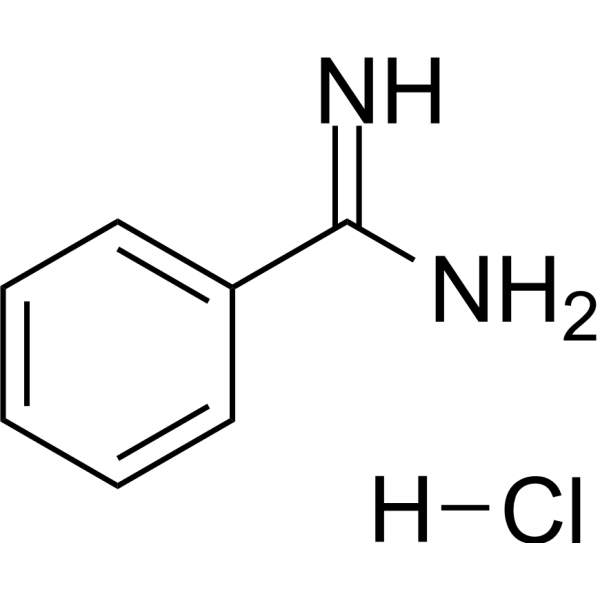
Benzamidine hydrochloride is a competitive protease inhibitor that blocks the hydrolytic cleavage of glucagon by plasmin, trypsin and thrombin. Benzamidine hydrochloride effectively inhibits the degradation of glucagon by relevant proteases during the collection, storage and analysis of human plasma and blood samples. During in vivo metabolism, Benzamidine hydrochloride undergoes N-hydroxylation and produces multiple metabolites, exhibiting characteristics of delayed excretion or biphasic elimination. Benzamidine hydrochloride only induces slight single-strand DNA breaks at high concentrations and shows no significant genotoxic potential overall. Benzamidine hydrochloride may interfere with the detection of some glucagon antisera, but does not affect key antigen-antibody affinity at specific concentrations. Benzamidine hydrochloride can be used as a stabilizer in glucagon radioimmunoassays to ensure the accuracy and recovery rate of detection results .
|
-
- HY-G0017
-
|
Norimatinib; Imatinib metabolite N-Desmethyl imatinib; CGP 74588
|
Drug Metabolite
P-glycoprotein
Apoptosis
|
Neurological Disease
Cancer
|
|
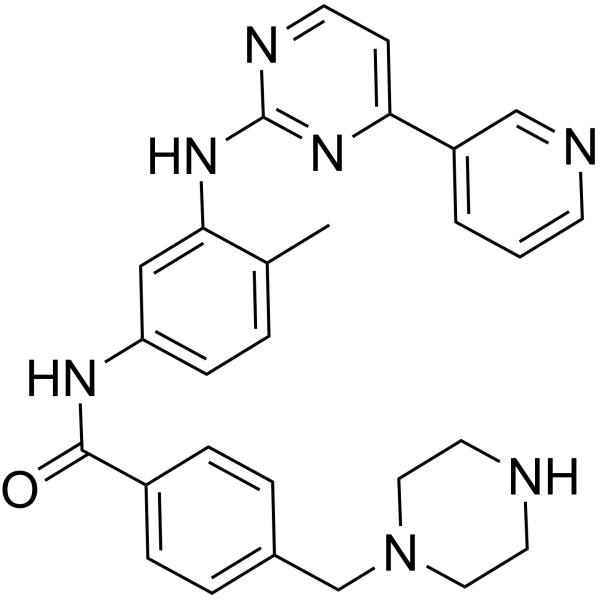
N‑Desmethyl imatinib (Norimatinib) is an active metabolite of Imatinib (HY-15463), a selective c‑Abl inhibitor, and a substrate of P‑glycoprotein. N-Desmethyl imatinib binds to the c-Abl catalytic domain to prevent substrate phosphorylation, inhibits c-Abl-mediated α-synuclein activation and downstream inflammatory signaling pathways. N-Desmethyl imatinib induces apoptosis in K562 human leukemia cells. N-Desmethyl imatinib shows significantly elevated plasma levels in gastrointestinal stromal tumor (GIST) models with mild SARS-CoV-2 infection. N-Desmethyl imatinib can be used for the research of Parkinson’s disease, gastrointestinal stromal tumor, and chronic myeloid leukemia .
|
-
- HY-G0017A
-
|
Norimatinib mesylate; Imatinib metabolite N-Desmethyl imatinib mesylate; CGP 74588 mesylate
|
Drug Metabolite
P-glycoprotein
Apoptosis
|
Neurological Disease
Cancer
|
|
N-Desmethyl imatinib mesylate (Norimatinib mesylate) is an active metabolite of Imatinib (HY-15463), a selective c‑Abl inhibitor, and a substrate of P‑glycoprotein. N-Desmethyl imatinib mesylate binds to the c-Abl catalytic domain to prevent substrate phosphorylation, inhibits c-Abl-mediated α-synuclein activation and downstream inflammatory signaling pathways. N-Desmethyl imatinib mesylate induces apoptosis in K562 human leukemia cells. N-Desmethyl imatinib mesylate exhibits significantly elevated plasma levels in gastrointestinal stromal tumor (GIST) settings following mild SARS CoV 2 infection. N-Desmethyl imatinib mesylate can be used for the research of Parkinson’s disease, gastrointestinal stromal tumor, and chronic myeloid leukemia .
|
-
- HY-125913
-
|
|
Ser/Thr Protease
|
Inflammation/Immunology
|
Benzamidine is a competitive protease inhibitor that blocks the hydrolytic cleavage of glucagon by plasmin, trypsin and thrombin. Benzamidine effectively inhibits the degradation of glucagon by relevant proteases during the collection, storage and analysis of human plasma and blood samples. During in vivo metabolism, Benzamidine undergoes N-hydroxylation and produces multiple metabolites, exhibiting characteristics of delayed excretion or biphasic elimination. Benzamidine only induces slight single-strand DNA breaks at high concentrations and shows no significant genotoxic potential overall. Benzamidine may interfere with the detection of some glucagon antisera, but does not affect key antigen-antibody affinity at specific concentrations. Benzamidine can be used as a stabilizer in glucagon radioimmunoassays to ensure the accuracy and recovery rate of detection results .
|
-
- HY-133668S
-
|
|
Isotope-Labeled Compounds
Drug Metabolite
Cytochrome P450
PPAR
|
Cancer
|
|
Monoethyl phthalate-d4 is the deuterium labeled Monoethyl phthalate. Monoethyl phthalate is an orally active PDX-1 activator and the major hydrolytic metabolite of Diethyl phthalate (HY-Y0284) in vivo, with reproductive toxicity. Monoethyl phthalate targets aromatase (aromatase/CYP19A1) and PPAR to induce cell proliferation. The plasma protein binding rate of Monoethyl phthalate in rats and humans is lower than that of Diethyl phthalate. It exhibits significant enterohepatic circulation in rats and mainly accumulates in liver tissues. Monoethyl phthalate shows no estrogenic activity in estrogen-dependent human breast cancer cells. Monoethyl phthalate can be used in studies of reproductive toxicity and related environmental endocrine disruption mechanisms .
|
-
- HY-160431
-
|
|
PPAR
NF-κB
COX
Drug Metabolite
|
Metabolic Disease
|
|
8(9)-EET is one of the main metabolites produced by the metabolism of arachidonic acid (HY-109590) through the cytochrome P450 epoxide pathway. 8(9)-EET is an effective substrate for COX-1 and COX-2. 8(9)-EET activates PPARα in HEK293 cells and inhibits the activity of NF-κB induced by IL-1β in a PPARα-dependent and -independent manner. The (8S,9R)-isomer of 8(9)-EET ([(8S,9R)-EET]) causes vasoconstriction, thereby reducing renal plasma flow and glomerular filtration rate .
|
-
- HY-179488
-
|
|
PPAR
NF-κB
COX
Drug Metabolite
|
Metabolic Disease
|
|
(±)8(9)-EET is one of the main metabolites produced by the metabolism of arachidonic acid (HY-109590) through the cytochrome P450 epoxide pathway. (±)8(9)-EET is an effective substrate for COX-1 and COX-2. (±)8(9)-EET activates PPARα in HEK293 cells and inhibits the activity of NF-κB induced by IL-1β in a PPARα-dependent and -independent manner. The (8S,9R)-isomer of (±)8(9)-EET ([(8S,9R)-EET]) causes vasoconstriction, thereby reducing renal plasma flow and glomerular filtration rate .
|
-
- HY-W087937
-
|
Benzenecarboximidamide hydrochloride hydrate
|
Ser/Thr Protease
|
Cancer
|
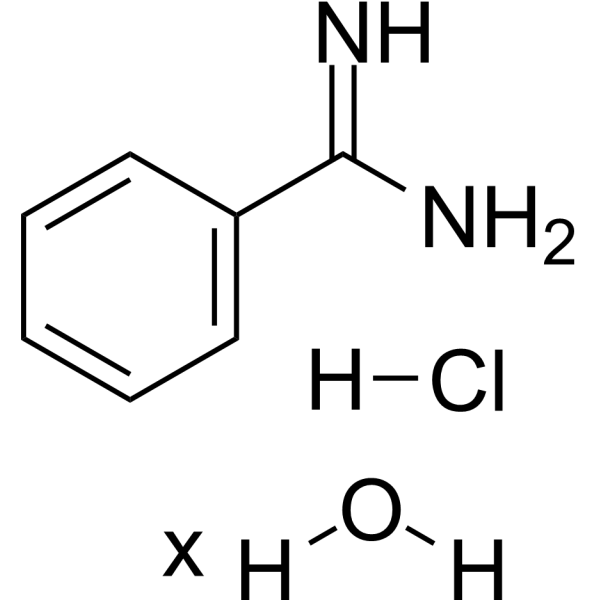
Benzamidine (Benzenecarboximidamide) hydrochloride hydrate is a competitive protease inhibitor that blocks the hydrolytic cleavage of glucagon by plasmin, trypsin and thrombin. Benzamidine hydrochloride hydrate effectively inhibits the degradation of glucagon by relevant proteases during the collection, storage and analysis of human plasma and blood samples. During in vivo metabolism, Benzamidine hydrochloride hydrate undergoes N-hydroxylation and produces multiple metabolites, exhibiting characteristics of delayed excretion or biphasic elimination. Benzamidine hydrochloride hydrate only induces slight single-strand DNA breaks at high concentrations and shows no significant genotoxic potential overall. Benzamidine hydrochloride hydrate may interfere with the detection of some glucagon antisera, but does not affect key antigen-antibody affinity at specific concentrations. Benzamidine hydrochloride hydrate can be used as a stabilizer in glucagon radioimmunoassays to ensure the accuracy and recovery rate of detection results .
|
-
- HY-G0017S1
-
|
Norimatinib-d4; Imatinib metabolite N-Desmethyl imatinib-d4; CGP 74588-d4
|
Isotope-Labeled Compounds
Drug Metabolite
P-glycoprotein
Apoptosis
|
Neurological Disease
Cancer
|
|
N-Desmethyl imatinib-d4 is the deuterium-labeled N-Desmethyl imatinib (HY-G0017). N‑Desmethyl imatinib (Norimatinib) is an active metabolite of Imatinib (HY-15463), a selective c‑Abl inhibitor, and a substrate of P‑glycoprotein. N-Desmethyl imatinib binds to the c-Abl catalytic domain to prevent substrate phosphorylation, inhibits c-Abl-mediated α-synuclein activation and downstream inflammatory signaling pathways. N-Desmethyl imatinib induces apoptosis in K562 human leukemia cells. N-Desmethyl imatinib exhibits significantly elevated plasma levels in gastrointestinal stromal tumor (GIST) settings following mild SARS CoV 2 infection. N-Desmethyl imatinib can be used for the research of Parkinson’s disease, gastrointestinal stromal tumor, and chronic myeloid leukemia .
|
-
- HY-W018781R
-
|
|
Reference Standards
Ser/Thr Protease
|
Cancer
|
|
Benzamidine hydrochloride (Standard) is the analytical standard of Benzamidine (hydrochloride). This product is intended for research and analytical applications. Benzamidine hydrochloride is a competitive protease inhibitor that blocks the hydrolytic cleavage of glucagon by plasmin, trypsin and thrombin. Benzamidine hydrochloride effectively inhibits the degradation of glucagon by relevant proteases during the collection, storage and analysis of human plasma and blood samples. During in vivo metabolism, Benzamidine hydrochloride undergoes N-hydroxylation and produces multiple metabolites, exhibiting characteristics of delayed excretion or biphasic elimination. Benzamidine hydrochloride only induces slight single-strand DNA breaks at high concentrations and shows no significant genotoxic potential overall. Benzamidine hydrochloride may interfere with the detection of some glucagon antisera, but does not affect key antigen-antibody affinity at specific concentrations. Benzamidine hydrochloride can be used as a stabilizer in glucagon radioimmunoassays to ensure the accuracy and recovery rate of detection results .
|
-
- HY-B0890R
-
|
McN-2783-21-98 (Standard)
|
PGE synthase
Reference Standards
|
Neurological Disease
Inflammation/Immunology
|
|
Zomepirac sodium salt (Standard) is the analytical standard of Zomepirac sodium salt (HY-B0890). This product is intended for research and analytical applications. Zomepirac sodium salt (McN-2783-21-98) is an orally active prostaglandin synthetase inhibitor. Zomepirac sodium salt blocks prostaglandin synthesis and inhibits Collagen (HY-P72147)- or Epinephrine (HY-B0447)-induced platelet aggregation. Zomepirac sodium salt can be used for the research of postoperative pain and osteoarthritis .
|
-
- HY-B0890
-
|
McN-2783-21-98
|
PGE synthase
|
Neurological Disease
Inflammation/Immunology
|
|
Zomepirac sodium salt (McN-2783-21-98) is an orally active prostaglandin synthetase inhibitor. Zomepirac sodium salt blocks prostaglandin synthesis and inhibits Collagen (HY-P72147)- or Epinephrine (HY-B0447)-induced platelet aggregation. Zomepirac sodium salt can be used for the research of postoperative pain and osteoarthritis .
|
-
- HY-B0890A
-
|
McN-2783-21-98 free acid
|
PGE synthase
|
Neurological Disease
Inflammation/Immunology
|
|
Zomepirac (McN-2783-21-98 free acid) is an orally active prostaglandin synthetase inhibitor. Zomepirac blocks prostaglandin synthesis and inhibits Collagen (HY-P72147)- or Epinephrine (HY-B0447)-induced platelet aggregation. Zomepirac can be used for the research of postoperative pain and osteoarthritis .
|
-
- HY-G0017R
-
|
Norimatinib (Standard); Imatinib metabolite N-Desmethyl imatinib (Standard); CGP 74588 (Standard)
|
Reference Standards
Drug Metabolite
P-glycoprotein
Apoptosis
|
Others
|
|
N‑Desmethyl imatinib (Standard) is the analytical standard of N‑Desmethyl imatinib (Norimatinib) (HY-G0017R). This product is intended for research and analytical applications. N‑Desmethyl imatinib (Norimatinib) is an active metabolite of Imatinib (HY-15463), a selective c‑Abl inhibitor, and a substrate of P‑glycoprotein. N-Desmethyl imatinib binds to the c-Abl catalytic domain to prevent substrate phosphorylation, inhibits c-Abl-mediated α-synuclein activation and downstream inflammatory signaling pathways. N-Desmethyl imatinib induces apoptosis in K562 human leukemia cells. N-Desmethyl imatinib exhibits significantly elevated plasma levels in gastrointestinal stromal tumor (GIST) settings following mild SARS CoV 2 infection. N-Desmethyl imatinib can be used for the research of Parkinson’s disease, gastrointestinal stromal tumor, and chronic myeloid leukemia .
|
-
-
- HY-NP002J
-
|
|
生化学アッセイ試薬
|
|
Horse Serum Albumin is an abundant, multifunctional mammalian plasma protein and transport molecule. Horse Serum Albumin acts as an allergen, exhibits high cross-reactivity with serum albumins from other mammals, and contains epitope regions recognizable by antibodies. Horse Serum Albumin binds a variety of metabolites, drugs, nutrients, metals and other molecules .
|
-
- HY-NP002L
-
|
|
生化学アッセイ試薬
|
|
Canine Serum Albumin is a plasma protein derived from dogs. Canine Serum Albumin exhibits greater flexibility than human serum albumin and bovine serum albumin. Serum albumin is a multifunctional protein with exceptional ligand-binding capacity, which enables it to act as a transport molecule for various metabolites, drugs, nutrients, metals and other molecules .
|
-
- HY-NP002K
-
|
|
生化学アッセイ試薬
|
|
Rat Serum Albumin is a plasma protein derived from rat. Serum albumin is a multifunctional protein with extraordinary ligand binding capacity, making it a transporter molecule for a diverse range of metabolites, drugs, nutrients, metals and other molecules .
|
-
- HY-NP002O
-
|
|
生化学アッセイ試薬
|
|
Cynomolgus Monkey serum albumin is a plasma protein derived from cynomolgus monkey. Serum albumin is a multifunctional protein with extraordinary ligand binding capacity, making it a transporter molecule for a diverse range of metabolites, drugs, nutrients, metals and other molecules.
|
-
- HY-W087937
-
|
Benzenecarboximidamide hydrochloride hydrate
|
生化学アッセイ試薬
|
Benzamidine (Benzenecarboximidamide) hydrochloride hydrate is a competitive protease inhibitor that blocks the hydrolytic cleavage of glucagon by plasmin, trypsin and thrombin. Benzamidine hydrochloride hydrate effectively inhibits the degradation of glucagon by relevant proteases during the collection, storage and analysis of human plasma and blood samples. During in vivo metabolism, Benzamidine hydrochloride hydrate undergoes N-hydroxylation and produces multiple metabolites, exhibiting characteristics of delayed excretion or biphasic elimination. Benzamidine hydrochloride hydrate only induces slight single-strand DNA breaks at high concentrations and shows no significant genotoxic potential overall. Benzamidine hydrochloride hydrate may interfere with the detection of some glucagon antisera, but does not affect key antigen-antibody affinity at specific concentrations. Benzamidine hydrochloride hydrate can be used as a stabilizer in glucagon radioimmunoassays to ensure the accuracy and recovery rate of detection results .
|
-
- HY-NP0215
-
|
|
生化学アッセイ試薬
|
|
Chicken Serum Albumin is a plasma protein derived from chicken. Serum albumin is a multifunctional protein with extraordinary ligand binding capacity, making it a transporter molecule for a diverse range of metabolites, drugs, nutrients, metals and other molecules .
|
-
- HY-NP002N
-
|
|
生化学アッセイ試薬
|
|
Pigeon Serum Albumin is a plasma protein derived from pigeon. Serum albumin is a multifunctional protein with extraordinary ligand binding capacity, making it a transporter molecule for a diverse range of metabolites, drugs, nutrients, metals and other molecules .
|
-
- HY-NP002M
-
|
|
生化学アッセイ試薬
|
|
Guinea Pig Serum Albumin is a plasma protein derived from guinea pig. Serum albumin is a multifunctional protein with extraordinary ligand binding capacity, making it a transporter molecule for a diverse range of metabolites, drugs, nutrients, metals and other molecules .
|
| 製品番号 |
製品名 |
Category |
Target |
構造式 |
-
- HY-Y0202
-
-
-
- HY-113168
-
-
-
- HY-133668
-
|
|
Other disease
Disease markers
Endogenous metabolite
|
Drug Metabolite
Cytochrome P450
PPAR
|
|
Monoethyl phthalate is an orally active PDX-1 activator and the major hydrolytic metabolite of Diethyl phthalate (HY-Y0284) in vivo, with reproductive toxicity. Monoethyl phthalate targets aromatase (aromatase/CYP19A1) and PPAR to induce cell proliferation. The plasma protein binding rate of Monoethyl phthalate in rats and humans is lower than that of Diethyl phthalate. It exhibits significant enterohepatic circulation in rats and mainly accumulates in liver tissues. Monoethyl phthalate shows no estrogenic activity in estrogen-dependent human breast cancer cells. Monoethyl phthalate can be used in studies of reproductive toxicity and related environmental endocrine disruption mechanisms .
|
-
-
- HY-113202
-
|
|
Microorganisms
Ketones, Aldehydes, Acids
Endogenous metabolite
Source Classification
|
Endogenous Metabolite
PKC
GlyT
|
|
Stearoylcarnitine, a fatty ester lipid molecule, is an endogenous metabolite. Stearoylcarnitine can be used as PKC inhibitor. Stearoylcarnitine accumulates in β cells, leading to arrest of insulin synthesis and energy deficiency in type 2 diabetes mouse. Stearoylcarnitine inhibits lecithin cholesterol acyltransferase (LCAT) in rat and rabbits plasma. Stearoylcarnitine acts as a metabolomics biomarker for Parkinson’s disease. Stearoylcarnitine is a less potent inhibitor of GlyT2 .
|
-
-
- HY-113161
-
-
-
- HY-114297
-
-
-
- HY-W004206
-
-
-
- HY-113152
-
-
-
- HY-W354498
-
-
-
- HY-129554
-
-
-
- HY-112948
-
-
-
- HY-W052051
-
-
-
- HY-N0343A
-
|
p-Formylphenyl-β-D-glucopyranoside; p-Hydroxybenzaldehyde glucoside
|
Gastrodia elata Bl.
Orchidaceae
Plants
Saccharides
Monosaccharides
Source Classification
|
Others
|
|
4-Formylpyrnyl-β-D-glucopyranoside (p-Formylphenyl-β-D-glucopyranoside) is a metabolite of Gastrodin (HY-N0115) in rat plasma. 4-Formylpyrnyl-β-D-glucopyranoside can be used to study the effects of multiple doses and food on the pharmacokinetic behavior of oral Gastrodin and its metabolites .
|
-
-
- HY-N11429
-
-
-
- HY-N4173
-
-
-
- HY-N17235
-
-
-
- HY-N6720
-
-
-
- HY-33914
-
|
|
天然物
Classification of Application Fields
Other Diseases
Endogenous metabolite
Disease Research Fields
Source Classification
|
Drug Metabolite
|
|
4-Hydroxymethylpyrazole is the primary metabolite of Fomepizole (HY-B0876) produced through hepatic oxidative metabolism. 4-Hydroxymethylpyrazole exhibits a plasma concentration that is positively correlated with the administered dosage of Fomepizole, and it demonstrates a relatively short half-life. 4-Hydroxymethylpyrazole demonstrates inhibitory effects on alcohol dehydrogenase (ADH) in both humans and monkeys, but its inhibition constant is significantly higher than that of Fomepizole, rendering its in vivo impact negligible .
|
-
-
- HY-113161R
-
-
-
- HY-N0873A
-
-
-
- HY-W004206R
-
-
-
- HY-Y0202R
-
-
-
- HY-N6910
-
-
-
- HY-113168R
-
-
-
- HY-129554R
-
-
-
- HY-W052051R
-
-
-
- HY-W354498R
-
-
-
- HY-N18029
-
-
-
- HY-33914R
-
|
|
天然物
Endogenous metabolite
Source Classification
|
Drug Metabolite
Reference Standards
|
|
4-Hydroxymethylpyrazole (Standard) is an analytical standard for 4-Hydroxymethylpyrazole (HY-33914). This product is intended for research and analytical applications. 4-Hydroxymethylpyrazole is the primary metabolite of fomepizole (HY-B0876) via hepatic oxidative metabolism. 4-Hydroxymethylpyrazole exhibits a plasma concentration that is positively correlated with the administered dosage of Fomepizole, and it demonstrates a relatively short half-life. 4-Hydroxymethylpyrazole inhibits alcohol dehydrogenase (ADH) in humans and monkeys, but the inhibition constant is much higher than that of fomepizole and is therefore negligible in vivo
|
-
-
- HY-B0815S
-
|
|
|
Chlorpyrifos-d10 is the deuterium labeled Chlorpyrifos. Chlorpyrifos is an organophosphate insecticide that is classified as a phosphorothionate. The oxon metabolite of Chlorpyrifos is an inhibitor of acetylcholinesterase (AChE), affecting neurological function in insects, humans, and other animals. The Chlorpyrifos oxon (CPO) metabolite is hydrolyzed by the plasma enzyme paraoxonase 1 (PON1), and susceptibility to neurotoxicity associated with CPO exposure is mitigated by PON1 overexpression.
|
-
-
- HY-12765S
-
|
|
|
Losartan-d4 carboxylic acid (E-3174-d4) is the deuterium labeled Losartan Carboxylic Acid (HY-12765). Losartan Carboxylic Acid (E-3174), an active carboxylic acid metabolite of Losartan, is an angiotensin II receptor type 1 (AT1) antagonist. The Ki values are 0.97, 0.57, 0.67 nM for rat AT1B/AT1A and human AT1, respectively. Losartan Carboxylic Acid blocks the angiotensin II-induced responses in vascular smoothmuscle cells (VSMC). Losartan Carboxylic Acid elevates plasma renin activities and reduces mean arterial pressure.
|
-
-
- HY-G0017S
-
|
|
|
N-Desmethyl imatinib-d8 is a deuterium labeled Imatinib metabolite N-Desmethyl Imatinib (HY-G0017). N‑Desmethyl imatinib (Norimatinib) is an active metabolite of Imatinib (HY-15463), a selective c‑Abl inhibitor, and a substrate of P‑glycoprotein. N-Desmethyl imatinib binds to the c-Abl catalytic domain to prevent substrate phosphorylation, inhibits c-Abl-mediated α-synuclein activation and downstream inflammatory signaling pathways. N-Desmethyl imatinib induces apoptosis in K562 human leukemia cells. N-Desmethyl imatinib exhibits significantly elevated plasma levels in gastrointestinal stromal tumor (GIST) settings following mild SARS CoV 2 infection. N-Desmethyl imatinib can be used for the research of Parkinson’s disease, gastrointestinal stromal tumor, and chronic myeloid leukemia .
|
-
-
- HY-70002AS
-
|
|
|
N-desmethyl Enzalutamide-d6 is a deuterium labeled N-desmethyl Enzalutamide. N-desmethyl Enzalutamide is an active metabolite of Enzalutamide. N-desmethyl Enzalutamide is the active metabolite of Enzalutamide. N-desmethyl Enzalutamide demonstrates primary and secondary pharmacodynamics of similar potency to Enzalutamide and circulates at approximately the same plasma concentrations as enzalutamide .
|
-
-
- HY-W754151
-
|
|
|
N-Desmethyl apalutamide-d4 is the deuterium-labeled N-Desmethyl-Apalutamide (HY-135331). N-Desmethyl Apalutamide is an active metabolite of Apalutamide. N-Desmethyl Apalutamide is a less potent antagonist of the androgen receptor and is responsible for one-third of the activity of Apalutamide. The formation of N-Desmethyl Apalutamide mediated predominantly by CYP2C8 and CYP3A4. N-Desmethyl Apalutamide is moderate to strong CYP3A4 and CYP2B6 inducer and has an excellent plasma-proteins bound concentration .
|
-
-
- HY-12388AS
-
|
|
|
N-Desmethyl Clomipramine-d3 (hydrochloride) is the deuterium labeled N-Desmethyl Clomipramine. N-Desmethyl Clomipramine hydrochloride (Desmethylclomipramine hydrochloride) is a primary plasma N-desmethyl metabolite of Clomipramine
|
-
-
- HY-113202S
-
|
|
|
Stearoyl-L-carnitine-d3 is the deuterium labeled Stearoylcarnitine. Stearoylcarnitine, a fatty ester lipid molecule, is an endogenous metabolite. Stearoylcarnitine can be used as PKC inhibitor. Stearoylcarnitine accumulates in β cells, leading to arrest of insulin synthesis and energy deficiency in type 2 diabetes mouse. Stearoylcarnitine inhibits lecithin cholesterol acyltransferase (LCAT) in rat and rabbits plasma. Stearoylcarnitine acts as a metabolomics biomarker for Parkinson’s disease. Stearoylcarnitine is a less potent inhibitor of GlyT2 .
|
-
-
- HY-113161S
-
|
|
|
L-Octanoylcarnitine-d3 is the deuterium-labeled L-Octanoylcarnitine (HY-113161). L-Octanoylcarnitine-d3 is a plasma metabolite and a physiologically active form of octanoylcarnitine. L-Octanoylcarnitine-d3 can be used for the research of breast cancer .
|
-
-
- HY-152010S
-
|
|
|
L-Octanoylcarnitine-d3 (hydrochloride) is deuterium labeled L-Octanoylcarnitine. L-Octanoylcarnitine is a plasma metabolite and a physiologically active form of octanoylcarnitine. L-Octanoylcarnitine can be used for the research of breast cancer .
|
-
-
- HY-W710753
-
|
|
|
D,L-Sulforaphane glutathione-d5 (DL-SFN-GSH-d5) is deuterium labeled DL-Sulforaphane glutathione. DL-Sulforaphane glutathione (DL-SFN-GSH) is a metabolite of Sulforaphane (HY-13755) in rat plasma .
|
-
-
- HY-113161S1
-
|
|
|
L-Octanoylcarnitine-d9 is deuterium labeled L-Octanoylcarnitine. L-Octanoylcarnitine is a plasma metabolite and a physiologically active form of octanoylcarnitine. L-Octanoylcarnitine can be used for the research of breast cancer . .
|
-
-
- HY-141749AS
-
|
|
|
Clopidogrel carboxylic acid-d4 is a deuterated derivative of Clopidogrel carboxylic acid, which is an inactive metabolite of the antiplatelet agent Clopidogrel (HY-15283) in plasma. Clopidogrel carboxylic acid-d4 can be used to further explore the metabolic characteristics of Clopidogrel .
|
-
-
- HY-166341S
-
|
|
|
S 8849-1-d4 (free base) (Tianeptine metabolite MC5-d4) is deuterium labeled S 8849-1 (free base). S 8849-1 (free base) (Tianeptine metabolite MC5) is a Tianeptine (HY-90003) metabolite that is found in plasma. The mean elimination half-lives of S 8849-1 (free base) is 7.53 h in rats. S 8849-1 (free base) is promising for research of antidepressants .
|
-
-
- HY-152007S
-
|
|
|
Butyrylcarnitine-d3 hydrochloride is deuterium labeled Butyrylcarnitine (HY-113168). Butyrylcarnitine is an endogenous metabolite found in plasma. Elevated levels of Butyrylcarnitine are closely associated with abnormalities in lipid and energy metabolism. Butyrylcarnitine can serve as a diagnostic and prognostic indicator for certain diseases, such as heart failure and head and neck cancer .
|
-
-
- HY-100064S
-
|
|
|
O-Desmethyl gefitinib-d8 is a deuterium labeled O-Desmethyl gefitinib. O-Desmethyl gefitinib is an active metabolite of Gefitinib in human plasma. The formation of O-desmethyl gefitinib is dependent on CYP2D6 activity. O-desmethyl gefitinib inhibits EGFR with an IC50 of 36 nM in subcellular assays .
|
-
-
- HY-100064S1
-
|
|
|
O-Desmethyl gefitinib-d6 is the deuterium labeled O-Desmethyl gefitinib. O-Desmethyl gefitinib is an active metabolite of Gefitinib in human plasma. The formation of O-desmethyl gefitinib is dependent on CYP2D6 activity. O-desmethyl gefitinib inhibits EGFR with an IC50 of 36 nM in subcellular assays .
|
-
-
- HY-108263S
-
|
|
|
3-Hydroxy Midostaurin-d5 is a deuterium labeled 3-Hydroxy Midostaurin. 3-Hydroxy Midostaurin is a metabolite of PKC412, which effectively inhibits FMS-like tyrosine kinase-3 (FLT3) autophosphorylation with IC50s of approximately 132 nM and 9.8 μM in culture medium and plasma, respectively .
|
-
-
- HY-113113S
-
|
|
|
13,14-Dihydro PGE1-d4 (13,14-Dihydroprostaglandin E1-d4) is deuterium labeled 13,14-Dihydro PGE1. 13,14-Dihydro PGE1 is a metabolite of PGE1 (Prostaglandin E1) which inhibits the ADP-induced platelet aggregation (ID50 = 10.8 ng/mL platelet rich plasma) .
|
-
-
- HY-W751180
-
|
|
|
3-Hydroxy Midostaurin- 13C6 (CGP52421- 13C6) is the 13C-labeled 3-Hydroxy Midostaurin (HY-108263). 3-Hydroxy Midostaurin (CGP 52421), a metabolite of PKC412, effectively inhibits FMS-like tyrosine kinase-3 (FLT3) autophosphorylation with IC50s of approximately 132 nM and 9.8 μM in culture medium and plasma, respectively. 3-Hydroxy Midostaurin is less selective but more cytotoxic than PKC412 .
|
-
-
- HY-107494S3
-
|
|
|
13-cis-4-Oxoretinoic acid-d6 (4-Keto 13-cis-retinoic acid-d6; 4-Oxoisotretinoin-d6; Ro 22-6595-d6) is the deuterium labeled 13-cis-4-Oxoretinoic acid (HY-107494). 13-cis-4-Oxoretinoic acid (4-Keto 13-cis-retinoic acid) is a metabolite of vitamin A in human plasma .
|
-
-
- HY-113202S1
-
|
|
|
Stearoyl-L-carnitine-d9 chloride is the deuterium labeled Stearoyl-L-carnitine chloride. Stearoyl-L-carnitine chloride, a fatty ester lipid molecule, is an endogenous metabolite. Stearoyl-L-carnitine chloride can be used as PKC inhibitor. Stearoyl-L-carnitine chloride accumulates in β cells, leading to arrest of insulin synthesis and energy deficiency in type 2 diabetes mouse. Stearoyl-L-carnitine chloride inhibits lecithin cholesterol acyltransferase (LCAT) in rat and rabbits plasma. Stearoyl-L-carnitine chloride acts as a metabolomics biomarker for Parkinson’s disease. Stearoyl-L-carnitine chloride is a less potent inhibitor of GlyT2 .
|
-
-
- HY-12765S1
-
|
|
|
Losartan carboxylic acid-d4 (hydrochloride) is deuterium labeled Losartan Carboxylic Acid. Losartan Carboxylic Acid (E-3174), an active carboxylic acid metabolite of Losartan, is an angiotensin II receptor type 1 (AT1) antagonist. The Ki values are 0.97, 0.57, 0.67 nM for rat AT1B/AT1A and human AT1, respectively. Losartan Carboxylic Acid blocks the angiotensin II-induced responses in vascular smoothmuscle cells (VSMC). Losartan Carboxylic Acid elevates plasma renin activities and reduces mean arterial pressure .
|
-
-
- HY-135331S
-
|
|
|
N-Desmethyl-Apalutamide-15N,d4 is the 15N and deuterium labeled isotope of N-Desmethyl-Apalutamide (HY-135331). N-Desmethyl Apalutamide is an active metabolite of Apalutamide. N-Desmethyl Apalutamide is a less potent antagonist of the androgen receptor and is responsible for one-third of the activity of Apalutamide. The formation of N-Desmethyl Apalutamide mediated predominantly by CYP2C8 and CYP3A4. N-Desmethyl Apalutamide is moderate to strong CYP3A4 and CYP2B6 inducer and has an excellent plasma-proteins bound concentration .
|
-
-
- HY-133668S
-
|
|
|
Monoethyl phthalate-d4 is the deuterium labeled Monoethyl phthalate. Monoethyl phthalate is an orally active PDX-1 activator and the major hydrolytic metabolite of Diethyl phthalate (HY-Y0284) in vivo, with reproductive toxicity. Monoethyl phthalate targets aromatase (aromatase/CYP19A1) and PPAR to induce cell proliferation. The plasma protein binding rate of Monoethyl phthalate in rats and humans is lower than that of Diethyl phthalate. It exhibits significant enterohepatic circulation in rats and mainly accumulates in liver tissues. Monoethyl phthalate shows no estrogenic activity in estrogen-dependent human breast cancer cells. Monoethyl phthalate can be used in studies of reproductive toxicity and related environmental endocrine disruption mechanisms .
|
-
-
- HY-G0017S1
-
|
|
|
N-Desmethyl imatinib-d4 is the deuterium-labeled N-Desmethyl imatinib (HY-G0017). N‑Desmethyl imatinib (Norimatinib) is an active metabolite of Imatinib (HY-15463), a selective c‑Abl inhibitor, and a substrate of P‑glycoprotein. N-Desmethyl imatinib binds to the c-Abl catalytic domain to prevent substrate phosphorylation, inhibits c-Abl-mediated α-synuclein activation and downstream inflammatory signaling pathways. N-Desmethyl imatinib induces apoptosis in K562 human leukemia cells. N-Desmethyl imatinib exhibits significantly elevated plasma levels in gastrointestinal stromal tumor (GIST) settings following mild SARS CoV 2 infection. N-Desmethyl imatinib can be used for the research of Parkinson’s disease, gastrointestinal stromal tumor, and chronic myeloid leukemia .
|
-
-
- HY-113161
-
|
|
|
Cationic Lipids
|
|
L-Octanoylcarnitine is a plasma metabolite and a physiologically active form of octanoylcarnitine. L-Octanoylcarnitine can be used for the research of breast cancer .
|
入力情報は安全に管理されます. ※ 必須入力項目.
Inquiry Information
- 製品名:
- 製品番号:
- 数量:
- MCE 日本正規代理店:

