1. Search Result
Search Result
Results for "

prostaglandin synthase

" in MedChemExpress (MCE) Product Catalog:

80

Inhibitors & Agonists

1

Biochemical Assay Reagents

9

Natural
Products

8

Recombinant Proteins

5

Isotope-Labeled Compounds

12

Antibodies

Cat. No. Product Name Target Research Areas Chemical Structure
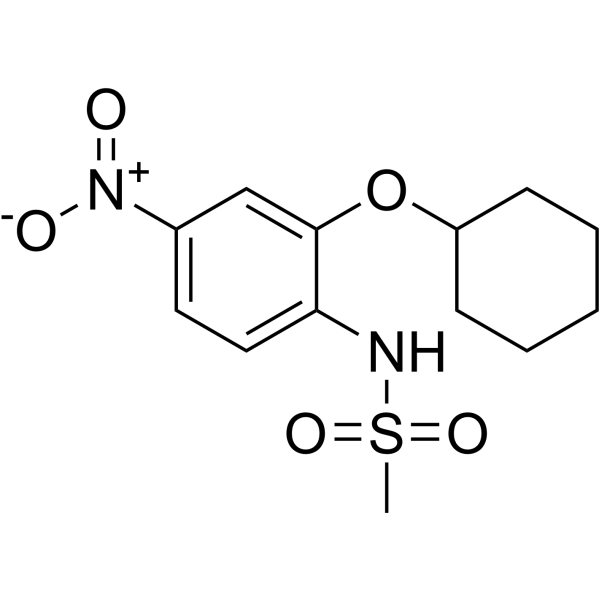
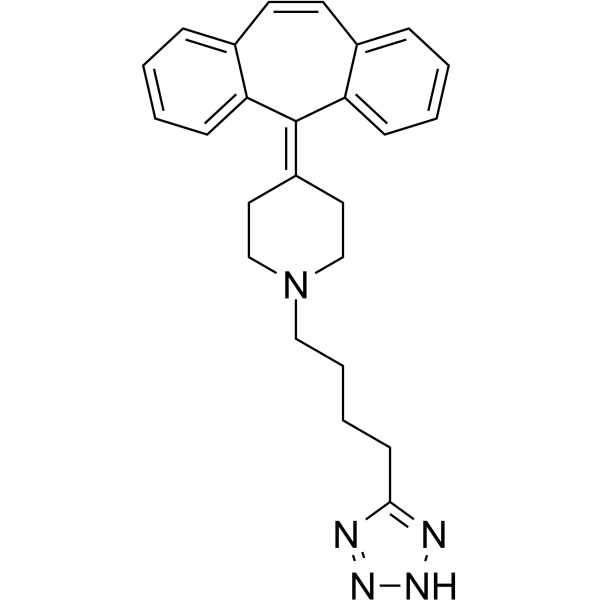
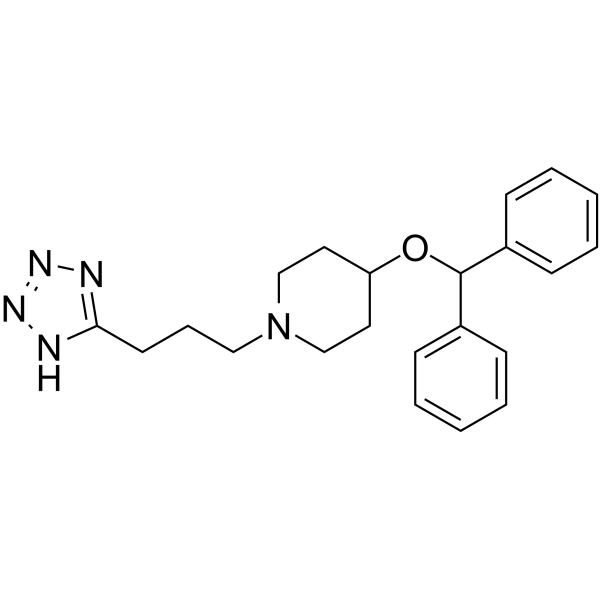
  • HY-13988
    AT-56
    1 Publications Verification

    PGE synthase Inflammation/Immunology
    AT-56 is a potent, selective and orally active inhibitor of lipocalin-type prostaglandin D synthase (L-PGDS), with an IC50 of 95 μM and Ki of 75 μM. AT-56 could selectively suppress the drowsiness or pain reaction mediated by L-PGDS-catalyzed PGD2 .
    AT-56
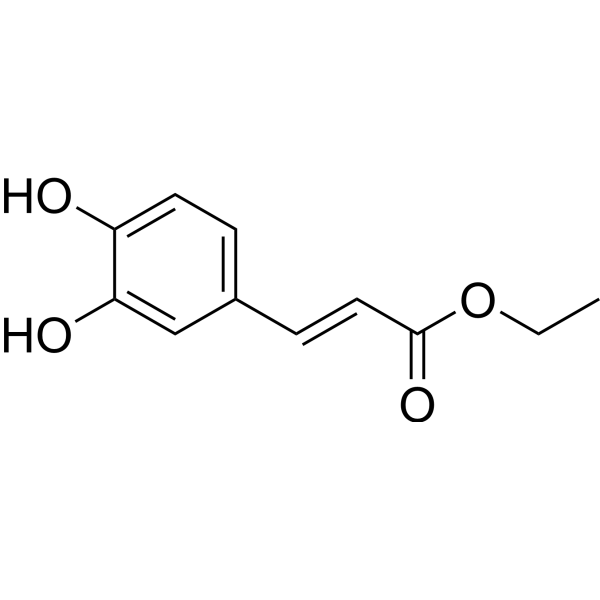
  • HY-N6966
    Ethyl Caffeate
    2 Publications Verification

    NF-κB NO Synthase COX PGE synthase Inflammation/Immunology Cancer
    Ethyl Caffeate is a natural phenolic compound isolated from Bidens pilosa. Ethyl caffeate suppresses NF-κB activation and its downstream inflammatory mediators, inducible nitric oxide synthase (iNOS), cyclooxygenase-2 (COX-2), and prostaglandin E2 (PGE2) in vitro or in mouse skin .
    Ethyl Caffeate
  • HY-13913
    NS-398
    Maximum Cited Publications
    19 Publications Verification

    COX Inflammation/Immunology Cancer
    NS-398 is a non-steroidal an-inflammatory agent with analgesic and antipyretic effects, and selectively inhibits prostaglandin G/H synthase 2/cyclooxygenase 2 (COX-2) activity, with an IC50 of 3.8 μM, and has no effect on COX-1 at 100 μM.
    NS-398
  • HY-106950

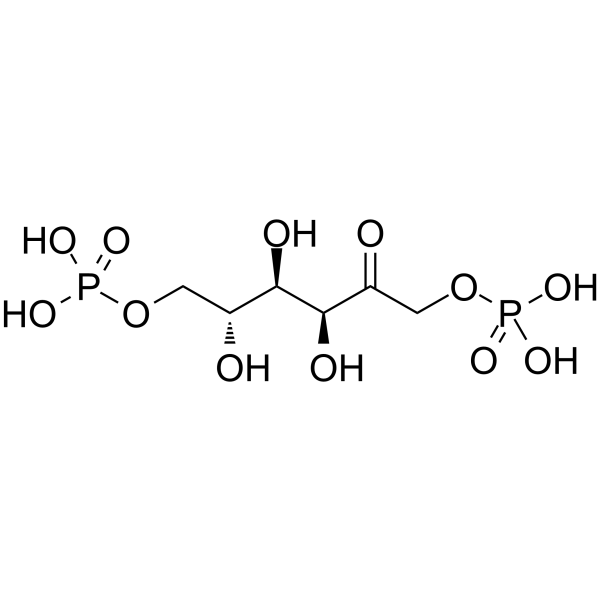
    Diphosphofructose; Esafosfan; FDP

    Toll-like Receptor (TLR) COX Cardiovascular Disease Neurological Disease Metabolic Disease
    Fosfructose is an orally active cyclooxygenase-2 inhibitor and Toll-like receptor 4 modulator. Fosfructose reduces the expression of cyclooxygenase-2, thereby decreasing prostaglandin production. By inhibiting the Toll-like receptor 4 signaling pathway, Fosfructose downregulates LPS-induced adhesion molecule expression. Fosfructose is applicable to research related to ischemic stroke, epilepsy, sepsis, myocardial injury, osteoporosis, and ultraviolet B-induced skin damage .
    Fosfructose
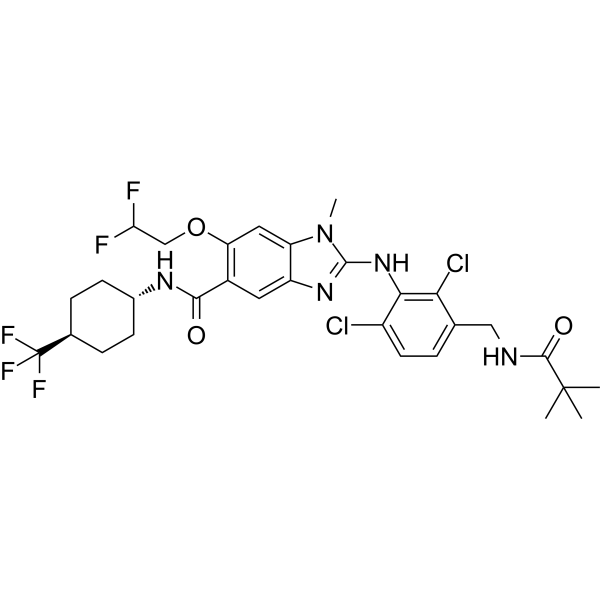
  • HY-147416

    BI 1029539; GS-248; OX-MPI

    PGE synthase Infection Cancer
    Vipoglanstat (BI 1029539), a carboxamide, is a potent and selective, non-peptide and orally active small molecular inhibitor of human prostaglandin E synthase 1 (mPGES-1). Vipoglanstat also has anti-inflammatory activity .
    Vipoglanstat
  • HY-13568

    LRCL 3794

    Cytochrome P450 COX Lipoxygenase PGE synthase Inflammation/Immunology
    Benoxaprofen (LRCL 3794) is a nonsteroidal anti-inflammatory agent that blocks the biosynthesis of inflammatory mediators such as leukotrienes and prostaglandins by inhibiting 5-LOX, PGH2 synthase and cytochrome P-450. Benoxaprofen exhibits significant toxicity: it not only alters cellular redox status, uncouples oxidative phosphorylation and disrupts calcium ion homeostasis, but also causes liver injury through the formation of covalent adducts between its active metabolites and hepatic proteins. Benoxaprofen shows strong phototoxicity under ultraviolet irradiation, and induces erythrocyte lysis, mast cell degranulation and histamine release. Benoxaprofen is widely used in studies of urticaria and related phototoxic mechanisms .
    Benoxaprofen
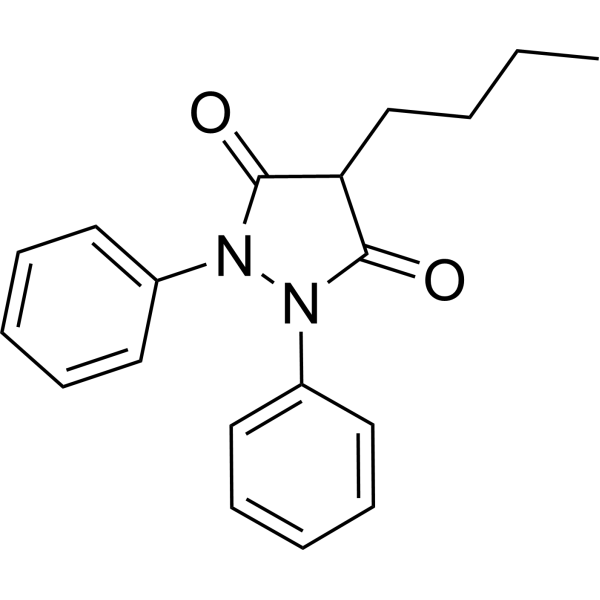
  • HY-B0230
    Phenylbutazone
    3 Publications Verification

    COX Inflammation/Immunology
    Phenylbutazone is an efficient reducing cofactor for the peroxidase activity of prostaglandin H synthase (PHS). Phenylbutazone, a hepatotoxin, is a nonsteroidal anti-inflammatory agent (NSAID). Phenylbutazone induces muscle blind-like protein 1 (MBNL1) expression and has the potential for ankylosing spondylitis research .
    Phenylbutazone
  • HY-10439

    PGE synthase Inflammation/Immunology
    HPGDS inhibitor 1 is a potent, selective and orally active Hematopoietic Prostaglandin D Synthase (HPGDS) inhibitor with an IC50s of 0.6 nM and 32 nM in enzyme and cellular assays, respectively. HPGDS inhibitor 1 does not inhibit human L-PGDS, mPGES, COX-1, COX-2, or 5-LOX .
    HPGDS inhibitor 1
  • HY-118119
    CAY10526
    1 Publications Verification

    PGE synthase YB-1 Apoptosis JAK STAT TGF-β Receptor TGF-beta/Smad PI3K Akt Cancer
    CAY10526 is an inhibitor of Y-box binding protein 1 (YB-1) and microsomal prostaglandin E2 synthase 1 (mPGES1). CAY10526 inhibits the production of PGE2 by suppressing YB-1 and mPGES1. CAY10526 induces cell apoptosis (apoptosis) and inhibits the JAK/STAT, TGF-β/Smad3 and PI3K/AKT signaling pathways. CAY10526 can be used in research related to melanoma, prostate cancer, esophageal adenocarcinoma, T-cell lymphoma, etc .
    CAY10526
  • HY-141469

    HPA; Heneicosapentaenoic acid methyl ester

    PGE synthase Lipoxygenase Cardiovascular Disease Neurological Disease
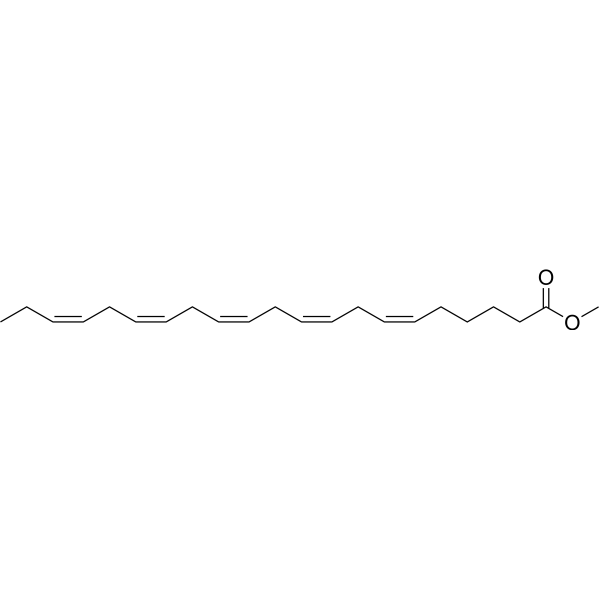
    6,9,12,15,18-Heneicosapentaenoic acid (HPA) is a ∆5 desaturase inhibitor. 6,9,12,15,18-Heneicosapentaenoic acid serves as a weak substrate for Prostaglandin H synthase and 5-lipoxygenase, yet it inactivates Prostaglandin H synthase at a rate comparable to that of AA, EPA and DHA. 6,9,12,15,18-Heneicosapentaenoic acid is a weak inducer of Aacyl-CoA oxidase. 6,9,12,15,18-Heneicosapentaenoic acid incorporates into phospholipids and triacylglycerols in cell culture. 6,9,12,15,18-Heneicosapentaenoic acid can be used in research related to liver cancer .
    6,9,12,15,18-Heneicosapentaenoic acid
  • HY-W009706

    Allopydin; W-7320

    Prostaglandin Receptor Neurological Disease Inflammation/Immunology
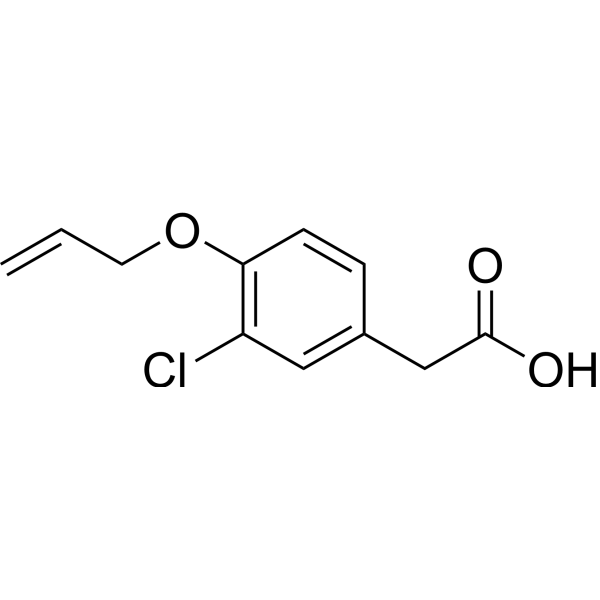
    Alclofenac (Allopydin) is an orally active prostaglandin synthase inhibitor with anti-inflammatory, analgesic and antipyretic activities. Alclofenac irreversibly inhibits platelet aggregation. Alclofenac can be used in research related to rheumatoid arthritis, osteoarthritis, ankylosing spondylitis, low back pain and sciatica .
    Alclofenac
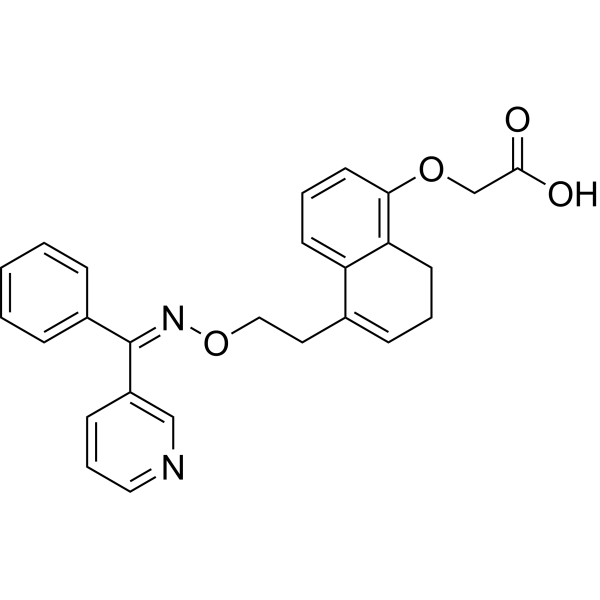
  • HY-111186

    WL 108366

    Glucocorticoid Receptor MMP VKOR Others
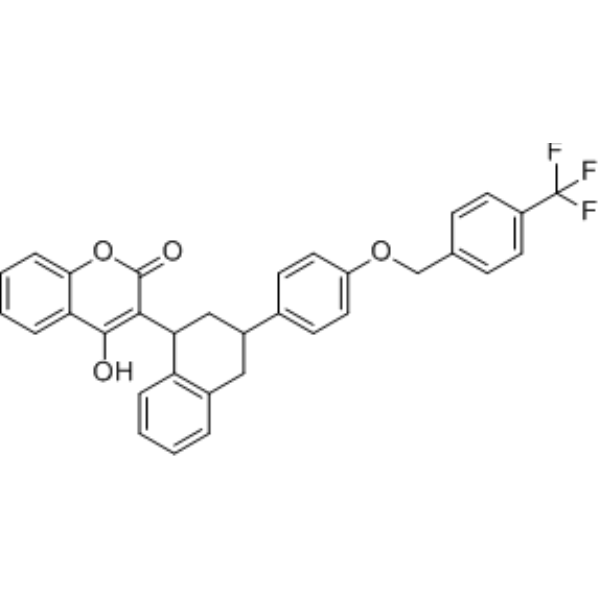
    Flocoumafen (WL 108366) is an orally active vitamin K epoxide reductase inhibitor and a multi-target ligand, which includes prostaglandin F synthase, serum albumin, glucocorticoid receptor 2, and MMP-9. Flocoumafen is a second-generation anticoagulant rodenticide (ARs) with a half-life of 177.4 hours and has deadly anticoagulant effects .
    Flocoumafen
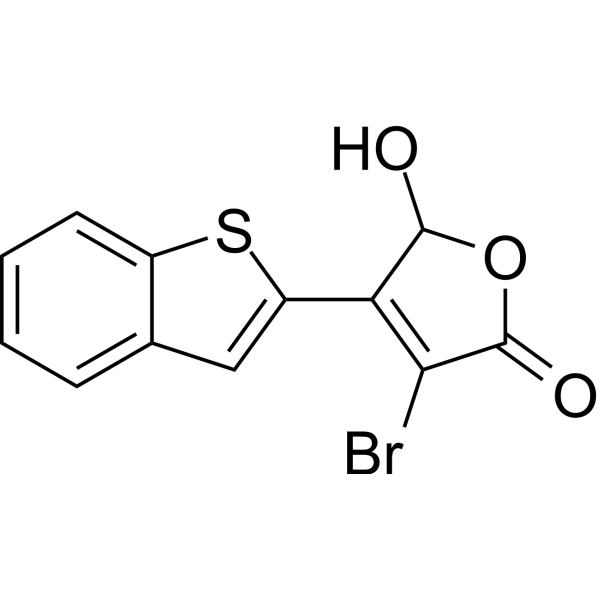
  • HY-108259

    PGE synthase Inflammation/Immunology
    HQL-79, a potent, selective and orally active human hematopoietic prostaglandin D synthase (H-PGDS) inhibitor, highly selectively inhibits the synthesis of PGD2, and acts as an anti-allergic agent, with a Kd of 0.8 μM and an IC50 of 6 μM. Shows no obvious effect on COX-1, COX-2, m-PGES, or L-PGDS .
    HQL-79
  • HY-106961

    ONO-AP 500-02

    Prostaglandin Receptor Cardiovascular Disease
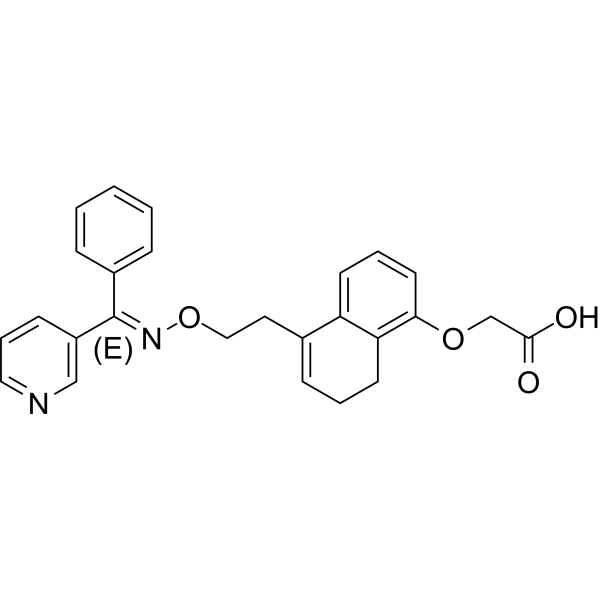
    ONO 1301 (ONO-AP 500-02), a prostaglandin (PG) I2 mimetic, is an orally active, long-acting prostacyclin agonist with thromboxane-synthase inhibitory activity. ONO 1301 promotes production of hepatocyte growth factor (HGF) from various cell types and ameliorates ischemia-induced left ventricle dysfunction in the mouse, rat and pig .
    ONO 1301
  • HY-106961A

    (Z)-ONO-AP 500-02

    Prostaglandin Receptor Cardiovascular Disease
    (Z)-ONO 1301 is the isomer of ONO 1301 (HY-106961), and can be used as an experimental control. ONO 1301 (ONO-AP 500-02), a prostaglandin (PG) I2 mimetic, is an orally active, long-acting prostacyclin agonist with thromboxane-synthase inhibitory activity. ONO 1301 promotes production of hepatocyte growth factor (HGF) from various cell types and ameliorates ischemia-induced left ventricle dysfunction in the mouse, rat and pig .
    (Z)-ONO 1301
  • HY-101813

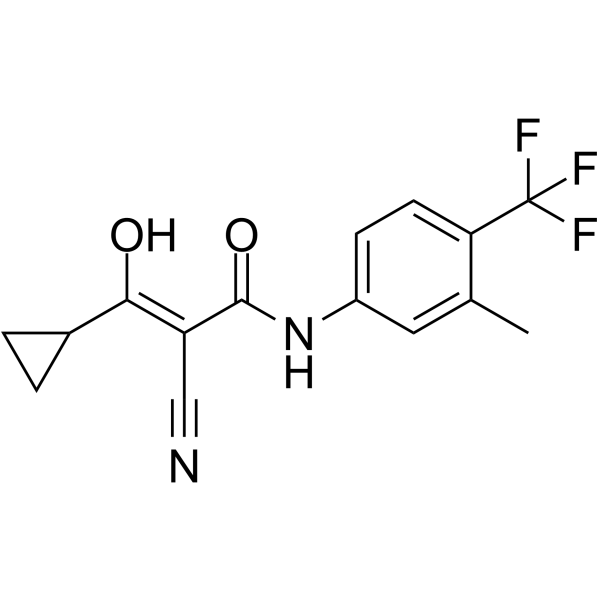
    HR325

    Dihydroorotate Dehydrogenase DNA/RNA Synthesis Prostaglandin Receptor Inflammation/Immunology
    Laflunimus (HR325) is an immunosuppressive agent and an analogue of the Leflunomide-active metabolite A77 1726. Laflunimus is an orally active inhibitor of dihydroorotate dehydrogenase (DHODH). Laflunimus suppresses immunoglobulin (Ig) secretion, with IC50 values of 2.5 and 2 µM for IgM and IgG, respectively. Laflunimus also is a prostaglandin endoperoxide H synthase (PGHS) -1 and -2 inhibitor .
    Laflunimus
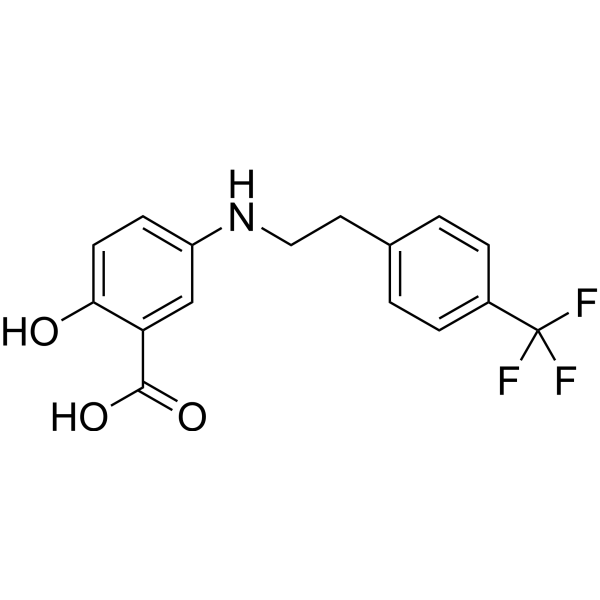
  • HY-105005

    AAD-2004

    Prostaglandin Receptor PGE synthase Reactive Oxygen Species (ROS) Apoptosis Neurological Disease Inflammation/Immunology
    Crisdesalazine (AAD-2004) is a microsomal prostaglandin E2 synthase-1 (mPGES-1) inhibitor. Crisdesalazine acts as a potent free radical scavenger that directly neutralizes reactive oxygen species (ROS) including hydrogen peroxide, exerting neuroprotective effects against apoptosis and axonal damage. Crisdesalazine inhibits PGE2 production, mediates inflammatory responses, and promotes the conversion of macrophages from the pro-inflammatory M1 phenotype to the anti-inflammatory M2 phenotype. Crisdesalazine is applicable to neuroprotection research in multiple sclerosis and spinal cord injury .
    Crisdesalazine
  • HY-162387

    PGE synthase Cardiovascular Disease Inflammation/Immunology Cancer
    UK4b is a highly selective microsomal prostaglandin E2 synthase-1 (mPGES-1) inhibitor. UK4b possesses anti-inflammatory and analgesic effects. UK4b can block the growth of abdominal aortic aneurysms in mice .
    UK4b
  • HY-19622

    PGE synthase Inflammation/Immunology
    PF-9184 is a potent and highly selective inhibitor of human microsomal prostaglandin E synthase-1 (mPGES-1), with an IC50 of 16.5 nM. PF-9184 inhibits IL-1β-induced PGE2 synthesis in vitro .
    PF-9184
  • HY-149202

    PGE synthase Neurological Disease Inflammation/Immunology
    UT-11 is a potent and blood-brain barrier-permeable microsomal prostaglandin E synthase-1 (mPGES-1) inhibitor with IC50s of 0.10 μM and 2.00 μM for inhibiting PGE2 production in human (SK-N-AS) and murine (BV2) cells, respectively .
    UT-11
  • HY-109134

    TAS-205 free base

    Prostaglandin Receptor Metabolic Disease Inflammation/Immunology
    Pizuglanstat (Compound 3; TAS-205 free base) is an orally active prostaglandin D synthase inhibitor with an IC50 of 76 nM for human hematopoietic prostaglandin D synthase. Pizuglanstat inhibits the synthesis of PGD2. Pizuglanstat improves experimental allergic rhinitis. Pizuglanstat can be used in the study of muscle regenerative diseases such as muscular dystrophy .
    Pizuglanstat
  • HY-B0230S

    COX Inflammation/Immunology
    Phenylbutazone(diphenyl-d10) is the deuterium labeled Phenylbutazone. Phenylbutazone is an efficient reducing cofactor for the peroxidase activity of prostaglandin H synthase (PHS). Phenylbutazone, a hepatotoxin, is a nonsteroidal anti-inflammatory agent (NSAID). Phenylbutazone induces muscle blind-like protein 1 (MBNL1) expression and has the potential for ankylosing spondylitis research .
    Phenylbutazone(diphenyl-d10)
  • HY-113445

    COX Endogenous Metabolite Endocrinology
    Thromboxane B3 is a prostaglandin analog derived from arachidonic acid (AA) in the cyclooxygenase (COX) metabolic pathway. Thromboxane B3 is generated from arachidonic acid (AA) in platelets and vascular endothelial cells through the catalysis of cyclooxygenase (COX) and thromboxane synthase (TXS). Thromboxane B3 has been reported to be formed by human platelets upon ingestion of eicosapentaenoic acid (C20: 5ω3) .
    Thromboxane B3
  • HY-118282

    PGE synthase Endocrinology
    mPGES-1-IN-2 (compound III) is a benzimidazole-based mPGES-1 inhibitor that also inhibits adipophysin PGD synthase (I-PGDS) (5 μM, IR=60 %). mPGES-1-IN-2 reduces PGE2 production and tends to reduce levels of other prostaglandins. mPGES-1-IN-2 effectively inhibits acute inflammation in an air sac model stimulated by Carrageenan (HY-125474) in mice .
    mPGES1-IN-7
  • HY-111140

    PGE synthase Lipoxygenase PPAR Inflammation/Immunology
    YS121 is a dual inhibitor of microsomal prostaglandin E2 synthase-1 (mPGES-1; IC50 = 3.4 μM) and 5-lipoxygenase (5-LOX; IC50 = 6.5 μM). YS121 exhibits direct, reversible, and specific binding to mPGES-1 (KD = 10-14 μM) . YS121 dose-dependently reduces PGE2 production with an EC50 of 12 μM in IL-1β-stimulated A549 cells . YS121 (compound 9) activates PPAR-α and -γ (EC50 = 1 and 3.6 μM, respectively) . YS121 exhibits anti-inflammatory efficiency in human whole blood as well as in vivo. YS121 can be used for pleurisy research .
    YS121
  • HY-N7833

    Biochemical Assay Reagents Others
    Heneicosapentaenoic Acid (HPA) is a 21:5 omega-3 fatty acid found in trace amounts in the green alga B. pennata and in fish oils. Its chemical composition is similar to eicosapentaenoic acid (EPA), except that a carbon is extended at the carboxy terminus, placing the first double bond at the δ6 position. HPA can be used to study the importance of double bond position in omega-3 fatty acids. It incorporates phospholipids and triacylglycerols in vivo with the same efficiency as EPA and docosahexaenoic acid, and exhibits a strong inhibitory effect on the synthesis of arachidonic acid from linoleic acid. HPA is a poor substrate for prostaglandin H synthase (PGHS) (cyclooxygenase) and 5-lipoxygenase, but retains the ability to rapidly inactivate PGHS.
    Heneicosapentaenoic acid
  • HY-13988R

    PGE synthase Reference Standards Inflammation/Immunology
    AT-56 (Standard) is the analytical standard of AT-56. This product is intended for research and analytical applications. AT-56 is a potent, selective and orally active inhibitor of lipocalin-type prostaglandin D synthase (L-PGDS), with an IC50 of 95 μM and Ki of 75 μM. AT-56 could selectively suppress the drowsiness or pain reaction mediated by L-PGDS-catalyzed PGD2 .
    AT-56 (Standard)
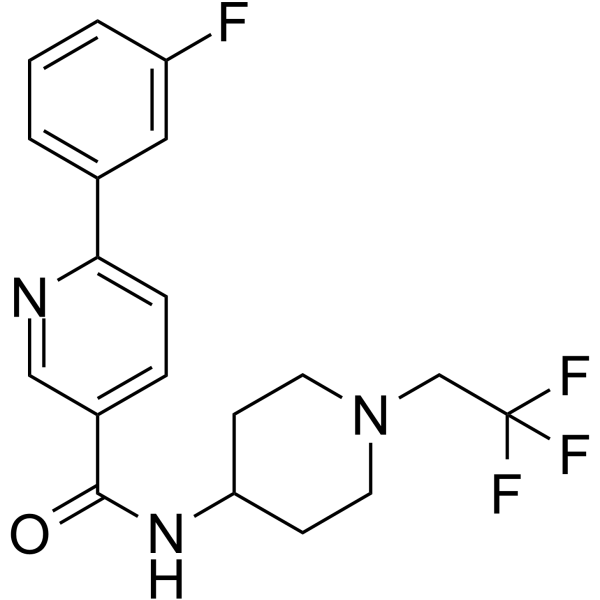
  • HY-156612

    PGE synthase Inflammation/Immunology
    Friluglanstat is a prostaglandin E synthase (mPGES-1) inhibitor, with anti-inflammatory activity .
    Friluglanstat
  • HY-126134

    PGE synthase Inflammation/Immunology
    HPGDS inhibitor 2 is a highly potent and selective hematopoietic prostaglandin D synthase (H-PGDS) inhibitor with an IC50 of 9.9 nM .
    HPGDS inhibitor 2
  • HY-125415

    PGE synthase Inflammation/Immunology
    PF-4693627 is a potent, selective and orally bioavailable microsomal prostaglandin E synthase-1 (mPGES-1) inhibitor (IC50=3 nM) for the treatment of inflammation caused by osteoarthritis (OA) and rheumatoid arthritis (RA) .
    PF-4693627
  • HY-139972

    Molecular Glues Prostaglandin Receptor Cardiovascular Disease
    PROTAC(H-PGDS)-7 is a Hematopoietic prostaglandin D synthase (H-PGDS) molecular glue degrader, with a DC50 of 17.3 pM .
    PROTAC(H-PGDS)-7
  • HY-B0230S2

    COX Inflammation/Immunology
    Phenylbutazone- 13C12 is the 13C12 labeled Phenylbutazone. Phenylbutazone is an efficient reducing cofactor for the peroxidase activity of prostaglandin H synthase (PHS). Phenylbutazone, a hepatotoxin, is a nonsteroidal anti-inflammatory agent (NSAID). Phenylbutazone induces muscle blind-like protein 1 (MBNL1) expression and has the potential for ankylosing spondylitis research.
    Phenylbutazone-13C12
  • HY-N6966A

    Others Inflammation/Immunology
    Ethyl trans-caffeate is the trans form of Ethyl Caffeate (HY-N6966). Ethyl Caffeate is a natural phenolic compound isolated from Bidens pilosa. Ethyl caffeate suppresses NF-κB activation and its downstream inflammatory mediators, inducible nitric oxide synthase (iNOS), cyclooxygenase-2 (COX-2), and prostaglandin E2 (PGE2) in vitro or in mouse skin .
    Ethyl trans-caffeate
  • HY-178794

    PGE synthase Inflammation/Immunology
    AGU661 is a Microsomal prostaglandin E2 synthase 1 (mPGES-1) inhibitor with an IC50 of 0.22  nM. AGU661 lowers PGE2 formation in human pro-inflammatory M1 macrophages and activated monocytes without affecting other lipid mediator pathways. AGU661 has unfavorable physicochemical properties with poor metabolic stability and strong plasma protein binding tendencies. AGU661 into PLGA-based NPs significantly enhances its bioactivity. AGU661 can be used for inflammatory disorders research .
    AGU661
  • HY-118816

    11-epi PGF2α-EA; 11β-PGF2α-EA; 11β-Prostamide F2α

    Drug Metabolite Metabolic Disease
    11β-Prostaglandin F2α ethanolamide (11β-PGF2α-EA) is the theoretical hepatic metabolite of PGD2-EA, produced during COX-2 metabolism of the endogenous cannabinoid AEA which is found in brain, liver, and other mammalian tissues.1 AEA can be used directly by COX-2 and specific PG synthase to produce ethanolamide congeners of the classical PGs. PGD2-EA is formed in activated RAW 264.7 cells treated with AEA.
    11β-Prostaglandin F2α
  • HY-110167

    PGE synthase Ligands for Target Protein for PROTAC Cancer
    TFC-007, a selective hematopoietic prostaglandin D synthase (H-PGDS) inhibitor, show high inhibitory activity against H-PGDS enzyme (IC50 value of 83 nM). TFC-007 can be used for composing H-PGDS degradation inducer PROTAC(H-PGDS)-1 (TFC-007 binds to H-PGDS, and Pomalidomide binds to cereblon) .
    TFC 007
  • HY-B0230R

    Reference Standards COX Inflammation/Immunology
    Phenylbutazone (Standard) is the analytical standard of Phenylbutazone. This product is intended for research and analytical applications. Phenylbutazone is an efficient reducing cofactor for the peroxidase activity of prostaglandin H synthase (PHS). Phenylbutazone, a hepatotoxin, is a nonsteroidal anti-inflammatory agent (NSAID). Phenylbutazone induces muscle blind-like protein 1 (MBNL1) expression and has the potential for ankylosing spondylitis research .
    Phenylbutazone (Standard)
  • HY-109134A

    TAS-205

    Prostaglandin Receptor Metabolic Disease Inflammation/Immunology
    Pizuglanstat hydrate (Compound 3; TAS-205) is an orally active prostaglandin D synthase inhibitor with an IC50 of 76 nM for human hematopoietic prostaglandin D synthase. Pizuglanstat hydrate inhibits the synthesis of PGD2. Pizuglanstat hydrate improves experimental allergic rhinitis. Pizuglanstat hydrate can be used in the study of muscle regenerative diseases such as muscular dystrophy .
    Pizuglanstat hydrate
  • HY-E70559

    PGE synthase Cardiovascular Disease Cancer
    Prostaglandin D synthase is a biomarker for meningioma cells and coronary artery disease. Lipocalin-type Prostaglandin D synthase (L-PGDS) is present in the atherosclerotic plaque of the human coronary artery and can be detectable in human serum .
    Prostaglandin D synthase
  • HY-139171

    PGE synthase Inflammation/Immunology
    F092 is an inhibitor of hematopoietic prostaglandin D synthase (H-PGDS) with a KD value of 0.14 nM. F092 can be used in the study of allergic and inflammatory responses .
    F092
  • HY-178505

    PGE synthase Inflammation/Immunology Cancer
    mPGES1-IN-10 (Compound 7d) is a potent microsomal prostaglandin E2 synthase-1 (mPGES-1) inhibitor with an IC50 value of 1.0 μM. mPGES1-IN-10 is promising for research of chronic inflammation-related diseases and malignancies such as colorectal cancer .
    mPGES1-IN-10
  • HY-N3535

    Prostaglandin Receptor Lipoxygenase Inflammation/Immunology
    Canniprene, an isoprenylated bibenzyl unique to Cannabis sativa, is a potent inhibitor of 5-lipoxygenase (5-LO) activity (IC50=0.4 μM) and cyclooxygenase/microsomal prostaglandin E2 synthase (PGE2; IC50=10 μM). Canniprene inhibits the production of inflammatory eicosanoids and affects the generation of prostaglandins .
    Canniprene
  • HY-100864

    PGE synthase Inflammation/Immunology
    mPGES1-IN-3 (Compound 17d) is a potent and selective microsomal prostaglandin E2 synthase-1 (mPGES-1) inhibitor, which exhibits excellent mPGES-1 enzyme (IC50: 8 nM), cell (A549 IC50: 16.24 nM) and human whole blood potency (IC50: 249.9 nM) .
    mPGES1-IN-3
  • HY-105866

    Calcium Channel Prostaglandin Receptor Cardiovascular Disease
    Wy 27569 is an orally active vascular selective calcium channel blocker that can effectively lower blood pressure. Wy 27569 is a thromboxane synthase inhibitor that can reshape prostaglandin balance, reduce pro thrombotic TXA2, and increase anti thrombotic PGI2. Wy 27569 can be used for research on cardiovascular diseases such as hypertension and angina .
    Wy 27569
  • HY-146662

    PGE synthase Inflammation/Immunology
    HPGDS inhibitor 3 is an orally active and highly potent peripherally restricted hematopoietic prostaglandin D synthase (H-PGDS) inhibitor with IC50 value of 9.4 nM and EC50 of 42 nM, respectively. HPGDS inhibitor 3 exhibits good selectivity, good pharmacokinetic parameters in mouse, rat, and dog, and no CNS toxicity. HPGDS inhibitor 3 has anti-inflammatory activity .
    HPGDS inhibitor 3
  • HY-165587

    Prostaglandin Receptor Cardiovascular Disease
    BM-573 is an orally active dual thromboxane A₂ (TXA₂) modulator with an IC50 of 1.3 nM. BM-573 possesses both thromboxane synthase (TxAS) inhibition and thromboxane receptor (TP) antagonistic effects. BM-573 can completely inhibit platelet aggregation induced by Arachidonic acid (HY-109590) or U-46619 (TXA₂ analogues). BM-573 completely blocks the generation of TXB₂ (the stable metabolite of TXA₂) in human platelets and does not inhibit cyclooxygenase (COX-1/COX-2), thus avoiding interference with other prostaglandin synthesis. BM-573 has an inhibitory effect on U-46619-induced contractions in rat gastric fundus smooth muscle (ED₅₀ = 4.2 μM), but has no effect on contractions caused by PGE₂, PGF₂α, or PGI₂. BM-573 can be used in the study of atherosclerosis, myocardial infarction, pulmonary hypertension and shock .
    BM-573
  • HY-W009706A

    Allopydin sodium; W-7320 sodium

    Prostaglandin Receptor Neurological Disease Inflammation/Immunology
    Alclofenac (Allopydin) sodium is an orally active prostaglandin synthase inhibitor with anti-inflammatory, analgesic and antipyretic activities. Alclofenac sodium irreversibly inhibits platelet aggregation. Alclofenac can be used in research related to rheumatoid arthritis, osteoarthritis, ankylosing spondylitis, low back pain and sciatica .
    Alclofenac sodium
  • HY-W009706B

    Allopydin (lysinate); W-7320 (lysinate)

    Prostaglandin Receptor Neurological Disease Inflammation/Immunology
    Alclofenac (Allopydin) lysinate is an orally active prostaglandin synthase inhibitor with anti-inflammatory, analgesic and antipyretic activities. Alclofenac lysinate irreversibly inhibits platelet aggregation. Alclofenac lysinate can be used in research related to rheumatoid arthritis, osteoarthritis, ankylosing spondylitis, low back pain and sciatica .
    Alclofenac (lysinate)
  • HY-122064

    PGE synthase Others
    FR20 acts as an inhibitor of human microsomal prostaglandin synthase 1 (mPGES 1).
    FR20
  • HY-169858

    PGE synthase Inflammation/Immunology
    Prostaglandin E2 Inhibitor 3 (Compound 3) is a selectivity microsomal prostaglandin E synthase-1 (mPGES-1) inhibitor (IC50 = 0.2 µM). Prostaglandin E2 Inhibitor 3 has higher selectivity for mPGES-1 than cyclooxygenases (COX)-1/2, 5-lipoxygenase (5-LO), and soluble epoxide hydrolase (sEH). Prostaglandin E2 Inhibitor 3 has anti-inflammatory activity and can attenuate zymosan-induced peritoneal leukocyte migration in mice .
    Prostaglandin E2 Inhibitor 3

Inquiry Online

Your information is safe with us. * Required Fields.

Salutation


Country or Region *

Applicant Name *


Organization Name *

Department *


Email Address *


Product Name *

Cat. No.


Requested quantity *

Phone Number *


Remarks

Inquiry Online

Inquiry Information

Product Name:
Cat. No.:
Quantity:
MCE Japan Authorized Agent:

