
Search Result
Results for "
360 A
" in MedChemExpress (MCE) Product Catalog:
1
Biochemical Assay Reagents
| Cat. No. |
Product Name |
Target |
Research Areas |
Chemical Structure |
-
- HY-D1462
-
|
|
Fluorescent Dye
|
Others
|
|
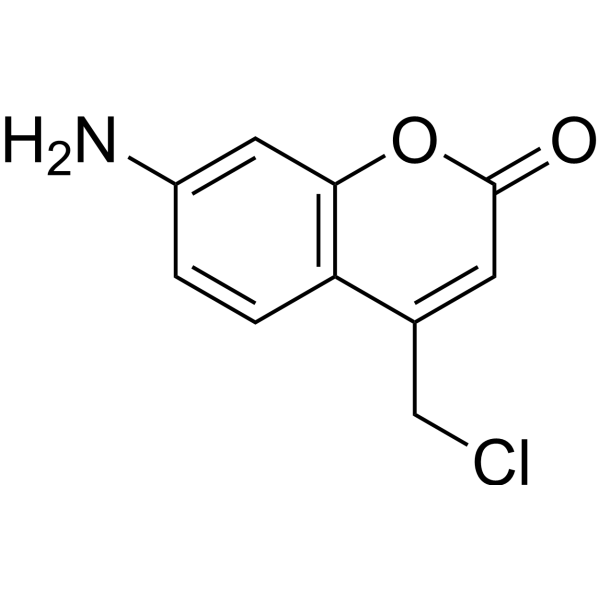
CellTracker Blue CMAC is a non-fluorescent cell membrane permeable dye. The chloromethyl groups of CellTracker Blue CMAC are enzymatically cleaved by intracellular glutathione (GSH) to generate a fluorescent product (blue fluorescence, Ex/Em: 360/460 nm). CellTracker Blue CMAC is suitable for long-term cell tracking (up to 72 hours) and cell proliferation studies, and can also quantify GSH levels .
|
-
-
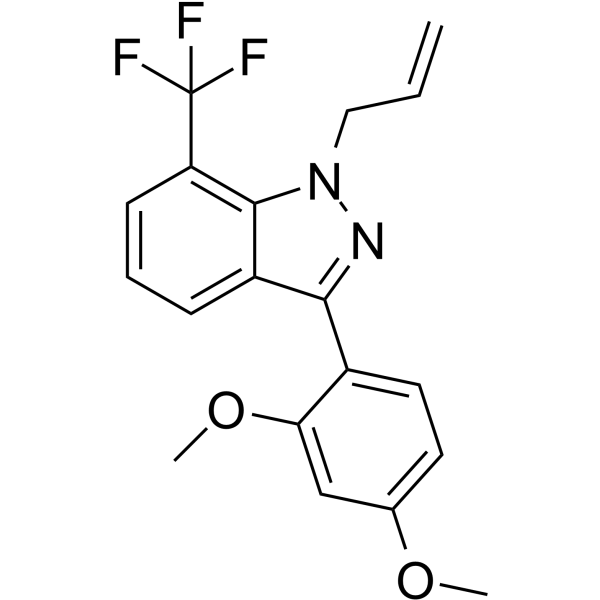
- HY-18611A
-
-
-
- HY-15270
-
|
|
JAK
|
Cancer
|
|
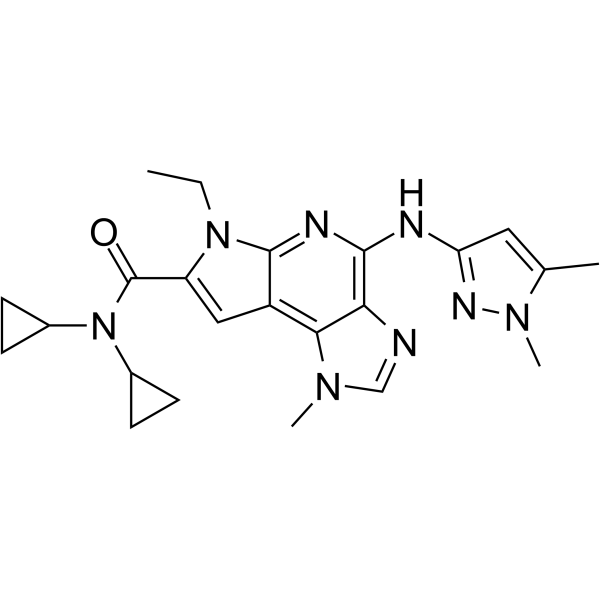
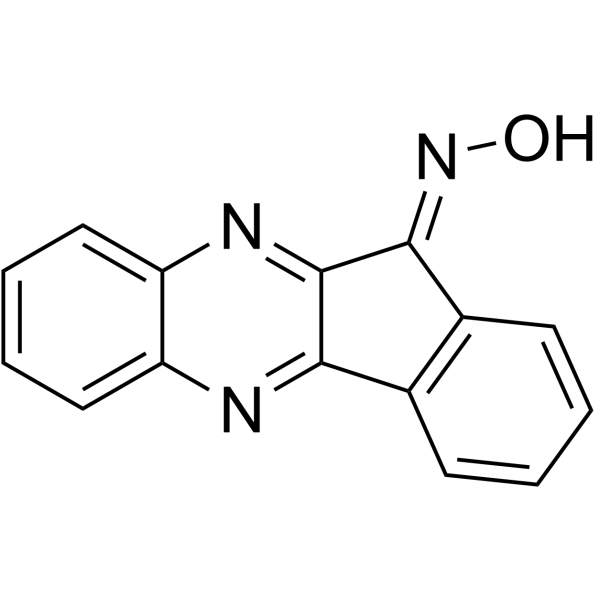
BMS-911543 is a selective JAK2 inhibitor, with IC50s of 1.1 nM, less selective at JAK1, JAK3 and TYK2 (IC50, 75, 360, 66 nM, respectively).
|
-
-
- HY-D0073
-
|
|
Fluorescent Dye
|
Others
|
|
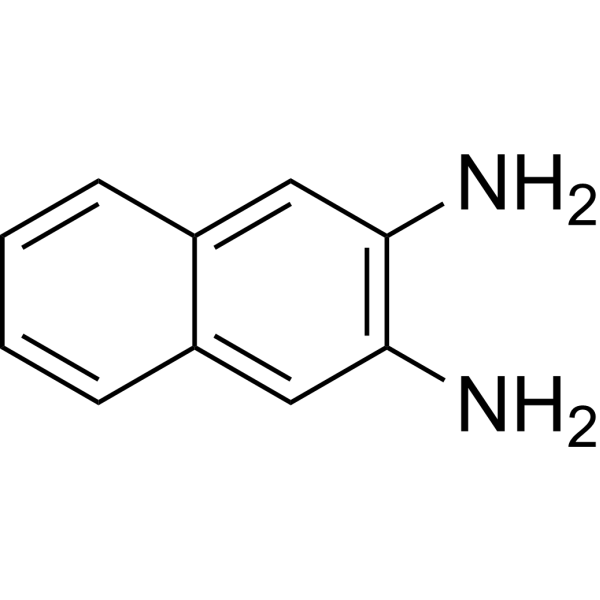
2,3-Diaminonaphthalene is a fluorescent reagent used to detect selenium and nitric oxide (NO). 2,3-Diaminonaphthalene binds to selenium to form pyrazolene selenol, with excitation/emission maxima at 365 nm and 525 nm, respectively. 2,3-Diaminonaphthalene binds to NO2− to form the fluorescent product, 1-(H)-napthotriazole, with excitation/emission maxima at 360 nm and 440 nm, respectively .
|
-
-
- HY-120085
-
PFE-360
3 Publications Verification
PF-06685360
|
LRRK2
|
Neurological Disease
|
|
PFE-360 (PF-06685360) is a potent, selective, brain penetrated and orally active leucine-rich repeat kinase 2 (LRRK2) inhibitor with a mean IC50 of 2.3 nM in vivo .
|
-
-
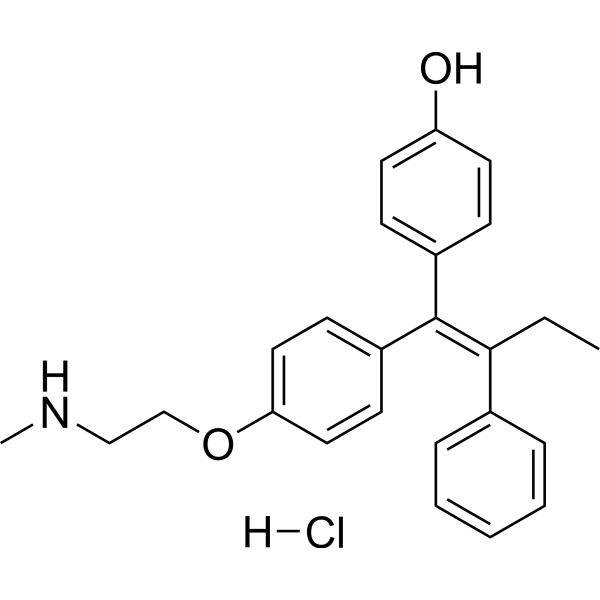
- HY-18611
-
|
RS102895 hydrochloride; MLJS-21001 hydrochloride
|
CCR
|
Neurological Disease
Endocrinology
|
|
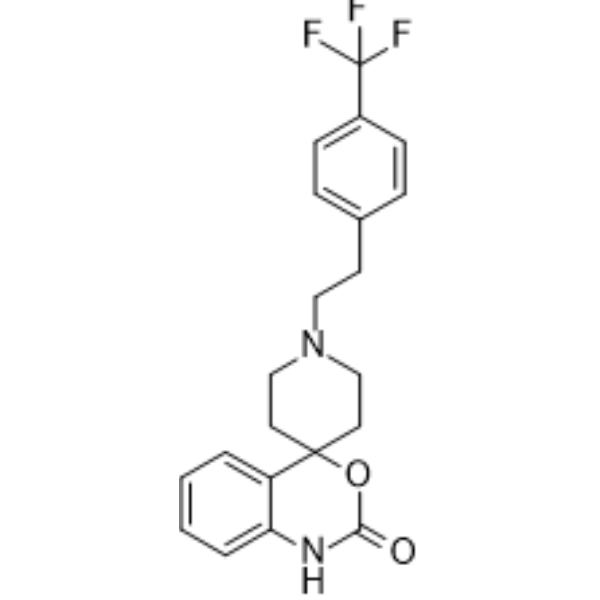
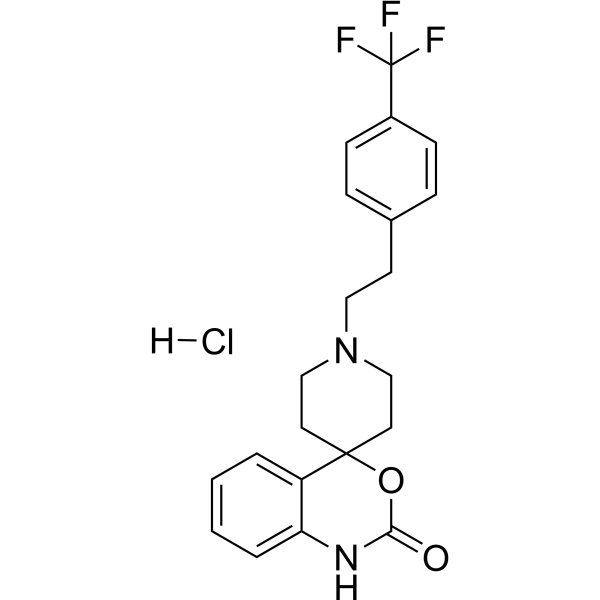
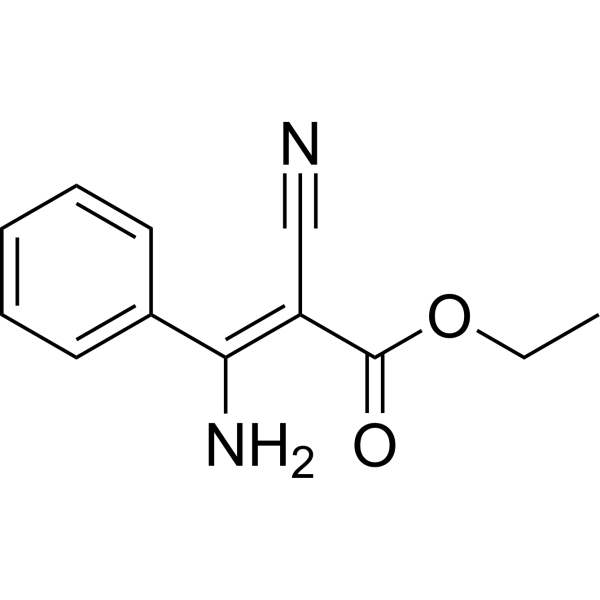
RS102895 hydrochloride is a potent CCR2 antagonist, with an IC50 of 360 nM, and shows no effect on CCR1.
|
-
-
- HY-122208
-
SGA360
3 Publications Verification
|
Apolipoprotein
|
Inflammation/Immunology
|
|
SGA360 suppress inflammatory SAA1 signaling in an AHR-dependent manner through a mechanism that does not require AHR binding to its cognate response element (partial antagonist) .
|
-
-
- HY-W116606
-
|
|
Fluorescent Dye
|
Others
|
|
Coumarin boronic acid is a fluorescent probe. The excitation and emission wavelengths of coumarin boronic acid are set to 360 nm and 430 nm, respectively. Coumarin boronic acid can be used to monitor the formation of amino acid and protein hydroxyl peroxides in real time, which is beneficial for understanding the mechanisms of oxidative stress and protein post-translational modification .
|
-
-
- HY-15595A
-
|
360 A iodide
|
G-quadruplex
Telomerase
|
Cancer
|
|
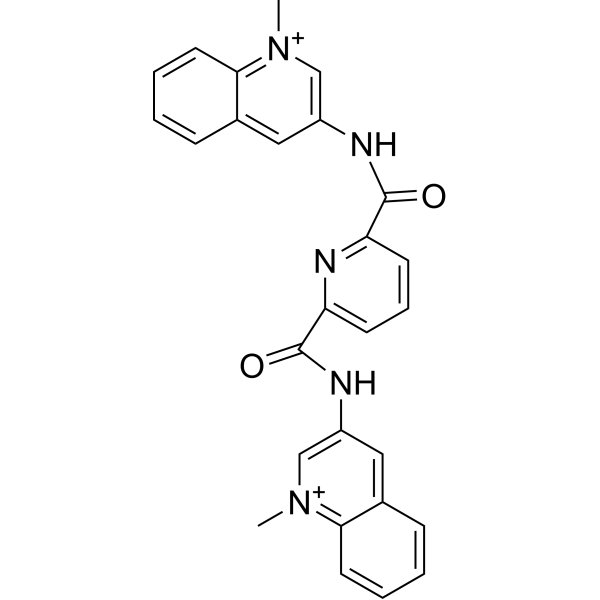
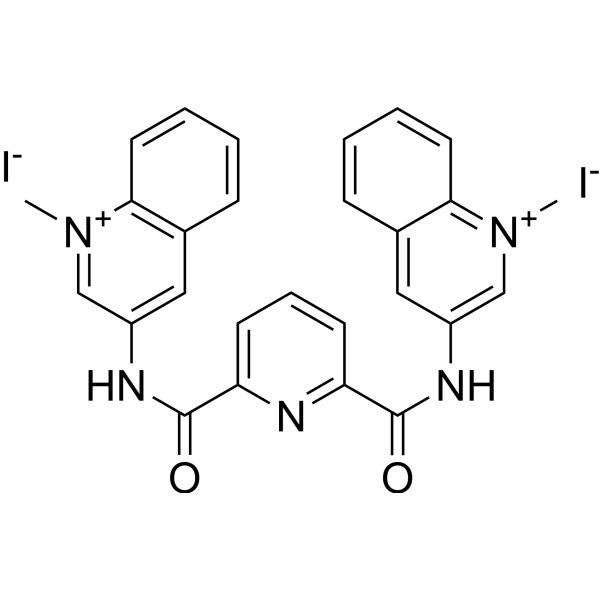
360A iodide is a selective stabilizer of G-quadruplex, and also inhibits telomerase activity with an IC50 of 300 nM for telomerase in TRAP-G4 assay.
|
-
-
- HY-124322
-
|
|
Beta-secretase
Amyloid-β
|
Neurological Disease
Inflammation/Immunology
|
|
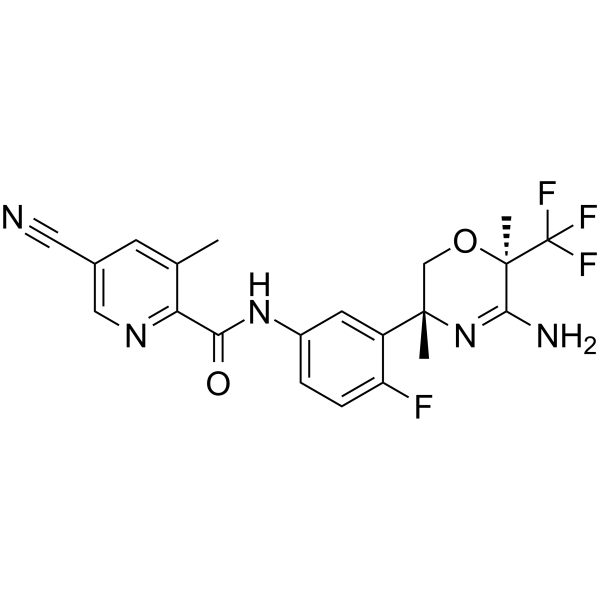
NB-360 is a potent, brain penetrable and orally active β‐secretase 1/2 (BACE1/BACE2) dual inhibitor with IC50 values of 5 and 6 nM. NB-360 can inhibit amyloid-β protein accumulation. NB-360 can be used for the researches of inflammation and neurological disease, such as Alzheimer's disease .
|
-
-
- HY-118562
-
|
|
Fluorescent Dye
|
Others
|
|
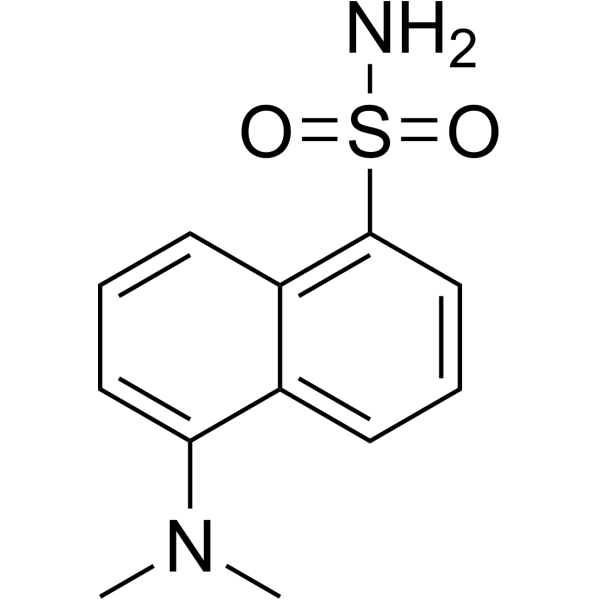
Dansyl amide is a fluorescent dye that is used in biochemistry and chemistry to label substances with the fluorescent dansyl group (Ex/Em: 360 nm/465 nm) .
|
-
-
- HY-147425
-
|
SLN360
|
Small Interfering RNA (siRNA)
Apolipoprotein
|
Cardiovascular Disease
|
|
Zerlasiran (SLN360) is a siRNA targeting apolipoprotein A (ApoA). Zerlasiran targets hepatic ApoA synthesis via RNA interference to degrade encoding mRNA. Zerlasiran can be used for the research of atherosclerotic cardiovascular disease and elevated ApoA levels .
|
-
-
- HY-17617
-
|
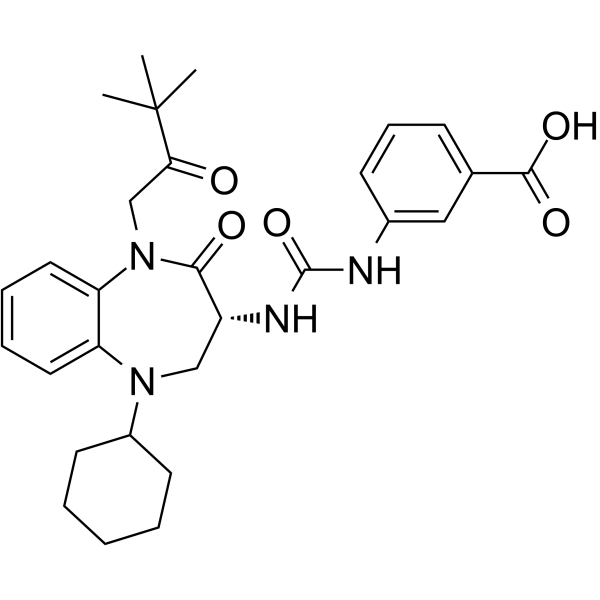
Z-360
|
Cholecystokinin Receptor
Ephrin Receptor
Interleukin Related
VEGFR
HIF/HIF Prolyl-Hydroxylase
Akt
|
Neurological Disease
Cancer
|
|
Nastorazepide (Z-360) is an orally active 1,5-benzodiazepine derivative and gastrin/CCK-2 receptor antagonist. Nastorazepide inhibits the specific binding of [ 3H]CCK-8 to the human CCK-2 receptor with a Ki value of 0.47 nM. Nastorazepide inhibits IL-1β, ephrin B1, VEGF, and HIF-1alpha, reduces Akt and NR2B phosphorylation. Nastorazepide has antitumor activity against pancreatic cancer. Nastorazepide inhibits colorectal cancer liver metastasis and relieves pain .
|
-
-
- HY-15798
-
|
|
VSV
TAM Receptor
|
Cardiovascular Disease
|
|
UNC2881 is an orally active and specific Mer kinase inhibitor, inhibits steady-state Mer kinase phosphorylation with an IC50 value of 22 nM. UNC2881 shows additional inhibition against Axl and Tyro with IC50s of 360 nM and 250 nM, respectively. UNC2881 potently inhibits collagen-induced platelet aggregation, can be used for pathologic thrombosis research .
|
-
-
- HY-169360
-
|
|
PROTACs
STAT
|
Cancer
|
|
SD-436 is a highly selective and efficacious STAT3 PROTAC degrader (DC50: 0.5 μM), with IC50 of 19 nM (STAT3), 270 nM (STAT1), 360 nM (STAT4), >10 μM (STAT5) and >10 μM (STAT6). SD-436 promotes ubiquitination and degradation of STAT3, and induces tumor regression. SD-436 can be used for tumor research, such as leukemia and lymphoma (Pink: STAT3 ligand (HY-169361); Blue: E3 ligase ligand (HY-43722); Black: linker (HY-147052) .
|
-
-
- HY-137873
-
|
4-Methylumbelliferyl-α-D-Glucose; 4-Methylumbelliferyl-α-D-Glucoside; 4-MU-α-D-Glucopyranoside
|
Fluorescent Dye
Glycosidase
|
Others
|
|
4-Methylumbelliferyl-α-D-Glucopyranoside (4-Methylumbelliferyl-α-D-Glucose) is a fluorescent substrate for α-glucosidase, which releases the fluorescent moiety 4-methylumbelliferyl (4-MU) upon cleavage. 4-MU has pH-dependent fluorescence excitation activity, with excitation wavelengths of 320 nm at low pH (1.97-6.72) and 360 nm at high pH (7.12-10.3), respectively. The emission wavelength of 4-Methylumbelliferyl-α-D-Glucopyranoside increases with decreasing pH, ranging from 445-455 nm. 4-Methylumbelliferyl-α-D-Glucopyranoside can be used as a biomarker for Fabry and Pompe diseases to quantify α-glucosidase activity in infant blood spot samples.
|
-
-
- HY-147425A
-
-
-
- HY-123422
-
|
|
HIF/HIF Prolyl-Hydroxylase
|
Cardiovascular Disease
|
|
GSK360A is a potent and orally active HIF-PHD inhibitor with IC50 values of 10, 100, and 126 nM for PHD1, PHD2, and PHD3, respectively. GSK360A activates the HIF-1 alpha pathway and protect the failing heart after myocardial infarction (MI) .
|
-
-
- HY-P2065
-
|
|
Fluorescent Dye
|
Others
|
|
Ac-VEID-AMC is a fluorescent substrate for the determination of caspase-6 and related cysteine protease activities (Ex=340-360 nm, Em=440-460 nm) .
|
-
-
- HY-146683
-
|
|
Aldehyde Dehydrogenase (ALDH)
Apoptosis
|
Cancer
|
|
KS106 is a potent ALDH inhibitor with IC50s of 334, 2137, 360 nM for ALDH1A1, ALDH2, and ALDH3A1, respectively. KS106 shows antiproliferative and anticancer effects with low low toxic.KS106 significantly increases ROS activity, lipid peroxidation and toxic aldehyde accumulation. KS106 induces apoptosis and cell cycle arrest at the G2/M phase .
|
-
-
- HY-149276
-
|
|
GLUT
|
Metabolic Disease
|
|
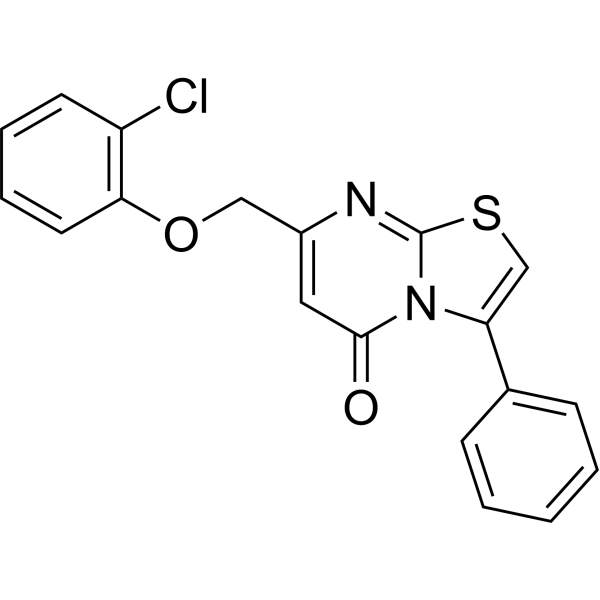
SLC26A3-IN-2 is an orally active inhibitor of anion exchanger protein SLC26A3 (IC50=360 nM). SLC26A3 belongs to solute carrier (SLC) proteins, and the SLC26 family. SLC26 family has broad anion specificity for chloride, bicarbonate, sulfate and oxalate. SLC26A3 down-regulates in adenoma, DRA, involves in in intestinal absorption of chloride and oxalate. The loss of SLC26A3 function mutations is associated with chloride-losing diarrhea .
|
-
-
- HY-120957
-
|
AMC-AA; 7-Amino-4-methyl coumarin-arachidonamide
|
Endogenous Metabolite
|
Metabolic Disease
|
|
AMC arachidonoyl amide (AMC-AA) is one of several fatty acid amides which can be used to measure fatty acid amide hydrolase (FAAH) activity.1 FAAH is a relatively unselective enzyme in that it accepts a variety of amide head groups other than the ethanolamine of its nominal endogenous substrate anandamide.2 Exposure of AMC-AA to FAAH activity results in the release of the fluorescent aminomethyl coumarin that absorbs at 360 nm and emits at 465 nm. This allows the fast and convenient measurement of FAAH activity using a simple cuvette or microplate fluorometer.
|
-
-
- HY-15595
-
|
|
G-quadruplex
Telomerase
|
Cancer
|
|
360A is a selective stabilizer of G-quadruplex, and also inhibits telomerase activity with an IC50 of 300 nM for telomerase in TRAP-G4 assay.
|
-
-
- HY-P3484
-
|
|
MMP
|
Cancer
|
|
Dnp-PLGLWA-DArg-NH2 TFA is a fluorogenic substrate for MMP-1 and MMP-9. Dnp-PLGLWA-DArg-NH2 TFA can be used to quantify the activity of MMPs (Ex=280 nm, Em=360 nm) .
|
-
-
- HY-P5432
-
|
IRAK-1 (360-380)
|
IRAK
|
Others
|
|
IRAK-4 Peptide substrate (IRAK-1 (360-380)) is a biological active peptide. (This is a substrate peptide for Interleukin-1 Receptor-Associated Kinase (IRAK) 4)
|
-
-
- HY-P4341A
-
|
|
PAI-1
Fluorescent Dye
|
Others
|
|
D-Val-Leu-Lys-AMC TFA is a selective fluorogenic peptide substrate of plasmin. D-Val-Leu-Lys-AMC TFA can be used for the quantification of enzymatic activity of plasmin. Ex: 360-380 nm, Em: 440-460 nm .
|
-
-
- HY-135224
-
|
1,4-PB-ITU dihydrobromide
|
NO Synthase
|
Cancer
|
|
1,4-PBIT (1,4-PB-ITU) dihydrobromide (compound 46) is a potent nitric oxide synthases (NOS) inhibitor, with Ki values of 7.6 nM, 360 nM, and 16 nM for the inducible (iNOS), endothelial (eNOS), and neuronal (nNOS) isozymes, respectively .
|
-
-
- HY-137640A
-
|
|
PKA
|
Inflammation/Immunology
|
|
Sp-8-Br-cAMPS sodium is a cAMP analog, which performs a protein kinase A (PKA) activating activity with EC50 of 360 nM. Sp-8-Br-cAMPS sodium inhibits proliferation of T cells and the haemocyte non-self response in Lepidoptera larve .
|
-
-
- HY-D1702
-
|
|
Fluorescent Dye
|
Others
|
|
Mag-Fura-2 tetrapotassium is a cell-impermeant UV excitable rational fluorescent Mg 2+/Ca 2+ indicator (Ex=334-360 nm, Em=510 nm). Mag-Fura-2 tetrapotassium can be used for the determination of Mg 2+ and Ca 2+ concentrations .
|
-
-
- HY-100233
-
|
|
JNK
|
Inflammation/Immunology
Cancer
|
|
IQ-1S free acid is a prospective inhibitor of NF-κB/activating protein 1 (AP-1) activity with an IC50 of 2.3±0.41 μM. IQ-1S free acid has binding affinity (Kd values) in the nanomolar range for all three JNKs with Kds of 100 nM, 240 nM, and 360 nM for JNK3, JNK1, and JNK2, respectively.
|
-
-
- HY-169491
-
|
|
Fluorescent Dye
|
Metabolic Disease
|
|
Pantothenate-AMC is a fluorogenic substrate used for detecting the enzymatic activity of vanin-1, an enzyme involved in the recycling of L-pantothenic acid. Upon enzymatic cleavage by vanin-1, 7-amino-7-methylcoumarin (AMC) is released, and its fluorescence can be used to quantify vanin-1 activity. The excitation/emission maxima of AMC are 340-360 nm and 440-460 nm, respectively .
|
-
-
- HY-DY1041
-
|
|
Fluorescent Dye
|
Others
|
CellTracker Blue CMAC (solution) is a non-fluorescent cell membrane permeable dye. The chloromethyl groups of CellTracker Blue CMAC are enzymatically cleaved by intracellular glutathione (GSH) to generate a fluorescent product (blue fluorescence, Ex/Em: 360/460 nm). CellTracker Blue CMAC is suitable for long-term cell tracking (up to 72 hours) and cell proliferation studies, and can also quantify GSH levels . Solvent and concentration: DMSO: 10 mM
|
-
-
- HY-136233A
-
|
|
Adenosine Receptor
|
Inflammation/Immunology
|
|
PSB 0777 ammonium hydrate is a potent and selective adenosine A2A receptor full agonist with Ki values of 44.4 nM, 360 nM for rat and human A2A receptors, respectively. PSB 0777 ammonium hydrate has Ki values of ≥10000 nM, 541 nM for rat and human A1 receptors, respectively. PSB 0777 ammonium hydrate shows poor brain penetrant and perorally non-absorbable effect. PSB 0777 ammonium hydrate has the potential for inflammatory bowel disease (IBS) research research .
|
-
-
- HY-175649
-
|
|
Large Tumor Suppressor (LATS)
YAP
|
Cancer
|
|
LATS1/2-IN-1 is a potent and selective LATS1 and LATS2 inhibitor. LATS1/2-IN-1 exhibits potent inhibitory activity against LATS1 and LATS2 with IC50 values of 4.4 nM and 5.5 nM as determined via r 33P functional assay. LATS1/2-IN-1 displays cellular IC50 values of 136 nM for LATS1 and 36.0 nM for LATS2 as determined via NanoBRET assay. LATS1/2-IN-1 reduces phosphorylation of YAP1 in mouse liver. LATS1/2-IN-1 demonstrates wound healing activity in HT-1080 scratch assay and in vivo SKH1 mouse punch biopsy model. LATS1/2-IN-1 can be used for the study of regenerative medicine indications such as wound healing .
|
-
-
- HY-103427
-
|
|
Dopamine Receptor
|
Neurological Disease
|
|
NPEC-caged-dopamine is a caged version of dopamine. NPEC-caged-Dopamine was used by applying focal photolysis with UV light (360 nm) to releases dopamine, which leads to D1 receptor activation .
|
-
-
- HY-P5894
-
|
Galanin-like peptide (3-32)
|
Neuropeptide Y Receptor
|
Neurological Disease
|
|
human GALP (3-32) (Galanin-like peptide (3-32)) is a potent galanin receptor agonist with high affinity for both GalR1 (IC50=33 nM) and GalR2 (IC50=15 nM) in a competitive binding study. human GALP (3-32) exhibits the high potency in altering the extracellular acidification rate of SH-SY5Y cells transfected with GalR2 (EC50=360 nM) .
|
-
-
- HY-173234
-
|
|
Pyroptosis
Interleukin Related
|
Cardiovascular Disease
|
|
GI-Y2 is an orally active, selective Gasdermin D (GSDMD) inhibitor (Kd = 36.0 μM) with anti-pyroptosis activity. GI-Y2 targets GSDMD, impairs membrane anchoring of GSDMD-NT, and blocks GSDMD‑dependent lipid binding and pore formation. GI-Y2 suppresses GSDMD‑dependent pyroptosis and inflammation, mitigates atherosclerosis and cardiac injury, boosts cell survival, and reduces IL‑1β/IL‑18 secretion. GI-Y2 can be used for the research of atherosclerosis and septic myocardial injury .
|
-
-
- HY-135172
-
|
|
Fluorescent Dye
|
Others
|
|
Suc-Leu-Tyr-AMC is a fluorometric peptide substrate for µ-calpain and m-calpain. The excitation wavelength is 360 nm and the emission wavelength is 460 nm .
|
-
-
- HY-W275048
-
-
-
- HY-P4341
-
|
|
PAI-1
Fluorescent Dye
|
Others
|
|
D-Val-Leu-Lys-AMC is a selective fluorogenic peptide substrate of plasmin. D-Val-Leu-Lys-AMC can be used for the quantification of enzymatic activity of plasmin. Ex: 360-380 nm, Em: 440-460 nm .
|
-
-
- HY-P3364
-
|
|
Fluorescent Dye
Sirtuin
HDAC
|
Others
|
|
Ac-QPKK(Ac)-AMC is a p53-derived peptide conjugated with a fluorophore, which serves as a fluorescent peptide substrate for detecting the deacylase activity of zinc-dependent HDACs and sirtuins (Ex = 360 nm; Em = 460 nm) .
|
-
-
- HY-122200R
-
|
JS399-19 (Standard)
|
Reference Standards
Myosin
Fungal
|
Infection
|
|
Phenamacril (Standard) is the analytical standard of Phenamacril. This product is intended for research and analytical applications. Phenamacril (JS399-19) inhibits activity of myosin I non-competitively with an IC50 of 360 nM through suppression of the ATPase activity, exhibits therefore an antifungal efficacy towards Fusarium species .
|
-
-
- HY-177746
-
|
|
Nucleoside Transporters
|
Cancer
|
|
MeThPmR, a ribonucleoside derivative, is a potent and selective human nucleoside transporter 1 (hCNT1) inhibitor (Ki/sub> = 0.16-0.69 μM). MeThPmR exhibit weak inhibitory activity on hCNT2 (IC50 = 360 μM) and hCNT3 (Ki = 4.7 μM). MeThPmR can protect cells from the toxicity of nucleoside drugs. MeThPmR can be used for the research of cancer .
|
-
-
- HY-P3699
-
|
|
MMP
Fluorescent Dye
|
Others
|
|
TNO003 is a selective fluorogenic substrate for stromelysin-1 (MMP-3). TNO003 has higher selectivity for MMP-3 than MMP-1, MMP-2, MMP-7, MMP-8, MMP-9 and MMP-13. TNO003 can be used for the determination of stromelysin activity (Ex/Em = 360/490 nm) .
|
-
-
- HY-169863
-
|
|
RAR/RXR
|
Inflammation/Immunology
|
|
DC360 is a synthetic retinoid analogue of all-trans retinoic acid (ATRA) which induces RARβ expression. DC360 can be utilized in characterization of retinoid signalling pathways .
|
-
-
- HY-122200
-
|
JS399-19
|
Myosin
Fungal
|
Infection
|
|
Phenamacril (JS399-19) inhibits activity of myosin I non-competitively with an IC50 of 360 nM through suppression of the ATPase activity, exhibits therefore an antifungal efficacy towards Fusarium species .
|
-
-
- HY-169603
-
|
|
FAAH
|
Metabolic Disease
|
|
AZ513 is a reversible FAAH inhibitor with an IC50s of 551 nM and 27 nM for human FAAH and rat FAAH, respectively. AZ513 inhibits Anandamide (HY-10863) hydrolysis in human FAAH-transfected HEK293 cells (IC50 of 360 nM) .
|
-
-
- HY-19500
-
|
|
COX
|
Others
|
|
SC-75416 is a selective cyclooxygenase-2 inhibitor. Its pharmacokinetic/pharmacodynamic (PK/PD) model was used for development and clinical trial simulation to design a study protocol to verify its analgesic effect in a post-oral surgery pain model. The simulation results showed that 360 mg of SC-75416 may provide better pain relief than 400 mg of ibuprofen. The actual clinical trial results confirmed this hypothesis, and 360 mg of SC-75416 was indeed superior to 400 mg of ibuprofen in pain relief. The PK/PD model of SC-75416 showed good predictive performance and successfully predicted its clinical effect. These research results show that SC-75416, as a new selective COX-2 inhibitor, has potential clinical application value in the management of post-oral surgery pain.
|
-
-
- HY-179271
-
|
|
Carbonic Anhydrase
HDAC
|
Cancer
|
|
CA/HDAC-IN-1 (Compound 11) is a CA and HDAC inhibitor with Ki values of 7.4 nM, 31.0 nM, and 7.3 nM for hCA II, hCA IX, and hCA XII, respectively, and IC50 values of 0.21 μM and 3.60 μM for HDAC3 and HDAC8, respectively. CA/HDAC-IN-1 has anti-cancer activity against colon cancer, breast cancer, and melanoma .
|
-
-
- HY-136233
-
|
|
Adenosine Receptor
|
Inflammation/Immunology
|
|
PSB 0777 ammonium is a potent and selective adenosine A2A receptor full agonist with Ki values of 44.4 nM, 360 nM for rat and human A2A receptors, respectively. PSB 0777 ammonium has Ki values of ≥10000 nM, 541 nM for rat and human A1 receptors, respectively. PSB 0777 ammonium shows poor brain penetrant and perorally non-absorbable effect. PSB 0777 ammonium has the potential for inflammatory bowel disease (IBS) research research .
|
-
- HY-P991648
-
|
|
Interleukin Related
|
Cancer
|
|
CSL-360 is a chimeric unconjugated IgG1 monoclonal antibody targeting CD123. CSL-360 efficiently prevents the binding of IL-3 to CD123, abolishing IL-3 induced cell proliferation. CSL-360 can be used for acute myeloid leukemia (AML) research .
|
-
- HY-W278706
-
|
|
Fluorescent Dye
|
Others
|
|
N-[4-(2-Benzimidazolyl)phenyl]maleimide is a potent fluorescent probe with excitation maximum of 315 nm and emission maximum of 360 nm. N-[4-(2-Benzimidazolyl)phenyl]maleimide can be used for fluorometry of thiol compounds .
|
-
- HY-P4899
-
|
RE(EDANS)EVNLDAEFK(DABCYL)R
|
Beta-secretase
|
Neurological Disease
|
|
β-Secretase substrate VI, fluorogenic is an EDANS and DABCYL double-labeled peptide,serves as a fluorescent substrate for BACE1(Em=360nm,Ex=528nm). β-Secretase substrate VI, fluorogenic can be used for BACE1 activity measurement and the enzyme activity level is directly proportional to the fluorescence reaction .
|
-
- HY-160941
-
|
|
CDK
|
Cancer
|
|
CDK2-IN-29 (Compound 13q) is an inhibitor for cyclin-dependent kinase (CDK), with IC50 of 96 nM and 360 nM, for CDK 2 and CDK 4, respectively .
|
-
- HY-W763557A
-
|
|
Biochemical Assay Reagents
|
Others
|
|
Poly(ethylene glycol) methacrylate (MW 360) is a monomethacrylate functionalized PEG, which is used to prepare composite materials, such as Poly(ethylene glycol) methacrylate-chitosan, and can be used as an ocular drug delivery carrier .
|
-
- HY-123390
-
|
|
Bcr-Abl
Akt
|
Cancer
|
|
DB07107 is a potent agent resistant T315I mutant Bcr-Abl tyrosine kinase inhibitor. DB07107 is also a potent Akt1 inhibitor with an IC50 value of 360 nM .
|
-
- HY-105919
-
|
|
Factor Xa
|
Cardiovascular Disease
|
|
Naroparcil is an orally active antithrombotic agent. Naroparcil exhibits antithrombotic effects in rabbit Wessler stasis model with EC50s of 21.9 mg/kg and 36.0 mg/kg after respectively intravenous injection and oral administration .
|
-
- HY-P2710
-
|
|
Potassium Channel
|
Neurological Disease
Inflammation/Immunology
|
|
Noxiustoxin is a toxin from the venom of the Mexican scorpion Centruroides noxius which block voltage-dependent potassium channel (Kv1.3, IC50 = 360 nM), and calcium-activated potassium channel. Noxiustoxin plays an important role in neuroinflammatory disease .
|
-
- HY-P2176
-
|
Z-Leu-Arg-Gly-Gly-AMC
|
Biochemical Assay Reagents
|
Others
|
|
Z-LRGG-AMC (Z-Leu-Arg-Gly-Gly-AMC) is a fluorescent substrate that hydrolyzes and releases free fluorescent 7-amino-4-methylcoumarin (AMC). Detection wavelength of AMC: Ex/Em=360/460 nm .
|
-
- HY-14575
-
|
Z-360 hemicalcium
|
Cholecystokinin Receptor
Ephrin Receptor
Interleukin Related
VEGFR
HIF/HIF Prolyl-Hydroxylase
Akt
|
Neurological Disease
Cancer
|
|
Nastorazepide (Z-360) hemicalcium is an orally active 1,5-benzodiazepine derivative and gastrin/CCK-2 receptor antagonist. Nastorazepide hemicalcium inhibits the specific binding of [ 3H]CCK-8 to the human CCK-2 receptor with a Ki value of 0.47 nM. Nastorazepide hemicalcium inhibits IL-1β, ephrin B1, VEGF, and HIF-1alpha, reduces Akt and NR2B phosphorylation. Nastorazepide hemicalcium has antitumor activity against pancreatic cancer. Nastorazepide hemicalcium inhibits colorectal cancer liver metastasis and relieves pain .
|
-
- HY-17617R
-
|
Z-360 (Standard)
|
Cholecystokinin Receptor
Ephrin Receptor
Interleukin Related
VEGFR
HIF/HIF Prolyl-Hydroxylase
Akt
Reference Standards
|
Neurological Disease
Cancer
|
|
Nastorazepide (Standard) is the analytical standard of Nastorazepide. This product is intended for research and analytical applications. Nastorazepide (Z-360) is an orally active 1,5-benzodiazepine derivative and gastrin/CCK-2 receptor antagonist. Nastorazepide inhibits the specific binding of [3H]CCK-8 to the human CCK-2 receptor with a Ki value of 0.47 nM. Nastorazepide inhibits IL-1β, ephrin B1, VEGF, and HIF-1alpha, reduces Akt and NR2B phosphorylation. Nastorazepide has antitumor activity against pancreatic cancer. Nastorazepide inhibits colorectal cancer liver metastasis and relieves pain .
|
-
- HY-P2628
-
|
|
Fluorescent Dye
|
Others
|
|
Dabcyl-YVADAPV-EDANS is a fluorogenic interleukin-1β converting enzyme (ICE) substrate for measuring ICE-like protease activity. Dabcyl-YVADAPV-EDANS detects fluorescence at 360 nm excitation and 480 nm emission wavelengths. ICE-like protease is a critical mediator of K + deprivation-induced apoptosis of cerebellar granule neurons .
|
-
- HY-P2089
-
|
|
MMP
|
Others
|
|
Dnp-PYAYWMR is a peptide substrate that selectively targets MMP3. Dnp-PYAYWMR is cleaved by MMP3 to produce Dnp-PYA (nonfluorescent) and YWMR (fluorophore detectable at 360 nm). After incubation of MMP3 with Dnp-PYAYWMR for 2 h, MMP3 fluorescence intensity was measured. Ex/Em=328/350 nm .
|
-
- HY-100233A
-
|
|
JNK
|
Inflammation/Immunology
Cancer
|
|
IQ-1S is a prospective inhibitor of NF-κB/activating protein 1 (AP-1) activity with an IC50 of 1.8 μM. IQ-1 has binding affinity (Kd values) in the nanomolar range for all three JNKs with Kds of 87 nM, 360 nM, and 390 nM for JNK3, JNK2, and JNK1, respectively.
|
-
- HY-126748
-
|
|
Histamine Receptor
|
Others
|
|
VUF14862 is a stable and fatigue-resistant photoswitchable GPCR antagonist targeting the histamine H3 receptor (H3R) pathway. VUF14862 binds to H3R with >10-fold increased affinity upon 360 nm irradiation. VUF14862 can be used for spatiotemporal studies of H3R signaling .
|
-
- HY-137640
-
|
|
PKA
|
Others
|
|
Sp-8-Br-cAMPS is an analog of cAMP(HY-B1511). Sp-8-Br-cAMPS is an agonist for cAMP, which performs a protein kinase A (PKA) activating activity with EC50 of 360 nM. Sp-8-Br-cAMPS inhibits proliferation of T cells and the haemocyte non-self response in Lepidoptera larve .
|
-
- HY-P2176A
-
|
Z-Leu-Arg-Gly-Gly-AMC TFA
|
Fluorescent Dye
|
Others
|
|
Z-LRGG-AMC TFA is the trifluoroacetate salt of Z-LRGG-AMC (HY-P2176). Z-LRGG-AMC TFA is a fluorogenic substrate for isopeptidase T. Upon cleavage of Z-LRGG-AMC TFA by isopeptidase T, 7-amino-4-methylcoumarin (AMC) is released, and its fluorescence can be used to quantify isopeptidase T activity (Ex/Em : 360/460 nm) .
|
-
- HY-P3699A
-
|
|
MMP
Fluorescent Dye
|
Others
|
|
TNO003 TFA is a selective fluorogenic substrate for stromelysin-1 (MMP-3). TNO003 TFA has higher selectivity for MMP-3 than MMP-1, MMP-2, MMP-7, MMP-8, MMP-9 and MMP-13. TNO003 TFA can be used for the determination of stromelysin activity (Ex/Em = 360/490 nm) .
|
-
- HY-146212
-
|
|
HDAC
HSP
|
Cancer
|
|
These compounds have strong hdac and hsp90 inhibitory activities. Compound 20 (HDAC ic50 = 194 nm; Hsp90 α < b> Ic50 = 153 nm) and compound 26 ((HDAC ic50= 360 nm; Hsp90 α < b> Ic50 = 77 nm) shows the strongest HDAC and HSP90 α Inhibitory activity. Both compounds can induce hsp90 expression and down regulate hsp90 client proteins, which play an important role in regulating the survival and invasion of cancer cells.
|
-
- HY-124305
-
|
|
Endogenous Metabolite
|
Infection
|
|
ML395 is a potent and selective allosteric inhibitor of phospholipase D2 with antiviral activity. The cellular PLD1 IC50 value of ML395 exceeds 30,000 nM, while its cellular PLD2 IC50 value is 360 nM. ML395 shows excellent pharmacokinetic characteristics in vitro and physiochemical properties superior to other reported phospholipase inhibitors. ML395 shows interesting antiviral activity in cell-based assays against multiple influenza virus strains (H1, H3, H5, and H7) .
|
-
- HY-P10819
-
|
|
Histone Demethylase
Apoptosis
|
Cancer
|
|
S9-CMC1 TFA is a covalent peptide lysine-specific demethylase 1 (LSD1) inhibitor with an IC50 value of 2.53 μM. S9-CMC1 TFA specifically recognizes Cys360 in the enzyme-active region. S9-CMC1 TFA inhibits LSD1 activity, increasing H3K4me1 and H3K4me2 levels, leading to G1 cell cycle arrest and apoptosis and inhibiting cell proliferation. S9-CMC1 TFA significantly inhibits tumor growth in A549 xenograft animal models .
|
-
- HY-174322
-
|
|
SHP2
ERK
Fluorescent Dye
|
Cancer
|
|
SHP2-IN-38 is a novel green-fluorescent SHP2 inhibitor with IC50 values of 2.89 μM (SHP2), 8.73 μM (SHP1), 11.08 μM (PTP1B), 33.07 μM (TCPTP). SHP2-IN-38 blocks the SHP2-mediated ERK signaling pathway and inhibits MV4-11 cells proliferation in vitro with IC50 of 7.90 μM. SHP2-IN-38 has an excitation wavelength of 360 nm, with a maximum emission wavelength of 550 nm in DMSO and 540 nm in DMF. SHP2-IN-38 shows green fluorescence imaging in HeLa cells and zebrafish.
|
-
- HY-W953306
-
|
|
Ligands for E3 Ligase
|
Cancer
|
|
CRBN ligand-360 is an E3 ubiquitin ligase cereblon (CRBN) ligand used to recruit the cereblon protein. CRBN ligand-360 can be linked to a target protein ligand via a linker to form a PROTAC.
|
-
- HY-P3364A
-
|
|
Fluorescent Dye
Sirtuin
HDAC
|
Others
|
|
Ac-QPKK(Ac)-AMC acetate is a p53-derived peptide conjugated with a fluorophore, which serves as a fluorescent peptide substrate for detecting the deacylase activity of zinc-dependent HDACs and sirtuins (Ex = 360 nm; Em = 460 nm) .
|
-
- HY-W556123
-
|
|
Adrenergic Receptor
|
Neurological Disease
Metabolic Disease
|
|
Piperoxan is an α1-adrenergic receptor antagonist. Piperoxan exhibits a Ki value of 360 nM for inhibiting 3H-prazosin binding to rat brain α1-adrenoceptors. Piperoxan can be used for the research of adrenergic system-related diseases .
|
-
- HY-147425C
-
|
SLN360 sodium scrambled negative control
|
Small Interfering RNA (siRNA)
Apolipoprotein
|
Cardiovascular Disease
Metabolic Disease
|
|
Zerlasiran (SLN360) sodium scrambled negative control is the sequence scrambled negative control of Zerlasiran sodium (HY-147425A). Zerlasiran sodium is a siRNA targeting apolipoprotein A (ApoA). Zerlasiran sodium targets hepatic ApoA synthesis via RNA interference to degrade encoding mRNA. Zerlasiran sodium can be used for the research of atherosclerotic cardiovascular disease and elevated ApoA levels .
|
-
- HY-179343
-
|
|
HSP
|
Cancer
|
|
Hsp90-IN-43 (Compound 12) is a Hsp90-TPR2A interaction inhibitor with an IC50 of 360 nM and a Kd of 928 nM. Hsp90-IN-43 effectively inhibits the proliferation of BT474 cells. Hsp90-IN-43 can be used for the study of breast cancer .
|
-
- HY-W070884
-
|
|
nAChR
|
Infection
|
|
nAChR-IN-2 (Compound 2) is an inhibitor of insect nicotinic acetylcholine receptors (nAChR). nAChR-IN-2 inhibits the binding of α-bungarotoxin (HY-P1264) to the ACh site of insect nAChR in honeybee heads, with an IC50 of 360 μM. nAChR-IN-2 also inhibits the binding of Phencyclidine to the NCB/PCP site of insect nAChR in honeybee heads, with an IC50 of 84 μM .
|
-
- HY-43322
-
|
|
17β-HSD
|
Cancer
|
|
7-Coumaryl triflate is a type 17β-HSD1 inhibitor of 17β-hydroxysteroid dehydrogenase. Its IC50 is 360 nM and Ki is 173 nM. 7-Coumaryl triflate shows selectivity for 17β-HSD2 and has no detectable affinity for ERα or ERβ. 7-Coumaryl triflate can be used in related research on hormone-dependent breast cancer .
|
-
- HY-100233R
-
|
|
JNK
Reference Standards
|
Inflammation/Immunology
Cancer
|
|
IQ-1S (free acid) (Standard) is the analytical standard of IQ-1S (free acid) (HY-100233). This product is intended for research and analytical applications. IQ-1S free acid is a prospective inhibitor of NF-κB/activating protein 1 (AP-1) activity with an IC50 of 2.3±0.41 μM. IQ-1S free acid has binding affinity (Kd values) in the nanomolar range for all three JNKs with Kds of 100 nM, 240 nM, and 360 nM for JNK3, JNK1, and JNK2, respectively.
|
-
- HY-130274
-
|
|
HDAC
HSP
Microtubule/Tubulin
PD-1/PD-L1
|
Cancer
|
|
HDAC/HSP90-IN-2 (compound 26) is a potent dual inhibitor of HDAC (IC50 = 360 nM) and HSP90 (HSP90α IC50 = 77 nM). HDAC/HSP90-IN-2 induces HSP70 expression, downregulates HSP90 client proteins, and promotes acetylation of α-tubulin and histone H3 in cancer cells. HDAC/HSP90-IN-2 reduces PD-L1 expression in IFN-γ treated H1975 cells. HDAC/HSP90-IN-2 can be used for cancer research, such as lung and colon cancer .
|
-
- HY-182603
-
|
|
Drug Derivative
Reactive Oxygen Species (ROS)
HCV
|
Infection
Inflammation/Immunology
|
|
BO-653 is an orally active anti-atherosclerotic antioxidant that exhibits high binding affinity for LDL. BO-653 scavenges linoleic acid peroxyl radicals, inhibits lipid peroxidation during the auto-oxidation of linoleic acid, and potently suppresses LDL oxidation. BO-653 inhibits Hepatitis C Virus (HCV) replication in a concentration-dependent manner, with an IC50 of 36.0 μM against the HCV subgenomic replicon in FLR3-1 cells. BO-653 demonstrates significant anti-atherosclerotic effects in various animal models, including the Watanabe heritable hyperlipidemic rabbit. BO-653 is suitable for use in research related to atherosclerosis and Hepatitis C Virus infection .
|
-
| Cat. No. |
Product Name |
Type |
-
- HY-D1462
-
|
|
Fluorescent Dyes
|
|
CellTracker Blue CMAC is a non-fluorescent cell membrane permeable dye. The chloromethyl groups of CellTracker Blue CMAC are enzymatically cleaved by intracellular glutathione (GSH) to generate a fluorescent product (blue fluorescence, Ex/Em: 360/460 nm). CellTracker Blue CMAC is suitable for long-term cell tracking (up to 72 hours) and cell proliferation studies, and can also quantify GSH levels .
|
-
- HY-D0073
-
|
|
Fluorescent Dyes
|
|
2,3-Diaminonaphthalene is a fluorescent reagent used to detect selenium and nitric oxide (NO). 2,3-Diaminonaphthalene binds to selenium to form pyrazolene selenol, with excitation/emission maxima at 365 nm and 525 nm, respectively. 2,3-Diaminonaphthalene binds to NO2− to form the fluorescent product, 1-(H)-napthotriazole, with excitation/emission maxima at 360 nm and 440 nm, respectively .
|
-
- HY-118562
-
|
|
Fluorescent Dyes
|
|
Dansyl amide is a fluorescent dye that is used in biochemistry and chemistry to label substances with the fluorescent dansyl group (Ex/Em: 360 nm/465 nm) .
|
-
- HY-P2065
-
|
|
Fluorescent Dyes
|
|
Ac-VEID-AMC is a fluorescent substrate for the determination of caspase-6 and related cysteine protease activities (Ex=340-360 nm, Em=440-460 nm) .
|
-
- HY-P3484
-
|
|
Fluorescent Dyes
|
|
Dnp-PLGLWA-DArg-NH2 TFA is a fluorogenic substrate for MMP-1 and MMP-9. Dnp-PLGLWA-DArg-NH2 TFA can be used to quantify the activity of MMPs (Ex=280 nm, Em=360 nm) .
|
-
- HY-D1702
-
|
|
Fluorescent Dyes
|
|
Mag-Fura-2 tetrapotassium is a cell-impermeant UV excitable rational fluorescent Mg 2+/Ca 2+ indicator (Ex=334-360 nm, Em=510 nm). Mag-Fura-2 tetrapotassium can be used for the determination of Mg 2+ and Ca 2+ concentrations .
|
-
- HY-DY1041
-
|
|
Fluorescent Dyes
|
CellTracker Blue CMAC (solution) is a non-fluorescent cell membrane permeable dye. The chloromethyl groups of CellTracker Blue CMAC are enzymatically cleaved by intracellular glutathione (GSH) to generate a fluorescent product (blue fluorescence, Ex/Em: 360/460 nm). CellTracker Blue CMAC is suitable for long-term cell tracking (up to 72 hours) and cell proliferation studies, and can also quantify GSH levels . Solvent and concentration: DMSO: 10 mM
|
-
- HY-P2628
-
|
|
Fluorescent Dyes
|
|
Dabcyl-YVADAPV-EDANS is a fluorogenic interleukin-1β converting enzyme (ICE) substrate for measuring ICE-like protease activity. Dabcyl-YVADAPV-EDANS detects fluorescence at 360 nm excitation and 480 nm emission wavelengths. ICE-like protease is a critical mediator of K + deprivation-induced apoptosis of cerebellar granule neurons .
|
| Cat. No. |
Product Name |
Type |
-
- HY-W763557A
-
|
|
Biochemical Assay Reagents
|
|
Poly(ethylene glycol) methacrylate (MW 360) is a monomethacrylate functionalized PEG, which is used to prepare composite materials, such as Poly(ethylene glycol) methacrylate-chitosan, and can be used as an ocular drug delivery carrier .
|
| Cat. No. |
Product Name |
Target |
Research Area |
-
- HY-P2065
-
|
|
Fluorescent Dye
|
Others
|
|
Ac-VEID-AMC is a fluorescent substrate for the determination of caspase-6 and related cysteine protease activities (Ex=340-360 nm, Em=440-460 nm) .
|
-
- HY-P3484
-
|
|
MMP
|
Cancer
|
|
Dnp-PLGLWA-DArg-NH2 TFA is a fluorogenic substrate for MMP-1 and MMP-9. Dnp-PLGLWA-DArg-NH2 TFA can be used to quantify the activity of MMPs (Ex=280 nm, Em=360 nm) .
|
-
- HY-P5432
-
|
IRAK-1 (360-380)
|
IRAK
|
Others
|
|
IRAK-4 Peptide substrate (IRAK-1 (360-380)) is a biological active peptide. (This is a substrate peptide for Interleukin-1 Receptor-Associated Kinase (IRAK) 4)
|
-
- HY-P4341A
-
|
|
PAI-1
Fluorescent Dye
|
Others
|
|
D-Val-Leu-Lys-AMC TFA is a selective fluorogenic peptide substrate of plasmin. D-Val-Leu-Lys-AMC TFA can be used for the quantification of enzymatic activity of plasmin. Ex: 360-380 nm, Em: 440-460 nm .
|
-
- HY-P5894
-
|
Galanin-like peptide (3-32)
|
Neuropeptide Y Receptor
|
Neurological Disease
|
|
human GALP (3-32) (Galanin-like peptide (3-32)) is a potent galanin receptor agonist with high affinity for both GalR1 (IC50=33 nM) and GalR2 (IC50=15 nM) in a competitive binding study. human GALP (3-32) exhibits the high potency in altering the extracellular acidification rate of SH-SY5Y cells transfected with GalR2 (EC50=360 nM) .
|
-
- HY-135172
-
|
|
Fluorescent Dye
|
Others
|
|
Suc-Leu-Tyr-AMC is a fluorometric peptide substrate for µ-calpain and m-calpain. The excitation wavelength is 360 nm and the emission wavelength is 460 nm .
|
-
- HY-P4341
-
|
|
PAI-1
Fluorescent Dye
|
Others
|
|
D-Val-Leu-Lys-AMC is a selective fluorogenic peptide substrate of plasmin. D-Val-Leu-Lys-AMC can be used for the quantification of enzymatic activity of plasmin. Ex: 360-380 nm, Em: 440-460 nm .
|
-
- HY-P3364
-
|
|
Fluorescent Dye
Sirtuin
HDAC
|
Others
|
|
Ac-QPKK(Ac)-AMC is a p53-derived peptide conjugated with a fluorophore, which serves as a fluorescent peptide substrate for detecting the deacylase activity of zinc-dependent HDACs and sirtuins (Ex = 360 nm; Em = 460 nm) .
|
-
- HY-P3699
-
|
|
MMP
Fluorescent Dye
|
Others
|
|
TNO003 is a selective fluorogenic substrate for stromelysin-1 (MMP-3). TNO003 has higher selectivity for MMP-3 than MMP-1, MMP-2, MMP-7, MMP-8, MMP-9 and MMP-13. TNO003 can be used for the determination of stromelysin activity (Ex/Em = 360/490 nm) .
|
-
- HY-P1730
-
|
|
Peptides
|
Cancer
|
|
Nuclear pore complex protein Nup98 (315-360) is the 315-360 fragment part of the nuclear pore complex (NPC) protein .
|
-
- HY-P4899
-
|
RE(EDANS)EVNLDAEFK(DABCYL)R
|
Beta-secretase
|
Neurological Disease
|
|
β-Secretase substrate VI, fluorogenic is an EDANS and DABCYL double-labeled peptide,serves as a fluorescent substrate for BACE1(Em=360nm,Ex=528nm). β-Secretase substrate VI, fluorogenic can be used for BACE1 activity measurement and the enzyme activity level is directly proportional to the fluorescence reaction .
|
-
- HY-P2710
-
|
|
Potassium Channel
|
Neurological Disease
Inflammation/Immunology
|
|
Noxiustoxin is a toxin from the venom of the Mexican scorpion Centruroides noxius which block voltage-dependent potassium channel (Kv1.3, IC50 = 360 nM), and calcium-activated potassium channel. Noxiustoxin plays an important role in neuroinflammatory disease .
|
-
- HY-P2176
-
|
Z-Leu-Arg-Gly-Gly-AMC
|
Biochemical Assay Reagents
|
Others
|
|
Z-LRGG-AMC (Z-Leu-Arg-Gly-Gly-AMC) is a fluorescent substrate that hydrolyzes and releases free fluorescent 7-amino-4-methylcoumarin (AMC). Detection wavelength of AMC: Ex/Em=360/460 nm .
|
-
- HY-P2628
-
|
|
Fluorescent Dye
|
Others
|
|
Dabcyl-YVADAPV-EDANS is a fluorogenic interleukin-1β converting enzyme (ICE) substrate for measuring ICE-like protease activity. Dabcyl-YVADAPV-EDANS detects fluorescence at 360 nm excitation and 480 nm emission wavelengths. ICE-like protease is a critical mediator of K + deprivation-induced apoptosis of cerebellar granule neurons .
|
-
- HY-P2089
-
|
|
MMP
|
Others
|
|
Dnp-PYAYWMR is a peptide substrate that selectively targets MMP3. Dnp-PYAYWMR is cleaved by MMP3 to produce Dnp-PYA (nonfluorescent) and YWMR (fluorophore detectable at 360 nm). After incubation of MMP3 with Dnp-PYAYWMR for 2 h, MMP3 fluorescence intensity was measured. Ex/Em=328/350 nm .
|
-
- HY-P2176A
-
|
Z-Leu-Arg-Gly-Gly-AMC TFA
|
Fluorescent Dye
|
Others
|
|
Z-LRGG-AMC TFA is the trifluoroacetate salt of Z-LRGG-AMC (HY-P2176). Z-LRGG-AMC TFA is a fluorogenic substrate for isopeptidase T. Upon cleavage of Z-LRGG-AMC TFA by isopeptidase T, 7-amino-4-methylcoumarin (AMC) is released, and its fluorescence can be used to quantify isopeptidase T activity (Ex/Em : 360/460 nm) .
|
-
- HY-P10819
-
|
|
Histone Demethylase
Apoptosis
|
Cancer
|
|
S9-CMC1 TFA is a covalent peptide lysine-specific demethylase 1 (LSD1) inhibitor with an IC50 value of 2.53 μM. S9-CMC1 TFA specifically recognizes Cys360 in the enzyme-active region. S9-CMC1 TFA inhibits LSD1 activity, increasing H3K4me1 and H3K4me2 levels, leading to G1 cell cycle arrest and apoptosis and inhibiting cell proliferation. S9-CMC1 TFA significantly inhibits tumor growth in A549 xenograft animal models .
|
-
- HY-P3364A
-
|
|
Fluorescent Dye
Sirtuin
HDAC
|
Others
|
|
Ac-QPKK(Ac)-AMC acetate is a p53-derived peptide conjugated with a fluorophore, which serves as a fluorescent peptide substrate for detecting the deacylase activity of zinc-dependent HDACs and sirtuins (Ex = 360 nm; Em = 460 nm) .
|
| Cat. No. |
Product Name |
Target |
Research Area |
Image |
-
- HY-P991648
-
|
|
Interleukin Related
|
Cancer
|
|
CSL-360 is a chimeric unconjugated IgG1 monoclonal antibody targeting CD123. CSL-360 efficiently prevents the binding of IL-3 to CD123, abolishing IL-3 induced cell proliferation. CSL-360 can be used for acute myeloid leukemia (AML) research .
|
-
(5)
| Cat. No. |
Product Name |
|
Classification |
-
- HY-147425
-
|
SLN360
|
|
siRNAs
siRNA drugs
|
|
Zerlasiran (SLN360) is a siRNA targeting apolipoprotein A (ApoA). Zerlasiran targets hepatic ApoA synthesis via RNA interference to degrade encoding mRNA. Zerlasiran can be used for the research of atherosclerotic cardiovascular disease and elevated ApoA levels .
|
-
- HY-147425A
-
|
SLN360 sodium
|
|
siRNAs
siRNA drugs
|
|
Zerlasiran (SLN360) sodium is a siRNA targeting apolipoprotein A (ApoA). Zerlasiran sodium targets hepatic ApoA synthesis via RNA interference to degrade encoding mRNA. Zerlasiran sodium can be used for the research of atherosclerotic cardiovascular disease and elevated ApoA levels .
|
-
- HY-147425C
-
|
SLN360 sodium scrambled negative control
|
|
siRNAs
siRNA drugs
|
|
Zerlasiran (SLN360) sodium scrambled negative control is the sequence scrambled negative control of Zerlasiran sodium (HY-147425A). Zerlasiran sodium is a siRNA targeting apolipoprotein A (ApoA). Zerlasiran sodium targets hepatic ApoA synthesis via RNA interference to degrade encoding mRNA. Zerlasiran sodium can be used for the research of atherosclerotic cardiovascular disease and elevated ApoA levels .
|
Your information is safe with us. * Required Fields.
Inquiry Information
- Product Name:
- Cat. No.:
- Quantity:
- MCE Japan Authorized Agent:

