Search Result
Results for "
At TK
" in MedChemExpress (MCE) Product Catalog:
1
Biochemical Assay Reagents
4
Isotope-Labeled Compounds
| Cat. No. |
Product Name |
Target |
Research Areas |
Chemical Structure |
-
- HY-N0377
-
-
-
- HY-107430
-
|
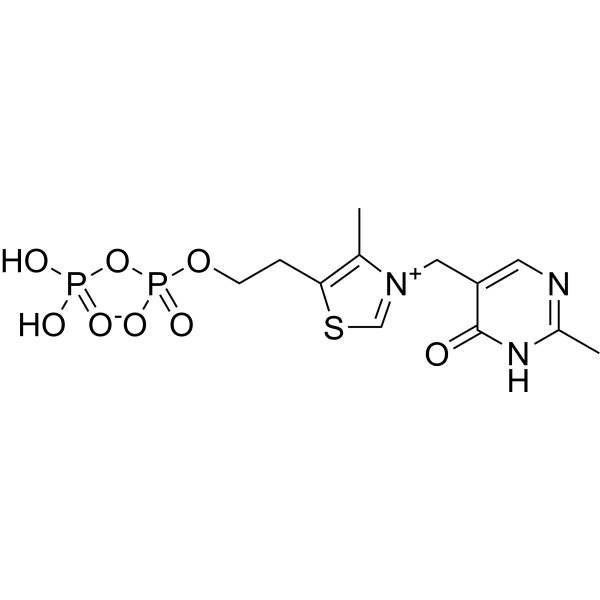
Hydroxythiamin
|
Apoptosis
Endogenous Metabolite
|
Cancer
|
|
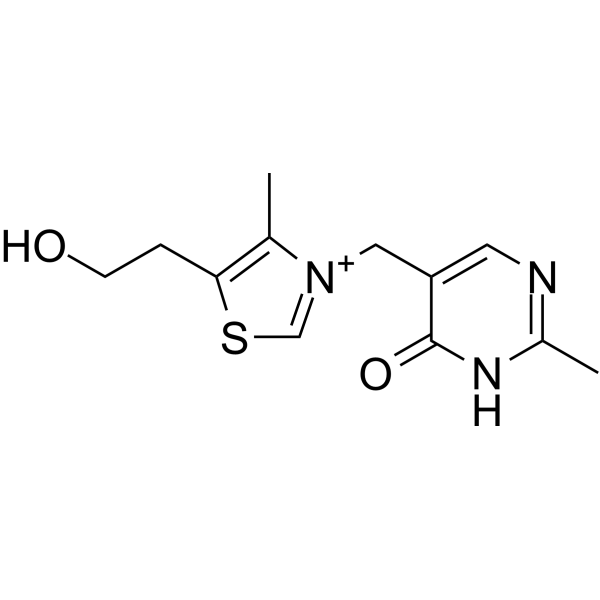
Oxythiamine (Hydroxythiamin), an analogue of anti-metabolite, can suppress the non-oxidative synthesis of ribose and induce cell apoptosis. Oxythiamine is a thiamine antagonist and inhibits transketolase (TK). Oxythiamine inhibits cancer cell apoptosis and inhibits cell proliferation .
|
-
-
- HY-W008491
-
|
|
Phosphorylase
|
Inflammation/Immunology
Cancer
|
|
TK-112690 is a UPP1 inhibitor. TK-112690 inhibits murine small intestinal uridine phosphorylase (UPase) with an IC50 of 12.5 μM and human small intestinal UPase with an IC50 of 20.0 μM in vitro. TK-112690 increases plasma uridine concentration in mice. TK-112690 can be used for the study of cancer and pulmonary fibrosis .
|
-
-
- HY-122903
-
|
|
DNA/RNA Synthesis
|
Cancer
|
|
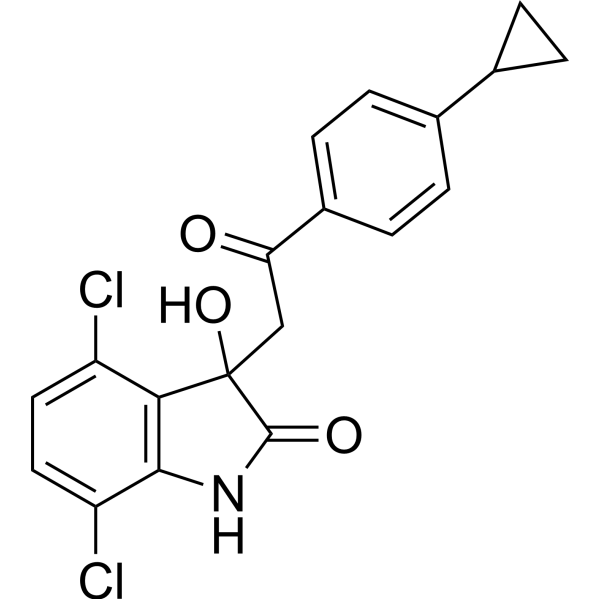
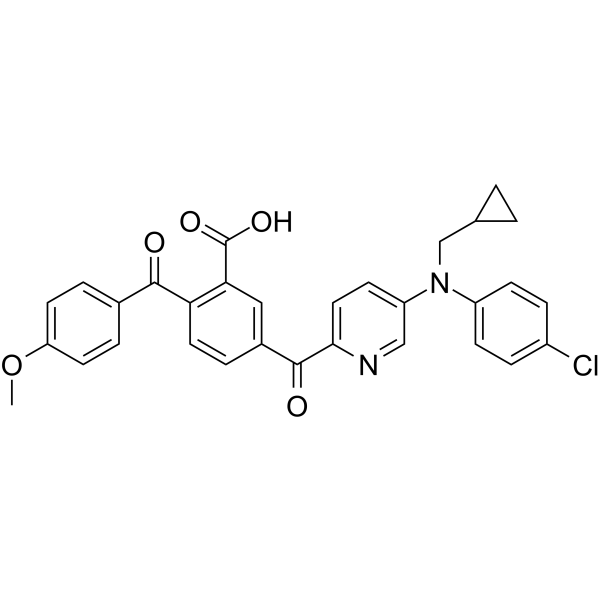
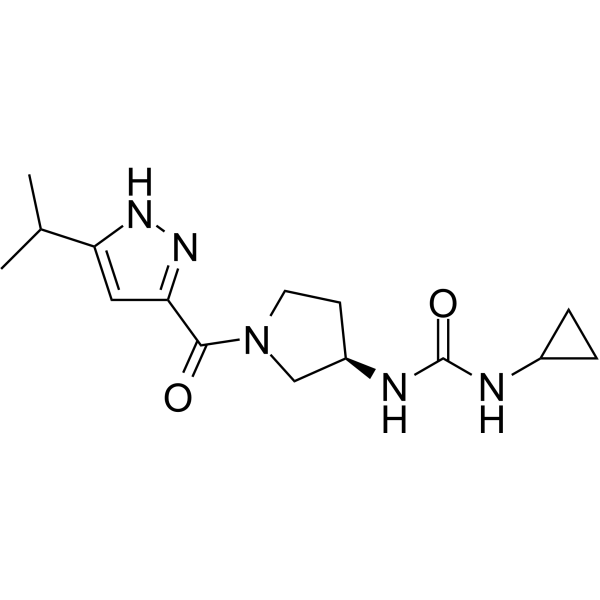
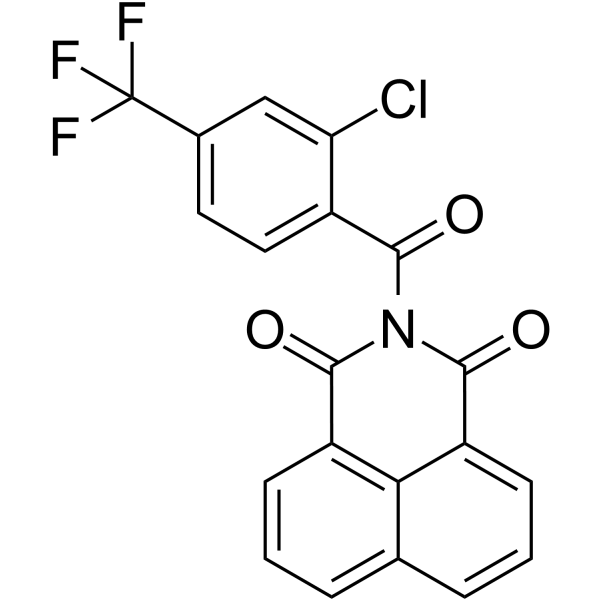
TK216 is an orally active and potent E26 transformation specific (ETS) inhibitor . TK216 directly binds EWS-FLI1 and inhibits EWS-FLI1 protein interactions. TK216 blocks the binding between EWS-FLI1 and RNA helicase A. TK216 has anticancer activity .
|
-
-
- HY-112889B
-
-
-
- HY-16339
-
N3PT
2 Publications Verification
N3-pyridyl thiamine
|
Transketolase
|
Cancer
|
|
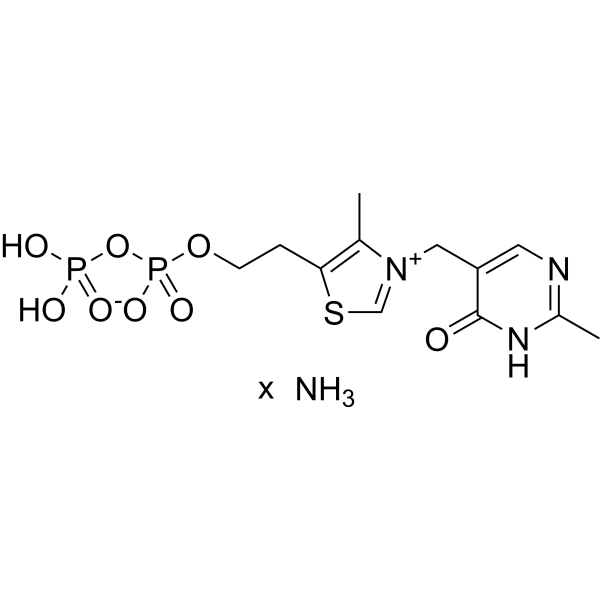
N3PT (N3-pyridyl thiamine) is a potent and selective transketolase inhibitor. N3PT is pyrophosphorylated and then binds to transketolase with an Kd value of 22 nM (Apo-TK, transketolase lacking bound thiamine) .
|
-
-
- HY-107430A
-
|
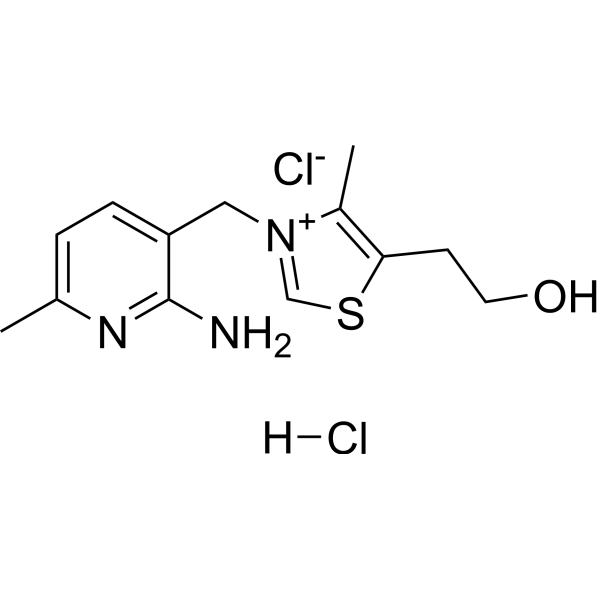
Hydroxythiamine chloride hydrochloride
|
Apoptosis
Endogenous Metabolite
|
Cancer
|
|
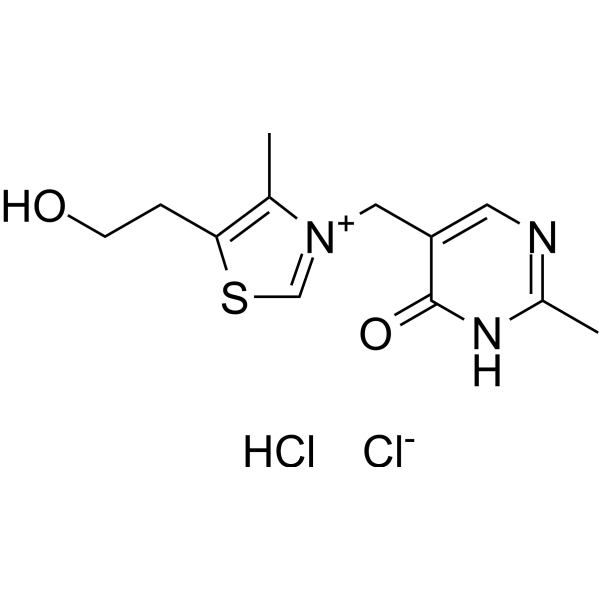
Oxythiamine (Hydroxythiamine) chloride hydrochloride, an analogue of anti-metabolite, can suppress the non-oxidative synthesis of ribose and induce cell apoptosis. Oxythiamine chloride hydrochloride is a thiamine antagonist and inhibits transketolase (TK). Oxythiamine chloride hydrochloride inhibits cancer cell apoptosis and inhibits cell proliferation .
|
-
-
- HY-W342664
-
|
FIRU
|
Nucleoside Antimetabolite/Analog
HSV
|
Cancer
|
|
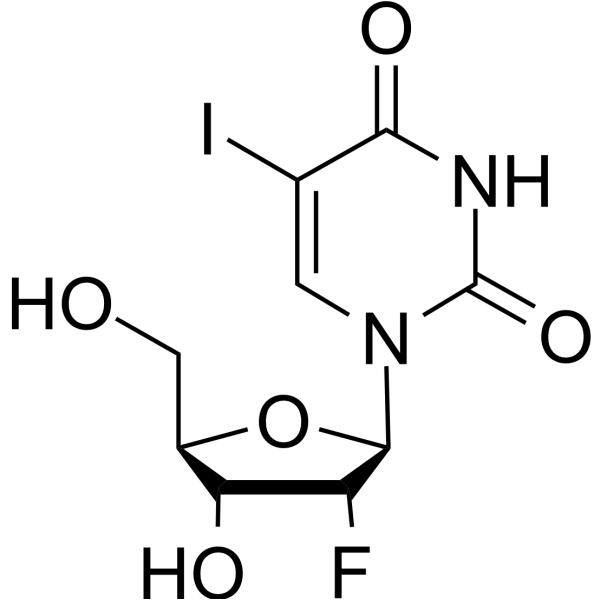
2'-Deoxy-2'-fluoro-5-iodouridine (FIRU) is a nucleoside analog. When labeled with 123I, 2'-Deoxy-2'-fluoro-5-iodouridine accumulates highly selectively in tumors expressing the HSV1-tk gene. Radiolabeled 2'-Deoxy-2'-fluoro-5-iodouridine enables imaging of adenovirus-mediated HSV1-tk suicide gene transfer .
|
-
-
- HY-112889
-
-
-
- HY-17422S1
-
|
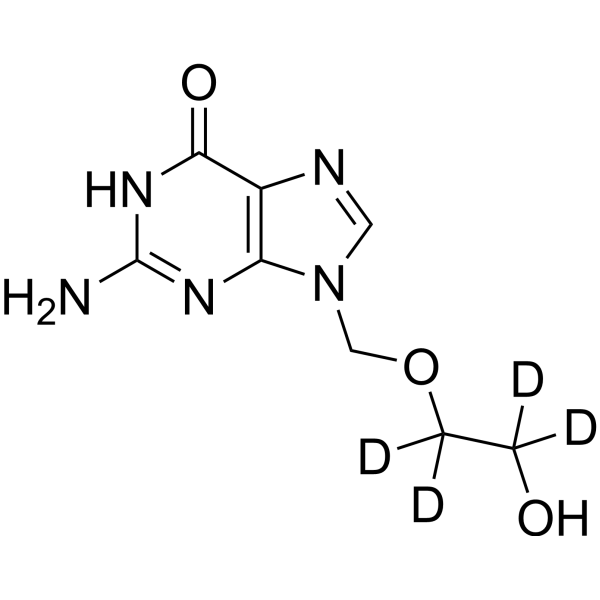
Aciclovir-d4; Acycloguanosine-d4
|
Isotope-Labeled Compounds
HSV
Bacterial
Apoptosis
Antibiotic
|
Infection
Cancer
|
|
Acyclovir-d4 is the deuterium labeled Acyclovir. Acyclovir (Aciclovir) is a guanosine analogue and an orally active antiviral agent. Acyclovir inhibits HSV-1 (IC50 of 0.85 μM), HSV-2 (IC50 of 0.86 μM) and varicella-zoster virus. Acyclovir can be phosphorylated by viral thymidine kinase (TK), and Acyclovir triphosphate interferes with viral DNA polymerization through competitive inhibition with guanosine triphosphate and obligatory chain termination . Acyclovir prevents bacterial infections during induction therapy for acute leukaemia .
|
-
-
- HY-151483
-
|
|
Wnt
Histone Demethylase
|
Cardiovascular Disease
|
|
TK-129 is an orally active, low-toxicity, potent KDM5B inhibitor (with high affinity; IC50=44 nM). TK-129 exerts cardioprotective effects by inhibiting KDM5B and blocking the KDM5B-associated Wnt pathway. TK-129 reduces ang II-induced activation of cardiac fibroblasts in vitro and reduces isoprenaline-induced myocardial remodelling and fibrosis in vivo. TK-129 can be used in studies of cardiovascular disease .
|
-
-
- HY-139731
-
|
|
Transketolase
Herbicide
|
Others
|
|
Transketolase-IN-1 is a transketolase inhibitor and a herbicide. Transketolase-IN-1 inhibits weed growth and exhibits safety for maize and wheat at specified application rates. Transketolase-IN-1 can be used for the research of weed control in wheat and maize fields .
|
-
-
- HY-151604
-
|
|
Transketolase
|
Others
|
|
Transketolase-IN-3 is a potent transketolase (TK) inhibitor. Transketolase-IN-3 has herbicidal activity and has inhibitory effects against Digitaria sanguinalis (DS) and Amaranthus retroflexus (AR). Transketolase-IN-3 can be used for the research of herbicides .
|
-
-
- HY-114327
-
-
-
- HY-D2415
-
|
|
Fluorescent Dye
|
Others
|
|
BODIPY-FL staurosporine (Compound 8a) is a fluorescence probe based on staurosporine, exhibiting high specificity towards tyrosine kinases (TK) and tyrosine kinase-like (TKL) family kinases. BODIPY-FL staurosporine has the potential to develop binding assays for kinases that are not recommended for use with Kinase Tracer 236, such as PIM3, CDC42BPG, MAP2K7, TXK, and SIK3. BODIPY-FL staurosporine can be a powerful tool for analyzing kinase selectivity in kinase drug discovery .
|
-
-
- HY-122903B
-
|
|
DNA/RNA Synthesis
|
Cancer
|
|
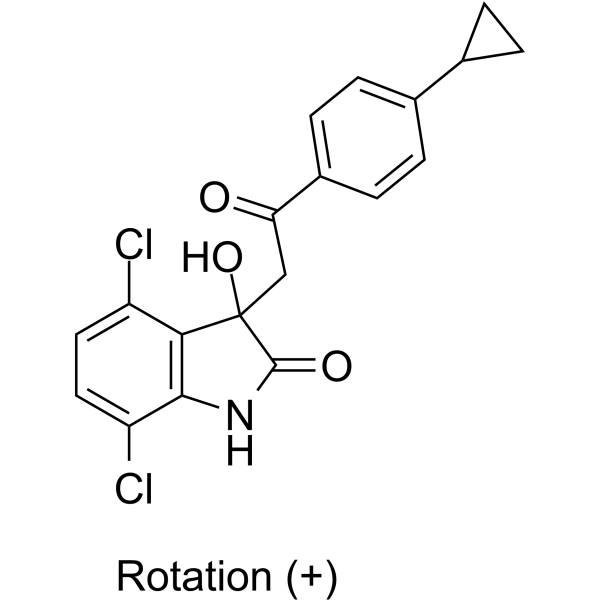
(+)-TK216 is an enantiomer of TK216 (HY-122903). TK216 is an orally active and potent E26 transformation specific (ETS) inhibitor .
|
-
-
- HY-P1079
-
|
|
Calcium Channel
|
Neurological Disease
|
|
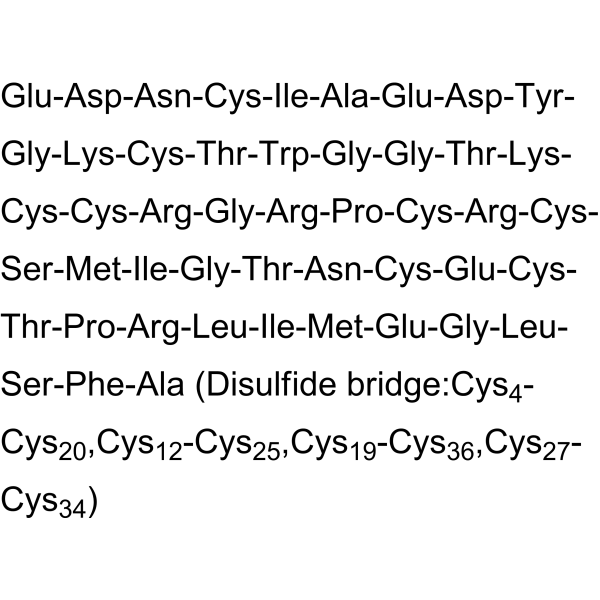
ω-Agatoxin TK, a peptidyl toxin of the venom of Agelenopsis aperta, is a potent and selective P/Q type Ca 2+ channel blocker. ω-Agatoxin TK inhibits the high K + depolarisation-induced rise in internal Ca 2+ in cerebral isolated nerve endings with an IC50 of of 60 nM. ω-Agatoxin TK has no effect on L-type, N-type, or T-type calcium channels .
|
-
-
- HY-117143
-
-
-
- HY-128710
-
|
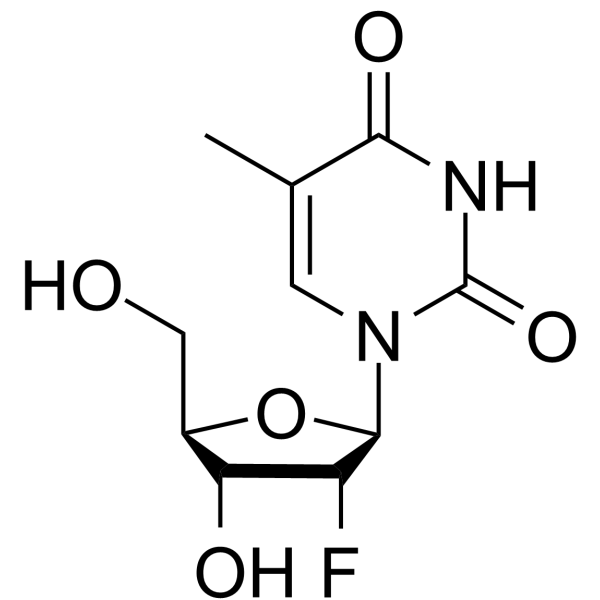
2'-Deoxy-2'-fluoro-5-Methyluridine
|
Nucleoside Antimetabolite/Analog
|
Cancer
|
|
2'-Fluorothymidine (2'-Fluoro-2'-deoxythymidine) is a nucleoside analog and hCNT inhibitor, with an IC50 of 1.1 μM against hCNT1 and an IC50 of 9.7 μM against hCNT3. 2'-Fluorothymidine undergoes phosphorylation by cytosolic thymidine kinase (TK1) and mitochondrial thymidine kinase (TK2). 2'-Fluorothymidine acts as a backbone stabilizer in oligonucleotide synthesis and can also form radiolabeled candidates. 2'-Fluorothymidine is applicable in tumor-related research .
|
-
-
- HY-E70075
-
|
GDH-TIM; GDH-TPI
|
Transketolase
|
Metabolic Disease
|
|
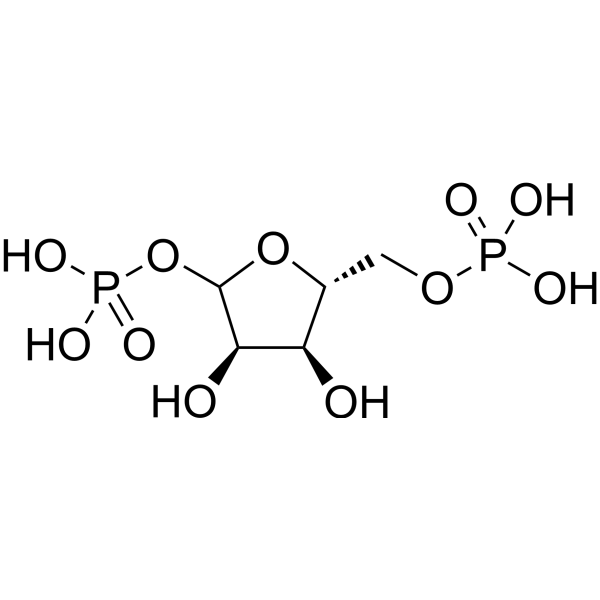
α-Glycerophosphate Dehydrogenase-Triosephosphate (GDH-TIM) is an enzyme mixture composed of glycerol phosphate dehydrogenase (GDH) and triphosphate isomerase (TIM). α-Glycerophosphate Dehydrogenase-Triosephosphate can be used to determine the activity of transketolase (TK) in hemolytic substances of red blood cells to evaluate vitamin B deficiency .
|
-
-
- HY-W353804
-
|
|
Nucleoside Antimetabolite/Analog
|
Infection
|
|
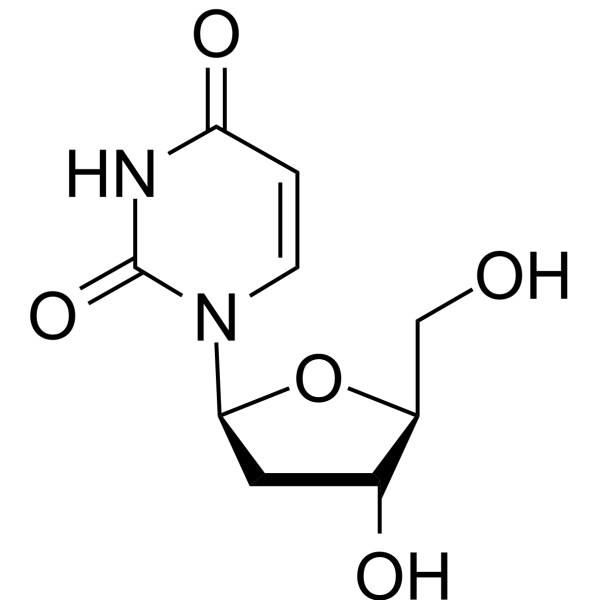
2'-Deoxy-β-L-uridine is a nucledside analogue and a specific substrate for the viral enzyme, shows no stereospecificity against herpes simplex 1 (HSV1) thymidine kinase (TK). 2′-Deoxy-β-L-uridine exerts antiviral activity via the interation of 5'-triphosphates with the viral DNA polymerase .
|
-
-
- HY-118304B
-
|
|
FLT3
Apoptosis
Caspase
|
Cancer
|
|
AKN-028 acetate, a novel tyrosine kinase (TK) inhibitor, is a potent, orally active FMS-like receptor tyrosine kinase 3 (FLT3) inhibitor with an IC50 value of 6 nM. AKN-028 acetate inhibits FLT3 autophosphorylation. AKN-028 acetate induces dose-dependent cytotoxic response (mean IC50=1 μM). AKN-028 acetate induces apoptosisby activation of caspase 3. AKN-028 acetate can be used in research of acute myeloid leukemia (AML).
|
-
-
- HY-122903S
-
|
|
Isotope-Labeled Compounds
DNA/RNA Synthesis
|
Cancer
|
|
TK216-d4 is the deuterium labeled TK216 (HY-122903). TK216 is an orally active and potent E26 transformation specific (ETS) inhibitor . TK216 directly binds EWS-FLI1 and inhibits EWS-FLI1 protein interactions. TK216 blocks the binding between EWS-FLI1 and RNA helicase A. TK216 has anticancer activity .
|
-
-
- HY-107430B
-
|
Hydroxythiamine chloride
|
Apoptosis
|
Cancer
|
|
Oxythiamine (Hydroxythiamine) chloride, an analogue of anti-metabolite, can suppress the non-oxidative synthesis of ribose and induce cell apoptosis. Oxythiamine is a thiamine antagonist and inhibits transketolase (TK). Oxythiamine chloride inhibits cancer cell apoptosis and inhibits cell proliferation .
|
-
-
- HY-173571
-
|
|
SHP2
Apoptosis
|
Cancer
|
|
TK-685 is an orally active, selective, and allosteric SHP2 inhibitor with an IC50 of 2.1 nM. TK-685 inhibits esophageal cancer cell proliferation and induced apoptosis by targeting SHP2-mediated AKT and ERK signaling pathways .
|
-
-
- HY-151259
-
|
|
JAK
|
Cancer
|
|
TK4b is a dual JAK2/3 inhibitor with human JAK2 and JAK3 IC50s of 19.40 nM and 18.42 nM, respectively. TK4b can be used for the research of leukemia and myelofibrosis .
|
-
-
- HY-107430AR
-
|
Hydroxythiamine chloride hydrochloride (Standard)
|
Apoptosis
Reference Standards
Endogenous Metabolite
|
Cancer
|
|
Oxythiamine chloride hydrochloride (Standard) is the analytical standard of Oxythiamine chloride hydrochloride (HY-107430A). This product is intended for research and analytical applications. Oxythiamine (Hydroxythiamine) chloride hydrochloride, an analogue of anti-metabolite, can suppress the non-oxidative synthesis of ribose and induce cell apoptosis. Oxythiamine chloride hydrochloride is a thiamine antagonist and inhibits transketolase (TK). Oxythiamine chloride hydrochloride inhibits cancer cell apoptosis and inhibits cell proliferation .
|
-
-
- HY-122903A
-
|
|
DNA/RNA Synthesis
|
Cancer
|
|
(-)-TK216 is an enantiomer of TK216 (HY-122903). TK216 is an orally active and potent E26 transformation specific (ETS) inhibitor. (-)-TK216 has anti-cancer activity .
|
-
-
- HY-146471
-
|
|
EGFR
Apoptosis
|
Cancer
|
|
EGFR-IN-51 (Compound 6) is a potent EGFR inhibitor with IC50 values of 0.493, 102.60 and 461.63 µM against EGFR, EGFR L858R-TK and EGFR T790M-TK, respectively. EGFR-IN-51 shows cytotoxic activity against cancer cell lines and induces apoptosis .
|
-
-
- HY-P1768
-
|
Uru-TK I
|
Bacterial
|
Infection
|
|
Urechistachykinin I (Uru-TK I), an invertebrate tachykinin-related peptides (TRPs) isolated from echiuroid worms, shows antimicrobial activities without a hemolytic effect .
|
-
-
- HY-169436
-
|
|
PD-1/PD-L1
|
|
|
Lon-TK is a glycolysis inhibitor + linker conjugate of LTB (HY-169434). LTB is an intelligent responsive prodrug that connects Lonidamine (Lon) (HY-B0486) and a PD-L1 inhibitor (BMS-1, HY-19991) through a thioketal linker. It significantly inhibits the glycolytic metabolism of tumor cells and blocks the PD-1/PD-L1 immune escape pathway. Lon-TK shows potential for application in photodynamic-enhanced immunotherapy research .
|
-
-
- HY-144445
-
|
|
EGFR
|
Cancer
|
|
NSC114126 is a potent and orally active inhibitor of EGFR tyrosine kinase (EGFR-TK). NSC114126 has strong antiproliferative activities. NSC114126 has the potential for the research of cancer diseases .
|
-
-
- HY-178442
-
|
|
EGFR
|
Cancer
|
|
EGFR-IN-179 (Compound 8d) is an EGFR inhibitor (IC50: 0.068 μM for EGFR L858R/T790M/C797S; 2.56 μM for EGFR-WT-TK). EGFR-IN-179 has anticancer activity against non-small cell lung cancer .
|
-
-
- HY-149022
-
|
|
HSV
Orthopoxvirus
|
Infection
|
|
HSV-1/HSV-2-IN-1 (compound 7d) is a HSV-1 and HSV-2 inhibitor, with EC50s of 7.6, 7.6, 4, and 12 μM for HSV-1 (KOS), HSV-2 (G), HSV-1 TK - KOS ACV r and vaccinia virus in human embryonic lung fibroblast cell cultures .
|
-
-
- HY-118304
-
|
|
FLT3
Apoptosis
Caspase
|
Cancer
|
|
AKN-028, a novel tyrosine kinase (TK) inhibitor, is a potent, orally active FMS-like receptor tyrosine kinase 3 (FLT3) inhibitor with an IC50 value of 6 nM. AKN-028 inhibits FLT3 autophosphorylation. AKN-028 induces dose-dependent cytotoxic response (mean IC50=1 μM). AKN-028 induces apoptosisby activation of caspase 3. AKN-028 can be used in research of acute myeloid leukemia (AML) .
|
-
-
- HY-173573
-
|
|
Apoptosis
SHP2
|
Cancer
|
|
TK-684 is a potent and selective allosteric SHP2 inhibitor with IC50 values of 2.1, >1000 nM for SHP2 WT, SHP22 PTP, respectively. TK-684 inhibits cell proliferation and induces apoptosis. TK-684 decreases the protein expression of p-AKT, p-ERK .
|
-
-
- HY-126218
-
|
|
HSV
|
Cancer
|
|
HSV-TK substrate is a substrate for HSV-TK, and induces multi-log cytotoxicity in HSV-TK-expressing and bystander cells. HSV-TK substrate shows antitumor activity .
|
-
-
- HY-158762
-
|
|
SHP2
|
Cancer
|
|
TK-642 is a highly active, selective, orally activity SHP2 inhibitor based on pyrazole and pyrazine (IC50=2.7 nmol/L). TK-642 can effectively inhibit the proliferation of esophageal carcinoma cells and induce cell apoptosis. TK-642 can be used in the study of esophageal cancer .
|
-
-
- HY-161927
-
|
|
EGFR
Apoptosis
|
Cancer
|
|
EGFR-TK-IN-4 (compound 10k) is a potent and selective EGFR-TK inhibitor. EGFR-TK-IN-4 can induce apoptosis . EGFR-TK-IN-4 has antitumor activity .
|
-
-
- HY-158018
-
|
|
EGFR
|
Cancer
|
|
EGFR-TK-IN-2 (compound 10b) is EGFR-TK inhibitor with the IC50 of 0.16 μM. EGFR-TK-IN-2 inhibits cell growth .
|
-
-
- HY-169435
-
-
-
- HY-172156
-
|
|
EGFR
|
Cancer
|
|
EGFR-TK-IN-5 (Compound NCE 2) is a thiazolyl-pyrazoline derivative. EGFR-TK-IN-5 exhibits strong inhibitory activity and stability against EGFR. EGFR-TK-IN-5 can be used in the study of cancer .
|
-
-
- HY-163860
-
|
|
EGFR
|
Cancer
|
|
EGFR-TK-IN-3 (3) is an EGFR TK inhibitor, with an IC50 of 2.33 μM against Erlotinib (HY-50896)-resistant A549 cells .
|
-
-
- HY-RS23490
-
|
|
Small Interfering RNA (siRNA)
|
Others
|
|
Tk1 Rat Pre-designed siRNA Set A contains three designed siRNAs for Tk1 gene (Rat), as well as a negative control, a positive control, and a FAM-labeled negative control.
|
-
Tk1 Rat Pre-designed siRNA Set A
-
- HY-RS14556
-
|
|
Small Interfering RNA (siRNA)
|
Others
|
|
TK1 Human Pre-designed siRNA Set A contains three designed siRNAs for TK1 gene (Human), as well as a negative control, a positive control, and a FAM-labeled negative control.
|
-
TK1 Human Pre-designed siRNA Set A
-
- HY-RS24088
-
|
|
Small Interfering RNA (siRNA)
|
Others
|
|
Tk2 Rat Pre-designed siRNA Set A contains three designed siRNAs for Tk2 gene (Rat), as well as a negative control, a positive control, and a FAM-labeled negative control.
|
-
Tk2 Rat Pre-designed siRNA Set A
-
- HY-RS17628
-
|
|
Small Interfering RNA (siRNA)
|
Others
|
|
Tk2 Mouse Pre-designed siRNA Set A contains three designed siRNAs for Tk2 gene (Mouse), as well as a negative control, a positive control, and a FAM-labeled negative control.
|
-
Tk2 Mouse Pre-designed siRNA Set A
-
- HY-RS14557
-
|
|
Small Interfering RNA (siRNA)
|
Others
|
|
TK2 Human Pre-designed siRNA Set A contains three designed siRNAs for TK2 gene (Human), as well as a negative control, a positive control, and a FAM-labeled negative control.
|
-
TK2 Human Pre-designed siRNA Set A
-
- HY-W008907
-
|
5-OTT
|
Apoptosis
|
Cancer
|
|
5'-O-Tritylthymidine is an inhibitor of TK-2 and inhibits angiogenesis . 5'-O-Tritylthymidine targets FAK-Mdm-2 interactions, decreasing cell viability and increasing apoptosis.
|
-
-
- HY-151258
-
|
|
JAK
|
Cancer
|
|
TK4g is a Janus kinase (JAK) inhibitor with the IC50 values of 12.61 nM and 15.80 nM for JAK2 and JAK3, respectively. TK4g can be used in lymphoid-derived diseases and leukemia cancer research .
|
-
- HY-146472
-
|
|
EGFR
Apoptosis
|
Cancer
|
|
EGFR-IN-52 (Compound 4) is a potent EGFR inhibitor with IC50 values of 0.358, 86.02 and 432.67 µM against EGFR, EGFR L858R-TK and EGFR T790M-TK, respectively. EGFR-IN-52 shows cytotoxic activity against cancer cell lines and induces apoptosis .
|
-
- HY-144441
-
|
|
EGFR
|
Cancer
|
|
NSC81111 is a potent and orally active EGFR-TK inhibitor with an IC50 of 0.15 nM. NSC81111 has anticaner effects .
|
-
- HY-147303
-
|
|
Trk Receptor
EGFR
|
Cancer
|
|
Sacibertinib is a tyrosine kinase (Trk) inhibitor with EC50 value of 110 nM and 244 nM for EGFR-TK phosphorylation and HER2, respectively. Antineoplastic activity .
|
-
- HY-157526
-
|
|
EGFR
Apoptosis
|
Cancer
|
|
EGFR-TK-IN-1 (compound 7o) is a potent mutant EGFR inhibitor with IC50 of 8.5 nM an 9.3 nM against EGFR L858R/T790M and EGFR Del19.EGFR-TK-IN-1 showes strong antiproliferative effects against EGFR mutant-driven non-small cell lung cancer (NSCLC) cells and induces cell apoptosis .
|
-
- HY-P1763
-
|
Uru-TK II
|
Bacterial
|
Infection
|
|
Urechistachykinin II (Uru-TK II), an invertebrate tachykinin-related peptides (TRPs) isolated from echiuroid worms, shows antimicrobial activities without a hemolytic effect .
|
-
- HY-155358
-
|
|
EGFR
Apoptosis
|
Cancer
|
|
Os30, a potent fourth-generation EGFR inhibitor, is a potent EGFRC797S-TK inhibitor with IC50 values of 18 nM and 113 nM for EGFRDel19/T790M/C797S TK and EGFRL858R/T790M/C797S TK, respectively. Os30 can suppress EGFR phosphorylation, arrest at G1 phase and induce the apoptosis of KC-0116 (BaF3-EGFRDel19/T790M/C797S) cells. Os30 shows potent antitumor efficacy on non-small cell lung cancer (NSCLC) with EGFmRC797S mutation .
|
-
- HY-117523
-
|
(Z)-Tyrphostin RG13022
|
EGFR
|
Cancer
|
|
(Z)-RG-13022 is a tyrosine kinase (TK) inhibitor, which inhibits preferentially the TK activity of the EGF receptor and inhibits EGF-stimulated growth of cultured cells. (Z)-RG-13022 exerts an IC50 of 11 μM for DNA synthesis in the HN5 cells, which is 3 times more potent than (E)-RG-13022 (IC50=38 μM). (Z)-RG-13022 can be used for research of breast cancer cells .
|
-
- HY-107025
-
|
|
Nucleoside Antimetabolite/Analog
|
Infection
|
|
Cf1743 is a potent anti-varicella-zoster virus (VZV) bicyclic nucleoside analogue. Cf1743 has antiviral activity, with an IC50 of 3.3 μM for VZV thymidine kinase (TK) .
|
-
- HY-144444
-
|
|
EGFR
|
Cancer
|
|
NSC381467 is a potent and orally active inhibitor of EGFR tyrosine kinase (EGFR-TK). NSC381467 has strong antiproliferative activities. NSC381467 has the potential for the research of cancer diseases .
|
-
- HY-144760
-
|
|
EGFR
Apoptosis
|
Cancer
|
|
EGFR-IN-3 (Compound 4c) is a potent EGFR inhibitor with an IC50 of 0.32 µM against EGFRwt-TK. EGFR-IN-3 shows cytotoxic activity against cancer cell lines and induces apoptosis .
|
-
- HY-128710R
-
|
2'-Deoxy-2'-fluoro-5-Methyluridine (Standard)
|
Reference Standards
Nucleoside Antimetabolite/Analog
|
Cancer
|
|
2'-Fluorothymidine (Standard) is the analytical standard of 2'-Fluorothymidine. This product is intended for research and analytical applications. 2'-Fluorothymidine (2'-Fluoro-2'-deoxythymidine) is a nucleoside analog and hCNT inhibitor, with an IC50 of 1.1 μM against hCNT1 and an IC50 of 9.7 μM against hCNT3. 2'-Fluorothymidine undergoes phosphorylation by cytosolic thymidine kinase (TK1) and mitochondrial thymidine kinase (TK2). 2'-Fluorothymidine acts as a backbone stabilizer in oligonucleotide synthesis and can also form radiolabeled candidates. 2'-Fluorothymidine is applicable in tumor-related research.
|
-
- HY-173314
-
|
|
EGFR
Apoptosis
|
Cancer
|
|
EGFR-IN-155 (compound 13a) is an EGFR inhibitor with IC50 values of 0.14 nM and 0.18 nM against EGFR TK and EGFR L858R, respectively. EGFR-IN-155 inhibits tumor growth, causes a cell cycle arrest at S phase, and and induces cell apoptosis .
|
-
- HY-104083
-
|
N-MCT
|
DNA/RNA Synthesis
HSV
|
Infection
Cancer
|
|
North-methanocarbathymidine (N-MCT) is a potent antiviral agent. North-methanocarbathymidine inhibits DNA synthesis. North-methanocarbathymidine demonstrates potent antiviral activity against HSV-1, HSV-2 and KSHV. North-methanocarbathymidine exhibits anticancer activity against colon adenocarcinoma expressing HSV-tk .
|
-
- HY-W770090
-
-
- HY-149846
-
|
|
EGFR
|
Cancer
|
|
SIQ17 is an EGFR inhibitor that inhibits its activity by occupying the ATP-binding site, with IC50 of 0.62 nM. SIQ17 shows more effective EGFR-TK inhibitory activity compared to the known inhibitor Erlotinib (HY-50896) (IC50 of ∼20 nM). SIQ17 can be used for cancer research
|
-
- HY-149889
-
|
|
Apoptosis
EGFR
|
Cancer
|
|
EGFR-IN-78 (compound A5),a 2-aminopyrimidine derivative,is a reversible inhibitor of EGFR C797S-TK,and also an inducer of apoptosis. EGFR-IN-78 shows anti-proliferative activity,inhibits EGFR phosphorylation and arrests cell cycle at G2/M phase .
|
-
- HY-170761
-
|
|
Keap1-Nrf2
|
Cancer
|
|
KEAP1-NRF2 PPI-IN-1 (compound 23) is an inhibitor targeting the KEAP1-NRF2 interaction. KEAP1-NRF2 PPI-IN-1 has IC50 values of 136 nM and 62 nM in the DNA damage assays of human TK6 and insect SF9 cell lines, respectively .
|
-
- HY-158016
-
|
|
EGFR
Apoptosis
|
Cancer
|
|
Antiproliferative agent-49 (Compound 5a) is a EGFR-TK inhibitor with an IC50 of 0.09 μM. Antiproliferative agent-49 is a anti-proliferative agent. Antiproliferative agent-49 displays good activities against HER3 and HER4 with IC50 values 0.18 and 0.37 µM. Antiproliferative agent-49 induces mitochondrial apoptotic pathway and increased accumulation of ROS .
|
-
- HY-172897
-
|
|
EGFR
Dihydrofolate reductase (DHFR)
Apoptosis
Cytochrome P450
|
Cancer
|
|
EGFR/DHFR-IN-2 (9b) is a dual h-DHFR/EGFR TK inhibitor, with IC50 values of 0.192 μM and 0.109 μM for h-DHFR and EGFR, respectively. EGFR/DHFR-IN-2 (9b) halts the cell cycle at the G1/S phase and induces apoptosis. EGFR/DHFR-IN-2 (9b) is a potential inhibitor of CYP2C9 and CYP3A4. EGFR/DHFR-IN-2 (9b) can be used in the cancer research .
|
-
- HY-118304A
-
|
|
FLT3
Apoptosis
Caspase
|
Cancer
|
|
AKN-028 TFA, a novel tyrosine kinase (TK) inhibitor, is a potent, orally active FMS-like receptor tyrosine kinase 3 (FLT3) inhibitor with an IC50 value of 6 nM. AKN-028 TFA inhibits FLT3 autophosphorylation. AKN-028 TFA induces dose-dependent cytotoxic response (mean IC50=1 μM). AKN-028 TFA induces apoptosisby activation of caspase 3. AKN-028 TFA can be used in research of acute myeloid leukemia (AML) .
|
-
- HY-146138
-
|
|
EGFR
VEGFR
Casein Kinase
Topoisomerase
Microtubule/Tubulin
Apoptosis
|
Cancer
|
|
EGFR-IN-57 (Compound 25a) is a potent, orally active EGFR-TK inhibitor with an IC50 of 0.054 µM. EGFR-IN-57 also inhibits VEGFR-2, CK2α, topoisomerase IIβ and tubulin polymerization with IC50 values of 0.087, 0.171, 0.13 and 3.61 µM, respectively. EGFR-IN-57 induces cell cycle arrest at G2/M and pre-G1 phases. EGFR-IN-57 induces cancer cell apoptosis .
|
-
- HY-182362
-
|
|
Epigenetic Reader Domain
|
Inflammation/Immunology
|
|
TK-285 is a potent TSLP inhibitor that suppresses the production of TSLP and inhibits the expression of interleukin-33 mRNA. TK-285 exhibits a selective binding preference for the BD1 domains of BRD2, BRD3, BRD4 and BRDT. TK-285 can be used in research related to atopic dermatitis .
|
-
- HY-179150
-
|
|
EGFR
Tyrosinase
|
Cancer
|
|
EGFR-TK-IN-6 (compound 10B) is an EGFR-TK inhibitor (IC50 = 0.65 μM). EGFR-TK-IN-6 has anti proliferative activity against MCF-7 cells (IC50 = 37.7 μM). EGFR-TK-IN-6 has low toxicity to normal cells. EGFR-TK-IN-6 can be used for cancer research .
|
-
- HY-RS17046
-
|
|
Small Interfering RNA (siRNA)
|
Others
|
|
Tk1 Mouse Pre-designed siRNA Set A contains three designed siRNAs for Tk1 gene (Mouse), as well as a negative control, a positive control, and a FAM-labeled negative control.
|
-
Tk1 Mouse Pre-designed siRNA Set A
- HY-180202
-
|
|
Herbicide
Transketolase
|
Others
|
|
Transketolase-IN-7 (compound 4m) is a potent herbicide that exhibits inhibitory activity against C. rotundus with an IC50 of 6.66 mg/L. Transketolase-IN-7 is a transketolase (TK) inhibitor that interacts with the TK enzyme by forming hydrogen bonds. Transketolase-IN-7 can be used for research of plant herbicides .
|
-
- HY-N0377S
-
|
4',7-Dihydroxyflavanone-d4
|
Isotope-Labeled Compounds
Estrogen Receptor/ERR
|
Neurological Disease
|
|
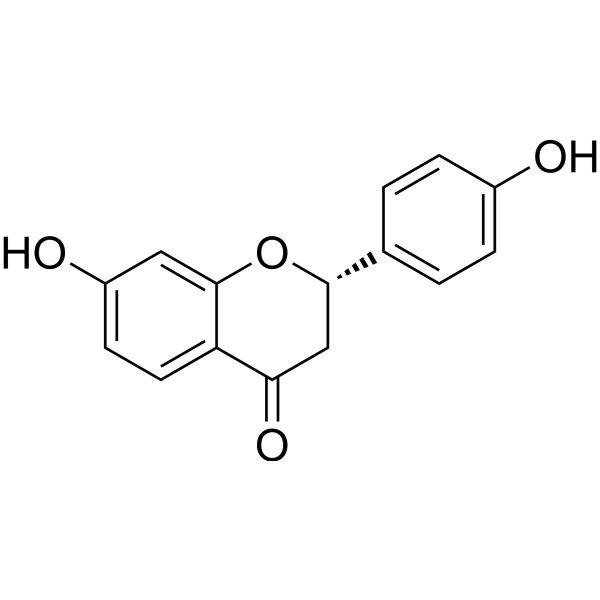
Liquiritigenin-d4 (4',7-Dihydroxyflavanone-d4) is the deuterium labeled Liquiritigenin (HY-N0377). Liquiritigenin, a flavanone isolated from Glycyrrhiza uralensis, is a highly selective estrogen receptor β (ERβ) agonist with an EC50 of 36.5 nM for activation of the ERE tk-Luc.
|
-
- HY-180823
-
|
|
Topoisomerase
EGFR
Apoptosis
Caspase
Bcl-2 Family
|
Cancer
|
|
Topoisomerase II/EGFR-IN-2 (Compound 3) is an inhibitor of Topoisomerase IIα (IC50 = 0.122 μM) and EGFR-TK WT (IC50 = 16.8 μM). Topoisomerase II/EGFR-IN-2 inhibits the proliferation of HeLa and HepG2 cells, inducing cell cycle arrest and apoptosis. Topoisomerase II/EGFR-IN-2 upregulates caspase-3 and Bax, and downregulates Bcl-2. Topoisomerase II/EGFR-IN-2 can be used to study liver cancer and cervical cancer .
|
-
| Cat. No. |
Product Name |
Type |
-
- HY-D2415
-
|
|
Fluorescent Dyes
|
|
BODIPY-FL staurosporine (Compound 8a) is a fluorescence probe based on staurosporine, exhibiting high specificity towards tyrosine kinases (TK) and tyrosine kinase-like (TKL) family kinases. BODIPY-FL staurosporine has the potential to develop binding assays for kinases that are not recommended for use with Kinase Tracer 236, such as PIM3, CDC42BPG, MAP2K7, TXK, and SIK3. BODIPY-FL staurosporine can be a powerful tool for analyzing kinase selectivity in kinase drug discovery .
|
| Cat. No. |
Product Name |
Type |
-
- HY-W008907
-
|
5-OTT
|
Biochemical Assay Reagents
|
|
5'-O-Tritylthymidine is an inhibitor of TK-2 and inhibits angiogenesis . 5'-O-Tritylthymidine targets FAK-Mdm-2 interactions, decreasing cell viability and increasing apoptosis.
|
| Cat. No. |
Product Name |
Target |
Research Area |
-
- HY-P1079
-
|
|
Calcium Channel
|
Neurological Disease
|
|
ω-Agatoxin TK, a peptidyl toxin of the venom of Agelenopsis aperta, is a potent and selective P/Q type Ca 2+ channel blocker. ω-Agatoxin TK inhibits the high K + depolarisation-induced rise in internal Ca 2+ in cerebral isolated nerve endings with an IC50 of of 60 nM. ω-Agatoxin TK has no effect on L-type, N-type, or T-type calcium channels .
|
-
- HY-P3633
-
|
Lom-TK II
|
Peptides
|
Neurological Disease
|
|
Locustatachykinin II (Lom-TK II) is an insect neuropeptide with homology to peptides of the vertebrate tachykinin family. Locustatachykinin II can be used for the research of insect endocrine .
|
-
- HY-P1768
-
|
Uru-TK I
|
Bacterial
|
Infection
|
|
Urechistachykinin I (Uru-TK I), an invertebrate tachykinin-related peptides (TRPs) isolated from echiuroid worms, shows antimicrobial activities without a hemolytic effect .
|
-
- HY-P1763
-
|
Uru-TK II
|
Bacterial
|
Infection
|
|
Urechistachykinin II (Uru-TK II), an invertebrate tachykinin-related peptides (TRPs) isolated from echiuroid worms, shows antimicrobial activities without a hemolytic effect .
|
| Cat. No. |
Product Name |
Category |
Target |
Chemical Structure |
| Cat. No. |
Product Name |
Chemical Structure |
-
- HY-17422S1
-
|
|
|
Acyclovir-d4 is the deuterium labeled Acyclovir. Acyclovir (Aciclovir) is a guanosine analogue and an orally active antiviral agent. Acyclovir inhibits HSV-1 (IC50 of 0.85 μM), HSV-2 (IC50 of 0.86 μM) and varicella-zoster virus. Acyclovir can be phosphorylated by viral thymidine kinase (TK), and Acyclovir triphosphate interferes with viral DNA polymerization through competitive inhibition with guanosine triphosphate and obligatory chain termination . Acyclovir prevents bacterial infections during induction therapy for acute leukaemia .
|
-
-
- HY-122903S
-
|
|
|
TK216-d4 is the deuterium labeled TK216 (HY-122903). TK216 is an orally active and potent E26 transformation specific (ETS) inhibitor . TK216 directly binds EWS-FLI1 and inhibits EWS-FLI1 protein interactions. TK216 blocks the binding between EWS-FLI1 and RNA helicase A. TK216 has anticancer activity .
|
-
-
- HY-W770090
-
|
|
|
CF 1743-d7 is the deuterium labeled Cf1743 (HY-107025). Cf1743 is a potent anti-varicella-zoster virus (VZV) bicyclic nucleoside analogue. Cf1743 has antiviral activity, with an IC50 of 3.3 μM for VZV thymidine kinase (TK) .
|
-
-
- HY-N0377S
-
|
|
|
Liquiritigenin-d4 (4',7-Dihydroxyflavanone-d4) is the deuterium labeled Liquiritigenin (HY-N0377). Liquiritigenin, a flavanone isolated from Glycyrrhiza uralensis, is a highly selective estrogen receptor β (ERβ) agonist with an EC50 of 36.5 nM for activation of the ERE tk-Luc.
|
-
| Cat. No. |
Product Name |
|
Classification |
-
- HY-W342664
-
|
FIRU
|
|
Nucleoside Analogs
Uridine
|
|
2'-Deoxy-2'-fluoro-5-iodouridine (FIRU) is a nucleoside analog. When labeled with 123I, 2'-Deoxy-2'-fluoro-5-iodouridine accumulates highly selectively in tumors expressing the HSV1-tk gene. Radiolabeled 2'-Deoxy-2'-fluoro-5-iodouridine enables imaging of adenovirus-mediated HSV1-tk suicide gene transfer .
|
-
- HY-W353804
-
|
|
|
Nucleoside Analogs
Uridine
|
|
2'-Deoxy-β-L-uridine is a nucledside analogue and a specific substrate for the viral enzyme, shows no stereospecificity against herpes simplex 1 (HSV1) thymidine kinase (TK). 2′-Deoxy-β-L-uridine exerts antiviral activity via the interation of 5'-triphosphates with the viral DNA polymerase .
|
-
- HY-RS23490
-
|
|
|
siRNAs
Rat Pre-designed siRNA Sets
|
|
Tk1 Rat Pre-designed siRNA Set A contains three designed siRNAs for Tk1 gene (Rat), as well as a negative control, a positive control, and a FAM-labeled negative control.
|
-
- HY-RS14556
-
|
|
|
siRNAs
Human Pre-designed siRNA Sets
|
|
TK1 Human Pre-designed siRNA Set A contains three designed siRNAs for TK1 gene (Human), as well as a negative control, a positive control, and a FAM-labeled negative control.
|
-
- HY-RS24088
-
|
|
|
siRNAs
Rat Pre-designed siRNA Sets
|
|
Tk2 Rat Pre-designed siRNA Set A contains three designed siRNAs for Tk2 gene (Rat), as well as a negative control, a positive control, and a FAM-labeled negative control.
|
-
- HY-RS17628
-
|
|
|
siRNAs
Mouse Pre-designed siRNA Sets
|
|
Tk2 Mouse Pre-designed siRNA Set A contains three designed siRNAs for Tk2 gene (Mouse), as well as a negative control, a positive control, and a FAM-labeled negative control.
|
-
- HY-RS14557
-
|
|
|
siRNAs
Human Pre-designed siRNA Sets
|
|
TK2 Human Pre-designed siRNA Set A contains three designed siRNAs for TK2 gene (Human), as well as a negative control, a positive control, and a FAM-labeled negative control.
|
-
- HY-RS17046
-
|
|
|
siRNAs
Mouse Pre-designed siRNA Sets
|
|
Tk1 Mouse Pre-designed siRNA Set A contains three designed siRNAs for Tk1 gene (Mouse), as well as a negative control, a positive control, and a FAM-labeled negative control.
|
Your information is safe with us. * Required Fields.
Inquiry Information
- Product Name:
- Cat. No.:
- Quantity:
- MCE Japan Authorized Agent:

