1. Search Result
Search Result
Pathways Recommended: JAK/STAT Signaling MAPK/ERK Pathway
Results for "

JAK/STAT3 pathway

" in MedChemExpress (MCE) Product Catalog:

61

Inhibitors & Agonists

1

Screening Libraries

1

Biochemical Assay Reagents

1

Inhibitory Antibodies

28

Natural
Products

Cat. No. Product Name Target Research Areas Chemical Structure
  • HY-N0484
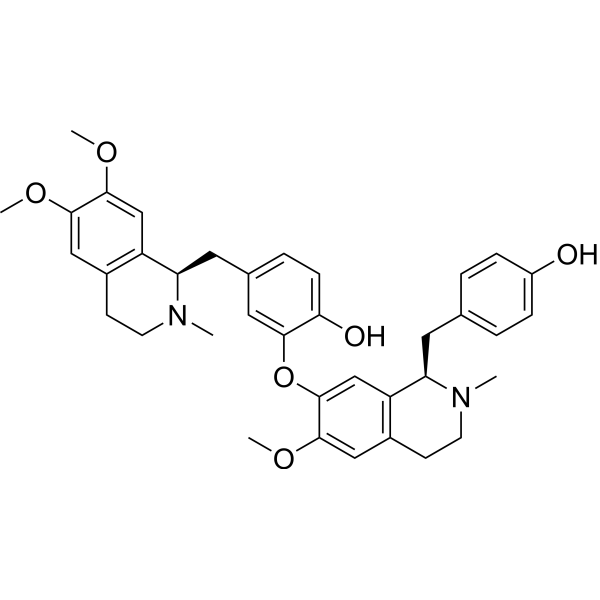
    Liensinine
    Maximum Cited Publications
    20 Publications Verification

    Reactive Oxygen Species (ROS) Autophagy Apoptosis VEGFR JAK Amyloid-β p38 MAPK HIF/HIF Prolyl-Hydroxylase STAT PI3K JNK Akt Cardiovascular Disease Neurological Disease Inflammation/Immunology Cancer
    Liensinine is a bisbenzylisoquinoline alkaloid. By inhibiting the PI3K/AKT and JNK/p38-MAPK signaling pathways, Liensinine suppresses autophagy and apoptosis, clears , and exerts anti-inflammatory, antioxidant and neuroprotective effects. Liensinine activates AMPK and inhibits the expression of HIF-1α and VEGF, thereby suppressing angiogenesis. Liensinine exerts anti-tumor effects through ROS-mediated inhibition of the JAK2/STAT3 signaling pathway. Liensinine can be used for the research of diseases such as Alzheimer's disease, hepatocellular carcinoma, osteosarcoma, sepsis-induced organ injury and stroke .
    Liensinine
  • HY-N0143
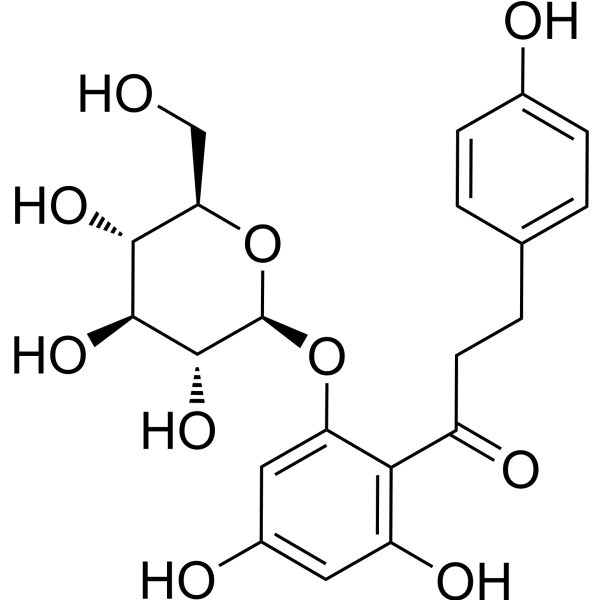
    Phlorizin
    10+ Cited Publications

    Floridzin

    Caspase JAK GLUT STAT Apoptosis Bacterial SGLT mTOR Akt NF-κB PI3K DNA/RNA Synthesis Infection Neurological Disease Metabolic Disease Cancer
    Phlorizin (Floridzin) is an orally active non-selective sodium-glucose cotransporter (SGLT) inhibitor, with an IC50 of 0.04 μM and a Ki of 39 nM against hSGLT2, and an IC50 of 0.17 μM and a Ki of 0.31 μM against hSGLT1. Phlorizin promotes GLUT4 translocation, inhibits gluconeogenesis and promotes glycogen synthesis by activating the PI3K/Akt/mTOR pathway. Phlorizin reduces DNA damage and apoptosis (apoptosis) by inhibiting the NF-κB inflammatory pathway. Phlorizin induces apoptosis via activating the Caspase pathway by antagonizing the JAK/STAT3 and PCK pathways. Phlorizin also exhibits antibacterial, anti-inflammatory and neuroprotective activities .
    Phlorizin
  • HY-N1447
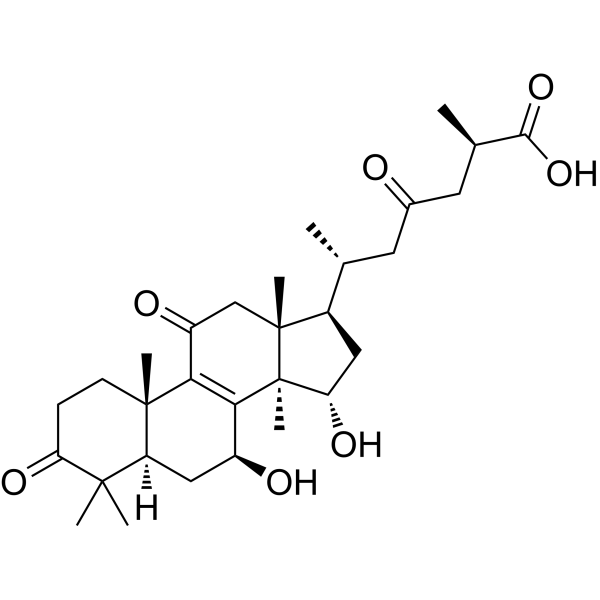
    Ganoderic acid A
    5+ Cited Publications

    Apoptosis Autophagy Endogenous Metabolite Cancer
    Ganoderic acid A can inhibit of the JAK-STAT3 signaling pathway, also inhibit proliferation, viability, ROS.
    Ganoderic acid A
  • HY-121471
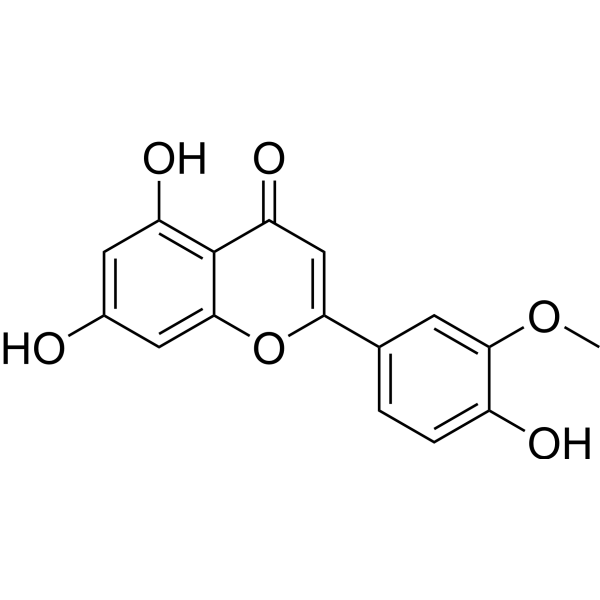
    Chrysoeriol
    5+ Cited Publications

    Endogenous Metabolite Metabolic Disease
    Chrysoeriol is a kind of natural yellow ash, which can be used for heating plants Coronopus didymus. Chrysoeriol suppresses the JAK2/STAT3, IκB/p65, and NF-κB pathways, and has strong anti-inflammatory activity .
    Chrysoeriol
  • HY-N2515
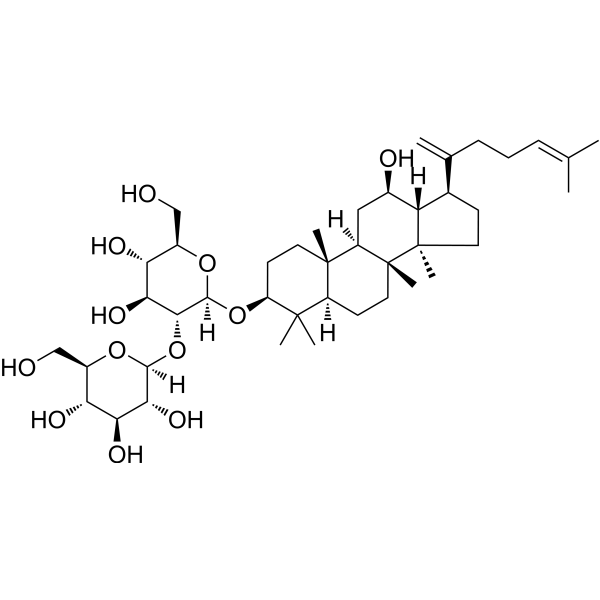
    Ginsenoside Rk1
    5+ Cited Publications

    NF-κB PI3K JAK Apoptosis Inflammation/Immunology Cancer
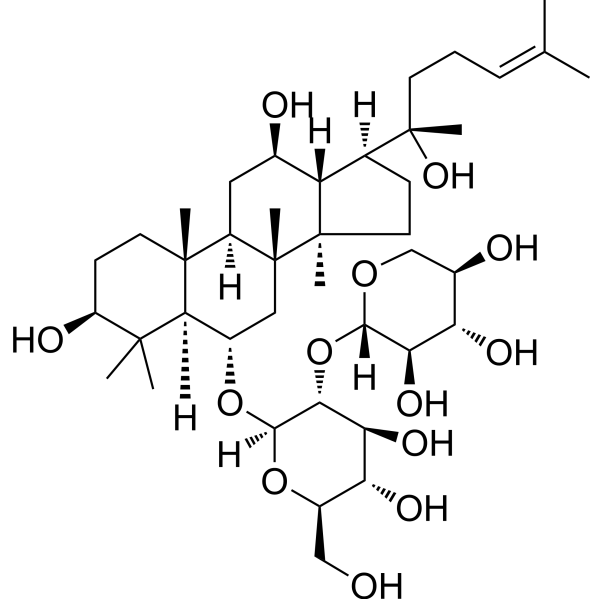
    Ginsenoside Rk1 is a unique component created by processing the ginseng plant (mainly Sung Ginseng, SG) at high temperatures . Ginsenoside Rk1 has anti-inflammatory effect, suppresses the activation of Jak2/Stat3 signaling pathway and NF-κB . Ginsenoside Rk1 has anti-tumor effect, antiplatelet aggregation activities, anti-insulin resistance, nephroprotective effect, antimicrobial effect, cognitive function enhancement, lipid accumulation reduction and prevents osteoporosis . Ginsenoside Rk1 induces cell apoptosis by triggering intracellular reactive oxygen species (ROS) generation and blocking PI3K/Akt pathway .
    Ginsenoside Rk1
  • HY-N0732
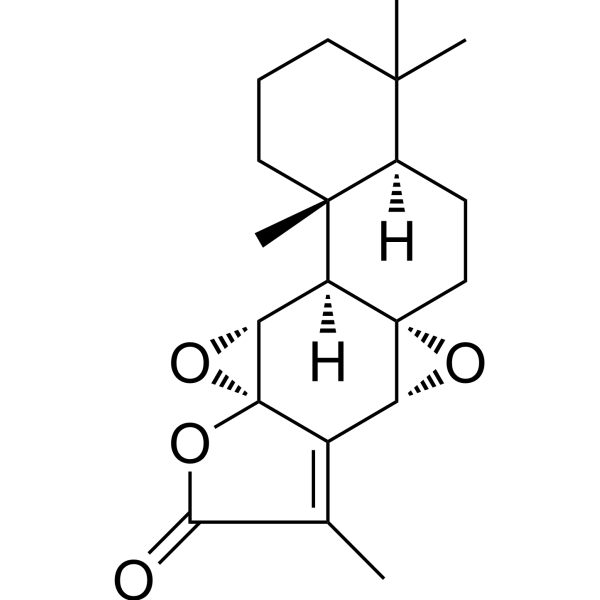
    Jolkinolide B
    1 Publications Verification

    IAP Akt Caspase NF-κB TGF-beta/Smad JAK Bacterial Apoptosis Infection Metabolic Disease Inflammation/Immunology Cancer
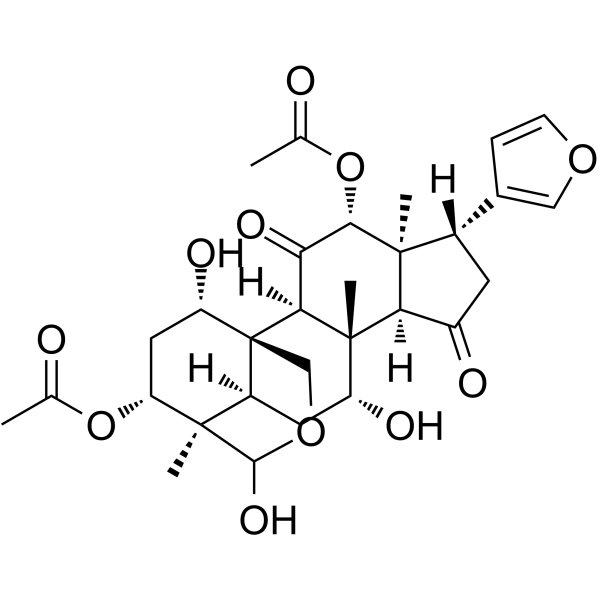
    Jolkinolide B is a bioactive diterpene isolated from the roots of Euphorbia fischeriana Steud with oral activity. Jolkinolide B downregulates XIAP, cIAP1, cIAP2, and phosphorylated Akt, upregulates Smac, activates caspase-3 and caspase-9, and inhibits NF-κB, TGFβ/smad3 and JAK/STAT3 pathways. Jolkinolide B exerts comprehensive biological effects including inducing cancer cell apoptosis, suppressing inflammatory responses, improving lung function, alleviating hepatic steatosis and eliminating intracellular Mycobacterium tuberculosis. Jolkinolide B can be used for the research of leukemia, histiocytic lymphoma, asthma, metabolic dysfunction-associated steatotic liver disease and tuberculosis .
    Jolkinolide B
  • HY-N1356
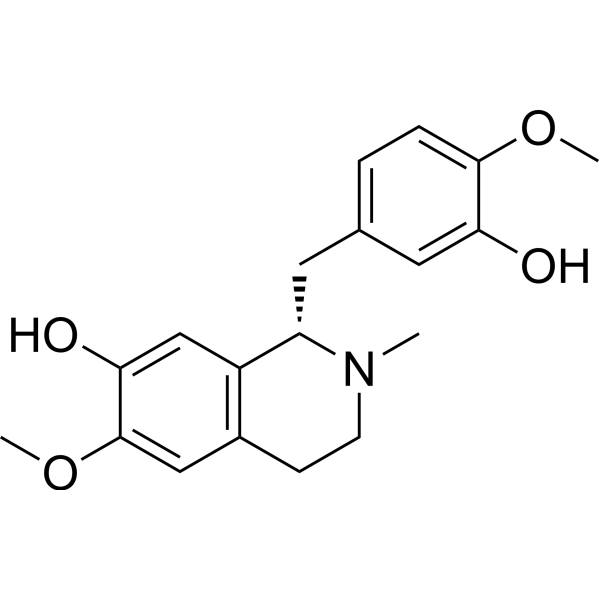
    Reticuline
    1 Publications Verification

    JAK STAT NF-κB Endogenous Metabolite Cardiovascular Disease Inflammation/Immunology
    Reticuline shows anti-inflammatory effects through JAK2/STAT3 and NF-κB signaling pathways. Reticuline inhibits mRNA expressions of TNF-α, and IL-6 and reduces the phosphorylation levels of JAK2 and STAT3 . Reticuline exhibits cardiovascular effects .
    Reticuline
  • HY-N6069
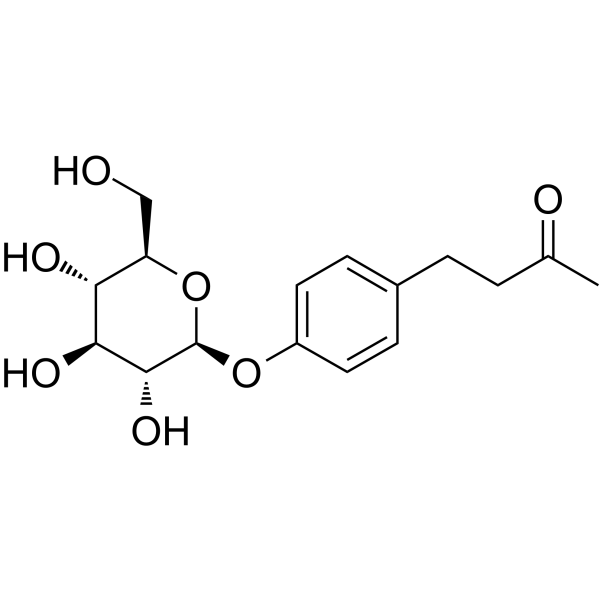
    Raspberry ketone glucoside
    1 Publications Verification

    Interleukin Related JAK STAT Inflammation/Immunology
    Raspberry ketone glucoside is a melanogenesis inhibitor. Raspberry ketone glucoside inhibits melanogenesis by activating the IL6/JAK1/STAT3 pathway, inhibiting the transcriptional activity of MITFa, and its downstream expression levels of the TYR and TYRP1a genes. Raspberry ketone glucoside shows remarkable whitening activity on both B16F10 cells in vitro and zebrafish model in vivo .
    Raspberry ketone glucoside
  • HY-N0807
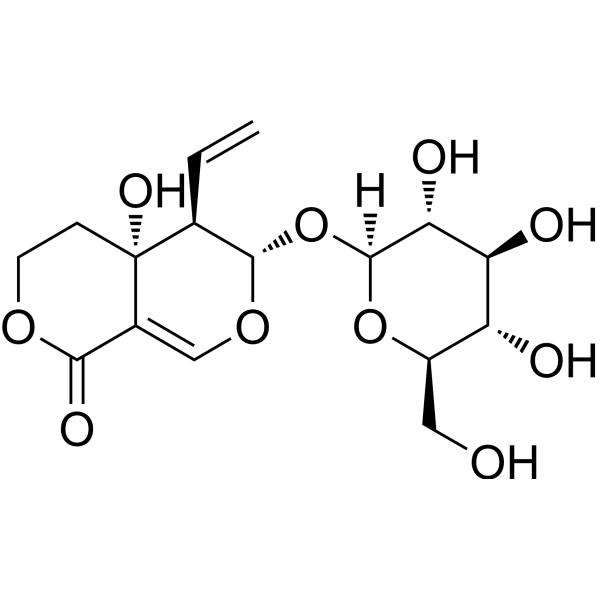
    Swertiamarin
    1 Publications Verification

    MMP NF-κB JAK Keap1-Nrf2 Metabolic Disease Inflammation/Immunology Cancer
    Swertiamarin is an orally active natural product with hypoglycemic, lipid-lowering, anti-rheumatic, and antioxidant activities. Swertiamarin can regulate the levels of pro-inflammatory cytokines, MMP, and NF-κB, and promote osteoblast proliferation. Swertiamarin has antioxidant and hepatoprotective effects against carbon tetrachloride induced rat liver toxicity through the Nrf2/HO-1 pathway. Swertiamarin can attenuate inflammatory mediators by regulating JAK2/STAT3 transcription factors in adjuvant induced arthritis rats. Swertiamarin can be used in the research of diabetes and arthritis .
    Swertiamarin
  • HY-N1535
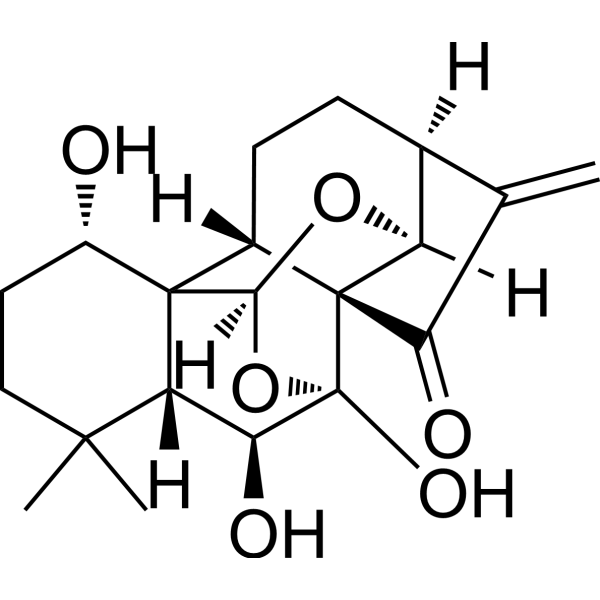
    Ponicidin
    4 Publications Verification

    Rubescensine B

    RIP kinase Apoptosis Reactive Oxygen Species (ROS) JAK STAT PI3K Akt Sirtuin Necroptosis Amyloid-β Neurological Disease Cancer
    Ponicidin (Rubescensine B) is an orally active RIPK1 inhibitor with a Kd value of 135 nM. Ponicidin inhibits the JAK2/STAT3 pathway to induce apoptosis, activates the PI3K/Akt pathway, upregulates SIRT1 expression, alleviates oxidative stress, suppresses inflammatory responses and necroptosis, and blocks cell cycle progression. Ponicidin induces ROS production to exert antiproliferative and antiviral effects, while also improving cognitive function and reducing plaque deposition. Ponicidin can be used in studies related to hepatocellular carcinoma, Alzheimer's disease, and gastric cancer .
    Ponicidin
  • HY-113573

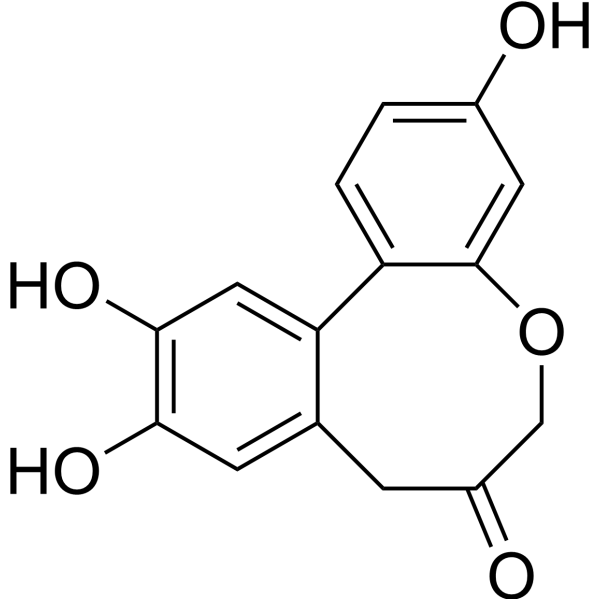
    PTA

    Interleukin Related JAK STAT Inflammation/Immunology
    Protosappanin A (PTA), an immunosuppressive ingredient and major biphenyl compound isolated from Caesalpinia sappan L, suppresses JAK2/STAT3-dependent inflammation pathway through down-regulating the phosphorylation of JAK2 and STAT3 .
    Protosappanin A
  • HY-N2963
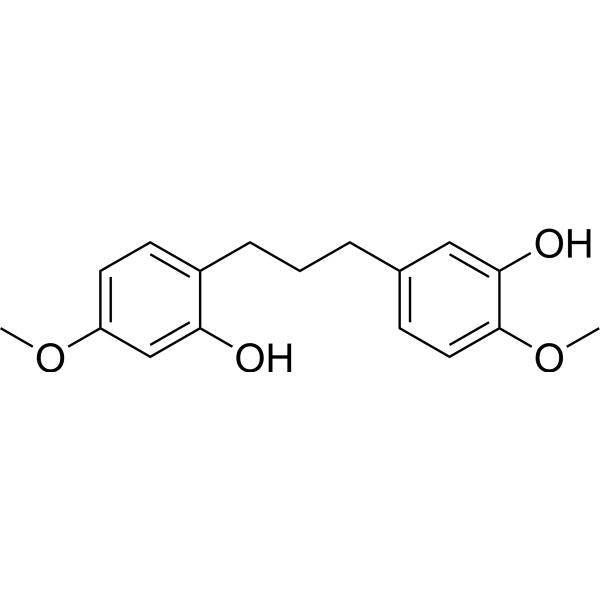
    Broussonin E
    2 Publications Verification

    ERK p38 MAPK JAK STAT TNF Receptor Interleukin Related COX Arginase Inflammation/Immunology
    Broussonin E is a phenolic compound and shows anti-inflammatory activity. Broussonin E can suppress inflammation by modulating macrophages activation statevia inhibiting the ERK and p38 MAPK and enhancing JAK2-STAT3 signaling pathway. Broussonin E can be used for the research of inflammation-related diseases such as atherosclerosis .
    Broussonin E
  • HY-P99244

    ILV 094

    Interleukin Related JAK STAT Caspase Bcl-2 Family Inflammation/Immunology
    Fezakinumab (ILV 094) is an anti-IL-22 monoclonal antibody. Fezakinumab inhibits IL-22 signal transduction, and regulates the JAK1/STAT3 pathway as well as apoptotic proteins. Fezakinumab alleviates airway remodeling, alveolar enlargement and inflammatory cell infiltration in lung tissues. Fezakinumab reduces the levels of neutrophils, lymphocytes, eosinophils and macrophages in lung tissues. Fezakinumab can be used in the research of chronic obstructive pulmonary disease and skin diseases .
    Fezakinumab
  • HY-N0918

    Demethoxyyangonin; 5,6-Dehydrokavain

    Monoamine Oxidase JAK IKK STAT NO Synthase Cytochrome P450 Neurological Disease Inflammation/Immunology
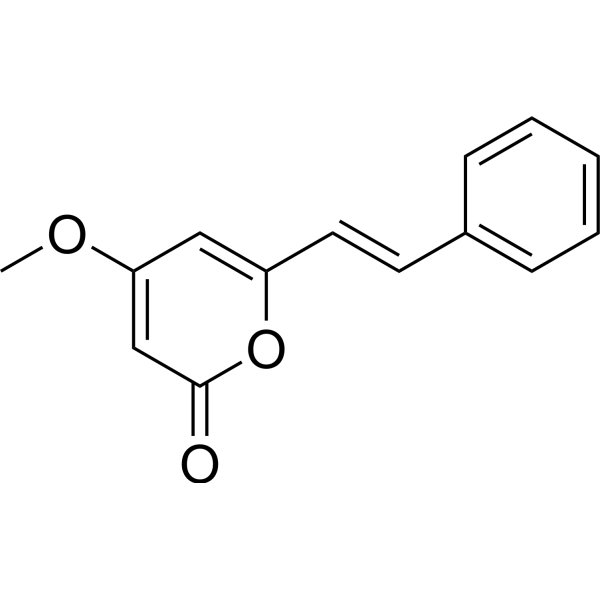
    Desmethoxyyangonin is one of the six major kavalactones found in the Piper methysticum (kava) plant. Desmethoxyyangonin is a selective inhibitor of monoamine oxidase-B (MAO-B) (IC50: 0.123  µM). Desmethoxyyangonin exerts anti-inflammatory effects by inhibiting Jak2/STAT3 and IKK signaling pathways. Desmethoxyyangonin induces CYP3A23 expression and leads to skeletal muscle relaxation .
    Desmethoxyyangonin
  • HY-168894

    Ferroptosis JAK STAT p38 MAPK AMPK GSK-3 Apoptosis HSP TNF Receptor Cardiovascular Disease Neurological Disease Metabolic Disease Cancer
    CT-1 is a secreted protein belonging to the IL-6 cytokine family. Overexpression of CT-1 enhances cell proliferation, migration and angiogenesis via the ADMA/DDAH pathway. CT-1 inhibits the growth of triple-negative breast cancer cells by simultaneously inducing Ferroptosis in N2-type tumor-associated neutrophils and cancer cells. CT-1 activates the Jak/STAT-3, p42/p44 MAPK and AMPK pathways, and inhibits GSK-3β activity through phosphorylation to induce cardiomyocyte hypertrophy. CT-1 enhances the viability of cardiomyocytes and neurons, reduces cell Apoptosis, induces the expression of heat shock proteins (HSP) and BNP, and inhibits TNF levels. CT-1 exerts anti-tumor activity in mouse models of triple-negative breast cancer. CT-1 improves cognitive impairment in mice. CT-1 is applicable to the research of ischemic heart disease, triple-negative breast cancer, myocardial hypertrophy, Parkinson's disease, hypertensive heart disease, myocardial infarction, acute Chagas cardiomyopathy, high-fat diet-induced cognitive impairment and diabetes-related cognitive impairment .
    CT-1
  • HY-N2282

    Zingiberensis newsaponin

    Aldose Reductase JAK STAT Autophagy Apoptosis NF-κB SOD Reactive Oxygen Species (ROS) Cardiovascular Disease Neurological Disease Inflammation/Immunology Cancer
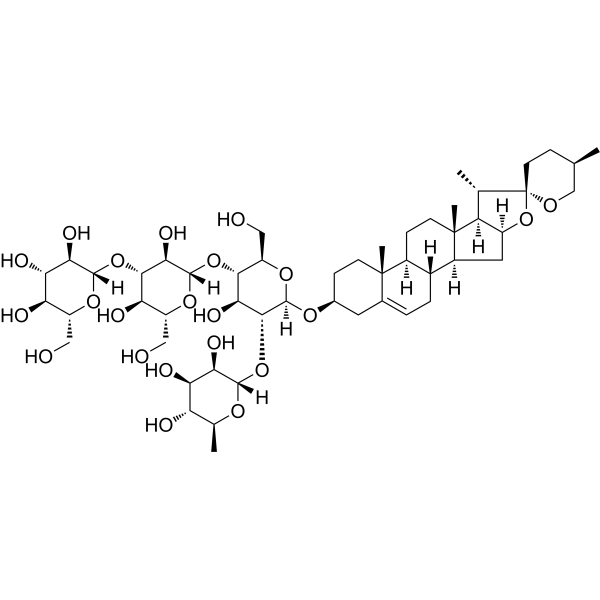
    Zingiberen Newsaponin (Zingiberensis newsaponin) is an orally active type of steroid saponin compound. Zingiberen Newsaponin exerts anti-hepatocellular carcinoma (HCC) effects by inhibiting autophagy and the AKR1C1/JAK2/STAT3 pathway. Zingiberen Newsaponin activates oxidative stress (upregulates ROS and MDA) and mitochondrial pathways, promoting cancer cell apoptosis. Zingiberen Newsaponin alleviates cerebral ischemia-reperfusion (I/R) injury by decreasing the concentration of pro-inflammatory cytokines and inhibits NF-κB. Zingiberen Newsaponin can enhance the activity of SOD, eliminate free radicals and protect nerve cells. Zingiberen Newsaponin induces platelet aggregation .
    Zingiberen newsaponin
  • HY-N6850
    Calenduloside E
    1 Publications Verification

    Apoptosis Pyroptosis AMPK Bcl-2 Family JAK STAT Calcium Channel Interleukin Related TNF Receptor SOD Reactive Oxygen Species (ROS) PPAR Cardiovascular Disease Inflammation/Immunology
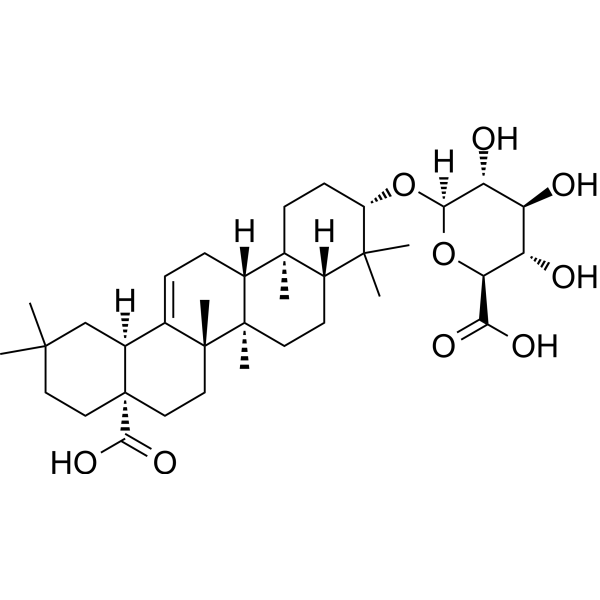
    Calenduloside E is a pentacyclic triterpenoid saponin that can be extracted from the bark and roots of Aralia ovata, and has anti-inflammatory and anti-apoptotic activities. Calenduloside E alleviates atherosclerosis by regulating macrophage polarization, improves mitochondrial function by regulating the AMPK-SIRT3 pathway, and alleviates acute liver injury. In addition, Calenduloside E promotes the interaction between L-type calcium channels and Bcl-2 related apoptosis genes, inhibits calcium overload, and alleviates myocardial ischemia/reperfusion injury. Calenduloside E also improves non-alcoholic fatty liver disease by regulating heat shock-dependent pathways, and inhibits ROS mediated JAK1-STAT3 pathways to reduce cellular inflammatory responses .
    Calenduloside E
  • HY-124858

    STAT JAK Apoptosis Cardiovascular Disease Cancer
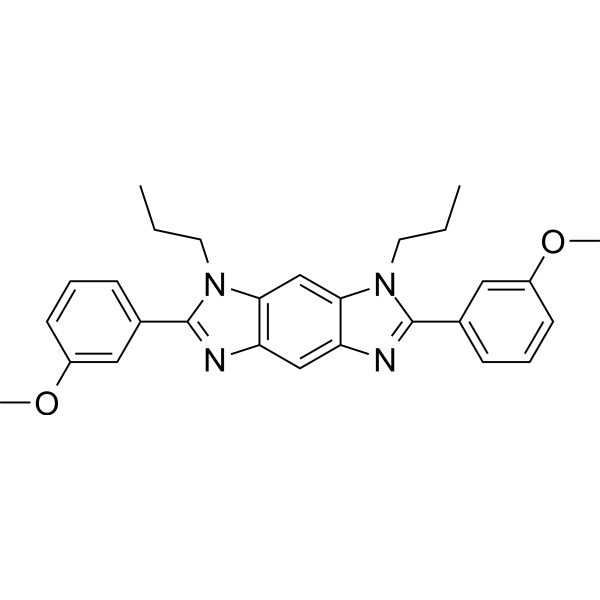
    SC99 is an orally active, selective STAT3 inhibitor targeting JAK2-STAT3 pathway. SC99 docks into the ATP-binding pocket of JAK2. SC99 inhibits phosphorylation of JAK2 and STAT3 with no effects on the other kinases associated with STAT3 signaling. SC99 inhibits platelet activation, aggregation and displays potent anti-myeloma, anti-thrombotic activities .
    SC99
  • HY-150538
    STAT3-IN-12
    1 Publications Verification

    STAT Apoptosis Cancer
    STAT3-IN-12 is a potent STAT3 signal inhibitor that can inhibit IL-6 induced JAK/STAT3 signalling pathway activation. STAT3-IN-12 inhibits cancer cell growth, migration, and induce cell apoptosis as well as cycle arrest. STAT3-IN-12 can be used in cancer-related research, such as hepatocellular carcinoma (HCC) and oesophageal carcinoma .
    STAT3-IN-12
  • HY-N0909
    Notoginsenoside R2
    1 Publications Verification

    20(S)-Notoginsenoside R2; Ginsenoside Ng-R2

    Apoptosis MEK ERK Reactive Oxygen Species (ROS) Caspase COX β-catenin Src MDM-2/p53 JAK STAT Neurological Disease Metabolic Disease Inflammation/Immunology
    Notoginsenoside R2 (20(S)-Notoginsenoside R2; Ginsenoside Ng-R2) is an orally active notoginsenoside . Notoginsenoside R2 activates P90RSK and Nrf2 via the MEK1/2-ERK1/2 pathway to inhibit 6-OHDA-induced apoptotic damage in nerve cells. Notoginsenoside R2 upregulates SOX8/β-catenin by reducing miR-27a, thereby suppressing Aβ25-35-induced neuronal apoptosis and inflammatory responses . Notoginsenoside R2 alleviates lipid accumulation and mitochondrial dysfunction in diabetic nephropathy by inhibiting c-Src. Notoginsenoside R2 alleviates hepatic fibrosis by inducing hepatic stellate cell senescence and inhibiting the inflammatory microenvironment via JAK/STAT3 suppression . Notoginsenoside R2 can be used in research related to Parkinson's disease, Alzheimer's disease, diabetic nephropathy and hepatic fibrosis .
    Notoginsenoside R2
  • HY-N0885
    Telocinobufagin
    1 Publications Verification

    Telobufotoxin; Telocinobufogenin

    JAK STAT mTOR PI3K Akt Polo-like Kinase (PLK) Na+/K+ ATPase Apoptosis Bacterial Infection Cardiovascular Disease Neurological Disease Inflammation/Immunology Cancer
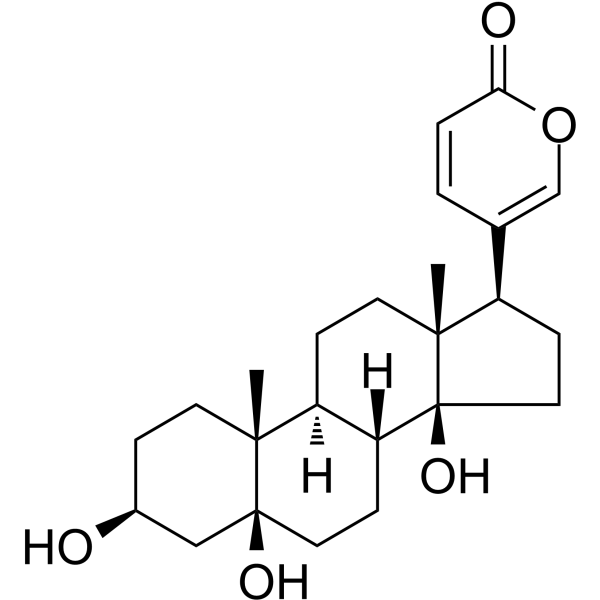
    Telocinobufagin (Telobufotoxin; Telocinobufogenin) is an orally active bufadienolide with potential anti-tumor effects. Telocinobufagin exerts its anti-cancer effects on non-small cell carcinoma, osteosarcoma, thyroid cancer, breast cancer and head and neck squamous cell carcinoma by inhibiting the STAT3, JAK2/STAT3, LARP1-mTOR, PI3K/Akt/Snail and PLK1 pathways, and can also induce tumor cell apoptosis. Telocinobufagin enhances the Th1 immune response and protects against Salmonella typhimurium infection. Telocinobufagin has a strong cardiac-stimulating effect by inhibiting the activity of Na +/K +-ATPase, and it can promote renal fibrosis. Telocinobufagin demonstrates non-opioid analgesic effects in various acute pain models .
    Telocinobufagin
  • HY-N0143A
    Phlorizin dihydrate
    10+ Cited Publications

    Floridzin dihydrate

    SGLT PI3K Akt GLUT NF-κB JAK STAT Caspase Apoptosis DNA/RNA Synthesis mTOR Bacterial Infection Neurological Disease Metabolic Disease Cancer
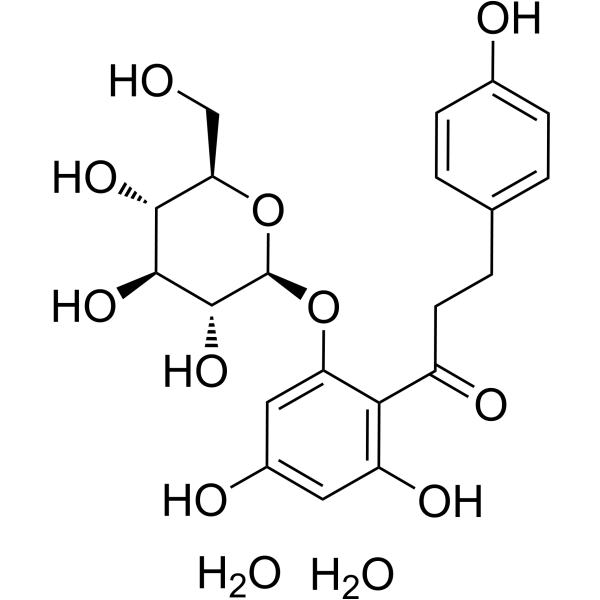
    Phlorizin (Floridzin) dihydrate is an orally active non-selective sodium-glucose cotransporter (SGLT) inhibitor, with an IC50 of 0.04 μM and a Ki of 39 nM against hSGLT2, and an IC50 of 0.17 μM and a Ki of 0.31 μM against hSGLT1. Phlorizin dihydrate promotes GLUT4 translocation, inhibits gluconeogenesis and promotes glycogen synthesis by activating the PI3K/Akt/mTOR pathway. Phlorizin dihydrate reduces DNA damage and apoptosis (apoptosis) by inhibiting the NF-κB inflammatory pathway. Phlorizin dihydrate induces apoptosis via activating the Caspase pathway by antagonizing the JAK/STAT3 and PCK pathways. Phlorizin dihydrate also exhibits antibacterial, anti-inflammatory and neuroprotective activities .
    Phlorizin dihydrate
  • HY-153190
    W1131
    1 Publications Verification

    Oxidative Phosphorylation STAT Ferroptosis Cancer
    W1131 is a potent STAT3 inhibitor, triggering ferroptosis. W1131 suppresses cancer progression in gastric cancer cell subcutaneous xenograft model, organoids model, and PDX model. W1131 effectively alleviates chemical resistance of cancer cells to 5-FU (HY-90006). W1131 regulates cell cycle, DNA damage response, and oxidative phosphorylation, including IL6-JAK-STAT3 pathway and ferroptosis pathway .
    W1131
  • HY-121471R

    Reference Standards Endogenous Metabolite Metabolic Disease
    Chrysoeriol (Standard) is the analytical standard of Chrysoeriol. This product is intended for research and analytical applications. Chrysoeriol is a kind of natural yellow ash, which can be used for heating plants Coronopus didymus. Chrysoeriol suppresses the JAK2/STAT3, IκB/p65, and NF-κB pathways, and has strong anti-inflammatory activity .
    Chrysoeriol (Standard)
  • HY-178500

    Deubiquitinase Apoptosis STAT JAK Akt PI3K Cancer
    WCY-8-67 is an orally active and selective USP5 inhibitor, with an IC50 value of 1.33 μM. WCY-8-67 induces apoptosis and suppresses JAK/STAT3 and PI3K/AKT signaling pathways in vitro. WCY-8-67 inhibits proliferation of AE-positive AML cells, induces G1 phase arrest and differentiation of AML cells. WCY-8-67 demonstrates potent anti-leukemic efficacy in mice. WCY-8-67 can be used for the study of acute myeloid leukemia .
    WCY-8-67
  • HY-N7694
    Isotoosendanin
    1 Publications Verification

    TGF-β Receptor JAK STAT Apoptosis Inflammation/Immunology Cancer
    Isotoosendanin is an orally active TGFβR1 inhibitor and abrogating its kinase activity (IC50 = 6732 nM). Isotoosendanin inhibits the JAK/STAT3 signaling pathway by directly targeting SHP-2, enhancing its stability, and reducing its ubiquitination. Isotoosendanin inhibits TGF-β-induced reduces the migration, invasion, and metastasis in triple-negative breast cancer (TNBC) cells. Isotoosendanin exhibits anti-tumor efficacy in TNBC xenograft models and A549 xenograft tumors. Isotoosendanin exhibits significant anti-inflammatory effects in acetic acid-induced vascular permeability and λ-carrageenan-induced hind paw edema tests. Isotoosendanin can be used for the study of non-small cell lung cancer (NSCLC), TNBC and inflammation .
    Isotoosendanin
  • HY-13559

    Azaspirane ; SKF 106615-12; SKF 106615A12

    STAT Apoptosis Autophagy Reactive Oxygen Species (ROS) Caspase Bcl-2 Family p62 Atg8/LC3 PARP NF-κB PERK JAK Cardiovascular Disease Inflammation/Immunology Cancer
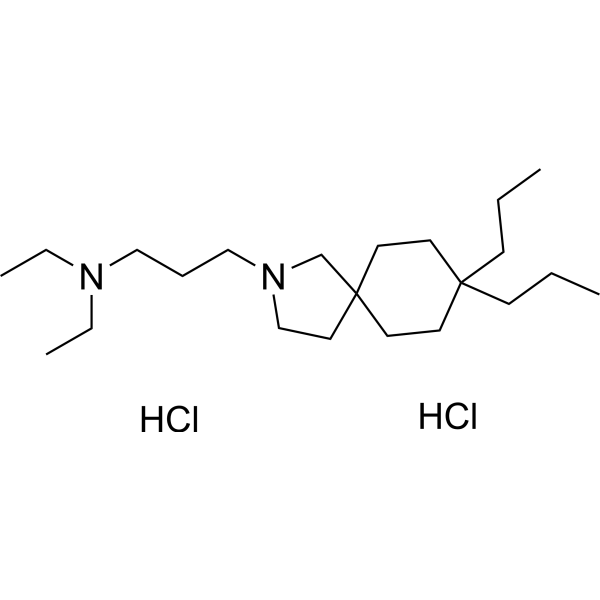
    Atiprimod (Azaspirane) is a STAT3 inhibitor with antitumor, anti-inflammatory, and anti-angiogenic activities. Atiprimod blocks the signaling pathways of IL-6 and VEGF by inhibiting the phosphorylation of signal transducer and activator of STAT3. Atiprimod blocks the JAK-STAT signaling pathway by inhibiting the phosphorylation of JAK2 and JAK3. Atiprimod also inhibits cell proliferation, induces cell cycle arrest, and induces autophagy and apoptosis. Atiprimod triggers persistent ER stress-mediated apoptosis in breast cancer cells by activating the PERK/eIF2α/ATF4/CHOP axis and inhibiting the nuclear translocation of STAT3/NF-κB. Atiprimod shows great anti-tumor activities in tumor xenograft mouse models. Atiprimod can be used for the study of pituitary adenoma, breast cancer, multiple myeloma and acute myeloid leukemia (AML) .
    Atiprimod
  • HY-N6069R

    Reference Standards Interleukin Related JAK STAT Inflammation/Immunology
    Raspberry ketone glucoside (Standard) is the analytical standard of Raspberry ketone glucoside (HY-N6069). Raspberry ketone glucoside is a melanogenesis inhibitor. Raspberry ketone glucoside inhibits melanogenesis by activating the IL6/JAK1/STAT3 pathway, inhibiting the transcriptional activity of MITFa, and its downstream expression levels of the TYR and TYRP1a genes. Raspberry ketone glucoside shows remarkable whitening activity on both B16F10 cells in vitro and zebrafish model in vivo .
    Raspberry ketone glucoside (Standard)
  • HY-N5014
    Liensinine perchlorate
    Maximum Cited Publications
    20 Publications Verification

    Reactive Oxygen Species (ROS) Autophagy Apoptosis VEGFR JAK Amyloid-β p38 MAPK HIF/HIF Prolyl-Hydroxylase STAT PI3K JNK Akt Cardiovascular Disease Neurological Disease Inflammation/Immunology Cancer
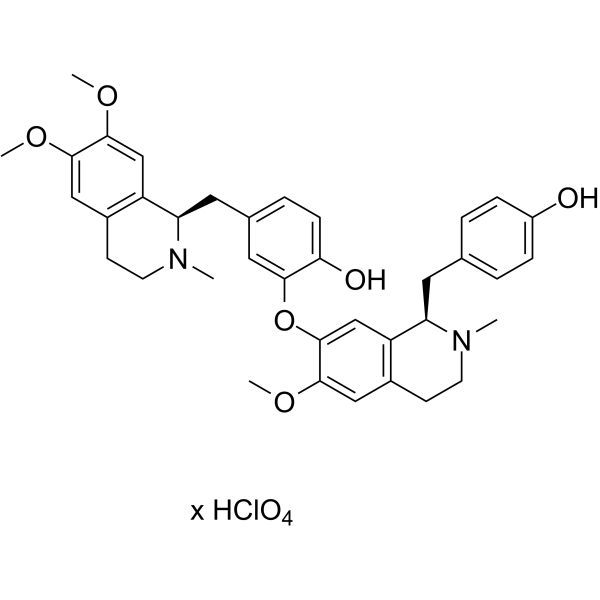
    Liensinine perchlorate is a bisbenzylisoquinoline alkaloid. By inhibiting the PI3K/AKT and JNK/p38-MAPK signaling pathways, Liensinine perchlorate suppresses autophagy and apoptosis, clears , and exerts anti-inflammatory, antioxidant and neuroprotective effects. Liensinine perchlorate activates AMPK and inhibits the expression of HIF-1α and VEGF, thereby suppressing angiogenesis. Liensinine perchlorate exerts anti-tumor effects through ROS-mediated inhibition of the JAK2/STAT3 signaling pathway. Liensinine perchlorate can be used for the research of diseases such as Alzheimer's disease, hepatocellular carcinoma, osteosarcoma, sepsis-induced organ injury and stroke .
    Liensinine perchlorate
  • HY-178500A

    Deubiquitinase Apoptosis STAT JAK Akt PI3K Cancer
    WCY-8-67 TFA is an orally active and selective USP5 inhibitor, with an IC50 value of 1.33 μM. WCY-8-67 TFA induces apoptosis and suppresses JAK/STAT3 and PI3K/AKT signaling pathways. WCY-8-67 TFA inhibits proliferation of AE-positive AML cells, induces G1 phase arrest and differentiation of AML cells. WCY-8-67 TFA demonstrates potent anti-leukemic efficacy in mice. WCY-8-67 TFA can be used for the study of acute myeloid leukemia .
    WCY-8-67 TFA
  • HY-107595
    SD-1008
    1 Publications Verification

    JAK STAT Apoptosis Cancer
    SD-1008 is a potent JAK inhibitor. SD-1008 inhibits tyrosyl phosphorylation of STAT3, JAK2 and Src. SD-1008 also reduces STAT3-dependent luciferase activity. SD-1008 enhances apoptosis induced by Paclitaxel in ovarian cancer cells via directly blocking the JAK-STAT3 signaling pathway .
    SD-1008
  • HY-129341

    JAK STAT c-Myc Neurological Disease Cancer
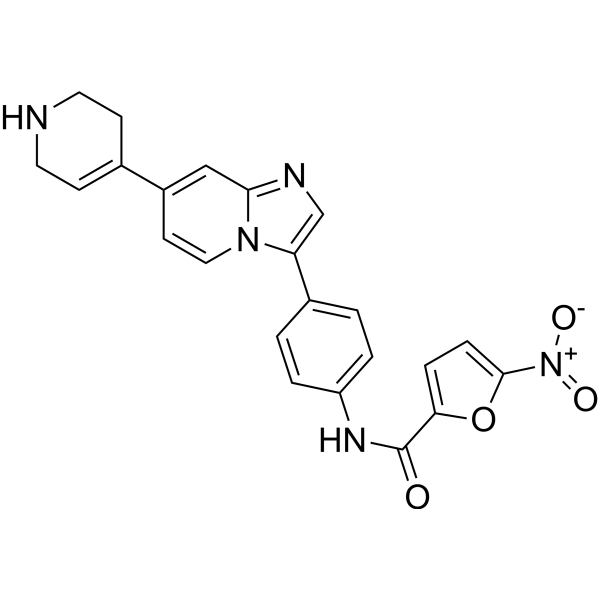
    WP1193 is a novel JAK2/STAT3 pathway inhibitor. WP1193 suppresses phosphorylation of JAK2 and STAT3. WP1193 decreases expression of stem cell markers including CD133 and c-myc. WP1193 can be used in the research of glioblastoma .
    WP1193
  • HY-175771

    STAT c-Myc Bcl-2 Family Interleukin Related JAK Cancer
    STAT3-IN-46 is a selective and orally active inhibitor of signal transducer and activator of transcription 3 (STAT3) (KD = 323.3 nM). STAT3-IN-46 directly binds to the SH2 domain of the STAT3 and inhibits IL-6/JAK/STAT3 signaling pathway (IC50 = 0.87 μM) and downregulates c-Myc and Bcl-2 levels. STAT3-IN-46 can be used for the research of cancer, such as triple-negative breast cancer .
    STAT3-IN-46
  • HY-N1447R

    Reference Standards Apoptosis Autophagy Endogenous Metabolite Cancer
    Ganoderic acid A (Standard) is the analytical standard of Ganoderic acid A. This product is intended for research and analytical applications. Ganoderic acid A can inhibit of the JAK-STAT3 signaling pathway, also inhibit proliferation, viability, ROS.
    Ganoderic acid A (Standard)
  • HY-13559A

    Azaspirane dimaleate; SKF 106615-12 dimaleate; SKF 106615A12 dimaleate

    STAT Apoptosis Caspase Interleukin Related Autophagy Reactive Oxygen Species (ROS) Atg8/LC3 p62 JAK Cardiovascular Disease Inflammation/Immunology Cancer
    Atiprimod (Azaspirane) (dimaleate) is a STAT3 inhibitor with antitumor, anti-inflammatory, and anti-angiogenic activities. Atiprimod blocks the signaling pathways of IL-6 and VEGF by inhibiting the phosphorylation of signal transducer and activator of STAT3. Atiprimod blocks the JAK-STAT signaling pathway by inhibiting the phosphorylation of JAK2 and JAK3. Atiprimod also inhibits cell proliferation, induces cell cycle arrest, and induces autophagy and apoptosis. Atiprimod triggers persistent ER stress-mediated apoptosis in breast cancer cells by activating the PERK/eIF2α/ATF4/CHOP axis and inhibiting the nuclear translocation of STAT3/NF-κB. Atiprimod shows great anti-tumor activities in tumor xenograft mouse models. Atiprimod can be used for the study of pituitary adenoma, breast cancer, multiple myeloma and acute myeloid leukemia (AML) .
    Atiprimod dimaleate
  • HY-110102

    Azaspirane hydrochloride; SKF 106615-12 hydrochloride; SKF 106615

    JAK STAT Apoptosis Autophagy Reactive Oxygen Species (ROS) Caspase Atg8/LC3 p62 Cardiovascular Disease Inflammation/Immunology Cancer
    Atiprimod (Azaspirane) hydrochloride is a STAT3 inhibitor with antitumor, anti-inflammatory, and anti-angiogenic activities. Atiprimod blocks the signaling pathways of IL-6 and VEGF by inhibiting the phosphorylation of signal transducer and activator of STAT3. Atiprimod blocks the JAK-STAT signaling pathway by inhibiting the phosphorylation of JAK2 and JAK3. Atiprimod also inhibits cell proliferation, induces cell cycle arrest, and induces autophagy and apoptosis. Atiprimod triggers persistent ER stress-mediated apoptosis in breast cancer cells by activating the PERK/eIF2α/ATF4/CHOP axis and inhibiting the nuclear translocation of STAT3/NF-κB. Atiprimod shows great anti-tumor activities in tumor xenograft mouse models. Atiprimod can be used for the study of pituitary adenoma, breast cancer, multiple myeloma and acute myeloid leukemia (AML) .
    Atiprimod hydrochloride
  • HY-176876

    Glucocorticoid Receptor Interleukin Related JAK STAT Inflammation/Immunology
    Glucocorticoid receptor/IL-6-IN-1 (Compound 35) is a selective dual inhibitor targeting the glucocorticoid receptor (GR) and IL-6 signaling pathway (IC50 values of 120 nM and 59 nM, respectively). Glucocorticoid receptor/IL-6-IN-1 inhibits IL-6-induced JAK/STAT3 phosphorylation, blocking inflammatory cytokine transcription. Glucocorticoid receptor/IL-6-IN-1 is promising for research of inflammatory diseases like rheumatoid arthritis and asthma .
    Glucocorticoid receptor/IL-6-IN-1
  • HY-168971

    CP-25

    IFNAR STAT TNF Receptor Interleukin Related CXCR JAK G Protein-coupled Receptor Kinase (GRK) Inflammation/Immunology
    Paeoniflorin-6′-O-benzene sulfonate (CP-25) is the inhibitor for G protein-coupled receptor kinase 2 (GRK2) that inhibits the translocation of GRK2 to the cell membrane, inhibits JAK1/STAT3 signaling pathway. Paeoniflorin-6′-O-benzene sulfonate inhibits IL-17A/CXCL2-induced proliferation of HaCaT. Paeoniflorin-6′-O-benzene sulfonate reduces the levels of inflammatory factors and chemokines such as IL-17A, IL-17F, IFN-γ, TNF-α, IL-22, IL-23, CXCL2, CXCL3 and CXCL9, alleviates Imiquimod (HY-B0180)-induced psoriasis in mouse model .
    Paeoniflorin-6′-O-benzene sulfonate
  • HY-170977

    JAK STAT Inflammation/Immunology
    JAK1/STAT3-IN-1 (compound 4f) is an anti-AD (atopic dermatitis) agent by inhibiting JAK1/STAT3 signaling pathway. JAK1/STAT3-IN-1 inhibits NO generation with an IC50 of 2.17 μM. JAK1/STAT3-IN-1 improves the skin condition of AD-like mice, reduces inflammatory infiltration, inhibits the expressions of p-JAK1/JAK1 and p-STAT3/STAT3, and mitigates the excessive immune response on Calcipotriol (HY-10001) (MC903)-induced AD-like mice .
    JAK1/STAT3-IN-1
  • HY-153858

    Raf Discoidin Domain Receptor MEK TNF Receptor Interleukin Related JAK STAT Ras Cancer
    PHI-501 is a dual inhibitor targeting RAF/DDR. PHI-501 exhibits significant anti-proliferative effects in melanoma cell lines and significantly inhibits the colony formation of drug-resistant cells. PHI-501 strongly inhibits ERK and AKT phosphorylation. PHI-501 downregulates the gene sets in drug-resistant cells of TNFA-NFKB, IL6-JAK-STAT3, and KRAS signaling pathways as well as the epithelial-mesenchymal transition (EMT) signaling pathways. PHI-501 demonstrates significant anti-tumor effects in the SK-MEL3DR xenograft model. PHI-501 can be used for research on the problem of drug resistance in melanoma .
    PHI-501
  • HY-155808

    STAT JAK Apoptosis COX Cancer
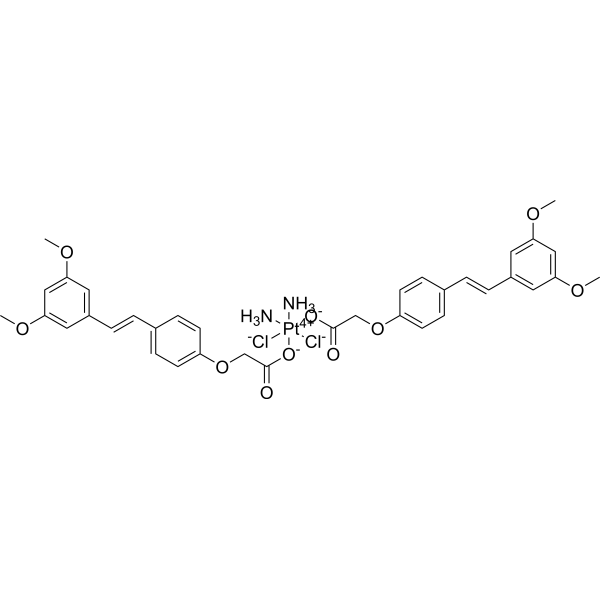
    STAT3-IN-18 (compound SPP) is a platinum (IV) complex with an axial ligand derived from sandalwood. STAT3-IN-18 inhibits the JAK2-STAT3 pathway in breast cancer (BC) cells, with anti-proliferative activity. STAT3-IN-18 activates caspase-3 and increases cleaved polyADP-ribose polymerase to induce apoptosis. STAT3-IN-18 promotes maturation and antigen presentation of dendritic cells and demonstrates safety in vivo.
    STAT3-IN-18
  • HY-149647

    JAK STAT Inflammation/Immunology
    HA-2a can inhibit the JAK2/STAT3 pathway via downregulates circDcbld2 expression in RAW264.7 cells .
    HD-2a
  • HY-N12473

    JAK Inflammation/Immunology
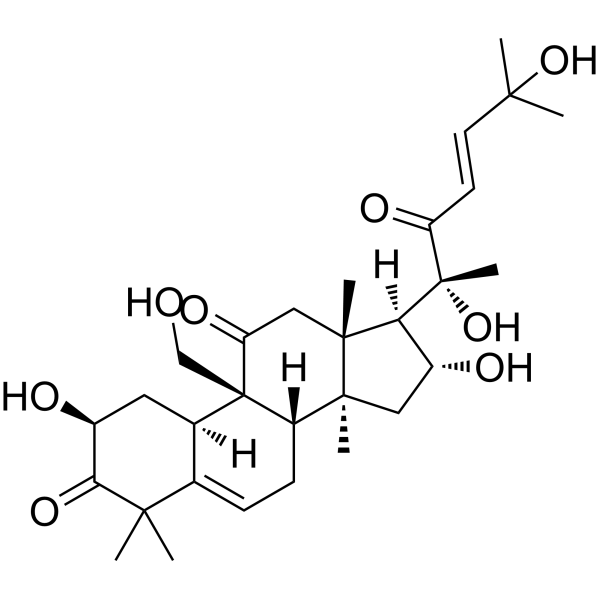
    25-Deacetylcucurbitacin A is a Cucurbitane-Type triterpenoid and has the potential to be an anti-cancer agent and JAK/STAT3 signaling pathway inhibitor .
    25-Deacetylcucurbitacin A
  • HY-153190A
    W1131 TFA
    1 Publications Verification

    Ferroptosis STAT Cancer
    W1131 TFA is a potent STAT3 inhibitor that induces ferroptosis. W1131 inhibits cancer progression in subcutaneous xenograft, organoid, and PDX models of gastric cancer. W1131 effectively alleviates cancer cell chemoresistance to 5-FU (HY-90006). W1131 regulates the cell cycle, DNA damage response, and oxidative phosphorylation, including the IL6-JAK-STAT3 pathway and the ferroptosis pathway .
    W1131 TFA
  • HY-155807

    STAT JAK Apoptosis Cancer
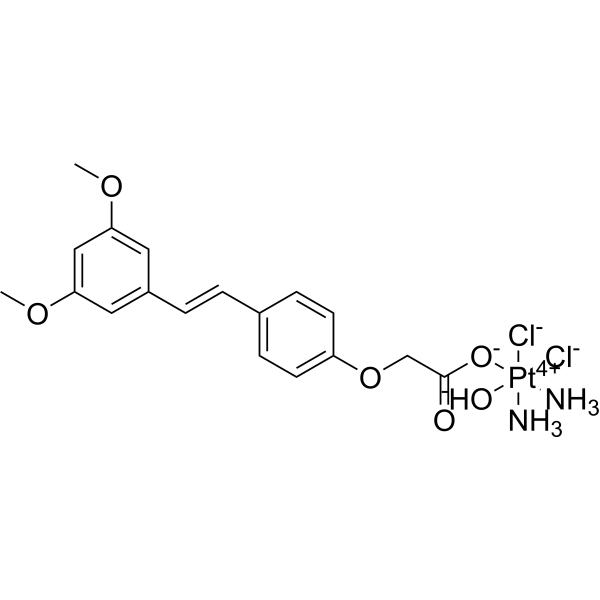
    DPP is a Platinum(IV) complex, bearing pterostilbene-derived axial ligand. DPP inhibit the JAK2-STAT3 pathway in breast cancer (BC) cells with antiproliferative activity, and activates caspase-3 and cleaved poly ADP-ribose polymerase to induces apoptosis. DPP promotes the maturation and antigen presentation of dendritic cells, and exhibits in vivo safety .
    DPP
  • HY-E70789

    RET Others
    BCR-RET Recombinant Human Active Protein Kinase is a BCR-RET fusion protein in hematopoietic malignancies. BCR-RET overactivates the Ras-ERK pathway, in addition to JAK/STAT3 and PI3K/AKT pathways .
    BCR-RET Recombinant Human Active Protein Kinase
  • HY-103438A

    Apoptosis Autophagy Akt Cancer
    BIBU1361 dihydrochloride induces apoptosis and inhibits autophagy. BIBU1361 inhibits pro-survival pathways Akt/mTOR and gp130/JAK/STAT3, and decreased levels of pro-inflammatory cytokine IL-6 .
    BIBU1361 dihydrochloride
  • HY-103438

    Apoptosis Akt Autophagy Cancer
    BIBU1361 induces apoptosis and inhibits autophagy. BIBU1361 inhibits pro-survival pathways Akt/mTOR and gp130/JAK/STAT3, and decreased levels of pro-inflammatory cytokine IL-6 .
    BIBU1361
  • HY-N0918R

    Demethoxyyangonin (Standard); 5,6-Dehydrokavain (Standard)

    Reference Standards Monoamine Oxidase JAK STAT NO Synthase IKK Cytochrome P450 Neurological Disease Inflammation/Immunology
    Desmethoxyyangonin (Standard) is one of the six major kavalactones found in the Piper methysticum (kava) plant. Desmethoxyyangonin (Standard) is a selective inhibitor of monoamine oxidase-B (MAO-B) (IC50: 0.123  µM). Desmethoxyyangonin (Standard) exerts anti-inflammatory effects by inhibiting Jak2/STAT3 and IKK signaling pathways. Desmethoxyyangonin (Standard) induces CYP3A23 expression and leads to skeletal muscle relaxation .
    Desmethoxyyangonin (Standard)
  • HY-168893

    Src Apoptosis IAP Survivin Akt mTOR JAK STAT Ras p38 MAPK Cancer
    K882 (Compound 4e) is a Src inhibitor, with KD of 0.315 μM. K882 induces Apoptosis. K882 inhibits XIAP and Survivin. K882 inhibits the activation of PI3K/Akt/mTOR, Jak1/Stat3, Ras/MAPK signaling pathways. K882 shows anti-tumor activity against non-small cell lung cancer .
    K882

Inquiry Online

Your information is safe with us. * Required Fields.

Salutation


Country or Region *

Applicant Name *


Organization Name *

Department *


Email Address *


Product Name *

Cat. No.


Requested quantity *

Phone Number *


Remarks

Inquiry Online

Inquiry Information

Product Name:
Cat. No.:
Quantity:
MCE Japan Authorized Agent: