Search Result
Results for "
KRAS signaling
" in MedChemExpress (MCE) Product Catalog:
1
Isotope-Labeled Compounds
| Cat. No. |
Product Name |
Target |
Research Areas |
Chemical Structure |
-
- HY-130149
-
Adagrasib
Maximum Cited Publications
57 Publications Verification
MRTX849
|
Ras
|
Cancer
|
|
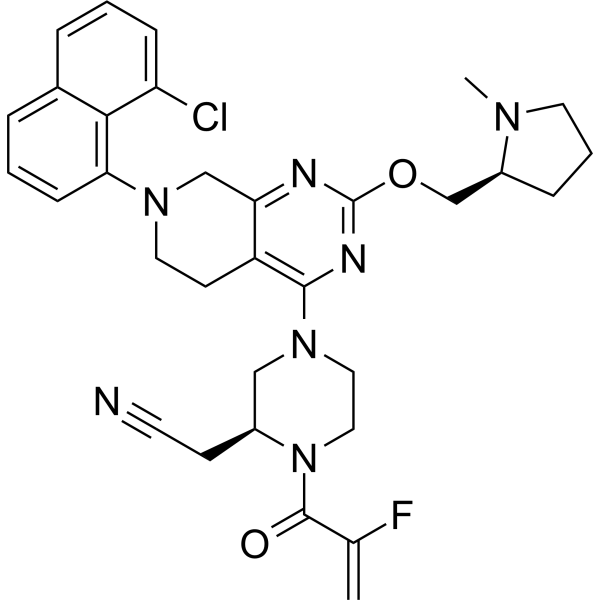
Adagrasib (MRTX849) is a potent, orally-available, and mutation-selective covalent inhibitor of KRAS G12C with potential antineoplastic activity. Adagrasib covalently binds to KRAS G12C at the cysteine at residue 12, locks the protein in its inactive GDP-bound conformation, and inhibits KRAS-dependent signal transduction .
|
-
-
- HY-134813
-
|
|
Ras
|
Cancer
|
|
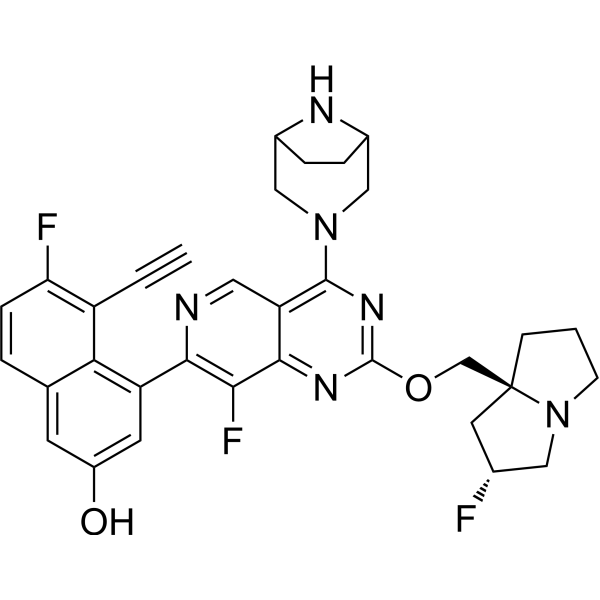
MRTX1133 is a noncovalent, potent, and selective alkyne-based KRAS G12D inhibitor. MRTX1133 optimally fills the switch II pocket and extends three substituents to favorably interact with the protein, resulting in an estimated KD against KRAS G12D of 0.2 pM. MRTX1133 prevents SOS1-catalyzed nucleotide exchange and/or formation of the KRAS G12D/GTP/RAF1 complex, thereby inhibiting mutant KRAS-dependent signal transduction. MRTX1133 selectively inhibits KRAS G12D mutant, but not KRAS wild-type, tumor cells. MRTX1133 has single digit nanomolar activity in cellular assays and marked in vivo efficacy in tumor models harboring KRAS G12D mutations .
|
-
-
- HY-153346
-
|
RMC-6291
|
Ras
ERK
Apoptosis
|
Cancer
|
|
Elironrasib is an orally active and covalent inhibitor of KRAS G12C(ON). Elironrasib forms a tri-complex within tumor cells between KRAS G12C(ON) and cyclophilin A (CypA). Thus, Elironrasib prevents KRAS G12C(ON) from signaling via steric blockade of RAS effector binding. Elironrasib inhibits ERK signaling and induced apoptosis in KRASG12C-mutant H358 cells. Elironrasib also inhibits the proliferation of KRAS G12C mutant cells with a median IC50 of 0.11 nM .
|
-
-
- HY-173632
-
|
|
Ras
|
Cancer
|
|
AMG410 is a non-covalent and selective pan-KRAS inhibitor with IC50 values of 1-4 nM for KRAS G12D, KRAS G12V, and KRAS G13D. AMG410 shows greater than 100-fold selectivity against both HRAS and NRAS. AMG410 is a dual GTP(on)- and GDP(off)-state inhibitor (Kd(GDP-state) of 1 nM; Kd(GTP-state) of 22 nM). AMG410 blocks KRAS signaling in a cycling state-independent manner and also blocks proliferation in wildtype KRAS-amplified tumor cells. AMG410 can be used for the study of colorectal, pancreatic, and lung cancers .
|
-
-
- HY-145928
-
|
GDC-6036
|
Ras
|
Cancer
|
|
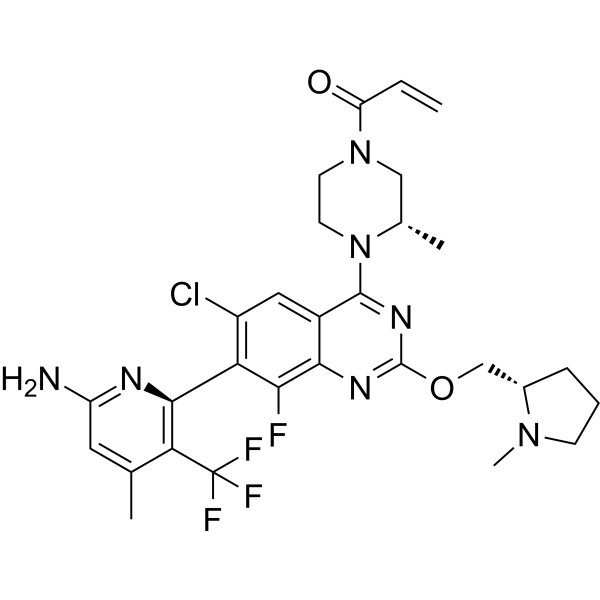
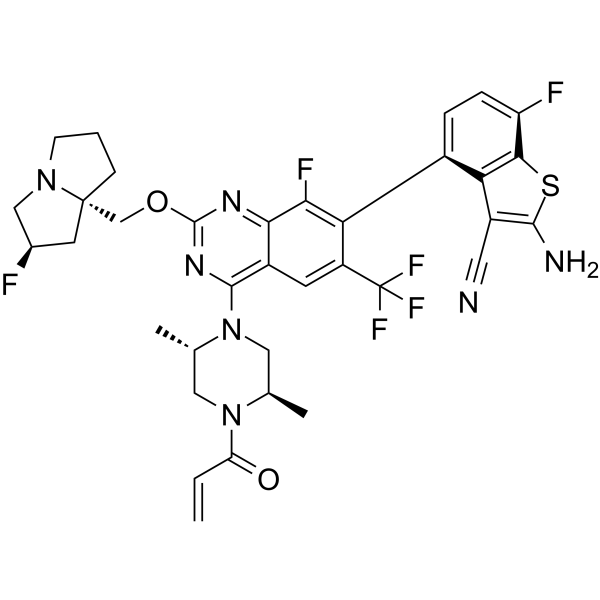
Divarasib (GDC-6036) is an orally active, selective KRAS G12C inhibitor with an IC50 of <0.01 μM. Divarasib covalently binds Cys12 in GDP-bound KRAS G12C, occupies the switch II pocket, blocks GTP binding and SOS-mediated reactivation, and inhibits oncogenic KRAS signaling. Divarasib induces tumor shrinkage and robust tumor growth inhibition in KRAS G12C-positive models and cancer cells. Divarasib can be used for the research of non-small cell lung cancer, colorectal adenocarcinoma, pancreatic ductal adenocarcinoma, and other KRAS G12C-mutated solid tumors .
|
-
-
- HY-125817
-
|
|
SOS1
Ras
p38 MAPK
|
Cancer
|
|
BI-3406 (compound I-6) is an orally active, highly potent and selective inhibitor of the interaction between KRAS and Son of Sevenless 1 (SOS1) with an IC50 of 6 nM. BI-3406 potently reduces the formation of GTP-loaded KRAS, and inhibits MAPK pathway signaling. BI-3406 has anticancer activity .
|
-
-
- HY-156002
-
|
Paluratide
|
Ras
ERK
|
Cancer
|
|
LUNA18 is an orally-available cyclic peptide KRAS and ERK inhibitor. LUNA18 phosphorylates ERK and AKT and decreases cell proliferation in RAS-mutated cancer cells. LUNA18 exhibits RAS signal inhibition and potent anti-cancer activities through inhibiting interaction between RAS and guanine nucleotide exchange factors (GEFs) in a mouse xenograft model. LUNA18 shows significant cellular efficacy against cell lines with KRAS genetic alterations, such as colon cancer, stomach cancer, non-small cell lung cancer and pancreaticcancer .
|
-
-
- HY-137516
-
LC-2
2 Publications Verification
|
PROTACs
Ras
|
Cancer
|
|
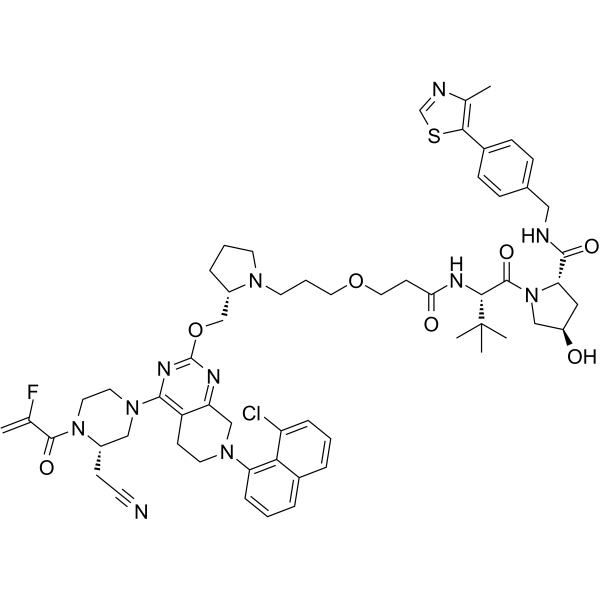
LC-2 is a potent and first-in-class von Hippel-Lindau-based PROTAC capable of degrading endogenous KRAS G12C, with DC50s between 0.25 and 0.76 μM . LC-2 covalently binds KRAS G12C with a MRTX849 warhead and recruits the E3 ligase VHL, inducing rapid and sustained KRAS G12C degradation leading to suppression of MAPK signaling in both homozygous and heterozygous KRAS G12C cell lines .
|
-
-
- HY-158107
-
|
|
Ras
|
Cancer
|
|
BBO-8520 is a direct small molecule covalent inhibitor targeting KRAS G12C with high oral availability. BBO-8520 has the characteristics of KRAS G12C (OFF) inhibitor and the function of blocking KRAS G12C (ON) signal. BBO-8520 inhibits cell proliferation by inhibiting KRAS G12C (ON) by binding GTP protein. BBO-8520 can block RAS-RAF1 interaction and return KRAS G12C to the inactive (OFF) state. BBO-8520 can be used for the research of cancer .
|
-
-
- HY-135985
-
|
|
Fluorescent Dye
|
Cancer
|
|
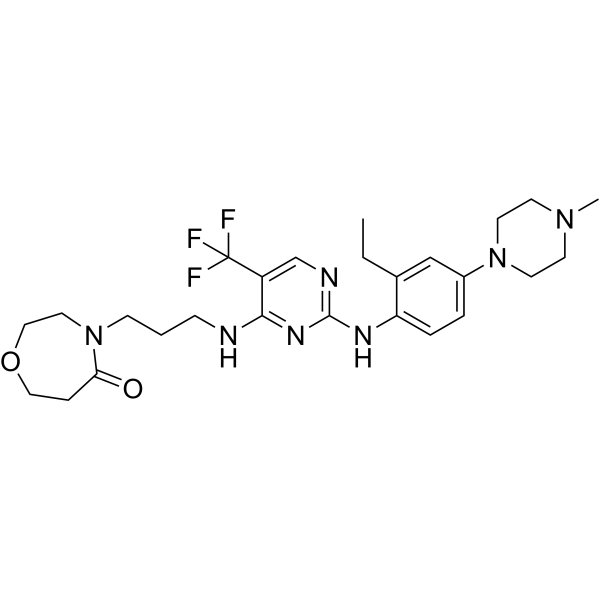
DCLK1-IN-1 is a selective, oral bioavailability in vivo-compatible chemical probe of the doublecortin like kinase 1 (DCLK1 kinase) domain. DCLK1-IN-1 inhibits DCLK1 and DCLK2 kinases (IC50: DCLK1=9.5/57.2 nM and DCLK2=31/103 nM in binding and kinase assay, respectively). DCLK1-IN-1 shows low toxicity, and can investigate DCLK1 biology and establish its role in cancer, like DCLK1 + pancreatic ductal adenocarcinoma (PDAC) .
|
-
-
- HY-132844
-
|
HL-085
|
MEK
|
Cancer
|
|
Tunlametinib is a highly selective, orally active MEK1/2 inhibitor (IC50=1.9 nM, MEK1). Tunlametinib blocks the RAS-RAF-MEK-ERK signaling pathway, arrests tumor cell cycle and promotes apoptosis. Tunlametinib potently inhibits the proliferation of RAS/RAF mutant cancer cells (such as BRAF V600E, KRAS G12C mutant cells). Tunlametinib shows synergistic anti-tumor effects with BRAF/KRASG12C/SHP2 inhibitors, Docetaxel (HY-B0011). Tunlametinib can be used to study targeted therapy for RAS/RAF mutation-driven malignancies (such as melanoma, colorectal cancer, and non-small cell lung cancer) .
|
-
-
- HY-147245
-
|
STP1002
|
PARP
|
Cancer
|
|
Basroparib (STP1002) is a selective, orally active inhibitor of tankyrase (TNKS1/TNKS2) with IC50 of 29.94 nM and 3.68 nM for TNKS1 and TNKS2, respectively. Basroparib has an IC50 of >10 μM for PARP1. Basroparib binds to TNKS, stabilizes AXIN1/2 proteins, blocks Wnt/β-catenin signaling pathway, inhibits tumor cell proliferation and induces apoptosis, while reducing cancer stem cell properties. Basroparib can be used in colorectal cancer (CRC) studies with KRAS mutations (such as G12V/G12D) to overcome acquired resistance to MEK inhibitors. STP1002 has synergistic antitumor activity with MEK inhibitors .
|
-
-
- HY-143589
-
|
JAB-21822; KRAS G12C inhibitor 36
|
Ras
|
Cancer
|
|
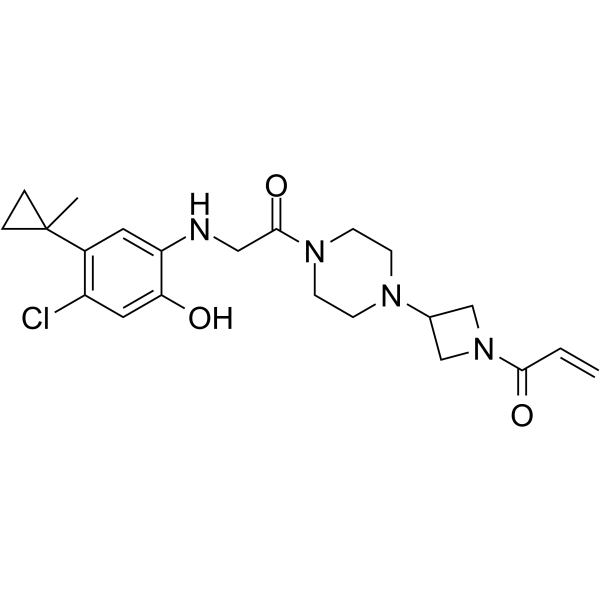
Glecirasib (Compound 1-2; JAB-21822) is an orally active and potent inhibitor of KRAS G12C. The Ras family of proteins is an important intracellular signaling molecule that plays an important role in growth and development. Glecirasib has the potential for the research of KRAS G12C-mediated cancer .
|
-
-
- HY-126247
-
|
|
Ras
|
Cancer
|
|
BI-2852 is a KRAS inhibitor for the switch I/II pocket (SI/II-pocket) by structure-based agent design with nanomolar affinity. BI-2852 is mechanistically distinct from covalent KRASG12C inhibitor (binds to switch II pocket) and binds ten-fold more strongly to active KRASG12D versus KRASwt (740 nM vs 7.5 μM). BI-2852 blocks GEF, GAP, and effector interactions with KRAS, leading to inhibition of downstream signaling and an antiproliferative effect in KRAS mutant cells.
|
-
-
- HY-159127
-
|
|
Ras
MEK
PERK
Apoptosis
|
Cancer
|
|
HRS-4642 is a high affinity, selective, long-acting, and non-covalent KRAS G12D inhibitor with a Kd value of 0.083 nM. HRS-4642 inhibits the binding of KRAS G12D to SOS1 or RAF1, thereby blocking the downstream MEK-ERK signaling pathway. HRS-4642 promotes Apoptosis. HRS-4642 alone or combined with Carfilzomib (HY-10455) effectively shapes the tumor microenvironment. HRS-4642 has an anti-cancer effect on pancreatic and colorectal cancers carrying the KRAS G12D mutation[1][2][3].
|
-
-
- HY-176523
-
|
|
Ras
|
Cancer
|
|
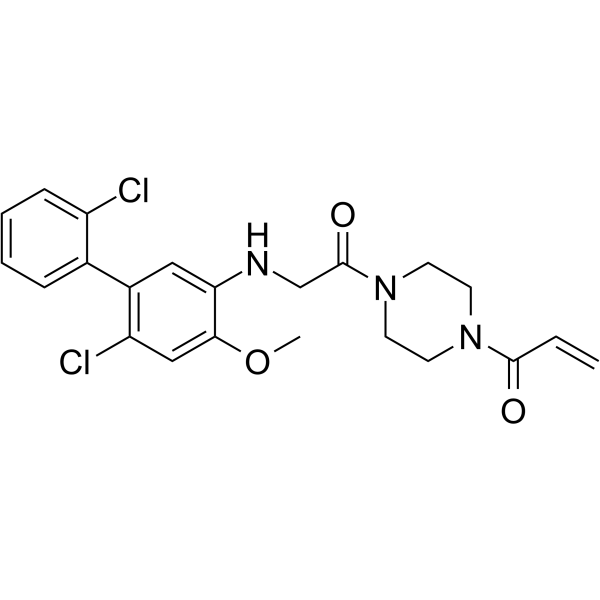
KRAS G12D inhibitor 29 (Compound Formula (I)) is an orally active and selective KRAS G12D mutant inhibitor. KRAS G12D inhibitor 29 blocks downstream signaling pathways mediated by KRAS G12D, suppressing tumor cell proliferation. KRAS G12D inhibitor 29 is promising for research of KRAS G12D mutation-related cancers (such as pancreatic cancer, lung cancer, colorectal cancer) .
|
-
-
- HY-160699
-
|
|
ULK
Ras
Autophagy
|
Cancer
|
|
DCC-3116 is an orally active ULK1/2 inhibitor. DCC-3116 can inhibit autophagy in lung cancer cells by inhibiting KRAS G12C signaling, thereby inhibiting the proliferation of lung cancer cells and exerting anti-cancer effects .
|
-
-
- HY-159788
-
|
|
PROTACs
Ras
|
Cancer
|
|
PROTAC K-Ras Degrader-4 (Compound 4) is a PROTAC degrader for KRAS that degrades KRAS G12D in GP5d and degrades KRAS G12V in cell SW620 with DC50s of 1 nM and 13 nM. PROTAC K-Ras Degrader-4 inhibits MAPK signaling pathway . (Pink: ligand for target protein pan-KRAS degrader 1 (HY-162960); Black: linker (HY-159790); Blue: ligand for E3 ligase VHL (HY-W998248))
|
-
-
- HY-15872A
-
|
|
Farnesyl Transferase
Apoptosis
Ras
|
Infection
Cancer
|
|
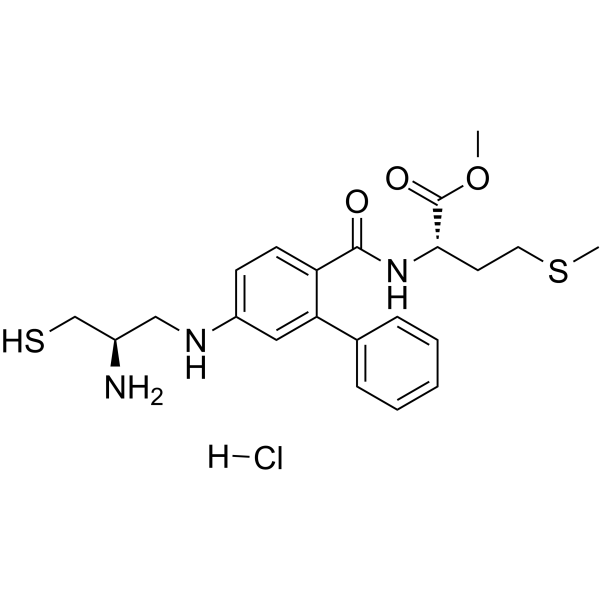
FTI-277 hydrochloride is an inhibitor of farnesyl transferase (FTase); a highly potent Ras CAAX peptidomimetic which antagonizes both H- and K-Ras oncogenic signaling. FTI-277 hydrochloride can inhibit hepatitis delta virus (HDV) infection.
|
-
-
- HY-N0735
-
|
|
Autophagy
Apoptosis
AMPK
mTOR
STAT
Interleukin Related
PKC
p38 MAPK
NF-κB
COX
Reactive Oxygen Species (ROS)
PI3K
Akt
MMP
|
Neurological Disease
Inflammation/Immunology
Cancer
|
|
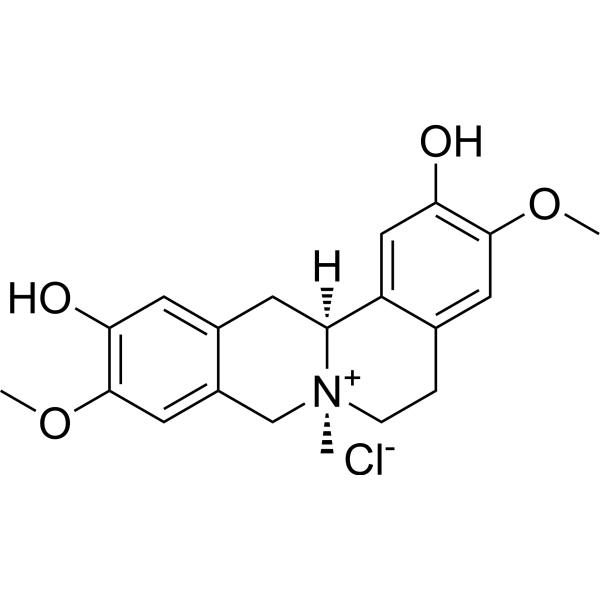
Phellodendrine chloride is an orally active plant alkaloid. Phellodendrine chloride inhibits the proliferation of KRAS-mutated pancreatic cancer cells by suppressing macropinocytosis and glutamine metabolism, inducing ROS accumulation and mitochondrial apoptosis. Phellodendrine chloride promotes autophagy by activating the AMPK/mTOR pathway, alleviating intestinal damage in ulcerative colitis. Phellodendrine chloride can alleviate gouty arthritis by inhibiting the IL-6/STAT3 signaling pathway. Phellodendrine chloride suppresses allergic reactions by altering the conformation of MRGPRB3/MRGPRX2 protein, thereby inhibiting the activation of PKC and subsequent downstream MAPK and NF-κB signaling. Phellodendrine chloride inhibits the AKT/NF-κB pathway and down-regulates the expression of COX-2, thereby protecting zebrafish embryos from oxidative stress. Phellodendrine chloride has an anti-major depressive disorder (MDD) effect by down-regulating CHRM1, HTR1A, and the PI3K/Akt signaling pathway .
|
-
-
- HY-125847
-
|
|
Ras
PI3K
Akt
Caspase
Apoptosis
Bcl-2 Family
NF-κB
MMP
|
Cancer
|
|
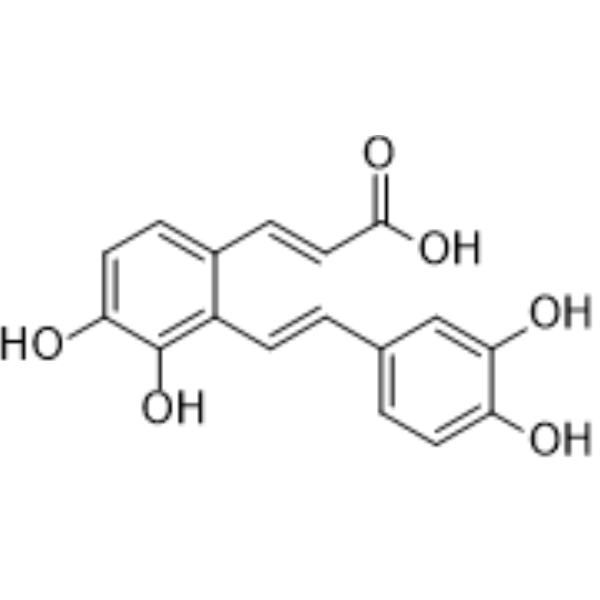
Salvianolic acid F is a KRAS inhibitor, especially for KRAS G12D. Salvianolic acid F inhibits NF-kB, MMP-9, and NO simultaneously. Salvianolic acid F inhibits cancer cell growth, invasion, and migration and induces apoptosis via the EP300/PI3K/AKT pathway in vitro. Salvianolic acid F inhibits the growth of KRAS-dependent lung cancer cells via the PI3K/AKT signaling pathway in vivo. Salvianolic acid F can be used in the research of various cancers, including KRAS G12D-driven non-small cell lung cancer (NSCLC) and ovarian cancer .
|
-
-
- HY-176786
-
|
|
PROTACs
Ras
Apoptosis
PERK
p38 MAPK
Caspase
TNF Receptor
|
Cancer
|
|
MCB-36 is a VHL-recruiting pan-KRAS PROTAC degrader without affecting KRAS transcription. MCB-36 exhibits minimal effects on HRAS and NRAS protein levels. MCB-36 binds to the GDP-loaded state of G12D, G12C, G12V, and wild-type KRAS with high affinities Kd ≈ 1 pM). MCB-36 decreases p-ERK levels, leading to cell apoptosis. MCB-36 effectively suppress KRAS G12C inhibitor-resistant cancer cells and remodel the tumor immune microenvironment. MCB-36 can be used for the study of colorectal cancer and lung cancer (Pink: Target protein ligand; Blue: E3 ligand (HY-112078); Black: Linker (HY-W091879)) .
|
-
-
- HY-106381
-
|
|
PKC
|
Inflammation/Immunology
Cancer
|
|
Aurothiomalate sodium is the tetrameric form of Aurothiomalate sodium (HY-106381). Aurothiomalate sodium acts as an inhibitor of PKCI and TrxR1. Aurothiomalate sodium disrupts the PKCI-Par6-Rac1 signaling pathway, and also inhibits TrxR1 activity, TNFα-induced NF-κB activation, and the expression of pro-inflammatory genes. Aurothiomalate sodium blocks Kras-mediated BASC expansion and lung tumor growth, inhibits anchorage-independent growth and tumorigenicity of lung cancer cells, and suppresses neutrophil chemotaxis, phagocytosis, and leukocyte extravasation. Aurothiomalate sodium can be used in research related to rheumatoid arthritis and non-small cell lung cancer .
|
-
-
- HY-19706
-
ARS-853
5 Publications Verification
|
Ras
Apoptosis
|
Cancer
|
|
ARS-853 is a cell-active, selective, covalent KRAS G12C inhibitor with an IC50 of 2.5 μM. ARS-853 inhibits mutant KRAS-driven signaling by binding to the GDP-bound oncoprotein and preventing activation .
|
-
-
- HY-156671
-
|
|
Ras
PI3K
ERK
mTOR
Apoptosis
|
Cancer
|
|
RMC-4998 is an orally active inhibitor targeting the active or GTP-bound state of the KRAS G12C mutant. RMC-4998 can form a ternary complex with intracellular CYPA and the activated KRAS G12C mutant, with an IC50 value of 28 nM. RMC-4998 can inhibit ERK signaling in KRAS G12C mutant cancer cells and induce apoptosis. RMC-4998 can be used for tumor research .
|
-
-
- HY-B0984
-
|
|
Calcium Channel
Ras
STING
Autophagy
|
Infection
Cardiovascular Disease
Cancer
|
|
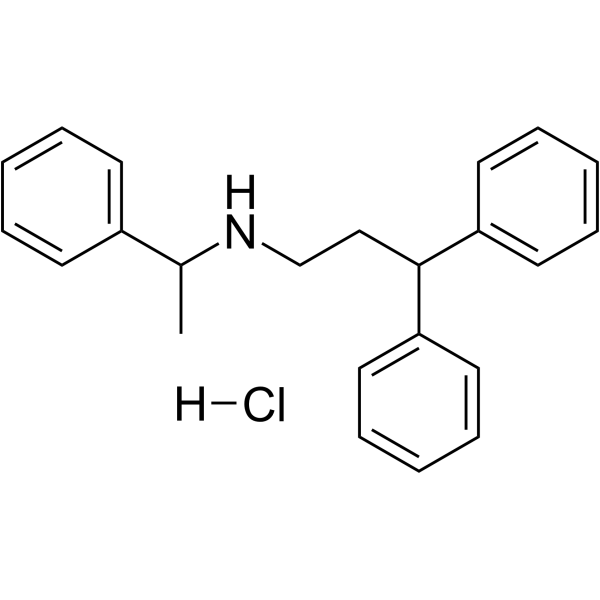
Fendiline hydrochloride, a diphenylalkylamine type of antianginal agent, is an L-type calcium channel blocker (IC50 of 17 µM). Fendiline hydrochloride is also a selective K-Ras inhibitor, and has no effect on H-Ras and N-Ras. Fendiline hydrochloride inhibits K-Ras plasma membrane localization (IC50 of 9.64 μM), inhibits K-Ras signal output and blocks the proliferation of pancreatic, colon, lung, and endometrial cancer cell lines expressing oncogenic mutant K-Ras. Fendiline hydrochloride is a STING agonist and is able to inhibit the growth of multiple refractory cold tumors (MC38, CT26 and B16F10) .
|
-
-
- HY-13495
-
ML281
2 Publications Verification
|
STK33
PKA
Aurora Kinase
Bcl-2 Family
Apoptosis
|
Metabolic Disease
Cancer
|
|
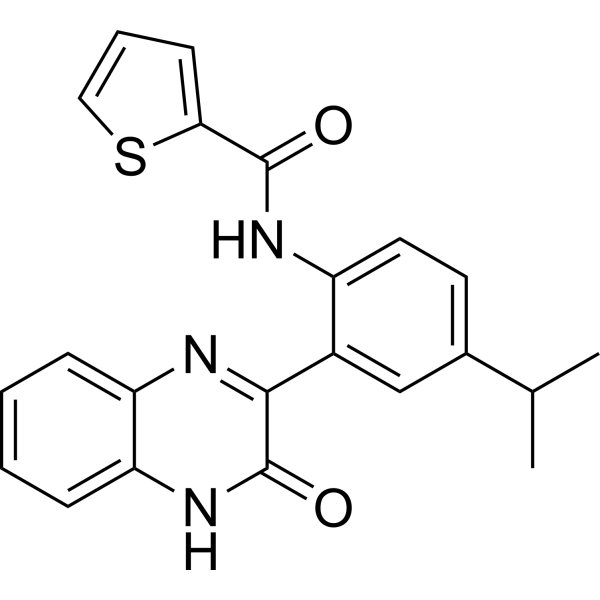
ML281 is a highly selective inhibitor of serine/threonine kinase 33 (STK33) with an IC50 value of 14 nM. ML281 shows 700-fold selectivity over PKA and 550-fold over AurB. ML281 exerts core mechanism by inhibiting STK33: in small cell lung cancer, ML281 downregulates RPS6/BAD signaling phosphorylation, induces apoptosis, and suppresses proliferation, invasion . ML281 reduces STK33-mediated 4-hydroxyphenylpyruvate dioxygenase (HPD) phosphorylation in tyrosinemia . ML281 is suitable for research on STK33 function, KRAS mutation-related cancers (pancreatic cancer, colon cancer, lung adenocarcinoma, etc.), small cell lung cancer, and tyrosinemia-related damage
|
-
-
- HY-B0984A
-
|
|
Calcium Channel
Ras
STING
Autophagy
|
Infection
Cardiovascular Disease
Cancer
|
|
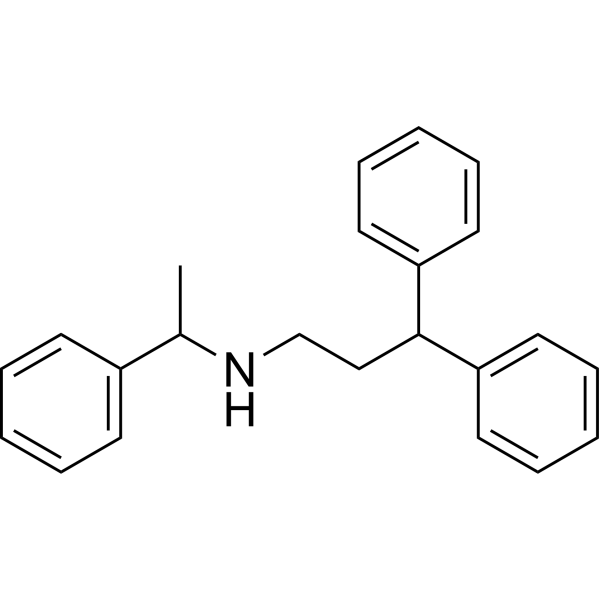
Fendiline, a diphenylalkylamine type of antianginal agent, is an L-type calcium channel blocker (IC50 of 17 µM). Fendiline is also a selective K-Ras inhibitor, and has no effect on H-Ras and N-Ras. Fendiline inhibits K-Ras plasma membrane localization (IC50 of 9.64 μM), inhibits K-Ras signal output and blocks the proliferation of pancreatic, colon, lung, and endometrial cancer cell lines expressing oncogenic mutant K-Ras. Fendiline is a STING agonist and is able to inhibit the growth of multiple refractory cold tumors (MC38, CT26 and B16F10) .
|
-
-
- HY-176785S
-
|
|
Ras
Apoptosis
p38 MAPK
Caspase
TNF Receptor
|
Cancer
|
|
MCB-294 is a dual-state pan-KRAS inhibitor that selectively inhibits KRAS over NRAS and HRAS. MCB-294 capable of binding both the active (GTP-bound) and inactive (GDP-bound) forms of KRAS with Kds of approximately 1 pM and 10 nM, respectively. MCB-294 broadly impairs the growth of hTERT-HPNE cells expressing G12D, G12C, G12V, G12S, G13D, and wild-type KRAS, with IC50s of approximately 700 nM. MCB-294 induces irreversible apoptosis in KRAS-mutated tumors. MCB-294 effectively suppress KRAS G12C inhibitor-resistant cancer cells and remodel the tumor immune microenvironment. MCB-294 can be used for the study of pancreatic cancer, colorectal cancer and lung cancer .
|
-
-
- HY-122862
-
|
|
Ras
|
Cancer
|
|
RAS inhibitor Abd-7, a potent RAS-binding compound (Kd=51 nM), is a RAS-effector protein-protein interaction (PPI) inhibitor. RAS inhibitor Abd-7 interacts with RAS inside the cells, prevents RAS-effector interactions and inhibits endogenous RAS-dependent signaling. RAS inhibitor Abd-7 impairs the PPI of various mutant KRAS proteins with PI3K, CRAF and RALGDS as well as NRAS Q61H and HRAS G12V .
|
-
-
- HY-N0427
-
|
|
Akt
NF-κB
AMPK
mTOR
PKC
STAT
Interleukin Related
p38 MAPK
COX
Reactive Oxygen Species (ROS)
Apoptosis
Autophagy
PI3K
MMP
|
Neurological Disease
Inflammation/Immunology
Cancer
|
|
Phellodendrine is an orally active plant alkaloid. Phellodendrine inhibits the proliferation of KRAS-mutated pancreatic cancer cells by suppressing macropinocytosis and glutamine metabolism, inducing ROS accumulation and mitochondrial apoptosis. Phellodendrine promotes autophagy by activating the AMPK/mTOR pathway, alleviating intestinal damage in ulcerative colitis. Phellodendrine can alleviate gouty arthritis by inhibiting the IL-6/STAT3 signaling pathway. Phellodendrine suppresses allergic reactions by altering the conformation of MRGPRB3/MRGPRX2 protein, thereby inhibiting the activation of PKC and subsequent downstream MAPK and NF-κB signaling. Phellodendrine inhibits the AKT/NF-κB pathway and down-regulates the expression of COX-2, thereby protecting zebrafish embryos from oxidative stress. Phellodendrine has an anti-major depressive disorder (MDD) effect by down-regulating CHRM1, HTR1A, and the PI3K/Akt signaling pathway .
|
-
-
- HY-159190
-
|
|
MAPKAPK2 (MK2)
|
Cancer
|
|
HRX-0233 is a small-molecule MAP2K4 inhibitor. HRX-0233 results in strong tumor shrinkage without any apparent toxicity in H358 KRASG12C-mutant non-small cell lung cancers (NSCLC) in vivo. HRX-0233 efficiently prevents feedback activation of receptor tyrosine kinases (RTKs) upon monotherapy KRAS inhibitor Sotorasib (HY-114277) and causes a more sustained and complete inhibition of MAPK signaling. HRX-0233 is promising for research of AR-negative prostate cancer, lung and colon cancers .
|
-
-
- HY-U00416
-
|
|
Ras
|
Cancer
|
|
ARS-1323 is a KRAS G12C inhibitor. ARS-1323 specifically binds to the cysteine residue on the mutant K-Ras protein, locks it in the GDP-bound conformation, thereby blocking K-Ras activation and downstream signaling pathways. ARS-1323 can be used to investigate the signal transduction mechanisms and growth characteristics of tumor cells driven by K-Ras G12C .
|
-
-
- HY-164350
-
|
|
Ras
ERK
p38 MAPK
|
Cancer
|
|
KRAS inhibitor-27 (Compound 15h) is the inhibitor for KRAS. KRAS inhibitor-27 inhibits KRAS G12D/G12V mutated cells AsPC-1, SW620 and KRAS wildtype cell HT-29 with IC50 of 378, 0.6 and 3230 nM, respectively. KRAS inhibitor-27 inhibits ERK phosphorylation (IC50 in cell AsPC-1 and SW620 is 0.6 nM and 1 nM), reduces the expression of DUSP4, thereby inhibiting MAPK signaling pathway .
|
-
-
- HY-177511
-
|
|
Ras
p38 MAPK
Raf
MEK
ERK
|
Cancer
|
|
KRAS G12D-IN-30 (Compound 4) is a KRAS inhibitor. KRAS G12D-IN-30 inhibits the activation of the downstream MAPK signaling cascade (Raf1-MEK-ERK) by blocking the activity of the KRAS G12 mutant. KRAS G12D-IN-30 can be used for the research of cancer .
|
-
-
- HY-B0984R
-
|
|
Calcium Channel
Ras
STING
Autophagy
Reference Standards
|
Infection
Cardiovascular Disease
Cancer
|
|
Fendiline (hydrochloride) (Standard) is the analytical standard of Fendiline (hydrochloride). This product is intended for research and analytical applications. Fendiline hydrochloride, a diphenylalkylamine type of antianginal agent, is an L-type calcium channel blocker (IC50 of 17 µM). Fendiline hydrochloride is also a selective K-Ras inhibitor, and has no effect on H-Ras and N-Ras. Fendiline hydrochloride inhibits K-Ras plasma membrane localization (IC50 of 9.64 μM), inhibits K-Ras signal output and blocks the proliferation of pancreatic, colon, lung, and endometrial cancer cell lines expressing oncogenic mutant K-Ras. Fendiline hydrochloride is a STING agonist and is able to inhibit the growth of multiple refractory cold tumors (MC38, CT26 and B16F10) .
|
-
-
- HY-161235
-
|
|
SOS1
Molecular Glues
Ras
|
Cancer
|
|
BTX-7312 is a cereblon-based SOS1 bifunctional degrader and a molecular glue. BTX-7312 reduces downstream signaling markers pERK and pS6 and shows antiproliferative activity in various KRAS-mutated cells .
|
-
-
- HY-W998345
-
|
|
PROTACs
PDK-1
Akt
|
Cancer
|
SMART1 is a highly specific and CRBN-dependent PROTAC that can effectively degrade Smurf1. SMART1 can block the PDK1-Akt signaling pathway in KRAS mutant colorectal cancer. SMART1 can inhibit tumor growth in KRAS mutant colorectal cancer (CRC) xenograft models.(Blue: CRBN ligand; Black: linker; Pink: Smurf1 ligand (Smurf1-L)) .
|
-
-
- HY-145928B
-
|
GDC-6036 adipate
|
Ras
|
Cancer
|
|
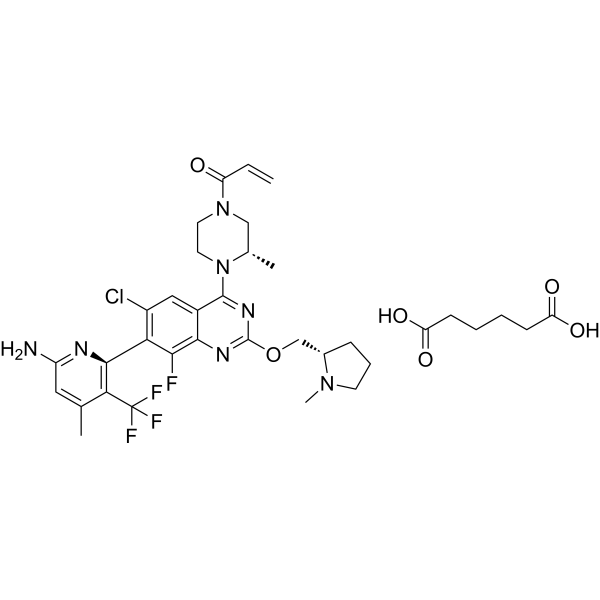
Divarasib (GDC-6036) adipate is an orally active, selective KRASG12C inhibitor with an IC50 of <0.01 μM. Divarasib adipate covalently binds Cys12 in GDP-bound KRASG12C, occupies the switch II pocket, blocks GTP binding and SOS-mediated reactivation, and inhibits oncogenic KRAS signaling. Divarasib adipate induces tumor shrinkage and robust tumor growth inhibition in KRASG12C-positive models and cancer cells. Divarasib adipate can be used for the research of non-small cell lung cancer, colorectal adenocarcinoma, pancreatic ductal adenocarcinoma, and other KRASG12C-mutated solid tumors .
|
-
-
- HY-106381A
-
|
|
PKC
TrxR
NF-κB
|
Inflammation/Immunology
Cancer
|
|
Aurothiomalate tetramer sodium is the tetrameric form of Aurothiomalate sodium (HY-106381). Aurothiomalate tetramer sodium acts as an inhibitor of PKCI and TrxR1. Aurothiomalate tetramer sodium disrupts the PKCI-Par6-Rac1 signaling pathway, and also inhibits TrxR1 activity, TNFα-induced NF-κB activation, and the expression of pro-inflammatory genes. Aurothiomalate tetramer sodium blocks Kras-mediated BASC expansion and lung tumor growth, inhibits anchorage-independent growth and tumorigenicity of lung cancer cells, and suppresses neutrophil chemotaxis, phagocytosis, and leukocyte extravasation. Aurothiomalate tetramer sodium can be used in research related to rheumatoid arthritis and non-small cell lung cancer .
|
-
-
- HY-143603
-
|
|
Ras
|
Cancer
|
|
KRAS G12D inhibitor 10 is a potent inhibitor of KRAS G12D. The Ras family of proteins is an important intracellular signaling molecule that plays an important role in growth and development. KRAS G12D inhibitor 10 has the potential for the research of KRAS G12D-mediated cancer (extracted from patent WO2021108683A1, compound 34) .
|
-
-
- HY-143607
-
|
|
Ras
|
Cancer
|
|
KRAS G12D inhibitor 13 is a potent inhibitor of KRAS G12D. The Ras family of proteins is an important intracellular signaling molecule that plays an important role in growth and development. KRAS G12D inhibitor 13 has the potential for the research of KRAS G12D-mediated cancer (extracted from patent WO2021108683A1, compound 142) .
|
-
-
- HY-156671A
-
|
|
Ras
PI3K
ERK
mTOR
Apoptosis
|
Cancer
|
|
RMC-4998 formic is an orally active inhibitor targeting the active or GTP-bound state of the KRAS G12C mutant. RMC-4998 formic can form a ternary complex with intracellular CYPA and the activated KRAS G12C mutant, with an IC50 value of 28 nM. RMC-4998 formic can inhibit ERK signaling in KRAS G12C mutant cancer cells and induce apoptosis. RMC-4998 formic can be used for non-small cell lung cancer (NSCLC) research .
|
-
-
- HY-126247B
-
|
|
Drug Derivative
Ras
|
Cancer
|
|
(R)-BI-2852 is the isomer of BI-2852 (HY-126247), and can be used as an experimental control. BI-2852 is a KRAS inhibitor for the switch I/II pocket (SI/II-pocket) by structure-based agent design with nanomolar affinity. BI-2852 is mechanistically distinct from covalent KRASG12C inhibitor (binds to switch II pocket) and binds ten-fold more strongly to active KRASG12D versus KRASwt (740 nM vs 7.5 μM). BI-2852 blocks GEF, GAP, and effector interactions with KRAS, leading to inhibition of downstream signaling and an antiproliferative effect in KRAS mutant cells.
|
-
-
- HY-161233A
-
|
|
PROTACs
SOS1
ERK
|
Cancer
|
|
BTX-6654 formate is a target-dependent and -specific cereblon-based bifunctional SOS1 PROTAC degrader. BTX-6654 formate reduces downstream signaling markers pERK and pS6, and displays antiproliferative activity in cells harboring various KRAS mutations .
|
-
-
- HY-P991571
-
|
GC-1118A
|
EGFR
PERK
Akt
|
Cancer
|
|
GC1118 (GC-1118A) is a fully human anti-EGFR monoclonal antibody with binding affinity of 0.16 nM (KD) to EGFR. GC1118 displays potent inhibitory effects on high- and low-affinity EGFR ligand-induced signaling. GC1118 shows potent anti proliferative activity in KRAS wild-type and KRAS mutant cells. GC1118 can reach the tumor by crossing both BBB (blood-brain barrier) and BTB (brain-tumor barrier) and shows superior anti-tumor effects in various mice xenograft models. GC1118 can be used for the researches of cancer, such as colorectal cancer .
|
-
-
- HY-P10436
-
|
|
Raf
|
Cancer
|
|
Braftide is an allosteric inhibitor for BRAF kinase by targeting the dimer interface of BRAF kinase and inhibiting the formation of BRAF dimers. Braftide inhibits wild-type BRAF and oncogenic BRAF G469A with IC50 of 364 nM and 172 nM, respectively. Braftide inhibits MAPK signaling pathway, inhibits proliferation of KRAS mutant tumor cells (EC50 is 7.1 and 6.6 μM, for HCT116 and HCT-15), in combination of TAT sequence. Braftide can be used for cancer research .
|
-
-
- HY-174261
-
|
|
Ras
|
Cancer
|
|
KRAS-IN-5 (Compound Ex 6) is an orally active and selective inhibitor targeting KRAS mutants (including KRAS G12D, KRAS G12V, KRAS WT) with a GNE IC50 value of 1.3 nM against KRAS G12D. KRAS-IN-5 blocks tumor cell proliferation by inhibiting KRAS-mediated signaling pathways (e.g., reducing ERK phosphorylation). KRAS-IN-5 is promising for research of KRAS mutation-related cancers, such as pancreatic cancer, colorectal cancer, lung cancer .
|
-
-
- HY-161066
-
|
|
Ras
|
Cancer
|
|
KRAS G13D-IN-1 (Compound 41) is a selective and covalently reversible inhibitor of KRAS G13D (IC50: 0.41 nM). The selectivity for KRAS G13D is 29-fold against KRAS wild type. KRAS G13D-IN-1 is an inhibitor of the GDP state and targets the SWII binding pocket of KRAS G13D. KRAS G13D-IN-1 inhibits KRAS binding to GDP and turns on/off downstream signaling cascades. KRAS G13D-IN-1 can be used in the research of colon cancer .
|
-
-
- HY-143606
-
|
|
Ras
|
Cancer
|
|
KRAS G12D inhibitor 12 is a potent inhibitor of KRAS G12D. The Ras family of proteins is an important intracellular signaling molecule that plays an important role in growth and development. KRAS G12D inhibitor 12 has the potential for the research of KRAS G12D-mediated cancer (extracted from patent WO2021108683A1, compound 134) .
|
-
- HY-143604
-
|
|
Ras
|
Cancer
|
|
KRAS G12D inhibitor 11 is a potent inhibitor of KRAS G12D. The Ras family of proteins is an important intracellular signaling molecule that plays an important role in growth and development. KRAS G12D inhibitor 11 has the potential for the research of KRAS G12D-mediated cancer (extracted from patent WO2021108683A1, compound 52) .
|
-
- HY-143599
-
|
|
Ras
|
Cancer
|
|
KRAS G12D inhibitor 8 is a potent inhibitor of KRAS G12D. The Ras family of proteins is an important intracellular signaling molecule that plays an important role in growth and development. KRAS G12D inhibitor 8 has the potential for the research of KRAS G12D-mediated cancer (extracted from patent WO2021107160A1, compound 2) .
|
-
- HY-176170
-
|
|
SOS1
|
Cancer
|
|
SOS1-IN-19 (Compound 10i) is a potent inhibitor of SOS1 (Son of Sevenless 1) with an IC50 value of 165.2 nM. SOS1-IN-19 blocks KRAS activation by preventing GDP/GTP exchange in KRAS signaling pathway. SOS1-IN-19 is promising for research of KRAS-driven cancers (e.g., NSCLC and colorectal cancer) .
|
-
- HY-128590
-
PHT-7.3
1 Publications Verification
|
Ras
|
Cancer
|
|
PHT-7.3 is a selective inhibitor of connector enhancer of kinase suppressor of Ras 1 (Cnk1) pleckstrin homology (PH) domain (Kd=4.7 μM). PHT-7.3 inhibits mut-KRas, but not wild-type KRas cancer cell and tumor growth and signaling. PHT-7.3 has antitumor activity .
|
-
- HY-161233
-
|
|
PROTACs
SOS1
ERK
|
Cancer
|
|
BTX-6654 is a target-dependent and -specific cereblon-based bifunctional SOS1 PROTAC degrader. BTX-6654 reduces downstream signaling markers pERK and pS6, and displays antiproliferative activity in cells harboring various KRAS mutations .
|
-
- HY-178497
-
|
|
PROTACs
Ras
p38 MAPK
TNF Receptor
|
Inflammation/Immunology
Cancer
|
|
ZJK-807 is a highly effective and selective PROTAC degrader targeting KRASG12D (DC50 = 79.5 nM in AsPC-1 cells). ZJK-807 shows minimal impact on wild-type KRAS or other mutants (G12C/S/V, G13D), inducing mutant-specific cytotoxicity. ZJK-807 suppresses RAS/MAPK signaling and uniquely modulates TNF signaling and eukaryotic ribosome biogenesis. ZJK-807 can be used for the study of KRAS-driven pancreatic cancer. Yellow: KRASG12D ligand (HY-W087383); Green: E3 ligase CRBN ligand (HY-178507); Black: Linker (HY-178506) .
|
-
- HY-116428
-
|
|
Farnesyl Transferase
Ras
TGF-β Receptor
Apoptosis
|
Cancer
|
|
L-744832 is a farnesyl transferase inhibitor. L-744832 effectively inhibits the farnesylation of H-Ras and N-Ras, but has little effect on K-Ras treatment. L-744832 not only directly targets the oncogenic pathway by inhibiting Ras farnesylation, but also enhances radiosensitivity by restoring TGF-β signaling through epigenetic reprogramming. L-744832 can induce cell cycle arrest and apoptosis. L-744832 can be used in combination therapy studies for Ras-driven tumors such as pancreatic cancer .
|
-
- HY-161236
-
|
|
Molecular Glues
SOS1
Ras
|
Cancer
|
|
KRAS ligand 4 (compound 2) is a bifunctional molecular glue degrader based on SOS1. KRAS ligand 4 reduces downstream signaling markers pERK and pS6 and displays anti-additional activity in cells with multiple KRAS mutations .
|
-
- HY-174379
-
|
|
Phosphodiesterase (PDE)
Ras
PI3K
Akt
mTOR
Apoptosis
|
Cancer
|
|
KRAS IN-44 (Compound S2C2M2) is a PDE6D degrader. KRAS IN-44 inhibits PDE6D-dependent KRAS trafficking and KRAS downstream signaling pathways. KRAS IN-44 down-regulates EGF-induced the phosphorylation of PI3K, AKT, and mTOR. KRAS IN-44 increases Apoptosis. KRAS IN-44 has antitumor activity against hepatoblastoma .
|
-
- HY-154313
-
|
Clospirazine
|
Ras
|
Cancer
|
|
Spiclomazine (Clospirazine) is a potent mutant KRAS(G12C) inhibitor that selectively inhibits mutant KRAS-driven pancreatic cancer. Spiclomazine can eliminate KRas-GTP levels in KRAS-driven pancreatic cancer and effectively inhibit RAS-mediated signaling. Spiclomazine significantly inhibits tumor progression in mouse renal capsule xenotransplantation models .
|
-
- HY-163636
-
|
A-442b
|
Phosphodiesterase (PDE)
Ras
|
Cancer
|
|
Deltaflexin3 is a potent PDE6D inhibitor. Deltaflexin3 reduces the signaling of Ras and selectively decreases the KRAS mutant and PDE6D-dependent cancer cells growth .
|
-
- HY-134813A
-
|
|
Ras
|
Cancer
|
|
MRTX1133 formic is a noncovalent, potent, and selective KRAS G12D inhibitor. MRTX1133 formic optimally fills the switch II pocket and extends three substituents to favorably interact with the protein, resulting in an estimated KD against KRAS G12D of 0.2 pM. MRTX1133 formic prevents SOS1-catalyzed nucleotide exchange and/or formation of the KRASG12D/GTP/RAF1 complex, thereby inhibiting mutant KRAS-dependent signal transduction. MRTX1133 formic shows efficacy in tumor models harboring KRAS G12D mutations .
|
-
- HY-156671B
-
|
|
Ras
PI3K
ERK
mTOR
Apoptosis
|
Cancer
|
|
RMC-4998 TFA is an orally active inhibitor targeting the active or GTP-bound state of the KRAS G12C mutant. RMC-4998 TFA can form a ternary complex with intracellular CYPA and the activated KRAS G12C mutant, with an IC50 value of 28 nM. RMC-4998 TFA can inhibit ERK signaling in KRAS G12C mutant cancer cells and induce apoptosis. RMC-4998 TFA can be used for for non-small cell lung cancer (NSCLC) research .
|
-
- HY-172919
-
|
|
Phosphodiesterase (PDE)
NAMPT
Apoptosis
|
Cancer
|
|
PDEδ/NAMPT IN-1 (Compound 17d) is a dual inhibitor targeting phosphodiesterase 6 (PDE6) (KD=0.410 nM) and nicotinamide phosphoribosyl transferase (NAMPT) (IC50=2.21 nM). PDEδ/NAMPT IN-1 blocks KRAS-related signal transduction and interferes with the synthesis of nicotinamide adenine dinucleotide (NAD +), inducing apoptosis in KRAS mutant pancreatic cancer cells. PDEδ/NAMPT IN-1 is promising for research of KRAS mutant pancreatic cancer .
|
-
- HY-175244
-
|
|
SOS1
Ras
Potassium Channel
|
Cancer
|
|
SOS1-IN-20 (Compound 12f) is an orally active SOS1 inhibitor with an IC50 of 5.11 nM against KRAS G12C::SOS1. By disrupting the interaction between KRAS and SOS1, SOS1-IN-20 inhibits KRAS activation and downstream signal transduction. SOS1-IN-20 has an IC50 of 253 nM for p-ERK in PC-9 cells and 16.71 μM for hERG channel . SOS1-IN-20 can inhibit the proliferation of tumor cells and has antitumor activity .
|
-
- HY-168012
-
|
|
Ras
Phosphatase
|
Cancer
|
|
Pan-RAS-IN-6 (compound 24) is an inhibitor targeting DUSP6, which reduces MAPK activation in the brain of the NCI-H1373-Luc model (DUSP6), at the same time, it shows significant tumor growth inhibition and tumor regression effects in the NSCLC brain metastasis mouse model. Pan-RAS-IN-6 shows high selectivity and strong inhibitory effects, especially in KRAS mutation-related signaling pathways, demonstrating varying inhibitory activity against different KRAS mutants and interacting proteins. The IC50 values for KRAS G12C, G12D, and G12V are 1.3 nM, 4.7 nM, and 0.3 nM, respectively .
|
-
- HY-175529
-
|
|
Ras
ERK
Apoptosis
|
Cancer
|
|
KRASG12D-IN-7 is a selective KRAS G12D inhibitor. KRASG12D-IN-7 displays strong binding activity for KRAS G12D in both its GDP- and GTP- bound states, with Kd value of 1.12 nM and 1.86 nM, respectively. KRASG12D-IN-7 inhibits the proliferation of KRAS G12D harboring AsPC-1 cells with an IC50 value of 10 nM and suppresses MAPK signaling. KRASG12D-IN-7 induces G0/G1 phase arrest and apoptosis in AsPC-1 cells, and strongly inhibits their colony formation. KRASG12D-IN-7 can be used for the study of cancers harboring KRAS G12D mutation, particularly pancreatic ductal adenocarcinoma (PDAC) .
|
-
- HY-153858
-
|
|
Raf
Discoidin Domain Receptor
MEK
TNF Receptor
Interleukin Related
JAK
STAT
Ras
|
Cancer
|
|
PHI-501 is a dual inhibitor targeting RAF/DDR. PHI-501 exhibits significant anti-proliferative effects in melanoma cell lines and significantly inhibits the colony formation of drug-resistant cells. PHI-501 strongly inhibits ERK and AKT phosphorylation. PHI-501 downregulates the gene sets in drug-resistant cells of TNFA-NFKB, IL6-JAK-STAT3, and KRAS signaling pathways as well as the epithelial-mesenchymal transition (EMT) signaling pathways. PHI-501 demonstrates significant anti-tumor effects in the SK-MEL3DR xenograft model. PHI-501 can be used for research on the problem of drug resistance in melanoma .
|
-
- HY-N0735R
-
|
|
Reference Standards
Autophagy
mTOR
AMPK
Apoptosis
STAT
Interleukin Related
PKC
p38 MAPK
NF-κB
COX
Reactive Oxygen Species (ROS)
PI3K
Akt
MMP
|
Neurological Disease
Inflammation/Immunology
Cancer
|
|
Phellodendrine chloride (Standard) is the analytical standard of Phellodendrine chloride (HY-N0735). Phellodendrine chloride is an orally active plant alkaloid. Phellodendrine chloride inhibits the proliferation of KRAS-mutated pancreatic cancer cells by suppressing macropinocytosis and glutamine metabolism, inducing ROS accumulation and mitochondrial apoptosis. Phellodendrine chloride promotes autophagy by activating the AMPK/mTOR pathway, alleviating intestinal damage in ulcerative colitis. Phellodendrine chloride can alleviate gouty arthritis by inhibiting the IL-6/STAT3 signaling pathway. Phellodendrine chloride suppresses allergic reactions by altering the conformation of MRGPRB3/MRGPRX2 protein, thereby inhibiting the activation of PKC and subsequent downstream MAPK and NF-κB signaling. Phellodendrine chloride inhibits the AKT/NF-κB pathway and down-regulates the expression of COX-2, thereby protecting zebrafish embryos from oxidative stress. Phellodendrine chloride has an anti-major depressive disorder (MDD) effect by down-regulating CHRM1, HTR1A, and the PI3K/Akt signaling pathway.
|
-
- HY-168442
-
|
|
Ras
PERK
|
Cancer
|
|
KRAS inhibitor-40 (Compound 41) is a KRAS inhibitor that interferes with the KRAS G12C-BRAF complex. KRAS inhibitor-40 inhibits the ERK phosphorylation of KRAS downstream signaling pathway. KRAS inhibitor-40 can inhibit the proliferation of tumor cells with different KRAS mutation types and has antitumor activity .
|
-
- HY-143588
-
|
|
Ras
|
Cancer
|
|
KRAS G12C inhibitor 35 is a potent inhibitor of KRAS G12C. The Ras family of proteins is an important intracellular signaling molecule that plays an important role in growth and development. KRAS G12C inhibitor 35 has the potential for the research of KRAS G12C-mediated cancer (extracted from patent CN112920183A, compound 3) .
|
-
- HY-143590
-
|
|
Ras
|
Cancer
|
|
KRAS G12C inhibitor 37 is a potent inhibitor of KRAS G12C. The Ras family of proteins is an important intracellular signaling molecule that plays an important role in growth and development. KRAS G12C inhibitor 37 has the potential for the research of KRAS G12C-mediated cancer (extracted from patent WO2018143315A1, compound 65) .
|
-
- HY-143594
-
|
|
Ras
|
Cancer
|
|
KRAS G12C inhibitor 40 is a potent inhibitor of KRAS G12C. The Ras family of proteins is an important intracellular signaling molecule that plays an important role in growth and development. KRAS G12C inhibitor 40 has the potential for the research of KRAS G12C-mediated cancer (extracted from patent WO2021129824A1, compound 70) .
|
-
- HY-143591
-
|
|
Ras
|
Cancer
|
|
KRAS G12C inhibitor 38 is a potent inhibitor of KRAS G12C. The Ras family of proteins is an important intracellular signaling molecule that plays an important role in growth and development. KRAS G12C inhibitor 38 has the potential for the research of KRAS G12C-mediated cancer (extracted from patent WO2021129820A1, compound 171) .
|
-
- HY-143598
-
|
|
Ras
|
Cancer
|
|
KRAS G12C inhibitor 42 is a potent inhibitor of KRAS G12C. The Ras family of proteins is an important intracellular signaling molecule that plays an important role in growth and development. KRAS G12C inhibitor 42 has the potential for the research of KRAS G12C-mediated cancer (extracted from patent WO2020146613A1, compound 10) .
|
-
- HY-143602
-
|
|
Ras
|
Cancer
|
|
KRAS G12D inhibitor 9 is a potent inhibitor of KRAS G12D. The Ras family of proteins is an important intracellular signaling molecule that plays an important role in growth and development. KRAS G12D inhibitor 9 has the potential for the research of KRAS G12D-mediated cancer (extracted from patent WO2021108683A1, compound 20) .
|
-
- HY-143596
-
|
|
Ras
|
Cancer
|
|
KRAS G12C inhibitor 41 is a potent inhibitor of KRAS G12C. The Ras family of proteins is an important intracellular signaling molecule that plays an important role in growth and development. KRAS G12C inhibitor 41 has the potential for the research of KRAS G12C-mediated cancer (extracted from patent WO2021129824A1, compound 121) .
|
-
- HY-174851
-
|
|
Ras
|
Cancer
|
|
KRAS G12C-IN-70 is a selective KRAS G12C mutant inhibitor. KRAS G12C-IN-70 blocks KRAS G12C-mediated downstream signaling pathways (e.g., RAF-MEK-ERK) and inhibits tumor cell proliferation. KRAS G12C-IN-70 is promising for research of KRAS G12C mutation-related tumors (such as non-small cell lung cancer, colorectal cancer) .
|
-
- HY-164645
-
|
|
Ras
|
Cancer
|
|
pan-KRAS-IN-16 (Compound 3344) is an anti-RAS small molecule derived from an intracellular antibody fragment with pan-RAS-effector protein-protein interaction inhibitor properties. pan-KRAS-IN-16 binds to a hydrophobic pocket near to the effector-binding switch regions of RAS. pan-KRAS-IN-16 prevents endogenous RAS-dependent signaling in tumor cell lines .
|
-
- HY-108887
-
|
|
Raf
|
Cancer
|
|
Anticancer agent 124 is an orally active, highly selective and potent pan RAF inhibitor. Anticancer agent 124 inhibits MAPK signalling in BRAF V600E, NRAS and KRAS mutant tumor cells .
|
-
- HY-123929
-
|
|
MDM-2/p53
Wnt
IKK
Apoptosis
Caspase
|
Cancer
|
|
PAWI-2 is a p53-Activator and Wnt Inhibitor. PAWI-2 inhibits β3-KRAS signaling independent of KRAS. PAWI-2 selectively inhibits phosphorylation of TBK1. PAWI-2 activates apoptosis (activation of caspase-3/7), and induces PARP cleavage. PAWI-2 promotes optineurin translocation into the nucleus and causes G2/M arrest. PAWI-2 reverses cancer stemness and overcomes drug resistance in an integrin β3 KRAS-dependent human pancreatic cancer stem cells (hPCSCs). PAWI-2 inhibits growth of tumors from hPCSCs in orthopic xenograft mice model .
|
-
- HY-161450
-
|
|
PROTACs
Ras
|
Cancer
|
|
LHF418 is an effective SOS1 PROTAC degrader with a DC50 value of 209.4 nM in A549 cells. LHF418 can effectively inhibit RAS signaling and colony formation in KRAS-driven cancer cells. (Structural note: (Blue: Cereblon ligand (HY-A0003), Black: linker; Pink: SOS1 binder SOS1 Ligand intermediate-3 (HY-161452)) .
|
-
- HY-168919
-
|
|
Ras
Apoptosis
p38 MAPK
PI3K
mTOR
|
Cancer
|
|
KRASG12C IN-16 (Compound SK-17) is a selective, covalent and an orally active KRAS G12C inhibitor. KRASG12C IN-16 induces Apoptosis. KRASG12C IN-16 effectively prevents the activation of MAPK and PI3K/mTOR signaling pathways. KRASG12C IN-16 displays anti-tumor activity against pancreatic cancer .
|
-
- HY-186087
-
|
|
Ras
ERK
Cyclophilin
|
Cancer
|
|
RM-046 is an orally active, selective ternary complex inhibitor of KRAS Q61H (active form). RM-046 forms a ternary complex with cyclophilin A, binds to active KRAS Q61H in a non-covalent manner, blocks effector binding via steric hindrance and inhibits downstream signal transduction. RM-046 inhibits ERK phosphorylation and cancer cell proliferation, and induces sustained RAS pathway signal inhibition, anti-tumor activity and tumor regression in preclinical xenograft models. RM-046 can be used for the research of KRAS Q61H mutant cancers .
|
-
- HY-183625
-
|
|
Ras
|
Cancer
|
|
PCA-IN-1 is a polyisoprenylated cysteinyl amide (PCA) inhibitor that acts on multiple KRAS mutant subtypes. PCA-IN-1 dissociates KRAS4B from its transport chaperones, prevents its localization to the plasma membrane, and blocks downstream oncogenic signaling pathways. PCA-IN-1 inhibits colony formation of KRAS-mutant lung cancer cells, induces sustained long-term growth inhibition, and suppresses cell migration. PCA-IN-1 is applicable to the research of KRAS-mutant lung cancer .
|
-
- HY-183355
-
|
|
Ras
ERK
Akt
Reactive Oxygen Species (ROS)
Apoptosis
Bcl-2 Family
Caspase
|
Cancer
|
|
KRAS G12D-IN-37 is a KRAS G12D inhibitor. KRAS G12D-IN-37 shows antiproliferative activity against KRAS G12D mutant tumor cells and minimal cytotoxicity toward normal cells. KRAS G12D-IN-37 binds stably to KRAS G12D via hydrogen bond interactions with residues His 95, Arg 68, and Asp 12, and inhibits downstream ERK/AKT signaling pathways. KRAS G12D-IN-37 elevates ROS levels, induces apoptosis, disrupts mitochondrial membrane potential. KRAS G12D-IN-37 downregulates the level of anti-apoptotic protein Bcl-2, and upregulates the levels of pro-apoptotic proteins Bax and caspase 3. KRAS G12D-IN-37 can be used for the research of cancer, such as gastric adenocarcinoma and colorectal cancer .
|
-
- HY-181420A
-
|
|
Ras
Phosphatase
ERK
Apoptosis
|
Cancer
|
|
BBO-11818 is an orally active, highly selective (relative to NRAS and HRAS), non-covalent pan-KRAS inhibitor (IC50=28-120 nM). BBO-11818 specifically binds to the Switch-II/Helix 3 pocket, disrupts the KRAS:RAF1 interaction by inducing conformational changes, and blocks the MAPK signaling pathway. BBO-11818 exhibits significant anti-tumor activity, which not only inhibits cell proliferation and induces apoptosis, but also drives tumor regression in xenograft models. BBO-11818 produces synergistic effects when combined with Cetuximab (HY-P9905), anti-PD-1 antibody or PI3Kα inhibitor. BBO-11818 is used in the research of KRAS mutation-related malignancies such as pancreatic cancer, non-small cell lung cancer and colorectal cancer .
|
-
- HY-181883
-
|
|
Ras
Raf
PI3K
p38 MAPK
|
Cancer
|
|
KRAS-IN-55 is a pan-KRAS inhibitor with IC50 values of 4.3, 9.6 and 1.6 nM against KRAS G12C, KRAS G12D and KRAS G12V, respectively. KRAS-IN-55 induces the formation of a new binding pocket on KRAS, thereby forming a high-affinity ternary complex with cyclophilin A (CYPA), inhibiting the interactions of KRAS with downstream effectors RAF and PI3K, and blocking oncogenic MAPK and PI3K signaling pathways. KRAS-IN-55 is applicable to cancer research such as colorectal cancer and non-small cell lung cancer .
|
-
- HY-173632A
-
|
|
Ras
|
Cancer
|
|
AMG410 diTFA is a non-covalent and selective pan-KRAS inhibitor with IC50 values of 1-4 nM for KRAS G12D, KRAS G12V, and KRAS G13D. AMG410 diTFA shows greater than 100-fold selectivity against both HRAS and NRAS. AMG410 diTFA is a dual GTP(on)- and GDP(off)-state inhibitor (Kd(GDP-state) of 1 nM; Kd(GTP-state) of 22 nM). AMG410 diTFA blocks KRAS signaling in a cycling state-independent manner and also blocks proliferation in wildtype KRAS-amplified tumor cells. AMG410 diTFA can be used for the study of colorectal, pancreatic, and lung cancers .
|
-
- HY-183365
-
|
|
SOS1
Ras
p38 MAPK
ERK
MEK
Apoptosis
|
Cancer
|
|
SL43 is an orally active and potent SOS1 inhibitor with a Kd of 0.16 μM. SL43 disrupts SOS1-KRAS interaction, inhibits SOS1-mediated nucleotide exchange on KRAS mutants, and suppresses RAS-MAPK signaling. SL43 exerts antiproliferative activity against KRAS-mutant cancer cells, induces early apoptosis and G1 phase cell cycle arrest, and reduces phosphorylated MEK and ERK levels. SL43 suppresses tumor growth in a colorectal cancer xenograft model .
|
-
- HY-158107A
-
|
|
Drug Isomer
Ras
|
Cancer
|
|
(4R)-BBO-8520 (Compound 314), an isomer of BBO-8520 (HY-158107), is a selective KRAS G12C inhibitor. BBO-8520 has the characteristics of KRAS G12C (OFF) inhibitor and the function of blocking KRAS G12C (ON) signal. BBO-8520 inhibits cell proliferation by inhibiting KRAS G12C (ON) by binding GTP protein. BBO-8520 can block RAS-RAF1 interaction and return KRAS G12C to the inactive (OFF) state. (4R)-BBO-8520 can be used for the research of cancer .
|
-
- HY-182044
-
|
|
Ras
Apoptosis
PARP
Caspase
CDK
|
Cancer
|
|
MRTX849-amide-C4-(o)-carborane is a KRAS G12C inhibitor with mutation selectivity for cells expressing KRAS G12C. MRTX849-amide-C4-(o)-carborane shows low intrinsic cytotoxicity in cancer cells. MRTX849-amide-C4-(o)-carborane covalently binds to Cys12 of KRAS G12C, recruits Hsp70, promotes ubiquitination, and induces proteasome-dependent degradation of the target protein. MRTX849-amide-C4-(o)-carborane inhibits the activity of the downstream ERK signaling pathway and induces apoptosis signaling in cancer cells. MRTX849-amide-C4-(o)-carborane is applicable for the research of KRAS G12C-positive cancers .
|
-
- HY-182883
-
|
|
Ras
|
Cancer
|
|
KRASG12C IN-20 is an orally potent KRAS G12C inhibitor with an EC50 of 3.9 nM. KRASG12C IN-20 covalently modifies KRAS G12C in its inactive GDP-bound state and locks it to block oncogenic signal transduction. KRASG12C IN-20 exhibits significant activity in lung adenocarcinoma xenograft models. KRASG12C IN-20 can be used for research related to lung adenocarcinoma .
|
-
- HY-182241
-
|
|
c-Myc
Early 2 Factor (E2F)
TNF Receptor
MDM-2/p53
Reactive Oxygen Species (ROS)
Apoptosis
|
Cancer
|
|
JR4-187 is an orally active, copper-dependent anticancer agent. JR4-187 downregulates genes involved in oxidative phosphorylation, MYC targets and E2F targets in cancer cells, while upregulates genes involved in the TNF-α signaling pathway, p53 pathway and KRAS signaling pathway, and downregulates CTR1 protein . JR4-187 induces ROS production, apoptosis, copper-dependent cytotoxicity, and exhibits selective cytotoxicity against KRAS-mutant cancer cells. JR4-187 is well tolerated in mouse models of pancreatic cancer. JR4-187 can be used in research related to cancers such as pancreatic ductal adenocarcinoma, colon cancer and rectal cancer .
|
-
- HY-181420
-
|
|
ERK
Apoptosis
Phosphatase
Ras
|
Cancer
|
|
(S,R,S)-BBO-11818 is an orally active, highly selective (relative to NRAS and HRAS), non-covalent pan-KRAS inhibitor (IC50=28-120 nM). (S,R,S)-BBO-11818 specifically binds to the Switch-II/Helix 3 pocket, disrupts the KRAS:RAF1 interaction by inducing conformational changes, and blocks the MAPK signaling pathway. (S,R,S)-BBO-11818 exhibits significant anti-tumor activity, which not only inhibits cell proliferation and induces apoptosis, but also drives tumor regression in xenograft models. (S,R,S)-BBO-11818 produces synergistic effects when combined with Cetuximab (HY-P9905), anti-PD-1 antibody or PI3Kα inhibitor. (S,R,S)-BBO-11818 is used in the research of KRAS mutation-related malignancies such as pancreatic cancer, non-small cell lung cancer and colorectal cancer .
|
-
- HY-181020
-
|
|
Phosphodiesterase (PDE)
p38 MAPK
Akt
mTOR
ERK
|
Cancer
|
|
Deltafluorine is a phosphodiesterase delta (PDEδ) inhibitor with an IC50 of 27 nM, a KD of 148 nM. Deltafluorine covalently modifies the specific glutamate residue p.E88 in the ligand binding site of PDEδ, interfering with its chaperone function. Deltafluorine inhibits signaling through the MAPK and Akt-mTOR pathway, reduces ERK1/2 expression. Deltafluorine reduces tumor volume in an autochthonous mouse model of Kras-driven lung adenocarcinoma. Deltafluorine can be used for the research of lung adenocarcinoma .
|
-
- HY-175870A
-
|
|
Ras
ERK
|
Cancer
|
|
(7R)-Eras-4001 is an orally active KRAS mutant inhibitor with remarkable selectivity for H-RAS and N-RAS. (7R)-Eras-4001 effectively suppresses cancer cell viability by blocking downstream signaling pathways mediated by RAF family proteins, inhibiting the formation of the KRAS G12D-RAF1 RBD complex and the phosphorylation of ERK1/2. (7R)-Eras-4001 induces tumor growth inhibition and regression in a dose-dependent manner, and also reduces plasma ERK1/2 phosphorylation levels. (7R)-Eras-4001 exerts a synergistic effect with anti-PD-1 Cetuximab (HY-P9905). (7R)-Eras-4001 can be used in research on non-small cell lung cancer, pancreatic cancer, colorectal cancer, and ovarian cancer .
|
-
- HY-180200
-
|
|
Ras
ERK
|
Cancer
|
|
RNK08954 is an orally active KRASG12D inhibitor with a Kd of 0.0395 nM. RNK08954 selectively binds the inactive GDP-bound KRASG12D form, suppresses downstream KRAS-mediated signaling pathways p-ERK1/2 experssion. RNK08954 inhibits KRASG12D-mutant cell proliferation, induces G0-G1 cell cycle arrest, and inhibits tumor growth in mouse xenograft models. RNK08954 can be used for the research of non-small cell lung cancer, pancreatic ductal adenocarcinoma .
|
-
- HY-134505
-
|
|
Ras
Phospholipase
ERK
Akt
|
Cancer
|
|
Avicin G is a sphingomyelinase inhibitor and plasma membrane disruptor. Avicin G inhibits the enzymatic activities of neutral sphingomyelinases (SMPD2/3) and acid sphingomyelinase (SMPD1), elevates intracellular sphingomyelin levels, and alters the distribution of sphingomyelin. Avicin G interferes with the lateral segregation of GTP- and GDP-bound H-Ras, inhibits the signal output of oncogenic K-Ras and H-Ras, reduces the phosphorylation of ERK and Akt, increases lysosomal pH, and inhibits the endocytic recycling of epidermal growth factor receptor. Avicin G can be used in research related to pancreatic ductal adenocarcinoma and non-small cell lung cancer .
|
-
- HY-182055
-
|
|
G-quadruplex
Keap1-Nrf2
Ferroptosis
Apoptosis
|
Cancer
|
|
Anticancer agent 309 (Compound HZ-1) is an anticancer agent and G-quadruplex binder, with Kd values of 2.46 μM and 1.61 μM for c-Myc G4 and KRAS G4, respectively. Anticancer agent 309 promotes the formation of intranuclear G4. Anticancer agent 309 shows higher selectivity for parallel G4 than for non-parallel G4. Anticancer agent 309 inhibits the NRF2 signaling pathway and reduces the expression of XCT and GPX4. Anticancer agent 309 induces Ferroptosis, Apoptosis and immunogenic cell death in cells. Anticancer agent 309 exerts antitumor efficacy against breast cancer. Anticancer agent 309 is applicable for the research of breast cancer .
|
-
- HY-135700
-
|
|
Calcineurin
Ras
HMG-CoA Reductase (HMGCR)
|
Metabolic Disease
Inflammation/Immunology
|
|
Mevalonolactone is an intermediate metabolite in the eukaryotic mevalonate pathway, serving as the stable δ-lactone form of mevalonate with oral activity. Mevalonolactone exhibits binding affinity for ZNF384 (Ka = 12.6 μM) and inhibitory activity against aconitase (aconitase). Mevalonolactone promotes the nuclear localization of ZNF384 and enhances its binding to the GGPPS promoter. Mevalonolactone induces insulin resistance, disrupts glucose and lipid metabolism, enhances the isoprenylation of K-Ras, and inhibits the activation of the insulin signaling pathway. Mevalonolactone inhibits polypeptide synthesis of HMG-CoA reductase in isolated rat hepatocytes, promotes its degradation, and reduces its enzymatic activity. Mevalonolactone impairs mitochondrial function in rat brains. Mevalonolactone promotes the development of metabolically unhealthy obesity. Mevalonolactone can be used in research related to metabolically abnormal obesity, mevalonic aciduria, HMGCR-related limb-girdle myopathy, and statin-induced myopathy .
|
-
| Cat. No. |
Product Name |
Target |
Research Area |
-
- HY-156002
-
|
Paluratide
|
Ras
ERK
|
Cancer
|
|
LUNA18 is an orally-available cyclic peptide KRAS and ERK inhibitor. LUNA18 phosphorylates ERK and AKT and decreases cell proliferation in RAS-mutated cancer cells. LUNA18 exhibits RAS signal inhibition and potent anti-cancer activities through inhibiting interaction between RAS and guanine nucleotide exchange factors (GEFs) in a mouse xenograft model. LUNA18 shows significant cellular efficacy against cell lines with KRAS genetic alterations, such as colon cancer, stomach cancer, non-small cell lung cancer and pancreaticcancer .
|
-
- HY-P10436
-
|
|
Raf
|
Cancer
|
|
Braftide is an allosteric inhibitor for BRAF kinase by targeting the dimer interface of BRAF kinase and inhibiting the formation of BRAF dimers. Braftide inhibits wild-type BRAF and oncogenic BRAF G469A with IC50 of 364 nM and 172 nM, respectively. Braftide inhibits MAPK signaling pathway, inhibits proliferation of KRAS mutant tumor cells (EC50 is 7.1 and 6.6 μM, for HCT116 and HCT-15), in combination of TAT sequence. Braftide can be used for cancer research .
|
| Cat. No. |
Product Name |
Target |
Research Area |
Image |
-
- HY-P991571
-
|
GC-1118A
|
EGFR
PERK
Akt
|
Cancer
|
|
GC1118 (GC-1118A) is a fully human anti-EGFR monoclonal antibody with binding affinity of 0.16 nM (KD) to EGFR. GC1118 displays potent inhibitory effects on high- and low-affinity EGFR ligand-induced signaling. GC1118 shows potent anti proliferative activity in KRAS wild-type and KRAS mutant cells. GC1118 can reach the tumor by crossing both BBB (blood-brain barrier) and BTB (brain-tumor barrier) and shows superior anti-tumor effects in various mice xenograft models. GC1118 can be used for the researches of cancer, such as colorectal cancer .
|
-
(5)
| Cat. No. |
Product Name |
Category |
Target |
Chemical Structure |
-
- HY-N0735
-
-
-
- HY-125847
-
-
-
- HY-N0427
-
-
-
- HY-135700
-
|
|
Structural Classification
Microorganisms
Other Phenylpropanoids
Phenylpropanoids
Source Classification
|
Calcineurin
Ras
HMG-CoA Reductase (HMGCR)
|
|
Mevalonolactone is an intermediate metabolite in the eukaryotic mevalonate pathway, serving as the stable δ-lactone form of mevalonate with oral activity. Mevalonolactone exhibits binding affinity for ZNF384 (Ka = 12.6 μM) and inhibitory activity against aconitase (aconitase). Mevalonolactone promotes the nuclear localization of ZNF384 and enhances its binding to the GGPPS promoter. Mevalonolactone induces insulin resistance, disrupts glucose and lipid metabolism, enhances the isoprenylation of K-Ras, and inhibits the activation of the insulin signaling pathway. Mevalonolactone inhibits polypeptide synthesis of HMG-CoA reductase in isolated rat hepatocytes, promotes its degradation, and reduces its enzymatic activity. Mevalonolactone impairs mitochondrial function in rat brains. Mevalonolactone promotes the development of metabolically unhealthy obesity. Mevalonolactone can be used in research related to metabolically abnormal obesity, mevalonic aciduria, HMGCR-related limb-girdle myopathy, and statin-induced myopathy .
|
-
-
- HY-N0735R
-
|
|
Alkaloids
Structural Classification
Phellodendron amurense Rupr.
Rutaceae
Phenols
Polyphenols
Plants
Isoquinoline Alkaloids
Source Classification
|
Reference Standards
Autophagy
mTOR
AMPK
Apoptosis
STAT
Interleukin Related
PKC
p38 MAPK
NF-κB
COX
Reactive Oxygen Species (ROS)
PI3K
Akt
MMP
|
|
Phellodendrine chloride (Standard) is the analytical standard of Phellodendrine chloride (HY-N0735). Phellodendrine chloride is an orally active plant alkaloid. Phellodendrine chloride inhibits the proliferation of KRAS-mutated pancreatic cancer cells by suppressing macropinocytosis and glutamine metabolism, inducing ROS accumulation and mitochondrial apoptosis. Phellodendrine chloride promotes autophagy by activating the AMPK/mTOR pathway, alleviating intestinal damage in ulcerative colitis. Phellodendrine chloride can alleviate gouty arthritis by inhibiting the IL-6/STAT3 signaling pathway. Phellodendrine chloride suppresses allergic reactions by altering the conformation of MRGPRB3/MRGPRX2 protein, thereby inhibiting the activation of PKC and subsequent downstream MAPK and NF-κB signaling. Phellodendrine chloride inhibits the AKT/NF-κB pathway and down-regulates the expression of COX-2, thereby protecting zebrafish embryos from oxidative stress. Phellodendrine chloride has an anti-major depressive disorder (MDD) effect by down-regulating CHRM1, HTR1A, and the PI3K/Akt signaling pathway.
|
-
-
- HY-134505
-
|
|
Structural Classification
Acacia victoriae Benth.
Terpenoids
Plants
Pentacyclic Triterpenoids
Fabaceae
Source Classification
|
Ras
Phospholipase
ERK
Akt
|
|
Avicin G is a sphingomyelinase inhibitor and plasma membrane disruptor. Avicin G inhibits the enzymatic activities of neutral sphingomyelinases (SMPD2/3) and acid sphingomyelinase (SMPD1), elevates intracellular sphingomyelin levels, and alters the distribution of sphingomyelin. Avicin G interferes with the lateral segregation of GTP- and GDP-bound H-Ras, inhibits the signal output of oncogenic K-Ras and H-Ras, reduces the phosphorylation of ERK and Akt, increases lysosomal pH, and inhibits the endocytic recycling of epidermal growth factor receptor. Avicin G can be used in research related to pancreatic ductal adenocarcinoma and non-small cell lung cancer .
|
-
| Cat. No. |
Product Name |
Chemical Structure |
-
- HY-176785S
-
|
|
|
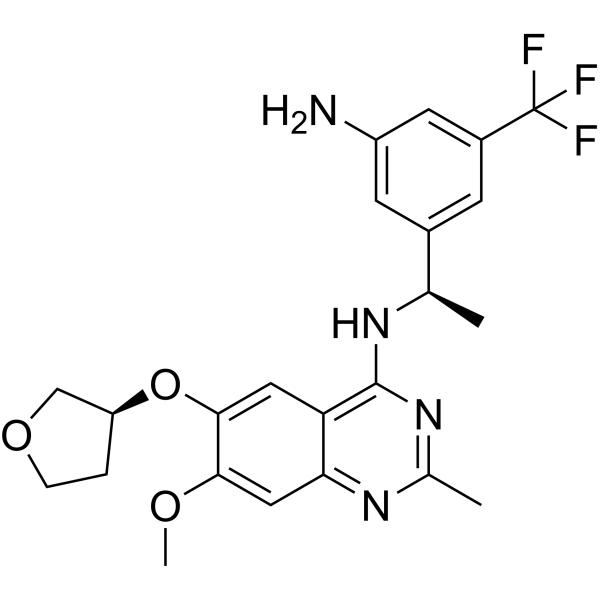
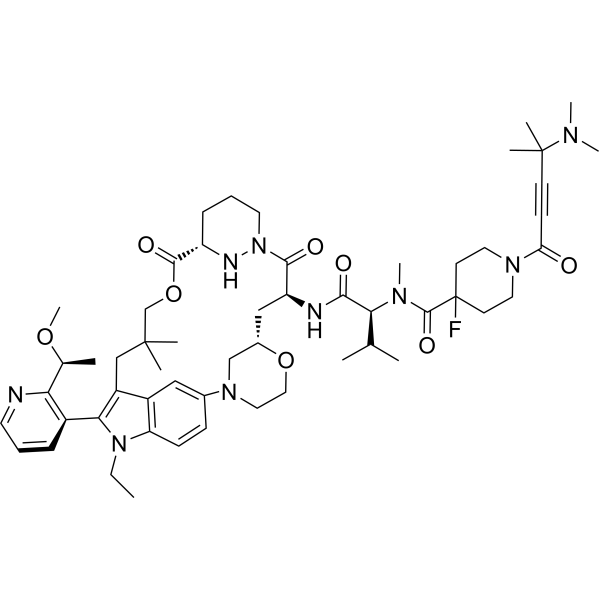
MCB-294 is a dual-state pan-KRAS inhibitor that selectively inhibits KRAS over NRAS and HRAS. MCB-294 capable of binding both the active (GTP-bound) and inactive (GDP-bound) forms of KRAS with Kds of approximately 1 pM and 10 nM, respectively. MCB-294 broadly impairs the growth of hTERT-HPNE cells expressing G12D, G12C, G12V, G12S, G13D, and wild-type KRAS, with IC50s of approximately 700 nM. MCB-294 induces irreversible apoptosis in KRAS-mutated tumors. MCB-294 effectively suppress KRAS G12C inhibitor-resistant cancer cells and remodel the tumor immune microenvironment. MCB-294 can be used for the study of pancreatic cancer, colorectal cancer and lung cancer .
|
-
| Cat. No. |
Product Name |
|
Classification |
-
- HY-134813
-
|
|
|
Alkynes
|
|
MRTX1133 is a noncovalent, potent, and selective alkyne-based KRAS G12D inhibitor. MRTX1133 optimally fills the switch II pocket and extends three substituents to favorably interact with the protein, resulting in an estimated KD against KRAS G12D of 0.2 pM. MRTX1133 prevents SOS1-catalyzed nucleotide exchange and/or formation of the KRAS G12D/GTP/RAF1 complex, thereby inhibiting mutant KRAS-dependent signal transduction. MRTX1133 selectively inhibits KRAS G12D mutant, but not KRAS wild-type, tumor cells. MRTX1133 has single digit nanomolar activity in cellular assays and marked in vivo efficacy in tumor models harboring KRAS G12D mutations .
|
-
- HY-176786
-
|
|
|
Alkynes
|
|
MCB-36 is a VHL-recruiting pan-KRAS PROTAC degrader without affecting KRAS transcription. MCB-36 exhibits minimal effects on HRAS and NRAS protein levels. MCB-36 binds to the GDP-loaded state of G12D, G12C, G12V, and wild-type KRAS with high affinities Kd ≈ 1 pM). MCB-36 decreases p-ERK levels, leading to cell apoptosis. MCB-36 effectively suppress KRAS G12C inhibitor-resistant cancer cells and remodel the tumor immune microenvironment. MCB-36 can be used for the study of colorectal cancer and lung cancer (Pink: Target protein ligand; Blue: E3 ligand (HY-112078); Black: Linker (HY-W091879)) .
|
-
- HY-176785S
-
|
|
|
Alkynes
|
|
MCB-294 is a dual-state pan-KRAS inhibitor that selectively inhibits KRAS over NRAS and HRAS. MCB-294 capable of binding both the active (GTP-bound) and inactive (GDP-bound) forms of KRAS with Kds of approximately 1 pM and 10 nM, respectively. MCB-294 broadly impairs the growth of hTERT-HPNE cells expressing G12D, G12C, G12V, G12S, G13D, and wild-type KRAS, with IC50s of approximately 700 nM. MCB-294 induces irreversible apoptosis in KRAS-mutated tumors. MCB-294 effectively suppress KRAS G12C inhibitor-resistant cancer cells and remodel the tumor immune microenvironment. MCB-294 can be used for the study of pancreatic cancer, colorectal cancer and lung cancer .
|
-
- HY-180200
-
|
|
|
Alkynes
|
|
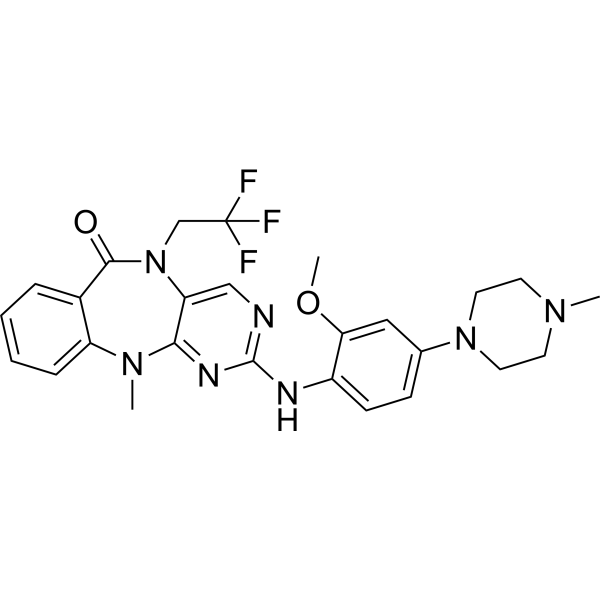
RNK08954 is an orally active KRASG12D inhibitor with a Kd of 0.0395 nM. RNK08954 selectively binds the inactive GDP-bound KRASG12D form, suppresses downstream KRAS-mediated signaling pathways p-ERK1/2 experssion. RNK08954 inhibits KRASG12D-mutant cell proliferation, induces G0-G1 cell cycle arrest, and inhibits tumor growth in mouse xenograft models. RNK08954 can be used for the research of non-small cell lung cancer, pancreatic ductal adenocarcinoma .
|
Your information is safe with us. * Required Fields.
Inquiry Information
- Product Name:
- Cat. No.:
- Quantity:
- MCE Japan Authorized Agent:

