Search Result
Results for "
MAO-A and MAO-B inhibitor
" in MedChemExpress (MCE) Product Catalog:
9
Isotope-Labeled Compounds
| Cat. No. |
Product Name |
Target |
Research Areas |
Chemical Structure |
-
- HY-N0529
-
-
-
- HY-14280
-
|
|
COMT
|
Neurological Disease
Cancer
|
|
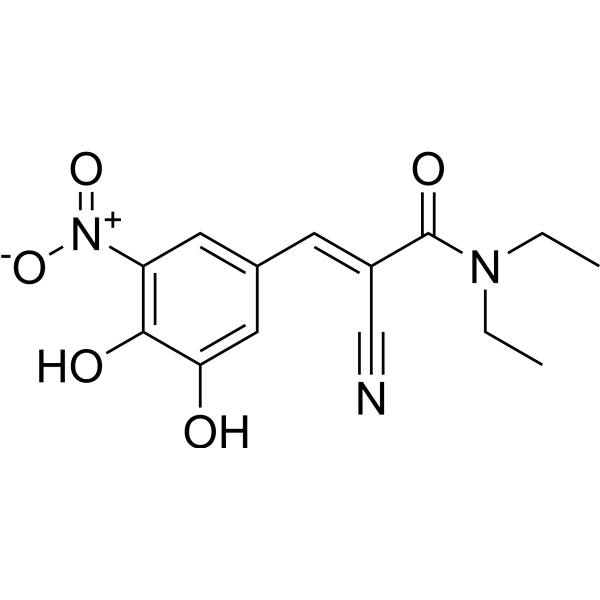
Entacapone is a potent, reversible, peripherally acting and orally active catechol-O-methyltransferase (COMT) inhibitor. Entacapone inhibits COMT from rat brain, erythrocytes and liver with IC50 values of 10 nM, 20 nM, and 160 nM, respectively. Entacapone is selective for COMT over other catecholamine metabolizing enzymes, including MAO-A, MAO-B, phenolsulphotransferase M (PST-M) and PST-P (IC50s>50 μM). Entacapone can be used for the research of Parkinson's disease . Entacapone serves as a inhibitor of FTO demethylation with an IC50 of 3.5 μM, can be used for the research of metabolic disorders .
|
-
-
- HY-N0159
-
-
-
- HY-14199
-
|
Deprenyl hydrochloride; (-)-Selegiline hydrochloride; (-)-Deprenyl hydrochloride
|
Monoamine Oxidase
|
Neurological Disease
|
|
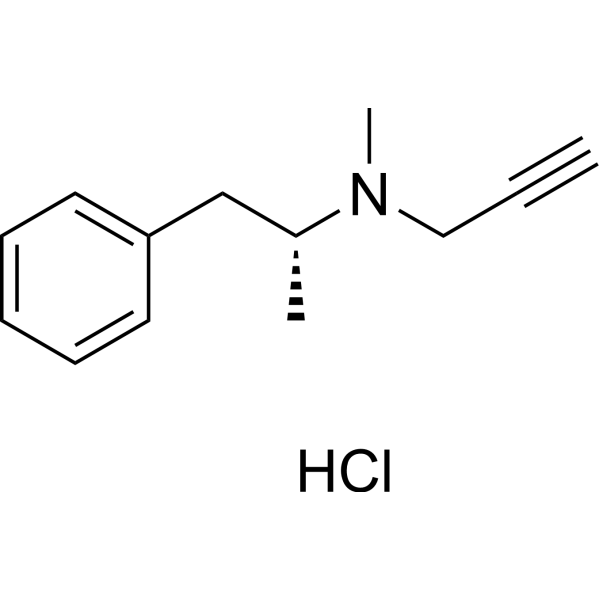
Selegiline (Deprenyl) hydrochloride is a potent, selective and irreversible inhibitor of MAO-B, with an IC50 of 51 nM. Selegiline hydrochloride exhibits 450-flod selectivity for MAO-B over MAO-A (IC50=23 μM). Selegiline hydrochloride can be used for the research of Parkinson's disease, Alzheimer's disease and major depressive disorder .
|
-
-
- HY-A0091A
-
|
|
Monoamine Oxidase
|
Cardiovascular Disease
Cancer
|
|
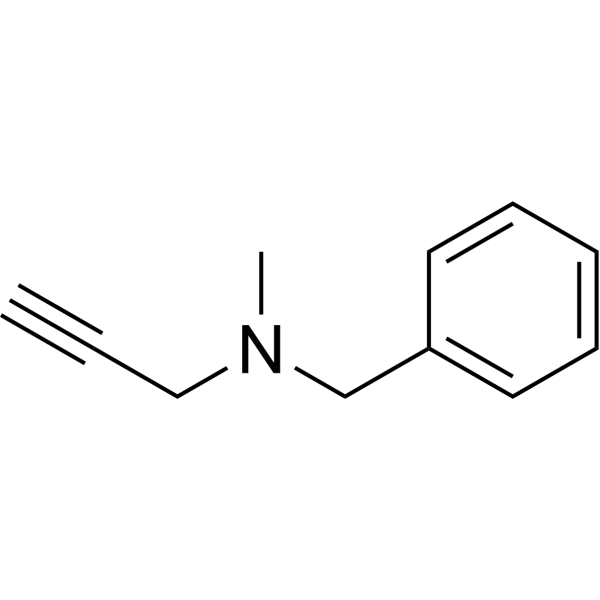
Pargyline is an irreversible monoamine oxidase (MAO) inhibitor with Kis of 13 μM and 0.5 μM for MAO-A and MAO-B, respectively. Pargyline has antihypertensive and anticancer activities . Pargyline is a click chemistry reagent, it contains an Alkyne group and can undergo copper-catalyzed azide-alkyne cycloaddition (CuAAc) with molecules containing Azide groups.
|
-
-
- HY-W008566
-
|
Norharman; β-Carboline
|
Monoamine Oxidase
Endogenous Metabolite
|
Infection
Neurological Disease
Cancer
|
|
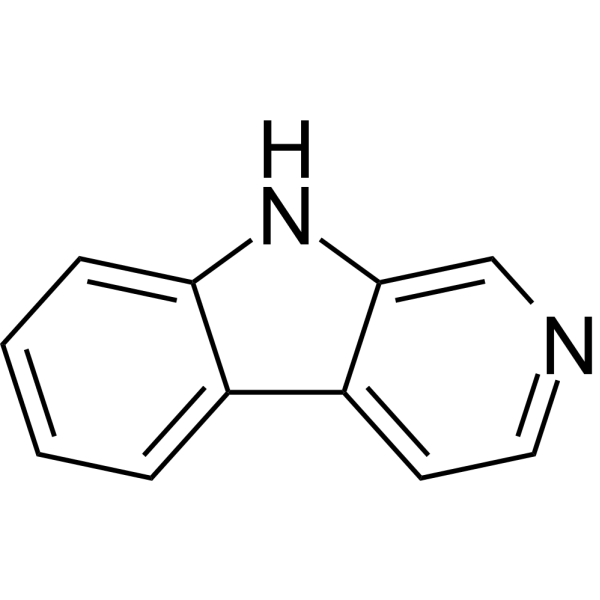
Norharmane (Norharman), a β-carboline alkaloid, is a potent and reversible monoamine oxidase inhibitor, with IC50 values of 6.5 and 4.7 μM for MAO-A and MAO-B, respectively. Norharmane causes antidepressant responses. Norharmane is also a prospective anti-cancer photosensitizer. Norharmane alters polar auxin transport (PAT) by inhibiting PIN2, PIN3 and PIN7 transport proteins, thus causing a significant inhibitory effect on the growth of Arabidopsis thaliana seedlings .
|
-
-
- HY-12723
-
|
(-)-Apomorphine
|
Dopamine Receptor
Monoamine Oxidase
Reactive Oxygen Species (ROS)
JNK
ERK
Amyloid-β
Tau Protein
MMP
|
Neurological Disease
Inflammation/Immunology
Endocrinology
Cancer
|
|
Apomorphine ((-)-Apomorphine) is a potent dopamine receptor agonist. Apomorphine also inhibit MAO-A and MAO-B. Apomorphine exerts neuroprotective effect and can relax rat corpus cavernosum. Apomorphine can inhibit ROS production, DNA fragmentation and inibit JNK and ERK1/2 phosphorylation. Apomorphine can enhance degradation of intracellular Aβ40 and Aβ42, reduces tau protein levels and inhibit MMP-9 expression. Apomorphine is a highly potent radical scavenger and iron chelator. Apomorphine can be used for the researches of dementia, parkinson's disease, alzheimer disease, breast carcinoma, and erectile dysfunction .
|
-

-
- HY-129388B
-
|
CC-90011 benzenesulfonate; LSD1-IN-7 benzenesulfonate
|
Histone Demethylase
|
Inflammation/Immunology
Cancer
|
|
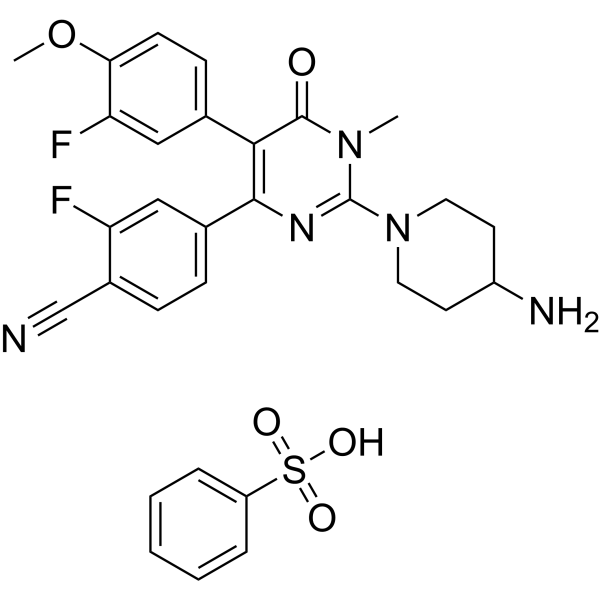
Pulrodemstat (CC-90011) benzenesulfonate is a potent, selective, reversible and orally active inhibitor of lysine specific demethylase-1 (LSD1) with an IC50 of 0.25 nM. Pulrodemstat benzenesulfonate is less enzymatic inhibition against LSD2, MAO-A, and MAO-B. Pulrodemstat benzenesulfonate induces acute myeloid leukemia (AML) and small cell lung cancer (SCLC) cells differentiation and has potent anticancer activity .
|
-
-
- HY-70057
-
|
FCE 26743; EMD 1195686
|
Monoamine Oxidase
|
Neurological Disease
|
|
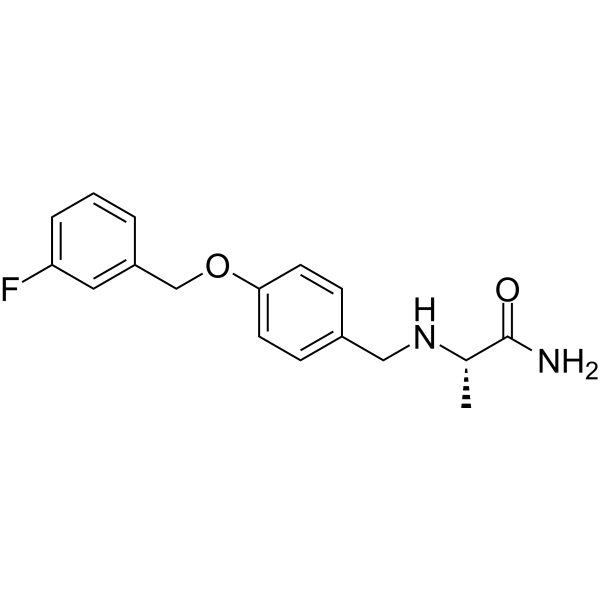
Safinamide is a potent, selective, and reversible monoamine oxidase B (MAO-B) inhibitor (IC50=0.098 μM) over MAO-A (IC50=580 μM) . Safinamide also blocks sodium channels and modulates glutamate (Glu) release, showing a greater affinity at depolarized (IC50=8 μM) than at resting (IC50=262 μM) potentials. Safinamide has neuroprotective and neurorescuing effects and can be used for the study of parkinson disease, ischemia stroke etc.al .
|
-
-
- HY-D0004
-
|
Azure B chloride
|
Monoamine Oxidase
|
Neurological Disease
|
|
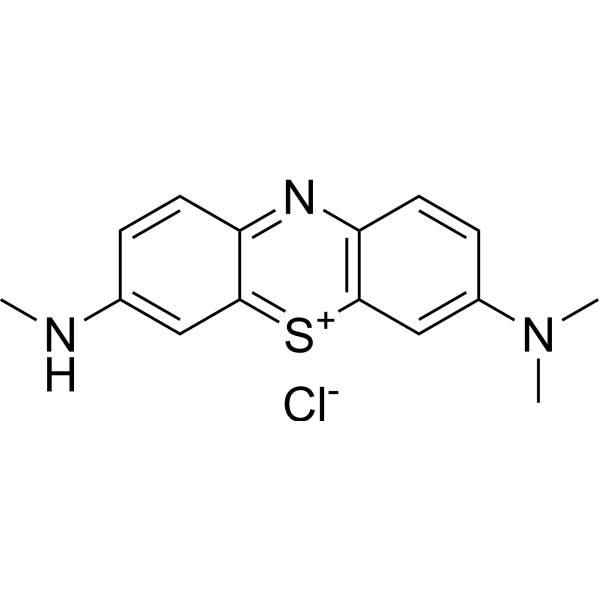
Azure B is a cationic dye and the major metabolite of Methylene blue. Azure B is used in making Azure eosin stains for blood smear staining. Azure B is a high-potency, selective and reversible inhibitor of monoamine oxidases (MAO)-A, with IC50s of 11 and 968 nM for recombinant human MAO-A and MAO-B, respectively. Azure B possesses significant antidepressant-like effects .
|
-
-
- HY-A0091
-
|
|
Monoamine Oxidase
|
Cardiovascular Disease
Cancer
|
|
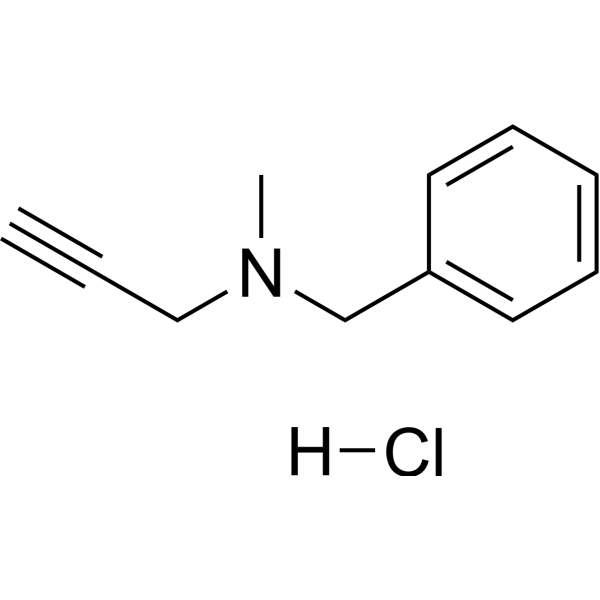
Pargyline hydrochloride is an irreversible monoamine oxidase (MAO) inhibitor with Kis of 13 μM and 0.5 μM for MAO-A and MAO-B, respectively. Pargyline hydrochloride has antihypertensive and anticancer activities . Pargyline (hydrochloride) is a click chemistry reagent, it contains an Alkyne group and can undergo copper-catalyzed azide-alkyne cycloaddition (CuAAc) with molecules containing Azide groups.
|
-
-
- HY-B1018A
-
|
|
Monoamine Oxidase
GABA Receptor
Histone Demethylase
|
Cardiovascular Disease
Neurological Disease
Metabolic Disease
Inflammation/Immunology
Cancer
|
|
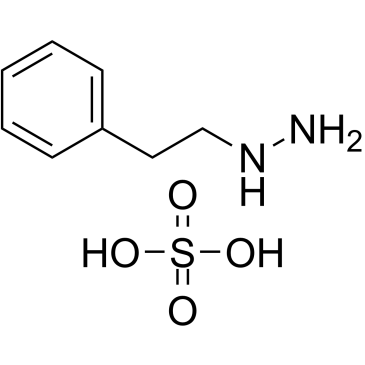
Phenelzine sulfate, an antidepressant agent, is an irreversible and orally active monoamine oxidase (MAO-A and MAO-B) inhibitor. Phenelzine sulfate inhibits GABA transaminase and primary amine oxidase (PrAO), and sequester reactive aldehydes. Phenelzine sulfate also inhibits LSD1 (Ki: 5.6 μM) and suppresses oxidative stress and lipogenesis. Phenelzine sulfate elevates neurotransmitters (serotonin, norepinephrine, dopamine). Phenelzine sulfate is studied in neurological, metabolic and cancer diseases for depression and anxiety disorders, stroke, spinal cord injury, traumatic brain injury, multiple sclerosis, Parkinson’s disease, Alzheimer’s disease, inflammatory pain, obesity and prostate cancer .
|
-
-
- HY-14855B
-
-
-
- HY-70057A
-
|
FCE 26743 mesylate; EMD 1195686 mesylate
|
Monoamine Oxidase
|
Cardiovascular Disease
Neurological Disease
|
|
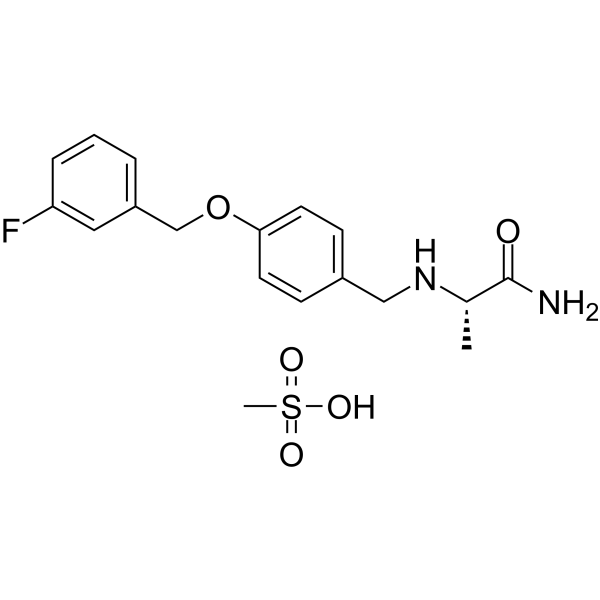
Safinamide (FCE 26743; EMD 1195686) mesylate is a potent, selective, and reversible monoamine oxidase B (MAO-B) inhibitor (IC50=0.098 μM) over MAO-A (IC50=580 nM) . Safinamide mesylate also blocks sodium channels and modulates glutamate (Glu) release, showing a greater affinity at depolarized (IC50=8?μM) than at resting (IC50=262?μM) potentials. Safinamide mesylate has neuroprotective and neurorescuing effects and can be used for the study of parkinson disease, ischemia stroke et.al .
|
-
-
- HY-16677A
-
|
MDL72974A
|
Monoamine Oxidase
|
Neurological Disease
|
|
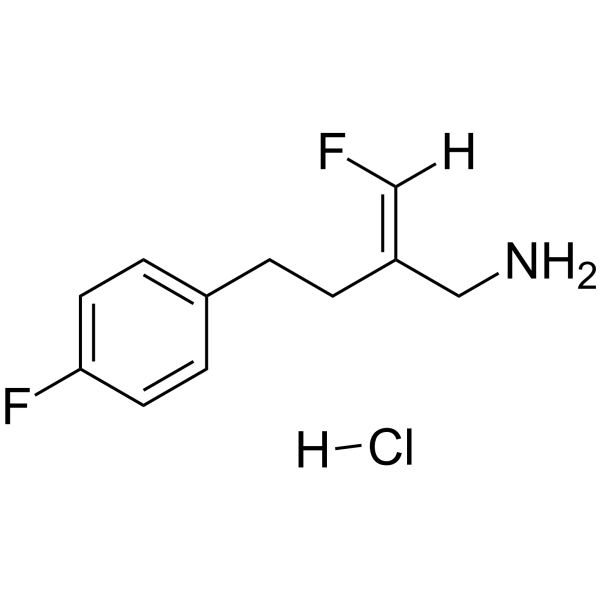
Mofegiline hydrochloride (MDL72974A) is an orally active and selective enzyme-activated irreversible inhibitor of MAO-B, with marked selectivity on the MAO-B over MAO-A with IC50s of 3.6 nM (MAO-B) and 680 nM (MAO-A), respectively. Mofegiline hydrochloride is also an inhibitor of semicarbazide-sensitive amine oxidase (SSAO) .
|
-
-
- HY-W015490
-
|
|
Environmental Pollutants
DNA/RNA Synthesis
NF-κB
Monoamine Oxidase
TNF Receptor
Bacterial
|
Infection
Inflammation/Immunology
Cancer
|
|
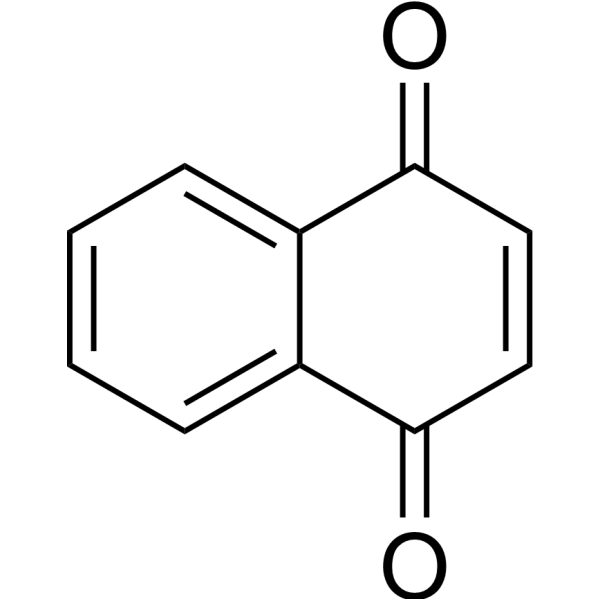
1,4-Naphthoquinone is an inhibitor with broad-spectrum inhibitory activity targeting DNA polymerase, NF-κB and monoamine oxidase (MAO-A/B), with antibacterial and anti-biofilm efficacy. 1,4-Naphthoquinone is a competitive inhibitor of MAO-B (Ki=1.4 μM) and a non-competitive inhibitor of MAO-A (Ki=7.7 μM). 1,4-Naphthoquinone inhibits DNA polymerase pol α, β, γ, δ, ε, λ with IC50 ranging from 5.57-128 μM. 1,4-Naphthoquinone inhibits tumor cell proliferation, induces apoptosis and necrosis, and has anti-angiogenic and anti-inflammatory activities by inducing oxidative stress, depleting glutathione (GSH), inhibiting DNA polymerase-mediated DNA synthesis and blocking NF-κB nuclear translocation. 1,4-Naphthoquinone can be used in anti-bacterial , anti-tumor and anti-inflammatory studies, including inhibition of melanoma and colon cancer cell growth and endothelial cell function, as well as LPS-induced inflammation models .
|
-
-
- HY-14198
-
|
Deprenyl; (-)-Selegiline; (-)-Deprenyl
|
Monoamine Oxidase
|
Neurological Disease
|
|
Selegiline (Deprenyl) is a potent, selective and irreversible inhibitor of MAO-B, with an IC50 of 51 nM. Selegiline exhibits 450-flod selectivity for MAO-B over MAO-A (IC50=23 μM). Selegiline can be used for the research of Parkinson's disease, Alzheimer's disease and major depressive disorder .
|
-

-
- HY-N0529R
-
|
Labiatenic acid (Standard)
|
Reference Standards
Monoamine Oxidase
COMT
Apoptosis
Endogenous Metabolite
|
Cancer
|
|
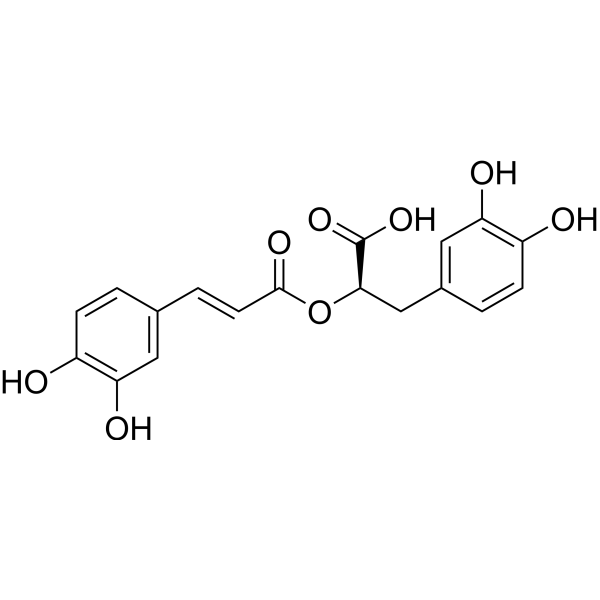
Rosmarinic acid (Standard) is the analytical standard of Rosmarinic acid. This product is intended for research and analytical applications. Rosmarinic acid is a widespread phenolic ester compound in the plants. Rosmarinic acid inhibits MAO-A, MAO-B and COMT enzymes with IC50s of 50.1, 184.6 and 26.7 μM, respectively.
|
-

-
- HY-19333
-
OG-L002
2 Publications Verification
|
Histone Demethylase
Monoamine Oxidase
HSV
|
Infection
|
|
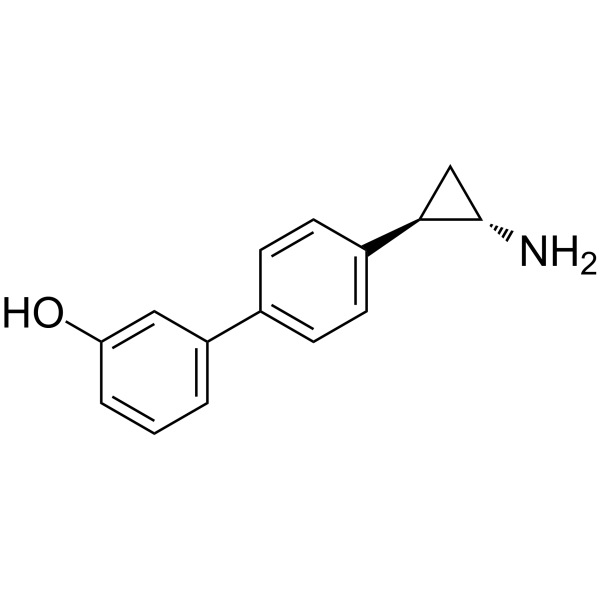
OG-L002 is a potent and highly selective LSD1 inhibitor with an IC50 of 0.02 μM. OG-L002 is a potent monoamine oxidases (MAO) inhibitor with IC50s of 1.38 μM and 0.72 μM for MAO-A and MAO-B, respectively. OG-L002 potently inhibits the expression of HSV IE genes .
|
-
-
- HY-110130
-
|
|
Histone Demethylase
|
Cardiovascular Disease
Cancer
|
|
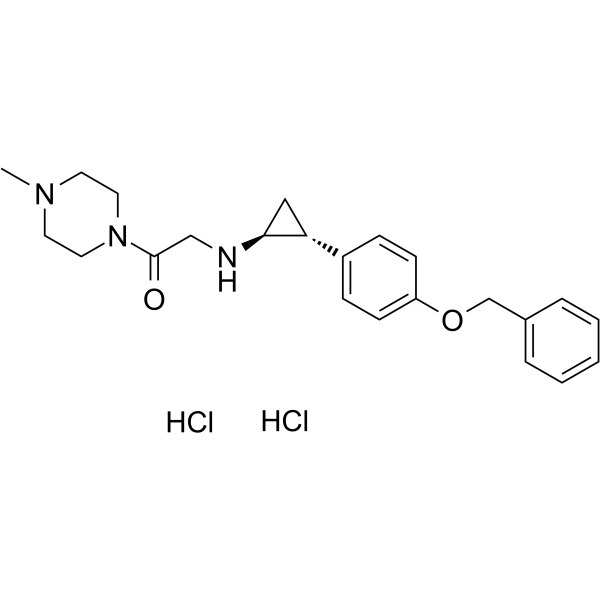
RN-1 dihydrochloride is a potent, brain-penetrant, irreversible and selective lysine-specific demethylase 1 (LSD1) inhibitor with an IC50 of 70 nM. RN-1 dihydrochloride exhibits selectivity for LSD1 over MAO-A and MAO-B with IC50 values of 0.51 μM and 2.785 μM respectively .
|
-
-
- HY-14201
-
|
Ro 19-6327
|
Monoamine Oxidase
|
Neurological Disease
|
|
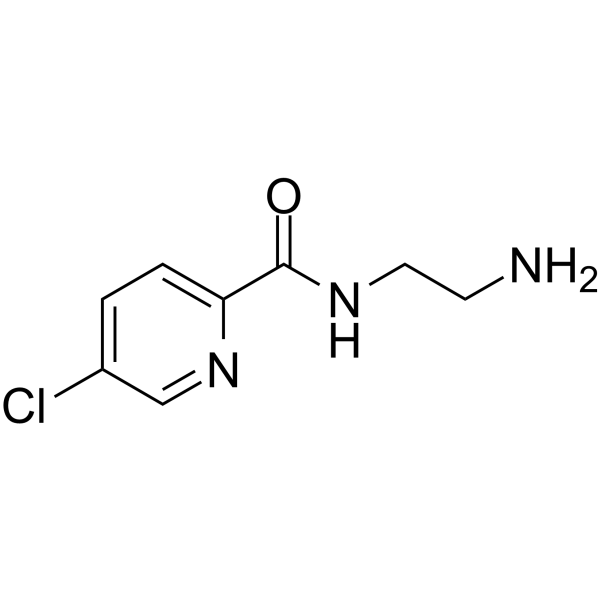
Lazabemide (Ro 19-6327) is a selective, reversible inhibitor of monoamine oxidase B (MAO-B) (IC50=0.03 μM) but less active for MAO-A (IC50>100 μM). Lazabemide ?inhibits monoamine uptake at high concentrations, the IC50 values are 86 μM, 123 μM and >500 μM for noradrenalin, serotonin and dopamine uptake, respectively. Lazabemide can be used for the research of parkinson and?alzheimer′s disease .
|
-
-
- HY-131036
-
|
|
Monoamine Oxidase
|
Neurological Disease
|
|
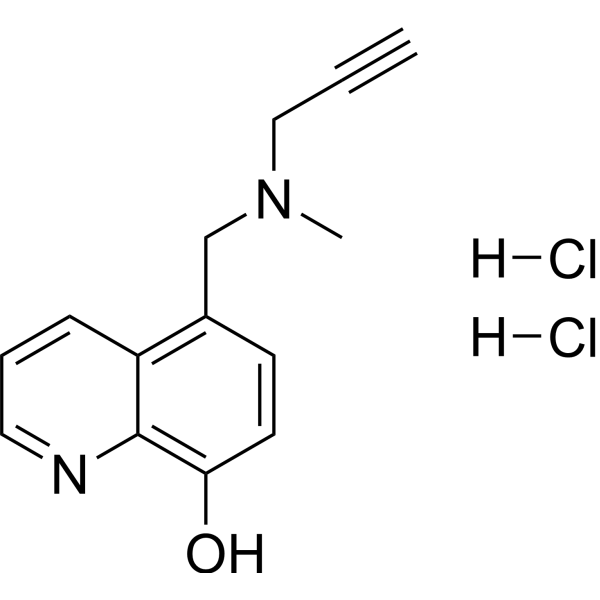
MAO-IN-M30 dihydrochloride is an orally active, brain-permeable, and brain selective irreversible MAO-A (IC50=37 nM) and MAO-B (IC50=57 nM) inhibitor. MAO-IN-M30 dihydrochloride is a potent iron chelator and radical scavenger. MAO-IN-M30 dihydrochloride has a neuroprotective effect against Dexamethasone-induced brain cell apoptosis. MAO-IN-M30 dihydrochloride also exhibits neurorestorative activity in post MPTP and lactacystin models of Parkinson's disease . MAO-IN-M30 (dihydrochloride) is a click chemistry reagent, it contains an Alkyne group and can undergo copper-catalyzed azide-alkyne cycloaddition (CuAAc) with molecules containing Azide groups.
|
-
-
- HY-W015490S
-
|
|
Isotope-Labeled Compounds
DNA/RNA Synthesis
NF-κB
Monoamine Oxidase
TNF Receptor
Bacterial
|
Infection
Inflammation/Immunology
Cancer
|
|
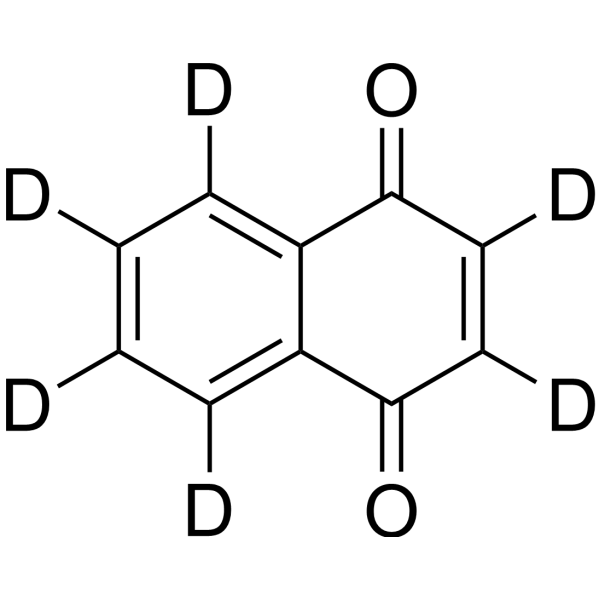
1,4-Naphthoquinone-d6 is the deuterium labeled 1,4-Naphthoquinone. 1,4-Naphthoquinone is an inhibitor with broad-spectrum inhibitory activity targeting DNA polymerase, NF-κB and monoamine oxidase (MAO-A/B), with antibacterial and anti-biofilm efficacy. 1,4-Naphthoquinone is a competitive inhibitor of MAO-B (Ki=1.4 μM) and a non-competitive inhibitor of MAO-A (Ki=7.7 μM). 1,4-Naphthoquinone inhibits DNA polymerase pol α, β, γ, δ, ε, λ with IC50 ranging from 5.57-128 μM. 1,4-Naphthoquinone inhibits tumor cell proliferation, induces apoptosis and necrosis, and has anti-angiogenic and anti-inflammatory activities by inducing oxidative stress, depleting glutathione (GSH), inhibiting DNA polymerase-mediated DNA synthesis and blocking NF-κB nuclear translocation. 1,4-Naphthoquinone can be used in anti-bacterial , anti-tumor and anti-inflammatory studies, including inhibition of melanoma and colon cancer cell growth and endothelial cell function, as well as LPS-induced inflammation models .
|
-
-
- HY-W655727
-
|
(S)-2-Phenylpropylamine
|
Monoamine Oxidase
|
Neurological Disease
|
|
(-)-2-Phenylpropylamine ((S)-2-Phenylpropylamine) (compound 3b) is a MAO-A and MAO-B inhibitor with Ki values of 584 μM and 156 μM, respectively .
|
-

-
- HY-N0159R
-
-

-
- HY-129388A
-
|
CC-90011; LSD1-IN-7
|
Histone Demethylase
|
Inflammation/Immunology
Cancer
|
|
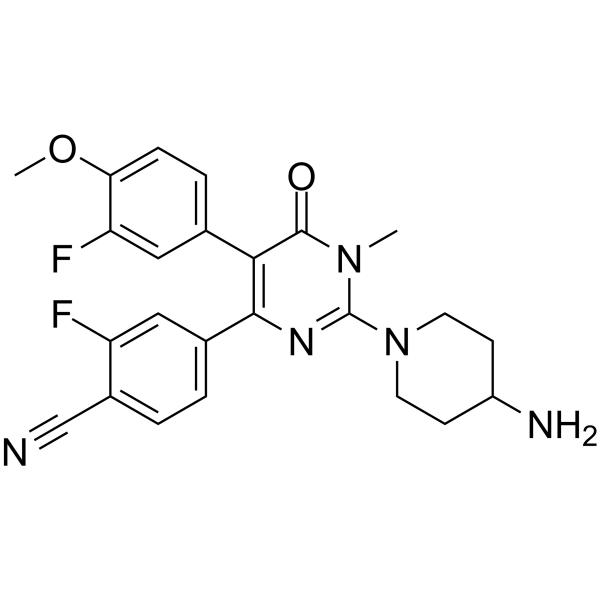
Pulrodemstat (CC-90011) is a potent, selective, reversible and orally active inhibitor of lysine specific demethylase-1 (LSD1) with an IC50 of 0.25 nM. Pulrodemstat is less enzymatic inhibition against LSD2, MAO-A, and MAO-B. Pulrodemstat induces acute myeloid leukemia (AML) and small cell lung cancer (SCLC) cells differentiation and has potent anticancer activity .
|
-
-
- HY-14280S
-
|
|
COMT
|
Neurological Disease
|
|
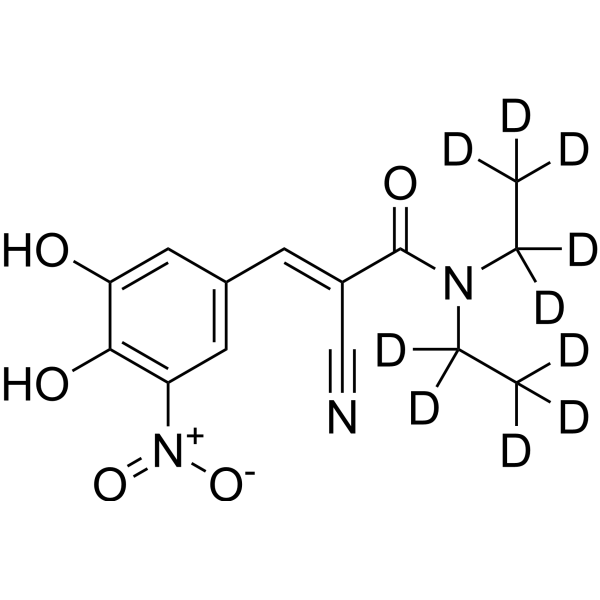
Entacapone-d10 is the deuterium labeled Entacapone. Entacapone is a potent, reversible, peripherally acting and orally active catechol-O-methyltransferase (COMT) inhibitor. Entacapone inhibits COMT from rat brain, erythrocytes and liver with IC50 values of 10 nM, 20 nM, and 160 nM, respectively. Entacapone is selective for COMT over other catecholamine metabolizing enzymes, including MAO-A, MAO-B, phenolsulphotransferase M (PST-M) and PST-P (IC50s>50 μM). Entacapone can be used for the research of Parkinson's disease . Entacapone serves as a inhibitor of FTO demethylation with an IC50 of 3.5 μM, can be used for the research of metabolic disorders .
|
-
-
- HY-W049881
-
|
|
Dopamine Receptor
PI3K
Monoamine Oxidase
|
Neurological Disease
|
|
9-Methyl-β-carboline is a monoamine oxidase inhibitor and dopaminergic modulator, with an IC50 of 1 μM against human MAO-A and an IC50 of 15.5 μM against human MAO-B. 9-Methyl-β-carboline possesses cognitive enhancement potential and can cross the blood-brain barrier. 9-Methyl-β-carboline increases dopamine levels by inhibiting monoamine oxidase activity and microglial proliferation. 9-Methyl-β-carboline activates PKA/PKC and mitochondrial respiratory chain complex I, promotes neurotrophic factor expression and reduces α-synuclein (α-synuclein) levels, thereby reversing neurotoxin-induced dopaminergic neuron damage. 9-Methyl-β-carboline also regulates the PI3K pathway and exerts an anti-proliferative effect on astrocytes. 9-Methyl-β-carboline is widely used in Parkinson's disease-related studies .
|
-

-
- HY-B1558A
-
|
MCI-2016
|
Monoamine Oxidase
|
Neurological Disease
|
|
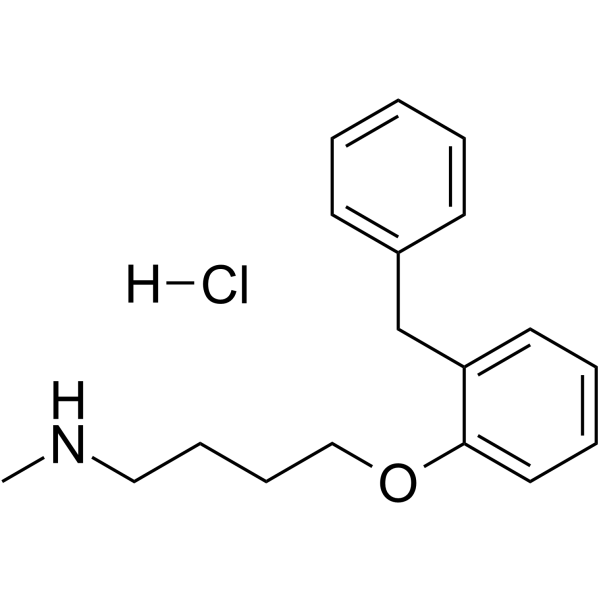
Bifemelane hydrochloride (MCI-2016) is a potent, selective and competitive inhibitor of monoamine oxidase A (MAO-A), with a Ki of 4.20 μM. Bifemelane hydrochloride also inhibits MAO-B noncompetitively with a Ki of 46.0 μM. Bifemelane hydrochloride has a potent antidepressant activity and can be used for the research of cognitive and emotional disturbances related to cerebrovascular disease .
|
-
-
- HY-14280R
-
|
|
Reference Standards
COMT
|
Neurological Disease
Cancer
|
|
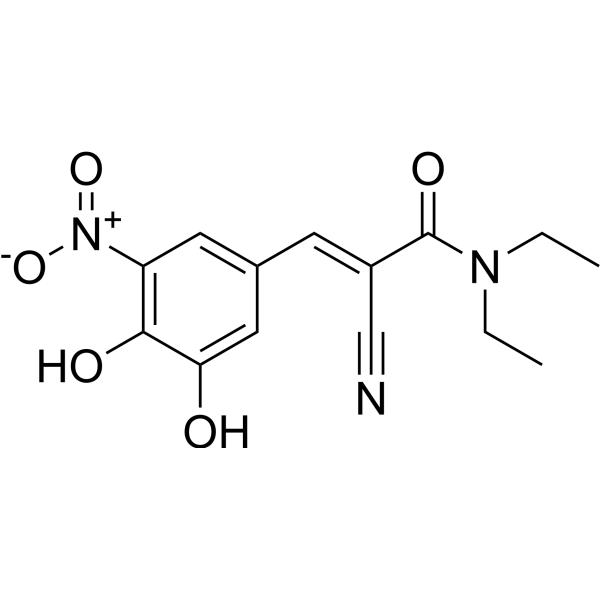
Entacapone (Standard) is the analytical standard of Entacapone. This product is intended for research and analytical applications. Entacapone is a potent, reversible, peripherally acting and orally active catechol-O-methyltransferase (COMT) inhibitor. Entacapone inhibits COMT from rat brain, erythrocytes and liver with IC50 values of 10 nM, 20 nM, and 160 nM, respectively. Entacapone is selective for COMT over other catecholamine metabolizing enzymes, including MAO-A, MAO-B, phenolsulphotransferase M (PST-M) and PST-P (IC50s>50 µM). Entacapone can be used for the research of Parkinson's disease . Entacapone serves as a inhibitor of FTO demethylation with an IC50 of 3.5 μM, can be used for the research of metabolic disorders .
|
-
-
- HY-176271
-
|
|
Ferroptosis
Monoamine Oxidase
Glutathione Peroxidase
Reactive Oxygen Species (ROS)
Tau Protein
Amyloid-β
|
Neurological Disease
|
|
MAO-B-IN-45 is a dual inhibitor of ferroptosis and MAO-B. MAO-B-IN-45 shows selectivity towards MAO-B with an IC50 of 87.47 nM and selectivity exceeding 229-fold for MAO-B over MAO-A. MAO-B-IN-45 has excellent antiferroptosis activity through modulation of the iron metabolic pathway and GSH-GPX4 axis in vitro. MAO-B-IN-45 improves cognitive and behavioral impairments in 3×Tg (APP/Tau/Ps1) AD mouse and significantly reduced the levels of ferritin heavy chain 1 (FTH1), APP, and Tau phosphorylation (p-Tau) proteins in the brain.
|
-

-
- HY-W010130
-
|
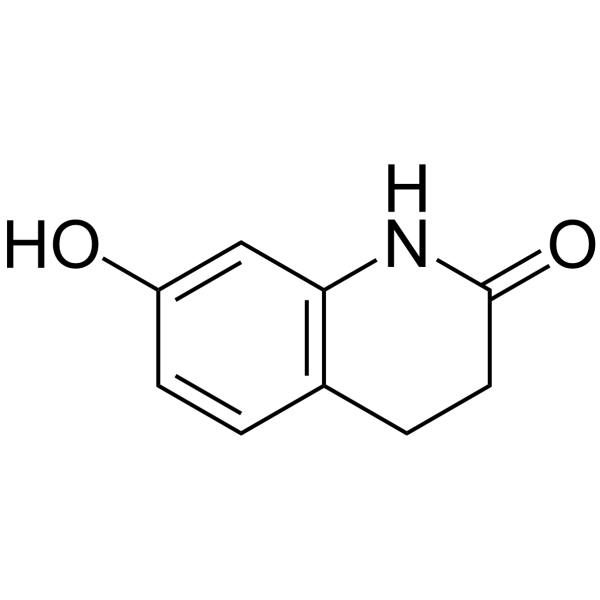
3,4-Dihydro-7-hydroxy-2(1H)-quinolinone
|
Monoamine Oxidase
|
Neurological Disease
|
|
7-Hydroxy- 3, 4- dihydro- 2(1H) - quinolinone (3,4-Dihydro-7-hydroxy-2(1H)-quinolinone) is a weak MAO-A inhibitor, with an IC50 of 183 μM, and has no effect on MAO-B .
|
-
-
- HY-14202
-
|
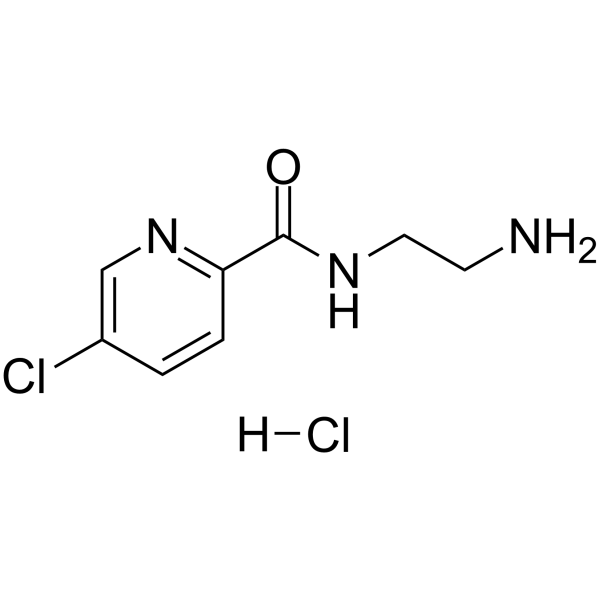
Ro 19-6327 hydrochloride
|
Monoamine Oxidase
|
Neurological Disease
|
|
Lazabemide hydrochloride (Ro 19-6327 hydrochloride) is a selective, reversible inhibitor of monoamine oxidase B (MAO-B) (IC50=0.03 μM) but less active for MAO-A (IC50>100 μM). Lazabemide inhibits monoamine uptake at high concentrations, the IC50 values are 86 μM, 123 μM and >500 μM for noradrenalin, serotonin and dopamine uptake, respectively. Lazabemide can be used for the research of parkinson and alzheimer′s disease .
|
-
-
- HY-70057S1
-
|
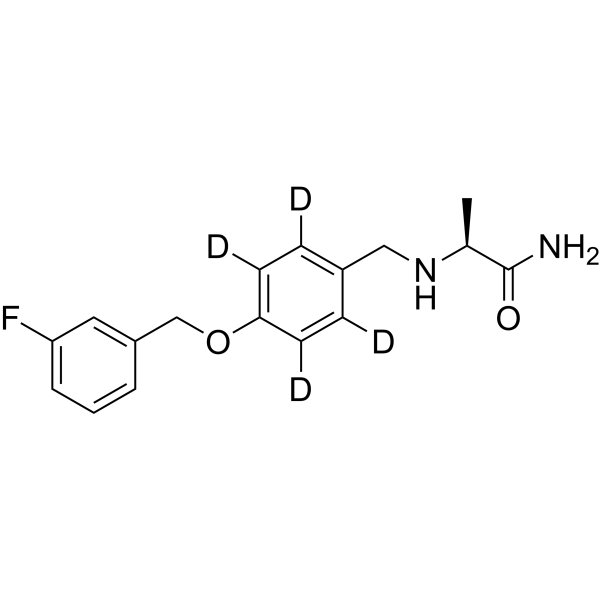
FCE 26743-d4-1; EMD 1195686-d4-1
|
Isotope-Labeled Compounds
Monoamine Oxidase
|
Neurological Disease
|
|
Safinamide-d4-1 is deuterium labeled Safinamide. Safinamide is a potent, selective, and reversible monoamine oxidase B (MAO-B) inhibitor (IC50=0.098 μM) over MAO-A (IC50=580 μM) . Safinamide also blocks sodium channels and modulates glutamate (Glu) release, showing a greater affinity at depolarized (IC50=8?μM) than at resting (IC50=262?μM) potentials. Safinamide has neuroprotective and neurorescuing effects and can be used for the study of parkinson disease, ischemia stroke etc.al .
|
-
-
- HY-B1018AS
-
|
|
Isotope-Labeled Compounds
Monoamine Oxidase
GABA Receptor
Histone Demethylase
|
Cardiovascular Disease
Neurological Disease
Metabolic Disease
Inflammation/Immunology
Cancer
|
|
Phenelzine-d5 sulfate is the deuterium labeled Phenelzine sulfate (HY-B1018A). Phenelzine sulfate, an antidepressant agent, is an irreversible and orally active monoamine oxidase (MAO-A and MAO-B) inhibitor. Phenelzine sulfate inhibits GABA transaminase and primary amine oxidase (PrAO), and sequester reactive aldehydes. Phenelzine sulfate also inhibits LSD1 (Ki: 5.6 μM) and suppresses oxidative stress and lipogenesis. Phenelzine sulfate elevates neurotransmitters (serotonin, norepinephrine, dopamine). Phenelzine sulfate is studied in neurological, metabolic and cancer diseases for depression and anxiety disorders, stroke, spinal cord injury, traumatic brain injury, multiple sclerosis, Parkinson’s disease, Alzheimer’s disease, inflammatory pain, obesity and prostate cancer .
|
-

-
- HY-156255
-
-
-
- HY-157982
-
|
|
Cholinesterase (ChE)
|
Neurological Disease
|
|
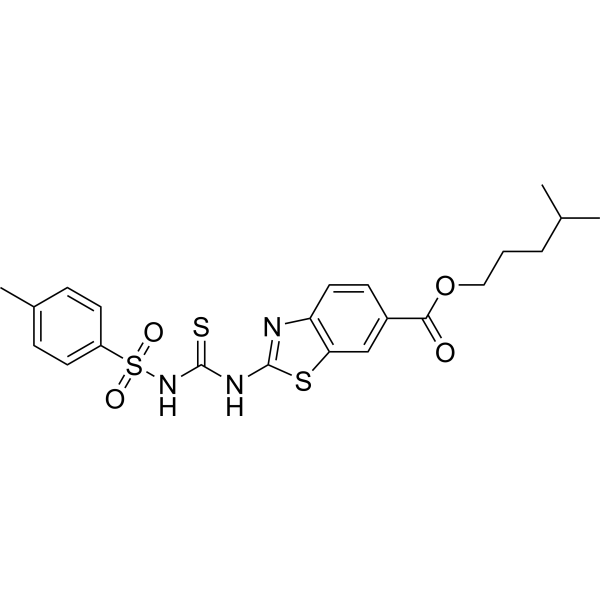
BChE-IN-28 (compound 6J) is a selective butyrylcholinesterase (BChE) inhibitor with an IC50 of 8 nM and a Ki of 12.16 nM. BChE-IN-28 shows the lower inhibition against AChE, MAO-A and MAO-B .
|
-
-
- HY-121072
-
-
-
- HY-101578
-
|
|
Monoamine Oxidase
|
Neurological Disease
|
|
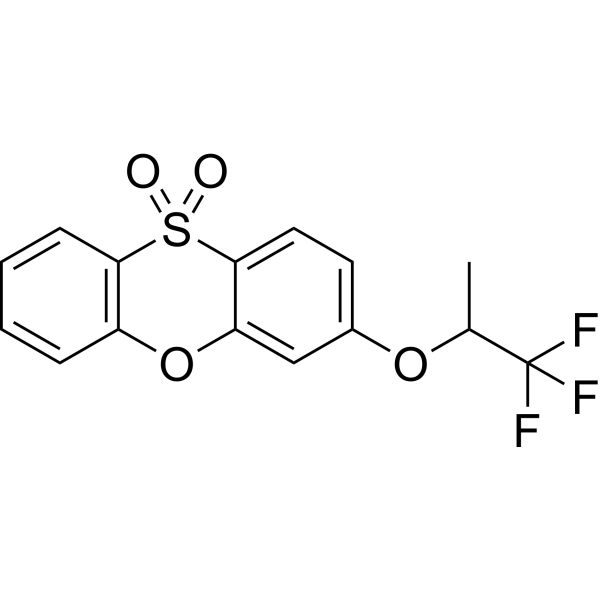
2614W94 is a selective, reversible and orally active monoamine oxidase-A (MAO-A) inhibitor with an IC50 of 5 nM and a Ki of 1.6 nM. 2614W94 shows no significant inhibition of MAO-B. 2614W94 has antidepressant and anxiolytic effects .
|
-
-
- HY-D0004R
-
|
Azure B chloride (Standard)
|
Reference Standards
Monoamine Oxidase
|
Neurological Disease
|
|
Azure B (Standard) is the analytical standard of Azure B. This product is intended for research and analytical applications. Azure B is a cationic dye and the major metabolite of Methylene blue. Azure B is used in making Azure eosin stains for blood smear staining. Azure B is a high-potency, selective and reversible inhibitor of monoamine oxidases (MAO)-A, with IC50s of 11 and 968 nM for recombinant human MAO-A and MAO-B, respectively. Azure B possesses significant antidepressant-like effects .
|
-

-
- HY-129388C
-
|
CC-90011 hydrochloride; LSD1-IN-7 hydrochloride
|
Histone Demethylase
|
Inflammation/Immunology
Cancer
|
|
Pulrodemstat (CC-90011) hydrochloride is a potent, selective, reversible and orally active inhibitor of lysine specific demethylase-1 (LSD1) with an IC50 value of 0.25 nM. Pulrodemstat hydrochloride is less enzymatic inhibition against LSD2, MAO-A, and MAO-B. Pulrodemstat hydrochloride induces acute myeloid leukemia (AML) and small cell lung cancer (SCLC) cells differentiation and has potent anticancer activity .
|
-

-
- HY-149978
-
-
-
- HY-179126
-
|
|
Cholinesterase (ChE)
Monoamine Oxidase
|
Inflammation/Immunology
|
|
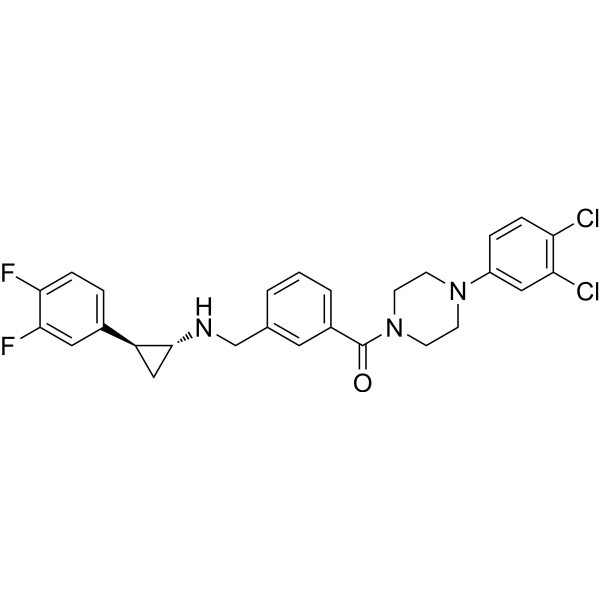
BChE/MAO-A-IN-1 (compound 7j) is a BChE/MAO-A inhibitor. BChE/MAO-A-IN-1 exhibits inhibitory activity against BChE (IC50 = 0.03 nM) and MAO-A (IC50 = 0.32 nM), while also having inhibitory effects on MAO-B. BChE/MAO-A-IN-1 has good anti glycation, antioxidant activity, and low cytotoxicity. BChE/MAO-A-IN-1 can be used in the research of diabetes and Alzheimer's disease .
|
-

-
- HY-176254
-
|
|
Histone Demethylase
Amyloid-β
|
Neurological Disease
|
|
LSD1-IN-43 is a highly selective, reversible, orally active and brain-penetrant LSD1 inhibitor with an IC50 value of 0.8 μM. LSD1-IN-43 has low inhibitory activity against MAO-A and MAO-B, two homologs of LSD1. LSD1-IN-43 significantly inhibits Aβ aggregation and enhances Aβ-induced neuronal cell viability. LSD1-IN-43 can be used for the study of Alzheimer’s disease (AD).
|
-

-
- HY-14280A
-
|
|
COMT
|
Neurological Disease
Cancer
|
|
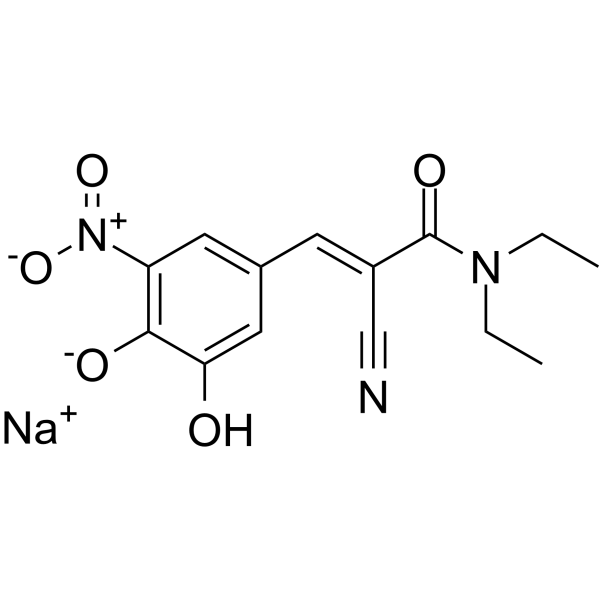
Entacapone sodium salt is a potent, reversible, peripherally acting and orally active catechol-O-methyltransferase (COMT) inhibitor. Entacapone sodium salt inhibits COMT from rat brain, erythrocytes and liver with IC50 values of 10 nM, 20 nM, and 160 nM, respectively. Entacapone sodium salt is selective for COMT over other catecholamine metabolizing enzymes, including MAO-A, MAO-B, phenolsulphotransferase M (PST-M) and PST-P (IC50s>50 µM). Entacapone sodium salt can be used for the research of Parkinson's disease . Entacapone sodium salt serves as as a inhibit of FTO demethylation with an IC50 of 3.5 μM, can be used for the research of metabolic disorders .
|
-
-
- HY-70057R
-
|
FCE 26743 (Standard); EMD 1195686 (Standard)
|
Reference Standards
Monoamine Oxidase
|
Neurological Disease
|
|
Safinamide (Standard) is the analytical standard of Safinamide. This product is intended for research and analytical applications. Safinamide is a potent, selective, and reversible monoamine oxidase B (MAO-B) inhibitor (IC50=0.098 µM) over MAO-A (IC50=580 µM) . Safinamide also blocks sodium channels and modulates glutamate (Glu) release, showing a greater affinity at depolarized (IC50=8 µM) than at resting (IC50=262 µM) potentials. Safinamide has neuroprotective and neurorescuing effects and can be used for the study of parkinson disease, ischemia stroke etc.al .
|
-

-
- HY-W015490R
-
|
|
Reference Standards
DNA/RNA Synthesis
NF-κB
Monoamine Oxidase
TNF Receptor
Bacterial
|
Infection
Inflammation/Immunology
Cancer
|
|
1,4-Naphthoquinone is an inhibitor with broad-spectrum inhibitory activity targeting DNA polymerase, NF-κB and monoamine oxidase (MAO-A/B), with antibacterial and anti-biofilm efficacy. 1,4-Naphthoquinone is a competitive inhibitor of MAO-B (Ki=1.4 μM) and a non-competitive inhibitor of MAO-A (Ki=7.7 μM). 1,4-Naphthoquinone inhibits DNA polymerase pol α, β, γ, δ, ε, λ with IC50 ranging from 5.57-128 μM. 1,4-Naphthoquinone inhibits tumor cell proliferation, induces apoptosis and necrosis, and has anti-angiogenic and anti-inflammatory activities by inducing oxidative stress, depleting glutathione (GSH), inhibiting DNA polymerase-mediated DNA synthesis and blocking NF-κB nuclear translocation. 1,4-Naphthoquinone can be used in anti-bacterial , anti-tumor and anti-inflammatory studies, including inhibition of melanoma and colon cancer cell growth and endothelial cell function, as well as LPS-induced inflammation models .
|
-

-
- HY-149213
-
|
J54; J3-54
|
Histone Demethylase
TLK
Apoptosis
PD-1/PD-L1
|
Cancer
|
|
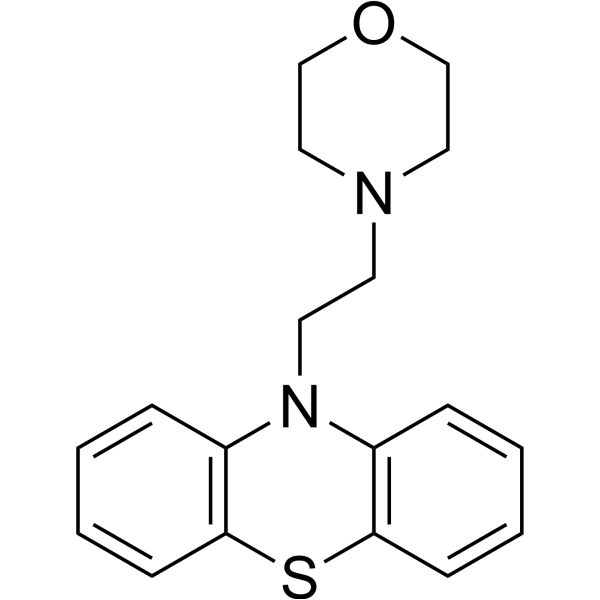
LSD1/TLK1-IN-1 is an orally active LSD1, TLK1, TLK2, TTK inhibitor with an LSD1 IC50 of 0.247 μM. LSD1/TLK1-IN-1 suppresses phosphorylation of Nek1 at T141 and Rad9 at S328, abrogates the TLK1>Nek1>ATR>Chk1 axis, protects H3K4me1/2 from demethylation, and does not affect LSD2, MAO-A, or MAO-B. LSD1/TLK1-IN-1 induces apoptosis, bypasses cell-cycle arrest, suppresses tumor growth, downregulates PD-L1 expression, enhances T-cell killing response, inhibits gastric cancer cell proliferation. LSD1/TLK1-IN-1 can be used for the research of prostate cancer and gastric cancer .
|
-
-
- HY-158732
-
|
|
Monoamine Oxidase
|
Inflammation/Immunology
|
|
MAO-B-IN-33 (compound C3) is a potent, reversible and selective monoamine oxidase-B (MAO-B) inhibitor with an IC50 of 0.021 μM and 26.805 μM for MAO-B and MAO-A, respectively. The selectivity of MAO-B-IN-33 is attributed to the steric clash arising from the residue differences between Phe208 (MAO-A) and Ile199 (MAO-B). MAO-B-IN-33 inhibits cerebral MAO-B activity and alleviates MPTP (HY-15608)-induced dopaminergic neuronal loss in the mouse. MAO-B-IN-33 has the potential for Parkinson's disease research .
|
-

-
- HY-152109
-
-
- HY-114915
-
-
- HY-105041
-
-

- HY-161240
-
|
|
Monoamine Oxidase
|
Neurological Disease
Inflammation/Immunology
|
|
MAO-B-IN-30 (compound IS7) is a potent, selective and cross the blood-brain barrier MAO-B inhibitor with IC50 values of 19.176, 0.082 µM for MAO-A and MAO-B, respectively. MAO-B-IN-30 shows antiproliferative activity and non-cytotoxic. MAO-B-IN-30 reduces TNF-alpha, IL-6, NF-kB levels. MAO-B-IN-30 has the potential for the research of Parkinson's disease .
|
-
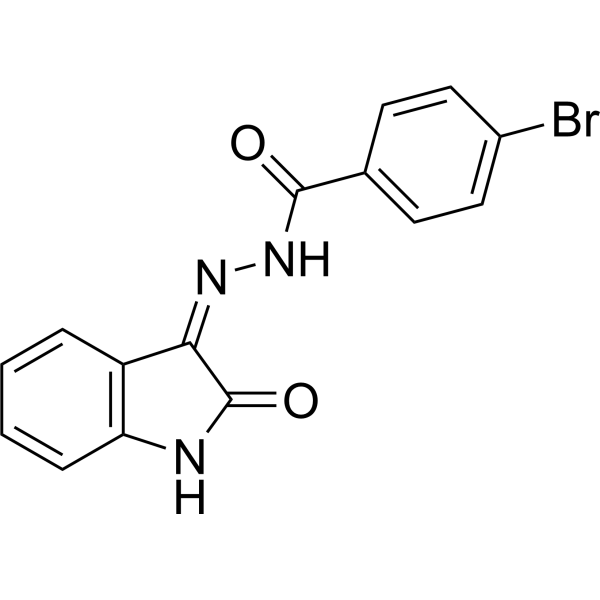
- HY-154977
-
-
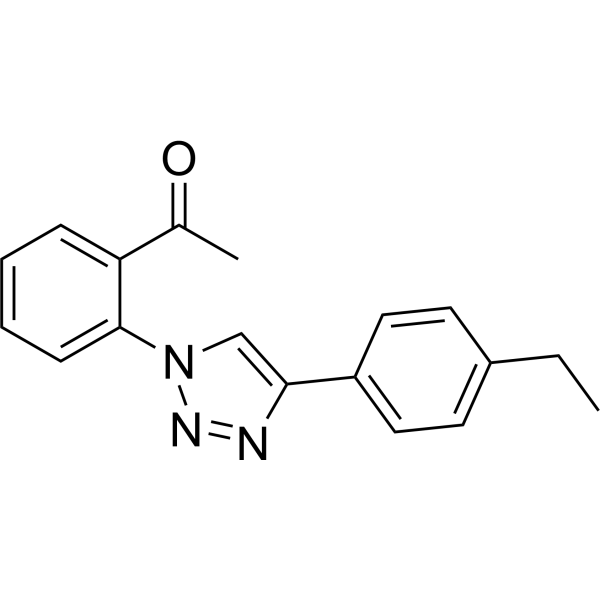
- HY-178352
-
|
|
Monoamine Oxidase
Reactive Oxygen Species (ROS)
|
Neurological Disease
Inflammation/Immunology
|
|
MAO-B-IN-49 is a selective and reversible MAO-B inhibitor (IC50 of 1 nM for human MAO-B). MAO-B-IN-49 shows much higher selectivity for MAO-B than for MAO-A (IC50 = 633.9 μM). MAO-B-IN-49 can reduce ROS production induced by Lipopolysaccharides (HY-D1056) (LPS) in HT22 cells. MAO-B-IN-49 demonstrates substantial neuroprotective properties and significantly improves motor dysfunction in MPTP (HY-W114750)-induced mouse models of Parkinson’s disease (PD). MAO-B-IN-49 can be used for the study of PD .
|
-

- HY-163322
-
|
|
Monoamine Oxidase
|
Neurological Disease
|
|
MAO-A inhibitor 2 (compound HT4) is a monoamine oxidase A (MAO-A) inhibitor with an IC50 of 14.3 µM. MAO-A inhibitor 2 shows a less effect on MAO-B (IC50 of 106 µM) and shows almost ineffective on xanthine oxidase (XO). MAO-A inhibitor 2 can be used for the neurodegenerative disorders and oxidative stress research .
|
-
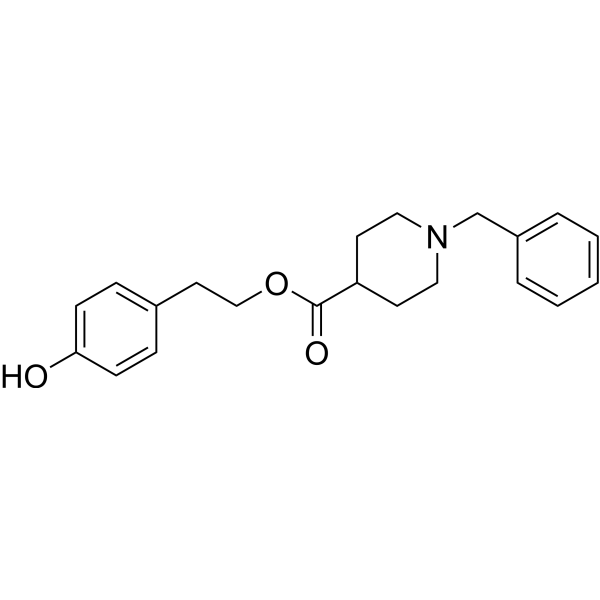
- HY-149528
-
|
|
Monoamine Oxidase
Cholinesterase (ChE)
|
Cancer
|
|
MAO-B-IN-24 (compound 11h) is a selective, reversible, competitive inhibitor of MAO-B (IC50: 1.60 μM). MAO-B-IN-24 also inhibited MAO-A (22.42 μM); at 10 μM concentration, it also reduced AChE and BChE activities to 54.58% and 88.43% .
|
-
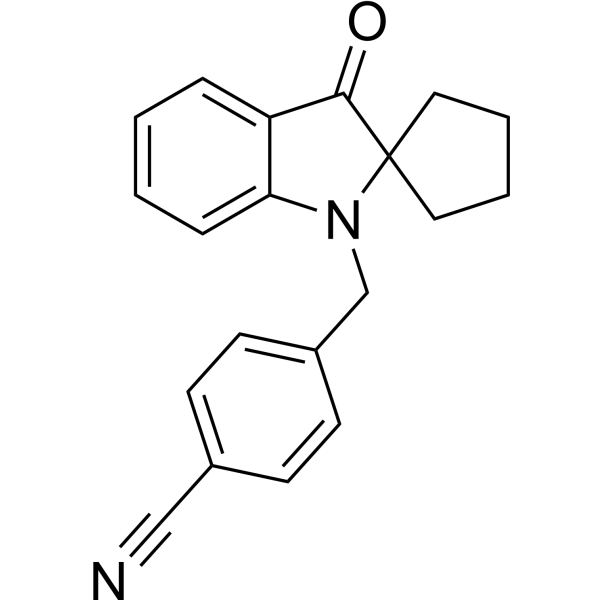
- HY-115440R
-
|
REP-3123 dihydrochloride (Standard)
|
Reference Standards
Bacterial
Antibiotic
|
Infection
|
|
Selegiline (Standard) is the analytical standard of Selegiline. This product is intended for research and analytical applications. Selegiline (Deprenyl) is a potent, selective and irreversible inhibitor of MAO-B, with an IC50 of 51 nM. Selegiline exhibits 450-flod selectivity for MAO-B over MAO-A (IC50=23 μM). Selegiline can be used for the research of Parkinson's disease, Alzheimer's disease and major depressive disorder .
|
-

- HY-14198S
-
|
Deprenyl-d5; (-)-Selegiline-d5; (-)-Deprenyl-d5
|
Isotope-Labeled Compounds
Monoamine Oxidase
|
Neurological Disease
|
|
Selegiline-d5 (Deprenyl-d5) is deuterium labeled Selegiline. Selegiline (Deprenyl) is a potent, selective and irreversible inhibitor of MAO-B, with an IC50 of 51 nM. Selegiline exhibits 450-flod selectivity for MAO-B over MAO-A (IC50=23 μM). Selegiline can be used for the research of Parkinson's disease, Alzheimer's disease and major depressive disorder .
|
-

- HY-14199S
-
|
Deprenyl-d5 hydrochloride; (-)-Selegiline-d5 hydrochloride; (-)-Deprenyl-d5 hydrochloride
|
Isotope-Labeled Compounds
Monoamine Oxidase
|
Neurological Disease
|
|
Selegiline-d5 (hydrochloride) (Deprenyl-d5 (hydrochloride)) is deuterium labeled Selegiline (hydrochloride). Selegiline (Deprenyl) hydrochloride is a potent, selective and irreversible inhibitor of MAO-B, with an IC50 of 51 nM. Selegiline hydrochloride exhibits 450-flod selectivity for MAO-B over MAO-A (IC50=23 μM). Selegiline hydrochloride can be used for the research of Parkinson's disease, Alzheimer's disease and major depressive disorder .
|
-

- HY-116097
-
|
|
Monoamine Oxidase
|
Neurological Disease
|
|
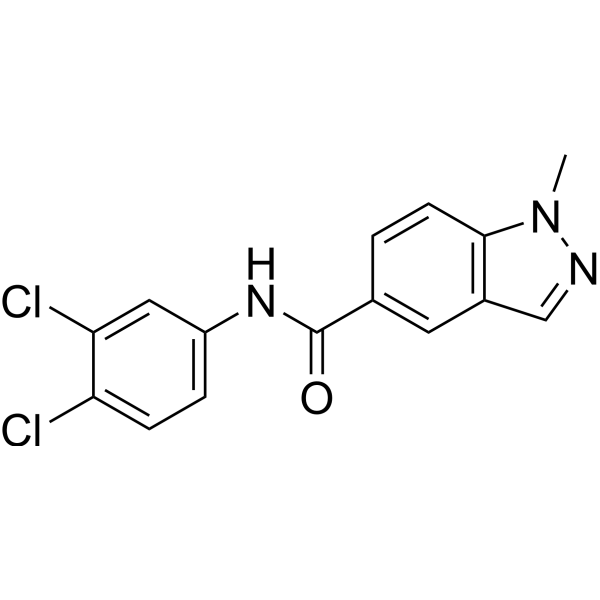
PSB-1491 is a selective and competitive monoamine oxidase B (MAO-B) inhibitor with an IC50 of 0.386 nM for hMAO-B. PSB-1491 shows >25000-fold selective versus MAO-A .
|
-
- HY-14855BR
-
|
TR-701FA (Standard)
|
Reference Standards
Bacterial
Antibiotic
Monoamine Oxidase
|
Infection
|
|
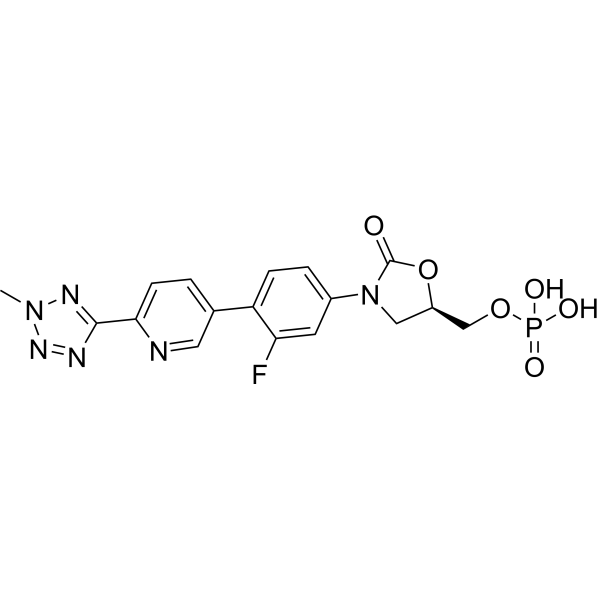
Tedizolid (phosphate) (Standard) is the analytical standard of Tedizolid (phosphate). This product is intended for research and analytical applications. Tedizolid phosphate (TR-701FA) is a MAO-A and MAO-B inhibitor with activity against Gram-positive bacteria[1].
|
-

- HY-151800
-
|
|
Monoamine Oxidase
|
Neurological Disease
|
|
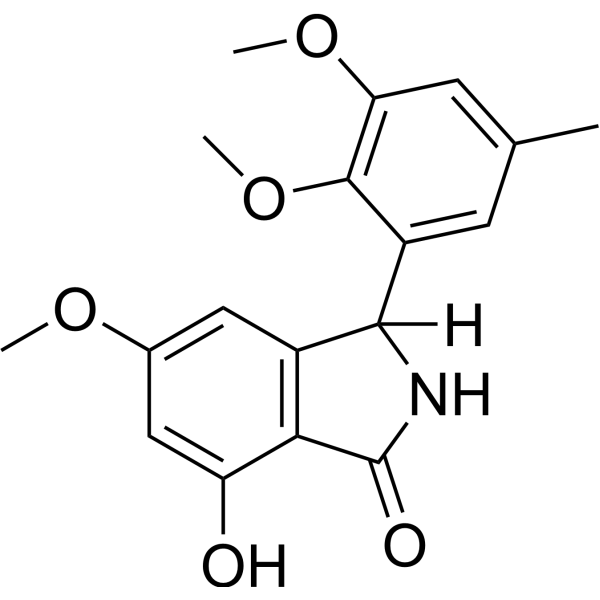
MAO-A/B-IN-2 (compound 30) is a MAO-A/B inhibitor with IC50 values of 17.8 and 15.8 μM for MAO-A and MAO-B, respectively. MAO-A/B-IN-2 can be used in the study of neurological disorders .
|
-
- HY-W792513
-
|
|
Monoamine Oxidase
|
Neurological Disease
|
|
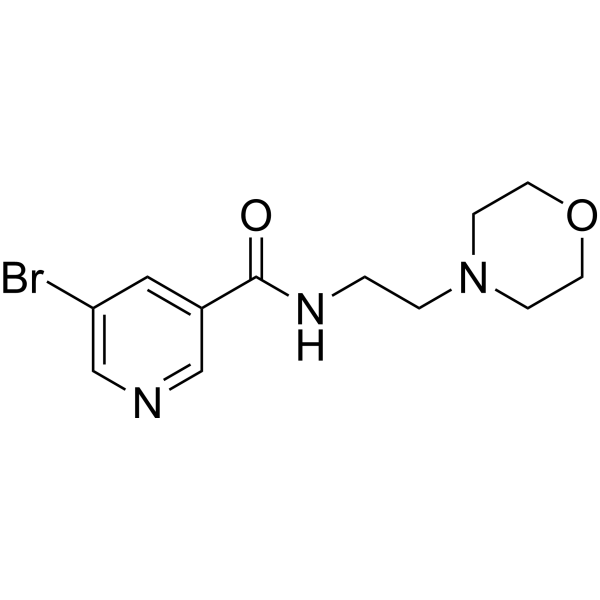
WAY-620147 (compound 6) is an N-(2-morpholinoethyl)nicotinamide derivative that inhibits monoamine oxidase (Monoamine Oxidase). WAY-620147 inhibits MAO-A and MAO-B with IC50s of 26 μM and 55 μM, respectively .
|
-
- HY-144673
-
-
- HY-157934
-
|
|
Monoamine Oxidase
|
Neurological Disease
|
|
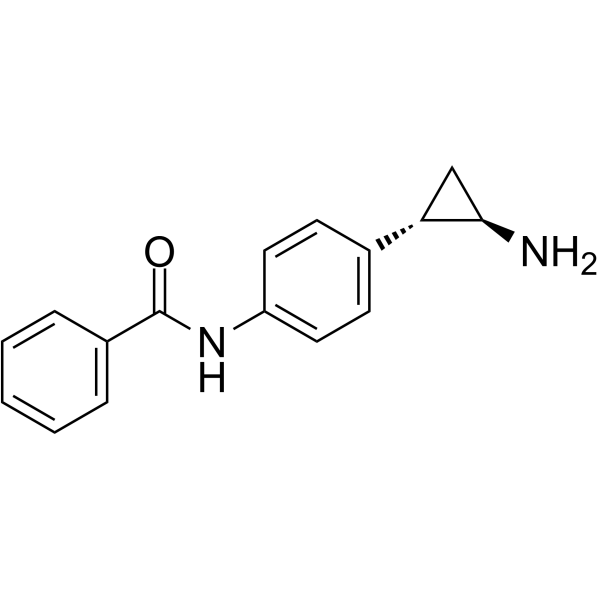
MAO-IN-4 (Compound 2l) is a monoamine oxidase (MAO) inhibitor, with IC50 values of 0.07 and 0.75 μM for MAO-A and MAO-B Enzymes, respectively. MAO-IN-4 can be used for the research of depression and Parkinson’s disease (PD) .
|
-
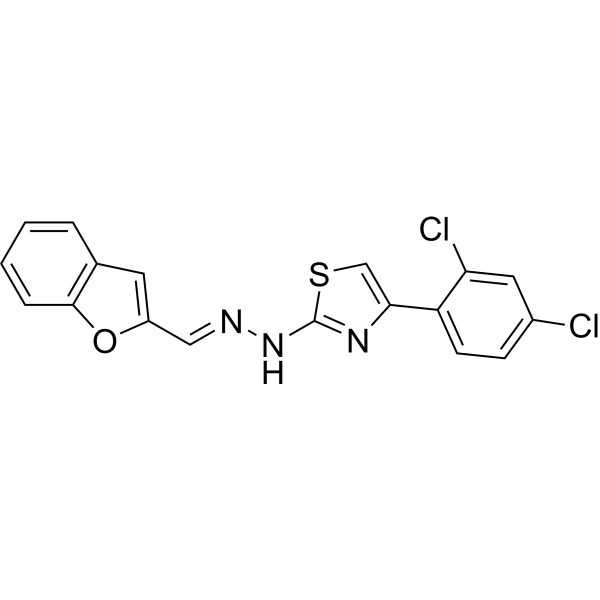
- HY-157981
-
|
|
Cholinesterase (ChE)
Monoamine Oxidase
|
Neurological Disease
|
|
AChE-IN-60 (compound 6k) is a potant acetylcholinesterase (AChE) and butyrylcholinesterase (BChE) inhibitor with IC50s of 27 nM and 43 nM, respectively. AChE-IN-60 also inhibits monoamine oxidase (MAO)-A and MAO-B with IC50s of 353 nM and 716 nM, respectively .
|
-
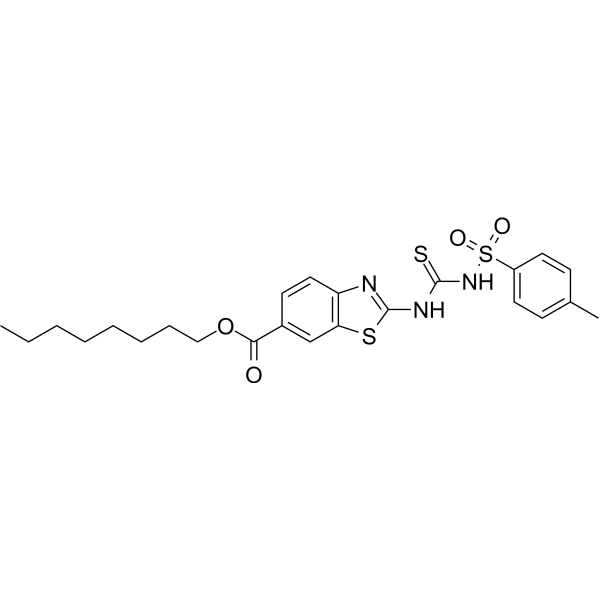
- HY-106972
-
|
|
Monoamine Oxidase
|
Neurological Disease
|
|
SL-251131 is a reversible non-specific MAO inhibitor. SL-251131 temporarily blocks both MAO-A and MAO-B enzymes, which are responsible for breaking down neurotransmitters like dopamine. SL-251131 can be used for the study of Parkinson's disease .
|
-

- HY-143438
-
|
|
Monoamine Oxidase
|
Neurological Disease
|
|
2-PAT, an analogue of Rasagiline and Selegiline, a reversible MAO-A inhibitor with an IC50 of 0.721 µM. 2-PAT is an inactivator of MAO-B with an IC50 of 14.6 µM. 2-PAT has the potential for Parkinson’s disease and depression research .
|
-
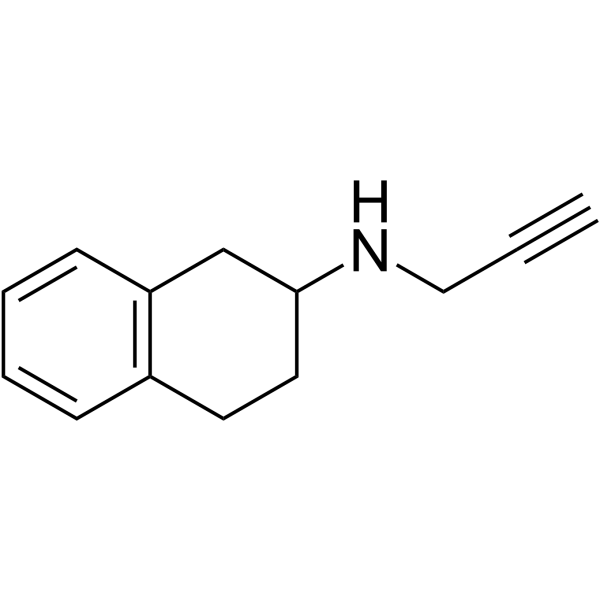
- HY-151094
-
|
|
Monoamine Oxidase
|
Neurological Disease
|
|
FTEAA is a 4-styrylpiperidine inhibitor. FTEAA exhibits potent inhibitory effect towards both monoamine oxidase with IC50s of 0.52 μM (MAO-A), 1.02 μM (MAO-B), respectively. MAO inhibitors can be used for cardiovascular, neurological and oncological disorders research .
|
-
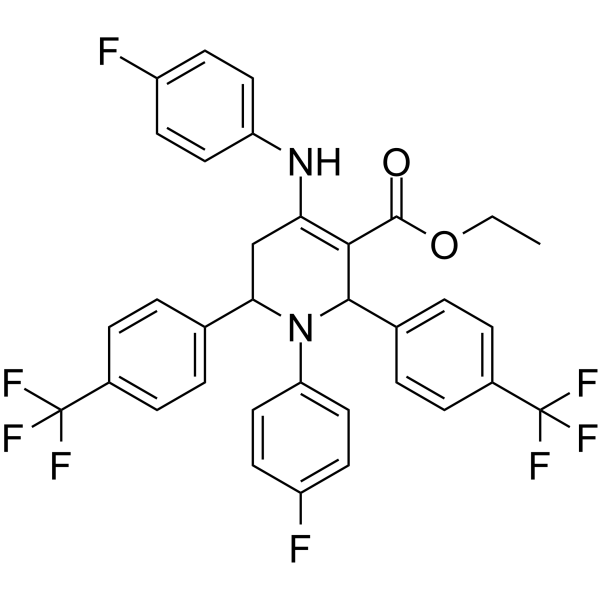
- HY-100679B
-
|
|
Monoamine Oxidase
|
Neurological Disease
|
|
(R)-Pirlindole mesylate is selective and reversible a Monoamine oxidase A (MAO-A) inhibitor with an IC50 of 0.43 μM for MAO-A over MAO-B. (R)-Pirlindole mesylate has an antidepressant activity. (R)-Pirlindole mesylate significantly decreases immobility time of the forced swim test and inhibits Reserpine (HY-N0480)-induced palpebral ptosis in behavioural mice models. (R)-Pirlindole mesylate can be used for depression research .
|
-

- HY-158092
-
|
|
Cholinesterase (ChE)
Monoamine Oxidase
|
Neurological Disease
|
|
ChEs/MAOs-IN-2 (compound a11) is a cholinesterases and monoamine oxidases inhibitor with IC50 values of 0.10, 0.20, 0.30, 0.40 µM for MAO-A, MAO-B, AChE, and BChE, respectively. ChEs/MAOs-IN-2 has the potential for the research of Alzheimer's disease .
|
-

- HY-W029600
-
|
|
Monoamine Oxidase
|
Neurological Disease
|
|
6,7-Dimethylisatin (compound 1l), an Isatin (HY-Y0265) analogue, is a potent MAO inhibitor with IC50s of 20.3 μM and 6.74 μM for MAO-A and MAO-B, respectively. 6,7-Dimethylisatin has the potential for depression, Alzheimer's disease and Parkinson's disease research .
|
-

- HY-19333A
-
|
|
Histone Demethylase
Monoamine Oxidase
HSV
|
Infection
|
|
OG-L002 hydrochloride is a potent and highly selective LSD1 inhibitor with an IC50 of 0.02 μM. OG-L002 hydrochloride is a potent monoamine oxidases (MAO) inhibitor with IC50s of 1.38 μM and 0.72 μM for MAO-A and MAO-B, respectively. OG-L002 hydrochloride potently inhibits the expression of HSV IE genes .
|
-

- HY-N1638
-
|
|
Monoamine Oxidase
|
Neurological Disease
|
|
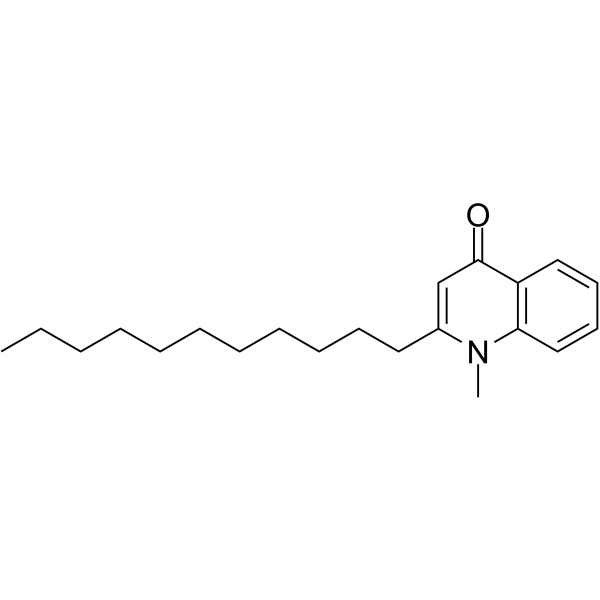
1-Methyl-2-undecyl-4(1H)-quinolone is a potent, irreversible and selective inhibitor of type B monoamine oxidase (MAO-B). 1-Methyl-2-undecyl-4(1H)-quinolone shows a selective inhibition of MAO-B activity with the IC50 and Ki values of 15.3 μM and 9.91 μM, respectively, but did not inhibit type A MAO (MAO-A) activity. Methyl-2-undecyl-4(1H)-quinolone, as a quinolone alkaloid, is isolated from fresh leaves and fruits of Evodia rutaecarpa HOOK. f. et THOMS .
|
-
- HY-N13041
-
|
|
Monoamine Oxidase
|
Neurological Disease
|
|
Acacetin 7-O-(6-O-malonylglucoside) is a monoamine oxidase inhibitor with strong inhibitory effects on monoamine oxidase A (MAO-A) and monoamine oxidase B (MAO-B) with IC50 values of 2.34 and 1.87 μM, respectively. Acacetin 7-O-(6-O-malonylglucoside) is a reversible MAO inhibitor that can be used in the research of neurodegenerative diseases and affective disorders .
|
-

- HY-129388
-
|
CC-90011 Methylbenzenesulfonate; LSD1-IN-7 Methylbenzenesulfonate
|
Histone Demethylase
|
Inflammation/Immunology
Cancer
|
|
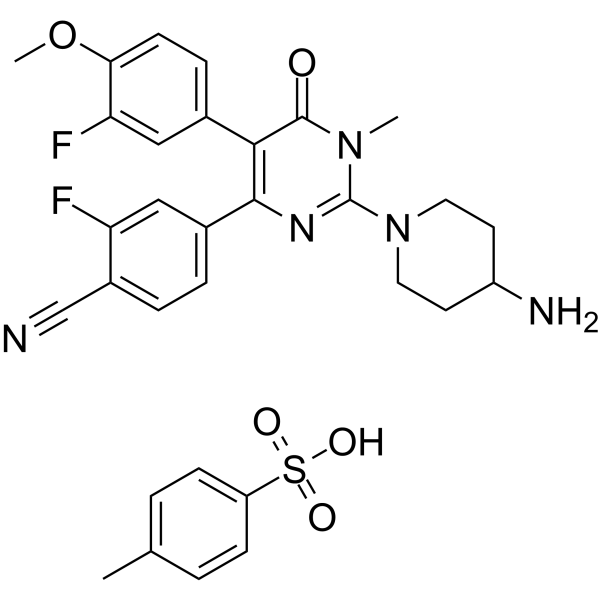
Pulrodemstat (CC-90011) Methylbenzenesulfonate is a potent, selective, reversible and orally active inhibitor of lysine specific demethylase-1 (LSD1) with an IC50 of 0.25 nM. Pulrodemstat Methylbenzenesulfonate is less enzymatic inhibition against LSD2, MAO-A, and MAO-B. Pulrodemstat Methylbenzenesulfonate induces acute myeloid leukemia (AML) and small cell lung cancer (SCLC) cells differentiation and has potent anticancer activity .
|
-
- HY-144758
-
|
|
Histone Demethylase
Monoamine Oxidase
|
Cancer
|
|
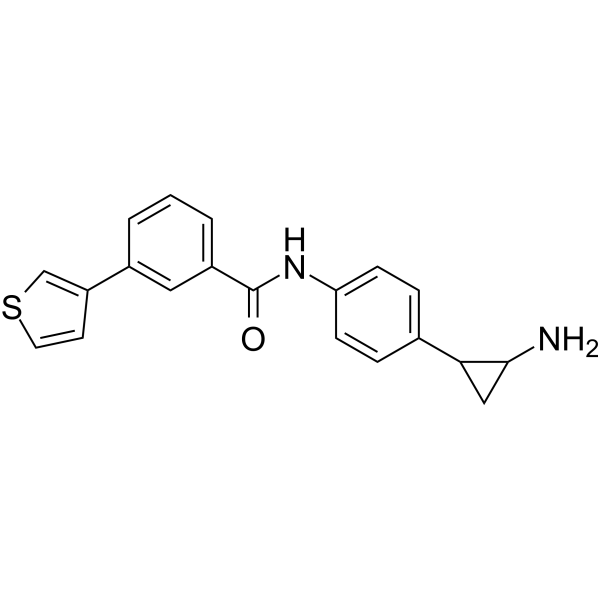
LSD1-IN-17 (compound 5b) is a potent LSD1 inhibitor. LSD1-IN-17 can inhibit LSD1-CoREST, MAO-A and MAO-B, with IC50 values of 0.005, 0.028, and 0.820 μM, respectively. LSD1-IN-17 displays cell growth arrest in prostate cancer LNCaP cells, with an IC50 of 17.2 μM .
|
-
- HY-144756
-
|
|
Histone Demethylase
Monoamine Oxidase
|
Cancer
|
|
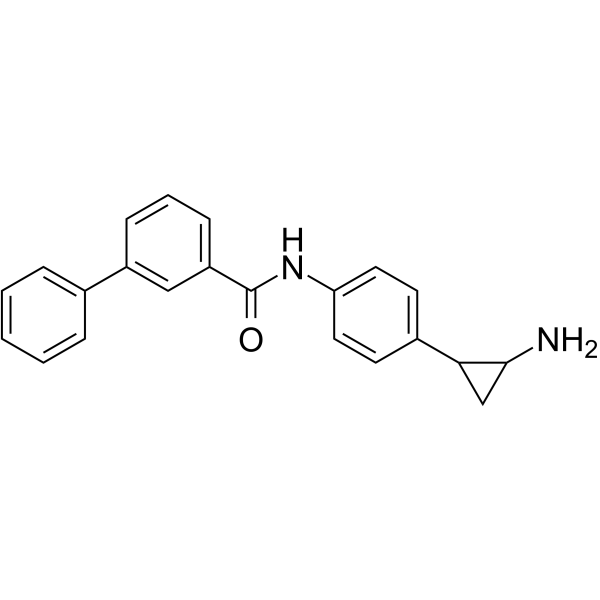
LSD1-IN-15 (compound 1b) is a potent LSD1 inhibitor. LSD1-IN-15 can inhibit LSD1-CoREST, MAO-A and MAO-B, with IC50 values of 0.149, 0.028, and 0.327 μM, respectively. LSD1-IN-15 displays cell growth arrest in prostate cancer LNCaP cells, with an IC50 of 9.9 μM .
|
-
- HY-144757
-
|
|
Histone Demethylase
Monoamine Oxidase
|
Cancer
|
|
LSD1-IN-16 (compound 4b) is a potent LSD1 inhibitor. LSD1-IN-16 can inhibit LSD1-CoREST, MAO-A and MAO-B, with IC50 values of 0.015, 0.024, and 0.366 μM, respectively. LSD1-IN-16 displays cell growth arrest in prostate cancer LNCaP cells, with an IC50 of 15.2 μM .
|
-
- HY-135611R
-
|
|
Reference Standards
Parasite
Antibiotic
|
Infection
|
|
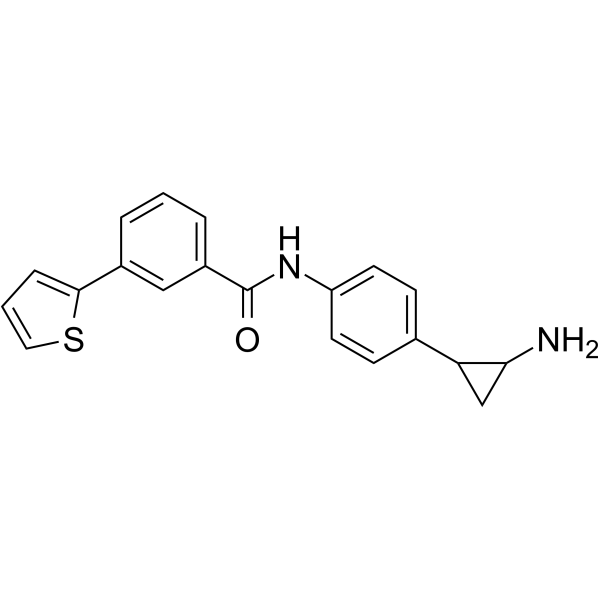
Pargyline (hydrochloride) (Standard) is the analytical standard of Pargyline (hydrochloride). This product is intended for research and analytical applications. Pargyline hydrochloride is an irreversible monoamine oxidase (MAO) inhibitor with Kis of 13 μM and 0.5 μM for MAO-A and MAO-B, respectively. Pargyline hydrochloride has antihypertensive and anticancer activities . Pargyline (hydrochloride) is a click chemistry reagent, it contains an Alkyne group and can undergo copper-catalyzed azide-alkyne cycloaddition (CuAAc) with molecules containing Azide groups.
|
-

- HY-A0091AR
-
|
|
Reference Standards
Monoamine Oxidase
|
Cardiovascular Disease
Cancer
|
|
Pargyline (Standard) is the analytical standard of Pargyline. This product is intended for research and analytical applications. Pargyline is an irreversible monoamine oxidase (MAO) inhibitor with Kis of 13 μM and 0.5 μM for MAO-A and MAO-B, respectively. Pargyline has antihypertensive and anticancer activities . Pargyline is a click chemistry reagent, it contains an Alkyne group and can undergo copper-catalyzed azide-alkyne cycloaddition (CuAAc) with molecules containing Azide groups.
|
-

- HY-A0091R
-
|
|
Reference Standards
Monoamine Oxidase
|
Cardiovascular Disease
Cancer
|
|
Pargyline (hydrochloride) (Standard) is the analytical standard of Pargyline (hydrochloride). This product is intended for research and analytical applications. Pargyline hydrochloride is an irreversible monoamine oxidase (MAO) inhibitor with Kis of 13 μM and 0.5 μM for MAO-A and MAO-B, respectively. Pargyline hydrochloride has antihypertensive and anticancer activities . Pargyline (hydrochloride) is a click chemistry reagent, it contains an Alkyne group and can undergo copper-catalyzed azide-alkyne cycloaddition (CuAAc) with molecules containing Azide groups.
|
-

- HY-134664
-
|
|
Cytochrome P450
Monoamine Oxidase
|
Inflammation/Immunology
|
|
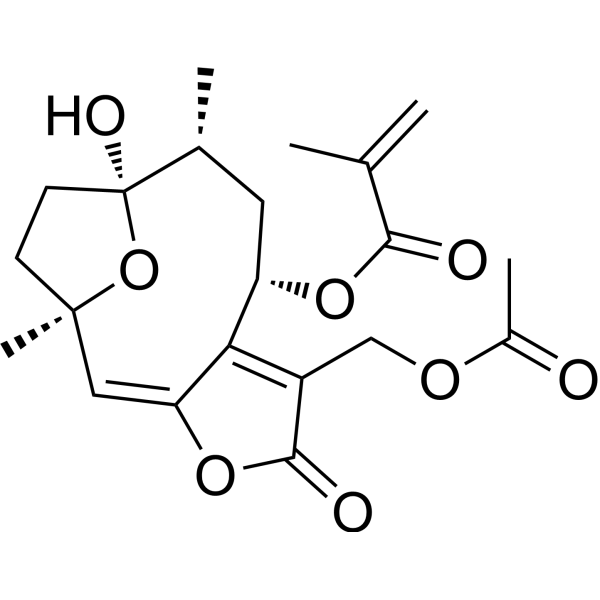
8α-(2-Methylacryloyloxy)-hirsutinolide-13-O-acetate is an irreversible CYP2A6 inhibitor with IC50s of 8.64 μM and 22.3 μM with pre-incubation and co-incubaition, respectively. 8α-(2-Methylacryloyloxy)-hirsutinolide-13-O-acetate also inhibits MAO-A and MAO-B with IC50s of 60.2 and 38.6 μM, respectively .
|
-
- HY-178149
-
|
|
Monoamine Oxidase
|
Neurological Disease
|
|
MAO-A/B-IN-5 is an orally active MAO-A (IC50 = 73.88 μM) and MAO-B (IC50 = 91.08 μM) inhibitor. MAO-A/B-IN-5 reverses Sodium nitroprusside (SNP) (HY-B0564)-induced cerebral lipid peroxidation (IC50 = 130.2 μM) and protein carbonylation (IC50 = 229.8 μM). MAO-A/B-IN-5 shows dose-dependent and time-dependent antidepressant-like efficacy in mice. MAO-A/B-IN-5 can be used for the study of depressive disorder .
|
-

- HY-W700241
-
|
|
Isotope-Labeled Compounds
Monoamine Oxidase
Endogenous Metabolite
|
Infection
Neurological Disease
Cancer
|
|
Norharman-d7 is deuterium labeled Norharmane. Norharmane (Norharman), a β-carboline alkaloid, is a potent and reversible monoamine oxidase inhibitor, with IC50 values of 6.5 and 4.7 μM for MAO-A and MAO-B, respectively. Norharmane causes antidepressant responses. Norharmane is also a prospective anti-cancer photosensitizer. Norharmane alters polar auxin transport (PAT) by inhibiting PIN2, PIN3 and PIN7 transport proteins, thus causing a significant inhibitory effect on the growth of Arabidopsis thaliana seedlings .
|
-

- HY-162606
-
|
|
Monoamine Oxidase
Cholinesterase (ChE)
|
Neurological Disease
|
|
MAO-A/B-IN-3 (Compound 12) stands out as a key dual MAO-AChE inhibitor, displaying excellent multi-target efficacy against MAO-A, MAO-B, and AChE with IC50 values of 67 nM, 29 nM, and 1370 nM respectively. MAO-A/B-IN-3 is adept at altering the A site (hydrophobic ring) and C site (semicarbazone chain) within ketone amine-based MTDLs to bolster the inhibitory potential against MAO-A/B while notably diminishing activity against AChE. MAO-A/B-IN-3 is poised for research applications in the field of neurodegenerative diseases .
|
-

- HY-162760
-
|
|
COMT
Monoamine Oxidase
|
Neurological Disease
|
|
COMT-IN-1 (compound C12), a nitrophenolic analogue, is an orally active dopamine metabolic enzyme catechol-O-methyltransferase (COMT) inhibitor with IC50s of 0.37 μM, 95.58 μM and 58.82 μM for COMT, MAO-A and MAO-B, respectively. COMT-IN-1 exhibits chelation with a variety of metal ions. COMT-IN-1 exhibits good BBB permeability. COMT-IN-1 improves dopamine levels and ameliorates MPTP (HY-15608)-induced Parkinson's disease (PD) symptoms in mice .
|
-

- HY-W008566R
-
|
Norharman (Standard); β-Carboline (Standard)
|
Reference Standards
Monoamine Oxidase
Endogenous Metabolite
|
Infection
Neurological Disease
Cancer
|
|
Norharmane (Standard) is the analytical standard of Norharmane. This product is intended for research and analytical applications. Norharmane (Norharman), a β-carboline alkaloid, is a potent and reversible monoamine oxidase inhibitor, with IC50 values of 6.5 and 4.7 μM for MAO-A and MAO-B, respectively. Norharmane causes antidepressant responses. Norharmane is also a prospective anti-cancer photosensitizer. Norharmane alters polar auxin transport (PAT) by inhibiting PIN2, PIN3 and PIN7 transport proteins, thus causing a significant inhibitory effect on the growth of Arabidopsis thaliana seedlings .
|
-

- HY-70057S4
-
|
FCE 26743-d5; EMD 1195686-d5
|
Isotope-Labeled Compounds
Monoamine Oxidase
|
Neurological Disease
|
|
Safinamide-d5 (FCE 26743-d5) is deuterium labeled Safinamide. Safinamide is a potent, selective, and reversible monoamine oxidase B (MAO-B) inhibitor (IC50=0.098 μM) over MAO-A (IC50=580 μM) . Safinamide also blocks sodium channels and modulates glutamate (Glu) release, showing a greater affinity at depolarized (IC50=8?μM) than at resting (IC50=262?μM) potentials. Safinamide has neuroprotective and neurorescuing effects and can be used for the study of parkinson disease, ischemia stroke etc.al .
|
-

- HY-114620
-
|
|
Monoamine Oxidase
|
Neurological Disease
|
|
MAO-B-IN-55 (Compound 5c) is a reversible competitive MAO-B inhibitor with an IC50 of 2.9 nM, and it exhibits approximately 2750-fold higher selectivity for MAO-B over MAO-A. MAO-B-IN-55 can be used for the research of Parkinson's disease .
|
-

- HY-170487
-
|
|
Monoamine Oxidase
|
Neurological Disease
|
|
MAO-B-IN-38 (Compound 6b) is a reversible and competitive MAO-B inhibitor, with IC50 values of 0.03 and 21.46 µM for MAO-B and MAO-A, respectively. MAO-B-IN-38 can be used for the research of neurodegenerative diseases such as Alzheimer’s and Parkinson’s diseases .
|
-

- HY-174834
-
|
|
Monoamine Oxidase
|
Neurological Disease
|
|
MAO-B-IN-44 (Compound 4n) is a selective monoamine oxidase B (MAO-B) inhibitor targetin with an IC50 value of 1.01 μM, showing weak inhibition on MAO-A (IC50=14.4 μM). MAO-B-IN-44 reduces degradation of neurotransmitters like dopamine. MAO-B-IN-44 is promising for research of neurodegenerative diseases related to MAO-B abnormalities such as Parkinson’s disease .
|
-

- HY-131660
-
|
|
Monoamine Oxidase
Amyloid-β
Reactive Oxygen Species (ROS)
|
Neurological Disease
|
|
MAO-B-IN-54 is a selective, reversible and competitiv monoamine oxidase B (MAOB) inhibitor with a human IC50 of 0.052 μM and a Ki of 0.028 μM. MAO-B-IN-54 shows weak activity MAOA. MAO-B-IN-54 occupies both the entrance and substrate cavity of MAOB, forming hydrophobic and hydrogen bonding interactions. MAO-B-IN-54 inhibits Aβ aggregation and ROS production. MAO-B-IN-54 can be used for the research of Alzheimer’s disease .
|
-

- HY-136878
-
|
|
Histone Demethylase
Monoamine Oxidase
|
Neurological Disease
Cancer
|
|
LSD1-IN-10 is a LSD1/MAO inhibitor with LSD1 IC50 of 5 nM, MAO-A IC50 of 16 μM, and MAO-B IC50 of 7.4 μM. LSD1-IN-10 suppresses enzymatic activity of LSD1, MAO-A, and MAO-B. LSD1-IN-10 can be used for the research of cancer, alzheimer's disease, parkinson's disease, huntington's disease .
|
-

- HY-14198B
-
|
(±)-Deprenyl hydrochloride
|
Monoamine Oxidase
|
Neurological Disease
|
|
(±)-Selegiline (Deprenyl) hydrochloride is the racemic of Selegiline (HY-14198). Selegiline is a potent, selective and irreversible inhibitor of MAO-B, with an IC50 of 51 nM. Selegiline exhibits 450-flod selectivity for MAO-B over MAO-A (IC50=23 μM). Selegiline can be used for the research of Parkinson's disease, Alzheimer's disease and major depressive disorder .
|
-

- HY-W010130R
-
|
3,4-Dihydro-7-hydroxy-2(1H)-quinolinone (Standard)
|
Reference Standards
Monoamine Oxidase
|
Neurological Disease
|
|
7-Hydroxy-3,4-dihydro-2(1H)-quinolinone (Standard) is the analytical standard of 7-Hydroxy-3,4-dihydro-2(1H)-quinolinone. This product is intended for research and analytical applications. 7-?Hydroxy-?3,?4-?dihydro-?2(1H)?-?quinolinone (3,4-Dihydro-7-hydroxy-2(1H)-quinolinone) is a weak MAO-A inhibitor, with an IC50 of 183 μM, and has no effect on MAO-B .
|
-

- HY-W008566S
-
|
Norharman-13; β-Carboline-13C
|
Isotope-Labeled Compounds
|
Cancer
|
|
Norharmane- 13C (Norharman- 13C) is the 13C-labeled Norharmane (HY-W008566). Norharmane (Norharman), a β-carboline alkaloid, is a potent and reversible monoamine oxidase inhibitor, with IC50 values of 6.5 and 4.7 μM for MAO-A and MAO-B, respectively. Norharmane causes antidepressant responses. Norharmane is also a prospective anti-cancer photosensitizer. Norharmane alters polar auxin transport (PAT) by inhibiting PIN2, PIN3 and PIN7 transport proteins, thus causing a significant inhibitory effect on the growth of Arabidopsis thaliana seedlings .
|
-

- HY-12723R
-
|
(-)-Apomorphine (Standard)
|
Reference Standards
Dopamine Receptor
Monoamine Oxidase
Reactive Oxygen Species (ROS)
JNK
ERK
Amyloid-β
Tau Protein
MMP
|
Neurological Disease
Inflammation/Immunology
Endocrinology
Cancer
|
|
Apomorphine ((-)-Apomorphine) (Standard) is the analytical standard of Apomorphine (HY-12723). This product is intended for research and analytical applications. Apomorphine is a potent dopamine receptor agonist. Apomorphine also inhibit MAO-A and MAO-B. Apomorphine exerts neuroprotective effect and can relax rat corpus cavernosum. Apomorphine can inhibit ROS production, DNA fragmentation and inibit JNK and ERK1/2 phosphorylation. Apomorphine can enhance degradation of intracellular Aβ40 and Aβ42, reduces tau protein levels and inhibit MMP-9 expression. Apomorphine is a highly potent radical scavenger and iron chelator. Apomorphine can be used for the researches of dementia, parkinson's disease, alzheimer disease, breast carcinoma, and erectile dysfunction .
|
-

- HY-180843
-
|
|
Tau Protein
Amyloid-β
Cholinesterase (ChE)
Monoamine Oxidase
Reactive Oxygen Species (ROS)
|
Neurological Disease
|
|
Aβ/tau aggregation-IN-4 (Compound D21) is an Aβ/tau aggregation inhibitor. Aβ/tau aggregation-IN-4 promotes the degradation of Aβ40/42 (Aβ40, IC50 = 2.151 μM; Aβ42, IC50 = 3.622 μM). Aβ/tau aggregation-IN-4 shows selective AChE inhibition (IC50: 5.56 μM). Aβ/tau aggregation-IN-4 inhibits MAO-A and MAO-B with IC50s of 0.59 μM and 0.09 μM, respectively. Aβ/tau aggregation-IN-4 suppresses intracellular ROS levels. Aβ/tau aggregation-IN-4 can be used in the research of Alzheimer's disease .
|
-

| Cat. No. |
Product Name |
Type |
-
- HY-D0004
-
|
Azure B chloride
|
Fluorescent Dyes
|
|
Azure B is a cationic dye and the major metabolite of Methylene blue. Azure B is used in making Azure eosin stains for blood smear staining. Azure B is a high-potency, selective and reversible inhibitor of monoamine oxidases (MAO)-A, with IC50s of 11 and 968 nM for recombinant human MAO-A and MAO-B, respectively. Azure B possesses significant antidepressant-like effects .
|
-
- HY-D0004R
-
|
Azure B chloride (Standard)
|
Fluorescent Dyes
|
|
Azure B (Standard) is the analytical standard of Azure B. This product is intended for research and analytical applications. Azure B is a cationic dye and the major metabolite of Methylene blue. Azure B is used in making Azure eosin stains for blood smear staining. Azure B is a high-potency, selective and reversible inhibitor of monoamine oxidases (MAO)-A, with IC50s of 11 and 968 nM for recombinant human MAO-A and MAO-B, respectively. Azure B possesses significant antidepressant-like effects .
|
| Cat. No. |
Product Name |
Category |
Target |
Chemical Structure |
| Cat. No. |
Product Name |
Chemical Structure |
-
- HY-W015490S
-
|
|
|
1,4-Naphthoquinone-d6 is the deuterium labeled 1,4-Naphthoquinone. 1,4-Naphthoquinone is an inhibitor with broad-spectrum inhibitory activity targeting DNA polymerase, NF-κB and monoamine oxidase (MAO-A/B), with antibacterial and anti-biofilm efficacy. 1,4-Naphthoquinone is a competitive inhibitor of MAO-B (Ki=1.4 μM) and a non-competitive inhibitor of MAO-A (Ki=7.7 μM). 1,4-Naphthoquinone inhibits DNA polymerase pol α, β, γ, δ, ε, λ with IC50 ranging from 5.57-128 μM. 1,4-Naphthoquinone inhibits tumor cell proliferation, induces apoptosis and necrosis, and has anti-angiogenic and anti-inflammatory activities by inducing oxidative stress, depleting glutathione (GSH), inhibiting DNA polymerase-mediated DNA synthesis and blocking NF-κB nuclear translocation. 1,4-Naphthoquinone can be used in anti-bacterial , anti-tumor and anti-inflammatory studies, including inhibition of melanoma and colon cancer cell growth and endothelial cell function, as well as LPS-induced inflammation models .
|
-
-
- HY-14280S
-
|
|
|
Entacapone-d10 is the deuterium labeled Entacapone. Entacapone is a potent, reversible, peripherally acting and orally active catechol-O-methyltransferase (COMT) inhibitor. Entacapone inhibits COMT from rat brain, erythrocytes and liver with IC50 values of 10 nM, 20 nM, and 160 nM, respectively. Entacapone is selective for COMT over other catecholamine metabolizing enzymes, including MAO-A, MAO-B, phenolsulphotransferase M (PST-M) and PST-P (IC50s>50 μM). Entacapone can be used for the research of Parkinson's disease . Entacapone serves as a inhibitor of FTO demethylation with an IC50 of 3.5 μM, can be used for the research of metabolic disorders .
|
-
-
- HY-70057S1
-
|
|
|
Safinamide-d4-1 is deuterium labeled Safinamide. Safinamide is a potent, selective, and reversible monoamine oxidase B (MAO-B) inhibitor (IC50=0.098 μM) over MAO-A (IC50=580 μM) . Safinamide also blocks sodium channels and modulates glutamate (Glu) release, showing a greater affinity at depolarized (IC50=8?μM) than at resting (IC50=262?μM) potentials. Safinamide has neuroprotective and neurorescuing effects and can be used for the study of parkinson disease, ischemia stroke etc.al .
|
-
-
- HY-B1018AS
-
|
|
|
Phenelzine-d5 sulfate is the deuterium labeled Phenelzine sulfate (HY-B1018A). Phenelzine sulfate, an antidepressant agent, is an irreversible and orally active monoamine oxidase (MAO-A and MAO-B) inhibitor. Phenelzine sulfate inhibits GABA transaminase and primary amine oxidase (PrAO), and sequester reactive aldehydes. Phenelzine sulfate also inhibits LSD1 (Ki: 5.6 μM) and suppresses oxidative stress and lipogenesis. Phenelzine sulfate elevates neurotransmitters (serotonin, norepinephrine, dopamine). Phenelzine sulfate is studied in neurological, metabolic and cancer diseases for depression and anxiety disorders, stroke, spinal cord injury, traumatic brain injury, multiple sclerosis, Parkinson’s disease, Alzheimer’s disease, inflammatory pain, obesity and prostate cancer .
|
-
-
- HY-14198S
-
|
|
|
Selegiline-d5 (Deprenyl-d5) is deuterium labeled Selegiline. Selegiline (Deprenyl) is a potent, selective and irreversible inhibitor of MAO-B, with an IC50 of 51 nM. Selegiline exhibits 450-flod selectivity for MAO-B over MAO-A (IC50=23 μM). Selegiline can be used for the research of Parkinson's disease, Alzheimer's disease and major depressive disorder .
|
-
-
- HY-14199S
-
|
|
|
Selegiline-d5 (hydrochloride) (Deprenyl-d5 (hydrochloride)) is deuterium labeled Selegiline (hydrochloride). Selegiline (Deprenyl) hydrochloride is a potent, selective and irreversible inhibitor of MAO-B, with an IC50 of 51 nM. Selegiline hydrochloride exhibits 450-flod selectivity for MAO-B over MAO-A (IC50=23 μM). Selegiline hydrochloride can be used for the research of Parkinson's disease, Alzheimer's disease and major depressive disorder .
|
-
-
- HY-W700241
-
|
|
|
Norharman-d7 is deuterium labeled Norharmane. Norharmane (Norharman), a β-carboline alkaloid, is a potent and reversible monoamine oxidase inhibitor, with IC50 values of 6.5 and 4.7 μM for MAO-A and MAO-B, respectively. Norharmane causes antidepressant responses. Norharmane is also a prospective anti-cancer photosensitizer. Norharmane alters polar auxin transport (PAT) by inhibiting PIN2, PIN3 and PIN7 transport proteins, thus causing a significant inhibitory effect on the growth of Arabidopsis thaliana seedlings .
|
-
-
- HY-70057S4
-
|
|
|
Safinamide-d5 (FCE 26743-d5) is deuterium labeled Safinamide. Safinamide is a potent, selective, and reversible monoamine oxidase B (MAO-B) inhibitor (IC50=0.098 μM) over MAO-A (IC50=580 μM) . Safinamide also blocks sodium channels and modulates glutamate (Glu) release, showing a greater affinity at depolarized (IC50=8?μM) than at resting (IC50=262?μM) potentials. Safinamide has neuroprotective and neurorescuing effects and can be used for the study of parkinson disease, ischemia stroke etc.al .
|
-
-
- HY-W008566S
-
|
|
|
Norharmane- 13C (Norharman- 13C) is the 13C-labeled Norharmane (HY-W008566). Norharmane (Norharman), a β-carboline alkaloid, is a potent and reversible monoamine oxidase inhibitor, with IC50 values of 6.5 and 4.7 μM for MAO-A and MAO-B, respectively. Norharmane causes antidepressant responses. Norharmane is also a prospective anti-cancer photosensitizer. Norharmane alters polar auxin transport (PAT) by inhibiting PIN2, PIN3 and PIN7 transport proteins, thus causing a significant inhibitory effect on the growth of Arabidopsis thaliana seedlings .
|
-
| Cat. No. |
Product Name |
|
Classification |
-
- HY-A0091A
-
|
|
|
Alkynes
|
|
Pargyline is an irreversible monoamine oxidase (MAO) inhibitor with Kis of 13 μM and 0.5 μM for MAO-A and MAO-B, respectively. Pargyline has antihypertensive and anticancer activities . Pargyline is a click chemistry reagent, it contains an Alkyne group and can undergo copper-catalyzed azide-alkyne cycloaddition (CuAAc) with molecules containing Azide groups.
|
-
- HY-A0091
-
|
|
|
Alkynes
|
|
Pargyline hydrochloride is an irreversible monoamine oxidase (MAO) inhibitor with Kis of 13 μM and 0.5 μM for MAO-A and MAO-B, respectively. Pargyline hydrochloride has antihypertensive and anticancer activities . Pargyline (hydrochloride) is a click chemistry reagent, it contains an Alkyne group and can undergo copper-catalyzed azide-alkyne cycloaddition (CuAAc) with molecules containing Azide groups.
|
-
- HY-131036
-
|
|
|
Alkynes
|
|
MAO-IN-M30 dihydrochloride is an orally active, brain-permeable, and brain selective irreversible MAO-A (IC50=37 nM) and MAO-B (IC50=57 nM) inhibitor. MAO-IN-M30 dihydrochloride is a potent iron chelator and radical scavenger. MAO-IN-M30 dihydrochloride has a neuroprotective effect against Dexamethasone-induced brain cell apoptosis. MAO-IN-M30 dihydrochloride also exhibits neurorestorative activity in post MPTP and lactacystin models of Parkinson's disease . MAO-IN-M30 (dihydrochloride) is a click chemistry reagent, it contains an Alkyne group and can undergo copper-catalyzed azide-alkyne cycloaddition (CuAAc) with molecules containing Azide groups.
|
-
- HY-121072
-
|
|
|
Alkynes
|
|
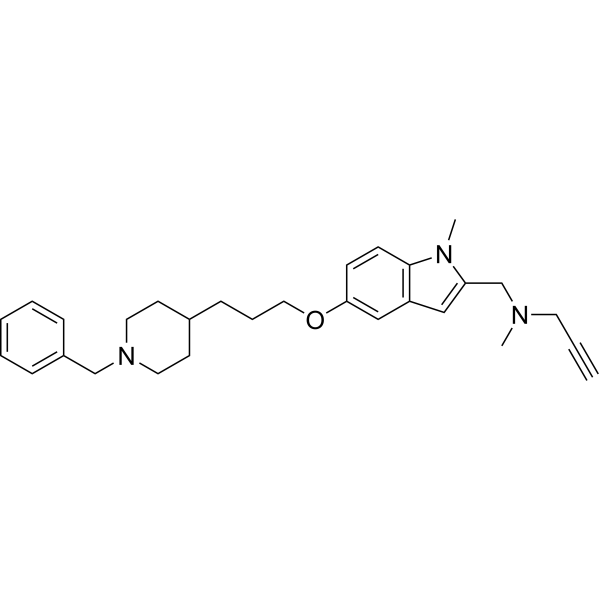
ASS234 is a potent monoamino oxidase (MAO) inhibitor with IC50s of 5.2 nM and 43 nM for MAO-A and MAO-B, respectively. ASS234 also inhibits AChE and BuChE with IC50s of 350 nM and 460 nM, respectively .
|
-
- HY-14198B
-
|
(±)-Deprenyl hydrochloride
|
|
Alkynes
|
|
(±)-Selegiline (Deprenyl) hydrochloride is the racemic of Selegiline (HY-14198). Selegiline is a potent, selective and irreversible inhibitor of MAO-B, with an IC50 of 51 nM. Selegiline exhibits 450-flod selectivity for MAO-B over MAO-A (IC50=23 μM). Selegiline can be used for the research of Parkinson's disease, Alzheimer's disease and major depressive disorder .
|
Your information is safe with us. * Required Fields.
Inquiry Information
- Product Name:
- Cat. No.:
- Quantity:
- MCE Japan Authorized Agent:








