1. Search Result
Search Result
Results for "

Na,K-ATPase

" in MedChemExpress (MCE) Product Catalog:

76

Inhibitors & Agonists

3

Fluorescent Dyes

4

Peptides

32

Natural
Products

1

Recombinant Proteins

9

Isotope-Labeled Compounds

2

Antibodies

Targets Recommended:
Cat. No. Product Name Target Research Areas Chemical Structure
  • HY-N0877
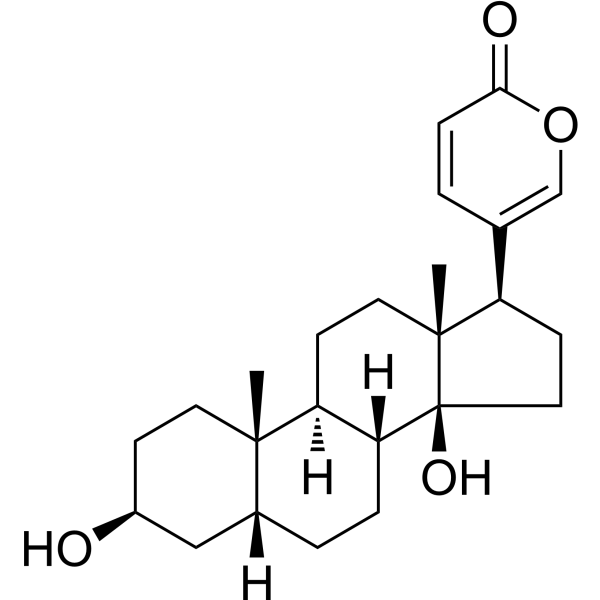
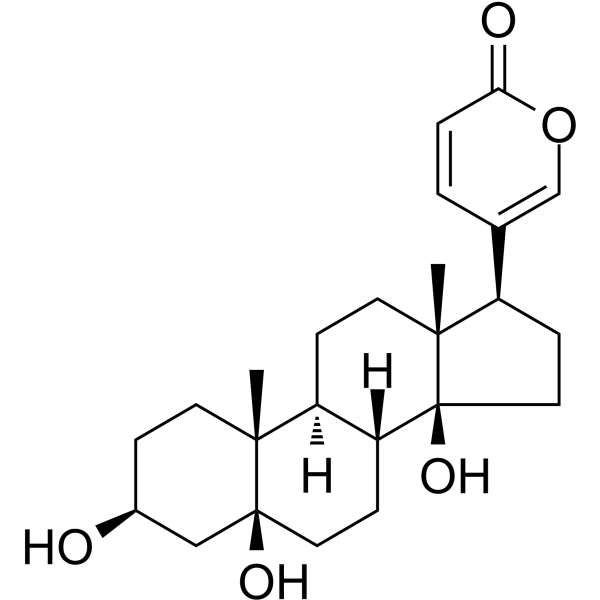
    Bufalin
    Maximum Cited Publications
    9 Publications Verification

    Na+/K+ ATPase Cancer
    Bufalin is an active component isolated from Chan Su, acts as a potent Na +/K +-ATPase inhibitor, binds to the subunit α1, α2 and α3, with Kd of 42.5, 45 and 40 nM, respectively . Anti-cancer activity .
    Bufalin
  • HY-D0085
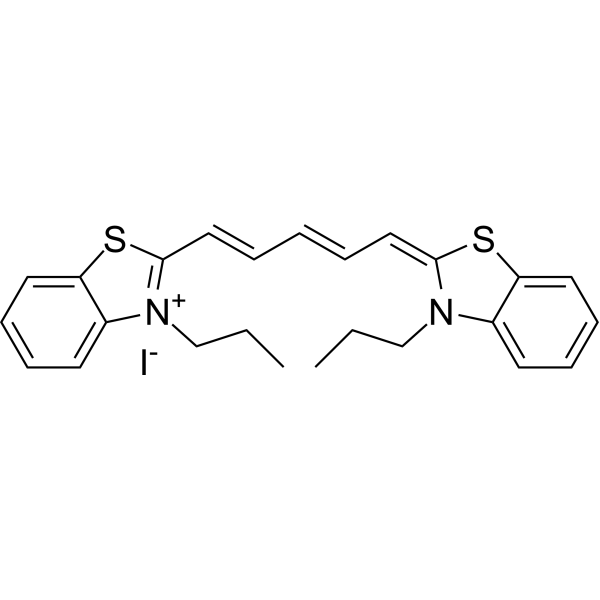
    DiSC3(5)
    10+ Cited Publications

    Fluorescent Dye Cancer
    DiSC3(5) is a fluorescent probe commonly used as a tracer dye to evaluate mitochondrial membrane potential. The excitation/emission wavelength of DiSC3(5) is up to 622/670 nm. DiSC3(5) can inhibit the respiratory system associated with mitochondrial NAD, and the IC50 value is 8 μM. DiSC3(5) in the presence of Na +/K +-ATPase inhibitor ouabain 2 can induce membrane hyperpolarization of Ehrlich ascites tumor cells .
    DiSC3(5)
  • HY-N2070
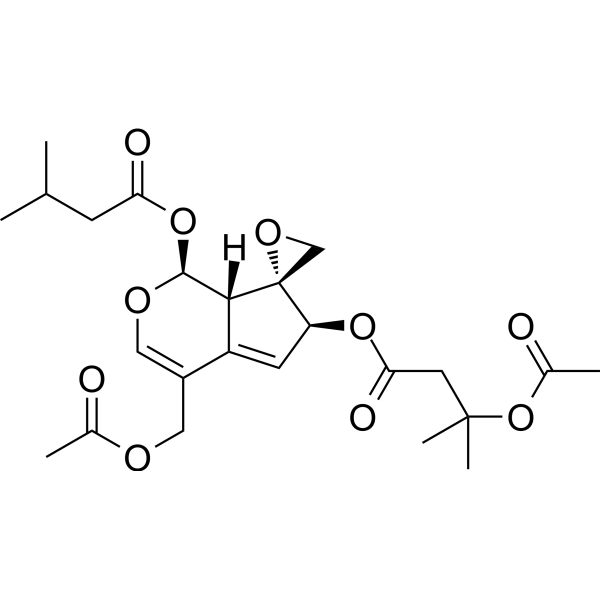
    Acevaltrate
    4 Publications Verification

    Na+/K+ ATPase Neurological Disease
    Acevaltrate inhibits the Na +/K +-ATPase activity in the rat kidney and brain hemispheres with IC50s of 22.8 μM and 42.3 μM, respectively .
    Acevaltrate
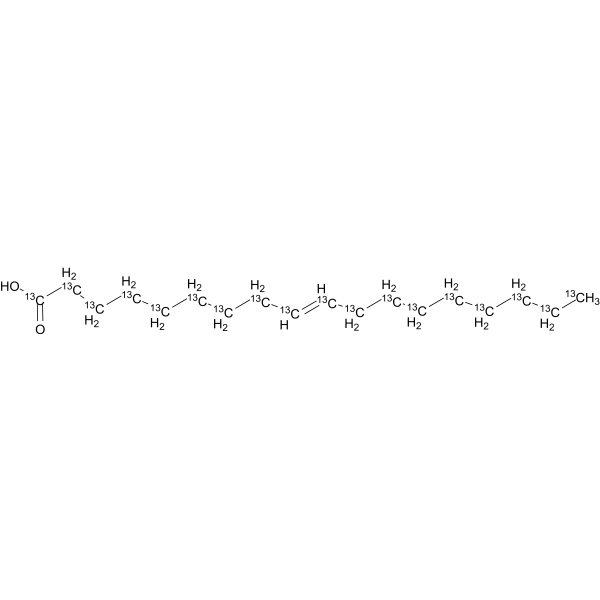
  • HY-N1446S2
    Oleic acid-13C18
    1 Publications Verification

    9-cis-Octadecenoic acid-13C18; 9Z-Octadecenoic acid-13C18

    Na+/K+ ATPase Endogenous Metabolite Apoptosis Metabolic Disease Cancer
    Oleic acid- 13C18 is the 13C labeled Oleic acid (HY-N1446). Oleic acid (9-cis-Octadecenoic acid) is an abundant monounsaturated fatty acid . Oleic acid is a Na+/K+ ATPase activator .
    Oleic acid-13C18
  • HY-12283
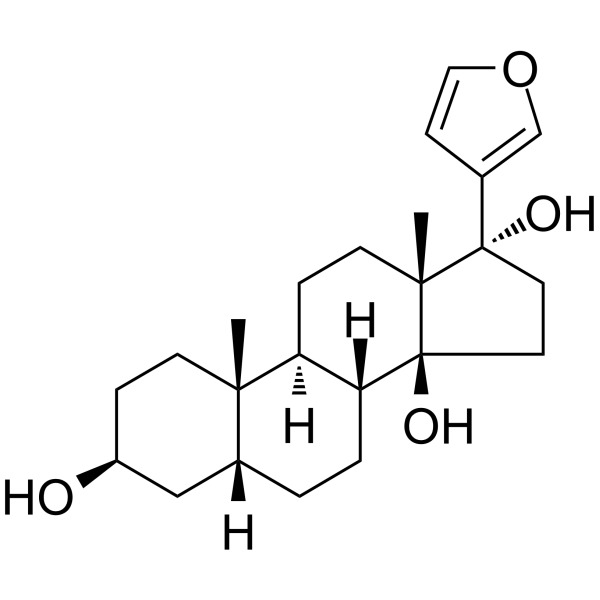
    Rostafuroxin
    2 Publications Verification

    PST 2238

    Na+/K+ ATPase RSV Cardiovascular Disease
    Rostafuroxin (PST 2238), a digitoxigenin derivative, is an orally active and potent Na +,K +-ATPase (ATP1A1) antognist. Rostafuroxin binds specifically to the ATP1A1 extracellular domain and blocks respiratory syncytial virus (RSV)-triggered EGFR Tyr845 phosphorylation. Rostafuroxin has antihypertensive and anti-RSV activity .
    Rostafuroxin
  • HY-114252
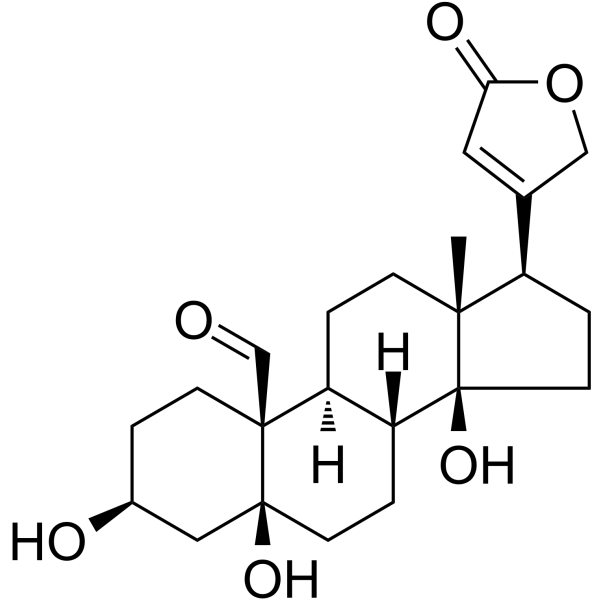
    Strophanthidin
    1 Publications Verification

    Na+/K+ ATPase Cardiovascular Disease
    Strophanthidin is a naturally available cardiac glycoside . Strophanthidin 0.1 and 1 nmol/L increases and 1~100 μmol/L inhibits the Na+/K+-ATPase activities, but Strophanthidin 10 and 100 nmol/L does not affect Na+/K+-ATPase activities in cardiac sarcolemmal . Strophanthidin increases both diastolic and systolic intracellular Ca 2+ concentration .
    Strophanthidin
  • HY-N1381
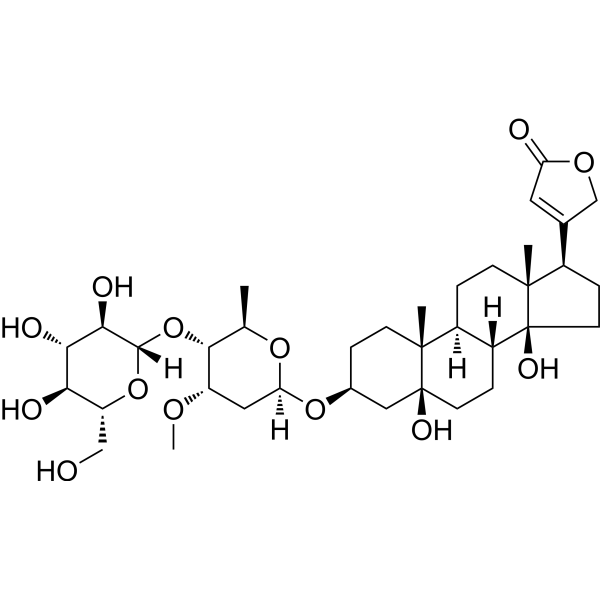
    Periplocin
    5+ Cited Publications

    Apoptosis Inflammation/Immunology Cancer
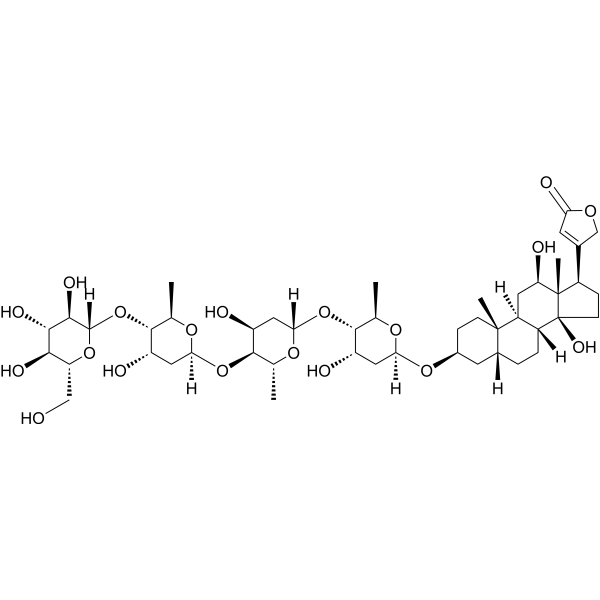
    Periplocin is a cardiotonic steroid isolated from root-bark Periploca sepium Bunge. Periplocin promotes tumor cell apoptosis and inhibits tumor growth. Periplocin has the potential to facilitate wound healing through the activation of Src/ERK and PI3K/Akt pathways mediated by Na/K-ATPase .
    Periplocin
  • HY-A0154

    Deacetyllanatoside C; Desacetyllanatoside C

    Na+/K+ ATPase Drug Metabolite Cardiovascular Disease
    Deslanoside (Desacetyllanatoside C) is a rapidly acting cardiac glycoside used to treat congestive heart failure and supraventricular arrhythmias due to reentry mechanisms, and to control ventricular rate in the treatment of chronic atrial fibrillation. Deslanoside inhibits the Na-K-ATPase membrane pump, resulting in an increase in intracellular sodium and calcium concentrations .
    Deslanoside
  • HY-N1446S5

    9-cis-Octadecenoic acid-d9; 9Z-Octadecenoic acid-d9

    Apoptosis Na+/K+ ATPase Endogenous Metabolite Metabolic Disease Cancer
    Oleic acid-d9 is deuterium labeled Oleic acid (HY-N1446). Oleic acid is an abundant monounsaturated fatty acid. Oleic acid is a Na+/K+ ATPase activato .
    Oleic acid-d9
  • HY-N1446S1
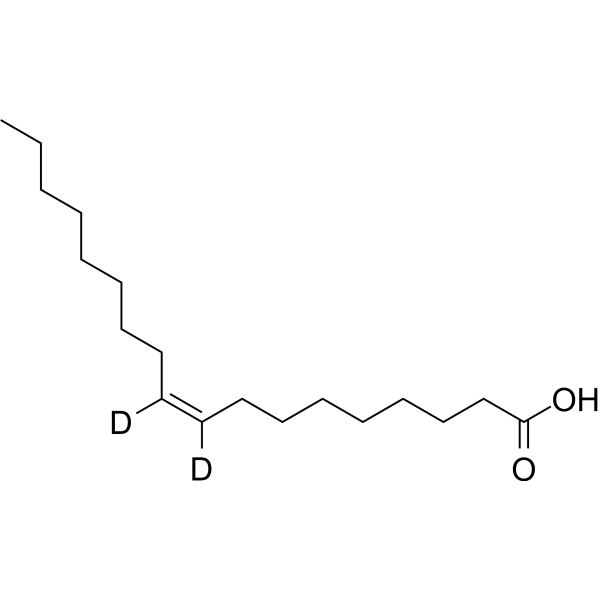
    Oleic acid-d2
    1 Publications Verification

    9-cis-Octadecenoic acid-d2; 9Z-Octadecenoic acid-d2

    Isotope-Labeled Compounds Na+/K+ ATPase Endogenous Metabolite Apoptosis Metabolic Disease Cancer
    Oleic acid-d2) is the deuterium labeled Oleic acid (HY-N1446). Oleic acid (9-cis-Octadecenoic acid) is an abundant monounsaturated fatty acid ]. Oleic acid is a Na+/K+ ATPase activator .
    Oleic acid-d2
  • HY-B0137
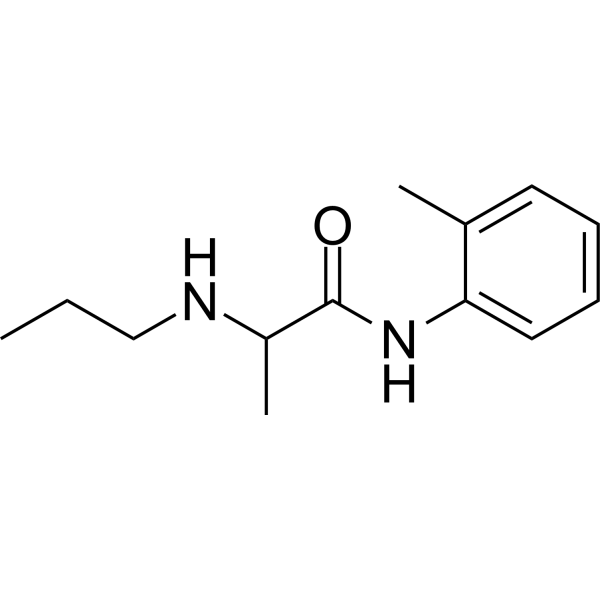
    Prilocaine
    1 Publications Verification

    Na+/K+ ATPase Neurological Disease
    Prilocaine, an amino amide, is a Na/K-ATPase inhibitor. Prilocaine has neurotoxic effects .
    Prilocaine
  • HY-P5712
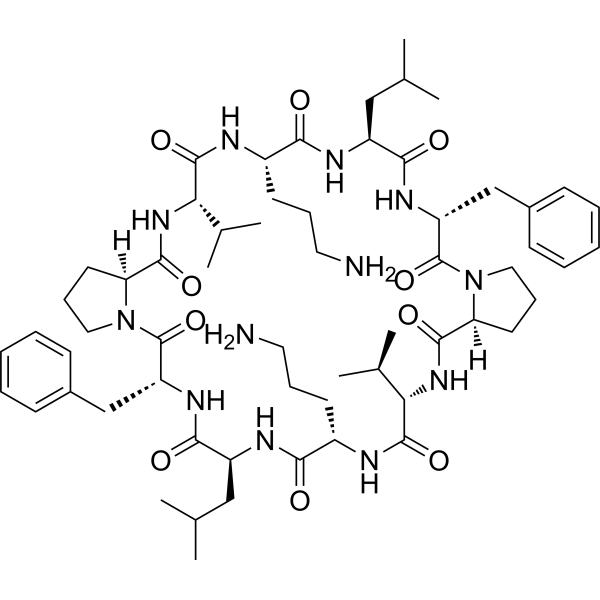
    Gramicidin S
    1 Publications Verification

    Gramicidin soviet

    Antibiotic Bacterial Na+/K+ ATPase Infection
    Gramicidin S (Gramicidin soviet) is a cationic cyclic peptide antibiotic that selectively targets bacterial cell membranes and has anticancer activity. Gramicidin S also exerts antibacterial activity by destroying membrane integrity and interfering with membrane protein function. Gramicidin S inserts into the phospholipid bilayer through hydrophobic amino acid residues, specifically binds to negatively charged membrane lipids and disrupts membrane structure, thereby inhibiting cell division and cell wall synthesis, and ultimately causing bacterial death. Gramicidin S also inhibits ion channels, with IC50s of 41 μM, 24 μM, and 3 μM for Na +/K +-ATPase, tobacco leaf plasma membrane Mg 2+/K +-ATPase, and rat heart plasma membrane Ca 2+-ATPase, respectively .
    Gramicidin S
  • HY-145154

    Na+/K+ ATPase Drug Metabolite Cardiovascular Disease Metabolic Disease
    Digoxigenin monodigitoxoside, a metabolite of Digoxin (HY-B1049), belongs to the class of cardenolides. Digoxigenin monodigitoxoside exerts its function by inhibiting Na,K-ATPase. Digoxigenin monodigitoxoside is used for the research of cardiovascular diseases such as congestive heart failure and cardiac arrhythmias .
    Digoxigenin monodigitoxoside
  • HY-15718A
    Istaroxime hydrochloride
    5+ Cited Publications

    PST2744 hydrochloride

    Na+/K+ ATPase Calcium Channel Cardiovascular Disease
    Istaroxime hydrochloride is a Na +/K +-ATPase inhibitor (IC50=0.11 μM) and a sarcoplasmic/endoplasmic reticulum calcium ATPase 2 (SERCA 2) activator.
    Istaroxime hydrochloride
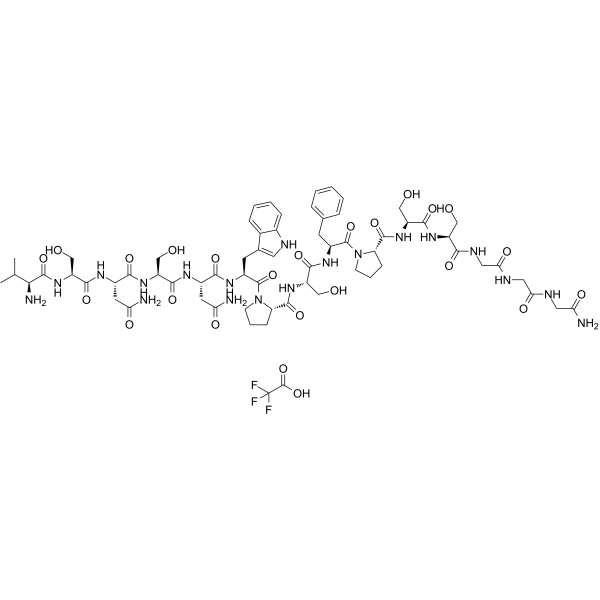
  • HY-P3278
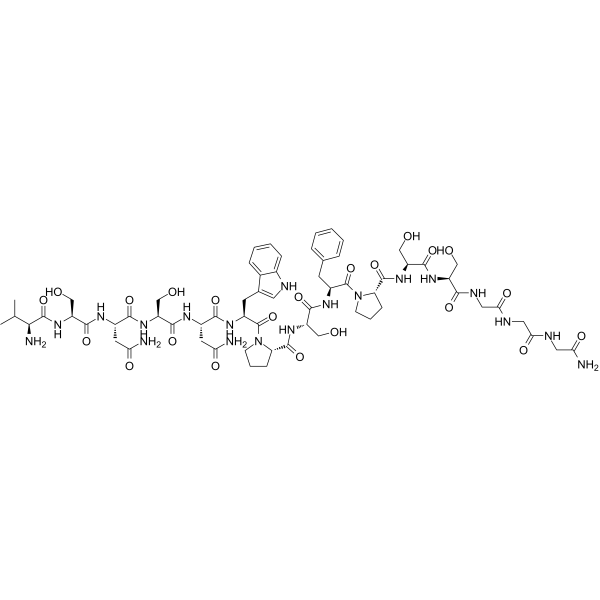
    Caloxin 2A1
    2 Publications Verification

    Proton Pump Metabolic Disease
    Caloxin 2A1 is an extracellular plasma membrane Ca 2+-ATPase (PMCA) peptide inhibitor. Caloxin 2A1 does not affect basal Mg 2+-ATPase or Na +-K +-ATPase .
    Caloxin 2A1
  • HY-17623C

    (R)-CJ-12420; (R)-RQ-00000004

    Proton Pump Metabolic Disease
    (R)-Tegoprazan ((R)-CJ-12420; example 3), a benzimidazole derivative, is a potent kidney H +/K +-ATPase inhibitor with an IC50 of 98 nM of canine kidney Na +/K +-ATPase. (R)-Tegoprazan has the potential for gastrointestinal diseases research .
    (R)-Tegoprazan
  • HY-126415
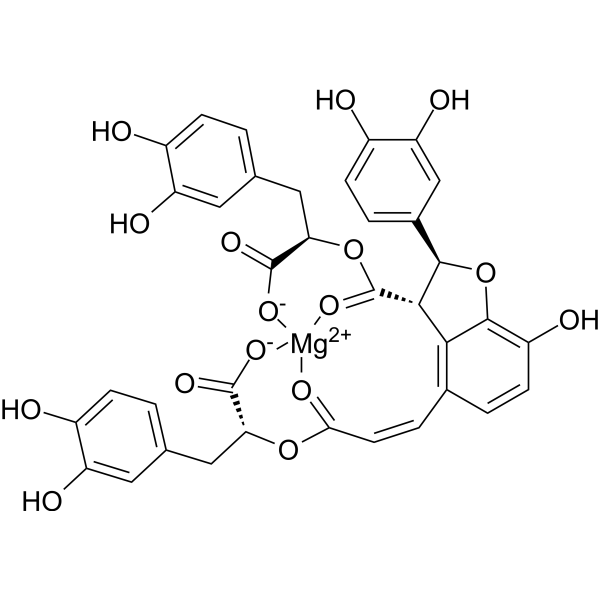
    Magnesium Lithospermate B
    1 Publications Verification

    Na+/K+ ATPase Cardiovascular Disease Neurological Disease Inflammation/Immunology
    Magnesium Lithospermate B, is a derivative of caffeic acid tetramer and an inhibitor of Na+/K+ ATPase, which can be extracted from Salviae miltiorrhizae. Magnesium Lithospermate B is widely used for the research of cardiovascular diseases, and it can protect against glucose-induced intracellular oxidative damage. Magnesium Lithospermate B also suppresses neuroin?ammation and attenuates neurodegeneration .
    Magnesium Lithospermate B
  • HY-136933

    Na+/K+ ATPase Cardiovascular Disease
    Gitoxin is a degradation metabolite of Digitoxin (HY-B1357) and a non-competitive Na +/K +-ATPase inhibitor, with an IC50 of 1.18e-6 M against the porcine high-affinity subtype and an IC50 of 2.85e-5 M against the porcine low-affinity subtype. Gitoxin regulates atrial contractility and rhythmicity. Gitoxin is applicable to research related to congestive heart failure .
    Gitoxin
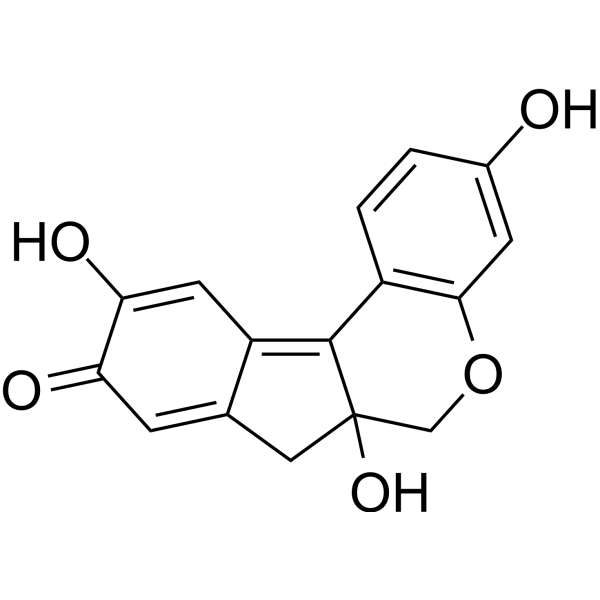
  • HY-N10424
    Brazilein
    2 Publications Verification

    Na+/K+ ATPase Apoptosis Interleukin Related NO Synthase Bacterial Parasite Cardiovascular Disease Infection Neurological Disease Inflammation/Immunology
    Brazilein is a compound with anti-inflammatory and neuroprotective activities, with an IC50 of 500 μM against guinea pig Na +,K +-ATPase. Brazilein reduces iNOS mRNA expression, thereby inhibiting nitric oxide production in immune cells. Brazilein suppresses inflammatory responses by reducing the mRNA expression of TNF-α and IL-6, but has no effect on IL-1β expression. Brazilein reduces the cerebral infarction volume and improves the neurological function scores of rats with cerebral ischemia-reperfusion injury. Brazilein induces apoptosis of splenic lymphocytes in mice. Brazilein inhibits humoral immune responses in mice, and causes thymus and spleen atrophy as well as body weight loss in mice. Brazilein also possesses antimalarial and antibacterial activities. Brazilein is also a red dye. Brazilein can be used in studies related to the infection, nervous system, cardiovascular system and inflammatory diseases .
    Brazilein
  • HY-15718

    PST2744

    Na+/K+ ATPase Cardiovascular Disease
    Istaroxime (PST2744) is a potent inhibitor of Na +,K +-ATPase with IC50 of 0.11 μM.
    Istaroxime
  • HY-N6745

    Na+/K+ ATPase Apoptosis Infection Cardiovascular Disease
    Citreoviridin, a toxin from Penicillium citreoviride NRRL 2579, inhibits brain synaptosomal Na +/K +-ATPase whereas in microsomes, both Na +/K +-ATPase and Mg 2+-ATPase activities are significantly stimulated in a dose-dependent manner . Citreoviridin inhibits cell proliferation and enhances apoptosis of human umbilical vein endothelial cells .
    Citreoviridin
  • HY-N1446S

    9-cis-Octadecenoic acid-13C; 9Z-Octadecenoic acid-13C

    Na+/K+ ATPase Endogenous Metabolite Apoptosis Metabolic Disease Cancer
    Oleic acid- 13C is the 13C labeled Oleic acid (HY-N1446). Oleic acid (9-cis-Octadecenoic acid) is an abundant monounsaturated fatty acid . Oleic acid is a Na+/K+ ATPase activator .
    Oleic acid-13C
  • HY-105416
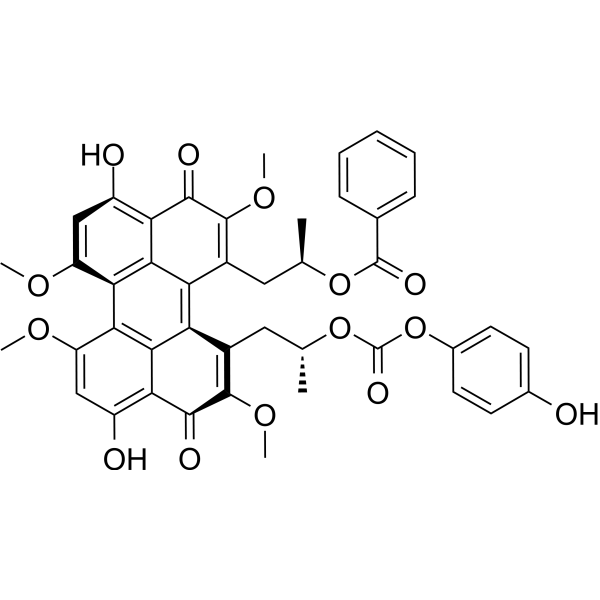
    Calphostin C
    2 Publications Verification

    UCN-1028C

    Antibiotic PKC Apoptosis Metabolic Disease Cancer
    Calphostin C is a highly selective PKC inhibitor (IC50=0.05 μM) and tumor apoptosis inducer. Calphostin C competitively binds to PKC and inhibits PKC-mediated phosphorylation signal transduction. Calphostin C restores Na+/K+ ATPase activity in the sciatic nerve of diabetic mice and improves neuropathy. Calphostin C can be used in the study of anti-tumor and diabetic complications .
    Calphostin C
  • HY-P3278A
    Caloxin 2A1 TFA
    2 Publications Verification

    Proton Pump Metabolic Disease
    Caloxin 2A1 TFA is an extracellular plasma membrane Ca 2+-ATPase (PMCA) peptide inhibitor. Caloxin 2A1 TFA does not affect basal Mg 2+-ATPase or Na +-K +-ATPase .
    Caloxin 2A1 TFA
  • HY-DY1021

    Fluorescent Dye Others
    DiSC3 (5) (solution) is a fluorescent probe commonly used as a tracer dye to evaluate mitochondrial membrane potential. The excitation/emission wavelength of DiSC3 (5) is up to 622/670 nm. DiSC3 (5) can inhibit the respiratory system associated with mitochondrial NAD, and the IC50 value is 8 μM. DiSC3 (5) in the presence of Na +/K +-ATPase inhibitor ouabain 2 can induce membrane hyperpolarization of Ehrlich ascites tumor cells .
    Solvent and concentration: DMSO: 1 mM
    The 1 mL volume is defined as the base specification. All larger sizes correspond to incremental volumes of this base.
    DiSC3(5) (solution)
  • HY-B1604

    2-Chloroprocaine hydrochloride

    Na+/K+ ATPase Neurological Disease
    Chloroprocaine hydrochloride (2-Chloroprocaine hydrochloride) is a potent inhibitor of Na,K-ATPase activity with an IC50 of 13 mM. Chloroprocaine hydrochloride blocks peripheral nerve .
    Chloroprocaine hydrochloride
  • HY-N0885
    Telocinobufagin
    1 Publications Verification

    Telobufotoxin; Telocinobufogenin

    JAK STAT mTOR PI3K Akt Polo-like Kinase (PLK) Na+/K+ ATPase Apoptosis Bacterial Infection Cardiovascular Disease Neurological Disease Inflammation/Immunology Cancer
    Telocinobufagin (Telobufotoxin; Telocinobufogenin) is an orally active bufadienolide with potential anti-tumor effects. Telocinobufagin exerts its anti-cancer effects on non-small cell carcinoma, osteosarcoma, thyroid cancer, breast cancer and head and neck squamous cell carcinoma by inhibiting the STAT3, JAK2/STAT3, LARP1-mTOR, PI3K/Akt/Snail and PLK1 pathways, and can also induce tumor cell apoptosis. Telocinobufagin enhances the Th1 immune response and protects against Salmonella typhimurium infection. Telocinobufagin has a strong cardiac-stimulating effect by inhibiting the activity of Na +/K +-ATPase, and it can promote renal fibrosis. Telocinobufagin demonstrates non-opioid analgesic effects in various acute pain models .
    Telocinobufagin
  • HY-W779529

    2'-Acetylneriifolin

    Na+/K+ ATPase Cancer
    Cerberin is a cardiac glycoside that has been found in C. odollam and has cytotoxic and cardiac modulatory activities. It is cytotoxic to KB and NCI H187 cancer cells (IC50s=1.92 and 1.24 μg/mL).1 Cerberin inhibits Na+/K+-ATPase, increasing intracellular sodium levels and action potential duration in cardiac cells.
    Cerberin
  • HY-N1446R

    9-cis-Octadecenoic acid (Standard); 9Z-Octadecenoic acid (Standard)

    Reference Standards Na+/K+ ATPase Endogenous Metabolite Apoptosis Metabolic Disease Cancer
    Oleic acid (Standard) is the analytical standard of Oleic acid. This product is intended for research and analytical applications. Oleic acid (9-cis-Octadecenoic acid) is an abundant monounsaturated fatty acid . Oleic acid is a Na+/K+ ATPase activator .
    Oleic acid (Standard)
  • HY-N1446S3

    9-cis-Octadecenoic acid-d17; 9Z-Octadecenoic acid-d17

    Isotope-Labeled Compounds Na+/K+ ATPase Endogenous Metabolite Apoptosis Metabolic Disease Cancer
    Oleic acid-d17 is the deuterium labeled Oleic acid (HY-N1446). Oleic acid (9-cis-Octadecenoic acid) is an abundant monounsaturated fatty acid . Oleic acid is a Na+/K+ ATPase activator .
    Oleic acid-d17
  • HY-P1565A

    TD 1 Disulfide(peptide) TFA

    Na+/K+ ATPase Others
    Transdermal Peptide Disulfide TFA (TD 1 Disulfide(peptide) TFA) is a 11-amino acid peptide, binds to Na +/K +-ATPase beta-subunit (ATP1B1), and mainly interacts with the C-terminus of ATP1B1. Transdermal Peptide Disulfide TFA can enhance the transdermal delivery of many macromolecules .
    Transdermal Peptide Disulfide TFA
  • HY-B1604A

    2-Chloroprocaine

    Na+/K+ ATPase Neurological Disease
    Chloroprocaine (2-Chloroprocaine) is a potent inhibitor of Na,K-ATPase activity with an IC50 of 13 mM. Chloroprocaine blocks peripheral nerve .
    Chloroprocaine
  • HY-N1989

    Na+/K+ ATPase CaMK Apoptosis Cholinesterase (ChE) NO Synthase NF-κB Neurological Disease Cancer
    Bacoside A is an orally active, blood-brain barrier-permeable triterpenoid saponin that modulates the activities of ATPases, AChE, CaMK2A and iNOS. Derived from Bacopa monniera. Bacoside A exerts significant antioxidant, anti-inflammatory and anti-apoptotic effects by maintaining ion balance, scavenging reactive oxygen species, stabilizing cell membranes, and regulating the expression of NF-κB and apoptosis-related proteins. Bacoside A counteracts morphine-induced reductions in Na +/K +-ATPase, Ca 2+-ATPase and Mg 2+-ATPase activities, increases mitochondrial membrane potential, and decreases intracellular reactive oxygen species levels. Bacoside A specifically binds to calcium/calmodulin-dependent protein kinase IIA to trigger endoplasmic reticulum calcium release. Bacoside A exhibits non-apoptotic cytotoxicity against glioblastoma cells while protecting normal nerve cells from stress-induced damage. Bacoside A is applicable to the research of Parkinson's disease and glioblastoma multiforme .
    Bacoside A
  • HY-N11690

    Na+/K+ ATPase Cardiovascular Disease Cancer
    Oleandrigenin is a potent cardiotonic steroid. Oleandrigenin shows Na +/K +-ATP-ase inhibiting and cytotoxic activities .
    Oleandrigenin
  • HY-N1446S4

    9-cis-Octadecenoic acid-13C-1; 9Z-Octadecenoic acid-13C-1

    Isotope-Labeled Compounds Na+/K+ ATPase Endogenous Metabolite Apoptosis Metabolic Disease Cancer
    Oleic acid- 13C-1 is the 13C labeled Oleic acid (HY-N1446). Oleic acid (9-cis-Octadecenoic acid) is an abundant monounsaturated fatty acid . Oleic acid is a Na+/K+ ATPase activator .
    Oleic acid-13C-1
  • HY-124404

    Aryl Hydrocarbon Receptor Na+/K+ ATPase Prostaglandin Receptor Inflammation/Immunology
    12(R)-HETE is a CYP-dependent arachidonic acid metabolite that acts as a proinflammatory lipid mediator. 12 (R)-HETE widely exists in various tissues including the eye, skin and liver. In the cornea, 12(R)-HETE is metabolized via pathways such as β-oxidation into the precursor of 12(R)-HETrE. Without direct receptor binding, 12(R)-HETE indirectly activates AHR-mediated target gene transcription, while inhibiting the enzymatic activity of Na+,K+-ATPase and the intracellular calcium elevation induced by TP agonists. 12(R)-HETE also possesses multiple physiological effects such as chemotaxis, proangiogenesis, vasodilation, natriuresis, diuresis and intraocular pressure reduction, and can be widely used in studies related to psoriasis, inflammatory skin diseases and ocular inflammation .
    12(R)-HETE
  • HY-B0137A
    Prilocaine hydrochloride
    1 Publications Verification

    Na+/K+ ATPase Neurological Disease
    Prilocaine hydrochloride, an amino amide, is a Na/K-ATPase inhibitor. Prilocaine has neurotoxic effects .
    Prilocaine hydrochloride
  • HY-N1446BR

    Sodium oleate (Standard); 9-cis-Octadecenoic acid sodium (Standard); 9Z-Octadecenoic acid sodium (Standard)

    Reference Standards Na+/K+ ATPase Apoptosis Metabolic Disease Cancer
    Sodium oleate (Standard) is the analytical standard of Sodium oleate. This product is intended for research and analytical applications. Sodium oleate (Oleic acid sodium) is an abundant monounsaturated fatty acid sodium[1]. Sodium oleate is a Na+/K+ ATPase activator[2].
    Oleic acid sodium (Standard)
  • HY-N2070R

    Reference Standards Na+/K+ ATPase Neurological Disease
    Acevaltrate inhibits the Na+/K+-ATPase activity in the rat kidney and brain hemispheres with IC50s of 22.8 μM and 42.3 μM, respectively .
    Acevaltrate (Standard)
  • HY-N9149

    Na+/K+ ATPase Akt NF-κB Cardiovascular Disease Inflammation/Immunology Cancer
    Cryptanoside A, a cardiac glycoside epoxide, can be isolated from the stems of Cryptolepis dubia. Cryptanoside A has potent cytotoxicity against cancer cells. Cryptanoside A also inhibits Na+/K+-ATPase activity. Cryptanoside A increases the expression of Akt and the p65 subunit of NF-κB .
    Cryptanoside A
  • HY-D0152

    Fluorescent Dye Others
    Tetramethylrhodamine-6-maleimide is a fluorescent dye with a reactive sulfhydryl-specific moiety is covalently coupled to this cysteine. Tetramethylrhodamine-6-maleimide can be used as labels to detect local protein motions of the fully active Na+/K+-ATPase in real time .
    Tetramethylrhodamine-6-maleimide
  • HY-124742

    Na+/K+ ATPase Others
    AR-HO47108 is an orally active reversible Na+/K+ ATPase inhibitor. AR-HO47108 reversibly blocks the final step of gastric acid secretion by competitively binding to the potassium ion binding site of the Na+/K+ ATPase in the gastric wall cells. AR-HO47108 can be used for research on diseases related to excessive gastric acid secretion, such as peptic ulcers .
    AR-HO47108
  • HY-105431

    Na+/K+ ATPase Cardiovascular Disease
    ASI-222 is an aminosugar cardiac glycoside. ASI-222 can inhibit Na+/K+ ATPase and show positive inotropic effect. ASI-222 can be used for the research of cardiovascular disease .
    ASI-222
  • HY-165569

    Potassium Channel Neurological Disease
    AU-1421 is a potassium ion (K⁺) site-directed regulator that specifically acts on various cation transport ATPases. AU-1421 can distinguish between two different K⁺-sensitive phosphorylation intermediate (E2P) states: for non-K⁺ transport type ATPases (such as the sarcoplasmic reticulum Ca²⁺-ATPase), after binding to AU-1421, it mimics the agonistic effect of K⁺, significantly accelerating the hydrolysis (dephosphorylation) of E2P. For K⁺ transport type ATPases (such as the gastric mucosa H⁺/K⁺-ATPase and the renal Na⁺/K⁺-ATPase), after binding to AU-1421, it inhibits the hydrolysis of E2P, stabilizing the phosphorylated intermediate, thereby blocking the ion transport cycle. AU-1421 can be used to study the mechanism of the potassium ion pump .
    AU-1421
  • HY-B0137B

    Na+/K+ ATPase Neurological Disease
    Prilocaine acetate, an amino amide, is a Na/K-ATPase inhibitor. Prilocaine acetate has neurotoxic effects .
    Prilocaine acetate
  • HY-114252R

    Reference Standards Na+/K+ ATPase Cardiovascular Disease
    Strophanthidin (Standard) is the analytical standard of Strophanthidin. This product is intended for research and analytical applications. Strophanthidin is a naturally available cardiac glycoside . Strophanthidin 0.1 and 1 nmol/L increases and 1~100 μmol/L inhibits the Na+/K+-ATPase activities, but Strophanthidin 10 and 100 nmol/L does not affect Na+/K+-ATPase activities in cardiac sarcolemmal . Strophanthidin increases both diastolic and systolic intracellular Ca2+ concentration .
    Strophanthidin (Standard)
  • HY-B0137R

    Reference Standards Na+/K+ ATPase Neurological Disease
    Prilocaine (Standard) is the analytical standard of Prilocaine. This product is intended for research and analytical applications. Prilocaine, an amino amide, is a Na/K-ATPase inhibitor. Prilocaine has neurotoxic effects .
    Prilocaine (Standard)
  • HY-N1217

    Stauntoside C

    Na+/K+ ATPase Cancer
    Stauntosaponin A, a steroid glycoside, is a potent inhibitor of Na(+)/K(+)-ATPase with an IC50 value of 21 nM. Stauntosaponin A can be isolated from Carnation and has potential anti-cancer research value .
    Stauntosaponin A
  • HY-B0137AR

    Reference Standards Na+/K+ ATPase Neurological Disease
    Prilocaine (hydrochloride) (Standard) is the analytical standard of Prilocaine (hydrochloride). This product is intended for research and analytical applications. Prilocaine hydrochloride, an amino amide, is a Na/K-ATPase inhibitor. Prilocaine has neurotoxic effects .
    Prilocaine hydrochloride (Standard)
  • HY-100801R

    EAAT Reference Standards Neurological Disease
    Prilocaine (hydrochloride) (Standard) is the analytical standard of Prilocaine (hydrochloride). This product is intended for research and analytical applications. Prilocaine hydrochloride, an amino amide, is a Na/K-ATPase inhibitor. Prilocaine has neurotoxic effects .
    L-threo-3-Hydroxyaspartic acid (Standard)

Inquiry Online

Your information is safe with us. * Required Fields.

Salutation


Country or Region *

Applicant Name *


Organization Name *

Department *


Email Address *


Product Name *

Cat. No.


Requested quantity *

Phone Number *


Remarks

Inquiry Online

Inquiry Information

Product Name:
Cat. No.:
Quantity:
MCE Japan Authorized Agent:

