



Periplocin
Based on 8 publication(s) in Google Scholar
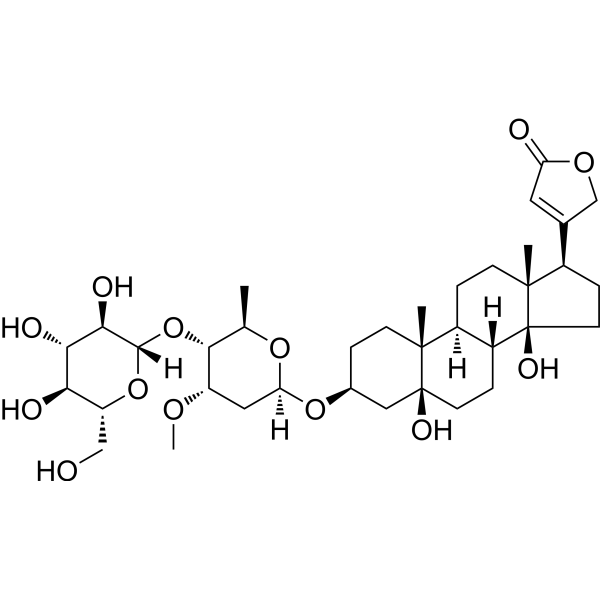
Periplocin is a cardiotonic steroid isolated from root-bark Periploca sepium Bunge. Periplocin promotes tumor cell apoptosis and inhibits tumor growth. Periplocin has the potential to facilitate wound healing through the activation of Src/ERK and PI3K/Akt pathways mediated by Na/K-ATPase.
For research use only. We do not sell to patients.
- Purity : 99.81%
- CAS No.: 13137-64-9
- Formula: C36H56O13
- Molecular Weight:696.82
-
Storage:
4°C, protect from light
* In solvent : -80°C, 6 months; -20°C, 1 month (protect from light)

To place orders, for customer services and technical support, please contact: MedChemExpress USA
Tel: 609-228-6898 E-mail: [email protected] [email protected]


-
 Biological Activity
-
Chemical Information
-
Solvent & Solubility
- Protocols
- Purity & Documentation
- References
-
 Help & FAQs


-
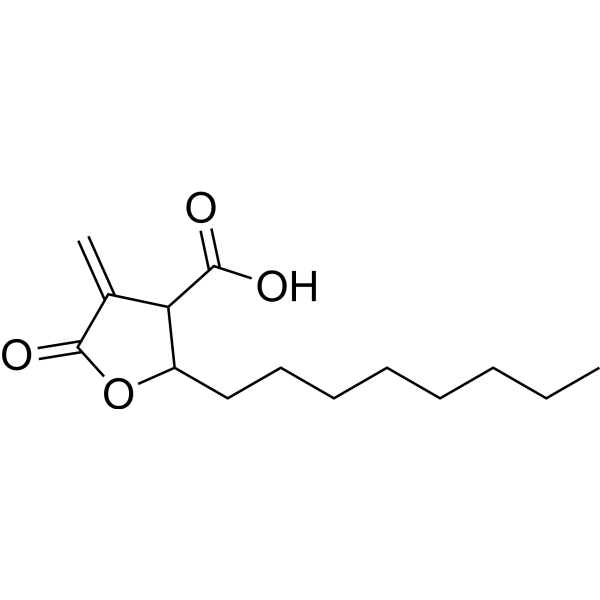
HY-12364
C75Fatty Acid Synthase Inhibitor -
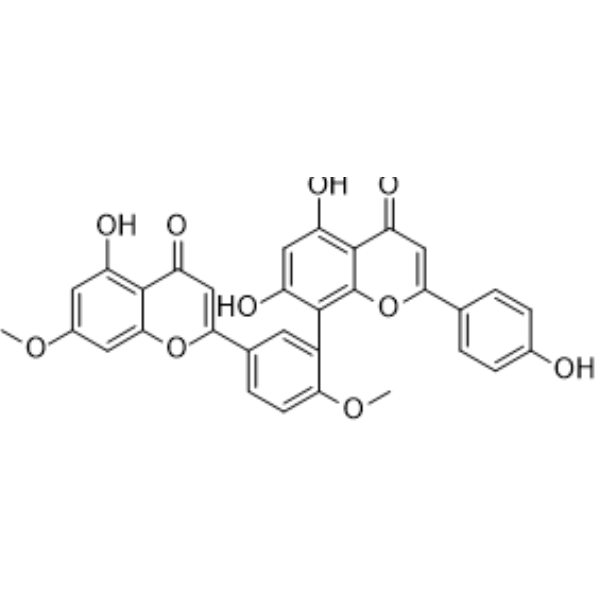
HY-N0889
GinkgetinAutophagy Inducer -
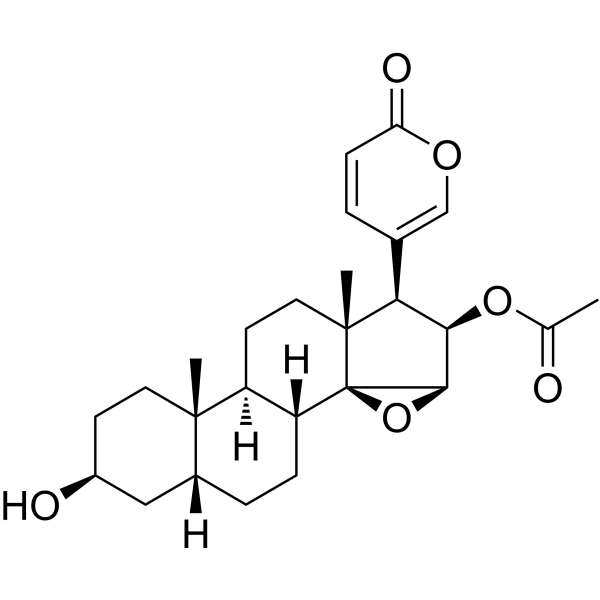
HY-N0421
CinobufaginAnticancer Agent -
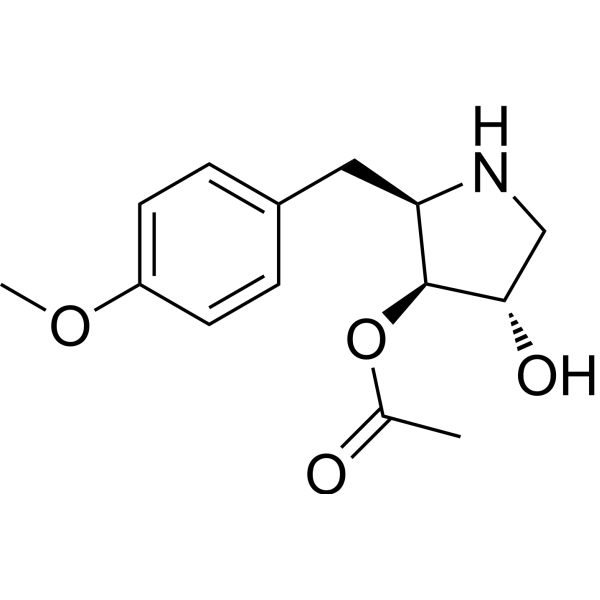
HY-18982
AnisomycinProtein Synthesis Inhibitor -
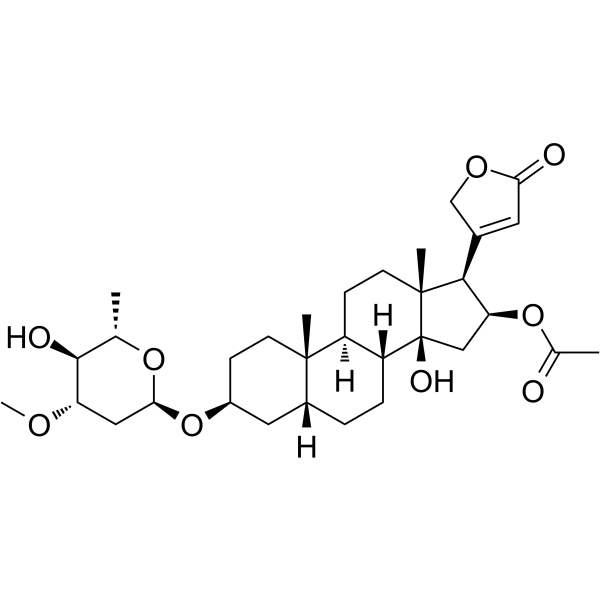
HY-13719
OleandrinNa+/K+ ATPase Inhibitor -
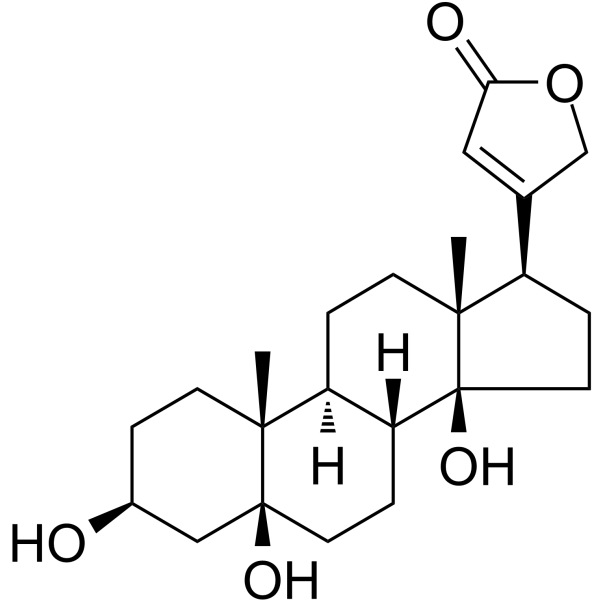
HY-N2414
PeriplogeninCardiac Glycoside -
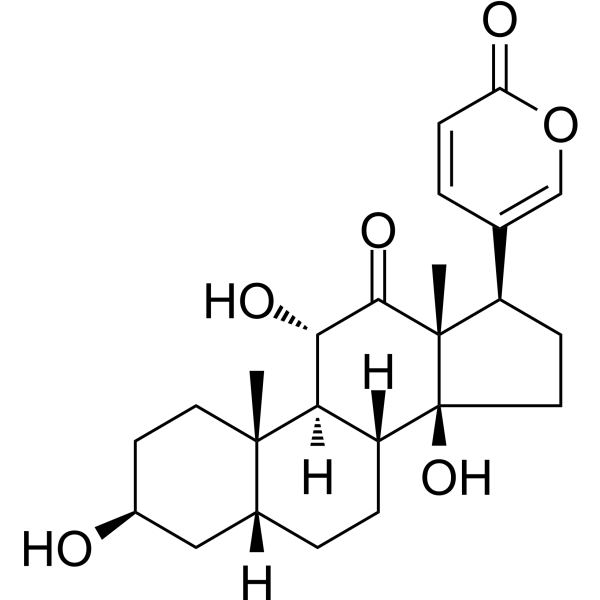
HY-N0876
ArenobufaginAnticancer Agent -
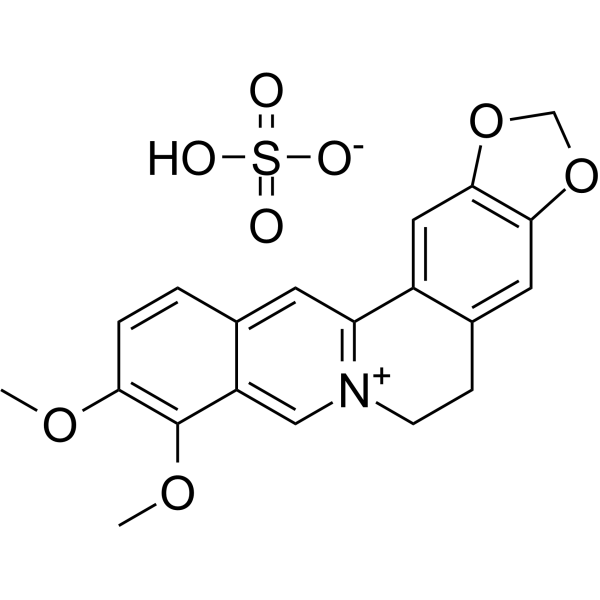
HY-N0716B
Berberine sulfateAntibiotic -
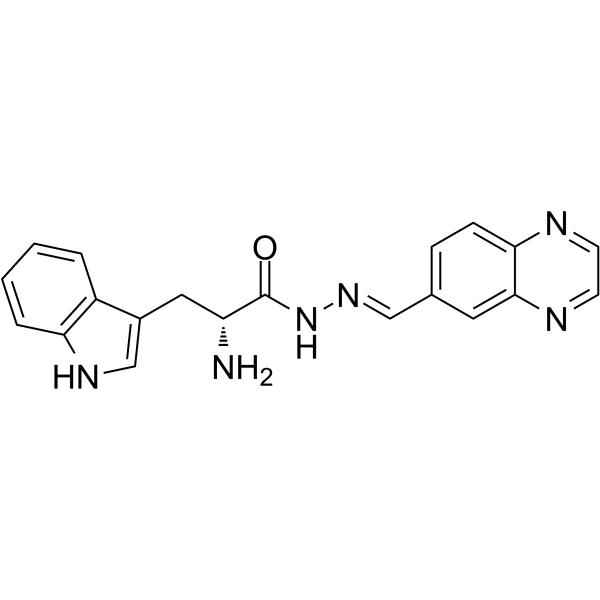
HY-12646A
RhosinRho Inhibitor -
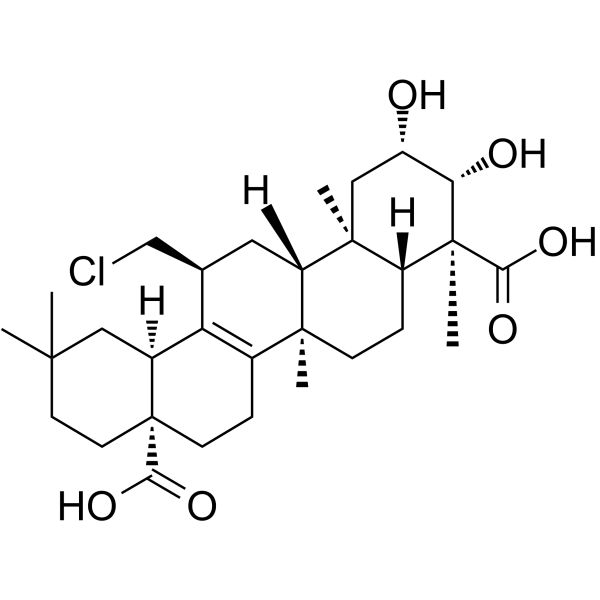
HY-N0802
TenuigeninNF-κB Inhibitor -
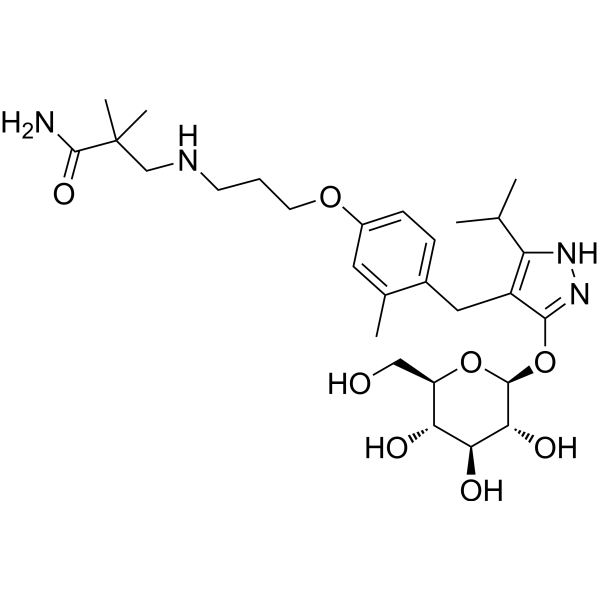
HY-17638
MizagliflozinSGLT1 Inhibitor -
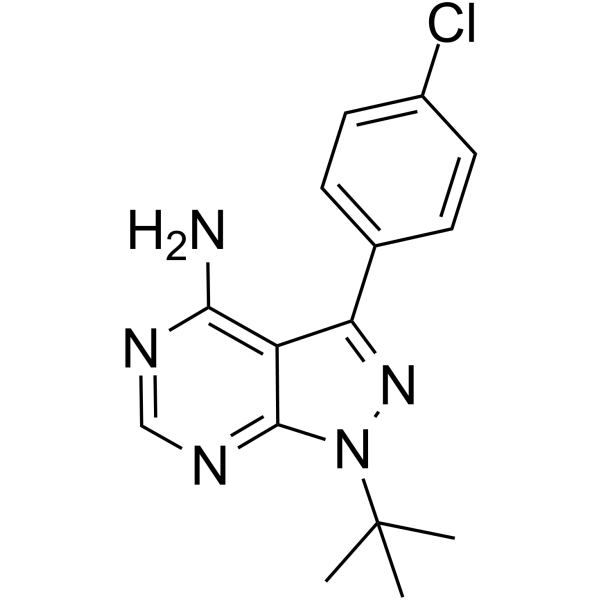
HY-13805
PP2Src Inhibitor
Publications Citing Use of MedChemExpress (MCE) Periplocin
More- Ann Rheum Dis. 2022 Apr;81(4):544-555. [Abstract]
- Phytomedicine. 2025 Jul 25:143:156885. [Abstract]
- Int J Surg. 2025 Nov 10. [Abstract]
- Biochem Pharmacol. 2023 May:211:115516. [Abstract]
- J Integr Med. 2026 Jul 7:S2095-4964(26)00086-5.
- J Cancer. 2025 Jun 23;16(9):2970-2983. [Abstract]
- Biomol Biomed. 2025 Mar 7;25(4):857-868. [Abstract]
- Biomed Pharmacother. 2021 Dec 6;146:112487. [Abstract]
 Customer Validation & Images

-
Cell Proliferation/Viability Assay
-
Apoptosis Analysis
-
RT-PCR
-
WB
-
Cell Imaging/Staining


Biological Activity
Description
IC50 & Target
Apoptosis[2]
In Vitro
Periplocin (5-20 μM; 48 hours; L929 cells) treatment shows increased proliferation up to 131% at 20 μM[1].
Periplocin (5-20 μM; 30-120 minutes; L929 cells) increases phosphorylation of Src, ERK, PI3K and Akt at active sites in a dosedependent and time-dependent manner.
Periplocin (5-20 μM; 48 hours) significantly promotes migration of fibroblast cell[1].
Periplocin (5-20 μM; 48 hours) increases collagen production in L929 fibroblast[1].
Periplocin induces Na/KATPase mediates the activation of Src/ERK and PI3K/Akt pathways[1].
MedChemExpress (MCE) has not independently confirmed the accuracy of these methods. They are for reference only.
-
Cell Line:L929 cells
-
Concentration:5 μM, 10 μM, 20 μM
-
Incubation Time:48 hours
-
Result:Showed increased proliferation up to 131% at 20 μM.
-
Cell Line:L929 cells
-
Concentration:5 μM, 10 μM, 20 μM
-
Incubation Time:30 minutes, 60 minutes, 120 minutes
-
Result:Increased phosphorylation of Src, ERK, PI3K and Akt at active sites in a dosedependent and time-dependent manner.
In Vivo
MedChemExpress (MCE) has not independently confirmed the accuracy of these methods. They are for reference only.
-
Animal Model:Female SCID mice (6-8 weeks old) injected with Huh-7 cells[2]
-
Dosage:5 mg/kg, 20 mg/kg
-
Administration:Intraperitoneal injection; daily; for 14 days
-
Result:Repressed the growth of hepatocellular carcinoma (HCC) in xenograft tumor model in mice.
- Detection of Apoptosis
- TUNEL staining for apoptotic DNA fragmentation
- Annexin V plus membrane-impermeant dye apoptosis staining
- Cell migration
- Patient-Derived Xenograft (PDX)
- Apoptosis Solutions
- Patient-Derived Orthotopic Xenograft (PDOX)
- Subcutaneous Cell-Line-Derived Xenograft
- Cell-Exclusion Zone Migration Assay
- Orthotopic Cell-Line Xenograft


Chemical Information
-
CAS No. 13137-64-9
-
Appearance Solid
-
Molecular Weight 696.82
-
Formula C36H56O13
-
Color White to off-white
-
SMILES
O=C1OCC([C@H]2CC[C@]3(O)[C@]([C@]4([H])CC[C@@]32C)([H])CC[C@]([C@]4(C)CC5)(O)C[C@H]5O[C@@](O[C@@H]6C)([H])C[C@H](OC)[C@@H]6O[C@]7([H])O[C@H](CO)[C@@H](O)[C@H](O)[C@H]7O)=C1
-
Structure Classification
-
Initial Source
-
Shipping
Room temperature in continental US; may vary elsewhere.
-
Storage
4°C, protect from light
* In solvent : -80°C, 6 months; -20°C, 1 month (protect from light)


Publications (8)
-
Journal Impact Factor
-
Most Recent
-
Ann Rheum Dis
Digoxin targets low density lipoprotein receptor-related protein 4 and protects against osteoarthritis. [Abstract]2022 Apr;81(4):544-555. PMID: 34853001 -
Phytomedicine
Periplocin targets LRP4 to regulate metabolic homeostasis and anti-inflammation for the treatment of IVDD. [Abstract]2025 Jul 25:143:156885. PMID: 40440911 -
Int J Surg
C-Src/β-DG-mediated impairment of glia-vascular unit integrity via AQP4 depolarization contributes to secondary hydrocephalus after intraventricular hemorrhage. [Abstract]2025 Nov 10. PMID: 41208590 -
Biochem Pharmacol
Periplocin targets low density lipoprotein receptor-related protein 4 to attenuate osteoclastogenesis and protect against osteoporosis. [Abstract]2023 May:211:115516. PMID: 36966936 -
-
J Cancer
Periplocin Targets HDAC10 to Inhibit NF-κB Signaling and Induce Apoptosis in Myeloid Leukemia Cells. [Abstract]2025 Jun 23;16(9):2970-2983. PMID: 40657362
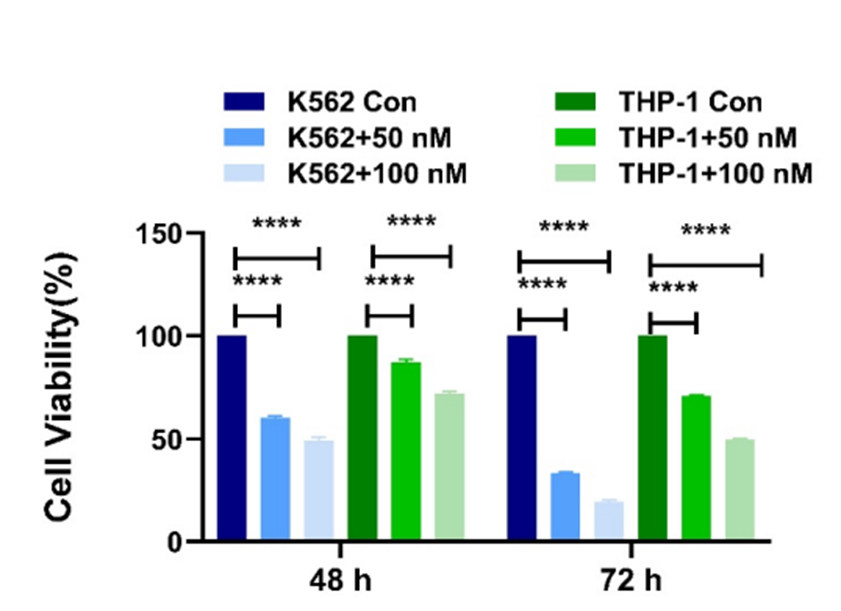
Periplocin purchased from MedChemExpress. Usage Cited in: J Cancer. 2025 Jun 23;16(9):2970-2983. [Abstract]
Proliferation of K562 and THP-1 cells after 48 h and 72 h treatment with different concentrations of Periplocin (50, 100 nM).
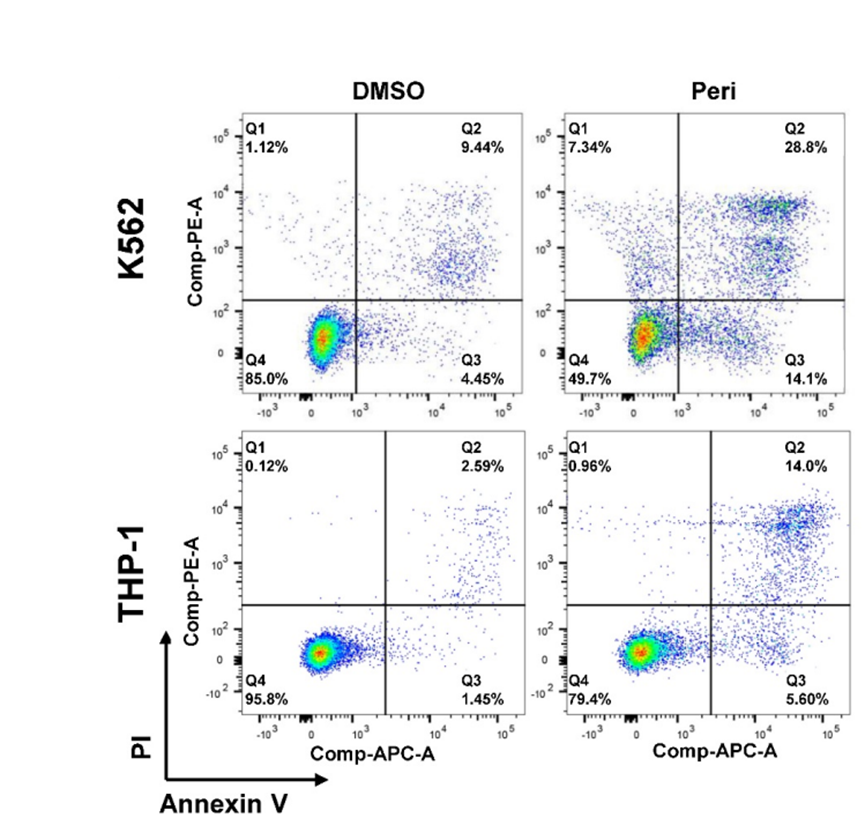
Periplocin purchased from MedChemExpress. Usage Cited in: J Cancer. 2025 Jun 23;16(9):2970-2983. [Abstract]
Flow cytometry analysis of apoptosis in K562 and THP-1 cells treated with 100 nM Periplocin for 72 h.
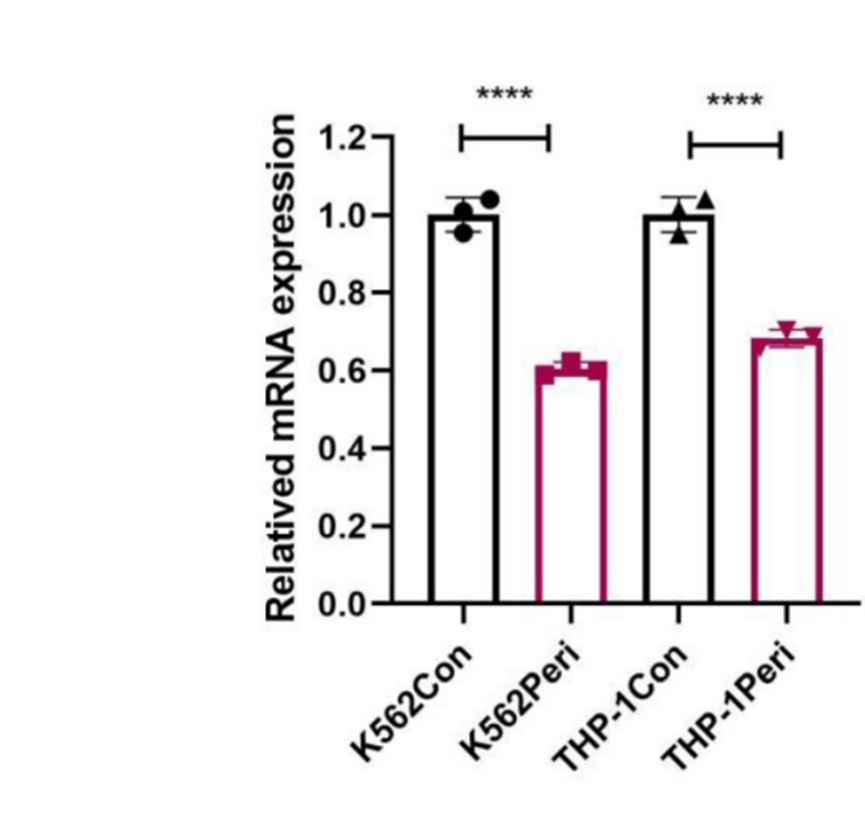
Periplocin purchased from MedChemExpress. Usage Cited in: J Cancer. 2025 Jun 23;16(9):2970-2983. [Abstract]
Quantitative real-time PCR analysis of HDAC10 mRNA levels in K562 and THP-1 cells treated with DMSO (control) or Periplocin (Peri) (100 nM).
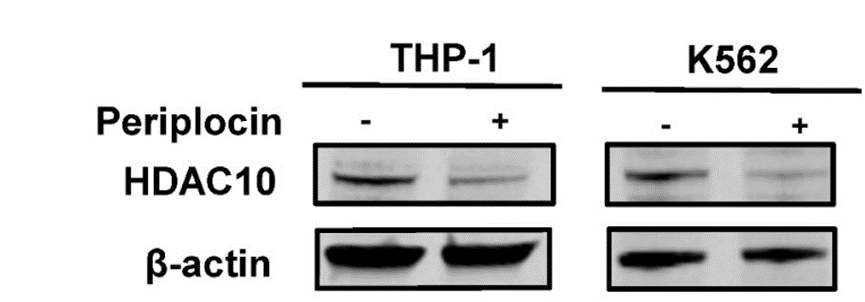
Periplocin purchased from MedChemExpress. Usage Cited in: J Cancer. 2025 Jun 23;16(9):2970-2983. [Abstract]
Western blot analysis of HDAC10 protein expression in K562 and THP-1 cells treated with DMSO or Periplocin (100 nM).
-
Biomol Biomed
Periplocin improves the sensitivity of oxaliplatin-resistant hepatocellular carcinoma cells by inhibiting M2 macrophage polarization. [Abstract]2025 Mar 7;25(4):857-868. PMID: 39207178
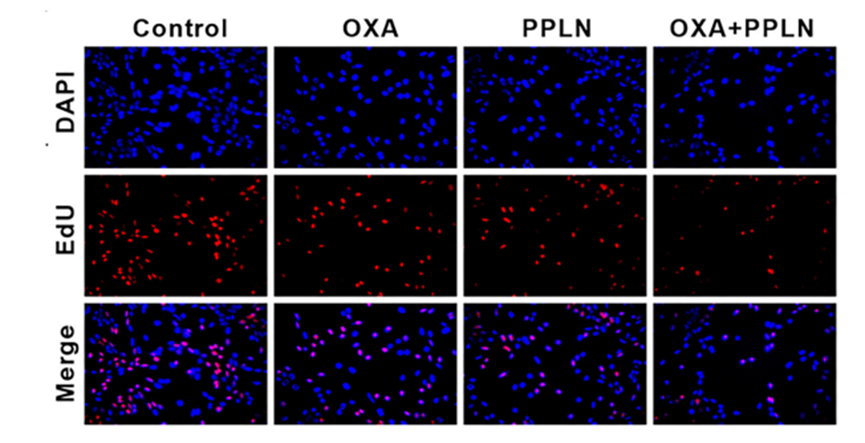
Periplocin purchased from MedChemExpress. Usage Cited in: Biomol Biomed. 2025 Mar 7;25(4):857-868. [Abstract]
The proliferation of HepG2/OXA cells treated with OXA (10 µM), Periplocin (PPLN) (80 nM), or OXA+PPLN was detected using EDU staining.
-
Biomed Pharmacother
Periplocin ameliorates mouse age-related meibomian gland dysfunction through up-regulation of Na/K-ATPase via SRC pathway. [Abstract]2021 Dec 6;146:112487. PMID: 34883449


Solvent & Solubility
In Vitro:
DMSO : 100 mg/mL (143.51 mM; Need ultrasonic; Hygroscopic DMSO has a significant impact on the solubility of product, please use newly opened DMSO)
Please refer to the solubility information to select the appropriate solvent. Once prepared, please aliquot and store the solution to prevent product inactivation from repeated freeze-thaw cycles.
Storage method and period of stock solution: -80°C, 6 months; -20°C, 1 month (protect from light). When stored at -80°C, please use it within 6 months. When stored at -20°C, please use it within 1 month.
Please refer to the solubility information to select the appropriate solvent. Once prepared, please aliquot and store the solution to prevent product inactivation from repeated freeze-thaw cycles.
Storage method and period of stock solution: -80°C, 6 months; -20°C, 1 month (protect from light). When stored at -80°C, please use it within 6 months. When stored at -20°C, please use it within 1 month.
Concentration (start) × Volume (start) = Concentration (final) × Volume (final)
In Vivo:
Select the appropriate dissolution method based on your experimental animal and administration route.
- For the following dissolution methods, please ensure to first prepare a clear stock solution using an In Vitro approach and then sequentially add co-solvents:
- To ensure reliable experimental results, the clarified stock solution can be appropriately stored based on storage conditions. As for the working solution for In Vivo experiments, it is recommended to prepare freshly and use it on the same day.
- The percentages shown for the solvents indicate their volumetric ratio in the final prepared solution. If precipitation or phase separation occurs during preparation, heat and/or sonication can be used to aid dissolution.
Add each solvent one by one: 10% DMSO 40% PEG300 5% Tween-80 45% Saline
Solubility: ≥ 2.5 mg/mL (3.59 mM); Clear solution
This protocol yields a clear solution of ≥ 2.5 mg/mL (saturation unknown).
Taking 1 mL working solution as an example, add 100 μL DMSO stock solution (25.0 mg/mL) to 400 μL PEG300, and mix evenly; then add 50 μL Tween-80 and mix evenly; then add 450 μL Saline to adjust the volume to 1 mL.
Preparation of Saline: Dissolve 0.9 g sodium chloride in ddH₂O and dilute to 100 mL to obtain a clear Saline solution.
Add each solvent one by one: 10% DMSO 90% (20% SBE-β-CD in Saline)
Solubility: ≥ 2.5 mg/mL (3.59 mM); Clear solution
This protocol yields a clear solution of ≥ 2.5 mg/mL (saturation unknown).
Taking 1 mL working solution as an example, add 100 μL DMSO stock solution (25.0 mg/mL) to 900 μL 20% SBE-β-CD in Saline, and mix evenly.
Preparation of 20% SBE-β-CD in Saline (4°C, storage for one week): 2 g SBE-β-CD powder is dissolved in 10 mL Saline, completely dissolve until clear.
In Vivo Dissolution Calculator
Please enter the basic information of animal experiments:
-
-
-
-
Recommended: Prepare an additional quantity of animals to account for potential losses during experiments.
Please enter your animal formula composition:
-
%DMSO +
Recommended: Keep the proportion of DMSO in working solution below 2% if your animal is weak.
-
%+
-
+%Tween-80 + +
-
%Saline +
The co-solvents required include: DMSO, . All of co-solvents are available by MedChemExpress (MCE). , Tween 80. All of co-solvents are available by MedChemExpress (MCE).
Working solution concentration: 0.22 mg/mL
Method for preparing stock solution: mg drug dissolved in μL DMSO. Stock solution concentration: mg/mL. * In solvent : -80°C, 6 months; -20°C, 1 month (protect from light)
1. Take μL DMSO stock solution;
2. Add μL .
μL , mix evenly;
3. Then add μL Tween 80, mix evenly;
4. Then add μL
Please ensure that the stock solution in the first step is dissolved to a clear state, and add co-solvents in sequence. You can use ultrasonic heating (ultrasonic cleaner, recommended frequency 20-40 kHz), vortexing, etc. to assist dissolution.


Purity & Documentation
-
Data Sheet (281 KB)
-
SDS (643 KB)
- English - EN (643 KB)
- Français - FR (643 KB)
- Deutsch - DE (643 KB)
- Norwegian - NO (643 KB)
- Español - ES (643 KB)
- Swedish - SV (643 KB)
- Italian - IT (643 KB)
- Korean - KR (643 KB)
- Portuguese - PT (643 KB)
-
Handling Instructions (2659 KB)
References
[1]. Chen L, et al. Periplocin promotes wound healing through the activation of Src/ERK and PI3K/Akt pathways mediated by Na/K-ATPase. Phytomedicine. 2019 Apr;57:72-83. [Content Brief]
[2]. Cheng CF, et al. Antitumor Effect of Periplocin in TRAIL-Resistant Human Hepatocellular Carcinoma Cells through Downregulation of IAPs. Evid Based Complement Alternat Med. 2013;2013:958025. [Content Brief]


Complete Stock Solution Preparation Table
Please refer to the solubility information to select the appropriate solvent. Once prepared, please aliquot and store the solution to prevent product inactivation from repeated freeze-thaw cycles.
Storage method and period of stock solution: -80°C, 6 months; -20°C, 1 month (protect from light). When stored at -80°C, please use it within 6 months. When stored at -20°C, please use it within 1 month.
| Optional Solvent | Concentration Solvent Mass | 1 mg | 5 mg | 10 mg | 25 mg |
|---|---|---|---|---|---|
| DMSO | 1 mM | 1.4351 mL | 7.1755 mL | 14.3509 mL | 35.8773 mL |
| 5 mM | 0.2870 mL | 1.4351 mL | 2.8702 mL | 7.1755 mL | |
| 10 mM | 0.1435 mL | 0.7175 mL | 1.4351 mL | 3.5877 mL | |
| 15 mM | 0.0957 mL | 0.4784 mL | 0.9567 mL | 2.3918 mL | |
| 20 mM | 0.0718 mL | 0.3588 mL | 0.7175 mL | 1.7939 mL | |
| 25 mM | 0.0574 mL | 0.2870 mL | 0.5740 mL | 1.4351 mL | |
| 30 mM | 0.0478 mL | 0.2392 mL | 0.4784 mL | 1.1959 mL | |
| 40 mM | 0.0359 mL | 0.1794 mL | 0.3588 mL | 0.8969 mL | |
| 50 mM | 0.0287 mL | 0.1435 mL | 0.2870 mL | 0.7175 mL | |
| 60 mM | 0.0239 mL | 0.1196 mL | 0.2392 mL | 0.5980 mL | |
| 80 mM | 0.0179 mL | 0.0897 mL | 0.1794 mL | 0.4485 mL | |
| 100 mM | 0.0144 mL | 0.0718 mL | 0.1435 mL | 0.3588 mL |


Periplocin Related Classifications
HY-N1381 Related Classifications
 Powered by Bioz