



Asclepiadaceae Extract
-
Asclepiadaceae Extract (56)

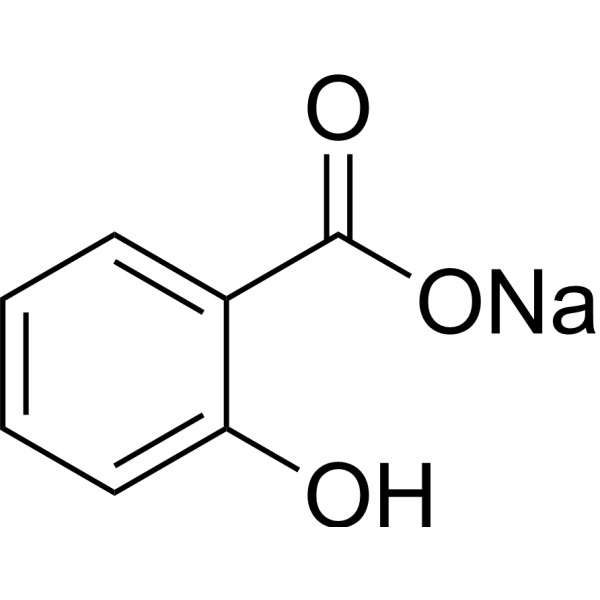
- Formula: C7H5NaO3
- Molecular Weight: 160.10
Sodium Salicylate (Salicylic acid sodium salt) inhibits cyclo-oxygenase-2 (COX-2) activity independently of transcription factor (NF-κB) activation. Sodium Salicylate is also a S6K inhibitor.Sodium Salicylate is a NF-κB inhibitor that decreases inflammatory gene expression and improves repair in aged muscle.
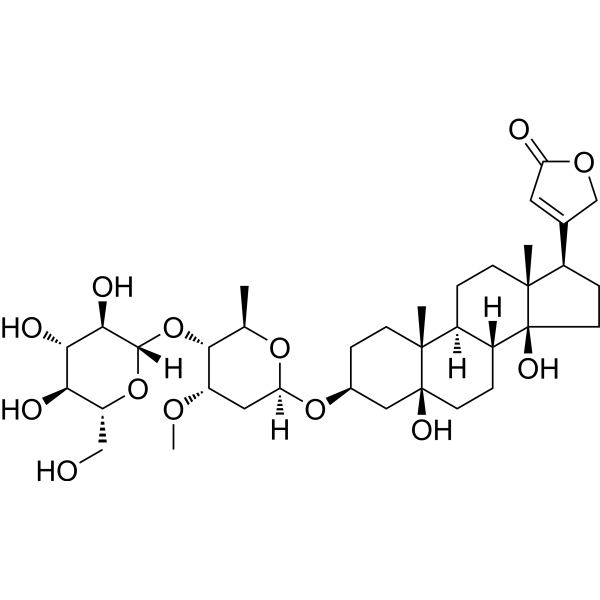
- Formula: C36H56O13
- Molecular Weight: 696.82
Periplocin is a cardiotonic steroid isolated from root-bark Periploca sepium Bunge. Periplocin promotes tumor cell apoptosis and inhibits tumor growth. Periplocin has the potential to facilitate wound healing through the activation of Src/ERK and PI3K/Akt pathways mediated by Na/K-ATPase.
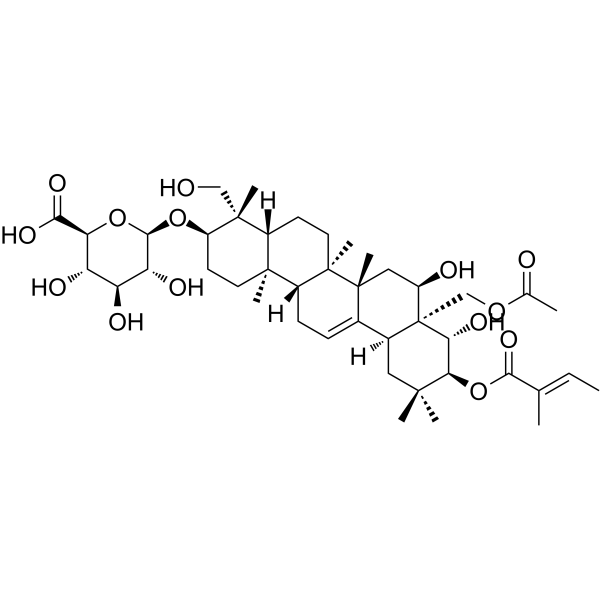
- Formula: C43H66O14
- Molecular Weight: 806.98
Gymnemic acid I is a bioactive triterpene saponin found in Gymnema sylvestre. Gymnemic acid I is an antisweetness inhibitor via human sweet receptor type 1 receptor 2 (T1R2) and T1R3. Gymnemic acid I is a ribosomal protein biosynthesis inhibitor. Gymnemic acid I has antidiabetic effects. Gymnema acid I induces autophagy-protected MIN-6 cells from apoptosis under high glucose stress by inhibiting the phosphorylation activity of mTOR.
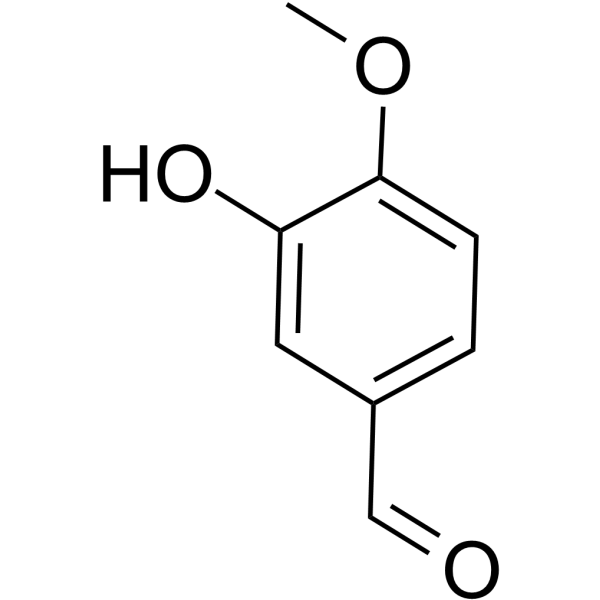
- Formula: C8H8O3
- Molecular Weight: 152.15
Isovanillin is an aldehyde oxidase inhibitor. Antispasmodic activities. Antidiarrheal activities.
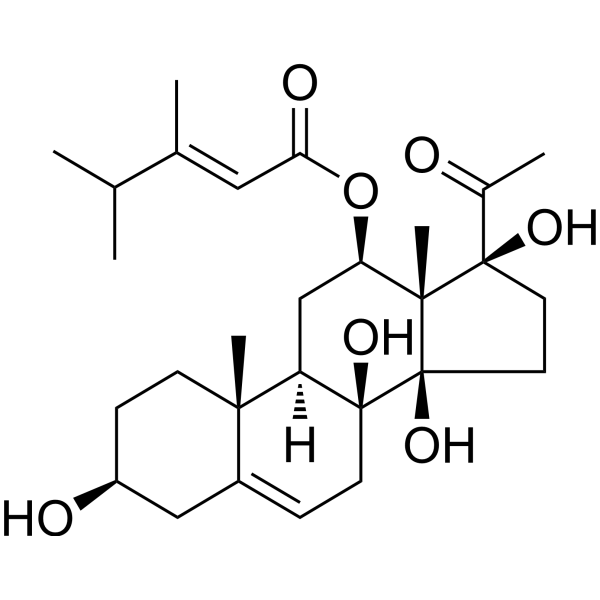
- Formula: C28H42O7
- Molecular Weight: 490.63
Caudatin is an orally active and brain-penetrant C-21 steroidal found in Cynanchum bungei decne with a variety of biological activities. Caudatin can inhibit cell proliferation, migration, invasion, cause cell phase arrest, induce apoptosis, autophagy, ROS prodution and loss of mitochondrial membrane potential. Caudatin activates PARP, caspase-3, -7, -9, upregulates pro-apoptotic Bad and Bax and downregulates anti-apoptotic Bcl-2 and Bcl-XL. Caudatin suppresses VEGF, FAK phosphorylation, upregulates p21, p27, DR5 protein expression, activates the p38 MAPK, JNK and PPARα/TFEB-mediated autophagy-lysosomal signaling pathways. Caudatin can be used for the research of cancer, inflammation and neurological disease, such as glioma and Alzheimer's disease.

- Formula: C28H42O7
- Molecular Weight: 490.63
Caudatin (Standard) is the analytical standard of Caudatin (HY-N1983). This product is intended for research and analytical applications. Caudatin is an orally active and brain-penetrant C-21 steroidal found in Cynanchum bungei decne with a variety of biological activities. Caudatin can inhibit cell proliferation, migration, invasion, cause cell phase arrest, induce apoptosis, autophagy, ROS prodution and loss of mitochondrial membrane potential. Caudatin activates PARP, caspase-3, -7, -9, upregulates pro-apoptotic Bad and Bax and downregulates anti-apoptotic Bcl-2 and Bcl-XL. Caudatin suppresses VEGF, FAK phosphorylation, upregulates p21, p27, DR5 protein expression, activates the p38 MAPK, JNK and PPARα/TFEB-mediated autophagy-lysosomal signaling pathways. Caudatin can be used for the research of cancer, inflammation and neurological disease, such as glioma and Alzheimer's disease.

- Formula: C8H8O3
- Molecular Weight: 152.15
Isovanillin (Standard) is the analytical standard of Isovanillin. This product is intended for research and analytical applications. Isovanillin is an aldehyde oxidase inhibitor. Antispasmodic activities. Antidiarrheal activities.

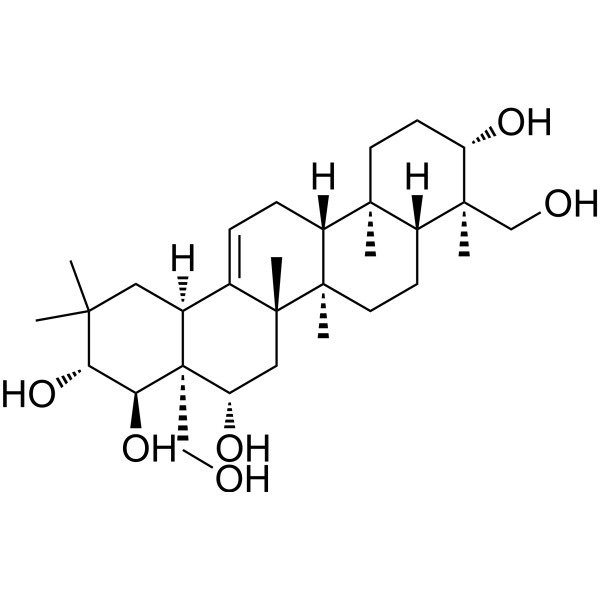
- Formula: C30H50O6
- Molecular Weight: 506.71
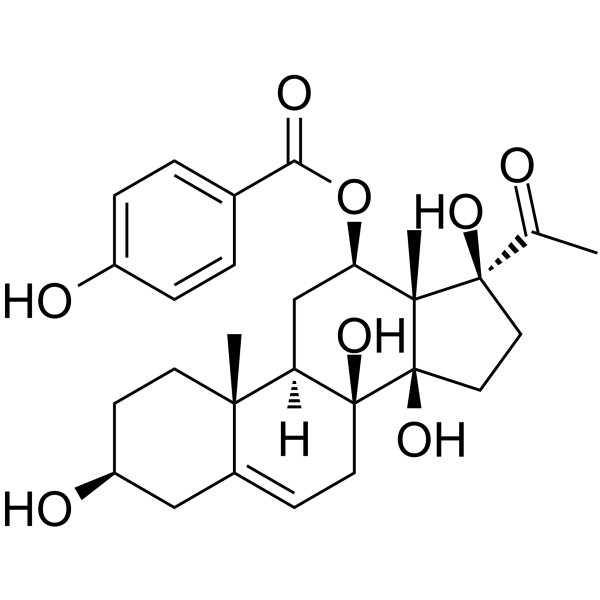
- Formula: C28H36O8
- Molecular Weight: 500.58
Qingyanshengenin (NSC 379666; compound 2), a pregnane glycoside, is a C21 steroidal aglycone isolated from the root of Cynanchumot ophyllum (Asclepiadaceae). Qingyanshengenin has anti-cancer activity.
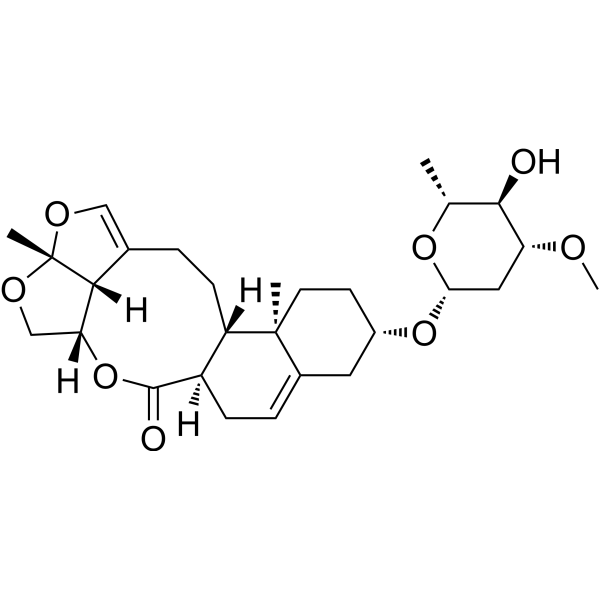
- Formula: C28H40O8
- Molecular Weight: 504.61
Cynatratoside A, an oligoglycoside, is a nature product that could be isolated from the roots of Cynanchum paniculatum.

- Formula: C48H74O19
- Molecular Weight: 955.09
11α-O-Acetyl-12β-O-tigloyl Tenacissoside A is a polyoxypregnane glycoside derived from Marsdenia tenacissima with anti-cancer activity.

- Formula: C48H74O19
- Molecular Weight: 955.09
Tenacissoside A is an active compound that can be isolated from Marsdenia tenacissima.

- Formula: C51H78O19
- Molecular Weight: 995.15
Tenacissoside B is an active compound that can be extracted from M. tenacissima.
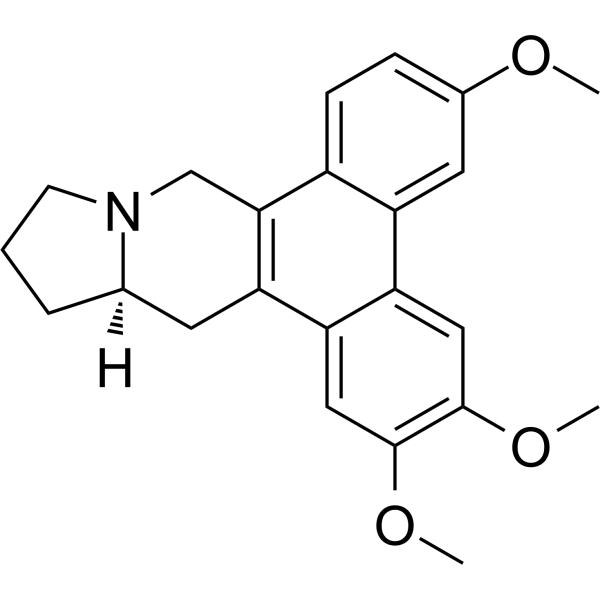
- Formula: C23H25NO3
- Molecular Weight: 363.45
(-)-Antofine is an alkaloid, a levorotatory Antofine. Antofine is an antifungal compound.
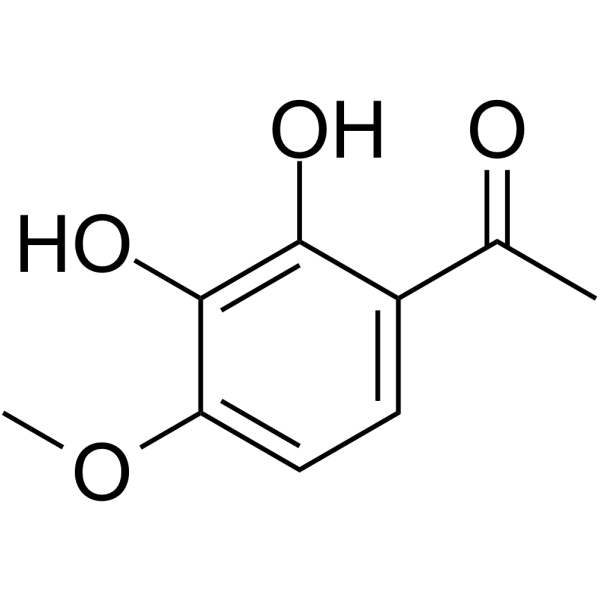
- Formula: C9H10O4
- Molecular Weight: 182.17
2,3-Dihydroxy-4-methoxyacetophenone is a neuroprotective compound from Cynenchum paniculatum. 2,3-Dihydroxy-4-methoxyacetophenone improves cognitive function and may has the potential for the treatment of Alzheimer's disease research.
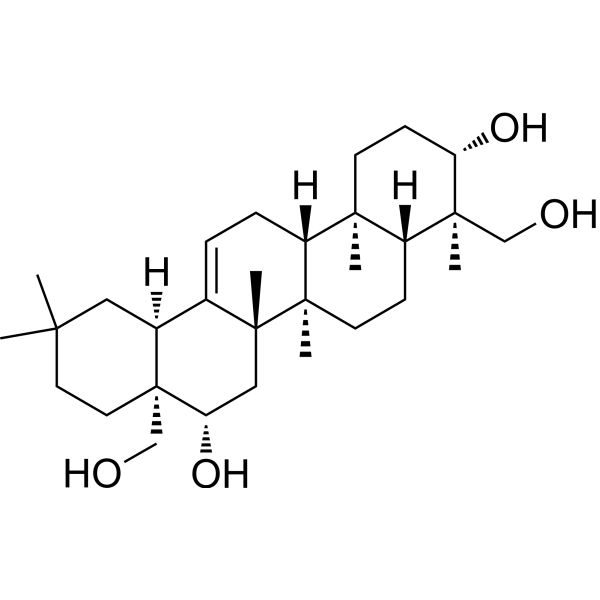
- Formula: C30H50O4
- Molecular Weight: 474.72
23-Hydroxylongispinogenin (12-Oleanene-3β,16β,23,28-tetrol) is extracted from Lysimachia heterogenea Klatt. Lysimachia heterogenea Klatt is a perennial herb, which is used as a folk medicine in subduing swelling and detoxicating in China. The effective fraction LH-1 of L. heterogene has antitumor activity.
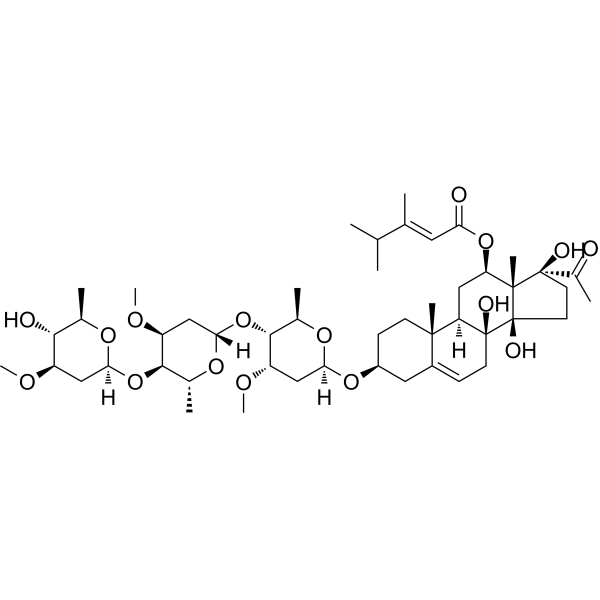
- Formula: C49H78O16
- Molecular Weight: 923.13
Otophylloside B, a C-21 steroidal glycoside isolated from Qingyangshen. Otophylloside B protects against Aβ toxicity, which decreases Aβ deposition by decreasing the expression of Aβ at the mRNA level. Otophylloside B has antiepileptic activity.

- Formula: C53H78O19
- Molecular Weight: 1019.18
Tenacissoside E (compound 18) is a polyoxypregnane glycoside.
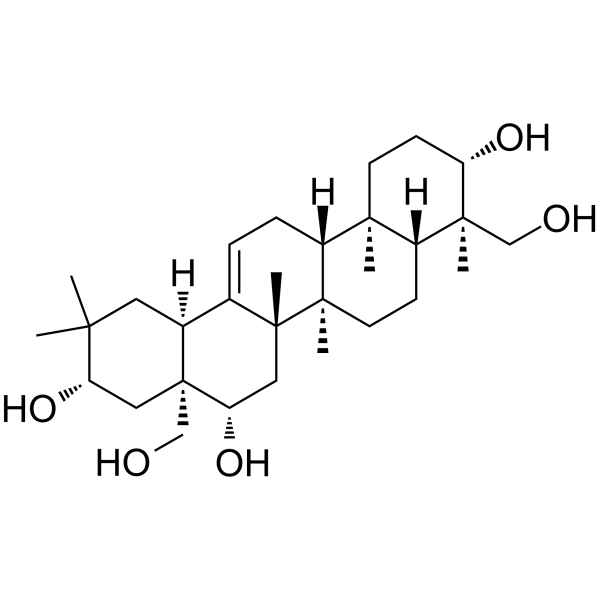
- Formula: C30H50O5
- Molecular Weight: 490.72
Gymnestrogenin is a pentahydroxytriterpene from the leaves of Gymnema sylvestre R.Br. Gymnestrogenin is a LXR antagonist with IC50s of 2.5 and 1.4 μM for LXRα and LXRβ transactivation, respectively. Gymnestrogenin reduces the transcriptional activity of LXR even on its own promoter, thus reducing the mRNA expression.



