



Sodium Salicylate
Based on 16 publication(s) in Google Scholar
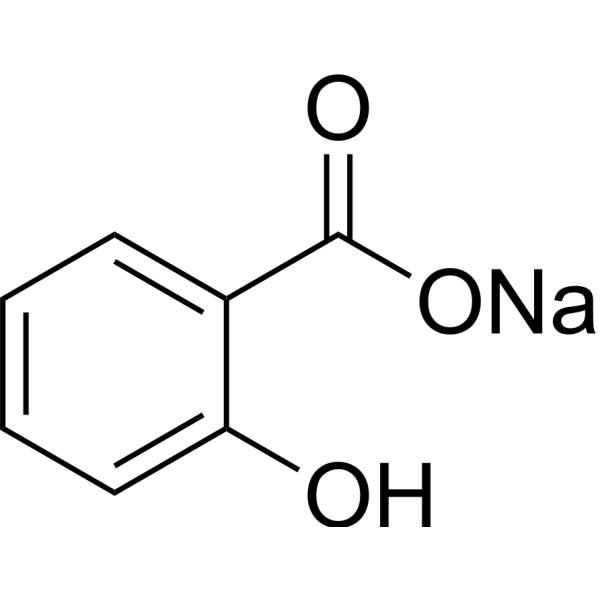
Sodium Salicylate (Salicylic acid sodium salt) inhibits cyclo-oxygenase-2 (COX-2) activity independently of transcription factor (NF-κB) activation. Sodium Salicylate is also a S6K inhibitor.Sodium Salicylate is a NF-κB inhibitor that decreases inflammatory gene expression and improves repair in aged muscle.
For research use only. We do not sell to patients.
- Purity : 99.99%
- CAS No.: 54-21-7
- Formula: C7H5NaO3
- Molecular Weight:160.10
-
Storage:
Store at room temperature, keep dry and cool.
In solvent -80°C, 1 year , -20°C, 6 months

To place orders, for customer services and technical support, please contact: MedChemExpress USA
Tel: 609-228-6898 E-mail: [email protected] [email protected]


-
 Biological Activity
-
Chemical Information
-
Solvent & Solubility
- Protocols
- Purity & Documentation
- References
-
 Help & FAQs


-
HY-N0593A
Deoxycholic acid sodium saltBile Acid Receptor Activator -
HY-B0215
AcetylcysteineMucolytic Agent -
HY-B0261
MeloxicamCOX Inhibitor -
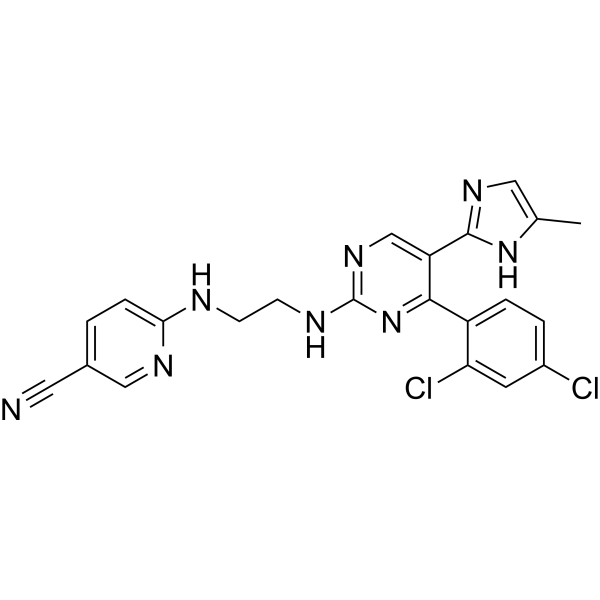
HY-10182
LaduviglusibGSK-3 Inhibitor -
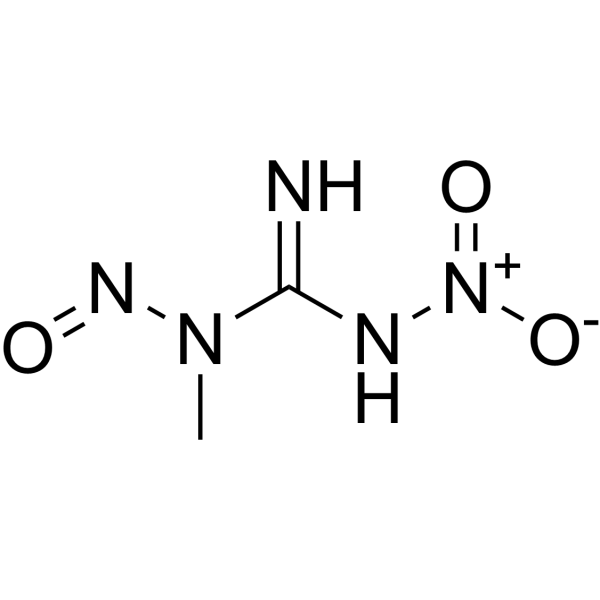
HY-128612
MethylnitronitrosoguanidineAlkylating Agent -
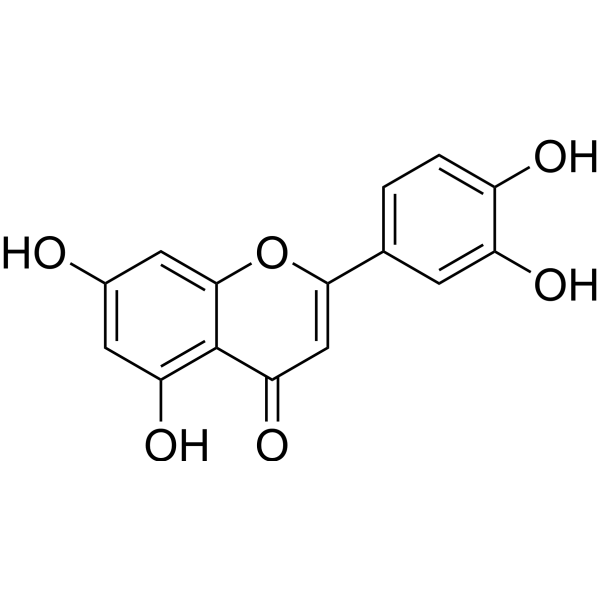
HY-N0162
LuteolinNrf2 Inhibitor -
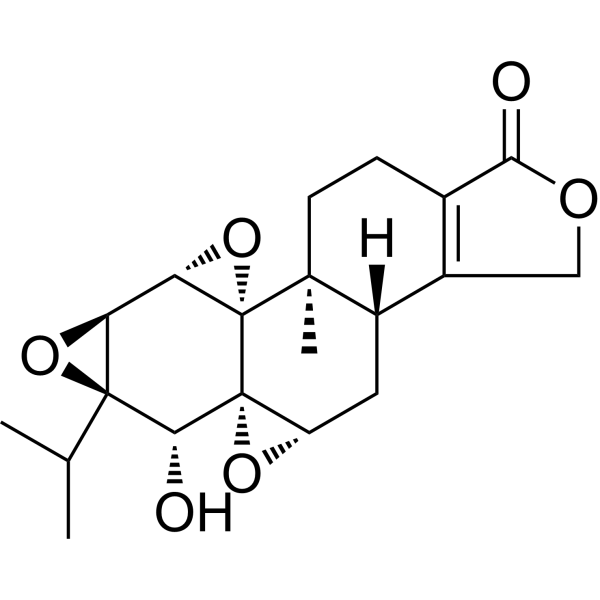
HY-32735
TriptolideImmunosuppressive Agent -

HY-B0167AR
Sodium Salicylate (Standard)COX Inhibitor -
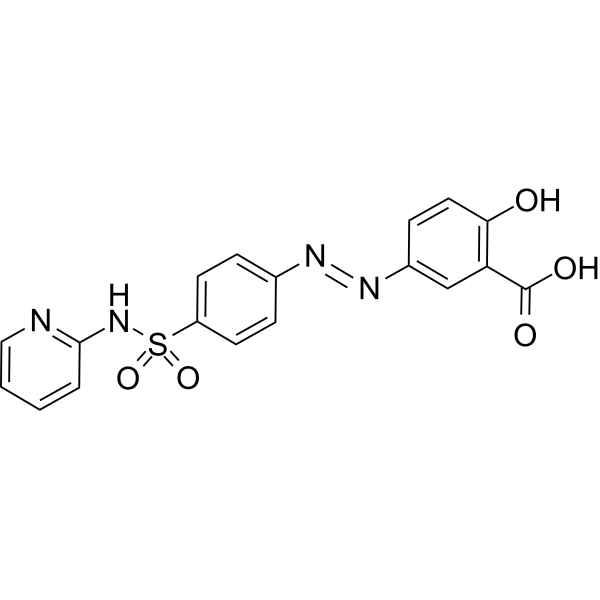
HY-14655
SulfasalazineAnti-rheumatic Agent -
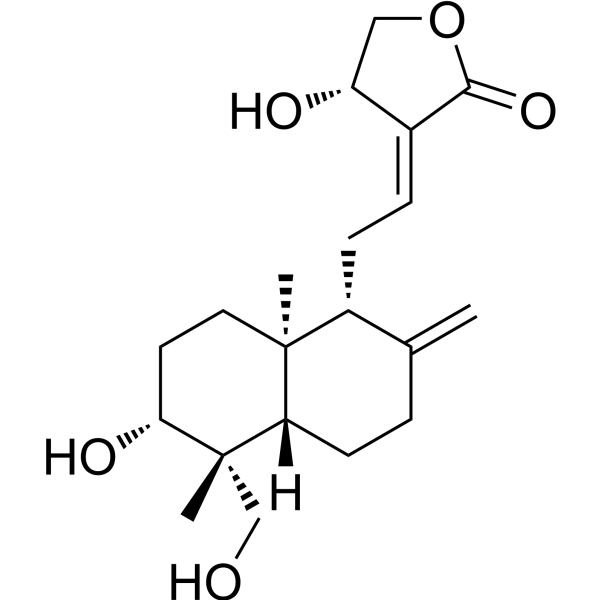
HY-N0191
AndrographolideNF-κB Inhibitor -
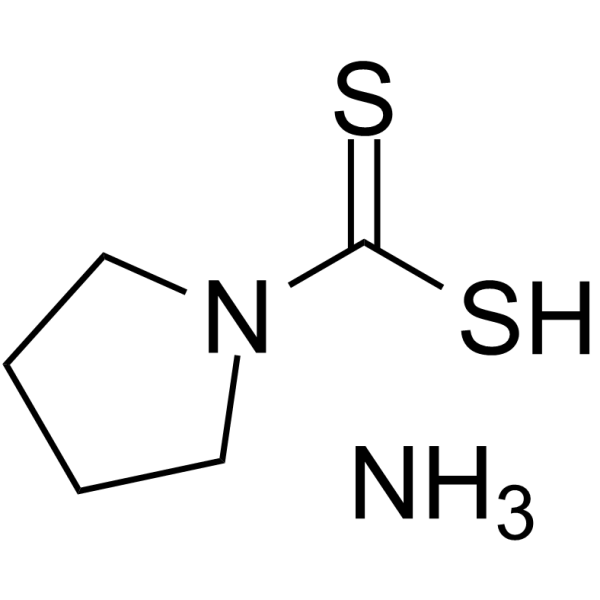
HY-18738
Pyrrolidinedithiocarbamate ammoniumSelective NF-κB Inhibitor -
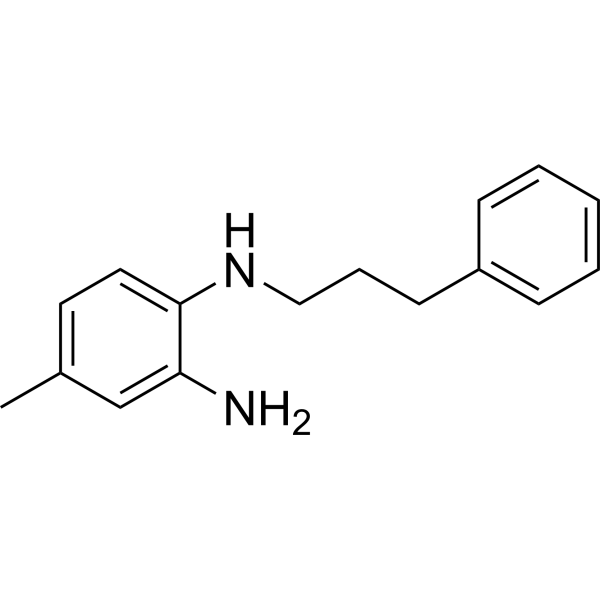
HY-13982
JSH-23NF-κB Inhibitor
Publications Citing Use of MedChemExpress (MCE) Sodium Salicylate
More- Nat Biomed Eng. 2026 Apr 24. [Abstract]
- Redox Biol. 2025 Feb 21:81:103561. [Abstract]
- Plant Cell. 2022 Oct 27;34(11):4641-4660. [Abstract]
- Cancer Lett. 2021 Jan 1:496:127-133. [Abstract]
- Phytomedicine. 2025 Nov 25:148:157423. [Abstract]
- Food Chem. 2023 Mar 30;405(Pt A):134807. [Abstract]
- Emerg Contam. 2026 Feb 23.
- PLoS Biol. 2024 Jun 27;22(6):e3002672. [Abstract]
- Commun Biol. 2024 Oct 18;7(1):1346. [Abstract]
- BMC Plant Biol. 2025 Jul 21;25(1):937. [Abstract]
- Clin Chim Acta. 2025 Dec 31:120816. [Abstract]
- J Orthop Surg Res. 2023 Dec 15;18(1):967. [Abstract]
- Vet Microbiol. 2026 May:316:110992. [Abstract]
- Biopharm Drug Dispos. 2022 Dec;43(6):265-271. [Abstract]
- bioRxiv. 2024 Apr 3:2023.06.02.542933. [Abstract]
- Charles University. 2020 Jul.
All Endogenous Metabolite Isoforms
More

Biological Activity
Description
|
COX-2 |
Microbial Metabolite |
Autophagy |
In Vitro
Sodium Salicylate is an effective inhibitor of COX-2 activity at concentrations far below those required to inhibit NF-κB (20 mg/mL) activation. Sodium Salicylate inhibits prostaglandin E2 release when add together with interleukin 1β for 24 hr with an IC50 value of 5 μg/mL, an effect that is independent of NF-κB activation or COX-2 transcription or translation. Sodium Salicylate acutely (30 min) also causes a concentration-dependent inhibition of COX-2 activity measured in the presence of 0, 1, or 10 μM exogenous arachidonic acid. In contrast, when exogenous arachidonic acid is increased to 30 μM, Sodium Salicylate is a very weak inhibitor of COX-2 activity with an IC50 of >100 μg/mL. When added together with IL-1β for 24 hr, Sodium Salicylate causes a concentration-dependent inhibition of PGE2 release with an apparent IC50 value of approximately 5 μg/mL. The ability of Sodium Salicylate to directly inhibit COX-2 activity in A549 cells is tested after a 30-min exposure period, followed by the addition of different concentrations of exogenous arachidonic acid (1, 10, and 30 μM). Sodium Salicylate causes a concentration-dependent inhibition of COX-2 activity in the absence of added arachidonic acid or in the presence of 1 or 10 μM exogenous substrate with an apparent IC50 value of approximately 5 μg/mL. However, when the same experiments are performed using 30 μM arachidonic acid, Sodium Salicylate is an ineffective inhibitor of COX-2 activity, with an apparent IC50 value of more than 100 μg/mL, and achieves a maximal inhibition of less than 50%[1].
MedChemExpress (MCE) has not independently confirmed the accuracy of these methods. They are for reference only. Further protocols information, click here.
In Vivo
MedChemExpress (MCE) has not independently confirmed the accuracy of these methods. They are for reference only.


Chemical Information
-
CAS No. 54-21-7
-
Appearance Solid
-
Molecular Weight 160.10
-
Formula C7H5NaO3
-
Color White to off-white
-
SMILES
O=C(O[Na])C1=CC=CC=C1O
-
Synonyms
Salicylic acid sodium salt; 2-Hydroxybenzoic acid sodium salt
-
Structure Classification
-
Initial Source
-
Shipping
Room temperature in continental US; may vary elsewhere.
-
Storage
Store at room temperature, keep dry and cool
In solvent -80°C 1 year -20°C 6 months


Publications (16)
-
Journal Impact Factor
-
Most Recent
-
Nat Biomed Eng
DeepDrugDiscovery identifies blood-brain barrier permeable autophagy enhancers for Alzheimer's disease. [Abstract]2026 Apr 24. PMID: 42032039 -
Redox Biol
2025 Feb 21:81:103561. PMID: 40020452 -
Plant Cell
AIG2A and AIG2B limit the activation of salicylic acid-regulated defenses by tryptophan-derived secondary metabolism in Arabidopsis. [Abstract]2022 Oct 27;34(11):4641-4660. PMID: 35972413 -
Cancer Lett
Palmitic acid negatively regulates tumor suppressor PTEN through T366 phosphorylation and protein degradation. [Abstract]2021 Jan 1:496:127-133. PMID: 33039560 -
Phytomedicine
Arnicolide C induces ROS-mediated modulation of PI3K/Akt and MAPK pathways to suppress MYC in hepatocellular carcinoma. [Abstract]2025 Nov 25:148:157423. PMID: 41138574 -
Food Chem
Discovery of novel ascorbic acid derivatives and other metabolites in fruit of Rosa roxburghii Tratt through untargeted metabolomics and feature-based molecular networking. [Abstract]2023 Mar 30;405(Pt A):134807. PMID: 36370576 -
-
PLoS Biol
2024 Jun 27;22(6):e3002672. PMID: 38935621 -
Commun Biol
Thalamo-cortical neural mechanism of sodium salicylate-induced hyperacusis and anxiety-like behaviors. [Abstract]2024 Oct 18;7(1):1346. PMID: 39420035 -
BMC Plant Biol
Comparative transcriptome analysis reveals key genes and signaling pathways mediated by salicylic acid in potato. [Abstract]2025 Jul 21;25(1):937. PMID: 40691758 -
Clin Chim Acta
Simultaneous quantification of acetylsalicylic acid, clopidogrel, ticagrelor and their major metabolites in human plasma by liquid chromatography-tandem mass spectrometry. [Abstract]2025 Dec 31:120816. PMID: 41482259 -
J Orthop Surg Res
Sodium salicylate ameliorates exercise-induced muscle damage in mice by inhibiting NF-kB signaling. [Abstract]2023 Dec 15;18(1):967. PMID: 38098039 -
Vet Microbiol
The Chinese medicine monomer Schisandrin C inhibits PRRSV infection by regulating the OGT-PI3K/AKT/mTOR signaling pathway. [Abstract]2026 May:316:110992. PMID: 41865607 -
Biopharm Drug Dispos
Inhibition of canalicular and sinusoidal taurocholate efflux by cholestatic drugs in human hepatoma HepaRG cells. [Abstract]2022 Dec;43(6):265-271. PMID: 36195987 -
bioRxiv
An efficient behavioral screening platform classifies natural products and other chemical cues according to their chemosensory valence in C. elegans. [Abstract]2024 Apr 3:2023.06.02.542933. PMID: 37333363 -


Solvent & Solubility
In Vitro:
H2O : ≥ 100 mg/mL (624.61 mM)
DMSO : 100 mg/mL (624.61 mM; Need ultrasonic; Hygroscopic DMSO has a significant impact on the solubility of product, please use newly opened DMSO)
* "≥" means soluble, but saturation unknown.
Please refer to the solubility information to select the appropriate solvent. Once prepared, please aliquot and store the solution to prevent product inactivation from repeated freeze-thaw cycles.
Storage method and period of stock solution: -80°C, 1 year; -20°C, 6 months. When stored at -80°C, please use it within 1 year. When stored at -20°C, please use it within 6 months.
* Note: If you choose water as the stock solution, please dilute it to the working solution, then filter and sterilize it with a 0.22 μm filter before use.
Please refer to the solubility information to select the appropriate solvent. Once prepared, please aliquot and store the solution to prevent product inactivation from repeated freeze-thaw cycles.
Storage method and period of stock solution: -80°C, 1 year; -20°C, 6 months. When stored at -80°C, please use it within 1 year. When stored at -20°C, please use it within 6 months.
* Note: If you choose water as the stock solution, please dilute it to the working solution, then filter and sterilize it with a 0.22 μm filter before use.
Concentration (start) × Volume (start) = Concentration (final) × Volume (final)
In Vivo:
Select the appropriate dissolution method based on your experimental animal and administration route.
- For the following dissolution methods, please ensure to first prepare a clear stock solution using an In Vitro approach and then sequentially add co-solvents:
- To ensure reliable experimental results, the clarified stock solution can be appropriately stored based on storage conditions. As for the working solution for In Vivo experiments, it is recommended to prepare freshly and use it on the same day.
- The percentages shown for the solvents indicate their volumetric ratio in the final prepared solution. If precipitation or phase separation occurs during preparation, heat and/or sonication can be used to aid dissolution.
Add each solvent one by one: 10% DMSO 40% PEG300 5% Tween-80 45% Saline
Solubility: ≥ 2.5 mg/mL (15.62 mM); Clear solution
This protocol yields a clear solution of ≥ 2.5 mg/mL (saturation unknown).
Taking 1 mL working solution as an example, add 100 μL DMSO stock solution (25.0 mg/mL) to 400 μL PEG300, and mix evenly; then add 50 μL Tween-80 and mix evenly; then add 450 μL Saline to adjust the volume to 1 mL.
Preparation of Saline: Dissolve 0.9 g sodium chloride in ddH₂O and dilute to 100 mL to obtain a clear Saline solution.
Add each solvent one by one: 10% DMSO 90% (20% SBE-β-CD in Saline)
Solubility: ≥ 2.5 mg/mL (15.62 mM); Clear solution
This protocol yields a clear solution of ≥ 2.5 mg/mL (saturation unknown).
Taking 1 mL working solution as an example, add 100 μL DMSO stock solution (25.0 mg/mL) to 900 μL 20% SBE-β-CD in Saline, and mix evenly.
Preparation of 20% SBE-β-CD in Saline (4°C, storage for one week): 2 g SBE-β-CD powder is dissolved in 10 mL Saline, completely dissolve until clear.
For the following dissolution methods, please prepare the working solution directly:
It is recommended to prepare fresh solutions and use them promptly within a short period of time.
The percentages shown for the solvents indicate their volumetric ratio in the final prepared solution. If precipitation or phase separation occurs during preparation, heat and/or sonication can be used to aid dissolution.
Add each solvent one by one: PBS
Solubility: 110 mg/mL (687.07 mM); Clear solution; Need ultrasonic
In Vivo Dissolution Calculator
Please enter the basic information of animal experiments:
-
-
-
-
Recommended: Prepare an additional quantity of animals to account for potential losses during experiments.
Working solution concentration: 0.22 mg/mL
This product has good water solubility, please refer to the measured solubility data in water/PBS/Saline for details.

Protocols
-
Nuclear Protein Extraction (High-Salt/Hypotonic Fractionation)
The high-salt/hypotonic fractionation method for nuclear protein extraction is based on the differential solubility of cellular components. Cytoplasmic proteins are extracted first using a hypotonic buffer that causes cell swelling and membrane rupture, followed by centrifugation to separate the cytoplasmic supernatant from the nuclear pellet. The nuclear pellet is then subjected to high-salt extraction (e. g. , 0. 4 M (NH4)2SO4 or 1 M NaCl) to solubilize tightly bound nuclear matrix proteins, including transcription factors, histones, and structural proteins associated with chromatin and the nuclear scaffold. This approach allows for the isolation of both soluble cytoplasmic proteins and salt-resistant nuclear proteins while minimizing cross-contamination.
-
RT-PCR
Reverse transcription technology uses RNA as a template to synthesize DNA. RT-PCR is simple, specific and sensitive, and can be used to detect gene expression levels and expression differences in cells; detect RNA virus content; clone cDNA sequences of specific genes.
-
RNA extraction experimental
By lysing cells, releasing RNA, and removing impurities such as proteins and DNA, high-purity RNA products are finally obtained. The commonly used traditional method is the guanidine isothiocyanate/phenol/chloroform method (Trizol), which is suitable for a variety of animal materials including animal tissues, microorganisms, cultured cells, etc., and most plant materials.
-
Research Protocol for Inflammation-related Diseases
The NLRP3 inflammasome is a cytosolic innate immune signaling platform that integrates priming signals and danger-signal activation to promote caspase-1 activation, maturation of IL-1β and IL-18, and gasdermin D-mediated pyroptotic cell death. The core experimental logic is to determine whether inflammatory disease phenotypes are driven by increased NLRP3 expression, ASC-containing inflammasome assembly, caspase-1 cleavage, GSDMD cleavage, and extracellular release of IL-1β/IL-18 rather than by nonspecific cell injury alone. The pathway is strongly linked to inflammation-related disease phenotypes because monosodium urate crystals activate NALP3/NLRP3 inflammasome signaling in gout-like crystal inflammation, cholesterol crystals activate NLRP3 inflammasomes in atherogenesis models, and DSS-induced intestinal inflammation has been reported to involve NLRP3 inflammasome activity. However, experimental colitis studies also show context-dependent protective effects of NLRP3 inflammasome co
-
Real Time qPCR (Q-PCR)
Real-time quantitative PCR (qPCR) quantifies an amplifiable nucleic-acid target by monitoring fluorescence during PCR cycling rather than measuring product only after amplification. The increase in fluorescence tracks accumulation of PCR product, and the quantification cycle (Cq; historically also Ct/CP) is related to the initial amount of target: samples containing more starting target generally reach the defined fluorescence threshold in fewer cycles.


Purity & Documentation
-
Data Sheet (284 KB)
-
SDS (557 KB)
- English - EN (557 KB)
- Français - FR (557 KB)
- Deutsch - DE (557 KB)
- Norwegian - NO (557 KB)
- Español - ES (557 KB)
- Swedish - SV (557 KB)
- Italian - IT (557 KB)
- Korean - KR (557 KB)
- Portuguese - PT (557 KB)
-
Handling Instructions (2659 KB)
References
[1]. Mitchell JA, et al. Sodium salicylate inhibits cyclo-oxygenase-2 activity independently of transcription factor (nuclear factor kappaB) activation: role of arachidonic acid. Mol Pharmacol. 1997 Jun;51(6):907-12. [Content Brief]
[2]. Dongmei Bai, et al. Palmitic acid negatively regulates tumor suppressor PTEN through T366 phosphorylation and protein degradation. Cancer Lett. 2020 Oct 8;S0304-3835(20)30506-1. [Content Brief]
[3]. Nixon M, et al. Salicylate downregulates 11β-HSD1 expression in adipose tissue in obese mice and in humans, mediating insulin sensitization. Diabetes. 2012 Apr;61(4):790-6. [Content Brief]
[4]. Juhyun Oh, et al. Age-associated NF-κB signaling in myofibers alters the satellite cell niche and re-strains muscle stem cell function. Aging (Albany NY). 2016 Nov; 8(11): 2871–2884. [Content Brief]


Complete Stock Solution Preparation Table
Please refer to the solubility information to select the appropriate solvent. Once prepared, please aliquot and store the solution to prevent product inactivation from repeated freeze-thaw cycles.
Storage method and period of stock solution: -80°C, 1 year; -20°C, 6 months. When stored at -80°C, please use it within 1 year. When stored at -20°C, please use it within 6 months.
| Optional Solvent | Concentration Solvent Mass | 1 mg | 5 mg | 10 mg | 25 mg |
|---|---|---|---|---|---|
| H2O / DMSO | 1 mM | 6.2461 mL | 31.2305 mL | 62.4610 mL | 156.1524 mL |
| 5 mM | 1.2492 mL | 6.2461 mL | 12.4922 mL | 31.2305 mL | |
| 10 mM | 0.6246 mL | 3.1230 mL | 6.2461 mL | 15.6152 mL | |
| 15 mM | 0.4164 mL | 2.0820 mL | 4.1641 mL | 10.4102 mL | |
| 20 mM | 0.3123 mL | 1.5615 mL | 3.1230 mL | 7.8076 mL | |
| 25 mM | 0.2498 mL | 1.2492 mL | 2.4984 mL | 6.2461 mL | |
| 30 mM | 0.2082 mL | 1.0410 mL | 2.0820 mL | 5.2051 mL | |
| 40 mM | 0.1562 mL | 0.7808 mL | 1.5615 mL | 3.9038 mL | |
| 50 mM | 0.1249 mL | 0.6246 mL | 1.2492 mL | 3.1230 mL | |
| 60 mM | 0.1041 mL | 0.5205 mL | 1.0410 mL | 2.6025 mL | |
| 80 mM | 0.0781 mL | 0.3904 mL | 0.7808 mL | 1.9519 mL | |
| 100 mM | 0.0625 mL | 0.3123 mL | 0.6246 mL | 1.5615 mL |
* Note: If you choose water as the stock solution, please dilute it to the working solution, then filter and sterilize it with a 0.22 μm filter before use.


Sodium Salicylate Related Classifications
HY-B0167A Related Classifications
 Powered by Bioz