Search Result
Results for "
atpase+inhibitors
" in MedChemExpress (MCE) Product Catalog:
15
Isotope-Labeled Compounds
| Cat. No. |
Product Name |
Target |
Research Areas |
Chemical Structure |
-
- HY-16589
-
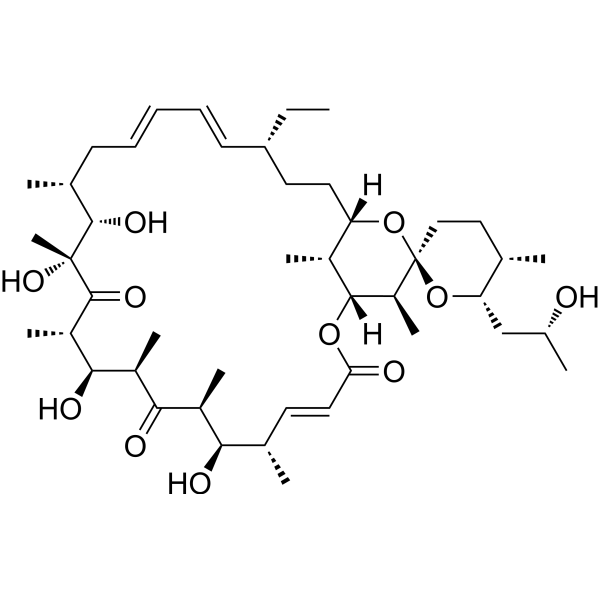
Oligomycin A
Maximum Cited Publications
51 Publications Verification
MCH 32
|
ATP Synthase
Fungal
Antibiotic
|
Infection
Cancer
|
|
Oligomycin A (MCH 32), created by Streptomyces, acts as a mitochondrial F0F1-ATPase inhibitor, with a Ki of 1 μM; Oligomycin A shows anti-fungal activity.
|
-
-
- HY-N1724
-
|
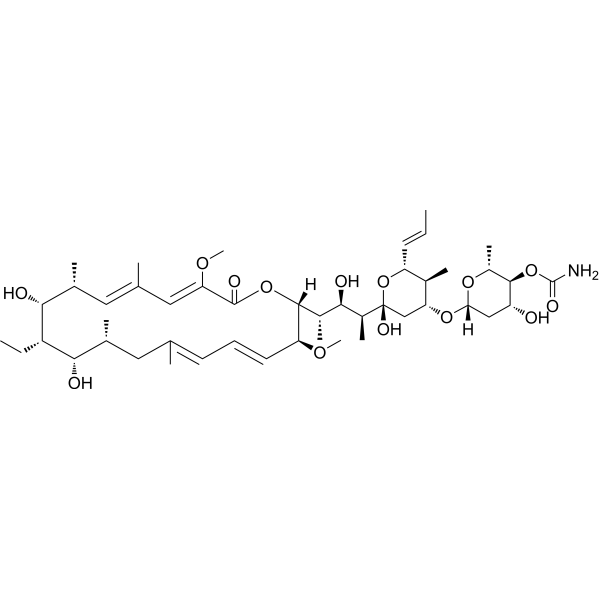
Antibiotic X 4357B; Folimycin; X 4357B
|
Proton Pump
Bacterial
Antibiotic
|
Infection
Inflammation/Immunology
Cancer
|
|
Concanamycin A (Folimycin; Antibiotic X 4357B) is a macrolide antibiotic, a vacuolar type H +-ATPase (V-ATPase) inhibitor. Concanamycin A is also an inhibitor of lysosomal acidification, can be used to T cell-mediated inflammation research - .
|
-
-
- HY-B0113
-
|
H 16868
|
Na+/K+ ATPase
Proton Pump
Bacterial
Cytochrome P450
Apoptosis
Autophagy
Atg8/LC3
TNF Receptor
Interleukin Related
|
Infection
Neurological Disease
Inflammation/Immunology
Cancer
|
|
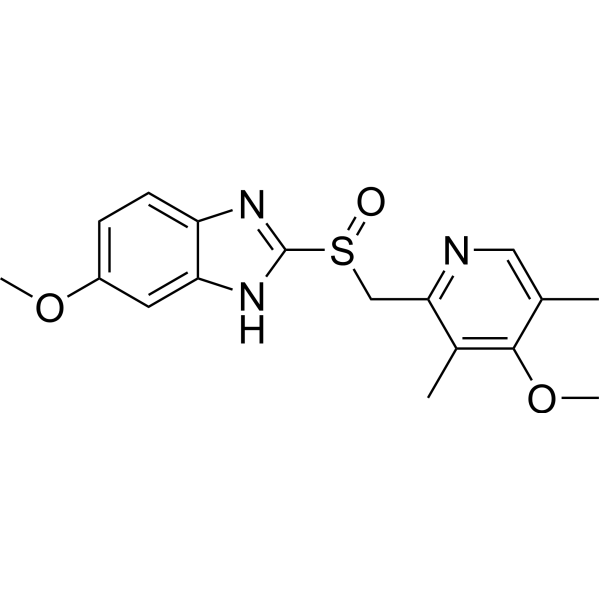
Omeprazole (H 16868) is an orally active H +,K +-ATPase inhibitor and a proton pump inhibitor. Omeprazole competitively inhibits CYP2C19, CYP3A4, and CYP2C9 activity. Omeprazole inhibits gastric acid secretion and can be used for acid-related gastrointestinal disorders. Omeprazole inhibits pancreatic cancer cell proliferation, induces apoptosis, autophagosome accumulation (elevated LC3-I and LC3-II levels), oxidative stress, and cytogenetic imbalance, modulates lysosomal transport, reduces inflammatory cytokines. Omeprazole alters small intestinal morphology and magnesium absorption, and induces gastric mucosa morphologic changes. Omeprazole aslo has neuroprotective and antibacterial effects .
|
-
-
- HY-N0877
-
|
|
Na+/K+ ATPase
|
Cancer
|
|
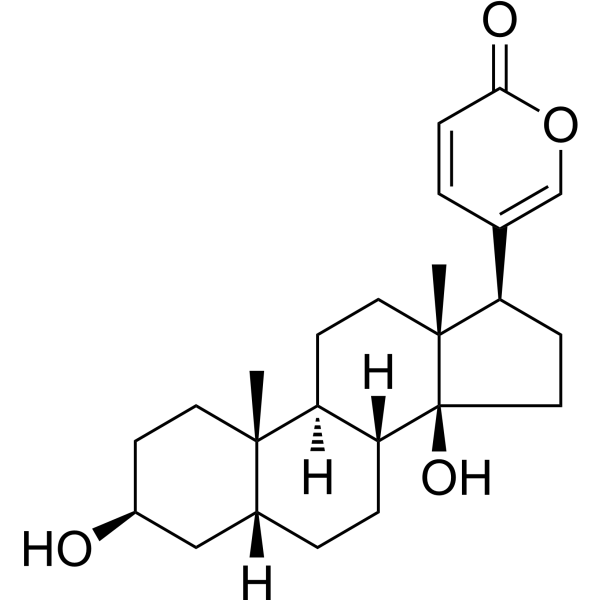
Bufalin is an active component isolated from Chan Su, acts as a potent Na +/K +-ATPase inhibitor, binds to the subunit α1, α2 and α3, with Kd of 42.5, 45 and 40 nM, respectively . Anti-cancer activity .
|
-
-
- HY-D0085
-
|
|
Fluorescent Dye
|
Cancer
|
|
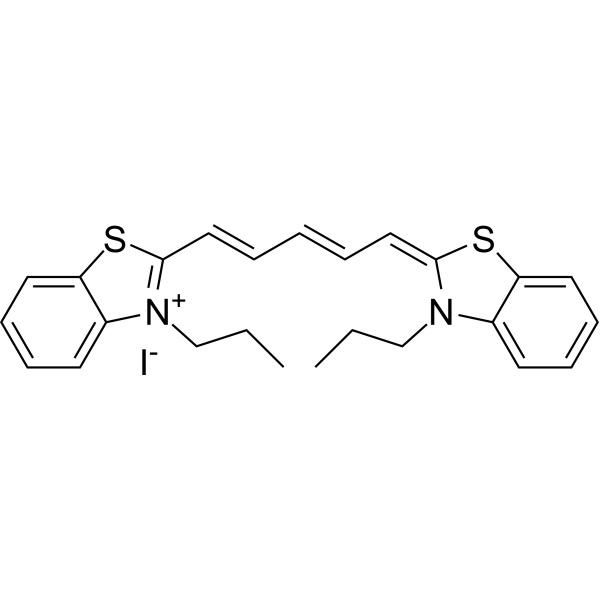
DiSC3(5) is a fluorescent probe commonly used as a tracer dye to evaluate mitochondrial membrane potential. The excitation/emission wavelength of DiSC3(5) is up to 622/670 nm. DiSC3(5) can inhibit the respiratory system associated with mitochondrial NAD, and the IC50 value is 8 μM. DiSC3(5) in the presence of Na +/K +-ATPase inhibitor ouabain 2 can induce membrane hyperpolarization of Ehrlich ascites tumor cells .
|
-
-
- HY-17022
-
|
(S)-Omeprazole magnesium trihydrate; (-)-Omeprazole magnesium trihydrate
|
Exosomes
Proton Pump
|
Endocrinology
Cancer
|
|
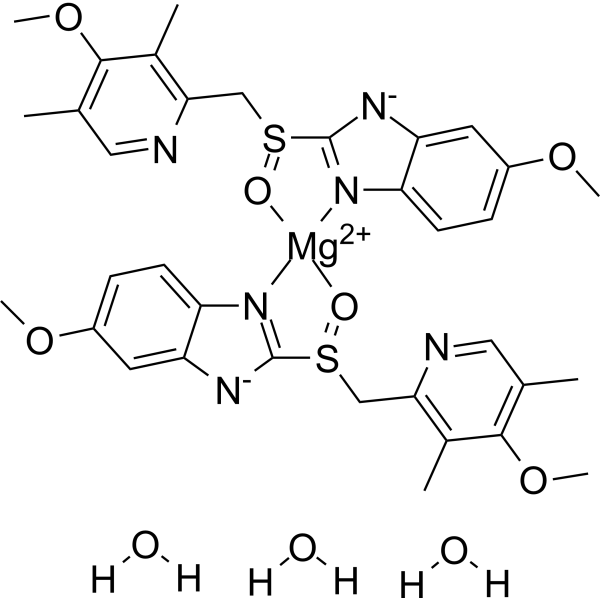
Esomeprazole magnesium trihydrate ((S)-Omeprazole magnesium trihydrate) is a potent and orally active H +, K +-ATPase inhibitor. Esomeprazole magnesium trihydrate has the potential for upper intestinal disorders and gastroesophageal reflux disease research . Esomeprazole magnesium trihydrate acts as an exosome inhibitor by blocking the exosome release via the inhibition of V-H +-ATPases .
|
-
-
- HY-17507
-
|
BY1023; SKF96022
|
Proton Pump
Autophagy
Apoptosis
Bacterial
|
Inflammation/Immunology
Cancer
|
|
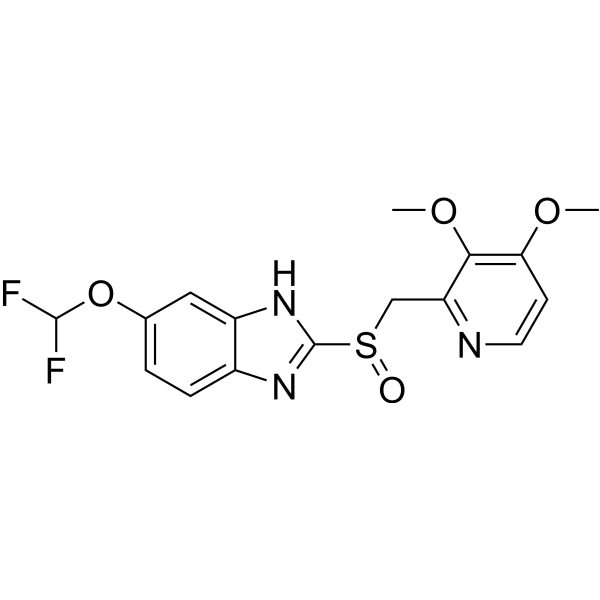
Pantoprazole (BY10232) is an orally active and potent proton pump inhibitor (PPI) . Pantoprazole, a substituted benzimidazole, is a potent H +/K +-ATPase inhibitor with an IC50 of 6.8 μM. Pantoprazole improves pH stability and has anti-secretory, anti-ulcer activities. Pantoprazole significantly increased tumor growth delay combined with Doxorubicin (HY-15142) .
|
-
-
- HY-B0113A
-
|
H 16868 sodium
|
Na+/K+ ATPase
Interleukin Related
Proton Pump
Cytochrome P450
Bacterial
Apoptosis
Autophagy
TNF Receptor
Atg8/LC3
|
Infection
Inflammation/Immunology
|
|
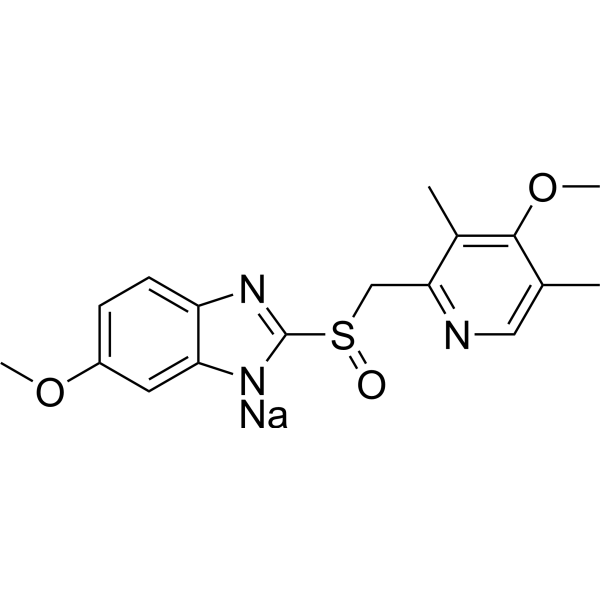
Omeprazole (H 16868) sodium is an orally active H +,K +-ATPase inhibitor and a proton pump inhibitor. Omeprazole sodium competitively inhibits CYP2C19, CYP3A4, and CYP2C9 activity. Omeprazole sodium inhibits gastric acid secretion and can be used for acid-related gastrointestinal disorders. Omeprazole sodium inhibits pancreatic cancer cell proliferation, induces apoptosis, autophagosome accumulation (elevated LC3-I and LC3-II levels), oxidative stress, and cytogenetic imbalance, modulates lysosomal transport, reduces inflammatory cytokines. Omeprazole sodium alters small intestinal morphology and magnesium absorption, and induces gastric mucosa morphologic changes. Omeprazole sodium aslo has neuroprotective and antibacterial effects .
|
-
-
- HY-Y0413
-
|
Diacetyl monoxime; DAM
|
Na+/K+ ATPase
Myosin
|
Cardiovascular Disease
Metabolic Disease
|
|
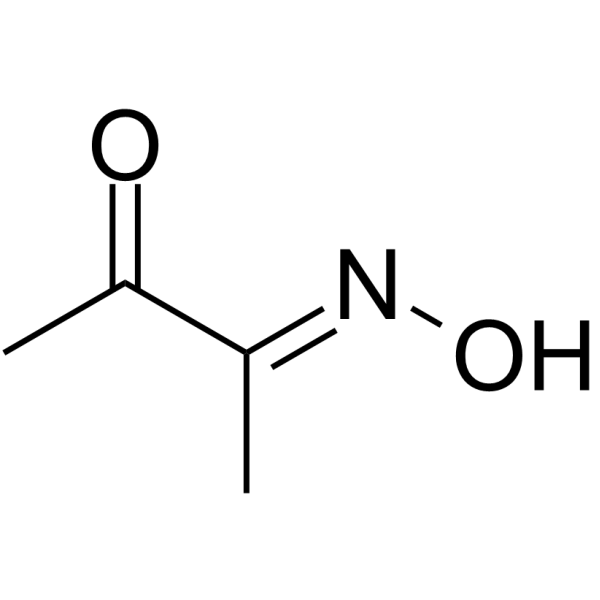
Biacetyl monoxime (Diacetyl monoxime), a myosin ATPase inhibitor, is a skeletal and cardiac muscle contraction inhibitor. Biacetyl monoxime is also a well-characterized non-competitive inhibitor of chemical and motile activity of skeletal muscle myosin-II. Biacetyl monoxime induces sarcoplasmic reticulum Ca 2+ release .
|
-
-
- HY-B1446
-
|
(S)-Omeprazole magnesium; (-)-Omeprazole magnesium
|
Exosomes
Proton Pump
|
Endocrinology
Cancer
|
|
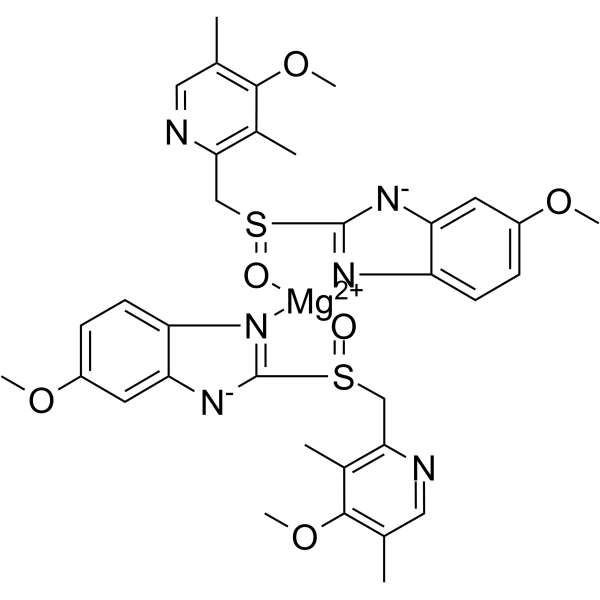
Esomeprazole magnesium ((S)-Omeprazole magnesium) is a potent and orally active H +, K +-ATPase inhibitor. Esomeprazole magnesium has the potential for upper intestinal disorders and gastroesophageal reflux disease research . Esomeprazole magnesium acts as an exosome inhibitor by blocking the exosome release via the inhibition of V-H +-ATPases .
|
-
-
- HY-N2532
-
|
|
VSV
HIV
Proton Pump
Influenza Virus
|
Infection
Inflammation/Immunology
Cancer
|
|
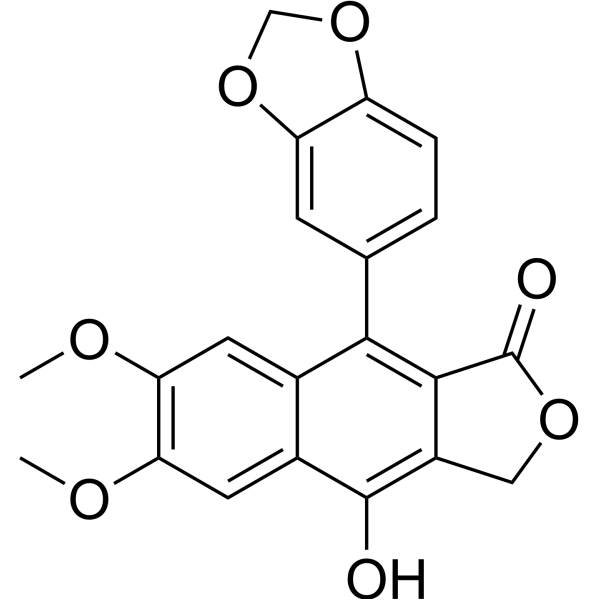
Diphyllin is an orally active V-ATPase inhibitor (IC50=17 nM) and HIV-1 inhibitor (IC50=0.38 μM). Diphyllin blocks the acidification of osteoclast lysosomes and bone resorption lacunas (IC50=0.6 nM for acid influx inhibition), thereby inhibiting bone resorption. Diphyllin can effectively inhibit osteoclast-mediated bone resorption and has no effect on osteoblastic bone formation. Diphyllin can be used in the research of bone metabolism-related diseases and has the potential to inhibit diseases related to excessive bone resorption .
|
-
-
- HY-15877
-
|
|
ATP Synthase
|
Cancer
|
|
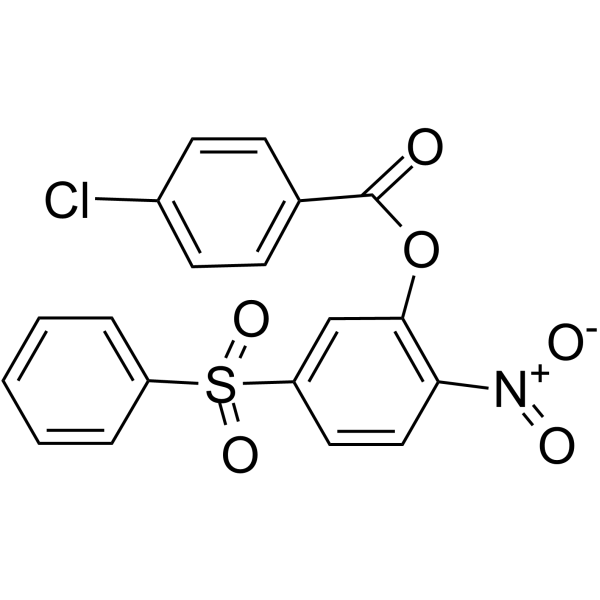
BTB06584 is a selective and IF1-dependent mitochondrial F1Fo-ATPase inhibitor without compromising ATP synthesis. BTB06584 can delays ischaemic cell death .
|
-
-
- HY-126679
-
|
|
ATP Synthase
Apoptosis
|
Cancer
|
|
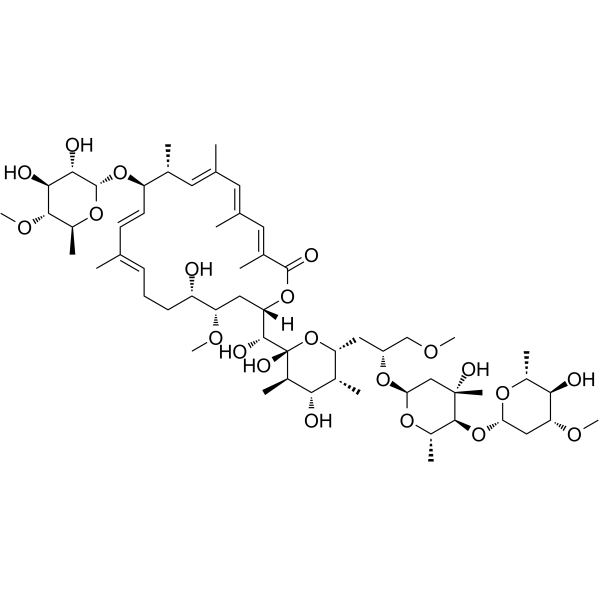
Apoptolidin is a polyketide isolated from Nocardiopsis bacteria . Apoptolidin is a selective mitochondrial F1FO ATPase inhibitor. Apoptolidin is an apoptosis inducer and induces apoptotic cell death in cells transformed with the adenovirus type 12 oncogenes including ElA (IC50=10-17 ng/ml) but not in normal cells .
|
-
-
- HY-17507A
-
|
BY1023 sodium; SKF96022 sodium
|
Proton Pump
Autophagy
Apoptosis
Bacterial
|
Inflammation/Immunology
Cancer
|
|
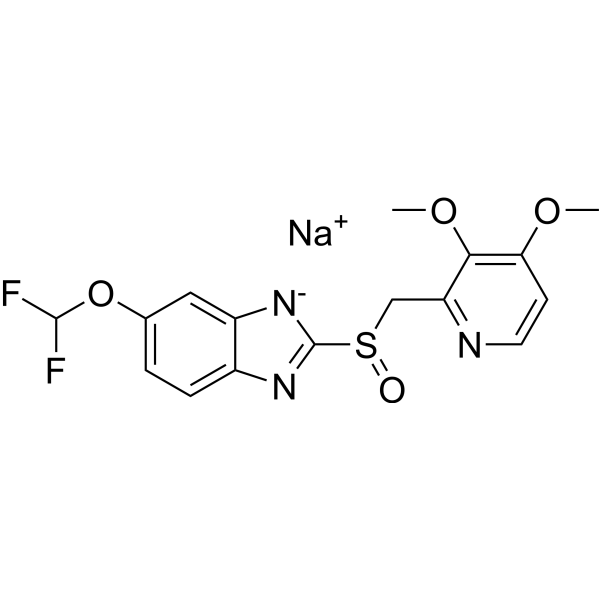
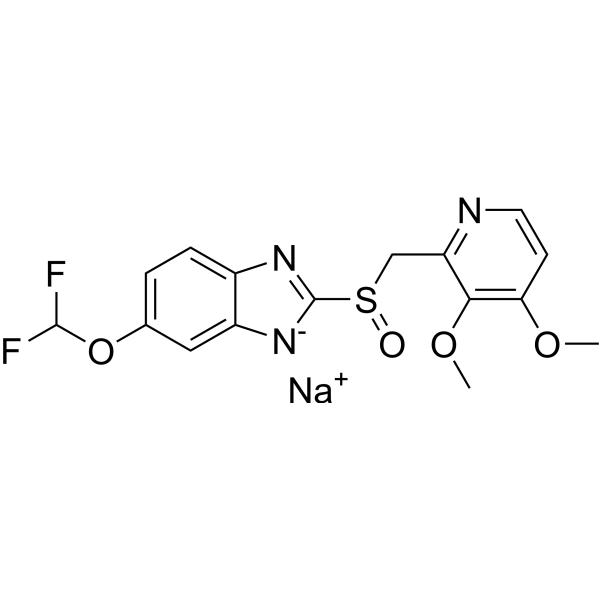
Pantoprazole sodium (BY10232 sodium) is an orally active and potent proton pump inhibitor (PPI) . Pantoprazole sodium, a substituted benzimidazole, is a potent H +/K +-ATPase inhibitor with an IC50 of 6.8 μM. Pantoprazole sodium improves pH stability and has anti-secretory, anti-ulcer activities. Pantoprazole sodium significantly increased tumor growth delay combined with Doxorubicin (HY-15142) .
|
-
-
- HY-17507B
-
|
BY1023 sodium hydrate; SKF96022 sodium hydrate
|
Proton Pump
Autophagy
Apoptosis
Bacterial
|
Inflammation/Immunology
Cancer
|
|
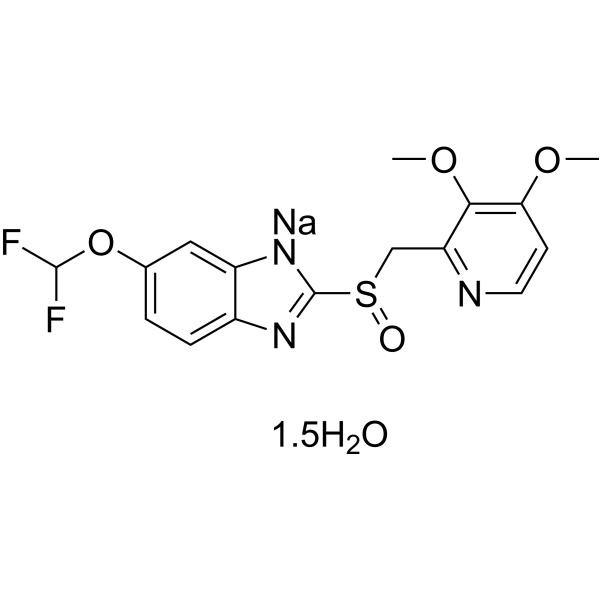
Pantoprazole sodium hydrate (BY10232 sodium hydrate) is an orally active and potent proton pump inhibitor (PPI) . Pantoprazole sodium hydrate, a substituted benzimidazole, is a potent H +/K +-ATPase inhibitor with an IC50 of 6.8 μM. Pantoprazole sodium hydrate improves pH stability and has anti-secretory, anti-ulcer activities. Pantoprazole sodium hydrate significantly increased tumor growth delay combined with Doxorubicin (HY-15142) .
|
-
-
- HY-B0137
-
-
-
- HY-15718A
-
-
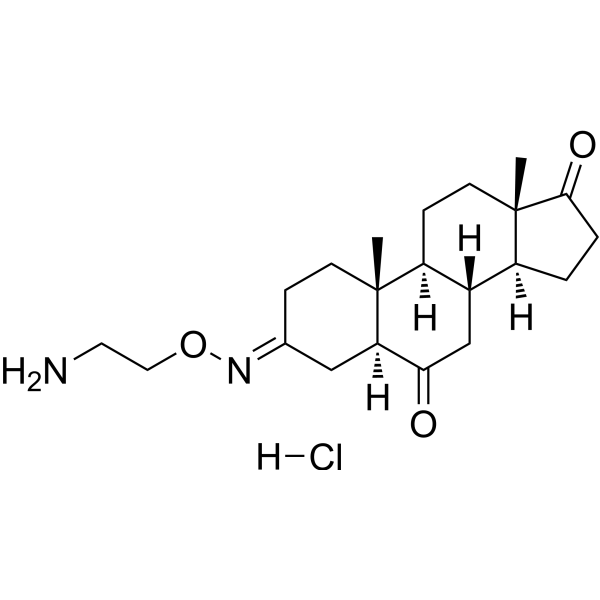
-
- HY-17623C
-
|
(R)-CJ-12420; (R)-RQ-00000004
|
Proton Pump
|
Metabolic Disease
|
|
(R)-Tegoprazan ((R)-CJ-12420; example 3), a benzimidazole derivative, is a potent kidney H +/K +-ATPase inhibitor with an IC50 of 98 nM of canine kidney Na +/K +-ATPase. (R)-Tegoprazan has the potential for gastrointestinal diseases research .
|
-
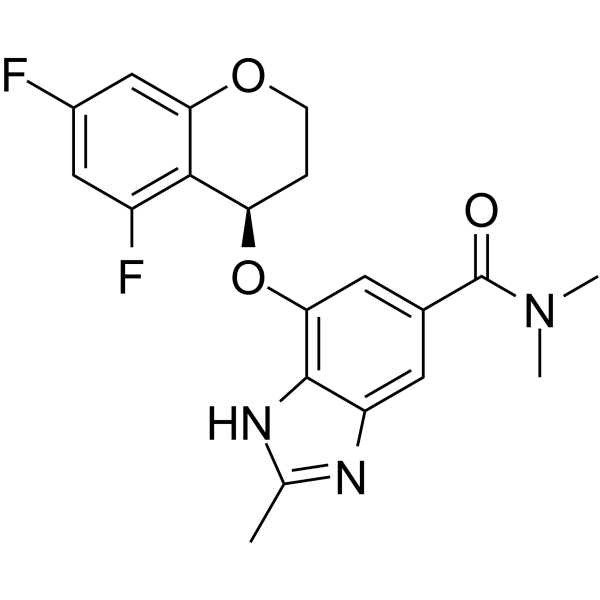
-
- HY-136933
-
|
|
Na+/K+ ATPase
|
Cardiovascular Disease
|
|
Gitoxin is a degradation metabolite of Digitoxin (HY-B1357) and a non-competitive Na +/K +-ATPase inhibitor, with an IC50 of 1.18e-6 M against the porcine high-affinity subtype and an IC50 of 2.85e-5 M against the porcine low-affinity subtype. Gitoxin regulates atrial contractility and rhythmicity. Gitoxin is applicable to research related to congestive heart failure .
|
-
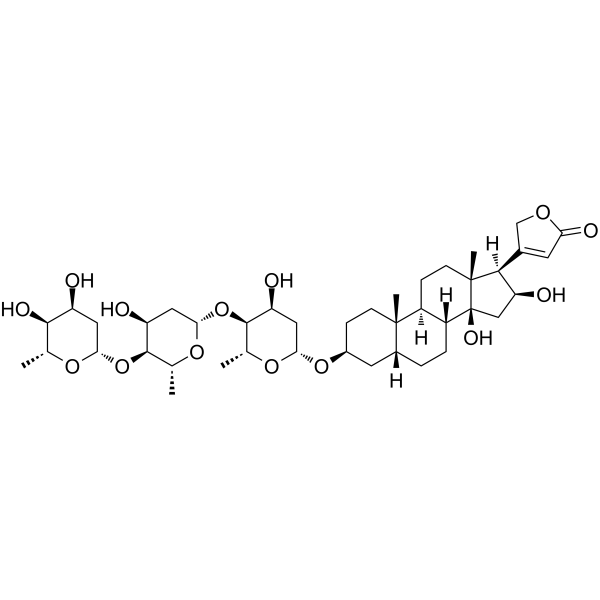
-
- HY-176954
-
|
|
Proton Pump
Ras
Autophagy
Apoptosis
|
Cancer
|
|
RSC-1255 is a potent and selective Vacuolar H⁺-ATPase (V-ATPase) inhibitor that directly binds the mammalian V-ATPase complex with a Kd = 23 nM. RSC-1255 exhibits preferential cytotoxicity toward KRAS-mutant cancer cells, especially KRAS G13D and KRAS G12V cells. RSC-1255 induces apoptosis and blocks lysosomal acidification, autophagy, and macropinocytosis in cancer cells. RSC-1255 can be used for the study of KRAS-driven lung and colon cancers .
|
-

-
- HY-145946
-
-
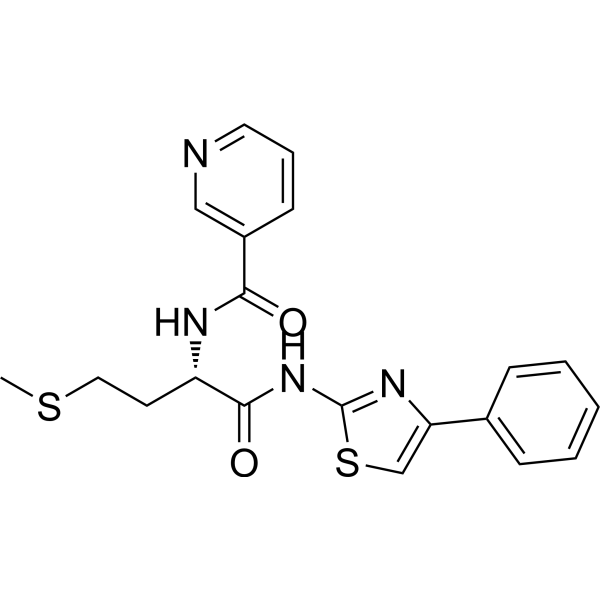
-
- HY-W754708
-
|
|
LXR
Na+/K+ ATPase
|
Cardiovascular Disease
|
|
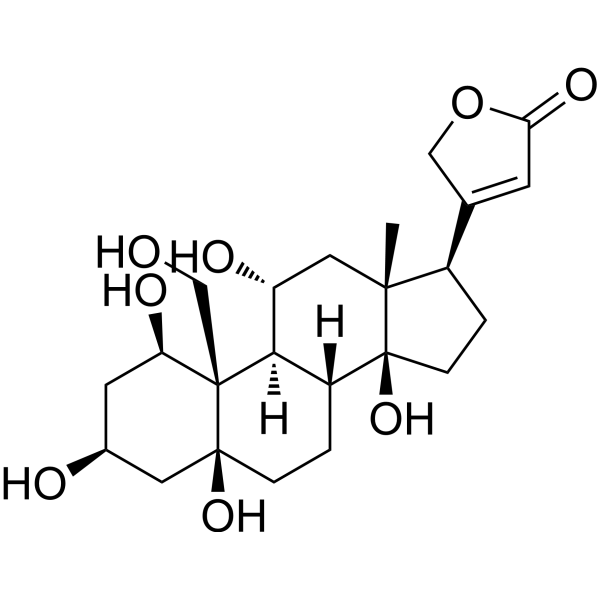
Ouabagenin is a naturally occurring LXR ligand with LXR selective agonist activity. Ouabagenin acts as an EC 3.6.3.9 (Na(+)/K(+)- transport ATPase) inhibitor .
|
-
-
- HY-149458
-
|
|
Epigenetic Reader Domain
|
Cancer
|
|
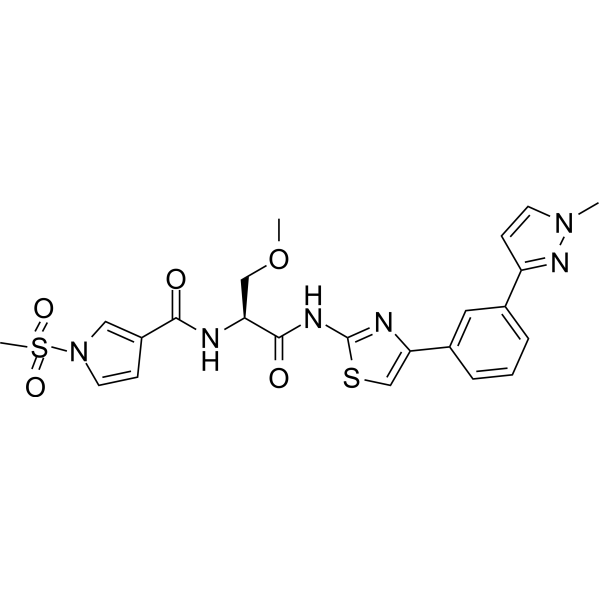
FHT-2344, a chemical probe, is a SMARCA4/SMARCA2 ATPase inhibitor with IC50 values of 0.026 μM and 0.013 μM, respectively. FHT-2344 has anticancer activity .
|
-
-
- HY-DY1021
-
|
|
Fluorescent Dye
|
Others
|
DiSC3 (5) (solution) is a fluorescent probe commonly used as a tracer dye to evaluate mitochondrial membrane potential. The excitation/emission wavelength of DiSC3 (5) is up to 622/670 nm. DiSC3 (5) can inhibit the respiratory system associated with mitochondrial NAD, and the IC50 value is 8 μM. DiSC3 (5) in the presence of Na +/K +-ATPase inhibitor ouabain 2 can induce membrane hyperpolarization of Ehrlich ascites tumor cells .
Solvent and concentration: DMSO: 1 mM
The 1 mL volume is defined as the base specification. All larger sizes correspond to incremental volumes of this base.
|
-

-
- HY-B0113R
-
|
H 16868 (Standard)
|
Reference Standards
Na+/K+ ATPase
Interleukin Related
Proton Pump
Cytochrome P450
Bacterial
Apoptosis
Autophagy
TNF Receptor
Atg8/LC3
|
Infection
Metabolic Disease
Cancer
|
|
Omeprazole (Standard) is the analytical standard of Omeprazole. This product is intended for research and analytical applications. Omeprazole (H 16868) is an orally active H +,K +-ATPase inhibitor and a proton pump inhibitor. Omeprazole competitively inhibits CYP2C19, CYP3A4, and CYP2C9 activity. Omeprazole inhibits gastric acid secretion and can be used for acid-related gastrointestinal disorders. Omeprazole inhibits pancreatic cancer cell proliferation, induces apoptosis, autophagosome accumulation (elevated LC3-I and LC3-II levels), oxidative stress, and cytogenetic imbalance, modulates lysosomal transport, reduces inflammatory cytokines. Omeprazole alters small intestinal morphology and magnesium absorption, and induces gastric mucosa morphologic changes. Omeprazole aslo has neuroprotective and antibacterial effects .
|
-

-
- HY-B0113S
-
|
H 16868-d3
|
Na+/K+ ATPase
Interleukin Related
Proton Pump
Cytochrome P450
Bacterial
Apoptosis
Autophagy
TNF Receptor
Atg8/LC3
|
Infection
Metabolic Disease
Cancer
|
|
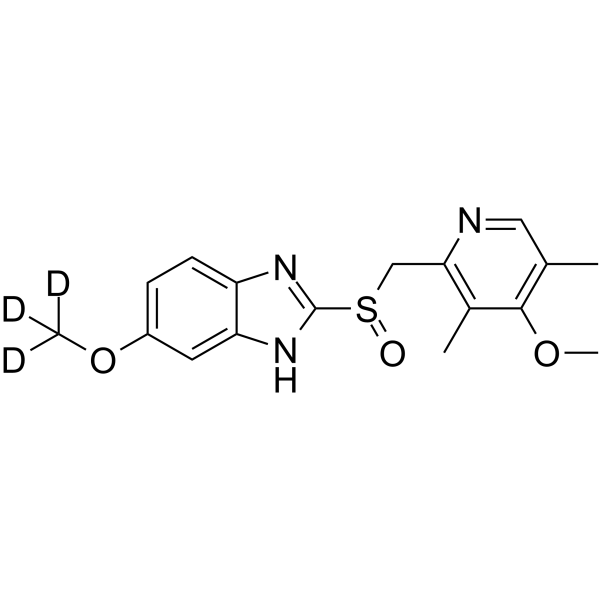
Omeprazole-d3 (H 16868-d3) is deuterium labeled Omeprazole. Omeprazole (H 16868) is an orally active H +,K +-ATPase inhibitor and a proton pump inhibitor. Omeprazole competitively inhibits CYP2C19, CYP3A4, and CYP2C9 activity. Omeprazole inhibits gastric acid secretion and can be used for acid-related gastrointestinal disorders. Omeprazole inhibits pancreatic cancer cell proliferation, induces apoptosis, autophagosome accumulation (elevated LC3-I and LC3-II levels), oxidative stress, and cytogenetic imbalance, modulates lysosomal transport, reduces inflammatory cytokines. Omeprazole alters small intestinal morphology and magnesium absorption, and induces gastric mucosa morphologic changes. Omeprazole aslo has neuroprotective and antibacterial effects .
|
-
-
- HY-19797
-
|
|
p97
|
Cancer
|
|
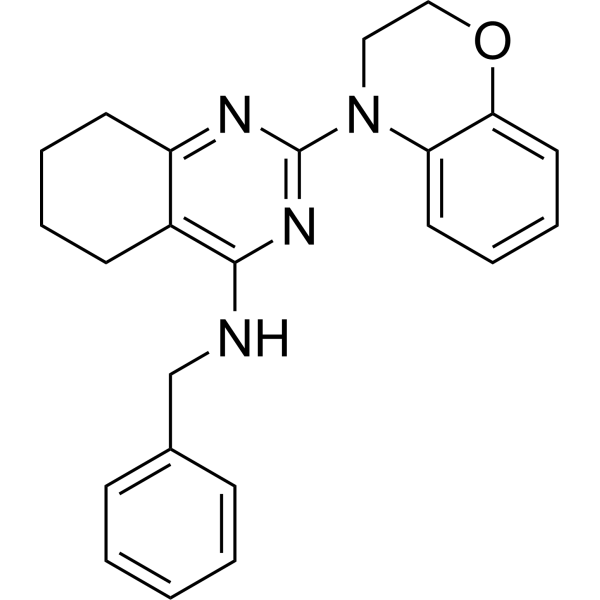
ML241 is a potent, selective and competitive p97 ATPase inhibitor with an IC50 of 0.11 μM. ML241 can be used for the research of cancer .
|
-
-
- HY-148041
-
|
|
ATP Synthase
|
Others
|
|
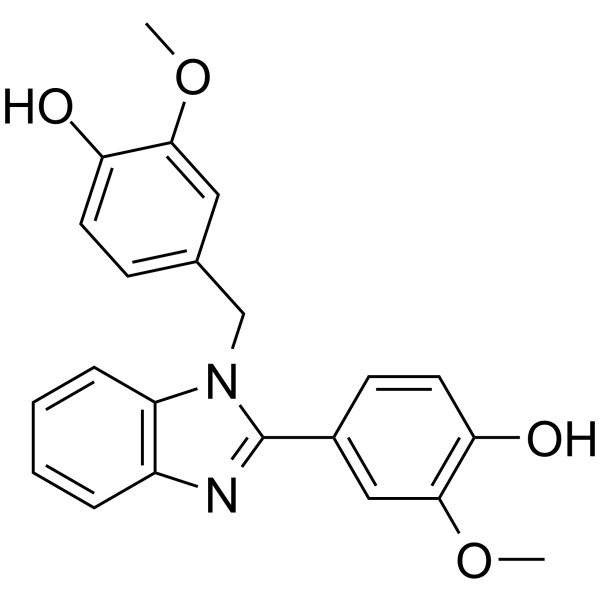
ATPase-IN-2 is an ATPase inhibitor with an IC50 value of 0.9 μM. ATPase-IN-2 inhibits C. difficile toxin B (TcdB) glycohydrolase activity with an AC50 value of 30.91 μM. ATPase-IN-2 can be used for the research of ATP-related .
|
-
-
- HY-W317853
-
|
|
Proton Pump
|
Others
|
|
Protonstatin-1 is a selective plasma membrane (PM) H +-ATPase inhibitor (IC50 of 3.9 μM) that inhibits auxin transport. Protonstatin-1 interacts with the PM H +-ATPase central loop and may thus impede the functions of the N- and/or P-domain to inhibit the pump activity .
|
-

-
- HY-P10655
-
|
|
Proton Pump
Calcium Channel
|
Cardiovascular Disease
|
|
Caloxin 1C2 is a specific PMCA (plasma-membrane Ca 2+-ATPases) inhibitor. Caloxin 1C2 is selective for PMCA4 over PMCA1, 2 and 3. The Ki values of Caloxin 1C2 are 2.3 μM for PMCA4 and 21 μM for PMCA1. Caloxin 1C2 dose not cause any significant effects on total Ca 2+ transfer. Caloxin 1C2 affects coronary contractility .
|
-

-
- HY-109546
-
|
|
Na+/K+ ATPase
Interleukin Related
Proton Pump
Cytochrome P450
Bacterial
Apoptosis
Autophagy
TNF Receptor
Atg8/LC3
|
Infection
Metabolic Disease
Cancer
|
|
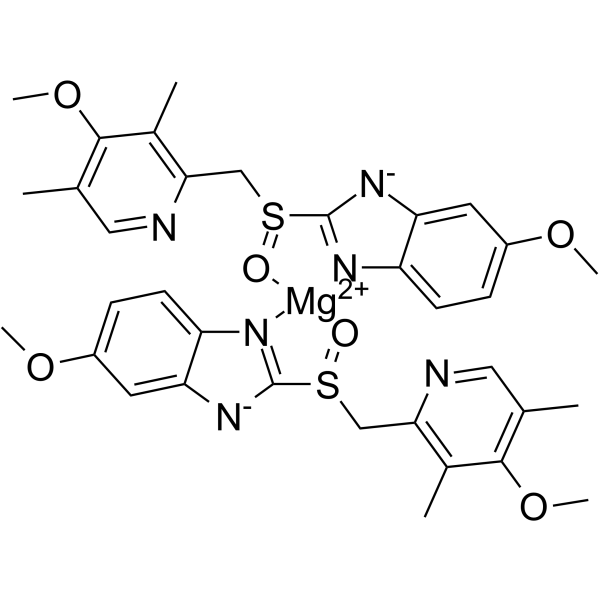
Omeprazole (H 16868) magnesium is an orally active H +,K +-ATPase inhibitor and a proton pump inhibitor. Omeprazole magnesium competitively inhibits CYP2C19, CYP3A4, and CYP2C9 activity. Omeprazole magnesium inhibits gastric acid secretion and can be used for acid-related gastrointestinal disorders. Omeprazole magnesium inhibits pancreatic cancer cell proliferation, induces apoptosis, autophagosome accumulation (elevated LC3-I and LC3-II levels), oxidative stress, and cytogenetic imbalance, modulates lysosomal transport, reduces inflammatory cytokines. Omeprazole magnesium alters small intestinal morphology and magnesium absorption, and induces gastric mucosa morphologic changes. Omeprazole magnesium aslo has neuroprotective and antibacterial effects .
|
-
-
- HY-B0113S3
-
|
H 16868-13C,d3
|
Isotope-Labeled Compounds
Na+/K+ ATPase
Interleukin Related
Proton Pump
Cytochrome P450
Bacterial
Apoptosis
Autophagy
TNF Receptor
Atg8/LC3
|
Infection
Metabolic Disease
Cancer
|
|
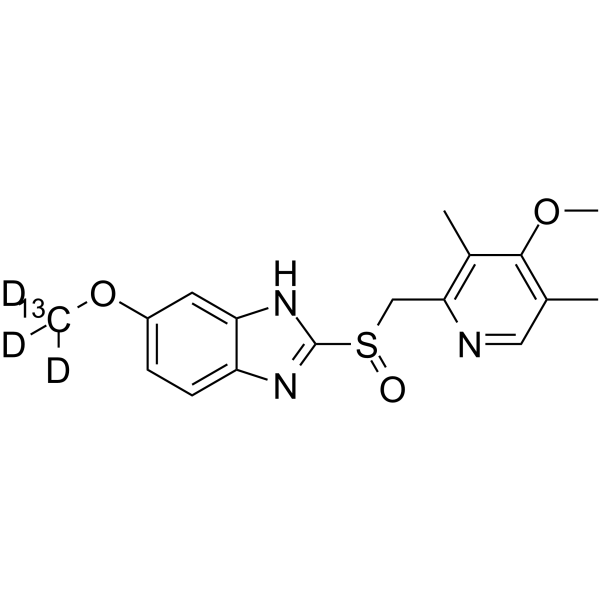
Omeprazole- 13C,d3 is a 13C-labeled and deuterium labeled Omeprazole. Omeprazole (H 16868) is an orally active H +,K +-ATPase inhibitor and a proton pump inhibitor. Omeprazole competitively inhibits CYP2C19, CYP3A4, and CYP2C9 activity. Omeprazole inhibits gastric acid secretion and can be used for acid-related gastrointestinal disorders. Omeprazole inhibits pancreatic cancer cell proliferation, induces apoptosis, autophagosome accumulation (elevated LC3-I and LC3-II levels), oxidative stress, and cytogenetic imbalance, modulates lysosomal transport, reduces inflammatory cytokines. Omeprazole alters small intestinal morphology and magnesium absorption, and induces gastric mucosa morphologic changes. Omeprazole aslo has neuroprotective and antibacterial effects .
|
-
-
- HY-123370
-
|
|
Proton Pump
|
Metabolic Disease
Cancer
|
|
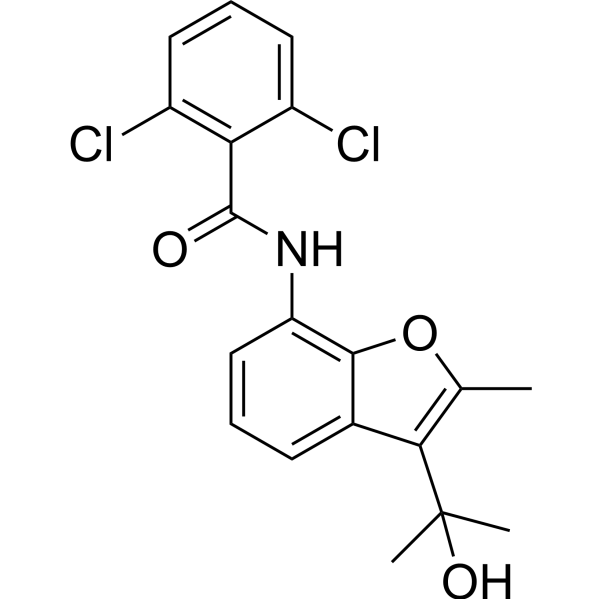
FR-167356 is a potent, orally active and selective vacuolar ATPase inhibitor with IC50 values of 170, 220, 370, and 1200 nM for osteoclast plasma membranes, macrophage microsomes, renal brush border membranes, and liver lysosomal membranes, respectively. FR-167356 inhibits bone resorption and ovariectomy-induced bone loss .
|
-
-
- HY-162935
-
|
|
Proton Pump
|
Others
|
|
V-ATPase-IN-1 (Compound 3b-03) is a Vacuolar-type H +-ATPases (V-ATPase) inhibitor (IC50 = 194.80 μM) that can effectively target the V-ATPase subunit A (Kd = 0.803 μM). V-ATPase-IN-1 exhibits insecticidal activity against M. separata (LC50 = 2.64 mM) and contributes to research in the development of chemical insecticides .
|
-

-
- HY-17507AR
-
|
BY1023 sodium (Standard); SKF96022 sodium (Standard)
|
Reference Standards
Proton Pump
Autophagy
Apoptosis
Bacterial
|
Inflammation/Immunology
Cancer
|
|
Pantoprazole (sodium) (Standard) is the analytical standard of Pantoprazole (sodium). This product is intended for research and analytical applications. Pantoprazole sodium (BY10232 sodium) is an orally active and potent proton pump inhibitor (PPI) . Pantoprazole sodium, a substituted benzimidazole, is a potent H +/K +-ATPase inhibitor with an IC50 of 6.8 μM. Pantoprazole sodium improves pH stability and has anti-secretory, anti-ulcer activities. Pantoprazole sodium significantly increased tumor growth delay combined with Doxorubicin (HY-15142) .
|
-
-
- HY-103702
-
|
|
Proton Pump
DNA/RNA Synthesis
Apoptosis
|
Inflammation/Immunology
Cancer
|
|
TIP48/49-IN-1 is an orally active, specific RUVBL1/2 (TIP48/49) ATPase inhibitor with an IC50 of 59 nM against purified RUVBL1/2. TIP48/49-IN-1 inhibits the DNA replication process, leading to S-phase arrest. TIP48/49-IN-1 induces apoptosis. TIP48/49-IN-1 can be used for the research of non-small cell lung cancer (NSCLC) cells .
|
-

-
- HY-B0137A
-
-
-
- HY-101646
-
|
HOE-731
|
Proton Pump
|
Inflammation/Immunology
|
|
Saviprazole (HOE-731) is a H +,K +-ATPase inhibitor. Saviprazole inhibits gastric acid secretion. Saviprazole inhibits histamine- and dbcAMP-stimulated [ 14C]aminopyrine uptake, dbcAMP-induced oxygen consumption. Saviprazole can be used in research related to gastrointestinal diseases, such as gastric ulcers and acid reflux .
|
-

-
- HY-U00222
-
-
-
- HY-176850
-
|
|
Myosin
|
Cardiovascular Disease
|
|
Myosin-IN-2 (Example 16) is a Myosin ATPase inhibitor with a IC50 of 1.06 μM. Myosin-IN-2 can be used for heart diseases like hypertrophic cardiomyopathy (HCM) research .
|
-

-
- HY-125714
-
-

-
- HY-16589R
-
|
MCH 32 (Standard)
|
Reference Standards
ATP Synthase
Fungal
Antibiotic
|
Infection
Cancer
|
|
Oligomycin A (Standard) is the analytical standard of Oligomycin A. This product is intended for research and analytical applications. Oligomycin A (MCH 32), created by Streptomyces, acts as a mitochondrial F0F1-ATPase inhibitor, with a Ki of 1 μM; Oligomycin A shows anti-fungal activity.
|
-

-
- HY-W008614S
-
|
AG-1813-d4
|
Isotope-Labeled Compounds
Proton Pump
Drug Metabolite
|
Inflammation/Immunology
|
|
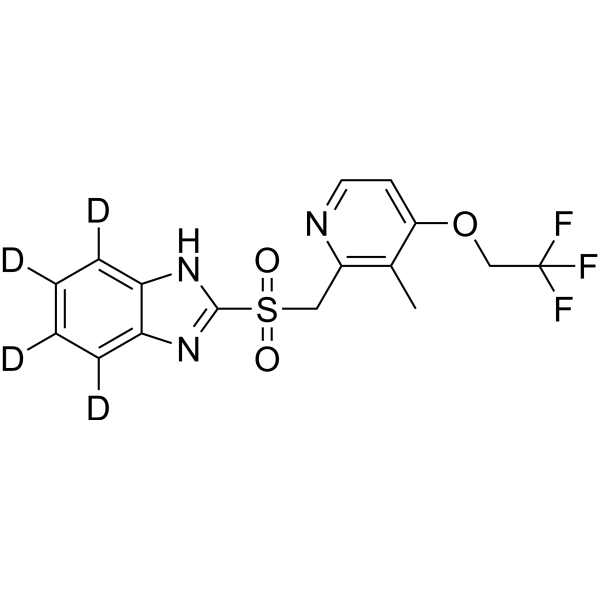
Lansoprazole sulfone (AG-1813)-d4 is the deuterium labeled Lansoprazole sulfone (HY-W008614). Lansoprazole sulfone, Lansoprazole (HY-13662) metabolite, is a H +, K +-ATPase inhibitor. Lansoprazole sulfone has potential applications in duodenal ulcer, gastric ulcer, gastroesophageal reflux disease and Zolinger Ellison disease .
|
-
-
- HY-124742
-
|
|
Na+/K+ ATPase
|
Others
|
|
AR-HO47108 is an orally active reversible Na+/K+ ATPase inhibitor. AR-HO47108 reversibly blocks the final step of gastric acid secretion by competitively binding to the potassium ion binding site of the Na+/K+ ATPase in the gastric wall cells. AR-HO47108 can be used for research on diseases related to excessive gastric acid secretion, such as peptic ulcers .
|
-

-
- HY-17507S
-
|
BY1023-d6; SKF96022-d6
|
Isotope-Labeled Compounds
Proton Pump
Autophagy
Apoptosis
|
Inflammation/Immunology
Cancer
|
|
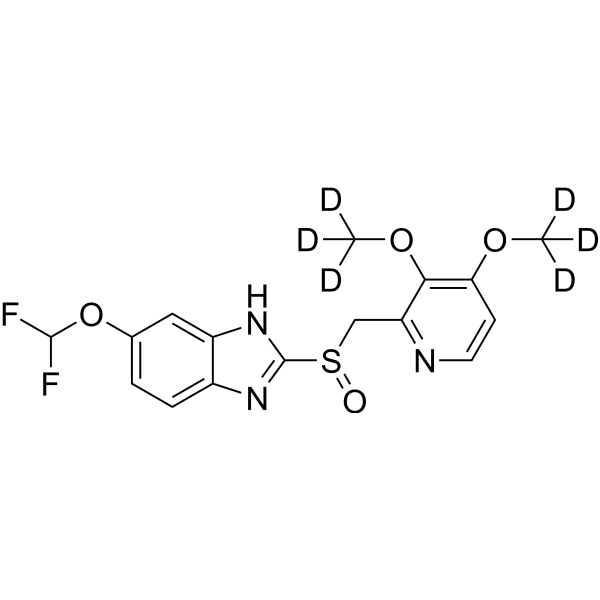
Pantoprazole-d6 is deuterium labeled Pantoprazole. Pantoprazole (BY10232) is an orally active and potent proton pump inhibitor (PPI) . Pantoprazole, a substituted benzimidazole, is a potent H+/K+-ATPase inhibitor with an IC50 of 6.8 μM. Pantoprazole improves pH stability and has anti-secretory, anti-ulcer activities. Pantoprazole significantly increased tumor growth delay combined with Doxorubicin (HY-15142) .
|
-
-
- HY-17507R
-
|
BY1023 (Standard); SKF96022 (Standard)
|
Reference Standards
Proton Pump
Autophagy
Apoptosis
Bacterial
|
Inflammation/Immunology
Cancer
|
|
Pantoprazole (Standard) is the analytical standard of Pantoprazole. This product is intended for research and analytical applications. Pantoprazole (BY10232) is an orally active and potent proton pump inhibitor (PPI) . Pantoprazole, a substituted benzimidazole, is a potent H +/K +-ATPase inhibitor with an IC50 of 6.8 μM. Pantoprazole improves pH stability and has anti-secretory, anti-ulcer activities. Pantoprazole significantly increased tumor growth delay combined with Doxorubicin (HY-15142) .
|
-

-
- HY-17507BR
-
|
BY1023 sodium hydrate (Standard); SKF96022 sodium hydrate (Standard)
|
Reference Standards
Proton Pump
Autophagy
Apoptosis
Bacterial
|
Inflammation/Immunology
Cancer
|
|
Pantoprazole (sodium hydrate) (Standard) is the analytical standard of Pantoprazole (sodium hydrate). This product is intended for research and analytical applications. Pantoprazole sodium hydrate (BY10232 sodium hydrate) is an orally active and potent proton pump inhibitor (PPI) . Pantoprazole sodium hydrate, a substituted benzimidazole, is a potent H+/K+-ATPase inhibitor with an IC50 of 6.8 μM. Pantoprazole sodium hydrate improves pH stability and has anti-secretory, anti-ulcer activities. Pantoprazole sodium hydrate significantly increased tumor growth delay combined with Doxorubicin (HY-15142) .
|
-

-
- HY-B0137B
-
-
-
- HY-N9456
-
|
|
Na+/K+ ATPase
|
Others
|
|
14-Anhydrodigitoxigenin is a cardenolides that can be isolated from the leaves of Acokanthera oblongifolia. 14-Anhydrodigitoxigenin is a Na +/K +-ATPase inhibitor .
|
-

-
- HY-B0137AS
-
-
- HY-124158
-
|
|
Proton Pump
|
Metabolic Disease
|
|
KR-60436 is a reversible H +/K +-ATPase inhibitor. KR-60436 can potently inhibit the metabolism of CYP1A2 substrates .
|
-

- HY-123184
-
-

- HY-B0137R
-
|
|
Reference Standards
Na+/K+ ATPase
|
Neurological Disease
|
|
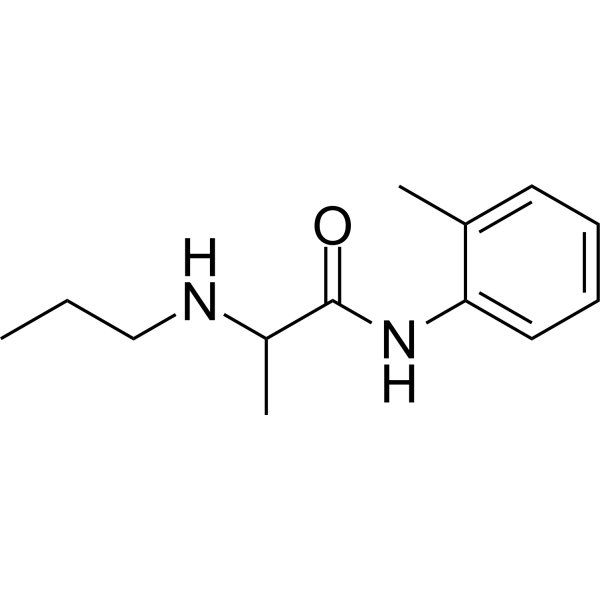
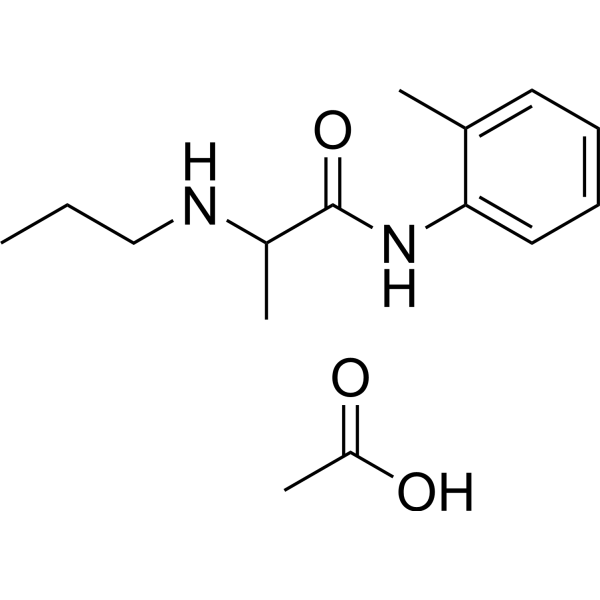
Prilocaine (Standard) is the analytical standard of Prilocaine. This product is intended for research and analytical applications. Prilocaine, an amino amide, is a Na/K-ATPase inhibitor. Prilocaine has neurotoxic effects .
|
-

- HY-B0137AR
-
|
|
Reference Standards
Na+/K+ ATPase
|
Neurological Disease
|
|
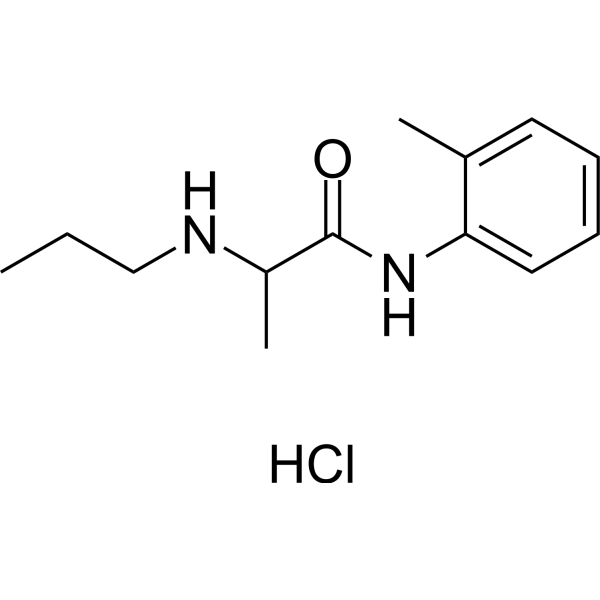
Prilocaine (hydrochloride) (Standard) is the analytical standard of Prilocaine (hydrochloride). This product is intended for research and analytical applications. Prilocaine hydrochloride, an amino amide, is a Na/K-ATPase inhibitor. Prilocaine has neurotoxic effects .
|
-

- HY-100801R
-
|
|
EAAT
Reference Standards
|
Neurological Disease
|
|
Prilocaine (hydrochloride) (Standard) is the analytical standard of Prilocaine (hydrochloride). This product is intended for research and analytical applications. Prilocaine hydrochloride, an amino amide, is a Na/K-ATPase inhibitor. Prilocaine has neurotoxic effects .
|
-

- HY-N12413
-
|
|
Proton Pump
|
Others
|
|
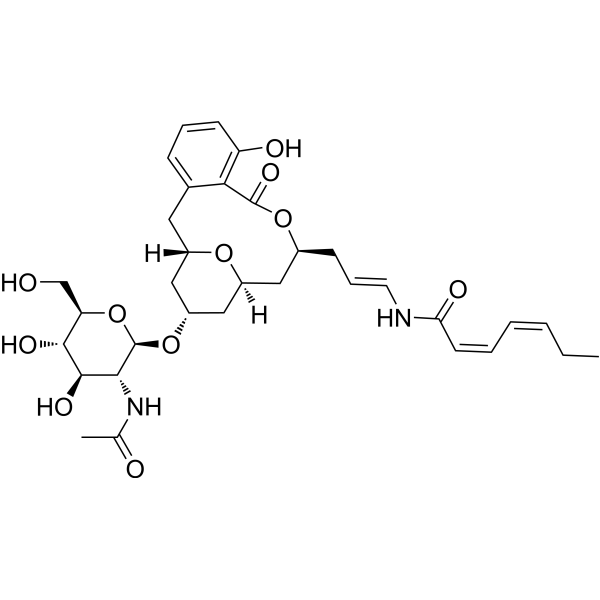
Apicularen B is a V-ATPase inhibitor and cytotoxic macrolide that can be obtained from the myxobacterium Archangium gephyra. Apicularen B can be used in the study of V-ATPase-related diseases, such as osteopetrosis .
|
-
- HY-W704786
-
-

- HY-161254
-
|
|
Apoptosis
MDM-2/p53
|
Inflammation/Immunology
Cancer
|
|
ATPase-IN-3 (compound 6) is a ATPase inhibitor. ATPase-IN-3 has Gastroprotective effect in ethanol-induced gastric ulcers by contribution of anti-apoptotic (BCL-2) and tumor suppressor (P53) proteins .
|
-
- HY-N10097
-
|
|
Na+/K+ ATPase
Bacterial
|
Infection
|
|
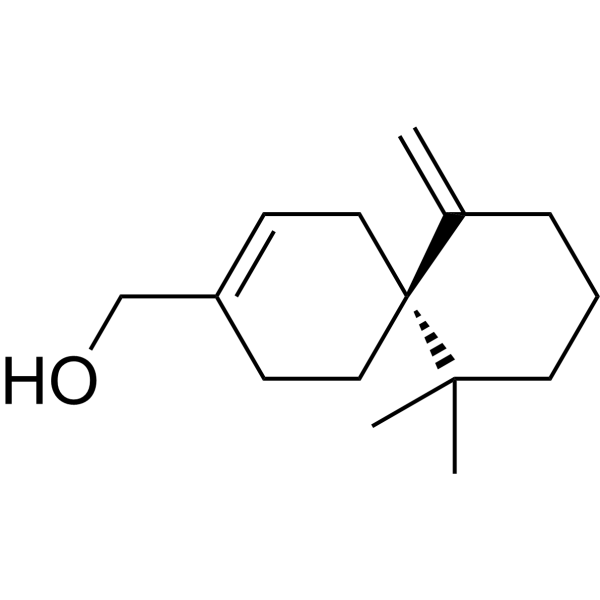
Chamigrenol is a Na +/K +-ATPase inhibitor with an IC50 value of 15.9 μg/mL. Chamigrenol shows strong inhibitory activities against Gram-positive and Gram-negative bacteria except Escherichia coli, with MIC values of 50 µg/mL .
|
-
- HY-141442
-
|
|
Bacterial
Antibiotic
|
Infection
|
|
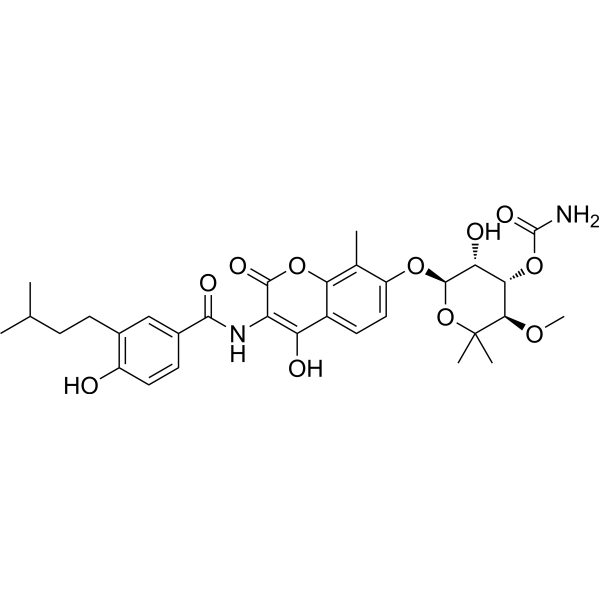
Dihydronovobiocin is a bacterial inhibitor and ATPase inhibitor that can bind to GyrB. Dihydronovobiocin can be used to study the interaction between coumarin antibiotics (such as Novobiocin, Chlorobiocin, and Coumermycin) and DNA gyrase. Dihydronovobiocin also has the potential to study bacterial infections .
|
-
- HY-174258
-
|
|
Proton Pump
HIV
SARS-CoV
|
Infection
|
|
ATPase-IN-6 is a H +/K +- ATPase inhibitor and a prazole derivative. ATPase-IN-6 has significant antiviral activity against multiple viruses, such as HIV-1 and SARS-COV2. ATPase-IN-6 can be used for antiviral infections research .
|
-

- HY-136933R
-
|
|
Reference Standards
Na+/K+ ATPase
|
Cardiovascular Disease
|
|
Gitoxin (Standard) is the analytical standard of Gitoxin. This product is intended for research and analytical applications. Gitoxin, a Na+/K+-ATPase inhibitor, usually appears as a result of metabolic degradation of Digitoxin, is just the hydroxyl (ZOH) group close to the C-17β position, which changes the pharmacokinetics and pharmacodynamics of these substances considerably .
|
-

- HY-N0877R
-
|
|
Reference Standards
Na+/K+ ATPase
|
Cancer
|
|
Bufalin (Standard) is the analytical standard of Bufalin. This product is intended for research and analytical applications. Bufalin is an active component isolated from Chan Su, acts as a potent Na+/K+-ATPase inhibitor, binds to the subunit α1, α2 and α3, with Kd of 42.5, 45 and 40 nM, respectively . Anti-cancer activity .
|
-

- HY-W008614S1
-
|
AG-1813-13C6
|
Isotope-Labeled Compounds
Proton Pump
Drug Metabolite
|
Inflammation/Immunology
|
|
Lansoprazole sulfone (AG-1813)- 13C6 is 13C labeled Lansoprazole sulfone (HY-W008614). Lansoprazole sulfone, Lansoprazole (HY-13662) metabolite, is a H +, K +-ATPase inhibitor. Lansoprazole sulfone has potential applications in duodenal ulcer, gastric ulcer, gastroesophageal reflux disease and Zolinger Ellison disease .
|
-

- HY-N13080
-
|
|
Others
|
Cancer
|
|
3-Oxo-bufalin is an active compound that can be isolated from cultured toad liver tissue. 3-Oxo-bufalin can be produced through a metabolic pathway, and it is a metabolite of Bufalin (HY-N0877) catalyzed by the stereoselective 3β-dehydrogenase. Bufalin is a Na+/K+-ATPase inhibitor and has anti-tumor activity .
|
-

- HY-W008614R
-
|
AG-1813 (Standard)
|
Drug Metabolite
Reference Standards
Proton Pump
|
Inflammation/Immunology
|
|
Lansoprazole sulfone (AG-1813) (Standard) is the analytical standard of Lansoprazole sulfone (HY-W008614). This product is intended for research and analytical applications. Lansoprazole sulfone, Lansoprazole (HY-13662) metabolite, is a H +, K +-ATPase inhibitor. Lansoprazole sulfone has potential applications in duodenal ulcer, gastric ulcer, gastroesophageal reflux disease and Zolinger Ellison disease .
|
-

- HY-17507S1
-
|
BY1023-d3; SKF96022-d3
|
Isotope-Labeled Compounds
Proton Pump
Autophagy
Apoptosis
|
Inflammation/Immunology
Cancer
|
|
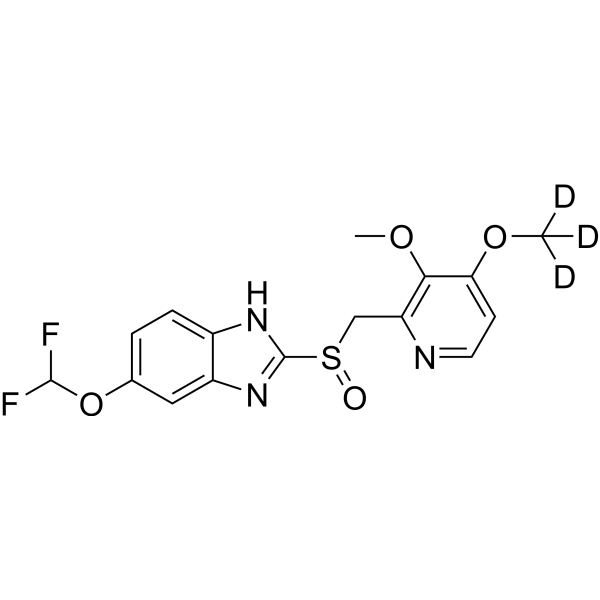
Pantoprazole-d3 is deuterium labeled Pantoprazole. Pantoprazole (BY10232) is an orally active and potent proton pump inhibitor (PPI) . Pantoprazole, a substituted benzimidazole, is a potent H+/K+-ATPase inhibitor with an IC50 of 6.8 μM. Pantoprazole improves pH stability and has anti-secretory, anti-ulcer activities. Pantoprazole significantly increased tumor growth delay combined with Doxorubicin (HY-15142) .
|
-
- HY-W739793
-
|
BY1023-d8 sodium; SKF96022-d8 sodium
|
Isotope-Labeled Compounds
Proton Pump
Autophagy
Apoptosis
Bacterial
|
Inflammation/Immunology
Cancer
|
|
Pantoprazole-d8 (BY1023-d8) sodium is a deuterium labeled Pantoprazole (HY-17507). Pantoprazole (BY10232) is an orally active and potent proton pump inhibitor (PPI) . Pantoprazole, a substituted benzimidazole, is a potent H +/K +-ATPase inhibitor with an IC50 of 6.8 μM. Pantoprazole improves pH stability and has anti-secretory, anti-ulcer activities. Pantoprazole significantly increased tumor growth delay combined with Doxorubicin (HY-15142) .
|
-

- HY-162264
-
|
|
Microtubule/Tubulin
Proton Pump
Apoptosis
|
Inflammation/Immunology
Cancer
|
|
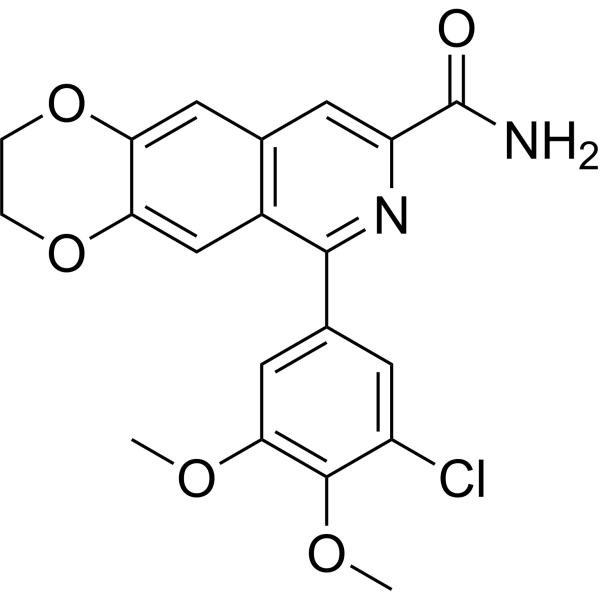
Tubulin polymerization/V-ATPase-IN-1 (compound F10) is a Tubulin polymerization/V-ATPase inhibitor. Tubulin polymerization/V-ATPase-IN-1 shows robust antiproliferation activity against four human cancer cell lines, and exerts antiproliferative activity by inhibiting tubulin and V-ATPase. Tubulin polymerization/V-ATPase-IN-1 induces immunogenic cell death in addition to apoptosis, and inhibits tumor growth in an RM-1 homograft model with enhanced T lymphocyte infiltration .
|
-
- HY-17507S4
-
|
BY1023-d4; SKF96022-d4
|
Isotope-Labeled Compounds
|
Inflammation/Immunology
Cancer
|
|
Pantoprazole-d4 (BY1023-d4) is deuterium labeled Pantoprazole. Pantoprazole (BY10232) is an orally active and potent proton pump inhibitor (PPI) . Pantoprazole, a substituted benzimidazole, is a potent H +/K +-ATPase inhibitor with an IC50 of 6.8 μM. Pantoprazole improves pH stability and has anti-secretory, anti-ulcer activities. Pantoprazole significantly increased tumor growth delay combined with Doxorubicin (HY-15142) .
|
-

- HY-17507S2
-
|
BY1023-d8; SKF96022-d8
|
Isotope-Labeled Compounds
Bacterial
Autophagy
Apoptosis
Proton Pump
|
Inflammation/Immunology
Cancer
|
|
Pantoprazole-d8 (BY1023-d8) is deuterium labeled Pantoprazole. Pantoprazole (BY10232) is an orally active and potent proton pump inhibitor (PPI) . Pantoprazole, a substituted benzimidazole, is a potent H +/K +-ATPase inhibitor with an IC50 of 6.8 μM. Pantoprazole improves pH stability and has anti-secretory, anti-ulcer activities. Pantoprazole significantly increased tumor growth delay combined with Doxorubicin (HY-15142) .
|
-

- HY-B0113AR
-
|
H 16868 sodium (Standard)
|
Reference Standards
Na+/K+ ATPase
Interleukin Related
Proton Pump
Cytochrome P450
Bacterial
Apoptosis
Autophagy
TNF Receptor
Atg8/LC3
|
Infection
Metabolic Disease
Cancer
|
|
Omeprazole (sodium) (Standard) is the analytical standard of Omeprazole (sodium). This product is intended for research and analytical applications. Omeprazole sodium (H 16868) is an orally active H +,K +-ATPase inhibitor and a proton pump inhibitor. Omeprazole sodium competitively inhibits CYP2C19, CYP3A4, and CYP2C9 activity. Omeprazole sodium inhibits gastric acid secretion and can be used for acid-related gastrointestinal disorders. Omeprazole sodium inhibits pancreatic cancer cell proliferation, induces apoptosis, autophagosome accumulation (elevated LC3-I and LC3-II levels), oxidative stress, and cytogenetic imbalance, modulates lysosomal transport, reduces inflammatory cytokines. Omeprazole sodium alters small intestinal morphology and magnesium absorption, and induces gastric mucosa morphologic changes. Omeprazole sodium aslo has neuroprotective and antibacterial effects .
|
-

- HY-B0113S4
-
|
H 16868-d3 sodium
|
Isotope-Labeled Compounds
Na+/K+ ATPase
Interleukin Related
Proton Pump
Cytochrome P450
Bacterial
Apoptosis
Autophagy
TNF Receptor
Atg8/LC3
|
Infection
Metabolic Disease
Cancer
|
|
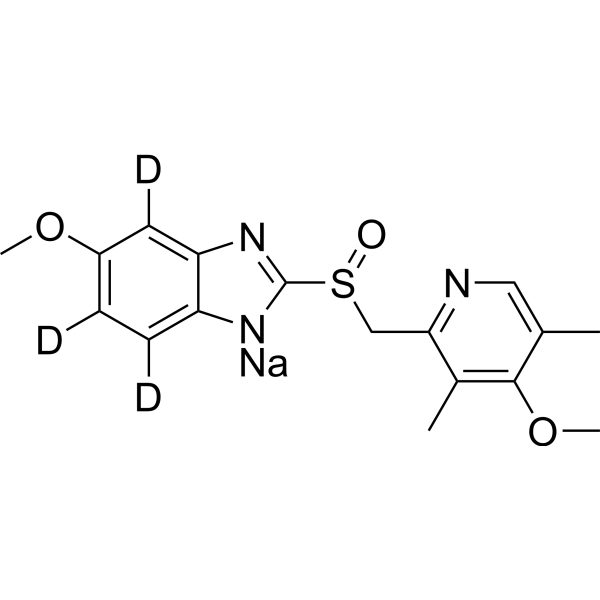
Omeprazole-d3 sodium is deuterated labeled Omeprazole (HY-B0113). Omeprazole sodium (H 16868) is an orally active H +,K +-ATPase inhibitor and a proton pump inhibitor. Omeprazole sodium competitively inhibits CYP2C19, CYP3A4, and CYP2C9 activity. Omeprazole sodium inhibits gastric acid secretion and can be used for acid-related gastrointestinal disorders. Omeprazole sodium inhibits pancreatic cancer cell proliferation, induces apoptosis, autophagosome accumulation (elevated LC3-I and LC3-II levels), oxidative stress, and cytogenetic imbalance, modulates lysosomal transport, reduces inflammatory cytokines. Omeprazole sodium alters small intestinal morphology and magnesium absorption, and induces gastric mucosa morphologic changes. Omeprazole sodium aslo has neuroprotective and antibacterial effects .
|
-
- HY-B0113S2
-
|
Omeprazole sulphone (methoxy-d3)
|
Isotope-Labeled Compounds
Na+/K+ ATPase
Interleukin Related
Proton Pump
Cytochrome P450
Bacterial
Apoptosis
Autophagy
TNF Receptor
Atg8/LC3
|
Infection
Cancer
|
|
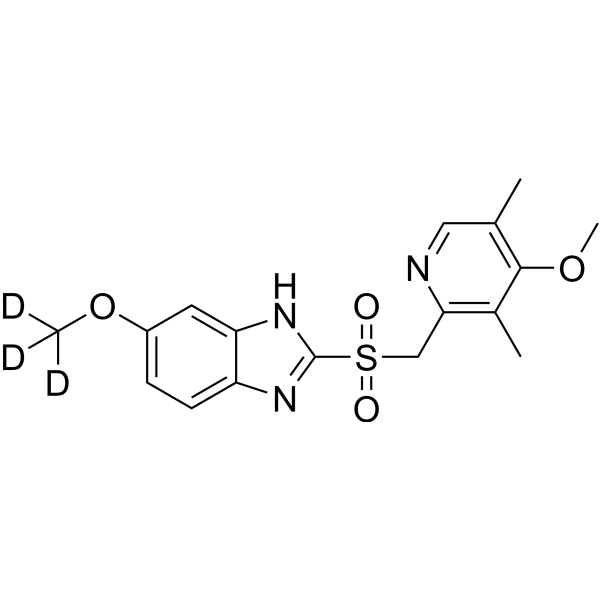
Omeprazole sulfone (methoxy-d3) is the deuterium labeled Omeprazole sulfone. Omeprazole sulfone (H 16868) is an orally active H +,K +-ATPase inhibitor and a proton pump inhibitor. Omeprazole sulfone competitively inhibits CYP2C19, CYP3A4, and CYP2C9 activity. Omeprazole sulfone inhibits gastric acid secretion and can be used for acid-related gastrointestinal disorders. Omeprazole sulfone inhibits pancreatic cancer cell proliferation, induces apoptosis, autophagosome accumulation (elevated LC3-I and LC3-II levels), oxidative stress, and cytogenetic imbalance, modulates lysosomal transport, reduces inflammatory cytokines. Omeprazole sulfone alters small intestinal morphology and magnesium absorption, and induces gastric mucosa morphologic changes. Omeprazole sulfone aslo has neuroprotective and antibacterial effects .
|
-
- HY-B0113S5
-
|
H 16868-d6
|
Isotope-Labeled Compounds
Na+/K+ ATPase
Interleukin Related
Proton Pump
Cytochrome P450
Bacterial
Apoptosis
Autophagy
TNF Receptor
Atg8/LC3
|
Infection
Metabolic Disease
Cancer
|
|
Omeprazole-d6 (H 16868-d6) is deuterium labeled Omeprazole. Omeprazole (H 16868) is an orally active H +,K +-ATPase inhibitor and a proton pump inhibitor. Omeprazole competitively inhibits CYP2C19, CYP3A4, and CYP2C9 activity. Omeprazole inhibits gastric acid secretion and can be used for acid-related gastrointestinal disorders. Omeprazole inhibits pancreatic cancer cell proliferation, induces apoptosis, autophagosome accumulation (elevated LC3-I and LC3-II levels), oxidative stress, and cytogenetic imbalance, modulates lysosomal transport, reduces inflammatory cytokines. Omeprazole alters small intestinal morphology and magnesium absorption, and induces gastric mucosa morphologic changes. Omeprazole aslo has neuroprotective and antibacterial effects .
|
-

- HY-B0113S1
-
|
H 16868-d3-1
|
Na+/K+ ATPase
Interleukin Related
Proton Pump
Cytochrome P450
Bacterial
Apoptosis
Autophagy
TNF Receptor
Atg8/LC3
|
Infection
Metabolic Disease
Cancer
|
|
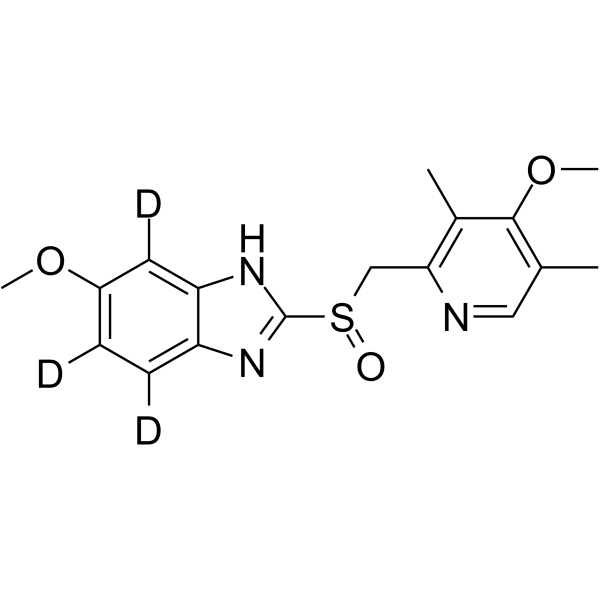
Omeprazole-d3-1 is the deuterium labeled Omeprazole. Omeprazole-1 (H 16868) is an orally active H +,K +-ATPase inhibitor and a proton pump inhibitor. Omeprazole-1 competitively inhibits CYP2C19, CYP3A4, and CYP2C9 activity. Omeprazole-1 inhibits gastric acid secretion and can be used for acid-related gastrointestinal disorders. Omeprazole-1 inhibits pancreatic cancer cell proliferation, induces apoptosis, autophagosome accumulation (elevated LC3-I and LC3-II levels), oxidative stress, and cytogenetic imbalance, modulates lysosomal transport, reduces inflammatory cytokines. Omeprazole-1 alters small intestinal morphology and magnesium absorption, and induces gastric mucosa morphologic changes. Omeprazole-1 aslo has neuroprotective and antibacterial effects .
|
-
- HY-W983968
-
|
|
Na+/K+ ATPase
|
Inflammation/Immunology
|
|
ATPase-IN-7 (Example 1) is a H +/K +-ATPase inhibitor. ATPase-IN-7 is used in the research of gastrointestinal inflammatory diseases and gastric acid-related diseases .
|
-

- HY-165443
-
|
Nervocidine
|
Na+/K+ ATPase
|
Cardiovascular Disease
|
|
Cassaine (Nervocidine) is a Na +/K +-ATPase inhibitor. Cassaine stabilizes phosphorylated intermediates, slows spontaneous dephosphorylation and blocks potassium-stimulated dephosphorylation. Cassaine exhibits non-competitive inhibition with respect to K +, shows inhibition enhanced by Pi and antagonized by Na +. Cassaine induces positive inotropic effects in perfused hearts with faster inotropy offset. Cassaine can be used for research on cardiac arrhythmias .
|
-

- HY-147127
-
|
|
Bacterial
ATP Synthase
|
Infection
|
|
WEN05-03 is a EscN ATPase inhibitor. WEN05-03 blocks the active site of EscN ATPase and competitively inhibits its ATP hydrolysis activity. WEN05-03 completely blocks actin cluster formation, reduces actin pedestal formation, and decreases the toxicity of infected mammalian cells. WEN05-03 can be used in studies related to enteropathogenic E. coli (EPEC) infection .
|
-

- HY-183748
-
|
|
DNA/RNA Synthesis
PD-1/PD-L1
IKK
STAT
STING
|
Cancer
|
|
XL-20 is an orally active DNA polymerase θ (Polθ) ATPase inhibitor with an IC50 of 4.3 nM against human targets. XL-20 activates the cGAS-STING pathway. XL-20 upregulates the expression of PD-L1 in HR-deficient cancer cells. XL-20 acts synergistically with PARP inhibition in HR-deficient cancer cells and in vivo xenograft models. XL-20 can be used in studies related to HR-deficient cancers .
|
-

- HY-118460
-
|
VCP/p97-IN-PPA
|
p97
|
Cancer
|
|
ACJI-99C (VCP/p97-IN-PPA) is a selective covalent p97/VCP ATPase inhibitor with an IC50 value of 0.6 μM. ACJI-99C binds with p97 active site residues to block ATPase activity. ACJI-99C irreversibly blocks degradation of p97-dependent protein in cells. ACJI-99C inhibits proliferation of cancer cells, including p97 inhibitor-resistant lines. ACJI-99C can be used for the research of colorectal cancer .
|
-

- HY-W142456
-
|
N-Benzyl-L-pyroglutamic acid
|
Na+/K+ ATPase
|
Inflammation/Immunology
|
|
(S)-1-Benzyl-5-carboxy-2-pyrrolidinone (N-Benzyl-L-pyroglutamic acid) is an orally active H +/K +-ATPase inhibitor. (S)-1-Benzyl-5-carboxy-2-pyrrolidinone reduces free acidity and total acidity in gastric juice. (S)-1-Benzyl-5-carboxy-2-pyrrolidinone decreases ulcer formation in pylorus-ligated rats. (S)-1-Benzyl-5-carboxy-2-pyrrolidinone can be used for the research of peptic ulcers .
|
-

- HY-185075
-
|
LY4050784
|
SWI/SNF Complex
|
Cancer
|
|
FHD-909 (LY4050784) is an orally active and selective SMARCA2 (BRM) ATPase inhibitor. FHD-909 potently inhibits purified BRM ATPase with an IC50 of 0.0025 μM and exhibits 35.69-fold selectivity for BRM over purified SMARCA4 (BRG1) ATPase. FHD-909 induces synthetic lethality, suppresses cell proliferation, modulates target gene expression, and achieves remarkable tumor growth inhibition and regression in SMARCA4-mutant cancer cells and xenograft models. FHD-909 can be used for the research of SMARCA4/BRG1-mutant cancers, advanced solid tumors, and BAF complex-related disorders .
|
-

| Cat. No. |
Product Name |
Type |
-
- HY-D0085
-
|
|
Fluorescent Dyes
|
|
DiSC3(5) is a fluorescent probe commonly used as a tracer dye to evaluate mitochondrial membrane potential. The excitation/emission wavelength of DiSC3(5) is up to 622/670 nm. DiSC3(5) can inhibit the respiratory system associated with mitochondrial NAD, and the IC50 value is 8 μM. DiSC3(5) in the presence of Na +/K +-ATPase inhibitor ouabain 2 can induce membrane hyperpolarization of Ehrlich ascites tumor cells .
|
-
- HY-DY1021
-
|
|
Fluorescent Dyes
|
DiSC3 (5) (solution) is a fluorescent probe commonly used as a tracer dye to evaluate mitochondrial membrane potential. The excitation/emission wavelength of DiSC3 (5) is up to 622/670 nm. DiSC3 (5) can inhibit the respiratory system associated with mitochondrial NAD, and the IC50 value is 8 μM. DiSC3 (5) in the presence of Na +/K +-ATPase inhibitor ouabain 2 can induce membrane hyperpolarization of Ehrlich ascites tumor cells .
Solvent and concentration: DMSO: 1 mM
The 1 mL volume is defined as the base specification. All larger sizes correspond to incremental volumes of this base.
|
| Cat. No. |
Product Name |
Target |
Research Area |
-
- HY-P10655
-
|
|
Proton Pump
Calcium Channel
|
Cardiovascular Disease
|
|
Caloxin 1C2 is a specific PMCA (plasma-membrane Ca 2+-ATPases) inhibitor. Caloxin 1C2 is selective for PMCA4 over PMCA1, 2 and 3. The Ki values of Caloxin 1C2 are 2.3 μM for PMCA4 and 21 μM for PMCA1. Caloxin 1C2 dose not cause any significant effects on total Ca 2+ transfer. Caloxin 1C2 affects coronary contractility .
|
| Cat. No. |
Product Name |
Category |
Target |
Chemical Structure |
| Cat. No. |
Product Name |
Chemical Structure |
-
- HY-B0113S
-
1 Publications Verification
|
|
Omeprazole-d3 (H 16868-d3) is deuterium labeled Omeprazole. Omeprazole (H 16868) is an orally active H +,K +-ATPase inhibitor and a proton pump inhibitor. Omeprazole competitively inhibits CYP2C19, CYP3A4, and CYP2C9 activity. Omeprazole inhibits gastric acid secretion and can be used for acid-related gastrointestinal disorders. Omeprazole inhibits pancreatic cancer cell proliferation, induces apoptosis, autophagosome accumulation (elevated LC3-I and LC3-II levels), oxidative stress, and cytogenetic imbalance, modulates lysosomal transport, reduces inflammatory cytokines. Omeprazole alters small intestinal morphology and magnesium absorption, and induces gastric mucosa morphologic changes. Omeprazole aslo has neuroprotective and antibacterial effects .
|
-
-
- HY-B0113S3
-
|
|
|
Omeprazole- 13C,d3 is a 13C-labeled and deuterium labeled Omeprazole. Omeprazole (H 16868) is an orally active H +,K +-ATPase inhibitor and a proton pump inhibitor. Omeprazole competitively inhibits CYP2C19, CYP3A4, and CYP2C9 activity. Omeprazole inhibits gastric acid secretion and can be used for acid-related gastrointestinal disorders. Omeprazole inhibits pancreatic cancer cell proliferation, induces apoptosis, autophagosome accumulation (elevated LC3-I and LC3-II levels), oxidative stress, and cytogenetic imbalance, modulates lysosomal transport, reduces inflammatory cytokines. Omeprazole alters small intestinal morphology and magnesium absorption, and induces gastric mucosa morphologic changes. Omeprazole aslo has neuroprotective and antibacterial effects .
|
-
-
- HY-W008614S
-
|
|
|
Lansoprazole sulfone (AG-1813)-d4 is the deuterium labeled Lansoprazole sulfone (HY-W008614). Lansoprazole sulfone, Lansoprazole (HY-13662) metabolite, is a H +, K +-ATPase inhibitor. Lansoprazole sulfone has potential applications in duodenal ulcer, gastric ulcer, gastroesophageal reflux disease and Zolinger Ellison disease .
|
-
-
- HY-17507S
-
|
|
|
Pantoprazole-d6 is deuterium labeled Pantoprazole. Pantoprazole (BY10232) is an orally active and potent proton pump inhibitor (PPI) . Pantoprazole, a substituted benzimidazole, is a potent H+/K+-ATPase inhibitor with an IC50 of 6.8 μM. Pantoprazole improves pH stability and has anti-secretory, anti-ulcer activities. Pantoprazole significantly increased tumor growth delay combined with Doxorubicin (HY-15142) .
|
-
-
- HY-B0137AS
-
|
|
|
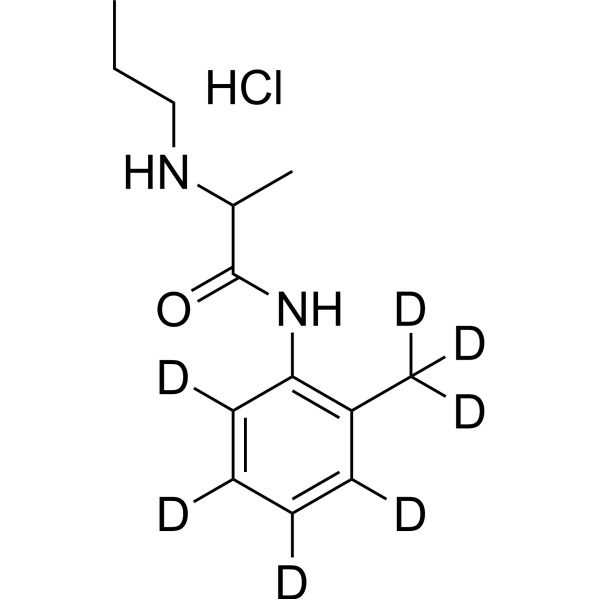
Prilocaine-d7 (hydrochloride) is deuterium labeled Prilocaine (hydrochloride). Prilocaine hydrochloride, an amino amide, is a Na, K-ATPase inhibitor. Prilocaine has neurotoxic effects .
|
-
-
- HY-W704786
-
|
|
|
Prilocaine Hydrochloride-d7 is the deuterium labeled Prilocaine hydrochloride (HY-B0137A). Prilocaine hydrochloride, an amino amide, is a Na/K-ATPase inhibitor. Prilocaine has neurotoxic effects .
|
-
-
- HY-W008614S1
-
|
|
|
Lansoprazole sulfone (AG-1813)- 13C6 is 13C labeled Lansoprazole sulfone (HY-W008614). Lansoprazole sulfone, Lansoprazole (HY-13662) metabolite, is a H +, K +-ATPase inhibitor. Lansoprazole sulfone has potential applications in duodenal ulcer, gastric ulcer, gastroesophageal reflux disease and Zolinger Ellison disease .
|
-
-
- HY-17507S1
-
|
|
|
Pantoprazole-d3 is deuterium labeled Pantoprazole. Pantoprazole (BY10232) is an orally active and potent proton pump inhibitor (PPI) . Pantoprazole, a substituted benzimidazole, is a potent H+/K+-ATPase inhibitor with an IC50 of 6.8 μM. Pantoprazole improves pH stability and has anti-secretory, anti-ulcer activities. Pantoprazole significantly increased tumor growth delay combined with Doxorubicin (HY-15142) .
|
-
-
- HY-W739793
-
|
|
|
Pantoprazole-d8 (BY1023-d8) sodium is a deuterium labeled Pantoprazole (HY-17507). Pantoprazole (BY10232) is an orally active and potent proton pump inhibitor (PPI) . Pantoprazole, a substituted benzimidazole, is a potent H +/K +-ATPase inhibitor with an IC50 of 6.8 μM. Pantoprazole improves pH stability and has anti-secretory, anti-ulcer activities. Pantoprazole significantly increased tumor growth delay combined with Doxorubicin (HY-15142) .
|
-
-
- HY-17507S4
-
|
|
|
Pantoprazole-d4 (BY1023-d4) is deuterium labeled Pantoprazole. Pantoprazole (BY10232) is an orally active and potent proton pump inhibitor (PPI) . Pantoprazole, a substituted benzimidazole, is a potent H +/K +-ATPase inhibitor with an IC50 of 6.8 μM. Pantoprazole improves pH stability and has anti-secretory, anti-ulcer activities. Pantoprazole significantly increased tumor growth delay combined with Doxorubicin (HY-15142) .
|
-
-
- HY-17507S2
-
|
|
|
Pantoprazole-d8 (BY1023-d8) is deuterium labeled Pantoprazole. Pantoprazole (BY10232) is an orally active and potent proton pump inhibitor (PPI) . Pantoprazole, a substituted benzimidazole, is a potent H +/K +-ATPase inhibitor with an IC50 of 6.8 μM. Pantoprazole improves pH stability and has anti-secretory, anti-ulcer activities. Pantoprazole significantly increased tumor growth delay combined with Doxorubicin (HY-15142) .
|
-
-
- HY-B0113S4
-
|
|
|
Omeprazole-d3 sodium is deuterated labeled Omeprazole (HY-B0113). Omeprazole sodium (H 16868) is an orally active H +,K +-ATPase inhibitor and a proton pump inhibitor. Omeprazole sodium competitively inhibits CYP2C19, CYP3A4, and CYP2C9 activity. Omeprazole sodium inhibits gastric acid secretion and can be used for acid-related gastrointestinal disorders. Omeprazole sodium inhibits pancreatic cancer cell proliferation, induces apoptosis, autophagosome accumulation (elevated LC3-I and LC3-II levels), oxidative stress, and cytogenetic imbalance, modulates lysosomal transport, reduces inflammatory cytokines. Omeprazole sodium alters small intestinal morphology and magnesium absorption, and induces gastric mucosa morphologic changes. Omeprazole sodium aslo has neuroprotective and antibacterial effects .
|
-
-
- HY-B0113S2
-
|
|
|
Omeprazole sulfone (methoxy-d3) is the deuterium labeled Omeprazole sulfone. Omeprazole sulfone (H 16868) is an orally active H +,K +-ATPase inhibitor and a proton pump inhibitor. Omeprazole sulfone competitively inhibits CYP2C19, CYP3A4, and CYP2C9 activity. Omeprazole sulfone inhibits gastric acid secretion and can be used for acid-related gastrointestinal disorders. Omeprazole sulfone inhibits pancreatic cancer cell proliferation, induces apoptosis, autophagosome accumulation (elevated LC3-I and LC3-II levels), oxidative stress, and cytogenetic imbalance, modulates lysosomal transport, reduces inflammatory cytokines. Omeprazole sulfone alters small intestinal morphology and magnesium absorption, and induces gastric mucosa morphologic changes. Omeprazole sulfone aslo has neuroprotective and antibacterial effects .
|
-
-
- HY-B0113S5
-
|
|
|
Omeprazole-d6 (H 16868-d6) is deuterium labeled Omeprazole. Omeprazole (H 16868) is an orally active H +,K +-ATPase inhibitor and a proton pump inhibitor. Omeprazole competitively inhibits CYP2C19, CYP3A4, and CYP2C9 activity. Omeprazole inhibits gastric acid secretion and can be used for acid-related gastrointestinal disorders. Omeprazole inhibits pancreatic cancer cell proliferation, induces apoptosis, autophagosome accumulation (elevated LC3-I and LC3-II levels), oxidative stress, and cytogenetic imbalance, modulates lysosomal transport, reduces inflammatory cytokines. Omeprazole alters small intestinal morphology and magnesium absorption, and induces gastric mucosa morphologic changes. Omeprazole aslo has neuroprotective and antibacterial effects .
|
-
-
- HY-B0113S1
-
|
|
|
Omeprazole-d3-1 is the deuterium labeled Omeprazole. Omeprazole-1 (H 16868) is an orally active H +,K +-ATPase inhibitor and a proton pump inhibitor. Omeprazole-1 competitively inhibits CYP2C19, CYP3A4, and CYP2C9 activity. Omeprazole-1 inhibits gastric acid secretion and can be used for acid-related gastrointestinal disorders. Omeprazole-1 inhibits pancreatic cancer cell proliferation, induces apoptosis, autophagosome accumulation (elevated LC3-I and LC3-II levels), oxidative stress, and cytogenetic imbalance, modulates lysosomal transport, reduces inflammatory cytokines. Omeprazole-1 alters small intestinal morphology and magnesium absorption, and induces gastric mucosa morphologic changes. Omeprazole-1 aslo has neuroprotective and antibacterial effects .
|
-
Your information is safe with us. * Required Fields.
Inquiry Information
- Product Name:
- Cat. No.:
- Quantity:
- MCE Japan Authorized Agent:








