Search Result
Results for "
degradation+product
" in MedChemExpress (MCE) Product Catalog:
6
Biochemical Assay Reagents
10
Isotope-Labeled Compounds
| Cat. No. |
Product Name |
Target |
Research Areas |
Chemical Structure |
-
- HY-N7387
-
|
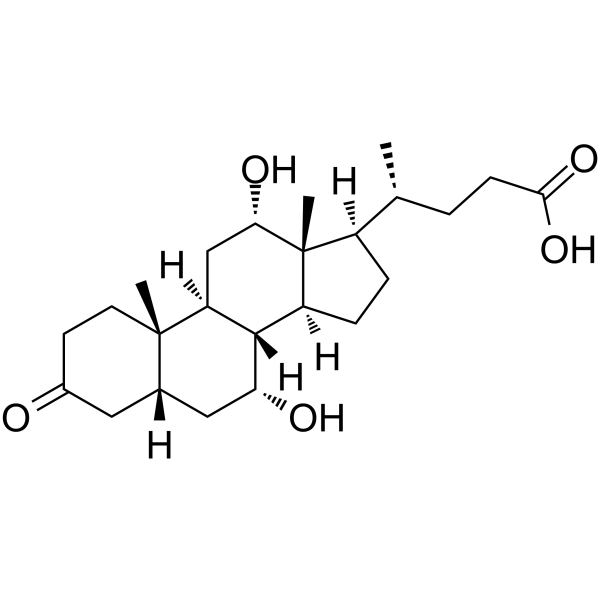
3-Dehydrocholic acid
|
Endogenous Metabolite
|
Metabolic Disease
|
|
3-Oxocholic acid is an oxo-bile acid metabolite and also a major degradation product from cholic by C. perfringens in the intestine. 3-Oxocholic acid is steroid acid found predominantly in bile of mammals .
|
-
-
- HY-113063
-
|
|
Endogenous Metabolite
|
Metabolic Disease
|
|
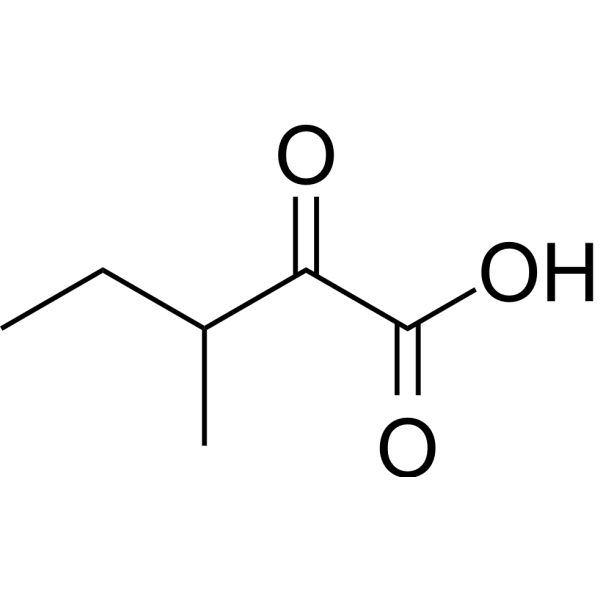
3-Methyl-2-oxovaleric acid is a degradation product from Isoleucine. 3-Methyl-2-oxovaleric acid is a biomarker of mustard airway diseases (MADs) and uric acid stone .
|
-
-
- HY-B1027
-
|
Nonoxynol; Nonoxinol
|
Environmental Pollutants
Biochemical Assay Reagents
|
Others
|
|
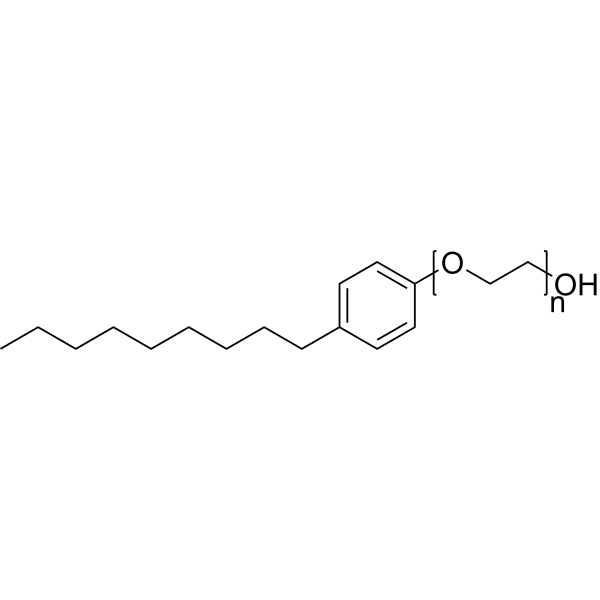
4-Nonylphenol polyethoxylate (Nonoxynol) is a non-ionic surfactant. 4-Nonylphenol polyethoxylate forms degradation products including 4-nonylphenol and short ethoxyl chain polyethoxylates. 4-Nonylphenol polyethoxylate generates degradation products that exhibit estrogenic activity, persist in aquatic environments, and bioaccumulate in the food chain .
|
-
-
- HY-N7449
-
-
-
- HY-W724905
-
|
γ-Glu-Ile; H-γ-Glu-Ile-OH
|
Amino Acid Derivatives
|
Others
|
|
gamma-Glutamylisoleucine (γ-Glu-Ile; H-γ-Glu-Ile-OH) is a dipeptide composed of γ-glutamic acid and isoleucine, and it is also a degradation product of macromolecular proteins after proteolysis .
|
-

-
- HY-W017386
-
|
|
Endogenous Metabolite
|
Metabolic Disease
|
|
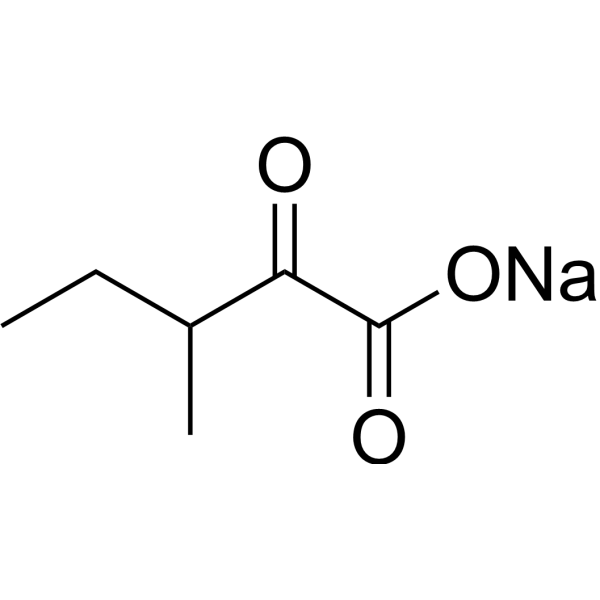
3-Methyl-2-oxovaleric acid sodium is a degradation product from Isoleucine. 3-Methyl-2-oxovaleric acid sodium is a biomarker of mustard airway diseases (MADs) and uric acid stone .
|
-
-
- HY-B1514
-
-
-
- HY-113412A
-
|
|
Endogenous Metabolite
|
Inflammation/Immunology
|
|
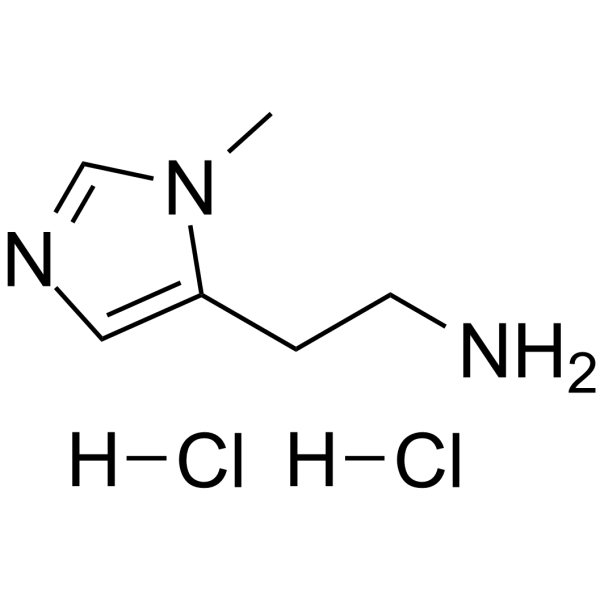
3-Methylhistamine dihydrochloride is a degradation product of histamine. 3-Methylhistamine dihydrochloride, a methylated product of histamine, is associated with immune response and shows upregulation in the vaccinated mice .
|
-
-
- HY-129043
-
|
|
Drug Metabolite
|
Infection
|
|
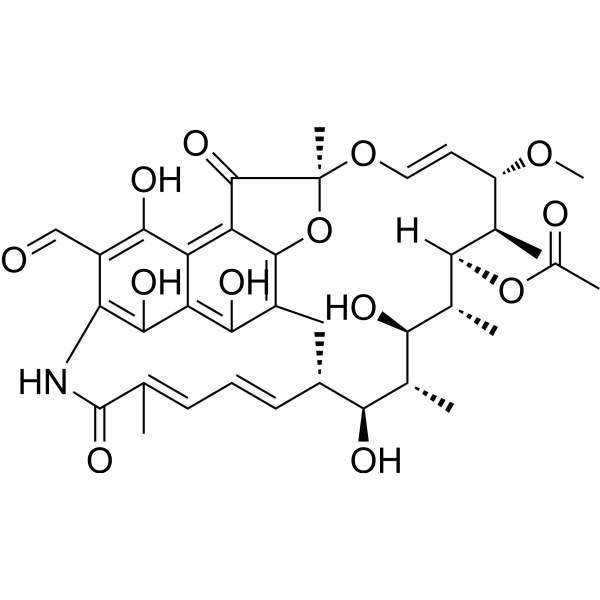
3-Formyl rifamycin is an acid degradation product of the broad-spectrum antibiotic Rifampicin (HY-B0272). 3-Formyl rifamycin forms via acid hydrolysis of Rifampicin in an acidic environment .
|
-
-
- HY-115349
-
|
|
Antibiotic
Bacterial
|
Infection
Neurological Disease
Cancer
|
|
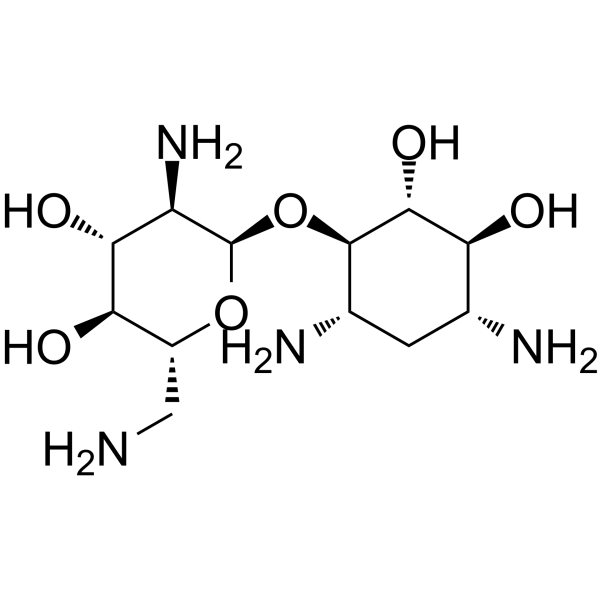
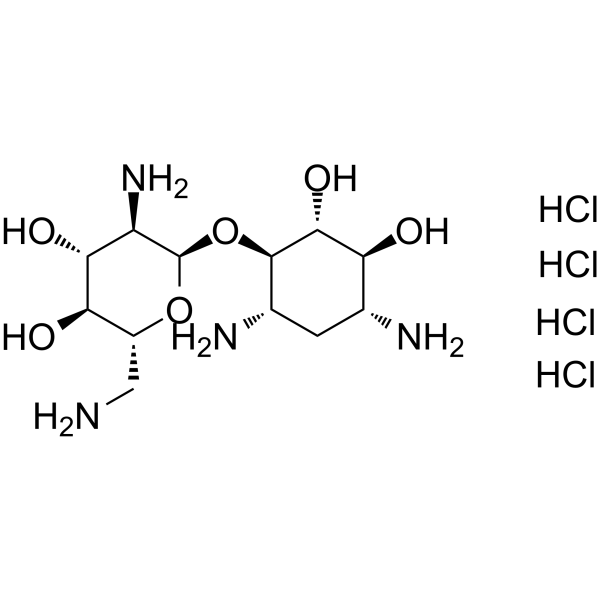
Neamine tetrahydrochloride, a degradation product of Neomycin, is a broad-spectrum aminoglycoside antibiotic. Neamine tetrahydrochloride is an anti-angiogenesis agent targeting angiogenin. Neamine tetrahydrochloride has potent antibacterial, antitumor and neuroprotective activities .
|
-
-
- HY-133597
-
|
|
Drug Derivative
|
Others
|
|
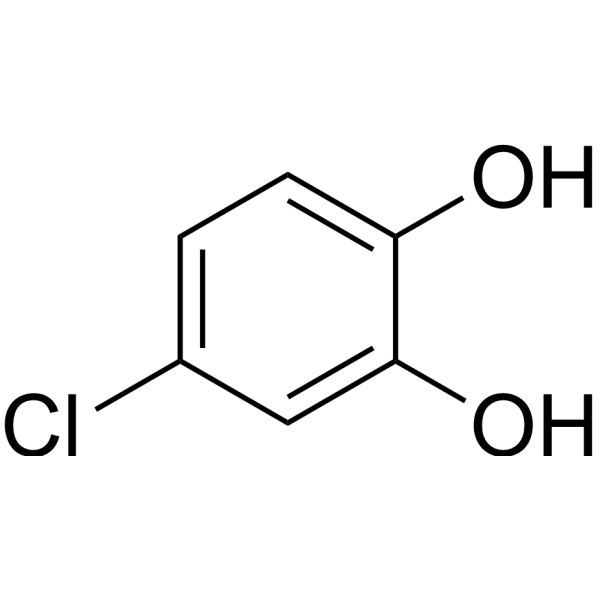
4-Chlorocatechol is a major degradation product of 4-chloro-2-aminophenol (4C2AP). 4-Chlorocatechol is also a substrate for catechol 1,2-dioxygenases and chlorocatechol dioxygenase .
|
-
-
- HY-129072
-
-
-
- HY-121652
-
-
-
- HY-W010593
-
|
|
Environmental Pollutants
Drug Metabolite
|
Cancer
|
|
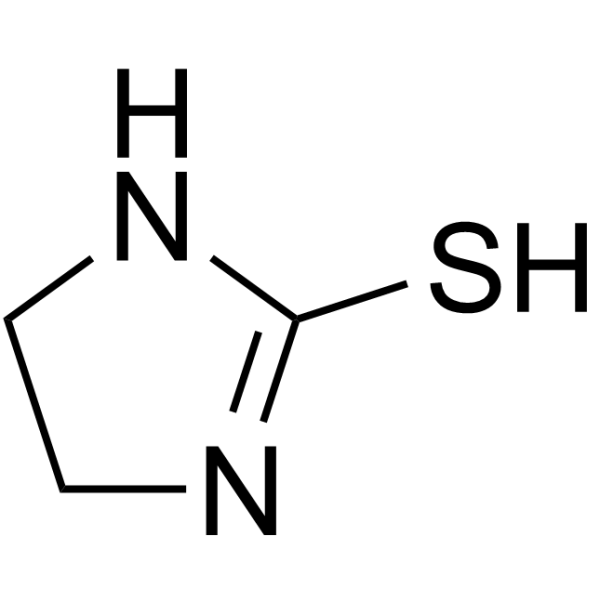
Ethylenethiourea is a degradation product of the ethylenebisthiocarbamate group of fungicides. Ethylenethiourea is tumorigenic and teratogenic. Ethylenethiourea is orally active .
|
-
-
- HY-125947
-
|
|
Drug Metabolite
|
Others
|
|
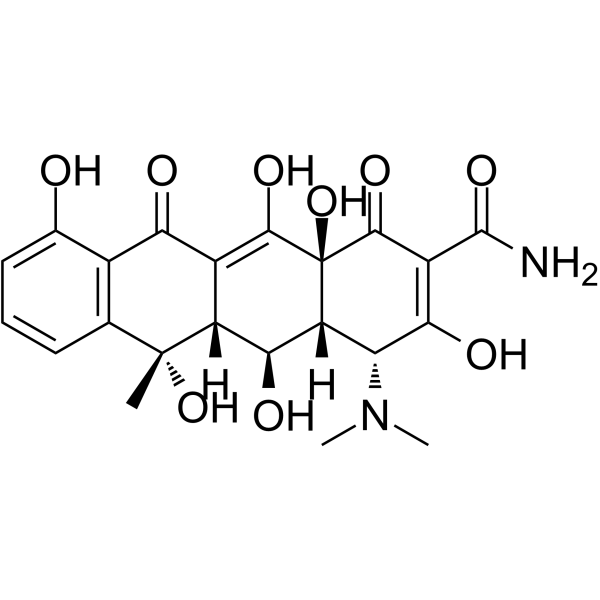
4-Epioxytetracycline, the degradation product of Oxytetracycline (OTC), can be found in swine manure compost and wastewater .
|
-
-
- HY-122207
-
|
|
Antibiotic
|
Infection
|
|
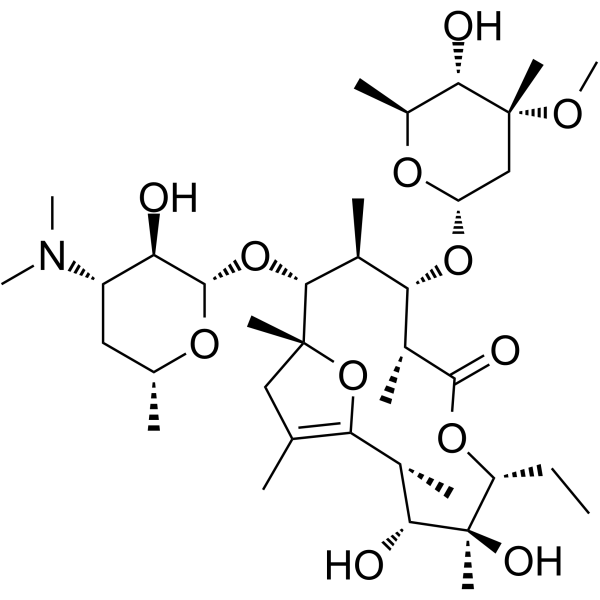
Erythromycin A enol ether is an acidic degradation product of Erythromycin A (macrolide antibiotic) and has no antibacterial effect .
|
-
-
- HY-132995
-
|
|
Drug Metabolite
|
Others
|
|
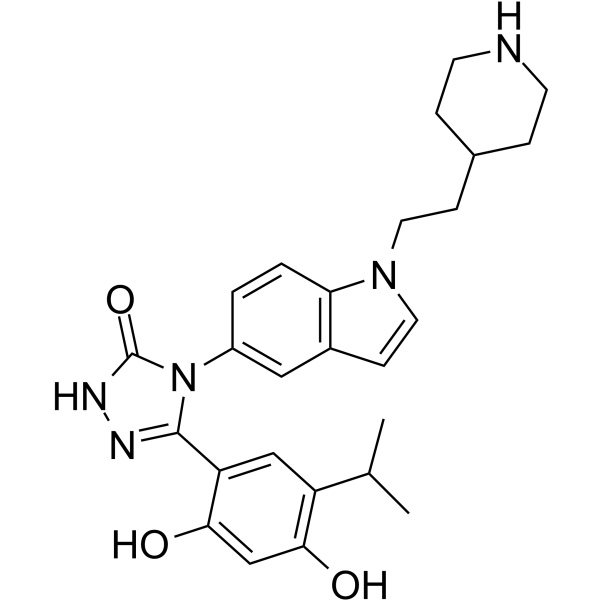
DP-1, a degradation product of SDC-TRAP-0063, is a fragment of Ganetespib. Ganetespib is a heat shock protein 90 (HSP90) inhibitor with anti-tumor activity .
|
-
-
- HY-79602
-
|
|
Biochemical Assay Reagents
Drug Derivative
Drug Intermediate
|
Others
|
|
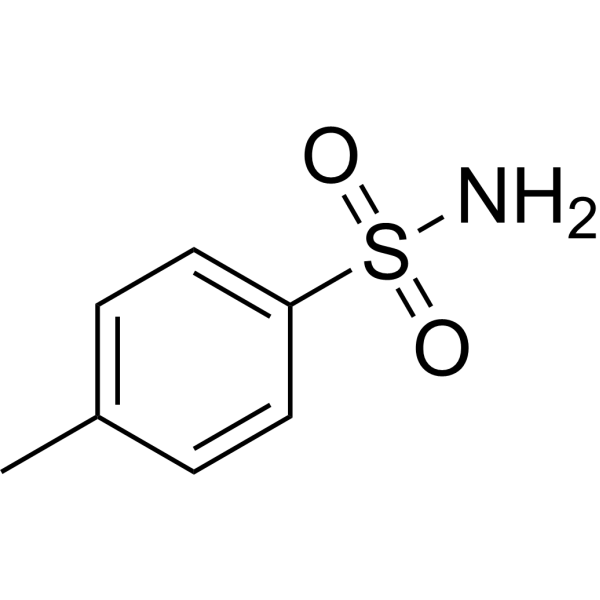
p-Toluenesulfonamide is an intermediate and plasticizer. p-Toluenesulfonamide is also the main degradation product of the disinfectant Chloramine-T (HY-B0959) in water. p-Toluenesulfonamide facilitates the localization of fluorescent probes to the endoplasmic reticulum .
|
-
-
- HY-125446
-
|
LY-290411; 2-OH-OLZ
|
Drug Metabolite
|
Others
|
|
2-Hydroxymethyl olanzapine is a metabolite and a degradation product of Olanzapine (HY-14541) [1][2].
|
-

-
- HY-137252
-
|
Ivermectin Impurity G
|
Parasite
|
Infection
|
|
22,23-Dihydroavermectin B1a aglycon is an acid degradation product produced by hydrolysis of the disaccharide unit of ivermectin. It can inhibit nematode larval development, but does not cause paralytic activity.
|
-

-
- HY-17412B
-
|
|
Drug Metabolite
|
Others
|
|
4-Epiminocycline is a Minocycline (HY-17412A) degradation product. Minocycline (HY-17412A) is an antibiotic that has anti-inflammatory, anticancer, antibacterial, immunomodulatory and neuroprotective effects .
|
-

-
- HY-138149
-
|
epi-Avermectin B1a
|
Drug Metabolite
|
Infection
|
|
2-epi-Abamectin is a degradation product of Abamectin. It is toxic to the two-spotted spider mite in a contact assay with an LC50 value of 4 ppm, which is approximately 100-fold less potent than abamectin.
|
-

-
- HY-W717548
-
|
|
Drug Metabolite
|
Others
|
|
Safinamide acid (Compound Imp-E) is the metabolite of Safinamide (HY-70057). Safinamide acid can be formed by hydrolysis of Safinamide intermediate under alkaline or acidic conditions. Safinamide acid is utilized to monitor process-related impurities and degradation products in safinamide samples .
|
-

-
- HY-W718316
-
|
|
Drug Metabolite
|
Others
|
|
5,6-Chrysenedione is the photochemical degradation product of 6-Aminochrysene (HY-108315) .
|
-

-
- HY-137196
-
|
|
Bacterial
|
Infection
|
|
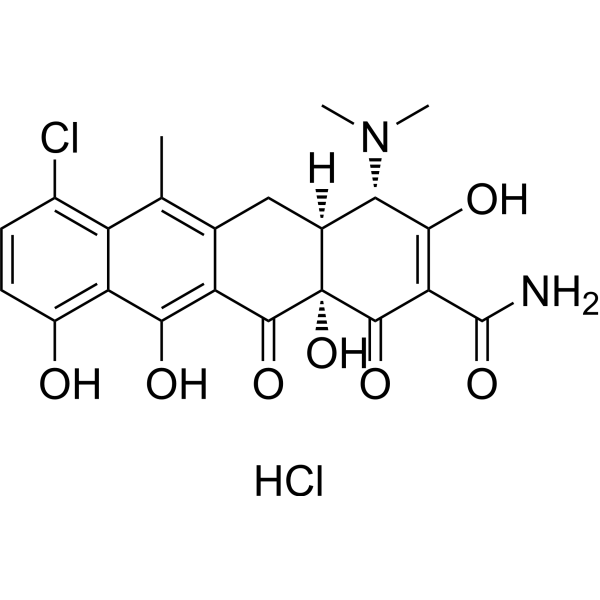
Anhydrochlortetracycline hydrochloride is a degradation product of chlortetracycline (HY-B1327A). Anhydrochlortetracycline hydrochloride inhibits the growth of actinomycetes .
|
-
-
- HY-P4724
-
-

-
- HY-100096
-
|
Emtricitabine sulfoxide; Emtricitabine Degradant-III
|
HIV
Reverse Transcriptase
|
Infection
|
|
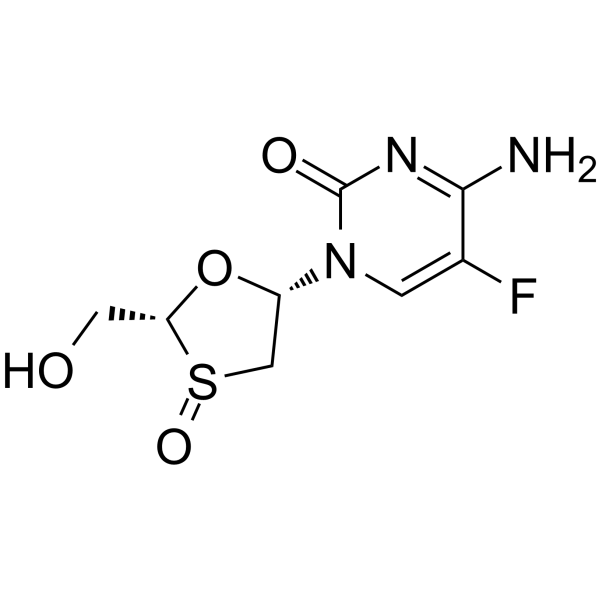
Emtricitabine S-oxide (Emtricitabine sulfoxide) is a major degradation product of Emtricitabine. Emtricitabine is a potent nucleoside reverse transcriptase inhibitor used for the treatment of HIV infection.
|
-
-
- HY-13938
-
Iretol
1 Publications Verification
|
Endogenous Metabolite
|
Metabolic Disease
|
|
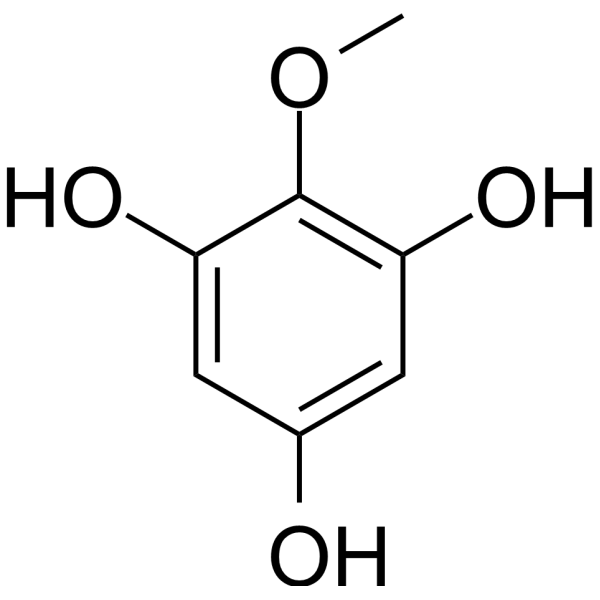
Iretol (2,4,6-trihydroxyanisole) is a a degradation product of a glucoside obtained from Iris Jorentina. Iretol is an intermediate in the synthesis of natural isoflavones, such as Tectorigenin, Irigenin and Caviunin .
|
-
-
- HY-P3675
-
|
|
GnRH Receptor
|
Endocrinology
|
|
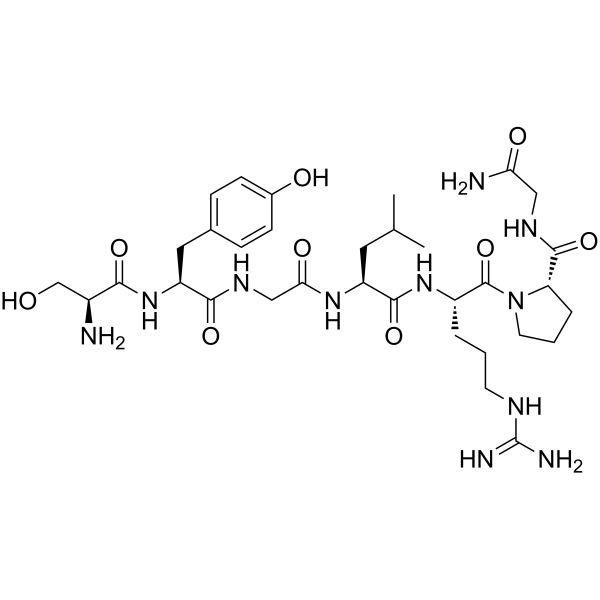
LH-RH (4-10) is a heptapeptide, one of major degradation products of luteinising-hormone releasing hormone (LHRH) via pituitary and hypothalamus. LH-RH (4-10) produced in macrophages and type II pneumocytes .
|
-
-
- HY-P3674
-
|
|
GnRH Receptor
|
Endocrinology
|
|
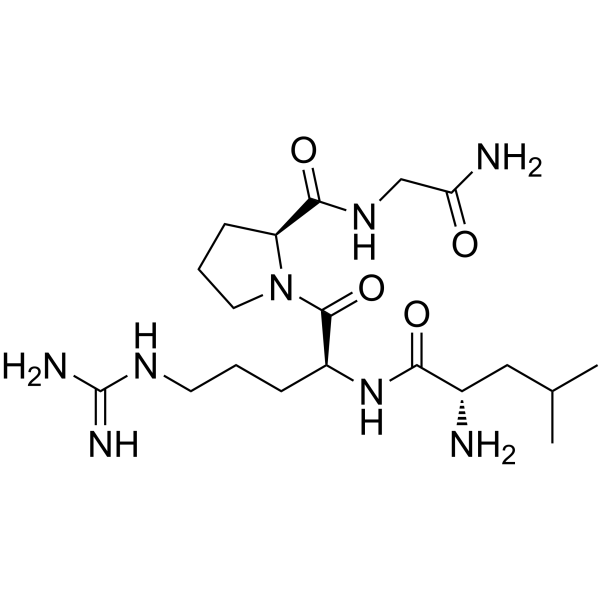
LH-RH (7-10) is a tetrapeptide, one of major degradation products of luteinising-hormone releasing hormone (LHRH) via pituitary and hypothalamus. LH-RH (7-10) produced in macrophages, type I-like and type II pneumocytes .
|
-
-
- HY-B1855
-
|
Epoxyheptachlor
|
Biochemical Assay Reagents
|
Others
|
|
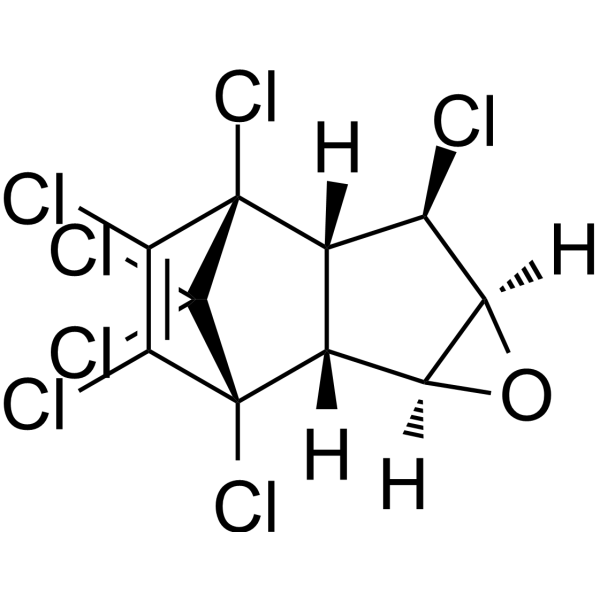
(±)-cis-Heptachlor epoxides, are degradation products of heptachlor that can occur in or on soil and crops when treated with heptachlor, a pesticide. Heptachlor is readily formed upon exposure to air. Everett CJ, Thompson OM. Environmental Health Pastor. 2015;30(2):93-7.
|
-
-
- HY-136381
-
|
N-Nitroso-N-(phosphonoMethyl)glycine sodium; Glyphosate-N-nitroso sodium
|
Drug Metabolite
|
Others
|
|
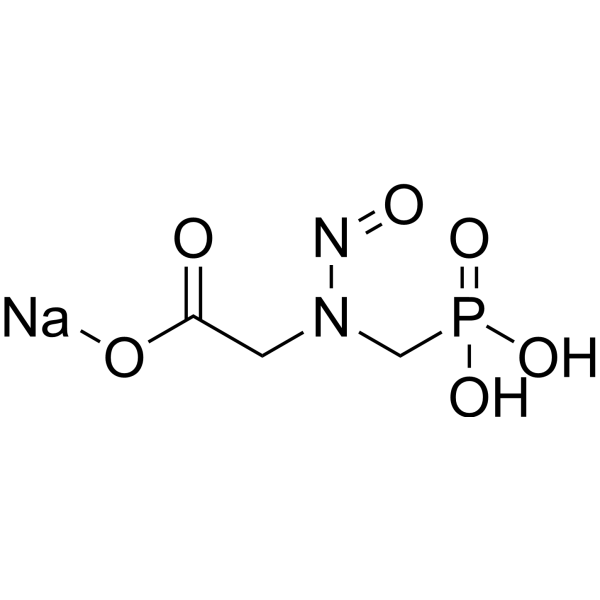
N-Nitrosoglyphosate sodium is the nitrosamine degradation product and synthetic impurity of glyphosate herbicide .
|
-
-
- HY-111742
-
|
|
Drug Metabolite
|
Others
|
|
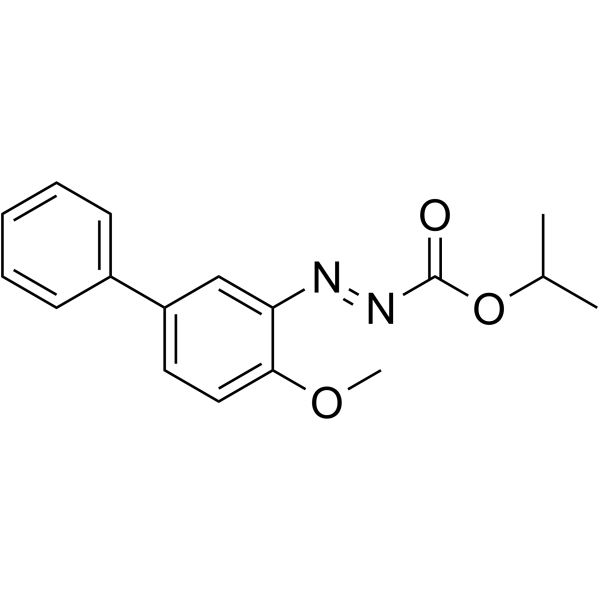
Bifenazate-diazene is a major degradation product of Bifenazate. Bifenazate is a selective carbazate acaricide and an insecticide .
|
-
-
- HY-W705140A
-
|
Hydroxymelphalan hydrochloride
|
Drug Metabolite
|
Cancer
|
|
Monohydroxy melphalan hydrochloride (Hydroxymelphalan hydrochloride) is a degradation product of Melphalan (HY-17575), obtained through the hydrolysis of Melphalan in aqueous solutions (including cell culture media and human plasma) .
|
-

-
- HY-B0300S
-
-
-
- HY-N7449R
-
-

-
- HY-N15681
-
|
10'-Apo-β-carotenal
|
Drug Metabolite
|
Others
|
|
β-Apo-10'-carotenal is a degradation product of β,β-carotene. β-Apo-10'-carotenal can be used in flavor research .
|
-

-
- HY-112108D
-
|
COS (MW 2000)
|
Biochemical Assay Reagents
|
Others
|
|
Chitosan oligosaccharide (MW 2000) (COS (MW 2000)) is a degradation product of chitosan. It is an oligosaccharide composed of 2-20 glucosamine groups linked by β-(1→4) glycosidic bonds .
|
-

-
- HY-125947R
-
|
|
Reference Standards
Drug Metabolite
|
Others
|
|
4-Epioxytetracycline (Standard) is the analytical standard of 4-Epioxytetracycline. This product is intended for research and analytical applications. 4-Epioxytetracycline, the degradation product of Oxytetracycline (OTC), can be found in swine manure compost and wastewater .
|
-

-
- HY-W174556
-
|
3-mBSA
|
Drug Derivative
|
Others
|
|
2-(3-Methylbenzyl)succinic acid (3-mBSA) is a degradation product of anaerobic toluene and ethylbenzene/xylene. 2-(3-Methylbenzyl)succinic acid can serve as a qualitative in situ indicator of toluene and ethylbenzene/xylene in contaminated groundwater .
|
-

-
- HY-P2658
-
|
|
Neprilysin
|
Others
|
|
[Des-Tyr1]-Met-Enkephalin, a tetrapeptide, is a degradationproduct of enkephalins .
|
-
![[Des-Tyr1]-Met-Enkephalin](//file.medchemexpress.com/product_pic/hy-p2658.gif)
-
- HY-W518478
-
-

-
- HY-122035
-
|
|
Bacterial
|
Infection
|
|
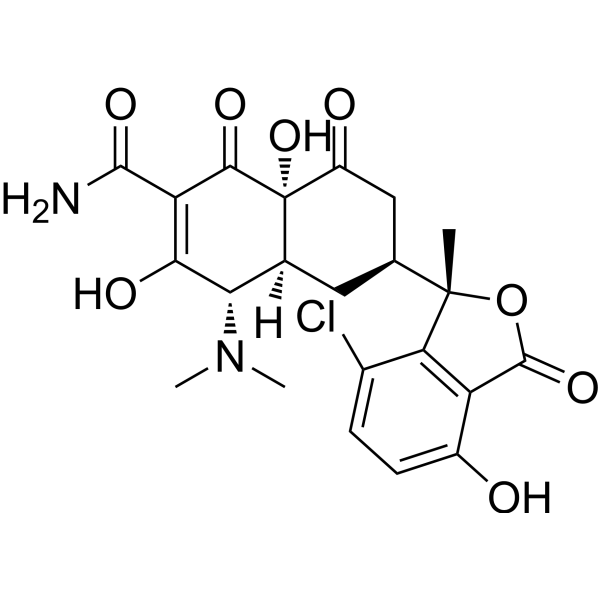
Flambalactone is a degradation product formed by methanolysis of the antibiotic flambamycin.
|
-

-
- HY-135586
-
-
-
- HY-Z9082
-
-

-
- HY-119660
-
|
|
Antibiotic
Bacterial
|
Others
|
|
Surgumycin is a compound with antimicrobial activity, and its structure was determined by studying its degradation products.
|
-

-
- HY-N12842
-
-

-
- HY-W585893
-
|
|
Drug Metabolite
|
Cancer
|
|
Endrin ketone is an Endrin (HY-W585893) degradation product. Endrin is a carcinogen .
|
-

-
- HY-W104125
-
|
RP 29307
|
Drug Metabolite
|
Others
|
|
Zopiclone impurity-1 (RP 29307) is an impurity and degradation product in the production process of zopiclone .
|
-

-
- HY-136986
-
|
|
HIV Protease
|
Infection
|
|
Desthiazolylmethyl ritonavir is a base-catalyzed degradation product of the HIV protease inhibitor Ritonavir (HY-90001).
|
-

- HY-135577
-
|
|
Drug Metabolite
|
Infection
|
|
β-Apooxytetracycline is a degradation product of Oxytetracycline (HY-B0275). Oxytetracycline is a widespread antibiotic .
|
-
- HY-126606
-
|
|
Antibiotic
|
Infection
|
|
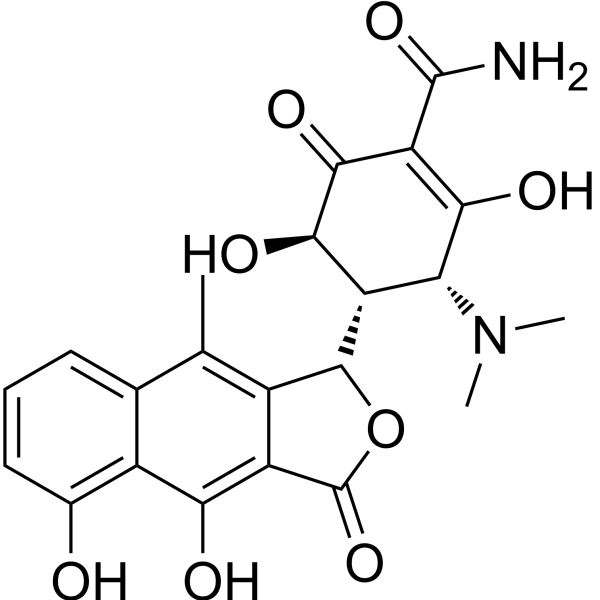
Isochlortetracycline is an inactive alkaline degradation product of the Chlortetracycline (HY-B1327A) (broad-spectrum antibiotic) .
|
-
- HY-135372
-
|
|
Drug Metabolite
|
Infection
|
|
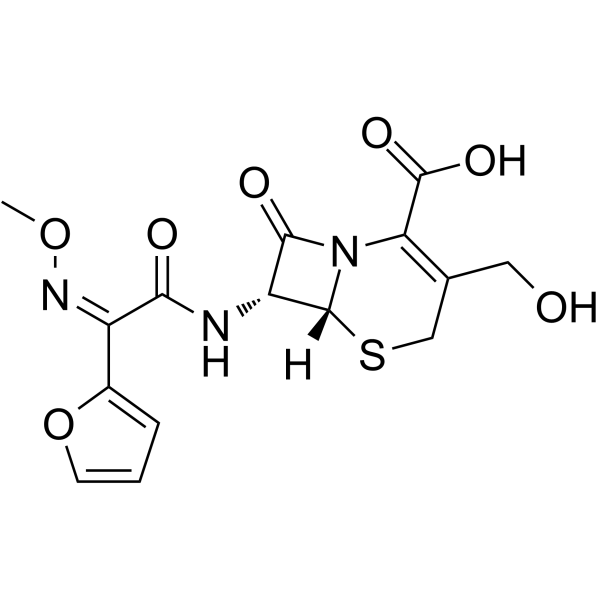
Descarbamoyl cefuroxime is a degradation product of Cefuroxime. Descarbamoyl cefuroxime is also an intermediate for the synthesis of Cephalosporin antibiotics .
|
-
- HY-167867
-
-

- HY-165493
-
|
|
Drug Derivative
|
Others
|
|
Opc-15161 is a novel superoxide generation inhibitor and major degradation product of OPC-15160 .
|
-

- HY-158767
-
|
|
Drug Derivative
|
Others
|
|
Dehydro amlodipine fumarate is a derivative of Dehydro amlodipine and is one of the forced degradation products of Dehydro amlodipine during oxidation and acid degradation .
|
-

- HY-137324
-
|
|
Drug Metabolite
Antibiotic
|
Infection
|
|
α-Apooxytetracycline is a degradation product of Oxytetracycline (HY-B0275). Oxytetracycline is an antibiotic belonging to the tetracycline class .
|
-

- HY-W653762
-
-

- HY-W653762A
-
-

- HY-112057
-
|
LY267108
|
Drug Metabolite
|
Others
|
|
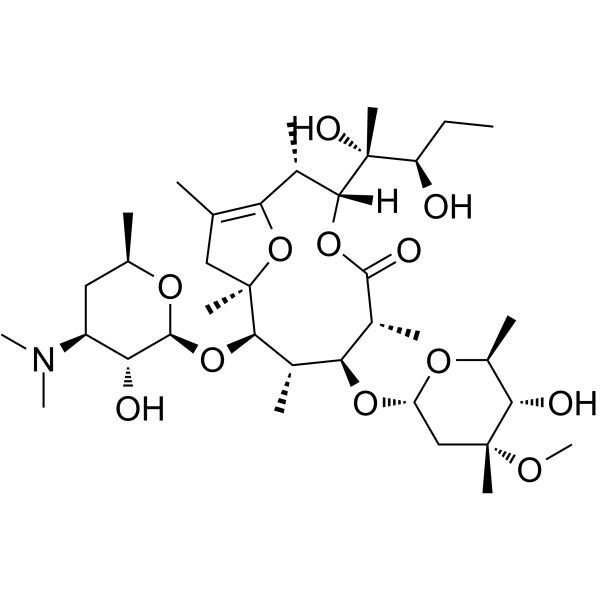
Pseudoerythromycin A enol ether (LY267108) is a degradation product of Erythromycin. Pseudoerythromycin A enol ether has no significant antimicrobial activity .
|
-
- HY-N12843
-
|
Nardosinone acid
|
Drug Metabolite
|
Others
|
|
2-Deoxokanshone M (Nardosinone acid) is a degradation product of Nardosinone (HY-N0380) and has potent vasodilatory activity .
|
-

- HY-164949
-
|
|
Drug Metabolite
|
Cancer
|
|
Ribociclib acetate is a degradation product of Ribociclib (HY-15777) under acid-base hydrolysis conditions. Ribociclib acetate has been predicted to be carcinogenic .
|
-

- HY-147001
-
|
|
Drug Metabolite
|
Others
|
|
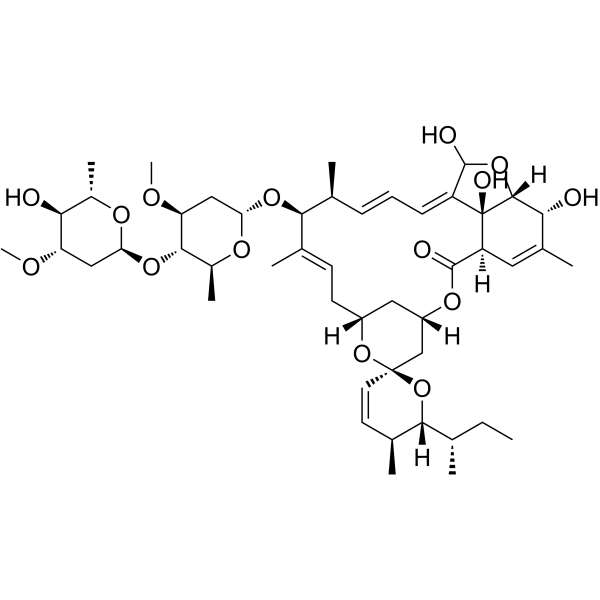
5-O-Demethyl-28-hydroxy-Avermectin A1a is a degradation product of Avermectin B1a (HY-15308).
|
-
- HY-133246
-
|
Daclatasvir Impurity A
|
HCV
|
Infection
|
|
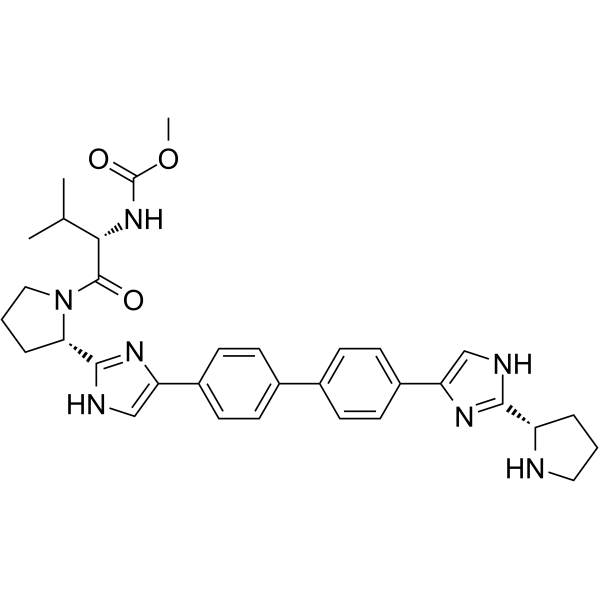
Monodes(N-carboxymethyl)valine Daclatasvir (Daclatasvir Impurity A) is the main degradation product of Daclatasvir. Daclatasvir is a potent HCV NS5A protein inhibitor .
|
-
- HY-122457
-
|
|
Antibiotic
|
Infection
|
|
Δ2,3-Doramectin is the primary pH degradation products of doramectin (HY-17035). Doramectin is a antiparasitic antibiotic .
|
-

- HY-W585893R
-
|
|
Drug Derivative
Reference Standards
|
Cancer
|
|
Endrin ketone (Standard) is the analytical standard of Endrin ketone. This product is intended for research and analytical applications. Endrin ketone is an Endrin degradation product. Endrin is a carcinogen .
|
-

- HY-W038877R
-
|
(S)-Pregabalin lactam (Standard)
|
Drug Intermediate
Reference Standards
|
Others
|
|
Pregabalin lactam (Standard) is an analytical standard for Pregabalin lactam. This product is used for research and analytical applications. Pregabalin lactam is a degradation product and is a common impurity with no mutagenicity .
|
-

- HY-W709047
-
|
|
Drug Metabolite
|
Metabolic Disease
|
|
Orlistat impurity-M3 is a Orlistat (HY-B0218) degradation product. Orlistat is a well-known irreversible inhibitor of pancreatic and gastric lipases .
|
-

- HY-135586R
-
|
|
Reference Standards
Drug Metabolite
|
Metabolic Disease
|
|
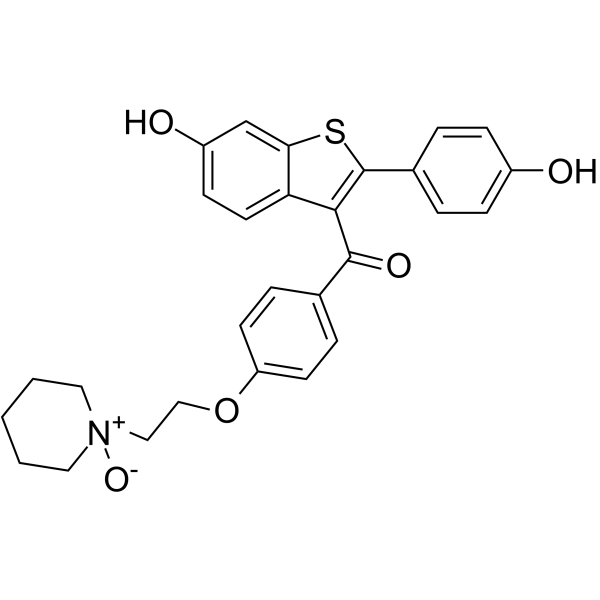
Raloxifene N-Oxide (Standard) is the analytical standard of Raloxifene N-Oxide. This product is intended for research and analytical applications. Raloxifene N-Oxide is a Raloxifene oxidative degradation product .
|
-

- HY-W087207
-
|
|
Drug Derivative
|
Inflammation/Immunology
|
|
Loxoprofen L-menthol ester is a degradation product Loxoprofen sodium (HY-B0578A). Loxoprofen sodium is a non-steroidal, orally active anti-inflammatory agent with analgesic and anti-pyretic properties .
|
-

- HY-132995A
-
|
|
Drug Metabolite
|
Cancer
|
|
DP-1 hydrochloride, a degradation product of SDC-TRAP-0063, is a fragment of Ganetespib. Ganetespib is a heat shock protein 90 (HSP90) inhibitor with anti-tumor activity .
|
-

- HY-137389
-
|
|
Drug Metabolite
|
Cancer
|
|
Anhydro abiraterone is a degradation product of Abiraterone acetate (HY-75054). Abiraterone acetate (CB7630) is an oral, potent, selective, and irreversible inhibitor of CYP17A1 with antiandrogen activity .
|
-

- HY-155252
-
|
(-)-Spinosyn A aglycon
|
Insecticide
|
Others
|
|
Spinosyn A aglycone ((-)-Spinosyn A aglycon) is an aglycone form of the insecticide Spinosyn A (HY-B0767). Spinosyn A aglycone is an acid degradation product produced by hydrolysis of both saccharide groups on spinosyn A .
|
-

- HY-W010593R
-
|
|
Drug Metabolite
Reference Standards
|
Cancer
|
|
Ethylenethiourea (Standard) is the analytical standard of Ethylenethiourea. This product is intended for research and analytical applications. Ethylenethiourea is a degradation product of the ethylenebisthiocarbamate group of fungicides. Ethylenethiourea is tumorigenic and teratogenic. Ethylenethiourea is orally active .
|
-

- HY-P4386
-
|
|
GLP Receptor
|
Metabolic Disease
|
|
(Asp28)-Exenatide is a degradation product of exenatide (HY-13443). (Asp28)-Exenatide can be used as a GLP-1R agonist .
|
-

- HY-134220
-
|
|
Parasite
|
Infection
|
|
Doramectin monosaccharide is an acid degradation product of Doramectin (HY-17035), a disaccharide-containing anthelmintic that potentiates glutamate- and GABA-gated chloride channel opening in nematodes. Doramectin undergoes acid-catalyzed hydrolysis to form doramectin monosaccharide.
|
-

- HY-Z7429
-
|
|
Drug Metabolite
|
Infection
Cancer
|
|
3-Hydroxy-4-methyl-2(5H)-thiophenone (compound 18) is a pyrazine derivative and the major acidic degradation product of Cephalexin (HY-B0200) .
|
-

- HY-136185
-
|
|
Drug Metabolite
|
Others
|
|
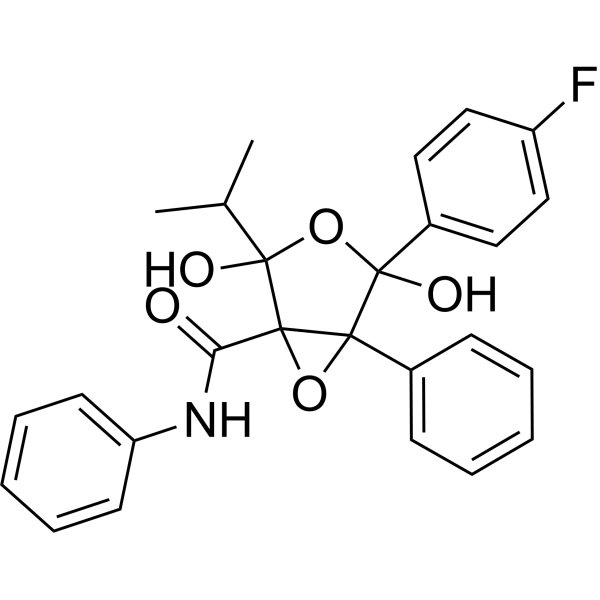
Atorvastatin Epoxy Tetrahydrofuran Impurity is an impurity isolated oxidative degradation products of Atorvastatin (HY-B0589) . Atorvastatin is an orally active HMG-CoA reductase inhibitor, has the ability to effectively decrease blood lipids.
|
-
- HY-122207R
-
|
|
Antibiotic
Reference Standards
|
Infection
|
|
Erythromycin A enol ether (Standard) is the analytical standard of Erythromycin A enol ether. This product is intended for research and analytical applications. Erythromycin A enol ether is an acidic degradation product of Erythromycin A (macrolide antibiotic) and has no antibacterial effect .
|
-

- HY-135577R
-
|
|
Reference Standards
Drug Metabolite
|
Infection
|
|
β-Apooxytetracycline (Standard) is the analytical standard of β-Apooxytetracycline. This product is intended for research and analytical applications. β-Apooxytetracycline is a degradation product of Oxytetracycline (HY-B0275). Oxytetracycline is a widespread antibiotic .
|
-

- HY-130340
-
|
Teichomycin A3 factor 1; Antibiotic L 17054
|
Antibiotic
|
Infection
|
|
Teicoplanin A3-1 is a degradation product of teicoplanins A2-1 to 5 (Item Nos. 20187, 20188, 20189, 20192). Teicoplanins are glycopeptide antibiotics produced by A. teichomyceticus that are broadly effective against Gram-positive bacteria in vitro.
|
-

- HY-N7782
-
|
|
Others
|
Others
|
|
Arborinone is a diagenetic degradation product.
|
-

- HY-W653737
-
|
|
Drug Metabolite
|
Others
|
|
N-Nitrosoglyphosate is the nitrosamine degradation product of glyphosate herbicidee.
|
-

- HY-W142446
-
-

- HY-N17882
-
|
Bupleuroside III
|
Drug Derivative
|
Others
|
|
Hydroxysaikosaponin A (Bupleuroside III) is the acid hydrolysis degradation product of Saikosaponin A (HY-N0246) .
|
-

- HY-Z0833
-
-

- HY-W047339
-
-

- HY-W724128
-
|
|
Drug Derivative
|
Neurological Disease
|
|
Cariprazine N-oxide (Compound DP-3) is the mono-oxidative degradation product of Cariprazine hydrochloride (HY-14763A). Cariprazine hydrochloride exhibits antipsychotic activity .
|
-

- HY-N18055
-
|
|
Drug Derivative
|
Others
|
|
Derritol is a rotenone degradation product formed by the loss of C-6 and C-6a carbons from Rotenone (HY-B1756) .
|
-

- HY-177533
-
|
|
Insecticide
|
Others
|
|
3'-Ethoxy Spinosyn L 17-pseudoaglycone is an acid degradation product of 3'-ethoxy-5,6-dihydrospinosyn L, a component of the insecticide spinosyn L .
|
-

- HY-W010593S
-
|
|
Isotope-Labeled Compounds
|
Cancer
|
|
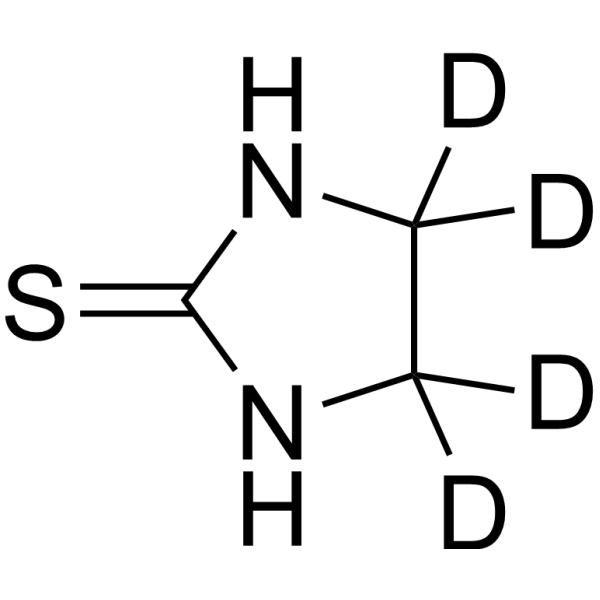
Ethylenethiourea-d4 is the deuterium labeled Ethylenethiourea . Ethylenethiourea is a degradation product of the ethylenebisthiocarbamate group of fungicides. Ethylenethiourea is tumorigenic and teratogenic. Ethylenethiourea is orally active .
|
-
- HY-N13193
-
|
|
Others
|
Others
|
|
Pterosin A-2-O-glucoside is a sesquiterpene glucoside. Pterosin A-2-O-glucoside might be a degradation product of an illudanetype diglucoside .
|
-

- HY-23331
-
|
4-Methylimidazolidine-2-thione
|
Drug Metabolite
|
Others
|
|
Propylene thiourea (4-Methylimidazolidine-2-thione) is one of the main degradation products of Propineb (HY-119630) in animals, plants and during processing .
|
-

- HY-180471
-
|
|
Drug Metabolite
|
Others
|
|
Desisopropyl-fesoterodine (compound 1), an oxidative Ndealkylation of the tertiary amine function of Fesoterodine (HY-70053), is a degradation product (compound PP-6) of Fesoterodine .
|
-

- HY-135755
-
|
|
Drug Intermediate
|
Others
|
|
δ-Lactone, an A-ring degradation product, is also an important intermediate in the synthesis of Estrone (HY-B0234), Estradiol (HY-B0141), and their derivatives .
|
-

- HY-W070554
-
|
|
Drug Metabolite
|
Others
|
|
1-(Hydroxymethyl)-5,5-dimethylhydantoin is a degradation product of 1,3-dimethylol-5,5-dimethylhydantoin, which is a formaldehyde-releasing antimicrobial preservative.
|
-

- HY-158767R
-
|
|
Drug Derivative
Reference Standards
|
Others
|
|
Dehydro amlodipine (fumarate) (Standard) is the analytical standard of Dehydro amlodipine (fumarate). This product is intended for research and analytical applications. Dehydro amlodipine fumarate is a derivative of Dehydro amlodipine and is one of the forced degradation products of Dehydro amlodipine during oxidation and acid degradation .
|
-

- HY-113281
-
|
|
Endogenous Metabolite
|
Metabolic Disease
|
5-Hydroxyhexanoic acid is a normal monohydroxy carboxylic acid degradation product of
fatty acids with medium chain lengths (particularly hexanoic acid). 5-Hydroxyhexanoic acid functions as a predictor of early renal functional decline in type 2 diabetes with microalbuminuria .
|
-

- HY-N16643
-
|
Epirosmanol ethyl ether
|
Others
|
Others
|
|
7-O-Ethylepirosmanol (Epirosmanol ethyl ether) (Compound 6b) is the derivative of Epirosmanol (HY-111898). 7-O-Ethylepirosmanol is the degradation product of Carnosol (HY-N0643), the main antioxidant component in rosemary .
|
-

- HY-129443
-
|
|
Drug Metabolite
|
Others
|
|
Deacetylcephaloglycin is the active metabolite of Cephaloglycin (HY-16137). Deacetylcephaloglycin is a degradation product of Cephaloglycin that eliminates the 3-acetyl group in acidic medium and can be further degraded to Deacetylcephaloglycin lactone. Deacetylation is the rate-determining step in the degradation of Cephaloglycin to lactone .
|
-

- HY-W653770
-
|
|
Antibiotic
|
Infection
|
|
Desmycosin is a macrolide antibiotic. Desmycosin exhibits biological activity against H. influenzae, S.aureus, S. pneumoniae, and S. pyogenes with MIC values of 4, 1, <0.125, and <0.125 µg/ml, respectively. Desmycosin is an acidic degradation product of tylosin .
|
-

- HY-W142446S
-
-
- HY-W705486
-
|
|
HPPD
|
Infection
|
|
RPA 202248 is a p-hydroxy phenyl pyruvate dioxygenase (HPPD) inhibitor and degradation product of Isoxaflutole (HY-116139). RPA 202248 demonstrates environmental persistence and undergoes transport through soil matrix and macropores to subsurface drain flow in agricultural field settings .
|
-

- HY-121899
-
|
Ibuprofen EP impurity J
|
Drug Metabolite
|
Others
|
|
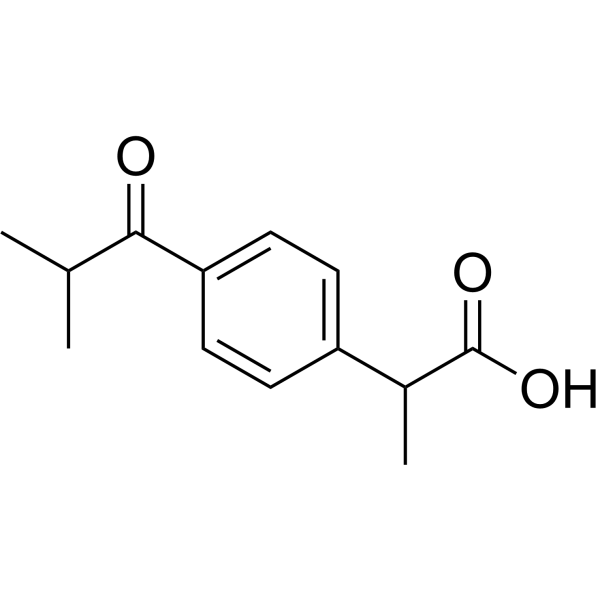
1-Oxo Ibuprofen (Ibuprofen EP impurity J) is a degradation product and a potential impurity in preparations of Ibuprofen. Ibuprofen is an anti-inflammatory inhibitor targeting COX-1 and COX-2 with IC50s of 13 μM and 370 μM, respectively .
|
-
- HY-113412AR
-
|
|
Reference Standards
Endogenous Metabolite
|
Inflammation/Immunology
|
|
3-Methylhistamine (dihydrochloride) (Standard) is the analytical standard of 3-Methylhistamine (dihydrochloride). This product is intended for research and analytical applications. 3-Methylhistamine dihydrochloride is a degradation product of histamine. 3-Methylhistamine dihydrochloride, a methylated product of histamine, is associated with immune response and shows upregulation in the vaccinated mice .
|
-

- HY-W765152
-
|
22,23-Dihydro avermectin B1a; epi-Dihydro avermectin B1a
|
Parasite
|
Infection
|
|
epi-Ivermectin B1a is a key related substance of Ivermectin (HY-15310), primarily existing as a process-related impurity or potential degradation product in ivermectin-based antiparasitic formulations. epi-Ivermectin B1a can be used for the study of internal/external parasites in cattle .
|
-

- HY-100096A
-
|
(Rac)-Emtricitabine sulfoxide; (Rac)-Emtricitabine Degradant-III
|
HIV
Reverse Transcriptase
|
Infection
|
|
(Rac)-Emtricitabine S-oxide ((Rac)-Emtricitabine sulfoxide; (Rac)-Emtricitabine Degradant-III) is Emtricitabine S-oxide (HY-100096) racemic modification. Emtricitabine S-oxide is a major degradation product of Emtricitabine. Emtricitabine is a potent nucleoside reverse transcriptase inhibitor used for the treatment of HIV infection.
|
-

- HY-N9715
-
|
|
Herbicide
|
Others
|
|
4-Chloropinselin is a chlorine-containing xanthone herbicide that can be isolated from Alternaria sonchi. 4-Chloropinselin is a biosynthetic precursor or degradation product of chloromonilicin and exhibits phytotoxic and antimicrobial activity. 4-Chloropinselin can inhibit the growth of weeds such as field sowthistle and suppress the proliferation of certain microorganisms .
|
-

- HY-W150695
-
|
N-(Naphthalen-1-yl)acetamide
|
Bacterial
|
Infection
|
|
1-Acetamidonaphthalene (N-(Naphthalen-1-yl)acetamide) is a degradation product of Digitoxigenin (HY-B2151). 1-Acetamidonaphthalene is weakly mutagenic to Salmonella typhimurium TA98 with metabolic activation. 1-Acetamidonaphthalene can be used for the research of bacterial infection .
|
-

- HY-W012575
-
|
|
Reactive Oxygen Species (ROS)
|
Inflammation/Immunology
|
|
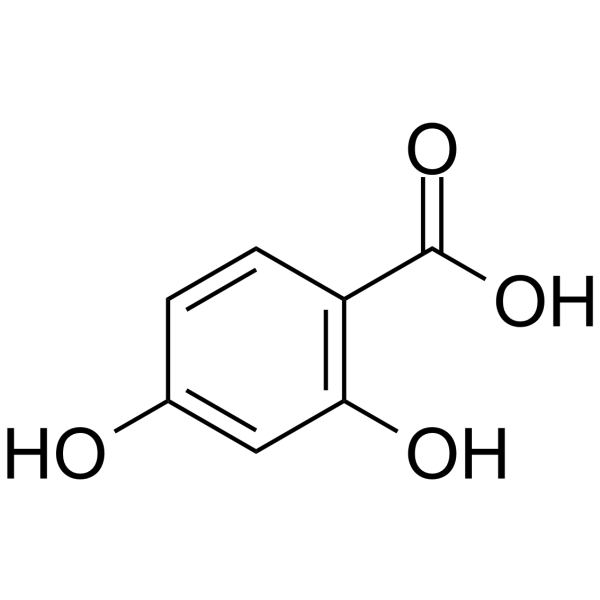
2,4-Dihydroxybenzoic acid is a degradation product of acid cherry anthocyanins during in vitro cell culture and an analogue of coenzyme Q precursor molecules. 2,4-Dihydroxybenzoic acid can improve the related symptoms of kidney diseases caused by ADCK4/Coq6 deficiency .
|
-
- HY-W338581
-
|
|
Estrogen Receptor/ERR
|
Others
|
|
4-tert-Octylphenol monoethoxylate is an alkylphenolethoxylate (APE) and a degradation product of non-ionic surfactants (such as 4-tert-octylphenol polyethoxylate). 4-tert-Octylphenol monoethoxylate also possesses non-steroidal estrogenic activity. Additionally, 4-tert-Octylphenol monoethoxylate has been found in wastewater effluent .
|
-

- HY-133246A
-
|
Daclatasvir Impurity A TFA
|
HCV
|
Infection
|
|
Monodes(N-carboxymethyl)valine Daclatasvir TFA (Daclatasvir Impurity A TFA) is the TFA salt form of Monodes(N-carboxymethyl)valine Daclatasvir (HY-133246). Monodes(N-carboxymethyl)valine Daclatasvir TFA is the main degradation product of Daclatasvir (HY-10466). Daclatasvir is a potent HCV NS5A protein inhibitor .
|
-

- HY-79602S1
-
-

- HY-113137R
-
|
|
Reference Standards
Endogenous Metabolite
|
Cancer
|
|
N2,N2-Dimethylguanosine (Standard) is the analytical standard of N2,N2-Dimethylguanosine. This product is intended for research and analytical applications. N2,N2-Dimethylguanosine is an urinary nucleoside, a primary degradation product of tRNA.
|
-

- HY-79602R
-
|
|
Biochemical Assay Reagents
Reference Standards
Drug Derivative
Drug Intermediate
|
Others
|
|
p-Toluenesulfonamide (Standard) is the analytical standard of p-Toluenesulfonamide (HY-79602). This product is intended for research and analytical applications. p-Toluenesulfonamide is an intermediate and plasticizer. p-Toluenesulfonamide is also the main degradation product of the disinfectant Chloramine-T (HY-B0959) in water. p-Toluenesulfonamide facilitates the localization of fluorescent probes to the endoplasmic reticulum .
|
-

- HY-N18965
-
|
|
Biochemical Assay Reagents
|
Others
|
|
Formyline (Compound 8) is a Maillard reaction product (glycated compound). Formyline is an advanced glycation end product formed by the reaction of lysine with 3-deoxypentosone, pentose, disaccharide degradation products or glucuronic acid. Formyline is commonly found in heat-processed foods such as milk, baked goods and beer, and can serve as a characteristic marker for food processing .
|
-

- HY-W750682
-
|
|
Drug Derivative
|
Others
|
|
β-Carotene 5,6-epoxide, a carotenoid, is a degradation product of β-carotene. β-Carotene 5,6-epoxide can be found in isolated chloroplasts. Carotenoids are important biological active, and may regulate cellular differentiation, growth control, photooxidative protection, cell membrane stability, photosynthesis, vision process and nutrition .
|
-

- HY-B0300
-
|
D-(-)-Penicillamine
|
Cuproptosis
Drug Metabolite
|
Inflammation/Immunology
Cancer
|
|
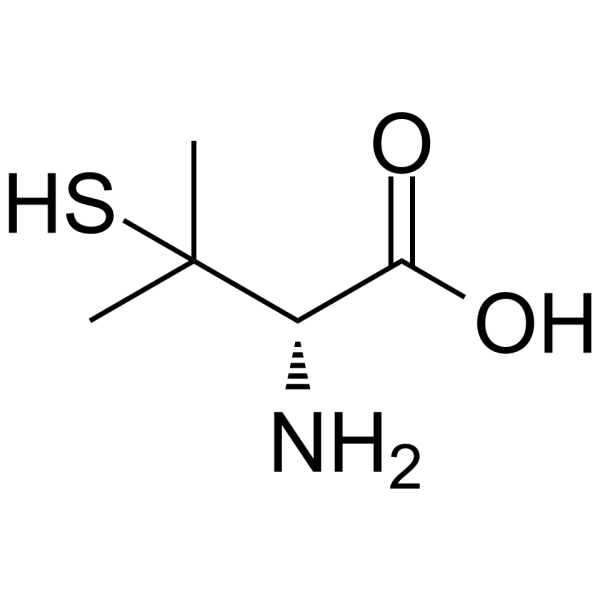
Penicillamine (D-(-)-Penicillamine) is a penicillin metabolic degradation product, can be used as a heavy metal chelator. Penicillamine increases free copper and increases oxidative stress. Penicillamine has effect of seizures through nitric oxide/NMDA pathways. Penicillamine is a potential immune modulator. Penicillamine can be used for the research of Wilson disease, rheumatoid arthritis, and cystinuria .
|
-
- HY-129043R
-
|
|
Reference Standards
Drug Metabolite
|
Infection
|
|
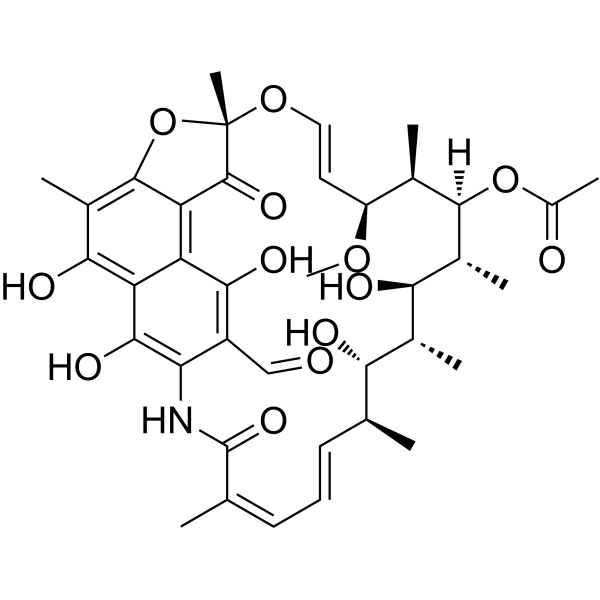
3-Formyl rifamycin (Standard) is the analytical standard of 3-Formyl rifamycin (HY-129043). This product is intended for research and analytical applications. 3-Formyl rifamycin is an acid degradation product of the broad-spectrum antibiotic Rifampicin (HY-B0272). 3-Formyl rifamycin forms via acid hydrolysis of Rifampicin in an acidic environment .
|
-
- HY-133597R
-
|
|
Drug Derivative
Reference Standards
|
Others
|
|
4-Chlorocatechol (Standard) is the analytical standard of 4-Chlorocatechol. This product is intended for research and analytical applications. 4-Chlorocatechol is a major degradation product of 4-chloro-2-aminophenol (4C2AP). 4-Chlorocatechol is also a substrate for catechol 1,2-dioxygenases and chlorocatechol dioxygenase .
|
-

- HY-105363
-
|
|
Others
|
Cardiovascular Disease
|
|
RGH-1962 is an orally active antithrombotic agent. RGH-1962 prevents endotoxin-induced decreases in fibrinogen level and platelet count, reduces the level of fibrin degradation products and inhibits the endotoxin-induced enhancement of fibrinolytic activity in a rabbit model of endotoxin-induced disseminated intravascular coagulation. RGH-1962 can be used for the study of thrombotic diseases .
|
-

- HY-23331S
-
|
4-Methylimidazolidine-2-thione-d3
|
Isotope-Labeled Compounds
Drug Metabolite
|
Others
|
|
4-Methylimidazolidine-2-thione-d3 (4-Methylimidazolidine-2-thione-d3) is deuterium labeled 4-Methylimidazolidine-2-thione. Propylene thiourea is one of the main degradation products of Propineb (HY-119630) in animals, plants and during processing .
|
-

- HY-W743390
-
|
4-Methylimidazolidine-2-thione-d6
|
Isotope-Labeled Compounds
Drug Metabolite
|
Others
|
|
4-Methylimidazolidine-2-thione-d6 (4-Methylimidazolidine-2-thione-d6) is deuterium labeled 4-Methylimidazolidine-2-thione. Propylene thiourea is one of the main degradation products of Propineb (HY-119630) in animals, plants and during processing .
|
-

- HY-B1855R
-
|
Epoxyheptachlor (Standard)
|
Biochemical Assay Reagents
Reference Standards
|
Others
|
|
cis-Heptachlor epoxide (Standard) is the analytical standard of cis-Heptachlor epoxide. This product is intended for research and analytical applications. (±)-cis-Heptachlor epoxides, are degradation products of heptachlor that can occur in or on soil and crops when treated with heptachlor, a pesticide. Heptachlor is readily formed upon exposure to air. Everett CJ, Thompson OM. Environmental Health Pastor. 2015;30(2):93-7.
|
-

- HY-W017386S
-
|
|
Isotope-Labeled Compounds
Endogenous Metabolite
|
Metabolic Disease
|
|
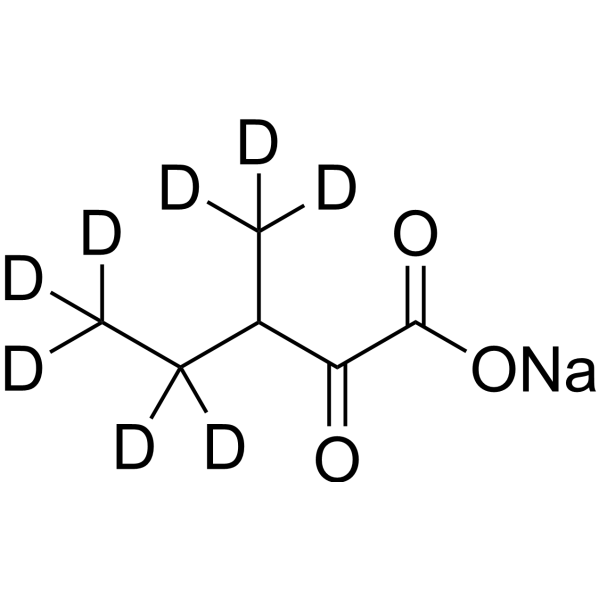
3-Methyl-2-oxovaleric acid-d8 sodium is the deuterium labeled 3-Methyl-2-oxovaleric acid. 3-Methyl-2-oxovaleric acid is a degradation product from Isoleucine. 3-Methyl-2-oxovaleric acid is a biomarker of mustard airway diseases (MADs) and uric acid stone .
|
-
- HY-W450115
-
|
|
Reactive Oxygen Species (ROS)
|
Inflammation/Immunology
|
|
USF 2550A is a class of fungus-derived 2-pyran compound with DPPH free radical scavenging activity. USF 2550A binds to DPPH free radicals in organic solvents to form adducts, thereby achieving free radical scavenging; in acetate buffer, the formed adducts undergo degradation, and the degradation products can continuously scavenge free radicals. USF 2550A can be used in antioxidant-related research .
|
-

- HY-16035A
-
|
|
DNA/RNA Synthesis
Antibiotic
|
Infection
|
|
Alatrofloxacin mesylate is an antibiotic with antibacterial activity. Alatrofloxacin mesylate exhibits significant hydrophilicity in the aqueous phase, forming a very stable suspension. The degradation products of Alatrofloxacin mesylate become hydrophobic upon exposure, causing aggregation of its particles. The long-term stability of Alatrofloxacin mesylate is closely related to its polar interaction. The changes in surface tension characteristics of Alatrofloxacin mesylate particles under different lighting conditions affect their physical and chemical properties .
|
-

- HY-W042337
-
|
|
Environmental Pollutants
Apoptosis
|
Others
|
|
3-Methyl-4-nitrophenol, an environmental contaminant, is a well-known constituent of diesel exhaust particles and degradation products of insecticide fenitrothion. 3-Methyl-4-nitrophenol can induce nasal epithelial cell apoptosis and increase the permeability of the nasal epithelial barrier. 3-Methyl-4-nitrophenol is also toxic to the female reproductive system.
|
-

- HY-113063R
-
|
|
Reference Standards
Endogenous Metabolite
|
Metabolic Disease
|
|
3-Methyl-2-oxovaleric acid (Standard) is the analytical standard of 3-Methyl-2-oxovaleric acid (HY-113063). This product is intended for research and analytical applications. 3-Methyl-2-oxovaleric acid is a degradation product from Isoleucine. 3-Methyl-2-oxovaleric acid is a biomarker of mustard airway diseases (MADs) and uric acid stone.
|
-

- HY-121899R
-
|
Ibuprofen EP impurity J (Standard)
|
Drug Metabolite
Reference Standards
|
Others
|
|
1-Oxo Ibuprofen (Standard) is the analytical standard of 1-Oxo Ibuprofen. This product is intended for research and analytical applications. 1-Oxo Ibuprofen (Ibuprofen EP impurity J) is a degradation product and a potential impurity in preparations of Ibuprofen. Ibuprofen is an anti-inflammatory inhibitor targeting COX-1 and COX-2 with IC50s of 13 μM and 370 μM, respectively .
|
-

- HY-N7454
-
|
|
Drug Metabolite
Bacterial
|
Infection
|
|
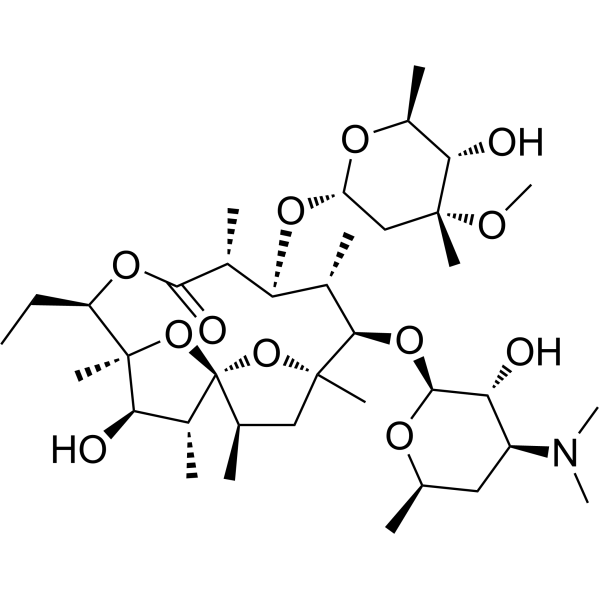
Anhydroerythromycin A is a degradation product of the macrolide antibiotic erythromycin. Anhydroerythromycin A is formed via degradation of erythromycin in acidic aqueous solutions in vitro as well as in vivo. Anhydroerythromycin A is active against S. aureus and B. cereus in vitro (MICs = 12.5 and 6.25 μg/ml, respectively). Anhydroerythromycin A also inhibits steroid 6β-hydroxylase activity associated with the cytochrome P450 (CYP) isoform CYP3A in human liver microsomes.
|
-
- HY-W018171S2
-
|
TCPy-13C3
|
Isotope-Labeled Compounds
Herbicide
|
Others
|
|
3,5,6-Trichloro-2-pyridinol- 13C3 (TCPy- 13C3) is the 13C-labeled 3,5,6-Trichloro-2-pyridinol (HY-W018171). 3,5,6-Trichloro-2-pyridinol (TCPy) is the main degradation product of the herbicide Triclopyr and the insecticides Chlorpyrifos and Chlorpyrifos-methyl .
|
-

- HY-B0300R
-
|
D-(-)-Penicillamine (Standard)
|
Cuproptosis
Reference Standards
Drug Metabolite
|
Inflammation/Immunology
Cancer
|
|
Penicillamine (Standard) is the analytical standard of Penicillamine. This product is intended for research and analytical applications. Penicillamine (D-(-)-Penicillamine) is a penicillin metabolic degradation product, can be used as a heavy metal chelator. Penicillamine increases free copper and increases oxidative stress. Penicillamine has effect of seizures through nitric oxide/NMDA pathways. Penicillamine is a potential immune modulator. Penicillamine can be used for the research of Wilson disease, rheumatoid arthritis, and cystinuria .
|
-

- HY-N16427
-
|
2,3-Dihydroxy-N-benzoylserine
|
Endogenous Metabolite
|
Others
|
|
2,3,-Dihydroxybenzoylserine (2,3-Dihydroxy-N-benzoylserine) is a conjugate of 2,3-dihydroxybenzoic acid and serine. 2,3,-Dihydroxybenzoylserine can be isolated from the culture of E.coli. 2,3,-Dihydroxybenzoylserine is a growth factor with growth-promoting activity in multiple aromatic auxotrophs such as E.coli KI2, strain AB2830. 2,3,-Dihydroxybenzoylserine is a degradation product of biological active compounds .
|
-

- HY-N7495
-
|
Anhydrovitamin A
|
Drug Metabolite
|
Metabolic Disease
|
|
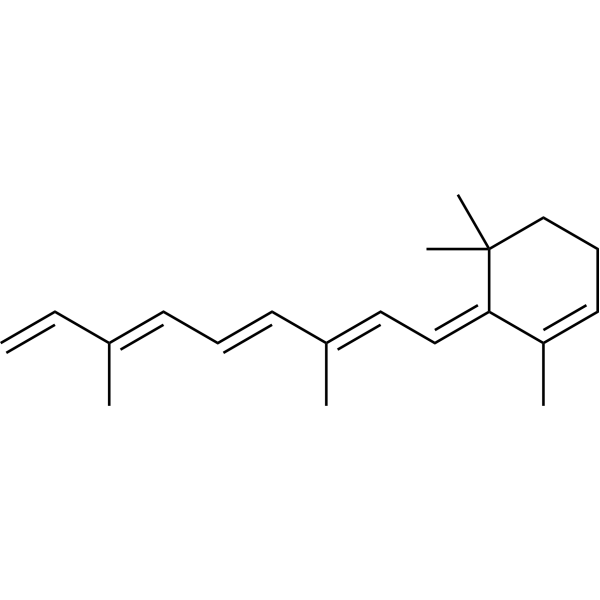
all-trans-Anhydro Retinol (Anhydrovitamin A) is an orally active degradation product formed by the dehydration of vitamin A alcohol and its esters under conditions such as acidic catalysis or hydroxylic solvents, with a biological activity only 0.4% of that of Vitamin A (HY-B1342). In rats, all-trans-Anhydro Retinol can be metabolized into hydroxy derivatives and their esters, but it cannot be converted into Vitamin A (HY-B1342) and has a low storage capacity in the body .
|
-
- HY-105364
-
|
GYKI 39521 hydriodide
|
Others
|
Cardiovascular Disease
|
|
RGH-1875 (GYKI 39521) hydriodide is the hydriodide of RGH-1875. RGH-1875 is an orally active antithrombotic agent. RGH-1875 prevents endotoxin-induced decreases in fibrinogen level and platelet count, reduces the level of fibrin degradation products and inhibits the endotoxin-induced enhancement of fibrinolytic activity in a rabbit model of endotoxin-induced disseminated intravascular coagulation. RGH-1875 can be used for the study of thrombotic diseases .
|
-

- HY-106263B
-
|
|
PTEN
PDK-1
MDM-2/p53
Apoptosis
Akt
|
Cancer
|
|
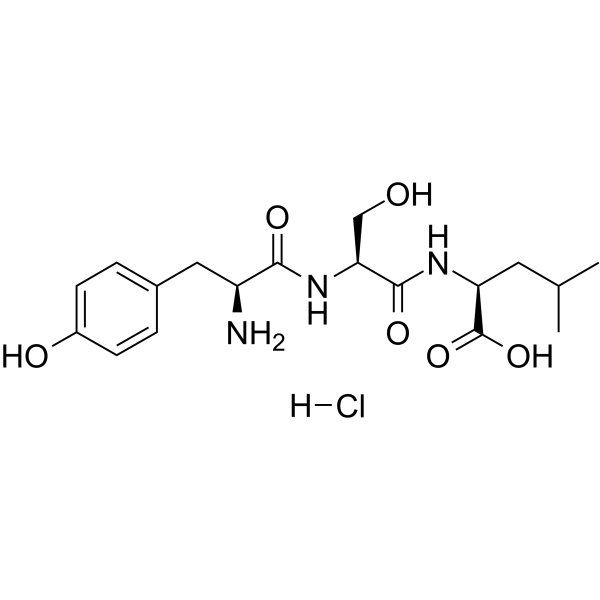
Tyroserleutide hydrochloride is a tripeptide isolated from the degradation products of porcine spleen with antitumor activity. Tyroserleutide hydrochloride can upregulate the expression of the tumor suppressor gene PTEN and inhibit the activity of AKT and PDK1. Tyroserleutide hydrochloride inhibits tumor cell proliferation and MDM2 phosphorylation by inhibiting the PI3K/AKT pathway, and also upregulates P21, P27, P53, and induces mitochondrial damage and cell apoptosis .
|
-
- HY-W012575R
-
|
|
Reference Standards
Reactive Oxygen Species (ROS)
|
Inflammation/Immunology
|
|
2,4-Dihydroxybenzoic acid (Standard) is the analytical standard of 2,4-Dihydroxybenzoic acid (HY-W012575). This product is intended for research and analytical applications. 2,4-Dihydroxybenzoic acid is a degradation product of acid cherry anthocyanins during in vitro cell culture and an analogue of coenzyme Q precursor molecules. 2,4-Dihydroxybenzoic acid can improve the related symptoms of kidney diseases caused by ADCK4/Coq6 deficiency .
|
-

- HY-177966
-
|
|
Drug Metabolite
Apoptosis
Reactive Oxygen Species (ROS)
|
Cancer
|
|
ETM-305 is a degradation product of the anticancer agent ET-743 (HY-50936). ET-743 (Ecteinascidin 743; Trabectedin) is a tetrahydroisoquinoline alkaloid that binds to the minor groove of DNA, blocks the transcription of stress-induced proteins, induces DNA backbone cleavage and cancer cell apoptosis, and increases ROS production in MCF-7 and MDA-MB-453 cells. Trabectedin is used in the research of soft tissue sarcoma and ovarian cancer .
|
-

- HY-G0006
-
|
Ufiprazole
|
Drug Metabolite
Aryl Hydrocarbon Receptor
Bacterial
|
Infection
Metabolic Disease
|
|
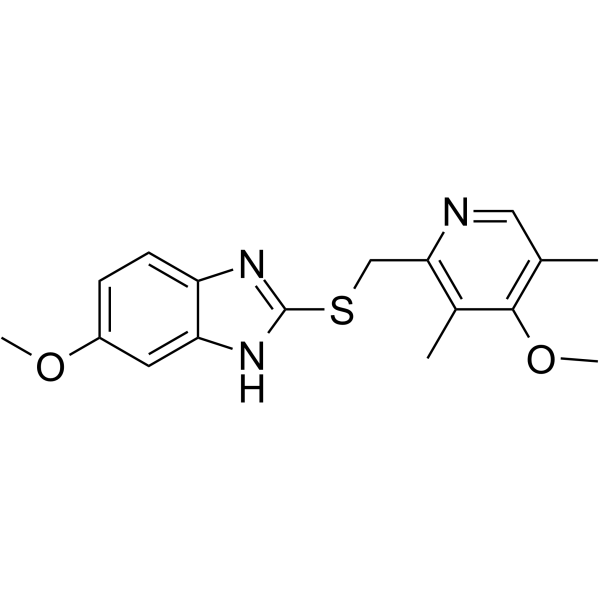
Omeprazole sulfide (Ufiprazole) is a metabolic degradation product of Omeprazole (HY-B0113). Omeprazole sulfide acts as a modulator of AhR. Omeprazole sulfide in cells with low CYP3A4 expression, functions as an AhR antagonist; however, in cells with high CYP3A4 expression, it is rapidly metabolized to Omeprazole, thereby acting as an AhR agonist. Omeprazole sulfide exhibits antibacterial activity when conjugated with silver nanoparticles (AgNPs). Omeprazole sulfide can be used in research on acid suppression and bacterial infections .
|
-
- HY-W009690
-
|
Tetraacetylethylenediamine; TAED
|
|
Others
|
|
N,N,N',N'-Tetraacetylethylenediamine (Tetraacetylethylenediamine; TAED) is a disinfectant and bleach activator. N,N,N',N'-Tetraacetylethylenediamine is a common bleach activator in phosphorus-free laundry detergent formulations, which acts to activate sodium perborate and improve bleaching efficiency at low temperatures. N,N,N',N'-Tetraacetylethylenediamine reacts with sodium percarbonate in water to produce peracetic acid with strong oxidative bactericidal activity. This reaction is environmentally friendly, and the final degradation products are sodium carbonate, acetic acid, ammonia, carbon dioxide, oxygen and water .
|
-

- HY-153505
-
|
|
ADAMTS
|
Inflammation/Immunology
|
|
ADAMTS-4/5-IN-1 is an orally active, and selective dual ADAMTS-4/5 inhibitor with IC50 values of 2 nM for human ADAMTS-4 and human ADAMTS-5, respectively. ADAMTS-4/5-IN-1 exhibits high selectivity against MMP enzymes. ADAMTS-4/5-IN-1 reduces aggrecan degradation products in synovial fluid. ADAMTS-4/5-IN-1 can be used for the research of osteoarthritis .
|
-

- HY-W777582
-
|
|
Isotope-Labeled Compounds
|
Others
|
|
4-tert-Octylphenol monoethoxylate- 13C6 is the 13C labeled isotope of 4-tert-Octylphenol monoethoxylate (HY-W777582) . 4-tert-Octylphenol monoethoxylate is an alkylphenolethoxylate (APE) and a degradation product of non-ionic surfactants (such as 4-tert-octylphenol polyethoxylate). 4-tert-Octylphenol monoethoxylate also possesses non-steroidal estrogenic activity. Additionally, 4-tert-Octylphenol monoethoxylate has been found in wastewater effluent .
|
-

- HY-175062
-
|
iPF2α-III ethanolamide; 8-Isoprostane ethanolamide; 8-iso PGF2α ethanolamide
|
Drug Derivative
|
Others
|
|
8-isoprostaglandin F2α ethanolamide (iPF2α-III ethanolamide; 8-Isoprostane ethanolamide; 8-iso PGF2α ethanolamide) is an isoprostanol ethanolamide derivative derived from anandamide (AEA) via non-enzymatic free radical oxidation. 8-isoprostaglandin F2α ethanolamide is commonly used as a marker of oxidative stress, distinguishing non-enzymatic degradation products from "prostamides" generated by enzymatic pathways such as COX-2 .
|
-

- HY-W018171
-
|
TCPy
|
Environmental Pollutants
Herbicide
|
Metabolic Disease
Inflammation/Immunology
|
|
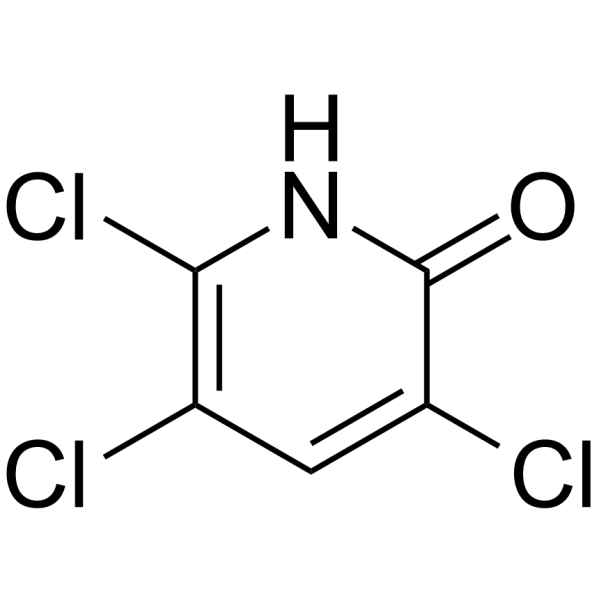
3,5,6-Trichloro-2-pyridinol (TCPy) is a chloride of 2-pyridone with oral activity. 3,5,6-Trichloro-2-pyridinol is the main degradation product of the herbicide Triclopyr and the insecticides Chlorpyrifos and chlorpyrifos-methyl. 3,5,6-Trichloro-2-pyridinol is associated with attention deficit hyperactivity disorder (ADHD) and decreased testosterone levels. 3,5,6-Trichloro-2-pyridinol causes hearing loss, hepatotoxicity and nephrotoxicity in mice .
|
-
- HY-W042337S
-
|
|
Isotope-Labeled Compounds
Environmental Pollutants
Apoptosis
|
Others
|
|
3-Methyl-4-nitrophenol-d3 is the deuterium labeled 3-Methyl-4-nitrophenol (HY-W042337). 3-Methyl-4-nitrophenol, an environmental contaminant, is a well-known constituent of diesel exhaust particles and degradation products of insecticide fenitrothion. 3-Methyl-4-nitrophenol can induce nasal epithelial cell apoptosis and increase the permeability of the nasal epithelial barrier. 3-Methyl-4-nitrophenol is also toxic to the female reproductive system.
|
-

- HY-N7495R
-
|
Anhydrovitamin A (Standard)
|
Reference Standards
Drug Metabolite
|
Metabolic Disease
|
|
all-trans-Anhydro Retinol (Standard) (Anhydrovitamin A (Standard)) is the analytical standard of all-trans-Anhydro Retinol (HY-N7495). This product is intended for research and analytical applications. all-trans-Anhydro Retinol (Anhydrovitamin A) is an orally active degradation product formed by the dehydration of vitamin A alcohol and its esters under conditions such as acidic catalysis or hydroxylic solvents, with a biological activity only 0.4% of that of Vitamin A (HY-B1342). In rats, all-trans-Anhydro Retinol can be metabolized into hydroxy derivatives and their esters, but it cannot be converted into Vitamin A (HY-B1342) and has a low storage capacity in the body .
|
-

- HY-121779
-
|
2,4'-DDE; 2,4-Dichlorodiphenyldichloroethylene; 2,4'-DDE; o,p'-Dichlorodiphenyldichloroethylene
|
Insecticide
|
Endocrinology
|
|
o,p'-DDE (2,4-Dichlorodiphenyldichloroethylene) is a metabolite and degradation product of the organochlorine pesticide DDT. It accumulates in smallmouth buffalo, channel catfish, and largemouth bass, and in sediments from DDT manufacturing plants around the Huntsville Spring Branch-Indian Creek tributary system, where it is considered a persistent organic pollutant (POP). o,p'-DDE inhibits estrogen binding to the rainbow trout estrogen receptor (rtER) with an IC50 value of 3.2 μM. It induces concentration-dependent estradiol secretion in co-cultures of granulosa and theca cells isolated from porcine follicles. In ovo exposure to o,p'-DDE increases follicular degeneration and reduces testis size in Japanese medaka (O. latipes).
|
-

- HY-W018171R
-
|
TCPy (Standard)
|
Herbicide
Reference Standards
|
Others
|
|
3,5,6-Trichloro-2-pyridinol (Standard) is the analytical standard of 3,5,6-Trichloro-2-pyridinol. This product is intended for research and analytical applications. 3,5,6-Trichloro-2-pyridinol (TCPy) is a chloride of 2-pyridone with oral activity. 3,5,6-Trichloro-2-pyridinol is the main degradation product of the herbicide Triclopyr and the insecticides Chlorpyrifos and chlorpyrifos-methyl. 3,5,6-Trichloro-2-pyridinol is associated with attention deficit hyperactivity disorder (ADHD) and decreased testosterone levels. 3,5,6-Trichloro-2-pyridinol causes hearing loss, hepatotoxicity and nephrotoxicity in mice.
|
-

- HY-P4846
-
|
|
CXCR
Apoptosis
IFNAR
TNF Receptor
Interleukin Related
|
Infection
Inflammation/Immunology
|
|
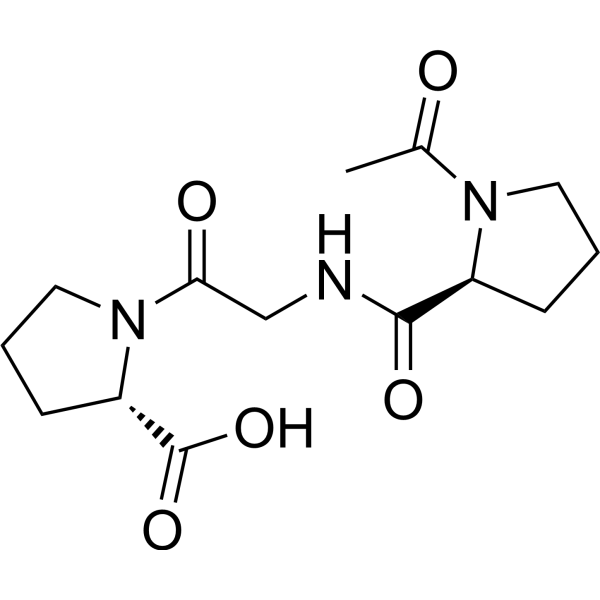
Ac-Pro-Gly-Pro-OH is an endogenous degradation product of extracellular collagen and acts as a CXCR2 agonist . Ac-Pro-Gly-Pro-OH exerts bactericidal activity by generating hydrogen peroxide, inhibits pulmonary inflammation, and reduces immune cell apoptosis (apoptosis). Ac-Pro-Gly-Pro-OH promotes the production of IFN-γ and inhibits the production of TNF-α and IL-6 in leukocytes. Ac-Pro-Gly-Pro-OH increases the survival rate of mice in sepsis models, enhances the bactericidal activity of neutrophils, acts as a neutrophil chemoattractant, induces neutrophil polarization, and regulates inflammatory and repair processes. Ac-Pro-Gly-Pro-OH induces chronic inflammation and tissue remodeling through sustained action. Ac-Pro-Gly-Pro-OH is released via alkaline hydrolysis of corneal proteins in alkali-injured eyes, thereby driving the early infiltration of neutrophils into the cornea. Ac-Pro-Gly-Pro-OH is applicable to research related to sepsis, chronic obstructive pulmonary disease, cystic fibrosis, bronchiolitis obliterans syndrome, severe asthma, idiopathic pulmonary fibrosis, and corneal ulcer .
|
-
| Cat. No. |
Product Name |
Type |
-
- HY-W017386
-
|
|
Biochemical Assay Reagents
|
|
3-Methyl-2-oxovaleric acid sodium is a degradation product from Isoleucine. 3-Methyl-2-oxovaleric acid sodium is a biomarker of mustard airway diseases (MADs) and uric acid stone .
|
-
- HY-79602
-
|
|
Biochemical Assay Reagents
|
|
p-Toluenesulfonamide is an intermediate and plasticizer. p-Toluenesulfonamide is also the main degradation product of the disinfectant Chloramine-T (HY-B0959) in water. p-Toluenesulfonamide facilitates the localization of fluorescent probes to the endoplasmic reticulum .
|
-
- HY-B1855
-
|
Epoxyheptachlor
|
Biochemical Assay Reagents
|
|
(±)-cis-Heptachlor epoxides, are degradation products of heptachlor that can occur in or on soil and crops when treated with heptachlor, a pesticide. Heptachlor is readily formed upon exposure to air. Everett CJ, Thompson OM. Environmental Health Pastor. 2015;30(2):93-7.
|
-
- HY-112108D
-
|
COS (MW 2000)
|
Biochemical Assay Reagents
|
|
Chitosan oligosaccharide (MW 2000) (COS (MW 2000)) is a degradation product of chitosan. It is an oligosaccharide composed of 2-20 glucosamine groups linked by β-(1→4) glycosidic bonds .
|
-
- HY-79602R
-
|
|
Biochemical Assay Reagents
|
|
p-Toluenesulfonamide (Standard) is the analytical standard of p-Toluenesulfonamide (HY-79602). This product is intended for research and analytical applications. p-Toluenesulfonamide is an intermediate and plasticizer. p-Toluenesulfonamide is also the main degradation product of the disinfectant Chloramine-T (HY-B0959) in water. p-Toluenesulfonamide facilitates the localization of fluorescent probes to the endoplasmic reticulum .
|
-
- HY-B1855R
-
|
Epoxyheptachlor (Standard)
|
Biochemical Assay Reagents
|
|
cis-Heptachlor epoxide (Standard) is the analytical standard of cis-Heptachlor epoxide. This product is intended for research and analytical applications. (±)-cis-Heptachlor epoxides, are degradation products of heptachlor that can occur in or on soil and crops when treated with heptachlor, a pesticide. Heptachlor is readily formed upon exposure to air. Everett CJ, Thompson OM. Environmental Health Pastor. 2015;30(2):93-7.
|
| Cat. No. |
Product Name |
Target |
Research Area |
-
- HY-W724905
-
|
γ-Glu-Ile; H-γ-Glu-Ile-OH
|
Amino Acid Derivatives
|
Others
|
|
gamma-Glutamylisoleucine (γ-Glu-Ile; H-γ-Glu-Ile-OH) is a dipeptide composed of γ-glutamic acid and isoleucine, and it is also a degradation product of macromolecular proteins after proteolysis .
|
-
- HY-P4846
-
|
|
CXCR
Apoptosis
IFNAR
TNF Receptor
Interleukin Related
|
Infection
Inflammation/Immunology
|
|
Ac-Pro-Gly-Pro-OH is an endogenous degradation product of extracellular collagen and acts as a CXCR2 agonist . Ac-Pro-Gly-Pro-OH exerts bactericidal activity by generating hydrogen peroxide, inhibits pulmonary inflammation, and reduces immune cell apoptosis (apoptosis). Ac-Pro-Gly-Pro-OH promotes the production of IFN-γ and inhibits the production of TNF-α and IL-6 in leukocytes. Ac-Pro-Gly-Pro-OH increases the survival rate of mice in sepsis models, enhances the bactericidal activity of neutrophils, acts as a neutrophil chemoattractant, induces neutrophil polarization, and regulates inflammatory and repair processes. Ac-Pro-Gly-Pro-OH induces chronic inflammation and tissue remodeling through sustained action. Ac-Pro-Gly-Pro-OH is released via alkaline hydrolysis of corneal proteins in alkali-injured eyes, thereby driving the early infiltration of neutrophils into the cornea. Ac-Pro-Gly-Pro-OH is applicable to research related to sepsis, chronic obstructive pulmonary disease, cystic fibrosis, bronchiolitis obliterans syndrome, severe asthma, idiopathic pulmonary fibrosis, and corneal ulcer .
|
-
- HY-106263B
-
|
|
PTEN
PDK-1
MDM-2/p53
Apoptosis
Akt
|
Cancer
|
|
Tyroserleutide hydrochloride is a tripeptide isolated from the degradation products of porcine spleen with antitumor activity. Tyroserleutide hydrochloride can upregulate the expression of the tumor suppressor gene PTEN and inhibit the activity of AKT and PDK1. Tyroserleutide hydrochloride inhibits tumor cell proliferation and MDM2 phosphorylation by inhibiting the PI3K/AKT pathway, and also upregulates P21, P27, P53, and induces mitochondrial damage and cell apoptosis .
|
-
- HY-P4724
-
-
- HY-P3675
-
|
|
GnRH Receptor
|
Endocrinology
|
|
LH-RH (4-10) is a heptapeptide, one of major degradation products of luteinising-hormone releasing hormone (LHRH) via pituitary and hypothalamus. LH-RH (4-10) produced in macrophages and type II pneumocytes .
|
-
- HY-P3674
-
|
|
GnRH Receptor
|
Endocrinology
|
|
LH-RH (7-10) is a tetrapeptide, one of major degradation products of luteinising-hormone releasing hormone (LHRH) via pituitary and hypothalamus. LH-RH (7-10) produced in macrophages, type I-like and type II pneumocytes .
|
-
- HY-P2658
-
|
|
Neprilysin
|
Others
|
|
[Des-Tyr1]-Met-Enkephalin, a tetrapeptide, is a degradationproduct of enkephalins .
|
-
- HY-P4372
-
|
|
Peptides
|
Others
|
|
Hepcidin-22 (human) is an inactive degradation product of hepcidin-25 that is present in the urine .
|
-
- HY-106263A
-
|
|
Peptides
|
Cancer
|
|
Tyroserleutide TFA, isolated from the degradation products of porcine spleen , is a small molecular tripeptide which inhibits tumor growth both in vitro and in vivo .
|
-
- HY-106263
-
|
|
Peptides
|
Cancer
|
|
Tyroserleutide (YSL), isolated from the degradation products of porcine spleen , is a small molecular tripeptide which inhibits tumor growth both in vitro and in vivo .
|
-
- HY-P4386
-
|
|
GLP Receptor
|
Metabolic Disease
|
|
(Asp28)-Exenatide is a degradation product of exenatide (HY-13443). (Asp28)-Exenatide can be used as a GLP-1R agonist .
|
| Cat. No. |
Product Name |
Category |
Target |
Chemical Structure |
-
- HY-B0300
-
-
-
- HY-N7387
-
-
-
- HY-N7495
-
-
-
- HY-113063
-
-
-
- HY-N7449
-
-
-
- HY-W012575
-
-
-
- HY-B1514
-
-
-
- HY-113412A
-
-
-
- HY-113063R
-
-
-
- HY-13938
-
-
-
- HY-N15681
-
-
-
- HY-N7454
-
-
-
- HY-N12842
-
-
-
- HY-N12843
-
-
-
- HY-113412AR
-
-
-
- HY-113137R
-
-
-
- HY-N16427
-
|
2,3-Dihydroxy-N-benzoylserine
|
Microorganisms
Ketones, Aldehydes, Acids
Source Classification
|
Endogenous Metabolite
|
|
2,3,-Dihydroxybenzoylserine (2,3-Dihydroxy-N-benzoylserine) is a conjugate of 2,3-dihydroxybenzoic acid and serine. 2,3,-Dihydroxybenzoylserine can be isolated from the culture of E.coli. 2,3,-Dihydroxybenzoylserine is a growth factor with growth-promoting activity in multiple aromatic auxotrophs such as E.coli KI2, strain AB2830. 2,3,-Dihydroxybenzoylserine is a degradation product of biological active compounds .
|
-
-
- HY-B0300R
-
|
D-(-)-Penicillamine (Standard)
|
Structural Classification
Microorganisms
Ketones, Aldehydes, Acids
Source Classification
|
Cuproptosis
Reference Standards
Drug Metabolite
|
|
Penicillamine (Standard) is the analytical standard of Penicillamine. This product is intended for research and analytical applications. Penicillamine (D-(-)-Penicillamine) is a penicillin metabolic degradation product, can be used as a heavy metal chelator. Penicillamine increases free copper and increases oxidative stress. Penicillamine has effect of seizures through nitric oxide/NMDA pathways. Penicillamine is a potential immune modulator. Penicillamine can be used for the research of Wilson disease, rheumatoid arthritis, and cystinuria .
|
-
-
- HY-W012575R
-
-
-
- HY-N7495R
-
|
Anhydrovitamin A (Standard)
|
Structural Classification
Terpenoids
Diterpenoids
Endogenous metabolite
Source Classification
|
Reference Standards
Drug Metabolite
|
|
all-trans-Anhydro Retinol (Standard) (Anhydrovitamin A (Standard)) is the analytical standard of all-trans-Anhydro Retinol (HY-N7495). This product is intended for research and analytical applications. all-trans-Anhydro Retinol (Anhydrovitamin A) is an orally active degradation product formed by the dehydration of vitamin A alcohol and its esters under conditions such as acidic catalysis or hydroxylic solvents, with a biological activity only 0.4% of that of Vitamin A (HY-B1342). In rats, all-trans-Anhydro Retinol can be metabolized into hydroxy derivatives and their esters, but it cannot be converted into Vitamin A (HY-B1342) and has a low storage capacity in the body .
|
-
-
- HY-N7782
-
-
-
- HY-N17882
-
-
-
- HY-N18055
-
-
-
- HY-N13193
-
-
-
- HY-113281
-
-
-
- HY-N16643
-
-
-
- HY-N9715
-
|
|
Structural Classification
Microorganisms
Ketones, Aldehydes, Acids
Source Classification
|
Herbicide
|
|
4-Chloropinselin is a chlorine-containing xanthone herbicide that can be isolated from Alternaria sonchi. 4-Chloropinselin is a biosynthetic precursor or degradation product of chloromonilicin and exhibits phytotoxic and antimicrobial activity. 4-Chloropinselin can inhibit the growth of weeds such as field sowthistle and suppress the proliferation of certain microorganisms .
|
-
-
- HY-N18965
-
-
-
- HY-W750682
-
|
|
Natural Products
Microorganisms
Source Classification
|
Drug Derivative
|
|
β-Carotene 5,6-epoxide, a carotenoid, is a degradation product of β-carotene. β-Carotene 5,6-epoxide can be found in isolated chloroplasts. Carotenoids are important biological active, and may regulate cellular differentiation, growth control, photooxidative protection, cell membrane stability, photosynthesis, vision process and nutrition .
|
-
-
- HY-W450115
-
-
| Cat. No. |
Product Name |
Chemical Structure |
-
- HY-W017386S
-
|
|
|
3-Methyl-2-oxovaleric acid-d8 sodium is the deuterium labeled 3-Methyl-2-oxovaleric acid. 3-Methyl-2-oxovaleric acid is a degradation product from Isoleucine. 3-Methyl-2-oxovaleric acid is a biomarker of mustard airway diseases (MADs) and uric acid stone .
|
-
-
- HY-79602S1
-
|
|
|
p-Toluenesulfonamide- 15N is the 15N-labeled p-Toluenesulfonamide (HY-79602). p-Toluenesulfonamide is an intermediate and plasticizer. p-Toluenesulfonamide is also the main degradation product of the disinfectant Chloramine-T (HY-B0959) in water. p-Toluenesulfonamide facilitates the localization of fluorescent probes to the endoplasmic reticulum .
|
-
-
- HY-B0300S
-
|
|
|
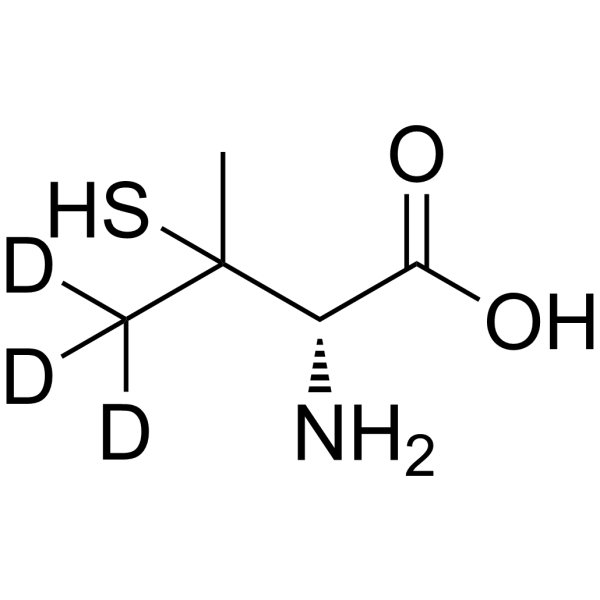
Penicillamine-d3 is the deuterium labeled Penicillamine. Penicillamine (D-(-)-Penicillamine) is the most characteristic degradation product of the penicillin antibiotics. It is used as an antirheumatic and as a chelating agent in Wilson's disease.
|
-
-
- HY-W142446S
-
|
|
|
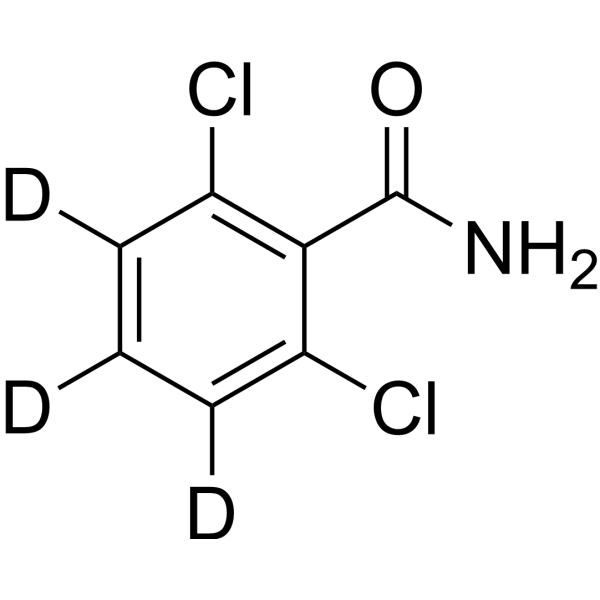
2,6-Dichlorobenzamide-3,4,5-d3 is the deuterium labeled 2,6-Dichlorobenzamide (HY-W142446). 2,6-Dichlorobenzamide is a herbicide degradation product that is relatively difficult to degrade .
|
-
-
- HY-W018171S2
-
|
|
|
3,5,6-Trichloro-2-pyridinol- 13C3 (TCPy- 13C3) is the 13C-labeled 3,5,6-Trichloro-2-pyridinol (HY-W018171). 3,5,6-Trichloro-2-pyridinol (TCPy) is the main degradation product of the herbicide Triclopyr and the insecticides Chlorpyrifos and Chlorpyrifos-methyl .
|
-
-
- HY-W743390
-
|
|
|
4-Methylimidazolidine-2-thione-d6 (4-Methylimidazolidine-2-thione-d6) is deuterium labeled 4-Methylimidazolidine-2-thione. Propylene thiourea is one of the main degradation products of Propineb (HY-119630) in animals, plants and during processing .
|
-
-
- HY-W777582
-
|
|
|
4-tert-Octylphenol monoethoxylate- 13C6 is the 13C labeled isotope of 4-tert-Octylphenol monoethoxylate (HY-W777582) . 4-tert-Octylphenol monoethoxylate is an alkylphenolethoxylate (APE) and a degradation product of non-ionic surfactants (such as 4-tert-octylphenol polyethoxylate). 4-tert-Octylphenol monoethoxylate also possesses non-steroidal estrogenic activity. Additionally, 4-tert-Octylphenol monoethoxylate has been found in wastewater effluent .
|
-
-
- HY-W010593S
-
|
|
|
Ethylenethiourea-d4 is the deuterium labeled Ethylenethiourea . Ethylenethiourea is a degradation product of the ethylenebisthiocarbamate group of fungicides. Ethylenethiourea is tumorigenic and teratogenic. Ethylenethiourea is orally active .
|
-
-
- HY-23331S
-
|
|
|
4-Methylimidazolidine-2-thione-d3 (4-Methylimidazolidine-2-thione-d3) is deuterium labeled 4-Methylimidazolidine-2-thione. Propylene thiourea is one of the main degradation products of Propineb (HY-119630) in animals, plants and during processing .
|
-
-
- HY-W042337S
-
|
|
|
3-Methyl-4-nitrophenol-d3 is the deuterium labeled 3-Methyl-4-nitrophenol (HY-W042337). 3-Methyl-4-nitrophenol, an environmental contaminant, is a well-known constituent of diesel exhaust particles and degradation products of insecticide fenitrothion. 3-Methyl-4-nitrophenol can induce nasal epithelial cell apoptosis and increase the permeability of the nasal epithelial barrier. 3-Methyl-4-nitrophenol is also toxic to the female reproductive system.
|
-
Your information is safe with us. * Required Fields.
Inquiry Information
- Product Name:
- Cat. No.:
- Quantity:
- MCE Japan Authorized Agent:





![[Des-Tyr1]-Met-Enkephalin](http://file.medchemexpress.com/product_pic/hy-p2658.gif)





