



Penicillamine
Based on 5 publication(s) in Google Scholar
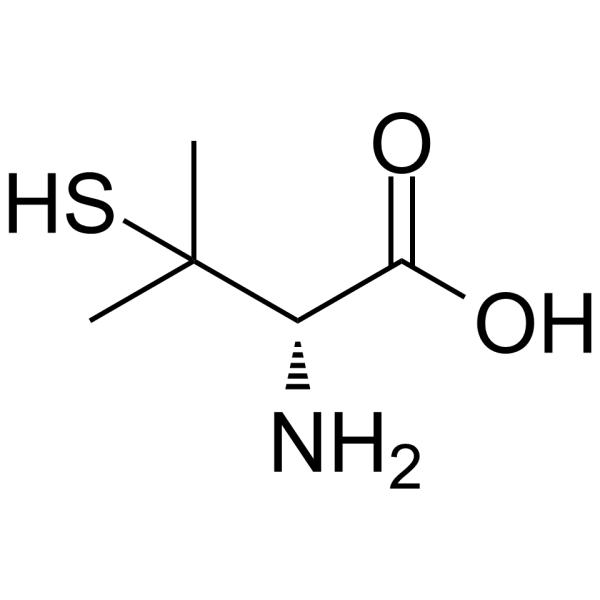
Penicillamine (D-(-)-Penicillamine) is a penicillin metabolic degradation product, can be used as a heavy metal chelator. Penicillamine increases free copper and increases oxidative stress. Penicillamine has effect of seizures through nitric oxide/NMDA pathways. Penicillamine is a potential immune modulator. Penicillamine can be used for the research of Wilson disease, rheumatoid arthritis, and cystinuria.
For research use only. We do not sell to patients.
- Purity : 98.0%
- CAS No.: 52-67-5
- Formula: C5H11NO2S
- Molecular Weight:149.22
-
Storage:Powder -20°C, 3 years , 4°C, 2 years ; In solvent -80°C, 2 years , -20°C, 1 year

To place orders, for customer services and technical support, please contact: MedChemExpress USA
Tel: 609-228-6898 E-mail: [email protected] [email protected]


-
 Biological Activity
-
Chemical Information
-
Solvent & Solubility
- Protocols
- Purity & Documentation
- References
-
 Help & FAQs


-
HY-12040
ElesclomolCuproptosis Inducer -
HY-B0240
DisulfiramALDH1 Inhibitor -
HY-100579
Ferrostatin-1Ferroptosis Inhibitor -
HY-16658B
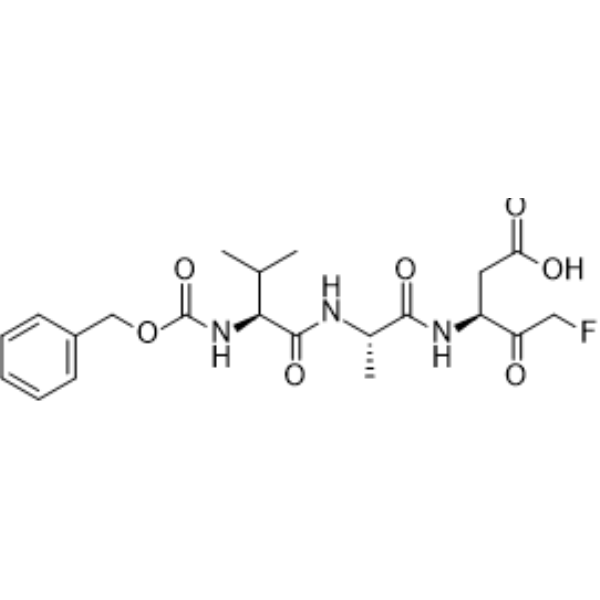
Z-VAD-FMKPan-Caspase Inhibitor -
HY-B0988
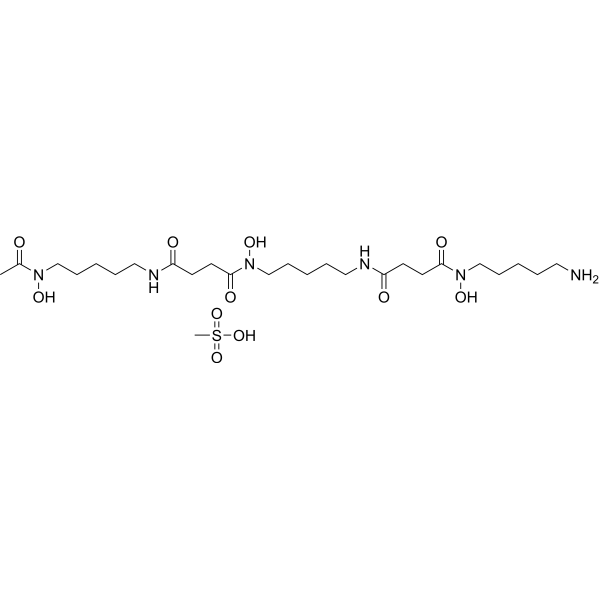
Deferoxamine mesylateIron Chelator -
HY-W011500
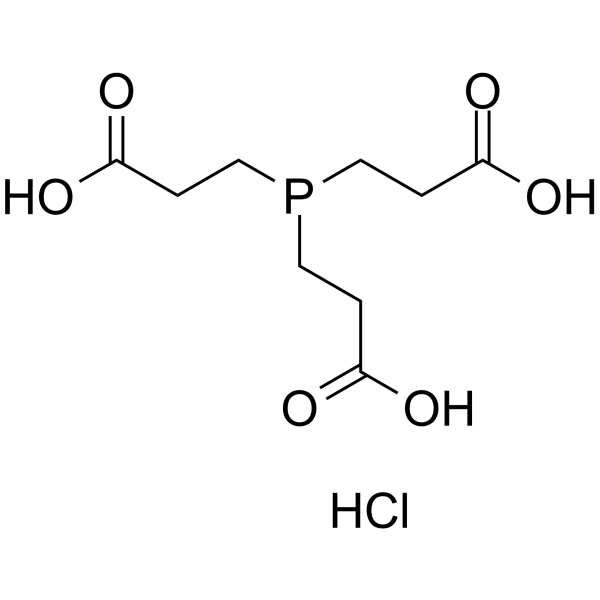
TCEP hydrochlorideNon-Thiol Reducing Agent -
HY-15760
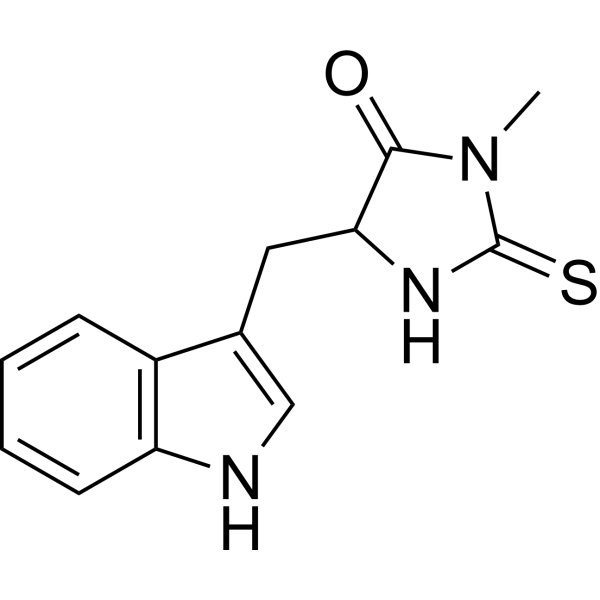
Necrostatin-1RIPK1 Inhibitor -
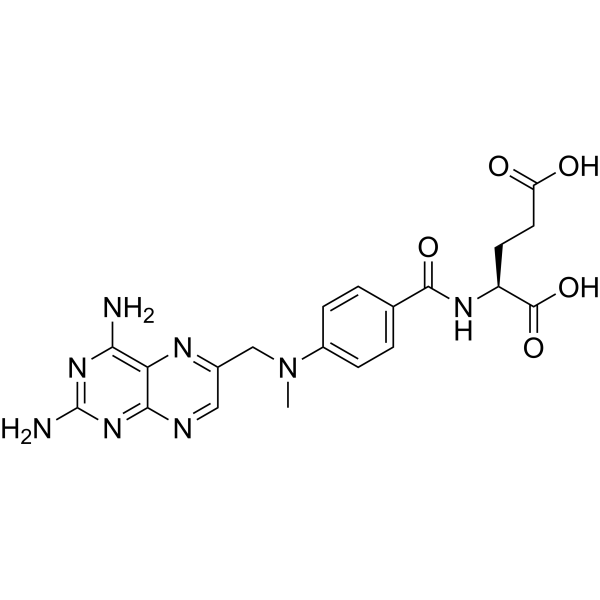
HY-14519
MethotrexateDihydrofolate Reductase Inhibitor -
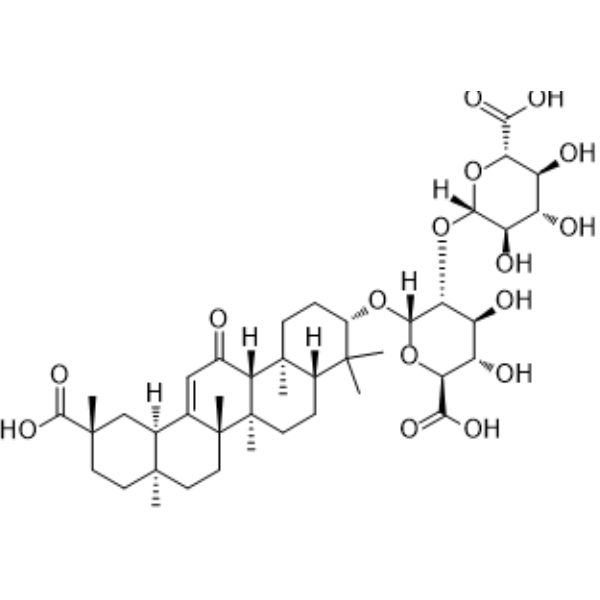
HY-N0184
Glycyrrhizic acidHMGB1 Antagonist -
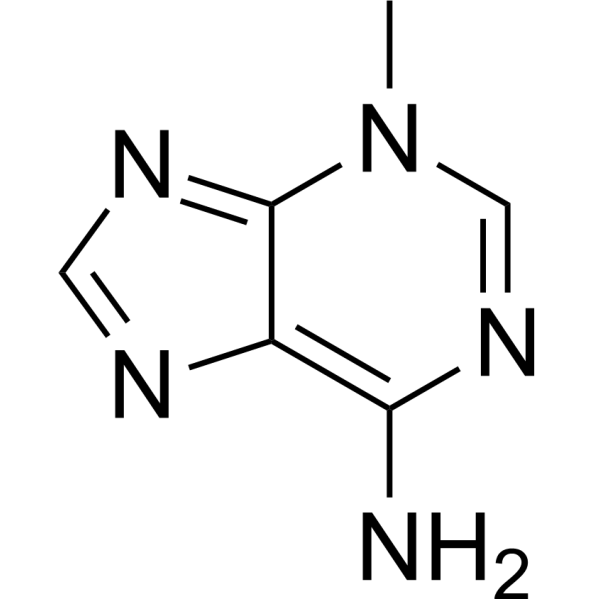
HY-19312
3-MethyladenineAutophagy/PI3K Inhibitor -
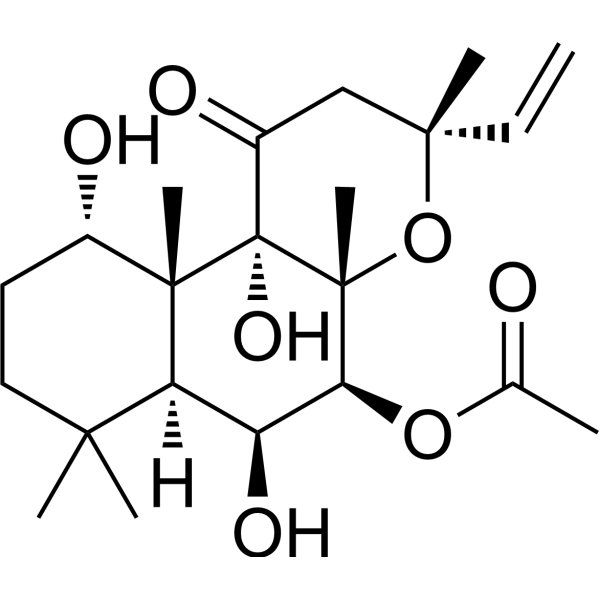
HY-15371
ForskolinAdenylate Cyclase Activator
Publications Citing Use of MedChemExpress (MCE) Penicillamine
More Customer Validation & Images

-
Microbiological Assay
-
ELISA
-
ELISA


Biological Activity
Description
Cellular Effect
|
Cell Line

|
Type | Value | Description | References |
|---|---|---|---|---|
| KB 3-1 | IC50 |
4.04 mM
Compound: D-penicillamine
|
Cytotoxicity against human KB-3-1 cells incubated for 72 hrs by MTT assay
Cytotoxicity against human KB-3-1 cells incubated for 72 hrs by MTT assay
|
[PMID: 21657271] |
| KB-V1 | IC50 |
6.93 mM
Compound: D-penicillamine
|
Cytotoxicity against drug-resistant human KBV1 cells expressing P-gp incubated for 72 hrs by MTT assay
Cytotoxicity against drug-resistant human KBV1 cells expressing P-gp incubated for 72 hrs by MTT assay
|
[PMID: 21657271] |
| Sf21 | IC50 |
>1000 μM
Compound: D-Penicillamine
|
Inhibition of human BSEP expressed in plasma membrane vesicles of Sf21 cells assessed as inhibition of ATP-dependent [3H]taurocholate uptake
Inhibition of human BSEP expressed in plasma membrane vesicles of Sf21 cells assessed as inhibition of ATP-dependent [3H]taurocholate uptake
|
[PMID: 21965623] |
| Sf21 | IC50 |
>1000 μM
Compound: D-Penicillamine
|
Inhibition of Sprague-Dawley rat Bsep expressed in plasma membrane vesicles of Sf21 cells assessed as inhibition of ATP-dependent [3H]taurocholate uptake
Inhibition of Sprague-Dawley rat Bsep expressed in plasma membrane vesicles of Sf21 cells assessed as inhibition of ATP-dependent [3H]taurocholate uptake
|
[PMID: 21965623] |
In Vitro
Penicillamine (D-(-)-Penicillamine) (5 mg; 7 d; CD4+ and CD+ splenocytes) promotes cellular immune responses[3].
MedChemExpress (MCE) has not independently confirmed the accuracy of these methods. They are for reference only. Further protocols information, click here.
-
Cell Line:CD4+ and CD+ splenocytes
-
Concentration:5 mg
-
Incubation Time:7 days
-
Result:Increased IL-4 and IFN-γ mRNA expression in response to high dose treatment and remained high in both CD4+ and CD+ splenocytes.
In Vivo
Penicillamine (200 mg/kg; i.g.; daily, for 3, 10 and 14 d; tx mice and DL mice) increases ATP7A and CTR1 mRNA expression in the brain of tx mice[1].
Penicillamine (200 mg/kg; i.g.; daily, for 3, 10 and 14 d; tx mice and DL mice) induces oxidative-stress in the central nervous system[1].
Penicillamine (0.1-250 mg/kg; i.p.; once, for 90 min; male NMRI mice) has binaural phase effect on seizure[2].
Penicillamine (5 mg/kg; i.v.; daily, for 8 weeks; male BN rats) prevents the onset of autoimmunity at a low dose[3].
MedChemExpress (MCE) has not independently confirmed the accuracy of these methods. They are for reference only.
-
Animal Model:Toxic milk mutant mice (tx mice) and DL mice[1]
-
Dosage:200 mg/kg
-
Administration:Oral gavage; daily, for 3, 10 and 14 days
-
Result:Increased the free copper concentrations in the tx mice serum on the 3rd day.
-
Animal Model:Toxic milk mutant mice (tx mice) and DL mice[1]
-
Dosage:200 mg/kg
-
Administration:Oral gavage; daily, for 3, 10 and 14 days
-
Result:Increased the mRNA expression of ATP7A by 4-fold. Increased CTR1 mRNA expression by 6.9-fold in the cortex and 9.1-fold in the basal ganglia of tx mice.
-
Animal Model:Toxic milk mutant mice (tx mice) and DL mice[1]
-
Dosage:200 mg/kg
-
Administration:Oral gavage; daily, for 3, 10 and 14 days
-
Result:Increased the concentration of MDA and decreased GSH/GSSG ratios through nitric oxide/NMDA pathways.
-
Animal Model:Male NMRI mice[2]
-
Dosage:0.1, 0.5, 1, 10, 100, 150 and 250 mg/kg
-
Administration:Intraperitoneal injection; once, for 90 minutes
-
Result:Had anticonvulsant effects at a low dose (0.5 mg/kg) and had anticonvulsant effects at a high dose (250 mg/kg). Reversed the anti- and proconvulsant effects by acute pretreatment of L-NAME (a nonselective nitric oxide synthase inhibitor) and 7-NI (a selective neuronal nitric oxide synthase inhibitor).
-
Animal Model:Male BN rats[3]
-
Dosage:5 mg/kg
-
Administration:Intravenous injection; daily, for 8 weeks
-
Result:Inhibited IgE upregulation and prevented the onset of autoimmunity.
Clinical Trial
| NCT Number | Sponsor | Condition | Start Date |
Phase
|
|---|---|---|---|---|
| NCT01329991 | Plexxikon| | 2011-05 | PHASE1 |


Chemical Information
-
CAS No. 52-67-5
-
Appearance Solid
-
Molecular Weight 149.22
-
Formula C5H11NO2S
-
Color White to off-white
-
SMILES
N[C@H](C(C)(S)C)C(O)=O
-
Synonyms
D-(-)-Penicillamine
-
Structure Classification
-
Initial Source
Penicillium
-
Shipping
Room temperature in continental US; may vary elsewhere.
-
Storage
Powder -20°C 3 years 4°C 2 years In solvent -80°C 2 years -20°C 1 year


Publications (5)
-
Journal Impact Factor
-
Most Recent
-
-
-
J Colloid Interface Sci
Photoactive metal-covalent organic framework nanozymes with enhanced peroxidase-mimicking activity for eliminating drug-resistant bacterial infections. [Abstract]2025 Jun 12;699(Pt 1):138178. PMID: 40527142
Penicillamine purchased from MedChemExpress. Usage Cited in: J Colloid Interface Sci. 2025 Jun 12;699(Pt 1):138178. [Abstract]
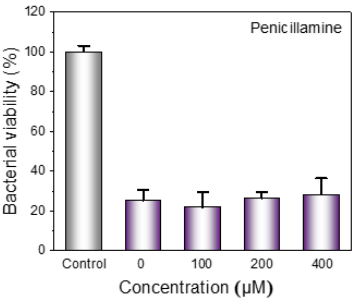
Effects of Penicillamine (0-400 μM) on MRSA cell viability after CuSA-COF treatment.
-
Antioxidants (Basel)
Characterization of the Inducible and Slow-Releasing Hydrogen Sulfide and Persulfide Donor P*: Insights into Hydrogen Sulfide Signaling. [Abstract]2021 Jun 29;10(7):1049. PMID: 34209813
Penicillamine purchased from MedChemExpress. Usage Cited in: Antioxidants (Basel). 2021 Jun 29;10(7):1049. [Abstract]
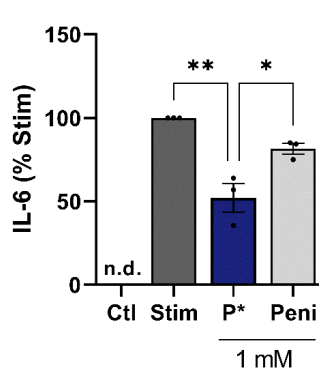
ATDC5 cells were incubated with 1 mM P* or penicillamine (Peni) for 1 h followed by stimulation with IL-1β/IFN-γ for 24 h. IL-6 levels were determined by ELISA and normalized against stimulated cells (Stim) set to 100 %.
Penicillamine purchased from MedChemExpress. Usage Cited in: Antioxidants (Basel). 2021 Jun 29;10(7):1049. [Abstract]
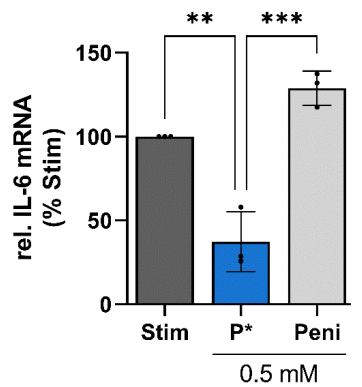
Primary human chondrocytes from OA patients were preincubated for 1 h with 0.5 mM P* or penicillamine (Peni) and stimulated for 24 h with IL-1β. IL-6 mRNA levels were determined by qPCR with SDHA as a reference gene and normalized to Stim (100 %).
-
Nitric Oxide
Polysulfides derived from the hydrogen sulfide and persulfide donor P* inhibit IL-1β-mediated inducible nitric oxide synthase signaling in ATDC5 cells: are CCAAT/enhancer-binding proteins β and δ involved in the anti-inflammatory effects of hydrogen sulfide and polysulfides?. [Abstract]2022 Dec 1:129:41-52. PMID: 36216240


Solvent & Solubility
In Vitro:
H2O : 83.33 mg/mL (558.44 mM; ultrasonic and warming and heat to 60°C)
DMSO : 1.43 mg/mL (9.58 mM; Need ultrasonic; Hygroscopic DMSO has a significant impact on the solubility of product, please use newly opened DMSO)
Please refer to the solubility information to select the appropriate solvent. Once prepared, please aliquot and store the solution to prevent product inactivation from repeated freeze-thaw cycles.
Storage method and period of stock solution: -80°C, 2 years; -20°C, 1 year. When stored at -80°C, please use it within 2 years. When stored at -20°C, please use it within 1 year.
* Note: If you choose water as the stock solution, please dilute it to the working solution, then filter and sterilize it with a 0.22 μm filter before use.
Please refer to the solubility information to select the appropriate solvent. Once prepared, please aliquot and store the solution to prevent product inactivation from repeated freeze-thaw cycles.
Storage method and period of stock solution: -80°C, 2 years; -20°C, 1 year. When stored at -80°C, please use it within 2 years. When stored at -20°C, please use it within 1 year.
* Note: If you choose water as the stock solution, please dilute it to the working solution, then filter and sterilize it with a 0.22 μm filter before use.
Concentration (start) × Volume (start) = Concentration (final) × Volume (final)
In Vivo:
For the following dissolution methods, please prepare the working solution directly:
It is recommended to prepare fresh solutions and use them promptly within a short period of time.
The percentages shown for the solvents indicate their volumetric ratio in the final prepared solution. If precipitation or phase separation occurs during preparation, heat and/or sonication can be used to aid dissolution.
Add each solvent one by one: PBS
Solubility: 100 mg/mL (670.15 mM); Clear solution; Need ultrasonic

Protocols
-
Collagen-Induced Arthritis
Collagen-induced arthritis (CIA) is an autoimmune murine model of rheumatoid arthritis in which immunization with type II collagen (CII) emulsified in an adjuvant induces a T cell- and autoantibody-driven inflammatory arthritis characterized by synovial hyperplasia, immune cell infiltration, and joint destruction. The model typically relies on genetically susceptible mouse strains (e. g. , DBA/1) and reproduces key features of human rheumatoid arthritis, including anti-collagen immune responses and progressive joint inflammation. Disease onset generally occurs within ~3-4 weeks after immunization, depending on antigen/adjuvant combinations and protocol variation. The immunopathology is driven by adaptive immune activation against CII, leading to systemic and local joint inflammation mediated by pro-inflammatory cytokines and effector immune cells, making CIA a standard preclinical platform for evaluating immunomodulatory and anti-arthritic interventions.
-
ROS/oxidative-stress fluorescent staining
ROS/oxidative-stress fluorescent staining uses cell-permeant fluorogenic probes that become fluorescent after oxidation inside cells or tissues; commonly used examples include DCFH-DA/DCFDA for broad cellular oxidant detection, DHE for superoxide-related signal detection, MitoSOX for mitochondrial superoxide-related signal detection, and CellROX probes for oxidative-stress-associated fluorescence readouts. The assay detects probe oxidation rather than a single ROS species unless the probe and analysis method have been chemically validated for that species. DCFH-DA enters cells, is deacetylated by intracellular esterases to DCFH, and produces fluorescent DCF after oxidation, so the readout is used as an operational measure of total cellular oxidative stress rather than a species-specific ROS measurement. DHE and MitoSOX can report superoxide-related oxidation, but red fluorescence alone can include non-specific ethidium-like oxidation products; HPLC or optimized spectral approaches are


Purity & Documentation
-
Data Sheet (278 KB)
-
SDS (419 KB)
- English - EN (419 KB)
- Français - FR (419 KB)
- Deutsch - DE (419 KB)
- Norwegian - NO (419 KB)
- Español - ES (419 KB)
- Swedish - SV (419 KB)
- Italian - IT (419 KB)
- Korean - KR (419 KB)
- Portuguese - PT (419 KB)
-
Handling Instructions (2659 KB)
References
[1]. Chen DB, et, al. Penicillamine increases free copper and enhances oxidative stress in the brain of toxic milk mice. PLoS One. 2012;7(5):e37709. [Content Brief]
[2]. Rahimi N, et, al. Effects of D-penicillamine on pentylenetetrazole-induced seizures in mice: involvement of nitric oxide/NMDA pathways. Epilepsy Behav. 2014 Oct;39:42-7. [Content Brief]
[3]. Masson MJ, et, al. Tolerance induced by low dose D-penicillamine in the brown Norway rat model of drug-induced autoimmunity is immune-mediated. Chem Res Toxicol. 2004 Jan;17(1):82-94. [Content Brief]
[4]. Ishak R, et, al. Penicillamine revisited: historic overview and review of the clinical uses and cutaneous adverse effects. Am J Clin Dermatol. 2013 Jun;14(3):223-33. [Content Brief]


Complete Stock Solution Preparation Table
Please refer to the solubility information to select the appropriate solvent. Once prepared, please aliquot and store the solution to prevent product inactivation from repeated freeze-thaw cycles.
Storage method and period of stock solution: -80°C, 2 years; -20°C, 1 year. When stored at -80°C, please use it within 2 years. When stored at -20°C, please use it within 1 year.
| Optional Solvent | Concentration Solvent Mass | 1 mg | 5 mg | 10 mg | 25 mg |
|---|---|---|---|---|---|
| DMSO / H2O | 1 mM | 6.7015 mL | 33.5076 mL | 67.0151 mL | 167.5379 mL |
| 5 mM | 1.3403 mL | 6.7015 mL | 13.4030 mL | 33.5076 mL | |
| H2O | 10 mM | 0.6702 mL | 3.3508 mL | 6.7015 mL | 16.7538 mL |
| 15 mM | 0.4468 mL | 2.2338 mL | 4.4677 mL | 11.1692 mL | |
| 20 mM | 0.3351 mL | 1.6754 mL | 3.3508 mL | 8.3769 mL | |
| 25 mM | 0.2681 mL | 1.3403 mL | 2.6806 mL | 6.7015 mL | |
| 30 mM | 0.2234 mL | 1.1169 mL | 2.2338 mL | 5.5846 mL | |
| 40 mM | 0.1675 mL | 0.8377 mL | 1.6754 mL | 4.1884 mL | |
| 50 mM | 0.1340 mL | 0.6702 mL | 1.3403 mL | 3.3508 mL | |
| 60 mM | 0.1117 mL | 0.5585 mL | 1.1169 mL | 2.7923 mL | |
| 80 mM | 0.0838 mL | 0.4188 mL | 0.8377 mL | 2.0942 mL | |
| 100 mM | 0.0670 mL | 0.3351 mL | 0.6702 mL | 1.6754 mL |
* Note: If you choose water as the stock solution, please dilute it to the working solution, then filter and sterilize it with a 0.22 μm filter before use.


Penicillamine Related Classifications
HY-B0300 Related Classifications
 Powered by Bioz