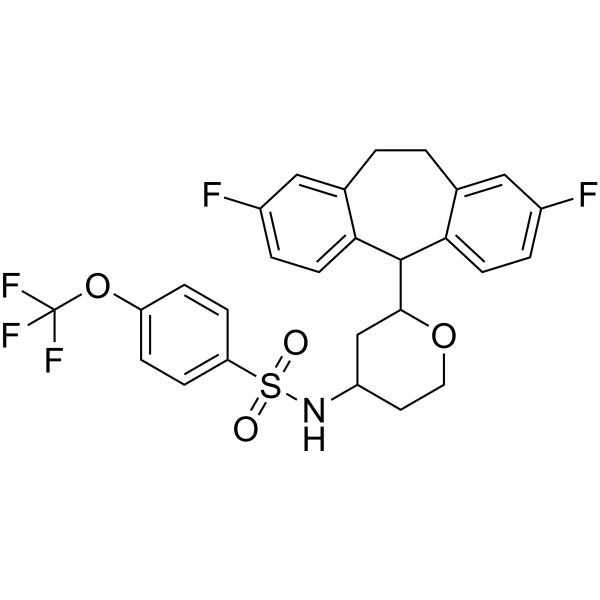
From 11:00 pm to 12:00 pm EST ( 8:00 pm to 9:00 pm PST ) on January 6th, the website will be under maintenance. We are sorry for the inconvenience. Please arrange your schedule properly.
Lenzilumab (KB 003) is a human monoclonal antibody targeting CSF2/GM-CSF for COVID-19, chronic myelomonocytic leukemia (CMML) and juvenile myelomonocytic leukemia (JMML) studies .
Trabikibart (CSL311) is a specific inhibitor targeting the βc receptor (CSF2RB) that inhibits signal transduction mediated by GM-CSF, IL-5, and IL-3. Trabikibart exhibits significant anti-inflammatory and anti-edema effects, reduces myeloid cell infiltration, and inhibits inflammatory cell survival. Trabikibart also possesses antiviral immune functions, which alleviate pulmonary inflammation, reverse airway dysfunction and fibrosis, and thereby restore impaired pulmonary function. Trabikibart can be used in research on related diseases such as acute respiratory distress syndrome, viral pneumonia, asthma, and chronic rhinosinusitis with nasal polyps .
Mavrilimumab (CAM 3001) is a monoclonal antibody that binds to the α subunit of the granulocyte-macrophage colony stimulating factor (GM-CSF) receptor and blocks intracellular signalling downstream of GM-CSF. GM-CSF might be a mediator of the hyperactive inflammatory response associated with respiratory failure and death .
HLF1-11, a human lactoferrin-derived peptide, is a broad spectrum antimicrobial agent. HLF1-11 inhibits human MPO activity. HLF1-11 also directs GM-CSF-driven monocyte differentiation toward macrophages, and enhances immune responses .
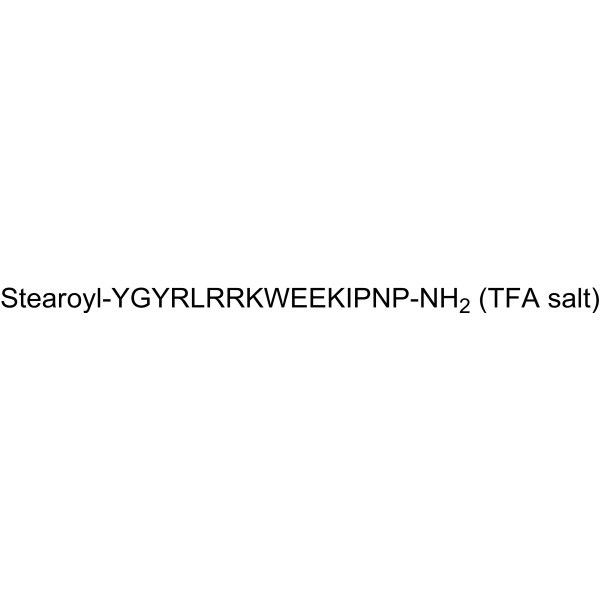
Lyn peptide inhibitor (YGYRLRRKWEEKIPNP-NH2) is a potent, cell-permeable Lyn kinase inhibitor that inhibits Lyn-coupled signaling pathways associated with the IL-5 receptor while preserving the integrity of other signals. Lyn peptide inhibitor blocks the activation of Lyn and inhibits the binding of Lyn tyrosine kinase to the βc subunit of the IL-3/GM-CSF/IL-5 receptor. Lyn peptide inhibitor can be used in the research of eosinophilic diseases such as asthma and allergy .
ATUX-1215 is an activator of protein phosphatase 2A (PP2A). ATUX-1215 reduced the phosphorylation of ERK, p38, JNK, and Akt and the secretion of IL-12p70, GM-CSF, and IL1α in Bleomycin hydrochloride (HY-17565A)-treated animals. ATUX-1215 can slow the progression of lung fibrosis .
Anti-Mouse GM-CSF Antibody (MP1-22E9) is a rat-derived anti-mouse GM-CSF IgG2a antibody inhibitor. Anti-Mouse GM-CSF Antibody (MP1-22E9) can neutralize GM-CSF. Anti-Mouse GM-CSF Antibody (MP1-22E9) can be used for the researches of cancer, infection inflammation and immunology, such as cholangiocarcinoma and arthritis .
Gimsilumab (MORAb-022) is a human anti-GM-CSF monoclonal antibody. Gimsilumab has the potential for the research of COVID-19 and rheumatoid arthritis (RA) .
Otilimab (GSK 3196165) is an anti-granulocyte-macrophage colony-stimulating factor (GM-CSF) human monoclonal antibody. Otilimab neutralises the biological function of GM-CSF by blocking the interaction of GM-CSF with its cell surface receptor .
Sodium caseinates is a kind of sodium salts of major milk proteins, which act as protein-based biopolymers and innate immune system activators. Sodium caseinates induce granulopoiesis, activation and differentiation, promote the production of M-CSF, and increase serum levels of G-CSF and GM-CSF. Sodium caseinates inhibit the proliferation and reduce the viability of leukemia macrophage-like cells, thereby significantly improving the survival rate of mice inoculated with leukemia cells. Sodium caseinates can serve as carriers for probiotics in edible films and exhibit anti-Listeria activity. Sodium caseinates effectively protect vitamin A from degradation, enhance its stability, bioaccessibility and bioavailability, and regulate protein digestibility when complexed with vitamin A. Sodium caseinates can be applied to research related to acute monocytic leukemia and vitamin A deficiency .
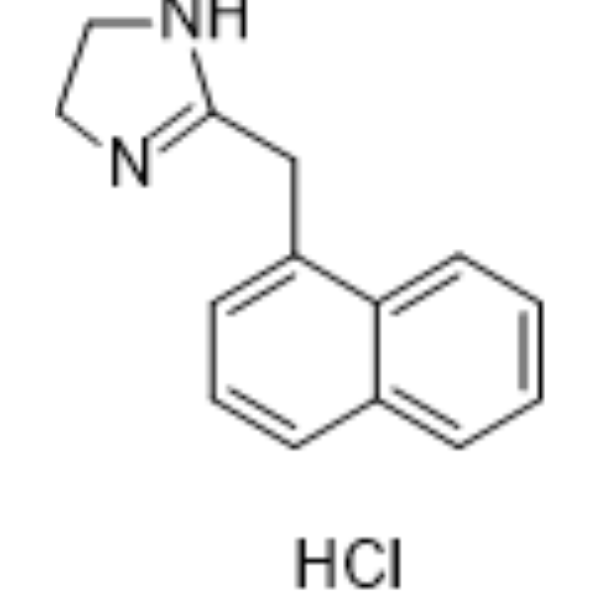
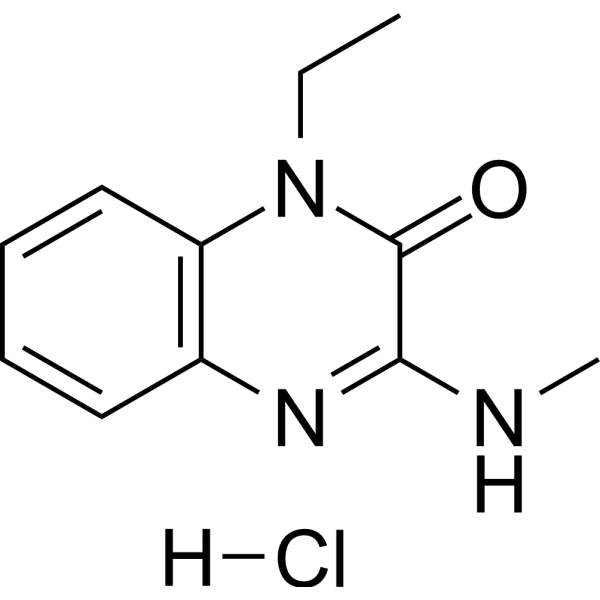
Naphazoline (Naphthazoline) hydrochloride is a potent α-adrenergic receptor agonist. Naphazoline hydrochloride reduces vascular hyperpermeability and promotes vasoconstriction. Naphazoline hydrochloride reduces the levels of inflammatory factors (TNF-α, IL-1β and IL-6), cytokines (IFN-γ and IL-4), IgE, GMCSF, and NGF. Naphazoline hydrochloride can be used for non-bacterial conjunctivitis research .
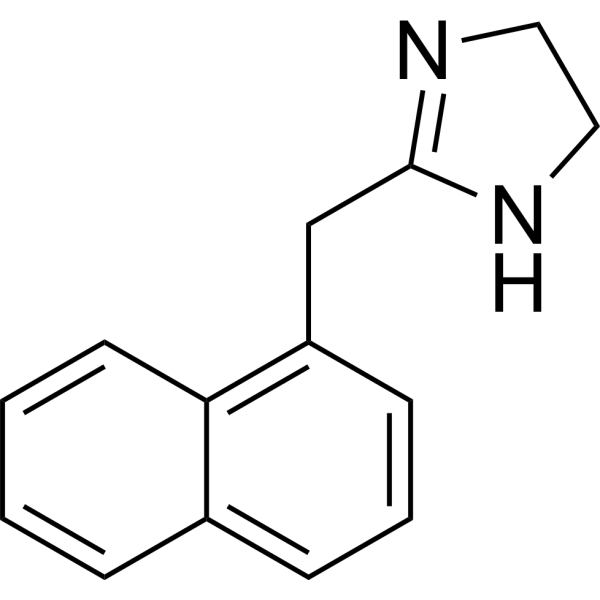
Naphazoline (Naphthazoline) is a potent α-adrenergic receptor agonist. Naphazoline reduces vascular hyperpermeability and promotes vasoconstriction. Naphazoline reduces the levels of inflammatory factors (TNF-α, IL-1β and IL-6), cytokines (IFN-γ and IL-4), IgE, GMCSF, and NGF. Naphazoline can be used for non-bacterial conjunctivitis research .
AKB-6899, a prolyl hydroxylase domain 3 (PHD3) inhibitor, is a selective HIF-2α stabilizer. AKB-6899 also increases soluble form of the VEGF receptor (sVEGFR-1) production from GM-CSF-treated macrophages, and has antitumor and antiangiogenic effects .
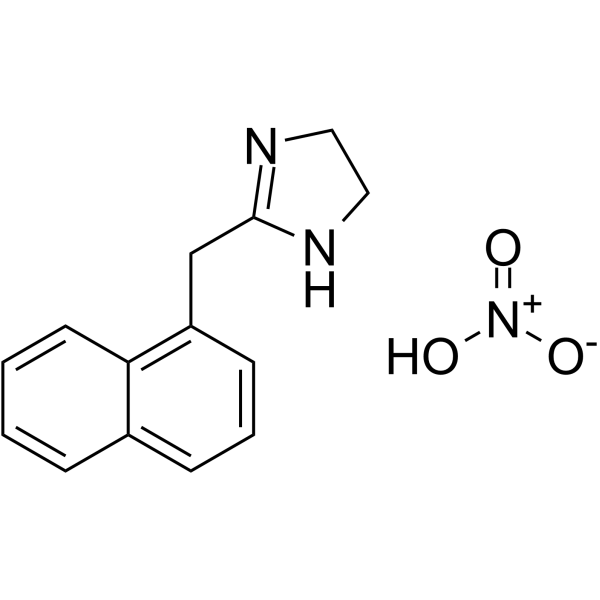
Naphazoline (Naphthazoline) nitrate is an α-adrenergic receptor agonist. Naphazoline nitrate reduces vascular hyperpermeability and promotes vasoconstriction. Naphazoline nitrate reduces the levels of inflammatory factors (TNF-α, IL-1β and IL-6), cytokines (IFN-γ and IL-4), IgE, GMCSF, and NGF. Naphazoline nitrate can be used for non-bacterial conjunctivitis research .
Magmas-IN-1 (compound 9) is a small molecule Magmas inhibitor (SMMI). Magmas is mitochondria associated,granulocyte-macrophage colony stimulating factor signaling molecule,as well as a GM-CSF inducible gene in myeloid cells. Magmas-IN-1 inhibits Magmas and modulates mitochondrial function. Magmas-IN-1 also inhibits proliferation in yeast at 4 μM .
Namilumab (AMG203) is a human IgG1 monoclonal antibody that binds with high affinity to the GM-CSF ligand, potently neutralizing GM-CSF. Namilumab can be used for the research of rheumatoid arthritis .
The Anti-CSF2/GM-CSF Antibody is a CHO-expressed human antibody that targets CSF2/GM-CSF. The Anti-CSF2/GM-CSF Antibody has a huIgG1-type heavy chain and a huλ-type light chain, with a predicted molecular weight (MW) of 145.02 kDa. The isotype control for the Anti-CSF2/GM-CSF Antibody can refer to Human IgG1 kappa, Isotype Control (HY-P99001).
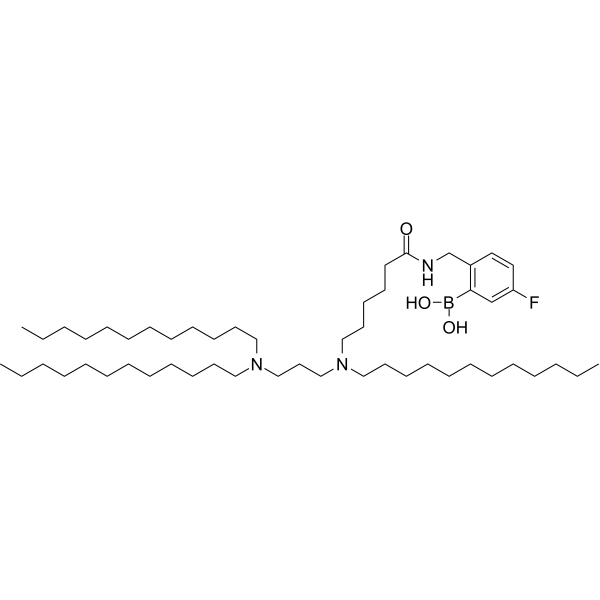
Diamino lipid DAL4 is diamino lipid for the preparation of lipid nanoparticles (LNPs) encapsulated with mRNAs encoding cytokines including IL-12, IL-27 and GM-CSF. Diamino lipid DAL4 delivers mRNA to tumor cells to exert anti-tumor activity .
L-739749 is a farnesyl transferase inhibitor. L-739749 inhibits the selective hypersensitivity of JMML cells to granulocyte-macrophage colony-stimulating factor (GM-CSF) by blocking the prenylation of Ras. L-739749 exhibits a strong inhibitory effect on the growth of primary human JMML cells in vitro .
Lyn peptide inhibitor TFA is a potent and cell-permeable inhibitor of Lyn-coupled IL-5 receptor signaling pathway, while keeping other signals intact. Lyn peptide inhibitor TFA blocks Lyn activation and inhibits the binding of Lyn tyrosine kinase to βc subunit of IL-3/GM-CSF/IL-5 receptors. Lyn peptide inhibitor TFA can be used for study of asthma, allergic, and other eosinophilic disorders .
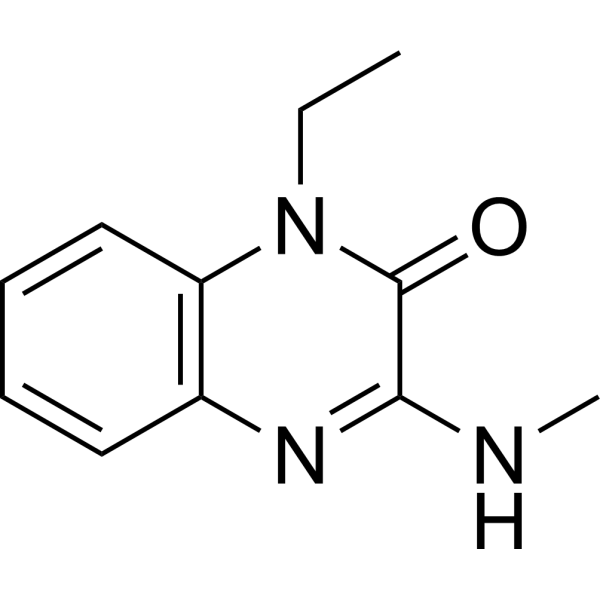
Ataquimast is a COX-2 inhibitor that inhibits the release of leukotrienes, TNF-α and GM-CSF. Ataquimast can be used in the study of advanced receptor-positive breast cancer .
Ataquimast free base is a COX-2 inhibitor that inhibits the release of leukotrienes, TNF-α and GM-CSF. Ataquimast free base can be used in the study of advanced receptor-positive breast cancer .
Cytoxazone is a cytoKine regulator found in Streptornyces sp. RK95-31. Cytoxazone inhibits the production of IL-4 and IL-10 induced by Pokeween mitogen (PWM) at 6.25-25 μg/mL, but does not inhibit the production of GM-CSF induced by PWM .
Trigraecum is a flavonoid compound found in Dracaena steudneri and Dalbergia cochinchinensis, exhibiting anti-inflammatory activity. It can inhibit the LPS (HY-D1056)-induced production of IL-1β, IL-2, GM-CSF, and TNF-α in human peripheral blood mononuclear cells. Trigraecum holds promise for research on inflammatory diseases .
SB 201146 is an LTB4 receptor antagonist with a potency range of 10 pM to 1 μM that plays a critical role in asthma-associated airway inflammation. Studies have focused on its effects on eosinophil survival, a hallmark of asthma pathology. Studies have shown that eosinophil-derived cysteinyl leukotrienes, including LTC4 and LTD4, as well as factors such as GM-CSF and fibronectin promote eosinophil survival. SB 201146 effectively reversed mast cell- and lymphocyte-induced eosinophil survival, highlighting its potential therapeutic role in disrupting the autocrine cysteinyl leukotriene pathway that maintains eosinophil viability. This antagonist also highlights the importance of LTB4 as a paracrine mediator that influences eosinophil survival in inflammatory settings such as asthma .
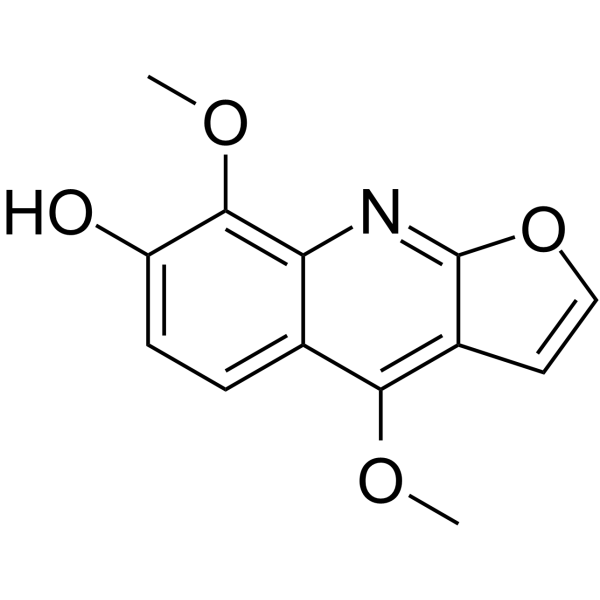
Haplopine is a substance with anti-inflammatory, antioxidant and photoactivated antibacterial activities. It also acts as an inhibitor of UGT1A7 and a photoactivated restriction endonuclease inhibitor. Haplopine inhibits the mRNA/protein expression of IL-6, TSLP, GM-CSF, G-CSF, IL-4, IL-13 and COX-2, while upregulating the mRNA/protein expression of SOD, CAT and HO-1. Haplopine inhibits the glucuronidation reaction catalyzed by UGT1A7 through competitive hydrophobic binding. Haplopine exerts photoactivated restriction endonuclease inhibitory effects by binding to DNA. Haplopine exhibits photoactivated activity against methicillin-resistant Staphylococcus aureus. Haplopine alleviates symptoms of atopic dermatitis. Haplopine can be used in research related to atopic dermatitis and methicillin-resistant Staphylococcus aureus infections .
Csf2 Rat Pre-designed siRNA Set A contains three designed siRNAs for Csf2 gene (Rat), as well as a negative control, a positive control, and a FAM-labeled negative control.
CSF2 Human Pre-designed siRNA Set A contains three designed siRNAs for CSF2 gene (Human), as well as a negative control, a positive control, and a FAM-labeled negative control.
Naphazoline (hydrochloride) (Standard) is the analytical standard of Naphazoline (hydrochloride). This product is intended for research and analytical applications. Naphazoline (Naphthazoline) hydrochloride is a potent α-adrenergic receptor agonist. Naphazoline hydrochloride reduces vascular hyperpermeability and promotes vasoconstriction. Naphazoline hydrochloride reduces the levels of inflammatory factors (TNF-α, IL-1β and IL-6), cytokines (IFN-γ and IL-4), IgE, GMCSF, and NGF。Naphazoline hydrochloride can be used for non-bacterial conjunctivitis research .
Naphazoline (nitrate) (Standard) is the analytical standard of Naphazoline (nitrate). This product is intended for research and analytical applications. Naphazoline (Naphthazoline) nitrate is an α-adrenergic receptor agonist. Naphazoline nitrate reduces vascular hyperpermeability and promotes vasoconstriction. Naphazoline nitrate reduces the levels of inflammatory factors (TNF-α, IL-1β and IL-6), cytokines (IFN-γ and IL-4), IgE, GMCSF, and NGF. Naphazoline nitrate can be used for non-bacterial conjunctivitis research .
Isopongaflavone is an isoflavone that can be isolated from the seedpods of Tephrosia vogelii with anti-inflammatory effects. Isopongaflavone suppresses the secretion of IL-1β, IFN-γ, granulocyte macrophage-colony stimulating factor (GM-CSF) and TNF-α in LPS (HY-D1056)-stimulated peripheral blood mononuclear cells (PBMCs) .
Chamissonolide is a sesquiterpene lactone with cytotoxic, anti-inflammatory and trypanocidal activities. Chamissonolide reduces the mRNA levels of IL-2, IFN-γ, GM-CSF, iNOS and TNF-α, and upregulates the mRNA level of NF-ATc. Chamissonolide decreases the population of naturally occurring apoptotic cells. Chamissonolide can be used in research related to tumors, African trypanosomiasis and Chagas disease .
CN016 is a neuroprotective agent. CN016 inhibits the elevation of pro-inflammatory cytokines G-CSF, GM-CSF and IL-6 induced by Oxaliplatin (HY-17371). CN016 suppresses Paclitaxel (HY-B0015)-induced inflammatory responses and immune cell infiltration into sensory neurons. CN016 protects neurons from Paclitaxel (HY-B0015)-induced neurotoxic damage. CN016 protects mice against Oxaliplatin-induced peripheral neuropathy .
Csf2 Mouse Pre-designed siRNA Set A contains three designed siRNAs for Csf2 gene (Mouse), as well as a negative control, a positive control, and a FAM-labeled negative control.
Sodium caseinates is a kind of sodium salts of major milk proteins, which act as protein-based biopolymers and innate immune system activators. Sodium caseinates induce granulopoiesis, activation and differentiation, promote the production of M-CSF, and increase serum levels of G-CSF and GM-CSF. Sodium caseinates inhibit the proliferation and reduce the viability of leukemia macrophage-like cells, thereby significantly improving the survival rate of mice inoculated with leukemia cells. Sodium caseinates can serve as carriers for probiotics in edible films and exhibit anti-Listeria activity. Sodium caseinates effectively protect vitamin A from degradation, enhance its stability, bioaccessibility and bioavailability, and regulate protein digestibility when complexed with vitamin A. Sodium caseinates can be applied to research related to acute monocytic leukemia and vitamin A deficiency .
Diamino lipid DAL4 is diamino lipid for the preparation of lipid nanoparticles (LNPs) encapsulated with mRNAs encoding cytokines including IL-12, IL-27 and GM-CSF. Diamino lipid DAL4 delivers mRNA to tumor cells to exert anti-tumor activity .
HLF1-11, a human lactoferrin-derived peptide, is a broad spectrum antimicrobial agent. HLF1-11 inhibits human MPO activity. HLF1-11 also directs GM-CSF-driven monocyte differentiation toward macrophages, and enhances immune responses .
Lyn peptide inhibitor (YGYRLRRKWEEKIPNP-NH2) is a potent, cell-permeable Lyn kinase inhibitor that inhibits Lyn-coupled signaling pathways associated with the IL-5 receptor while preserving the integrity of other signals. Lyn peptide inhibitor blocks the activation of Lyn and inhibits the binding of Lyn tyrosine kinase to the βc subunit of the IL-3/GM-CSF/IL-5 receptor. Lyn peptide inhibitor can be used in the research of eosinophilic diseases such as asthma and allergy .
Lyn peptide inhibitor TFA is a potent and cell-permeable inhibitor of Lyn-coupled IL-5 receptor signaling pathway, while keeping other signals intact. Lyn peptide inhibitor TFA blocks Lyn activation and inhibits the binding of Lyn tyrosine kinase to βc subunit of IL-3/GM-CSF/IL-5 receptors. Lyn peptide inhibitor TFA can be used for study of asthma, allergic, and other eosinophilic disorders .
Lenzilumab (KB 003) is a human monoclonal antibody targeting CSF2/GM-CSF for COVID-19, chronic myelomonocytic leukemia (CMML) and juvenile myelomonocytic leukemia (JMML) studies .
Trabikibart (CSL311) is a specific inhibitor targeting the βc receptor (CSF2RB) that inhibits signal transduction mediated by GM-CSF, IL-5, and IL-3. Trabikibart exhibits significant anti-inflammatory and anti-edema effects, reduces myeloid cell infiltration, and inhibits inflammatory cell survival. Trabikibart also possesses antiviral immune functions, which alleviate pulmonary inflammation, reverse airway dysfunction and fibrosis, and thereby restore impaired pulmonary function. Trabikibart can be used in research on related diseases such as acute respiratory distress syndrome, viral pneumonia, asthma, and chronic rhinosinusitis with nasal polyps .
Mavrilimumab (CAM 3001) is a monoclonal antibody that binds to the α subunit of the granulocyte-macrophage colony stimulating factor (GM-CSF) receptor and blocks intracellular signalling downstream of GM-CSF. GM-CSF might be a mediator of the hyperactive inflammatory response associated with respiratory failure and death .
Anti-Mouse GM-CSF Antibody (MP1-22E9) is a rat-derived anti-mouse GM-CSF IgG2a antibody inhibitor. Anti-Mouse GM-CSF Antibody (MP1-22E9) can neutralize GM-CSF. Anti-Mouse GM-CSF Antibody (MP1-22E9) can be used for the researches of cancer, infection inflammation and immunology, such as cholangiocarcinoma and arthritis .
Gimsilumab (MORAb-022) is a human anti-GM-CSF monoclonal antibody. Gimsilumab has the potential for the research of COVID-19 and rheumatoid arthritis (RA) .
Otilimab (GSK 3196165) is an anti-granulocyte-macrophage colony-stimulating factor (GM-CSF) human monoclonal antibody. Otilimab neutralises the biological function of GM-CSF by blocking the interaction of GM-CSF with its cell surface receptor .
Namilumab (AMG203) is a human IgG1 monoclonal antibody that binds with high affinity to the GM-CSF ligand, potently neutralizing GM-CSF. Namilumab can be used for the research of rheumatoid arthritis .
The Anti-CSF2/GM-CSF Antibody is a CHO-expressed human antibody that targets CSF2/GM-CSF. The Anti-CSF2/GM-CSF Antibody has a huIgG1-type heavy chain and a huλ-type light chain, with a predicted molecular weight (MW) of 145.02 kDa. The isotype control for the Anti-CSF2/GM-CSF Antibody can refer to Human IgG1 kappa, Isotype Control (HY-P99001).
KB002 is a humanized monoclonal antibody inhibitor targeting GM-CSF. KB002 has significant immune activity and can be used for asthma, rheumatoid arthritis and chronic Idiopathic thrombocytopenia purpura (ITP) research .
Cytoxazone is a cytoKine regulator found in Streptornyces sp. RK95-31. Cytoxazone inhibits the production of IL-4 and IL-10 induced by Pokeween mitogen (PWM) at 6.25-25 μg/mL, but does not inhibit the production of GM-CSF induced by PWM .
Trigraecum is a flavonoid compound found in Dracaena steudneri and Dalbergia cochinchinensis, exhibiting anti-inflammatory activity. It can inhibit the LPS (HY-D1056)-induced production of IL-1β, IL-2, GM-CSF, and TNF-α in human peripheral blood mononuclear cells. Trigraecum holds promise for research on inflammatory diseases .
Haplopine is a substance with anti-inflammatory, antioxidant and photoactivated antibacterial activities. It also acts as an inhibitor of UGT1A7 and a photoactivated restriction endonuclease inhibitor. Haplopine inhibits the mRNA/protein expression of IL-6, TSLP, GM-CSF, G-CSF, IL-4, IL-13 and COX-2, while upregulating the mRNA/protein expression of SOD, CAT and HO-1. Haplopine inhibits the glucuronidation reaction catalyzed by UGT1A7 through competitive hydrophobic binding. Haplopine exerts photoactivated restriction endonuclease inhibitory effects by binding to DNA. Haplopine exhibits photoactivated activity against methicillin-resistant Staphylococcus aureus. Haplopine alleviates symptoms of atopic dermatitis. Haplopine can be used in research related to atopic dermatitis and methicillin-resistant Staphylococcus aureus infections .
Isopongaflavone is an isoflavone that can be isolated from the seedpods of Tephrosia vogelii with anti-inflammatory effects. Isopongaflavone suppresses the secretion of IL-1β, IFN-γ, granulocyte macrophage-colony stimulating factor (GM-CSF) and TNF-α in LPS (HY-D1056)-stimulated peripheral blood mononuclear cells (PBMCs) .
Chamissonolide is a sesquiterpene lactone with cytotoxic, anti-inflammatory and trypanocidal activities. Chamissonolide reduces the mRNA levels of IL-2, IFN-γ, GM-CSF, iNOS and TNF-α, and upregulates the mRNA level of NF-ATc. Chamissonolide decreases the population of naturally occurring apoptotic cells. Chamissonolide can be used in research related to tumors, African trypanosomiasis and Chagas disease .
GM-CSF Protein is a hematopoietic growth factor and immunomodulator. By binding to specific receptors on the surface of target cells, GM-CSF Protein activates intracellular signaling pathways to regulate cell proliferation, differentiation, maturation, and function. GM-CSF Protein plays an important role in the hematopoietic process and the immune system. GM-CSF Protein, Mouse (His) is a recombinant GM-CSF Protein expressed by E. coli with a N-6*His tag.
GM-CSF Protein is a hematopoietic growth factor and immunomodulator. By binding to specific receptors on the surface of target cells, GM-CSF Protein activates intracellular signaling pathways to regulate cell proliferation, differentiation, maturation, and function. GM-CSF Protein plays an important role in the hematopoietic process and the immune system. GM-CSF Protein, Mouse is a recombinant GM-CSF Protein expressed by E. coli without a tag.
The GM-CSF protein functions as a key cytokine that promotes the growth and differentiation of hematopoietic precursor cells of different lineages, such as granulocytes, macrophages, eosinophils, and erythrocytes. In its monomeric form, GM-CSF acts as a signaling molecule, orchestrating complex receptor assemblies. GM-CSF Protein, Human (HEK293) is the recombinant human-derived GM-CSF protein, expressed by HEK293 , with tag free.
GM-CSF Protein, a cytokine, promotes the growth and differentiation of hematopoietic precursor cells, including granulocytes, macrophages, eosinophils, and erythrocytes. It functions as a monomer, interacting with the GM-CSF receptor complex, forming a dodecamer structure with two alpha, two beta, and two ligand subunits in head-to-head hexamers (By similarity). GM-CSF Protein, Rat (HEK293, His) is the recombinant rat-derived GM-CSF protein, expressed by HEK293 , with C-6*His labeled tag.
The GM-CSF protein acts as a potent cytokine that coordinates the growth and differentiation of hematopoietic precursor cells of different lineages, including granulocytes, macrophages, eosinophils, and erythrocytes. Structurally, GM-CSF exists as a monomer and its signaling is mediated through a dodecamer complex. GM-CSF Protein, Mouse (HEK293) is the recombinant mouse-derived GM-CSF protein, expressed by HEK293, with tag free.
The GM-CSF protein functions as a key cytokine that promotes the growth and differentiation of hematopoietic precursor cells of different lineages, such as granulocytes, macrophages, eosinophils, and erythrocytes. In its monomeric form, GM-CSF acts as a signaling molecule, orchestrating complex receptor assemblies. Animal-Free GM-CSF Protein, Human (His) is the recombinant human-derived animal-FreeGM-CSF protein, expressed by E. coli , with N-His labeled tag. This product is for cell culture use only.
The GM-CSF protein acts as a potent cytokine that coordinates the growth and differentiation of hematopoietic precursor cells of different lineages, including granulocytes, macrophages, eosinophils, and erythrocytes. Structurally, GM-CSF exists as a monomer and its signaling is mediated through a dodecamer complex. GM-CSF Protein, Mouse (HEK293, His) is the recombinant mouse-derived GM-CSF protein, expressed by HEK293 , with C-6*His labeled tag.
GM-CSF Protein, a renowned cytokine, promotes the growth and differentiation of hematopoietic precursor cells, including granulocytes, macrophages, eosinophils, and erythrocytes. Operating as a monomer, it interacts with the GM-CSF receptor complex. This complex, comprising two head-to-head hexamers with two alpha, two beta, and two ligand subunits, forms a dodecamer structure. Animal-Free GM-CSF Protein, Mouse (His) is the recombinant mouse-derived animal-FreeGM-CSF protein, expressed by E. coli , with N-His labeled tag. This product is for cell culture use only.
The GM-CSF protein functions as a key cytokine that promotes the growth and differentiation of hematopoietic precursor cells of different lineages, such as granulocytes, macrophages, eosinophils, and erythrocytes. In its monomeric form, GM-CSF acts as a signaling molecule, orchestrating complex receptor assemblies. GM-CSF Protein, Human (HEK293, Fc) is the recombinant human-derived GM-CSF protein, expressed by HEK293 , with N-hFc labeled tag.
The GM-CSF protein acts as a potent cytokine that coordinates the growth and differentiation of hematopoietic precursor cells of different lineages, including granulocytes, macrophages, eosinophils, and erythrocytes. Structurally, GM-CSF exists as a monomer and its signaling is mediated through a dodecamer complex. GM-CSF Protein, Mouse (HEK293, Fc) is the recombinant mouse-derived GM-CSF protein, expressed by HEK293 , with N-hFc labeled tag.
The GM-CSF protein acts as a potent cytokine that coordinates the growth and differentiation of hematopoietic precursor cells of different lineages, including granulocytes, macrophages, eosinophils, and erythrocytes. Structurally, GM-CSF exists as a monomer and its signaling is mediated through a dodecamer complex. GM-CSF Protein, Pig is the recombinant Porcine-derived GM-CSF protein, expressed by E. coli , with tag free.
The GM-CSF protein acts as a potent cytokine that coordinates the growth and differentiation of hematopoietic precursor cells of different lineages, including granulocytes, macrophages, eosinophils, and erythrocytes. Structurally, GM-CSF exists as a monomer and its signaling is mediated through a dodecamer complex. Animal-Free GM-CSF Protein, Pig (His) is the recombinant pig-derived animal-FreeGM-CSF protein, expressed by E. coli , with N-His labeled tag. This product is for cell culture use only.
The GM-CSF protein acts as a potent cytokine that coordinates the growth and differentiation of hematopoietic precursor cells of different lineages, including granulocytes, macrophages, eosinophils, and erythrocytes. Structurally, GM-CSF exists as a monomer and its signaling is mediated through a dodecamer complex. GM-CSF Protein, Feline (M36I, T56A, K126N) is the recombinant GM-CSF protein, expressed by E. coli , with tag free.
GM-CSF Protein is a hematopoietic growth factor and immunomodulator. By binding to specific receptors on the surface of target cells, GM-CSF Protein activates intracellular signaling pathways to regulate cell proliferation, differentiation, maturation, and function. GM-CSF Protein plays an important role in the hematopoietic process and the immune system. GM-CSF Protein, Human (His) is a recombinant GM-CSF Protein expressed by E. coli with a N-6*His tag.
GM-CSF Protein is a hematopoietic growth factor and immunomodulator. By binding to specific receptors on the surface of target cells, GM-CSF Protein activates intracellular signaling pathways to regulate cell proliferation, differentiation, maturation, and function. GM-CSF Protein plays an important role in the hematopoietic process and the immune system. GM-CSF Protein, Human is a recombinant GM-CSF Protein expressed by E. coli without a tag.
GM-CSF Protein is a hematopoietic growth factor and immunomodulator. By binding to specific receptors on the surface of target cells, GM-CSF Protein activates intracellular signaling pathways to regulate cell proliferation, differentiation, maturation, and function. GM-CSF Protein plays an important role in the hematopoietic process and the immune system. GM-CSF Protein, Human (CHO) is a recombinant GM-CSF Protein expressed by CHO without a tag.
GM-CSF Protein is a hematopoietic growth factor and immunomodulator. By binding to specific receptors on the surface of target cells, GM-CSF Protein activates intracellular signaling pathways to regulate cell proliferation, differentiation, maturation, and function. GM-CSF Protein plays an important role in the hematopoietic process and the immune system. GM-CSF Protein, Human (P.pastoris) is a recombinant GM-CSF Protein expressed by P. pastoris without a tag.
The CSF2 protein is a cytokine that plays a critical role in the regulation of immune responses and hematopoiesis. It stimulates the production and differentiation of white blood cells, including macrophages and granulocytes. GM-CSF Protein, Canine is the recombinant canine-derived GM-CSF protein, expressed by E. coli , with tag free.
The GM-CSF protein functions as a key cytokine that promotes the growth and differentiation of hematopoietic precursor cells of different lineages, such as granulocytes, macrophages, eosinophils, and erythrocytes. In its monomeric form, GM-CSF acts as a signaling molecule, orchestrating complex receptor assemblies. GM-CSF Protein, Human (P.pastoris, N-His) is the recombinant human-derived GM-CSF protein, expressed by P. pastoris , with N-6*His labeled tag.
The GM-CSF protein is a key cytokine that fundamentally stimulates the growth and differentiation of hematopoietic precursor cells, including granulocytes, macrophages, eosinophils, and erythrocytes. As a monomer, GM-CSF interacts with the GM-CSF receptor complex to form a dodecamer, which contains two α, two β, and two head-to-head hexamers of the ligand subunits. GM-CSF Protein, Bovine (P. pastoris, His-Myc) is the recombinant bovine-derived GM-CSF protein, expressed by P. pastoris , with C-Myc, C-6*His labeled tag.
G-CSF, a pivotal cytokine, regulates hematopoiesis by controlling the production, differentiation, and function of granulocytes and monocytes-macrophages. This monomeric protein specifically promotes granulocyte development, playing a crucial role in immune system regulation and blood cell formation. Animal-Free G-CSF Protein, Human (His) is the recombinant human-derived animal-FreeG-CSF protein, expressed by E. coli , with N-His labeled tag. This product is for cell culture use only.
The GM-CSF protein functions as a key cytokine that promotes the growth and differentiation of hematopoietic precursor cells of different lineages, such as granulocytes, macrophages, eosinophils, and erythrocytes. In its monomeric form, GM-CSF acts as a signaling molecule, orchestrating complex receptor assemblies. GM-CSF Protein, Human (HEK293, His) is the recombinant human-derived GM-CSF protein, expressed by HEK293 , with C-6*His labeled tag.
The GM-CSF protein functions as a key cytokine that promotes the growth and differentiation of hematopoietic precursor cells of different lineages, such as granulocytes, macrophages, eosinophils, and erythrocytes. In its monomeric form, GM-CSF acts as a signaling molecule, orchestrating complex receptor assemblies. GMP GM-CSF Protein, Human (HEK293, His) is the recombinant human-derived GM-CSF protein, expressed by HEK293 , with C-6*His labeled tag.
GM-CSF R alpha is the alpha subunit of the heterodimeric receptor for colony stimulating factor 2. GM-CSF R alpha binds to the cytokine with high specificity and low affinity. GM-CSF R alpha binds to GM-CSF and induces cell differentiation. GM-CSF R alpha monoclonal antibody decreases GM-CSFRα expression on GM-CSF-responsive cells and shows anti-inflammatory activity in rheumatoid arthritis (RA). GM-CSF R alpha Protein, Mouse (HEK293, His) is a recombinant protein with a C-Terminal His label, It consists of 298 amino acids (L30-P327) and is produced in HEK293 cells.
GM-CSF R α protein is an important type I cytokine receptor in the type 5 subfamily and plays an important role in mediating cellular responses to various cytokines. It shares conserved features with related receptors that transduce signals from specific type I cytokines, emphasizing its unique contribution to hematopoiesis and immune regulation in the broader context of cell signaling. GM-CSF R alpha Protein, Cynomolgus (298.a.a, HEK293, His) is the recombinant cynomolgus-derived GM-CSF R alpha protein, expressed by HEK293 , with C-His labeled tag.
GM-CSF R alpha is the alpha subunit of the heterodimeric receptor for colony stimulating factor 2. GM-CSF R alpha binds to the cytokine with high specificity and low affinity. GM-CSF R alpha binds to GM-CSF and induces cell differentiation. GM-CSF R alpha monoclonal antibody decreases GM-CSFRα expression on GM-CSF-responsive cells and shows anti-inflammatory activity in rheumatoid arthritis (RA). GM-CSF R alpha Protein, Human (Biotinylated, HEK293, His-Avi) is a biotinylated recombinant protein with a C-Terminal His label and a C-Terminal Avi label, It consists of 298 amino acids (E23-G320) and is produced in HEK293 cells.
GM-CSF R alpha is the alpha subunit of the heterodimeric receptor for colony stimulating factor 2. GM-CSF R alpha binds to the cytokine with high specificity and low affinity. GM-CSF R alpha binds to GM-CSF and induces cell differentiation. GM-CSF R alpha monoclonal antibody decreases GM-CSFRα expression on GM-CSF-responsive cells and shows anti-inflammatory activity in rheumatoid arthritis (RA). GM-CSF R alpha Protein, Human (HEK293, Fc) is a recombinant protein with a C-Terminal Fc label, It consists of 320 amino acids (M1-G320) and is produced in HEK293 cells.
GM-CSF R alpha is the alpha subunit of the heterodimeric receptor for colony stimulating factor 2. GM-CSF R alpha binds to the cytokine with high specificity and low affinity. GM-CSF R alpha binds to GM-CSF and induces cell differentiation. GM-CSF R alpha monoclonal antibody decreases GM-CSFRα expression on GM-CSF-responsive cells and shows anti-inflammatory activity in rheumatoid arthritis (RA). GM-CSF R alpha Protein, Human (HEK293, His) is a recombinant protein with a C-Terminal His label, It consists of 298 amino acids (E23-G320) and is produced in HEK293 cells.
Diamino lipid DAL4 is diamino lipid for the preparation of lipid nanoparticles (LNPs) encapsulated with mRNAs encoding cytokines including IL-12, IL-27 and GM-CSF. Diamino lipid DAL4 delivers mRNA to tumor cells to exert anti-tumor activity .
Csf2 Rat Pre-designed siRNA Set A contains three designed siRNAs for Csf2 gene (Rat), as well as a negative control, a positive control, and a FAM-labeled negative control.
CSF2 Human Pre-designed siRNA Set A contains three designed siRNAs for CSF2 gene (Human), as well as a negative control, a positive control, and a FAM-labeled negative control.
Csf2 Mouse Pre-designed siRNA Set A contains three designed siRNAs for Csf2 gene (Mouse), as well as a negative control, a positive control, and a FAM-labeled negative control.
Inquiry Online
Your information is safe with us. * Required Fields.
Western blot analysis of extracts from THP-1(lane 2(20μg), Jurkat (lane 3(20μg) and NIH3T3(lane 4(20μg) using FOXO1A (HY-P80132) Rabbit mAb. Proteins were transferred
to a PVDF membrane and blocked with 5% non-fat milk in TBST for 2 hour at room temperature. The primary antibody (1/1000) and Loading control antibody (Beta Actin, HY-P80438, 1/10000) was
used in 5% non-fat milk in TBST at 4°C overnight. Goat Anti-Mouse/Rabbit IgG-HRP Secondary Antibody (1/10000) was used for 1 hour at room temperature.
Western blot analysis of extracts from THP-1(lane 2(20μg), Jurkat (lane 3(20μg) and NIH3T3(lane 4(20μg) using FOXO1A (HY-P80132) Rabbit mAb. Proteins were transferred
to a PVDF membrane and blocked with 5% non-fat milk in TBST for 2 hour at room temperature. The primary antibody (1/1000) and Loading control antibody (Beta Actin, HY-P80438, 1/10000) was
used in 5% non-fat milk in TBST at 4°C overnight. Goat Anti-Mouse/Rabbit IgG-HRP Secondary Antibody (1/10000) was used for 1 hour at room temperature.
Western blot analysis of extracts from THP-1(lane 2(20μg), Jurkat (lane 3(20μg) and NIH3T3(lane 4(20μg) using FOXO1A (HY-P80132) Rabbit mAb. Proteins were transferred
to a PVDF membrane and blocked with 5% non-fat milk in TBST for 2 hour at room temperature. The primary antibody (1/1000) and Loading control antibody (Beta Actin, HY-P80438, 1/10000) was
used in 5% non-fat milk in TBST at 4°C overnight. Goat Anti-Mouse/Rabbit IgG-HRP Secondary Antibody (1/10000) was used for 1 hour at room temperature.
Western blot analysis of extracts from THP-1(lane 2(20μg), Jurkat (lane 3(20μg) and NIH3T3(lane 4(20μg) using FOXO1A (HY-P80132) Rabbit mAb. Proteins were transferred
to a PVDF membrane and blocked with 5% non-fat milk in TBST for 2 hour at room temperature. The primary antibody (1/1000) and Loading control antibody (Beta Actin, HY-P80438, 1/10000) was
MedchemExpress Validation 03
Western blot analysis of extracts from THP-1(lane 2(20μg), Jurkat (lane 3(20μg) and NIH3T3(lane 4(20μg) using FOXO1A (HY-P80132) Rabbit mAb. Proteins were transferred
MedchemExpress Validation 04
Western blot analysis of extracts from THP-1(lane 2(20μg), Jurkat (lane 3(20μg) and NIH3T3(lane 4(20μg) using FOXO1A (HY-P80132) Rabbit mAb. Proteins were transferred
to a PVDF membrane and blocked with 5% non-fat milk in TBST for 2 hour at room temperature. The primary antibody (1/1000) and Loading control antibody (Beta Actin, HY-P80438, 1/10000) was
used in 5% non-fat milk in TBST at 4°C overnight. Goat Anti-Mouse/Rabbit IgG-HRP Secondary Antibody (1/10000) was used for 1 hour at room temperature.
MedchemExpress Validation
Western blot analysis of extracts from THP-1(lane 2(20μg), Jurkat (lane 3(20μg) and NIH3T3(lane 4(20μg) using FOXO1A (HY-P80132) Rabbit mAb. Proteins were transferred
to a PVDF membrane and blocked with 5% non-fat milk in TBST for 2 hour at room temperature. The primary antibody (1/1000) and Loading control antibody (Beta Actin, HY-P80438, 1/10000) was
used in 5% non-fat milk in TBST at 4°C overnight. Goat Anti-Mouse/Rabbit IgG-HRP Secondary Antibody (1/10000) was used for 1 hour at room temperature.
Western blot analysis of extracts from THP-1(lane 2(20μg), Jurkat (lane 3(20μg) and NIH3T3(lane 4(20μg) using FOXO1A (HY-P80132) Rabbit mAb. Proteins were transferred
to a PVDF membrane and blocked with 5% non-fat milk in TBST for 2 hour at room temperature. The primary antibody (1/1000) and Loading control antibody (Beta Actin, HY-P80438, 1/10000) was
used in 5% non-fat milk in TBST at 4°C overnight. Goat Anti-Mouse/Rabbit IgG-HRP Secondary Antibody (1/10000) was used for 1 hour at room temperature.
MedchemExpress Validation
Western blot analysis of extracts from THP-1(lane 2(20μg), Jurkat (lane 3(20μg) and NIH3T3(lane 4(20μg) using FOXO1A (HY-P80132) Rabbit mAb. Proteins were transferred
to a PVDF membrane and blocked with 5% non-fat milk in TBST for 2 hour at room temperature. The primary antibody (1/1000) and Loading control antibody (Beta Actin, HY-P80438, 1/10000) was
used in 5% non-fat milk in TBST at 4°C overnight. Goat Anti-Mouse/Rabbit IgG-HRP Secondary Antibody (1/10000) was used for 1 hour at room temperature.
MedchemExpress Validation
Western blot analysis of extracts from THP-1(lane 2(20μg), Jurkat (lane 3(20μg) and NIH3T3(lane 4(20μg) using FOXO1A (HY-P80132) Rabbit mAb. Proteins were transferred
to a PVDF membrane and blocked with 5% non-fat milk in TBST for 2 hour at room temperature. The primary antibody (1/1000) and Loading control antibody (Beta Actin, HY-P80438, 1/10000) was
used in 5% non-fat milk in TBST at 4°C overnight. Goat Anti-Mouse/Rabbit IgG-HRP Secondary Antibody (1/10000) was used for 1 hour at room temperature.
MedchemExpress Validation
Western blot analysis of extracts from THP-1(lane 2(20μg), Jurkat (lane 3(20μg) and NIH3T3(lane 4(20μg) using FOXO1A (HY-P80132) Rabbit mAb. Proteins were transferred
to a PVDF membrane and blocked with 5% non-fat milk in TBST for 2 hour at room temperature. The primary antibody (1/1000) and Loading control antibody (Beta Actin, HY-P80438, 1/10000) was
used in 5% non-fat milk in TBST at 4°C overnight. Goat Anti-Mouse/Rabbit IgG-HRP Secondary Antibody (1/10000) was used for 1 hour at room temperature.
MedchemExpress Validation
Western blot analysis of extracts from THP-1(lane 2(20μg), Jurkat (lane 3(20μg) and NIH3T3(lane 4(20μg) using FOXO1A (HY-P80132) Rabbit mAb. Proteins were transferred
to a PVDF membrane and blocked with 5% non-fat milk in TBST for 2 hour at room temperature. The primary antibody (1/1000) and Loading control antibody (Beta Actin, HY-P80438, 1/10000) was
used in 5% non-fat milk in TBST at 4°C overnight. Goat Anti-Mouse/Rabbit IgG-HRP Secondary Antibody (1/10000) was used for 1 hour at room temperature.
MedchemExpress Validation
Western blot analysis of extracts from THP-1(lane 2(20μg), Jurkat (lane 3(20μg) and NIH3T3(lane 4(20μg) using FOXO1A (HY-P80132) Rabbit mAb. Proteins were transferred
to a PVDF membrane and blocked with 5% non-fat milk in TBST for 2 hour at room temperature. The primary antibody (1/1000) and Loading control antibody (Beta Actin, HY-P80438, 1/10000) was
used in 5% non-fat milk in TBST at 4°C overnight. Goat Anti-Mouse/Rabbit IgG-HRP Secondary Antibody (1/10000) was used for 1 hour at room temperature.
MedchemExpress Validation
Western blot analysis of extracts from THP-1(lane 2(20μg), Jurkat (lane 3(20μg) and NIH3T3(lane 4(20μg) using FOXO1A (HY-P80132) Rabbit mAb. Proteins were transferred
to a PVDF membrane and blocked with 5% non-fat milk in TBST for 2 hour at room temperature. The primary antibody (1/1000) and Loading control antibody (Beta Actin, HY-P80438, 1/10000) was
used in 5% non-fat milk in TBST at 4°C overnight. Goat Anti-Mouse/Rabbit IgG-HRP Secondary Antibody (1/10000) was used for 1 hour at room temperature.
MedChemExpress values your privacy and your trust is important to us. We use cookies to enhance your website experience. Some cookies are necessary to run the website.
Privacy and Cookie Policy